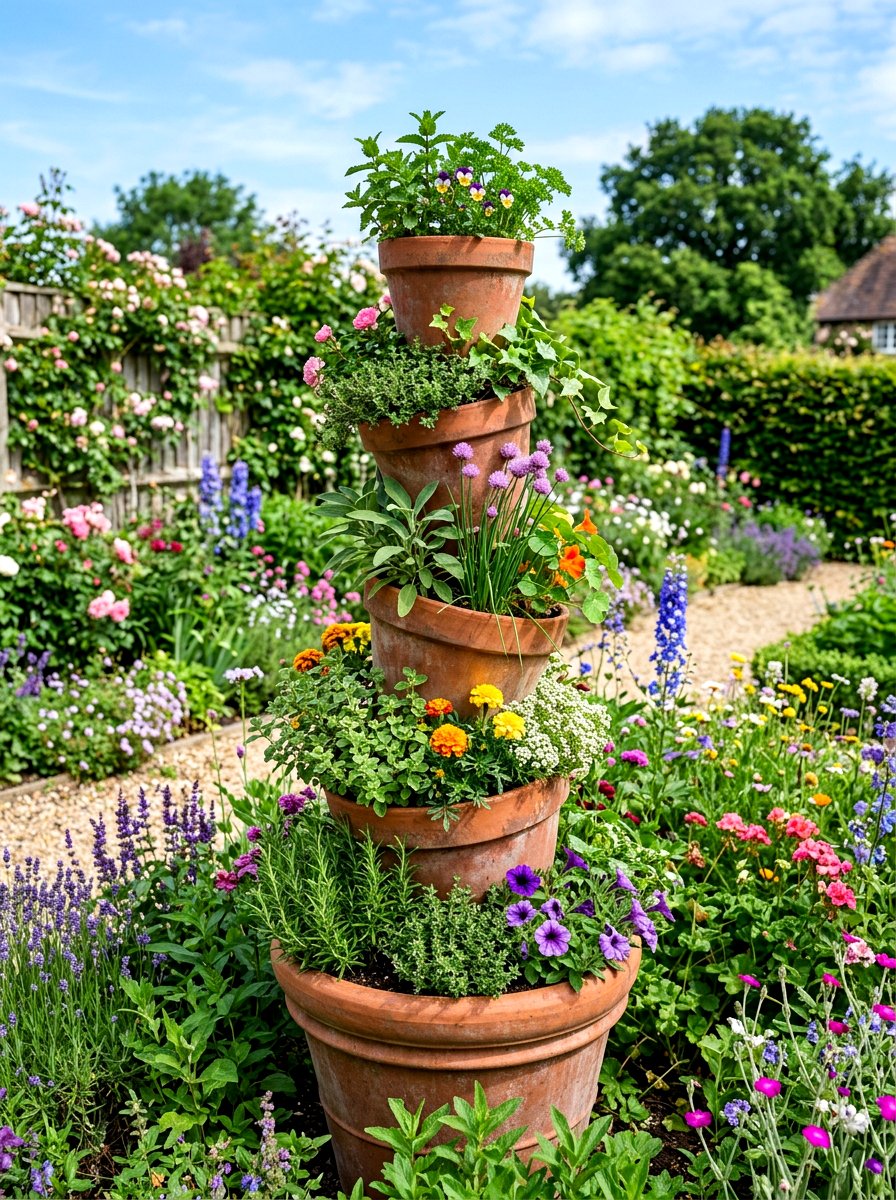
Starting a backyard transformation often begins with selecting the most efficient and aesthetically pleasing structures to house your favorite plants and vegetables. Raised garden beds offer a practical solution for homeowners dealing with poor soil quality, limited space, or physical strain from traditional gardening. These elevated structures provide superior drainage and allow you to precisely control the nutrient composition of your soil, which leads to healthier roots and more abundant harvests. Beyond the functional benefits, these beds serve as beautiful architectural focal points that define the layout of your landscape. Whether you are a beginner looking for a simple setup or an experienced grower planning a complex edible landscape, choosing the right material and shape will significantly enhance your productivity and outdoor enjoyment.
1. Cedar raised garden bed
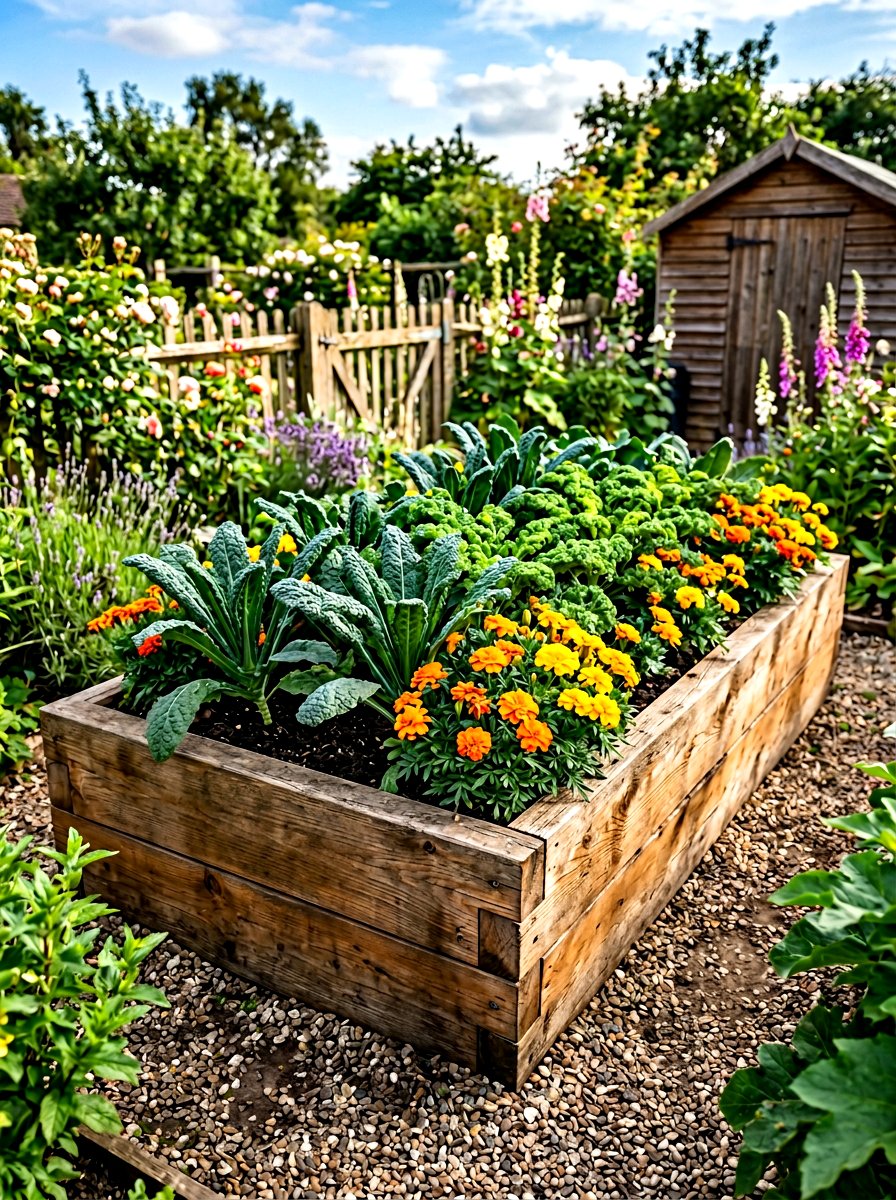
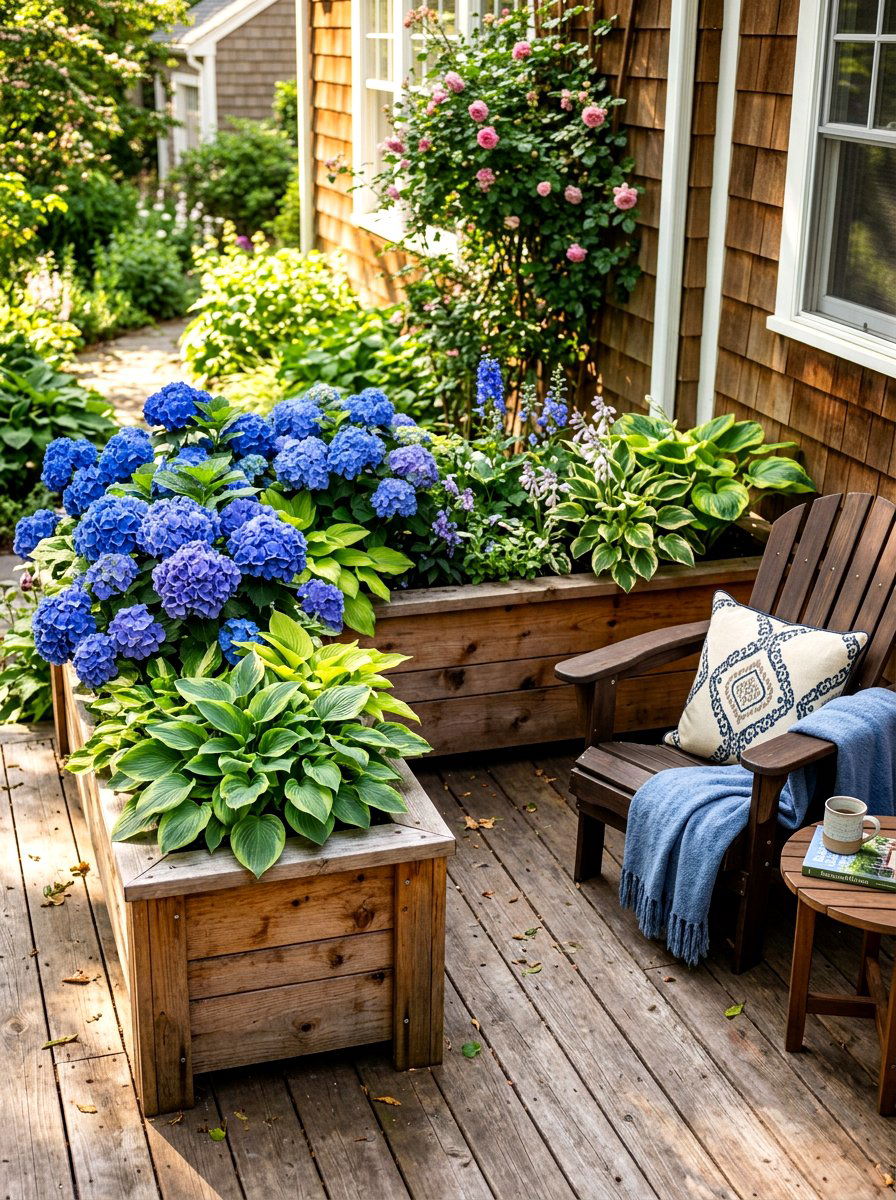
Imagine stepping into a backyard where natural wood tones blend perfectly with vibrant green foliage. Cedar is one of the most popular choices for building elevated structures because it possesses natural oils that resist rot, decay, and insect damage without the need for harmful chemical treatments. This makes it an ideal environment for growing organic vegetables and delicate herbs that you plan to consume. The warm, reddish-brown hues of the wood provide a timeless look that fits any landscape style, from rustic farmhouses to sleek modern homes. Because cedar is lightweight yet incredibly sturdy, these beds are easy to assemble and will withstand many years of harsh weather conditions while maintaining their structural integrity.
2. Corrugated metal garden bed
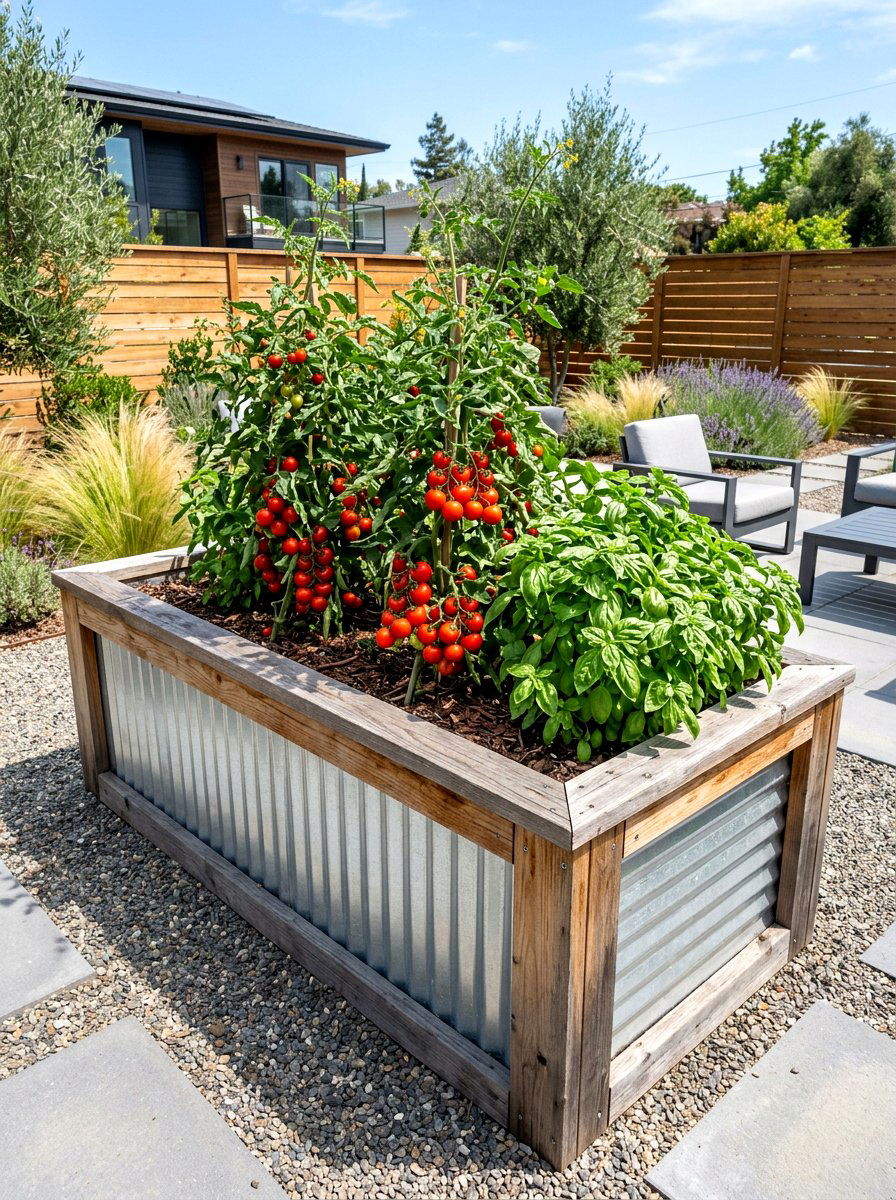
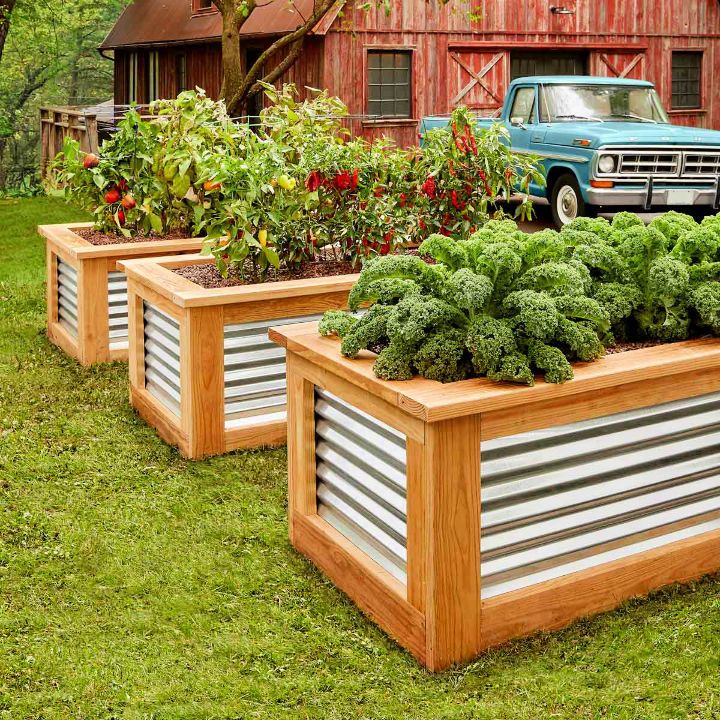
Have you ever considered the sleek, industrial appeal of using metal in your outdoor landscape? Corrugated metal panels paired with wooden frames create a modern aesthetic that is both durable and stylish for contemporary gardens. These beds are excellent for heat retention, which can help warm up the soil earlier in the spring, giving your seedlings a significant head start. Unlike traditional wood, high-quality galvanized steel will not crack or warp over time, ensuring your garden stays looking sharp for decades. The reflective surface of the metal can also brighten up shaded corners of your yard by bouncing light onto your plants. This low-maintenance option is perfect for busy homeowners who want a long-lasting solution.
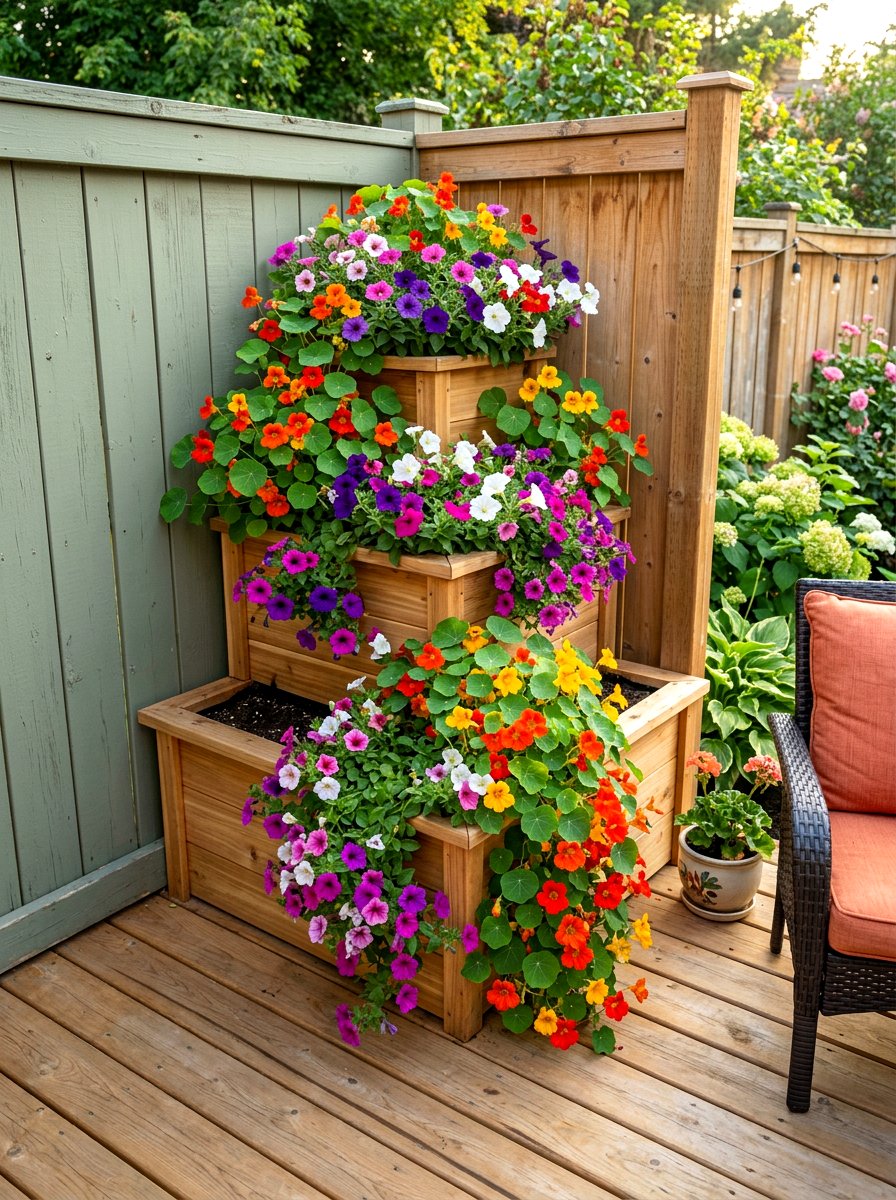
3. Tiered raised garden bed
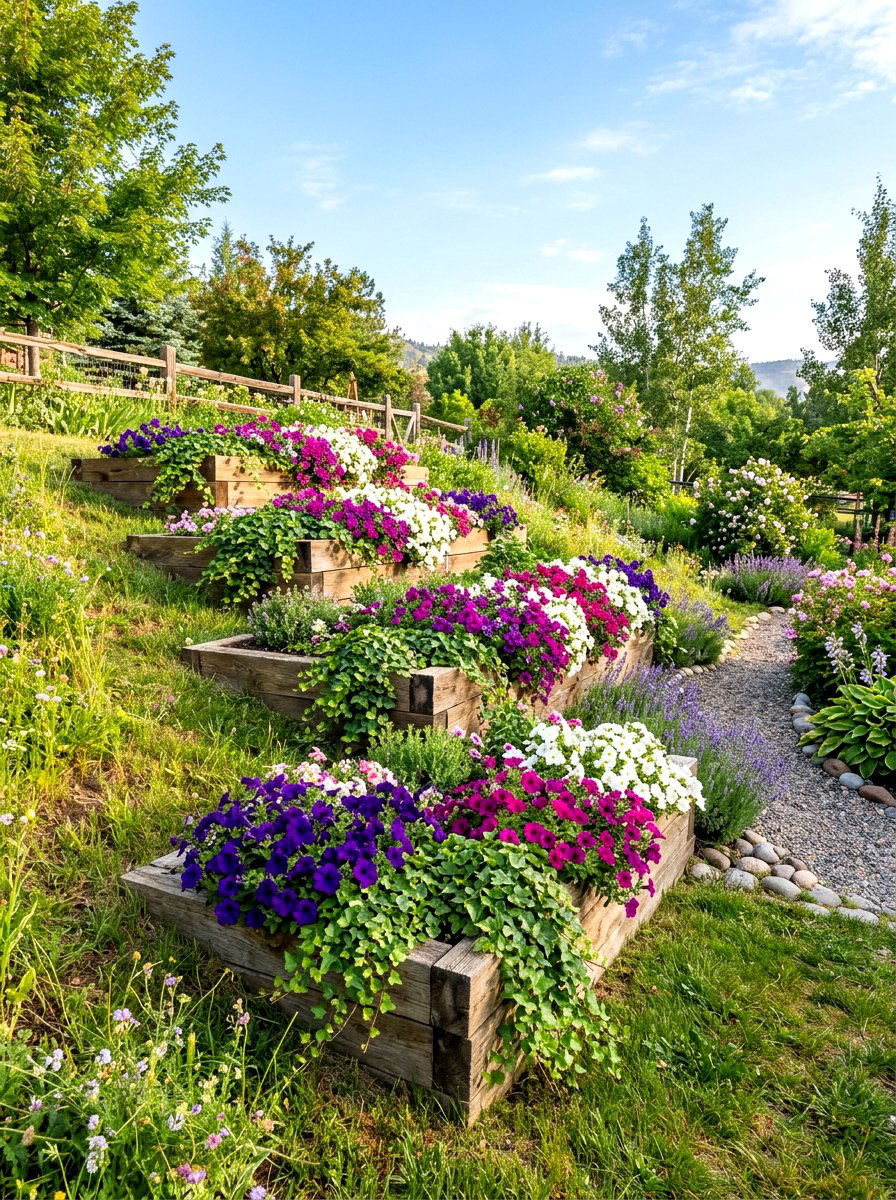
If you are dealing with a small backyard or a sloping property, a tiered approach can maximize your growing potential significantly. These multi-level structures allow you to plant various species in a compact footprint, creating a waterfall effect of flowers and greenery. You can place sun-loving plants on the higher levels and moisture-loving varieties on the bottom where water naturally collects. This design not only saves space but also adds a dramatic visual element to your garden, acting as a living staircase. Building these tiers helps prevent soil erosion on hills and makes harvesting much easier since the plants are at different heights. It is a fantastic way to organize your garden by plant type or color.
4. U shaped raised garden bed
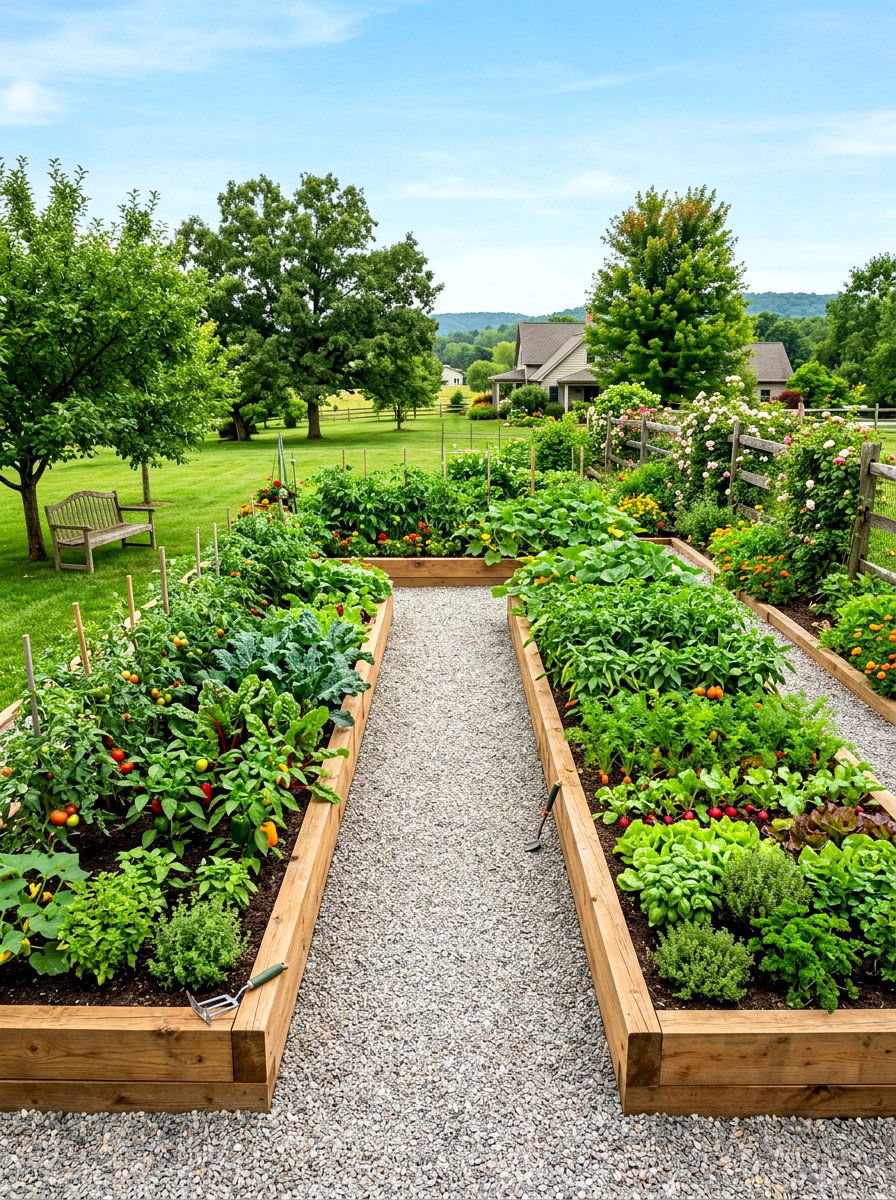
Do you want to reach every single plant in your garden without ever having to step on the soil? A U-shaped design offers an ergonomic solution by providing a central walk-in area that puts all your crops within arm's reach. This configuration is particularly beneficial for large-scale vegetable gardening because it minimizes the need for wide paths between separate boxes. By consolidating your planting area into one continuous structure, you can manage irrigation and pest control more efficiently. The central nook creates a cozy workspace where you can sit and tend to your herbs while being surrounded by nature. This layout also provides a professional and organized look that elevates the overall design of any backyard.
5. Keyhole garden bed
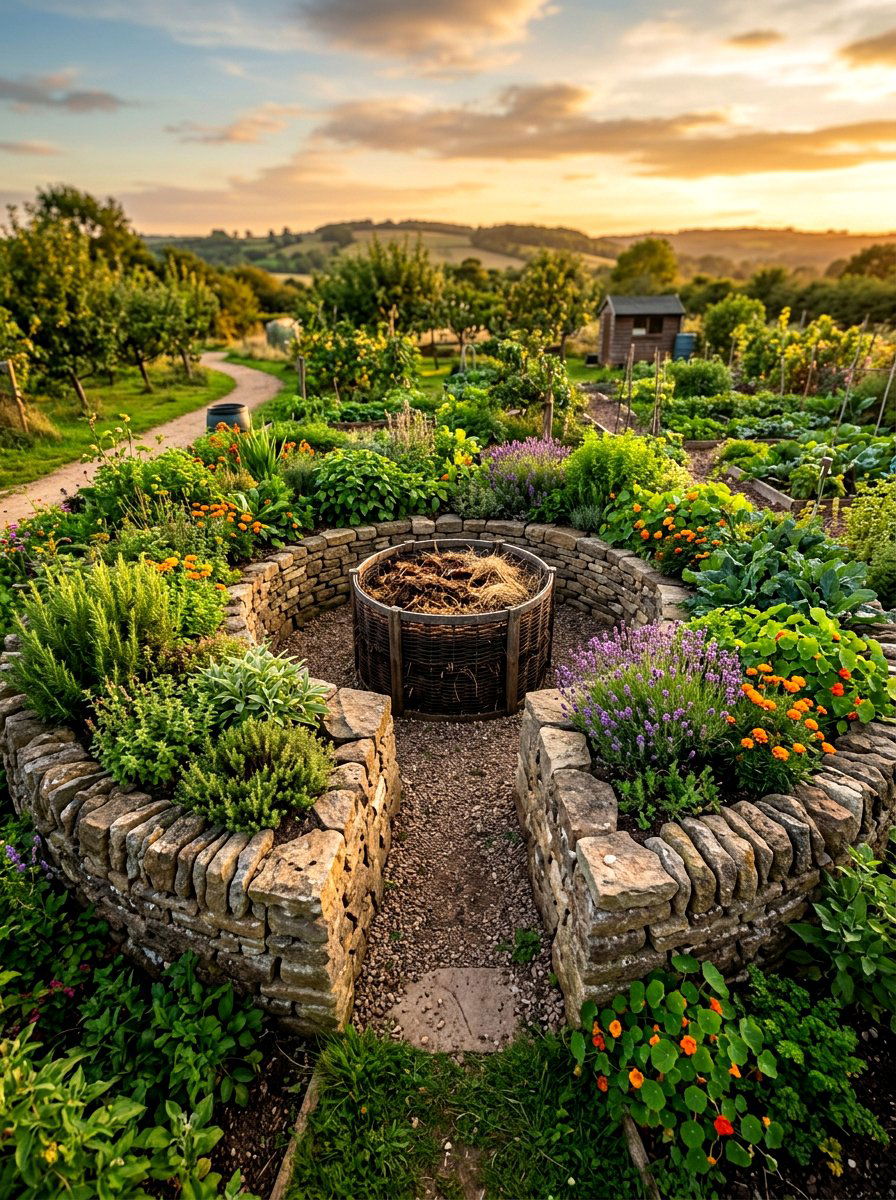
Inspiration for sustainable gardening often leads to the clever keyhole design, which integrates a composting basket directly into the center of the bed. This circular structure features a small path leading to the middle, resembling a keyhole when viewed from above. As you place kitchen scraps into the central basket, nutrients filter directly into the surrounding soil, feeding your plants naturally over time. This method is highly efficient for water conservation, as moisture is retained better in the circular shape. It is a perfect choice for gardeners who want to reduce waste while maintaining a highly productive and self-sustaining ecosystem. The unique shape also serves as an artistic focal point in any landscape design.
6. Stone raised garden bed
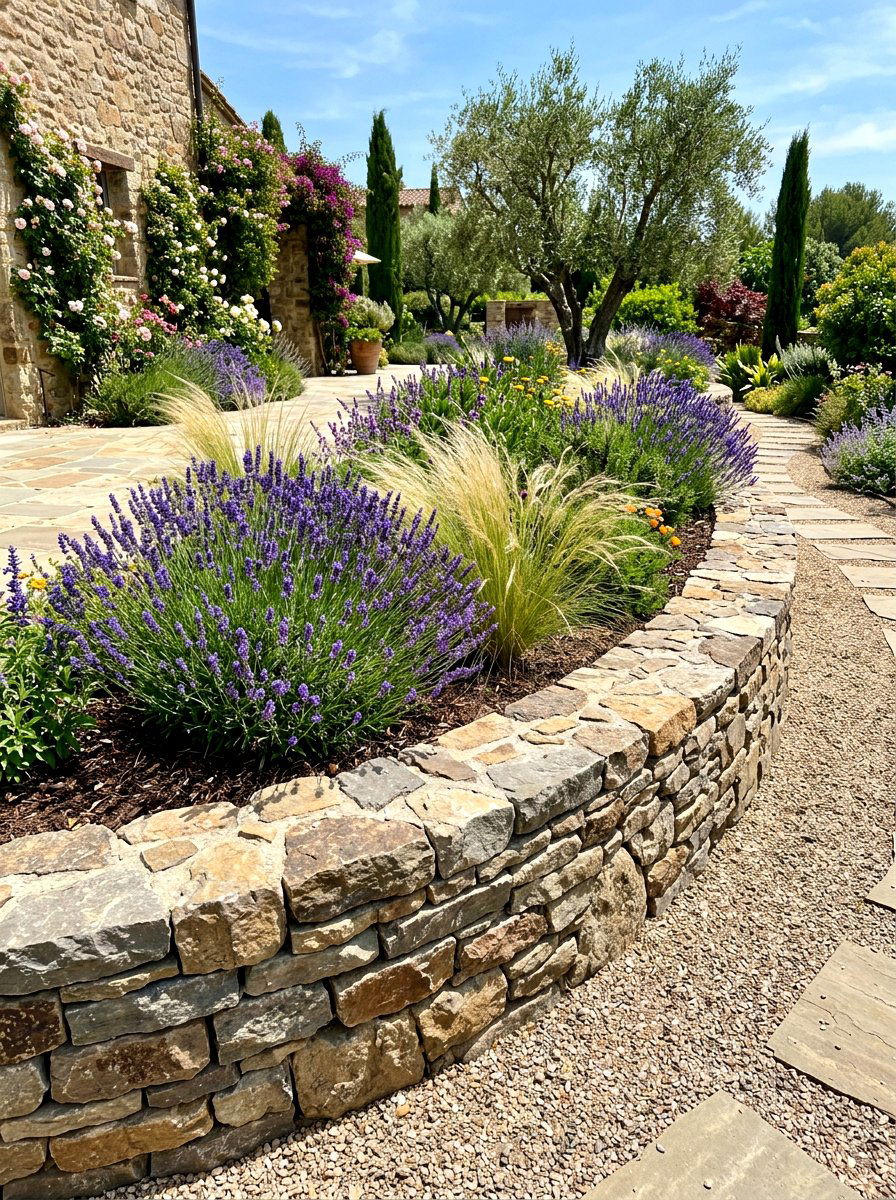
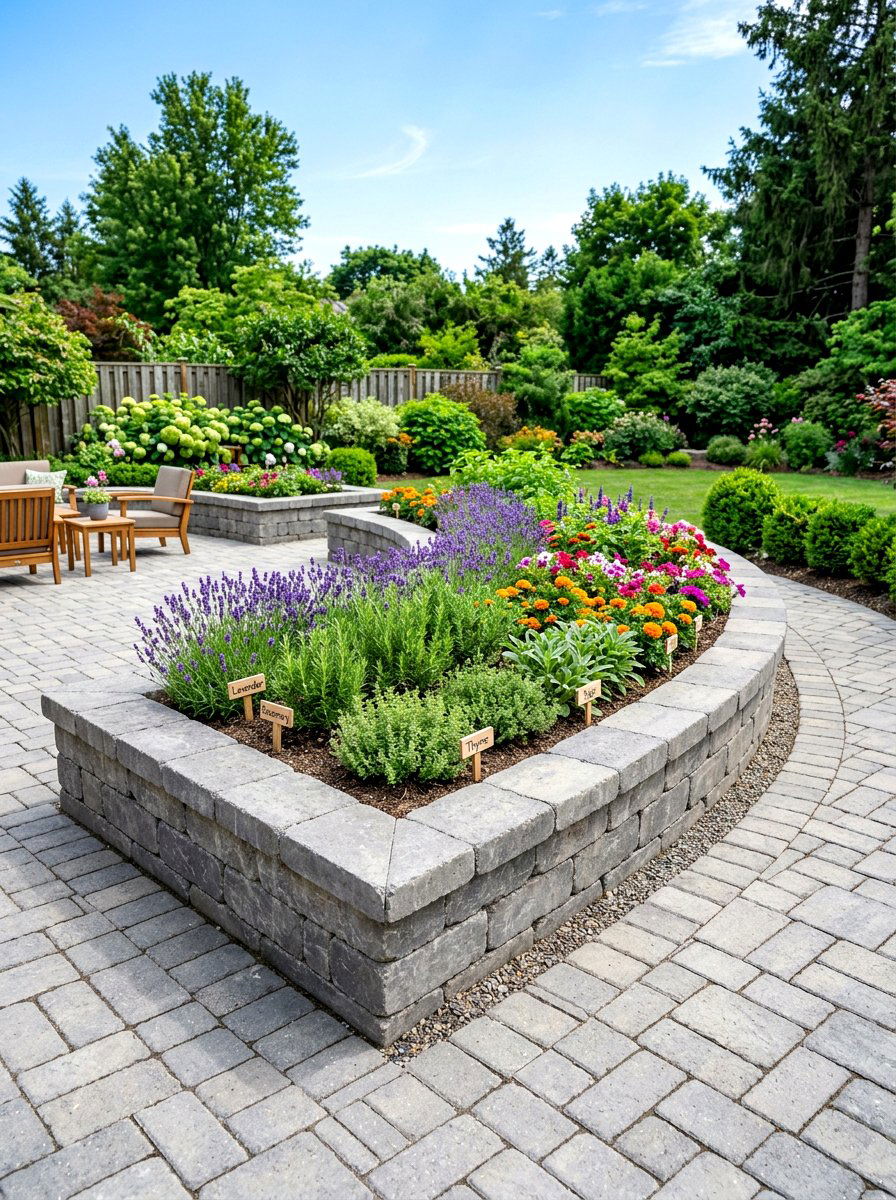
Are you looking for a permanent and timeless addition to your property that feels like it has always been there? Natural stone structures offer unparalleled durability and a high-end aesthetic that complements traditional or Mediterranean-style homes. Whether you use stacked fieldstone or precisely cut flagstone, these beds provide excellent insulation for plant roots, keeping them cool in the summer and warm in the winter. Stone does not rot or attract pests, making it one of the most sustainable building materials available. While the initial installation requires more labor, the result is a beautiful, rugged feature that increases your home's value and provides a sturdy foundation for perennial flowers and ornamental shrubs.
7. Brick raised garden bed
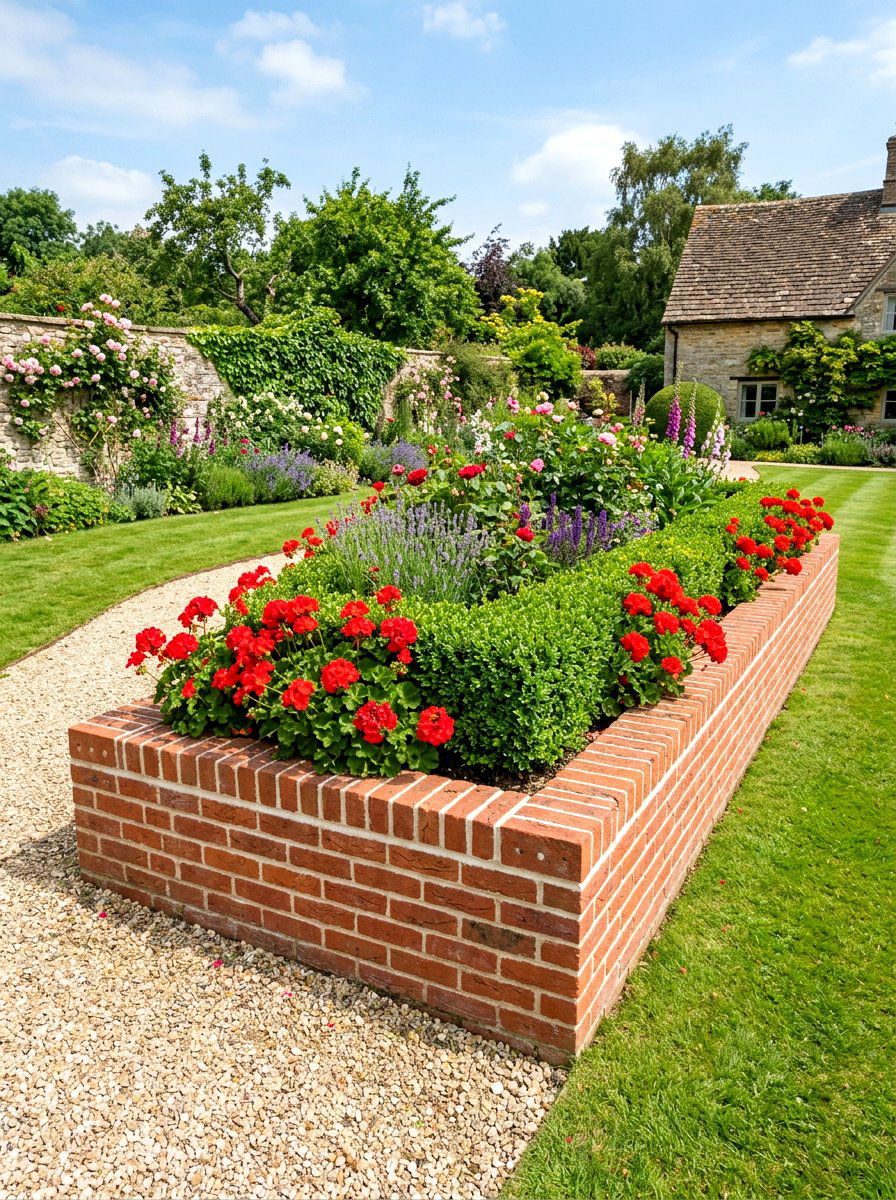
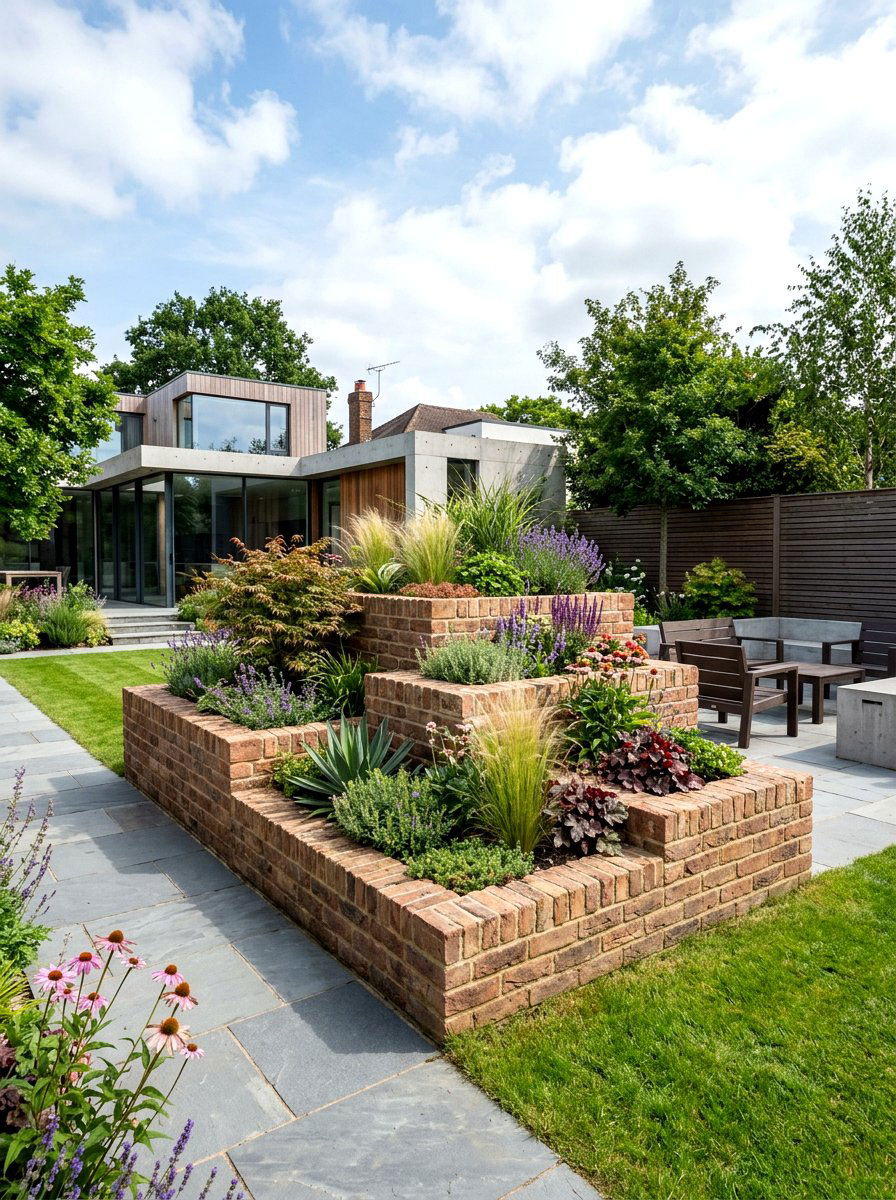
Using classic red bricks is a wonderful way to bring a sense of history and charm to your outdoor space. Bricks are incredibly versatile, allowing you to create straight lines, sharp corners, or even gentle curves to match your garden's existing pathways. They hold heat well, which is beneficial for extending the growing season of warm-weather crops like tomatoes and peppers. Because bricks are small and uniform, you can easily customize the height of your bed to suit your physical needs, whether you prefer a low border or a waist-high planter. When mortared properly, brick beds are extremely permanent and require very little maintenance over the years, providing a neat and tidy look.
8. Vertical raised garden bed
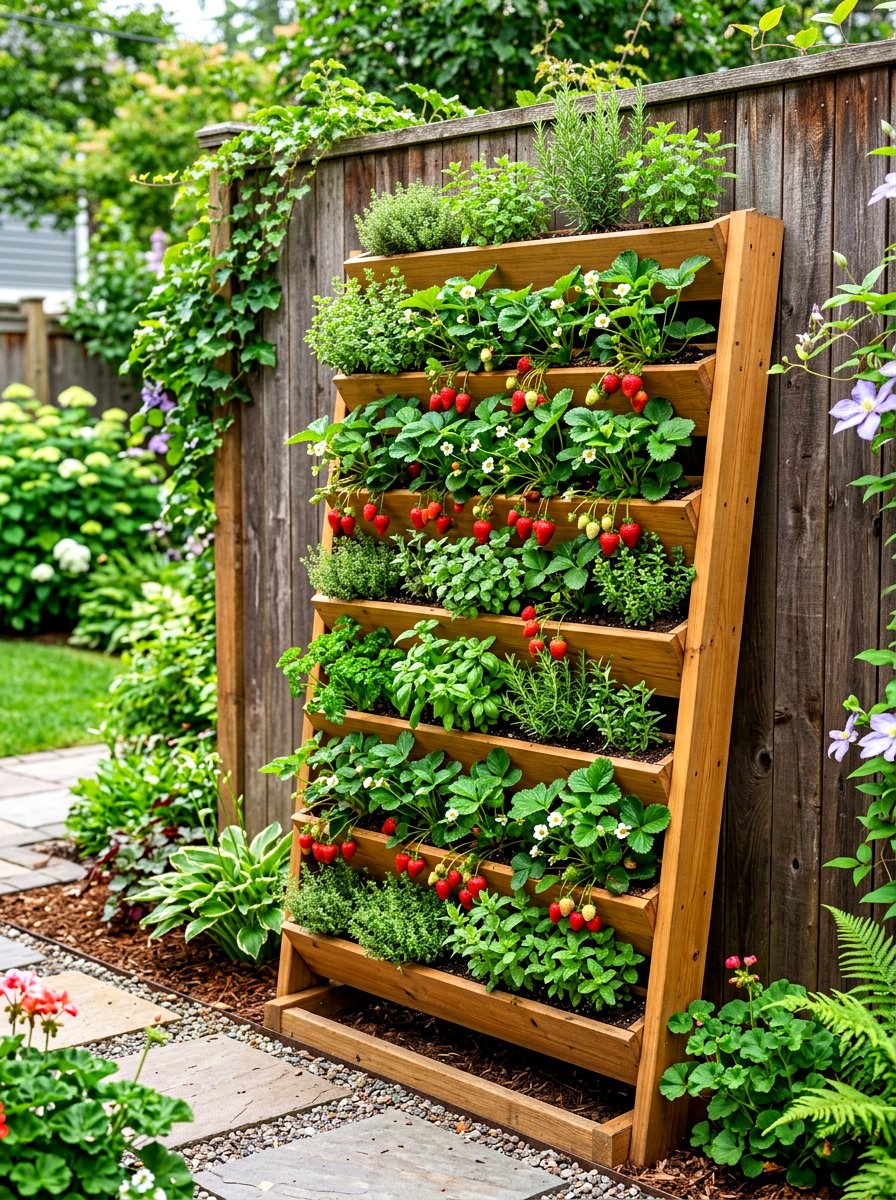
When ground space is at a premium, the only way to go is up. Vertical structures allow you to grow a surprising amount of food on a balcony, patio, or along a narrow fence line. These designs often feature stacked pockets or tiered troughs that hold soil and allow trailing plants like strawberries or herbs to spill over the sides. By growing vertically, you improve air circulation around your foliage, which helps prevent common fungal diseases and pests. It also makes harvesting a breeze since you do not have to bend down at all. This approach is perfect for urban dwellers who want to enjoy fresh produce without needing a traditional backyard or large plot.
9. Herb spiral garden bed
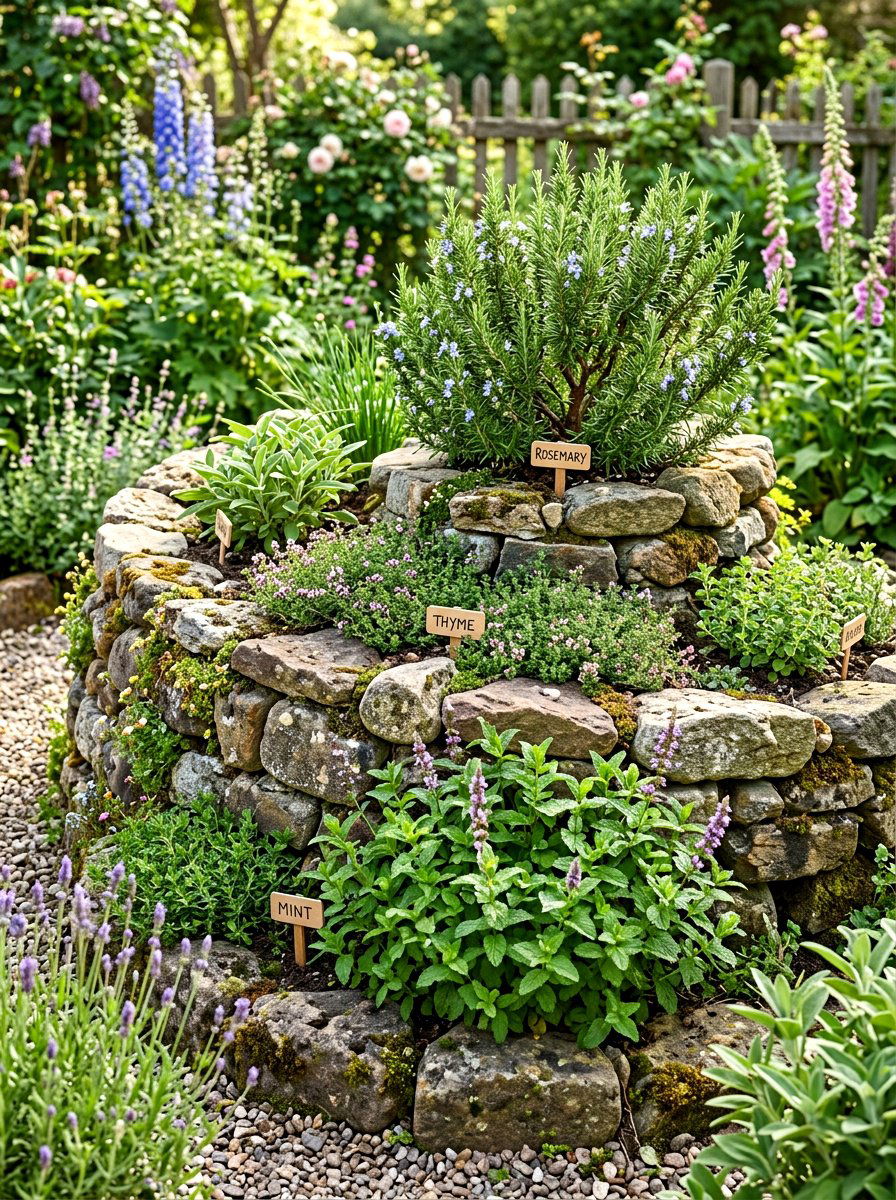
Maximizing productivity in a very small area is the hallmark of the herb spiral. This vertical, three-dimensional design creates various microclimates within a single structure, allowing you to grow plants with different needs side-by-side. The top of the spiral is dry and sunny, perfect for Mediterranean herbs like rosemary and thyme, while the bottom stays cooler and moister for plants like mint or parsley. This clever use of gravity and orientation ensures that every herb has its ideal growing conditions. Usually built from stone or brick, the spiral adds a whimsical and artistic touch to your kitchen garden, making it easy to grab fresh ingredients just steps away from your back door.
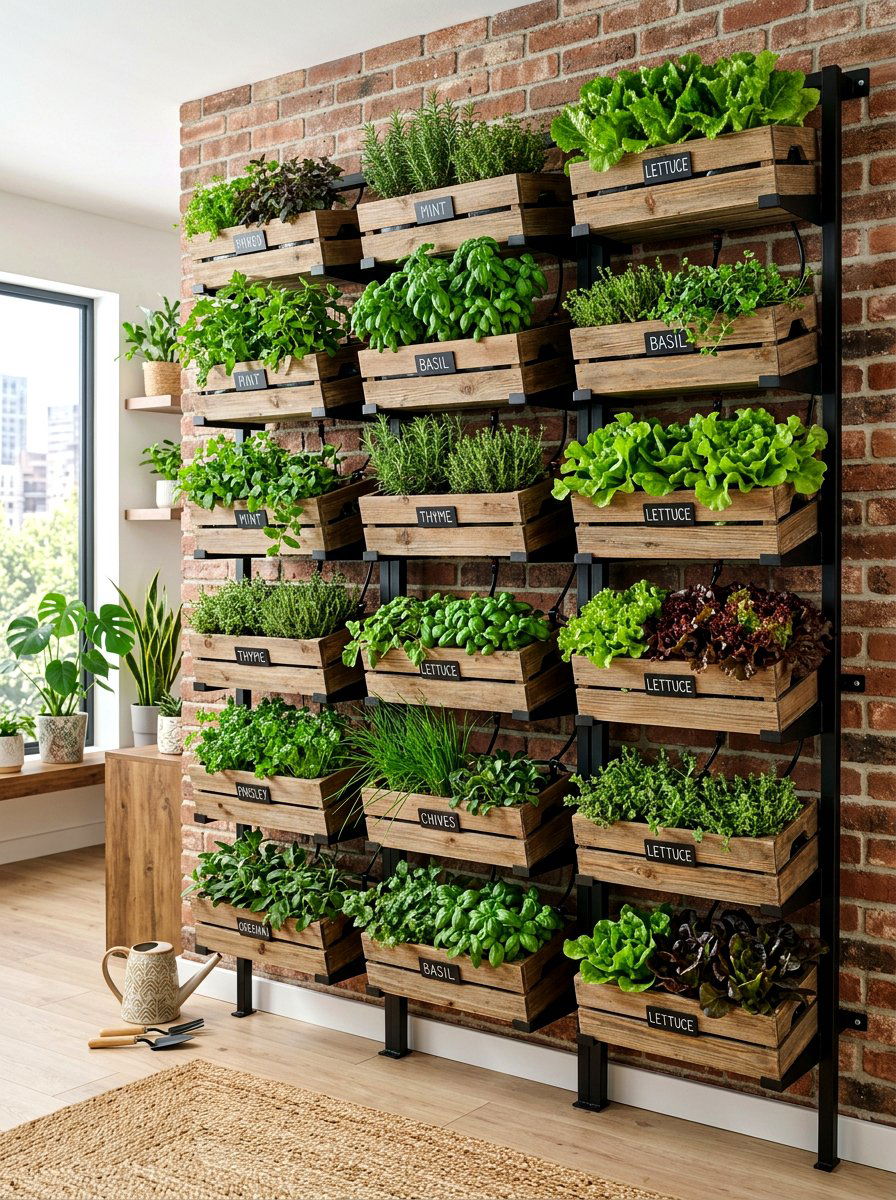
10. Self watering garden bed
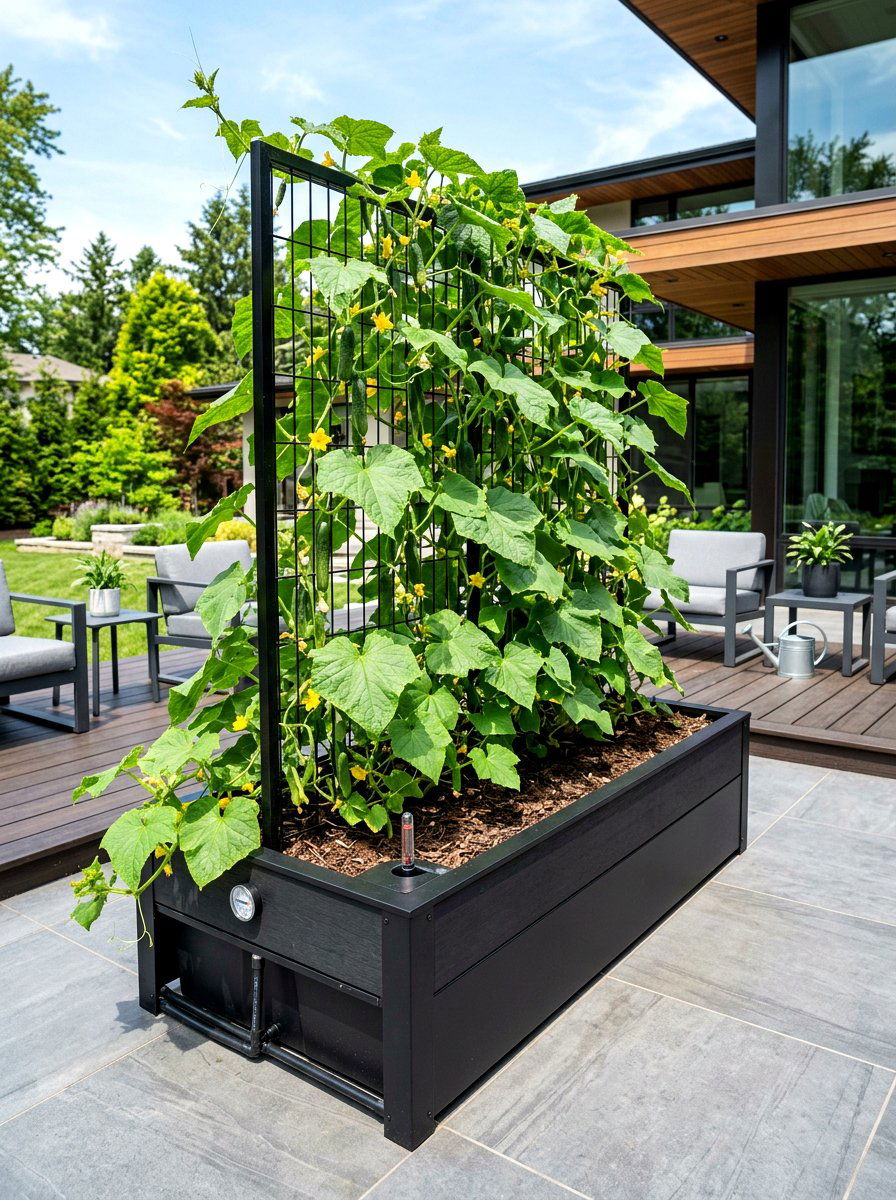
Busy schedules can sometimes make it difficult to keep up with daily watering, which is where a self-watering or "wicking" system becomes a lifesaver. These beds feature a built-in water reservoir at the bottom, which allows moisture to be drawn upward into the soil through capillary action. This ensures that your plants receive consistent hydration directly at the root level, reducing the risk of evaporation and over-watering. Because the surface of the soil stays drier, you will often find fewer weeds and fungal issues. This system is especially effective for thirsty crops like cucumbers and melons, providing them with a steady supply of water even during the hottest days of the summer heat.
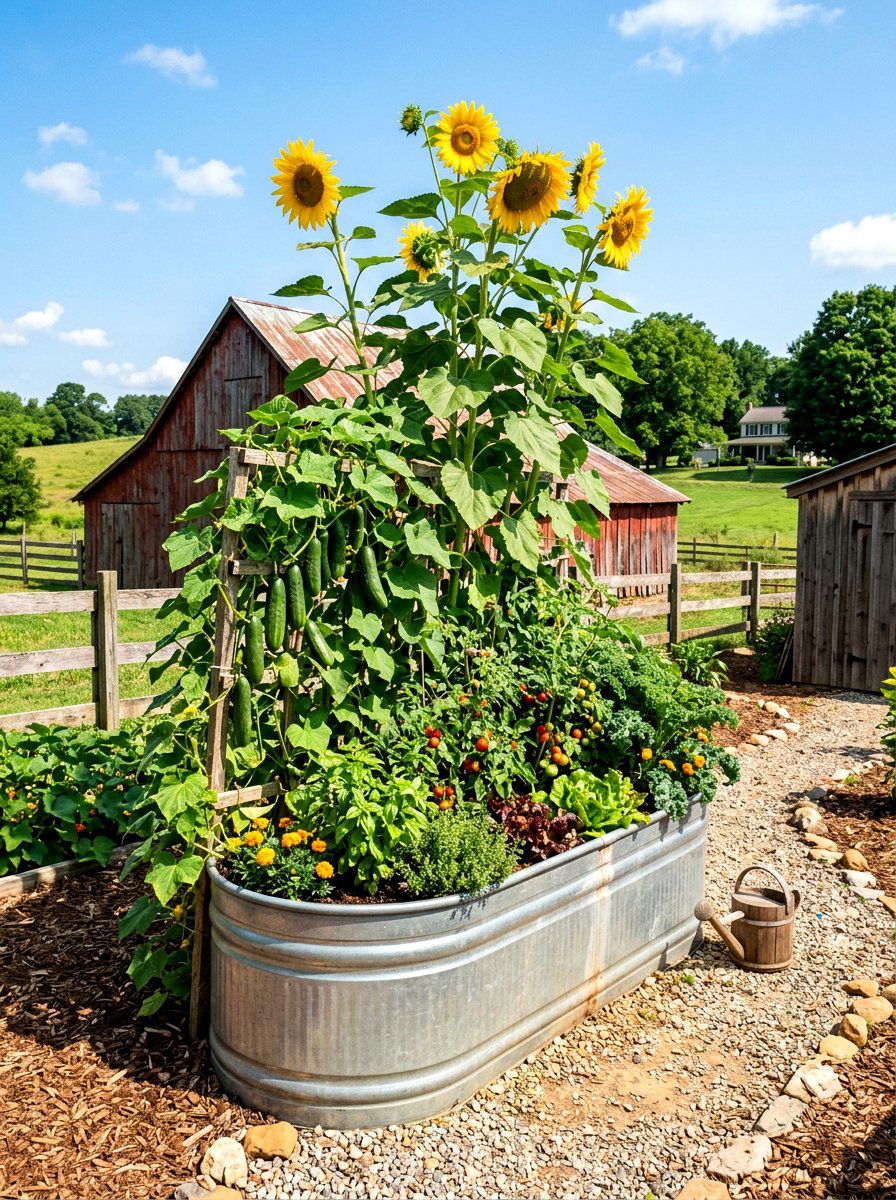
11. Livestock trough garden bed
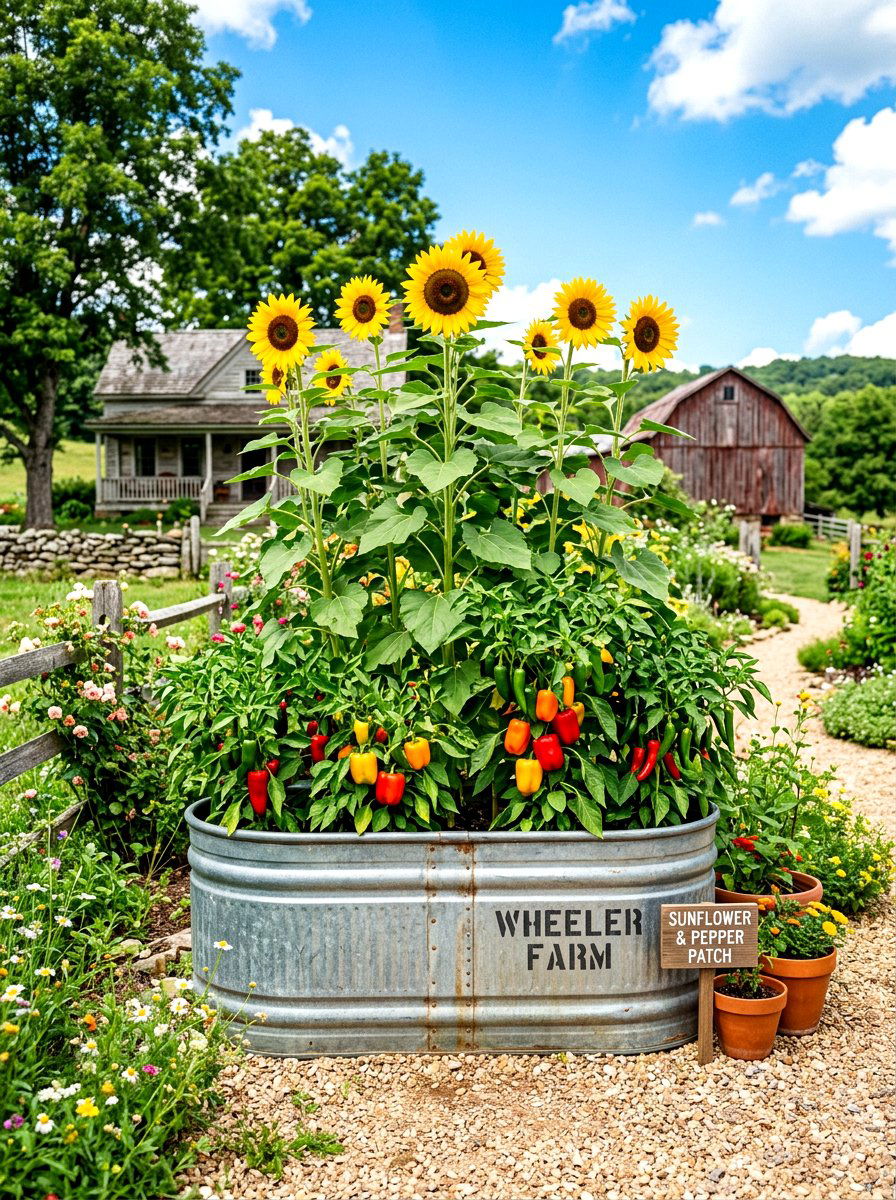
Repurposing galvanized steel stock tanks is a trendy and cost-effective way to create an instant garden with a rustic, farmhouse vibe. These large containers are originally designed for watering livestock, meaning they are incredibly durable and completely waterproof. With a few drainage holes drilled into the bottom, they become perfect deep-soil planters that can house everything from root vegetables to tall sunflowers. Their height makes them very accessible, reducing the need for kneeling or bending while you work. The sleek metal finish looks great in both rural and industrial settings, and because they are self-contained units, they are easy to move if you decide to rearrange your outdoor layout.
12. Concrete block garden bed
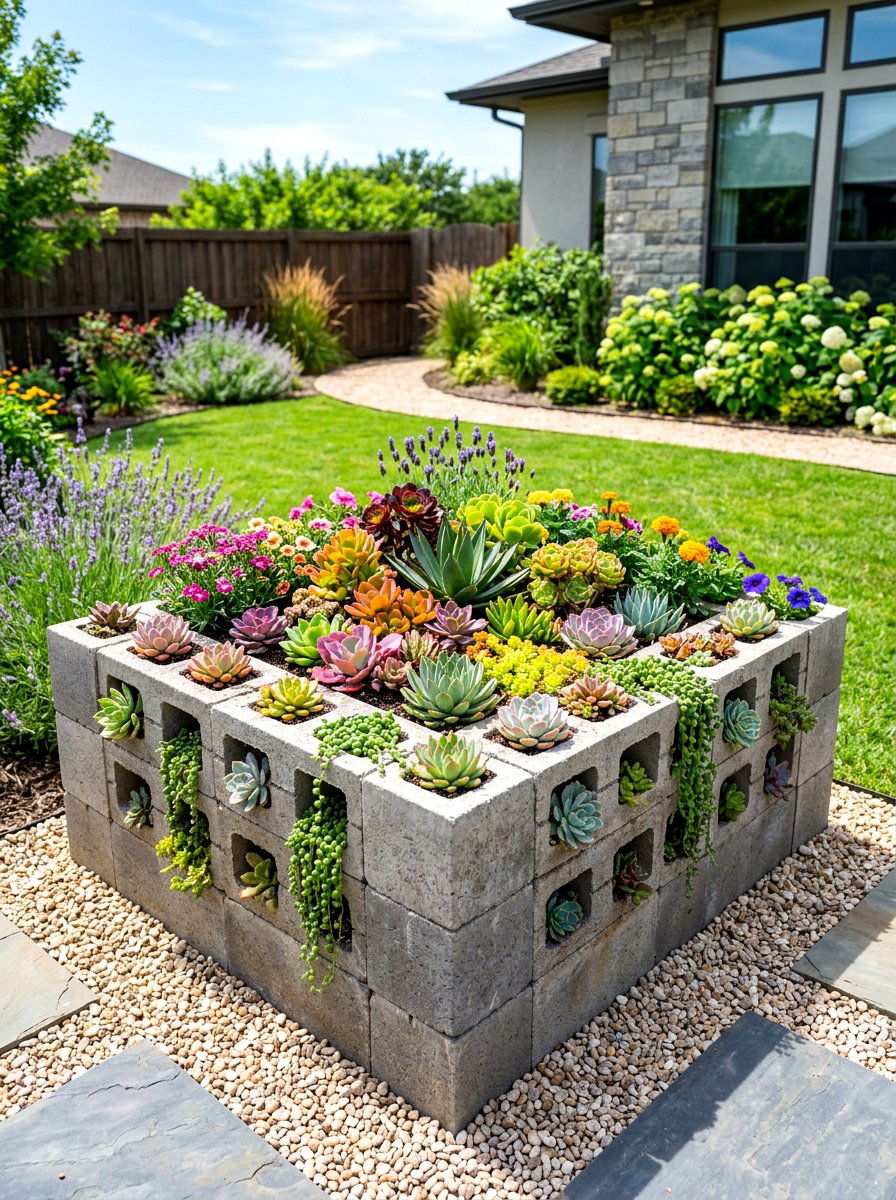
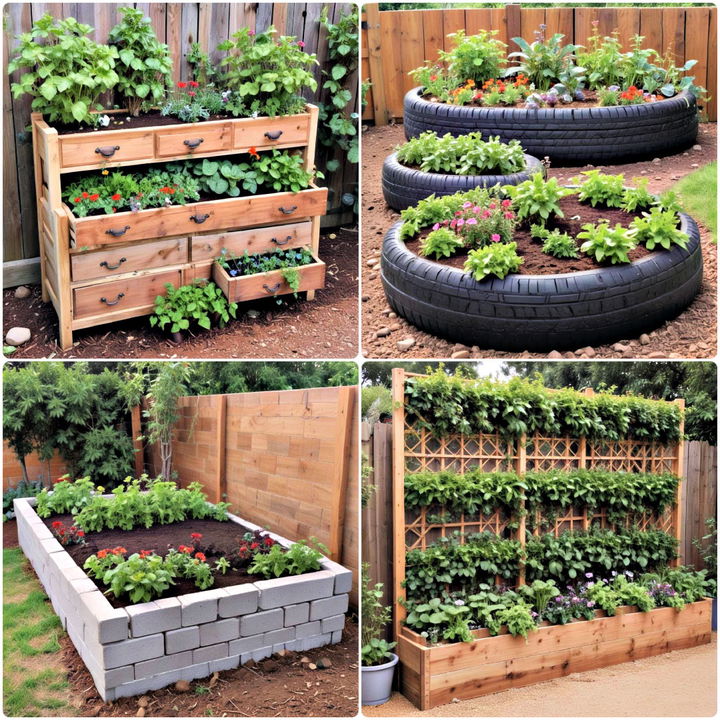
If you are looking for a budget-friendly and modular DIY project, concrete masonry units are an excellent choice for building sturdy garden walls. These blocks are easy to find at any local hardware store and can be stacked without the need for mortar if the ground is level. One of the best features of this design is that the hollow centers of the blocks can be filled with soil and used as individual planting pockets for small flowers or herbs. This maximizes every inch of your garden space and creates a unique, patterned look. You can even paint the exterior of the blocks to match your home's color scheme or leave them raw for a modern look.
13. Wood pallet garden bed
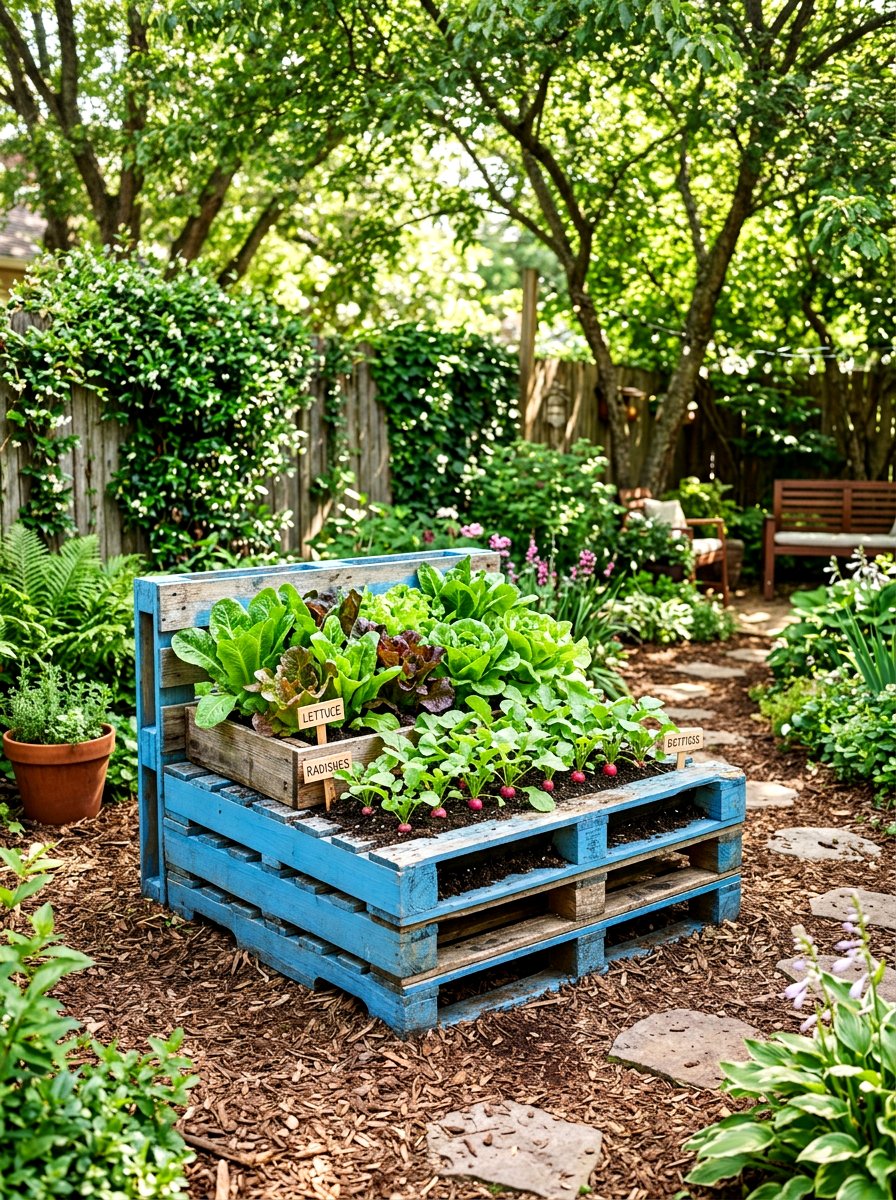
Transforming old shipping pallets into functional growing spaces is a fantastic way to practice eco-friendly gardening on a tight budget. These reclaimed wood structures can be easily dismantled and rebuilt into simple boxes or used upright as vertical planters for small greens and succulents. Using pallets gives your garden a relaxed, DIY character that is perfect for casual backyard settings. It is important to ensure the wood is heat-treated rather than chemically preserved to keep your soil safe for edible plants. This approach is highly customizable, allowing you to paint or stain the wood to create a colorful and creative display that reflects your personal style while giving new life to discarded materials.
14. Woven willow garden bed
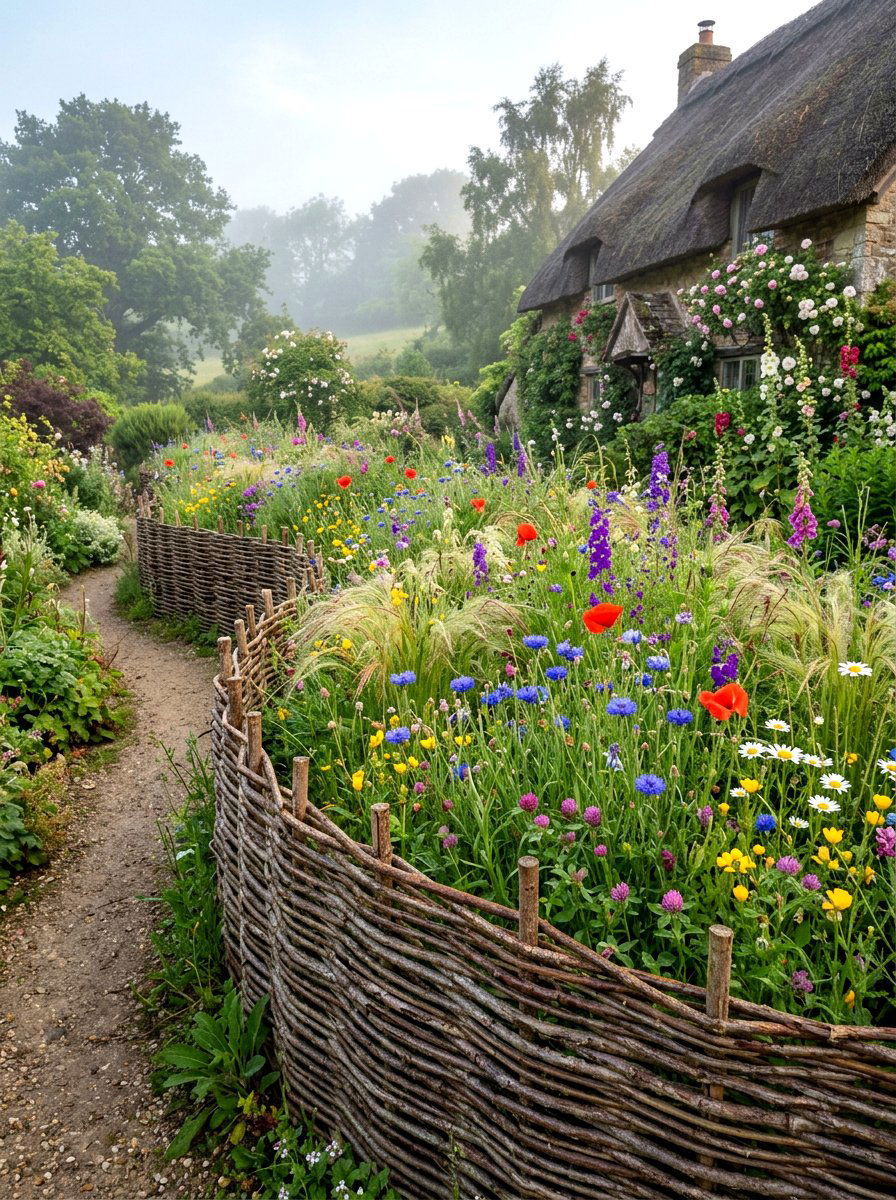
For a soft, organic look that blends seamlessly into a cottage-style landscape, woven willow or hazel branches are a beautiful choice. This ancient technique, often called wattle, involves weaving flexible saplings around upright stakes to create a textured and natural-looking boundary. These beds are breathable and provide a rustic charm that hard materials like plastic or metal simply cannot replicate. While they may not last as long as stone or treated wood, they are entirely biodegradable and can be easily repaired or replaced using natural materials from your own yard. They are particularly lovely when filled with wild flowers or traditional kitchen herbs, creating a timeless and romantic atmosphere in your garden.

15. Log raised garden bed
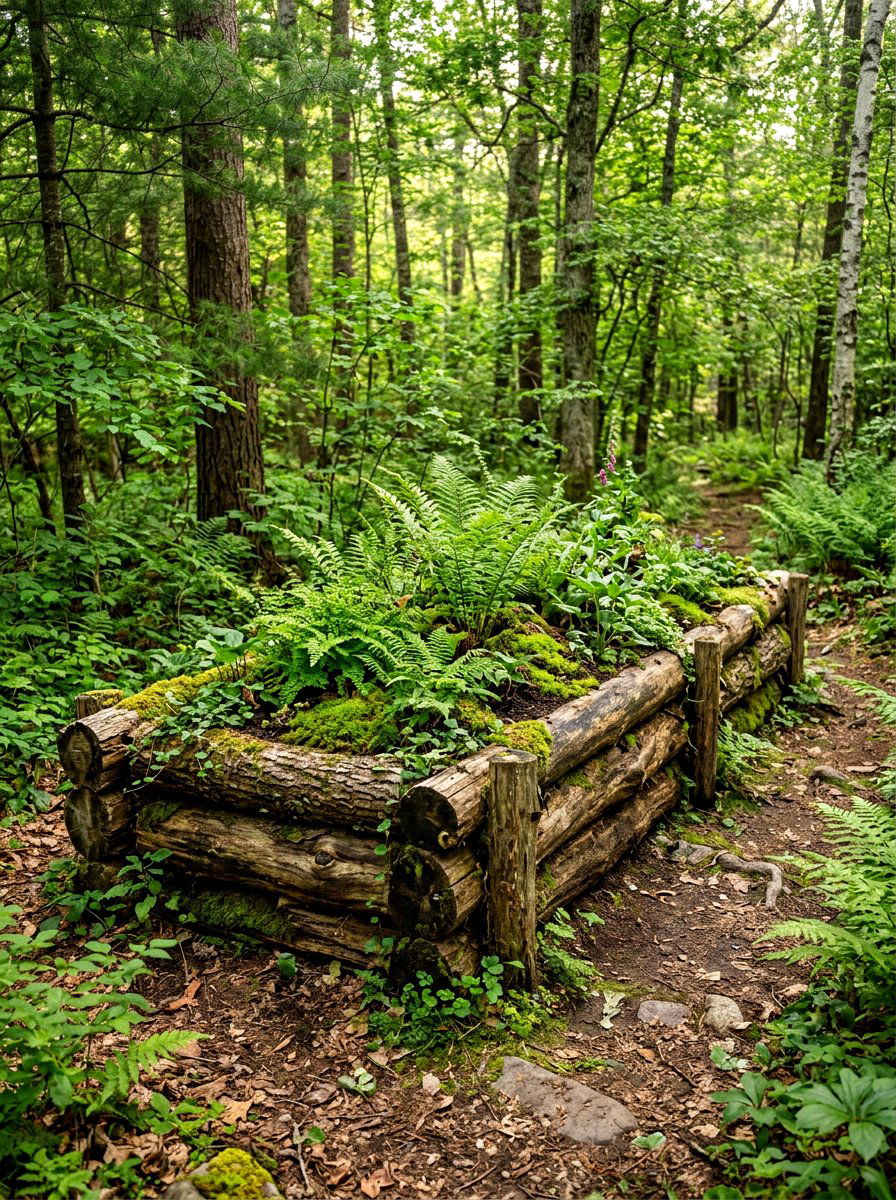
If you live in a wooded area or have recently cleared some trees, using whole logs to border your garden is a free and highly attractive option. This design creates a rugged, naturalistic look that mimics the forest floor, providing a perfect home for native plants and ferns. As the logs slowly decompose over several years, they release valuable organic matter back into the soil, acting as a slow-release fertilizer for your garden. This "hugelkultur-lite" approach is excellent for building healthy soil ecosystems and attracting beneficial insects. The thick logs also provide a natural place to sit while you tend to your plants, making your gardening sessions much more comfortable.
16. Composite lumber garden bed
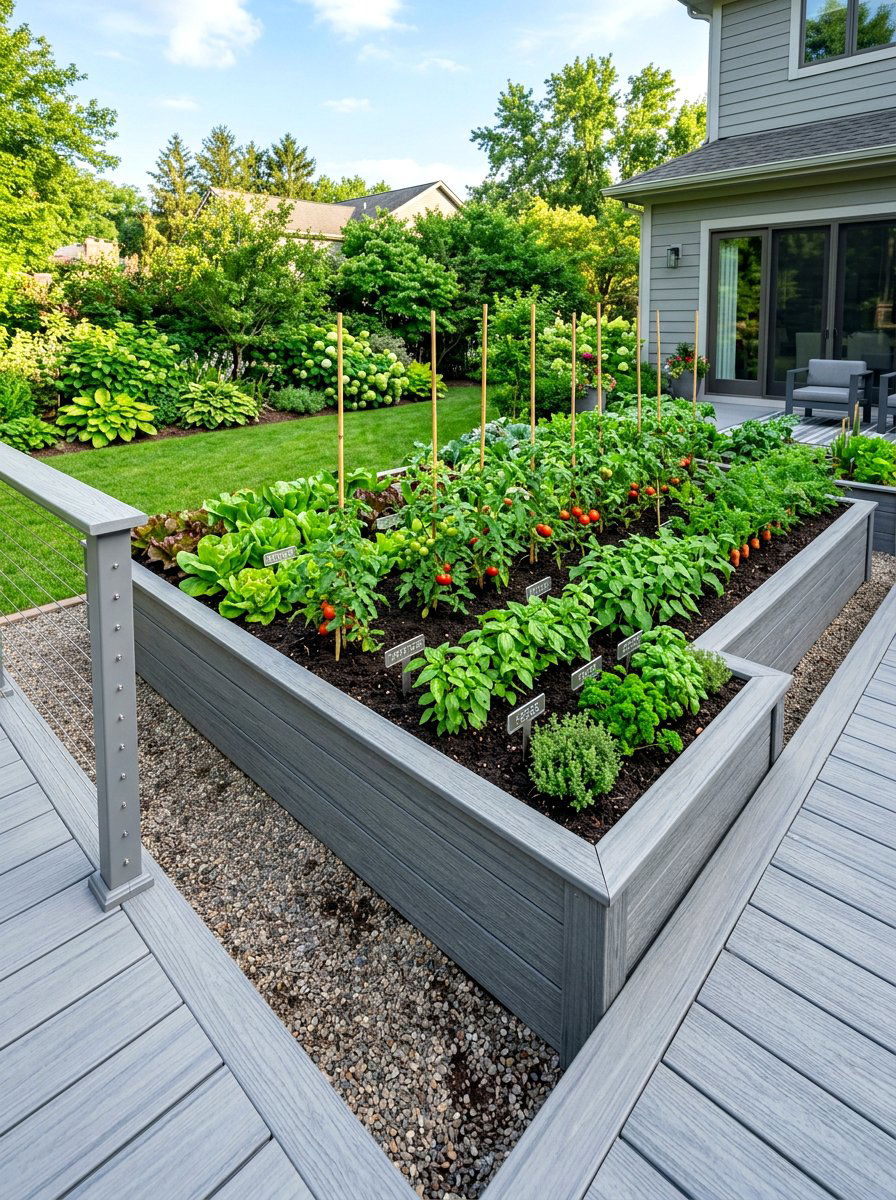
Modern technology has introduced composite materials that offer the aesthetic of wood with none of the maintenance requirements. Made from a blend of recycled plastic and wood fibers, composite boards are guaranteed not to rot, warp, or splinter, even when in constant contact with moist soil. This makes them an incredibly long-lasting investment for your backyard. They come in a wide range of colors and finishes, allowing you to achieve a perfectly polished look that matches your deck or patio furniture. Because they are manufactured to be uniform, assembly is usually very straightforward with hidden fasteners for a clean, professional appearance. This is the ideal choice for gardeners who want a "set it and forget it" solution.
17. Greenhouse raised garden bed
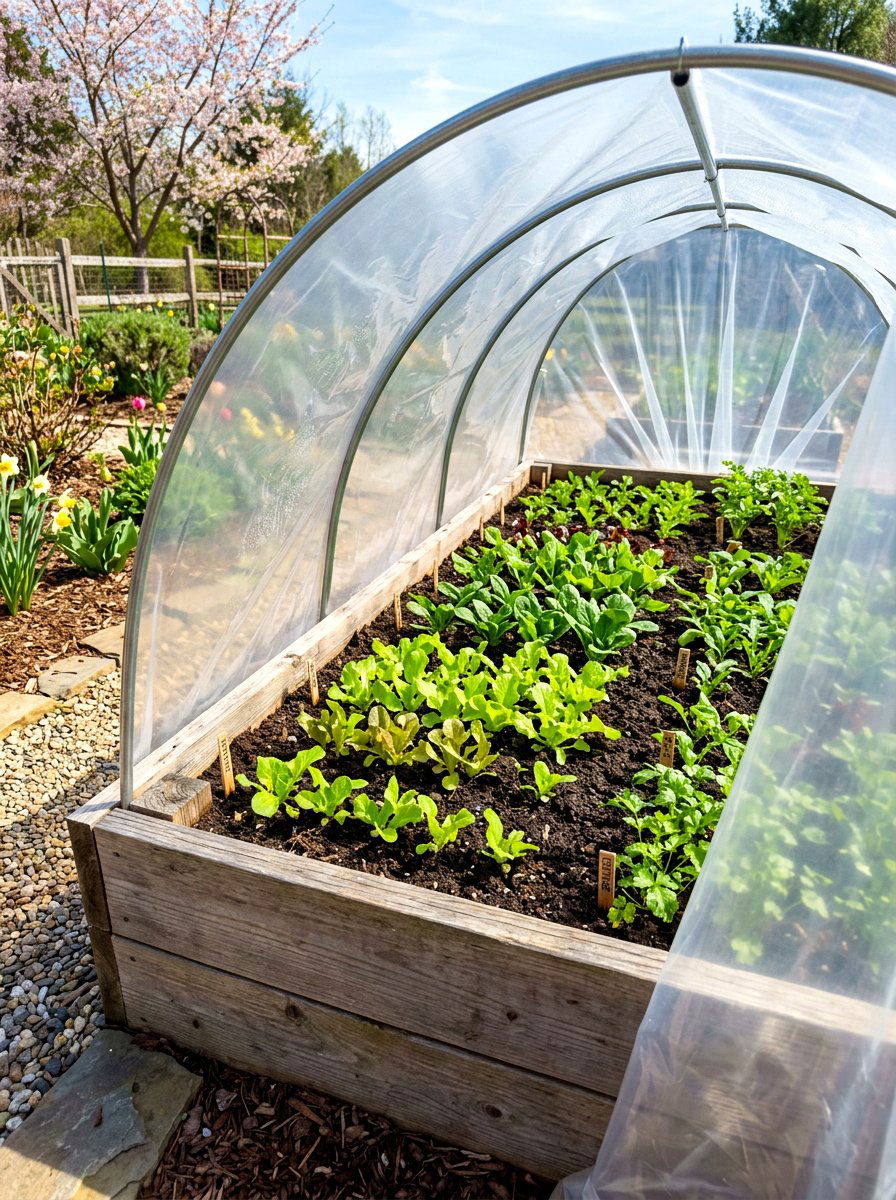
Combining an elevated planter with a protective cover allows you to extend your growing season by several months. These beds often feature a built-in frame that supports clear plastic or glass panels, creating a mini-greenhouse environment for your delicate seedlings. This setup protects your plants from late spring frosts and early fall chills, while also acting as a barrier against hungry pests like rabbits or birds. In the heat of the summer, the covers can be removed or replaced with shade cloth to prevent your crops from scorching. This versatile design is perfect for serious vegetable gardeners who want to harvest fresh greens even when the weather outside is less than ideal.
18. Trellis raised garden bed
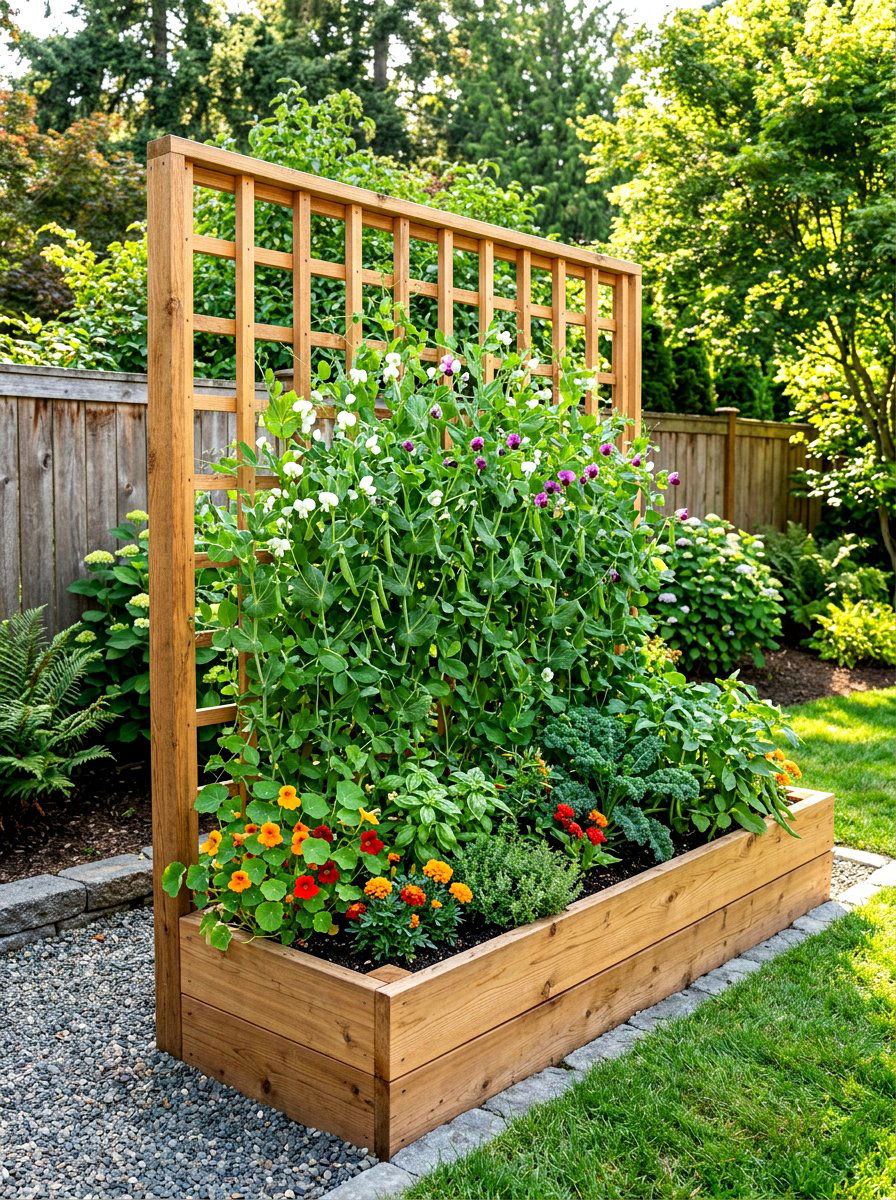
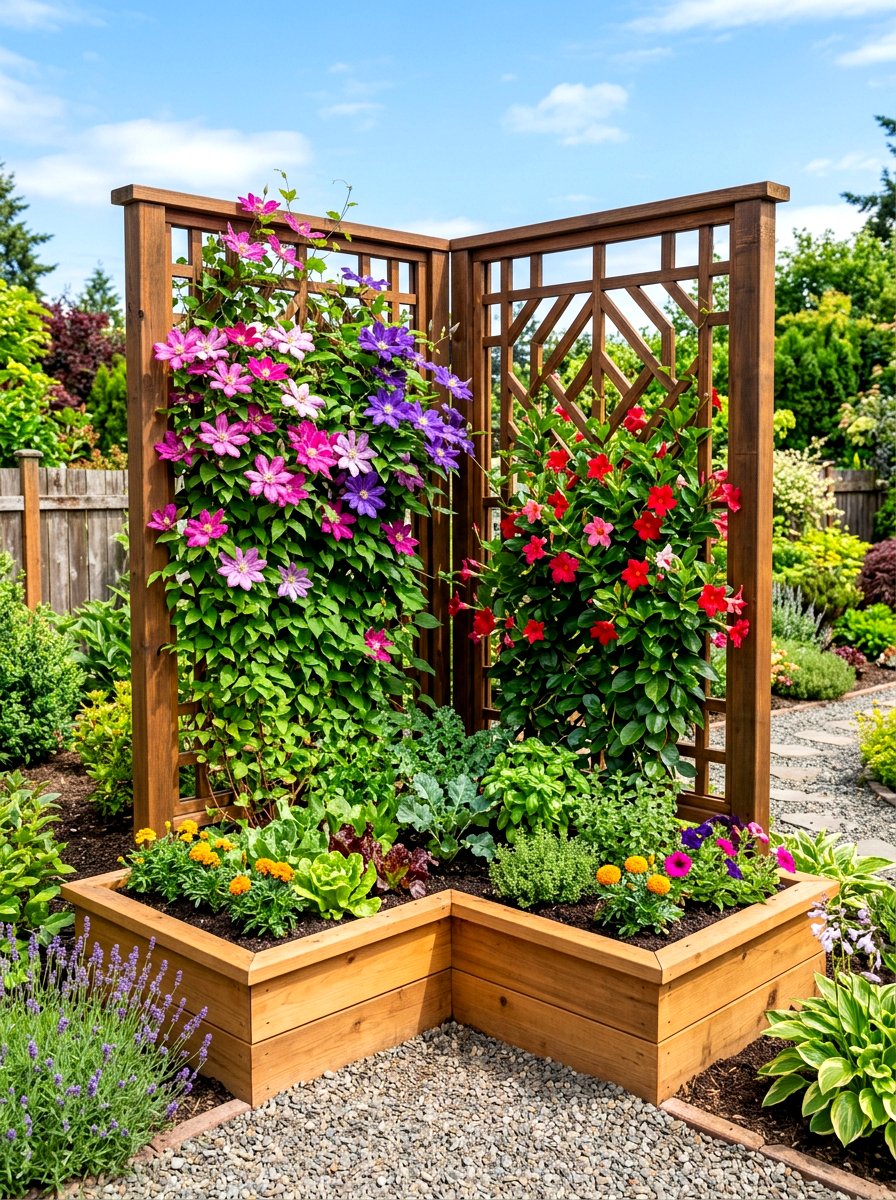
Integrating a vertical support structure directly into your planter box is a genius way to grow climbing plants like peas, beans, and cucumbers. A sturdy trellis attached to the back of the bed allows these vines to grow upward, saving valuable floor space for smaller crops like lettuce and radishes. This arrangement not only increases your yield but also creates a beautiful living screen that can provide privacy for your patio. The vertical growth improves sunlight exposure for every leaf and makes harvesting much cleaner since the fruit is kept off the ground. Whether you choose a simple wooden lattice or an elegant metal arch, a trellis adds height and drama to your garden.
19. L shaped garden bed
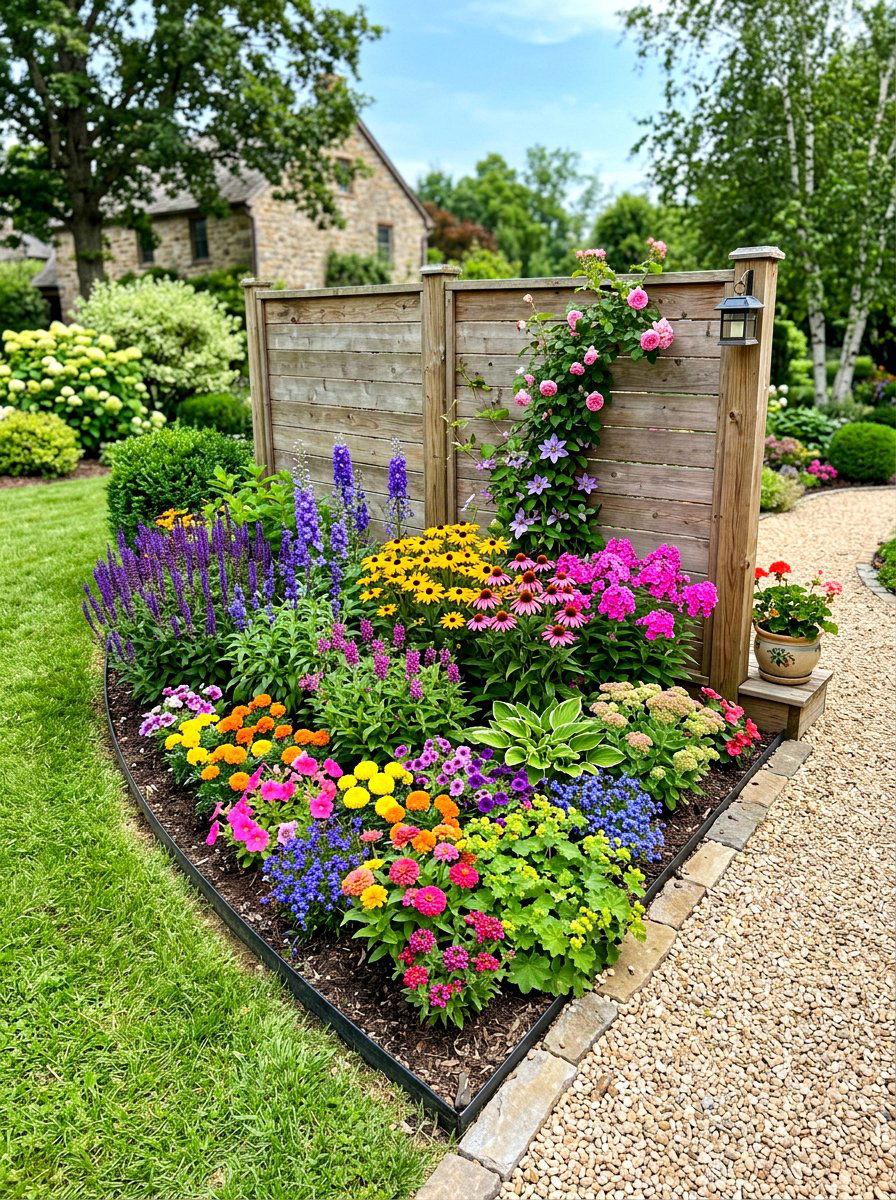
Fitting a garden into a corner can be a challenge, but an L-shaped design makes perfect use of awkward spaces along fences or house foundations. This configuration creates a wrapping effect that maximizes your planting area while keeping the center of your yard open for other activities. It also allows you to separate different types of plants into two distinct wings, perhaps using one side for perennials and the other for annual vegetables. The angled design provides a contemporary and organized look that helps define the borders of your outdoor living area. Because the bed is narrow enough to reach across from either side, maintenance remains easy and efficient for any gardener.
20. Circular raised garden bed
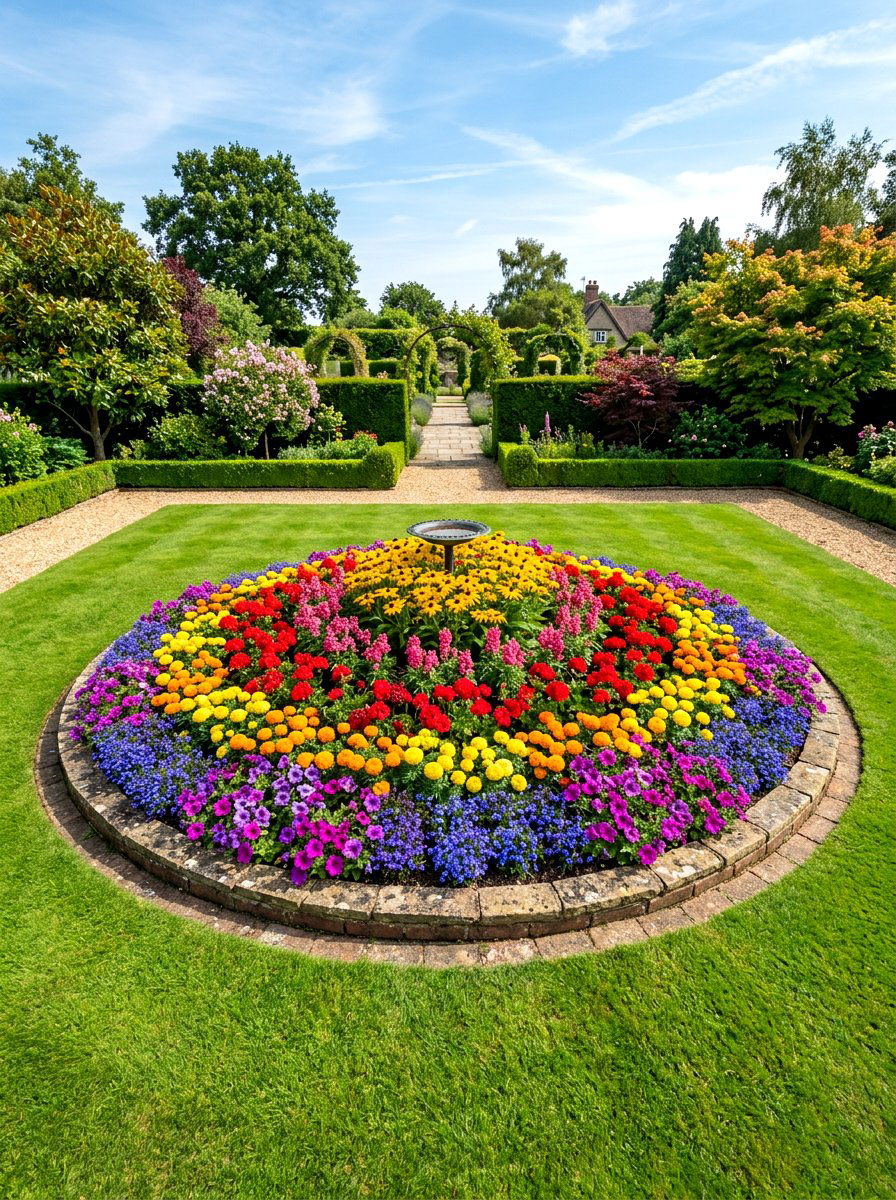
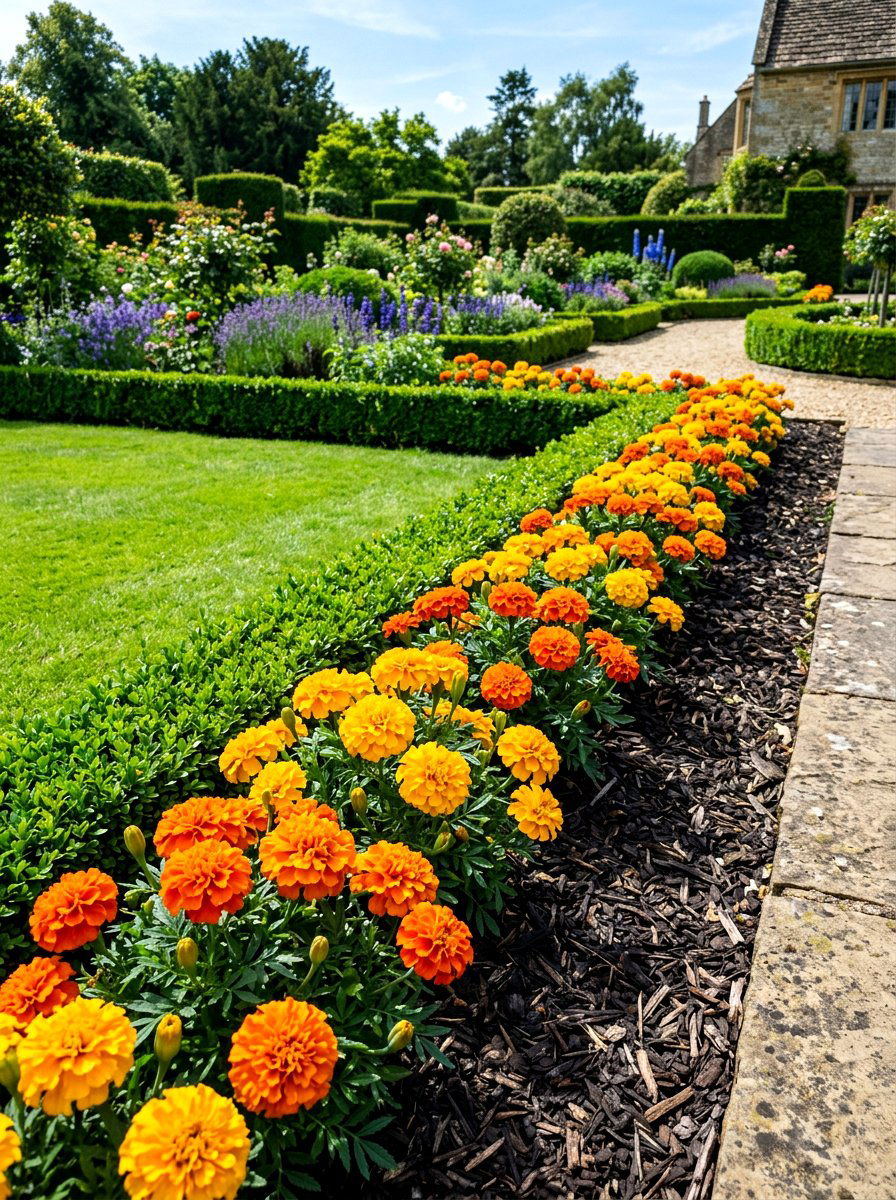
Breaking away from traditional squares and rectangles, circular structures introduce a sense of flow and softness to your backyard. These rounded beds act as beautiful focal points, drawing the eye toward the center of the landscape. They are particularly effective in formal garden designs or as a central feature in a large lawn. Because there are no sharp corners, they are also safer for households with young children or pets who might be running around. Building a circular bed can be done using flexible wood edging, curved bricks, or even large tractor tires for a more industrial look. The radial planting pattern allows for a very organized and visually satisfying arrangement of flowers.
21. Portable raised garden bed
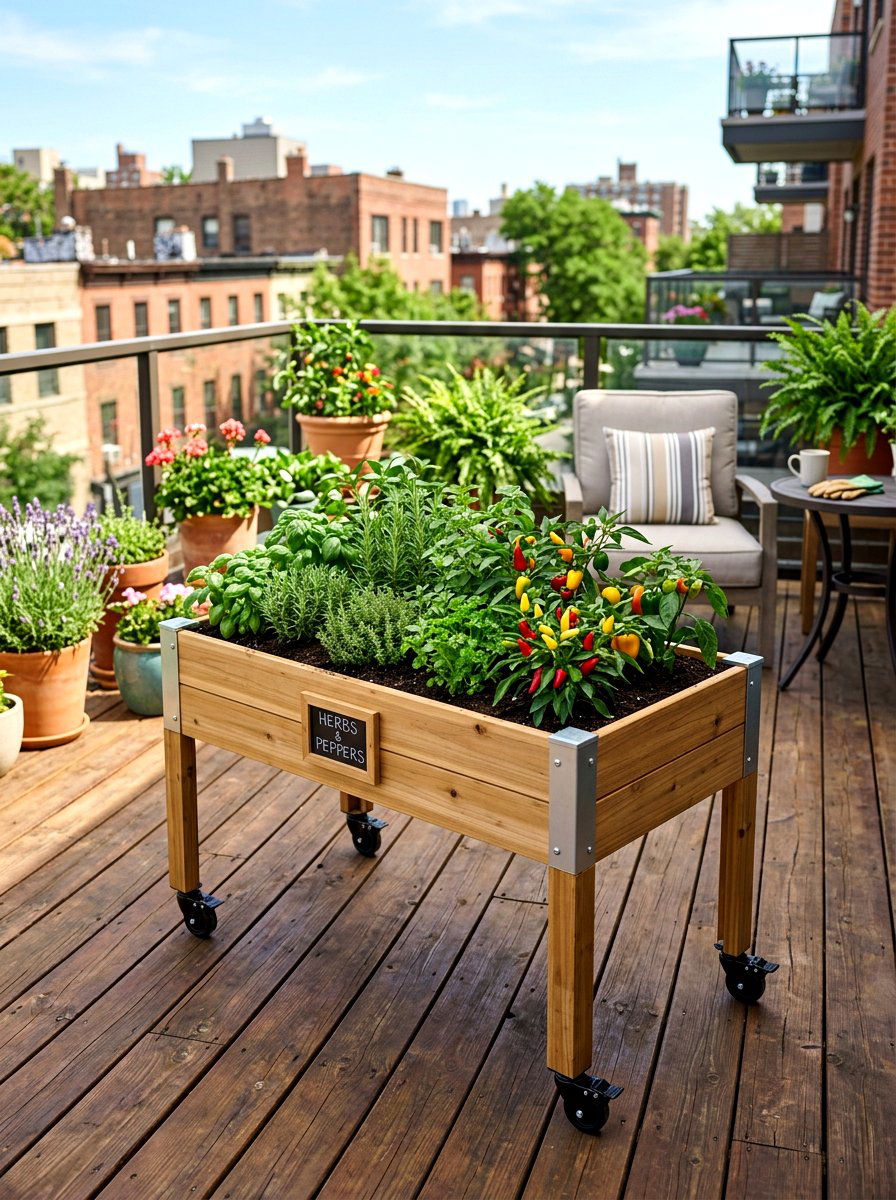
For renters or those with changing sunlight patterns, a garden on wheels offers the ultimate flexibility. These elevated planters are built with sturdy casters that allow you to roll your garden across the deck or patio to follow the sun throughout the day. This is especially useful for high-maintenance plants that need specific light conditions to thrive. Being able to move your garden also makes it easier to clean your outdoor space or clear a path for social gatherings. Many portable models are designed at waist height, making them an excellent choice for individuals who want to garden without any bending or kneeling. It is a compact and versatile solution for modern urban living.
22. Tall raised garden bed
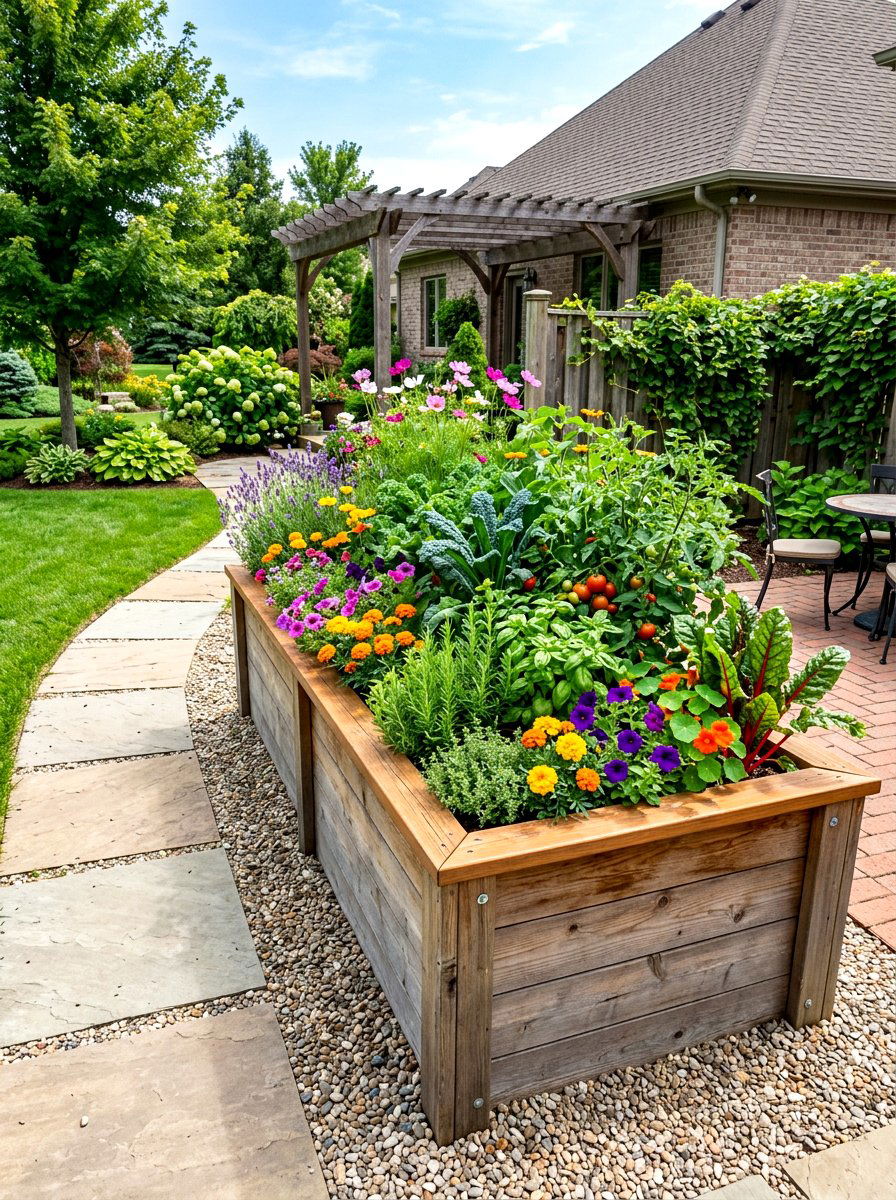
If you suffer from back pain or limited mobility, a tall or "elevated" planter is a life-changing addition to your outdoor space. These structures are built much higher than standard beds, often reaching waist or chest height, so you can work while standing comfortably. This design completely eliminates the need for squatting or kneeling on the hard ground, making gardening accessible to everyone regardless of physical ability. Tall beds also provide a significant barrier against ground-dwelling pests like slugs and rabbits, keeping your precious plants safe. They look particularly striking when used to line a walkway or as a decorative divider between different areas of your backyard or patio space.
23. Wheelchair accessible garden bed
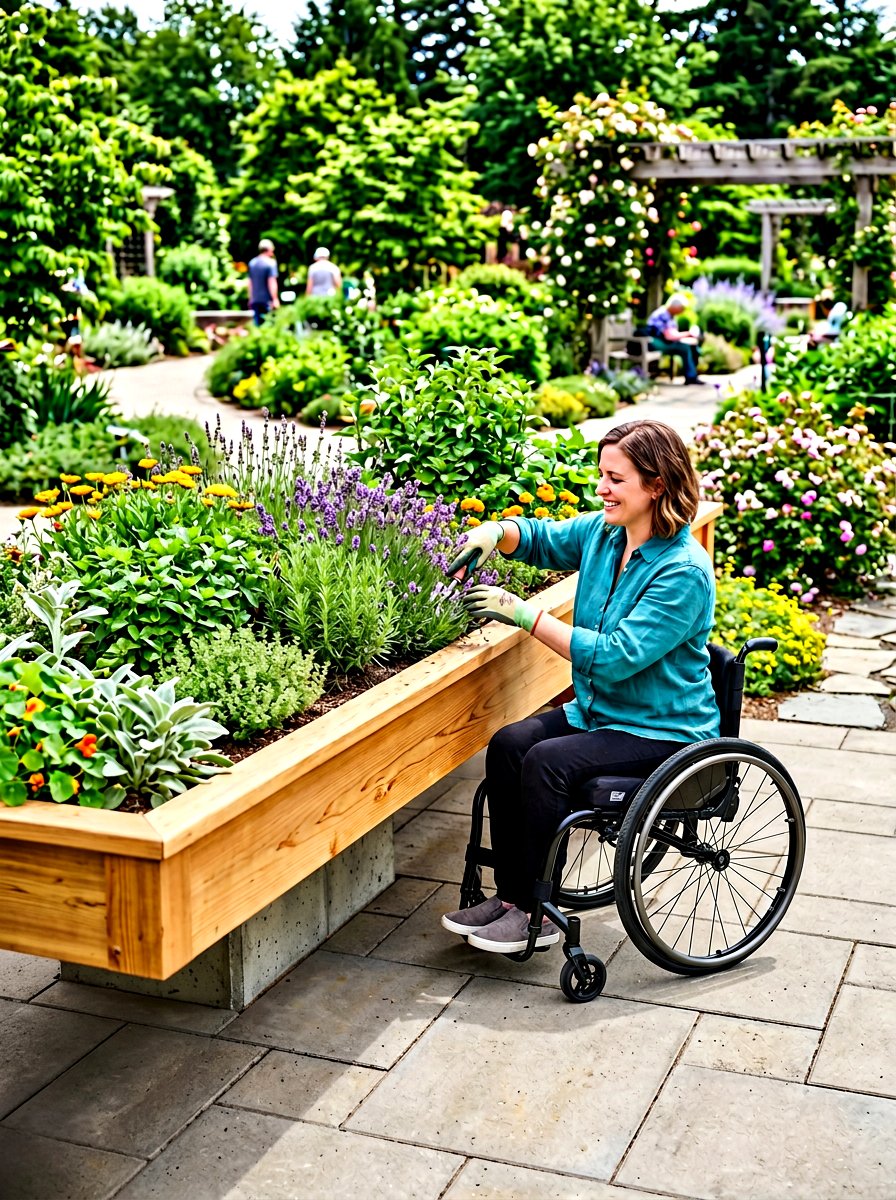
True inclusive design in the garden means creating spaces where everyone can participate in the joy of growing things. Accessible beds are specifically designed with a recessed base or a cantilevered top that allows a wheelchair to slide underneath, much like a desk. This ensures that the gardener can get close enough to the plants to reach the center of the bed without any strain. These structures are usually built from smooth, durable materials and placed on level, paved surfaces to ensure easy movement. Providing this level of accessibility transforms gardening into a therapeutic and empowering activity for individuals with disabilities, allowing them to tend to their own lush and productive edible oasis.
24. Recycled tire garden bed
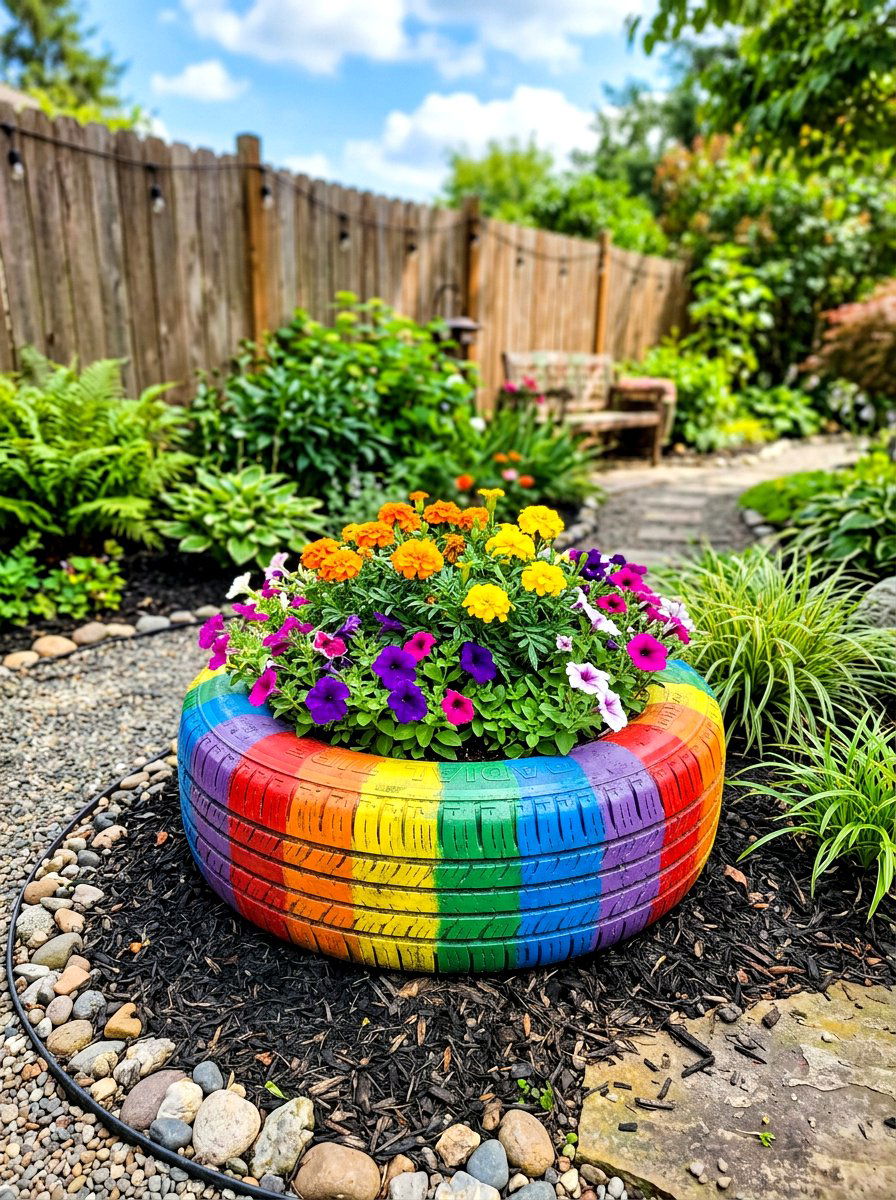
Giving new life to old tires is a creative and colorful way to build a unique garden on a budget. By stacking tires of different sizes and painting them in vibrant hues, you can create a playful and eclectic look that is perfect for a children's garden or a casual backyard. Tires are incredibly durable and provide excellent insulation for the soil, helping to maintain a steady temperature for root growth. This "upcycling" project is a great conversation starter and helps keep waste out of landfills. When used for ornamental flowers or non-edible plants, tire gardens add a fun, sculptural element to your landscape that is both functional and environmentally conscious for your yard.
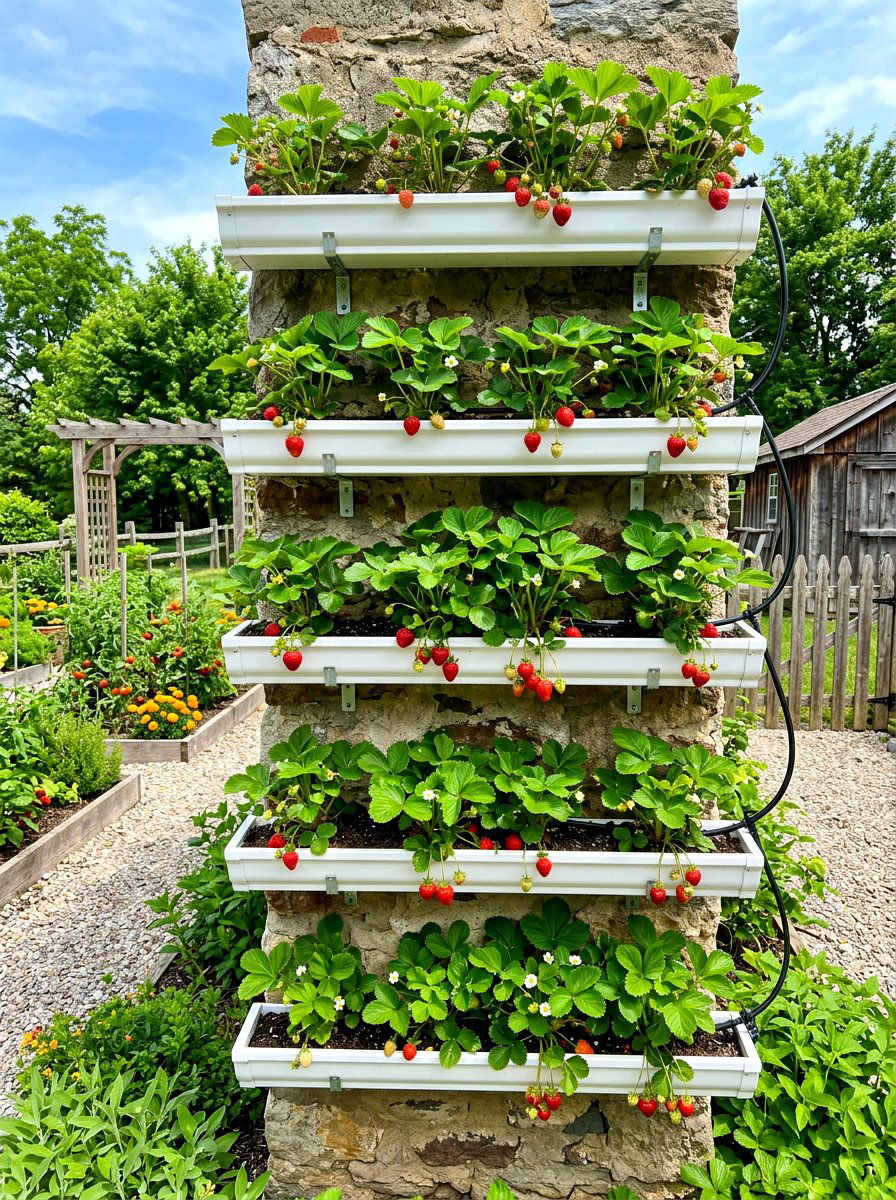
25. Gabion raised garden bed
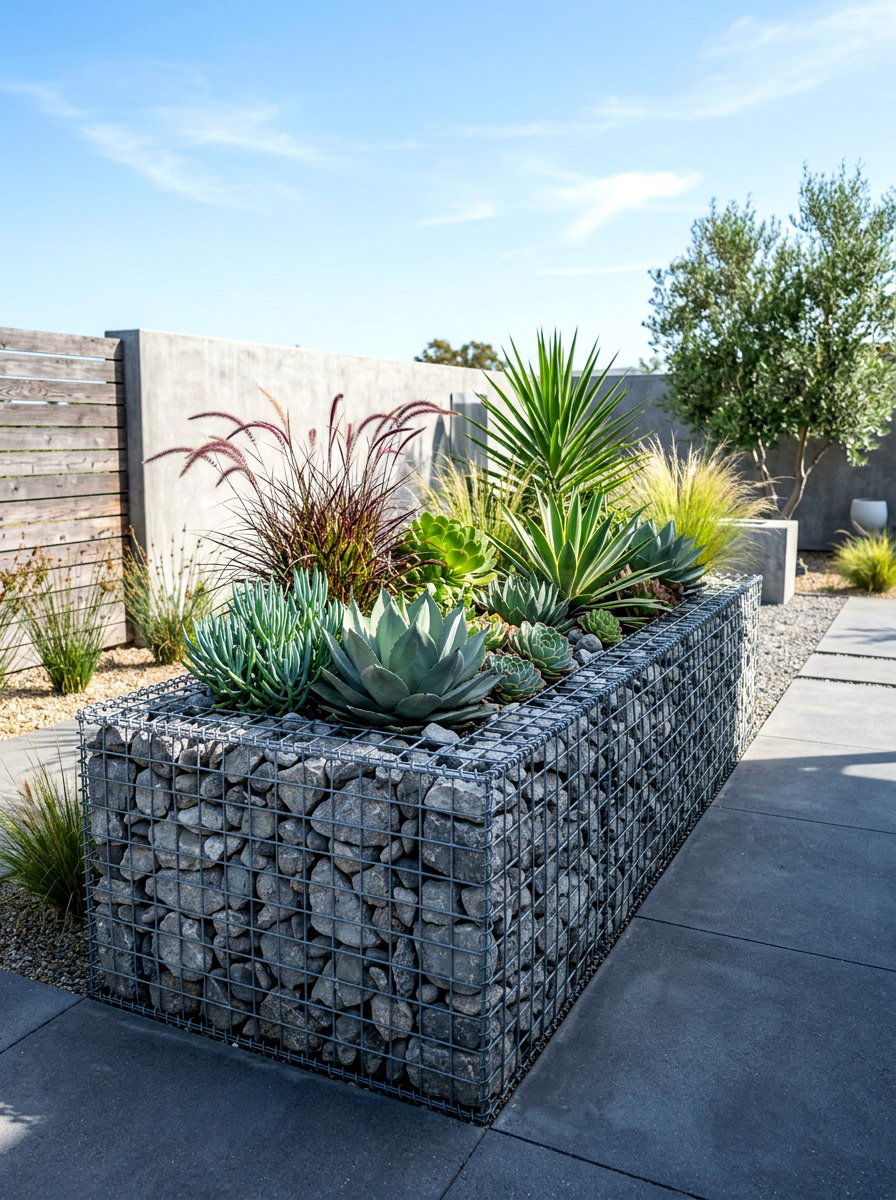
A gabion structure consists of a wire mesh cage filled with rocks, creating a rugged and modern look that is incredibly strong. These beds are popular in contemporary landscape architecture because they combine industrial materials with natural textures. The weight of the stones ensures that the bed will never shift or warp, making it a very permanent feature. Water drains perfectly through the gaps in the rocks, preventing any issues with rot or soil saturation. You can even use different colors or types of stone to create artistic patterns within the wire frame. This design is perfect for modern homes that want a high-impact, low-maintenance garden feature that looks like a piece of art.
26. Paver garden bed
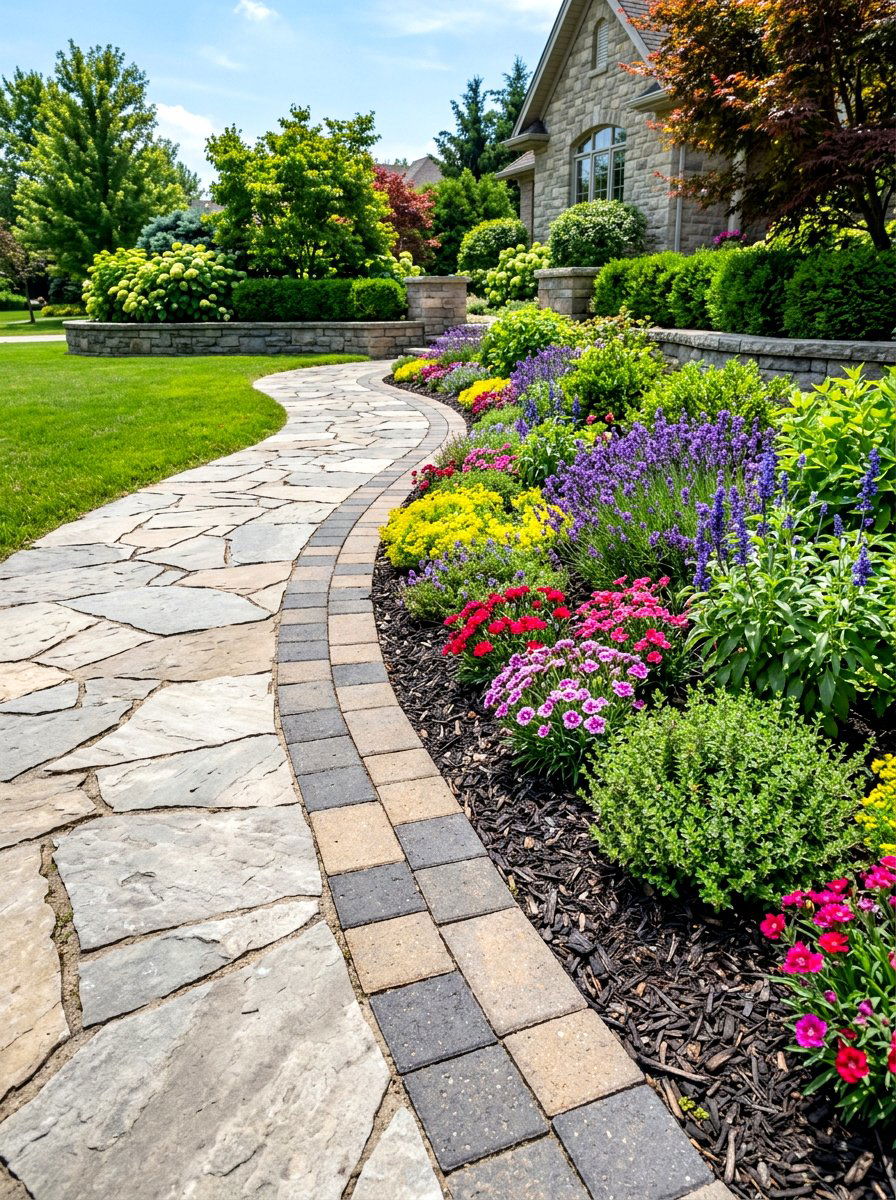
If you have leftover paving stones from a patio project, they can be easily repurposed to create a coordinated and professional-looking garden border. Pavers are designed to withstand heavy foot traffic and harsh weather, so they make an exceptionally durable material for raised walls. Because they come in various textures and earthy tones, you can easily match your garden beds to your existing hardscape for a cohesive look. They are simple to stack and can be held together with specialized outdoor adhesive for added stability. This approach creates a neat, low-profile bed that is perfect for bordering a lawn or lining a driveway, giving your front yard an instant boost in curb appeal.
27. Straw bale garden bed
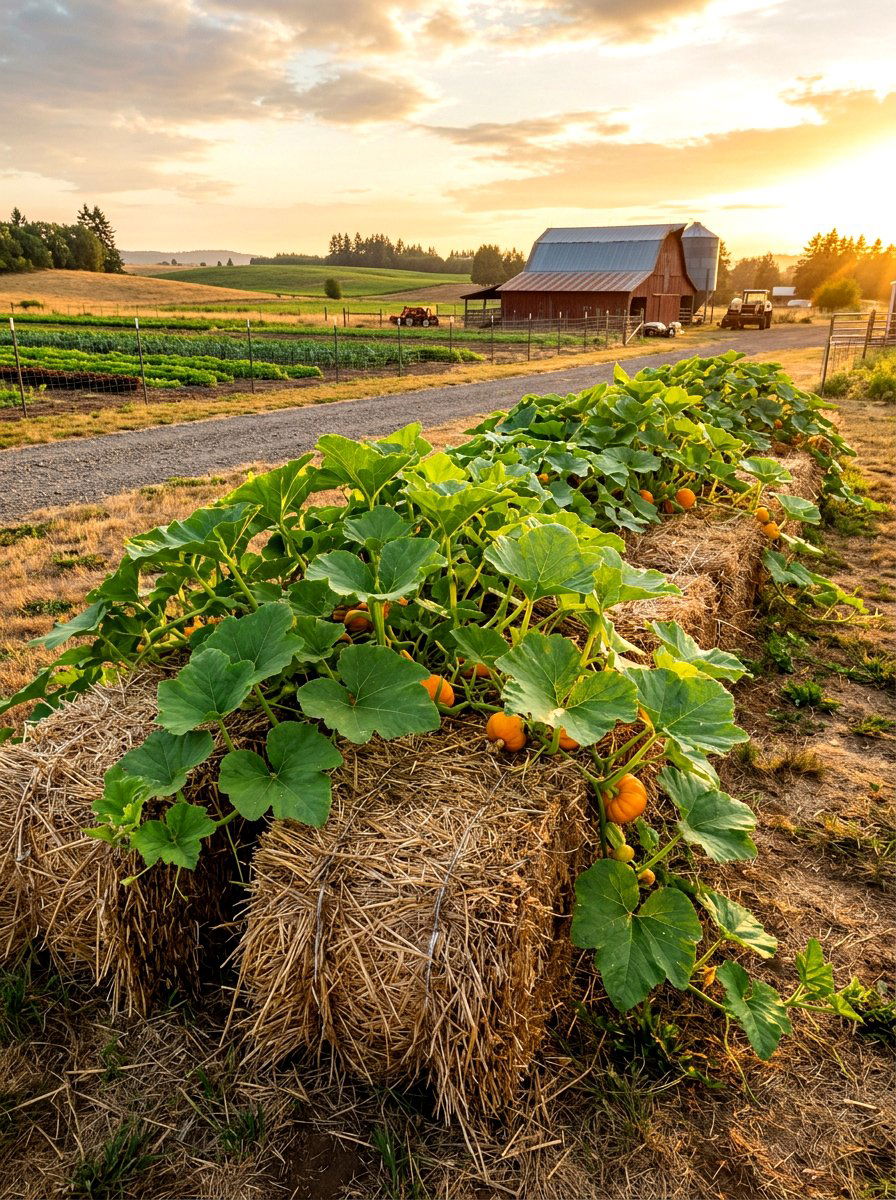
Gardening directly inside a bale of straw is a unique and temporary method that is perfect for people with extremely poor soil or no yard at all. As the straw slowly decomposes from the inside out, it generates heat and creates a nutrient-rich environment for your plants to thrive. This "disposable" garden bed lasts for one growing season, after which the remaining straw can be added to your compost pile as a rich organic amendment. It is a very affordable way to grow heavy-feeding crops like pumpkins, squash, and potatoes. Because the bales are elevated, they provide an easy-to-reach growing surface that requires very little maintenance once the initial conditioning process is complete.
28. Milk crate garden bed
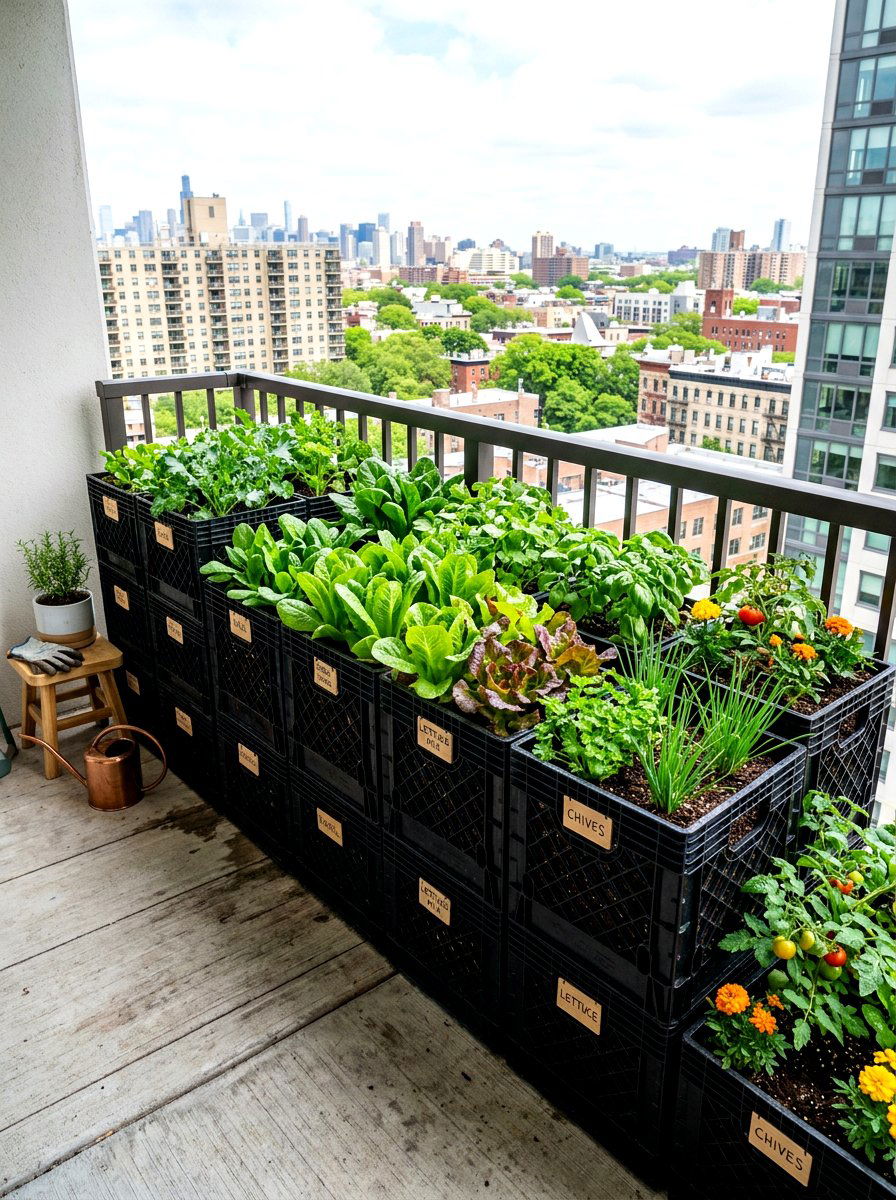
For the ultimate in modular and budget-friendly gardening, plastic milk crates offer a surprising amount of versatility. These sturdy containers can be lined with landscape fabric and filled with soil to create individual growing units that are easy to move and rearrange. You can stack them to create different heights or line them up to form a long, continuous border along a balcony. This is an ideal solution for urban gardeners who have very limited space and need to maximize every square inch. Because the sides are perforated, the soil stays well-aerated, which promotes healthy root growth. It is a practical and creative way to build a productive garden in any small space.
29. Window box raised garden bed
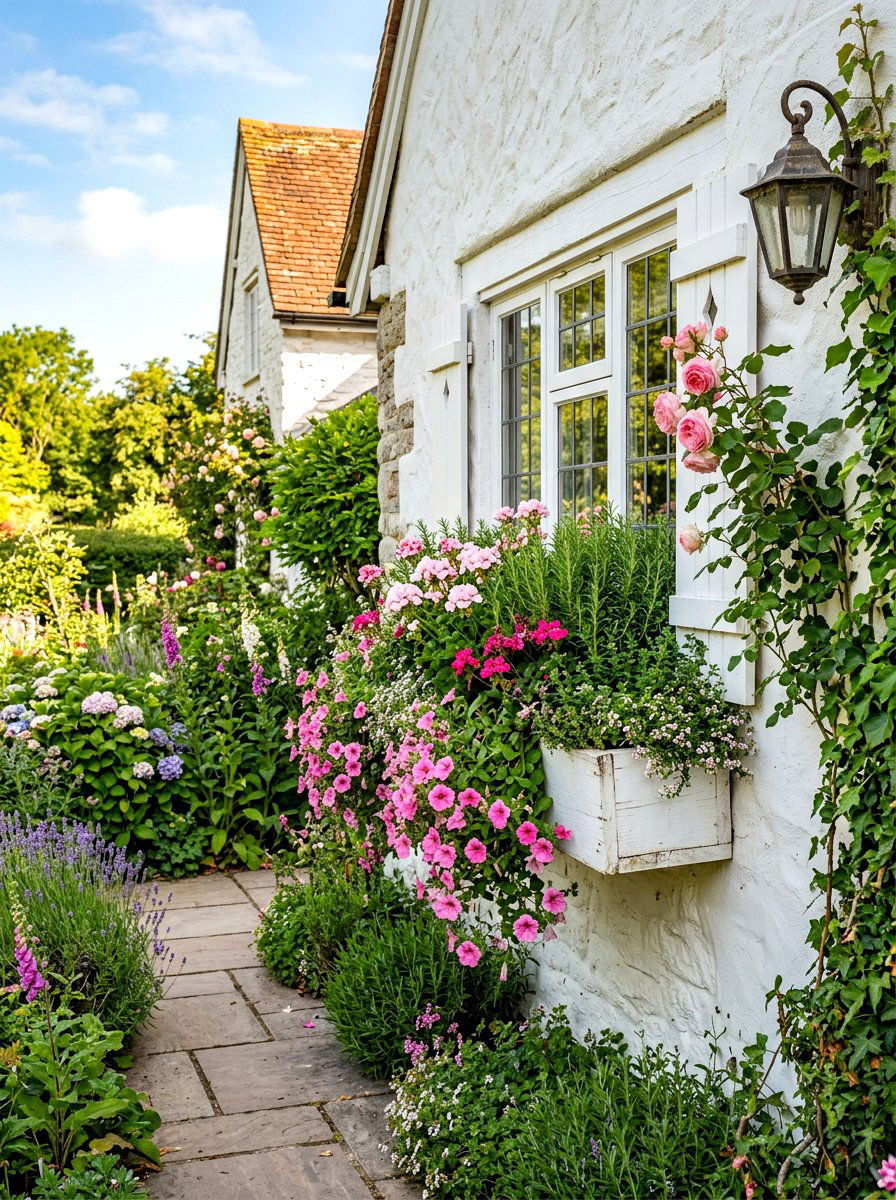
You do not need a large backyard to enjoy the beauty of fresh flowers and herbs right outside your window. Traditional window boxes are essentially miniature raised beds that bring nature closer to your daily life. By mounting these containers at sill height, you can enjoy the fragrance and color of your plants from both inside and outside your home. This is a fantastic way to brighten up the facade of your house and add a touch of charm to your street view. Whether you plant cascading petunias or a small kitchen herb garden, window boxes provide an accessible and manageable way to garden for those with limited time or outdoor property.
30. Multi level garden bed
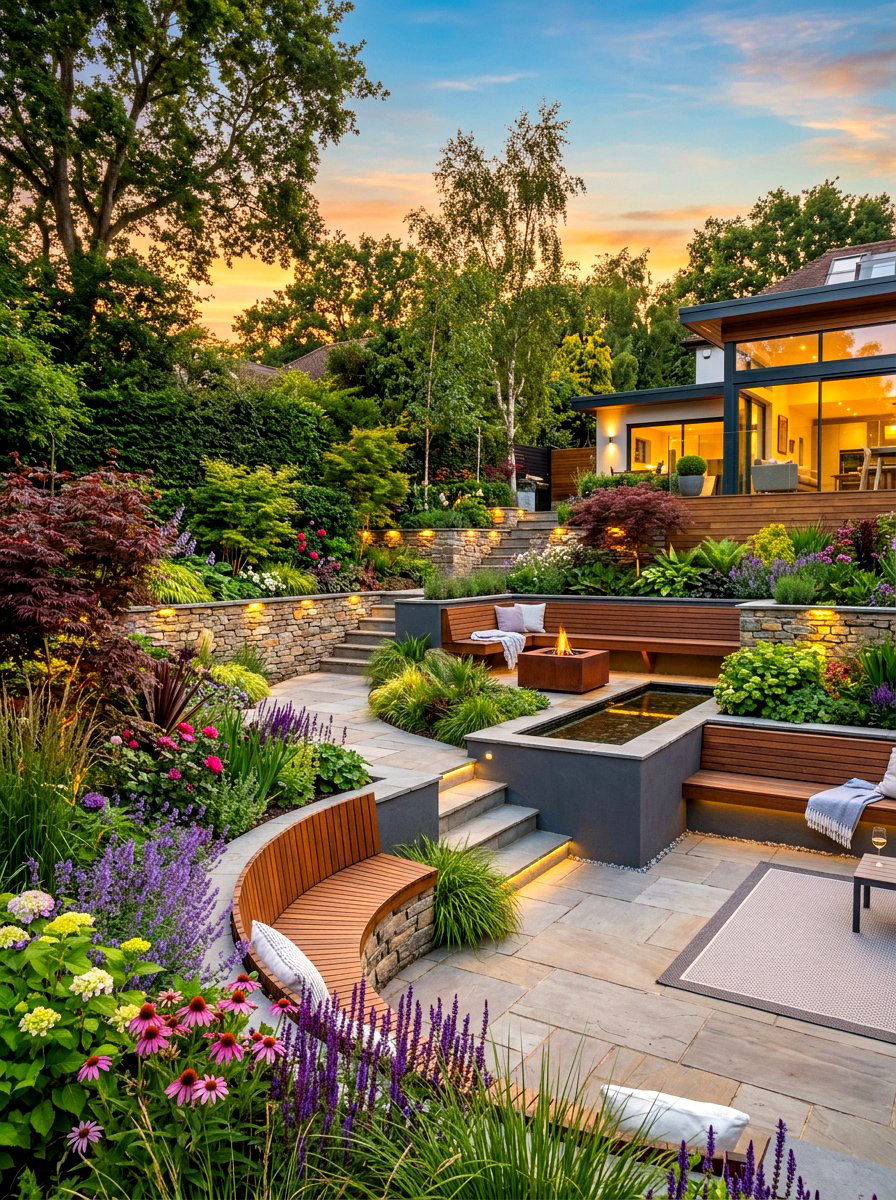
Combining different heights and shapes into a single cohesive structure creates a dynamic and visually interesting landscape. A multi-level design allows you to showcase a wide variety of plants, from tall architectural grasses to low-growing groundcovers, all within one footprint. This approach works beautifully as a transition between a high deck and a lower lawn, acting as both a garden and a structural retaining wall. By varying the depth of the soil in each section, you can accommodate the deep roots of shrubs alongside the shallow roots of annual flowers. This sophisticated design provides a professional look that transforms a simple backyard into a carefully curated and lush outdoor destination for your family.
Conclusion:
Selecting the perfect structure for your outdoor space is a rewarding journey that blends functionality with personal style. Whether you choose the rustic charm of natural logs, the sleek modern look of corrugated metal, or the ergonomic benefits of an elevated cedar box, these garden solutions empower you to grow more food and flowers with less effort. By elevating your plants, you are investing in better soil health, improved drainage, and a more comfortable gardening experience for years to come. Take the time to consider your local climate and physical needs before building, and you will soon have a thriving and beautiful landscape that brings joy to your home every single season.

Related posts: