Imagine walking into your own backyard and plucking sun-ripened, juicy berries directly from the plant. Starting a berry garden is one of the most rewarding projects for any homeowner or hobbyist. These vibrant plants do more than just provide healthy snacks; they add incredible texture and color to your landscape design. Whether you have a sprawling estate or a tiny urban balcony, there is a way to incorporate these delicious perennials into your daily life. From the sweet aroma of strawberries to the deep hues of blueberries, these gardens offer a sensory experience that store-bought fruit simply cannot match. You can easily transform a simple corner of your yard into a lush, edible paradise that thrives for many years.
1. Strawberry Hanging Basket
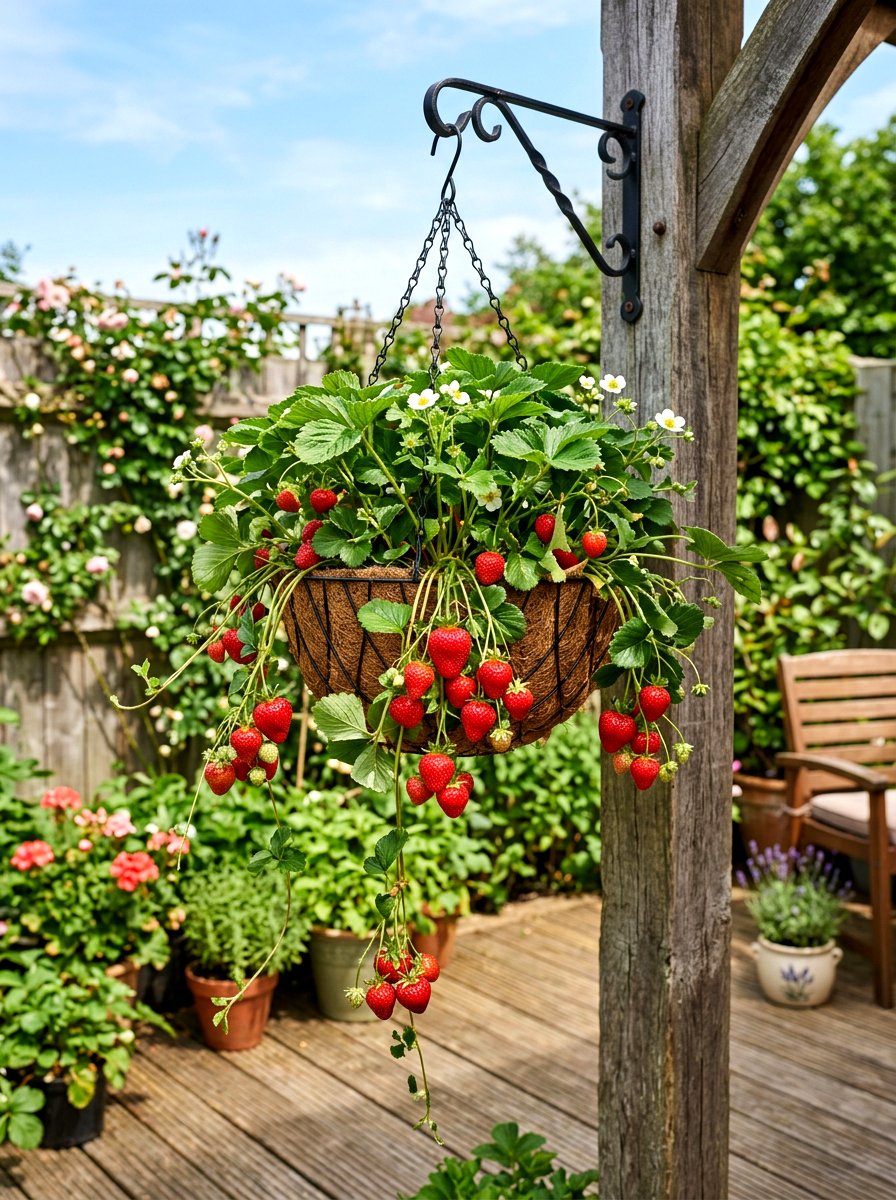
Have you ever considered growing your fruit at eye level to save precious ground space? A strawberry hanging basket is a brilliant solution for small patios or balconies where traditional gardening is not possible. By lifting the plants off the ground, you effectively protect the delicate red berries from common garden pests like slugs and snails. This setup allows the long runners to cascade beautifully over the edges, creating a lush green waterfall dotted with bright red fruit. You should use a high-quality potting mix and ensure the basket receives at least six hours of direct sunlight daily. Consistent watering is crucial because hanging containers tend to dry out much faster than ground-level garden beds.
2. Blueberry Container Garden
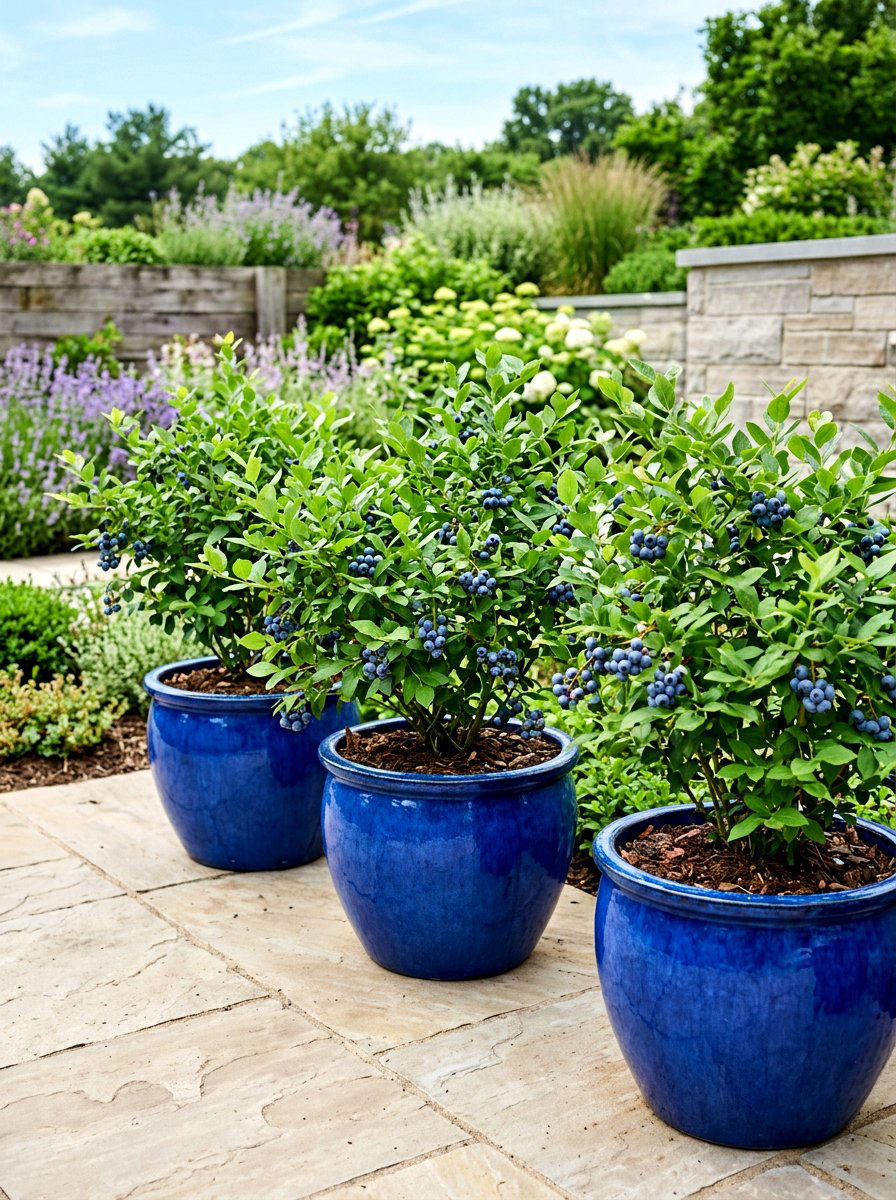
Can you imagine having a productive fruit shrub right on your sunny deck or porch? Growing blueberries in large containers is a perfect choice for gardeners who deal with alkaline soil in their yards. Since blueberries require very specific acidic soil conditions to thrive, using a pot allows you to control the environment perfectly. You should select a compact or dwarf variety specifically bred for container life to ensure the plant stays manageable. Make sure to use a mix of peat moss and pine bark to maintain the low pH levels these plants love. Placing two different varieties near each other will often result in a much larger and more flavorful harvest for your family.
3. Raspberry Trellis Wall
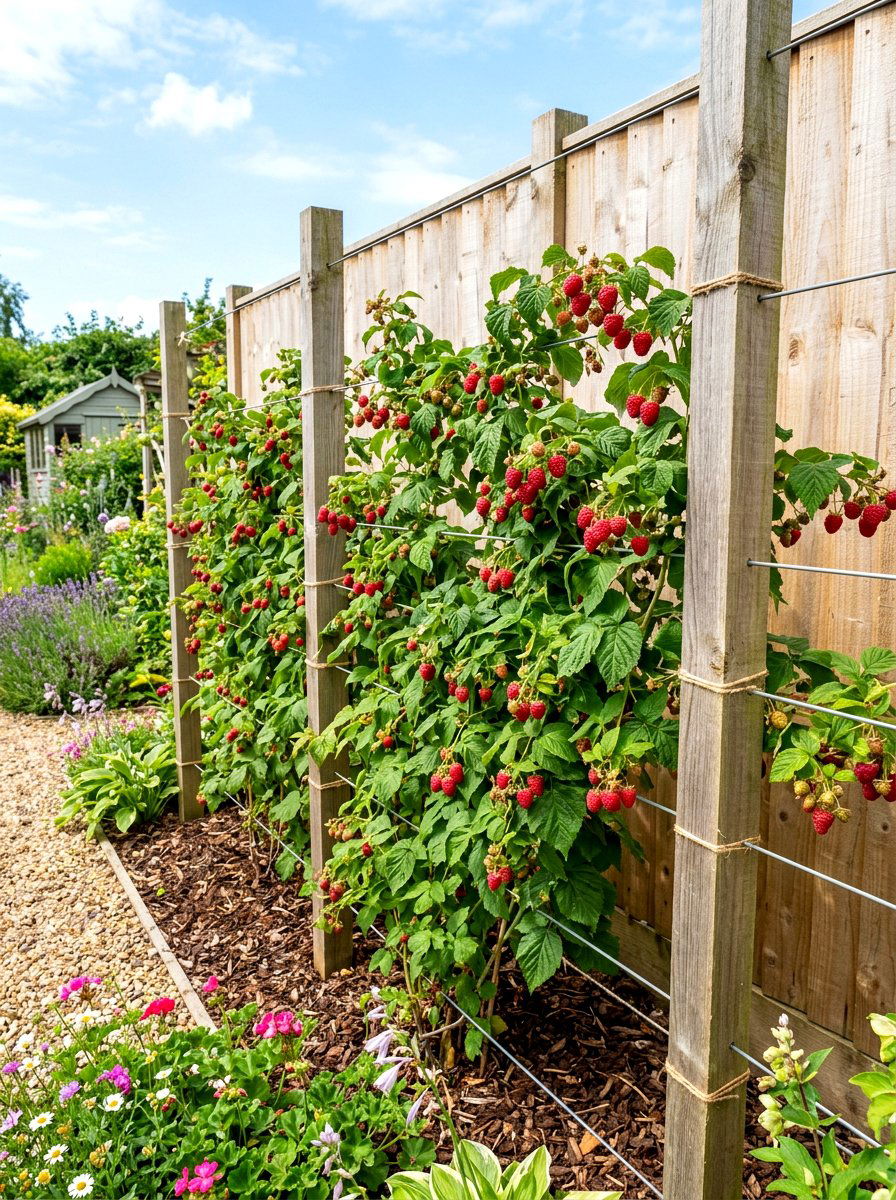
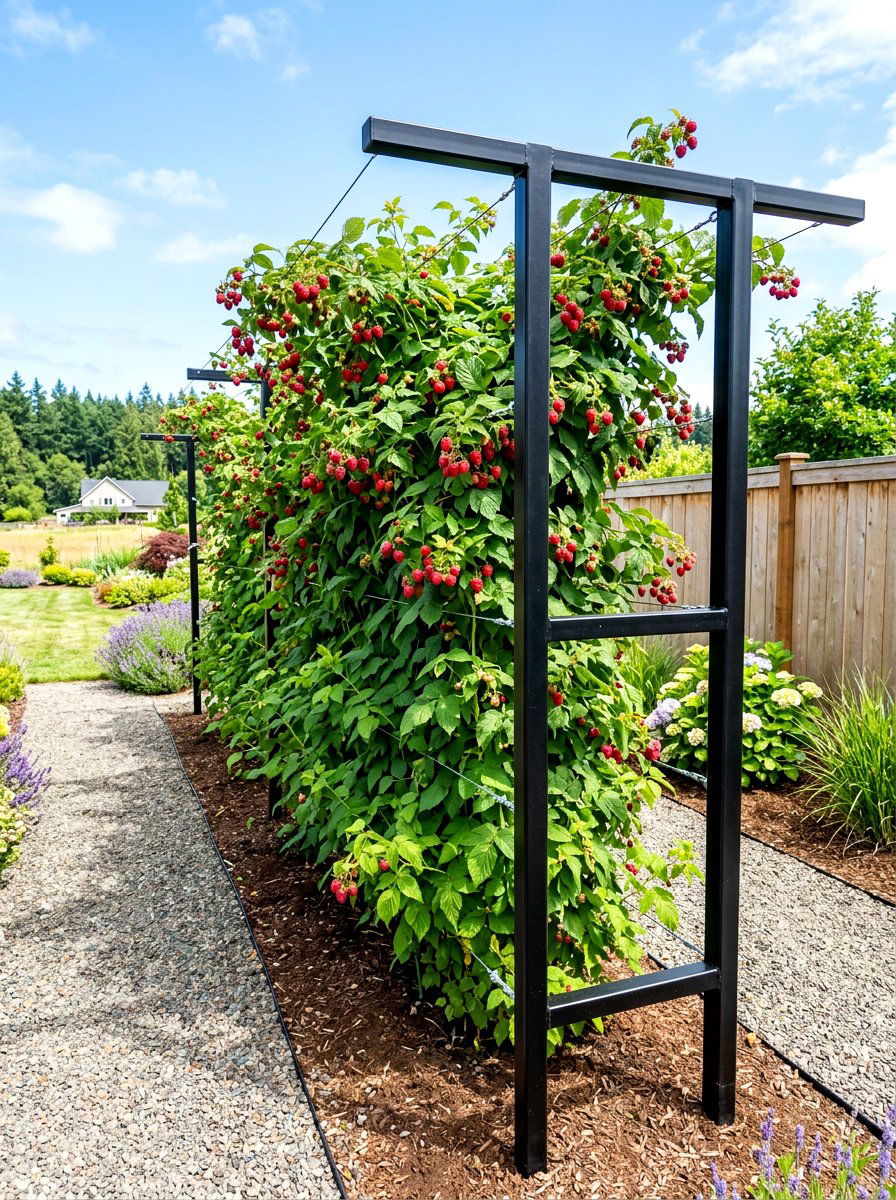
Have you seen how beautiful a structured wall of ripening raspberries can look against a wooden garden fence? A raspberry trellis wall helps keep these vigorous plants organized while making the harvest much easier for you. By training the canes to grow upward on a wire system, you ensure that every berry receives plenty of sunlight and airflow. This horizontal wire support prevents the heavy canes from flopping onto the ground and rotting in the mud. You should prune the older canes every year to make room for new growth that will produce the next season’s fruit. This vertical approach turns a messy bramble into a clean, modern, and very productive landscape feature.
4. Blackberry Fence Border
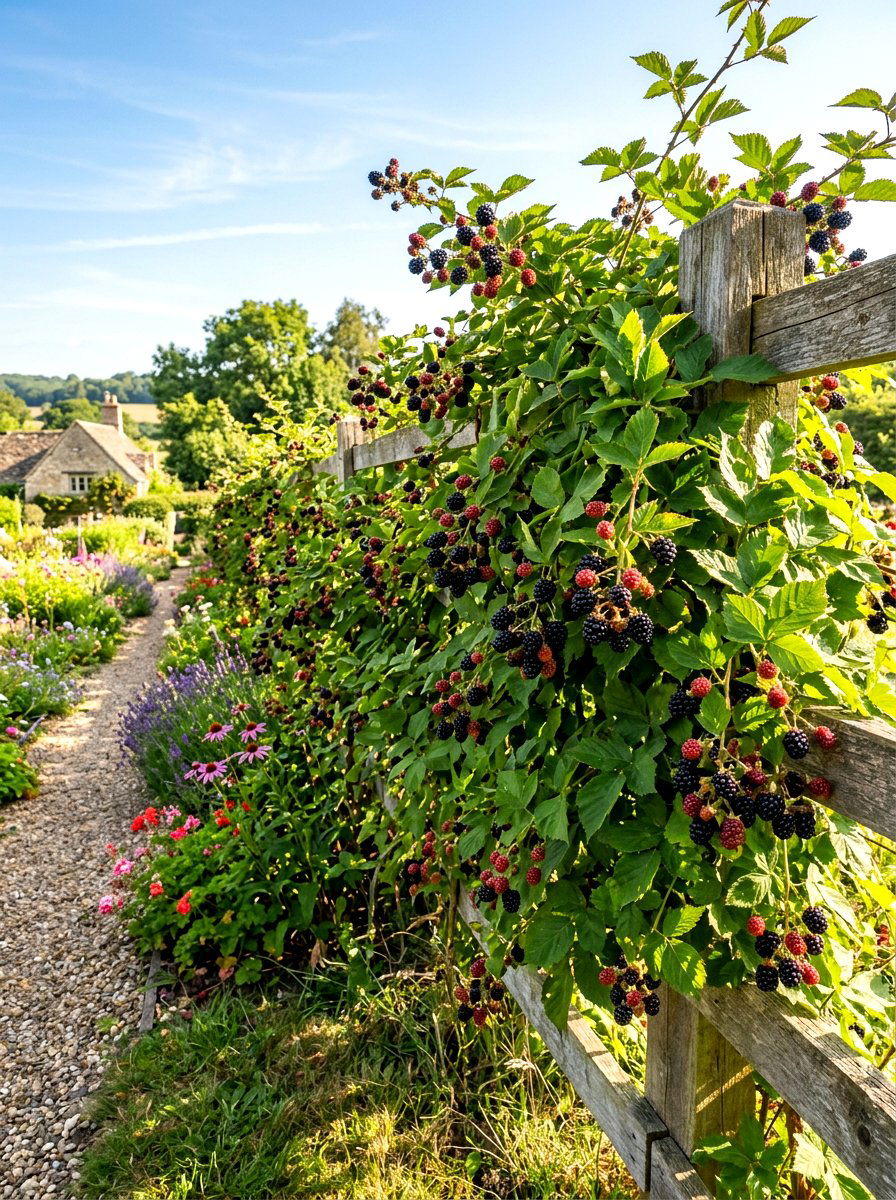
What if your perimeter fence could double as a source of delicious summer fruit for your kitchen? A blackberry fence border utilizes a sturdy boundary to support the long, trailing vines of these productive berry plants. Choosing a thornless variety makes the experience much more pleasant for children and pets who might play nearby. These plants grow quickly and can provide a dense screen of green leaves that offers additional privacy for your outdoor living space. You can easily tie the canes to the fence panels using soft garden twine to keep them secure and tidy. Regular mulching at the base will help retain moisture and keep the roots cool during the hot summer months.
5. Vertical Strawberry Tower
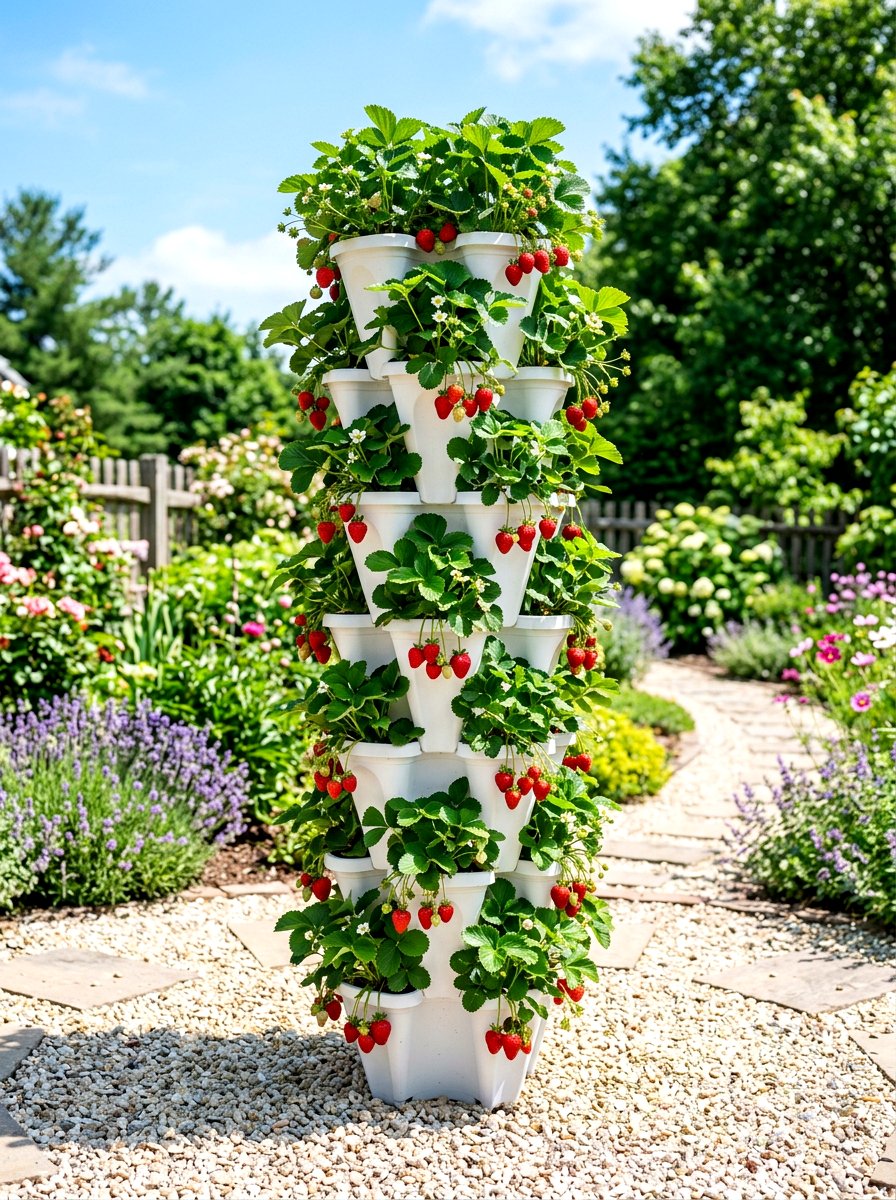
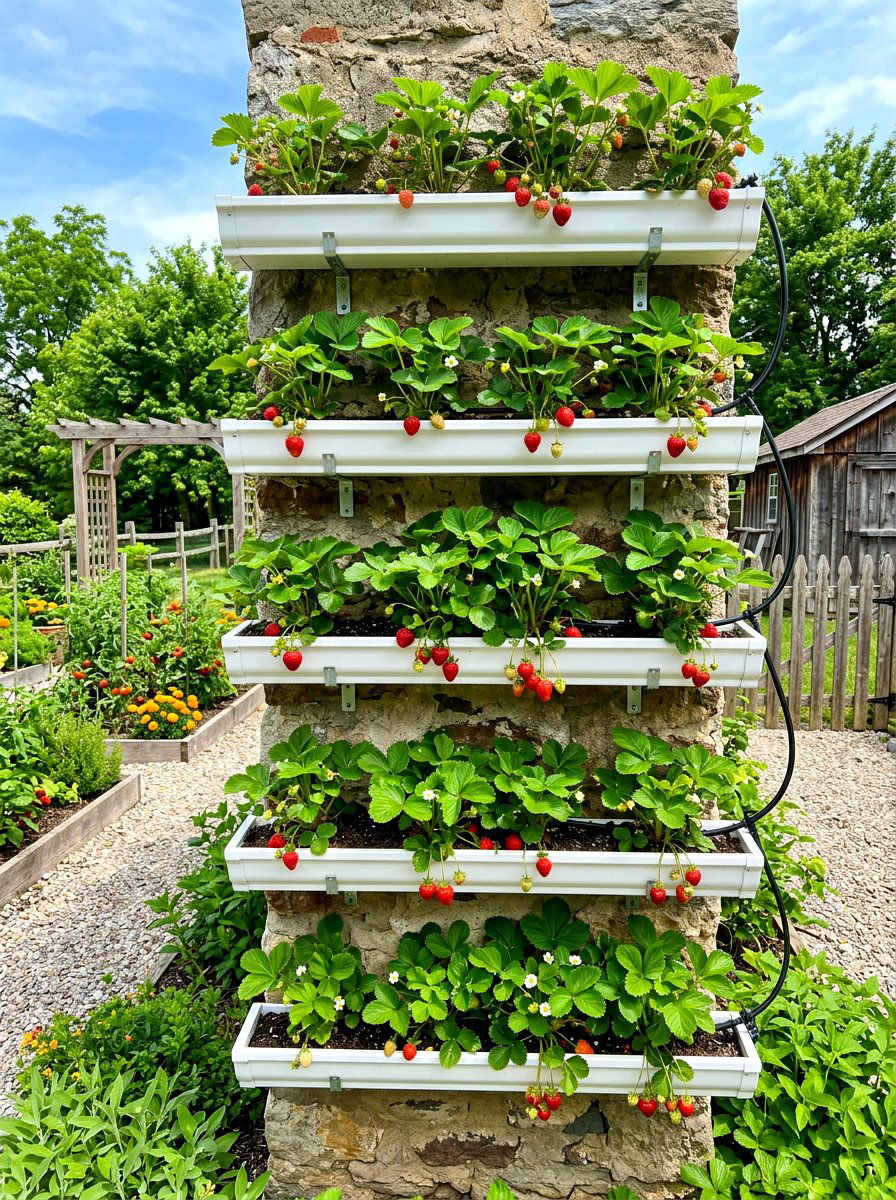
Are you looking for a way to grow hundreds of strawberries in just a few square feet of space? A vertical strawberry tower is a fantastic architectural element that maximizes every inch of your productive garden area. These towers use stacked planters or specialized PVC pipes with holes to house multiple individual plants in one upright structure. This design ensures that the fruit stays clean and away from the soil, which significantly reduces the risk of rot. It also makes picking your harvest incredibly easy since you do not have to bend down or crawl on the ground. Adding a central watering tube helps ensure that moisture reaches the plants at the bottom as well as the top.
6. Currant Bush Hedge
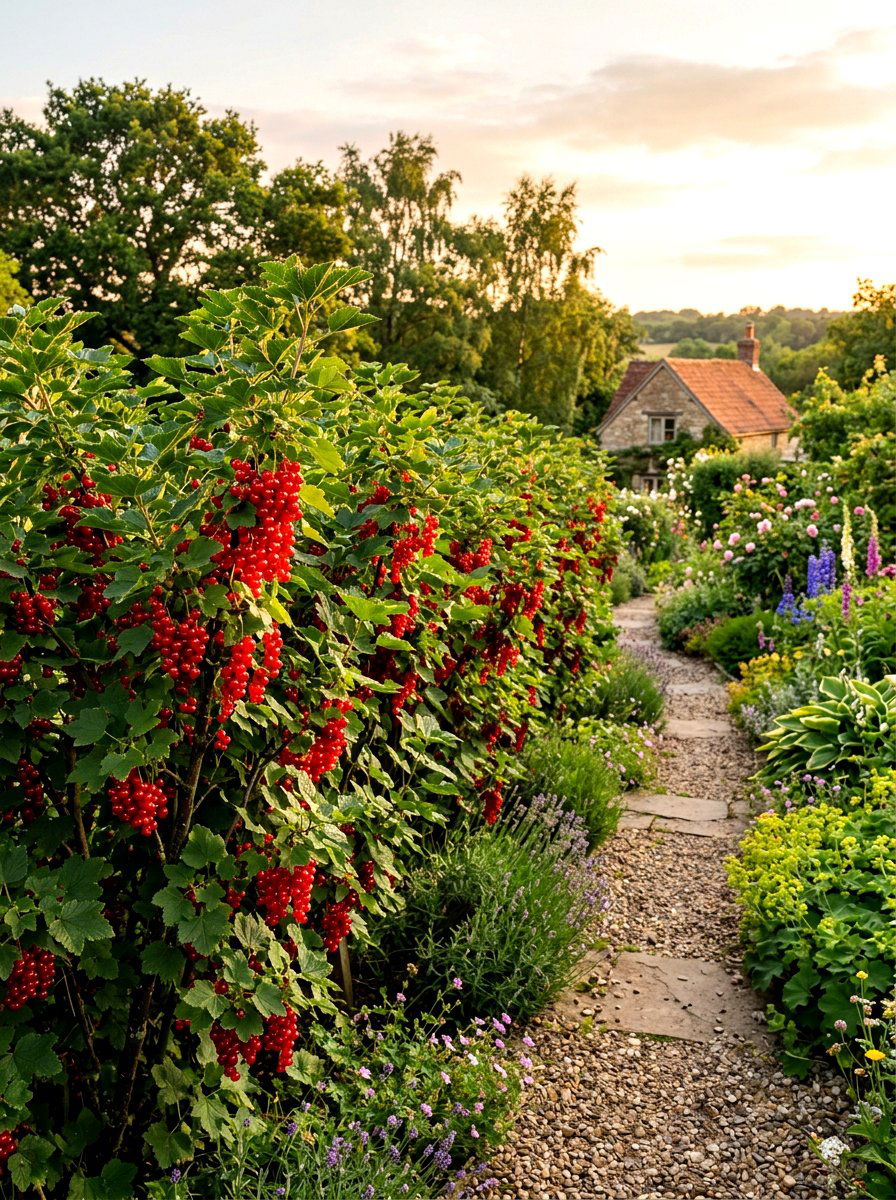
Do you want a garden border that looks formal but provides edible rewards throughout the late summer season? A currant bush hedge is an excellent way to define different zones in your backyard while growing tart and colorful fruit. Both red and black currants grow into upright, sturdy shrubs that take well to light pruning for shape. These plants are particularly hardy and can handle cooler climates better than many other types of berry varieties. Their glossy leaves and hanging clusters of jewel-like berries provide a sophisticated look that rivals many purely ornamental garden shrubs. Planting them in a row creates a dense barrier that looks beautiful and stays productive for many decades.
7. Gooseberry Garden Path
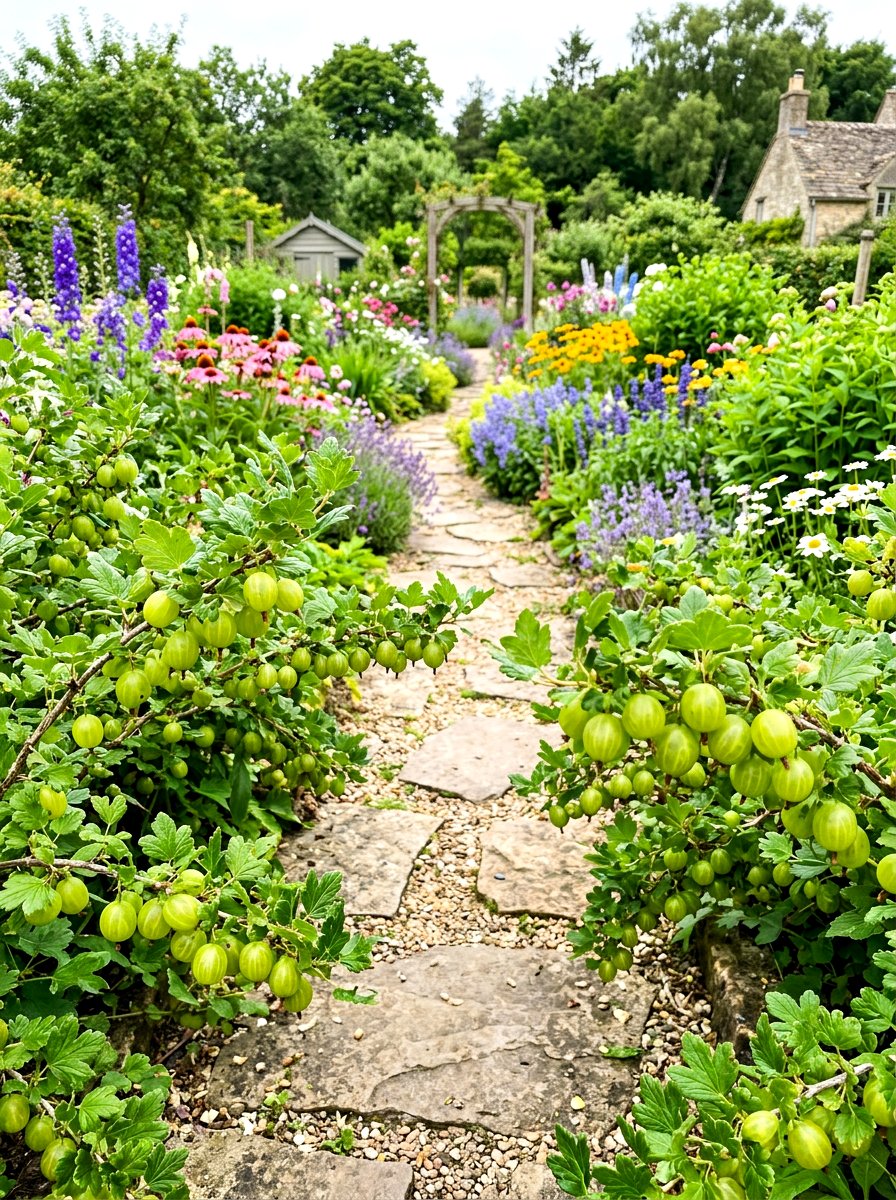
Imagine walking down a stone path lined with low-growing shrubs covered in unique, translucent green or red fruit. A gooseberry garden path utilizes these hardy plants to create a defined edge that feels both rustic and very intentional. Gooseberries are famous for their tart flavor, making them ideal for homemade pies, jams, and various traditional desserts. Since some varieties have small thorns, they also act as a natural deterrent for small animals that might wander into your flower beds. These shrubs are very low-maintenance and can even tolerate a bit of shade, which is rare for fruit-bearing plants. They add a wonderful sense of old-world charm to any traditional backyard cottage garden.
8. Elderberry Privacy Screen
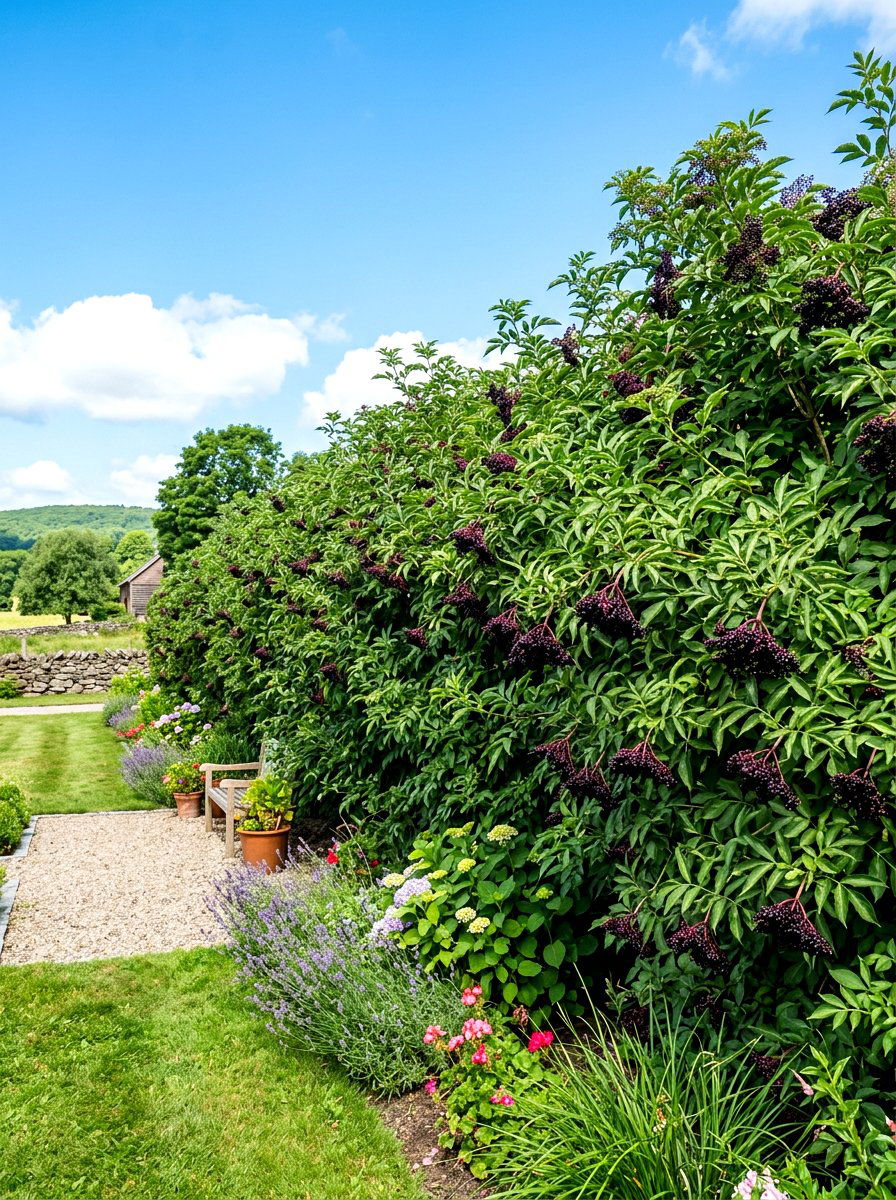
Could a fast-growing shrub be the answer to your need for both privacy and healthy, medicinal garden harvests? An elderberry privacy screen can reach impressive heights in just a few seasons, creating a thick wall of lacy foliage. In the spring, these plants produce massive clusters of tiny white flowers that pollinators absolutely love to visit. By late summer, those flowers transform into heavy bunches of dark purple berries that are packed with healthy antioxidants. These shrubs are very adaptable and can grow in damp soil where other plants might struggle to survive. They provide a wild, natural aesthetic that works perfectly in a large landscape or at the edge of a property.
9. Mulberry Tree Landscape
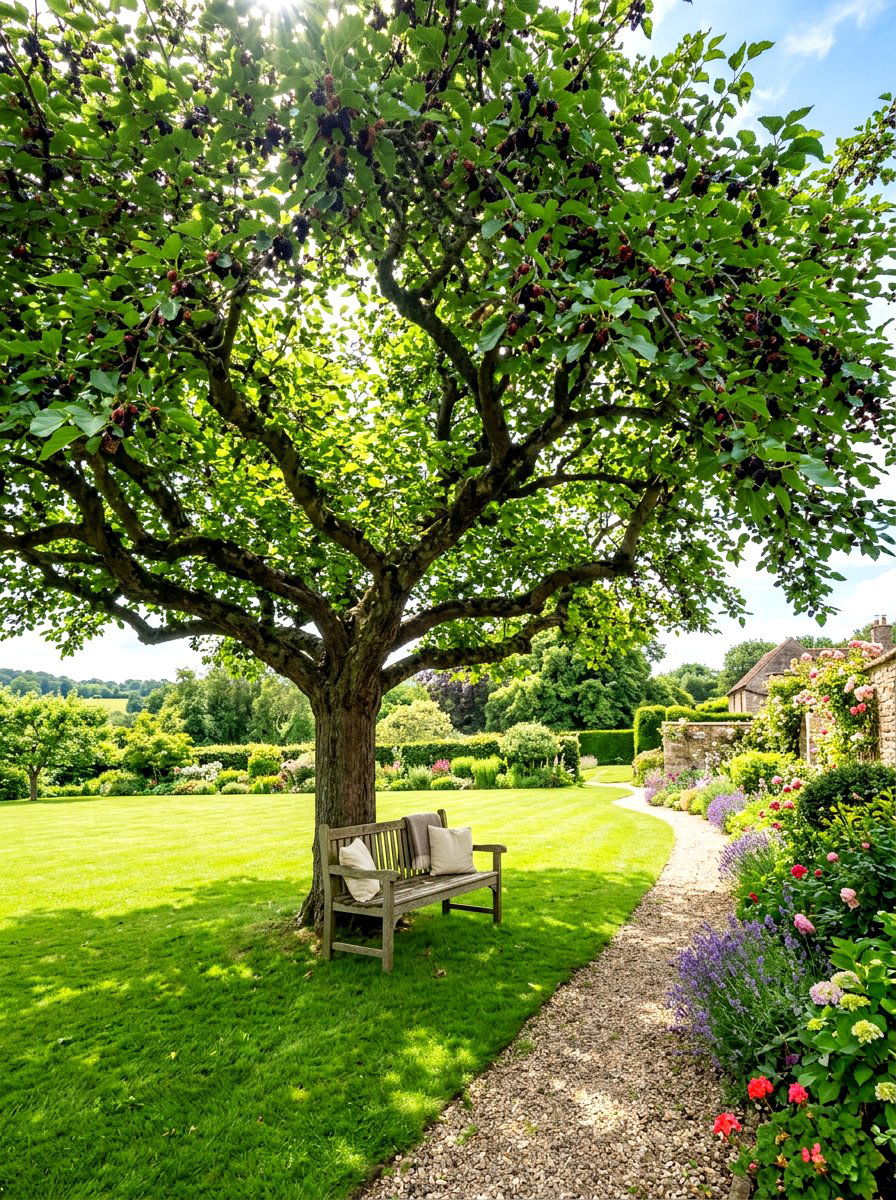
Have you ever considered adding a fruit-bearing tree that provides a massive amount of shade and food? A mulberry tree is a grand addition to any large landscape, offering a classic look and a very long lifespan. These trees are incredibly productive, often dropping thousands of sweet, blackberry-like fruits over several weeks in the summer. You can choose a fruitless variety for shade, but the fruiting types are prized by those who love making jam or attracting birds. It is best to plant these trees away from walkways to avoid staining the ground with the dark juice of fallen fruit. They are exceptionally tough trees that can withstand wind and poor soil conditions quite easily.
10. Groundcover Strawberry Patch
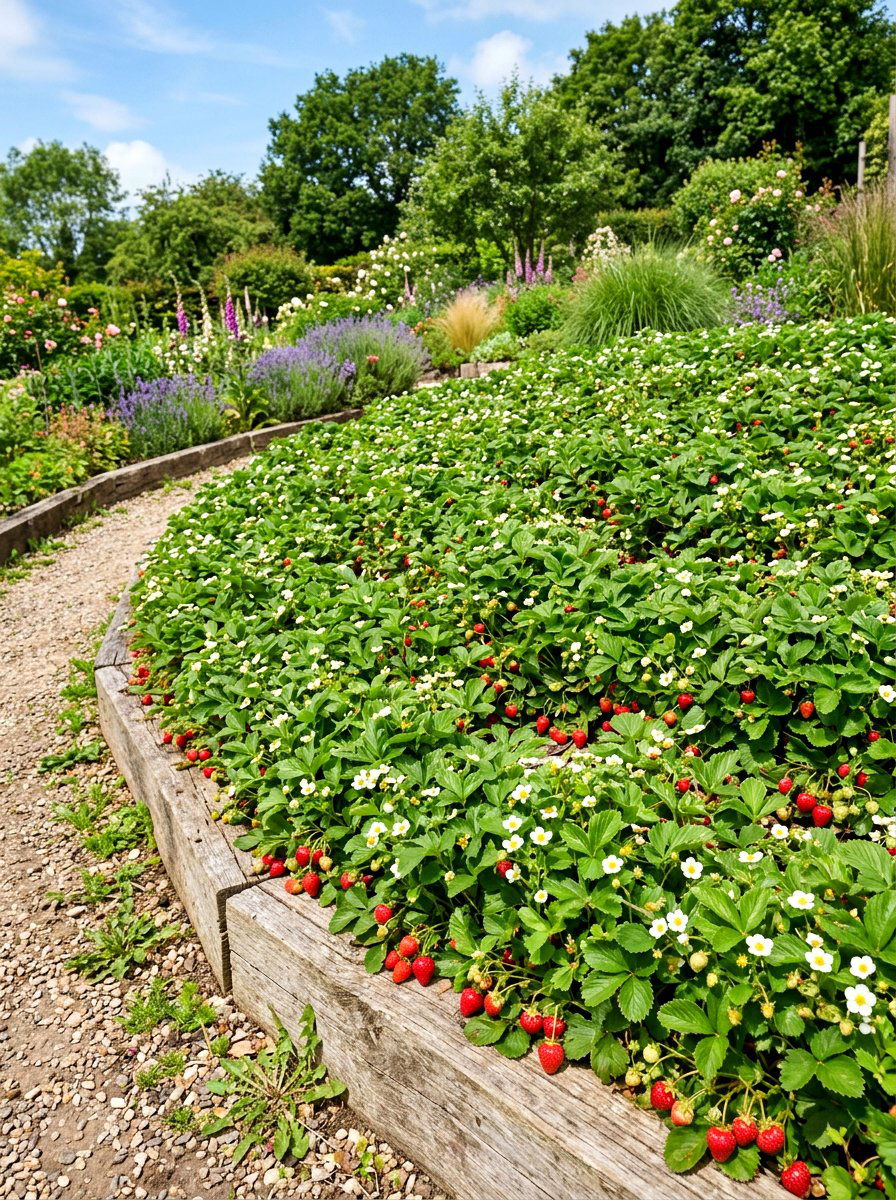
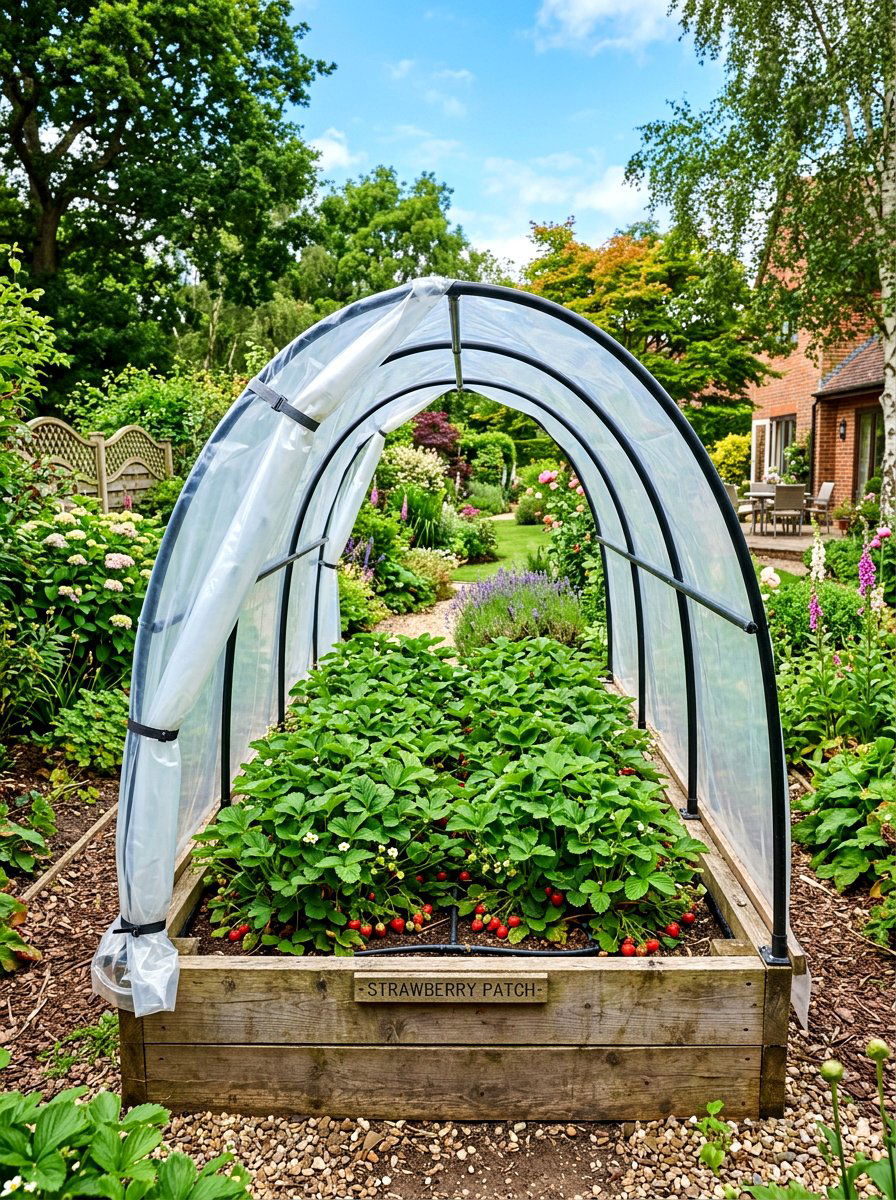
What if you could replace a section of your high-maintenance lawn with a lush carpet of delicious fruit? A groundcover strawberry patch uses the natural spreading habit of these plants to fill in empty spaces in your garden. As the plants send out runners, they quickly root and create a dense mat of green leaves that suppresses most weeds. This approach is perfect for sunny slopes or the front of a perennial flower bed where you want low-profile growth. You will enjoy a massive harvest in late spring as the berries hide beneath the protective canopy of the foliage. This sustainable landscaping choice reduces mowing time while providing a tasty snack for your family and local pollinators.
11. Raised Bed Berry Mix
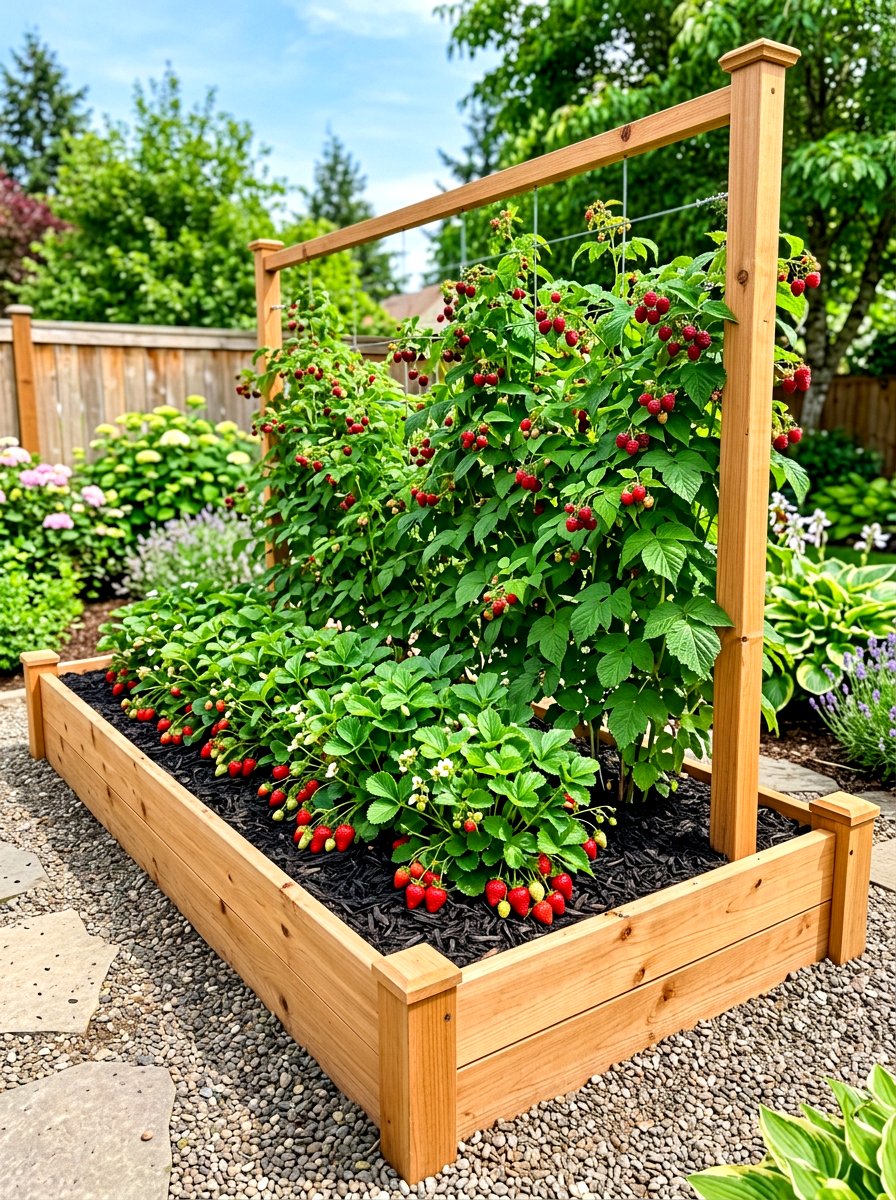
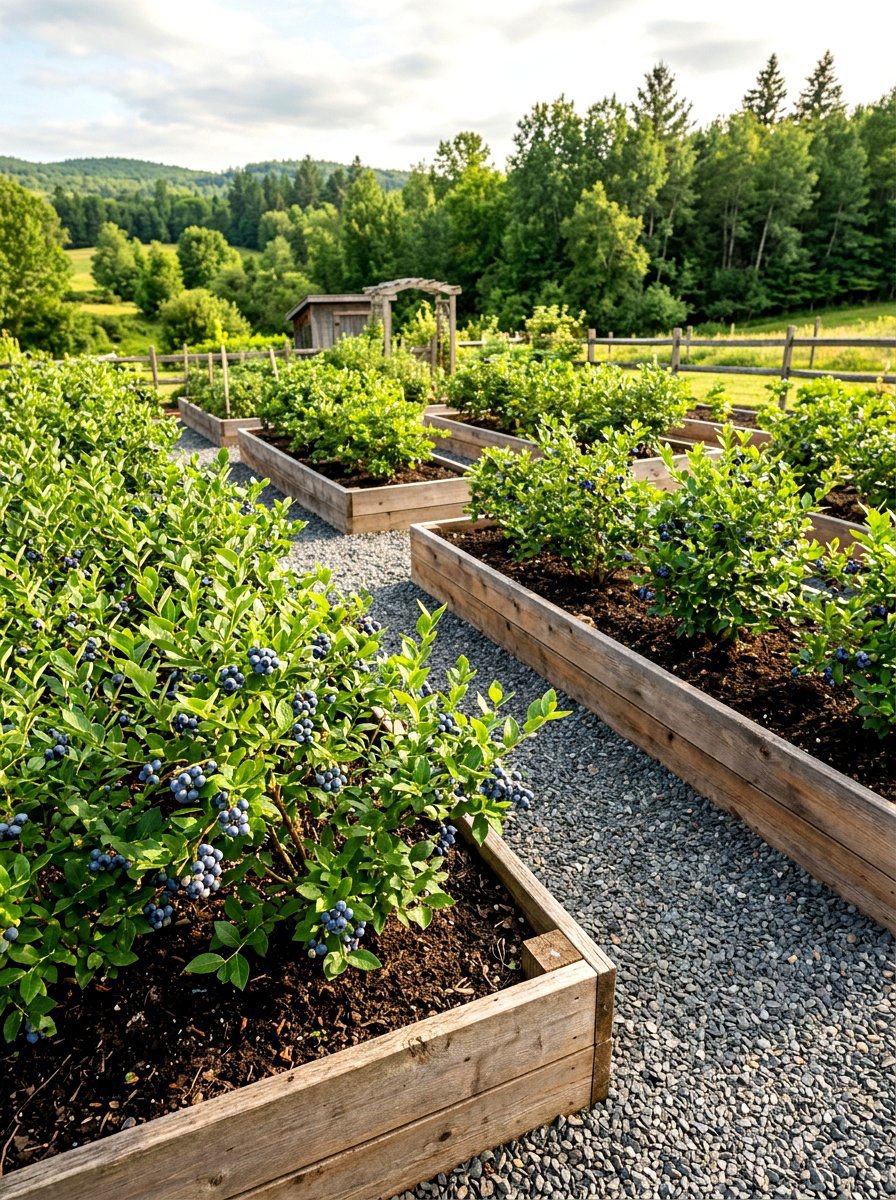
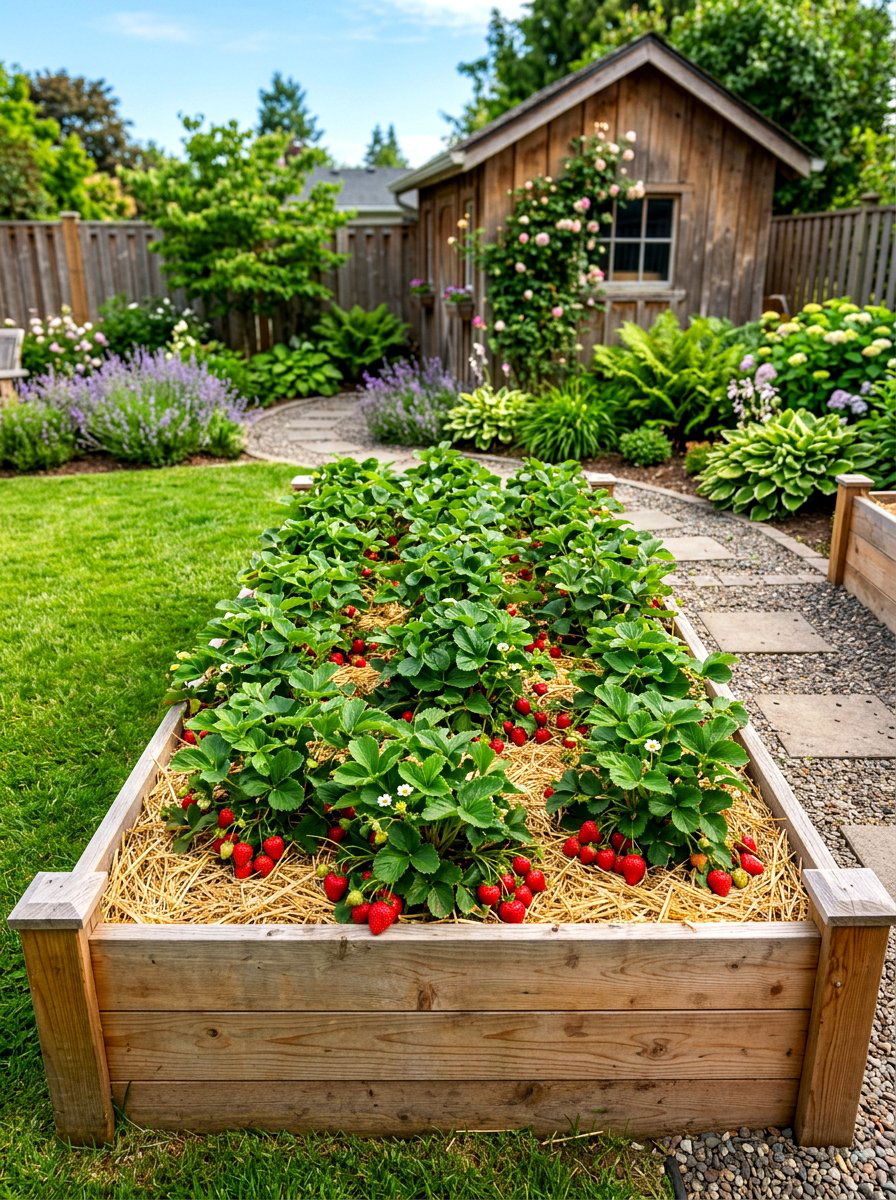
Do you want to create a tidy and organized space where you can grow several different berry types together? A raised bed berry mix allows you to consolidate your fruit production into one easy-to-manage area with perfect drainage. By elevating the garden, you can fill the beds with high-quality soil that is specifically tailored to the needs of berries. You might plant raspberries in the center for height and surround them with smaller strawberry plants near the edges. This arrangement keeps the garden looking clean and prevents invasive canes from spreading into your grass or other flower beds. It also saves your back from unnecessary strain during planting, weeding, and harvesting chores.
12. Strawberry Pallet Planter
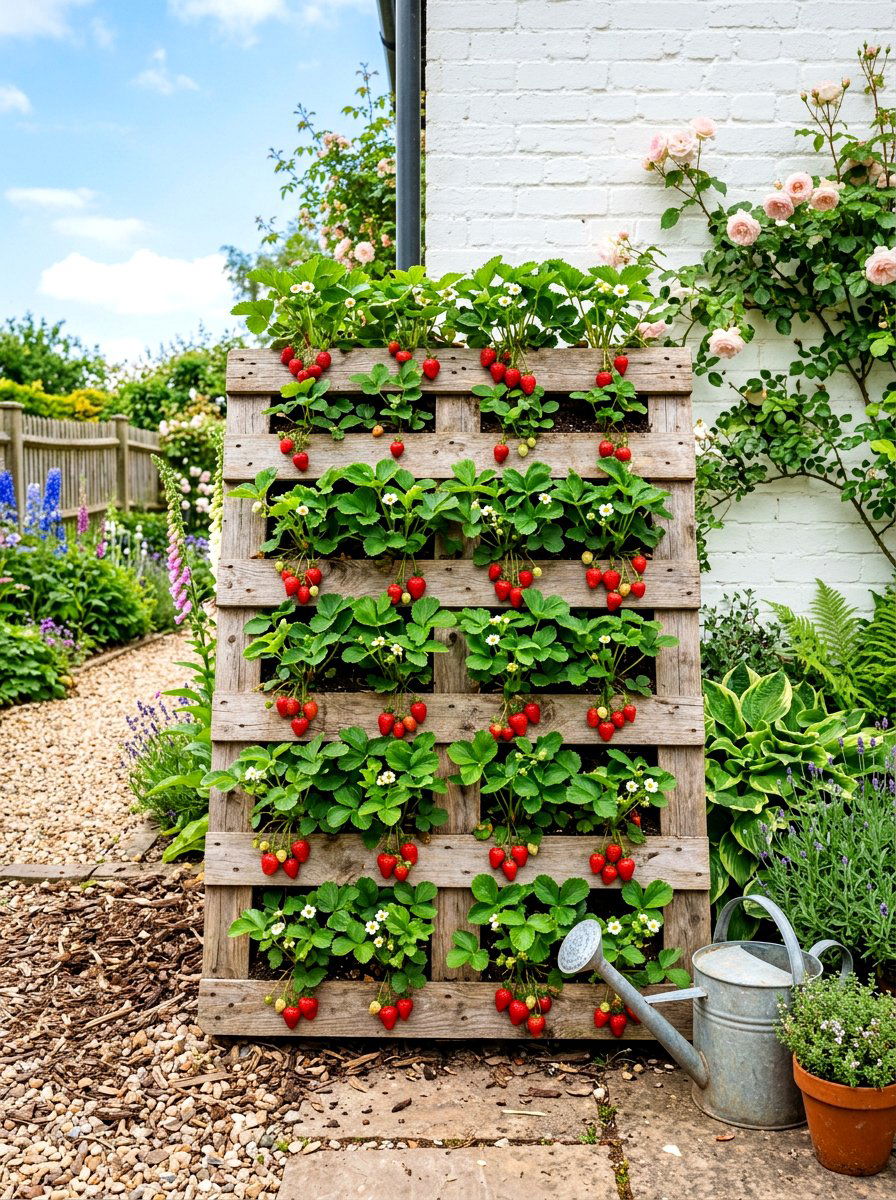
Are you looking for a fun and affordable way to recycle old materials while growing your own organic food? A strawberry pallet planter is a popular DIY project that brings a rustic, farmhouse feel to any outdoor living space. By leaning a treated pallet against a wall and filling the internal slats with soil, you create multiple horizontal planting rows. This vertical orientation is perfect for small decks or patios where ground space is at a premium. The strawberry plants will tuck into the gaps and grow outward, eventually covering the wood with beautiful green leaves and red fruit. It is a creative way to showcase your gardening skills while being environmentally conscious.
13. Blueberry Foundation Planting
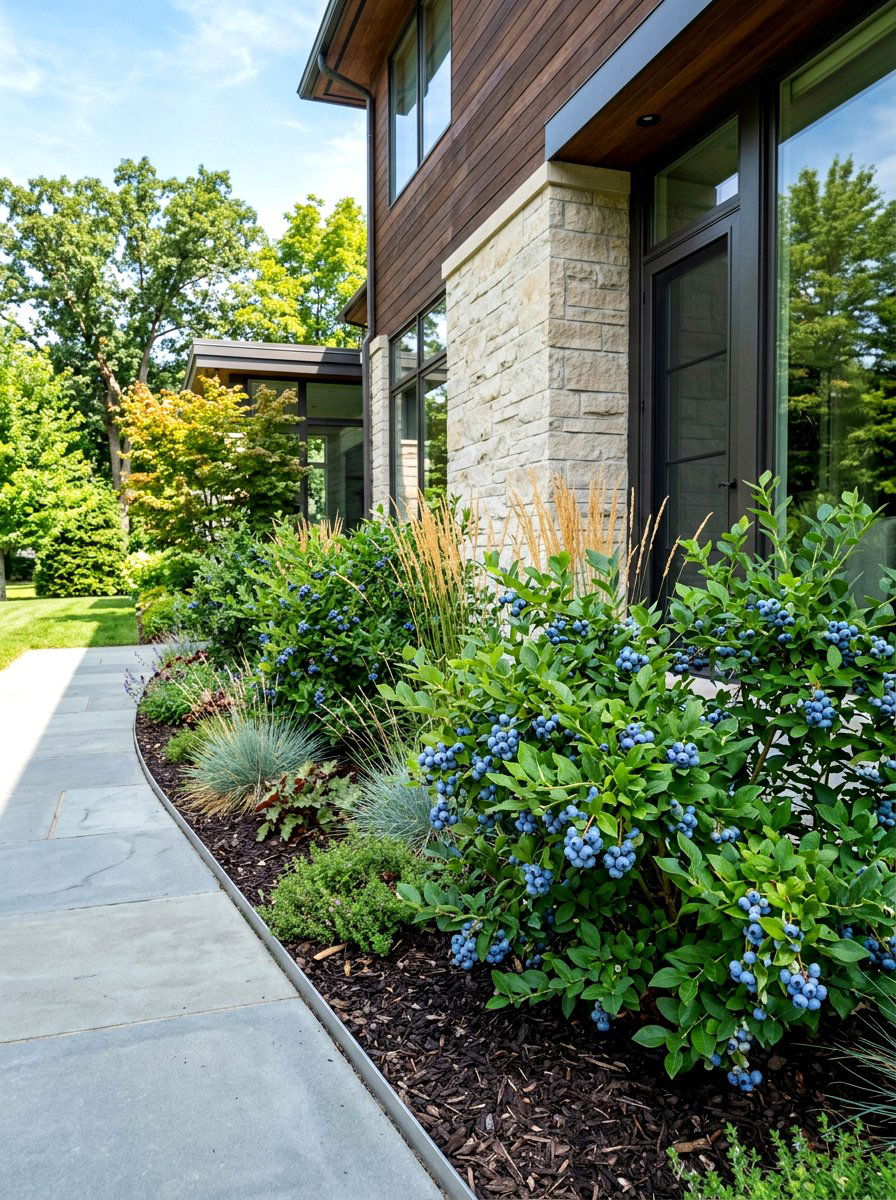
Can you imagine replacing your boring ornamental shrubs with beautiful bushes that also produce delicious, antioxidant-rich fruit? Blueberry foundation planting involves placing these attractive shrubs right against the front or side of your home for curb appeal. Many blueberry varieties have stunning white bell-shaped flowers in the spring and vibrant red or orange leaves in the fall. This dual-purpose landscaping strategy ensures that every plant in your yard is working hard to provide both beauty and food. Since they are planted close to the house, you are more likely to remember to water them and harvest the fruit when it is perfectly ripe. They offer a sophisticated and very modern look.
14. Raspberry Row Garden
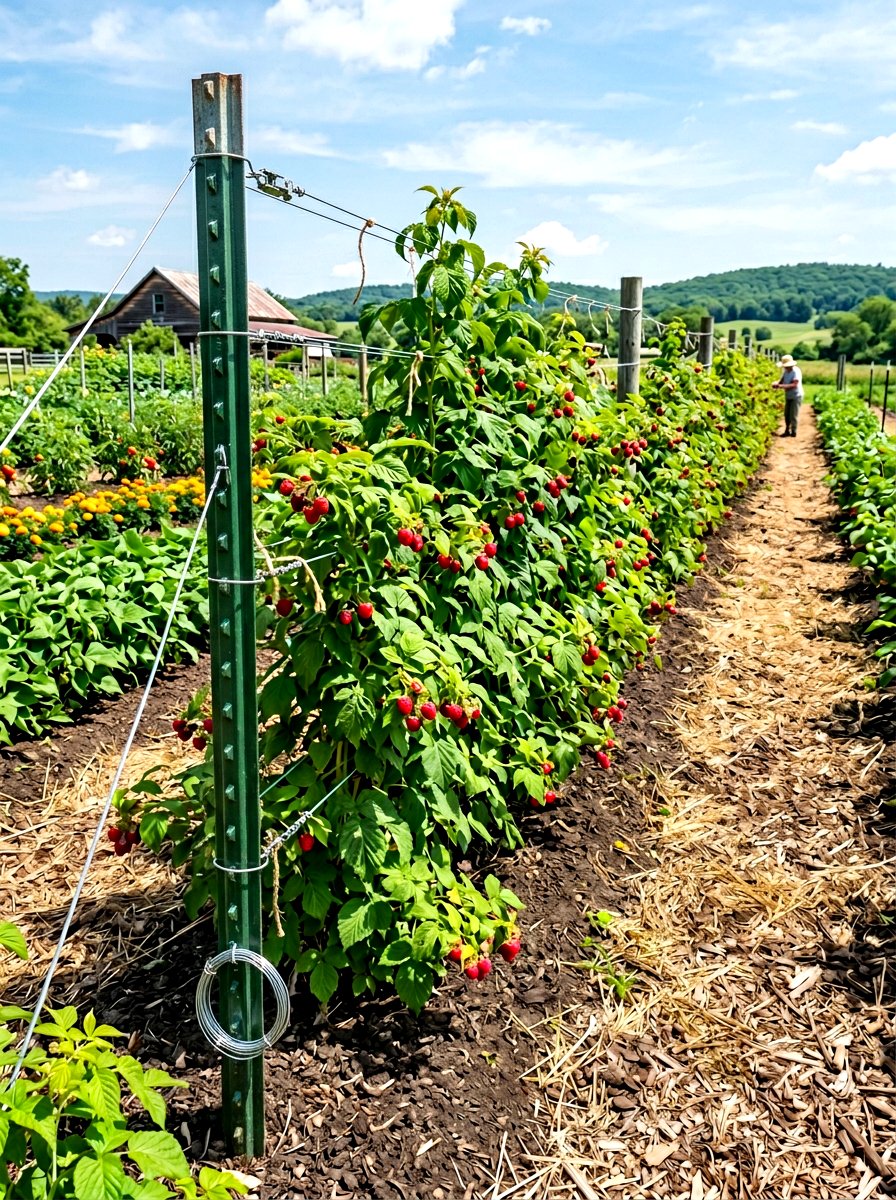
Do you have a long, narrow strip of land that seems difficult to landscape with traditional flowering plants? A raspberry row garden is the perfect way to utilize that space for a high-yield agricultural project in your backyard. By planting the canes in a single, straight line, you make it very easy to install a simple post-and-wire support system. This organized layout allows you to walk down both sides of the row to pick fruit without getting tangled in the canes. It also ensures that the plants receive maximum sunlight from all angles, which leads to sweeter and larger berries. A row garden is the classic choice for anyone serious about large-scale berry production.
15. Blackberry Archway
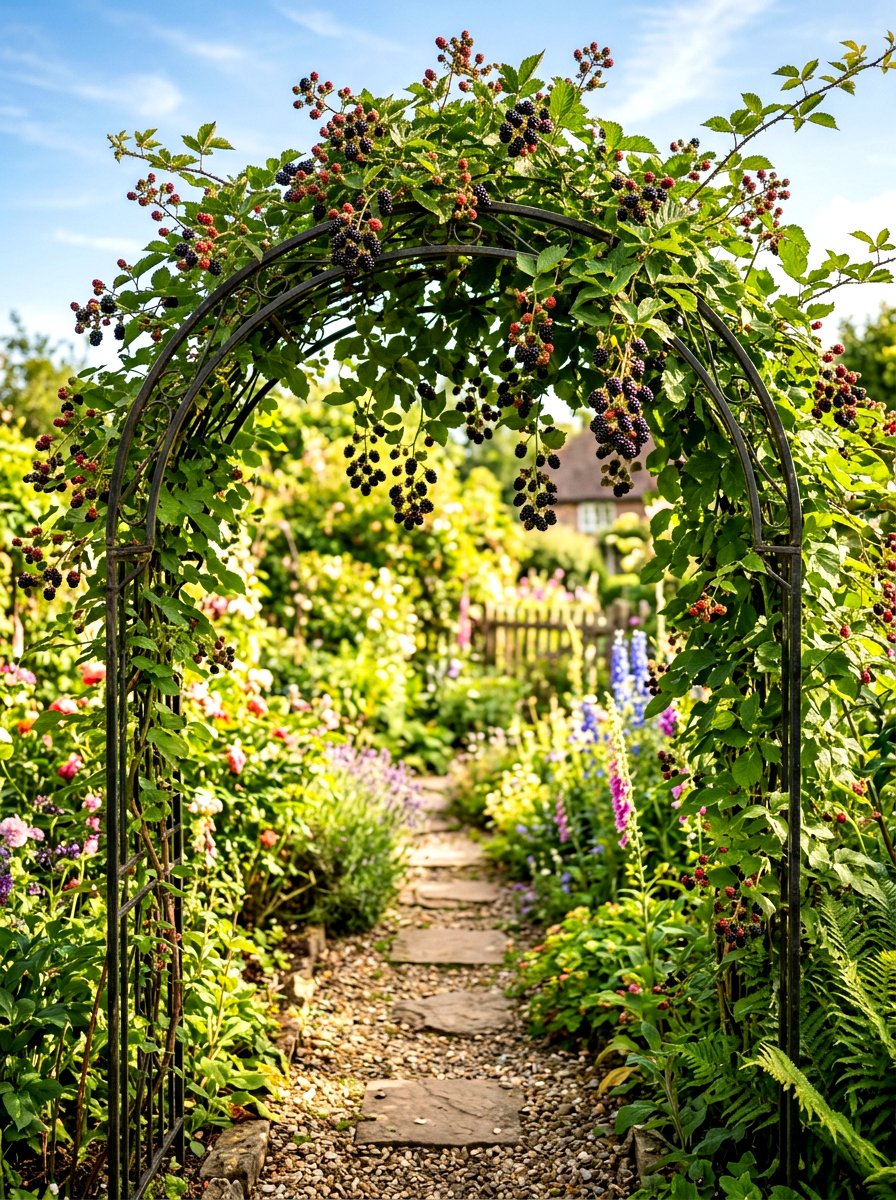
Have you ever dreamed of walking through a magical tunnel of green leaves and heavy clusters of dark fruit? A blackberry archway uses a sturdy metal or wooden arbor to support the vigorous growth of trailing blackberry vines. As the canes grow, you can gently train them to climb up and over the top of the structure. This creates a stunning focal point in your garden that provides shade and a very unique harvesting experience. The berries will hang down from the top of the arch, making them incredibly easy to reach as you pass through. This romantic design element turns a simple garden path into a productive and very memorable destination.
16. Tiered Strawberry Planter
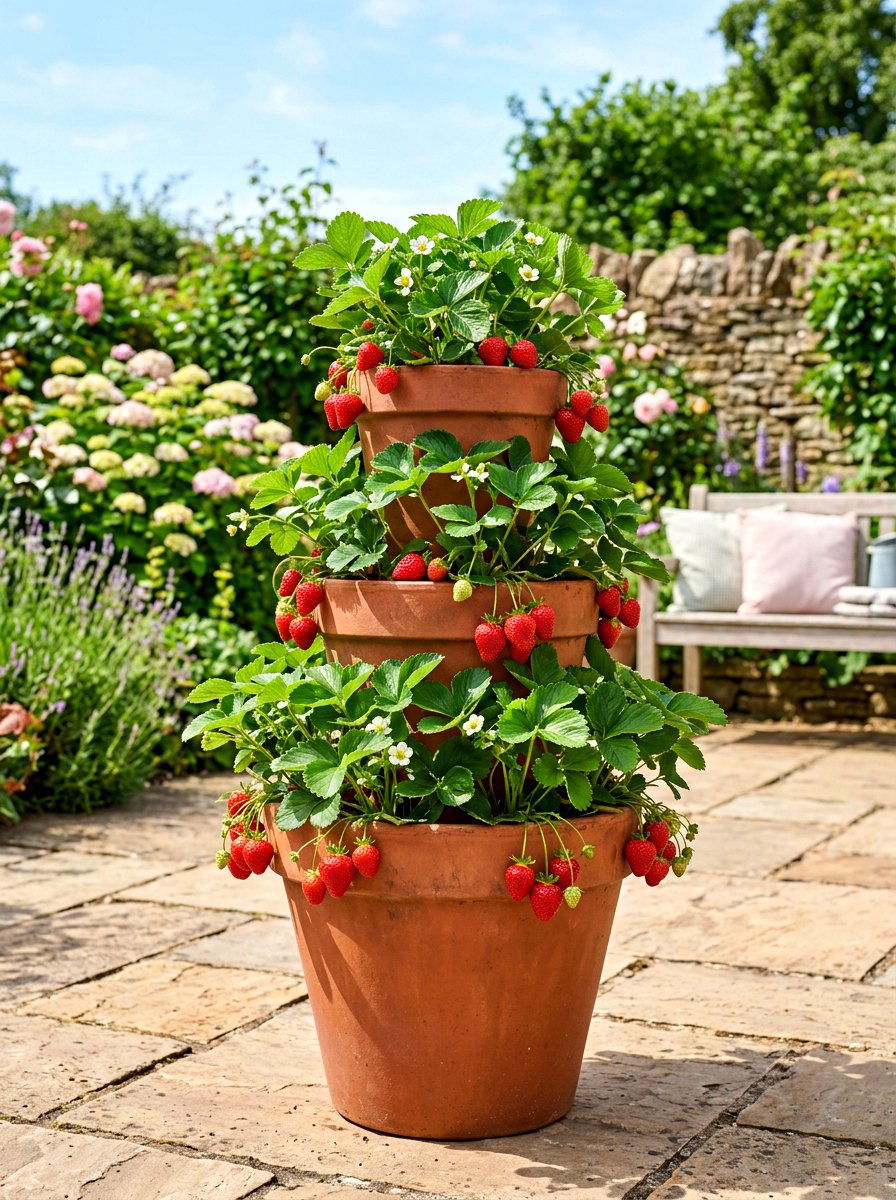
What if you could create a beautiful fountain of fruit using a series of stacked, circular garden beds? A tiered strawberry planter is an elegant way to display your plants while maximizing the number of berries you can grow. Each level provides a fresh layer of soil and space for the runners to drape down toward the next tier. This vertical arrangement creates a lush, green pyramid that looks amazing in the center of a patio or at a garden entrance. The increased height also improves air circulation around the plants, which helps prevent common fungal diseases and fruit rot. It is a stunning visual piece that combines high-end design with practical food production.
17. Wild Strawberry Woodland
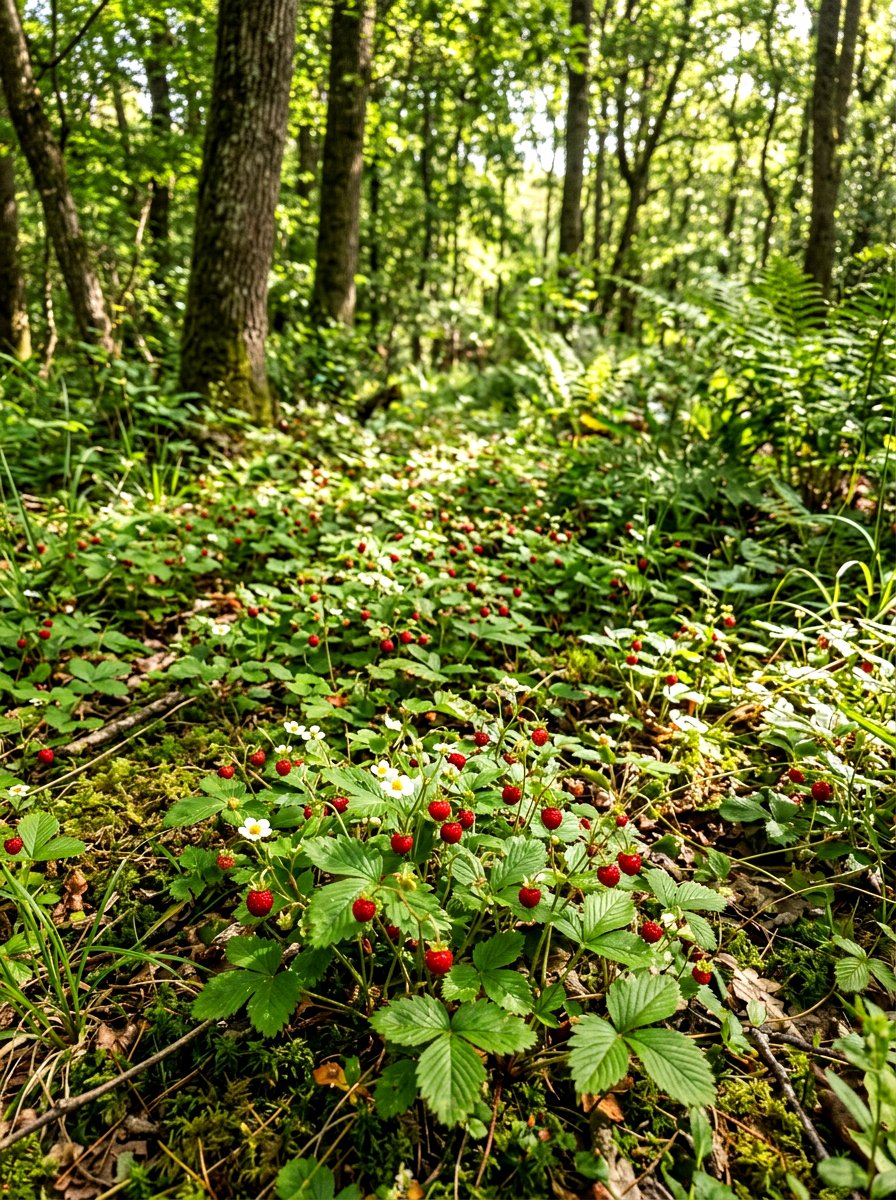
Do you have a shady or semi-wooded area in your yard where most traditional garden plants refuse to grow? A wild strawberry woodland utilizes the hardy and shade-tolerant nature of native strawberry species to create a naturalized groundcover. These tiny berries may be smaller than commercial varieties, but they are packed with an incredibly intense and sweet flavor. They will slowly spread across the forest floor, creating a beautiful green carpet that requires almost zero maintenance from you. This idea is perfect for those who want a low-impact, wildlife-friendly garden that feels like it belongs in nature. It provides a delightful surprise for anyone exploring the quieter corners of your large property.
18. Pink Lemonade Blueberry Pot
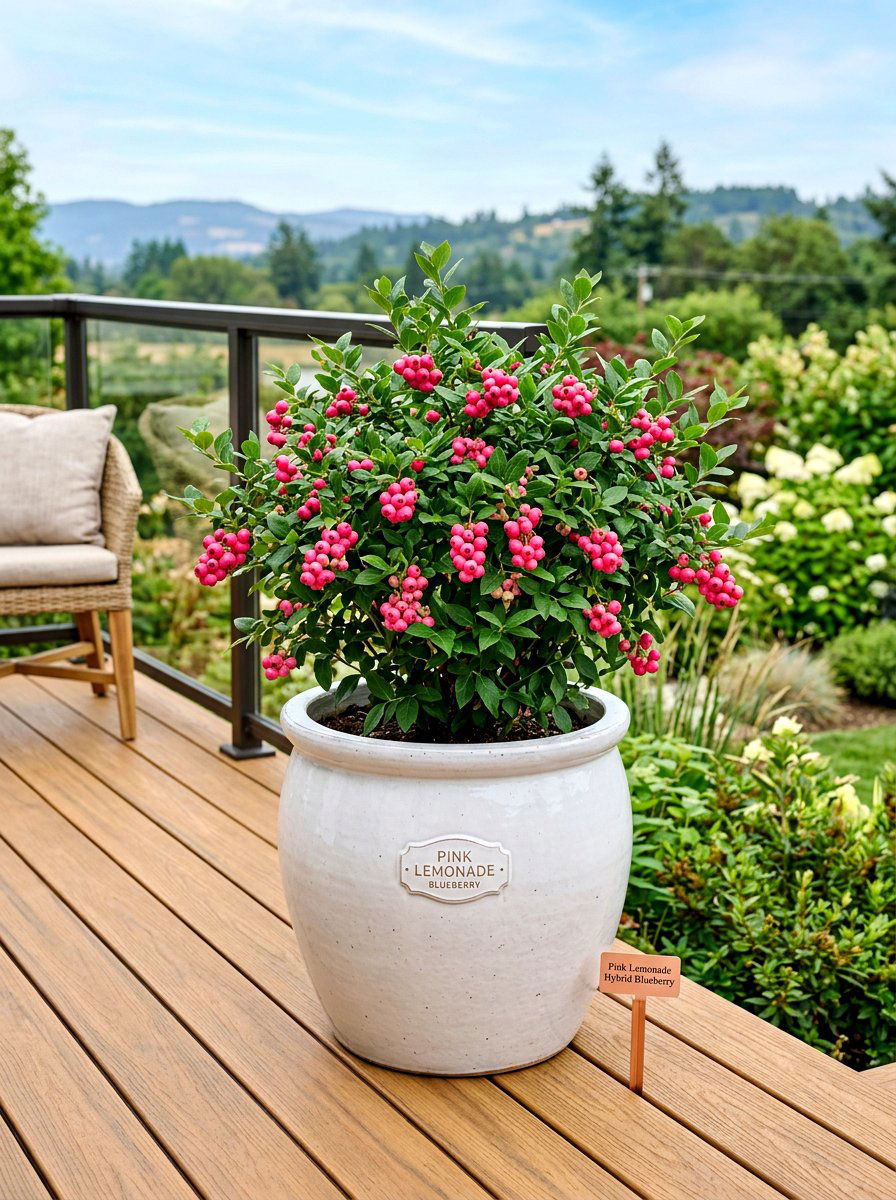
Have you heard about the unique blueberry variety that produces beautiful bright pink fruit instead of the traditional blue? The Pink Lemonade blueberry is a show-stopping plant that looks incredible when grown in a large, decorative ceramic pot. These berries are known for their sweet, flowery flavor and their striking appearance in the garden or on a plate. The shrub itself has an elegant, upright growth habit and beautiful fine-textured leaves that turn a lovely yellow in the fall. Growing this variety in a container allows you to move it to the most prominent spot on your patio during the harvest season. It is a wonderful conversation starter for guests who visit your outdoor space.
19. Potted Raspberry Patio
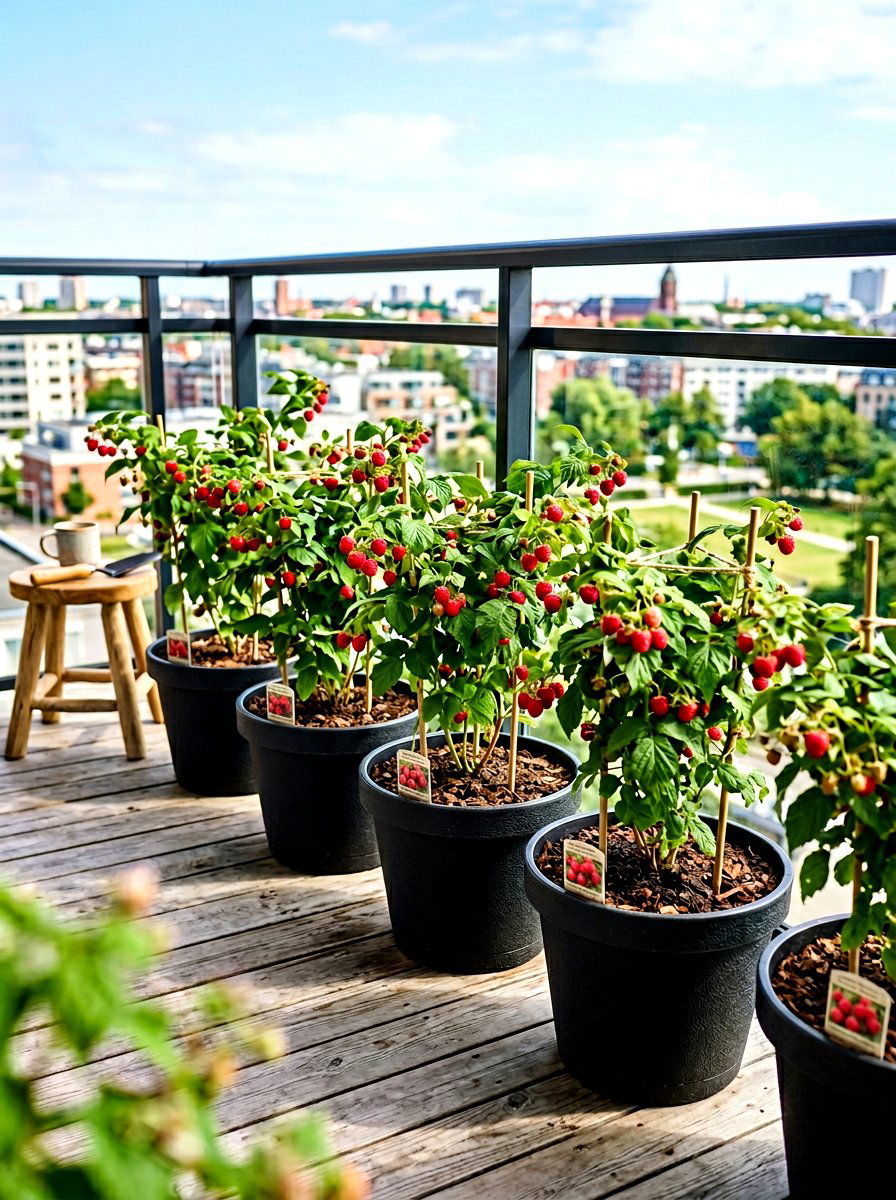
Can you grow your own raspberries even if you only have a small apartment balcony or a tiny concrete patio? A potted raspberry patio setup uses modern dwarf varieties that are specifically designed to thrive in confined container environments. These compact plants only reach about two or three feet in height but still produce a surprising amount of full-sized, sweet fruit. Because they do not require a large trellis or lots of ground space, they are perfect for urban dwellers. You can place the pots in a sunny corner and enjoy the convenience of picking fresh berries just steps away from your kitchen door. They bring a touch of the countryside to any city setting.
20. Thornless Blackberry Support
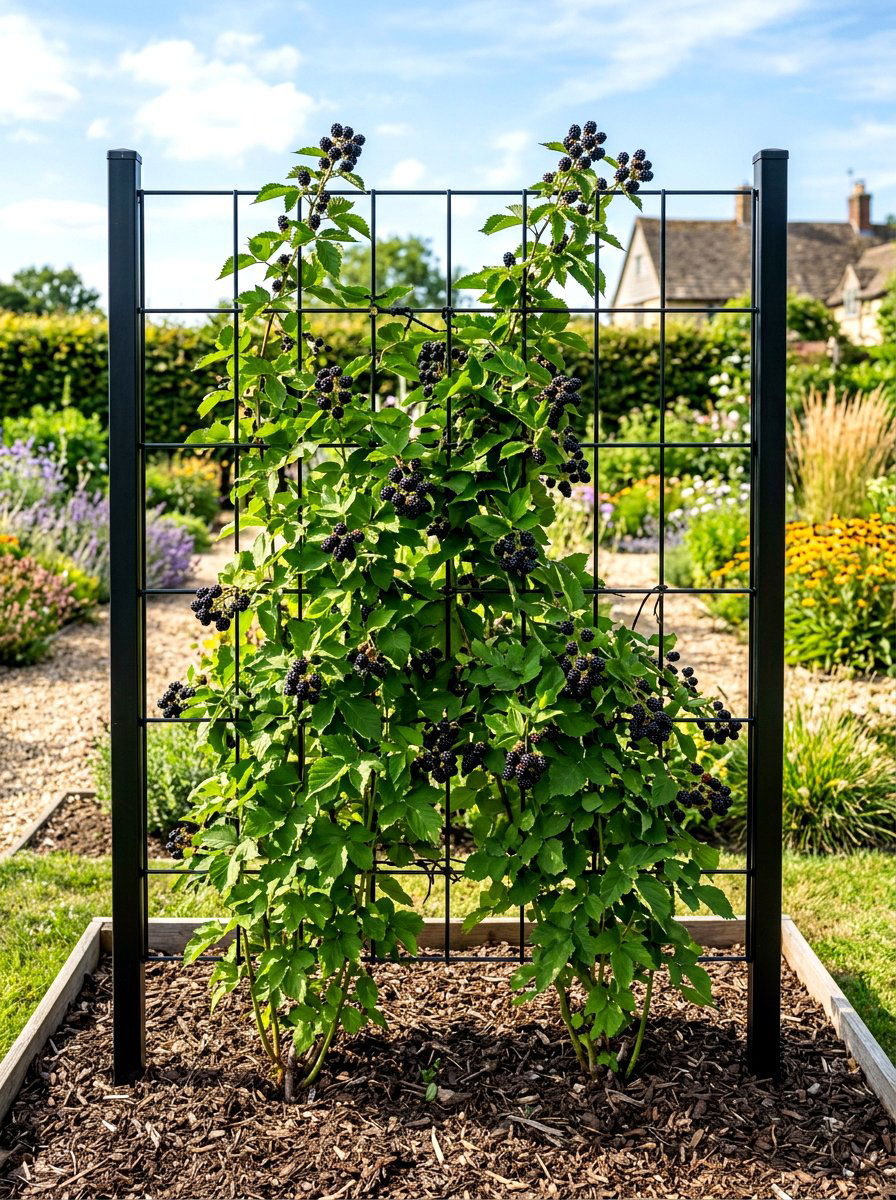
Are you worried about getting scratched by sharp thorns while trying to enjoy a fresh blackberry harvest? A thornless blackberry support system allows you to grow these vigorous plants safely and comfortably in a family-friendly garden. Modern cultivars offer the same great taste without any of the painful prickles found on wild brambles. You can use a simple wooden frame or a modern metal grid to keep the long canes upright and neatly organized. This setup makes it much easier to prune the plants and monitor the fruit for ripeness throughout the summer. It is a clean and very practical way to enjoy one of nature’s most prolific and delicious summer berry crops.
21. Loganberry Trellis System
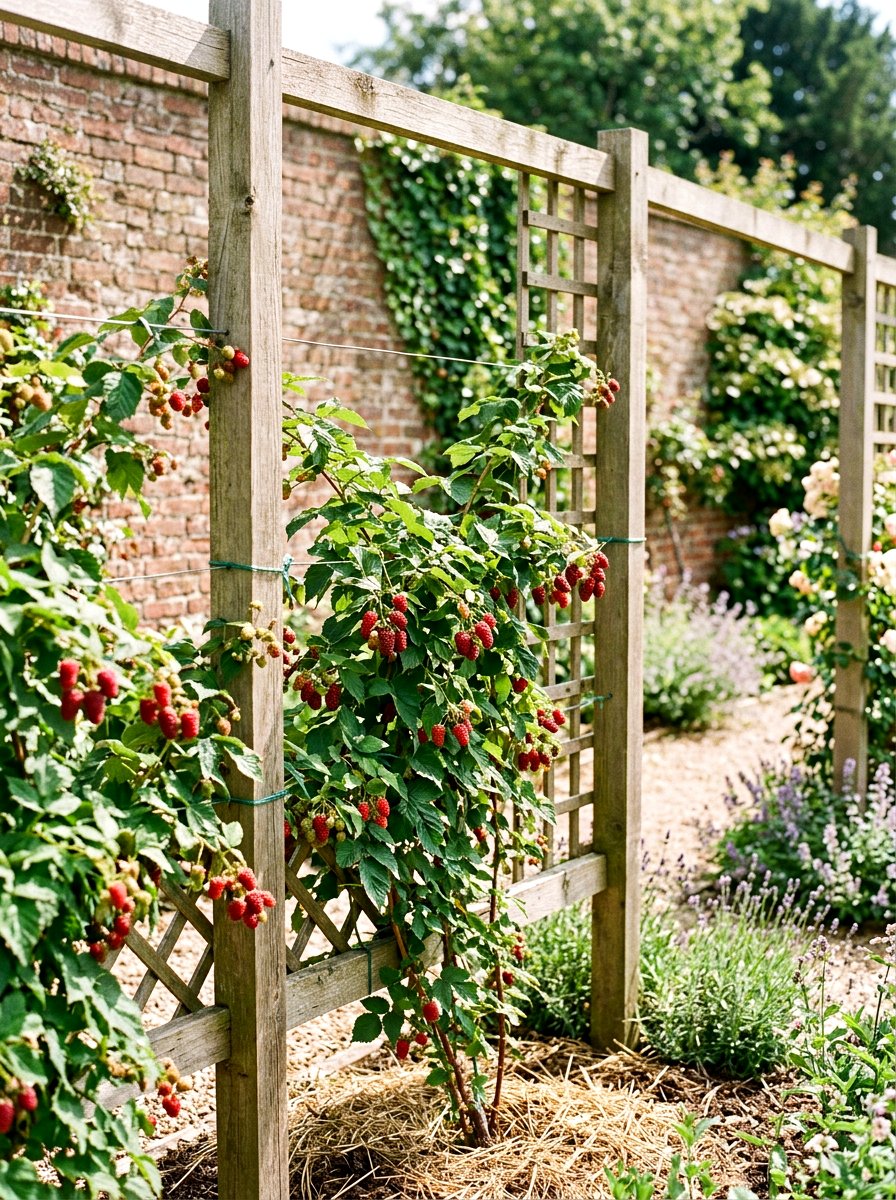
Have you ever tried the unique and tangy flavor of a loganberry, which is a hybrid cross between a raspberry and a blackberry? A loganberry trellis system is essential for these plants because they inherit the long, trailing growth habit of their blackberry parents. By providing a sturdy wire or wooden support, you can keep the heavy canes off the ground and away from pests. The fruit is large, deep red, and has a wonderful tartness that is perfect for making specialized syrups and dessert sauces. These plants are very vigorous and can quickly cover a large area, making them great for hiding an unattractive wall or an old garden shed.
22. Cranberry Bog Bed
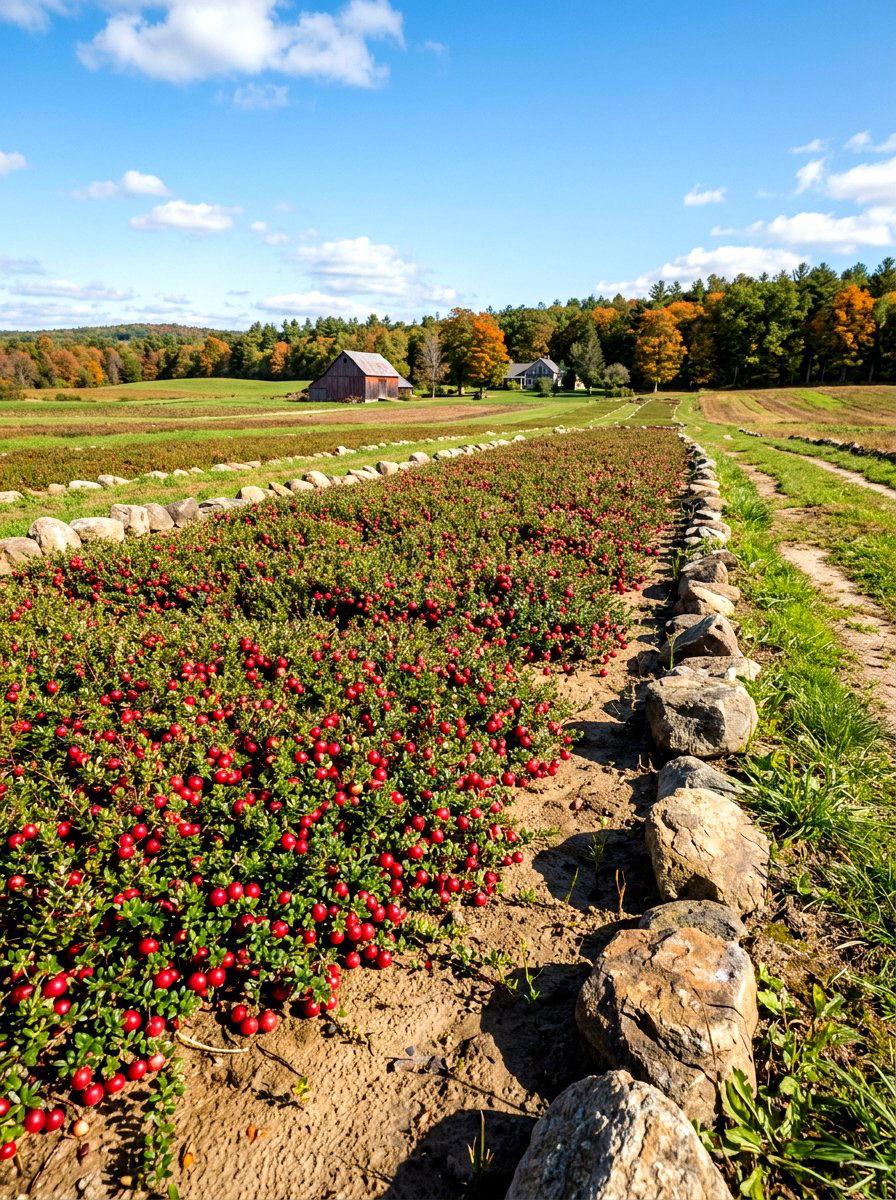
Did you know that you can grow your own cranberries at home by creating a specialized low-lying garden bed? A cranberry bog bed is a unique project that involves lining a shallow area with plastic and filling it with a mix of sand and peat moss. While they do not need to be underwater all year, they do require very acidic and consistently moist conditions to produce fruit. These low-growing evergreen plants create a beautiful fine-textured mat that turns a lovely bronze color in the winter. In the fall, the bright red berries sit on top of the foliage, looking like tiny ornaments. It is a fascinating and very rewarding niche gardening project.
23. Lingonberry Garden Edging
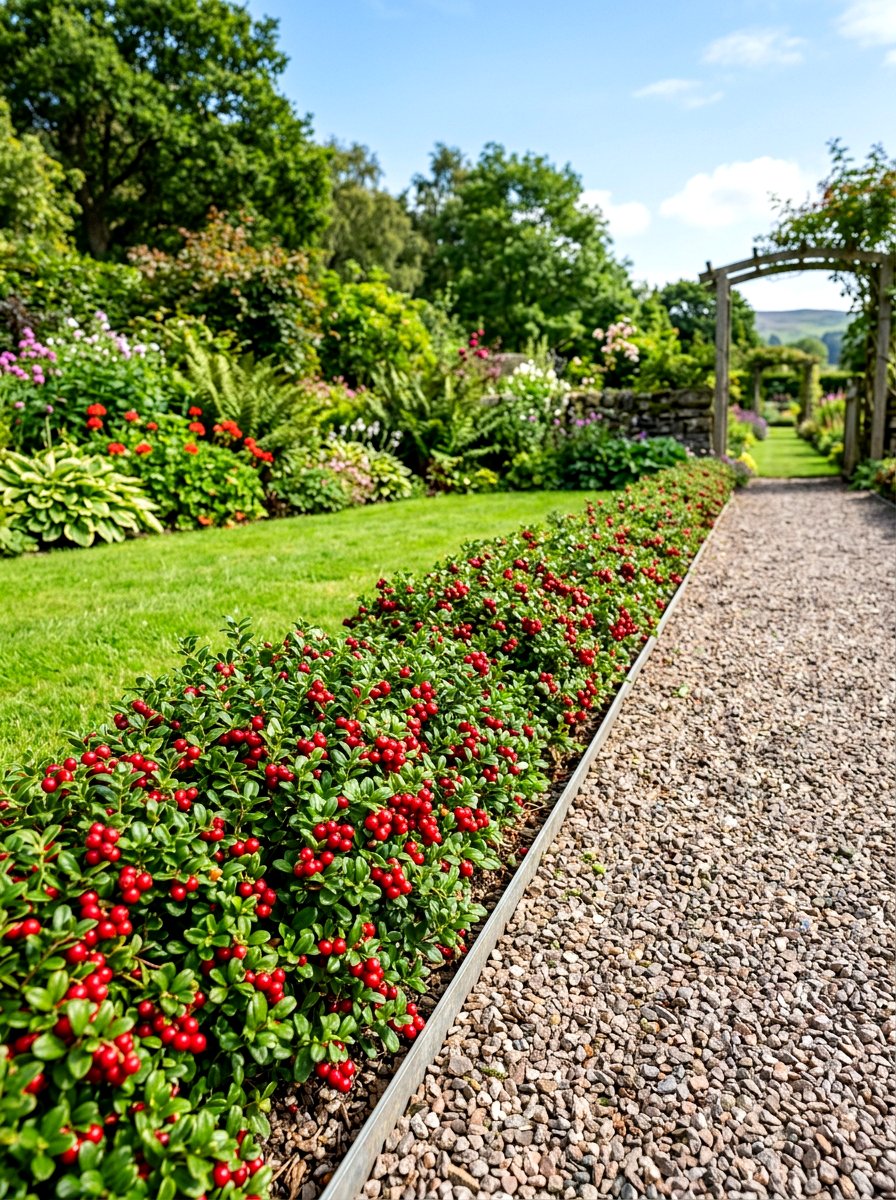
Are you looking for a productive alternative to traditional boxwood hedging for your garden paths or flower bed borders? Lingonberry garden edging uses these low-growing, evergreen shrubs to create a neat and functional boundary for your landscape. These plants are incredibly cold-hardy and produce tart red berries that are a staple in Scandinavian cuisine. They stay green all year round, providing much-needed structure and interest during the dull winter months. Because they are compact and slow-growing, they require very little pruning to maintain their shape. They offer a beautiful, sophisticated look that combines the best of ornamental landscaping with the benefits of growing your own superfruits.
24. Serviceberry Edible Tree
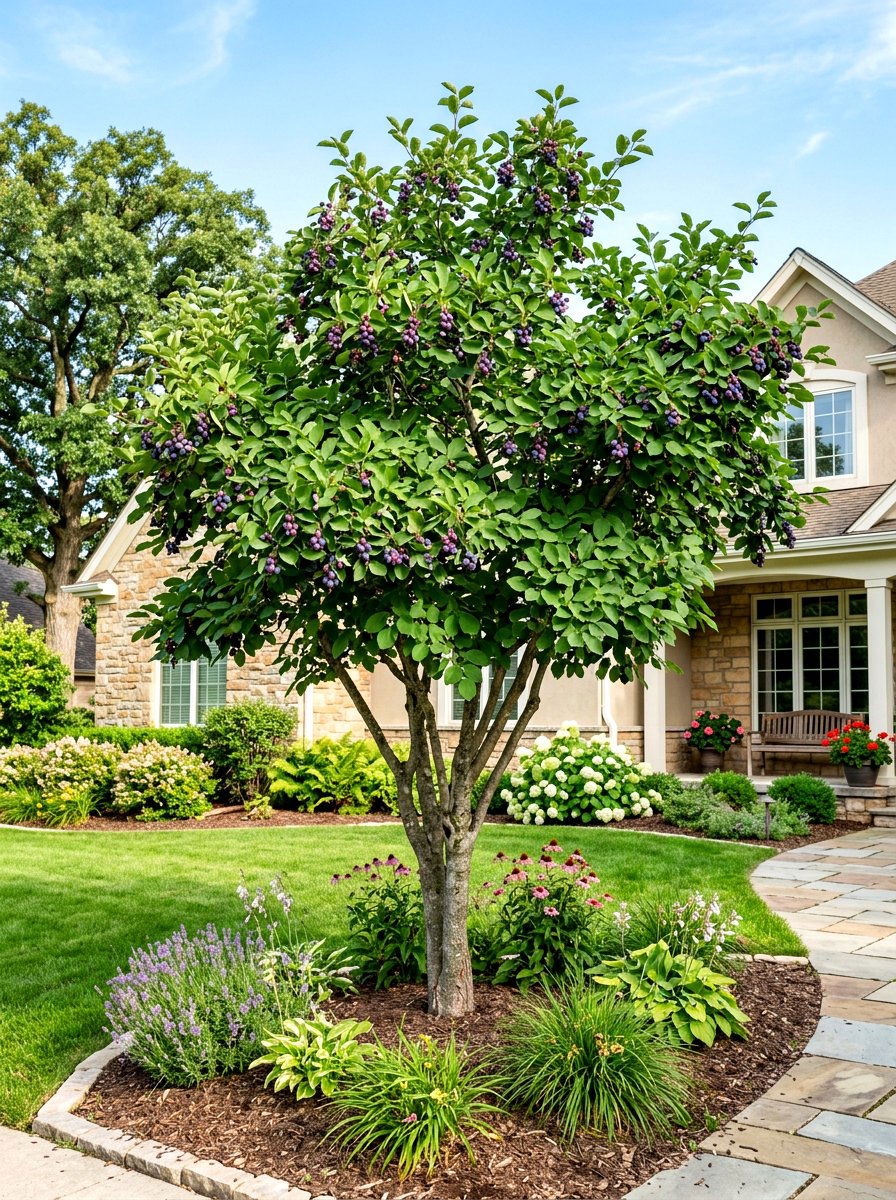
Can a beautiful flowering tree also provide a massive harvest of berries that taste like a mix of blueberries and almonds? A serviceberry edible tree is a spectacular addition to any front yard, offering stunning white blossoms in the early spring. The fruit ripens in June, providing a sweet and healthy treat for both humans and songbirds who visit your garden. These trees also have some of the most beautiful orange and red fall foliage of any deciduous species. They are very easy to care for and can fit into smaller yards where a massive fruit tree might be too overwhelming. It is the perfect choice for a high-impact, multi-season landscape.
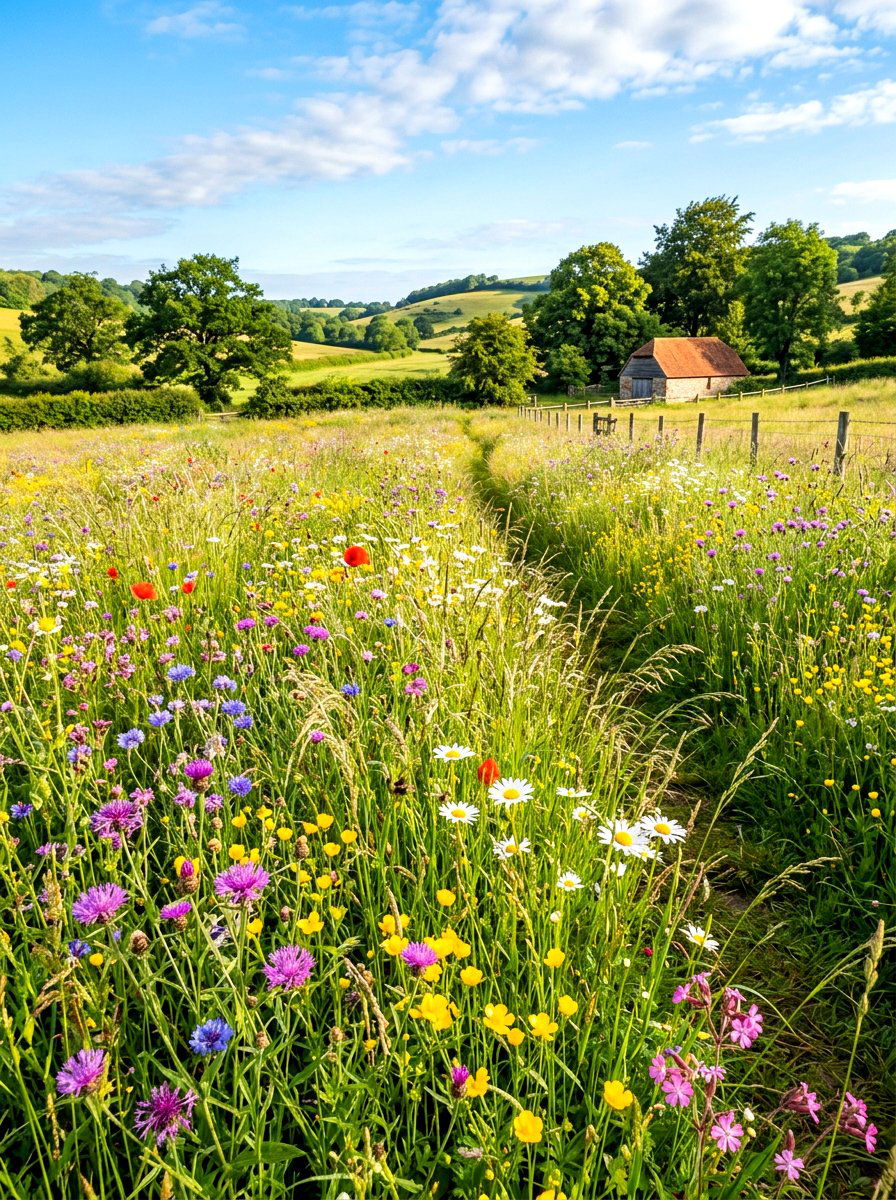
25. Honeyberry Bush Cluster
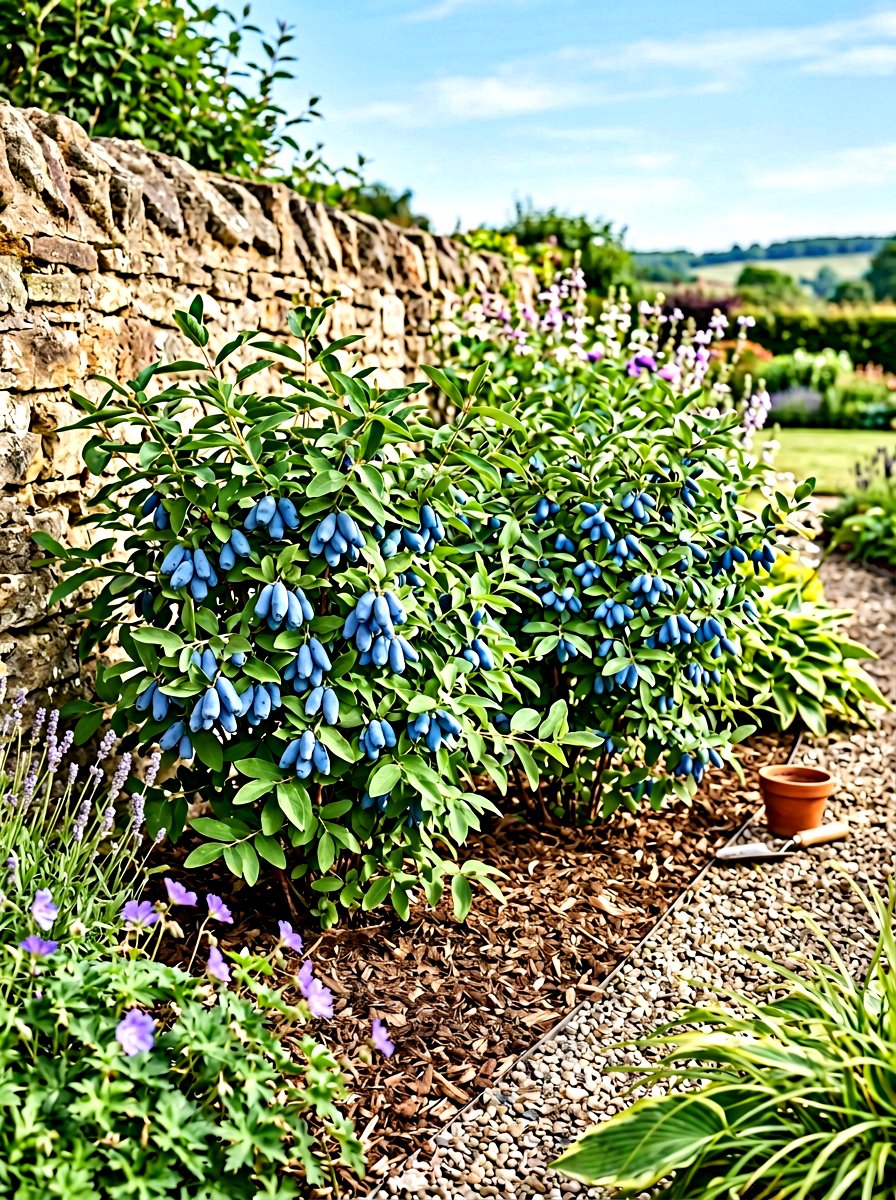
Have you discovered the amazing honeyberry, a plant that produces elongated blue fruits even earlier in the season than strawberries? A honeyberry bush cluster involves planting at least two different varieties together to ensure proper cross-pollination and a heavy harvest. These plants are incredibly tough, able to withstand extreme winter temperatures and still produce sweet, nutritious fruit. The berries have a unique flavor that many people describe as a blend of blueberry, raspberry, and a hint of elderberry. Because they are among the first fruits to ripen in the spring, they provide a much-needed boost of fresh flavor after a long winter. They are a must-have for adventurous fruit growers.
26. Tayberry Fence Support
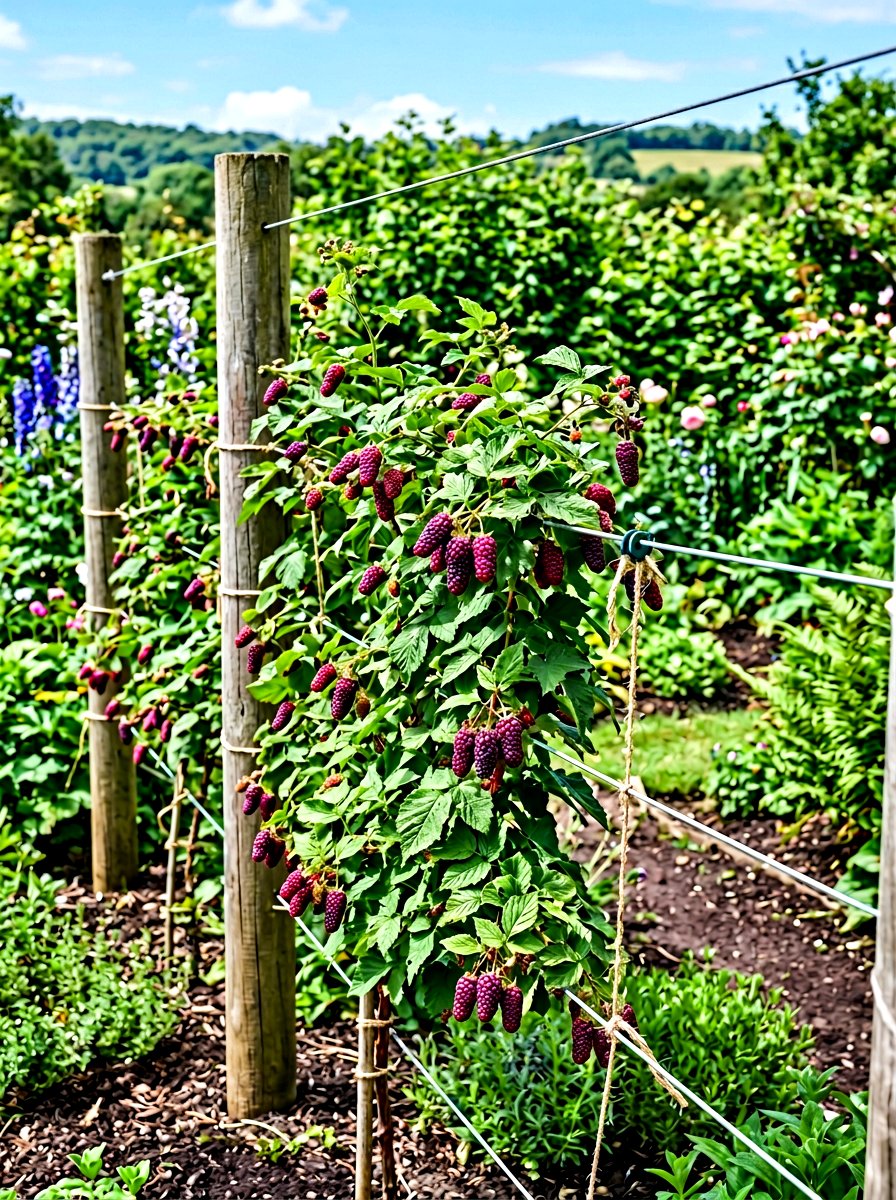
Would you like to grow a berry that is famous for being one of the largest and sweetest hybrids in the world? A tayberry fence support system is perfect for this cross between a blackberry and a raspberry. The fruit is much longer than a standard raspberry and has a deep, rich purple color when it is fully ripe. Because the canes are very long and somewhat flexible, they need to be tied to a fence or a sturdy trellis to stay organized. These plants are known for their high yields and their ability to produce fruit over a long summer season. They add a delicious and exotic touch to any backyard berry collection.
27. Boysenberry Garden Grid
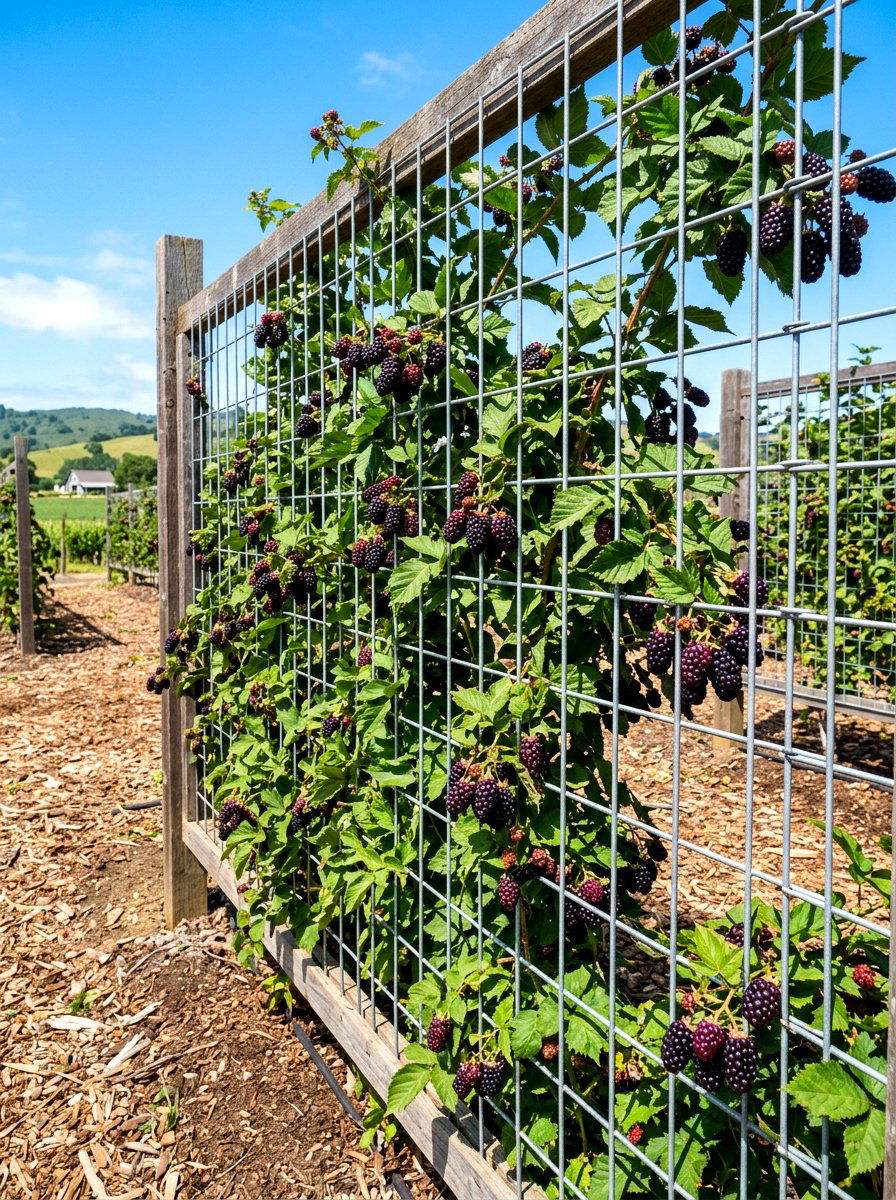
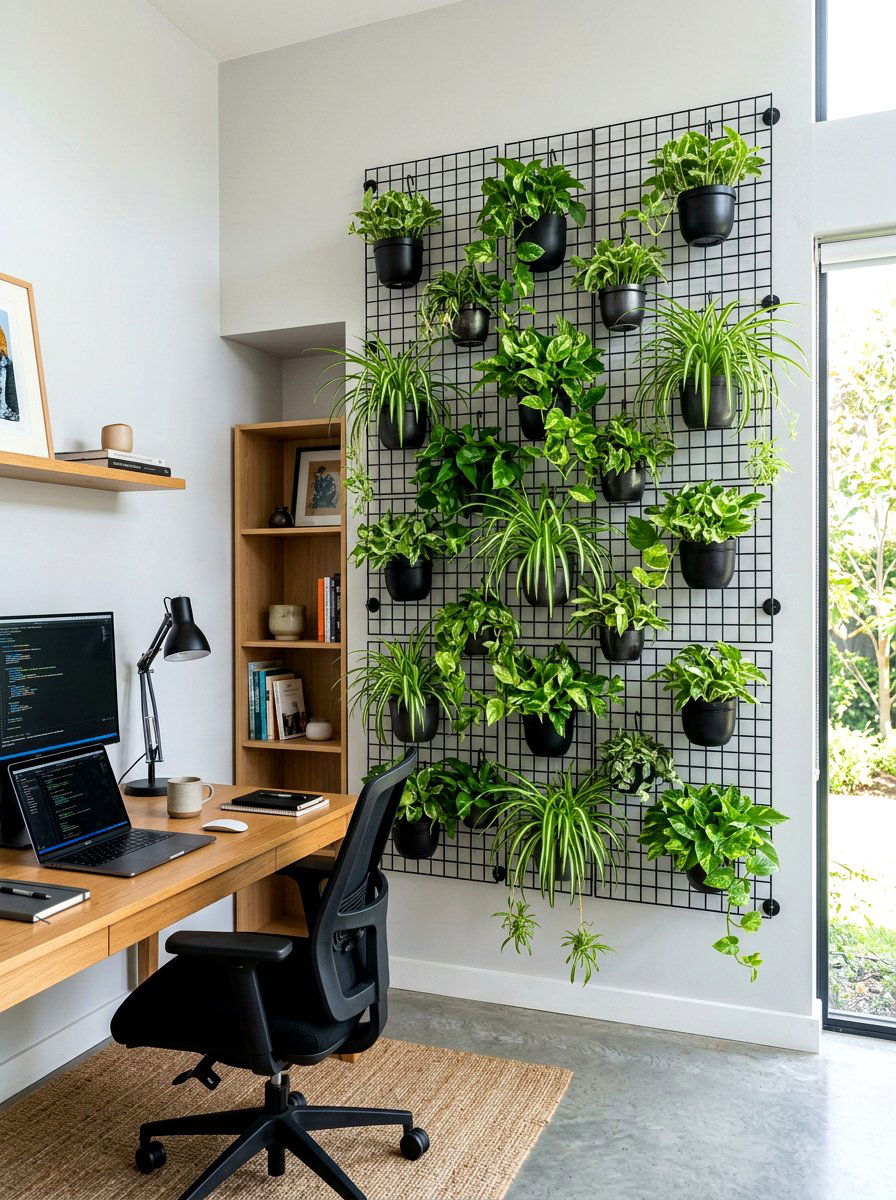
Have you ever tasted the complex, wine-like flavor of a fresh boysenberry picked straight from the vine in your yard? A boysenberry garden grid uses a flat vertical support to manage the vigorous and trailing growth of this famous hybrid plant. These berries are large, juicy, and have a unique dusty-purple appearance that looks beautiful against their green foliage. By training them onto a grid, you ensure that the fruit is held high where it can stay clean and dry. This also makes the process of netting the plants against hungry birds much simpler for you. They are a fantastic choice for anyone who enjoys making high-quality homemade jams and berry pies.
28. White Currant Shrub
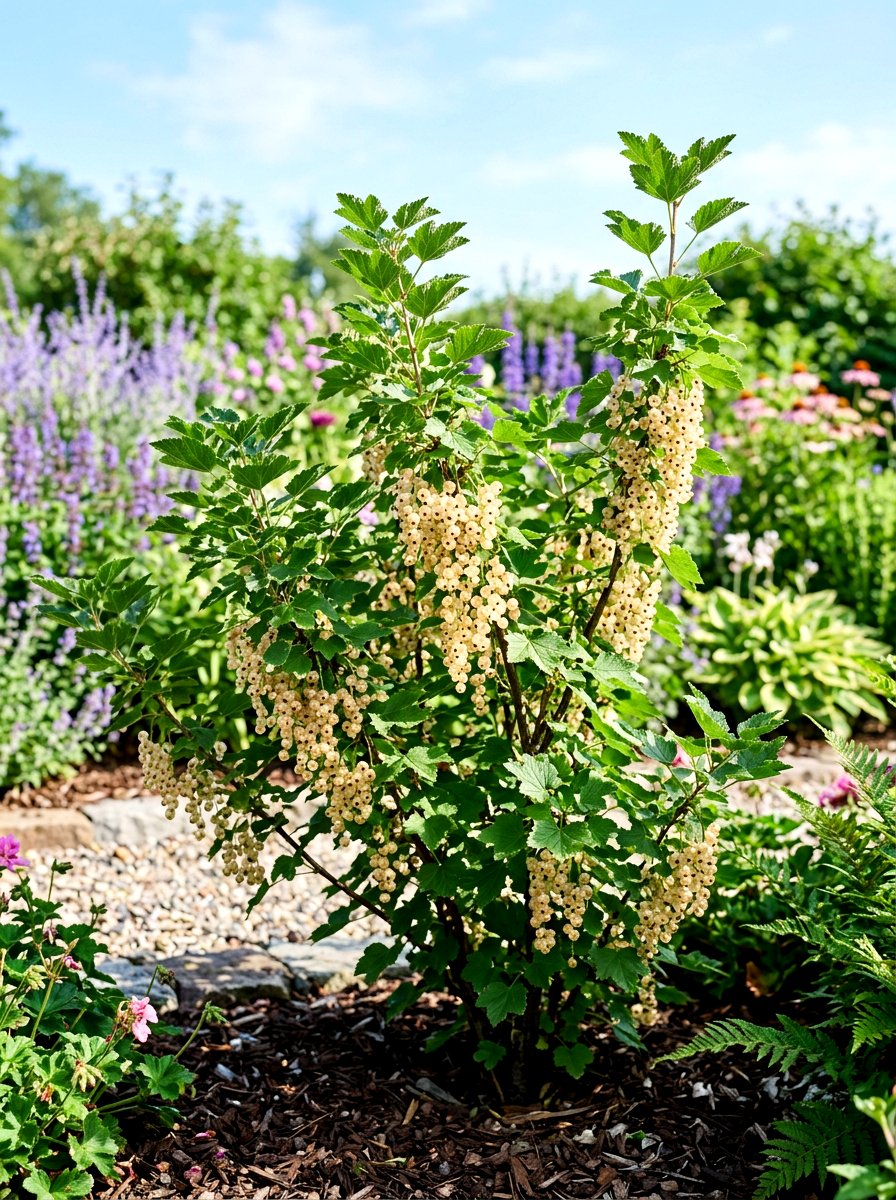
Do you want to add a touch of elegance and rarity to your garden with fruit that looks like glowing translucent pearls? A white currant shrub is a sophisticated choice for a perennial garden bed or a large decorative container. These berries are much sweeter and less tart than their red or black relatives, making them excellent for fresh snacking. The plants have an attractive, upright growth habit and beautiful lobed leaves that provide great texture to your landscape. Because they are less common in grocery stores, growing them at home is the best way to enjoy their unique flavor. They look absolutely stunning when served as a garnish on summer desserts.
29. Jostaberry Hybrid Hedge
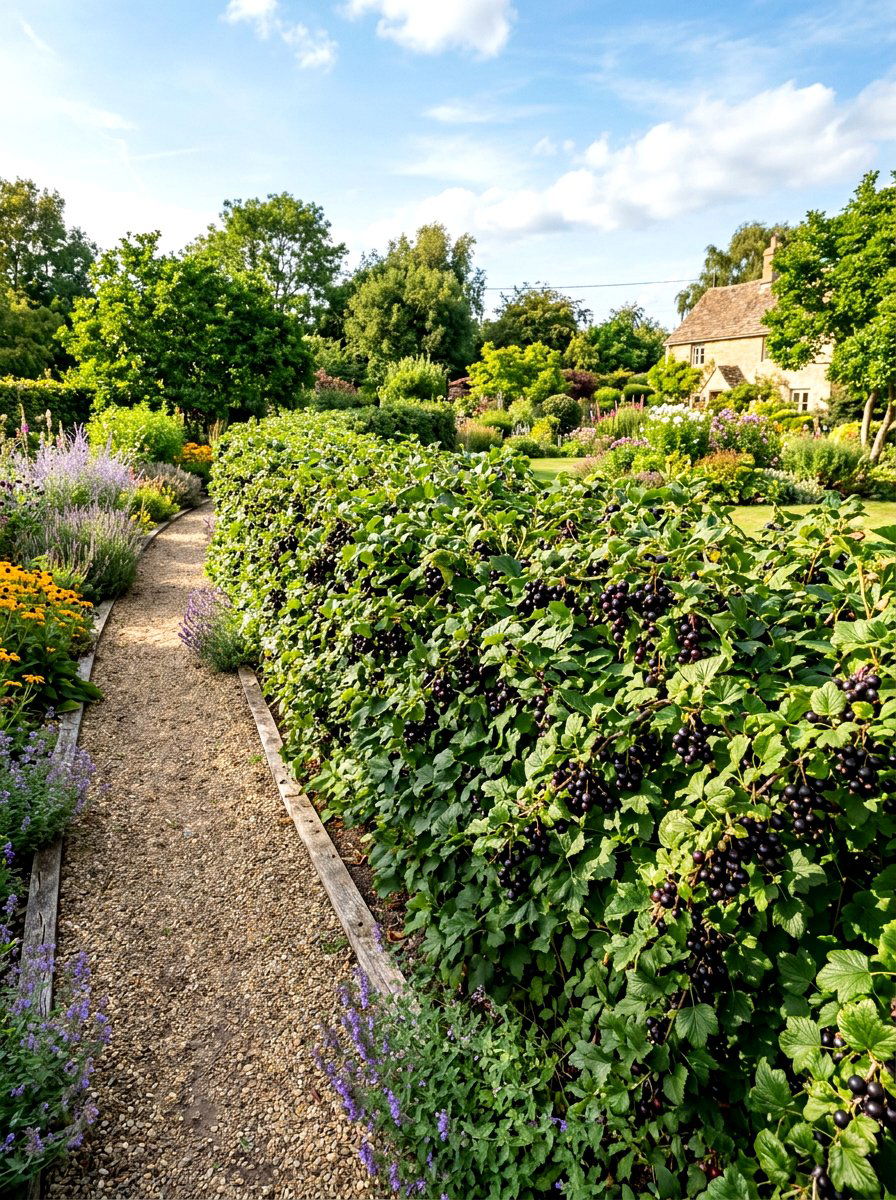
Can you imagine a berry plant that combines the best features of a gooseberry and a blackcurrant into one vigorous shrub? A jostaberry hybrid hedge is a fantastic way to create a productive and disease-resistant barrier in your backyard. These plants are completely thornless, making them much easier to handle than traditional gooseberries. They grow very quickly and can reach a substantial size, providing plenty of privacy and hundreds of dark, tangy berries every summer. The fruit is excellent for baking and making preserves, offering a complex flavor that is truly unique. This plant is a great choice for gardeners who want a high-yield berry that requires very little maintenance or specialized care.
30. Alpine Strawberry Border
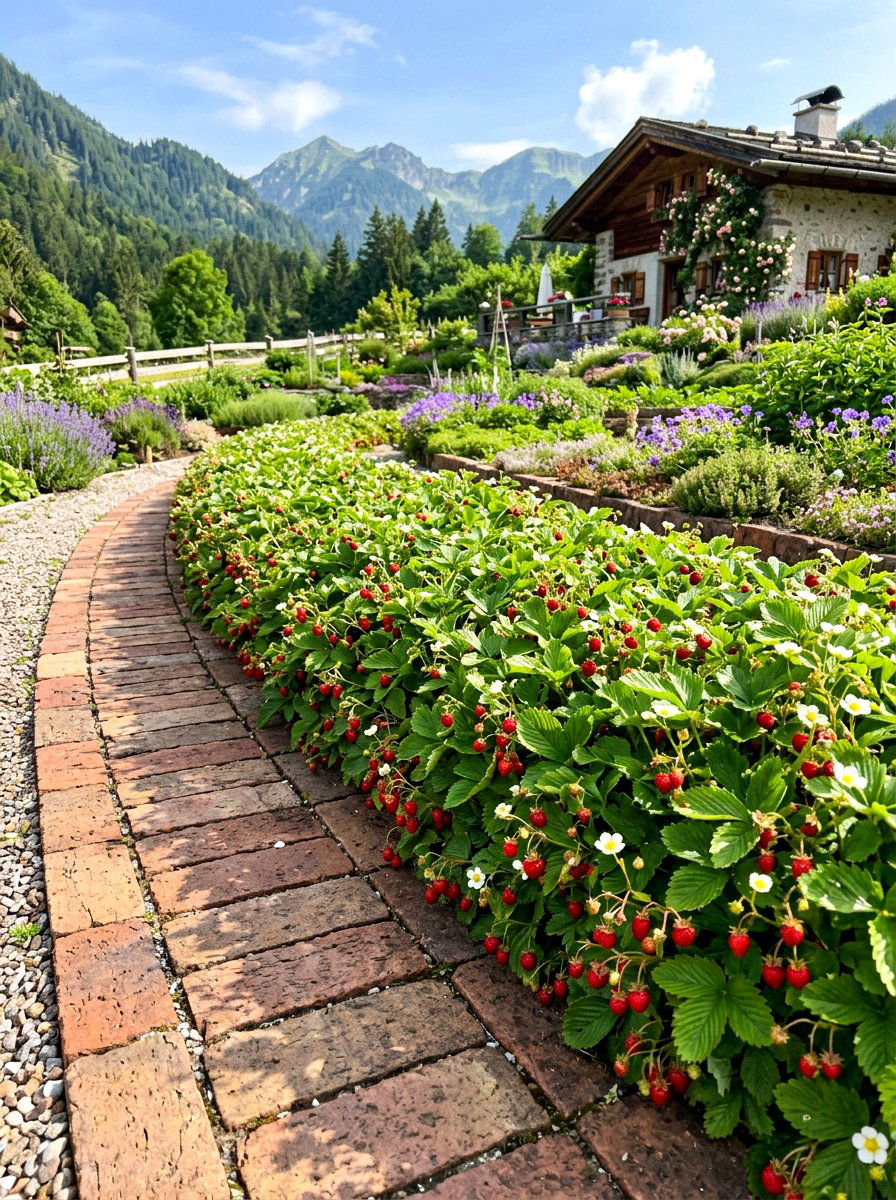
Have you ever wanted to grow strawberries that do not send out messy runners and stay in a neat, compact mound? An alpine strawberry border is the perfect solution for lining garden paths or edging your favorite flower beds. These plants produce small, pointed berries that have an incredibly intense and aromatic flavor that fills the air on warm days. Because they do not spread like common strawberries, they stay exactly where you plant them, keeping your garden looking tidy and professional. They continue to produce fruit from early summer all the way until the first frost in autumn. They are a delightful and very charming addition to any small-scale edible garden design.
Conclusion:
Creating a berry garden is a wonderful way to enhance your outdoor living space while providing a sustainable source of fresh food. Whether you choose to grow vertical strawberry towers or sprawling blackberry arches, these plants offer endless possibilities for creative landscape design. By following these ideas, you can build a garden that is not only productive but also visually stunning throughout the changing seasons. The joy of harvesting your own organic fruit is a rewarding experience that connects you more deeply with nature and your home. Start small with a few containers or go big with a dedicated berry patch, and you will enjoy the sweet rewards for many years to come.

Related posts: