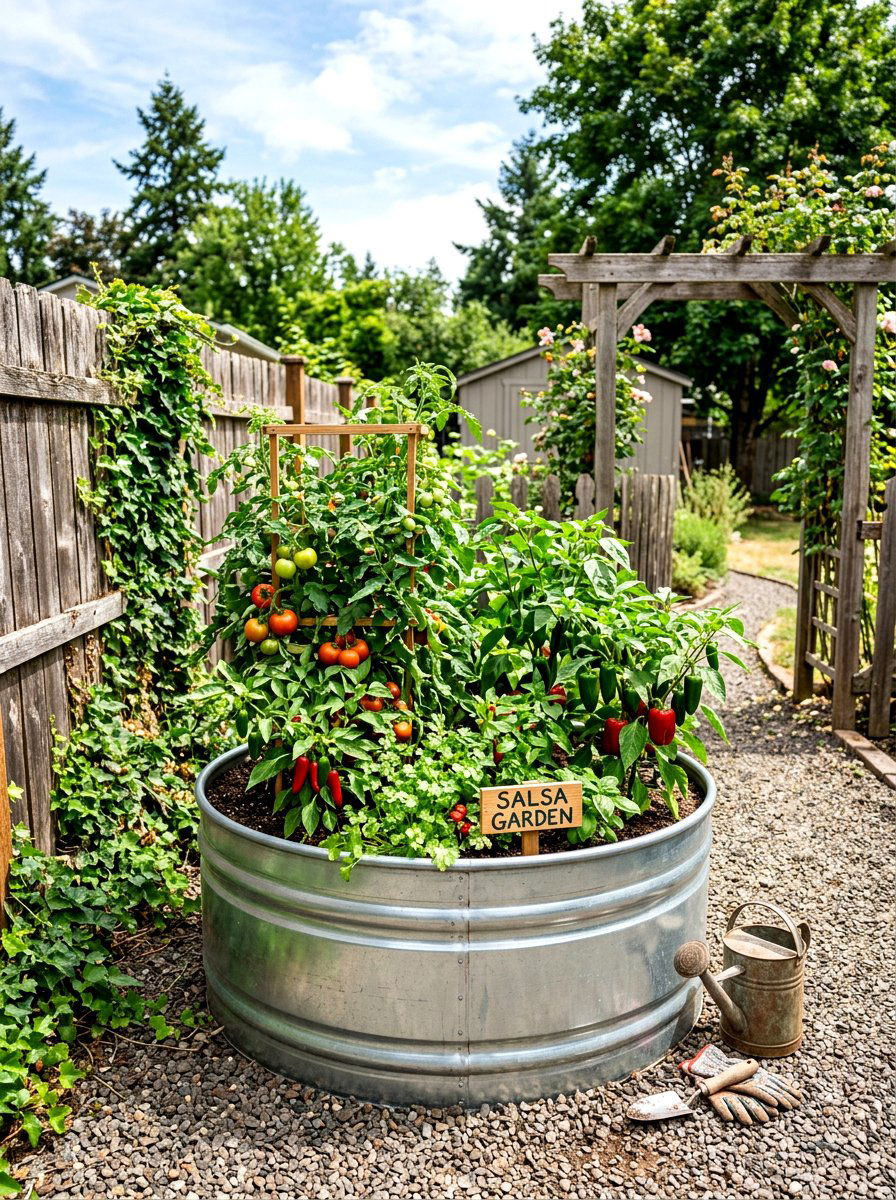
Imagine walking out into your own backyard on a sunny morning and plucking fresh, ripe berries directly from a lush green bush. Growing blueberries at home is one of the most rewarding gardening experiences because these plants offer double benefits for any homeowner. Not only do they provide a bountiful harvest of sweet and nutritious fruit every summer, but they also serve as stunning ornamental plants that change with the seasons. From delicate white spring blossoms to deep green summer foliage and vibrant red autumn leaves, blueberries are truly versatile. This guide explores creative ways to incorporate these amazing berries into your outdoor living space effectively while ensuring a healthy and productive environment for your fruit.
1. Backyard Blueberry Patch
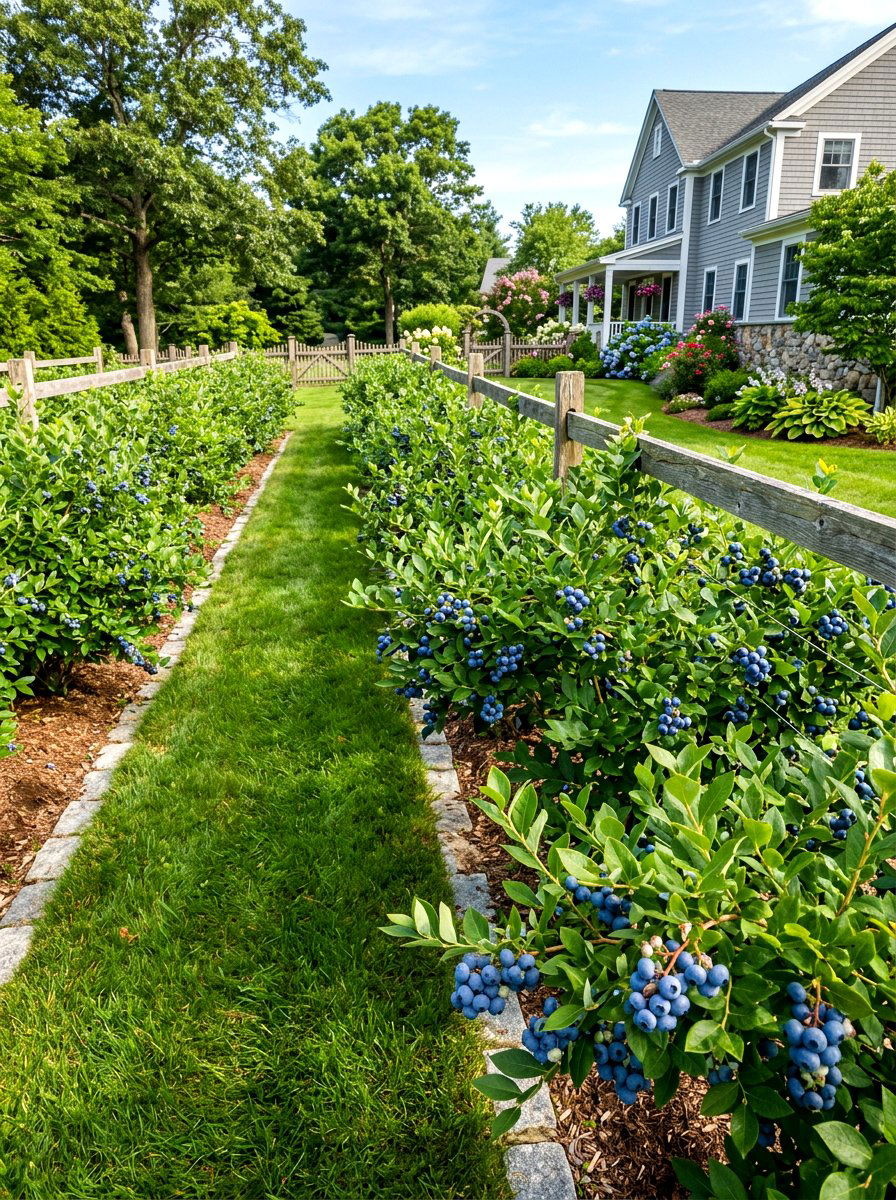
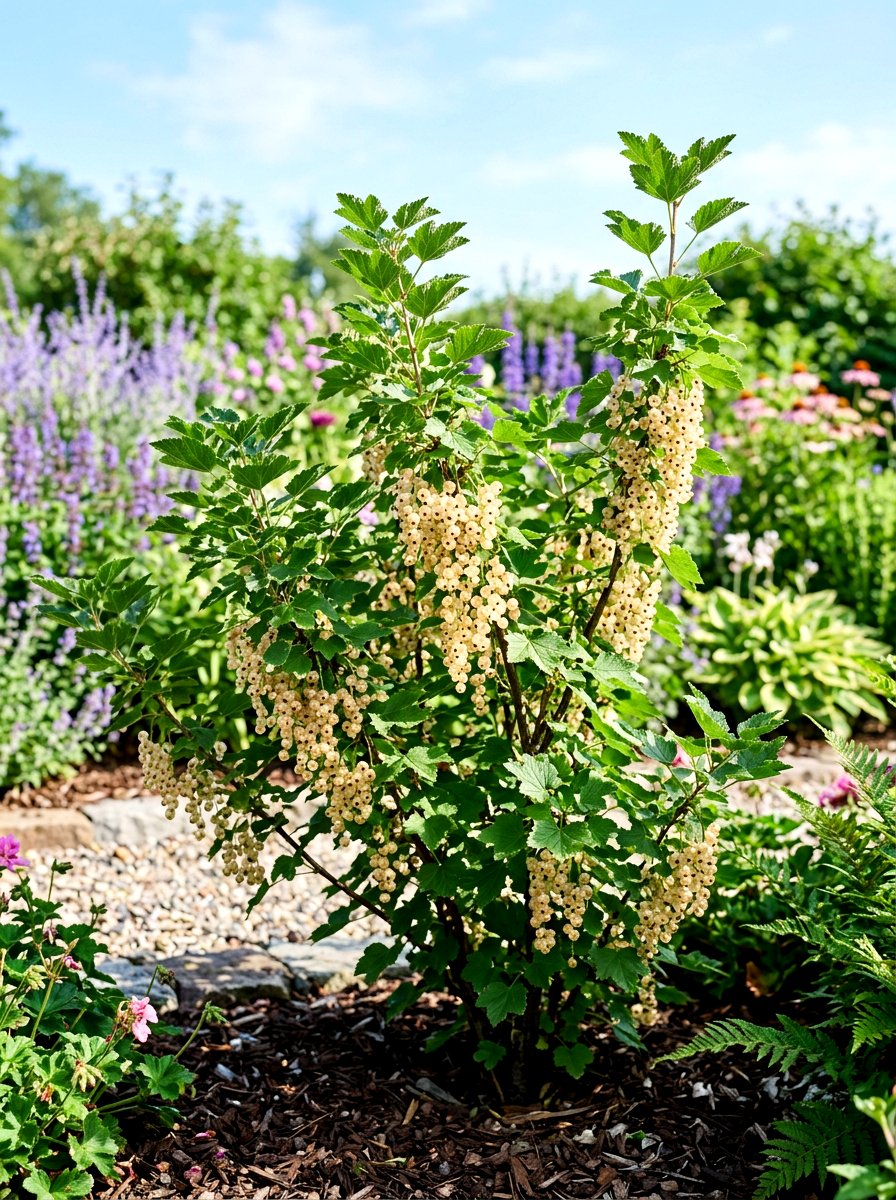
Creating a dedicated patch for your berry plants in the backyard allows you to manage a large harvest in one central location. You should choose a spot that receives full sunlight for at least six to eight hours every single day to ensure maximum fruit production. When you arrange several rows of bushes together, it creates a lush and productive area that feels like a mini-orchard right behind your house. Make sure to space the plants appropriately so they have room to grow and receive plenty of airflow. This setup makes it very easy to monitor the soil moisture and keep the birds away during harvest season.
2. Potted Blueberry Bushes
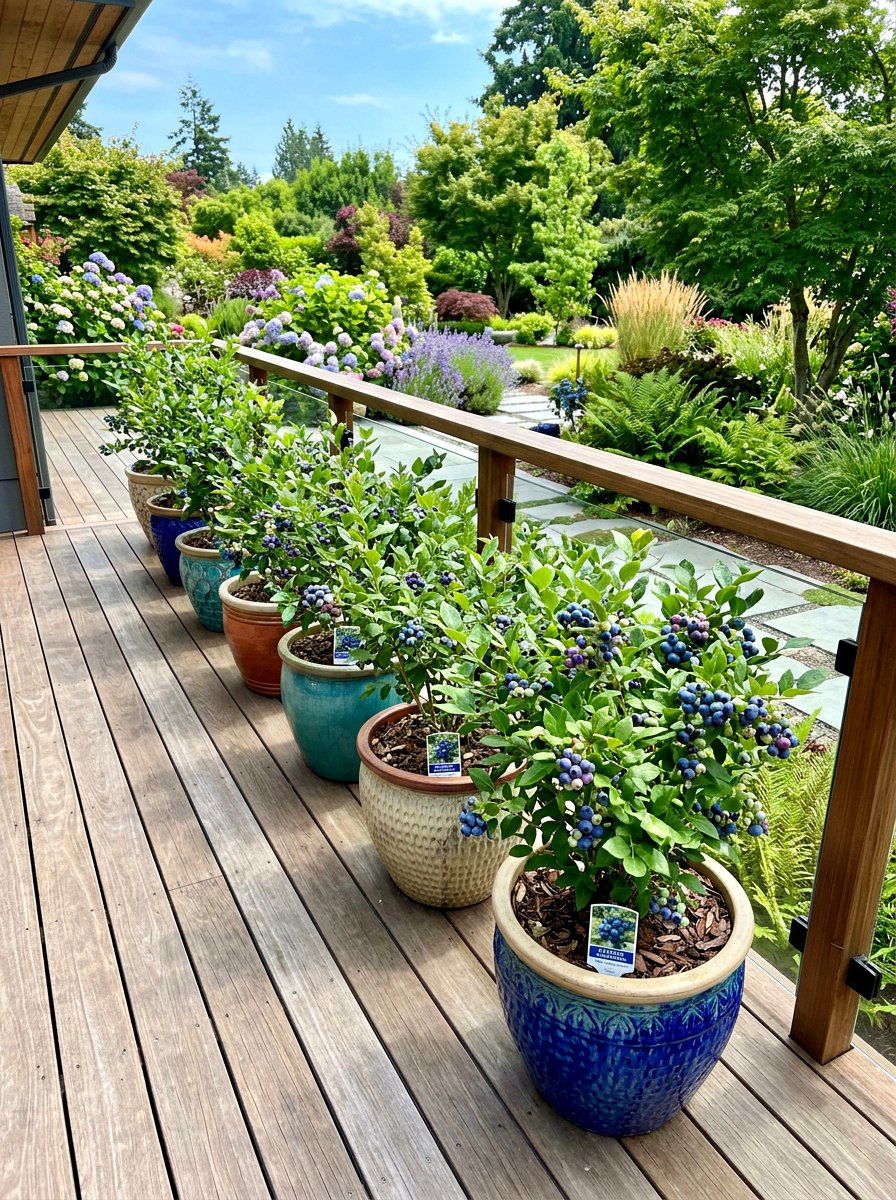
Using containers for your berry plants is a perfect solution if you have limited ground space or poor soil quality. You can choose decorative ceramic or terracotta pots that match your home exterior and place them on a sunny porch or patio area. Pots give you complete control over the soil acidity, which is crucial for these plants to thrive and produce sweet fruit. Make sure the containers are large enough to accommodate the root systems as the bushes grow larger over the years. This method also allows you to move the plants around to follow the sun or protect them from harsh winter weather conditions.
3. Raised Bed Blueberry Garden
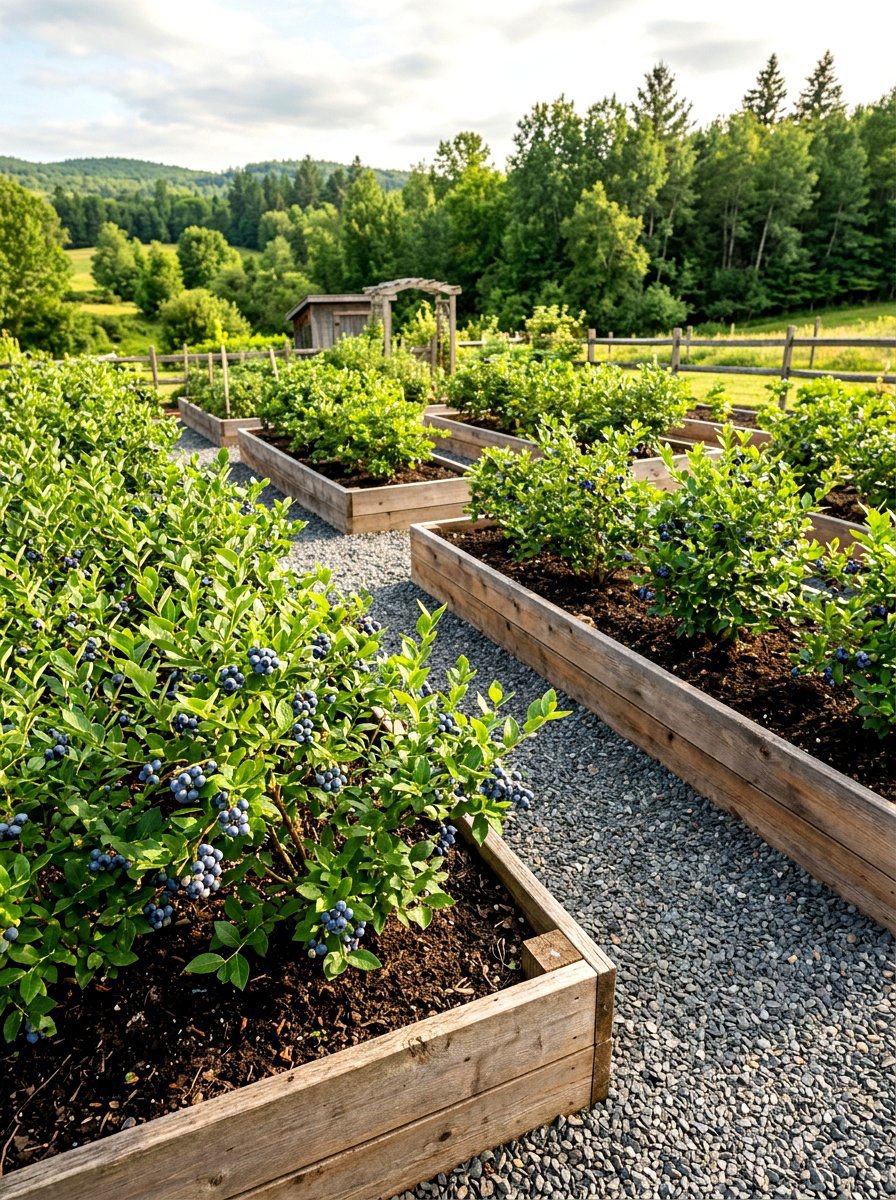
Building raised beds is an excellent way to provide the perfect acidic soil environment that these berry plants require to stay healthy. You can use cedar or stone to create attractive borders that define the growing area while keeping the soil contained and well-drained. Raised beds prevent soil compaction and make it much easier on your back when you are planting, weeding, or harvesting your delicious fruit. You can fill these beds with a custom mix of peat moss and pine bark to ensure the pH stays within the ideal range. This structured approach adds a neat and organized look to any home garden layout.
4. Blueberry Hedge Fence
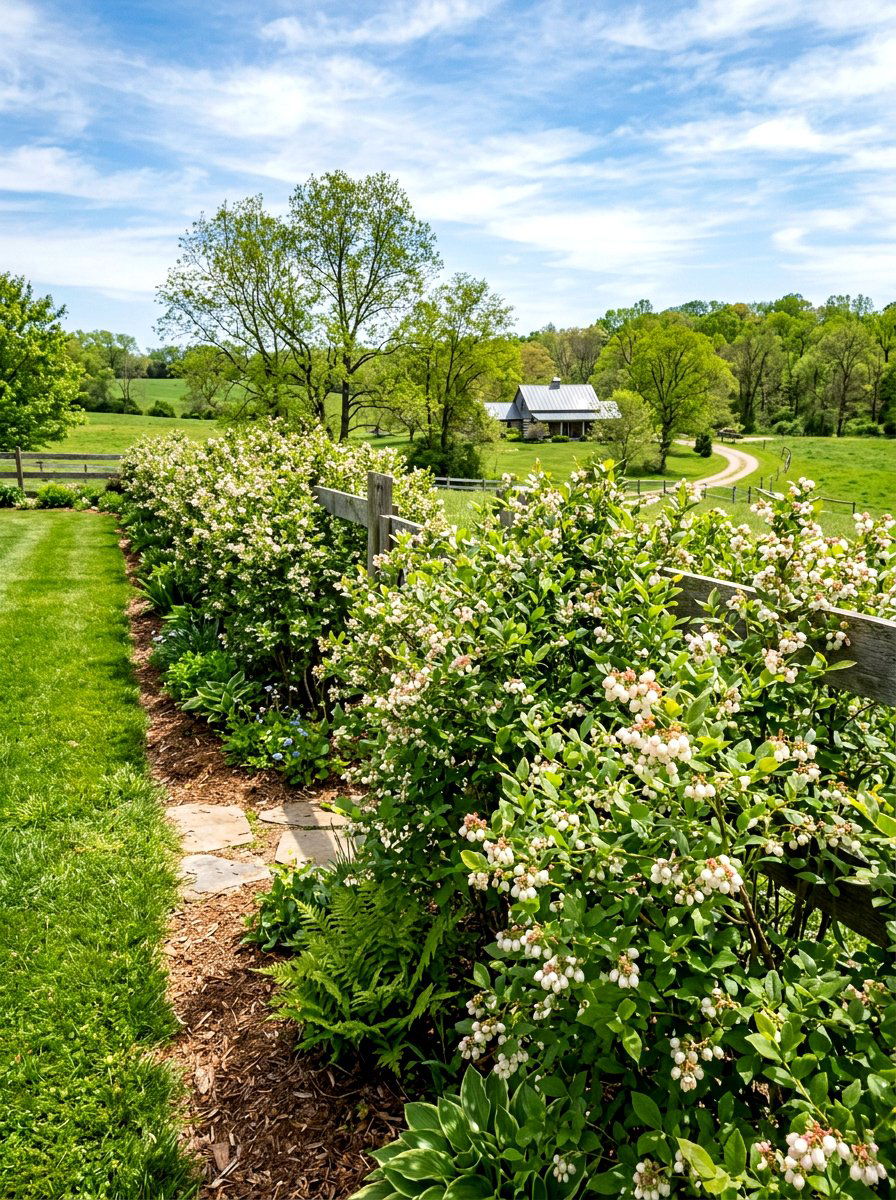
Planting a row of tall blueberry bushes along your property line creates a functional and edible privacy screen for your outdoor living space. During the summer months, the dense green foliage provides a natural barrier that looks much softer and more inviting than a traditional wooden fence. In the springtime, your hedge will be covered in tiny bell-shaped flowers that attract helpful pollinators to your yard. As the seasons change, the leaves will turn a stunning shade of red, providing a beautiful backdrop for your landscape. This living fence offers a dual purpose by providing privacy and a massive amount of fresh summer fruit.
5. Dwarf Blueberry Containers
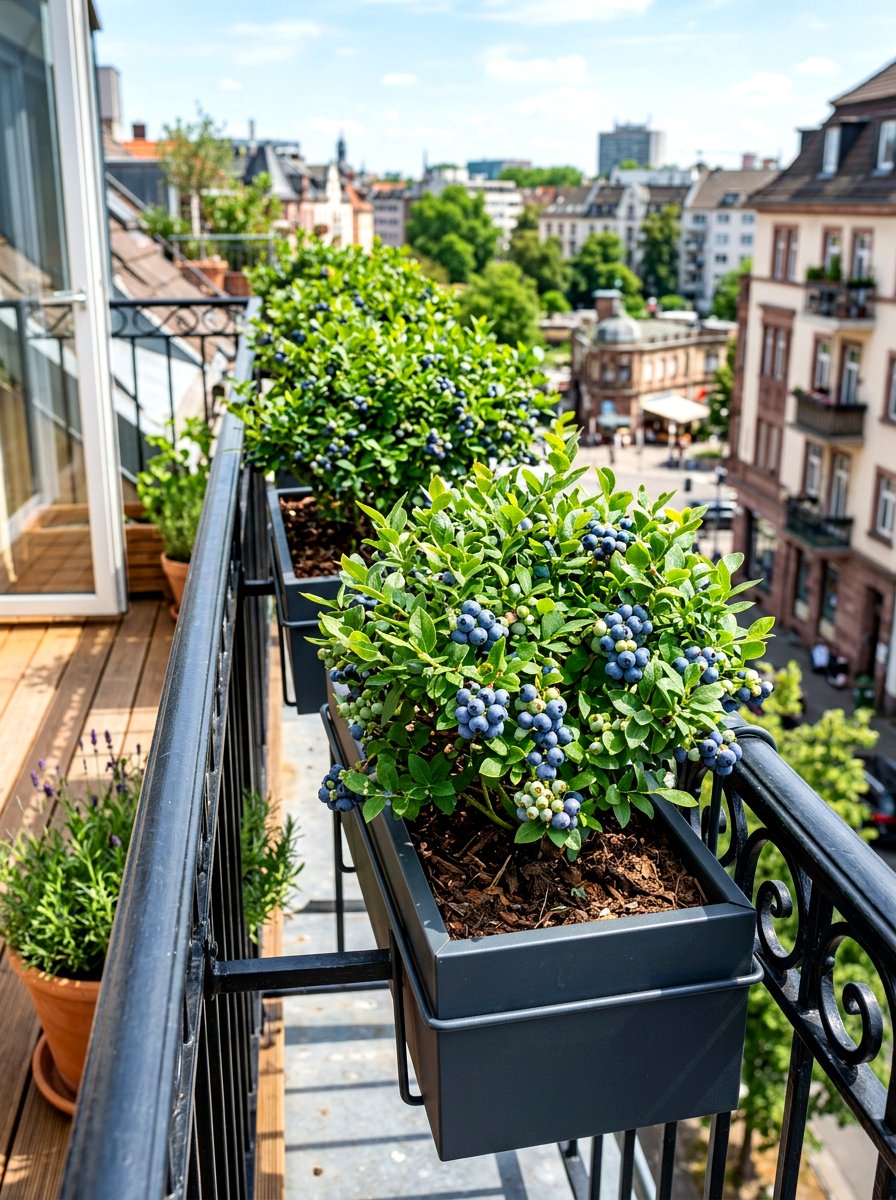
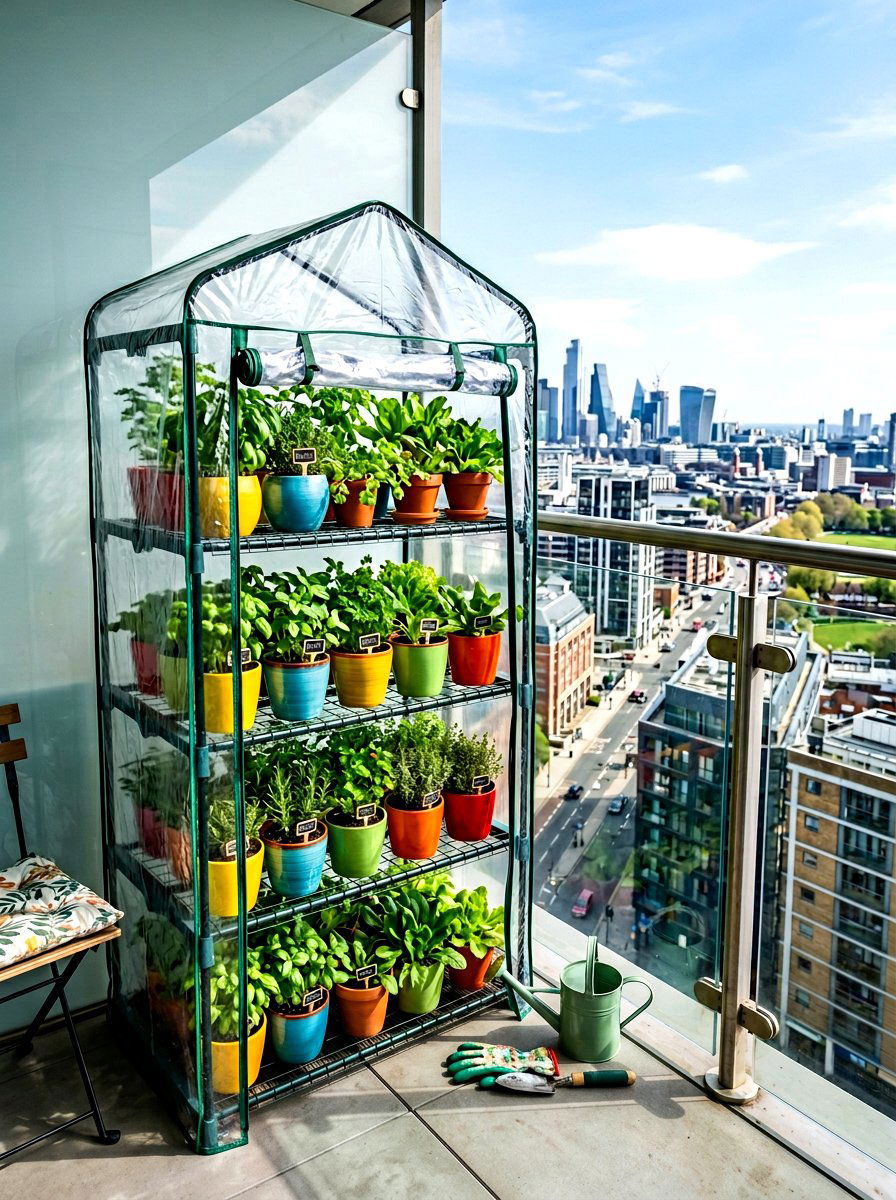
Choosing smaller varieties of these plants allows you to enjoy fresh fruit even if you only have a tiny balcony or a small deck. These compact bushes stay low to the ground and look wonderful when placed in modern window boxes or small decorative tubs. You can line them up along a railing to create a lush green border that stays manageable throughout the entire year. Many of these dwarf types are specifically bred to produce a high yield of fruit on a much smaller frame. This idea is perfect for urban dwellers who want to experience the joy of harvesting their own homegrown snacks.
6. Blueberry Garden Walkway
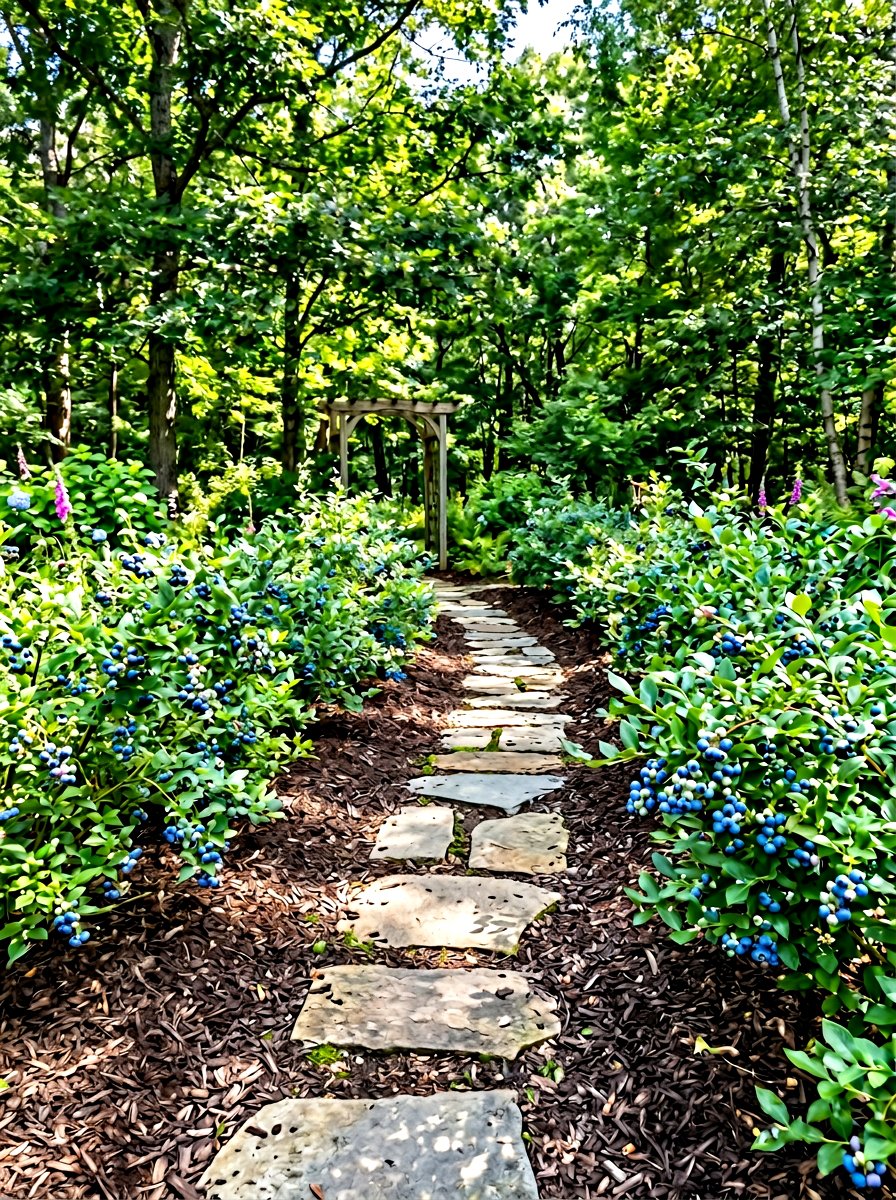
Lining a garden path with low-growing berry bushes creates an enchanting and interactive experience for anyone walking through your outdoor space. As you stroll down the walkway, you can easily reach out and grab a handful of fresh berries for a healthy snack. This design works well when you use varieties that maintain a neat and rounded shape to keep the path clear. You can add a layer of wood chips or pine needles around the base of the plants to define the border and suppress weeds. This functional landscaping choice turns a simple transition area into a productive and beautiful destination in your yard.
7. Edible Blueberry Landscape
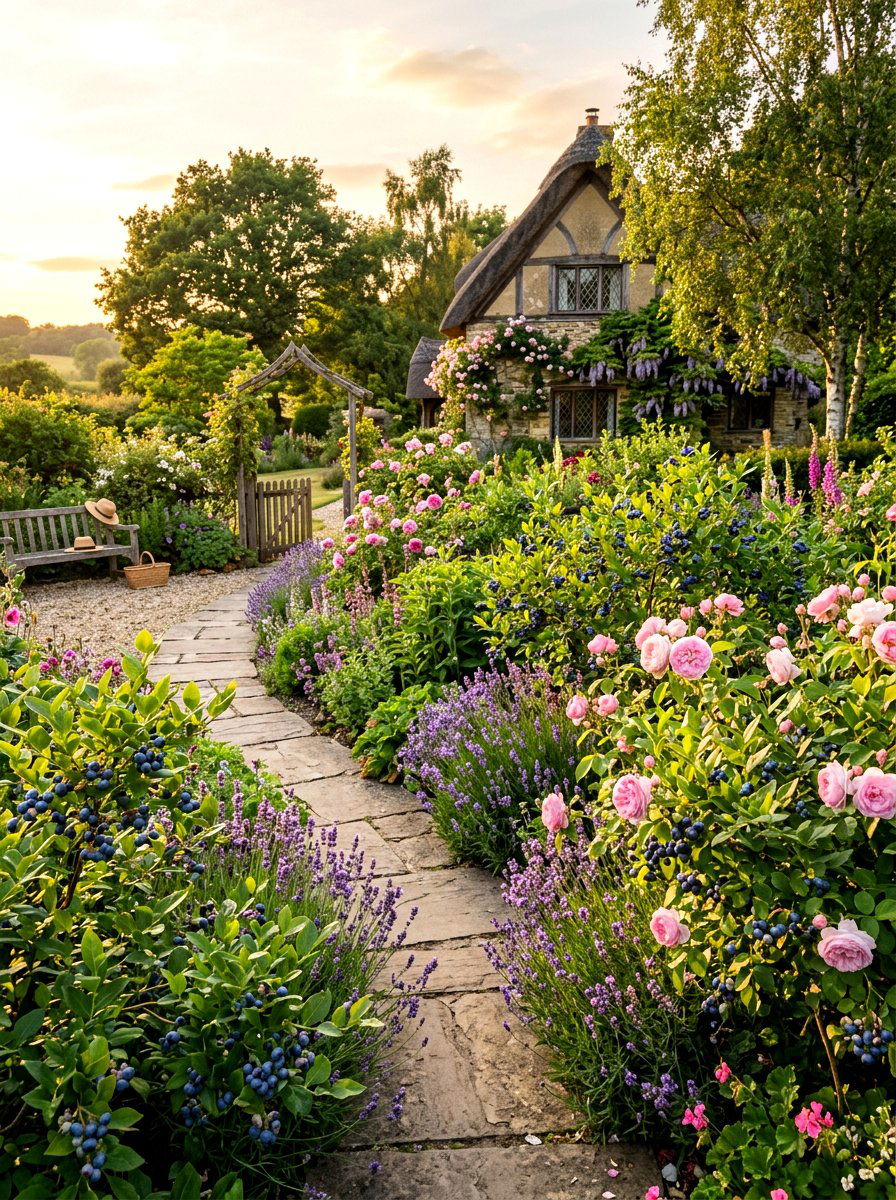
Mixing these fruit-bearing shrubs into your existing flower beds is a great way to blend beauty with utility in your home landscape. You can plant them alongside other acid-loving ornamentals like azaleas or rhododendrons to create a cohesive and lush look. The deep green leaves of the berry bushes provide a great contrast to colorful perennial flowers throughout the summer season. In the fall, the vibrant foliage of the blueberries will stand out as the star of your garden. This integrated approach allows you to maximize your growing space while creating a landscape that is both stunning to look at and delicious.
8. Vertical Blueberry Setup
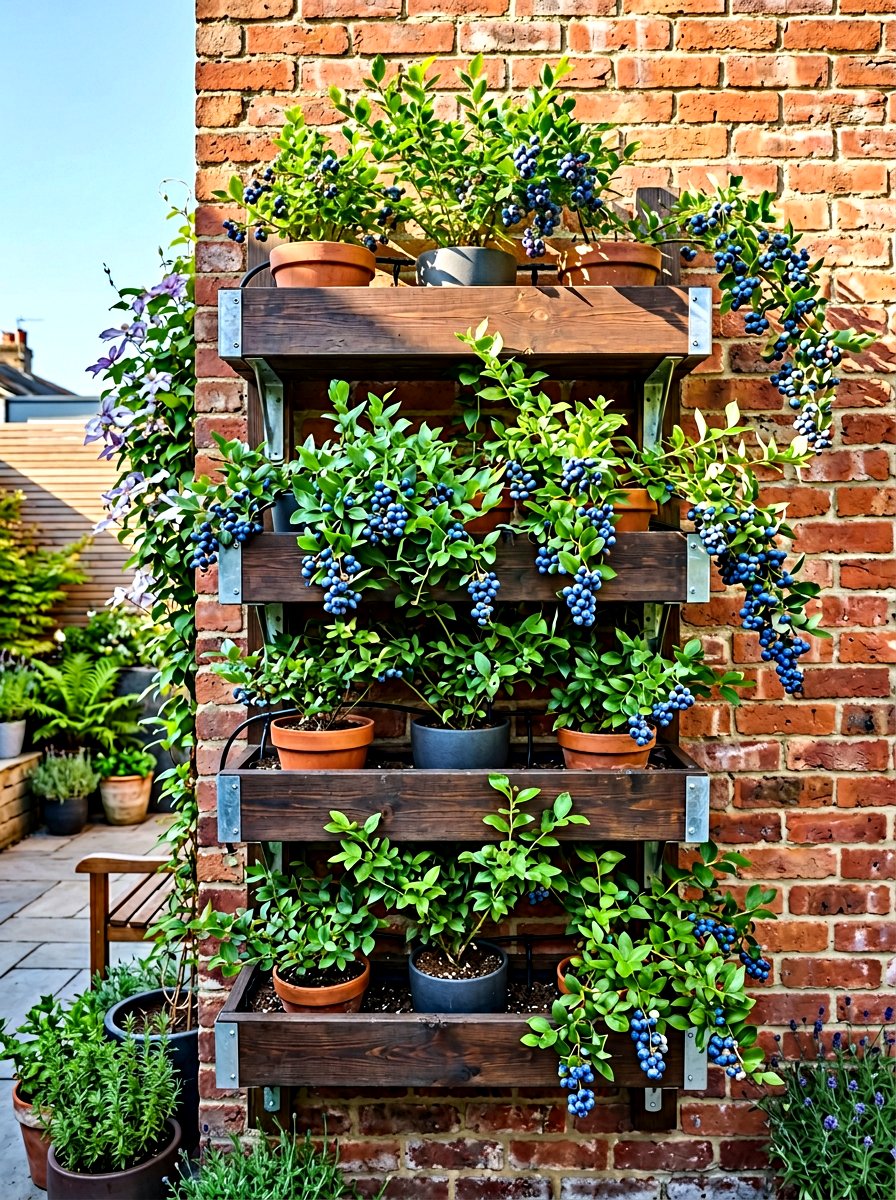
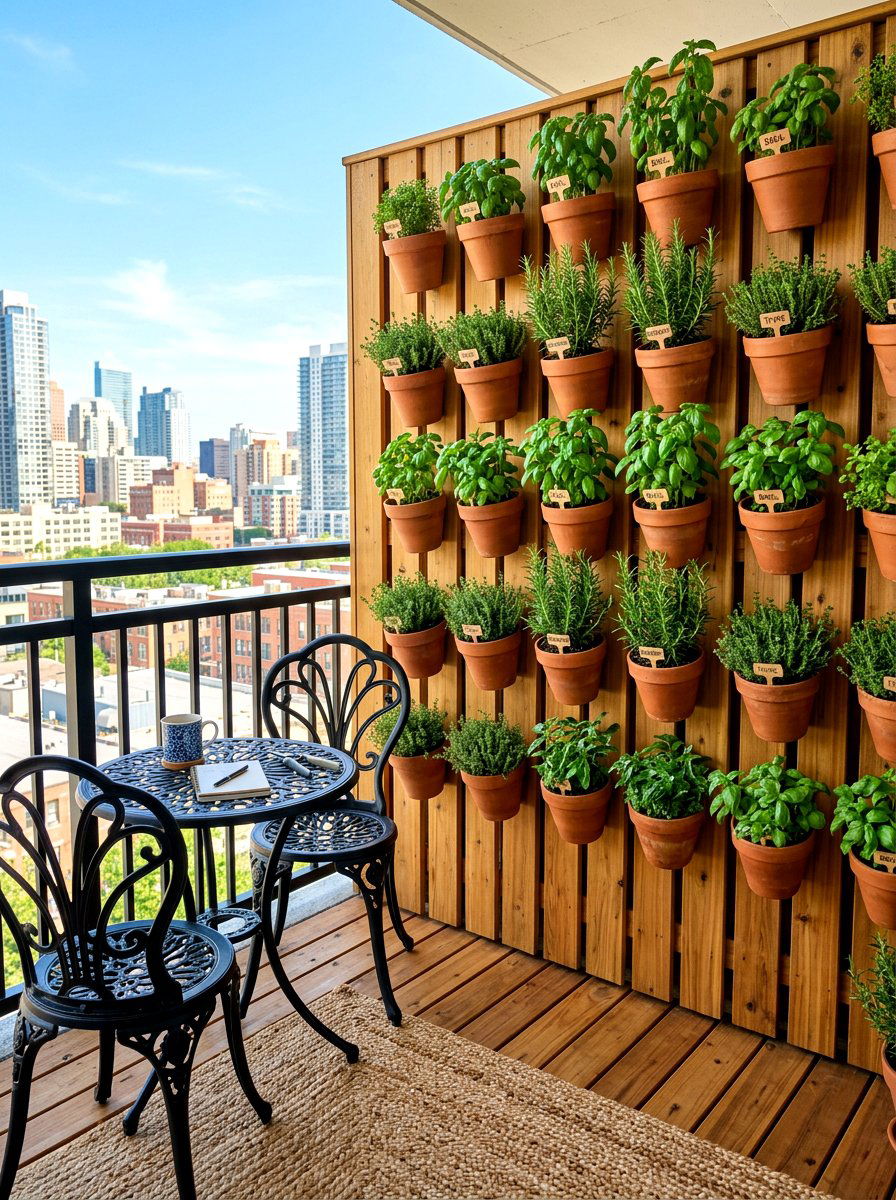
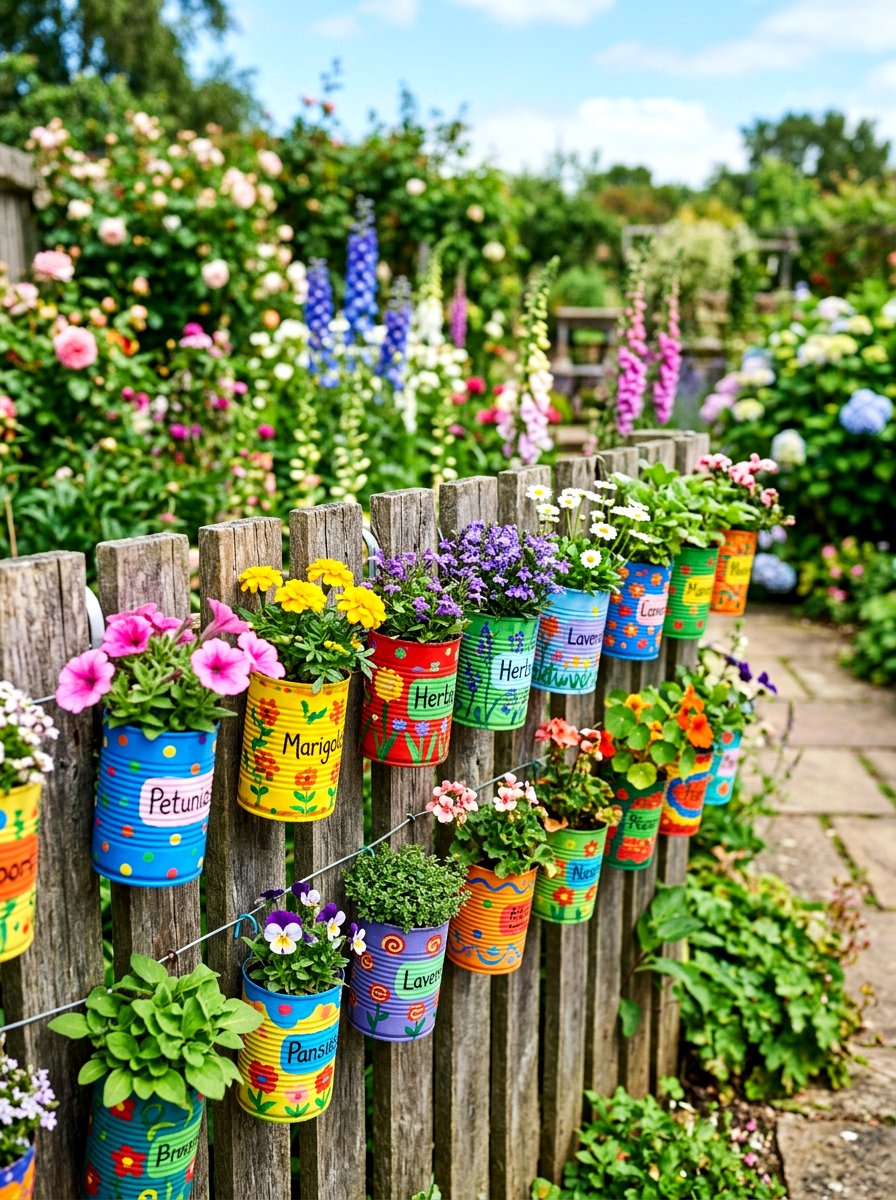
If you are short on horizontal ground space, you can use vertical structures like tiered planters or wall-mounted boxes to grow your fruit. This method keeps the berries off the ground and away from some common garden pests that might try to eat your harvest. Using a vertical arrangement also makes harvesting much easier because the fruit is positioned at eye level for better visibility. You can place these vertical units against a sunny wall or fence to take advantage of reflected heat during the cooler months. This modern gardening technique is ideal for maximizing every inch of a small courtyard or a narrow urban side yard.
9. Blueberry Garden Netting
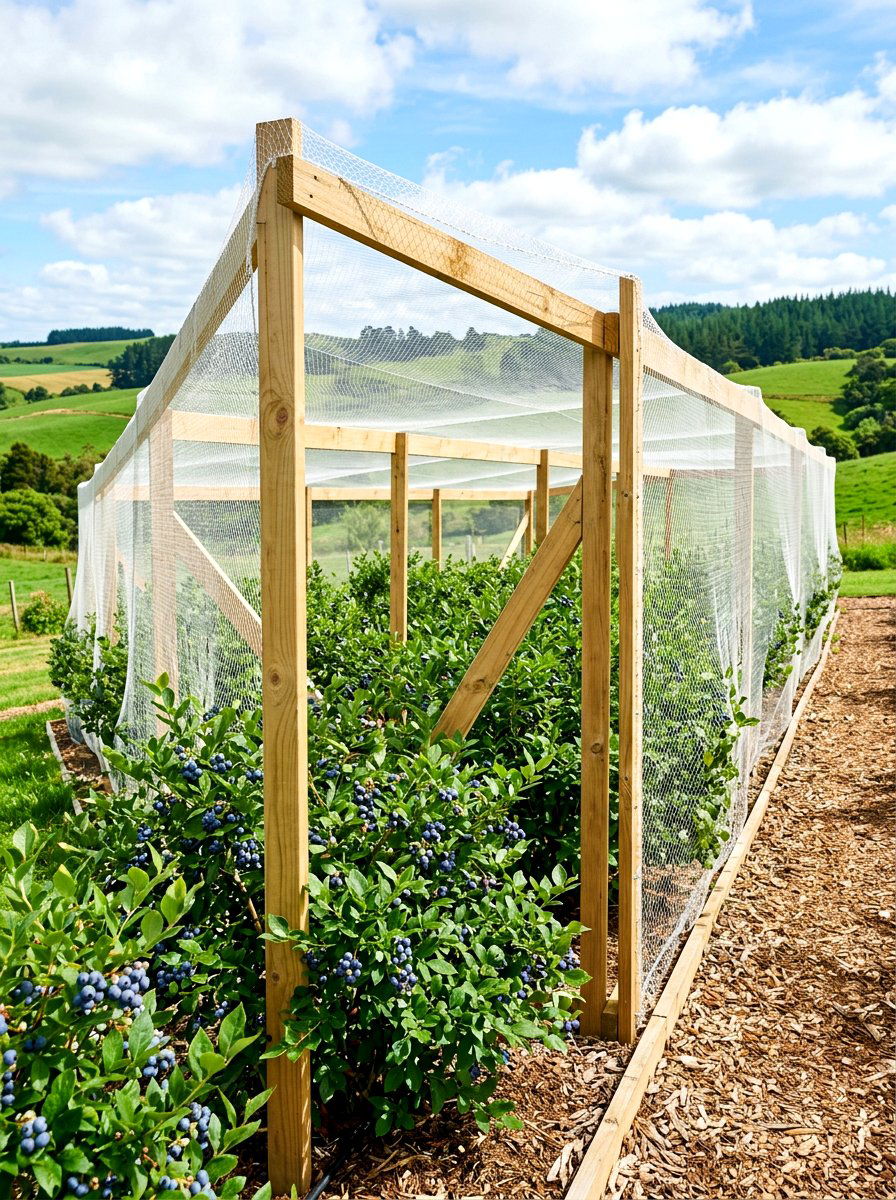
Protecting your hard-earned harvest from hungry birds is essential if you want to enjoy the fruit yourself rather than sharing it all. You can build a simple wooden or PVC frame over your berry patch and cover it with fine mesh netting. This structure ensures that the birds cannot reach the berries while still allowing sunlight, rain, and pollinators to reach the plants. Making the frame tall enough to walk inside allows you to harvest your fruit comfortably without having to remove the netting every single time. This practical addition ensures your garden remains productive and your berry bowls stay full all summer long.
10. Blueberry Companion Planting
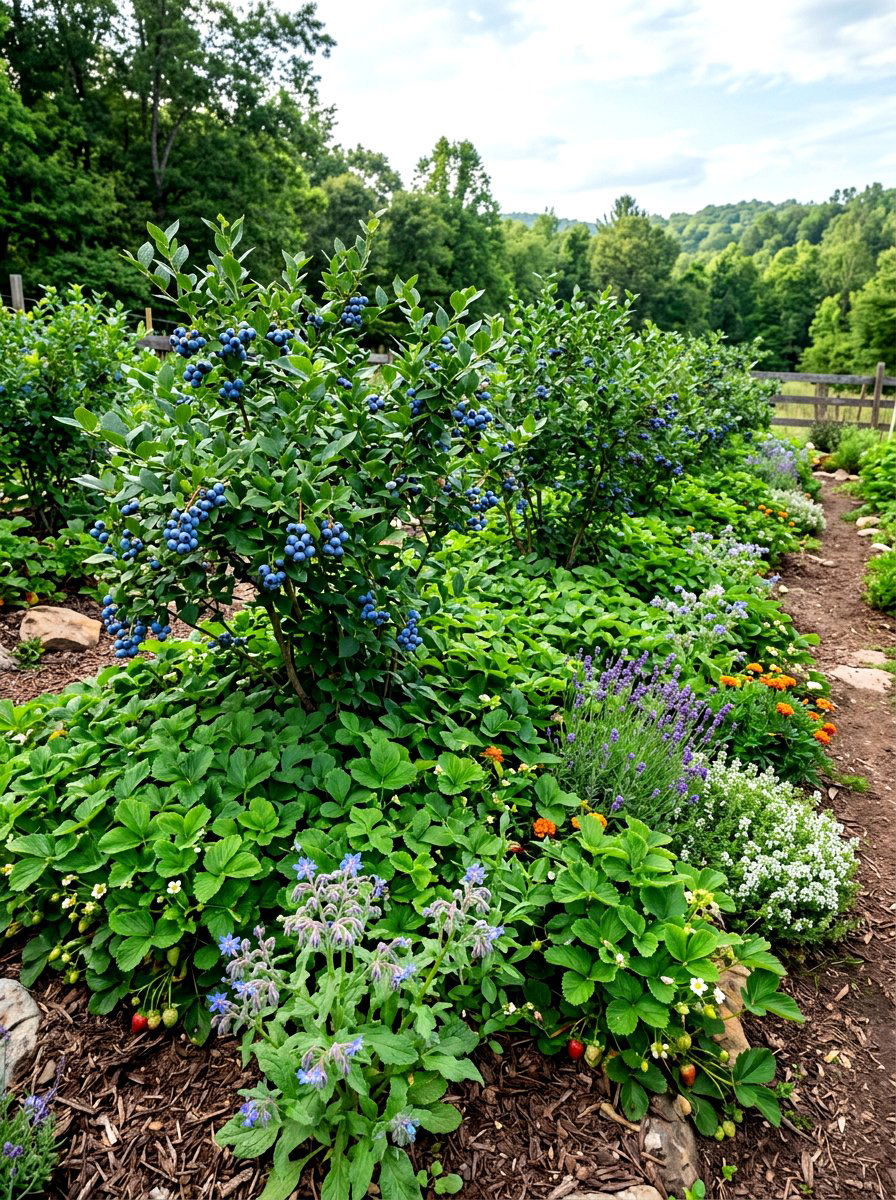
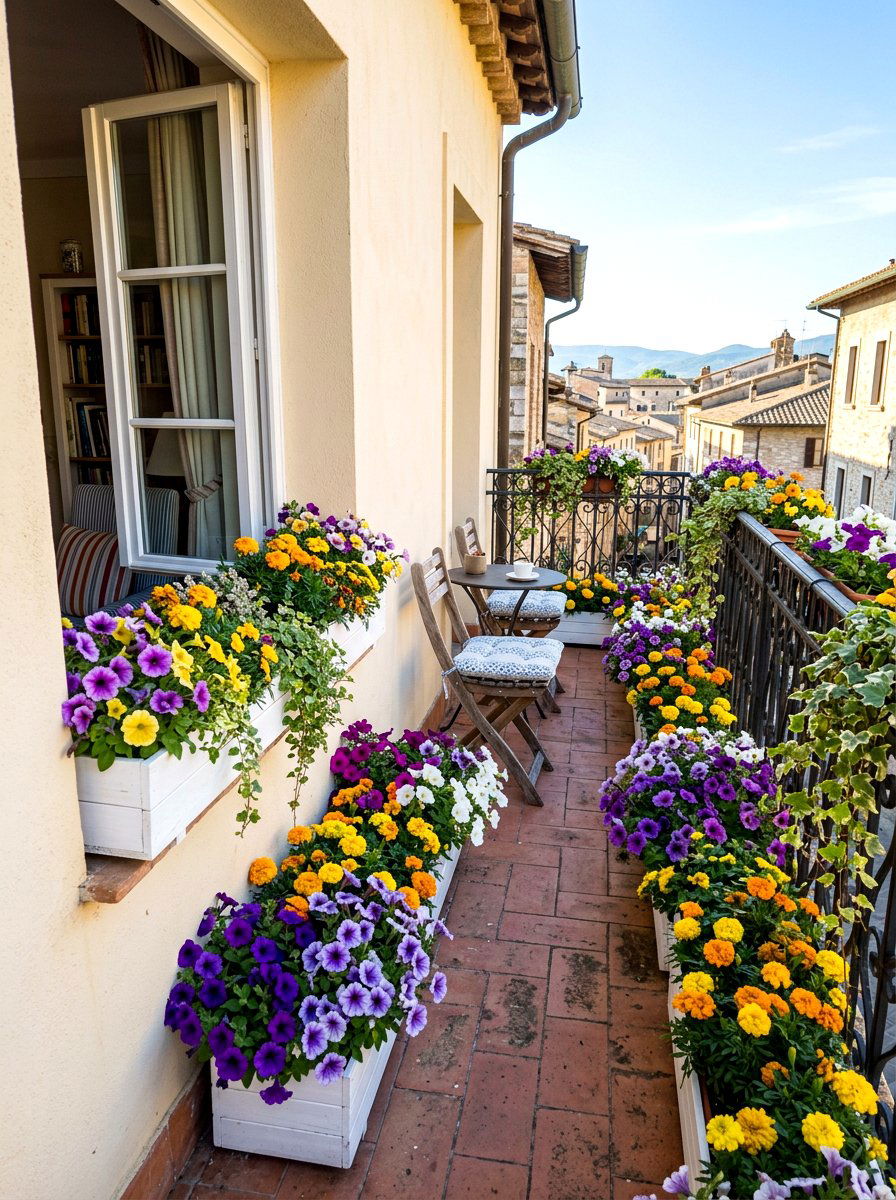
Growing other plants alongside your berries can help improve the overall health and productivity of your garden through natural synergy. You can plant strawberries as a ground cover beneath the bushes to help retain soil moisture and suppress unwanted weeds. Herbs like basil or thyme can also be tucked into the gaps to help deter certain pests with their strong scents. These companion plants often share the same soil requirements and can help attract more bees to ensure better pollination for your fruit. This layered planting style creates a diverse ecosystem that is more resilient and visually interesting than a single-crop garden bed.
11. Blueberry Garden Mulch
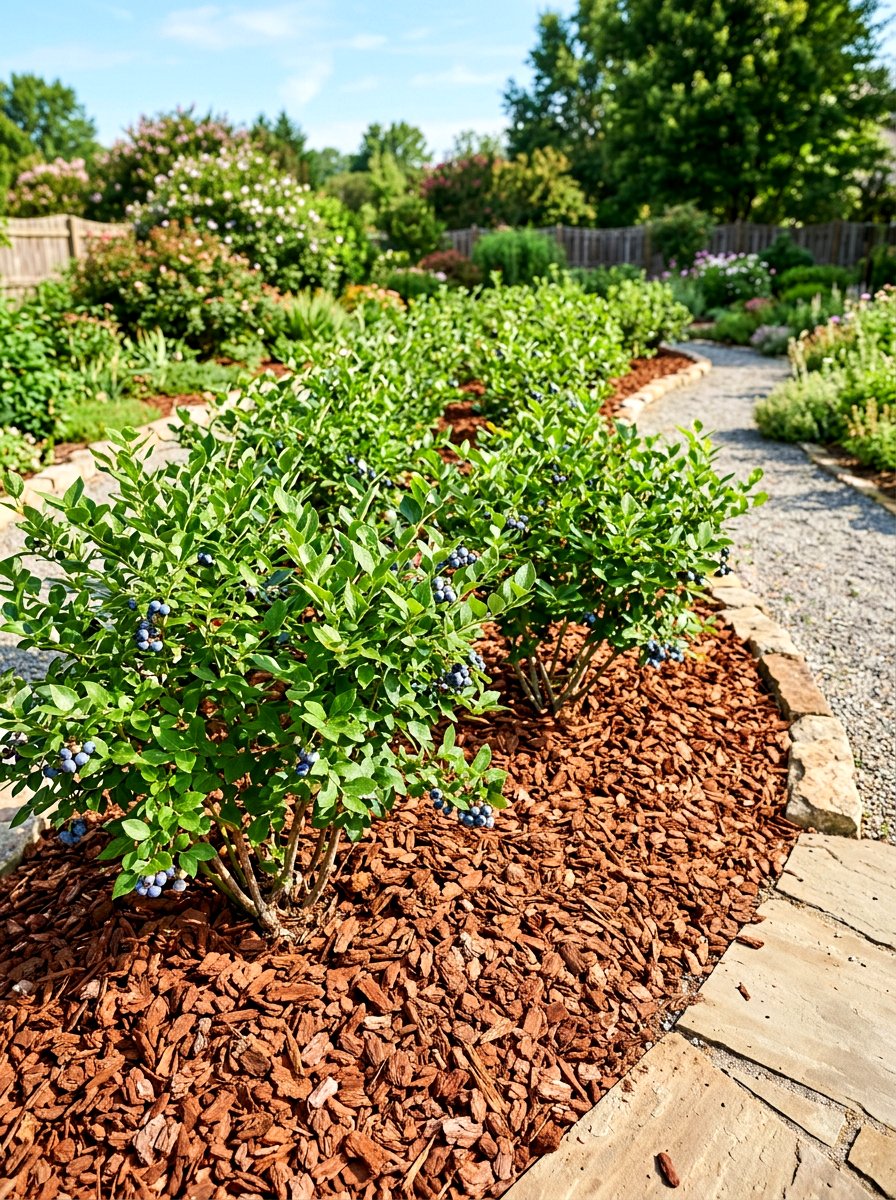
Applying a thick layer of organic mulch around your plants is one of the most important steps for maintaining a healthy berry garden. Using pine needles or wood chips helps to keep the soil acidic while preventing moisture from evaporating too quickly on hot summer days. This protective layer also keeps the roots cool and provides a clean surface for any berries that might drop from the bush. As the mulch breaks down over time, it adds valuable organic matter back into the soil to feed your plants. A well-mulched garden looks tidy and professional while significantly reducing the amount of time you spend on weeding.
12. Small Space Blueberry Garden
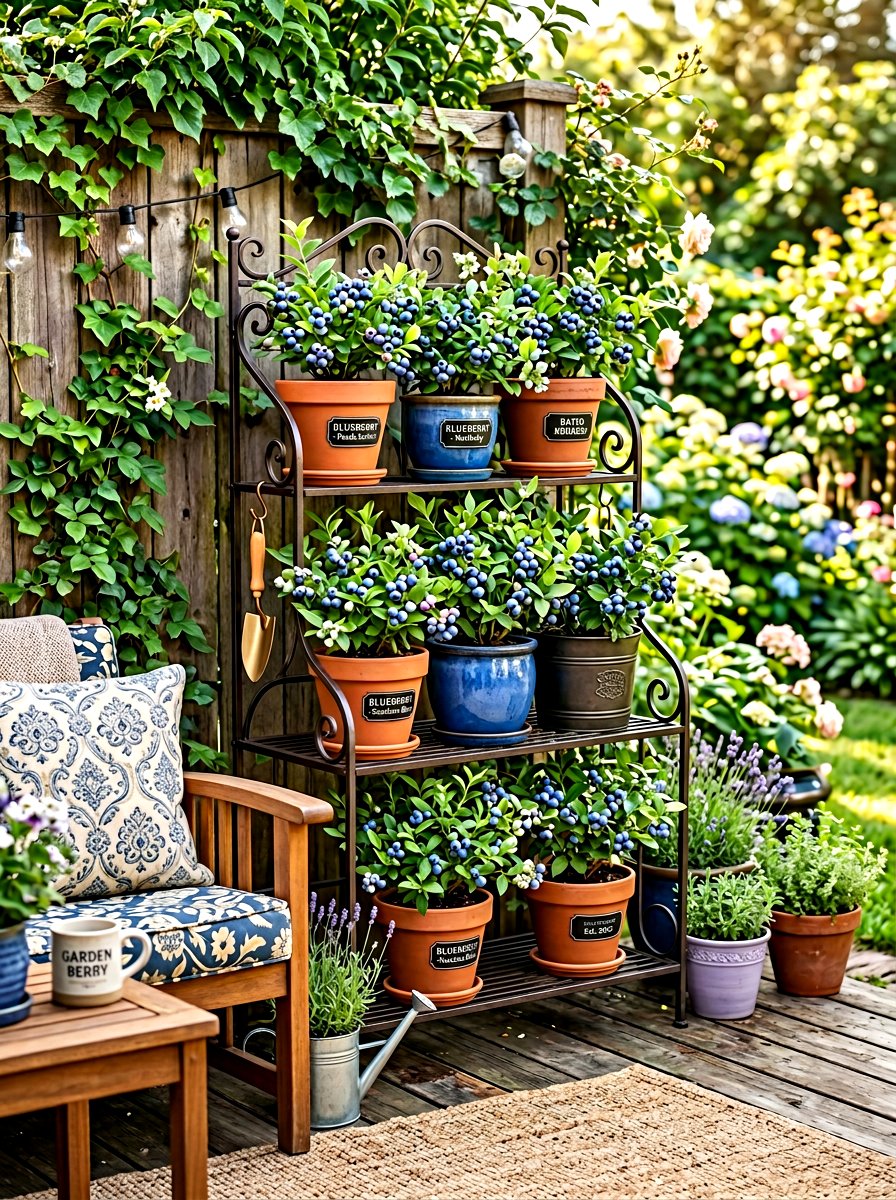
Even if you only have a tiny corner of a patio, you can create a highly productive berry station using a few smart design choices. Using a multi-level plant stand allows you to stack several small pots in a very compact footprint to maximize your harvest. You should focus on high-yielding dwarf varieties that are specifically designed for tight spaces and limited root zones. Adding a small trellis behind the pots can give you a place to hang bird deterrents or support branches heavily laden with fruit. This approach proves that you do not need a massive backyard to enjoy the taste of fresh summer berries.
13. Front Yard Blueberry Garden
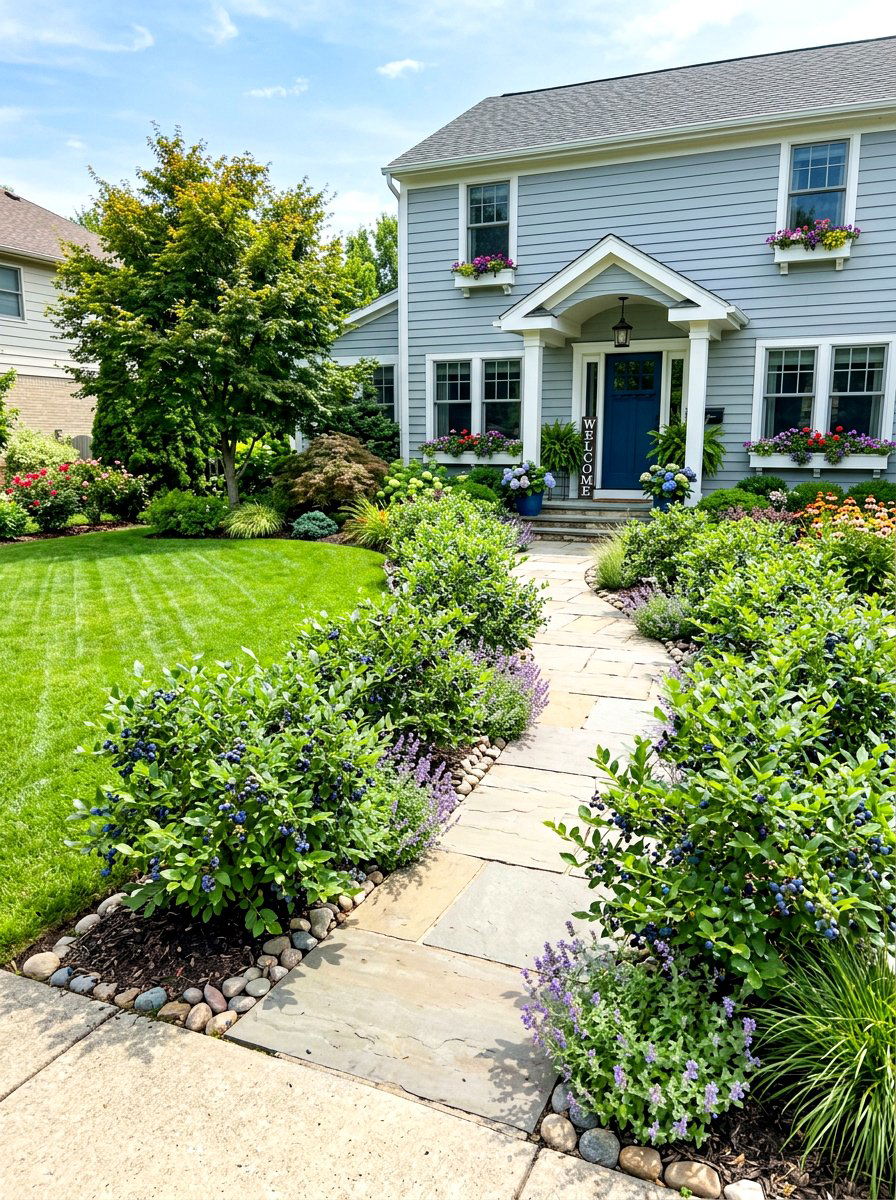
Replacing traditional ornamental shrubs with berry bushes in your front yard is a trendy way to boost your curb appeal and your pantry. These plants have a naturally neat growth habit that fits perfectly into formal or informal landscape designs near your home entrance. Visitors will be impressed by the beautiful white flowers in spring and the abundance of blue fruit during the summer months. Because they are so attractive, they blend in perfectly with your other front yard plantings while serving a very practical purpose. This edible front yard concept encourages a sense of community as neighbors see you harvesting your own fresh food.
14. Patio Blueberry Garden
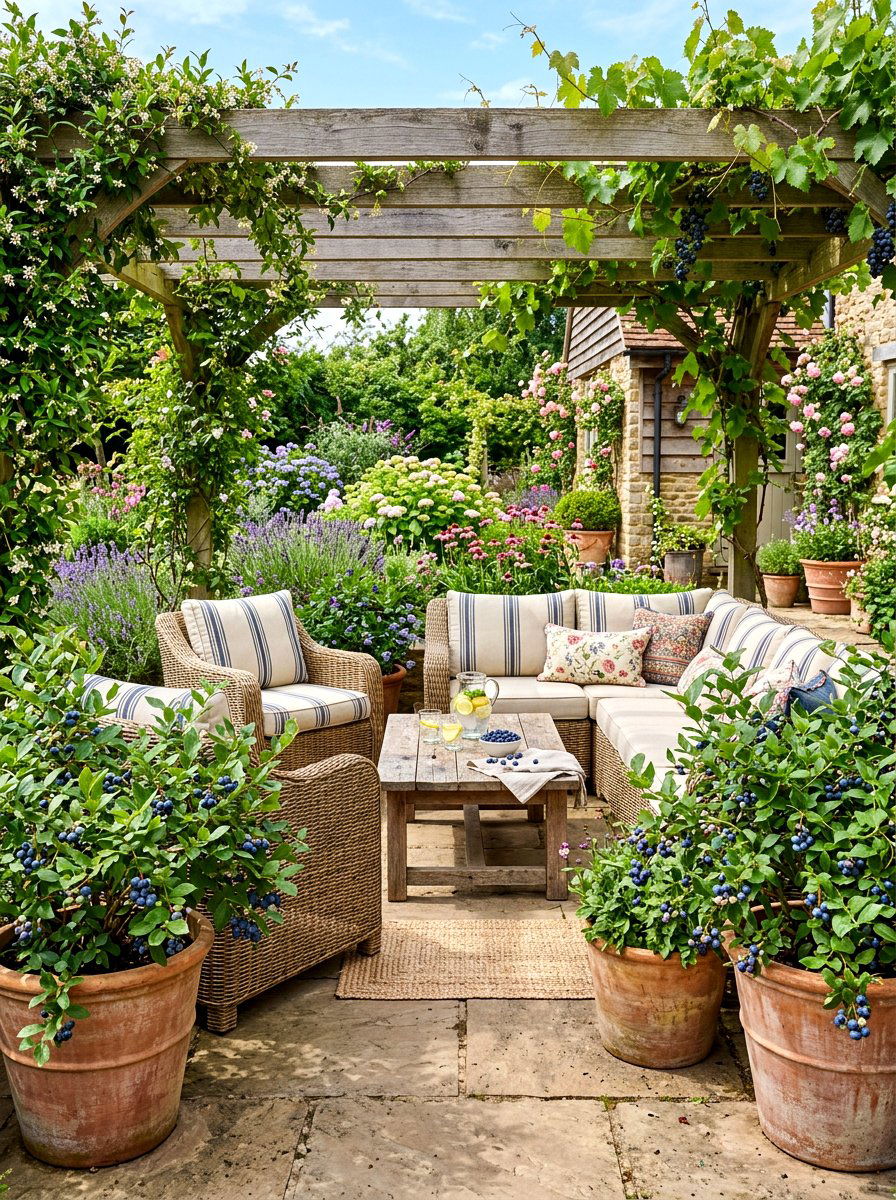
Integrating your fruit plants directly into your outdoor seating area creates a relaxing environment where snacks are always within arm's reach. You can place large planters at the corners of your patio to define the space and provide a sense of enclosure and privacy. The lush green foliage acts as a natural screen that absorbs noise and makes your outdoor living area feel more intimate. During a summer gathering, guests can enjoy picking a few berries while they relax and chat on your patio furniture. This design choice makes your garden feel like a true extension of your home where nature and comfort meet.
15. Highbush Blueberry Garden
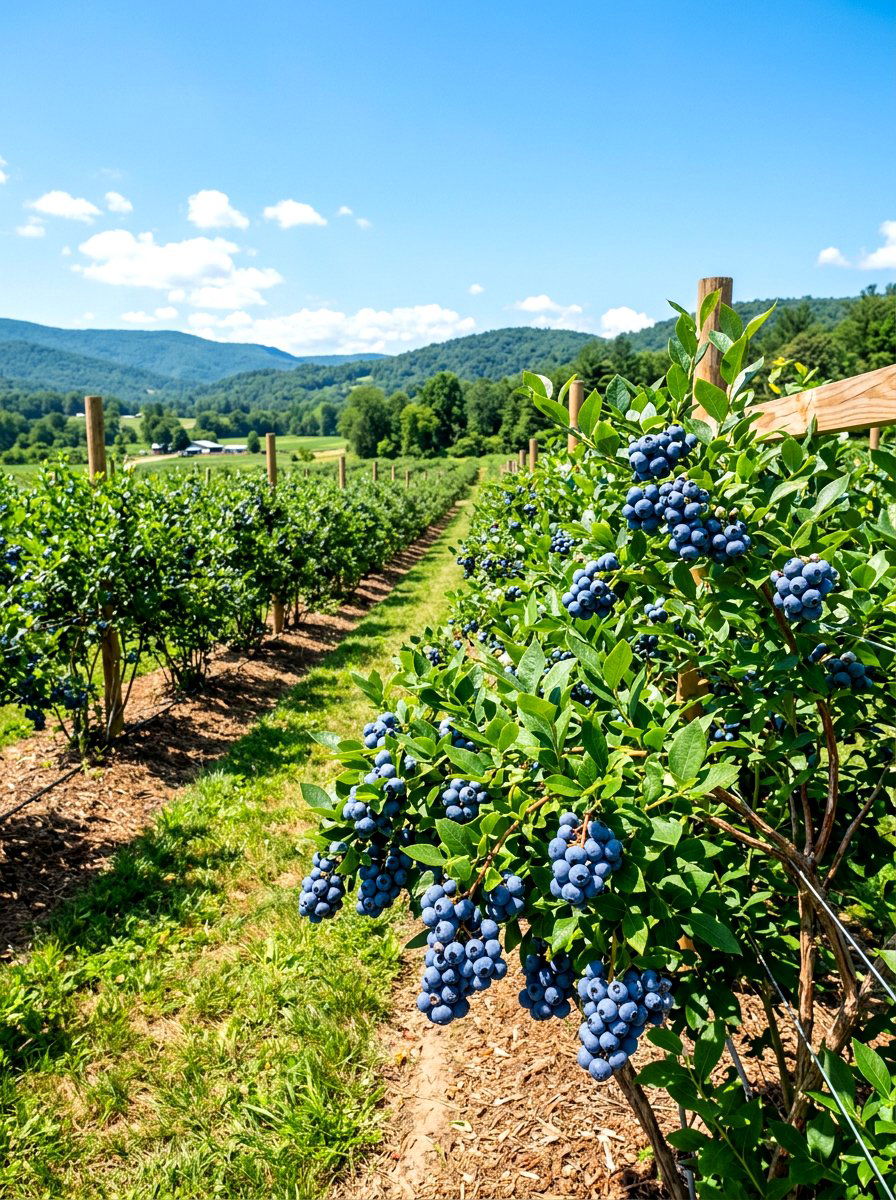
Highbush varieties are the most common choice for home gardeners who want tall, sturdy shrubs that produce large quantities of berries. These plants can grow several feet tall, making them perfect for creating a backdrop in a large garden bed or a standalone feature. They are very hardy and can withstand various weather conditions while providing a reliable harvest year after year. Because they grow so large, they offer plenty of space for multiple clusters of fruit to develop simultaneously. You will need to provide them with a bit more room to spread out, but the massive harvest they provide makes the extra space worth it.
16. Lowbush Blueberry Garden
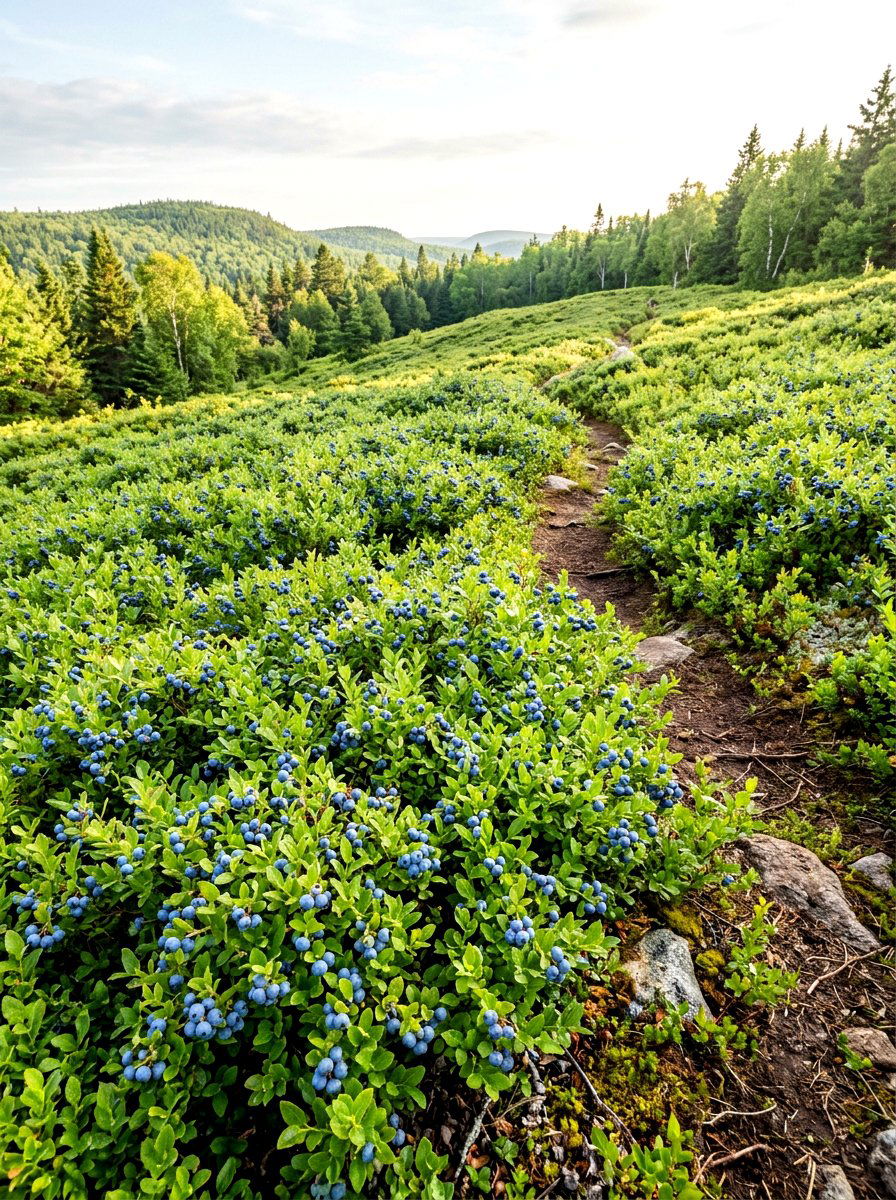
Lowbush berries are native to many areas and grow as a sprawling ground cover rather than upright shrubs. These plants are excellent for filling in large areas of your yard where you want a low-maintenance and productive landscape. They produce smaller, intensely flavored fruit that is often considered the sweetest of all the different types. Because they stay low to the ground, they are perfect for planting on slopes or under larger trees where other plants might struggle. They are incredibly tough and can handle colder climates very well, making them a great choice for northern gardeners who want a reliable and wild-looking berry patch.
17. Greenhouse Blueberry Garden
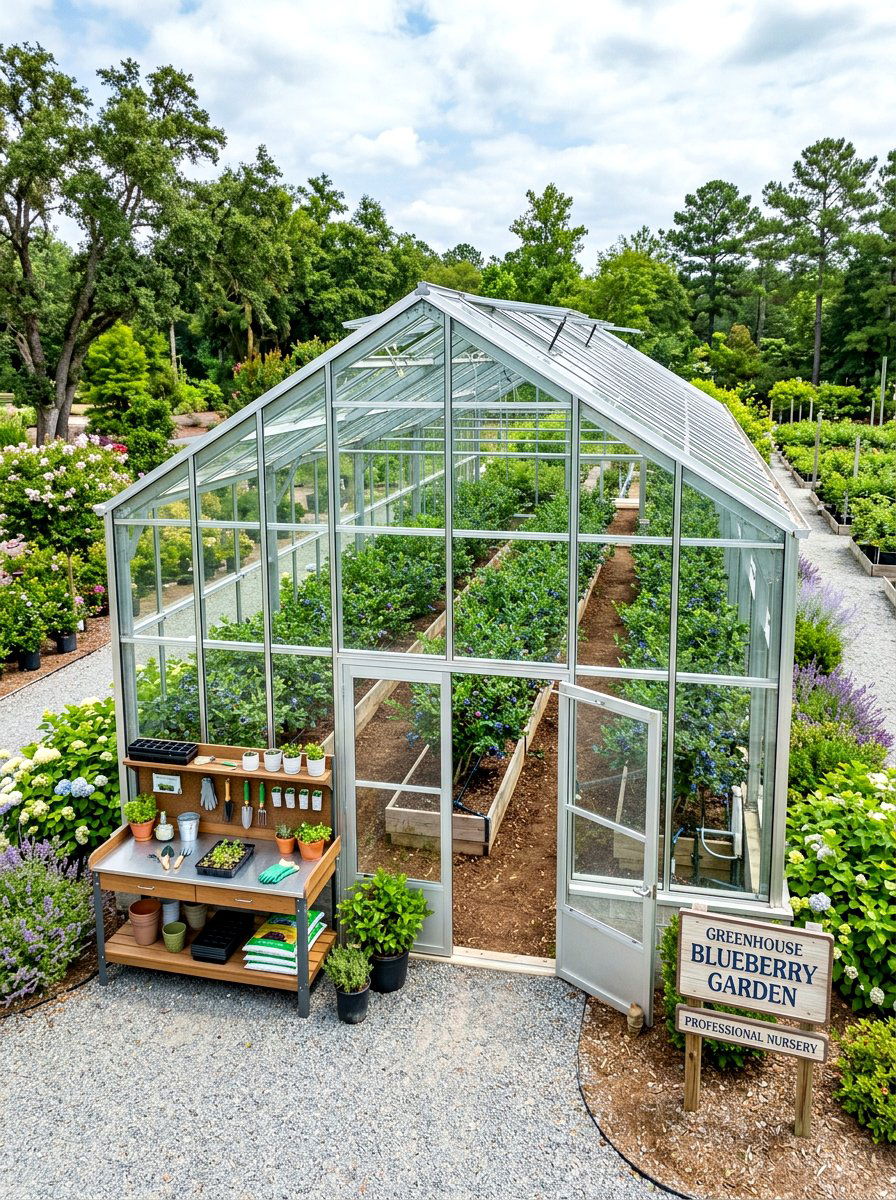
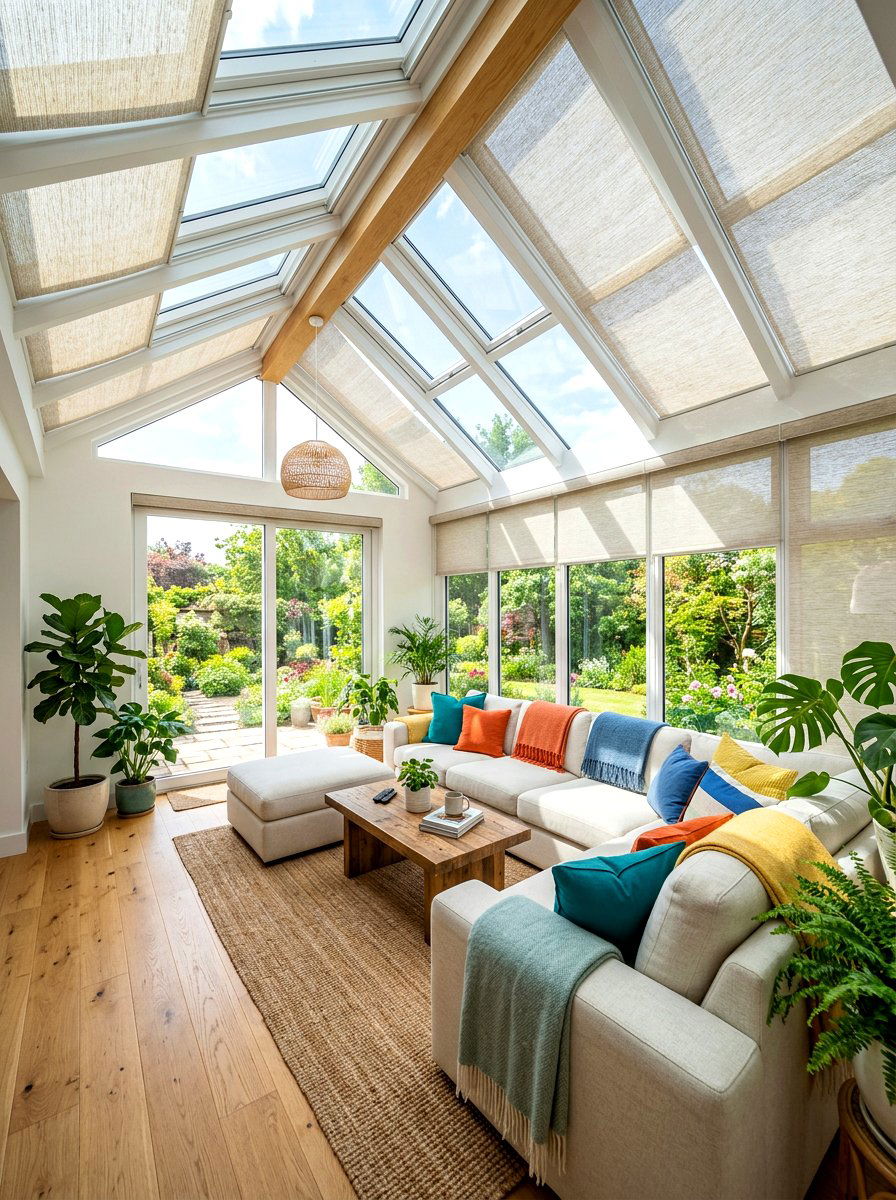
Growing your berries inside a greenhouse or a high tunnel allows you to extend the harvest season and protect your plants from frost. This controlled environment ensures that your bushes stay warm and cozy even when the outdoor temperatures start to drop in the early spring. It also keeps the rain off the ripe fruit, which can sometimes cause the berries to split if they get too wet. You can use large pots or ground beds inside the structure to keep your plants healthy and organized. This method is ideal for serious gardeners who want to maximize their fruit production and enjoy berries earlier than everyone else.
18. Blueberry Garden Irrigation
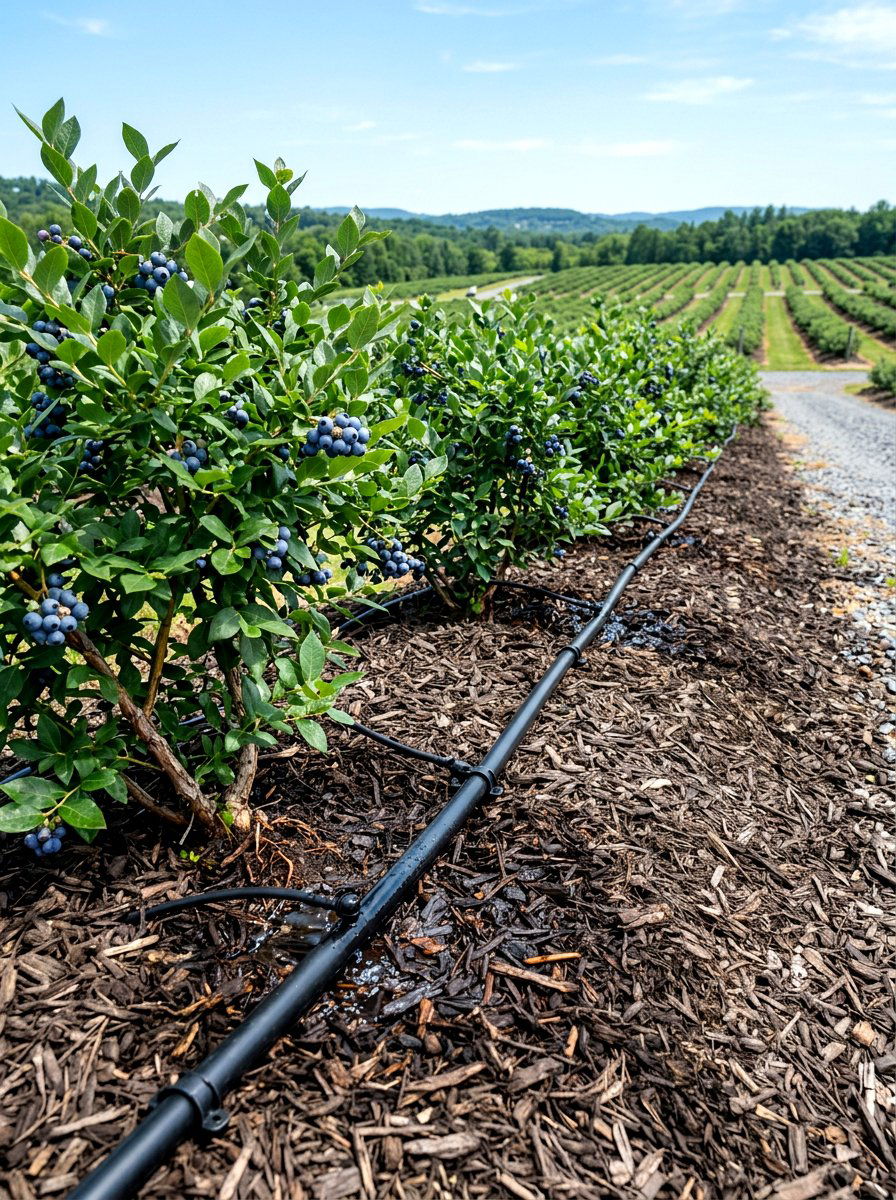
Installing a drip irrigation system is a smart way to ensure your plants receive a consistent amount of water without wasting a single drop. These plants have shallow roots that can dry out quickly, so maintaining even moisture is key to getting large and juicy berries. You can run thin tubes along the base of the bushes and use timers to automate the watering schedule for maximum convenience. This system delivers water directly to the soil where the plants need it most, which also helps to prevent leaf diseases. A well-hydrated garden is much more productive and can handle the intense heat of mid-summer.
19. Wild Blueberry Garden
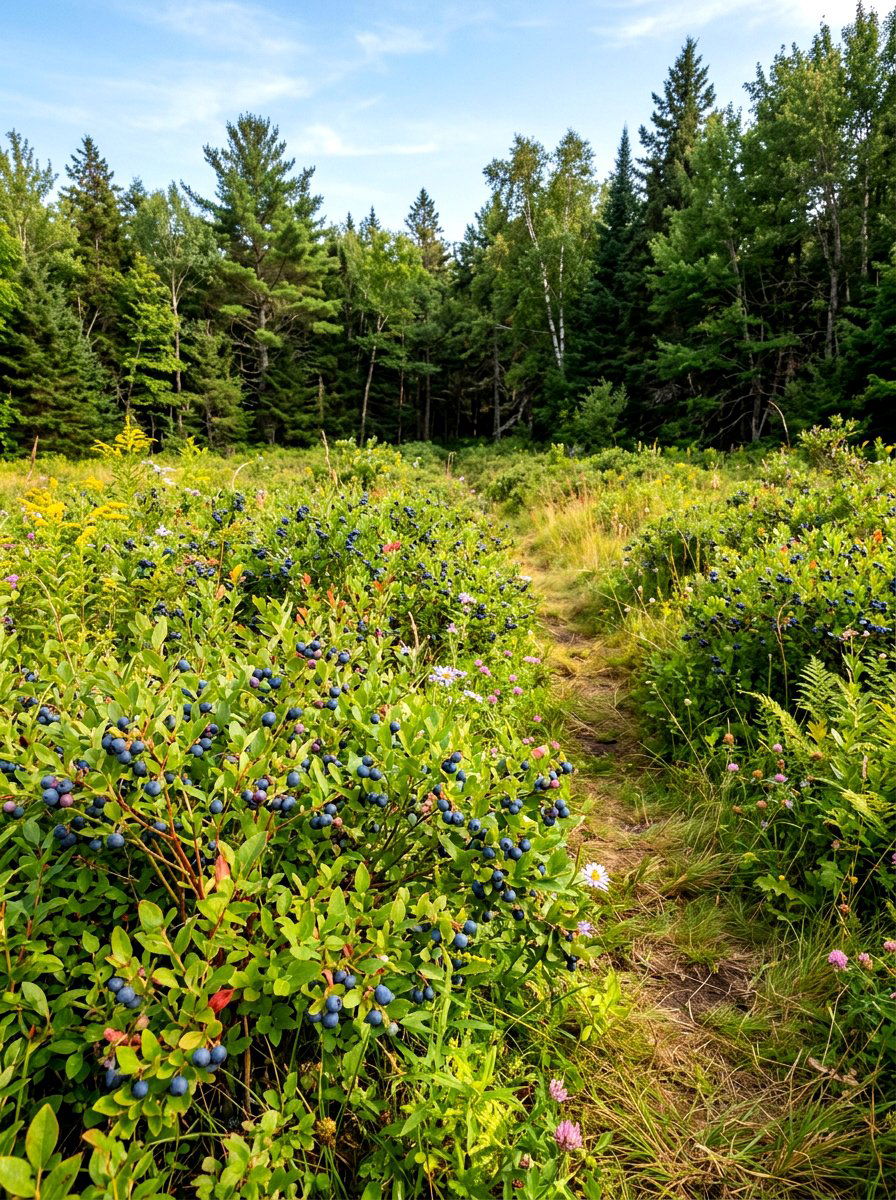
Creating a naturalistic garden area that mimics the way these plants grow in the wild is a beautiful and low-effort design choice. You can plant a mix of different varieties and allow them to grow into their natural shapes without excessive pruning or shaping. Adding some native grasses and wildflowers around the bushes helps to create a diverse habitat that supports local wildlife and beneficial insects. This style of gardening looks great in rustic or cottage-style landscapes where a bit of wildness is appreciated. It provides a peaceful retreat in your yard that feels like a hidden forest clearing full of delicious hidden treasures.
20. Sunny Blueberry Garden
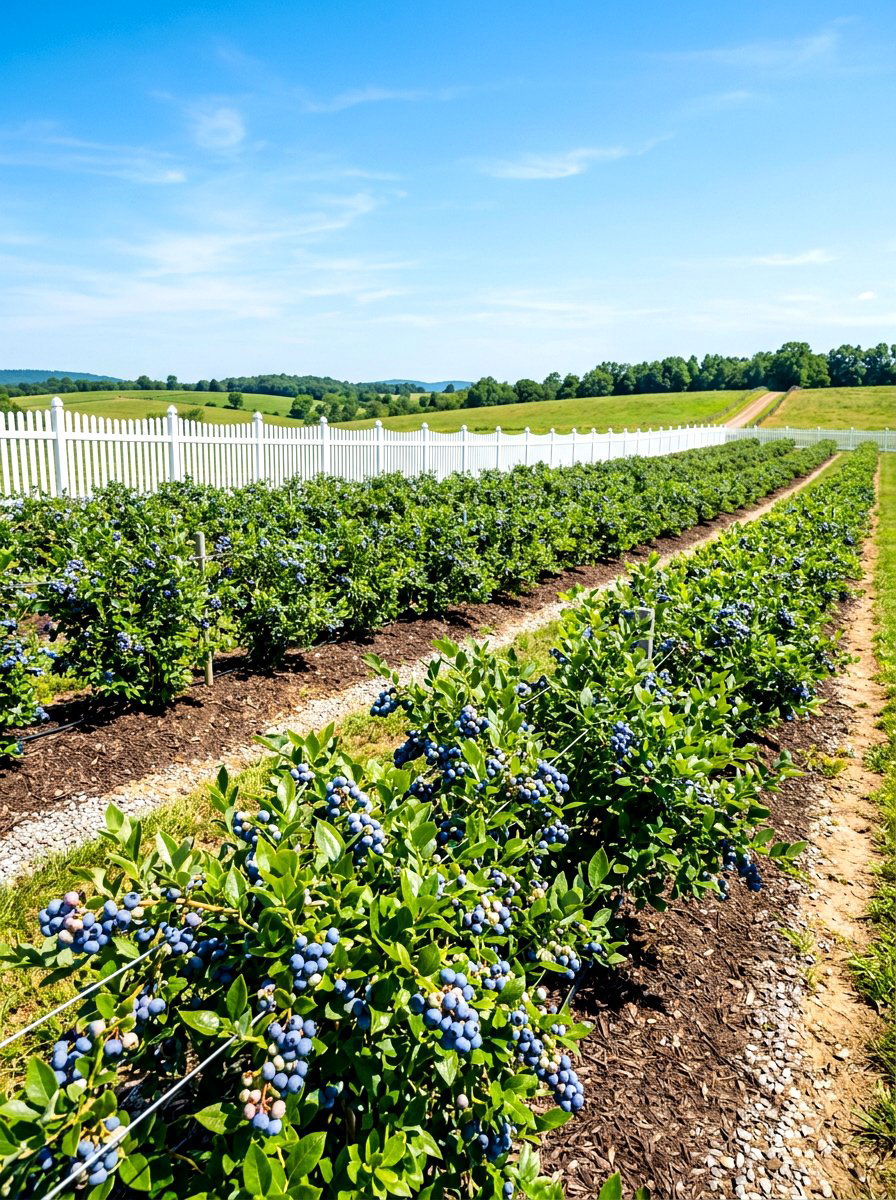
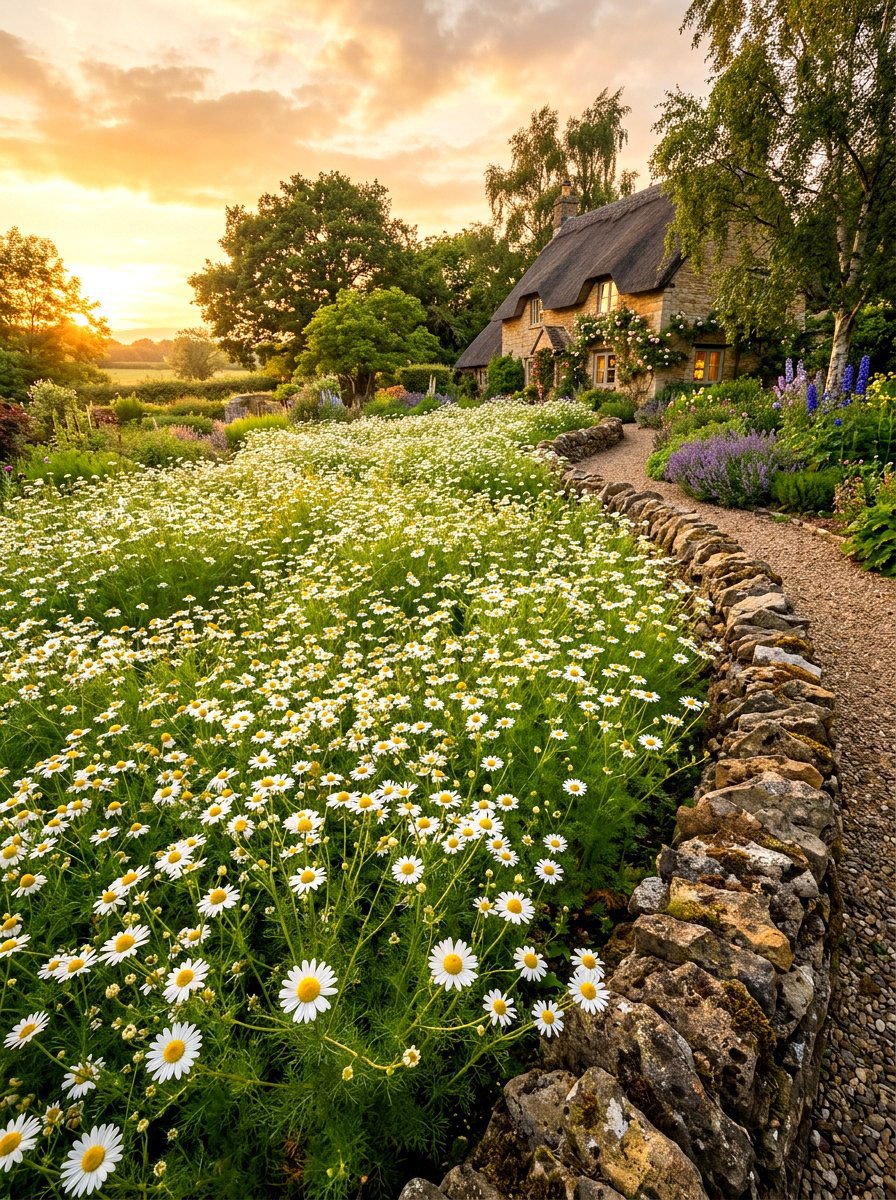
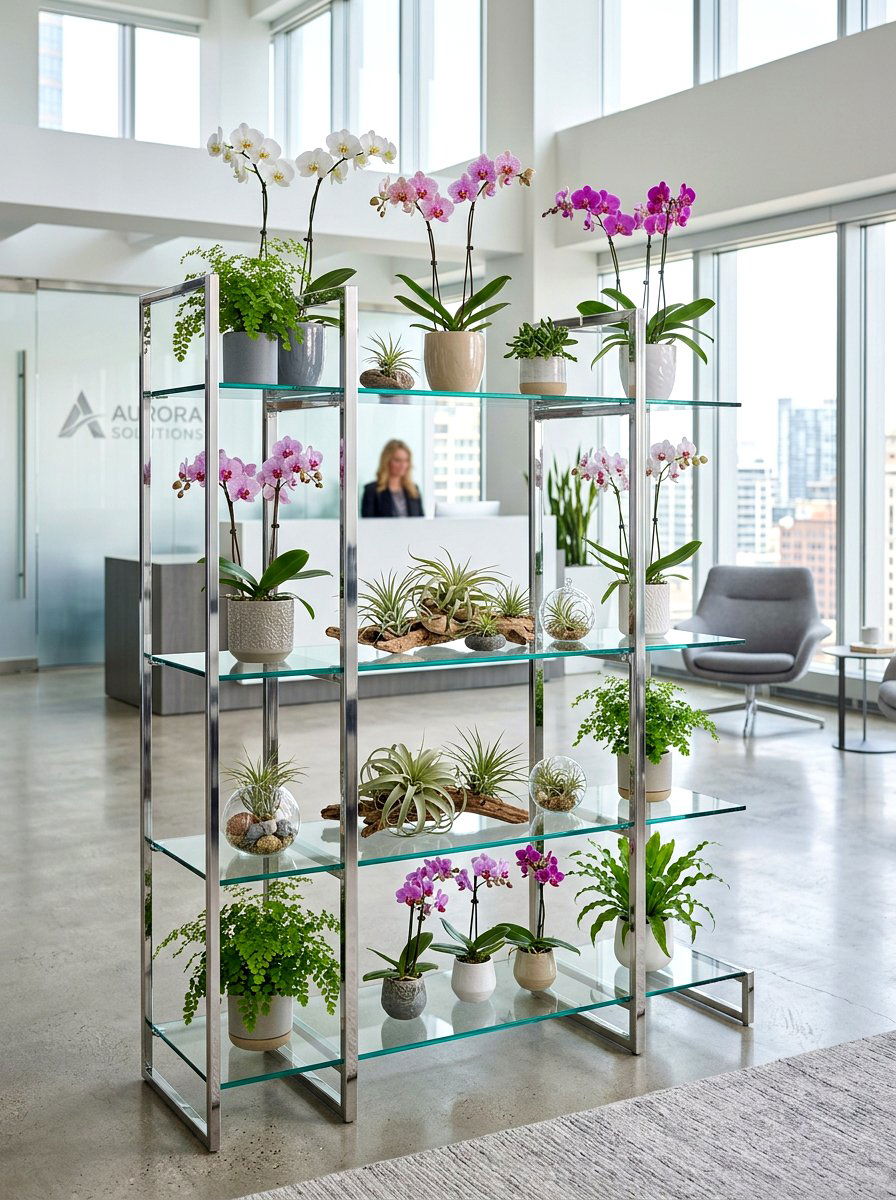
Finding the sunniest spot in your yard is the secret to growing the biggest and sweetest fruit possible for your family. These plants crave direct sunlight and will produce many more berries if they are not shaded by tall trees or buildings. You can use reflective surfaces like white fences or light-colored walls nearby to bounce even more light onto your bushes. This intense light helps the berries ripen evenly and develops the deep blue color that indicates they are ready to pick. A sunny garden location also helps to dry the leaves quickly after a rainstorm, which keeps the plants healthy and free from fungal issues.
21. Acidic Soil Blueberry Garden
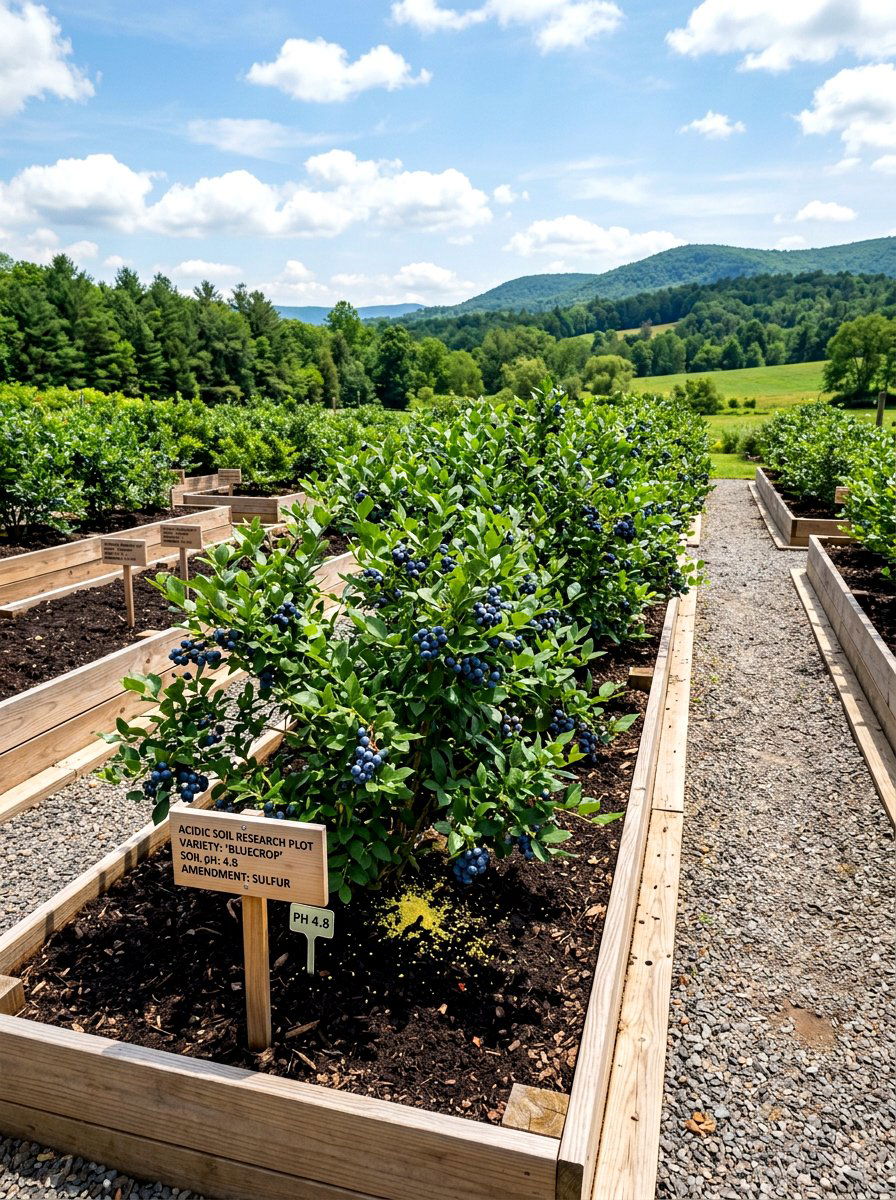
Focusing your garden design around the specific soil needs of these plants is the best way to ensure long-term success and health. You can create specialized beds filled with a mixture of peat moss, sulfur, and composted bark to achieve the perfect low pH level. Using a soil testing kit regularly will help you monitor the conditions and make adjustments before the plants start to show any signs of stress. Grouping all your acid-loving plants together in one area makes it much easier to manage the soil chemistry without affecting the rest of your garden. This scientific approach results in vibrant green leaves and a massive harvest.
22. Pollinator Blueberry Garden
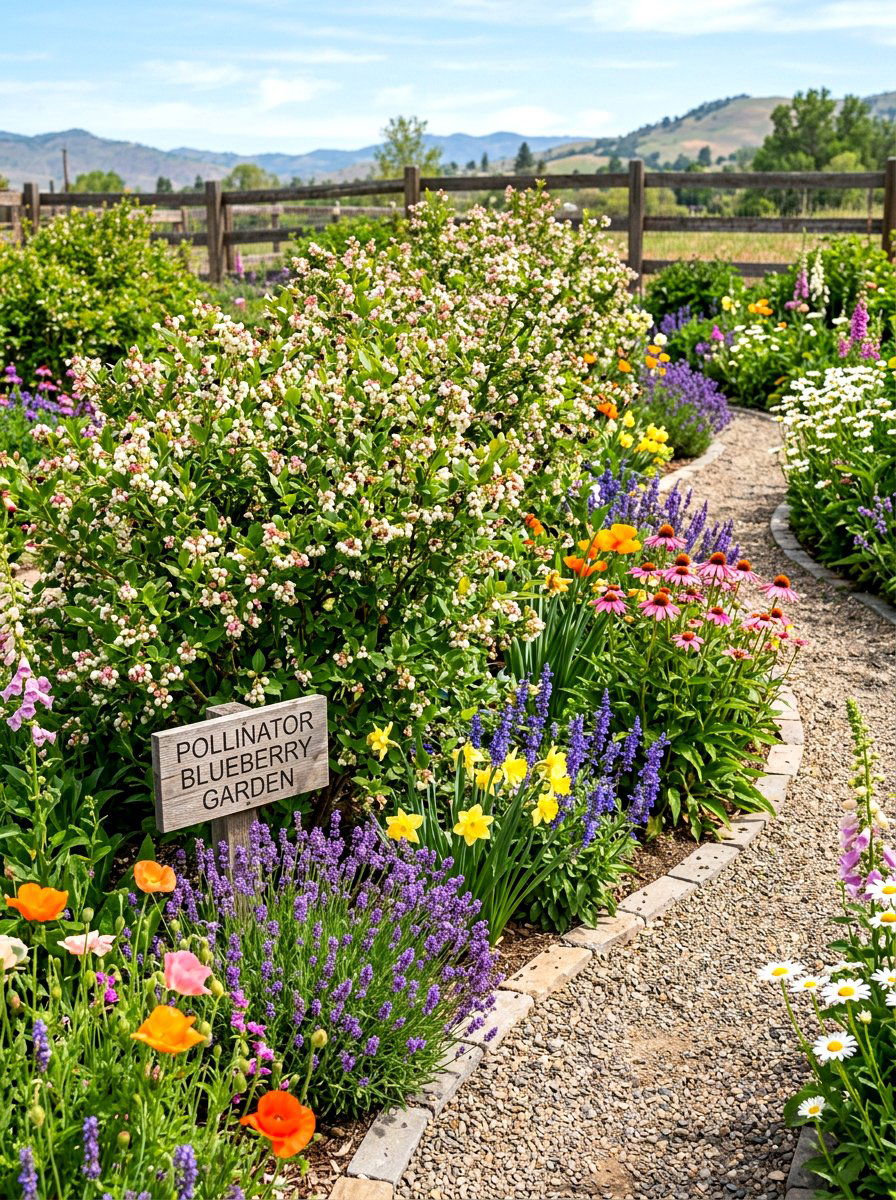
Designing your berry area to attract bees and butterflies will significantly increase the amount of fruit your bushes produce each year. You can surround your berry patch with early-blooming flowers like crocus or lavender to draw in helpful insects as soon as spring arrives. Having a variety of different blueberry types that bloom at slightly different times will keep the pollinators coming back to your yard for many weeks. You can also add a small water feature or a bee house nearby to encourage these tiny helpers to stay in your garden. This buzz of activity creates a lively and healthy environment that benefits your entire landscape.
23. Ornamental Blueberry Garden
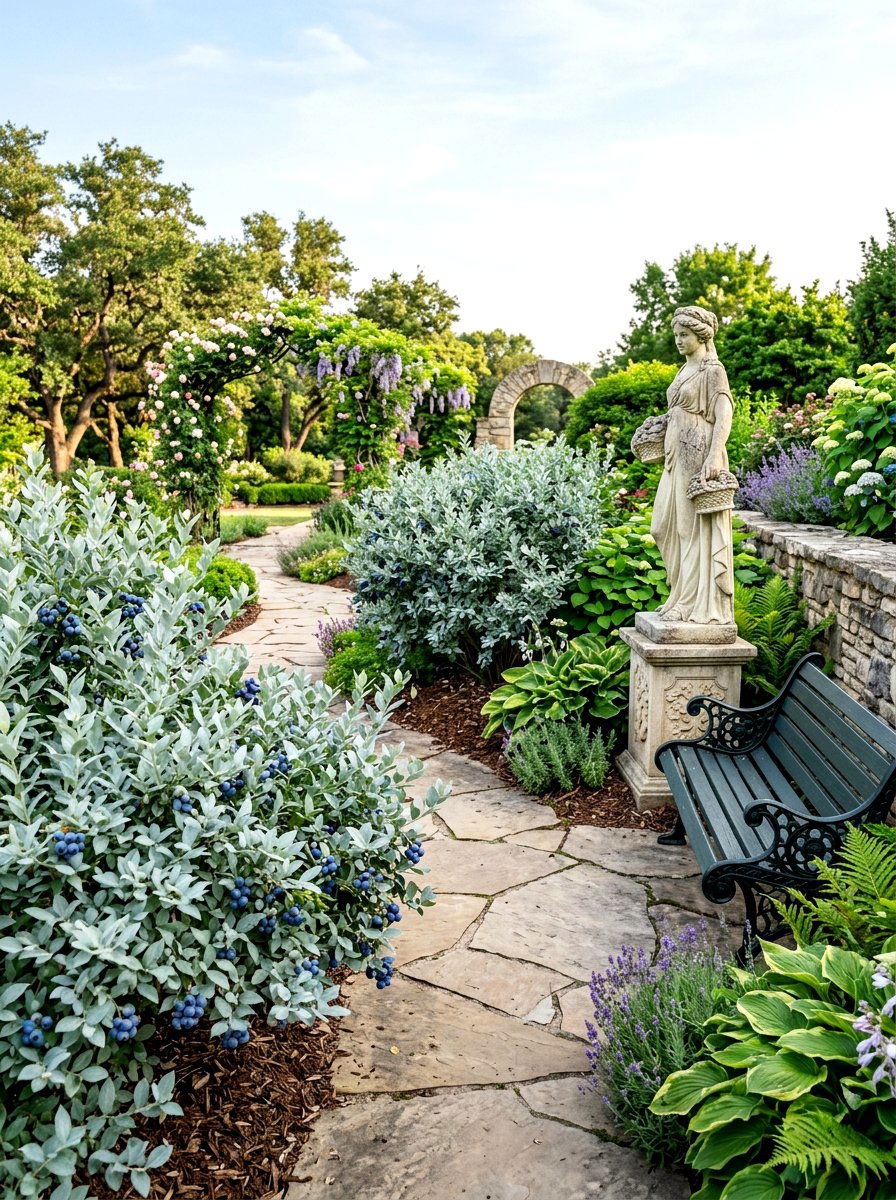
Emphasizing the visual beauty of these plants allows them to serve as a focal point in your decorative landscape design. Some varieties have unique foliage colors like blue-silver or even pinkish-orange throughout the growing season. You can pair these colorful bushes with structural elements like stone statues or elegant garden benches to create a sophisticated and artistic look. The combination of delicate spring flowers and glossy summer leaves makes these plants just as attractive as any non-edible ornamental shrub. This design proves that you do not have to sacrifice style to have a garden that provides a generous and delicious supply of fresh food.
24. Terrace Blueberry Garden
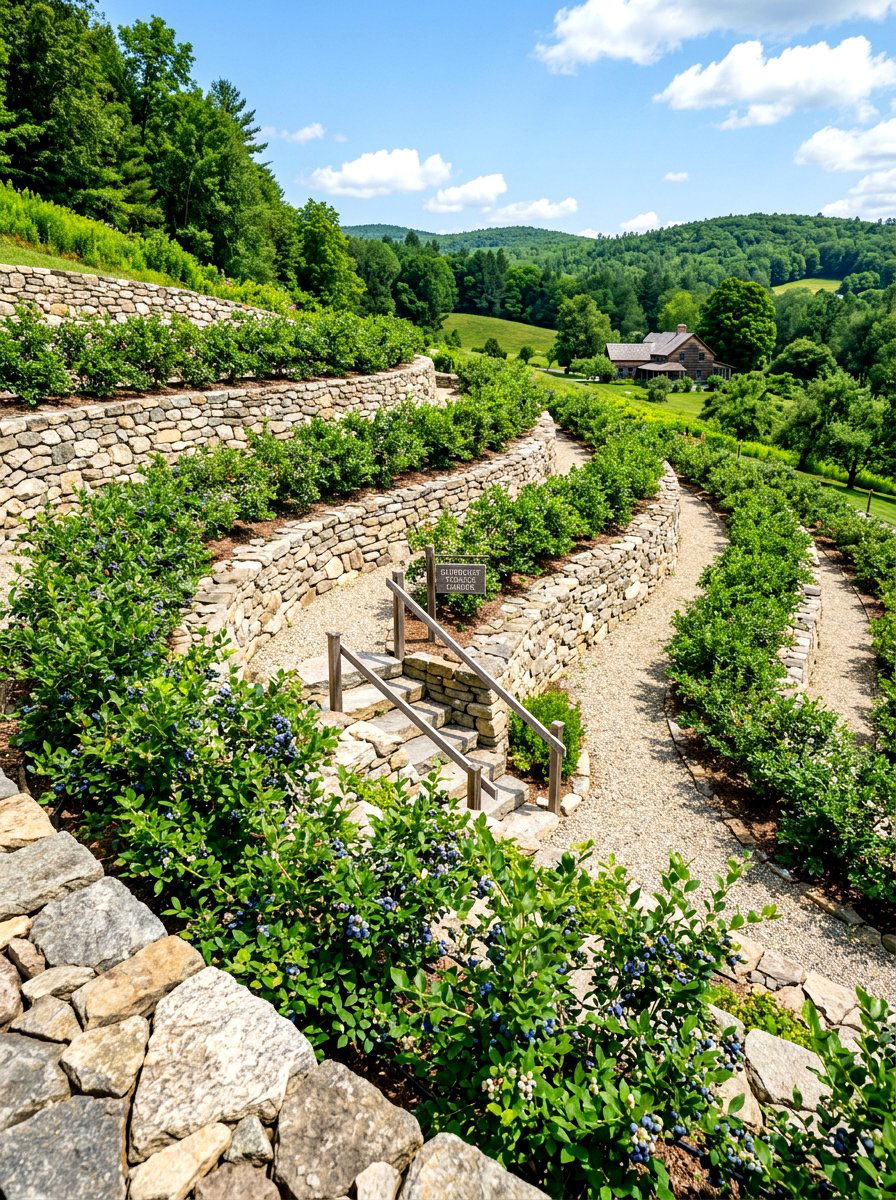
If your yard has a steep slope, you can build tiered terraces to create flat planting areas that are perfect for growing berries. Using stone or timber retaining walls provides a sturdy structure that prevents soil erosion while adding a sense of height and drama to your garden. Each level of the terrace can be dedicated to a different variety of fruit, allowing you to easily organize your harvest by ripening time. The elevation makes it much easier to reach the plants for pruning and picking without having to bend over constantly. This architectural approach turns a difficult hillside into a highly productive and beautiful landscape.
25. Blueberry Garden Bird Protection
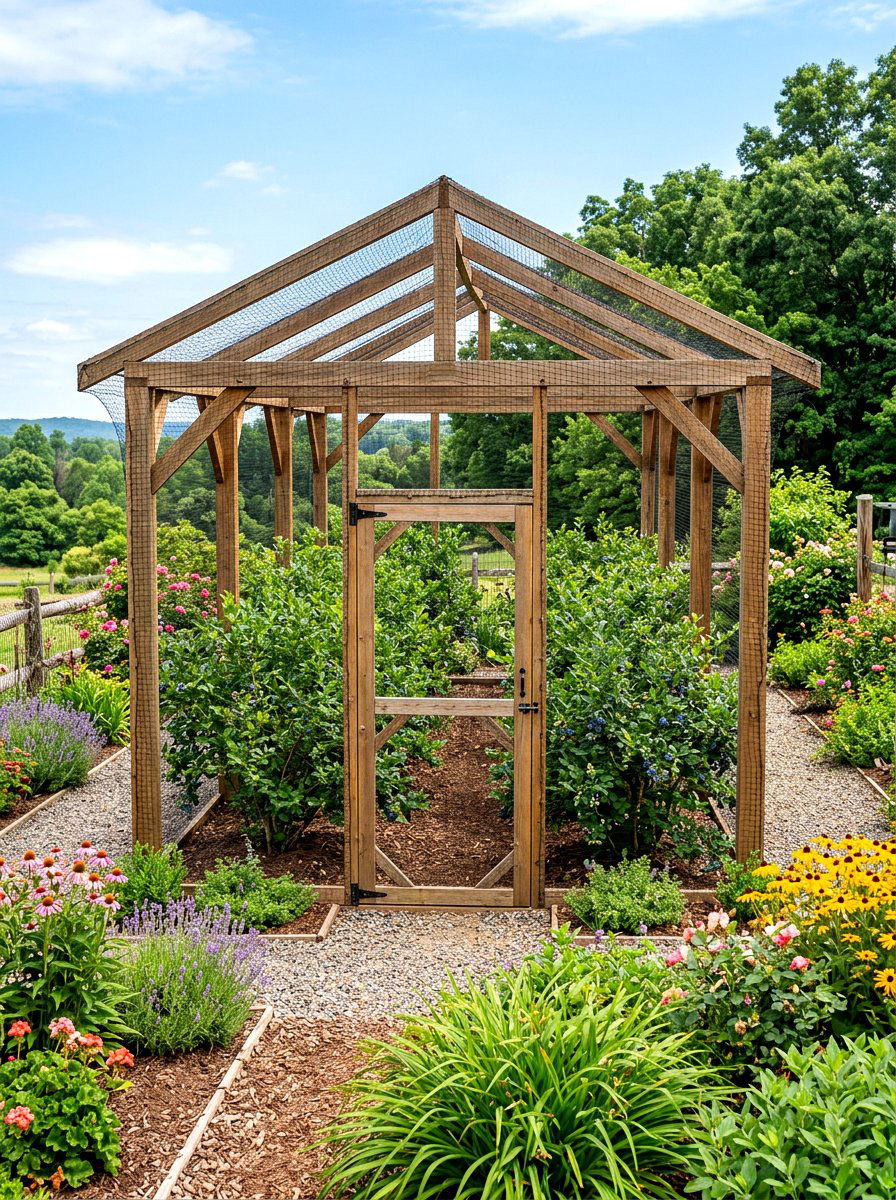
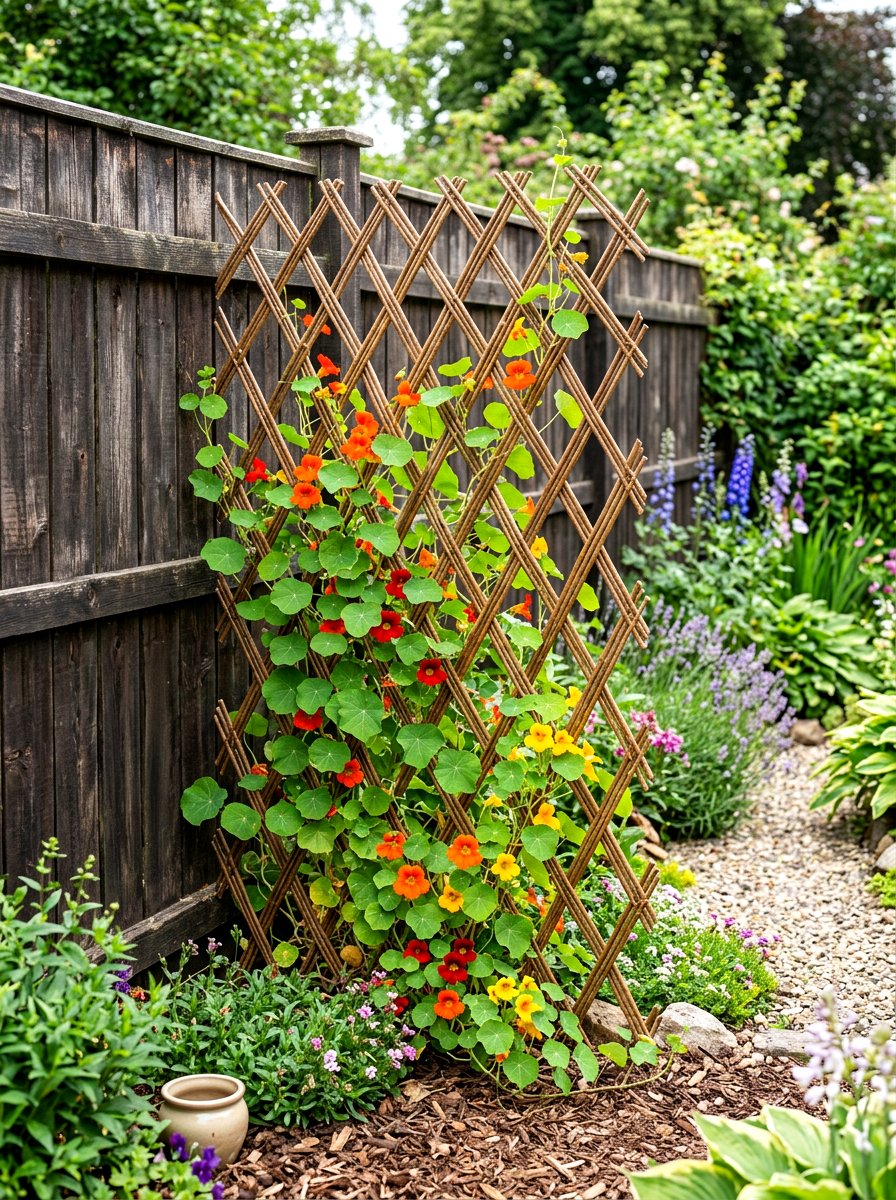
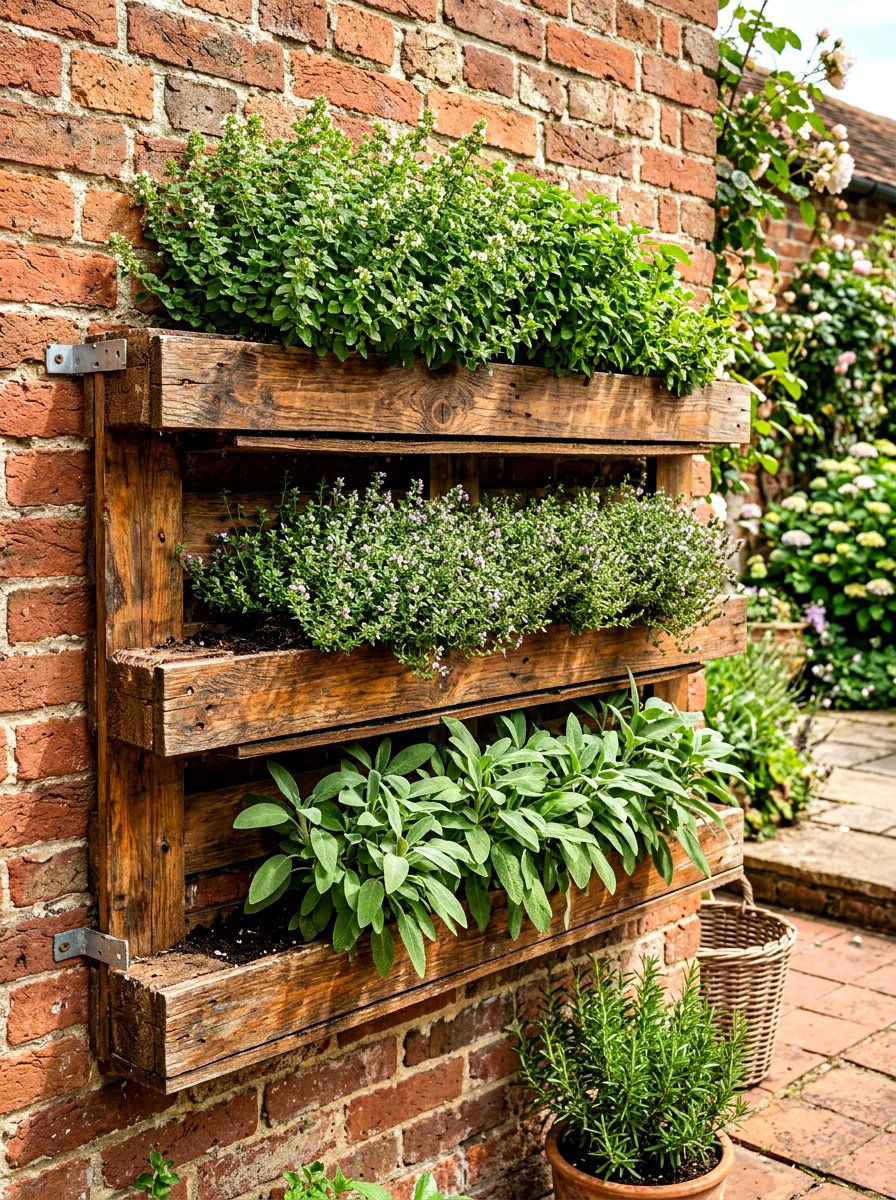
Designing a permanent walk-in cage or a large screened-in area for your berries is the ultimate way to secure your harvest from local wildlife. You can use decorative wooden posts and fine wire mesh to create a structure that looks like a beautiful garden gazebo or a small conservatory. This enclosure allows you to garden inside comfortably while knowing that your fruit is completely safe from birds and squirrels. You can even add a small stone path and a potting bench inside the cage to make it a functional workspace. This high-end solution ensures that every single berry grown in your garden ends up on your table.
26. Fall Color Blueberry Garden
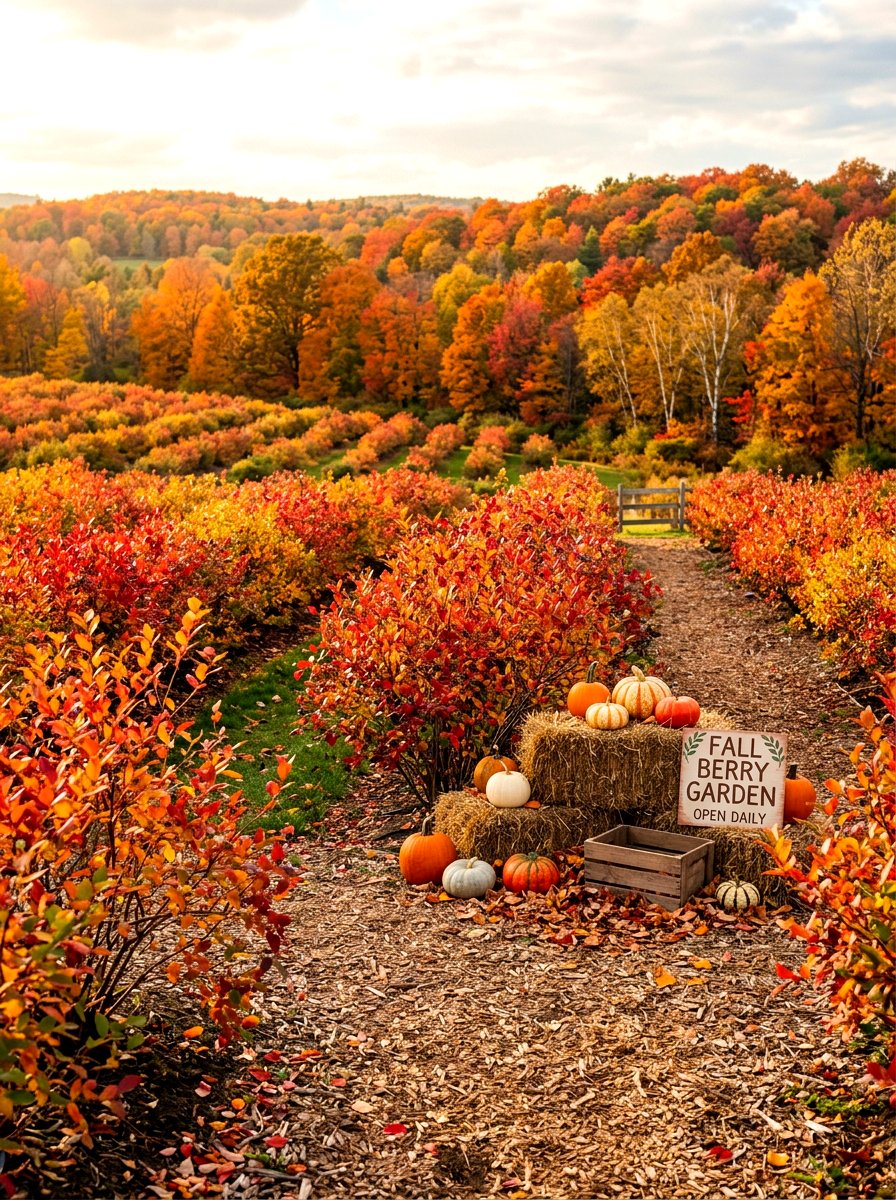
Planning your garden to highlight the spectacular autumn display of these plants will extend the beauty of your yard well into the late season. When the temperatures start to drop, the leaves of the berry bushes transform into brilliant shades of fiery red, orange, and deep purple. You can plant them in a spot where the low afternoon sun will hit the leaves, making them appear to glow from within. Pairing them with evergreen trees or late-blooming yellow flowers creates a stunning color contrast that marks the change of the seasons. This late-season show is one of the biggest reasons to include these berries in your yard.
27. Winter Blueberry Garden
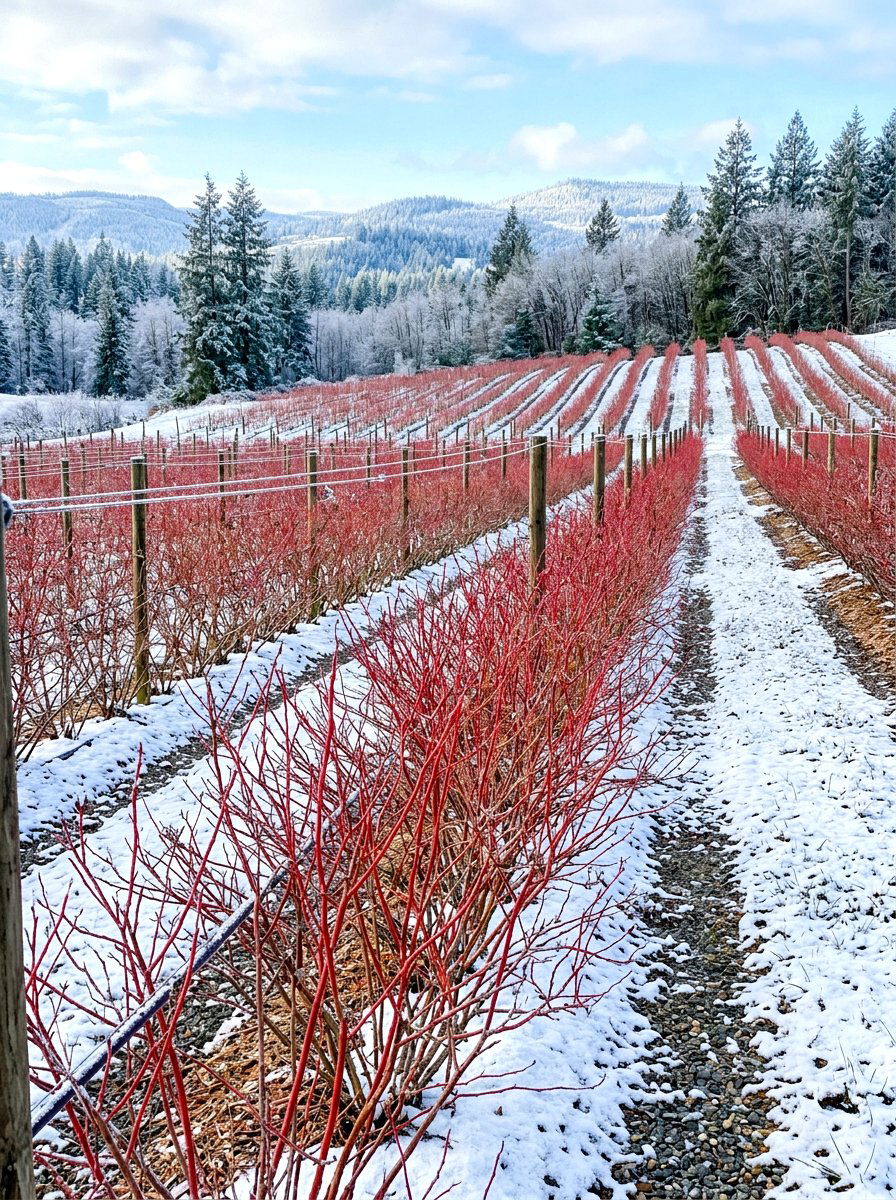
Even during the coldest months of the year, these plants can add interest to your garden with their unique bark and structural shapes. Some varieties have bright red or yellow stems that stand out beautifully against a backdrop of white snow or grey winter skies. You can arrange the bushes so their silhouettes create a pleasing pattern that can be seen from your home windows during the winter. This structural beauty provides a sense of continuity in your landscape when most other plants have gone dormant for the season. Adding some outdoor lighting can highlight these colorful stems and create a magical look in your winter garden.
28. Organic Blueberry Garden
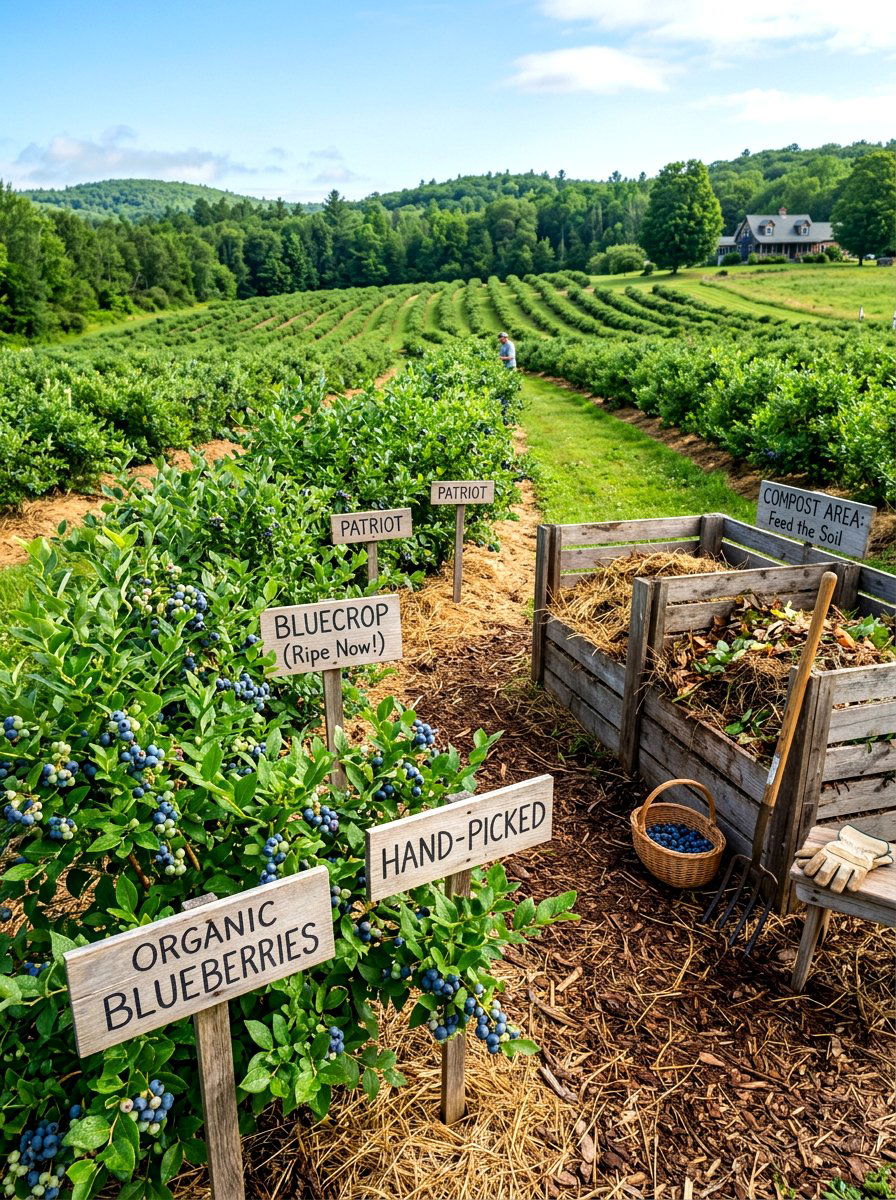
Growing your berries without the use of harsh chemicals is a great way to ensure that your fruit is as healthy and natural as possible. You can use organic fertilizers like fish emulsion or composted manure to provide your plants with the nutrients they need to grow strong. Hand-pulling weeds and using natural pest deterrents like neem oil will keep your garden clean and safe for your family and pets. Encouraging a healthy population of beneficial insects will help manage any pest problems naturally without the need for sprays. This eco-friendly approach results in fruit that tastes better and a garden that feels more connected to the environment.
29. Mixed Berry Garden
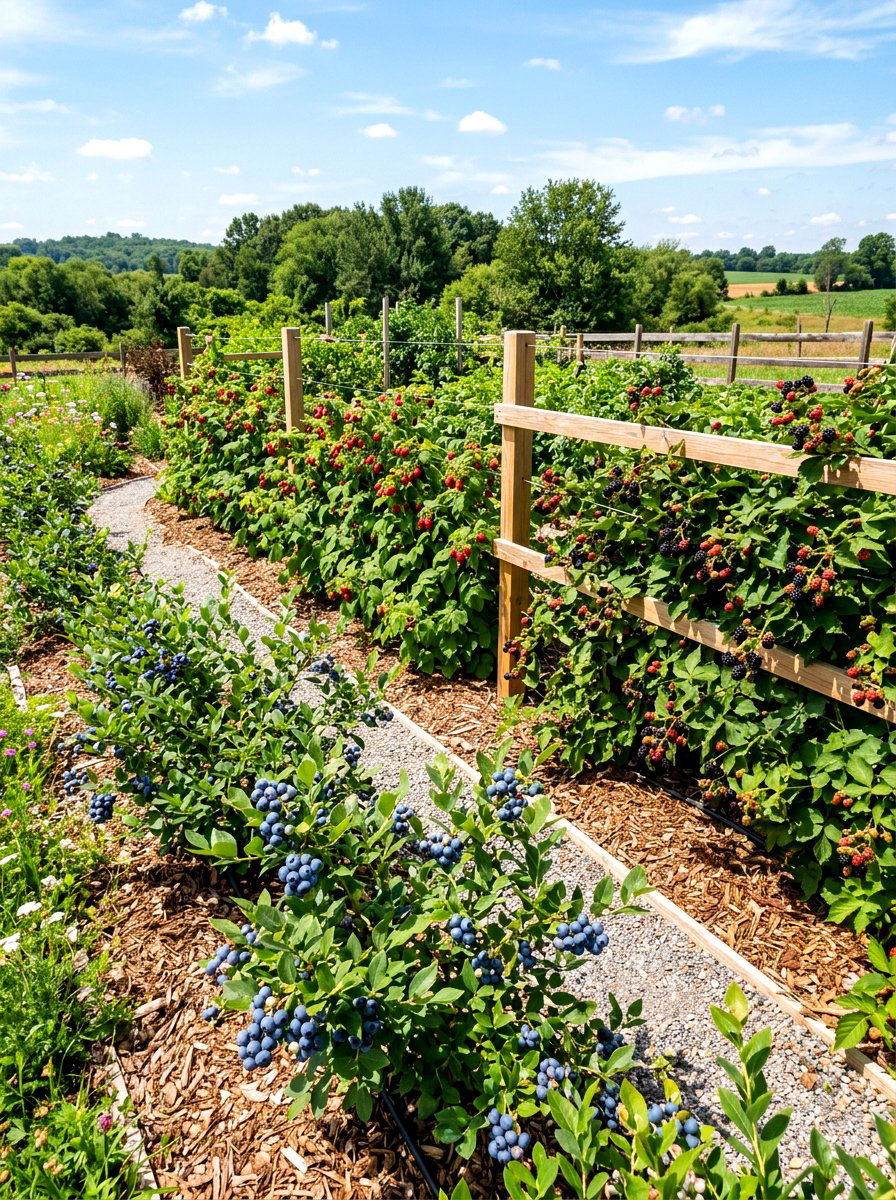
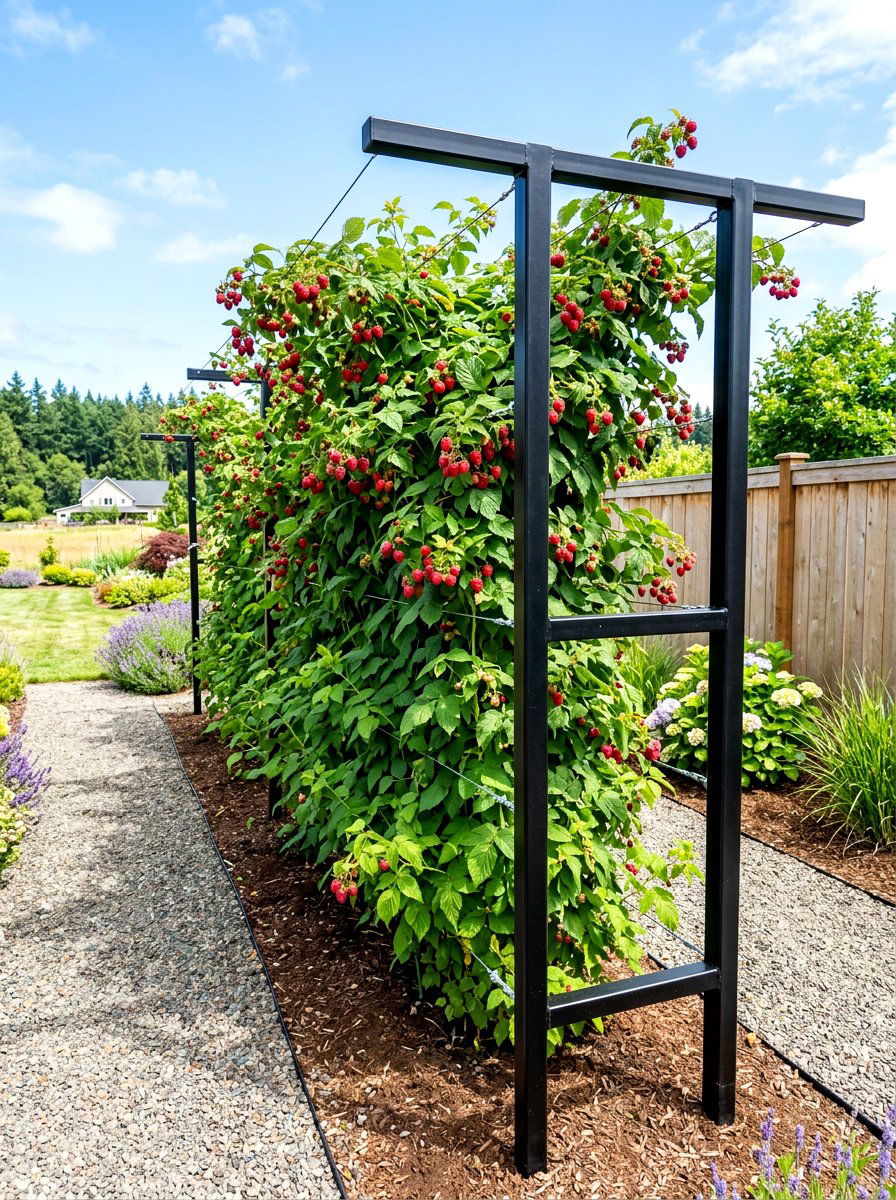
Combining your blueberries with other types of fruit like raspberries or blackberries creates a diverse and exciting berry patch for your family. You can arrange the different plants in a tiered fashion, with the taller canes in the back and the shorter bushes in the front for easy access. This mix of different textures and flavors ensures that you have a constant supply of fresh snacks throughout the entire summer season. Each type of berry has slightly different growth habits, which adds visual variety and interest to your garden layout. This multi-berry setup is perfect for anyone who loves making fresh fruit salads or homemade jams.
30. Balcony Blueberry Garden
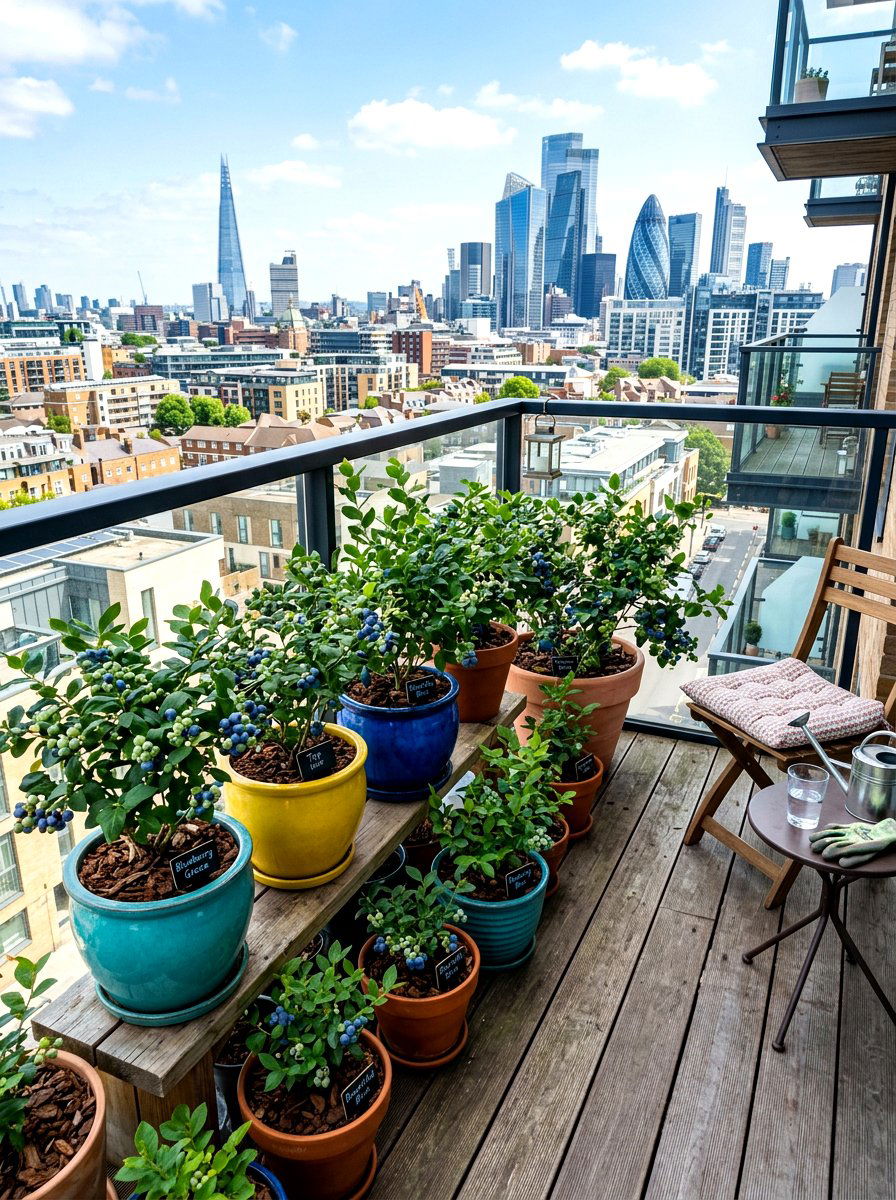
Transforming a small apartment balcony into a mini-fruit farm is entirely possible with a few well-placed pots of dwarf berry bushes. You can use vertical shelving or hanging baskets to make the most of the limited space and keep your plants organized and healthy. Choosing self-pollinating varieties is important for balcony growing since there may be fewer bees in an urban high-rise environment. The lush greenery of the bushes provides a nice screen that makes your balcony feel more private and relaxing. This urban gardening idea allows you to experience the deep satisfaction of growing your own food no matter how high up you live in the city.
Conclusion:
Starting a blueberry garden is a fantastic way to enhance your outdoor living space while providing a delicious and healthy harvest for your home. These versatile plants offer year-round beauty through their seasonal changes, making them a top choice for both beginner and experienced gardeners alike. Whether you have a sprawling backyard or a tiny urban balcony, there is a creative way to incorporate these productive bushes into your personal landscape design. By following the right soil and light requirements, you can enjoy a bountiful supply of fresh berries for many years to come. Your garden will not only look stunning but will also become a functional source of nutritious food.

Related posts: