Growing your own raspberries is a rewarding journey that transforms any backyard into a productive oasis of flavor. To get the best harvest, you need a solid support system that keeps those heavy canes off the ground and exposed to plenty of sunlight. Choosing the right trellis makes a massive difference in how your plants grow and how easy they are to maintain throughout the season. Whether you have a sprawling garden or a tiny urban patio, there is a trellis solution that fits your space perfectly. These structures provide the necessary airflow to prevent disease while making picking those sweet berries a total breeze for everyone involved.
1. T post raspberry trellis
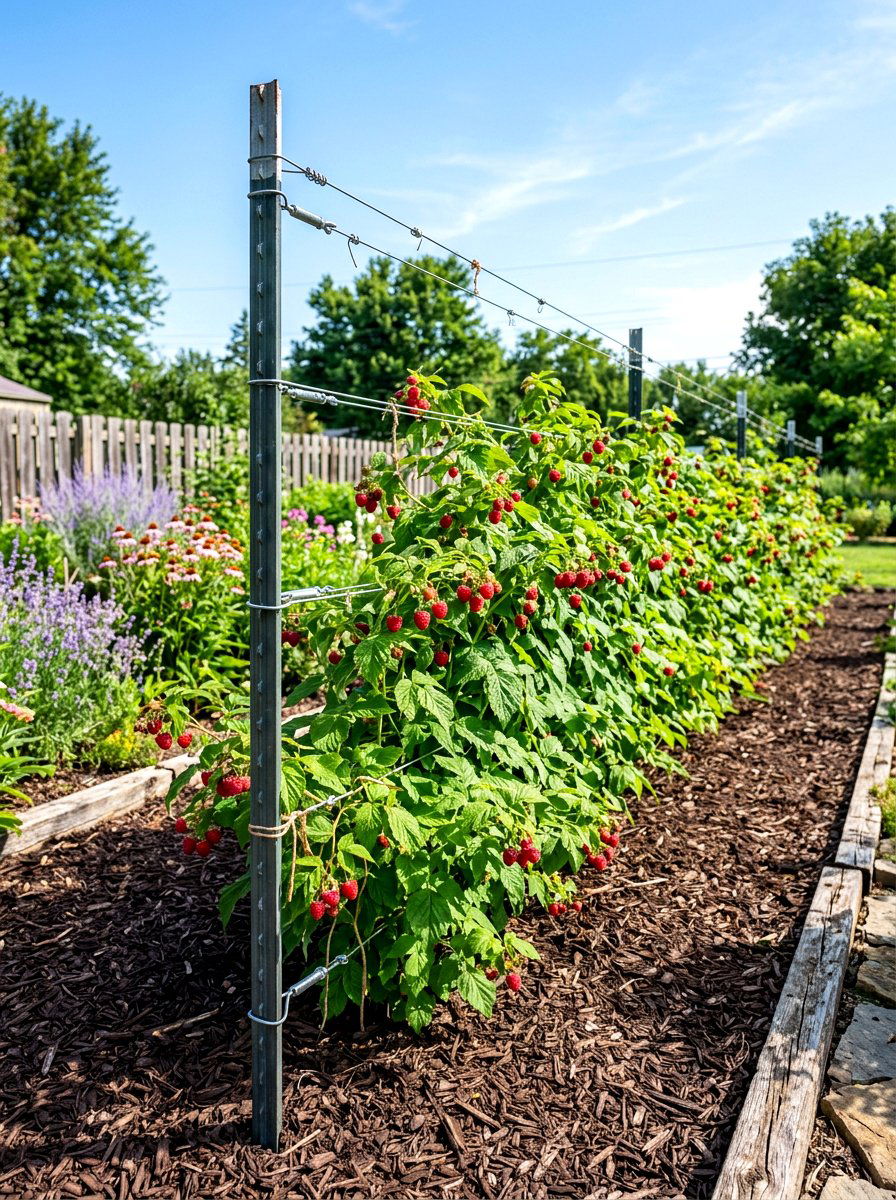
Using metal T-posts is one of the most efficient and cost-effective ways to manage your raspberry patch. These sturdy steel posts are easily driven into the soil at each end of your berry row, providing a rock-solid anchor for tensioned wires. By stringing galvanized wire between the posts at various heights, you create a slim profile that keeps canes contained in a narrow line. This specific arrangement is ideal for smaller gardens where space is at a premium and you need to keep walkways clear. It also makes pruning much simpler because every single cane is visible and accessible from both sides of the row.
2. V shaped raspberry trellis
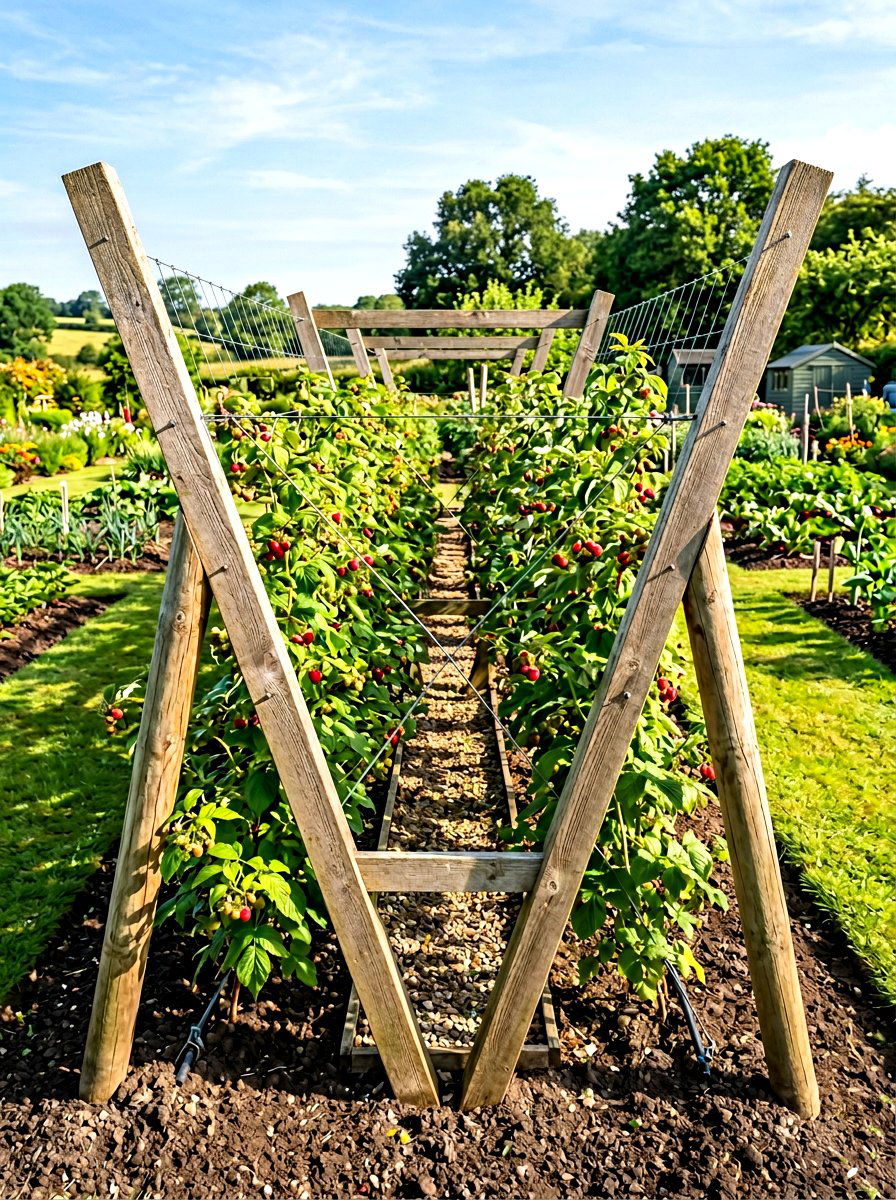
A V-shaped support system is a brilliant way to maximize sunlight and improve airflow within your berry patch. By angling the support posts outward, the raspberry canes are encouraged to spread toward the light, which effectively separates the fruiting branches from the new growth. This layout significantly reduces the risk of fungal diseases because air can circulate freely through the center of the plant. Harvesting becomes much more enjoyable as the berries hang outward, away from the prickly center of the bush. It is a professional-grade setup that yields impressive results for home gardeners looking for higher productivity and healthier plants.
3. Cedar wood raspberry trellis
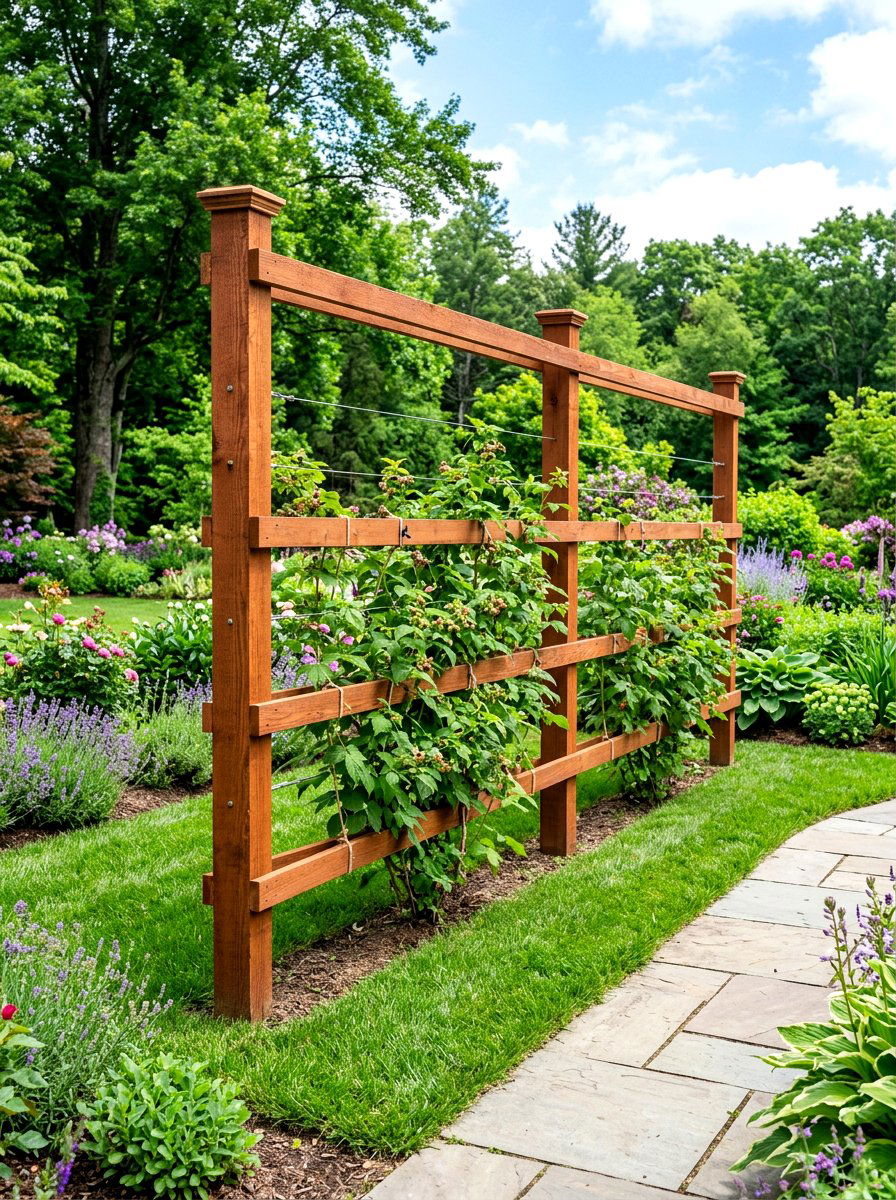
Cedar wood is a premium choice for garden structures because of its natural resistance to rot and its beautiful aesthetic appeal. Building a trellis with cedar posts and crossarms creates a classic, high-end look that complements any landscape design. The warm tones of the wood pair perfectly with the lush green foliage of the raspberry plants. Because cedar is so durable, this support system will last for many years without the need for harsh chemical treatments. It provides a sturdy framework that can handle the weight of heavy summer-bearing varieties while adding a touch of rustic elegance to your backyard fruit garden.
4. Cattle panel raspberry trellis
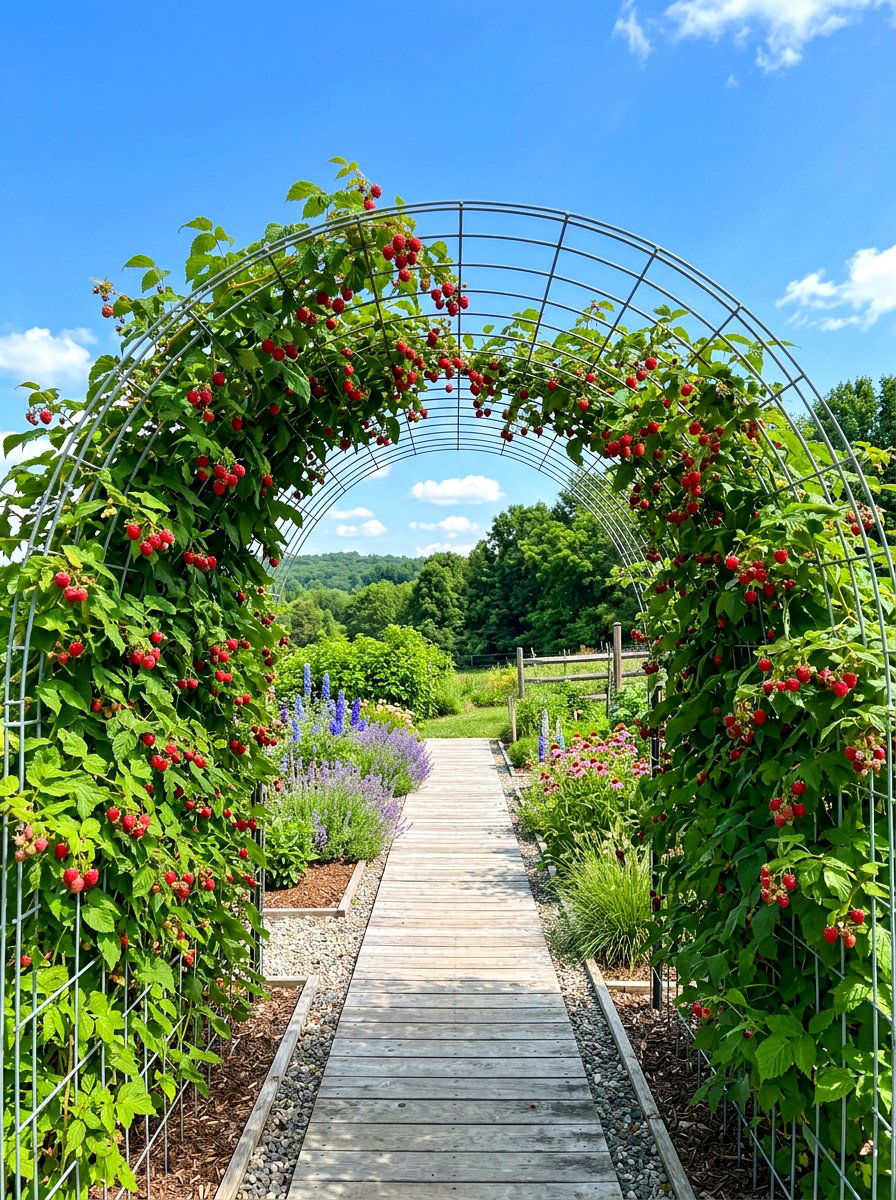
Cattle panels are incredibly strong and versatile, making them a favorite for gardeners who want a trellis that can withstand anything. These heavy-duty wire grids can be arched over a garden path or used as a flat vertical wall for your raspberries. The large grid pattern provides plenty of attachment points for tying up long, sprawling canes. Because the panels are made of thick galvanized steel, they will not sag or rust over time, even under a heavy load of fruit. This setup is particularly effective for large-scale berry patches where durability and ease of installation are the top priorities for the gardener.
5. PVC pipe raspberry trellis
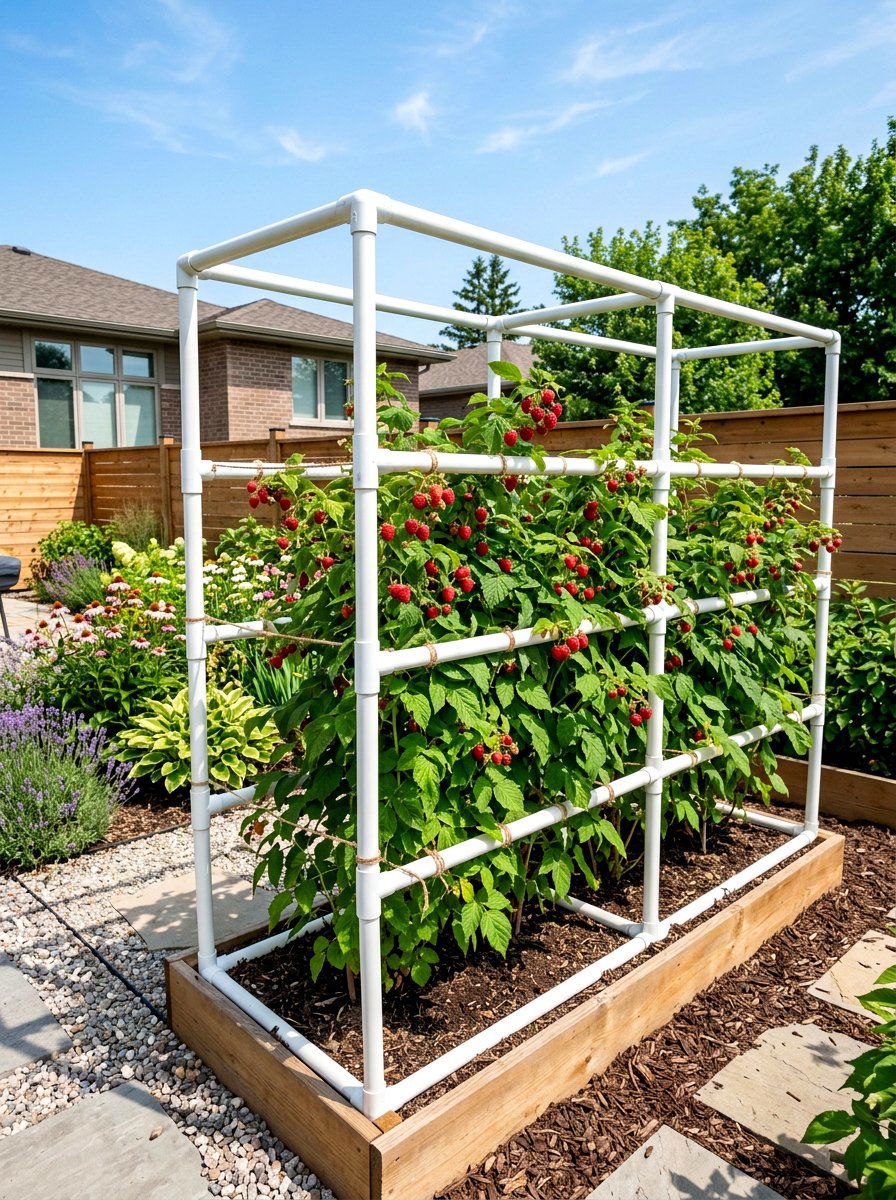
PVC pipe is a lightweight and affordable material that allows for a completely customizable raspberry support system. You can easily cut and assemble the pipes into a variety of shapes, such as a simple ladder or a rectangular cage. This option is perfect for those who want a trellis that is easy to move or modify as the garden grows. The smooth surface of the plastic will not snag on the delicate raspberry leaves or fruit during the harvest. While it has a more modern look, you can always paint the PVC to blend in with your garden surroundings for a more cohesive aesthetic.
6. Wall mounted raspberry trellis
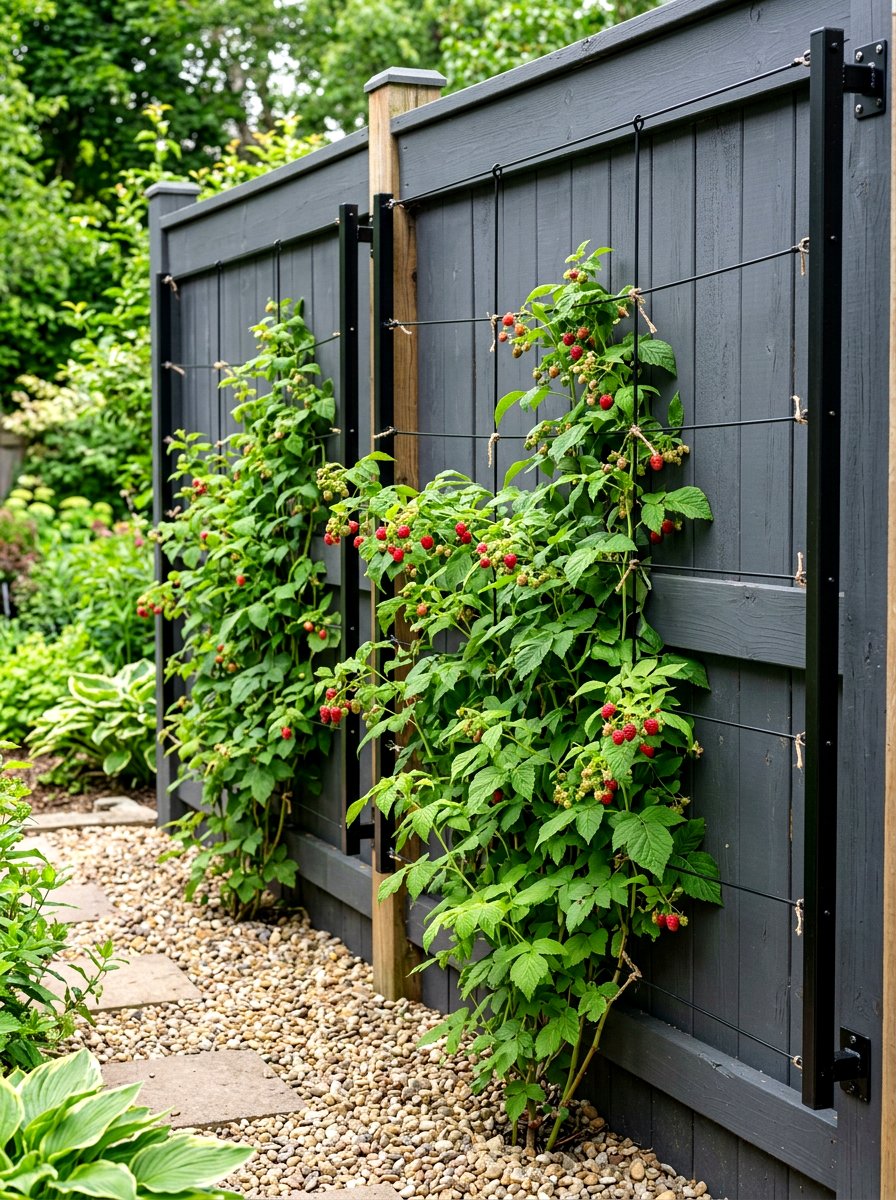
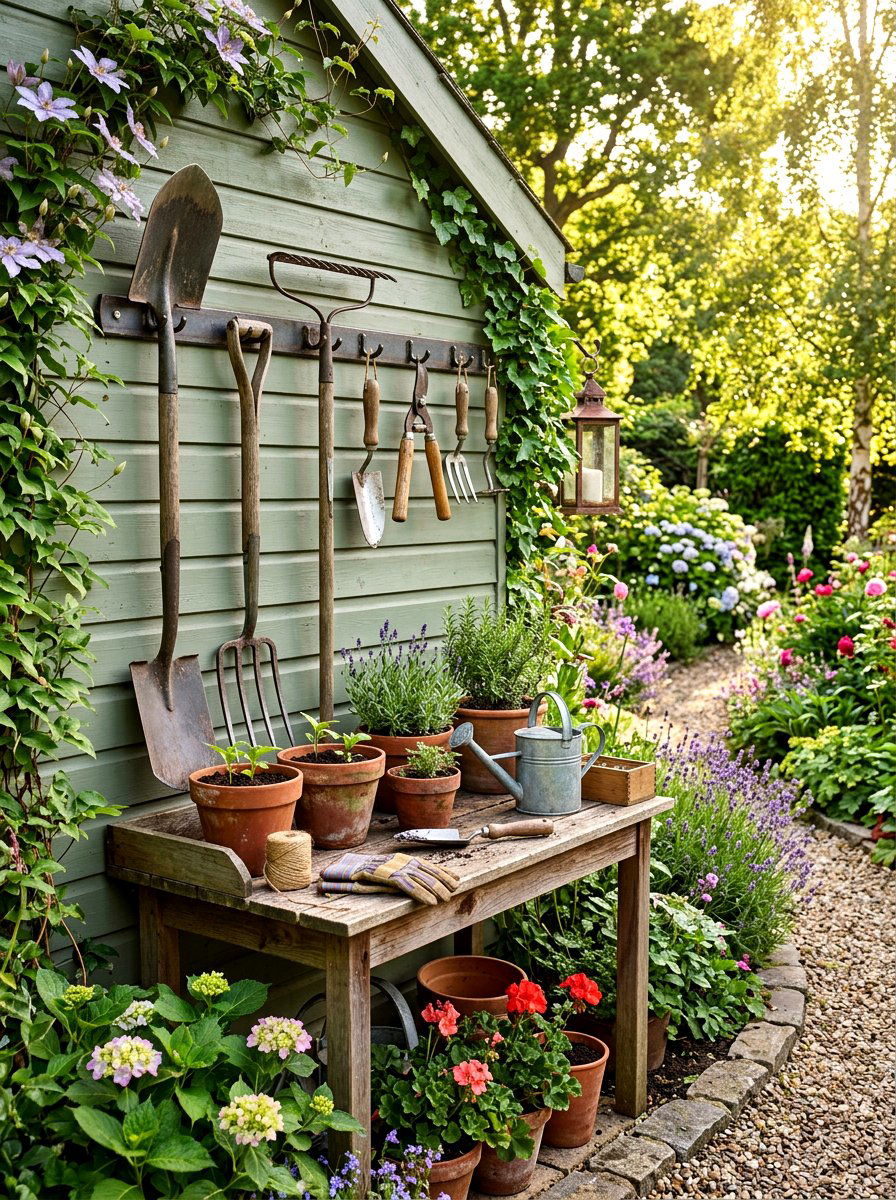
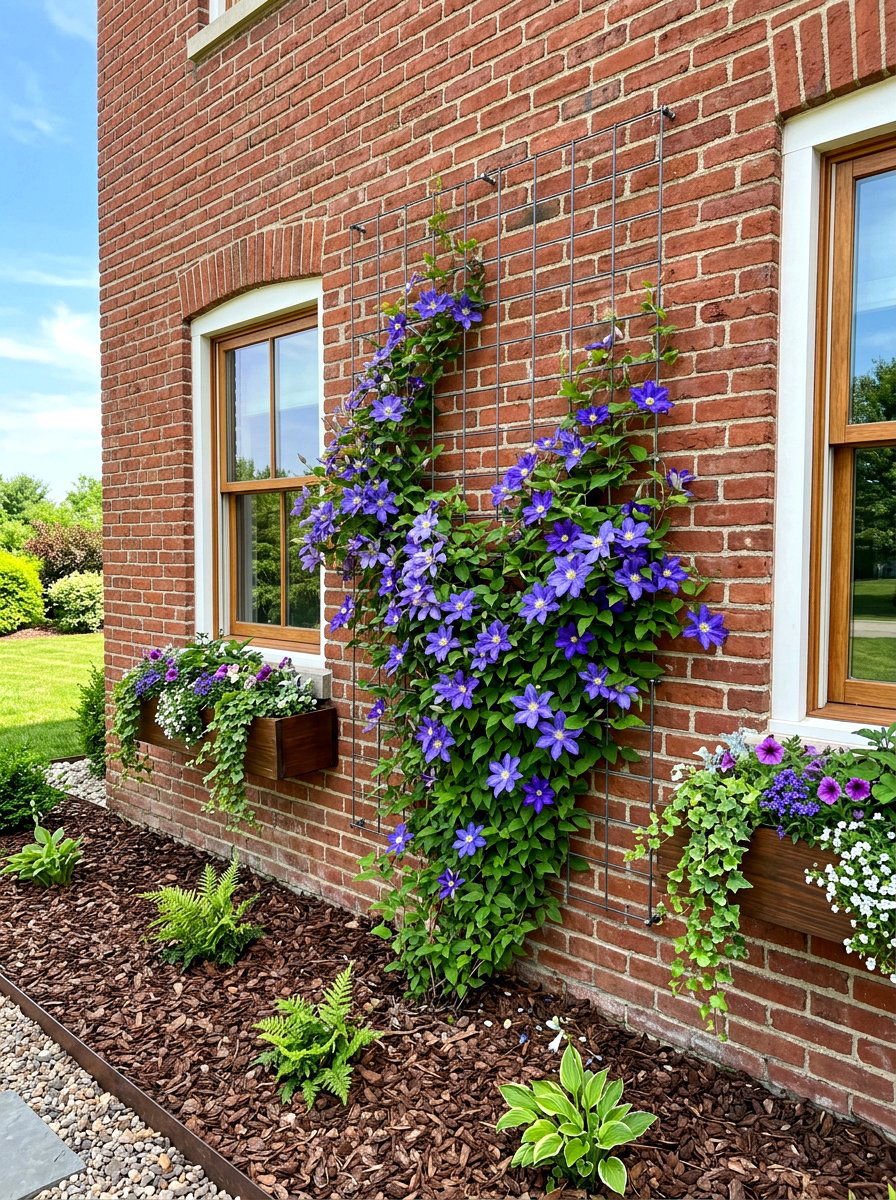
If you are dealing with limited space, a wall-mounted trellis is an ingenious way to grow raspberries along a fence or the side of a shed. By attaching heavy-duty wire or a wooden lattice directly to a vertical surface, you can train the canes to grow upward and outward. This method keeps the footprint of the garden very small while still providing ample room for a high-yield harvest. The wall also acts as a heat sink, absorbing sunlight during the day and keeping the plants warmer during cool nights. It is a stylish and practical solution for urban gardeners with tiny backyards.
7. Horizontal wire raspberry trellis
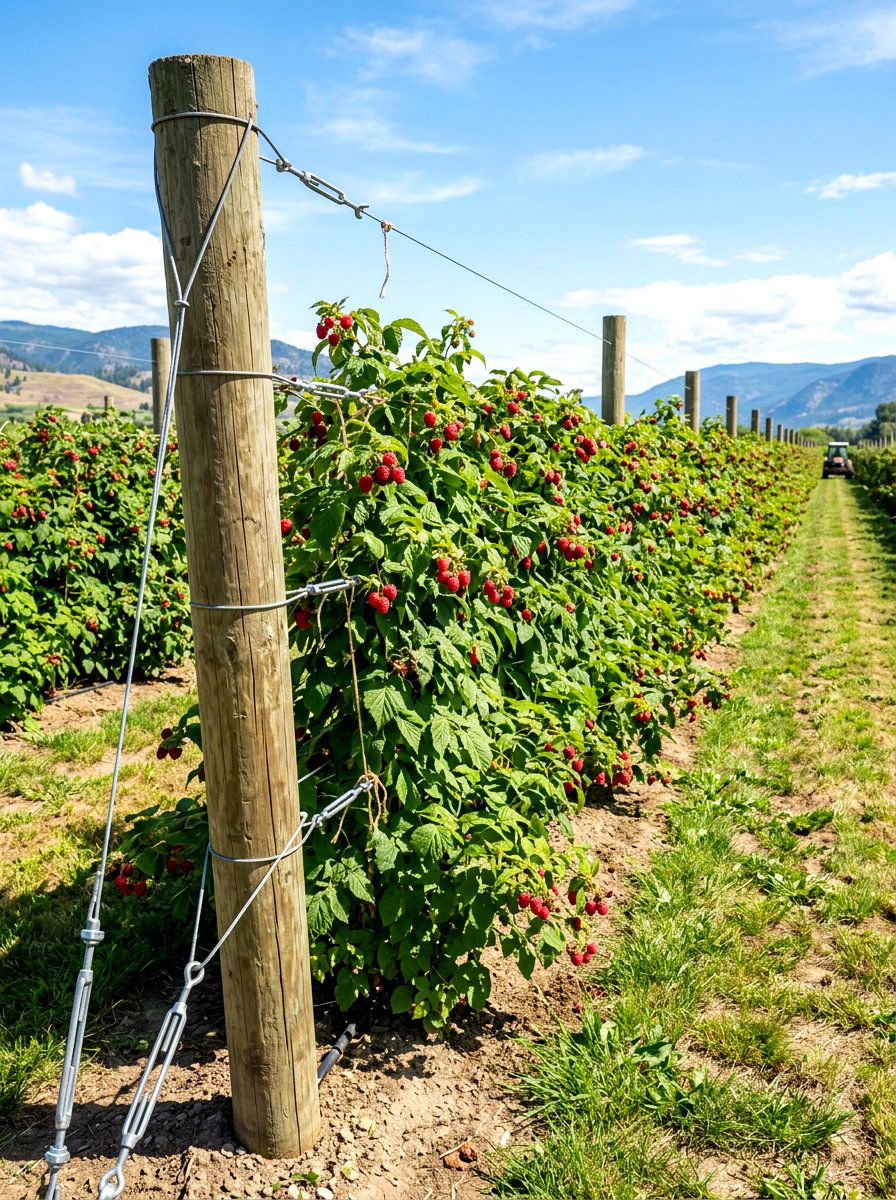
A horizontal wire system is the classic approach for commercial berry growers that works just as well in a home setting. By running multiple strands of high-tensile wire between heavy end posts, you create a flexible support that can be adjusted as the plants grow. You can use wire tensioners to keep the lines tight, ensuring that the canes never sag toward the ground. This system allows you to easily tuck the canes between the wires or tie them loosely with garden twine. It creates a very clean and organized look that makes your fruit garden appear professional and well-tended throughout the year.
8. Bamboo stake raspberry trellis
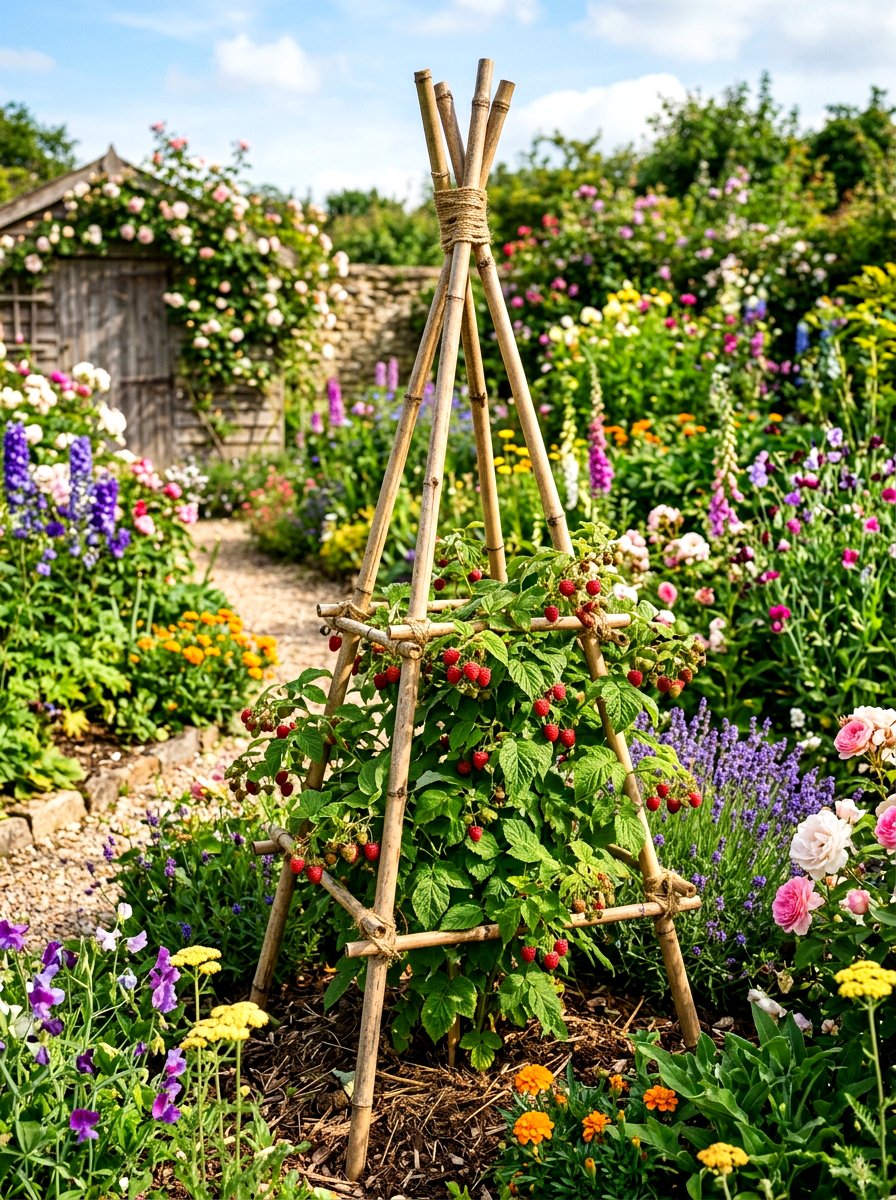
Bamboo stakes offer a natural and eco-friendly way to support your raspberry plants without spending much money. These lightweight yet strong poles can be lashed together with garden twine to create a simple tripod or a traditional fence-style structure. Bamboo blends seamlessly into the garden environment, providing a soft and organic look that many gardeners prefer over metal or plastic. It is an excellent temporary solution for young plants or for those who like to rearrange their garden layout every season. Because bamboo is a renewable resource, it is a sustainable choice for the environmentally conscious home fruit grower.
9. Repurposed ladder raspberry trellis
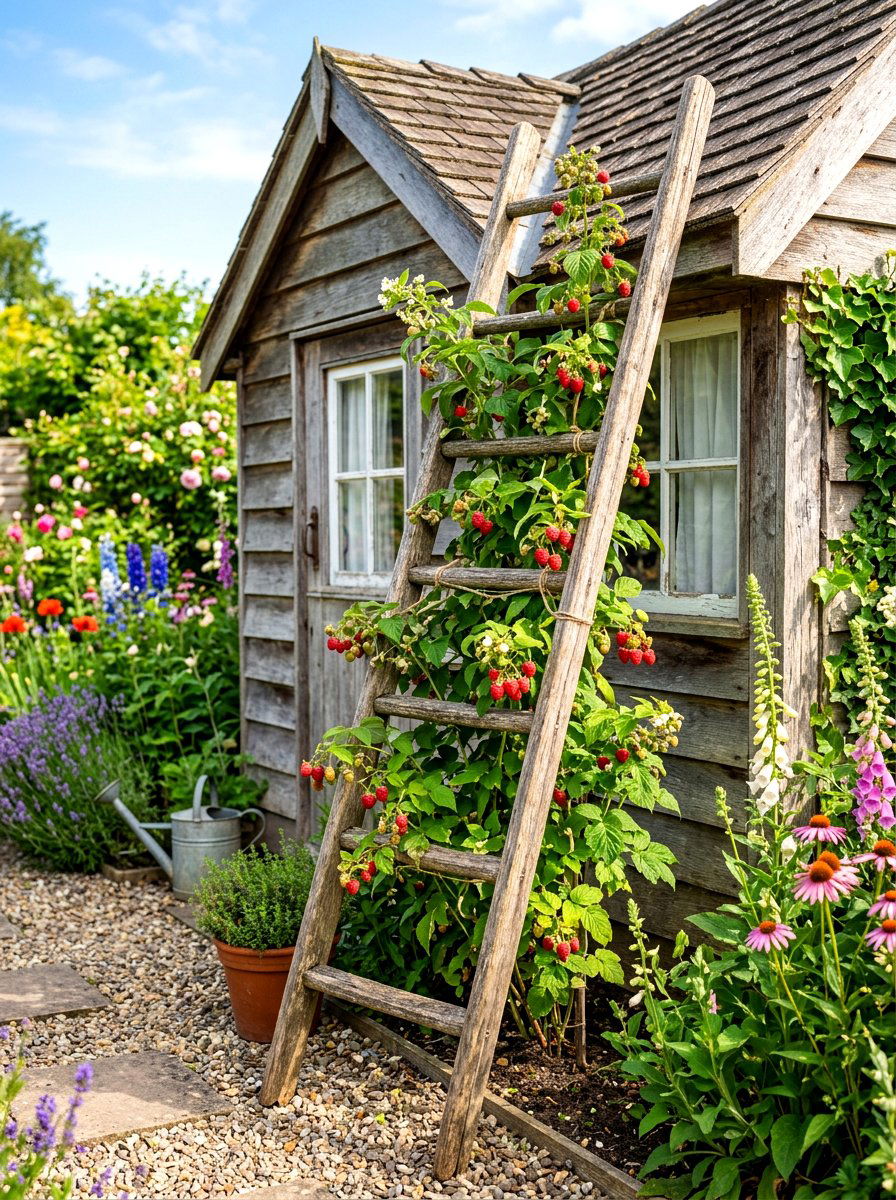
Using an old wooden or metal ladder as a raspberry trellis is a creative way to add a vintage touch to your garden. The rungs of the ladder provide built-in horizontal supports at perfect intervals for tying up berry canes. You can lean the ladder against a wall or secure it vertically in the ground for a freestanding look. This recycled solution is not only budget-friendly but also serves as a charming focal point in your landscape. It works particularly well for smaller berry patches or as a decorative element in a cottage-style garden where whimsical and functional items are often mixed together.
10. Metal conduit raspberry trellis
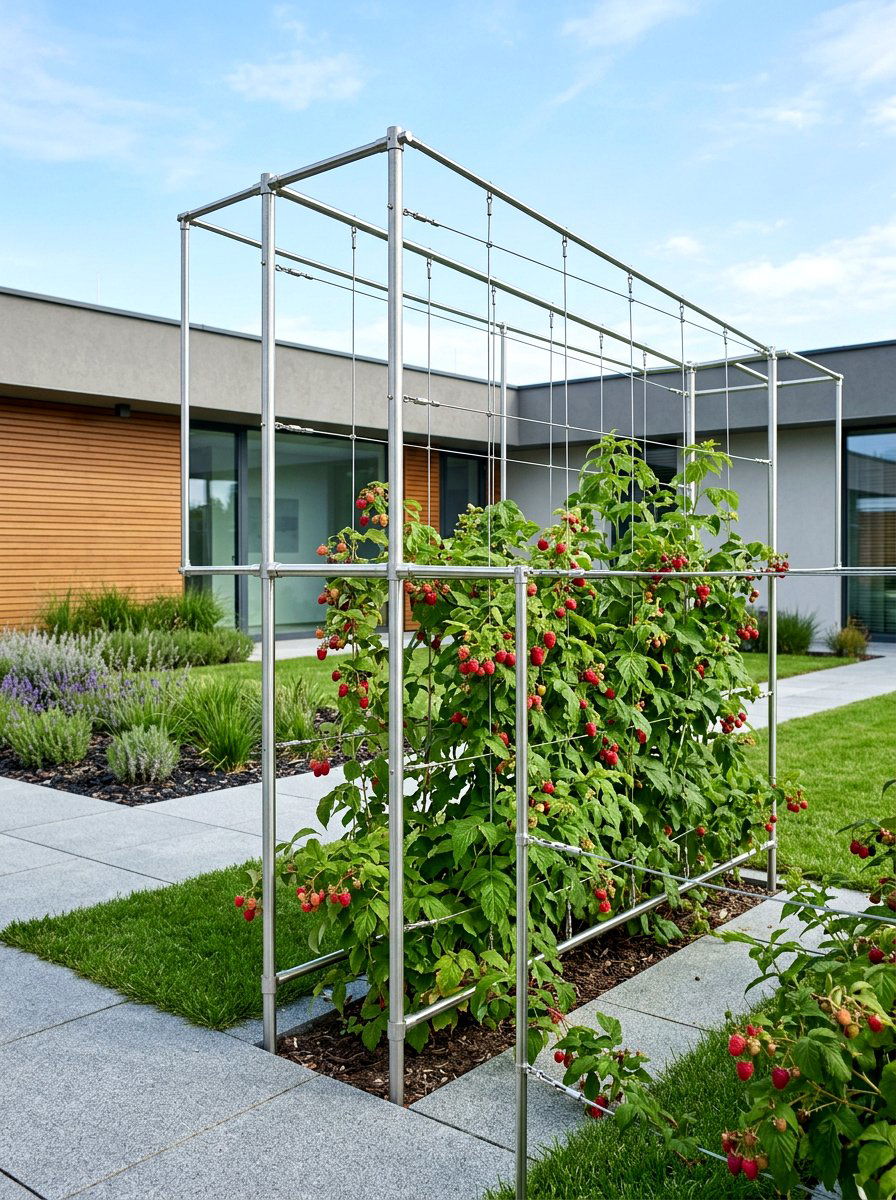
Electrical metal conduit is a surprisingly effective material for building a sleek and modern raspberry trellis. These thin steel pipes are very strong and can be bent into arches or assembled into clean, geometric frames using simple connectors. The silver finish of the conduit looks sharp against the green leaves and bright red berries. This type of trellis is extremely durable and will not rot or warp like wood. It is a great choice for gardeners who want a minimalist look that provides maximum support. The thin profile of the conduit ensures that the focus remains on the beautiful raspberry plants themselves.
11. Double wire raspberry trellis
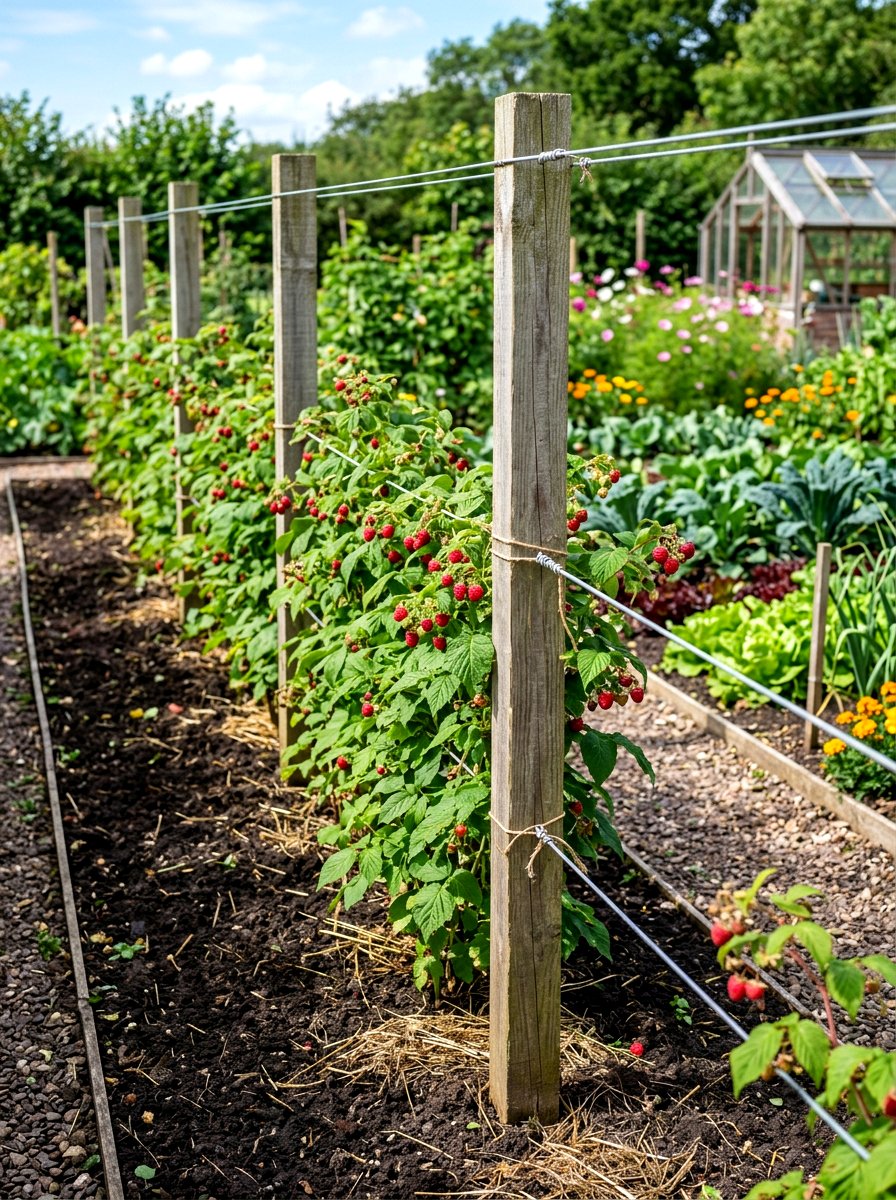
A double wire system involves running two parallel lines of wire at different heights to create a supportive "cage" for the raspberry canes. This design is excellent for containing vigorous varieties that tend to flop over as they get taller. The lower wire helps support the base of the plant, while the upper wire keeps the fruiting branches upright and easy to reach. This setup reduces the need for individual tying, as the canes naturally lean against the wires for support. It is a low-maintenance option that keeps your berry row looking tidy and professional with very little effort from the gardener.
12. Raised bed raspberry trellis
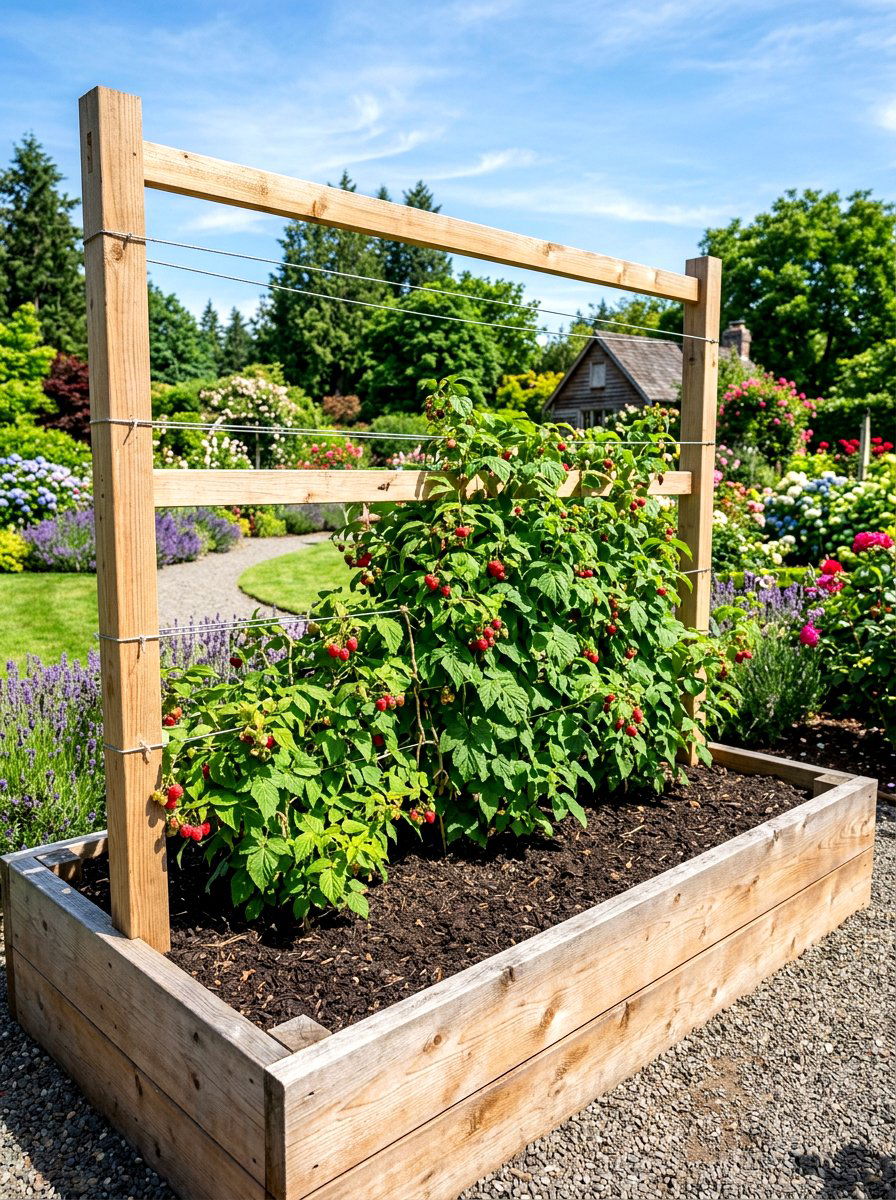
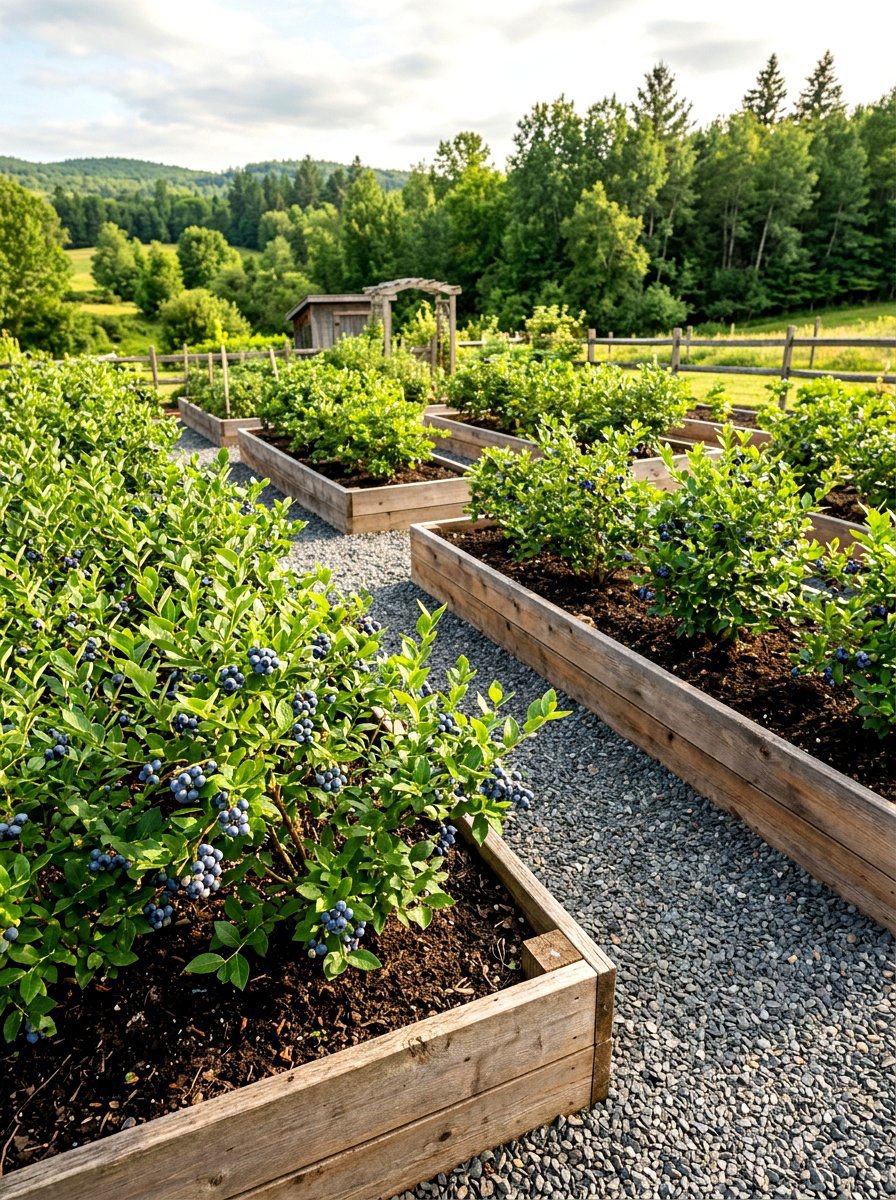
Integrating a trellis directly into a raised garden bed is a fantastic way to keep your raspberry patch contained and organized. You can attach vertical posts to the corners of the bed and run wires or mesh between them. This creates a self-contained unit that prevents the raspberries from spreading into other parts of your yard. Raised beds also provide better drainage and soil quality, which leads to healthier plants and larger fruit. The trellis keeps the canes at a comfortable height for harvesting, making the entire gardening experience more ergonomic and enjoyable for those who prefer not to bend over.
13. Individual plant raspberry trellis
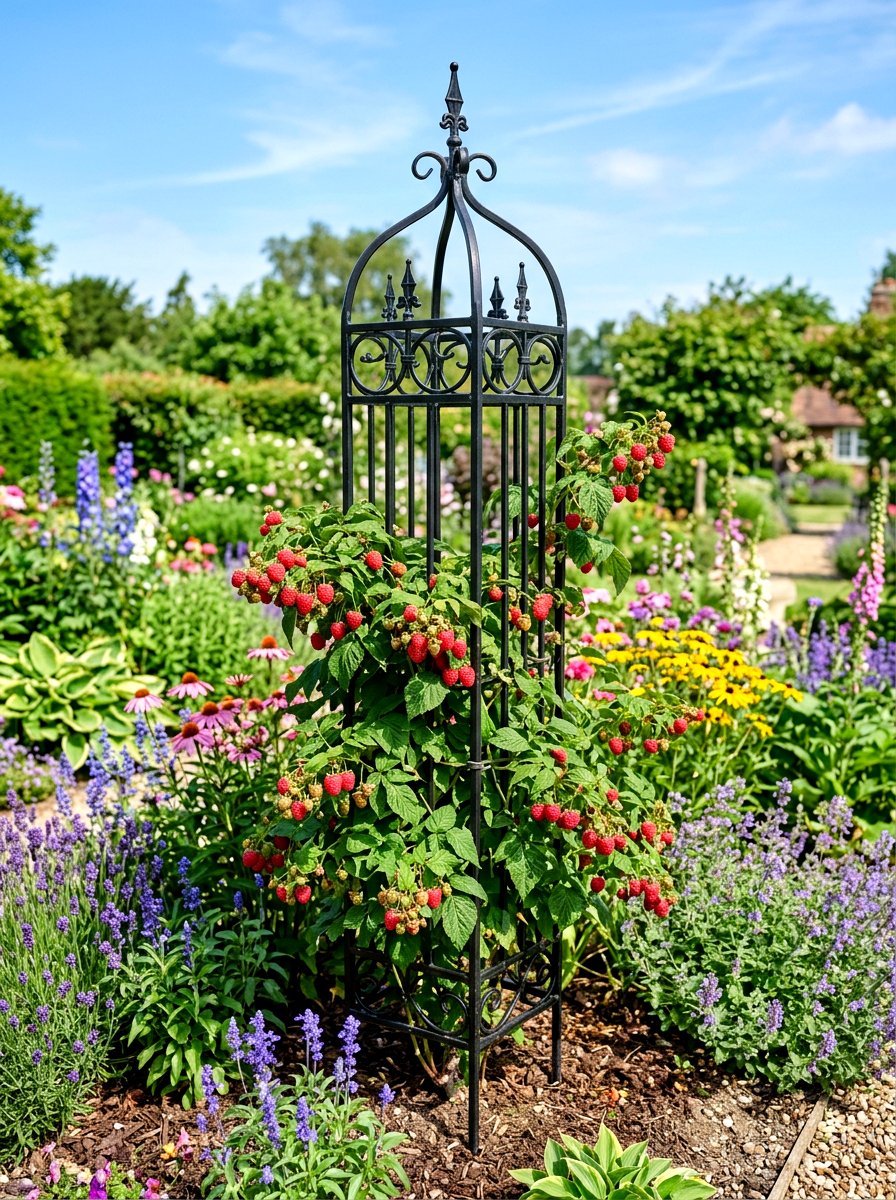
For those with only a few raspberry bushes, an individual plant trellis is a simple and effective support solution. You can use a single heavy-duty stake or a small decorative obelisk for each plant to keep it upright. This approach allows you to place raspberries in various locations around your garden rather than in a dedicated row. It is perfect for edible landscaping, where you want to mix fruit plants with ornamental flowers. Each plant gets individual attention, making it easy to monitor for pests or disease. This method ensures that even in small spaces, you can enjoy fresh, homegrown berries.
14. Vertical garden raspberry trellis
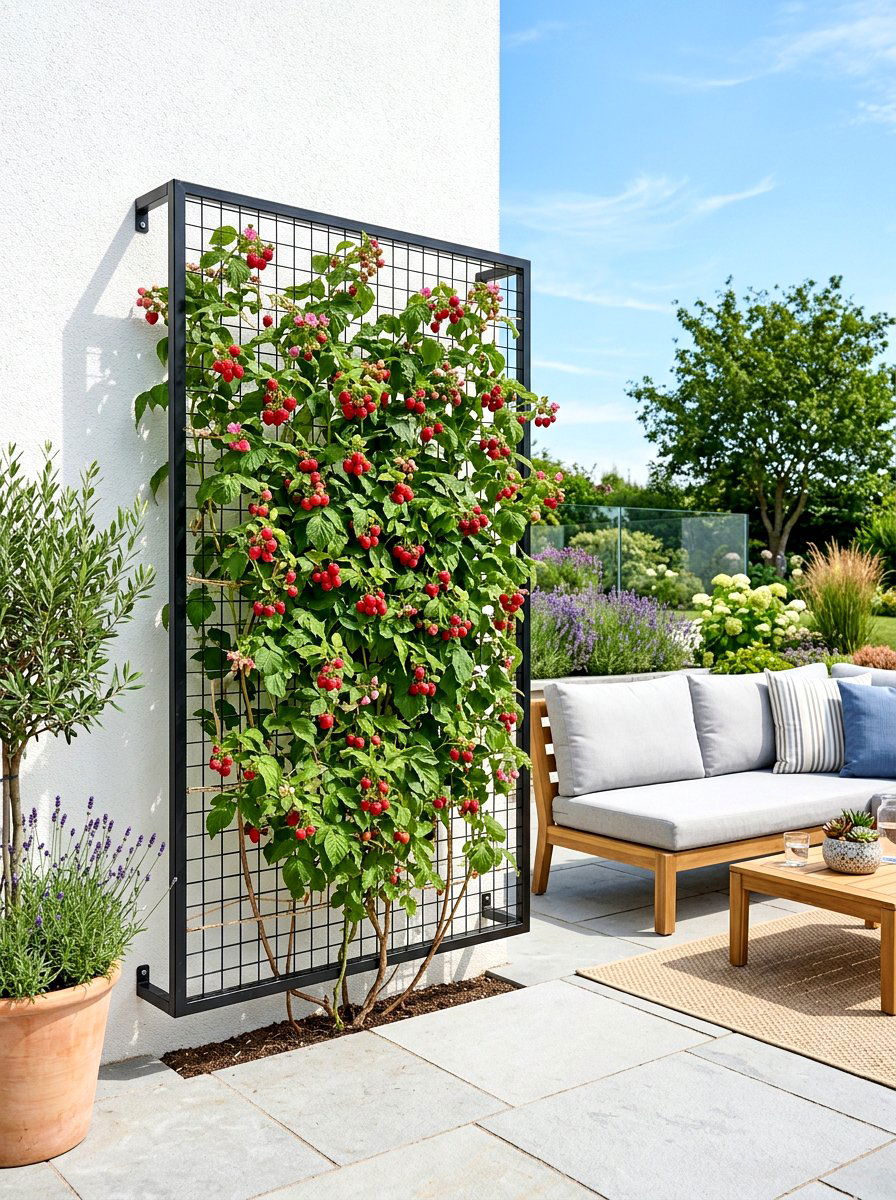
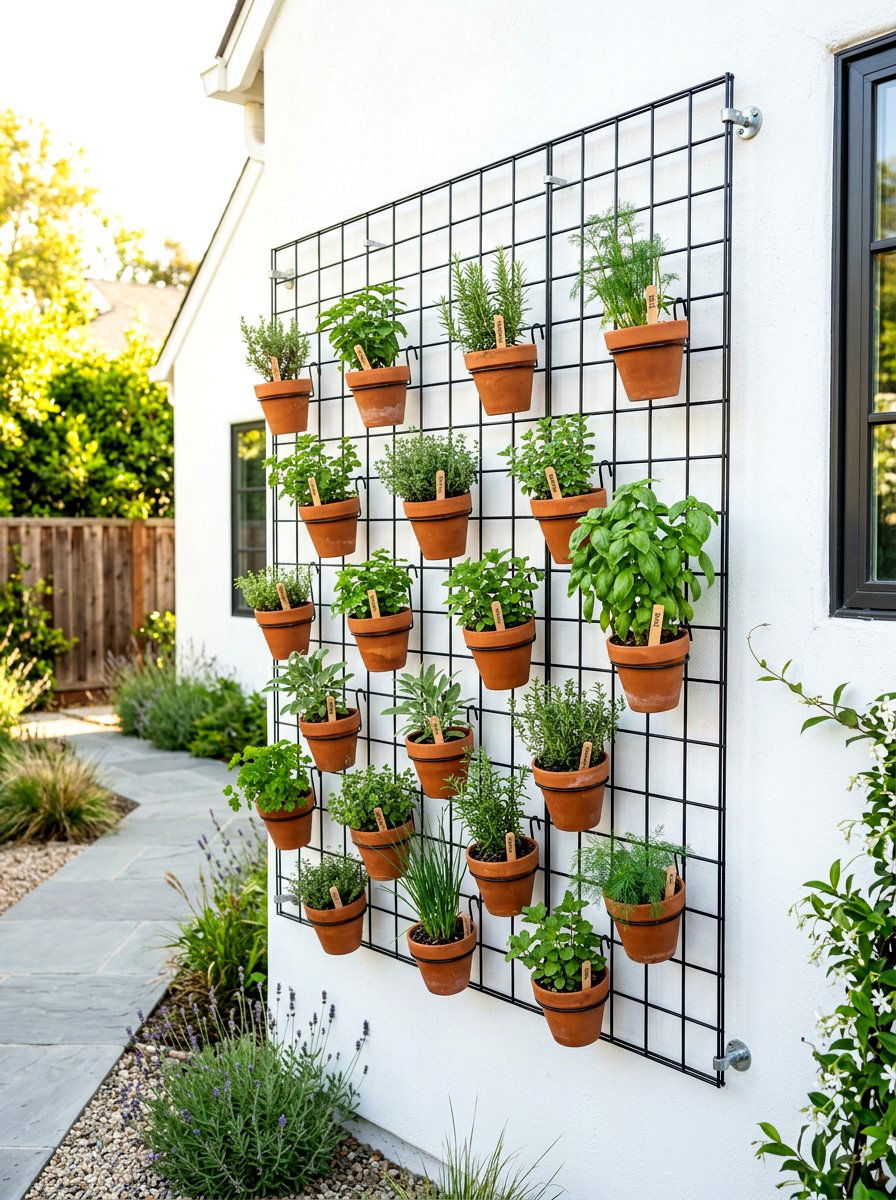
A vertical garden trellis uses netting or a specialized frame to encourage raspberries to grow straight up, saving a significant amount of ground space. This technique is ideal for gardeners with small patios or balconies who still want to grow their own fruit. By training the canes vertically, you can fit more plants into a smaller area while ensuring each one gets plenty of sunlight. Vertical growth also keeps the berries off the soil, reducing the chance of rot or pest damage. It is a modern and highly efficient way to garden that turns any sunny wall into a productive berry-producing space.
15. Recycled pallet raspberry trellis
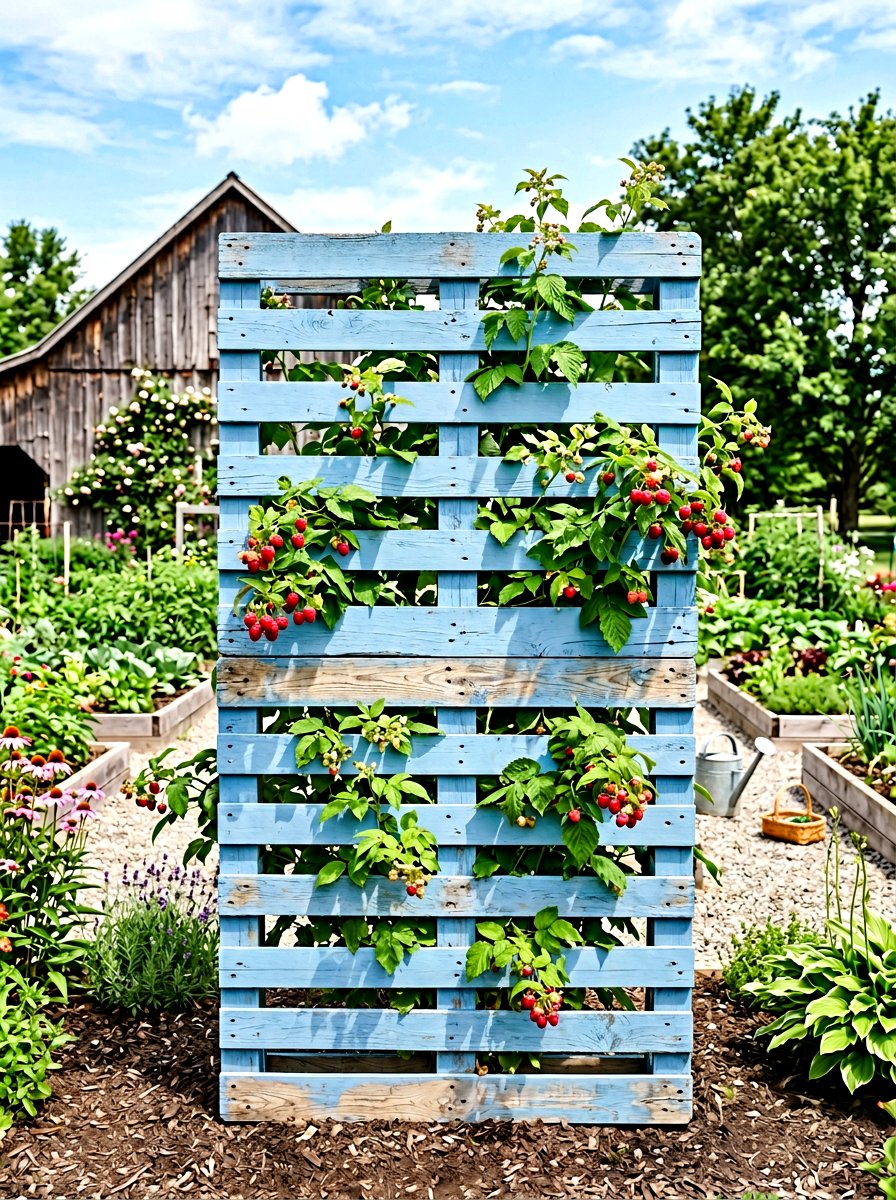
Upcycling old wooden pallets into a raspberry trellis is an affordable and rustic DIY project for any homeowner. You can stand the pallets on end or disassemble them to use the sturdy slats for building a custom frame. The gaps between the boards are perfect for tucking in canes and providing support as the plants grow taller. Pallets are often made of durable hardwood that can last for several seasons in the garden. This eco-friendly option adds a unique, handmade character to your yard while providing a solid and reliable structure for your favorite summer-bearing or fall-bearing raspberry varieties.
16. Copper pipe raspberry trellis
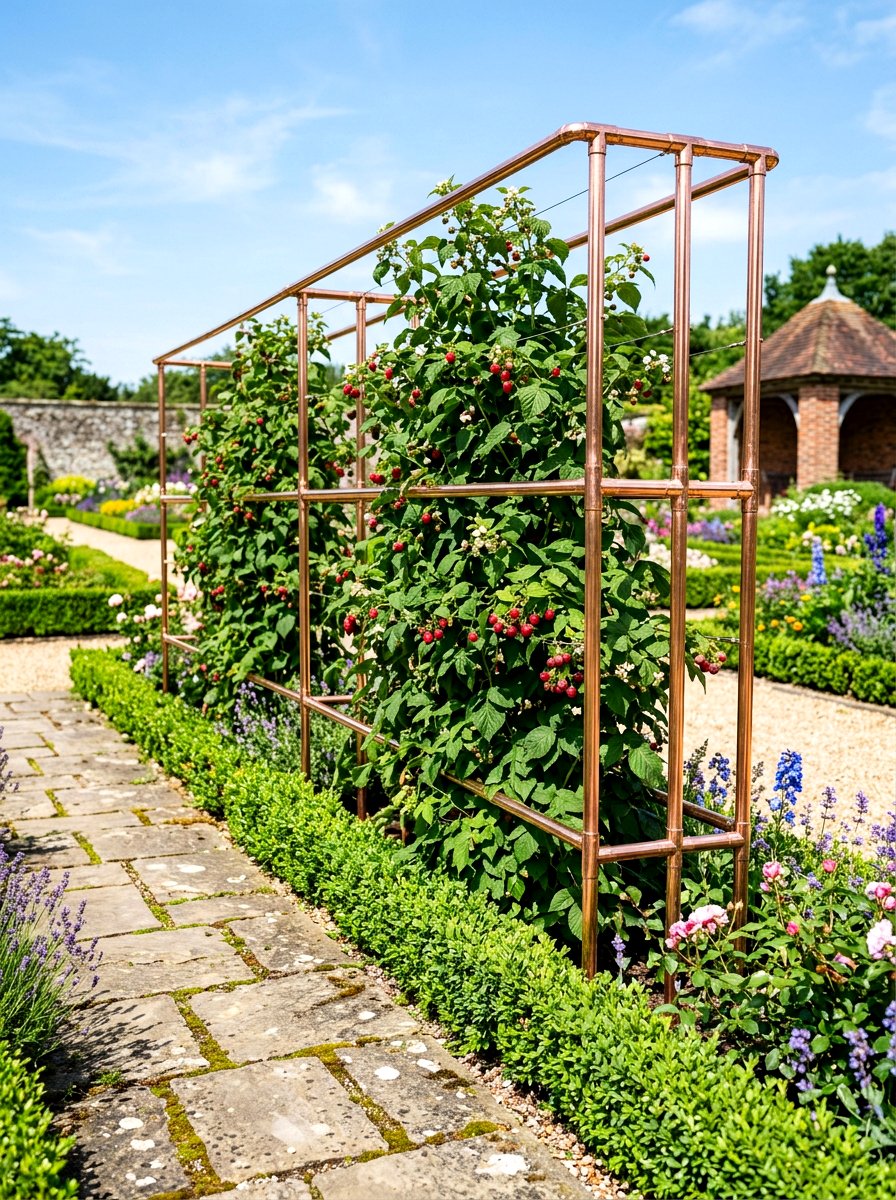
Copper pipe is a stunning material choice for a raspberry trellis that will naturally patina over time, turning a beautiful aged green. While it is a more expensive option, it serves as both a functional support and a piece of garden art. The metallic shine of new copper looks incredible in the sunlight, especially when surrounded by vibrant green leaves. Copper is also naturally resistant to many garden pests, which can be an added benefit for your berry plants. This type of trellis is perfect for a modern or formal garden design where every element is carefully chosen for its beauty and longevity.
17. Rebar support raspberry trellis
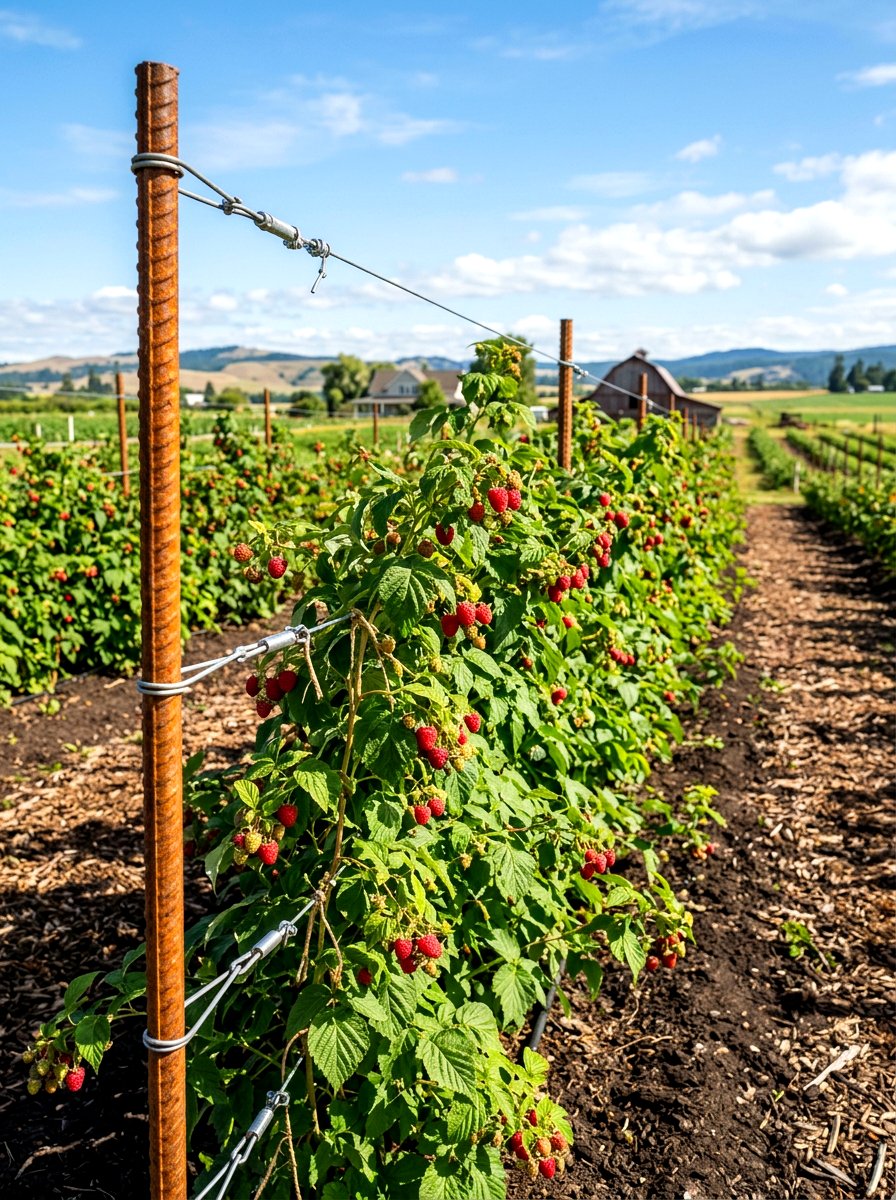
Rebar is an incredibly tough and inexpensive material that can be used to create a heavy-duty raspberry support system. These textured steel rods are easy to drive deep into the ground, providing exceptional stability for even the tallest raspberry canes. You can use rebar to create a simple fence or bend it into custom shapes for a more artistic look. The rough surface of the rebar helps garden twine or wire stay in place without slipping. Because it is so strong, it can support massive harvests without bending. It is a practical, "no-nonsense" solution for serious fruit growers who value strength above all else.
18. Tension wire raspberry trellis
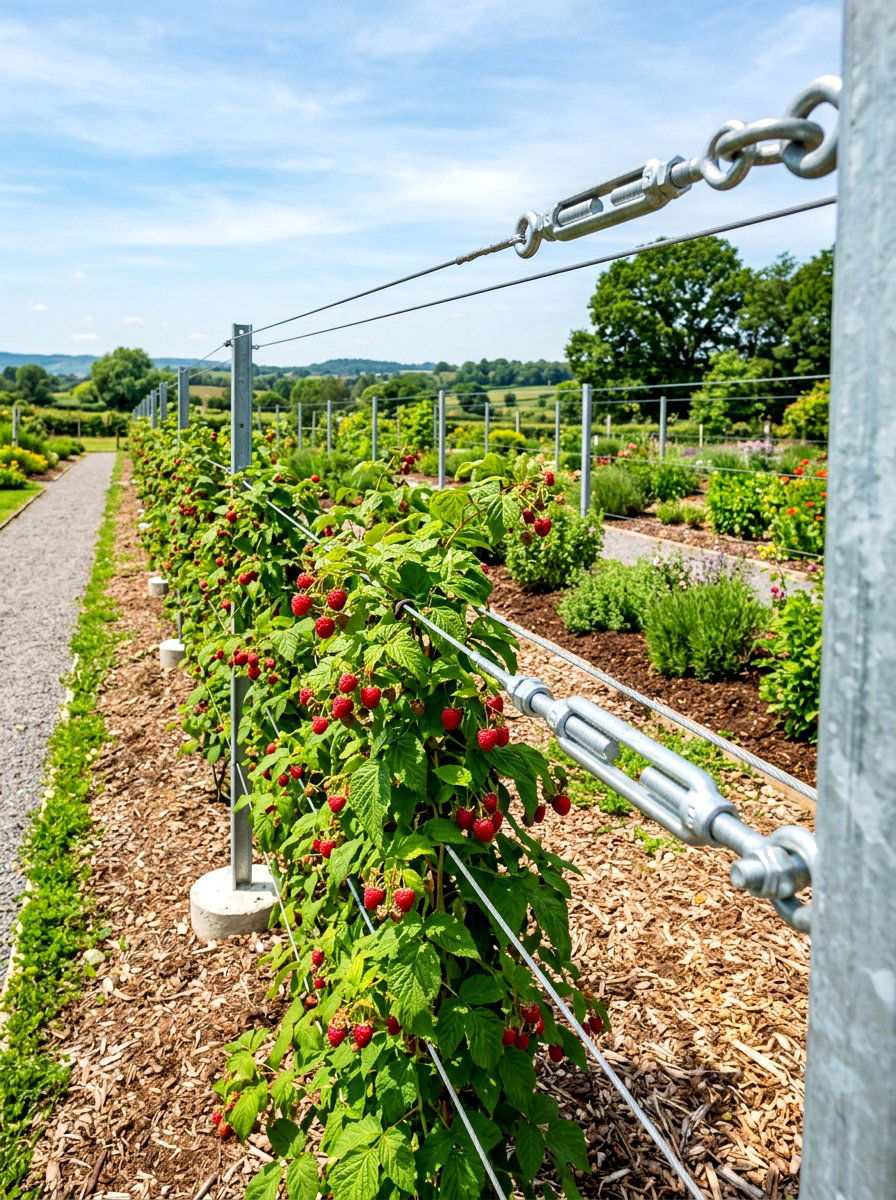
A tension wire system uses specialized hardware to keep the support lines perfectly tight at all times. By using turnbuckles or wire strainers, you can easily adjust the tension as the seasons change or as the wires naturally stretch. This ensures that your raspberry canes always have a firm surface to lean against, preventing them from sagging and touching the ground. This professional-level setup is highly effective for long rows of berries, as it provides consistent support across the entire length of the patch. It creates a very neat and orderly appearance that is both functional and visually appealing to the eye.
19. Woven willow raspberry trellis
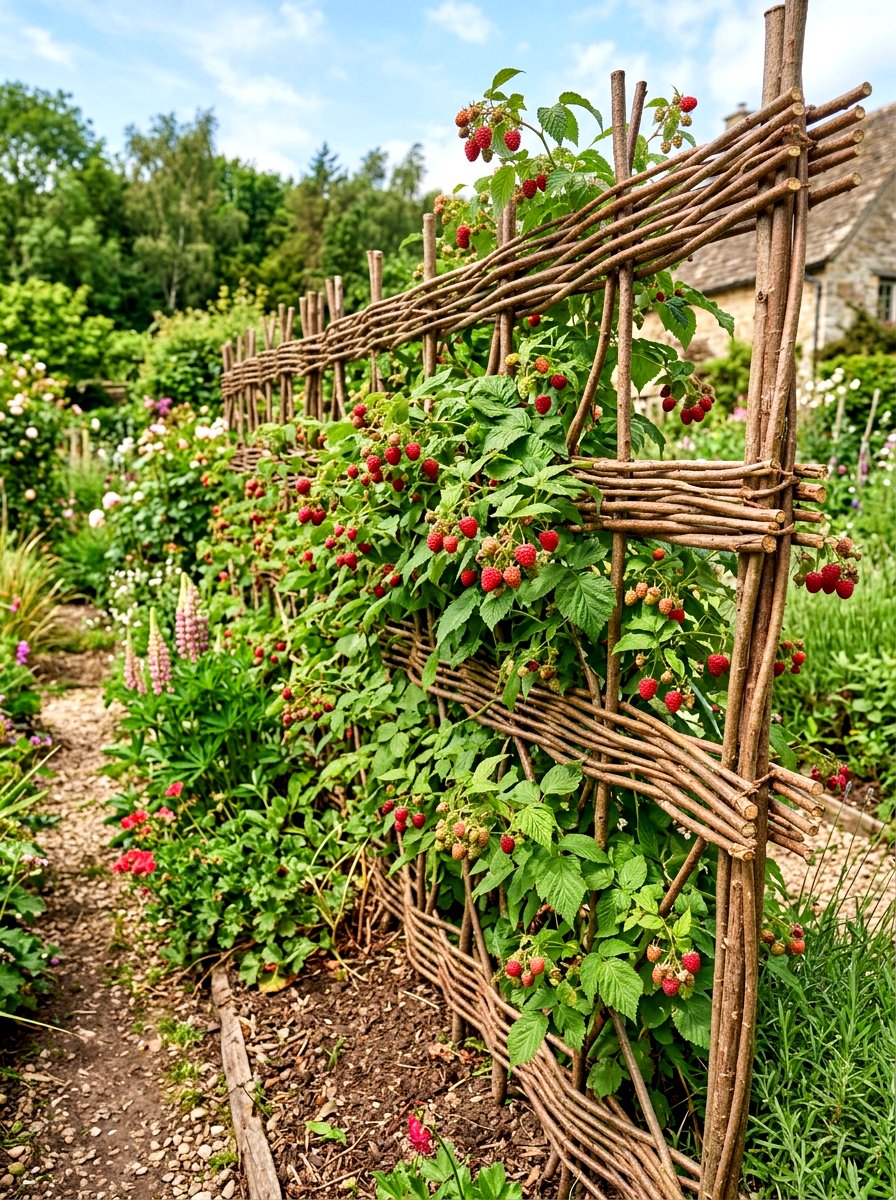
Woven willow offers a beautiful and traditional look that brings a touch of old-world charm to your fruit garden. You can use flexible willow branches to weave a custom support structure that is both strong and organic. This handmade approach allows you to create a trellis that fits perfectly into the unique contours of your garden space. The natural brown tones of the willow blend perfectly with the earth and plants, making the trellis feel like a living part of the landscape. It is a wonderful choice for those who enjoy traditional crafts and want a unique, artistic support for their berries.
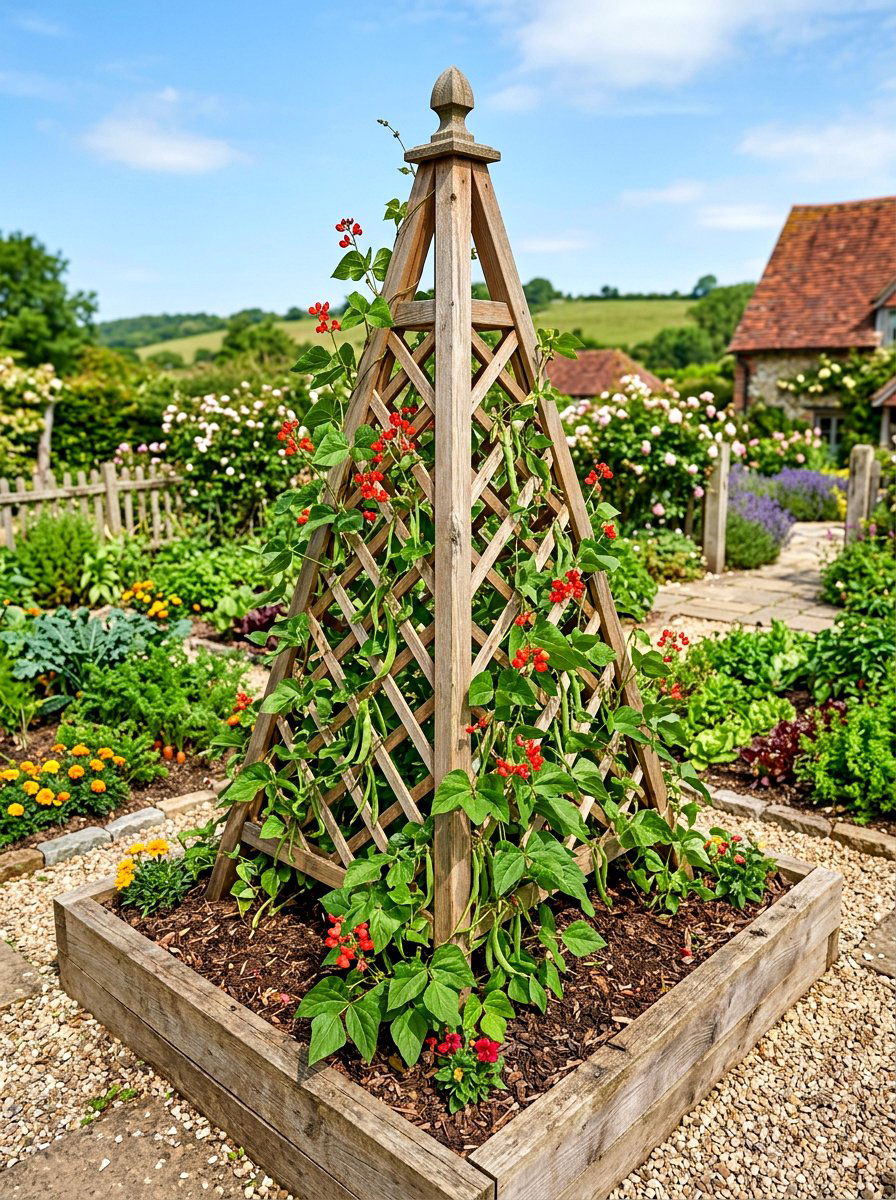
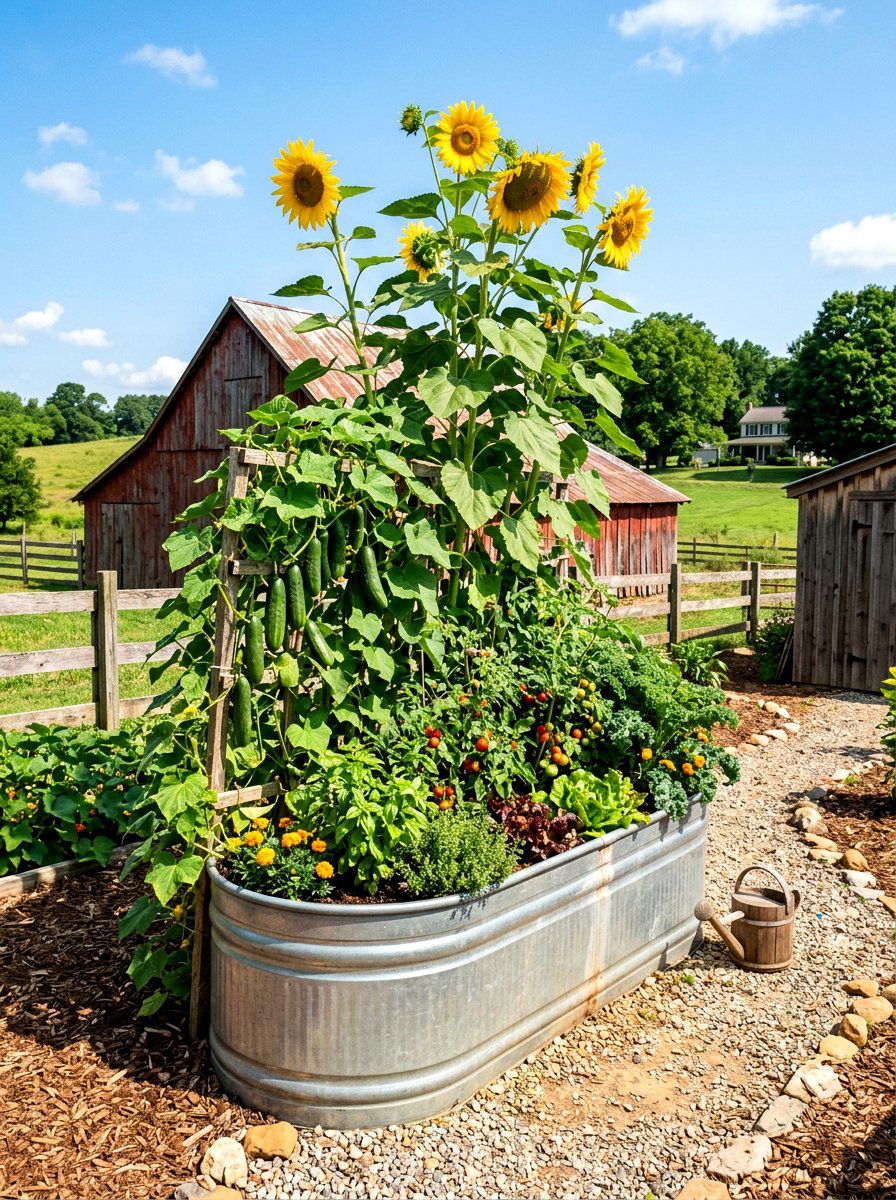
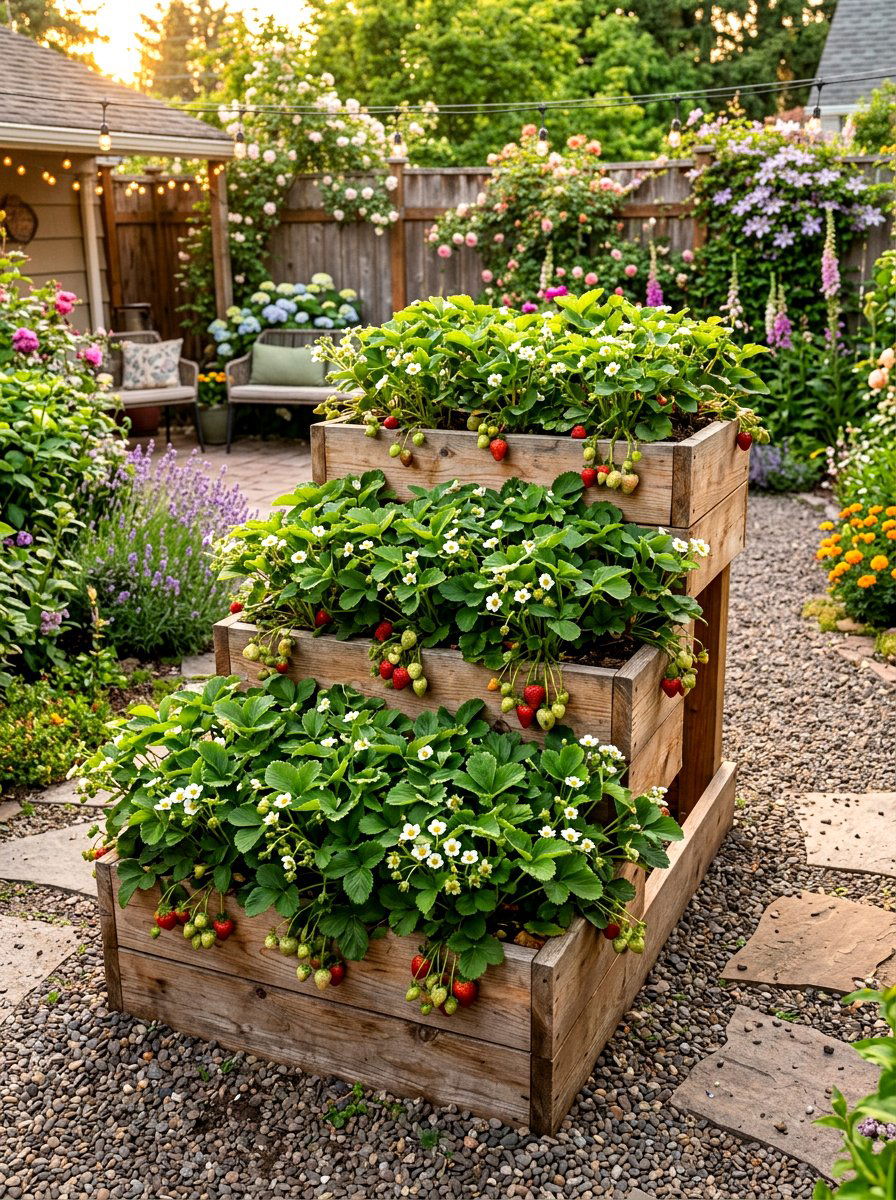
20. A frame raspberry trellis
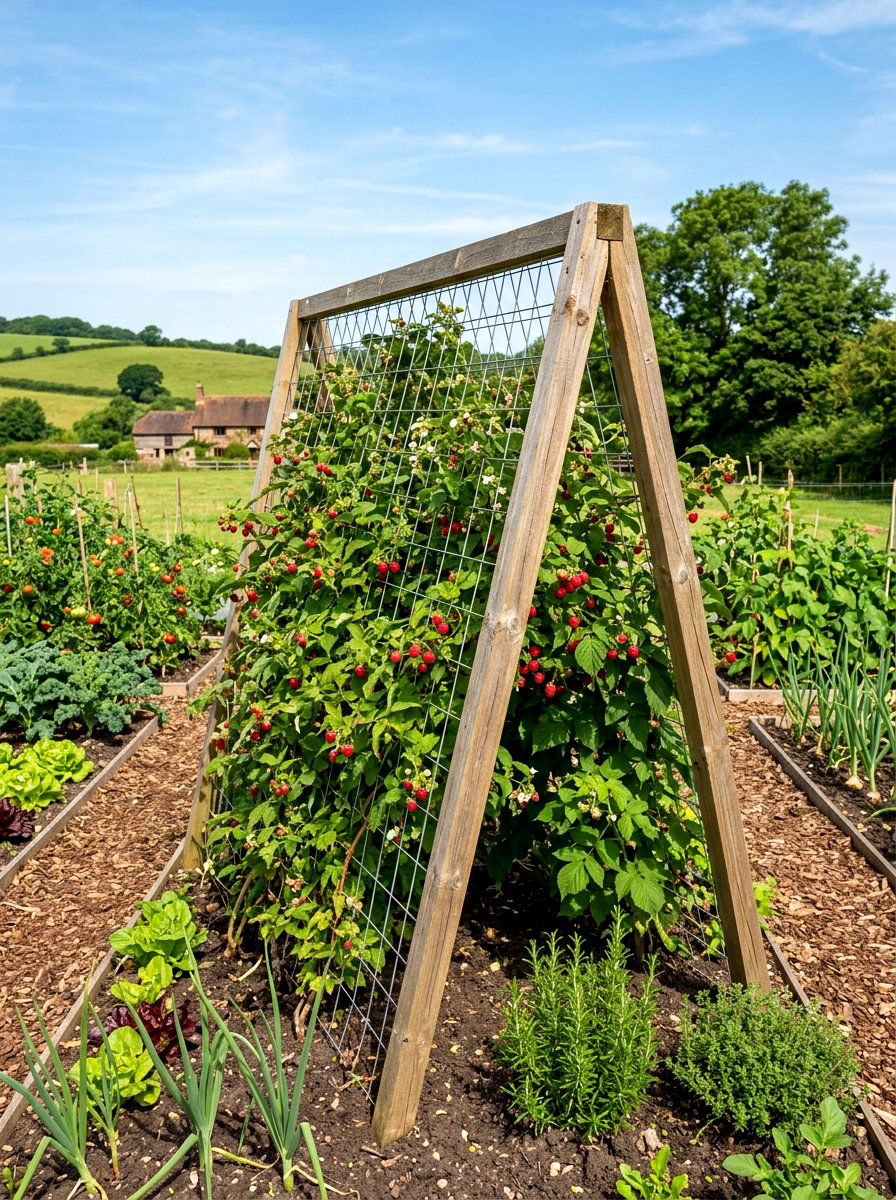
An A-frame trellis is a stable and freestanding structure that provides excellent support for raspberries on both sides. This design consists of two angled frames that meet at the top, creating a tent-like shape that is very difficult to tip over. You can run wires or mesh along the sides of the frame to give the canes plenty of places to attach. This setup is perfect for the center of a garden plot where you can access the plants from all directions. The interior of the A-frame provides a shaded area that can be used for low-light crops or simply for improved airflow.
21. Zigzag wire raspberry trellis
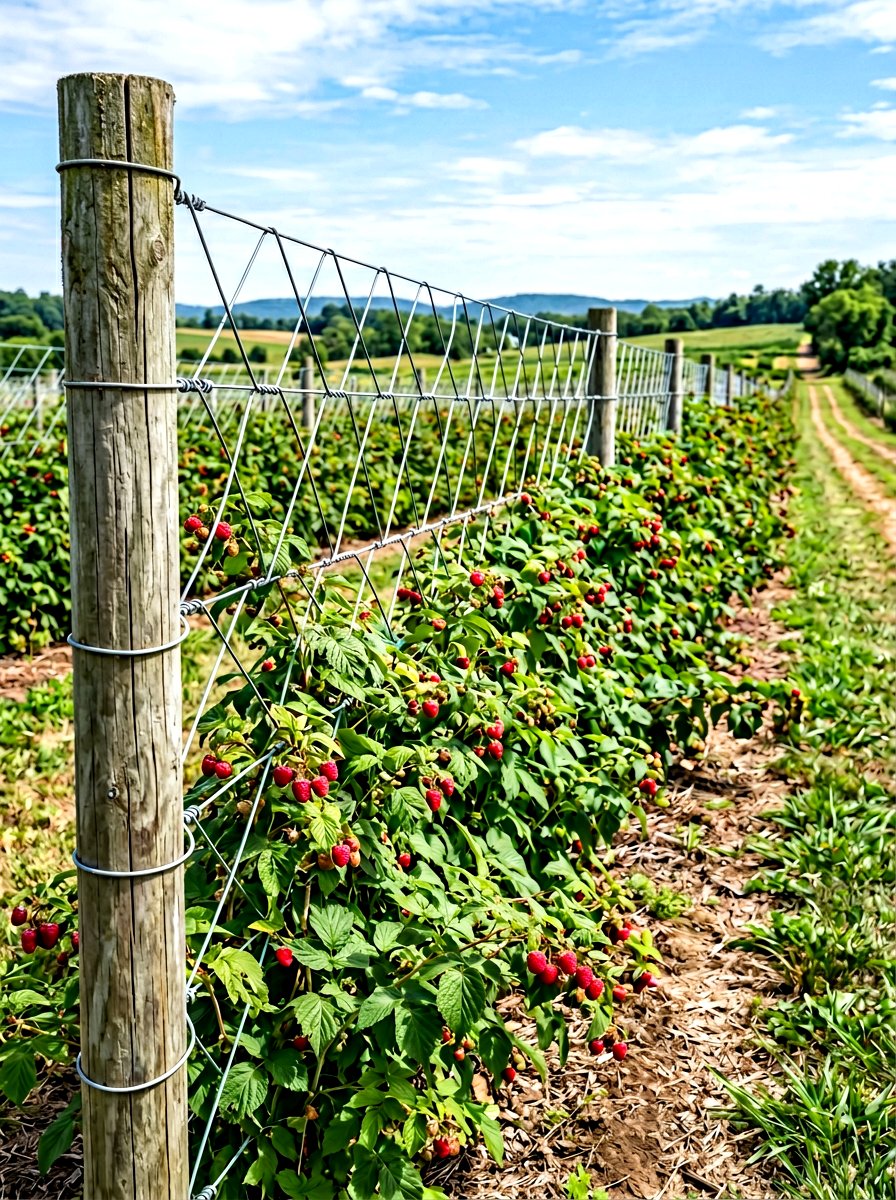
A zigzag wire pattern is a clever way to provide support while creating more surface area for the raspberry canes to spread out. By weaving the support wire in a back-and-forth motion between posts, you create multiple contact points that hold the plants securely. This method is particularly effective for containing wider rows of berries and preventing them from leaning into the walkways. The zigzag design adds an interesting visual element to the garden and ensures that every cane is well-supported. It is a simple modification to a standard wire trellis that offers significant benefits for plant organization and harvest ease.
22. Heavy duty steel raspberry trellis
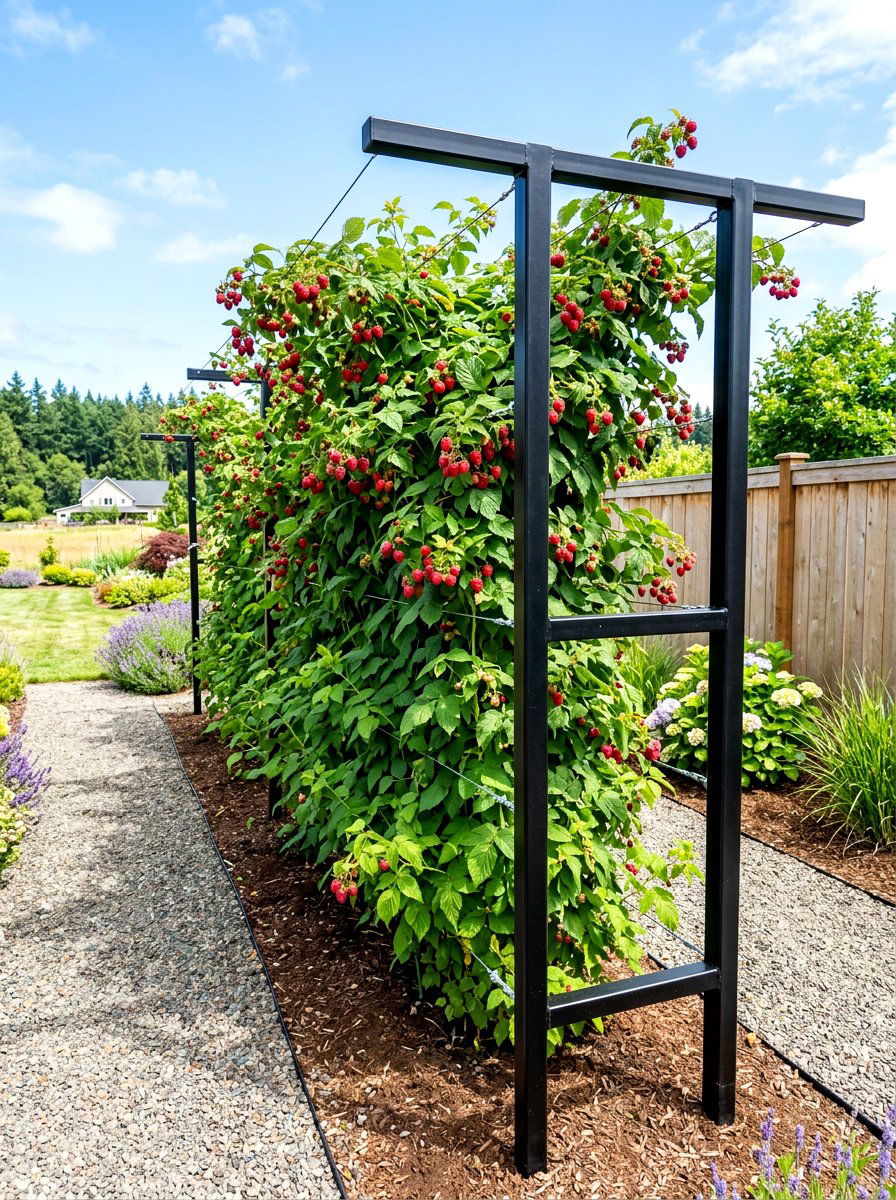
For those who want a permanent and indestructible solution, a heavy-duty steel trellis is the way to go. Using welded steel frames or thick square tubing ensures that your support system will never warp, rot, or break, even in extreme weather conditions. These structures can be powder-coated in various colors to match your garden decor or left as raw steel for an industrial look. This type of trellis is a long-term investment that provides the ultimate stability for your raspberry patch. It is ideal for large, productive gardens where you want a reliable structure that you never have to worry about replacing.
23. Folding wooden raspberry trellis
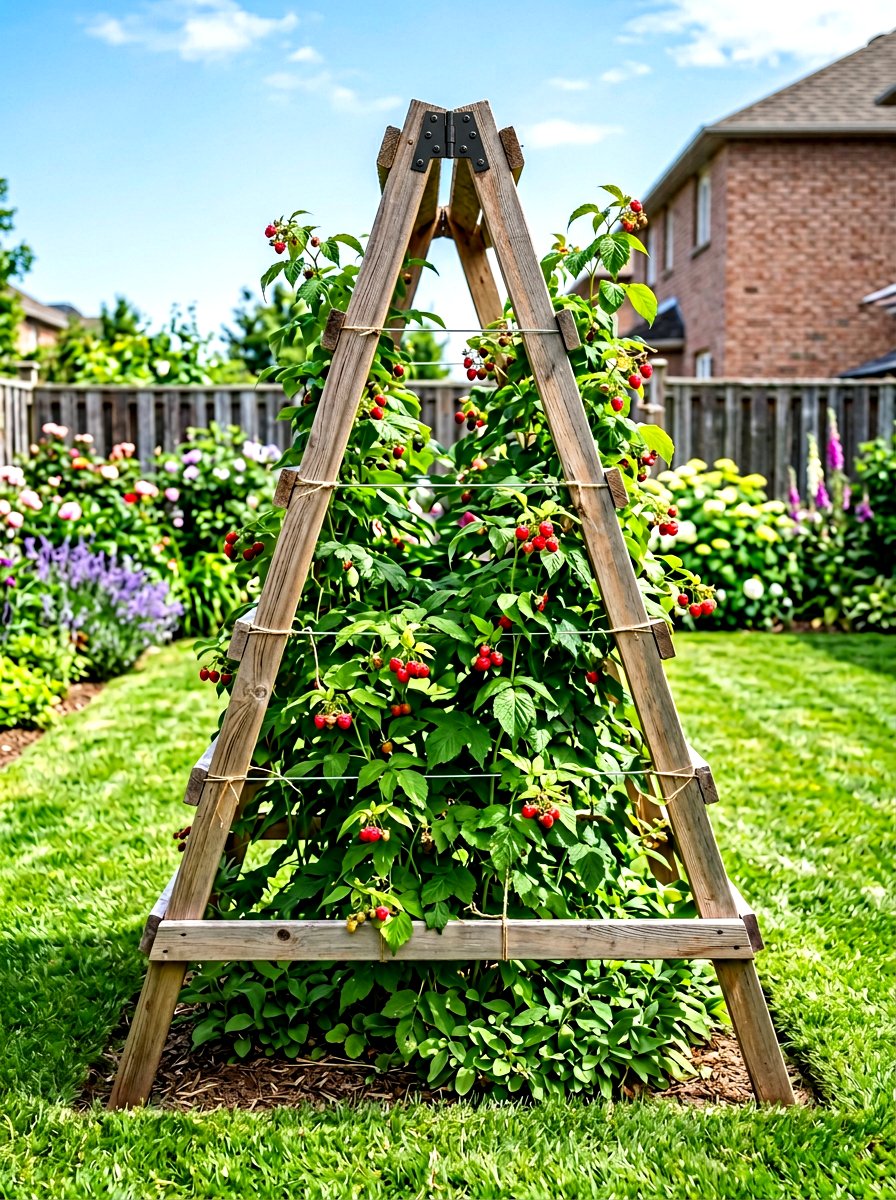
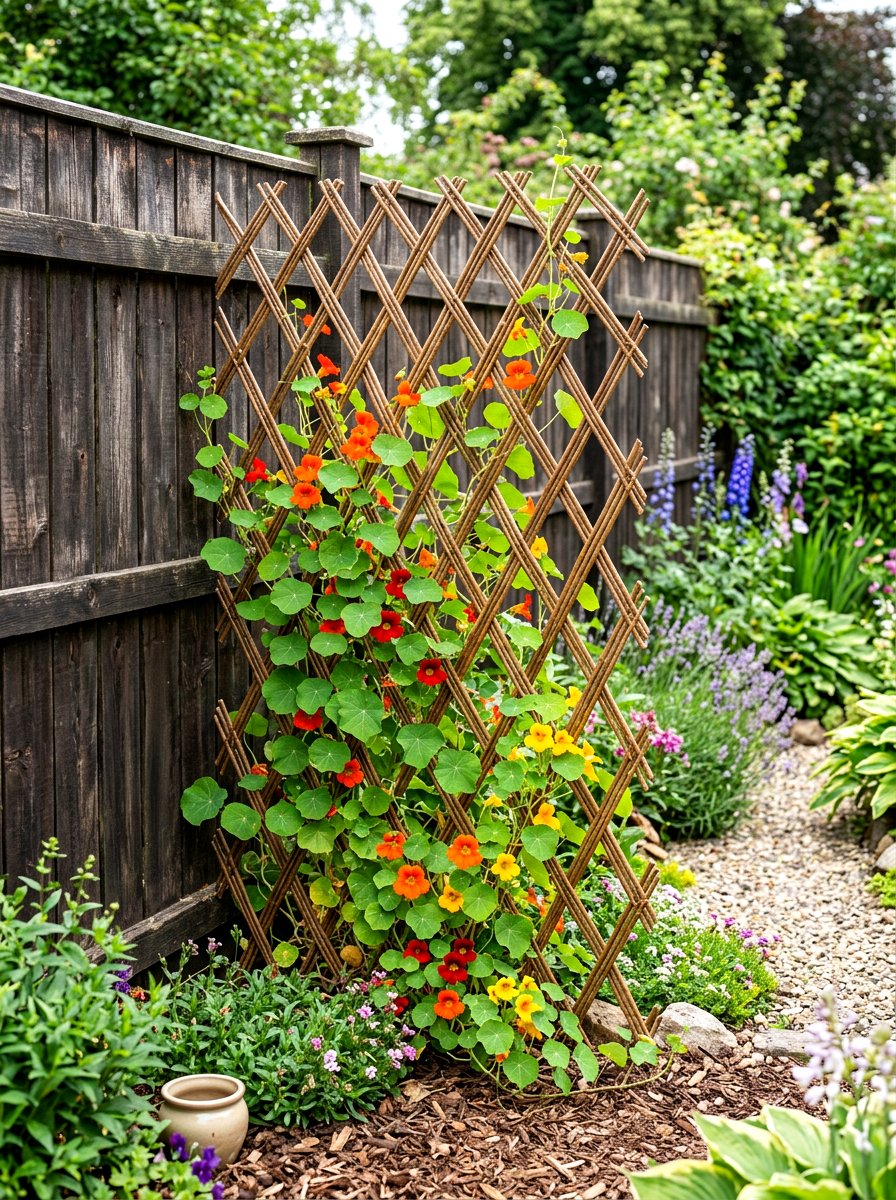
A folding wooden trellis is a practical choice for gardeners who want a support system that can be easily stored during the winter months. These frames are built with hinges that allow them to collapse flat when not in use. This is particularly useful for fall-bearing raspberries that are cut to the ground every year, as the trellis can be put away once the harvest is over. The wooden construction provides a classic look that is easy to build with basic tools. It is a versatile and space-saving option that offers flexibility for those who like to change their garden layout frequently.
24. Freestanding berry trellis
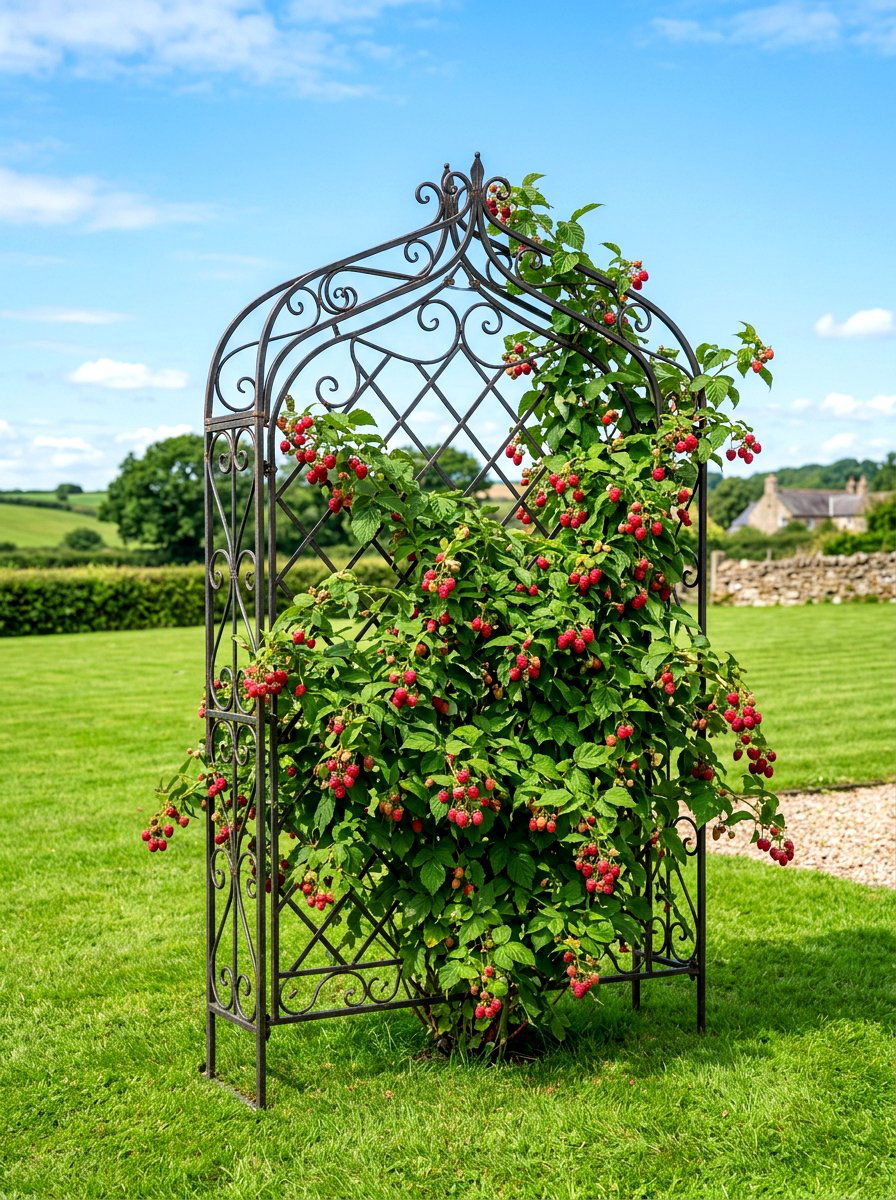
A freestanding trellis is a versatile option that can be placed anywhere in your yard without needing a wall or fence for support. These structures often feature a wide base or deep-set posts to ensure they remain stable even in high winds. You can use them to create a living "wall" of raspberries that acts as a natural divider in your landscape. This setup allows for 360-degree access to the plants, making maintenance and harvesting a much easier task. It is a great way to add vertical interest to an open area of your garden while producing a delicious and healthy crop of fruit.
25. Gutter mounted raspberry trellis
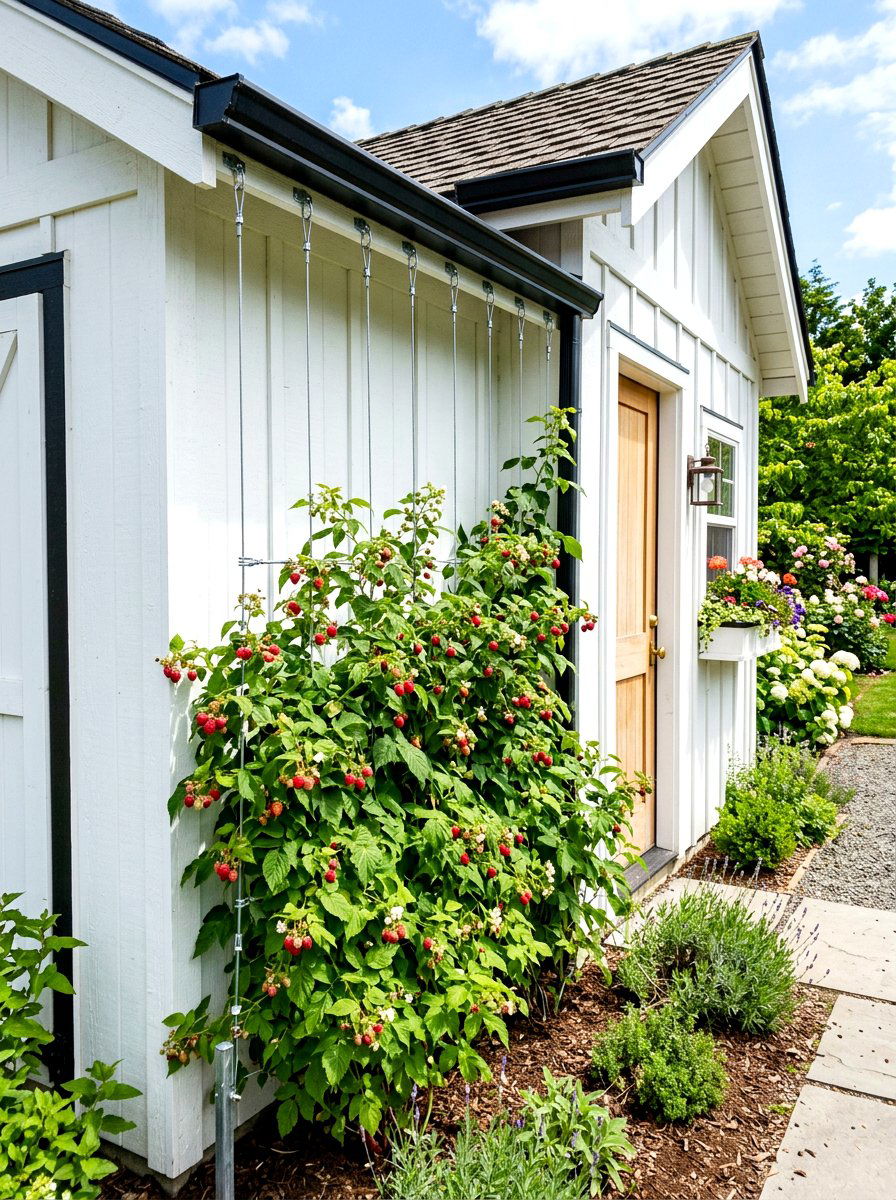
Gutter-mounted supports are a unique solution for those who want to grow raspberries near their home or garden shed. By attaching brackets to the fascia or gutter system, you can run support wires downward to the ground. This creates a vertical "curtain" of berries that takes up virtually zero space in the yard. It is an excellent way to utilize the vertical space under the eaves of a building while keeping the plants close at hand for easy picking. This method also provides some protection from heavy rain, as the roof overhang can help shield the delicate fruit from getting too wet.
26. Chain link raspberry trellis
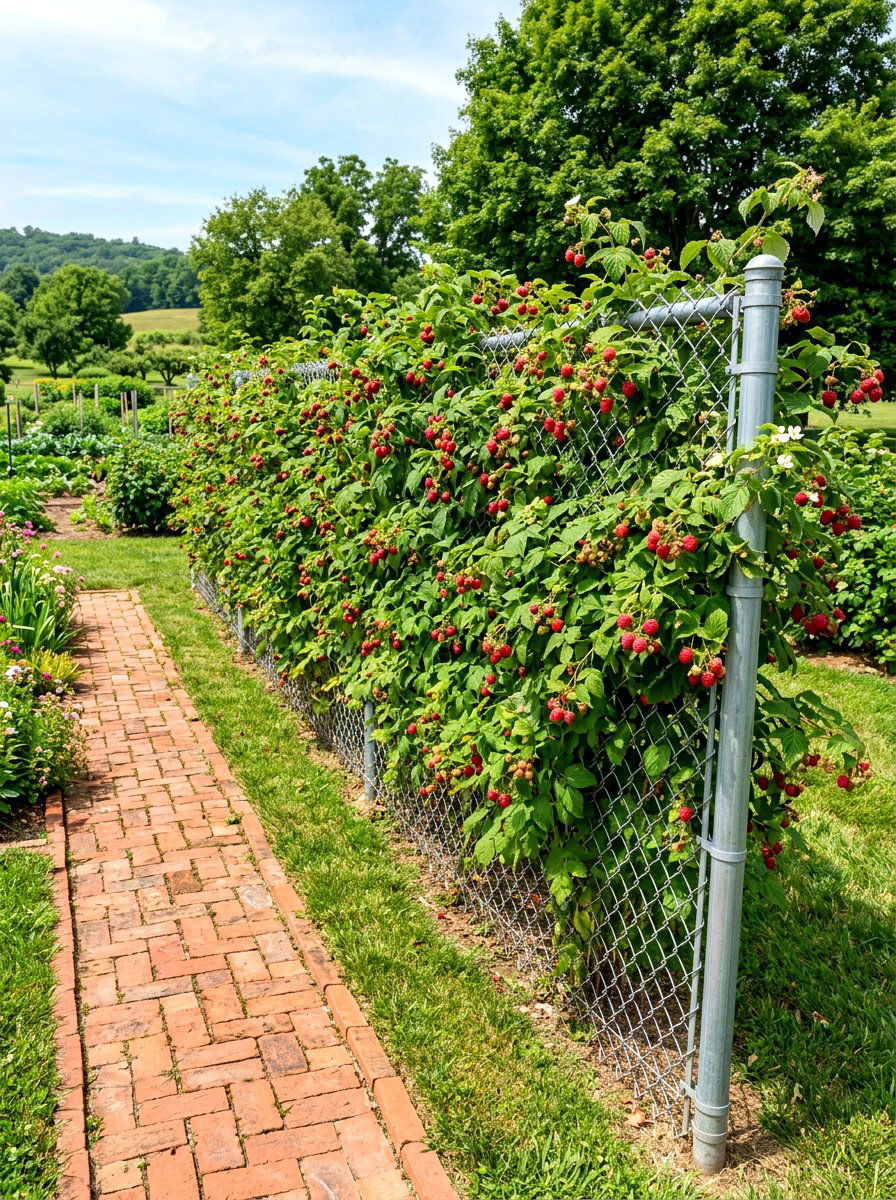
An existing chain link fence can be easily converted into a highly effective raspberry trellis with almost no extra cost. The small diamond mesh provides thousands of tiny support points for the berry canes to lean against. You can simply weave the canes through the mesh or use garden ties to secure them in place. This method turns a functional but often unattractive fence into a lush, edible screen that provides both privacy and fruit. It is a fantastic way to make use of existing structures in your yard to grow a bounty of sweet raspberries without needing to build anything new.
27. Tree branch raspberry trellis
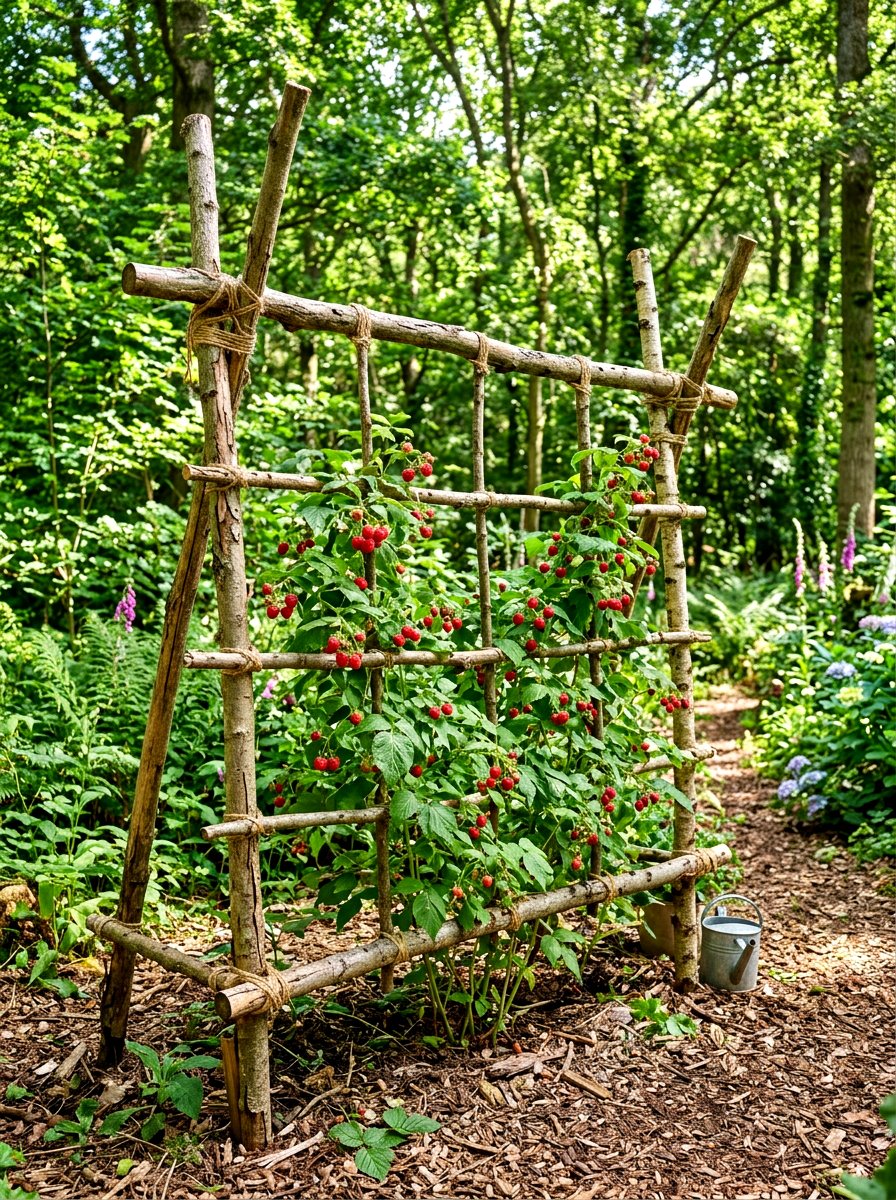
Using sturdy tree branches to build a raspberry trellis is a wonderful way to give your garden a rustic and whimsical feel. You can find fallen branches in your yard or local woods and lash them together with natural twine or wire. This organic approach creates a one-of-a-kind structure that looks like it grew right out of the ground. The rough bark of the branches provides a non-slip surface for the canes and adds a beautiful texture to the garden. It is a completely free and sustainable solution that celebrates the natural beauty of wood while providing excellent support for your plants.
28. Umbrella style raspberry trellis
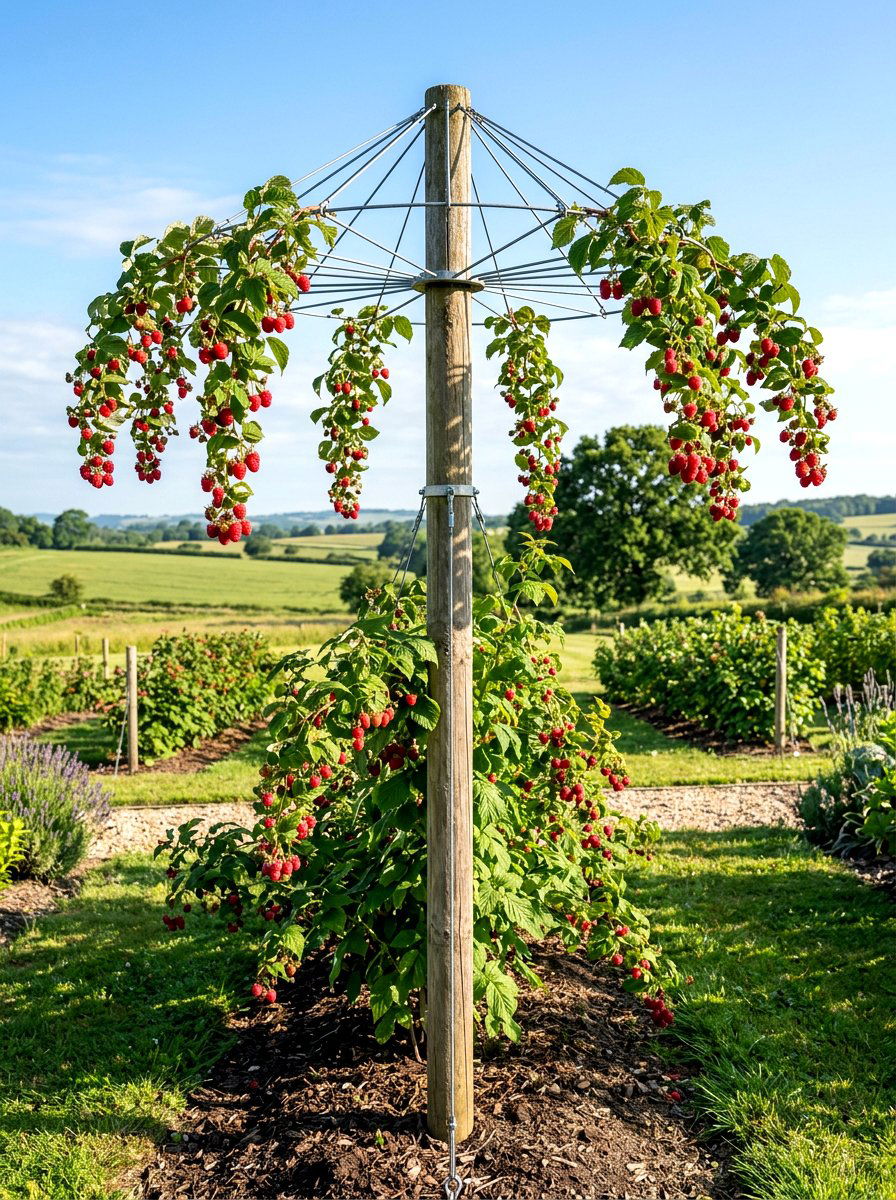
An umbrella-style trellis is a unique design where the canes are supported by a central post with wires radiating outward from the top. This creates a weeping or cascading effect that is both beautiful and functional. As the berries ripen, they hang down from the outer edges of the "umbrella, " making them incredibly easy to see and pick. This setup is a great choice for a focal point in a small garden or for a single large bush. It provides excellent airflow and ensures that every part of the plant receives plenty of sunlight, leading to a more even ripening process.
29. Portable garden raspberry trellis
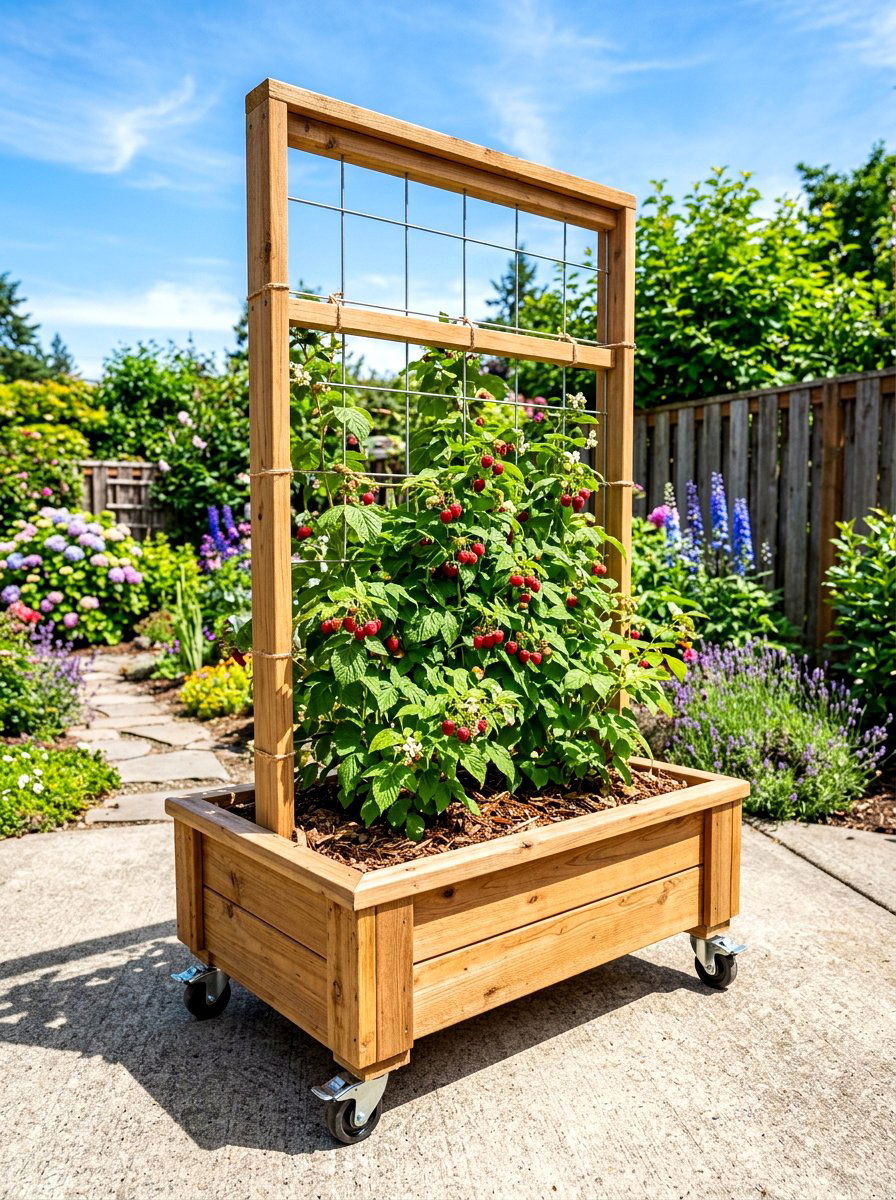
A portable trellis is designed with a lightweight frame or wheels, allowing you to move your raspberry patch as needed. This is a perfect solution for those who rent their homes or for gardeners who want to follow the sun throughout the growing season. You can easily roll the trellis to a different spot on your patio or move it into a garage during extreme weather events. This type of trellis is usually built with a built-in planter box at the base, providing a self-contained environment for the berries. It offers the ultimate flexibility for modern, high-mobility gardening in small urban spaces.
30. Modern minimalist raspberry trellis
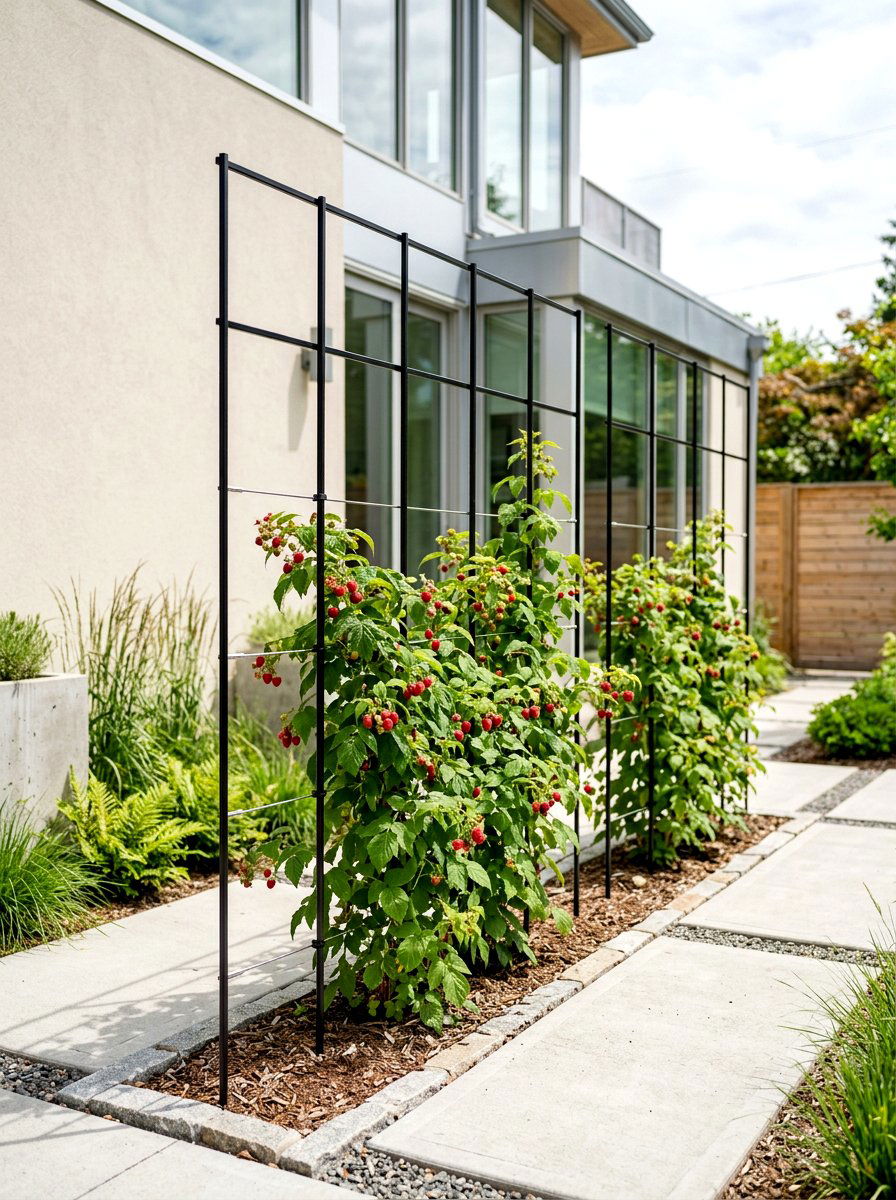
A modern minimalist trellis focuses on clean lines and simple materials like black steel or sleek aluminum. These designs are intended to be as unobtrusive as possible, allowing the beauty of the raspberry plants to take center stage. By using thin vertical rods and minimal horizontal supports, you create a structure that feels light and airy. This style is perfect for contemporary homes and landscapes where a traditional rustic look might feel out of place. It provides all the necessary support for your berries while maintaining a sophisticated and high-end aesthetic that enhances the overall design of your outdoor living space.
Conclusion:
Investing in a quality raspberry trellis is one of the smartest decisions any gardener can make to ensure a successful and bountiful harvest. These structures not only keep your garden looking tidy and professional but also play a critical role in the health and productivity of your plants. By providing proper support, you improve airflow, increase sunlight exposure, and make the task of harvesting those delicious berries much more enjoyable. From simple DIY projects using recycled materials to high-end architectural designs, there is a trellis option for every style and budget. Start planning your support system today and enjoy the sweet rewards of homegrown raspberries for years to come.

Related posts: