Creating a stunning front yard often starts with the strategic use of layered hedges to add depth, privacy, and architectural interest. When you combine different heights, textures, and colors, you transform a flat lawn into a dynamic living landscape that captures attention from the street. Layering allows you to showcase a variety of plant species that bloom at different times, ensuring your garden remains vibrant throughout the year. Whether you prefer a formal English garden look or a more relaxed, modern aesthetic, the right combination of shrubs can define your property boundaries while providing a soft, natural frame for your home’s unique architectural features and style.
1. Boxwood And Hydrangea Hedge
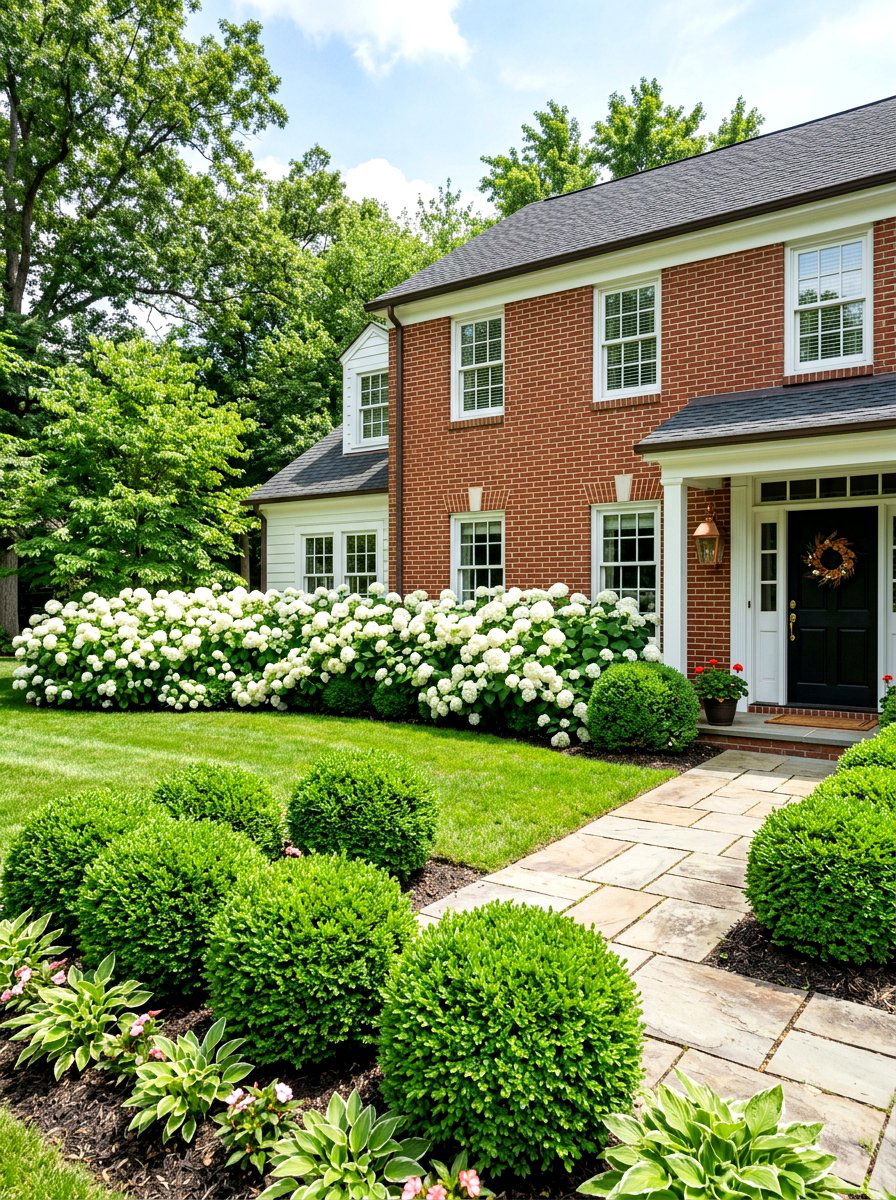
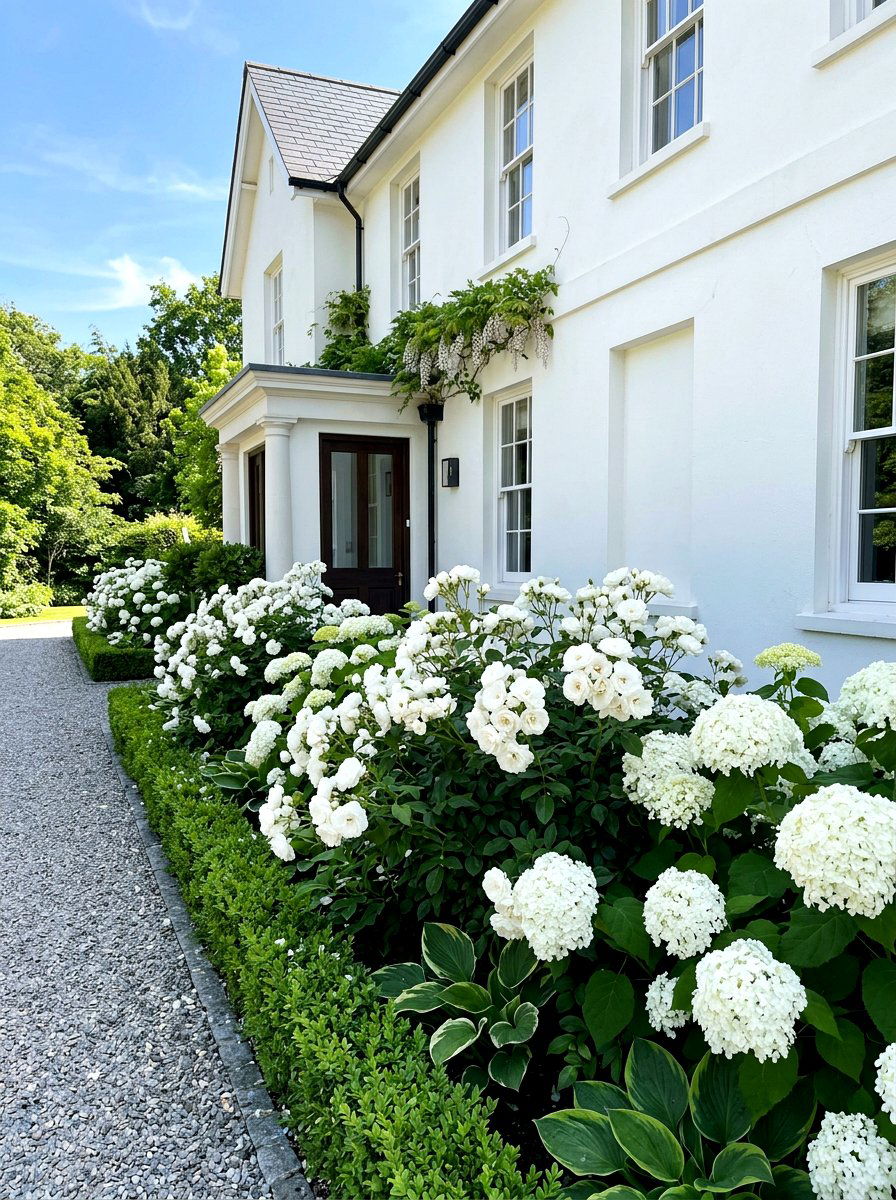
Have you ever noticed how a classic boxwood and hydrangea front yard looks timeless and elegant throughout the seasons? This specific combination is a favorite for homeowners who want to achieve a sophisticated look without constant replanting. The structured, evergreen nature of boxwood provides a reliable green backdrop that stays vibrant even during the coldest winter months. Meanwhile, the lush hydrangeas offer a burst of soft color and volume when they bloom in the summer. By layering the taller hydrangeas behind the neatly trimmed boxwood shrubs, you create a sense of depth and architectural interest that instantly boosts your home’s curb appeal and welcoming atmosphere.
2. Mixed Evergreen Privacy Screen
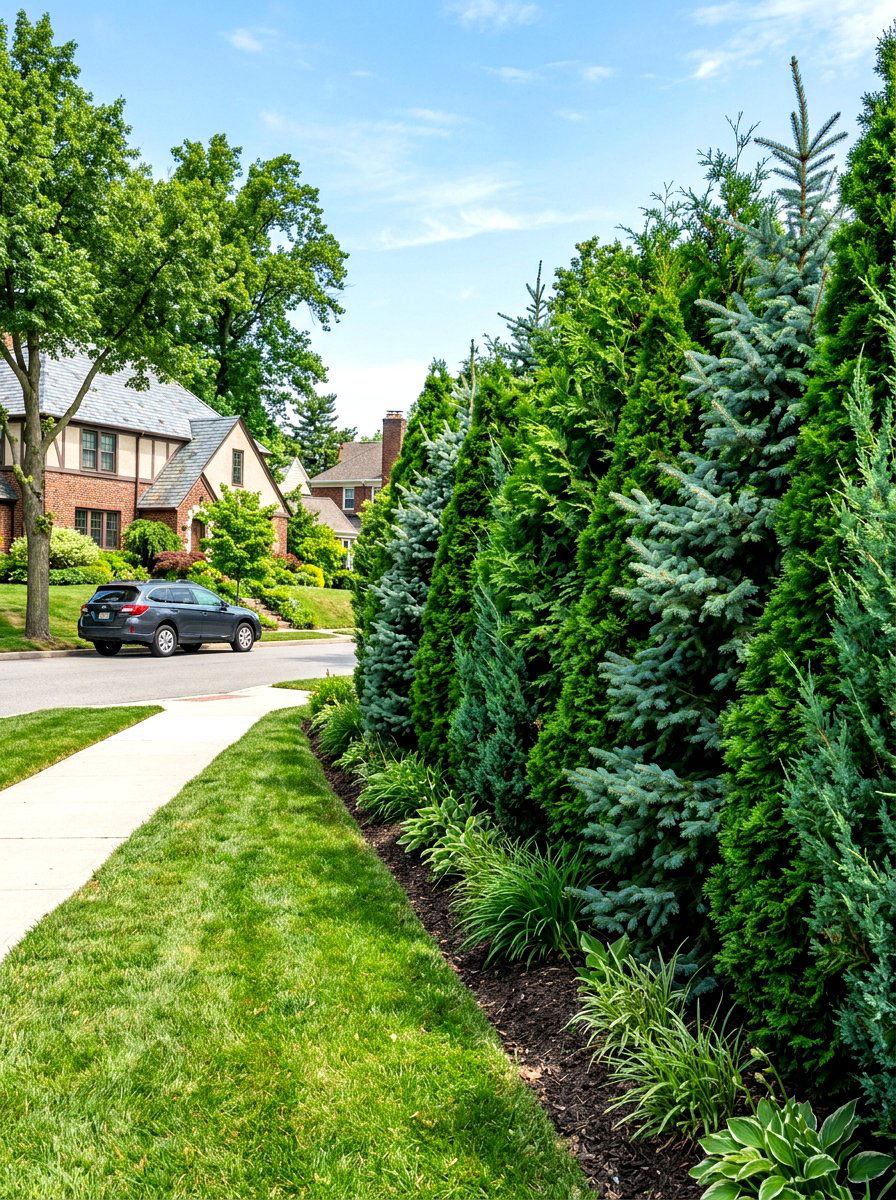
Choosing a mixed evergreen privacy screen is a brilliant way to ensure your front yard remains secluded and green all year long. Instead of a monotonous wall of a single species, mixing plants like arborvitae, spruce, and juniper adds a rich tapestry of textures and shades of green. This layered approach not only looks more natural but also protects your garden from pests or diseases that might wipe out a uniform hedge. Taller trees in the back provide the main barrier, while mid-sized shrubs in front soften the transition to the lawn. It is a functional and beautiful solution for busy residential streets.
3. Tiered Retaining Wall Planting
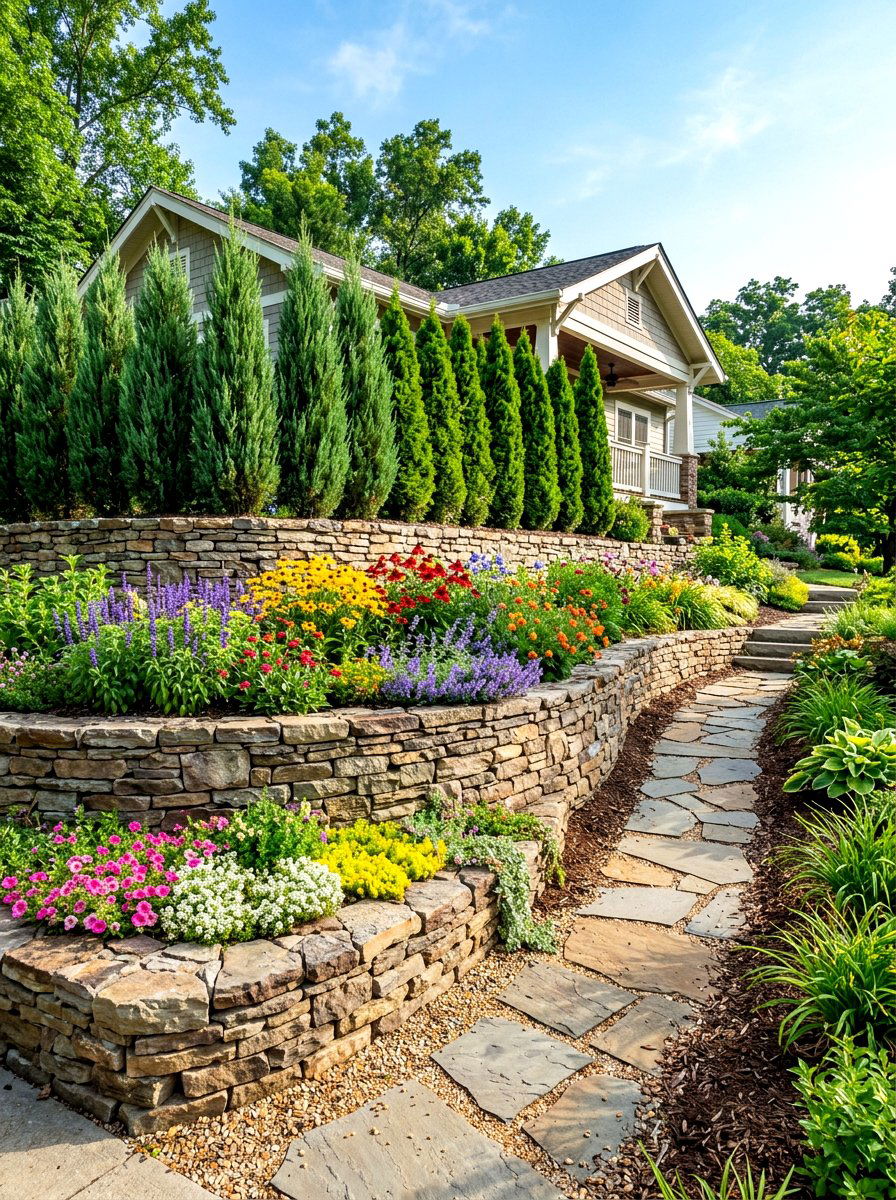
If your front yard has a slope, a tiered retaining wall planting can turn a challenging landscape into a breathtaking focal point. By building stone or wood tiers, you create flat levels that are perfect for layering different types of hedges and groundcovers. You might place tall, columnar shrubs on the highest level to establish a sense of height and enclosure. On the middle tier, flowering bushes or ornamental grasses add movement and color. Finally, the lowest level can feature cascading plants that spill over the edges, softening the hard lines of the stone and creating a lush, professional finish.
4. English Boxwood Border
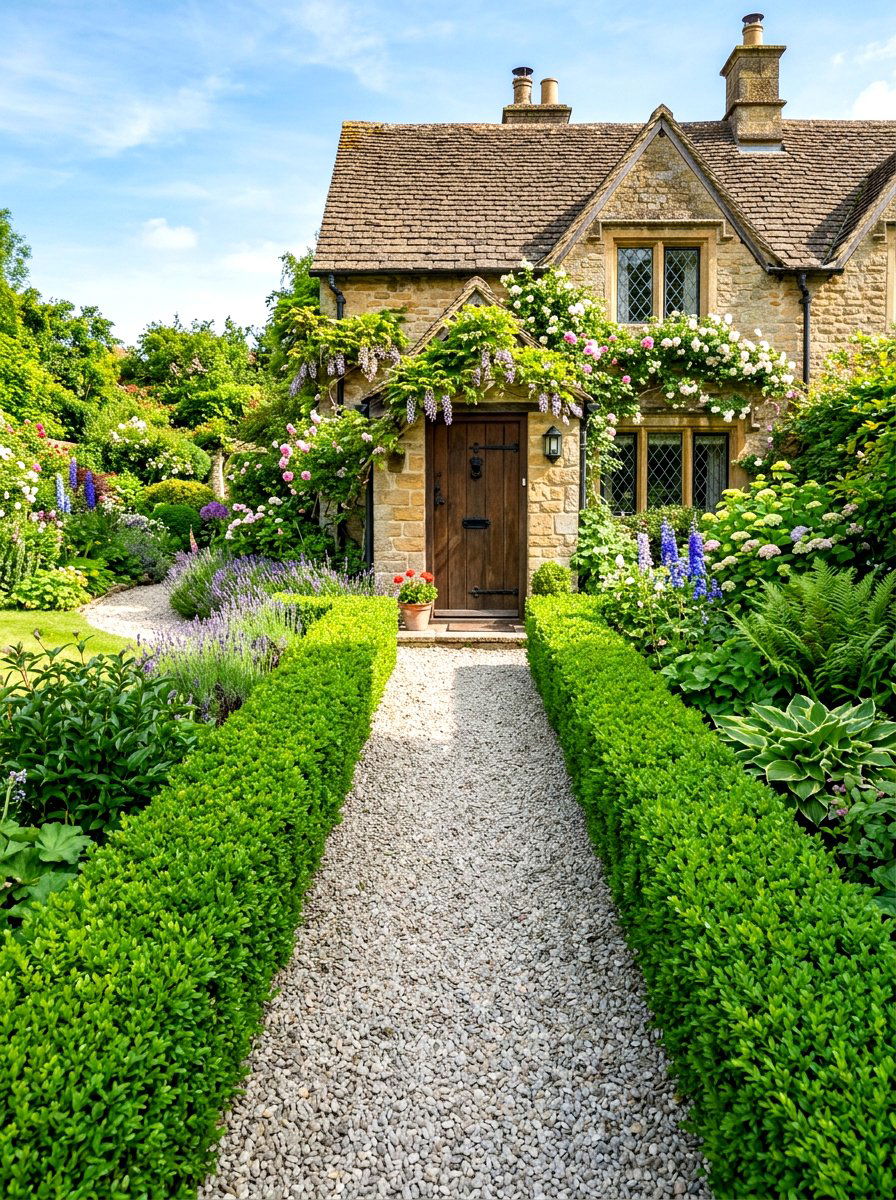
An English boxwood border is the ultimate choice for a formal and tidy front yard that radiates tradition and luxury. These slow-growing evergreens are incredibly versatile because they can be sheared into perfect spheres, sharp rectangles, or low-running ribbons. To achieve a layered effect, you can plant a taller row of boxwoods behind a shorter, more compact variety. This creates a subtle shift in height that feels intentional and high-end. This design works exceptionally well along pathways or as a frame for flower beds, providing a crisp, clean edge that keeps the entire landscape looking organized and well-maintained.
5. Modern Minimalist Greenery
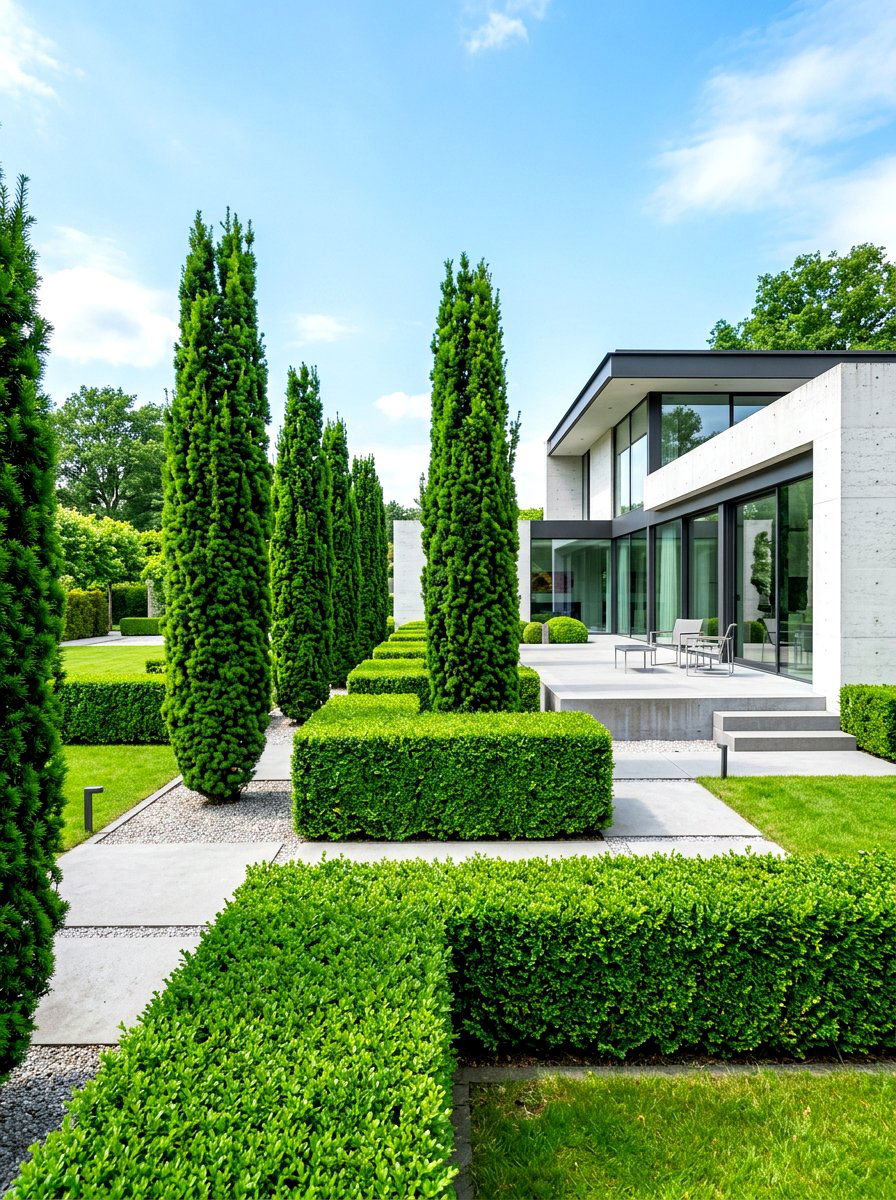
Modern minimalist greenery focuses on clean lines and a restricted color palette to create a high-impact, low-clutter front yard. In this design, layering is achieved through geometric shapes and varying heights of the same or similar species. For instance, you might use tall, slender yews in a straight line at the back, paired with perfectly square-clipped privet in the front. The emphasis is on the contrast between the sharp angles of the plants and the open space around them. This style complements contemporary architecture perfectly, offering a sleek, polished look that emphasizes form and structure over wild, unruly growth patterns.
6. Flowering Shrub Privacy Wall
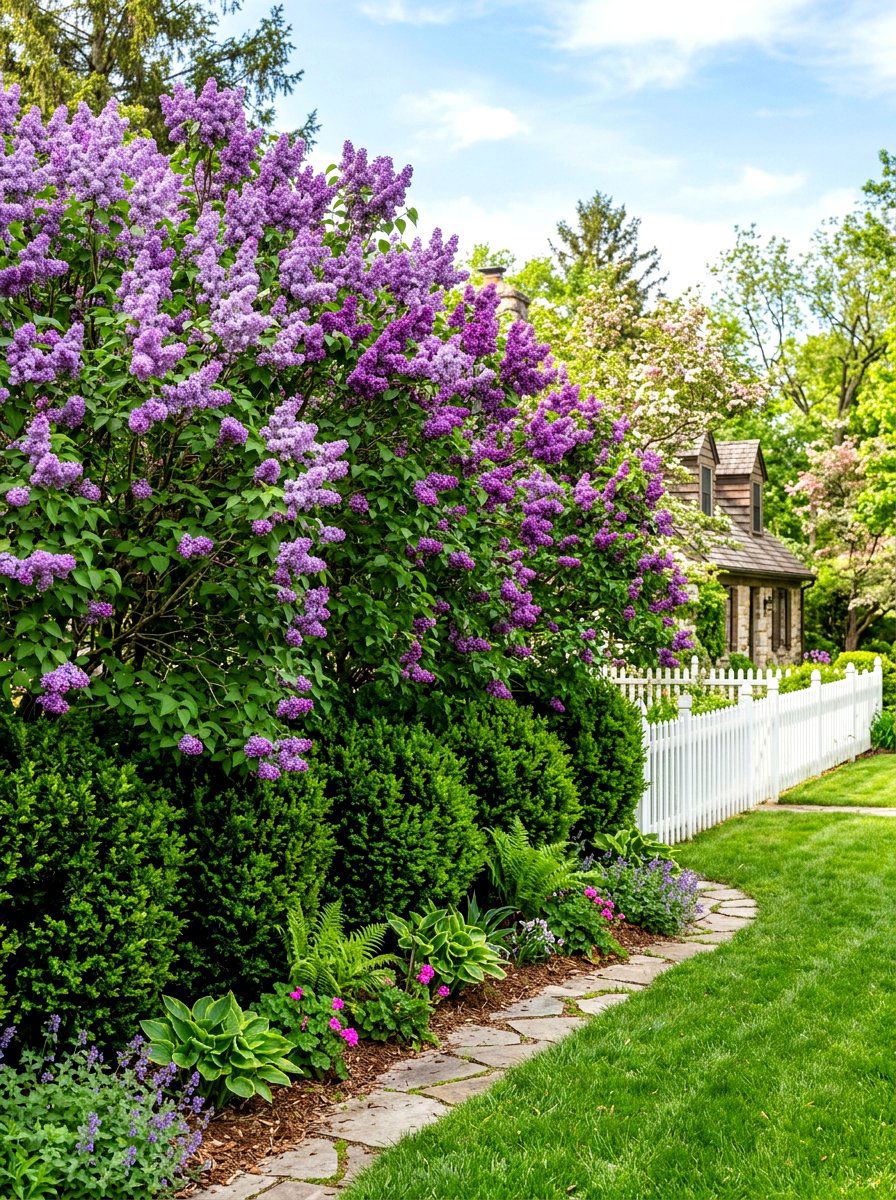
A flowering shrub privacy wall is a fantastic way to blend utility with seasonal beauty in your outdoor space. Instead of a cold fence, imagine a living wall of lilacs, camellias, or viburnum that shields your home from view while providing a fragrant display. Layering these blooming giants with shorter evergreen shrubs ensures that even when the flowers fade, your yard maintains its structure and privacy. During the spring and summer, the colorful blossoms attract butterflies and birds, making your front yard feel like a private nature sanctuary. This approach adds a romantic, soft touch to any suburban or rural property.
7. Stacked Stone Hedge Bed
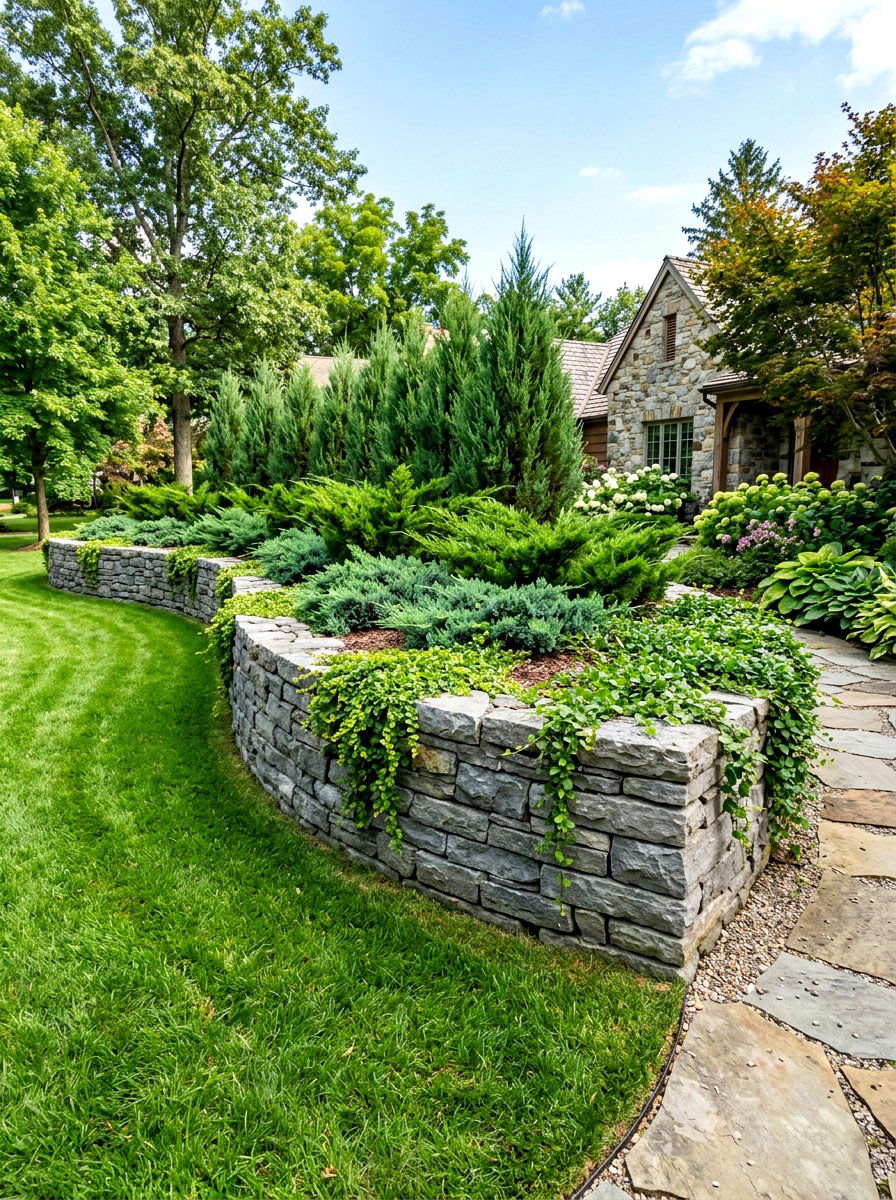
Creating a stacked stone hedge bed adds a rugged, natural element to your landscaping that contrasts beautifully with soft foliage. By elevating your hedge in a raised stone bed, you immediately draw the eye and create a distinct boundary between the sidewalk and your private space. You can layer a variety of shrubs within the bed, such as tall junipers for height and lower-growing cotoneaster to drape over the stones. The combination of cold, grey stone and vibrant green leaves creates a professional look that feels solid and permanent. It also helps with drainage, keeping your plants healthy and thriving.
8. Tall Cedar Screening
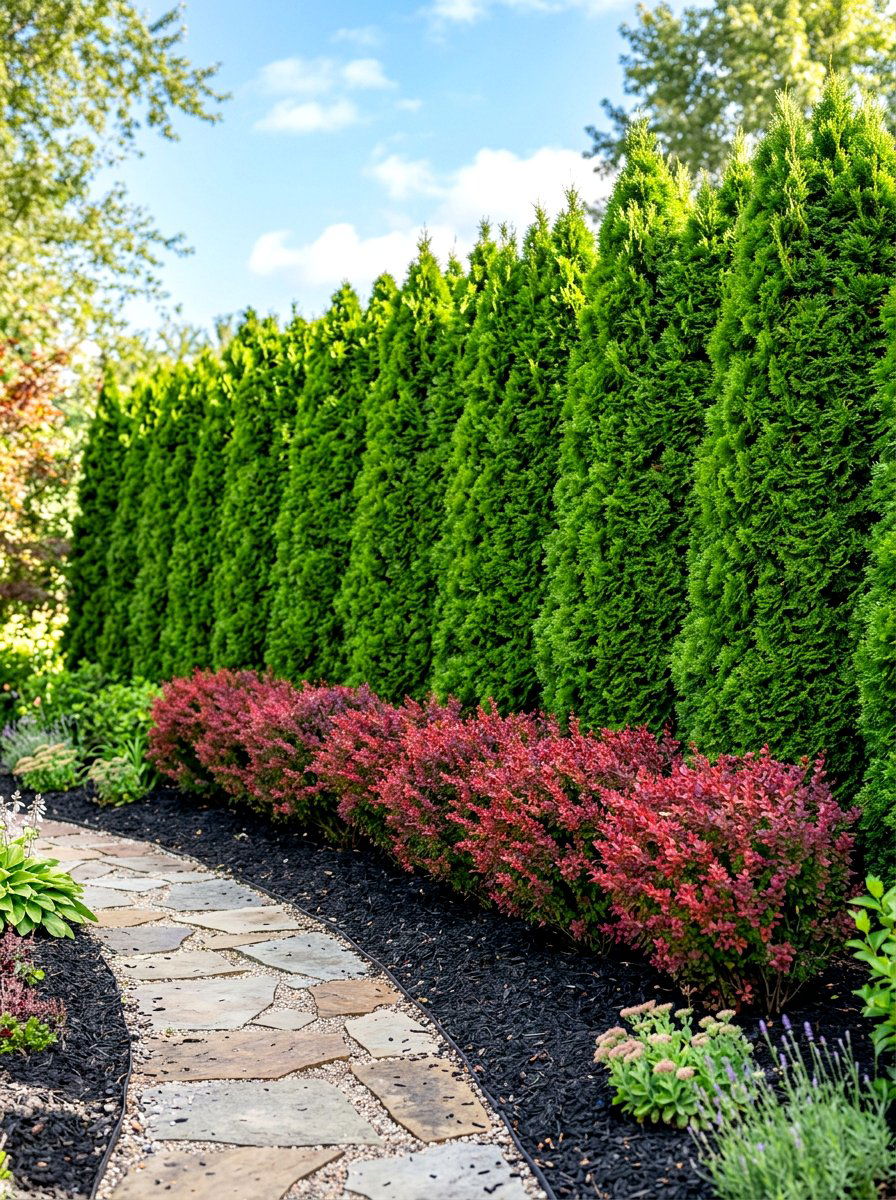
Tall cedar screening is a classic choice for homeowners who need a dense, fast-growing barrier to block out noise and prying eyes. Cedars are naturally upright and can be planted closely together to form a seamless green wall. To make this look more dynamic, you can layer smaller, colorful shrubs like barberry or spirea in front of the dark cedar base. The bright reds or yellows of the smaller plants will pop against the deep green background, preventing the tall hedge from feeling overwhelming or flat. This layering technique adds visual variety while maintaining the essential functional benefits of a tall screen.
9. Variegated Foliage Layer
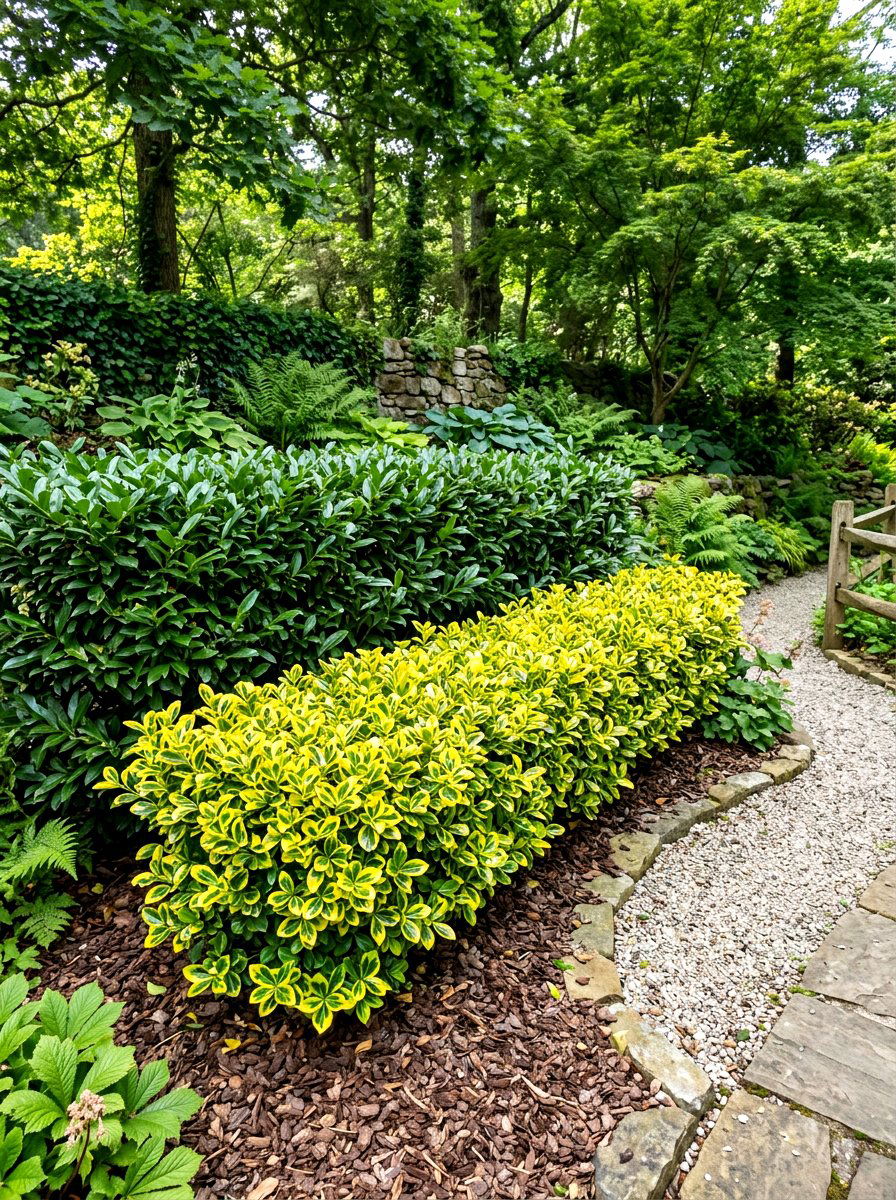
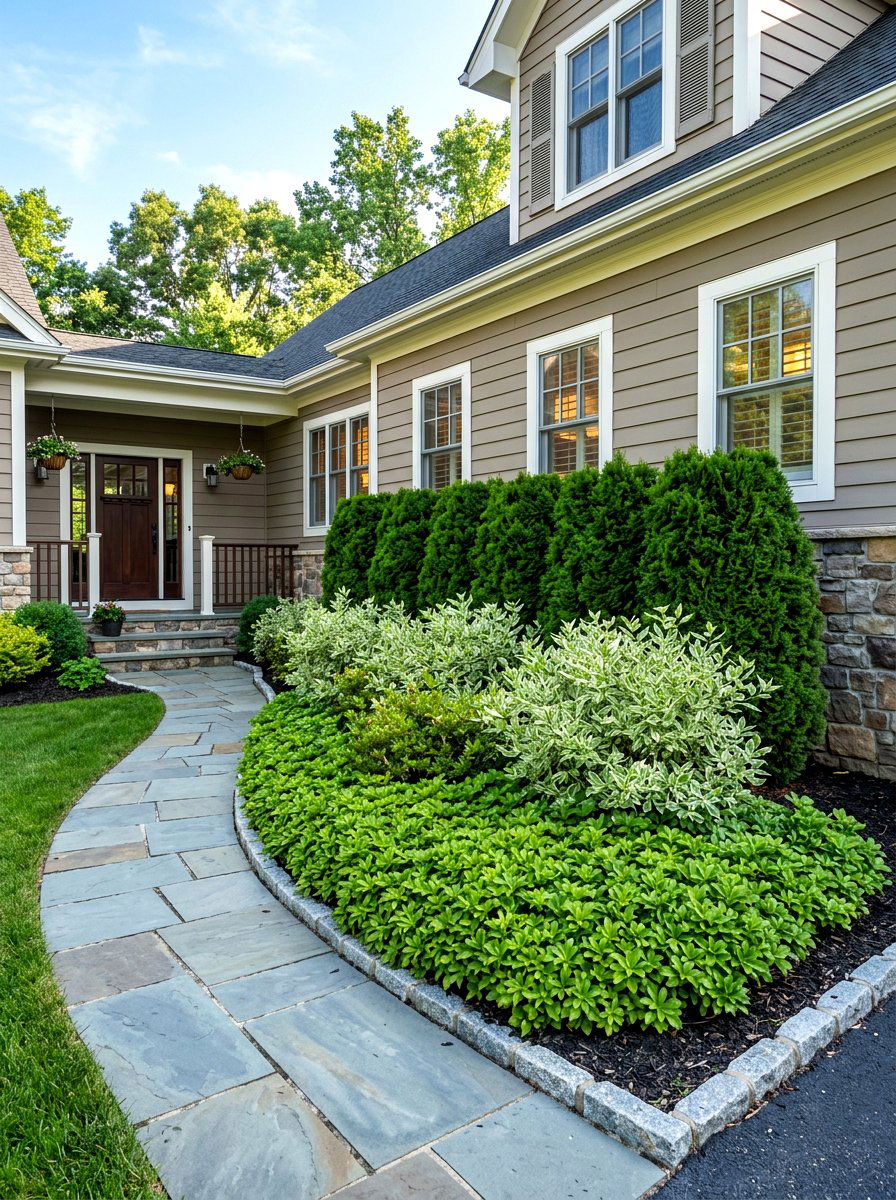
A variegated foliage layer brings a unique sense of brightness and light to a shaded front yard. Plants with multi-colored leaves, such as certain varieties of euonymus or hostas, create a glowing effect that stands out against solid green backdrops. When you layer these light-colored plants in front of a dark, traditional hedge, you create a high-contrast look that feels modern and energetic. This technique is especially useful for breaking up large expanses of green and making a small front yard feel more spacious. The patterns on the leaves add a decorative quality that replaces the need for high-maintenance flowers.
10. Rose And Lavender Frontage
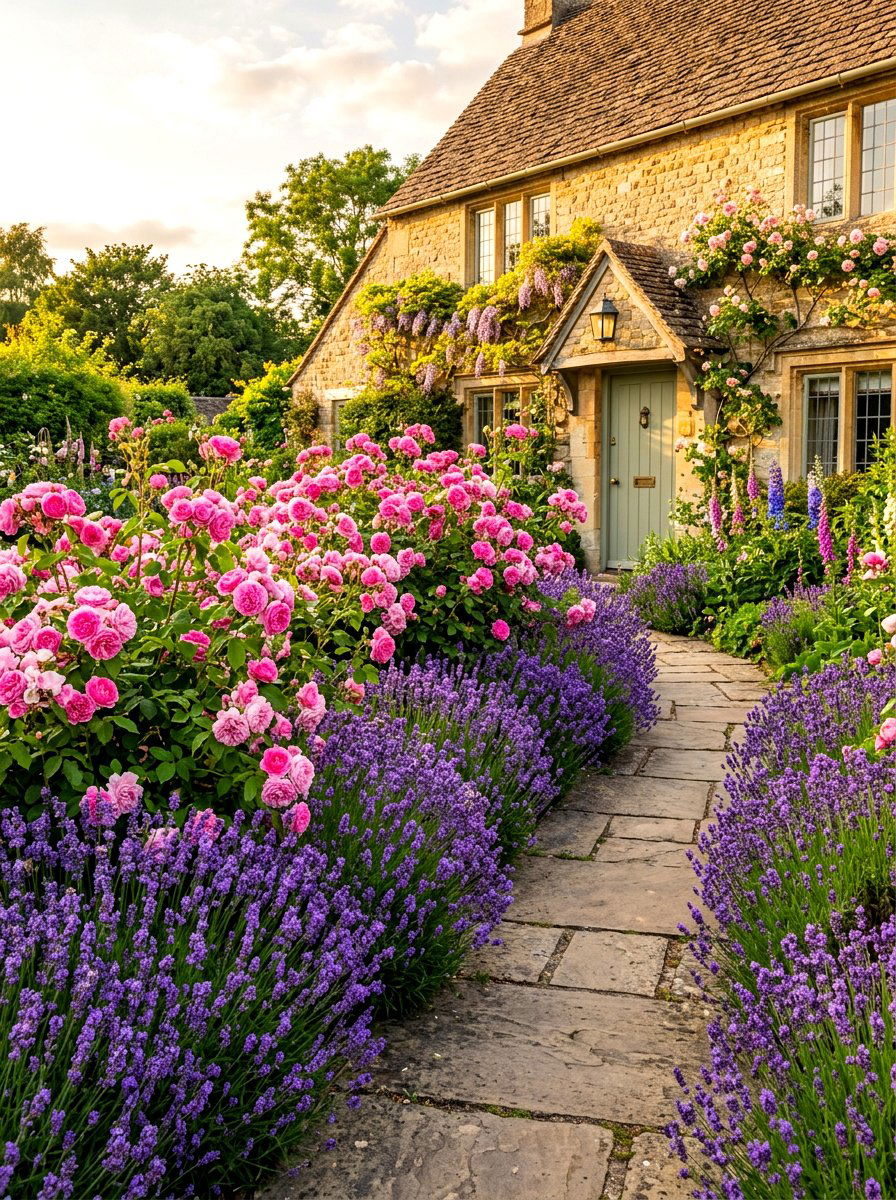
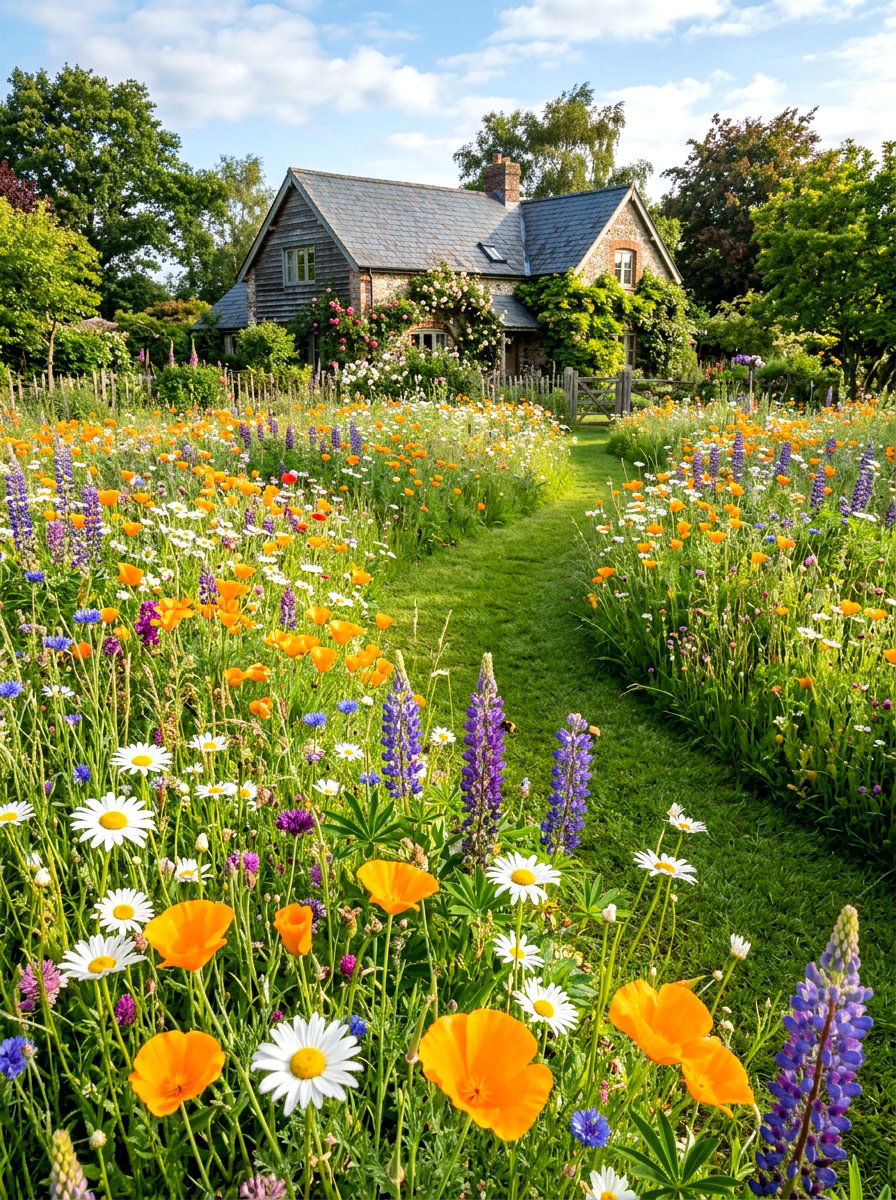
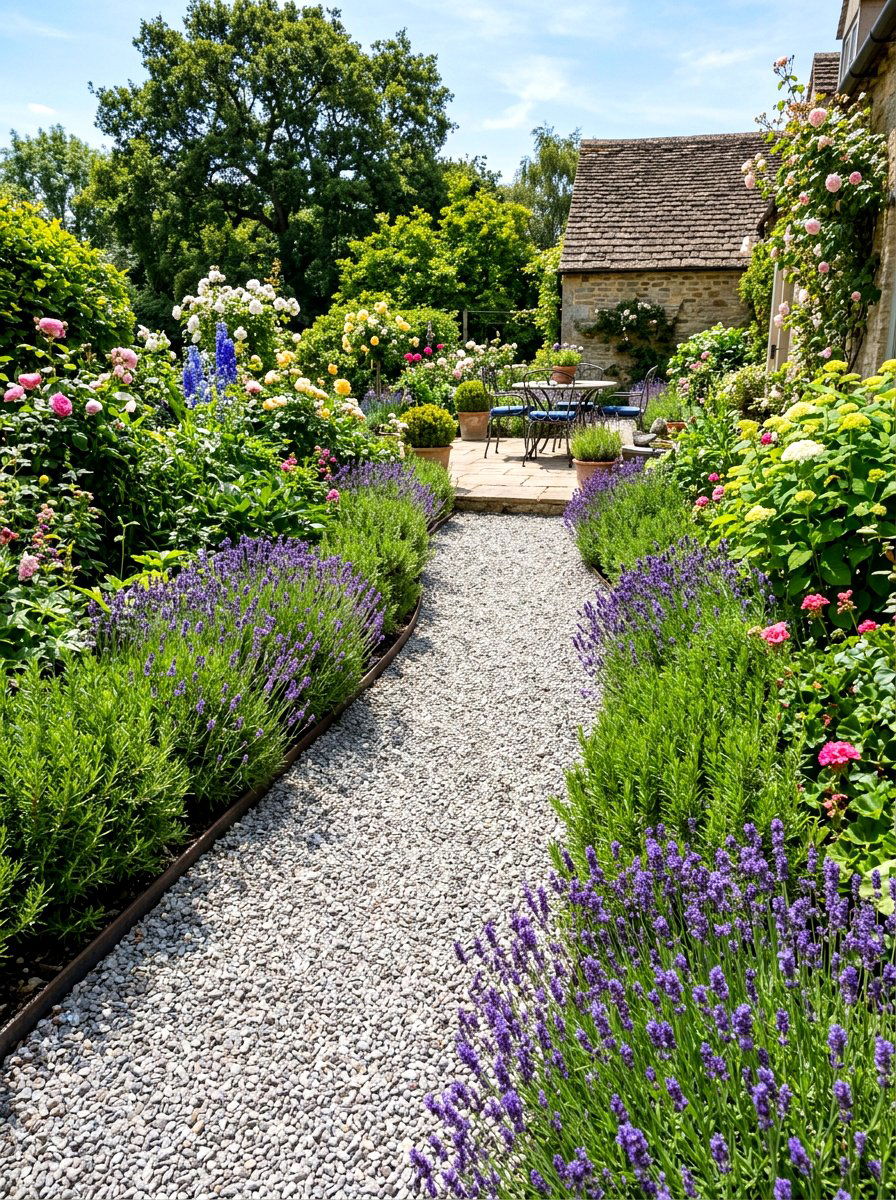
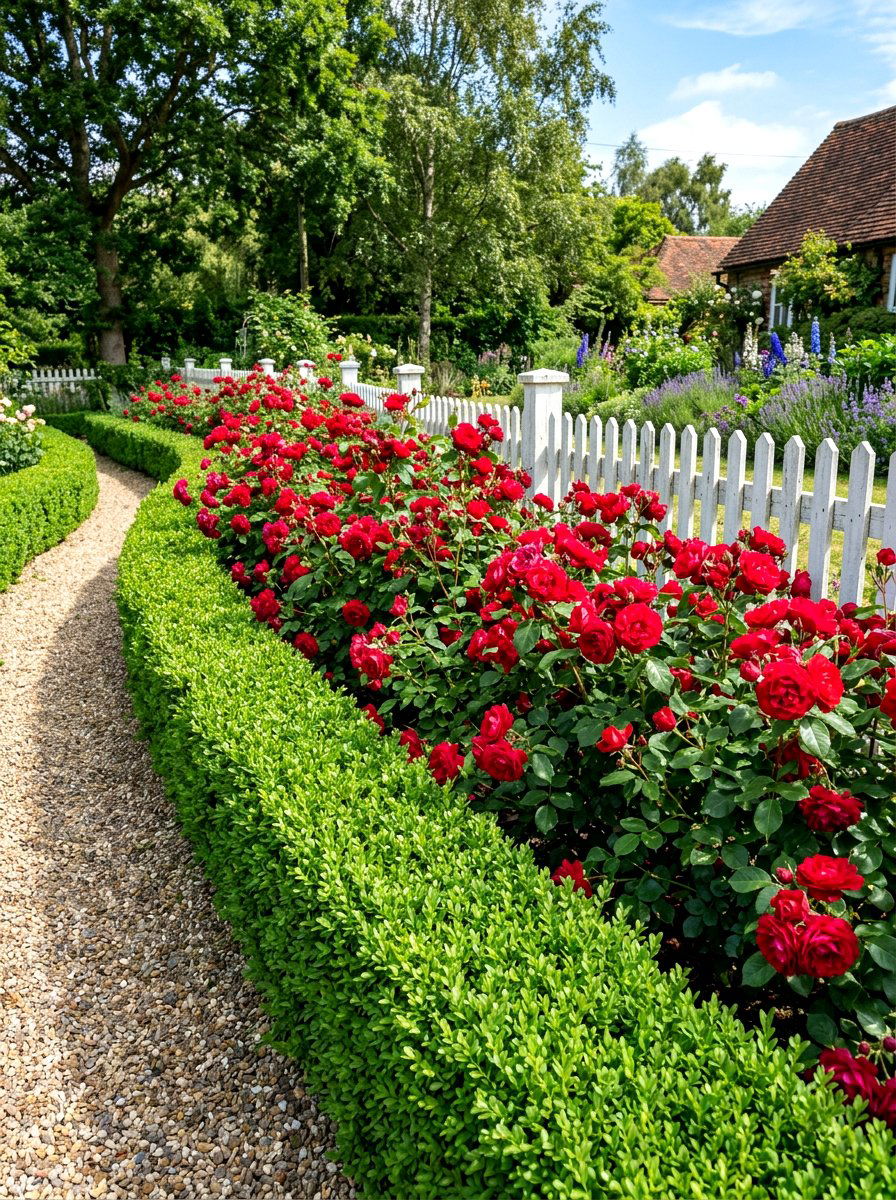
Imagine walking toward your front door and being greeted by the sweet scent of a rose and lavender frontage. This layered hedge idea combines the structural height of shrub roses with the low, mounded texture of fragrant lavender. The roses provide the taller, colorful layer at the back, while the silver-green lavender creates a soft, hazy border along the front edge. This combination is not only beautiful but also practical, as both plants love sunlight and attract beneficial pollinators. The result is a cottage-style garden look that feels inviting, nostalgic, and incredibly charming to anyone passing by your home.
11. Contemporary Geometric Shrubbery
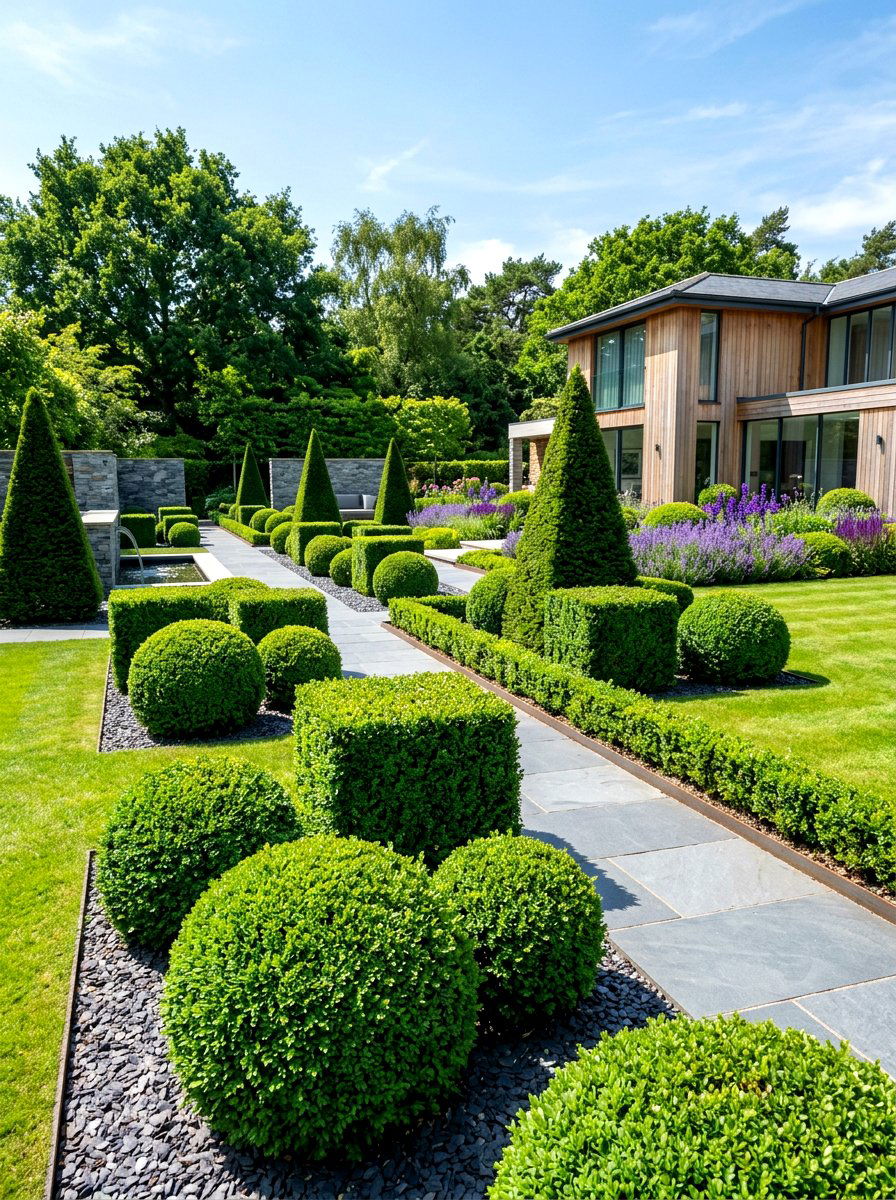
Contemporary geometric shrubbery is all about using shears to transform nature into living art. This style often features layers of shrubs cut into distinct shapes like cones, cubes, and spheres. By varying the sizes of these shapes and placing them at different depths, you create a three-dimensional landscape that feels like a modern sculpture gallery. You might use dark green yew for the tall cubes and lighter boxwood for the smaller spheres in the foreground. This deliberate arrangement looks incredibly high-end and requires a bit of maintenance, but the visual reward is a front yard that looks impeccably designed and unique.
12. Natural Woodland Border
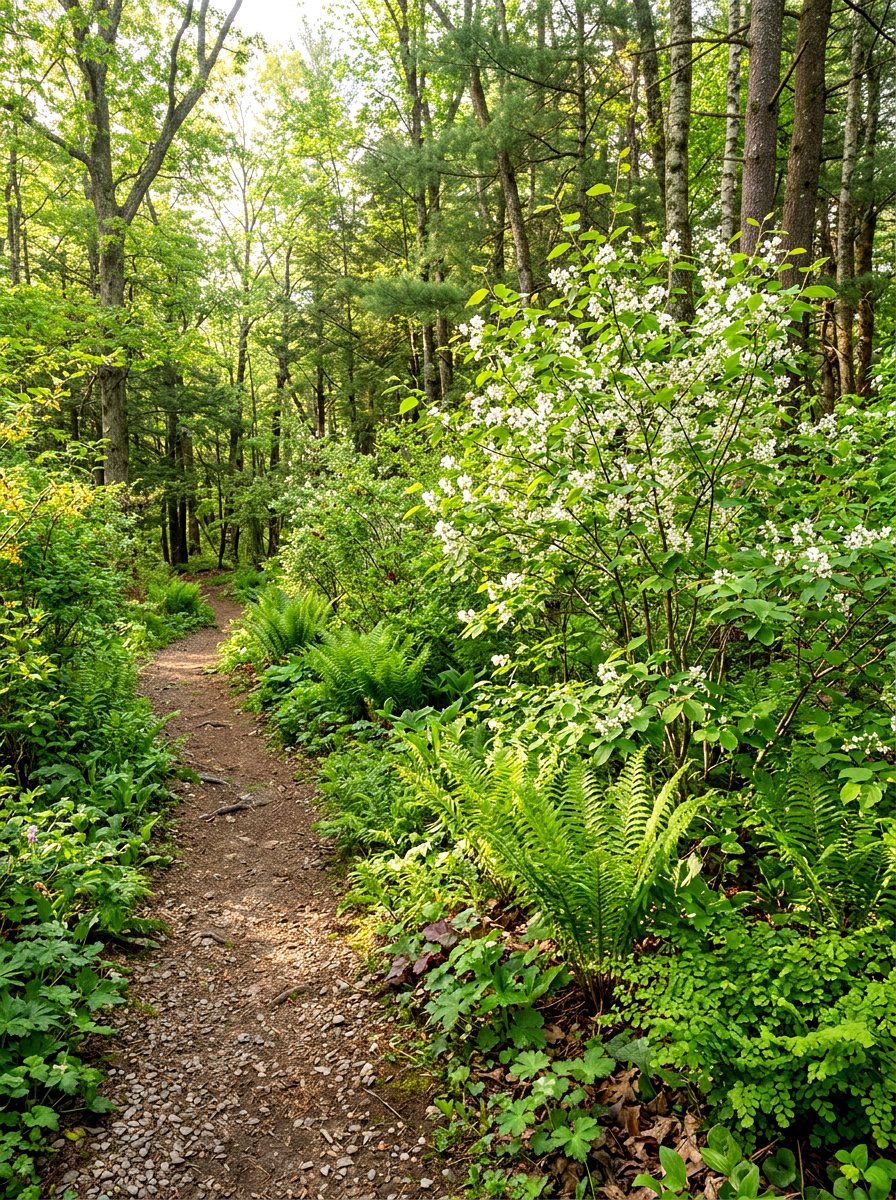
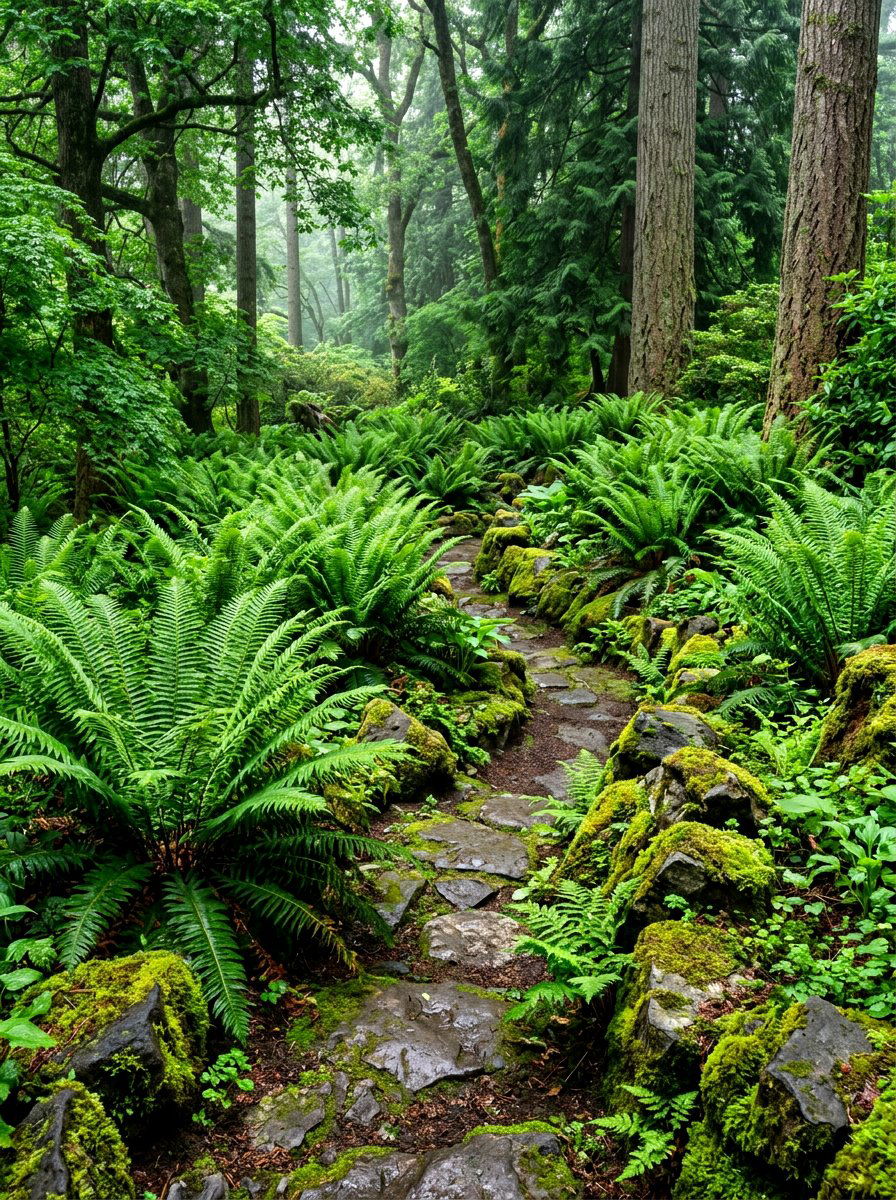
For homes with a more rustic or forest-adjacent setting, a natural woodland border offers a seamless transition between the wild and the manicured. This layered approach uses native shrubs like elderberry, serviceberry, and ferns to create a loose, informal hedge. Instead of straight lines, the plants are staggered to mimic the way they grow in nature. Taller deciduous trees provide the canopy, while mid-sized bushes and low-growing groundcovers fill in the gaps below. This design is excellent for supporting local wildlife and requires much less pruning than formal hedges, making it a sustainable and low-maintenance choice for many homeowners.
13. Dwarf Conifer Arrangement
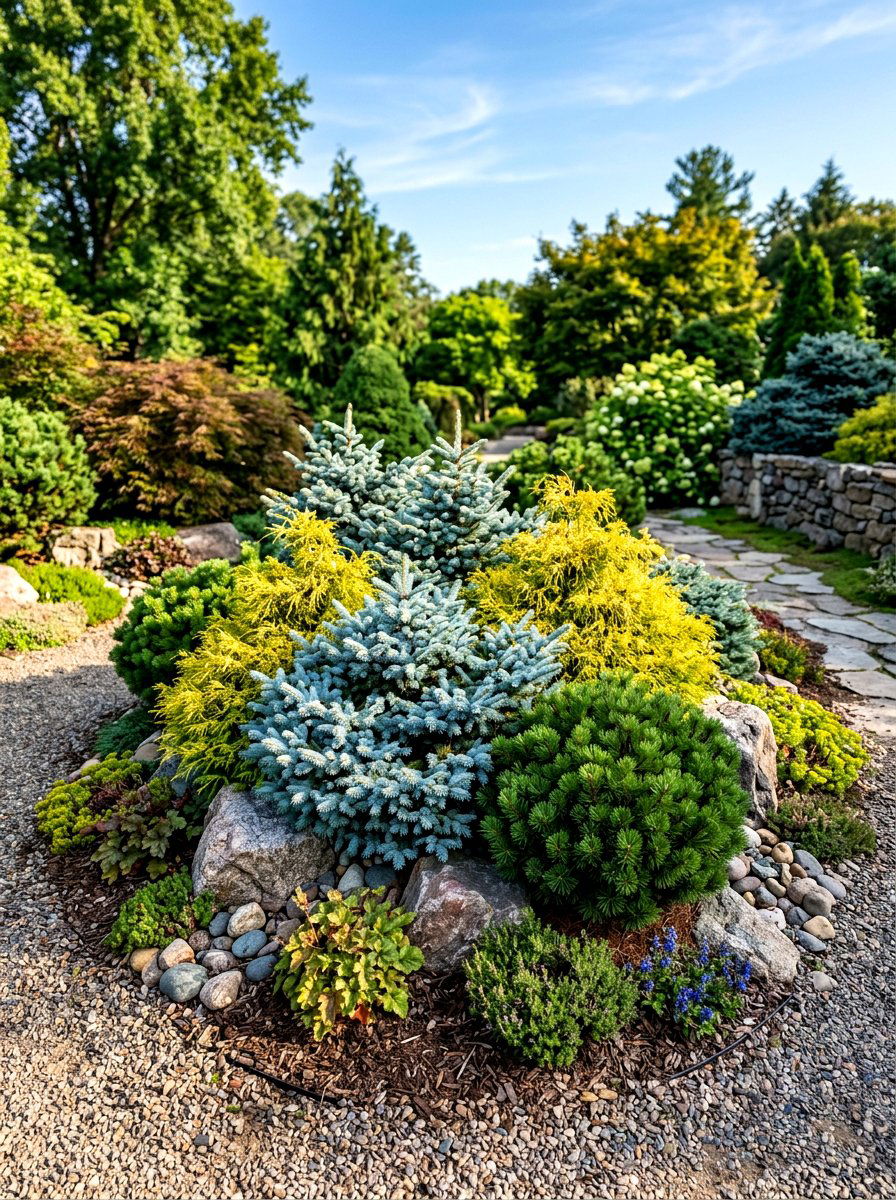
A dwarf conifer arrangement is a perfect solution for small front yards where space is at a premium. These slow-growing evergreens come in a surprising variety of shapes, from weeping needles to tight, round buns. By layering different types of dwarf conifers, you can create a miniature forest look that provides year-round interest without outgrowing its space. You might place a narrow, upright conifer in the center and surround it with low-spreading varieties in different shades of blue-green, gold, and emerald. This textured, multi-layered look provides a sophisticated and permanent structure that requires very little effort to keep looking its best.
14. Ornamental Grass Foundation Planting
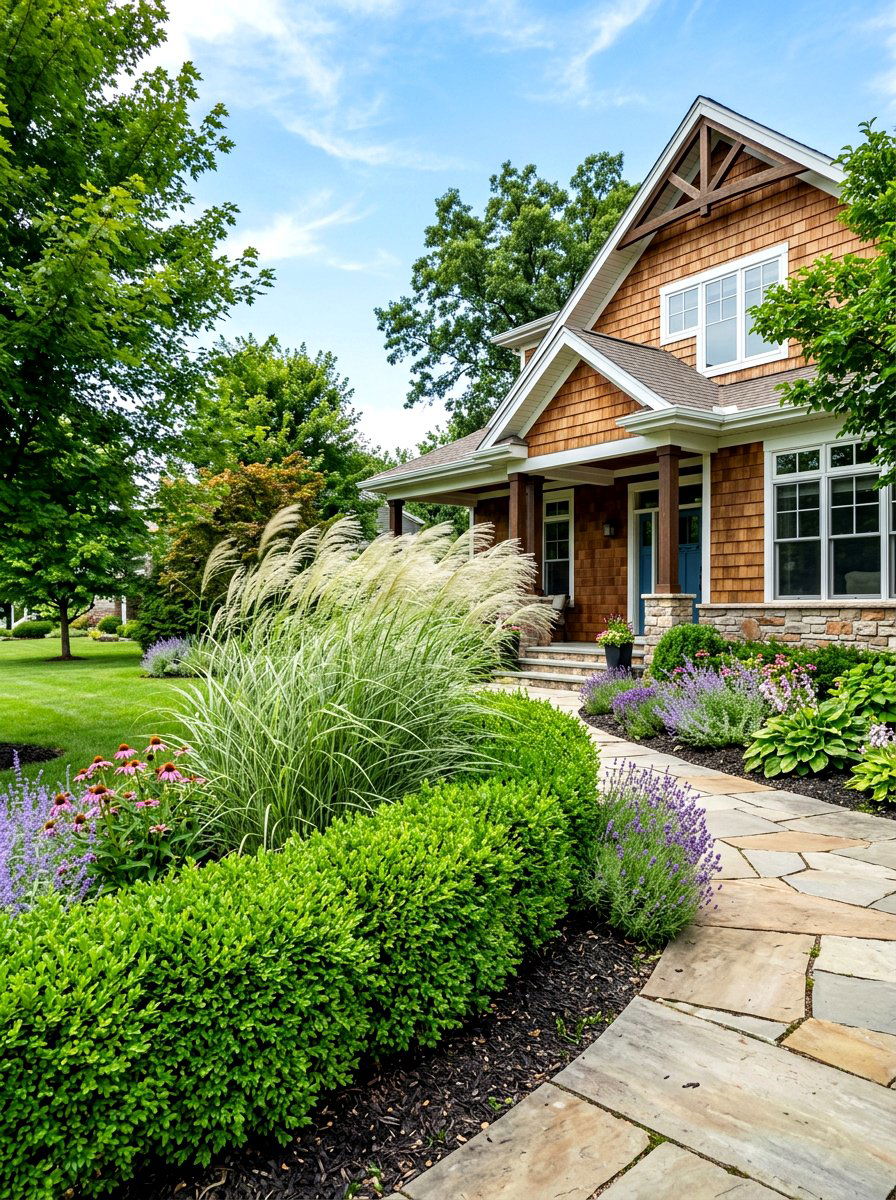
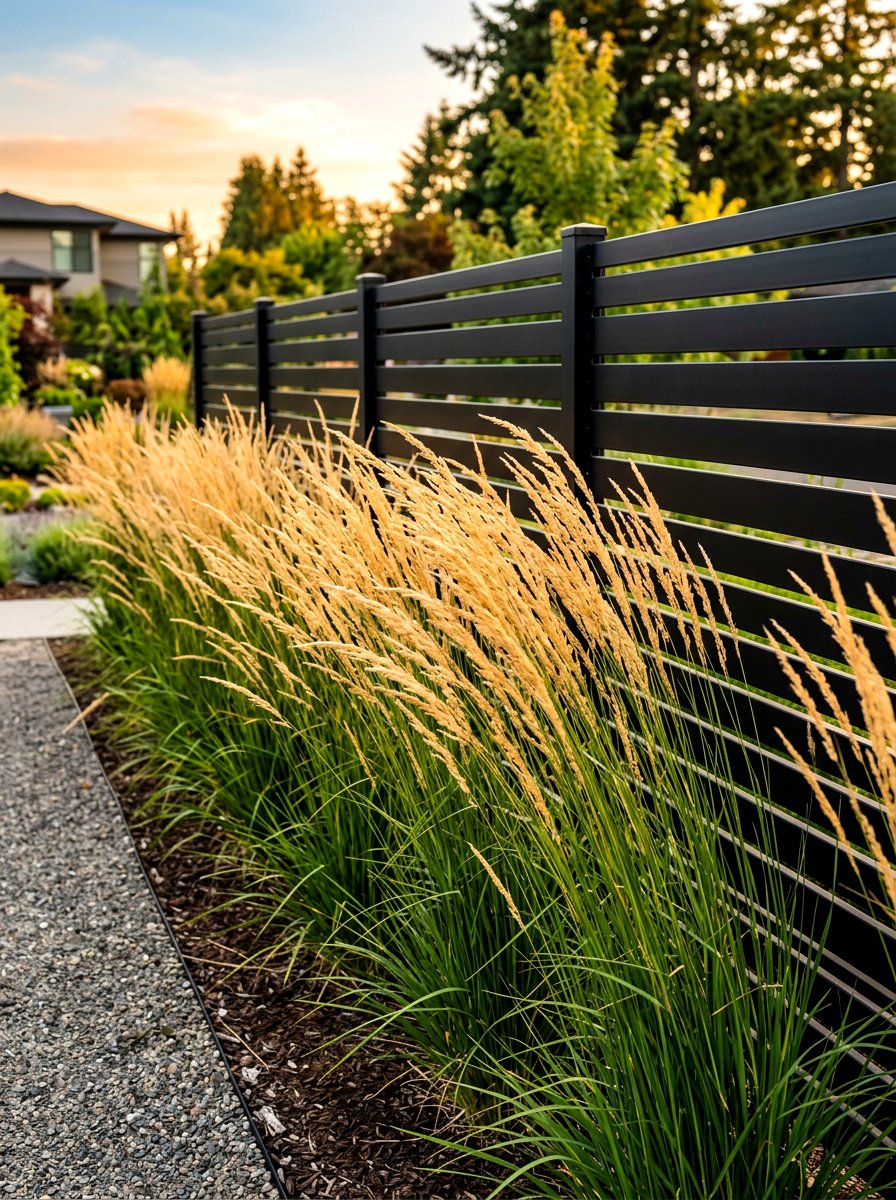
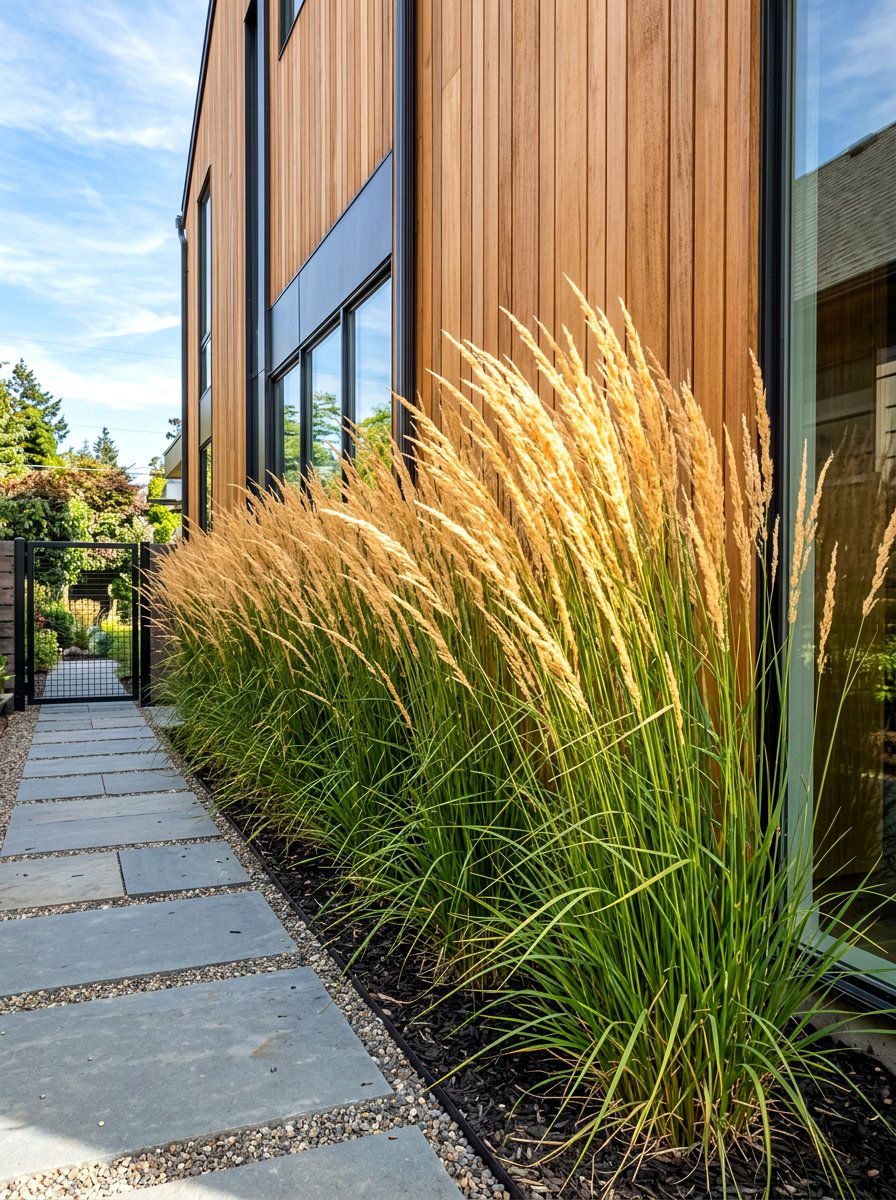
Using ornamental grass as a foundation planting adds a sense of movement and sound to your front yard hedge. When layered with traditional woody shrubs, grasses like miscanthus or fountaingrass provide a soft, swaying texture that contrasts with the stiff leaves of bushes. You can plant tall grasses behind a low evergreen hedge to create a layered screen that catches the wind and the light. In the autumn, many grasses turn golden or bronze, adding a new color dimension to your yard. This approach is highly modern and works well for creating a relaxed, breezy atmosphere that feels contemporary and fresh.
15. Coastal Breeze Hedge
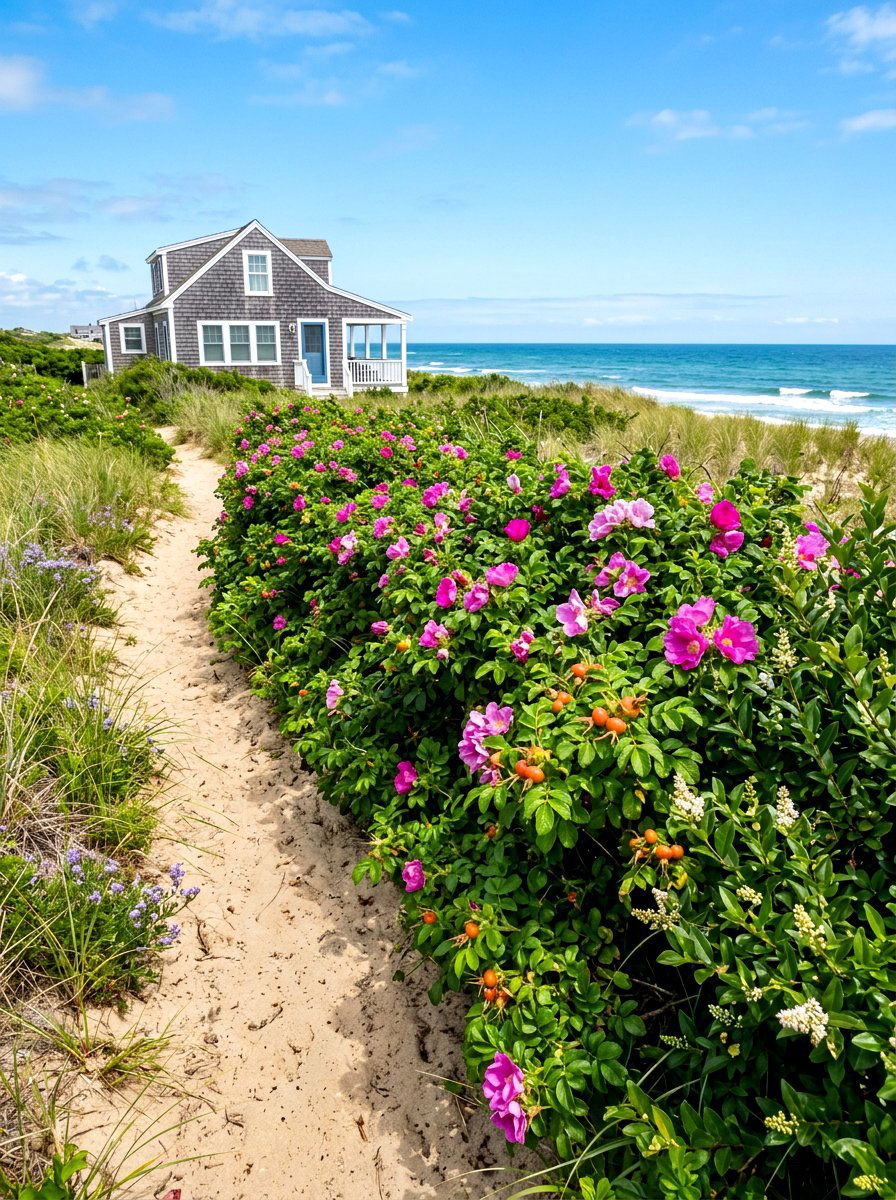
A coastal breeze hedge is designed to withstand salt spray and sandy soil while looking effortlessly beautiful. Plants like rugosa roses, privet, and bayberry are layered to create a windbreak that protects the rest of the garden. The taller, tougher plants go on the outer layer to take the brunt of the weather, while more delicate flowering plants are nestled behind them. This layered structure creates a lush, green oasis even in harsh seaside environments. The silvery leaves and bright berries of coastal plants add a distinct seaside charm that complements shingle-style homes and beach cottages, making the yard feel cohesive.
16. Formal Topiary Pathway
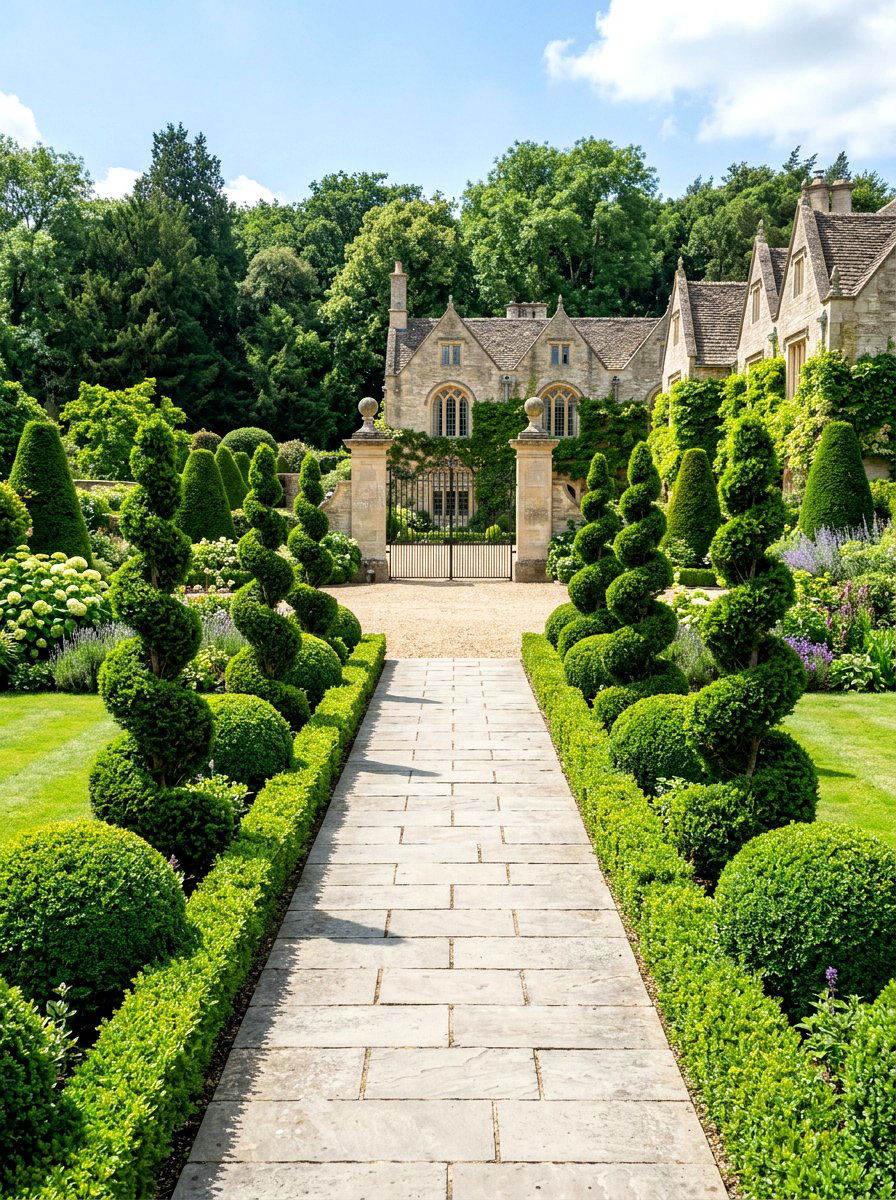
A formal topiary pathway creates a grand entrance that guides guests toward your front door with style. By layering clipped topiaries of different heights along the walkway, you create a sense of rhythm and pace. You might use tall, spiral-cut junipers as the primary anchors and smaller, round-clipped boxwoods in between them. This structured layering makes the path feel like a curated experience rather than just a simple walkway. The repetition of shapes creates a professional, high-end look that is common in luxury estates, offering a permanent architectural element that stays green and impressive through every season of the year.
17. Shade Tolerant Layered Garden
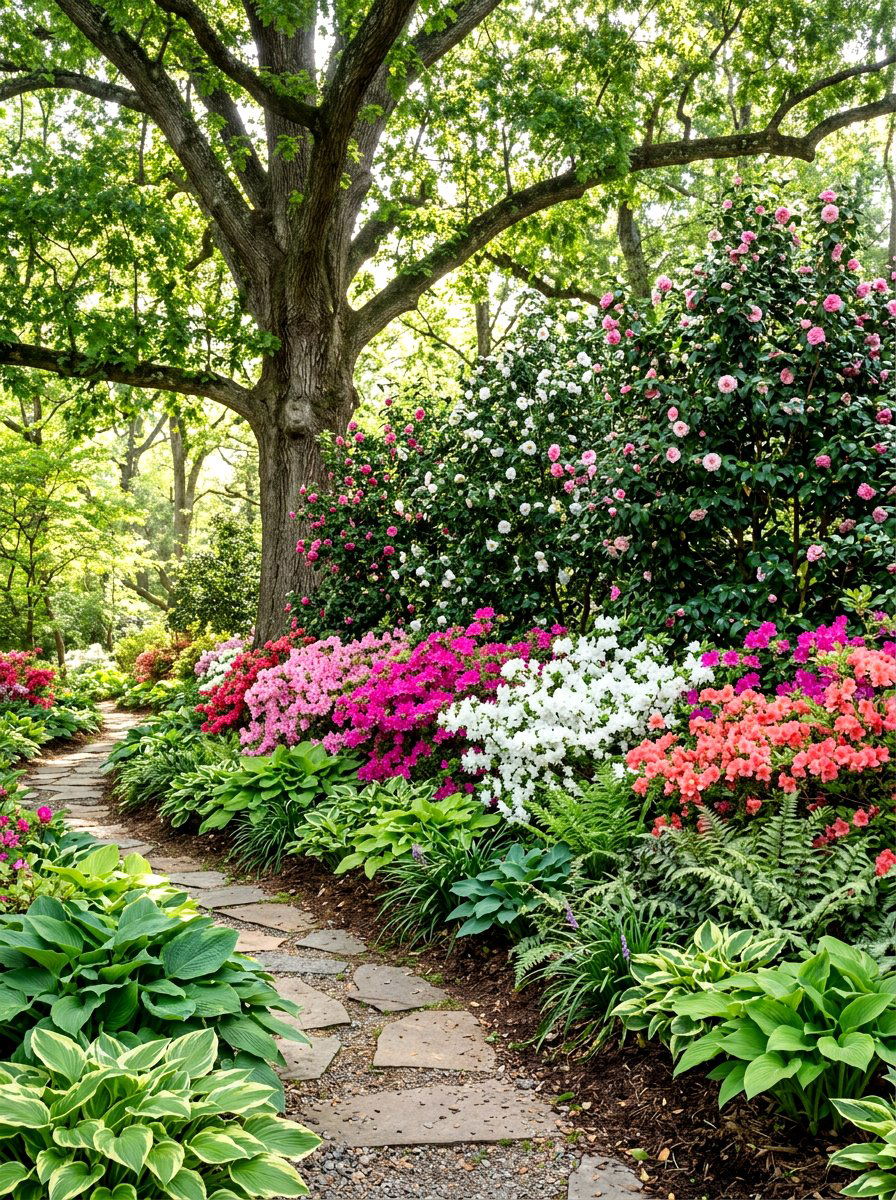
Creating a shade tolerant layered garden is the key to a beautiful front yard if you have large canopy trees blocking the sun. Instead of struggling with patchy grass, you can layer shrubs like camellias, azaleas, and pieris that thrive in lower light. The taller camellias can form the back wall of the hedge, while the mid-sized azaleas provide a burst of spring color. Low-growing ferns or hostas can fill in the front layer to cover the soil and add texture. This tiered approach ensures that every inch of your shaded yard is lush, green, and full of life, regardless of the sun.
18. Tropical Lush Screen
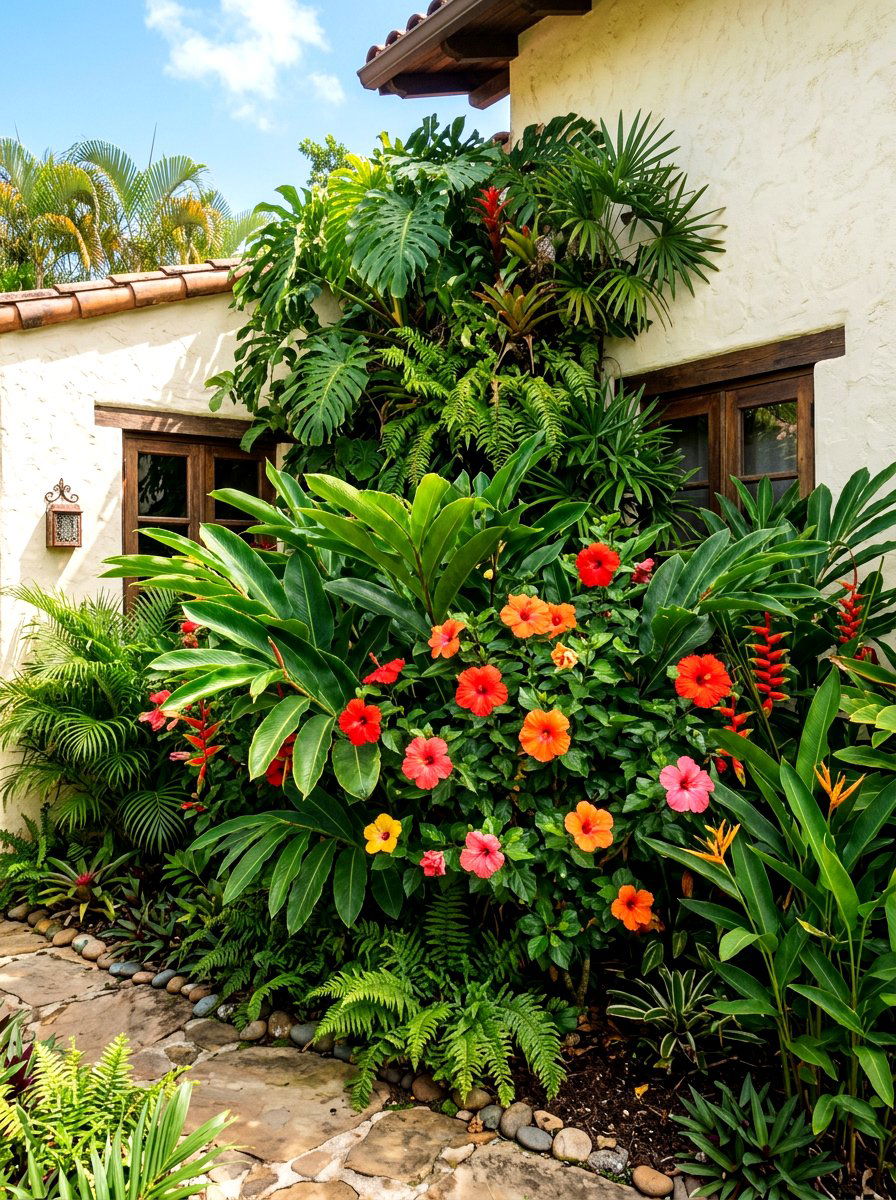
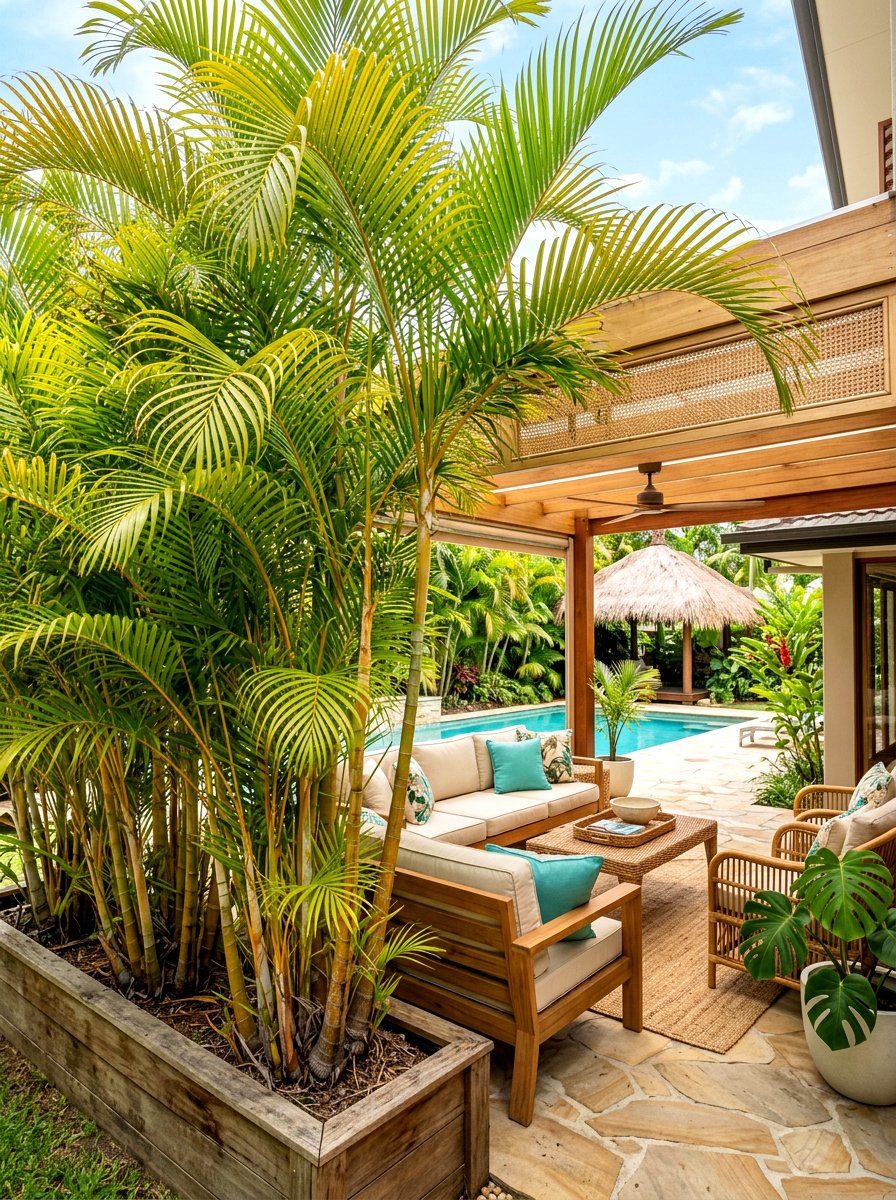
A tropical lush screen uses oversized leaves and vibrant colors to create a vacation-like atmosphere right in your front yard. If you live in a warmer climate, you can layer large-leafed plants like ginger, canna lilies, and hibiscus to form a dense and exotic hedge. The varying heights of these tropical plants create a wall of foliage that is much more interesting than a standard fence. The bold textures and bright flowers bring a high-energy vibe to the landscape. Even in cooler climates, you can achieve a similar look by using hardy hibiscus and large-leafed hostas to mimic that desired tropical density.
19. Japanese Zen Hedge
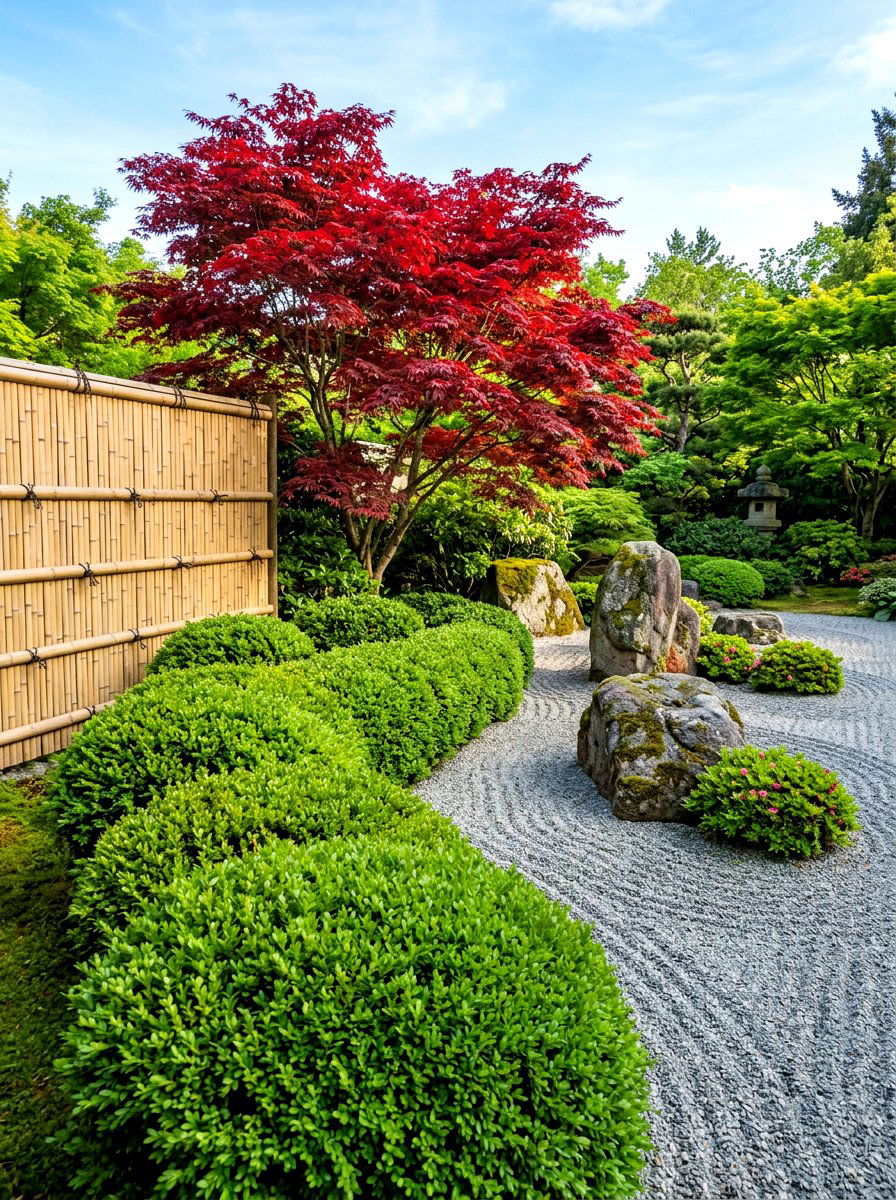
A Japanese Zen hedge focuses on balance, simplicity, and the beauty of natural forms. Layering in this style often involves using different shades of green and subtle textures rather than bright flowers. You might use a backdrop of tall bamboo or yew, paired with mid-sized Japanese maples for a pop of delicate red foliage. In the foreground, low-growing mosses or mounded azaleas complete the tiered look. This design is meant to be peaceful and contemplative, providing a serene barrier between the busy street and your home. The careful placement of each layer creates a harmonious and deeply artistic front yard experience.

20. Winter Interest Evergreens
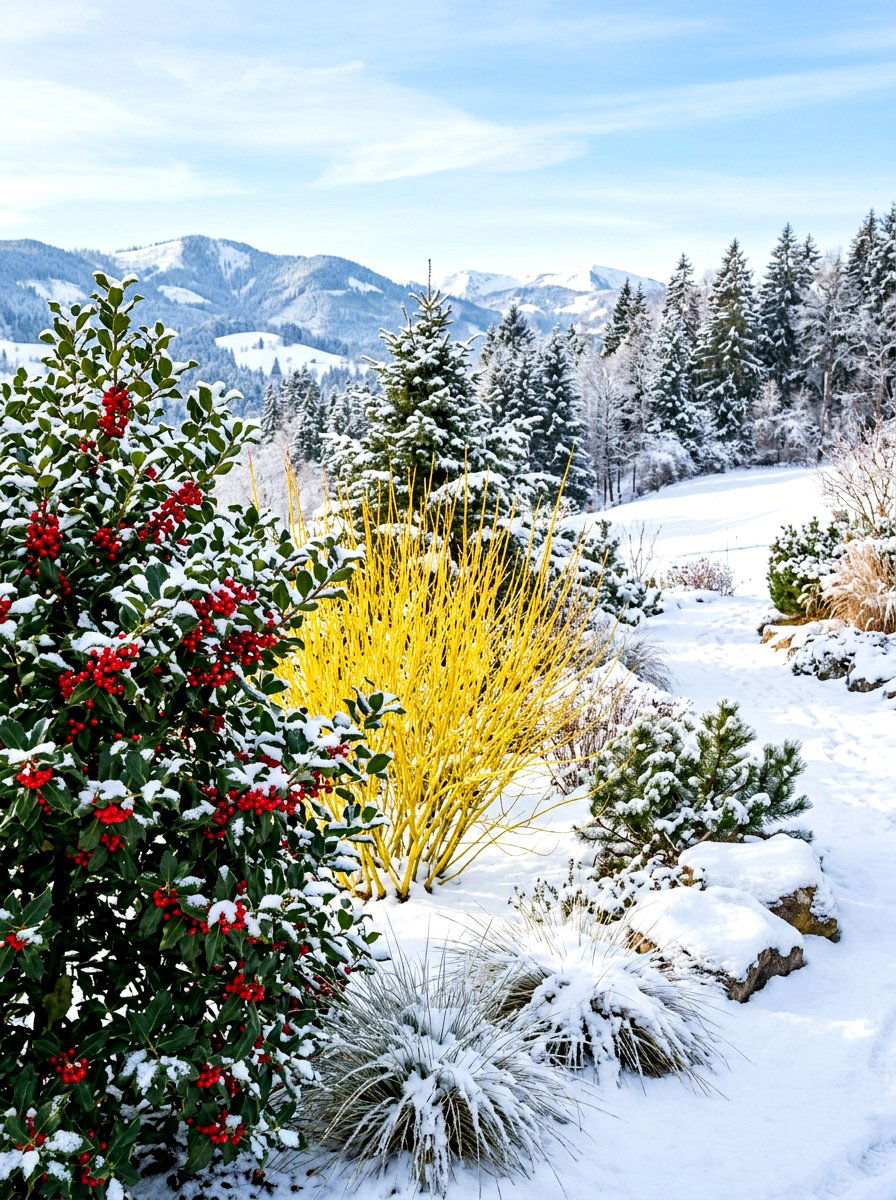
Planning for a winter interest evergreen hedge ensures that your front yard never looks barren or cold. By layering different species that show off unique winter features, you create a landscape that shines when others are dormant. You might combine dark green hollies with their bright red berries behind a layer of yellow-twig dogwood. The contrast between the evergreen leaves and the colorful naked stems of the dogwood provides a striking visual that stands out against the snow. This thoughtful layering keeps your curb appeal high during the months when most gardens are asleep, providing a cheerful and welcoming view for neighbors.
21. Red Tip Photinia Border
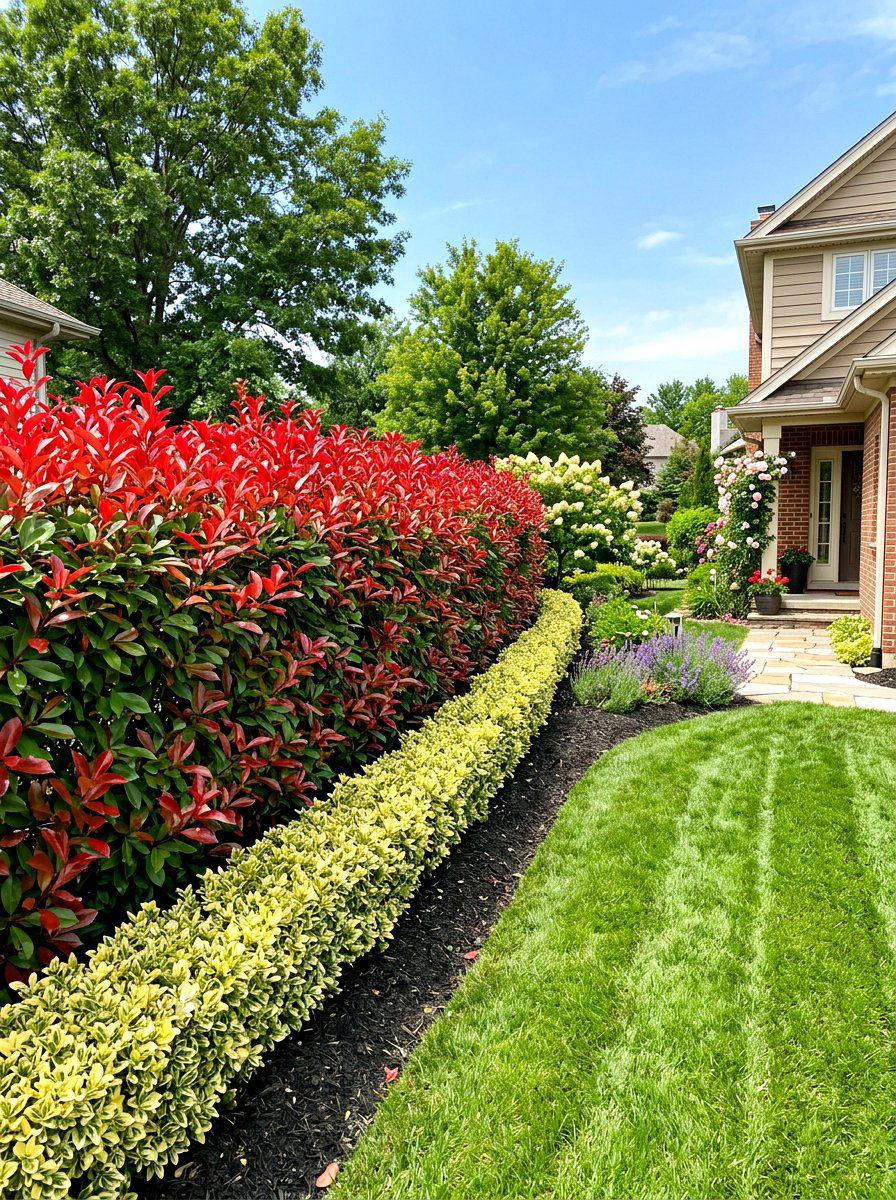
A red tip photinia border is a dynamic choice because it literally changes color throughout the year. The new growth on these shrubs is a brilliant, fiery red that gradually fades to a deep, glossy green. By layering these tall shrubs behind a low-growing, variegated hedge, you highlight the dramatic color shifts of the photinia. This combination creates a "living wall" effect that is both functional for privacy and visually exciting. The density of the photinia makes it an excellent choice for blocking views, while the layered front row adds a secondary level of detail that makes the hedge feel finished.
22. Yew And Peony Landscape
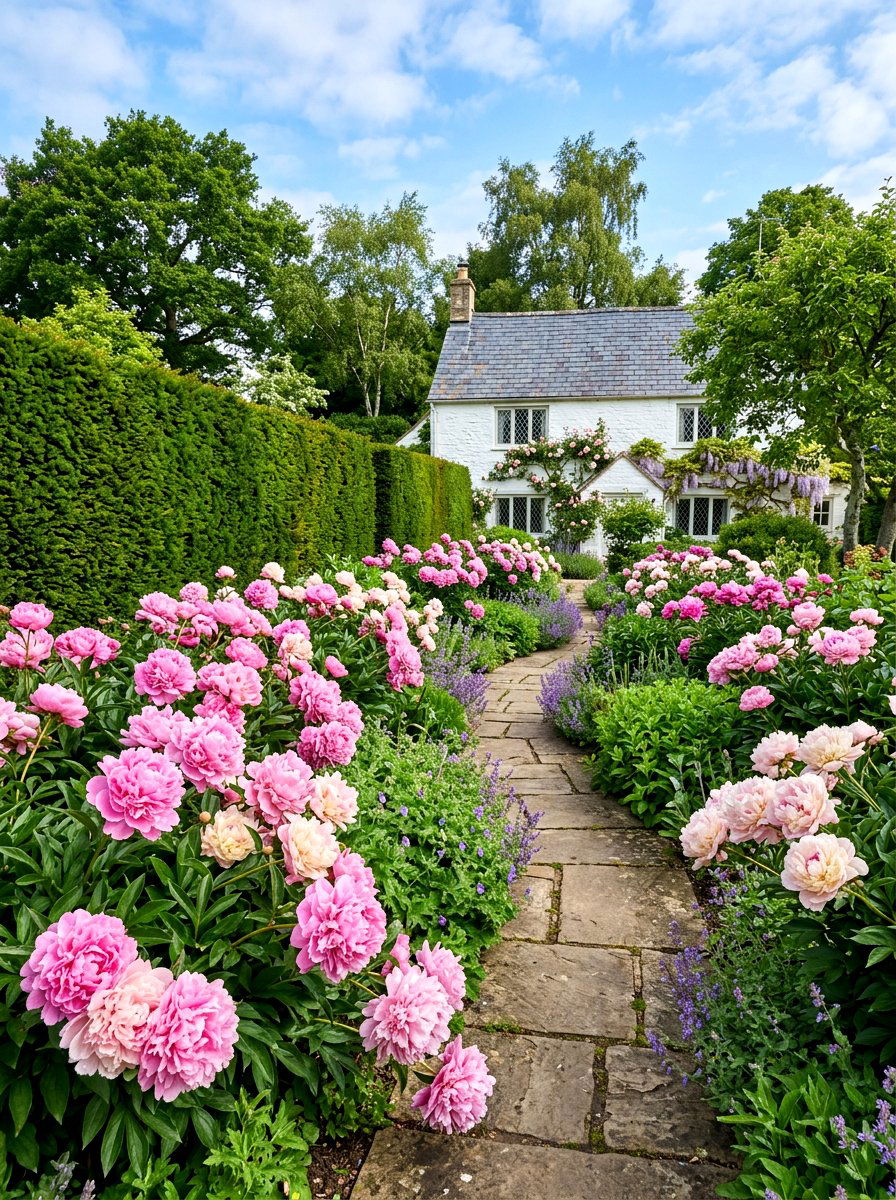
The yew and peony landscape offers a perfect mix of permanent structure and spectacular seasonal drama. Yews are the workhorses of the hedge world, providing a dark, dense green backdrop that can be pruned into any shape. When you plant large-flowered peonies in front of them, the dark green needles of the yews make the massive, soft blooms of the peonies practically glow. After the peonies finish blooming, their attractive foliage continues to provide a mid-level layer of green against the taller yew wall. This classic pairing is sophisticated, reliable, and adds a romantic touch to any traditional-style front yard.
23. Drought Tolerant Xeriscape Screen
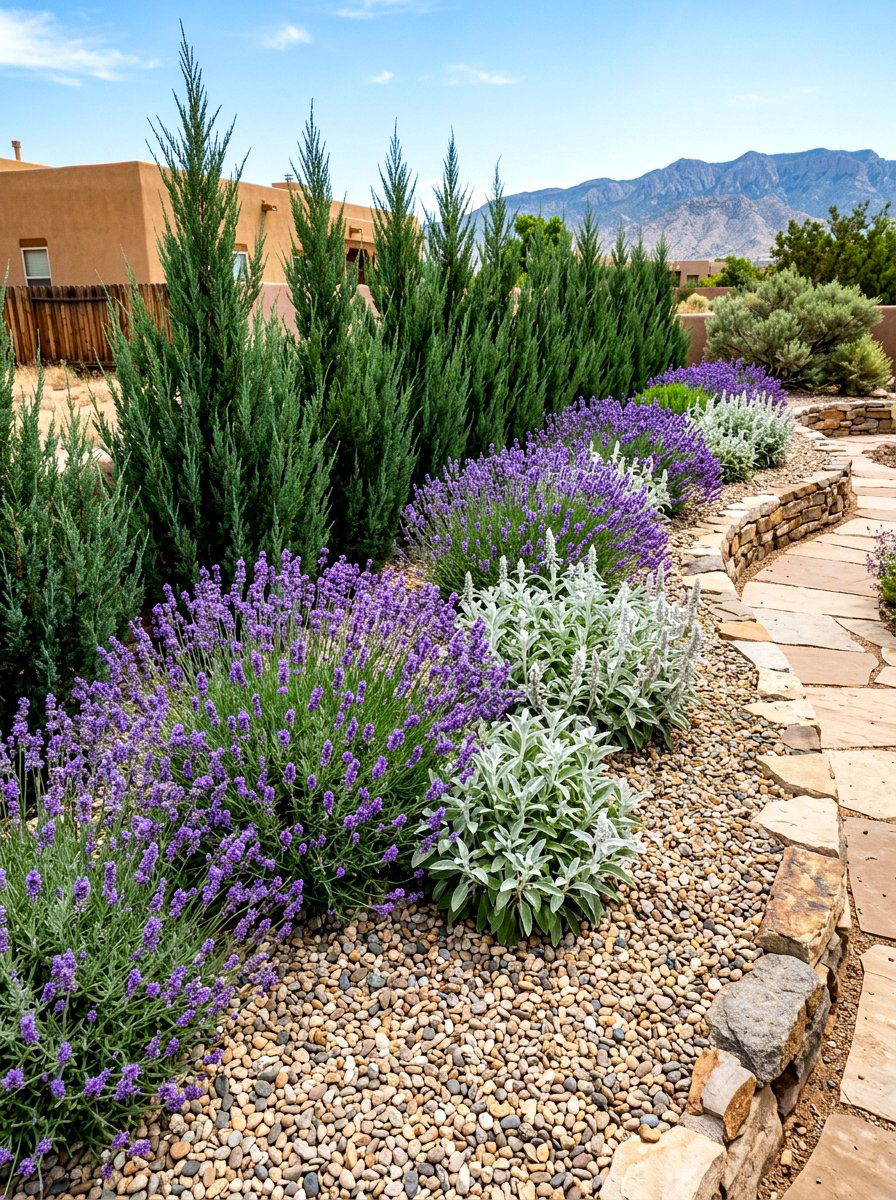
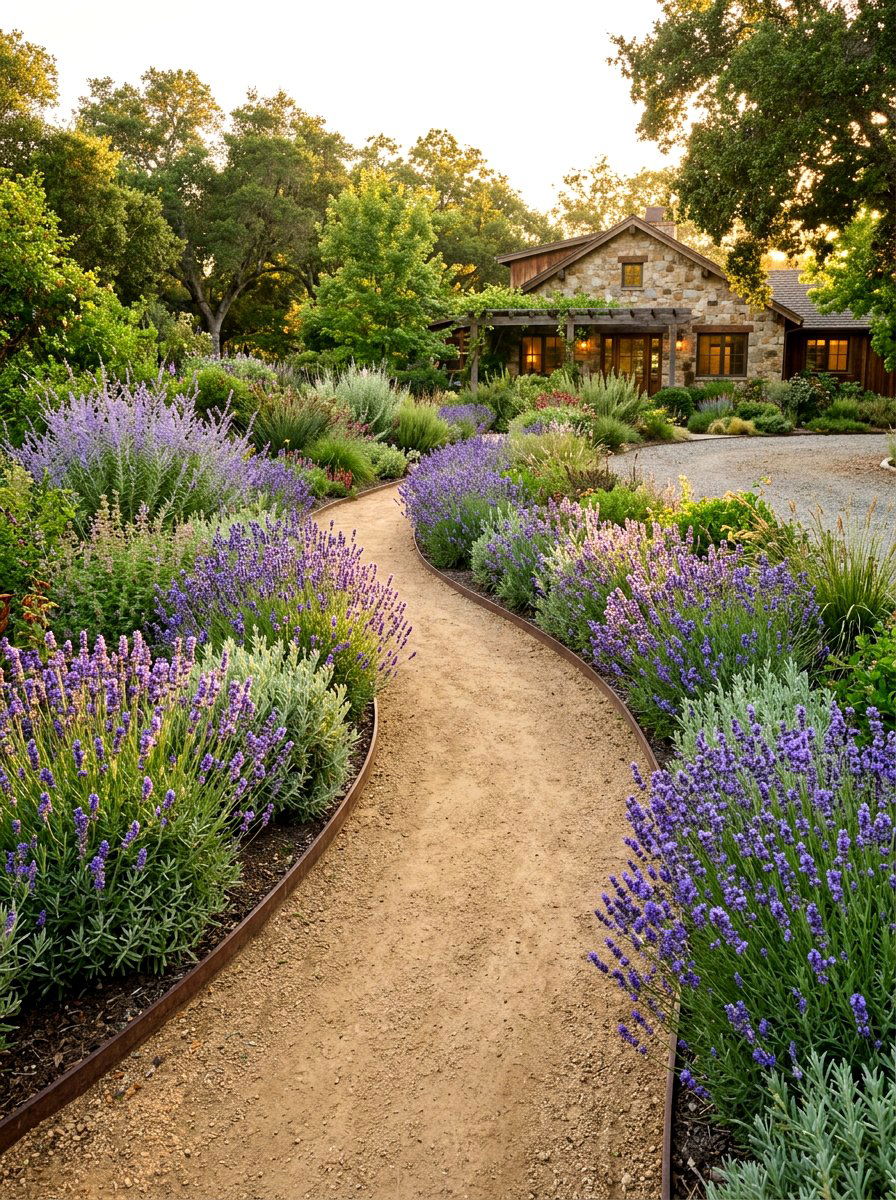
A drought tolerant xeriscape screen is a smart and environmentally friendly way to design a layered hedge. Instead of water-hungry plants, you can layer tough, beautiful species like lavender, sage, and certain varieties of juniper. The taller junipers provide the main structure and privacy at the back, while the silvery-grey lavender and sage create a soft, aromatic layer in front. This design requires very little irrigation once established, making it perfect for dry climates or for homeowners who want a sustainable garden. The mix of muted colors and interesting textures creates a modern, earthy look that is very popular today.
24. Multi Textured Shrub Layer
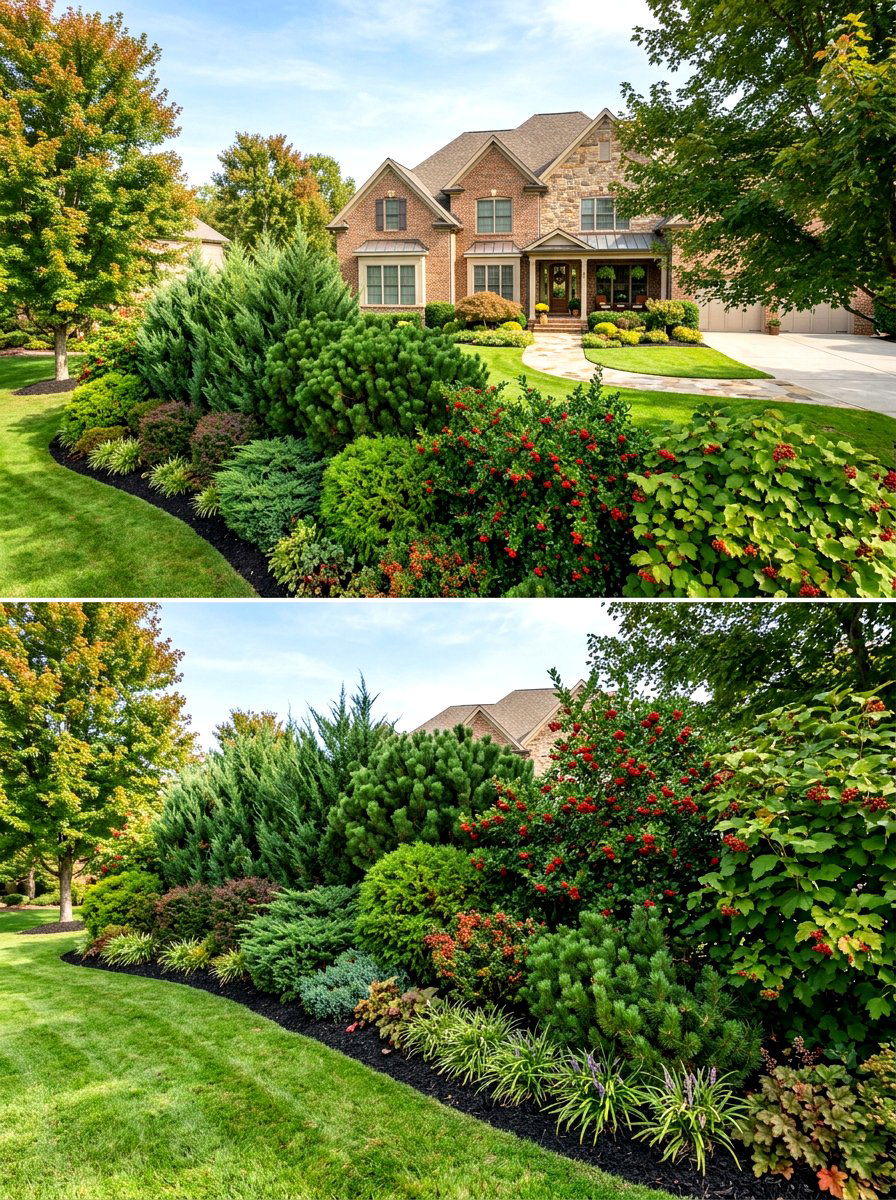
A multi textured shrub layer is all about celebrating the incredible variety of leaf shapes and sizes available in the plant world. By layering a fine-needled shrub like a cedar next to a large-leafed bush like a viburnum, you create a visual tension that is very appealing. You can add a third layer of mid-sized, glossy-leafed hollies to bridge the gap. This approach doesn't rely on flowers for beauty; instead, it uses the physical form of the plants to create a rich, complex landscape. This type of hedge looks great in both modern and traditional yards, offering a sophisticated and artistic green space.
25. Symmetrical Driveway Hedge
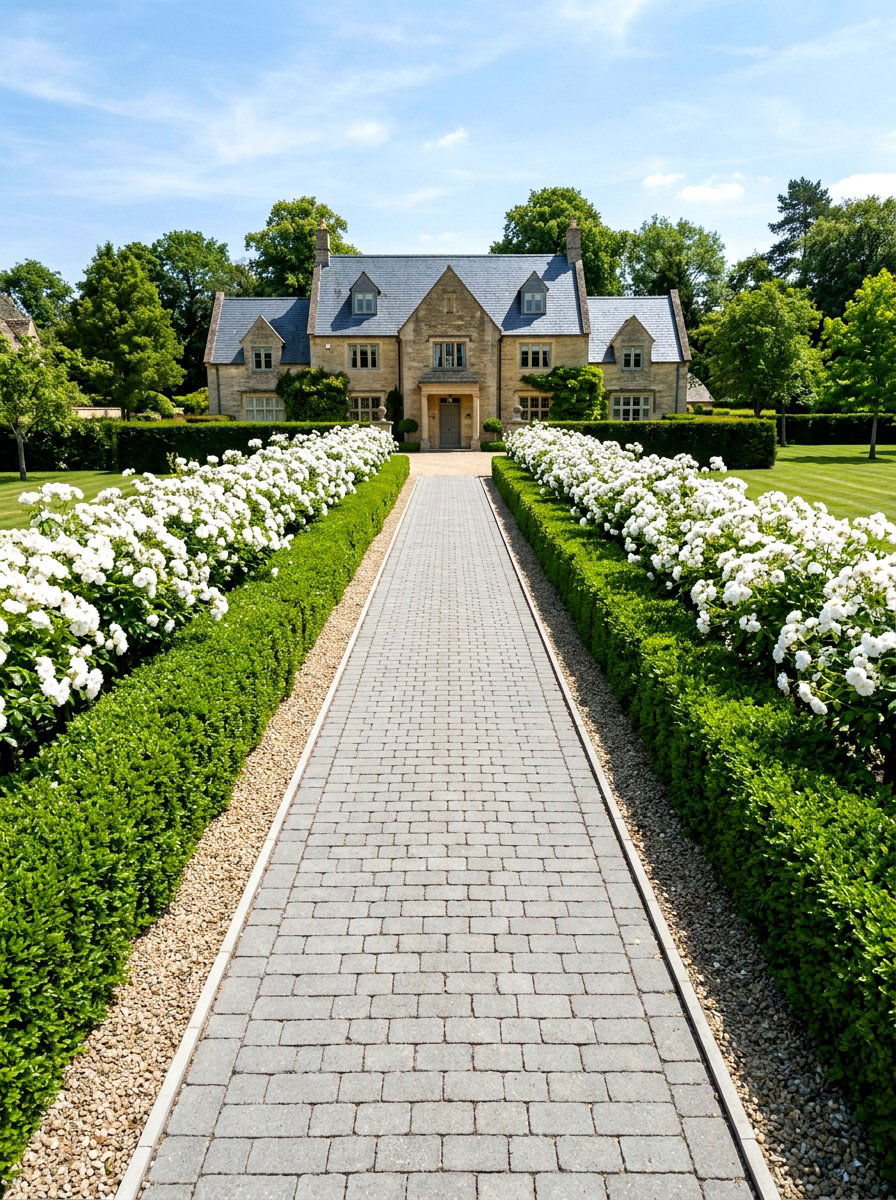
A symmetrical driveway hedge provides a sense of order and grandeur as you approach your home. By planting identical layered hedges on both sides of the driveway, you create a "hallway" effect that feels very upscale. You might use a tall, sheared privet as the outer layer for privacy, with a shorter row of white roses or hydrangeas in front. The repetition of these layers creates a balanced, harmonious look that frames the house perfectly. This design is excellent for long driveways or for adding a touch of formal elegance to a standard suburban lot, making your arrival feel special.
26. Deep Purple Foliage Contrast
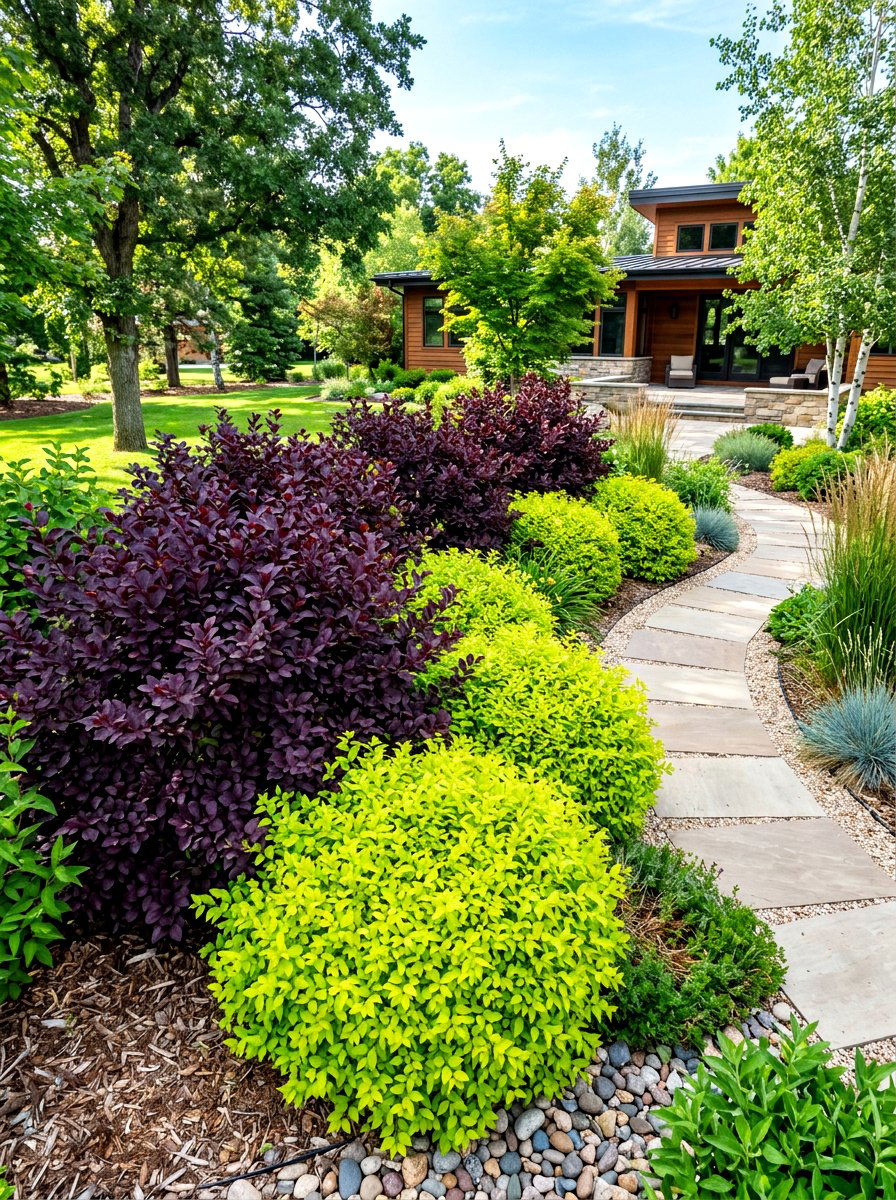
Using deep purple foliage contrast is a bold way to make your front yard stand out from the sea of green on your street. Plants like purple leaf sand cherry or certain varieties of barberry provide a rich, dark hue that looks incredible when layered with bright lime-green shrubs. The purple plants create a sense of depth and mystery, making the green plants in front of them appear even more vibrant. This high-contrast layering technique is a favorite among professional landscapers because it adds immediate drama and a "designer" feel to the garden without needing a lot of maintenance.
27. Privacy Screen With Perennials
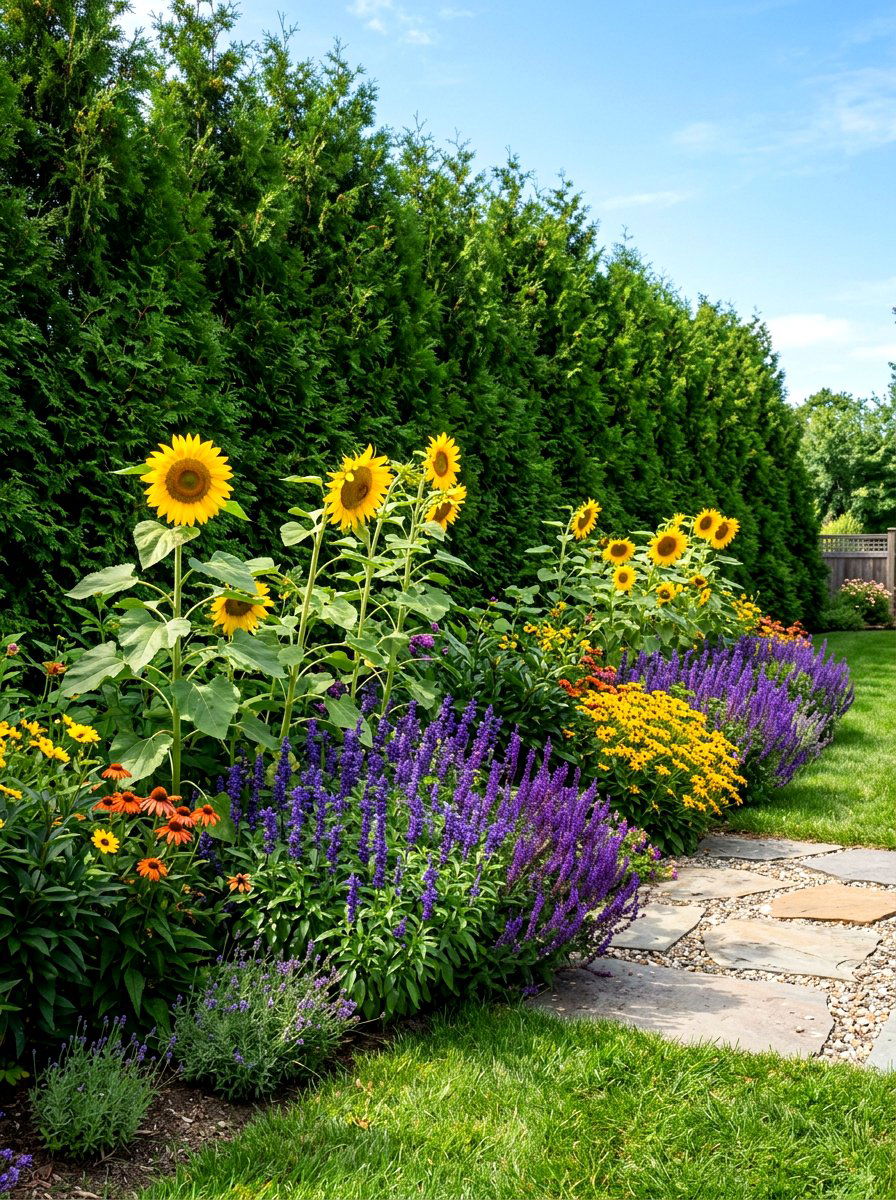
A privacy screen with perennials is a great way to add seasonal variety to a solid hedge foundation. You can start with a permanent layer of tall evergreens like arborvitae to ensure year-round privacy from neighbors and the street. In front of that green wall, you can plant tall-growing perennials like sunflowers, delphiniums, or ornamental grasses. These plants grow quickly in the summer, adding a secondary layer of height and color that changes every year. This approach gives you the security of a permanent hedge with the flexibility and fun of a flowering garden that you can update and change.
28. Rustic Farmhouse Border
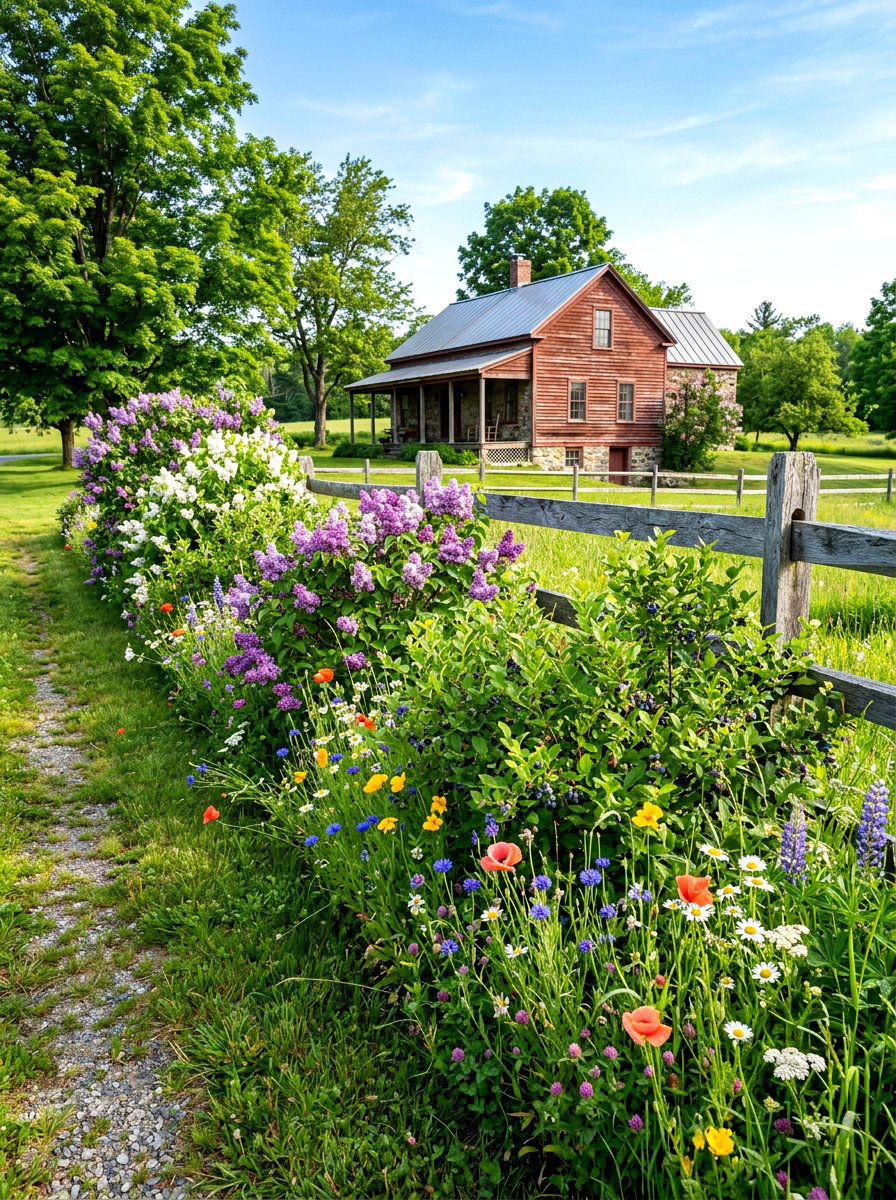
The rustic farmhouse border is all about a relaxed, "undone" look that still feels intentional and cozy. This layered hedge often uses a mix of flowering shrubs like lilacs and mock oranges, layered with edible elements like blueberry bushes or currant shrubs. The taller flowering bushes provide the back layer, while the shorter, berry-producing plants sit in front. This multi-functional hedge provides privacy, beautiful scents, and even a little bit of food for your kitchen. It’s a charming, practical approach that fits perfectly with farmhouse, cottage, or country-style homes, making the front yard feel productive and welcoming.
29. Small Urban Courtyard Hedge
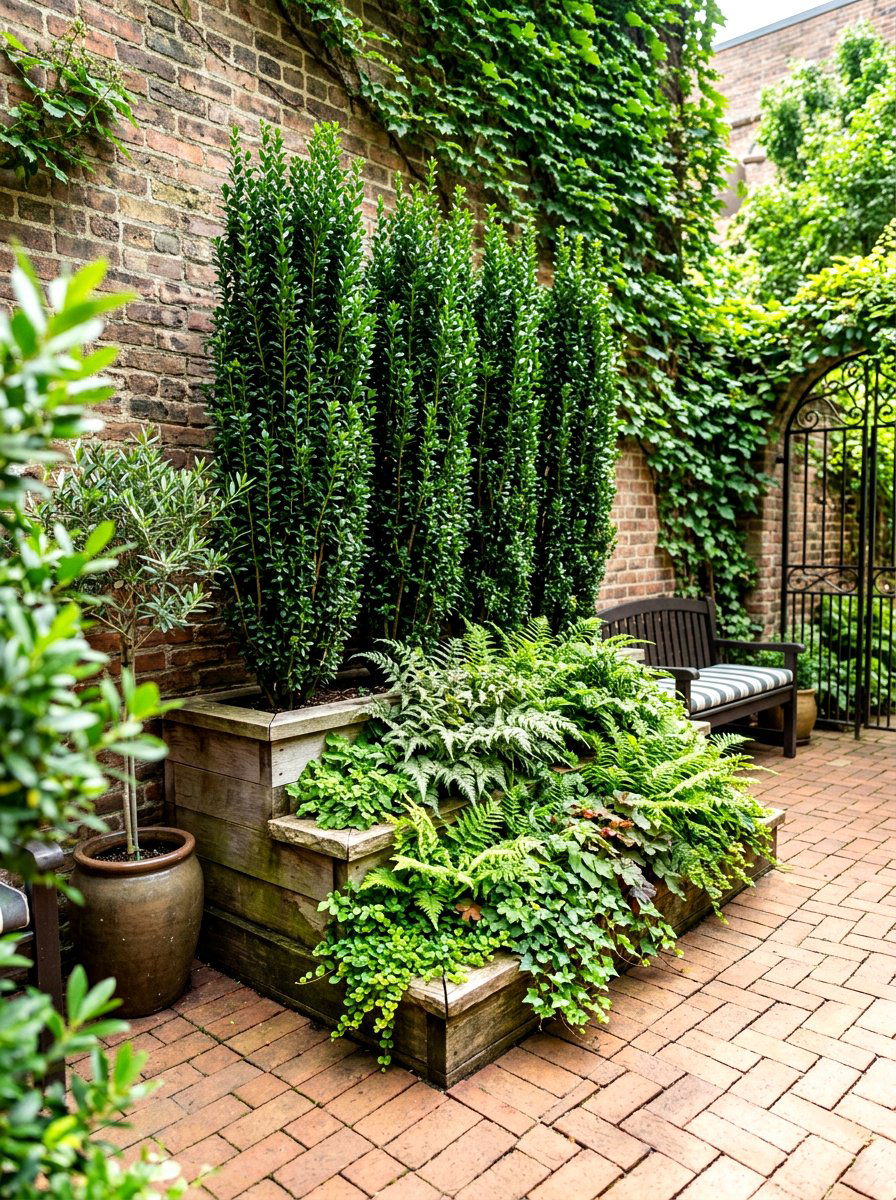
A small urban courtyard hedge proves that you don't need a massive yard to enjoy the benefits of layered greenery. In tight spaces, you can use tall, narrow plants like sky pencil hollies to create height without taking up horizontal room. In front of these pillars, you can layer low-growing, shade-tolerant plants like sweet woodruff or small ferns. This vertical layering creates the feeling of a lush, private garden even if you only have a few feet of planting space. It’s an ideal solution for townhomes or city lots where creating a sense of separation from the street is essential.
30. Mediterranean Style Terrace Layering
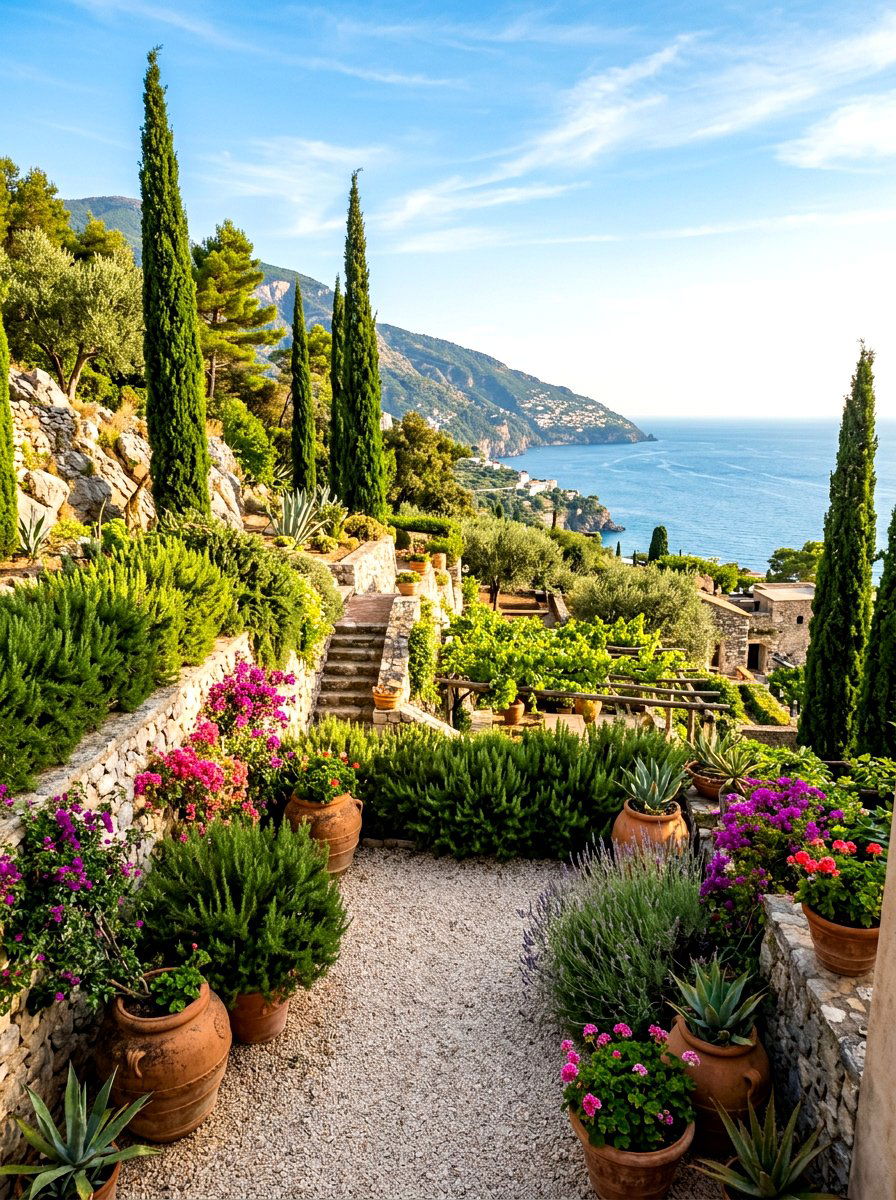
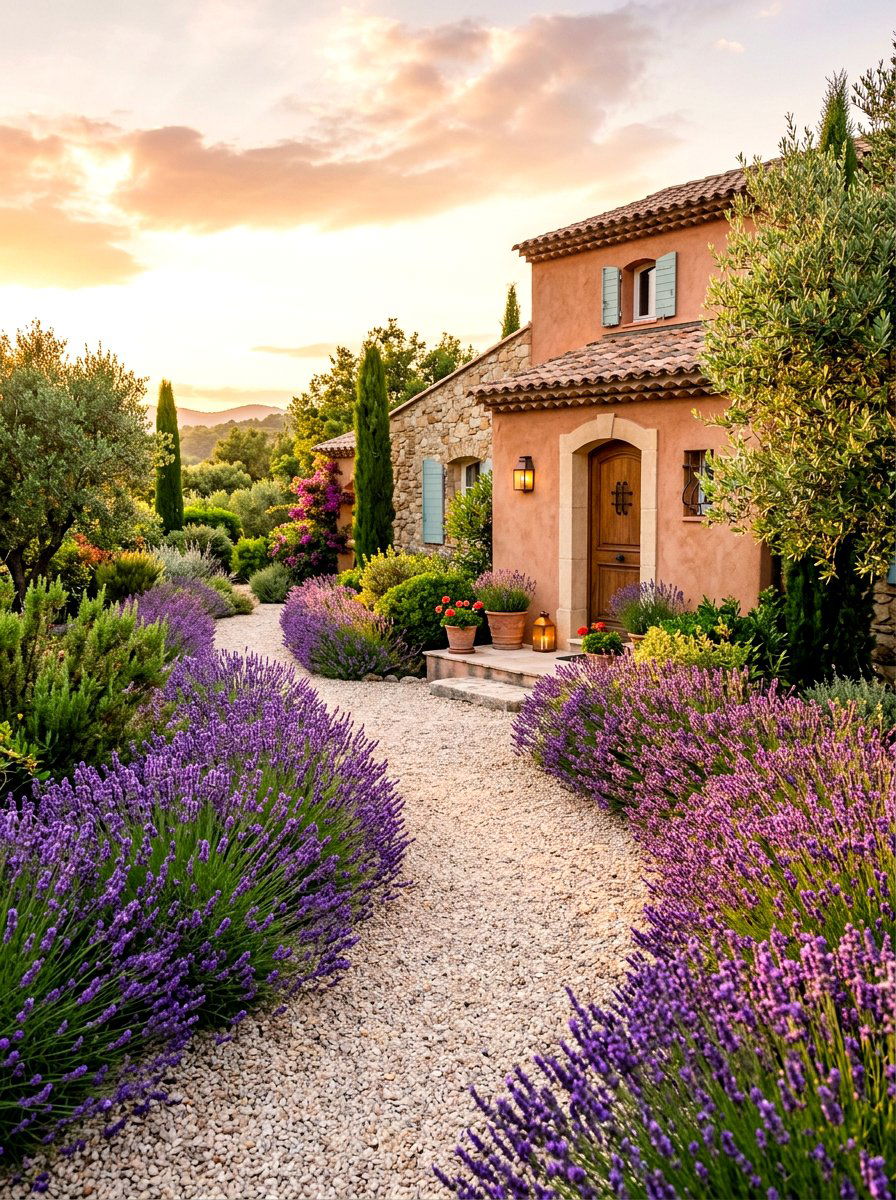
Mediterranean style terrace layering uses sun-loving plants and stony textures to create a warm, coastal vibe. You can layer tall Italian cypresses for a dramatic vertical element, paired with mid-sized oleander or rosemary bushes. The low-growing layer might consist of creeping thyme or succulents that thrive in the heat. This tiered look works beautifully with terracotta pots and gravel paths, offering a low-water, high-style landscape. The mix of spicy scents from the herbs and the structural shapes of the trees makes your front yard feel like a retreat in the south of France or Italy, regardless of your actual location.
Conclusion:
Designing a layered hedge for your front yard is one of the most effective ways to combine privacy, beauty, and long-term value. By carefully selecting plants that vary in height, texture, and bloom time, you create a living landscape that evolves with the seasons and remains interesting all year round. Whether you choose the formal elegance of boxwood or the breezy charm of ornamental grasses, the key is to think in tiers to build depth. A well-executed layered design not only frames your home perfectly but also creates a peaceful, private sanctuary that you and your neighbors will enjoy for many years to come.

Related posts: