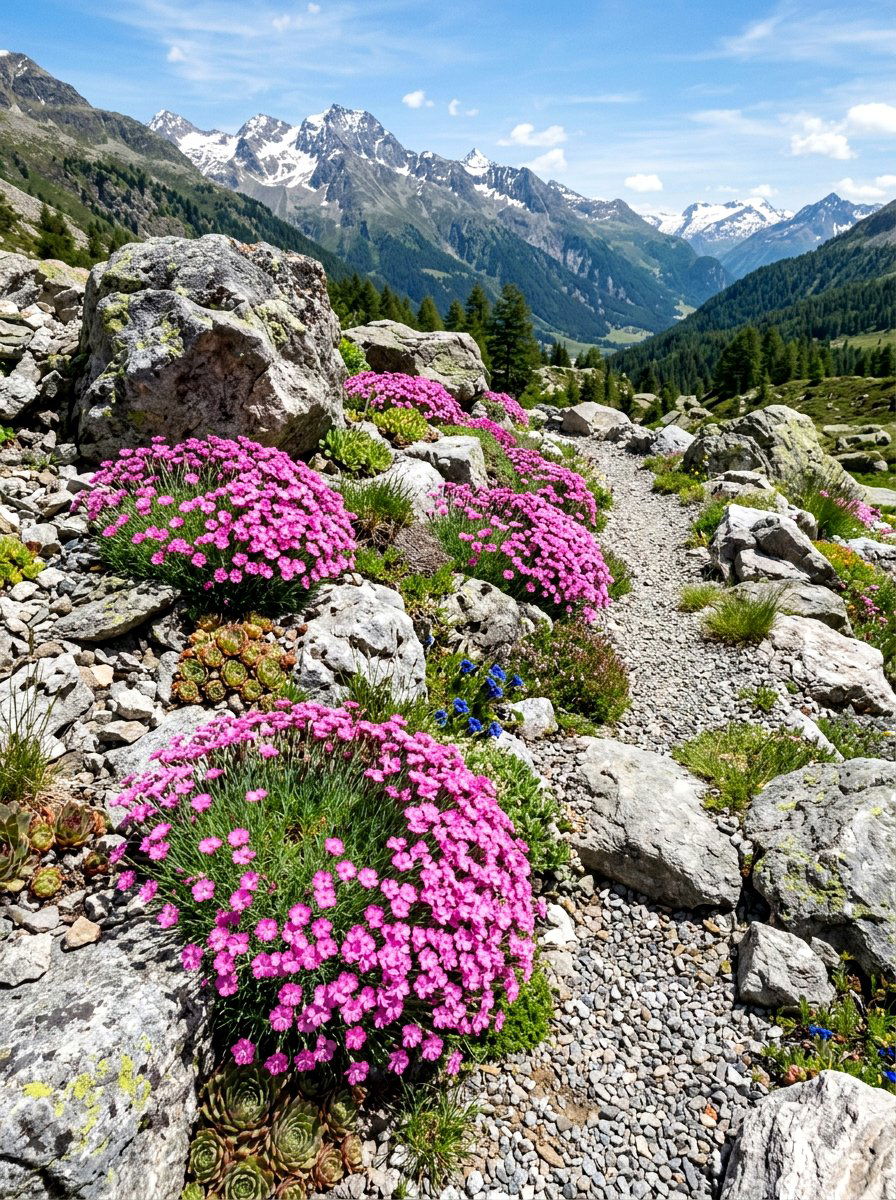
Imagine walking up to your home and being greeted by a vibrant, welcoming display that perfectly frames your property. A front garden border is the first impression your house makes on guests and neighbors alike. Even with limited space, you can create a stunning visual impact using clever planting and structural elements. Small front gardens often require a more strategic approach to ensure the area doesn't feel cluttered or overwhelmed. By choosing the right mix of textures, colors, and heights, you can transform a tiny patch of soil into a sophisticated landscape feature. These concepts focus on maximizing curb appeal through thoughtful choices that suit various architectural styles and maintenance levels.
1. Low maintenance front garden border
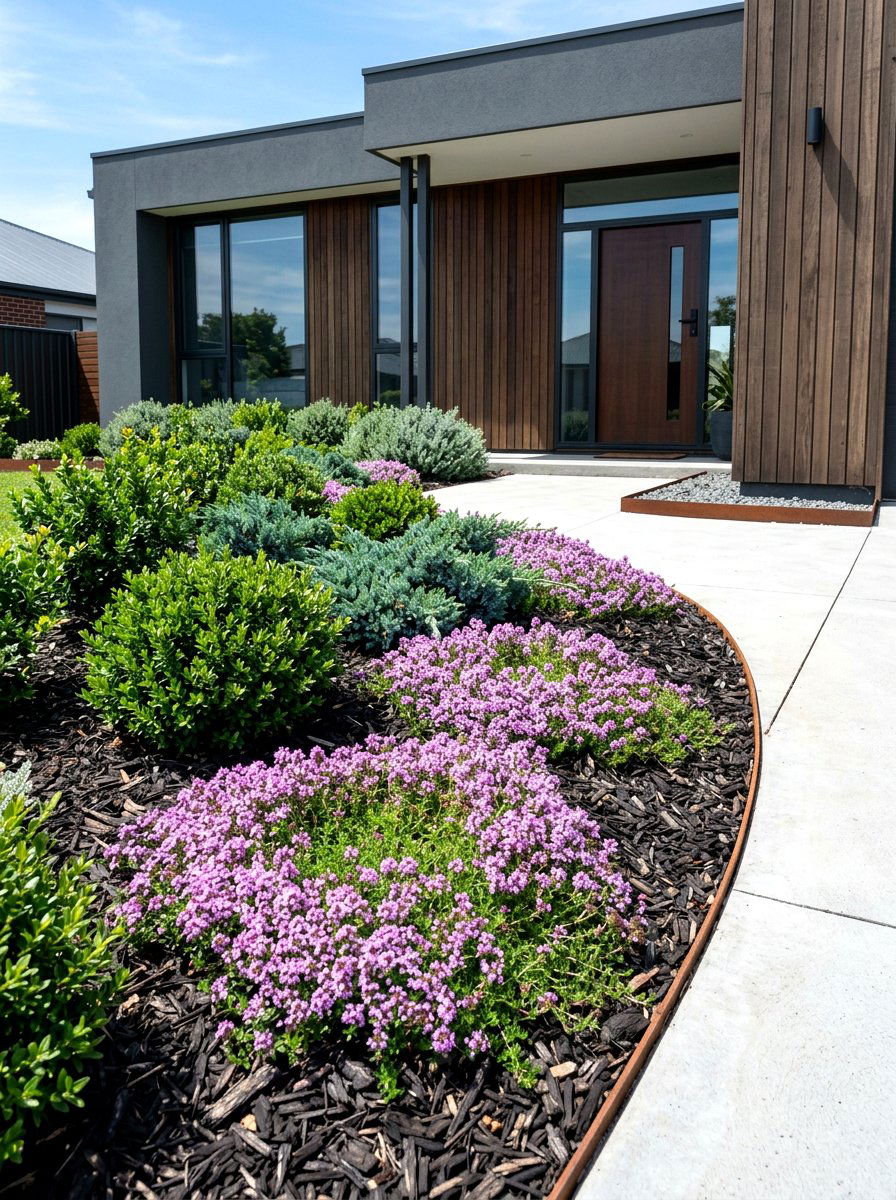
If you lead a busy lifestyle but still want a beautiful exterior, a low maintenance front garden border is the ideal solution for your home. This approach typically utilizes hardy evergreen shrubs and slow-growing perennials that require minimal pruning or watering throughout the year. By incorporating groundcover plants like sedum or creeping thyme, you can effectively suppress weeds while adding a lush carpet of green to your entry. Using a heavy layer of wood chips or bark mulch also helps retain moisture and keeps the area looking tidy with very little effort. This design ensures your home looks cared for without demanding hours of weekend gardening work.
2. Modern gravel garden border
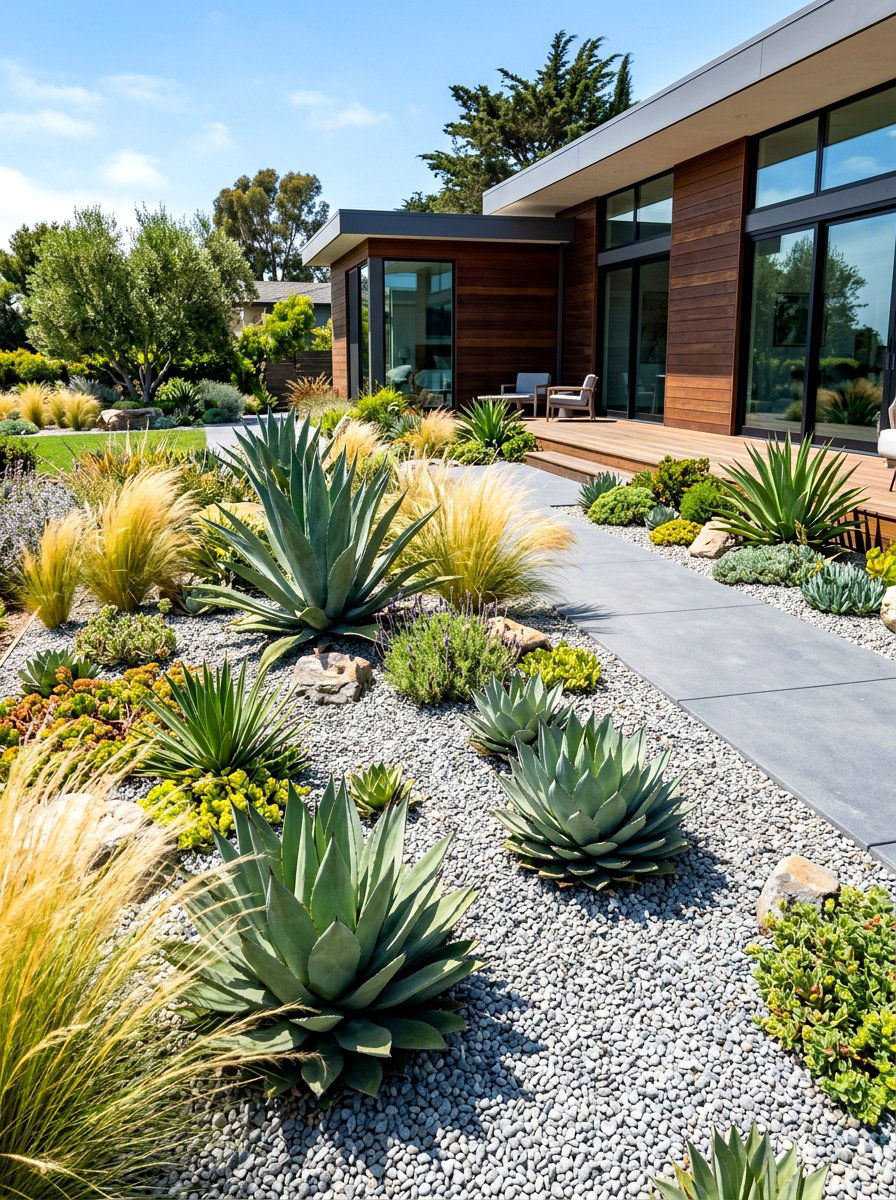
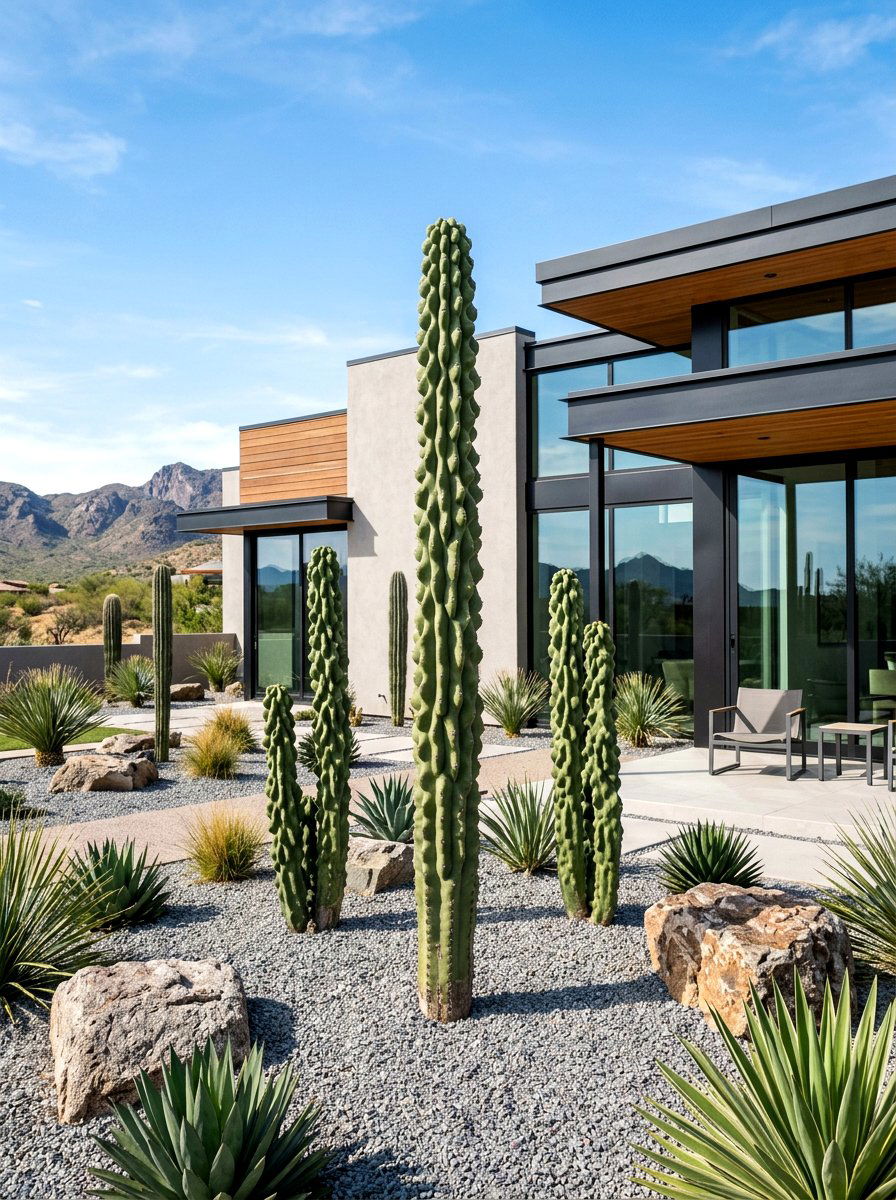
A modern gravel garden border offers a clean and contemporary look that works exceptionally well with minimalist architecture. This style relies on the contrast between the rough texture of the stones and the soft architectural shapes of chosen plants. You might use light-colored pea shingles or slate chippings to create a bright foundation that reflects light toward your house. Spacing out structural plants like agaves or ornamental grasses allows each individual specimen to stand out as a living piece of art. This drainage-friendly option is perfect for urban environments where you want a sophisticated aesthetic that remains functional and stylish regardless of the changing seasons.
3. Cottage style flower border
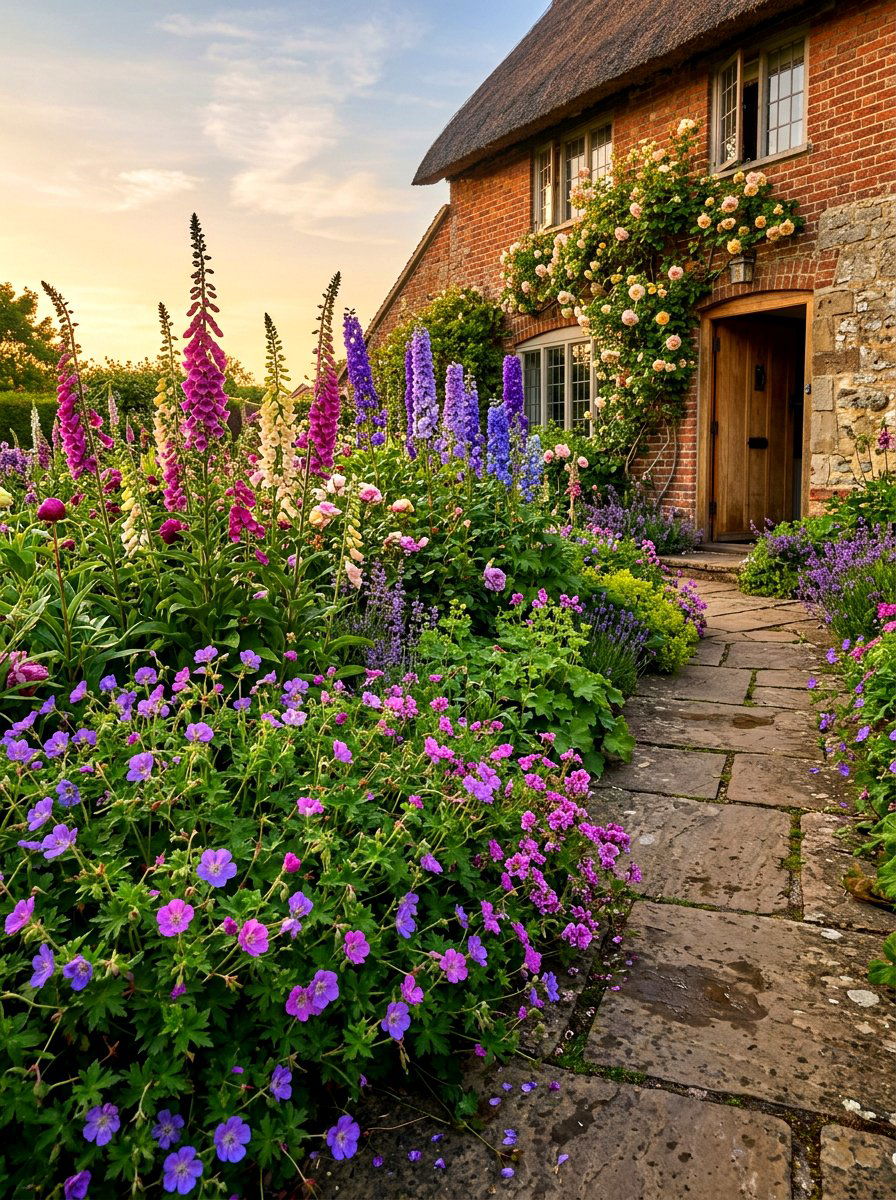
Creating a cottage style flower border allows you to embrace a romantic and slightly wild aesthetic even in a compact space. This look is achieved by densely planting a variety of traditional favorites like foxgloves, delphiniums, and hardy geraniums in a relaxed arrangement. The goal is to have layers of color and texture that spill over the edges of your walkway or lawn. By mixing different heights, you create a sense of depth that makes a small garden feel much larger and more immersive. This charming approach celebrates abundance and biodiversity, attracting butterflies and bees to your doorstep while providing a fragrant, cheerful welcome every day.
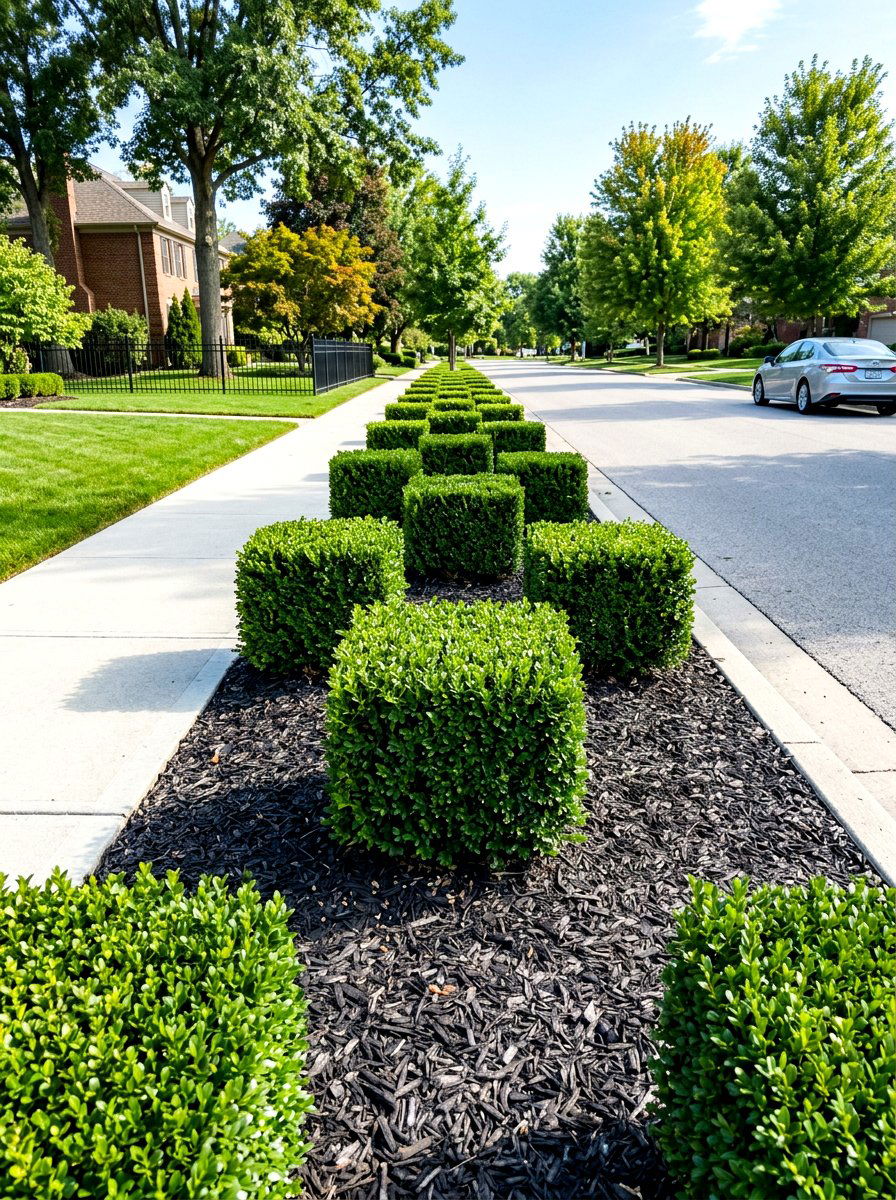
4. Boxwood hedge garden border
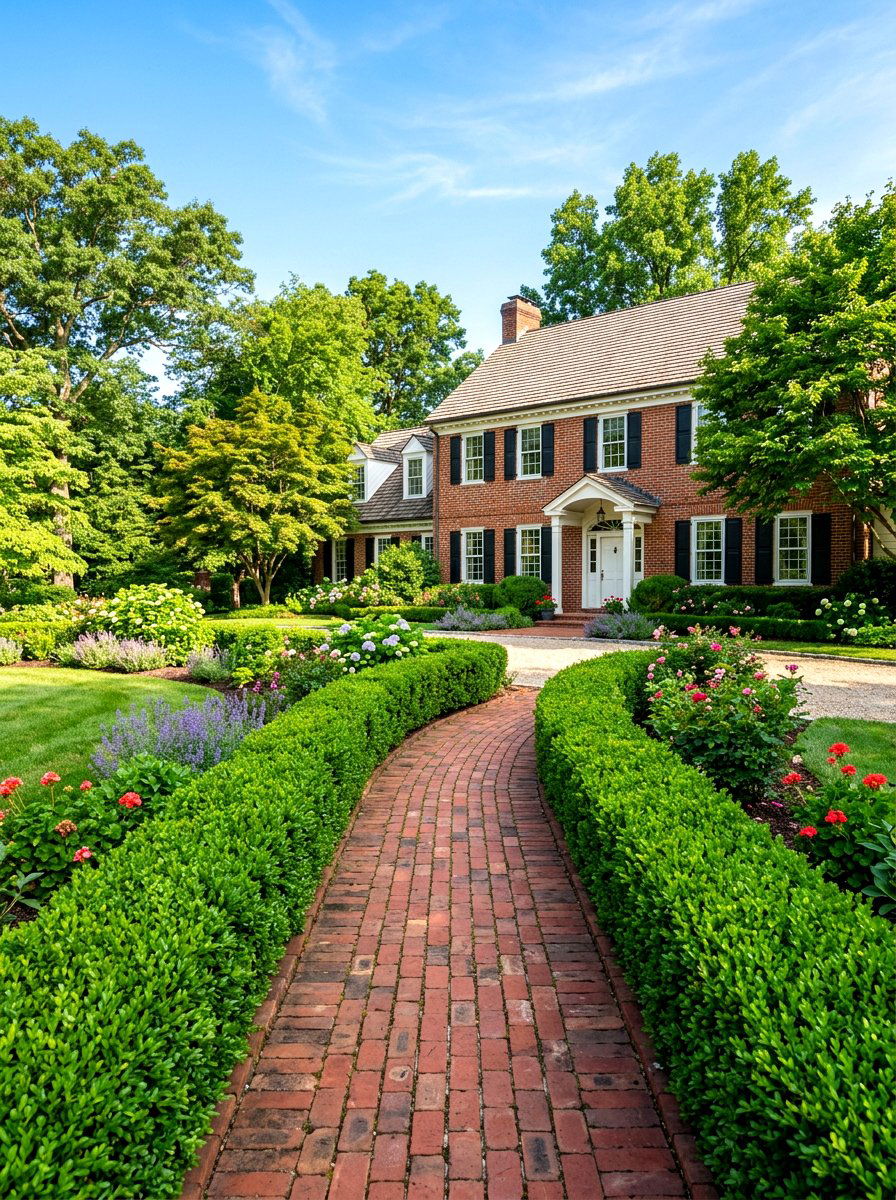
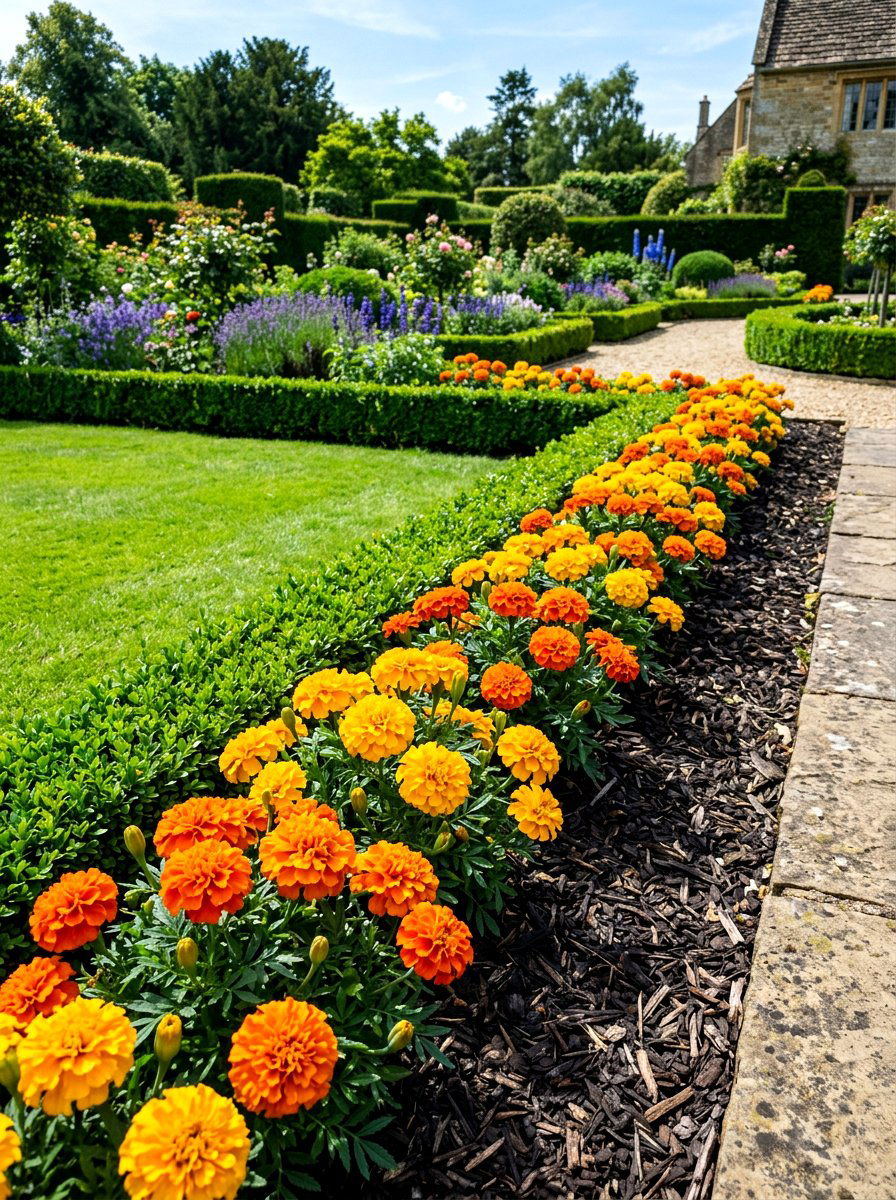
For homeowners who appreciate a classic and disciplined aesthetic, a boxwood hedge garden border provides unparalleled structure and year-round greenery. These versatile evergreens can be clipped into neat, low-lying walls that clearly define the perimeter of your property or walkway. This formal look pairs beautifully with traditional brick homes and adds an air of sophistication to even the smallest plots. You can keep the design simple with just the green hedging or use the boxes as a frame for seasonal flowers. The consistent color and shape provide a sense of order and permanence that maintains its visual appeal through all four seasons.
5. Lavender path border
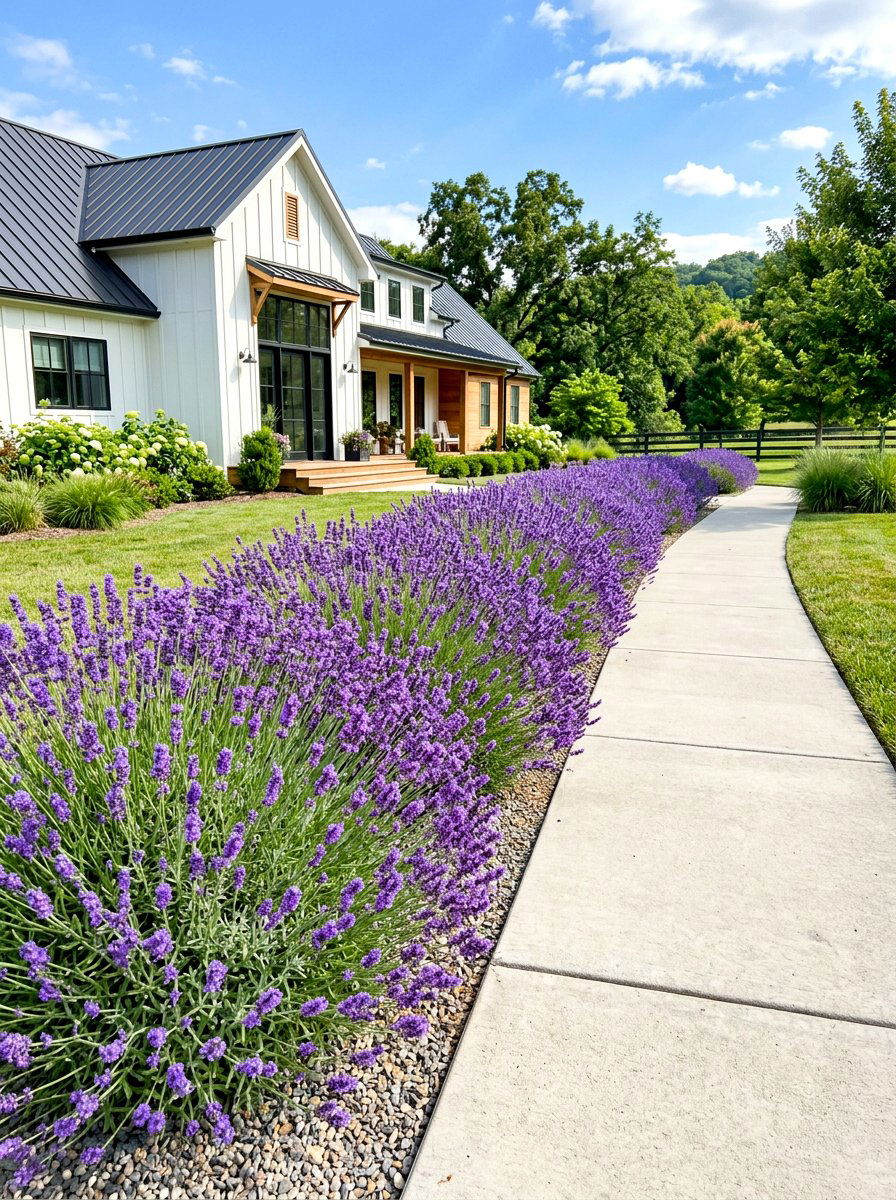
Installing a lavender path border is one of the most sensory-rich ways to enhance your home’s entrance and overall curb appeal. When planted in rows alongside a sidewalk or front porch, lavender creates a soft, mounding edge that releases a calming fragrance whenever someone brushes past. The silver-green foliage remains attractive throughout the year, while the iconic purple spikes add a burst of color during the summer months. This drought-tolerant plant loves sunny spots and well-drained soil, making it a hardy choice for many climates. It effectively softens the hard lines of concrete paths and invites a Mediterranean feel to your front yard.
6. Raised wooden garden border
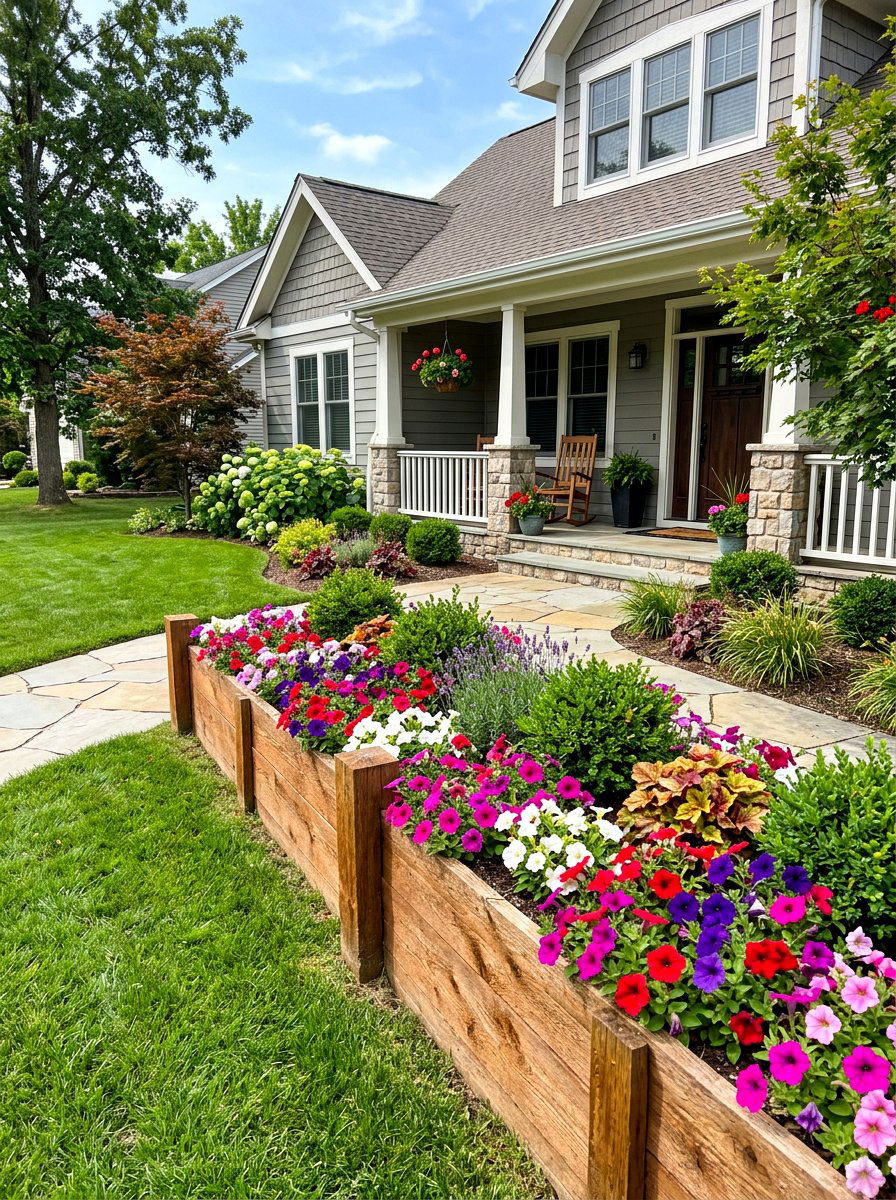
A raised wooden garden border is a practical and stylish way to add height and definition to a flat front yard space. Building beds out of cedar or pressure-treated timber allows you to control the soil quality and provides a clear boundary for your plants. This structure makes it much easier to maintain your garden by reducing the need for bending and keeping weeds from creeping into the beds. You can paint or stain the wood to match your house’s trim for a cohesive look. These elevated platforms are particularly effective for showcasing smaller, more delicate plants that might otherwise get lost at ground level.
7. Stone wall garden border
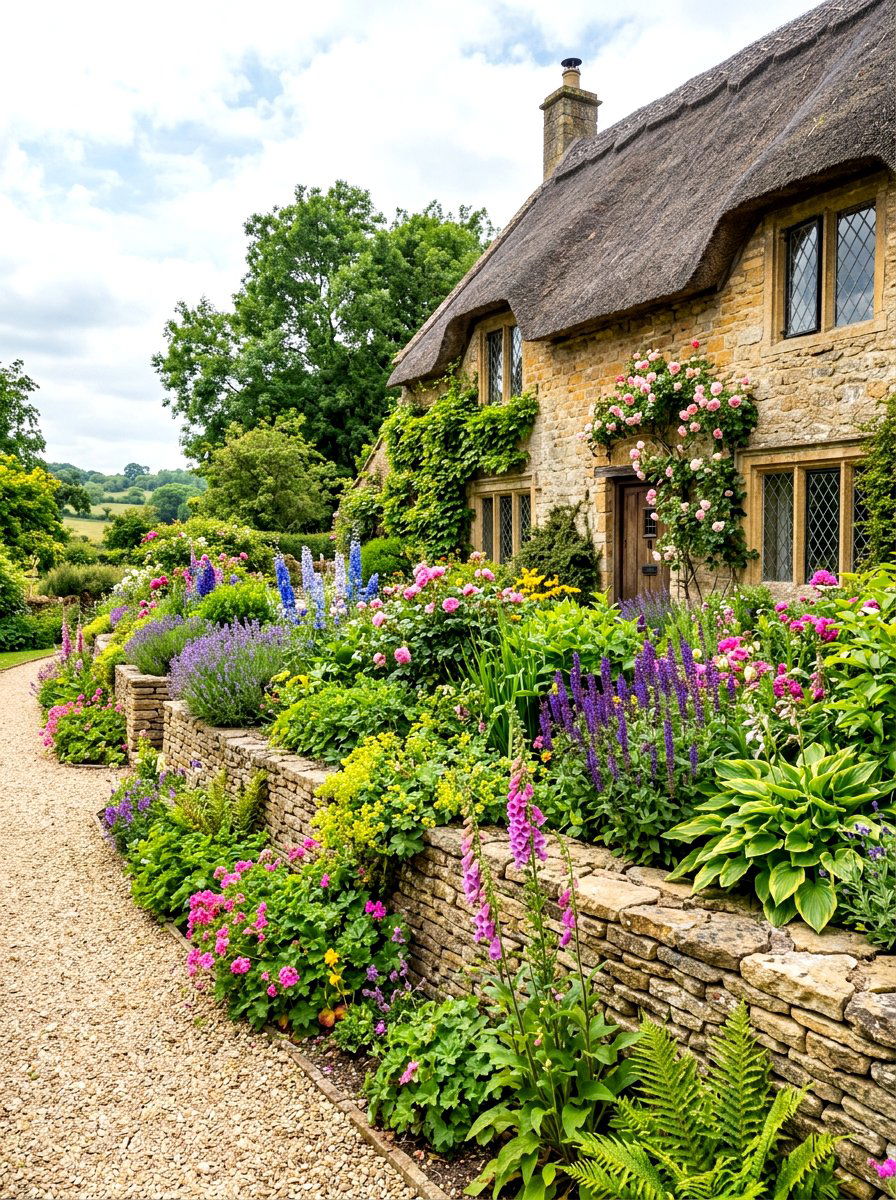
Using a stone wall garden border adds a sense of history and rugged beauty to your property’s exterior landscaping design. Whether you choose stacked flagstone, fieldstone, or modern stone veneers, the result is a sturdy and permanent feature that anchors the garden. A low stone wall can act as a retaining structure for a slightly sloped yard or simply as a decorative edge for a flower bed. The natural variations in color and texture of the stone complement a wide range of planting styles, from lush greenery to desert succulents. This material is incredibly durable and provides a premium look that enhances your home’s value.
8. Shade loving front border
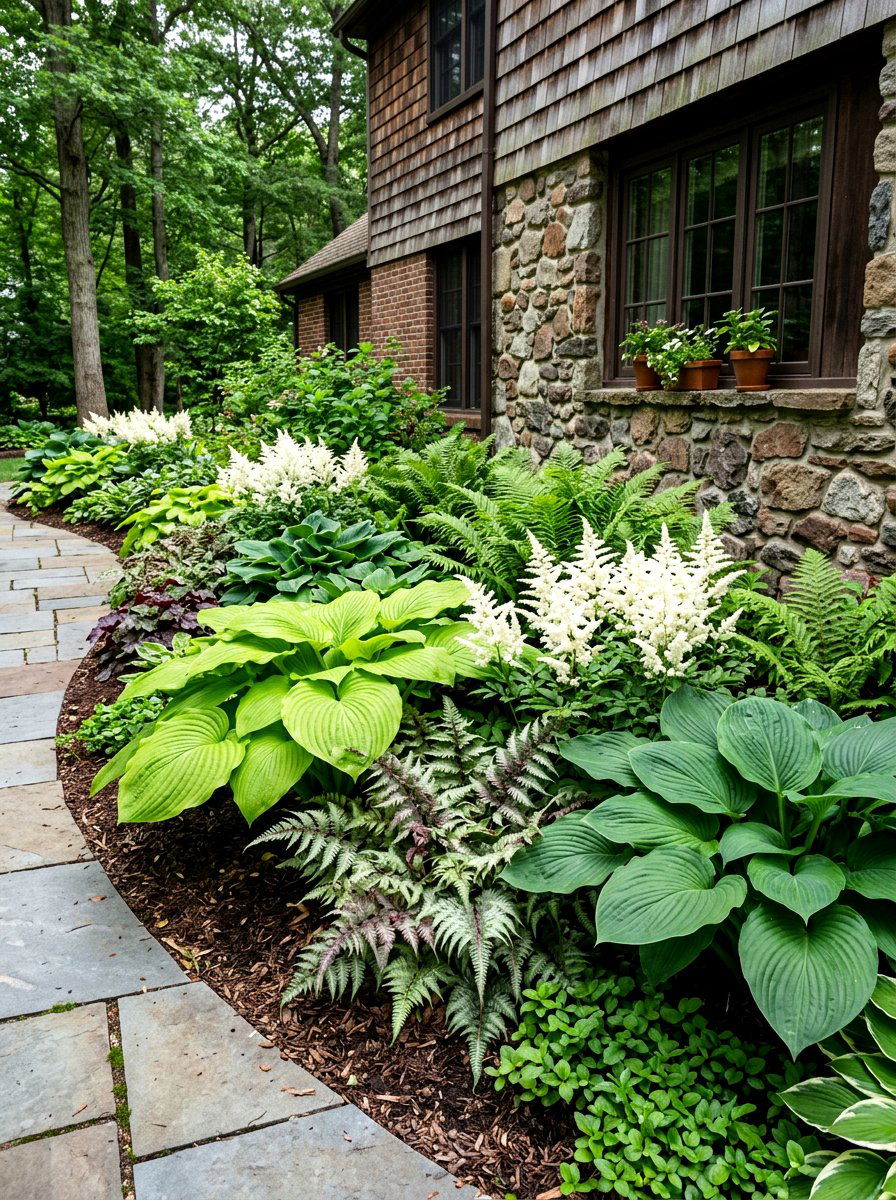
If your home faces north or is tucked under large trees, a shade loving front border can turn a dark corner into a lush sanctuary. Instead of struggling with sun-hungry flowers, focus on plants that thrive in low-light conditions like hostas, ferns, and coral bells. These species offer an incredible variety of leaf shapes, sizes, and colors, ranging from deep emerald to chartreuse and silver. By layering these textures, you can create a rich, woodland-inspired look that feels cool and refreshing. White-flowering plants like astilbe or impatiens can be added to brighten up the shadows and provide a luminous glow during the evening.
9. Small rock garden border
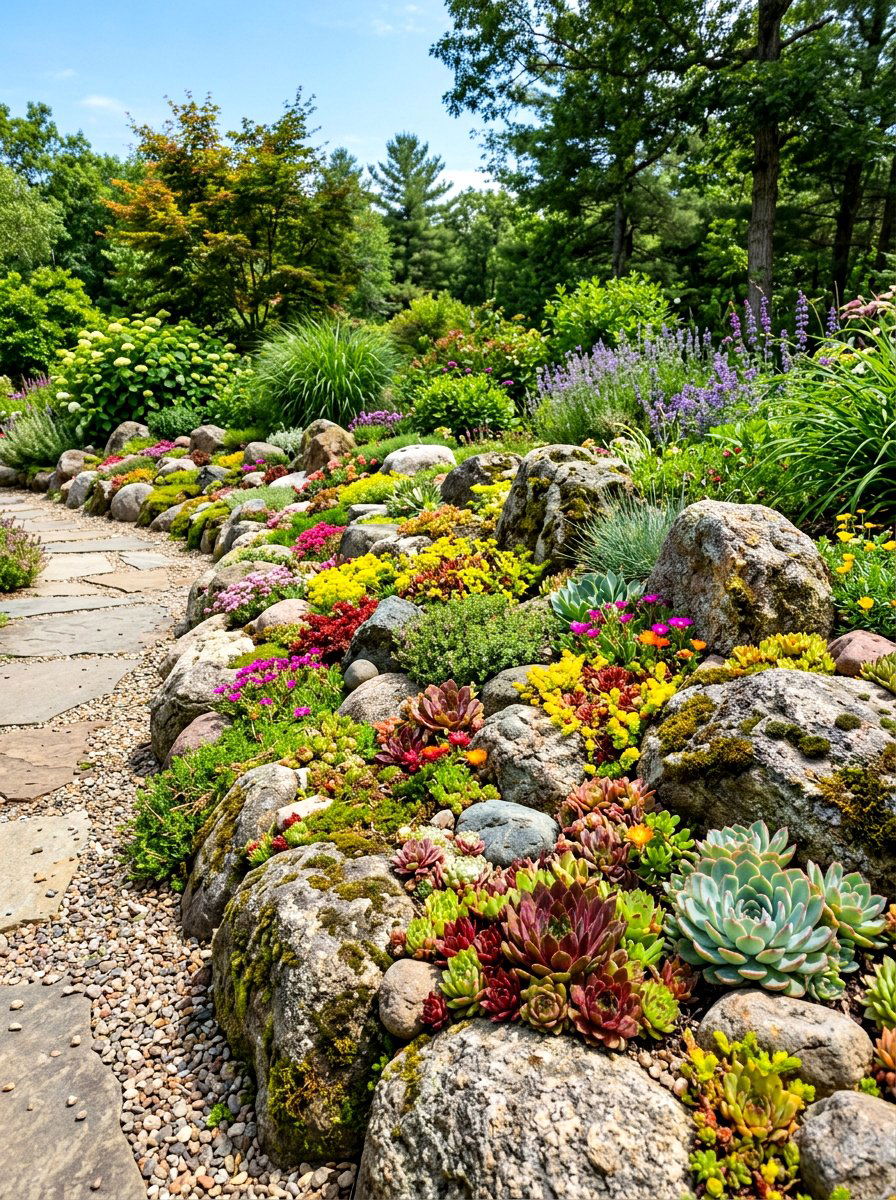
A small rock garden border is a fantastic choice for those who want a rugged, naturalistic look that requires very little maintenance. This style involves arranging various sizes of boulders and stones to create a miniature mountainous landscape right by your front door. Between the rocks, you can plant alpine species, mosses, or low-growing succulents that thrive in rocky, well-drained crevices. This approach is particularly effective for sloped areas or yards with poor soil where traditional gardening might be difficult. The combination of hard stone and resilient greenery creates a fascinating visual contrast that remains interesting even in the middle of winter.
10. Ornamental grass border
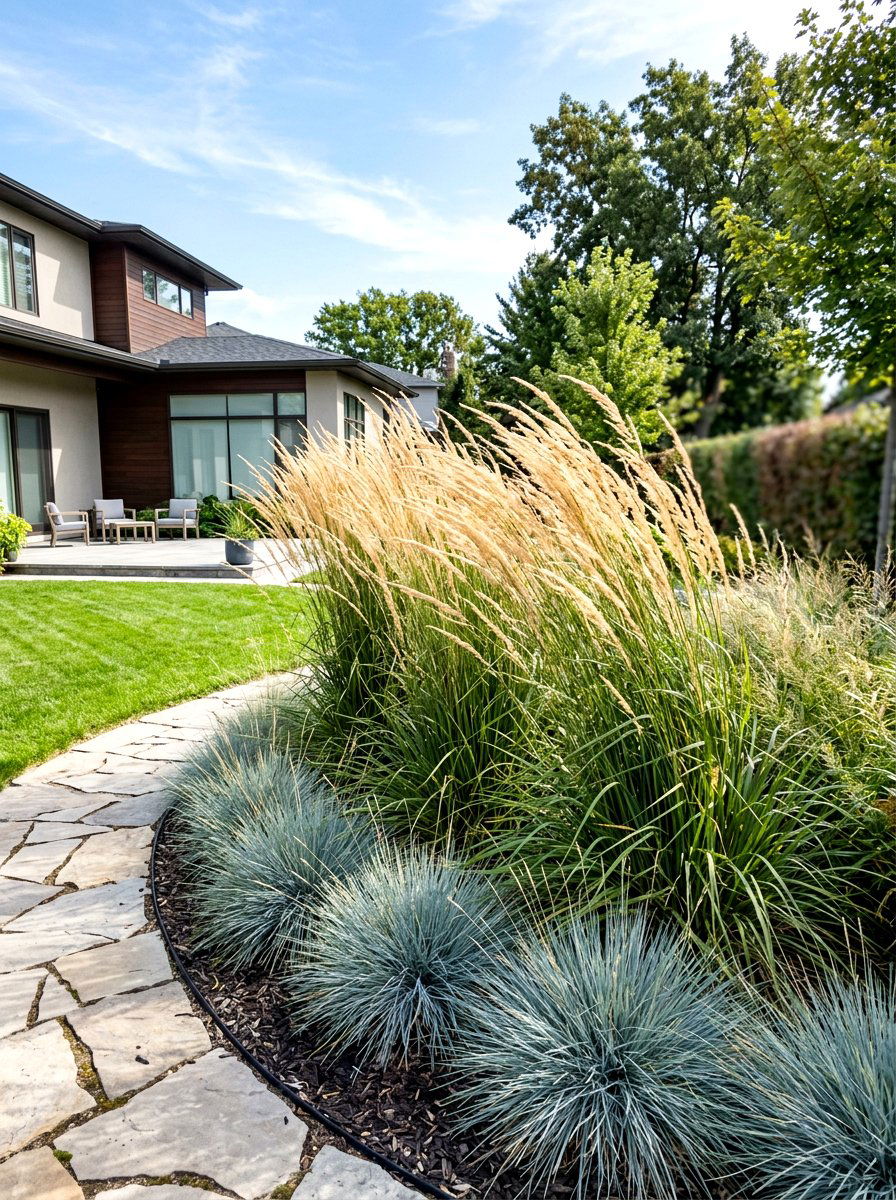
Introducing an ornamental grass border adds a dynamic sense of movement and sound to your front yard landscape throughout the year. Taller varieties like feather reed grass or fountain grass create soft, billowy screens that dance in the breeze, providing privacy without feeling heavy. Lower-growing grasses like blue fescue or sedge offer wonderful texture and color when planted as a uniform edge. These plants are often exceptionally hardy and drought-tolerant once they have been established. As the seasons change, the colors of the blades and seed heads shift from vibrant greens to golden tans, ensuring your garden border never looks static or boring.
11. Minimalist white flower border
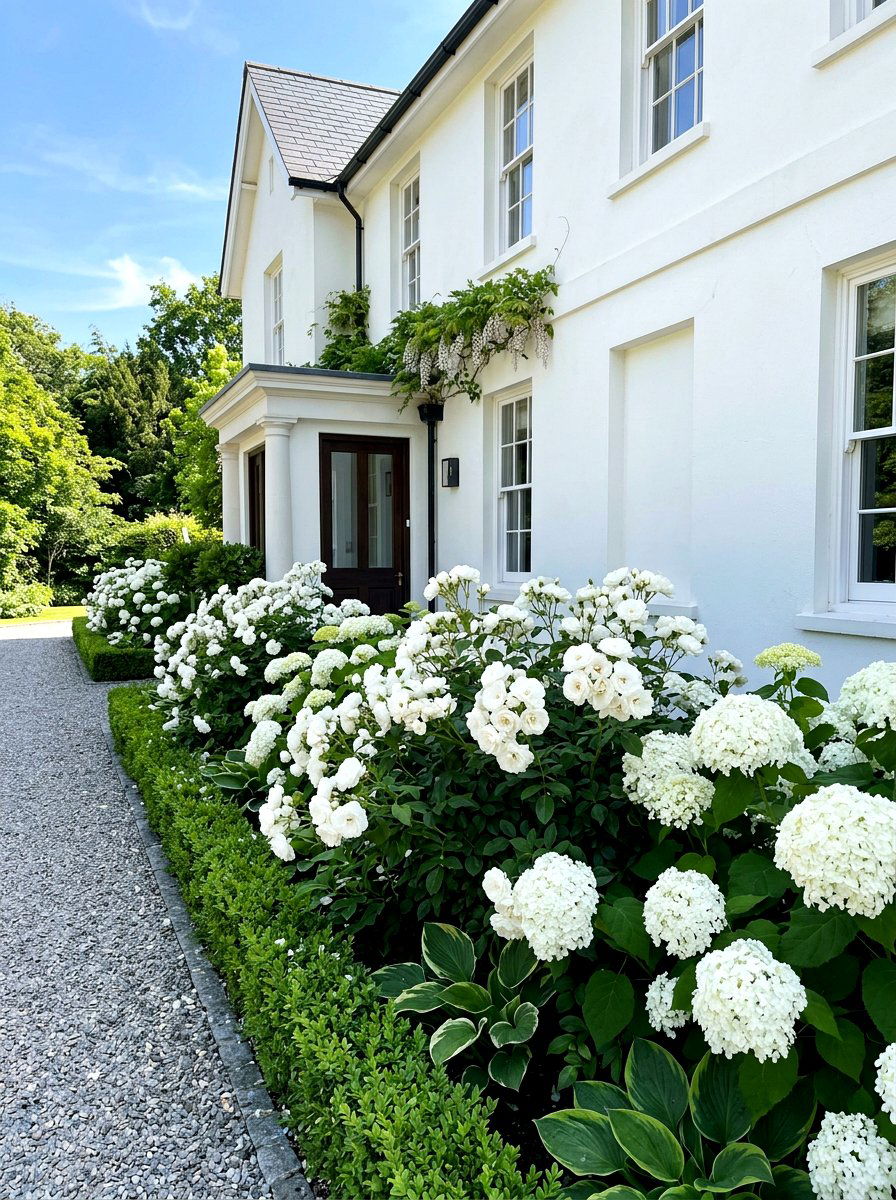
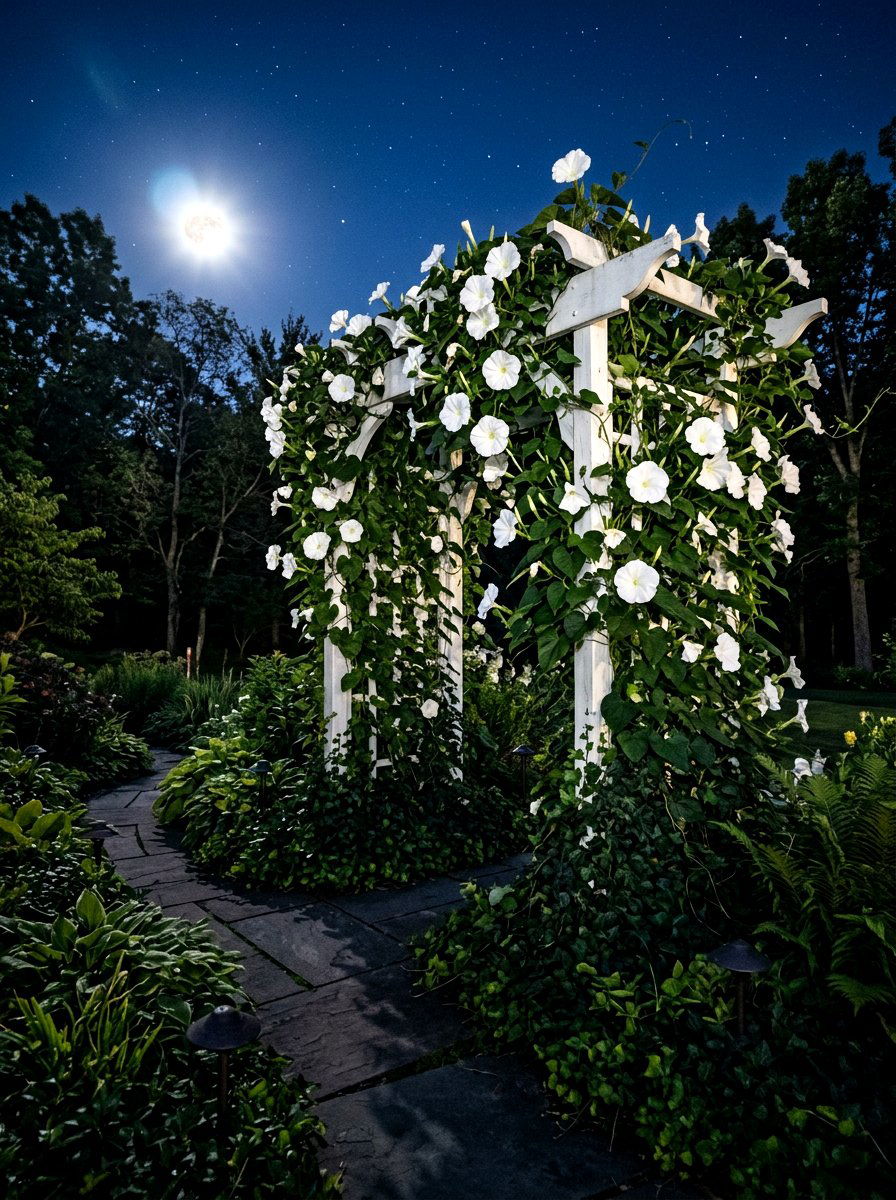
A minimalist white flower border creates a sophisticated and clean look that exudes a sense of calm and modern elegance. By sticking to a single color palette, you emphasize the shapes and textures of the plants rather than being distracted by a riot of colors. Use white roses, hydrangeas, or tulips against a backdrop of deep green foliage for maximum visual contrast. This monochromatic approach makes a small space feel more organized and expansive. White flowers also have the unique ability to reflect moonlight, making your front garden glow beautifully after the sun goes down, which is perfect for welcoming you home at night.
12. Brick edged garden border
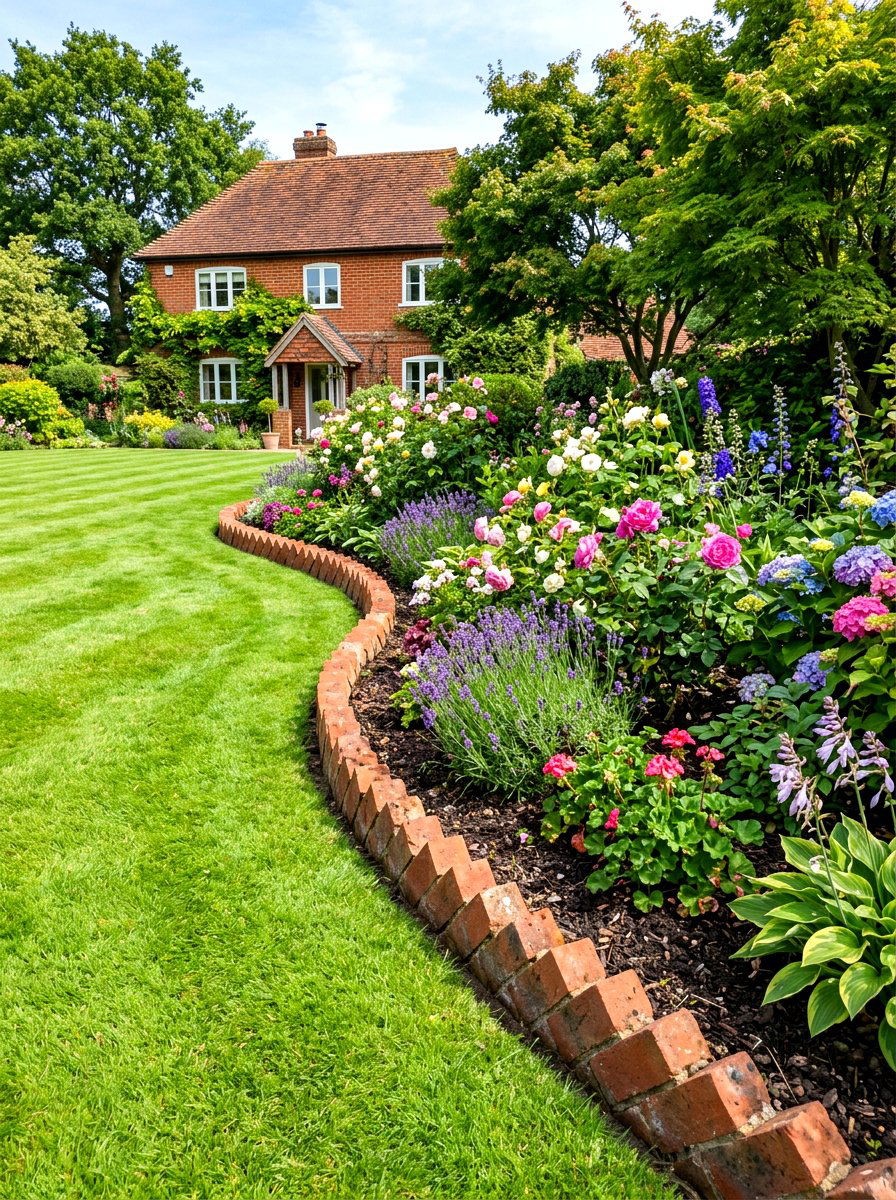
For a timeless and traditional look that complements classic architecture, a brick edged garden border is a reliable and attractive choice. Using bricks to define the line between your lawn and your flower beds creates a crisp, clean finish that is easy to maintain with a mower. You can lay the bricks flat, upright, or in a decorative "sawtooth" pattern to add extra architectural interest. The warm red or earthy tones of the bricks provide a lovely frame for colorful flowers and green foliage alike. This durable material is inexpensive and can easily be installed as a weekend project to instantly boost your curb appeal.
13. Drought tolerant succulent border
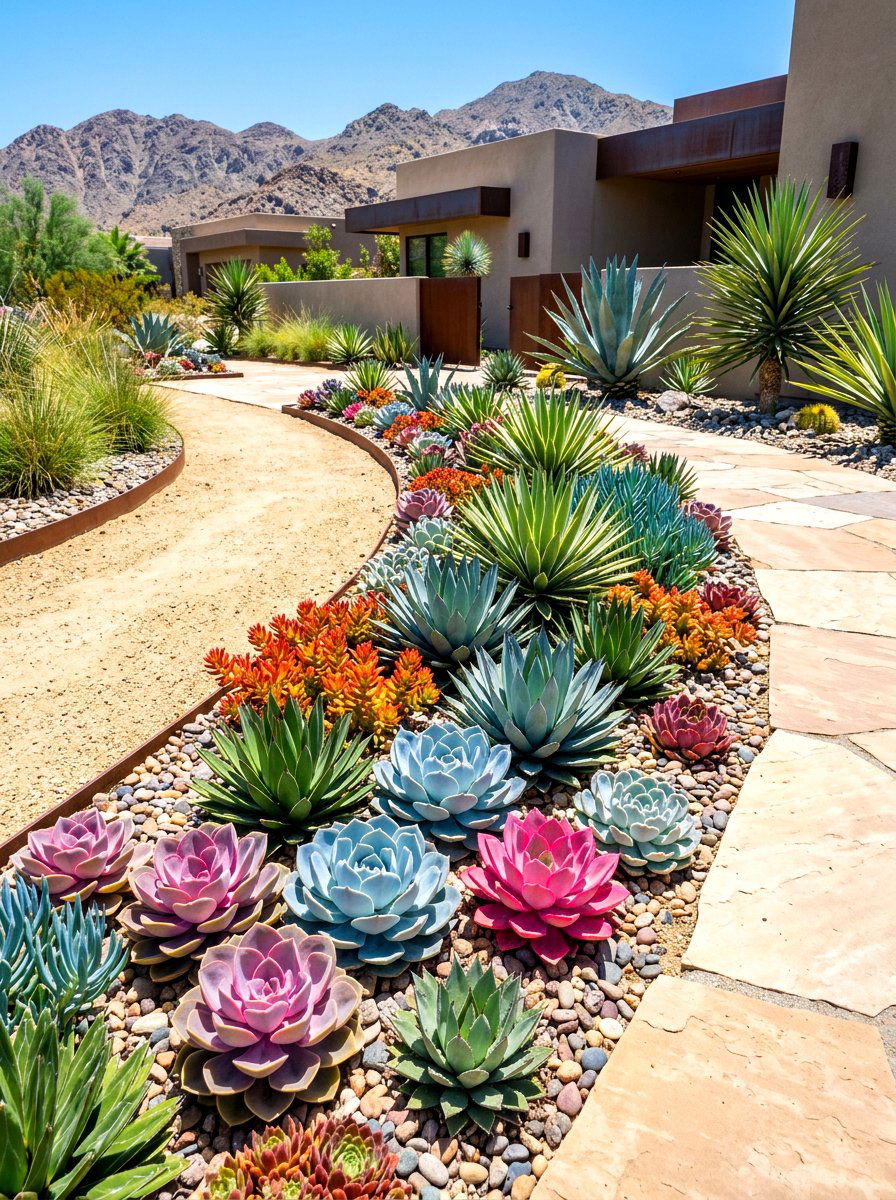
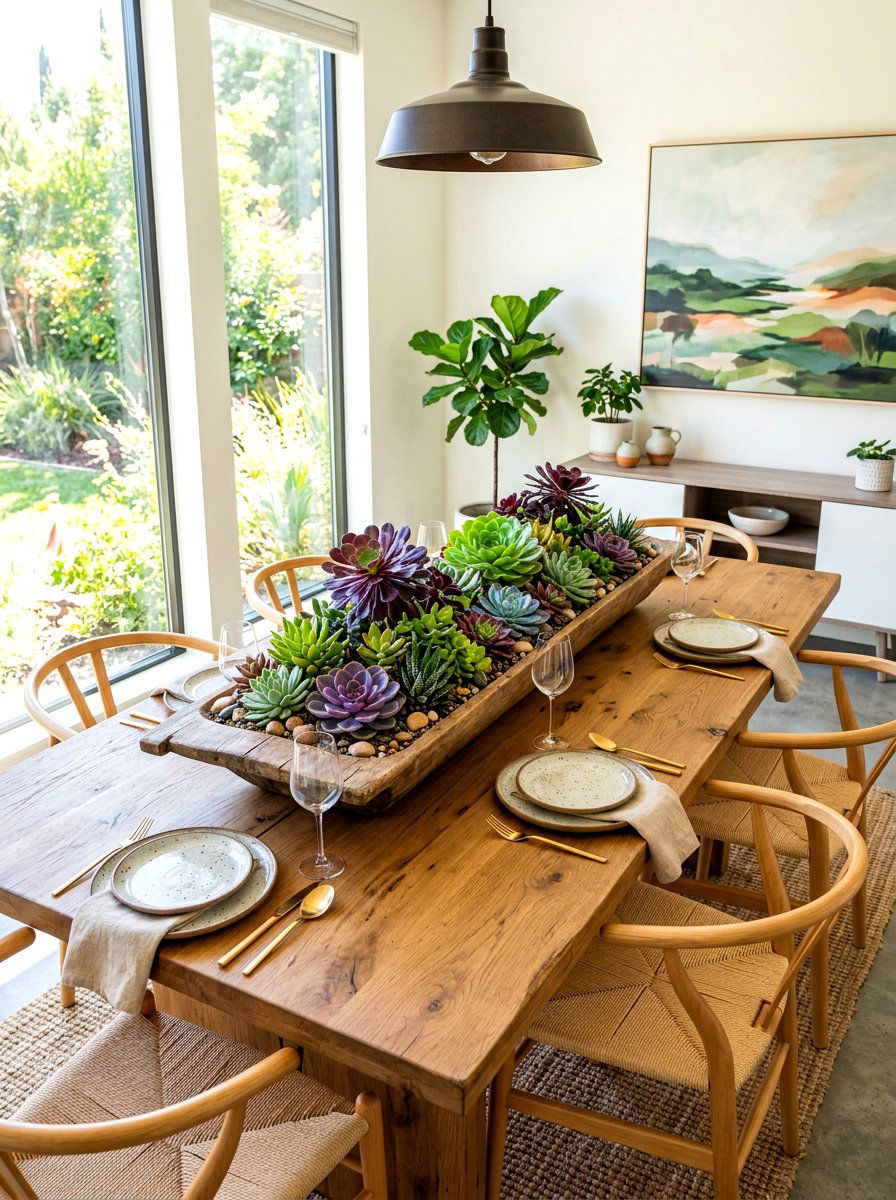
A drought tolerant succulent border is the perfect modern solution for homeowners in dry climates or those looking for a water-wise landscape. Succulents like echeveria, agave, and stonecrop offer a stunning array of sculptural shapes and unusual colors that look like living jewelry. These plants store water in their leaves, allowing them to remain plump and vibrant even during long periods of heat and sun. Arranging them in a bed with decorative sand or gravel enhances their desert-inspired aesthetic. This low-water approach is environmentally friendly and requires very little weeding or pruning, making it a stylish and sustainable choice for a front yard.
14. Evergreen shrub border
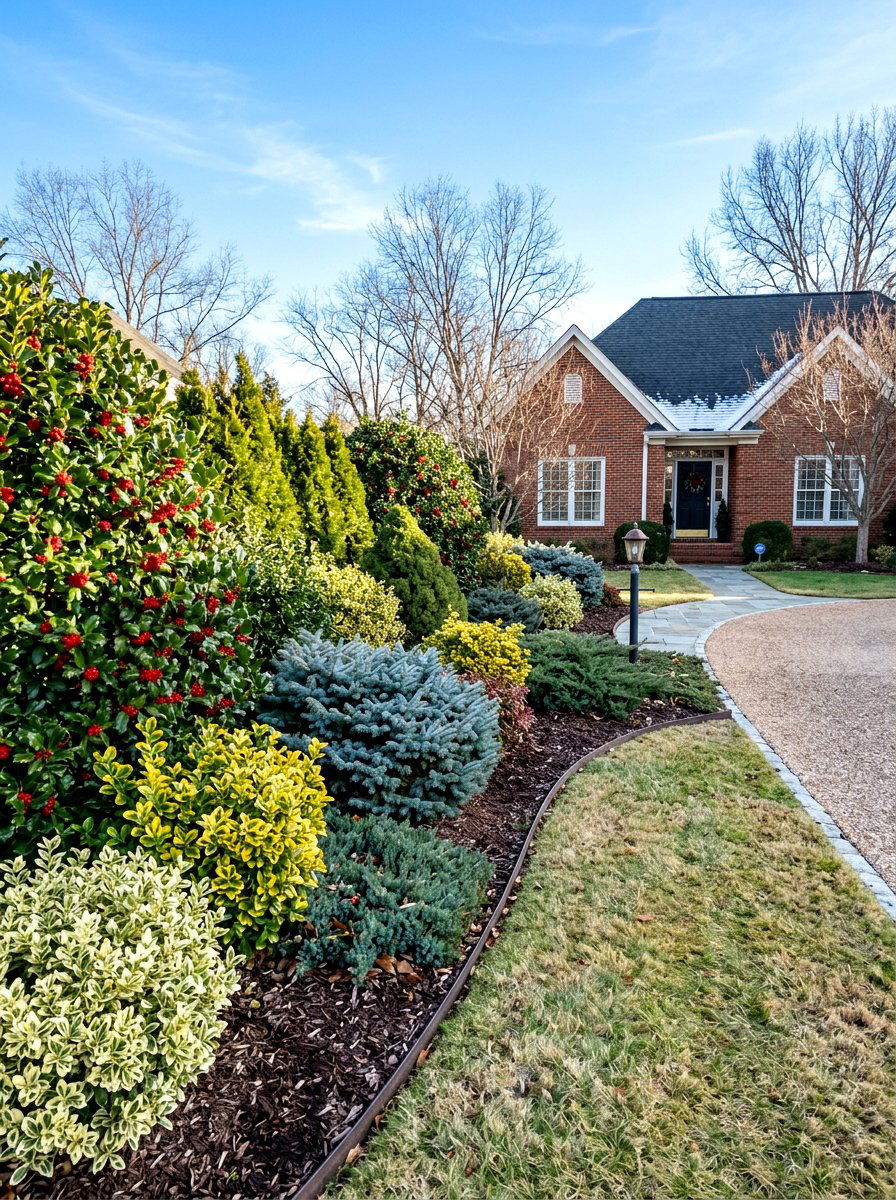
Focusing on an evergreen shrub border ensures that your home’s entrance remains lush and vibrant even during the bleakest winter months. By choosing a mix of shrubs with different leaf textures — such as glossy hollies, soft junipers, and variegated euonymus — you can create a rich tapestry of green. These plants provide a consistent structural background that anchors the rest of your landscaping. During the spring and summer, they serve as a perfect backdrop for colorful annuals, while in the winter, they stand as the primary stars of the garden. This permanent planting strategy reduces the need for seasonal replanting and offers long-term value for your property.
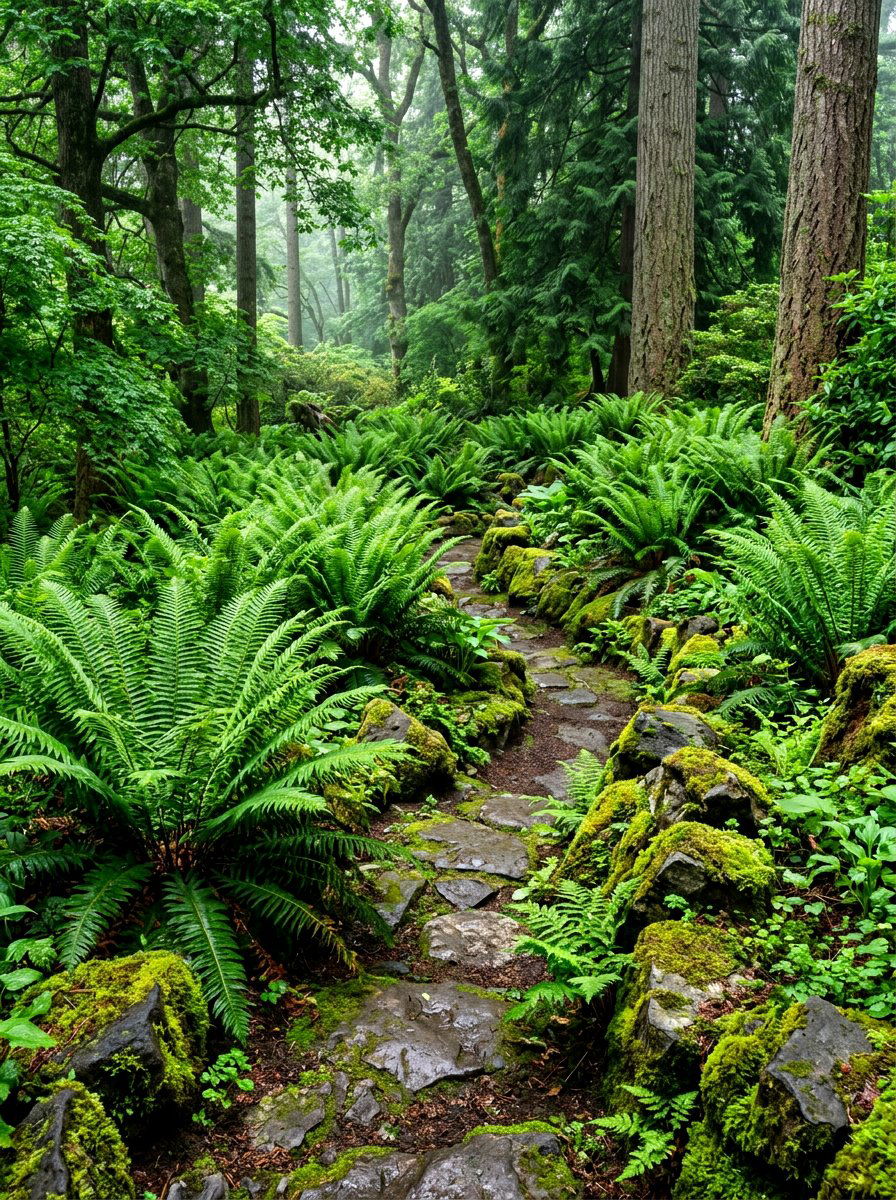
15. Perennial plant border
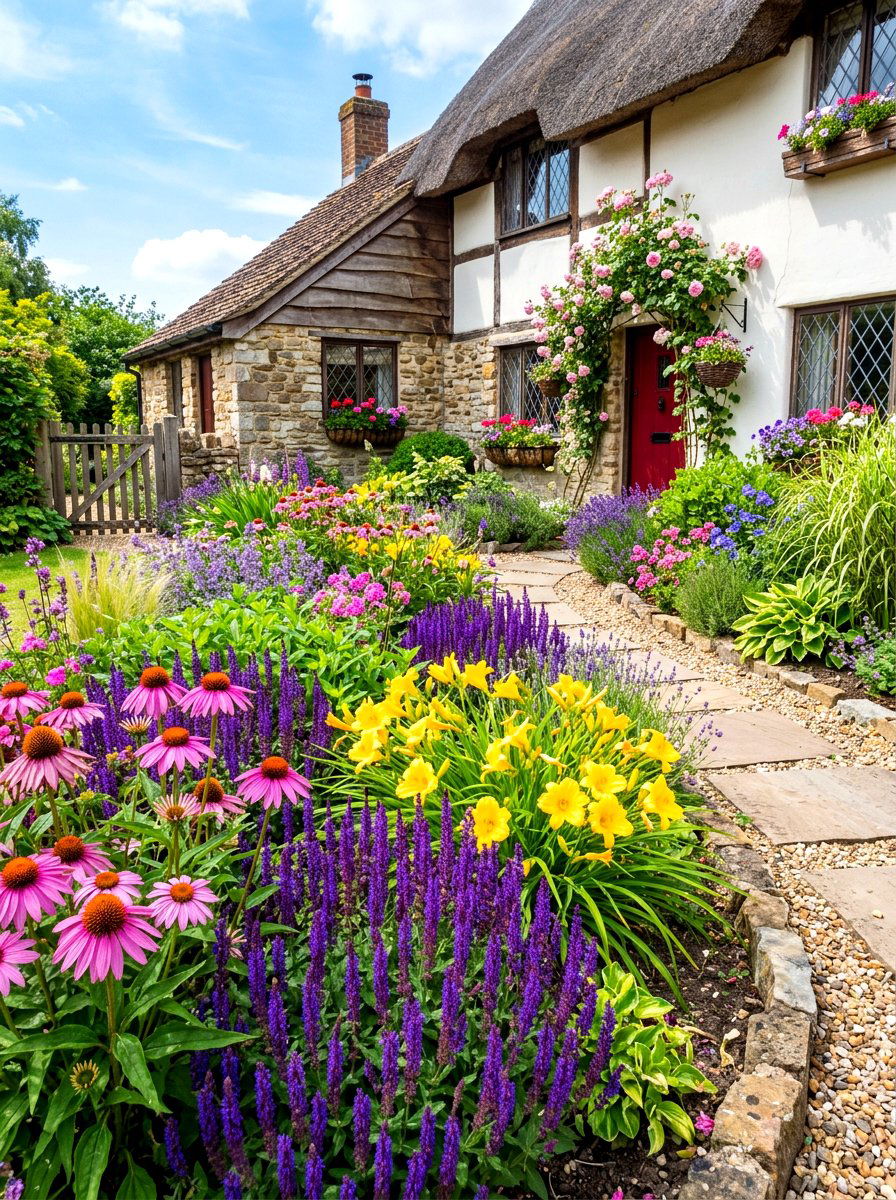
A perennial plant border is a smart investment for any small front garden because these plants return year after year with more vigor. This type of border allows you to plan for a succession of blooms, starting with spring bulbs and moving through summer flowers into autumn textures. Popular choices like coneflowers, salvia, and daylilies offer a reliable show of color with relatively little maintenance compared to annuals. By selecting a mix of heights and colors, you can create a layered look that evolves throughout the growing season. This approach rewards your patience with a garden that becomes more beautiful and established as time goes by.
16. Tiered front garden border
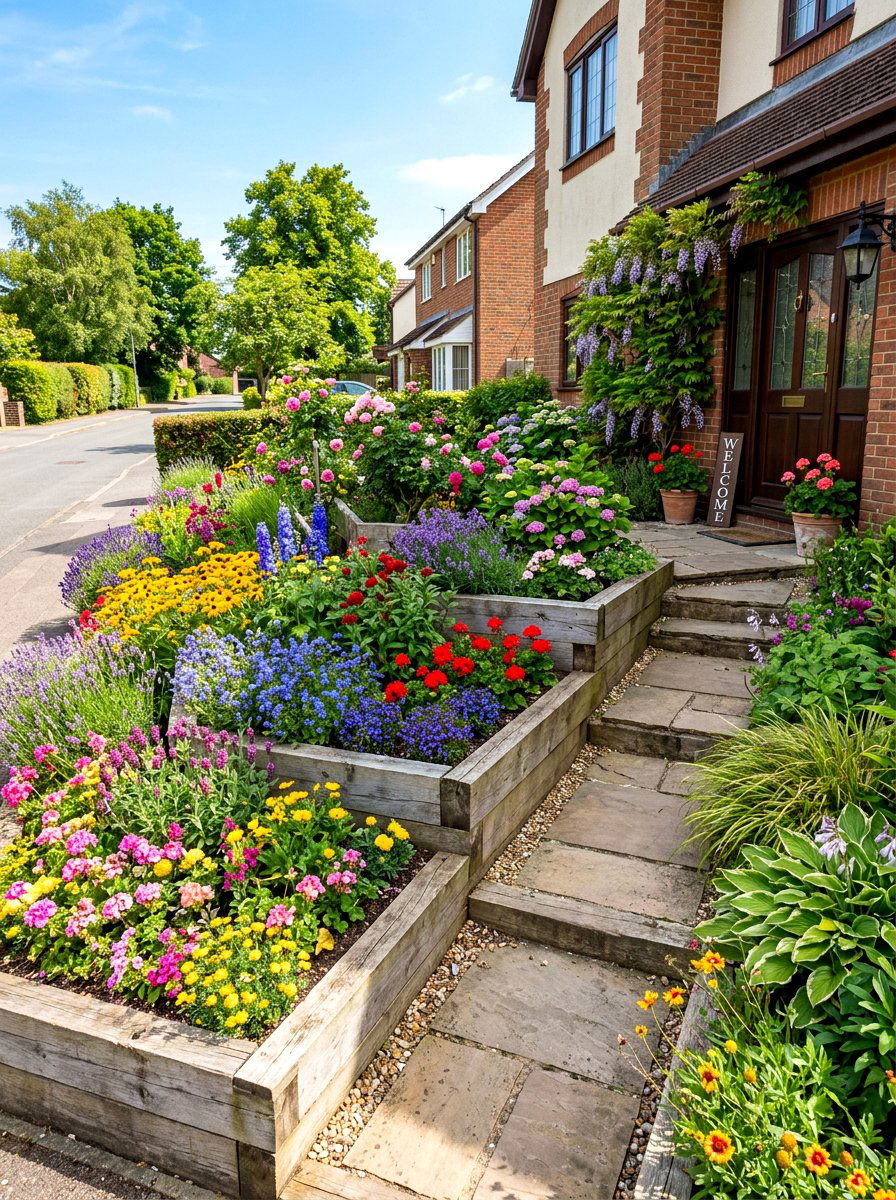
When dealing with a sloped front yard, a tiered front garden border is an excellent way to turn a challenging space into a beautiful feature. By building low retaining walls to create flat "steps" of soil, you prevent erosion and create distinct planting zones. Each level can be dedicated to a different type of plant, such as low groundcovers on the bottom and taller shrubs at the top. This vertical arrangement makes the most of a small footprint and creates a sense of grandeur as people approach your front door. The cascading effect of plants spilling over the edges of each tier adds a lush, architectural feel.
17. Contemporary slate border
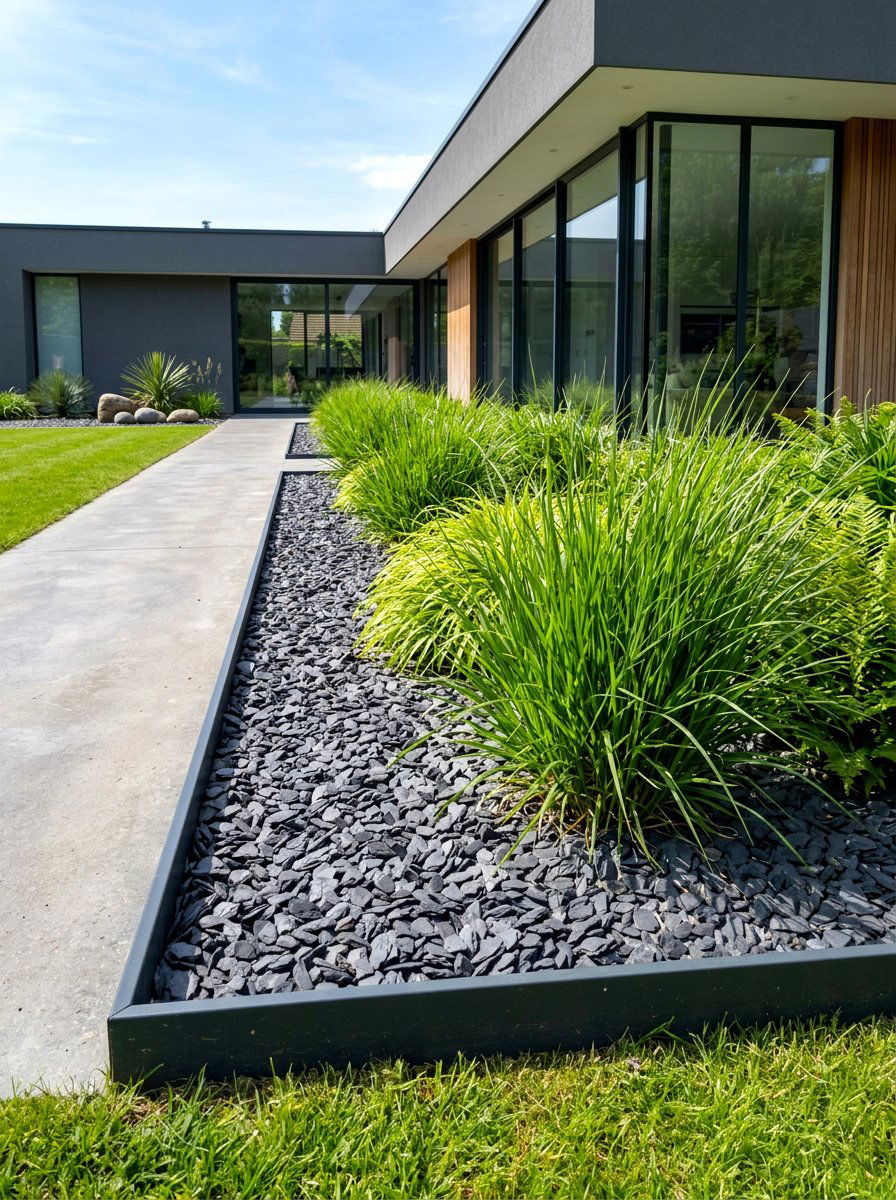
A contemporary slate border provides a sleek and sophisticated look that is perfect for modern homes with clean lines. Using dark gray or blue slate chippings as a mulch creates a dramatic contrast with bright green plants and colorful flowers. You can use large slate slabs as stepping stones or vertical accents within the border to add more texture. This material is excellent at suppressing weeds and retaining moisture while providing a very tidy and uniform appearance. The cool tones of the slate look particularly striking when paired with structural plants like ornamental grasses or architectural succulents, creating a high-end feel for your home's exterior.
18. Tropical front garden border
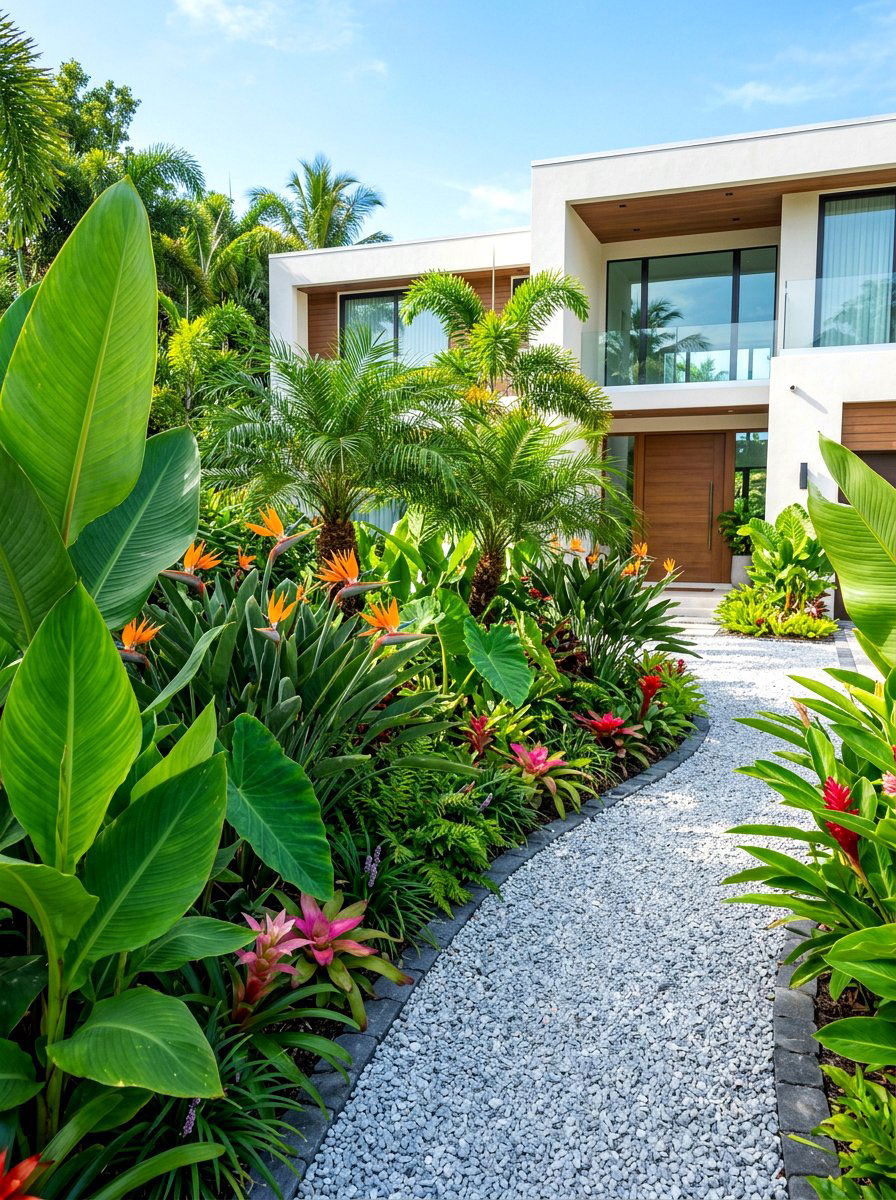
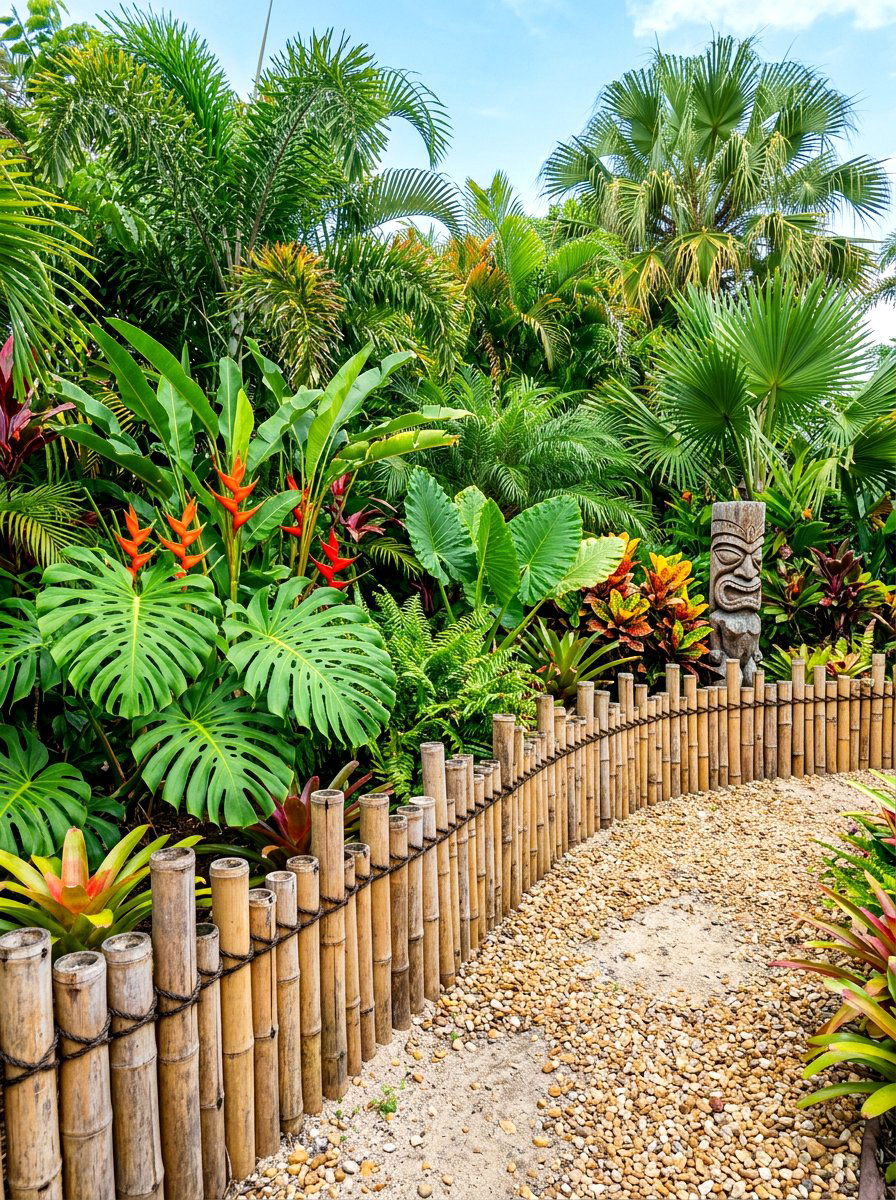
If you live in a warmer climate, a tropical front garden border can transform your entrance into an exotic and lush getaway. This style uses plants with large, dramatic leaves and bold colors, such as canna lilies, bird of paradise, and various palms. The goal is to create a dense, "jungle-like" feel that provides a sense of privacy and luxury. Even in smaller spaces, using a few well-placed architectural plants can make a huge statement. The rich greens and fiery oranges or reds typical of tropical species provide a vibrant energy that makes your home stand out and feel like a permanent vacation spot for visitors.
19. Curved lawn border
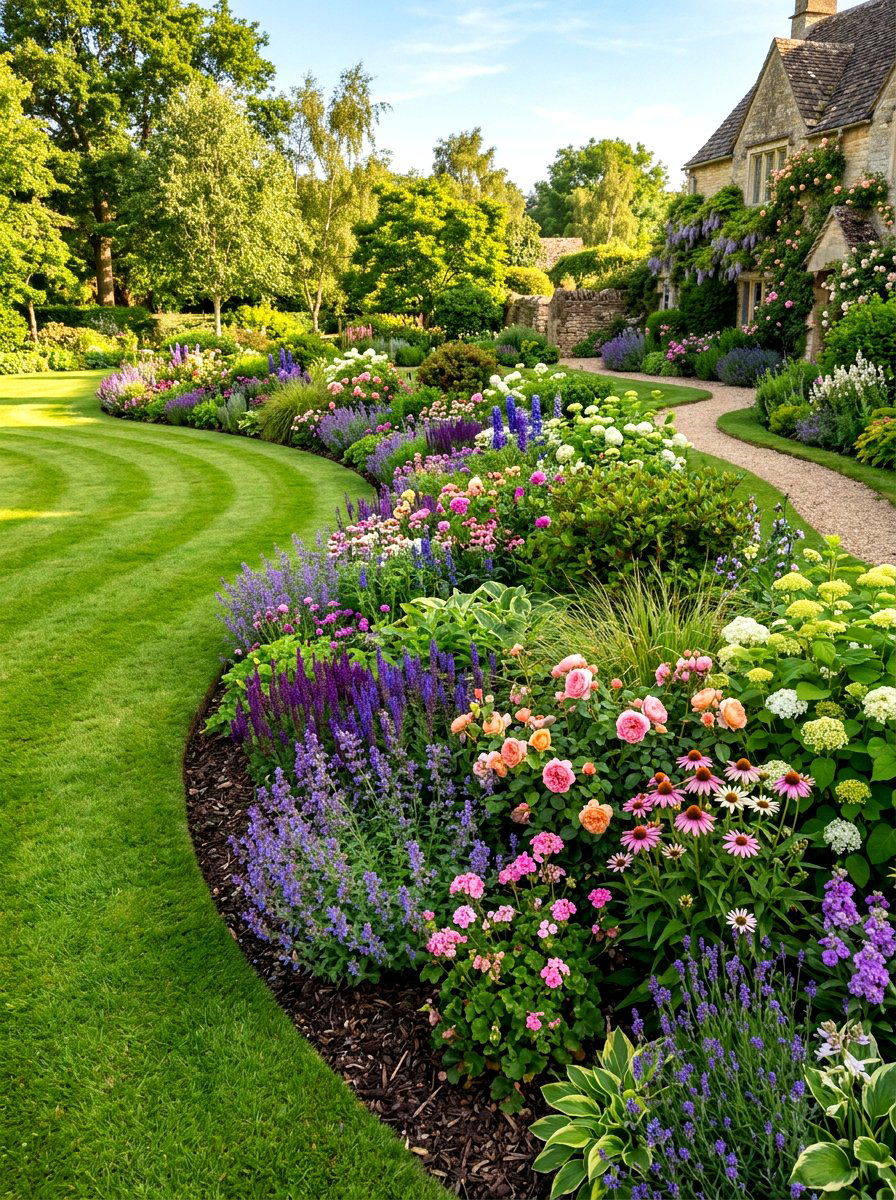
Instead of sticking to rigid straight lines, a curved lawn border introduces a softer and more organic feel to your front yard. These gentle arcs guide the eye naturally toward your front door and can make a small, narrow space feel wider and more inviting. Creating a curved edge is as simple as using a garden hose to mark out a pleasing shape before digging. This approach allows for deeper planting pockets in some areas, where you can cluster taller shrubs or focal trees. The resulting landscape feels more relaxed and harmonious with nature, providing a custom, professionally designed look that enhances the overall flow of your property.
20. Flowering shrub border
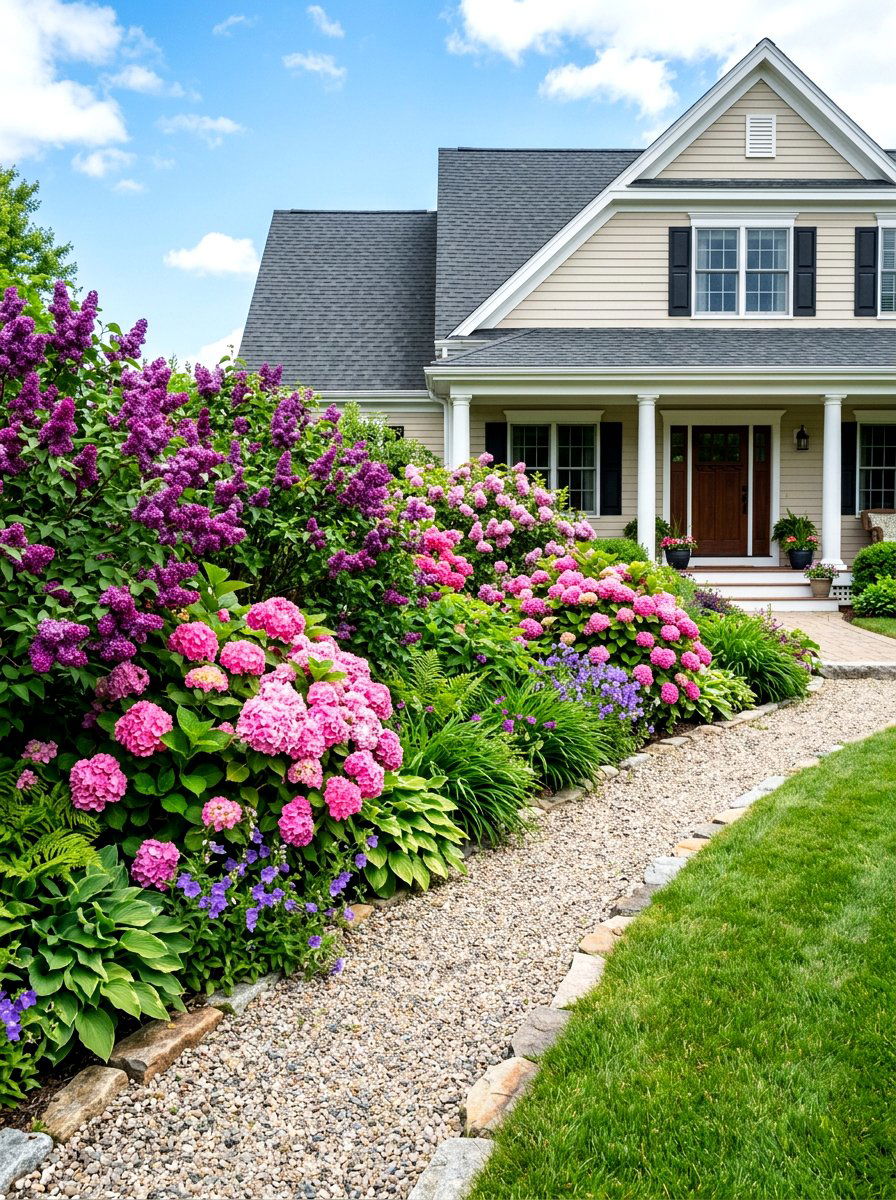
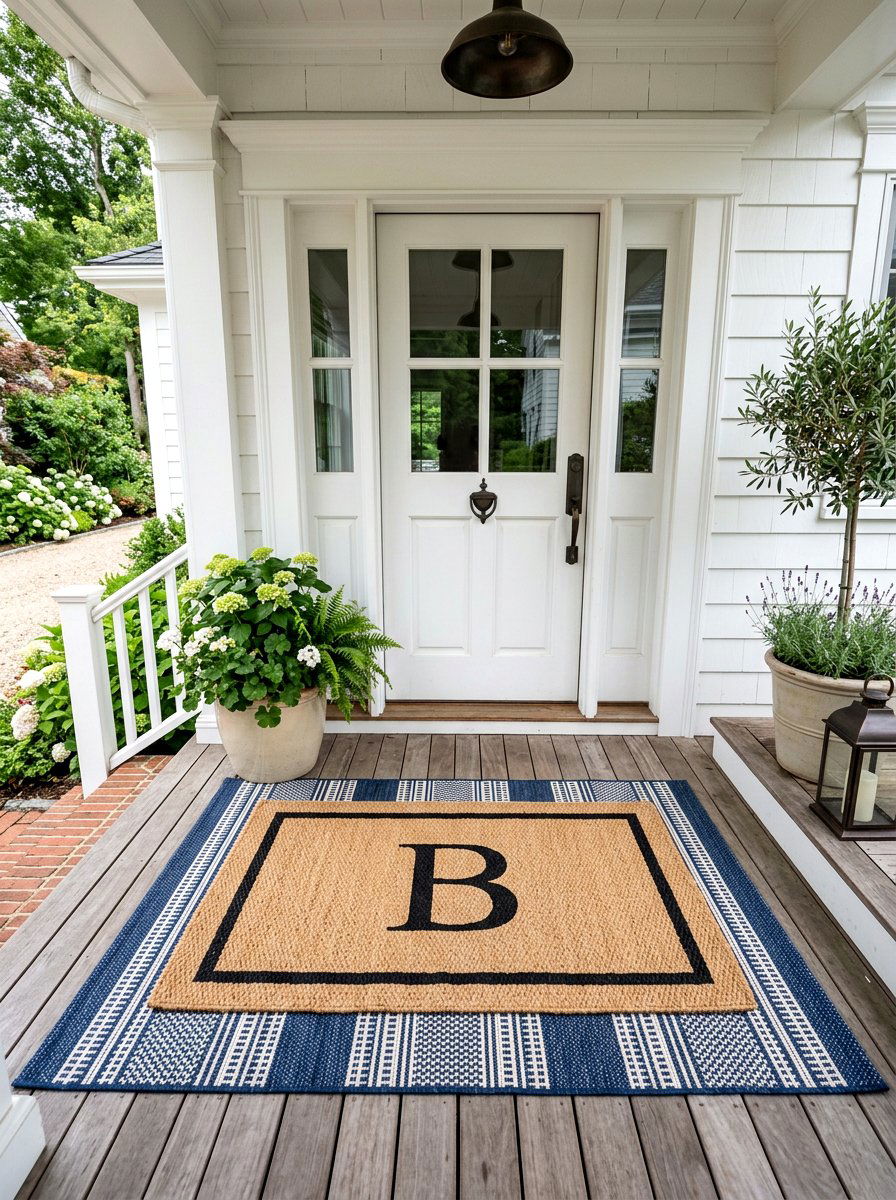
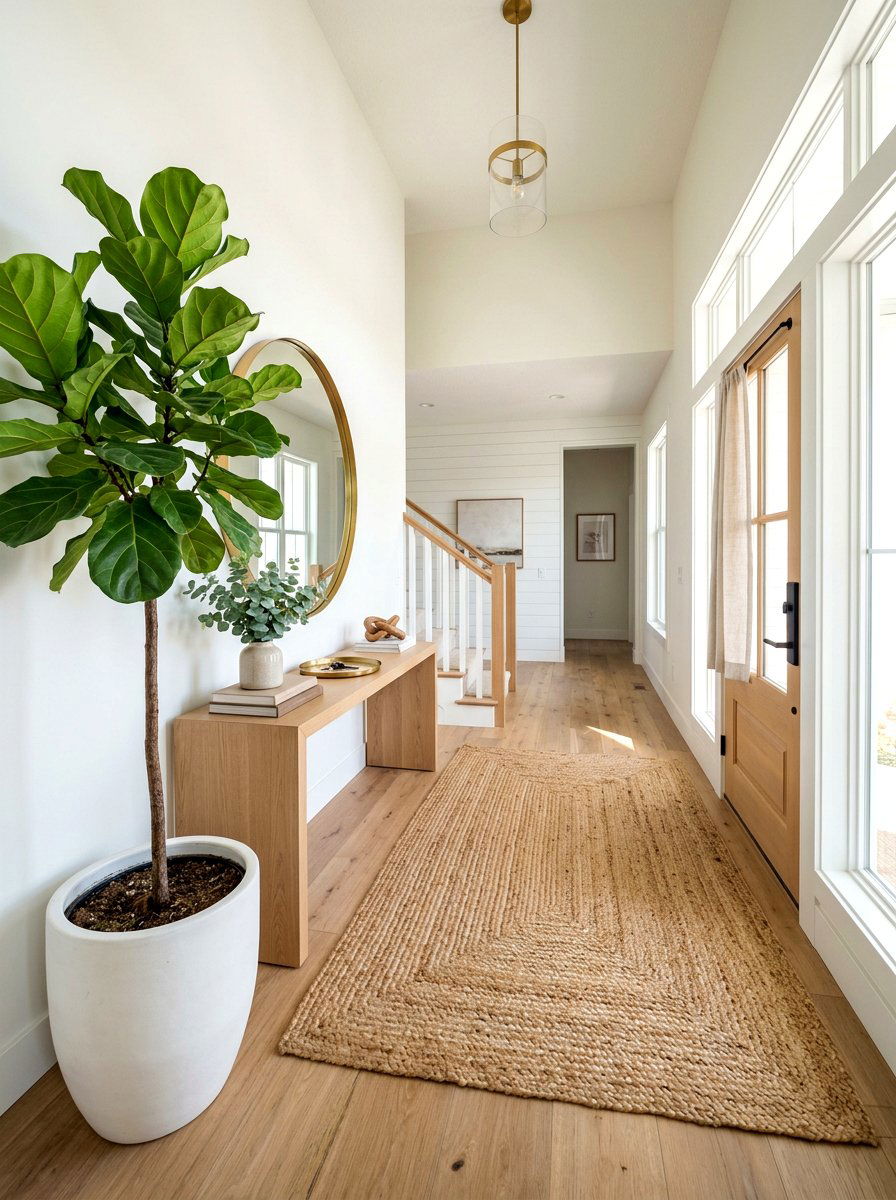
A flowering shrub border provides a massive impact of color and volume with very little effort compared to maintaining many small individual flowers. Species like hydrangeas, azaleas, and lilacs can fill a significant portion of a border with lush foliage and spectacular blooms. These larger plants act as the "bones" of your garden, giving it a sense of scale and maturity. Many flowering shrubs also offer beautiful fall colors or interesting bark in the winter, extending their visual value beyond the blooming season. By selecting varieties with different flowering times, you can ensure a rotating display of color that keeps your front yard looking its best.
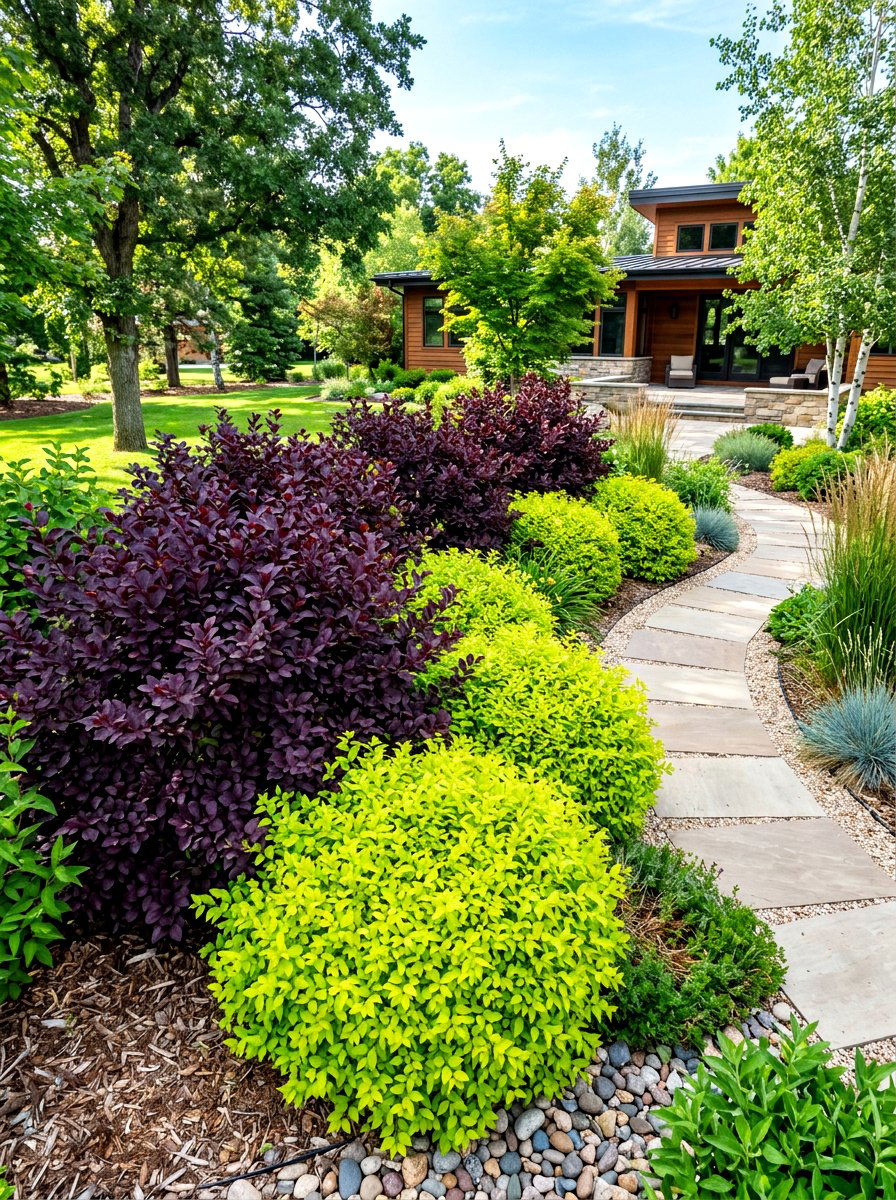
21. Mixed texture plant border
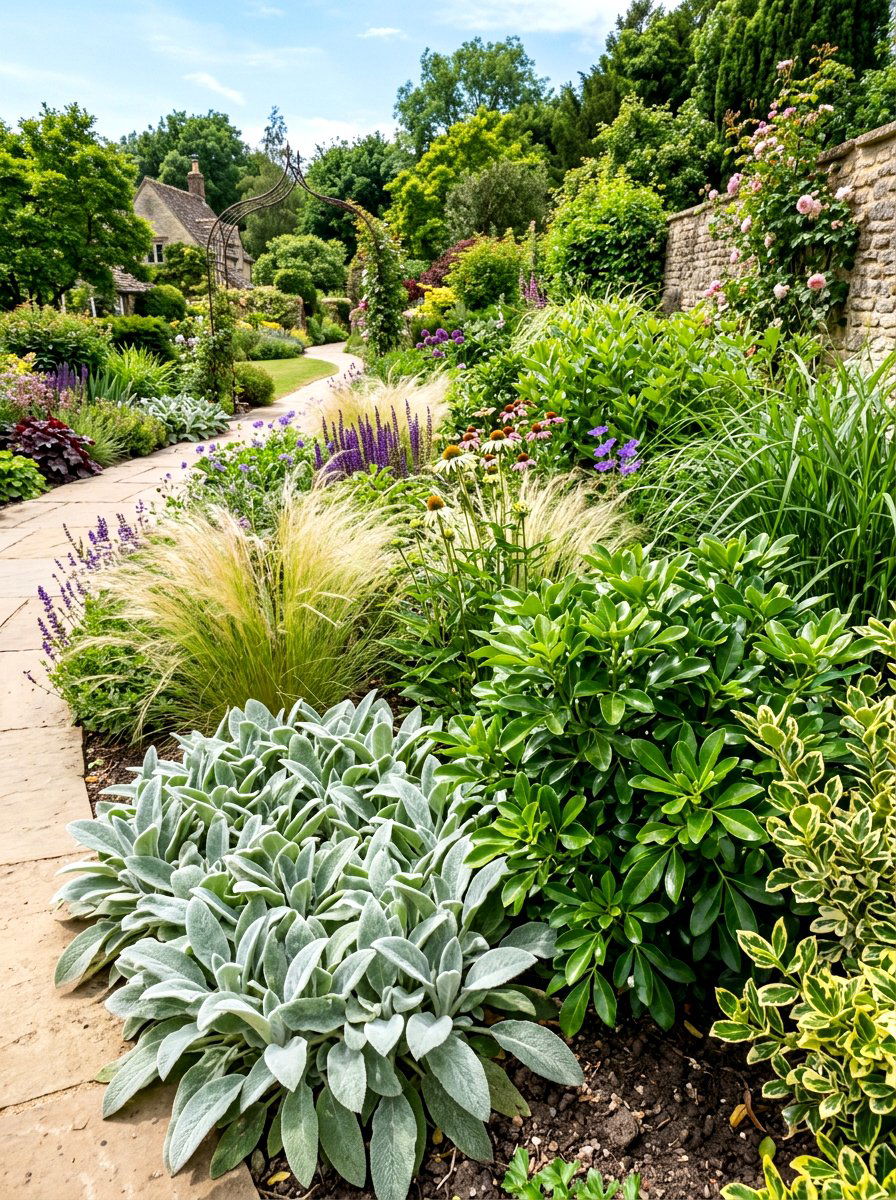
Designing a mixed texture plant border is all about the interplay between different leaf shapes and surfaces to create visual depth. You might pair the fine, needle-like foliage of a juniper with the broad, glossy leaves of a hosta or the fuzzy texture of lamb's ear. This variety ensures that the border remains interesting even when nothing is currently in bloom. In a small space, focusing on texture prevents the garden from looking flat or repetitive. The contrast between soft and prickly, matte and shiny, and light and dark foliage creates a sophisticated landscape that rewards closer inspection and adds a professional touch to your home.
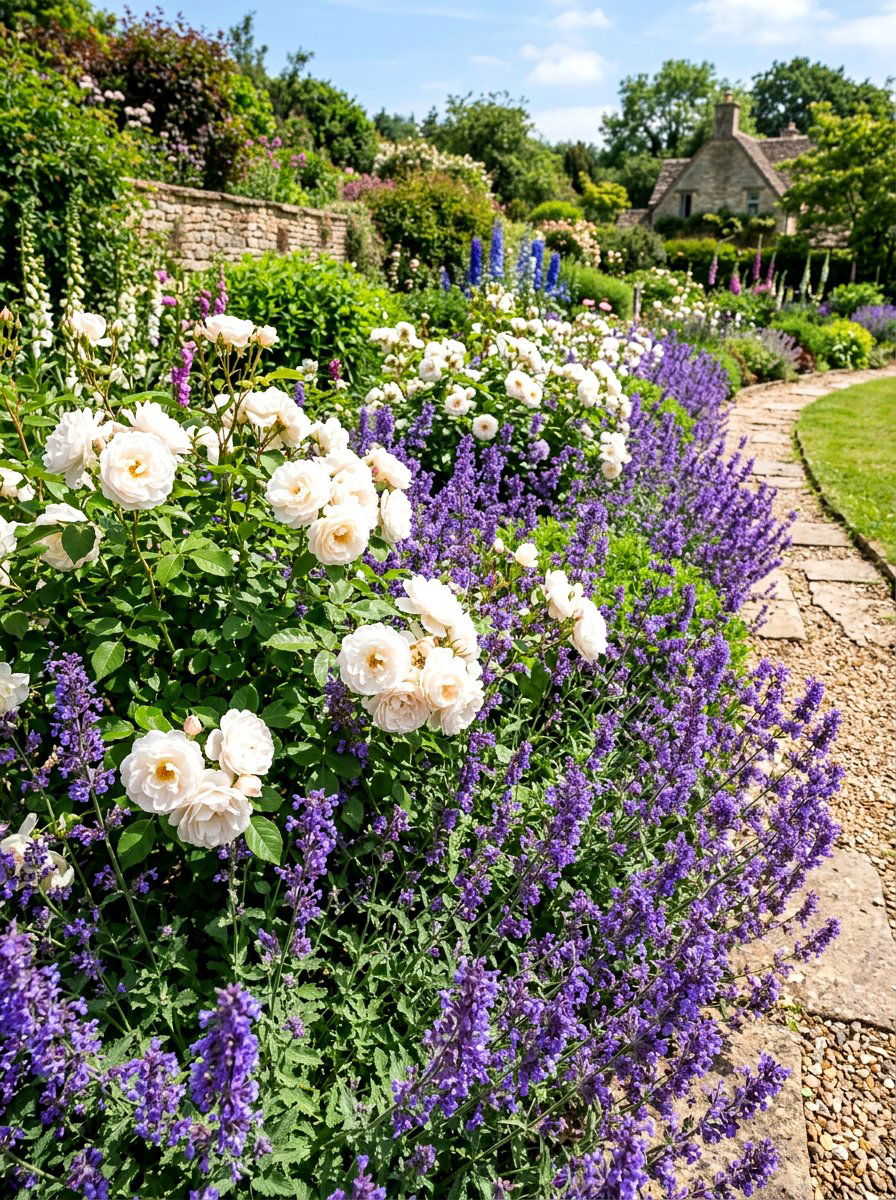
22. Purple flower border
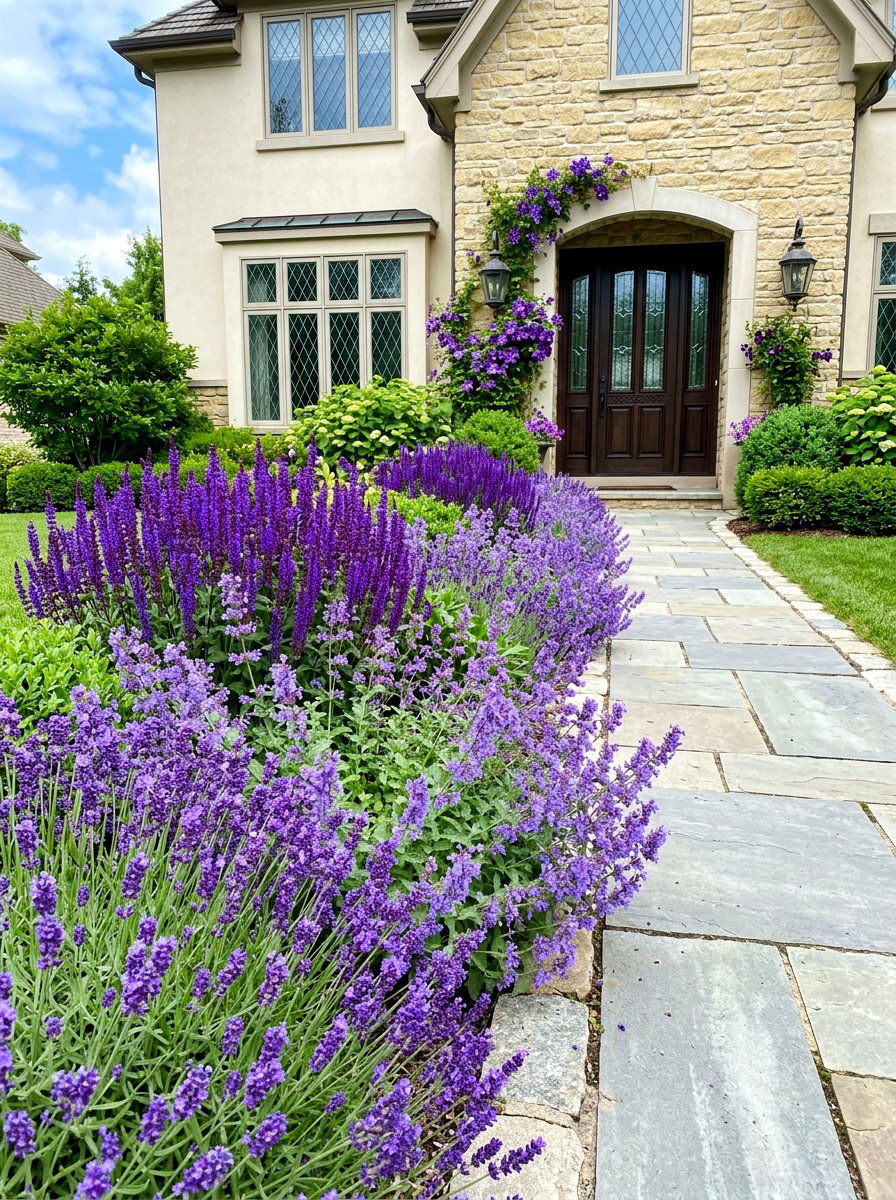
Choosing a purple flower border creates a regal and cohesive look that feels both tranquil and stylish. Purple is a versatile color that ranges from soft lavenders and lilacs to deep violets and magentas, all of which look stunning against green foliage. You can mix plants like catmint, salvia, and lavender for a long-lasting display of cool tones that attract pollinators. This color scheme is known for its ability to create a sense of distance, which can help a small front yard feel slightly deeper than it actually is. Pairing these shades with silver-foliage plants adds an extra layer of elegance and brightness to the overall design.
23. Wildflower garden border
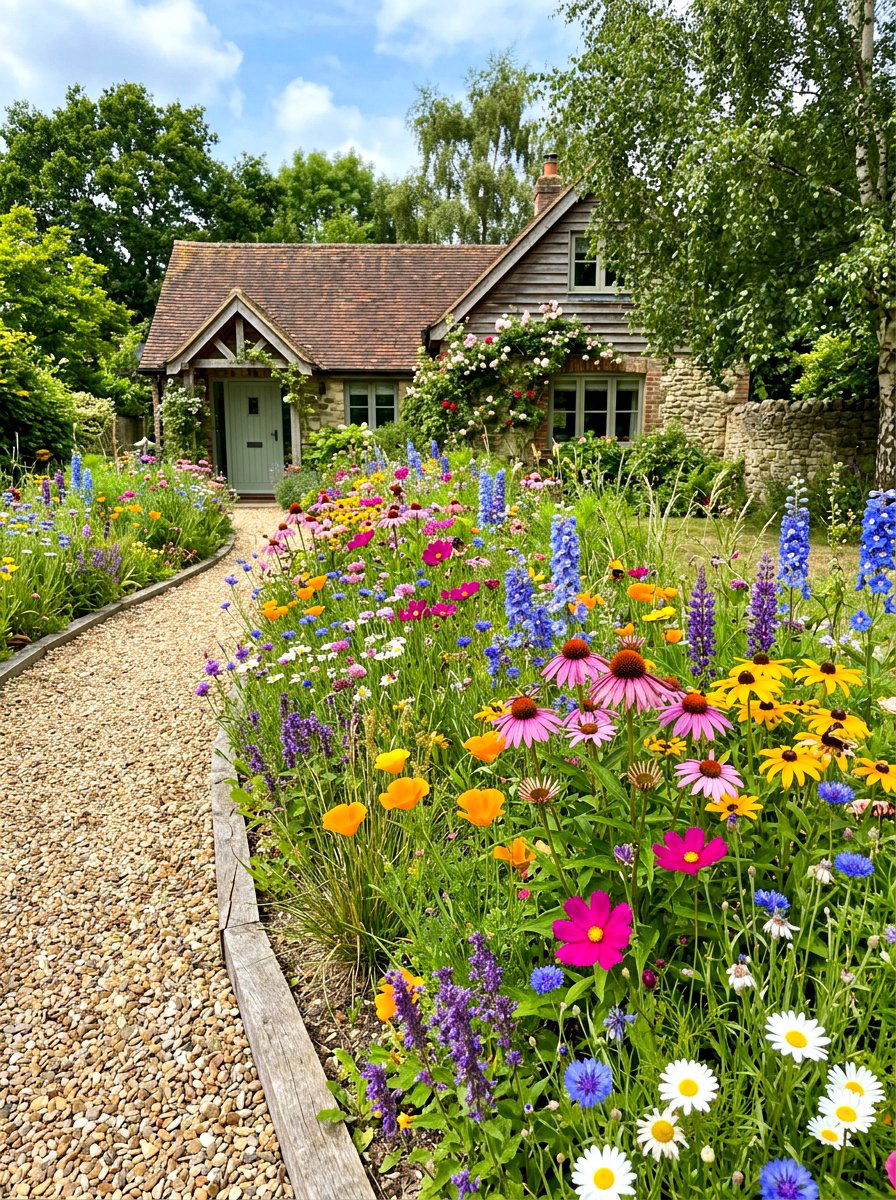
A wildflower garden border is a wonderful way to bring a slice of the meadow to your front yard while supporting local ecology. This informal style involves planting a mix of native species that are well-adapted to your local environment, requiring less water and fewer chemicals. The result is a charmingly disorganized and colorful display that changes constantly as different flowers come into bloom. This approach is perfect for homeowners who prefer a more naturalistic look and want to attract bees, butterflies, and birds. It creates a friendly, inviting atmosphere that feels very different from the stiff, formal landscapes often seen in suburban front yards.
24. Sculptural plant border
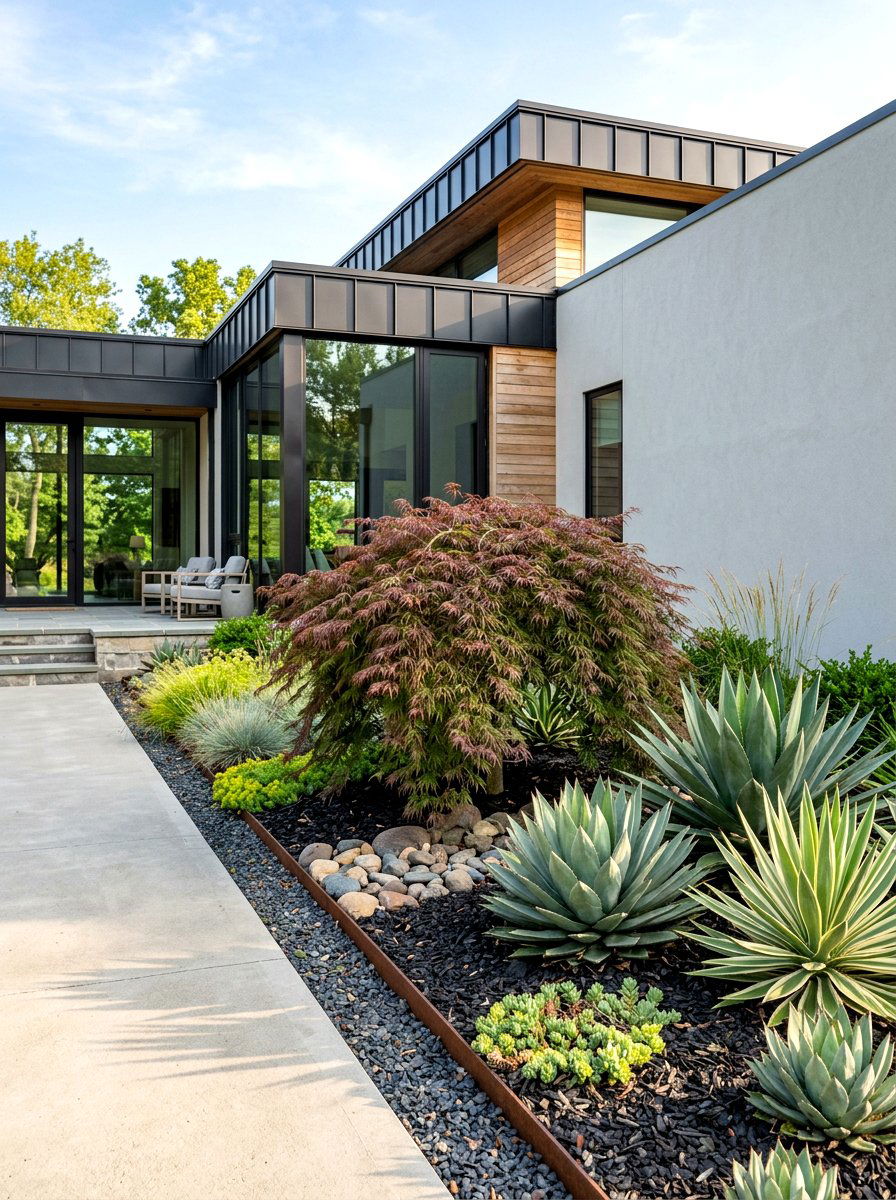
Creating a sculptural plant border involves selecting a few high-impact specimens with unique shapes to serve as living art pieces. Plants like architectural agaves, twisted topiaries, or weeping Japanese maples can anchor a small space and provide a clear focal point. Instead of crowding the area with many different types of plants, you let these sculptural forms breathe by surrounding them with simple groundcovers or neat gravel. This minimalist approach feels very high-end and modern, making it perfect for smaller entryways where you want to make a big statement without using a lot of space. It emphasizes form over quantity for a sophisticated result.
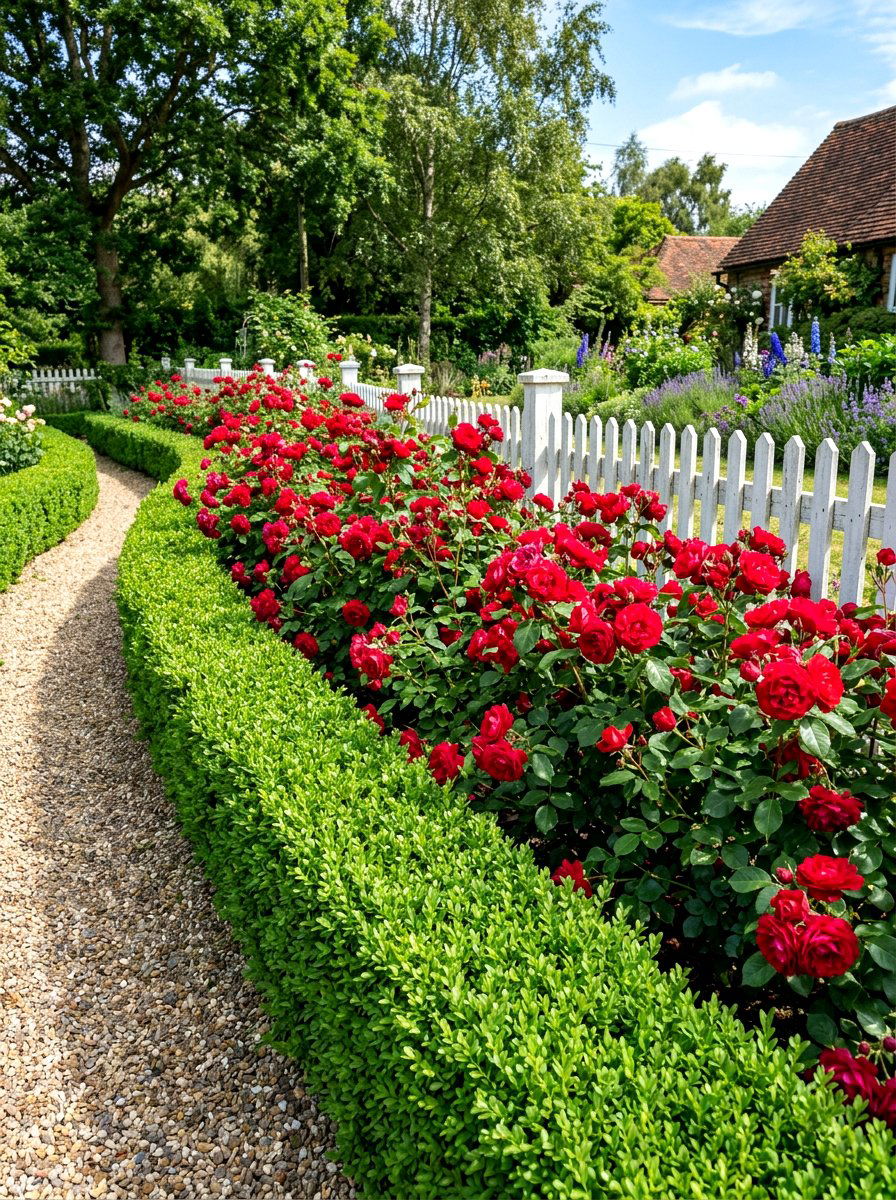
25. Compact rose border
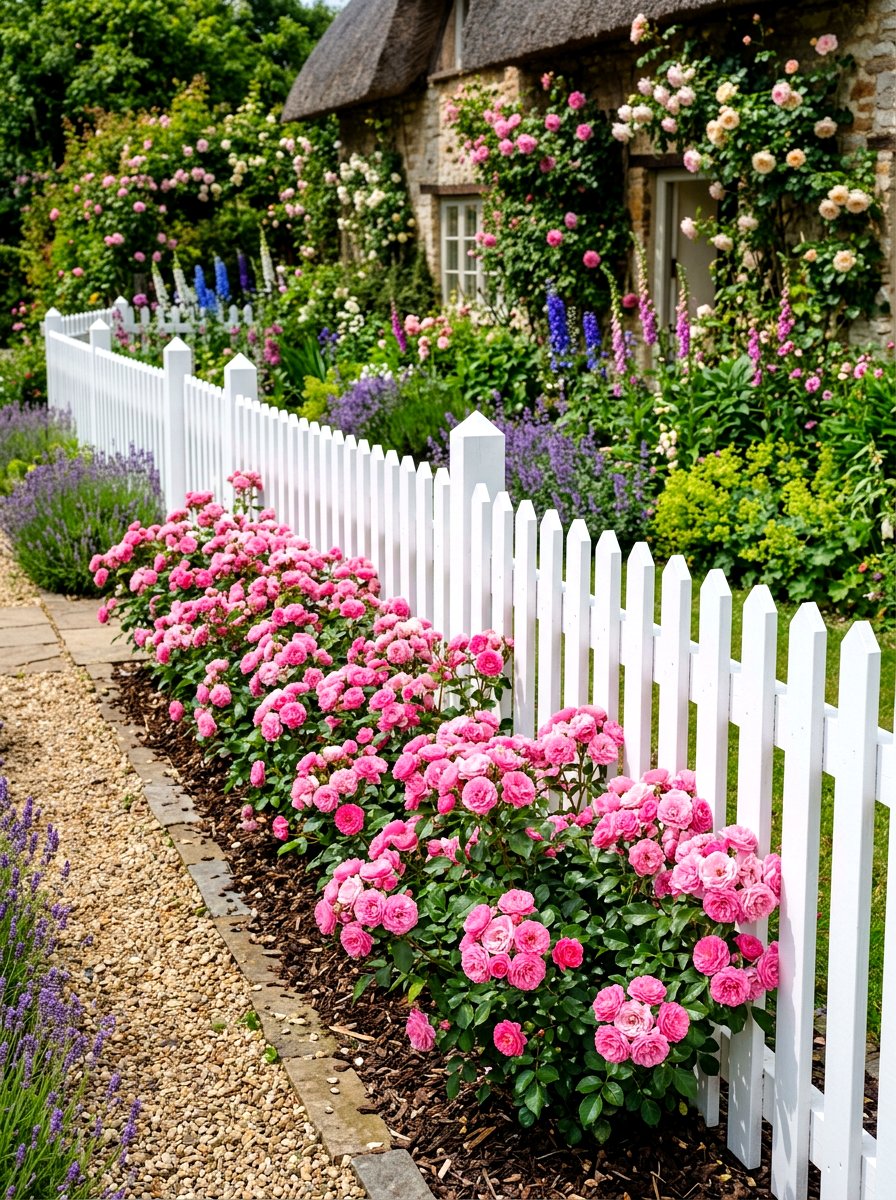
A compact rose border brings timeless beauty and classic fragrance to your home’s entrance without taking up too much room. Modern "patio" or "shrub" rose varieties are bred specifically to stay small and tidy while blooming prolifically throughout the summer. These resilient plants provide a romantic feel and a high-end look that never goes out of style. You can plant them in a row along a fence or walkway to create a colorful, scented hedge. Pairing roses with underplantings like catmint or alchemilla mollis helps hide their lower stems and creates a fuller, more lush appearance that looks like a professionally designed cottage garden.
26. Bark mulch garden border
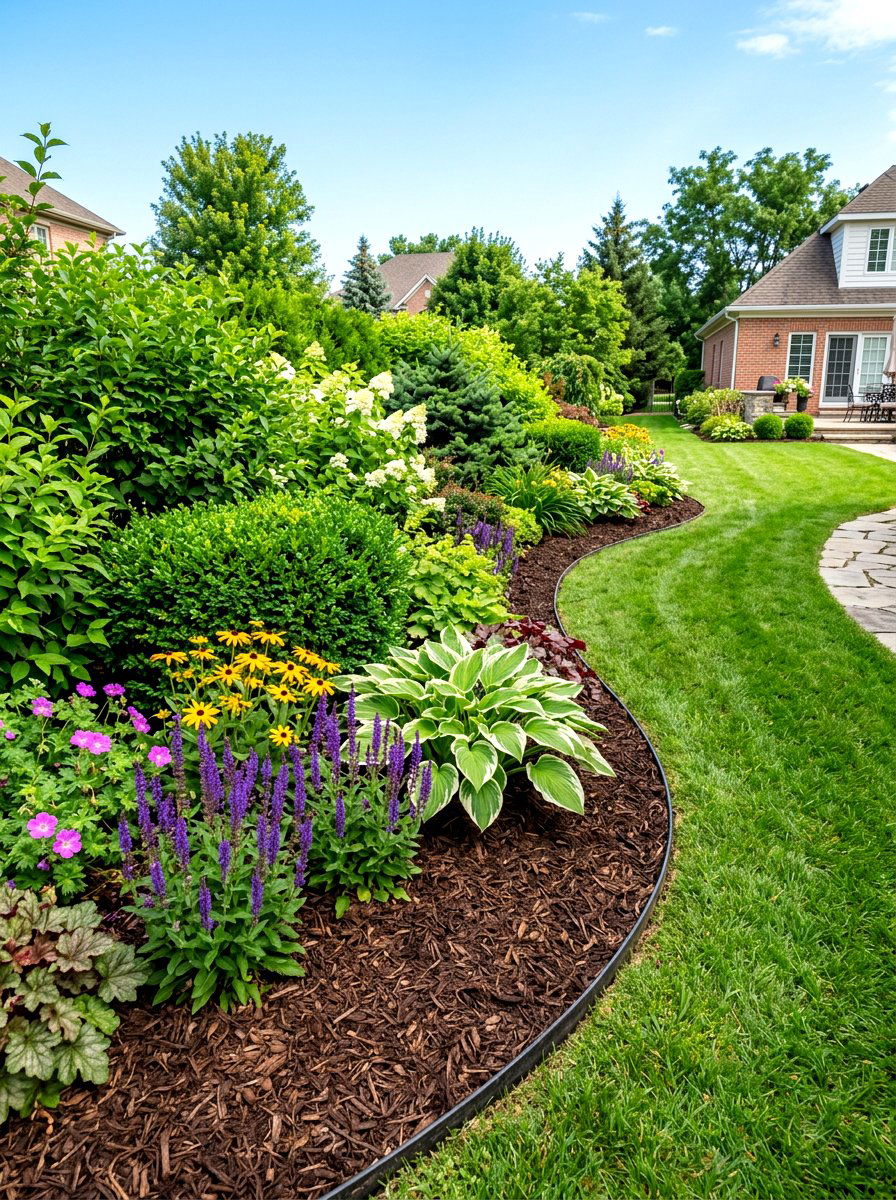
Using a bark mulch garden border is a practical and aesthetically pleasing way to finish off your front yard landscaping project. A thick layer of high-quality bark mulch in a dark brown or black shade provides a uniform background that makes the colors of your plants truly pop. Beyond its looks, mulch is essential for keeping the soil cool, retaining moisture, and preventing weeds from taking over your small garden beds. It creates a neat, "finished" appearance that instantly makes the yard look more cared for. This organic material eventually breaks down, improving the soil quality and helping your plants grow even stronger over time.
27. Potted plant border
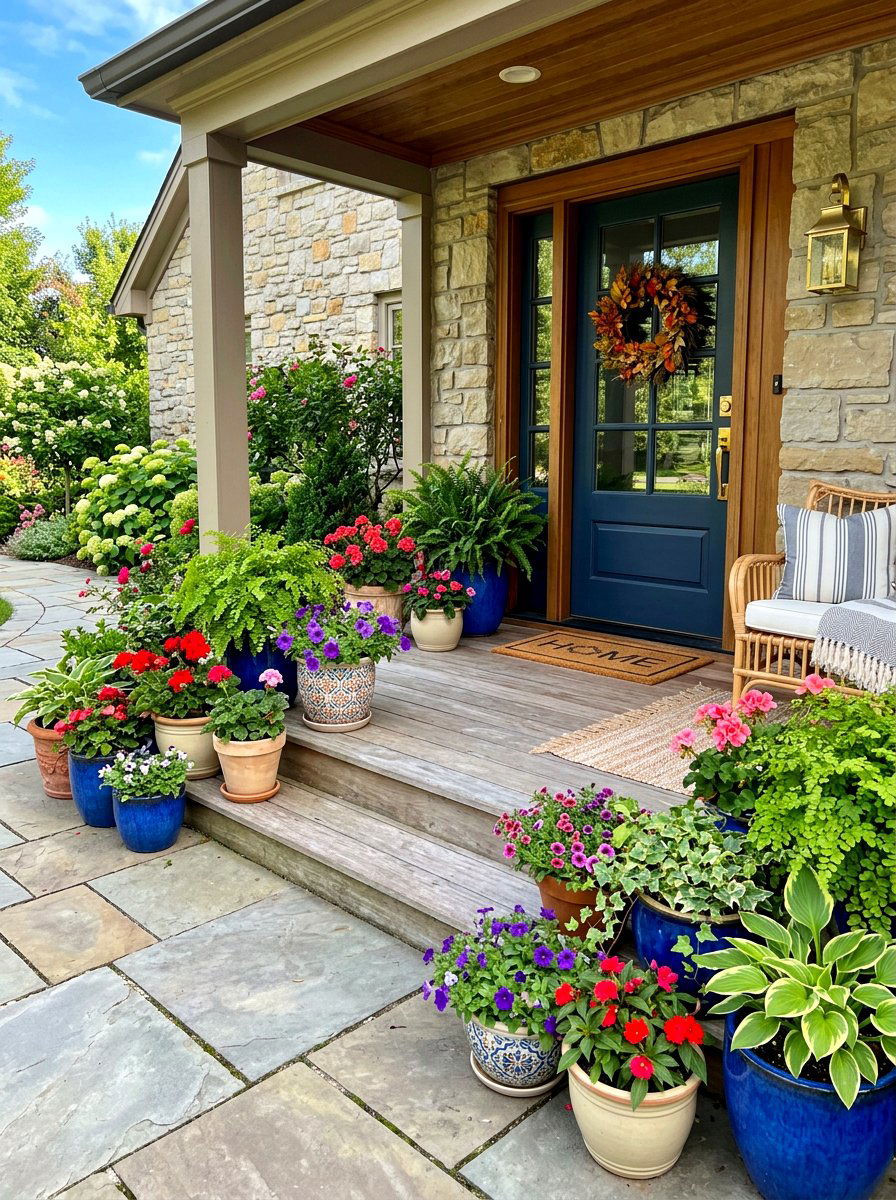
If you have a very small front yard or a large paved area, a potted plant border is a flexible and creative solution. By arranging a series of beautiful containers in varying sizes and styles, you can create a mobile garden that frames your entrance. This approach allows you to easily swap out plants for different seasons, keeping your curb appeal fresh all year long. You can play with different heights by using tall planters alongside shorter ones to create a dynamic visual rhythm. Using pots also allows you to grow plants that might not thrive in your local soil, giving you more freedom in your design choices.
28. Symmetrical garden border
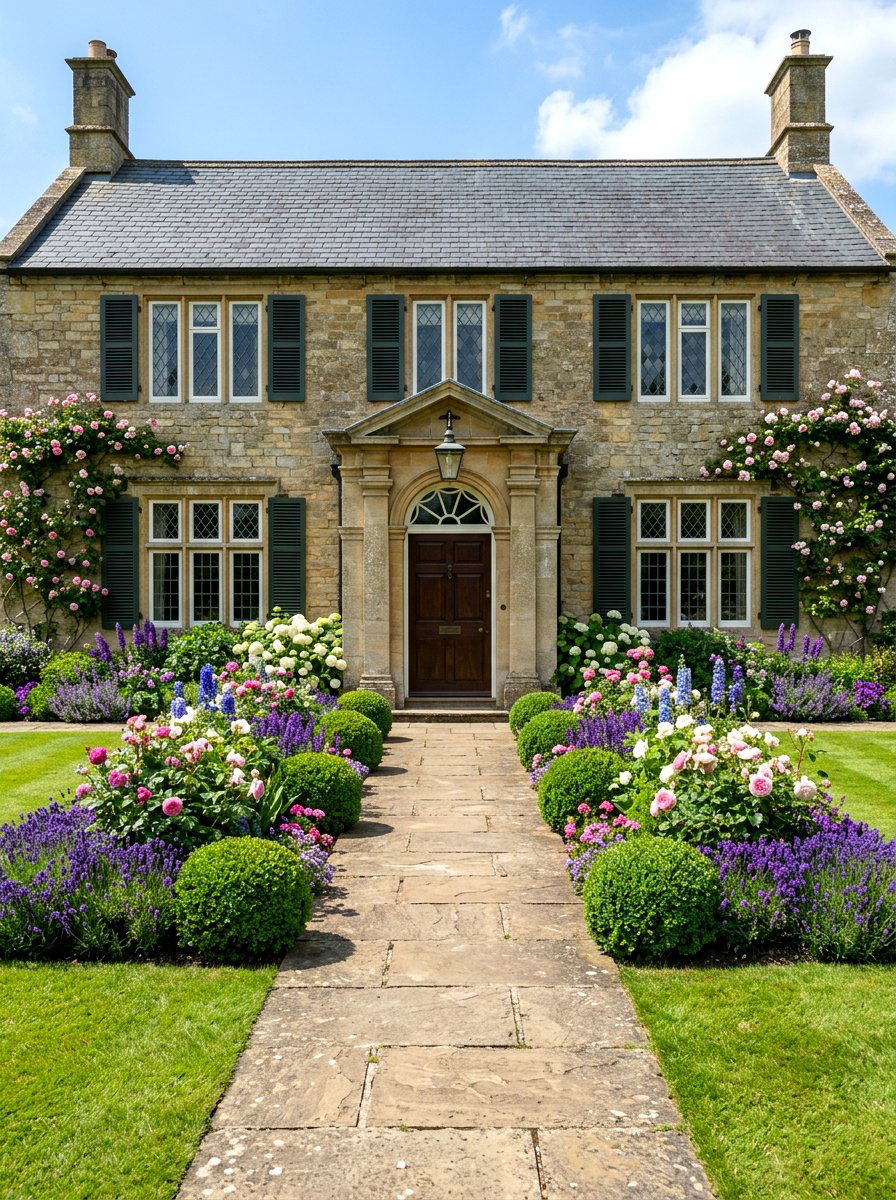
A symmetrical garden border creates a sense of balance and formality that is incredibly pleasing to the eye. By mirroring the same plants and structures on either side of your front door or walkway, you create a clear and grand entrance. This classic design principle works exceptionally well for traditional, colonial, or Georgian-style homes. You might use matching boxwood spheres, identical rose bushes, or twin ornamental trees to anchor the look. This disciplined approach makes a small space feel very intentional and organized, providing a timeless elegance that suggests a well-maintained and high-quality home to anyone who passes by or visits.
29. Fern front garden border
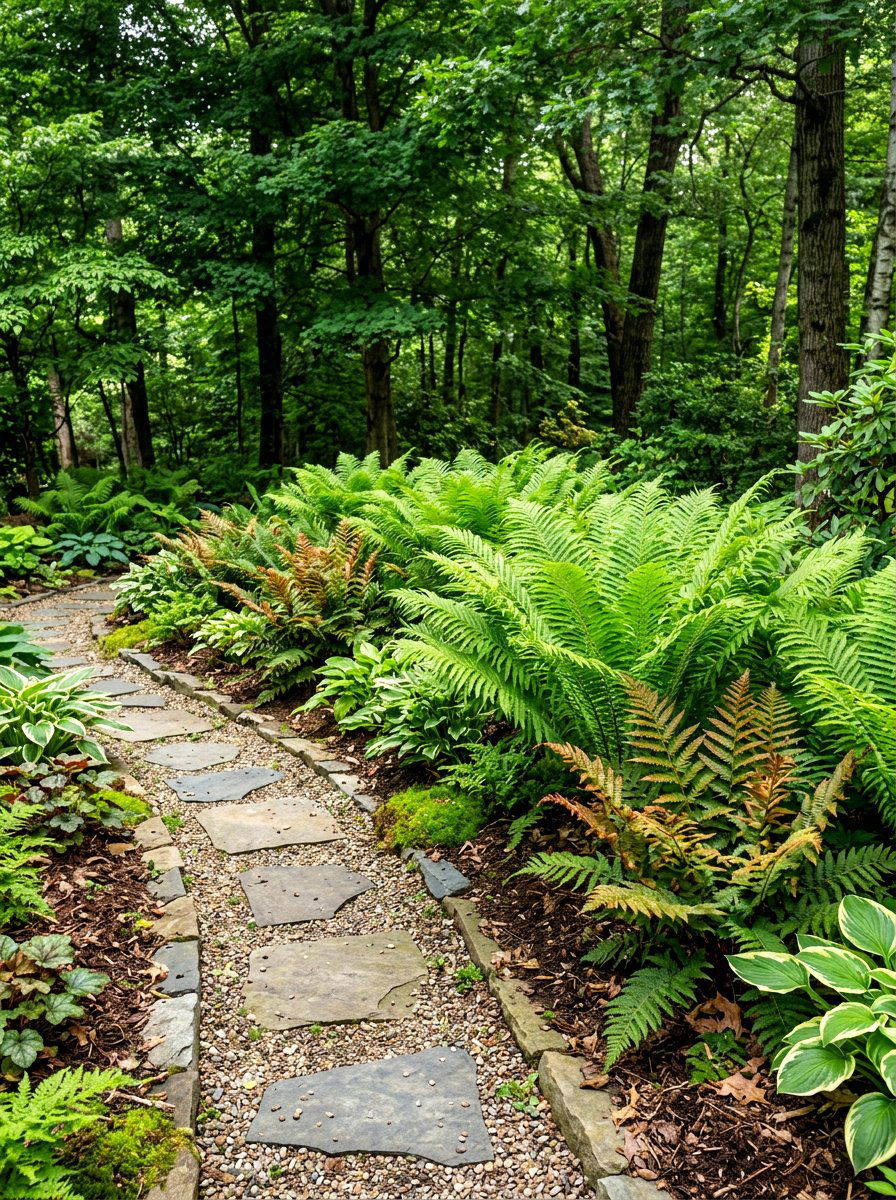
A fern front garden border is the ultimate choice for creating a cool, lush, and peaceful atmosphere in shadier areas. Ferns like ostrich, maidenhair, or autumn ferns offer an incredible range of delicate, lacy textures that feel very refreshing on a hot day. Their arching fronds create a soft, feathery look that masks the hard edges of your house’s foundation or walkway. Because ferns come in various shades of green, gold, and even silvery-blue, you can create a rich and interesting palette without needing any flowers at all. This low-maintenance greenery provides a sophisticated, woodland-inspired aesthetic that looks consistently beautiful throughout the growing season.
30. Mediterranean style garden border
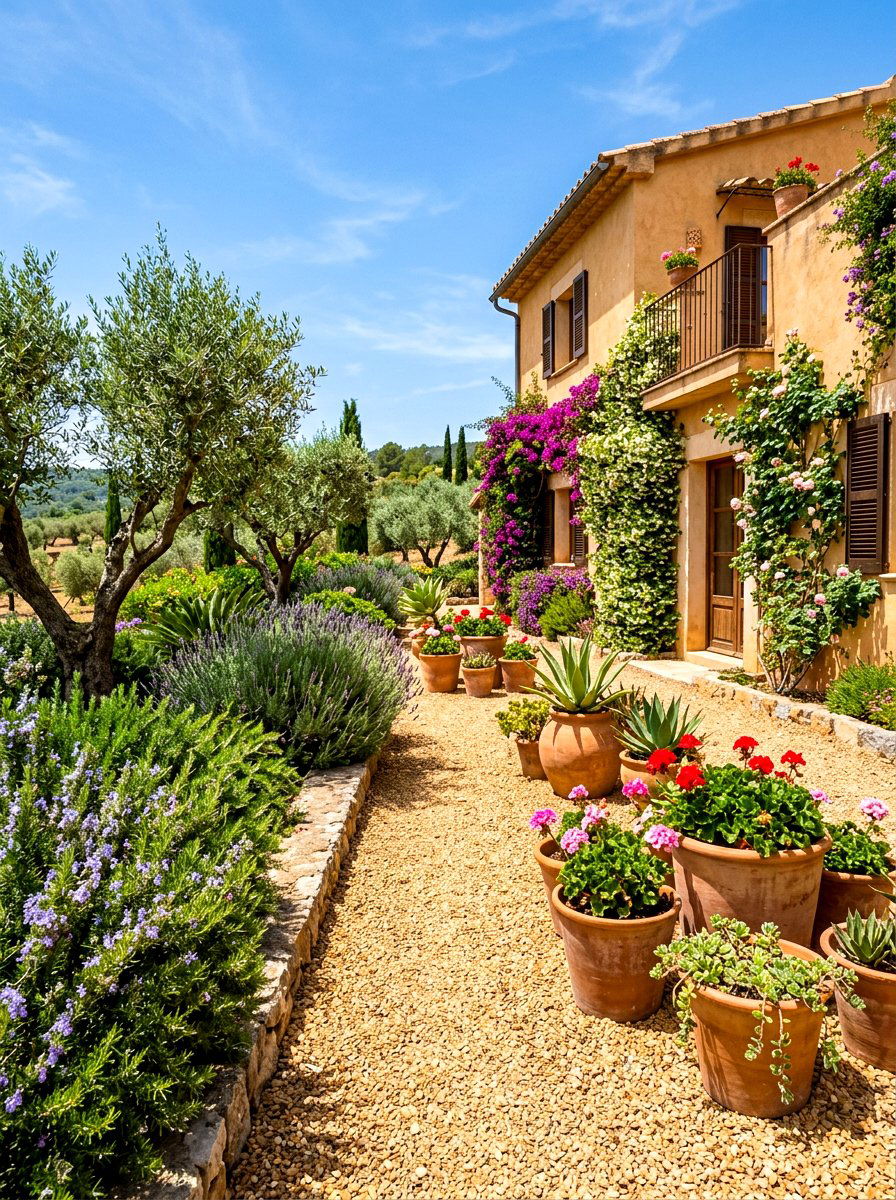
Embracing a Mediterranean style garden border allows you to use sun-drenched textures and colors to create a warm and welcoming entry. This look typically involves using drought-tolerant plants like rosemary, lavender, olives, and terracotta pots. Incorporating warm-toned gravel or stone walls further enhances the coastal vibe. This style is not only beautiful but also very practical for sunny, dry locations, as these plants are naturally adapted to thrive with little water. The combination of aromatic herbs and silvery-green foliage creates a sensory experience that makes your home feel like a sun-soaked villa. It’s an elegant way to bring a touch of European charm to your front yard.
Conclusion:
Designing a small front garden border is an exciting opportunity to showcase your personal style while enhancing your home 's overall curb appeal. Whether you prefer the structured look of a formal boxwood hedge or the whimsical charm of a cottage-style flower bed, there is a solution for every space. By carefully selecting plants that thrive in your specific light conditions and soil type, you ensure long-term success and beauty. Remember that even the smallest strip of land can become a lush sanctuary with the right planning and creativity. Your front garden is a reflection of your home' s personality, so enjoy the process of watching your border grow and flourish.

Related posts: