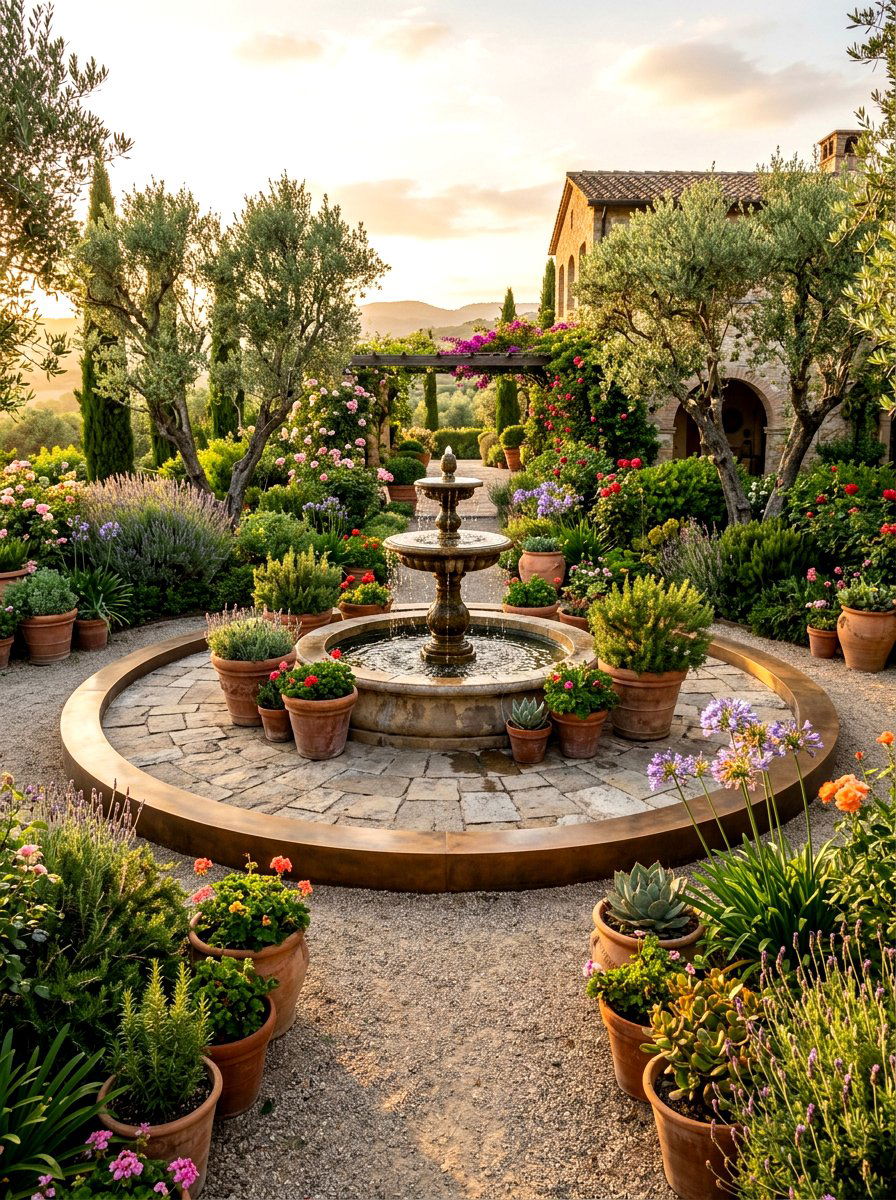
Adding the right garden edging can completely transform your outdoor space from a messy patch into a polished masterpiece. It is the secret to keeping your mulch where it belongs and preventing grass from invading your beautiful flower beds. Beyond the practical benefits, edging acts as a visual frame that highlights your hard work and plant selections. Whether you prefer a modern steel look or a rustic stone feel, there is a perfect material for every style. Choosing the right border also makes lawn maintenance much easier by providing a clear path for your mower. This guide explores thirty creative ways to define your landscape and boost your home's curb appeal significantly.
1. Stone garden border
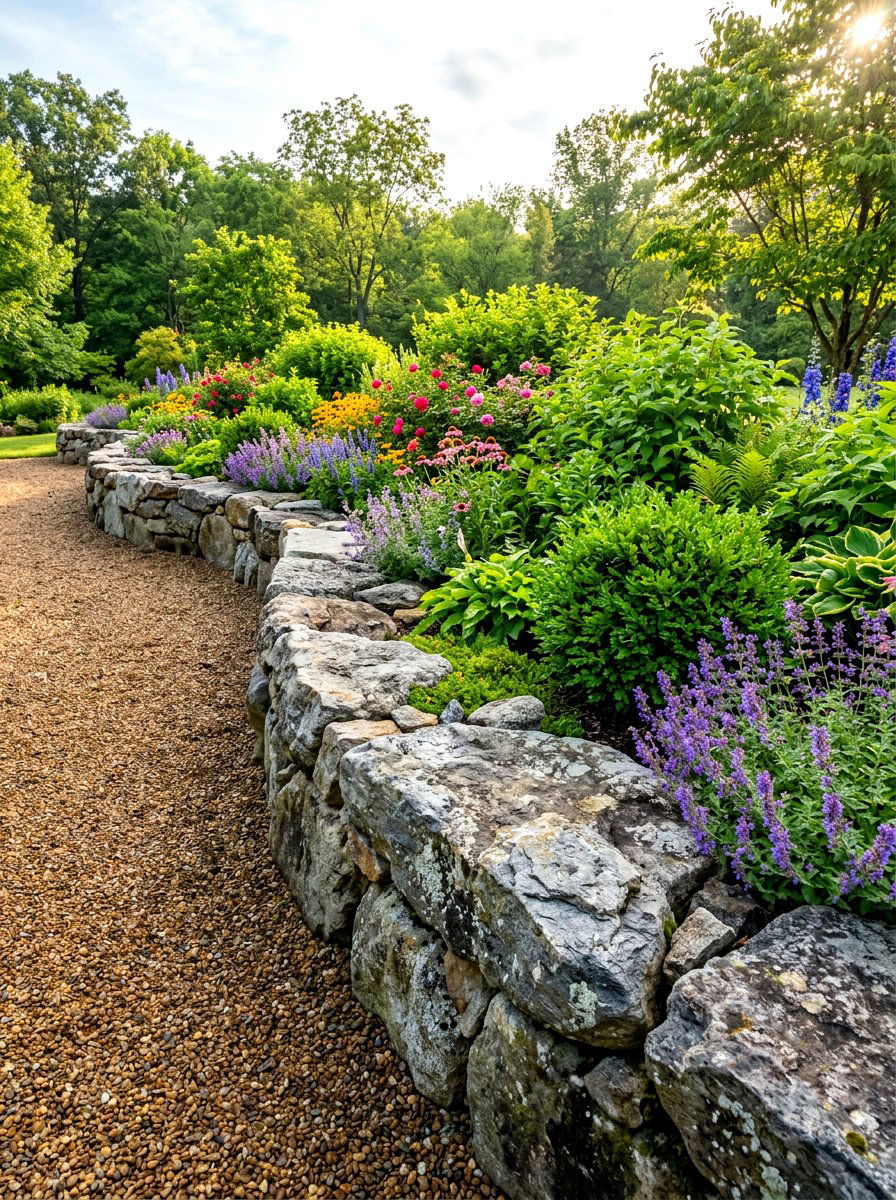
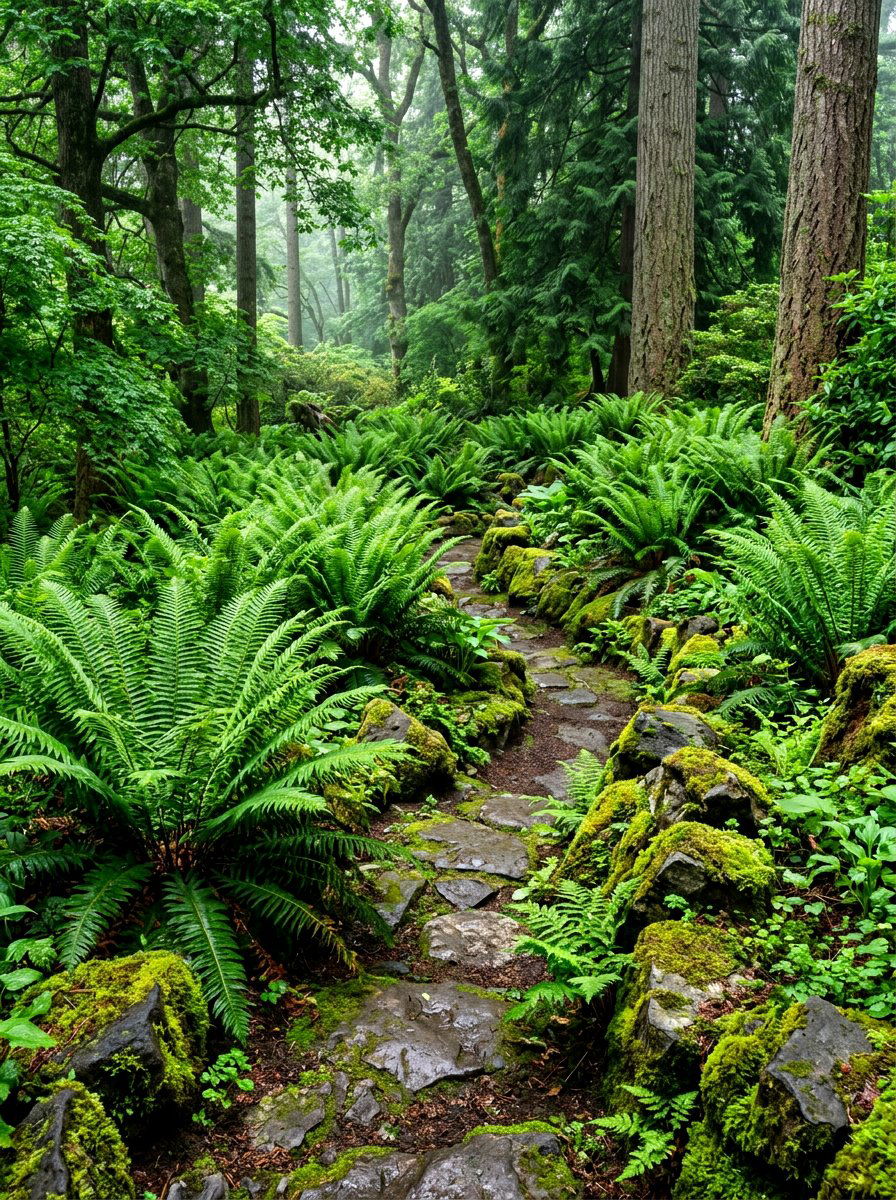
How do you give your flower beds a timeless look that lasts for decades? Stone garden borders offer a natural and rugged appearance that fits almost any landscape style. You can use large fieldstones or smaller flat stones to create a clear barrier between your lawn and your mulch. This helps prevent grass from creeping into your flowers. Many homeowners choose stones because they are heavy and stay in place without much maintenance. You can stack them high for a raised bed or keep them low for a subtle transition. The organic shapes of the stones provide a beautiful contrast to soft green foliage. It is a very durable and earthy choice.
2. Brick garden edging
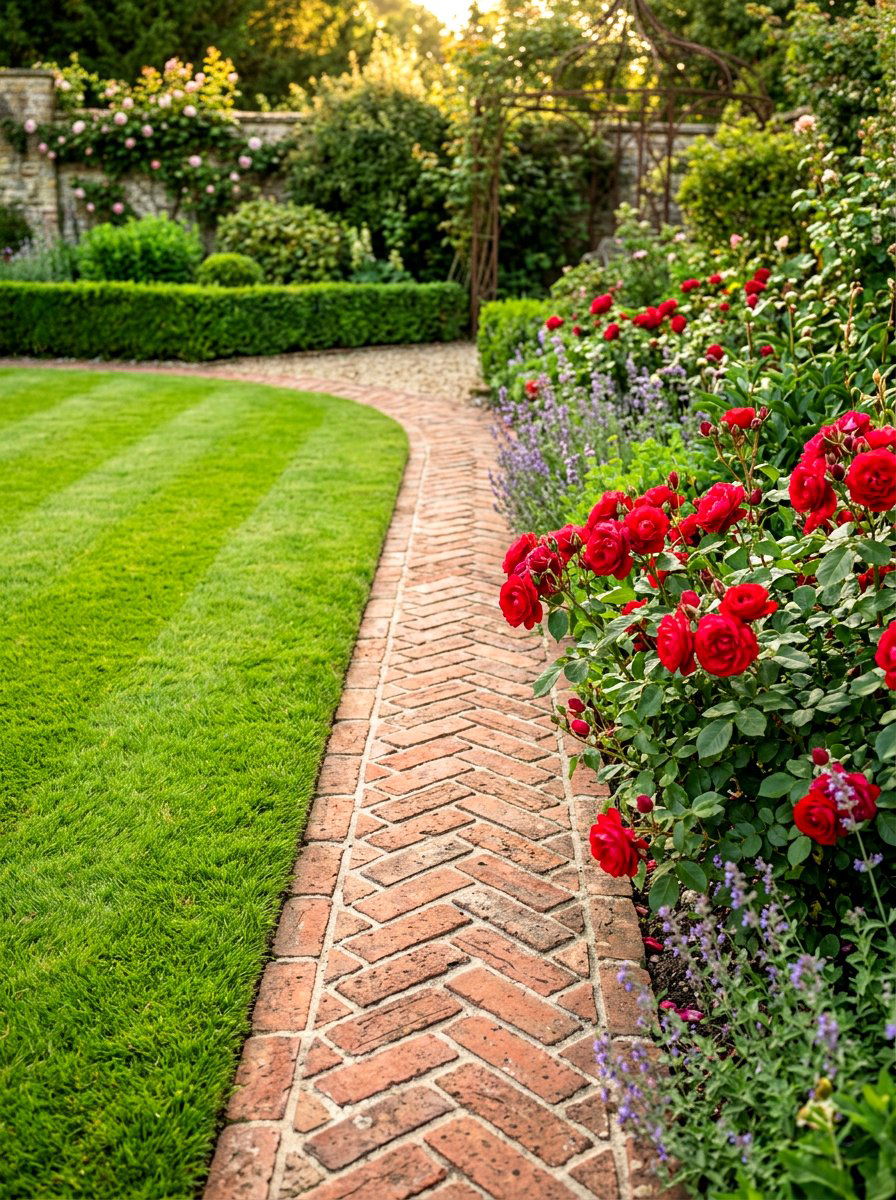
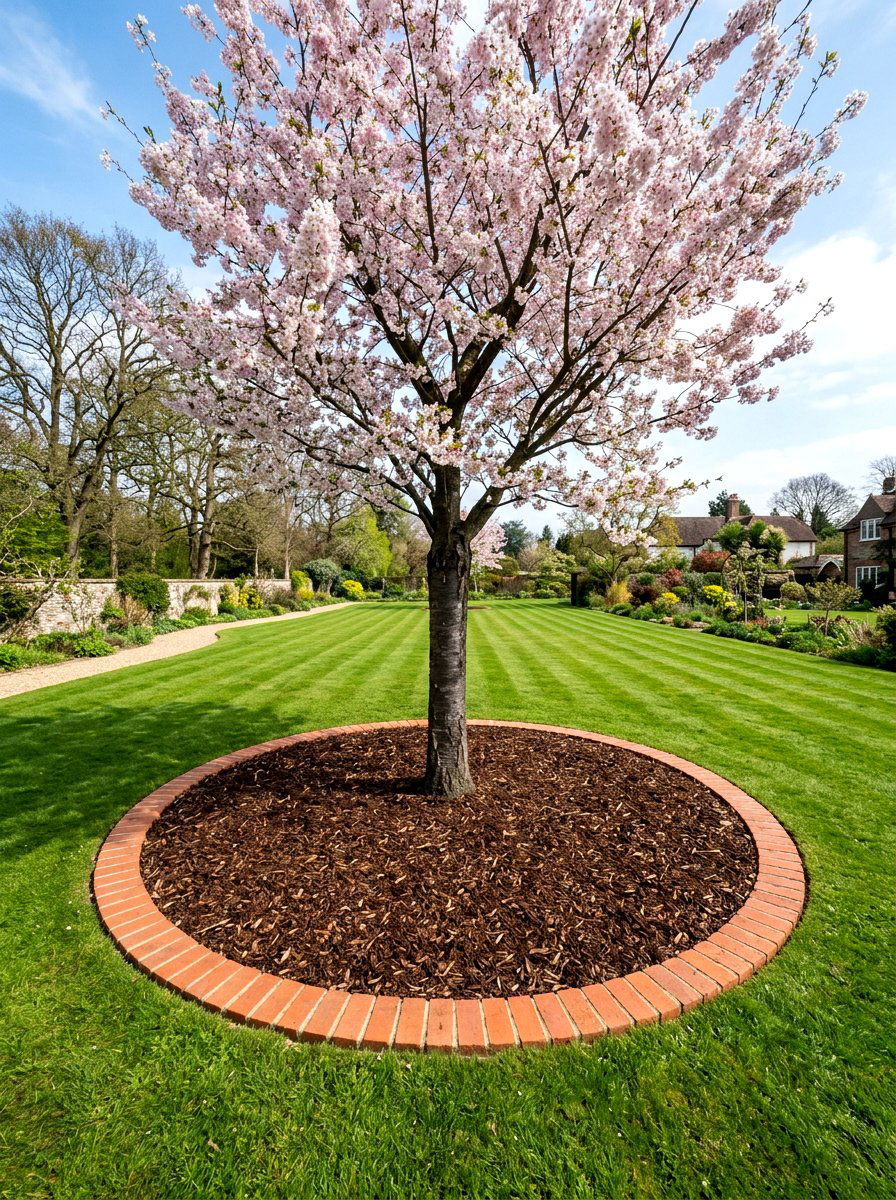
Bricks are a classic choice for homeowners who want a traditional and orderly look for their yard. You can lay bricks horizontally for a wide mowing strip or set them vertically for a taller boundary. Many people love using reclaimed bricks because they add history and character to the garden. Bricks are easy to install as a DIY project and can be arranged in various patterns like herringbone or basket weave. They provide a sturdy barrier that handles different weather conditions well. The warm red and orange tones of the brick complement green lawns perfectly. This material is also very affordable and widely available at most local hardware stores.
3. Wood log border
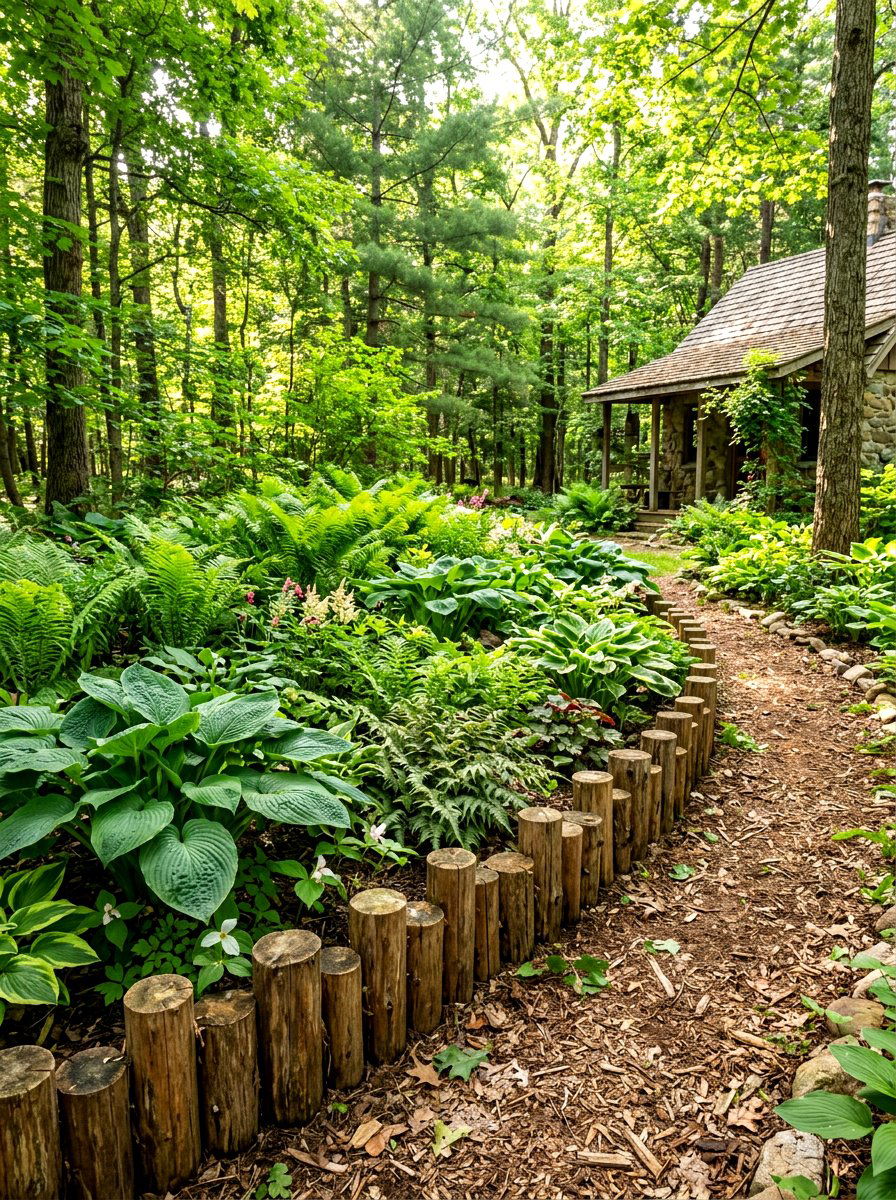
If you want a rustic or woodland theme, using natural logs as a border is a fantastic option. You can use small, uniform logs placed vertically to create a textured and upright fence-like appearance. Alternatively, laying long logs horizontally works well for large, straight garden beds. Wood blends seamlessly with the surrounding trees and plants, making it feel like a part of nature. To ensure the wood lasts longer, look for cedar or pressure-treated timber that resists rot and insects. This type of edging is perfect for cottage gardens or informal backyard spaces. It provides a warm, organic feel that is both inviting and very charming for guests.
4. Metal landscape edging
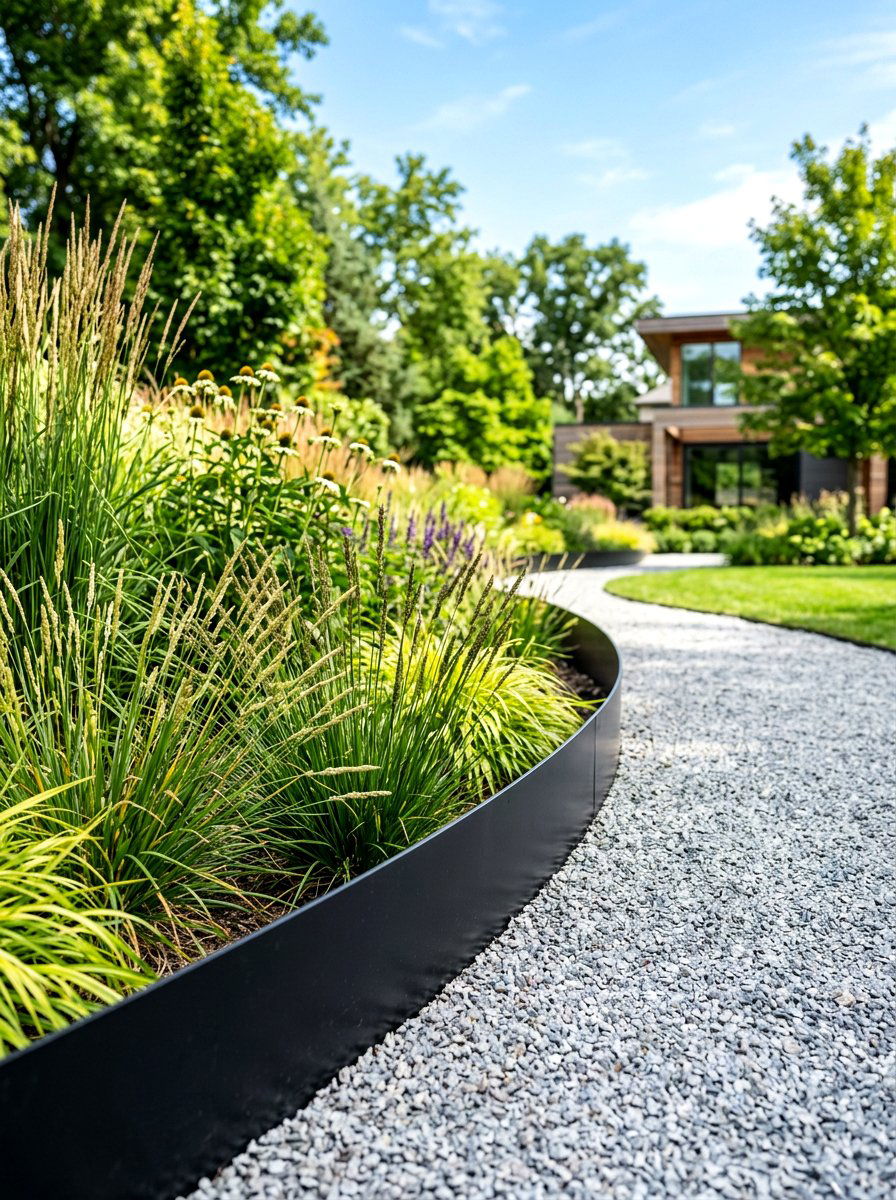
Metal landscape edging is the go-to choice for anyone who loves a clean and modern aesthetic. Most metal borders are made from steel or aluminum, providing a very thin and nearly invisible line. This creates a sharp and professional separation between your lawn and gravel or mulch. Metal is incredibly durable and can be easily bent to create smooth, flowing curves. It stays in place with metal stakes and does not rot like wood or crack like plastic. The sleek profile allows you to mow right up to the edge without damaging the barrier. It is a long-term investment that provides a high-end look with very little maintenance.
5. Concrete garden curb
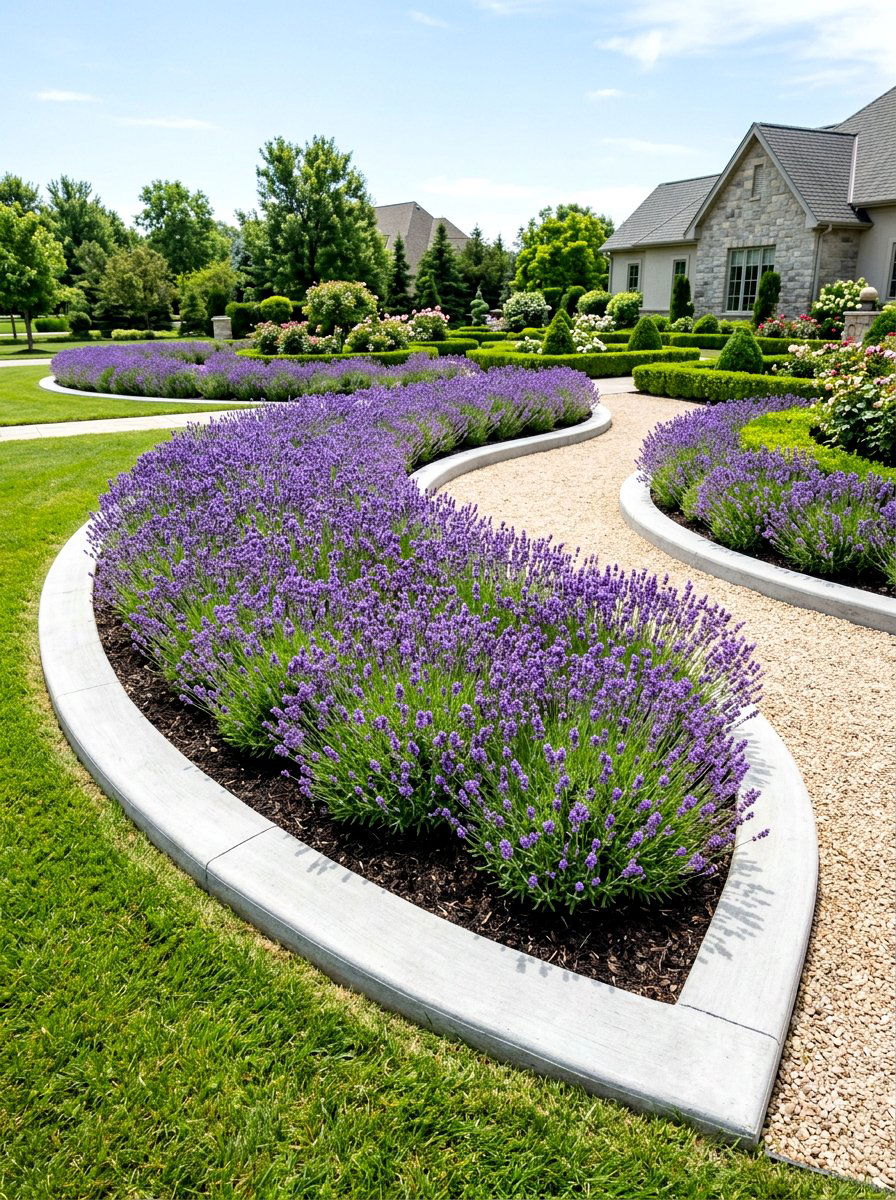
Poured concrete curbing is a permanent and highly customizable solution for defining your landscape boundaries. Professionals can mold concrete into various shapes, colors, and even stamped patterns that look like stone or brick. This type of edging is excellent for keeping grass out because it provides a solid, deep barrier. It is very heavy and will not shift over time, even during heavy rain or freezing winters. Concrete curves can follow the exact contours of your garden beds, providing a continuous and seamless finish. While it requires professional installation, the durability and clean appearance make it worth the cost. It is ideal for large properties and very formal garden designs.
6. Paver garden border
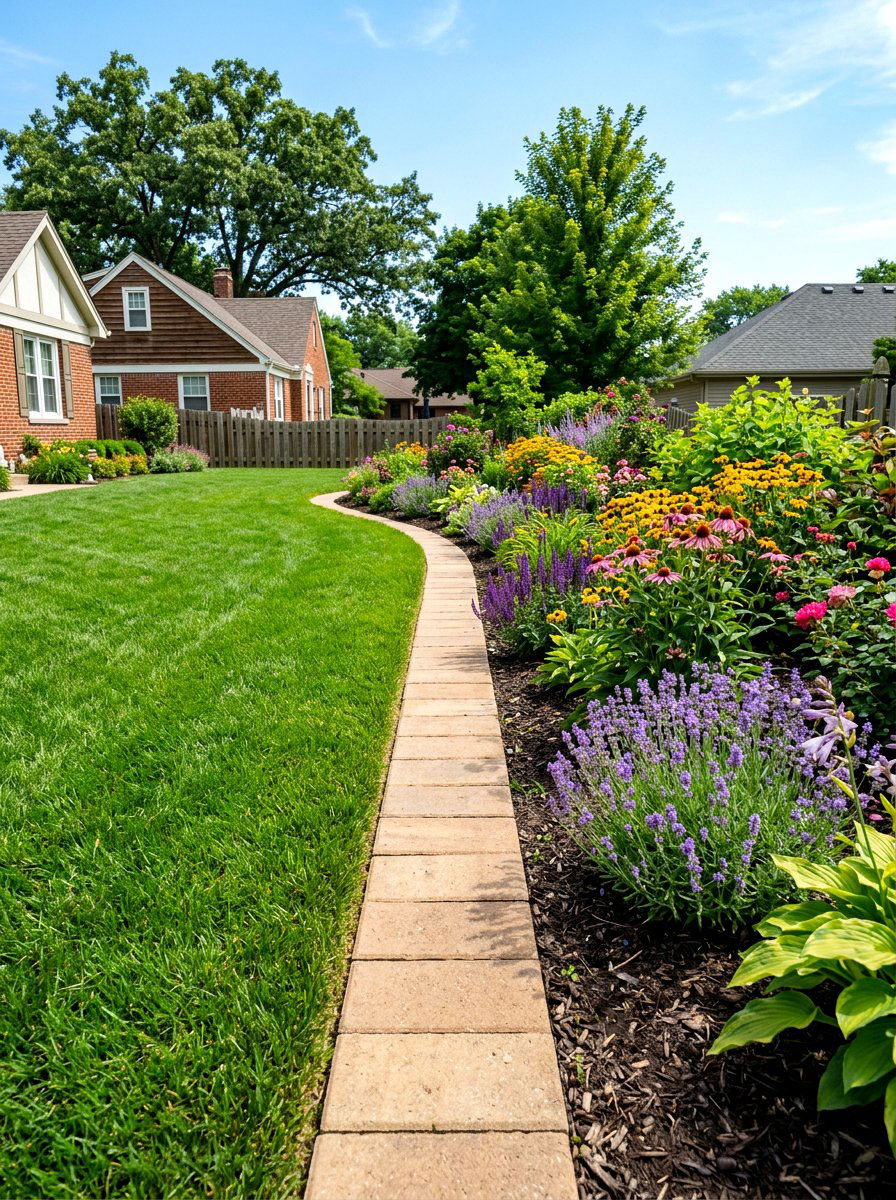
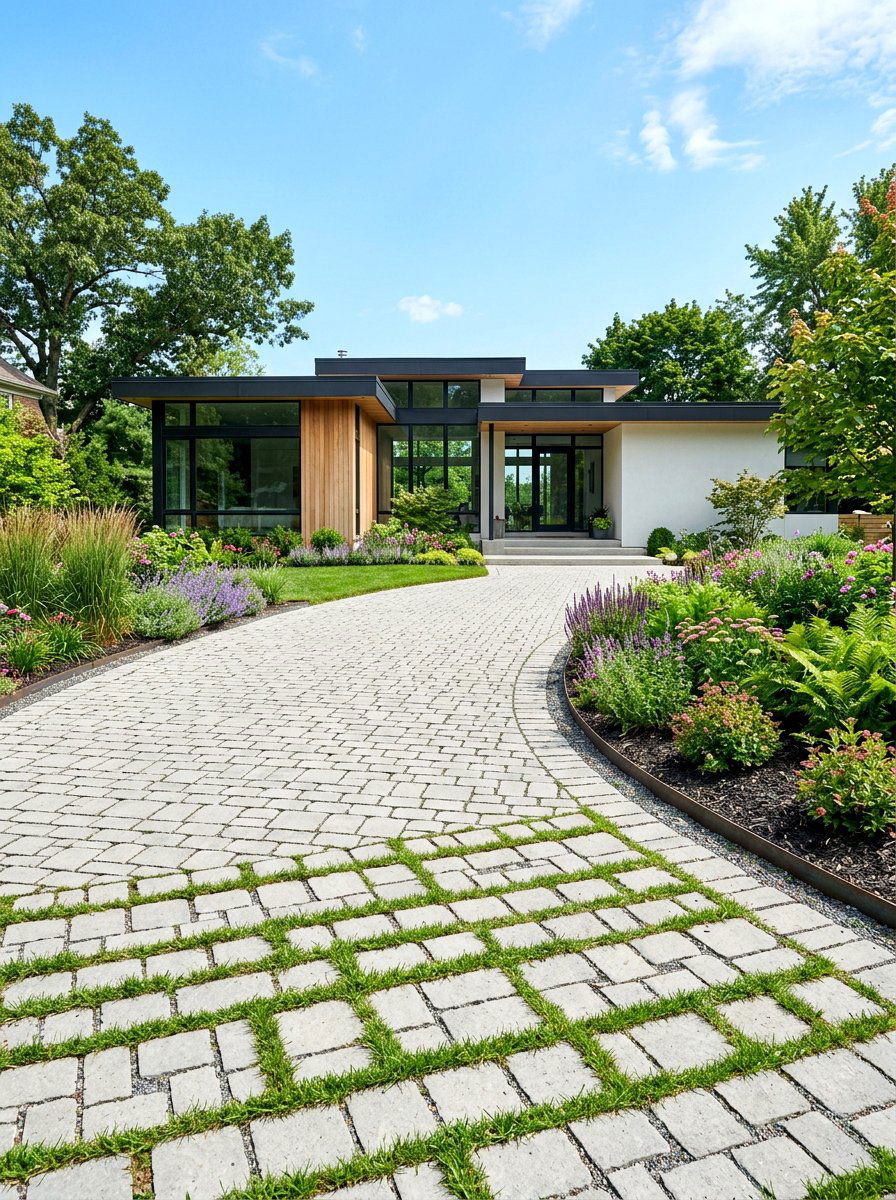
Concrete pavers are incredibly versatile and come in many different shapes, sizes, and colors to match your home. You can set them flush with the ground to create a convenient mowing strip for your lawnmower wheels. This eliminates the need for string trimming along the edges of your garden beds. Pavers can also be stacked to create a slightly raised border that adds depth to your landscape. They are very easy to install and can be rearranged if you decide to change your garden layout. The uniform look of pavers provides a sense of order and neatness. They are a great middle-ground between expensive stone and cheap plastic.
7. Plastic landscape edging
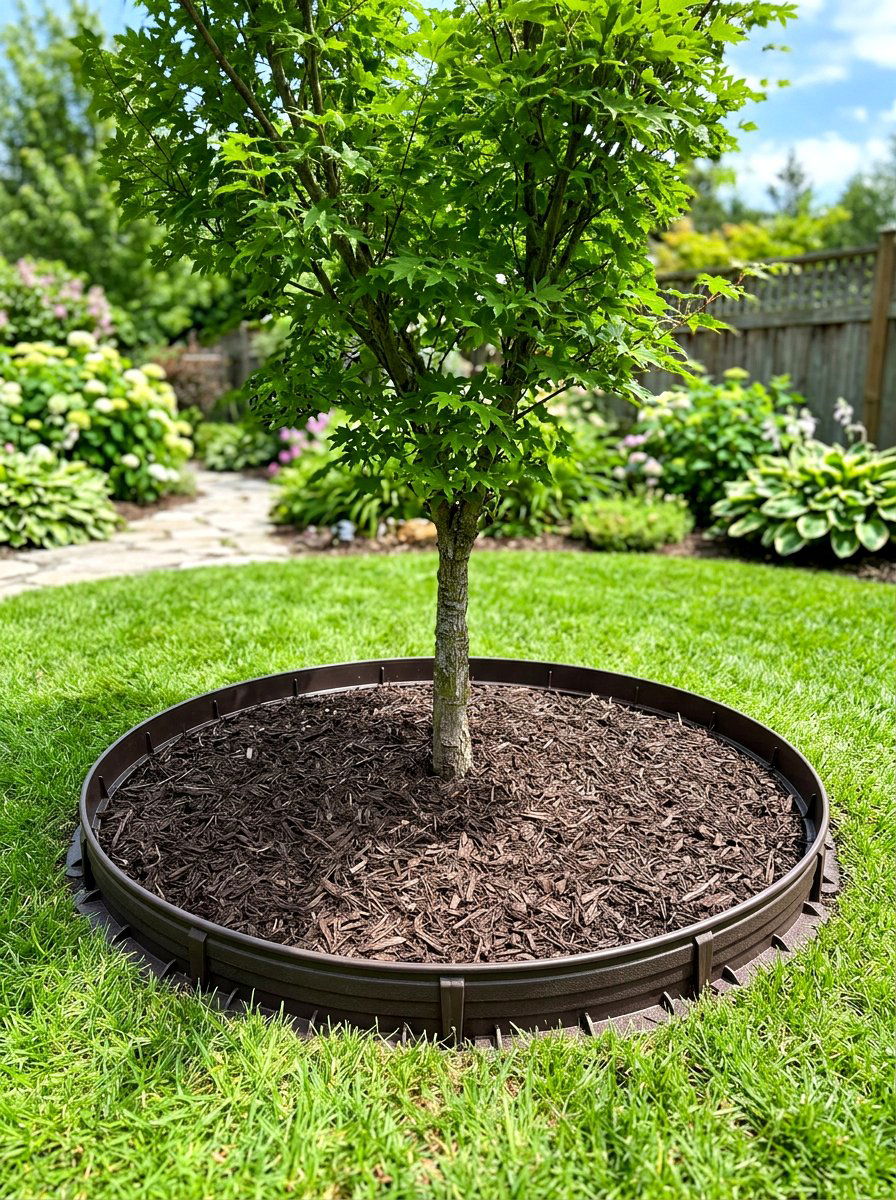
For homeowners on a budget who want an easy DIY project, plastic landscape edging is a popular choice. It is usually sold in long coils that are very flexible and easy to install in a shallow trench. Plastic is great for creating tight circles around trees or winding paths through the yard. While it may not be as durable as stone or metal, modern high-quality plastic is UV-resistant and can last for several years. It is virtually invisible once installed, as most of the material sits below the soil line. This makes it a functional choice that keeps mulch in place without distracting from the beauty of your plants.
8. River rock border
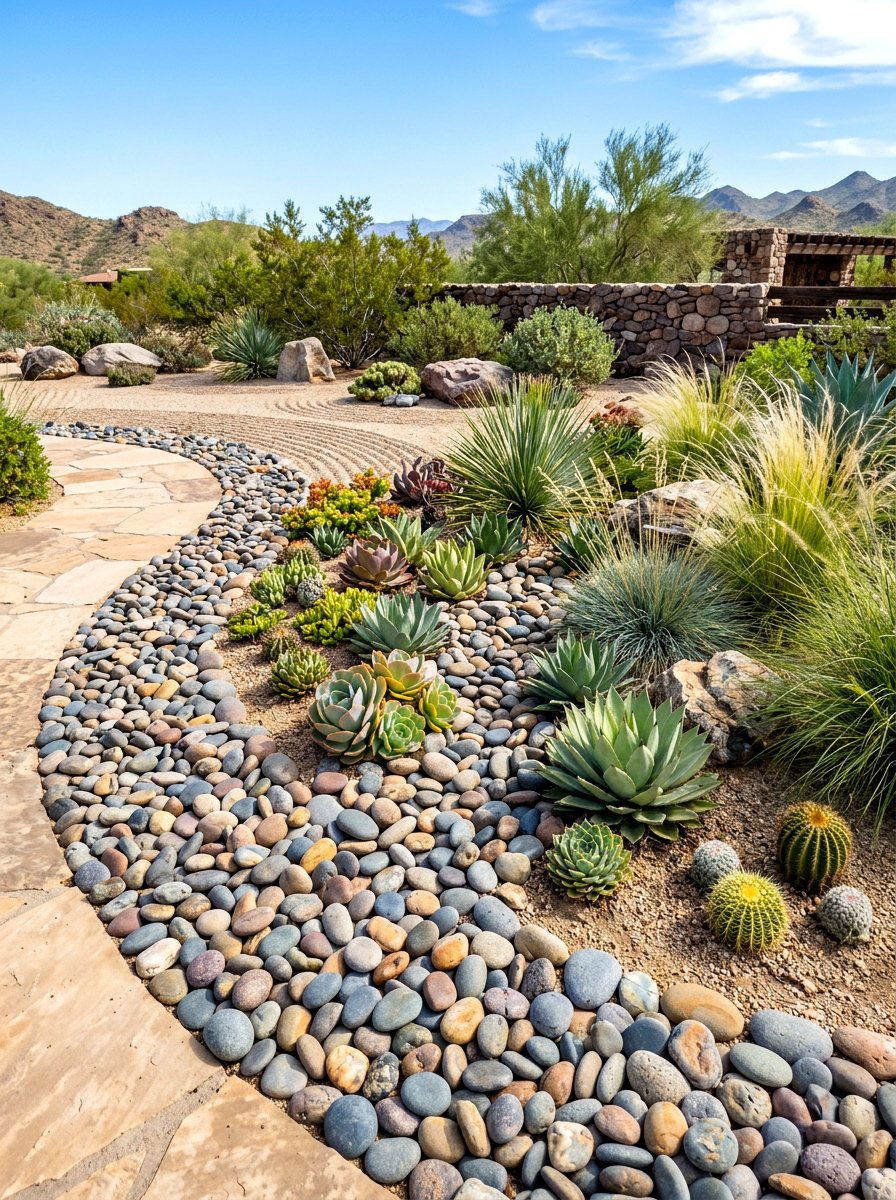
River rocks provide a soft and smooth texture that adds a serene, water-like quality to your garden borders. These rounded stones come in various shades of gray, tan, and white, making them very adaptable to different color schemes. You can create a wide border of river rocks to separate the lawn from a flower bed or a walkway. They are excellent for drainage and can help prevent soil erosion during heavy rain. Using river rocks creates a natural and relaxed vibe that works well with ornamental grasses and succulents. To keep them looking tidy, you should use a weed barrier fabric underneath the rocks to prevent grass growth.
9. Railroad sleeper border
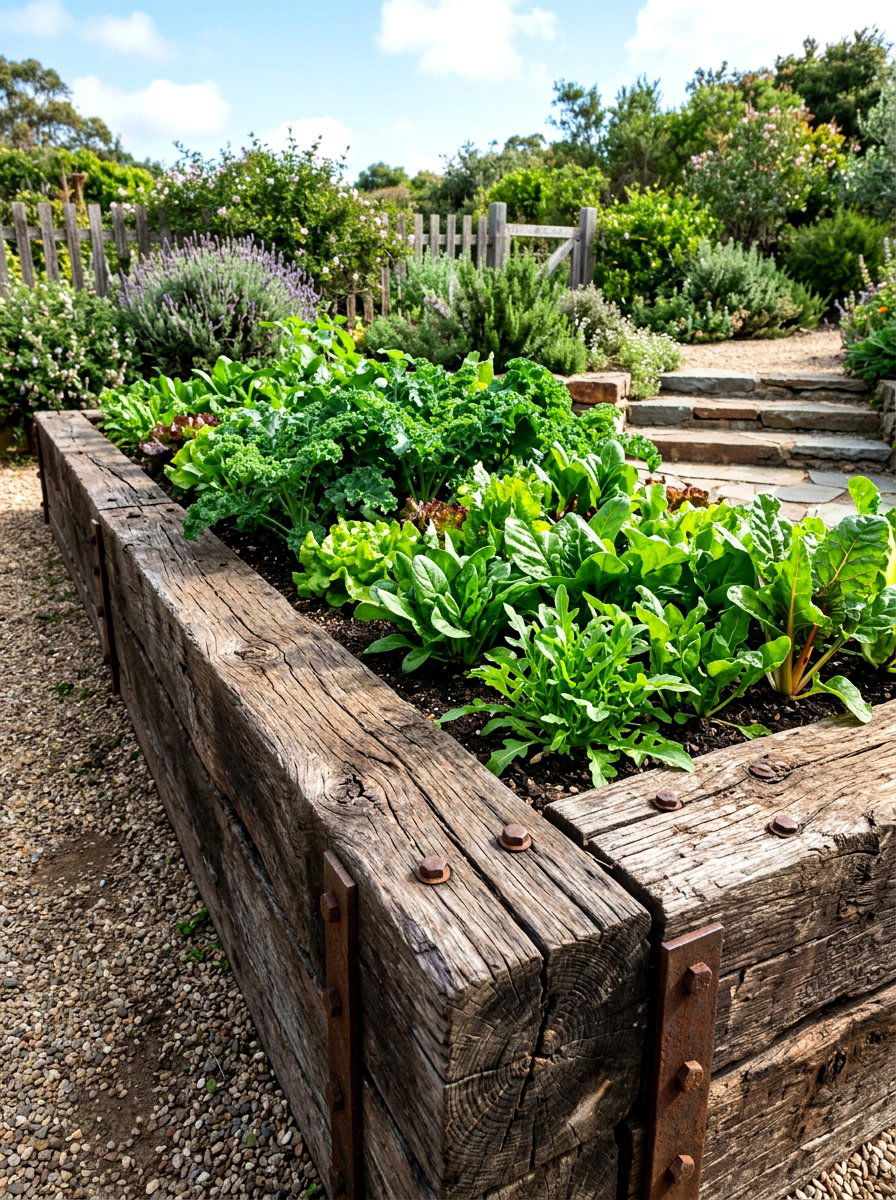
Using heavy railroad sleepers or large timber beams is a bold way to define your garden spaces. These thick pieces of wood provide a sense of structure and weight that works well for raised beds or terraces. The weathered look of old timber adds an industrial or rustic charm to the backyard. You can stack them to create different levels, which is helpful for sloped yards. Because they are so large, they stay in place easily without much extra anchoring. Railroad sleepers are also very durable and can last for many years even in moist soil. They offer a strong visual boundary that separates the wild garden from the manicured lawn.
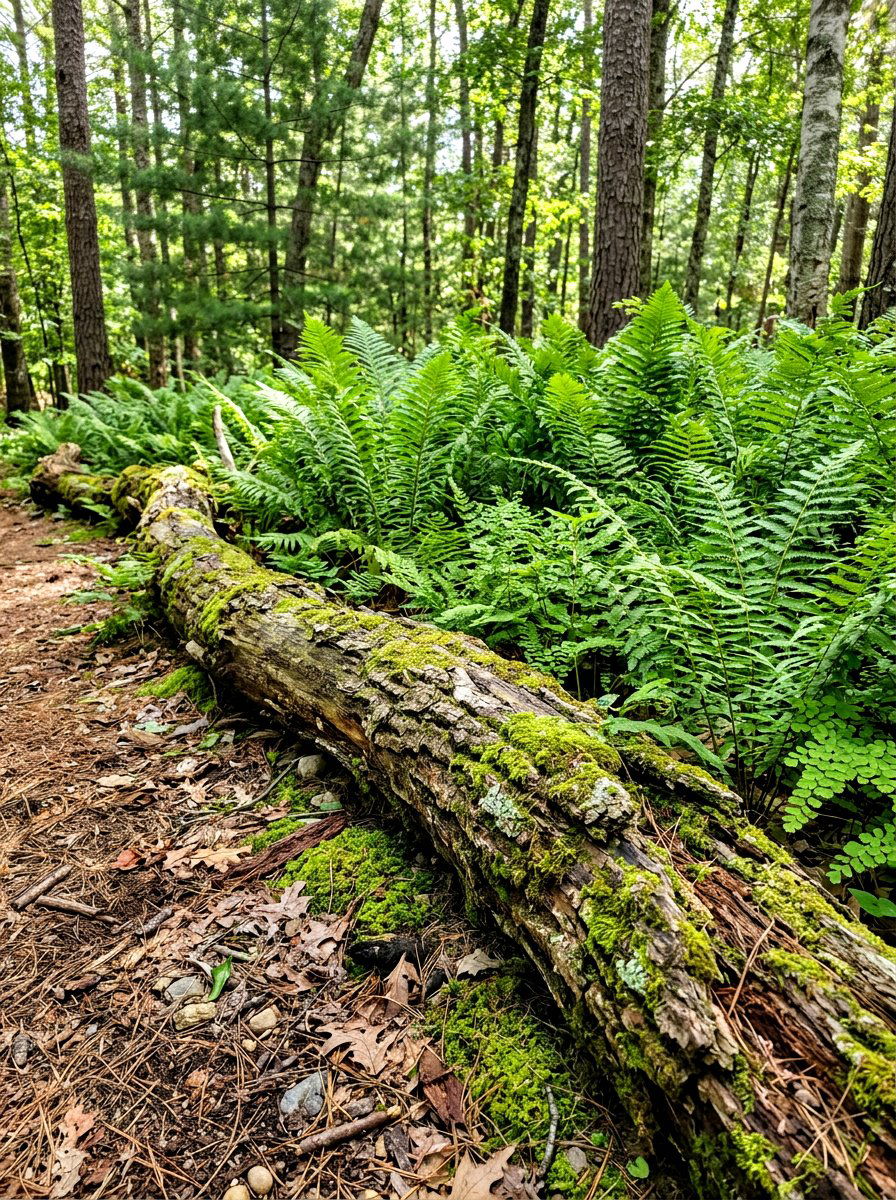
10. Cobblestone garden edge
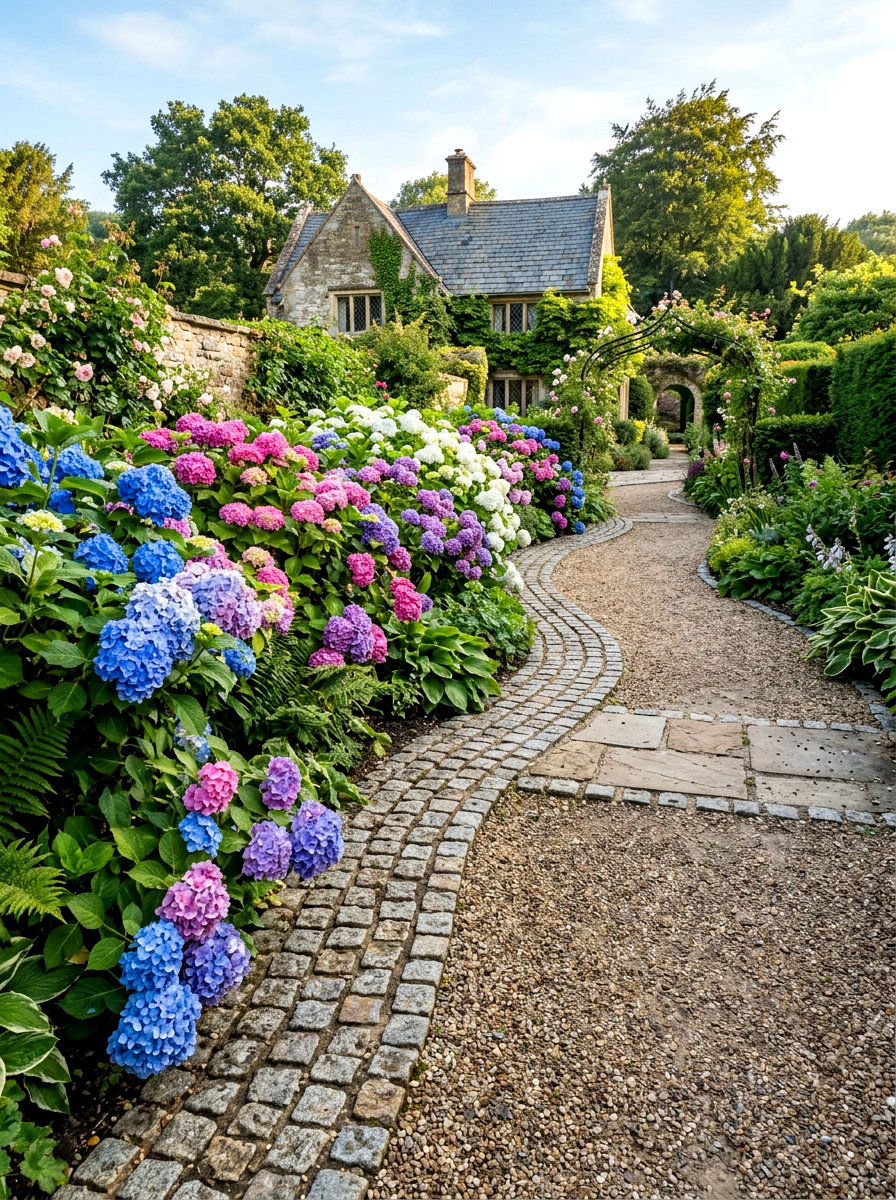
Cobblestones offer an old-world charm that can make your garden feel like a classic European courtyard. These small, rounded or rectangular stones are typically made of granite or basalt, making them incredibly tough. You can set them in a bed of sand or mortar to ensure they remain level and stable over time. Cobblestones are perfect for creating curved paths or circular borders around central garden features. Their uneven surfaces add a beautiful texture that catches the light and shadows throughout the day. While they require more effort to install, the result is a high-end, historical look that never goes out of style for any home.
11. Bamboo garden border
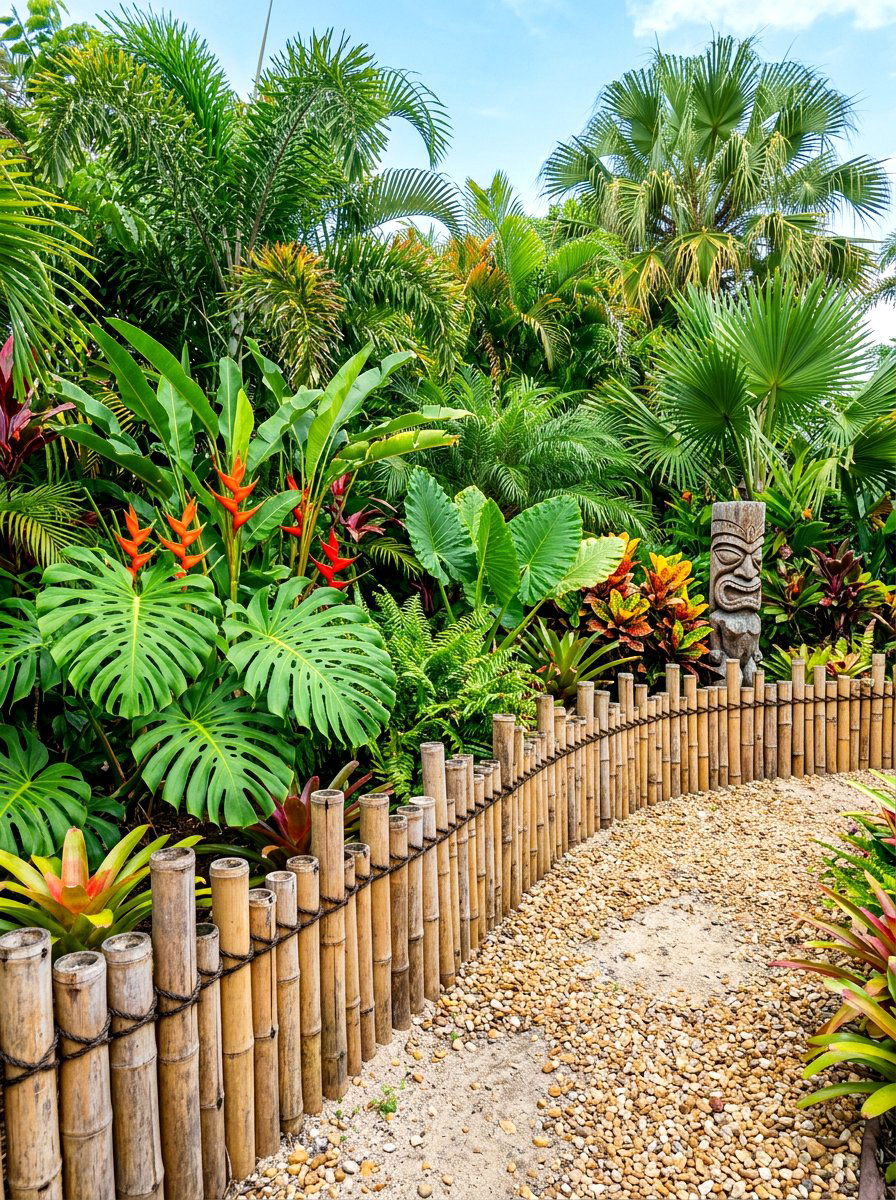
Bamboo is an eco-friendly and sustainable material that brings a tropical or Zen-like feel to your outdoor space. Short bamboo stakes or pre-made bamboo fencing can be easily hammered into the ground to create a light and airy border. This material is surprisingly strong and adds a unique vertical element to your garden edges. It is a great choice for Asian-inspired landscapes or gardens filled with exotic plants. Bamboo is naturally resistant to moisture, although it may fade to a beautiful silvery-gray over time. It is a lightweight and affordable option for those who want something different from traditional wood or stone borders. It looks great near water.
12. Gabion garden wall
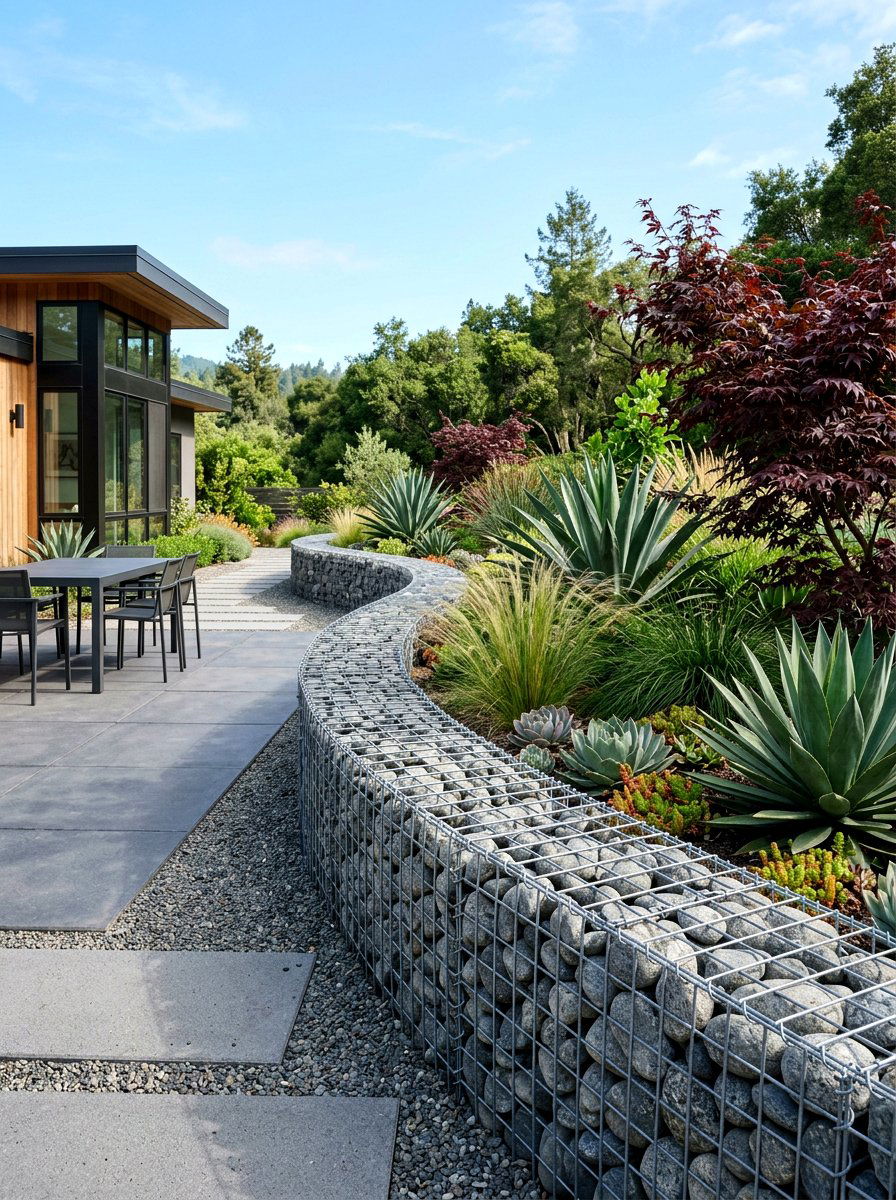
Gabion walls are wire baskets filled with stones, and they make for a very modern and industrial garden border. You can use low gabion cages to edge your flower beds or create a small retaining wall for a raised garden. The beauty of gabions is that you can choose different types of stone to fill them, such as colorful pebbles or rugged granite. They provide excellent drainage and are extremely stable due to their weight. This style is becoming very popular in contemporary landscape design because it combines raw materials with clean lines. It is a great way to add both texture and a strong architectural element to your backyard.
13. Terracotta tile border
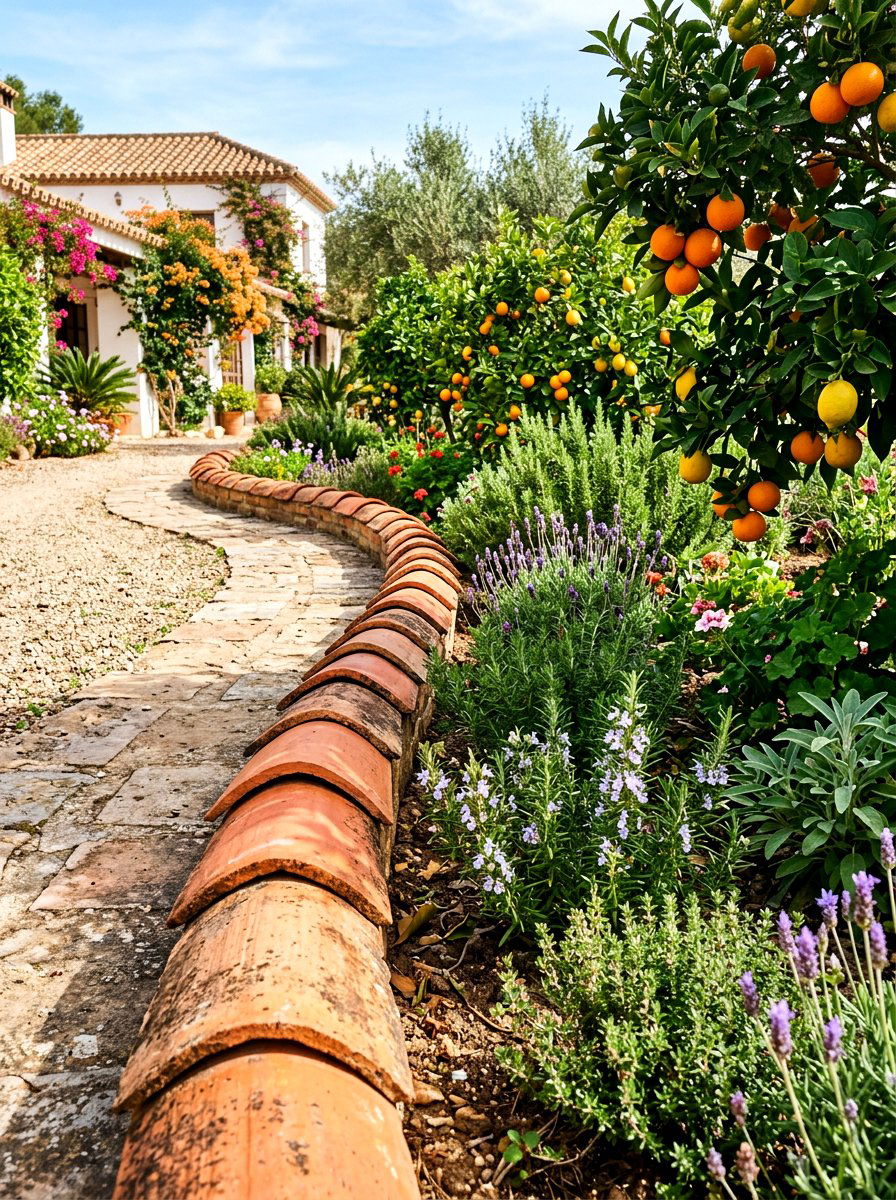
Terracotta tiles bring a warm and Mediterranean vibe to any garden space with their distinctive reddish-brown color. You can use half-round tiles or flat rectangular ones set on their side to create a decorative edge. These tiles look beautiful when paired with colorful flowers and terracotta pots. They are a great way to add a bit of vintage or artistic flair to your landscape. While terracotta can be fragile in freezing climates, it adds a lot of character and a handmade feel. Using these tiles is a creative way to repurpose old building materials. They create a charming and sunny atmosphere that feels like a getaway in your own backyard.
14. Flagstone garden edge
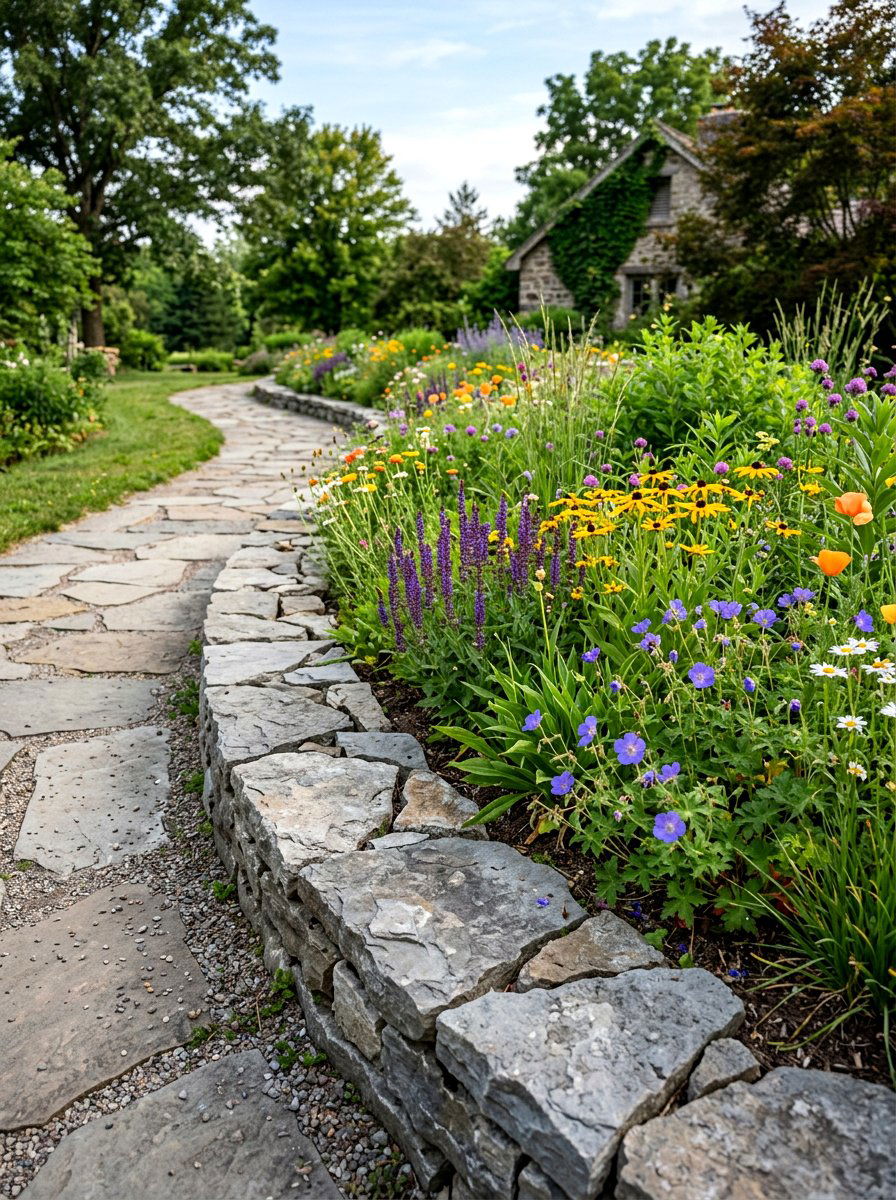
Flagstones are flat, thin slabs of natural stone that are perfect for creating a wide and sturdy garden border. You can lay them flat to create a path that doubles as an edge, or set them vertically for a thin, sharp boundary. The irregular shapes and natural colors of flagstone give the garden an organic and relaxed look. It is a very durable material that can withstand heavy foot traffic and changing weather. Flagstone borders are excellent for connecting different areas of the yard, such as a patio and a flower bed. They provide a high-end and cohesive look that enhances the value and beauty of your property.

15. Gravel garden border
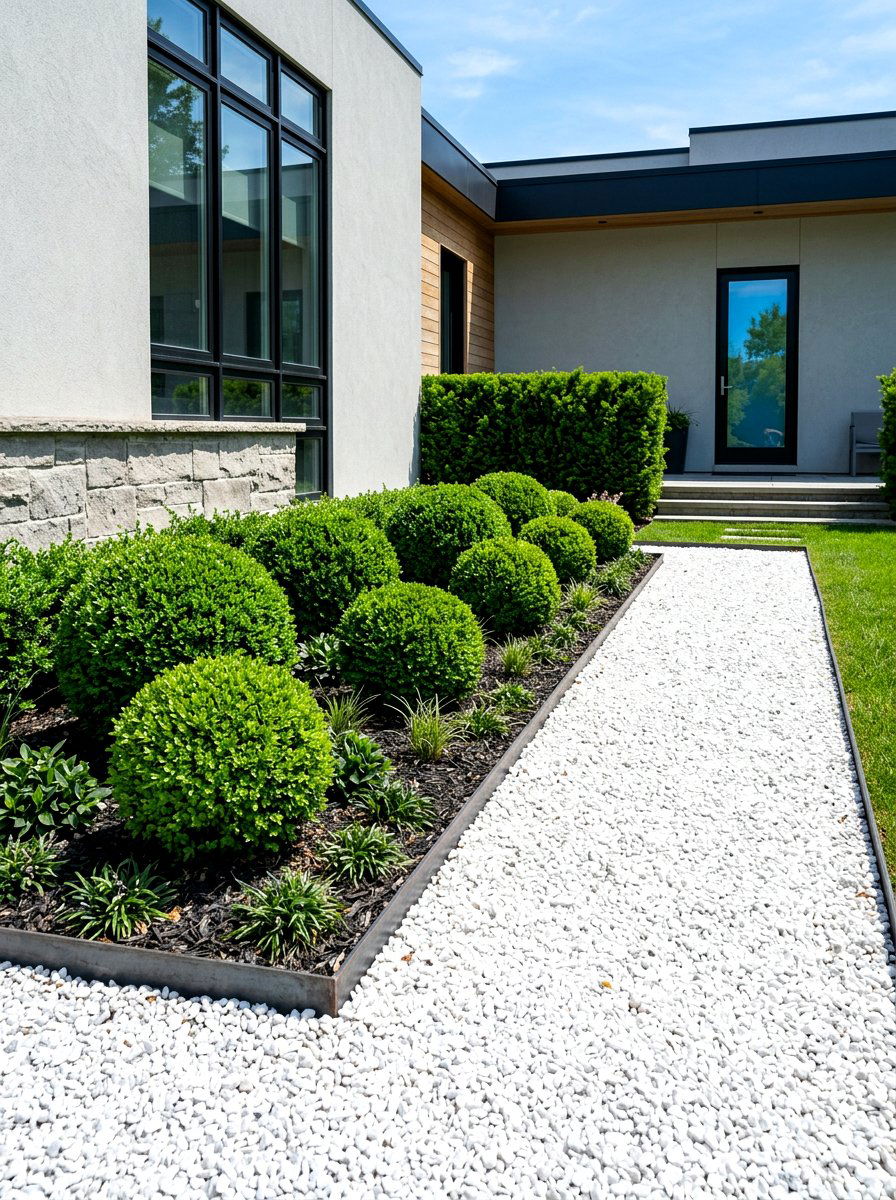
Gravel is a simple and cost-effective way to create a clean separation between different zones in your garden. You can dig a shallow trench and fill it with small decorative pebbles to create a permeable border. This is especially useful for drainage and preventing water from pooling near your home’s foundation. Gravel comes in many colors, from bright white to dark charcoal, allowing you to customize the look. It works well in both modern and traditional gardens and can be combined with other materials like stone or metal. To keep the gravel in place, it is best to use a thin hidden border or a deeper trench for better stability.
16. Woven willow border
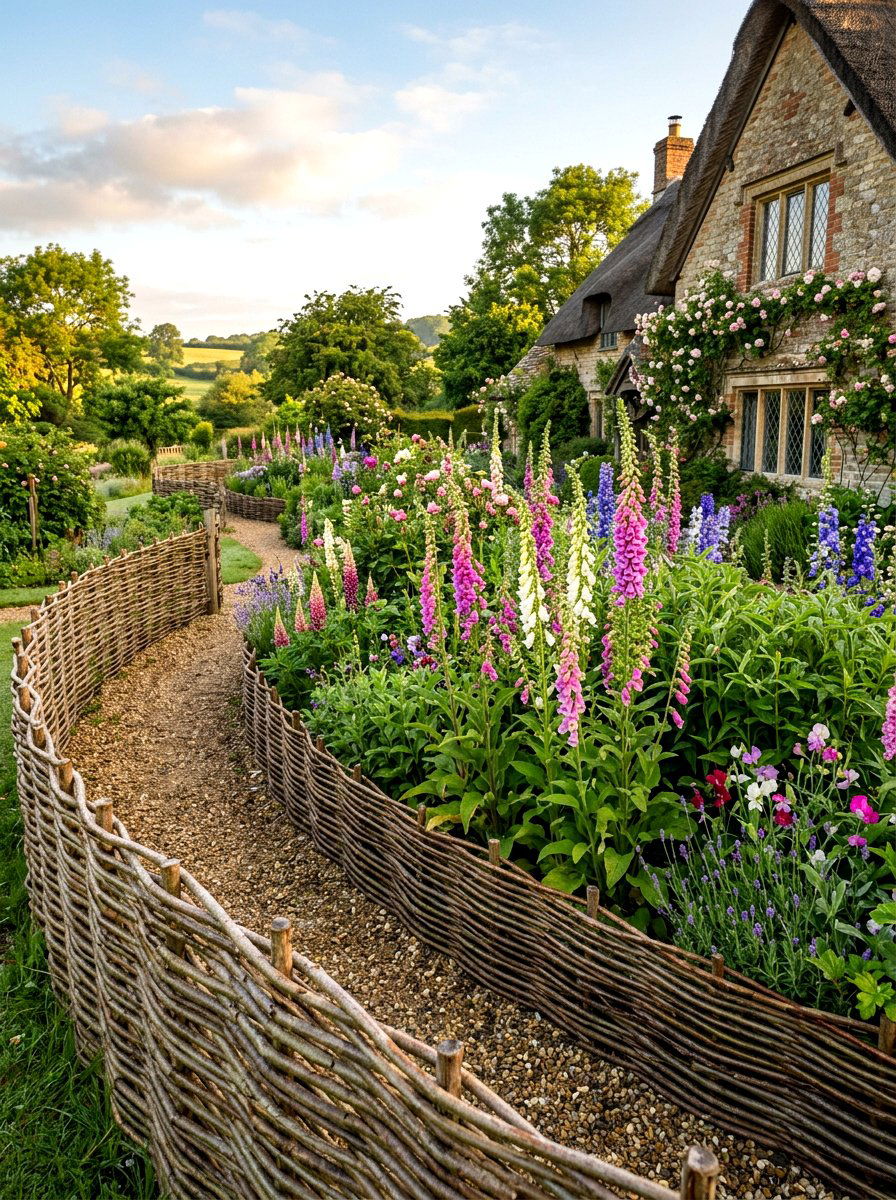
Woven willow or wattle edging is a traditional and artistic way to frame your garden beds. This method involves weaving flexible willow branches around upright wooden stakes to create a low, rustic fence. It is a beautiful and natural option that feels right at home in a cottage garden or a vegetable patch. The organic texture of the woven wood adds a lot of visual interest and a sense of craftsmanship. While it may not last as long as stone or metal, it is biodegradable and easy to replace. This type of edging provides a soft and charming boundary that allows your plants to spill over gracefully.
17. Rubber garden edging
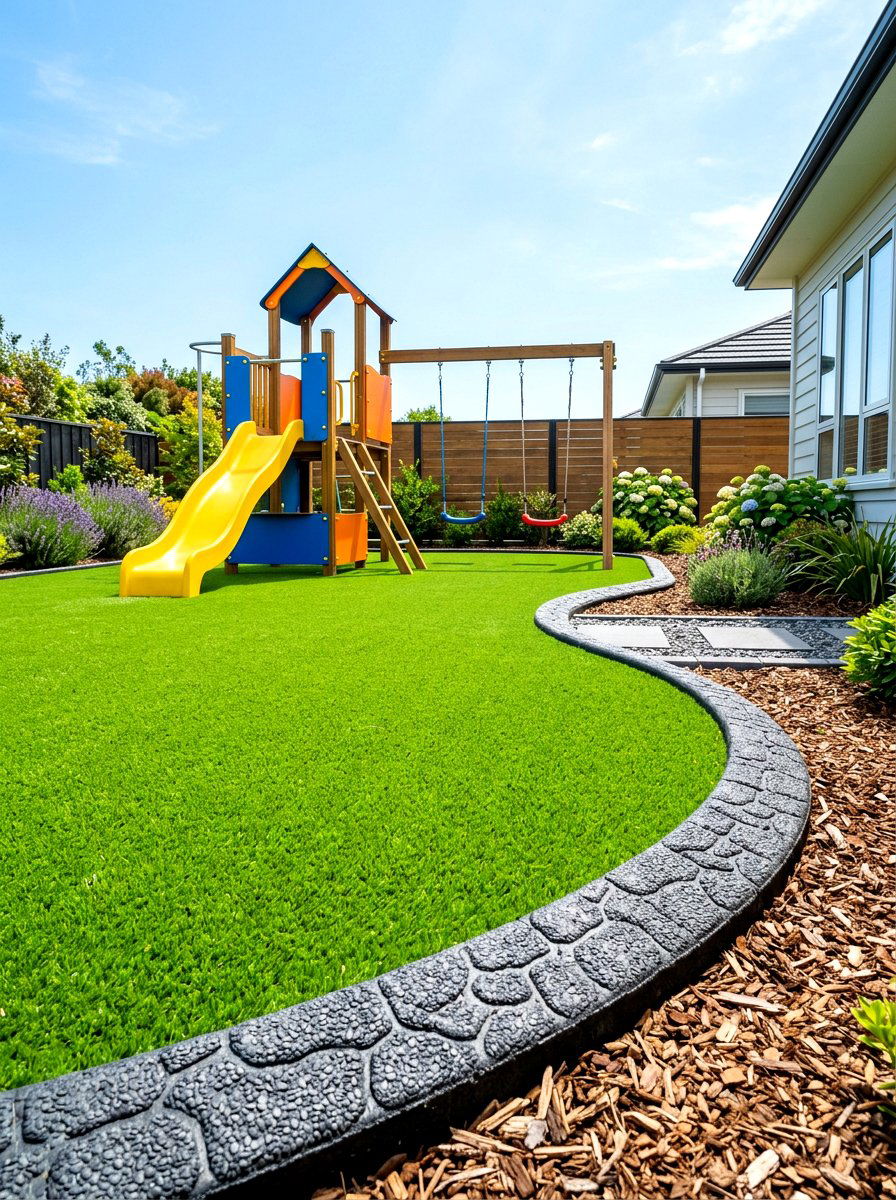
Rubber edging is an innovative and eco-friendly choice made from recycled tires. It is incredibly flexible, making it the perfect material for gardens with complex curves and unique shapes. Rubber does not rot, crack, or rust, and it is very safe for households with children or pets because it has a soft surface. Many styles are designed to look like real stone or wood, giving you the aesthetic of natural materials with more durability. It is very easy to install using heavy-duty stakes and requires almost no maintenance. This type of border is also resistant to weed whackers, which is a big plus for easy lawn care.
18. Glass bottle border
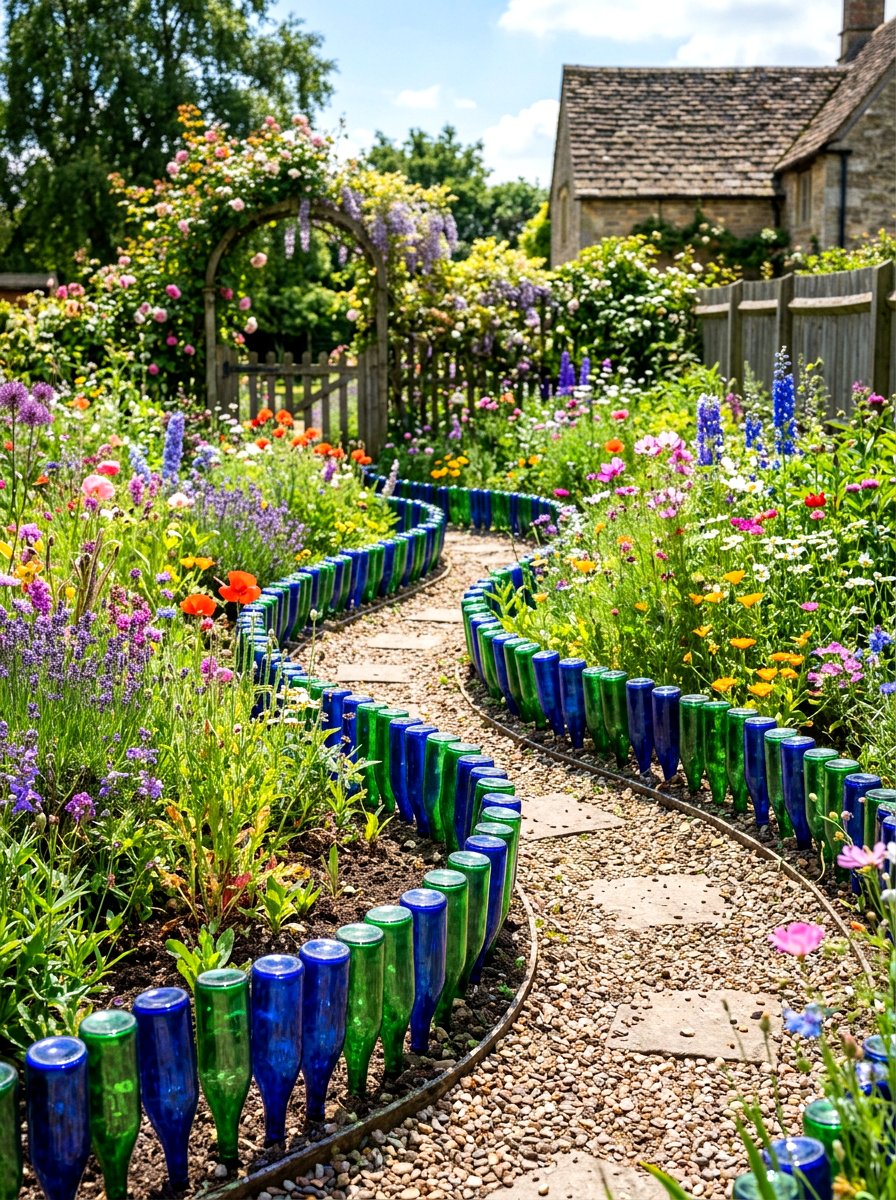
If you love upcycling and want a whimsical or artistic look, glass bottles make a very unique garden edge. You can bury old wine or soda bottles upside down in the soil with only the bottoms showing. This creates a colorful and translucent border that glows when the sun shines through the glass. You can mix different colors like green, blue, and brown to create a mosaic effect along your garden path. This is an incredibly affordable and eco-friendly way to define your space. It adds a personal and creative touch that is sure to be a conversation starter for anyone who visits your backyard garden area.
19. Log slice border
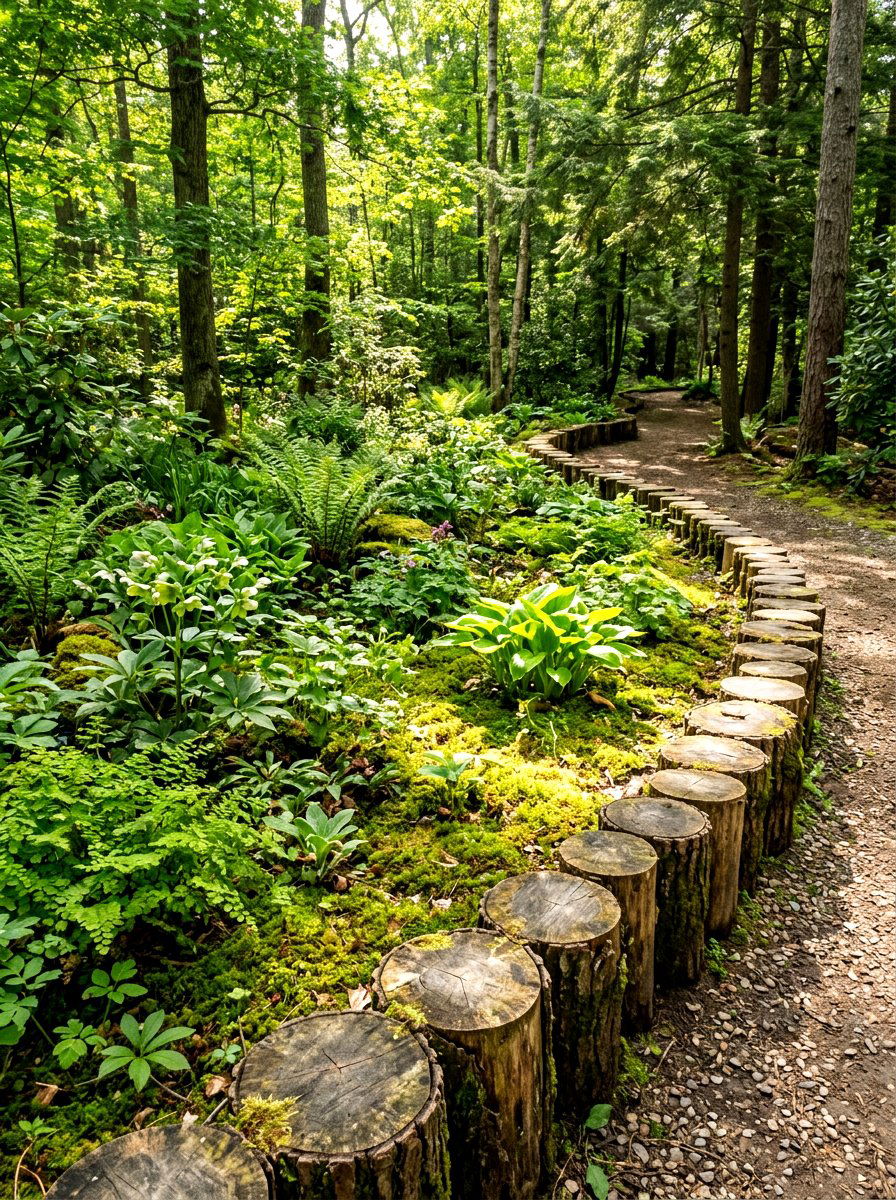
Log slices, also known as wood cookies, are circular sections of wood that provide a charming and natural look. You can place them flat in the ground to create a stepping-stone edge or set them vertically for a textured boundary. Using slices from different types of trees can add a variety of colors and bark textures to your garden. This style is perfect for a forest-themed yard or a natural play area for kids. To keep them looking fresh, you can seal the wood to protect it from moisture and decay. It is a great way to use wood from fallen trees on your own property and save money.
20. Limestone garden edge
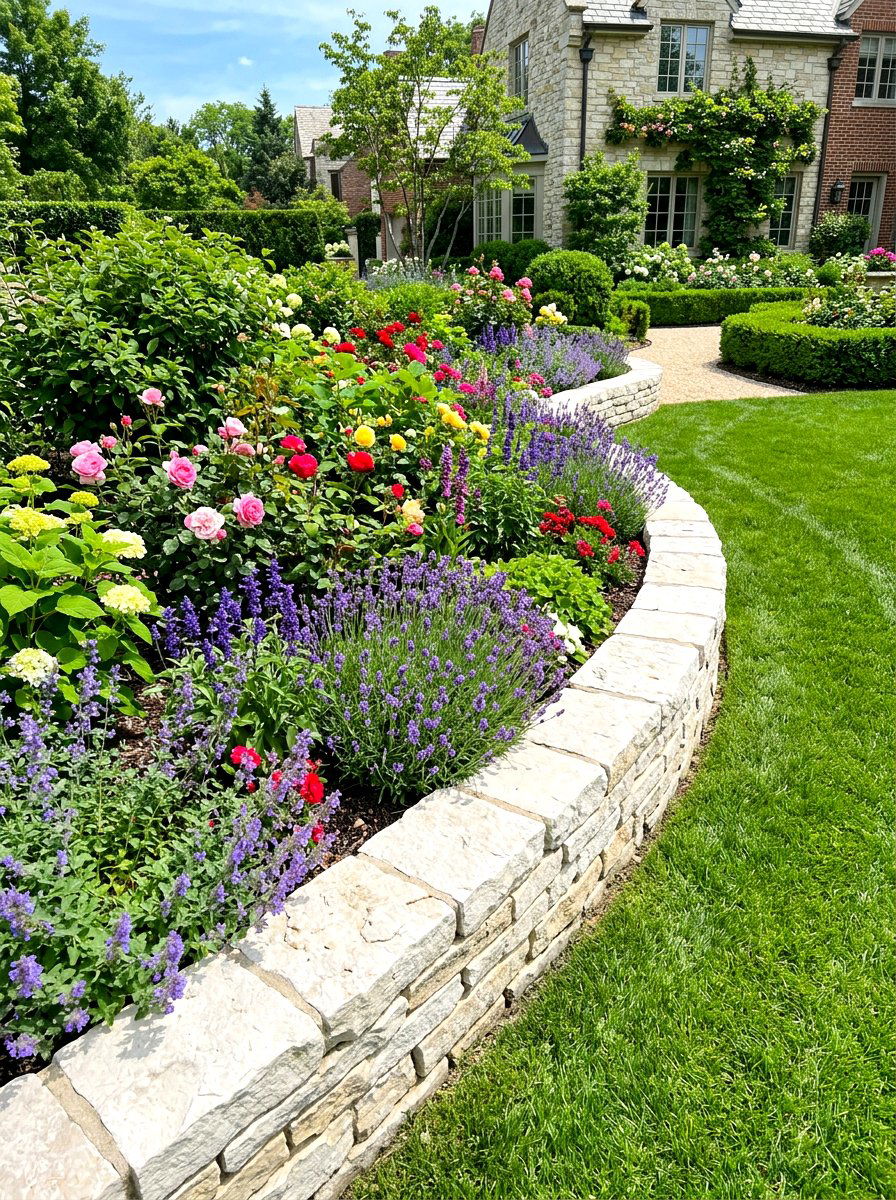
Limestone is a popular choice for garden edging because of its light color and elegant appearance. These stones provide a bright and clean look that makes green plants pop against the pale background. Limestone can be found in rough blocks for a natural look or smooth cut pieces for a more formal design. It is a very durable material that ages beautifully over time, developing a soft patina. Many people use limestone to create raised beds or to line paths because of its classic and upscale feel. It works particularly well in sunny gardens where the light reflects off the stone to brighten the entire outdoor space.
21. Living plant border
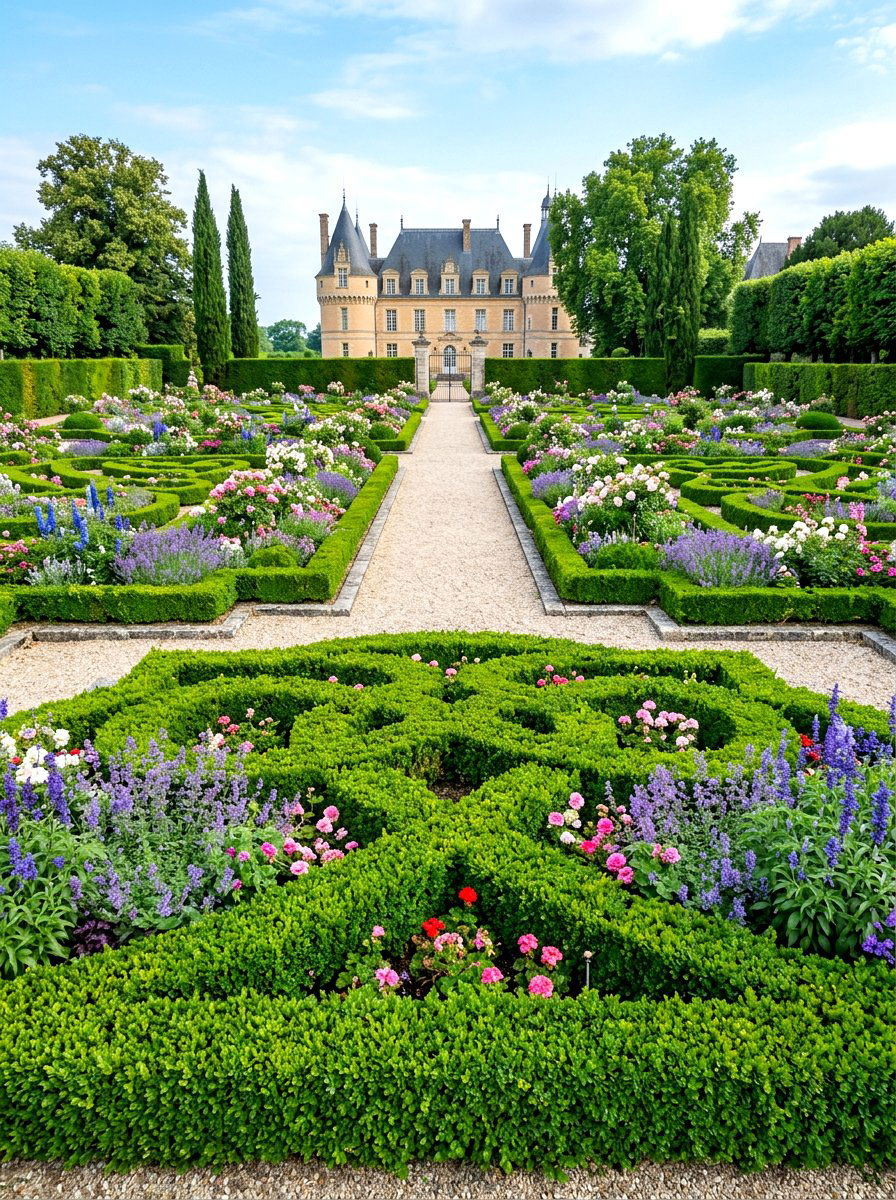
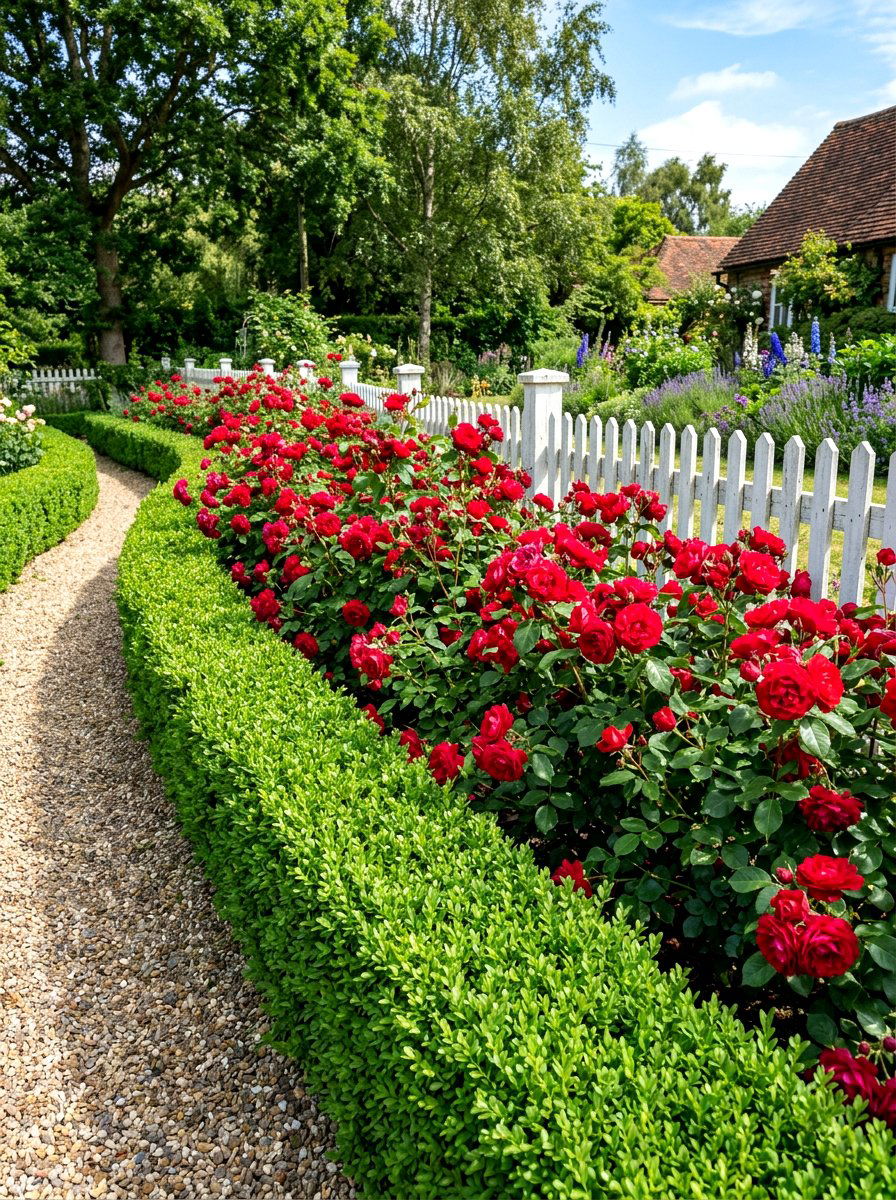
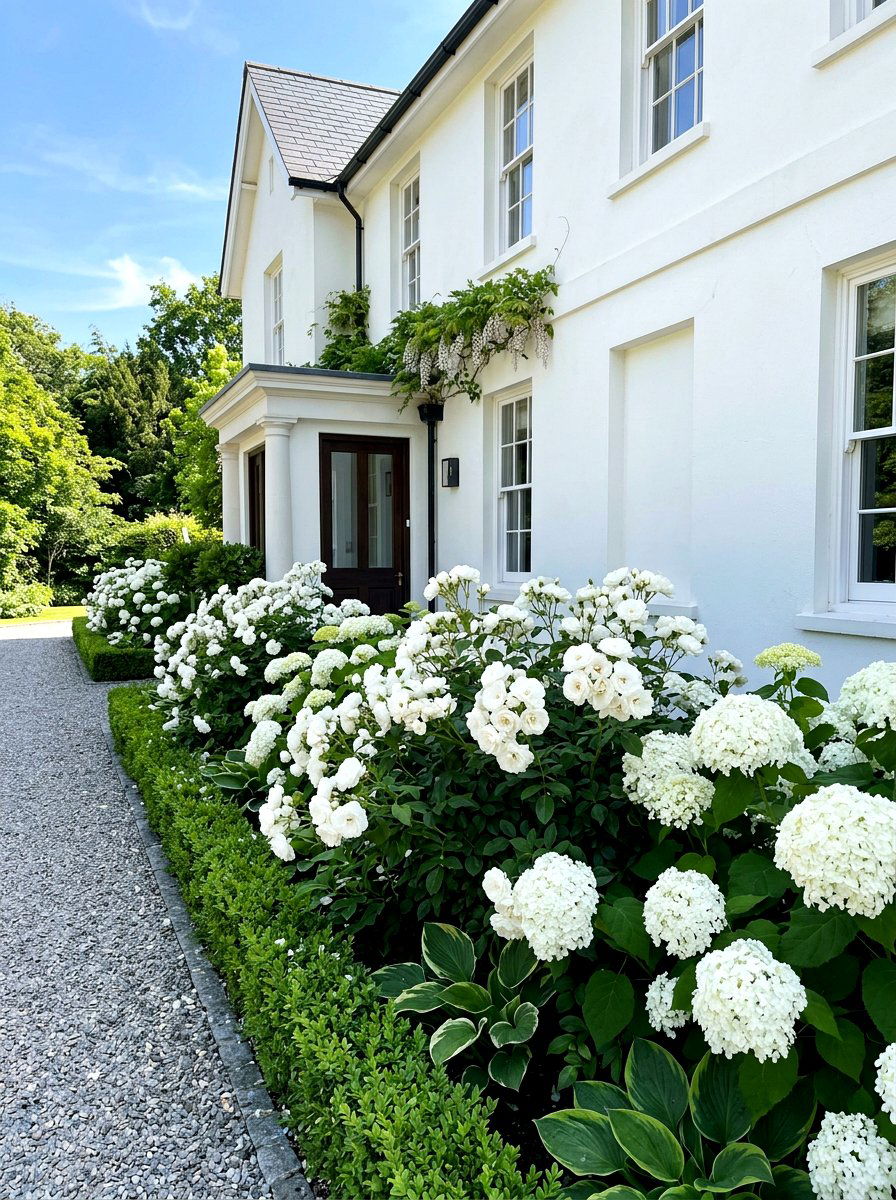
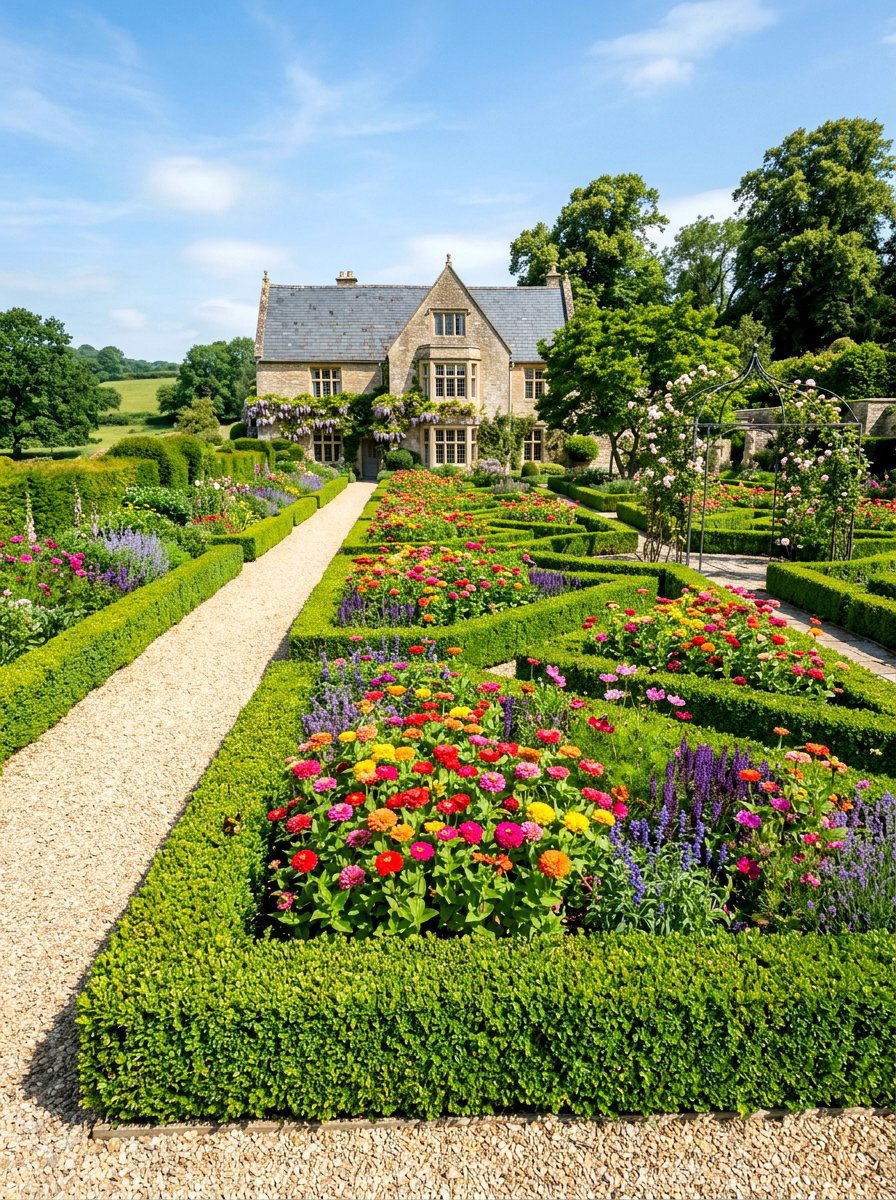
Instead of using hard materials, why not use the plants themselves to create a beautiful and soft garden border? Low-growing plants like boxwood, lavender, or ornamental grasses can be planted in a dense row to define the edge of a bed. This creates a "living" border that adds color, texture, and sometimes a wonderful fragrance to your yard. Living edges are perfect for formal gardens where symmetry and greenery are the main focus. They require a bit more maintenance, such as occasional pruning, but the result is a seamless and lush transition between the lawn and the flower beds. It makes the entire landscape feel very alive.
22. Shell garden border
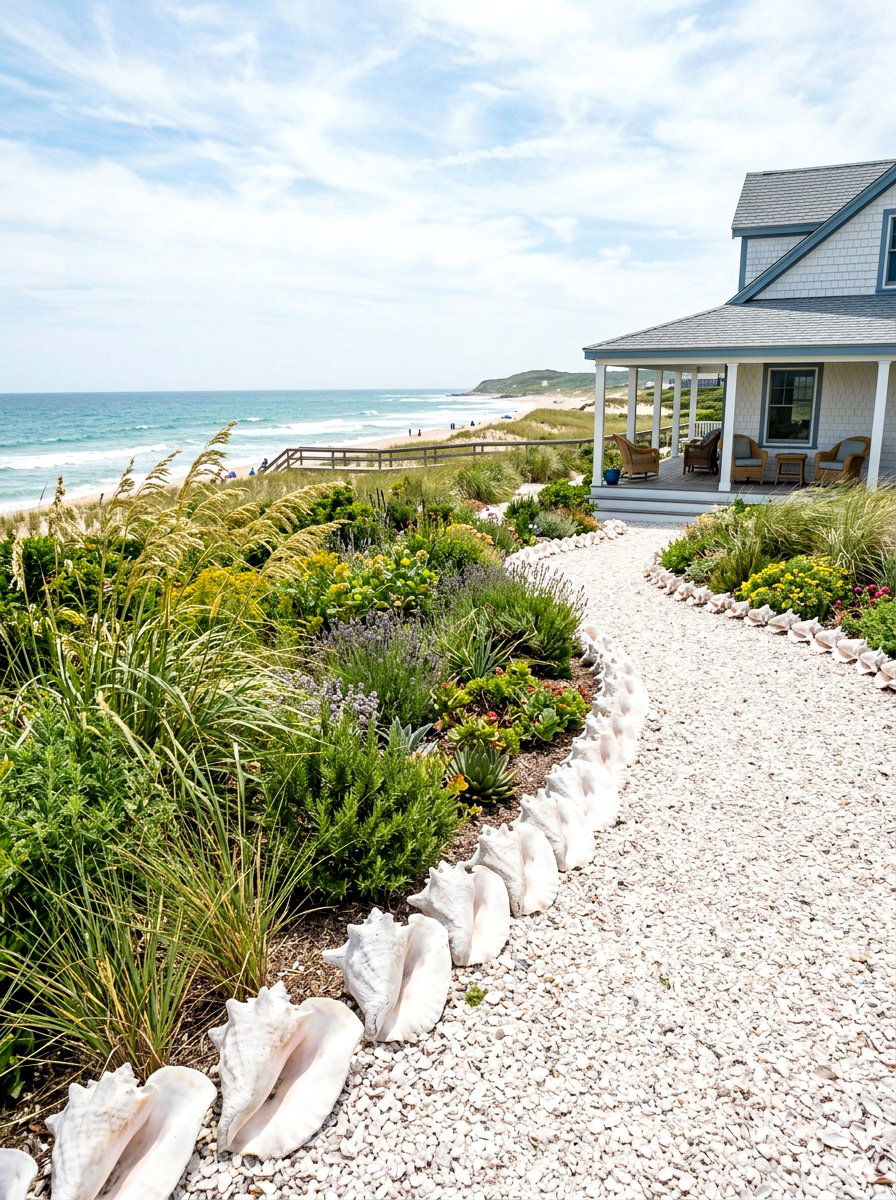
For homes near the coast or for anyone who loves a beach theme, seashells make a beautiful and unique garden border. You can use large conch shells as individual accents or fill a shallow trench with smaller crushed shells. The white and iridescent colors of the shells provide a bright and airy feel that complements coastal plants like sea grass. This is a very creative way to bring the ocean to your backyard. Shells also provide natural calcium to the soil as they slowly break down over time. It is a lightweight and decorative option that works best in low-traffic areas where they can be seen and appreciated.
23. Corrugated metal border
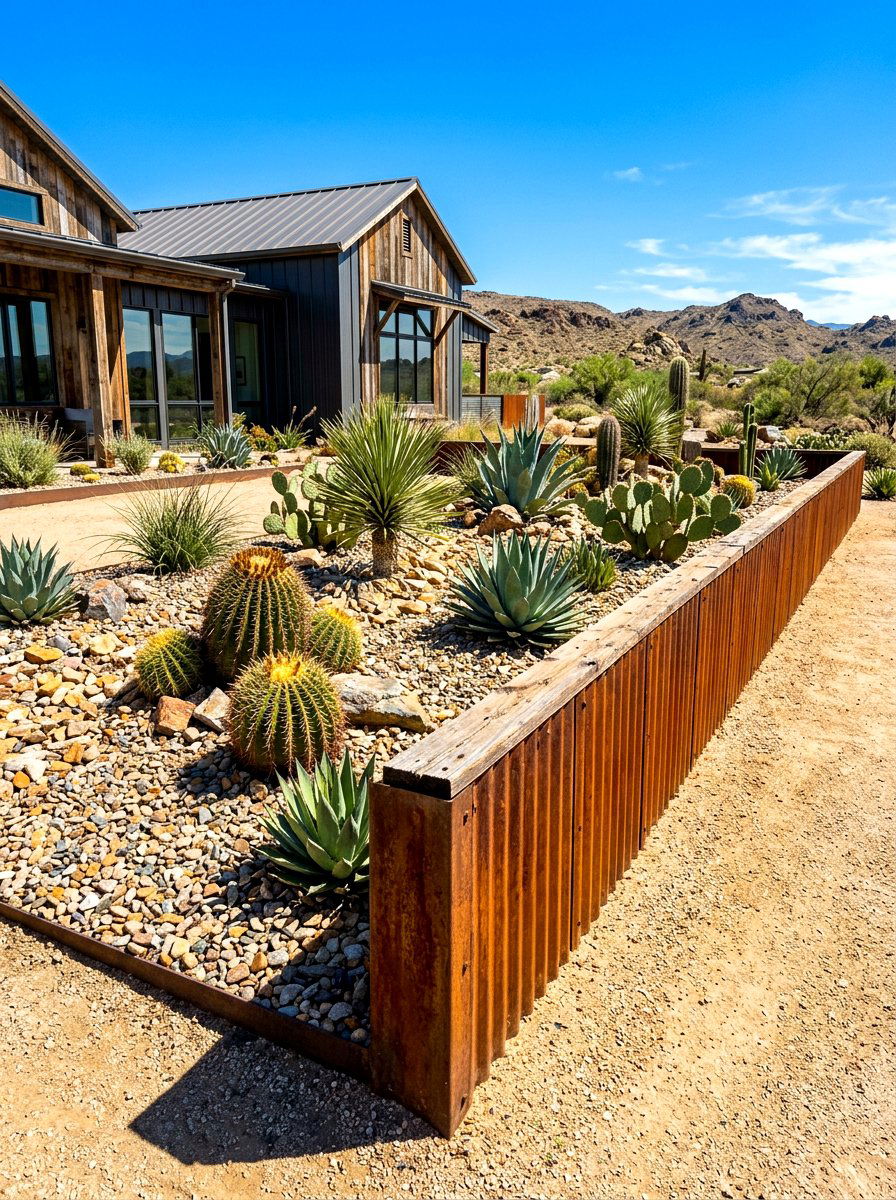
Corrugated metal is a fantastic choice for a modern, industrial, or farmhouse-style garden. These wavy metal sheets can be cut into strips and used to create a tall and striking border for raised beds. The metal provides a very strong and durable barrier that will not rot or break. Many homeowners choose galvanized steel for a shiny look or weathering steel for a beautiful rusted orange finish. This style of edging is very bold and adds a unique architectural element to the landscape. It is perfect for separating vegetable gardens from the rest of the yard while providing a clean and very sturdy structure for the soil.
24. Rope garden edge
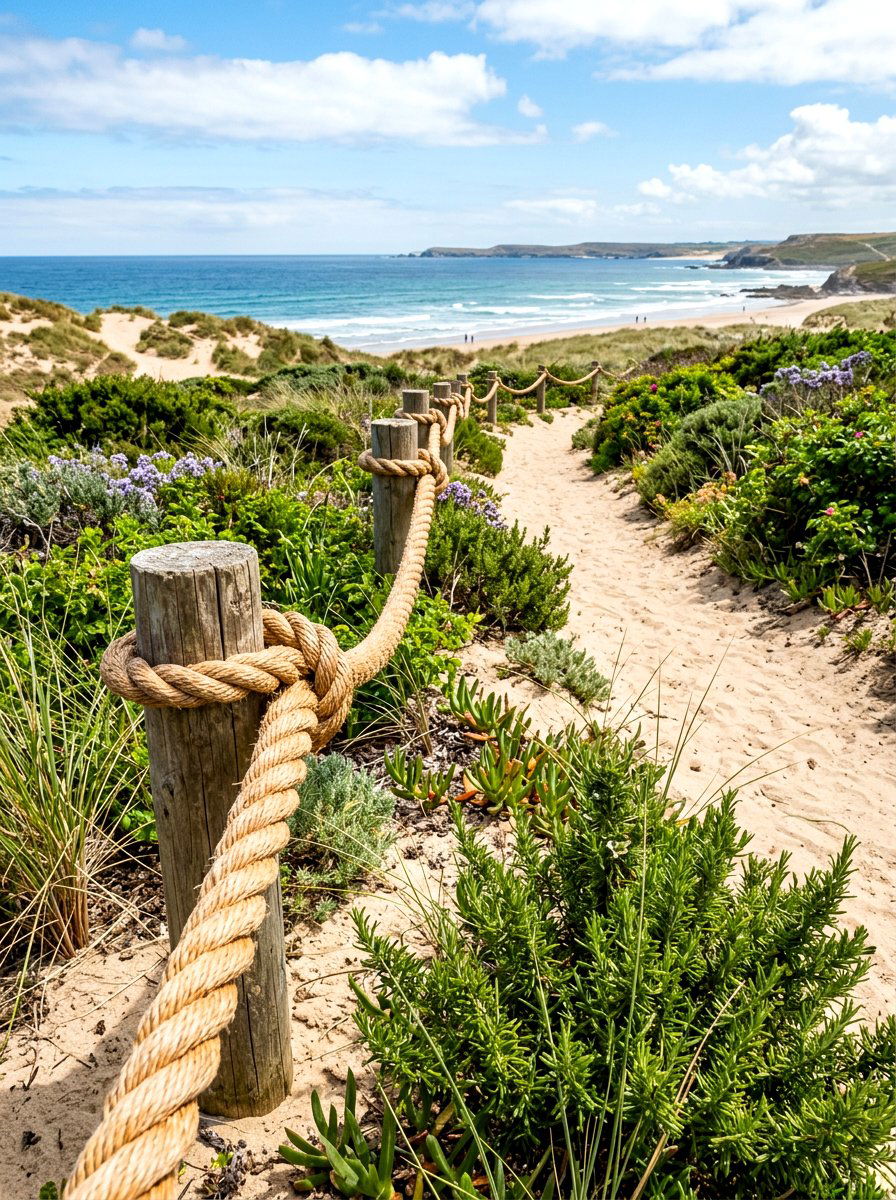
A rope border is a simple and nautical way to define your garden paths and beds. You can use thick Manila rope looped through low wooden or metal posts to create a soft and decorative boundary. This style is perfect for beach houses or gardens with a maritime theme. It provides a visual guide without creating a physical barrier that blocks the view of your plants. The natural fibers of the rope blend well with the outdoor environment and add a touch of texture. While it is not meant to keep grass out, it is an excellent choice for purely decorative purposes and for adding a relaxed, coastal vibe.
25. Slate garden border
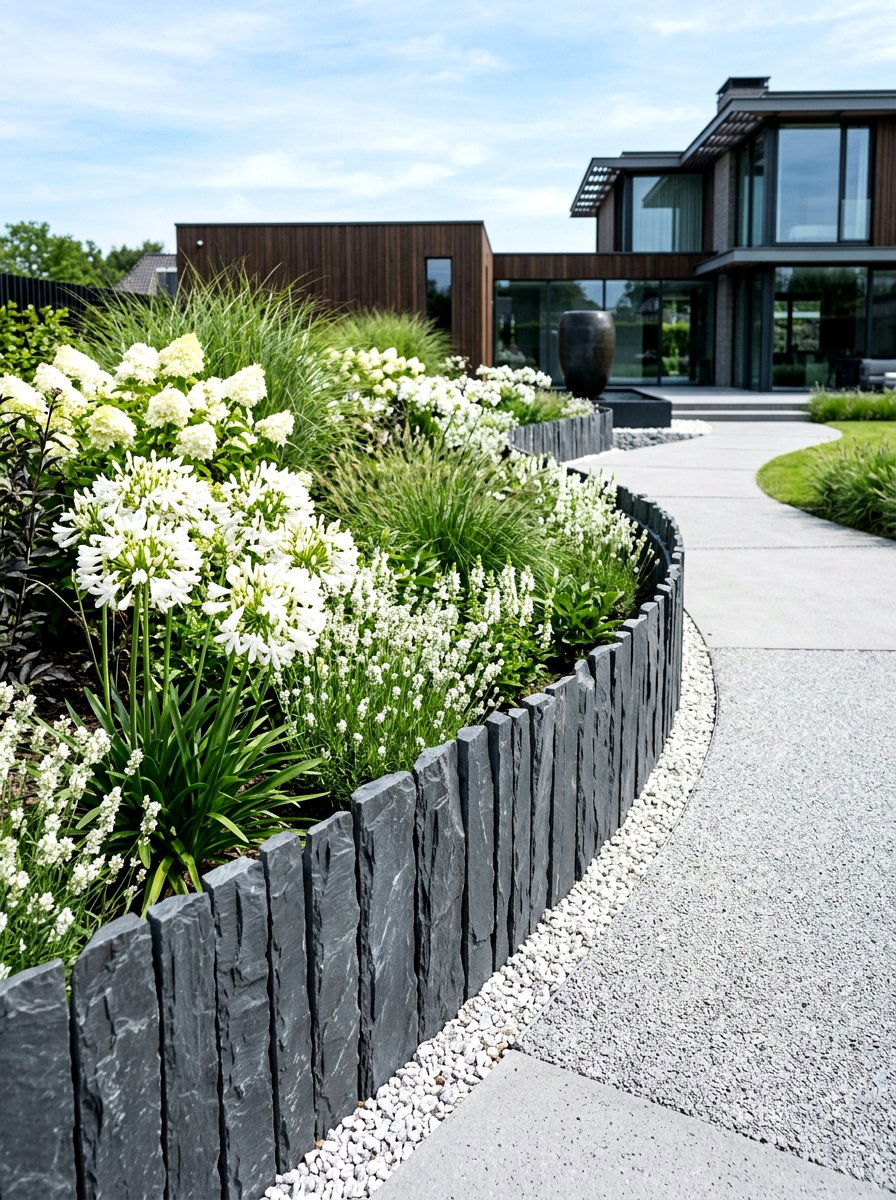
Slate is a stunning natural stone that offers a dark and sophisticated look for your garden edges. It often comes in shades of deep gray, blue, or purple, which provides a dramatic contrast to bright flowers and green foliage. You can use flat slate pieces stacked horizontally or set them vertically to create a thin and sharp line. Slate is a very durable and weather-resistant material that does not fade easily in the sun. Its smooth and layered texture adds a high-end and modern feel to the landscape. It is an excellent choice for formal gardens or minimalist designs where every detail matters for the overall look.
26. Wattle fence border
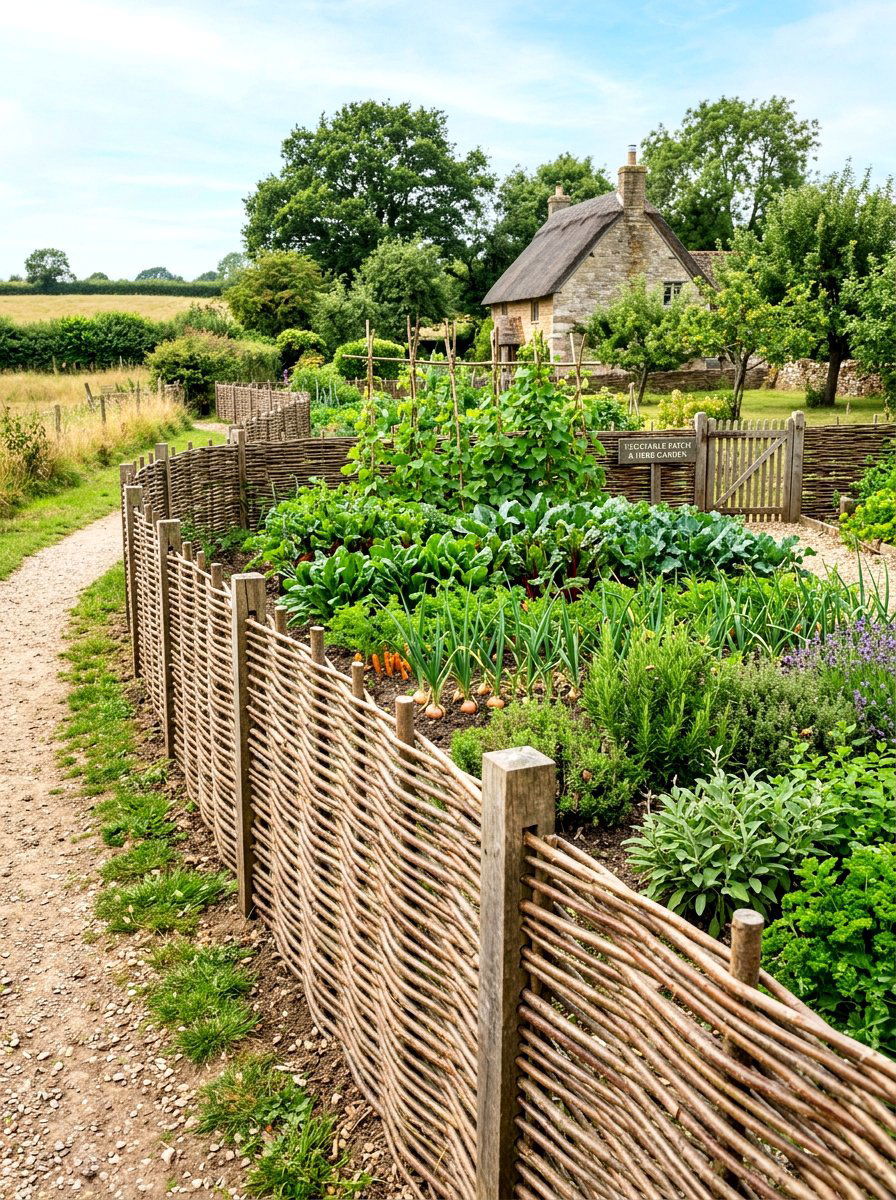
Wattle fencing is an ancient technique that uses woven branches to create a sturdy and beautiful garden border. You can use flexible wood like willow or hazel to weave around upright stakes. This creates a low, rustic fence that is perfect for containing mulch in a cottage-style garden. The organic and handmade appearance of wattle adds a lot of character and a sense of history to your yard. It is a very eco-friendly choice as it uses natural materials that can eventually be composted. This type of edging is great for vegetable patches because it provides a bit of protection from wind while looking completely natural and charming.
27. Terracotta pot border
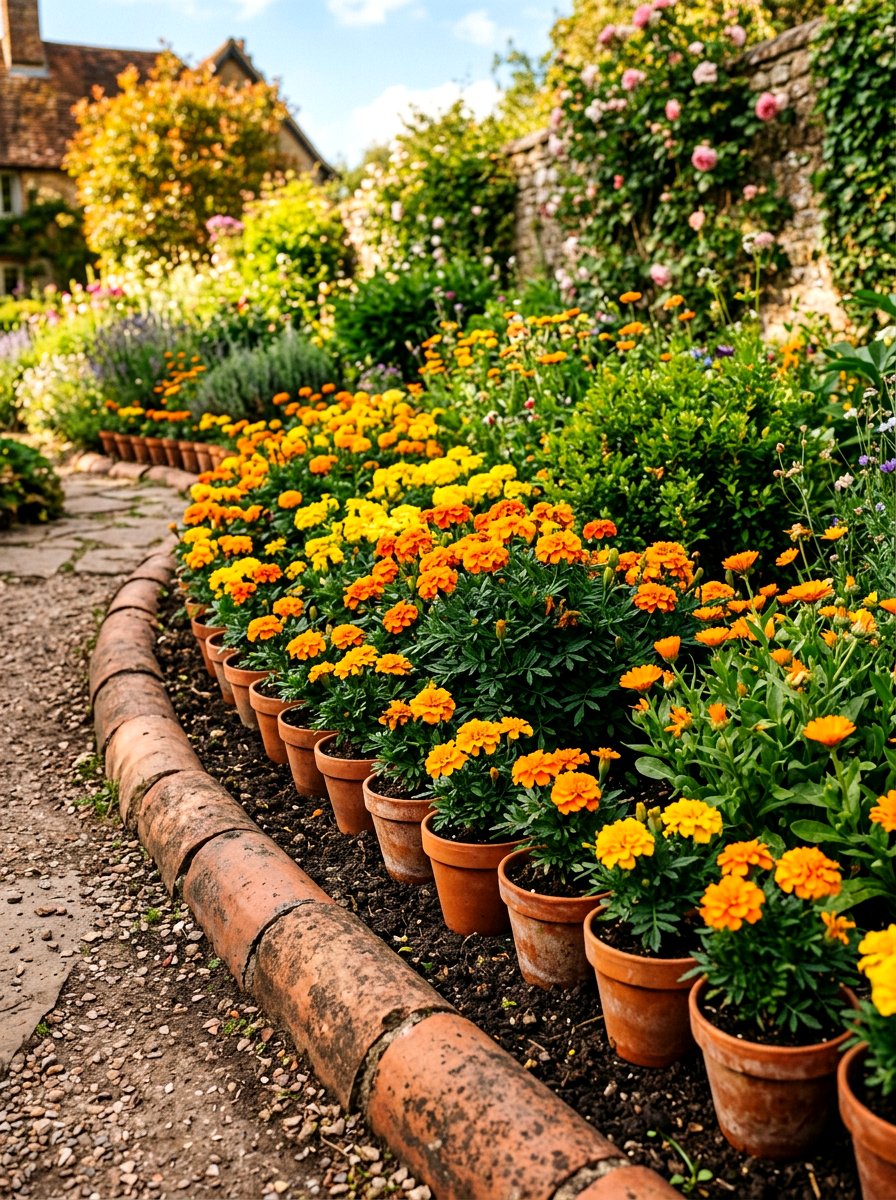
Using terracotta pots is a fun and creative way to add both height and color to your garden edges. You can bury half-size pots in the soil or line up small pots filled with seasonal flowers along the edge of a path. This creates a very decorative and charming border that you can change throughout the year. The warm earth tones of the terracotta look beautiful in any garden setting. This is also a great way to use pots that might be slightly cracked or chipped on one side. It adds a Mediterranean feel and a sense of artistic flair to your outdoor space, making it feel very personal.
28. Mosaic tile edge
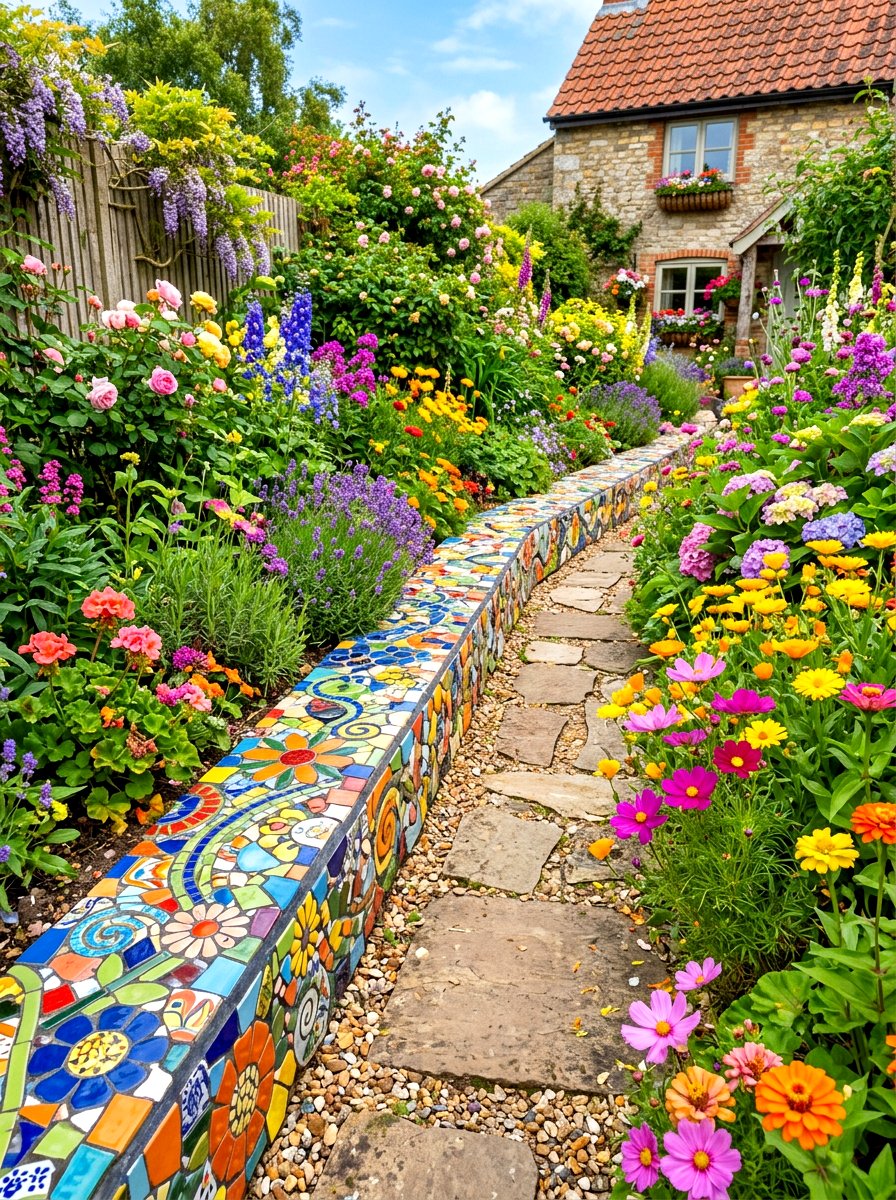
A mosaic tile border is a wonderful way to bring art and vibrant color into your landscape. You can use broken ceramic tiles, glass pieces, or colorful stones set in a concrete base to create a one-of-a-kind edge. This DIY project allows you to be completely creative with patterns and designs. Mosaic edges look amazing along curved paths or around small pond features. They add a splash of personality and can brighten up even the shaded corners of your yard. Because the tiles are set in concrete, the border is very durable and easy to clean. It is a perfect choice for anyone who loves a bohemian or artistic style.
29. Pebble garden border
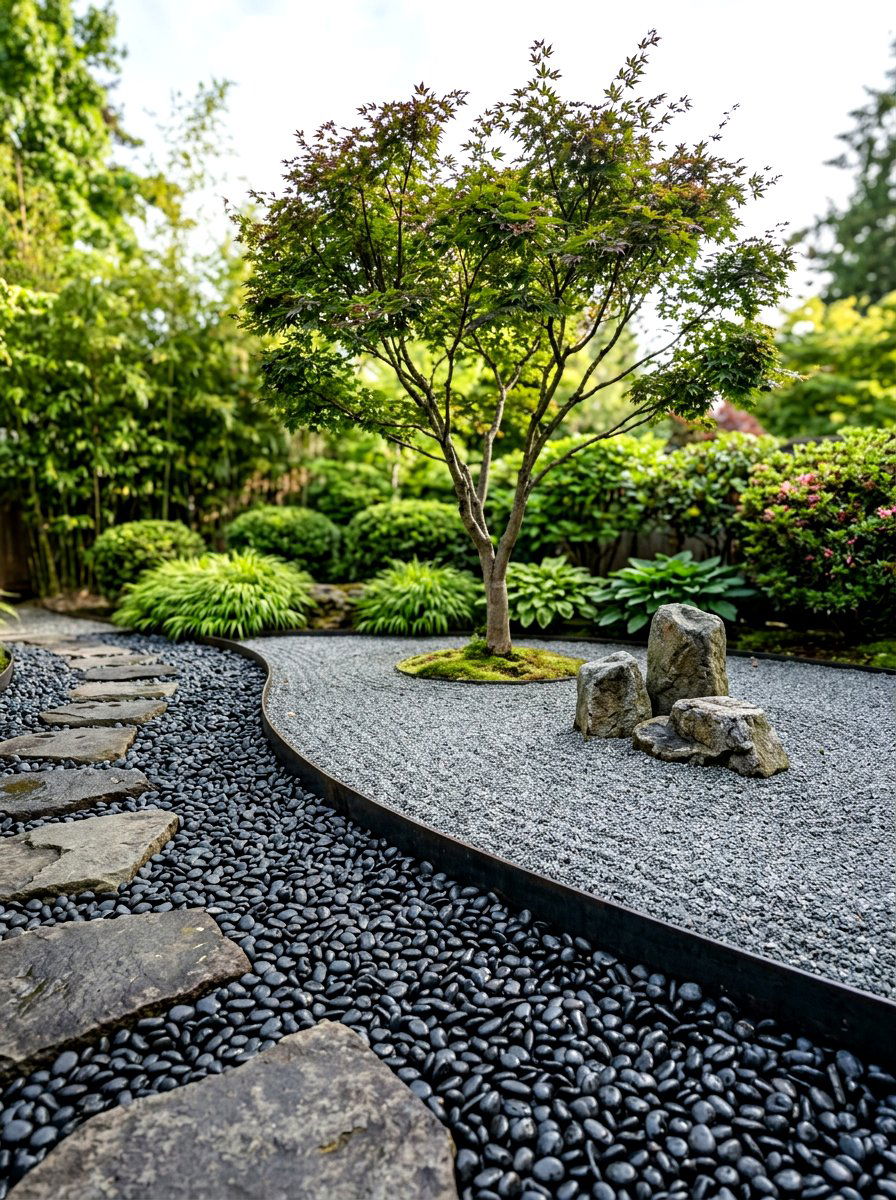
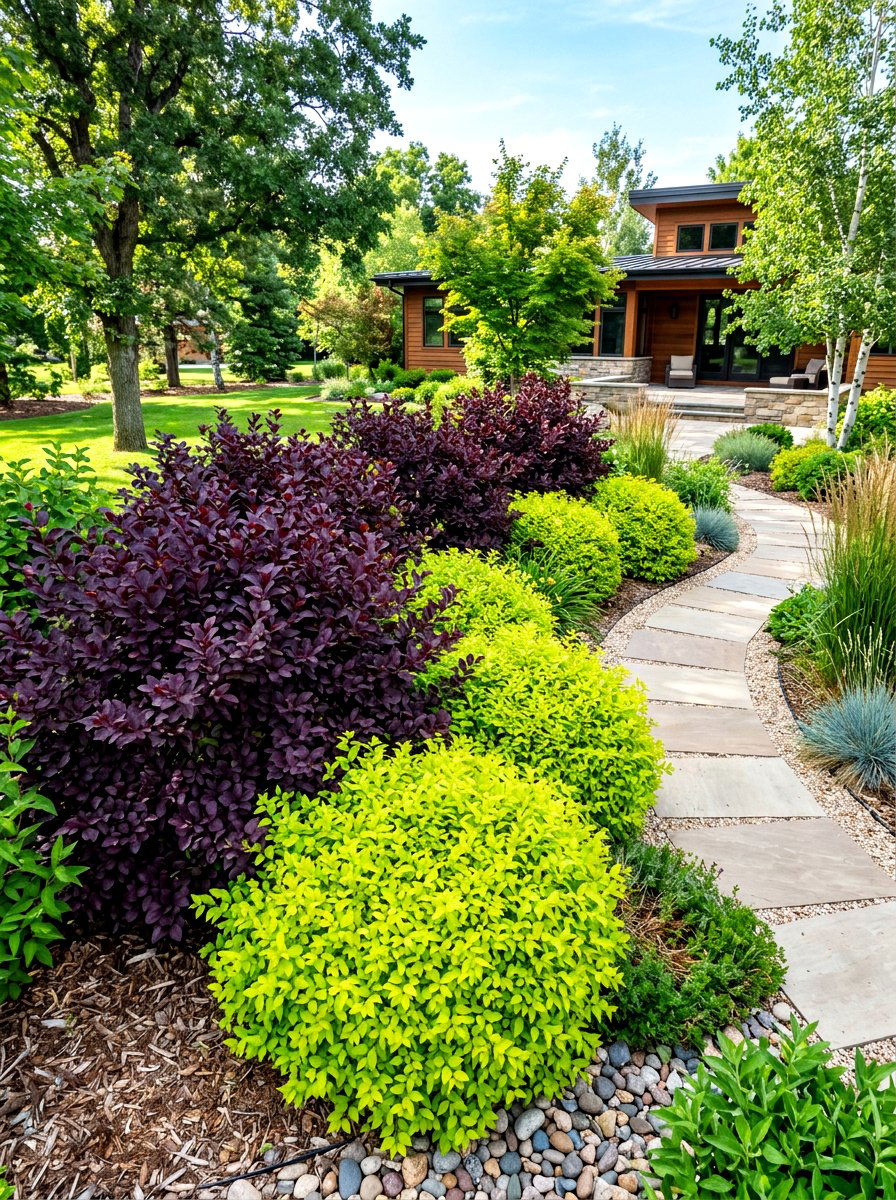
Pebbles offer a clean and polished look that is perfect for modern or Zen-inspired gardens. You can use small, uniform pebbles in a variety of colors like black, white, or tan to create a smooth border. They are great for filling in the space between a hard edge and the plants, providing a neat and finished appearance. Pebbles are excellent for drainage and can be used to create dry creek beds that also serve as garden borders. To keep them tidy, it is best to use a weed barrier and a thin metal or plastic strip to hold them in place. They provide a soft and very elegant texture.
30. Scalloped garden edge
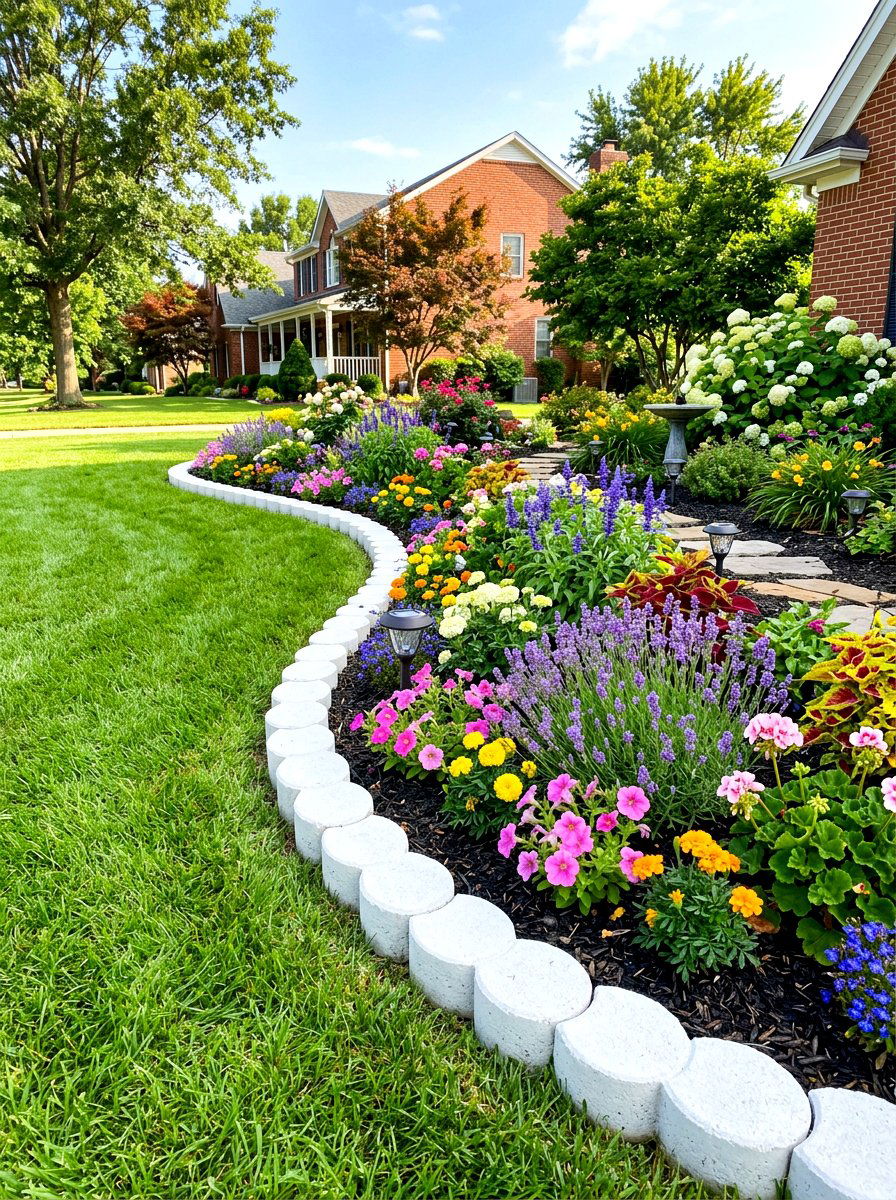
Scalloped edging is a classic decorative choice that adds a touch of traditional elegance to your flower beds. These pre-cast concrete or plastic pieces feature a rounded top that creates a beautiful repeating pattern along the edge of your garden. They are very easy to install by simply pushing them into the ground or placing them in a shallow trench. Scalloped borders come in many colors, such as brick red, gray, or white, allowing you to match them to your home’s exterior. They provide a very neat and orderly look that is perfect for front yard landscaping. It is a timeless and very affordable way to finish your garden.
Conclusion:
Choosing the right garden edging is an essential step in creating a beautiful and organized outdoor space. Whether you opt for the rugged durability of natural stone, the sleek lines of modern metal, or the creative charm of recycled materials, each option brings its own unique personality to your yard. A well-defined border not only enhances the visual appeal of your plants but also saves you time and effort on maintenance. By considering your budget, the style of your home, and the needs of your landscape, you can find the perfect solution. We hope these thirty ideas inspire you to start your next garden project today.

Related posts: