google_search{queries: [
1. Retaining Walls
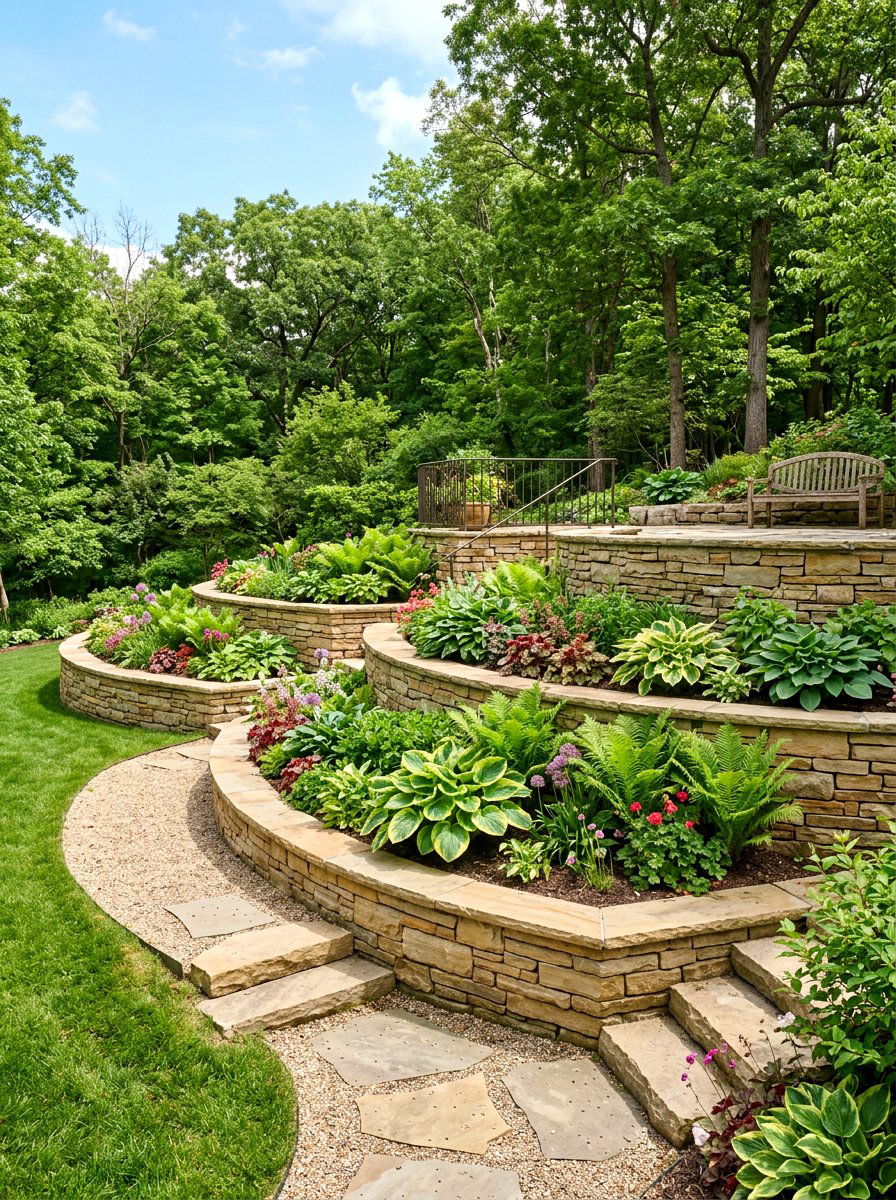
Building a sturdy retaining wall is one of the most effective ways to hold back earth on a steep incline. These structures work by creating a physical barrier that resists the lateral pressure of the soil. You can use various materials like poured concrete, natural stacked stone, or interlocking blocks to match your home’s aesthetic. Beyond their functional purpose, these walls create flat, usable levels in what was once a wasted slope. They provide a sense of structure and permanence to the garden while preventing sediment from washing onto walkways. When properly engineered with drainage pipes, a retaining wall ensures long-term stability for your entire backyard area.
2. Ground Cover Plants
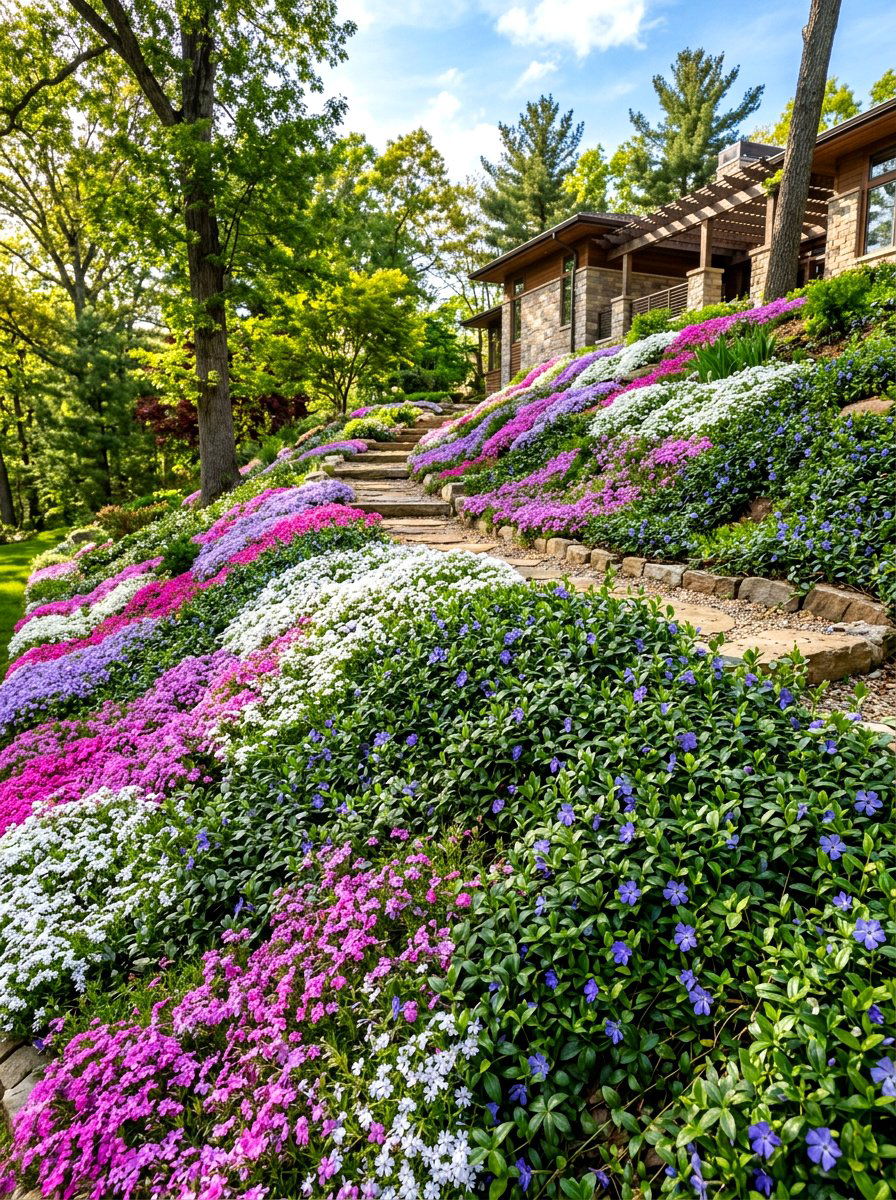
Filling bare spots with dense ground cover plants is a natural and cost-effective way to fight soil loss. These low-growing species spread quickly, creating a thick mat of foliage that protects the dirt from heavy raindrops. Their intricate root systems act like a subterranean net, binding the soil particles together and making them much harder to wash away. You can choose from flowering varieties like creeping phlox or hardy evergreens like pachysandra to keep the yard looking green year-round. Ground covers also help suppress weeds, reducing the amount of maintenance your hill requires while providing a soft, lush texture to the overall landscape design.
3. Backyard Terracing
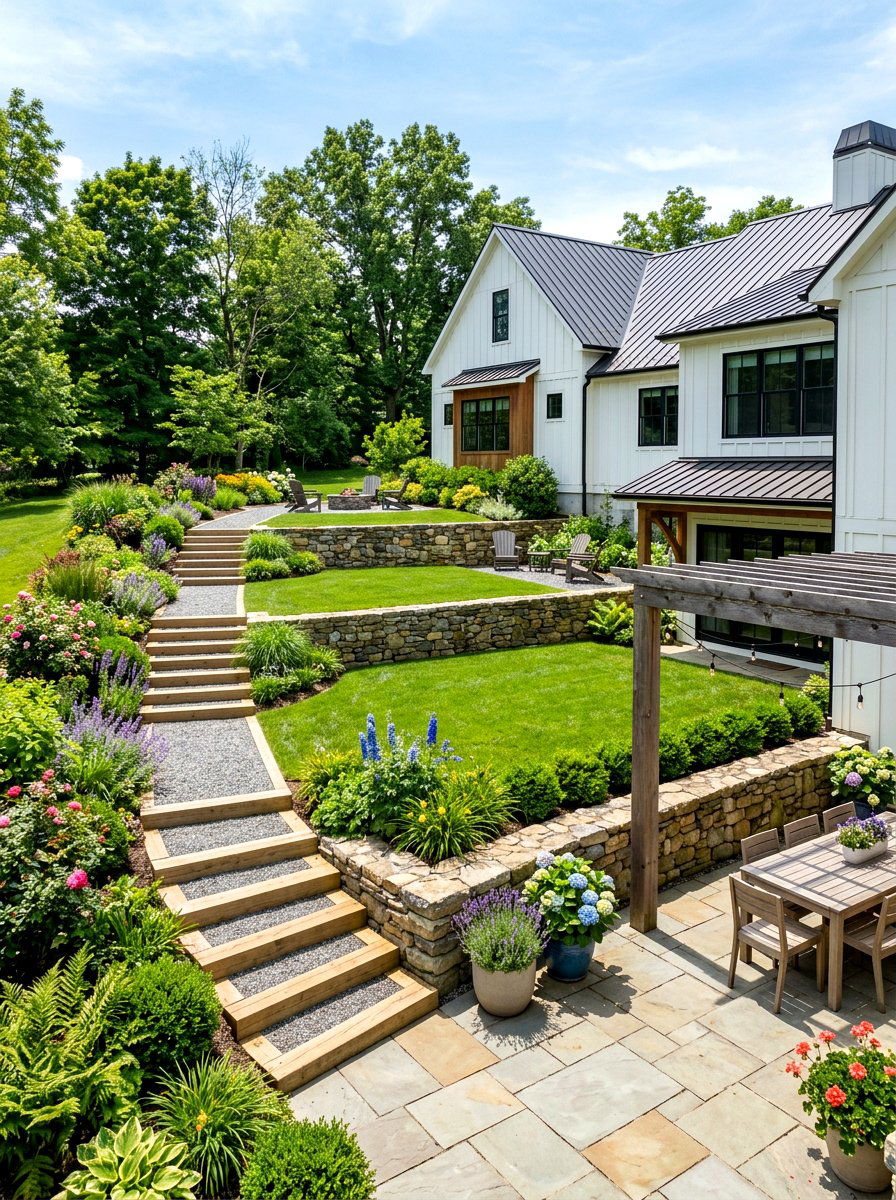
Converting a steep hill into a series of flat platforms through terracing is a brilliant way to manage water runoff. This method breaks a long, continuous slope into shorter steps, which significantly slows down the speed of cascading rainwater. Each terrace acts as a mini garden bed where you can grow vegetables, flowers, or shrubs in a controlled environment. The flat surfaces allow water to soak into the ground rather than rushing over the top of it. You can build these steps using heavy timbers, stone slabs, or decorative concrete. Terracing turns a difficult incline into a functional multi-level living space that adds architectural interest.
4. Dry Creek Beds
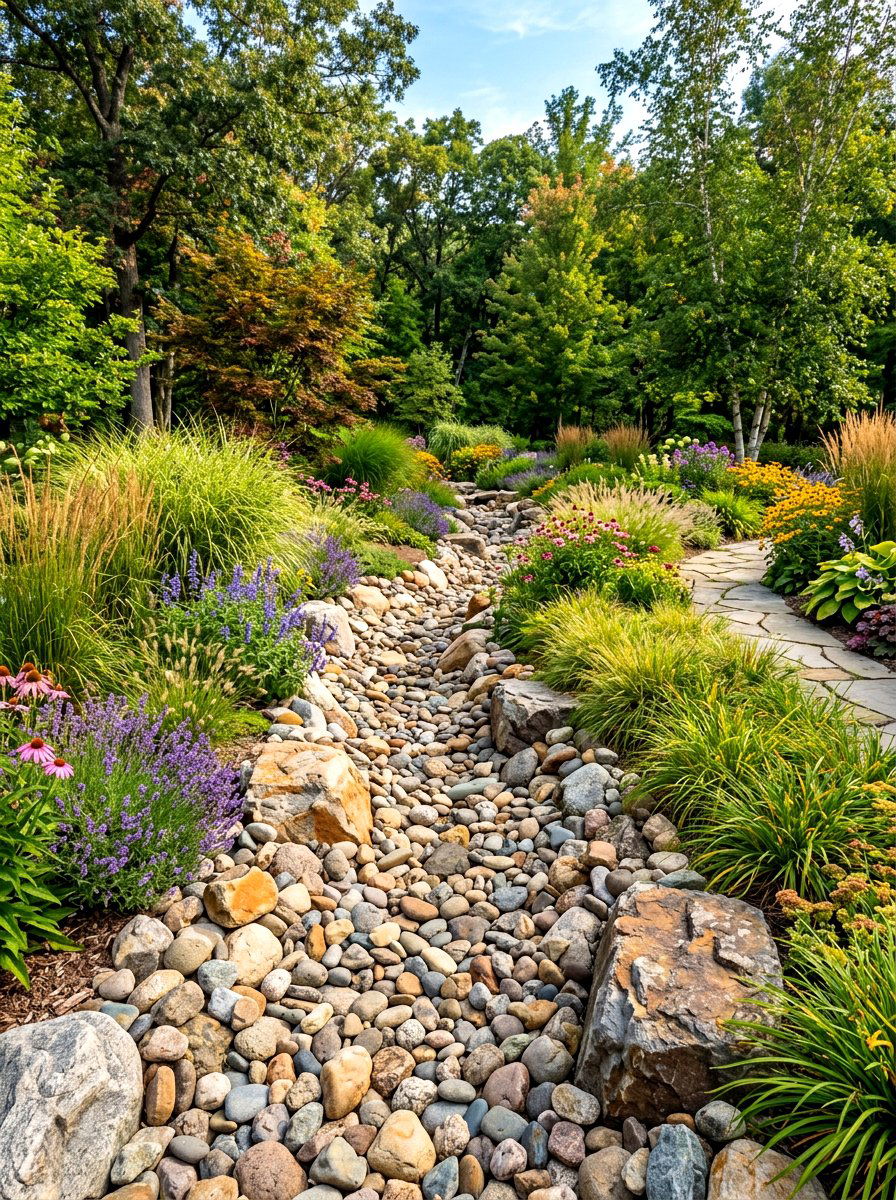
Designing a dry creek bed offers a beautiful and practical solution for directing excess water away from vulnerable areas. By lining a shallow trench with a mix of river rocks, pebbles, and large boulders, you create a dedicated path for runoff. This prevents water from carving out random gullies across your lawn during heavy storms. When it isn't raining, the stones look like a natural, artistic feature that mimics a mountain stream. You can tuck moisture-loving plants along the edges to further stabilize the soil. A well-placed dry creek bed handles high volumes of water while adding a serene, organic feel to your landscaping.
5. Riprap Stone
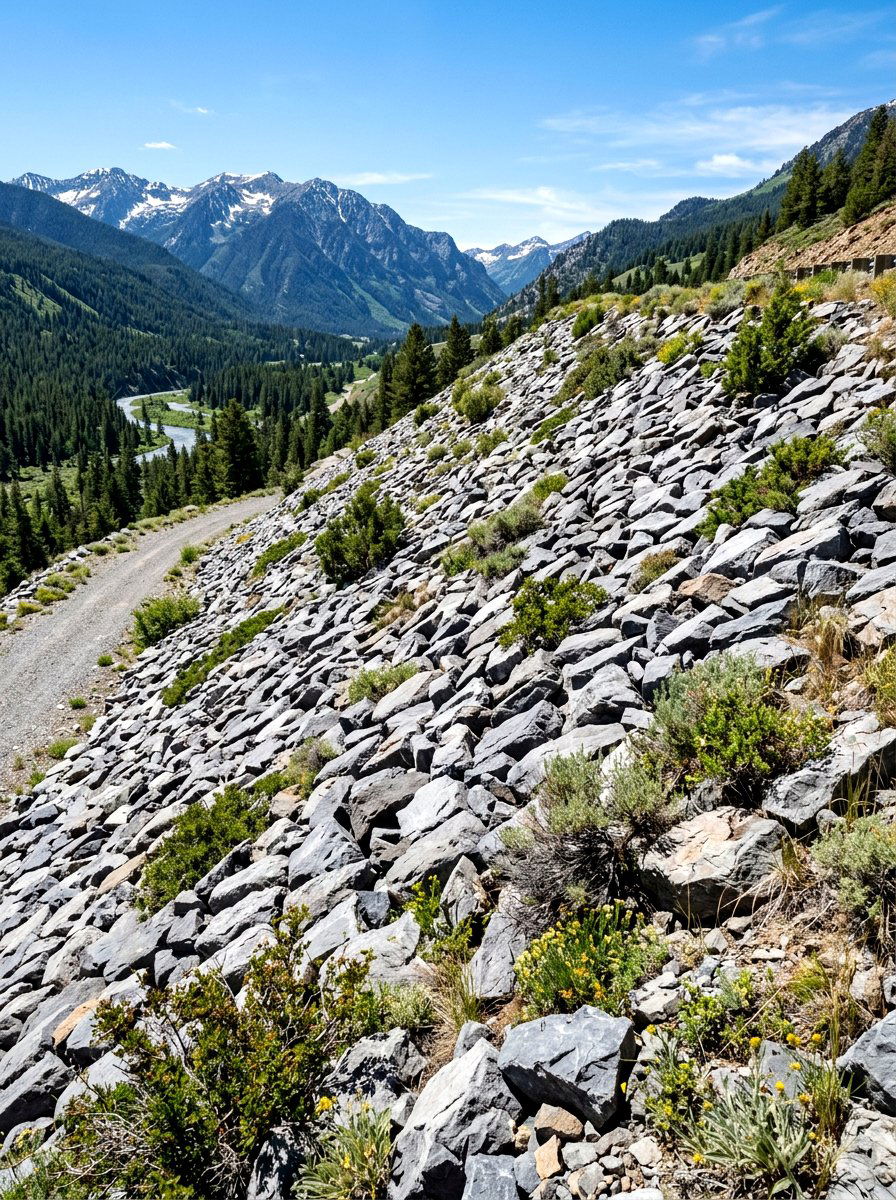
Using riprap stone is a heavy-duty approach to protecting areas that face high-velocity water flow or constant moisture. This technique involves layering large, angular rocks along shorelines, drainage ditches, or the base of steep embankments. The jagged edges of the stones lock together, creating a durable armor that the soil underneath cannot escape. Unlike smooth river rocks, riprap stays in place even under extreme pressure from rushing water. It is an excellent choice for rural properties or large slopes where aesthetics are secondary to sheer durability. Choosing different colors of rock can help the installation blend more naturally with the surrounding soil and wild vegetation.
6. Native Grasses
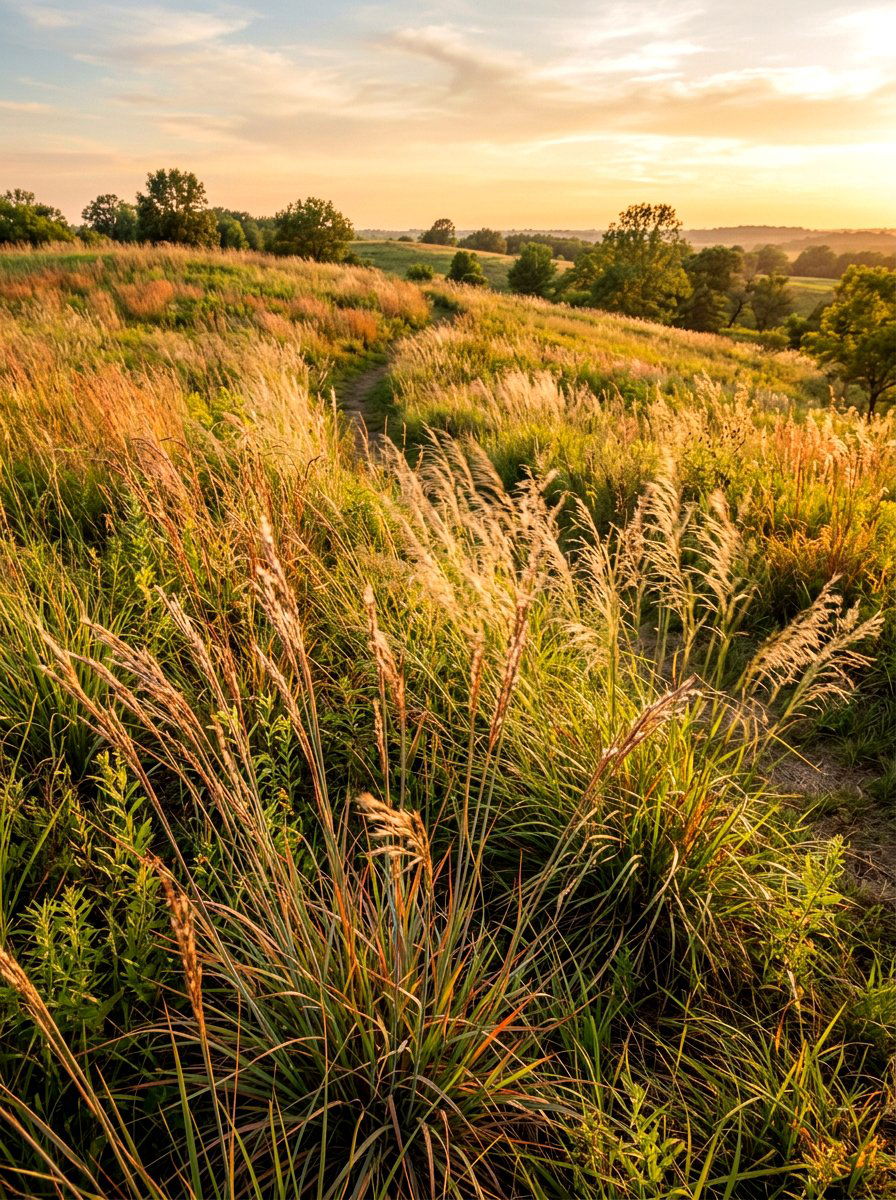
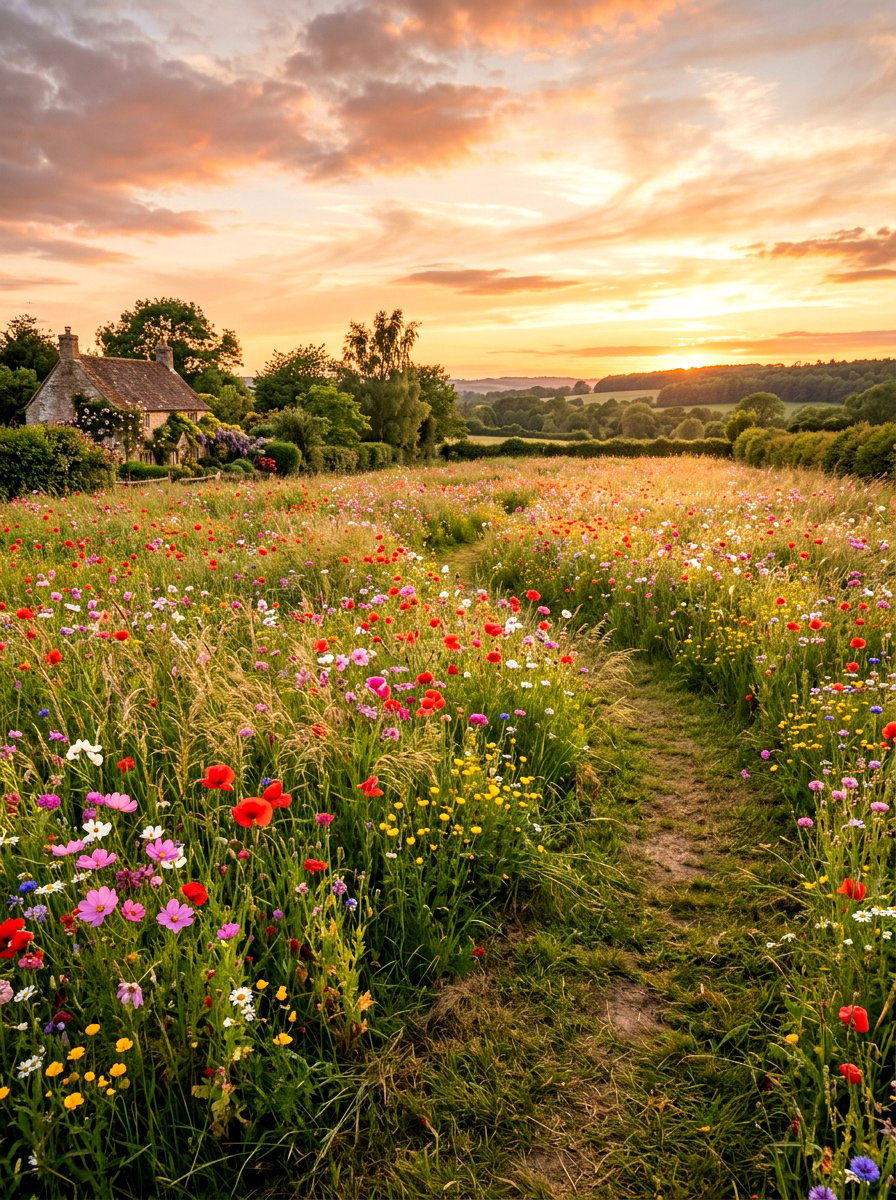
Planting native grasses is a sustainable and low-maintenance strategy for securing loose hillsides. Unlike traditional turf, native varieties often have incredibly deep root systems that can reach several feet into the earth. These roots act as natural anchors that hold the soil profile together against the forces of wind and water. Species like little bluestem or switchgrass also add beautiful movement and texture to your yard. They are naturally adapted to your local climate, meaning they require less water and fertilizer once established. Native grasses provide a wild, meadow-like aesthetic that supports local pollinators while performing the critical task of soil preservation.
7. Rain Gardens
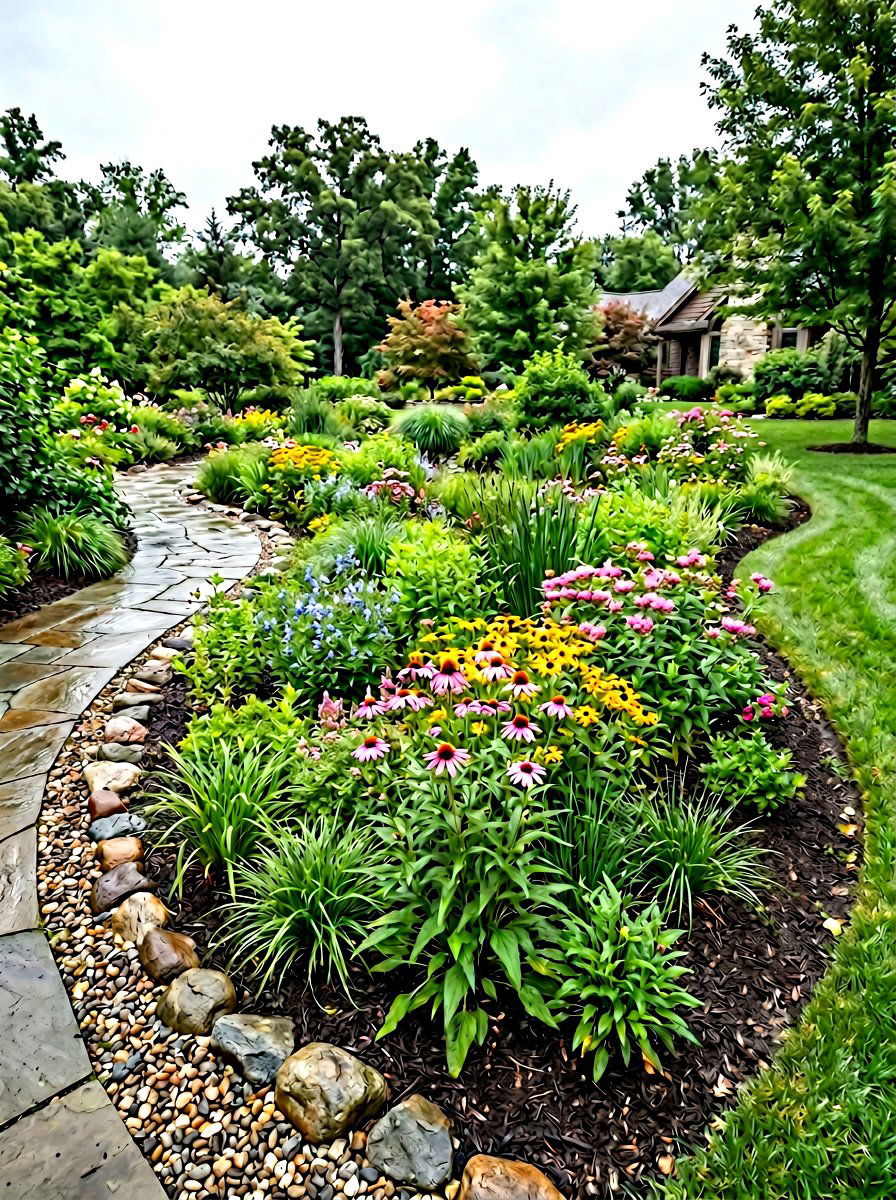
Creating a rain garden is a clever way to capture and filter runoff before it causes erosion downstream. These are shallow, bowl-shaped depressions planted with hardy, water-tolerant vegetation that thrives in occasional flooding. When it rains, the garden collects water from roofs and driveways, allowing it to slowly seep into the ground. This process prevents the water from gaining enough speed to wash away your topsoil. Rain gardens are often filled with colorful perennials and ornamental grasses, making them a focal point of the yard. They effectively turn a potential drainage problem into a thriving ecosystem that benefits both the environment and your property.
8. Creeping Junipers
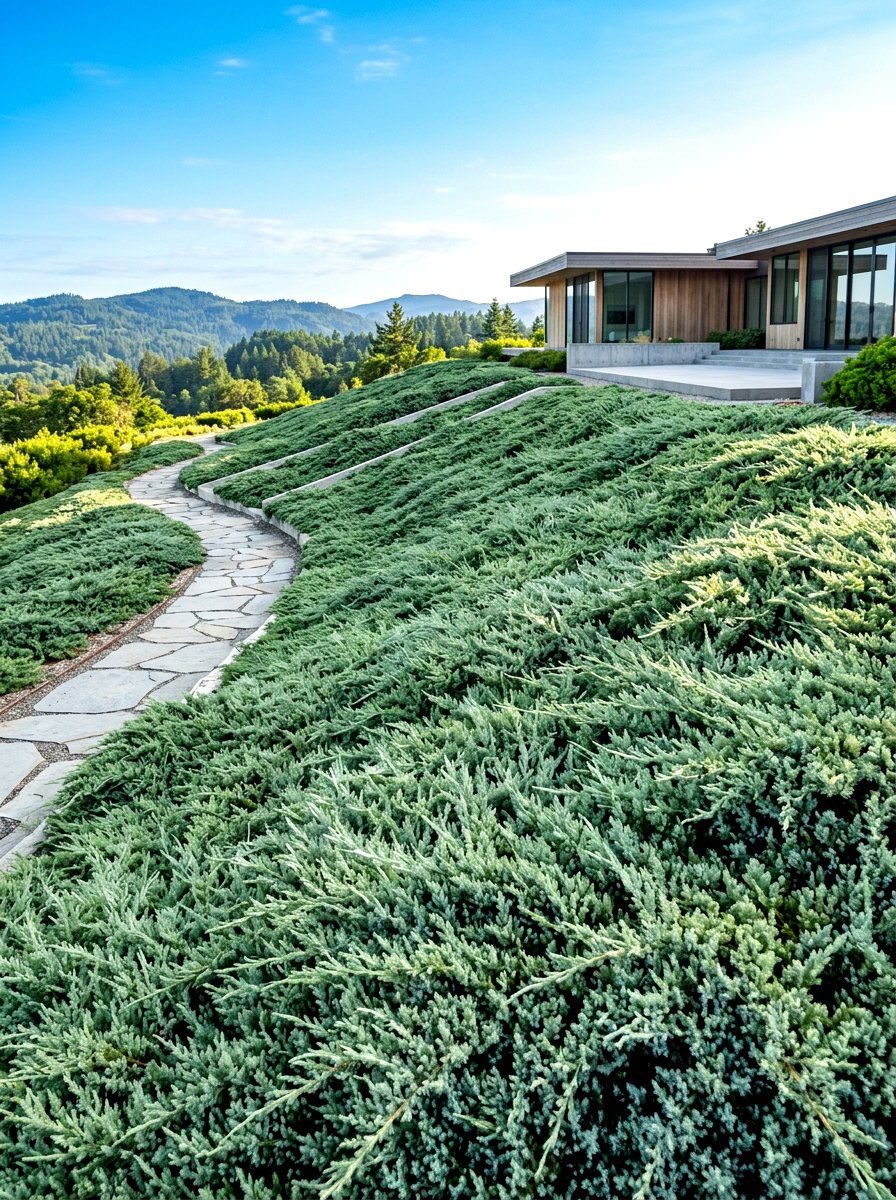
Utilizing creeping junipers is a fantastic way to cover large, sun-drenched slopes with a permanent evergreen shield. These hardy shrubs grow horizontally rather than vertically, quickly filling in gaps where soil might otherwise be exposed. Their needle-like foliage provides a dense canopy that breaks the impact of rain, while their roots grip the earth tightly. Because they are evergreen, they provide erosion protection throughout the winter months when other plants might be dormant. Junipers are incredibly drought-tolerant once they are established, making them perfect for difficult-to-reach areas. Their rugged texture and silvery-green color offer a timeless, professional look to any modern outdoor space.
9. French Drains
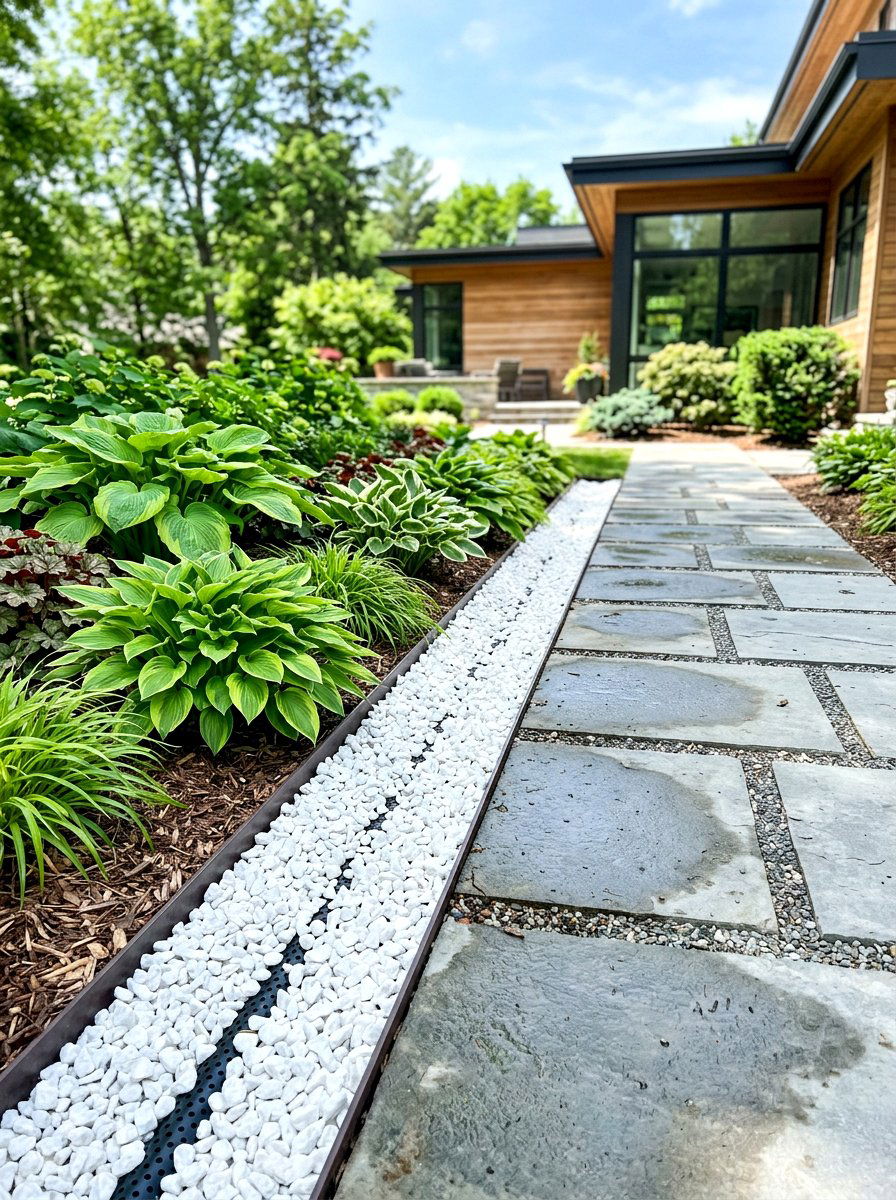
Installing a French drain is a highly effective engineering solution for managing subsurface water that causes soil instability. This system consists of a gravel-filled trench containing a perforated pipe that redirects water away from the area. By lowering the water table in your soil, the drain prevents the ground from becoming oversaturated and prone to sliding. It is often hidden beneath a layer of decorative stone or turf, making it an invisible but powerful ally. French drains are especially useful behind retaining walls or at the base of slopes where water tends to pool. They ensure that your yard remains dry and the soil stays firmly in place.
10. Mulching Slopes
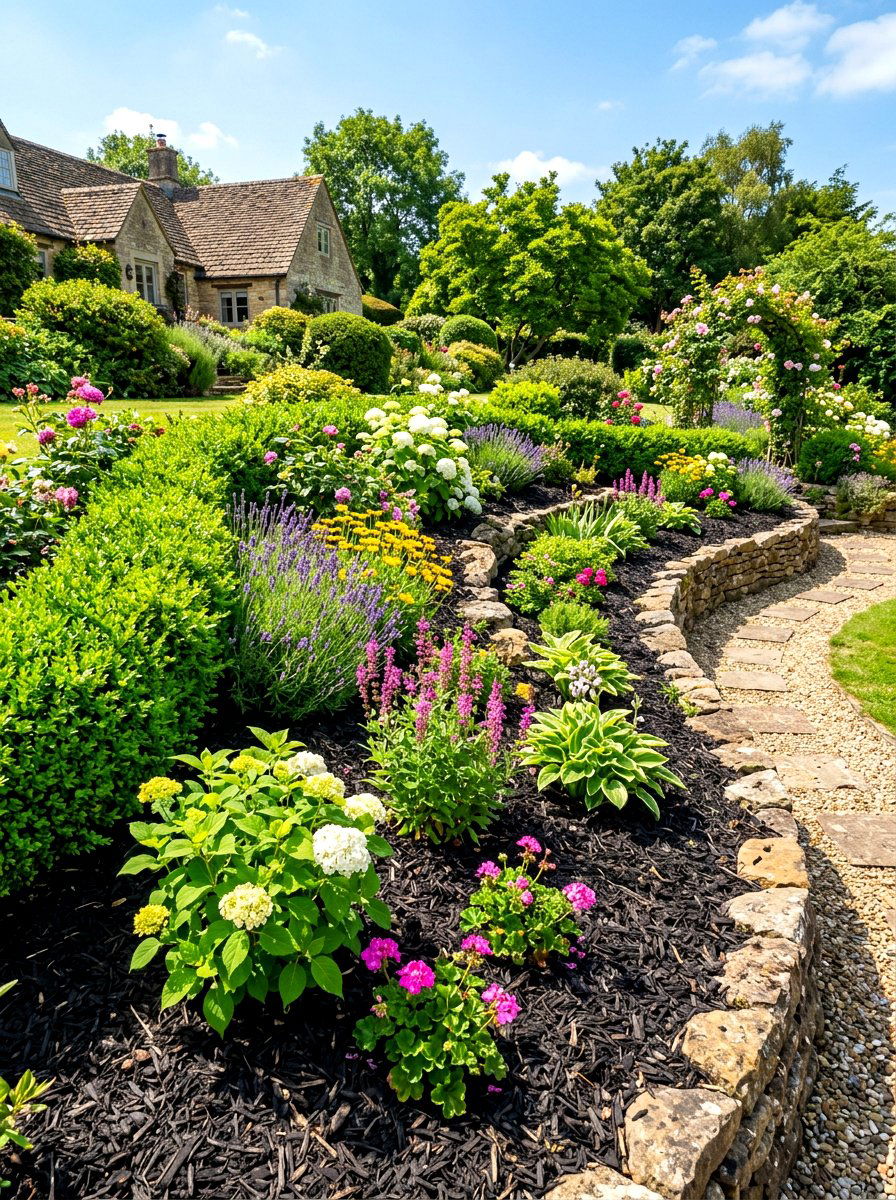
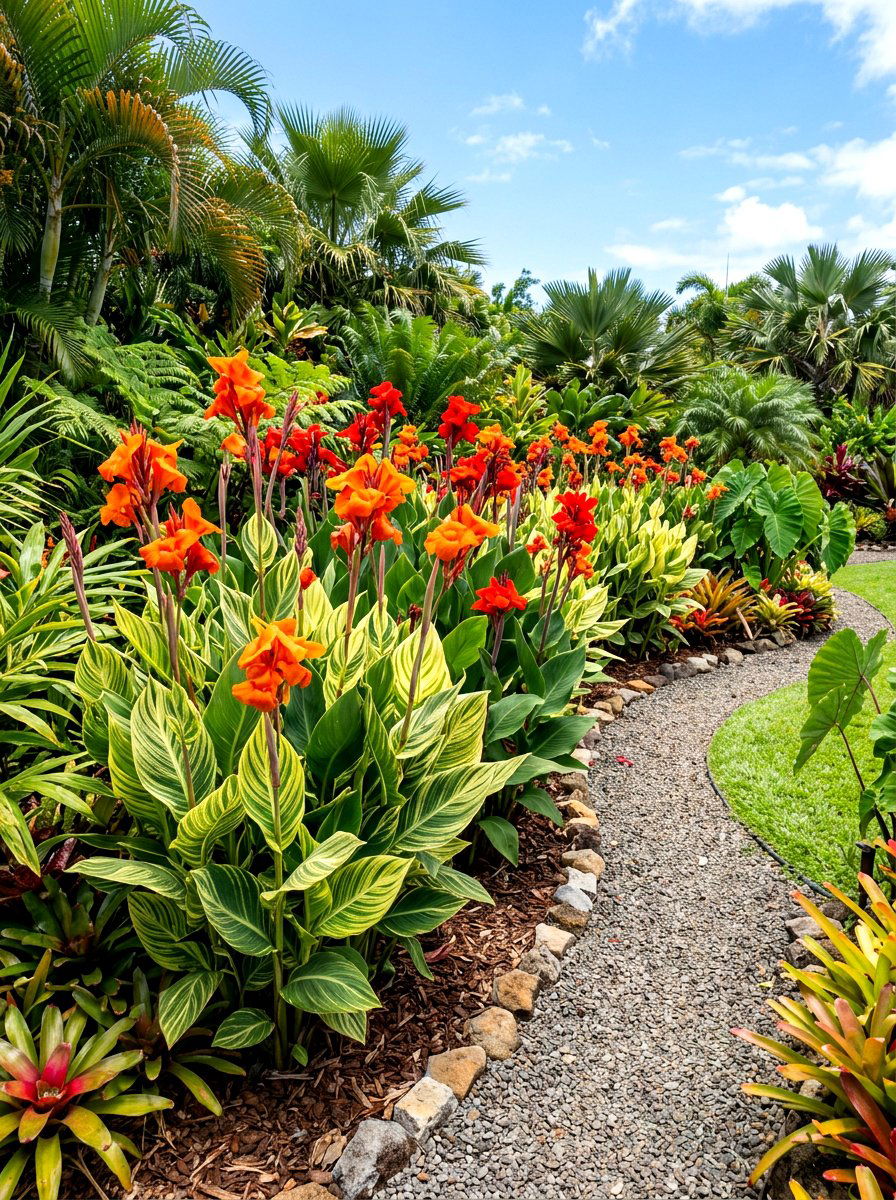
Applying a thick layer of mulch is the simplest and most immediate way to protect bare soil from the elements. Wood chips, bark nuggets, or pine needles create a protective blanket that absorbs the energy of falling raindrops. This prevents the soil surface from crusting over and encourages water to infiltrate rather than run off. For steeper inclines, using shredded mulch is better because the jagged pieces interlock and are less likely to wash away. Organic mulches also improve soil health as they decompose, creating a better environment for plant roots to grow. It is an affordable, attractive way to keep your garden beds looking tidy.
11. Gabion Baskets
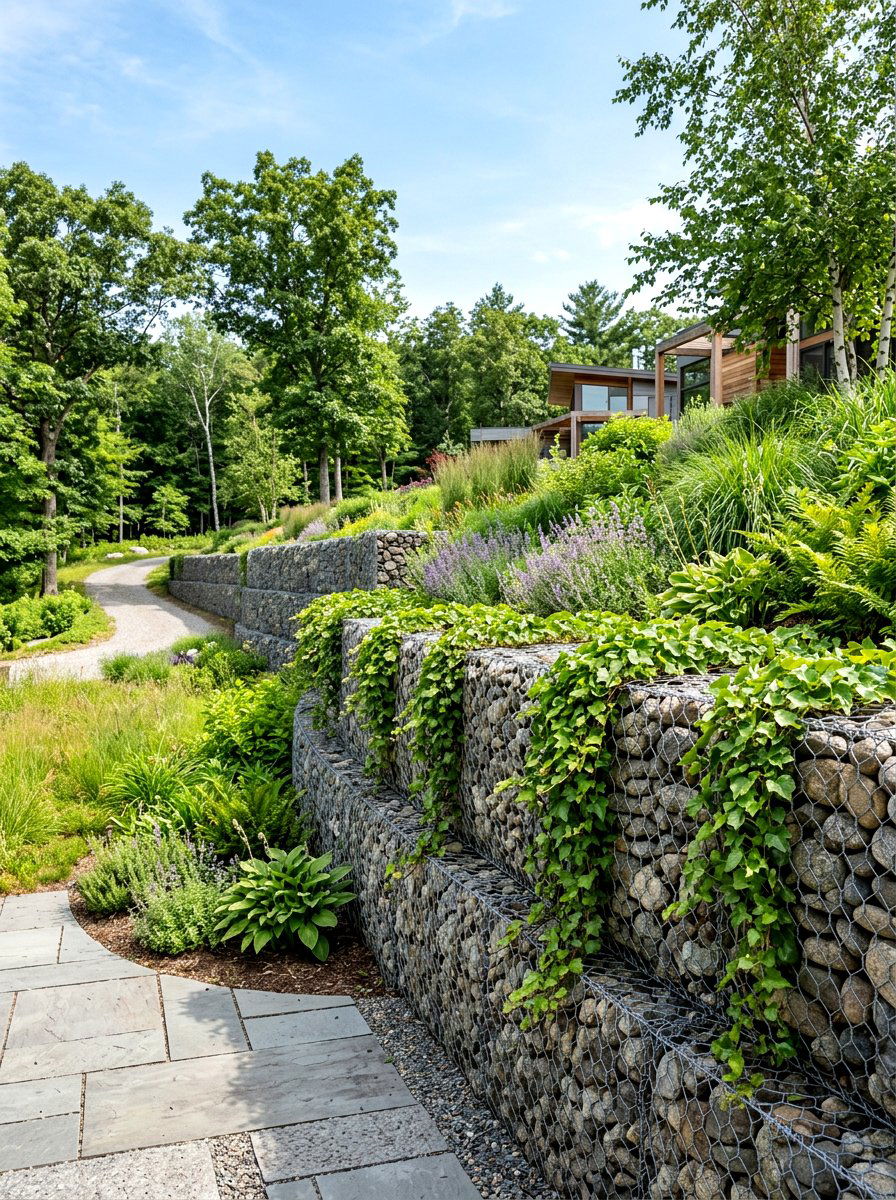
Integrating gabion baskets into your landscape offers a modern, industrial look with superior erosion control capabilities. These are wire mesh cages filled with rocks, stacked to form walls or barriers. Because they are porous, they allow water to flow through them freely while keeping the soil behind them perfectly contained. This eliminates the build-up of hydrostatic pressure that often causes traditional solid walls to fail over time. Gabion structures are extremely durable and can settle with the ground without cracking. They work exceptionally well along streambanks or steep backyard hills. You can fill them with local stones for a cohesive look that matches your environment.
12. Willow Wattles
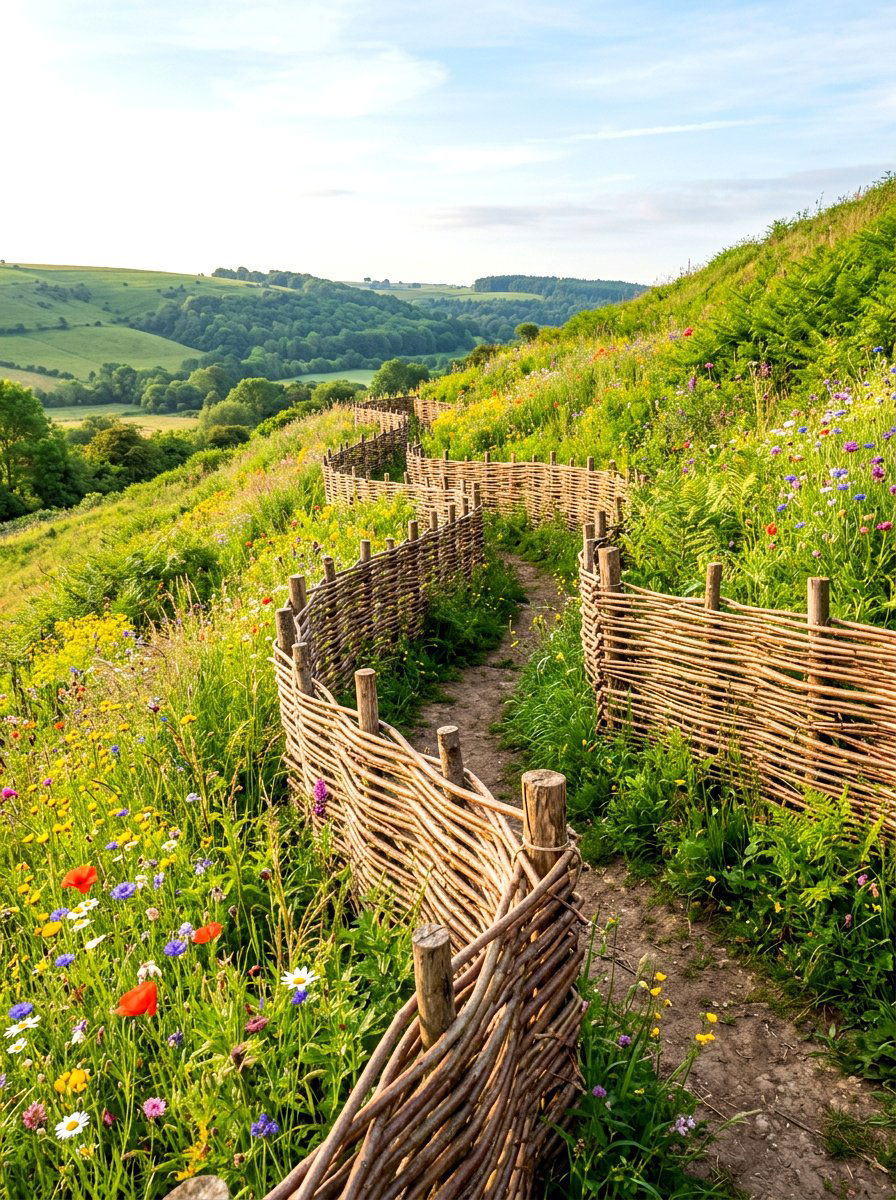
Using willow wattles is a traditional bioengineering technique that utilizes natural materials to stabilize slopes. These are long, flexible bundles of willow branches that are staked into the ground along the contour of a hill. They act as small, natural terraces that catch sediment and slow down the flow of surface water. Over time, the willow branches may even take root, creating a living barrier that grows stronger every year. This method is incredibly eco-friendly and blends seamlessly into a naturalized landscape. Willow wattles are perfect for homeowners who want a soft, rustic solution that avoids the use of heavy concrete or plastic materials.
13. Wood Chip Paths
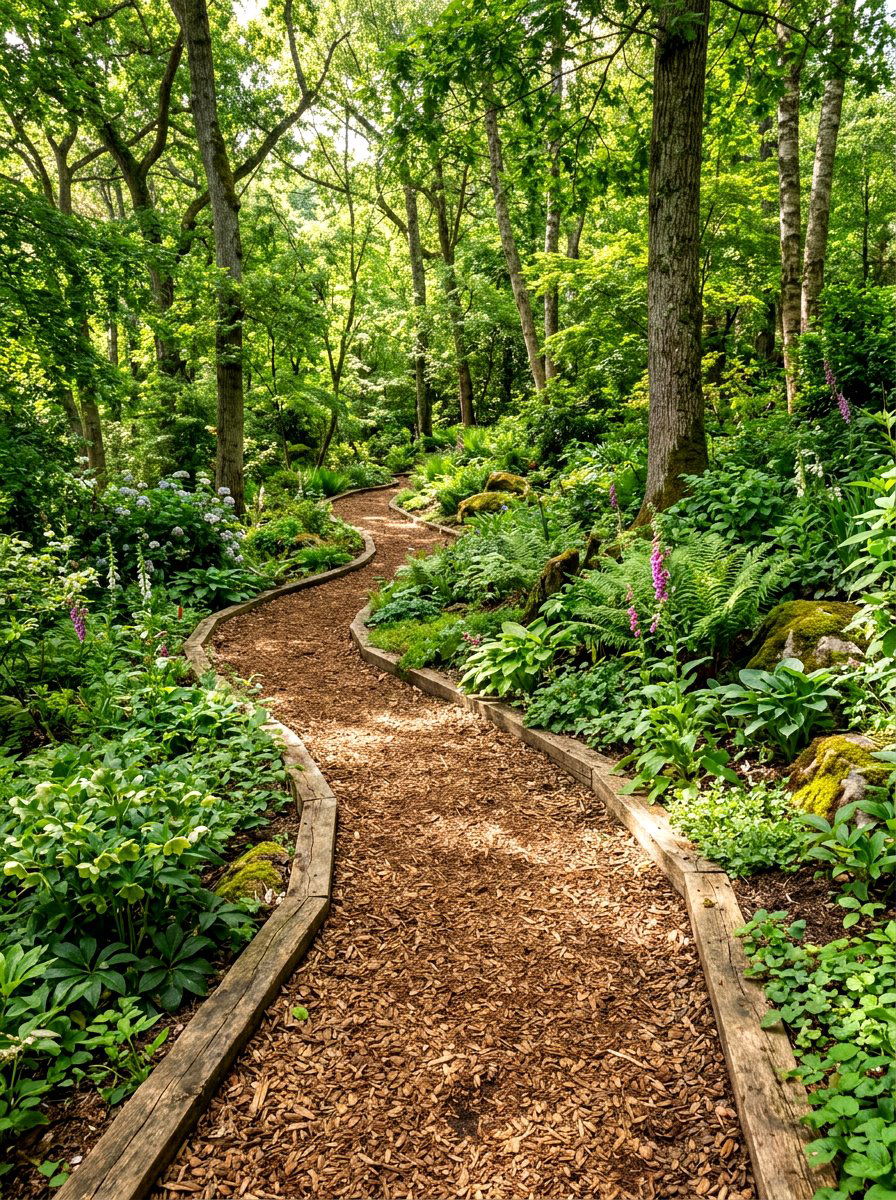
Constructing wood chip paths is a practical way to manage foot traffic on slopes while preventing soil compaction and erosion. When you walk directly on sloped dirt, you create ruts that eventually turn into water channels. By clearing a path and filling it with a thick layer of coarse wood chips, you create a stable, permeable walking surface. The chips distribute the weight of your steps and allow water to soak through easily. Using heavy timber or stone borders helps keep the chips in place during heavy storms. This adds a charming, woodland feel to your yard while protecting the delicate soil structure underneath your feet.
14. Stone Stairs
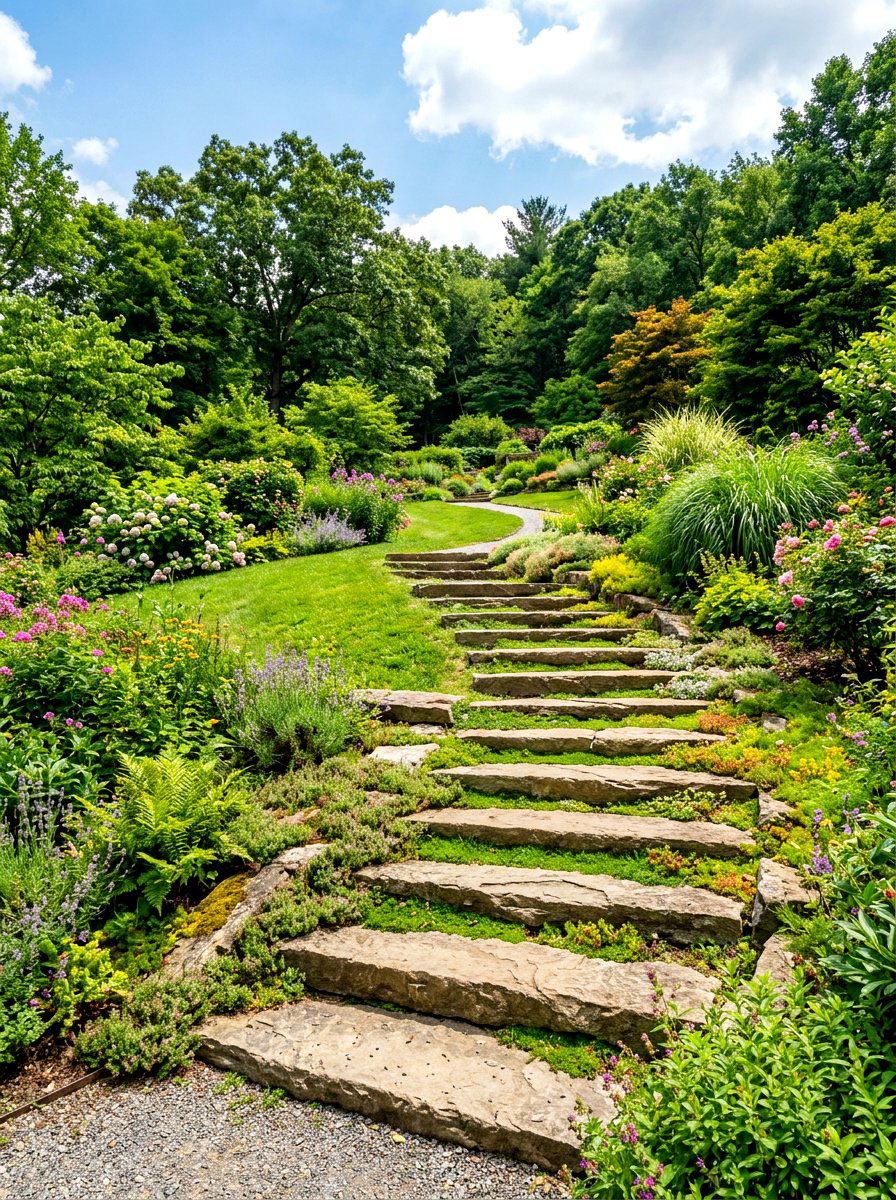
Building stone stairs into a hillside provides safe access while simultaneously anchoring the soil in place. Large, heavy slabs of natural stone act like mini-retaining walls for each step, preventing the earth from shifting downward. By breaking up the vertical descent, the stairs interrupt the path of rushing water, forcing it to slow down as it moves over the flat treads. You can plant creeping thyme or moss in the gaps between stones to further secure the edges. Stone stairs offer a sense of luxury and intentionality to your garden design. They turn a steep, unusable climb into a scenic journey through your beautifully landscaped backyard.
15. Sedge Grass
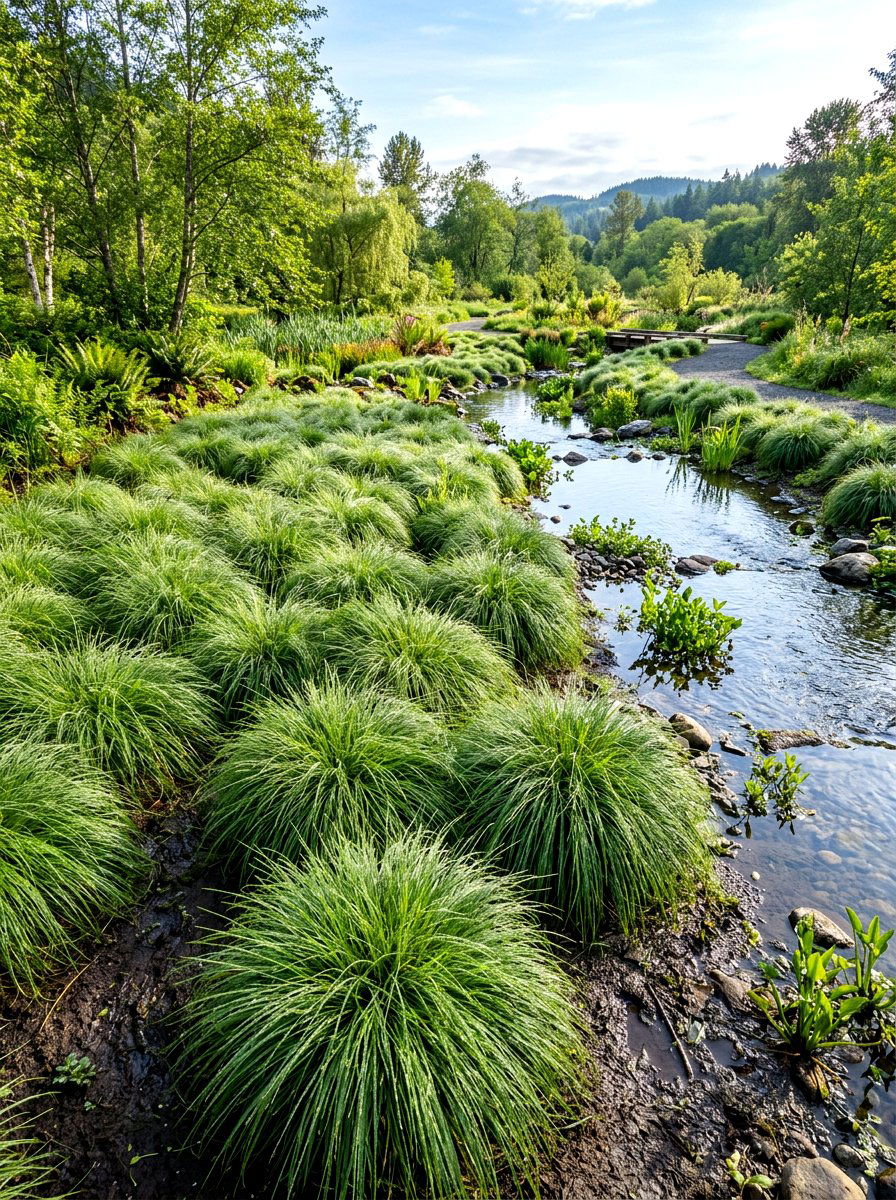
Planting sedge grass is an excellent choice for erosion control in areas that stay consistently moist or shady. While they look like typical grasses, sedges are actually a different family of plants known for their incredibly dense, fibrous root mats. These mats create a thick underground network that is very difficult for water to penetrate or wash away. Many sedge varieties grow in compact clumps that require very little maintenance or mowing. They are perfect for stabilizing the edges of ponds, rain gardens, or damp woodland slopes. Their fine texture and bright green color bring a lush, soft appearance to even the most challenging backyard environments.
16. Perennial Borders
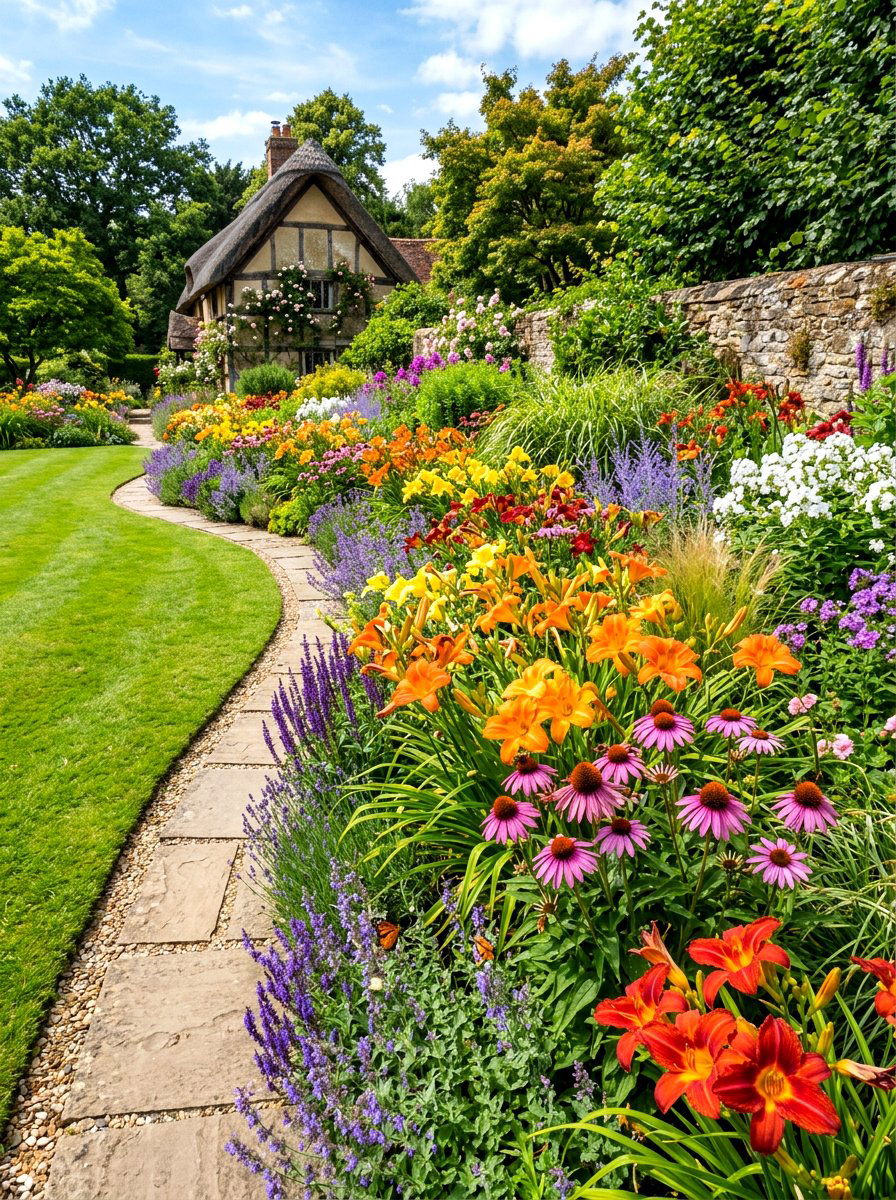
Establishing deep-rooted perennial borders along the edges of your property helps catch runoff and secure the perimeter. Plants like daylilies, coneflowers, and black-eyed Susans have strong, thick roots that thrive in various soil conditions. When planted in dense groupings, their foliage acts as a physical filter for sediment, keeping your topsoil on your land. These borders also provide a colorful transition between functional areas of the yard and wilder spaces. By choosing a mix of species that bloom at different times, you ensure year-round protection and beauty. Perennial borders are a versatile way to enhance your home's curb appeal while performing vital soil conservation work.
17. Decorative Gravel
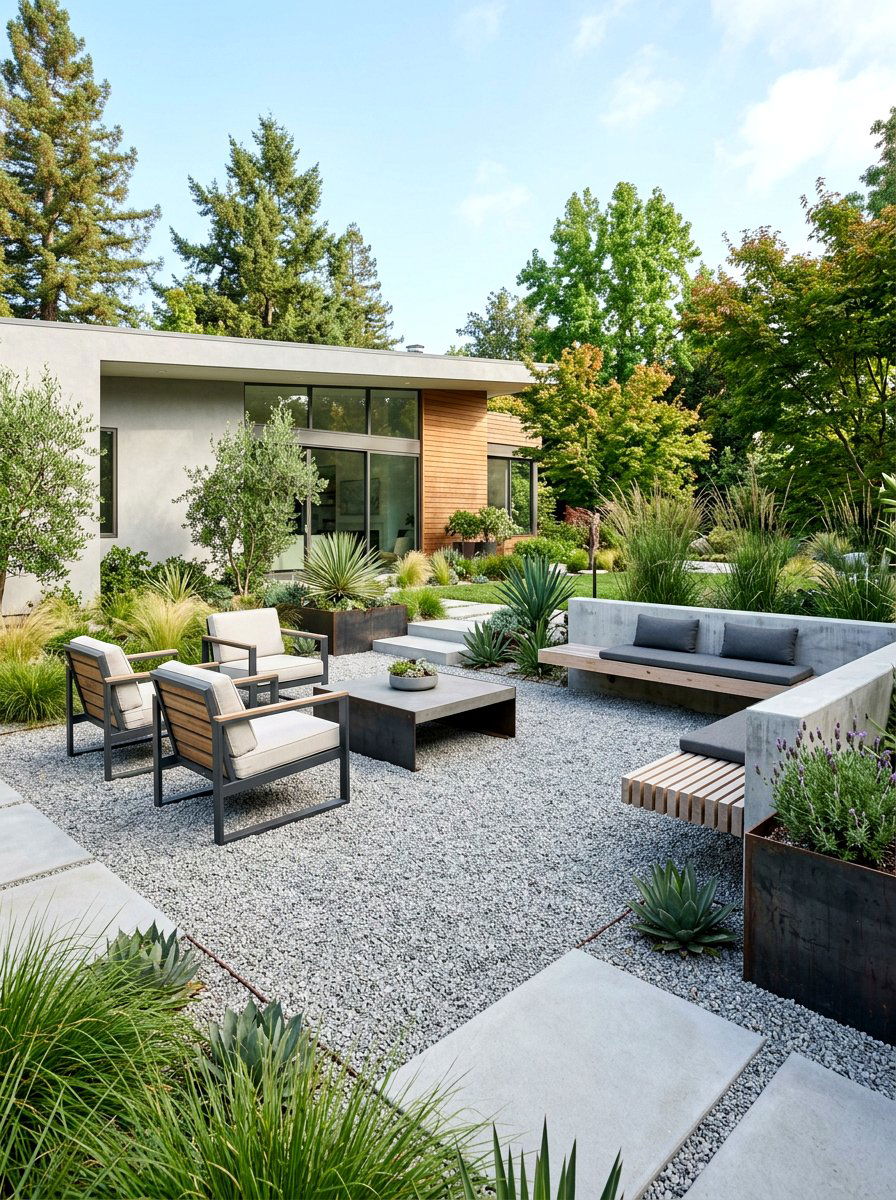
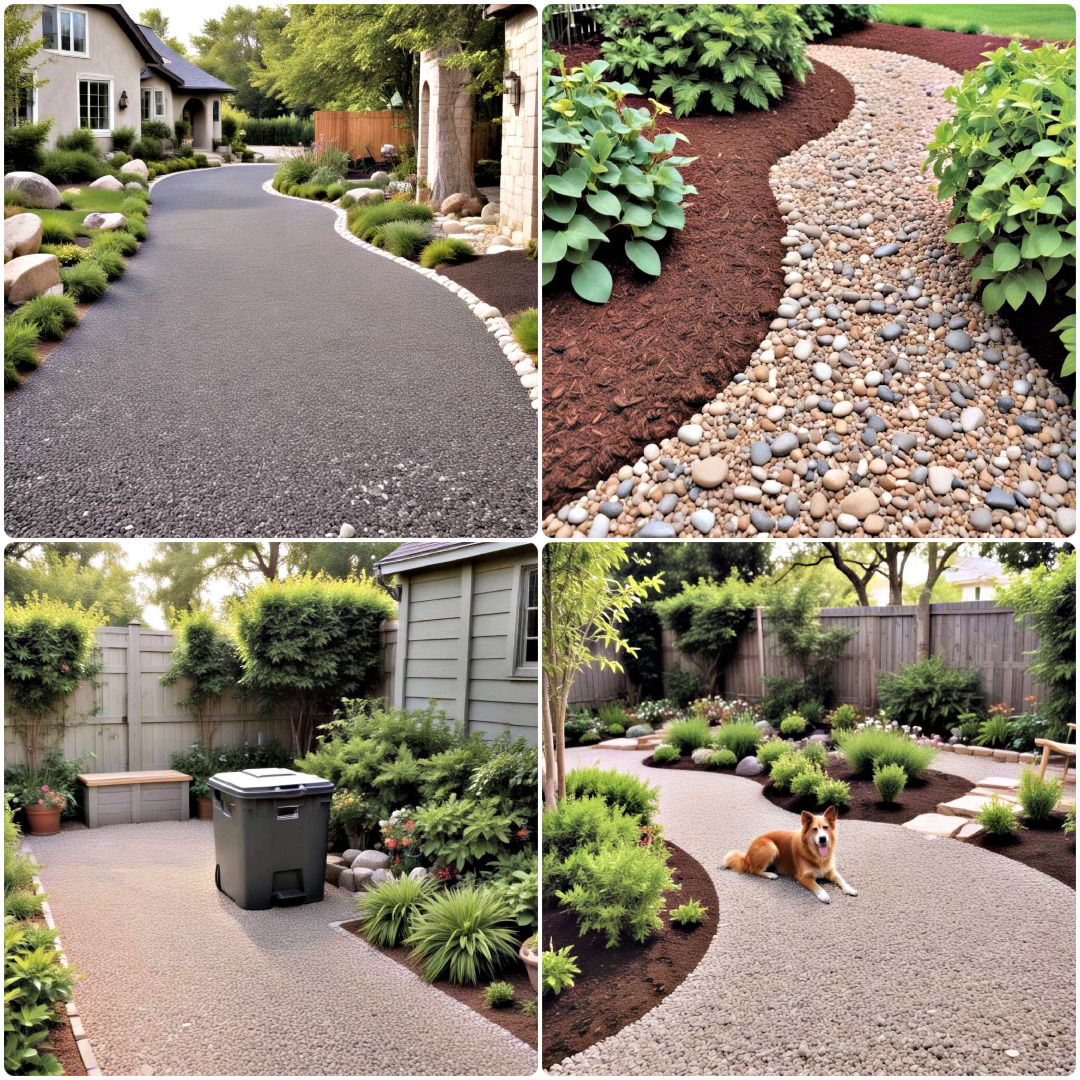
Using decorative gravel is a high-style way to cover areas where grass refuses to grow and soil washes away. A thick layer of pea gravel or crushed stone provides a heavy, permeable surface that stays in place during rain. It is often used in modern, minimalist designs to create clean lines and contrast with green foliage. Below the gravel, a layer of landscape fabric helps prevent the stones from sinking into the dirt while allowing water to pass through. This combination effectively "caps" the soil, preventing wind and water from reaching it. Gravel areas are perfect for seating zones, fire pits, or low-maintenance side yards.
18. Natural Boulders
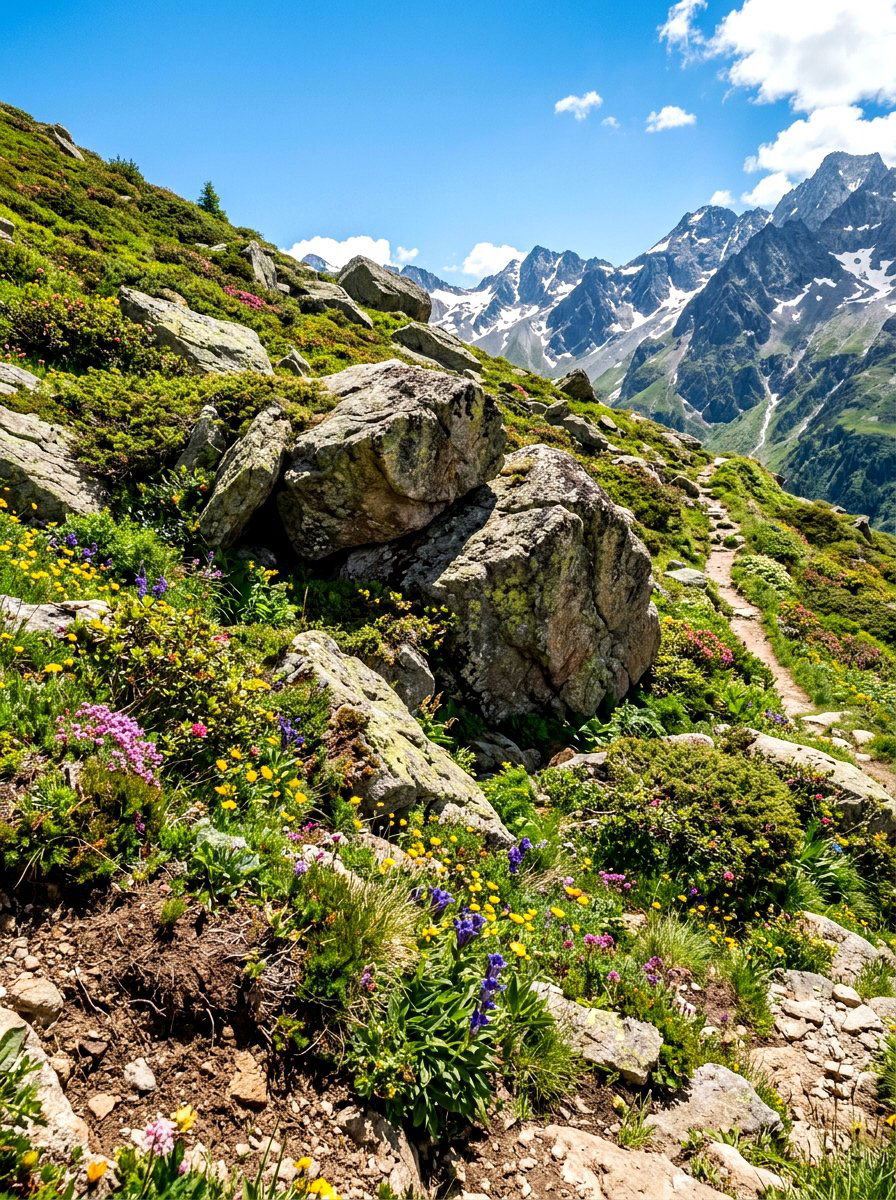
Strategically placing natural boulders throughout a slope adds weight and stability to the landscape. These large rocks act as anchors that prevent the surrounding soil from shifting or sliding downhill. When partially buried, they look like a natural outcropping of the earth, giving the garden an aged, established feel. You can use boulders to create "baffles" that divert the flow of water around sensitive planting areas. The spaces between the rocks are ideal for planting small shrubs or alpines that thrive in the microclimates created by the stone. Boulders provide a rugged, majestic look that completely transforms the scale and visual impact of your backyard.
19. Timber Sleepers
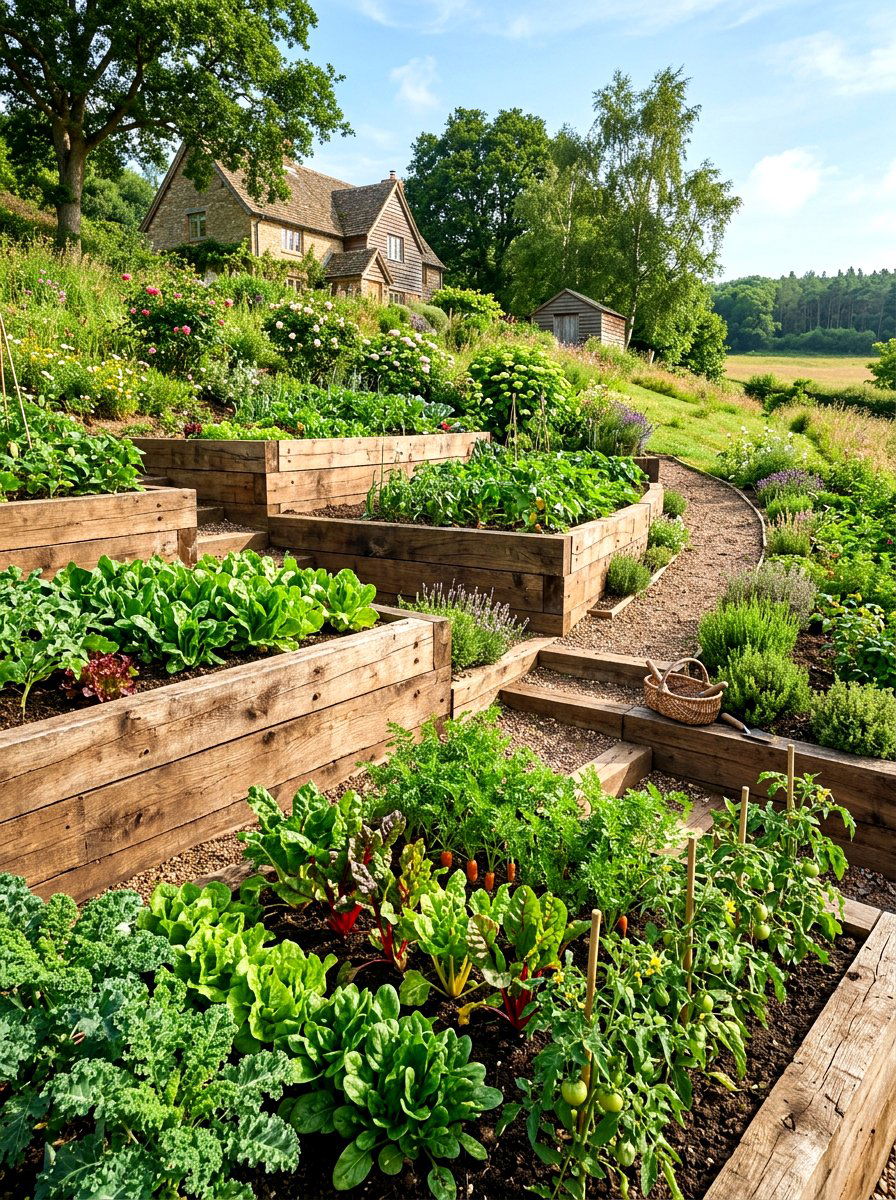
Utilizing timber sleepers is a classic and cost-efficient method for building low-profile retaining walls and garden tiers. These thick, heavy beams can be stacked and anchored with rebar to create flat planting beds on a slope. The wood brings a warm, organic texture to the landscape that pairs beautifully with lush greenery. Using pressure-treated or naturally rot-resistant wood like cedar ensures the structure lasts for many years. Timber walls are relatively easy to install for DIY enthusiasts and offer a clean, geometric look. They are perfect for creating raised vegetable gardens or level play areas in a yard that was once too steep to use.

20. Clover Lawns
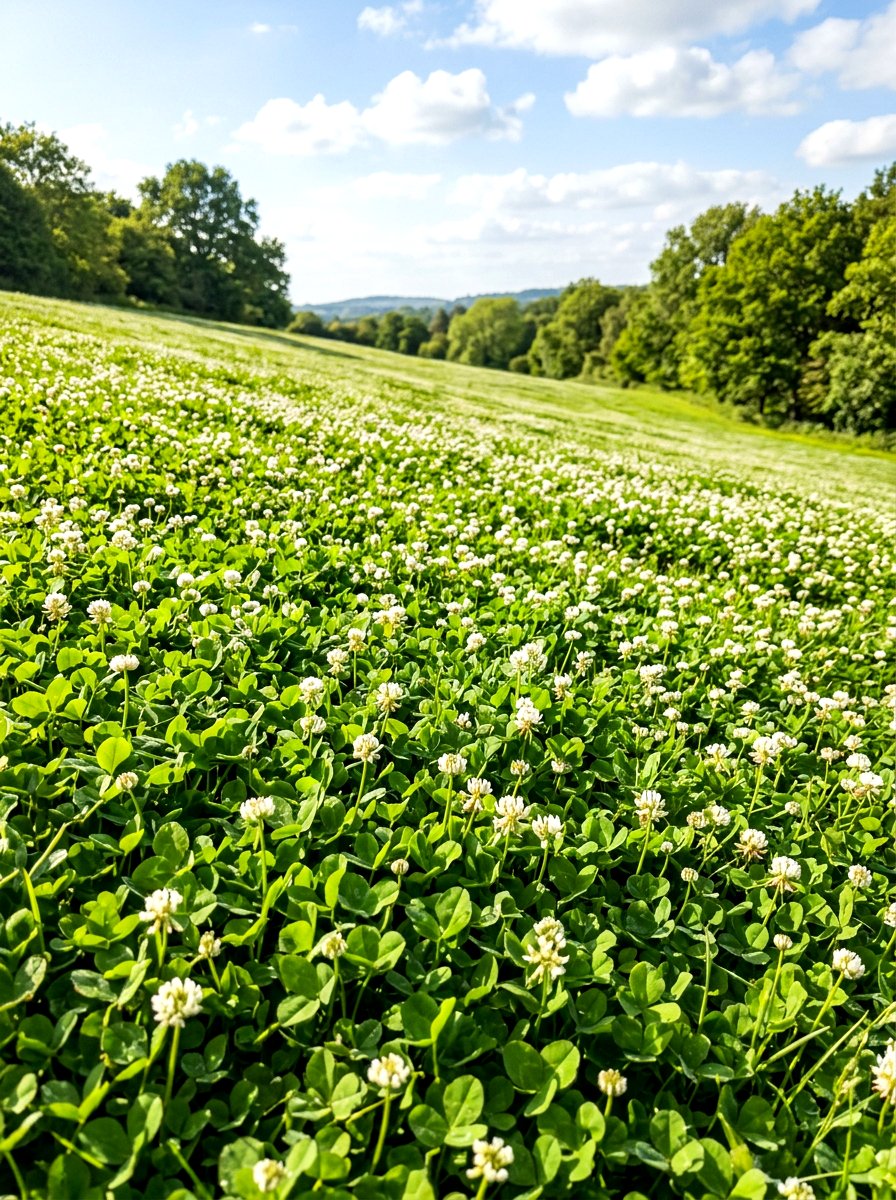
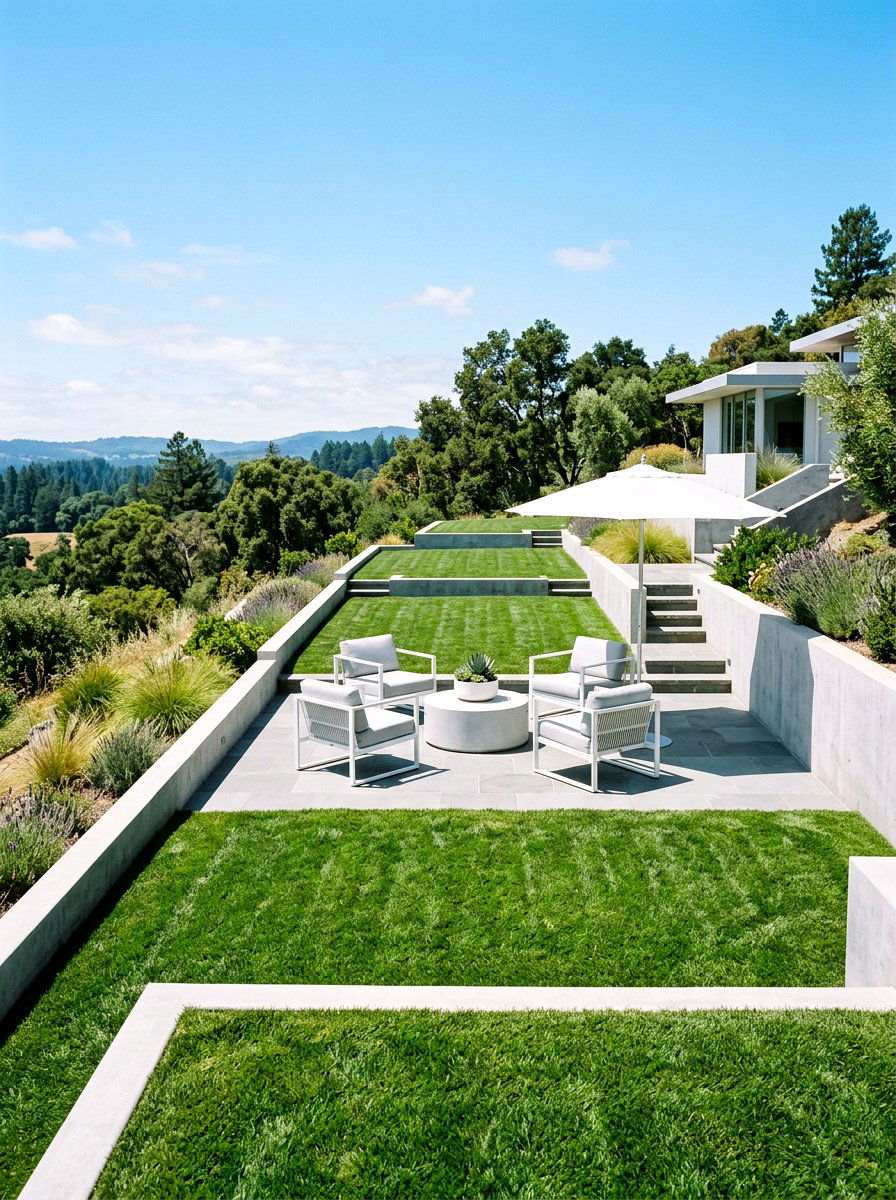
Swapping traditional turf for a clover lawn is a smart move for homeowners looking for better soil grip and less maintenance. Clover has a unique taproot system that penetrates deeper into the soil than common lawn grasses, providing superior anchorage on gentle slopes. It grows densely and spreads quickly via runners, forming a tight green carpet that effectively shades the soil from the sun and rain. Clover also fixes nitrogen in the soil, which naturally improves the health of surrounding plants. It stays green even during dry spells and requires far less mowing. A clover lawn offers a soft, pollinator-friendly alternative that keeps your yard stable.
21. Living Walls
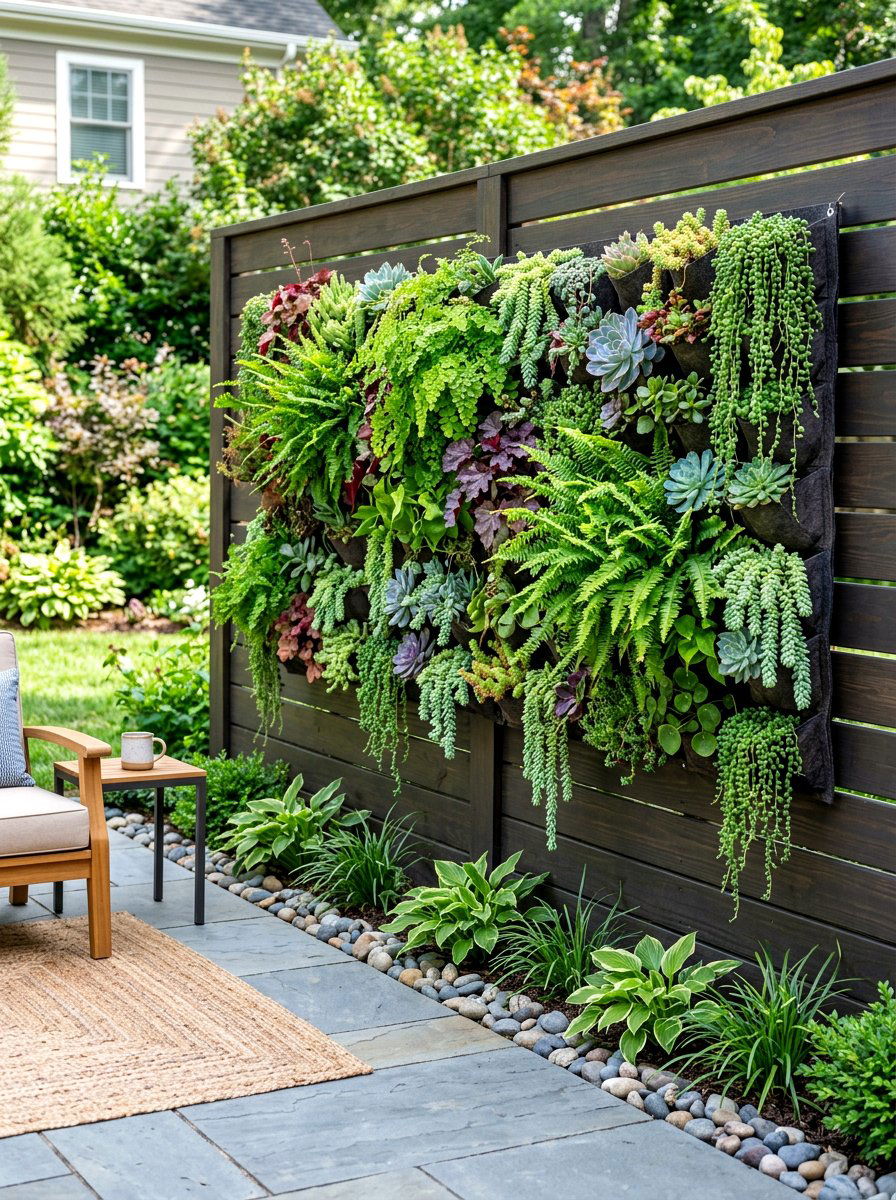
Designing a living wall is an innovative way to protect a vertical or near-vertical surface from erosion. These structures use a series of pockets or modules filled with soil and plants to cover an entire wall face with life. The roots grow into the structure, creating a biological armor that protects the underlying material from weathering. Living walls are particularly effective in tight urban spaces where you need to stabilize a bank without losing valuable square footage. They act as natural insulation and provide a stunning vertical garden that improves air quality. Choosing a mix of trailing and upright plants creates a lush, cascading effect.
22. Steep Slope Planting
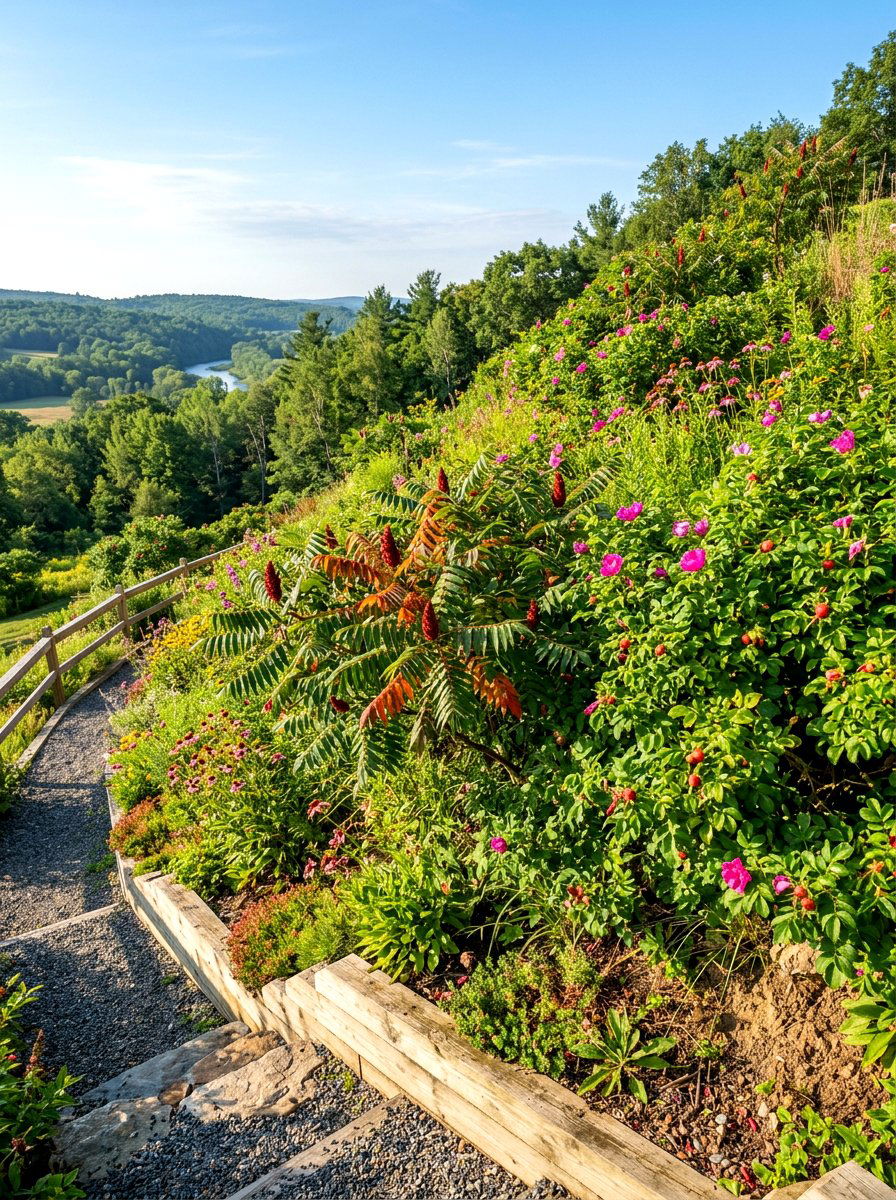
Focusing on steep slope planting involves selecting species specifically known for their aggressive root systems and ability to thrive in poor soil. When dealing with extreme inclines, you need plants that don't mind the fast drainage and lack of organic matter. Shrubs like forsythia, sumac, or rugosa roses are famous for their ability to colonize difficult banks and hold them together. Planting them in a staggered pattern ensures there are no straight lines for water to follow. Over time, these plants grow into a dense thicket that completely hides the slope while providing a permanent solution to erosion. It is a "set it and forget it" approach.
23. Permeable Pavers
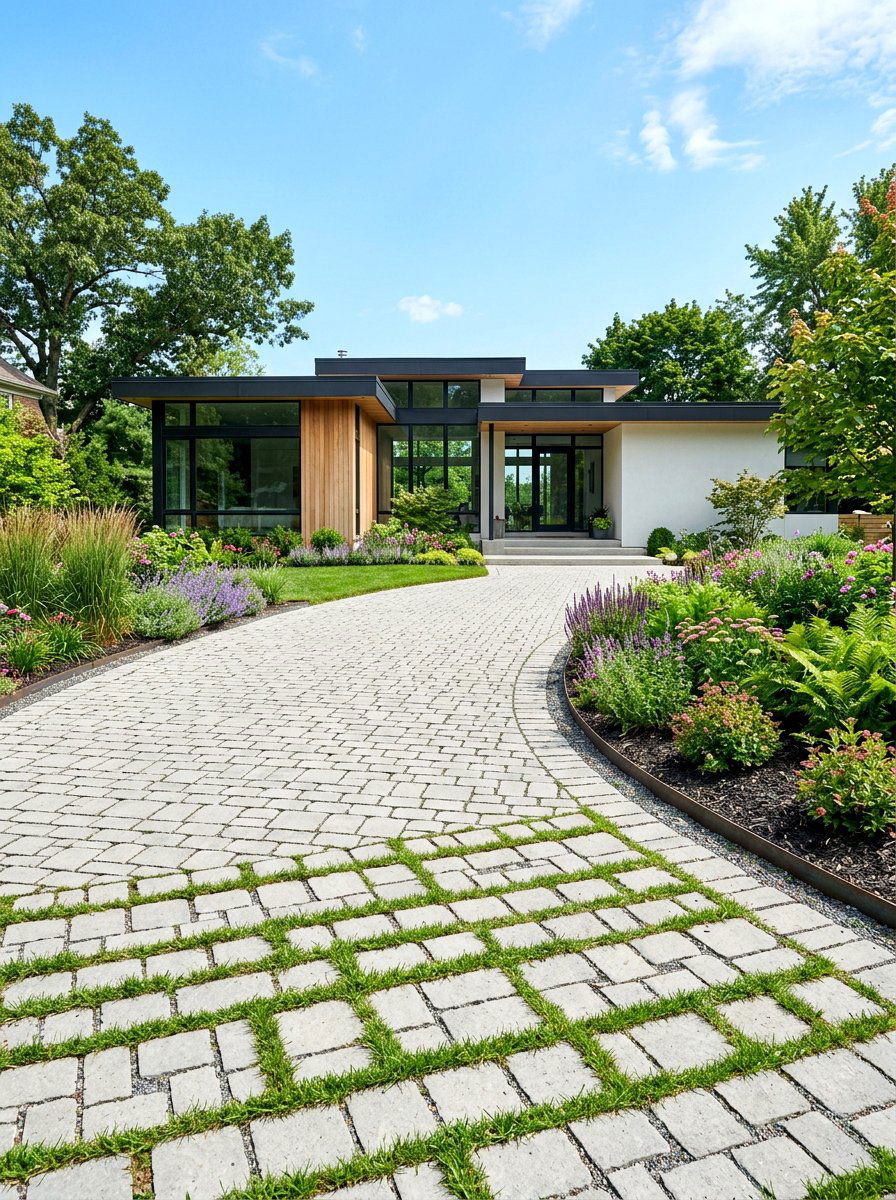
Replacing solid concrete surfaces with permeable pavers is a modern solution that addresses erosion at its source. Traditional driveways and patios shed water at high speeds, which often washes away the soil at their edges. Permeable pavers are designed with gaps that allow rainwater to soak directly into a stone reservoir beneath the surface. This dramatically reduces the volume of runoff and prevents the surrounding landscape from becoming overwhelmed. These pavers come in various styles, from classic brick to contemporary stone, ensuring they match any architectural theme. They provide a high-end, functional surface that helps protect your entire property from the damaging effects of stormwater.
24. Dense Shrubbery
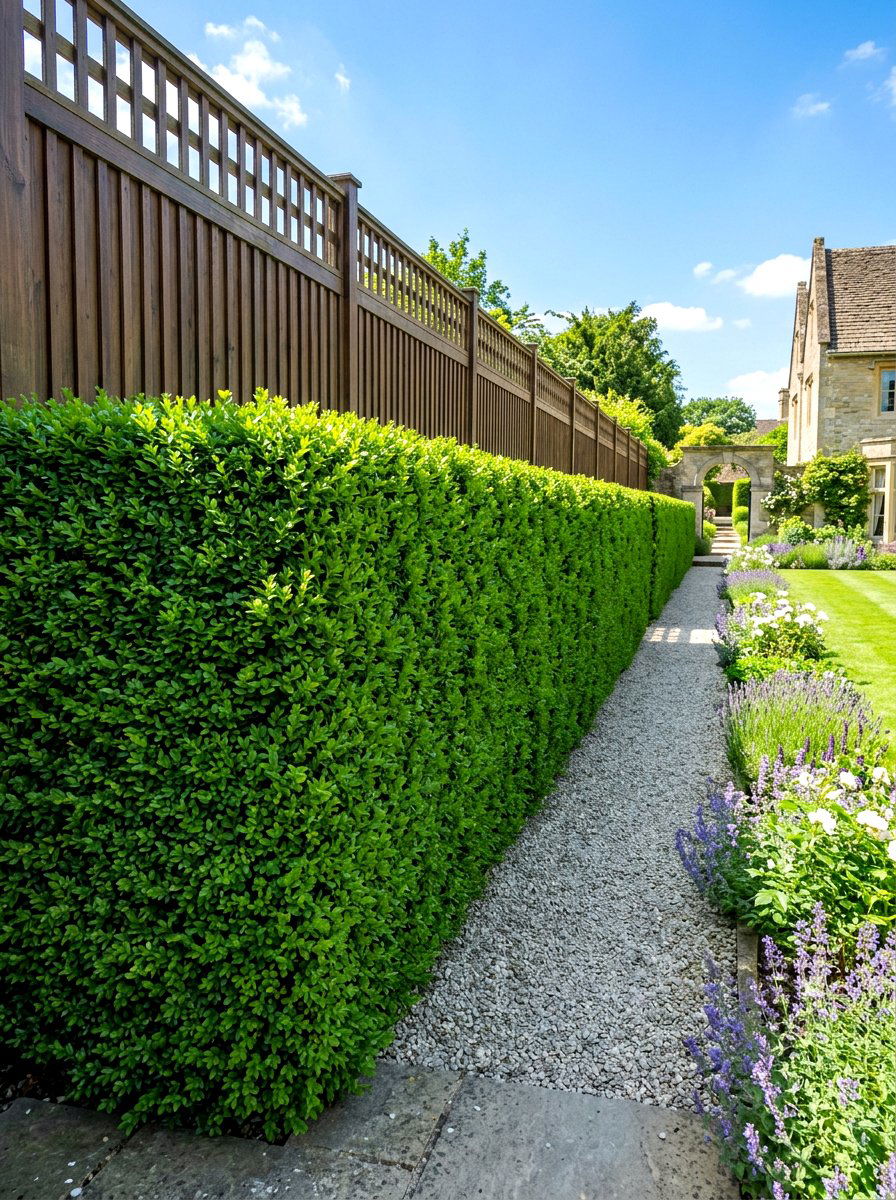
Planting a row of dense shrubbery acts as a living filter and windbreak for your yard. Species like boxwood, privet, or yew grow closely together, creating a thick barrier of branches and leaves. This canopy breaks the fall of heavy rain and slows down the wind, both of which are major drivers of soil displacement. Beneath the surface, the intertwined root systems of multiple shrubs create a massive, stable block of earth. Shrub borders are also excellent for providing privacy and reducing noise from nearby streets. They offer a classic, structured look that can be easily pruned into formal hedges or left natural for a softer appearance.
25. Moss Gardens
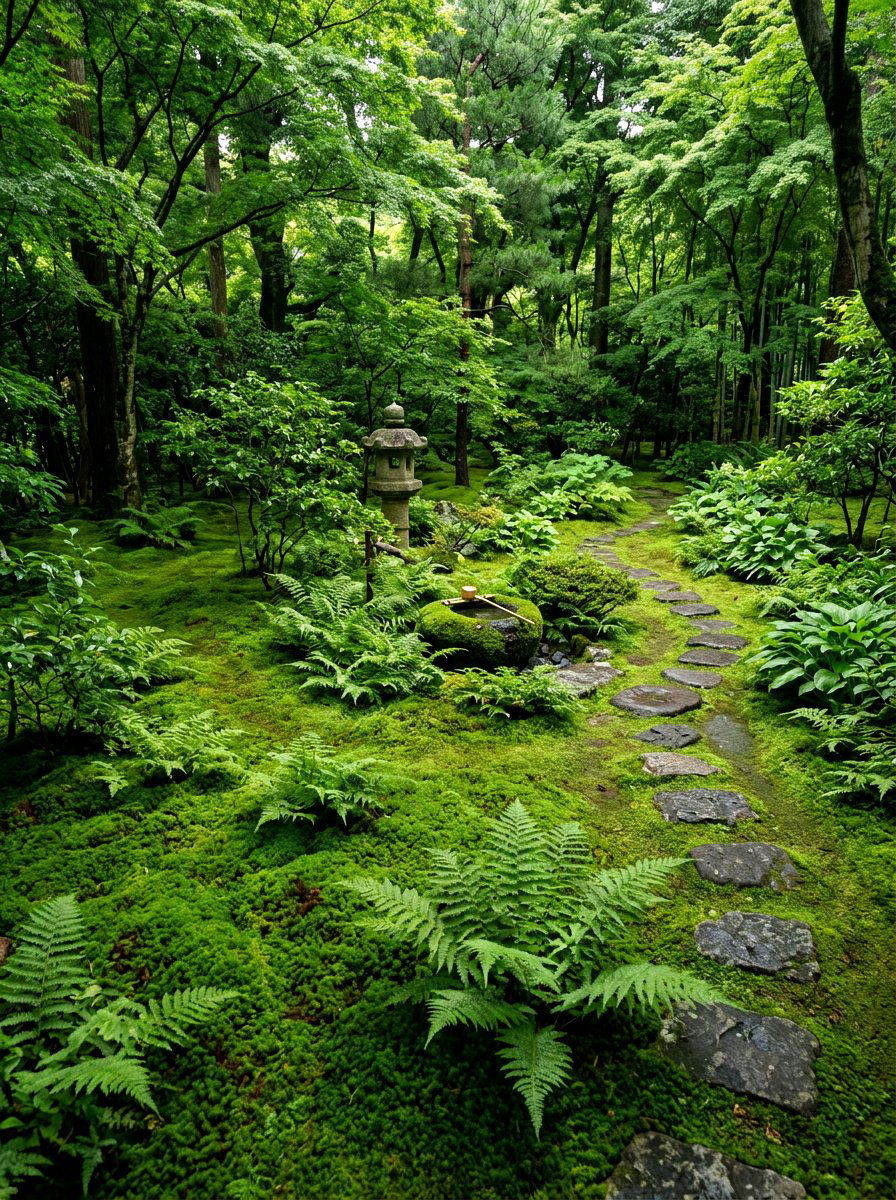
Cultivating a moss garden is a serene and effective way to stabilize soil in shady, damp parts of your landscape. Moss does not have traditional roots, but it clings to the surface with tiny hair-like structures that prevent the soil from being disturbed. A thick carpet of moss acts like a giant sponge, absorbing vast amounts of water and releasing it slowly. This prevents the "splash effect" of rain that often kicks up dirt and starts the erosion process. Moss gardens require no mowing and stay vibrant throughout the year. They bring a magical, fairytale-like quality to the yard while providing a low-impact solution for soil protection.
26. Turf Grids
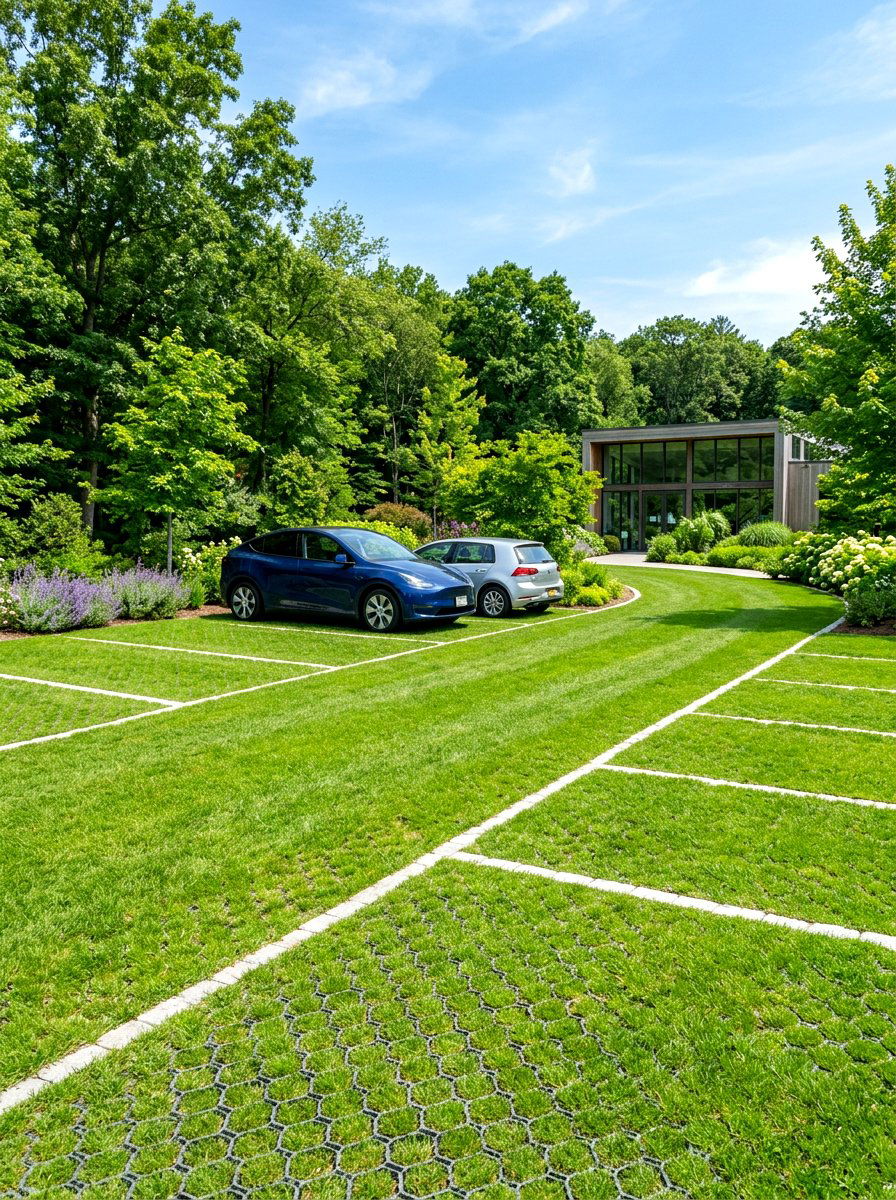
Using turf grids provides a hidden reinforcement system that allows you to have a green lawn in high-traffic or erosion-prone areas. These are plastic or concrete honeycomb structures that are laid on the ground and filled with soil and grass seed. The grid protects the roots of the grass from being crushed and prevents the soil from washing out of the cells. You can drive a car or walk repeatedly over these grids without damaging the lawn or causing ruts. It is an ideal solution for overflow parking, sloped pathways, or the edges of driveways. Turf grids give you the beauty of grass with the durability of a hardscape.
27. Straw Wattles
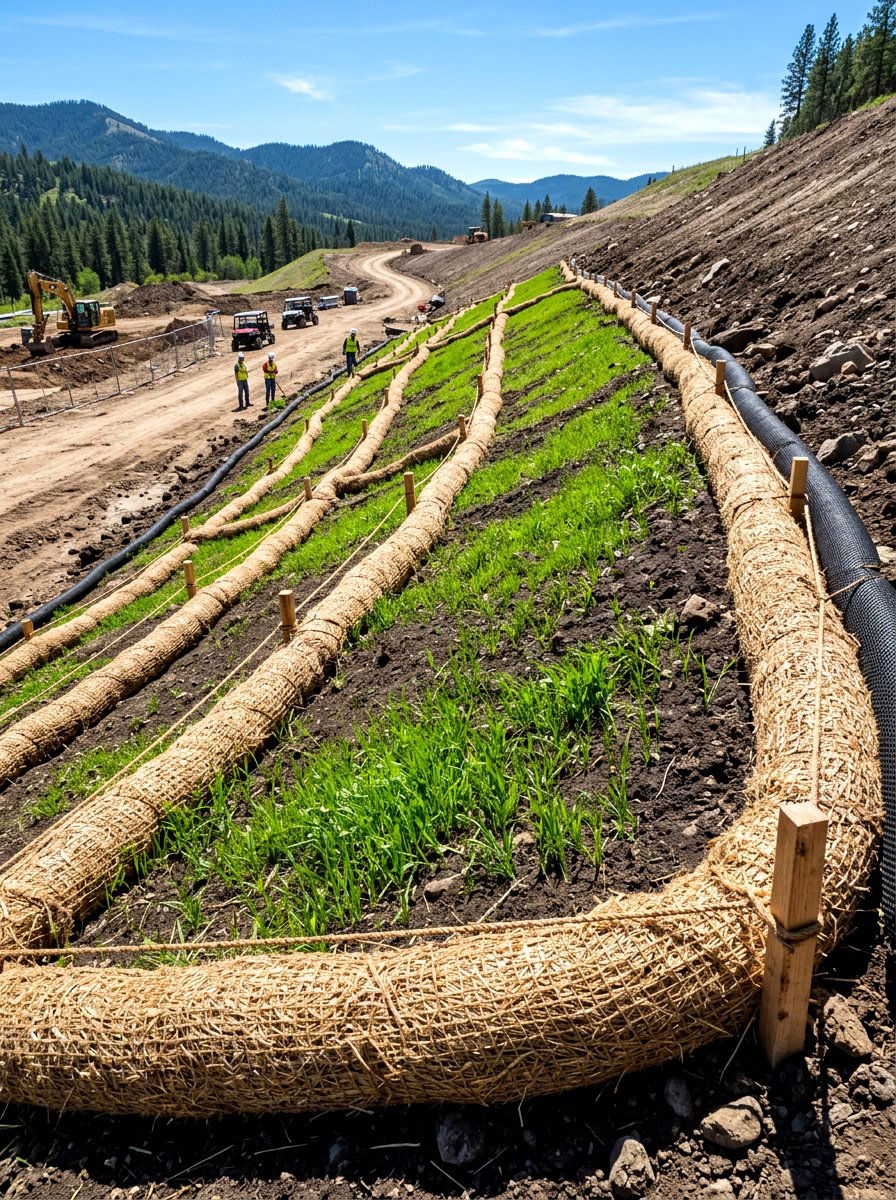
Installing straw wattles is a highly effective, temporary measure used to stabilize slopes while new vegetation is getting established. These are long tubes of straw wrapped in biodegradable netting that are partially buried in shallow trenches across a hill. They act as "speed bumps" for water, catching sediment and allowing it to settle rather than washing downhill. Because they are flexible, they can be curved to follow the natural contours of your land. Over a few years, the straw and netting will naturally break down, by which time your permanent plants should have taken over the job of holding the soil. They are an affordable, ecological tool.
28. Concrete Blocks
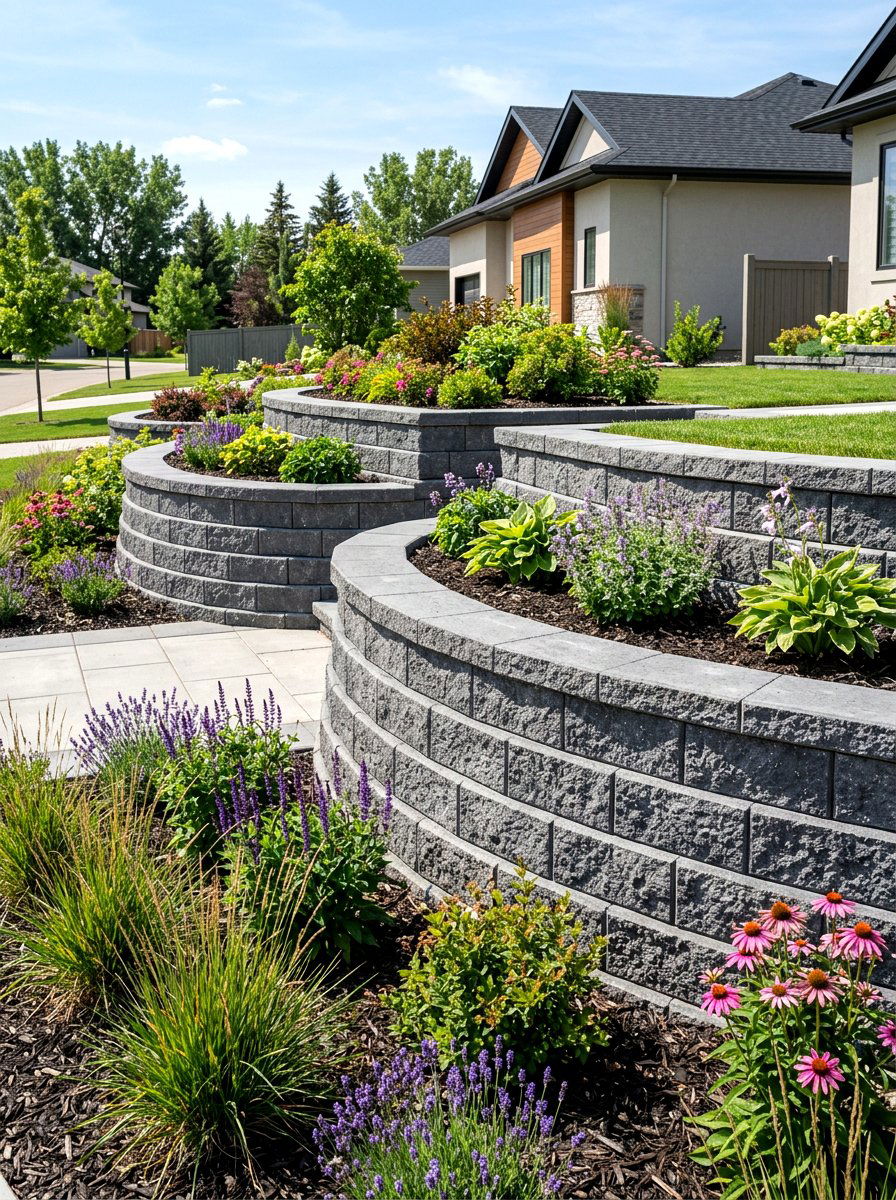
Utilizing interlocking concrete blocks is a popular choice for building durable, modular retaining walls that can handle significant weight. These blocks are engineered to fit together without the need for mortar, which allows the wall to flex slightly with ground movement. Many modern designs feature textured faces that mimic the look of natural stone, providing a high-end appearance at a lower cost. These systems often include matching caps and corner pieces for a professional finish. Because they are heavy and stable, concrete blocks are ideal for creating tiered garden beds or leveling out large sections of a backyard for patios and outdoor living areas.
29. Ornamental Grass
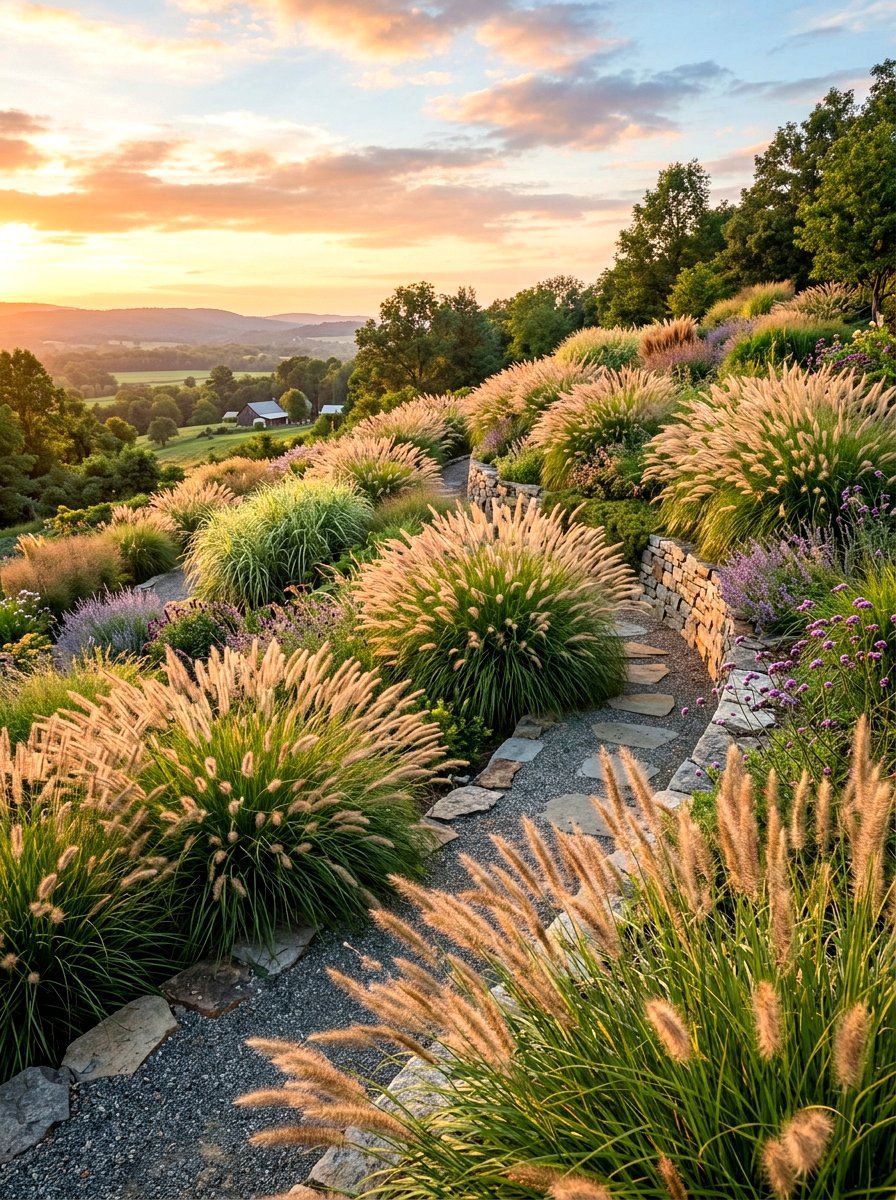
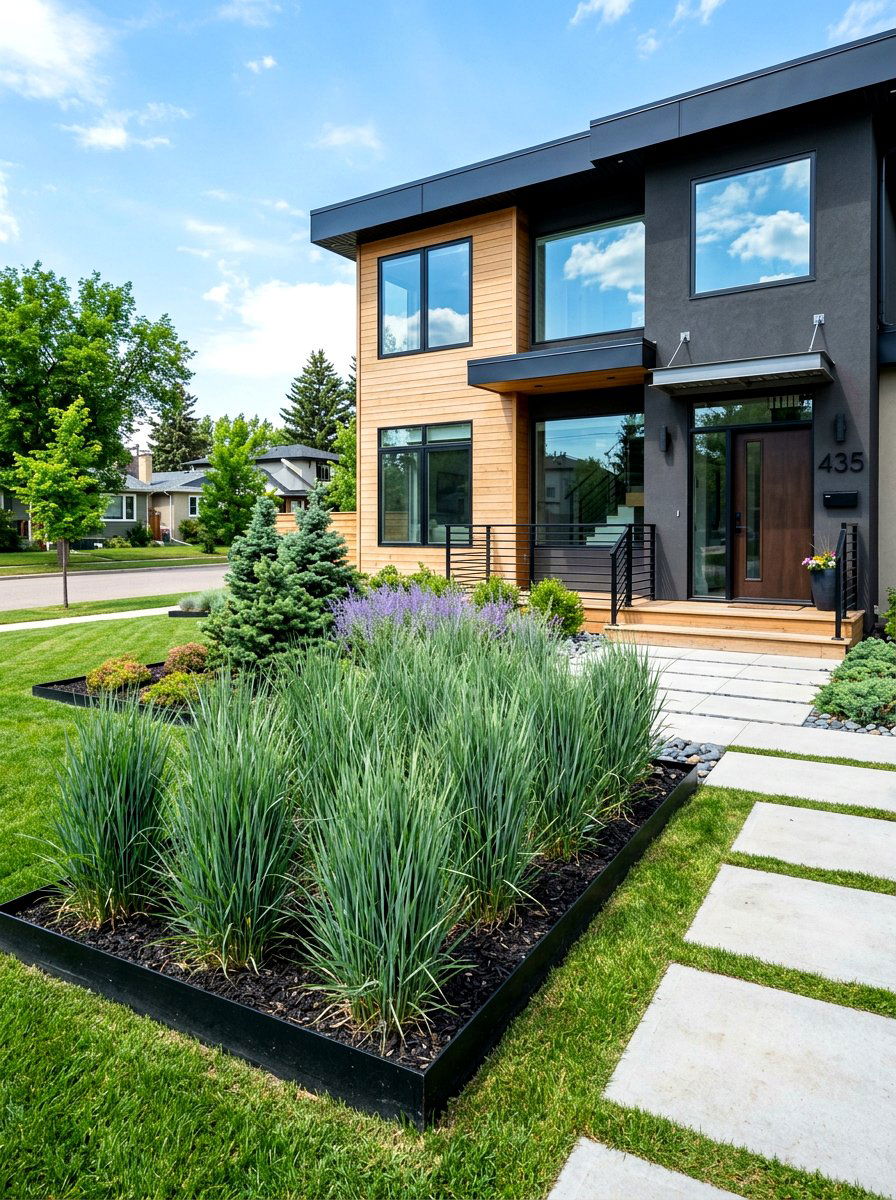
Incorporating ornamental grass into your landscape provides a dynamic and visually appealing way to secure the earth. Varieties like fountain grass, maiden grass, or feather reed grass grow in dense, upright clumps that look stunning as they sway in the wind. Their root systems are incredibly vigorous and fibrous, making them excellent at binding soil together. Because they grow quickly, they provide a fast solution for bare hillsides. Ornamental grasses also offer winter interest, as their dried plumes and golden stalks remain standing through the cold months. They require only one major pruning per year, making them a low-effort, high-impact choice for any homeowner.
30. Rock Gardens
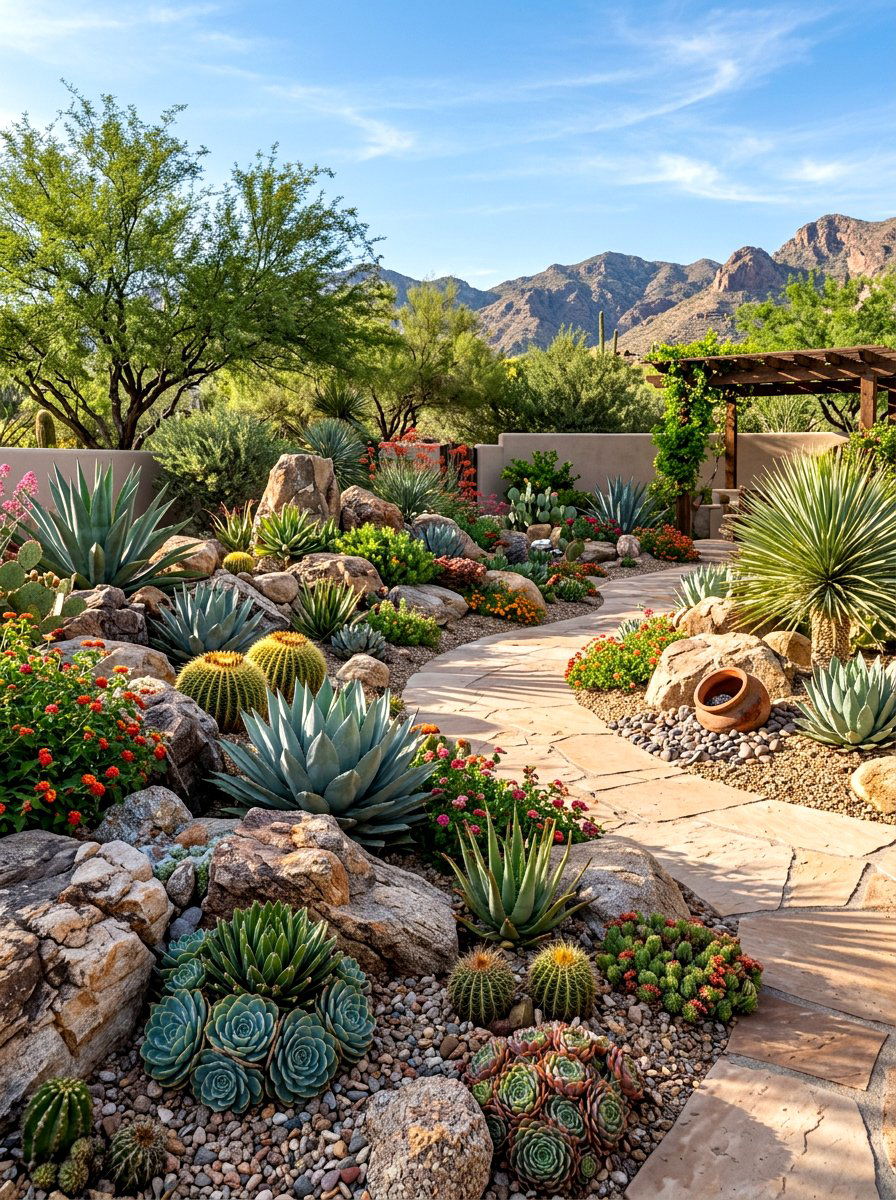
A rock garden is a sophisticated way to utilize stones of varying sizes to anchor loose soil on a slope. By strategically embedding boulders and smaller rocks into the earth, you create a stable framework that prevents shifting. In between the stones, you can plant alpine species or drought-tolerant succulents that thrive in well-drained conditions. The roots of these plants grow deep into the crevices, further securing the hillside against erosion. Rock gardens offer a low-maintenance solution that looks like a natural outcrop of the earth. They provide a rugged, textured beauty that transforms a problematic patch of dirt into a stunning focal point for your yard.
Conclusion:
Managing soil erosion requires a blend of engineering and artistic vision to create a landscape that is both stable and beautiful. Whether you choose to install massive retaining walls or plant a carpet of ground cover, each step you take protects the integrity of your property. Combining different methods, such as dry creek beds with native grasses, often yields the best results for long-term sustainability. A well-protected yard not only saves you from future repair costs but also increases the value and usability of your outdoor space. By investing time in these erosion control strategies, you ensure that your garden remains lush, safe, and vibrant for years.

Related posts: