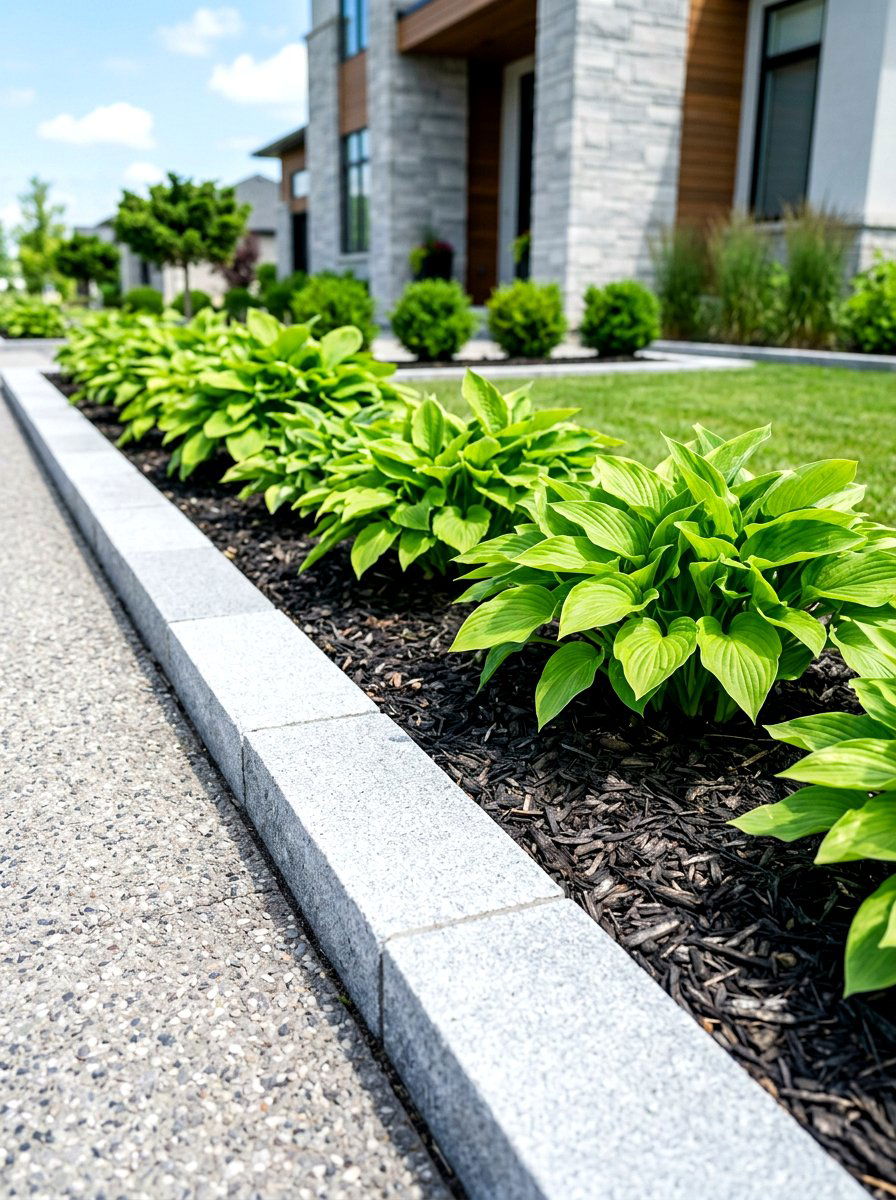
Creating a beautiful outdoor space often starts with defining the boundaries of your flower beds and pathways. Brick is a timeless material that offers durability and a classic aesthetic for any landscape project. Whether you are looking for a rustic farmhouse feel or a clean modern look, using bricks for your garden edging provides a sturdy and long-lasting solution. This material is incredibly versatile, allowing you to create various patterns like the popular soldier course or the unique sawtooth design. Adding these borders helps prevent soil erosion and keeps grass from invading your planting areas. Explore these creative ways to use brick in your backyard to enhance your home’s curb appeal and organization.
1. Soldier Course Brick
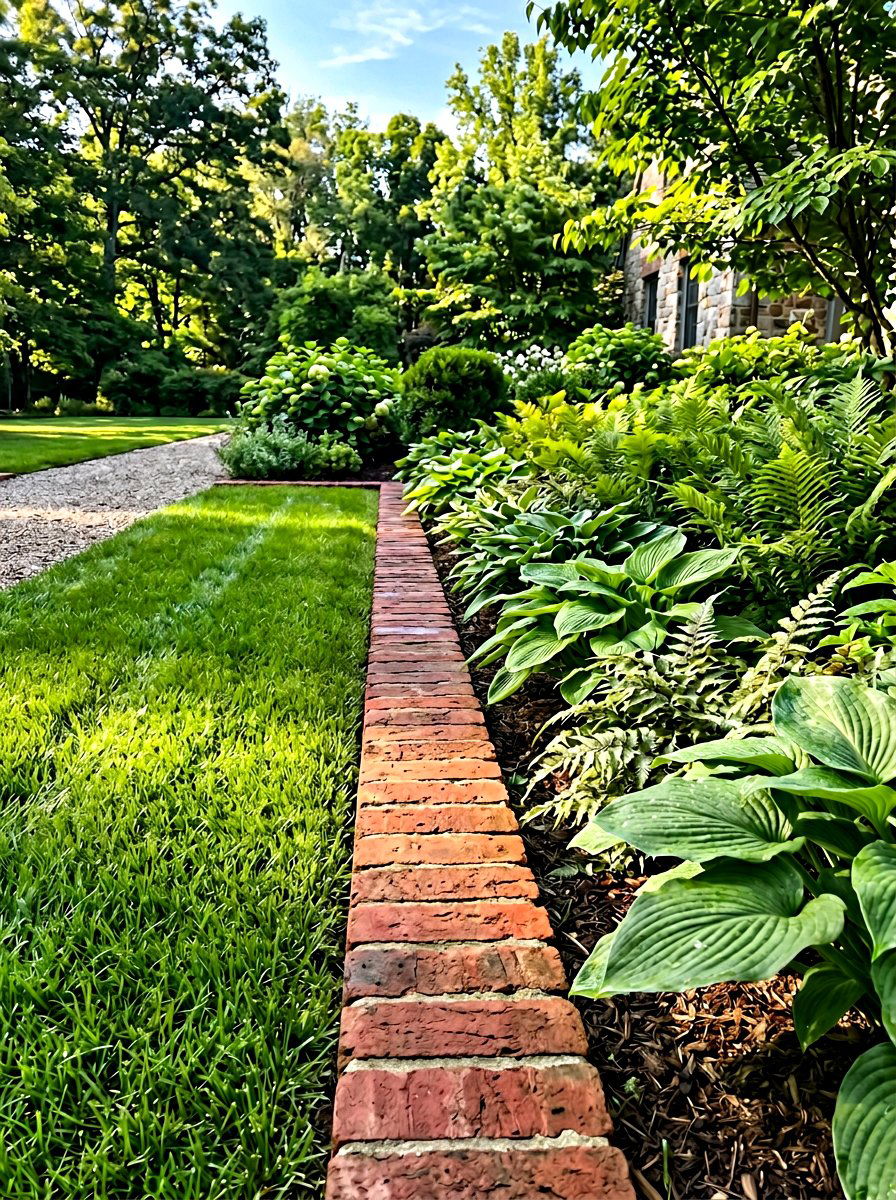
A soldier course involves standing each brick vertically on its narrow end to create a tall and formal border. This specific arrangement is excellent for defining deep flower beds where you want to hold back a significant amount of mulch or soil. It creates a very strong vertical line that complements traditional architecture and formal garden layouts perfectly. You can bury the bricks partially to adjust the height based on your preference. Many homeowners choose this style because it is stable and resists shifting over time. It provides a clean and polished finish that immediately makes any garden area look professionally landscaped and well-maintained.
2. Sawtooth Brick Border
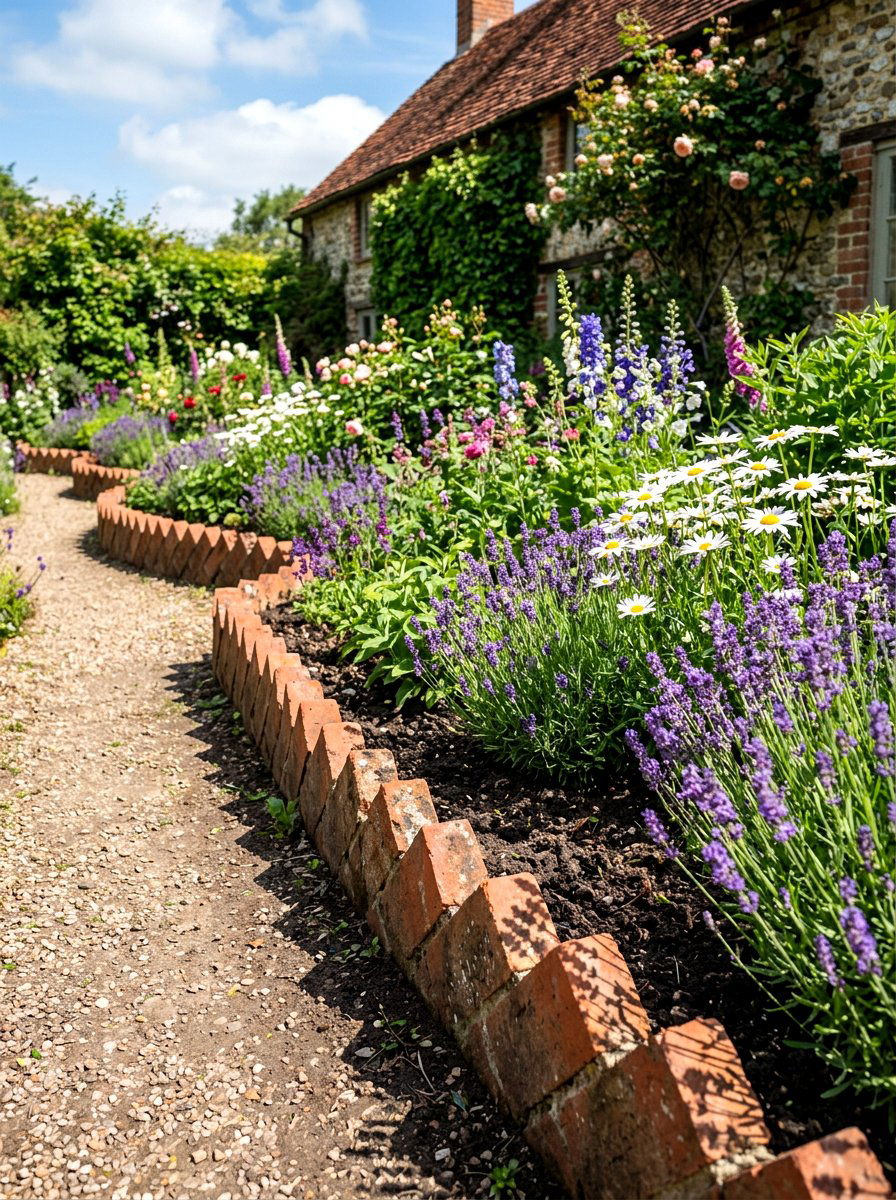
The sawtooth pattern is a decorative choice that adds a unique texture to your garden edges. To create this look, you set the bricks at a forty-five-degree angle so that one corner points upward. This creates a jagged, serrated appearance that is both rustic and eye-catching. It is particularly popular in cottage gardens where a slightly whimsical or vintage feel is desired. This style is surprisingly easy to install as a DIY project and does not require mortar if you pack the soil tightly. It effectively separates your lawn from your planting area while adding a beautiful rhythmic visual element to the landscape.
3. Flat Brick Edging
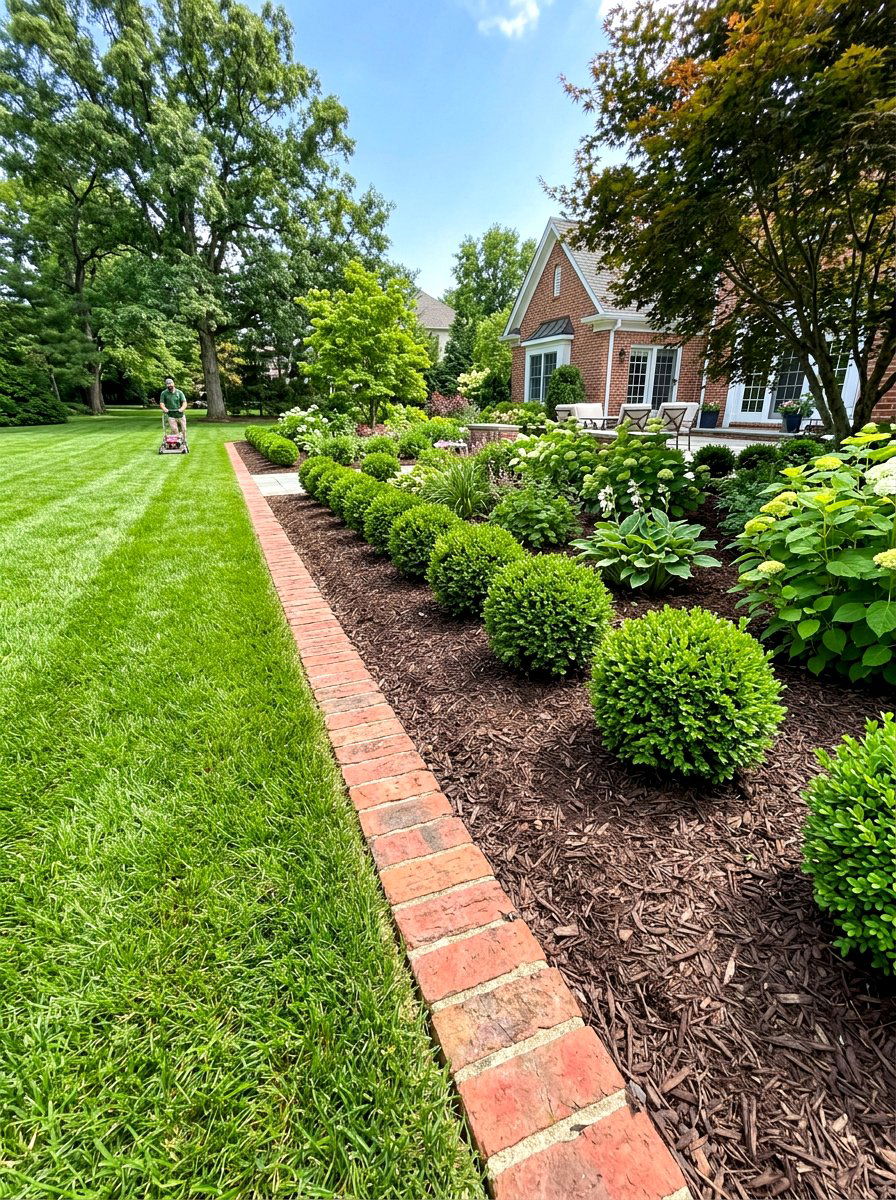
Laying bricks flat on their widest side creates a low-profile border that is very practical for mowing. This style is often called a mowing strip because it allows the wheels of your lawnmower to run right over the bricks. This eliminates the need for string trimming along the edge of your flower beds every week. It provides a wide, clean line that looks very neat and organized without being visually overwhelming. You can use standard red clay bricks or concrete pavers for this method. It is one of the most functional ways to keep your yard looking tidy with very minimal maintenance required.
4. Angled Brick Border
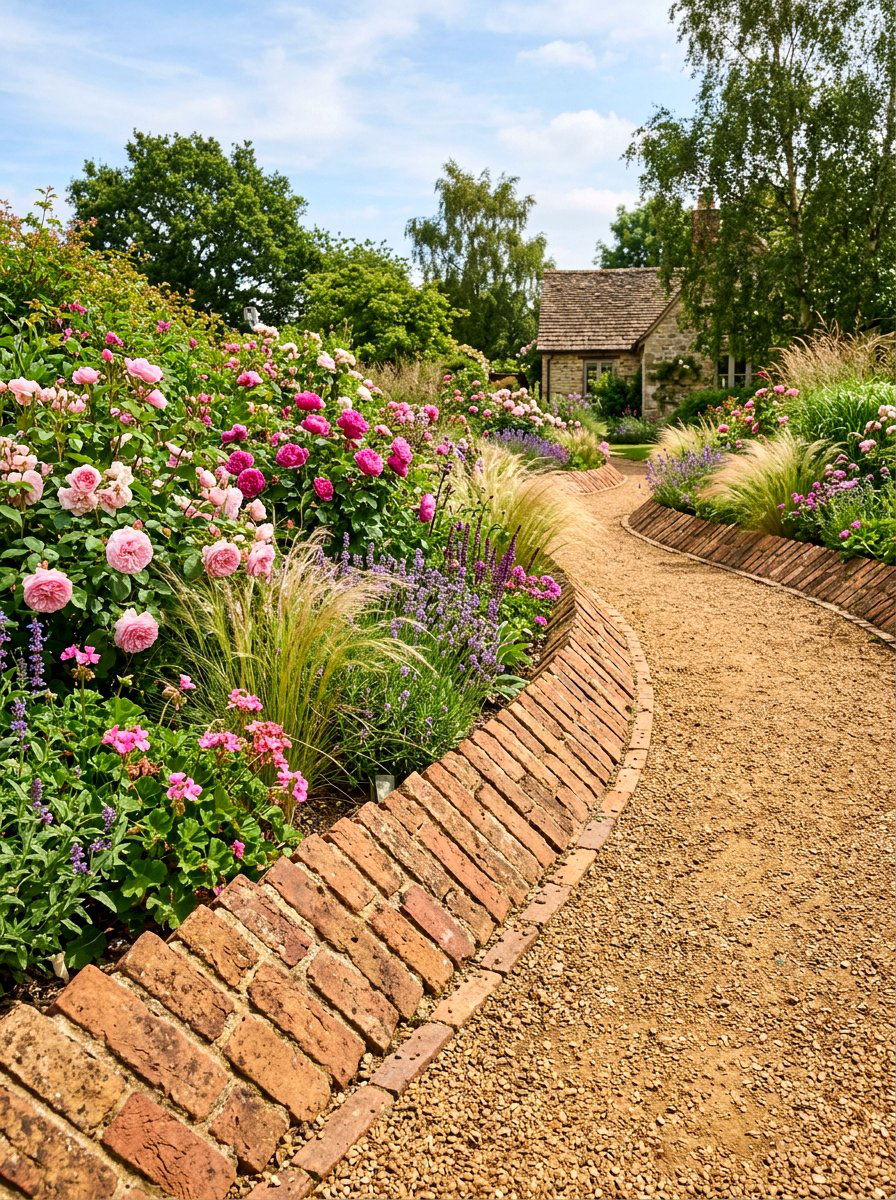
An angled brick border is similar to the sawtooth style but often involves laying the bricks at a shallower incline. This creates a softer transition between the garden bed and the grass while still providing plenty of visual interest. It works well for curved paths where you want the edging to follow a natural flow. The overlapping bricks create a sturdy barrier that prevents soil from washing away during heavy rain. This design is excellent for adding a bit of character to a standard backyard without the need for complex masonry work. It looks especially charming when paired with colorful flowering perennials and shrubs.
5. Stacked Brick Wall
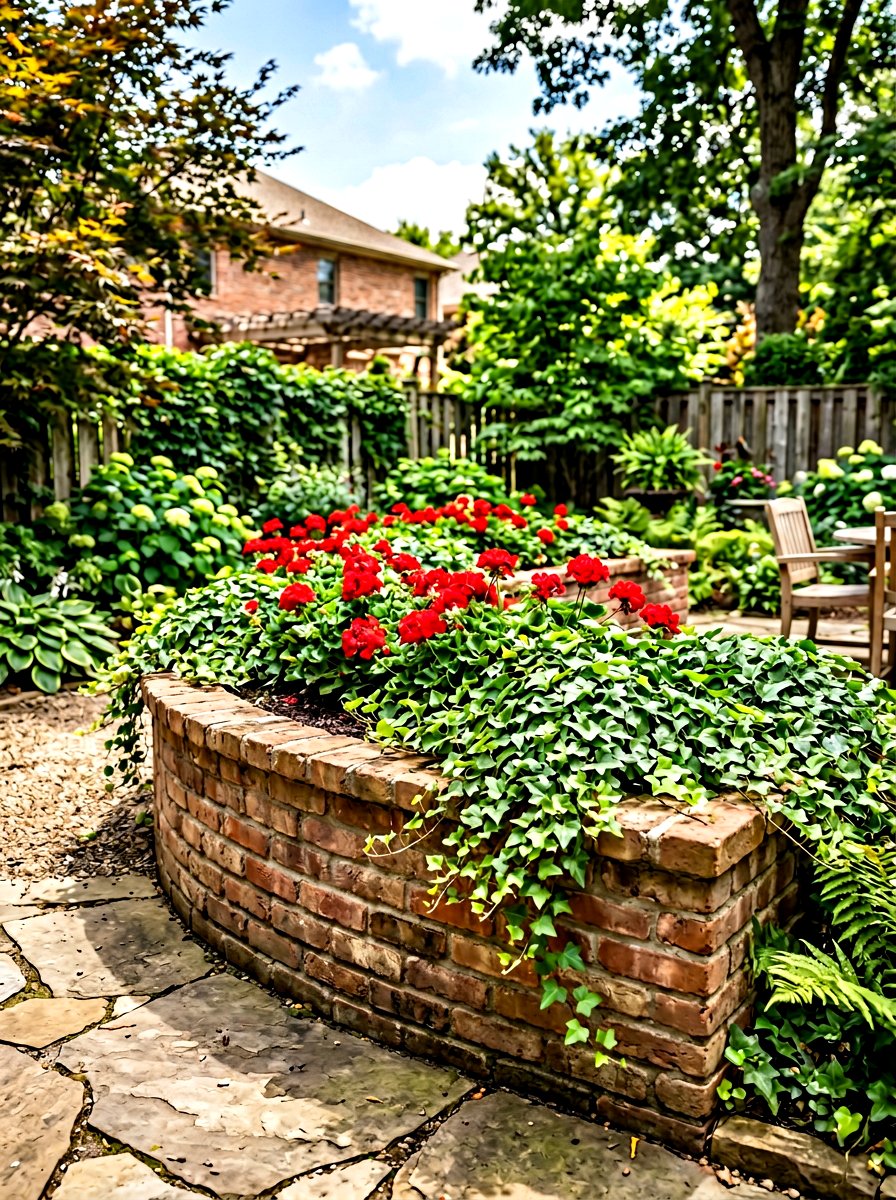
For areas with different elevations, a stacked brick wall serves as both a beautiful edge and a functional retaining structure. You can stack several layers of bricks to create a small raised bed or to level out a sloped section of your yard. This adds a sense of depth and dimension to your landscape that single-layer edging cannot provide. Using a bit of construction adhesive between the layers ensures the wall stays secure over time. This approach is perfect for creating a focal point in your garden, such as a dedicated rose bed or a tiered herb garden that looks structured.
6. Curved Brick Border
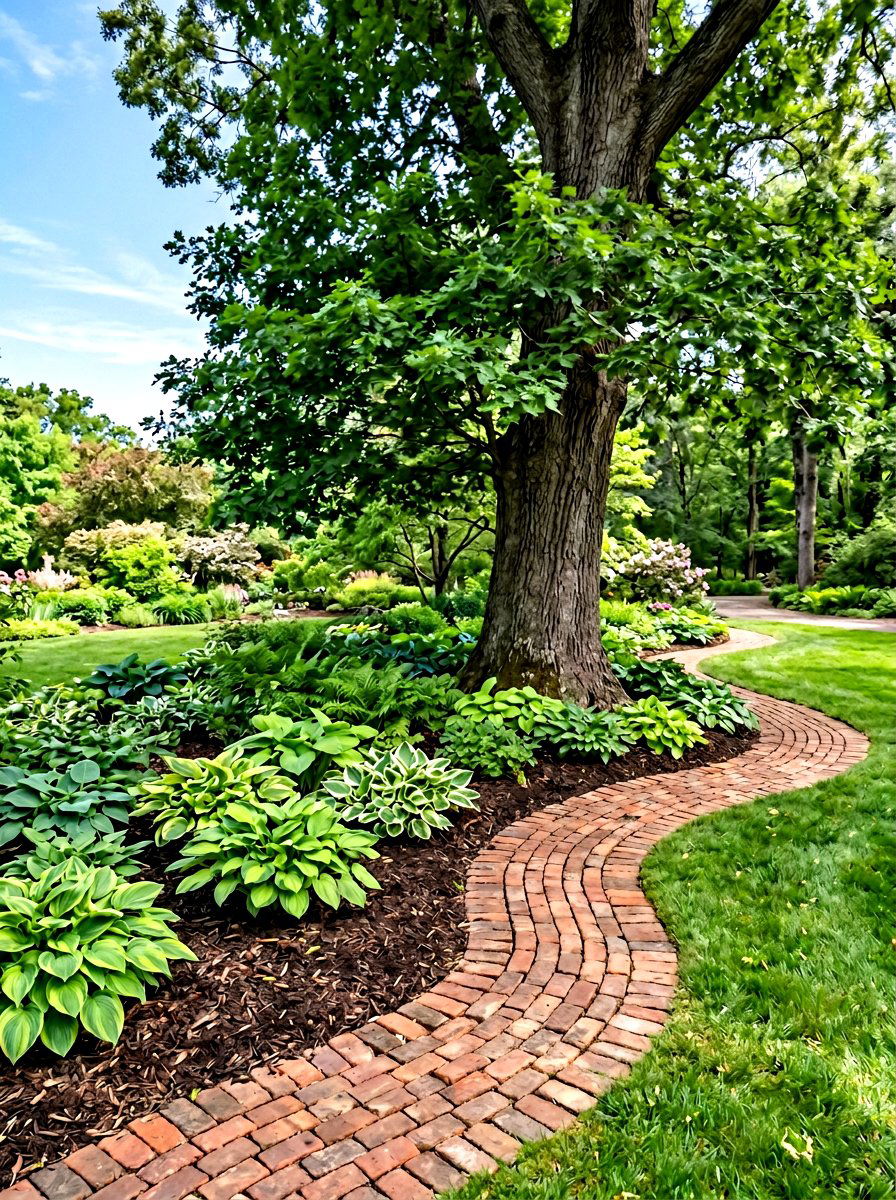
Bricks are surprisingly easy to arrange in flowing, organic shapes to create a curved border. By leaving small, even gaps between the outer edges of the bricks, you can follow the natural contours of your landscape. Filling these tiny gaps with sand or fine gravel helps lock everything into place while maintaining the curve. This style is much more inviting than rigid straight lines and helps soften the overall look of your outdoor space. It is ideal for wrapping around large trees or creating a winding path through a woodland garden. The result is a graceful and professional-looking boundary that enhances flow.
7. Reclaimed Brick Edging
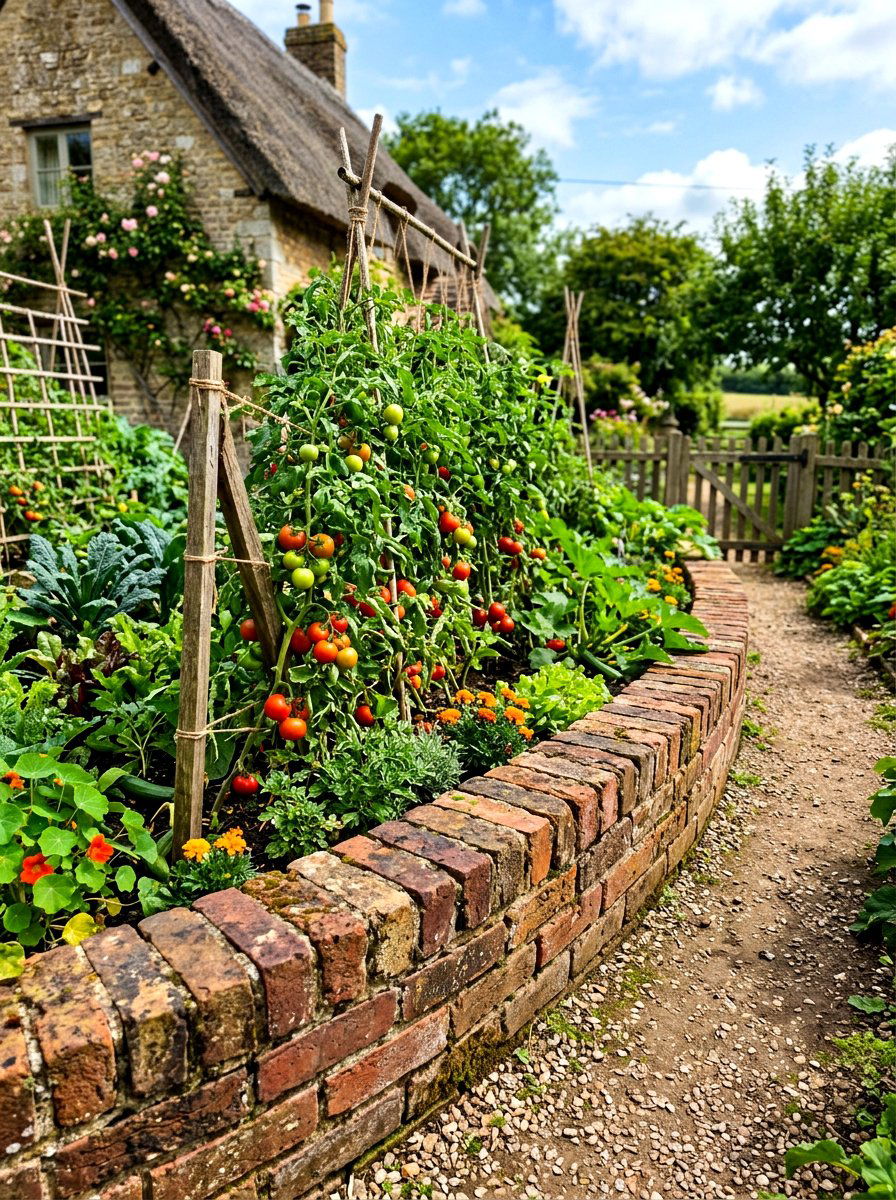
Using reclaimed or salvaged bricks is a fantastic way to add instant history and character to your garden. These older bricks often have unique textures, color variations, and even manufacturer stamps that new bricks lack. They are perfect for creating a rustic or farmhouse aesthetic that feels established and soulful. You can find these at salvage yards or from old building demolition sites. Because they are often weathered, they blend seamlessly into a natural environment. This eco-friendly choice not only looks beautiful but also gives a second life to durable materials that would otherwise go to waste in a local landfill.
8. Double Brick Row
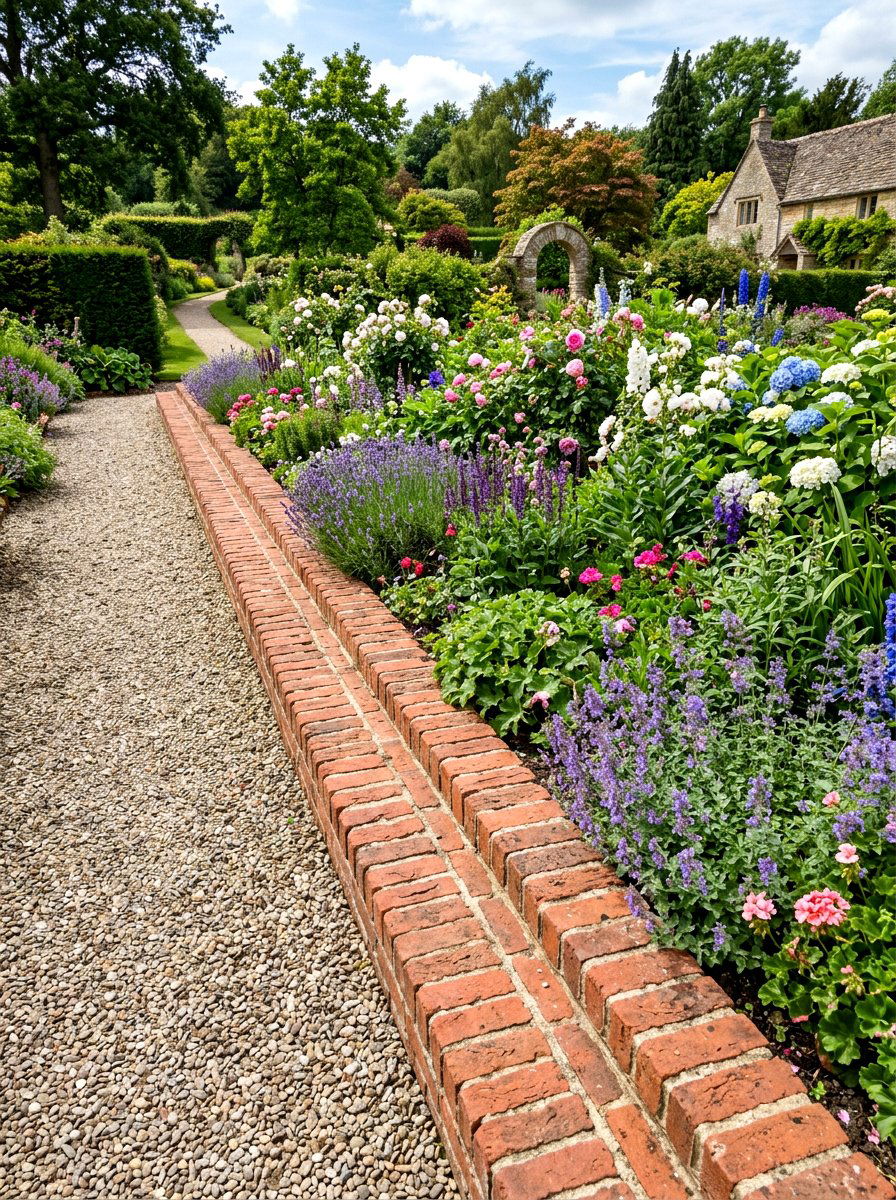
A double brick row provides a wider and more substantial border for your landscaping projects. By laying two rows of bricks side-by-side, you create a very clear and solid separation between different zones. This is particularly useful for large properties where a single brick line might get lost in the scale of the yard. You can mix the orientations, such as having one row laid flat and the other in a soldier course. This added width creates a very professional appearance and offers extra stability. It also provides a wider surface for lawnmower wheels, making your weekly yard chores much easier and faster.
9. Herringbone Brick Border
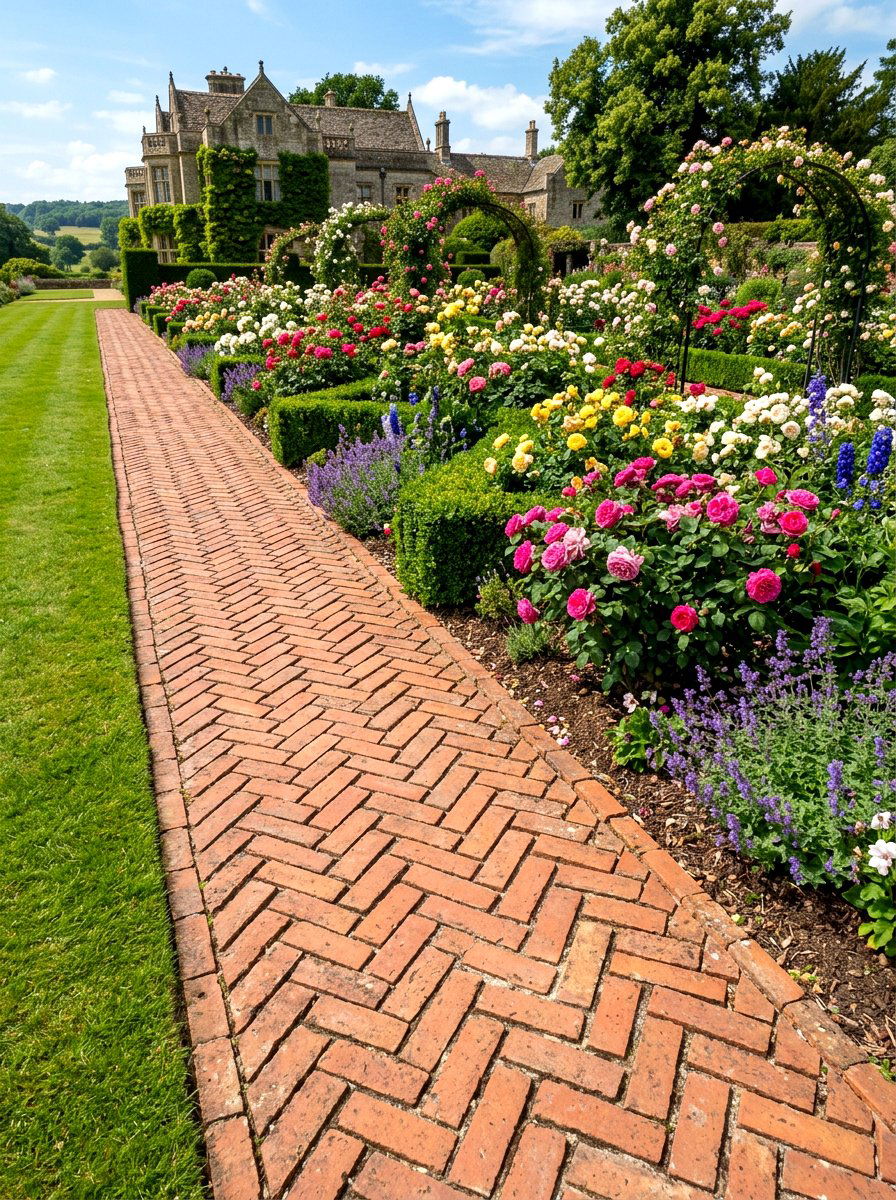
The herringbone pattern is a classic masonry design that looks incredibly sophisticated when used as a garden edge. It involves laying bricks in a zigzag V-shape that creates a sense of movement and high-end detail. While it requires a bit more planning and precision during the installation process, the visual reward is well worth the effort. This pattern is very strong because the bricks interlock, which helps prevent them from shifting or sinking over time. It is a perfect choice for bordering a formal patio or a high-traffic walkway where you want the design to stand out as a feature.
10. Vertical Brick Edge
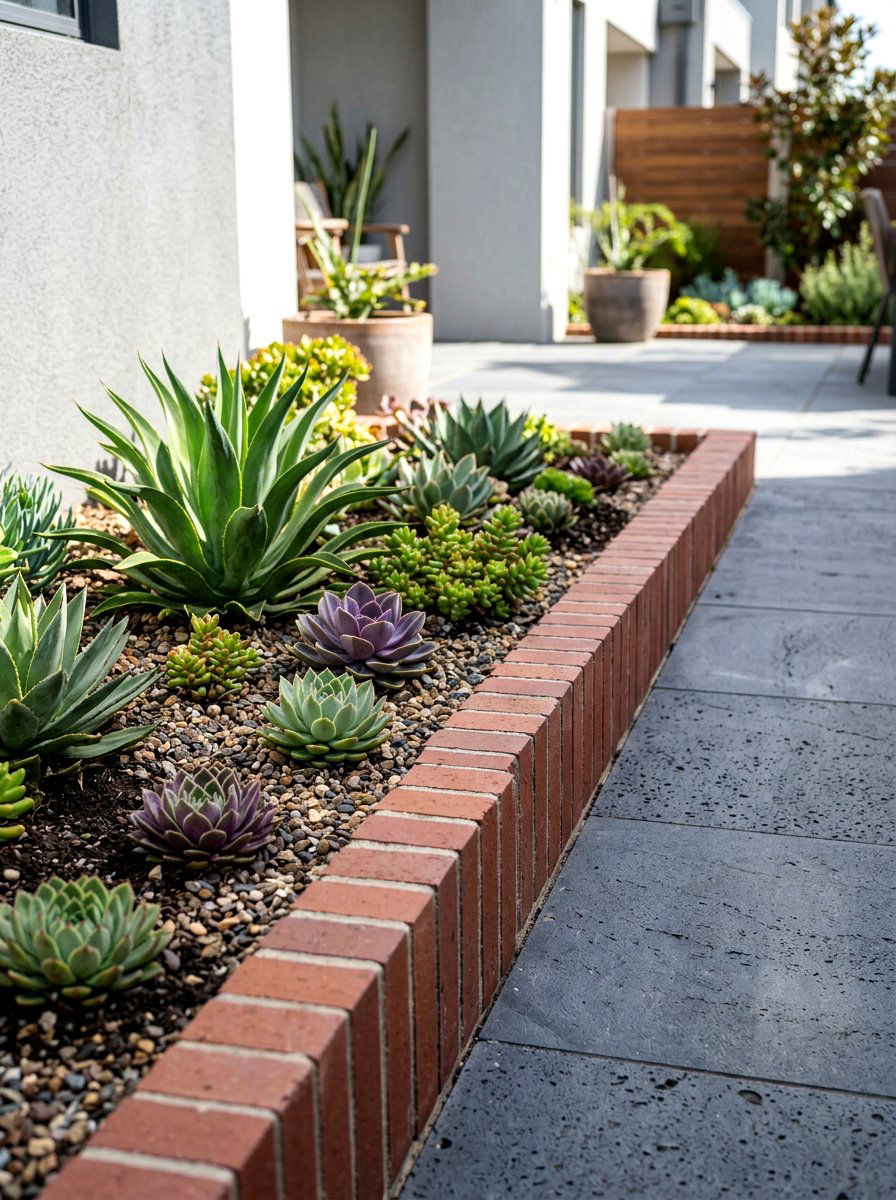
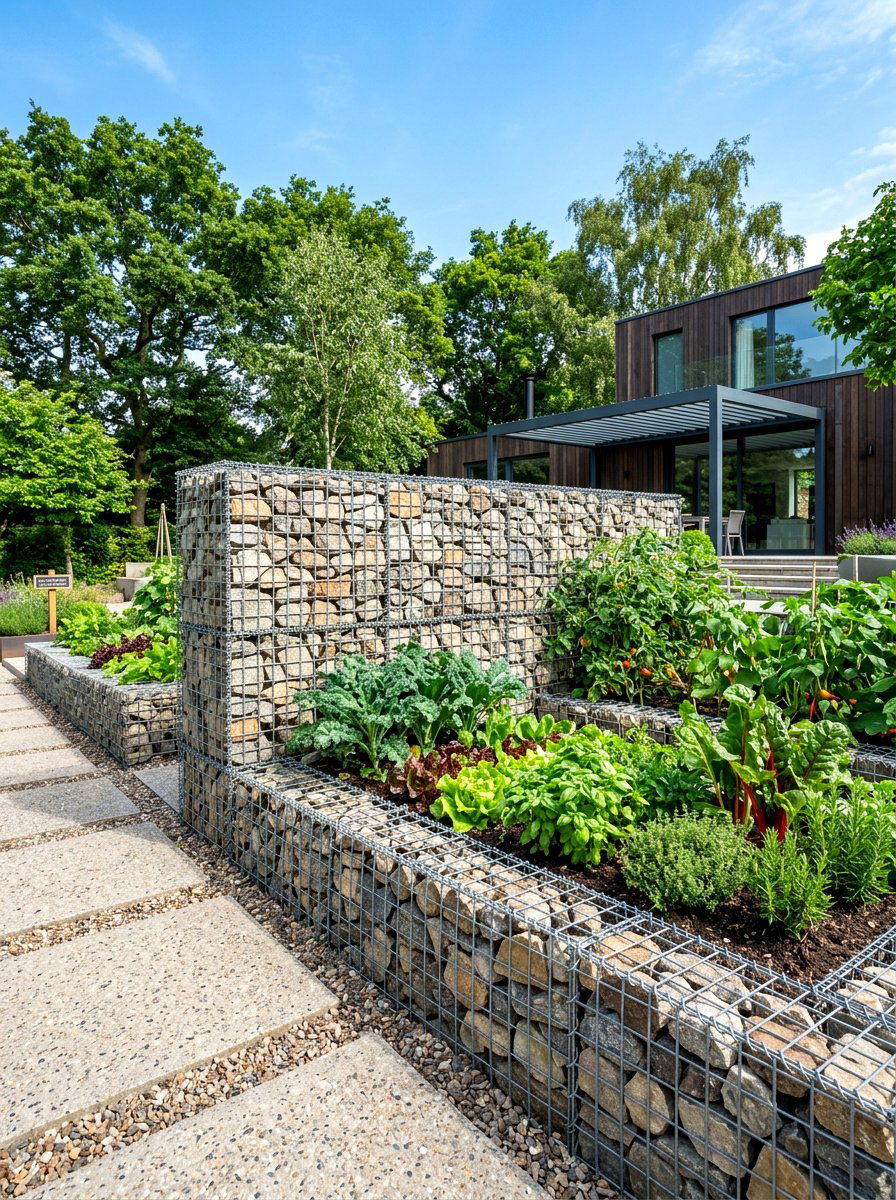
Setting bricks vertically on their shortest side creates a thin and minimalist edge for your garden beds. This style takes up very little horizontal space, making it perfect for small urban gardens or narrow side yards. It provides a crisp and clean line that defines the space without drawing too much attention away from the plants. Because the bricks are buried quite deep into the ground, they are very effective at blocking aggressive grass roots from spreading into your soil. This is a very affordable option because it uses fewer bricks per foot than many of the other decorative patterns or styles.
11. Red Clay Brick
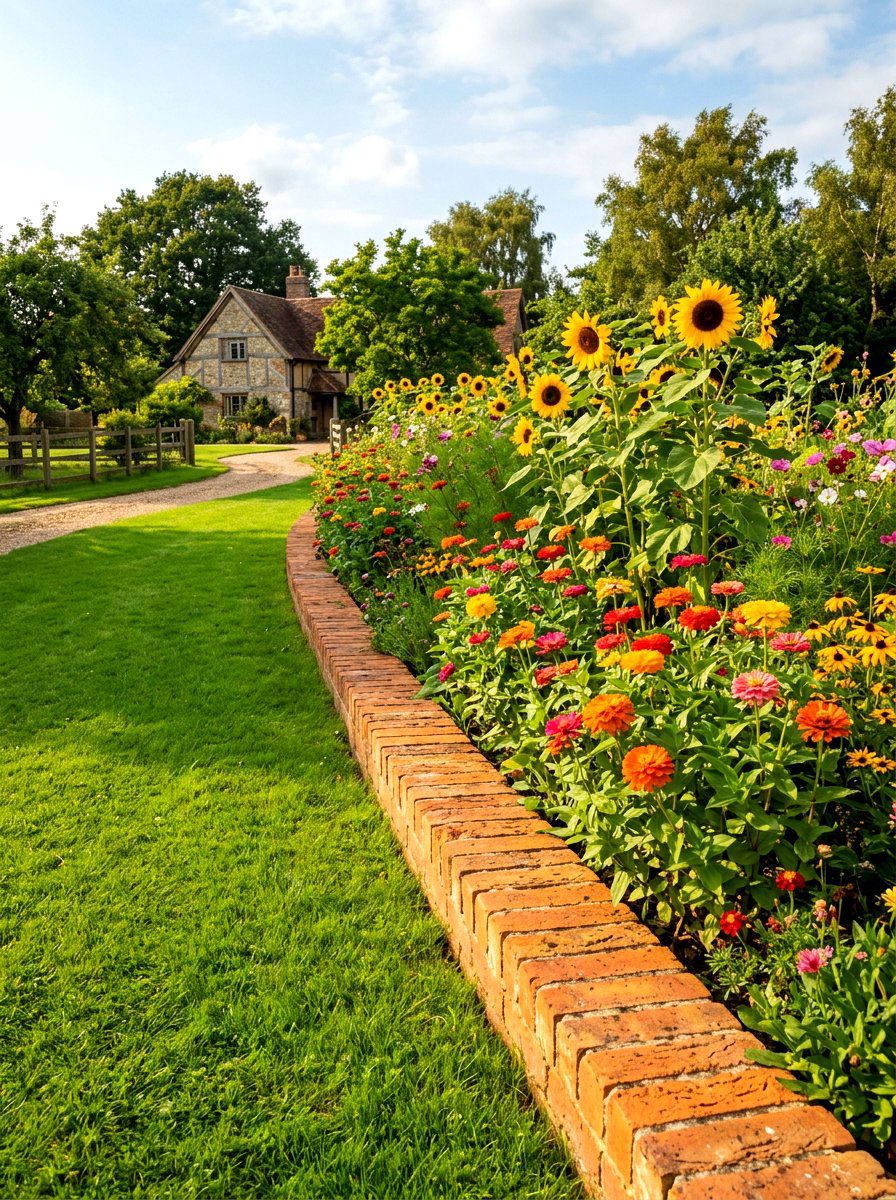
Traditional red clay bricks are the gold standard for garden edging because of their natural warmth and durability. Their earthy tones complement almost any plant color, from the deep greens of hostas to the bright yellows of marigolds. These bricks are fired at high temperatures, making them resistant to the elements and preventing them from fading in the sun. They develop a lovely patina as they age, which only adds to their charm over the years. Whether you use them in a simple straight line or a complex pattern, red clay bricks provide a timeless look that never goes out of style.
12. Weathered Brick Border
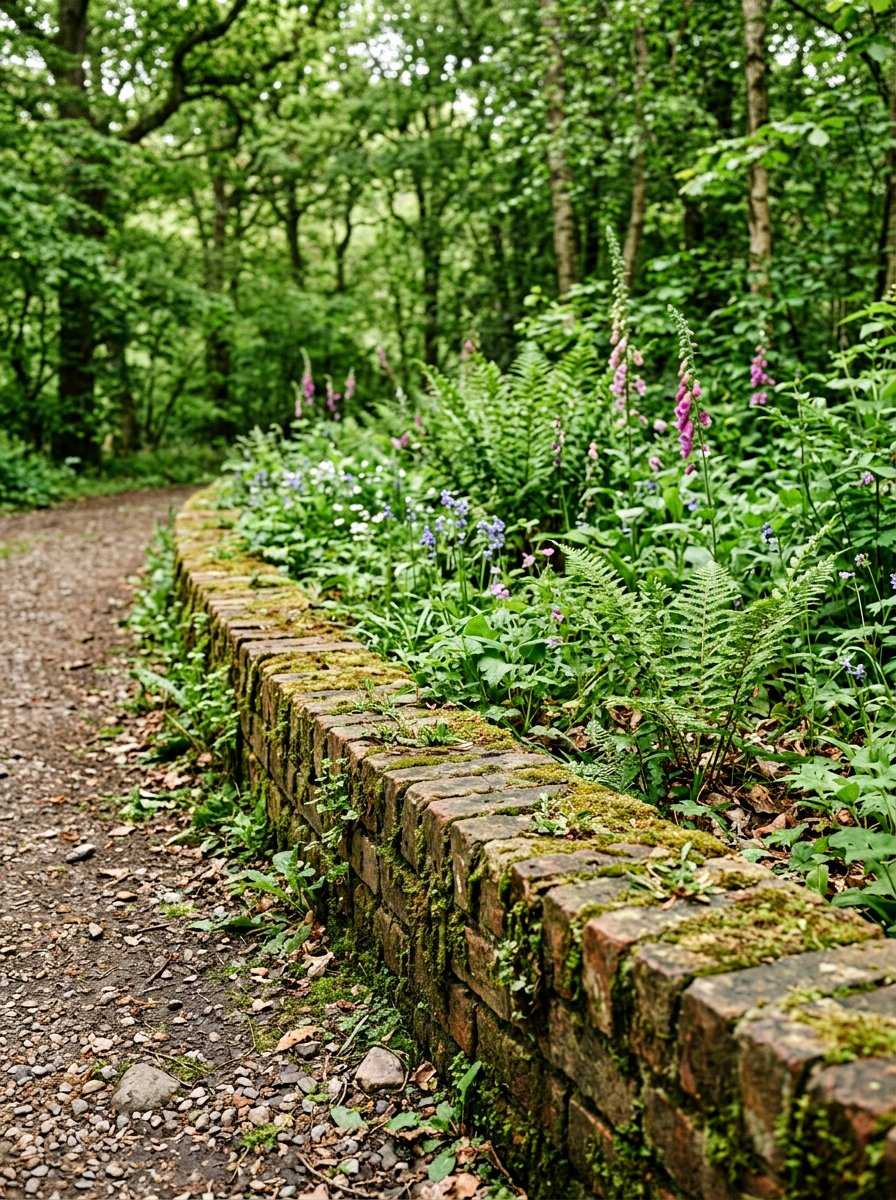
A weathered brick border embraces the beauty of imperfection and the passage of time. These bricks often have chipped edges, moss growth, or slightly faded colors that give them a very natural appearance. This style is perfect for woodland gardens or traditional English cottage landscapes where you want the hardscaping to look like it has been there for decades. You can achieve this look by using older bricks or by choosing new ones designed to look aged. The softened edges create a relaxed and cozy atmosphere that feels much more organic than the sharp lines found in modern or contemporary designs.
13. Sand Set Brick
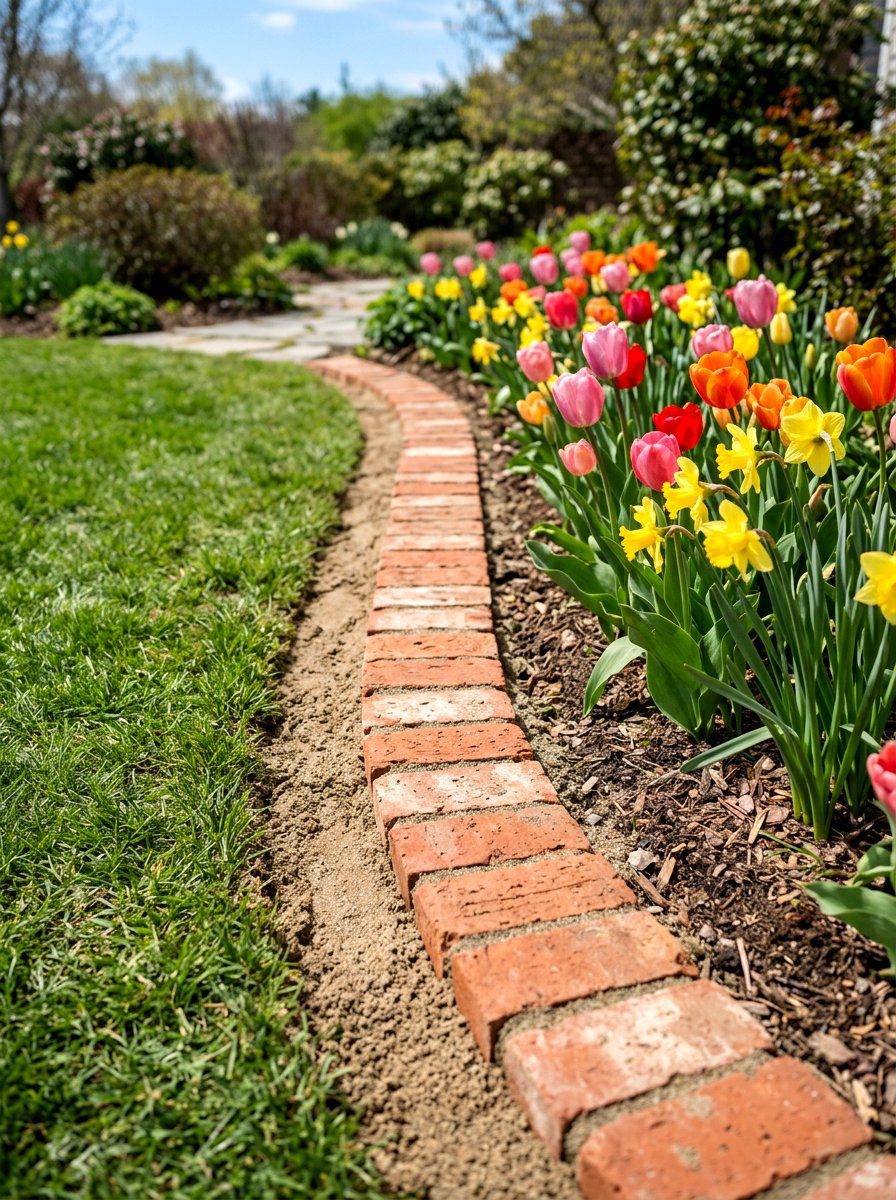
Installing bricks in a bed of sand is a flexible and beginner-friendly method for garden edging. This technique involves digging a shallow trench, filling it with a layer of leveled sand, and then placing the bricks on top. The sand allows for easy adjustments during installation and provides excellent drainage for the area. Because no mortar is used, the bricks can shift slightly with the natural movements of the earth without cracking. This makes it a very durable choice for regions with cold winters where the ground tends to freeze and thaw. It is also very easy to repair if needed later.
14. Mortared Brick Border
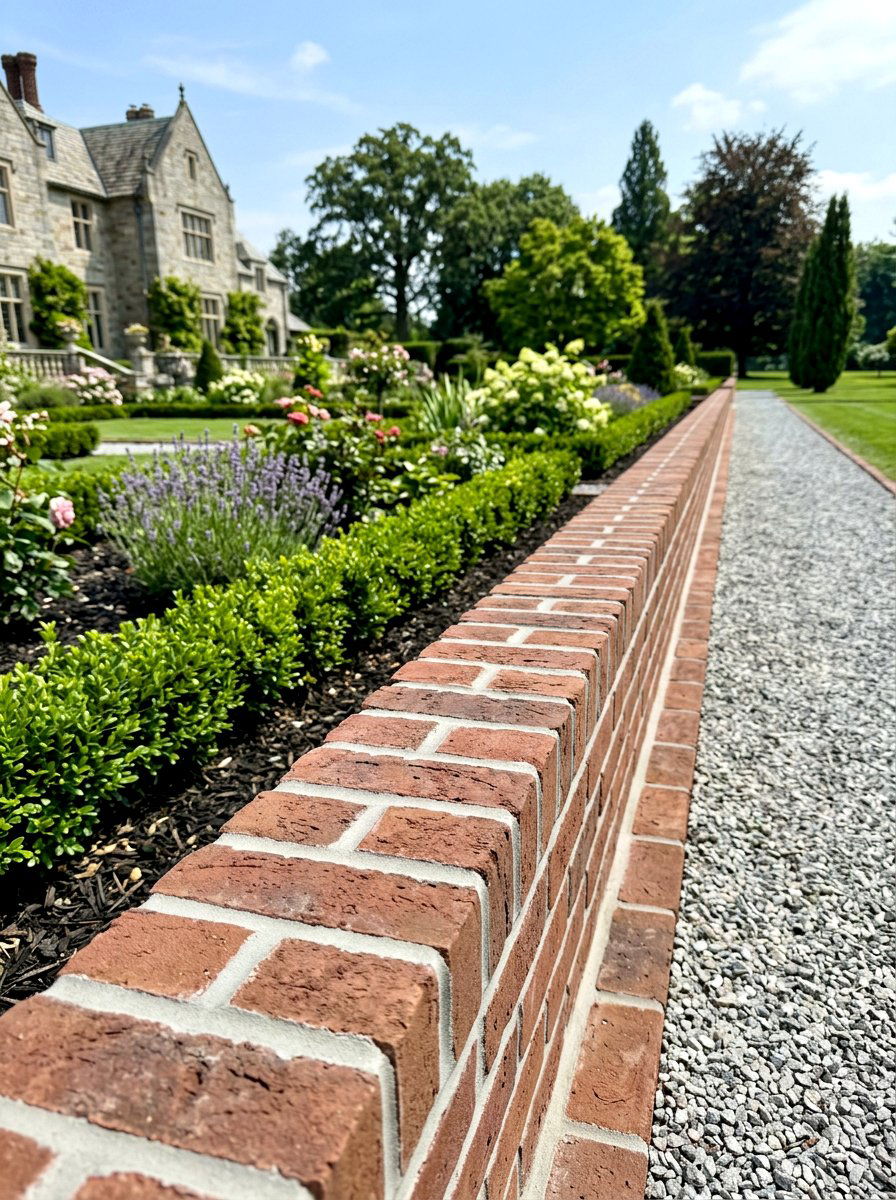
For a permanent and highly polished look, a mortared brick border is the best option for your home. This involves setting the bricks in a wet cement mixture and filling the joints with mortar for a solid finish. This method prevents any weeds or grass from growing between the bricks and ensures the border stays perfectly level for many years. It is a more labor-intensive project that requires some masonry skills, but it adds significant value and a high-end feel to your property. A mortared edge is incredibly sturdy and can easily withstand the weight of heavy lawn equipment or high foot traffic.
15. Flush Brick Edge
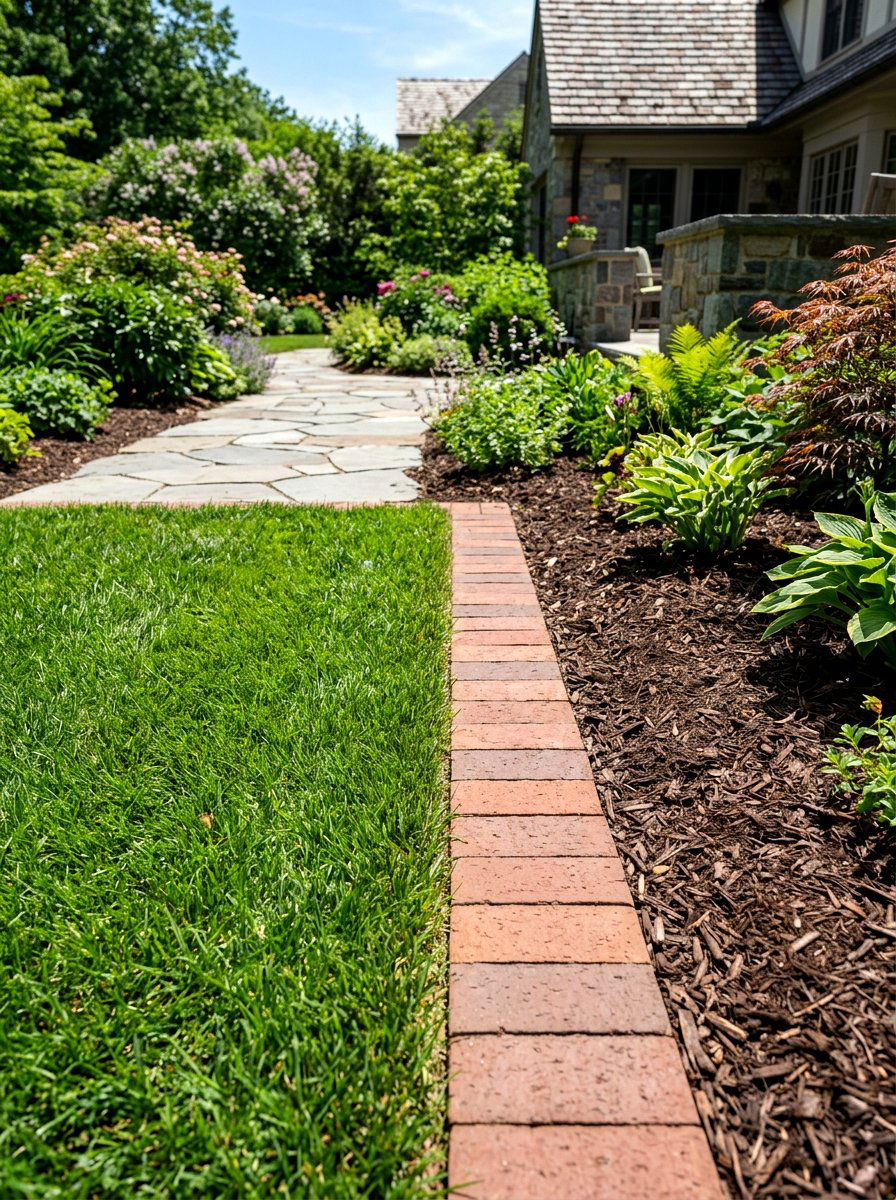
A flush brick edge is installed so that the top of the brick is perfectly level with the surrounding ground. This creates a seamless transition between your lawn and your garden beds, offering a very modern and clean aesthetic. This style is the ultimate choice for ease of maintenance because there is no vertical lip to catch debris or trip over. You can mow directly over the edge, ensuring a perfectly manicured lawn every time. It works exceptionally well in contemporary landscapes where minimalist design and clean lines are the primary focus. This subtle border provides structure without interrupting the visual field.
16. Raised Brick Bed
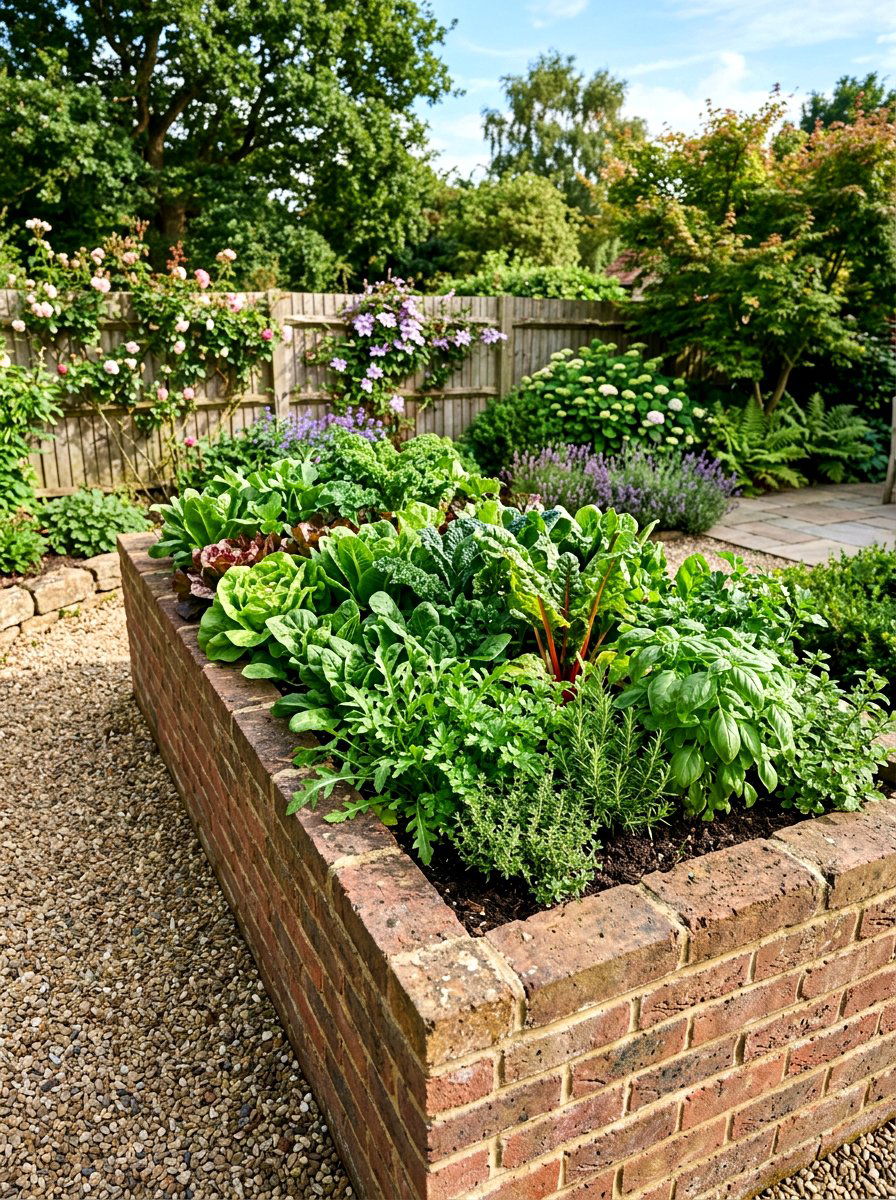
Using bricks to build a raised garden bed is a fantastic way to improve soil quality and drainage for your plants. A raised border can be anywhere from a few inches to a couple of feet high, depending on your needs. This elevated design makes gardening much more accessible by reducing the amount of bending and kneeling required. The bricks act as a thermal mass, helping to regulate soil temperature for your vegetables or flowers. Beyond the practical benefits, a raised brick bed serves as a beautiful architectural feature that creates a clear sense of hierarchy and organization in your backyard space.
17. Cobblestone Brick Edging
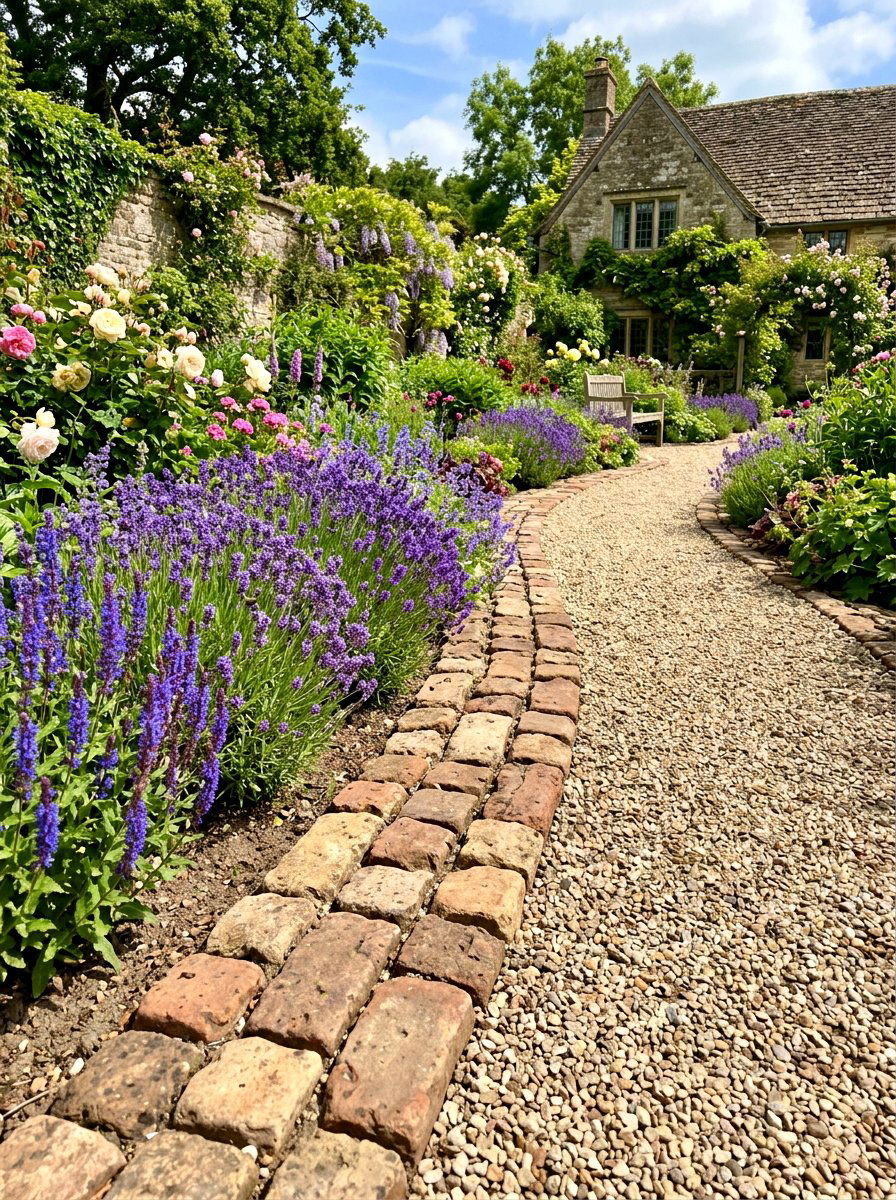
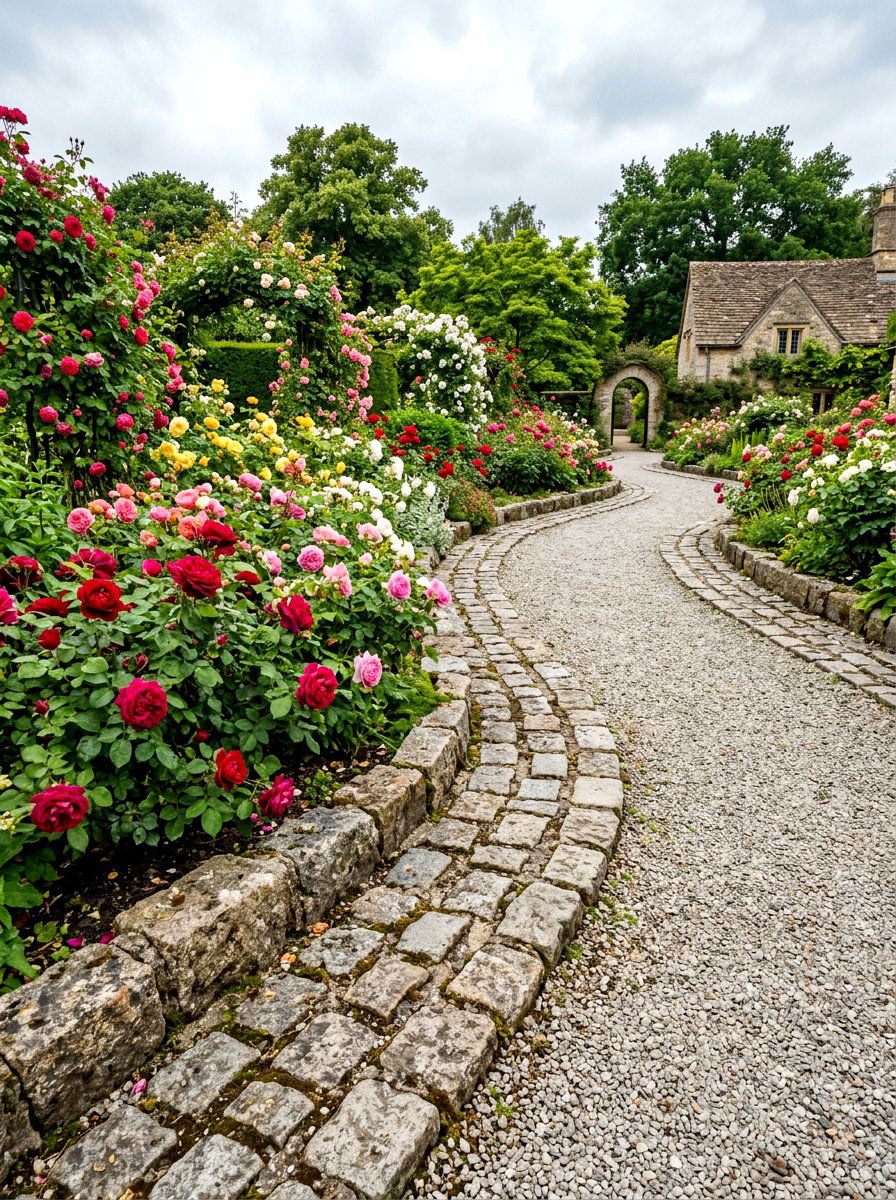
Using bricks that mimic the rounded, uneven look of cobblestones can bring an old-world charm to your yard. These bricks often have tumbled edges and varied shapes that create a rustic and historical feel. This style is perfect for bordering gravel paths or traditional flower gardens where you want a textured and interesting boundary. Cobblestone-style edging is very forgiving to install because the imperfections are part of the overall design. It looks particularly stunning when combined with soft, romantic plantings like lavender or climbing roses. This approach adds a layer of timeless elegance that makes any garden feel like a private escape.
18. Painted Brick Border
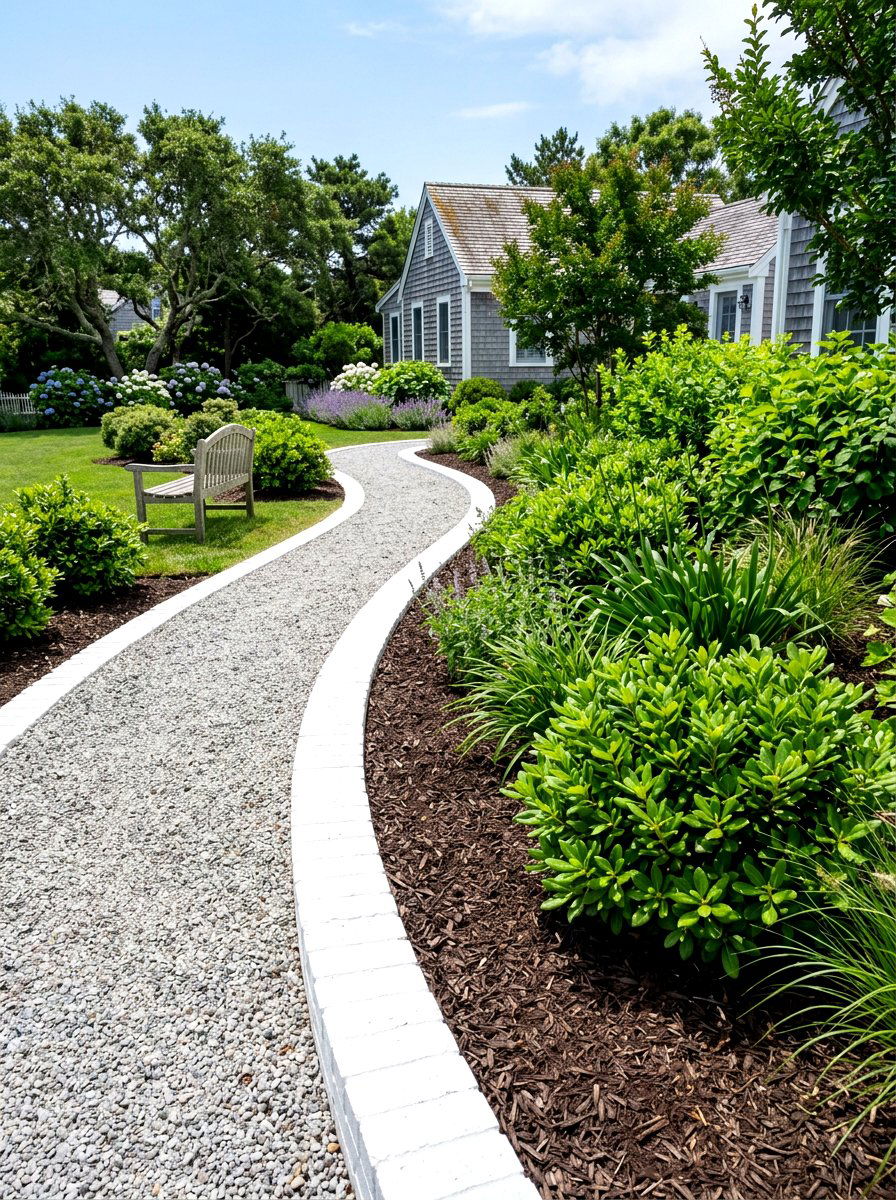
If you want to add a pop of color to your landscape, a painted brick border is a creative and fun solution. You can paint your bricks to match your home’s trim, your garden furniture, or even to create a bold contrast with your flowers. Using masonry paint ensures that the color stays vibrant despite exposure to rain and sun. White-painted bricks offer a clean, coastal, or cottage-style look, while dark charcoal or black can feel very modern and sophisticated. This is an affordable way to refresh the look of old, mismatched bricks and give your garden a personalized and unique finishing touch.
19. Multi Color Brick
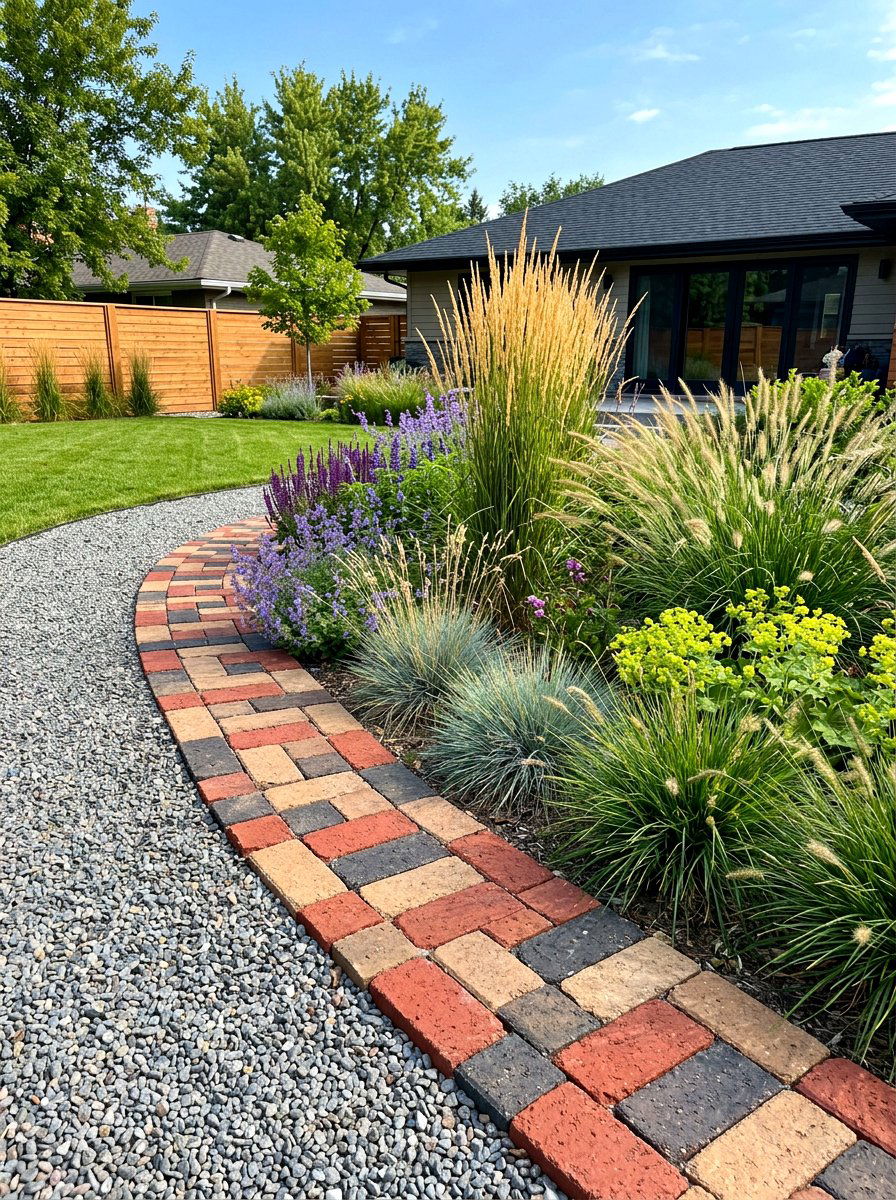
Mixing different shades of brick can create a dynamic and visually interesting border that stands out. You can combine traditional reds with tans, grays, and even dark browns to achieve a variegated look. This approach is excellent for blending your garden edging with other stone features or the colors of your house. By alternating colors in a specific pattern or placing them randomly, you add a layer of custom design to your landscape. Multi-colored bricks help hide dirt and weathering better than a single uniform color. This style feels very custom and high-end, making your garden boundaries a true design feature.

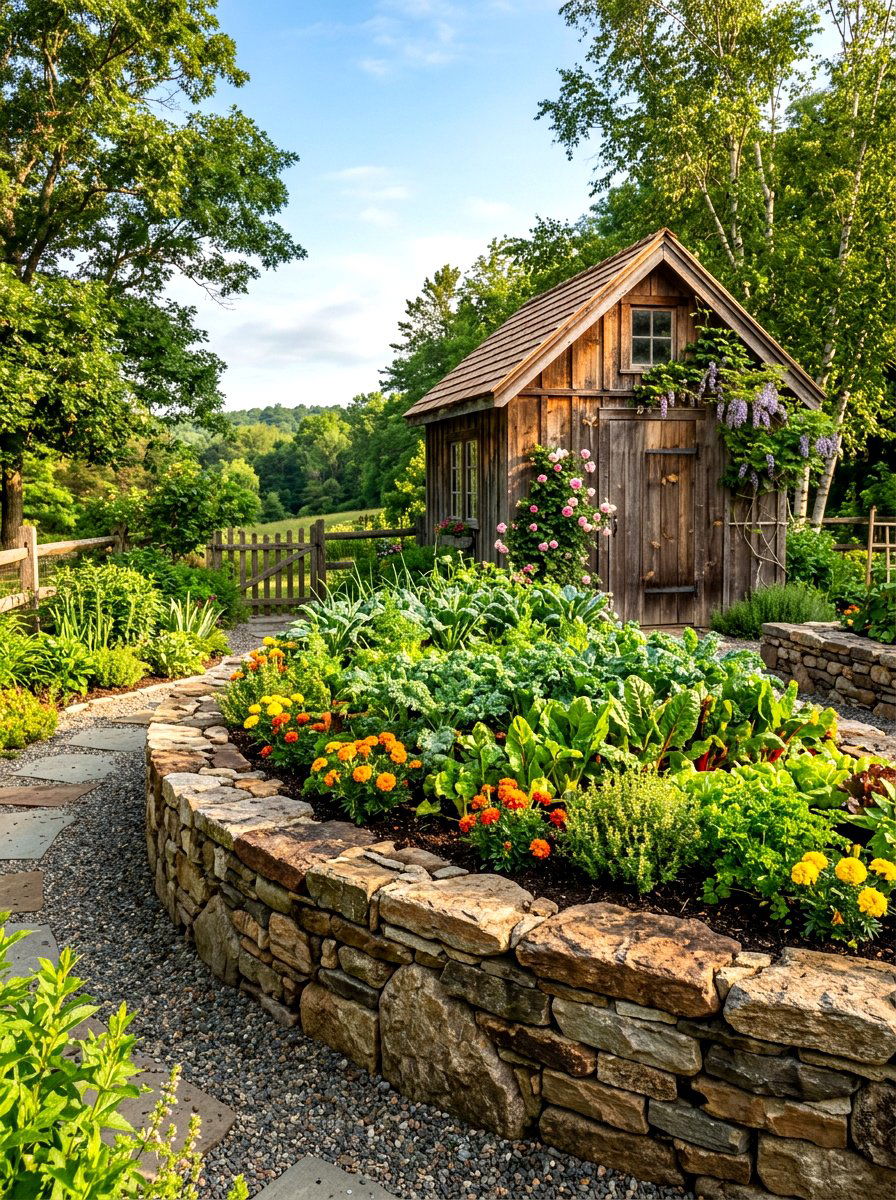
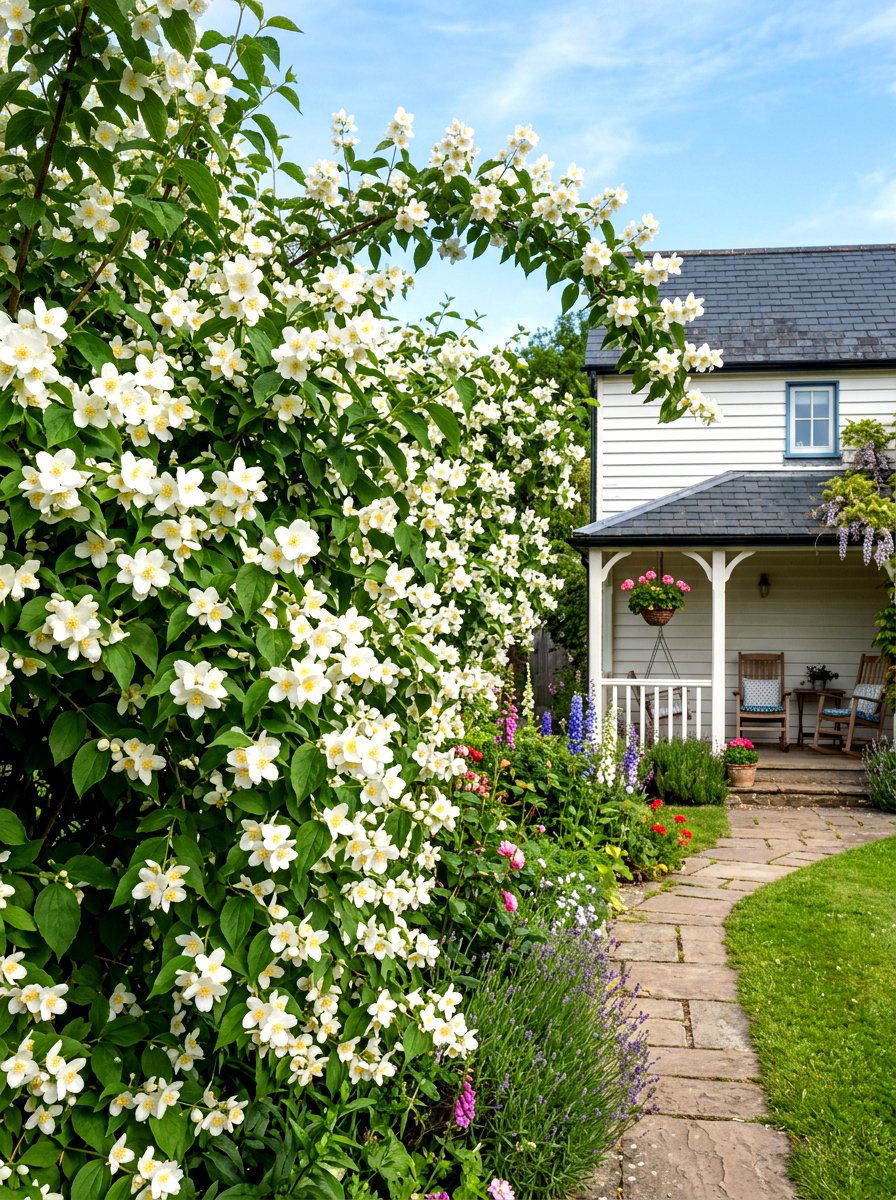
20. Sailor Course Brick
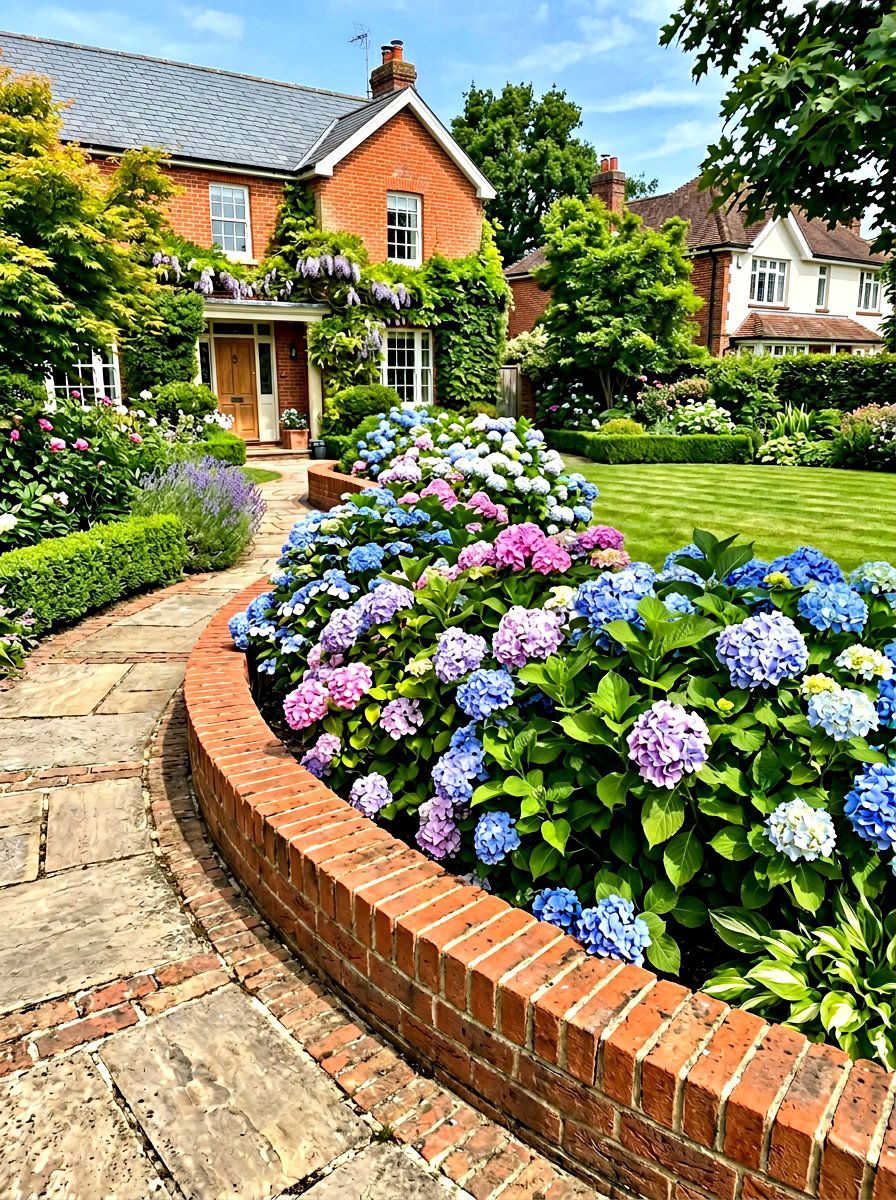
A sailor course is a pattern where bricks are laid on their long, narrow side with the largest face visible. This creates a wide but relatively low border that offers a very clean and classic appearance. It is a stable configuration that provides a good amount of surface area, making it easy to mow alongside. This style is often used in combination with other brick patterns to create a more complex and detailed border design. It is a versatile choice that works well for both straight and slightly curved garden beds. The sailor course provides a sturdy and traditional frame for your landscape.
21. Gray Brick Edging
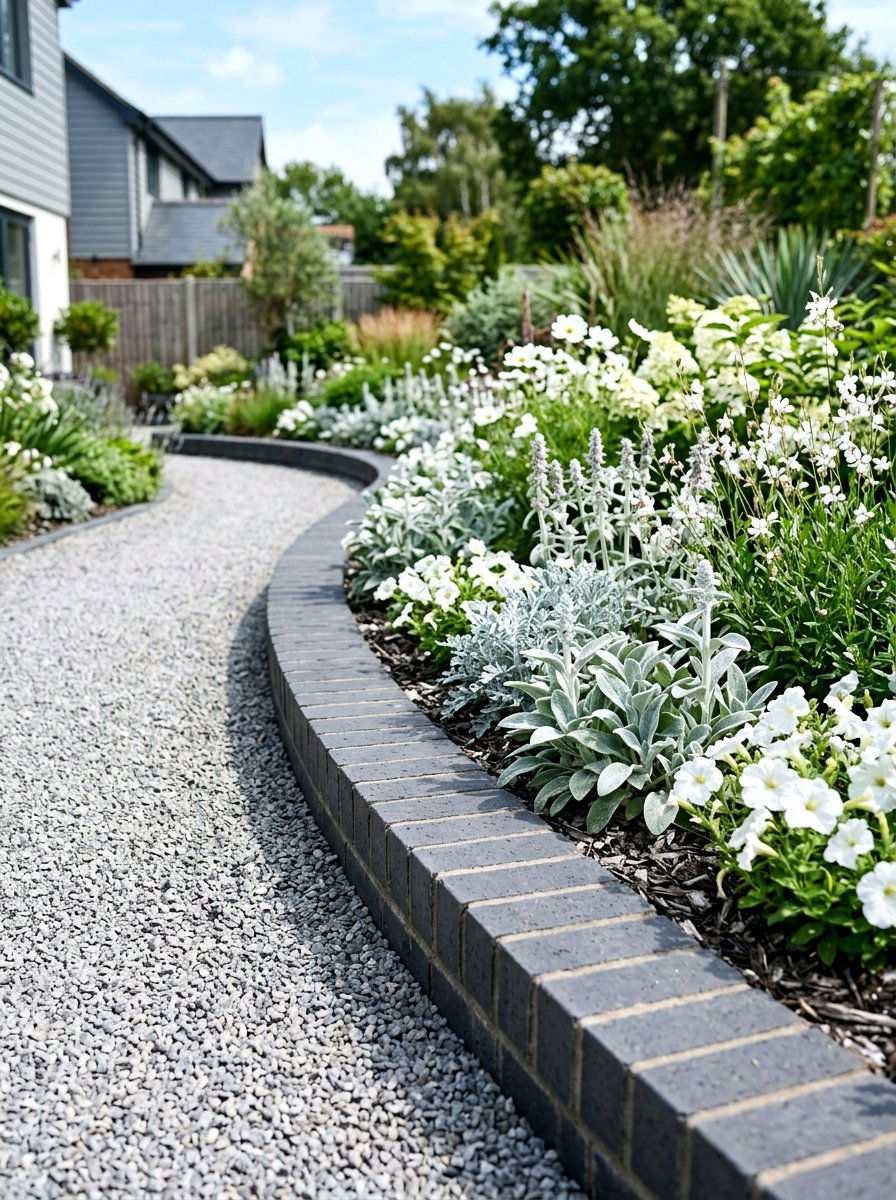
For a more modern and neutral look, gray bricks are an excellent alternative to the traditional red variety. Gray tones feel very sophisticated and pair beautifully with modern architectural styles and cool-colored plants like blue fescue or silver mound. These bricks can range from light silver to a deep charcoal, allowing you to choose the perfect level of contrast for your yard. Gray edging creates a very calm and serene atmosphere in the garden. It is a popular choice for contemporary homes where the goal is a sleek, minimalist aesthetic that feels fresh, clean, and very well-integrated with the surroundings.
22. Circular Brick Border
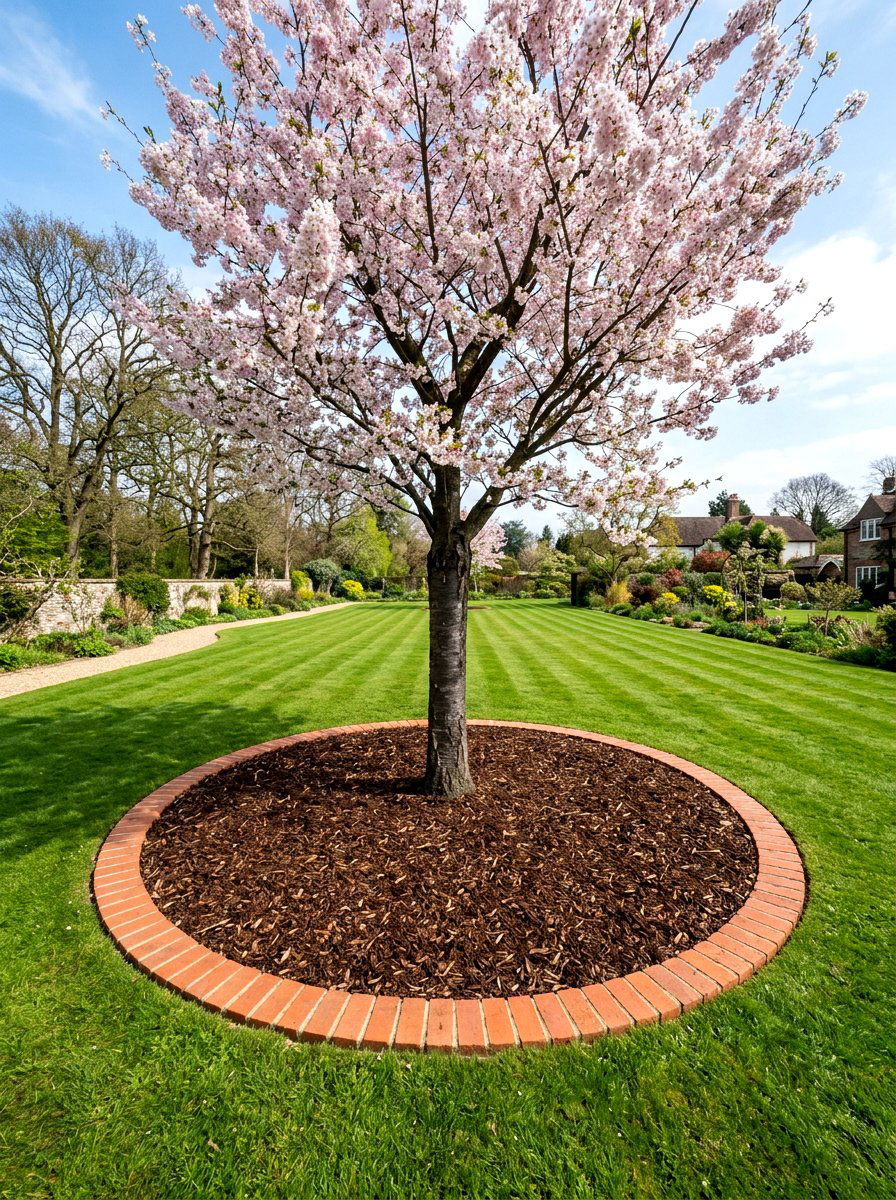
Bricks are the perfect material for creating perfectly round borders around trees, fire pits, or circular flower beds. By placing the bricks in a ring and angling them toward the center, you can create a very tidy and professional-looking circle. This helps protect the base of your trees from lawnmower damage and creates a dedicated space for mulch or flowers. Circular edging adds a soft, geometric contrast to the straight lines of a house or fence. It is a relatively simple project that has a big impact on the overall organization and visual appeal of your front or backyard.
23. Terraced Brick Edge
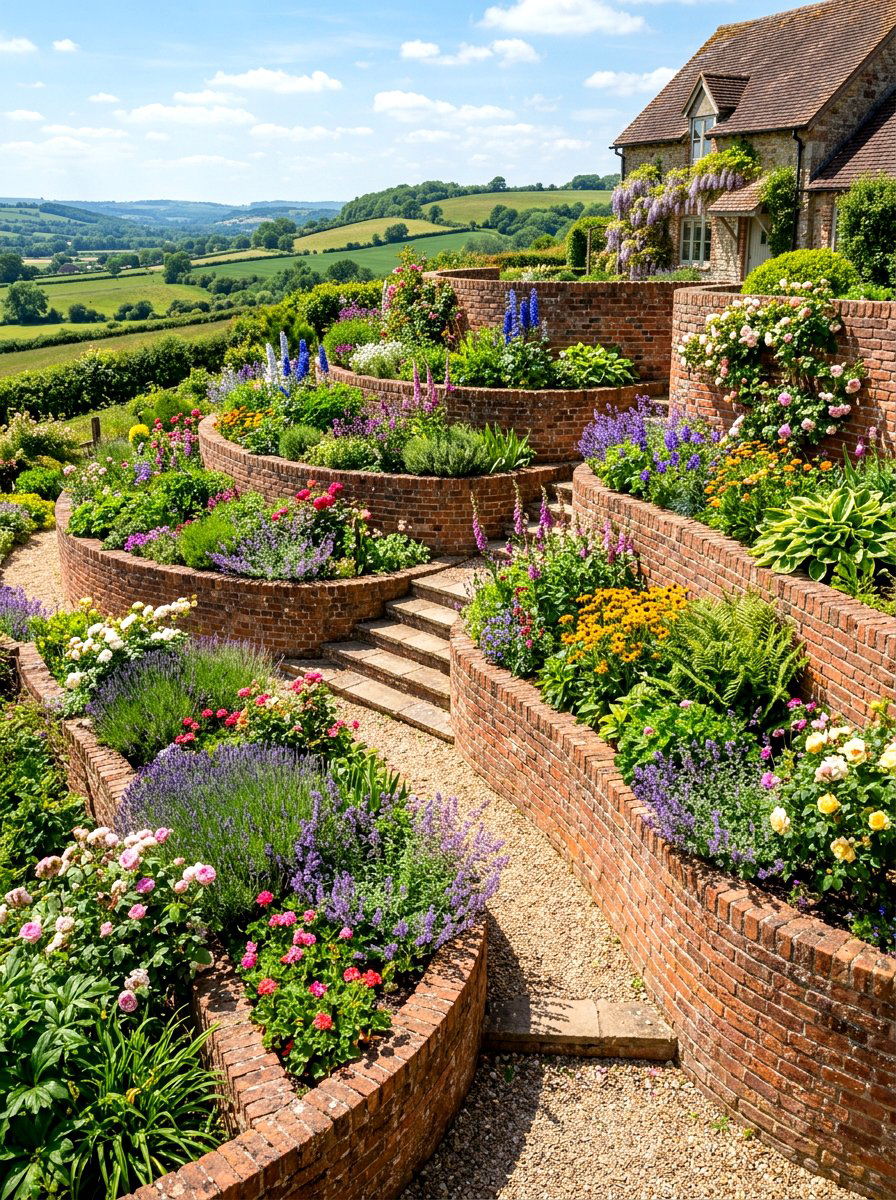
If your garden is located on a slope, a terraced brick edge can help you create flat planting levels. This involves building small brick walls at different heights to hold back the soil and prevent erosion. Terracing transforms a difficult hillside into a functional and beautiful series of garden beds. You can use these levels to separate different types of plants, such as succulents on one level and flowering shrubs on another. This approach adds a lot of architectural interest to the landscape and makes better use of your available space. It creates a very structured and intentional look for sloped yards.
24. Zigzag Brick Border
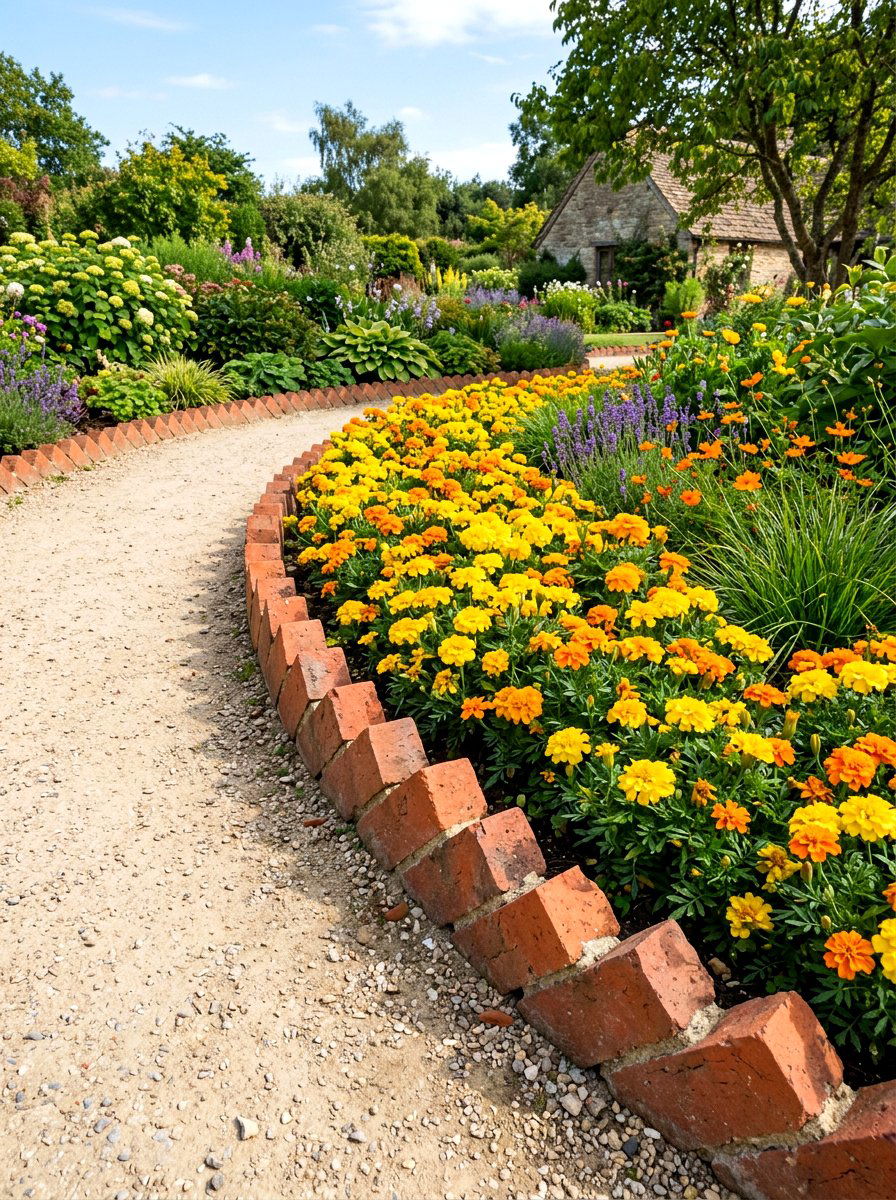
A zigzag brick border is a playful and energetic design that adds a lot of movement to your garden beds. This look is achieved by alternating the angles of the bricks to create a continuous series of points. It is a very eye-catching style that works well as a focal point along a front walkway or a main garden path. While it takes a bit more effort to align the bricks correctly, the result is a unique and decorative edge that you won’t see in every neighborhood. This pattern is great for homeowners who want their landscaping to reflect a more creative and individual personality.

25. Mossy Brick Edging
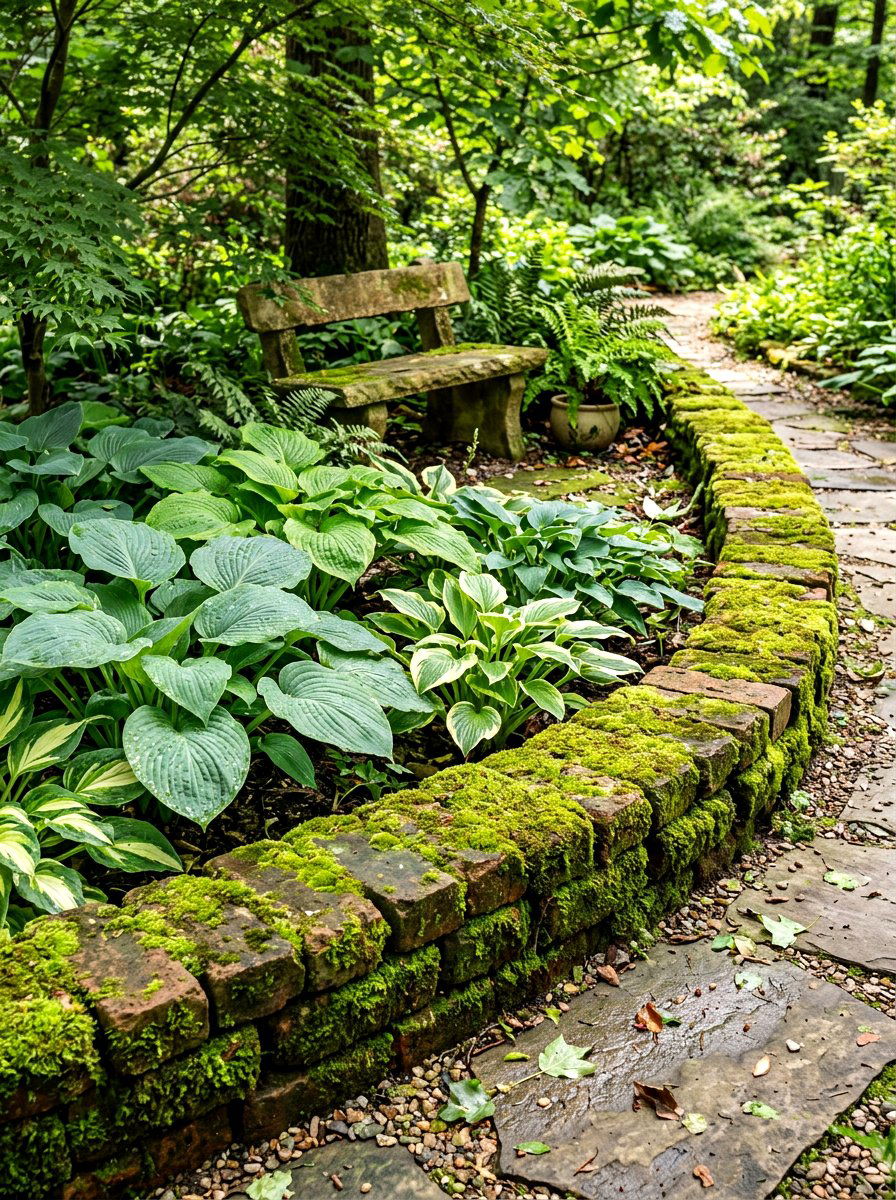
Encouraging moss to grow on your brick edging can create a magical, fairy-tale atmosphere in your garden. This look is perfect for shaded areas or woodland settings where you want the hardscaping to blend into the natural environment. You can speed up the process by keeping the bricks damp or by applying a moss-growing mixture to the surface. Over time, the soft green moss fills in the cracks and covers the brick, softening the lines and adding a beautiful aged texture. This style feels very tranquil and serene, making it a perfect choice for a quiet corner or a meditation garden.
26. Paver Brick Border
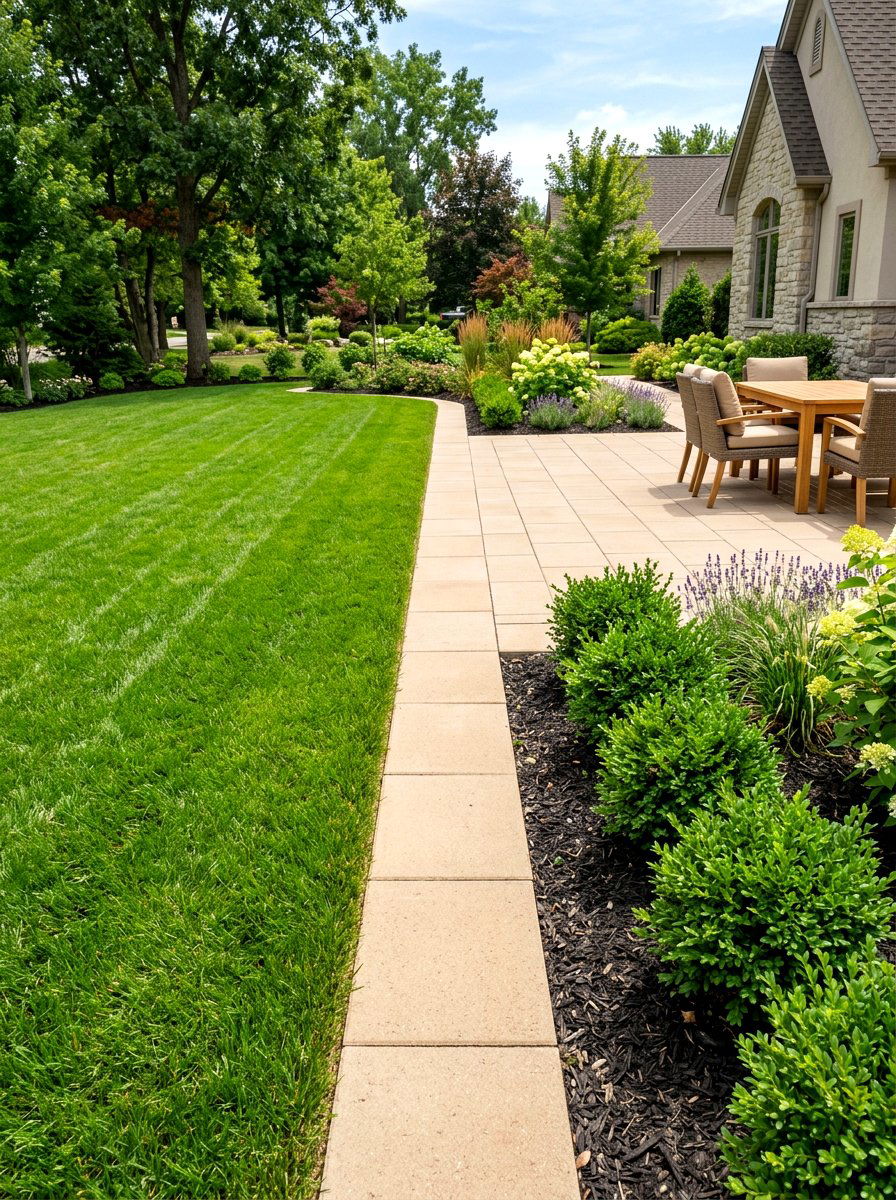
Using standard concrete paver bricks for your edging is a cost-effective and very durable choice. Pavers are available in a huge variety of colors, shapes, and textures, giving you plenty of options to match your existing patio or driveway. They are manufactured to be very consistent in size, which makes the installation process much faster and easier than using traditional clay bricks. Paver edging is designed to withstand heavy use and various weather conditions without cracking or shifting. This is a practical and versatile solution for any homeowner looking for a clean, reliable, and modern border for their lawn or beds.
27. Low Profile Brick
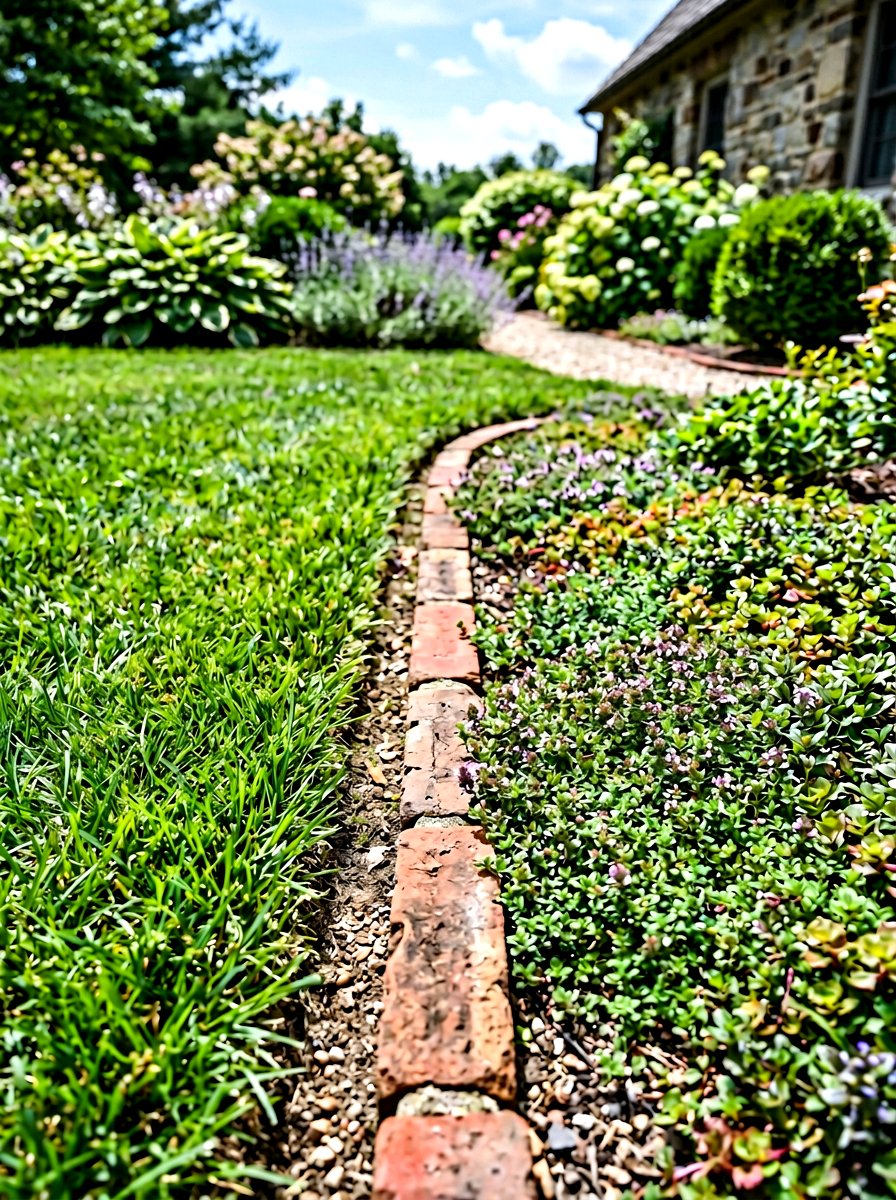
A low-profile brick edge is buried almost entirely into the ground, leaving only a small portion visible above the surface. This creates a subtle boundary that defines the space without becoming a dominant visual element. It is an excellent choice if you want the focus to remain entirely on your plants rather than the edging material itself. This style is very effective at keeping mulch contained while still allowing for a very clean and minimalist look. It is also one of the safest options for families with children or pets, as there is very little to trip over while running in the yard.
28. Wide Brick Border
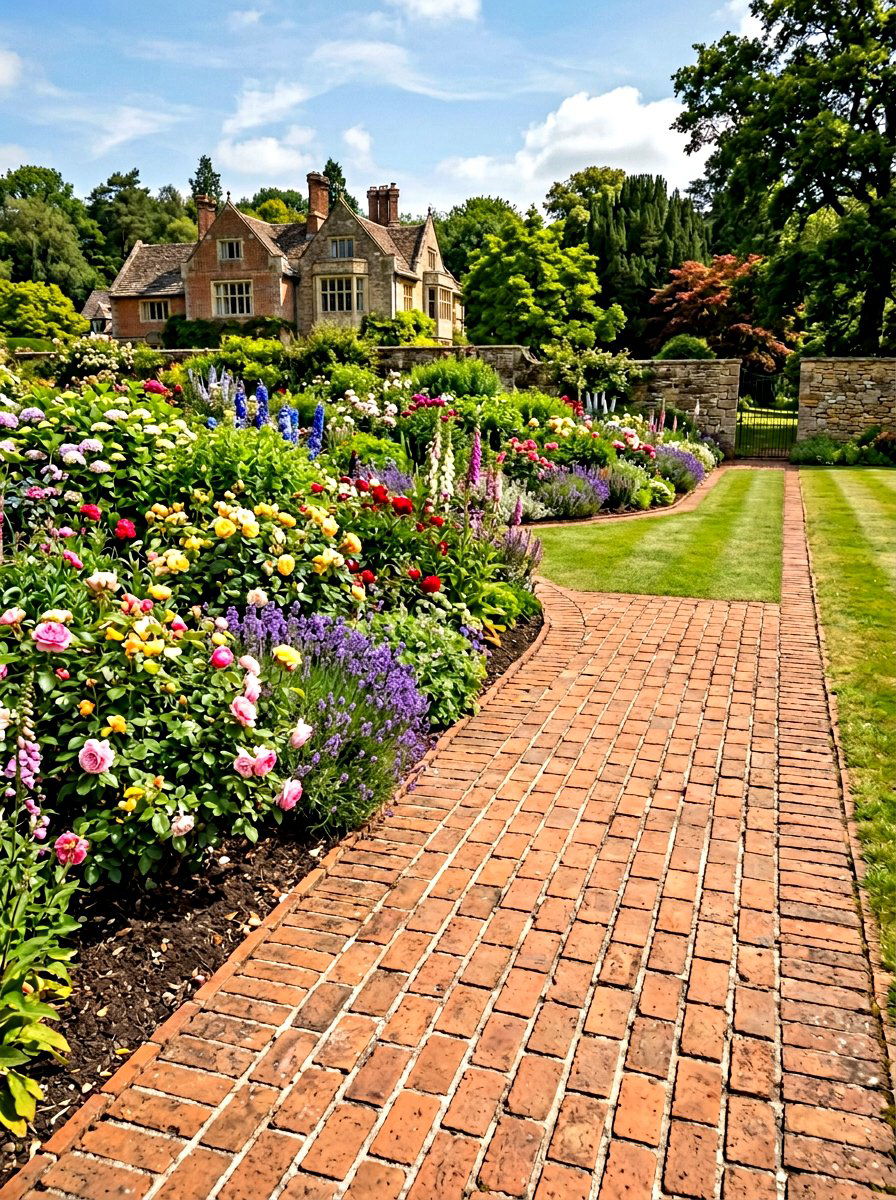
Creating a wide border by laying bricks three or four deep can serve as a decorative apron for your garden beds. This substantial edge creates a very high-end and luxurious feel in the landscape. It provides a dedicated space to walk without stepping in the mud, which is very helpful for maintaining your garden. A wide brick border also acts as a significant barrier against weeds and grass, ensuring your flower beds stay pristine. This design choice is perfect for large estates or formal gardens where you want the hardscaping to be just as important as the horticultural elements of the design.
29. Brick And Stone
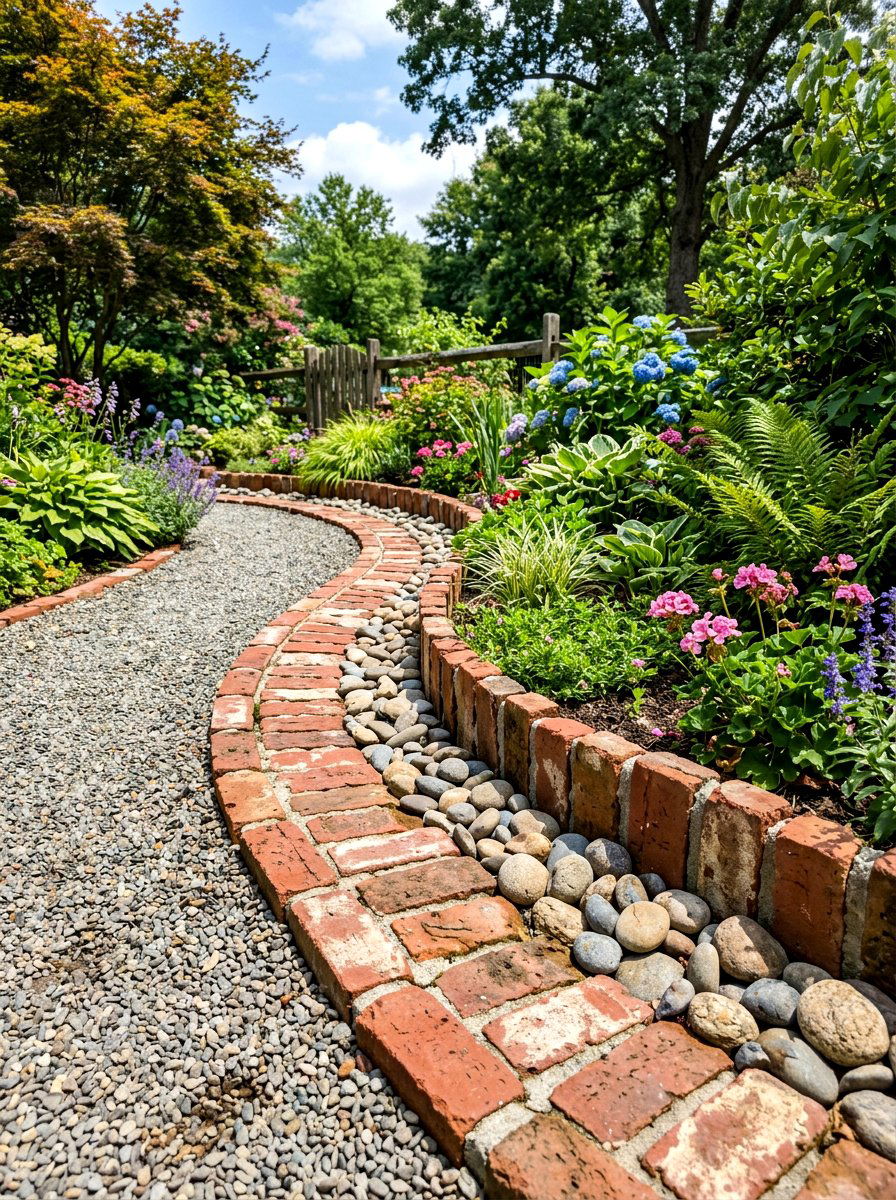
Combining bricks with natural stone elements can create a beautiful and textured garden edge. You might use bricks for the main structure and incorporate river rocks or flagstone as accents. This mixed-material approach adds a lot of visual depth and helps the edging blend into a more natural or rustic environment. It is a great way to tie together different parts of your landscape, such as a brick house and a stone patio. The contrast between the smooth, uniform bricks and the organic shapes of the stone creates an interesting and sophisticated look that feels very custom and professionally designed.
30. Formal Brick Border
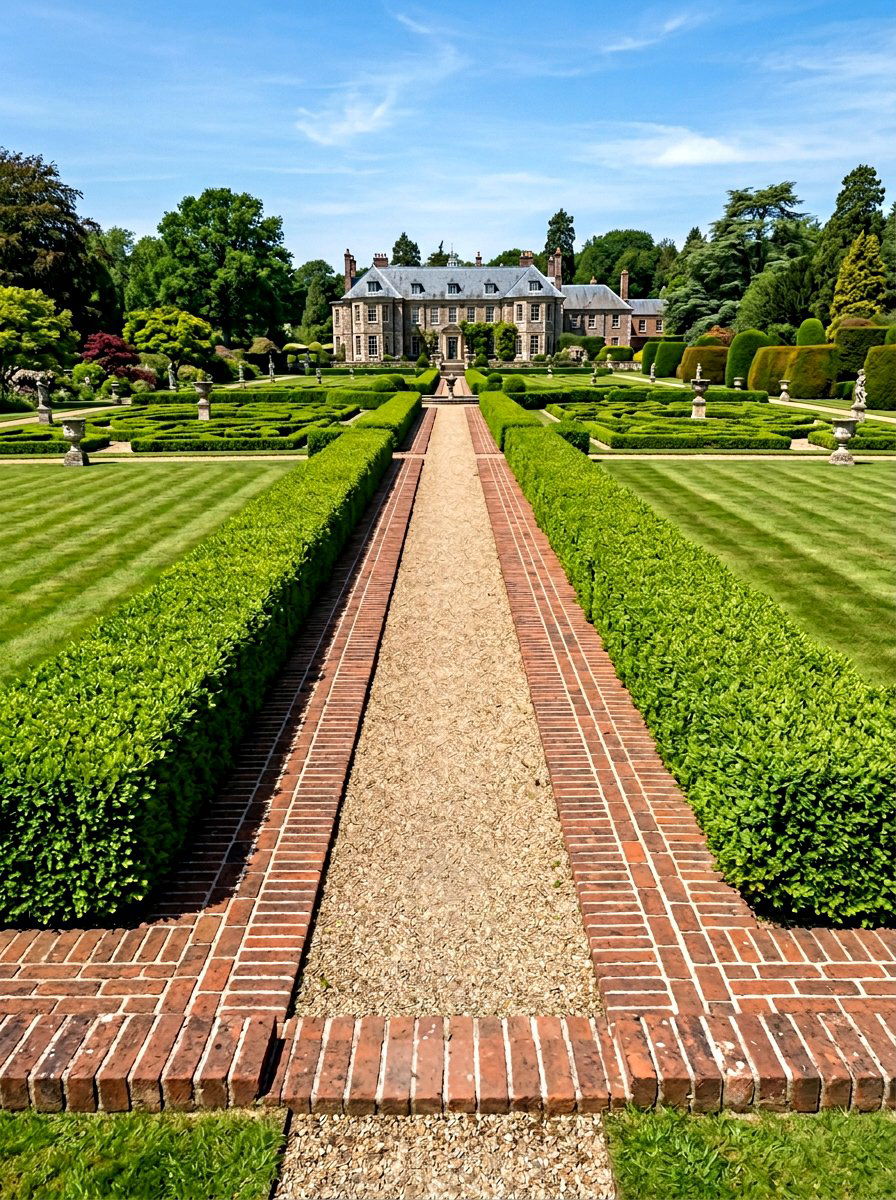
A formal brick border is characterized by perfect symmetry, straight lines, and precise installation. This style often uses high-quality bricks with crisp edges and is frequently mortared for a permanent and flawless finish. It is the ideal choice for traditional or colonial-style homes where order and structure are highly valued. A formal edge provides a sophisticated frame for manicured hedges, rose gardens, or symmetrical flower beds. This look adds a sense of timeless elegance and curb appeal to your property. It demonstrates a high level of care and attention to detail, making your entire outdoor space feel very polished and upscale.
Conclusion:
Selecting the right brick edging for your garden can completely transform the look and feel of your outdoor space. From the classic simplicity of a flat mowing strip to the intricate beauty of a herringbone pattern, there is a design that fits every home and personal style. Bricks are not only aesthetically pleasing but also offer a practical solution for maintaining clean lines and protecting your plants. Whether you choose a DIY sand-set method or a professional mortared installation, your garden will benefit from the structure and durability that brick provides. These borders help define your yard, making it look organized, beautiful, and ready to be enjoyed.

Related posts: