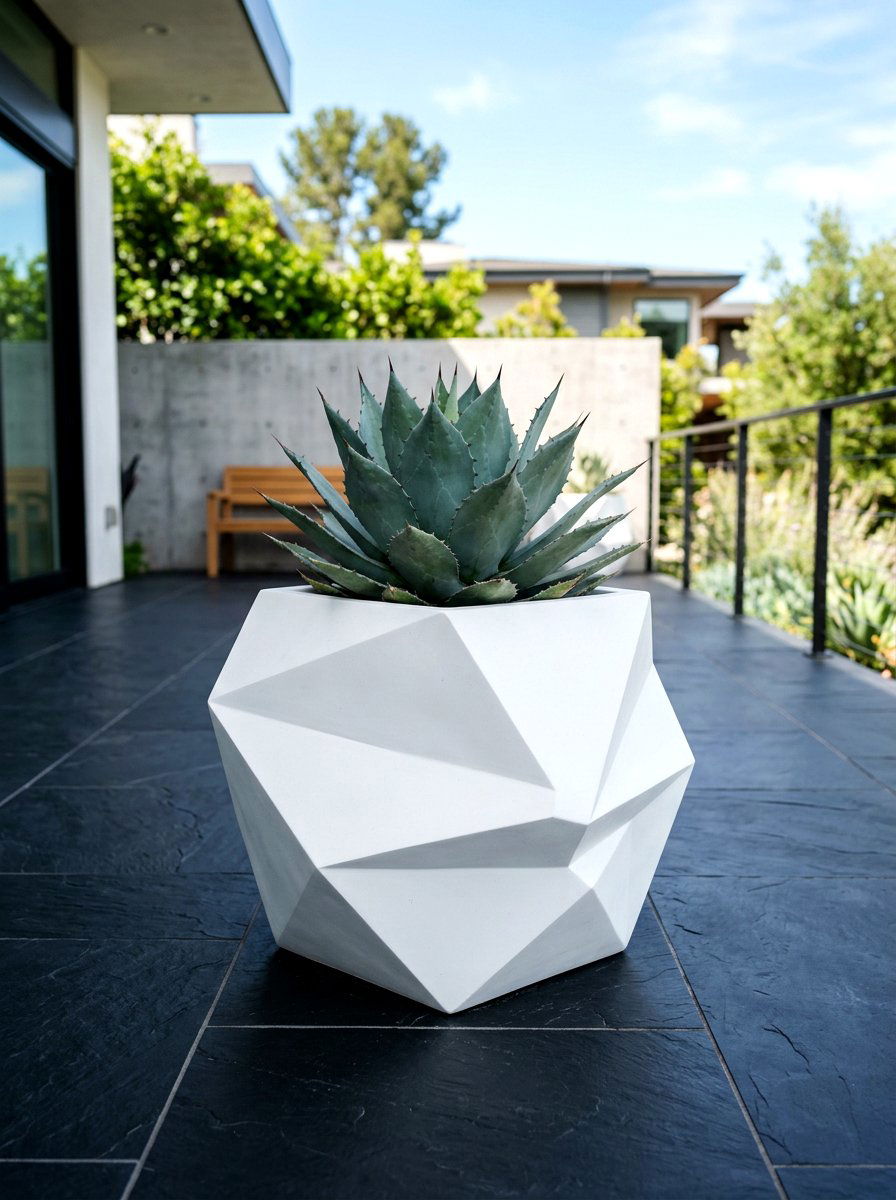
Have you ever stood in your yard and felt like something was missing despite having beautiful flowers and lush greenery? Often, the secret to a professional-looking landscape lies in the subtle details that define your outdoor spaces. Flower bed edging is one of the most effective ways to instantly elevate your home’s curb appeal while providing essential structural benefits. By creating a clear boundary between your lawn and your planting areas, you prevent aggressive grass from invading your flower beds and keep mulch from washing away during heavy rain. Whether you prefer a rustic natural look or a sleek modern aesthetic, choosing the right border will transform your garden into a polished and intentional masterpiece.
1. Brick Garden Edging
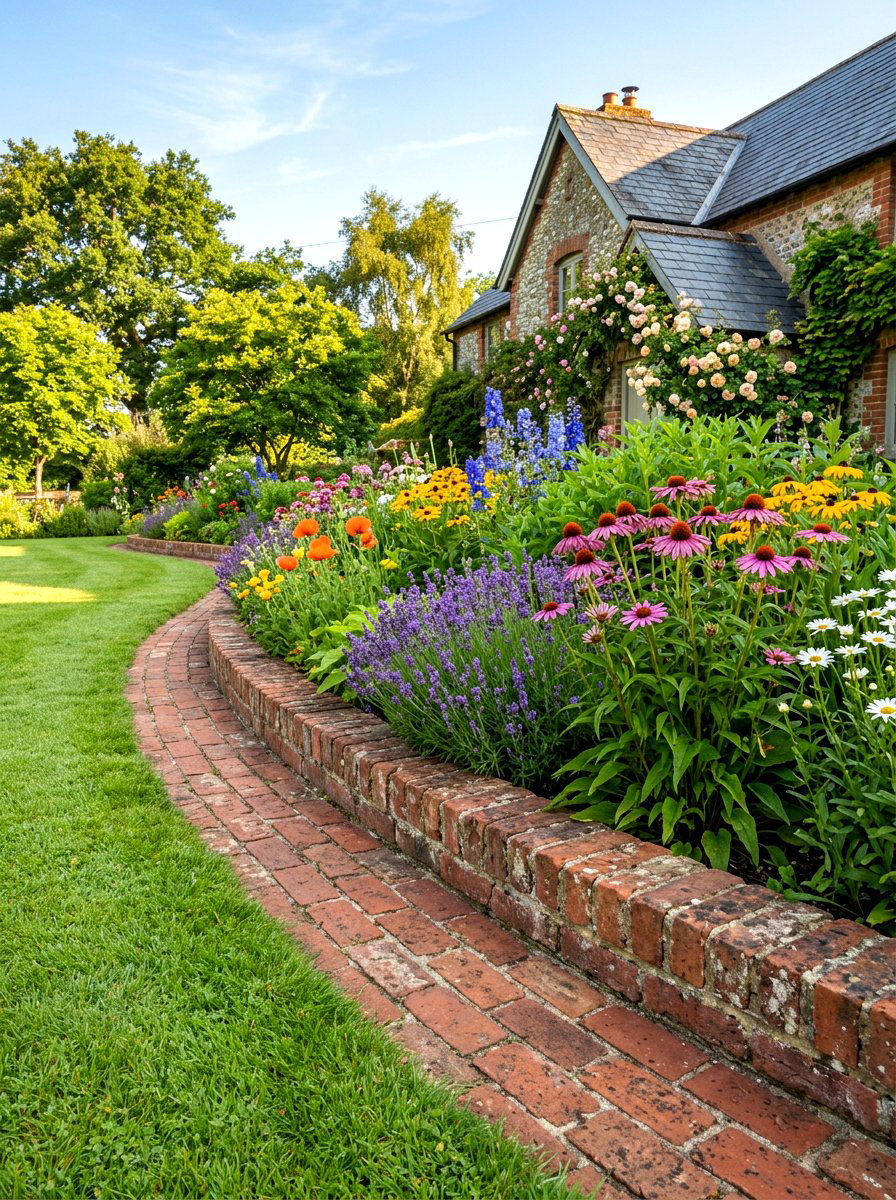
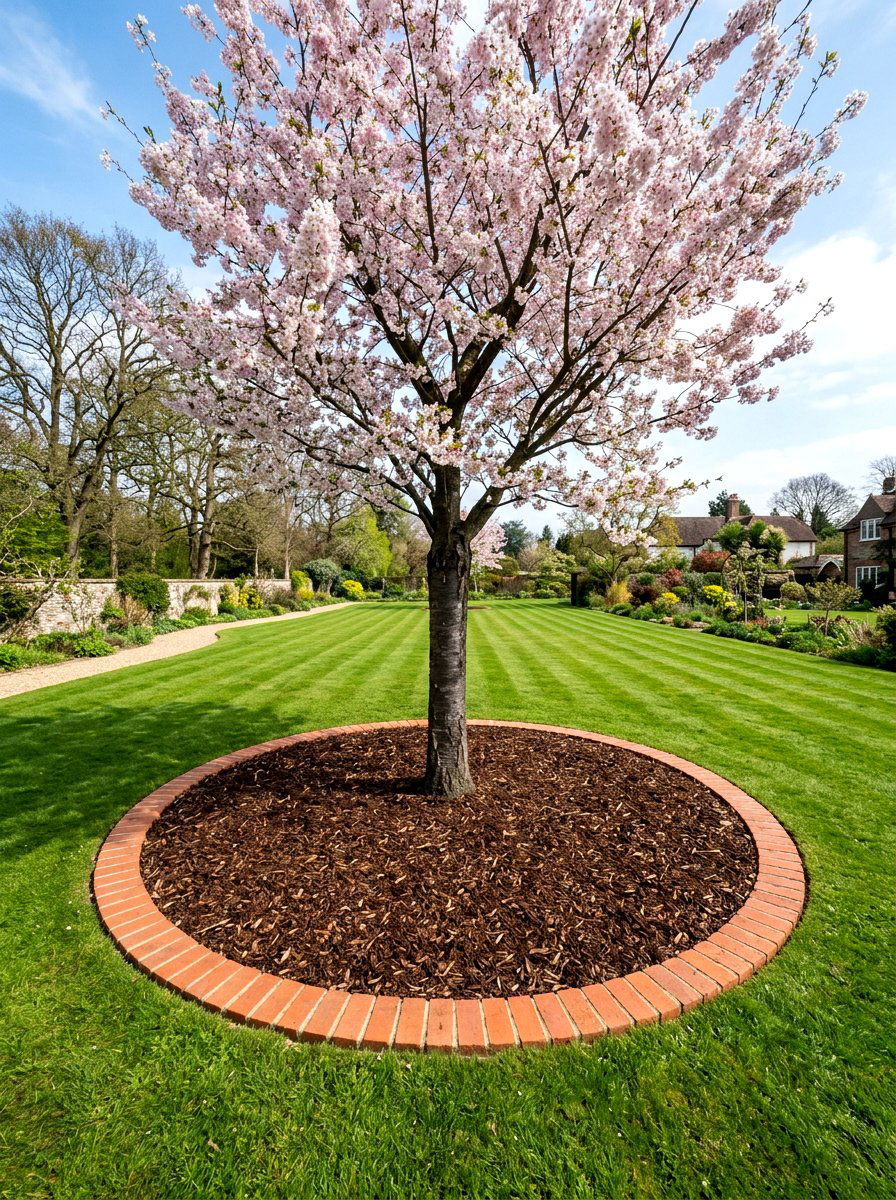
Have you ever noticed how a simple line of red bricks can completely transform a messy garden into a polished masterpiece? Brick garden edging offers a timeless appeal that fits almost any home style, from traditional colonial to modern farmhouse designs. These durable blocks are incredibly easy to install by digging a shallow trench and laying them flat or at an angle for a jagged "toothed" look. Because bricks are heavy, they stay in place well and provide a sturdy barrier that prevents grass from creeping into your precious flower beds. You can find them in various shades of red, tan, or gray to match your existing exterior masonry perfectly and create a cohesive outdoor look.
2. Natural Stone Border
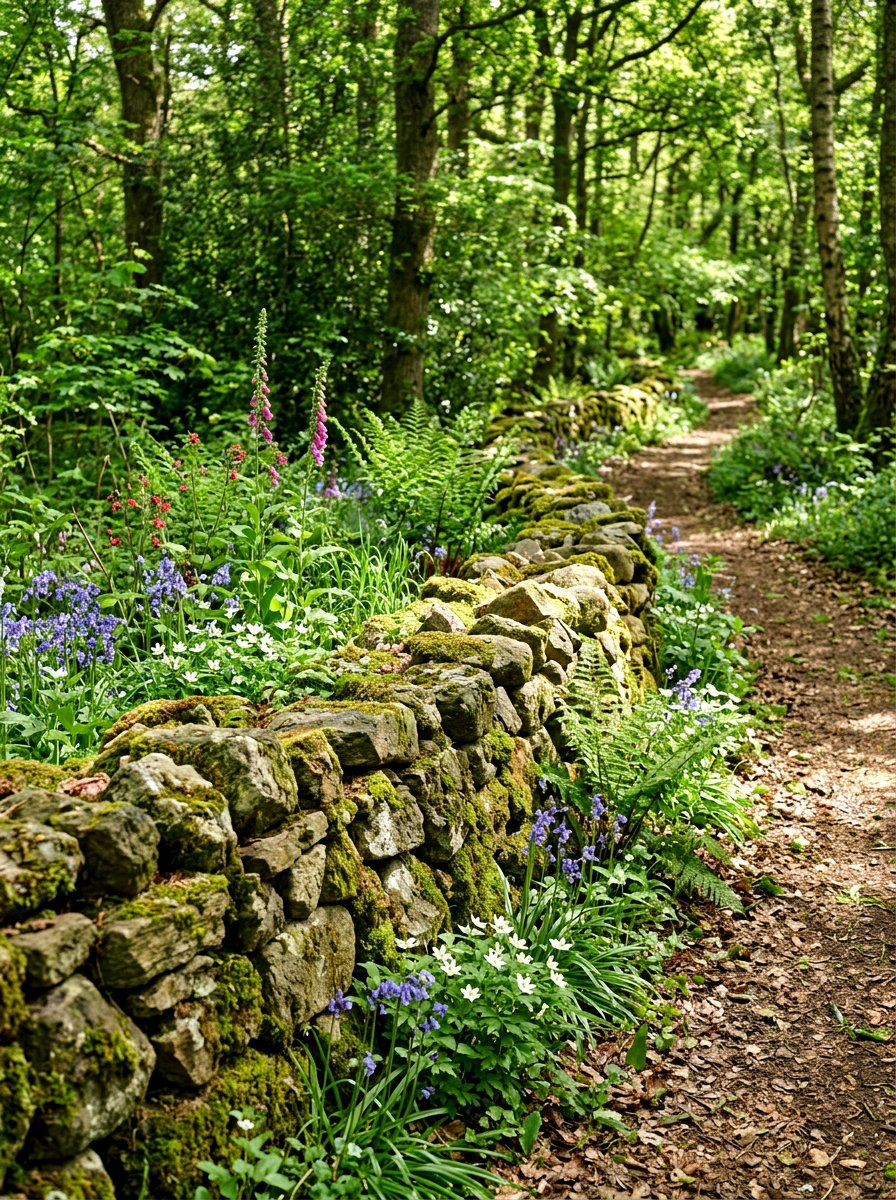
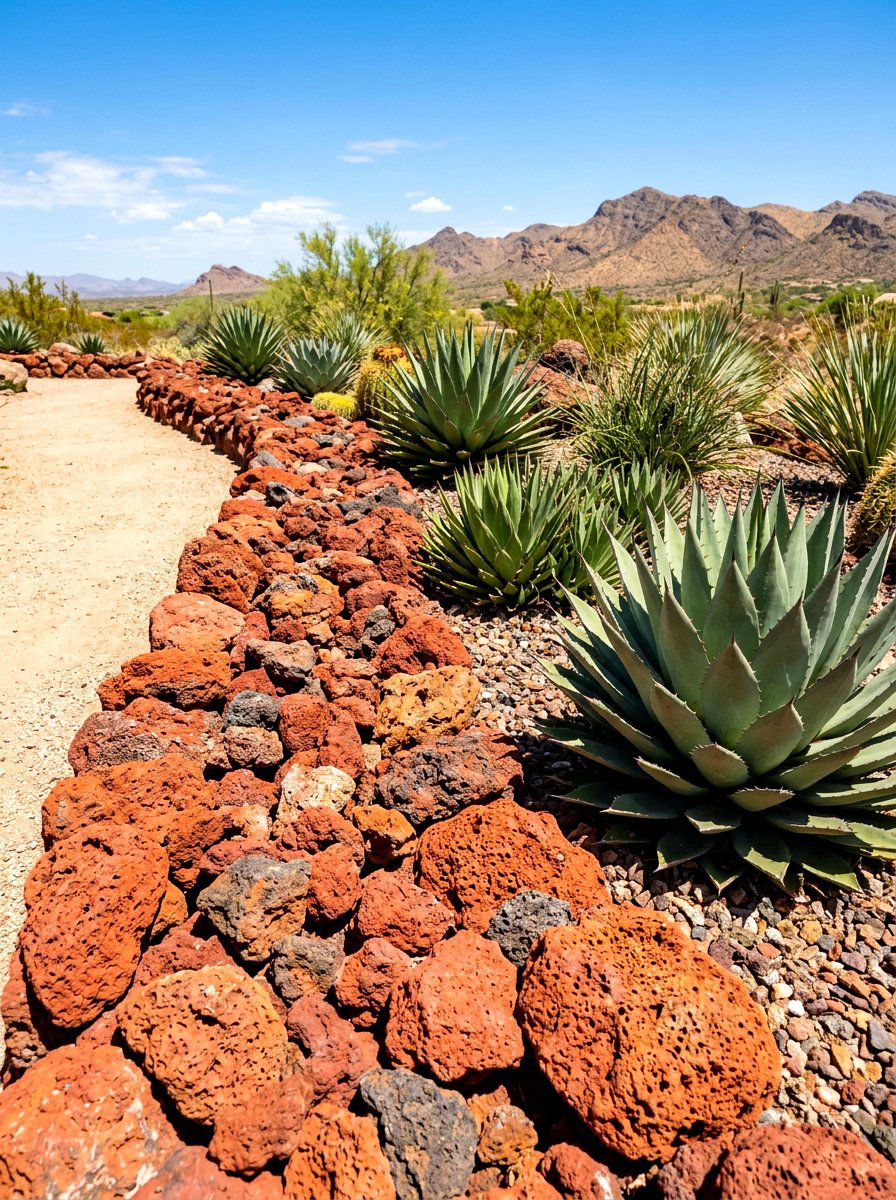
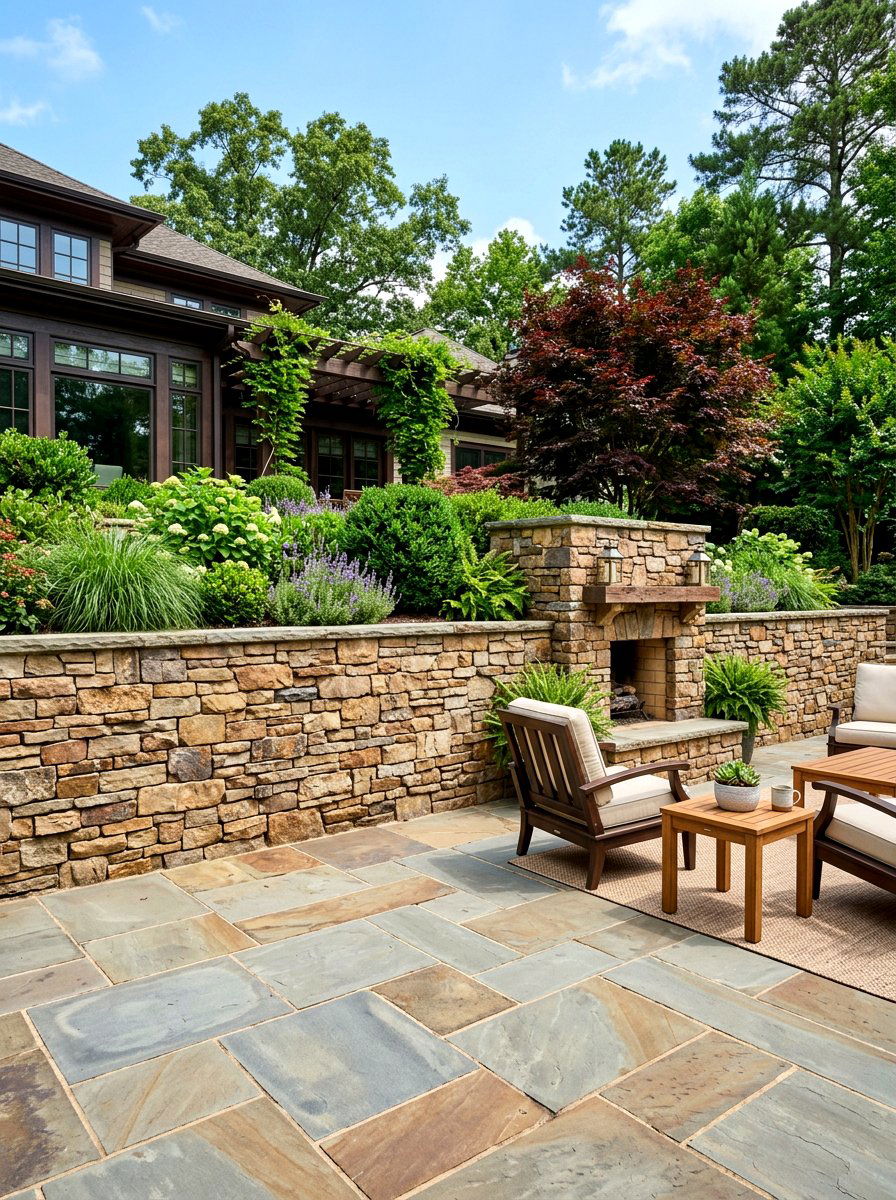
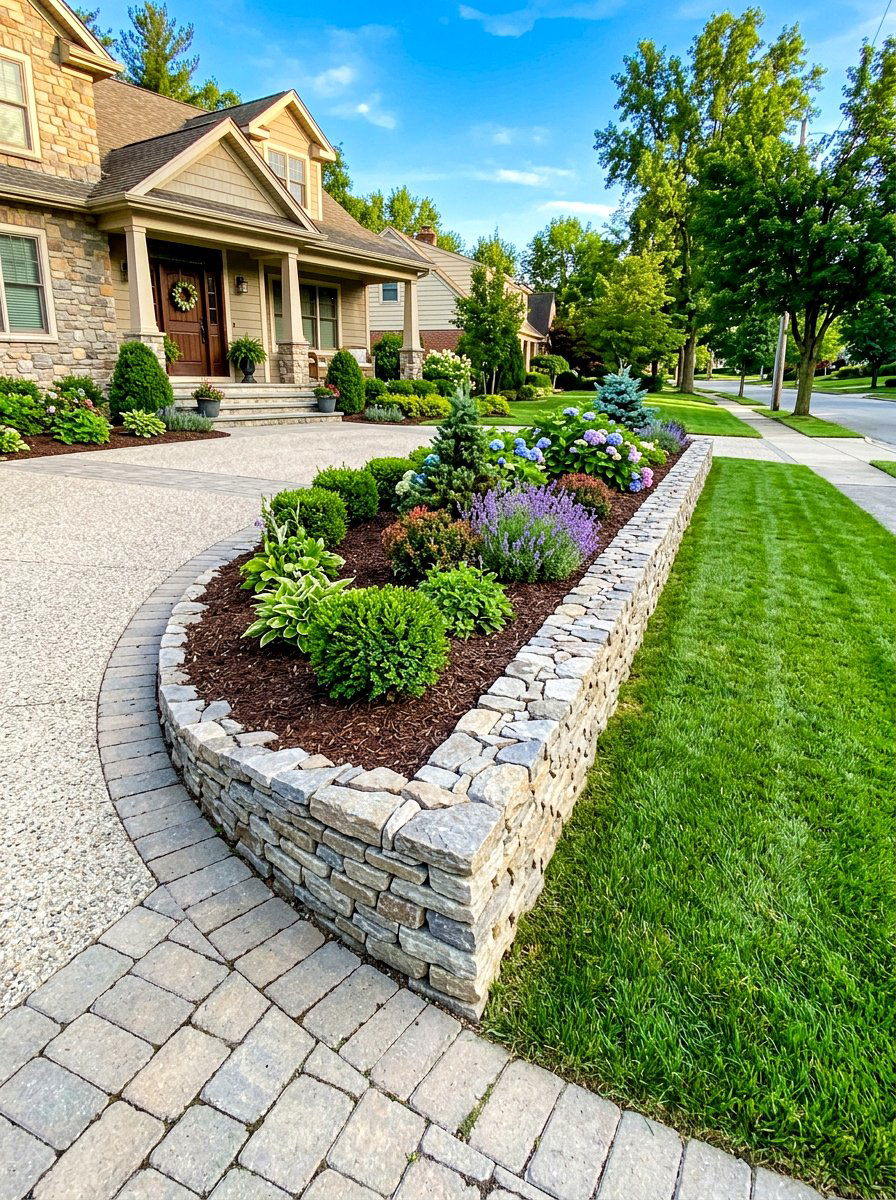
Are you looking for a way to bring an organic and earthy feel to your backyard landscape this season? A natural stone border is the perfect solution for homeowners who want their garden to look like it was carved directly from the landscape. You can use fieldstones, flagstones, or large boulders to create a rugged and textured boundary that complements wildflowers and native grasses beautifully. These stones come in a wide variety of shapes and sizes, allowing you to stack them high for a small retaining wall or lay them flat for a subtle transition. Because natural stone is incredibly durable, this edging option will last for decades without needing any replacement.
3. Metal Landscape Edging
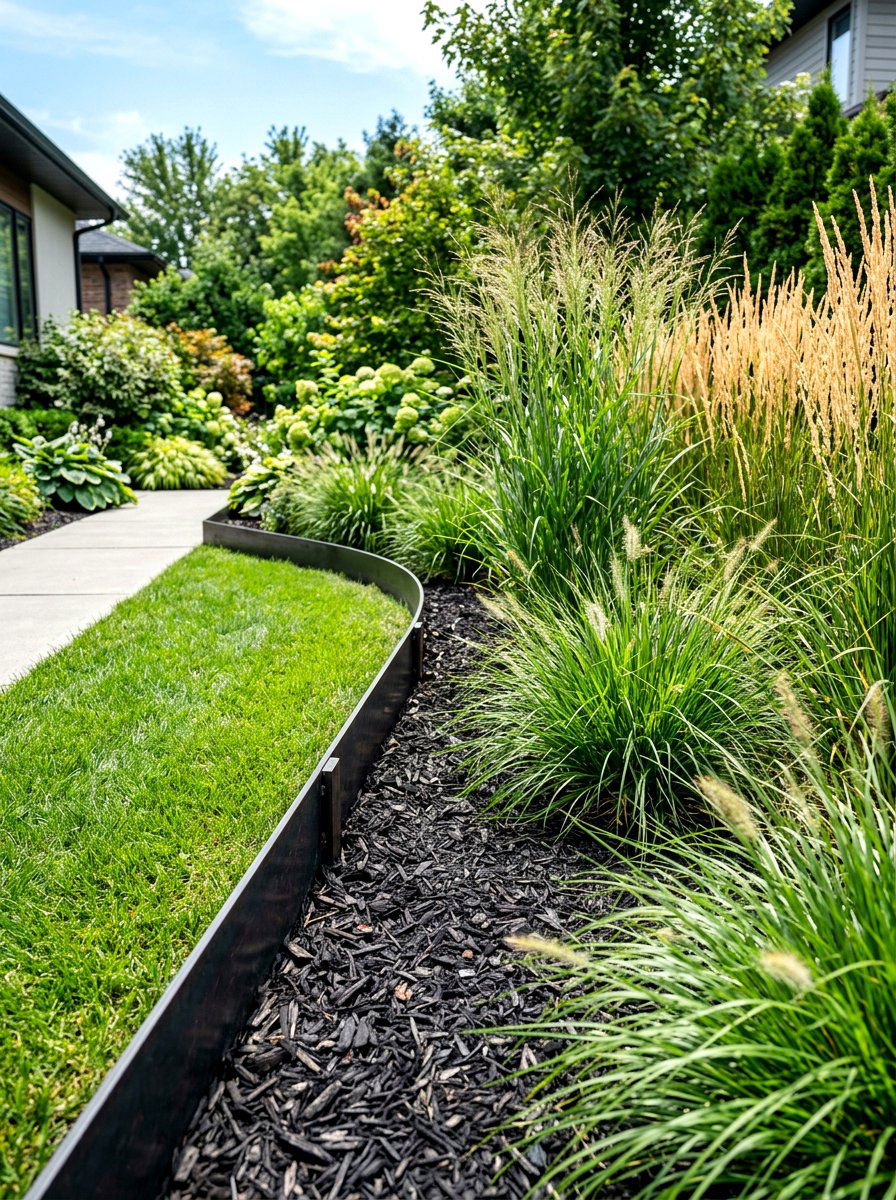
Do you prefer a sleek and minimalist aesthetic that highlights the clean lines of your modern home architecture? Metal landscape edging is a favorite among professional designers because it provides a very thin and nearly invisible profile that creates sharp transitions. Most homeowners choose between flexible aluminum or heavy-duty steel, both of which are excellent for creating crisp curves around circular flower beds or winding garden paths. One popular trend is using Corten steel, which develops a beautiful rust-like patina over time that protects the metal while adding a warm, industrial charm to the space. This option is extremely low maintenance and keeps your lawn edges looking perfectly manicured year-round.
4. Wood Log Border
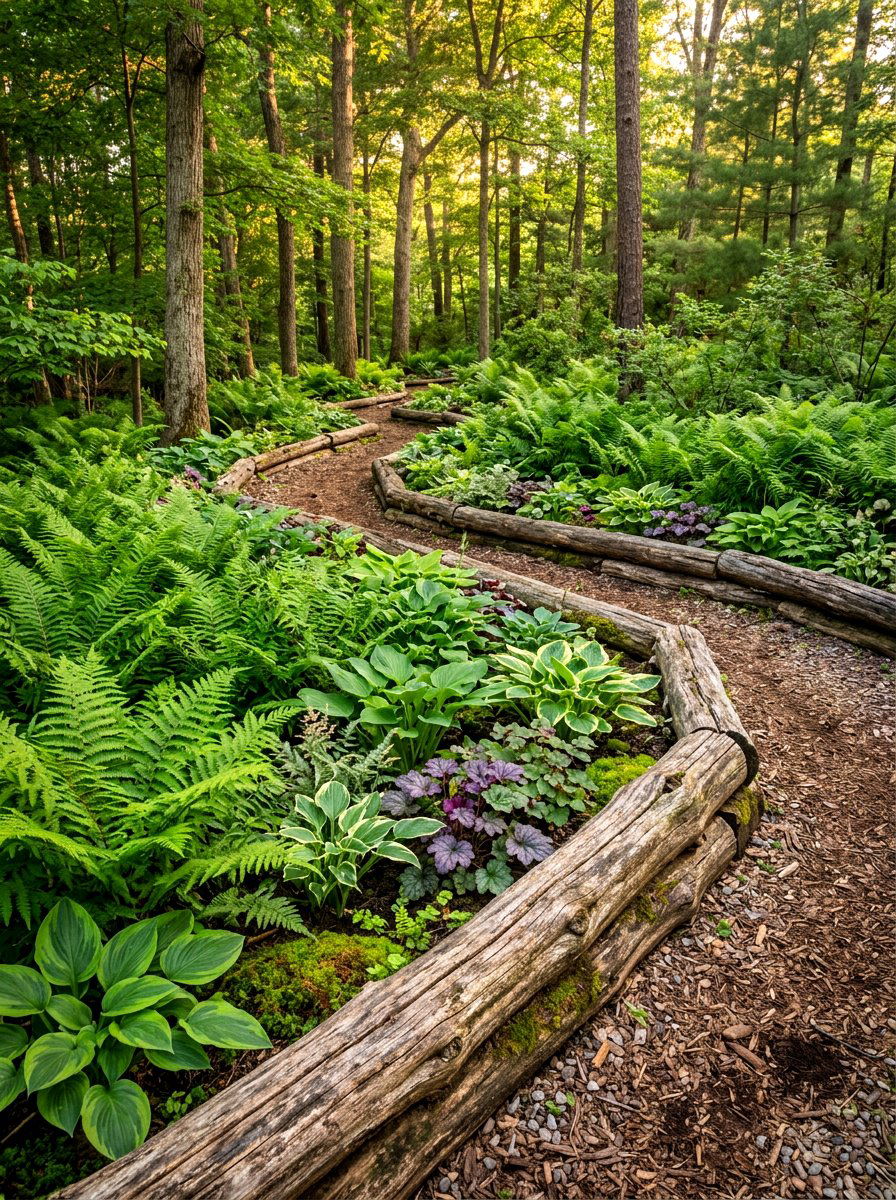
Have you considered using natural timber to create a cozy and rustic atmosphere in your woodland garden area? A wood log border is a fantastic way to recycle fallen branches or small trunks into a functional and charming landscape feature. By laying logs horizontally or cutting them into vertical posts of varying heights, you can create a playful and informal boundary that blends seamlessly with the surrounding trees. This type of edging is particularly effective in cottage-style gardens where a less structured look is desired. While wood will eventually decompose over time, it adds valuable organic matter back into the soil and provides a natural habitat for beneficial garden insects.
5. Concrete Paver Edging
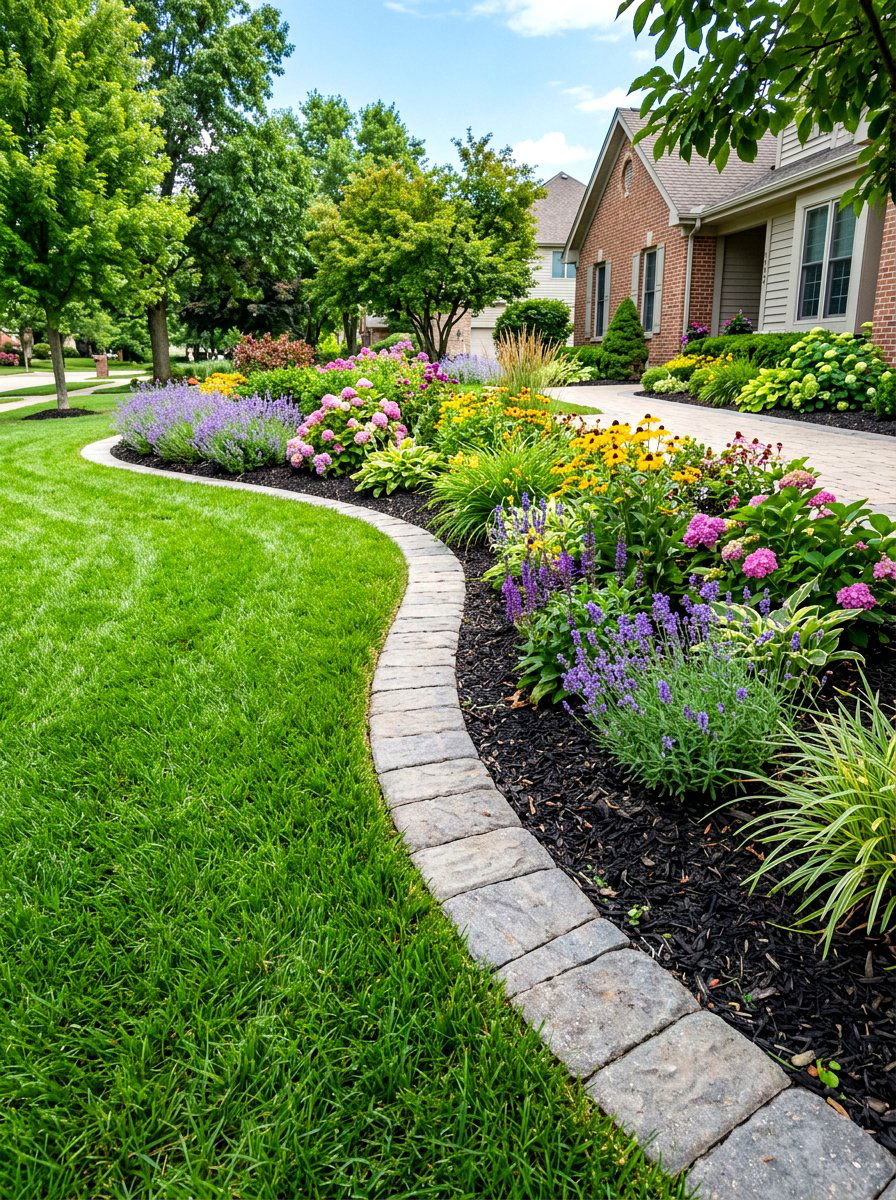
Are you searching for a budget-friendly and versatile material that can handle high-traffic areas along your walkways? Concrete paver edging is an excellent choice because these manufactured stones are specifically designed to interlock and withstand the weight of lawn equipment. They come in an endless array of colors, textures, and patterns, allowing you to mimic the look of expensive cobblestone or slate at a fraction of the cost. Many pavers feature a built-in "mowing strip, " which allows your lawnmower wheels to glide right over the edge, eliminating the need for tedious string trimming. This makes concrete pavers one of the most practical and functional choices for busy suburban homeowners.
6. Woven Willow Border
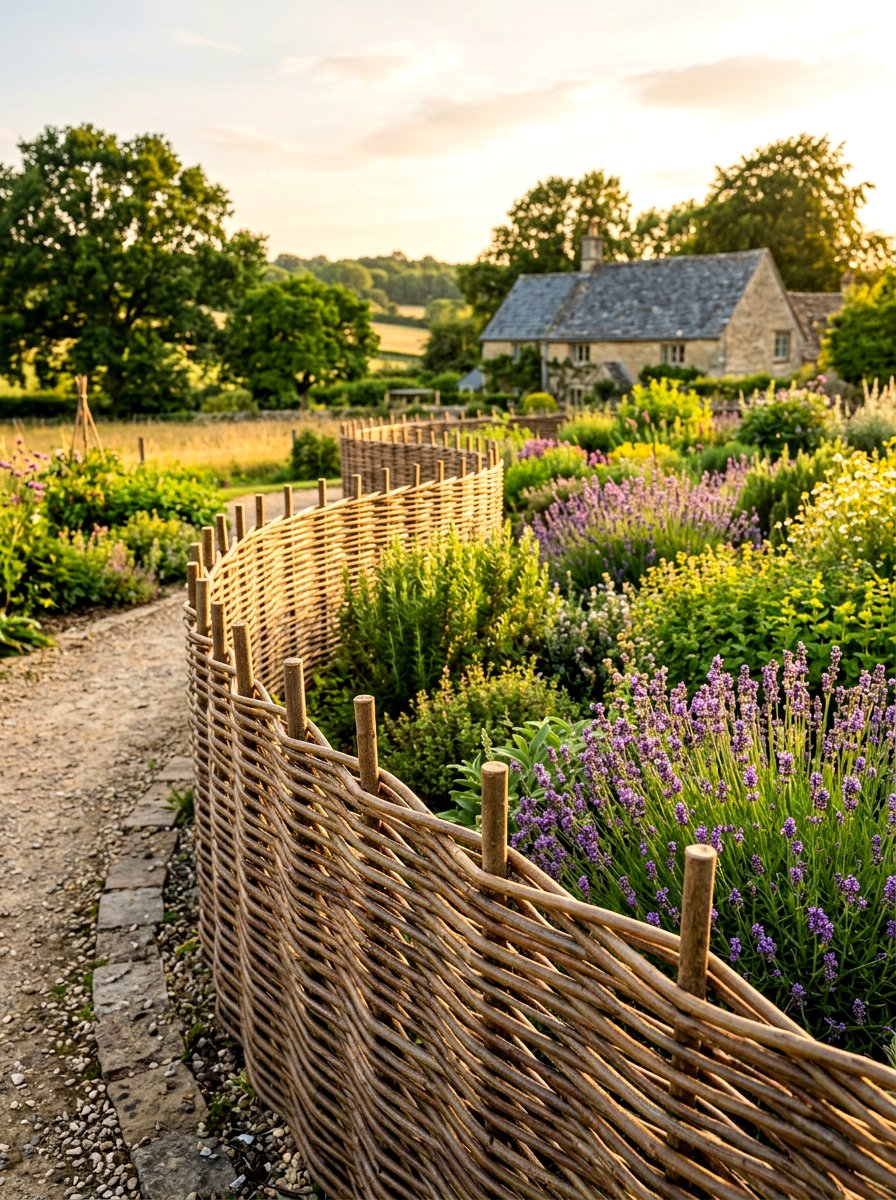
Would you like to add a touch of old-world European charm to your vegetable patch or herb garden this year? Woven willow borders, also known as hurdles or wattles, provide a beautiful and artisanal look that feels incredibly authentic in traditional cottage settings. These low fences are typically made from flexible willow or hazel branches that are woven around upright stakes driven into the ground. They are perfect for containing taller perennial flowers or keeping small pets out of your delicate planting beds. While they may require replacement every few years due to weathering, their unique texture and handmade appearance add a level of character that hard materials simply cannot match.
7. River Rock Edging
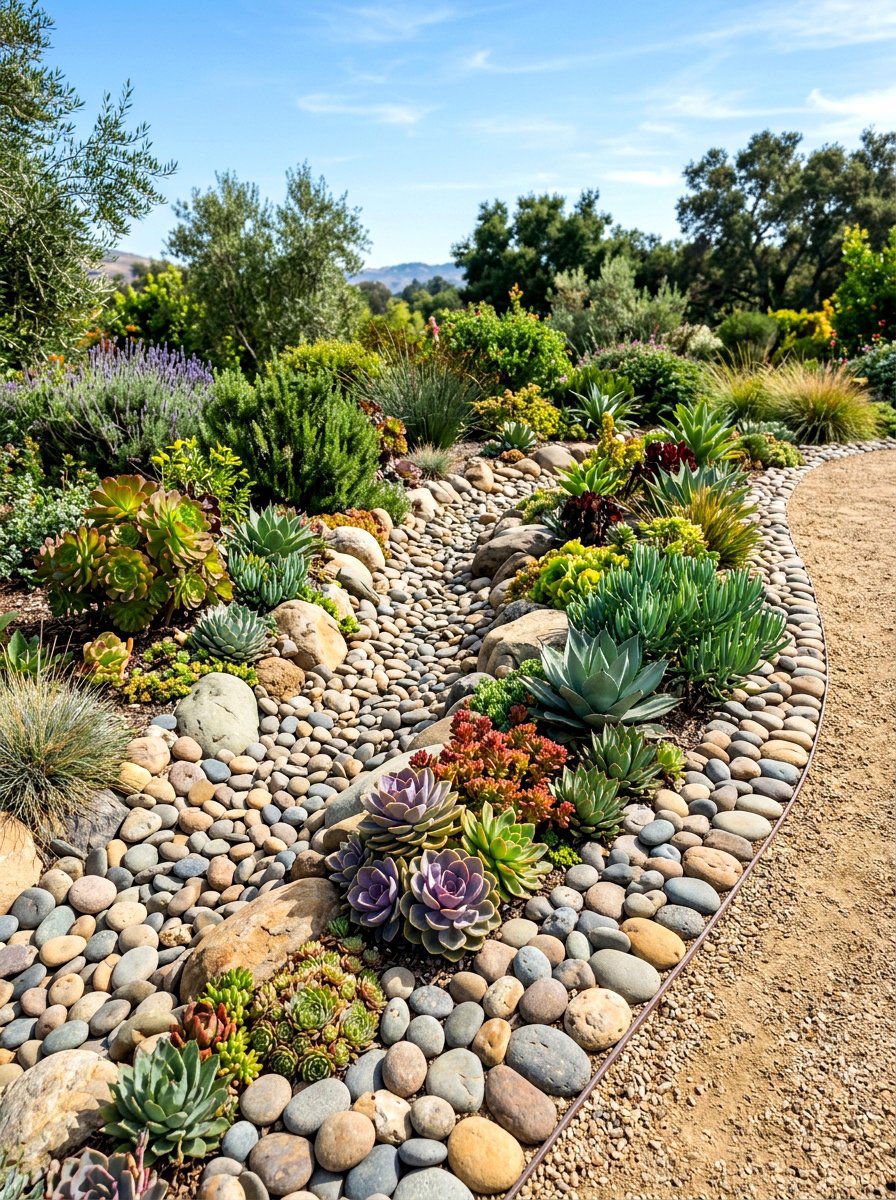
Does the idea of a serene and water-inspired garden sound like the perfect escape from your daily stresses? River rock edging uses smooth, water-worn stones to create a soft and flowing border that looks particularly stunning next to ponds or dry creek beds. You can mix different sizes and shades of gray, tan, and white stones to create a natural gradient that guides the eye through your landscape. To prevent weeds from growing through the gaps, it is important to lay down a high-quality landscape fabric before arranging your rocks. This type of edging is excellent for drainage and helps prevent soil erosion in areas that receive heavy rainfall.
8. Cedar Plank Border
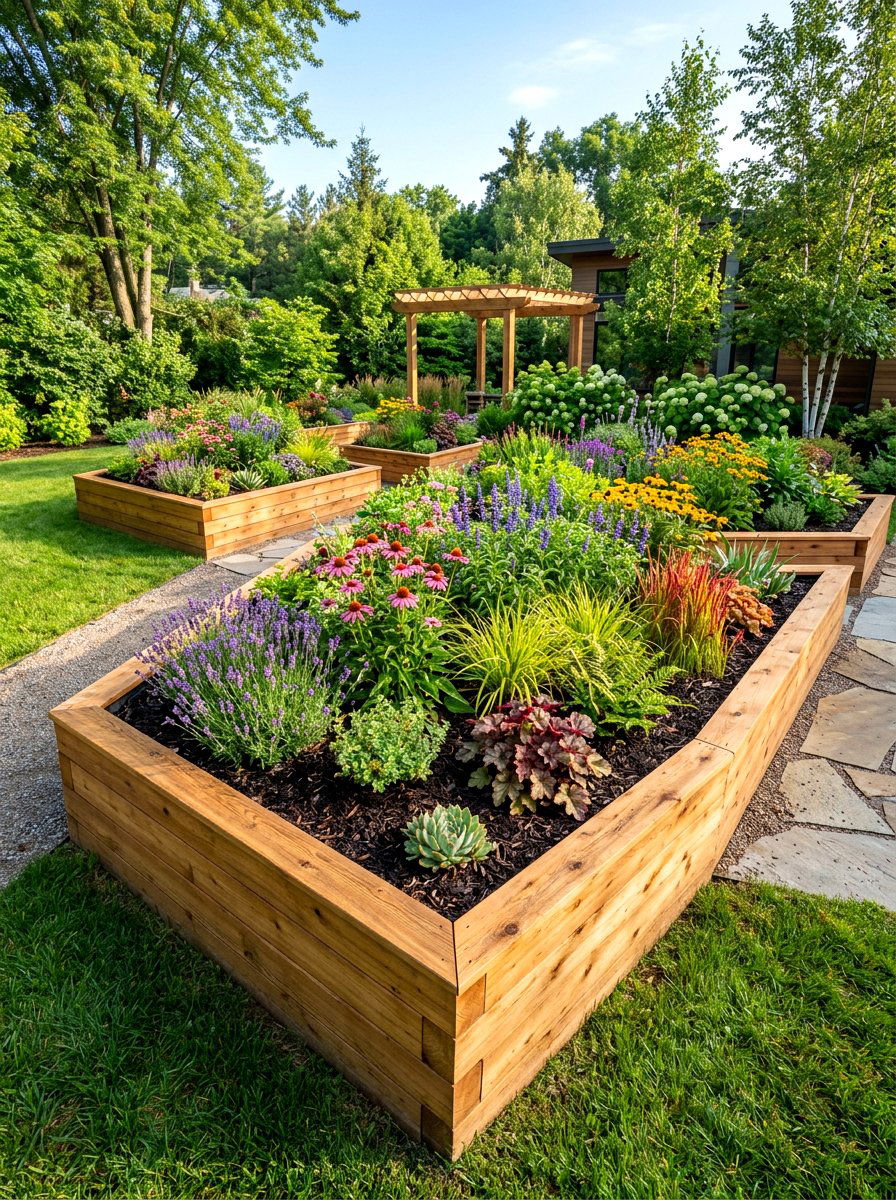
Are you interested in a clean and modern wood look that offers naturally superior resistance to rot and insects? Cedar plank border edging is a popular choice for contemporary gardens because of its straight lines and beautiful warm tones that silver gracefully over time. By using thin cedar boards, you can create a structured and architectural frame around your flower beds that looks very high-end. Cedar contains natural oils that protect the wood from the elements, making it a much longer-lasting option than standard pine or spruce. This type of edging works exceptionally well for creating geometric shapes or defined corners in a modern minimalist backyard design.
9. Terra Cotta Edging
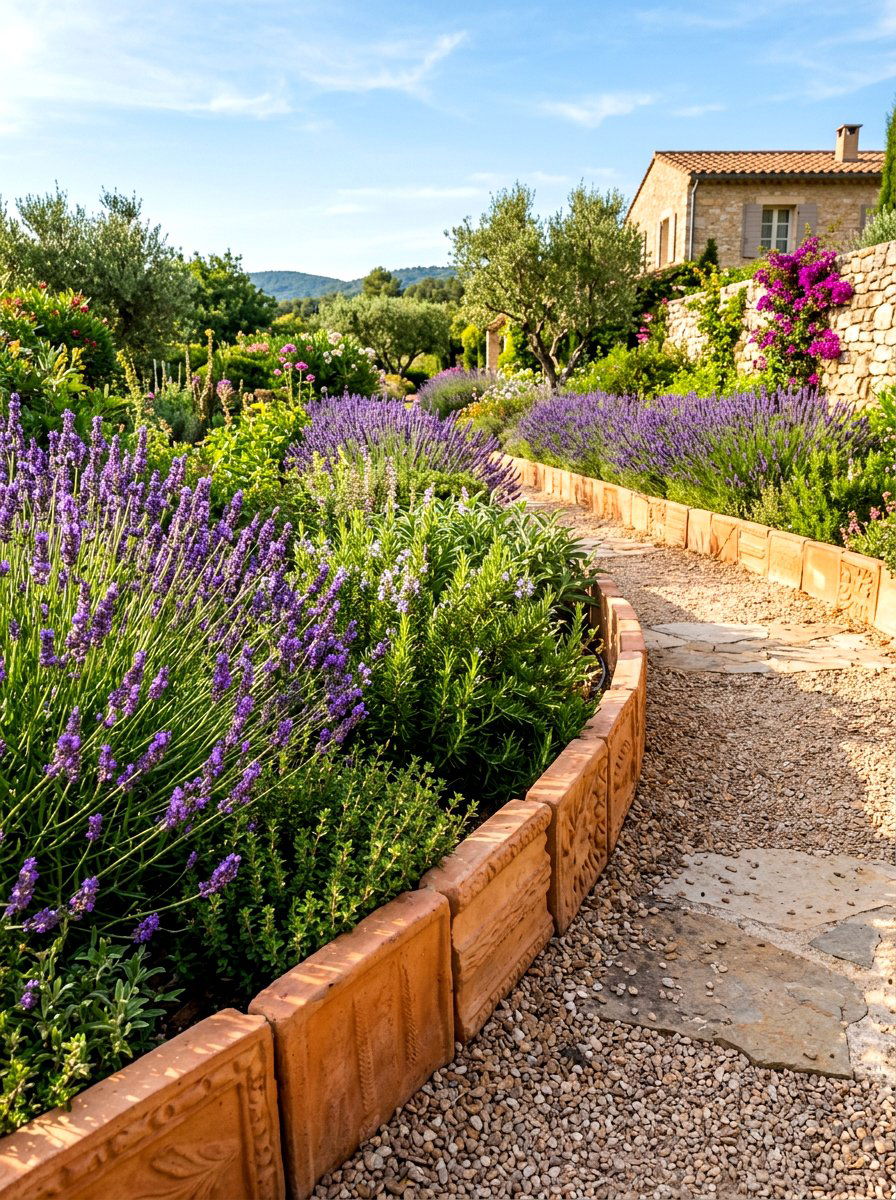
Have you ever thought about bringing a warm Mediterranean vibe to your outdoor space using classic clay materials? Terra cotta edging can be achieved by using specialized scalloped tiles or by partially burying standard clay flower pots in a row. The distinctive orange-red hue of the clay provides a beautiful contrast against vibrant green foliage and colorful blooms like lavender or marigolds. This material is perfect for smaller garden beds or container gardens where you want to add a whimsical and artistic touch. Because terra cotta is porous, it allows for excellent air circulation, though it may need protection in climates with extreme freeze-thaw cycles to prevent cracking.
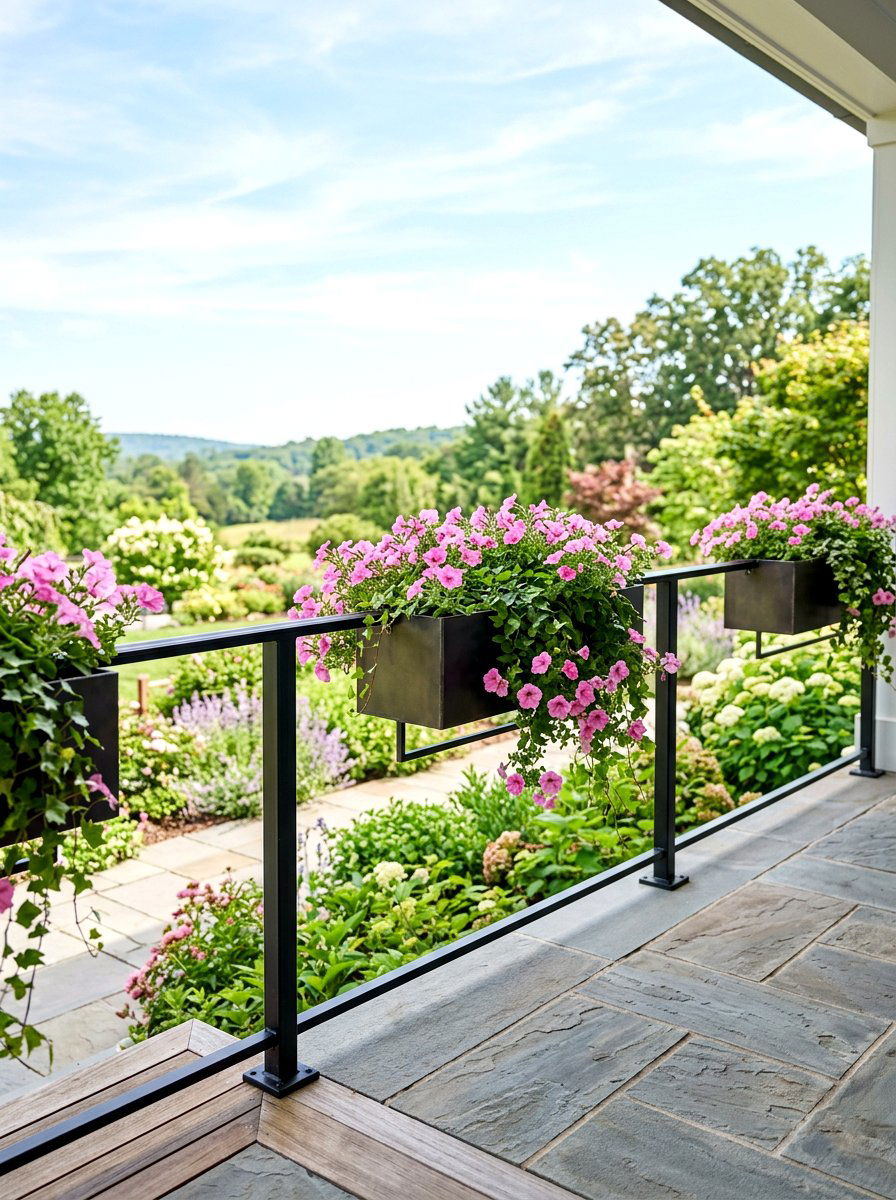
10. Cobblestone Border
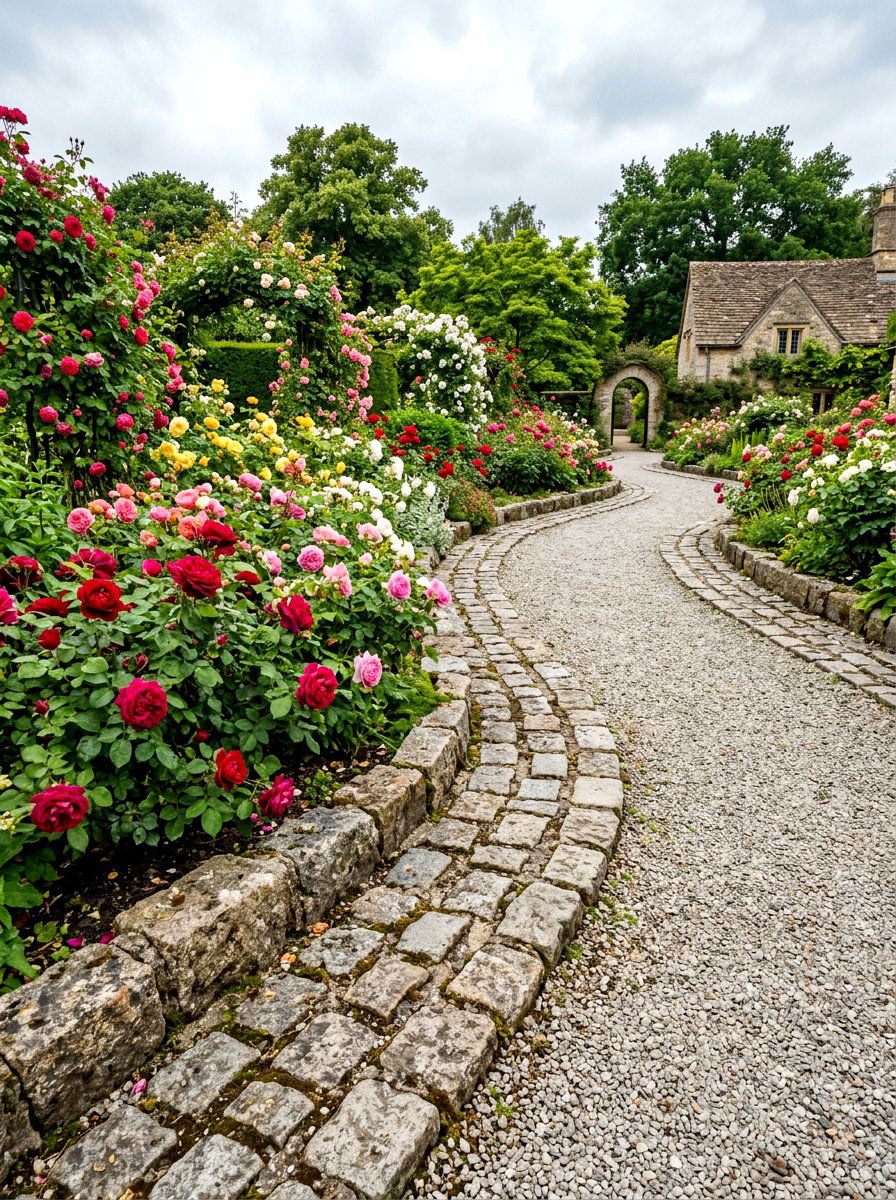
Do you dream of a garden that feels like it belongs in a historic village or a classic English estate? Cobblestone borders provide an unmatched sense of permanence and traditional elegance that can instantly increase the perceived value of your property. These thick, rounded stones are typically made from granite or basalt, making them nearly indestructible and capable of withstanding any weather conditions. When installed correctly with a solid base of sand or gravel, cobblestones create a rugged yet sophisticated edge that looks beautiful alongside gravel paths or lush lawns. Their irregular shapes add a wonderful sense of rhythm and texture to your flower bed designs.
11. Gabion Wall Edging
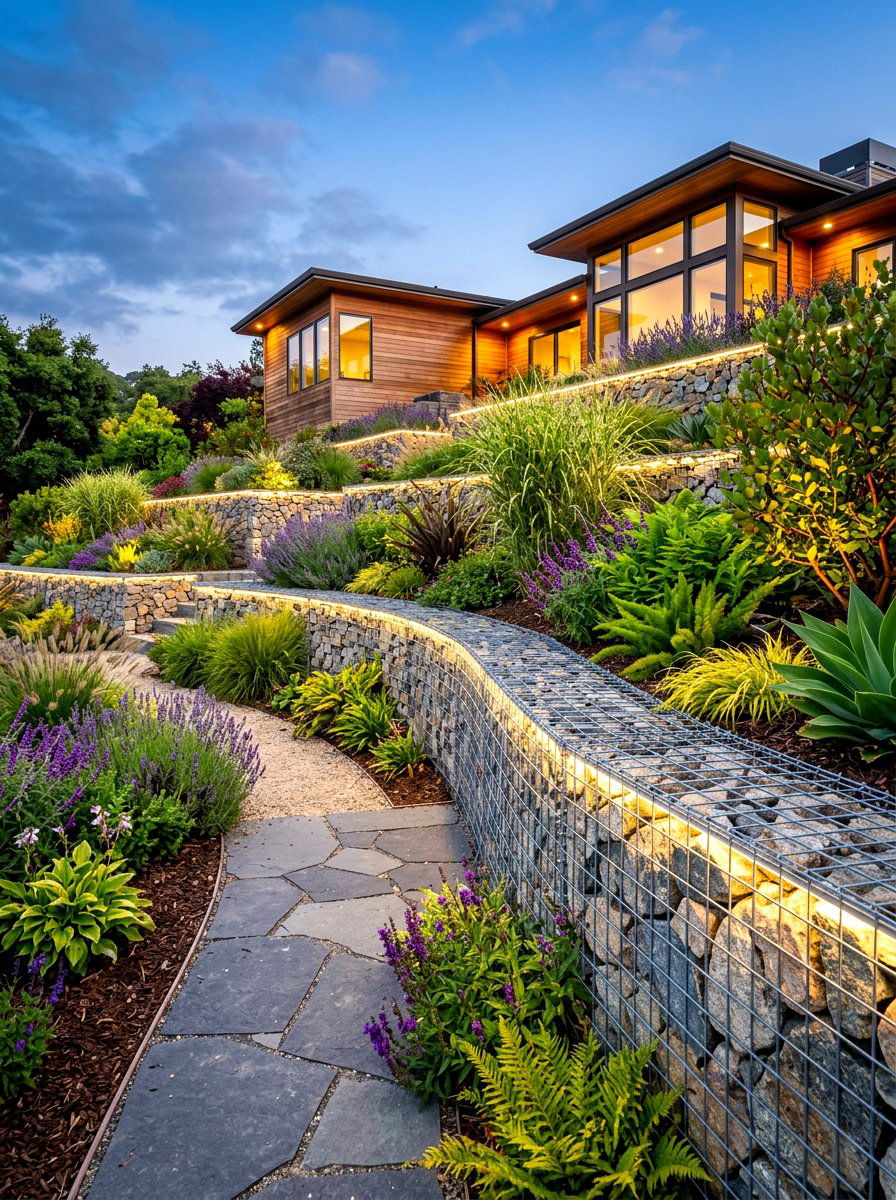
Are you looking for a unique and industrial way to define your garden levels while adding serious structural support? Gabion wall edging consists of wire mesh cages filled with rocks, recycled glass, or even pinecones to create a striking and modern border. This design is not only visually interesting but also serves as a highly effective retaining wall for sloped yards or raised garden beds. The gaps between the stones allow for excellent drainage, preventing water from pooling behind the wall and damaging your plants. You can customize the look by choosing different stone colors or by allowing small succulents to grow through the wire mesh for a living wall effect.
12. Plastic Garden Border
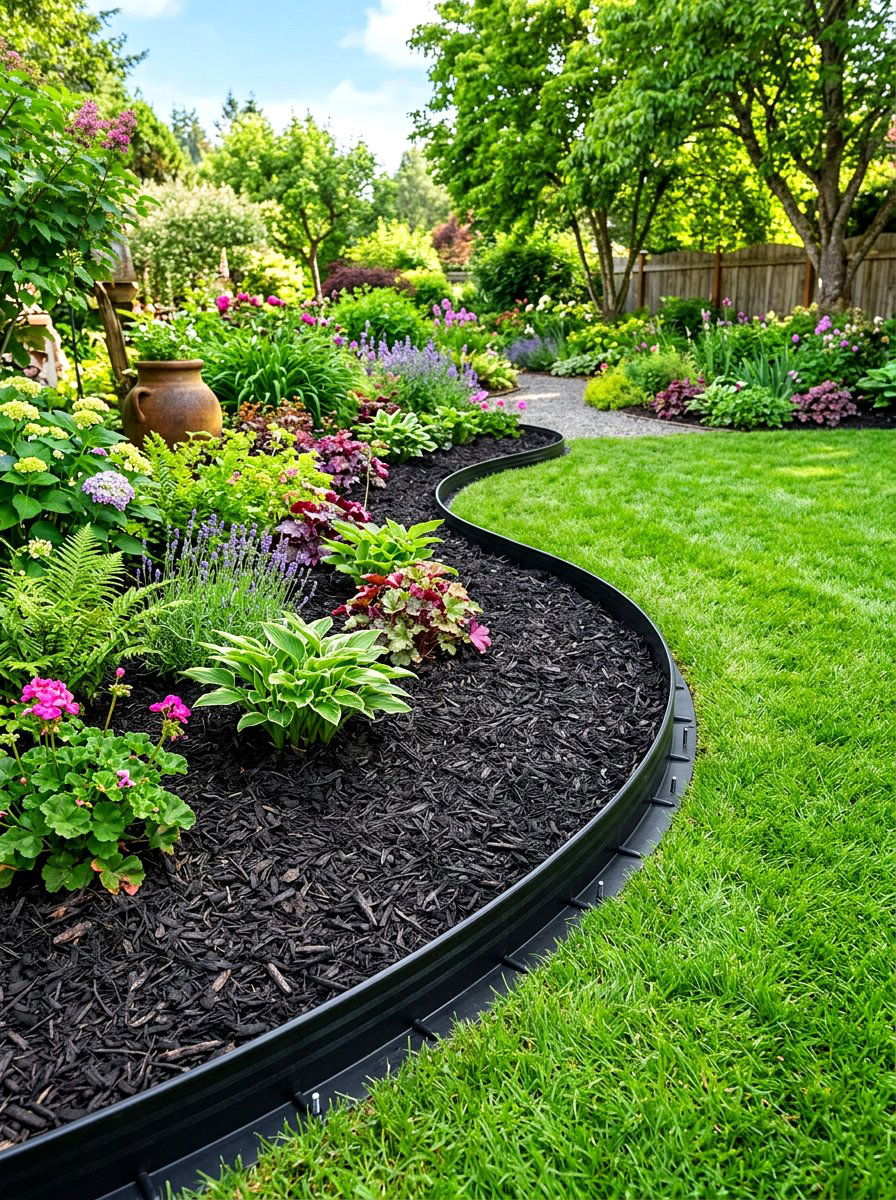
Are you in need of a quick and highly affordable solution to keep your mulch from spilling onto your lawn? Plastic garden borders are incredibly popular for DIY projects because they are lightweight, flexible, and very easy to install in just one afternoon. These bender boards or interlocking strips can follow the most complex curves and contours of your landscape without any specialized tools. While basic black plastic is a common choice, many modern versions now mimic the appearance of wood grain or stone to provide a more high-end look on a budget. This is a practical and functional choice for anyone looking for immediate results with minimal effort.
13. Rubber Mulch Edging
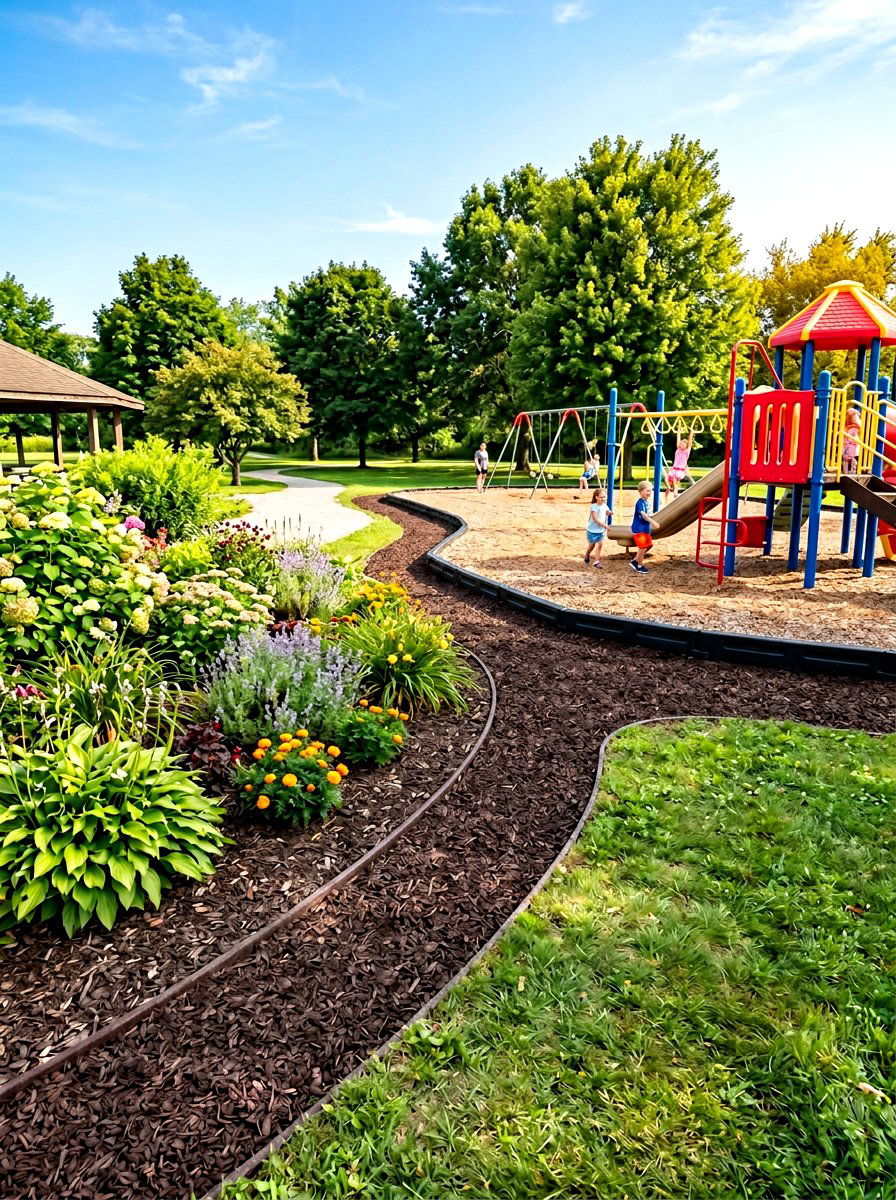
Have you considered an eco-friendly edging option that repurposes old materials while providing a safe and soft surface? Rubber mulch edging is typically made from recycled tires and is sold in flexible rolls or pre-formed strips that are incredibly durable. This material is weather-resistant and won 't rot, fade, or attract pests, making it a very low-maintenance choice for busy families. It is especially useful around children’s play areas or under trees where you want a clean border that won' t hurt if someone accidentally trips over it. The flexibility of rubber allows it to navigate tight corners and unusual garden shapes with ease while staying firmly in place.
14. Bamboo Border Fence
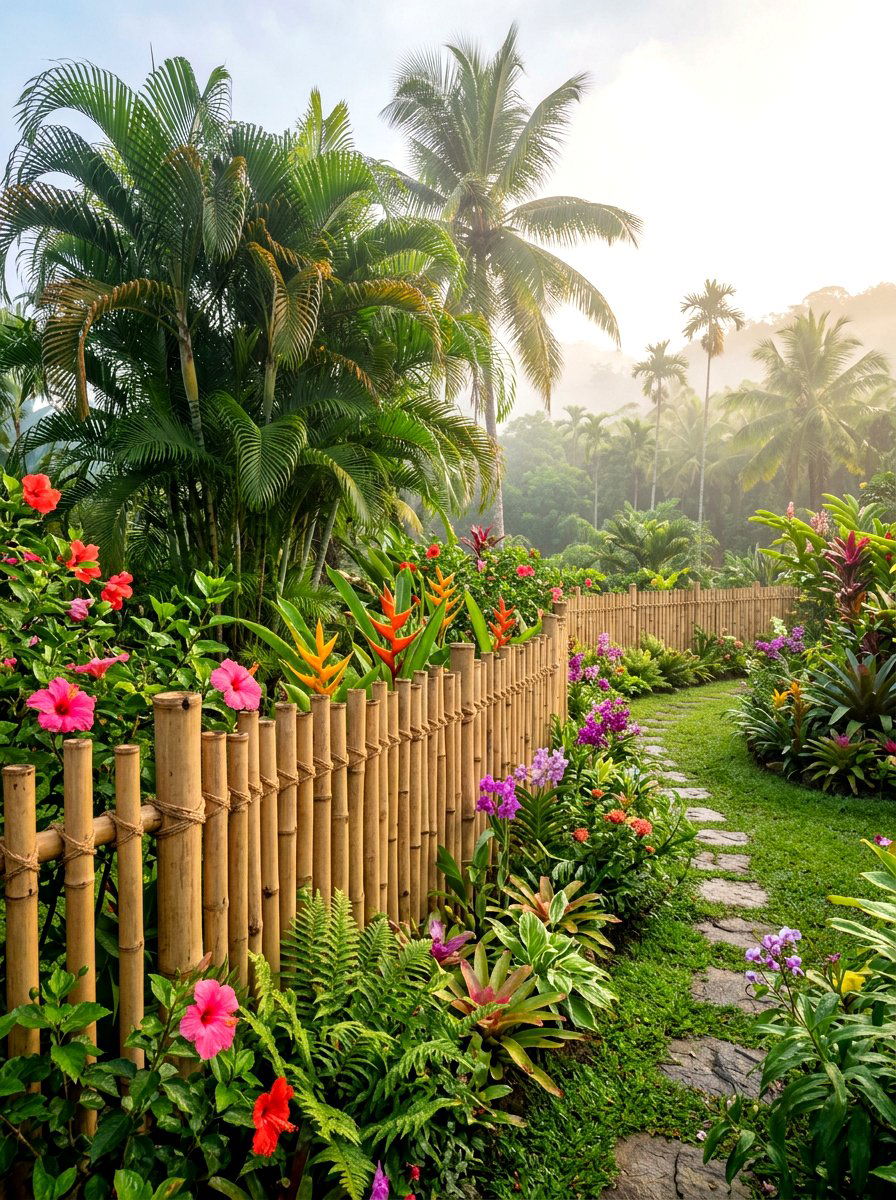
Would you like to introduce a tropical or Zen-inspired atmosphere to your backyard sanctuary using sustainable materials? Bamboo border fences are made from eco-friendly bamboo poles that are wired together to create a charming and natural-looking boundary. This type of edging adds height and vertical interest to your flower beds, making it a great choice for screening off specific areas or framing taller ornamental grasses. Bamboo is naturally strong and stands up well to humidity, though applying a clear sealant every year will help maintain its light tan color. It provides a beautiful texture that pairs perfectly with tropical plants like hibiscus, ferns, or leafy palms.

15. Slate Garden Edging
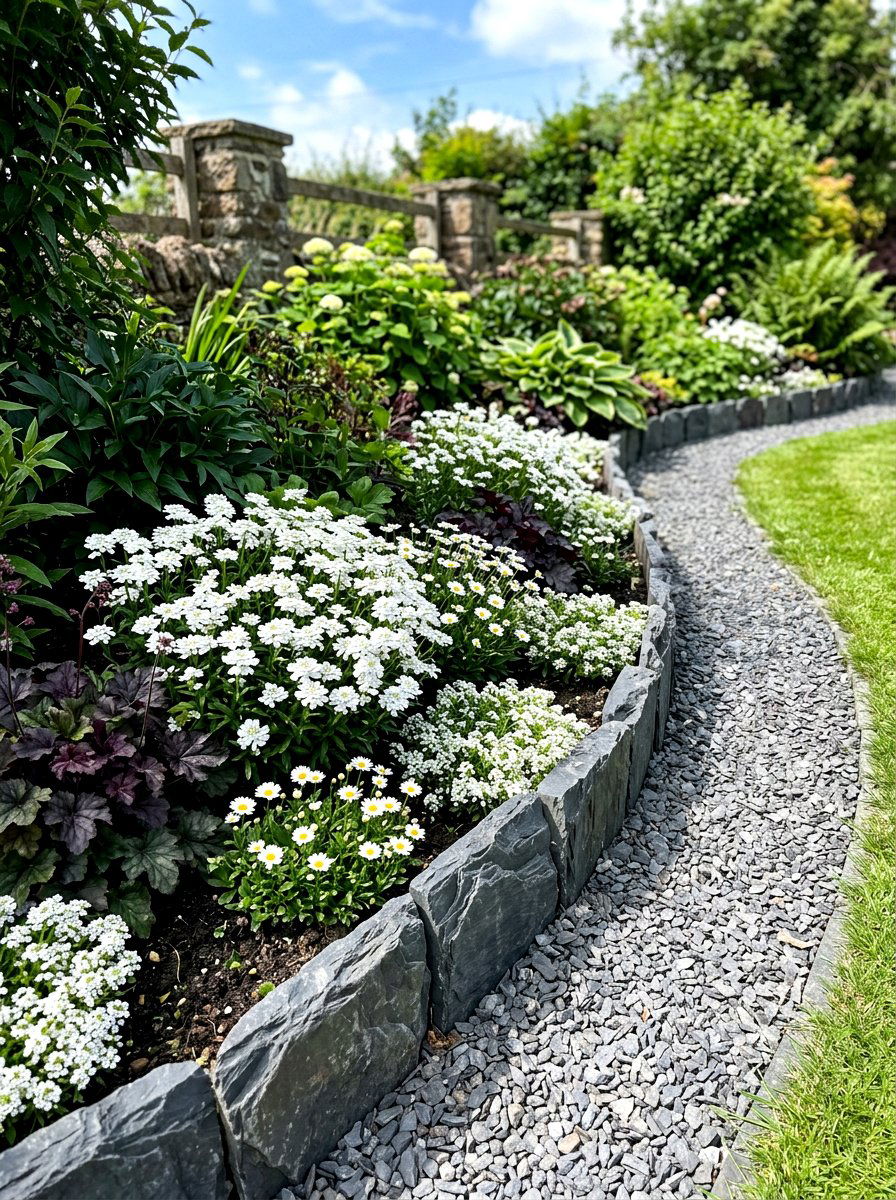
Are you searching for a sophisticated and dark-toned material that will make the vibrant colors of your flowers pop? Slate garden edging uses flat pieces of natural slate stone to create a sleek and layered look that is perfect for contemporary landscapes. The deep charcoal and blue-gray hues of slate provide a cool and calming aesthetic that looks particularly stunning when wet. You can stack thin pieces of slate to create a low wall or place larger chunks vertically for a more dramatic and jagged edge. Because slate is a metamorphic rock, it is very resistant to heat and cold, ensuring your garden border remains beautiful for many years.
16. Victorian Tile Border
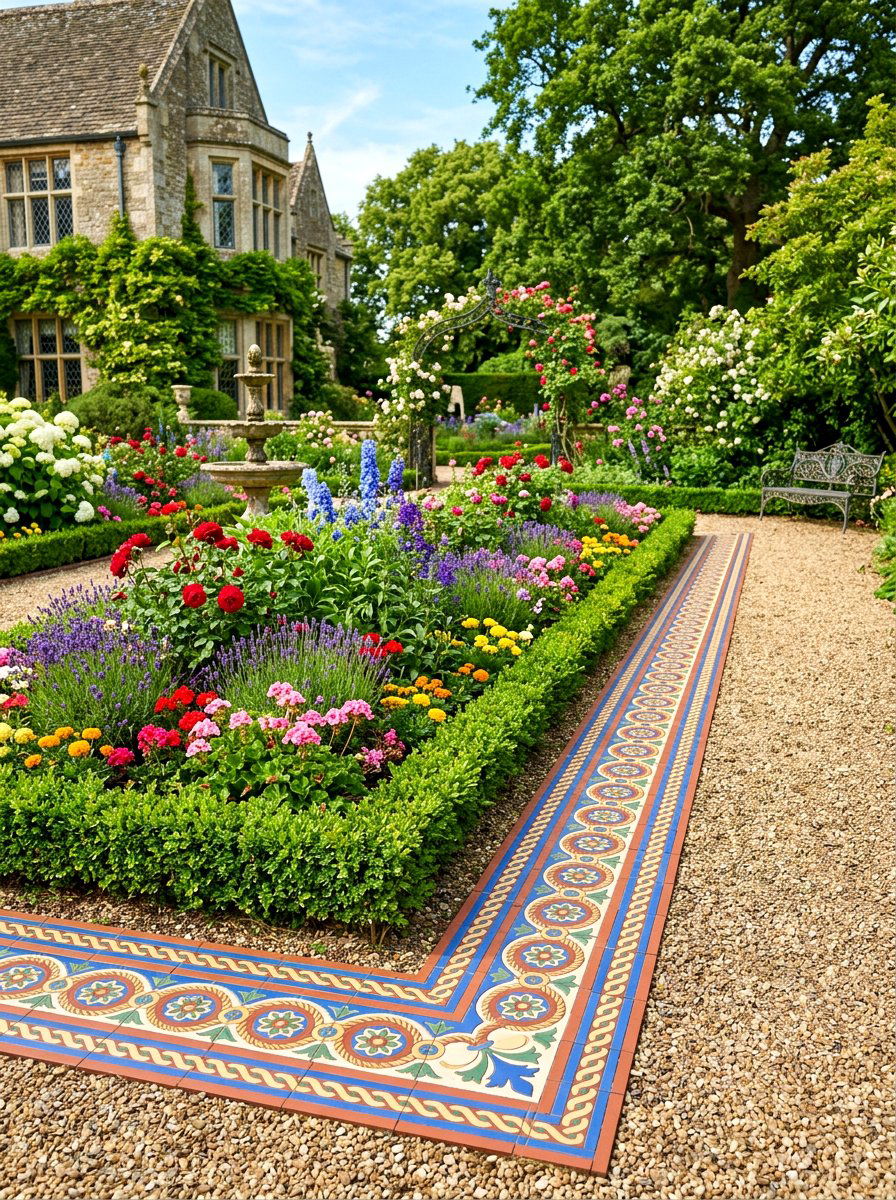
Do you love the ornate and decorative details often found in historic gardens from the late nineteenth century? Victorian tile borders feature classic scalloped or "rope" patterns made from durable fired clay or heavy-duty plastic that mimic traditional masonry. These decorative edges provide a formal and tidy look that is perfect for framing rose gardens or symmetrical flower beds near a home’s entrance. The repeating patterns create a sense of order and elegance that can make even a small garden feel like a grand estate. Choosing a classic terra cotta or dark gray finish will help your garden maintain an air of timeless sophistication and vintage charm.
17. Corrugated Metal Edging
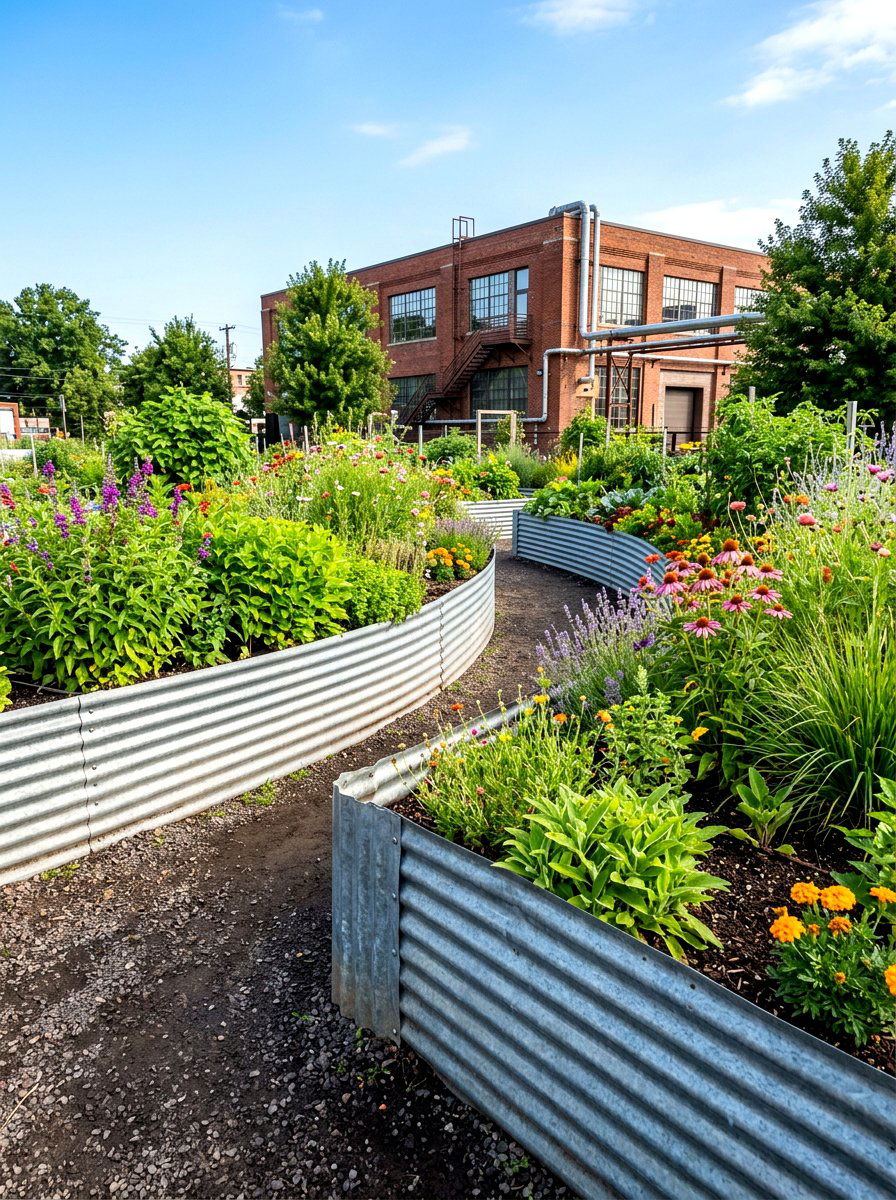
Are you a fan of the modern industrial look that combines raw materials with lush, green planting schemes? Corrugated metal edging uses galvanized or weathered steel panels to create a bold and textured border that is perfect for urban gardens. The undulating ridges of the metal add a unique visual rhythm and reflect light in interesting ways throughout the day. This material is incredibly strong and can easily be used to create raised garden beds or deep borders that sit high above the lawn. When paired with reclaimed wood or dark gravel, corrugated metal creates a high-contrast and edgy design that is both stylish and very practical for drainage.
18. Flagstone Path Border
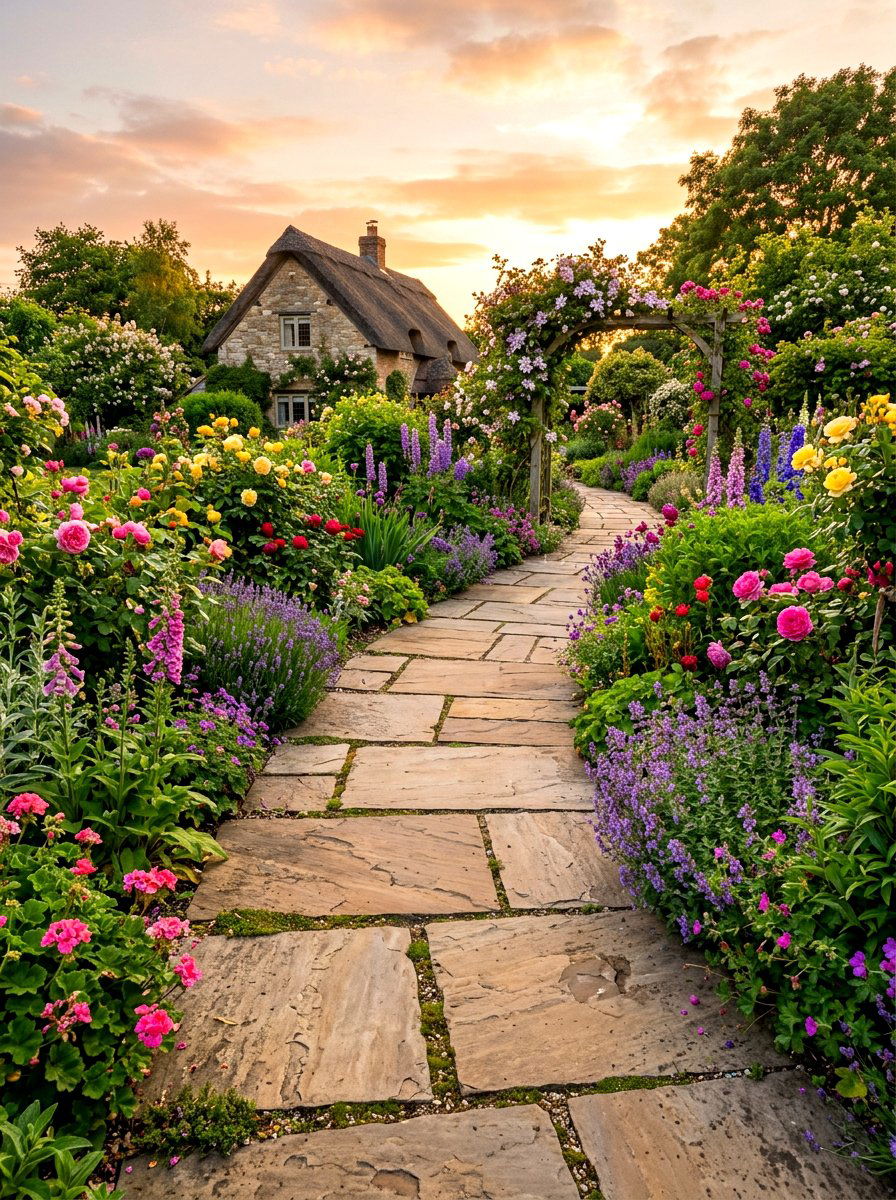
Have you ever wanted to create a seamless transition between your walking paths and your vibrant flower displays? A flagstone path border uses large, flat pieces of natural stone to bridge the gap between hardscape and softscape areas. By laying flagstones along the edge of your beds, you create a wide and stable surface that makes it easy to stand or kneel while tending to your plants. This type of edging provides a very natural and relaxed look that is perfect for cottage gardens or woodland retreats. You can fill the small gaps between the stones with moss or low-growing groundcover like creeping thyme to soften the overall appearance.
19. Cinder Block Edging
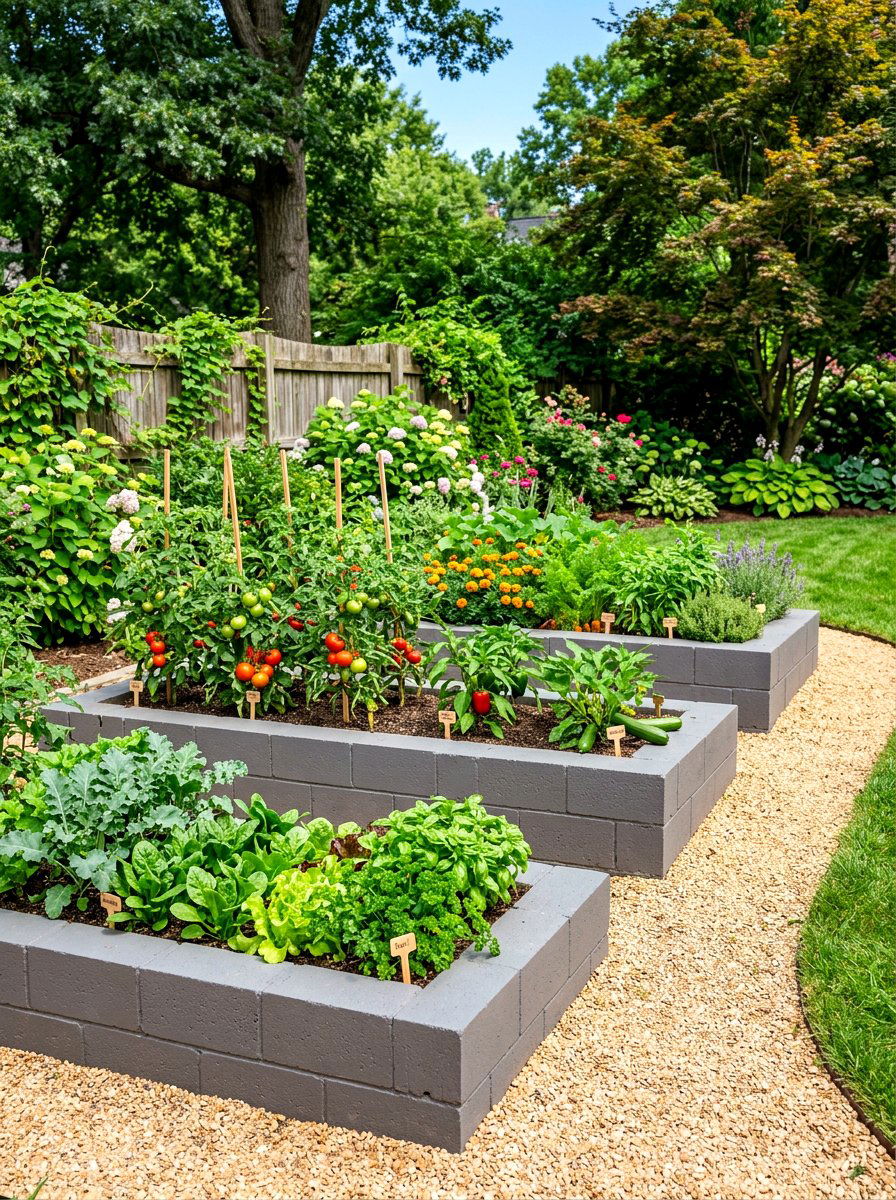
Are you looking for an extremely versatile and inexpensive material that allows you to get creative with your garden layout? Cinder block edging is a fantastic DIY option because these heavy blocks can be arranged in countless configurations to create raised beds or tiered borders. You can even use the hollow centers of the blocks as miniature planters for succulents, herbs, or small annual flowers, effectively doubling your planting space. To give them a more polished look, many homeowners paint the blocks in vibrant colors or apply a thin layer of stucco or stone veneer to the exterior. This is a sturdy and functional choice for any large project.
20. Recycled Glass Border
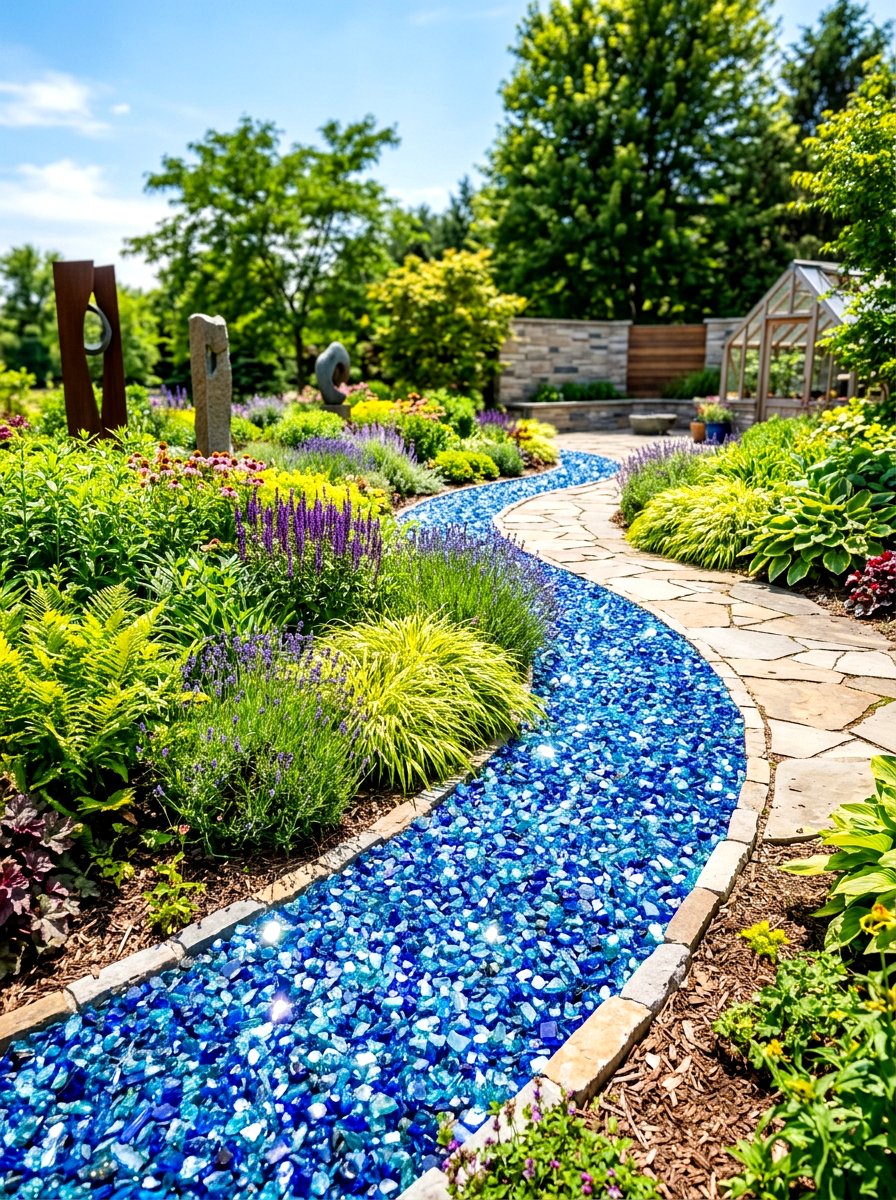
Would you like to add a brilliant splash of color and a unique shimmer to your garden using eco-friendly materials? A recycled glass border uses tumbled glass cullet, which has no sharp edges, to create a glowing boundary that looks like a trail of gemstones. This material is perfect for modern landscapes where you want to introduce a vibrant pop of blue, green, or amber that won 't fade in the sun. Glass is an excellent mulch alternative because it doesn' t decompose and helps suppress weeds while allowing water to reach the soil. When sunlight hits the glass, it creates a magical sparkling effect that truly brings your garden to life.
21. Living Plant Border
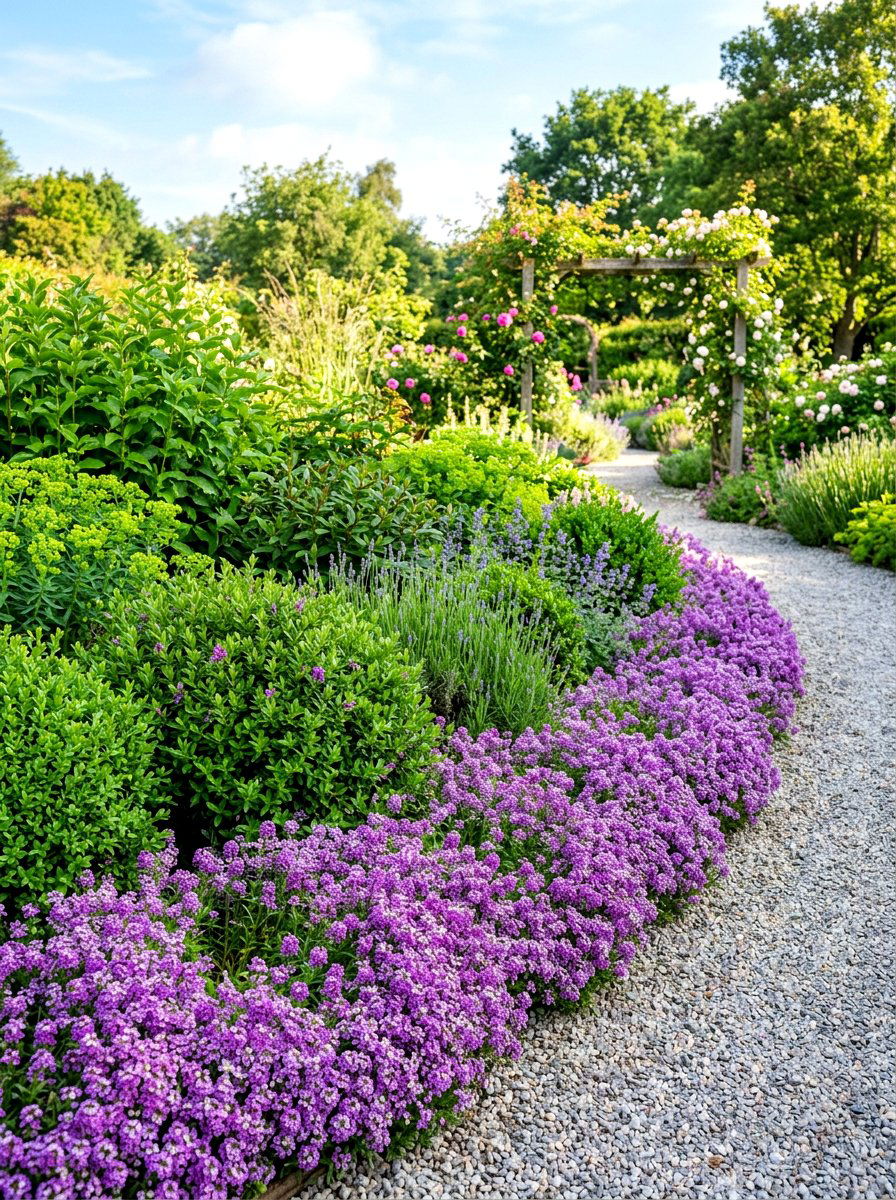
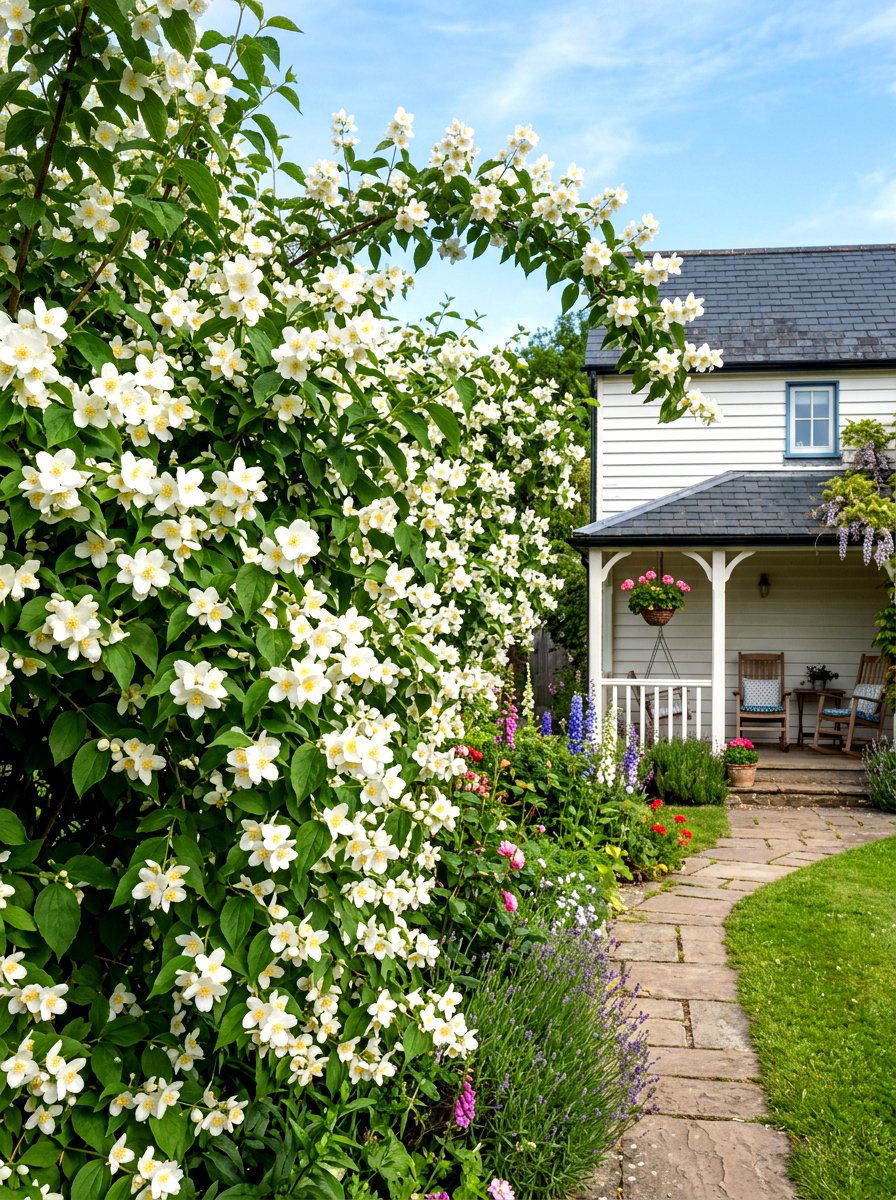
Have you considered using nature itself to define the boundaries of your flower beds for a soft and romantic look? A living plant border involves using low-growing, compact plants like boxwood, lavender, or ornamental grasses to create a soft green edge. This "softscaping" approach blends the border directly into the landscape, making the transitions feel more natural and integrated. Plants like silver-leafed dusty miller or purple alyssum provide beautiful color contrasts that can highlight the taller flowers behind them. While living borders require regular trimming and care to maintain their shape, the lush and fragrant result is well worth the effort for a truly classic garden aesthetic.
22. Gravel Trench Border
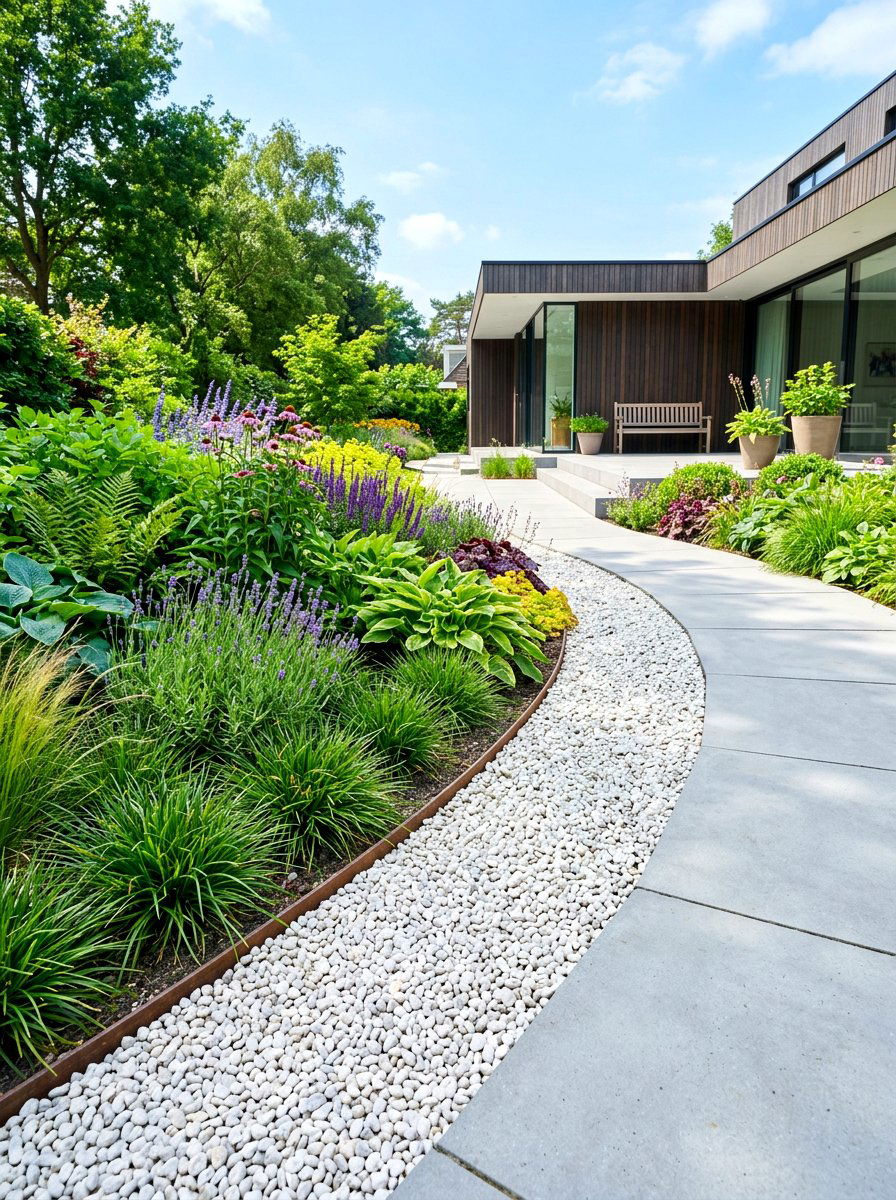
Are you searching for a minimalist and highly effective way to manage drainage while keeping your lawn edges crisp? A gravel trench border involves digging a shallow channel along the edge of your flower bed and filling it with small decorative pebbles or crushed stone. This creates a "dry moat" that stops grass roots from crossing over while allowing excess rainwater to seep quickly into the ground. It is an excellent choice for modern gardens that favor clean lines and low-maintenance solutions. You can choose from a variety of gravel colors, such as white marble or local pea gravel, to complement the rest of your home’s exterior design.
23. Railroad Tie Edging
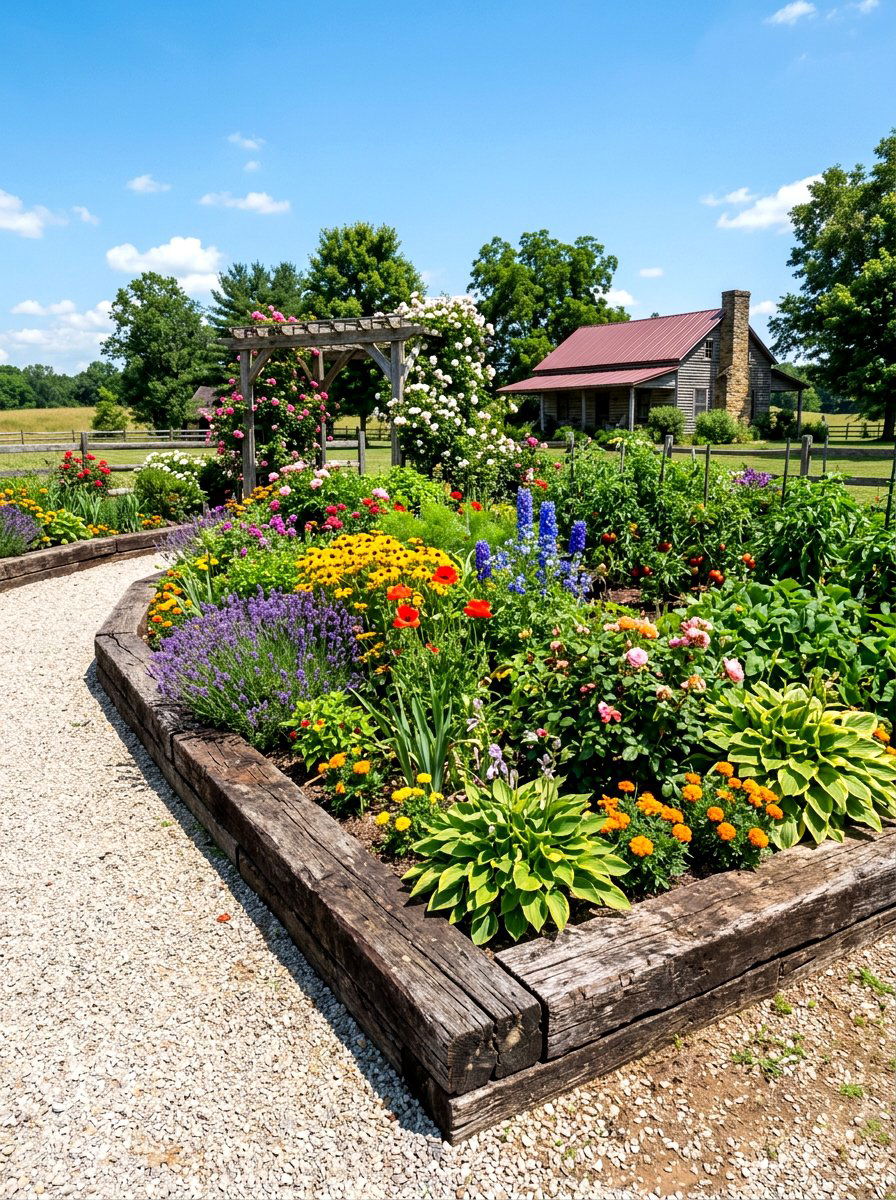
Do you want a heavy-duty and masculine look for your garden that provides a strong sense of structure and height? Railroad tie edging uses thick, reclaimed timbers to create substantial borders that are perfect for framing large vegetable gardens or terraced hillsides. These massive pieces of wood stay in place due to their sheer weight and provide a rustic, weathered look that feels very grounded. Because many old ties are treated with chemicals, it is important to use new, untreated timbers or "eco-friendly" alternatives if you are planting edible crops. Their large flat surfaces even provide a convenient place to sit while you enjoy the fruits of your labor.
24. Rope Garden Border
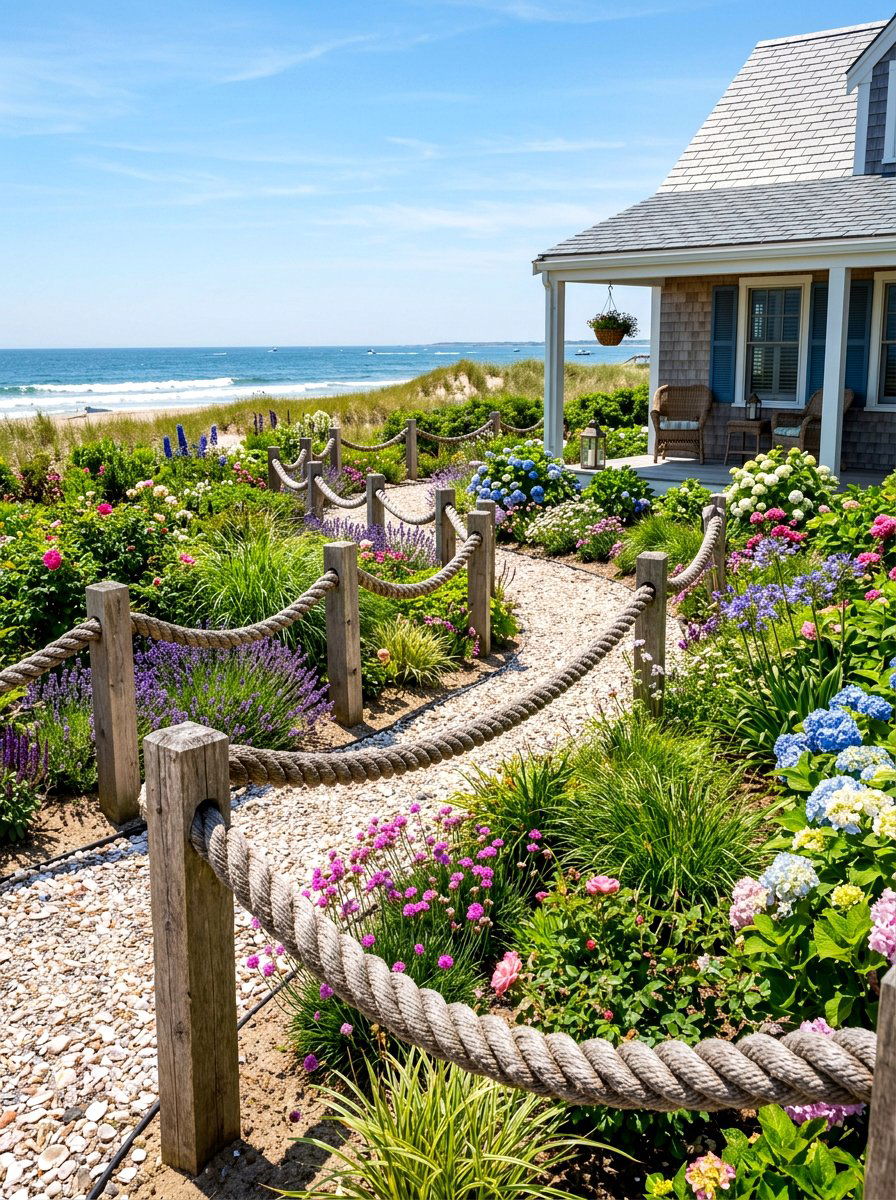
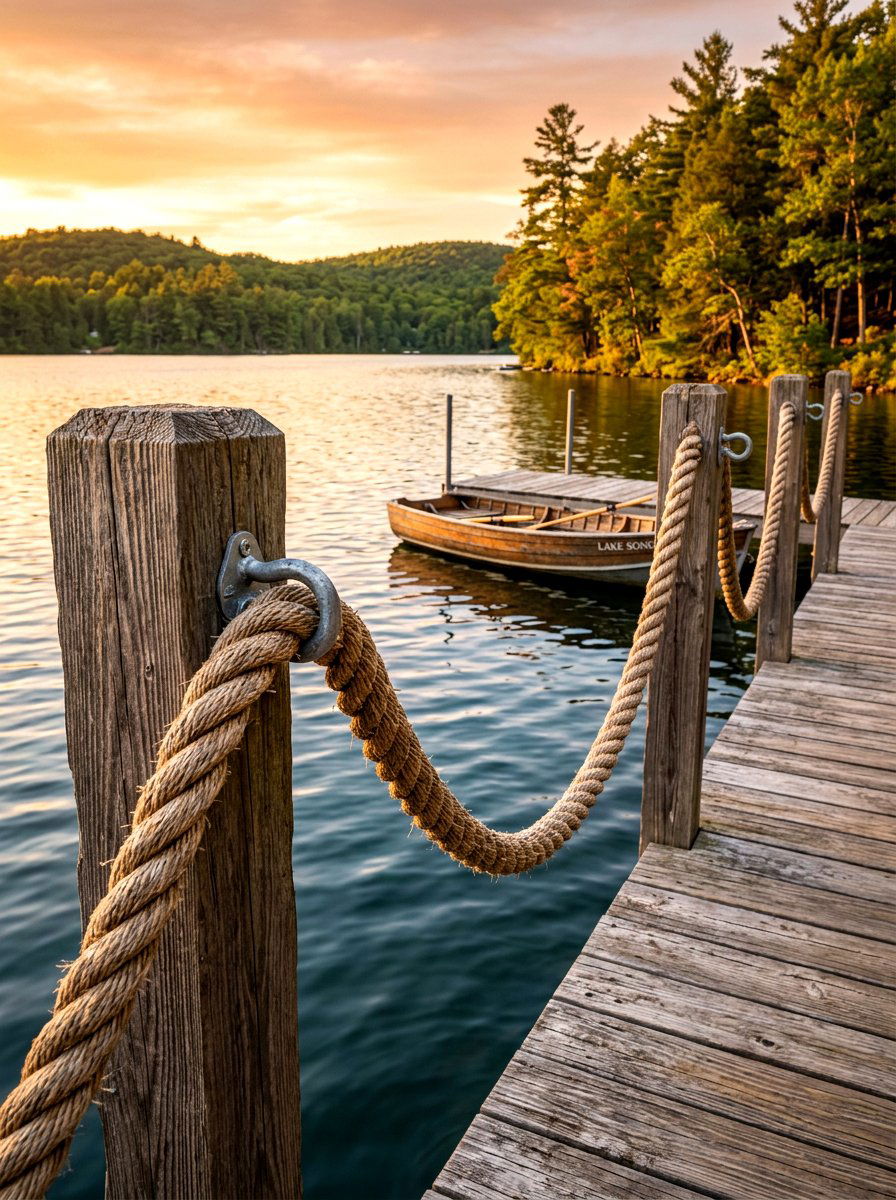
Have you ever dreamed of a coastal or nautical-themed backyard that feels like a permanent vacation at the beach? A rope garden border is a creative and inexpensive way to add a maritime touch to your landscape using thick manila or sisal rope. By looping the rope through low wooden posts or simply laying it along the ground, you can create a soft and decorative boundary that looks wonderful next to sandy paths or ornamental grasses. This type of edging is purely aesthetic and works best in areas where you want to define a space without creating a hard physical barrier. It adds a wonderful texture and a relaxed, breezy vibe.
25. Seashell Garden Edging
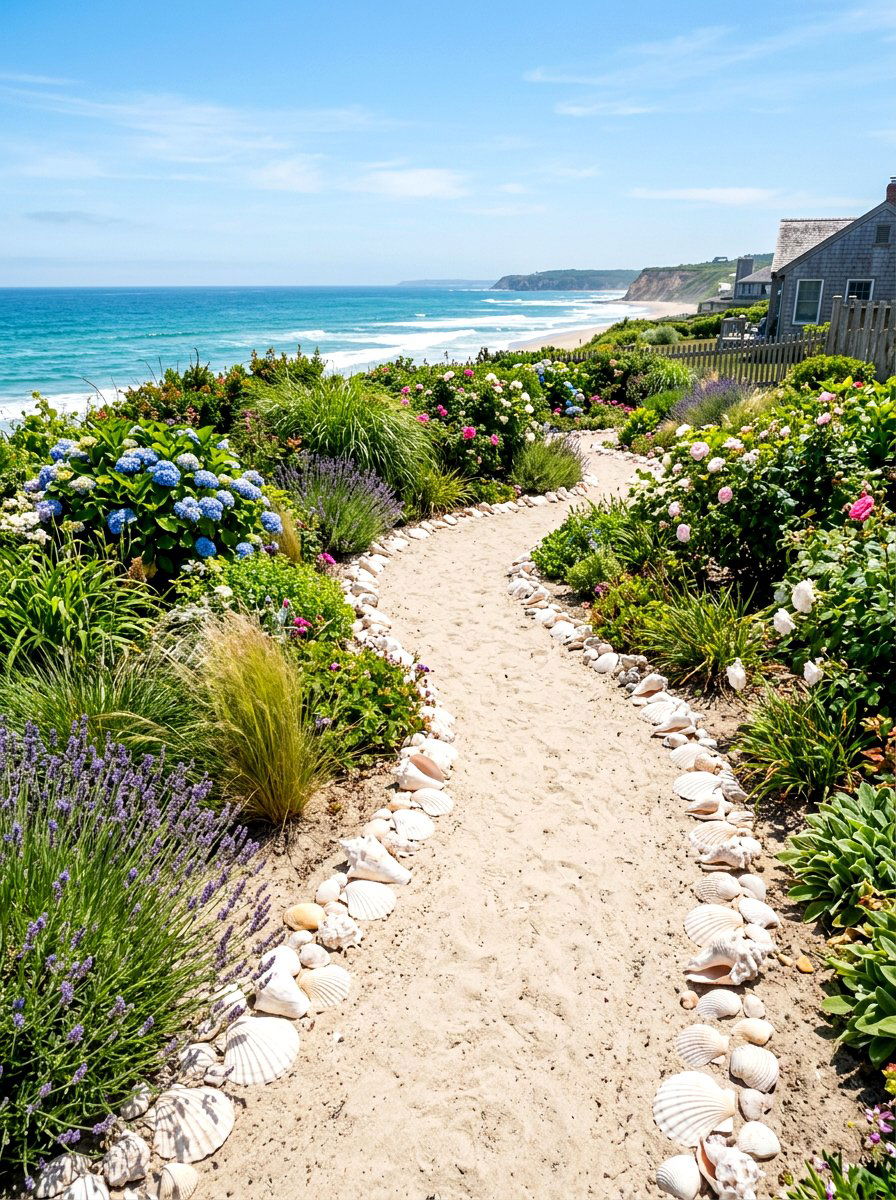
Would you like to bring the calming beauty of the seashore directly to your inland flower beds this summer? Seashell garden edging uses large shells like conchs, scallops, or crushed oyster shells to create a bright and unique border that catches the light beautifully. This is a fantastic way to display a collection of shells found during beach trips, adding a personal and sentimental touch to your outdoor space. The white and iridescent tones of the shells provide a stunning contrast against dark mulch and deep green foliage. Over time, the shells slowly break down and add beneficial calcium to the soil, helping your plants grow even stronger.
26. Granite Curb Border
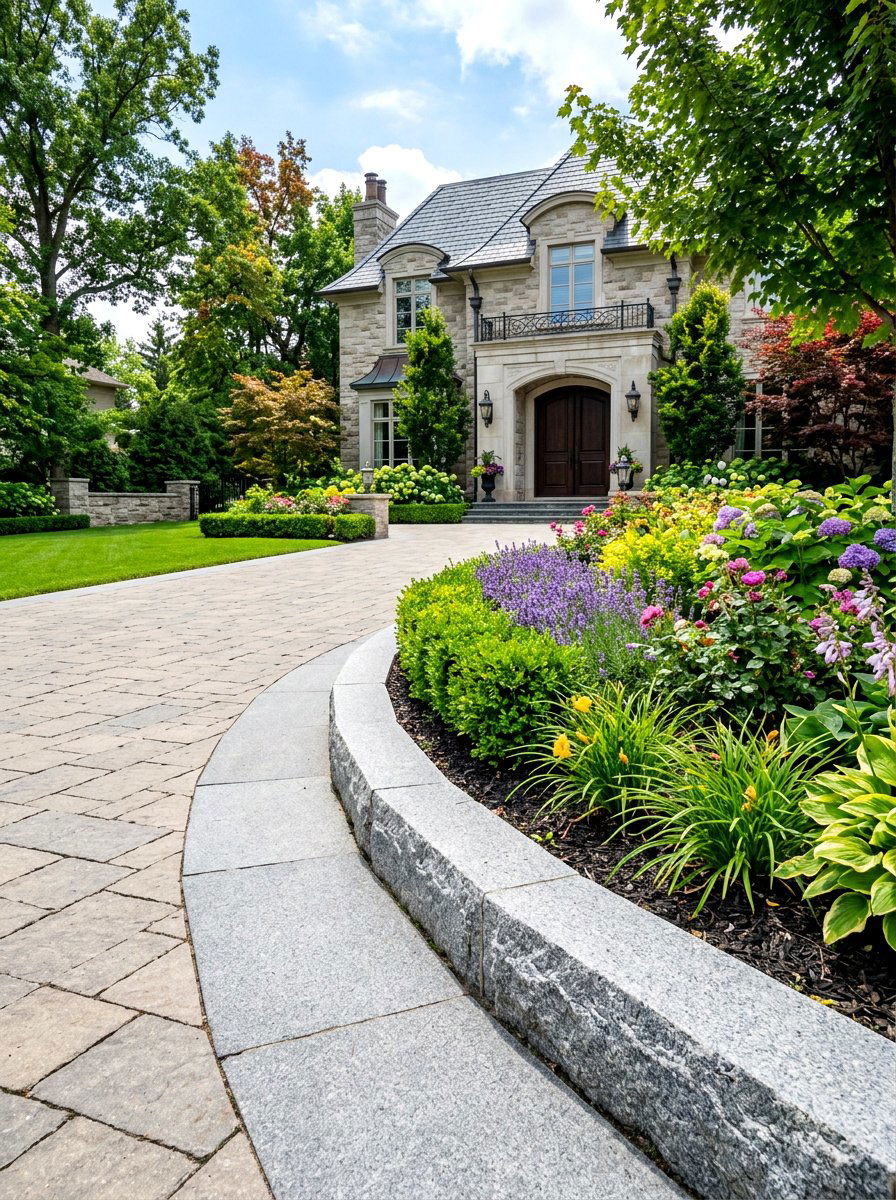
Are you looking for the ultimate in durability and high-end elegance to frame your driveway or front yard gardens? Granite curb borders are made from solid blocks of natural granite, offering a clean and polished look that is practically indestructible. This material is often used in luxury landscaping because of its consistent color and ability to withstand heavy impacts from lawnmowers or vehicles. Granite comes in various shades of gray, pink, and white, allowing you to choose a tone that perfectly matches your home’s architectural features. While it requires a bit more effort to install due to its weight, a granite border will never rot, rust, or shift.
27. Painted Stone Edging
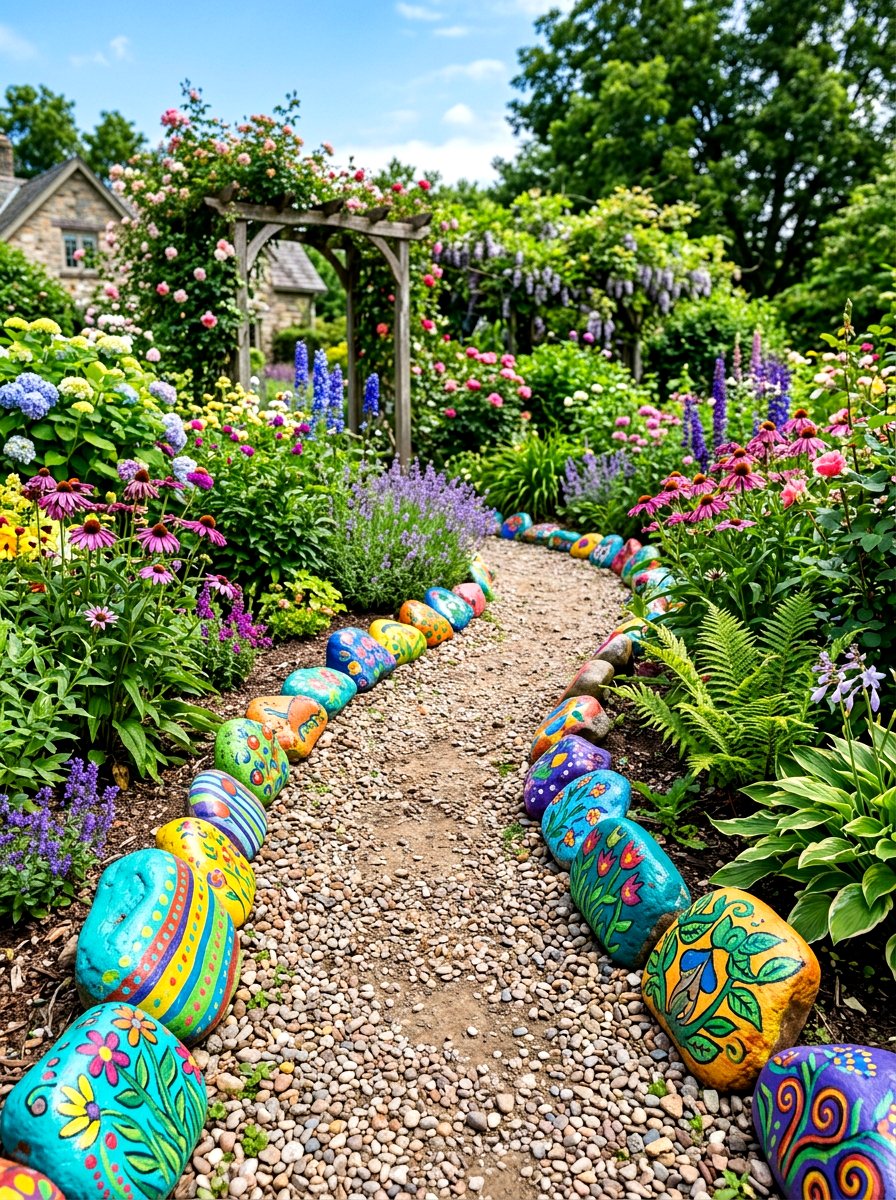
Have you ever wanted to add a playful and artistic touch to your backyard using a simple DIY craft project? Painted stone edging allows you to customize your garden border with vibrant colors, patterns, or even inspiring words written on smooth river rocks. This is a wonderful activity to do with children, as they can help decorate the stones that will eventually line your flower beds. You can choose a single bold color for a modern look or a rainbow of shades for a whimsical cottage feel. Using outdoor-safe acrylic paints and a clear sealant will ensure that your custom designs remain bright and beautiful through sun and rain.
28. Scalloped Plastic Border
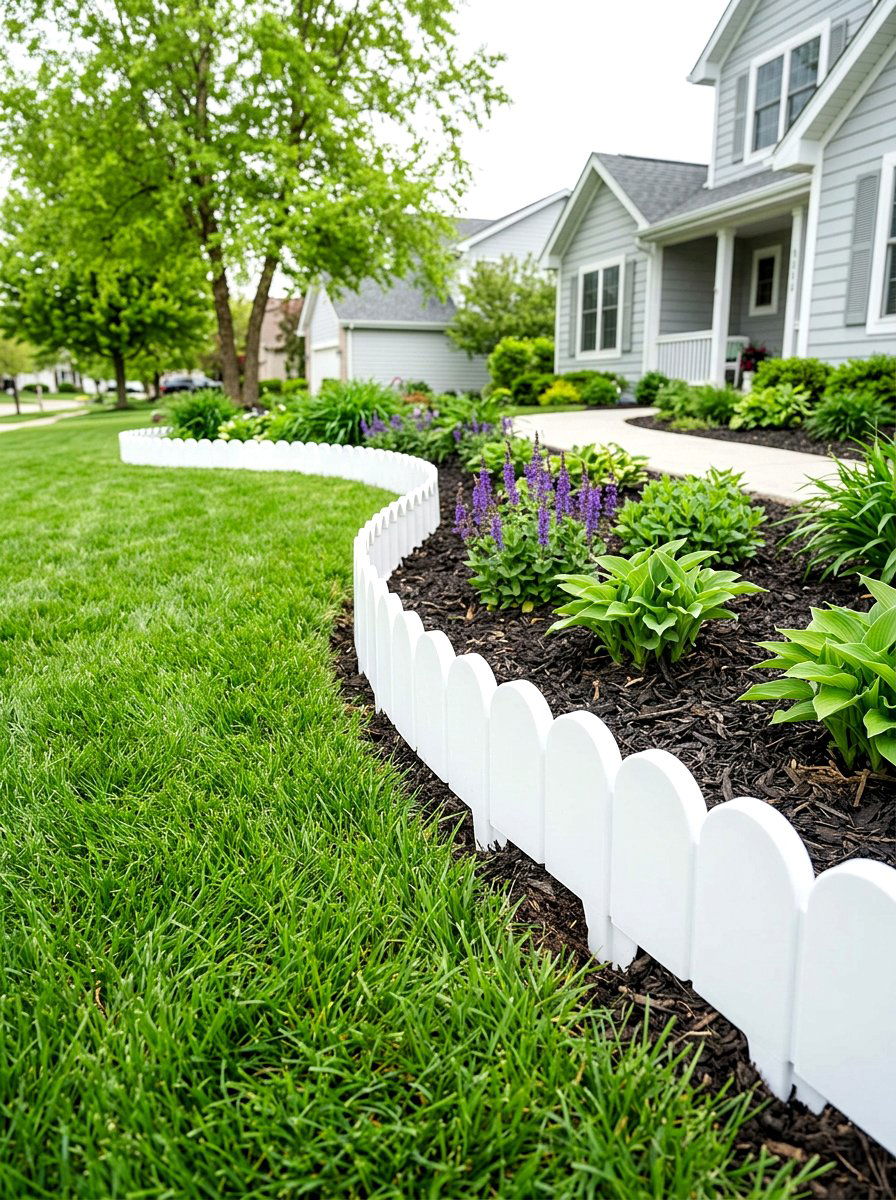
Are you looking for a traditional look that is incredibly easy to maintain and won 't break the bank? Scalloped plastic borders offer the classic appearance of Victorian masonry with the added benefit of being lightweight and easy to install. These interlocking panels simply press into the soil, creating a neat and tidy edge that helps contain mulch and soil. Many versions are made from high-quality, UV-resistant plastic that won' t fade or become brittle in the sun, ensuring they look great for several seasons. This is a practical choice for rental properties or temporary garden beds where you want a finished look without a major permanent investment.
29. Log Slice Edging
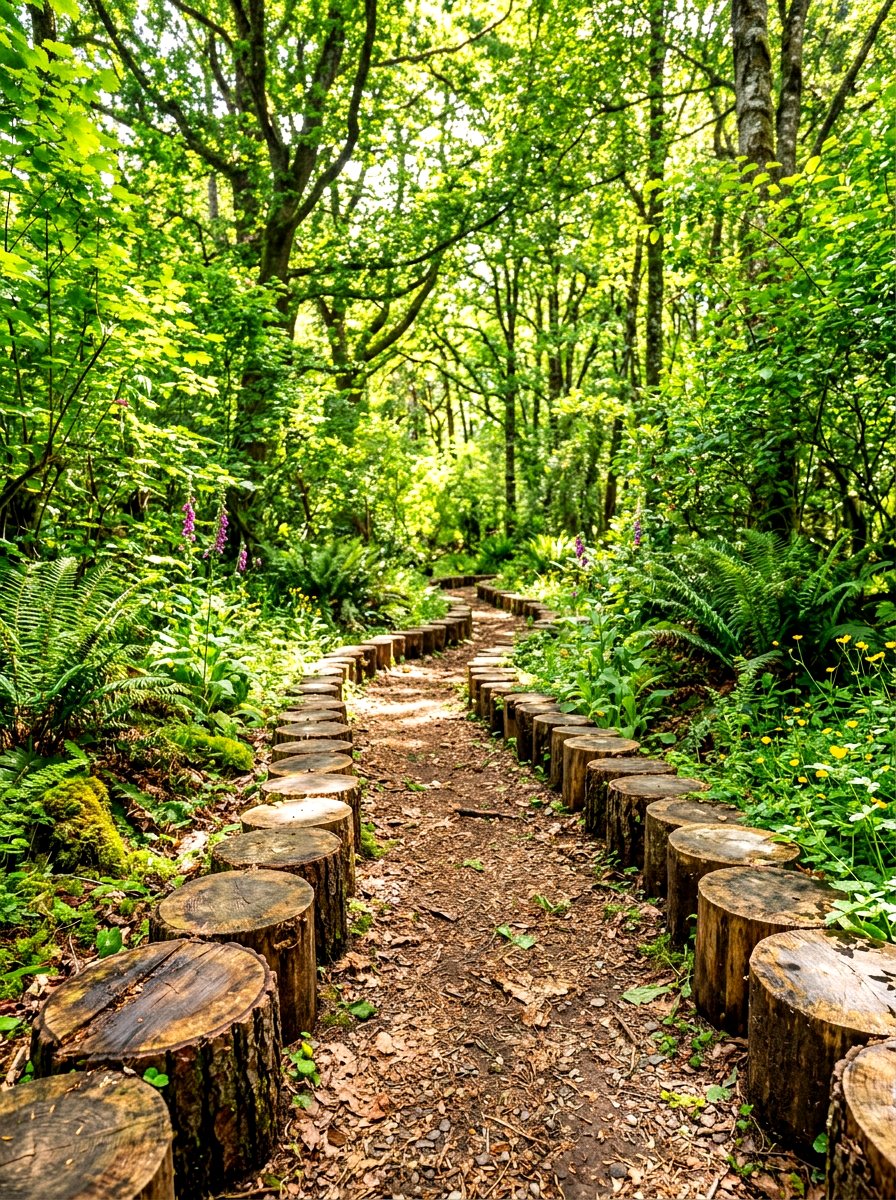
Do you love the look of natural wood grain and want a unique way to use sections of a fallen tree? Log slice edging involves cutting a tree trunk into thin "rounds" or slices and placing them vertically or laying them flat along the garden border. This creates a beautiful "stepping stone" effect or a jagged, rustic fence that highlights the natural beauty of the wood's growth rings. Every piece is unique, adding a wonderful sense of organic variety to your landscape design. When using log slices, it is a good idea to seal them with a wood preservative to help them resist moisture and last longer in the soil.
30. Boxwood Hedge Border
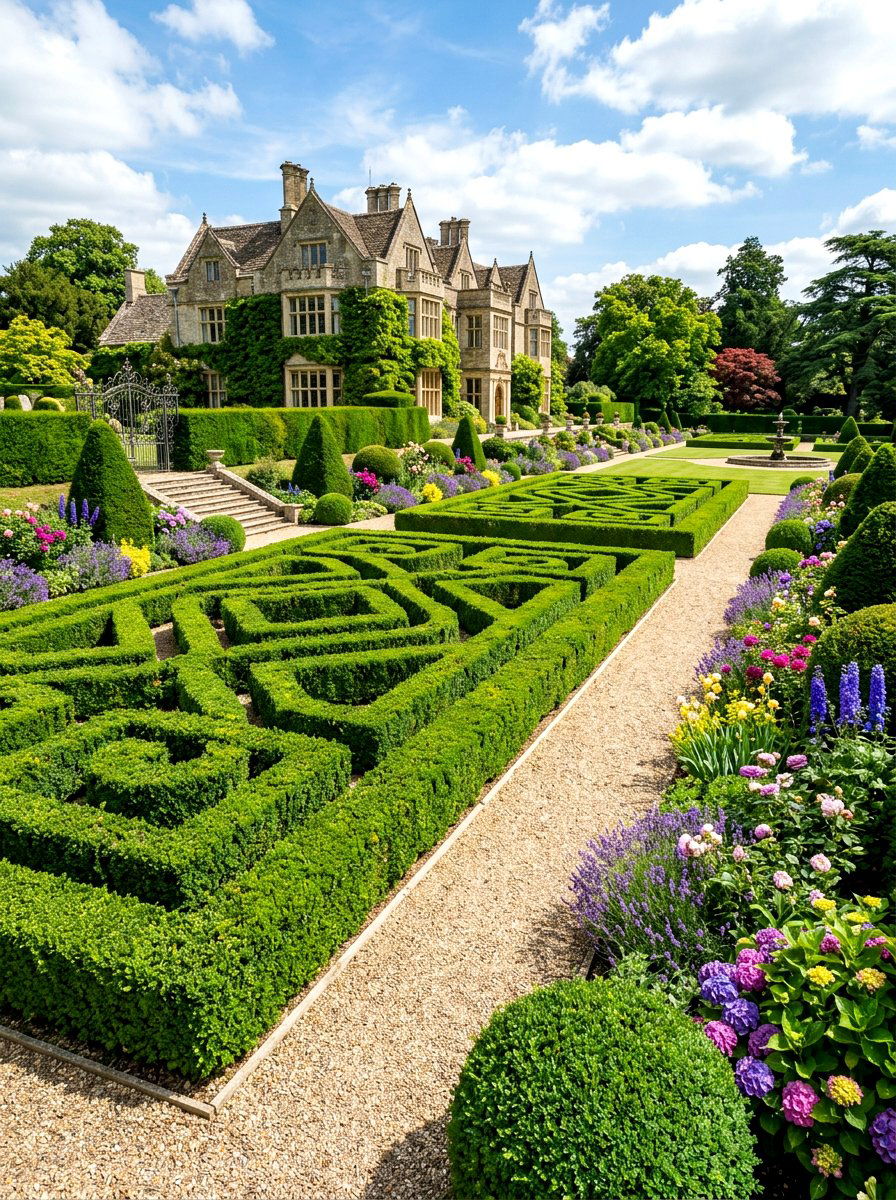
Have you ever admired the perfectly manicured gardens of historic European palaces and wondered how to achieve that look at home? A boxwood hedge border is the gold standard for formal garden design, providing a lush green frame that stays beautiful all year round. These compact evergreen shrubs can be trimmed into tight, geometric shapes to create a structured and sophisticated boundary for your flower beds. Boxwood grows relatively slowly, meaning it only needs a few trims per year to maintain its tidy appearance. This living border provides a classic backdrop that makes the colors of your seasonal flowers look more vibrant and professional than ever before.
Conclusion:
Wrapping up your landscape project with the right finishing touch will make all the difference in your home’s curb appeal this season. Choosing the perfect flower bed edging is about balancing your personal style with the practical needs of your specific garden layout and soil type. Whether you prefer the organic look of natural stone or the sleek lines of modern metal, each option provides a unique way to define your outdoor living space. Proper installation ensures your borders remain functional and beautiful for many years to come while saving you hours of maintenance work. Your garden deserves to look its best, so pick an idea that truly speaks to your vision and enhances your daily enjoyment of your outdoor sanctuary.

Related posts: