Creating a romantic cottage rose border can transform a standard backyard into a breathtaking floral sanctuary that feels both timeless and personal. These landscaping concepts focus on the lush, informal beauty of roses paired with complementary perennials to build a space filled with fragrance and movement. Designing a border requires a thoughtful balance between height, color, and bloom times to ensure your garden remains vibrant throughout the growing season. By integrating structured elements like fences or paths with the soft, sprawling nature of traditional roses, you can achieve an aesthetic that is both organized and whimsically wild. This guide explores various ways to utilize roses to enhance your outdoor living environment effectively.
1. White picket fence roses
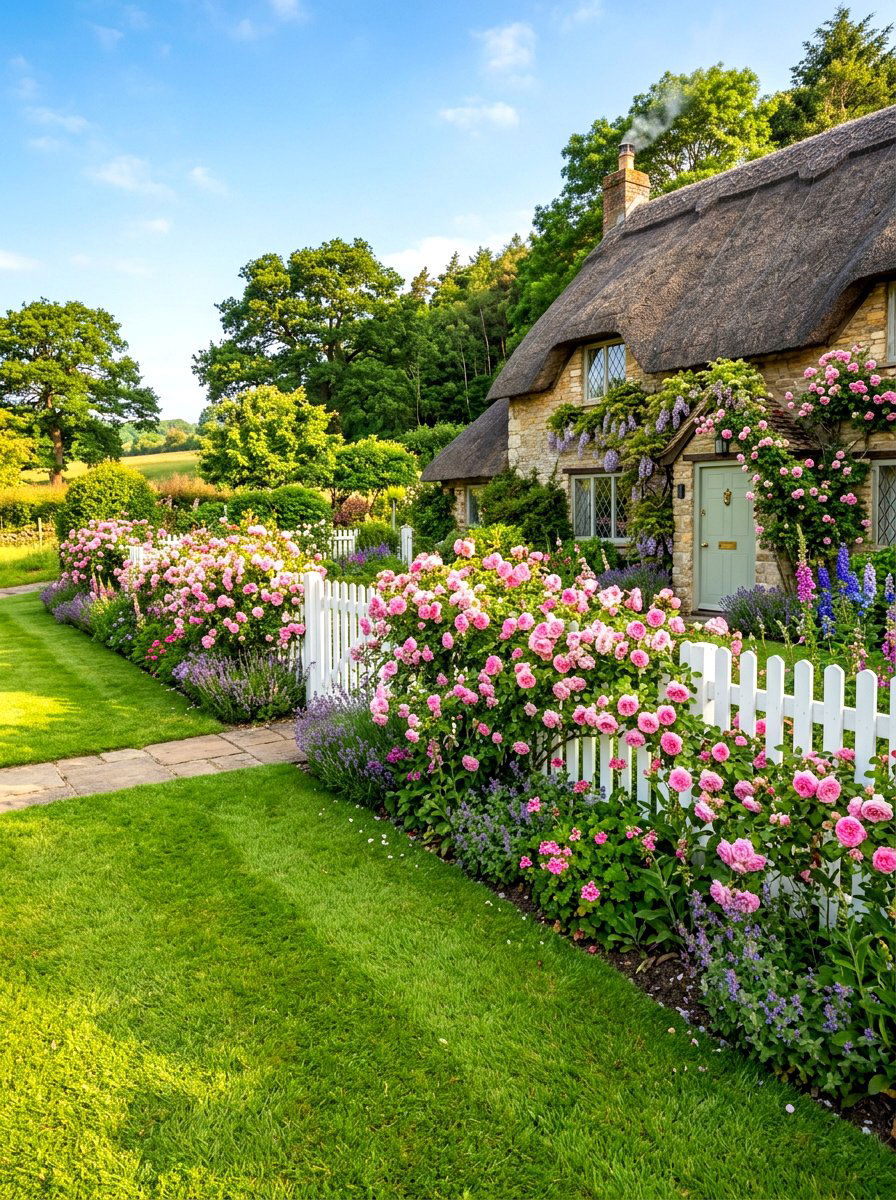
Imagine a classic white picket fence draped in the soft, cascading blooms of climbing roses to create an iconic cottage look. This landscaping approach defines your property line while adding an incredible amount of curb appeal and charm to the front yard. The crisp white of the fence provides a neutral backdrop that makes pink, red, or yellow rose petals pop with vibrant intensity. You should plant repeat-blooming varieties to ensure the fence stays colorful from late spring until the first frost. Incorporating low-growing perennials at the base of the fence helps to hide the woody stems of the roses for a lush, full appearance. This design encourages a nostalgic, welcoming atmosphere for every visitor.
2. Stone path rose border
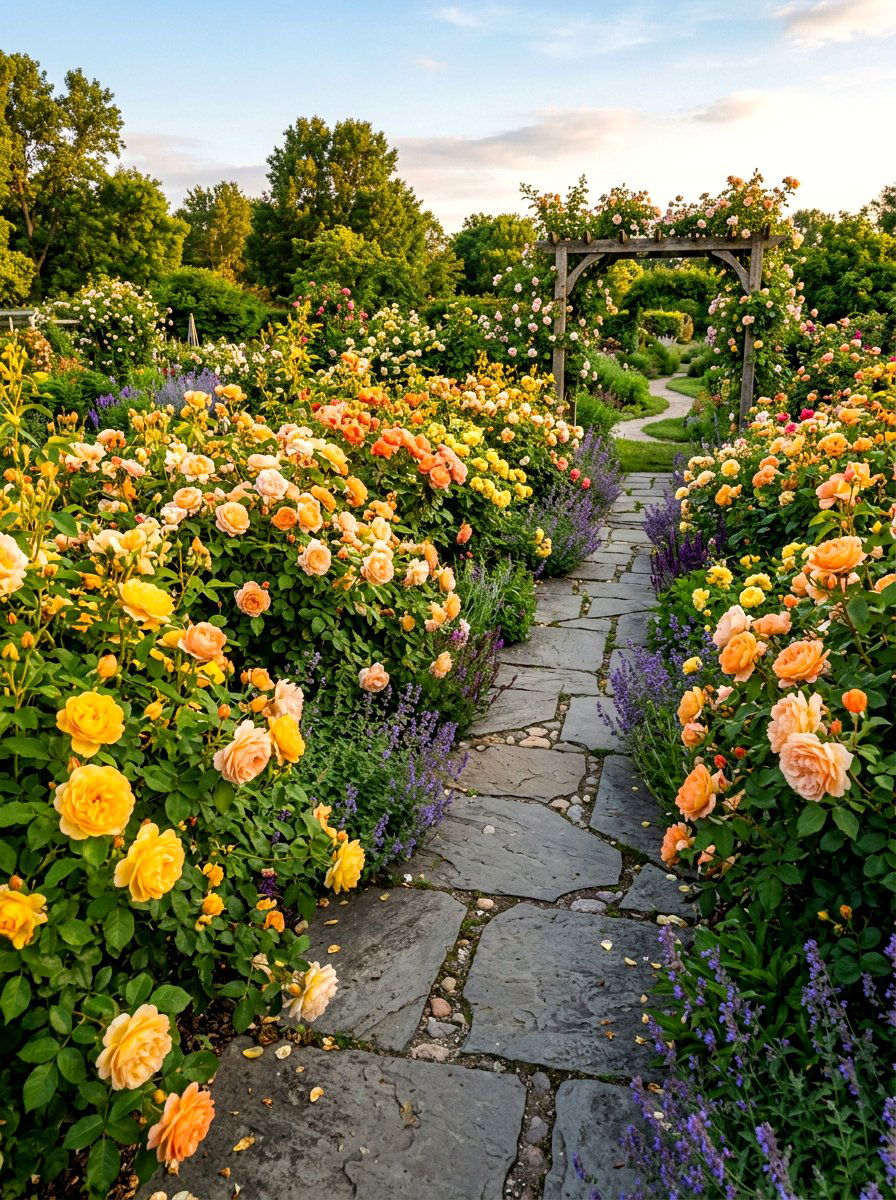
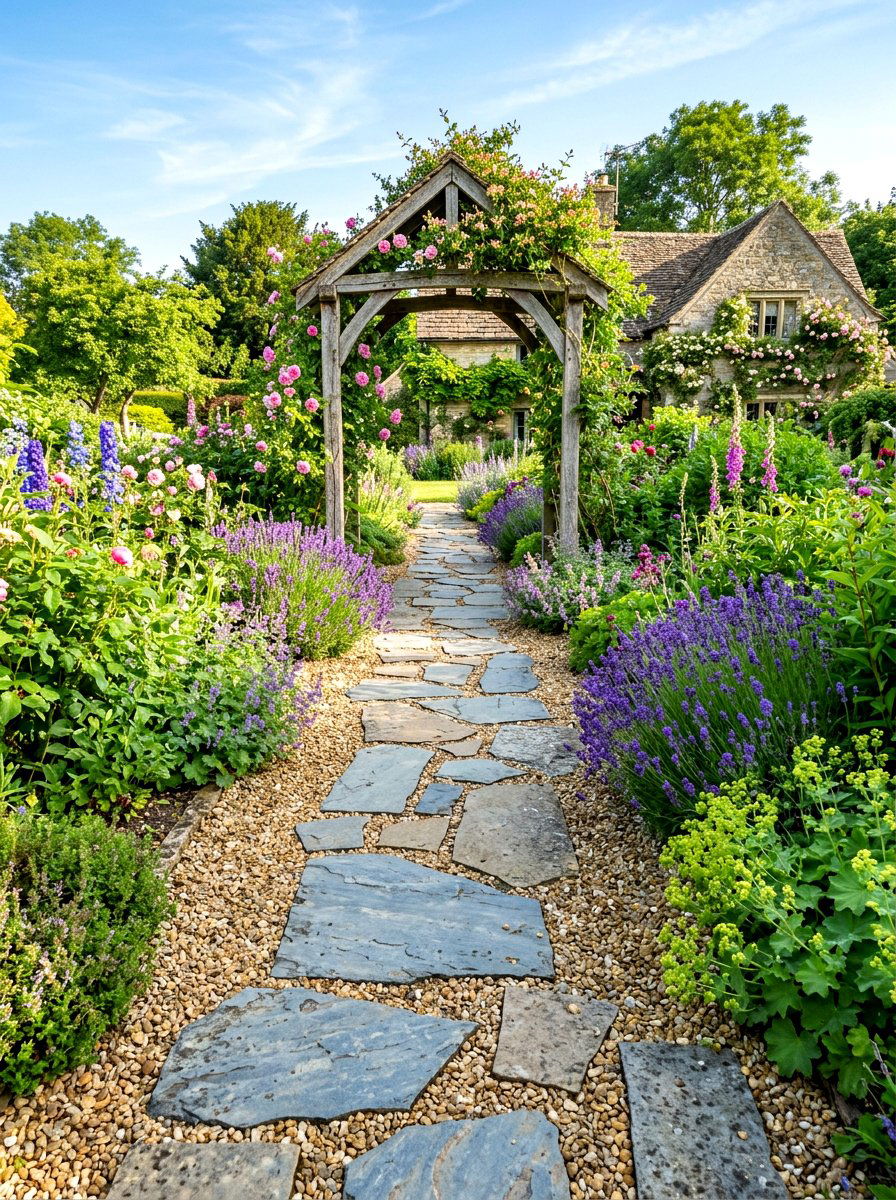
Have you ever considered how a winding stone path can be enhanced by the soft textures of a rose border? Placing a variety of shrub roses along the edges of a natural flagstone walkway creates an immersive experience as you move through the garden. The heavy scent of the flowers is released as you brush past them, making every walk a delight for the senses. You can use different heights of roses to create a layered effect that feels natural and unforced. Adding groundcovers between the stones, like creeping thyme, complements the roses while softening the hard edges of the masonry. This layout guides the eye and the feet through a floral wonderland.
3. Climbing rose trellis garden
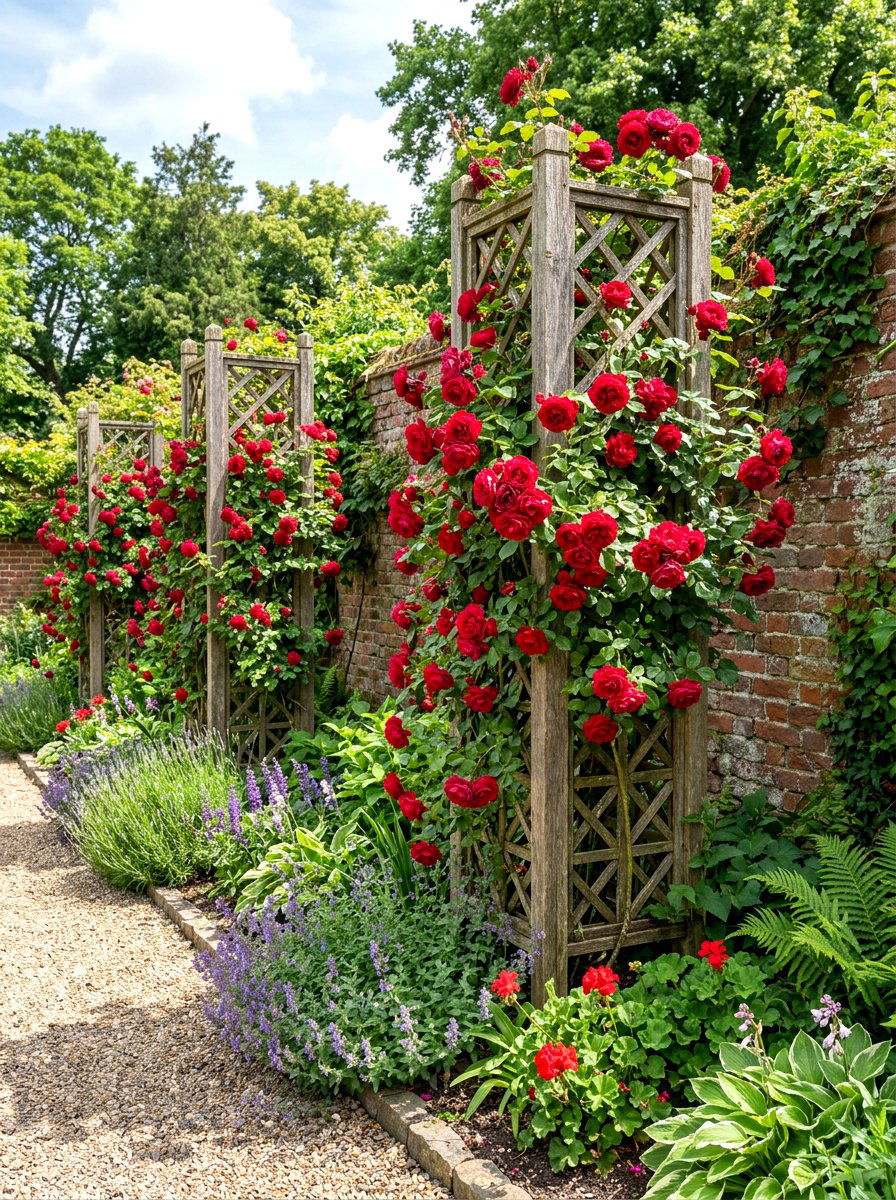
Walking through a garden filled with vertical interest can make even a small outdoor space feel much larger and more magical. By installing sturdy wooden trellises along a border, you provide a framework for climbing roses to reach toward the sky. This vertical element creates a wall of color and fragrance that acts as a natural backdrop for lower-growing plants in the foreground. You might choose a single color for a monochromatic look or mix different varieties for a more eclectic and colorful display. Ensuring the trellis is well-anchored is essential to support the weight of the heavy summer blooms. This arrangement turns a flat wall into a stunning living masterpiece.
4. Mixed perennial rose bed
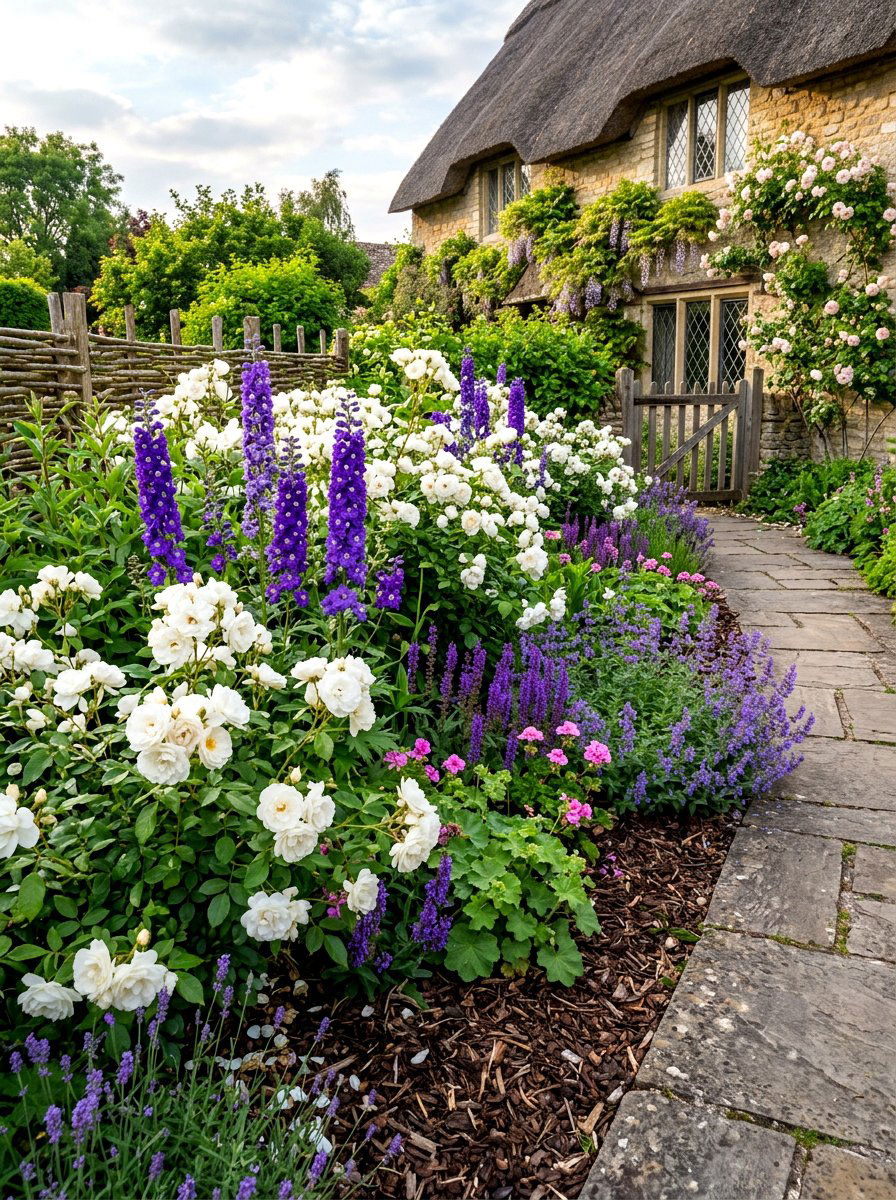
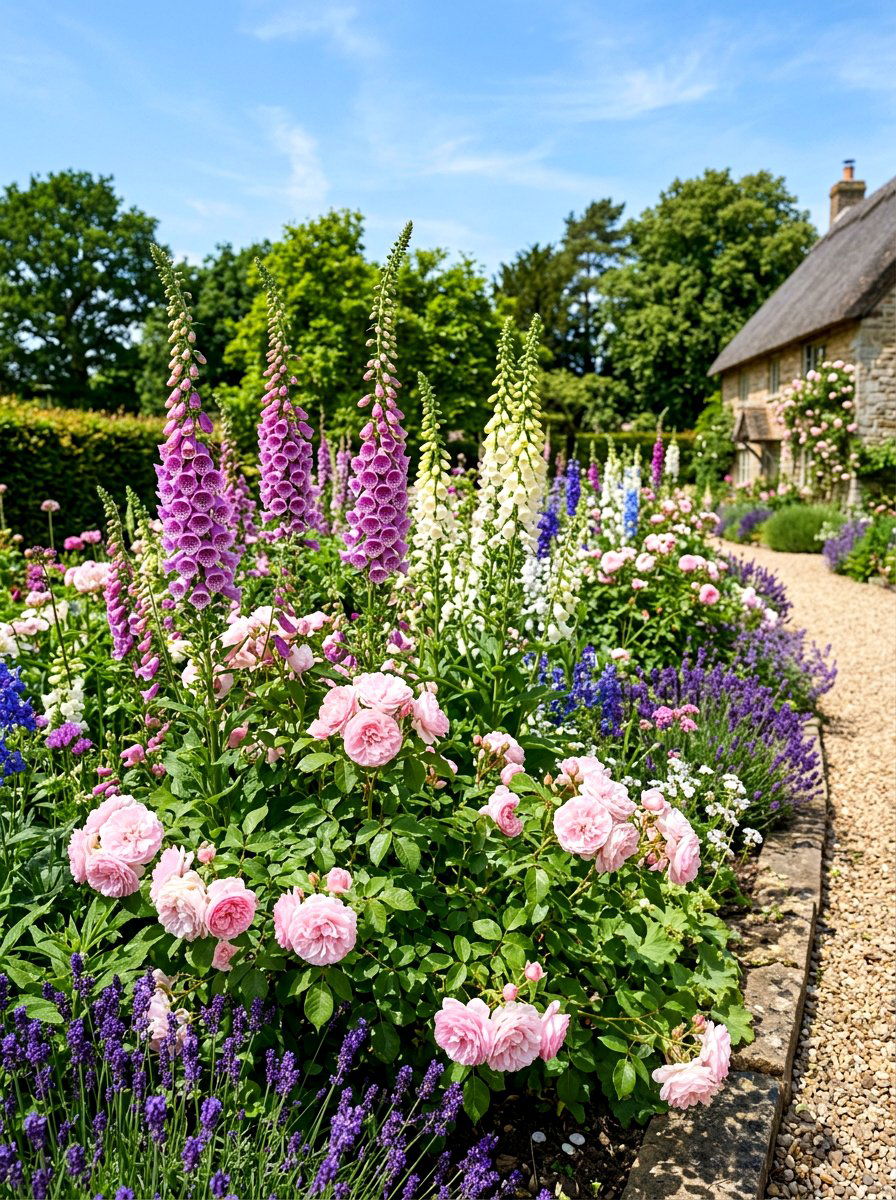
Deep green foliage and a variety of flower shapes can make your rose border feel like a diverse and healthy ecosystem. Integrating roses with traditional cottage perennials like delphiniums, foxgloves, and daisies creates a tapestry of color that changes throughout the months. The different bloom shapes, from spikes to flat heads, provide visual contrast that keeps the garden looking interesting even when the roses are between flowering cycles. This approach to landscaping promotes biodiversity and can help reduce pest issues by attracting beneficial insects to the area. You should aim for a dense planting style to minimize weed growth and create that signature "full" cottage garden look that enthusiasts love.
5. Lavender and rose border
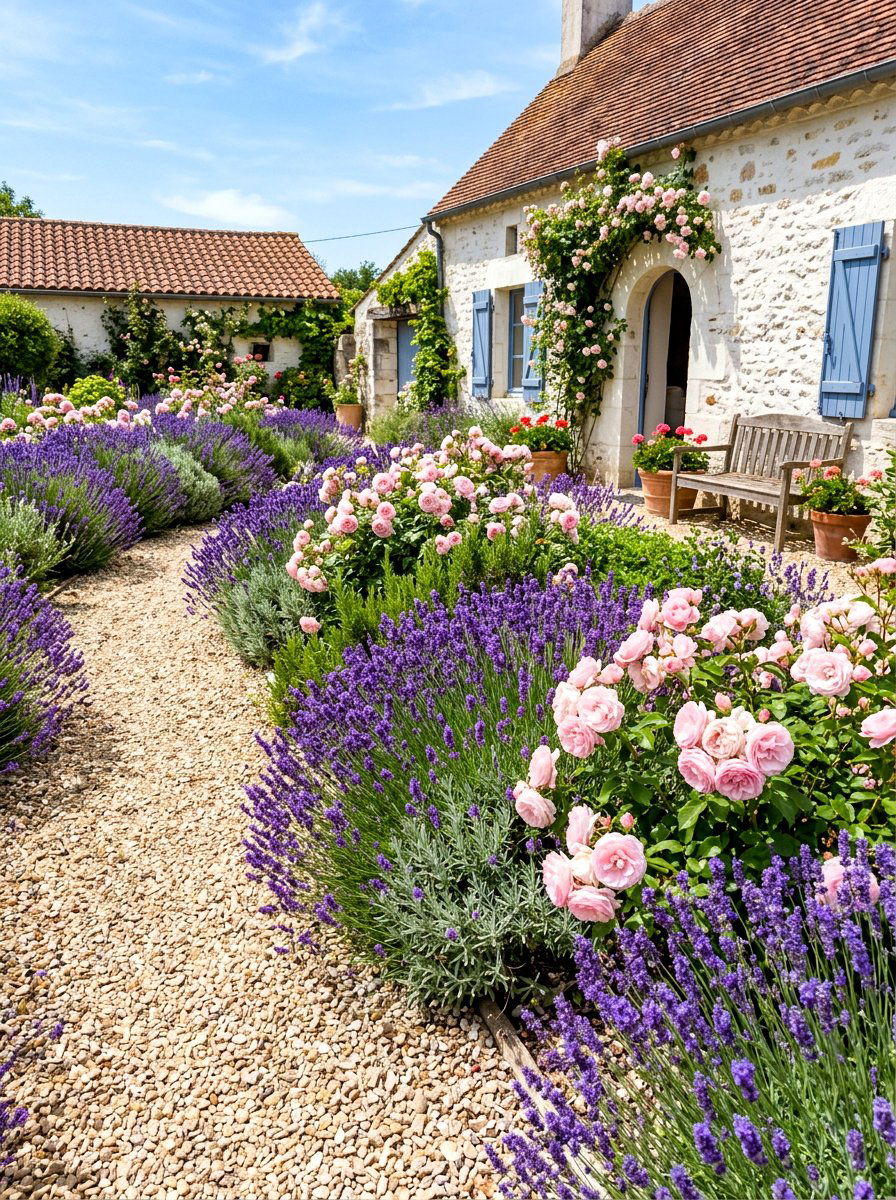
Pairing the silvery foliage of lavender with the romantic blooms of cottage roses creates a sensory masterpiece in your landscape. This classic combination is not only visually stunning due to the contrast in textures but also offers a heavenly fragrance that wafts through the air. The Mediterranean nature of lavender thrives in the sunny conditions that roses love, making them perfect companions in a well-drained garden bed. You can plant the lavender as a low hedge in front of taller rose bushes to create a structured and tidy appearance. This layering technique adds depth to your borders while providing a habitat for beneficial pollinators like bees and butterflies all summer.
6. Front porch rose landscaping
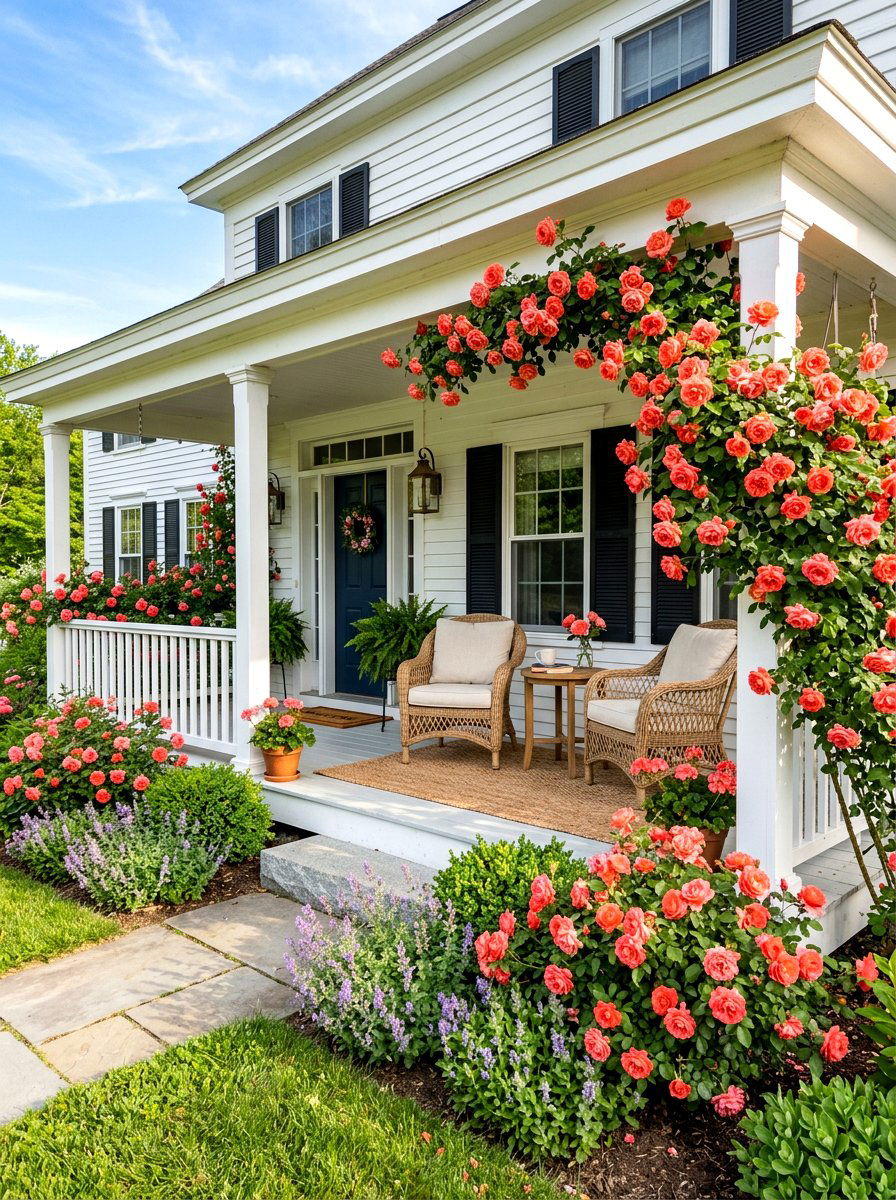
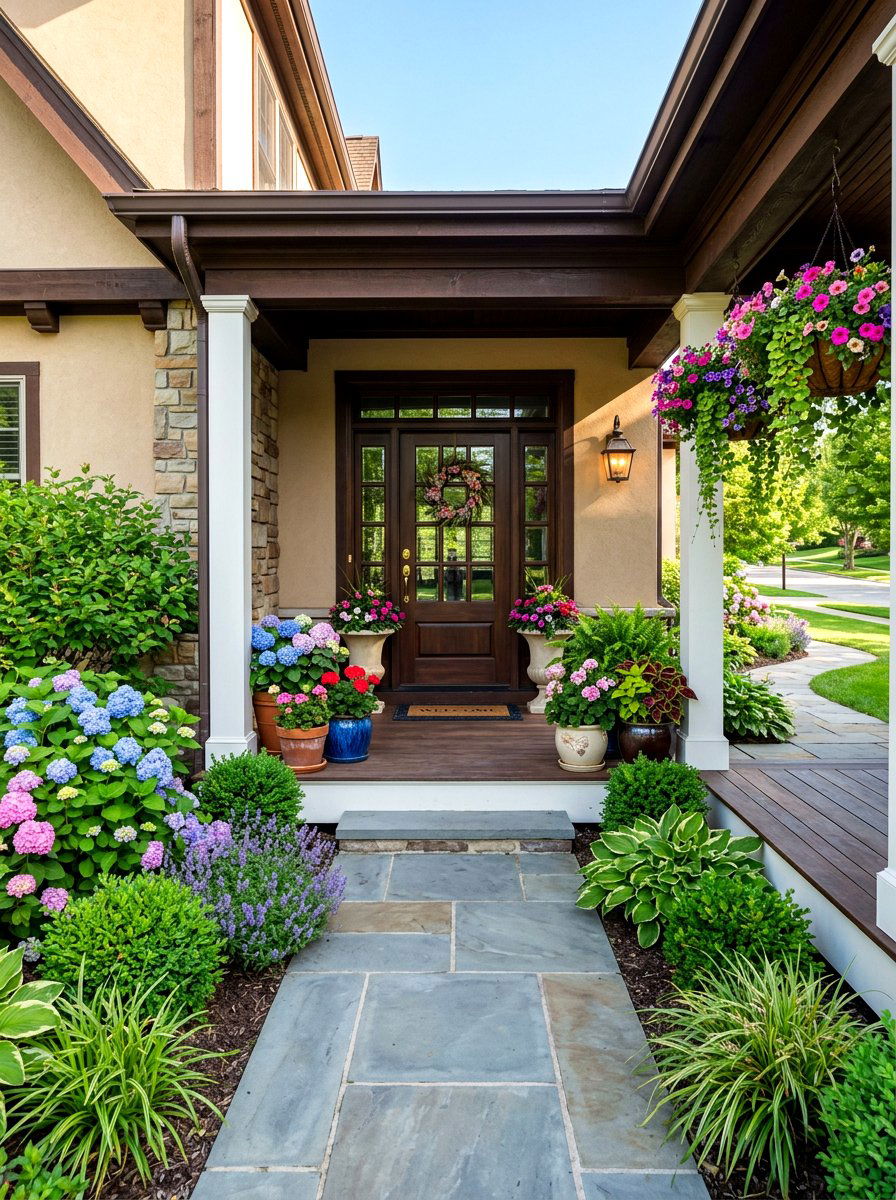
Could there be anything more inviting than a front porch framed by the soft petals of fragrant cottage roses? Planting a border of roses directly in front of your porch or veranda creates a beautiful transition between your home and the lawn. This placement allows you to enjoy the beauty and scent of the flowers from both inside the house and while sitting outdoors. Choose compact shrub roses or grandifloras that won't overgrow the porch railings but will provide enough height to create a cozy, enclosed feeling. Complementing the roses with soft ornamental grasses adds a modern touch to the traditional cottage aesthetic while providing gentle movement in the breeze.
7. Gravel walkway rose edge
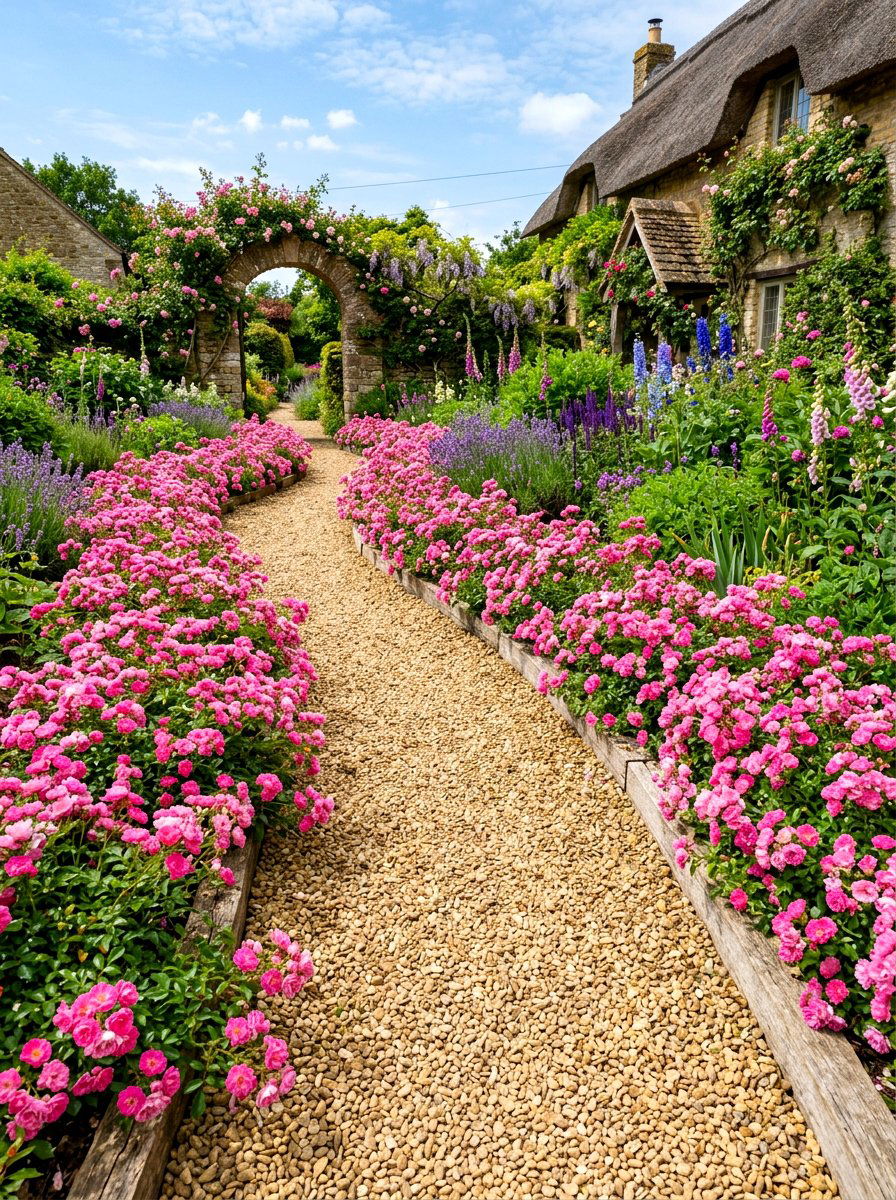
A gravel path offers a rustic and crunching sound underfoot that pairs beautifully with the informal structure of a rose border. By lining the edges of a pea gravel walkway with low-maintenance shrub roses, you create a defined path that feels grounded and intentional. The neutral tones of the gravel allow the vibrant colors of the roses to stand out as the primary focal point of the landscape. Using a hidden metal or plastic edging helps keep the gravel in place while allowing the roses to spill slightly over the edge for a relaxed look. This style is particularly effective in side yards or smaller garden "rooms" where simplicity is valued.
8. Boxwood hedge rose garden
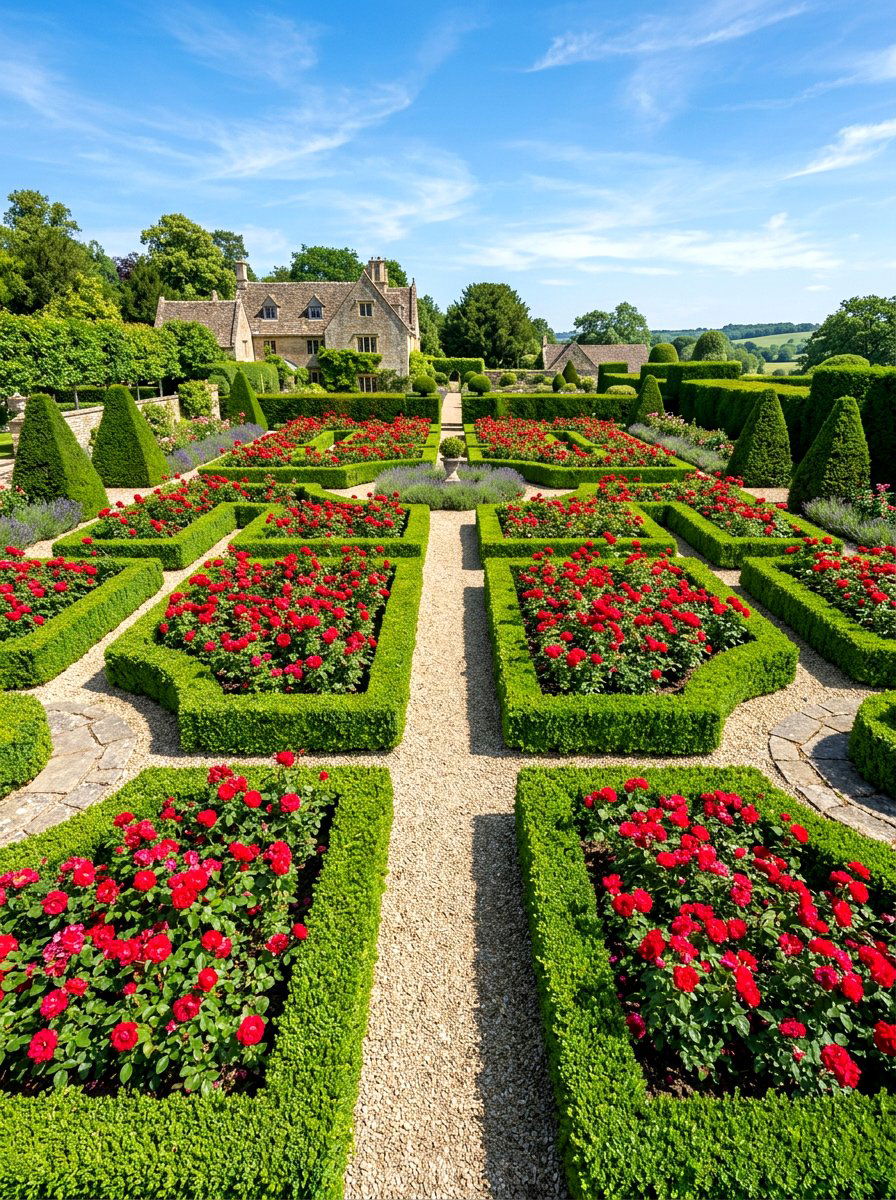
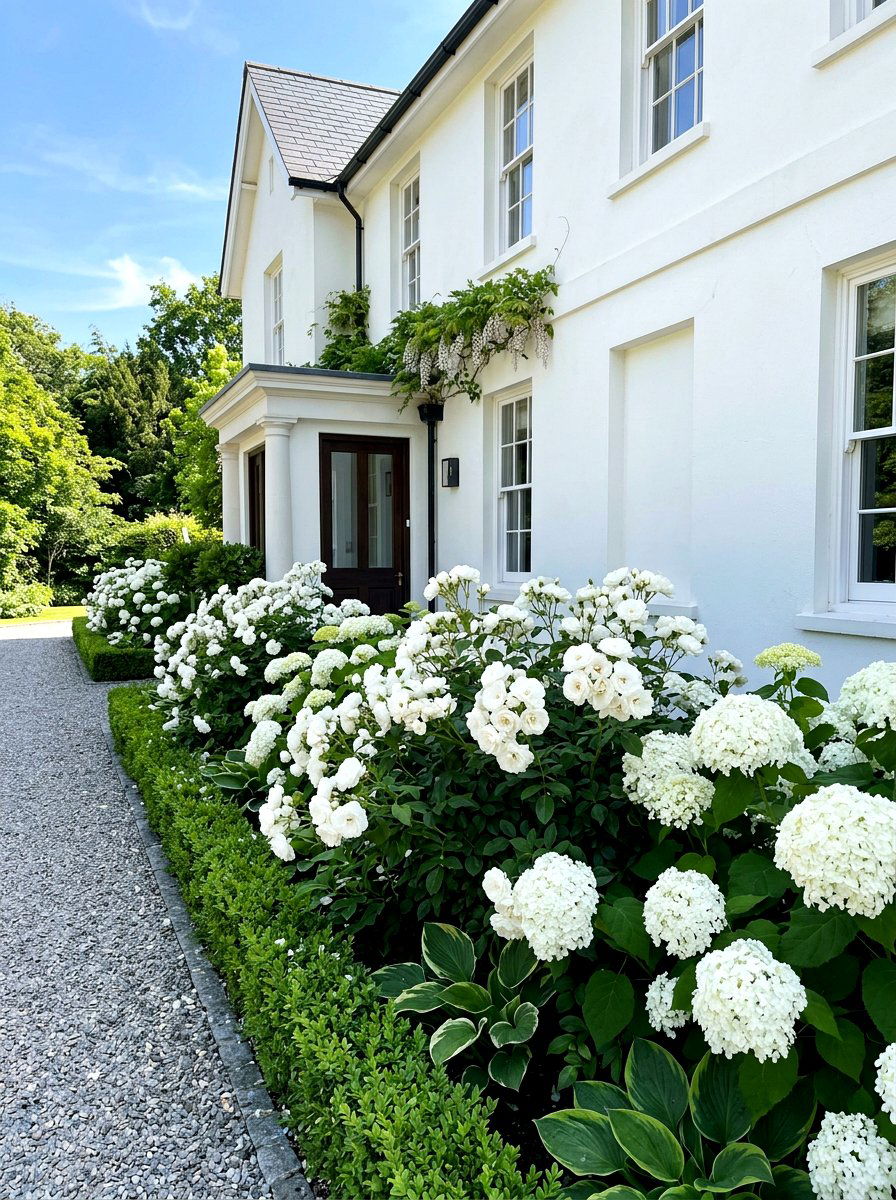
For those who appreciate a bit more structure, surrounding a rose border with a low-clipped boxwood hedge offers a sophisticated look. The evergreen nature of the boxwood provides year-round interest and a tidy frame for the somewhat wilder growth habits of cottage roses. This design mimics the formal parterre gardens of Europe but remains approachable when filled with soft, multi-petaled rose varieties. The dark green of the boxwood foliage makes the pastels of the roses appear even more delicate and luminous in the sunlight. This combination is perfect for creating a focal point in a backyard or as a formal entry garden that stays neat and beautiful.
9. Archway rose entrance
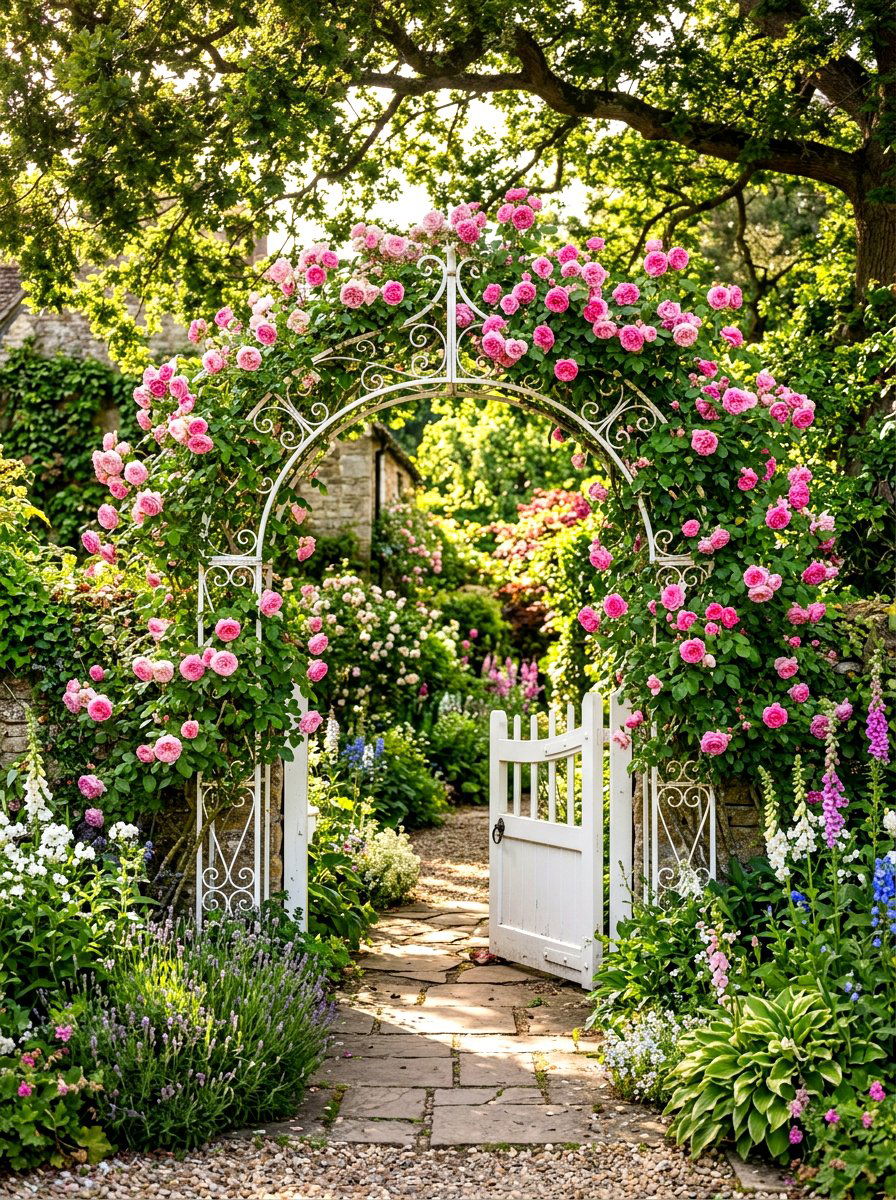
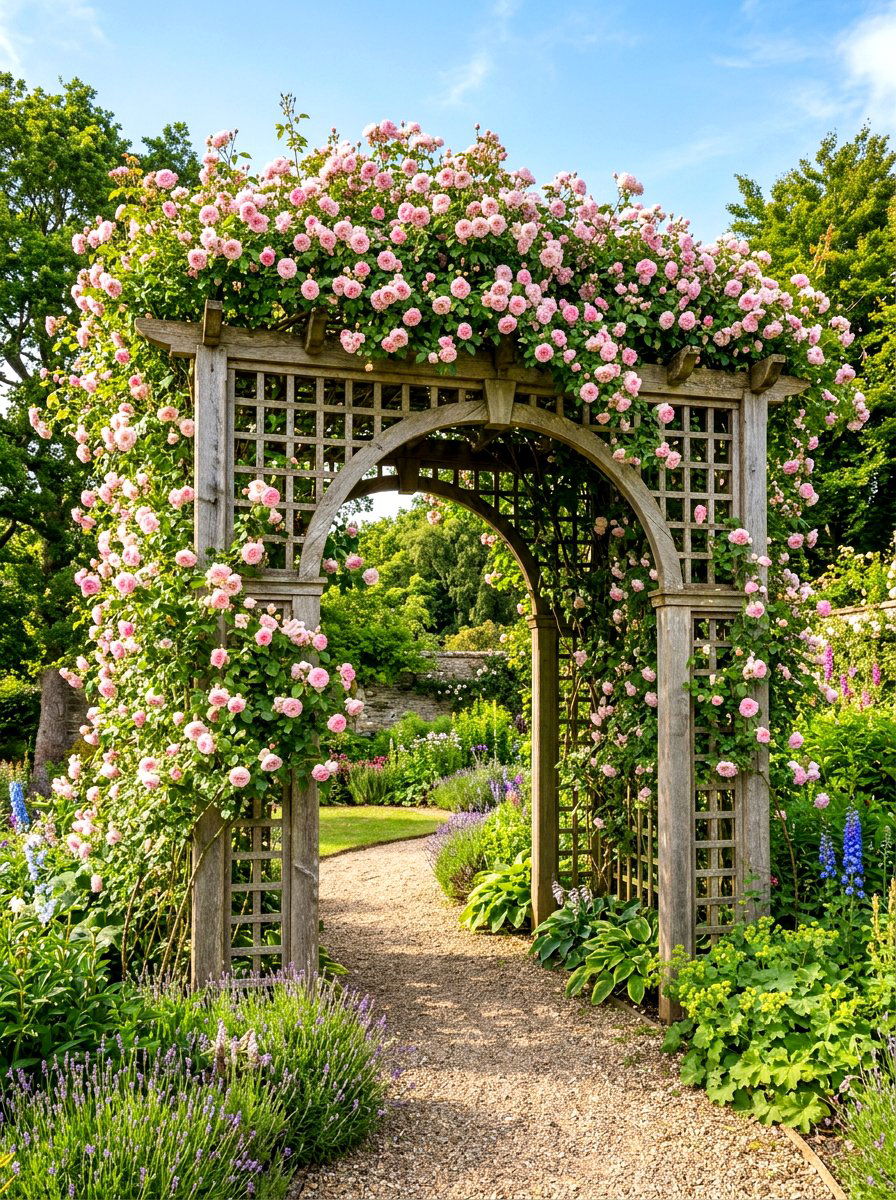
Creating a grand entrance to your garden can be easily achieved by installing a metal or wooden archway covered in roses. This feature serves as a literal gateway into your private sanctuary, inviting people to step through a tunnel of blossoms. Planting climbing roses on both sides of the arch ensures that the entire structure is eventually enveloped in greenery and flowers. You can place this arch at the start of a border or as a transition between different areas of the yard to create a sense of mystery. Underplanting the base of the arch with shade-tolerant perennials ensures the ground stays lush and green even as the roses climb.
10. Pastel cottage rose garden
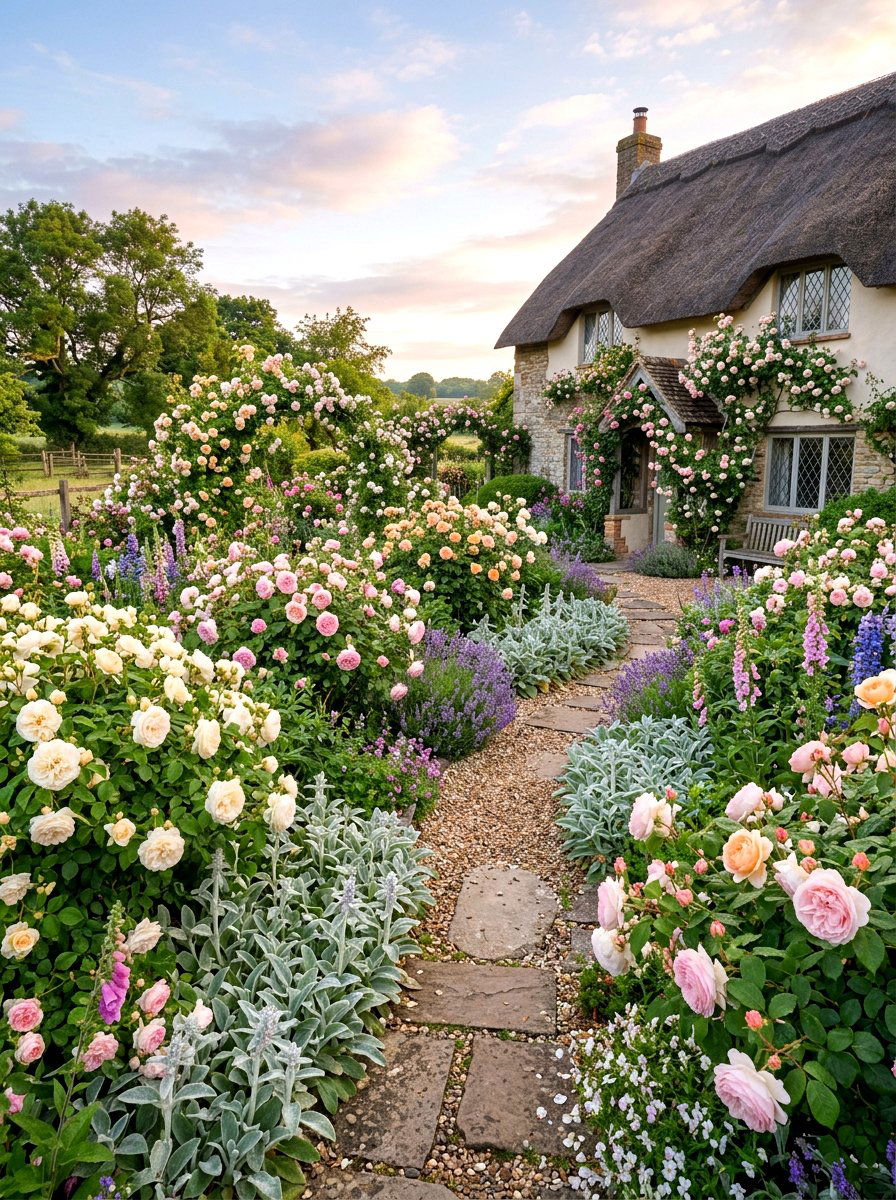
Soft pinks, creamy whites, and pale yellows can create a serene and calming environment in your backyard border. A pastel-themed rose garden focuses on harmony and light, making the space feel airy and romantic during the golden hours of the day. By selecting varieties with similar tonal values, you avoid visual clutter and create a cohesive look that is easy on the eyes. These colors are particularly effective at making a small garden feel larger and more open. Mixing in silver-foliage plants like lamb's ear or dusty miller enhances the cool, soft vibes of the pastel roses while adding a touch of unique velvety texture.
11. Wildflower rose meadow border
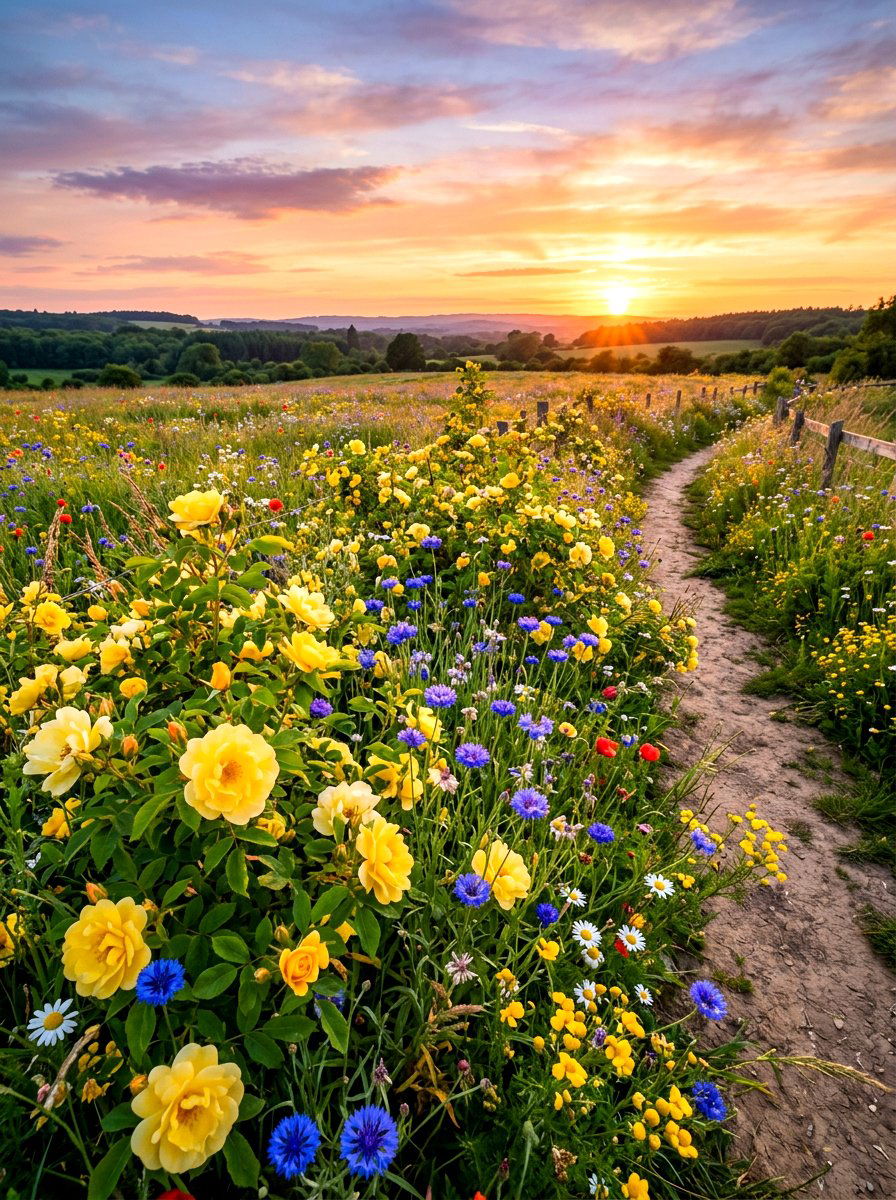
Blending the elegance of roses with the untamed beauty of native wildflowers creates a border that feels incredibly natural and effortless. This landscaping style encourages a more relaxed maintenance schedule where plants are allowed to mingle and self-seed to some degree. You can scatter wildflower seeds among your established rose bushes to fill in any gaps with pops of seasonal color. This approach is excellent for supporting local wildlife and provides a continuous food source for birds and pollinators throughout the year. The contrast between the large rose blooms and the tiny, delicate wildflowers adds a layer of complexity and charm to the overall garden design.
12. English cottage rose walk
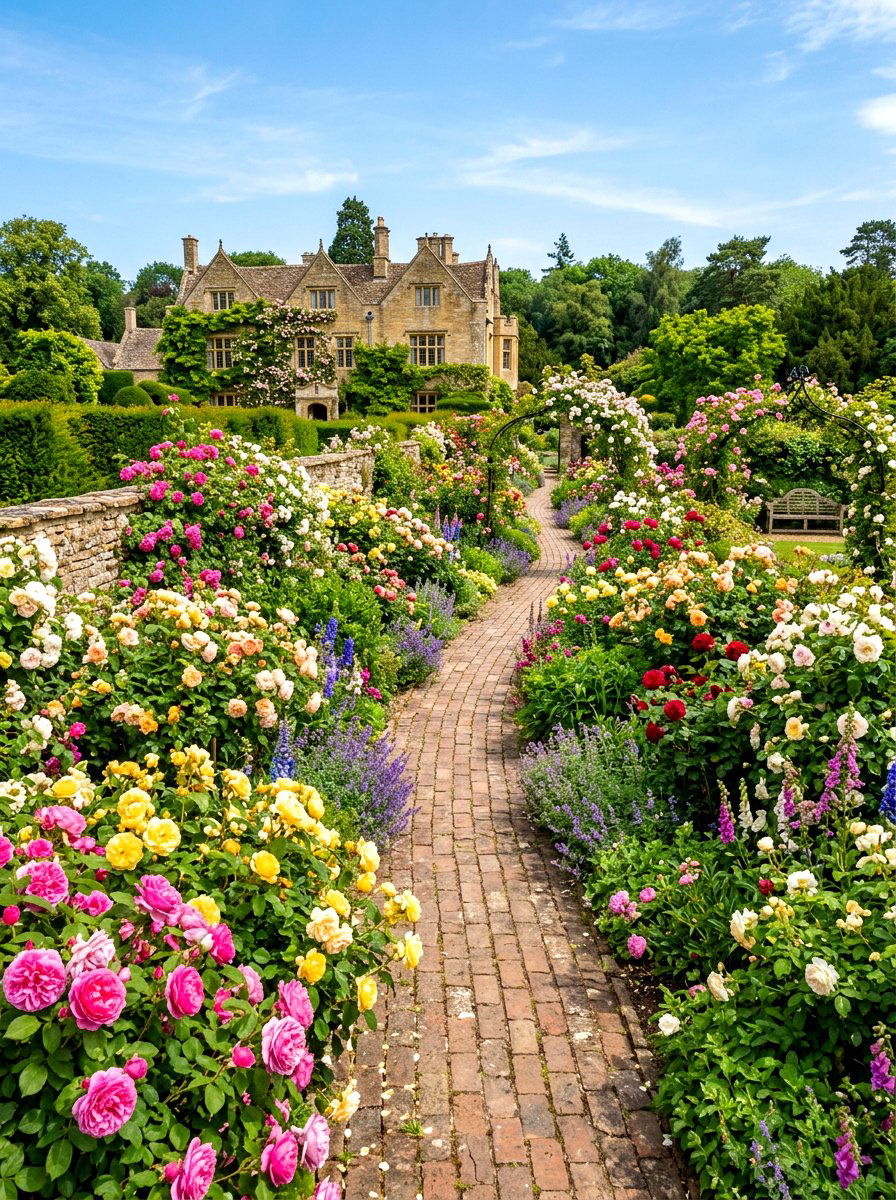
An English-style walk typically features long, straight borders filled to the brim with a riot of colors and varying plant heights. By dedicating a long stretch of your landscape to roses, you can create a dramatic floral corridor that looks like it belongs in a historical estate. Grouping roses by color or variety can create a sense of rhythm as you walk from one end of the path to the other. High-centered roses can be placed toward the back, while shorter floribundas take the front row for maximum visibility. This traditional layout is perfect for larger properties where you want to make a bold and lasting horticultural statement.
13. Shrub rose privacy screen
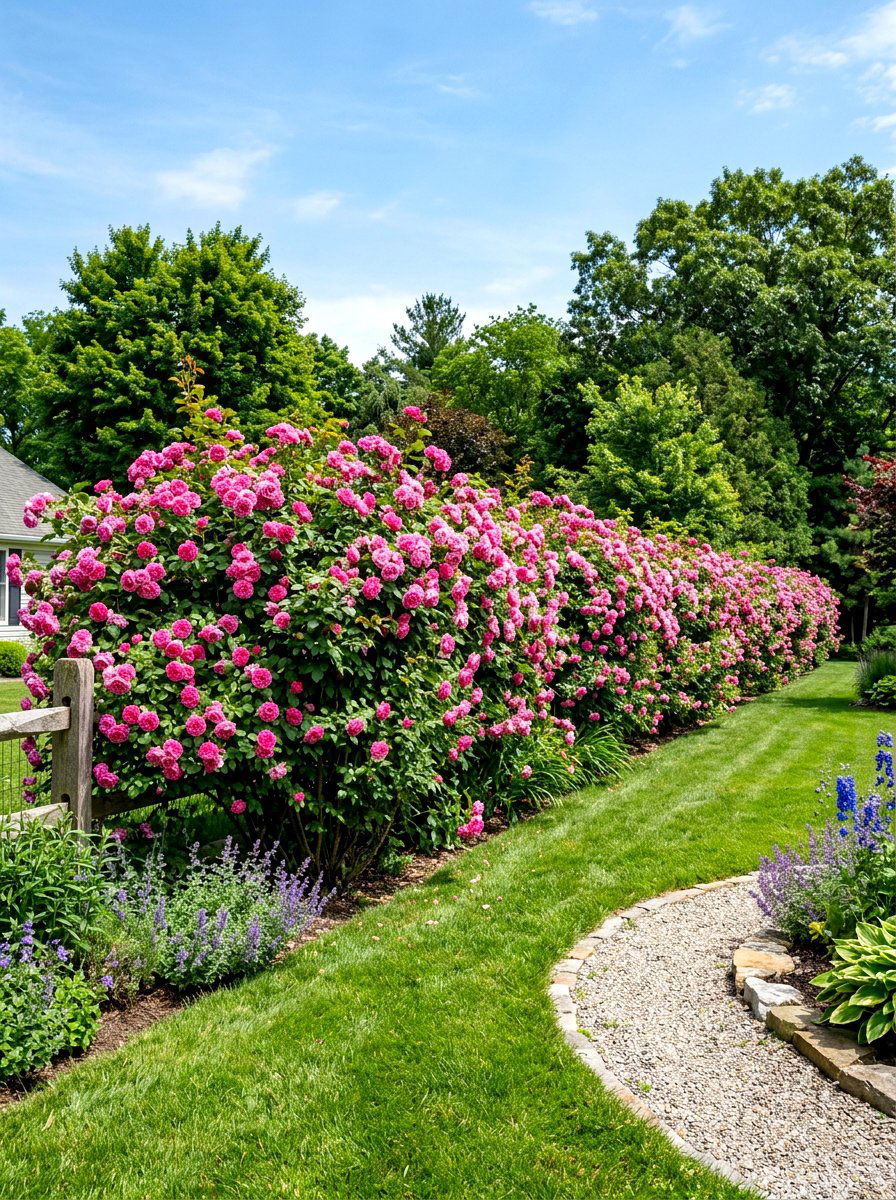
Roses aren't just for decoration; they can also serve a functional purpose by acting as a dense and beautiful privacy screen. Choosing tall, vigorous shrub roses allows you to create a living wall that blocks the view from neighbors while providing a floral barrier. Unlike a wooden fence, a rose screen changes with the seasons and offers a habitat for nesting birds within its thorny branches. You can plant several different varieties in a row to create a tapestry of heights and colors that keeps the screen looking interesting. This natural solution provides security and seclusion without sacrificing the beauty of your overall garden design or aesthetic.
14. Brick edging rose bed
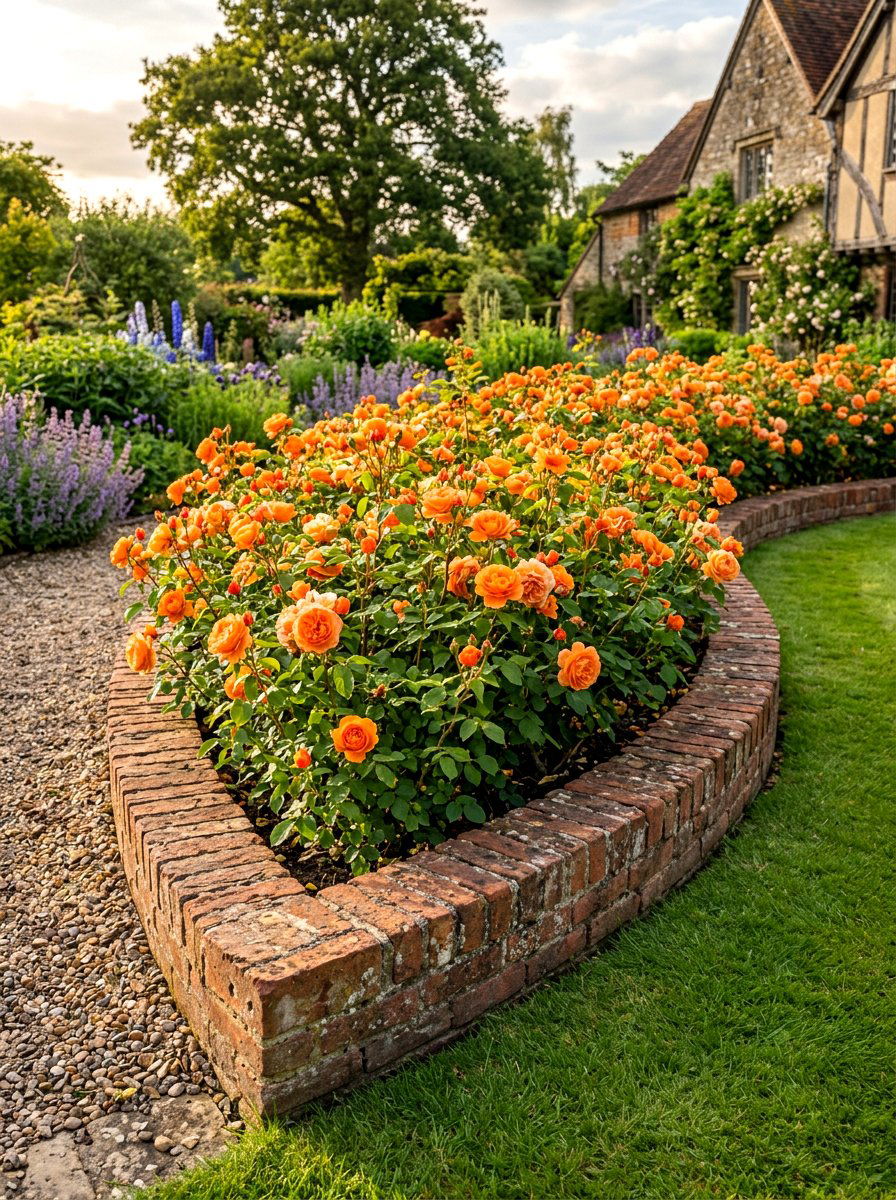
Using reclaimed bricks to edge your rose borders adds a touch of historical character and warmth to the landscape design. The earthy red and orange tones of the bricks complement the organic nature of the plants while providing a clean line between the garden and the lawn. A brick border also makes mowing easier by preventing the grass from creeping into the flower beds and vice versa. You can lay the bricks in a simple running bond pattern or a more decorative herringbone style depending on your personal preference. This structural element provides a sense of permanence that grounds the ephemeral beauty of the roses throughout the year.
15. Salvia and rose pairing
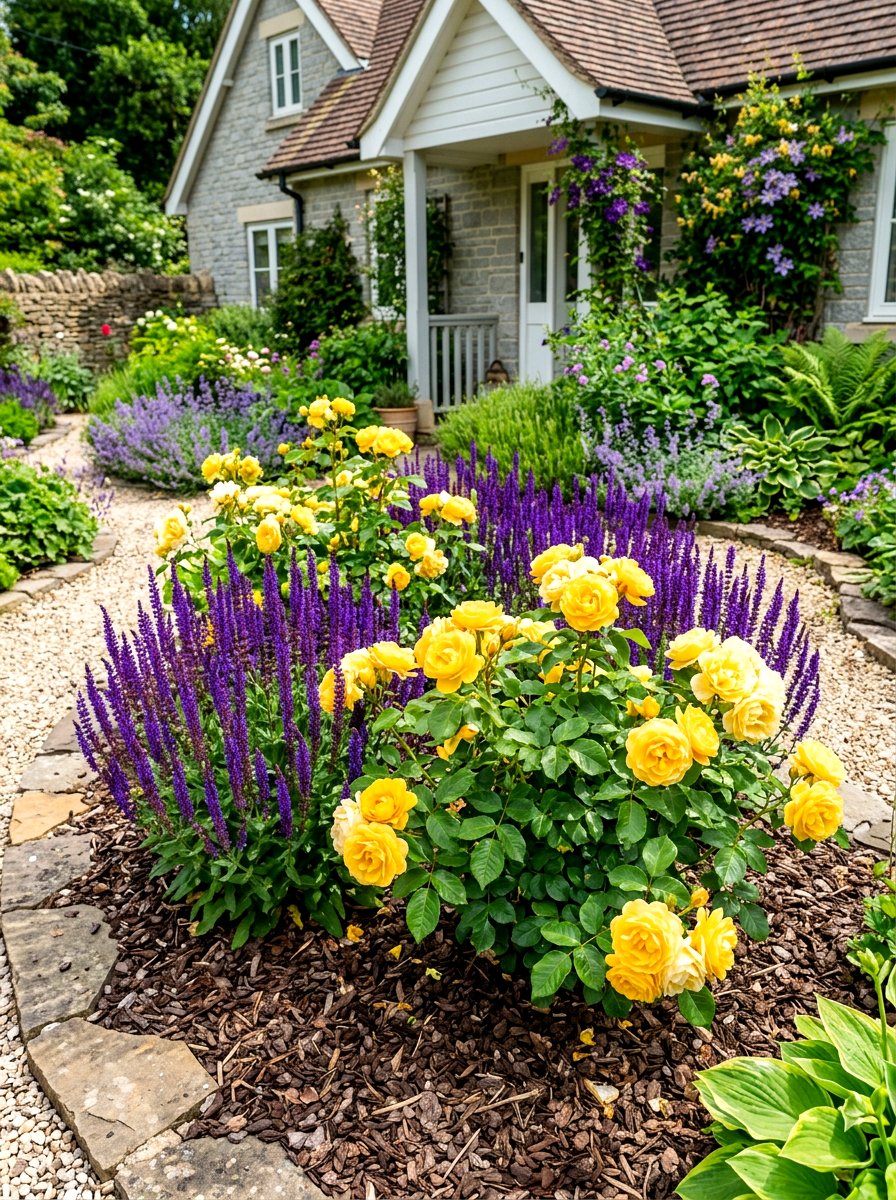
The deep blues and purples of salvia provide a striking contrast to the warm tones of red, orange, and pink roses. This combination is a favorite among landscape designers because salvia is incredibly hardy and has a long blooming season that overlaps with many roses. The upright, spiky form of the salvia flowers cuts through the rounded shapes of the rose bushes, creating a dynamic visual rhythm in the border. Both plants enjoy full sun and well-drained soil, making them easy to care for when planted together in a sunny spot. This duo is particularly effective at attracting hummingbirds and bees, bringing life and movement to your garden.
16. Rustic wood fence roses
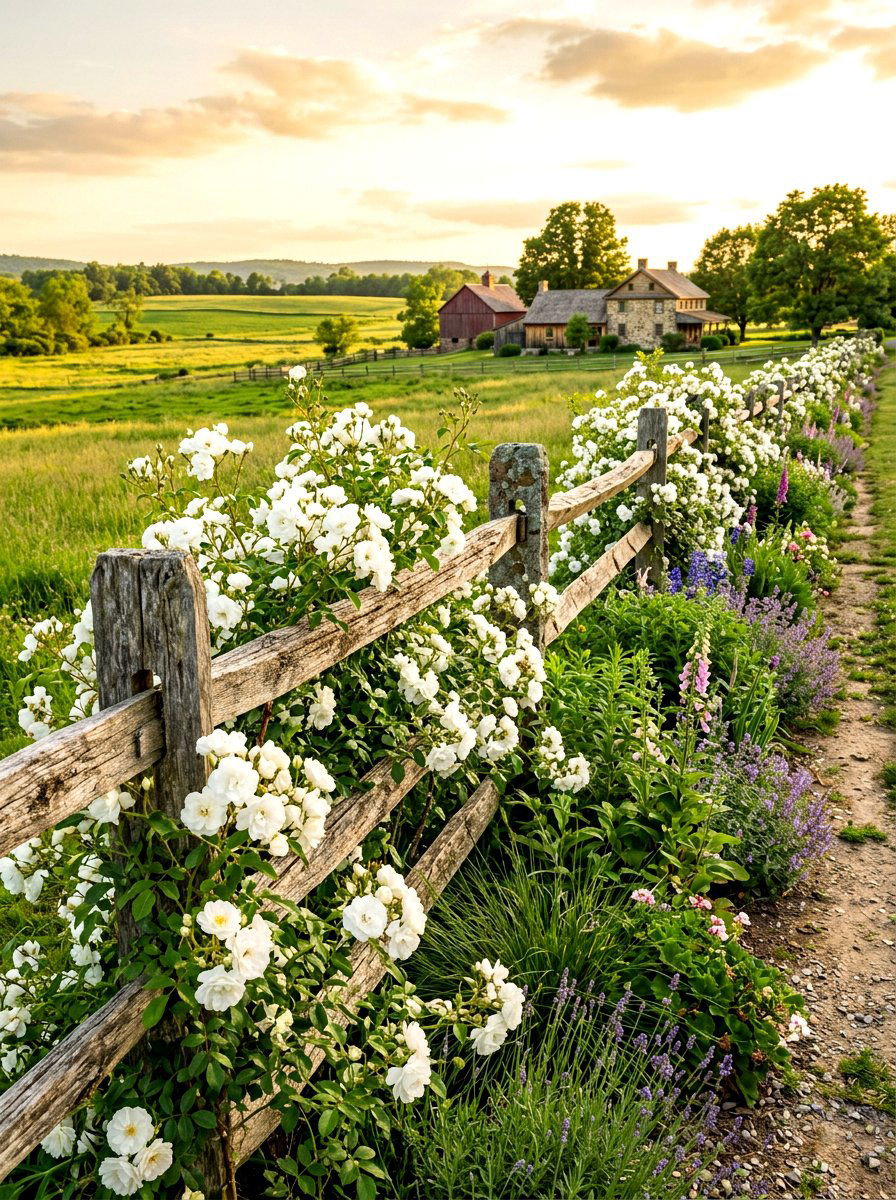
A split-rail or weathered wooden fence provides a perfect rustic backdrop for a more informal cottage rose border. The natural texture of the wood pairs beautifully with the wilder, rambling nature of heirloom rose varieties that don't require heavy pruning. You can allow the roses to weave through the rails of the fence, creating a look that feels like it has been part of the landscape for decades. This style is ideal for rural properties or suburban yards where a relaxed, farmhouse vibe is desired over a formal garden look. Adding some sunflowers or hollyhocks behind the fence can further enhance the rustic, country-inspired atmosphere.
17. Foxglove and rose border
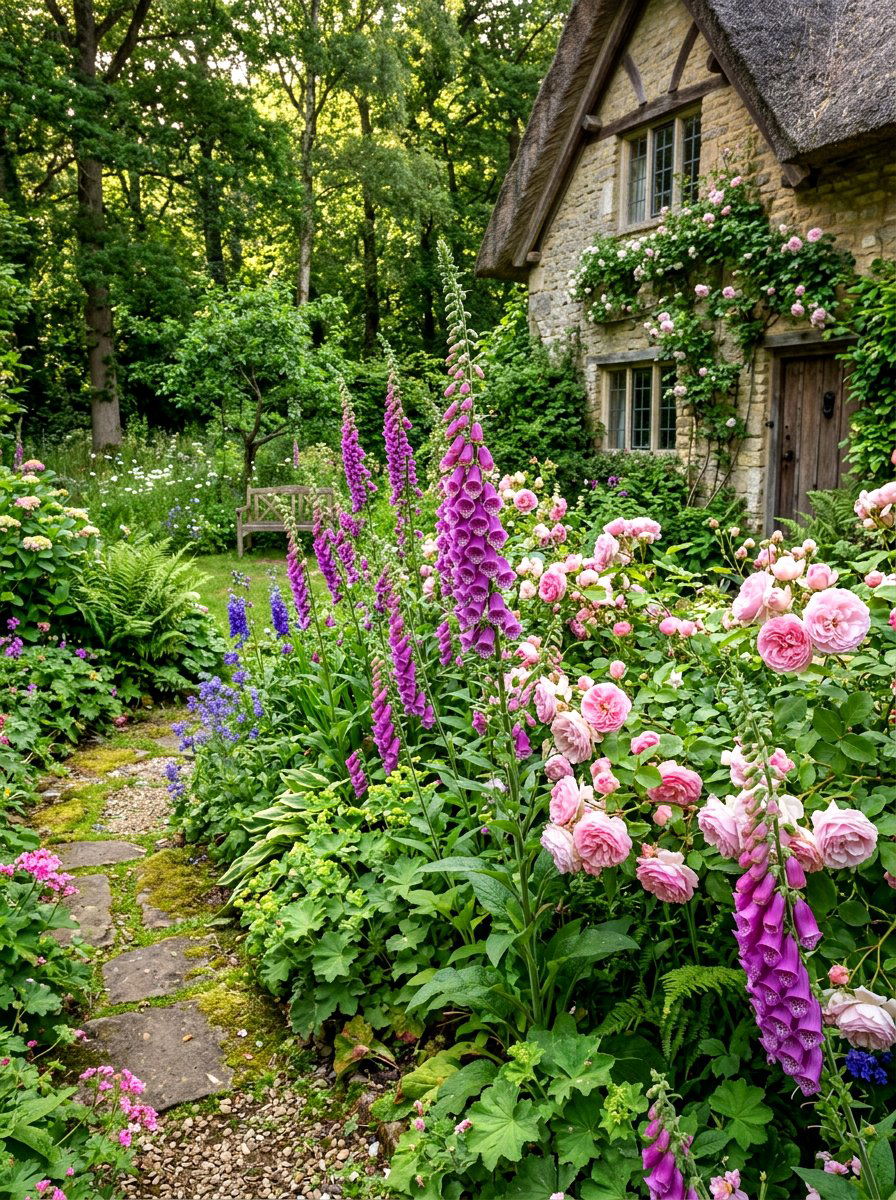
The towering spikes of foxgloves create an architectural element that pairs perfectly with the bushy growth of cottage roses. These biennials provide vertical drama and a sense of old-world elegance that is synonymous with the traditional cottage garden style. When planted in the middle or back of a border, foxgloves rise above the roses to display their unique, bell-shaped flowers in shades of purple, cream, and apricot. Because they thrive in similar soil conditions, they make excellent companions that require minimal extra effort to maintain. This pairing creates a height hierarchy that ensures every plant in the border is visible and appreciated from every angle.
18. Small space cottage rose garden
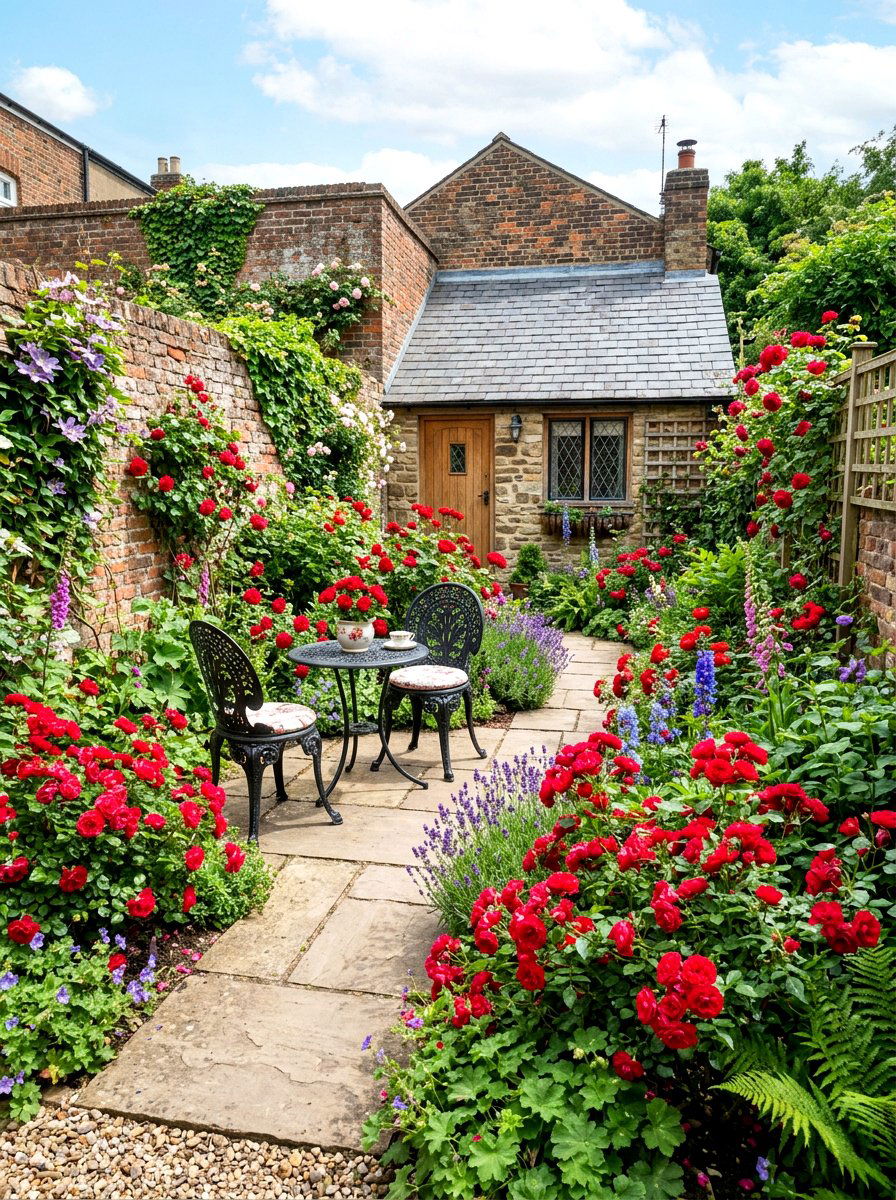
You don 't need a massive estate to enjoy the beauty of a cottage rose border in your own backyard. In smaller yards, you can create a "mini" border using dwarf rose varieties and compact perennials that won' t overwhelm the space. Utilizing vertical elements like a wall-mounted trellis or a small obelisk allows you to grow roses upward rather than outward, saving valuable ground space. A well-designed small border can act as a focal point for a patio or a tiny courtyard, providing maximum impact with a smaller footprint. Choosing highly fragrant varieties ensures that even a few plants can fill the entire small area with a wonderful scent.
19. Side yard rose path
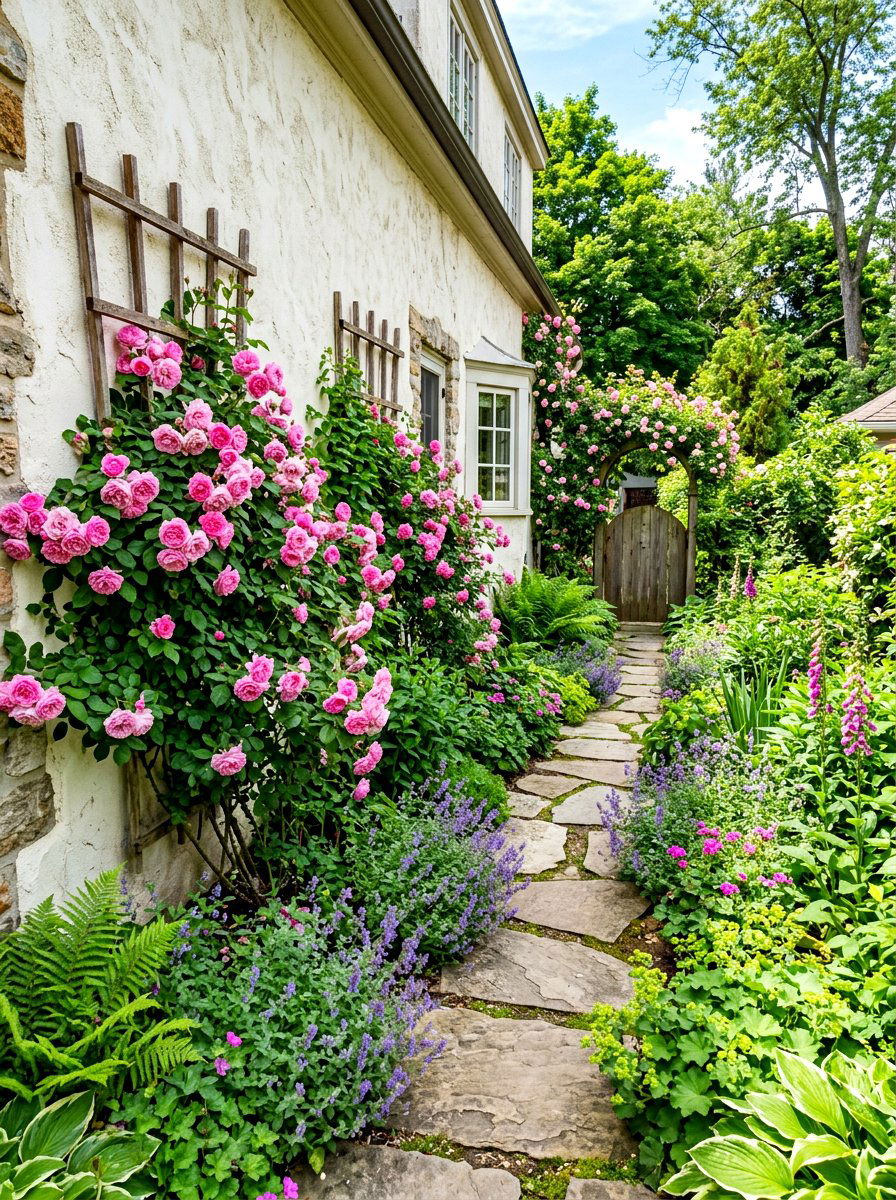
The often-neglected side yard can be transformed into a secret garden escape by installing a rose-lined path. Because side yards are usually narrow, a single-sided border of roses can soften the look of the house wall or the neighbor's fence. Choosing roses with a more upright habit prevents the path from becoming too crowded or difficult to navigate as the plants mature. A simple mulch or stone walkway through the roses creates a functional route that feels special rather than purely utilitarian. This transformation turns a wasted space into a hidden gem where you can enjoy a quiet moment surrounded by the beauty of nature.
20. Raised bed rose landscaping
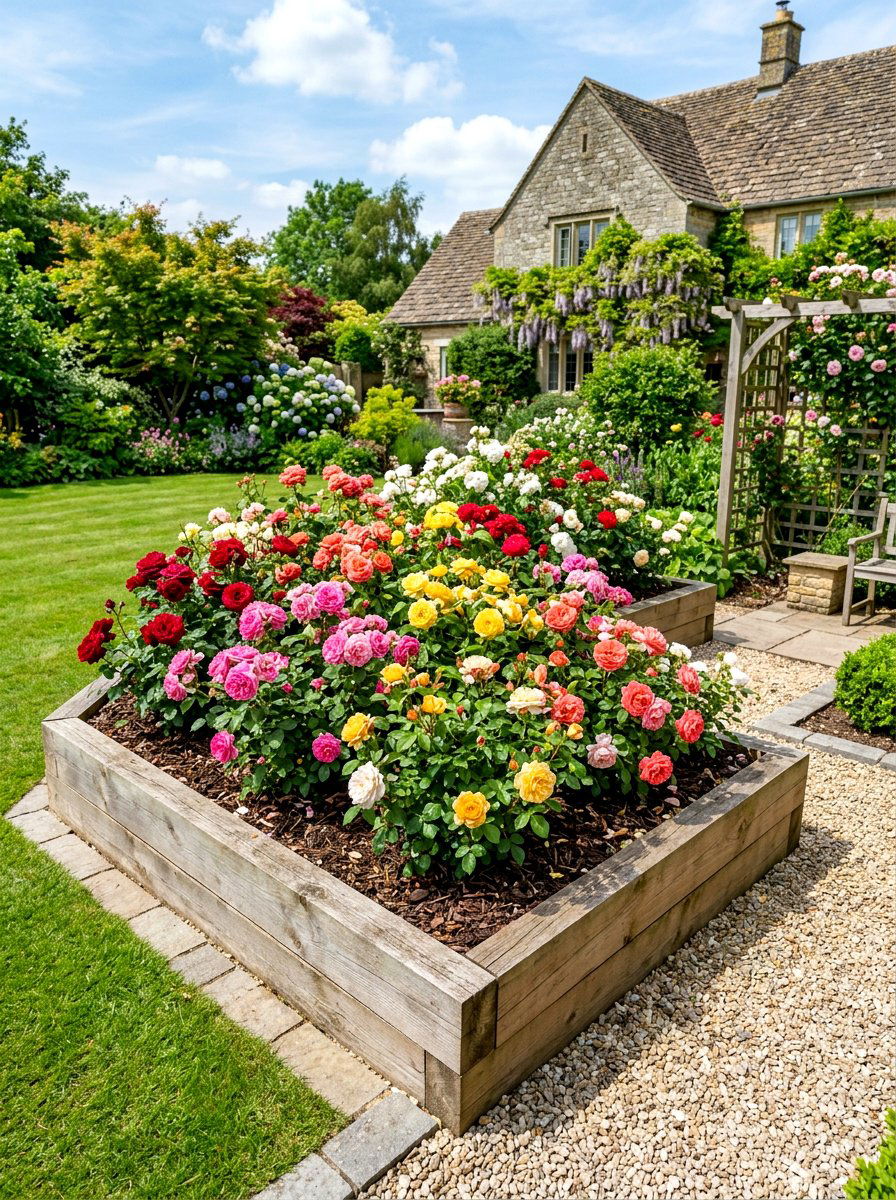
Planting your rose border in raised beds offers several practical advantages, including better soil control and improved drainage for the plants. Raised beds also bring the flowers closer to eye level, making it easier to appreciate the intricate details of each bloom and enjoy their fragrance. You can build the beds out of natural stone, cedar wood, or even decorative concrete blocks to match the style of your home. This approach is particularly helpful if your native soil is heavy clay or very rocky, as you can fill the beds with a custom rose-growing mix. The structured edges of the beds keep the cottage look from feeling too messy.
21. Multi colored rose border
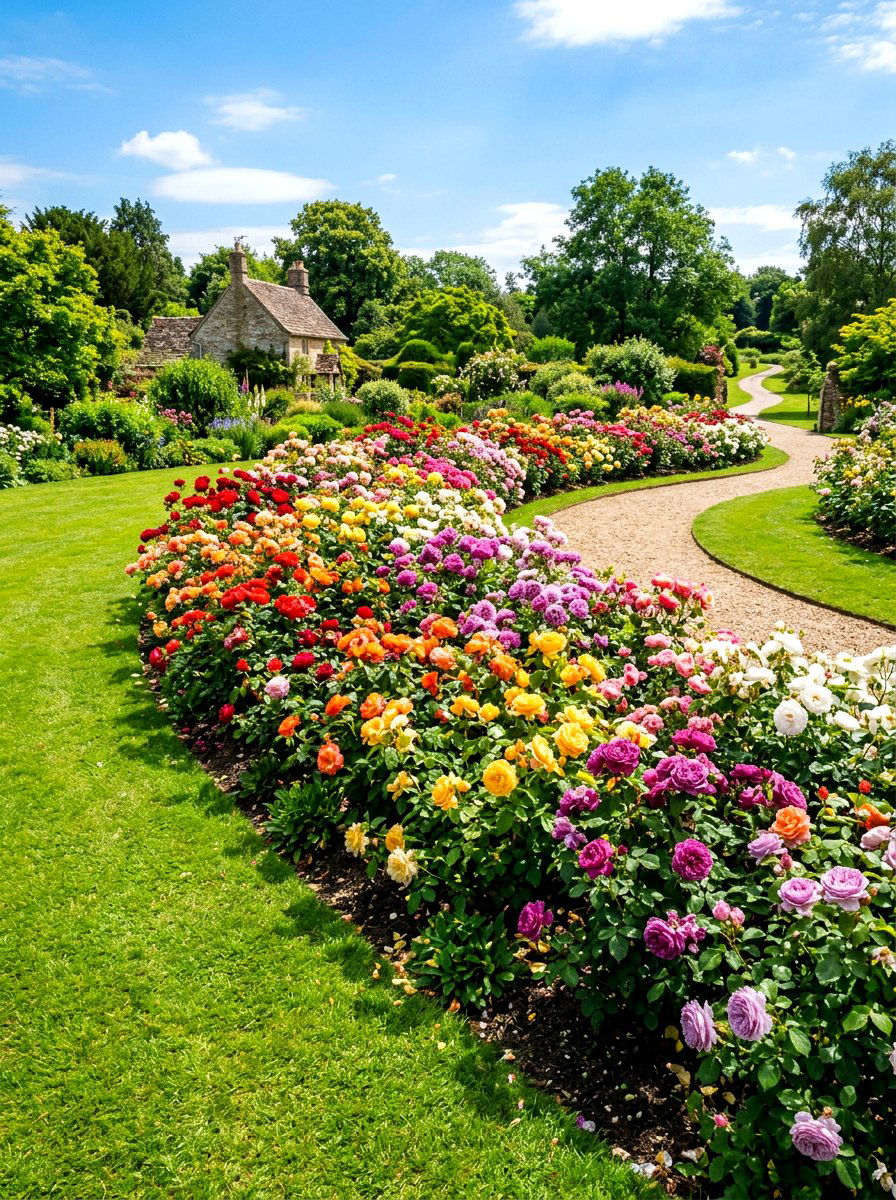
For a vibrant and energetic garden, consider a border that features a wide spectrum of different rose colors. Mixing bright yellows, deep reds, soft pinks, and bold purples creates a festive atmosphere that celebrates the diversity of the rose family. To keep the look from becoming overwhelming, you can use green foliage plants or white-flowered perennials as "spacers" between the different rose varieties. This technique allows each color to shine individually while contributing to a rich, multi-colored landscape that looks like a living painting. This type of border is sure to be a conversation starter and a source of joy for everyone who sees it.
22. Fragrant rose garden walkway
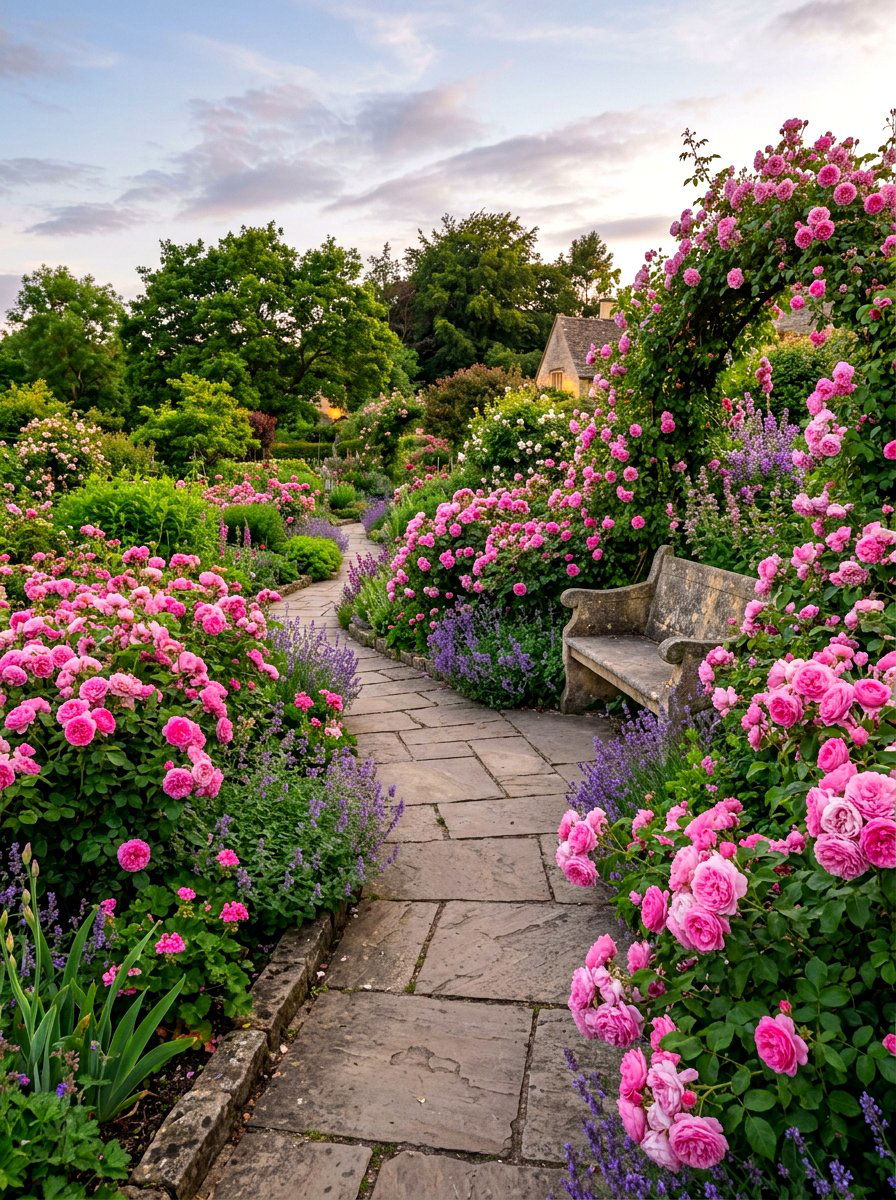
Focusing your plant selection on the most aromatic varieties can turn a simple garden walkway into a powerful therapeutic experience. Planting highly scented roses like 'Gertrude Jekyll' or 'Munstead Wood' along a path ensures that every step is accompanied by a wave of perfume. Positioning the border near an entrance or an outdoor seating area allows the fragrance to drift into the home through open windows. You can also include other fragrant plants like jasmine or honeysuckle on nearby structures to layer the scents for a truly immersive garden. This design prioritizes the invisible beauty of the garden, making it a place of deep relaxation and sensory delight.
23. Low maintenance rose border
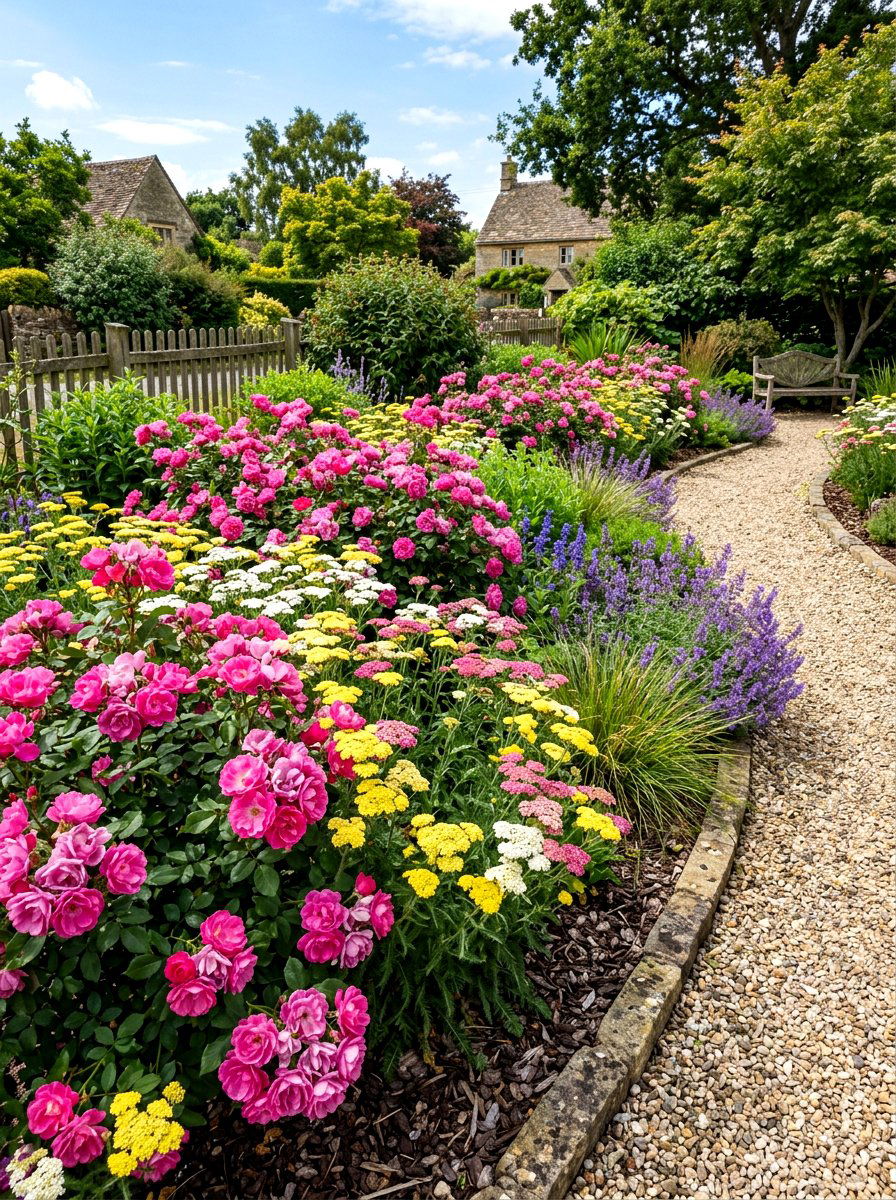
Many modern rose varieties have been bred specifically for disease resistance and a more compact, self-cleaning growth habit. By choosing these "easy-care" roses, you can have a stunning cottage border without the need for constant spraying or complex pruning schedules. Varieties like the Knock Out or Drift series provide continuous color and a tidy appearance with very little effort from the gardener. Pairing these with drought-tolerant perennials like sedum or yarrow creates a sustainable border that looks great even during the hottest parts of the summer. This approach is perfect for busy homeowners who want a beautiful garden that doesn't feel like a second full-time job.
24. Catmint and rose garden
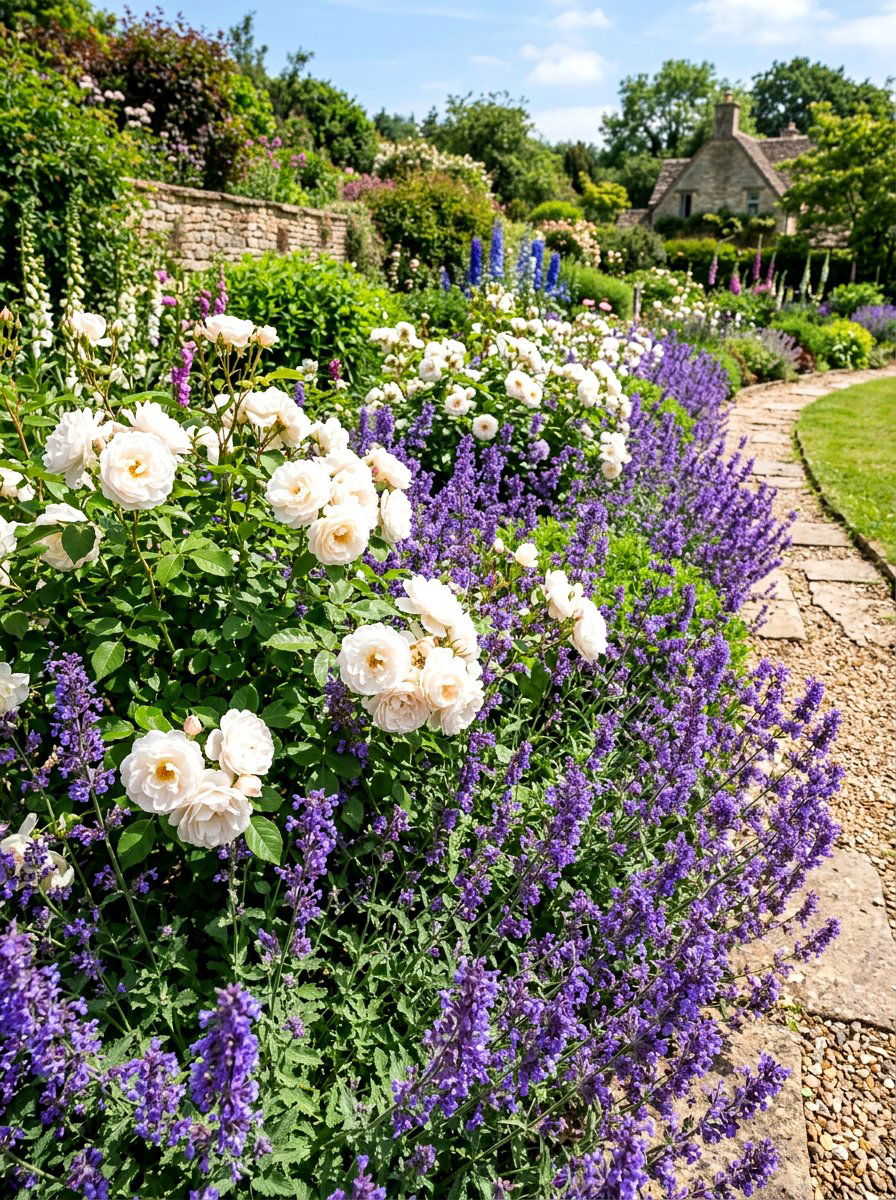
Catmint is a fantastic companion for roses because its billowing, soft blue flowers act as a perfect skirt for the upright rose bushes. The minty fragrance of the foliage is pleasant to humans and can actually help deter certain pests that might bother your roses. Because catmint grows in a mounded shape, it does an excellent job of filling in the gaps at the front of a border, creating a lush and finished look. After its first flush of flowers, a quick shear will often result in a second bloom cycle that keeps the border looking fresh. This combination is a classic for a reason, offering reliability, color, and texture.
25. Traditional cottage rose patch
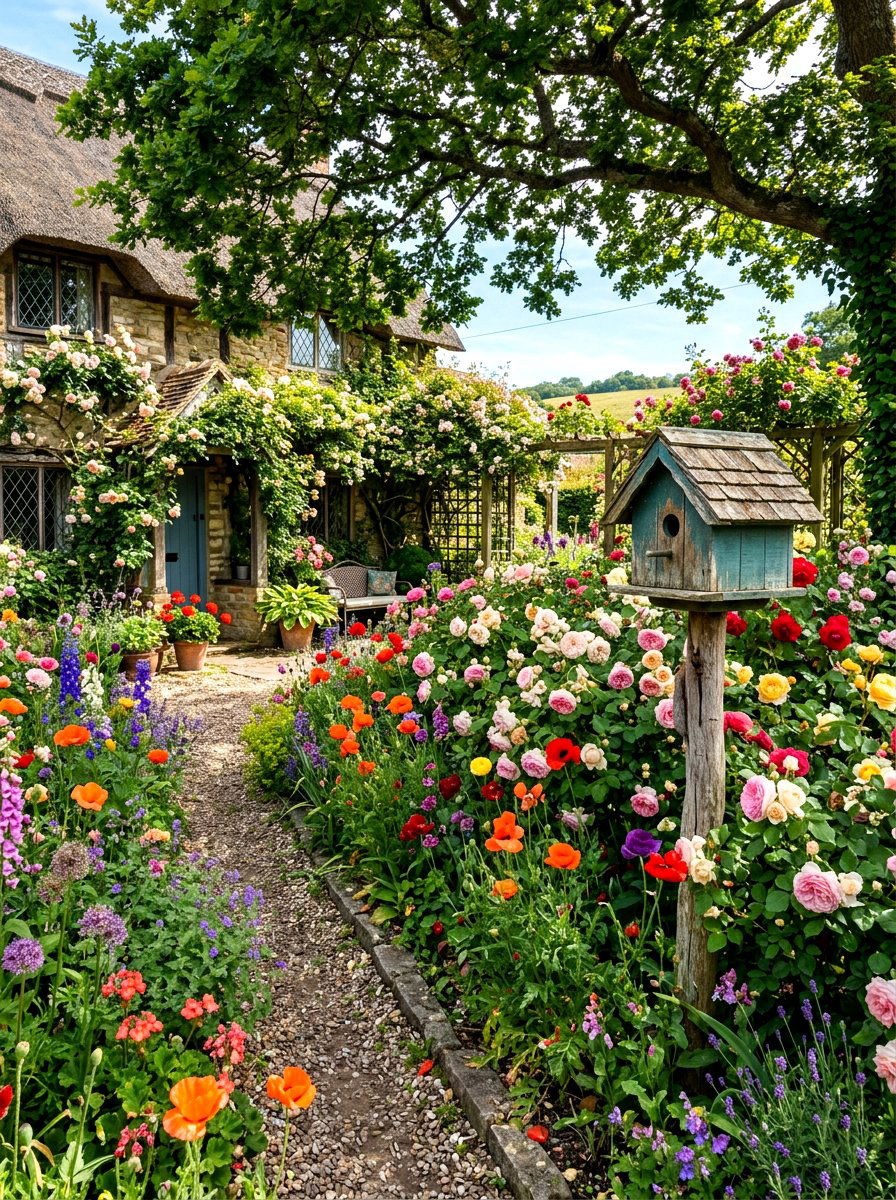
A traditional cottage patch often looks like a happy accident where plants have been allowed to grow together in a dense, slightly chaotic manner. This style emphasizes the abundance of the garden, with roses clambering over each other and intermingling with various heirloom annuals and perennials. You might find self-seeding plants like poppies or nigella popping up in between the rose bushes, adding to the unstudied charm of the space. This approach is all about personal expression and a love for plants rather than following strict design rules or modern landscaping trends. The result is a garden that feels lived-in, cozy, and full of hidden surprises.
26. Backyard patio rose border
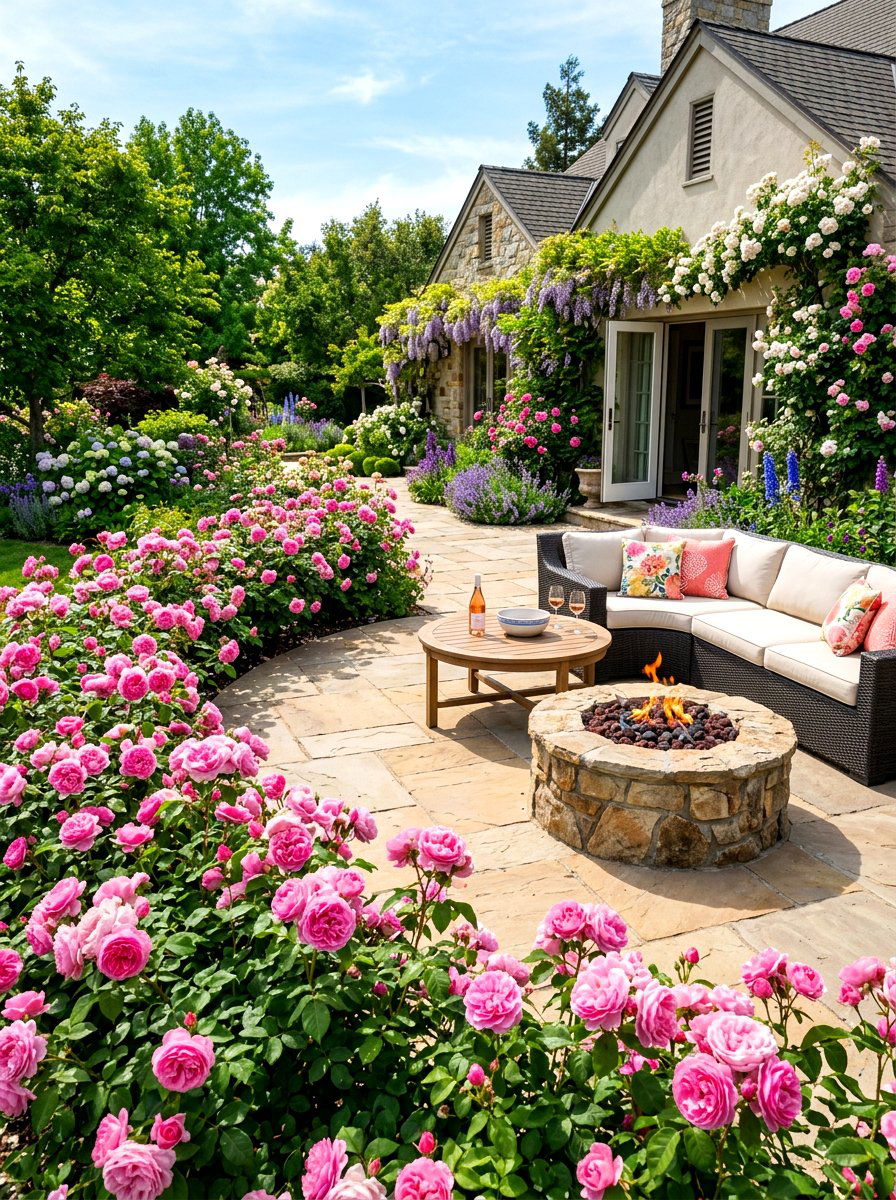
Surrounding your backyard patio with a border of roses creates a fragrant and colorful "outdoor room" that is perfect for entertaining guests. The roses act as a soft boundary that separates the dining or lounging area from the rest of the lawn, providing a sense of intimacy. If your patio is at ground level, a low border of floribunda roses can offer color without blocking the view of the yard. For elevated decks, taller shrub roses can provide a beautiful screen that hides the structural underside of the platform. This placement ensures that you spend the most time where the garden is at its most beautiful.
27. All white rose garden
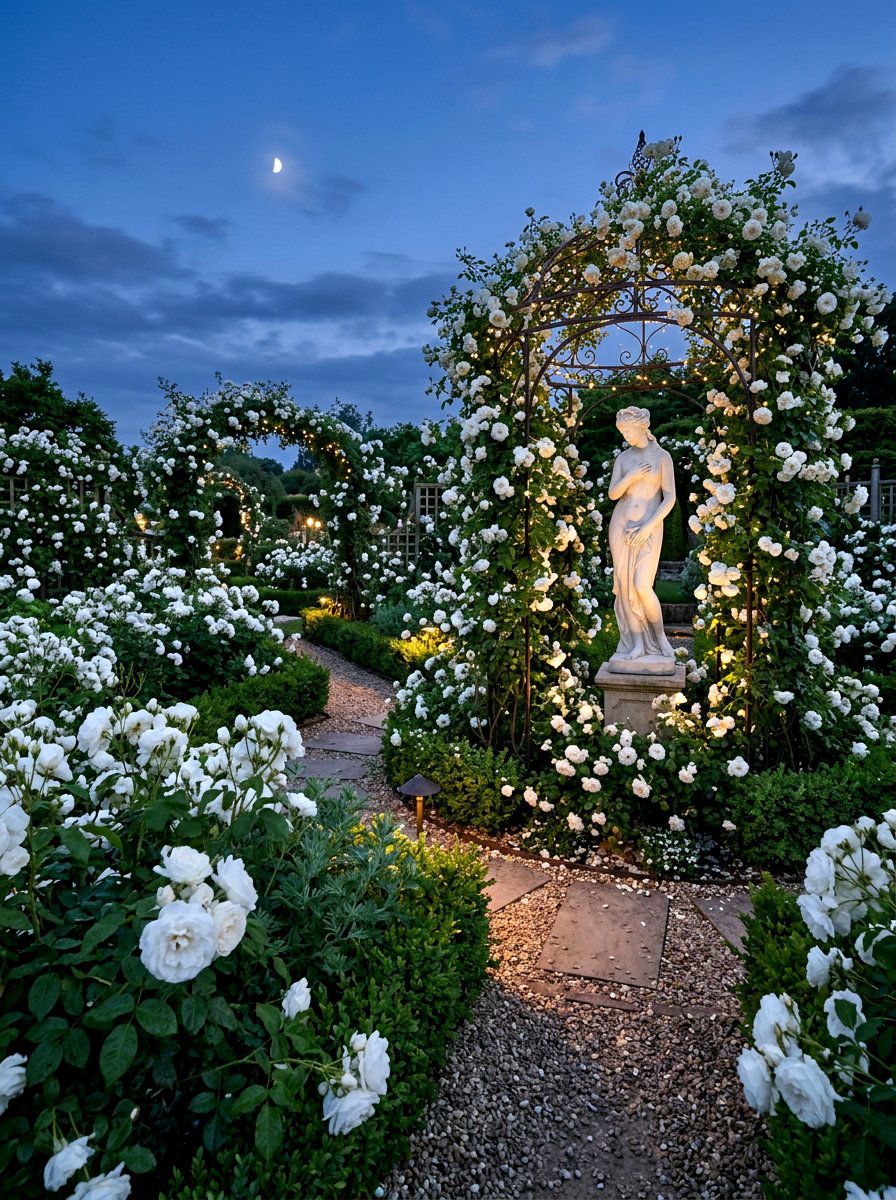
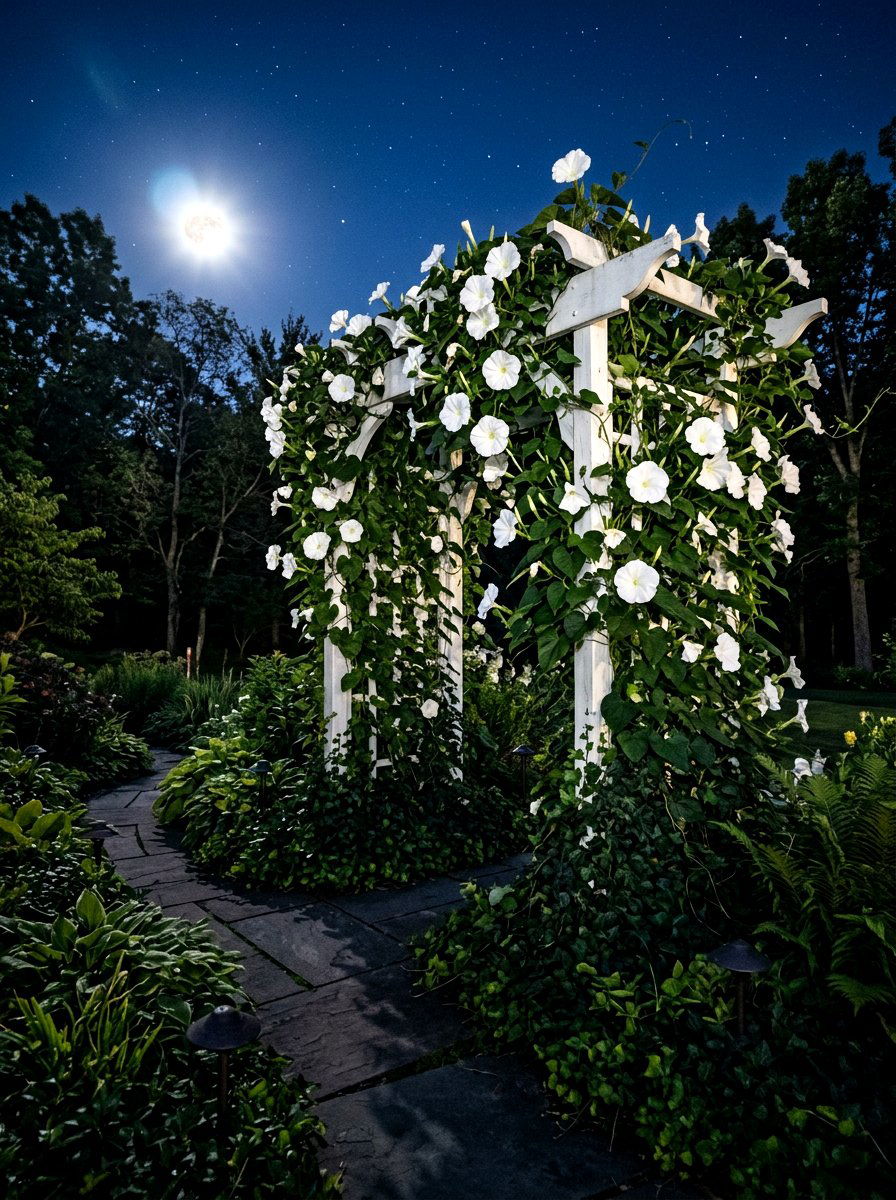
A monochromatic white rose border, often called a "moon garden, " looks incredibly sophisticated and glows in the twilight hours. By using only white roses and silver or green foliage, you create a space that feels clean, calm, and deeply elegant. White flowers reflect the moonlight, making the border visible and magical even after the sun has gone down. You can play with different flower forms, from simple five-petaled wild roses to complex, cabbage-like double blooms, to keep the all-white theme interesting. This timeless design works well with any architectural style, from a modern farmhouse to a traditional brick colonial home.
28. Informal rose hedge
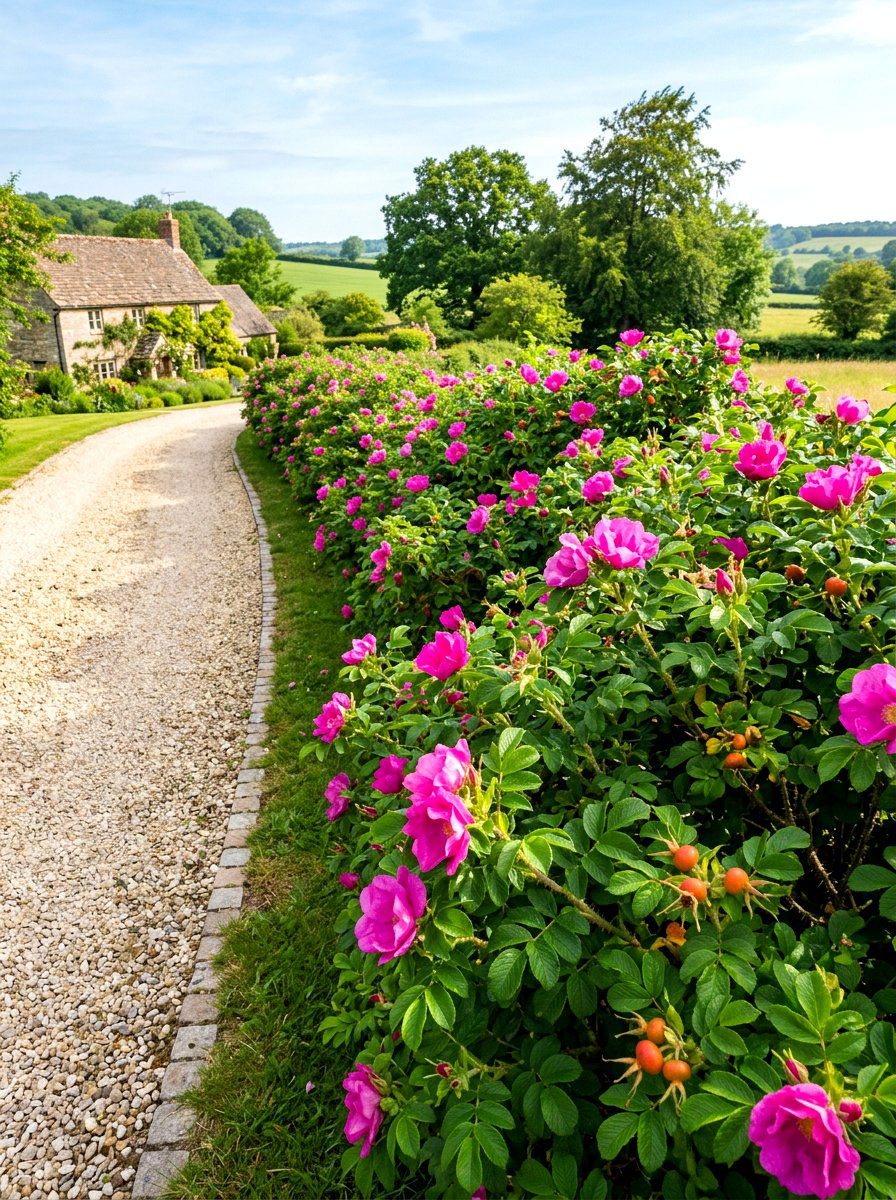
Instead of a rigid, clipped hedge, an informal rose hedge allows the plants to maintain their natural shape while still providing a boundary. This type of border is perfect for lining a driveway or separating a vegetable garden from the main lawn area. Rugosa roses are particularly well-suited for this purpose because they are incredibly tough, have beautiful hips in the fall, and possess a dense growth habit. An informal hedge requires less maintenance than a formal one, as you only need to prune to remove dead wood or control the overall size once a year. It offers a wilder, more organic feel to the landscape.
29. Peony and rose border
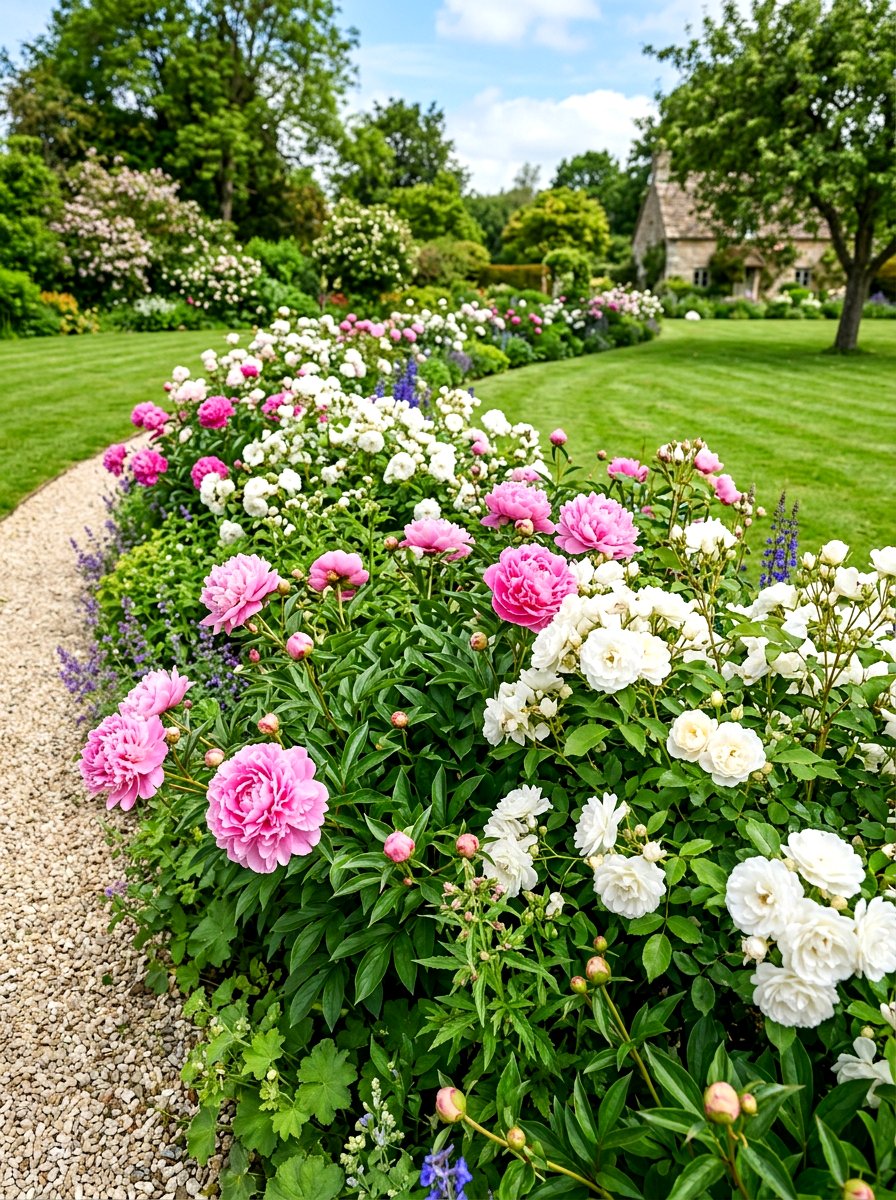
Peonies and roses are the two heavyweights of the romantic garden, and planting them together results in an explosion of beauty in late spring. While peonies have a shorter blooming season, their large, lush flowers and attractive foliage provide a perfect complement to the earlier rose blooms. Once the peonies have finished flowering, their deep green leaves act as a beautiful backdrop for the roses that continue to bloom throughout the summer. This combination creates a high-impact border that feels incredibly luxurious and well-planned. Adding some late-season bloomers like asters ensures the bed stays interesting after the primary stars have finished their main show.
30. Vintage garden rose landscaping
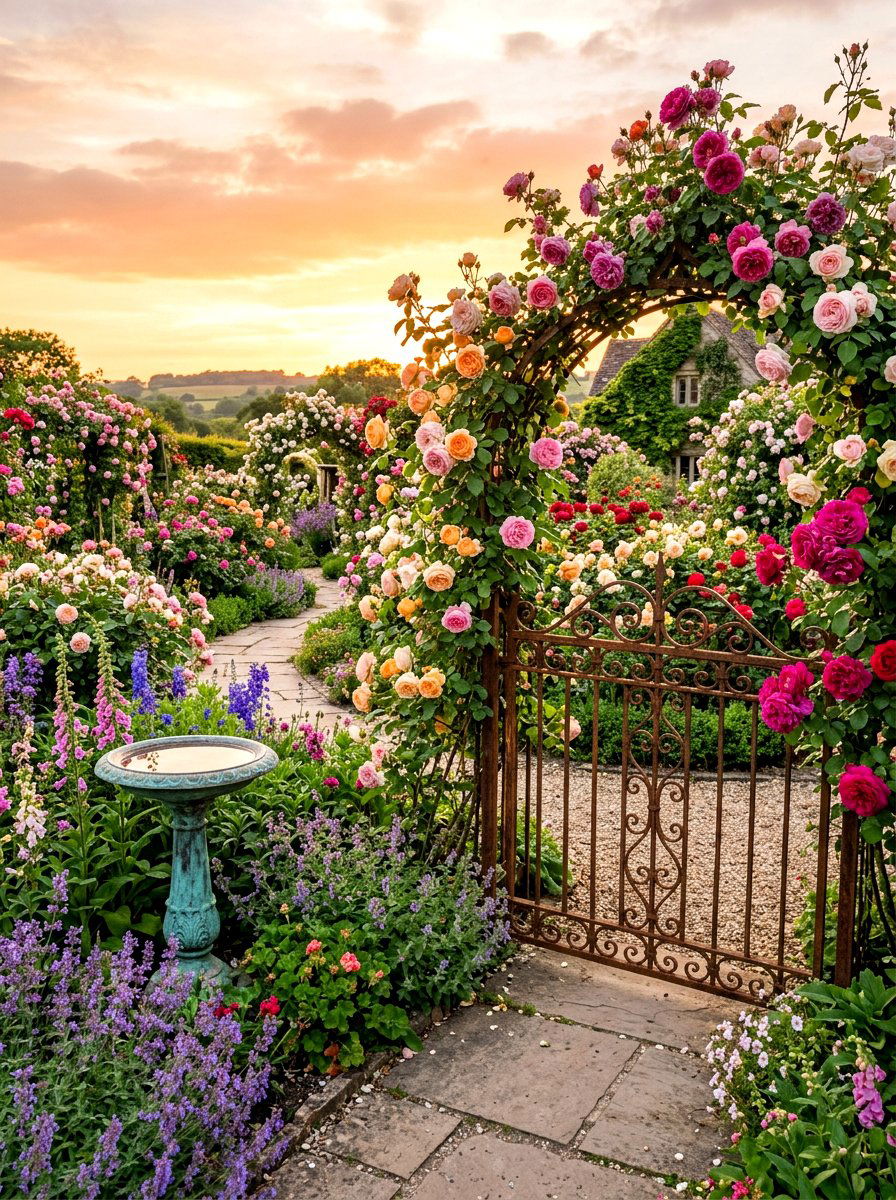
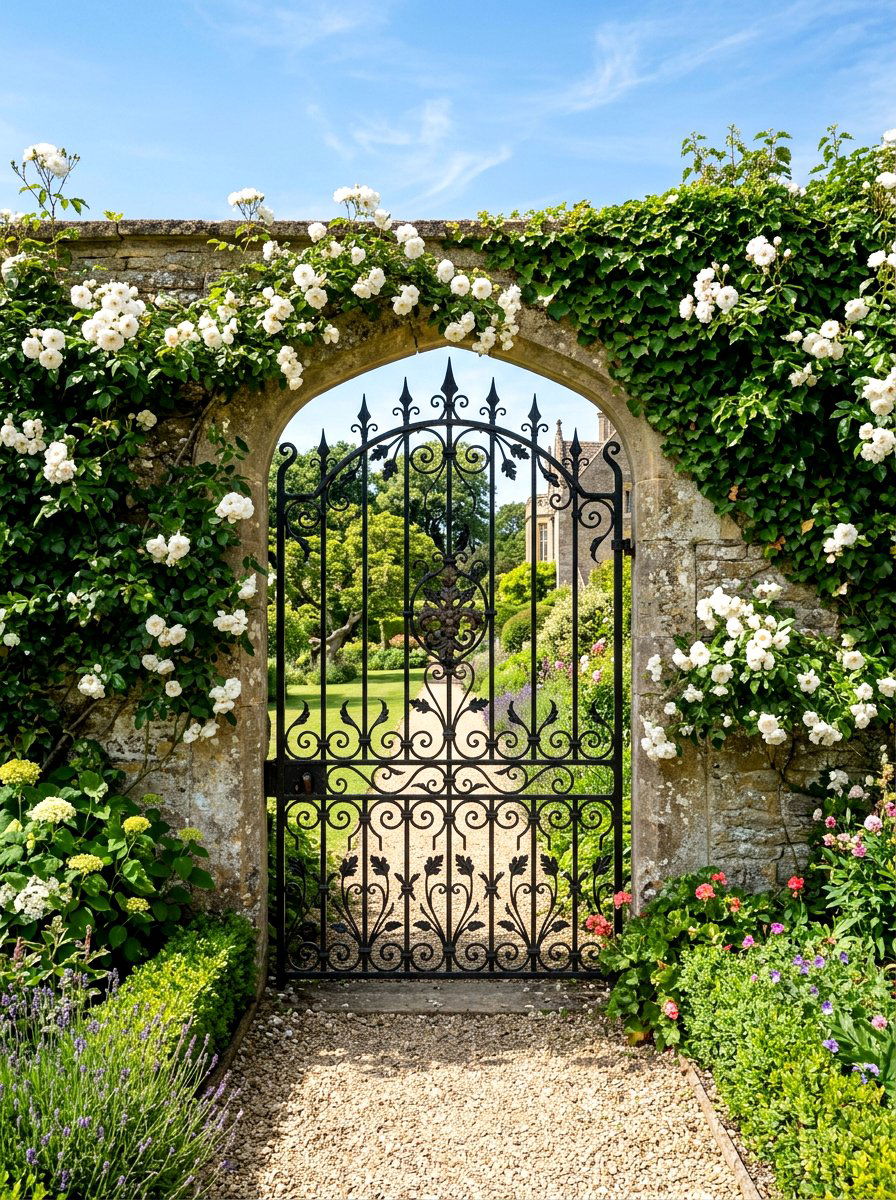
To achieve a truly vintage look, focus on planting heritage or "old garden" roses that have been cherished for centuries for their unique forms. These roses often have a more relaxed growth habit and a depth of fragrance that modern hybrids sometimes lack. Pairing them with other vintage favorites like lilacs, hydrangeas, and hollyhocks creates a nostalgic landscape that feels like a step back in time. Using antique garden ornaments, like a weathered birdbath or a rusted iron gate, can further enhance the historical theme of the border. This style of landscaping celebrates the history of gardening and the enduring appeal of the world's favorite flower.
Conclusion:
Designing a cottage rose border is a rewarding journey that allows you to blend your personal style with the natural elegance of one of the world 's most beloved flowers. Whether you choose a structured approach with boxwood frames or a wilder, wildflower-inspired layout, the result is a landscape that offers beauty, fragrance, and a sense of peace. Roses are remarkably versatile and can adapt to various garden sizes and styles when given the right care and companions. By following these concepts, you can create a vibrant outdoor space that not only enhances your property' s value but also provides a joyful sanctuary for years to come. Your dream garden is just a few roses away.

Related posts: