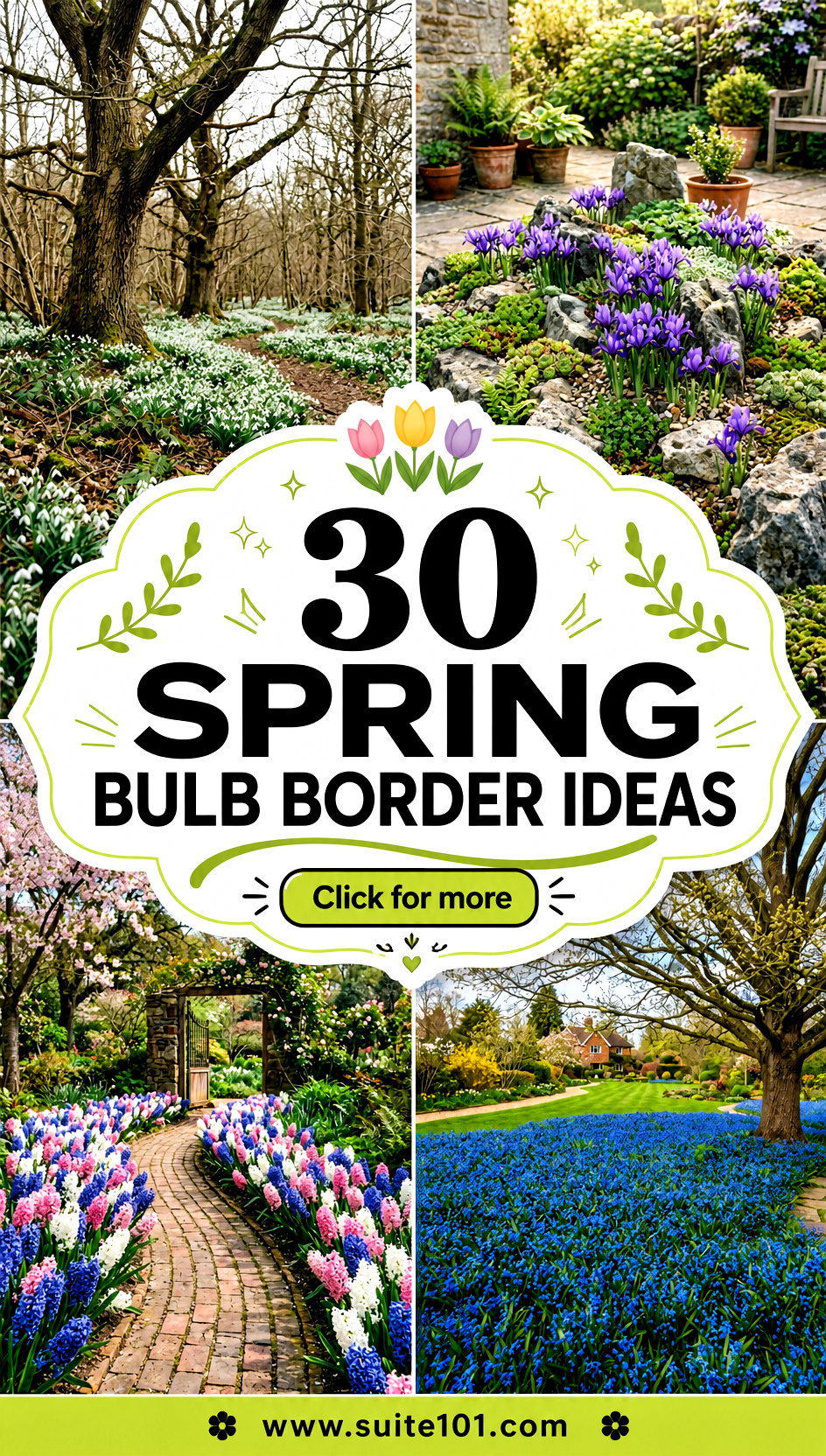
Spring brings a refreshing wave of color that transforms dormant landscapes into vibrant masterpieces of nature. Planning a bulb border allows you to curate this seasonal transition with precision and artistry. Whether you prefer the classic cheer of golden daffodils or the sophisticated elegance of multi-tonal tulips, bulbs offer endless possibilities for garden borders. A well-designed border does more than just look pretty; it signals the end of winter and provides vital early nectar for pollinators. By selecting a mix of early, mid, and late-season bloomers, you can ensure your outdoor space remains captivating for months. This guide explores thirty unique ways to arrange spring bulbs to create a professional-looking garden display that captures the essence of the season. Use these diverse concepts to enhance your curb appeal and bring new life to your backyard sanctuary this year.
1. Yellow Daffodil Border
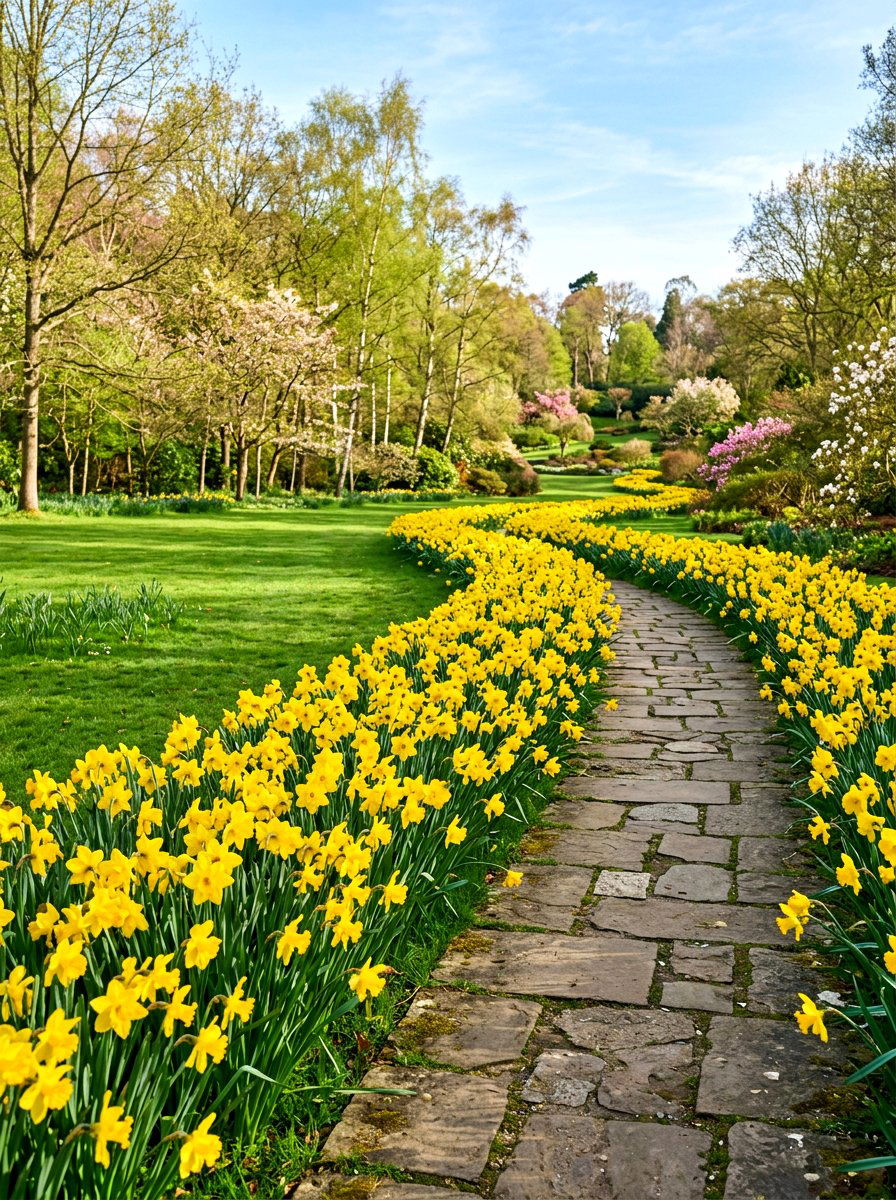
Can you imagine anything more iconic than a bright yellow daffodil border greeting you on a crisp March morning? These hardy perennials are the quintessential sign of spring, offering a bold splash of sunny color that stands out against the bare soil. When planting a daffodil border, it is best to group them in large clusters rather than single rows to create a more naturalized look. They thrive in sunny spots but can tolerate partial shade, making them versatile for almost any garden edge. Their sturdy stems resist wind and rain, ensuring the blooms remain upright throughout the season. Because they are deer and rabbit resistant, you can rest easy knowing your display will remain untouched by local wildlife.
2. Mixed Tulip Flower Bed
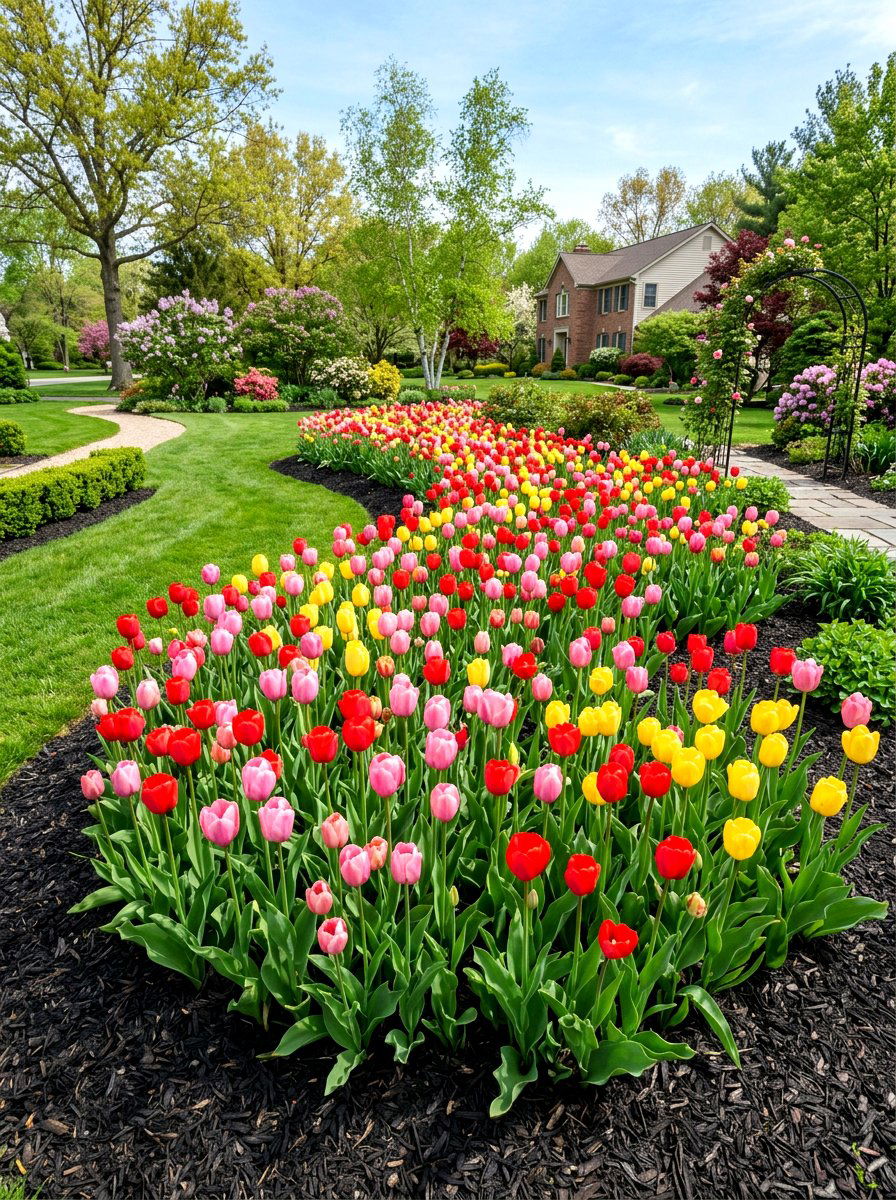
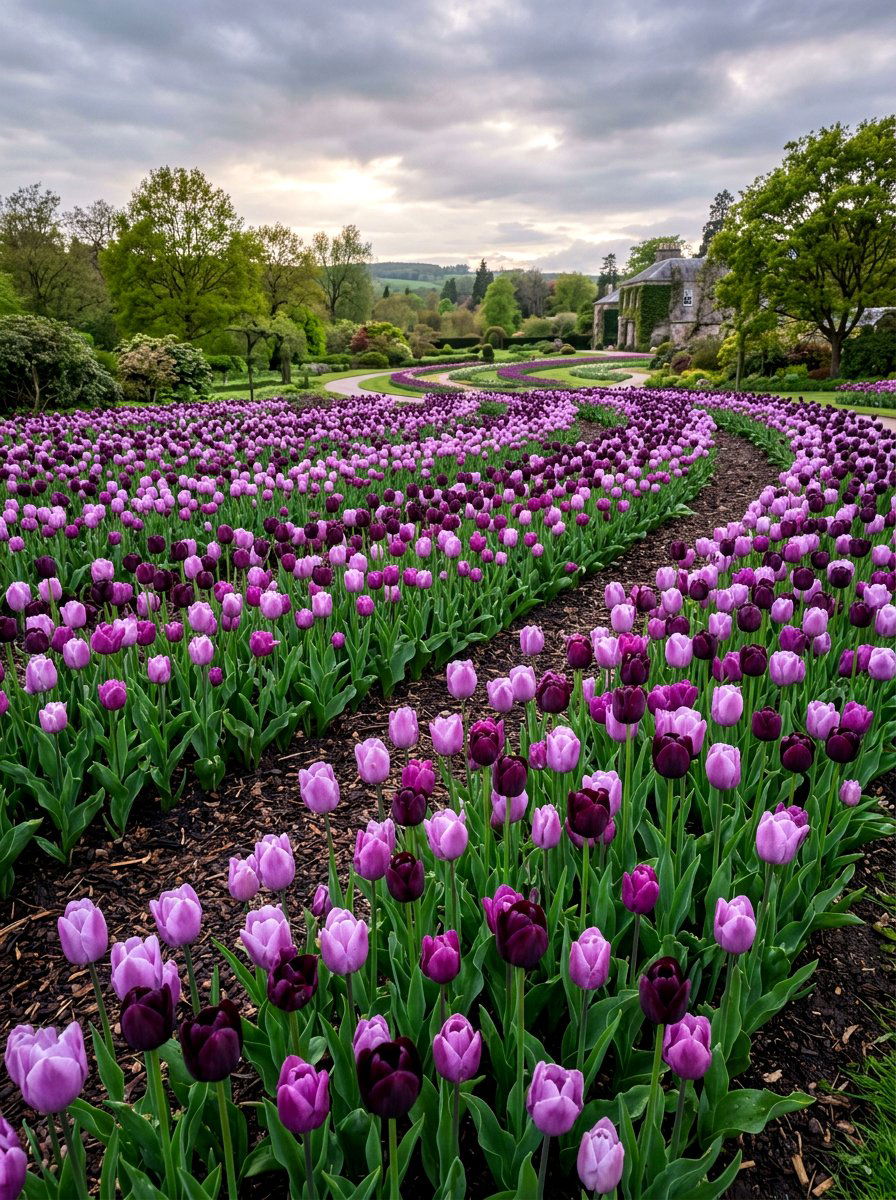
Have you ever noticed how a mixed tulip flower bed can instantly brighten a somber corner of your garden? This approach allows you to combine various heights, textures, and colors to create a high-impact visual display that feels intentional yet organic. By mixing early-blooming Fosteriana tulips with late-season Darwin hybrids, you can extend the flowering period for several weeks. Consider a palette of contrasting primary colors for a bold statement or harmonious pastels for a softer, more romantic atmosphere. Planting these bulbs in dense groupings ensures that as one variety fades, another is ready to take center stage. This layering technique provides a lush, full appearance that mimics the professional botanical gardens seen in magazines.
3. Purple Allium Garden Border
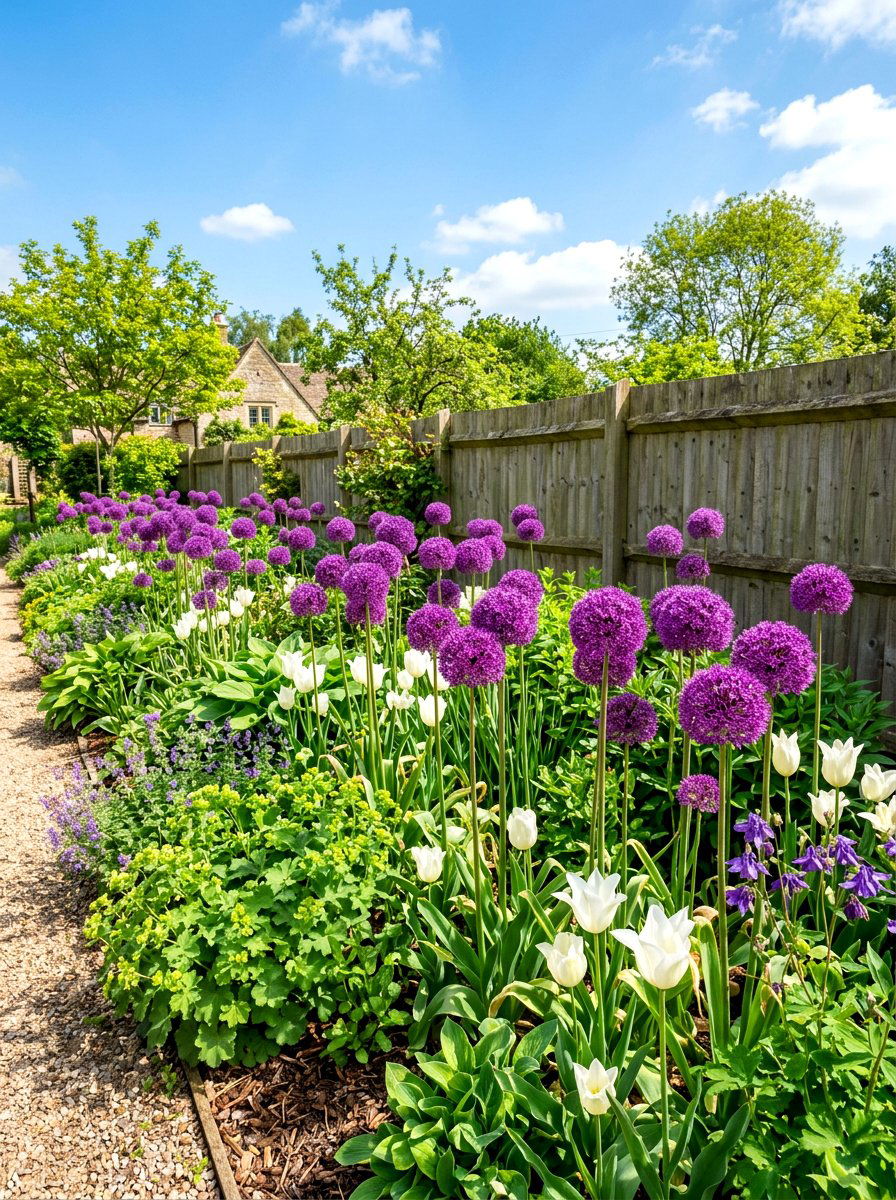
Are you looking for a way to add height and architectural interest to your late spring landscape? A purple allium garden border is the perfect solution, offering spherical flower heads that seem to float above the rest of your greenery. These tall, stately blooms create a rhythmic pattern when planted at intervals along the back of a flower bed. They pair beautifully with lower-growing perennials that can hide the allium foliage as it begins to yellow after blooming. Alliums are highly attractive to bees and butterflies, making them an excellent choice for eco-conscious gardeners. Their unique shape provides a modern, sculptural element that contrasts beautifully with the softer forms of traditional spring flowering plants.
4. Blue Grape Hyacinth Edging
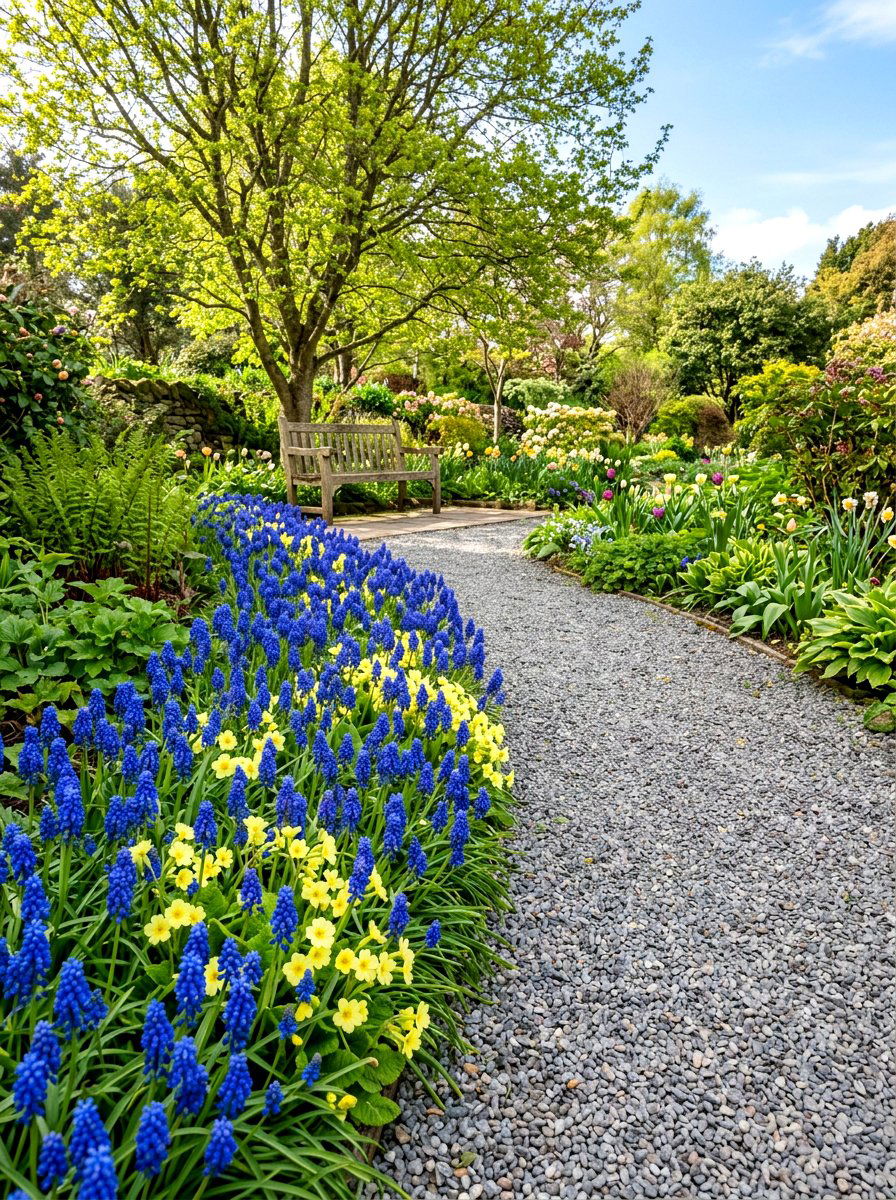
Have you ever walked along a path lined with a thick carpet of blue grape hyacinth edging? These petite, bell-shaped flowers create a stunning river of cobalt blue that guides the eye through the garden space. Muscari, as they are botanically known, are ideal for the very front of a border because of their low-growing habit. They multiply rapidly over time, eventually creating a dense mat of color that requires very little maintenance once established. Their delicate fragrance is a pleasant surprise for anyone walking nearby, and they serve as an important early food source for emerging bees. Pairing them with yellow primroses or white daisies creates a classic and cheerful color combination for spring.
5. Snowdrop Woodland Border
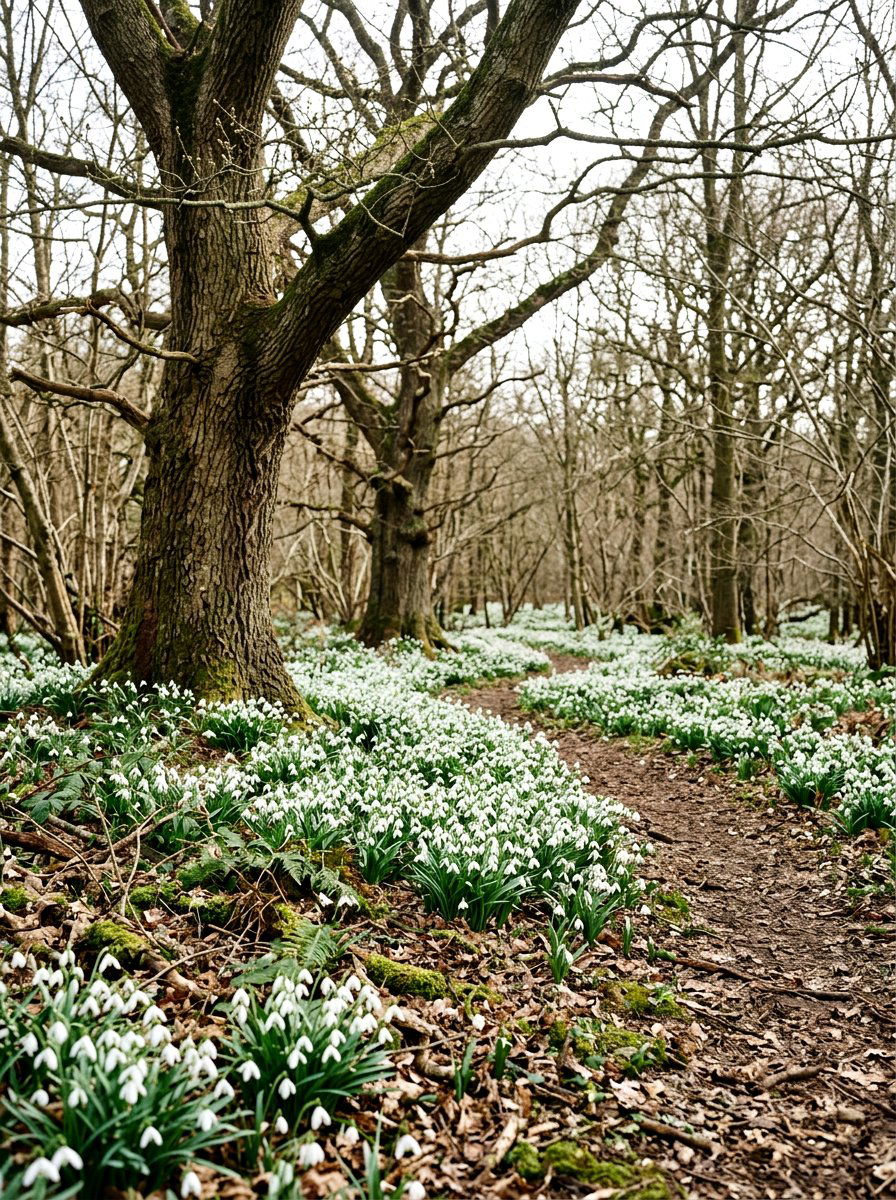
Is there anything more hopeful than seeing the first snowdrop woodland border emerging through a light dusting of late winter snow? These delicate white flowers are among the earliest to bloom, often appearing while the rest of the garden is still deep in hibernation. To create a successful woodland effect, plant your snowdrops in large, irregular drifts under the canopy of deciduous trees or large shrubs. This mimics their natural habitat and provides them with the dappled shade they prefer during the warmer months. As they naturalize and spread, they will form a charming white carpet that requires no effort to maintain year after year. Their simple elegance sets a peaceful tone.
6. Crocus Lawn Edging
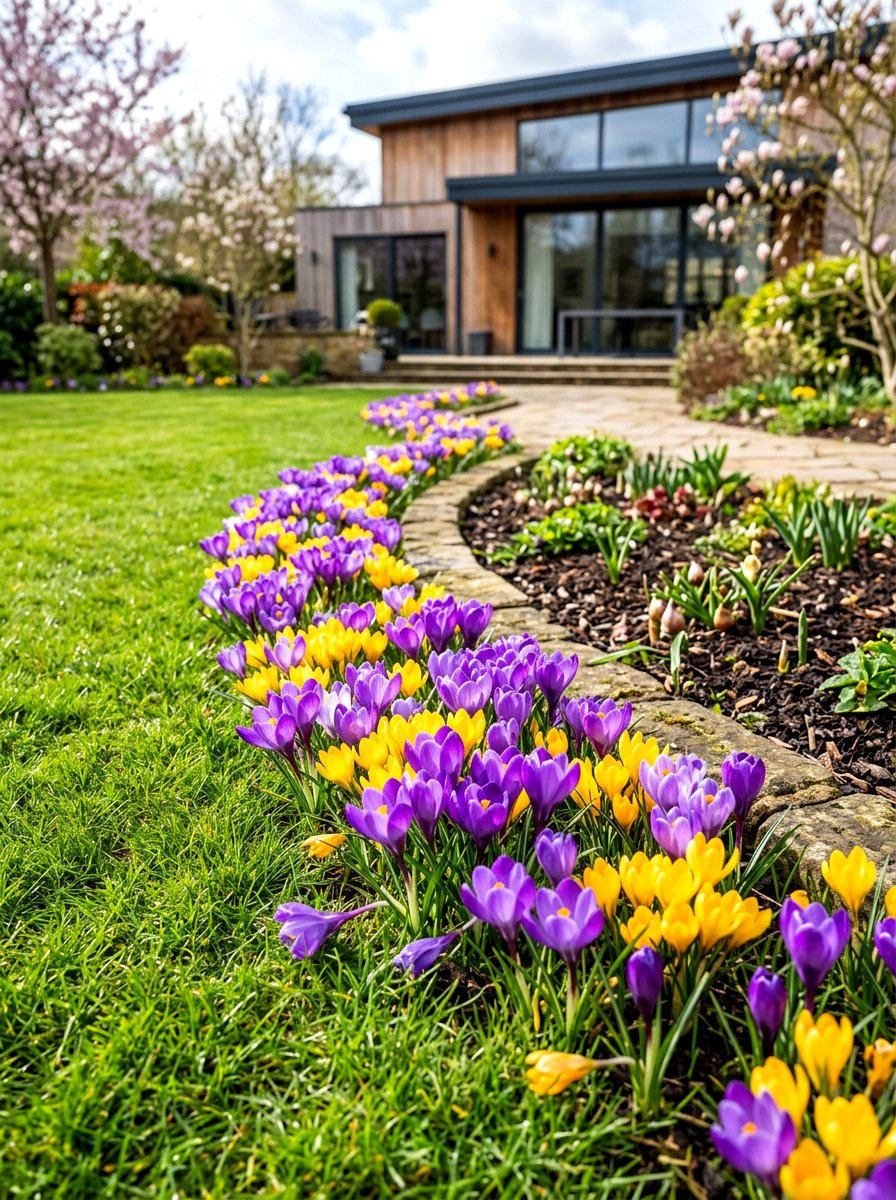
Would you like to transform your dormant lawn into a jewel-toned masterpiece before the first grass cutting? Crocus lawn edging involves planting small bulbs directly into the turf along the margins of your grass areas. These low-profile flowers open wide in the sunshine, revealing vibrant shades of purple, yellow, and white that look like scattered gemstones. Because they bloom so early, they complete their life cycle before most homeowners need to start mowing their lawns in earnest. This technique is perfect for adding color to transition areas between manicured gardens and wilder spaces. The result is a whimsical, meadow-like appearance that feels both wild and carefully curated at the same time.
7. Red Tulip Garden Row
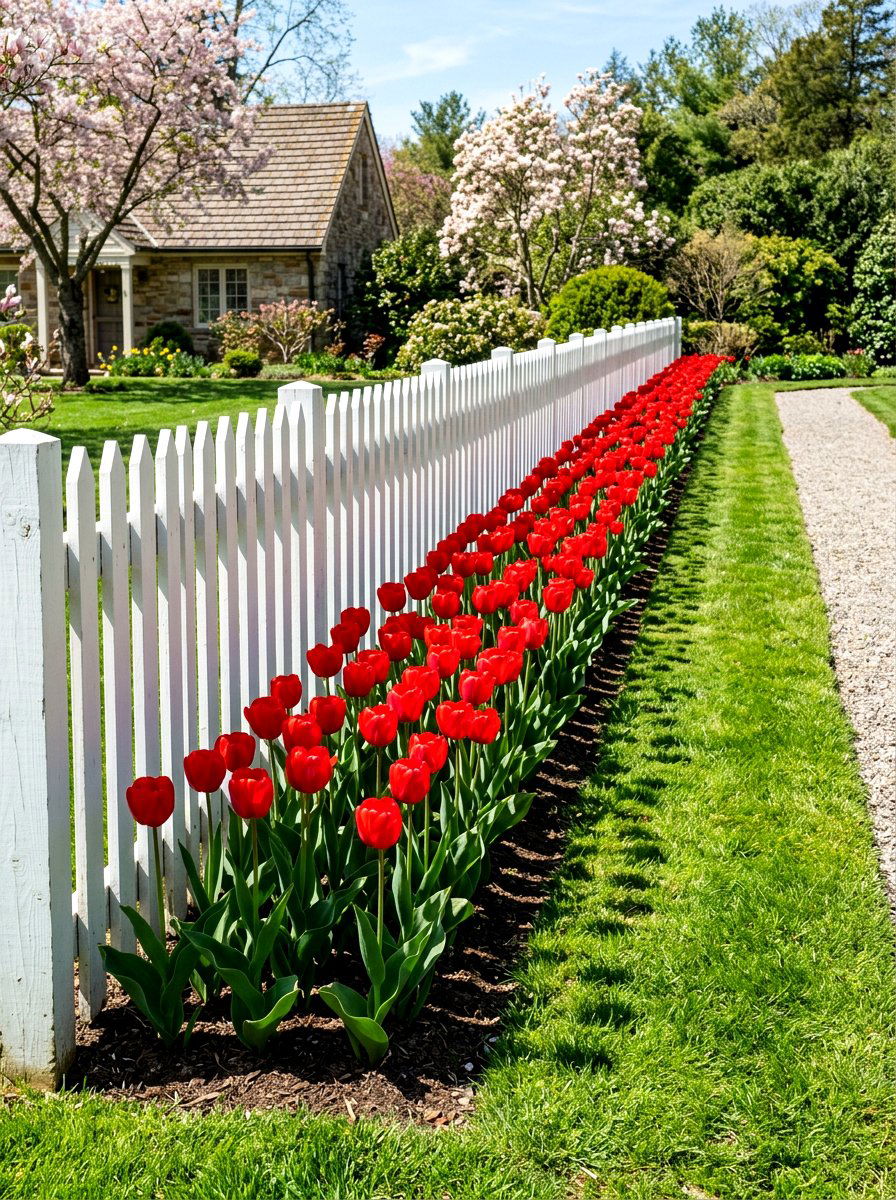
Do you want to create a bold, high-contrast look that demands attention from every passerby? A red tulip garden row is a classic choice for formal landscapes, offering a sense of structure and tradition. Varieties like the 'Red Impression' provide large, satiny petals that hold their color exceptionally well even in bright sunlight. Planting them in a straight, disciplined line along a fence or driveway creates a powerful visual anchor for your spring garden. The deep crimson hue pops against the vibrant green of new spring grass, creating a professional and polished aesthetic. For the best impact, space the bulbs evenly and plant them at a uniform depth to ensure they bloom simultaneously.
8. Pink Peony Tulip Border
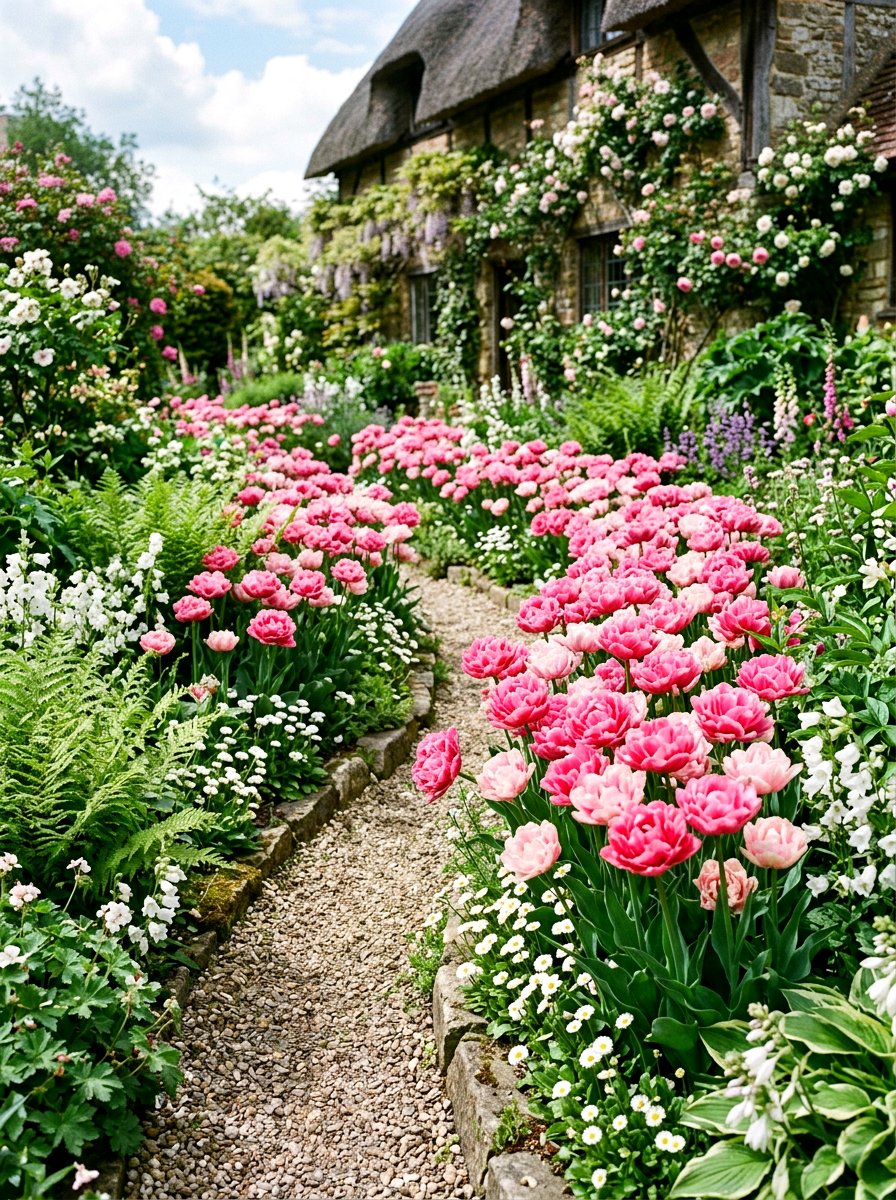
Have you ever seen a pink peony tulip border and mistaken the flowers for actual peonies? These double-flowered tulips feature multiple layers of soft petals that create a lush, romantic look unmatched by single varieties. They are particularly effective when planted in large groups where their heavy, ruffled heads can lean on each other for support. The delicate shades of blush, rose, and magenta add a feminine touch to the garden that feels sophisticated and luxurious. Because they bloom later in the spring, they are perfect for filling the gap as earlier bulbs begin to fade. Their long vase life also makes them a favorite for those who enjoy creating spring bouquets.
9. Dwarf Iris Rock Garden
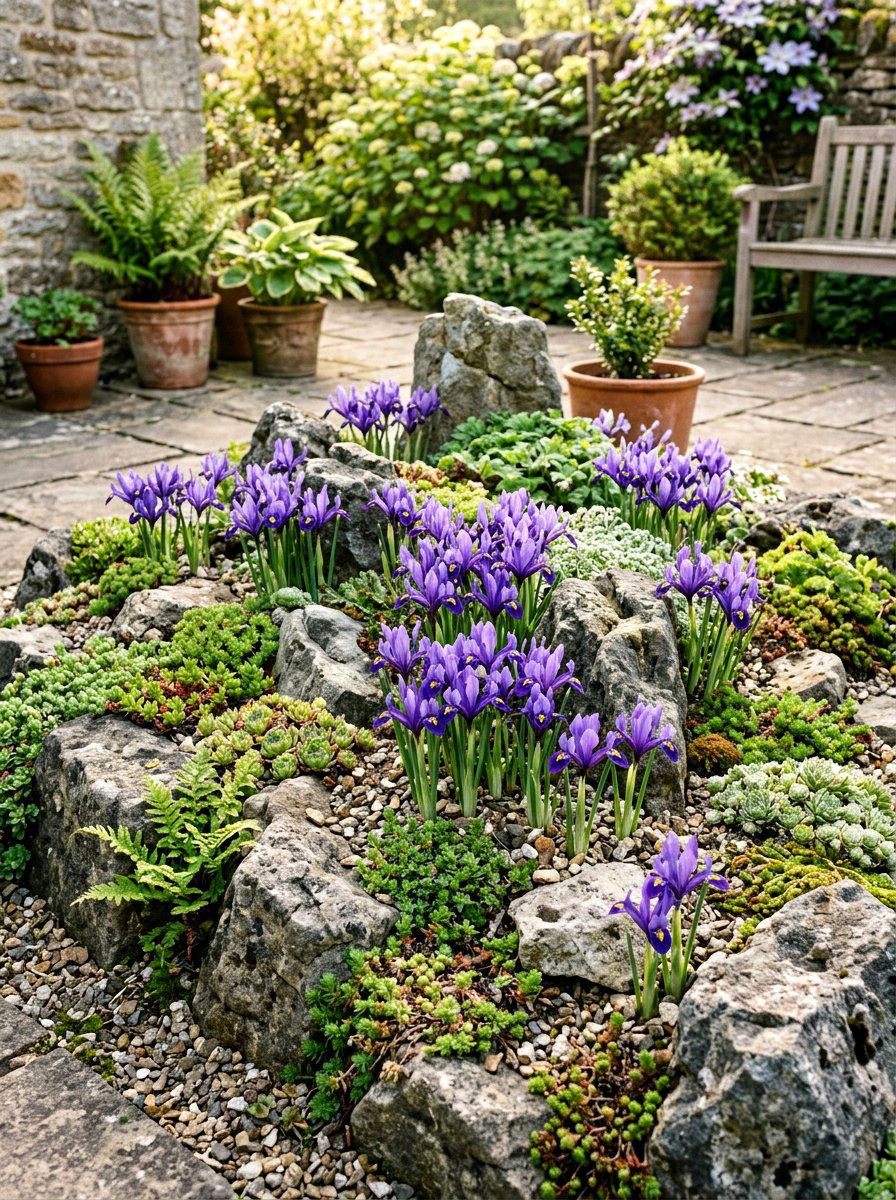
Are you interested in adding intricate detail and rich texture to the smaller spaces in your landscape? A dwarf iris rock garden provides early spring interest with petite blooms that feature complex patterns and striking colors. These hardy little bulbs thrive in well-drained soil and rocky environments where larger plants might struggle to survive. Their grass-like foliage stays neat and compact, making them ideal for framing the edges of stone paths or decorative gravel beds. Many varieties, such as 'Iris reticulata, ' offer a sweet fragrance that is best enjoyed when planted near eye level or along frequently used walkways. Their deep blues and purples provide a regal touch to the early season.
10. Fragrant Hyacinth Path
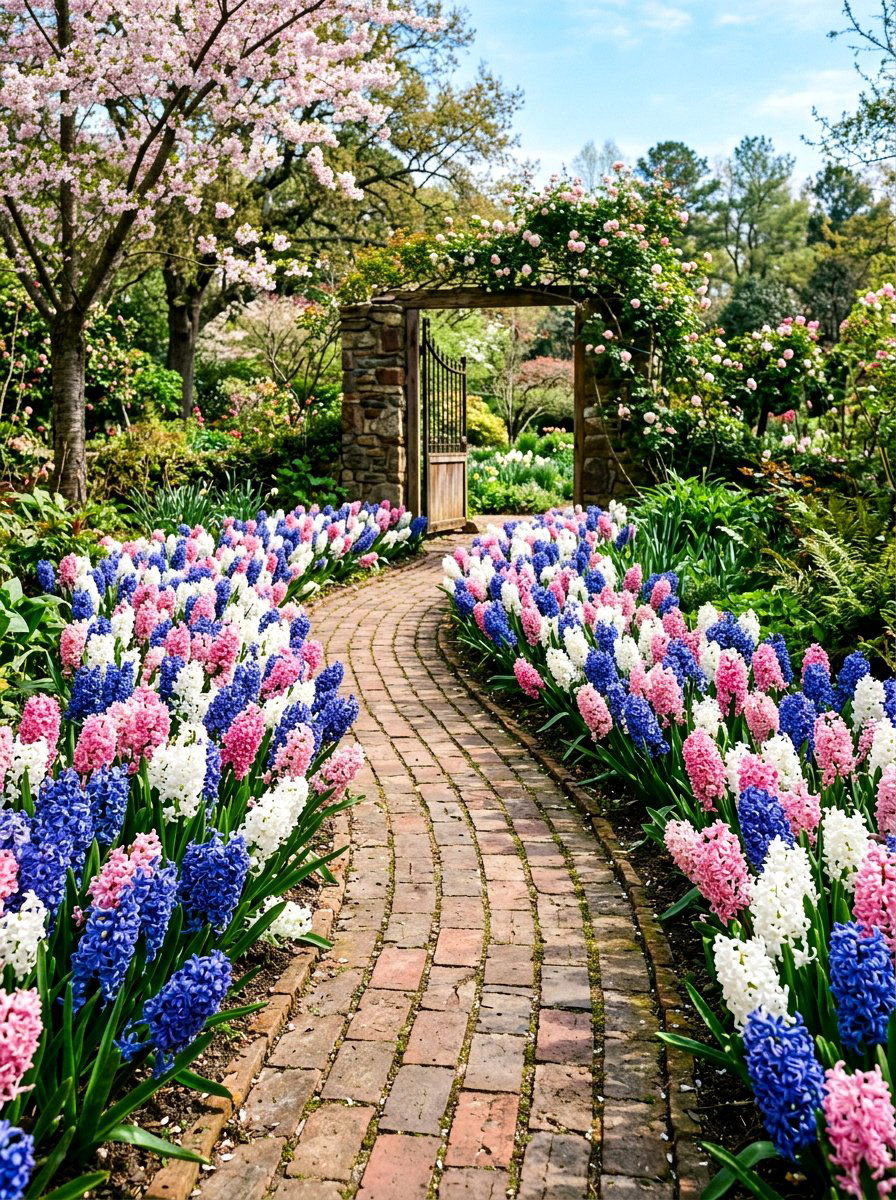
Can you imagine the intoxicating scent of a fragrant hyacinth path filling the air as you step outside? Hyacinths are world-renowned for their powerful perfume and dense, upright flower spikes that come in nearly every color of the rainbow. Lining a walkway with these sturdy bulbs ensures that their beauty and fragrance are experienced up close by everyone who visits. They are exceptionally uniform in growth, which makes them a popular choice for formal borders where a neat appearance is desired. Whether you choose a monochromatic blue theme or a vibrant mixture of pinks and yellows, hyacinths provide a sense of abundance and sensory delight that defines the peak of spring.
11. Fritillaria Meleagris Meadow
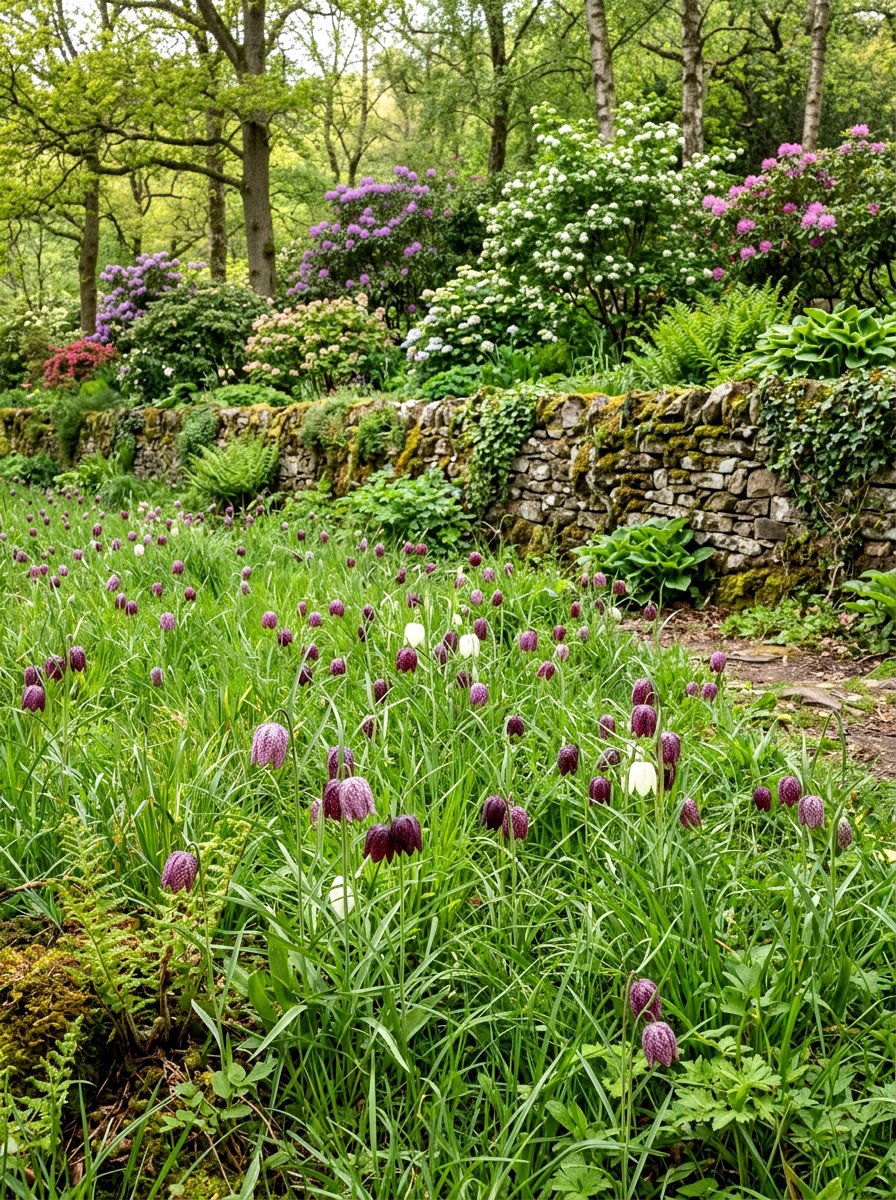
Have you ever admired the unusual, checkerboard patterns found on a Fritillaria meleagris meadow border? Also known as the snake 's head fritillary, these nodding, bell-shaped flowers offer a unique aesthetic that feels both ancient and artistic. They are best used in damp, grassy areas or semi-shaded borders where they can naturalize over time to create a wilder look. The mix of purple and white flowers adds a subtle, sophisticated texture that invites closer inspection from garden guests. Unlike many other spring bulbs, these plants prefer soil that doesn' t completely dry out during their dormant period. They provide a wonderful alternative to the more common spring flowers for those seeking a unique garden personality.
12. Parrot Tulip Flower Bed
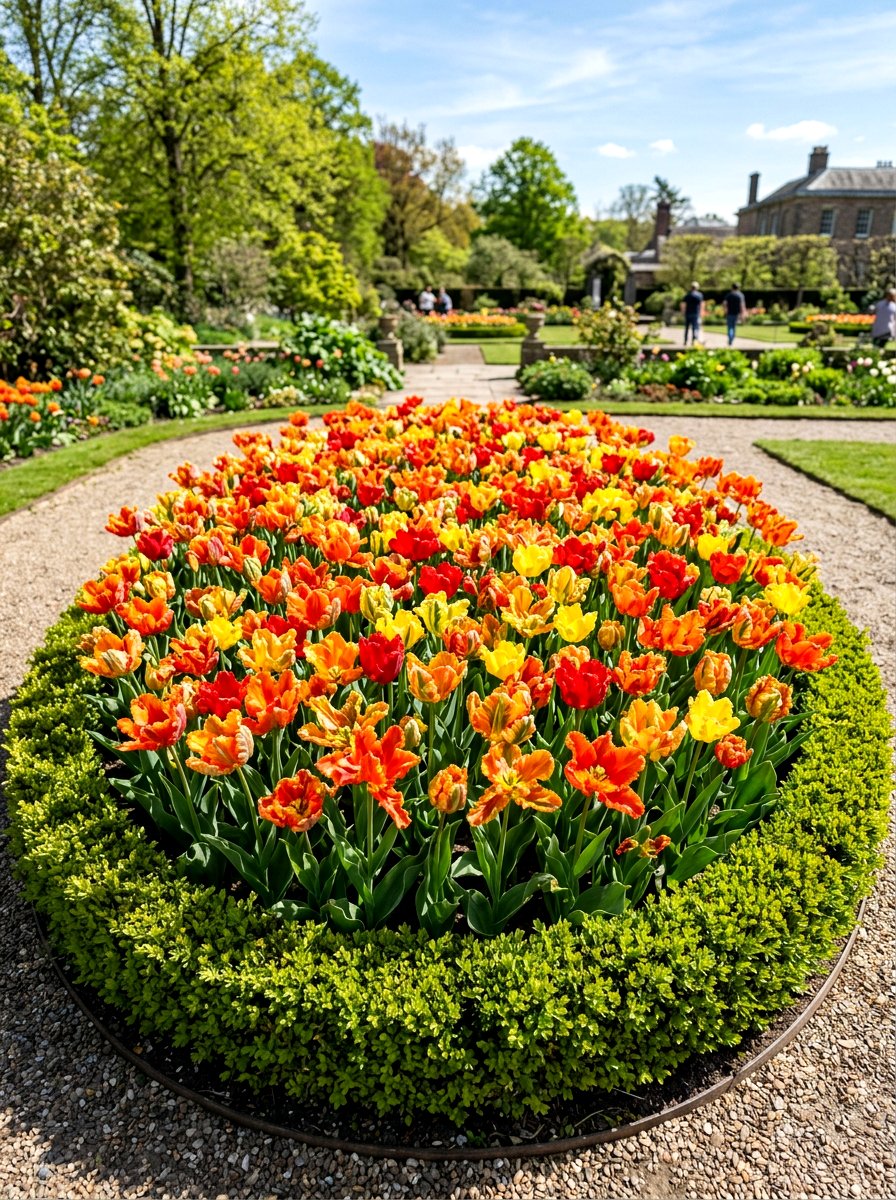
Do you want to add a touch of drama and exotic flair to your spring garden display? A parrot tulip flower bed features cultivars with fringed, twisted, and multi-colored petals that look more like tropical birds than traditional tulips. These show-stopping blooms are often large and heavy, making them a fantastic focal point for the center of a floral border. Their unpredictable shapes and vivid color combinations, such as the famous 'Rococo' or 'Texas Gold, ' bring a sense of excitement and movement to the landscape. Because they are so visually complex, they look best when planted in groups against a simple backdrop of green shrubs or dark mulch to highlight their unique form.
13. Siberian Squill Groundcover
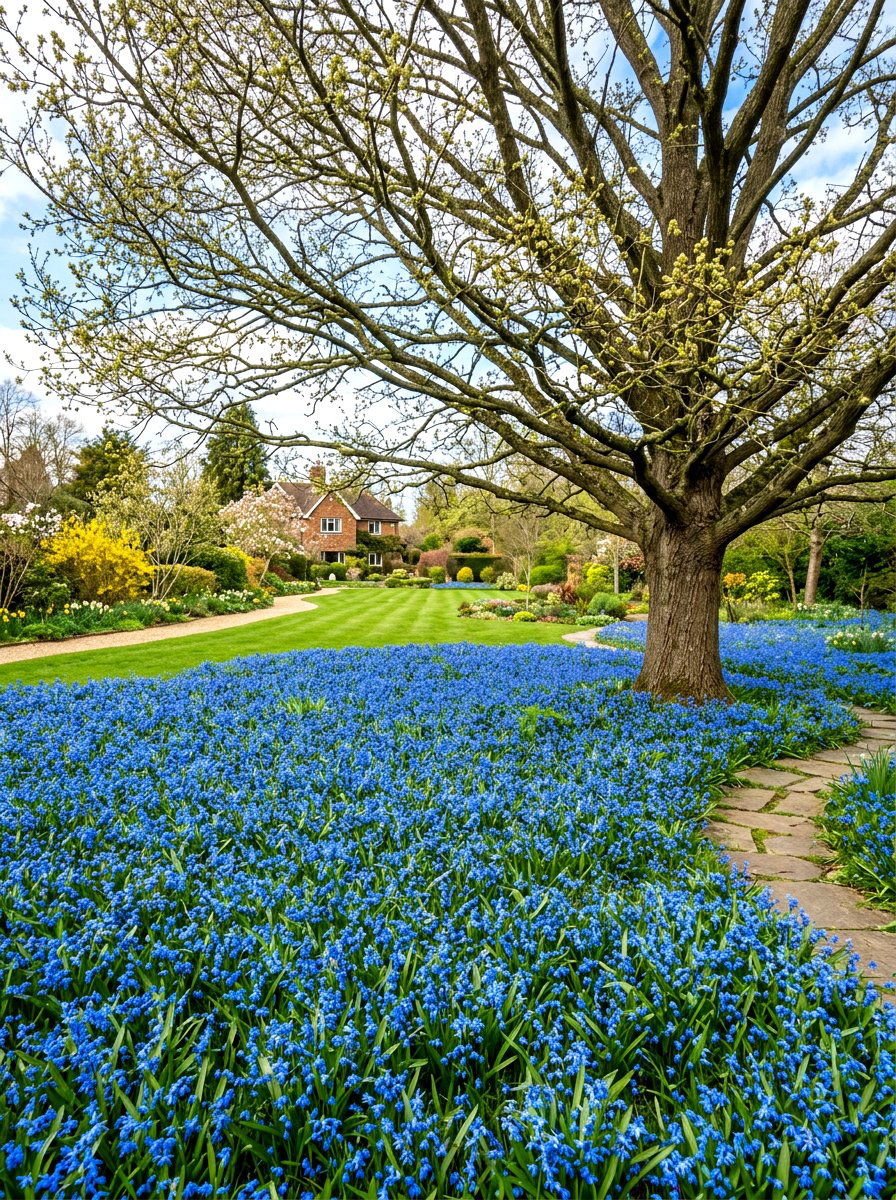
Have you ever dreamed of a garden floor that looks like a reflection of the clear blue sky? Siberian squill groundcover produces tiny, nodding blue flowers that spread rapidly to create an expansive carpet of intense color. These bulbs are incredibly resilient and can handle cold temperatures, often blooming alongside the very first snowdrops. They are perfect for planting under trees or at the very edge of a border where they can wander into the lawn. Because they are so small, they do not interfere with the growth of later perennials, simply disappearing back into the earth as summer approaches. Their reliability and vibrant blue hue make them a staple for spring enthusiasts.
14. White Narcissus Border
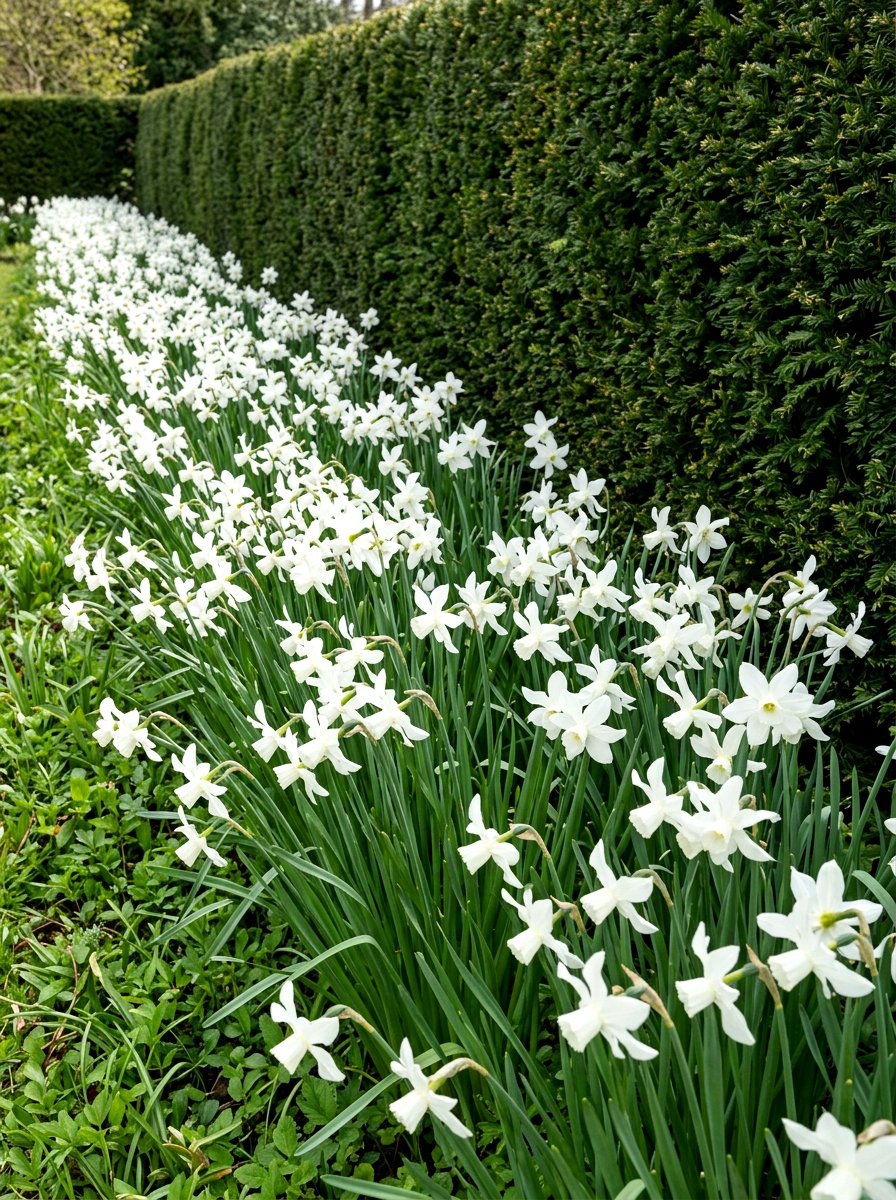
Are you looking for a clean, elegant look that brings a sense of serenity to your outdoor space? A white narcissus border, featuring varieties like 'Thalia' or 'Mount Hood, ' offers a sophisticated alternative to the traditional yellow daffodil. These flowers have a luminous quality that seems to glow in the twilight, making them a perfect choice for gardens viewed in the evening. Their delicate forms and often multi-flowered stems provide a lighter, more airy appearance than their bulkier cousins. White blooms also act as a wonderful neutral, allowing you to bridge the gap between different colored sections of your garden while maintaining a cohesive and peaceful design that feels high-end.
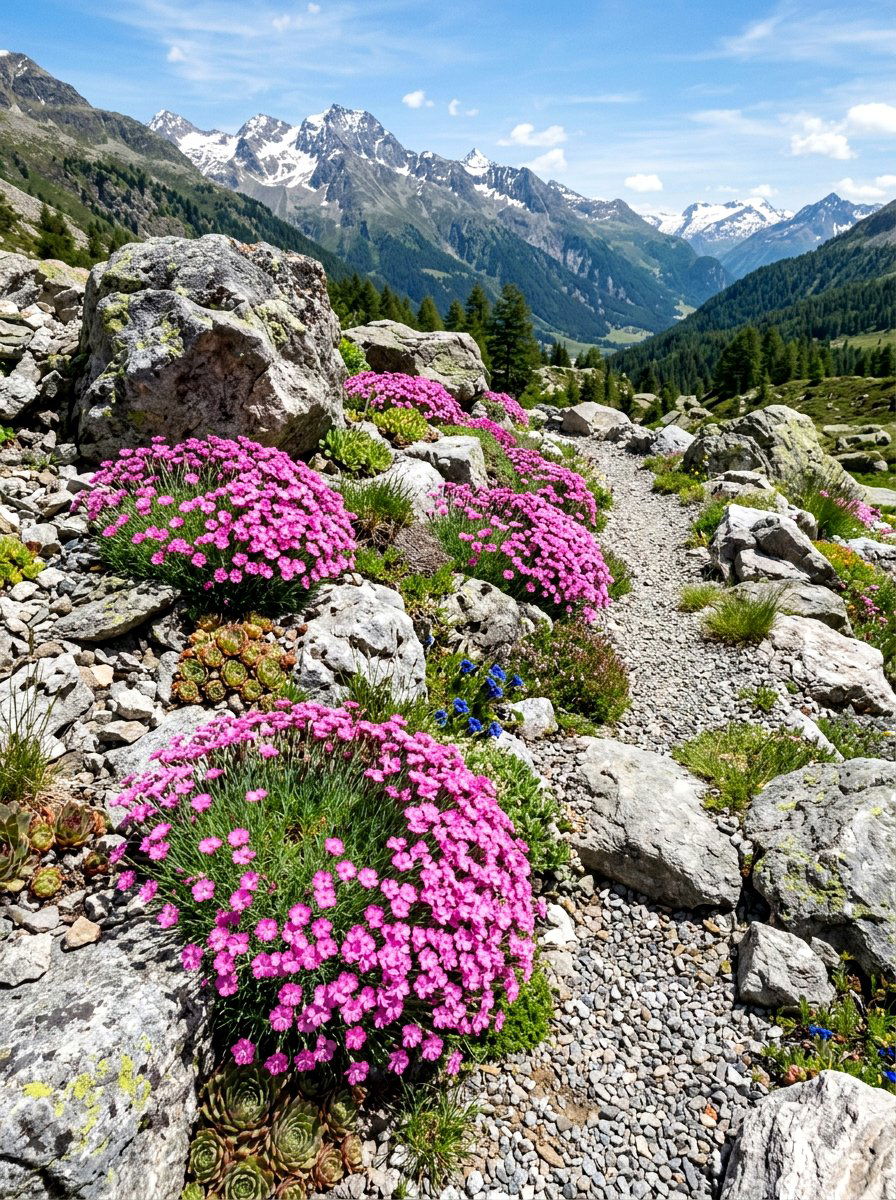
15. Large Cupped Daffodil Bed
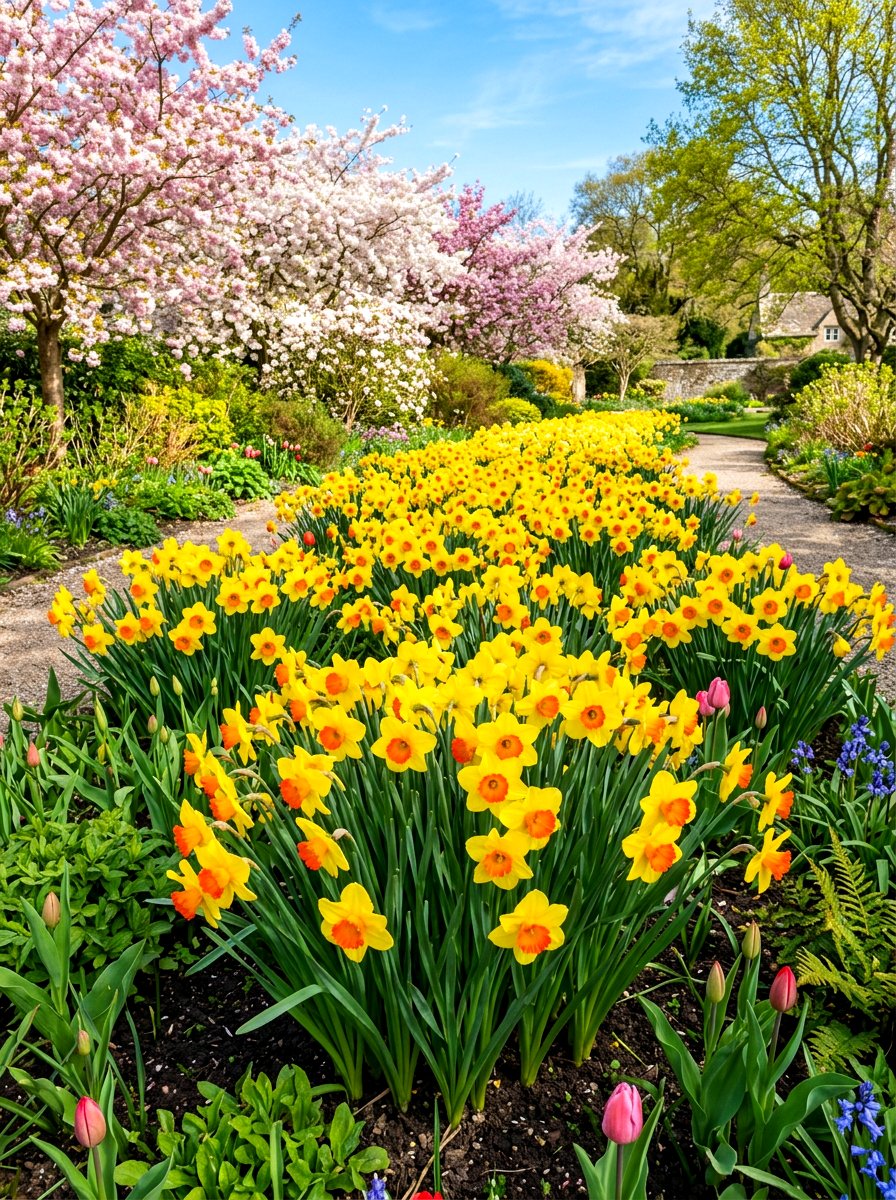
Have you considered using a large cupped daffodil bed to create a multi-dimensional display with varying depths of color? These varieties are known for having a central cup that is at least one-third the length of the surrounding petals, often in a contrasting shade. For example, a white petal with a bright orange cup creates a striking visual pop that can be seen from across the yard. These bulbs are exceptionally hardy and reliable, often returning for decades with very little intervention. Planting them in a dedicated bed allows you to appreciate the subtle differences in form and color that make this group of narcissus so popular among collectors and casual gardeners alike.
16. Tete A Tete Miniature Border
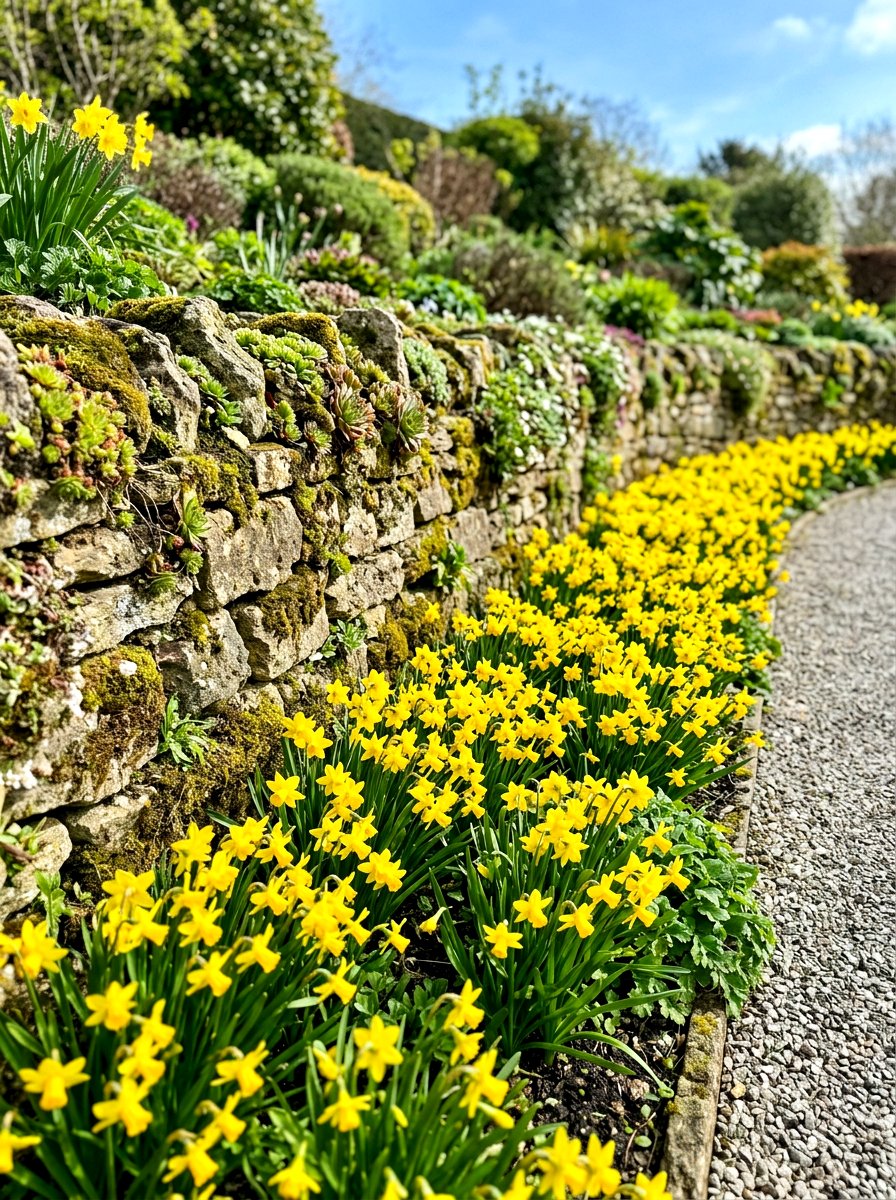
Do you have a small garden space or a set of containers that needs a big boost of spring energy? A Tete a Tete miniature border is the perfect solution, featuring one of the most popular dwarf daffodil varieties in the world. These tiny plants only grow about six inches tall but produce multiple golden blooms on every single stem. Their compact size makes them ideal for the front of a border, where they won't be overshadowed by taller plants. They are also incredibly early bloomers, often providing color for several weeks before the larger tulips begin to open. Their cheerful, sunny disposition makes them a favorite for children and urban gardeners.
17. Wood Anemone Shady Border
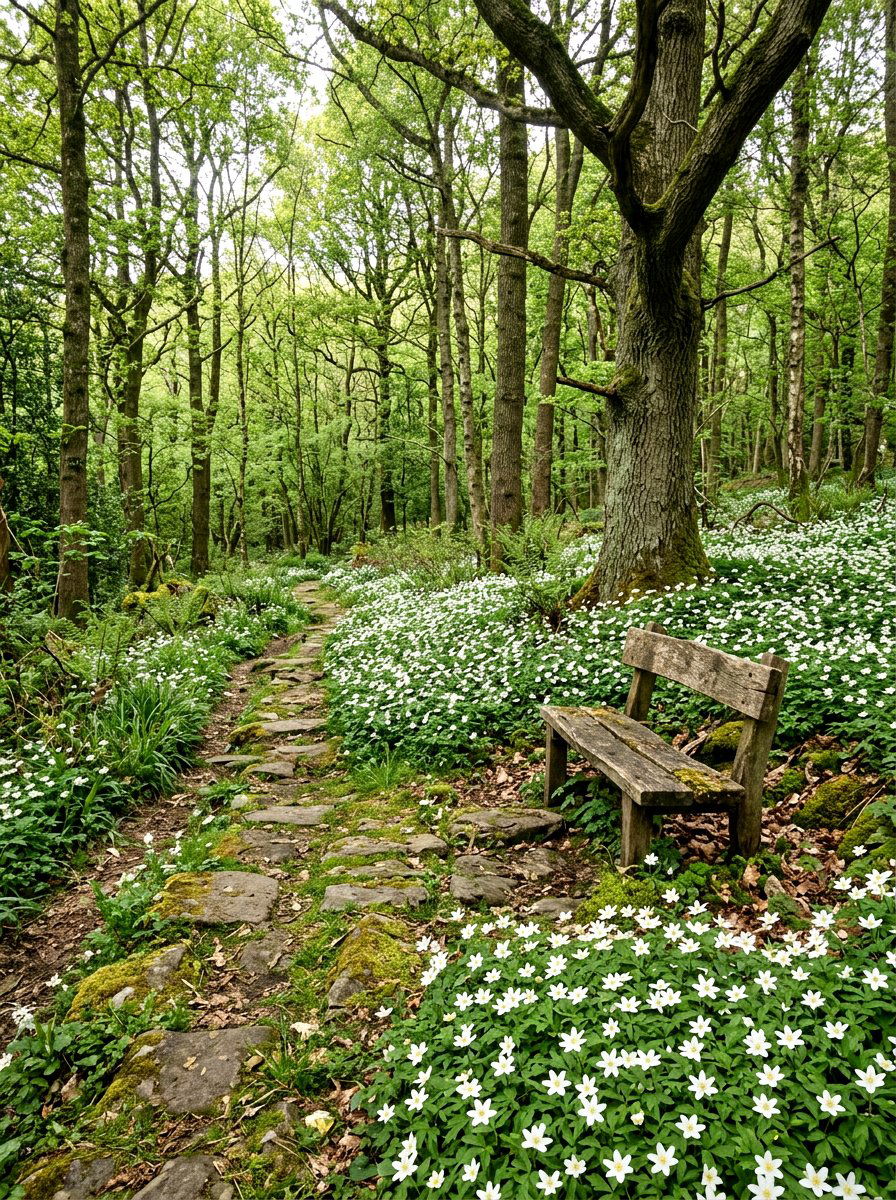
Have you ever wanted to brighten up the darker, more shaded parts of your yard with delicate spring blooms? A wood anemone shady border features low-growing white or pale blue flowers that dance above fern-like foliage. These charming perennials are native to woodland areas and thrive in the cool, moist conditions found under large trees. They spread slowly by underground rhizomes, eventually forming a lush, flowering carpet that signals the start of the growing season. Their simple, star-shaped flowers close at night and during rainy weather, adding a dynamic and living element to your garden design. They are the perfect companion for early-season shade lovers like hellebores and primroses.
18. Summer Snowflake Border
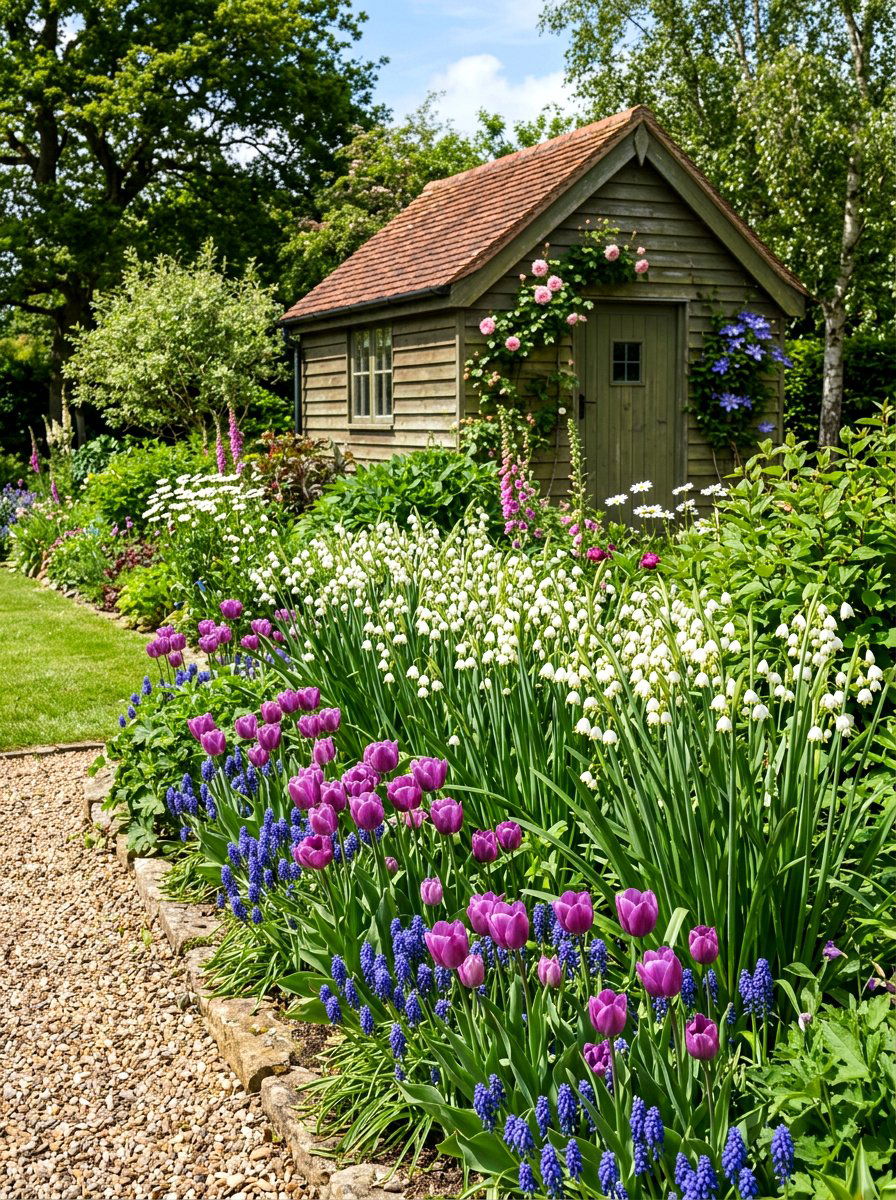
Are you looking for a bulb that provides elegance and height during the transition from mid to late spring? A summer snowflake border features tall, arching stems with multiple white, bell-shaped flowers tipped with tiny green dots. Despite the name, these bulbs actually bloom in mid to late spring, offering a graceful silhouette that works well in the middle or back of a border. They are remarkably easy to grow and can tolerate wetter soils than many other bulb varieties, making them a great choice for low spots in the garden. Their sophisticated look and reliable performance make them a favorite for traditional cottage gardens and modern minimalist landscapes alike.
19. Winter Aconite Groundcover
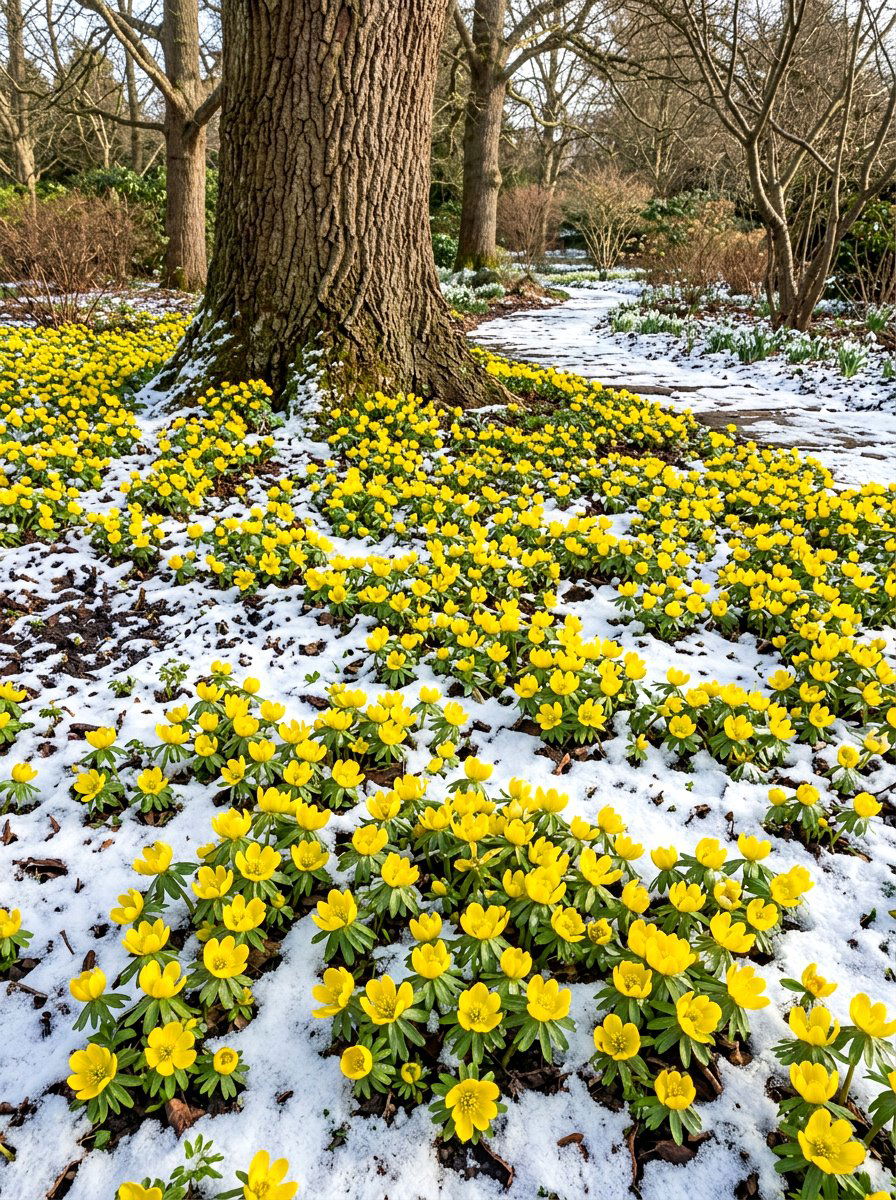
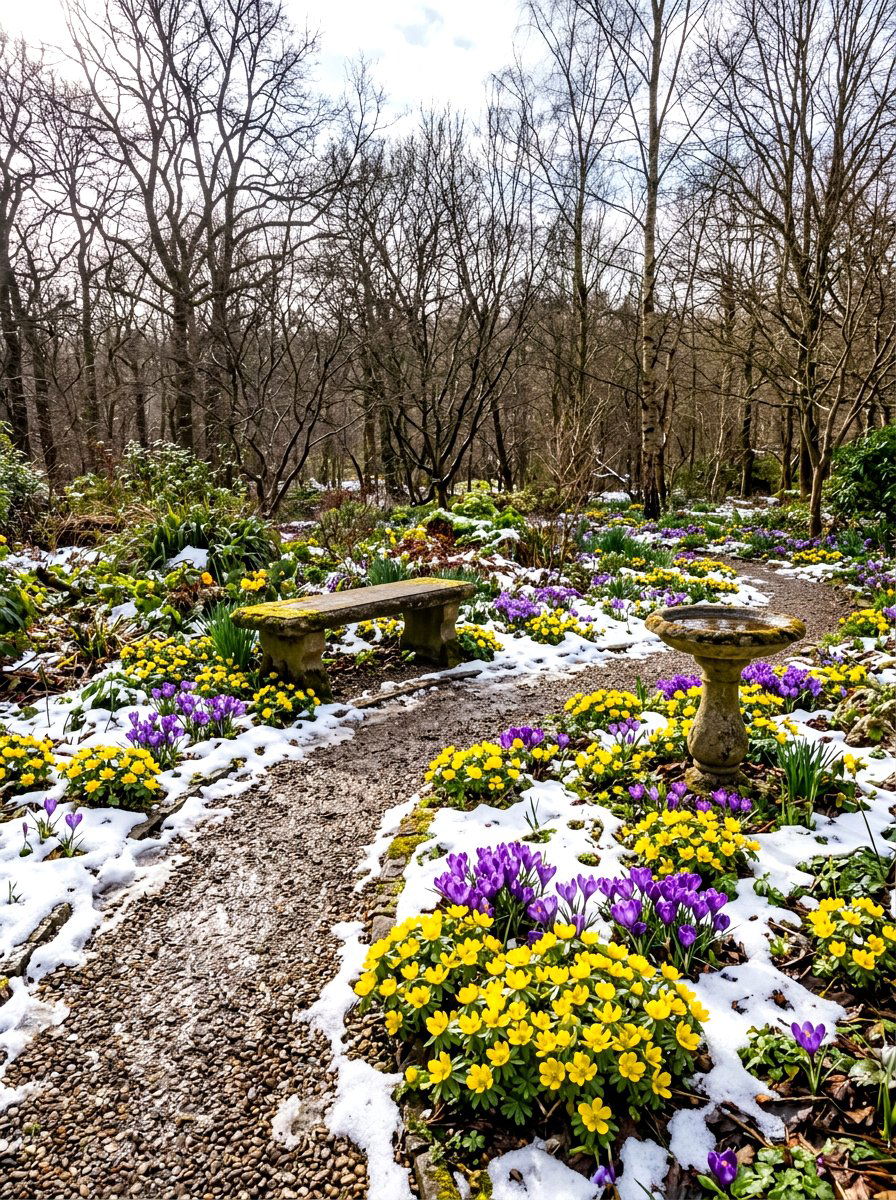
Would you like to see a golden carpet of flowers appearing even before the first crocuses start to show their heads? Winter aconite groundcover provides a stunning display of buttercup-like yellow flowers surrounded by a ruff of green leaves. These low-growing plants are famous for their ability to bloom through the snow, providing a vital early source of pollen for hungry insects. They are best planted in large numbers under deciduous trees where they can enjoy the early spring sun before the leaves fill in. As they naturalize, they will seed themselves and create an ever-expanding colony of bright color that brings a sense of warmth to the late winter landscape.
20. Glory Of The Snow Border
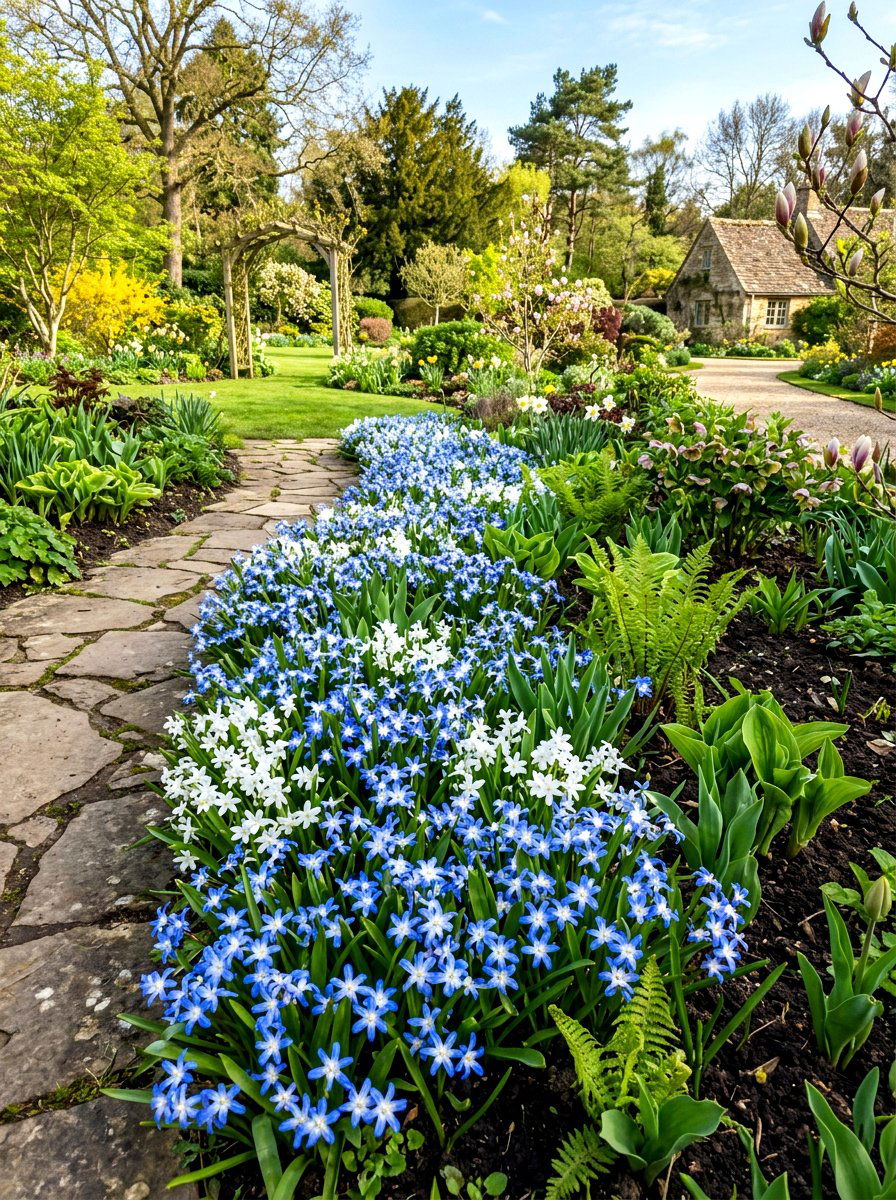
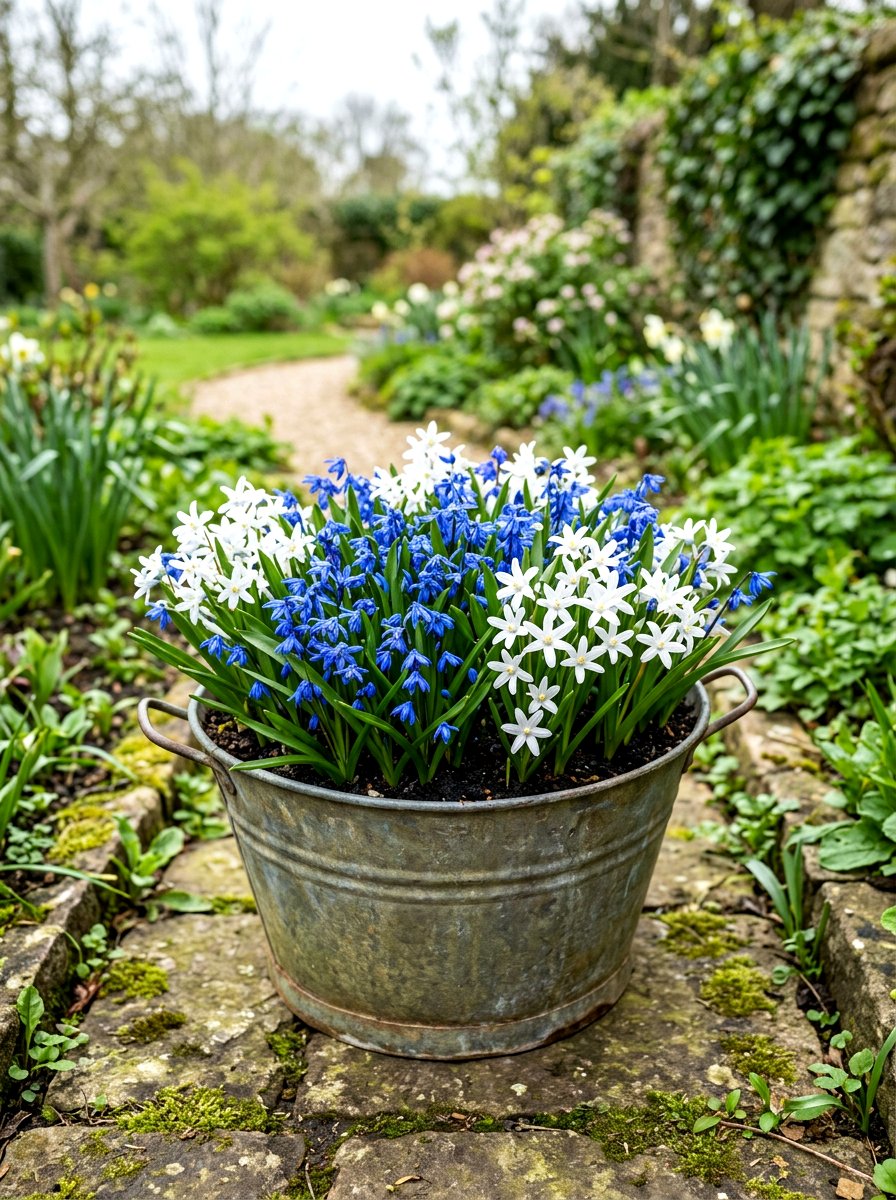
Have you ever noticed how a glory of the snow border can make a small garden space feel much larger and more open? These star-shaped flowers come in shades of soft blue, pink, and white, each featuring a bright white center that catches the light. Botanically known as Chionodoxa, they are incredibly hardy and bloom very early in the season. Their upward-facing flowers create a cheerful effect when planted in dense clusters along the edge of a flower bed or tucked between larger perennials. They require almost no maintenance and will return year after year, slowly spreading to fill any available gaps with their delicate but vibrant spring colors.
21. Lily Flowered Tulip Row
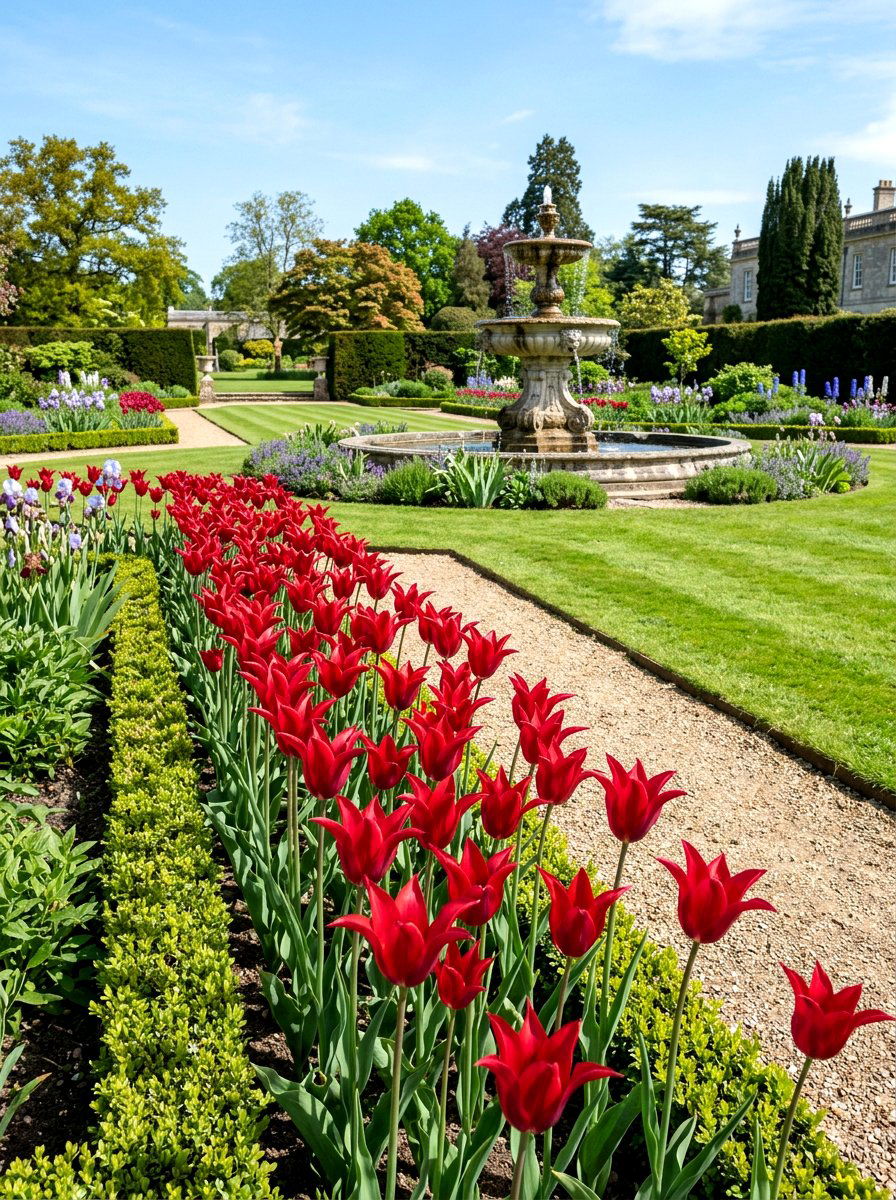
Do you want to add a touch of artistic elegance and a unique silhouette to your spring flower displays? A lily flowered tulip row features blooms with pointed, out-curved petals that resemble the shape of a classic lily. These tulips are known for their slender stems and graceful appearance, making them a favorite for cutting and formal arrangements. Varieties like the deep red 'Red Shine' or the bright orange 'Ballerina' offer a sophisticated look that stands out among the more rounded shapes of traditional tulips. Their architectural form provides a high-end feel to any garden border, especially when planted against a neutral background where their sharp lines can be fully appreciated.
22. Botanical Tulip Rockery
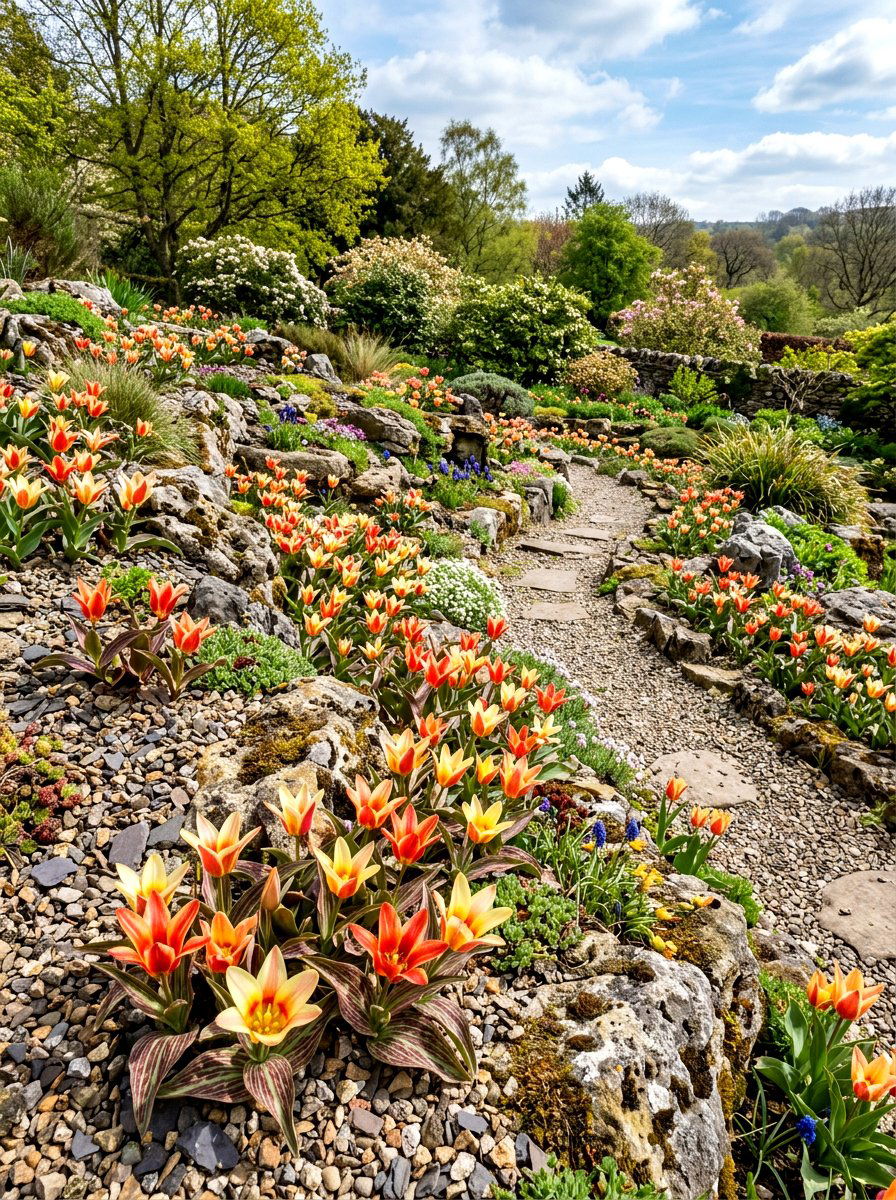
Have you ever considered using wild or botanical tulips to add a rugged, natural charm to your rock garden? Unlike their highly bred cousins, botanical tulips are often smaller, more perennial, and feature striking foliage with variegated or mottled patterns. They are incredibly tough and can handle the exposed, well-drained conditions of a rockery or gravel bed. Many varieties, such as 'Tulipa tarda' or 'Tulipa humilis, ' open wide in the sun to reveal multi-colored centers that look like small stars. These bulbs are perfect for creating a low-maintenance display that feels authentic and integrated into the landscape, offering a refreshing departure from the uniform look of traditional garden tulips.
23. Spanish Bluebell Border
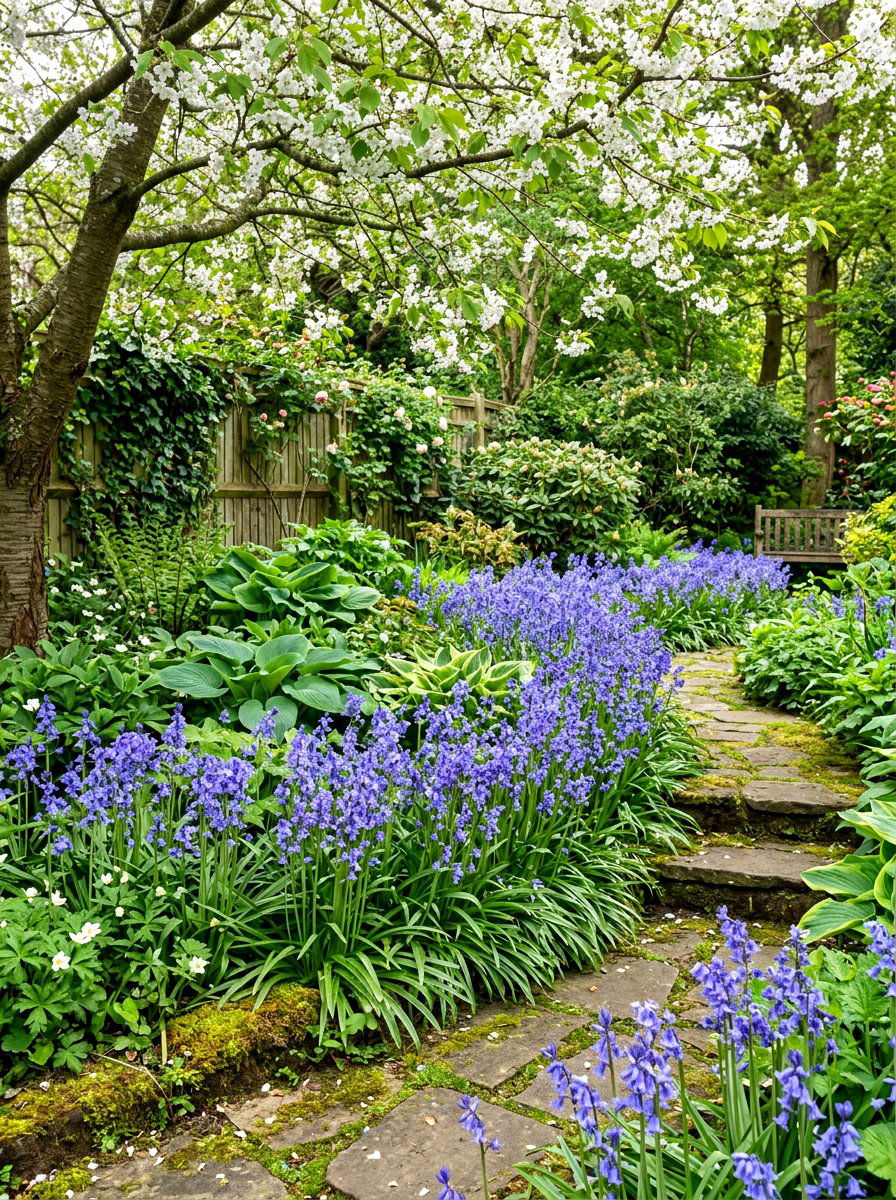
Are you searching for a reliable way to fill your spring garden with a lush sea of nodding blue flowers? A Spanish bluebell border is a fantastic choice for areas with dappled shade, as these sturdy bulbs produce tall spikes of bell-shaped blooms that thrive in cooler conditions. They are much more vigorous than the native English varieties, making them ideal for filling large spaces quickly and effectively. Their vibrant blue, pink, or white flowers add a vertical element to the garden that pairs beautifully with broad-leaved plants like hostas. Because they are so easy to grow, they are a great option for beginner gardeners looking for a guaranteed spring success.
24. Grecian Windflower Bed
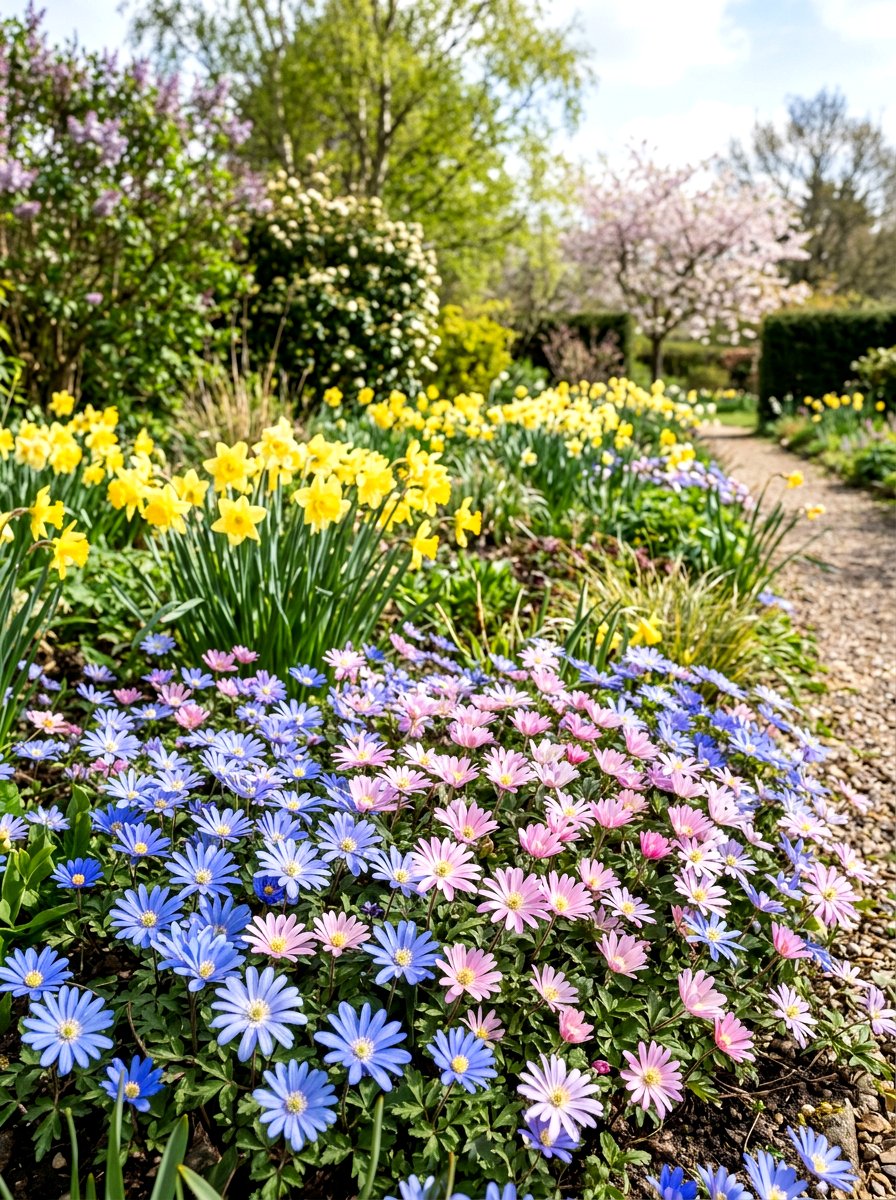
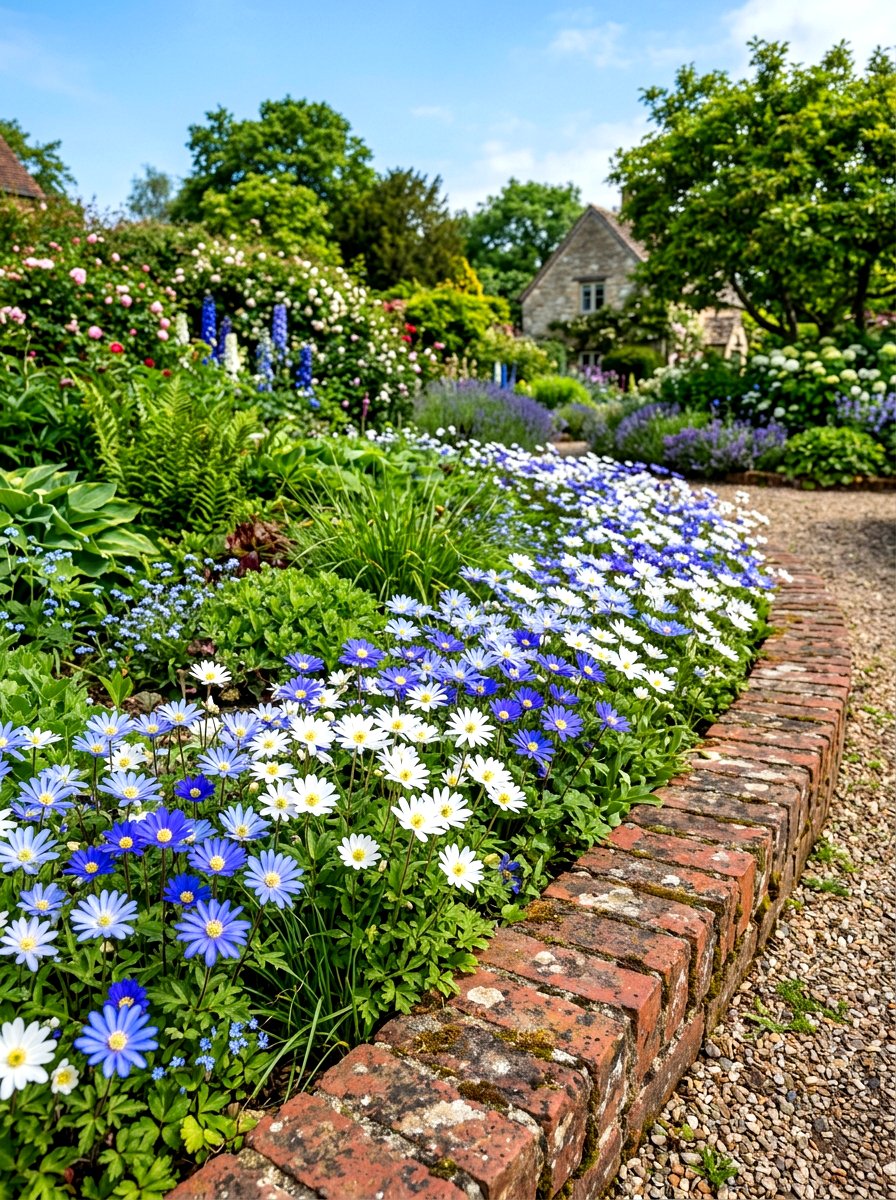
Have you ever seen the delicate, daisy-like blooms of a Grecian windflower bed and wondered how to achieve that look at home? These charming flowers, also known as Anemone blanda, offer a soft and airy texture that is perfect for the front of a border or as an under-planting for taller bulbs. They come in stunning shades of sky blue, crisp white, and deep pink, often blooming for several weeks in early spring. Their fern-like foliage provides a beautiful backdrop for the flowers and stays attractive long after the blooms have faded. Planting them in large, informal drifts creates a naturalized effect that makes your garden feel like a peaceful woodland clearing.
25. Pheasants Eye Daffodil Border
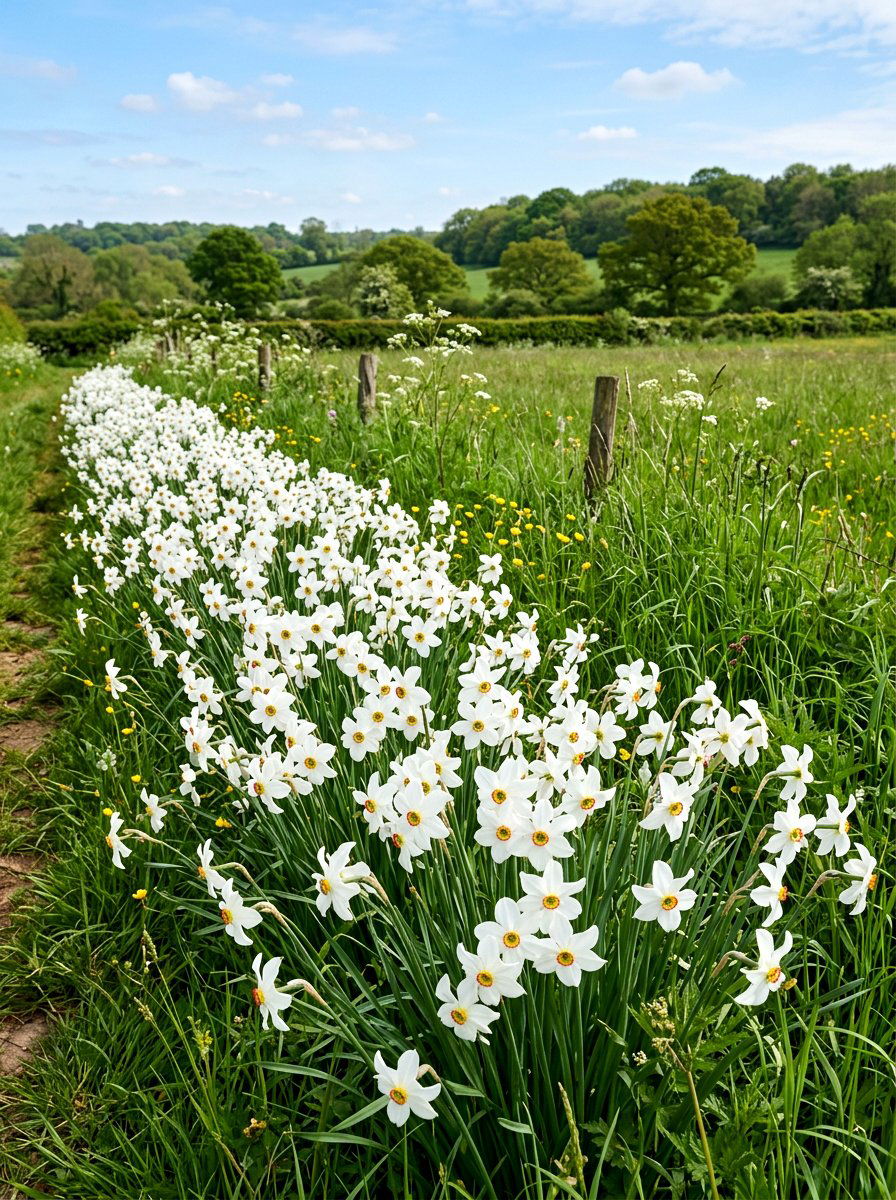
Do you want to enjoy a sweet, spicy fragrance that lingers in the air during the final weeks of spring? A pheasants eye daffodil border features one of the oldest and most beloved narcissus varieties, known for its pure white petals and tiny, red-rimmed yellow centers. These late-blooming bulbs provide a wonderful finale to the spring season, offering a look that is both historic and refreshingly simple. They are perfect for naturalizing in tall grass or at the edge of a woodland area where their delicate fragrance can be appreciated. Their elegant stems and unique "eye" make them a favorite for those who value heritage plants and traditional garden charm.
26. Puschkinia Front Border
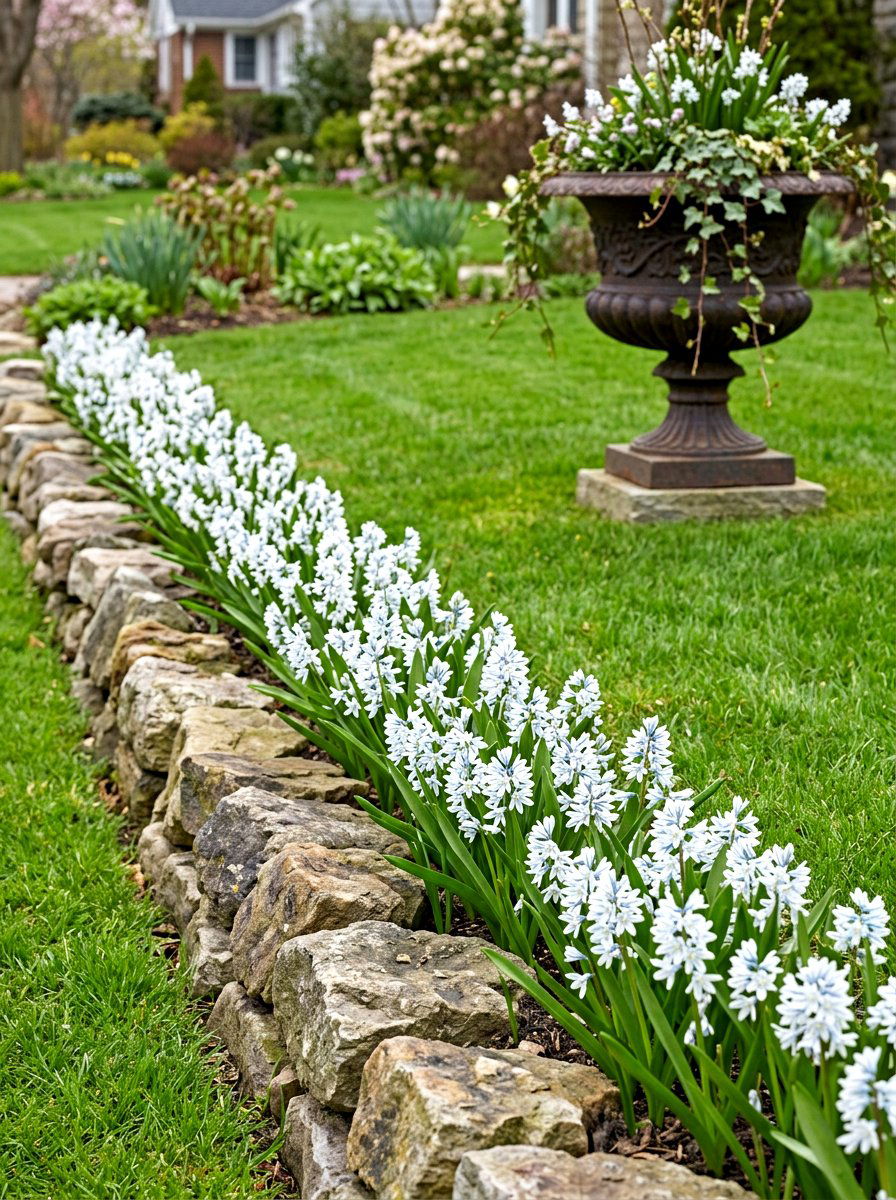
Have you ever looked for a small, unique bulb that adds a touch of intricate detail to your garden's edge? A Puschkinia front border features clusters of pale blue flowers, each petal decorated with a darker blue stripe running down the center. These "striped squill" plants are incredibly easy to grow and bloom early in the season, often alongside crocuses and snowdrops. Their compact size and fascinating patterns make them a great choice for areas where people will see them up close, such as near a front door or along a porch. They are hardy and reliable, returning every year to provide a subtle but beautiful start to the spring gardening journey.
27. Tall Blue Camassia Wildflower Bed
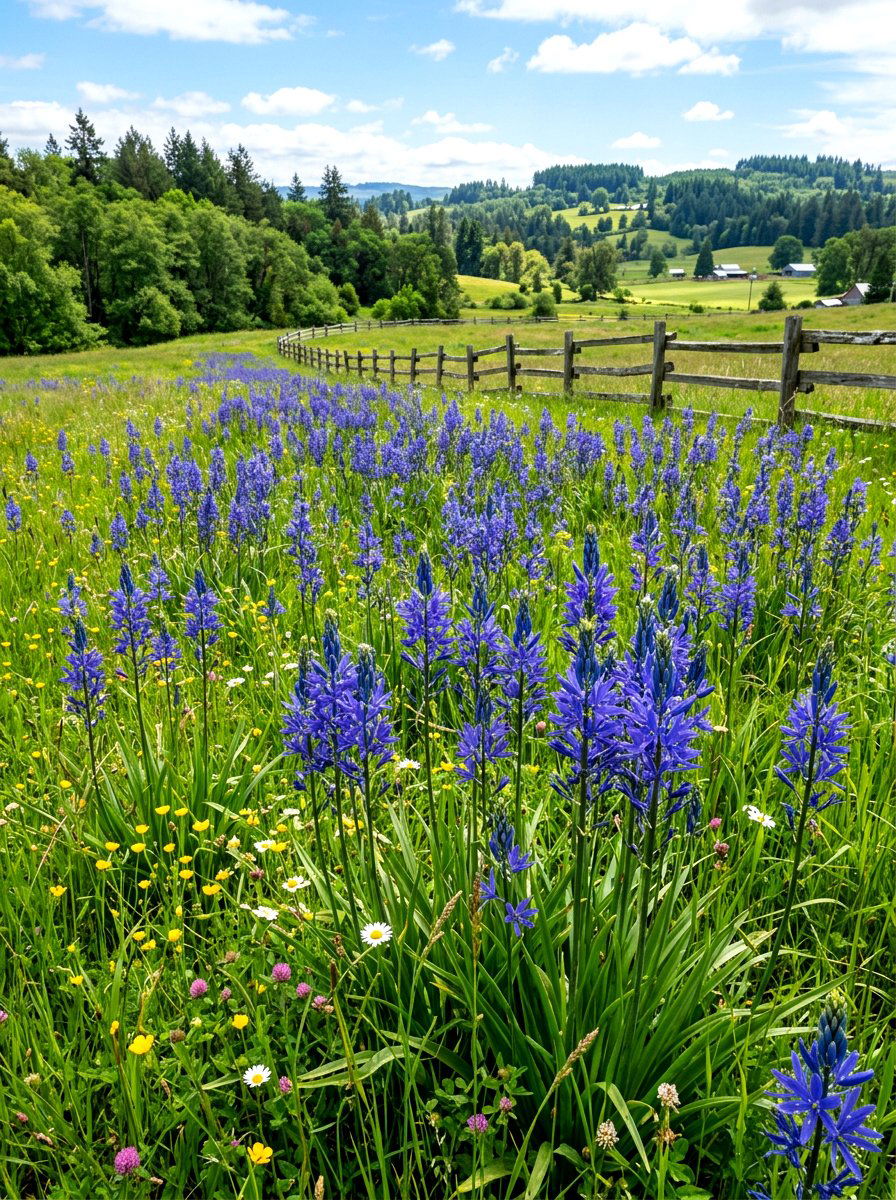
Are you interested in creating a spectacular wildflower look that bridges the gap between spring bulbs and summer perennials? A tall blue Camassia wildflower bed offers upright spikes of starry blue or white flowers that can reach up to three feet in height. These North American natives are unique because they thrive in heavy, moist soils where many other bulbs would rot. This makes them the perfect choice for rain gardens or lower spots in your landscape that stay damp in the spring. Their bold verticality and rich color provide a stunning backdrop for shorter spring flowers and help to transition the garden into the lush growth of early summer.
28. Persian Lily Garden Row
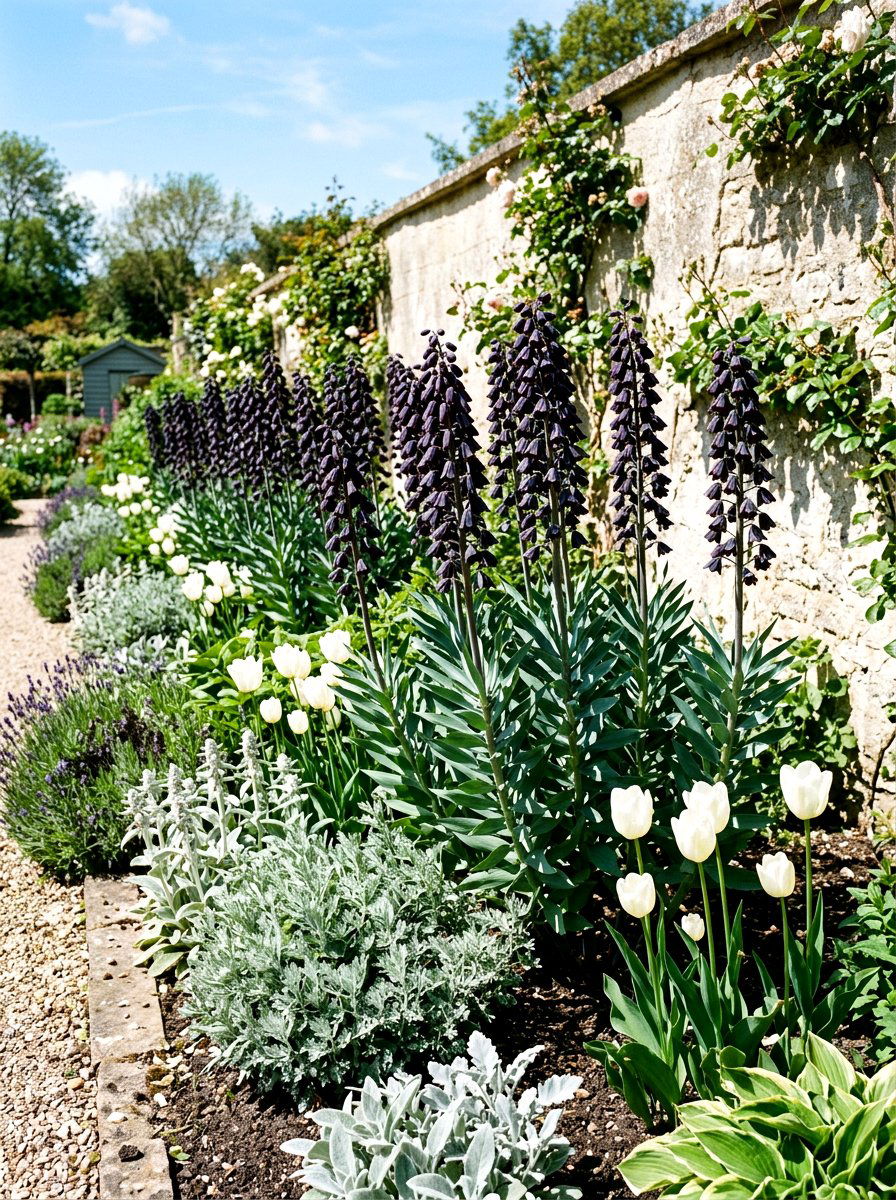
Do you want to make a dramatic statement with a bulb that is rarely seen in the average neighborhood garden? A Persian lily garden row features tall, dark stems covered in dozens of nodding, bell-shaped flowers in a deep, almost black shade of purple. This architectural plant, botanically known as Fritillaria persica, adds an air of mystery and sophistication to any spring border. Its unique color provides a perfect contrast to the bright yellows and pinks of traditional spring flowers. Planted in a bold row at the back of a bed, these statuesque lilies provide a focal point that is sure to spark conversation among visitors and fellow garden enthusiasts.
29. Crown Imperial Border
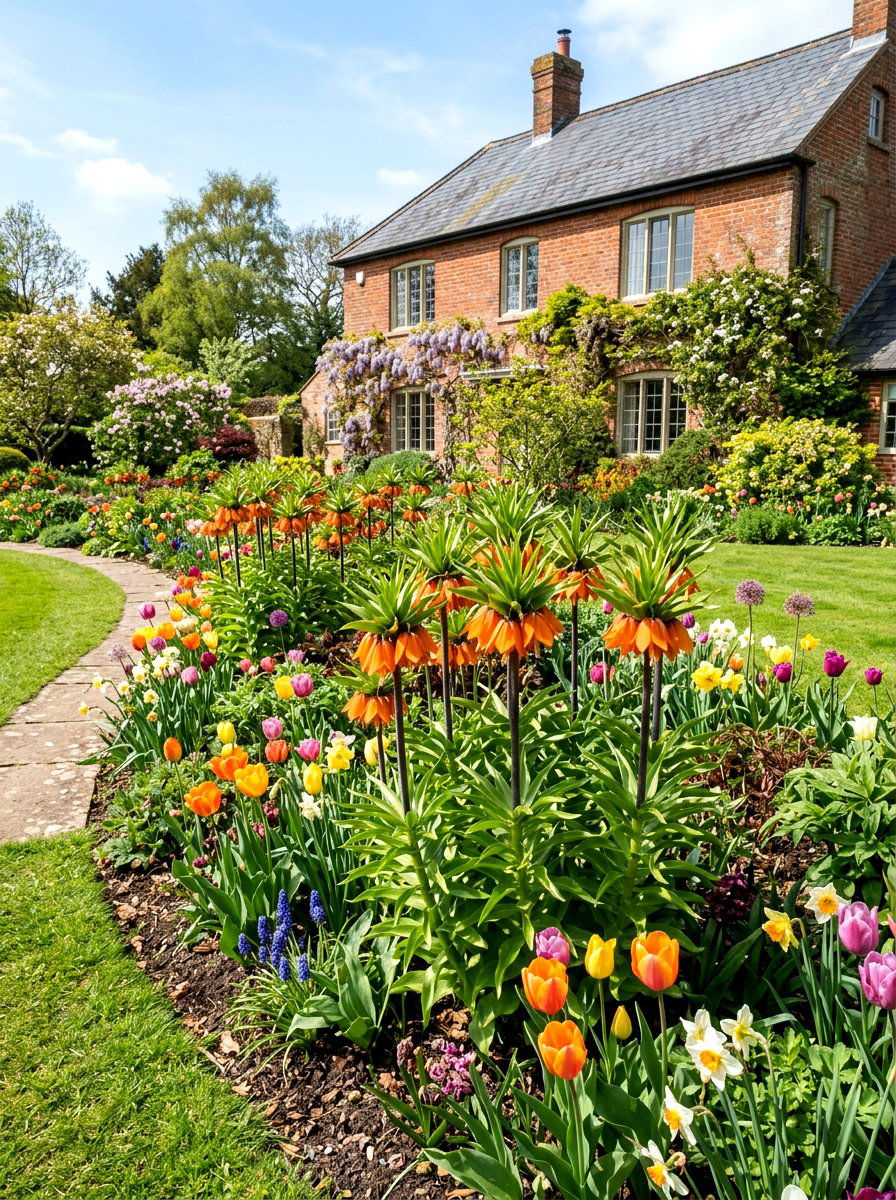
Have you ever wanted to add a touch of royal grandeur and exotic height to your mid-spring garden displays? A crown imperial border features massive bulbs that produce thick stems topped with a circular cluster of large, bell-shaped flowers and a "crown" of green leaves. Available in vibrant shades of orange, yellow, and red, these Fritillaria imperialis are true show-stoppers that can reach heights of three feet or more. They are perfect for the center of a circular bed or the back of a deep border where they can tower over other spring plants. Their bold presence and unusual form bring a sense of drama and historic elegance to any landscape design.
30. Mixed Spring Bulb Meadow
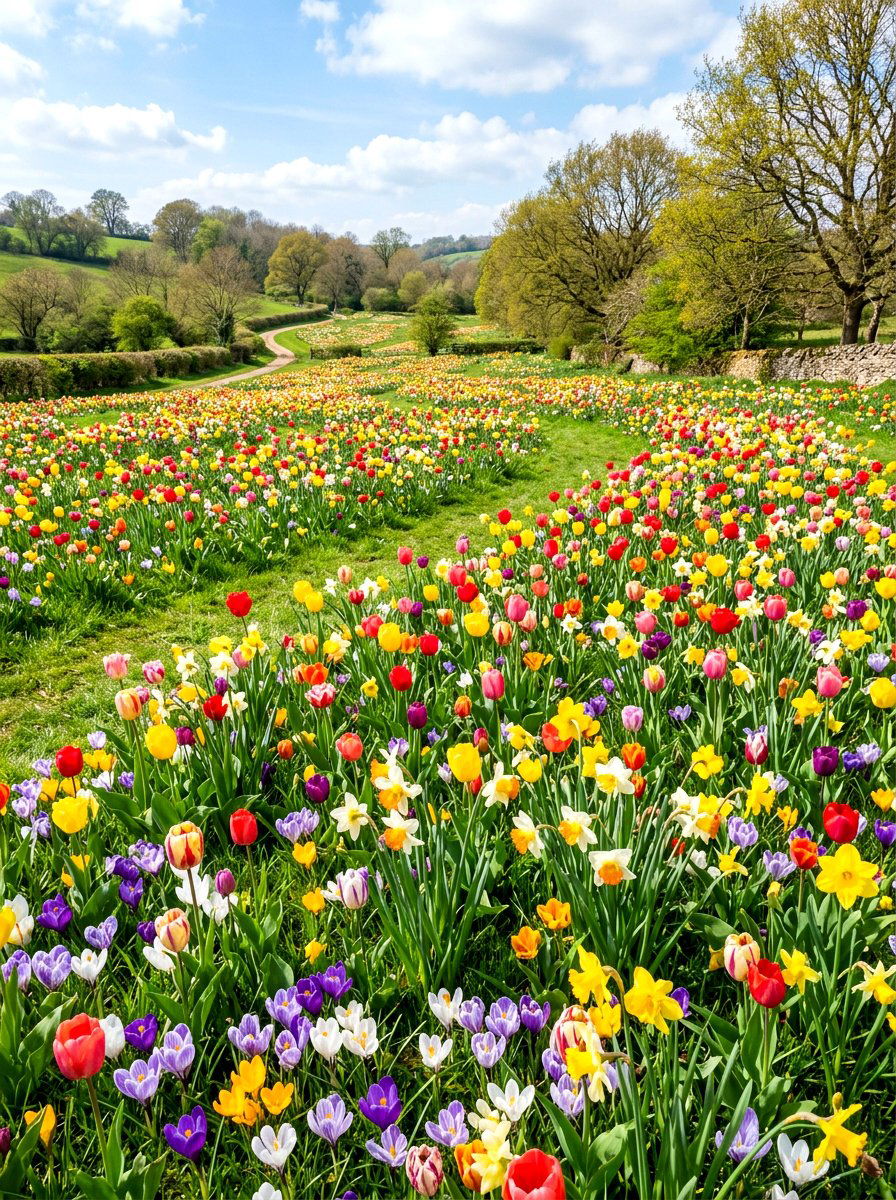
Can you imagine a garden that looks like a wild, flowering meadow right in your own backyard? A mixed spring bulb meadow involves planting a diverse range of bulbs — including crocuses, daffodils, tulips, and muscari — in a random and overlapping pattern. This technique creates a long-lasting and ever-changing display of color that feels much more natural than a formal bed. By choosing varieties with different bloom times, you ensure that there is always something new to look at from February through May. This approach is excellent for encouraging biodiversity and provides a rich environment for early pollinators. The result is a joyful, exuberant celebration of spring that requires very little maintenance once the planting is finished.
Conclusion:
Planning and planting a spring bulb border is one of the most rewarding tasks any gardener can undertake during the autumn months. By considering the unique heights, colors, and bloom times of different varieties, you can create a landscape that provides months of continuous beauty. Whether you prefer the structured elegance of a formal tulip row or the whimsical charm of a naturalized crocus lawn, these bulbs offer a versatile way to express your personal style. Remember to plant in groups for the best visual impact and choose varieties that are suited to your specific soil and light conditions. We hope these thirty ideas inspire you to transform your outdoor space into a vibrant spring sanctuary that brings joy year after year. As the first green shoots emerge from the cold earth, you will be reminded that the beauty of nature is always worth the wait.

Related posts: