Transforming that narrow strip of land alongside your home into a lush and inviting space can completely change the way you feel about your entire property. Many homeowners struggle with side yards because they are often cramped, shaded, or serve as simple utility pathways for trash cans. However, these spaces offer incredible potential for creative landscaping and beautiful garden borders that add curb appeal and significant value. Whether you want a low-maintenance gravel path or a vibrant flower bed filled with perennials, the right border defines the space and keeps everything organized. You can turn a forgotten alleyway into a peaceful sanctuary or a functional herb garden with just a little bit of planning and the right materials.
1. Narrow Side Yard Landscaping
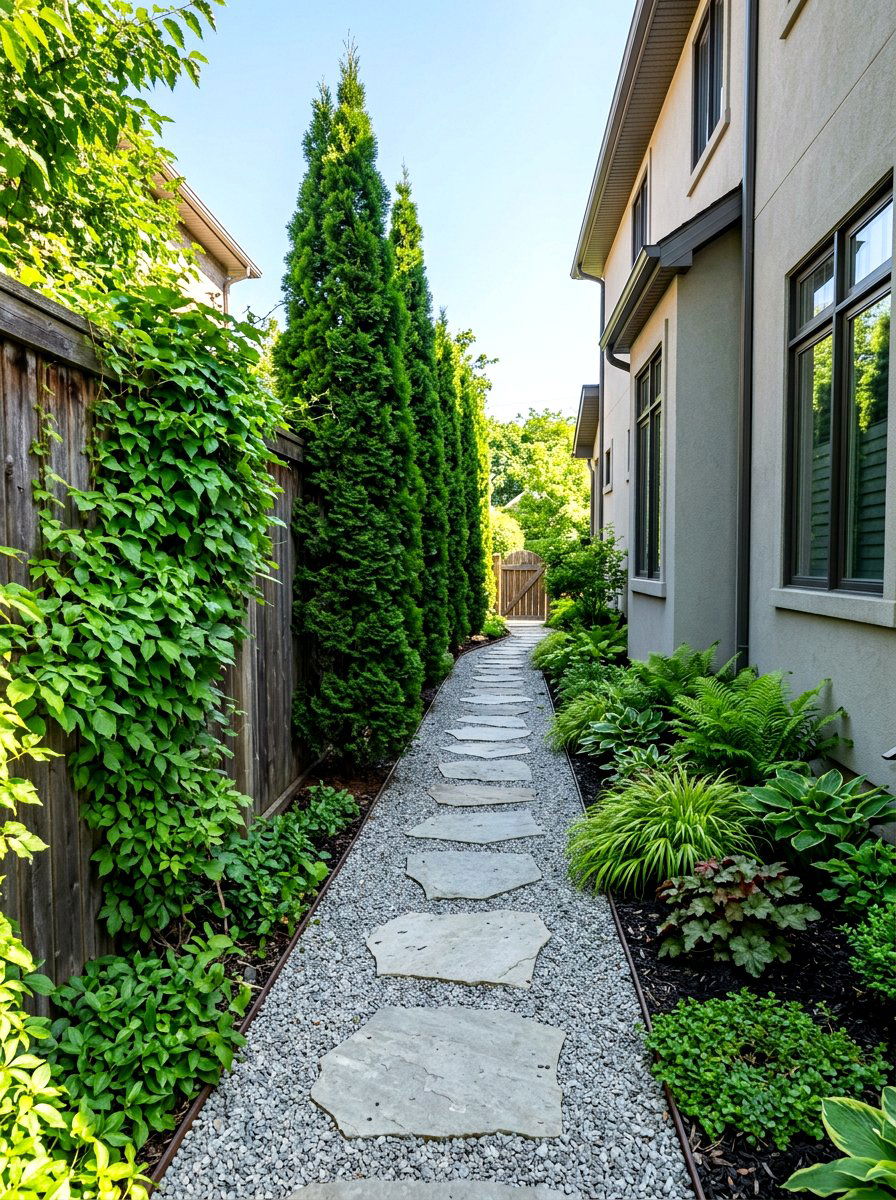
Finding the right balance in a tight space requires a thoughtful approach to scale and plant selection. You should focus on verticality and slim growth habits to keep the walkway clear while still adding greenery. Tall, slender shrubs or climbing vines on a trellis can provide height without encroaching on the path. Choosing a light-colored gravel or stone for the ground can make the area feel much wider and brighter than it actually is. It is important to layer your plants from tallest at the back to shortest at the front. This creates a sense of depth and visual interest in a small area. Using consistent materials helps the space feel cohesive and intentionally designed rather than cluttered.
2. Low Maintenance Gravel Border
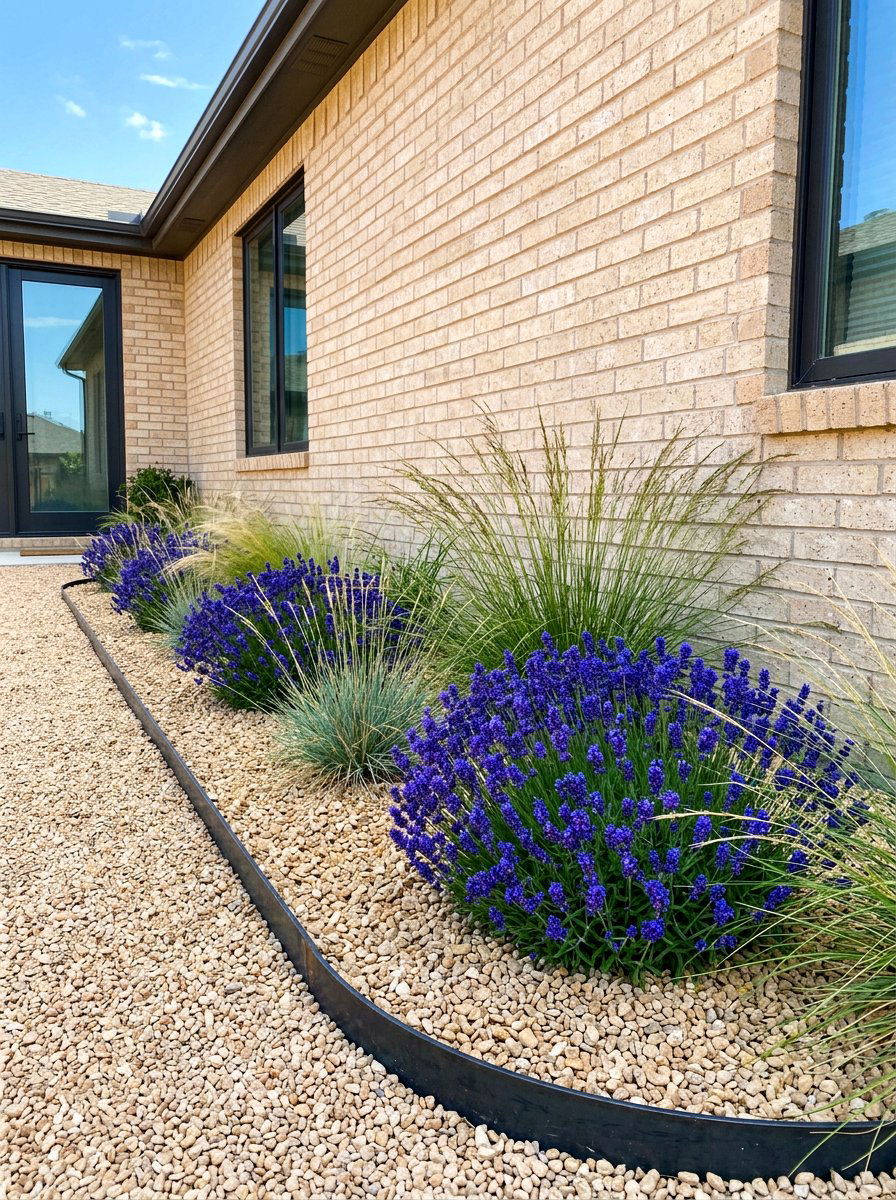
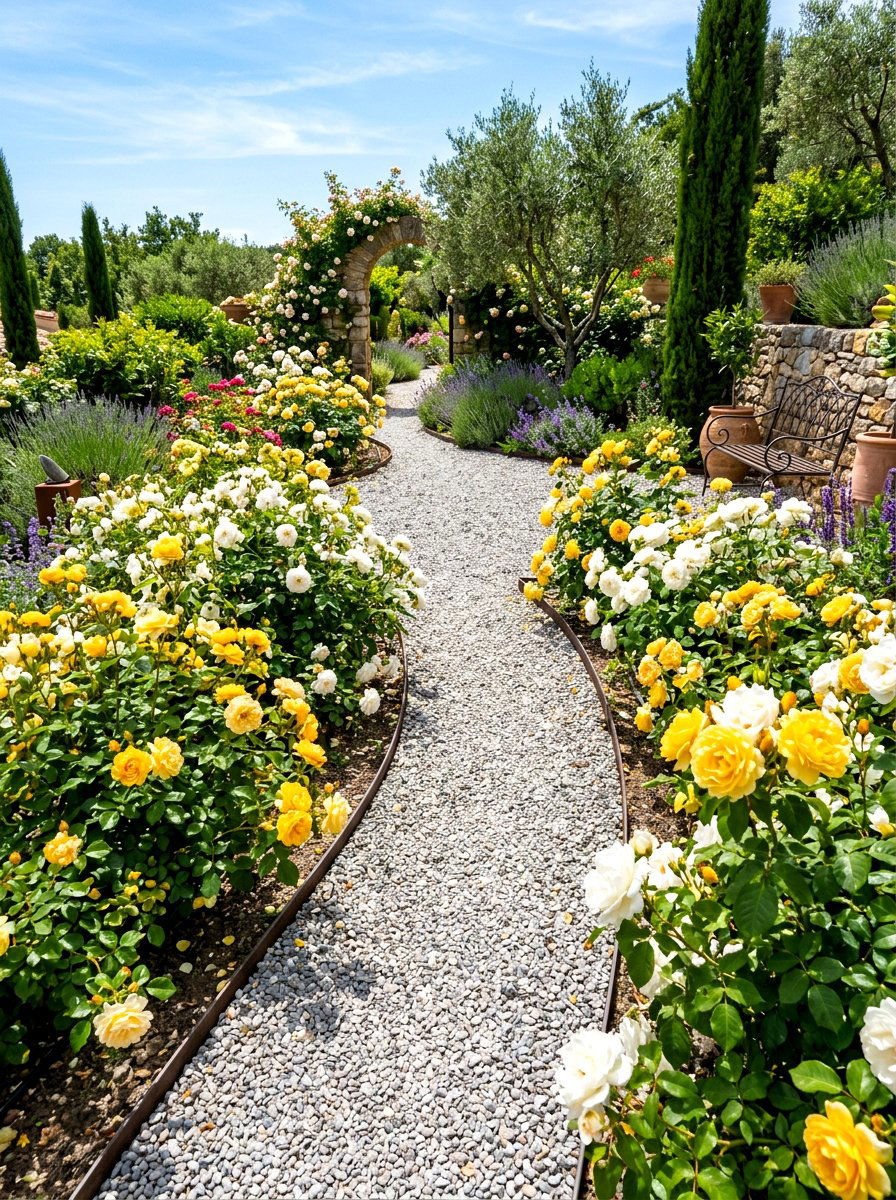
Creating a low-maintenance border is often the best solution for busy homeowners who want a clean look without the constant weeding. Gravel is an excellent choice because it provides great drainage and looks polished year-round. You can pair it with drought-tolerant plants like lavender or ornamental grasses that do not require much water. A heavy-duty weed barrier underneath the stones is essential to keep maintenance to an absolute minimum. To prevent the gravel from migrating into your lawn, use a sturdy metal or brick edge to lock everything in place. This setup works perfectly for areas that get plenty of sun and need a modern, crisp aesthetic that lasts for many years.
3. Modern Concrete Edging
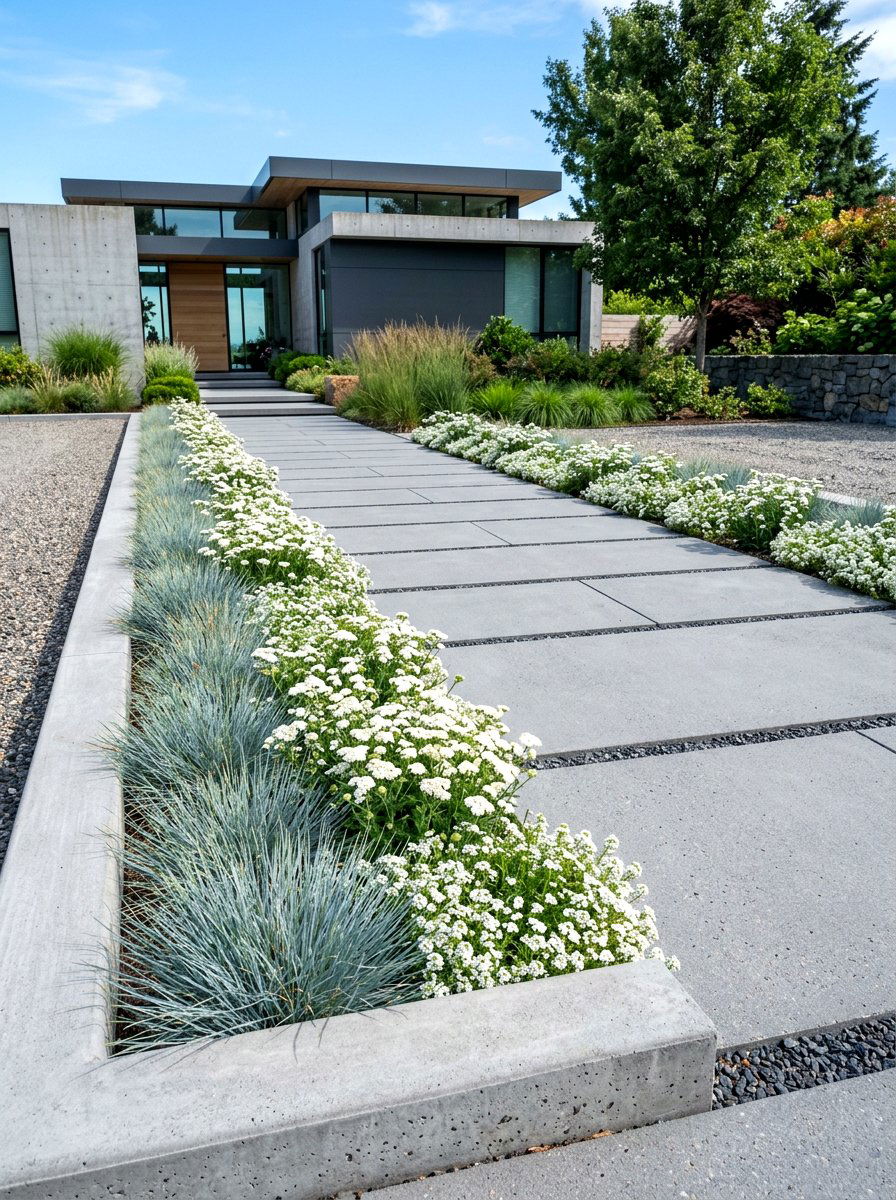
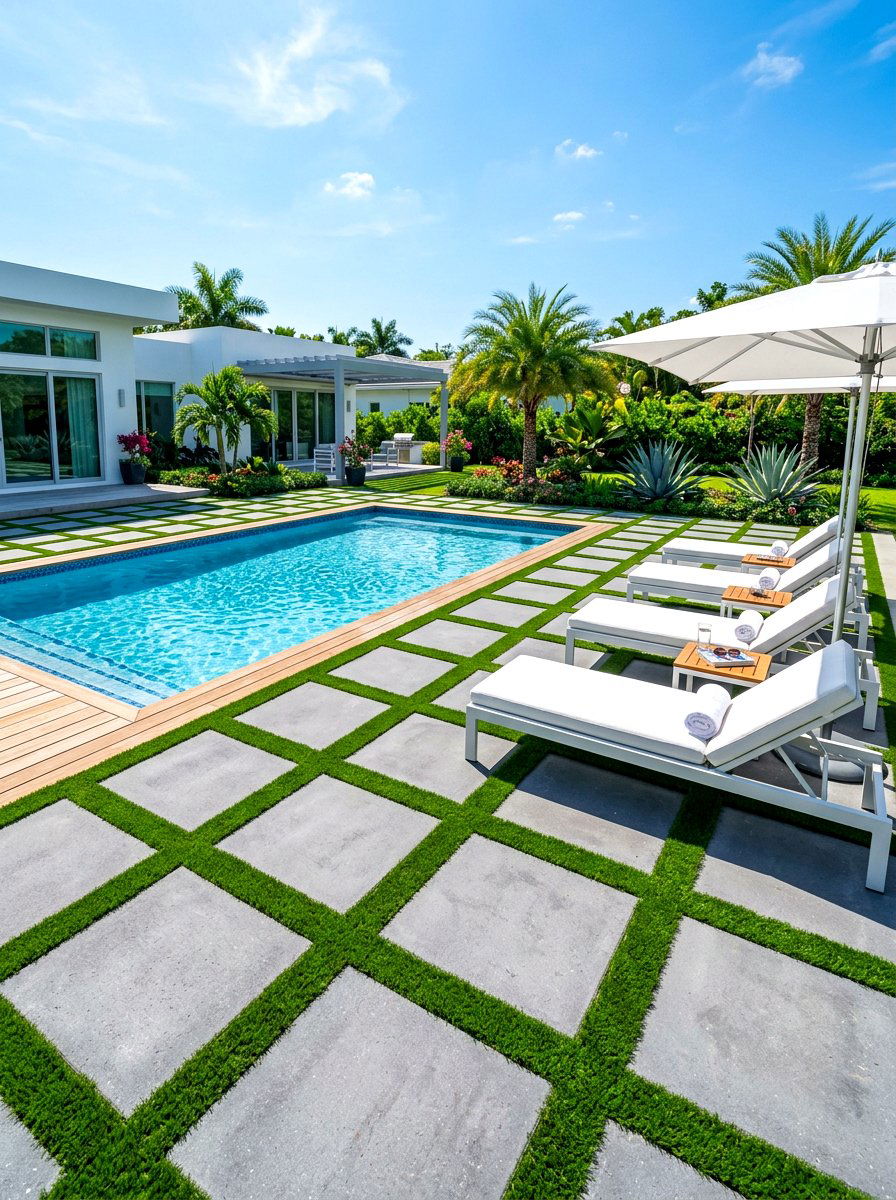
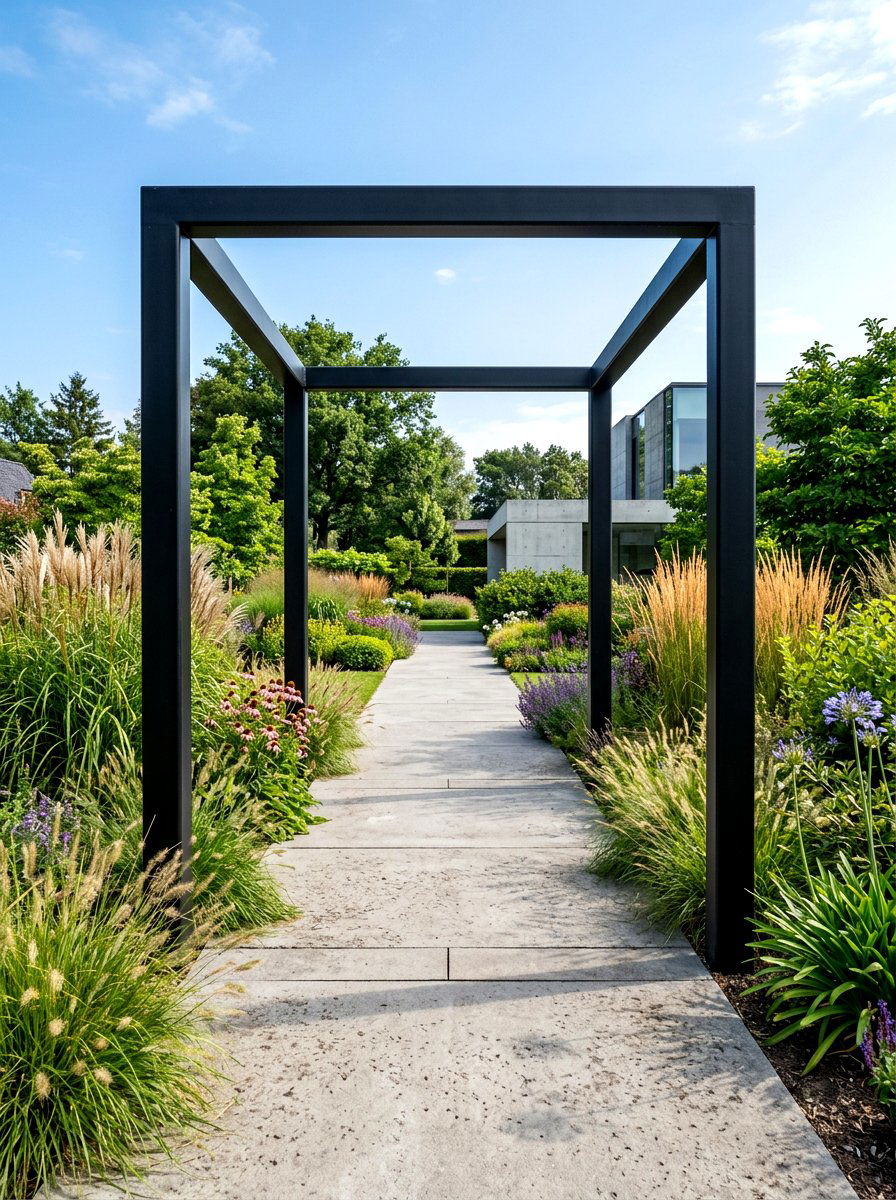
For a sleek and contemporary look, poured concrete or pre-cast concrete pavers offer unmatched durability and clean lines. This style of border works exceptionally well with minimalist architecture and neutral color palettes. You can create wide, flat paths that also serve as the border for narrow planting strips. Using different textures of concrete, such as an aggregate finish, adds visual interest without being overwhelming. To soften the hard edges of the concrete, plant soft-textured greenery like creeping thyme or blue fescue in the gaps. This combination of hard and soft materials creates a sophisticated balance. The result is a high-end look that is easy to sweep clean and requires very little annual upkeep.
4. Shade Garden With Hostas
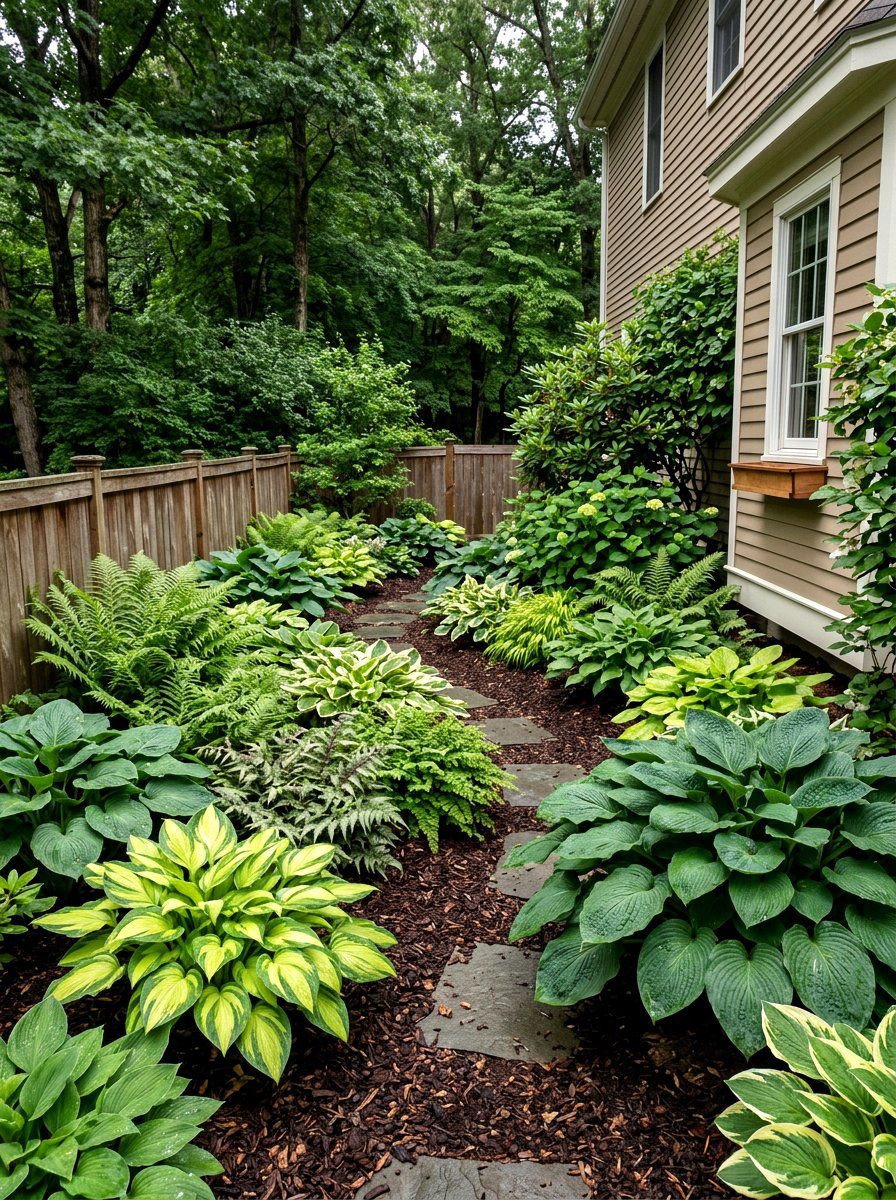
If your side yard is tucked between tall buildings or fences, it likely receives very little direct sunlight throughout the day. Hostas are the ultimate solution for these shaded corridors because they thrive in low light and come in many colors. You can mix variegated varieties with solid deep greens to create a lush, leafy tapestry on the ground. Adding some ferns or lily of the valley can provide extra texture and height variations within the border. Use a dark mulch to make the bright greens of the leaves really pop against the house wall. This type of border turns a dark and forgotten space into a cool and refreshing green sanctuary.
5. Raised Wooden Garden Bed
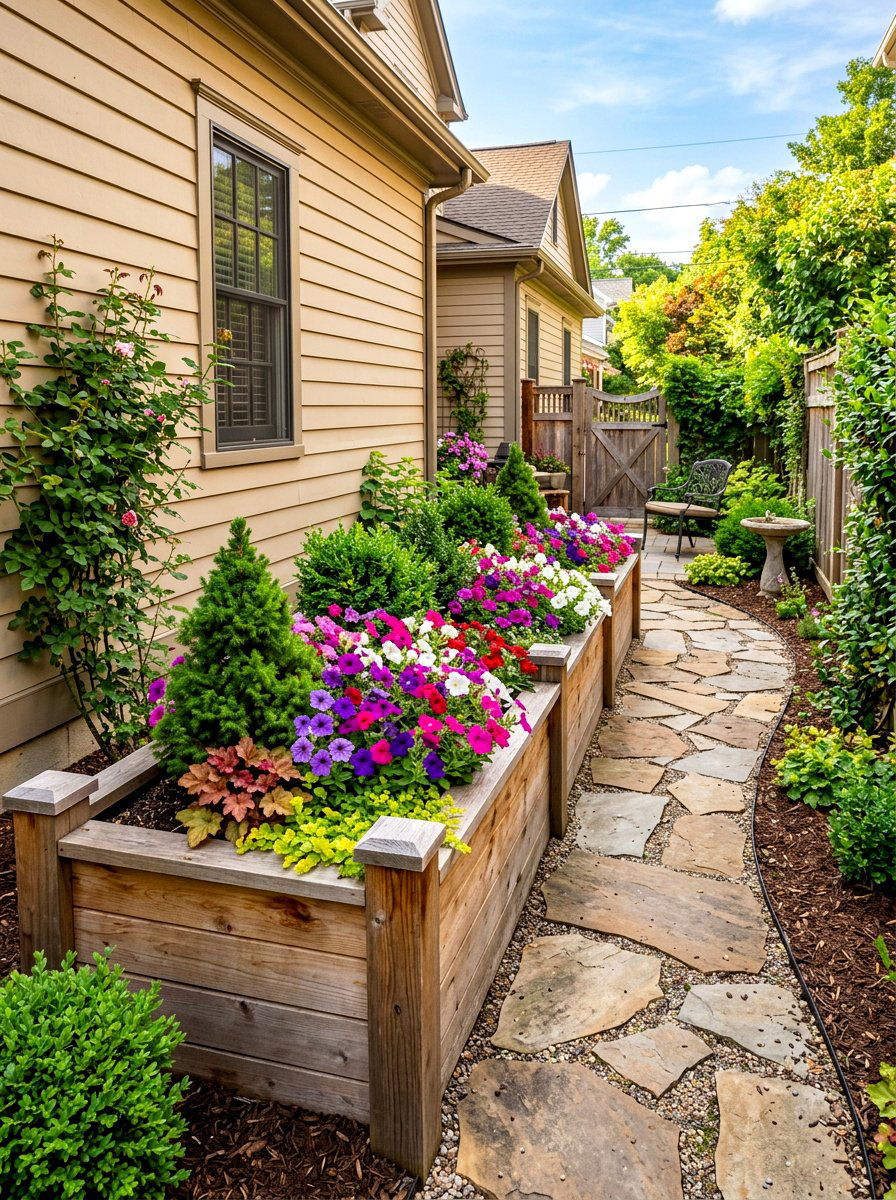
Building raised beds along the side of the house is a great way to improve soil quality and drainage. Cedar or redwood frames are popular choices because they resist rot and look beautiful against a standard fence or wall. These beds allow you to garden at a comfortable height while keeping your side yard looking neat and organized. You can fill them with a mix of colorful annuals, perennial shrubs, or even small berry bushes. The structure of the wood adds a warm, natural element to the landscape that complements traditional home designs. By raising the plants, you also protect them from heavy foot traffic or pets that might use the side walkway.
6. River Rock Drainage Path
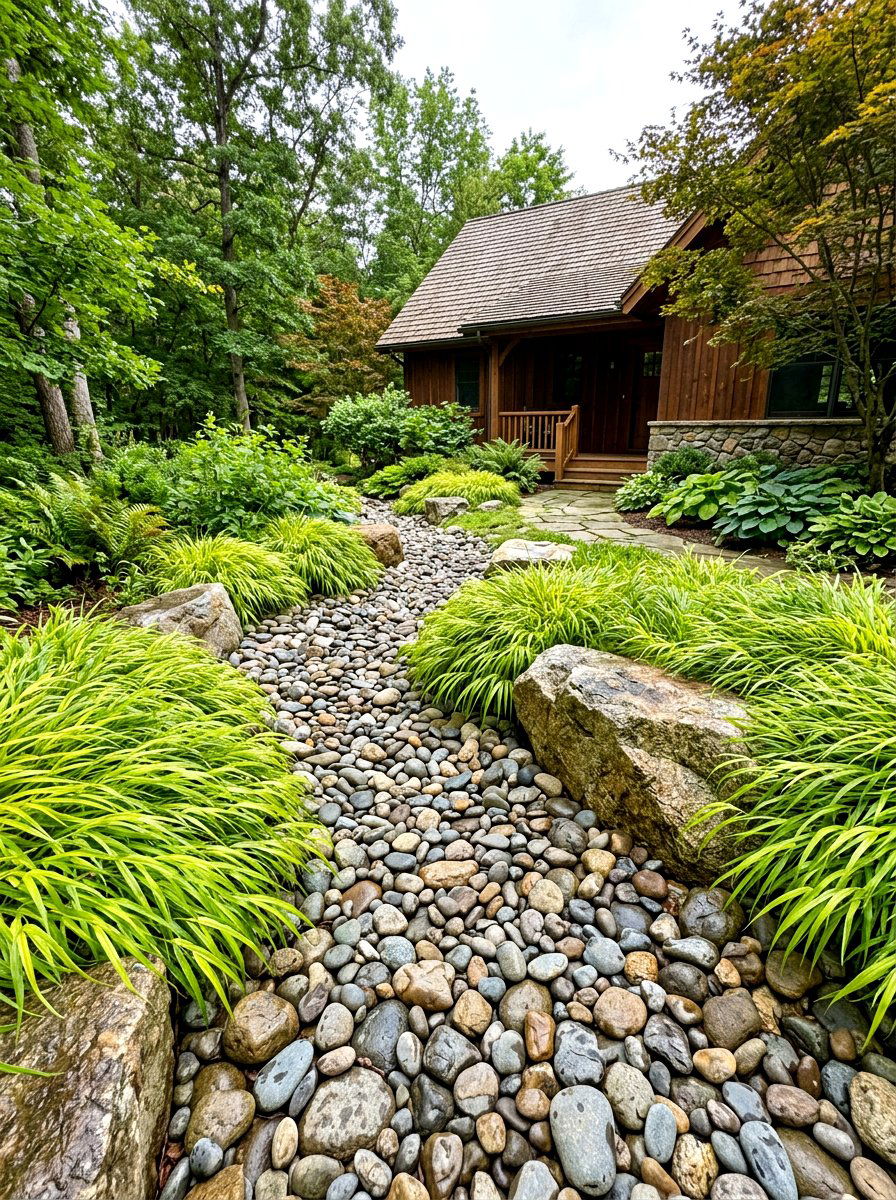
Dealing with excess rainwater is a common challenge in side yards, and river rocks offer a beautiful and functional solution. Large, smooth stones can be used to create a dry creek bed that directs water away from your foundation. This natural-looking border works perfectly in rustic or coastal-themed landscapes. You can nestle larger boulders into the design to add height and a sense of permanence to the garden. Planting moisture-loving species like Japanese forest grass along the edges will soften the stones and help soak up some of the runoff. This design is highly practical and prevents the area from becoming a muddy mess during the rainy season while still looking gorgeous.
7. Traditional Boxwood Hedge
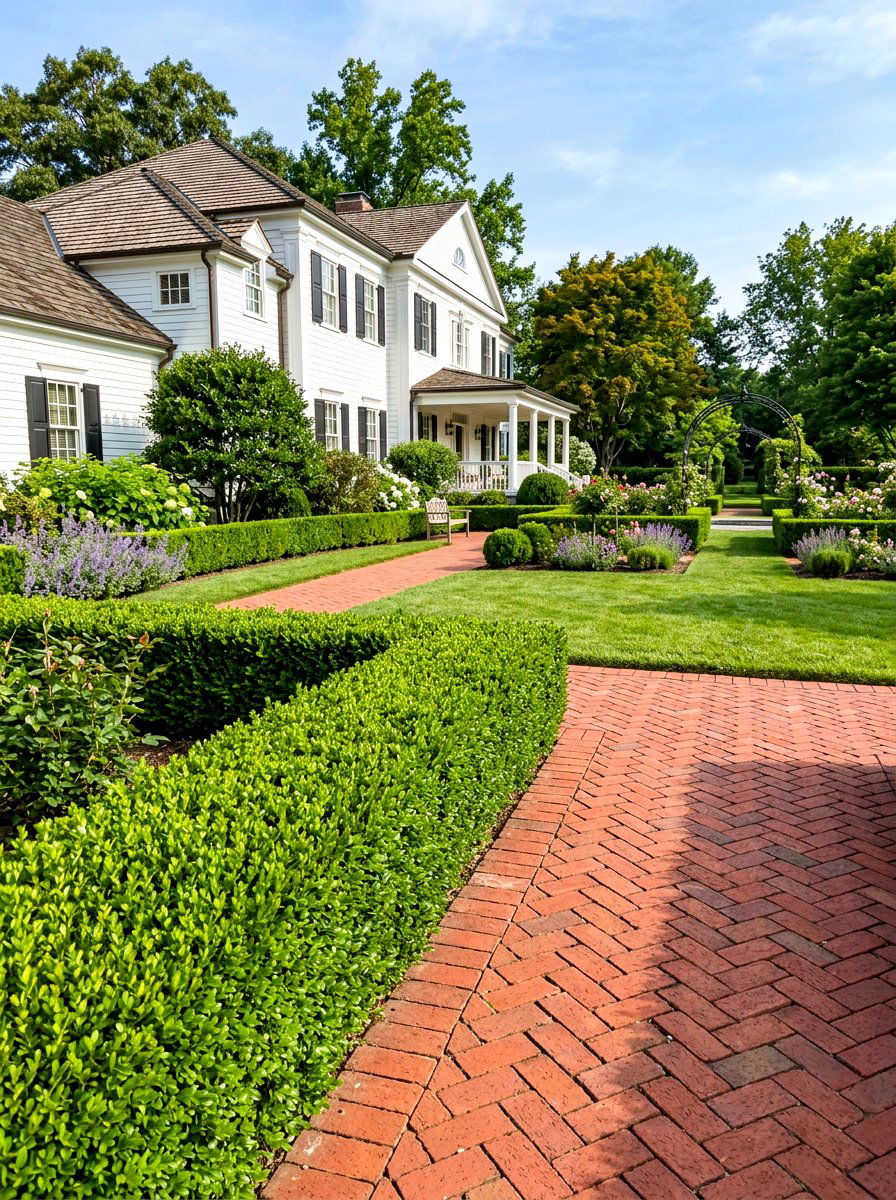
For homeowners who love a classic and formal look, a low-growing boxwood hedge is a timeless choice for a side border. These evergreen shrubs can be pruned into sharp, geometric shapes to provide structure and year-round green color. They look particularly striking when paired with a brick walkway or a white gravel path. Boxwoods create a clear boundary between your house and the property line without blocking the view completely. You can plant colorful perennials behind the hedge to add a splash of seasonal interest. This formal style is excellent for adding a sense of order and prestige to the sides of your home that are visible from the street.
8. Tropical Side Yard Foliage
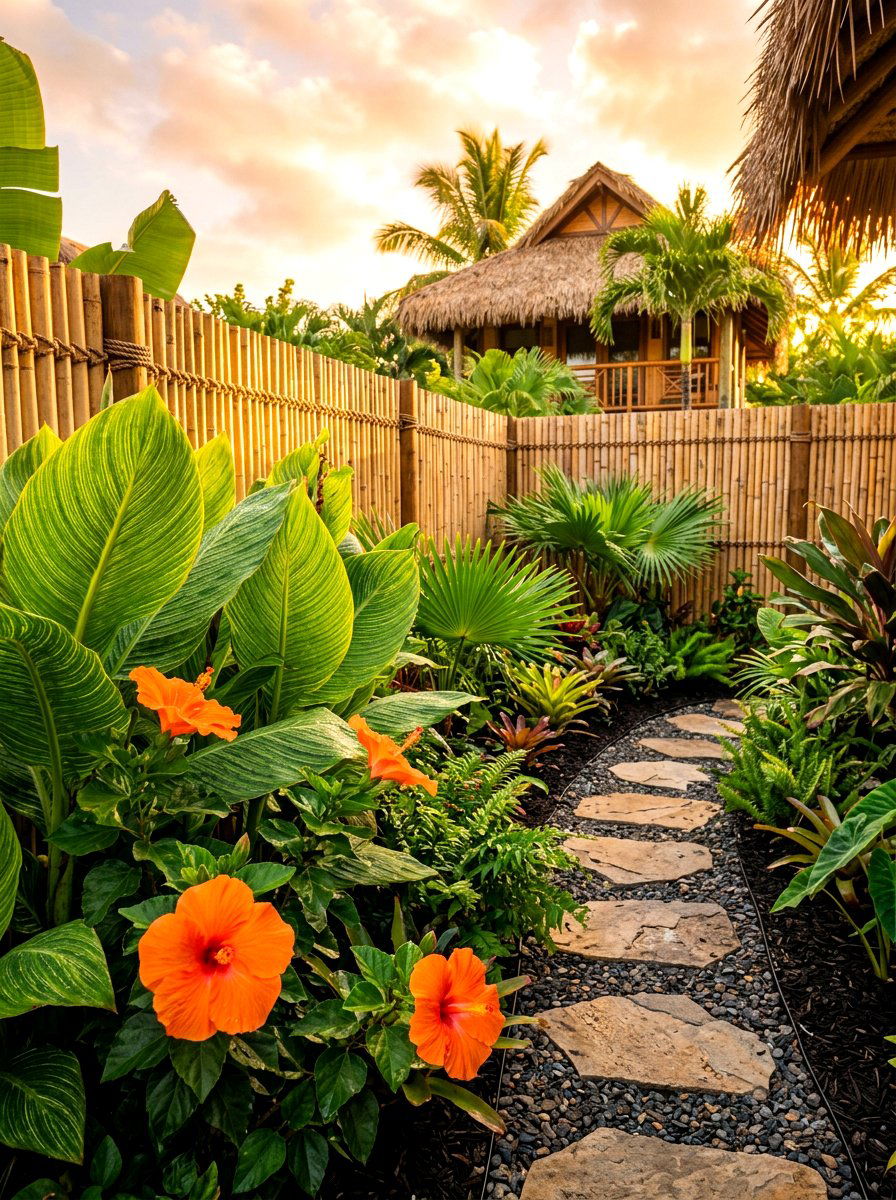
You can transform a sunny and warm side yard into a private tropical paradise with large-leafed plants and bright colors. Canna lilies, hibiscus, and small palm varieties can create a dense screen of foliage that feels like a vacation spot. Using bamboo fencing as a backdrop enhances the theme and provides instant privacy from nearby neighbors. A thick layer of bark mulch helps retain the moisture that these thirsty plants need to stay vibrant and healthy. Incorporating a small water feature can add the soothing sound of trickling water to complete the oasis feel. This vibrant and lush approach makes the most of every inch and turns a narrow passage into a destination.
9. Cottage Garden Flower Border
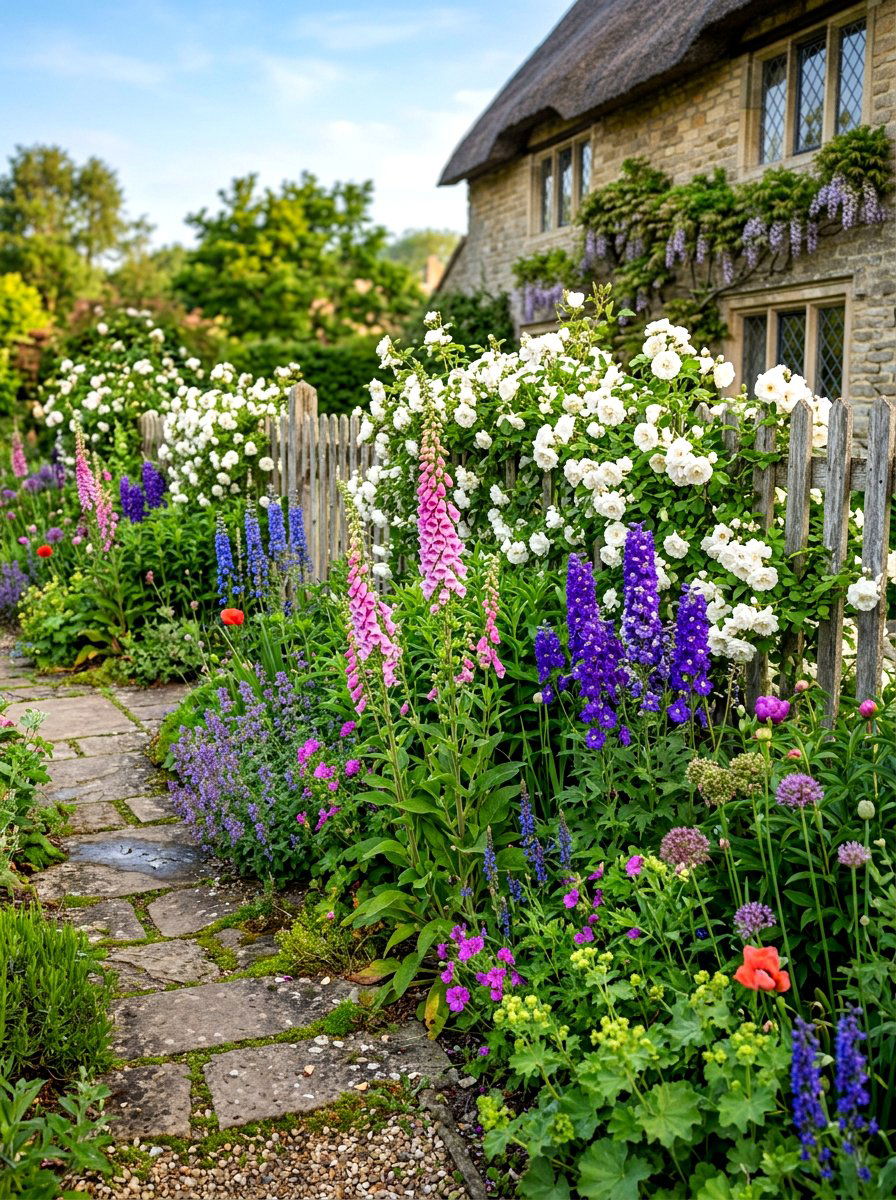
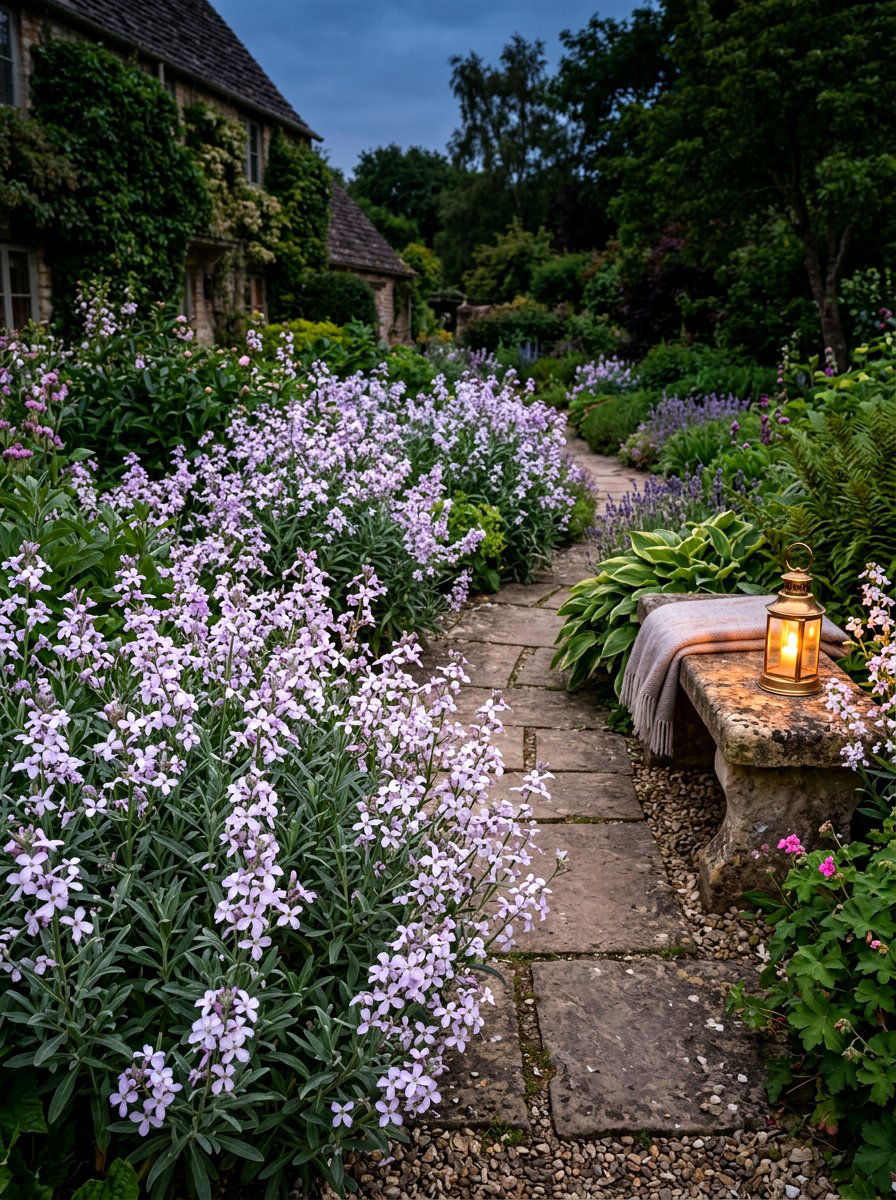
A cottage-style border is all about abundance, soft colors, and a slightly wild but romantic aesthetic for your side yard. You should aim for a dense mix of flowering perennials like foxgloves, delphiniums, and fragrant roses. This style works best when the plants are allowed to spill over the edges of the path slightly. Using a simple picket fence or a weathered stone edge helps contain the growth while adding to the charm. The goal is to create a multi-layered look with different heights and blooming times throughout the spring and summer. This approach is perfect for adding a soft, welcoming feel to the side of a traditional or farmhouse-style home.
10. Minimalist Zen Rock Garden
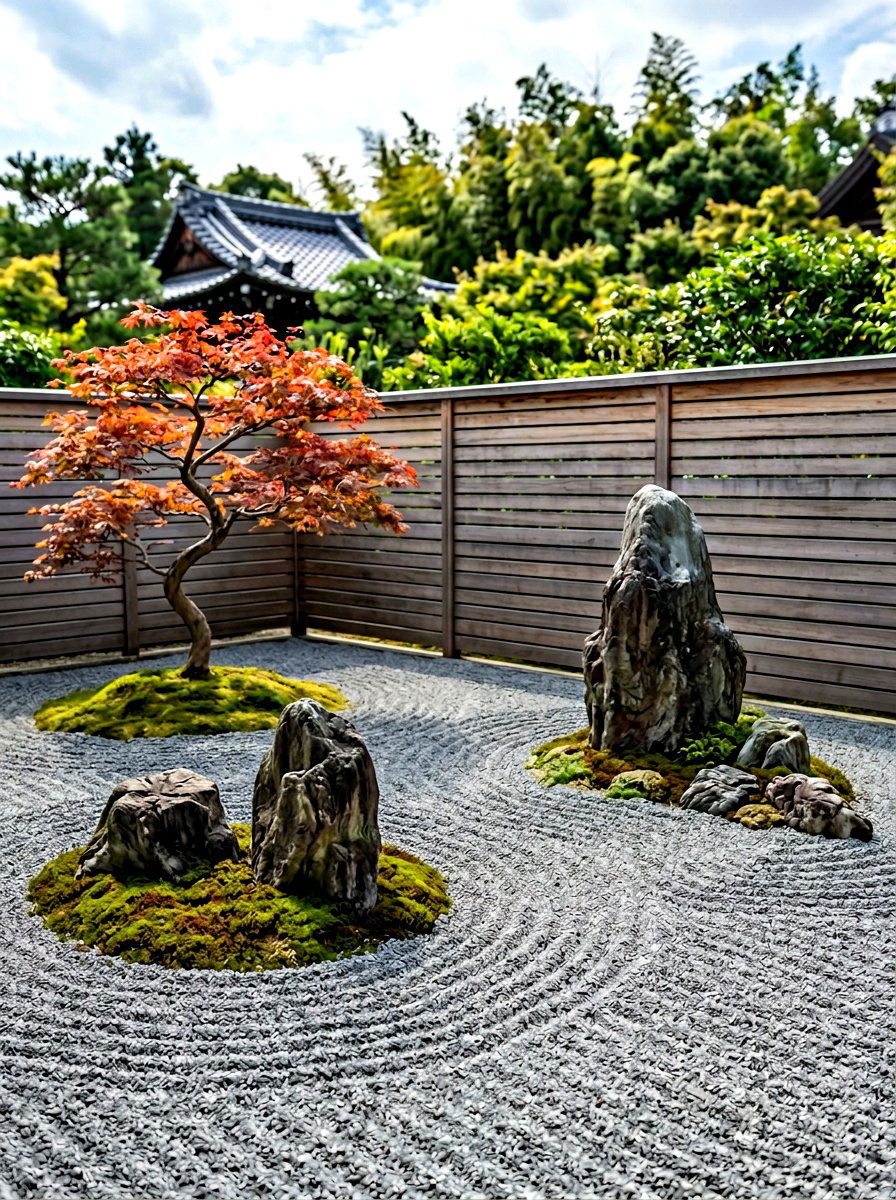
If you prefer a calm and meditative atmosphere, a Zen-inspired rock garden is a perfect fit for a side yard. Use raked sand or fine pea gravel as the base, and place a few carefully selected large stones as focal points. This design emphasizes negative space and simplicity rather than a clutter of many different plants. You can add a single Japanese maple or a few clumps of moss to bring a touch of life to the arrangement. This low-maintenance style is ideal for narrow spaces where you want a sense of peace and order. It requires very little water and pruning, making it an excellent choice for modern, eco-conscious homeowners.
11. Brick Walkway With Perennials
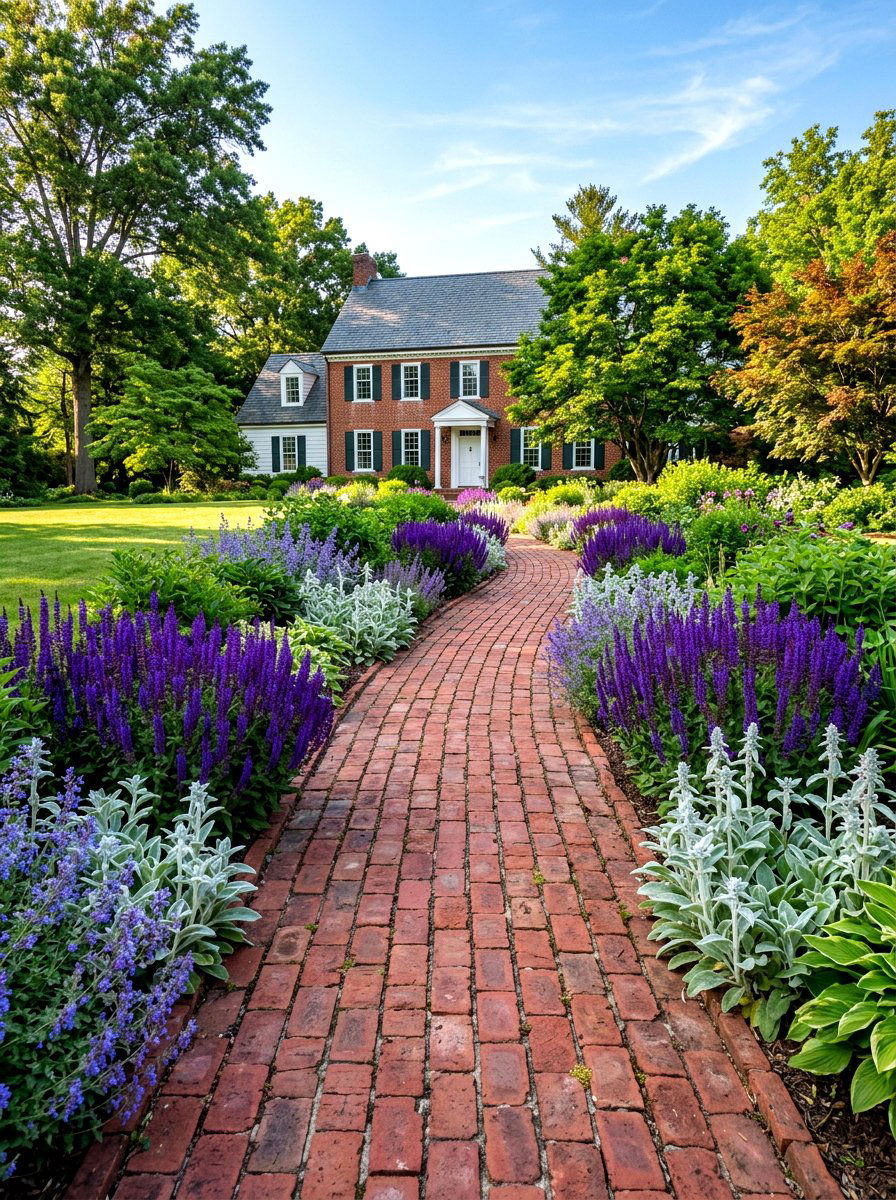
A classic brick path bordered by hardy perennials offers a warm and traditional look that never goes out of style. You can use a herringbone or basketweave pattern for the bricks to add extra architectural detail to the ground. Lining the path with long-blooming plants like catmint or salvia provides color for months and attracts helpful pollinators. The solid surface of the brick makes the side yard easy to walk through, even in wet weather. Choosing plants that naturally stay compact will ensure that the walkway remains clear and functional. This combination is particularly effective for colonial or cottage-style homes that need a sturdy but pretty side garden solution.
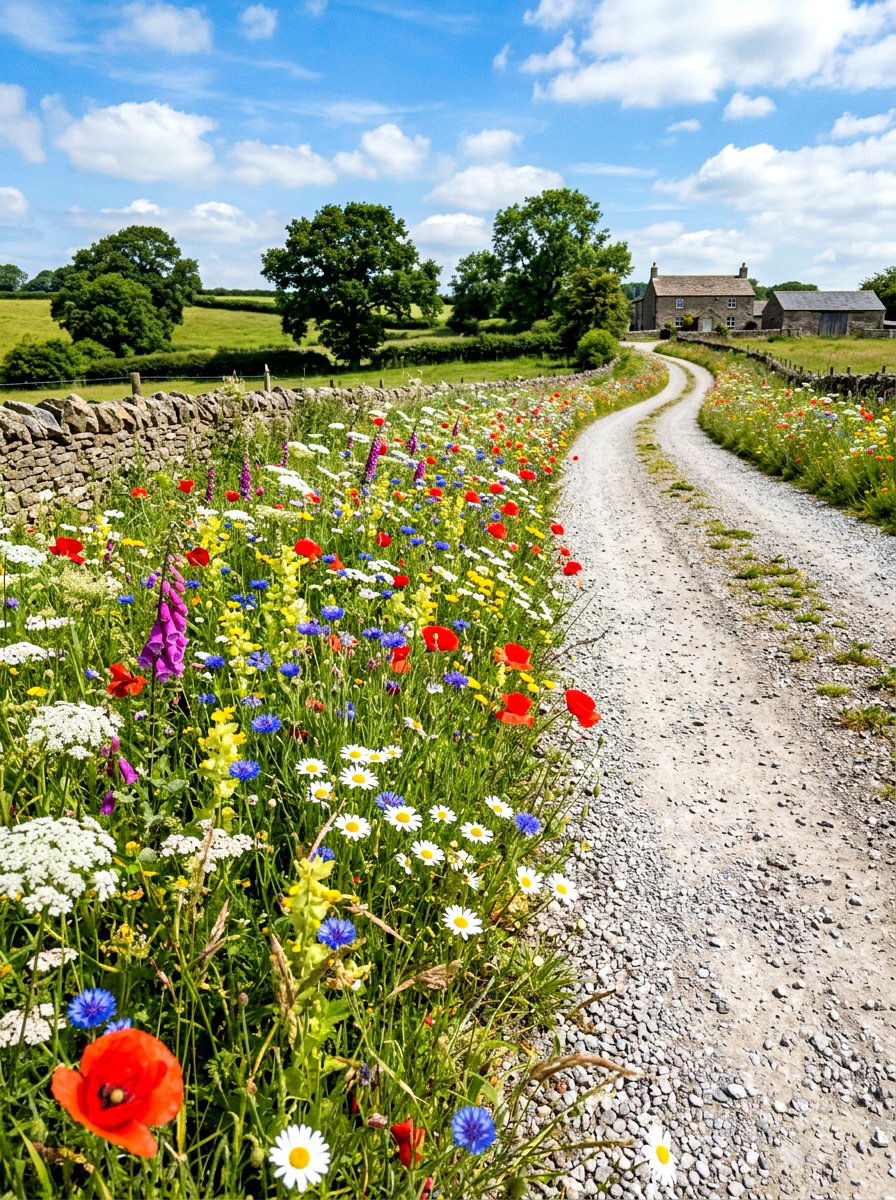
12. Wildflower Side Yard Strip
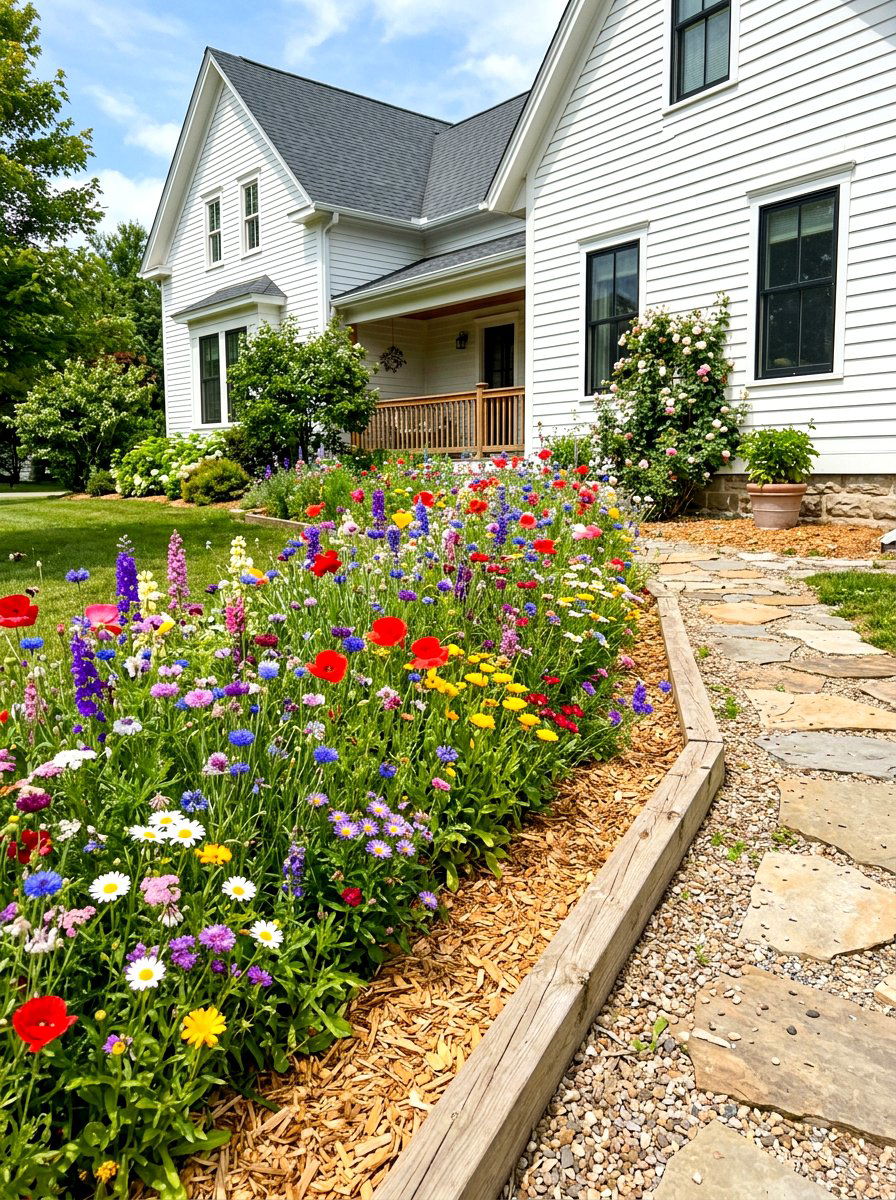
Converting a narrow strip of grass into a wildflower meadow is a wonderful way to support local biodiversity. You can sow a mix of native seeds that are specifically adapted to your local climate and soil conditions. This style of border is very low maintenance once established and changes beautifully with every passing season. It creates a soft, colorful blur that looks great against a simple wooden fence or the side of your house. Wildflowers are also excellent for attracting butterflies and bees to your property. To keep it looking intentional, you can add a mown edge or a simple wooden border to frame the tall blossoms and keep them in place.
13. Vertical Garden Trellis Wall
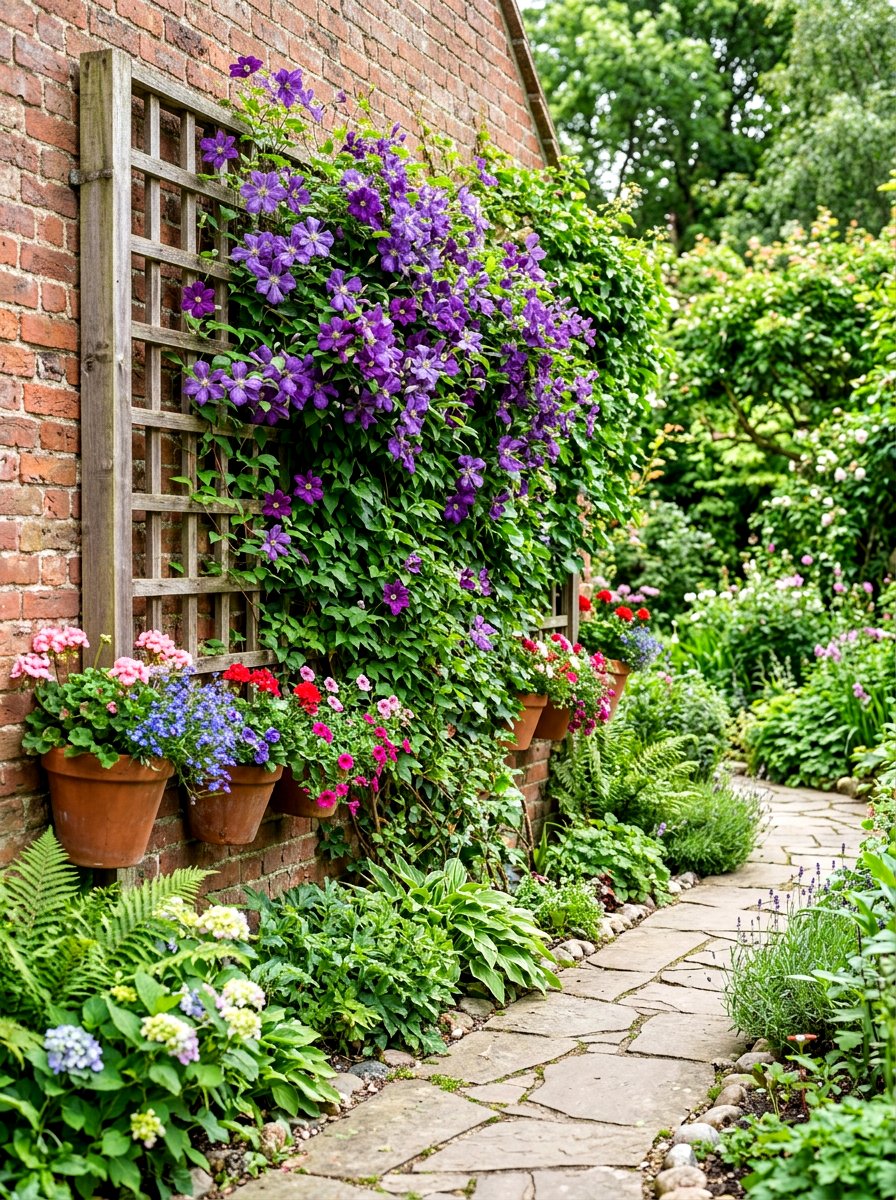
When you have very little ground space to work with, a vertical garden allows you to grow plenty of plants upward. Installing a sturdy trellis against the house or a fence creates a living wall that adds texture and cooling shade. You can choose climbing plants like clematis, jasmine, or ivy to provide a lush green backdrop. Hanging planters can also be attached to the trellis to hold colorful annuals or small herbs. This approach keeps the ground clear for a comfortable walkway while still providing the feeling of a full garden. It is an excellent way to hide unsightly utility meters or plain walls in a narrow side yard.
14. Flagstone Path With Groundcover
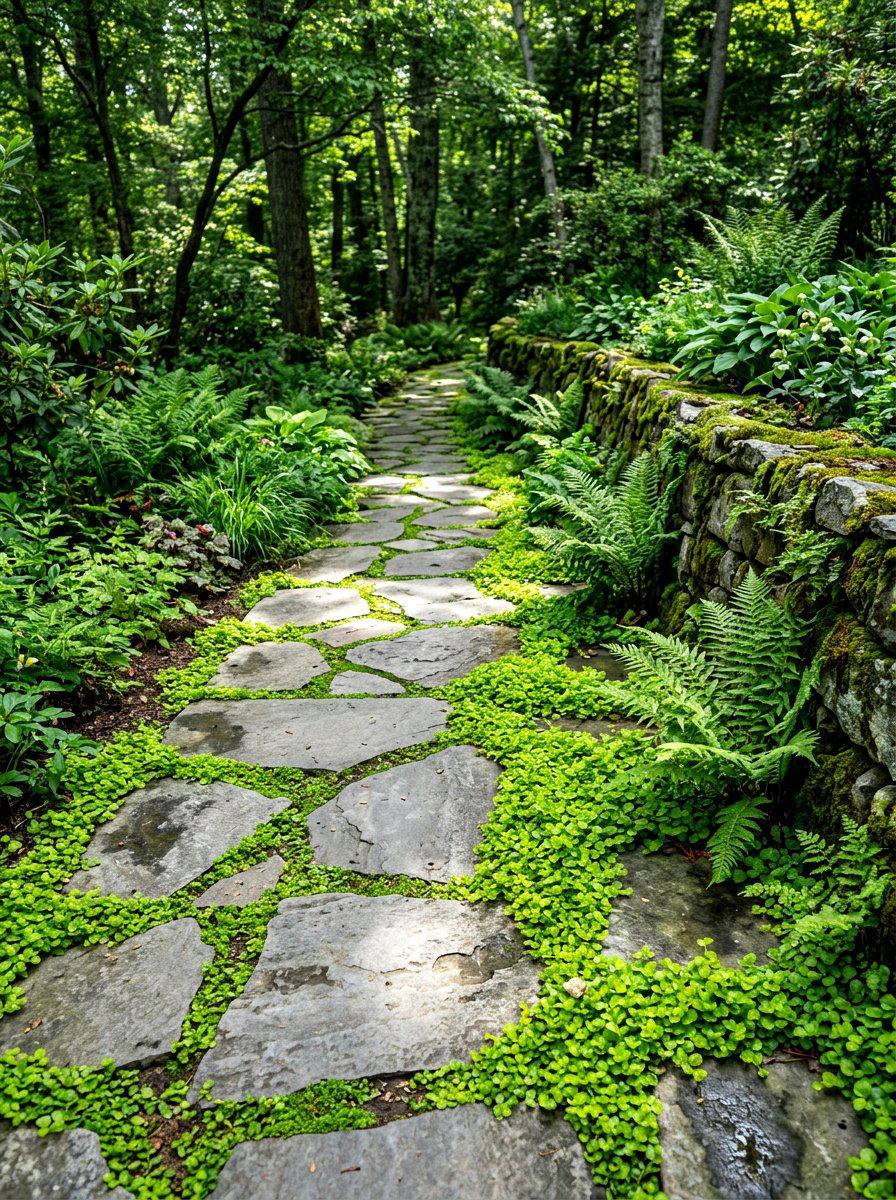
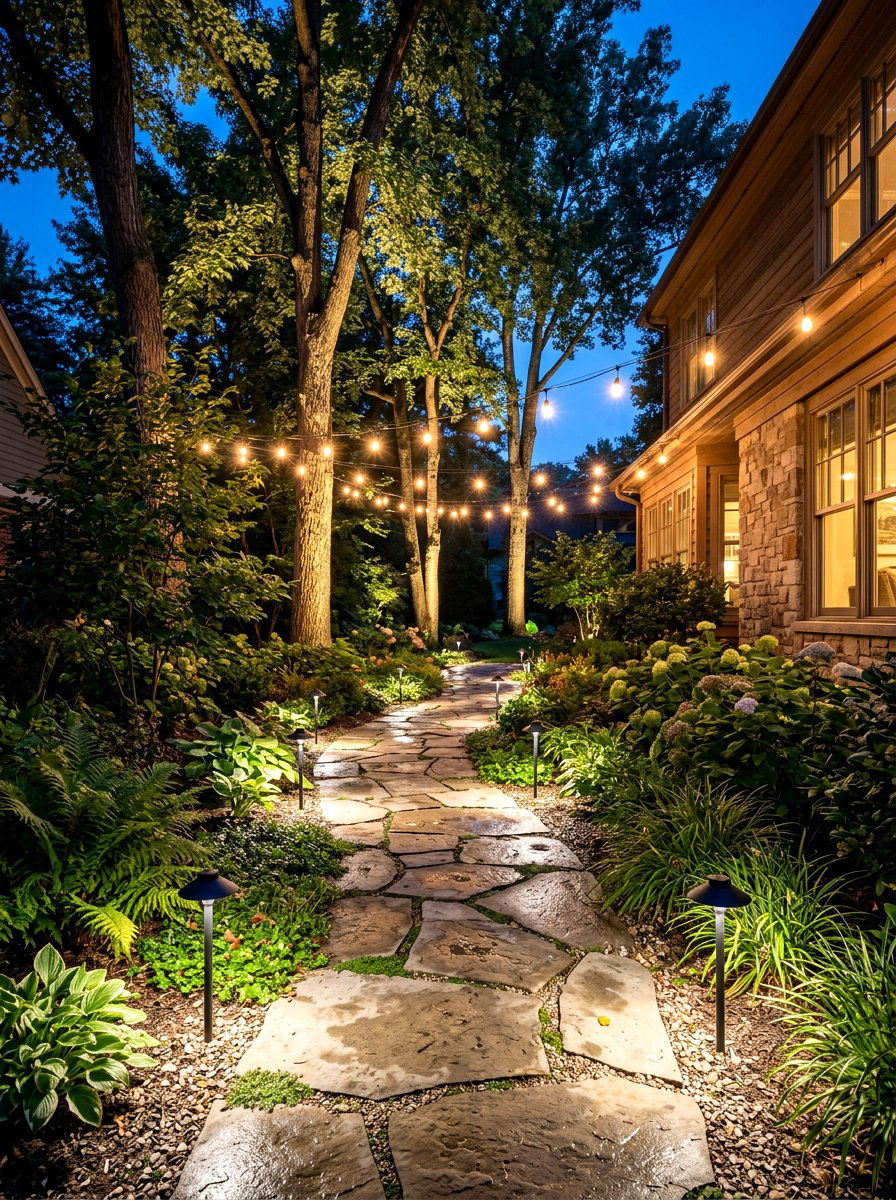
Large, irregular flagstones set into a bed of low-growing groundcover create a natural and inviting woodland look. Plants like creeping jenny or scotch moss thrive in the gaps between the stones and feel soft underfoot. This type of border is very durable and handles foot traffic better than many other garden styles. The varied shapes of the stones add a unique character to the side yard that feels organic and relaxed. You can tuck small alpine plants or succulents into the outer edges of the border for extra detail. This design is perfect for shady side yards where grass has a hard time growing but you still want a green floor.
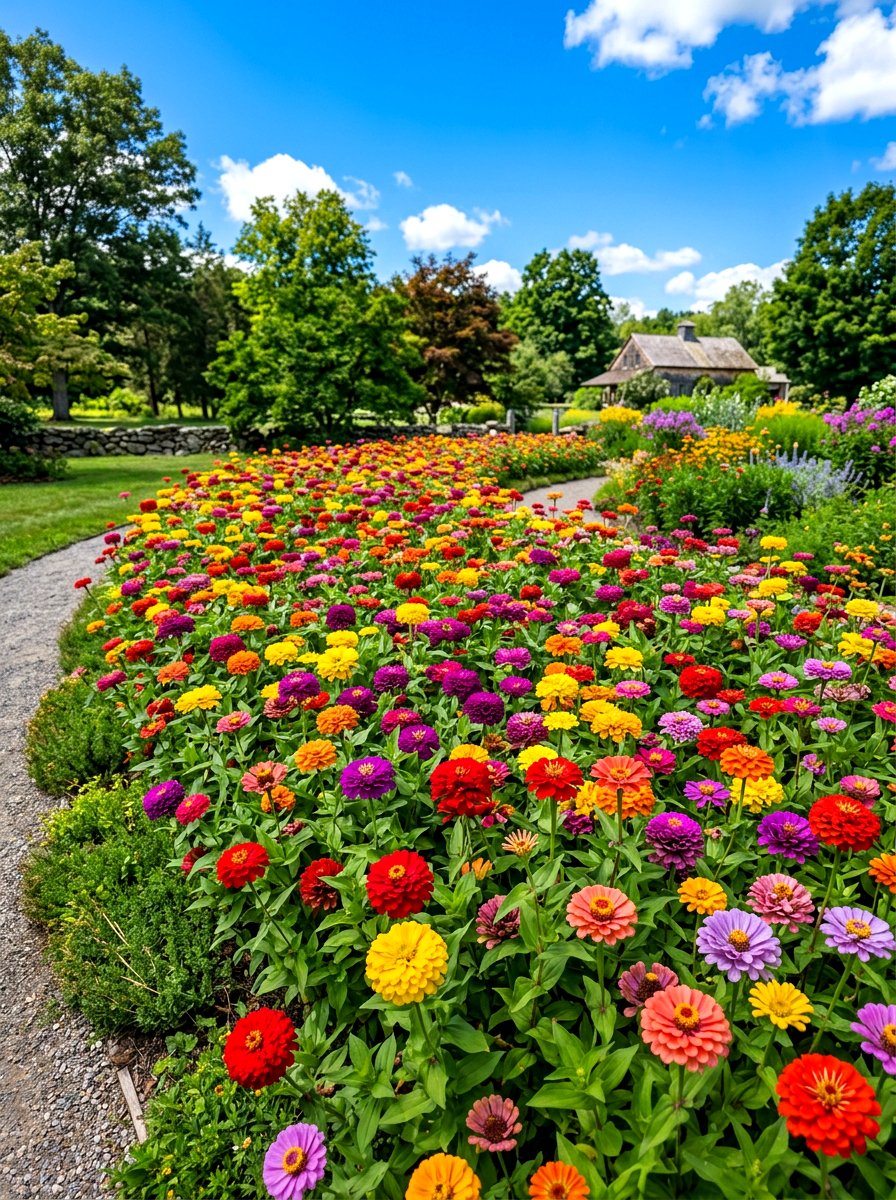
15. Evergreen Privacy Screen
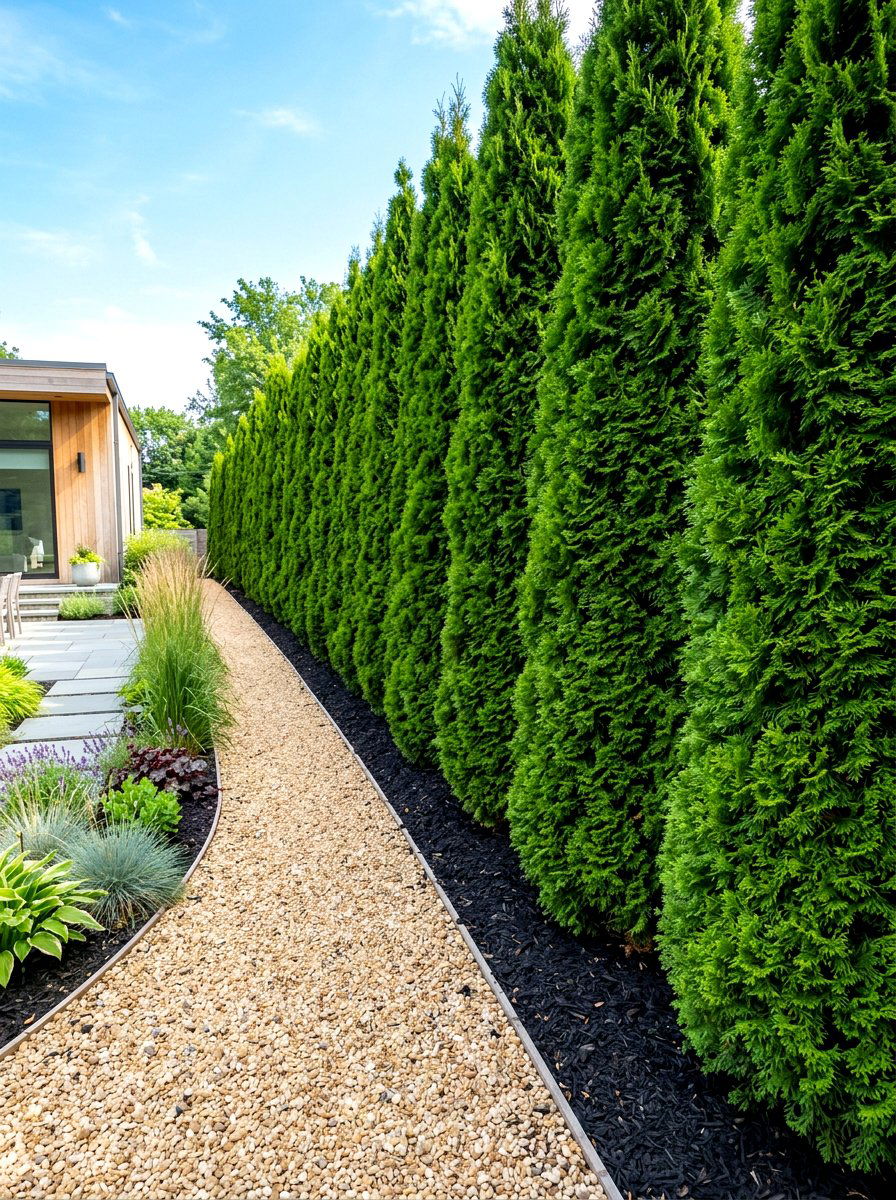
Planting a row of tall, narrow evergreens along your side property line provides year-round privacy and a beautiful green wall. Species like arborvitae or Italian cypress are perfect for these tight spaces because they grow vertically without spreading too wide. This living border blocks the view of the neighbor's house and helps to dampen street noise. You can finish the base of the trees with a clean line of mulch or small decorative stones. This creates a high-impact look that is both functional and aesthetically pleasing. A well-maintained evergreen screen adds a sense of seclusion and luxury to even the narrowest of side yards, making it a very popular choice.
16. Drought Tolerant Succulent Border
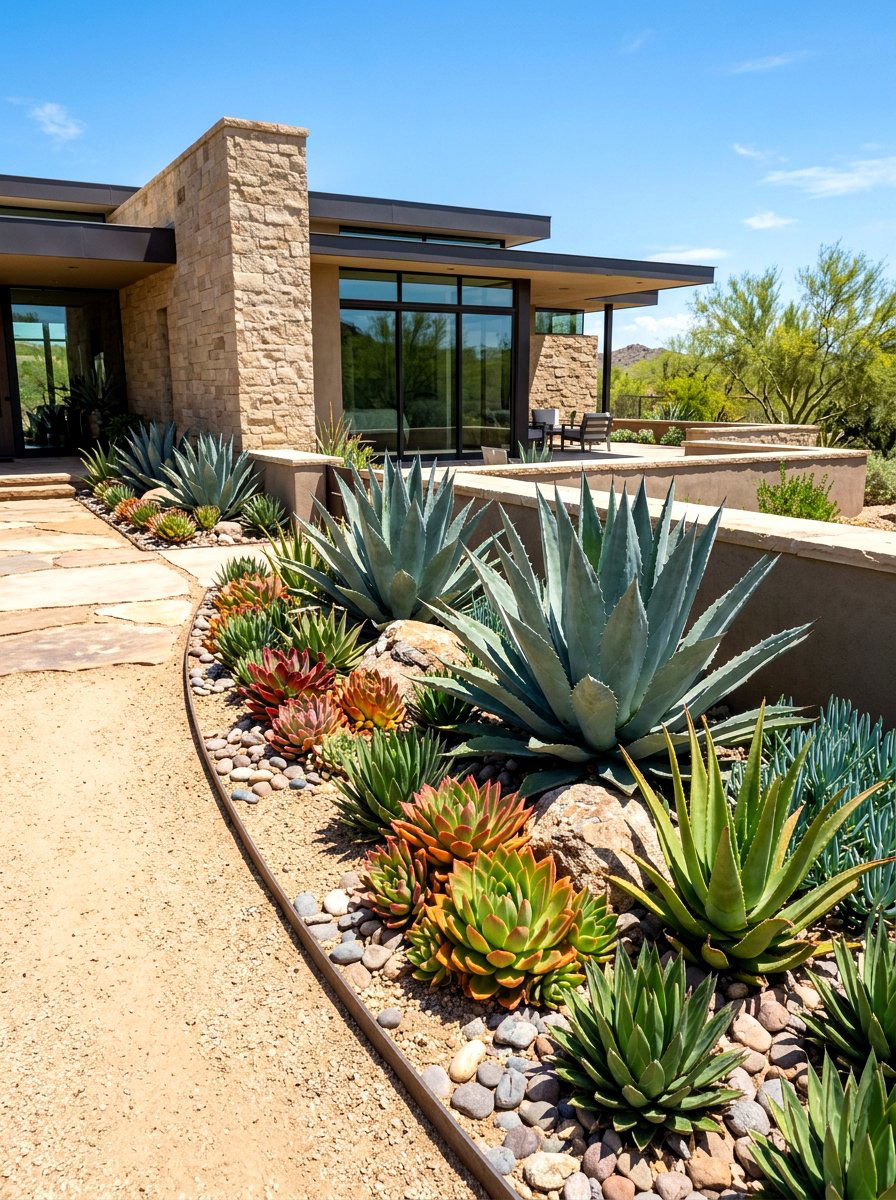
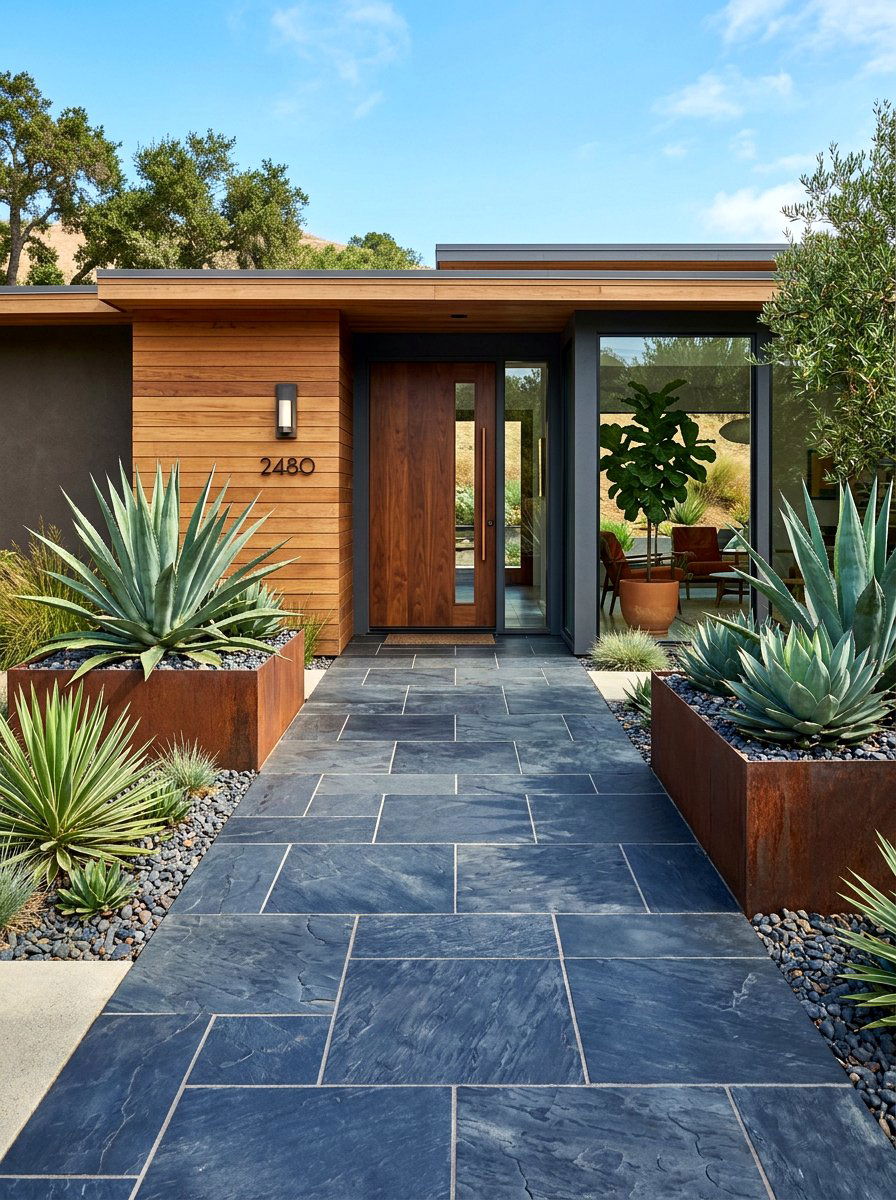
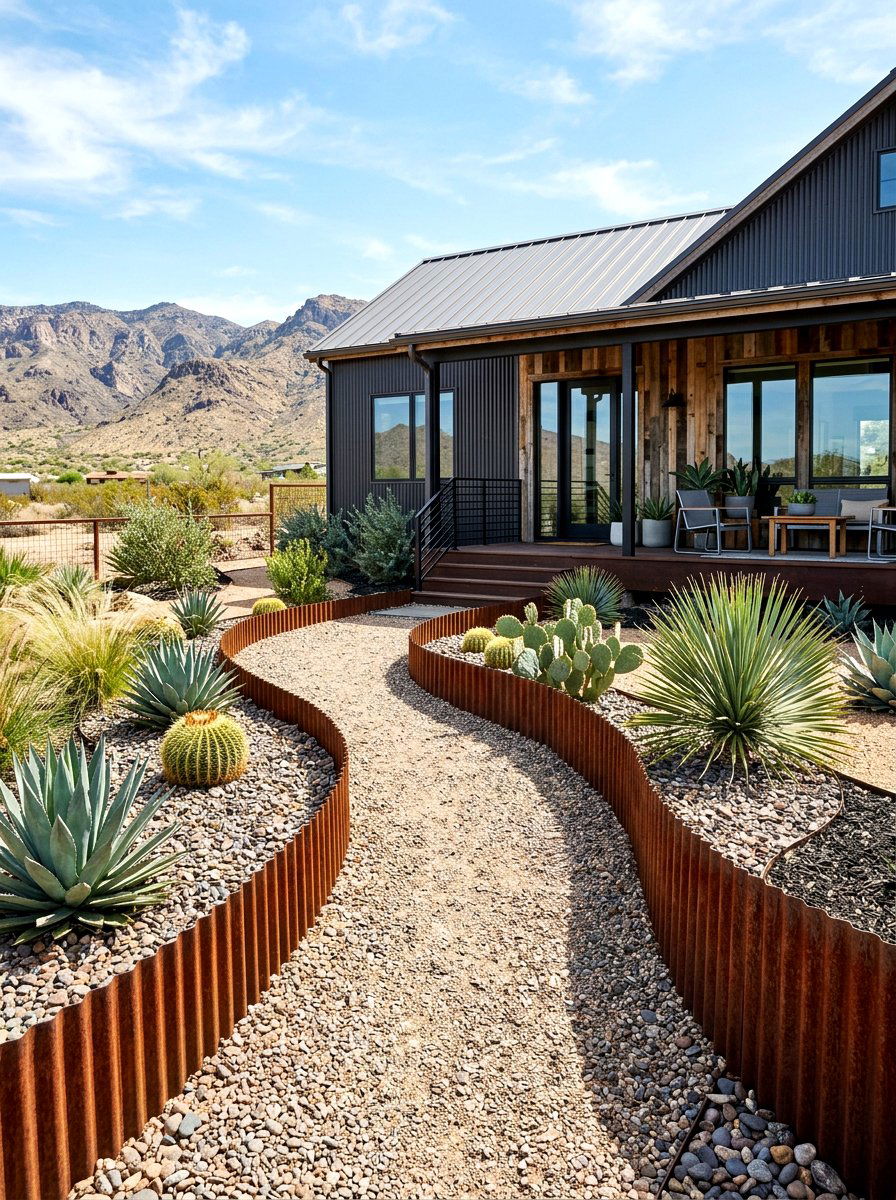
For those living in arid climates, a succulent border is a stunning and water-wise choice that requires minimal care. You can mix different shapes, sizes, and colors of agave, aloe, and echeveria to create a desert-inspired landscape. Using a top dressing of decomposed granite or small lava rocks helps with drainage and enhances the natural look. These plants are incredibly resilient and can handle the reflected heat from the side of a house very well. Their unique architectural forms provide year-round interest even when nothing else is in bloom. This modern and sustainable approach to side yard gardening is perfect for anyone looking to reduce their water usage significantly.
17. Contemporary Metal Edging
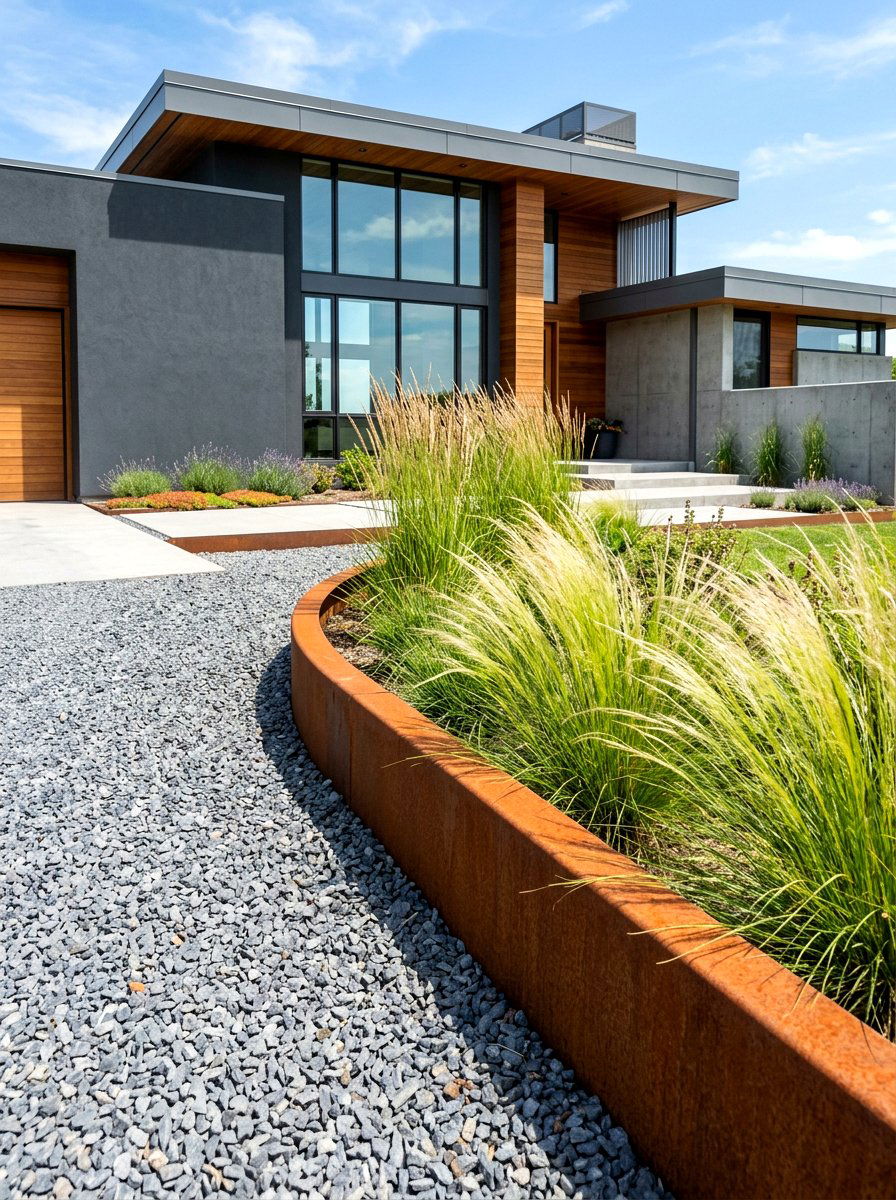
Metal edging made from steel or aluminum is becoming a top choice for modern homeowners who want sharp and precise lines. Corten steel is particularly popular because it develops a beautiful rusted patina that protects the metal while adding warm color. This thin edging allows you to create crisp boundaries between different zones, such as a gravel path and a planting bed. It takes up very little space, making it ideal for the narrowest side yards where every inch counts. You can use it to create straight lines or gentle curves that look professional and polished. Metal edging is also incredibly durable and will not rot or crack over several decades.
18. Tiered Stone Retaining Wall
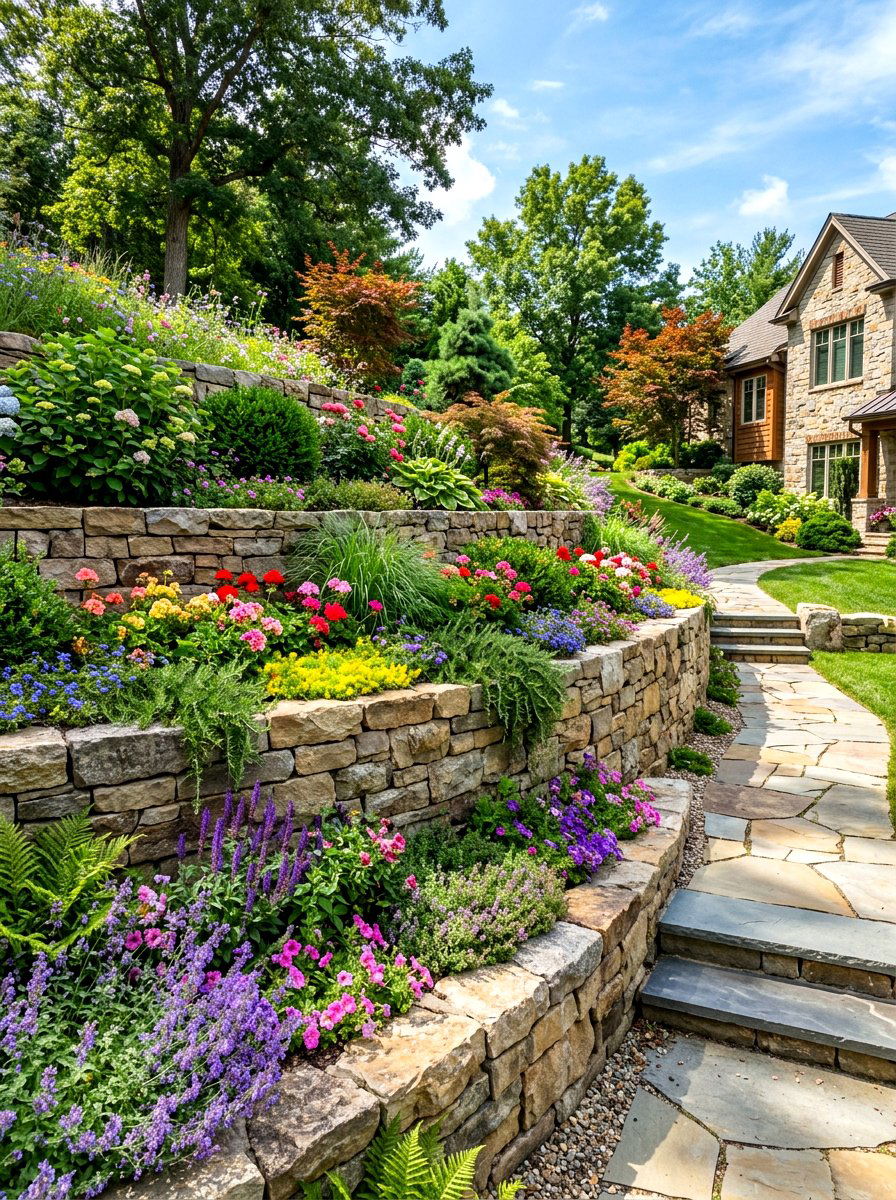
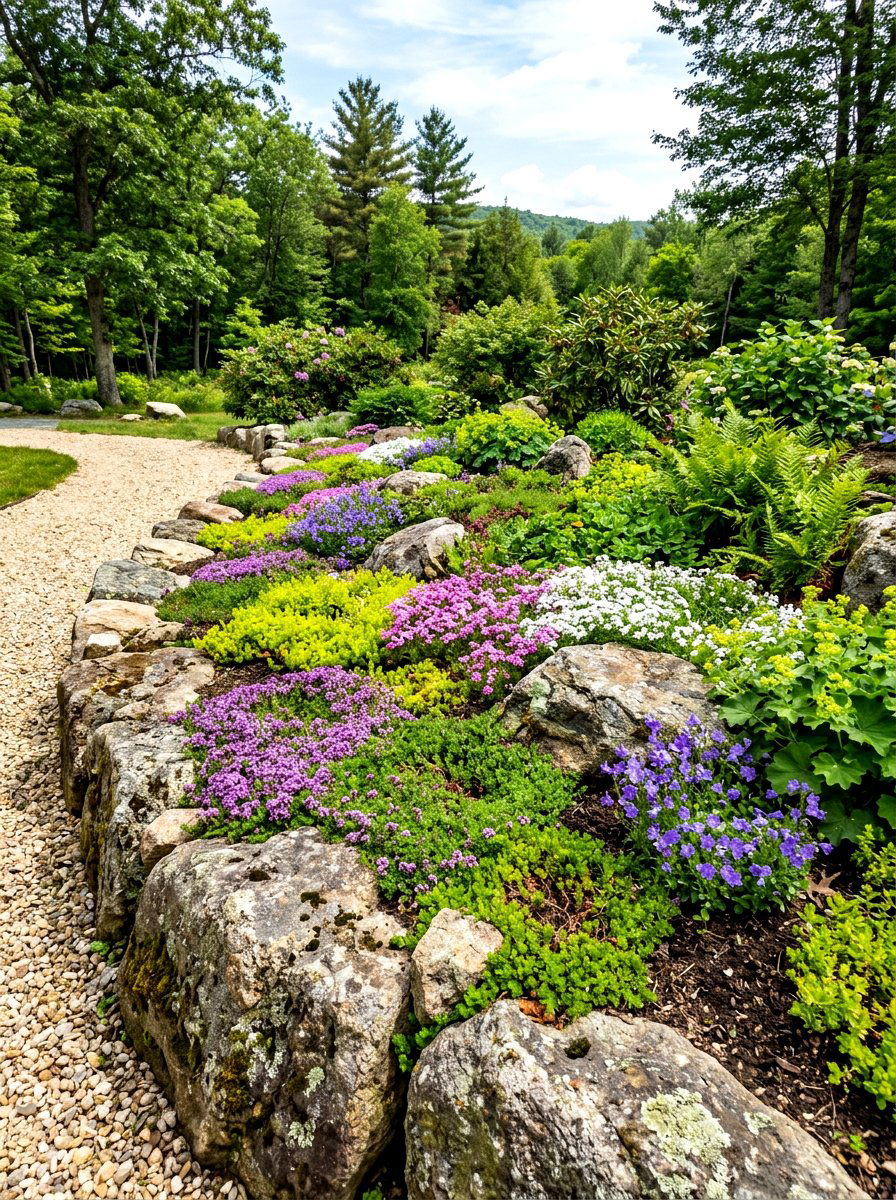
If your side yard has a significant slope, building a tiered retaining wall is the best way to create usable garden space. You can use natural stone blocks or timber to create several levels for planting different species. This prevents soil erosion and adds a lot of visual drama to a space that might otherwise be difficult to landscape. Each level can have its own theme, such as a herb garden on the bottom and flowering shrubs on the top. The different heights make it easier to tend to the plants without bending over too much. This structural approach turns a challenging terrain into a beautiful and productive garden feature.
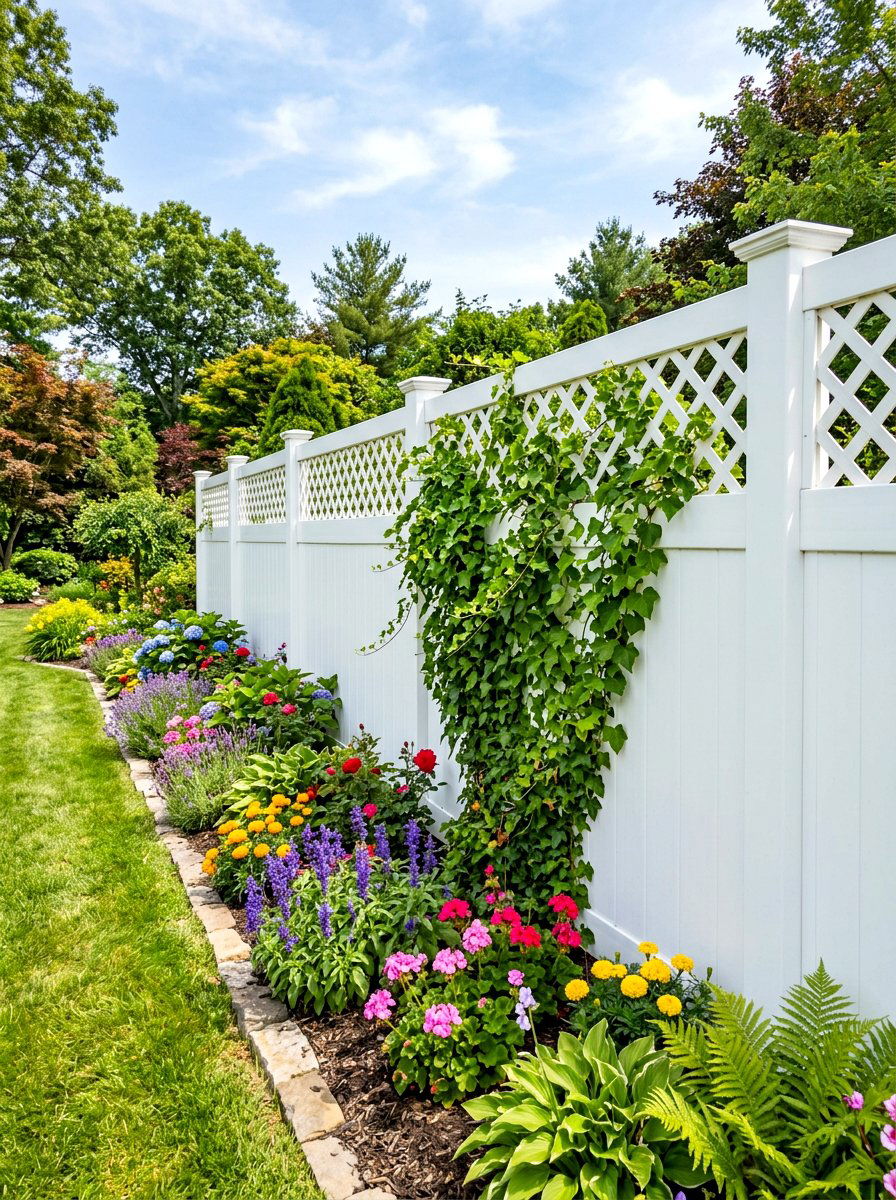
19. Hydrangea Side Garden Path
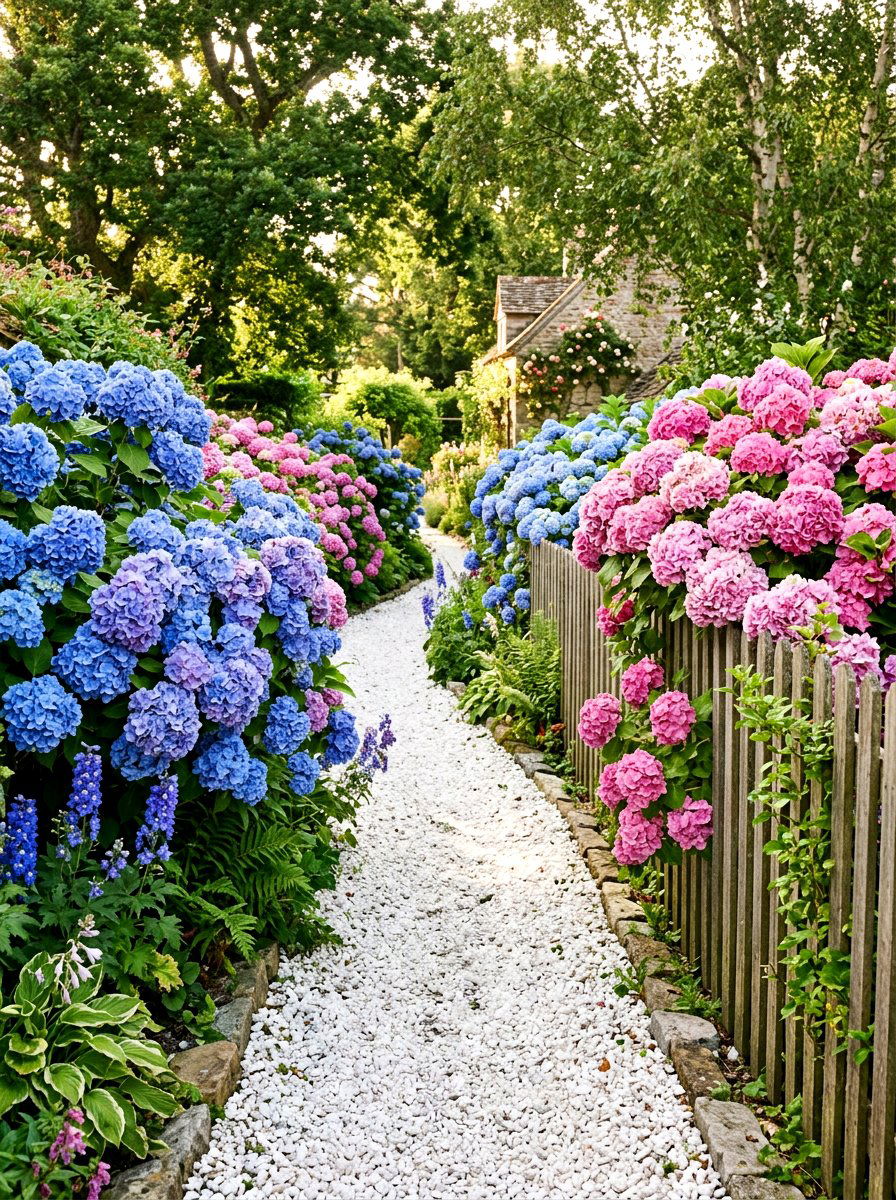
Hydrangeas are famous for their massive, colorful blooms and their ability to thrive in the partial shade often found in side yards. Planting a row of these shrubs creates a soft and romantic border that feels incredibly lush and full. They come in many varieties, from the classic mophead to the more delicate lacecap, allowing for great diversity. The large green leaves provide excellent coverage and can help hide the foundation of your home. You should leave enough space for them to reach their full size without blocking the walkway entirely. When they are in full bloom, they create a breathtaking floral hallway that is sure to impress any guest.
20. Japanese Maple Focal Point
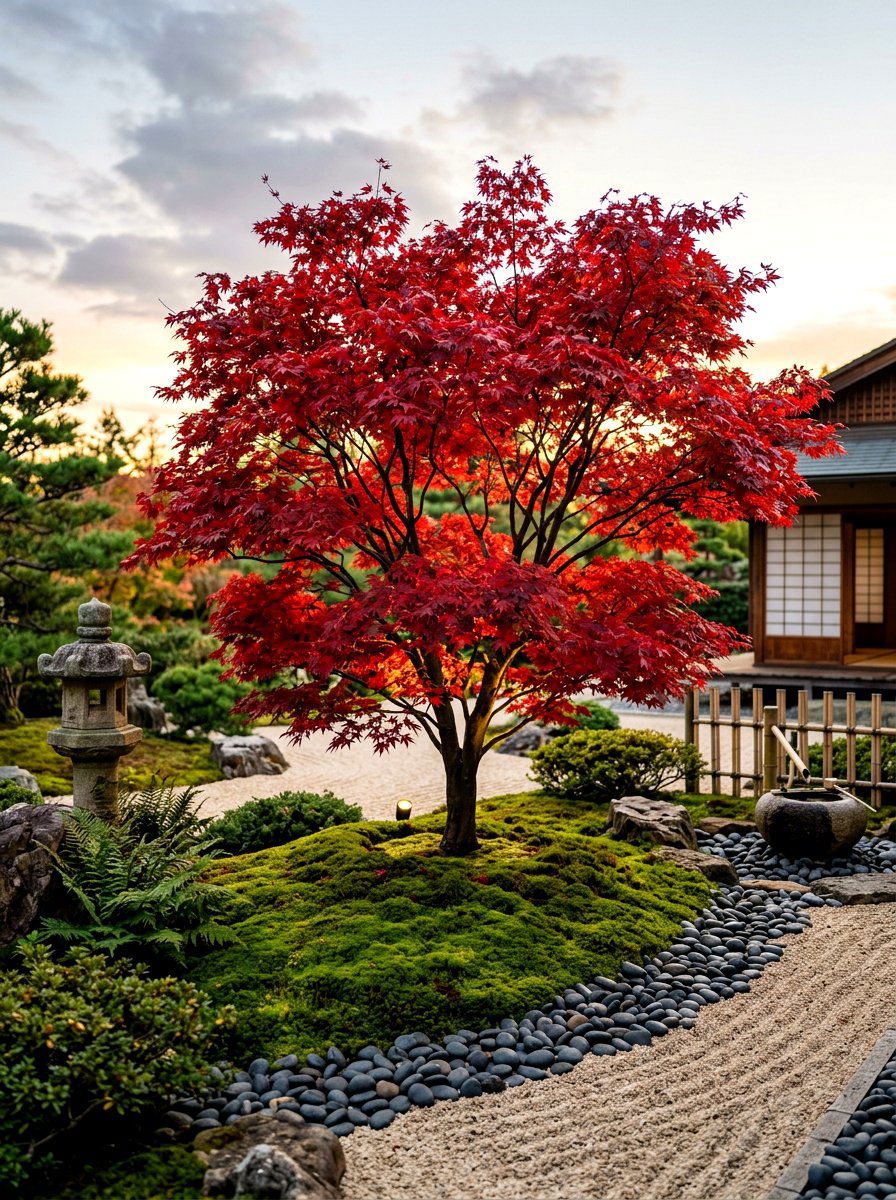
Even in a narrow side yard, you can create a stunning focal point by planting a single, beautiful Japanese maple tree. These trees are prized for their delicate foliage and spectacular fall colors, ranging from bright orange to deep burgundy. Surrounding the base of the tree with a simple circle of stones or a bed of moss draws the eye to its graceful form. You can add low-voltage lighting to highlight the trunk and leaves during the evening hours. This minimalist approach focuses on quality over quantity and makes the side yard feel like a curated gallery. It is an excellent choice for a small space where you want maximum impact.
21. Native Grass Border
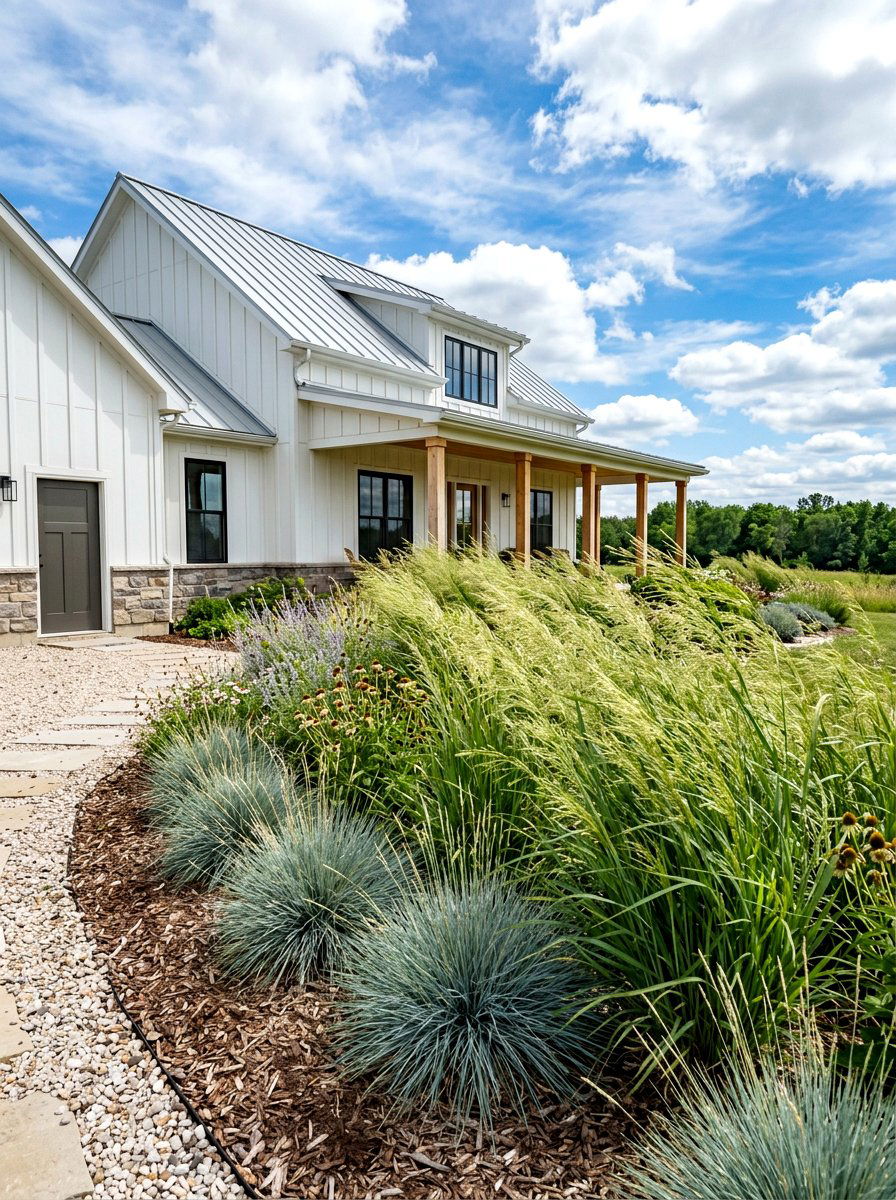
Using native ornamental grasses is a fantastic way to add movement and texture to your side garden with very little effort. Tall grasses like switchgrass or little bluestem sway beautifully in the wind and provide a natural, meadow-like feel. They are usually very hardy and require minimal watering or fertilizing once they are established. You can plant them in a dense row to create a soft privacy screen that still lets light filter through. In the winter, the dried stalks and seed heads add structural interest to the landscape when other plants have died back. This eco-friendly border is perfect for a relaxed and sustainable side yard design.
22. Paver Path With Moss
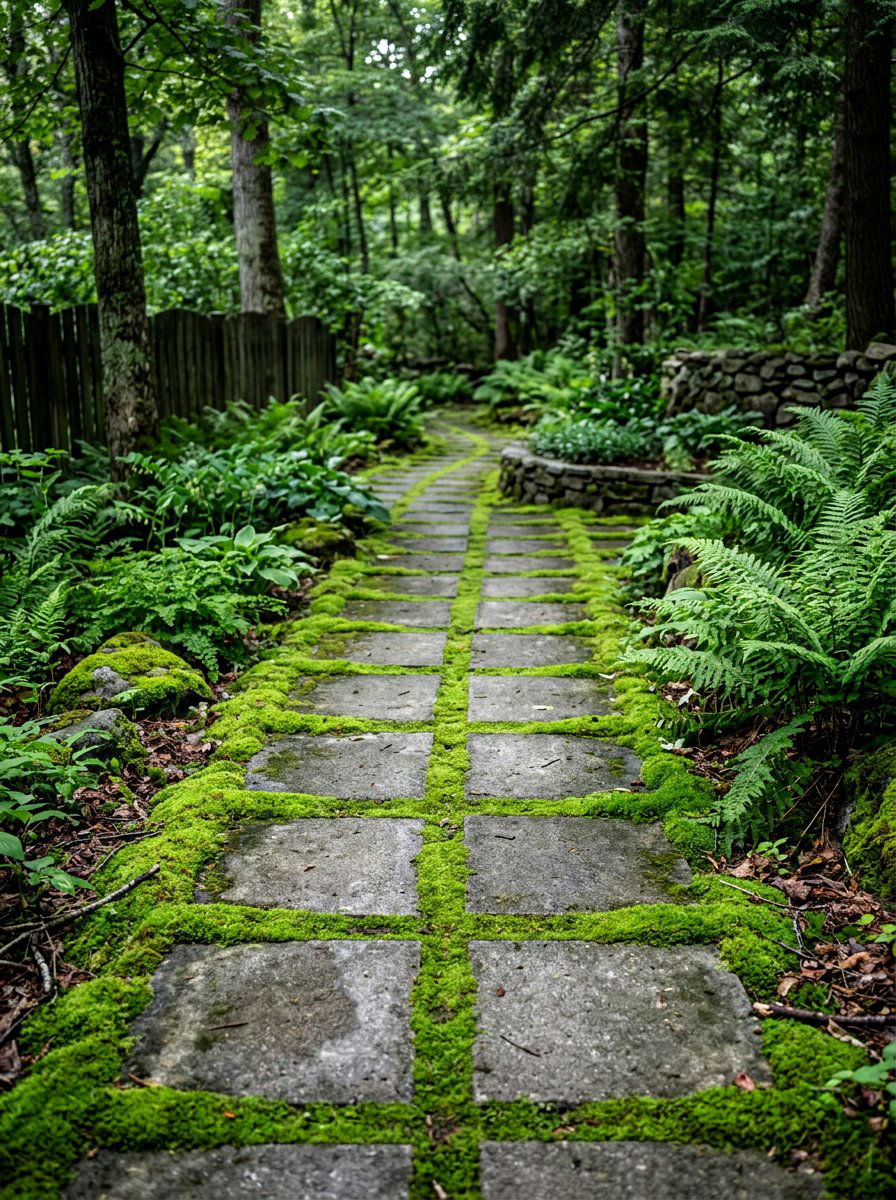
For a side yard that feels like an enchanted forest, consider a path of large stone pavers surrounded by thick, green moss. Moss thrives in damp and shady conditions where most other groundcovers would struggle to survive. It creates a vibrant, velvet-like carpet that feels amazing to walk on and requires no mowing. The contrast between the hard stones and the soft moss adds a lot of visual depth to a narrow space. This type of border is very low maintenance because moss stays low and does not need frequent trimming. It is the perfect solution for a North-facing side yard that stays cool and shaded throughout the day.
23. Fern Shade Border
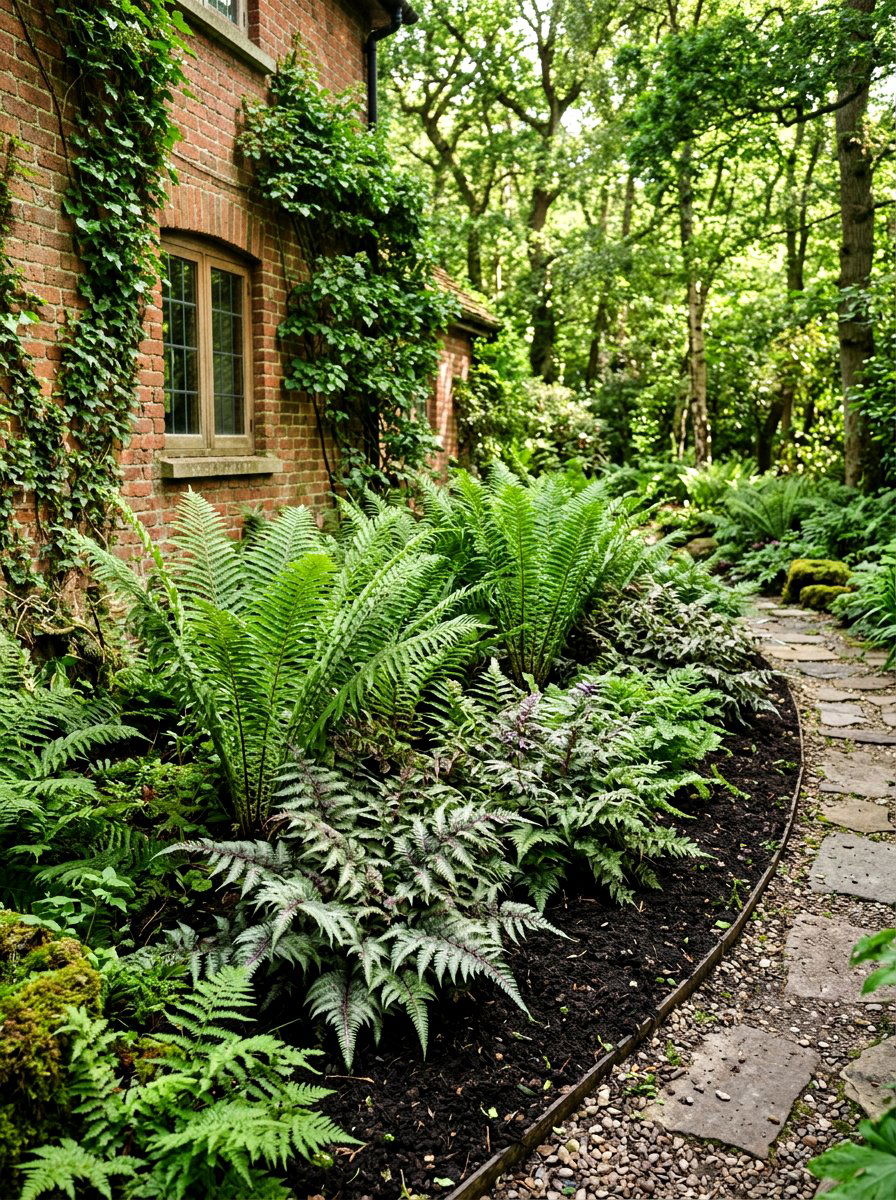
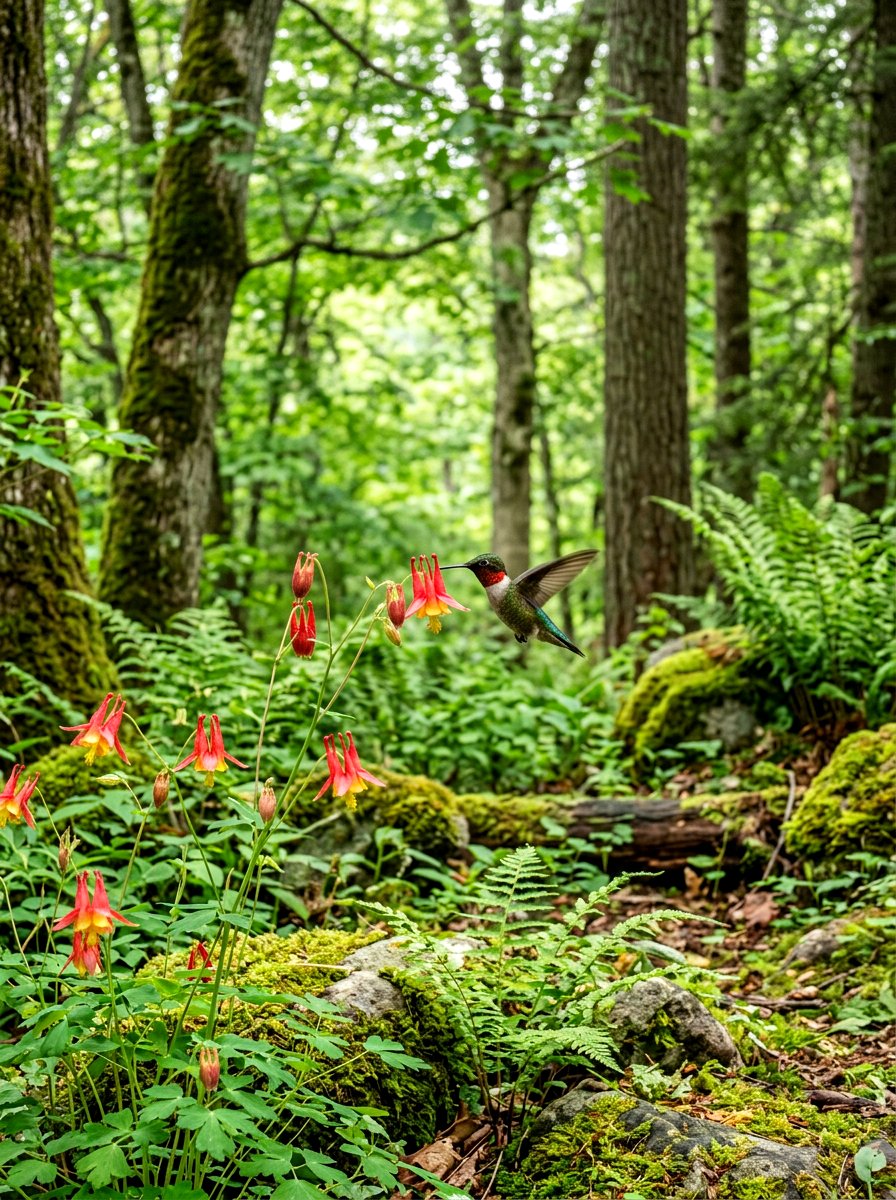
Ferns are some of the oldest plants on earth and they bring a timeless, prehistoric beauty to any shaded garden. Their delicate, feathery fronds come in many shades of green and add incredible texture to a side yard border. You can mix different types, like the tall ostrich fern and the shorter painted fern, to create a layered effect. They love the moist and cool conditions often found between a house and a tall fence. Ferns are very effective at filling in gaps and creating a full, lush look in a short amount of time. This border is perfect for creating a quiet and serene green retreat right outside your door.
24. White Pebble Modern Landscape
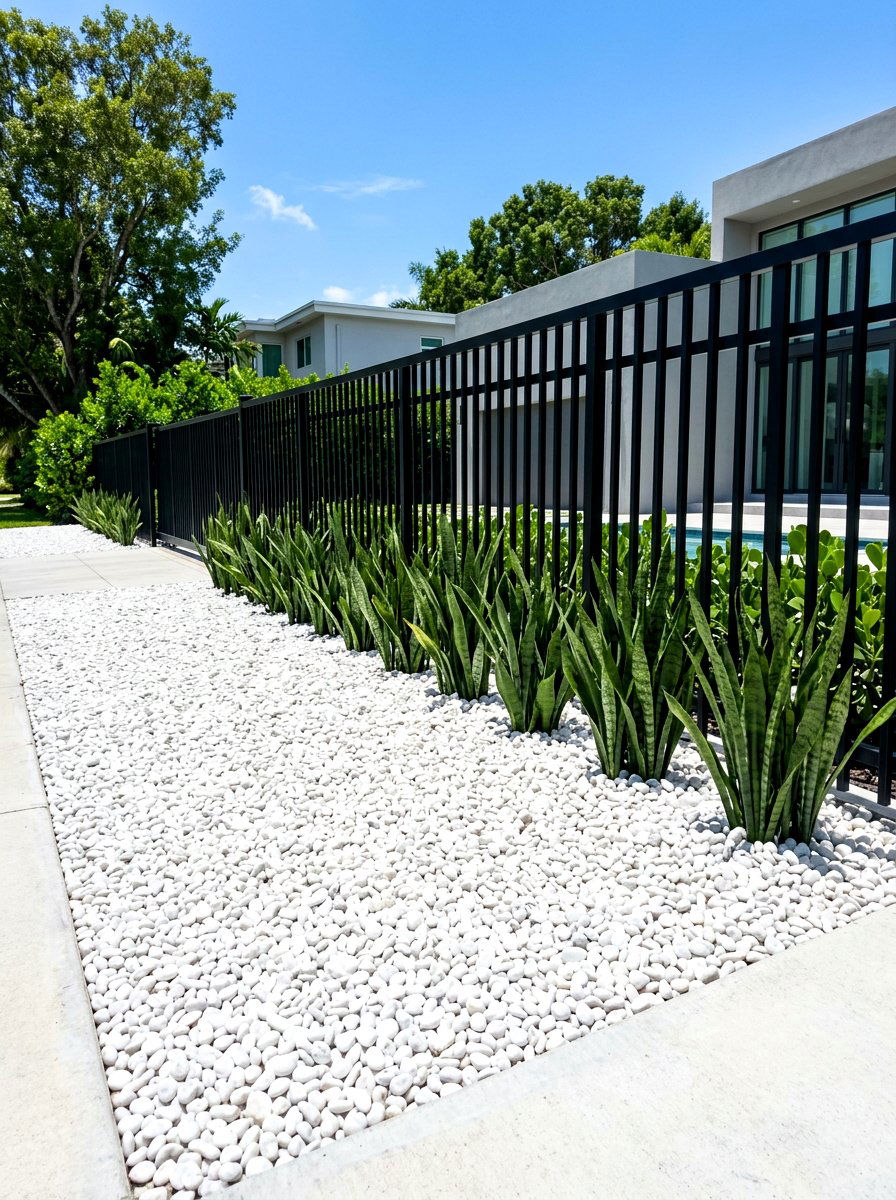
Using bright white pebbles or marble chips can instantly brighten up a dark side yard and give it a clean, modern feel. The white stones reflect light, making the entire area feel much larger and more open than it really is. You can pair the pebbles with dark green architectural plants like snake plants or boxwoods for a high-contrast look. This style is very popular in urban areas where homeowners want a sophisticated and low-maintenance outdoor space. Using a heavy plastic liner underneath the pebbles will prevent them from sinking into the soil. It is a very stylish and practical way to handle a narrow corridor with minimal effort.
25. Vegetable Side Garden Patch
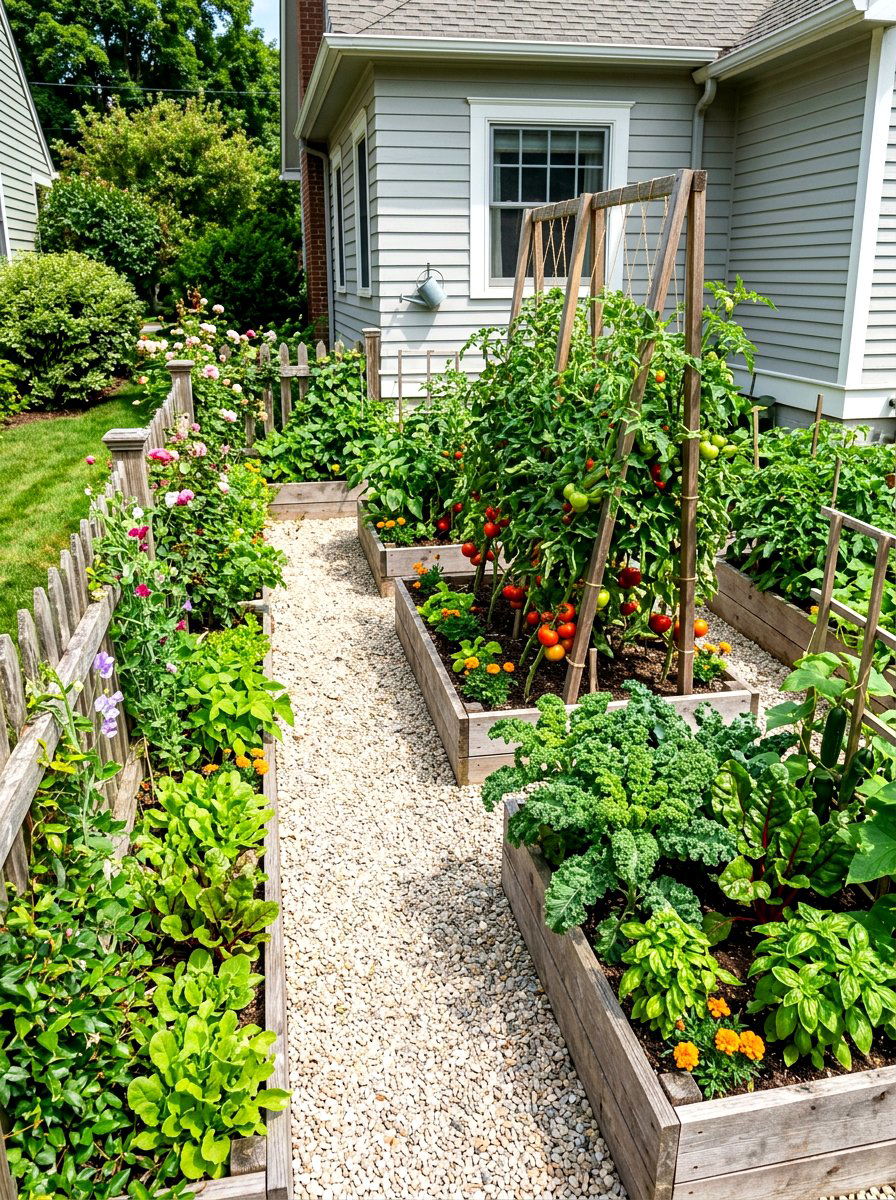
If your side yard gets at least six hours of sunlight, you can turn it into a productive and functional vegetable garden. Narrow raised beds are perfect for growing tomatoes, peppers, and leafy greens in a compact area. You can use vertical supports like cages or trellises to save ground space and keep the plants organized. This makes the most of every square foot and provides you with fresh produce right at your fingertips. A simple gravel path between the beds ensures that you can access your harvest without getting your shoes muddy. This practical approach transforms a utility space into a rewarding and healthy part of your daily life.
26. Rose Bush Fence Line
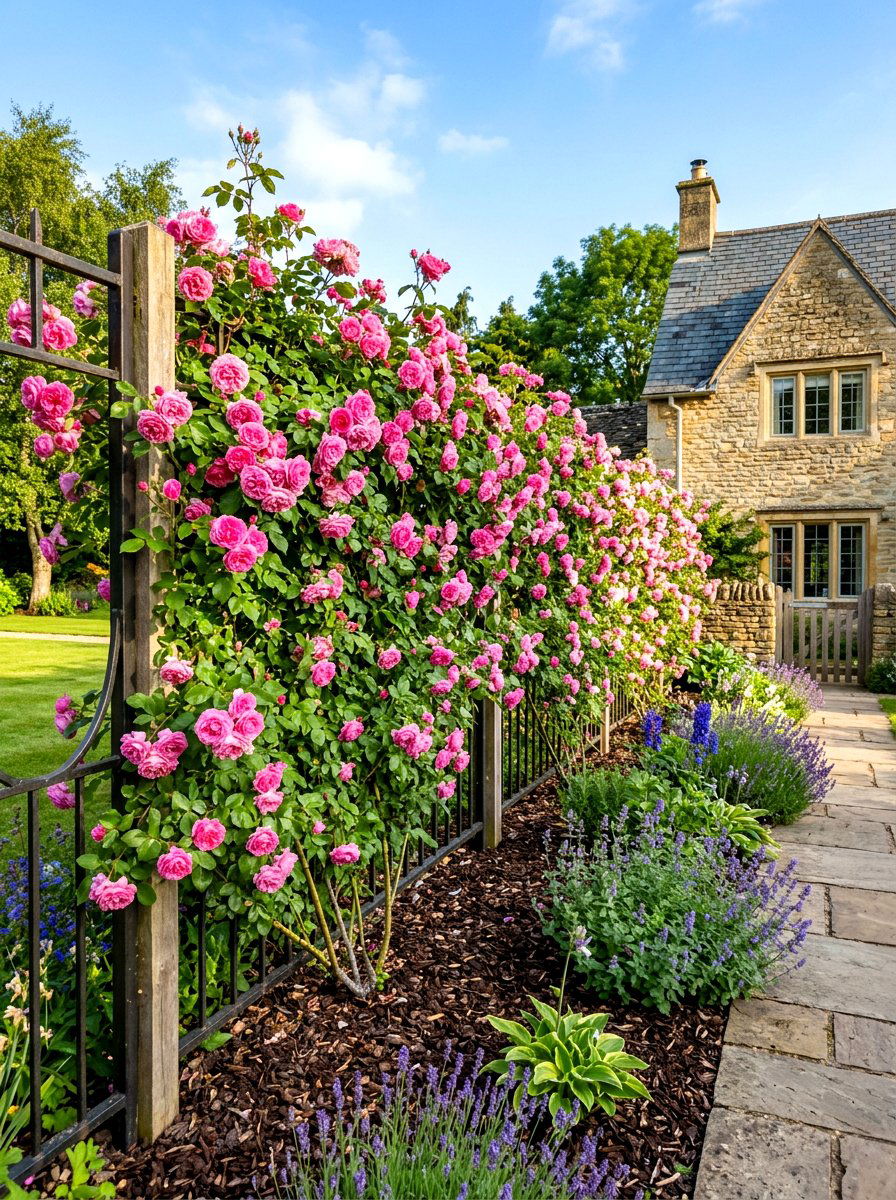
Lining your side fence with rose bushes is a classic way to add both beauty and security to your home. Climbing roses can be trained to cover a fence, providing a wall of fragrant flowers throughout the summer months. The thorns also act as a natural deterrent, which can be useful for ground-level windows along the side of the house. You can choose from thousands of varieties to find the perfect color and scent for your personal preference. Keeping them well-pruned ensures they stay within their allotted space and do not grow over the walkway. This romantic and traditional border makes walking through your side yard a truly sensory experience.
27. Paver Stone Border Edging
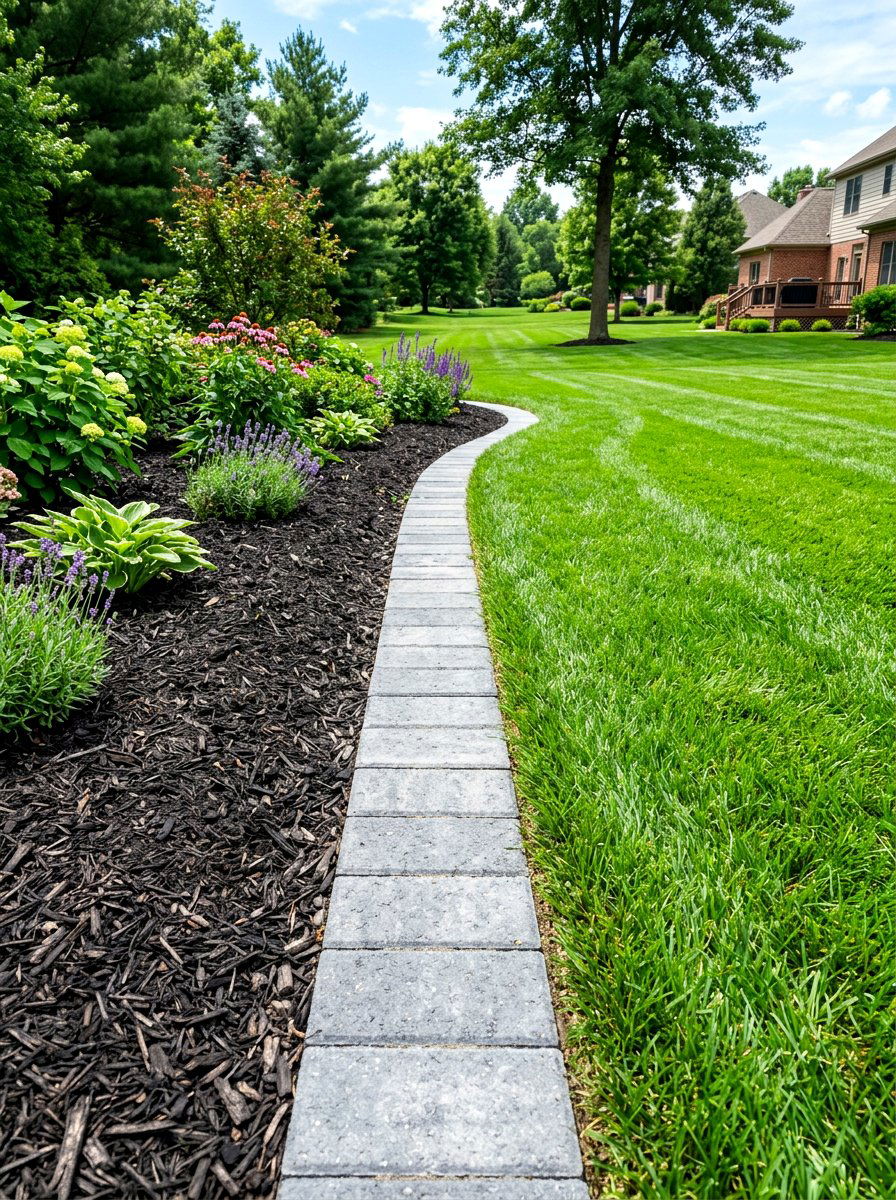
Using heavy-duty paver stones as a border edge is a practical and attractive way to keep your garden beds and lawn separate. These stones are easy to install and provide a wide, solid surface that makes mowing and trimming much simpler. You can find pavers in many colors and textures to match the exterior of your house or your existing patio. By setting them slightly into the ground, you create a flush transition that prevents grass from creeping into your flower beds. This is a very cost-effective way to add structure and a finished look to your side yard. It is a durable solution that will look great for many years.
28. Mulched Garden Bed With Lights
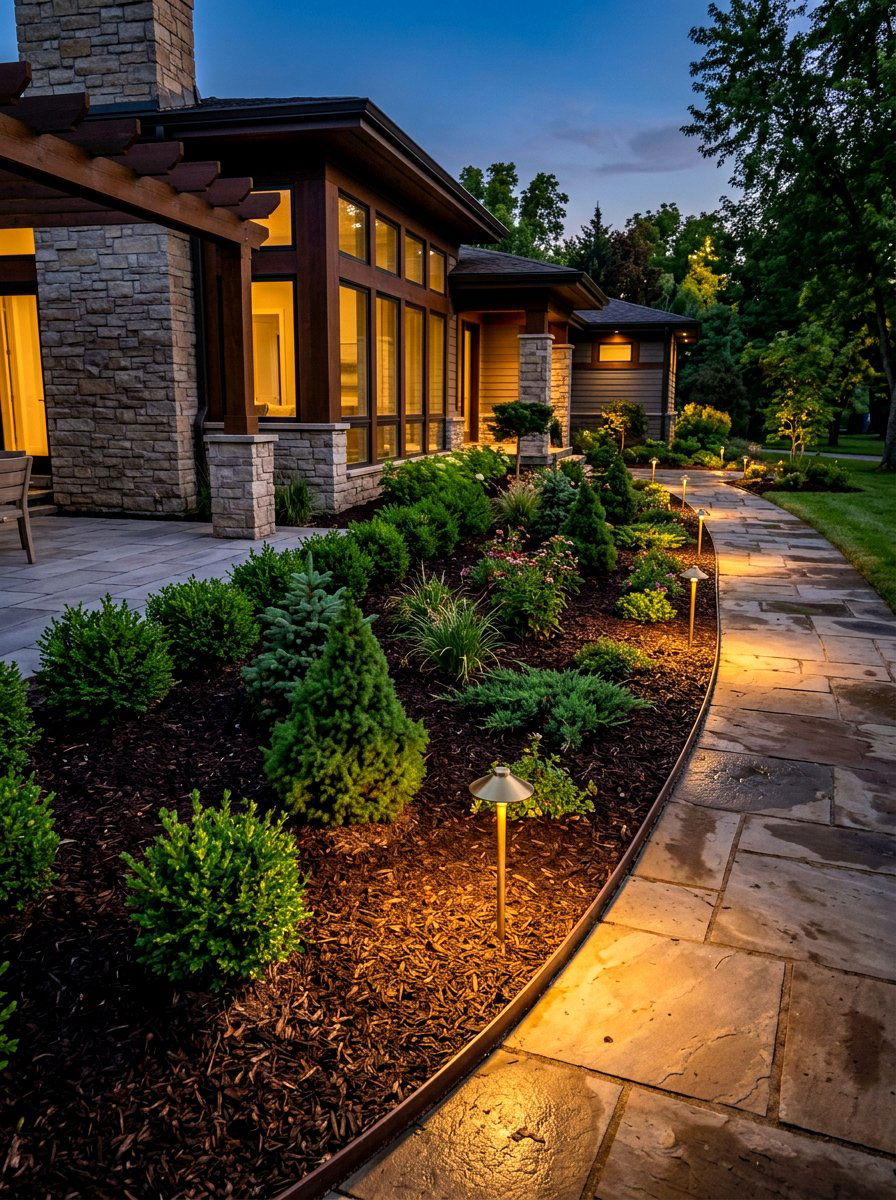
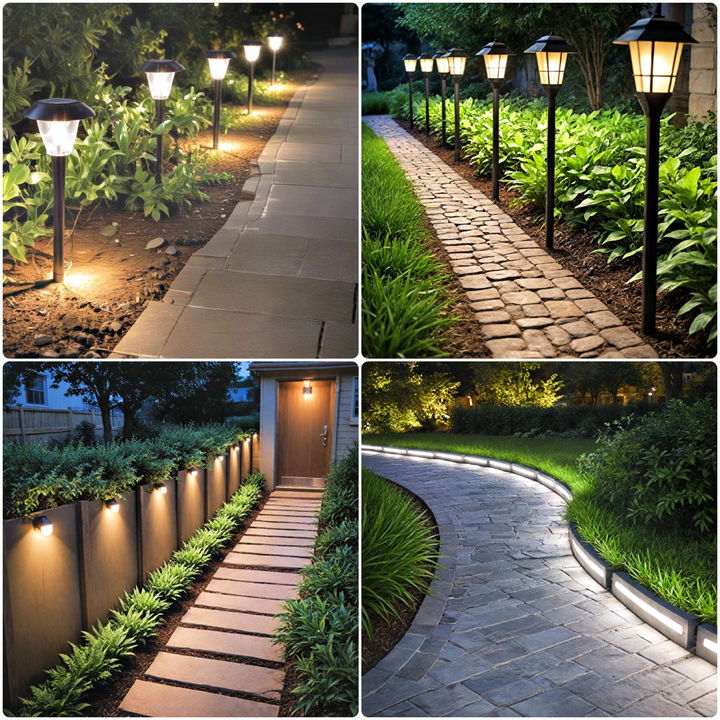
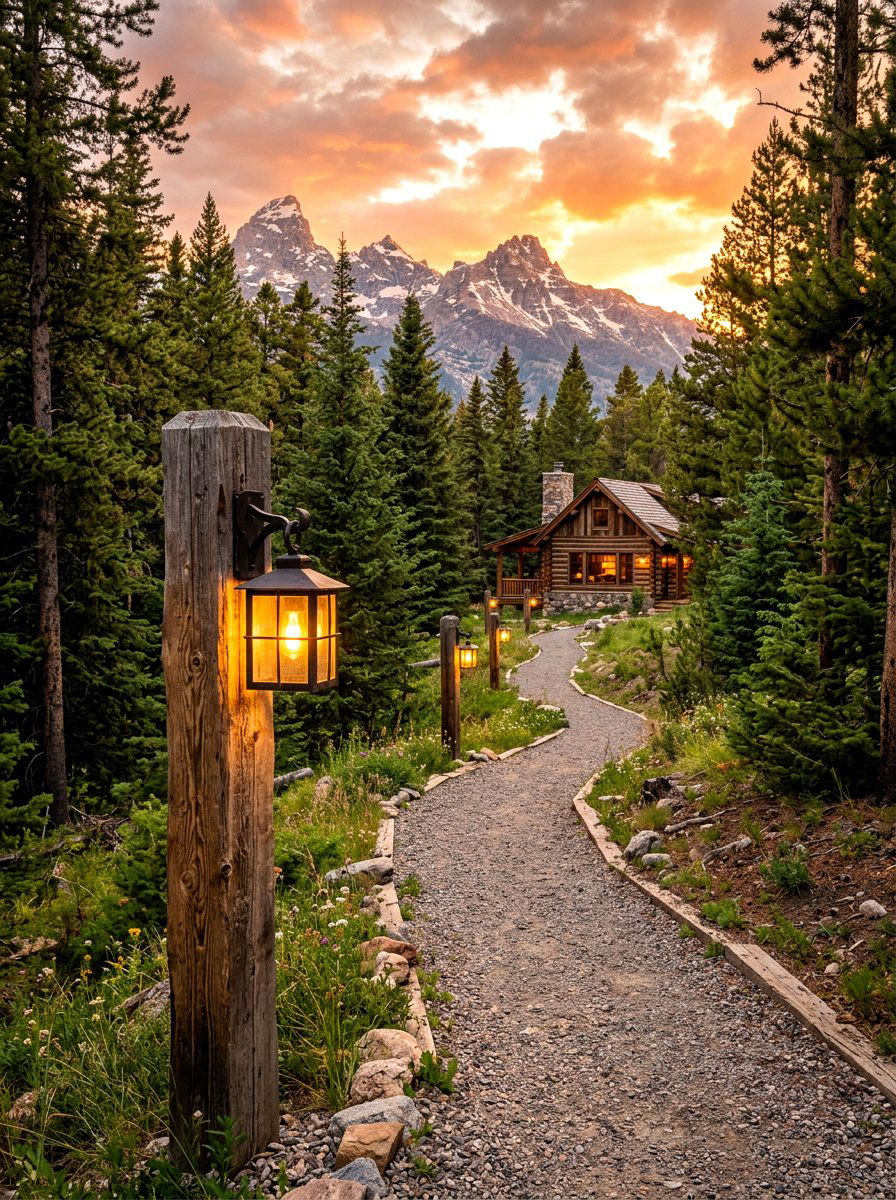
A simple mulched garden bed can be elevated to something special by adding a series of low-voltage LED path lights. Mulch provides a clean and uniform look while helping to suppress weeds and retain moisture for your plants. During the day, the bed looks neat and tidy with a mix of small shrubs and perennials. At night, the lighting guides your way through the side yard and highlights the textures of the foliage. You can choose from various light styles, from modern bollards to classic lantern designs. This setup not only improves the safety of your property but also adds a lot of evening charm and sophisticated curb appeal.
29. Ornamental Grass Privacy Border
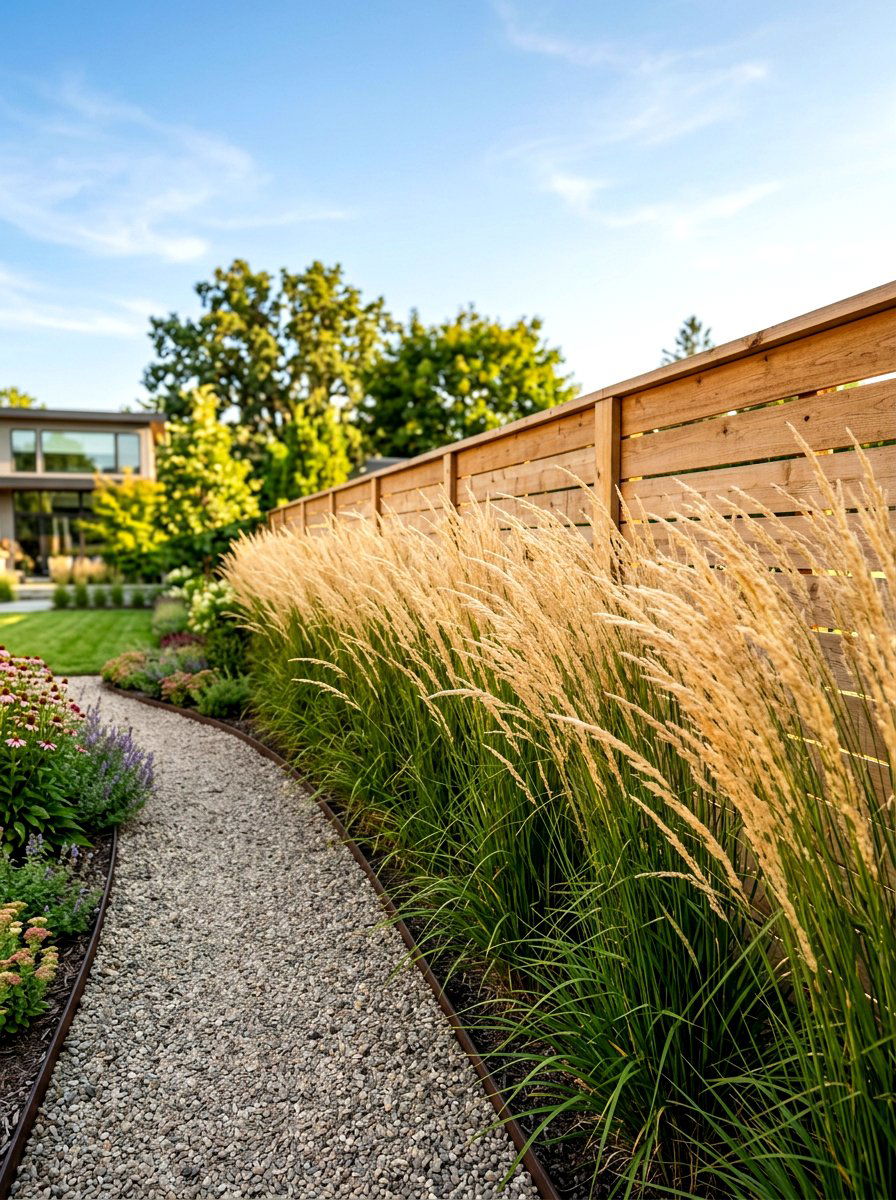
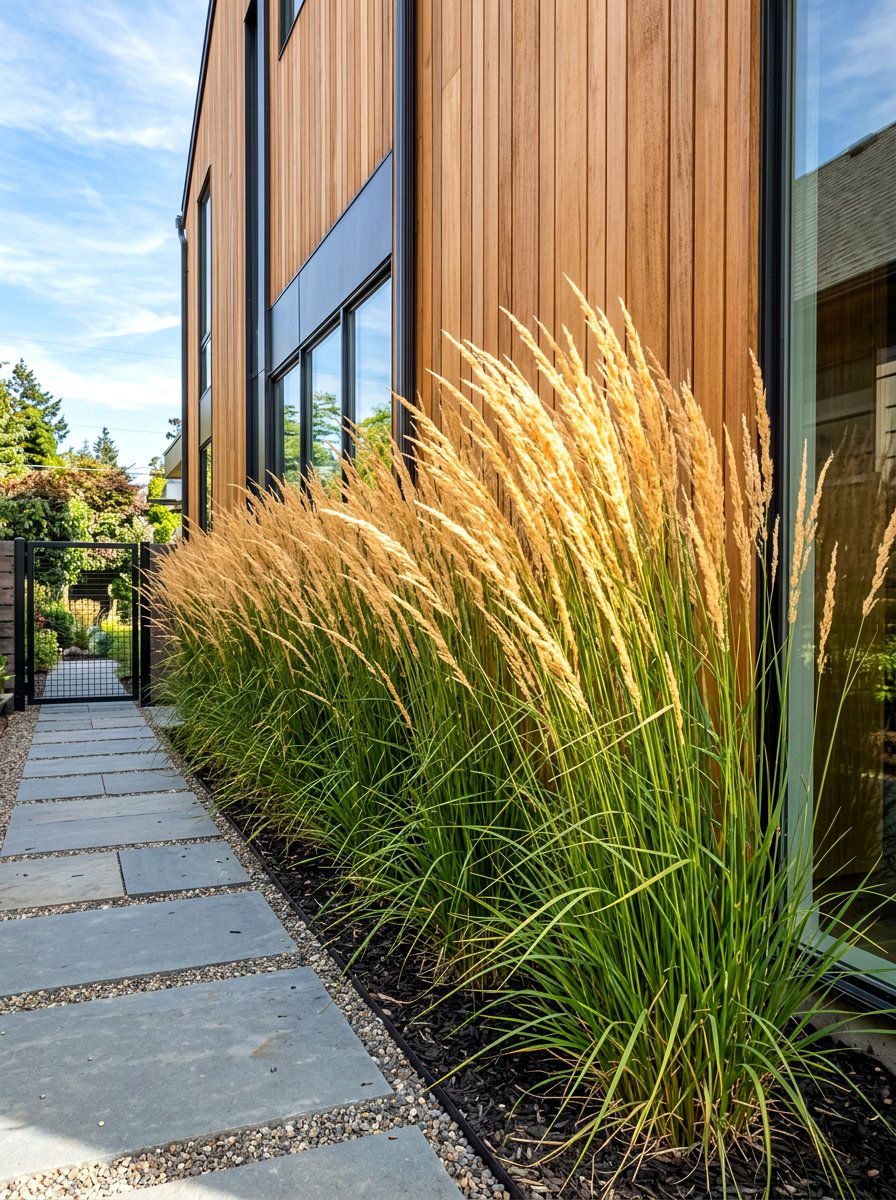
Planting a dense row of tall ornamental grasses like Miscanthus or Feather Reed Grass creates a fast-growing and flexible privacy screen. These grasses reach their full height in just one season and provide a soft, rustling sound that adds a peaceful atmosphere to the yard. They are much less expensive than building a new fence and offer a more natural and organic look. In the late summer and fall, the feathery plumes add a touch of elegance and movement to the landscape. Because they stay narrow at the base, they are ideal for side yards where ground space is limited. They are also very easy to maintain with just one annual pruning.
30. Herb Garden Side Walkway
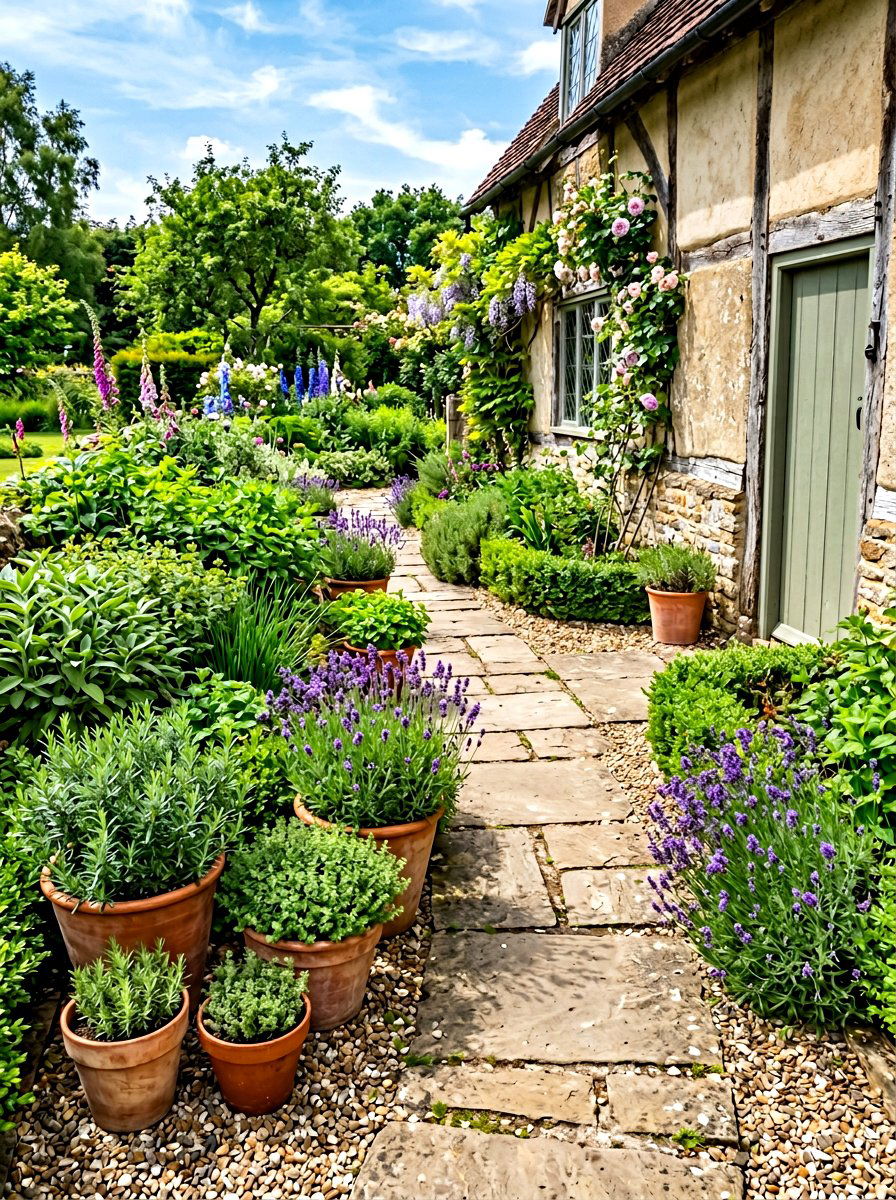
An herb garden along the side walkway is a wonderful way to combine beauty with functionality in a small space. You can plant fragrant herbs like rosemary, thyme, and mint right where you can reach them as you walk by. These plants often produce small, pretty flowers and release a delightful scent when their leaves are brushed against. Using a mix of different leaf textures and colors creates a visually interesting border that is also useful in the kitchen. Many herbs are quite hardy and can tolerate the varied light conditions found in a side yard. This design turns a simple passage into a productive and aromatic part of your home.
Conclusion:
Designing a side garden border is a rewarding project that can transform a neglected area into a standout feature of your landscape. Whether you prefer the structured elegance of a boxwood hedge or the relaxed charm of a wildflower strip, there is a solution for every home and budget. The key is to consider the light levels and the narrow dimensions of the space before selecting your plants and materials. By focusing on vertical growth and high-quality edging, you can create a space that is both beautiful and easy to maintain over time. Your side yard no longer has to be a forgotten utility zone but can instead become a peaceful sanctuary.

Related posts: