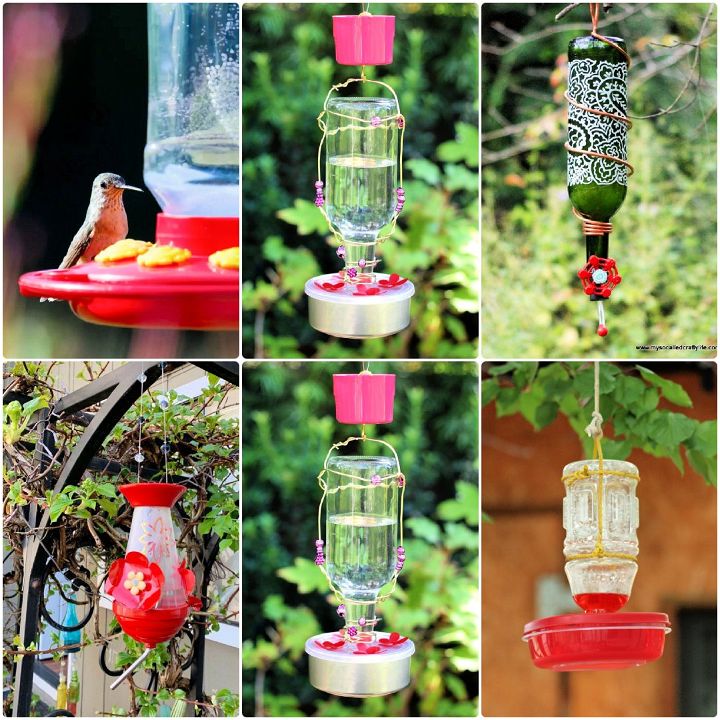
Creating a garden that attracts hummingbirds involves more than just putting out a plastic feeder filled with sugar water. To truly invite these tiny, iridescent acrobats into your yard, you need to design a living landscape that offers natural nectar sources and safe shelter. A well-planned hummingbird border uses vibrant colors and specific flower shapes to catch their eye from a distance. These birds are particularly drawn to tubular blooms and the color red, but they also appreciate a diverse mix of heights and textures. By carefully selecting a variety of plants that bloom at different times, you can ensure a steady food supply throughout the season.
1. Red Perennial Border
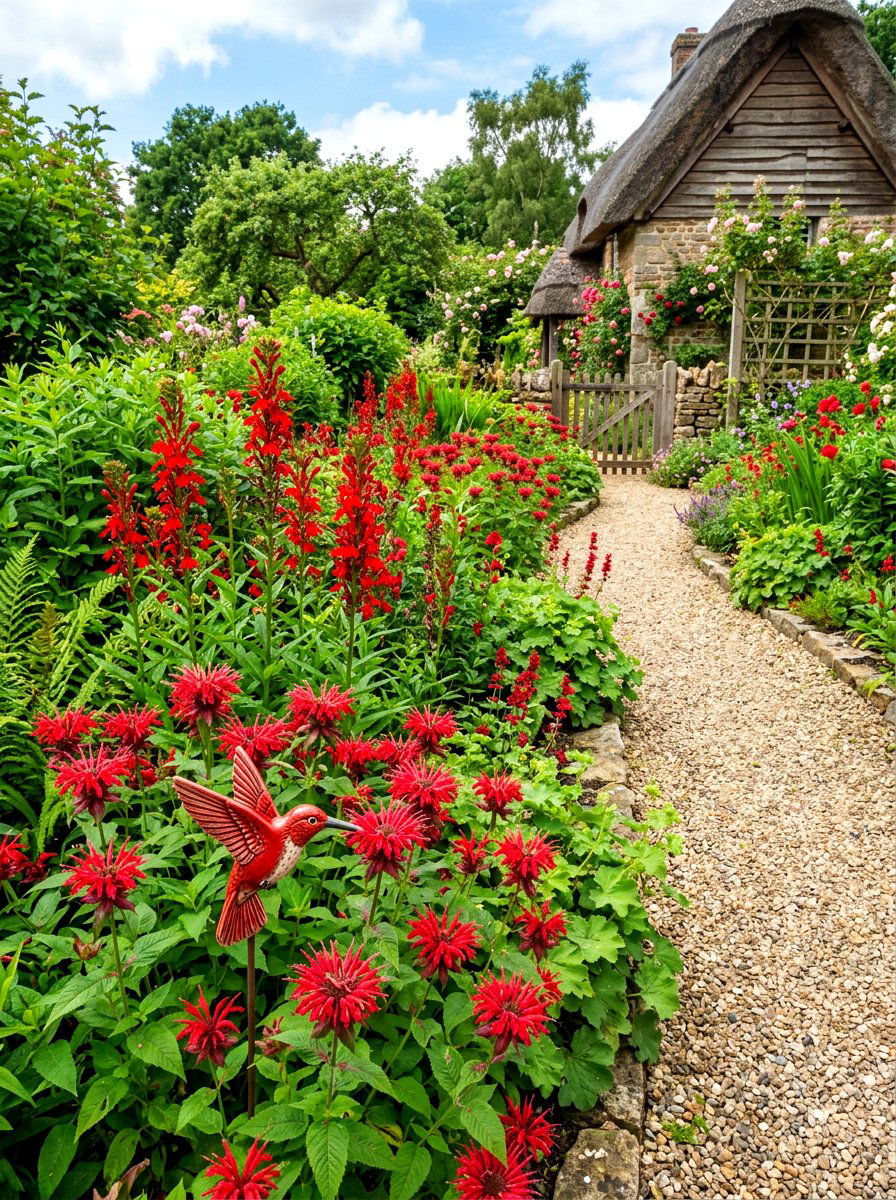
A red perennial border serves as a powerful magnet for hummingbirds because they are naturally wired to seek out high-visibility scarlet tones. This design focuses on massing different shades of red to create a bold visual statement that acts as a beacon from the sky. You can mix tall spikes of cardinal flowers with mid-sized scarlet bee balm to create a lush, tiered effect. Adding low-growing red salvias at the front ensures that nectar is accessible at every level. The dense foliage provides essential cover where birds can rest between feedings. This monochromatic approach is not only effective for wildlife but also creates a stunning focal point.
2. Cottage Hummingbird Garden
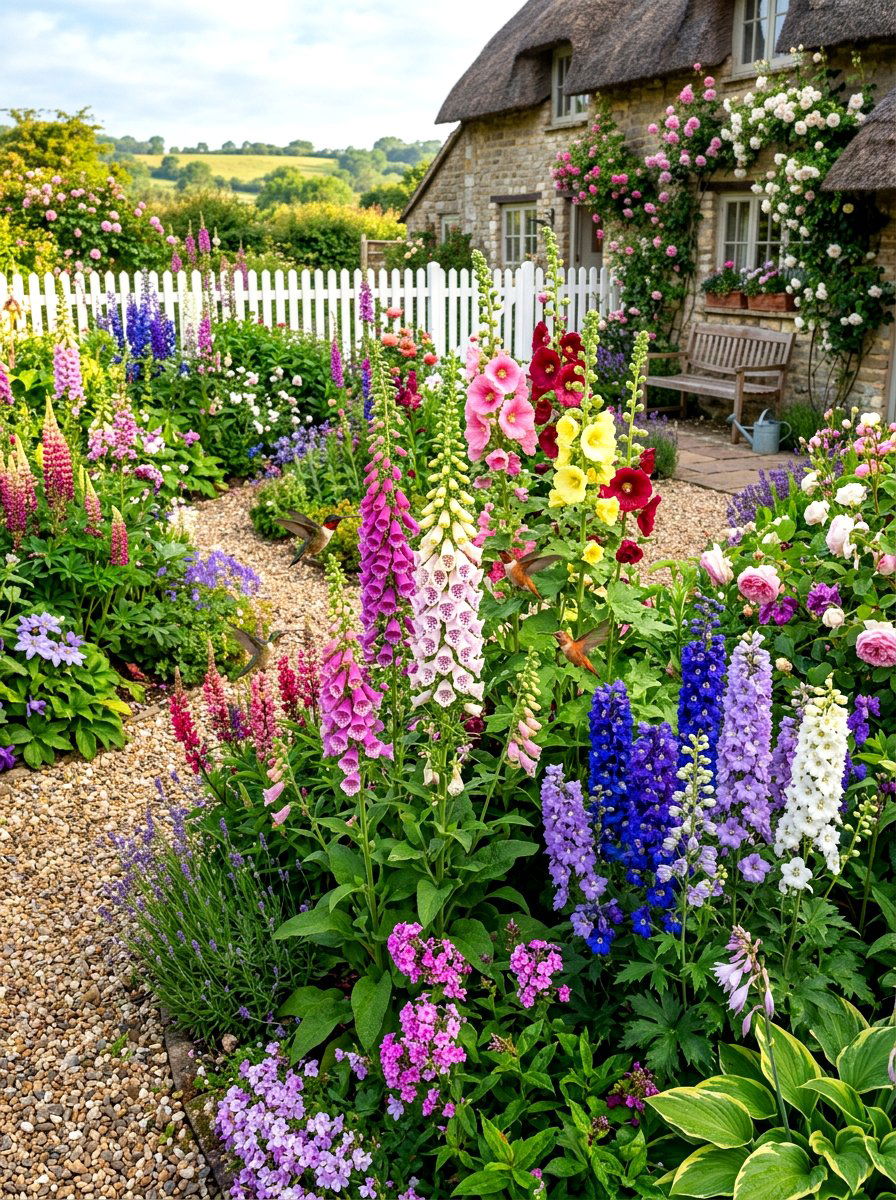
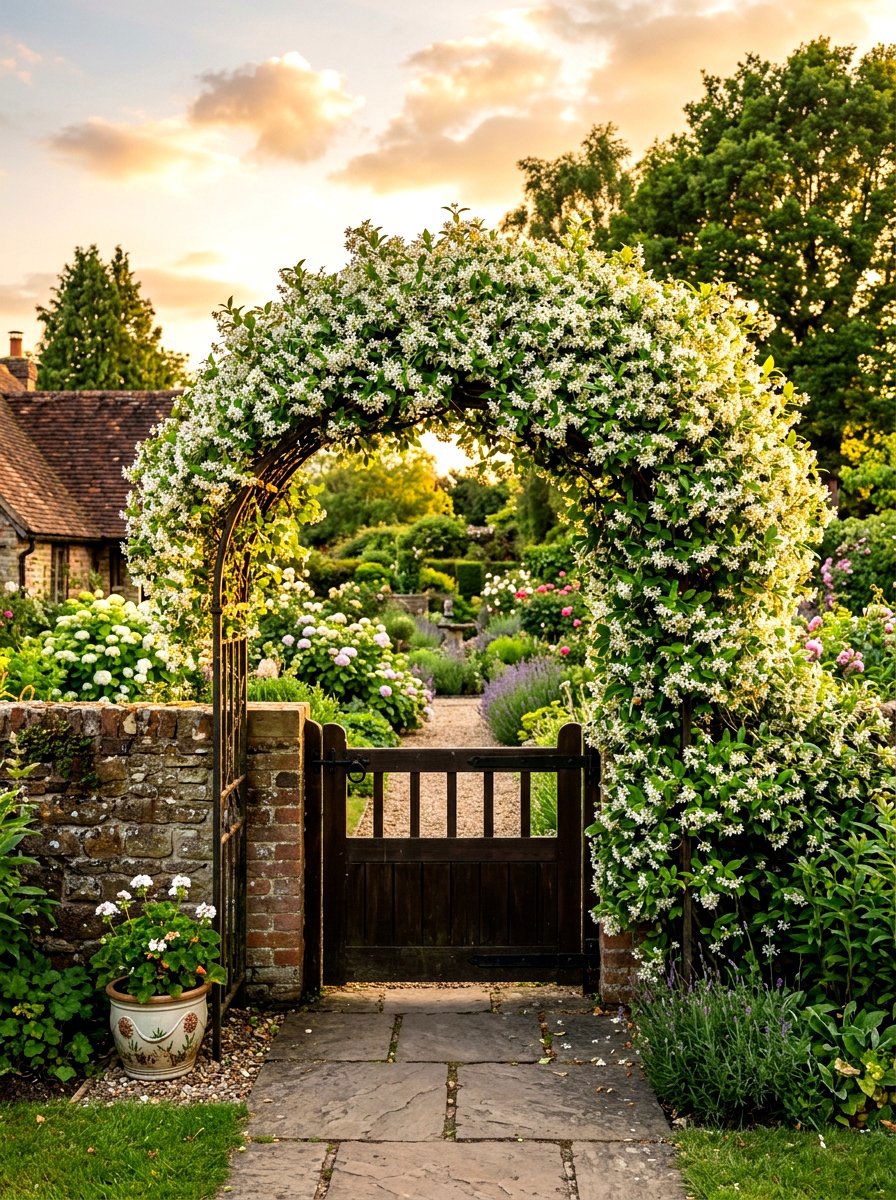
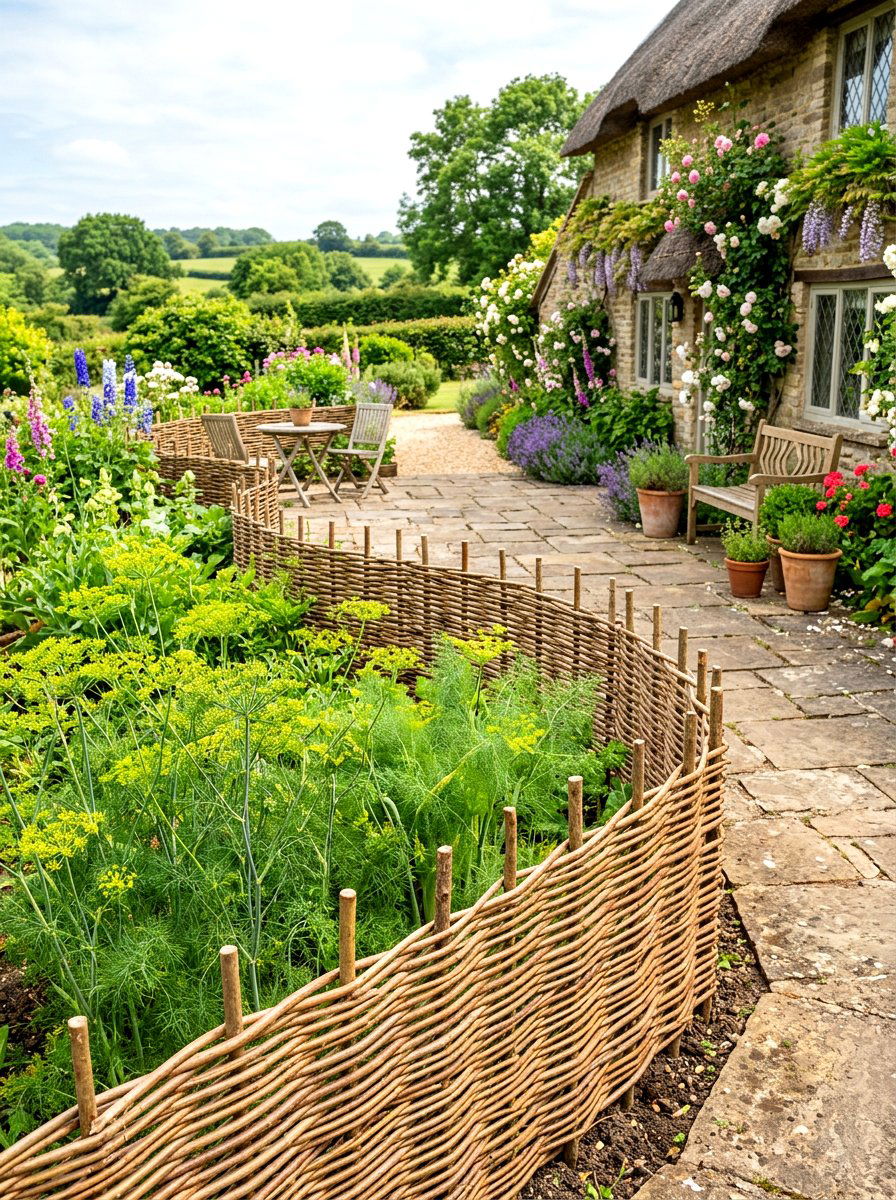
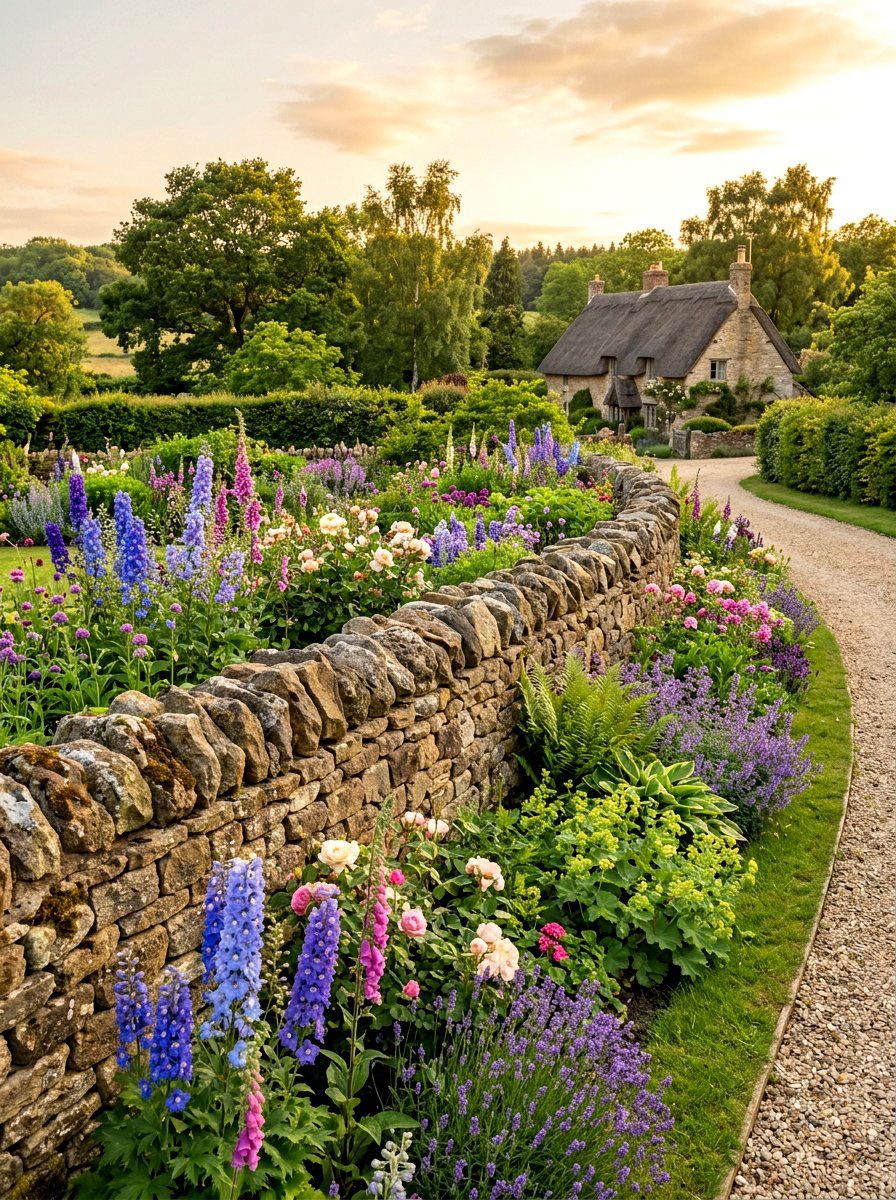
The cottage style is perfect for a hummingbird border because it emphasizes a dense, informal mix of nectar-rich flowers. This design often features classic favorites like foxgloves, hollyhocks, and delphiniums that provide tall towers of blooms. The charmingly cluttered look of a cottage garden offers plenty of nooks for hummingbirds to hide and nest. You can weave in sweet-smelling honeysuckle vines along a picket fence to add vertical interest and additional food sources. The variety of shapes and colors ensures that something is always in bloom from late spring through autumn. This whimsical aesthetic creates a relaxing environment for both humans and visiting pollinators alike.
3. Native Wildflower Edge
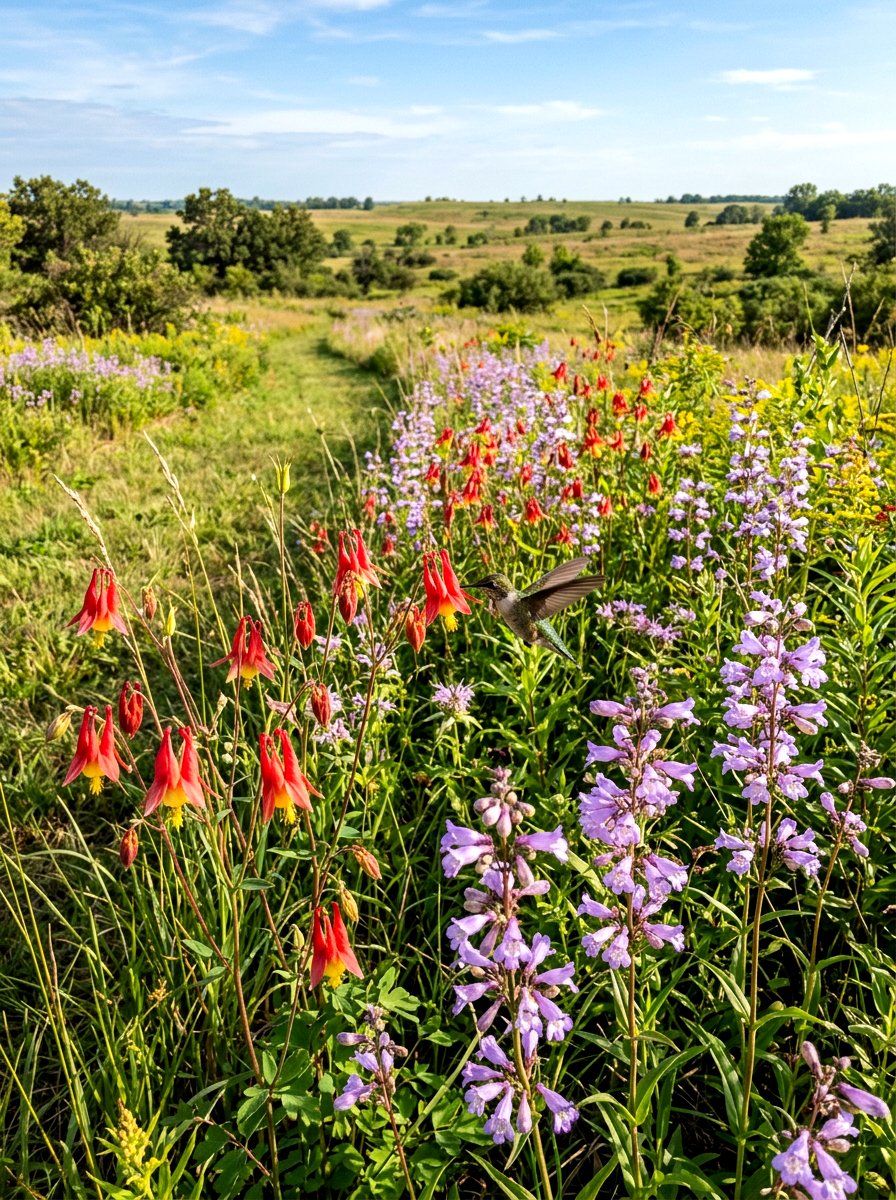
Using native wildflowers in your border is one of the most sustainable ways to support local hummingbird populations. These plants have evolved alongside the birds, meaning the nectar quality and bloom timing are perfectly synchronized with their migration patterns. A native edge might include eastern red columbine for early spring energy and various species of penstemon for summer foraging. Because native plants are adapted to your local climate and soil, they generally require less water and maintenance than exotic varieties. This rugged, naturalistic look blends seamlessly into the surrounding landscape while providing a high-protein environment filled with the tiny insects hummingbirds also eat.
4. Tropical Hummingbird Paradise
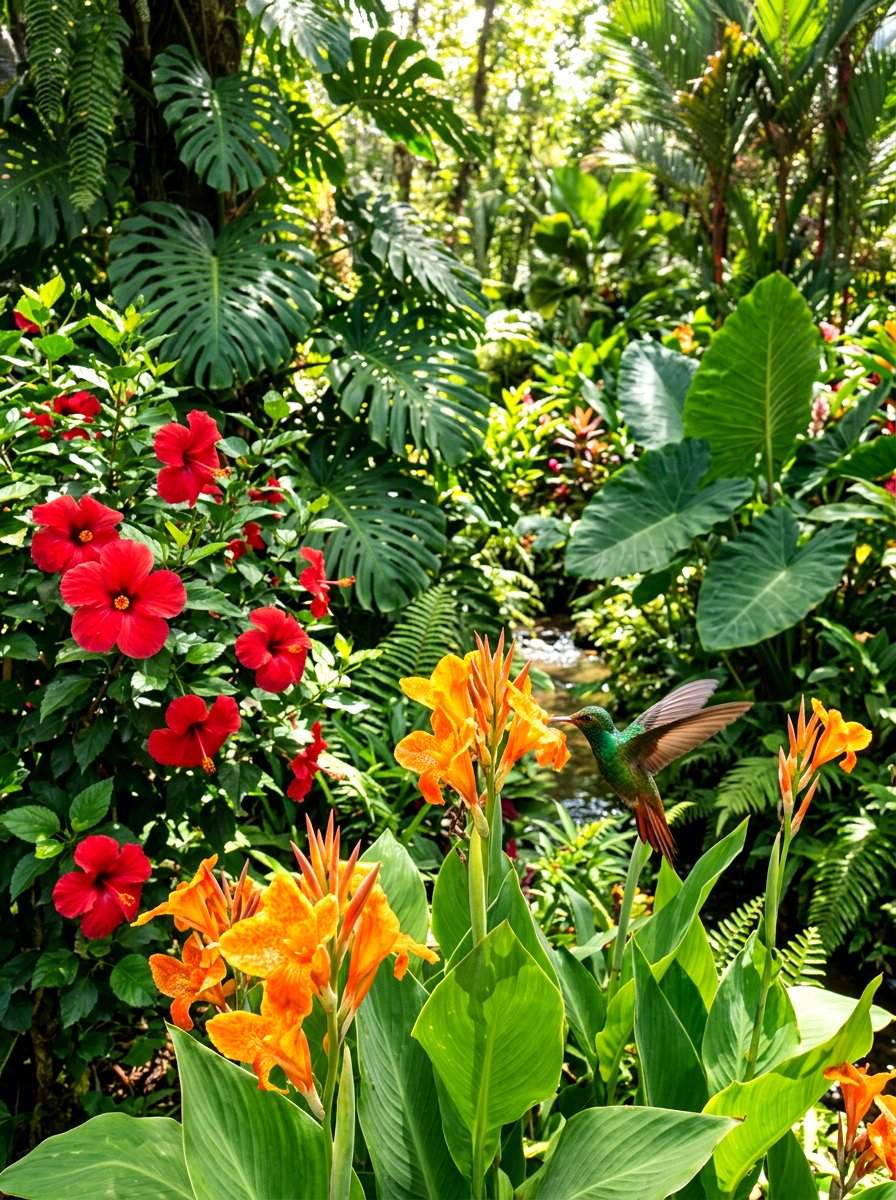
A tropical-themed border brings an exotic flair to your garden while providing exceptionally rich nectar sources for thirsty birds. This design utilizes large-leafed plants like canna lilies and hibiscus to create a lush, jungle-like atmosphere. The bold, trumpet-shaped flowers of the hibiscus are particularly attractive to hummingbirds due to their deep nectar wells and vibrant colors. You can incorporate Mexican cigar plants with their unique orange-tipped blooms to add texture and variety to the middle layer. This style thrives in high-heat areas and creates a high-energy "refueling station. " The dense canopy of broad leaves offers excellent shade and protection during the hottest parts of the summer day.
5. Shady Nectar Border
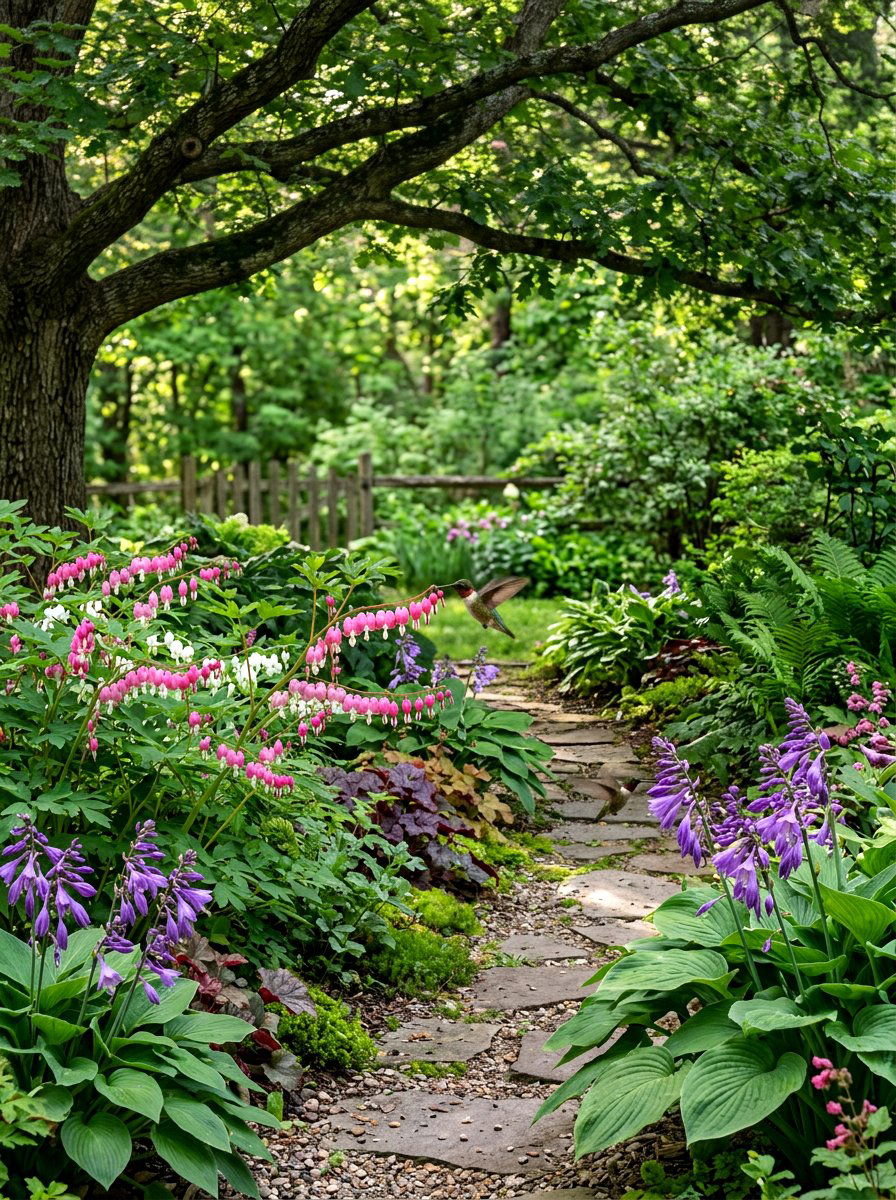
Many people believe that hummingbird gardens must be in full sun, but a shady nectar border can be just as effective. This design focuses on plants that thrive in dappled light or partial shade, such as hostas and bleeding hearts. Hostas produce tall stalks of tubular flowers in midsummer that hummingbirds find irresistible, despite the plants often being grown for foliage. Fuschias are another shade-loving staple that can be used in hanging baskets or as mounding shrubs to provide pendulous, nectar-filled blooms. This cool, protected environment is ideal for birds to escape the mid-day sun. The soft textures and subtle colors create a peaceful retreat.
6. Hummingbird Butterfly Mix
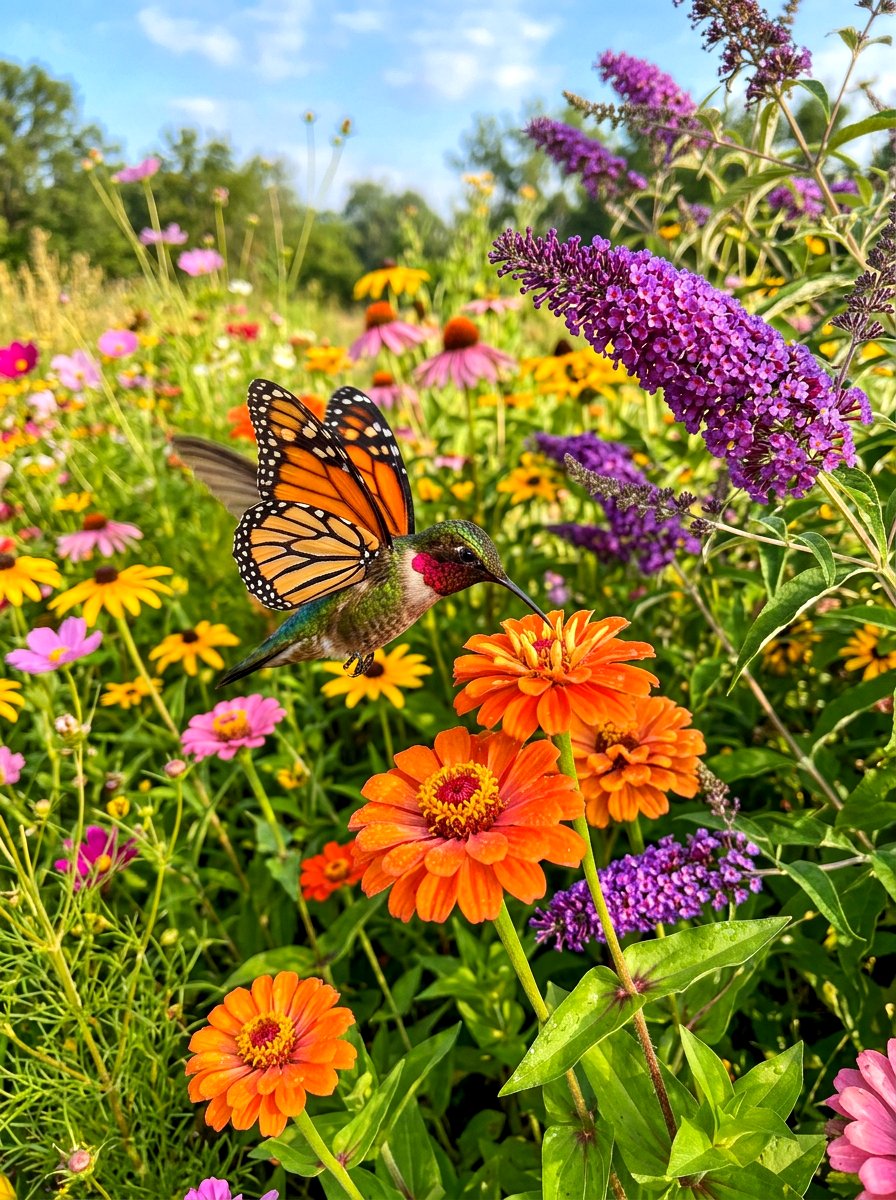
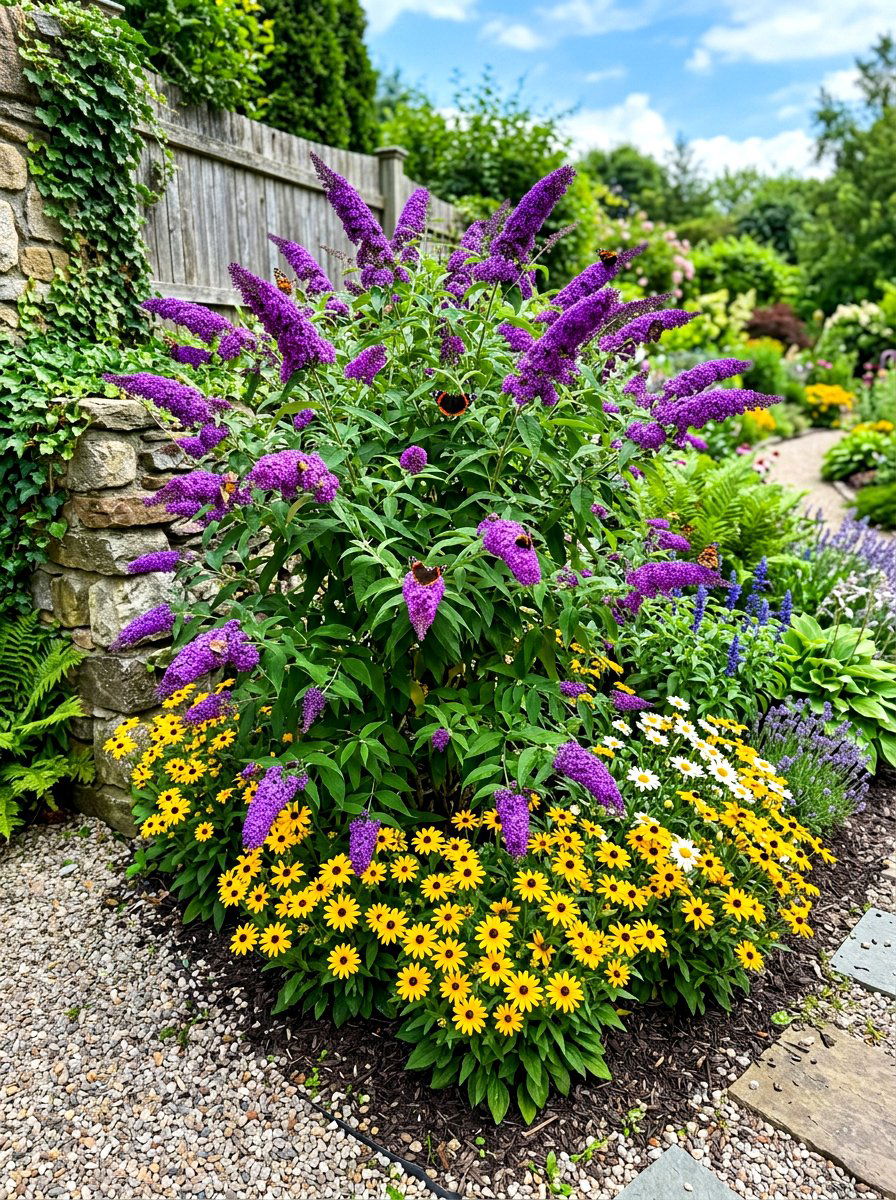
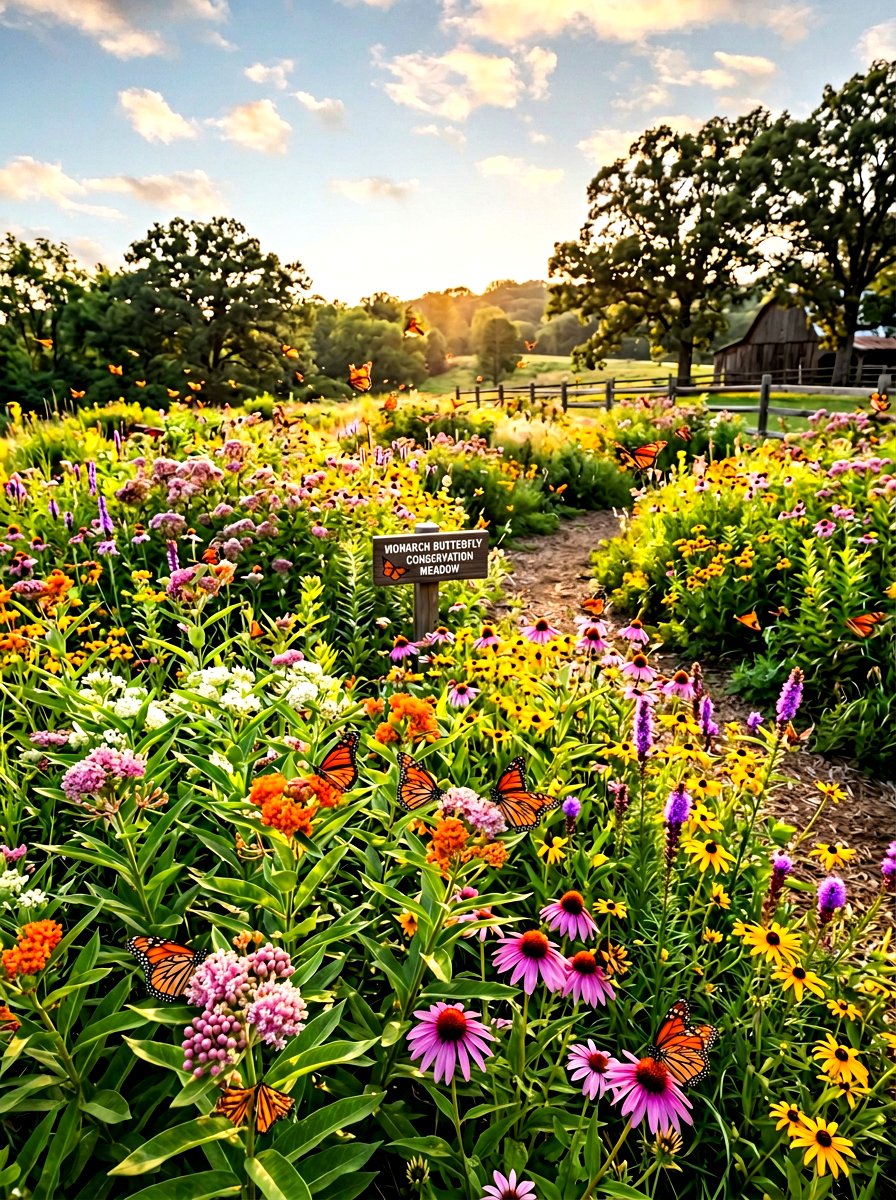
Combining features for both hummingbirds and butterflies creates a dynamic, high-energy border that is constantly buzzing with life. This design balances tubular flowers for birds with flat-topped blooms, like zinnias and butterfly bush, for insects. Hummingbirds are often attracted to the same bright colors that butterflies love, such as vivid oranges, purples, and pinks. By planting in large drifts of color, you make it easier for all pollinators to locate the garden from a distance. The inclusion of milkweed provides a host plant for monarchs while offering additional nectar. This multi-species approach fosters a healthier ecosystem and provides endless entertainment for anyone watching from a nearby window.
7. Vertical Vine Wall
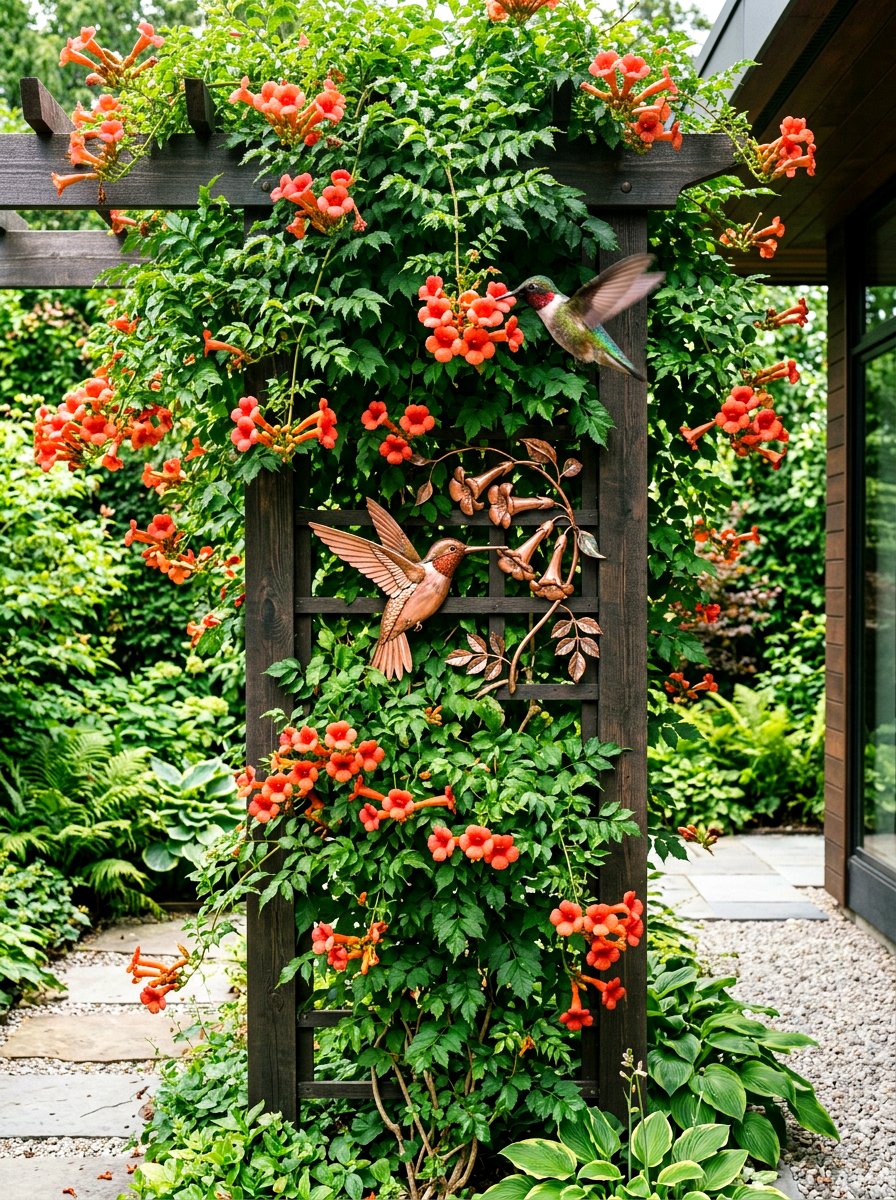
A vertical vine wall is an ingenious way to bring hummingbirds into a small yard or onto a patio. By using trellises, fences, or arbors, you can grow climbing plants like trumpet vine or coral honeysuckle that produce hundreds of blooms in a compact footprint. These vines naturally grow upward, creating a "wall of nectar" that hummingbirds can easily navigate. The height allows the birds to feed while staying safely above the reach of ground predators like cats. This design also provides a beautiful green screen for privacy. The dense network of branches and leaves within the vine wall offers perfect spots for hummingbirds to build their tiny nests.
8. Drought Tolerant Border
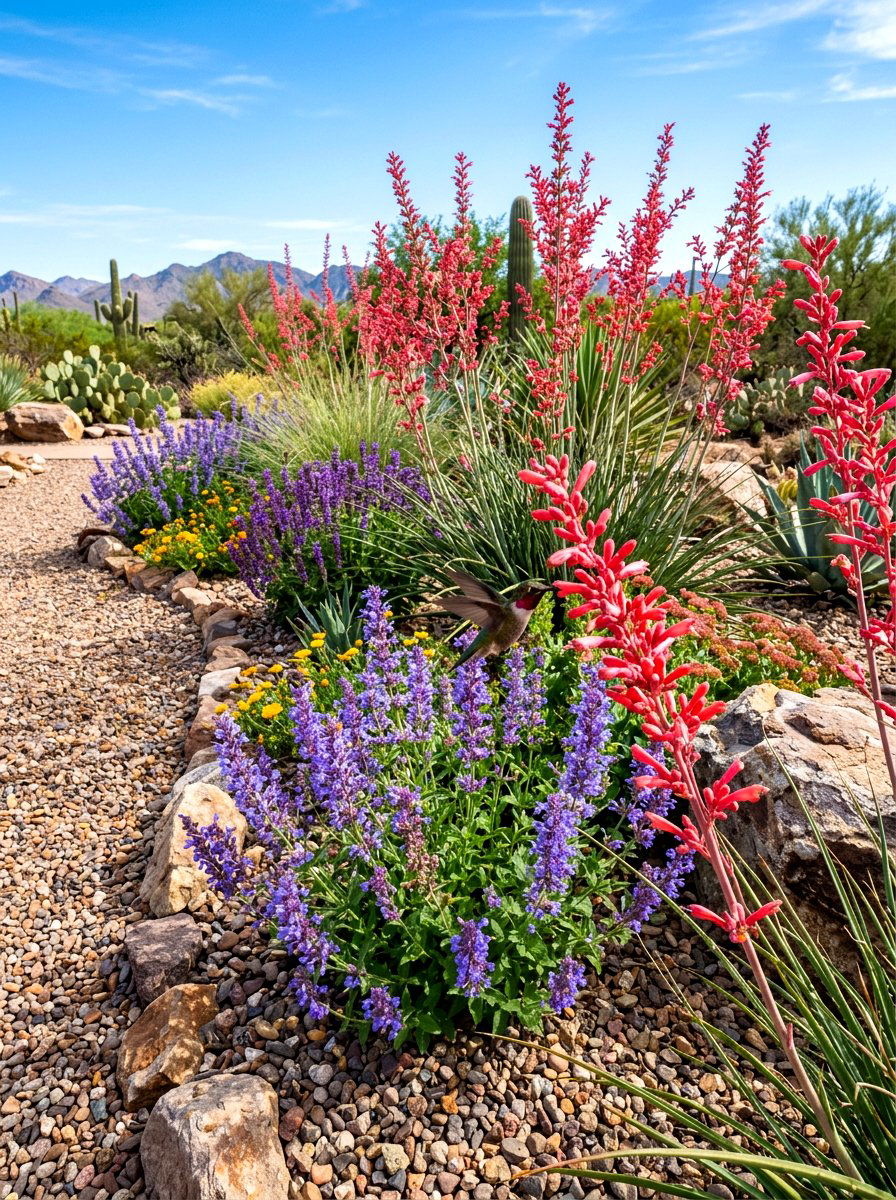
A drought-tolerant border is an excellent choice for arid climates or gardeners looking to save water while still supporting wildlife. This design features tough, resilient plants like agastache, also known as hummingbird mint, and various types of hardy lavender. These plants produce aromatic foliage and spikes of small, tubular flowers that are packed with high-quality nectar. Succulents like hesperaloe can be added to provide tall, architectural flower stalks that stand up to intense heat. The silver and gray-green foliage typical of xeriscape plants creates a modern, sophisticated look. This low-maintenance approach ensures that your hummingbird haven remains vibrant and productive even during the driest summer months.
9. Modern Minimalist Edge
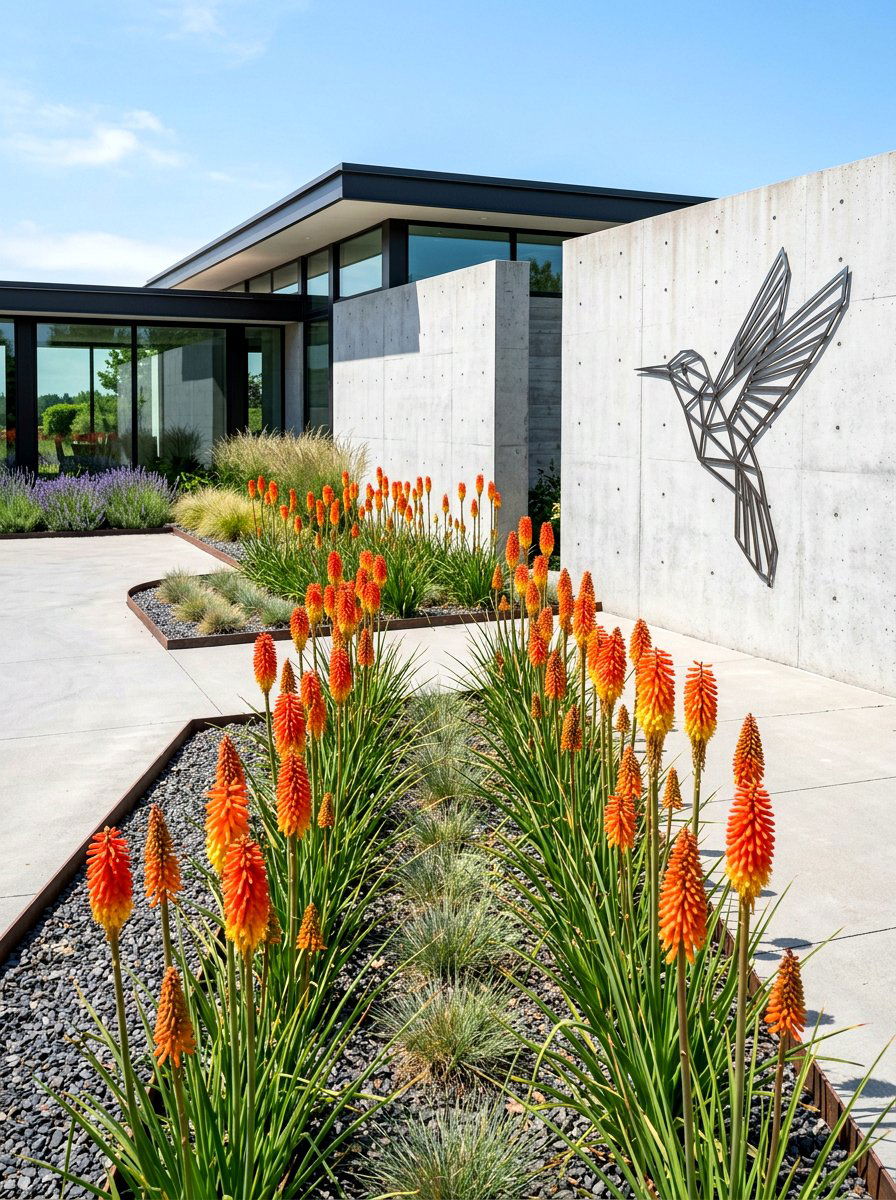
A modern minimalist border focuses on clean lines and a limited color palette to create a contemporary look that still attracts birds. This design might use architectural plants like red hot pokers arranged in precise rows or clusters. The striking, upright torch-like blooms provide a dramatic contrast against a simple backdrop of ornamental grasses or a sleek concrete wall. By repeating a single species of high-nectar plant, you create a powerful visual impact and a reliable food source. This style works well in urban environments where space is at a premium. The organized layout makes it easy to spot the quick movements of visiting hummingbirds against the steady plants.
10. Fragrant Flower Path
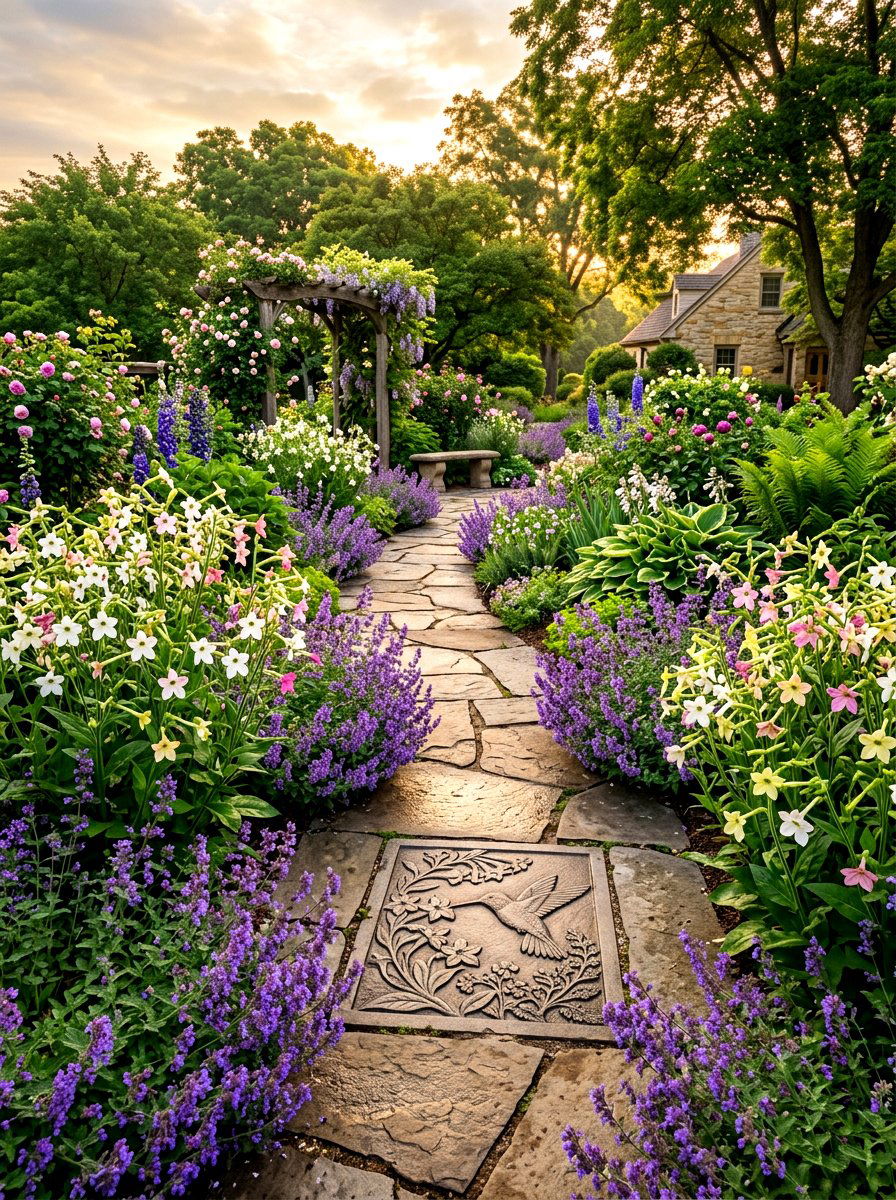
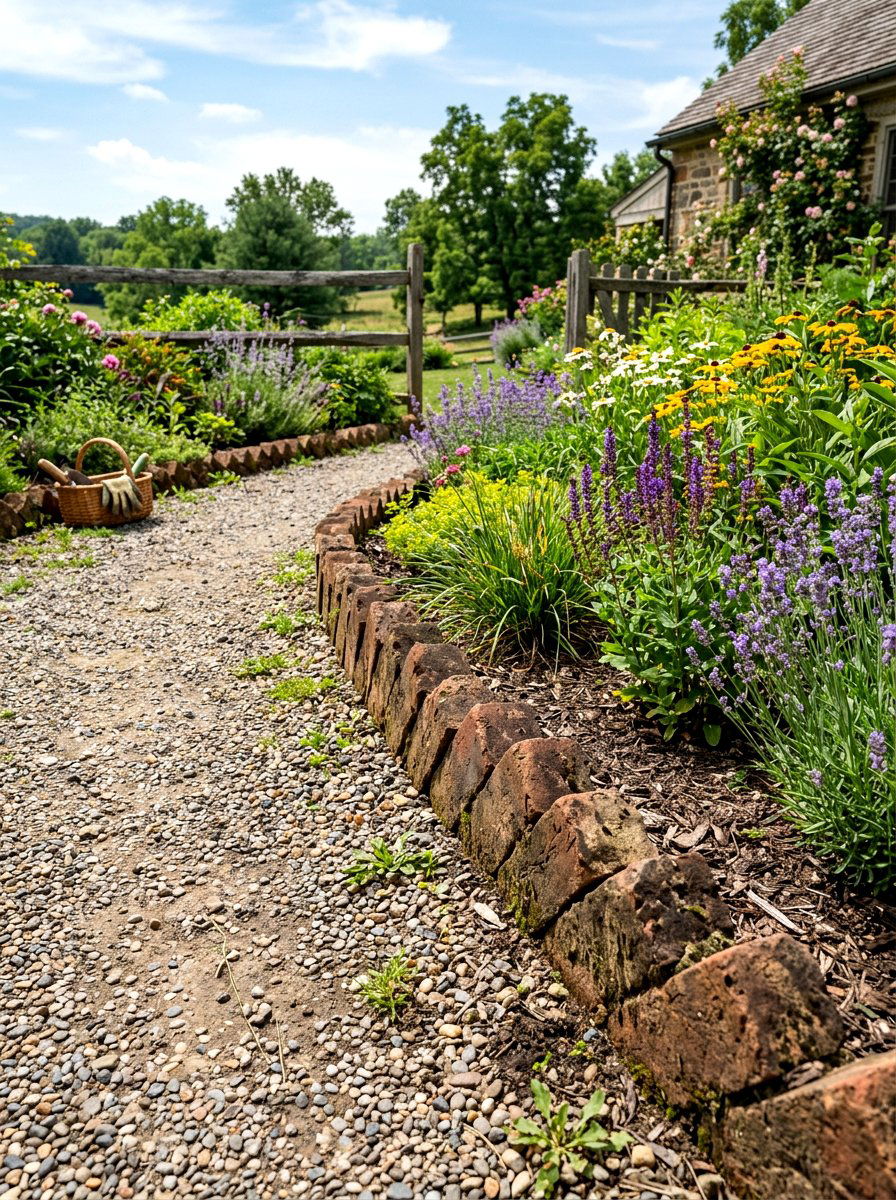
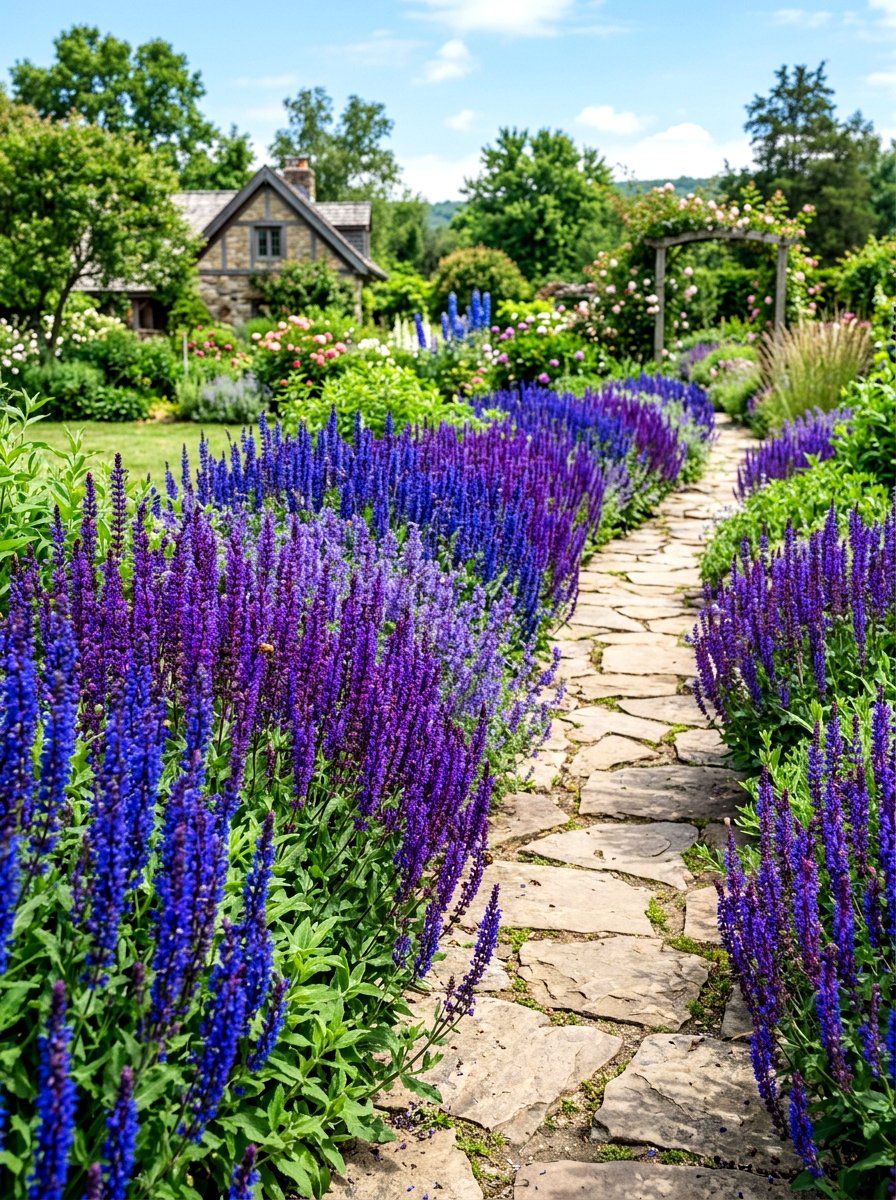
Creating a hummingbird border along a garden path allows you to enjoy the sights and sounds of these birds up close. This design emphasizes fragrant plants that also provide nectar, such as flowering tobacco and certain varieties of salvia. As you walk the path, the scent of the flowers enhances the experience while the hummingbirds zip past your shoulders. Using low-growing plants like catmint at the path's edge provides a soft, lavender-hued border that hums with activity. The narrow layout of a path-side border ensures that every flower is within reach of the birds. This immersive design turns a simple walk through the garden into a magical wildlife encounter.
11. Raised Bed Border
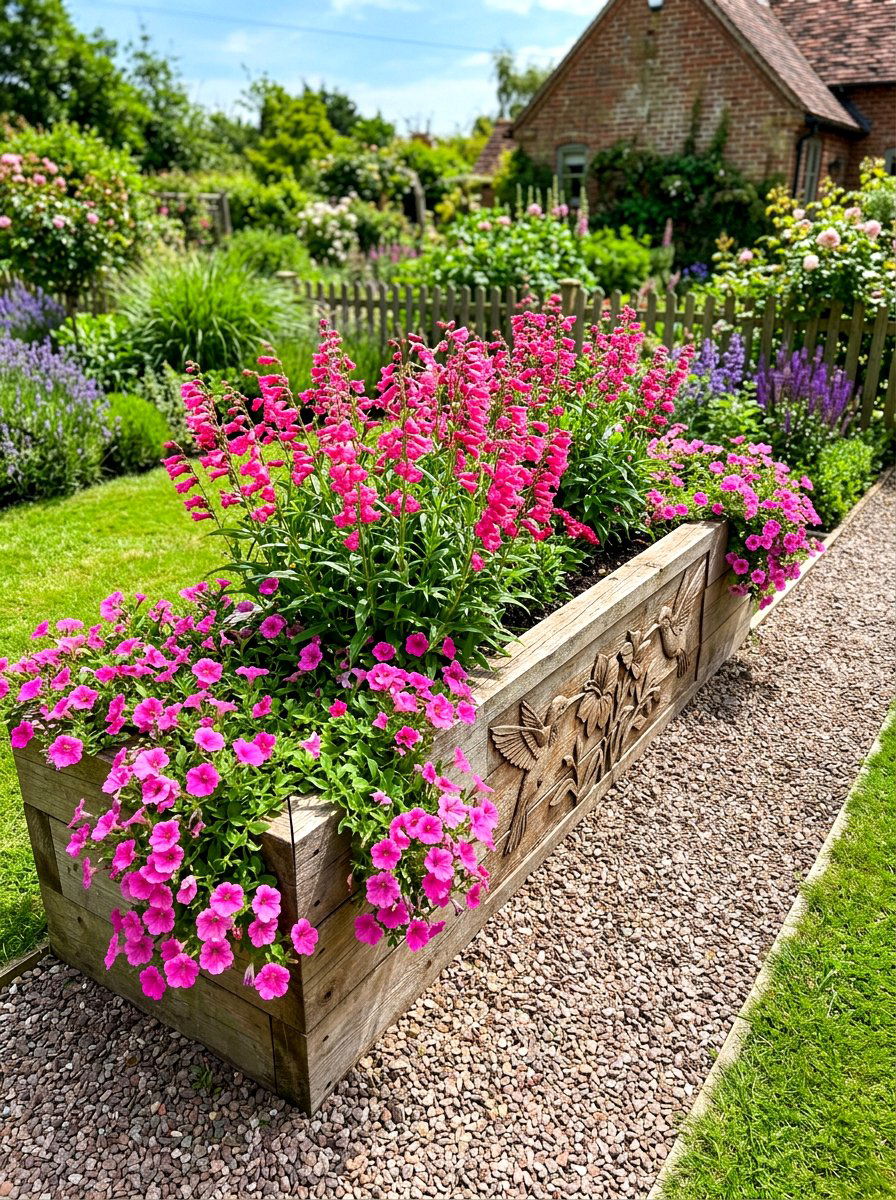
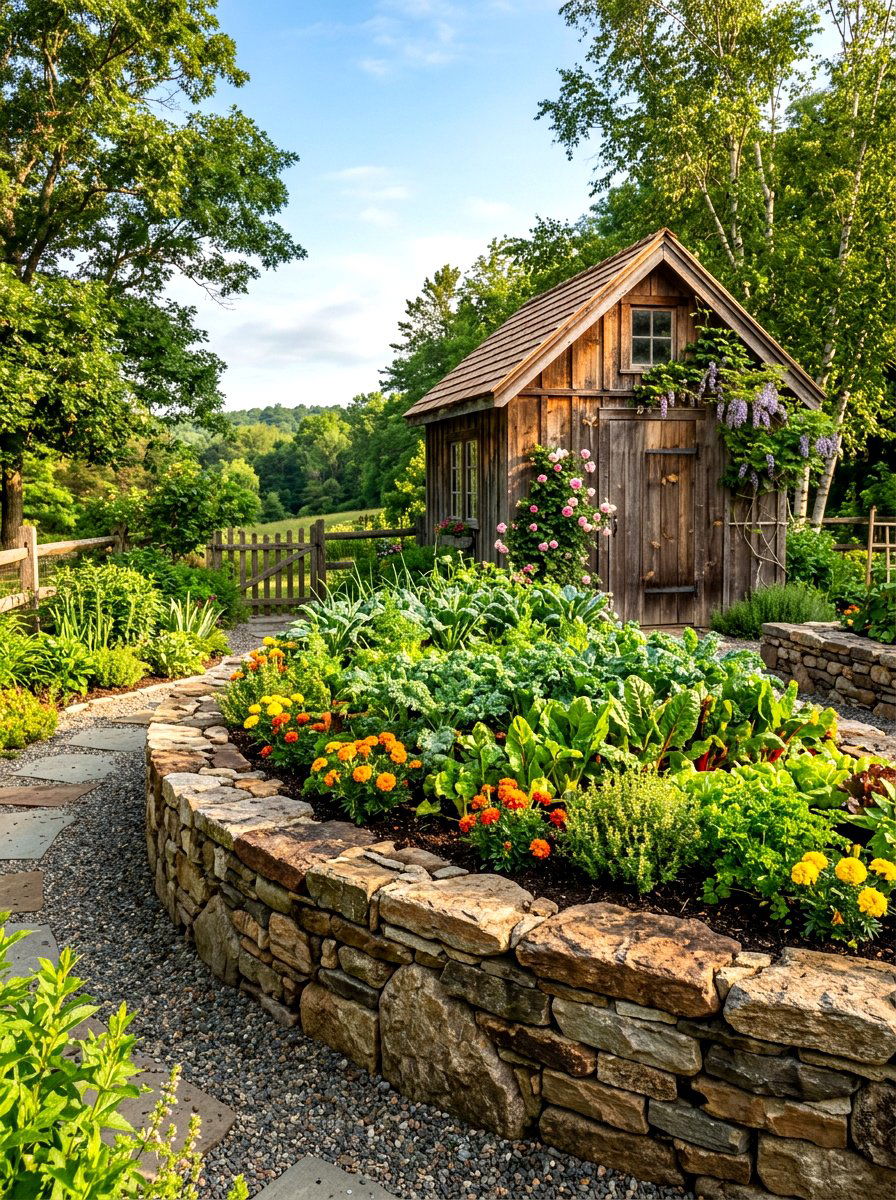
Raised beds are a practical and stylish way to incorporate a hummingbird border into a structured landscape design. By elevating the plants, you bring the blooms closer to eye level, making it easier to observe the birds' intricate feeding behaviors. This design allows for perfect soil control, ensuring that nectar-rich plants like penstemon and lupines have the drainage they need to thrive. You can use the edges of the beds to spill over trailing petunias or calibrachoa, creating a soft, cascading effect. The defined boundaries of a raised bed keep the garden looking tidy and intentional. It also provides a clear flight path for the birds to navigate.
12. Potted Container Border
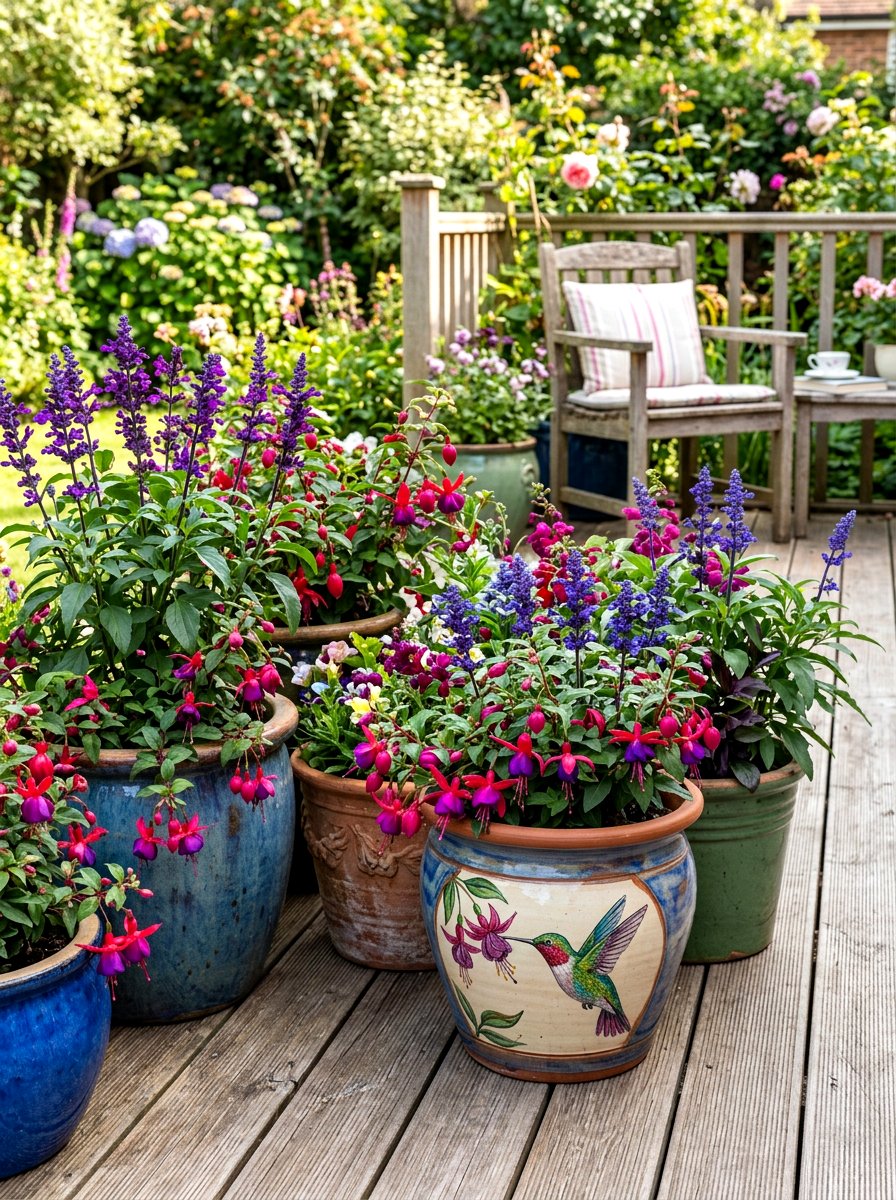
A potted container border is the ultimate solution for renters or those with only a balcony or deck. By grouping various sizes of containers together, you can simulate a traditional garden border and provide a significant amount of nectar. This design allows you to move plants around to follow the sun or to highlight whatever is currently in peak bloom. Use large central pots for upright plants like salvia and smaller surrounding pots for trailing fuchsias or verbena. High-quality potting soil ensures that these heavy-blooming plants have the nutrients they need to produce nectar all summer. This portable garden brings nature directly to your doorstep or outdoor living area.
13. Layered Heights Garden
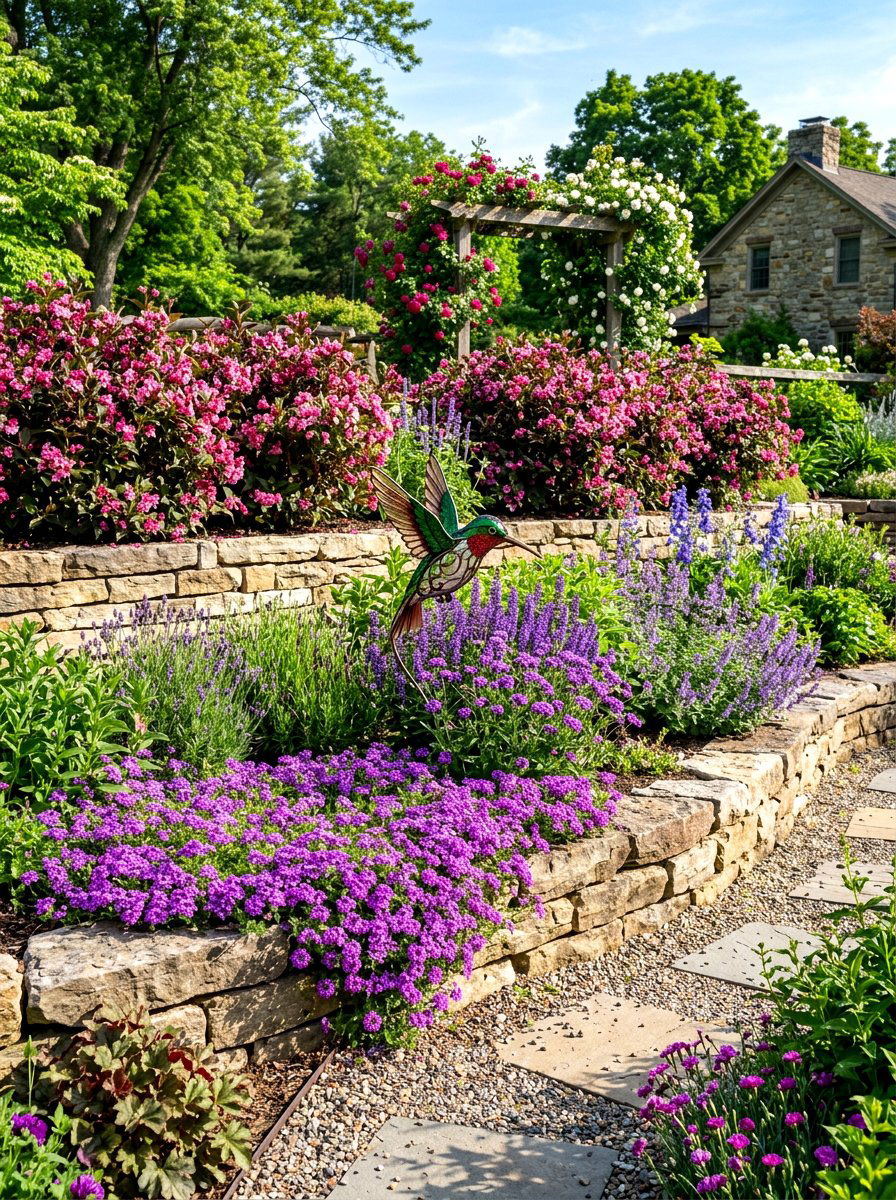
The layered heights garden uses the "stadium seating" principle to maximize visibility and feeding opportunities for hummingbirds. This design places tall shrubs or small trees like weigela at the back to provide a structural backbone and perching spots. Mid-height perennials fill the center, while low-growing ground covers or annuals finish the front edge. This tiered arrangement allows hummingbirds to see and access every flower without being blocked by taller foliage. It also mimics the natural structure of a forest edge, which is the preferred habitat for many species. The visual depth created by the different layers makes the border appear much larger and more lush than it actually is.
14. Spring Bloom Border
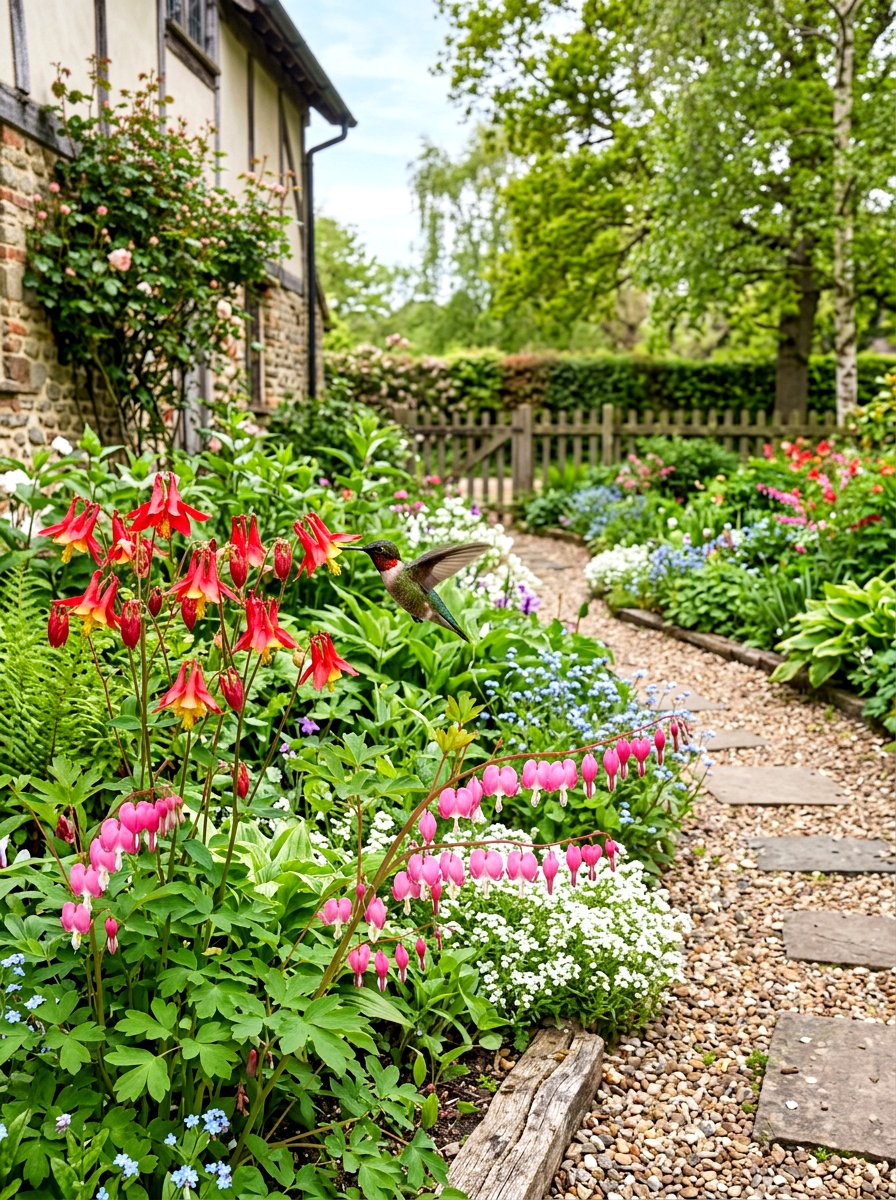
A spring-focused border is vital for providing energy to hummingbirds as they first return from their long northern migration. This design features early-season bloomers like columbine, bleeding hearts, and flowering currants. These plants provide a critical food source when many other garden favorites are still just starting to grow. By including spring bulbs like hyacinths or early-blooming shrubs, you can ensure your yard is the first "stop" on their journey. The fresh greens and bright spring colors provide a hopeful start to the gardening season. This border ensures that your local hummingbirds find a reliable meal the moment they arrive back in their breeding territory.
15. Late Summer Row
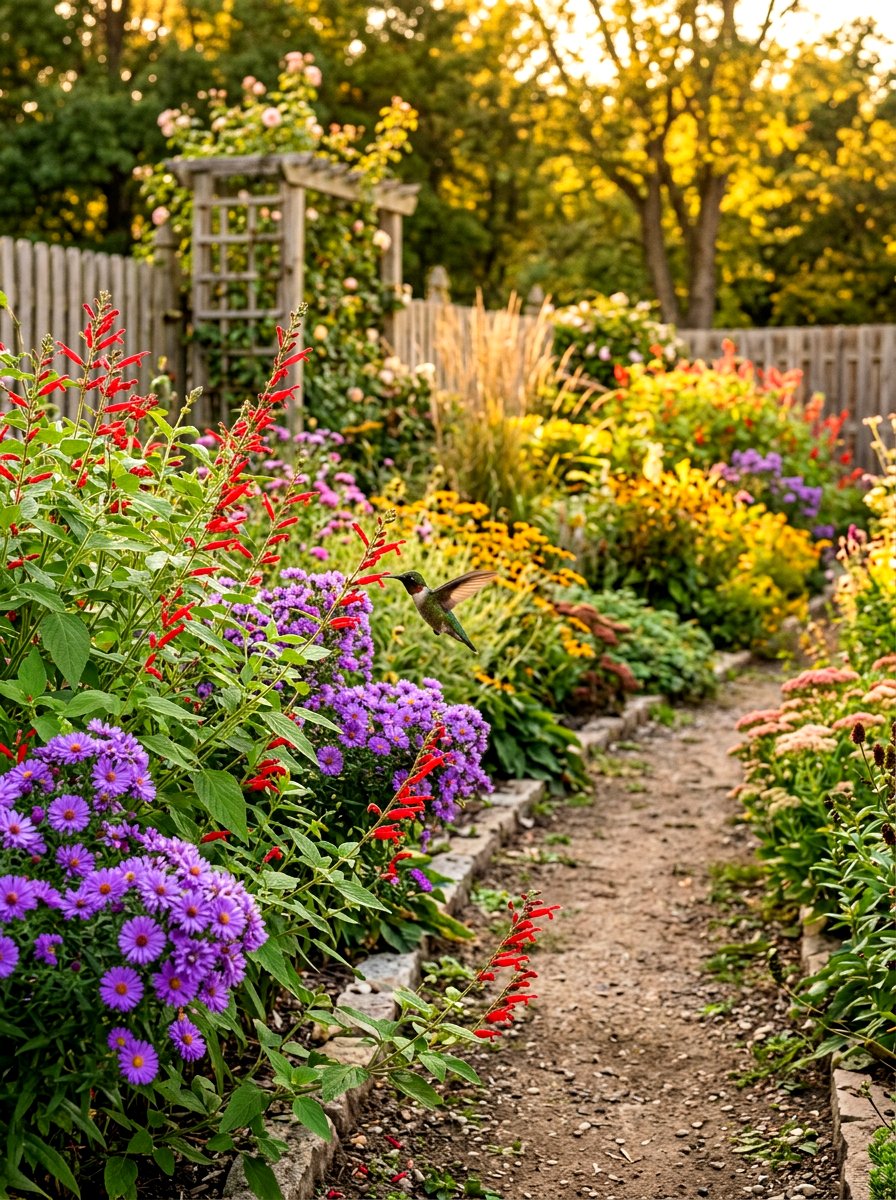
As summer wanes, hummingbirds need extra energy to prepare for their upcoming southern migration, making a late-blooming row essential. This design focuses on plants that hit their peak in August and September, such as autumn sage, pineapple sage, and late-season asters. Pineapple sage is a particular favorite because its bright red flowers often emerge just as the birds are bulking up for their flight. The warm, golden light of late summer looks beautiful reflecting off the iridescent feathers of the birds as they feast on these final blooms. This border provides a final, high-calorie send-off for the birds while keeping your garden colorful well into the autumn months.
16. Window Box Display
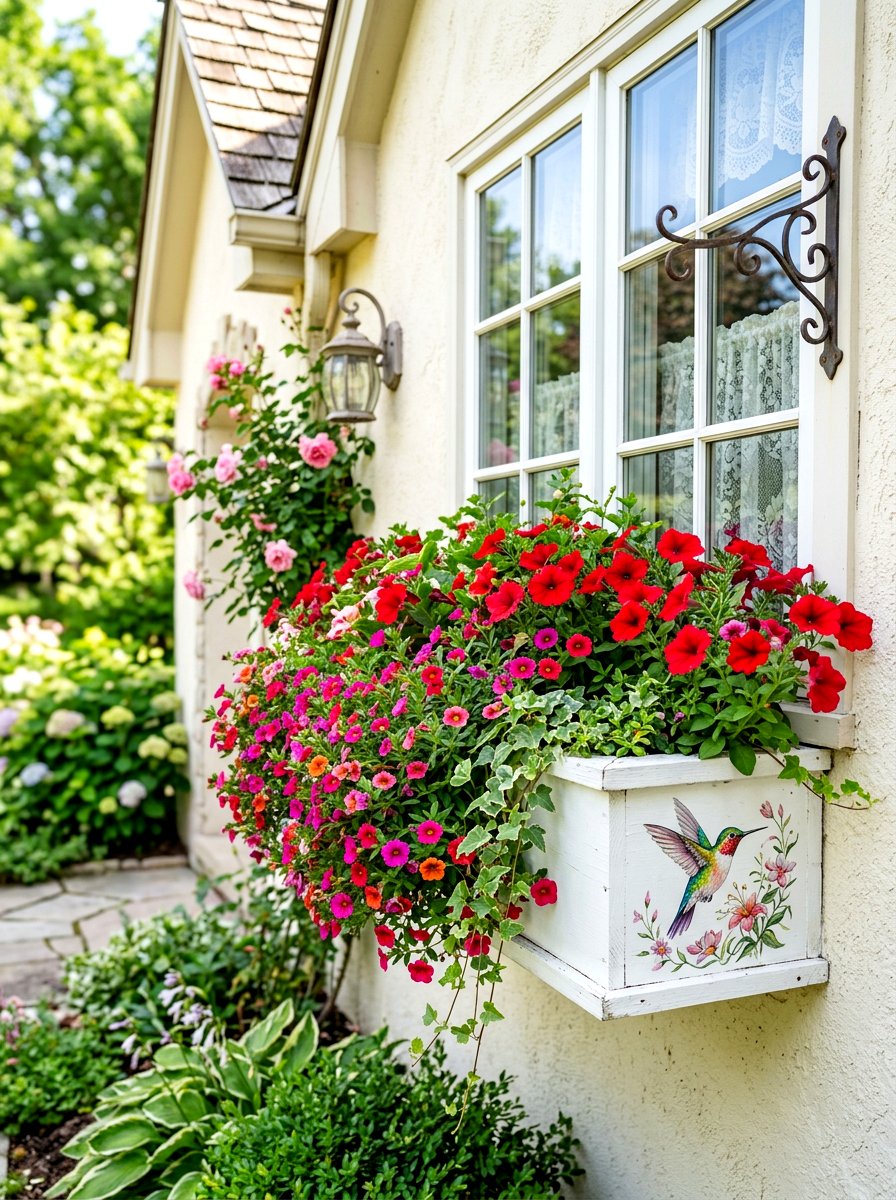
A window box border brings the magic of hummingbirds directly to your window, offering an unparalleled view of their activity. This compact design utilizes trailing plants like petunias, million bells, and lantana that thrive in the confined space of a box. The proximity to the house allows you to hear the distinct "hum" of their wings from inside your home. It is important to choose plants with a long blooming season to keep the display active for months. The bright colors of the flowers against the side of your house act as a powerful visual lure. This setup is perfect for bird enthusiasts who have limited outdoor garden space.
17. Hummingbird Fence Line
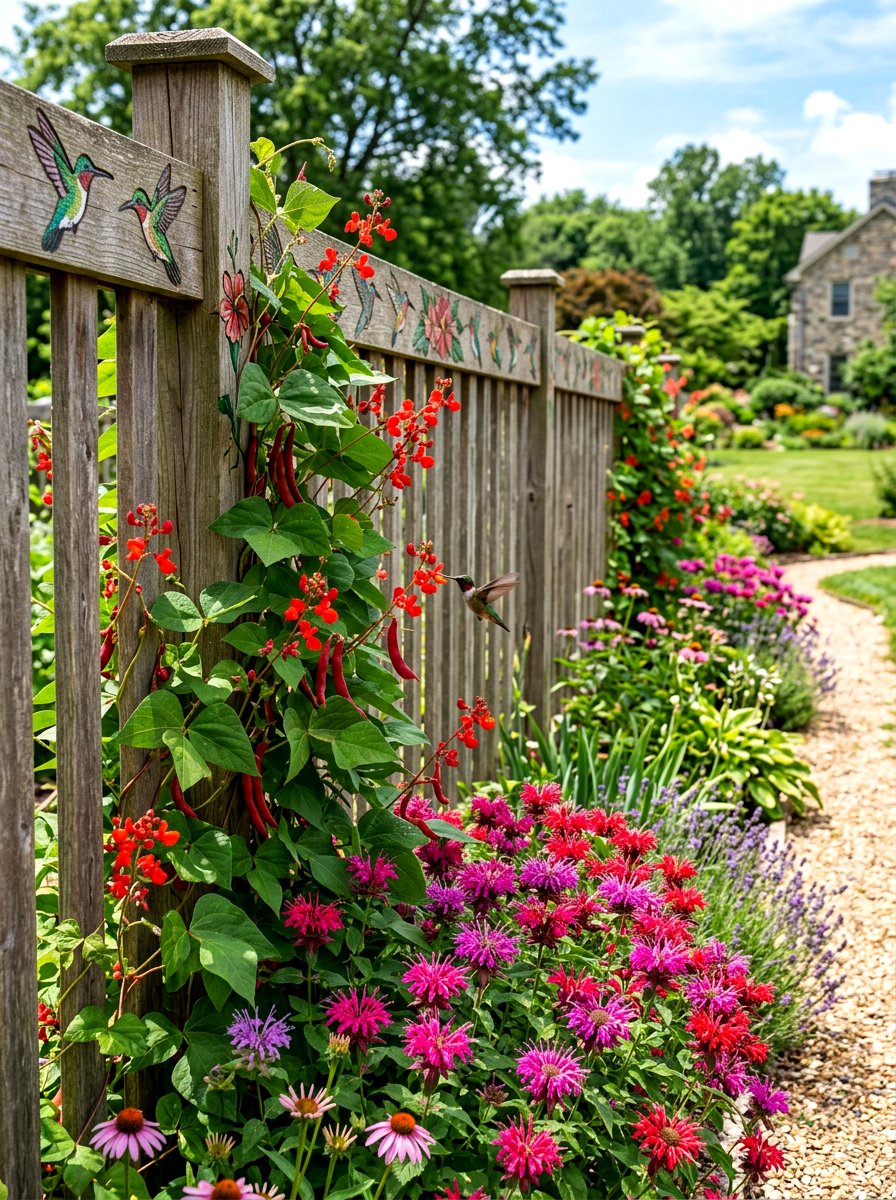
Transforming a functional fence into a hummingbird border is a great way to maximize your garden's footprint. This design involves planting a mix of tall perennials and climbing vines along the length of a boundary fence. The fence provides a sturdy support for nectar-rich climbers like scarlet runner beans or cypress vine. Below the vines, you can plant a row of bee balm or tall salvias to fill in the lower gaps. The fence also serves as a series of convenient perches where hummingbirds can survey their territory and guard their favorite flowers. This linear garden creates a beautiful living screen that benefits both the birds and your privacy.
18. Desert Nectar Garden
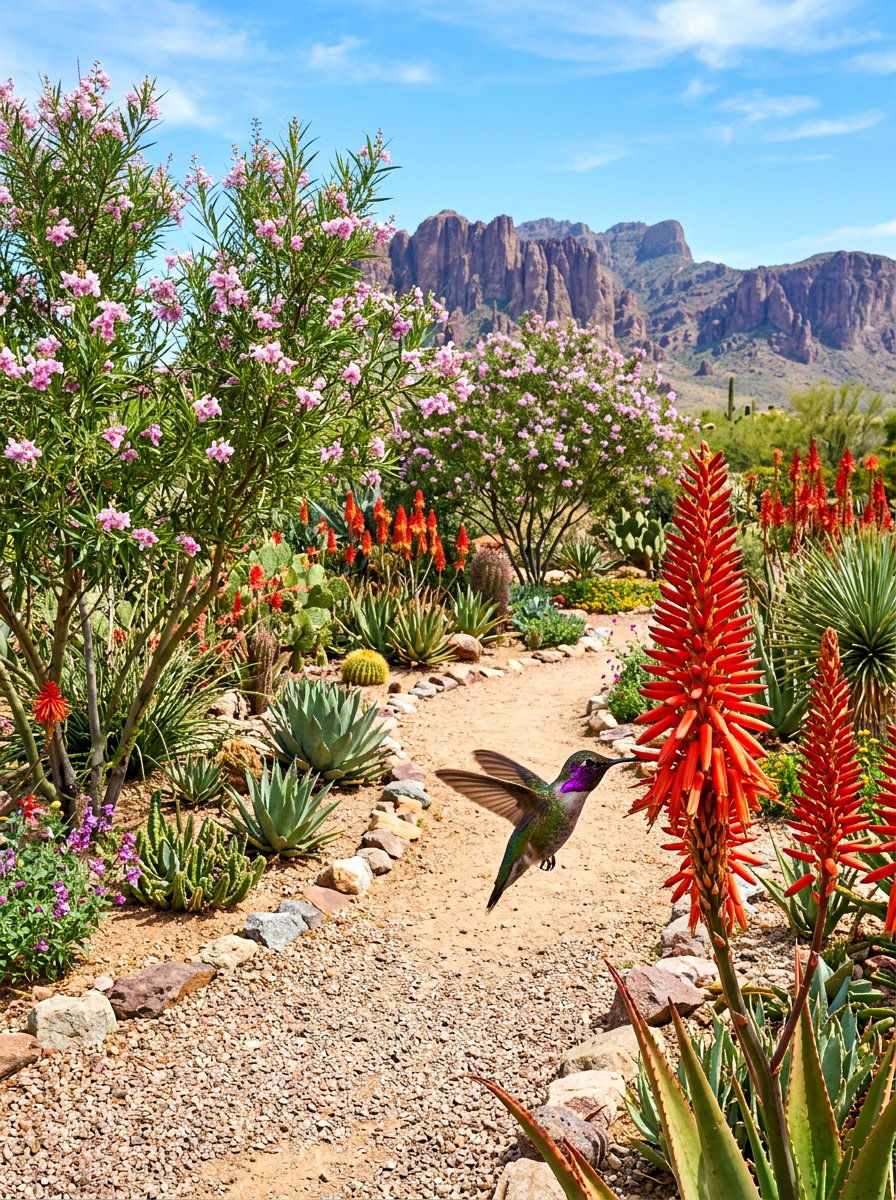
A desert-themed hummingbird border is both stunning and sustainable, utilizing the unique flora of arid regions. This design features architectural plants like aloe, agave, and desert willow that produce high-nectar blooms in harsh conditions. The tall, dramatic flower spikes of the aloe are a primary food source for hummingbirds in many western regions. Incorporating gravel mulch and large boulders helps regulate soil temperature and provides a naturalistic look. This style of garden is incredibly low-maintenance once established and can survive on very little supplemental water. The stark beauty of the desert plants provides a sophisticated backdrop for the fast-paced action of the birds as they visit.
19. Woodland Hummingbird Shade
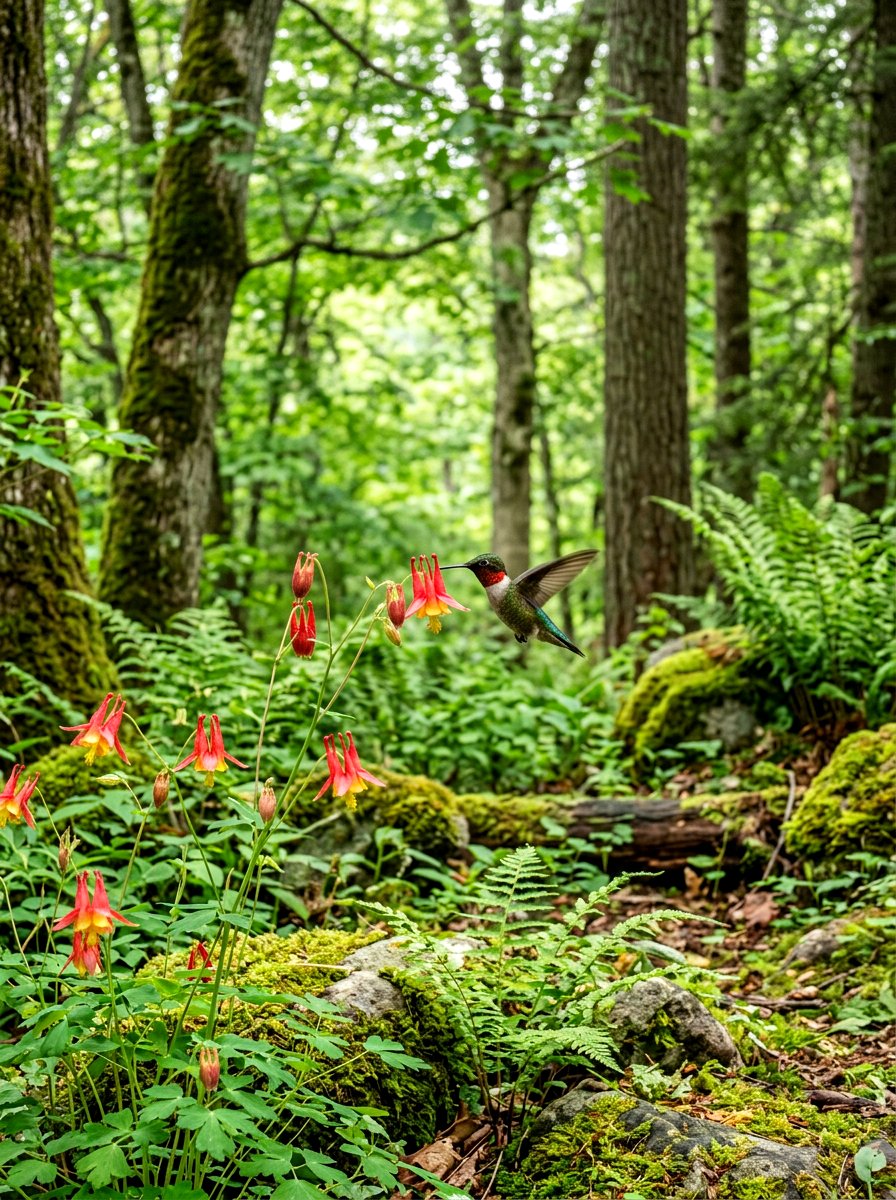
A woodland-style border mimics the dappled light and rich soil of a forest floor, providing a cool sanctuary for hummingbirds. This design utilizes native woodland plants like wild columbine, cardinal flower, and jewelweed. These plants often have delicate, hanging flowers that are perfectly shaped for a hummingbird's beak. The addition of ferns and mossy rocks creates a lush, humid environment that many birds find comfortable for nesting. The quiet, shaded atmosphere is a stark contrast to the bright sun of most hummingbird gardens, offering a different aesthetic and a unique set of plants. This design is perfect for yards with large, established trees or northern exposures.
20. Rock Garden Border
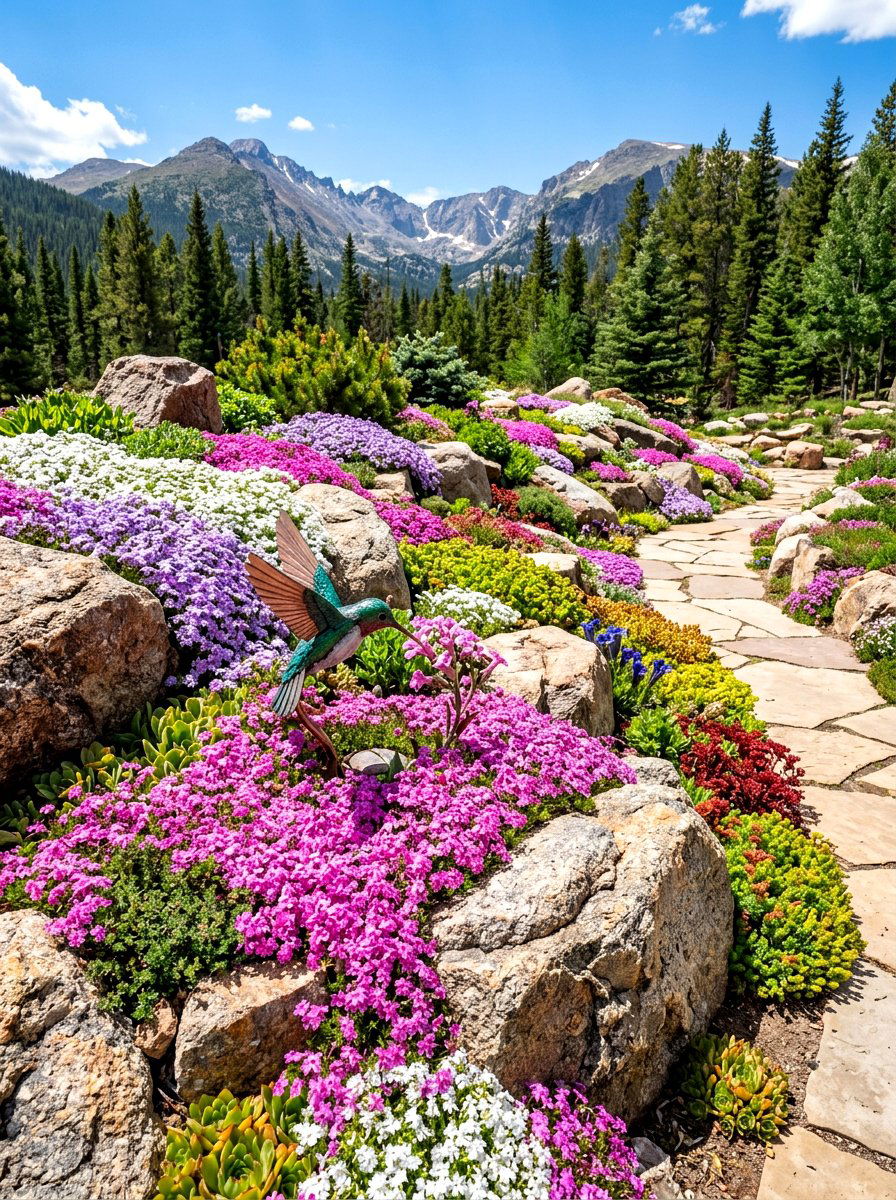
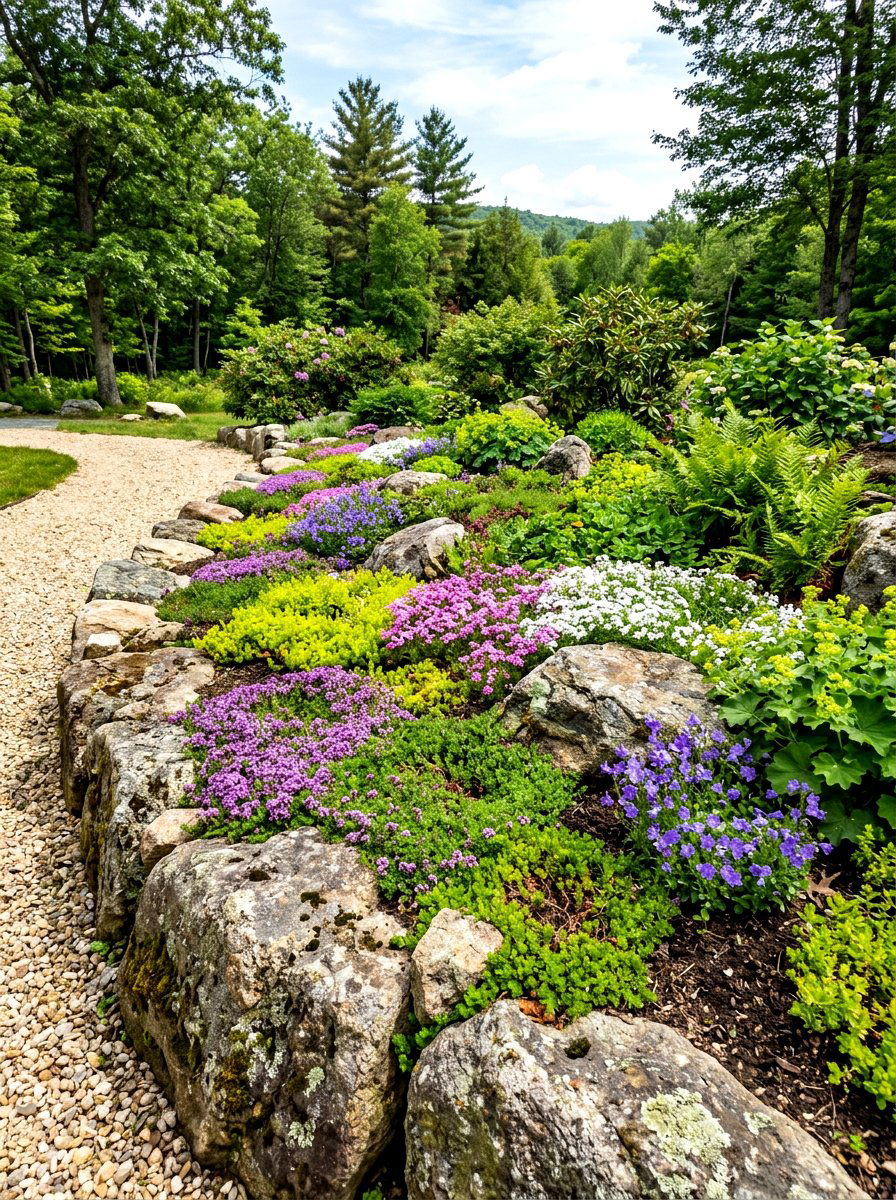
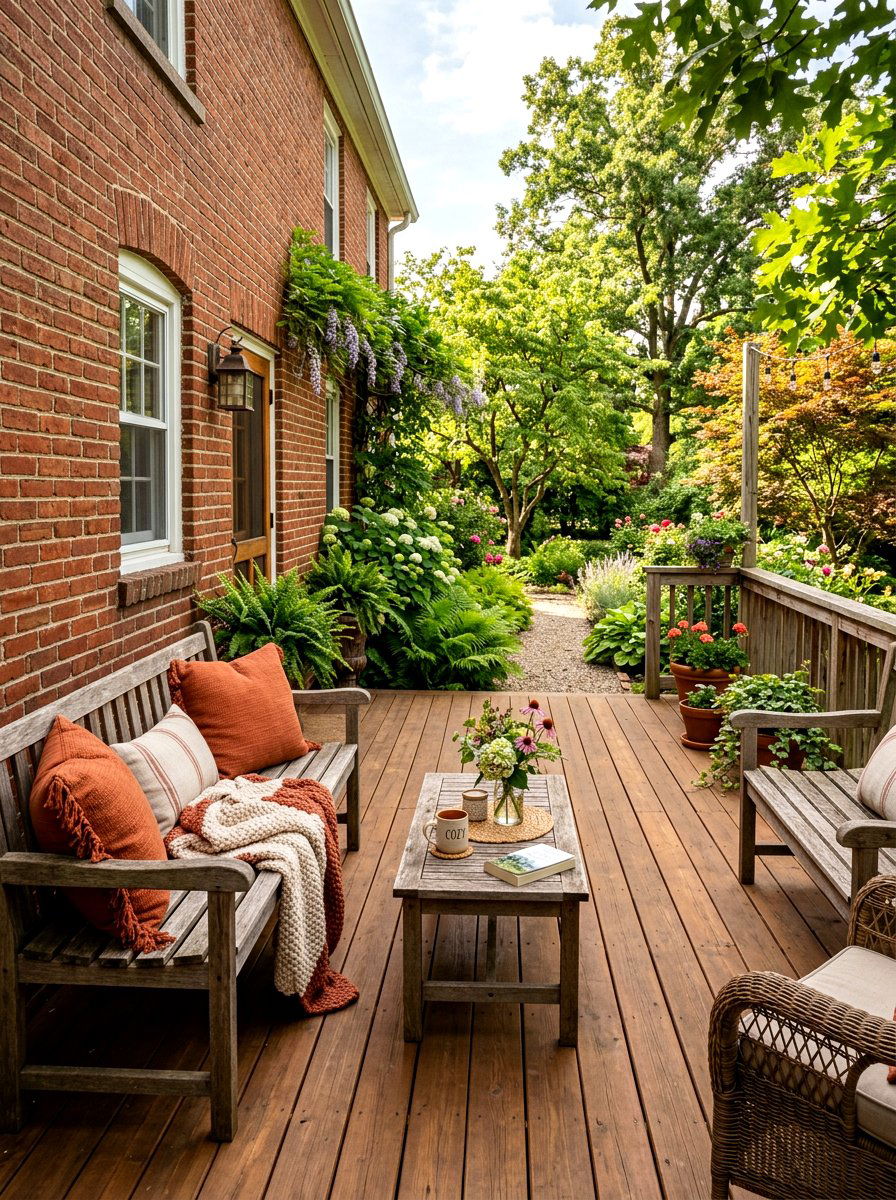
A rock garden border combines the rugged beauty of stone with the delicate vibrancy of nectar-rich alpine plants. This design uses crevices between rocks to plant small, hardy species like creeping phlox, stonecrop, and dwarf penstemon. The rocks absorb heat during the day, which can help some plants bloom earlier in the spring. Hummingbirds are often attracted to the low-profile, high-impact flowers that nestle among the stones. The varied heights of the rocks provide numerous perching spots for the birds to rest and preen. This style is excellent for sloped areas or yards where traditional gardening is difficult. It creates a naturalistic, mountain-inspired landscape that birds love.
21. Meadow Style Edge
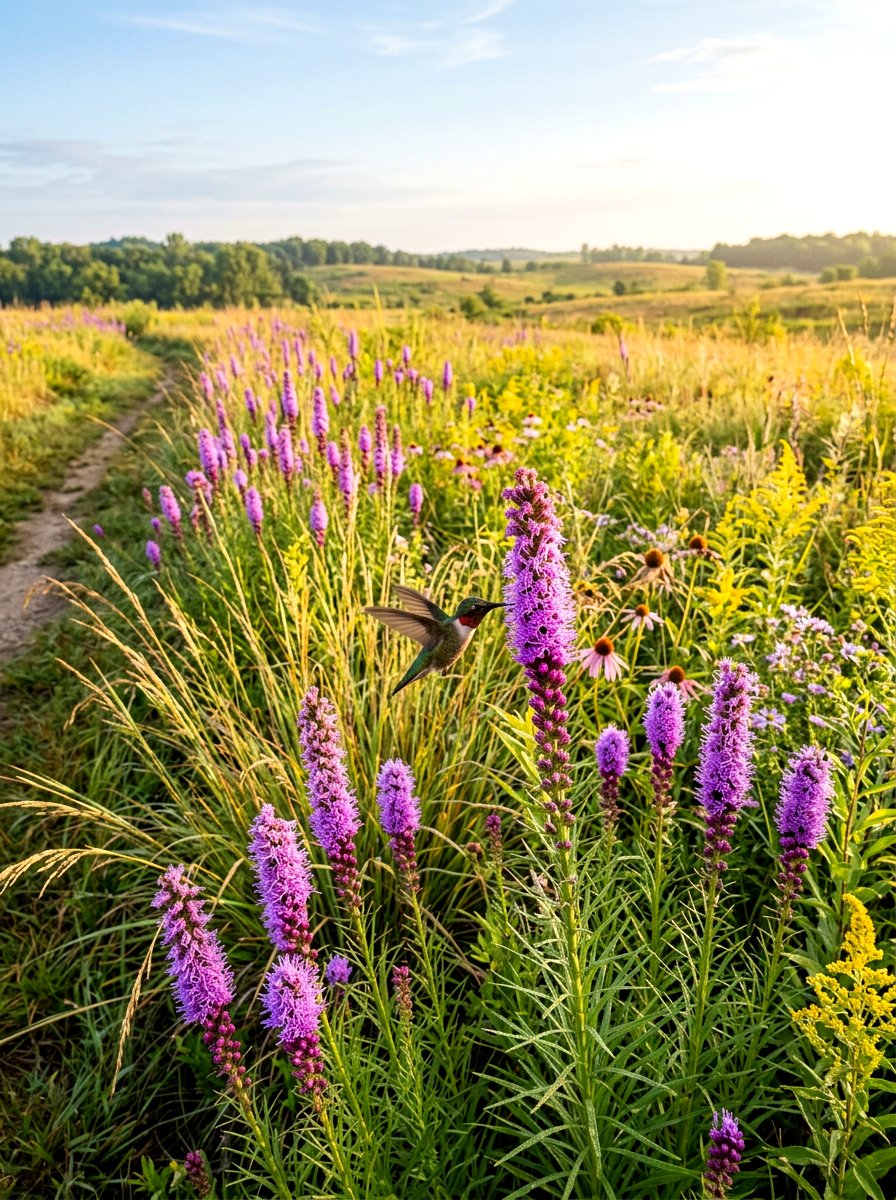
The meadow-style border is a relaxed, informal design that uses a mix of native grasses and nectar-producing perennials. This approach creates a soft, waving sea of color that feels very organic and wild. Plants like liatris, with its fuzzy purple spikes, and black-eyed Susans provide a feast for both hummingbirds and insects. The grasses offer essential nesting material and protection from the wind. This design requires very little formal upkeep and looks better as it grows and fills in over time. The constant movement of the grasses and the darting of the birds create a dynamic, ever-changing scene. It is a perfect way to bring a piece of the prairie home.
22. Colorful Tubular Bed
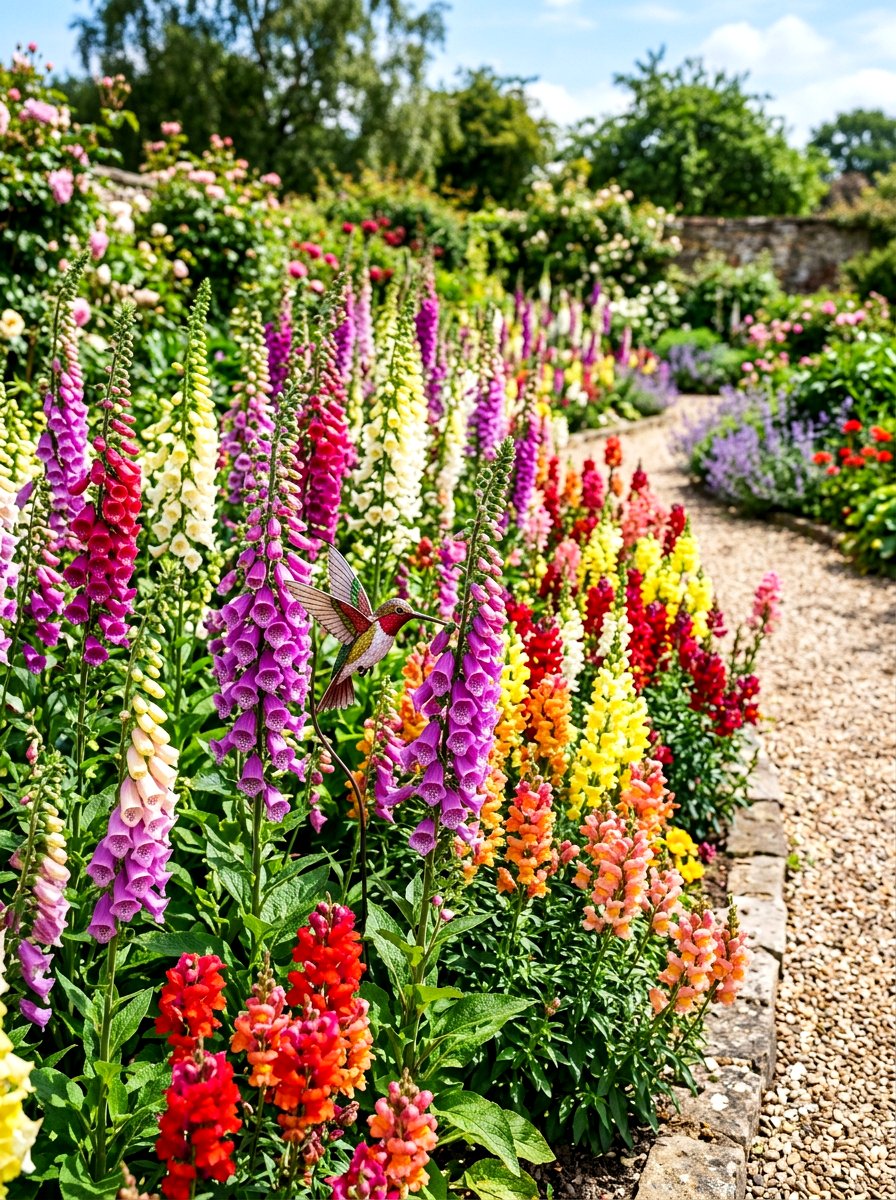
This border design focuses specifically on the flower shape that hummingbirds find easiest to feed from: the tube. By grouping plants with various tubular structures, such as snapdragons, foxgloves, and cape fuchsias, you create a specialized feeding zone. This design often uses a "rainbow" color scheme to ensure maximum visibility from all angles. Each flower is essentially a tiny nectar cup designed specifically for a hummingbird's long bill. This functional focus ensures that the birds spend less energy searching for food and more time actually eating. The variety of tube lengths and widths accommodates different species of hummingbirds, making your garden a diverse and popular neighborhood destination.
23. Poolside Nectar Border
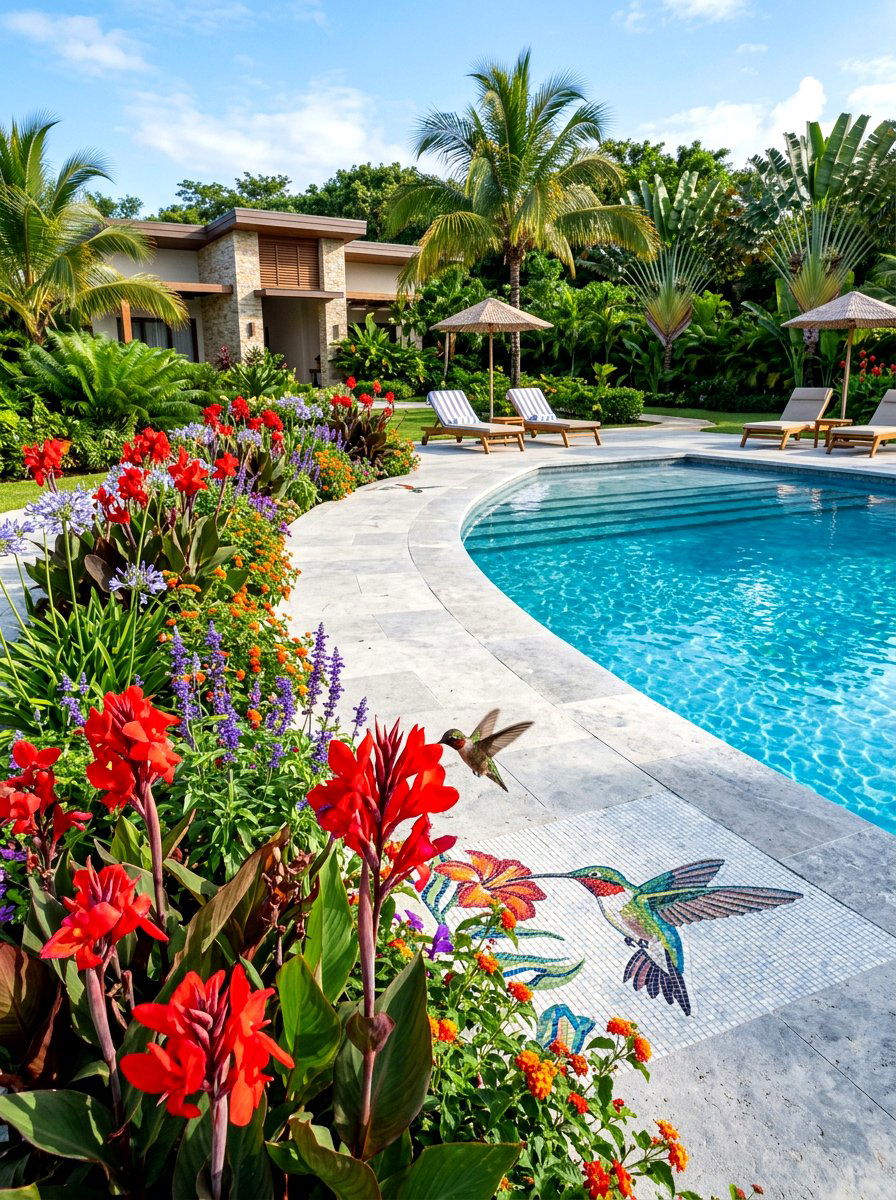
A poolside hummingbird border adds a touch of life and movement to your outdoor relaxation area. This design uses moisture-loving plants like hibiscus and canna lilies that thrive in the humid microclimate near a pool. The vibrant colors of the flowers reflect off the water, creating a stunning visual effect that also attracts birds from high above. Hummingbirds are often drawn to the water itself for bathing, so a poolside border provides both food and a "spa" experience. It is important to choose plants that are relatively tidy to avoid getting too much debris in the pool filters. This design turns your swimming area into a vibrant, tropical wildlife sanctuary.
24. Entryway Welcome Garden
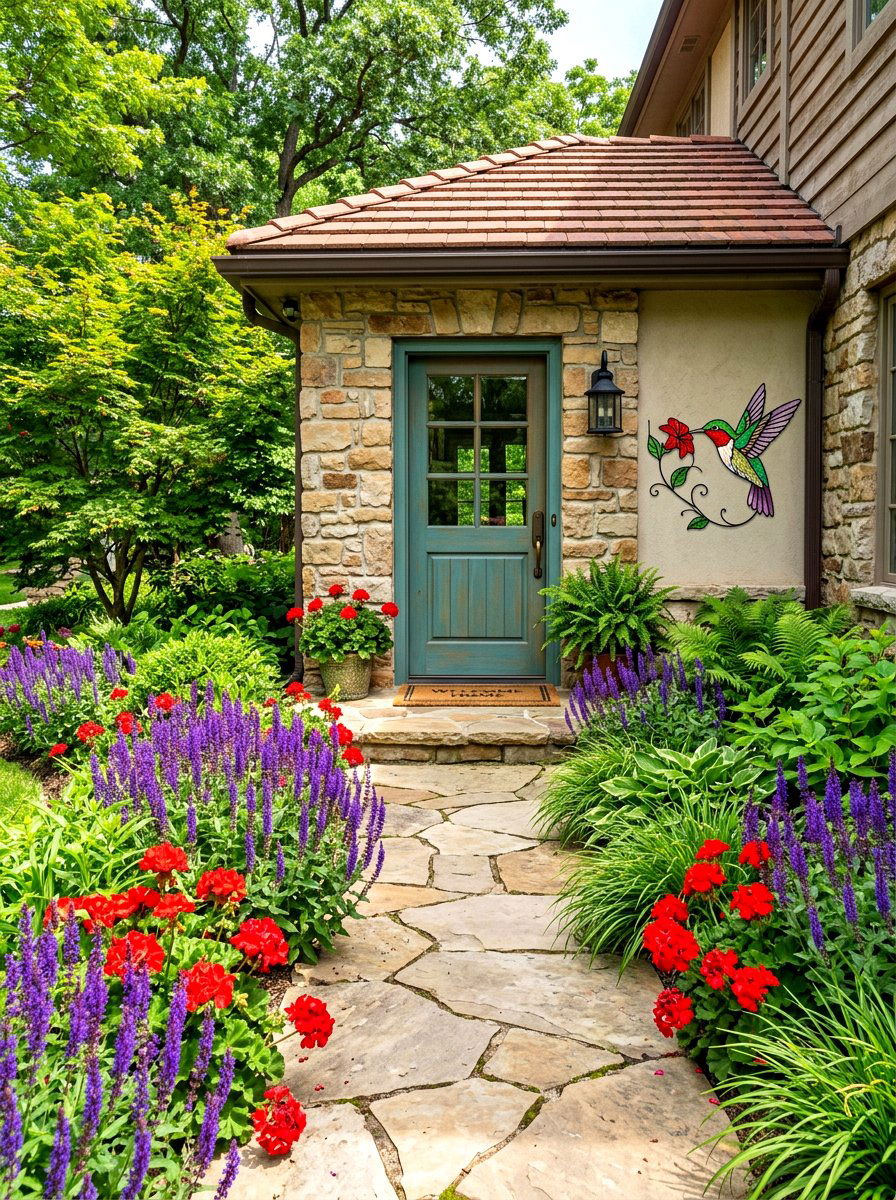
An entryway hummingbird border makes a great first impression on guests while providing a daily dose of nature as you come and go. This design focuses on high-impact plants like tall salvias and bright petunias placed near the front door or along the front walkway. Hummingbirds quickly become accustomed to human activity, so you may find them feeding just inches away as you walk by. Using vertical elements like a trellis with jasmine or honeysuckle can frame the doorway and add a wonderful scent. This small-scale garden is easy to maintain and provides a cheerful welcome. It transforms a functional transition space into a place of beauty and wonder.

25. Small Space Border
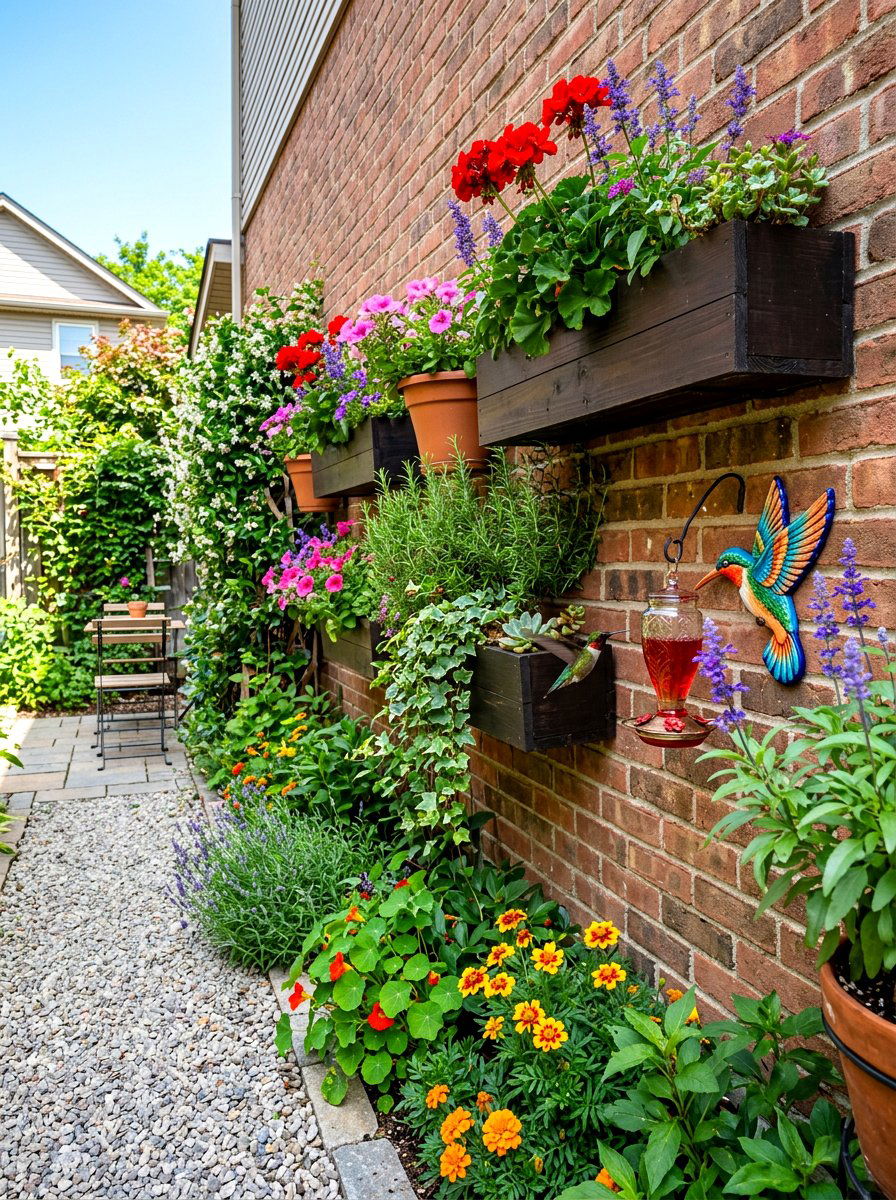
You don't need a massive yard to create an effective hummingbird border; a small, well-designed strip can be incredibly productive. This design focuses on high-density planting in narrow spaces, such as along a driveway or a small side yard. Utilizing multi-functional plants like "Hummingbird Mint" provides a huge amount of nectar in a small footprint. You can also use wall-mounted planters to add vertical layers of flowers without taking up ground space. The key is to select "powerhouse" plants that bloom for a long time and provide high-quality nectar. This compact approach proves that even the smallest urban garden can make a big difference for local wildlife populations.
26. Wildlife Sanctuary Edge
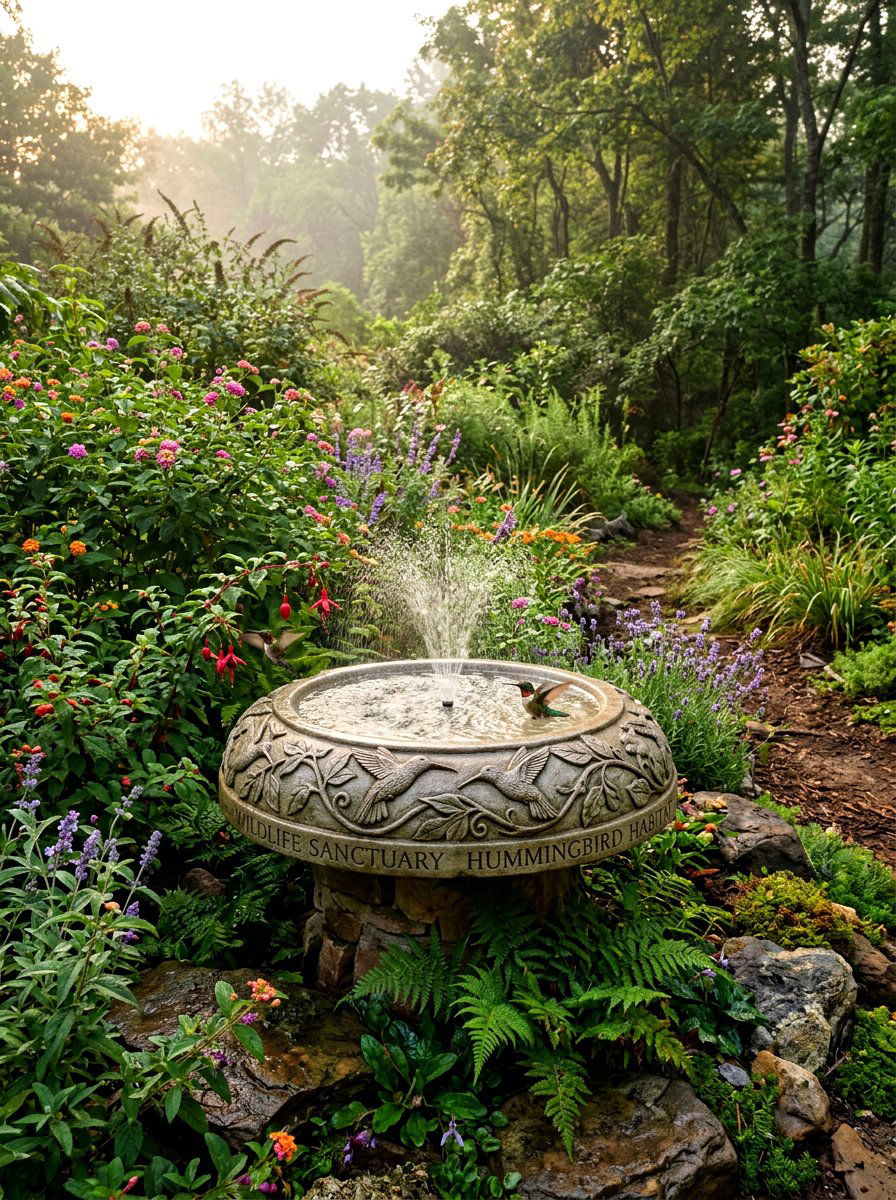
A wildlife sanctuary border goes beyond just providing nectar by including elements for the entire hummingbird life cycle. This design includes dense shrubs for nesting, a shallow misting water feature for bathing, and plenty of "perch" branches. Avoiding pesticides is a critical part of this design, as hummingbirds rely on small insects for protein. You can plant a mix of native trees and flowers to create a self-sustaining ecosystem that supports a variety of beneficial life. This holistic approach ensures that hummingbirds don't just visit your garden to eat, but they stay to raise their young. It is a deeply rewarding way to connect with the natural world.
27. Formal Flower Border
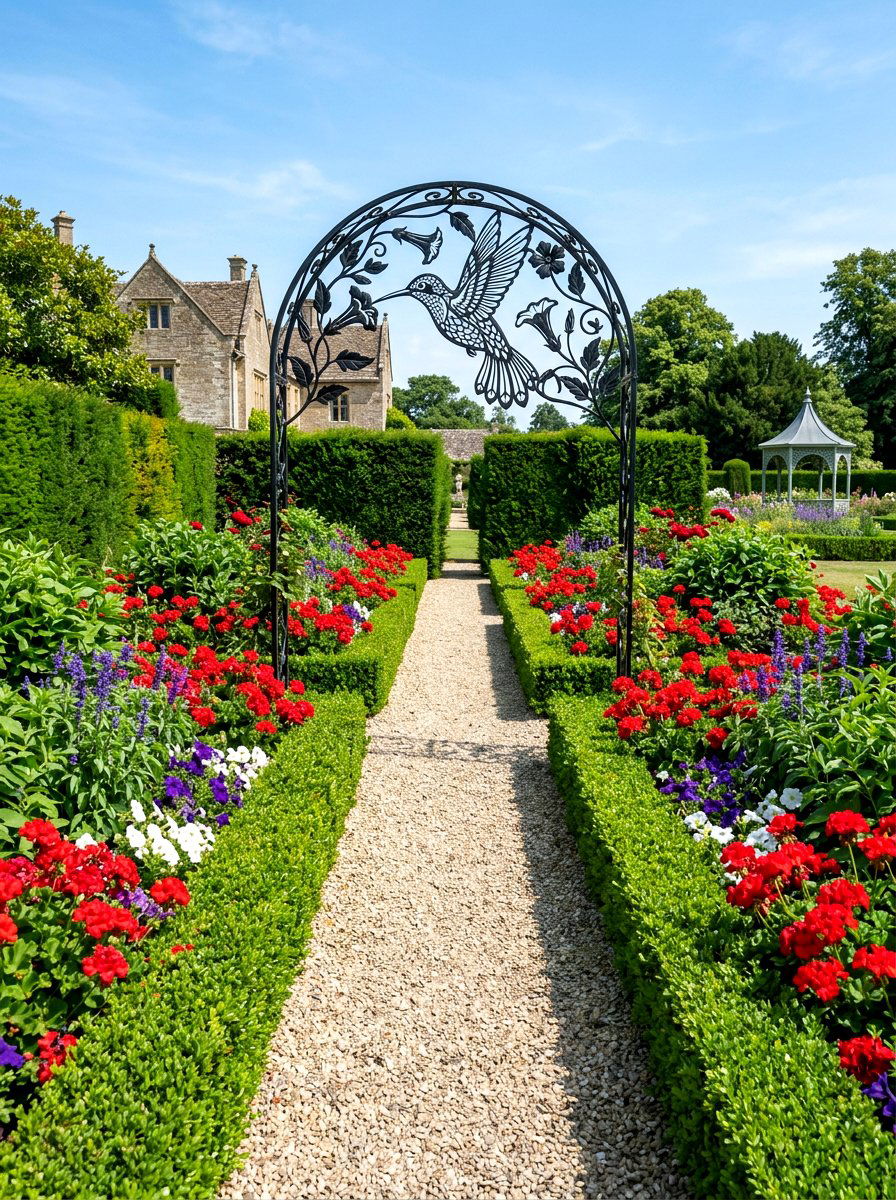
A formal hummingbird border uses symmetry and structure to create a classic garden look that is still highly functional for birds. This design might feature clipped boxwood hedges as a frame for internal beds of vibrant red geraniums or structured rows of lavender. The contrast between the tidy green hedges and the wild, nectar-rich flowers creates a sophisticated aesthetic. By using a repeating pattern of specific hummingbird-friendly plants, you create a sense of rhythm and order. This style is perfect for more traditional homes where a wild or cottage look might feel out of place. It proves that wildlife gardening can be incredibly elegant and well-organized.
28. Coastal Hummingbird Garden
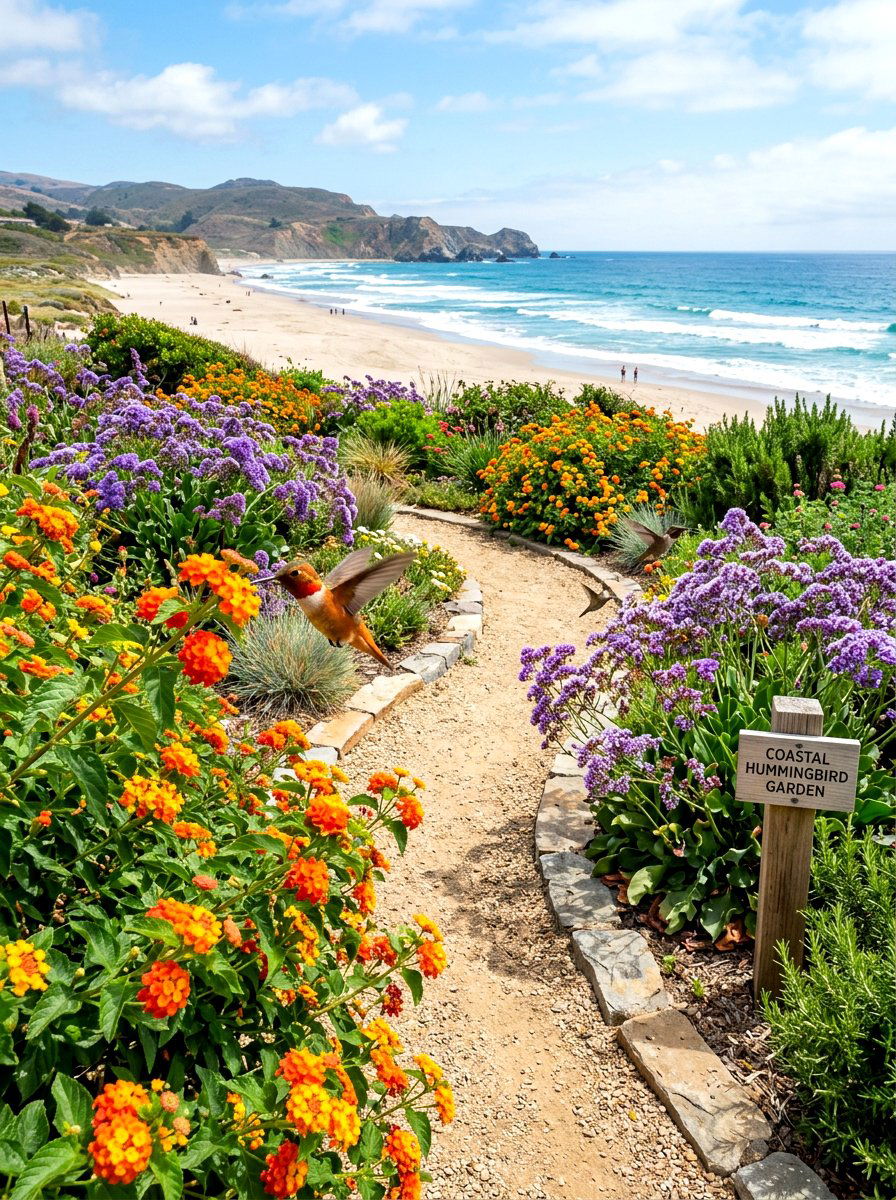
A coastal-themed border utilizes plants that can handle salt spray and sandy soil while still providing plenty of nectar. This design features tough survivors like rugosa roses, sea lavender, and certain varieties of lantana. These plants have evolved to handle the harsh conditions of the shoreline, making them very low-maintenance for beach-side homes. The bright colors of the flowers look beautiful against the blue of the ocean or the neutral tones of the sand. Hummingbirds are found in many coastal regions and will appreciate a reliable food source amidst the dunes. This border adds a splash of color and life to the sometimes-stark coastal landscape.
29. Pollinator Friendly Row
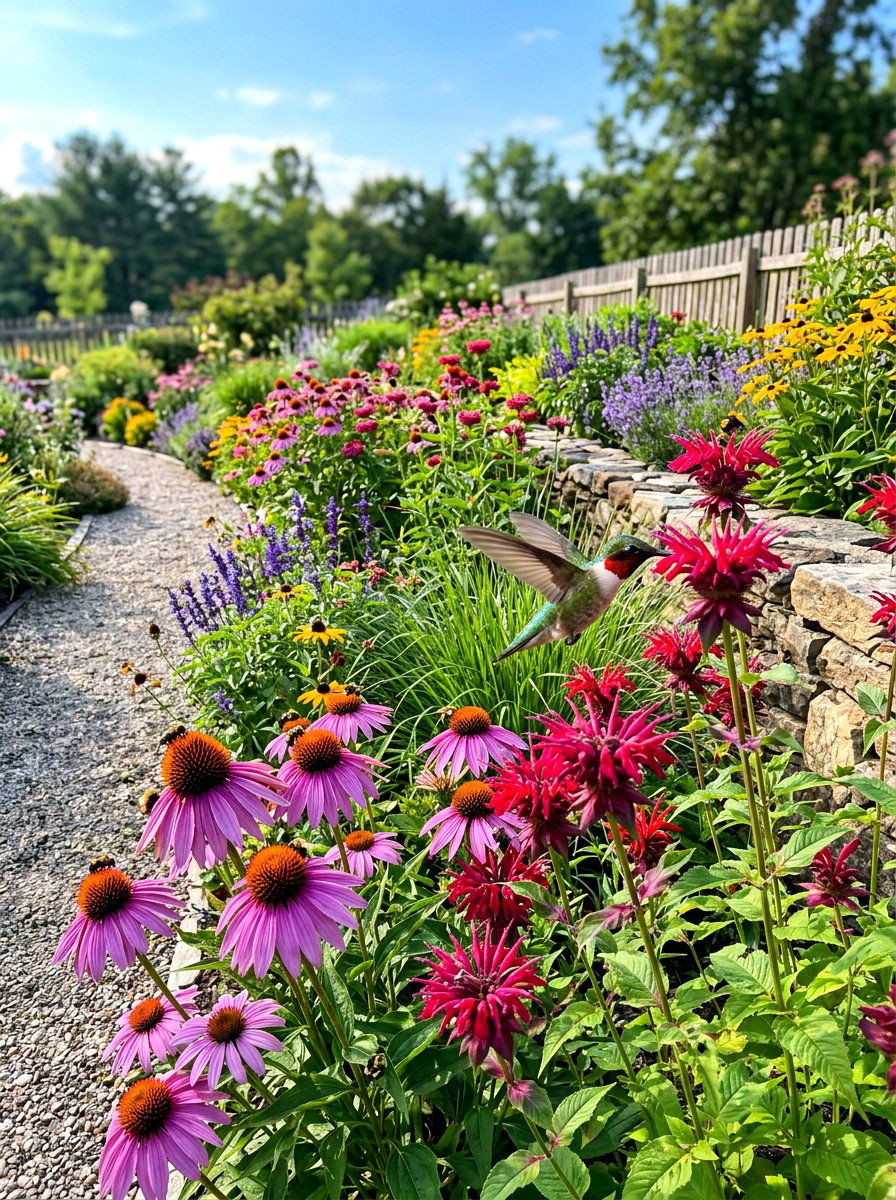
A pollinator-friendly row is a diverse border designed to support hummingbirds along with bees and butterflies. This design features a wide mix of flower shapes, from the deep tubes that hummingbirds love to the flat "landing pads" preferred by butterflies. Plants like bee balm, zinnia, and coneflower provide a buffet for all types of beneficial visitors. By avoiding "double" flowers — which often have less nectar — you ensure that all your guests find plenty to eat. This border creates a vibrant community of life in your yard and helps support the essential work of pollination. The constant activity of different species makes this one of the most interesting gardens to observe.
30. Vibrant Fall Border
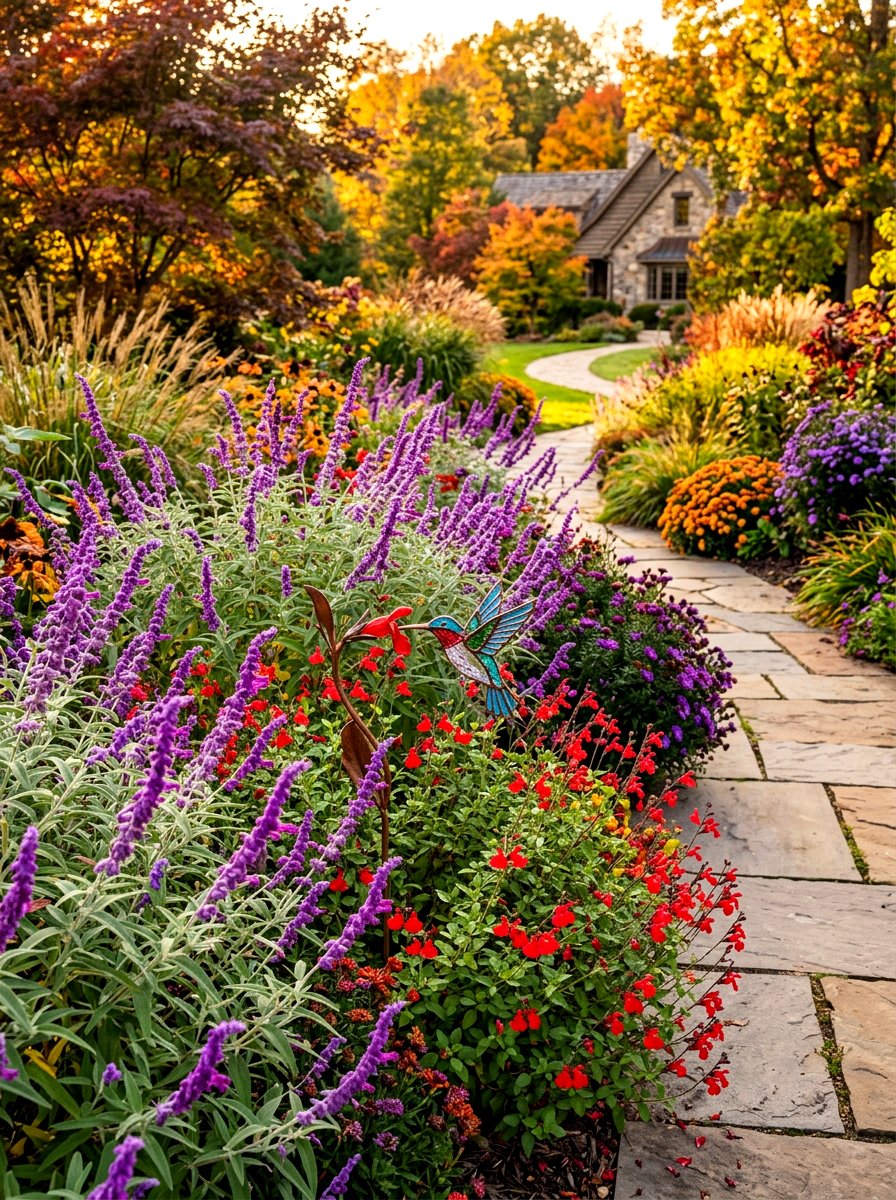
A vibrant fall border is designed to provide a spectacular late-season show while helping hummingbirds prepare for their long winter journey. This design features late-blooming superstars like autumn sage, Mexican bush sage, and various types of ornamental salvias. These plants often reach their peak just as other garden flowers are starting to fade, providing a critical burst of energy. The deep purples and bright reds of these fall bloomers create a rich, warm color palette that fits the season perfectly. This border ensures that your garden remains a hub of activity until the very last hummingbird departs. It provides a beautiful and meaningful end to the gardening year.
Conclusion:
Designing a hummingbird border is a rewarding way to blend beautiful landscaping with meaningful wildlife conservation. By choosing plants that provide natural nectar, you create a sustainable environment that these tiny birds can rely on year after year. Whether you have a sprawling backyard or a small city balcony, there is a border design that will work for your space and climate. Remember to focus on a variety of bloom times, vibrant colors, and accessible flower shapes to keep the birds coming back. Watching a hummingbird hover just inches away from you is a magical experience that makes every bit of gardening effort worthwhile.

Related posts: