thoughtful I will first search for "30 pollinator border ideas" to understand current trends, popular plant choices (like lavender, coneflowers, milkweed) , layout styles (informal vs. formal) , and regional variations. Then, I will identify 30 distinct subtopics/ideas for pollinator borders such as native wildflower borders, drought-tolerant pollinator gardens, shade-loving pollinator beds, butterfly-specific borders, bee-friendly herb borders, and tiered perennial borders. I will write a minimum 101-word (max 125 words) introduction without a heading. I will write 30 H2 sections, each titled with a simple, Google-search-style query, and each containing a paragraph of exactly 101 to 125 words. I will write a minimum 101-word (max 125 words) conclusion with the heading "## Conclusion". Finally, I will generate 30 detailed image prompts (50-70 words each) following the specific "GARDEN/OUTDOOR" structure, ensuring bright lighting and high quality.
Guidelines Check: - Topic: 30 pollinator border ideas. - Introduction: Min 101 words, no heading. - Sections: 30 H2 sections, numbered, min 101 words each, simple search query titles. - Word limit per section: 101 to 125 words. - Tone: Helpful, natural, US English. - No H3, no separators. - Conclusion: Min 101 words, heading ## Conclusion. - Image Prompts: 30 prompts, min 50 words, GARDEN/OUTDOOR category, bright lighting. - Search query style headings.
Let's begin. Creating a vibrant pollinator border is one of the most rewarding ways to enhance your outdoor space while supporting local ecosystems. These specialized garden beds are designed to provide essential nectar, pollen, and habitat for bees, butterflies, hummingbirds, and other beneficial insects. By carefully selecting a variety of flowering plants that bloom at different times throughout the year, you can ensure a steady food supply for these vital creatures. Beyond their environmental benefits, pollinator borders add incredible beauty, movement, and life to any landscape. Whether you have a sprawling backyard or a tiny urban strip, there is always room to incorporate native plants and diverse floral structures that invite nature right to your doorstep.
1. Native Wildflower Border
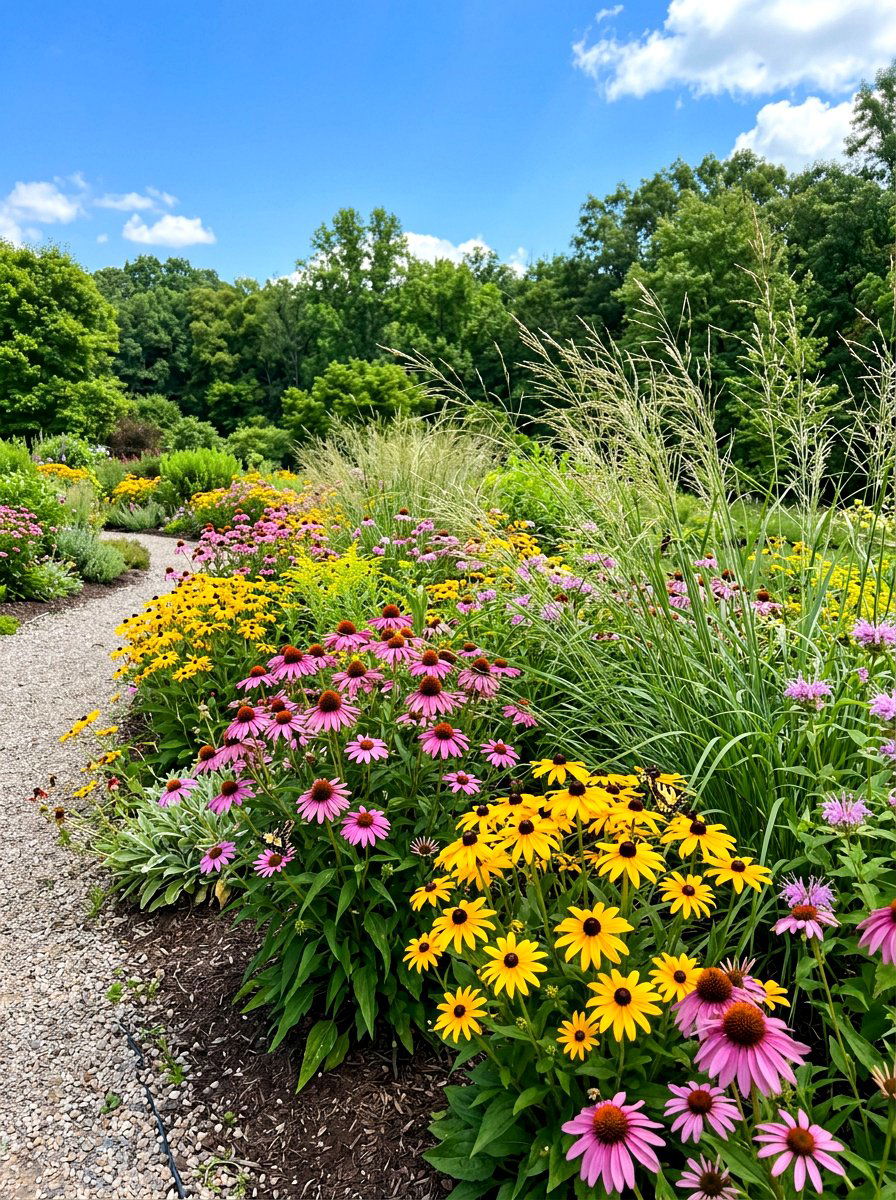
A native wildflower border is the foundation of a successful habitat because local insects have evolved alongside these specific plants. By choosing species indigenous to your region, you ensure that the nectar and pollen are perfectly suited to the needs of local bees and butterflies. These plants are typically hardier and more resistant to local pests and weather extremes, making them a sustainable choice for any gardener. You can mix different heights and colors to create a naturalistic look that mimics a prairie or meadow. Incorporating grasses like little bluestem or switchgrass provides necessary cover and nesting sites, ensuring your border remains a functional sanctuary throughout every season of the year.
2. Butterfly Garden Layout
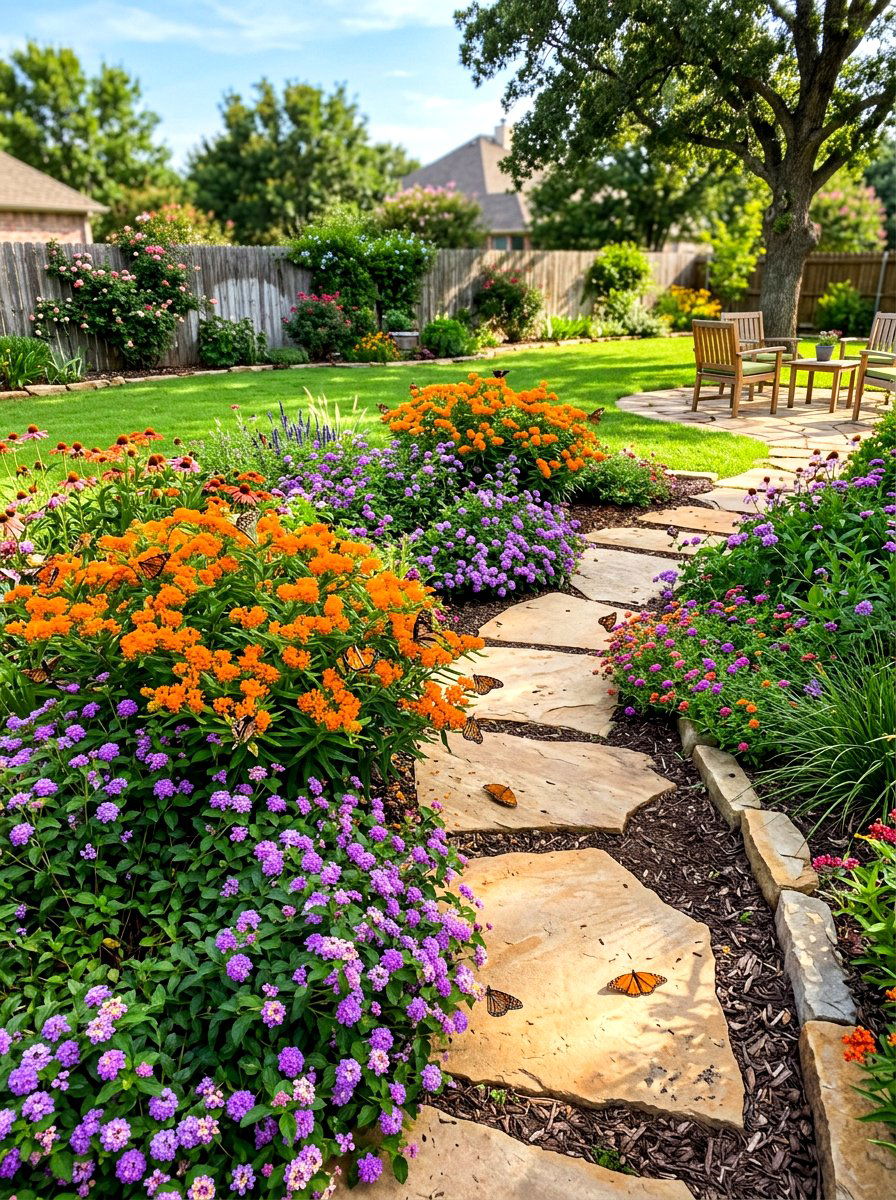
Designing a butterfly garden layout requires a strategic mix of nectar plants for adults and host plants for their growing caterpillars. Butterflies are attracted to bright, sun-drenched areas where they can bask and feed efficiently without fighting strong winds. Using large drifts of color helps these winged visitors spot your garden from a distance as they fly overhead. Consider planting varieties like butterfly weed, lantana, and zinnias to provide high-energy fuel for their long journeys. Providing flat stones for basking and shallow water sources for puddling will encourage them to linger longer. A well-planned layout ensures that every stage of the butterfly life cycle is supported within your beautiful backyard landscape.
3. Bee Friendly Perennial Bed
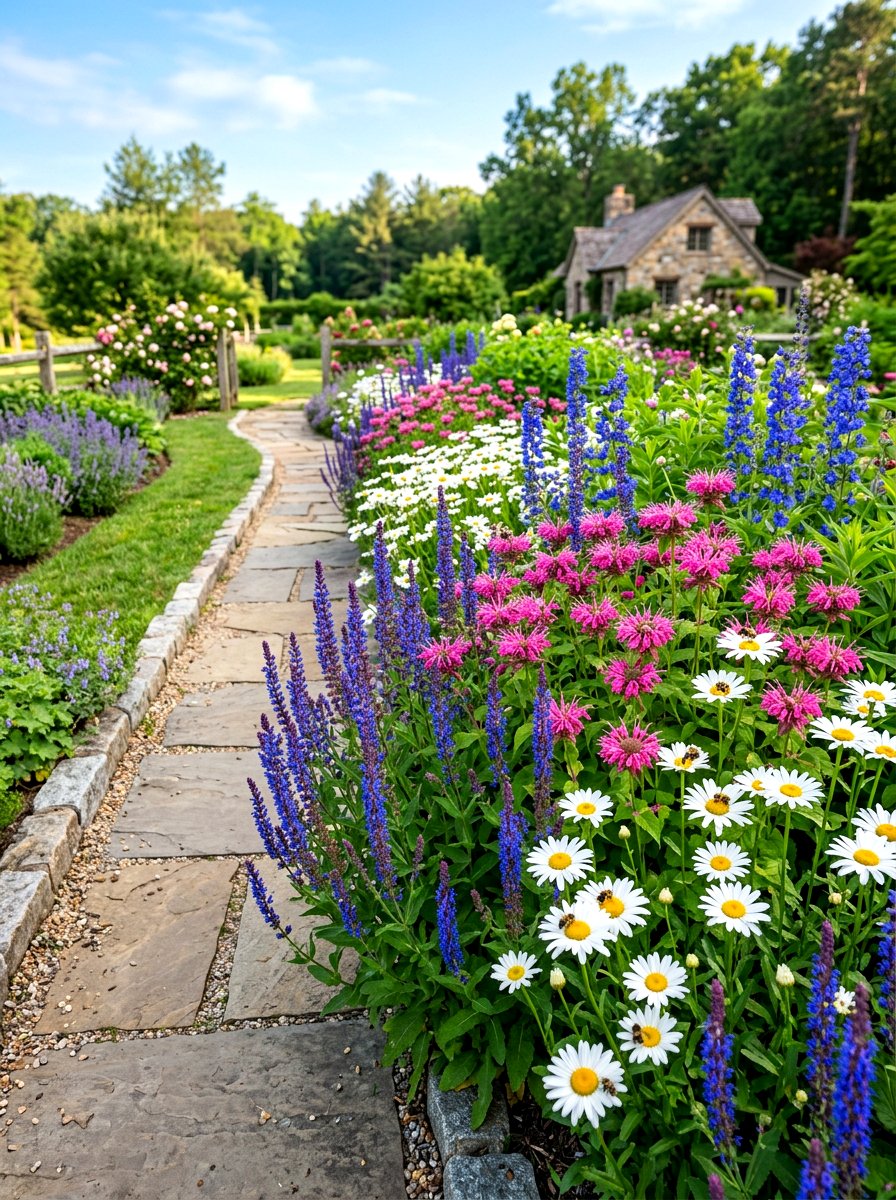
A bee friendly perennial bed focuses on providing a diverse range of flower shapes to accommodate different bee species and their unique tongues. Long-tongued bees might prefer tubular flowers like foxgloves or penstemon, while short-tongued bees thrive on flat, open blooms like daisies or coreopsis. To keep your garden buzzing, aim for a continuous bloom cycle from early spring until the first frost in late autumn. Perennials such as bee balm, catmint, and purple coneflowers are exceptional choices that return year after year with minimal effort. Grouping identical plants together in large clumps makes it easier for bees to forage efficiently, as they can collect a significant amount of pollen in a single stop.
4. Drought Tolerant Pollinator Garden
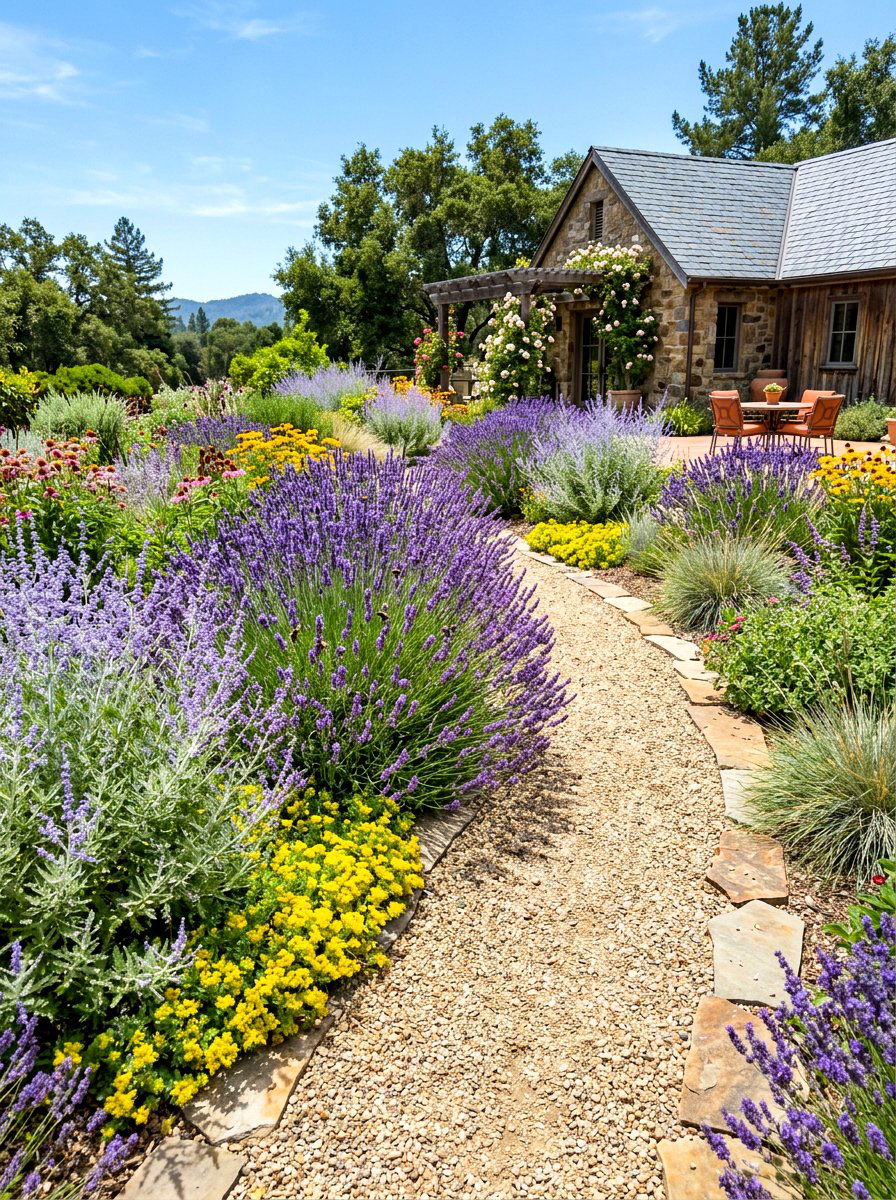
Establishing a drought tolerant pollinator garden is an eco-friendly way to support wildlife while significantly reducing your weekly water consumption. Many pollinator-favorite plants, such as lavender, Russian sage, and sedum, naturally thrive in hot, dry conditions once they are fully established in the soil. These resilient species often feature silvery foliage or succulent leaves that help them retain moisture during intense summer heatwaves. By using organic mulch and grouping plants with similar water needs together, you can create a thriving habitat even in arid climates. This type of border is perfect for busy homeowners who want a stunning, life-filled garden without the constant need for heavy irrigation or high-maintenance care routines.
5. Hummingbird Border Plants
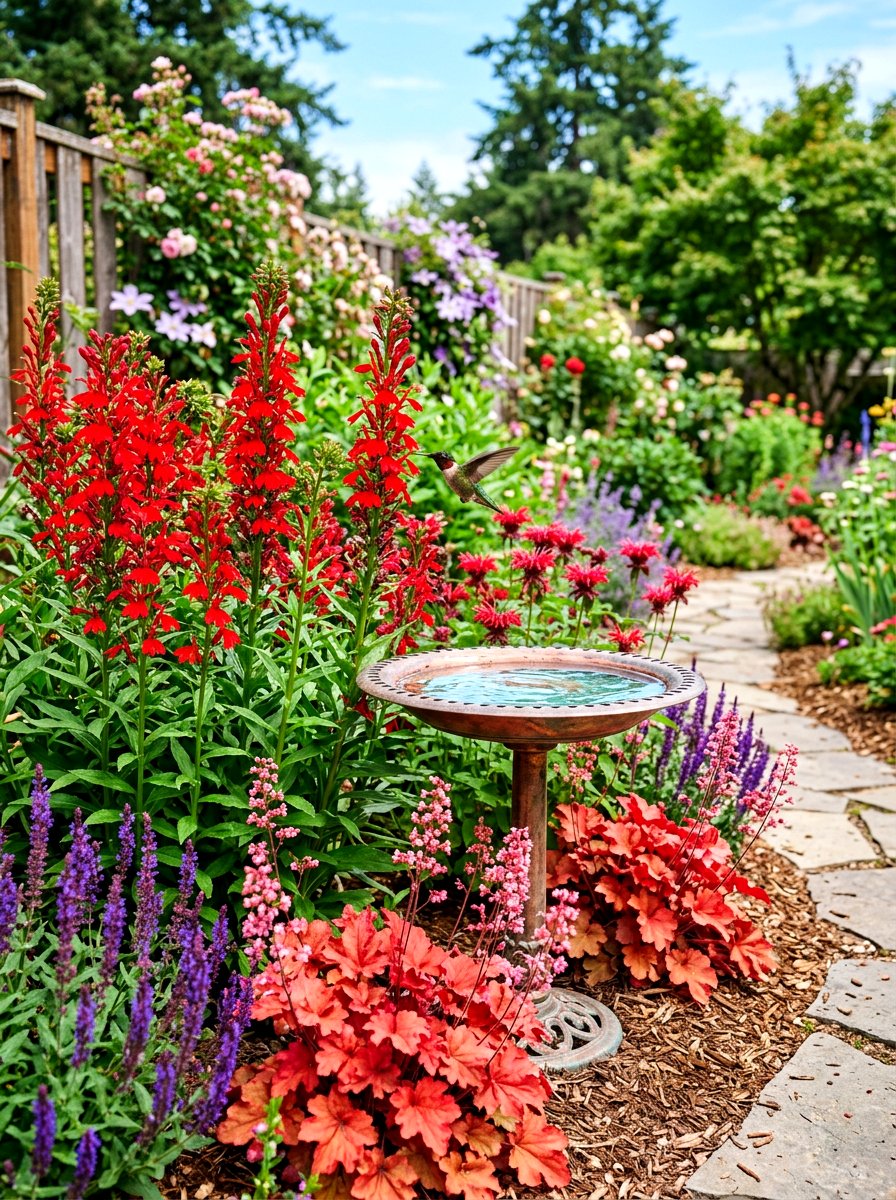
Hummingbirds are drawn to vibrant, tubular flowers that hold deep reservoirs of nectar, making them unique visitors to your pollinator border. Red, orange, and bright pink blooms are particularly attractive to these tiny, high-energy birds as they dart through your garden. Planting species like cardinal flower, coral bells, and trumpet honeysuckle will turn your border into a prime feeding station. It is helpful to provide different heights of vegetation, including some taller shrubs or small trees, where hummingbirds can perch and survey their territory between feedings. Avoiding pesticides is crucial here, as hummingbirds also rely on small insects for protein, and a clean, organic environment ensures their health and continued return to your garden.
6. Cottage Garden Pollinator Border
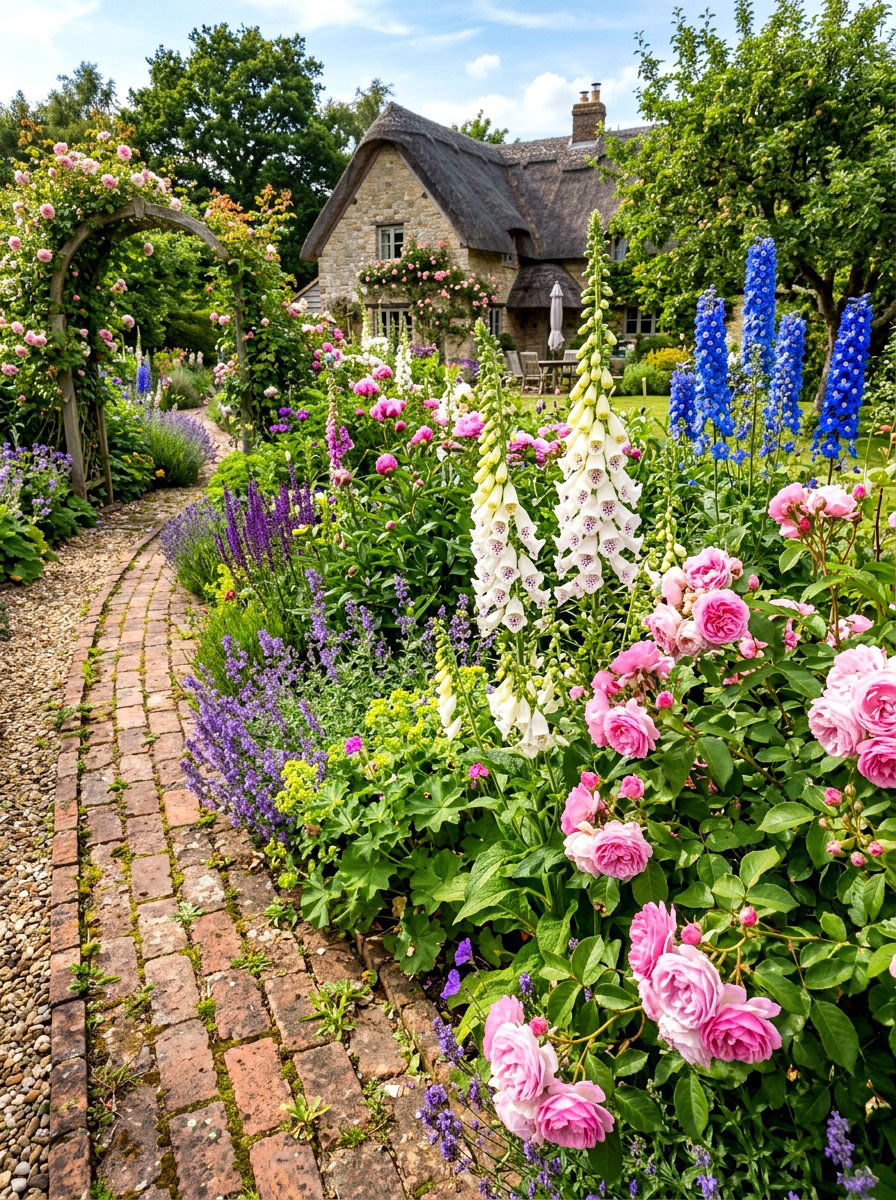
A cottage garden pollinator border combines old-fashioned charm with a relaxed, informal planting style that naturally attracts a wide variety of insects. This design typically features a dense, layered look where flowers like hollyhocks, delphiniums, and roses spill over garden paths and edges. The lack of rigid structure allows for a romantic atmosphere while maximizing the number of blooms packed into a small area. Herbs such as rosemary and thyme can be tucked into the edges to provide additional nectar and fragrance for visiting bees. This style of gardening celebrates the beauty of controlled chaos, creating a lush, multisensory experience that feels both welcoming to humans and incredibly productive for the local pollinator population.
7. Shade Loving Pollinator Plants
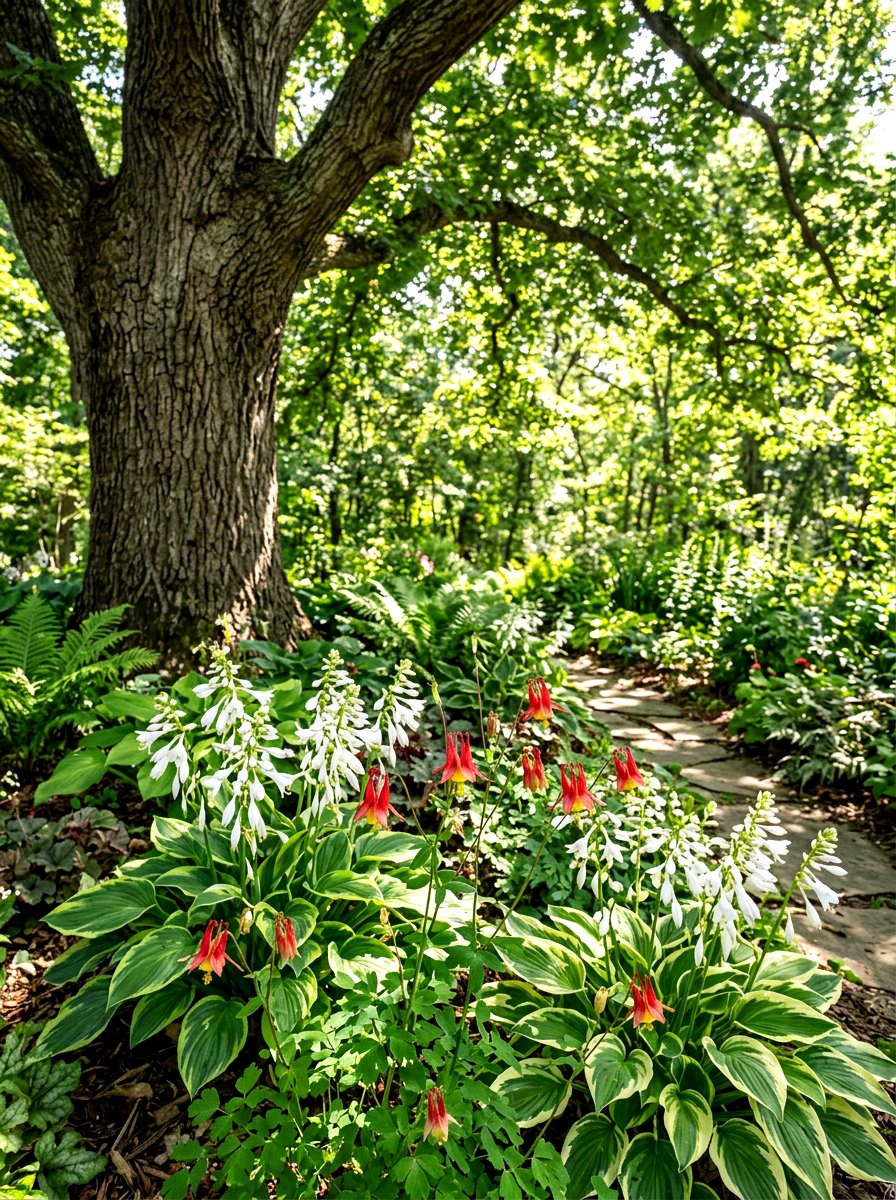
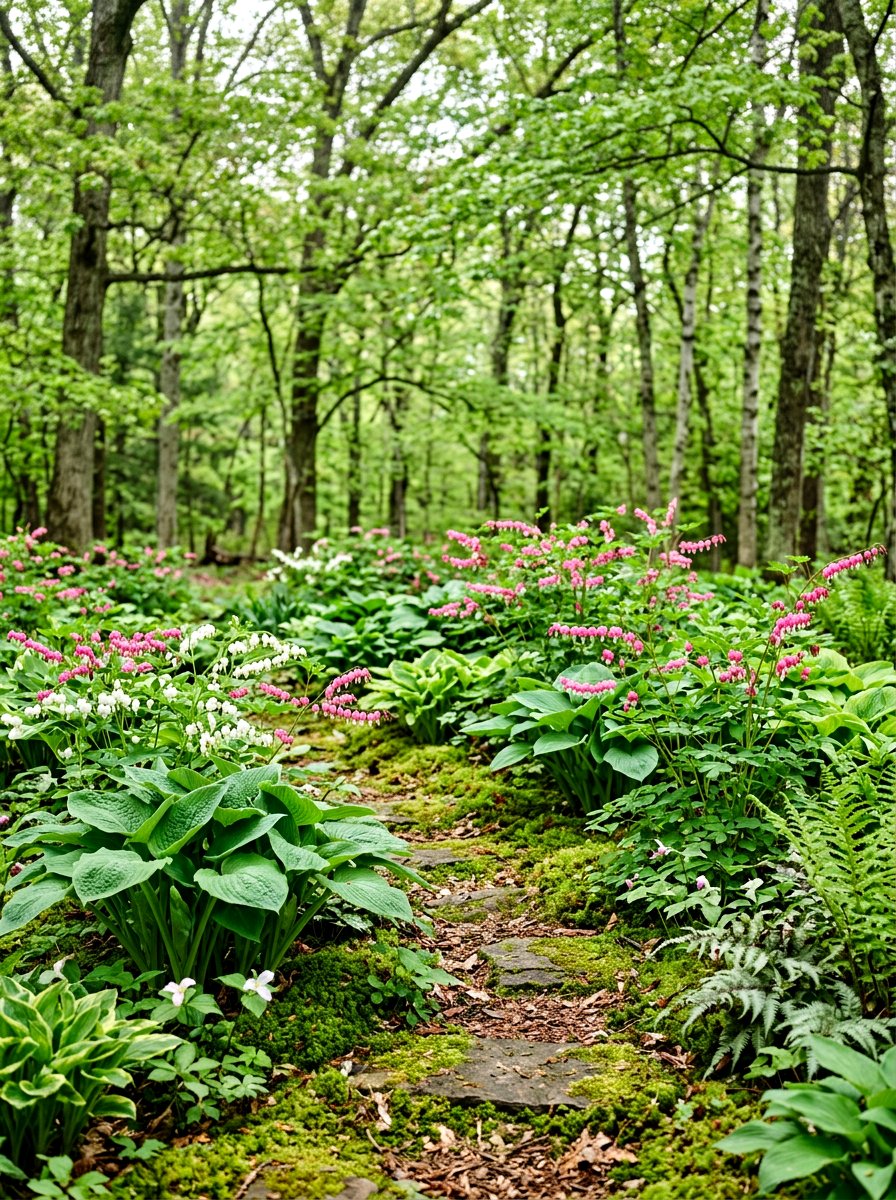
Many people mistakenly believe that pollinator gardens must be in full sun, but a shade loving pollinator border can be equally effective. Many forest-dwelling insects and early-season bees rely on plants that thrive under the canopy of tall trees or in the shadow of buildings. Species like wild columbine, bleeding heart, and various types of hostas provide essential nectar in cooler, dimmer areas of the yard. White and light-colored flowers are particularly visible to pollinators in the shade and can brighten up dark corners of your landscape. By layering groundcovers with mid-sized perennials, you can create a rich, textured environment that supports a different set of pollinators than those found in sunny meadows.
8. Herb Garden For Bees
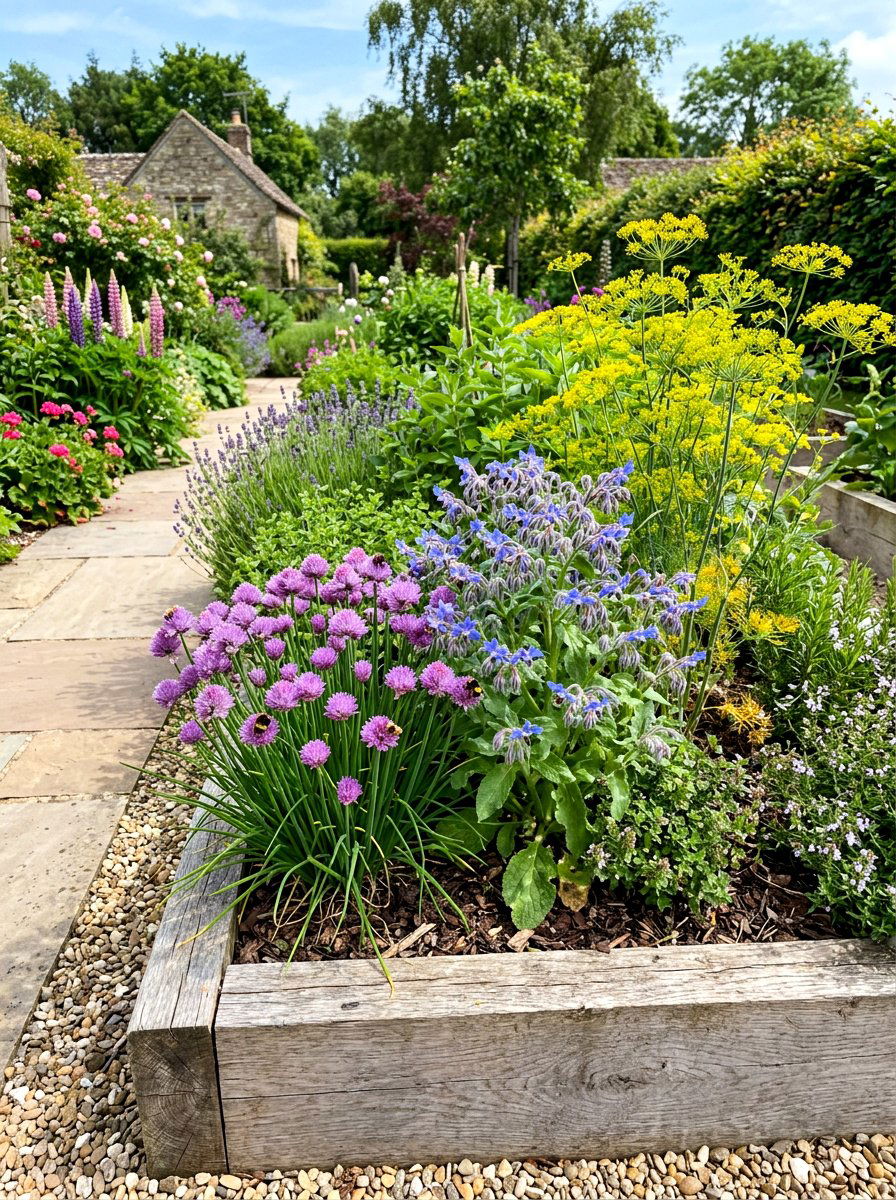
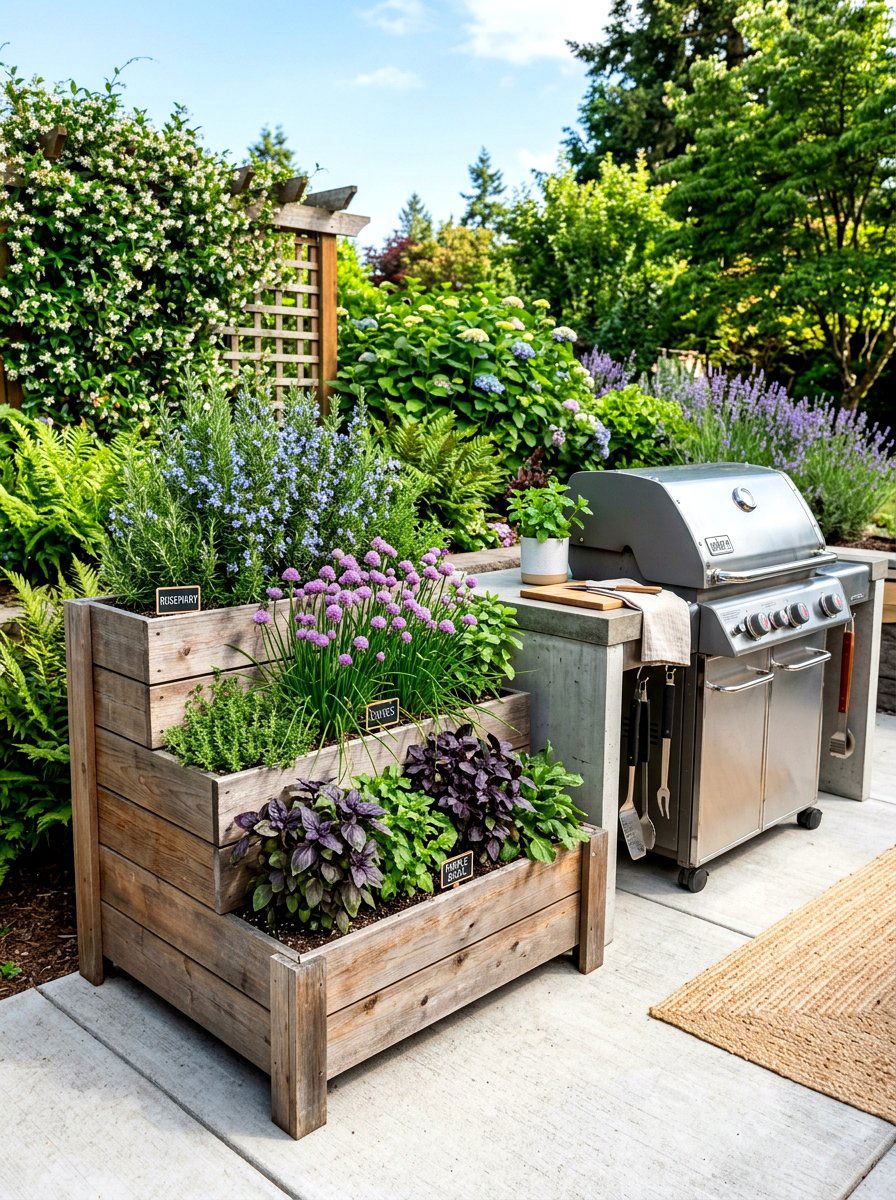
An herb garden for bees is a dual-purpose border that provides fresh culinary ingredients for your kitchen while feeding local honeybees and bumblebees. Many popular herbs, such as oregano, mint, and chives, produce small but incredibly nectar-rich flowers if allowed to bloom. Borage is another fantastic addition, often cited as a favorite for bees due to its high nectar replenishment rate throughout the day. This type of border works well in small spaces or even in raised beds near a patio or back door. The fragrant foliage also adds a wonderful aromatic dimension to your outdoor living space. It is a simple, functional way to integrate wildlife support into your everyday gardening and cooking habits.
9. Tall Perennial Border Design
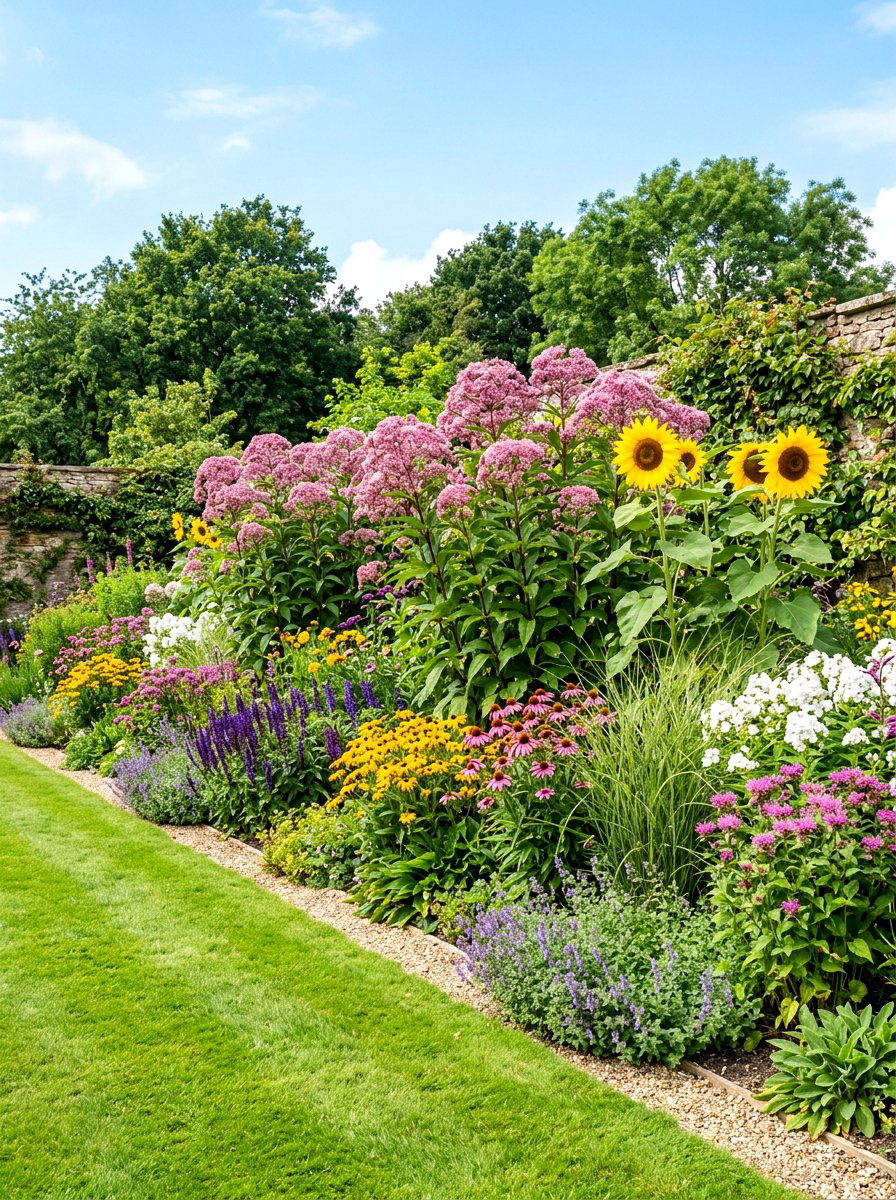
Creating a tall perennial border design adds significant vertical interest and architectural drama to the back of your garden beds. Plants like Joe Pye weed, sunflowers, and towering ironweed can reach heights of five to seven feet, providing a magnificent backdrop for smaller flowers. These giants are often powerhouse nectar producers, attracting large butterflies and numerous bee species that enjoy feeding high above the ground. Taller plants also serve as important windbreaks, creating a calmer microclimate for smaller, more delicate pollinators working in the lower layers of the garden. When grouped together, these vertical elements create a bold statement while offering a massive amount of forage in a relatively narrow horizontal footprint of garden space.
10. Low Maintenance Pollinator Garden
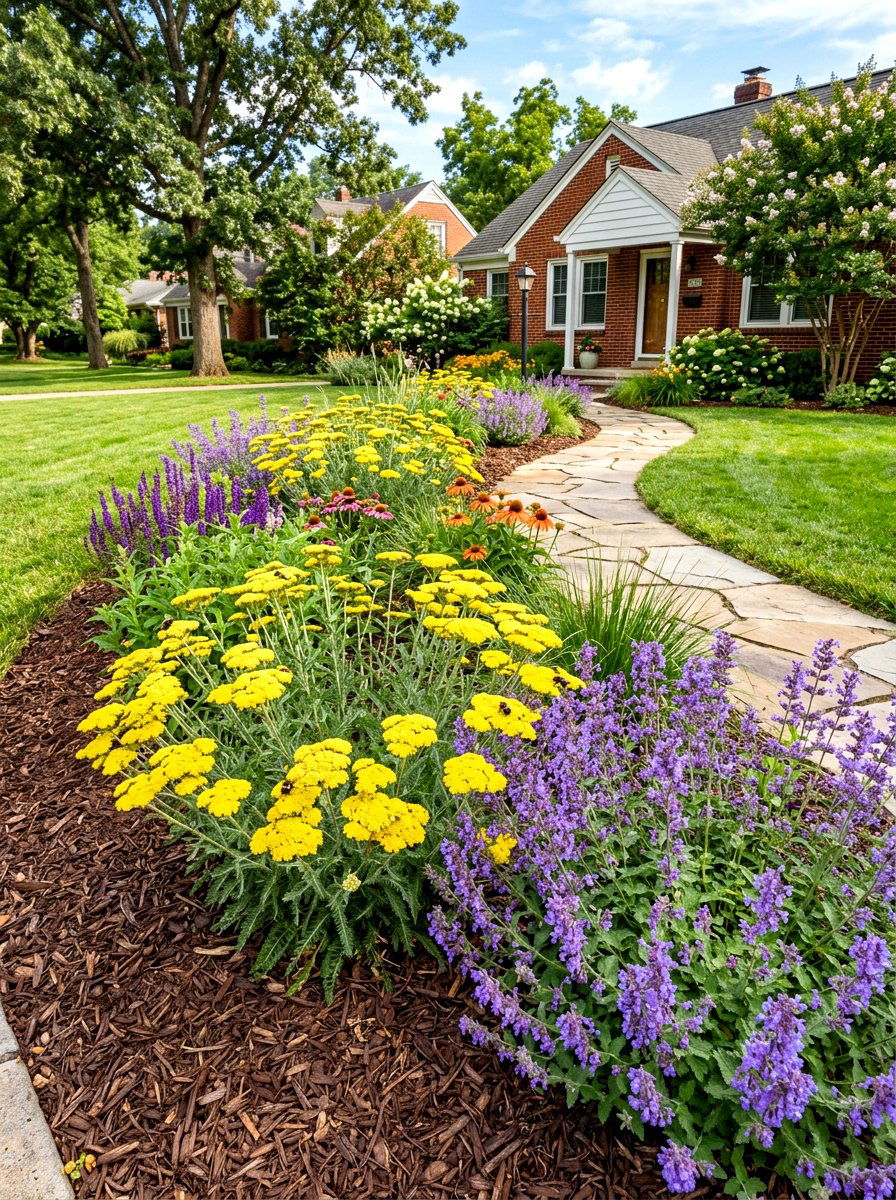
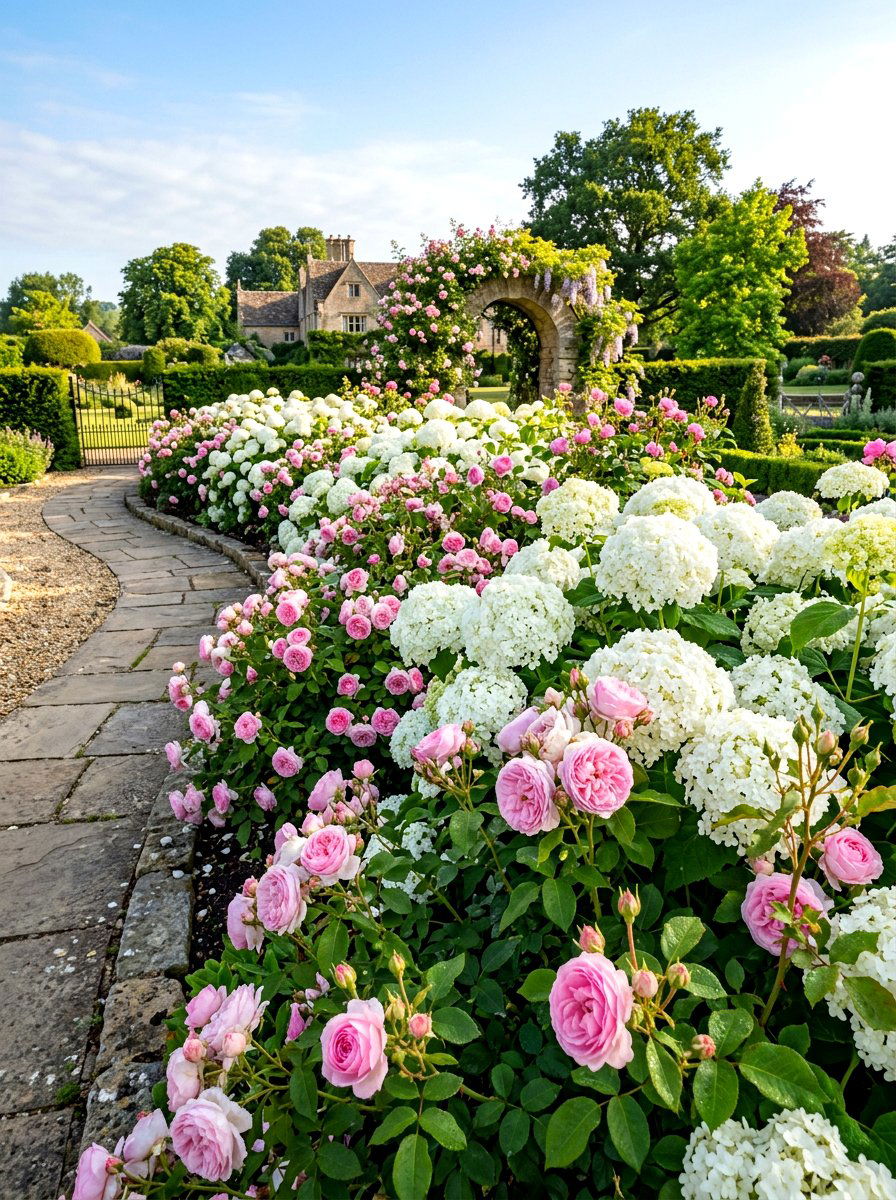
A low maintenance pollinator garden is perfect for those who want to help the environment without spending every weekend weeding and pruning. The key is to select tough, adaptable plants that don’t require staking, frequent deadheading, or specialized soil amendments to look their best. Rugged perennials like yarrow, black-eyed Susans, and ornamental grasses are excellent candidates for this hands-off approach. Once established, these plants fill in gaps quickly, naturally suppressing weeds and creating a dense mat of vegetation that protects the soil. Using a thick layer of wood mulch helps retain moisture and further reduces the need for intervention. You can enjoy the sights and sounds of a busy garden while relaxing in your favorite lawn chair.
11. Meadow Style Flower Border
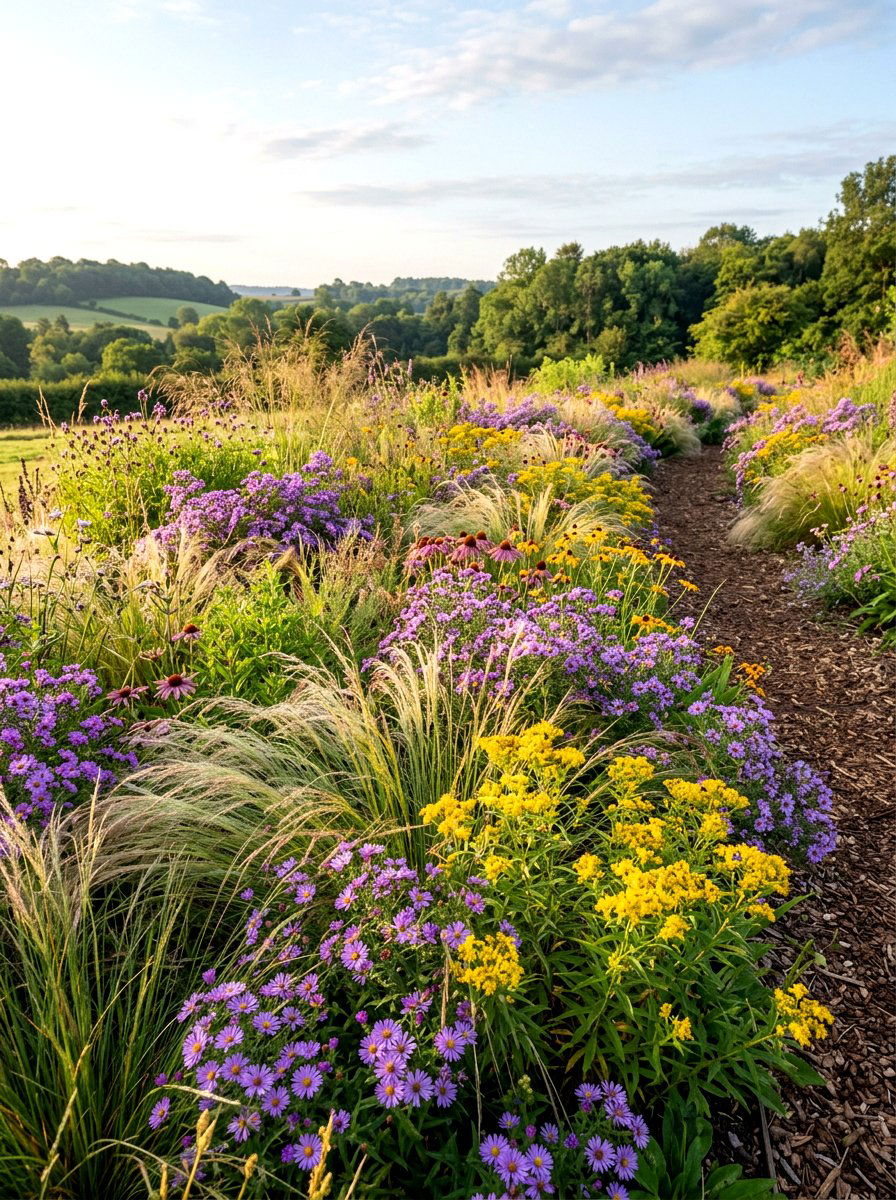
A meadow style flower border mimics the look of a natural prairie, blending colorful wildflowers with swaying ornamental grasses for a soft, ethereal appearance. This design focuses on a high density of plants, which creates a competitive environment that discourages weeds and provides ample cover for wildlife. Grasses like prairie dropseed or little bluestem add beautiful texture and golden hues in the autumn, while also serving as host plants for several butterfly species. The constant movement of the stems in the breeze adds a dynamic quality to the landscape that structured borders often lack. It is a beautiful, ecological choice that changes beautifully through the seasons, providing visual interest and habitat even during the winter months.
12. Late Season Pollinator Plants
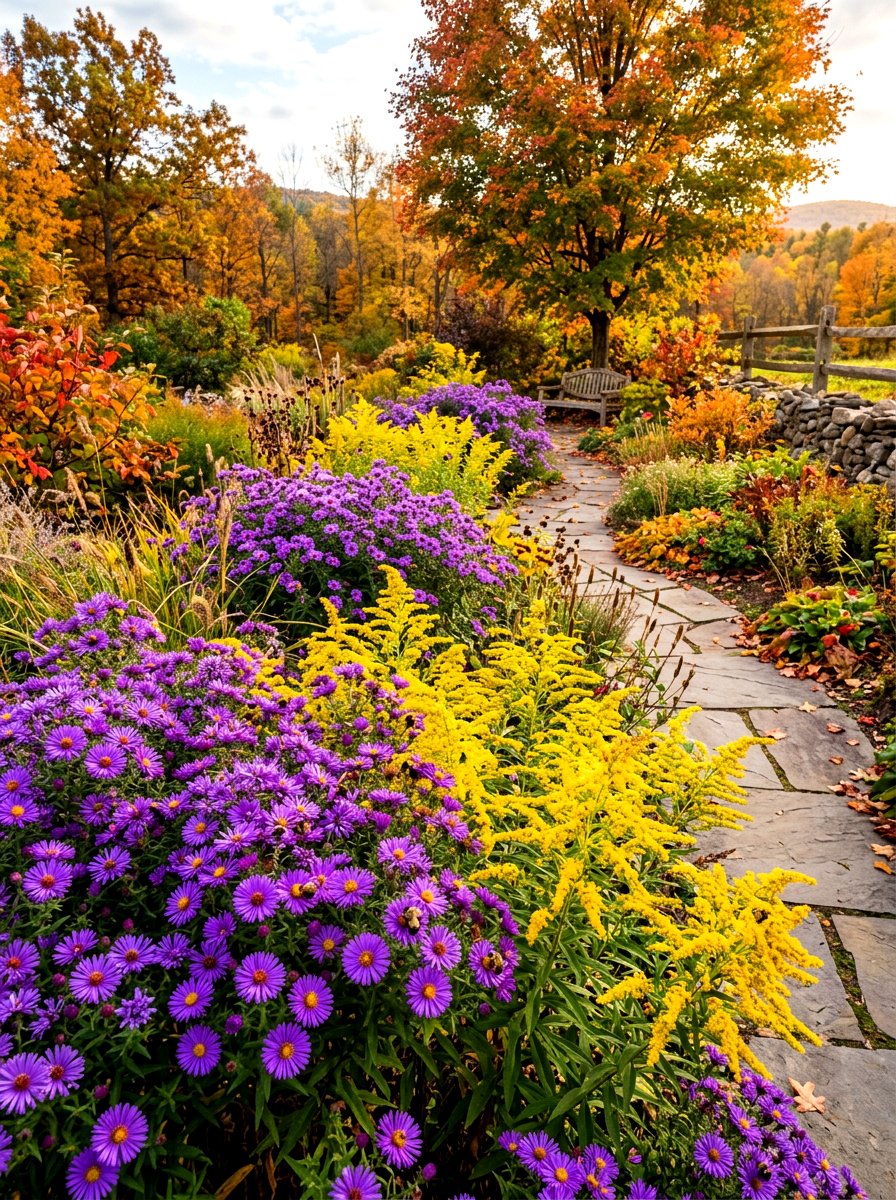
Providing late season pollinator plants is essential for supporting migratory species like Monarch butterflies and helping bees stock up for the winter. Many gardens tend to fade in late summer, but a well-designed border includes plenty of autumn bloomers to fill this critical gap. Asters and goldenrods are the superstars of the fall garden, offering vibrant purples and yellows when most other plants have gone to seed. These late bloomers are often incredibly hardy and can withstand the first light frosts, continuing to provide food for late-flying insects. Including these species ensures that your garden remains a vital life-support system until the very end of the growing season, contributing to the long-term survival of local populations.
13. Spring Blooming Pollinator Border
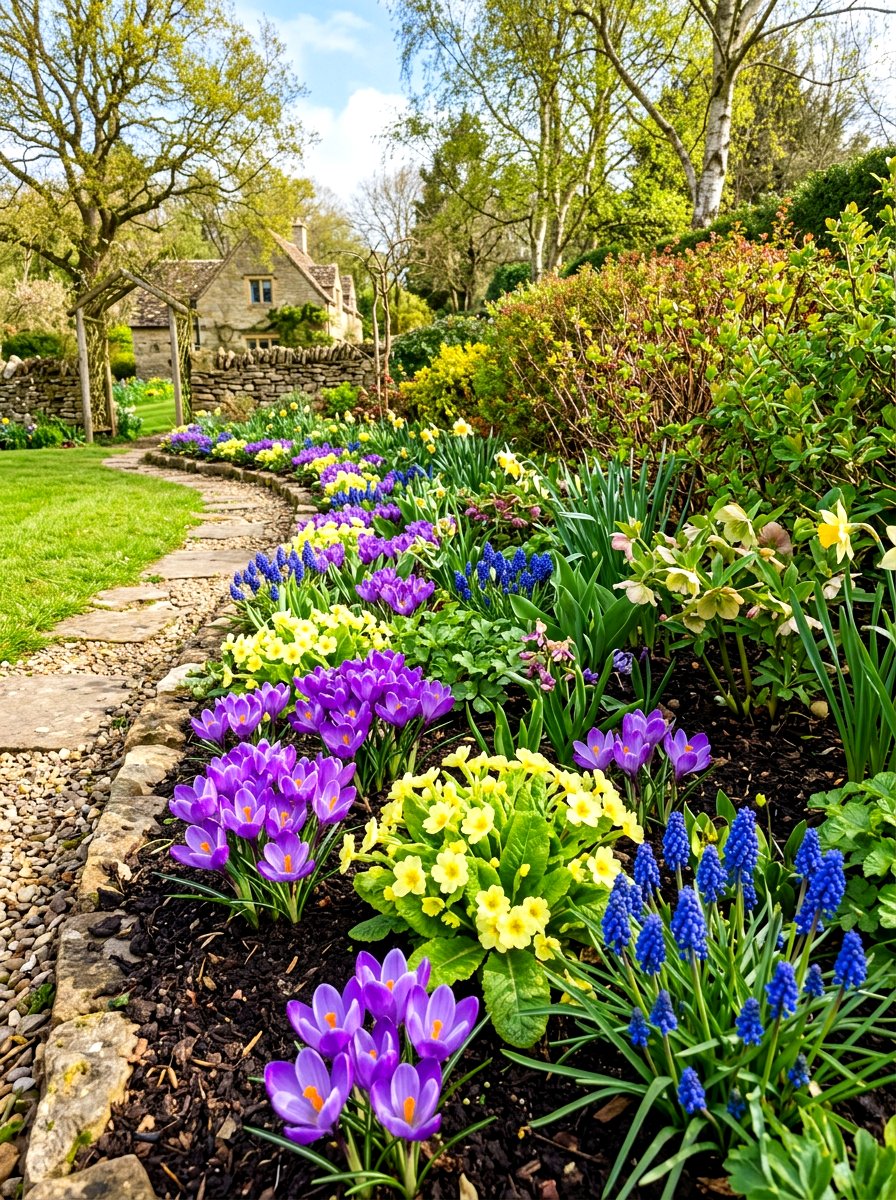
A spring blooming pollinator border is vital for insects emerging from hibernation when food sources are often scarce and temperatures are still fluctuating. Early flowers like hellebores, primroses, and spring ephemerals such as Virginia bluebells provide high-quality nectar when it is needed most. Incorporating flowering bulbs like crocus and grape hyacinths into your border can offer an even earlier start to the foraging season. These early blooms not only help the bees but also provide a cheerful burst of color to the garden after a long, gray winter. By planning for the very start of the year, you establish your garden as a reliable and trusted destination for local wildlife as they begin their active cycles again.
14. Fragrant Pollinator Garden Bed
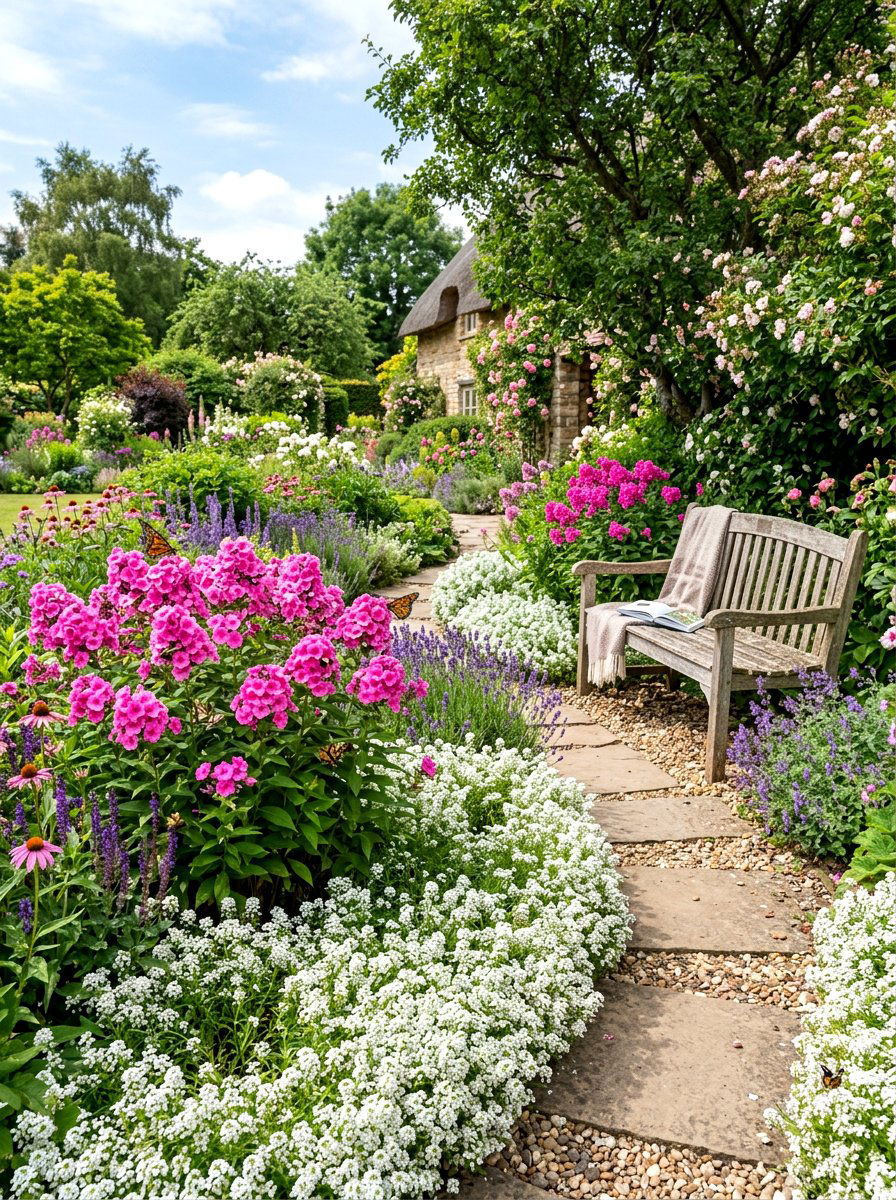
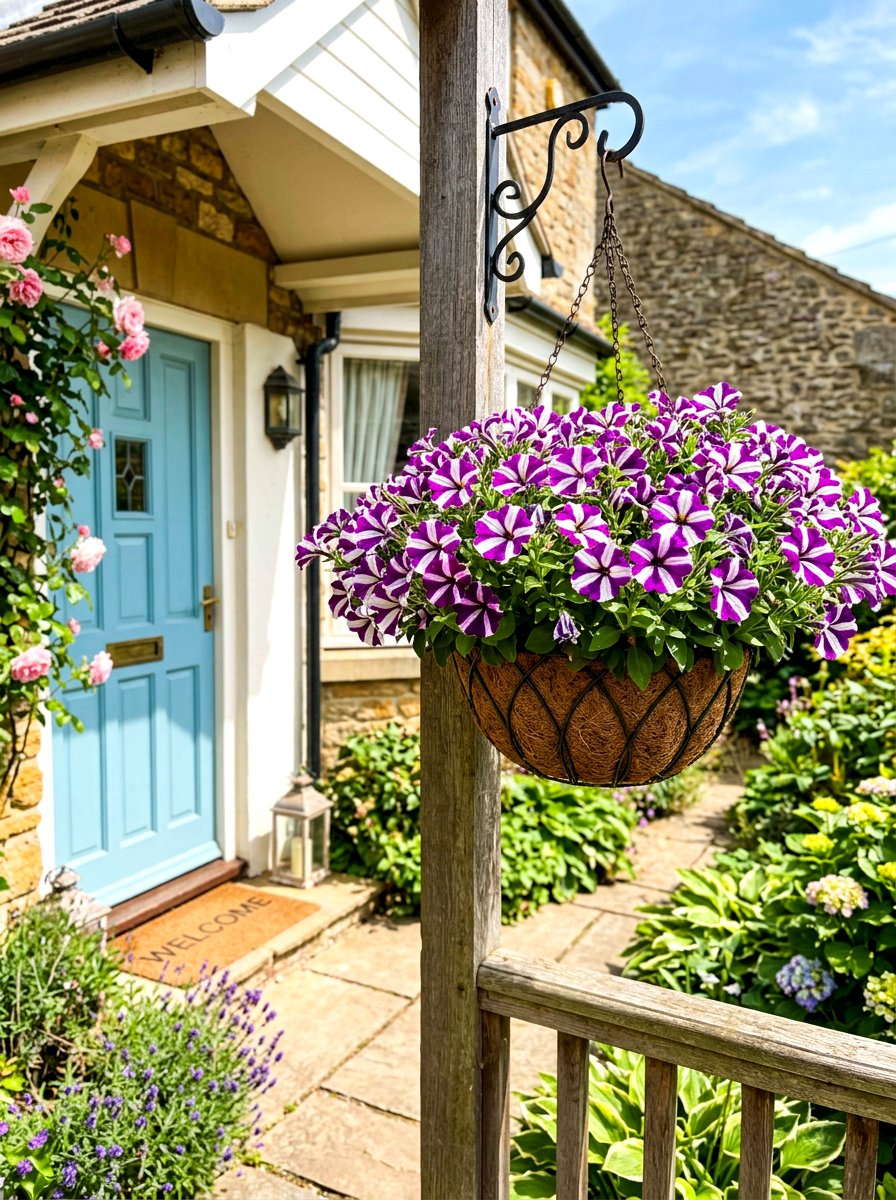
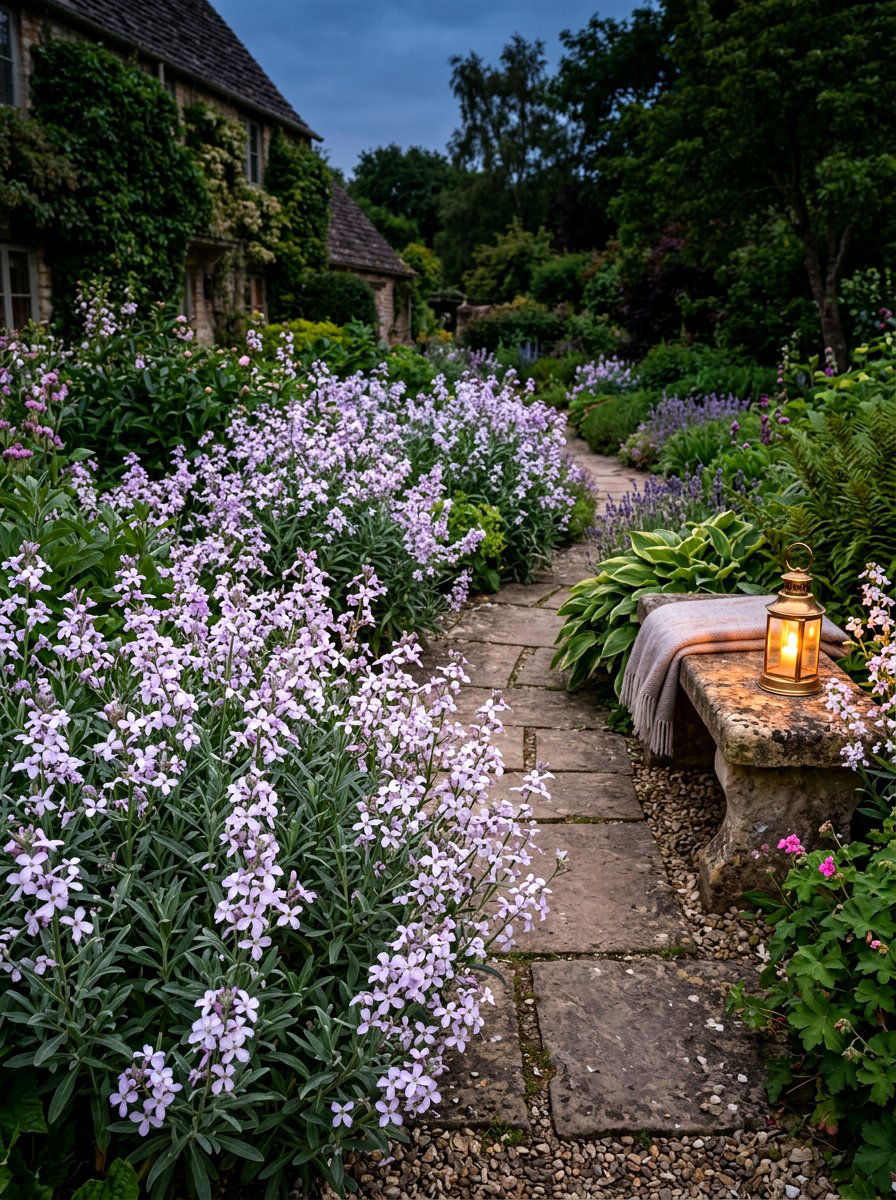
A fragrant pollinator garden bed uses scent to guide insects to their floral rewards while providing a delightful experience for any person walking nearby. Many pollinators, especially moths and certain bees, rely heavily on their sense of smell to locate flowers from a distance. Sweet-scented plants like sweet alyssum, jasmine, and phlox create an invisible trail of perfume that leads visitors directly to your border. These aromatic plants are often best placed near seating areas or windows where the fragrance can be enjoyed by homeowners as well. The combination of beautiful colors and intoxicating scents creates a rich, immersive environment that benefits both the tiny creatures and the people who tend to the garden daily.
15. Monarch Butterfly Milkweed Border
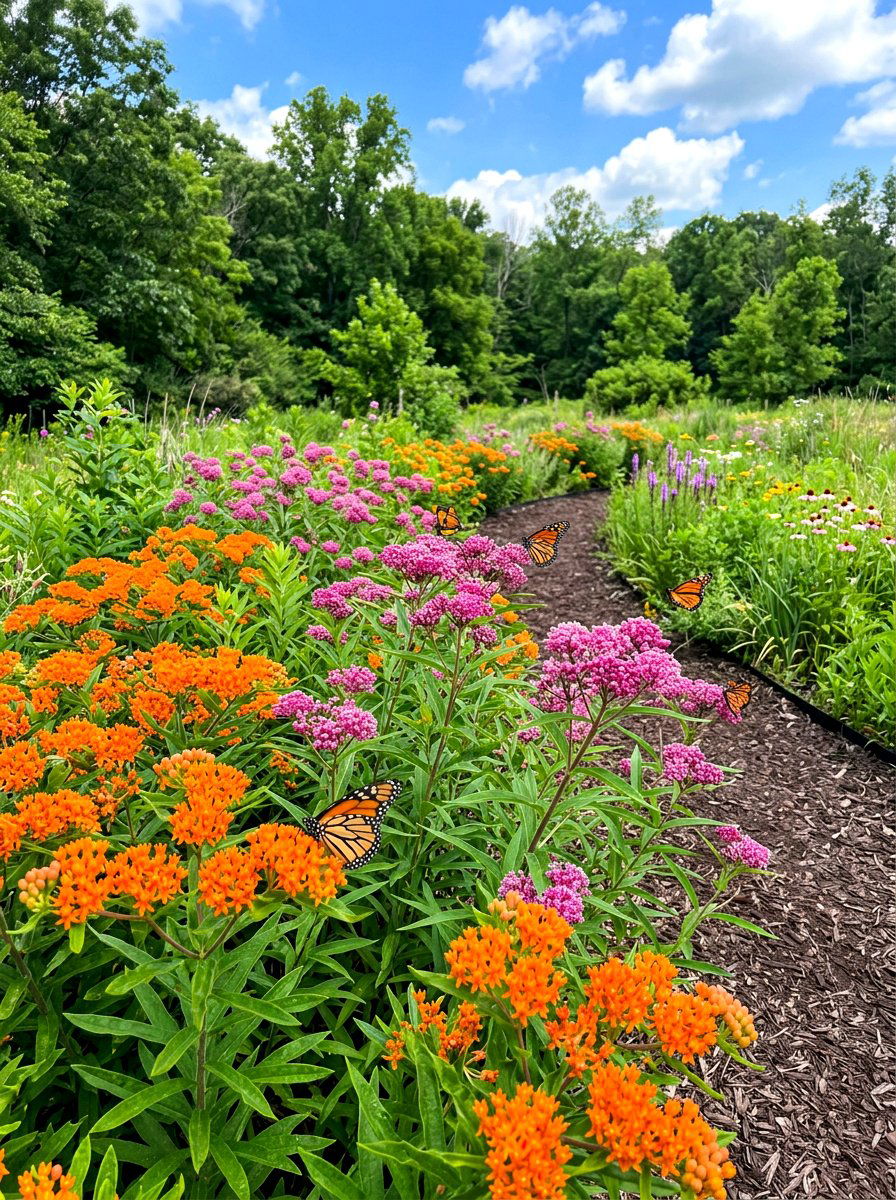
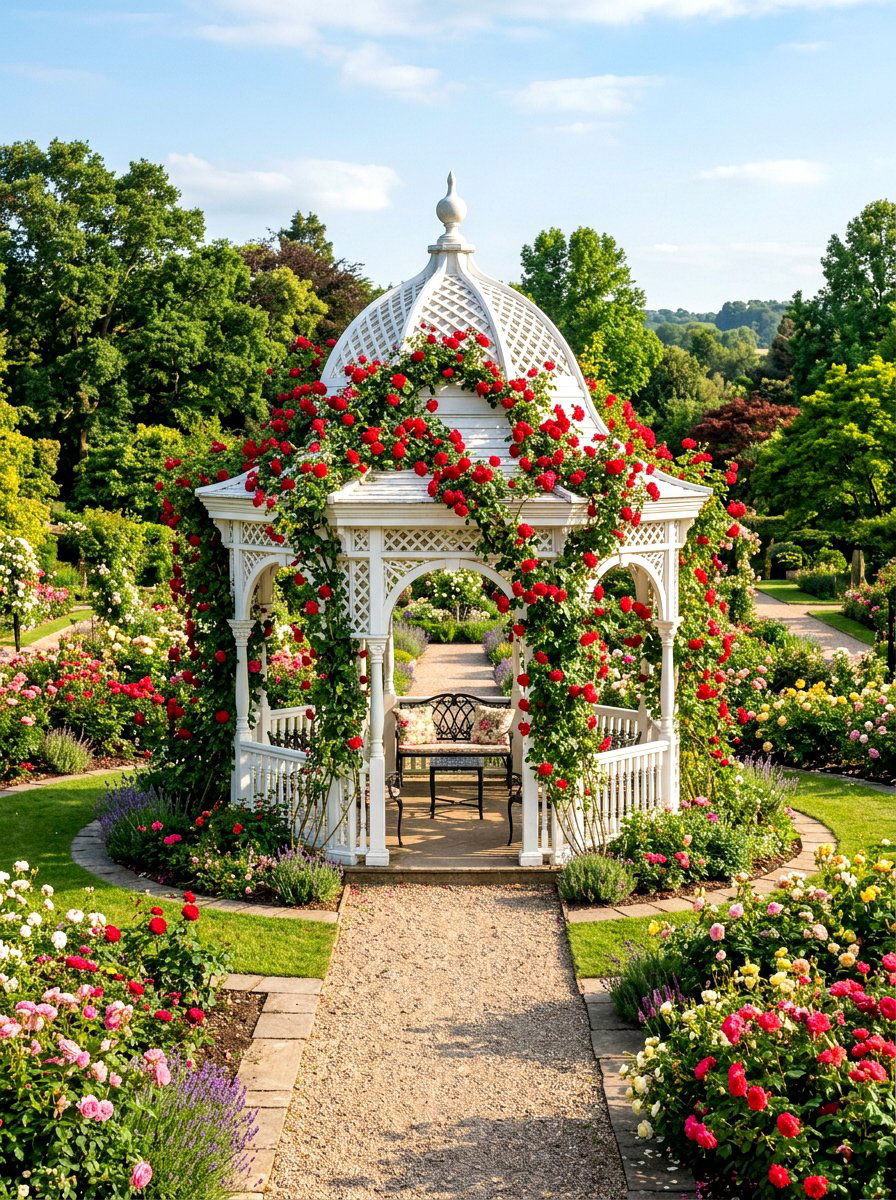
Creating a Monarch butterfly milkweed border is a specific and impactful way to help a species that has faced significant population declines. Milkweed is the only plant that Monarch caterpillars can eat, making it an absolute necessity for their survival and successful reproduction. There are several varieties available, such as swamp milkweed for wet areas or butterfly weed for sunny, well-drained spots. These plants produce beautiful clusters of flowers that are also highly attractive to a wide variety of other pollinators. By dedicating a section of your garden to milkweed, you become part of a larger network of "Monarch waystations" that support these iconic butterflies on their incredible multi-generational migrations across the entire North American continent.
16. Small Space Pollinator Border
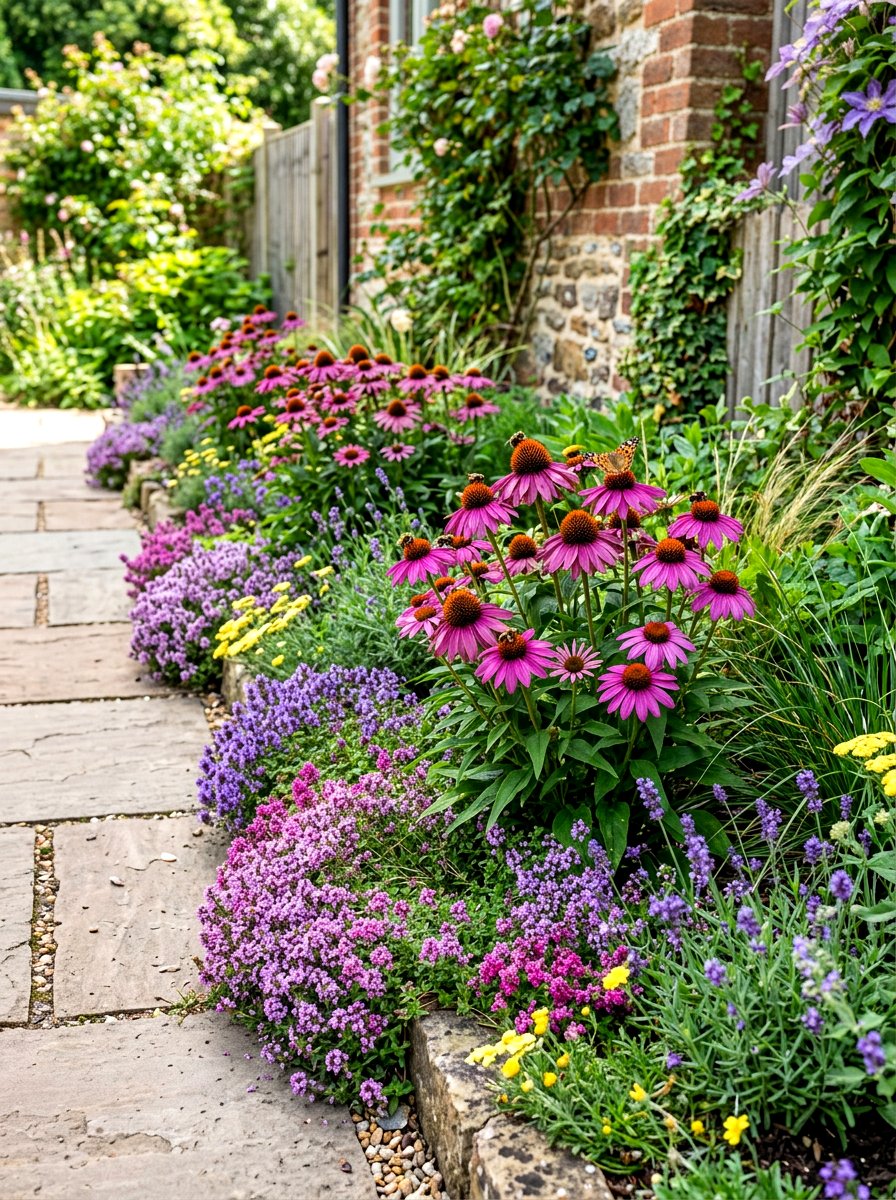
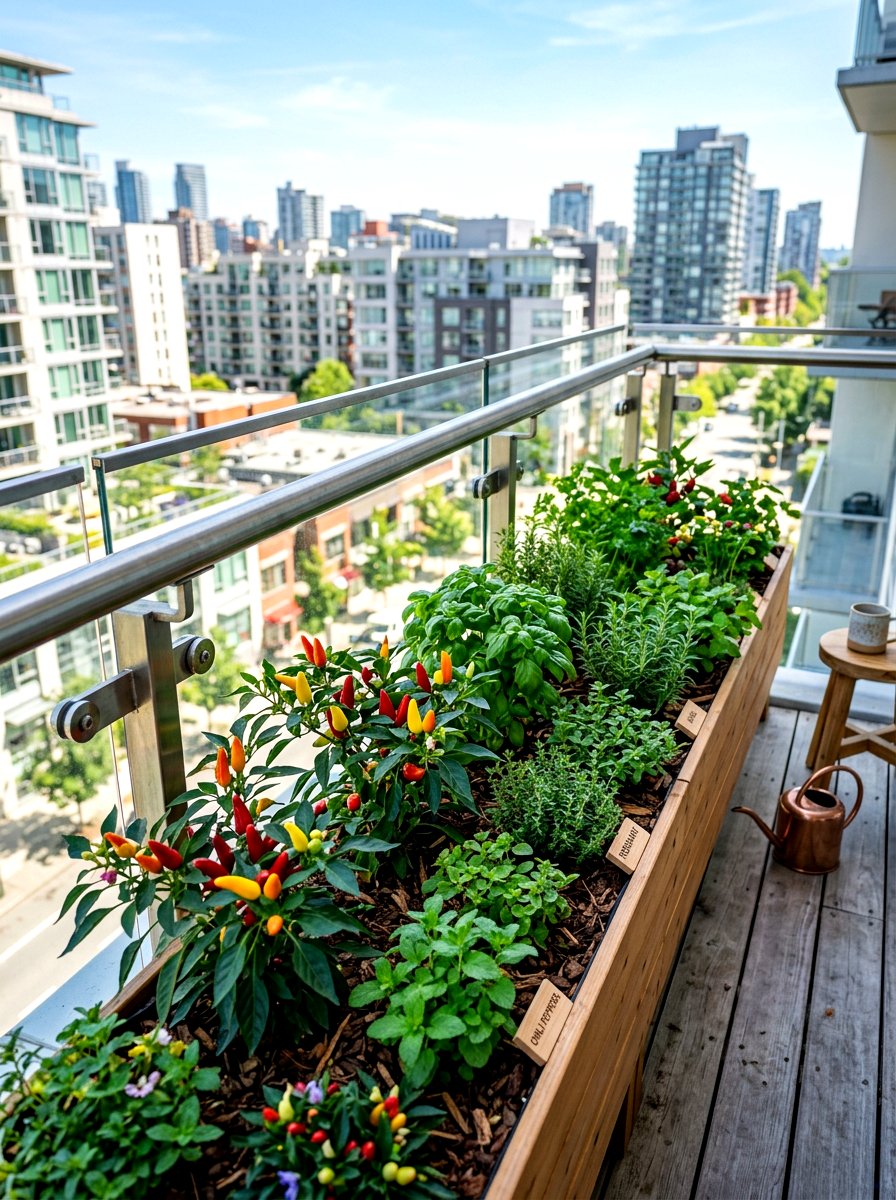
A small space pollinator border proves that you do not need a massive estate to make a significant difference for local wildlife. Narrow strips along a driveway, small balcony containers, or tiny urban front yards can all be transformed into productive habitats with the right plant choices. Focus on compact varieties of popular pollinator plants, such as dwarf coneflowers, creeping thyme, or small-stature salvias. Vertical elements, like trellises for climbing honeysuckle, can maximize the available space without crowding the ground. Even a few well-chosen pots of nectar-rich flowers can provide a much-needed "pit stop" for a traveling bee or butterfly in a dense city environment. Every square inch of intentional planting contributes to the overall urban ecosystem.
17. Rock Garden Pollinator Plants
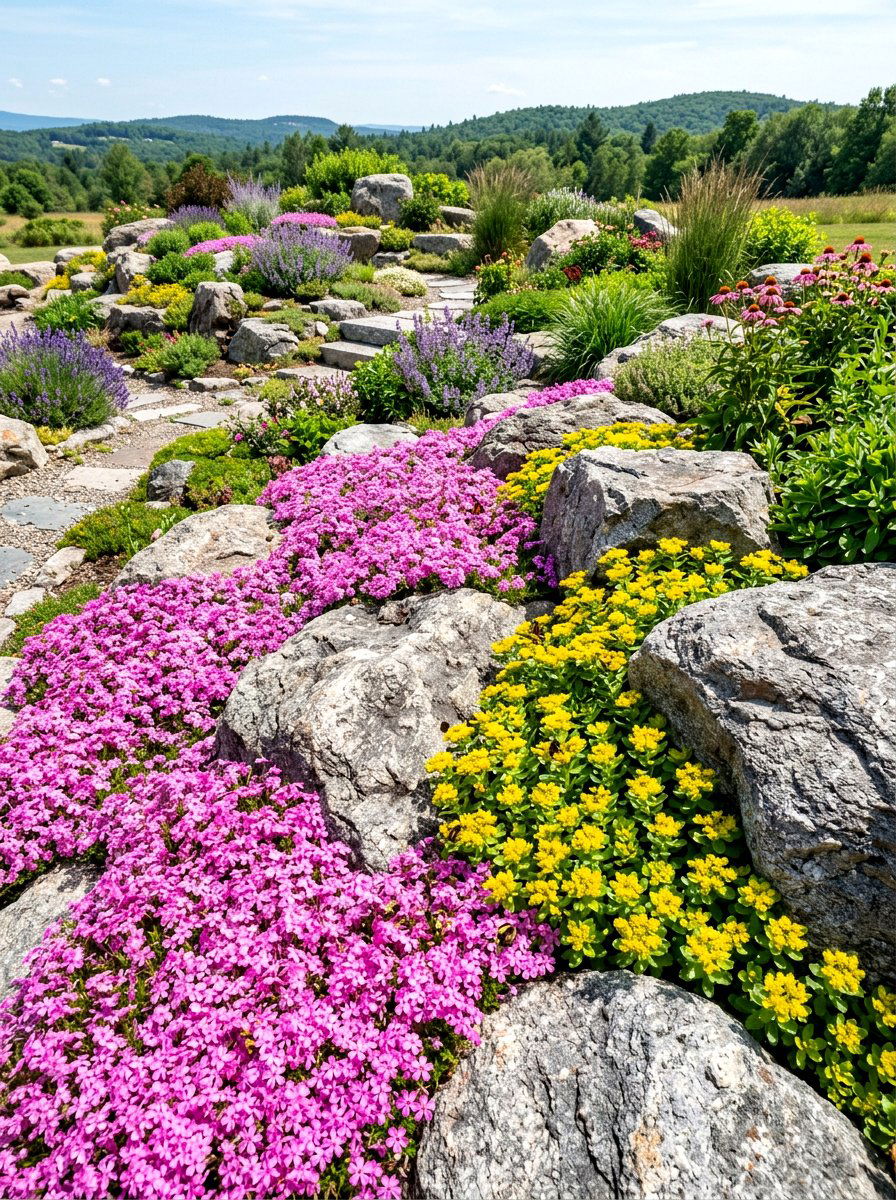
Integrating rock garden pollinator plants into your landscape allows you to utilize challenging, stony, or sloping areas while supporting diverse insect life. Many alpine and rock-loving species, such as creeping phlox, stonecrop, and basket-of-gold, are excellent nectar sources that thrive in sharp-draining soil. The rocks themselves serve a dual purpose, absorbing heat during the day to provide warm basking spots for butterflies and beetles. This type of border is visually striking, offering a rugged and naturalistic aesthetic that pairs perfectly with larger stones and gravel mulches. It is an ideal solution for areas where traditional garden soil might be too poor or too dry for thirstier perennials, requiring very little maintenance once the plants take root.
18. Tiered Flower Bed Layout
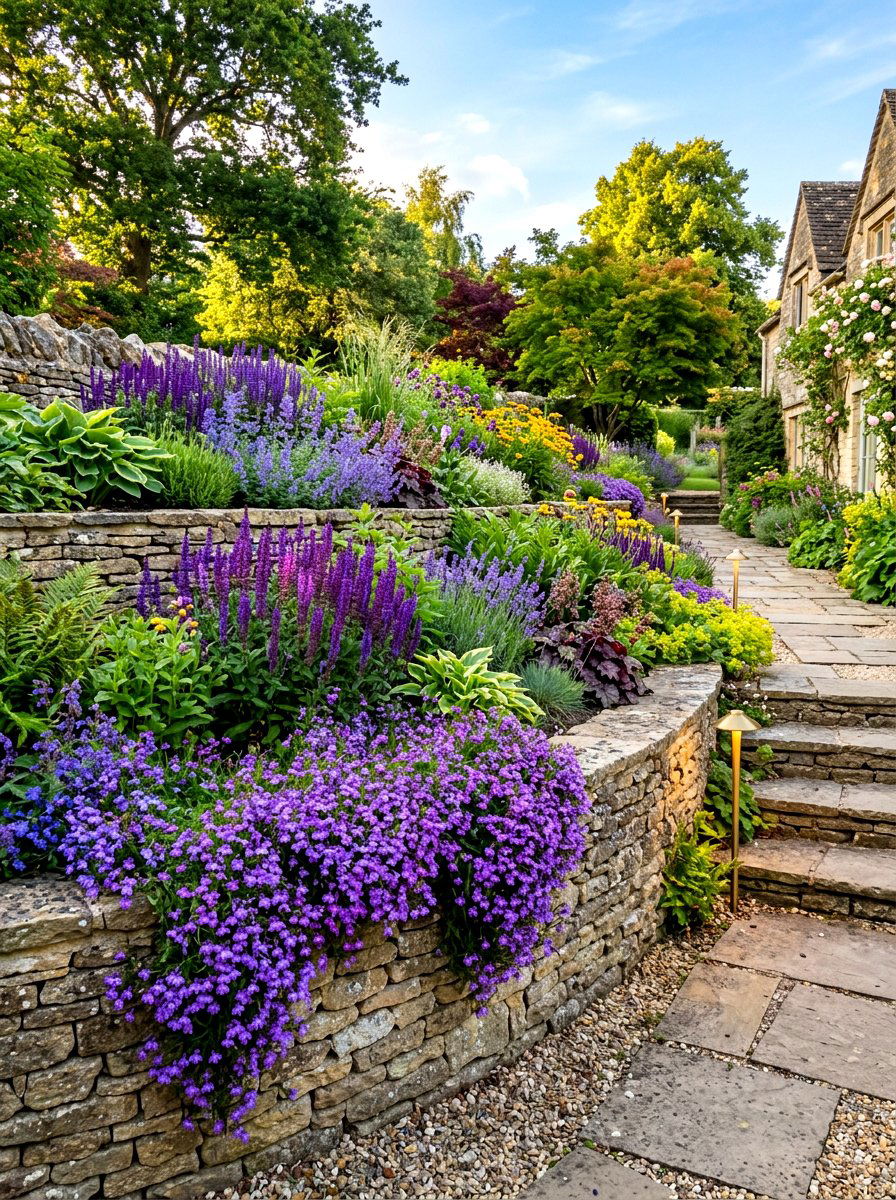
A tiered flower bed layout is an excellent way to organize a pollinator border on a slope or to create a more formal, structured appearance. By using retaining walls or terraced levels, you can easily separate plants by height, ensuring that every flower is visible and accessible to both viewers and pollinators. The top tier might feature tall shrubs or sun-loving grasses, while the middle and lower levels can hold a mix of medium perennials and low-growing groundcovers. This arrangement prevents larger plants from shading out smaller ones, maximizing the amount of sunlight and airflow within the border. The clear definition of space makes it easier to maintain and harvest seeds, while providing a stunning, multi-dimensional display.
19. Purple Pollinator Garden Theme
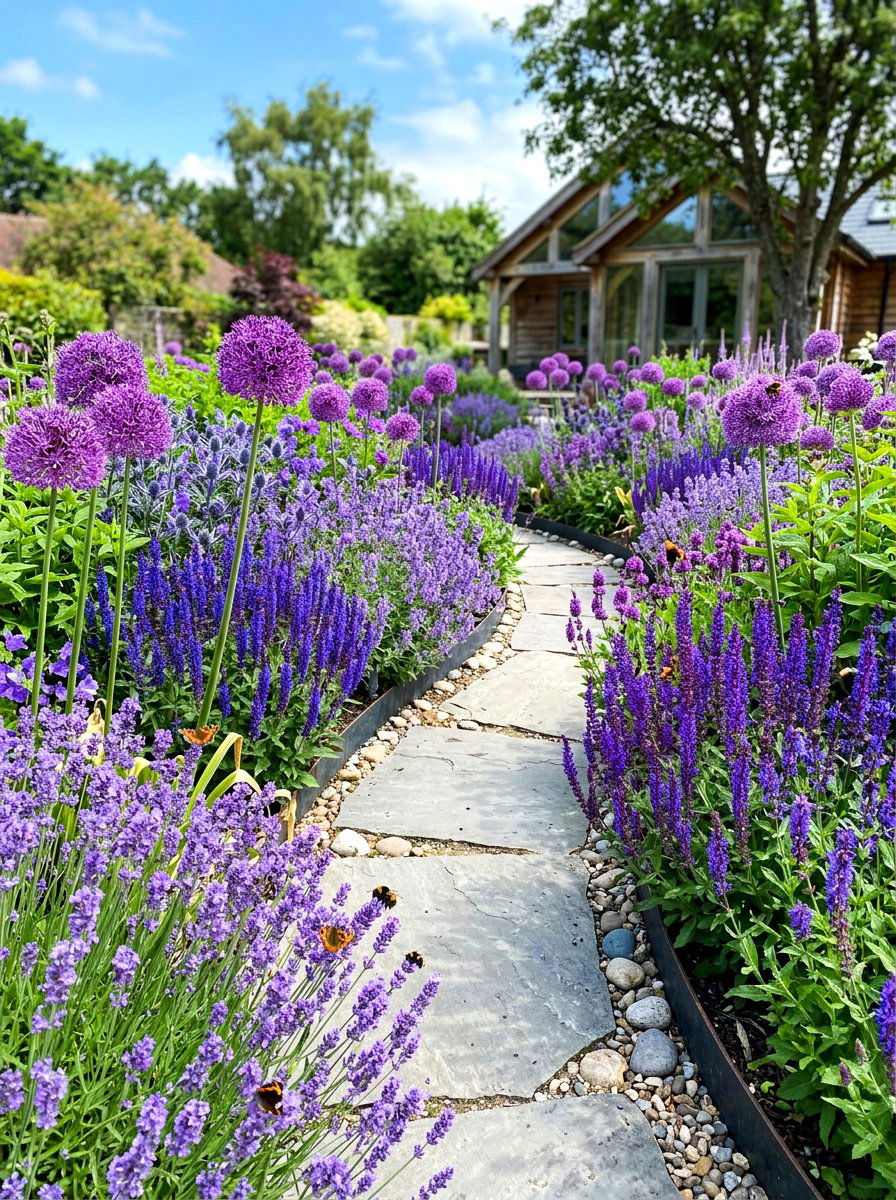
Designing a purple pollinator garden theme is a popular choice because many bees and butterflies are biologically programmed to find the color purple highly attractive. Flowers in shades of lavender, violet, indigo, and plum often signal a high nectar content to foraging insects. You can create a visually cohesive and sophisticated look by mixing different textures within this single color palette. Consider using spikes of salvia, rounded heads of allium, and soft clusters of catmint to provide variety in floral structure. The cool tones of a purple garden create a serene and peaceful atmosphere in the yard, while simultaneously serving as a high-traffic destination for some of the most important pollinators in your local area.
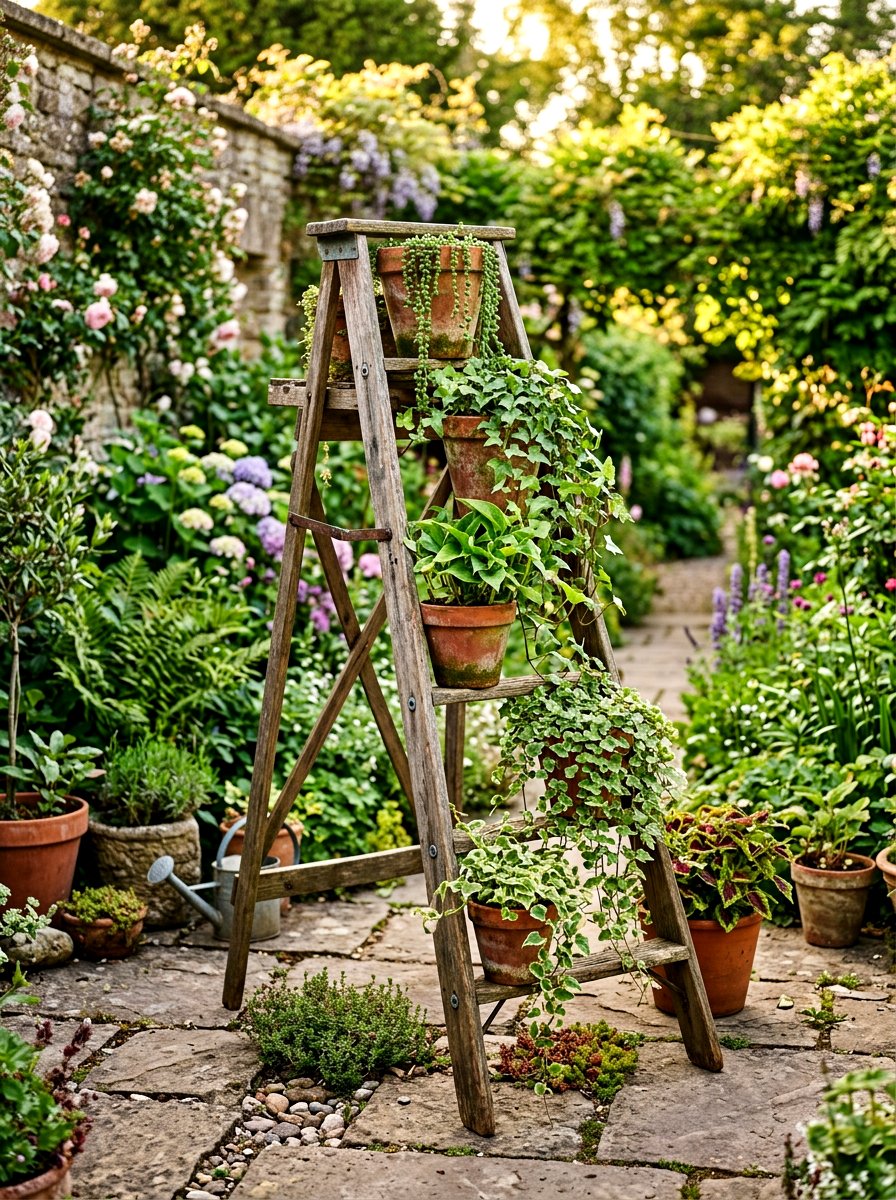
20. Edible Pollinator Border Ideas
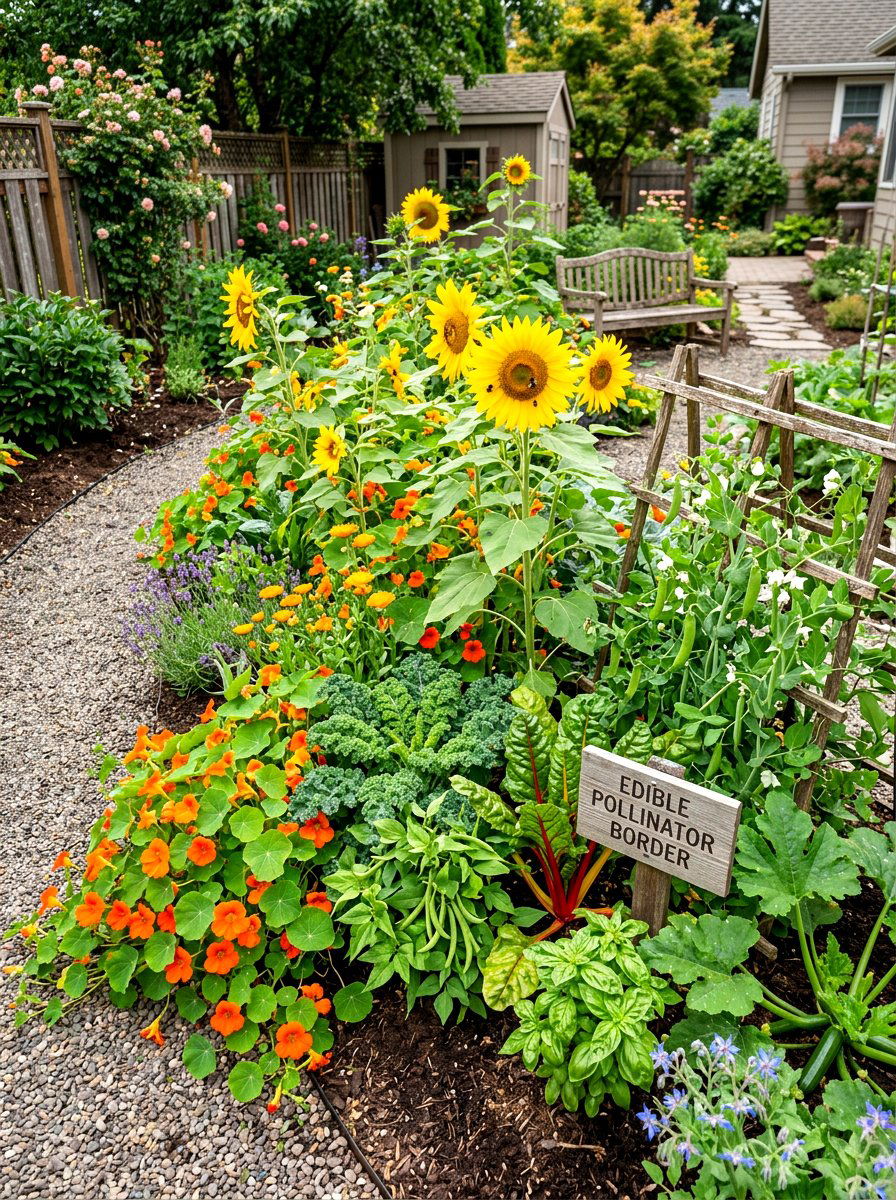
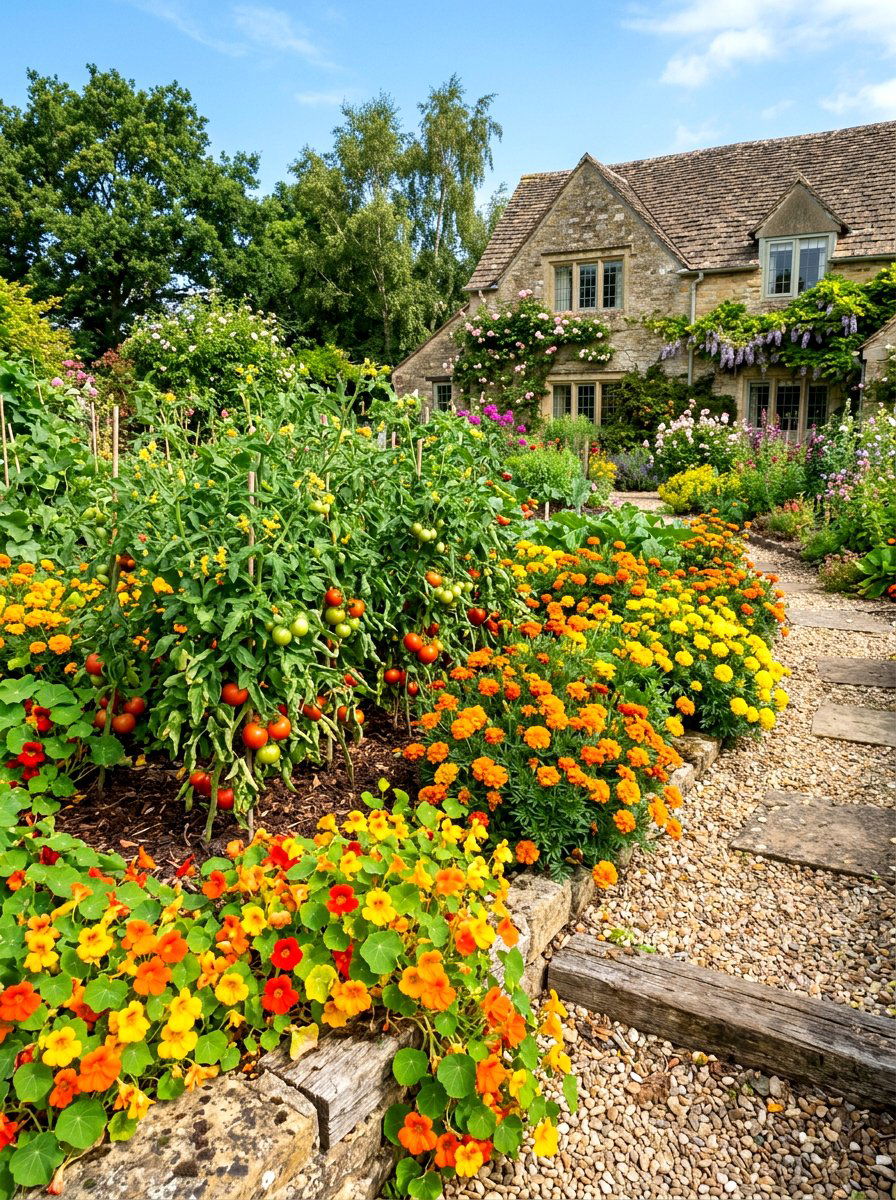
Integrating edible pollinator border ideas into your landscape allows you to grow food for yourself while providing essential resources for the insects that make that food possible. Many vegetable and fruit crops, such as strawberries, raspberries, and squash, rely heavily on bee pollination to produce a successful harvest. By planting flowers like nasturtiums, calendula, and sunflowers among your edible plants, you can attract more pollinators directly to your crops. This companion planting approach often leads to higher yields and healthier plants. Additionally, many of the flowers themselves are edible and can be used to garnish salads or desserts. It is a win-win strategy that turns your garden into a highly productive and beautiful ecosystem.
21. Vertical Pollinator Garden Wall
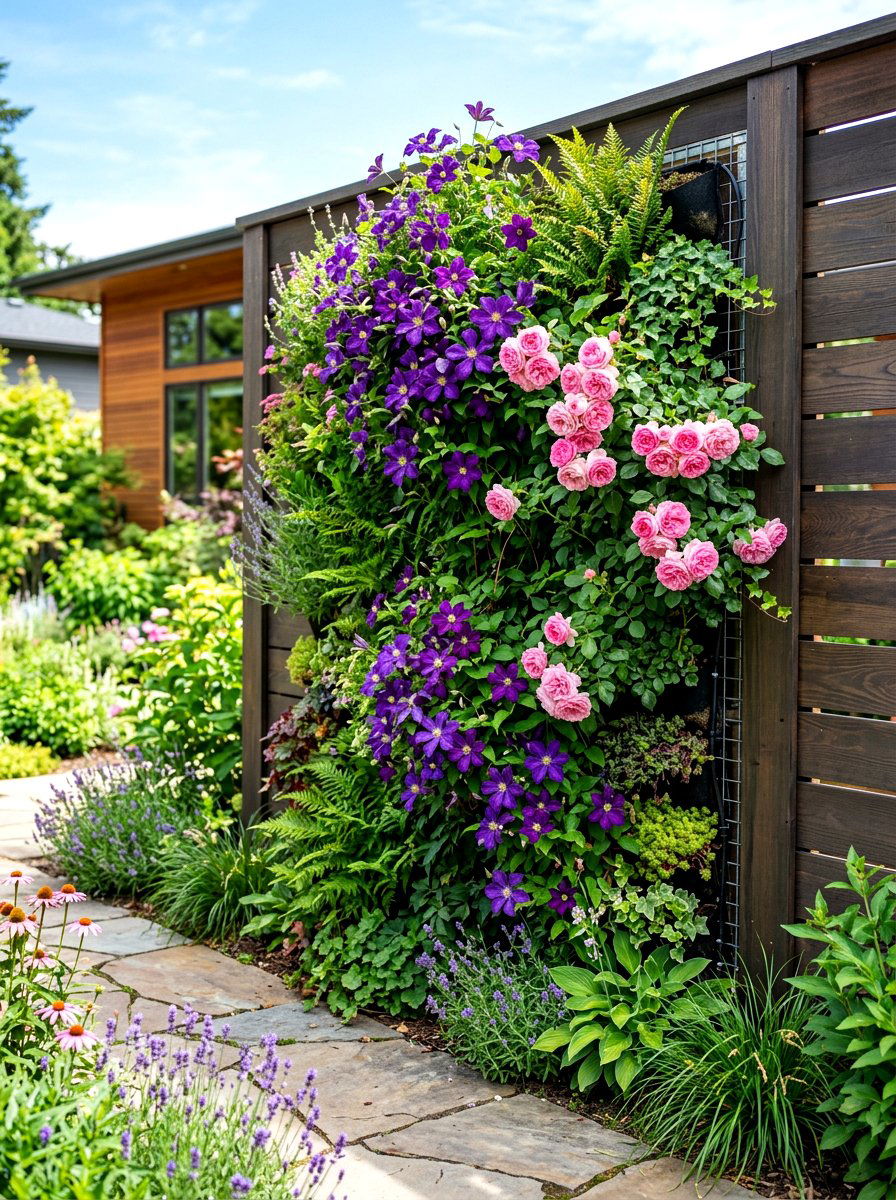
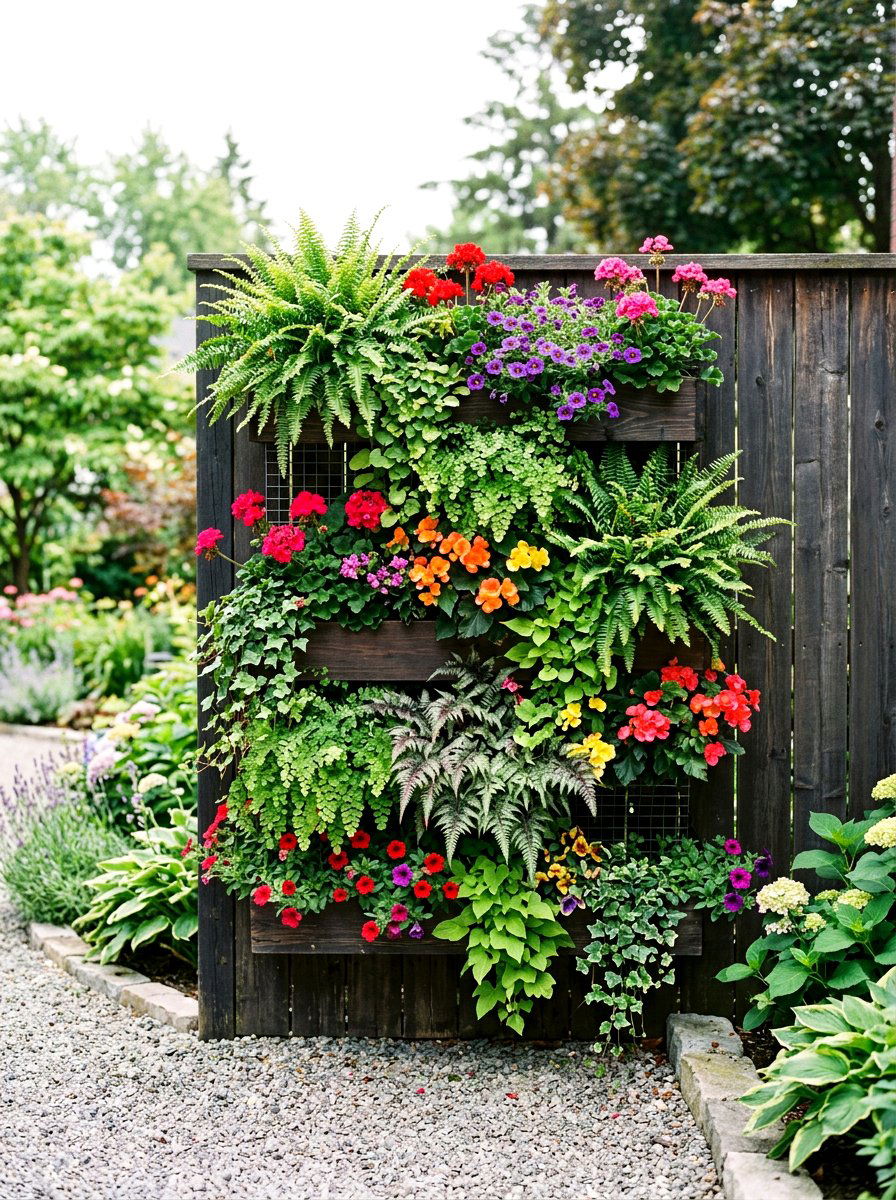
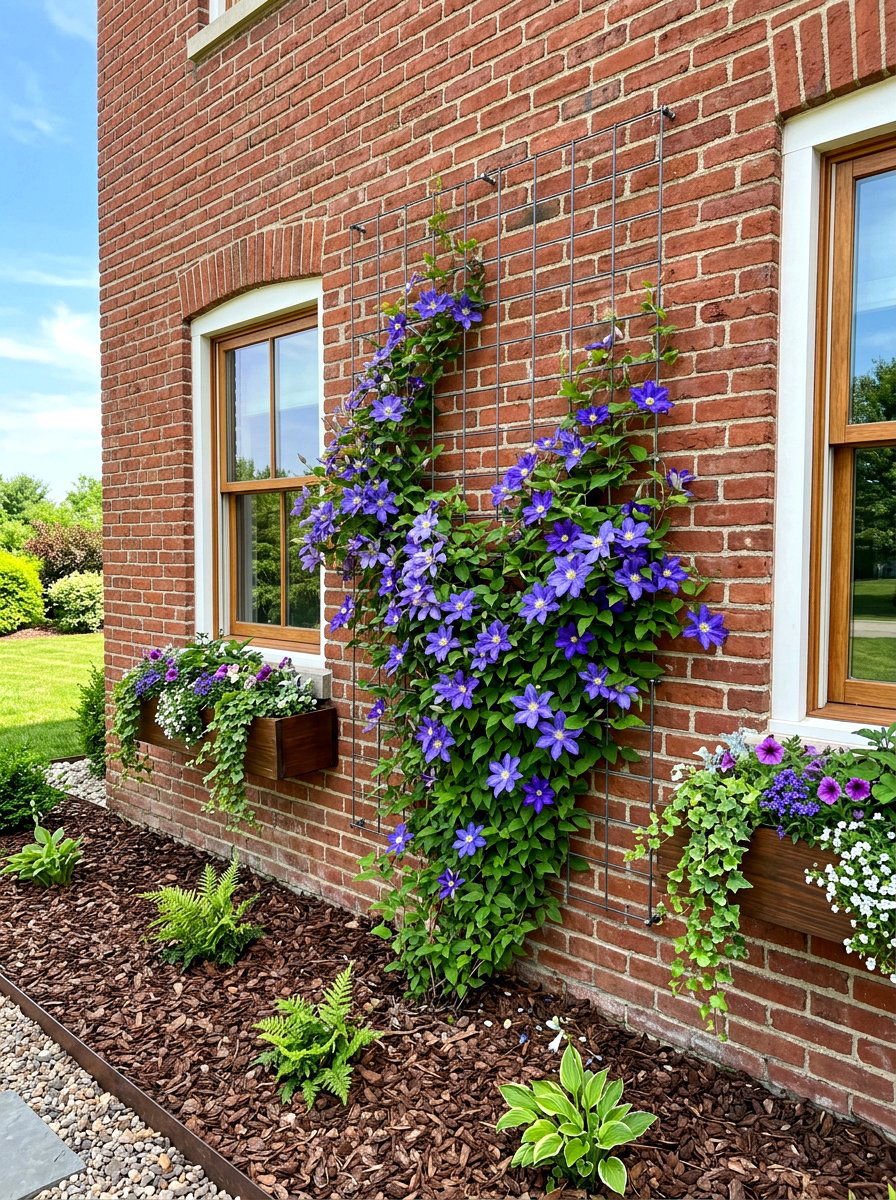
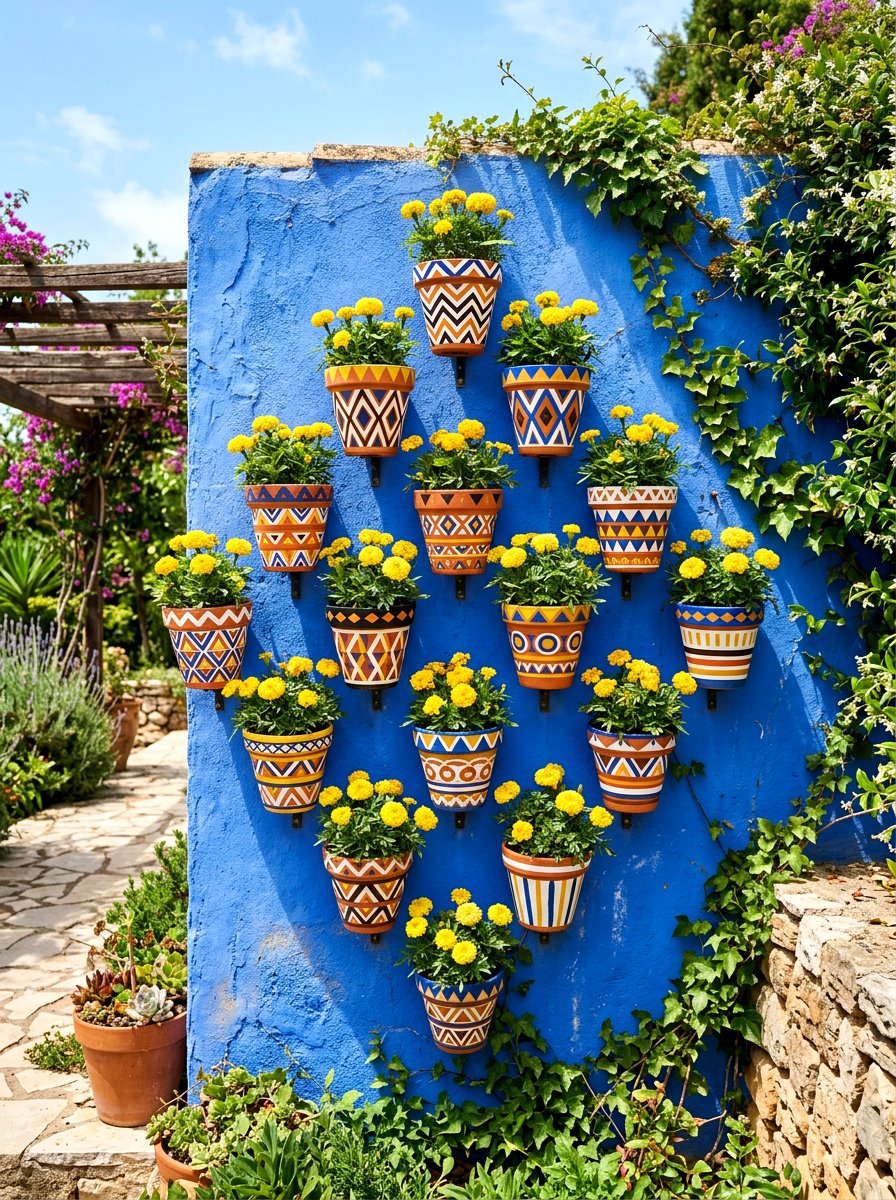
A vertical pollinator garden wall is a modern and space-saving solution for urban dwellers or anyone with limited ground space. By using wall-mounted planters, pocket systems, or trellises, you can grow a lush carpet of flowers on a fence or side of a building. Climbing plants like clematis, climbing hydrangea, and passionflower are excellent for this purpose, providing vertical interest and plenty of nectar. These living walls not only support pollinators but also help insulate buildings and reduce urban heat. Ensuring the wall receives adequate sunlight and has a reliable irrigation system is key to its success. This innovative design brings nature up to eye level, creating a stunning focal point that buzzes with life and vibrant color.
22. Blue Flower Bee Garden
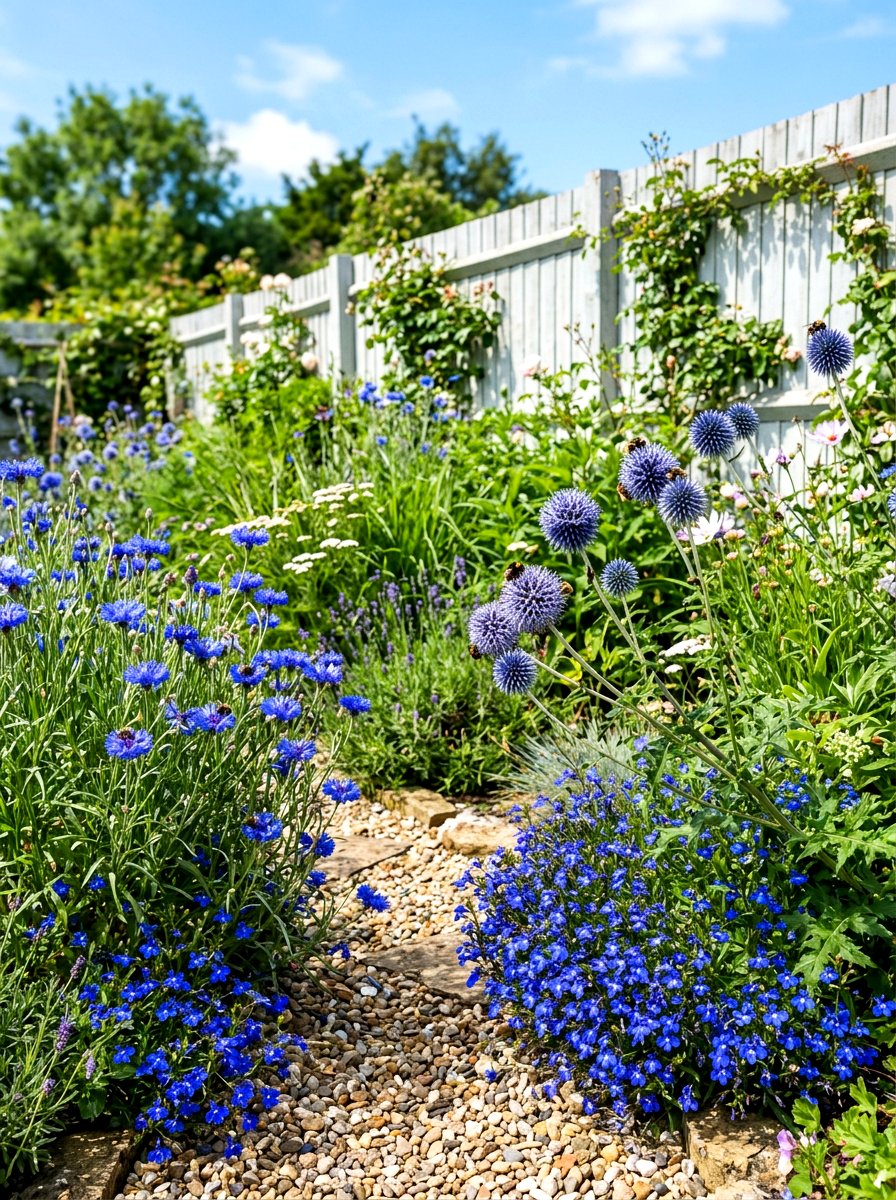
Focusing on a blue flower bee garden is a smart strategic choice because bees can see the blue and ultraviolet spectrum more clearly than most other colors. Blue flowers often act like bright neon signs for honeybees and bumblebees, directing them toward a reliable meal. Species like bachelor's buttons, globe thistle, and blue lobelia are fantastic additions that will keep your garden active throughout the day. Combining these with silvery foliage creates a cool, elegant aesthetic that feels refreshing during the hot summer months. Because true blue is a relatively rare color in the plant world, a dedicated blue border stands out as a unique and beautiful feature that provides specialized support for our most important pollinators.
23. Wild Garden Border Design
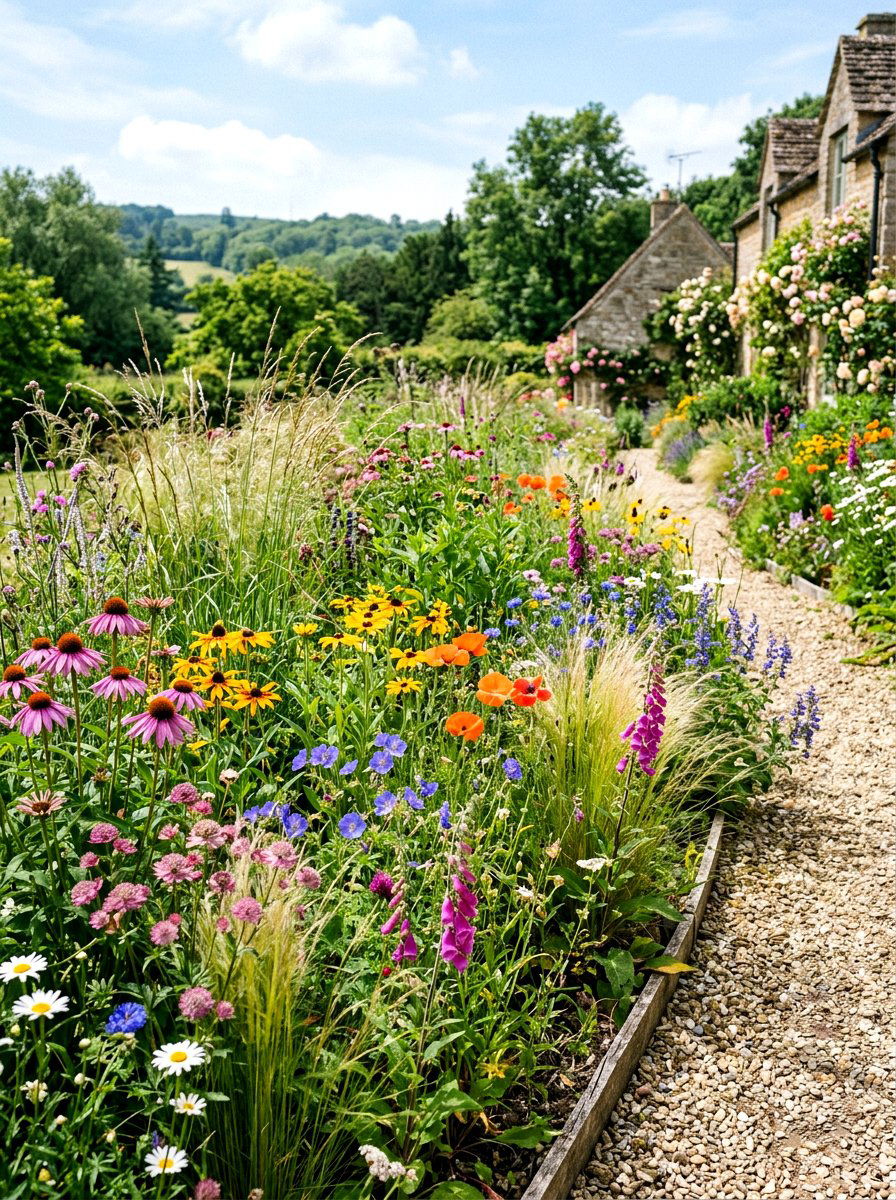
Embracing a wild garden border design means letting go of perfect symmetry and allowing plants to grow in a more natural, intertwined fashion. This approach mimics the complexity of wild ecosystems, which provides better protection and more diverse nesting opportunities for beneficial insects. Instead of heavy pruning, you might leave some spent flower heads and hollow stems over the winter to provide homes for solitary bees and larvae. This style of gardening is deeply sustainable and promotes a high level of biodiversity within the backyard. While it may look untamed, a wild garden is a carefully considered habitat that prioritizes the needs of nature over traditional aesthetic norms, resulting in a thriving, self-sustaining environment.
24. Sustainable Native Plant Border
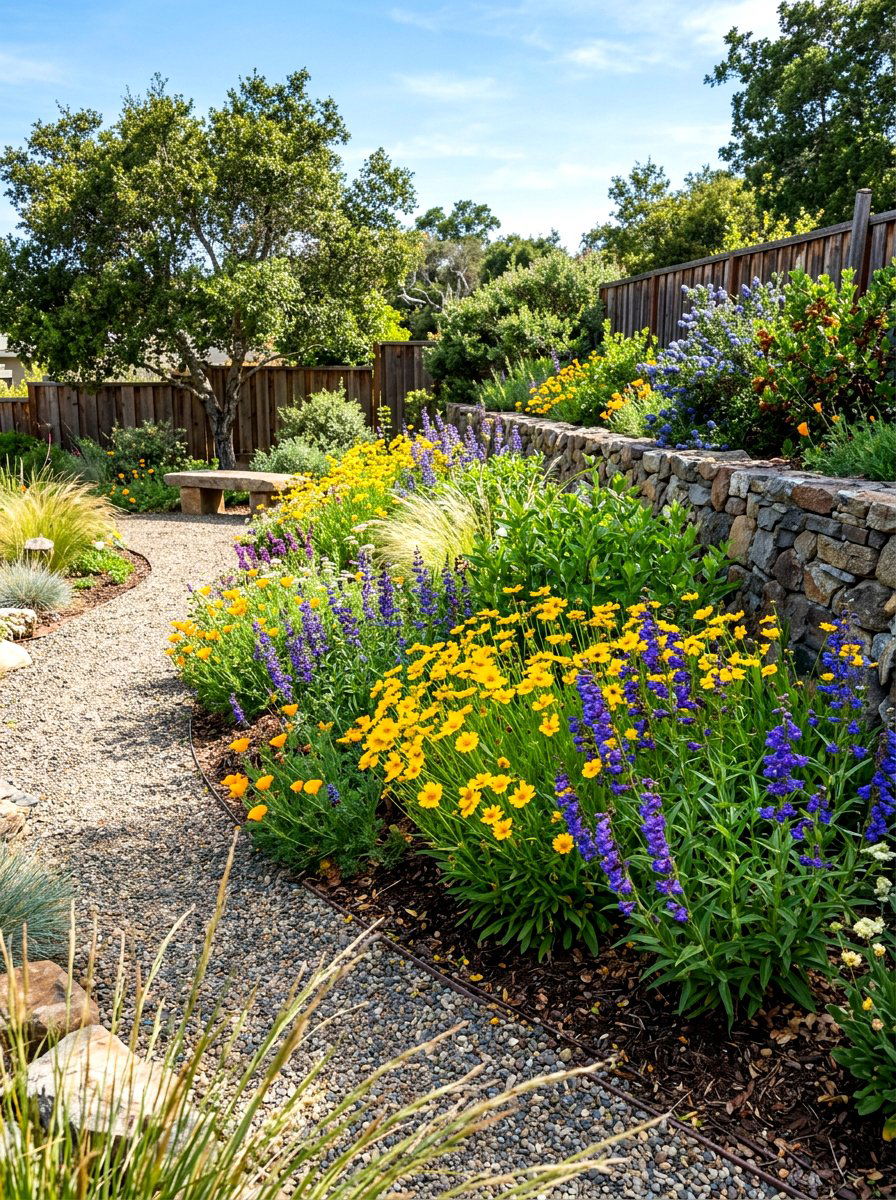
A sustainable native plant border is designed with the long-term health of the environment in mind, using species that require no chemical fertilizers or pesticides. By selecting plants that are perfectly adapted to your local soil and climate, you create a garden that essentially takes care of itself once established. These native borders are vital links in local "pollinator pathways, " helping to connect fragmented habitats in suburban and urban areas. Using permeable mulches and avoiding synthetic inputs protects the delicate larvae of butterflies and ground-nesting bees that live in the soil. This ethical approach to gardening ensures that your beautiful landscape is a truly safe haven, contributing to the restoration of local nature for future generations to enjoy.
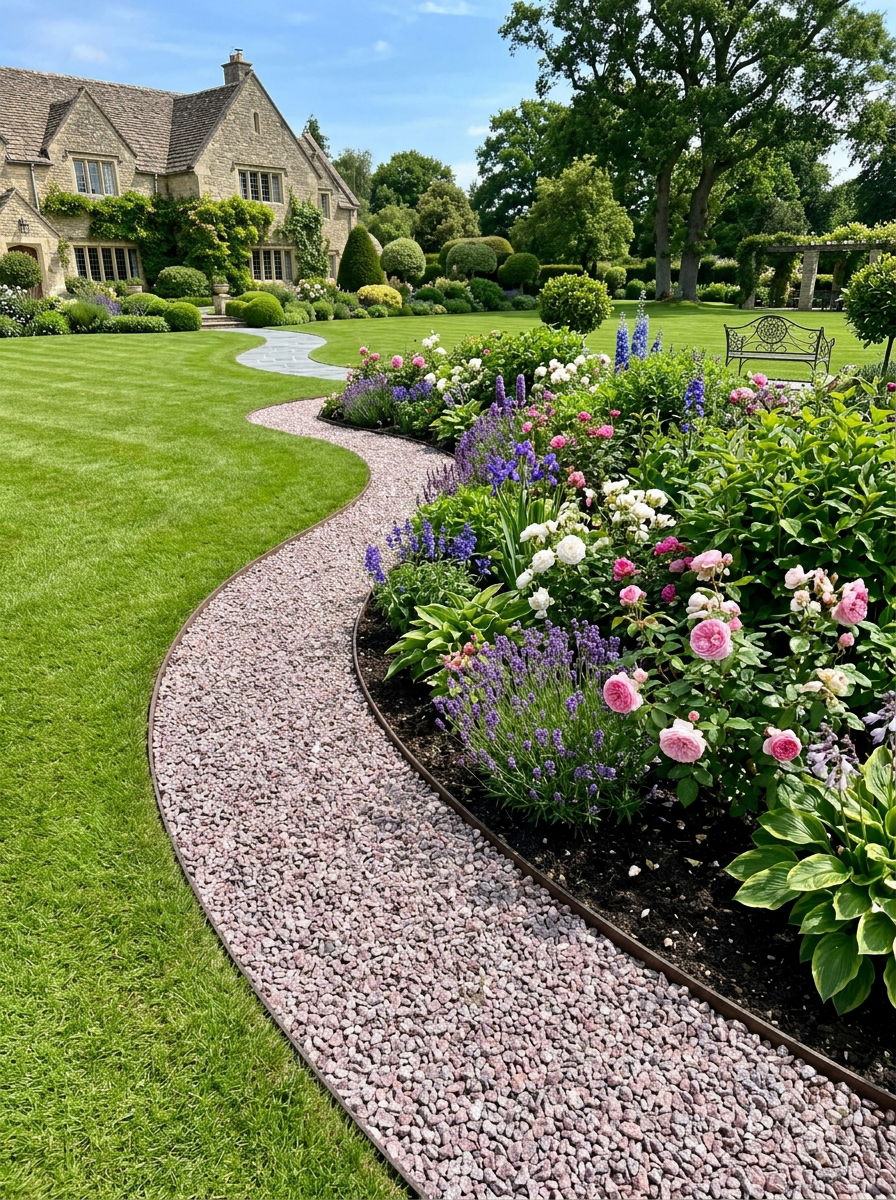
25. Pollinator Friendly Shrub Border
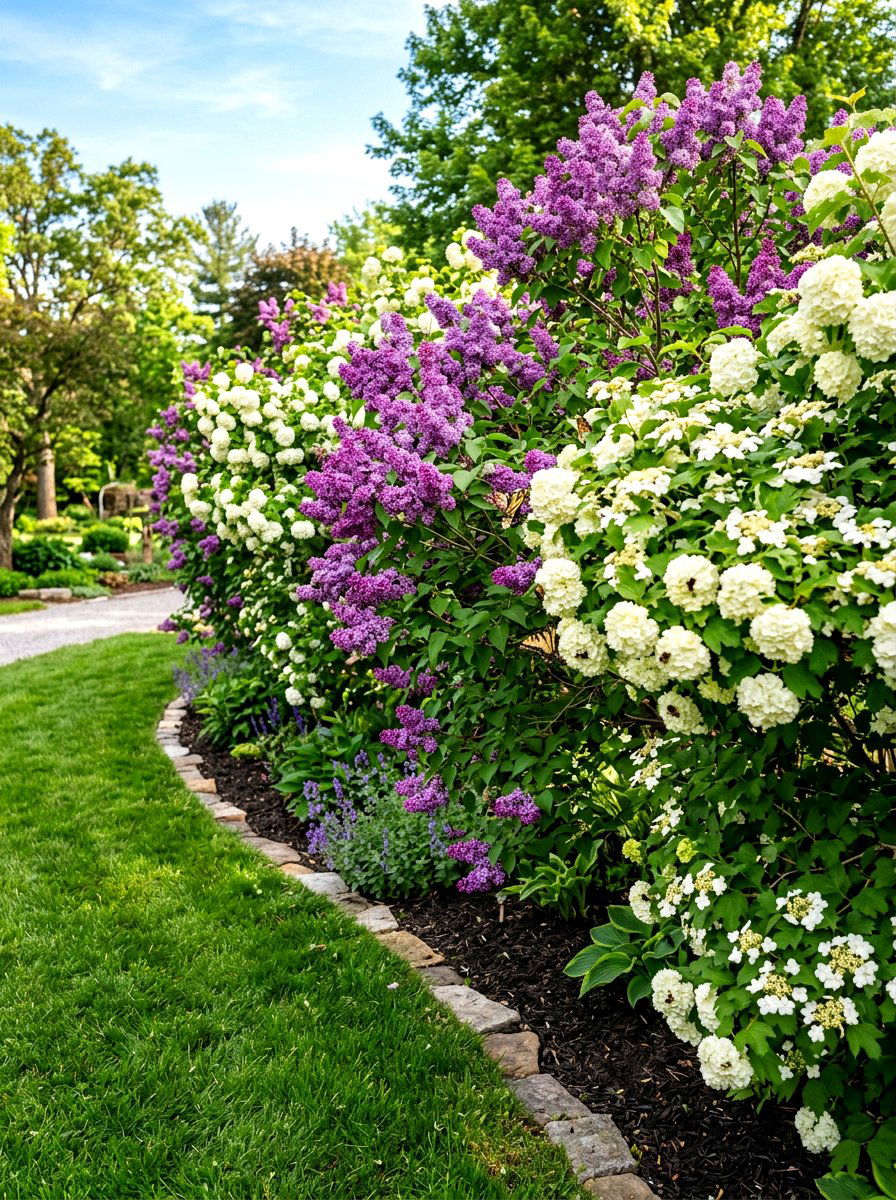
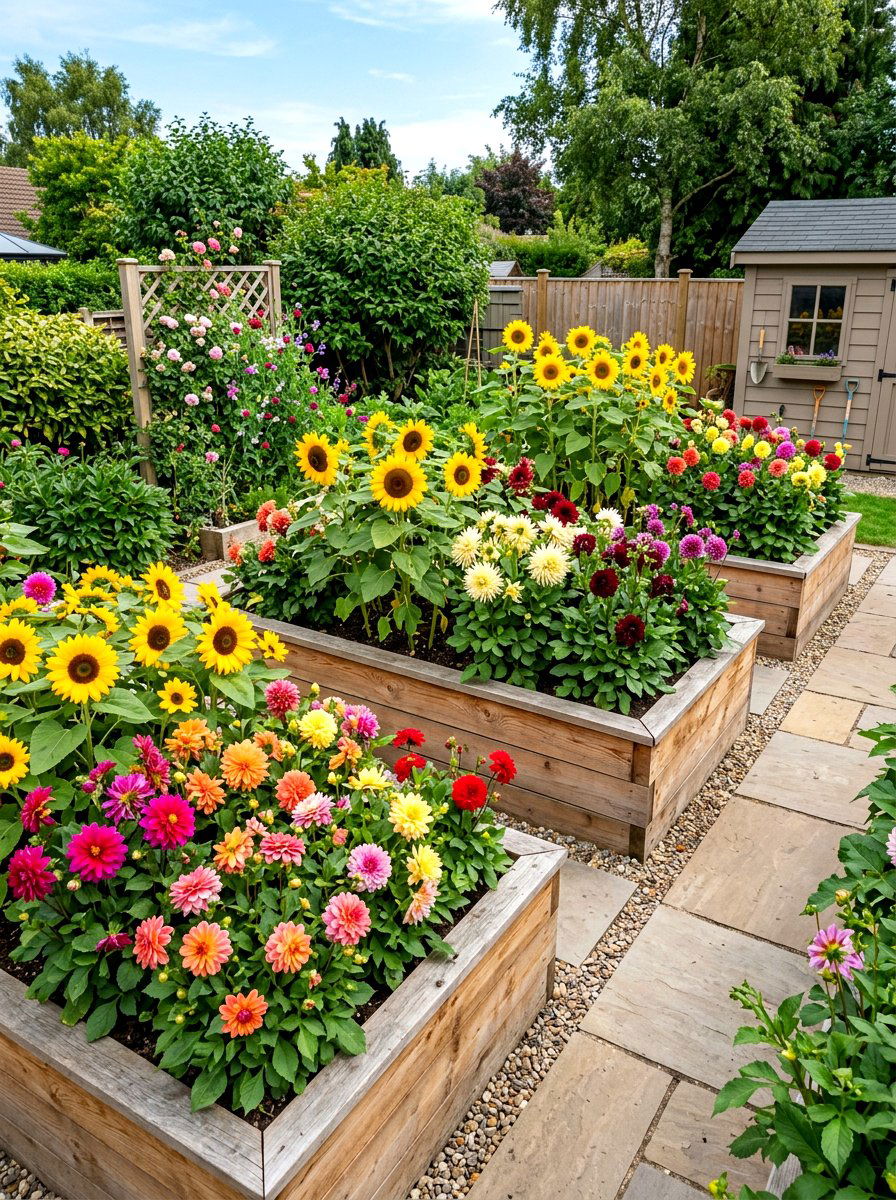
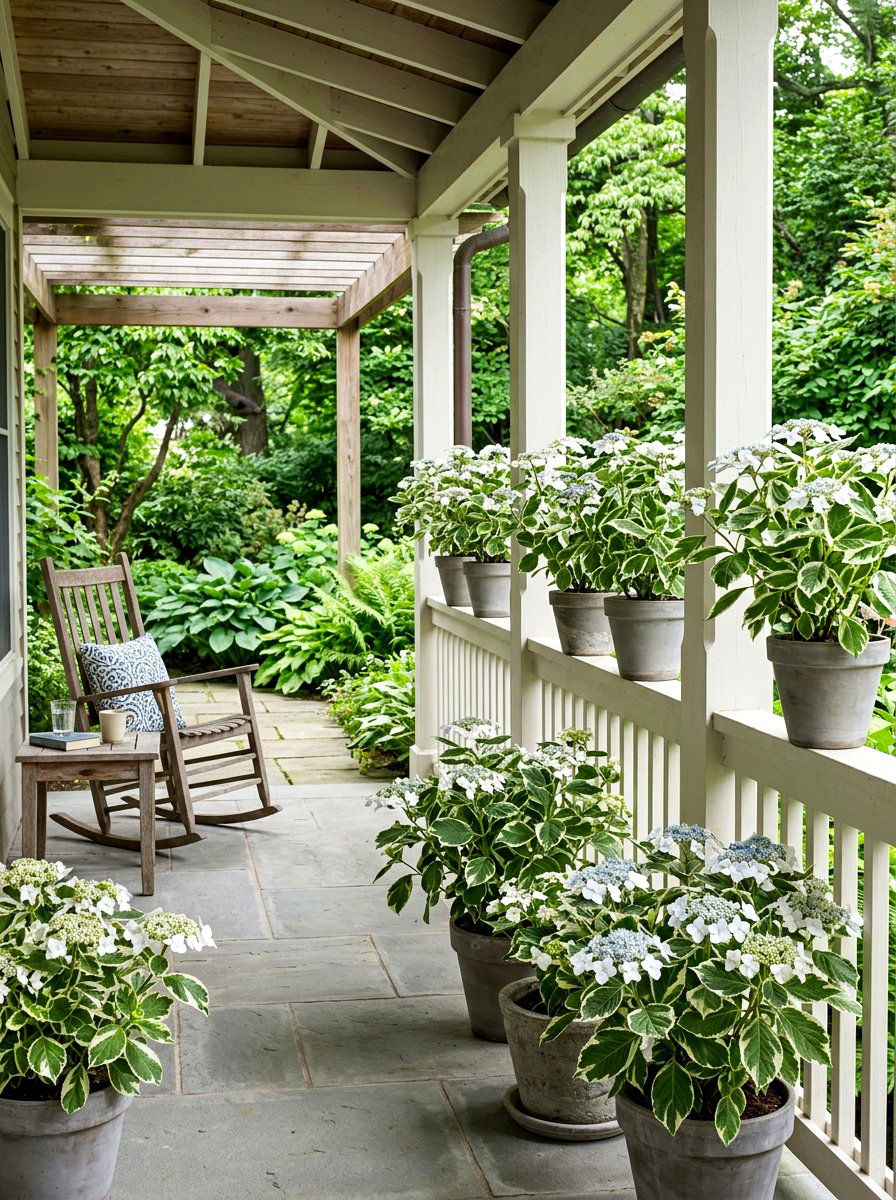
Incorporating a pollinator friendly shrub border provides essential structure, privacy, and massive amounts of food for wildlife throughout the year. Flowering shrubs like lilac, viburnum, and buttonbush produce thousands of individual flowers in a single season, offering a dense concentrated source of nectar. These woody plants also serve as important nesting sites for birds and shelter for insects during heavy rains or cold nights. Many shrubs also produce berries in the autumn, extending their value to birds and other small animals. A well-placed row of shrubs can act as a natural hedge, providing a beautiful living screen for your property while simultaneously functioning as a powerhouse of ecological activity and a year-round visual interest.
26. Contemporary Pollinator Garden Design
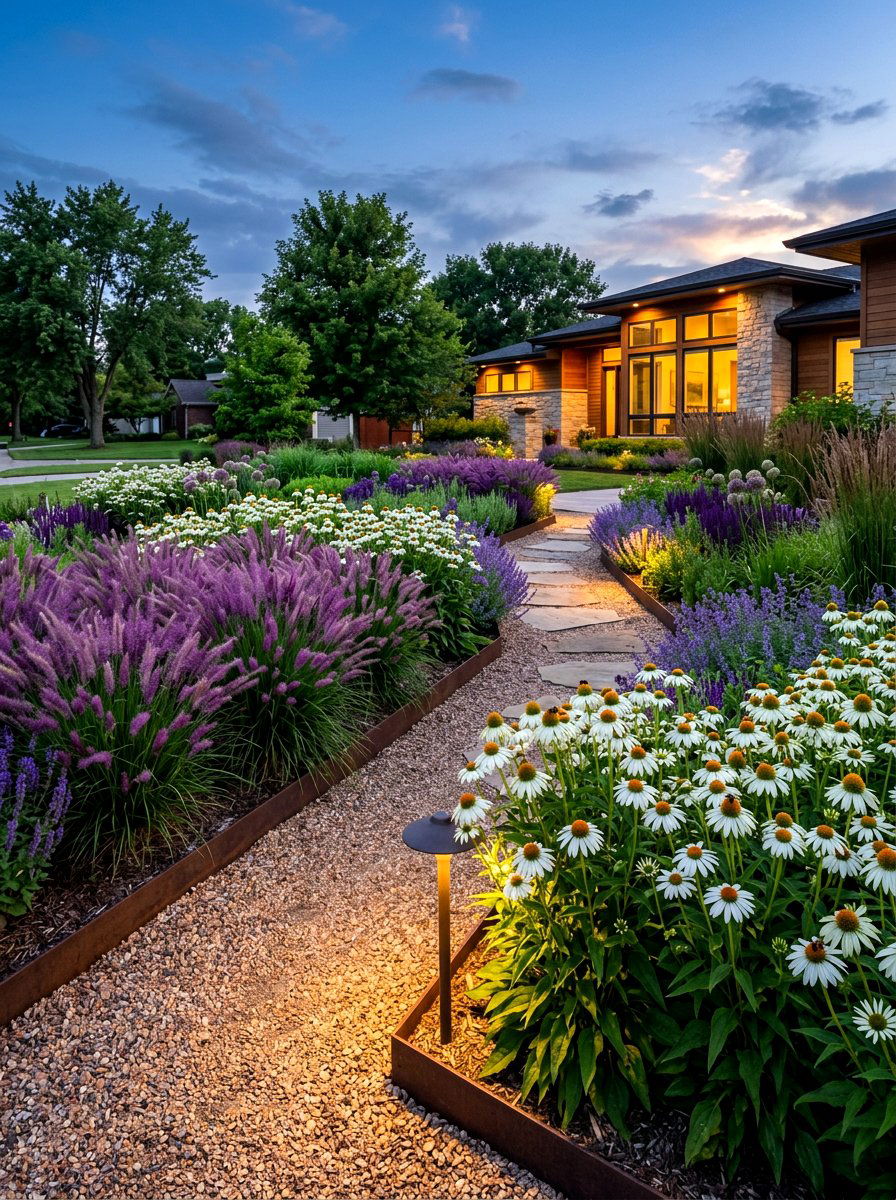
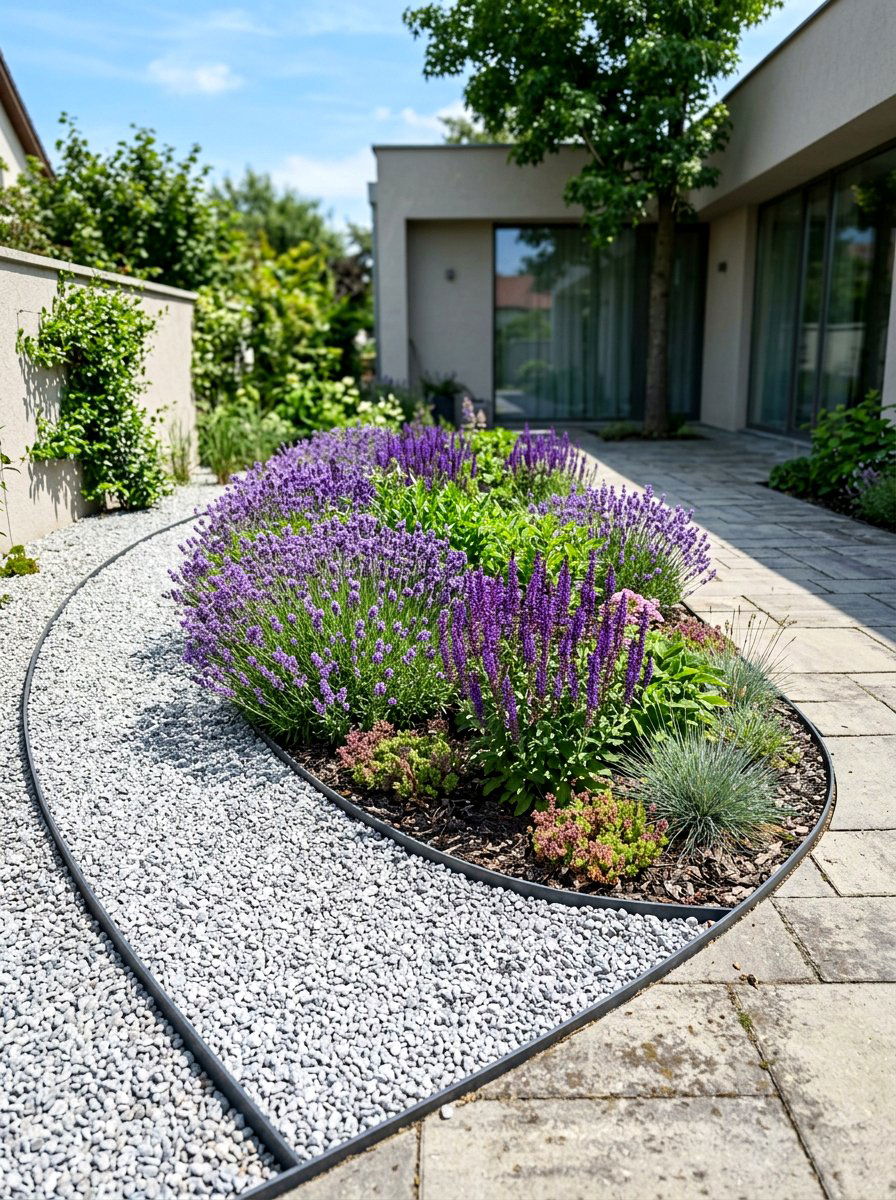
A contemporary pollinator garden design proves that ecological gardening can look sleek, modern, and highly organized. This style often uses clean lines, geometric layouts, and a limited color palette to create a sophisticated outdoor space. You can achieve this by planting large, neat blocks of a single species, such as ornamental grasses paired with structural perennials like Allium or Echinacea. Using high-quality hardscape materials like steel edging or smooth stone paths helps define the space and keeps the look polished. This approach appeals to homeowners who want a tidy, designer aesthetic while still being committed to supporting local biodiversity. It is a beautiful blend of human artistry and the raw, buzzing energy of the natural world.
27. Rain Garden Pollinator Plants
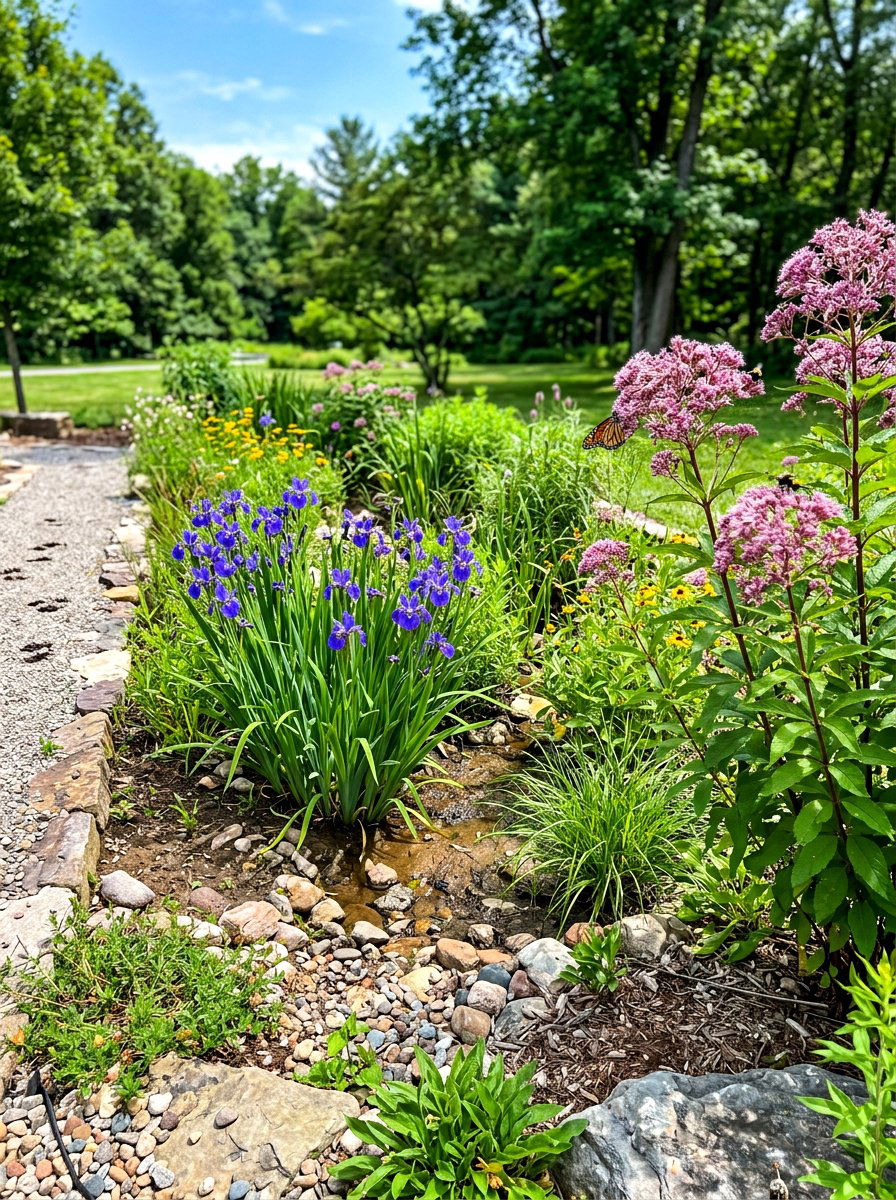
Designing a border with rain garden pollinator plants is an excellent way to manage stormwater runoff on your property while creating a lush habitat. These gardens are located in low-lying areas where water naturally collects, using deep-rooted plants that can handle both temporary flooding and dry spells. Species like swamp milkweed, joe pye weed, and blue flag iris thrive in these conditions and are magnets for bees and dragonflies. By soaking up excess rainwater, these gardens help filter pollutants before they reach local waterways. This functional landscaping choice turns a potentially problematic wet spot into a vibrant, blooming sanctuary that serves the local environment in multiple ways, from water conservation to wildlife support and beauty.
28. Bird and Butterfly Border
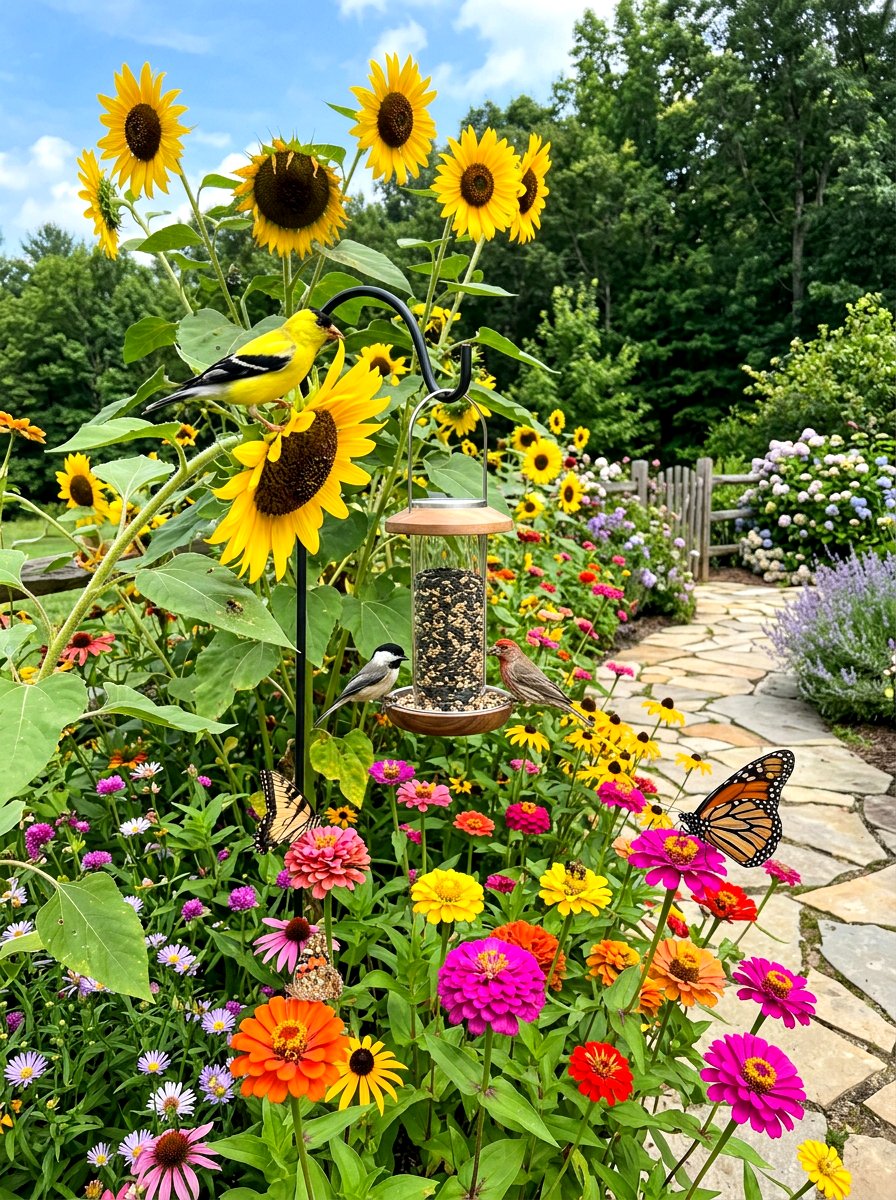
A bird and butterfly border is a diverse planting scheme that caters to the specific needs of both winged groups, creating a lively and melodic garden. To attract birds, include plants that produce seeds, such as sunflowers or coneflowers, and those that harbor the insects that many birds feed their young. Dense thickets or evergreen shrubs provide safe nesting spots and protection from predators. For butterflies, ensure there are plenty of sunny spots and nectar-rich blooms. Providing a birdbath or a small fountain adds a water source that both birds and butterflies will frequent. This multi-layered approach to gardening results in a rich tapestry of life, where the flash of a wing and the sound of song are constant.
29. Informal Pollinator Hedge Row
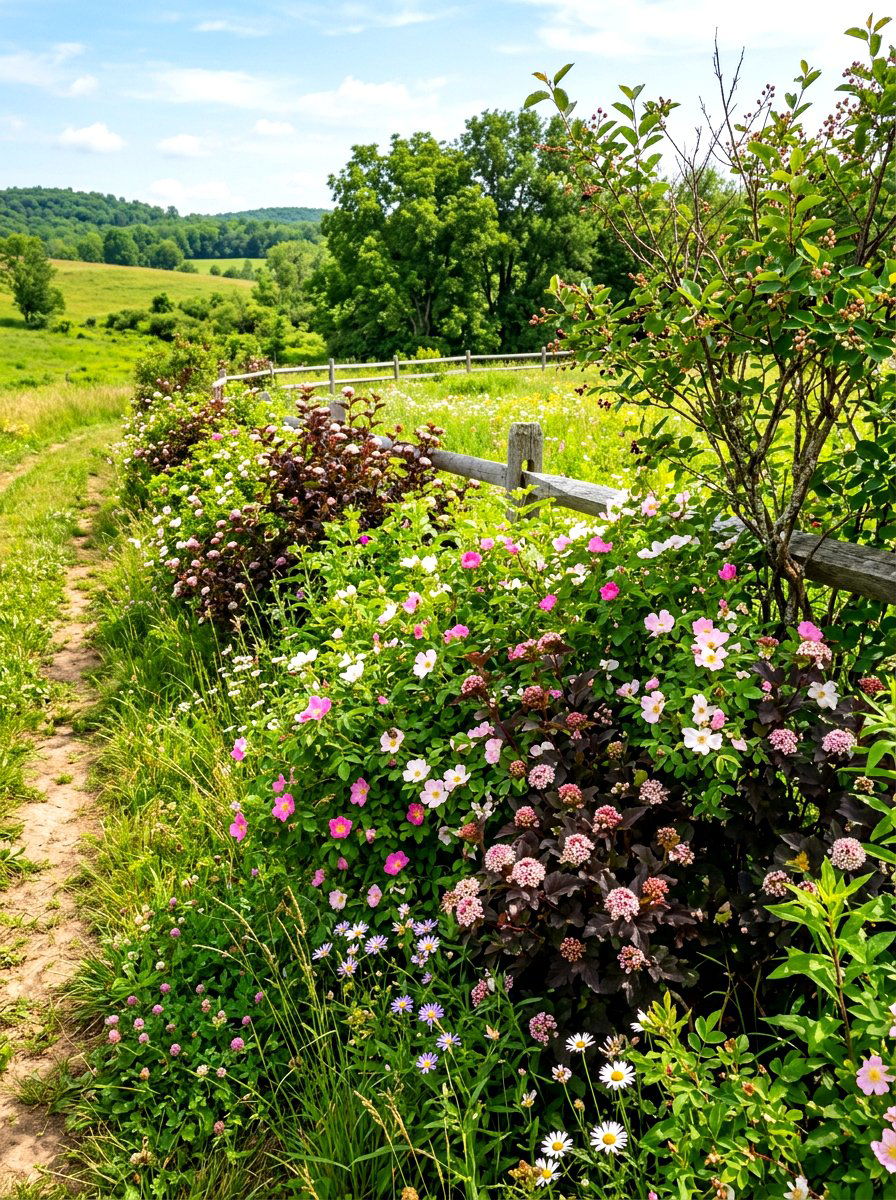
An informal pollinator hedge row is a wonderful alternative to a traditional, clipped boxwood hedge, offering more color and life to your property line. Instead of a single species, this "fedge" (flowering hedge) can include a mix of native flowering shrubs, tall perennials, and climbing vines. Plants like serviceberry, ninebark, and wild roses create a dense but natural-looking barrier that changes with the seasons. This type of border provides a continuous corridor for wildlife to move safely through the landscape while offering a massive volume of flowers for foragers. It requires less precise pruning than a formal hedge, as a slightly shaggy appearance actually provides more nooks and crannies for beneficial insects to hide and nest.
30. Sun Loving Pollinator Border
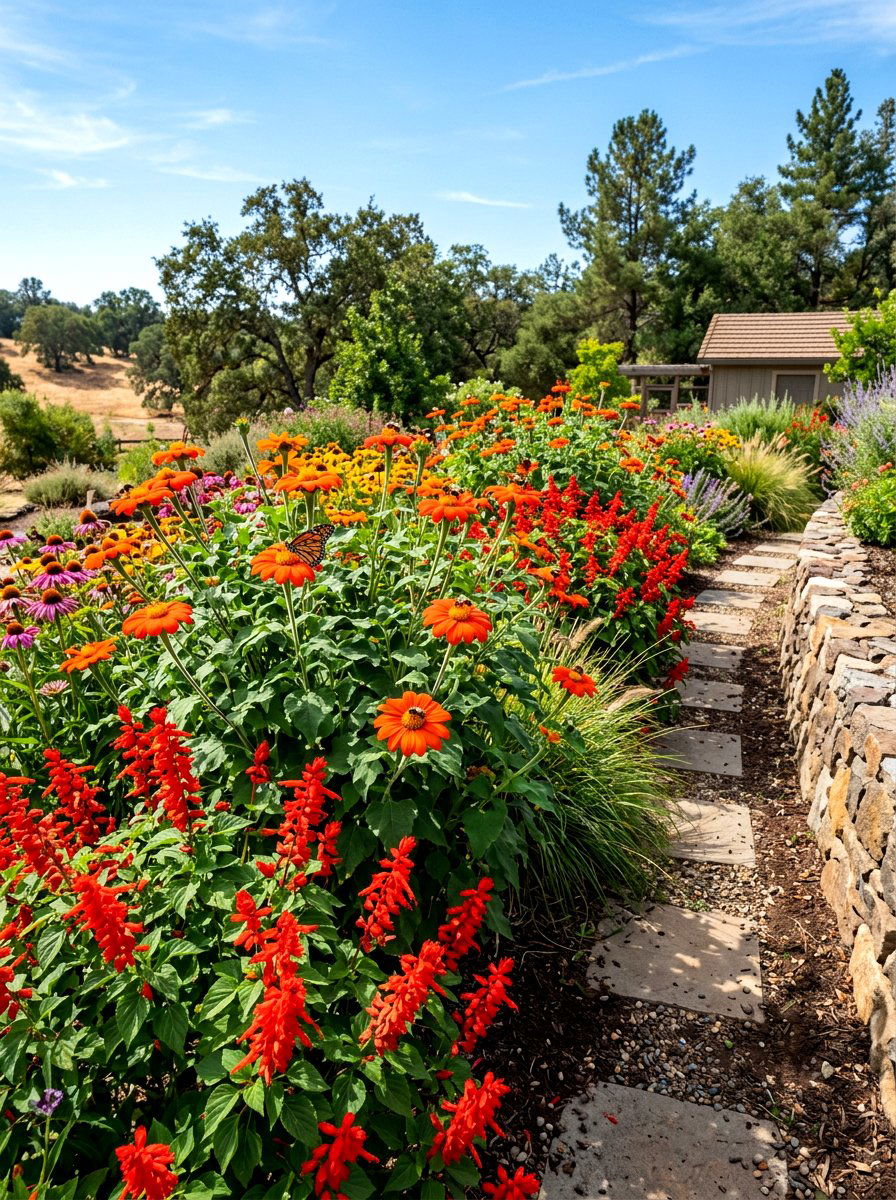
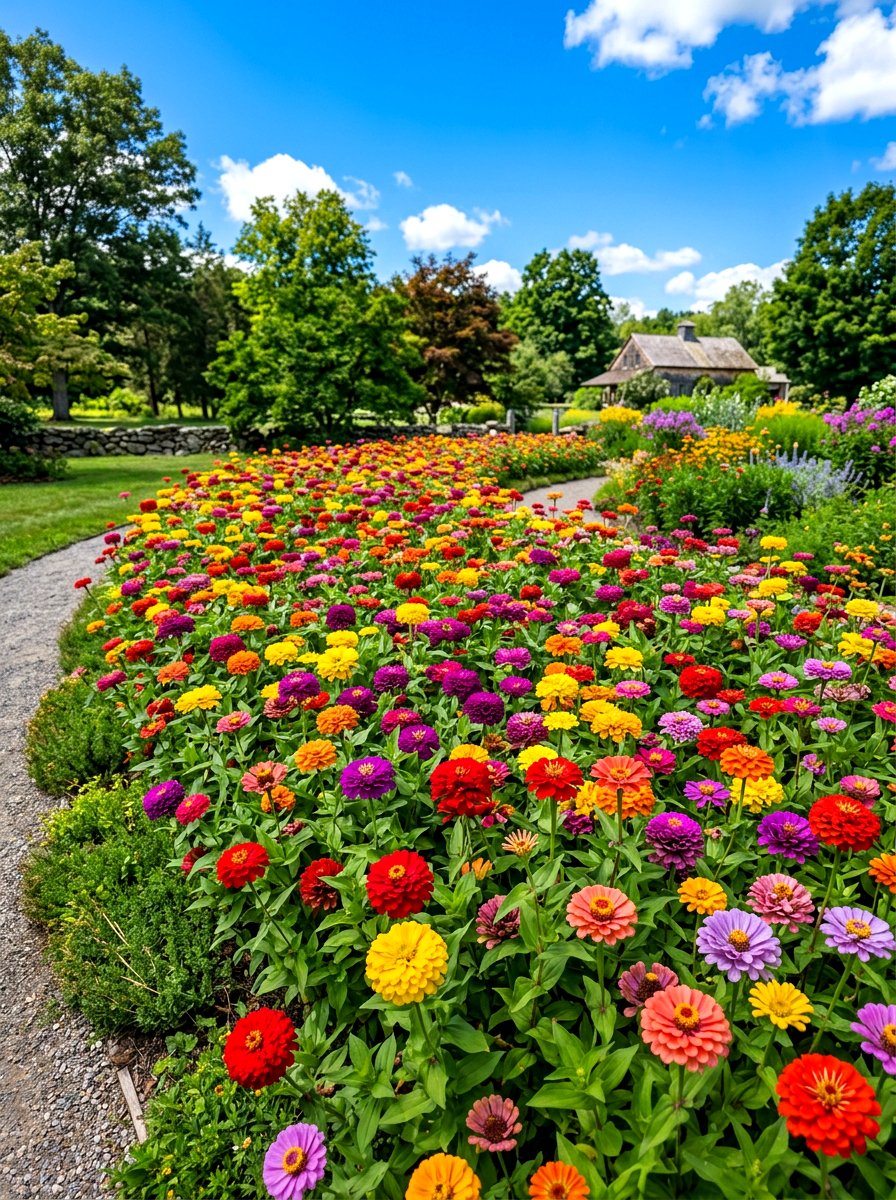
A sun loving pollinator border is the classic choice for a bright, energetic garden that attracts the widest variety of active insects. In full sun, plants produce nectar more rapidly, and butterflies have the warmth they need to keep their flight muscles working efficiently. This type of border is the perfect place for high-impact bloomers like zinnias, salvias, and mexican sunflowers, which thrive under the intense light of midsummer. The high light levels allow for a riot of bold colors, from fiery oranges to brilliant yellows. By ensuring at least six to eight hours of direct sunlight, you can create a high-performance habitat that serves as the beating heart of your garden's ecological community all summer long.
Conclusion:
Investing time and creativity into a pollinator border is a powerful step toward creating a more sustainable and beautiful world right in your own backyard. These diverse planting ideas show that regardless of your space, soil type, or design preference, there is a way to invite essential insects and birds into your landscape. By choosing native plants, providing continuous blooms, and avoiding harmful chemicals, you are directly contributing to the survival of bees and butterflies that our food systems and natural environments depend upon. As your border grows and matures, it will become a living legacy, offering endless joy, vibrant colors, and a deeper connection to nature.

Related posts: