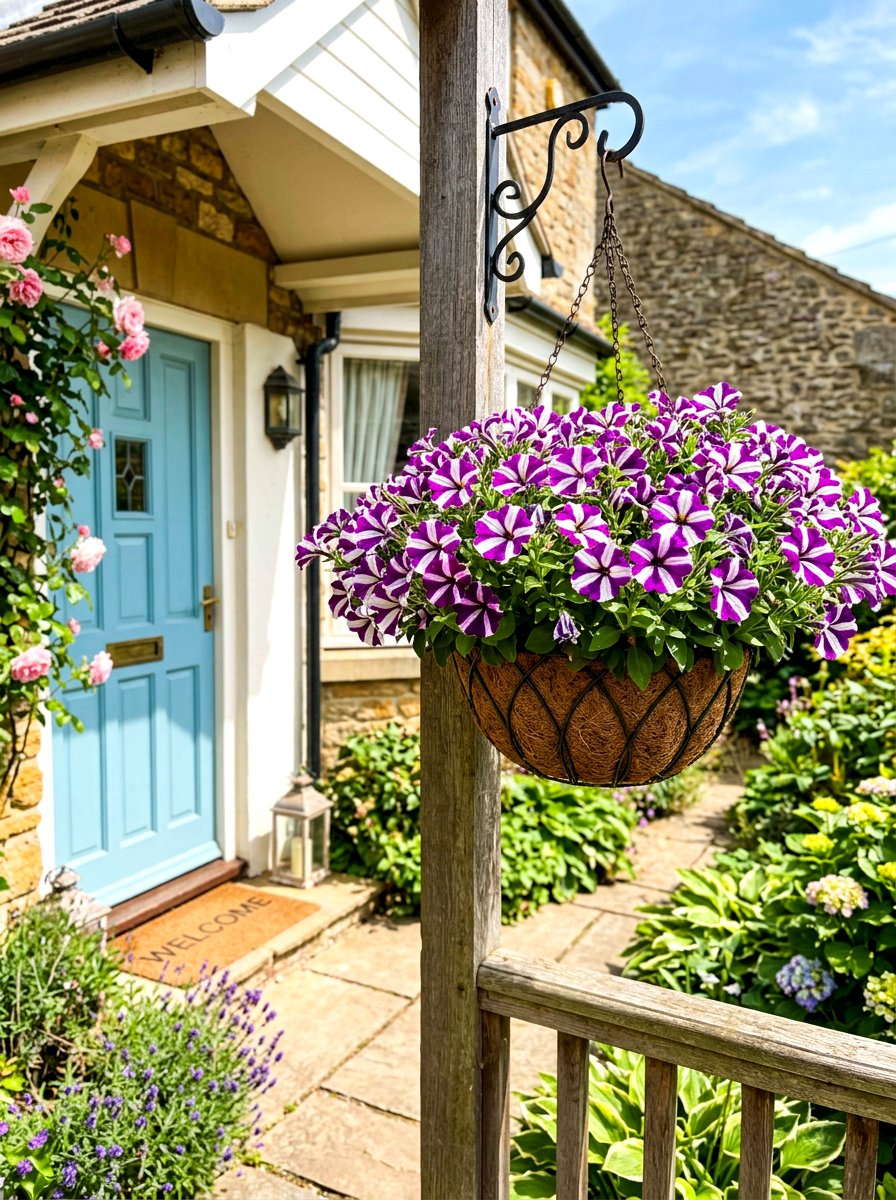
Creating a vibrant outdoor space that supports local biodiversity is more than just a gardening trend; it is a way to give back to the environment while enhancing your home 's aesthetic appeal. A pollinator-friendly patio serves as a sanctuary for bees, butterflies, and hummingbirds, turning your porch or deck into a living ecosystem. By choosing the right plants and structural elements, you can transform a simple concrete slab into a buzzing haven full of life and color. This approach combines beautiful landscape design with ecological responsibility, ensuring your garden thrives throughout the seasons while providing essential food and shelter for nature' s hardest workers. Every container and flower helps create a healthier world.
1. Native Wildflower Container
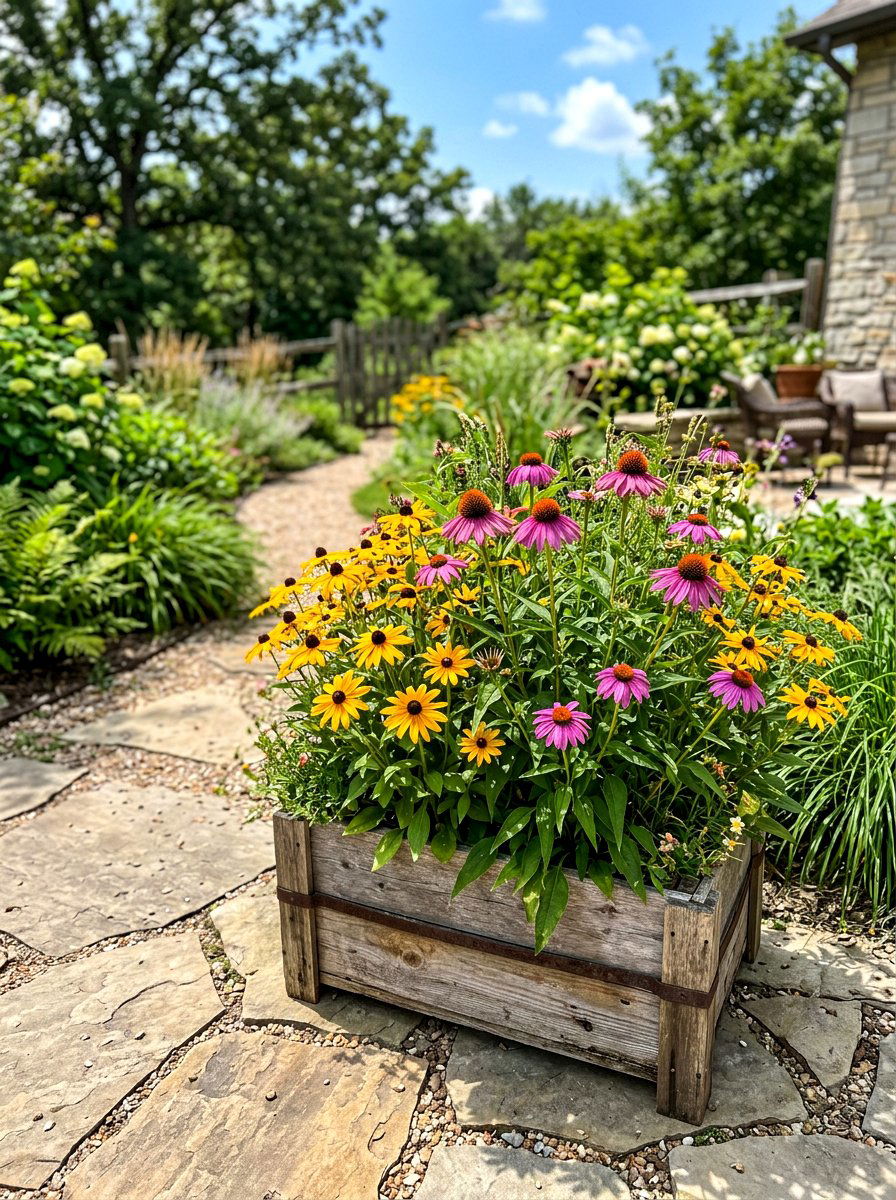
Have you ever considered how much life a single pot of native wildflowers can bring to your backyard patio? Native plants are the fundamental backbone of any successful pollinator-friendly space because they have co-evolved specifically with local insects and birds. By selecting species like black-eyed Susans or wild columbine for your containers, you provide high-quality nectar that is easily accessible to native bees. These plants are typically hardier and require significantly less water once established compared to exotic varieties. Arrange these containers in clusters to create a concentrated visual impact and a massive feeding zone for butterflies. This setup is perfect for small urban areas where soil is scarce.
2. Bee Water Station
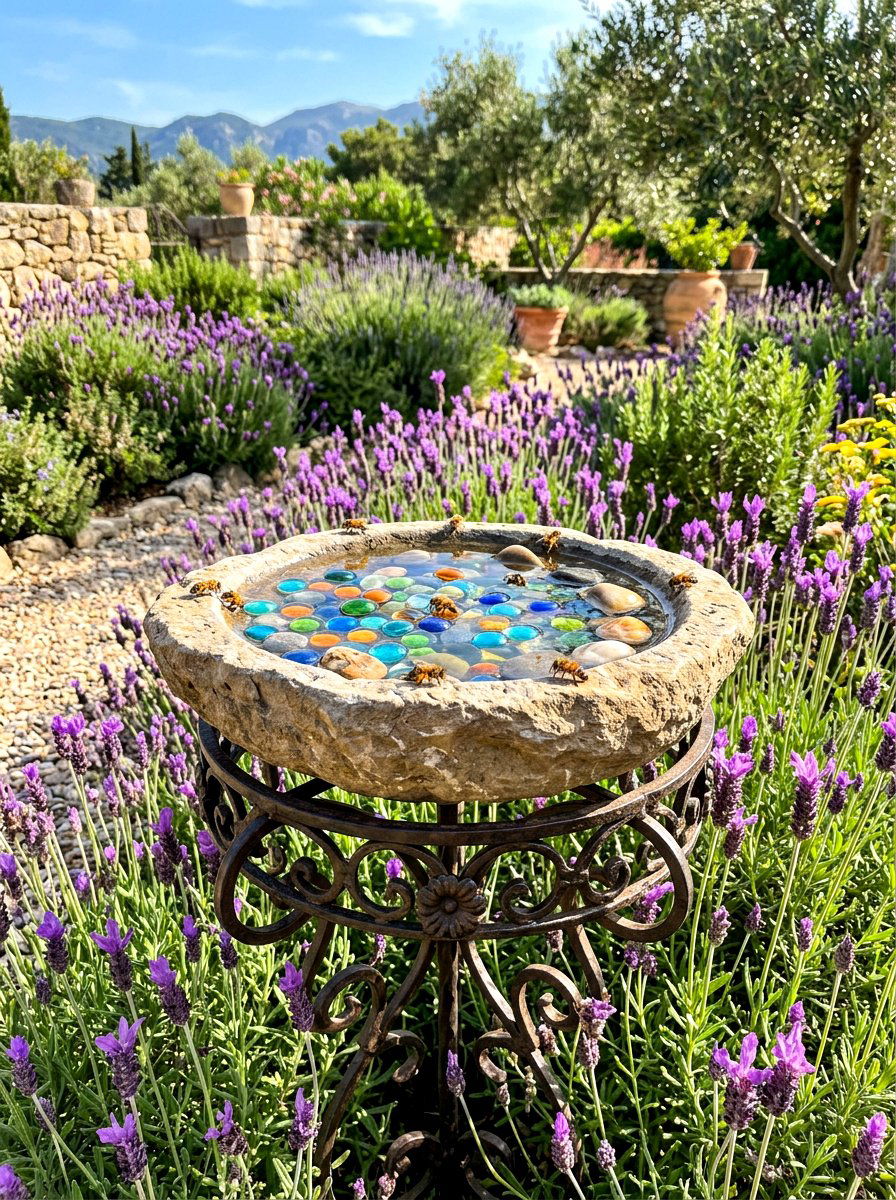
Pollinators get very thirsty while they are hard at work, making a dedicated water station a crucial addition to your patio. A shallow stone basin filled with clean water and decorative pebbles allows bees and butterflies to land safely without the risk of drowning. You should place this water feature in a sunny, sheltered spot near your most active flowering plants to ensure easy access. Keeping the water fresh is important for preventing mosquitoes, so try to change it every few days. This simple structural element not only supports insect health but also adds a soothing, natural aesthetic to your outdoor lounge area, making it feel more complete.
3. Butterfly Garden Pot
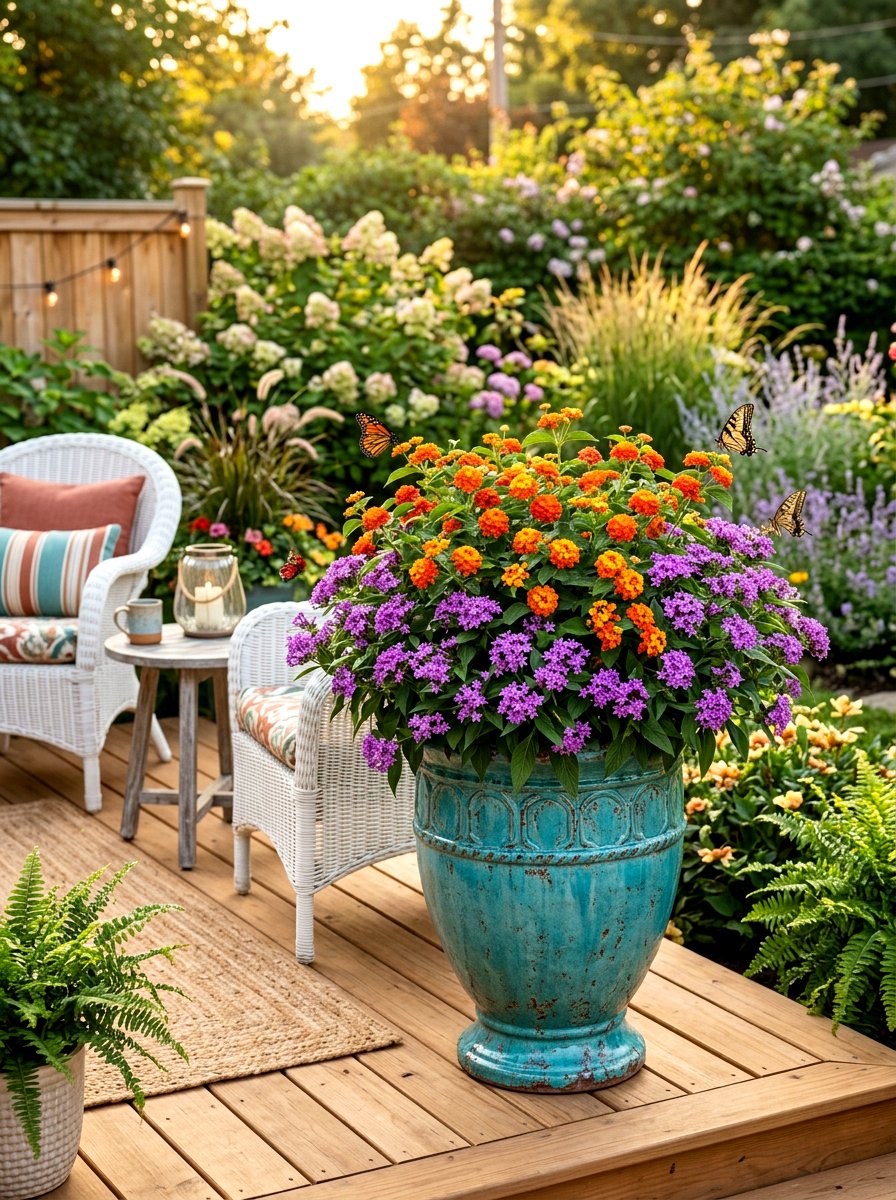
Creating a dedicated butterfly garden in a large decorative pot is an excellent way to invite color and movement into your space. To attract a wide variety of species, you should include a mix of host plants for caterpillars and nectar-rich blooms for adults. Using a tall central plant like a dwarf butterfly bush surrounded by lower nectar sources like pentas or lantana creates a beautiful, multi-layered look. Ensure the pot is placed in a location that receives at least six hours of direct sunlight daily, as butterflies need warmth to fly. This mobile garden can be moved around your patio to catch the best rays throughout the season.
4. Vertical Nectar Wall
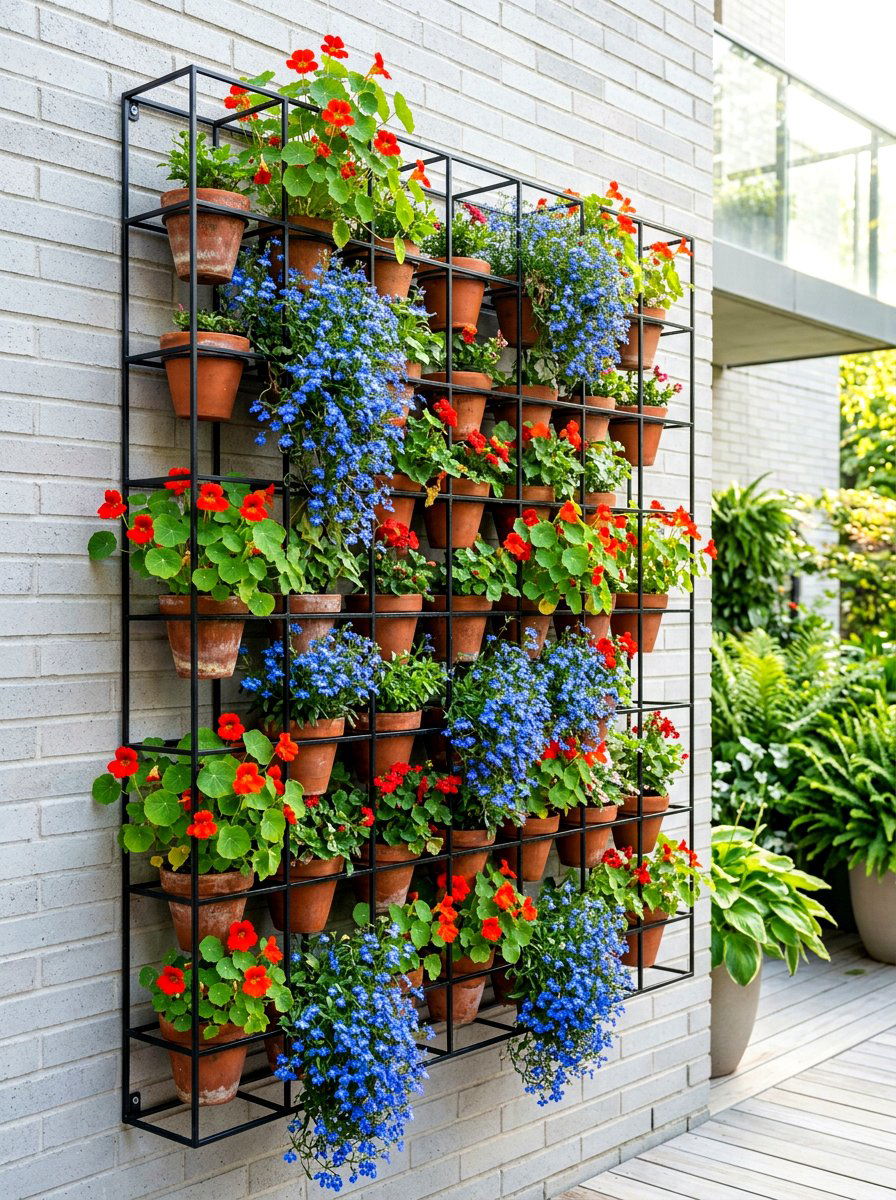
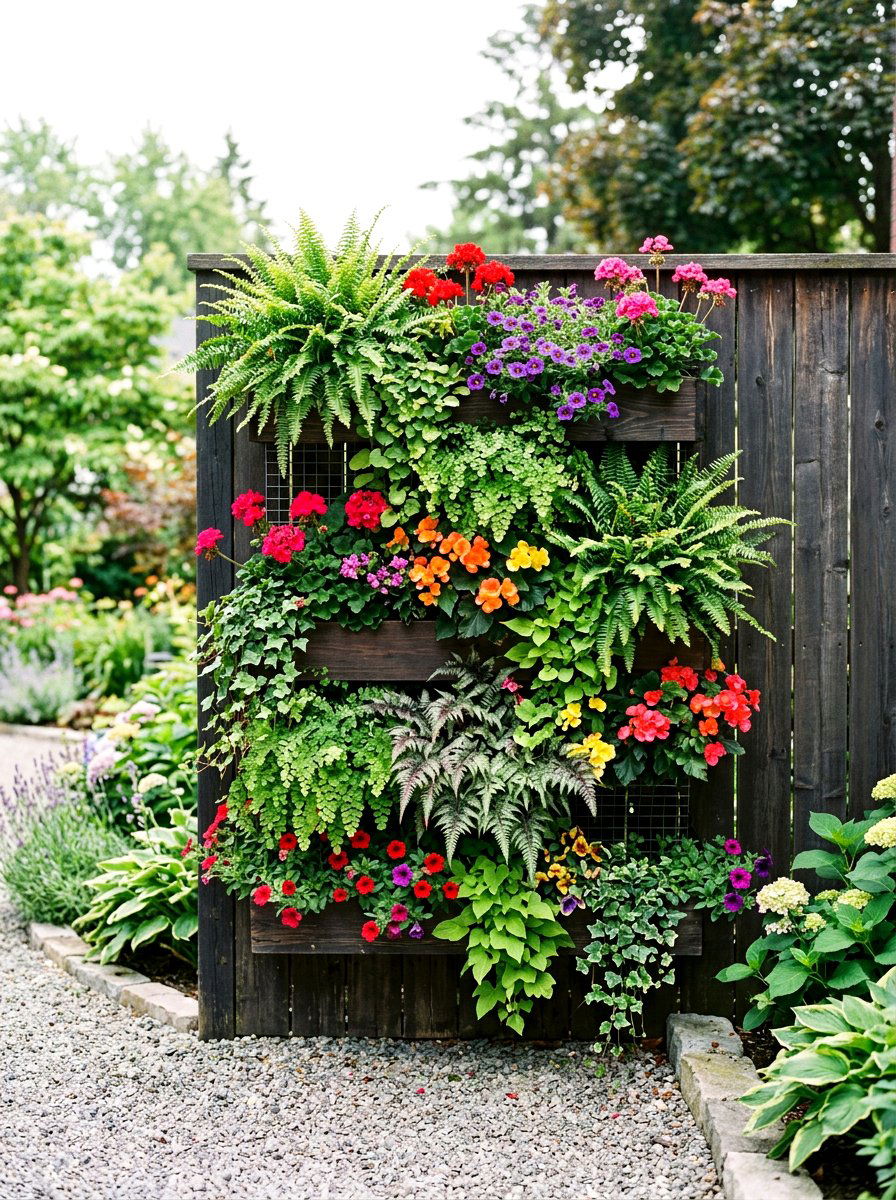
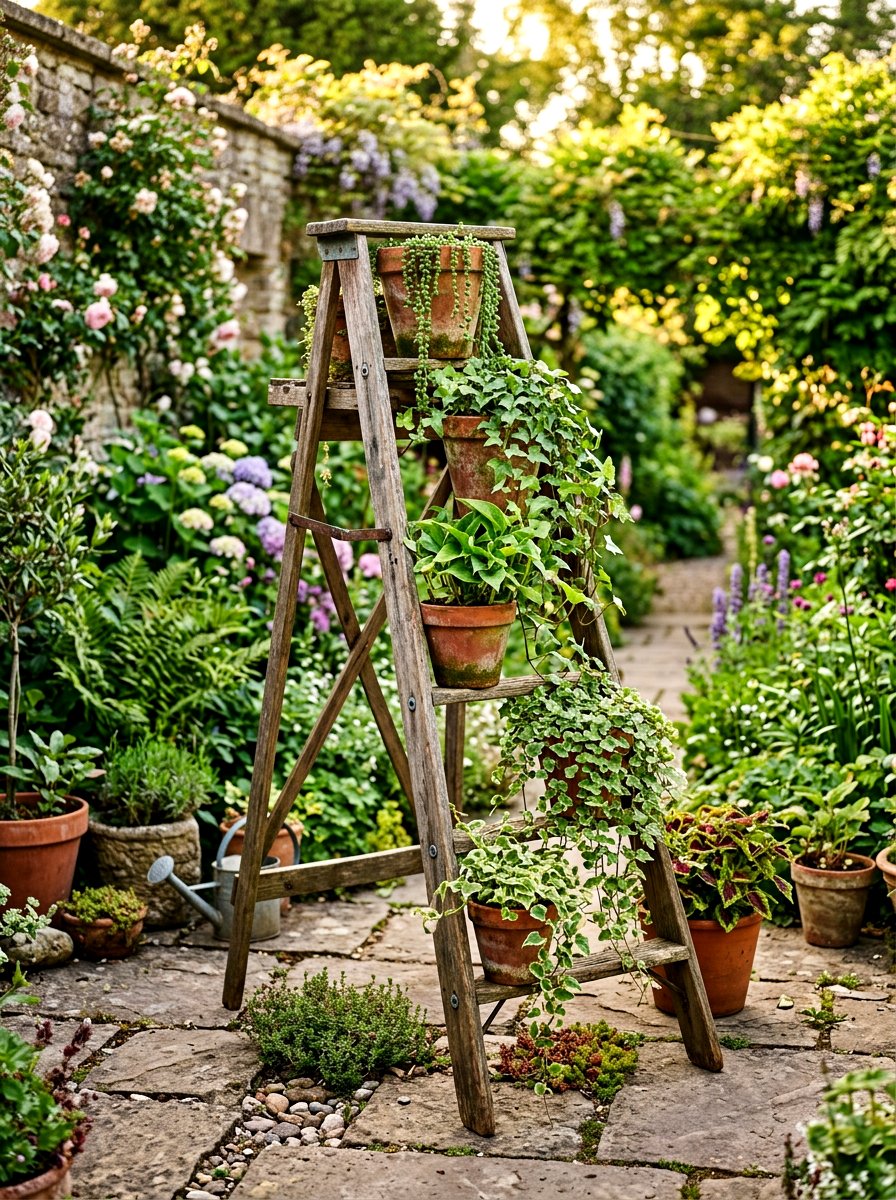
When floor space is limited on a small balcony or patio, a vertical nectar wall offers a smart and stylish solution. You can use wall-mounted planters or a repurposed wooden ladder to display a variety of trailing and upright flowering plants. Species such as creeping thyme, nasturtiums, and small fuchsias work wonderfully in these elevated positions, providing easy access for hummingbirds and hovering insects. This vertical approach not only maximizes your growing area but also creates a stunning living backdrop for your outdoor furniture. By layering different colors and textures, you turn a plain wall into a functional and artistic pollinator buffet that draws the eye upward.
5. Hummingbird Hanging Basket
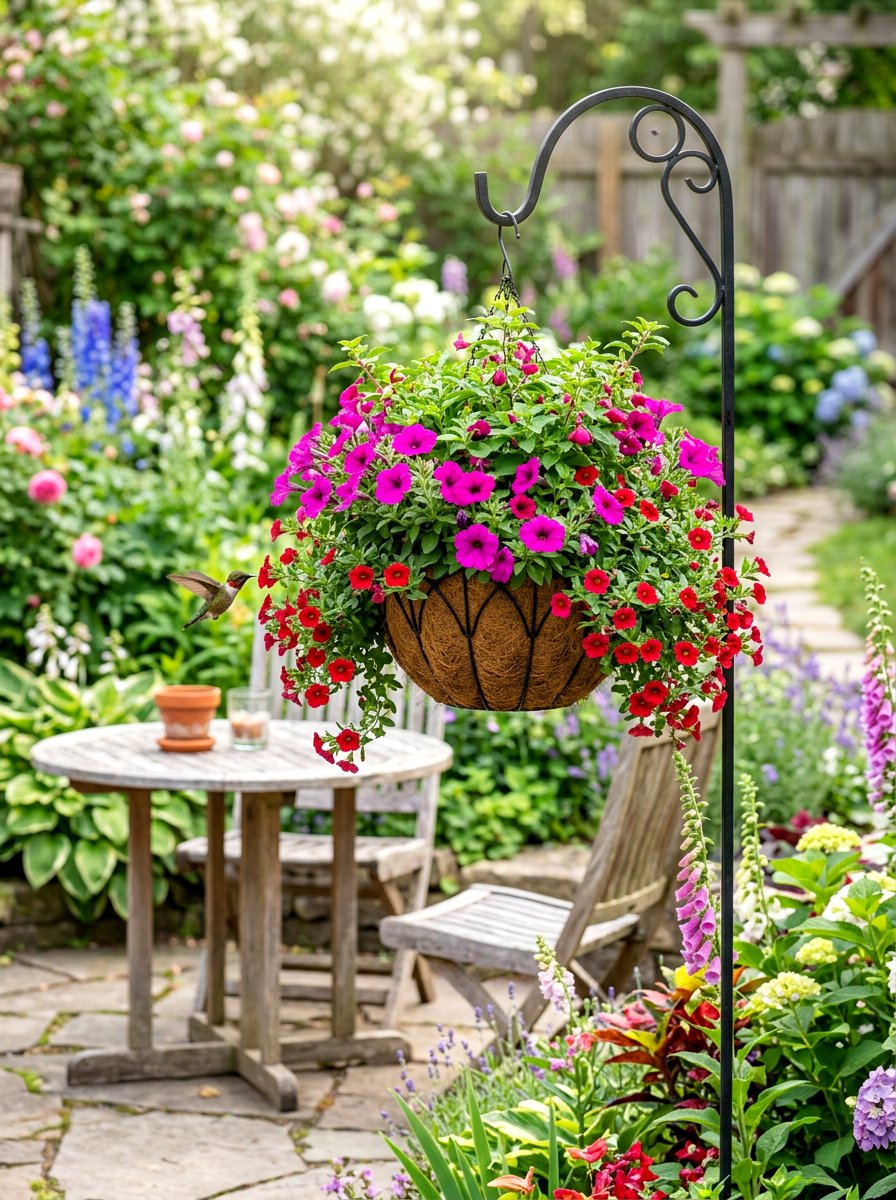
Hanging baskets filled with bright, tubular flowers are like magnets for hummingbirds looking for a quick energy boost on your patio. These tiny birds are particularly attracted to red, orange, and hot pink blooms, so choosing plants like million bells or trailing petunias is highly effective. Place your hanging baskets near seating areas where you can enjoy the close-up view of these hovering visitors without disturbing them. To keep the nectar flowing all summer long, make sure to deadhead spent flowers and provide regular liquid fertilizer. This elevated design element adds a sense of depth to your patio while ensuring that pollinators have food sources at various heights.
6. Pollinator Stone Path
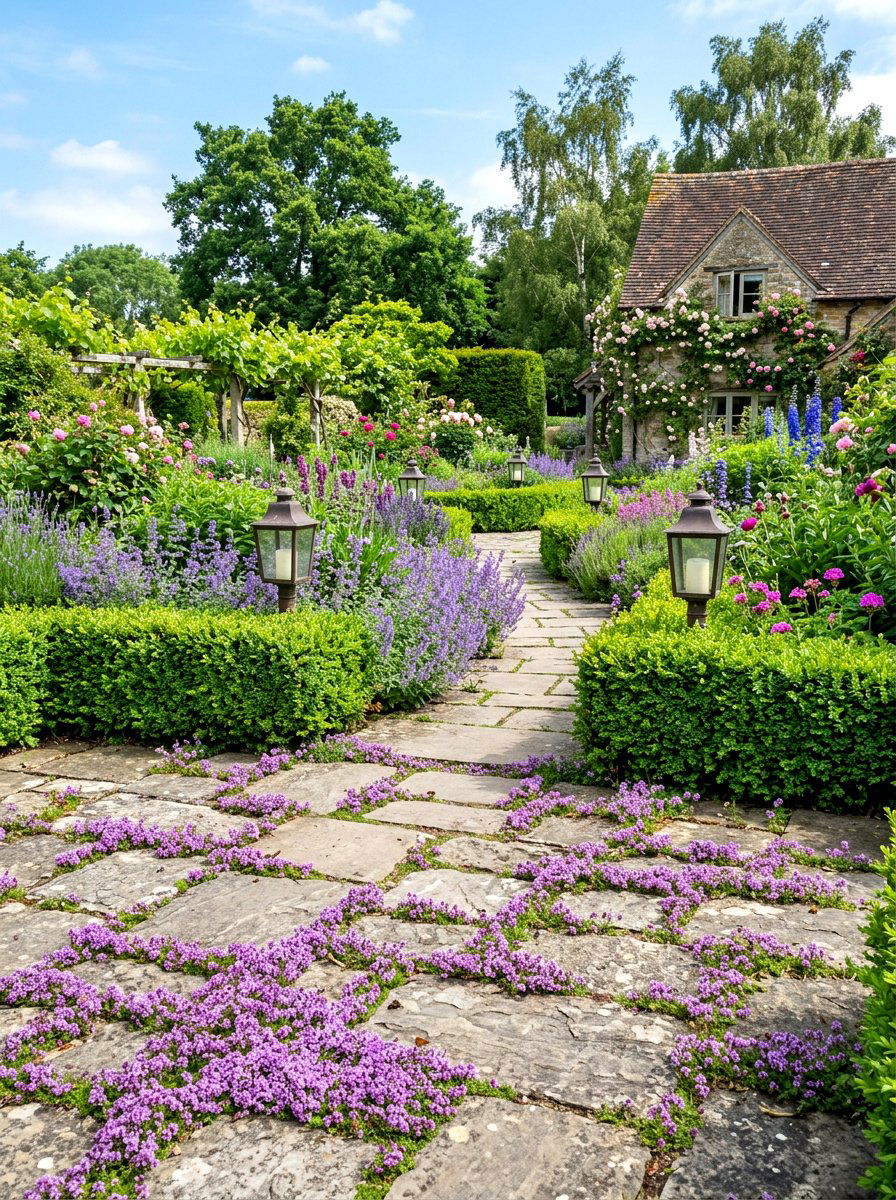
Integrating flowering plants into the gaps of a stone path or patio floor creates a charming and ecologically beneficial design feature. Low-growing, resilient ground covers like elfin thyme or sedum can be planted between flagstones to provide tiny blooms for ground-nesting bees and crawling insects. These plants are durable enough to withstand occasional foot traffic while filling the air with a pleasant herbal scent when stepped upon. This technique softens the hard lines of your masonry and helps to reduce heat radiating from the stones during hot summer days. It is a subtle way to weave nature directly into the structural layout of your outdoor living space.
7. Herb Patio Garden
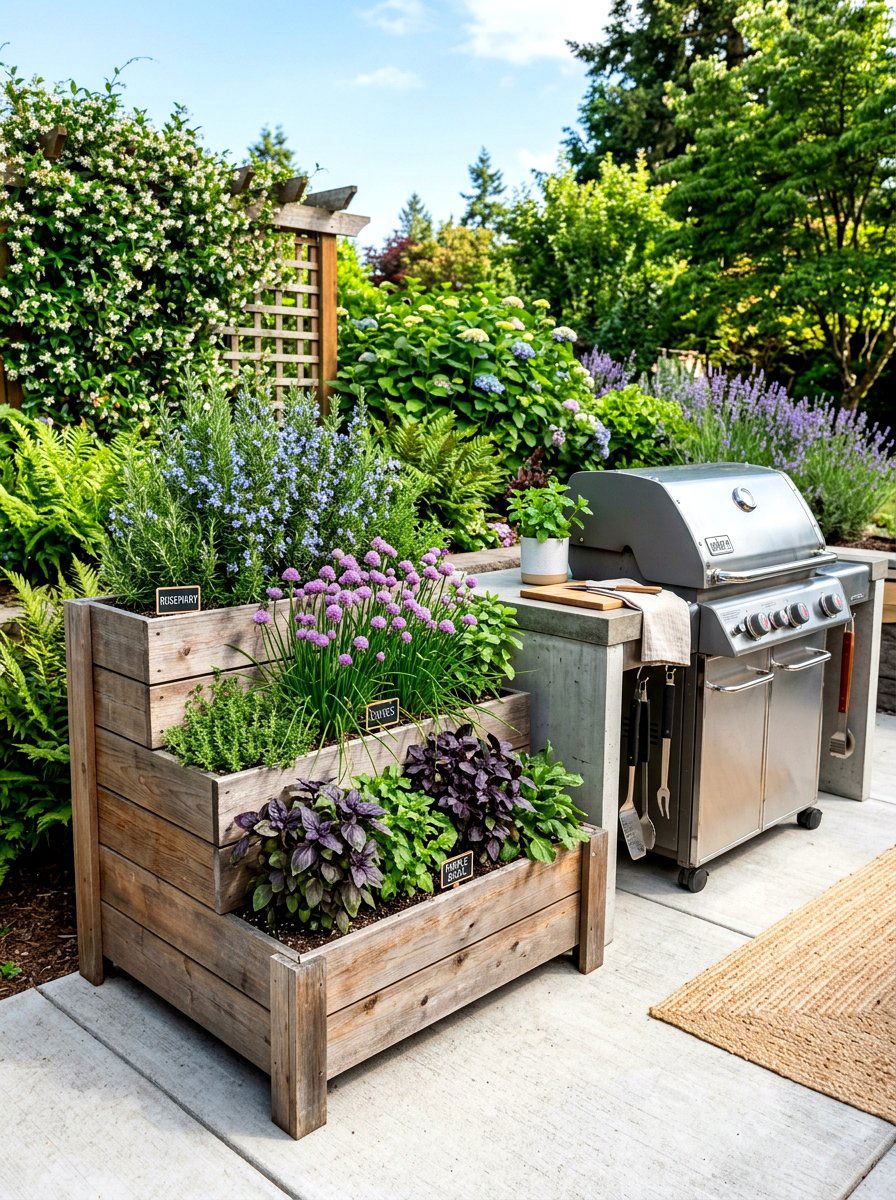
An herb garden is a dual-purpose addition to any patio, offering fresh culinary ingredients for you and abundant nectar for local pollinators. Many common herbs like rosemary, sage, oregano, and chives produce beautiful flowers that bees absolutely adore if you let them go to seed. You can grow these in a tiered planter or individual terracotta pots to create a fragrant and functional display near your outdoor kitchen or dining table. The aromatic oils in the foliage also help to deter some common garden pests naturally. By allowing your herbs to bloom, you support biodiversity while maintaining a stylish and useful garden that smells absolutely wonderful.
8. Mason Bee House
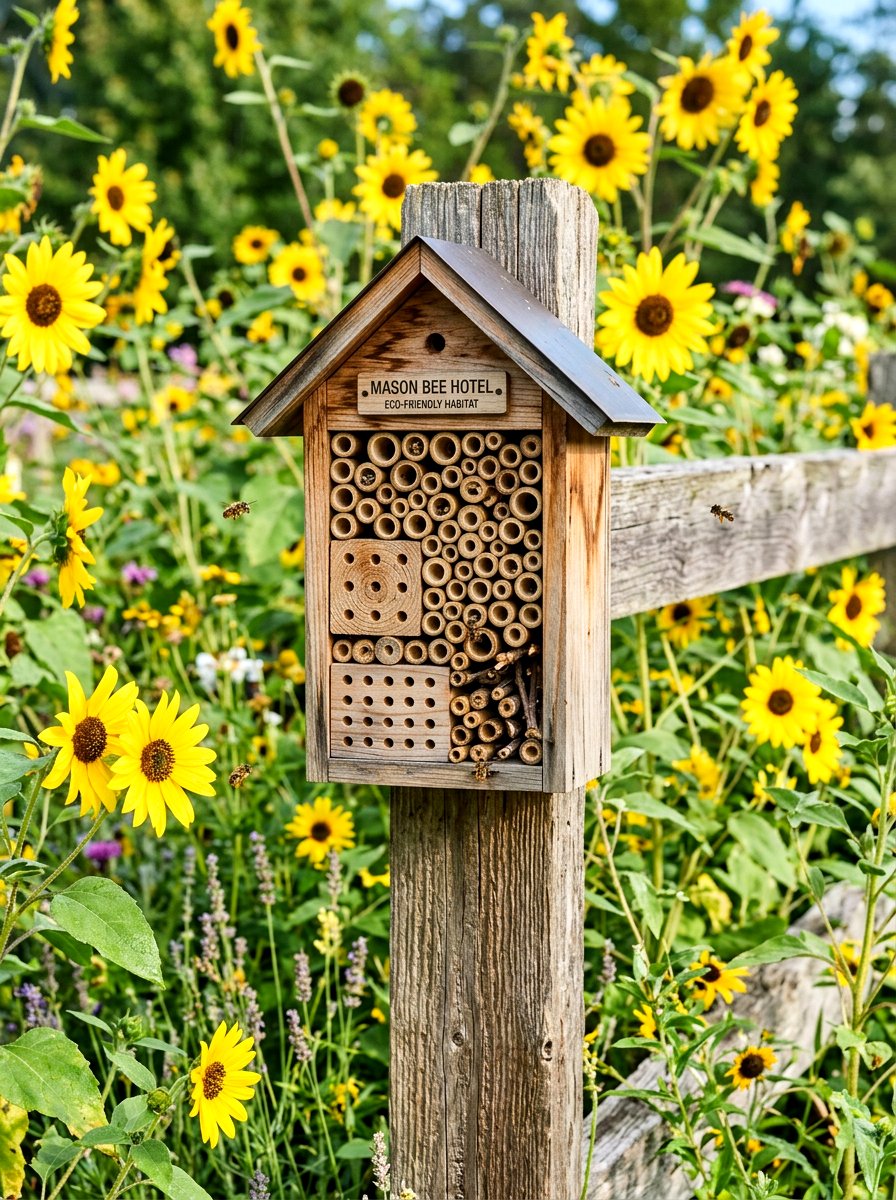
Providing nesting sites is just as important as providing food, and a mason bee house is a perfect functional decor piece. These solitary bees are incredibly efficient pollinators and are generally non-aggressive, making them safe neighbors for a busy family patio. You should mount the house on a sturdy wall or post facing southeast to catch the morning sun, ensuring it stays dry under an eave. The tubes or drilled holes provide a safe place for the bees to lay their eggs during the spring months. Adding this simple structure helps to boost the local bee population while serving as an educational focal point for guests.
9. Lavender Border Pot
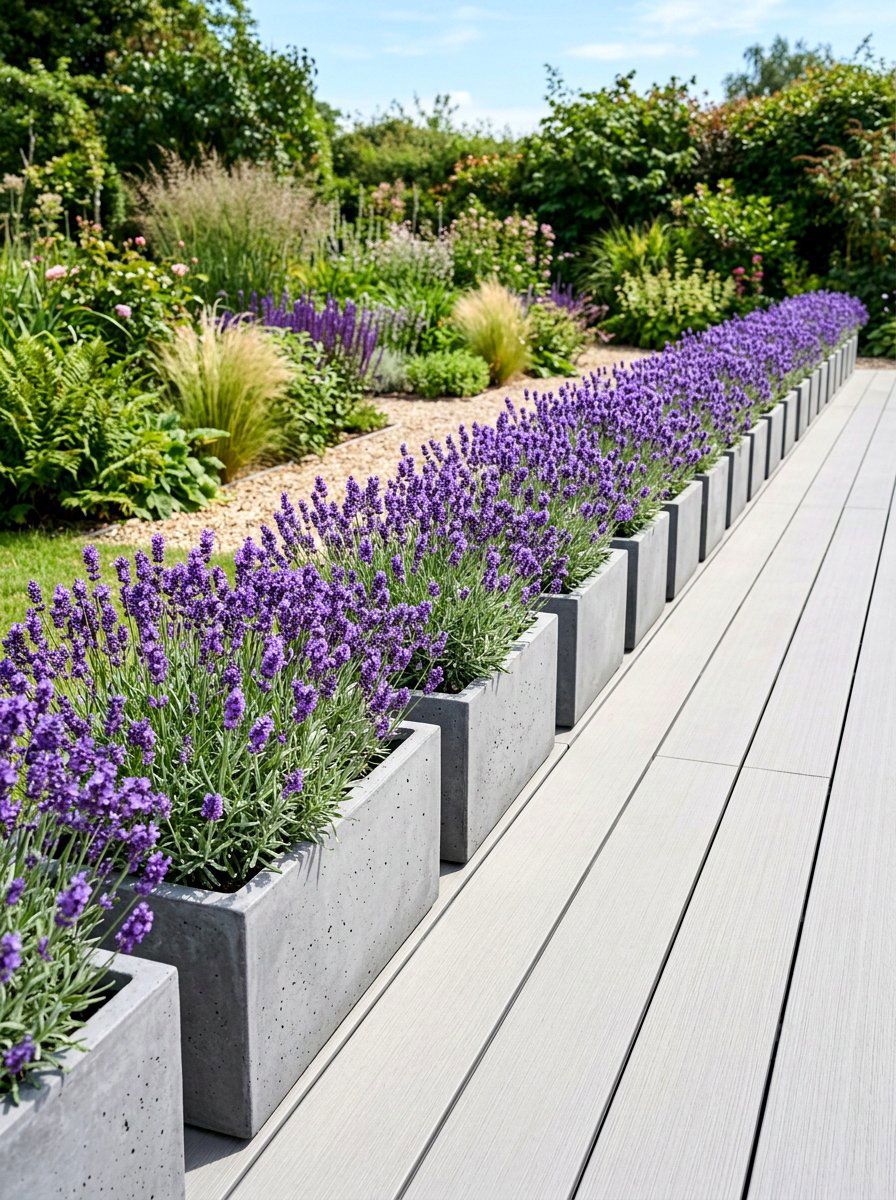
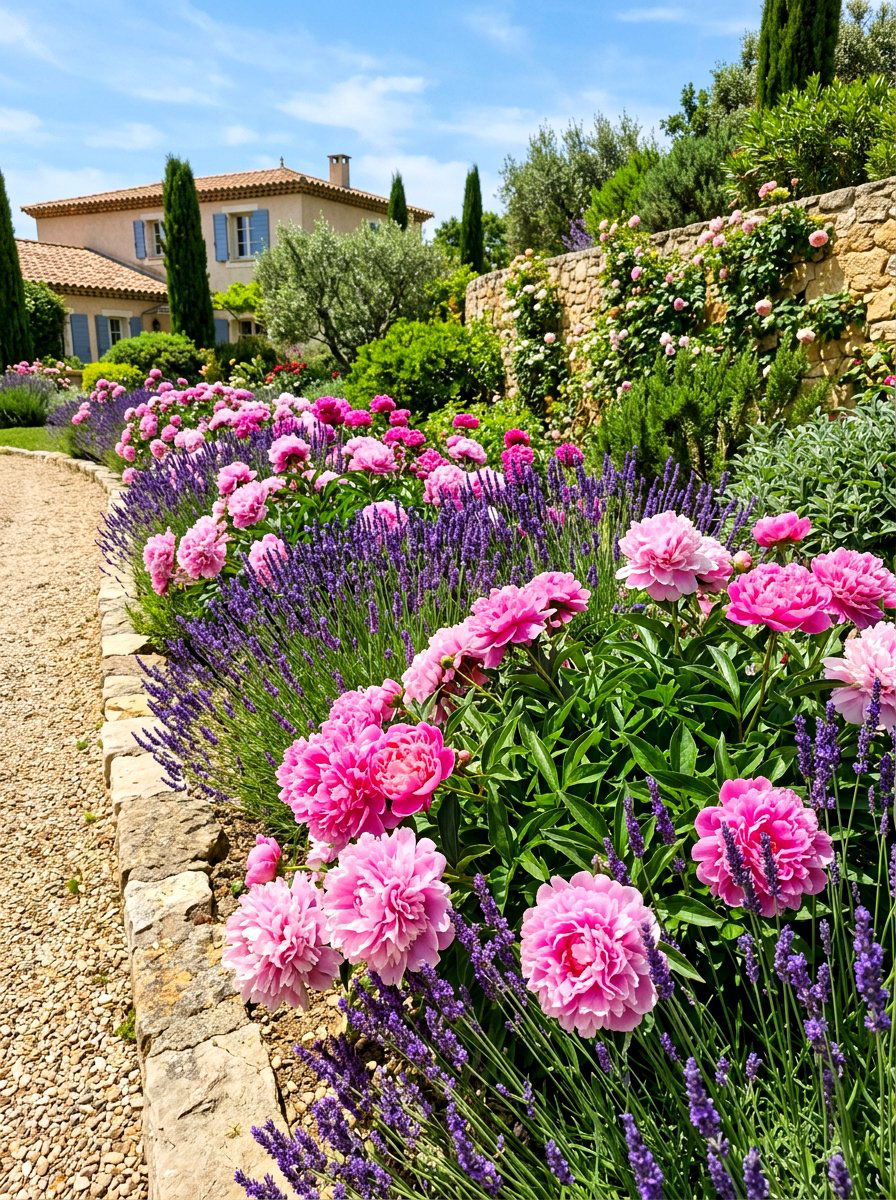
Lavender is perhaps the most iconic plant for attracting bees, and it thrives exceptionally well in large patio pots. The soothing scent and silvery-purple spikes create a Mediterranean atmosphere that feels both relaxed and sophisticated. Because lavender requires excellent drainage and full sun, it is the perfect choice for a sunny deck where air circulation is high. You can line several pots up to create a fragrant living border around your seating area, providing a sensory experience for both humans and insects. Once the blooms fade, the dried stems can be harvested for sachets, making this a highly versatile and rewarding plant choice for your space.
10. Milkweed Container Garden
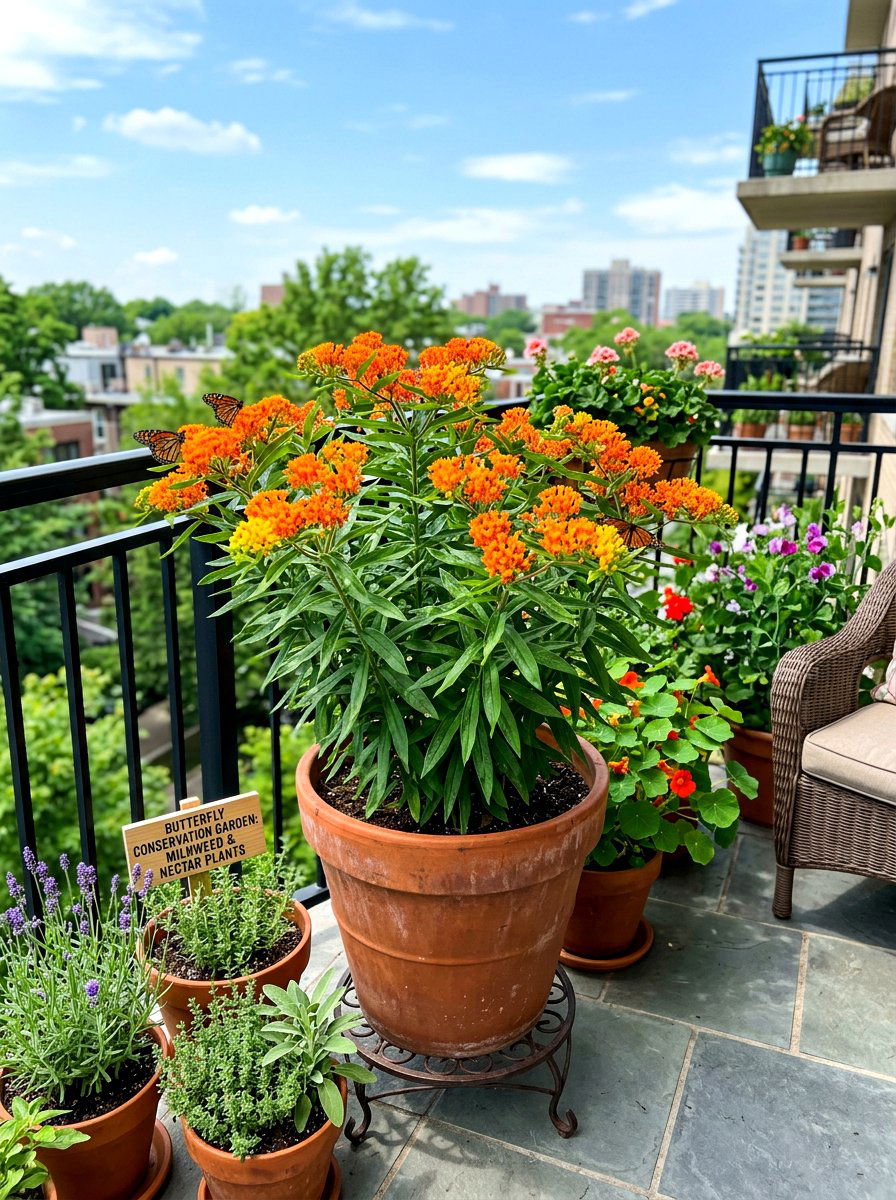
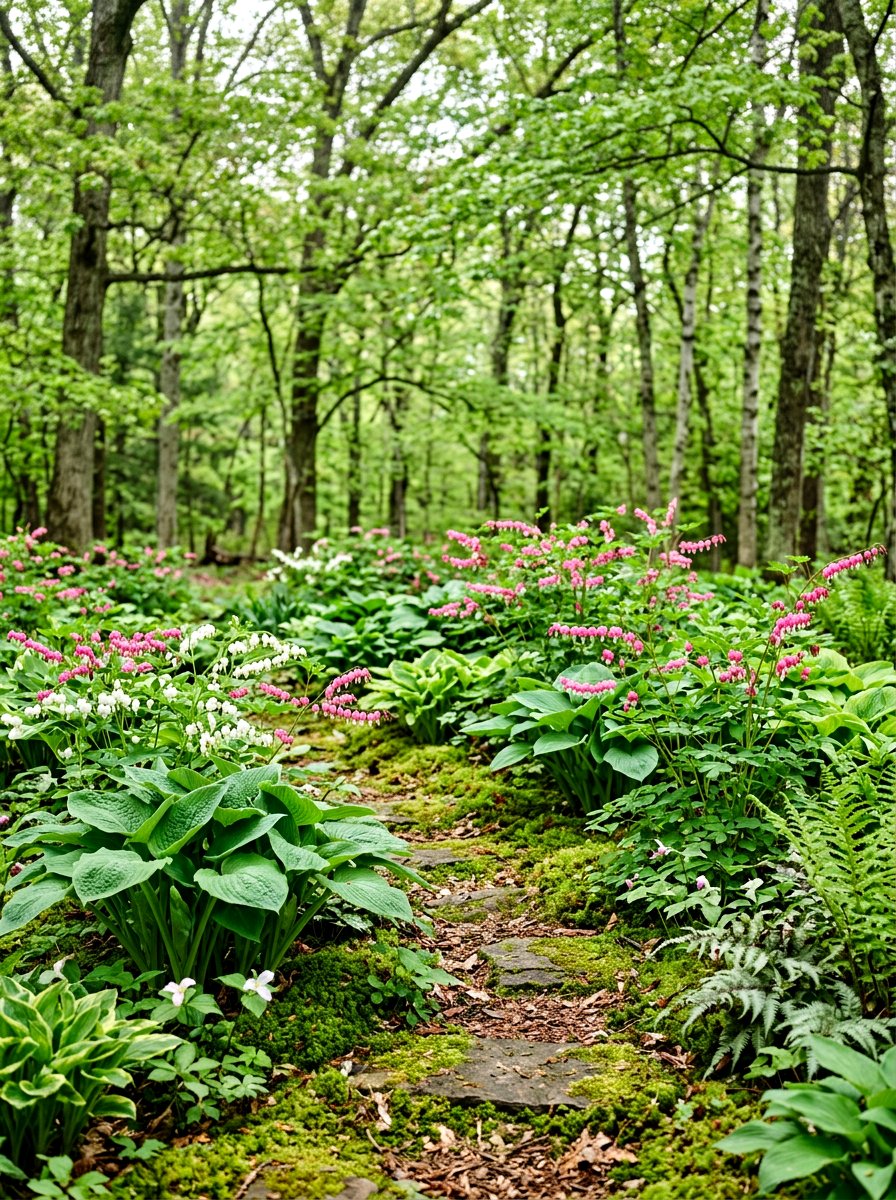
Monarch butterflies rely exclusively on milkweed plants to lay their eggs, making a milkweed container a vital contribution to their survival. While some varieties can be tall and gangly, species like butterfly weed or swamp milkweed can be successfully grown in large, deep pots on a patio. These plants produce clusters of bright orange or pink flowers that are rich in nectar for many different insect species. By keeping milkweed on your patio, you get a front-row seat to the fascinating lifecycle of the monarch, from tiny egg to colorful caterpillar. It is a powerful way to turn your small outdoor space into a meaningful conservation area.
11. Drought Tolerant Planter
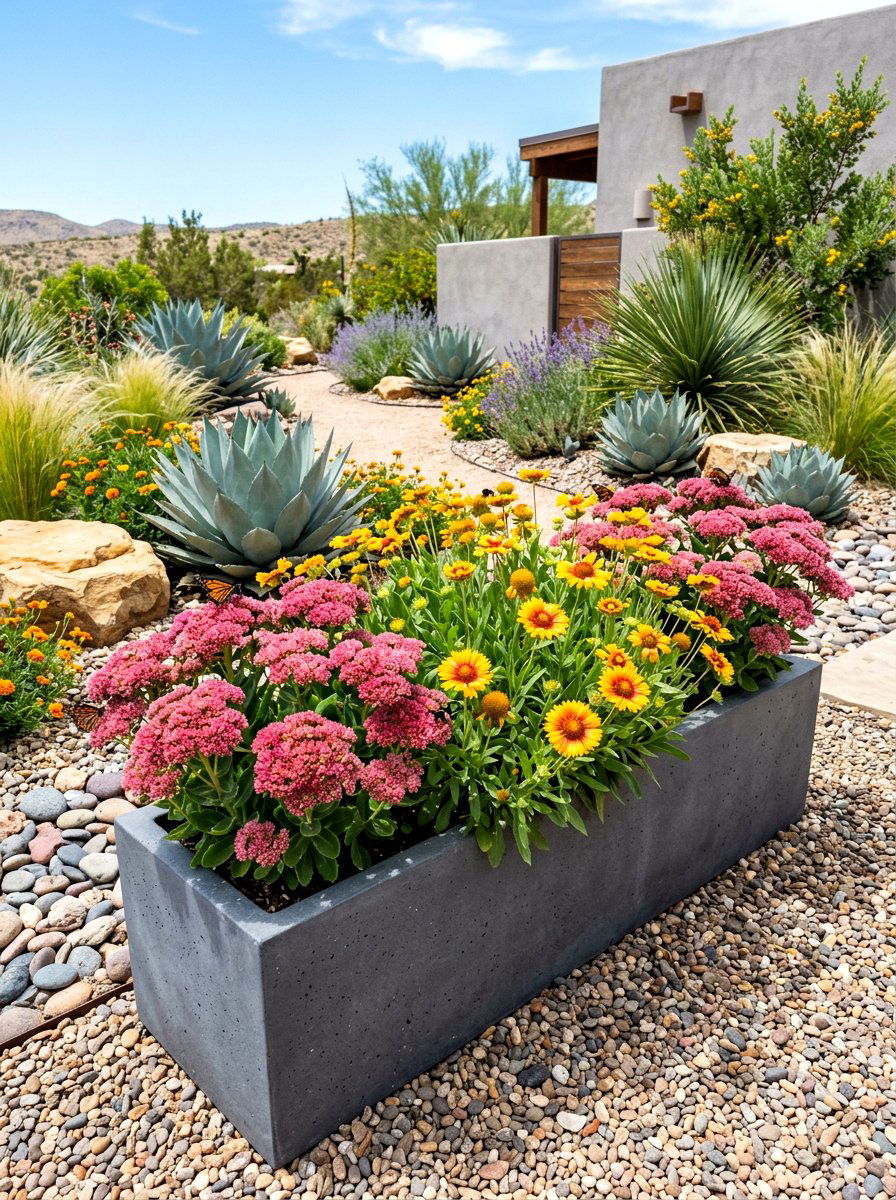
If you live in a dry climate or simply want a low-maintenance patio, a drought-tolerant pollinator planter is the ideal choice. Using succulents like autumn joy sedum combined with hardy perennials like blanket flower ensures your garden stays vibrant even with minimal watering. These plants are specifically adapted to store moisture, yet they still produce abundant nectar that attracts butterflies and native bees throughout the hottest months. Arrange them in a modern trough or weathered wood box to match your patio's design style. This sustainable approach reduces your environmental footprint while ensuring that your local pollinators have a reliable food source during long, dry summer spells.
12. Late Season Bloom Box
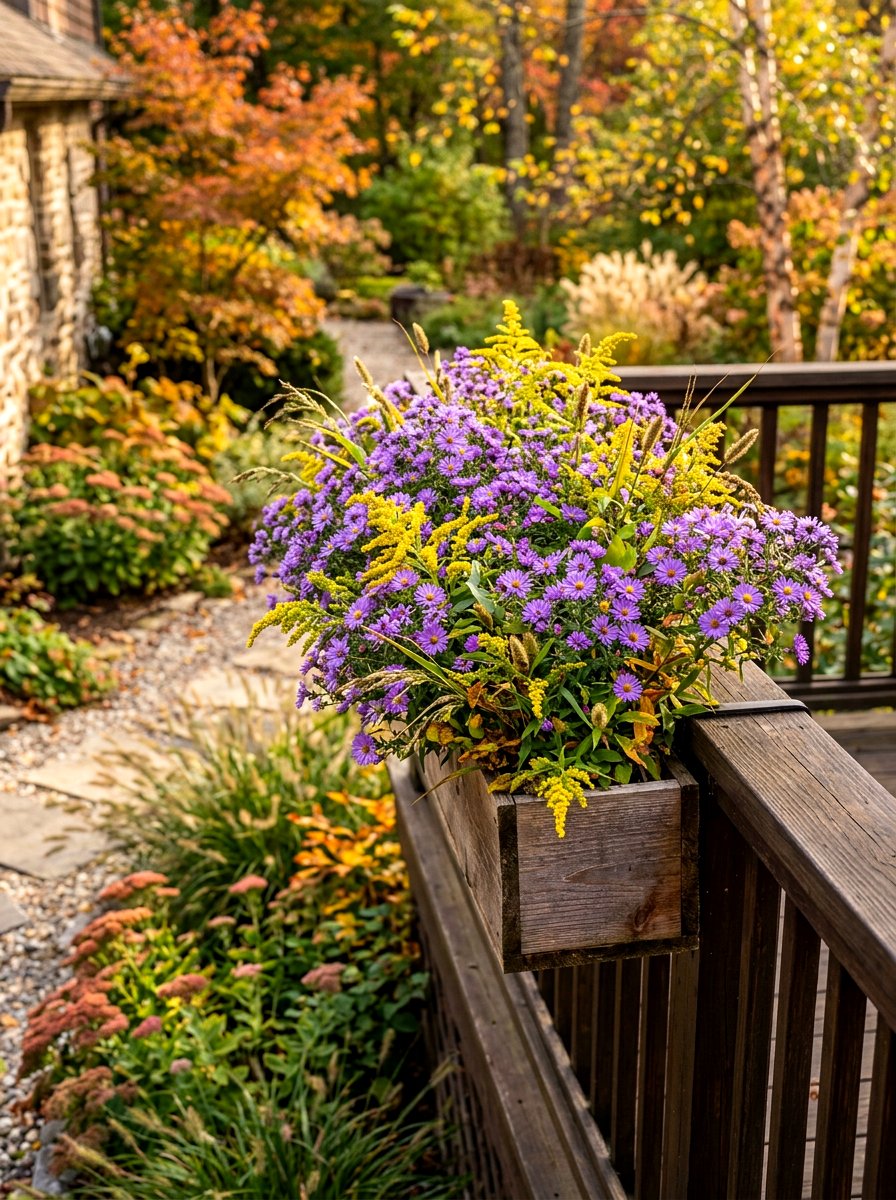
Many gardens lose their luster in the fall, but a late-season bloom box keeps your patio and pollinators happy until the first frost. Plants like asters and goldenrod provide critical energy for migrating butterflies and bees preparing for winter dormancy. These late bloomers often come in brilliant shades of purple, yellow, and blue, adding a fresh burst of color when other plants are fading. Use a large rectangular window box or a collection of medium pots to create a dense display of autumn textures. Providing food during this transitional period is one of the most helpful things a patio gardener can do for local wildlife.
13. Fragrant Night Garden
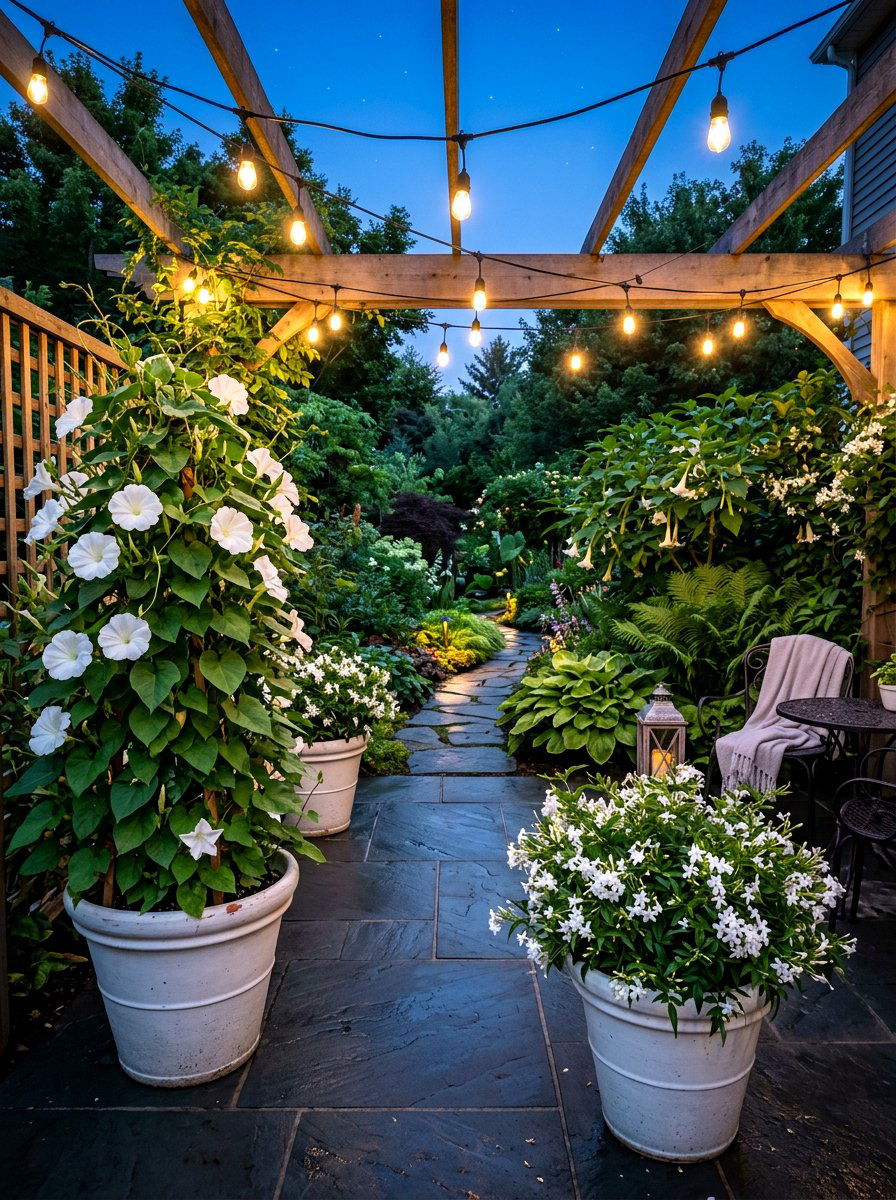
While many people enjoy their patios during the day, a fragrant night garden supports nocturnal pollinators like moths and bats. Choosing white or pale-colored flowers such as moonflower, jasmine, or evening primrose ensures that the blooms are visible in low light conditions. These plants often release their strongest scents after the sun goes down, creating a magical and romantic ambiance for evening gatherings. Arrange these containers near your patio doors or seating area to fully appreciate the sweet perfumes as they drift on the night breeze. This unique design extension ensures your outdoor space remains a functional habitat for nature at every hour of the day.
14. Salvia Patio Display
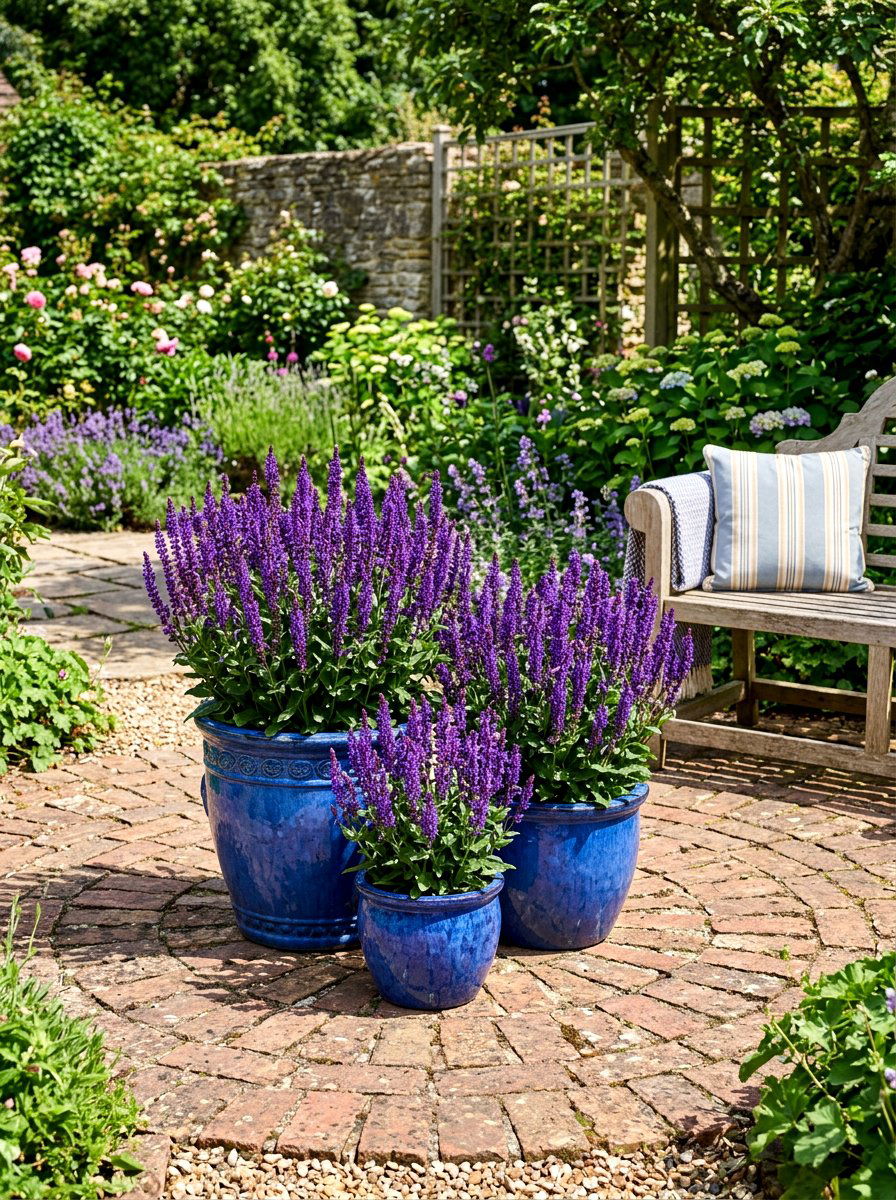
Salvia is a versatile and incredibly popular plant for pollinator patios because of its long blooming season and vibrant tubular flowers. Whether you choose the deep purples of May Night or the bright reds of Pineapple Sage, these plants are irresistible to both bees and hummingbirds. They grow beautifully in medium-sized pots and can be easily mixed with other annuals for a full, lush appearance. Because salvia is relatively pest-resistant and heat-tolerant, it remains looking fresh and tidy even in the middle of a scorching summer. Grouping several varieties together creates a stunning gradient of color that serves as a high-traffic destination for winged visitors.
15. Pollinator Ground Cover
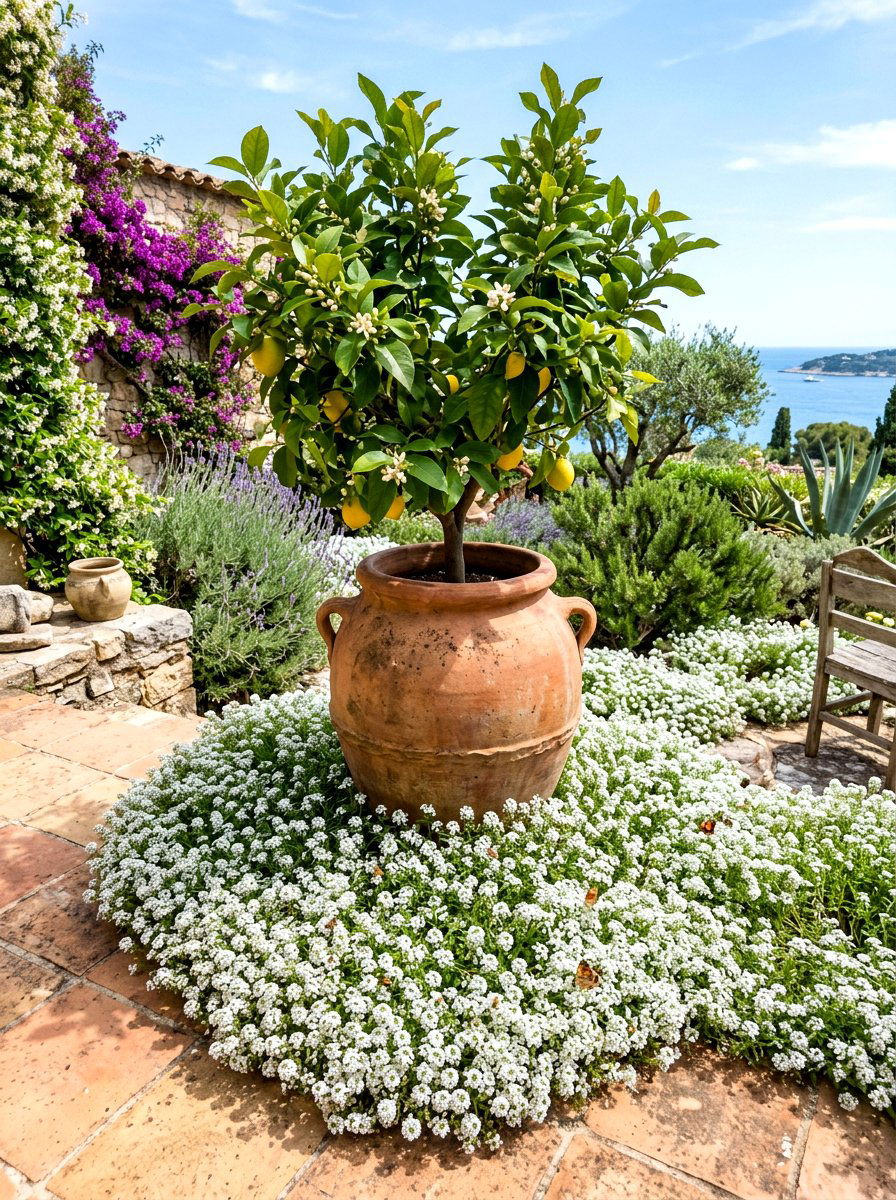
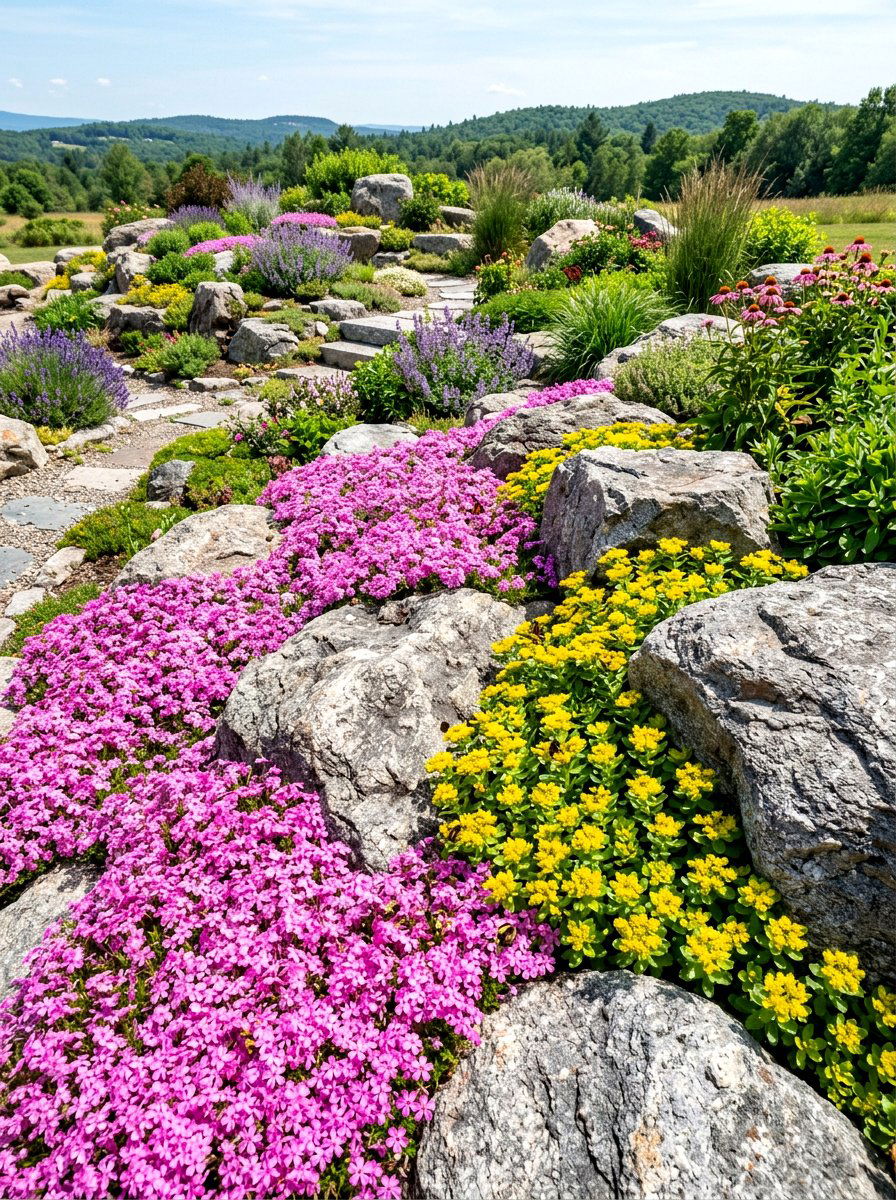
Turning the edges of your patio into a lush zone of pollinator ground cover is a smart way to soften hard landscaping. Instead of traditional mulch, consider using flowering creepers like creeping phlox or sweet alyssum to fill in the soil around larger potted shrubs. these low-profile plants create a thick carpet of blossoms that provide a massive landing pad for smaller insects and beetles. This layered planting technique helps to keep the soil cool and moist, reducing the need for frequent watering. It also adds a professional, finished look to your container arrangements, making your patio feel like a carefully curated botanical garden.
16. Perennial Patio Border
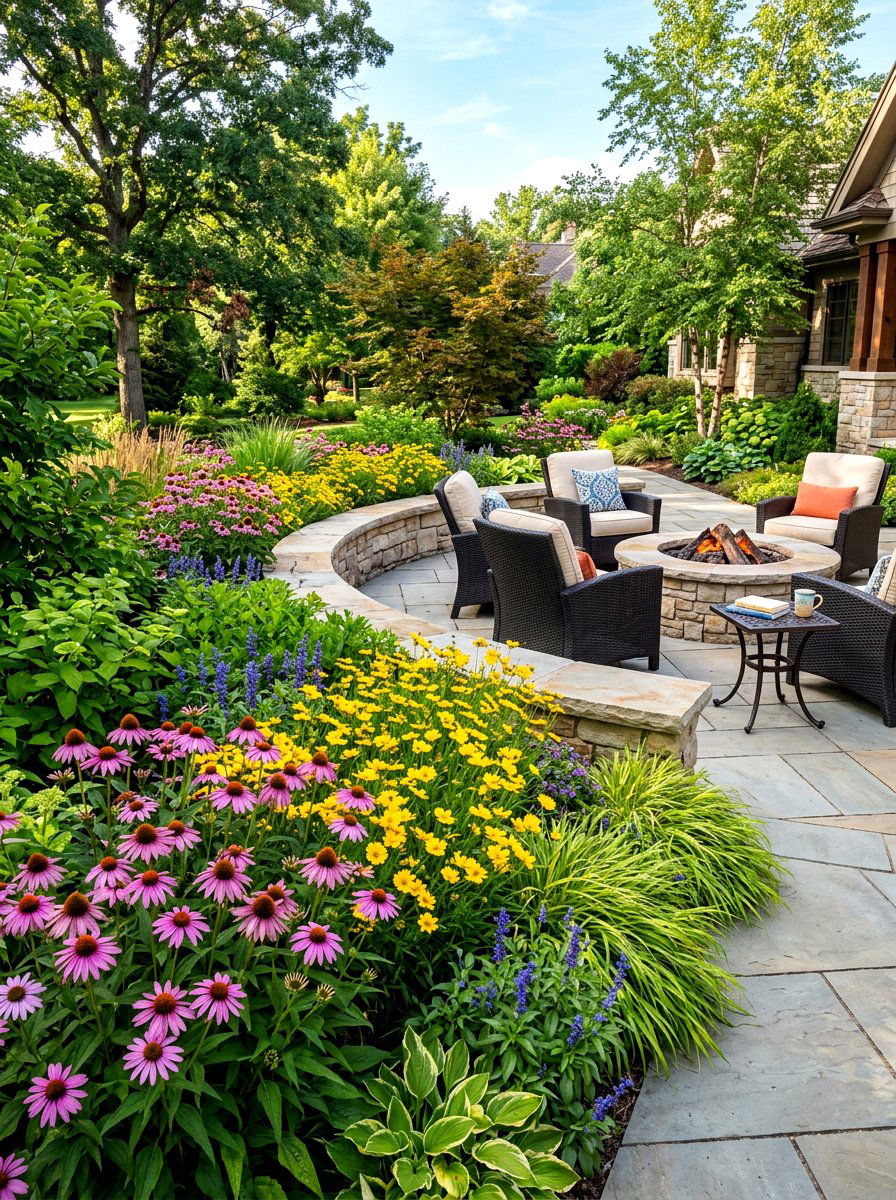
A perennial patio border consists of long-lived flowering plants that return year after year, providing a consistent habitat for local wildlife. By planting a mix of coneflowers, coreopsis, and hyssop in large permanent planters, you create a stable environment that pollinators will learn to revisit. These hardy plants develop deep root systems that make them more resilient to temperature fluctuations on a paved surface. Incorporating different heights and textures into the border adds visual interest and ensures that various types of pollinators find the specific flower shapes they prefer. This long-term investment in your patio design results in a lush, low-maintenance sanctuary that only gets better.
17. Zinnia Flower Trough
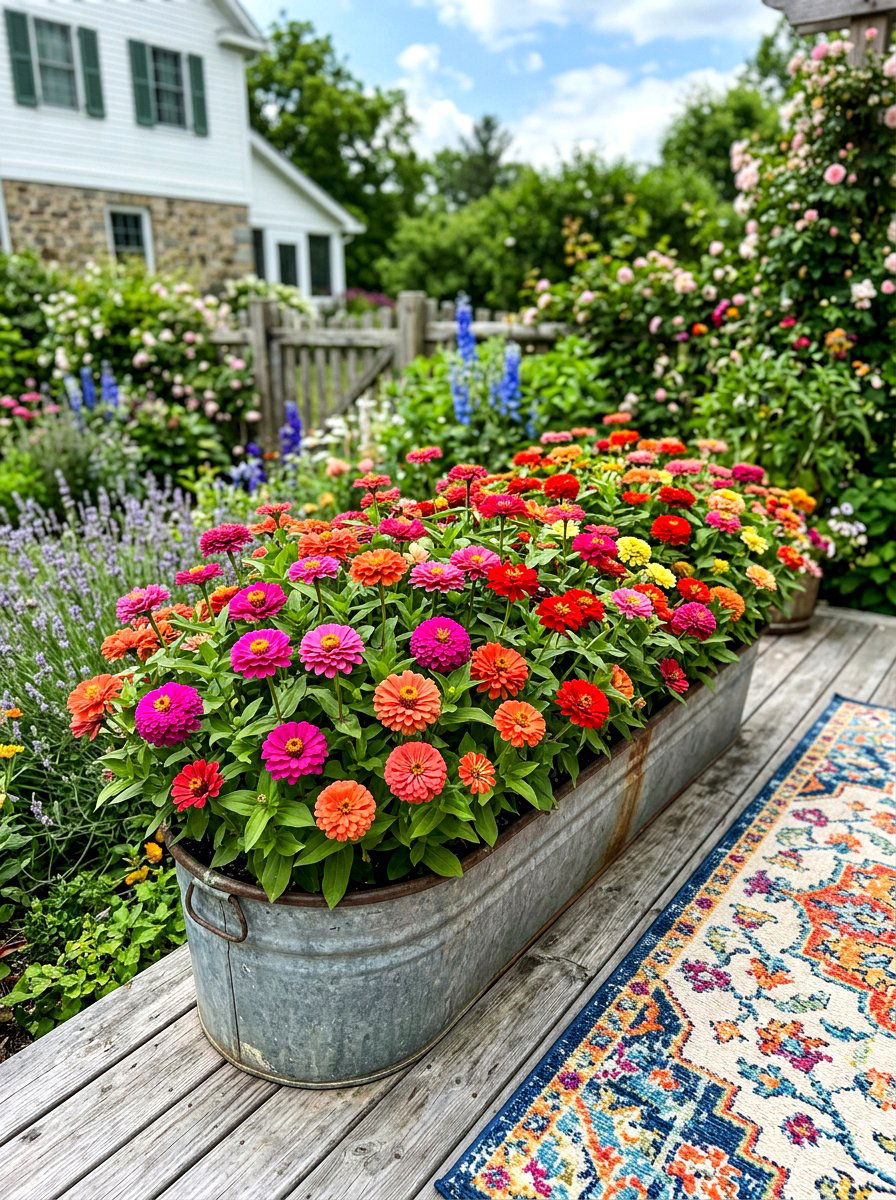
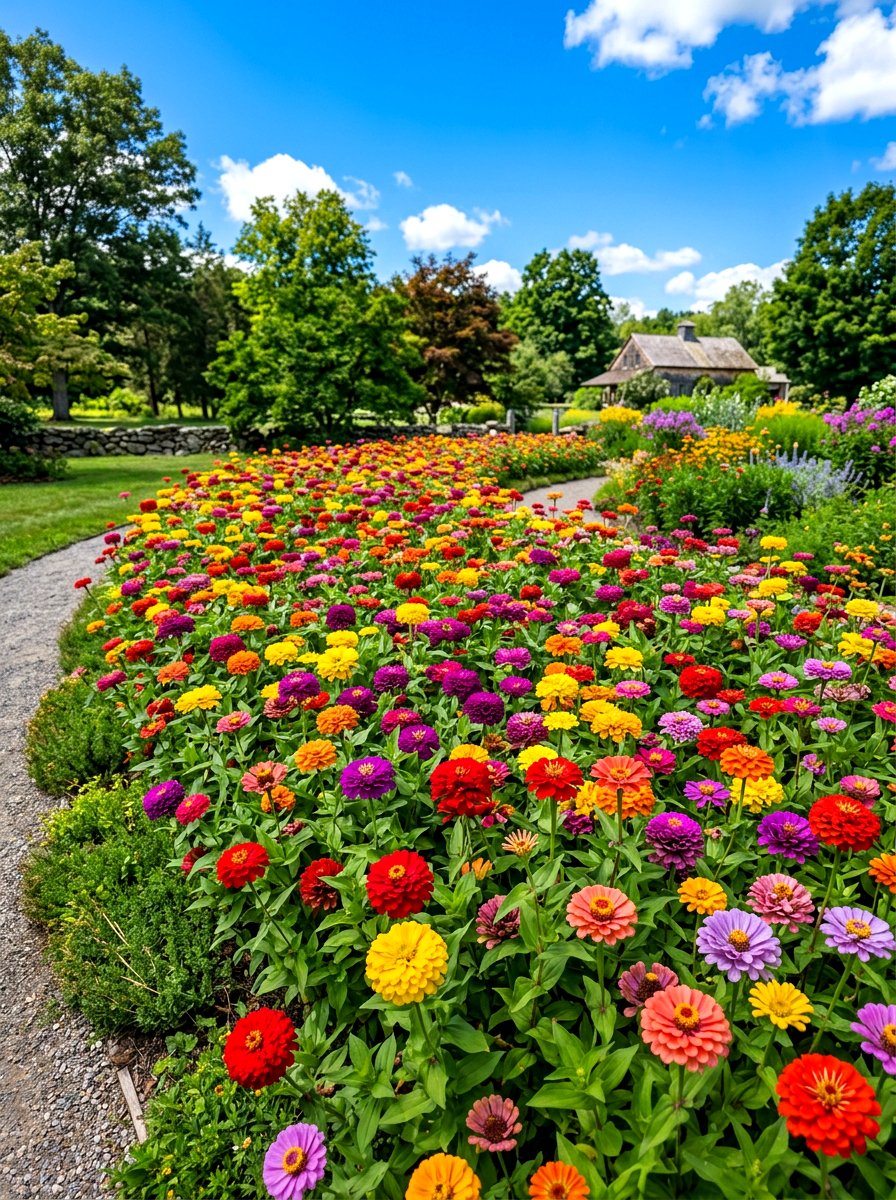
Zinnias are among the easiest and most rewarding annuals to grow on a patio for attracting a diverse range of butterflies. Using a long galvanized metal trough or a wooden planter box allows you to sow a dense mix of colors and varieties. Their flat, open faces provide the perfect landing platform for larger butterflies like swallowtails to rest and feed comfortably. Zinnias are also excellent for cutting, so you can bring the beauty of your pollinator garden indoors without depriving your outdoor guests of their feast. Regular deadheading will encourage the plants to produce new blossoms continually from early summer until the very first frost.
18. Butterfly Bush Container
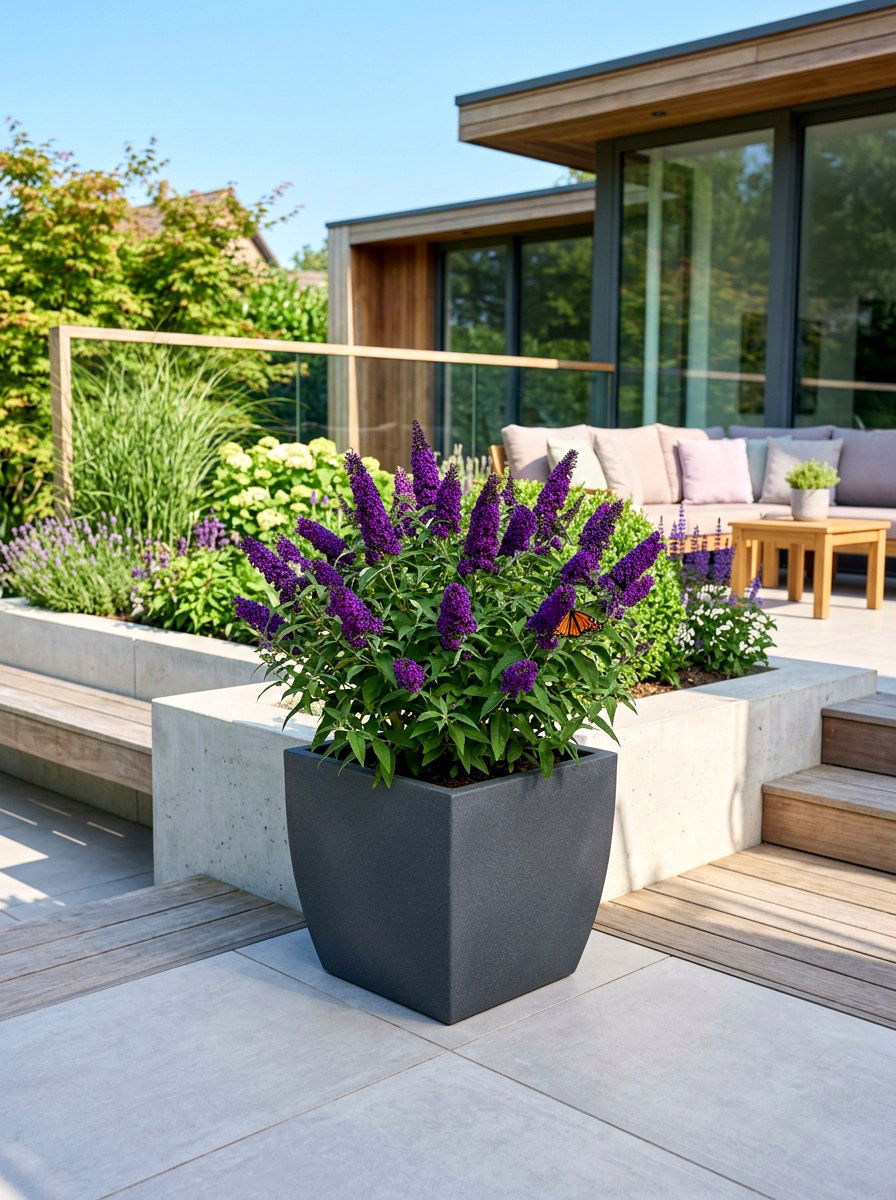
While traditional butterfly bushes can become quite large, dwarf varieties are specifically bred to thrive in patio containers without losing their appeal. These compact shrubs produce long, honey-scented flower spikes that can attract dozens of butterflies in a single afternoon. Placing a butterfly bush in a large, heavy pot creates a stunning architectural focal point that anchors your patio 's design. The dense foliage also provides a safe place for insects to hide from wind or predators during the day. Because they are so attractive to pollinators, these shrubs are often referred to as nature' s ultimate magnet, making them a must-have for any enthusiast.
19. Coneflower Patio Grouping
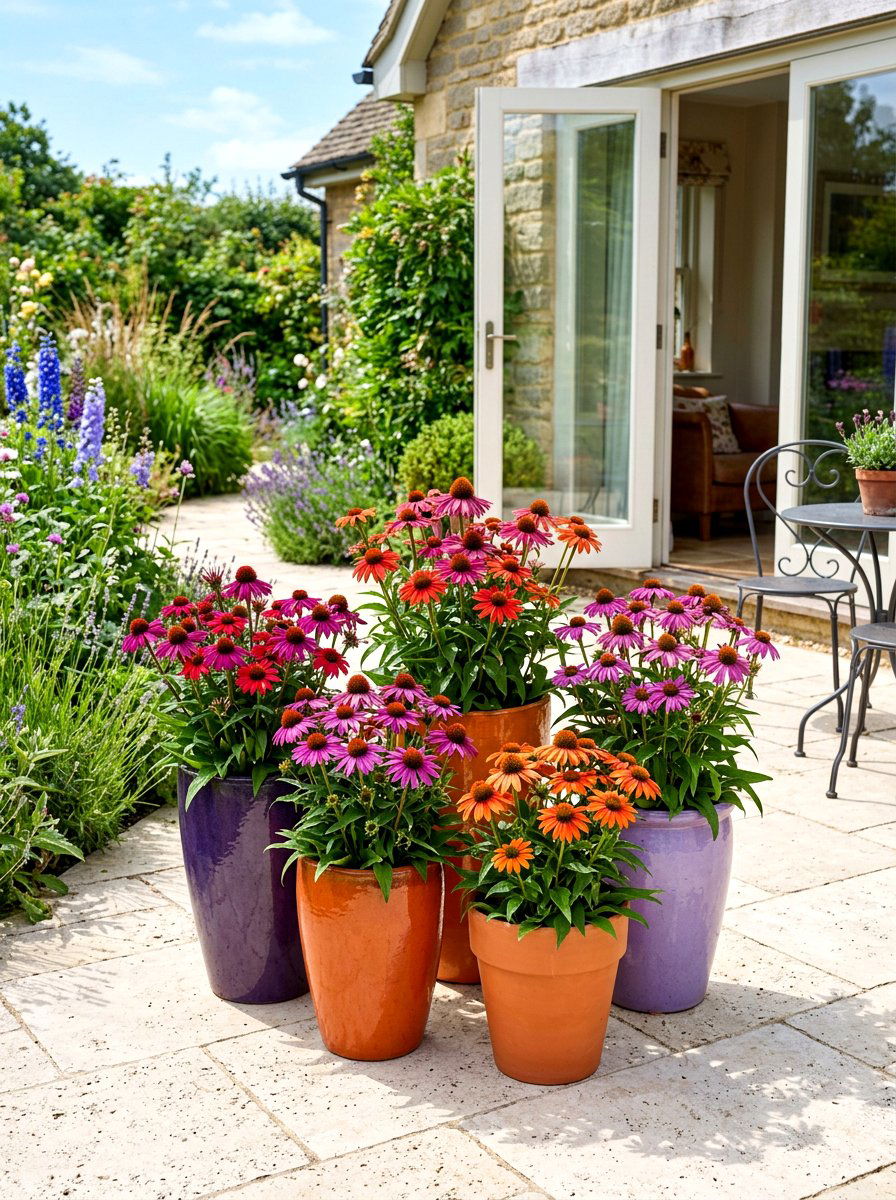
Purple coneflowers are iconic prairie plants that translate beautifully to a modern patio setting when grouped in stylish ceramic pots. Their prominent orange centers are packed with nectar and pollen, while their sturdy stems hold up well even in breezy conditions. Once the flowers fade, the dried seed heads provide a valuable food source for small birds like finches later in the season. Grouping three or five pots of coneflowers together creates a powerful visual statement that mimics the way these plants grow in the wild. This grouping technique makes it much easier for pollinators to spot your garden from a long distance.
20. Sunflower Balcony Pot
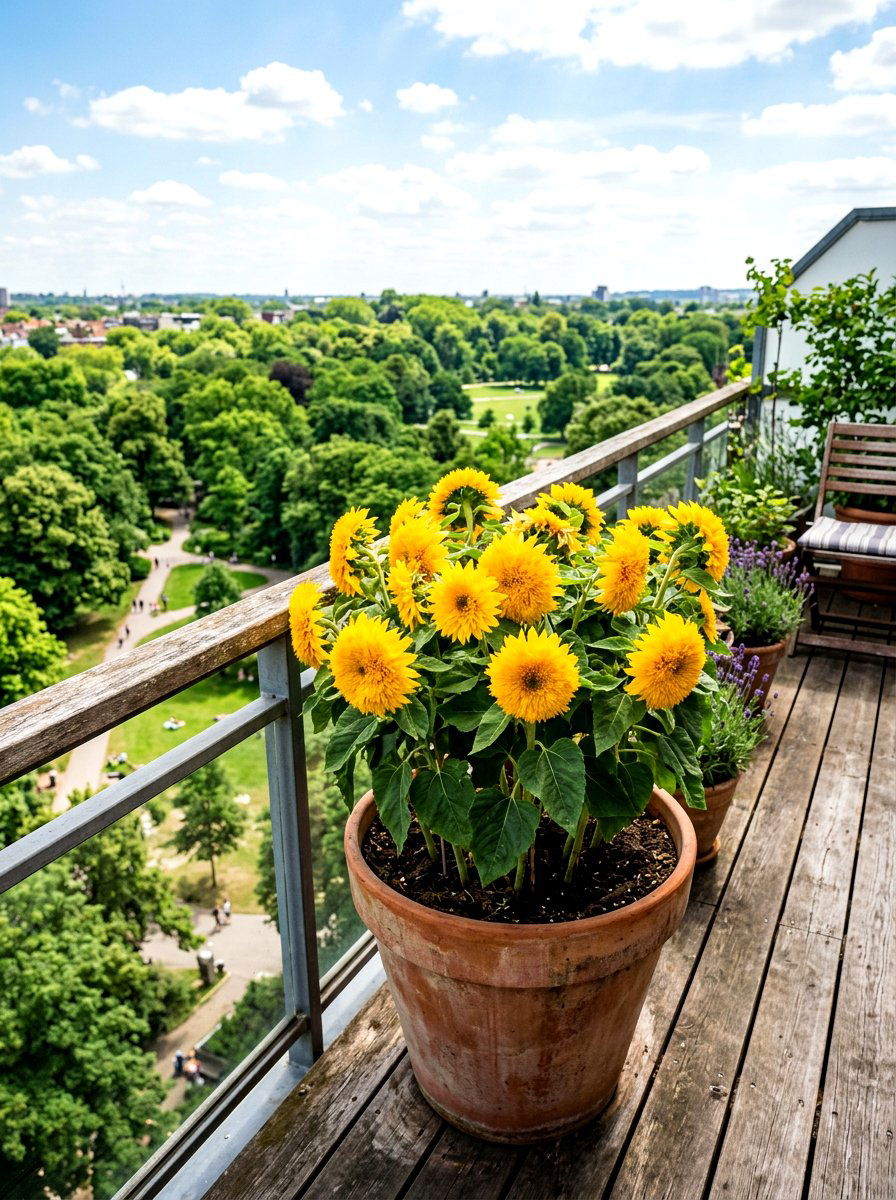
You do not need a massive field to enjoy the cheerful presence of sunflowers; dwarf varieties are perfect for sunny balcony pots. Varieties like Teddy Bear or Big Smile stay under two feet tall but still produce large, pollen-rich faces that bees find absolutely irresistible. Sunflowers are incredibly fast-growing and provide a sense of vertical height and drama to your container collection. Their bright yellow petals are highly visible to pollinators, acting like a giant neon sign for a delicious meal. Watching a heavy bumblebee navigate the center of a sunflower is one of the most charming sights you can experience on your patio.
21. Climbing Honeysuckle Trellis
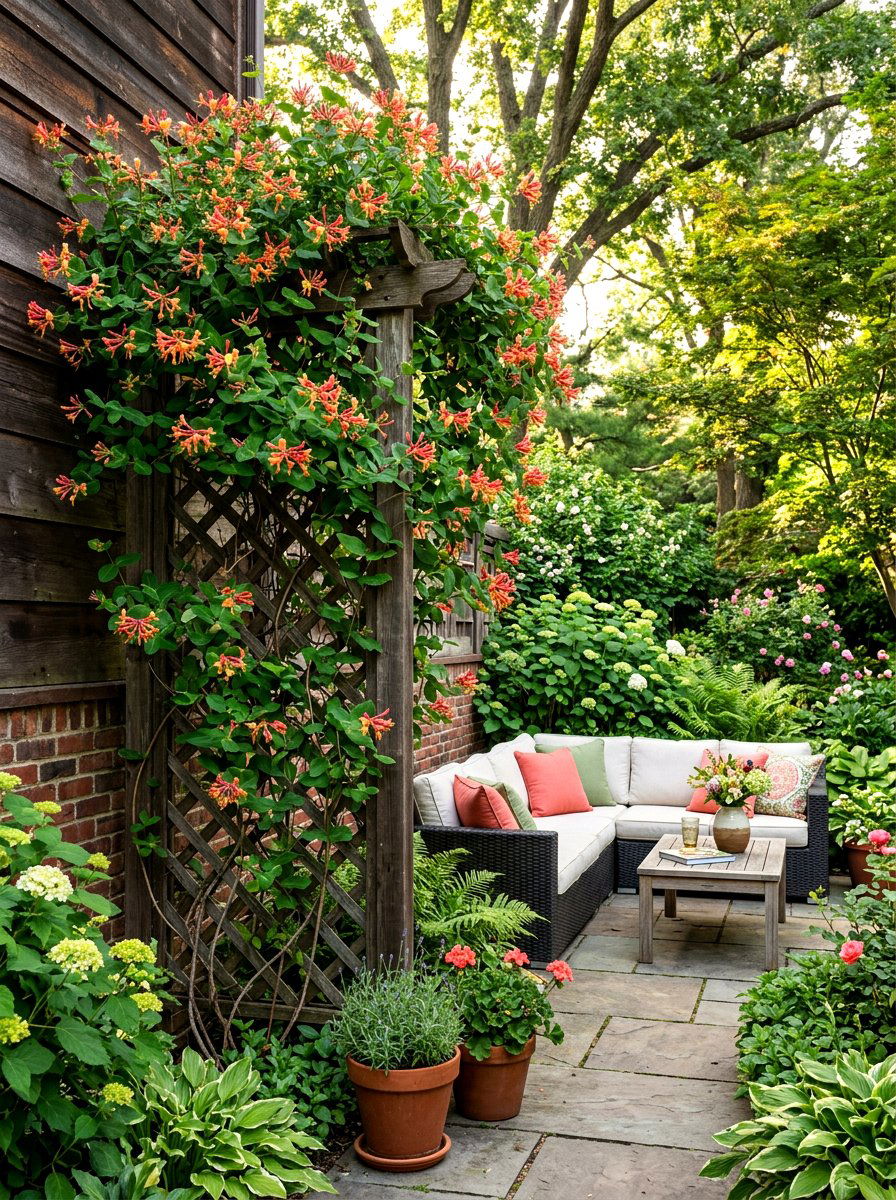
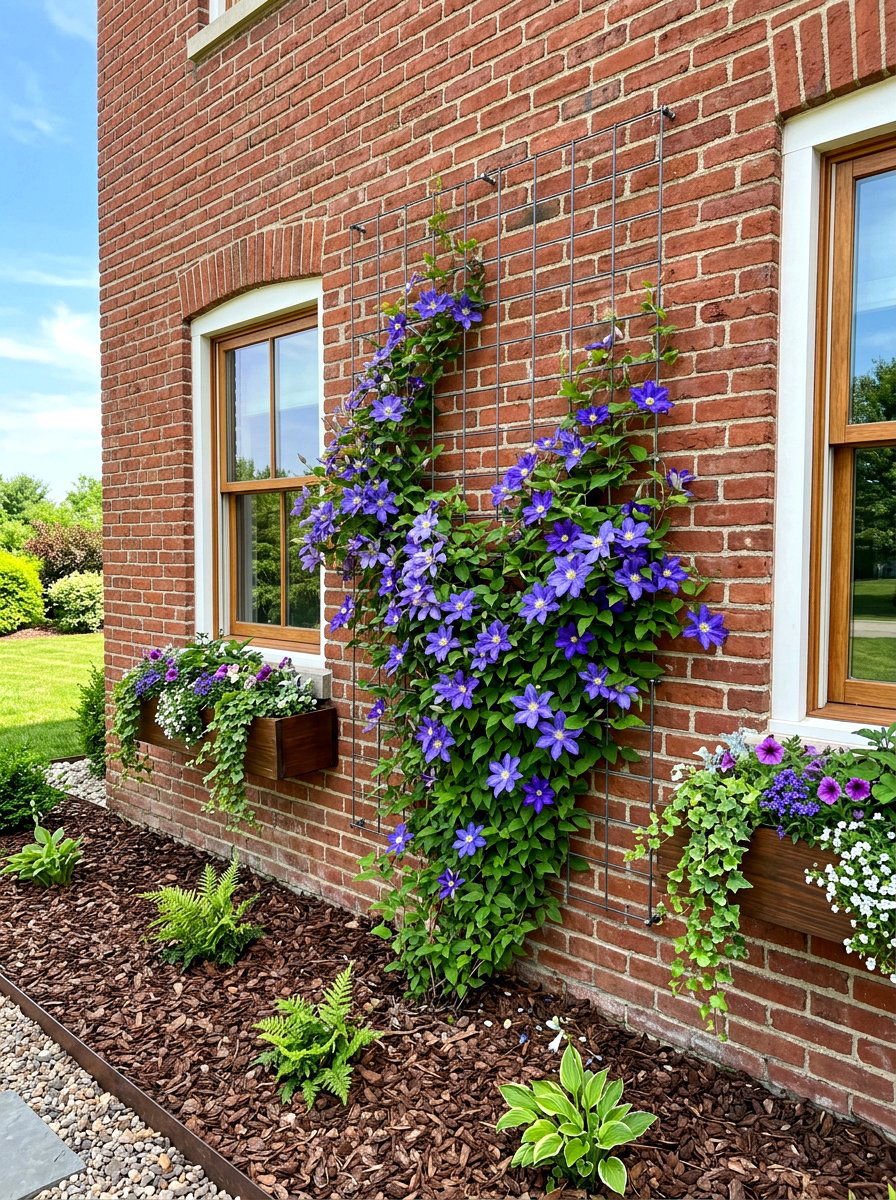
Installing a trellis on your patio wall allows you to grow climbing honeysuckle, which is a premier food source for hummingbirds and moths. The fragrant, trumpet-shaped flowers release a sweet scent that fills the air, especially during the warm twilight hours. This vertical climbing plant provides excellent screening for privacy while creating a lush, green environment that feels secluded and peaceful. Ensure the trellis is sturdy enough to support the weight of the vine as it grows and matures over the seasons. By taking advantage of vertical space, you create a multi-dimensional habitat that draws pollinators deep into the heart of your outdoor living area.
22. Thyme Crack Filler
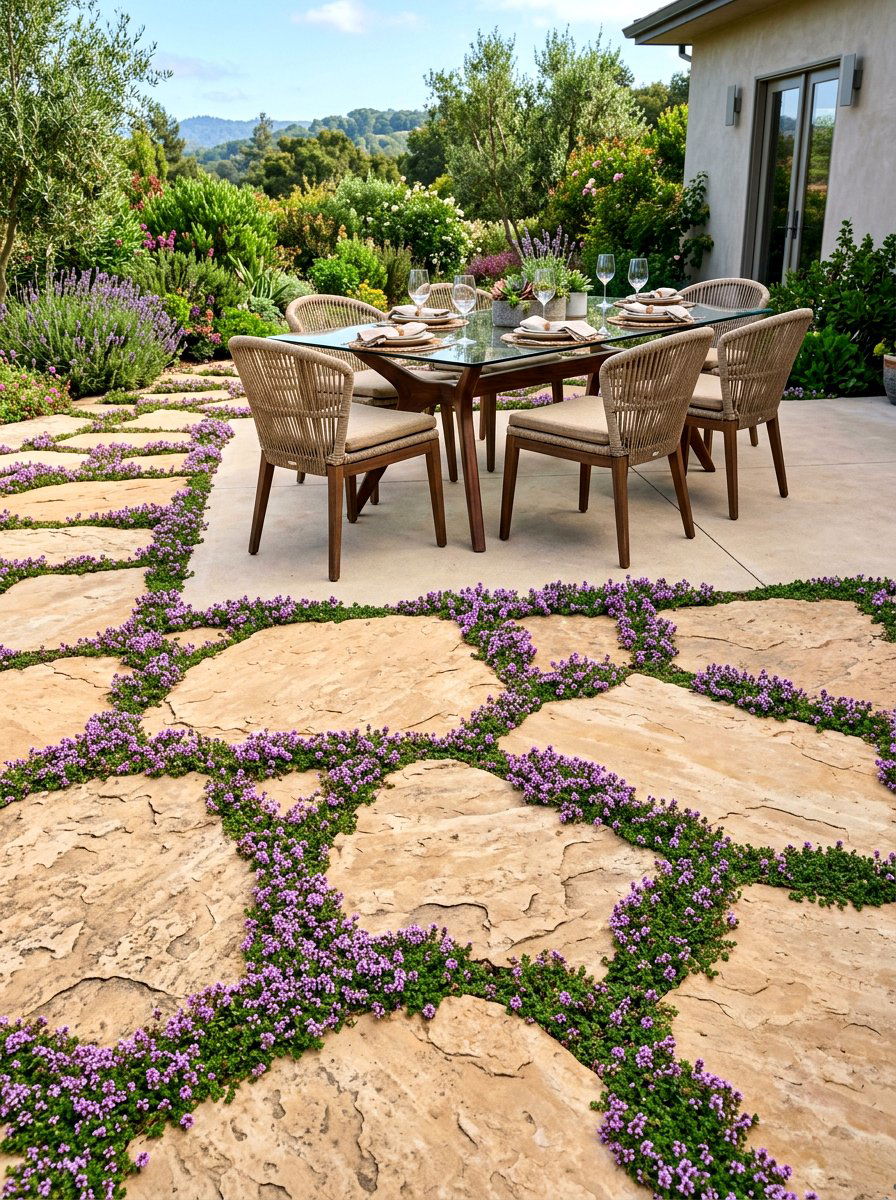
One of the most creative ways to support pollinators is by filling the small cracks between your patio pavers with creeping thyme. This resilient herb thrives in poor soil and tight spaces, producing a sea of tiny purple flowers that tiny solitary bees adore. As you walk across your patio, the thyme releases a wonderful fragrance that enhances the overall atmosphere of your garden. This "living grout" technique helps to suppress weeds naturally while adding a soft, organic texture to your hardscaping. It is an affordable and low-maintenance way to ensure that every square inch of your patio contributes to the local ecosystem.
23. Aster Autumn Planter
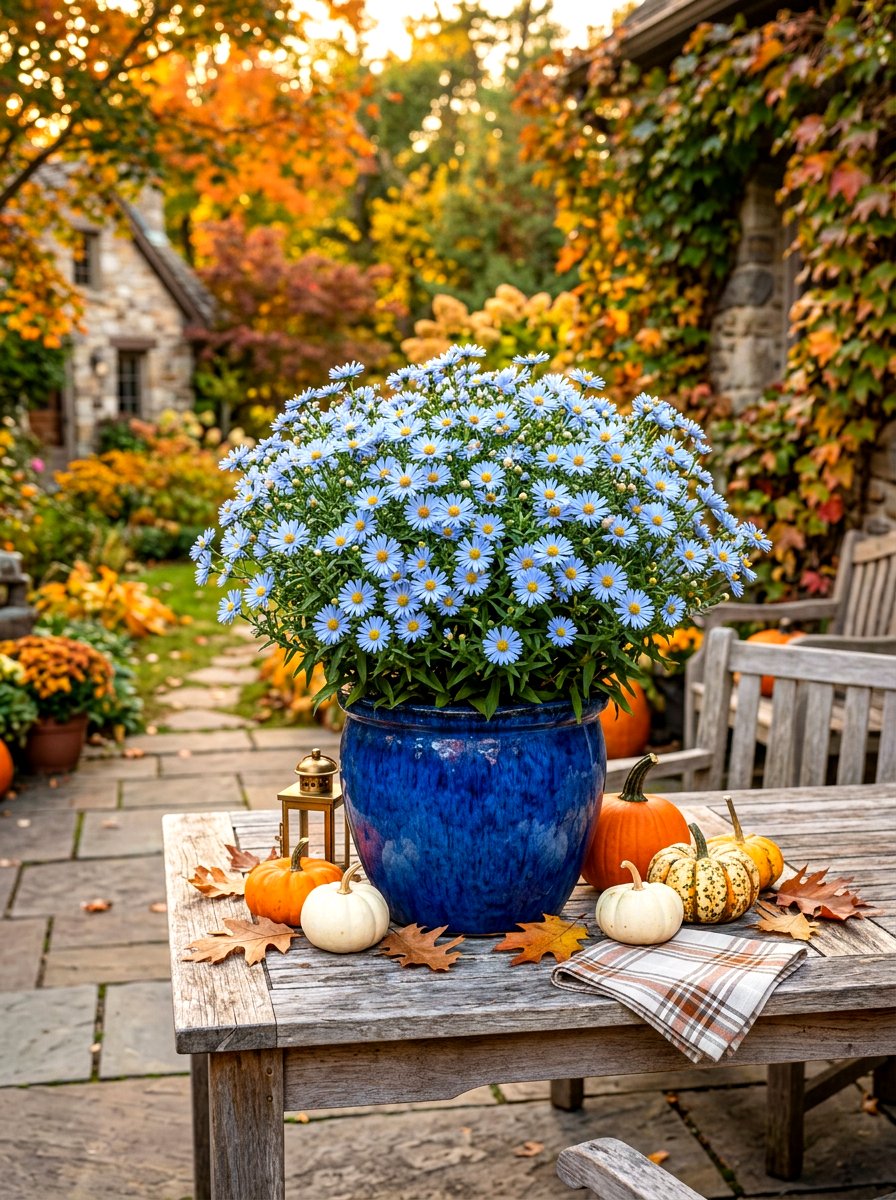
As the summer heat begins to fade, asters step into the spotlight to provide a final, essential feast for pollinators. These daisy-like flowers come in brilliant shades of blue, purple, and white, creating a cool-toned contrast to the warm colors of autumn. Planting them in medium-sized pots around your patio furniture ensures that late-season butterflies have the energy they need for their long migrations. Asters are very reliable and tend to be covered in bees on sunny fall afternoons, providing a lively end to the gardening year. They are the perfect way to refresh your patio decor for the change of the season.
24. Goldenrod Deck Box
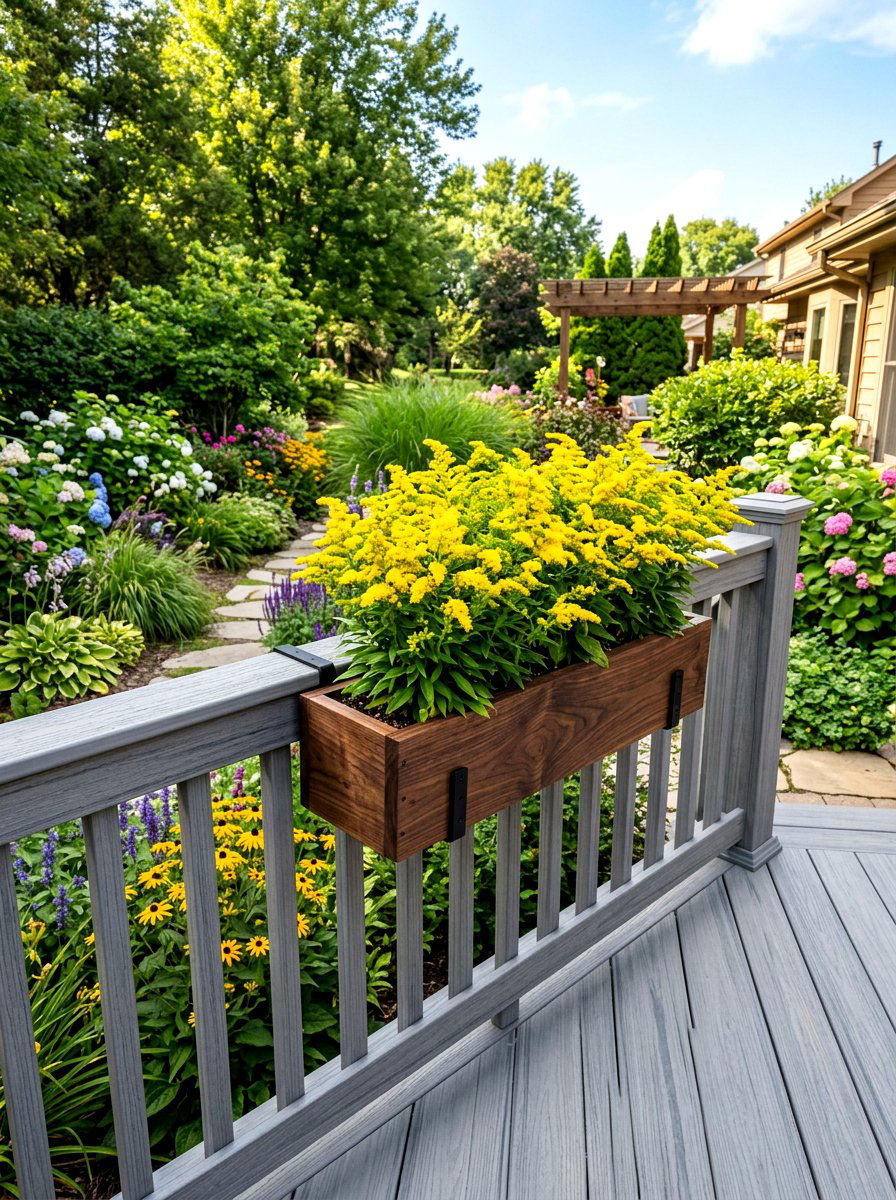
Goldenrod is often misunderstood, but it is actually one of the most important late-season nectar sources for a wide variety of beneficial insects. Modern, compact cultivars are now available that fit perfectly into deck boxes or large planters without becoming invasive or overly tall. The bright yellow plumes provide a stunning visual contrast when paired with purple asters or dark green foliage. Contrary to popular belief, goldenrod does not cause hayfever, making it a safe and beautiful addition to your outdoor seating area. Including this plant in your design ensures that your pollinator sanctuary remains active and helpful even as the weather begins to turn cold.
25. Bee Balm Container
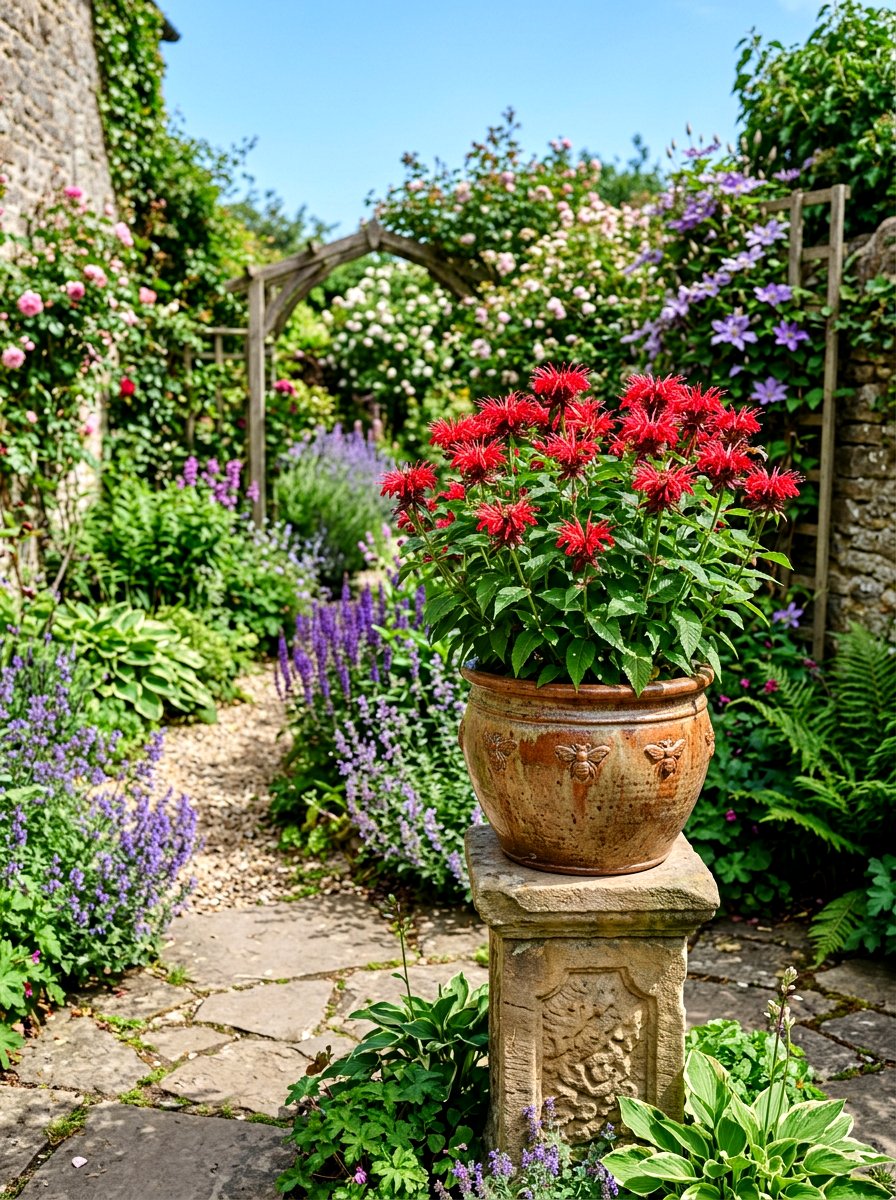
Bee balm, also known as Monarda, features unique, shaggy flower heads that are a favorite for long-tongued pollinators like hummingbirds and butterflies. While some wild varieties can spread quickly, planting them in a large container keeps them contained while still providing a massive amount of nectar. The foliage has a pleasant minty or citrusy scent that adds another layer of sensory delight to your patio experience. Choose mildew-resistant varieties to keep the plants looking healthy and vibrant throughout the humid summer months. Placing a pot of bee balm near a window allows you to watch the constant activity of visitors from the comfort of your home.
26. Penstemon Flower Pot
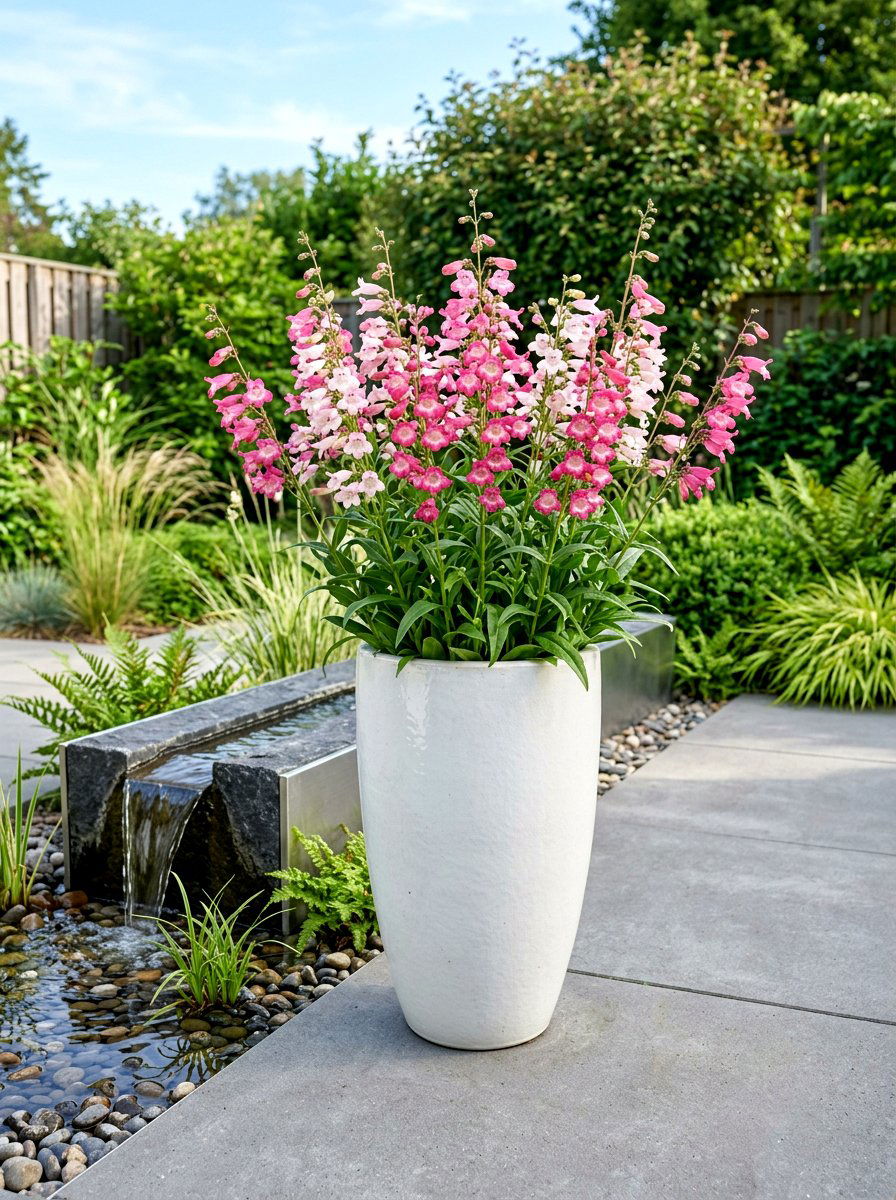
Penstemon, commonly known as beardtongue, produces elegant spikes of bell-shaped flowers that are perfectly designed for bees to crawl inside. These hardy perennials come in a wide range of colors and thrive in the well-drained conditions often found in patio pots. Their upright growth habit makes them excellent for adding structure and height to a mixed container arrangement. By choosing native penstemon species, you provide a familiar and nutritious food source for your local pollinator population. These plants are generally drought-tolerant and easy to care for, making them a reliable choice for busy homeowners who want to maintain a beautiful and functional outdoor space.
27. Sedum Rooftop Tray
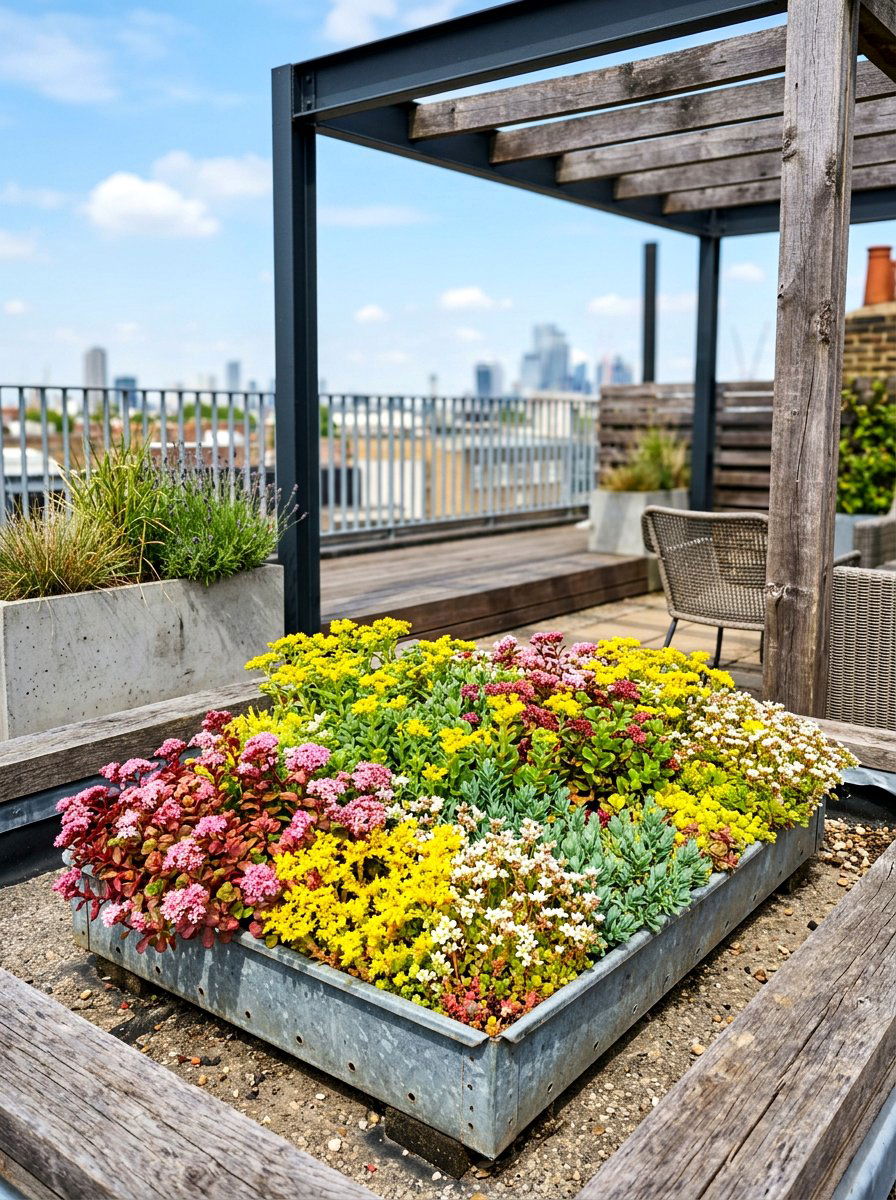
If you have a flat-roofed patio structure or a low-walled balcony, a sedum tray can turn unused space into a pollinator landing strip. These shallow containers are filled with various stonecrop varieties that produce clusters of star-shaped flowers in late summer. Sedums are incredibly tough and can handle intense sun and wind, making them ideal for exposed patio locations. Their succulent leaves store water, allowing them to thrive even if you forget to water them for a few days. The dense mat of flowers provides a stable platform for bees and butterflies to feed, creating a miniature ecosystem in a space that would otherwise be empty.
28. Coreopsis Patio Planter
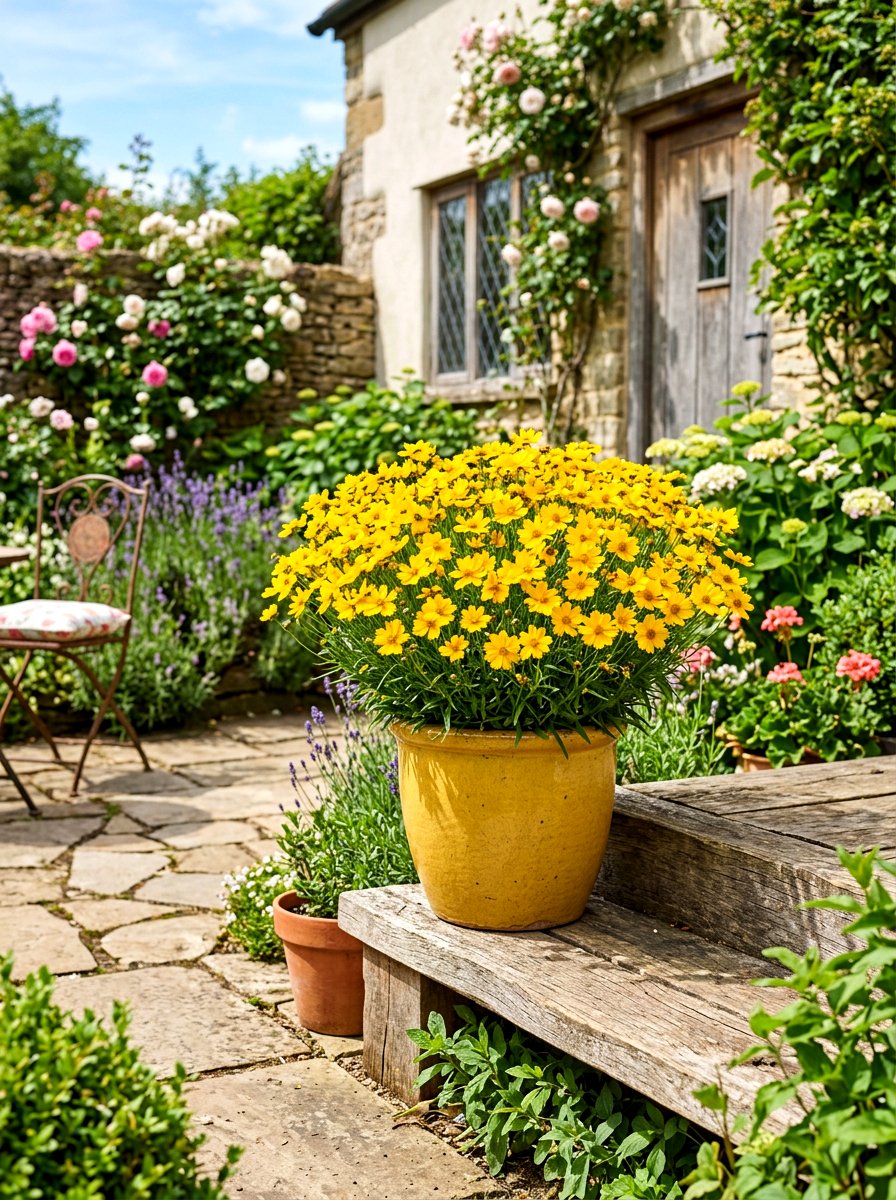
Coreopsis, or tickseed, is a cheerful and prolific bloomer that brings a sunny disposition to any patio planter. These plants are known for their daisy-like flowers that stay in bloom for many weeks, providing a consistent food source for small bees and butterflies. They are exceptionally easy to grow from seed or starts and handle the reflected heat of a patio surface with ease. Using a bright yellow or orange variety can help to draw pollinators into your garden from across the neighborhood. Regular trimming of spent blooms will keep the plant looking tidy and encourage a second flush of flowers later in the summer season.
29. Lantana Hanging Garden
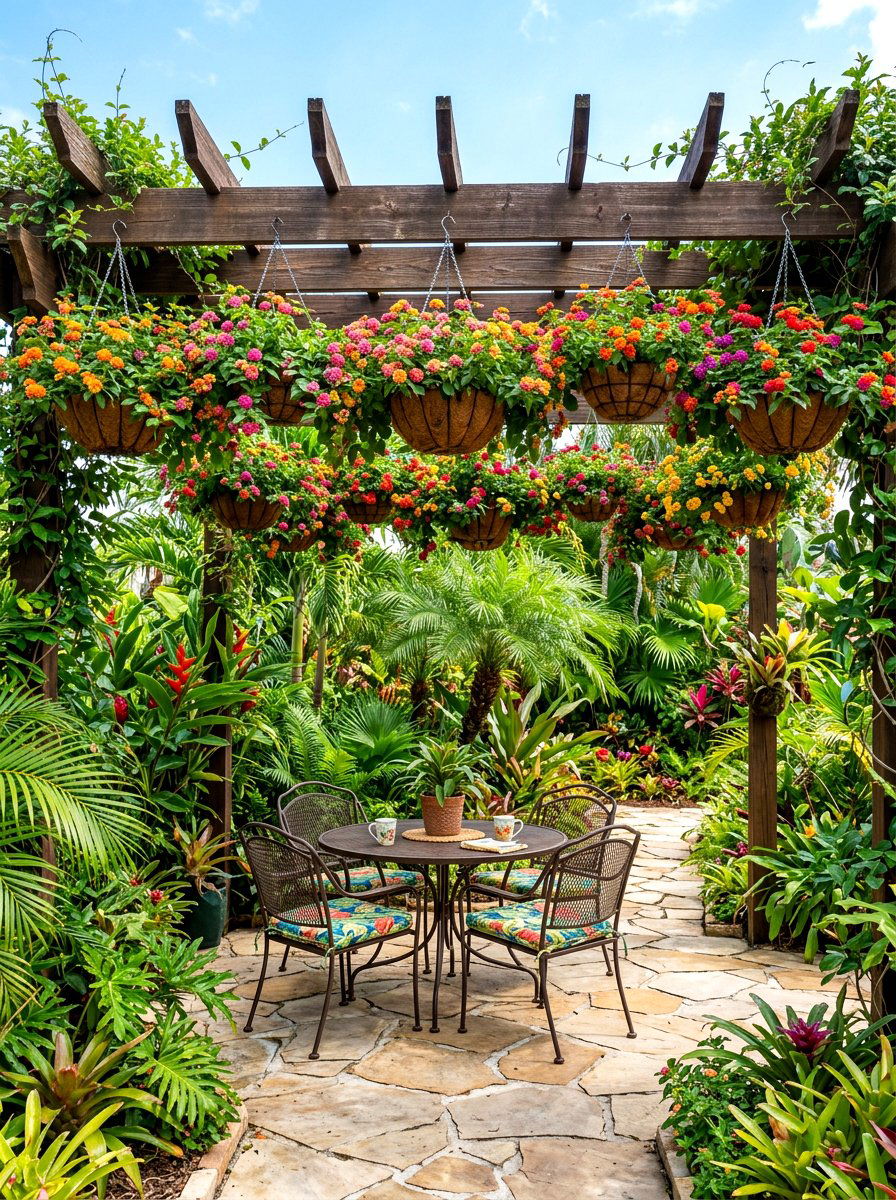
Lantana is a powerhouse plant for pollinator patios, known for its clusters of tiny, multi-colored florets that seem to bloom non-stop. When grown in hanging baskets or elevated wall planters, its trailing stems create a curtain of color that butterflies find impossible to resist. Lantana is highly heat and drought tolerant, making it one of the most reliable performers for sunny decks and balconies. The salt-tolerant nature of this plant also makes it a great choice for coastal patios. By providing a constant supply of nectar throughout the hottest months, lantana ensures that your patio remains a bustling hub of activity all summer long.
30. Native Grass Container
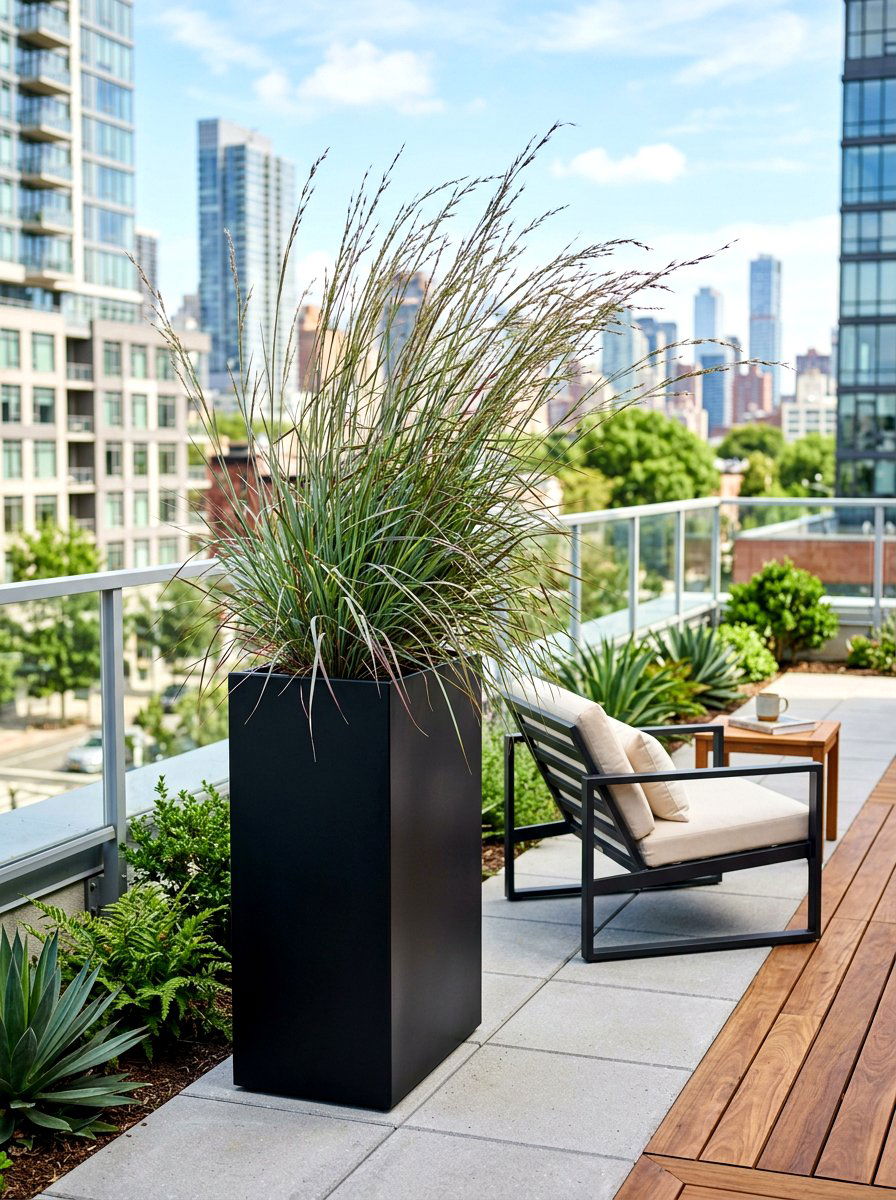
While they may not have flashy flowers, native grasses are essential for a complete pollinator patio as they provide shelter and nesting materials. Species like little bluestem or switchgrass look stunning in modern tall planters, offering a soft, rustling sound and beautiful movement in the wind. These grasses serve as host plants for several butterfly species and provide a safe place for insects to hide from the rain. Their deep green, blue, or reddish hues provide a sophisticated backdrop for your flowering pots, creating a more balanced and natural-looking garden design. Including grasses completes the cycle of life by offering protection alongside the food.
Conclusion:
Transforming your patio into a pollinator sanctuary is a rewarding project that bridges the gap between stylish outdoor living and environmental stewardship. By carefully selecting a mix of native plants, providing essential water sources, and incorporating varied nesting habitats, you create a space that is both beautiful and biologically significant. Every container, whether it holds vibrant zinnias or sturdy native grasses, plays a vital role in supporting the delicate balance of your local ecosystem. As you sit back and enjoy the soothing presence of butterflies and bees, you will realize that your patio has become a living testament to nature's resilience and beauty.

Related posts: