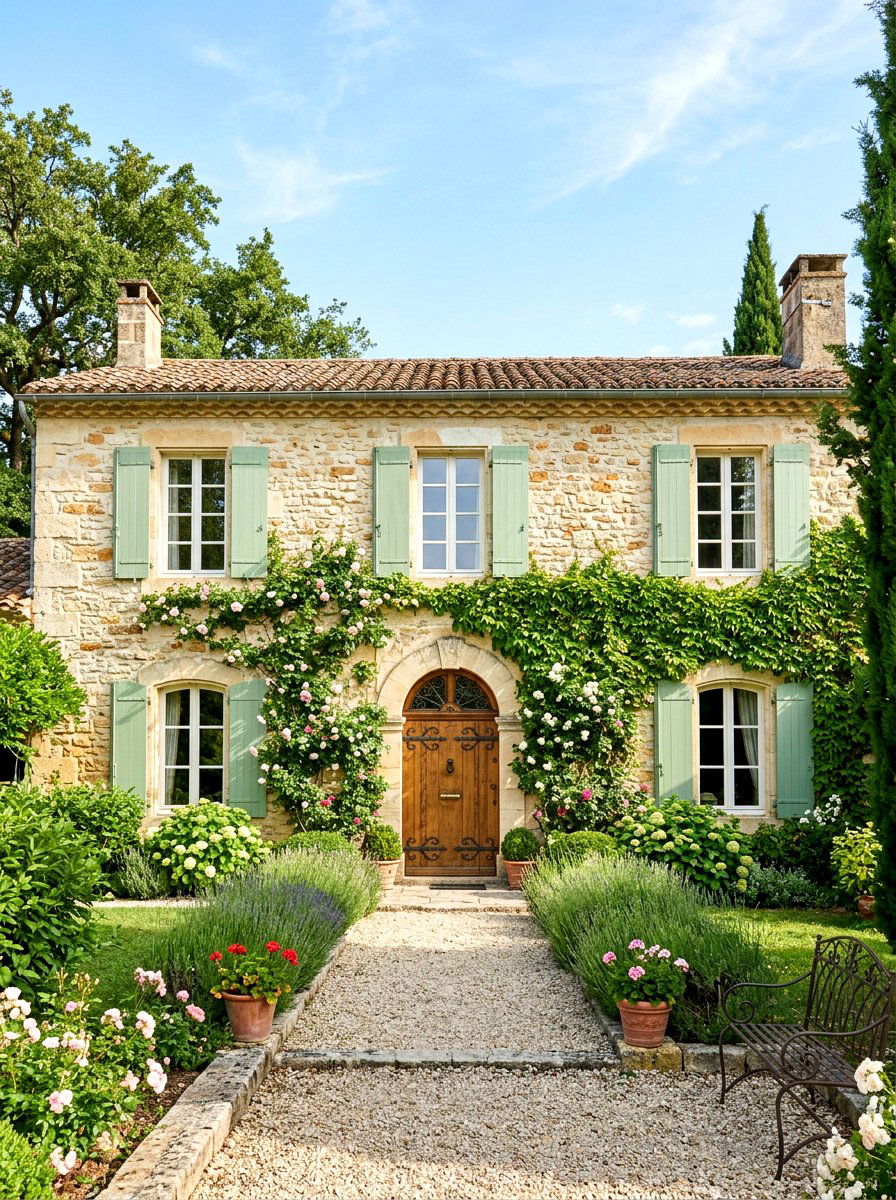
Transforming your front yard into a thriving pollinator sanctuary is a rewarding way to support local biodiversity while creating a stunning visual landscape. By moving away from traditional manicured lawns, you invite essential species like bees, butterflies, and hummingbirds right to your doorstep. This transition does not just benefit the environment; it reduces water usage and maintenance time once the plants are established. A well-planned pollinator space combines diverse textures and colors that change throughout the seasons, ensuring there is always something beautiful to look at. This guide explores creative ways to integrate ecological function with high curb appeal, making your home a sanctuary for nature and a neighborhood standout.
1. Native Perennial Garden
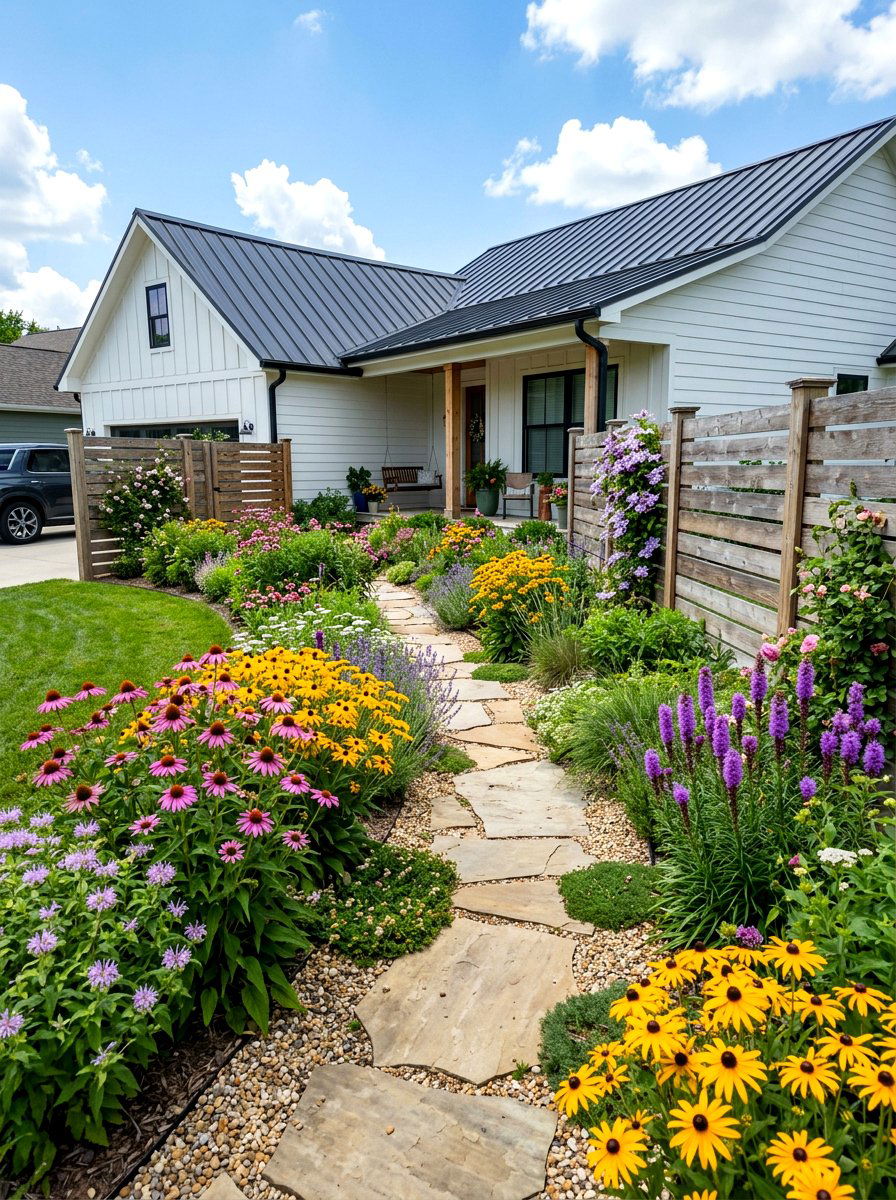
A native perennial garden is the foundation of any sustainable front yard landscape. Choosing plants that naturally occur in your specific region ensures they will thrive with minimal intervention or extra watering. These plants have evolved alongside local insects, providing exactly what they need for food and shelter. You can mix different heights and colors to create a layered look that stays vibrant from spring through late autumn. Using local perennials like purple coneflower or black-eyed Susans provides a reliable source of nectar. This approach creates a low-maintenance beauty that supports the local ecosystem while making your home entrance look welcoming and lush.
2. Monarch Butterfly Habitat
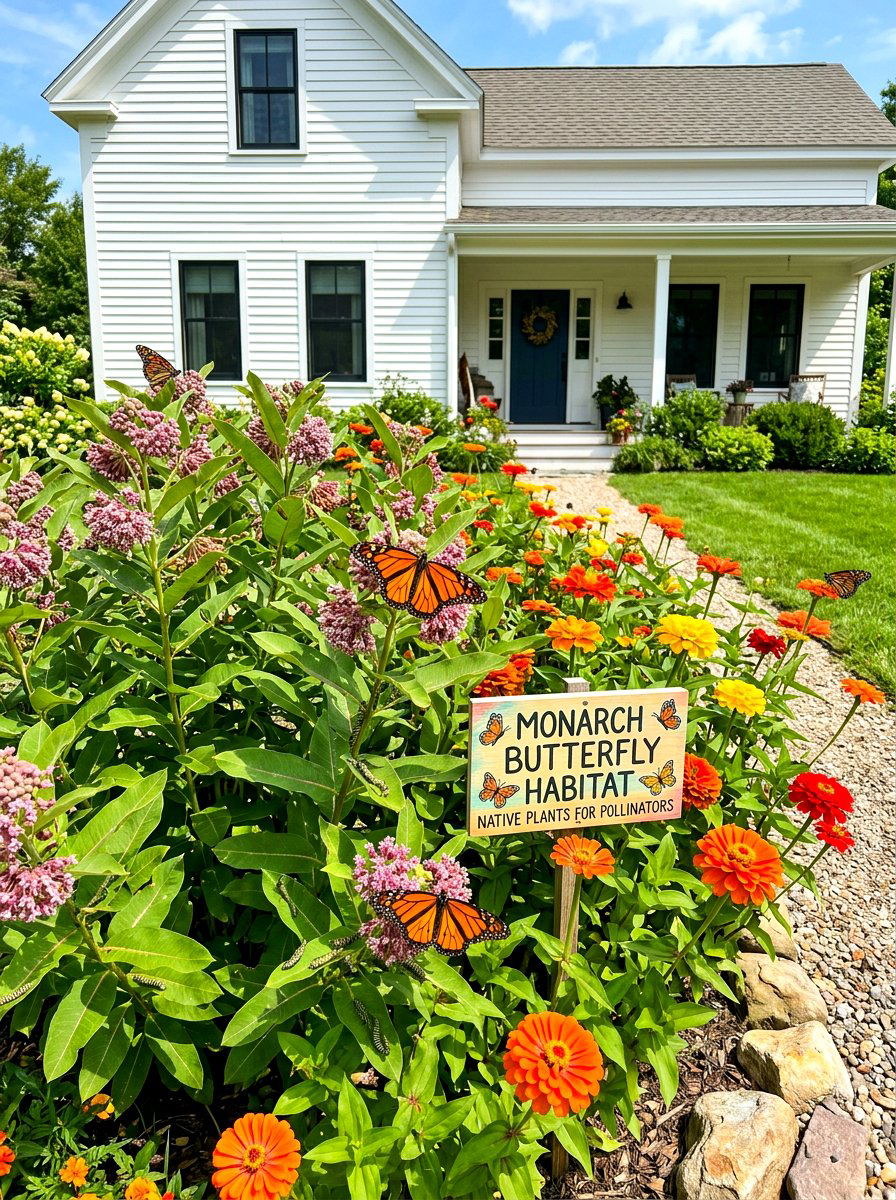
Creating a specific habitat for Monarch butterflies requires a thoughtful mix of host plants and nectar sources. Milkweed is the essential component here, as it is the only plant where Monarchs will lay their eggs. To keep the front yard looking intentional, surround the milkweed with colorful nectar-rich flowers like zinnia or blazing star. This combination ensures that adult butterflies have plenty of fuel while providing a nursery for the next generation. A dedicated patch can be edged with stones or a small fence to show it is a managed part of your landscaping. Watching the lifecycle of these butterflies adds a dynamic element to your home.
3. Wildflower Meadow Lawn
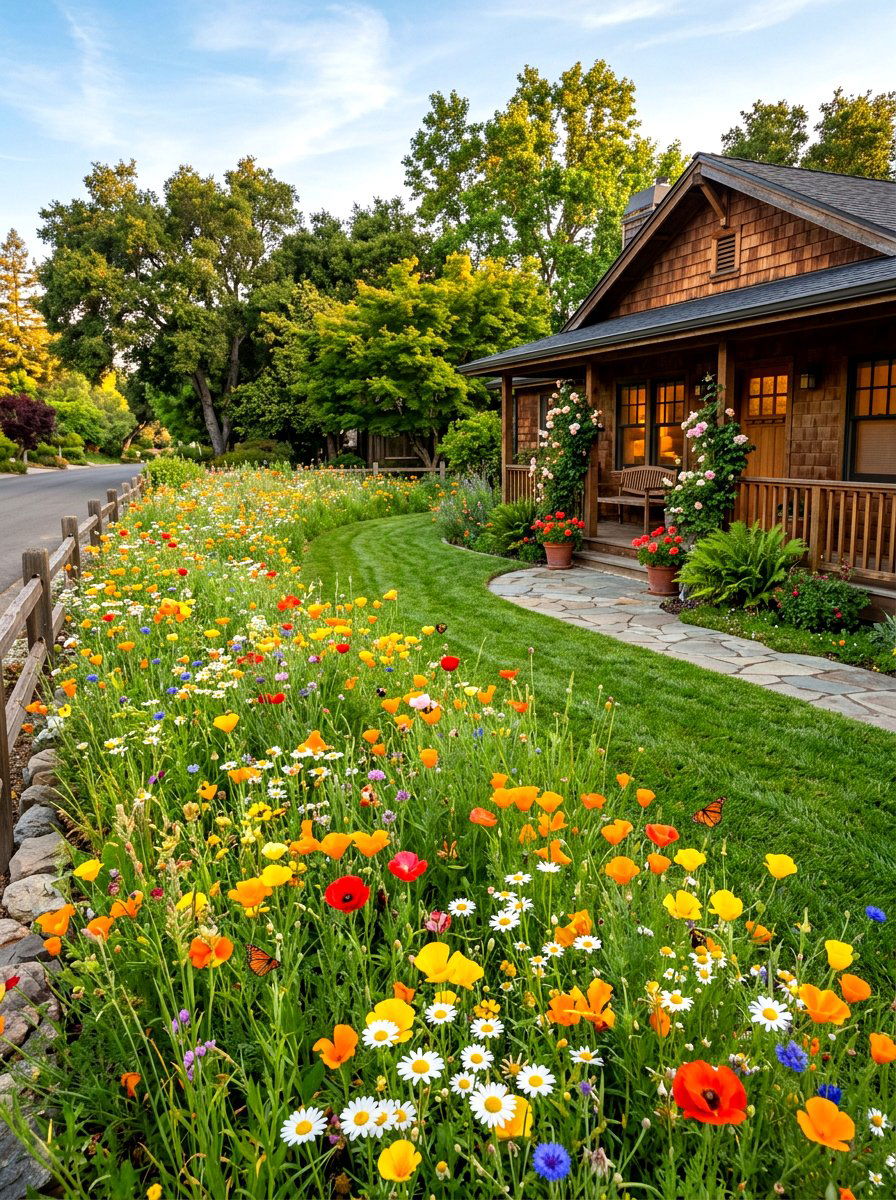
Replacing a traditional grass lawn with a wildflower meadow is a bold and eco-friendly choice. This design mimics the natural prairies and fields, offering a massive amount of forage for a wide variety of pollinators. You can use a seed mix tailored to your climate, featuring species that bloom at different times of the year. To maintain curb appeal, it is helpful to mow a neat border around the edge of the meadow or include a simple gravel path. This shows the neighbors that the wild look is deliberate and cared for. A meadow provides a shifting tapestry of color and movement that lawn grass simply cannot match.
4. Solitary Bee Hotel
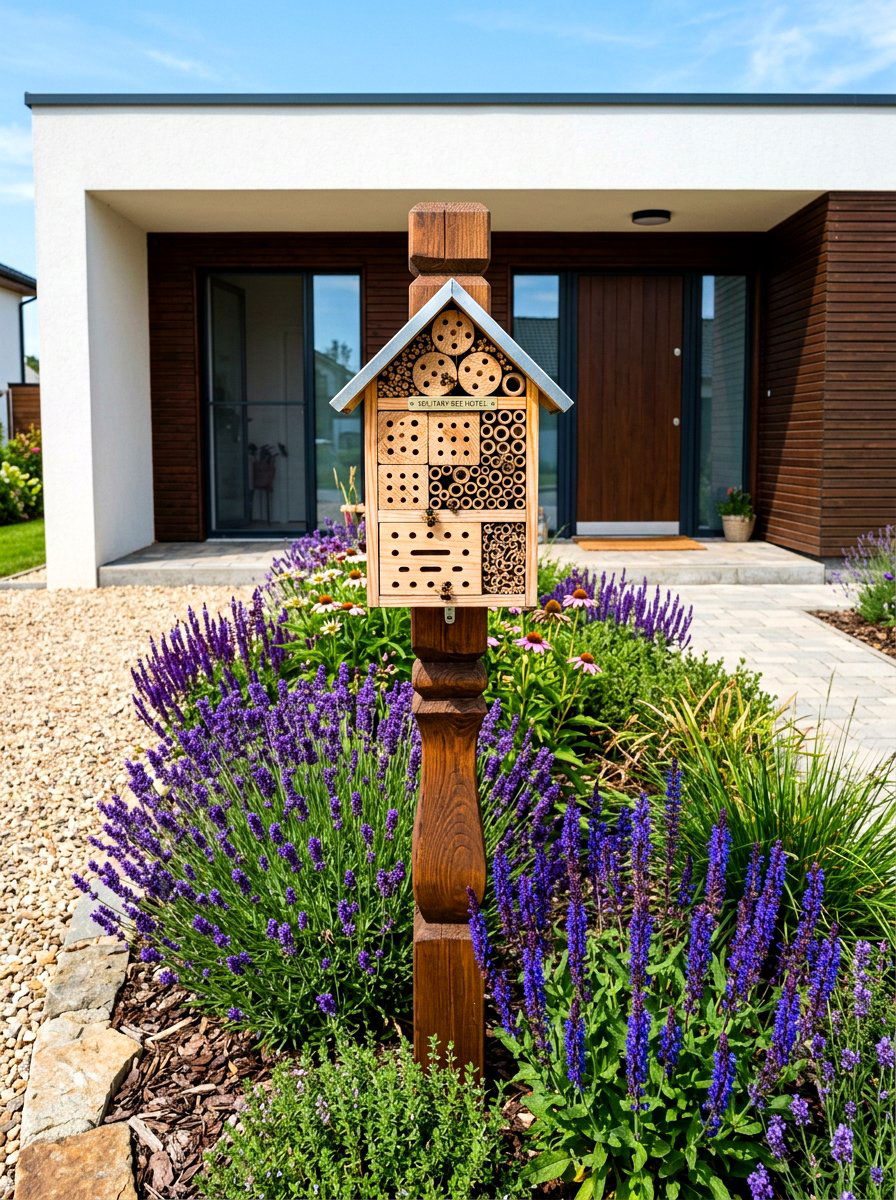
Adding a solitary bee hotel is a fantastic way to provide nesting sites for non-aggressive native bees. Unlike honeybees, these solitary species look for small holes in wood or hollow stems to lay their eggs. You can integrate these structures into your front yard as functional garden art. Mounting a well-designed bee house on a sunny post or a garden wall creates a focal point that sparks conversation. Surround the hotel with diverse flowering plants to give the residents easy access to food. This feature turns your front yard into a busy hub of activity, helping to boost the local population of these vital crop pollinators.
5. Lavender Path Border
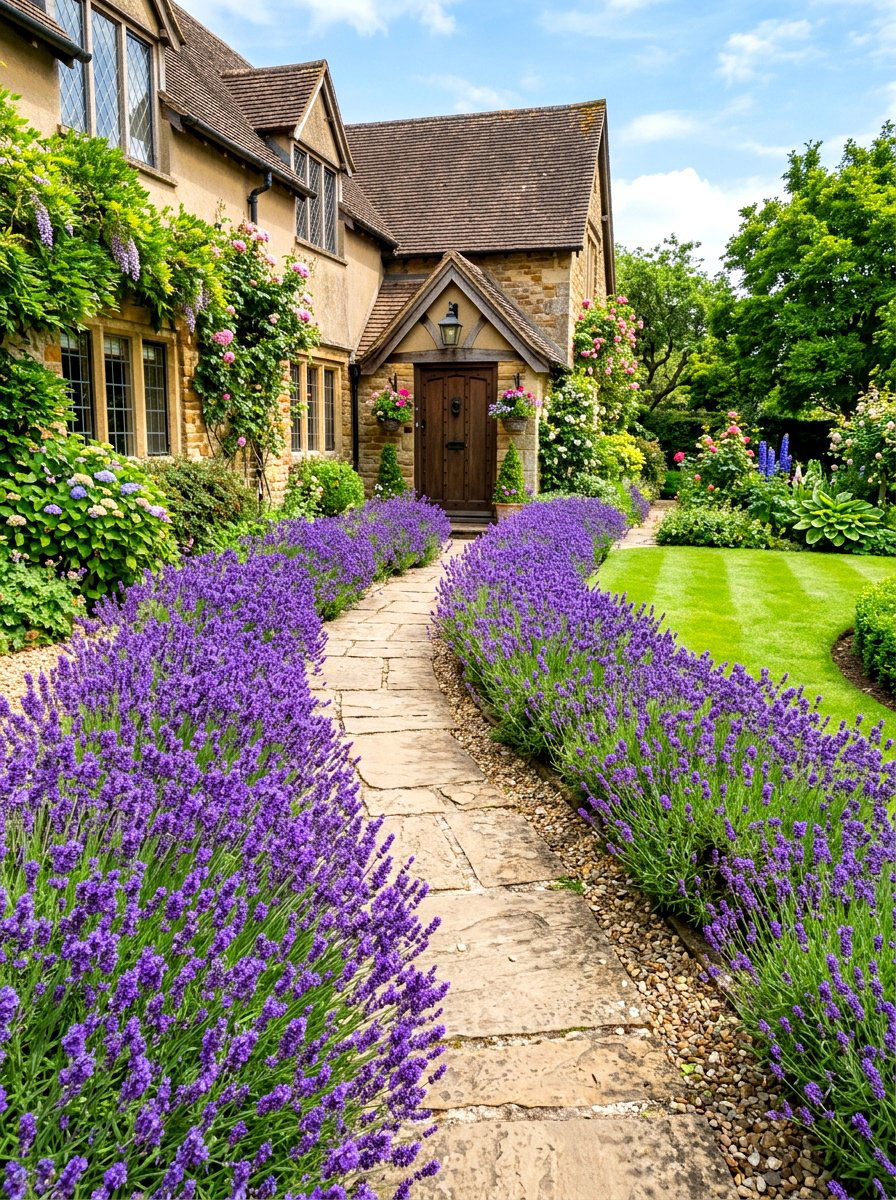
Using lavender as a border for your front walkway offers a sensory experience for both humans and pollinators. The fragrant purple spikes are a magnet for bumblebees and butterflies throughout the summer months. Lavender thrives in sunny spots with well-drained soil, making it perfect for lining a driveway or a main path to the door. Its silvery-green foliage provides year-round structure even when the flowers are not in bloom. This design creates a clean, organized look that still feels soft and romantic. Walking past a lavender border releases a calming scent, making every arrival at your home feel like a special, nature-filled occasion.
6. Hummingbird Flower Bed
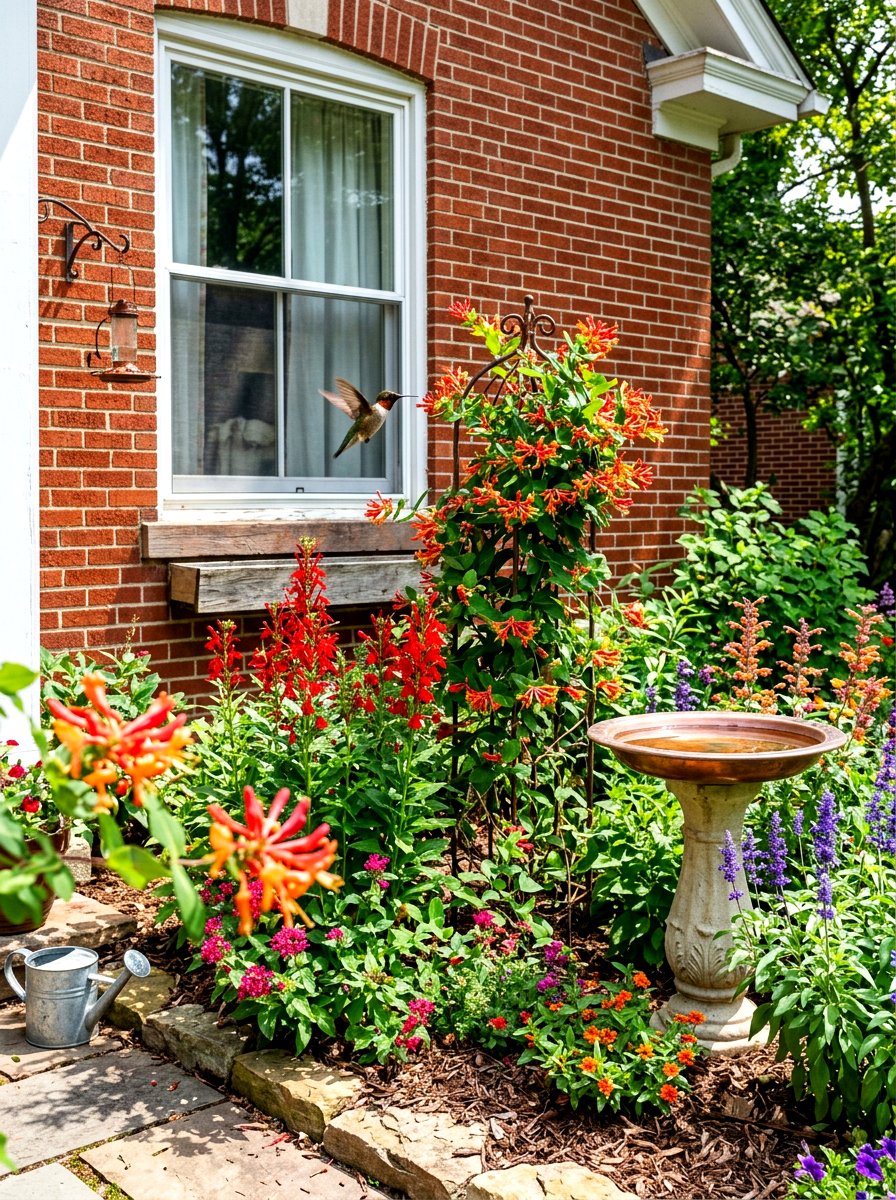
A hummingbird flower bed focuses on tubular blooms and bright colors like red, orange, and deep pink. These tiny birds are attracted to flowers like cardinal flower, trumpet creeper, and coral honeysuckle. Planting these in a dedicated bed near a window allows you to enjoy their acrobatic flights from inside your home. It is best to group these plants together to create a high-density feeding zone that hummingbirds can easily locate. Adding a small water mister nearby can also attract them, as they love to bathe in fine spray. This design brings high energy and vibrant splashes of color to your front yard.
7. Sidewalk Pollinator Strip
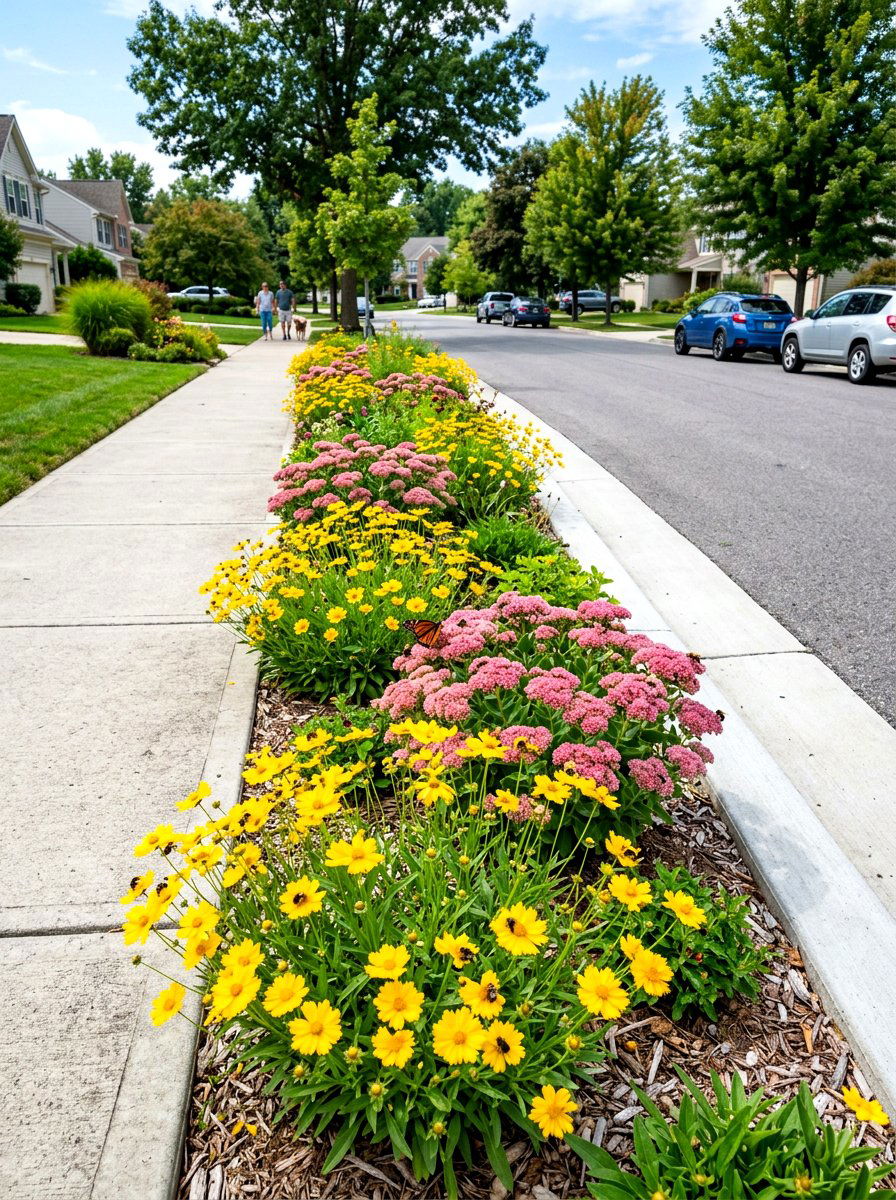
The small strip of land between the sidewalk and the street is often underutilized but makes a perfect pollinator garden. Often called a "hell strip" due to tough growing conditions, it can be transformed with hardy, drought-tolerant native plants. Low-growing species like coreopsis, sedum, and creeping thyme work well here because they do not obstruct the view of the road. This strip acts as a vital corridor for insects moving through urban or suburban environments. Replacing thirsty grass with these resilient bloomers reduces water runoff and adds a pop of color to the edge of your property, making the entire street look more vibrant.
8. Perennial Salvia Garden
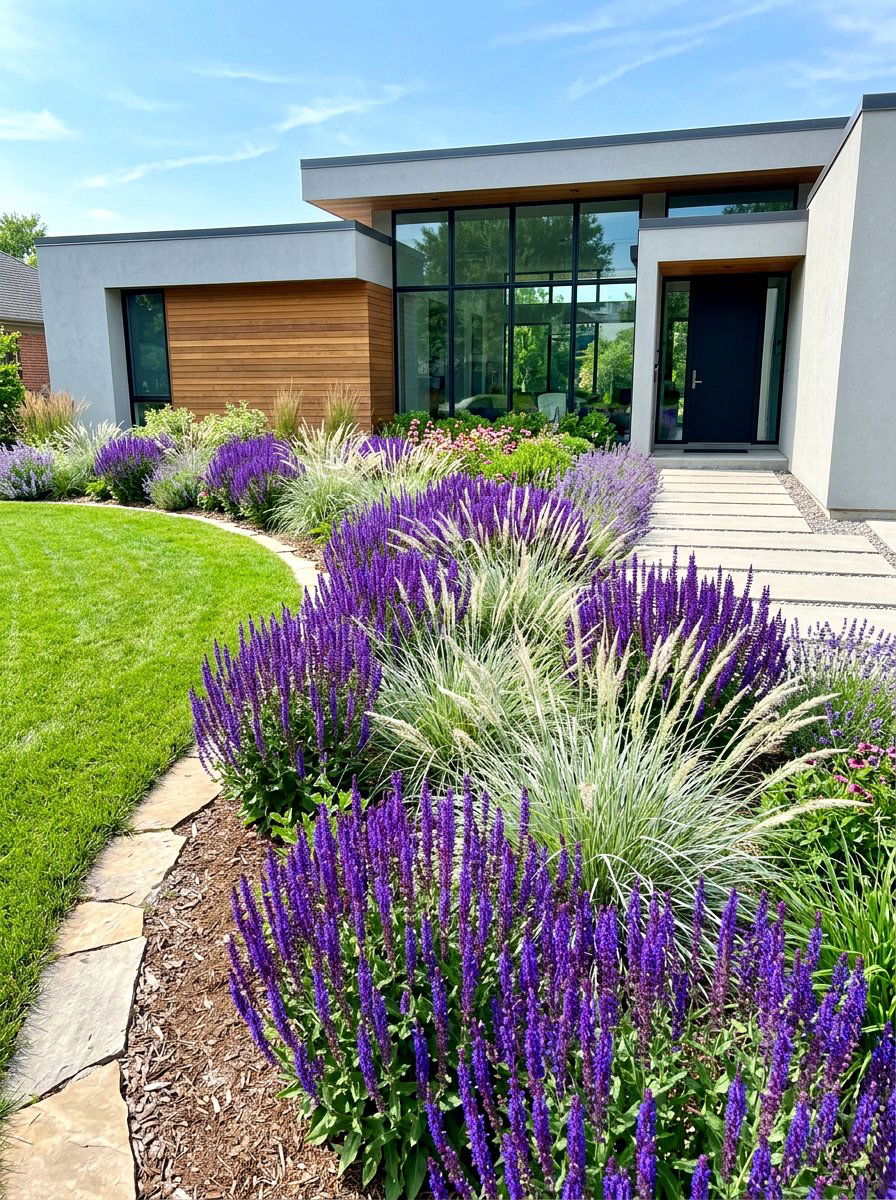
A perennial salvia garden is a powerhouse for attracting bees and hummingbirds with its long-blooming spikes. Salvias come in many varieties, offering deep blues, purples, and reds that stand out against green foliage. They are remarkably drought-tolerant once established, making them a practical choice for sun-drenched front yards. You can plant them in large drifts for a high-impact visual that catches the eye from the street. Their upright growth habit adds structure to garden beds, and they play well with other sun-lovers like ornamental grasses. Trimming them back after the first flush of flowers often encourages a second bloom, extending the feast for your local pollinators.
9. Front Yard Rain Garden
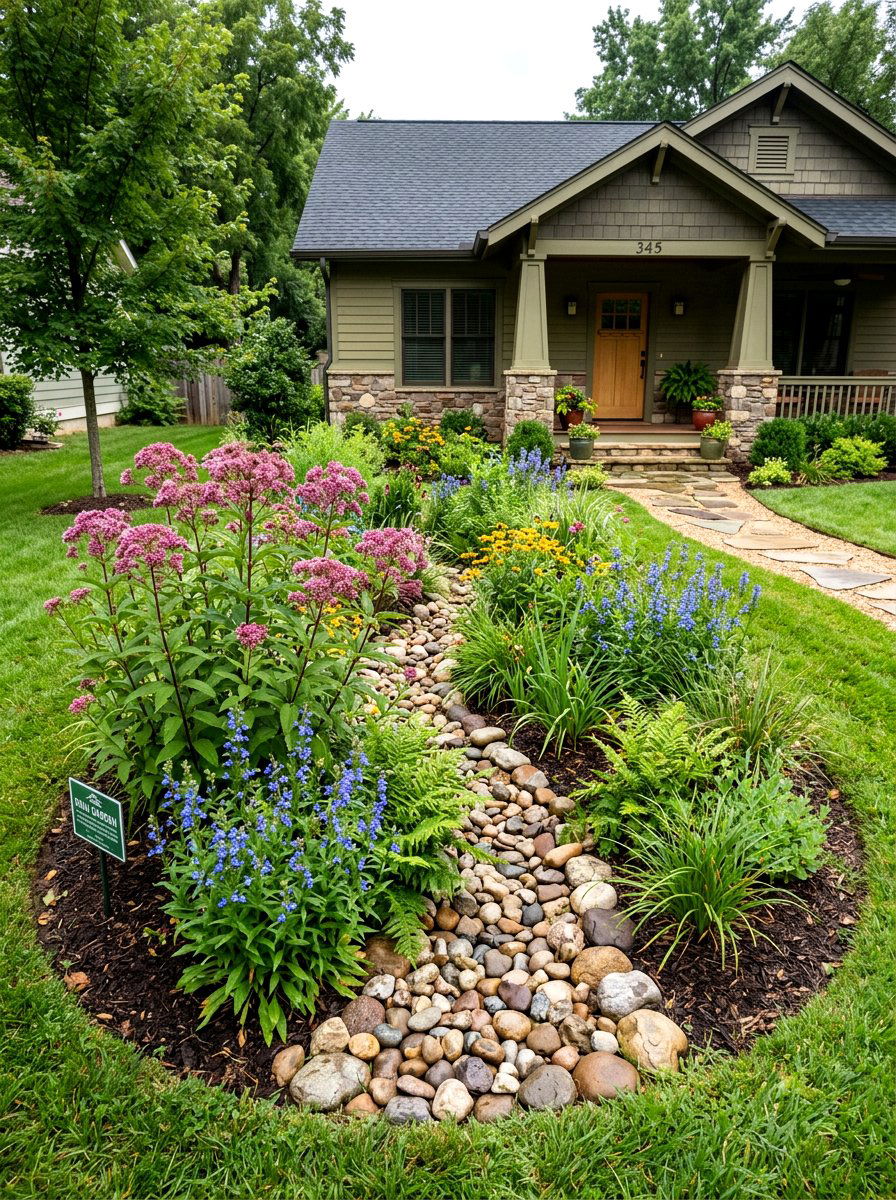
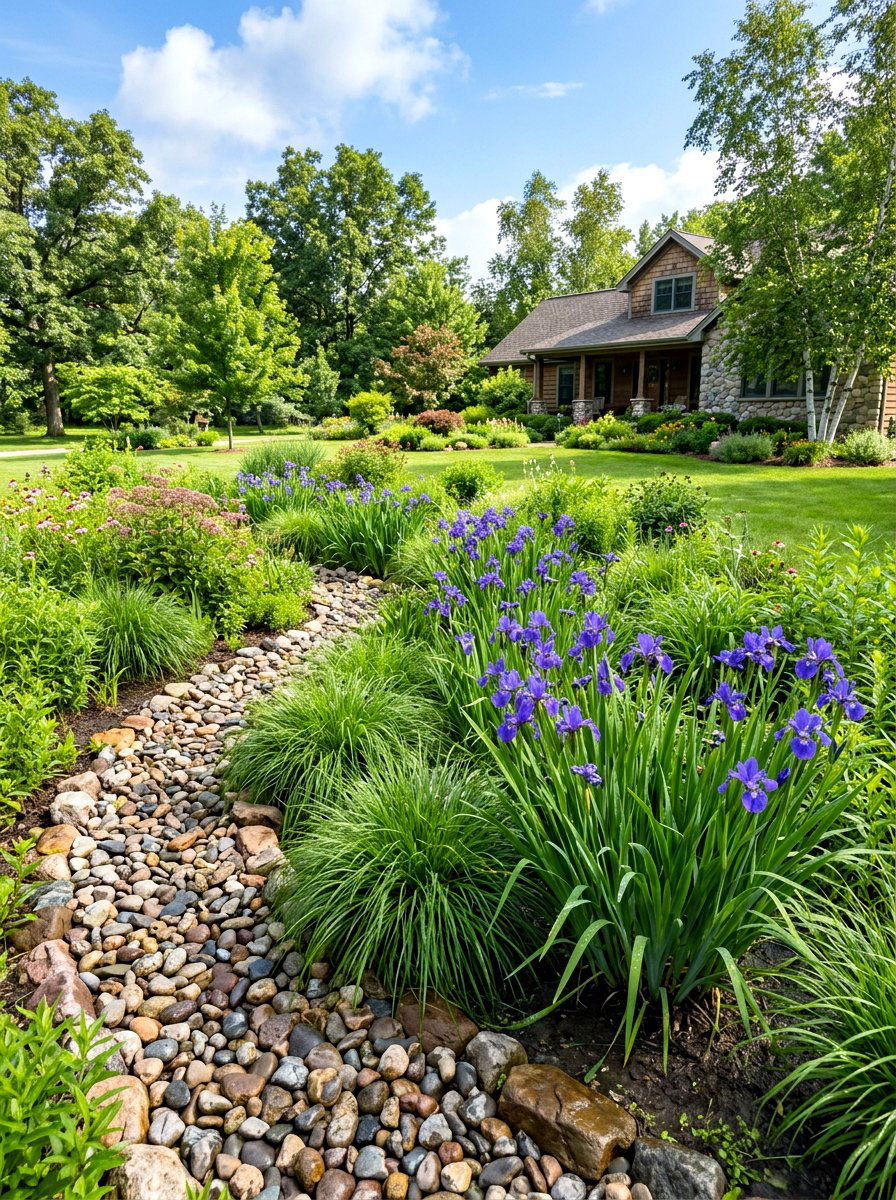
A rain garden is a beautiful and functional way to manage stormwater while supporting local wildlife. By planting in a shallow depression that captures runoff from your roof or driveway, you create a specialized habitat. Native plants with deep roots, such as swamp milkweed or joe-pye weed, thrive in these conditions and provide essential resources for pollinators. The garden filters pollutants before they reach the sewer system, protecting local water quality. Visually, a rain garden adds a lush, layered look to your front yard. It turns a potential drainage problem into a thriving ecosystem that hums with life during the peak growing season.
10. Vertical Garden Trellis
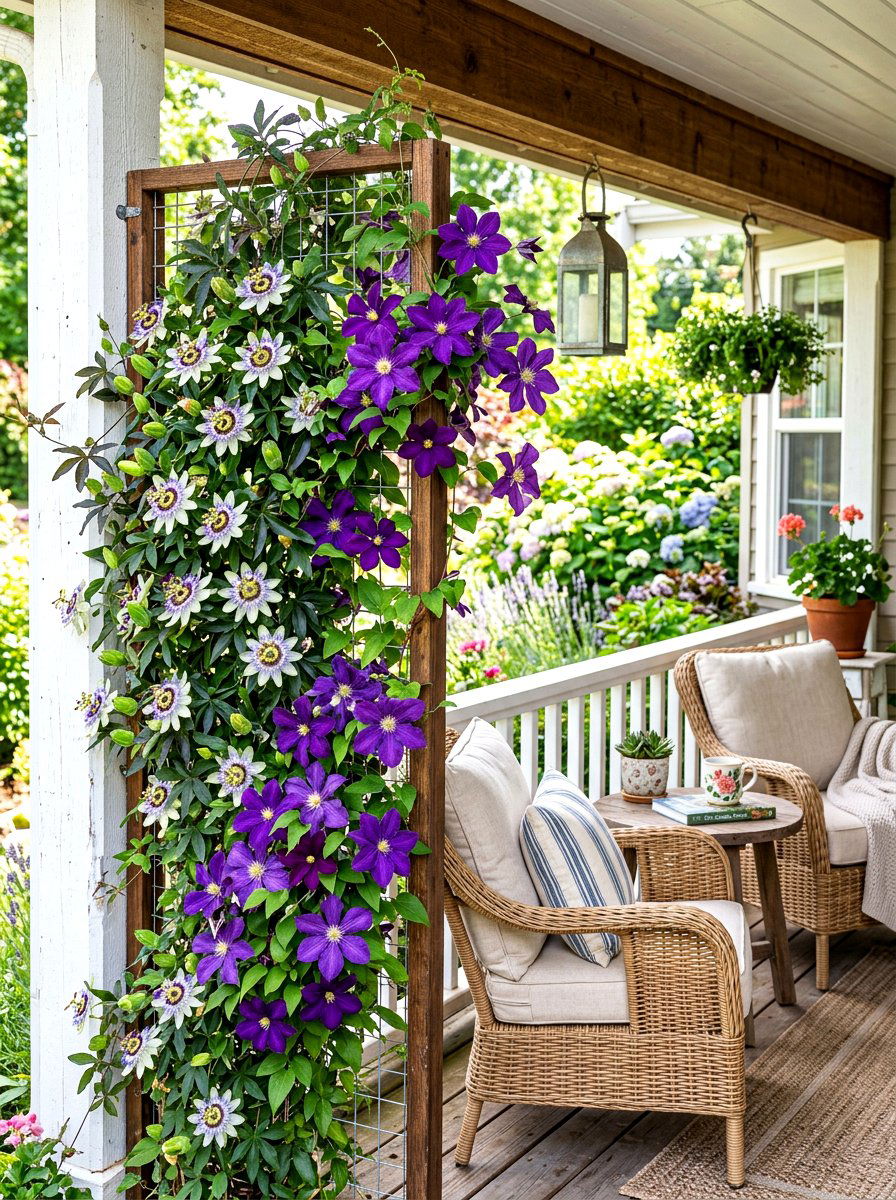
When ground space is limited, a vertical garden trellis allows you to grow pollinator-friendly vines upward. Flowering climbers like clematis, passionflower, or native honeysuckle provide a massive amount of nectar in a small footprint. Installing a trellis against a front wall or as a standalone screen adds architectural interest to your home's exterior. These vertical elements create a sense of privacy while acting as a beacon for flying insects and birds. A wall of green and colorful flowers softens the look of hard surfaces and helps cool the area. It is an efficient way to increase the floral density of your yard without cluttering the ground.
11. Bee Balm Garden
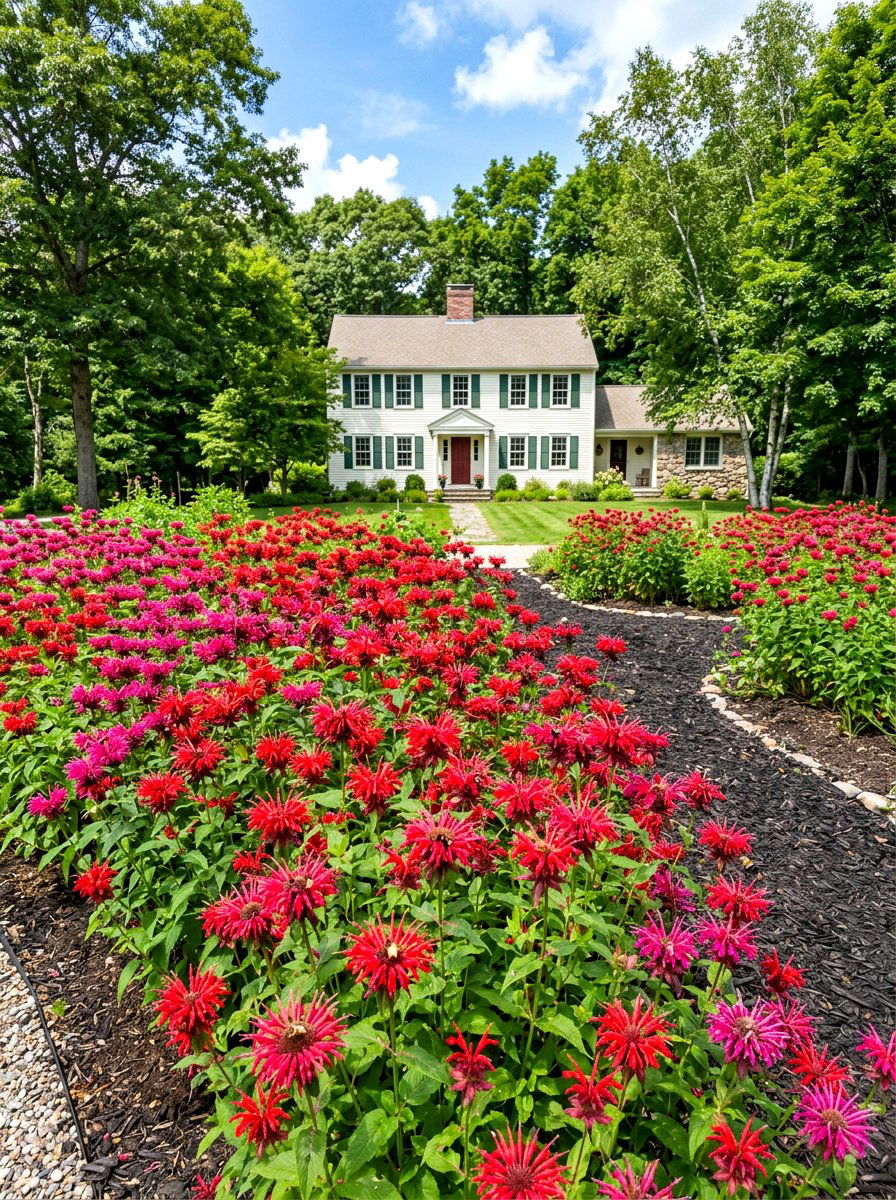
Bee balm, also known as Monarda, is a favorite for many gardeners due to its unique, shaggy flower heads. It is a magnet for bees, butterflies, and especially hummingbirds who love its nectar-rich blossoms. Planting a large patch of bee balm creates a dramatic focal point in a front yard bed. The leaves also have a pleasant, spicy scent when brushed against, adding another layer of sensory appeal. It comes in various heights and colors, from dwarf purple varieties to tall scarlet types. This plant spreads easily, quickly filling in gaps to create a full, lush look that requires very little maintenance over the years.
12. Garden Water Station
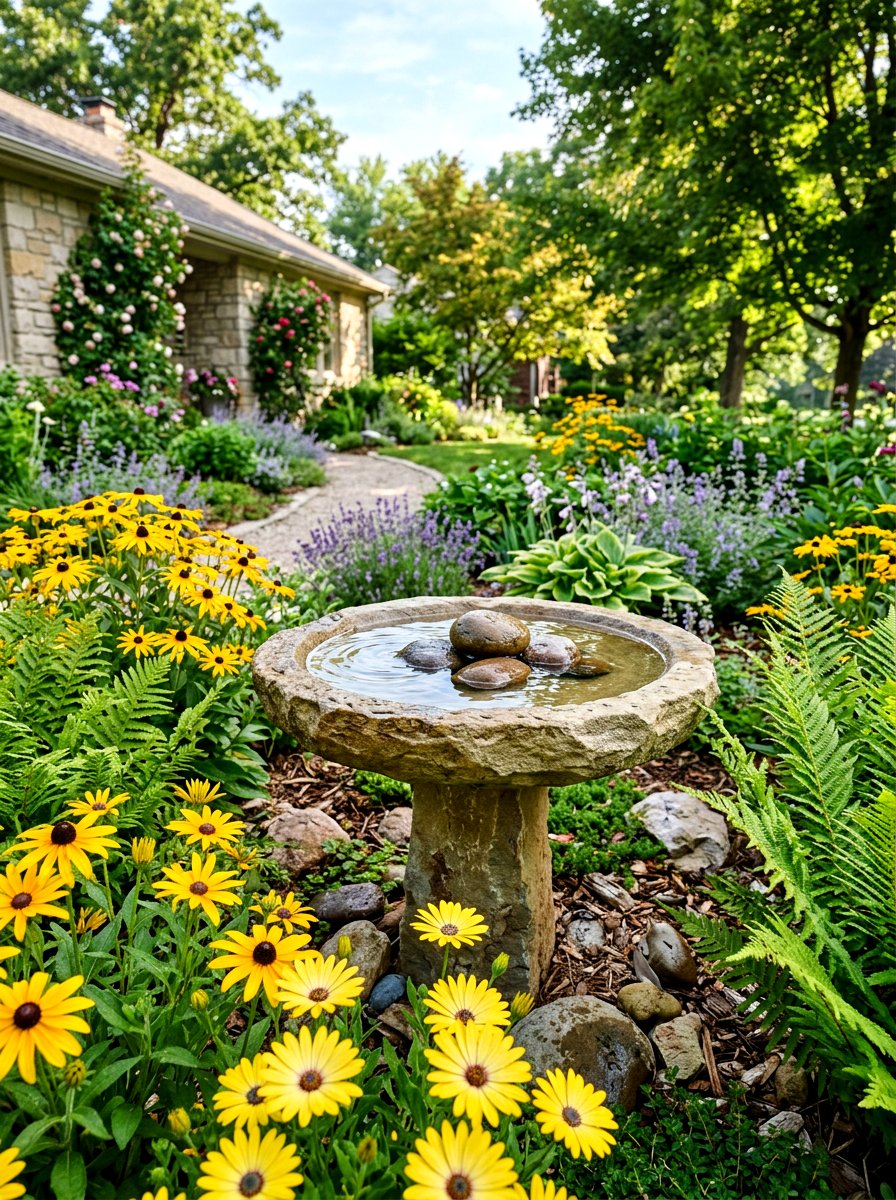
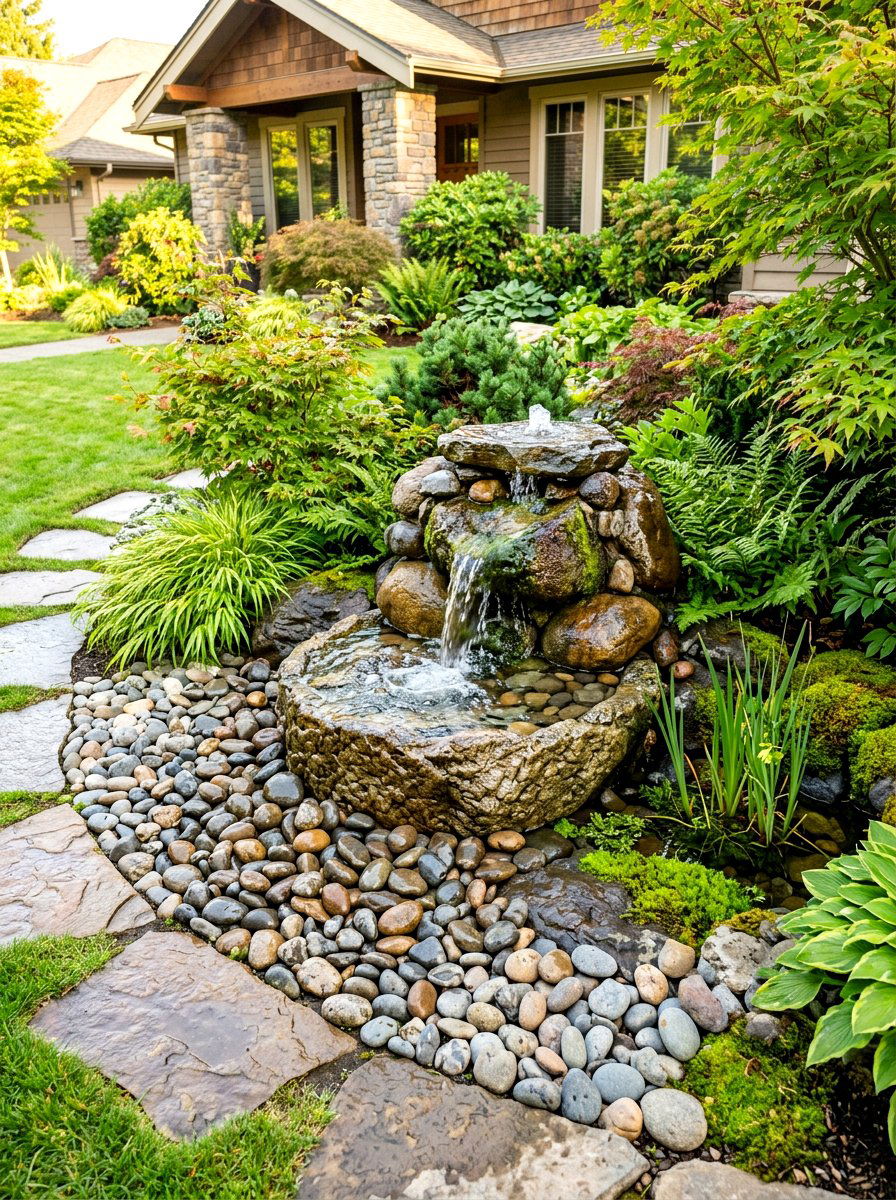
Pollinators need more than just nectar; they also require a safe source of water for drinking and cooling. A garden water station can be as simple as a shallow birdbath with flat stones breaking the surface. These stones allow bees and butterflies to land and drink without the risk of drowning. Placing this feature in a sunny, protected spot in your front yard makes it an essential stop for thirsty insects. You can choose a water feature that matches your home's style, from a modern concrete pedestal to a rustic ceramic bowl. This small addition significantly increases the habitat value of your entire landscape.
13. Herb Garden Pollinators
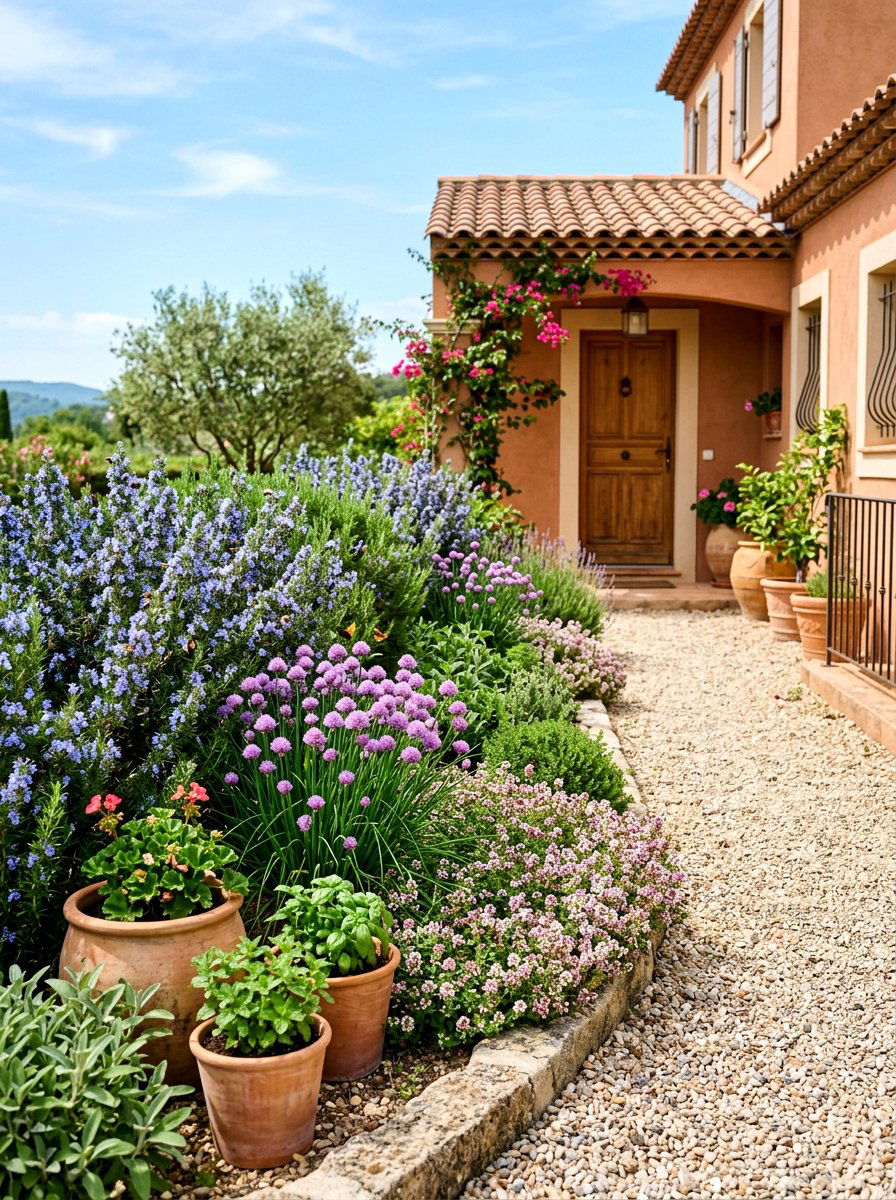
An edible herb garden in the front yard is a practical way to combine food production with pollinator support. Herbs like rosemary, thyme, oregano, and chives produce beautiful flowers that are incredibly attractive to bees. Allowing some of your herbs to go to flower ensures a steady supply of nectar throughout the season. You can arrange these herbs in a formal knot garden or mix them into traditional flower beds for a relaxed, cottage look. The different leaf textures and scents make for an engaging entrance. Plus, having fresh herbs right by the front door is incredibly convenient for a quick harvest before dinner.
14. Tall Sunflower Border
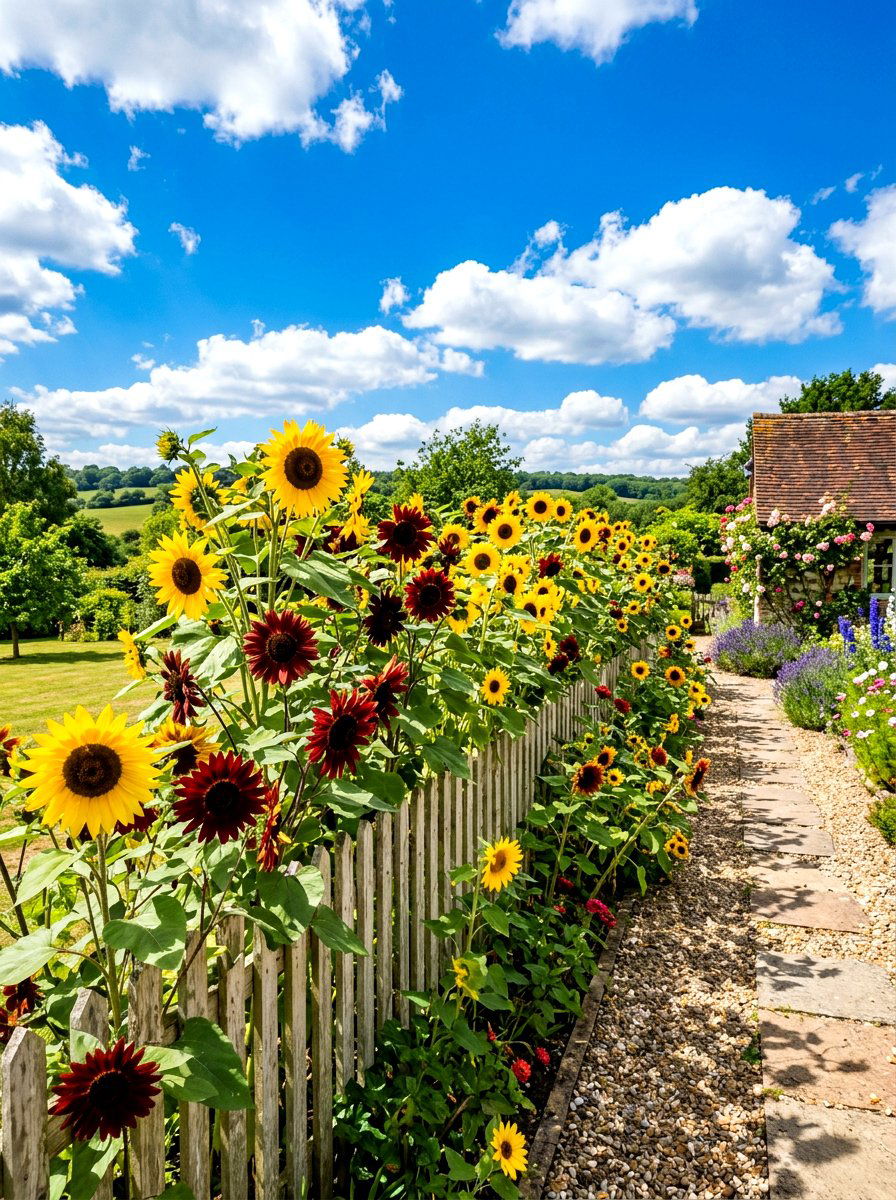
Sunflowers are iconic pollinator plants that bring a sense of joy and height to a front yard. Planting a row of tall sunflowers along a fence or the side of the house creates a living wall of color. Their large, open faces are easy for bees to navigate, and the seeds provide food for birds later in the year. You can choose varieties with different colors, ranging from classic yellow to deep burgundy and bronze. Sunflowers are easy to grow from seed, making them a great project for families. Their impressive scale creates a bold statement that can be seen from far down the street.
15. Late Season Aster Garden
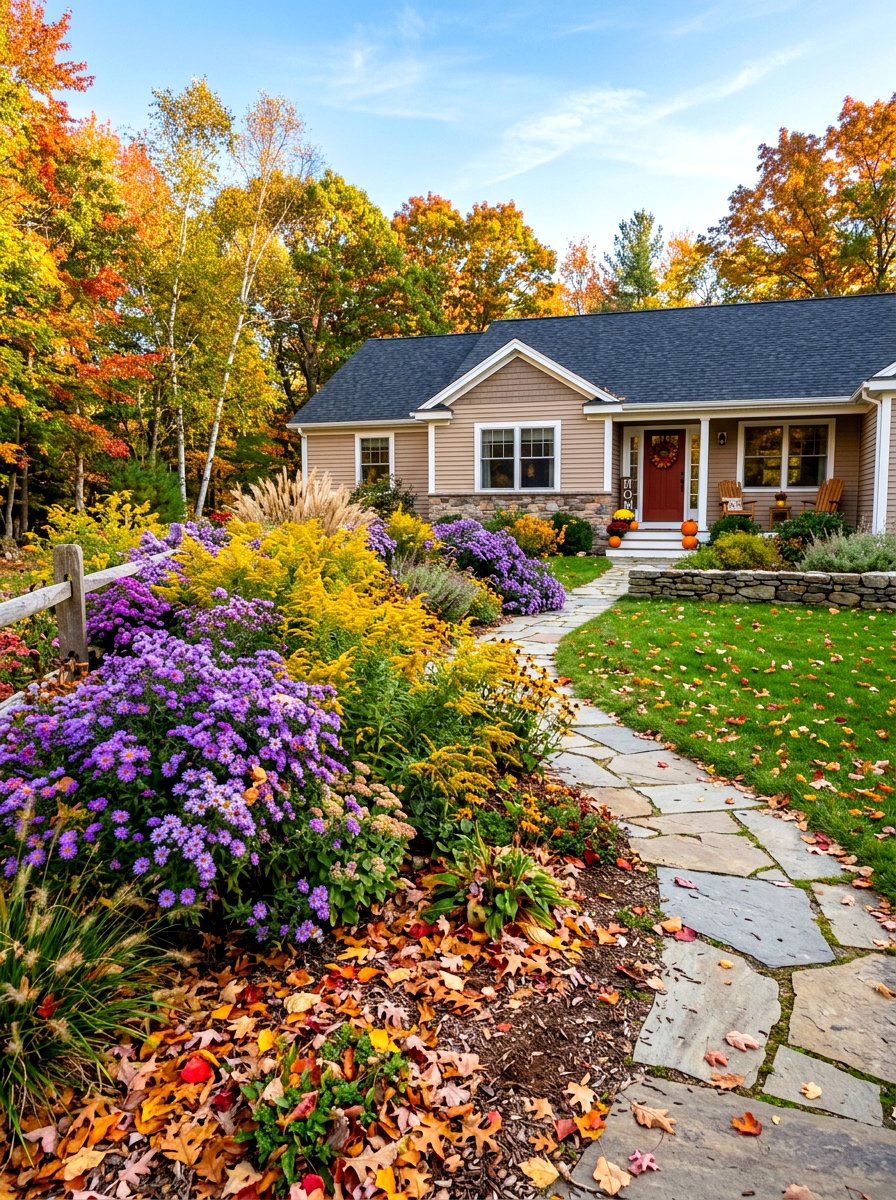
Asters are essential for the late-season garden, providing a critical food source for pollinators preparing for winter or migration. When most other flowers have faded in the autumn, asters burst into shades of purple, blue, and white. Planting them in your front yard ensures that your landscape remains colorful and active well into the cooler months. They have a mounding growth habit that looks great at the front of a border. Pairing them with yellow goldenrod creates a classic fall color palette that is visually stunning. This late-season bloom keeps your front yard looking fresh and intentional while supporting biodiversity during a lean time.
16. Flowering Shrub Hedge
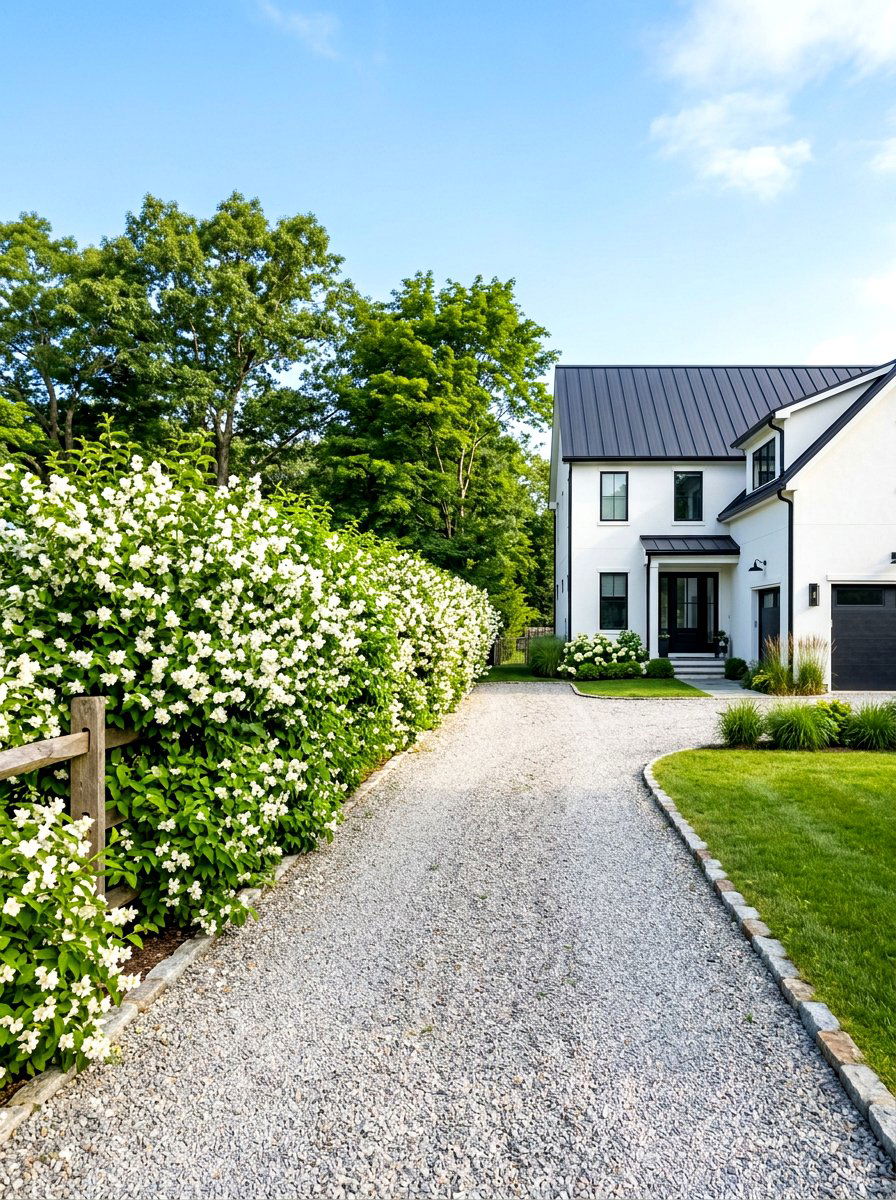
A flowering shrub hedge offers privacy and structure while serving as a massive floral resource. Shrubs like lilac, viburnum, or mock orange provide dense clusters of flowers that attract a wide range of pollinators. Unlike a traditional evergreen hedge, a flowering one changes with the seasons, offering blooms in spring and often colorful berries in the fall. These woody plants also provide important nesting sites and shelter for birds and beneficial insects. A well-maintained hedge can define your property line and reduce street noise. It creates a soft, living boundary that feels much more inviting than a wooden fence or a stark brick wall.
17. Rock Garden Bees
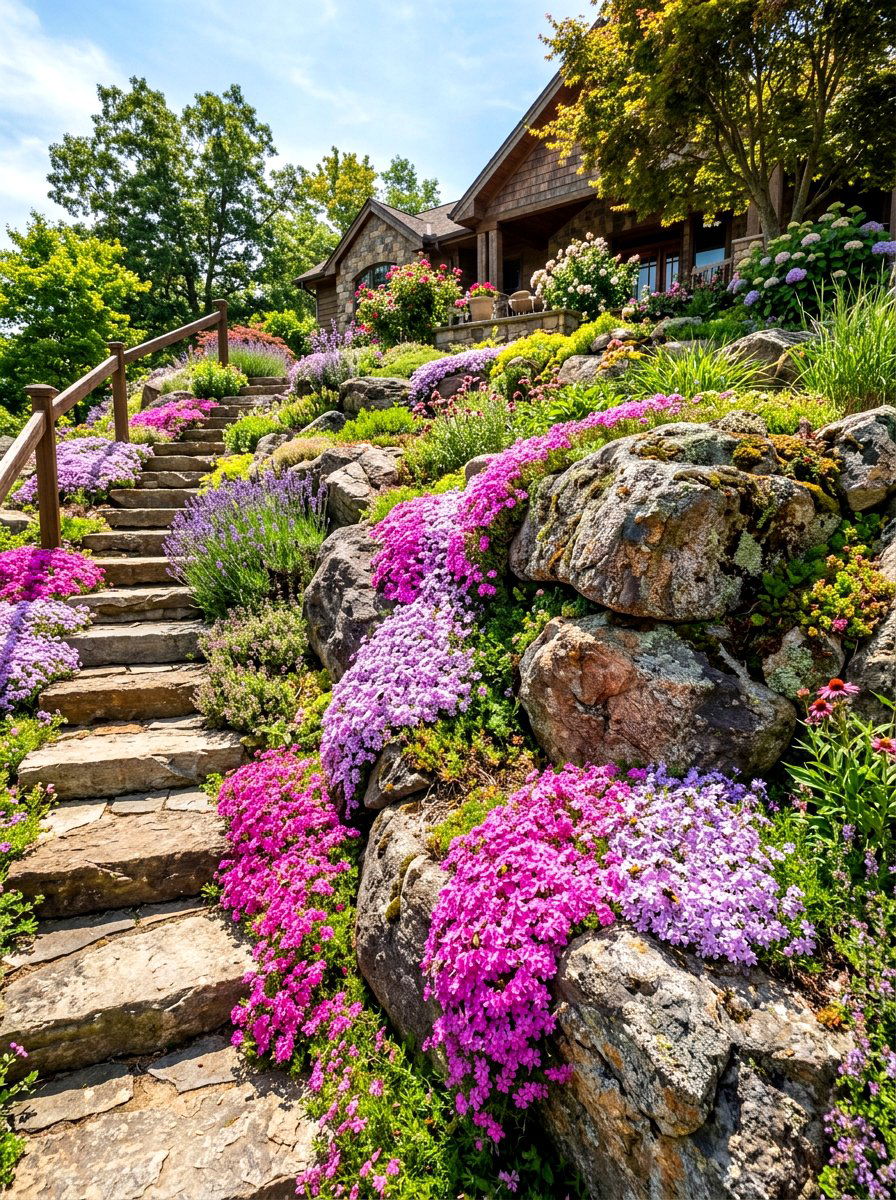
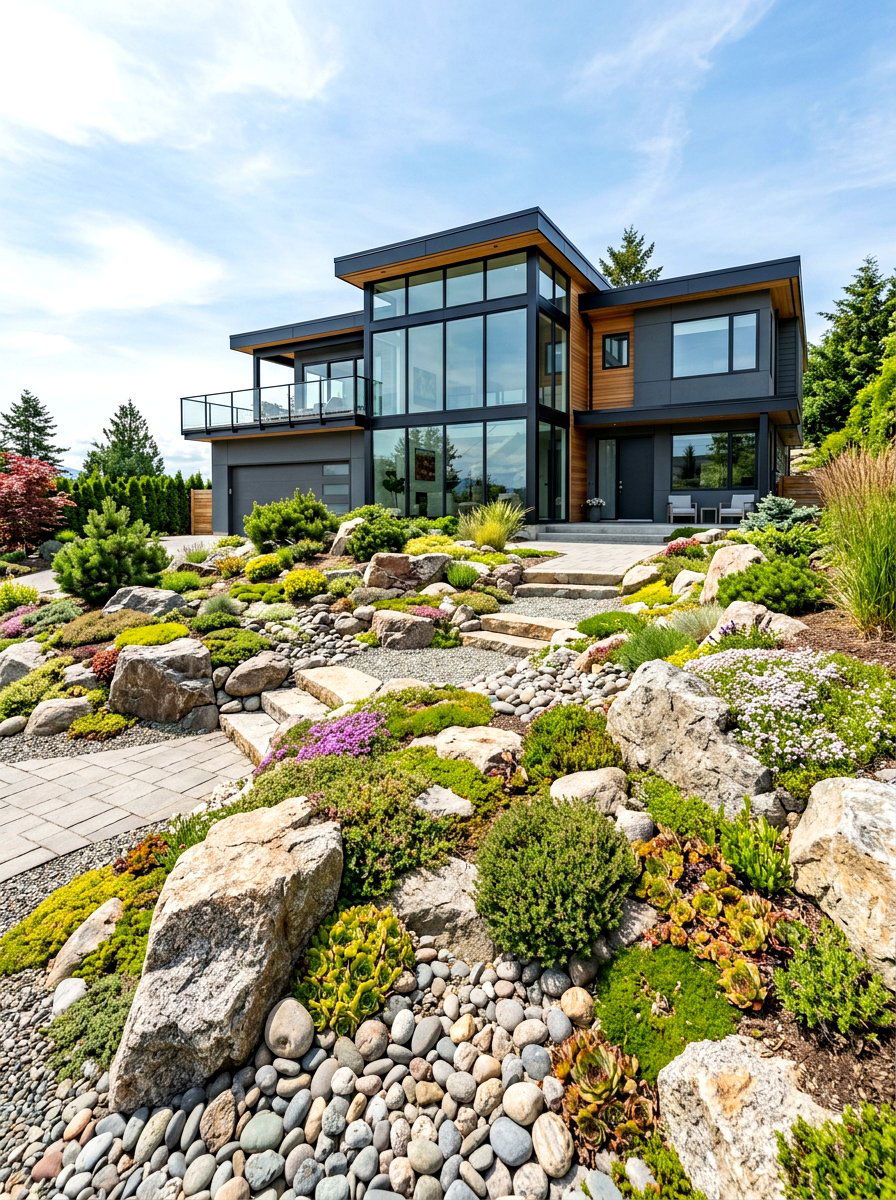
A rock garden is an excellent way to incorporate low-growing, nectar-rich plants in a well-drained environment. Many native bees enjoy the warmth provided by stones, using them to sun themselves between foraging trips. You can tuck plants like creeping phlox, stonecrop, and alpine pinks into the crevices between rocks. This type of garden is perfect for sloped front yards where traditional lawns might be difficult to mow. The contrast between the rugged stones and delicate flowers creates a sophisticated, natural look. It is a low-maintenance option that provides specialized microclimates for various small insects, making your yard a more diverse and interesting habitat.
18. Dead Wood Habitat
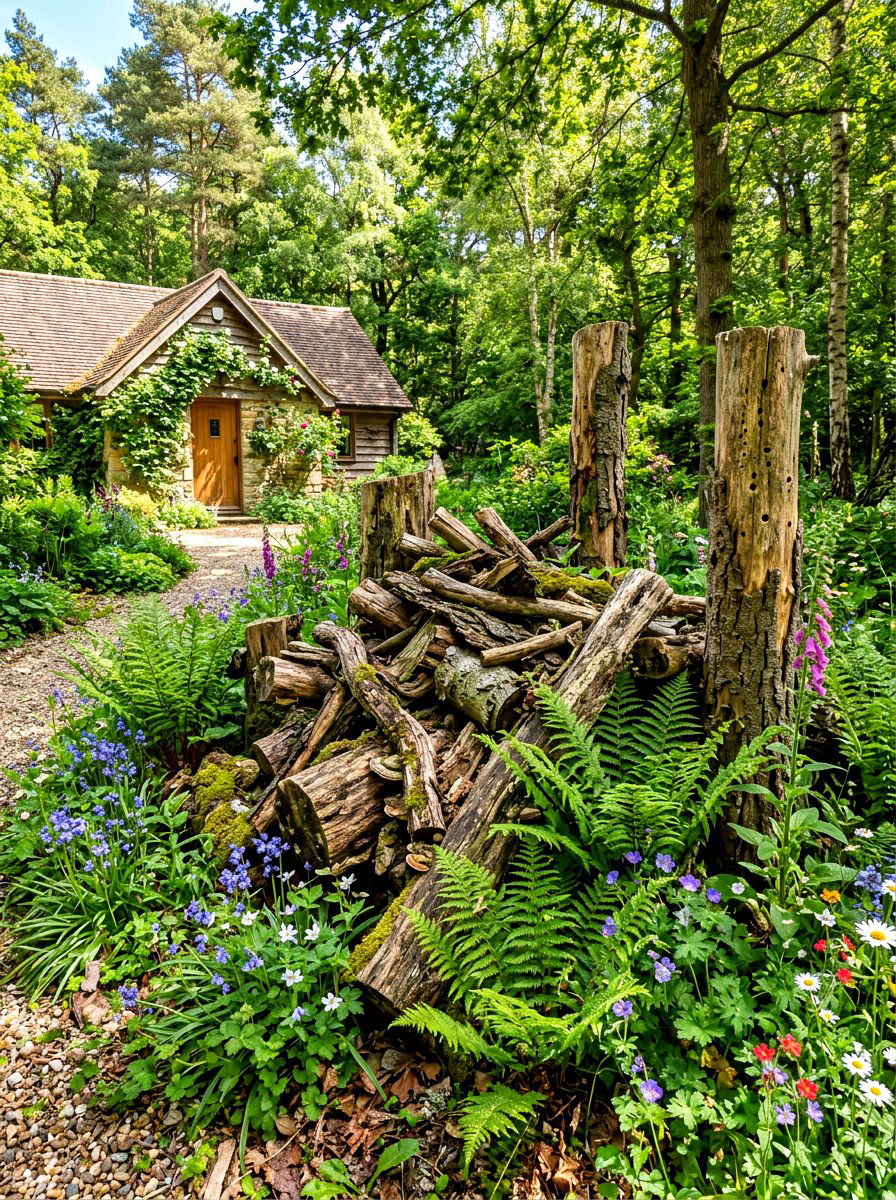
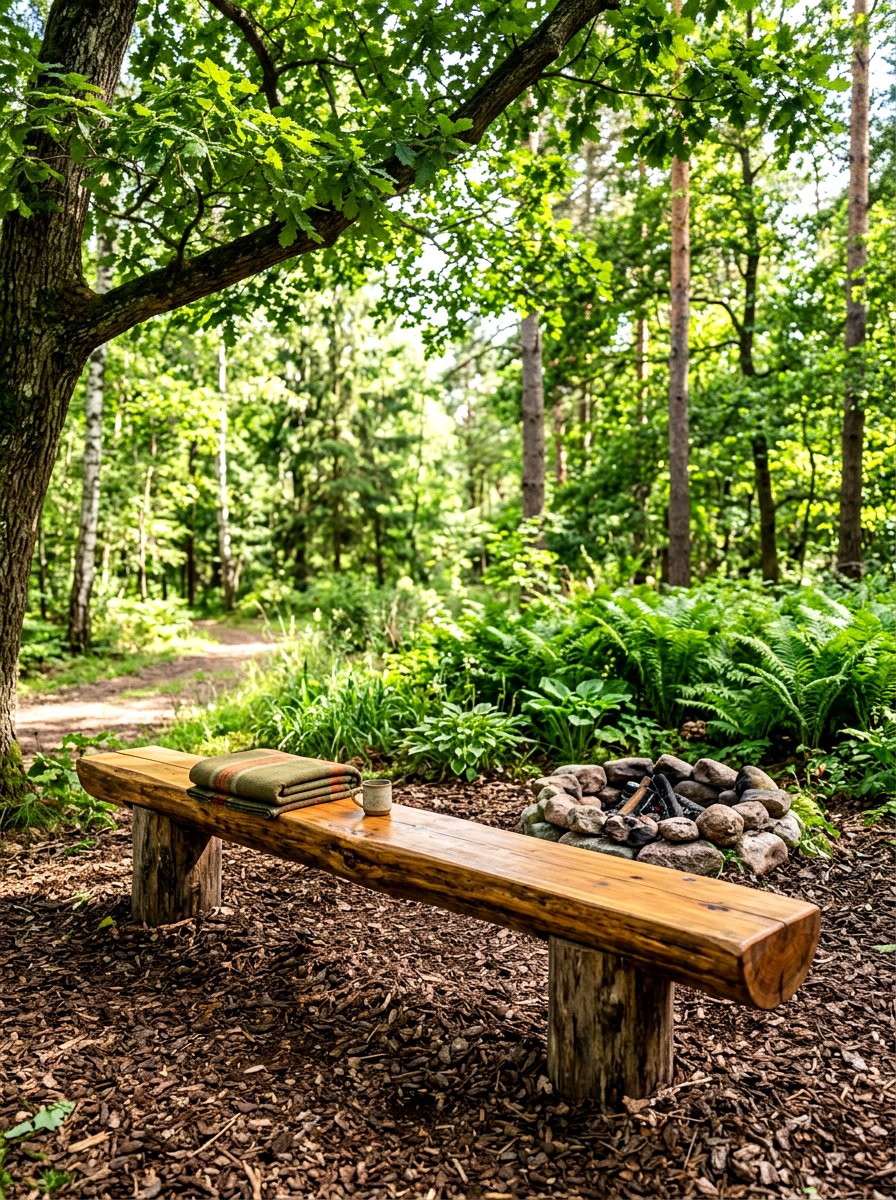
Incorporating dead wood into your front yard design might sound unusual, but it is a vital part of a healthy ecosystem. A decorative log pile or an upright "stump-ery" can be a beautiful sculptural element when surrounded by ferns and wildflowers. Many pollinators, including certain types of bees and beetles, rely on decaying wood for nesting and overwintering. By placing these features intentionally, you show that your garden is a complete cycle of life. You can use interesting pieces of driftwood or locally sourced logs to create a rustic, woodland feel. This approach adds character and depth to your landscape while providing a home for hidden wildlife.
19. Container Pollinator Garden
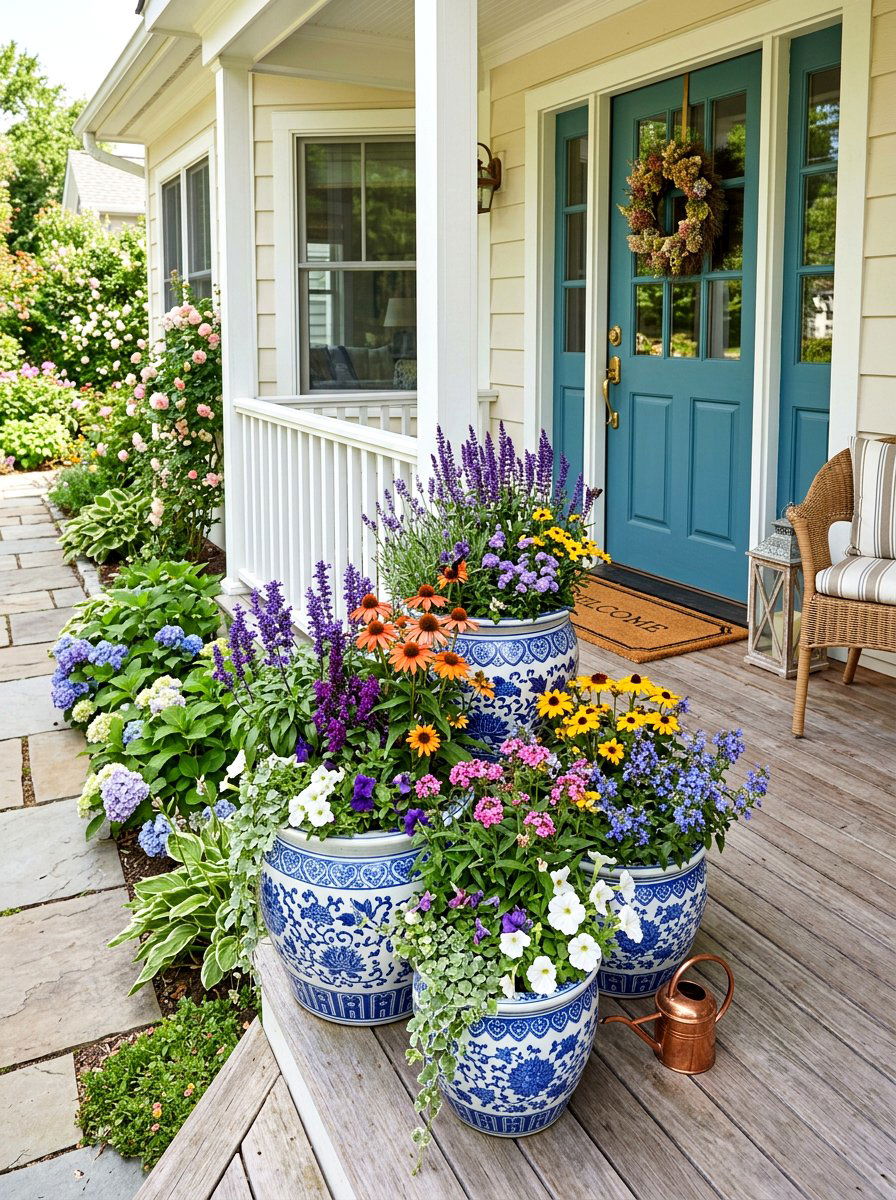
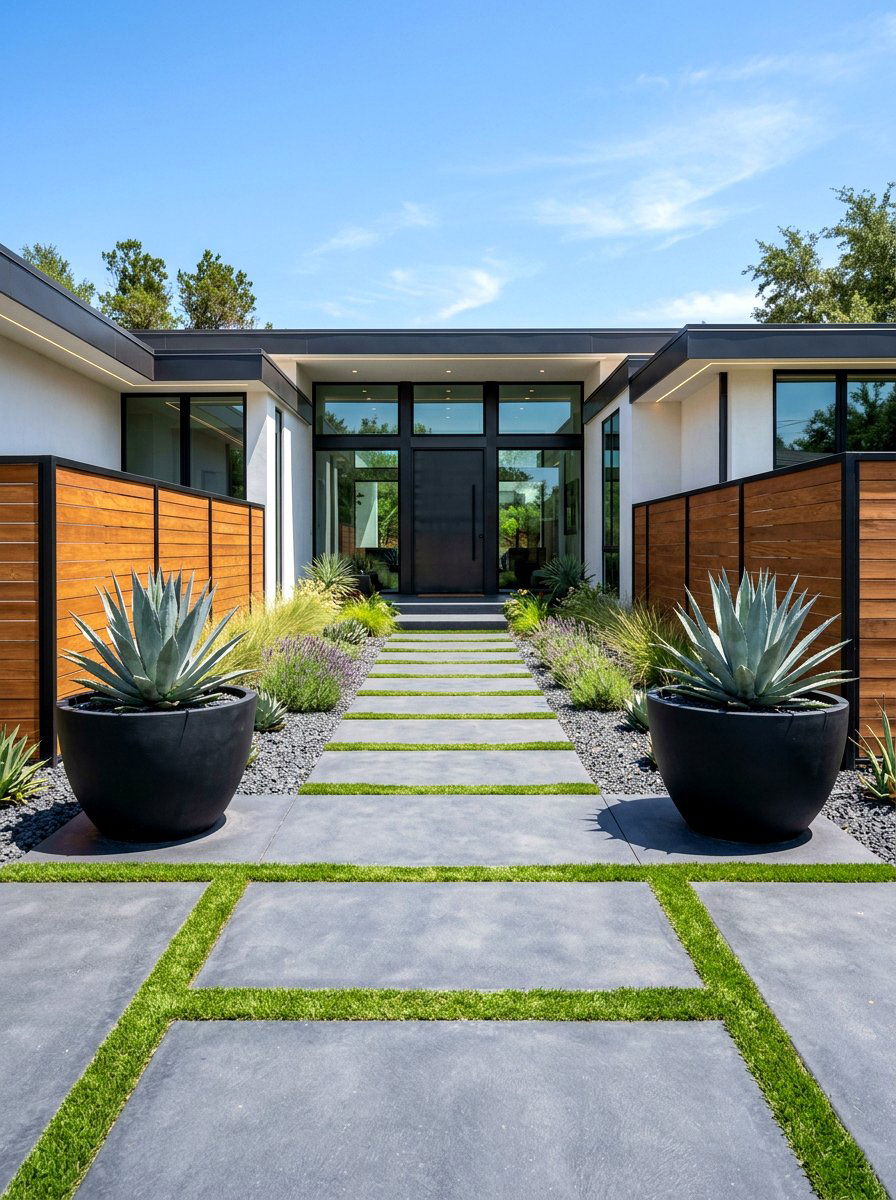
If you have a small front porch or a paved entry, a container pollinator garden allows you to bring nature right to your door. Large pots filled with a mix of flowering annuals and perennials create an instant impact. You can use "thriller, filler, and spiller" techniques to design attractive arrangements that bees and butterflies love. Pots allow you to control the soil quality and move the plants to follow the sun if needed. This is an ideal solution for renters or those with limited soil access. Using a variety of pot styles and colors can complement your home's architecture while providing a concentrated nectar source.

20. Night Blooming Garden
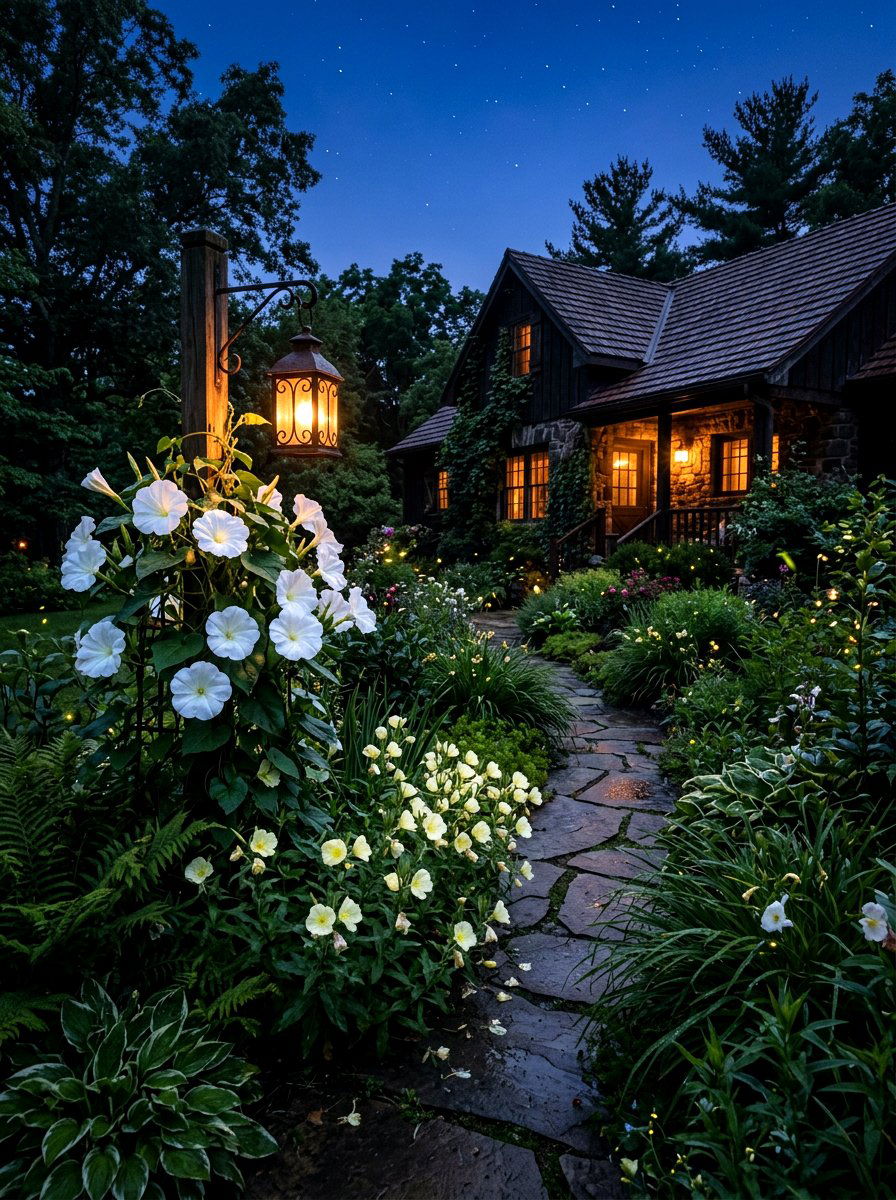
While many pollinators are active during the day, moths and other nocturnal insects need food at night. A night-blooming garden features flowers that open in the evening or stay open overnight, often with pale colors that reflect moonlight. Plants like evening primrose, moonflower, and night-scented stock are perfect for this. These gardens often have a sweet, heavy fragrance that fills the air after sunset. Placing these near a porch or seating area allows you to enjoy the garden long after dark. It is a magical addition to a front yard that supports the less-seen but equally important members of the pollinator community.
21. White Clover Lawn
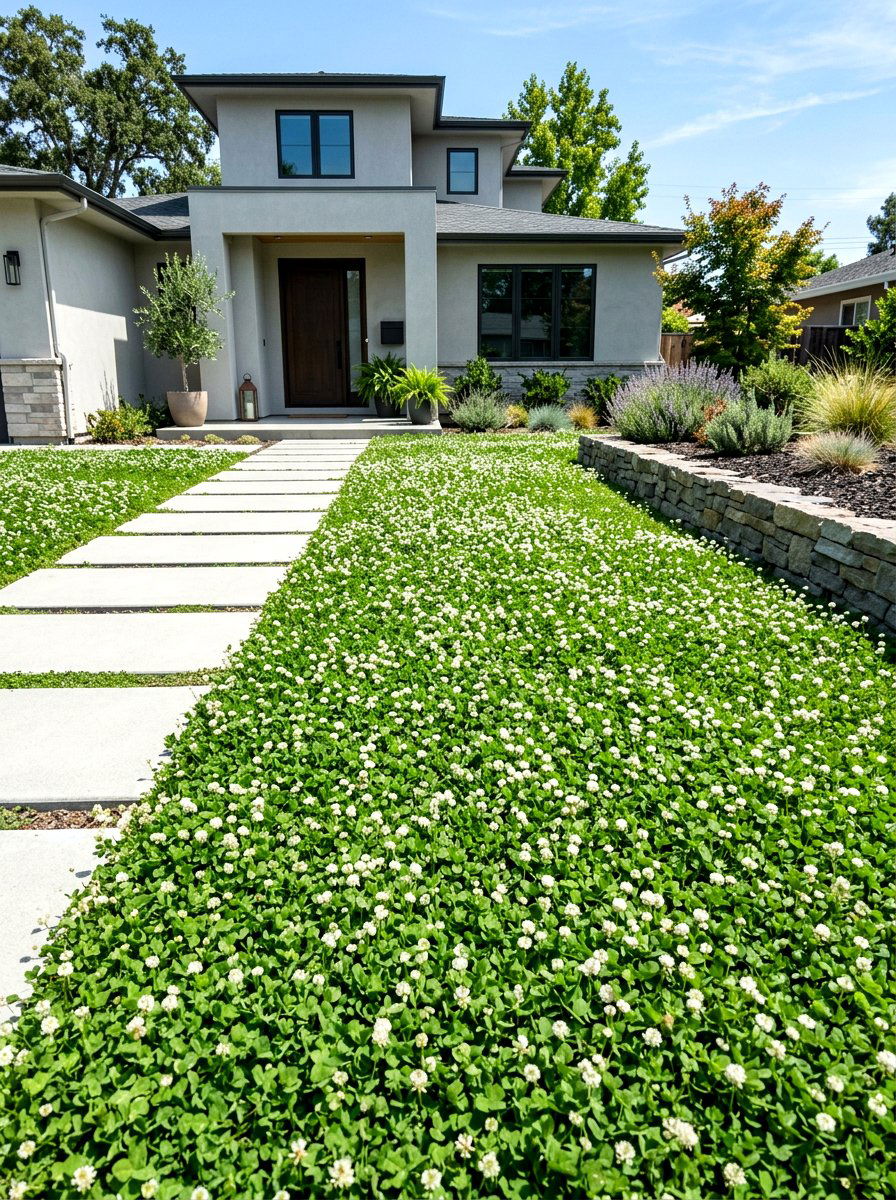
Transitioning from a grass lawn to a white clover lawn is one of the easiest ways to support bees. Clover is a nitrogen-fixing plant, meaning it naturally fertilizes the soil and stays green even during dry spells. Its small white flowers are a favorite of honeybees and bumblebees. A clover lawn requires less mowing and no chemical fertilizers, making it an eco-friendly and cost-effective alternative. It feels soft underfoot and can handle moderate foot traffic, making it a functional space for kids or pets. This choice provides a neat, green look from a distance while offering a hidden feast for pollinators up close.
22. Raised Bed Pollinators
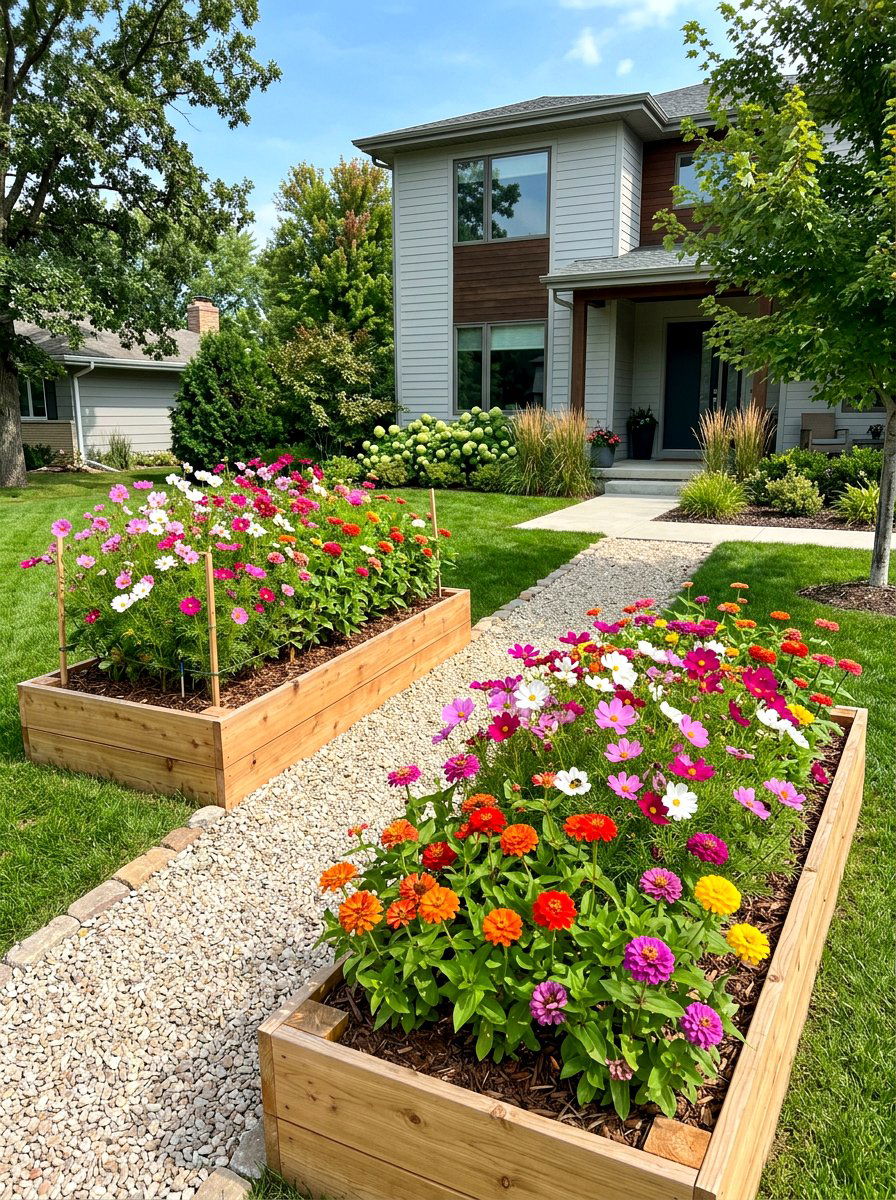
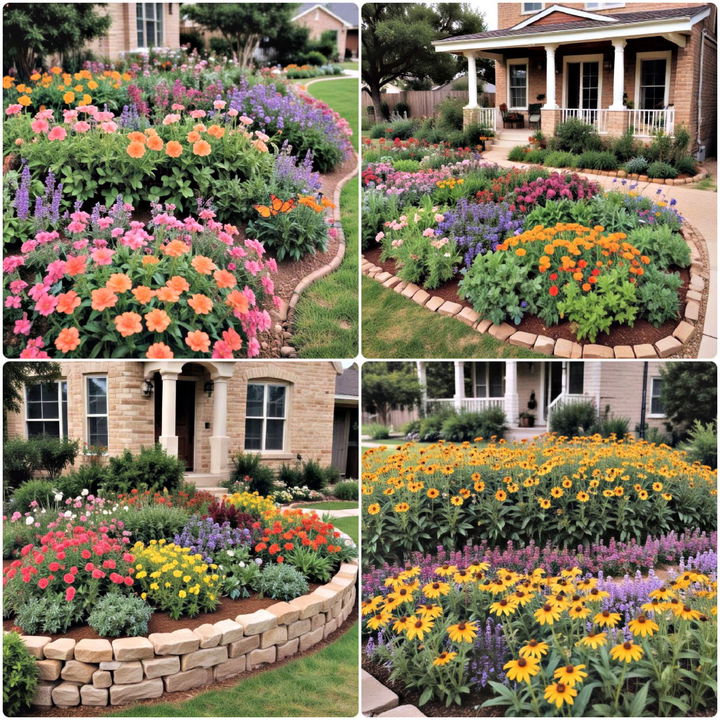
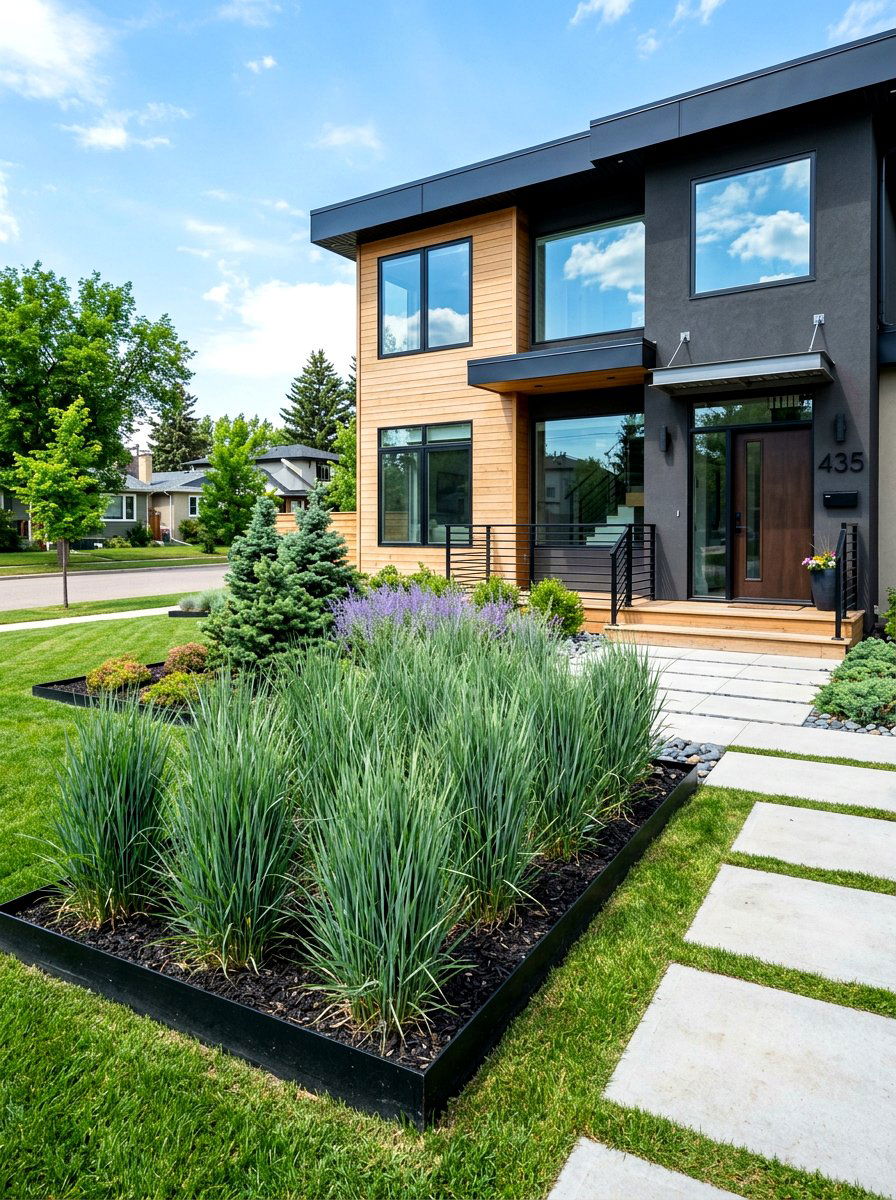
Raised beds are a tidy and organized way to grow a dense variety of pollinator plants in the front yard. By elevating the planting area, you can ensure perfect soil drainage and make maintenance easier on your back. These beds can be constructed from wood, stone, or metal to match your home's aesthetic. Filling them with a mix of heights and colors creates a mini-meadow effect that feels contained and intentional. Raised beds are particularly useful if your native soil is poor or compacted. They act as "islands" of habitat that draw in winged visitors, making them a focal point of your curbside design.
23. Milkweed Garden Patch
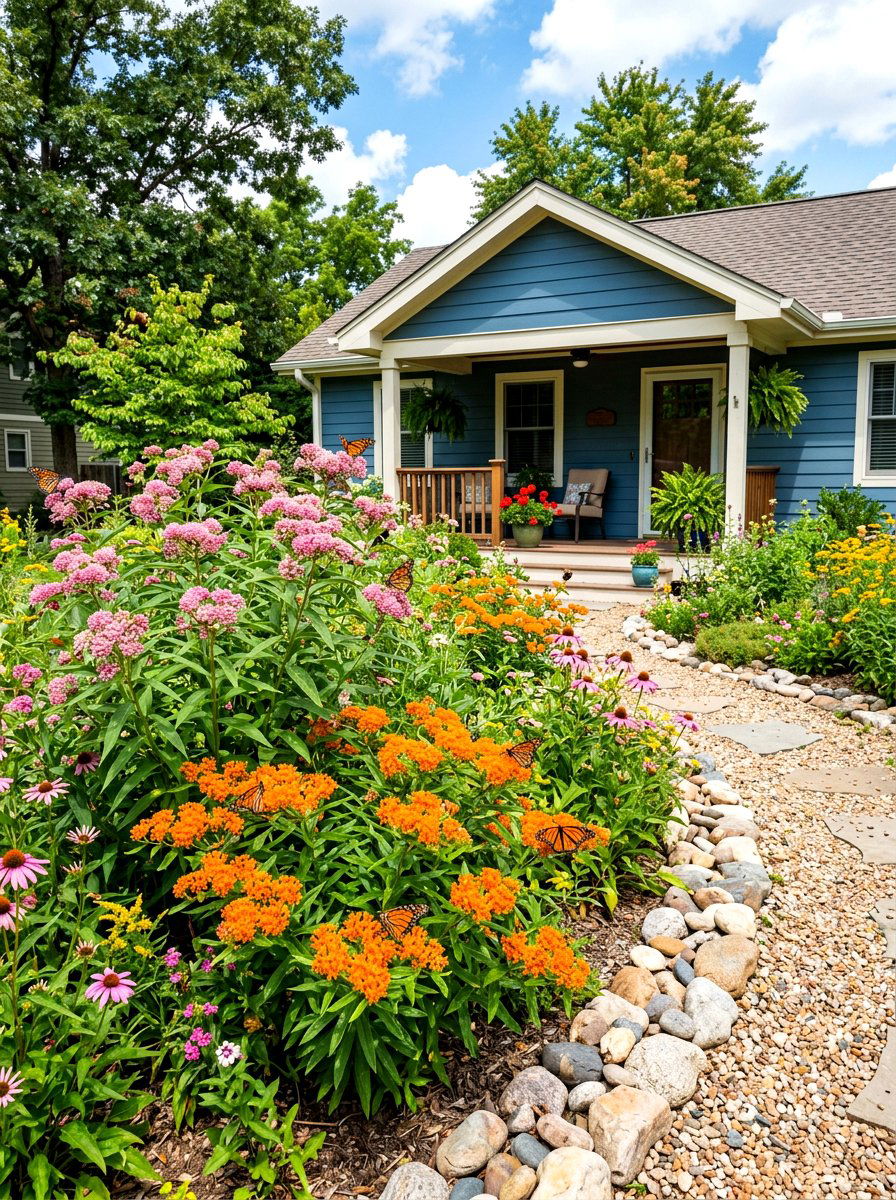
Dedicated milkweed garden patches are critical for supporting the declining Monarch butterfly population. While some species of milkweed can be tall and wild, others like butterfly weed stay compact and produce bright orange flowers. Planting several different types of milkweed ensures a longer bloom season and more variety for the caterpillars. You can surround these patches with a border of shorter flowers or decorative mulch to keep the area looking clean. This specific design choice shows a commitment to conservation and provides an educational opportunity for neighbors. It turns your front yard into a vital nursery that helps sustain an iconic migratory species for years.
24. Flowering Fruit Tree
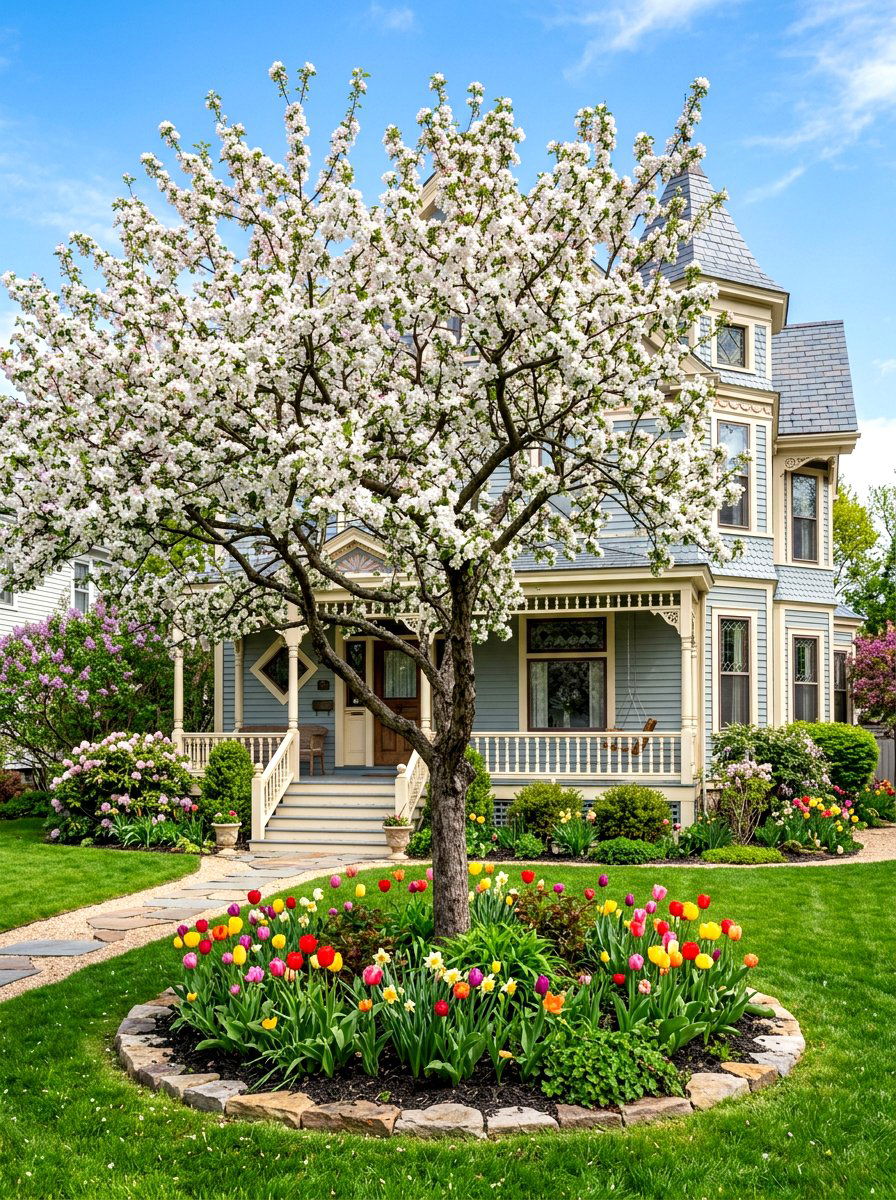
A flowering fruit tree serves a triple purpose: it provides early spring nectar, summer shade, and edible fruit. Trees like crabapples, cherries, and plums burst into bloom when many other plants are still dormant, offering a vital food source for early-emerging bees. The architectural shape of a fruit tree adds a permanent structure and curb appeal to your front yard. Once the flowers fade, the developing fruit provides food for birds and humans alike. Even a small "patio" variety can have a big impact in a limited space. A fruit tree anchors the landscape, providing vertical interest and a sense of maturity to your home.
25. Winter Pollinator Shelter
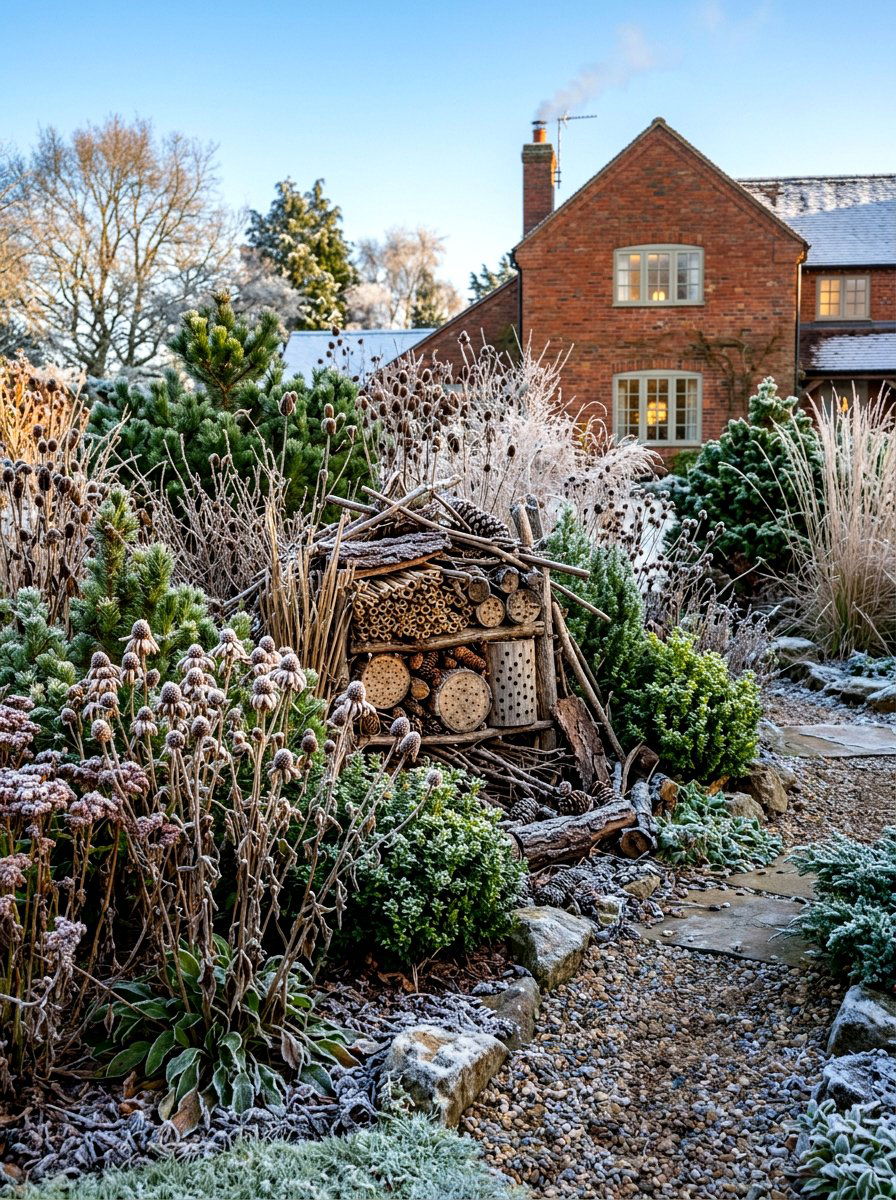
A winter pollinator shelter focuses on providing protection during the coldest months of the year. Instead of cutting everything back to the ground in late autumn, leave the hollow stalks of perennials standing. These stalks serve as overwintering sites for various bee larvae and beneficial insects. You can also include evergreen shrubs like holly or boxwood to provide windbreaks and cover from predators. Adding a layer of leaf mulch provides a cozy habitat for ground-nesting species. This "messy" but intentional approach ensures that your garden is ready to burst with life as soon as the first warm days of spring arrive.
26. Creeping Thyme Groundcover
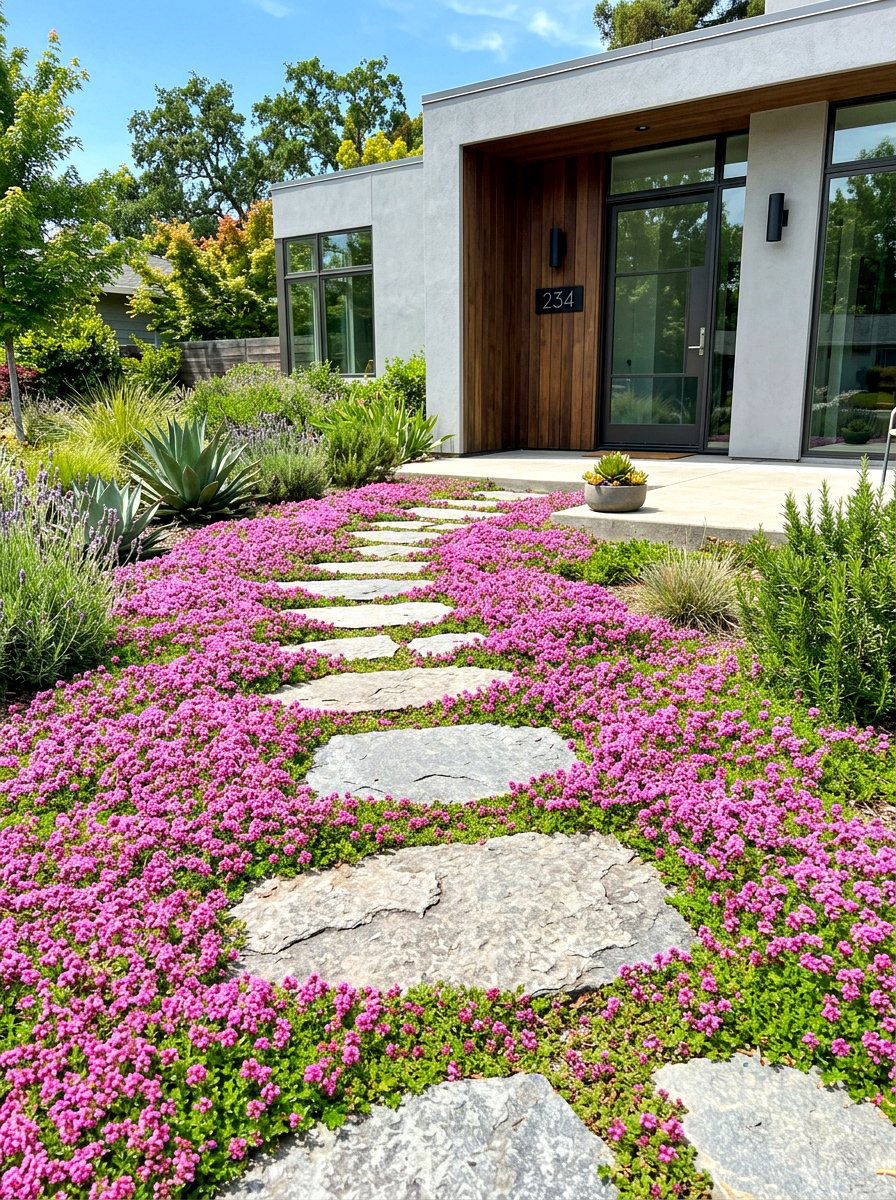
Creeping thyme is a wonderful alternative to mulch or grass in sunny, well-drained areas. This low-growing plant forms a dense mat that is covered in tiny pink or purple flowers during the summer. It is extremely attractive to bees and emits a pleasant fragrance when stepped on. Creeping thyme is very drought-tolerant and can survive in poor soil, making it ideal for rocky areas or between stepping stones. It creates a "living carpet" look that is soft, colorful, and very low-maintenance. This groundcover suppresses weeds while providing a massive number of blooms in a very small vertical space, maximizing your yard's potential.
27. Prairie Front Yard
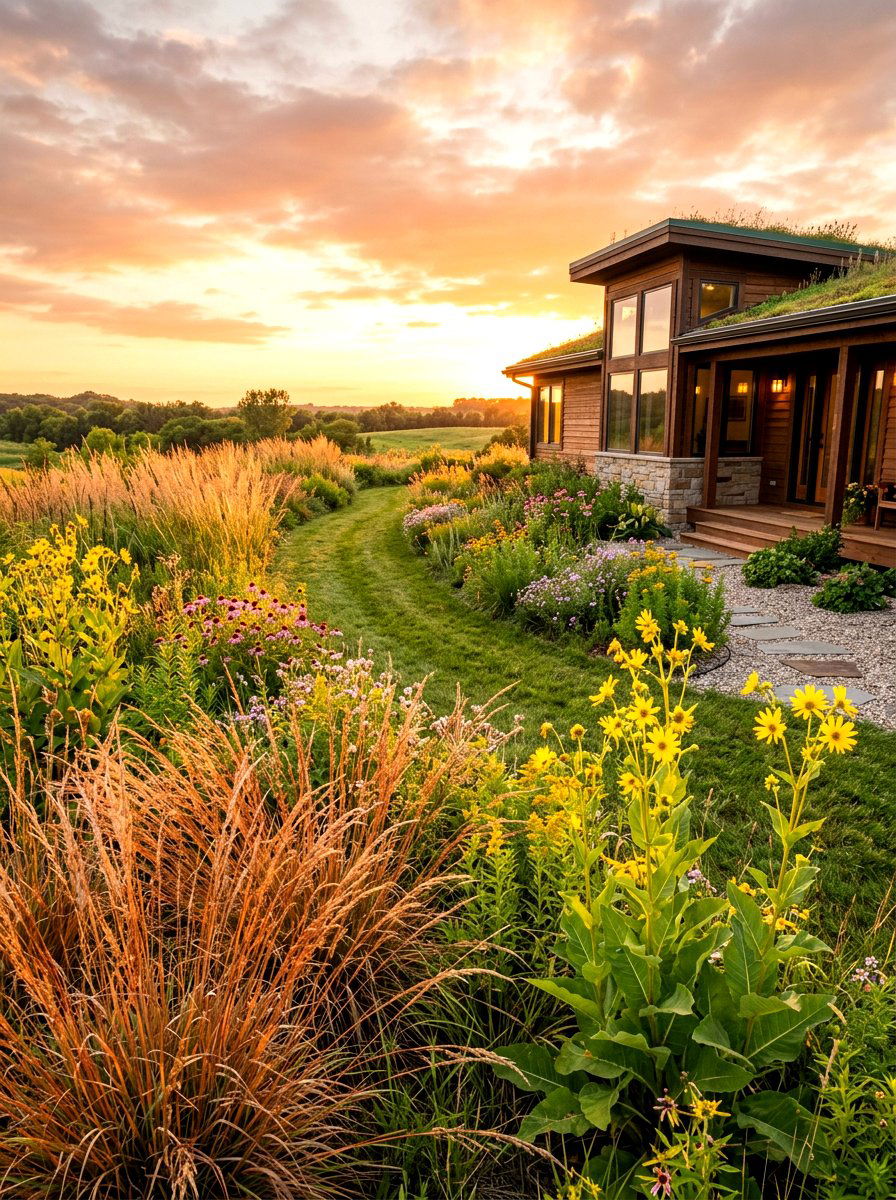
A prairie front yard focuses on a mix of native grasses and tall flowering perennials to mimic the natural grasslands. This design offers a lot of movement, as the grasses sway in the wind and change color throughout the seasons. Species like little bluestem and switchgrass provide winter interest and seeds for birds. Interplanting these with sturdy flowers like silphium or blazing star creates a high-biodiversity environment. A prairie garden is deep-rooted and resilient, requiring very little water once established. It brings a sense of the wide-open landscape to a suburban setting, offering a unique and ecologically rich alternative to the traditional lawn.
28. Cottage Pollinator Garden
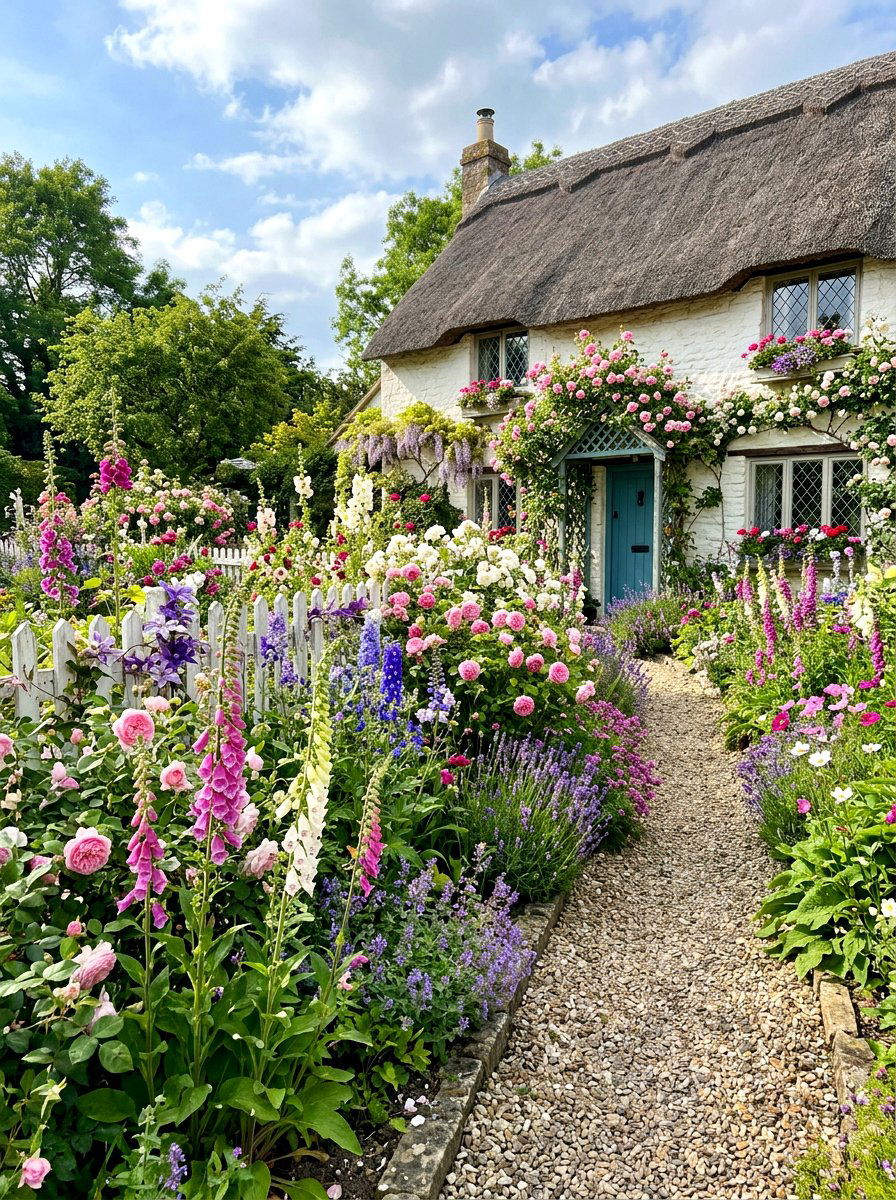
The cottage pollinator garden is all about abundance, color, and a relaxed, informal feel. It features a dense mix of traditional favorites like foxgloves, delphiniums, and roses alongside native wildflowers. This style of gardening prioritizes "more is more, " with flowers spilling over paths and onto the lawn. The high density of blooms ensures that there is always something for a pollinator to find. Using a white picket fence or a rustic arbor can provide the necessary structure to keep the abundance feeling charming rather than chaotic. This design creates a romantic, old-fashioned look that is a literal feast for the eyes and the bees.
29. Shade Pollinator Garden
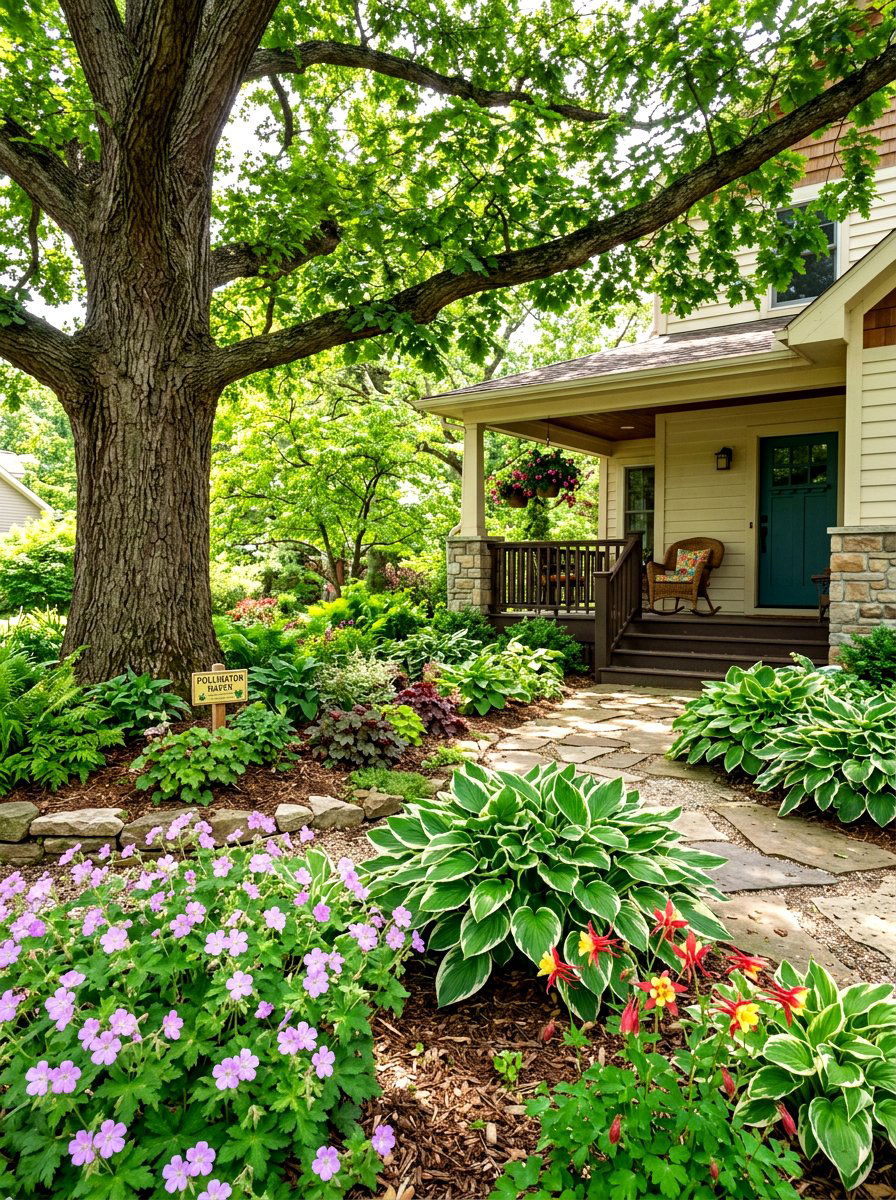
Many people assume that pollinator gardens need full sun, but a shade pollinator garden can be just as effective. In the dappled light under trees or on the north side of a house, you can plant native woodland species. Plants like columbine, wild geranium, and foamflower thrive in cooler, darker conditions. These flowers often bloom early in the spring, providing a critical resource for insects before the trees fully leaf out. A shade garden has a calm, lush feel with many shades of green and delicate flower shapes. It turns a difficult, shadowy corner into a productive and beautiful part of your home's habitat.
30. Drought Tolerant Pollinators
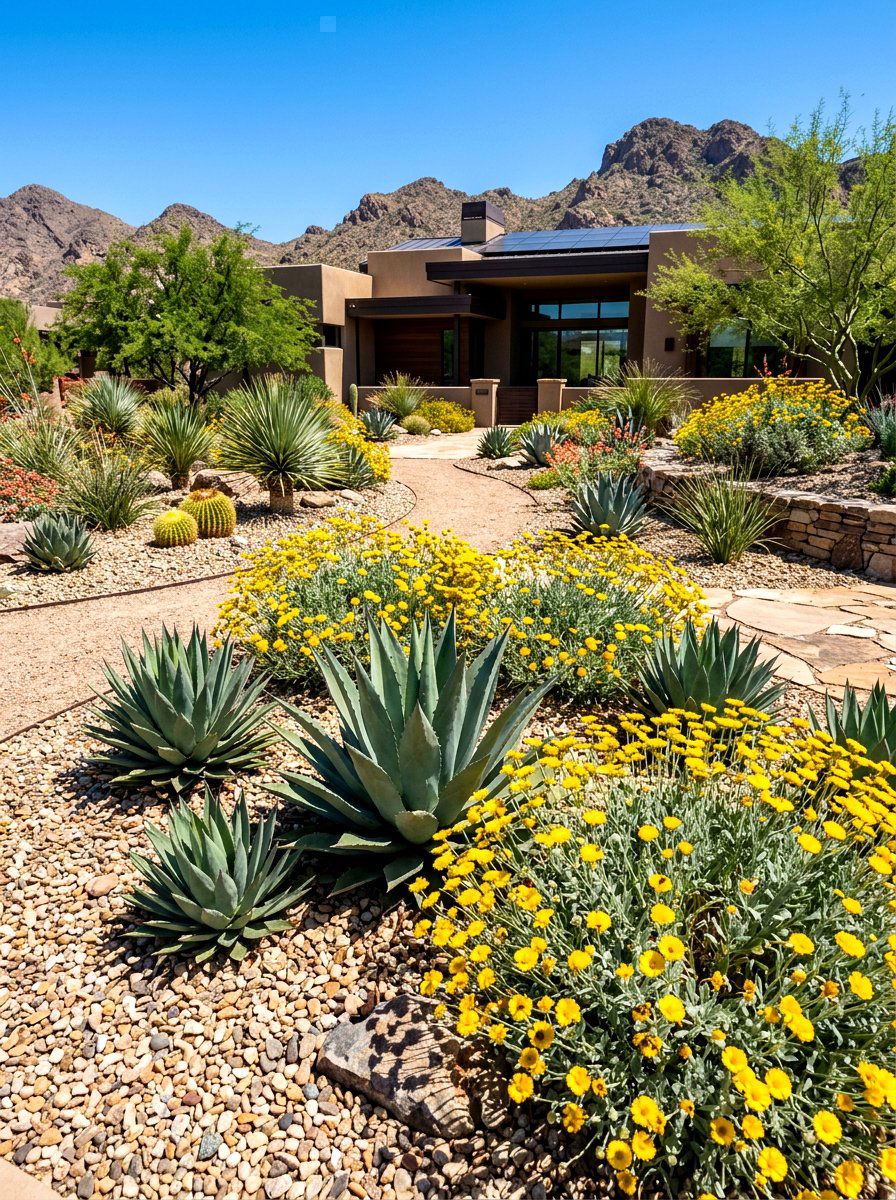
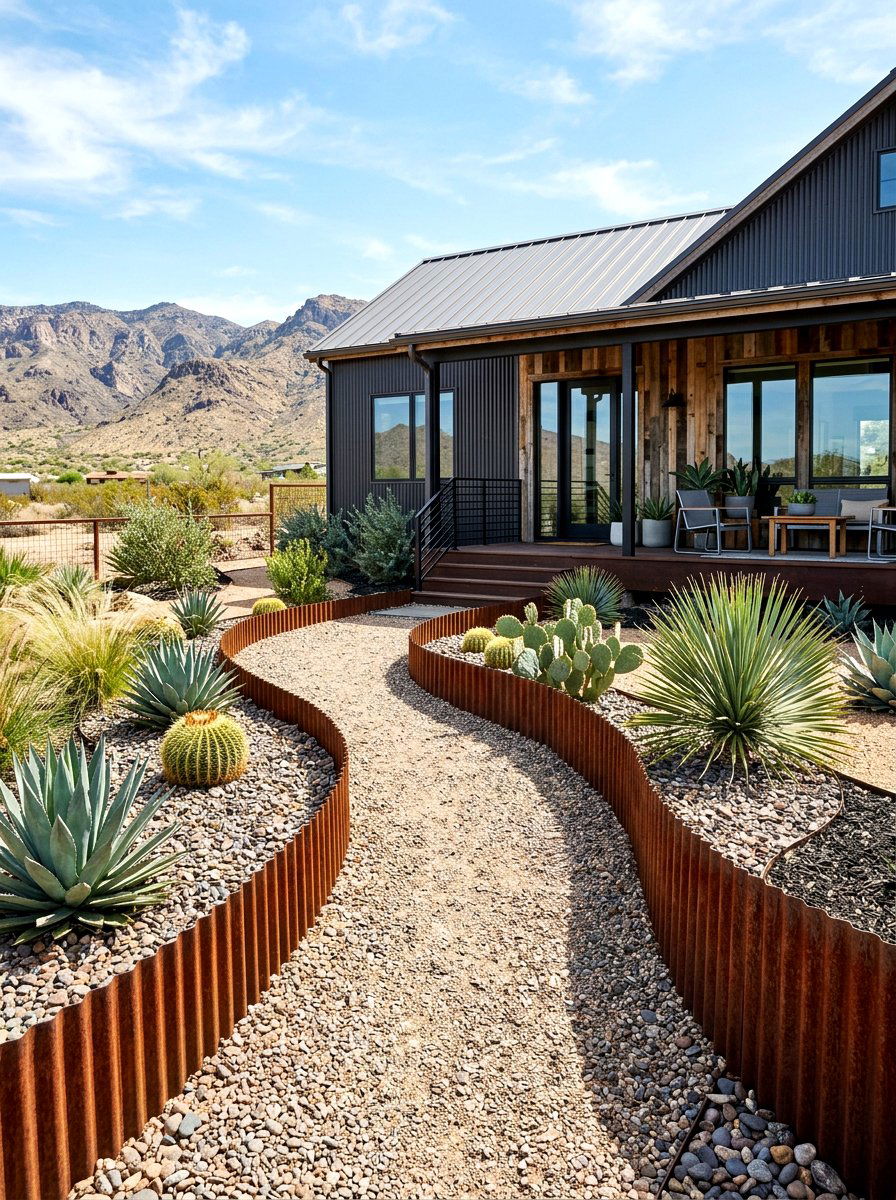
In arid climates or areas with water restrictions, a drought-tolerant pollinator garden is the perfect solution. This design utilizes "xeriscaping" principles, featuring plants that have adapted to survive with very little rainfall. Succulents like sedum, along with hardy herbs and native desert flowers like desert mallow, provide nectar without needing a hose. Using gravel or decorative rock as mulch helps retain soil moisture and gives the yard a clean, modern look. This type of garden is incredibly resilient and requires very little upkeep. It proves that you can have a vibrant, life-filled front yard even in the toughest and driest of growing conditions.
Conclusion:
Creating a pollinator-friendly front yard is a journey toward a more sustainable and vibrant home environment. By choosing a variety of native plants and functional features, you transform a static lawn into a dynamic ecosystem that supports the local wildlife we all depend on. These designs prove that ecological responsibility and high curb appeal can go hand-in-hand. Whether you start with a small container or replace your entire lawn with a meadow, every flowering plant makes a difference. As your garden matures, you will find joy in the daily visits from colorful butterflies and hummingbirds, making your home a true sanctuary.

Related posts: