Creating a rose garden is one of the most rewarding ways to transform your outdoor space into a sensory sanctuary filled with color and fragrance. The key to a successful garden layout often lies in the walkways that guide you through these blooming displays, allowing you to experience the beauty and scent of each variety up close. Whether you prefer the structured elegance of a formal English estate or the wild, untamed charm of a romantic cottage garden, the path you choose defines the overall mood. By carefully selecting materials that complement your roses, you can create a cohesive and inviting landscape that encourages slow strolls and daily exploration during the peak blooming seasons.

1. Brick rose garden path
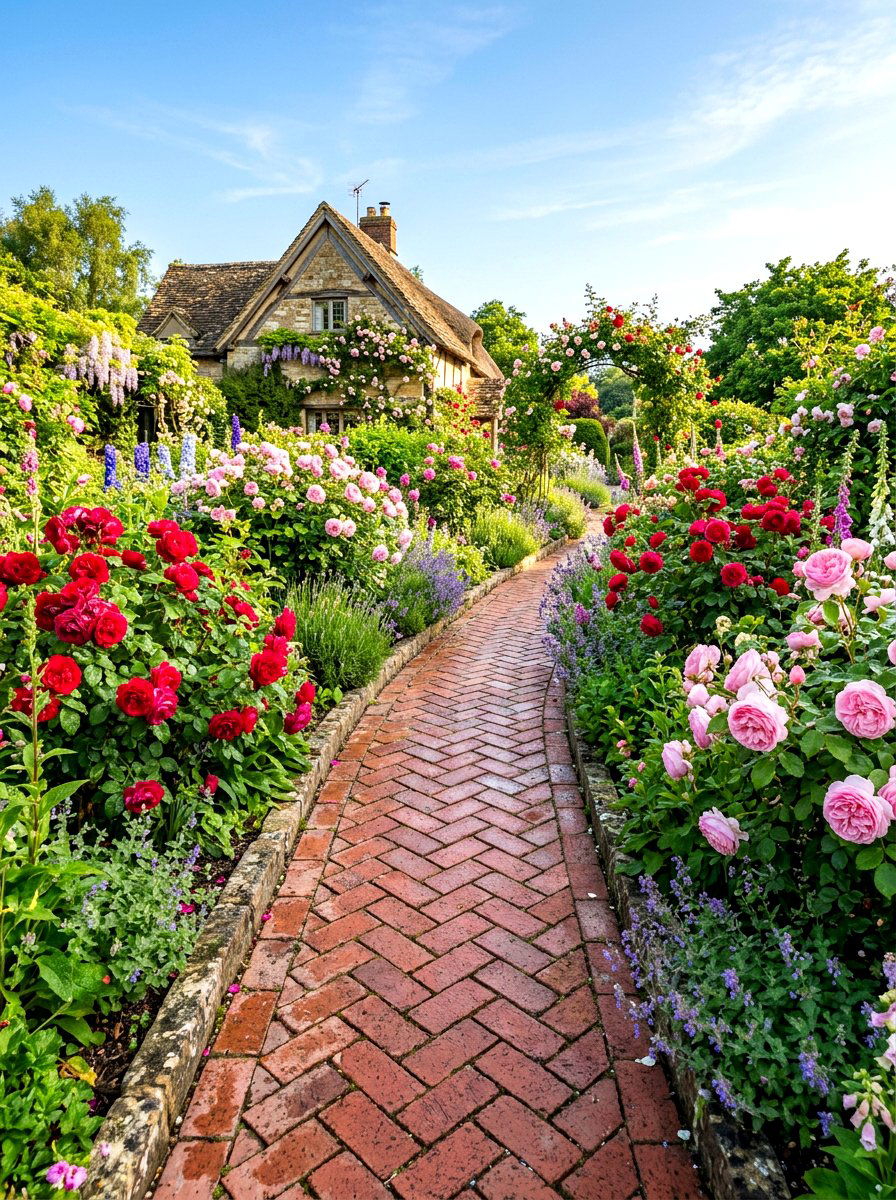
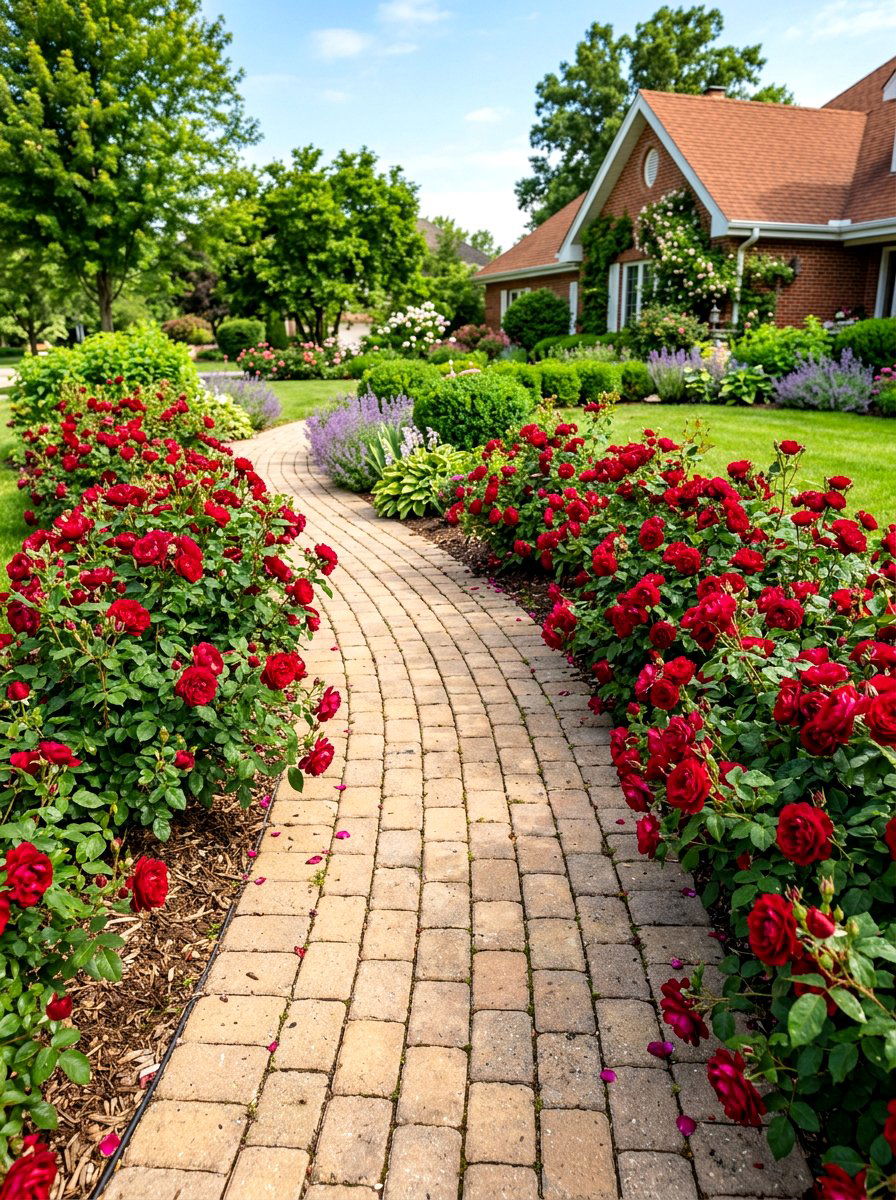
Imagine walking through a sea of crimson blooms on a classic brick path. This traditional style offers a timeless appeal that works in almost any backyard. Brick provides a sturdy and flat surface that contrasts beautifully with the soft petals of roses. You can arrange the bricks in a herringbone or basketweave pattern to add visual interest. Red bricks specifically highlight the deep greens of rose foliage. This type of walkway is durable and handles heavy foot traffic well throughout the changing seasons. It creates a structured look that keeps your garden feeling organized and intentional. Maintaining a brick path is relatively simple with occasional sweeping and weeding. It remains a favorite for classic home styles.
2. Flagstone rose walkway
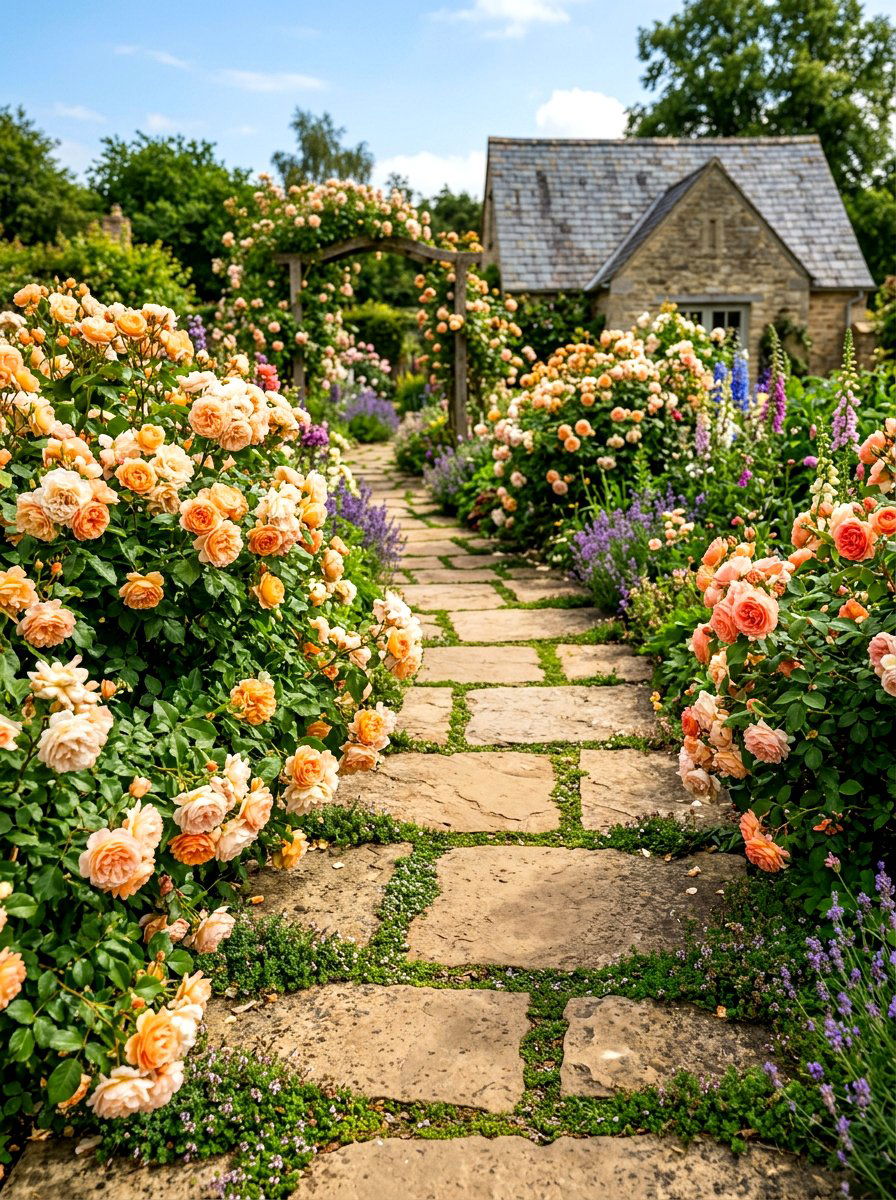
A flagstone walkway offers an organic and natural feel that blends perfectly with a lush rose landscape. These large, flat stones come in various shades of gray, tan, and blue, allowing you to match them to your home's exterior. The irregular shapes of flagstones create a relaxed, informal look that encourages a slower pace. You can plant low-growing groundcover roses or fragrant herbs like thyme in the gaps between the stones. This integration of hardscape and softscape makes the path feel like it has been part of the garden for decades. Flagstone is also highly durable and provides a very stable surface for walking. It is an excellent choice for a high-end, custom garden.
3. Gravel rose garden trail
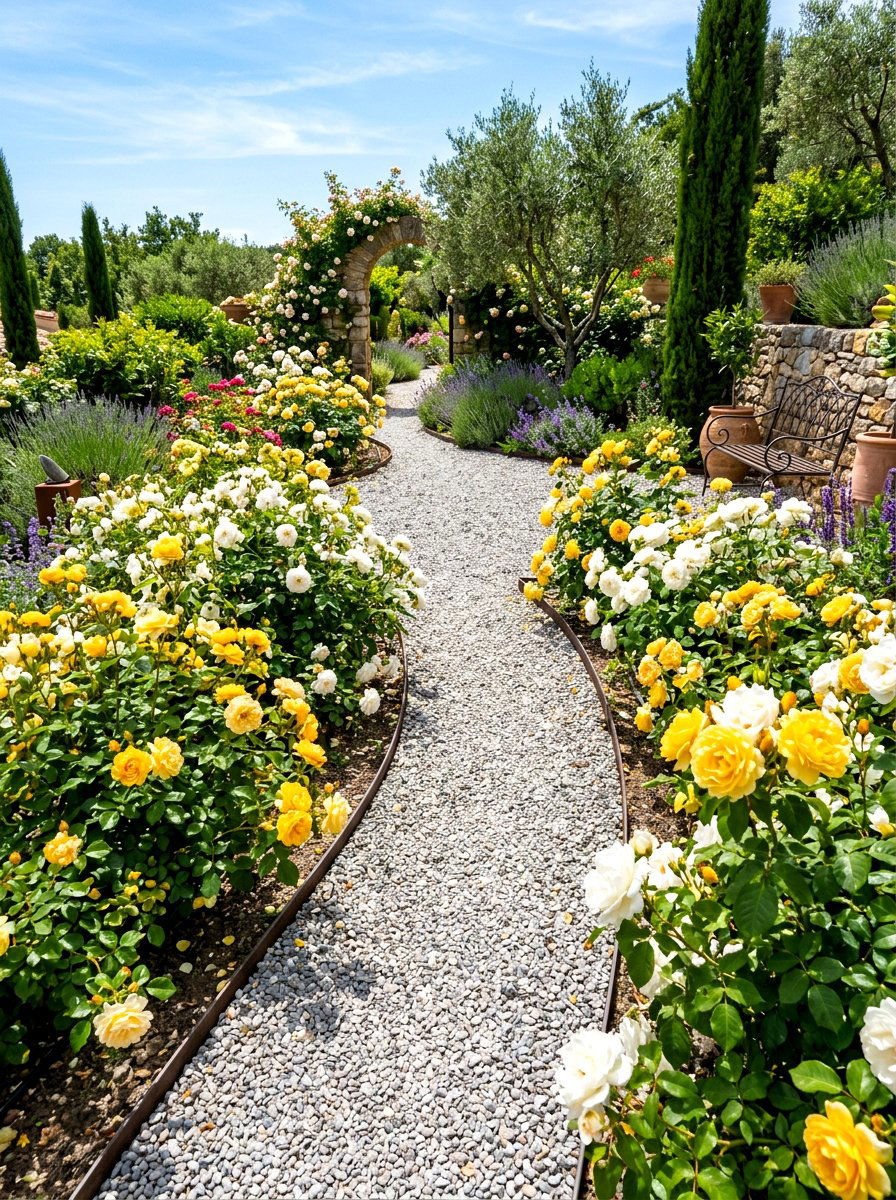
Gravel is a versatile and affordable material that adds a wonderful crunching sound underfoot as you explore your rose beds. This auditory element enhances the sensory experience of your garden. Gravel paths are easy to install and can follow any curve or shape you desire. They provide excellent drainage, ensuring that your roses do not sit in standing water after a heavy rain. To keep the path looking neat, you can use metal or brick edging to contain the small stones. Light-colored gravel reflects sunlight, making the garden feel brighter even on overcast days. This material works exceptionally well in Mediterranean or cottage-style rose gardens. It offers a low-maintenance solution for large areas.
4. Arched rose arbor path
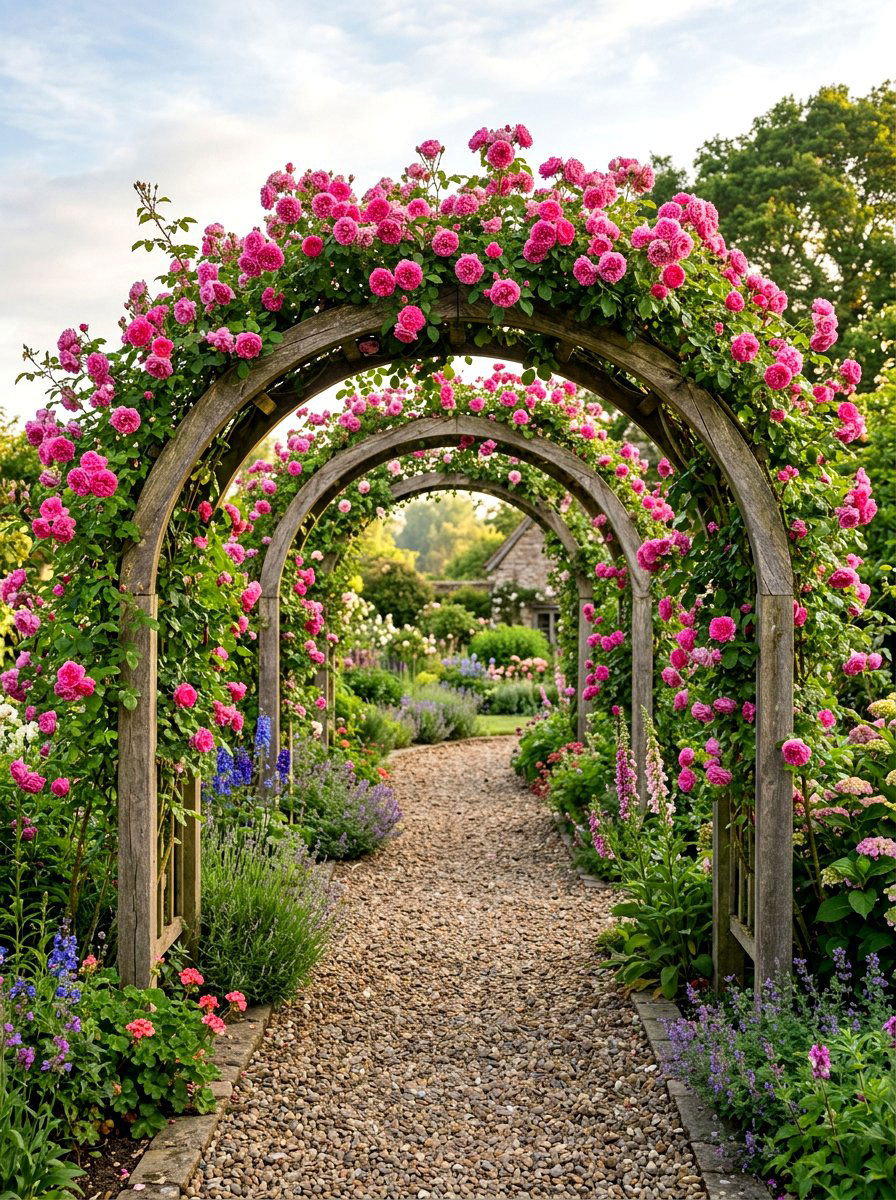
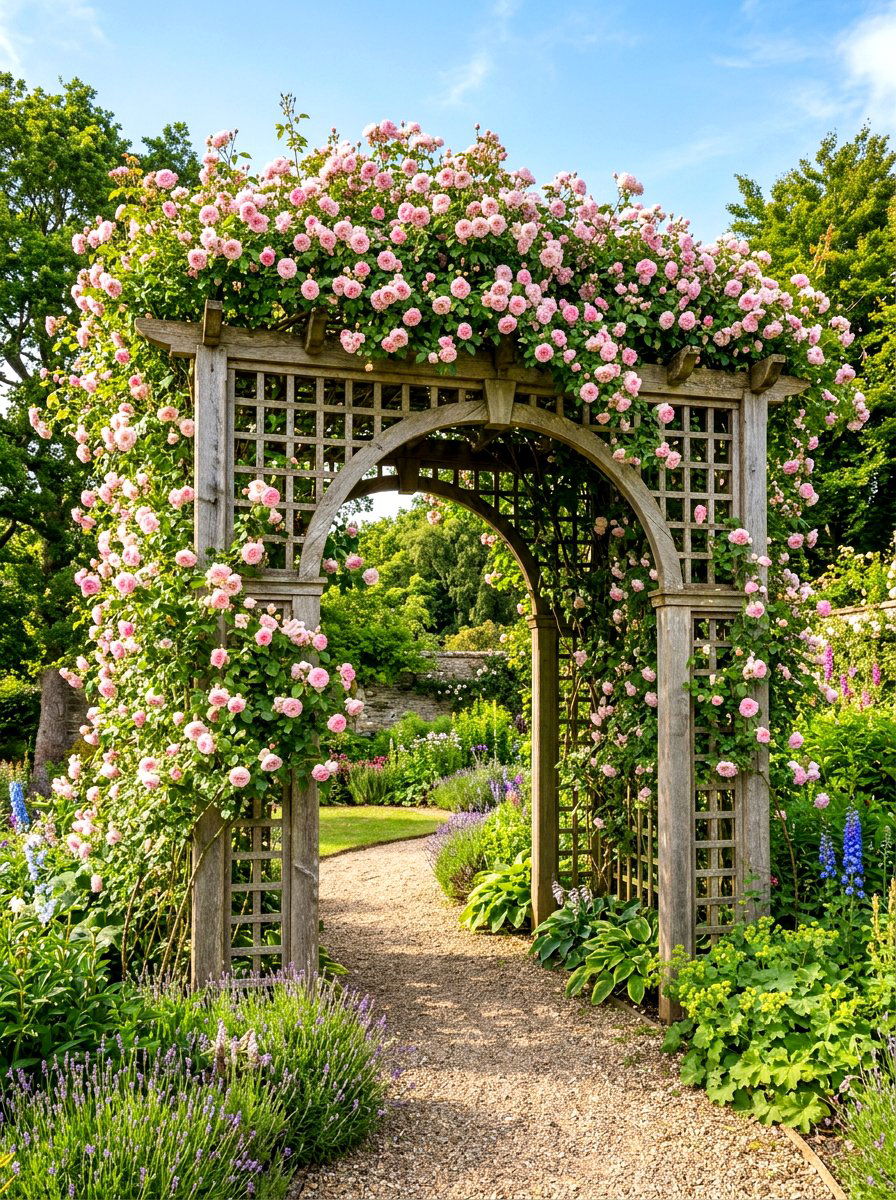
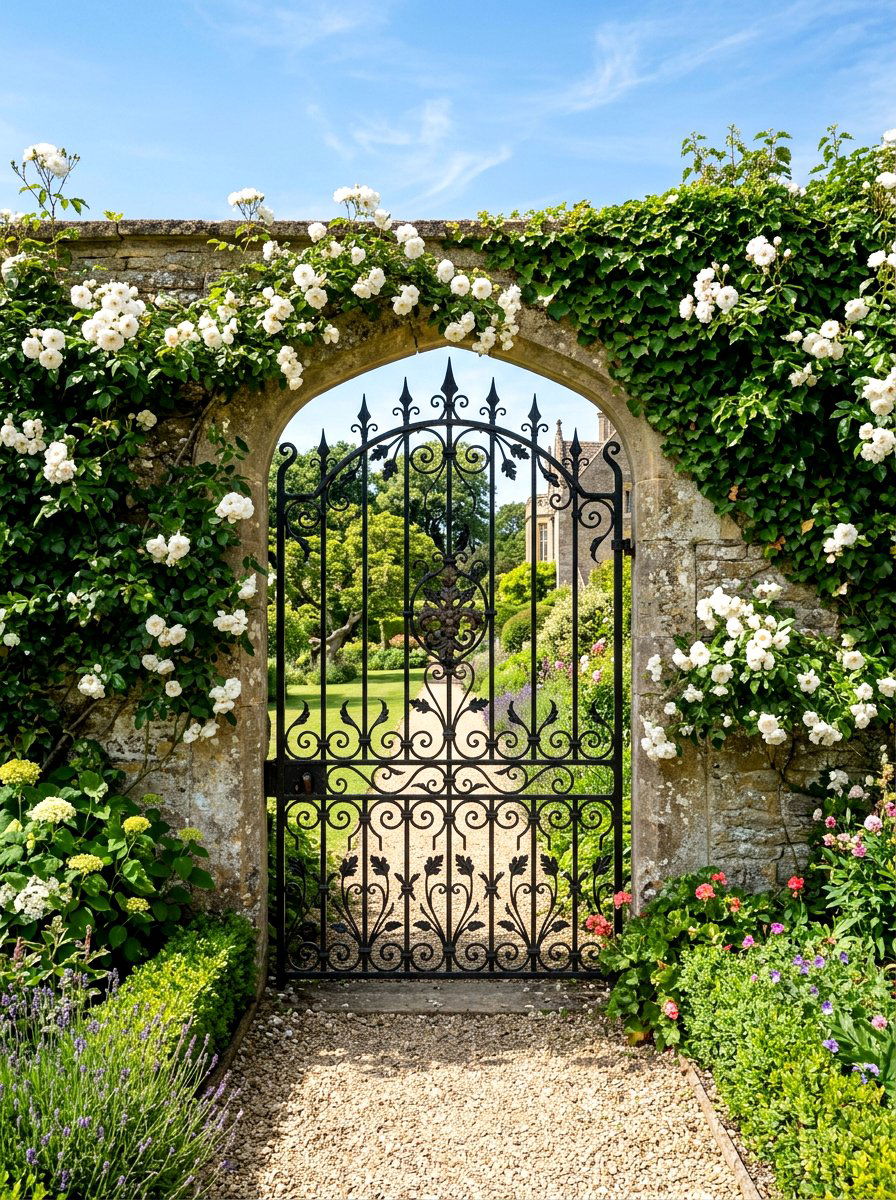
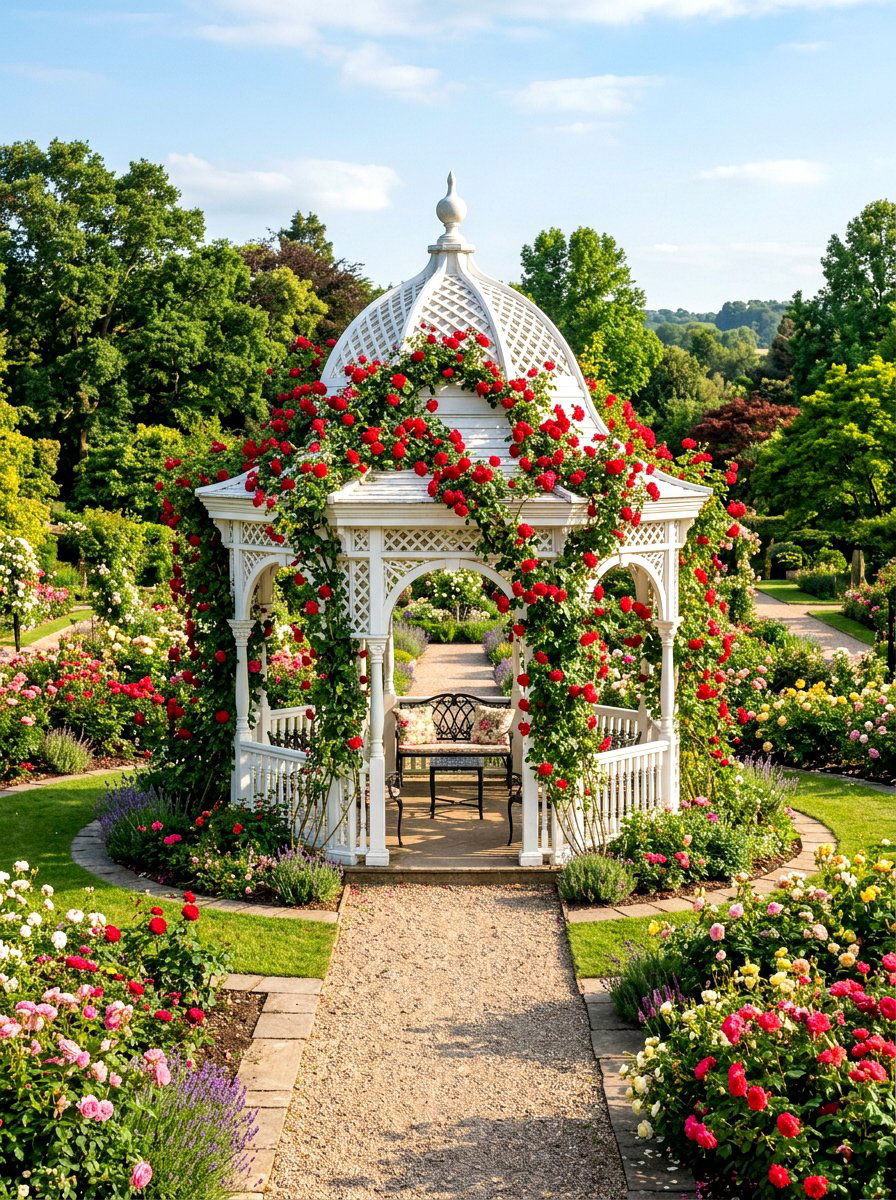
There is nothing more romantic than walking under an arched arbor draped in climbing roses. This design element adds vertical interest and creates a sense of enclosure and privacy. You can place several arches in a row to create a blooming tunnel effect. As the roses grow, they will cover the structure with hundreds of fragrant flowers. This type of walkway works best with vigorous climbing varieties that can easily reach the top of the arch. The structure itself can be made of wood for a rustic look or metal for a more modern feel. It serves as a beautiful focal point that draws the eye through the garden toward a specific destination.
5. Pea shingle rose border
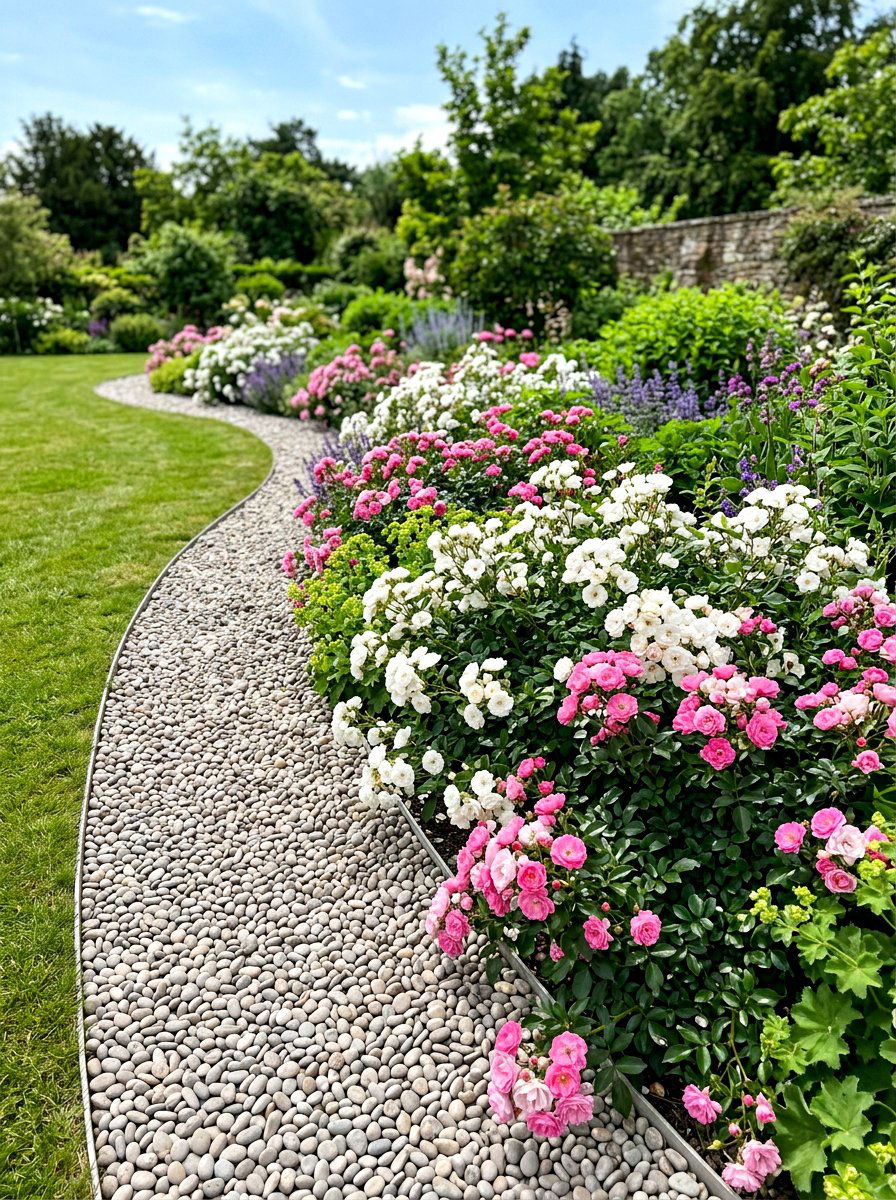
Pea shingle is a type of small, rounded gravel that is very gentle on the feet and looks incredibly polished. Using it as a walkway material creates a clean and soft appearance that lets the roses take center stage. The neutral tones of pea shingle provide a sophisticated backdrop for bright pink, yellow, or white rose varieties. It is an excellent choice for a small garden where you want to maintain a sense of openness. Because the stones are small, they fill in gaps easily and create a very level walking surface. Adding a few larger stepping stones within the shingle can add more visual depth. It is a stylish and functional option for modern homes.
6. Wooden boardwalk rose walk

For a unique and rustic touch, consider a wooden boardwalk that floats slightly above your rose beds. This design is particularly useful in gardens with uneven terrain or poor drainage. The warm tones of the wood complement the natural beauty of the plants. You can use cedar or pressure-treated lumber to ensure the walkway lasts for many years in outdoor conditions. A wooden path feels soft underfoot and provides a distinct departure from traditional stone or brick. It creates a modern, coastal, or woodland vibe depending on the finish you choose. Lining the boardwalk with bushy shrub roses creates a cozy, immersive experience as you walk through the garden.
7. Stepping stone rose garden
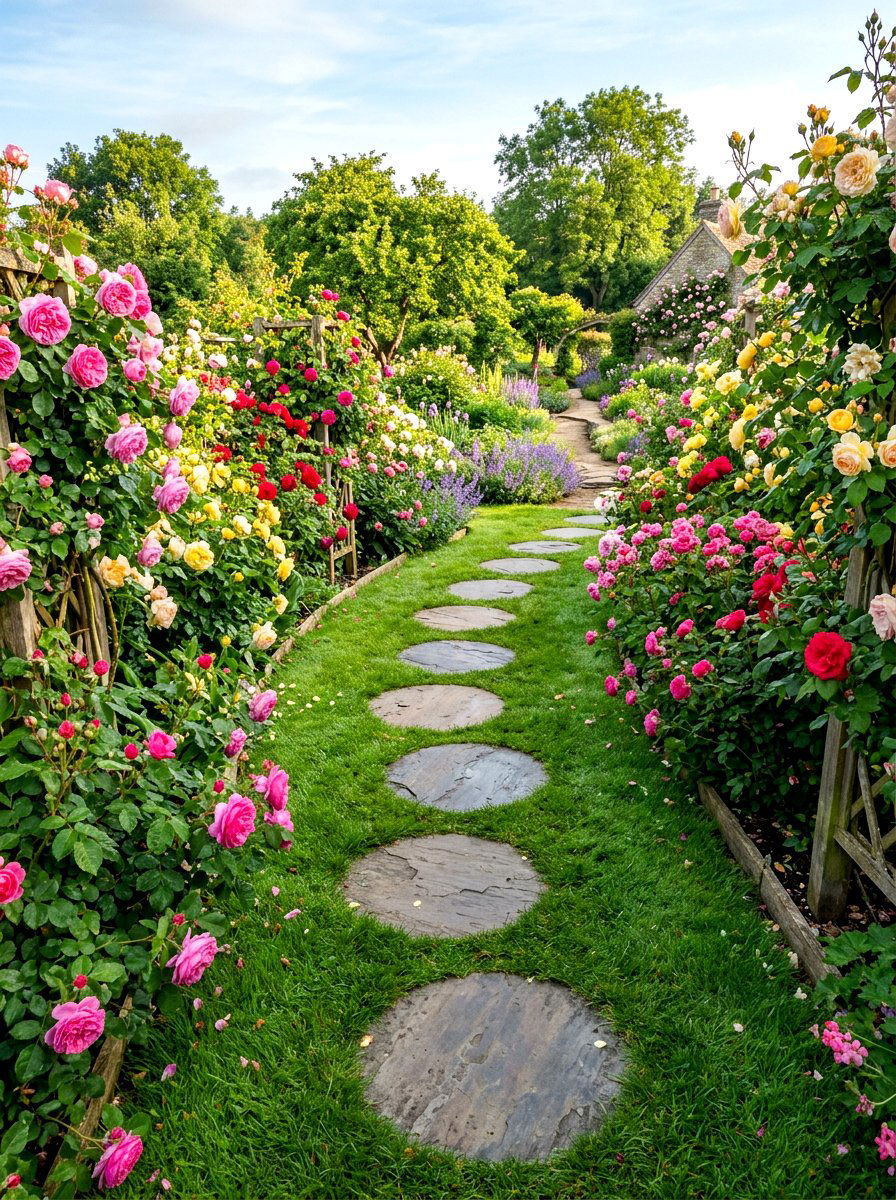
Stepping stones are a simple yet effective way to create a path through a dense rose garden without overcomplicating the design. You can use large slate slabs or circular concrete stones spaced a comfortable walking distance apart. This style allows the surrounding roses to grow right up to the edge of the stones, creating a very natural look. It is an ideal solution for areas where you want to preserve as much planting space as possible. Stepping stones prevent soil compaction around the rose roots while providing a clear route for maintenance and enjoyment. They are easy to install as a DIY project and can be adjusted as your garden matures.
8. Grassy rose garden path
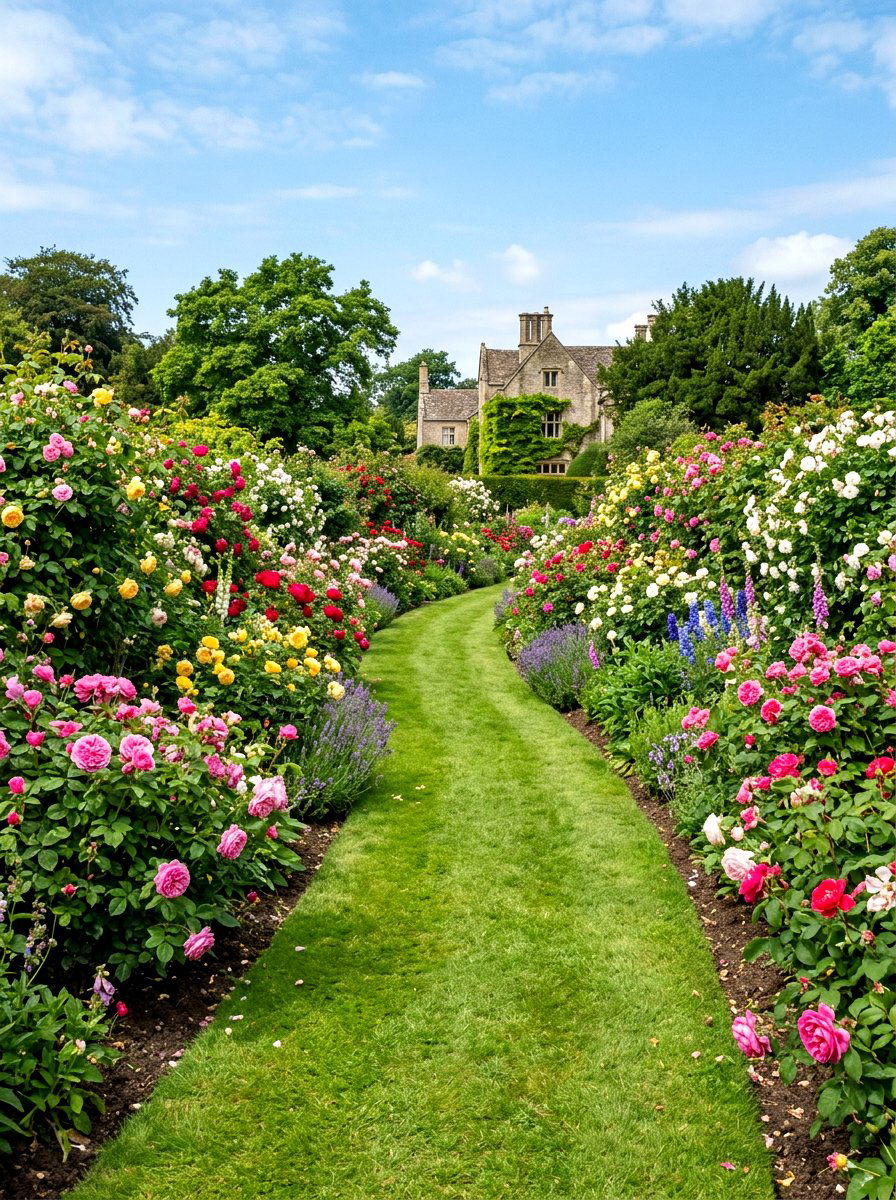
A mown grass path offers a soft, green carpet that feels wonderful underfoot during the summer months. This traditional English style creates a seamless transition between different parts of the garden. The vibrant green of the grass provides a stunning contrast to the colorful rose blooms. To keep the path looking sharp, you should maintain clean edges using a spade or mechanical edger. This type of walkway requires regular mowing and watering to stay lush, but the visual reward is significant. It works best in larger gardens where there is plenty of sunlight for the turf to thrive. A grassy path feels very classic, peaceful, and inviting for a leisurely stroll.
9. Crushed stone rose walkway
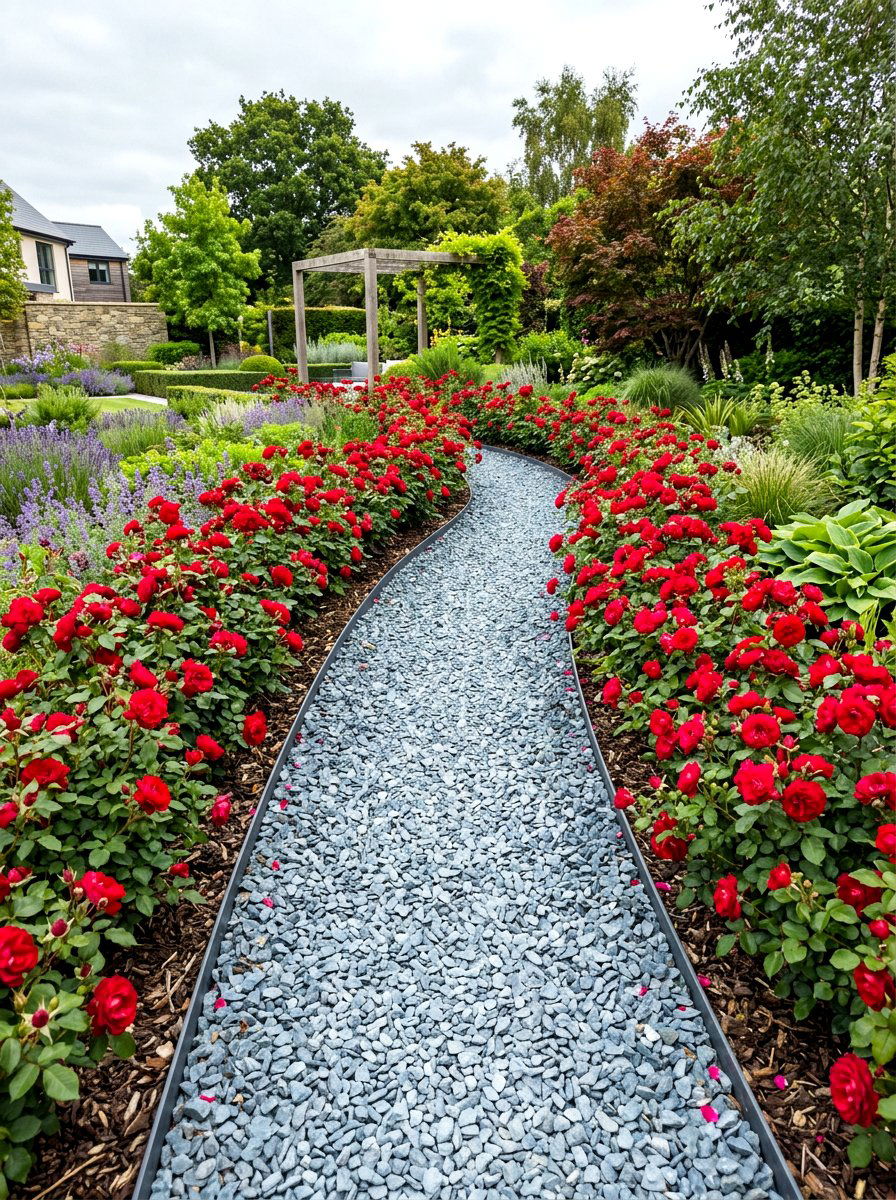
Crushed stone, such as blue stone or limestone, provides a more contemporary and industrial look for your rose garden. The sharp edges of the stone pack down firmly to create a very stable and level surface. This material is excellent for modern landscapes with clean lines and structured rose plantings. The cool tones of the stone help the warm colors of the roses pop. Crushed stone is also very effective at suppressing weeds, making garden maintenance much easier over time. You can use larger boulders at the edges of the path to add more texture and height. It is a durable, long-lasting choice for any homeowner seeking a clean aesthetic.
10. Paved rose garden entry
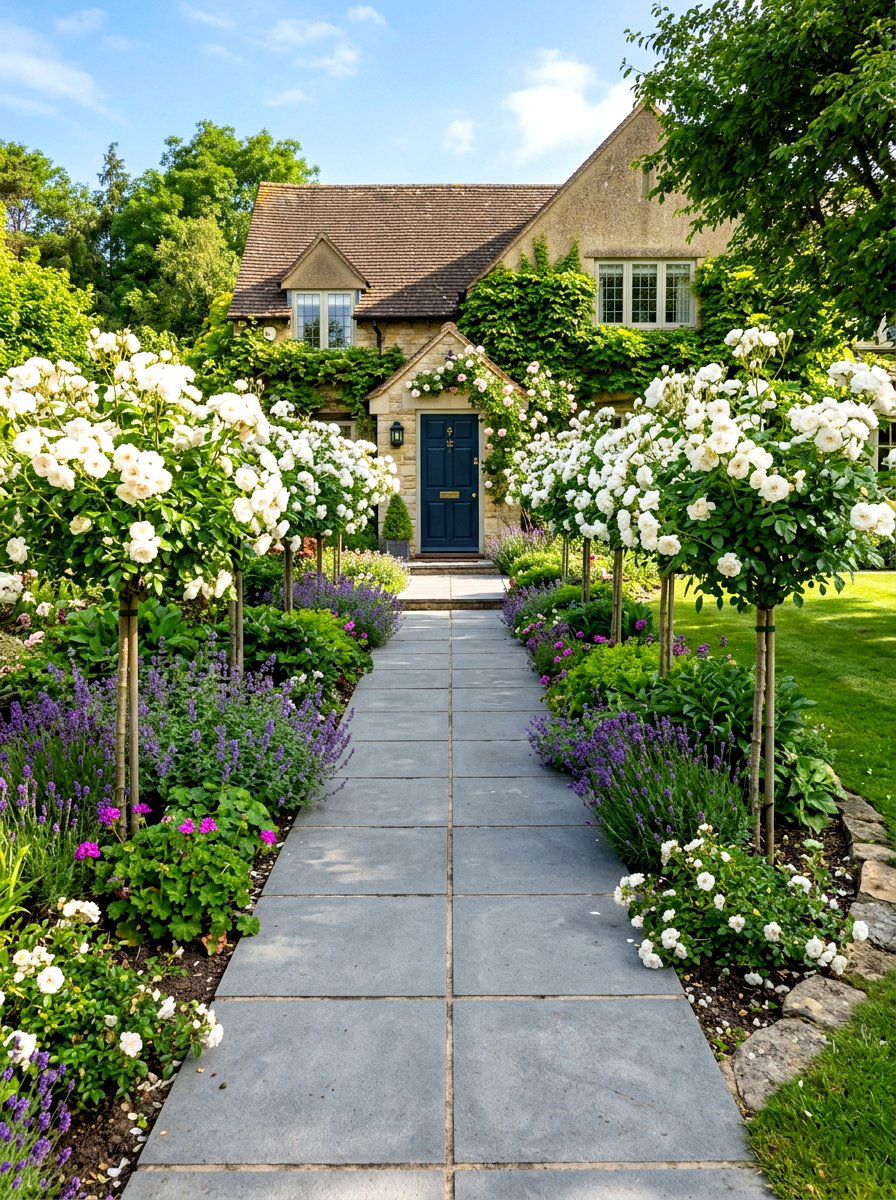
A paved entrance creates a sense of arrival and sets a formal tone for your rose garden. Using large pavers in a geometric pattern provides a clean and sophisticated look. This type of walkway is very easy to sweep and keep clean, making it a practical choice for high-traffic areas near the house. You can flank the paved path with tall, upright rose bushes to create a grand hallway effect. The solid surface of the pavers ensures that your shoes stay clean even in wet weather. Choosing pavers that match your patio or driveway helps create a cohesive look across your entire property. It is a professional and polished design choice.
11. Cobblestone rose path
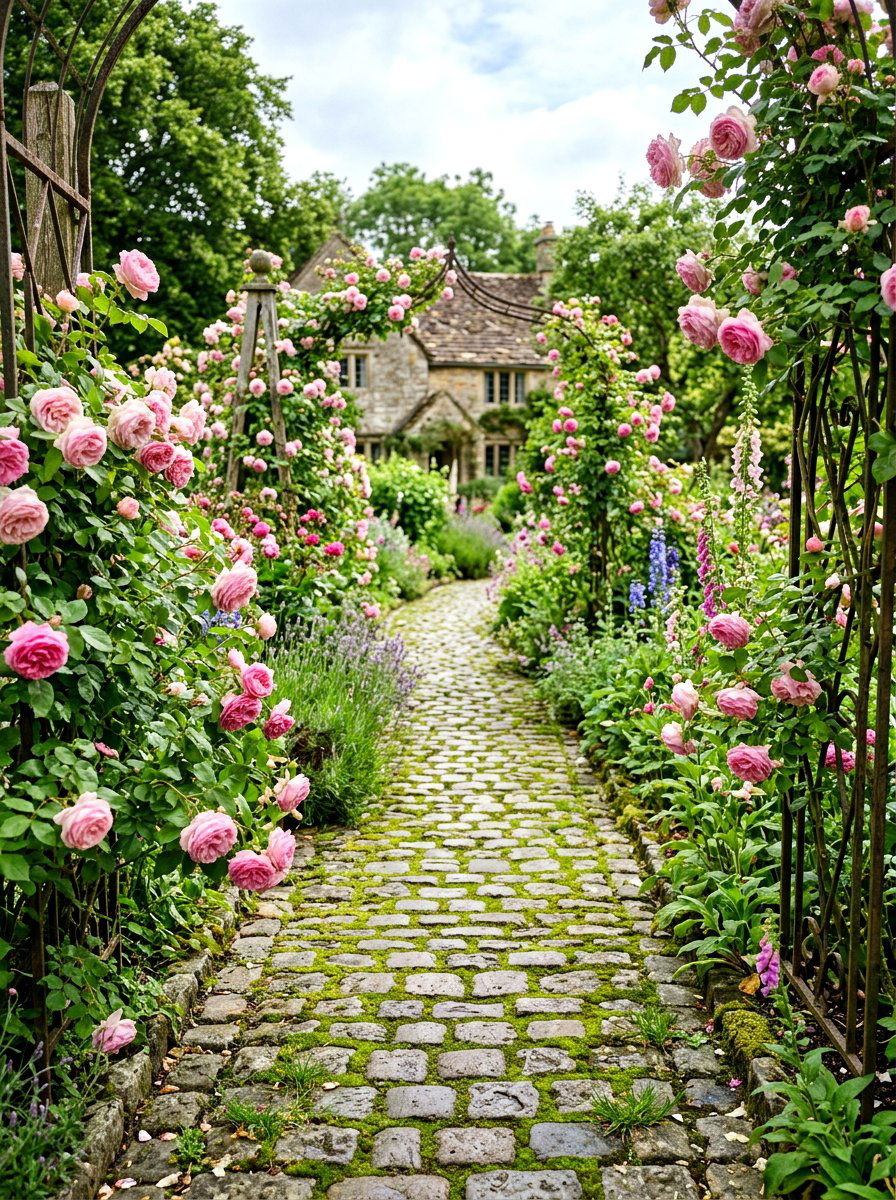
Cobblestones evoke the charm of old-world European gardens and add a significant amount of texture to your landscape. The uneven, rounded surfaces of the stones create a rustic and timeless feel. This type of path is perfect for a romantic rose garden filled with heirloom varieties. Cobblestones are incredibly durable and can last for centuries with very little maintenance. The gaps between the stones can be filled with sand or a low-growing moss to add even more character. As the roses spill over the edges of the cobblestones, the garden takes on a magical, fairy-tale quality. It is a great way to add history and weight to your backyard design.
12. Mulched rose garden trail
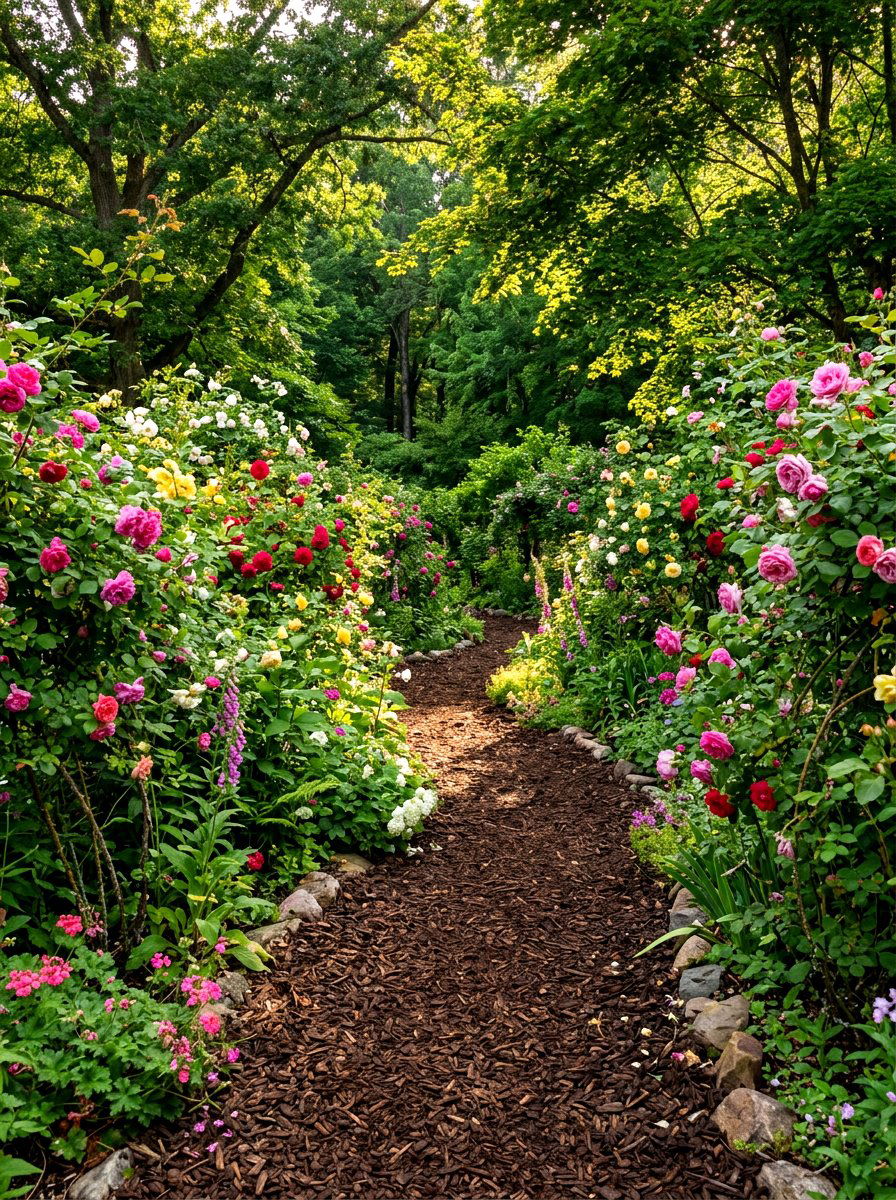
Using wood mulch or bark chips is one of the most natural and cost-effective ways to create a garden path. This material blends in perfectly with the soil and provides a soft, cushioned surface for walking. Mulch paths feel very informal and are ideal for woodland-style rose gardens or large properties. As the mulch breaks down, it actually improves the quality of the soil underneath. You will need to refresh the mulch every year or two to keep it looking its best. The earthy brown or deep black tones of the bark make the vibrant colors of the roses stand out. It is a very DIY-friendly option that requires minimal preparation.
13. Concrete rose walkway
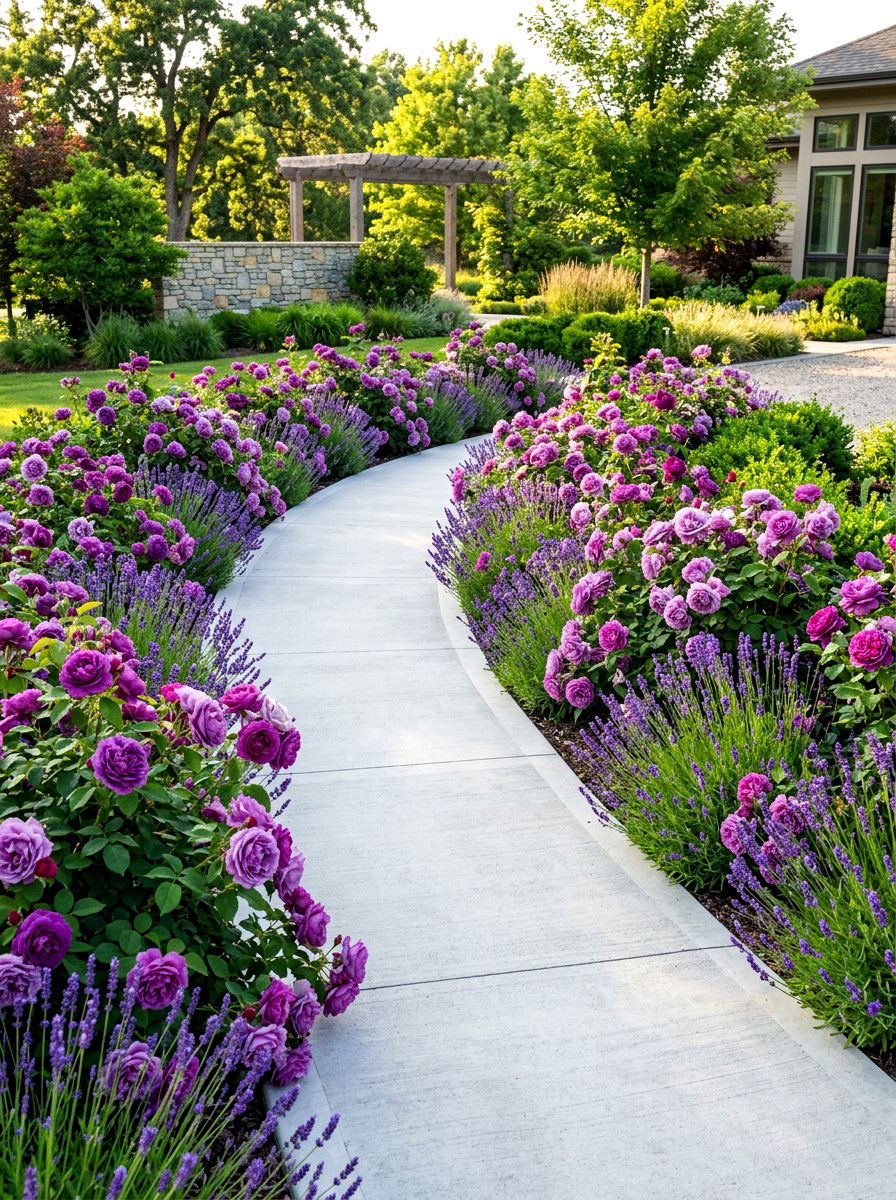
For a sleek and modern look, a poured concrete walkway offers unmatched durability and a very clean finish. You can choose a smooth finish or a stamped pattern that mimics the look of stone or brick. Concrete can be poured in any shape, including gentle curves that wind through your rose beds. It provides a completely level surface that is safe for all ages and easy to navigate. To prevent the concrete from feeling too cold or stark, you can plant overflowing shrub roses along the edges to soften the hard lines. This material is a great investment for a long-term landscape that requires almost zero maintenance over the years.
14. Slate rose garden path
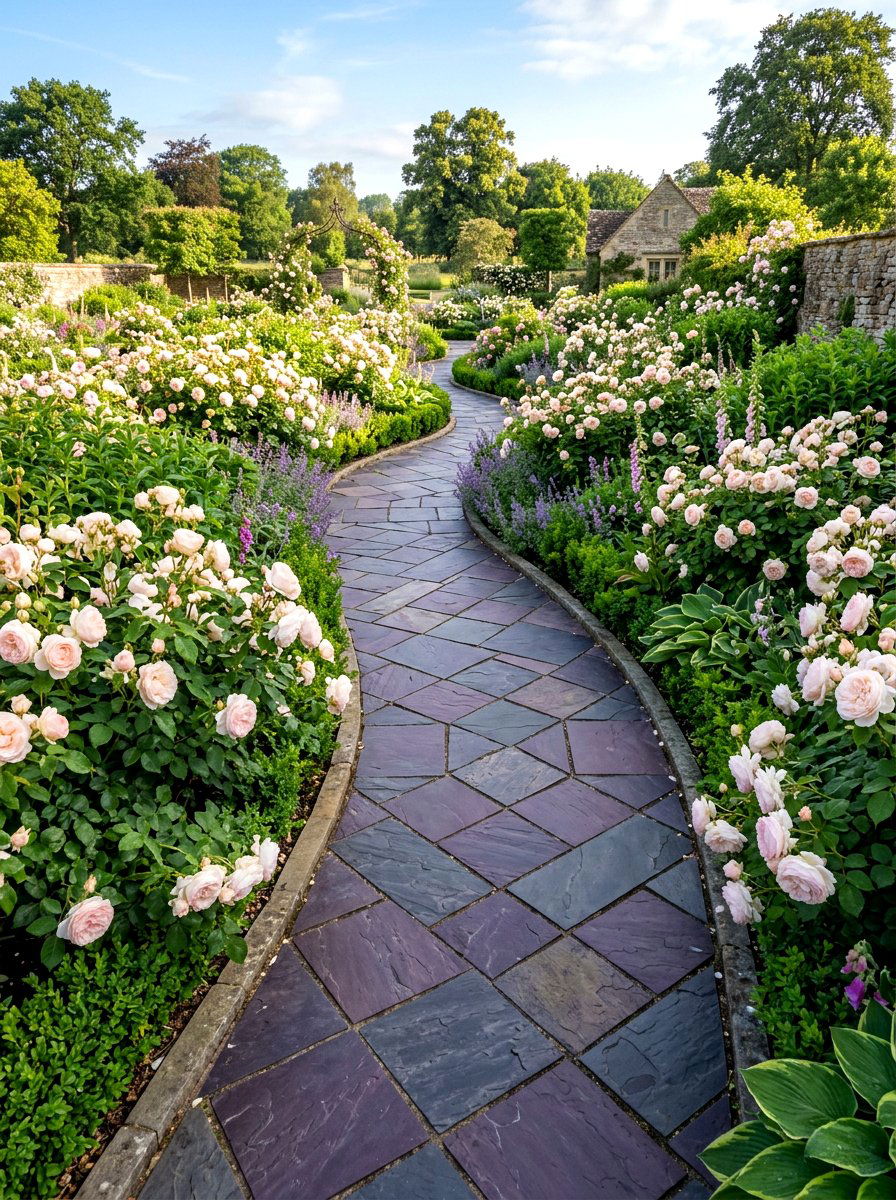
Slate is a premium material that offers a beautiful, multi-tonal look with shades of blue, gray, and purple. Using slate for your rose garden path adds an instant touch of luxury and sophistication. The flat, smooth surface of slate is very comfortable to walk on and looks particularly stunning when wet. You can use rectangular slate tiles for a formal look or irregular pieces for a more natural appearance. Slate pairs exceptionally well with white or pale pink roses, creating a cool and elegant color palette. This stone is also naturally slip-resistant, making it a safe choice for outdoor walkways. It is a high-impact material that elevates any garden.

15. Terraced rose garden stairs
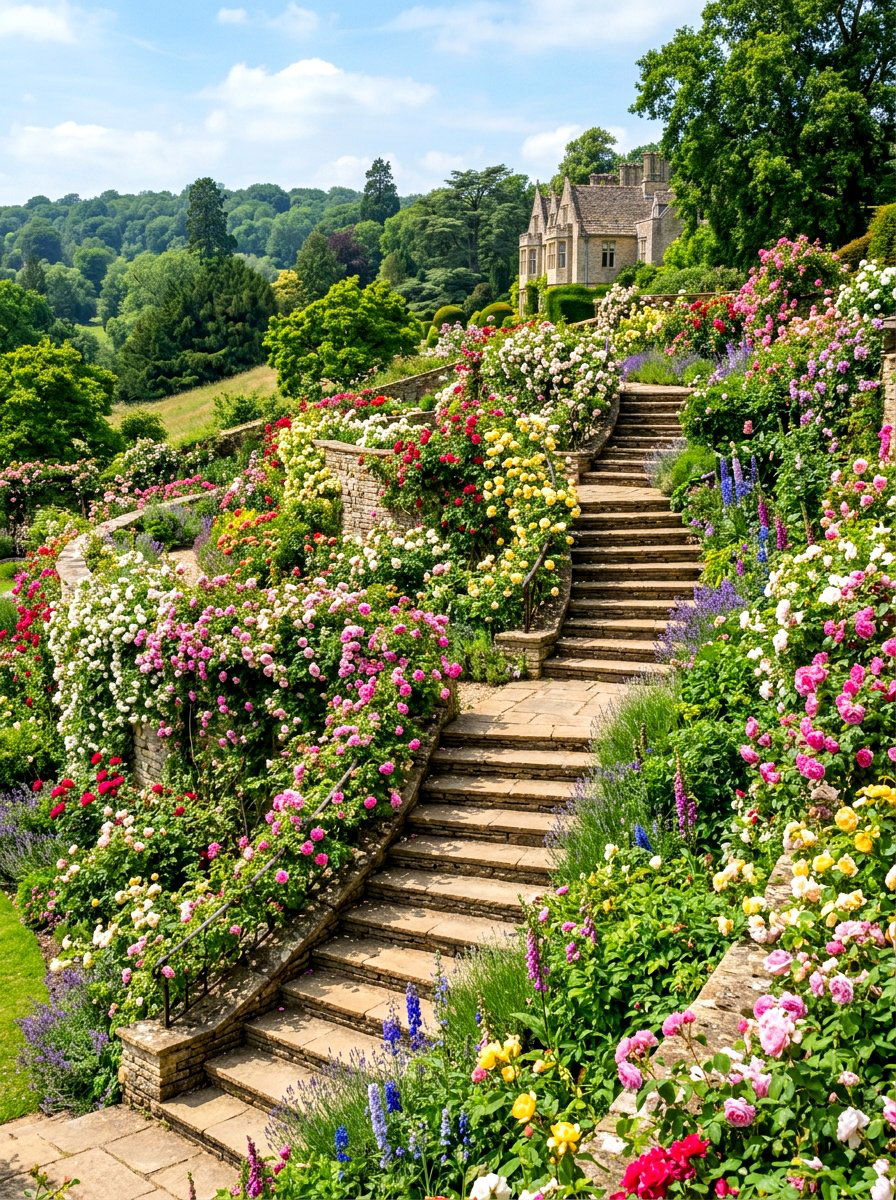
If your garden has a slope, a terraced walkway with stone or wooden stairs is the best way to navigate the space. You can plant different varieties of roses on each level to create a vertical wall of blooms. This design allows you to enjoy the roses from different heights as you move through the garden. Stone steps provide a solid and permanent structure, while wooden steps offer a more rustic and soft look. Terracing also helps with erosion control on hilly properties. Surrounding the stairs with cascading roses creates a dramatic and beautiful effect that makes the most of your garden's natural topography. It is a functional and artistic solution.
16. Bark chip rose walk
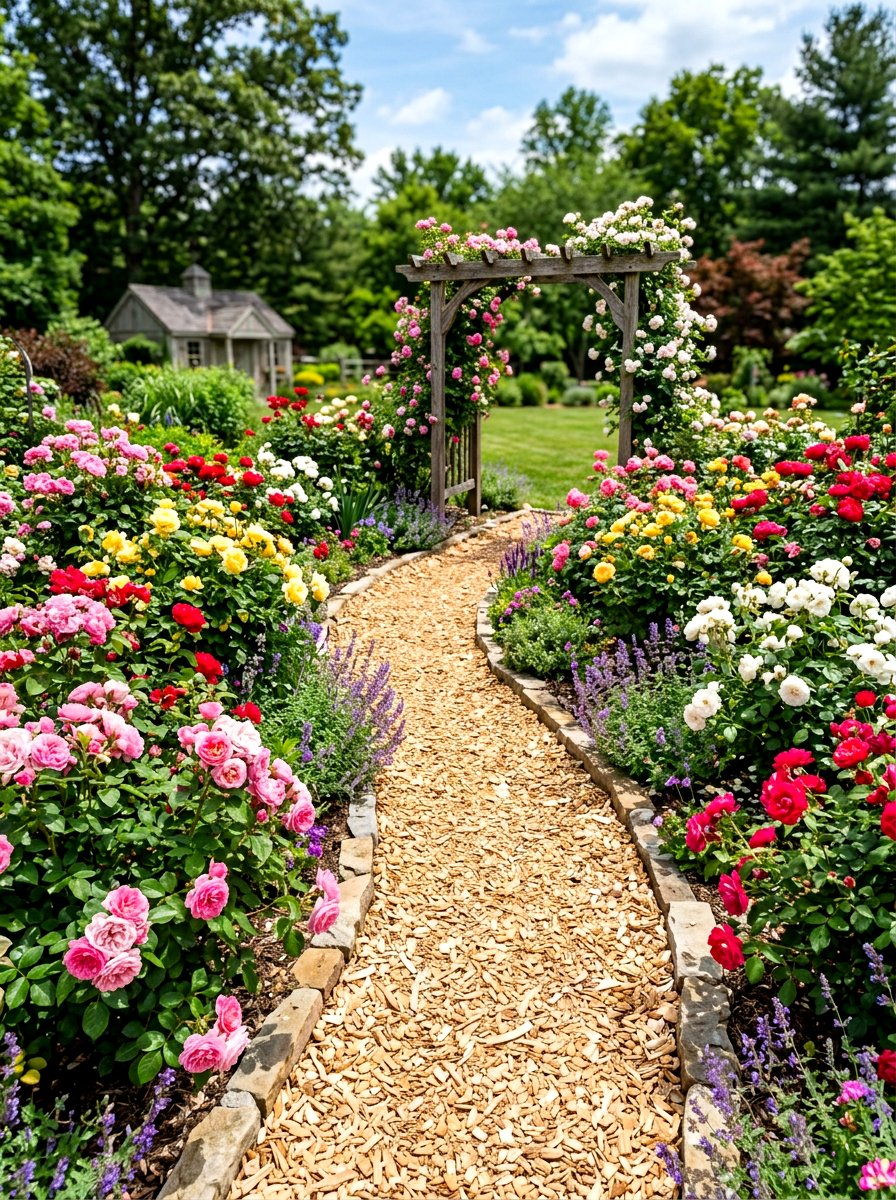
Bark chips offer a soft, organic texture that is perfect for a low-maintenance and budget-friendly rose path. The natural look of the wood pieces blends seamlessly into the landscape, making the roses the undisputed stars. This material is easy to spread and can be used to create winding trails that disappear into the garden. Bark chips help to retain moisture in the soil, which can be beneficial for nearby rose bushes. They also help to suppress weeds, reducing the amount of time you spend on garden chores. To keep the path looking neat, you can add a simple timber edge. It is a great choice for a relaxed, naturalistic garden style.
17. Decorative tile rose path
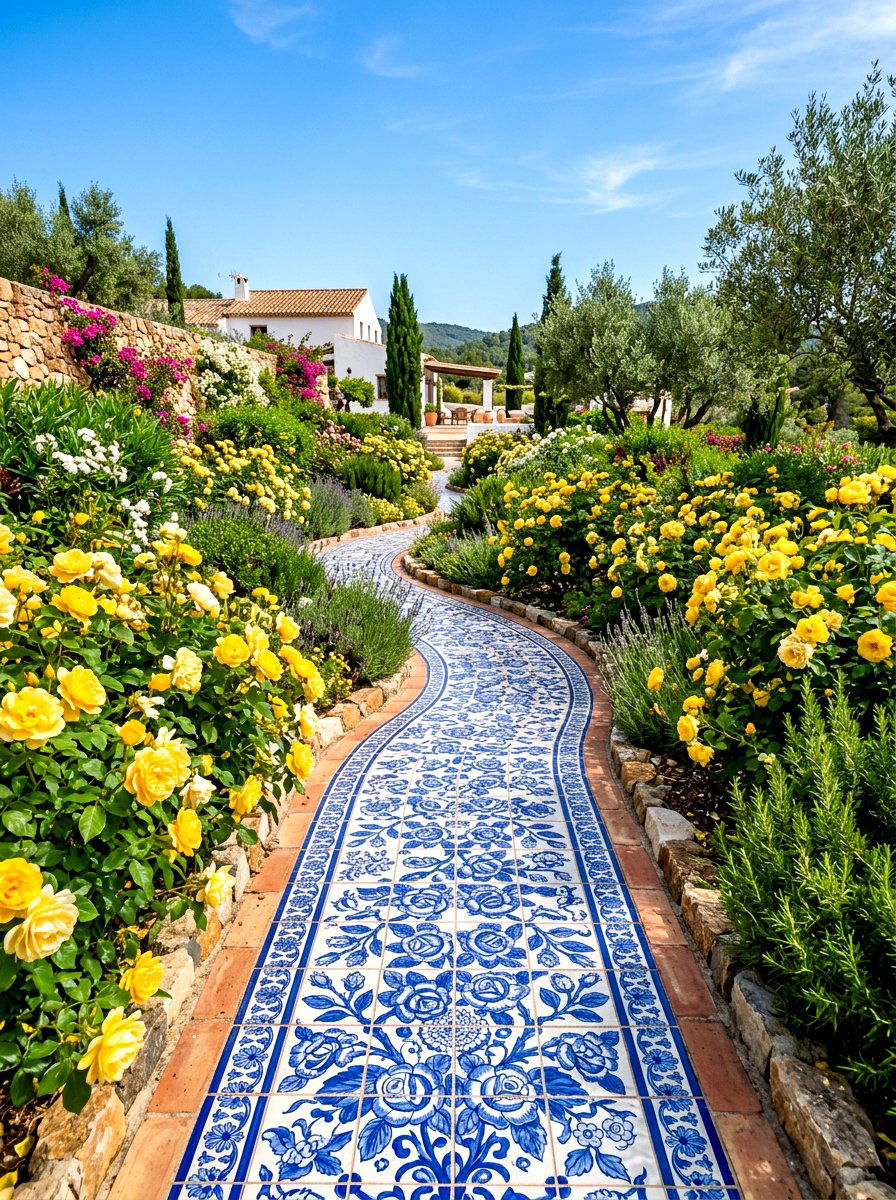
For a pop of color and artistic flair, consider using decorative outdoor tiles for your rose garden walkway. Patterned tiles can create a stunning mosaic effect that adds personality to your outdoor space. This style works well in small courtyard gardens or Mediterranean-inspired landscapes. You can choose tiles that complement the colors of your roses, such as blue and white tiles paired with yellow roses. Tiles provide a smooth and flat surface that is easy to maintain. Be sure to select frost-proof and slip-resistant tiles designed specifically for outdoor use. A tiled path is a unique way to make a bold design statement in your garden that feels very curated.
18. Natural stone rose trail
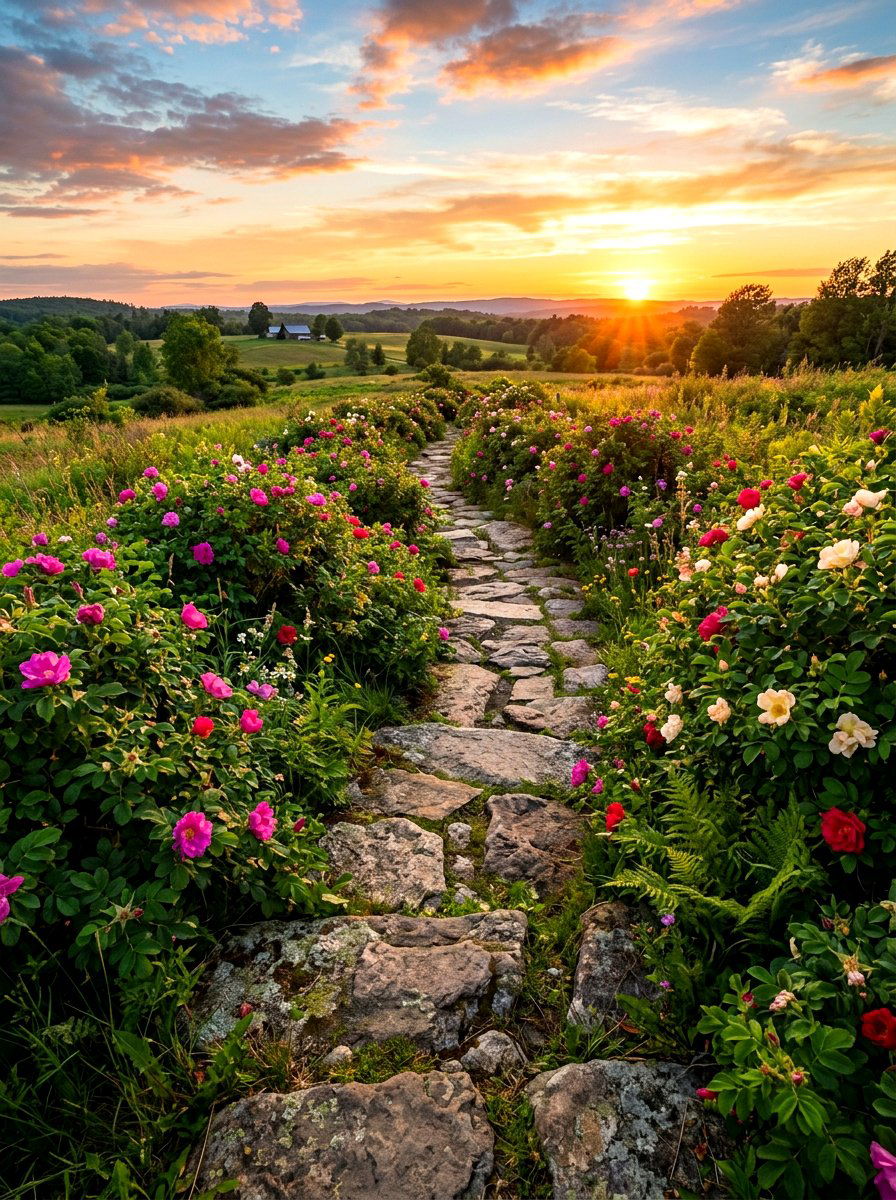
Using raw, natural stones of various sizes creates a rugged and authentic trail through your rose garden. This look is perfect for a wilder, more native landscape where you want the path to look like it occurred naturally. You can use large boulders as focal points along the way. The varying textures and colors of the natural stones provide a beautiful contrast to the delicate rose petals. This type of path is best for informal gardens where a straight line would feel out of place. It encourages a sense of adventure and discovery as you navigate around the different stone shapes and blooming rose bushes. It is a timeless and sturdy option.
19. Paver rose garden walkway
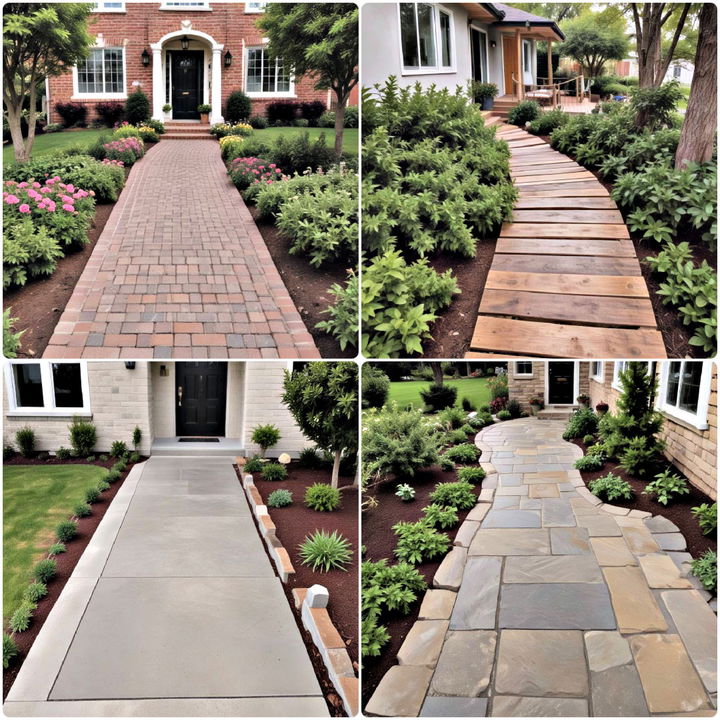
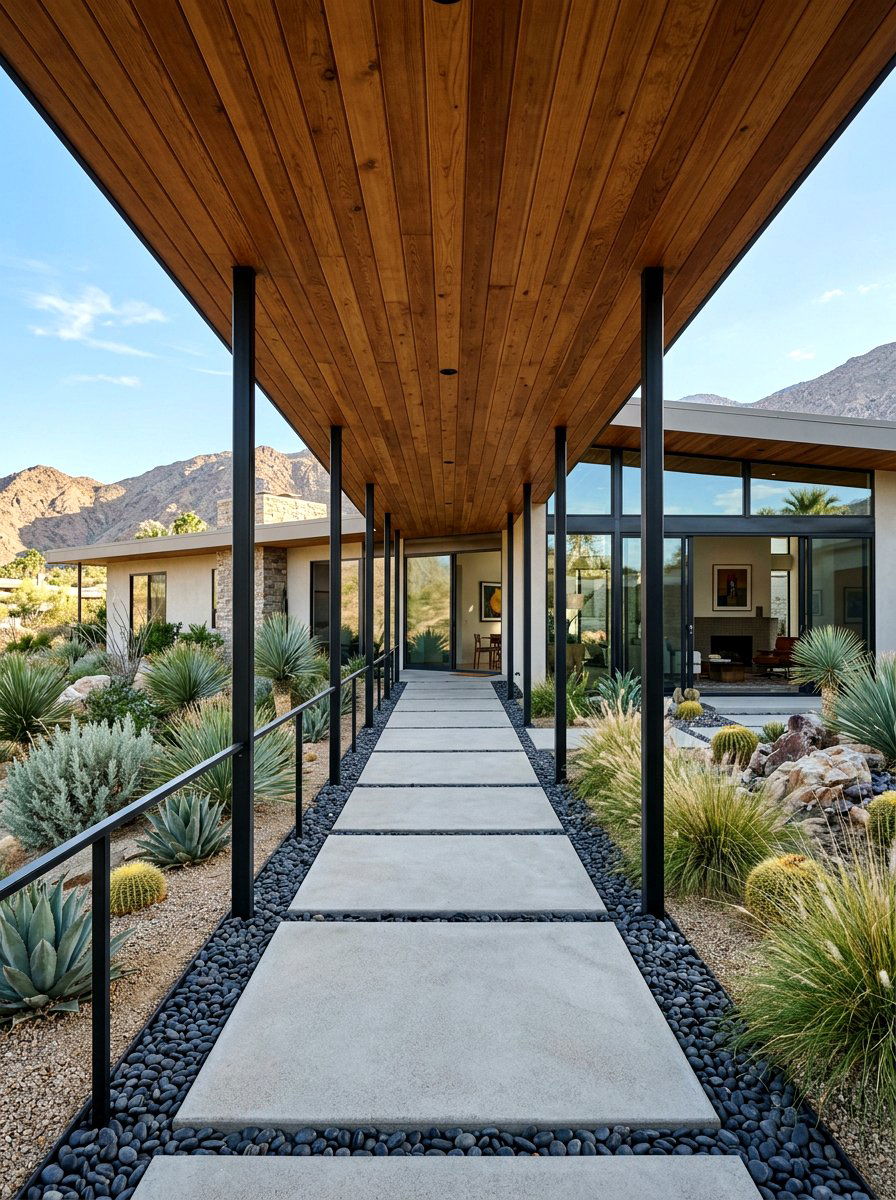
Modern pavers come in an incredible variety of colors, textures, and sizes, making them a very flexible choice for a rose garden. You can create a sleek, contemporary path using large, square gray pavers with clean edges. Alternatively, you can choose tumbled pavers that look like old stone for a more traditional feel. Pavers are designed to be easy to install and create a very stable walking surface. They are resistant to cracking and can withstand harsh weather conditions. By choosing a neutral paver color, you allow the vibrant reds and pinks of your roses to really shine. It is a practical and stylish way to organize your garden space.
20. Circular rose garden path
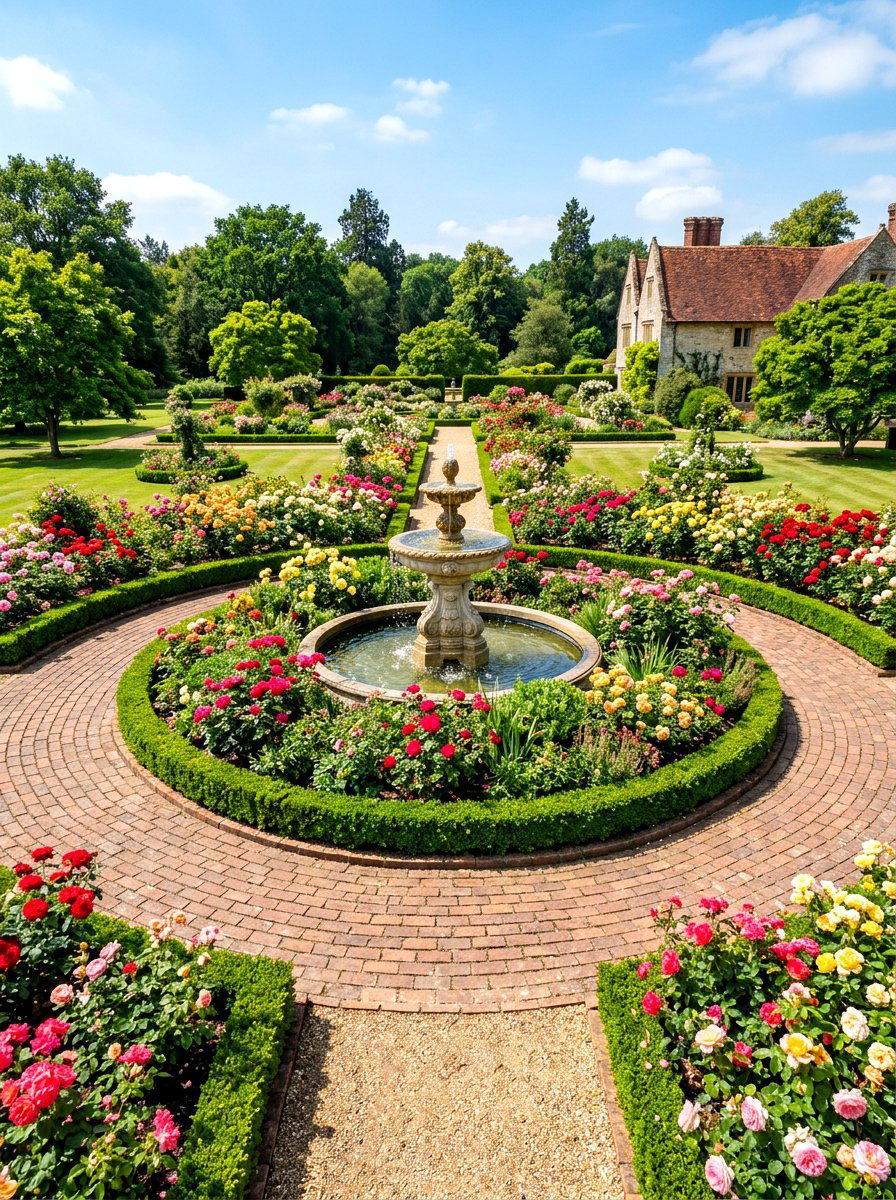
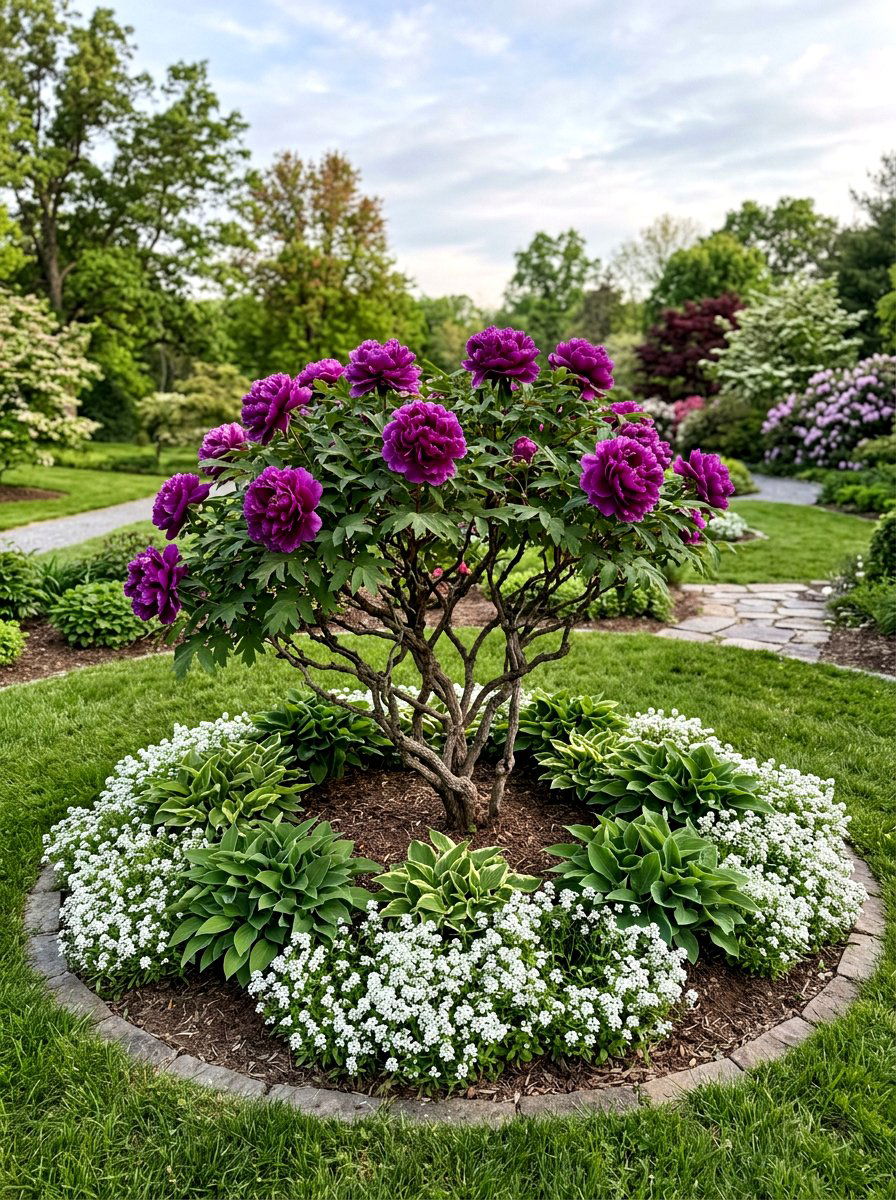
A circular path design creates a beautiful loop that allows you to view your rose garden from every possible angle. This layout often features a central focal point, such as a fountain, statue, or a grand specimen rose bush. Walking in a circle feels very peaceful and meditative, encouraging you to slow down and enjoy the scenery. This design is excellent for formal gardens or large backyards where you want to create a specific zone for your roses. You can use any material, such as brick, gravel, or stone, to define the circular shape. It provides a sense of balance and harmony that is very pleasing to the eye.
21. Meandering rose garden trail
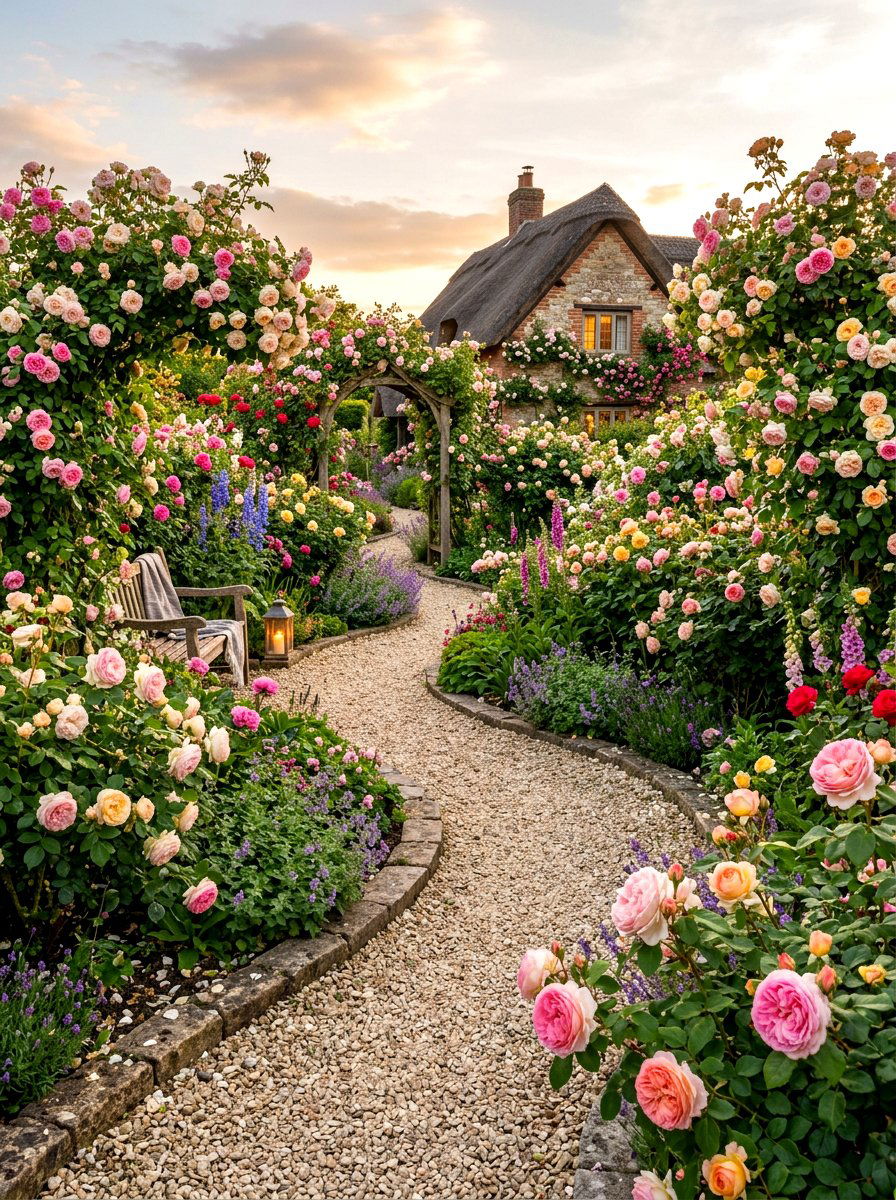
A meandering path that curves gently through the garden creates a sense of mystery and makes a small space feel much larger. By not seeing the end of the path immediately, you are drawn further into the garden to see what is around the next corner. This style is perfect for a romantic cottage garden filled with overflowing roses and perennials. You can use soft materials like gravel or mulch to follow the natural flow of the landscape. Plant tall roses on the outside of the curves to heighten the sense of discovery. A meandering trail feels relaxed and informal, providing a perfect escape from the stresses of daily life.
22. Straight rose border path
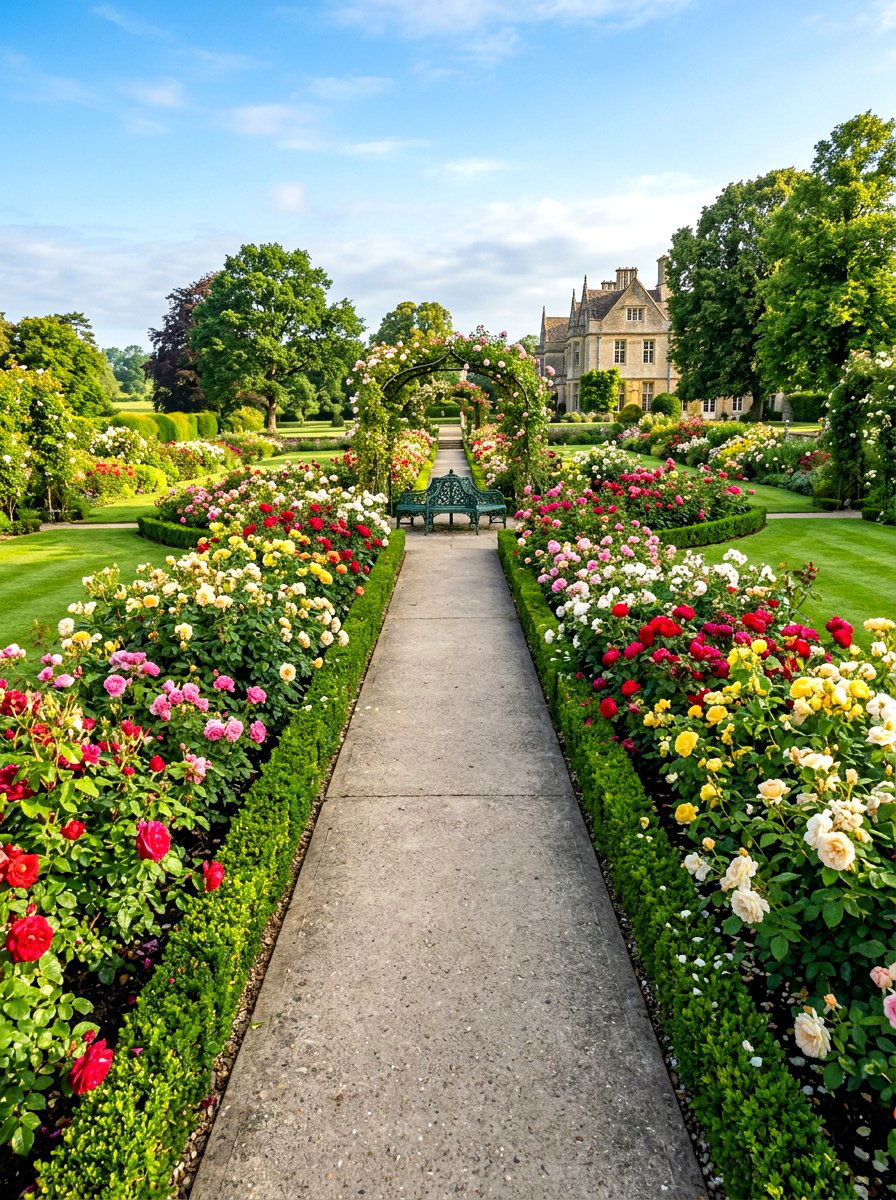
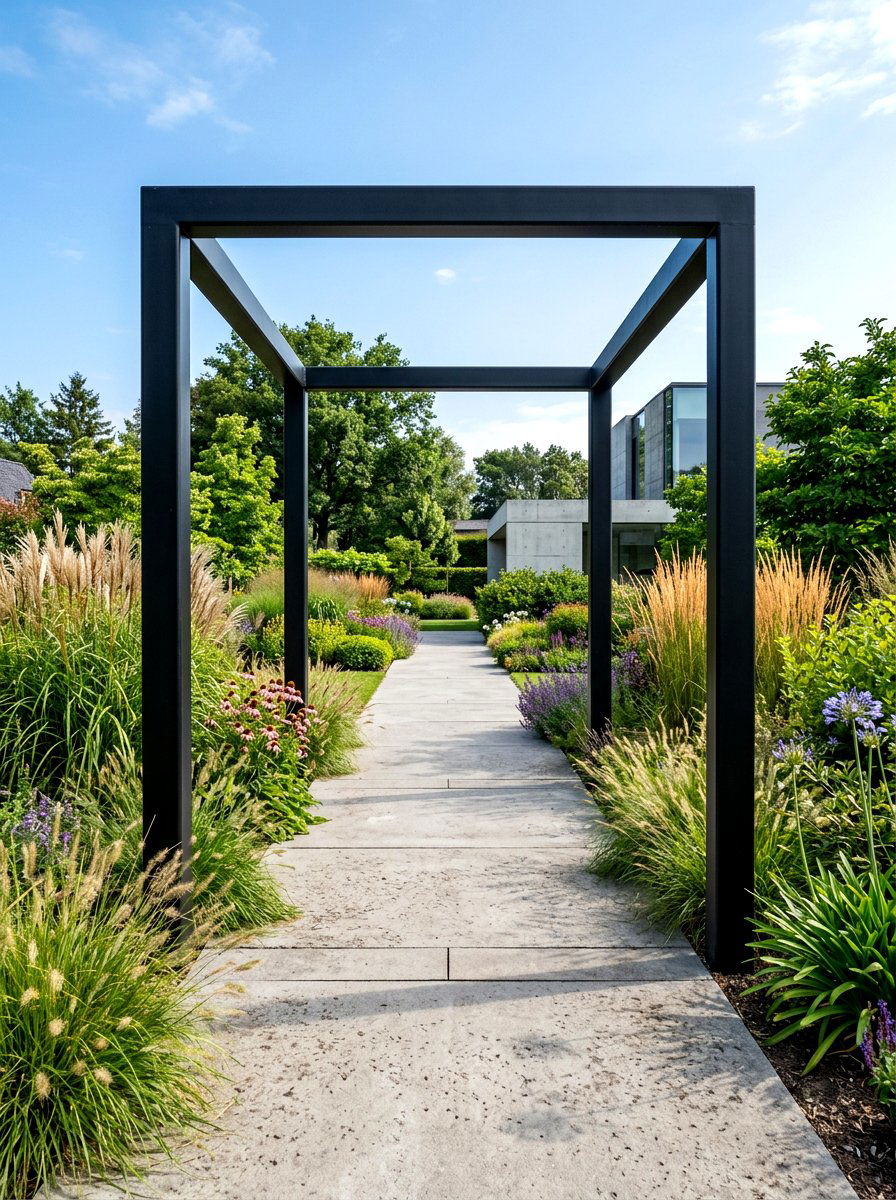
For those who love order and symmetry, a straight path bordered by perfectly spaced roses is the ideal choice. This formal design creates a strong visual line that can lead to a specific destination, like a garden bench or a back door. It provides a very grand and organized look that is reminiscent of classic estate gardens. You can use boxwood hedges alongside the roses to further define the edges of the path. A straight walkway works best with materials like brick, concrete, or large pavers. It is a bold design choice that adds structure and elegance to your outdoor space, making it feel very intentional and well-maintained.
23. Pergola rose walkway
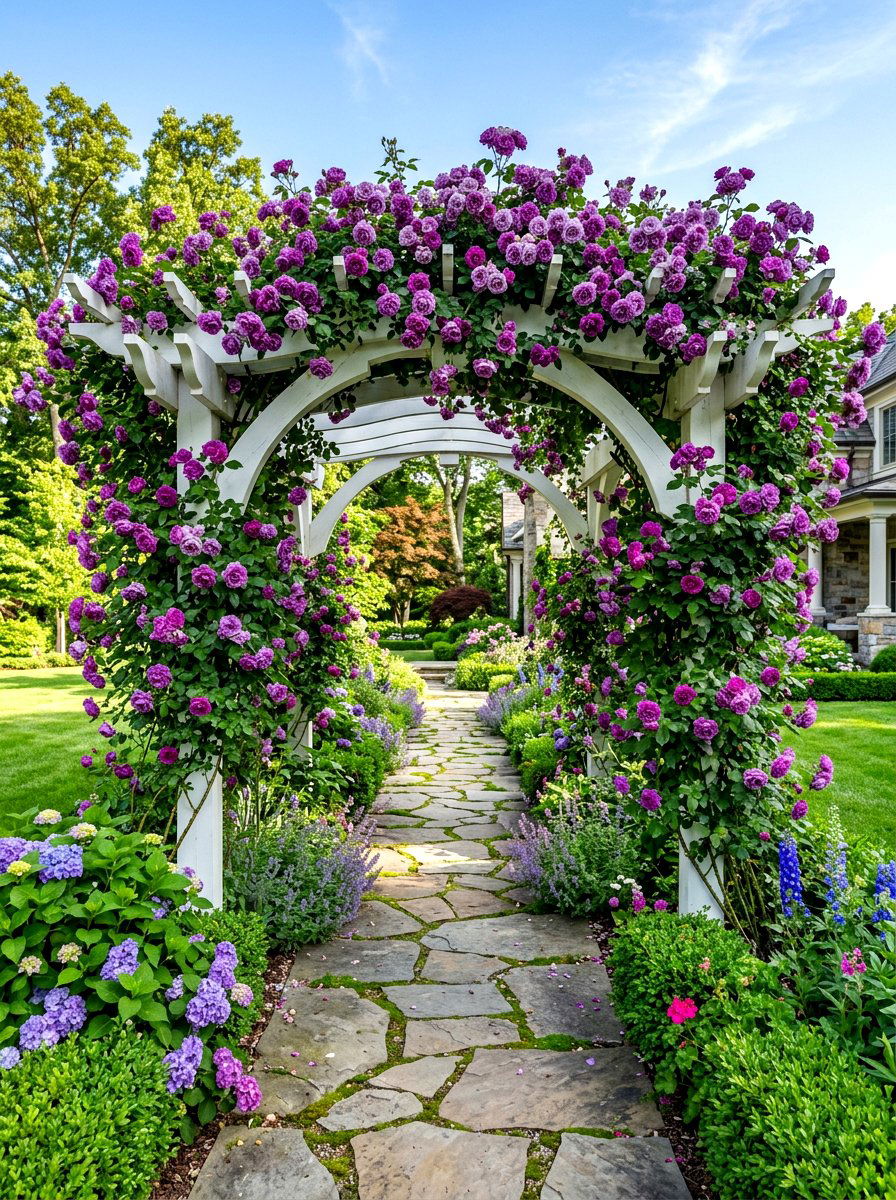
A pergola provides a sturdy overhead structure that can be completely covered in climbing roses, creating a shaded and fragrant tunnel. This is a magnificent feature for a long walkway where you want to create a spectacular visual impact. The vertical columns of the pergola provide the perfect support for the roses to grow upward. Once established, the blooms will hang down from the rafters, surrounding you with color and scent. You can place a bench underneath the pergola to create a romantic seating area. A pergola walkway adds architectural height and a sense of luxury to any backyard. It is a stunning way to display your favorite climbing varieties.
24. Recycled brick rose path
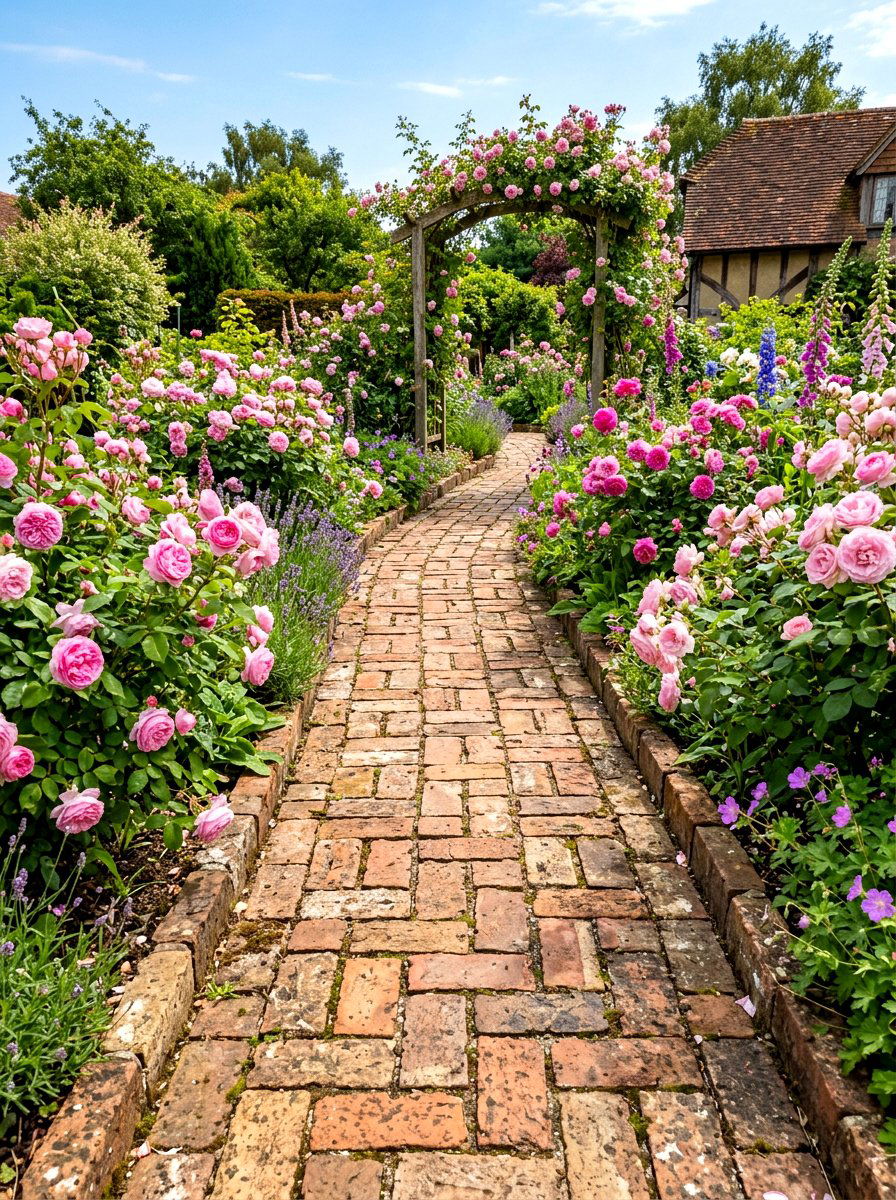
Using reclaimed or recycled bricks is a sustainable and charming way to build a rose garden path. These bricks often have a weathered look and unique color variations that add instant character to your garden. The history behind the materials gives the walkway a soulful and established feel. You can lay the bricks in simple or complex patterns depending on your personal style. Recycled bricks are often very affordable and are an excellent way to reduce waste. They pair beautifully with rustic or cottage-style roses. This type of path feels very personal and unique, as no two reclaimed brick walkways will look exactly the same in any garden.
25. Limestone rose garden walk
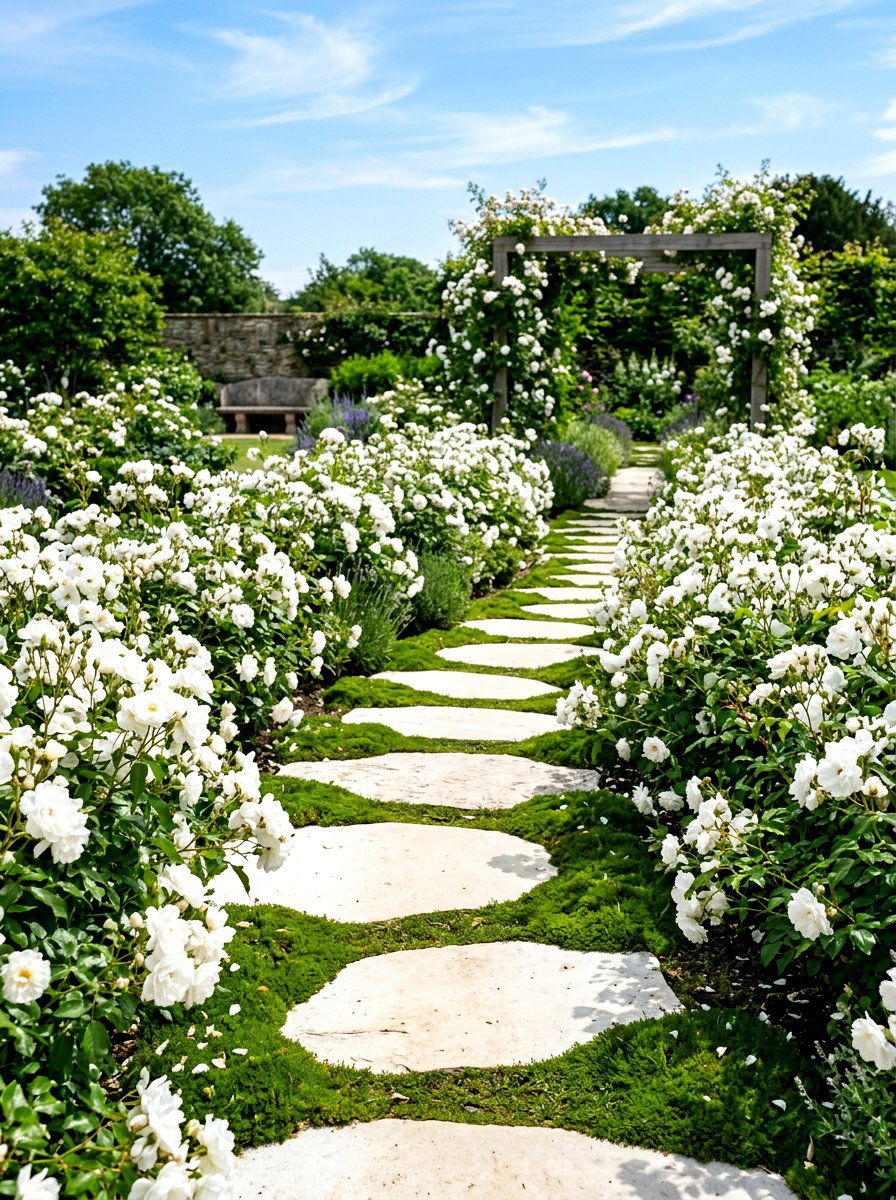
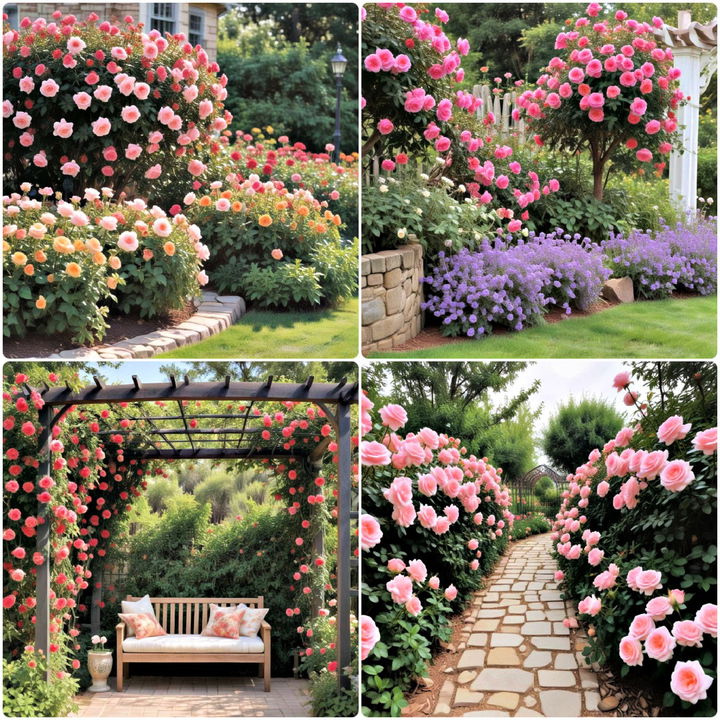
Limestone is a beautiful natural stone that offers a light, creamy color palette that looks incredibly elegant in a garden setting. Using limestone for your walkway creates a bright and airy feel that complements pastel-colored roses perfectly. The stone can be cut into precise slabs for a modern look or left as irregular pieces for something more rustic. Limestone is very durable and stays relatively cool in the sun compared to darker stones. It provides a high-end, sophisticated finish that elevates the entire landscape. Over time, limestone can develop a lovely patina that adds even more character. It is a premium choice for a timeless and beautiful rose garden.
26. River rock rose border
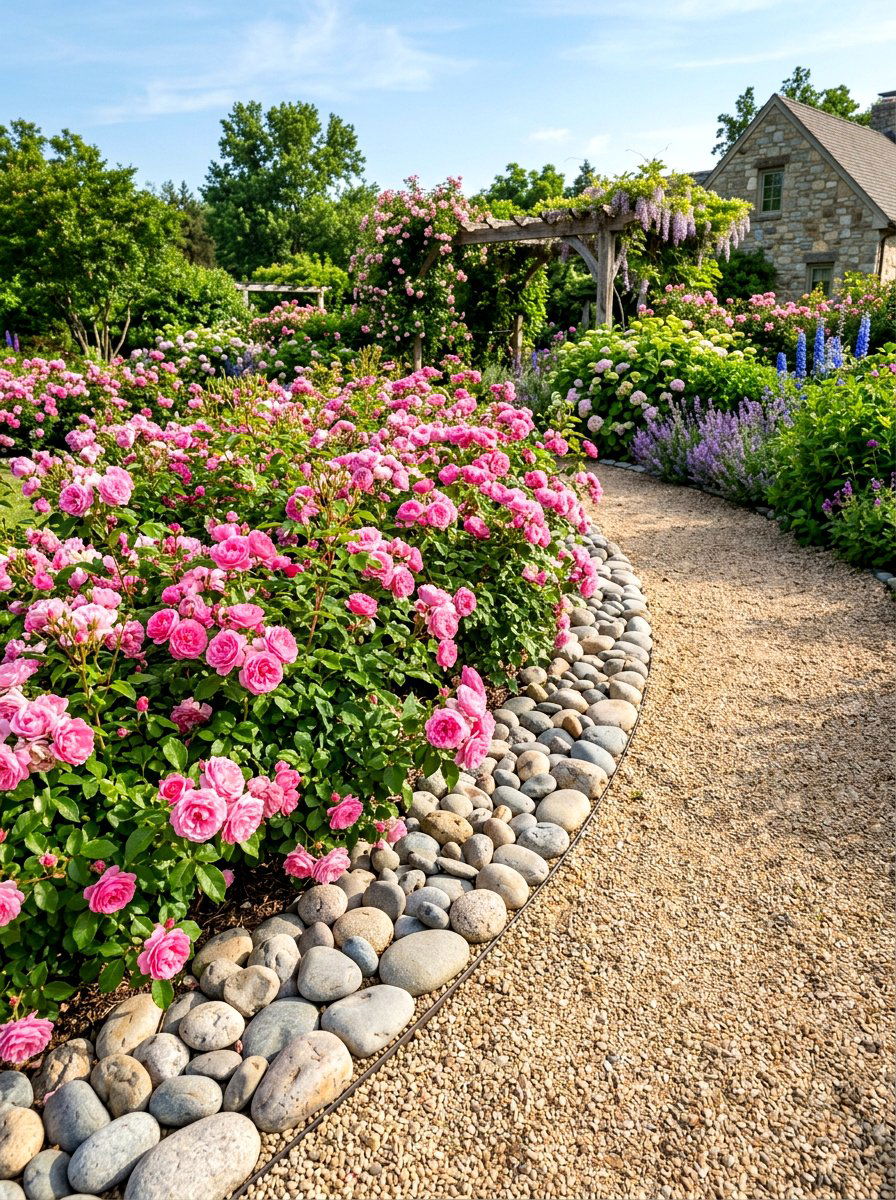
River rocks are smooth, rounded stones that add a wonderful water-like texture to your garden path. They come in various shades of gray, tan, and brown, creating a very natural and earthy look. Using river rocks as a border for your walkway helps to define the path while adding visual interest. You can use them to create a dry creek bed effect that winds through your rose garden. The smooth surface of the stones provides a nice contrast to the thorny stems and delicate leaves of the roses. This style is very low-maintenance and works well in informal or rustic landscapes. It is a durable and attractive solution for any outdoor space.
27. Granite rose garden path
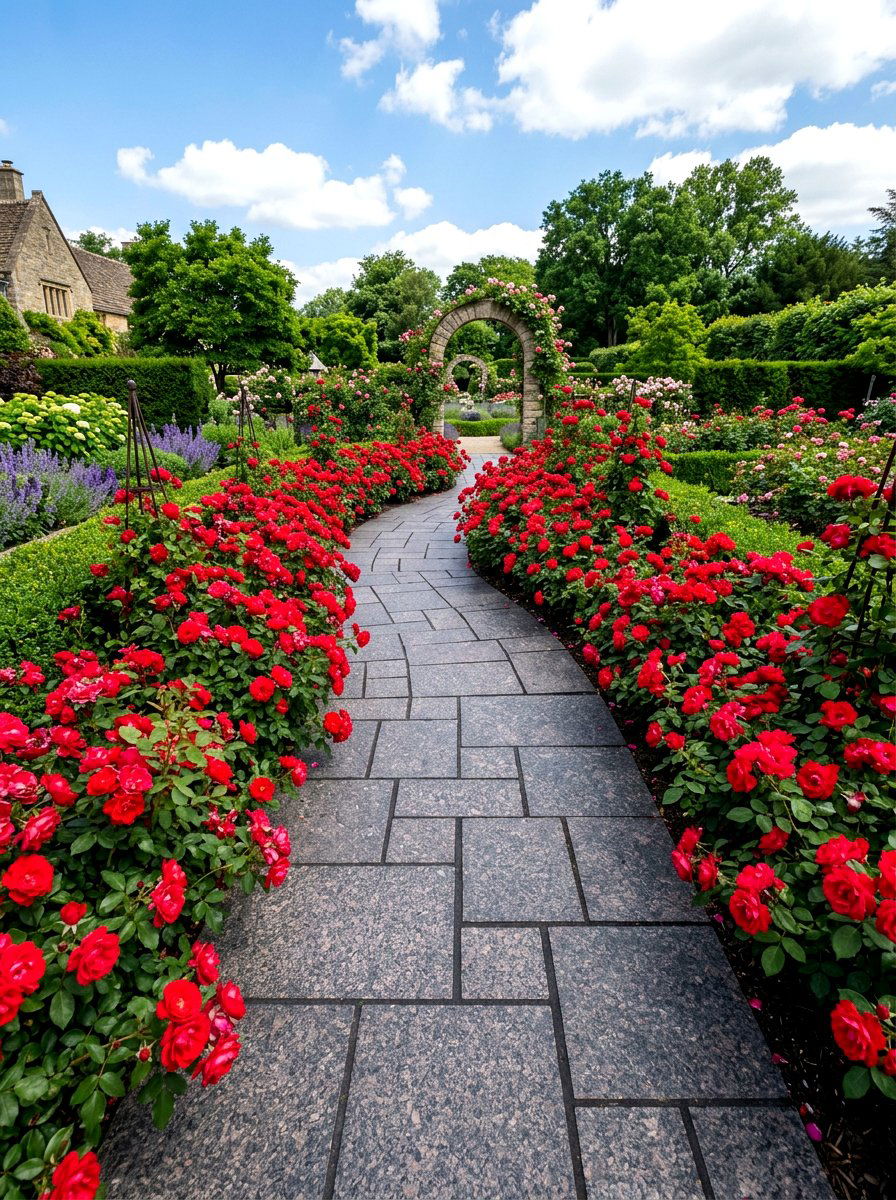
Granite is one of the toughest and most durable stones available, making it an excellent choice for a long-lasting garden path. It has a beautiful speckled appearance that adds depth and texture to your walkway. Granite is resistant to weathering and staining, ensuring that your path looks great for many years to come. You can use granite pavers for a clean, formal look or crushed granite for a more casual feel. The cool gray and black tones of granite provide a sophisticated backdrop for bold red or orange roses. It is a premium material that adds a sense of permanence and quality to your outdoor landscape and garden.
28. Decomposed granite rose walk
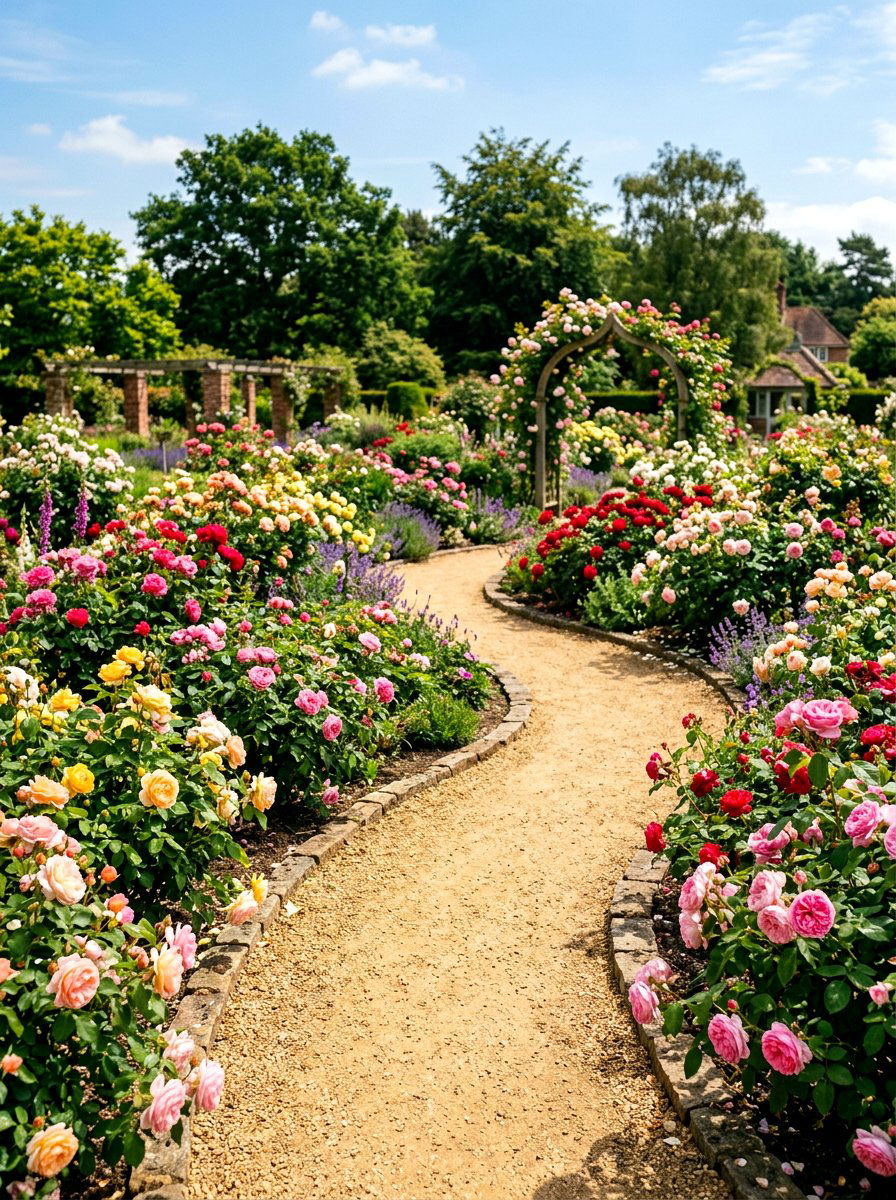
Decomposed granite is a natural material that provides a soft, fine-textured surface that is very comfortable for walking. It looks like very fine gravel and packs down firmly to create a stable path. This material is often used in high-end landscapes for its clean and refined appearance. It comes in various earthy colors like gold, tan, and gray, allowing you to choose the perfect match for your garden. Decomposed granite offers excellent drainage and is very easy to install around existing rose bushes. It creates a seamless and natural look that doesn't distract from the beauty of the flowers. It is an affordable and stylish choice for modern gardens.
29. Lattice fence rose path
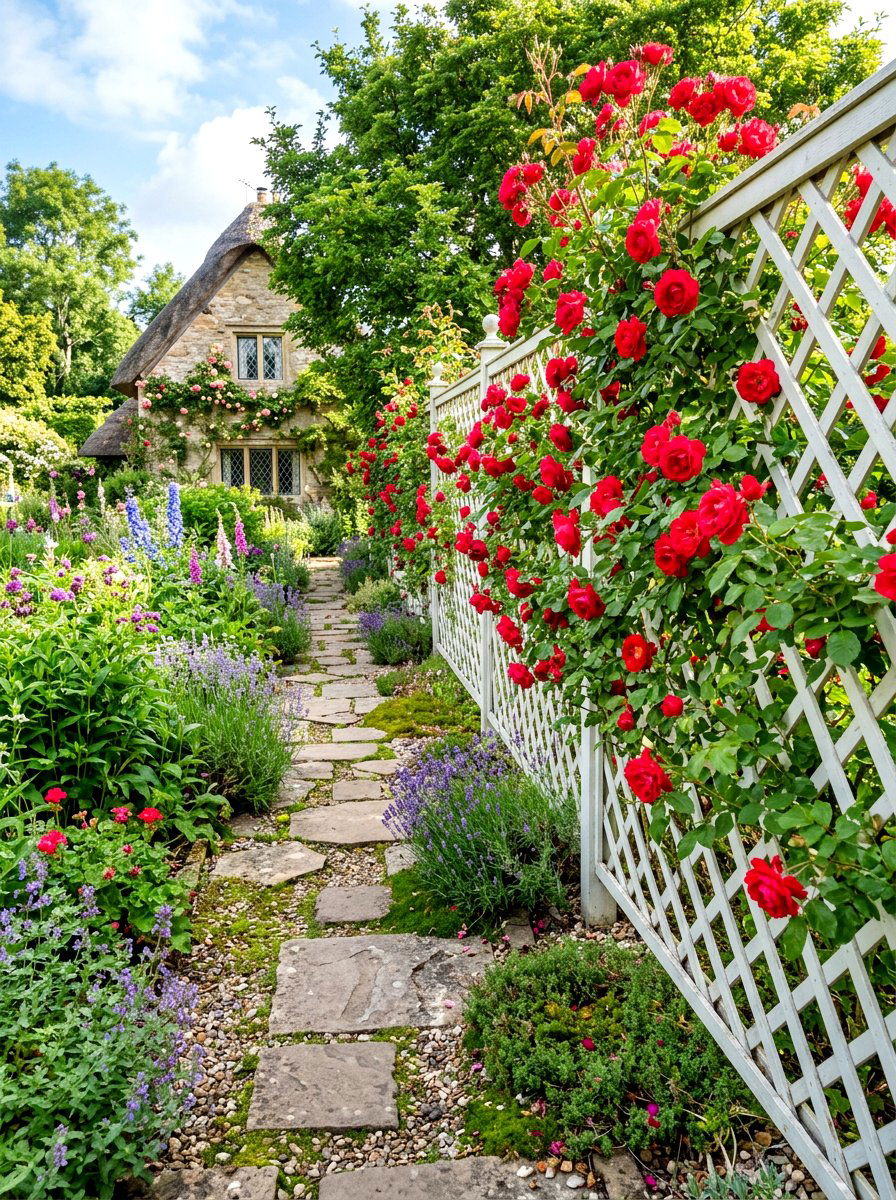
Building a path alongside a lattice fence provides a built-in support system for climbing roses. The lattice acts as a beautiful backdrop that can be completely covered in blooms, creating a living wall of color. This design is excellent for narrow side yards or for creating privacy along a property line. As the roses grow through the lattice, they create a dense screen that blocks the view while providing a wonderful fragrance. You can use gravel or stone for the walkway itself to keep things simple. The combination of the structured fence and the soft roses creates a very balanced and attractive look. It is a practical and beautiful privacy solution.
30. Formal boxwood rose walkway
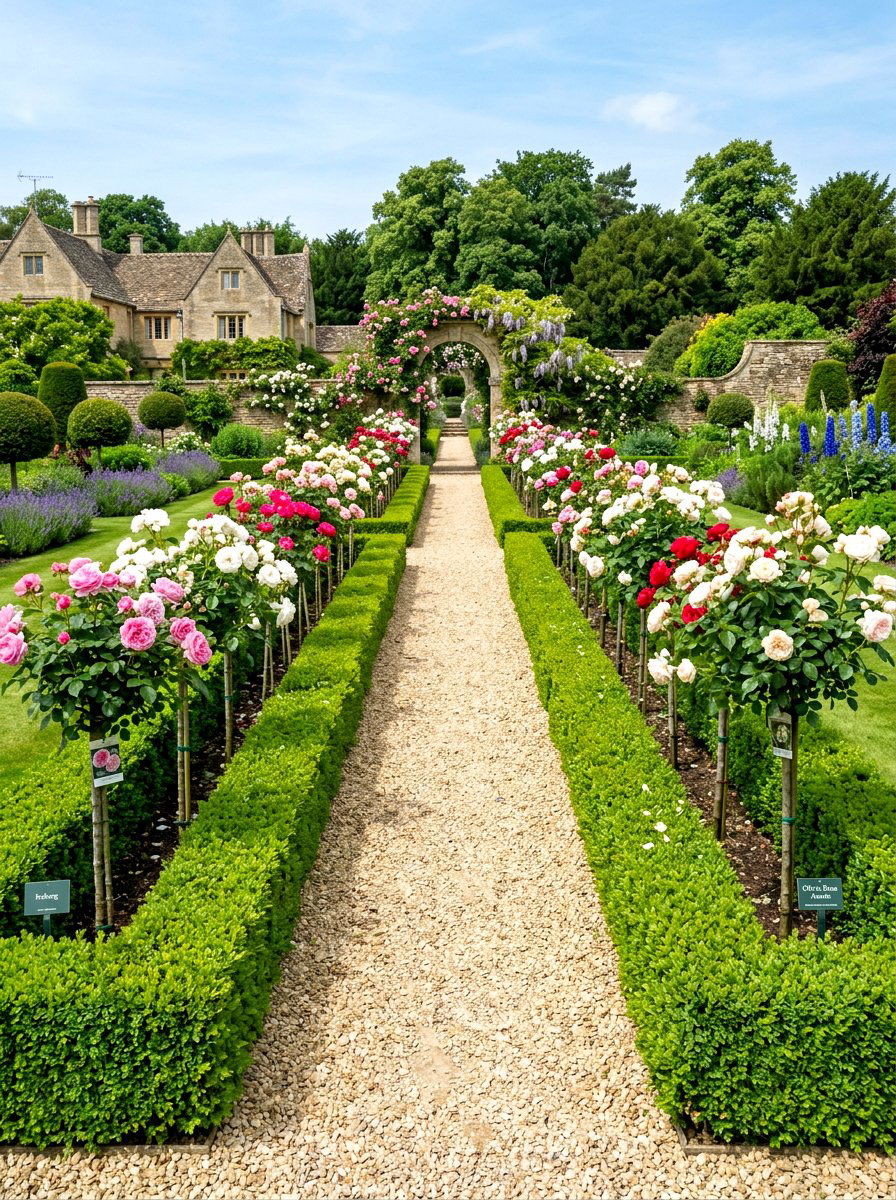
Combining roses with neatly clipped boxwood hedges is the ultimate way to create a formal and structured garden path. The evergreen boxwood provides year-round structure and a deep green frame for the colorful rose blooms. This classic design is often seen in traditional English and French gardens. The low hedges keep the roses contained and create clean, sharp lines along the walkway. You can use any paving material, such as brick or stone, to complete the look. This style requires regular pruning to keep the boxwood tidy, but the results are incredibly polished and sophisticated. It is a timeless design that never goes out of style.
Conclusion:
Selecting the perfect walkway for your rose garden is a creative process that combines personal style with the practical needs of your landscape. Whether you choose the rugged beauty of natural stone, the classic charm of red brick, or the modern simplicity of gravel, your path will serve as the foundation of your outdoor experience. A well-designed walkway does more than just provide a place to step; it creates a journey through the scents and colors that make roses so beloved. By investing time into planning your garden layout and materials, you can enjoy a stunning, functional space that brings joy for many seasons.

Related posts: