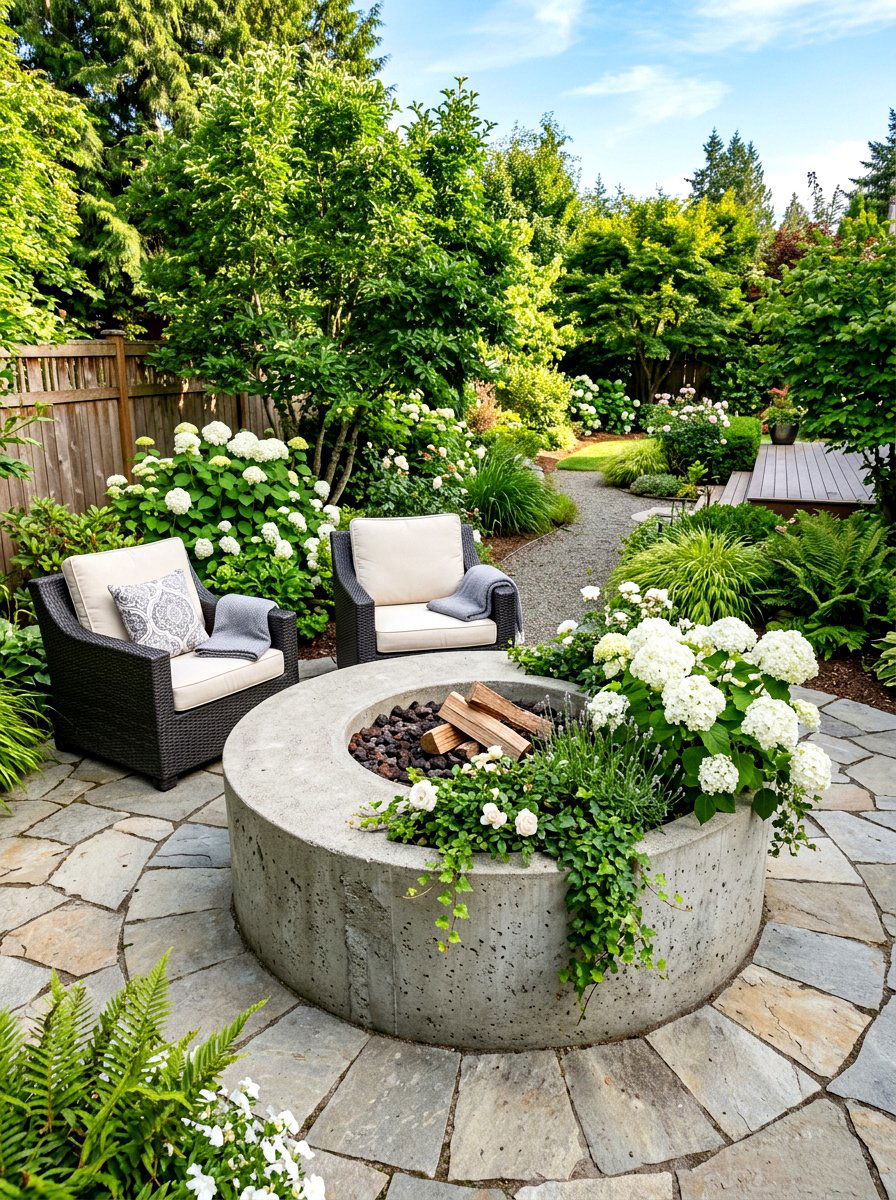
Creating a beautiful container garden allows you to enjoy the wonders of nature even if you have limited outdoor space. Whether you live in a high-rise apartment with a tiny balcony or a suburban home with a sprawling porch, these portable gardens offer endless possibilities for creativity and functionality. You can grow fresh vegetables, fragrant herbs, or stunning floral displays right at your fingertips. Container gardening is also a fantastic way to control soil quality and minimize pest issues that often plague traditional ground beds. This guide explores thirty unique ways to transform your outdoor living areas into lush, green sanctuaries using various pots and planters. Every idea focuses on maximizing beauty and utility.
1. Vegetable container garden
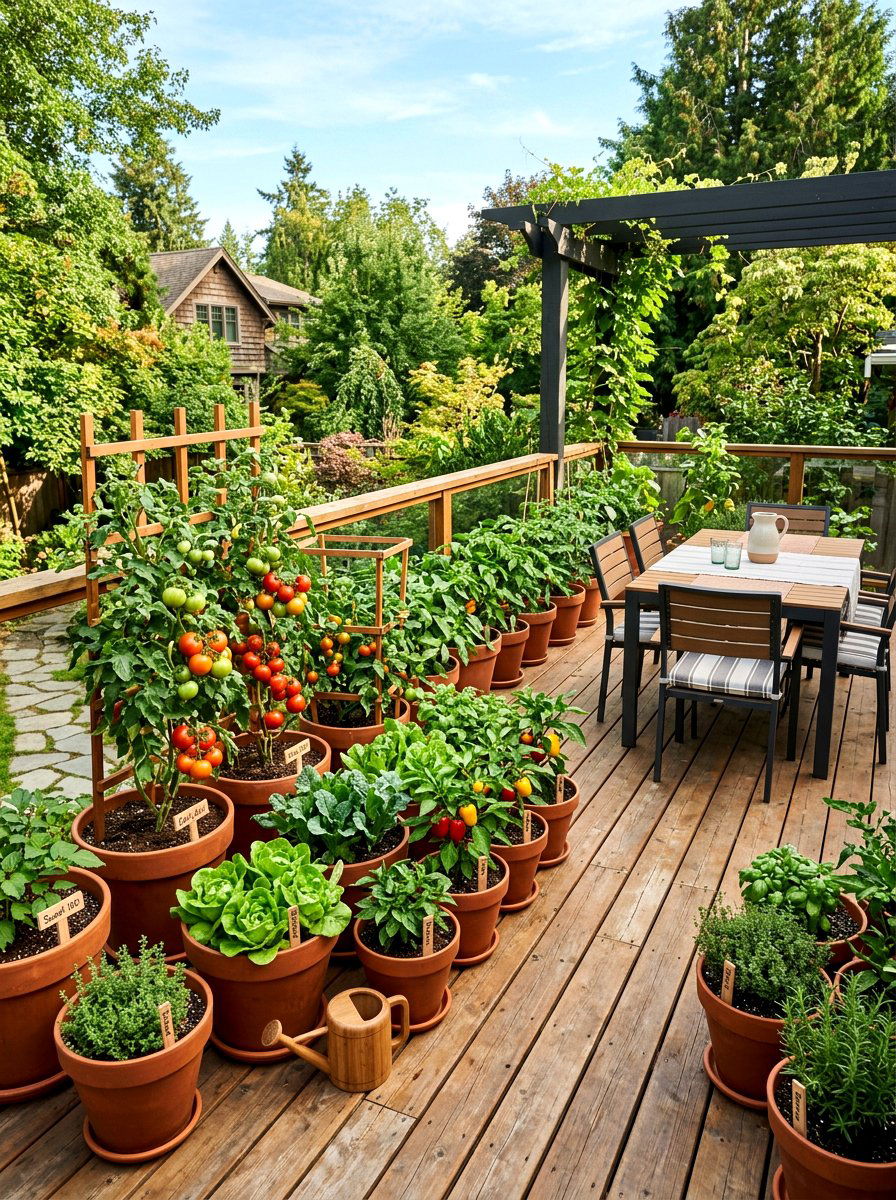
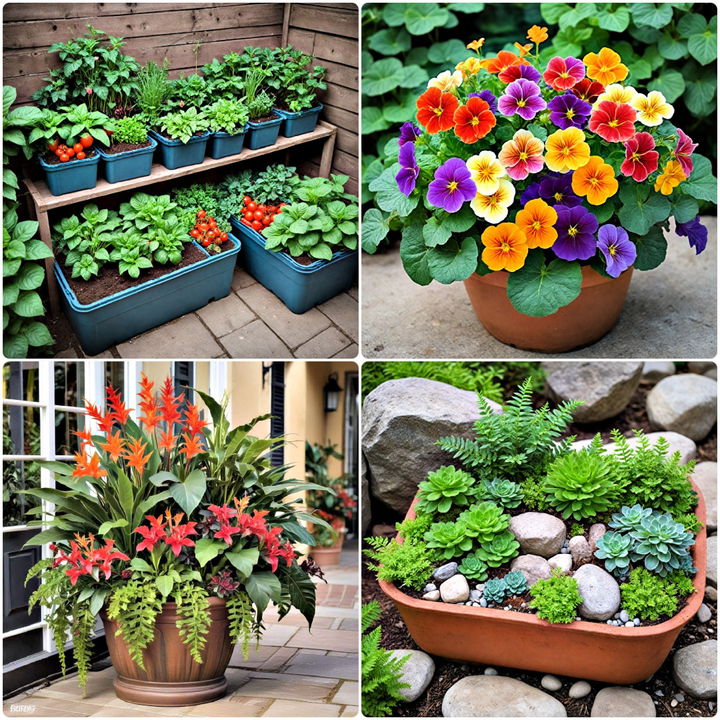
Growing your own food does not require a massive backyard when you utilize deep pots for vegetables. Imagine harvesting crisp lettuce, juicy cherry tomatoes, and crunchy peppers from your sunny patio. You should choose containers that provide ample drainage and enough depth for root systems to thrive. High-quality potting mix is essential for providing the nutrients your edible plants need to produce a bountiful crop. Using vertical supports like small trellises inside the pots can help climbing plants like peas or cucumbers grow upward. This method keeps your vegetables clean and makes harvesting much easier throughout the summer months. It is a rewarding way to eat fresh and organic produce.
2. Pollinator friendly planter
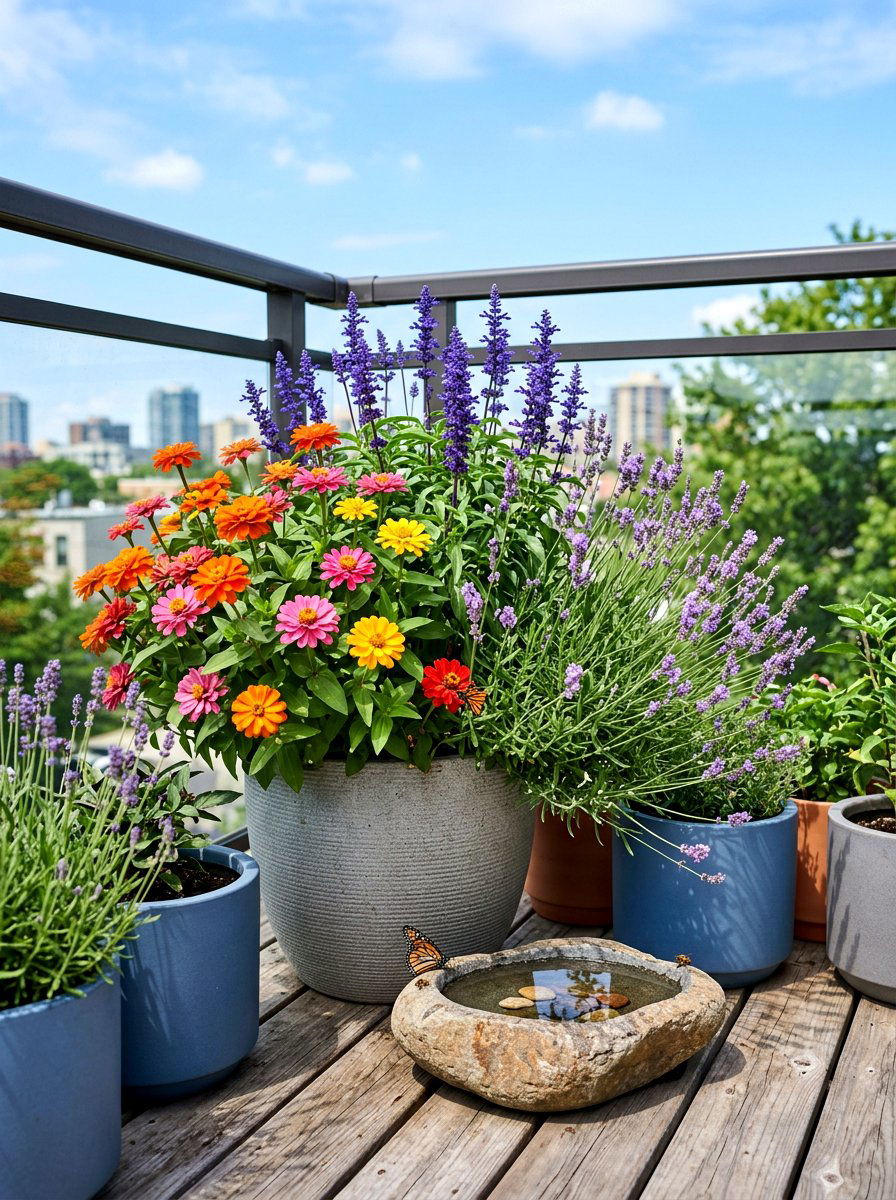
Attracting bees and butterflies to your balcony is easy when you select the right nectar-rich flowers. A pollinator friendly planter should include a variety of colors and shapes to appeal to different winged visitors. Plants like zinnia, salvia, and lavender are excellent choices because they offer long blooming seasons and high nectar content. You might also include a small, shallow water dish filled with pebbles to give bees a safe place to drink. Placing these pots in a sunny location ensures the flowers produce maximum nectar and stay vibrant. Watching the local ecosystem thrive in a small space provides a deep sense of connection with nature and local wildlife.
3. Edible flower pot
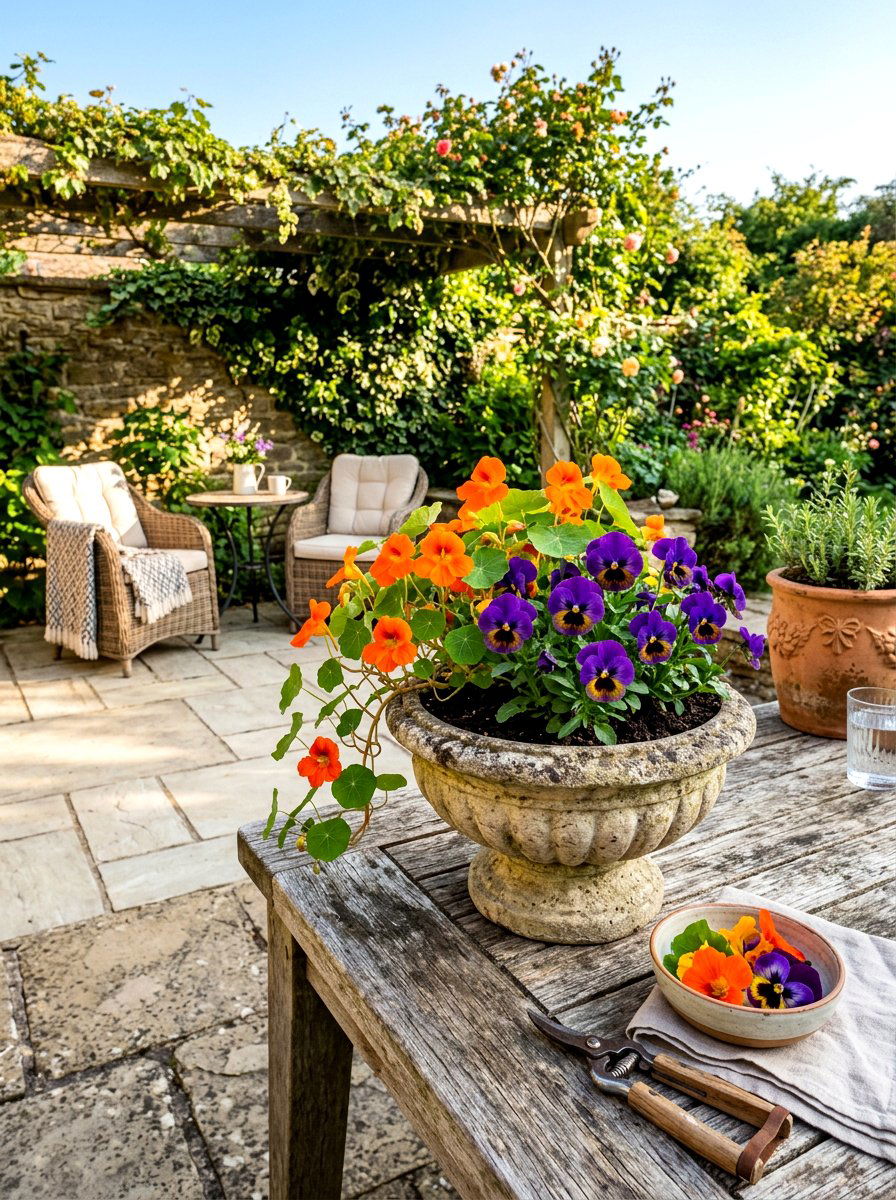
Mixing beauty with taste is a delightful trend that involves growing flowers you can actually eat. An edible flower pot can feature pansies, nasturtiums, and marigolds, which add vibrant colors to both your garden and your salads. These plants are generally easy to care for and thrive in medium-sized containers with consistent moisture. Ensure you use organic soil and avoid chemical pesticides since these blooms will eventually end up on your dinner plate. The peppery taste of nasturtiums or the mild sweetness of pansies can elevate your home cooking to a professional level. It is a fun and creative way to make your container garden truly multi-purpose and impressive.
4. Succulent bowl garden
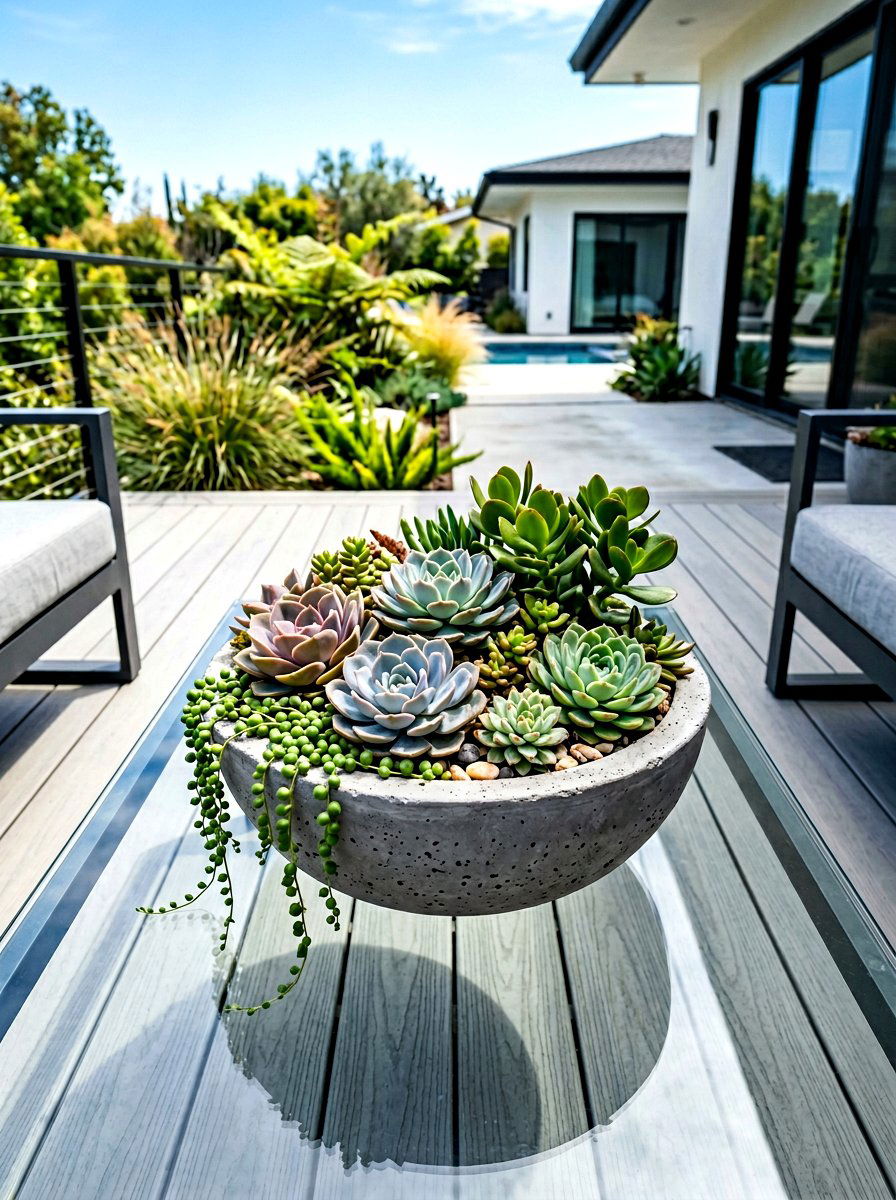
Low maintenance meets high style when you create a stunning arrangement of various succulents in a shallow bowl. These hardy plants come in a wide array of textures, colors, and shapes, making them perfect for artistic compositions. You should use a gritty, fast-draining soil specifically designed for cacti to prevent root rot. Placing a layer of decorative pebbles on the surface can give the arrangement a finished and professional look. Succulents love bright, indirect light and require very little watering, making them ideal for busy gardeners or hot climates. A well-designed succulent bowl serves as a living centerpiece that adds modern elegance to any outdoor table or sunny ledge.
5. Vertical wall planter
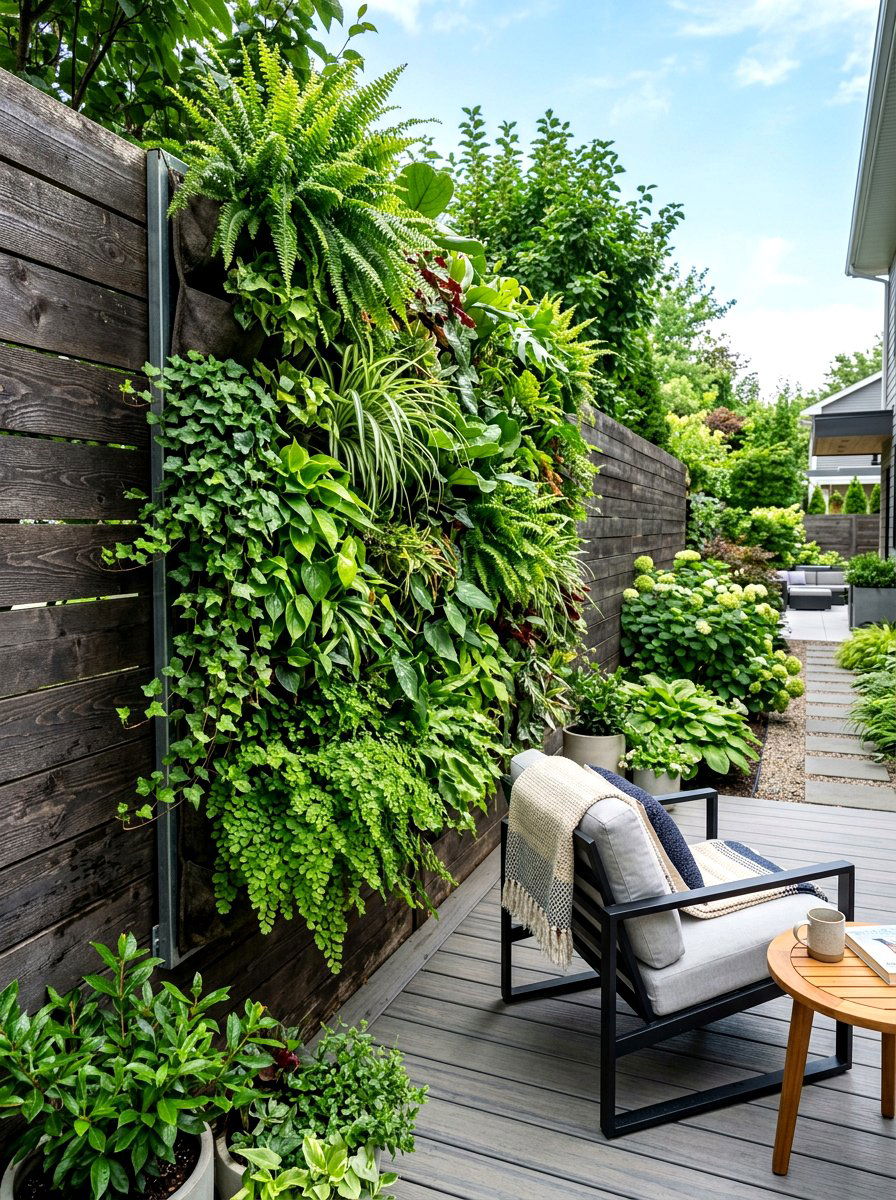
When ground space is at a premium, taking your garden upward is the smartest design move you can make. Vertical wall planters allow you to cover bare fences or exterior walls with a lush tapestry of greenery. You can use pocket systems, mounted wooden crates, or specialized plastic modules to hold your plants securely. Leafy greens, trailing vines, and small ferns are particularly well-suited for this type of growing environment. It is important to monitor moisture levels closely, as vertical units can dry out faster than traditional pots on the ground. This design creates a dramatic visual impact while leaving your floor space open for furniture or foot traffic.
6. Herb window box
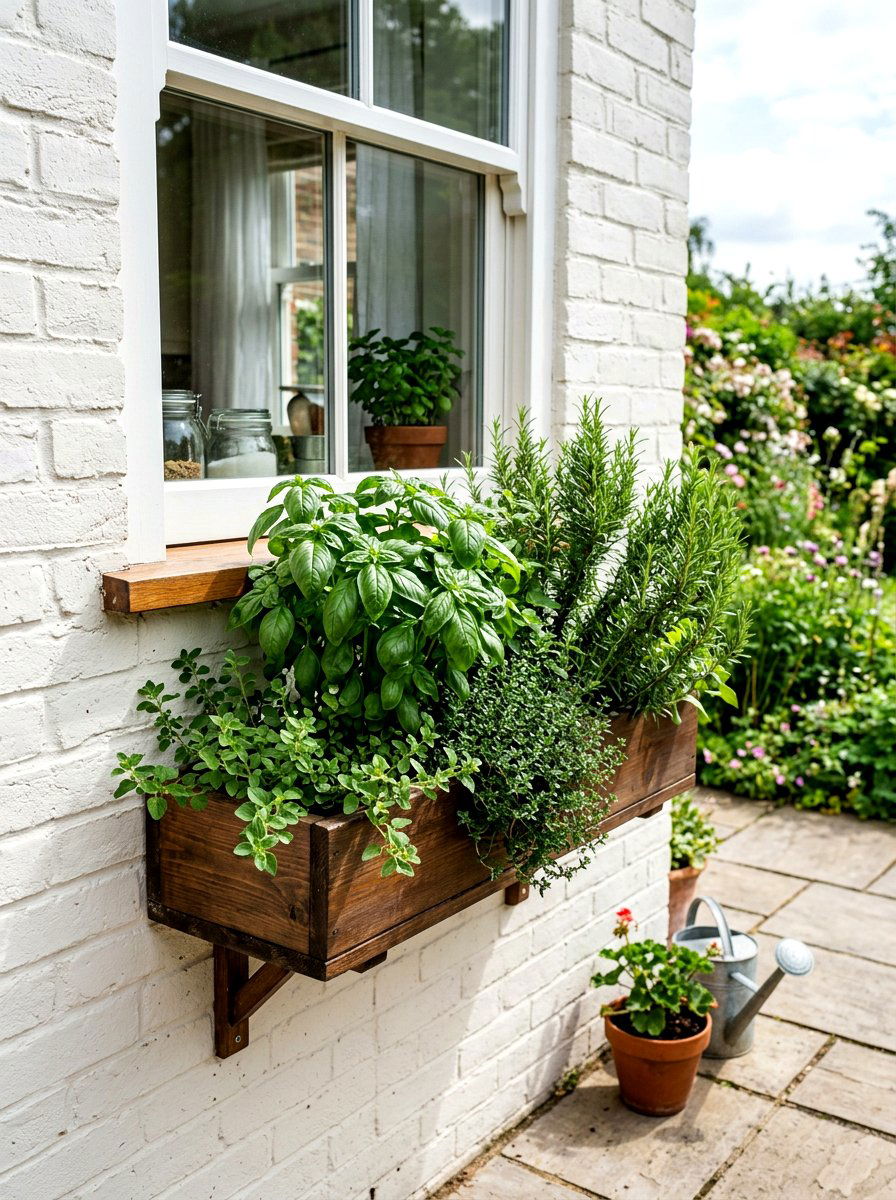
Having fresh seasonings within arm's reach of your kitchen window is a game changer for any home cook. A herb window box can hold a fragrant mix of basil, thyme, rosemary, and mint. These plants thrive in the concentrated sunlight provided by a window ledge and appreciate the excellent drainage of a long planter. You should harvest the tips regularly to encourage bushier growth and prevent the plants from becoming leggy. Using a high-quality potting soil infused with organic compost will keep your herbs flavorful and healthy all season long. The wonderful aroma wafting through your open window is an added bonus to this practical and charming garden idea.
7. Dwarf fruit tree
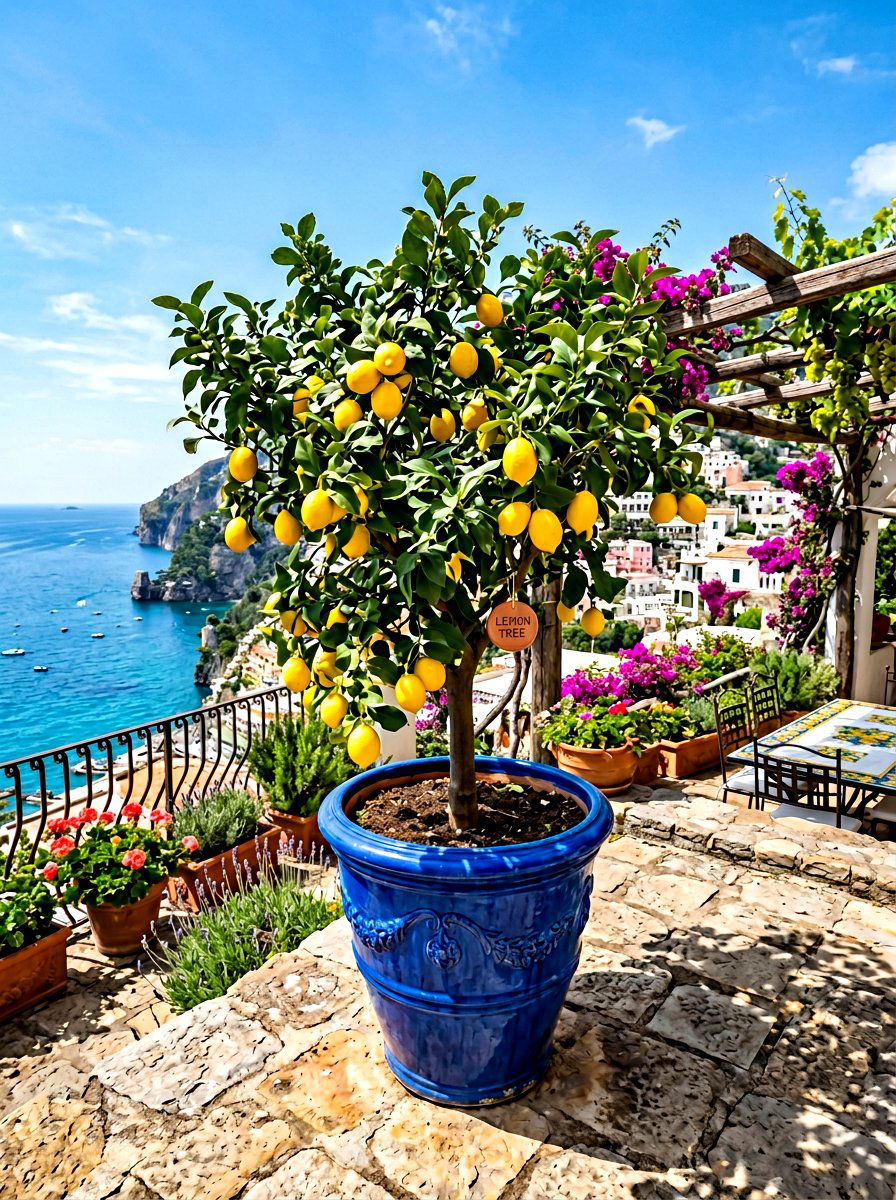
You might be surprised to learn that you can grow actual fruit trees in large, sturdy containers. Dwarf varieties of citrus, figs, and even apples are specially bred to stay compact while still producing delicious harvests. These trees require a large pot with excellent drainage and a very sunny spot to thrive. It is essential to feed them regularly with a fruit-specific fertilizer to support the energy needed for blooming and fruiting. Moving these pots indoors or to a sheltered area during harsh winters can protect the sensitive roots from freezing. Growing a fruit tree in a pot brings an orchard-like feel to even the smallest urban patio space.
8. Shade loving container
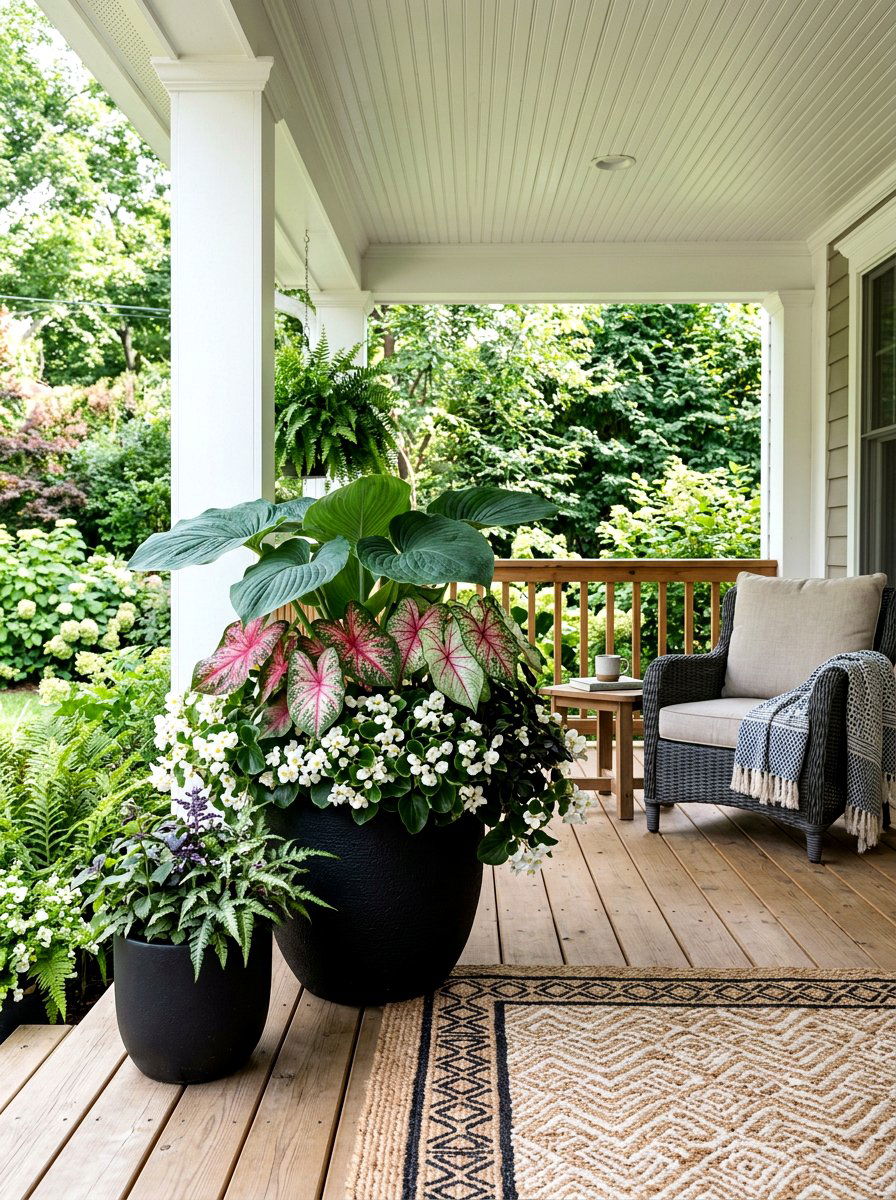
Not every garden needs direct sunlight to be breathtakingly beautiful and full of life. A shade loving container is the perfect solution for covered porches, north-facing balconies, or under large trees. You can combine the vibrant foliage of caladiums and hostas with the delicate blooms of begonias or impatiens. Adding a few trailing ivy plants will give the arrangement a classic and lush appearance. Because these plants do not face the drying heat of the sun, they often require less frequent watering than their sun-loving counterparts. Focusing on different leaf textures and variegated patterns creates deep visual interest even in the darkest corners of your outdoor living area.
9. Full sun flower pot
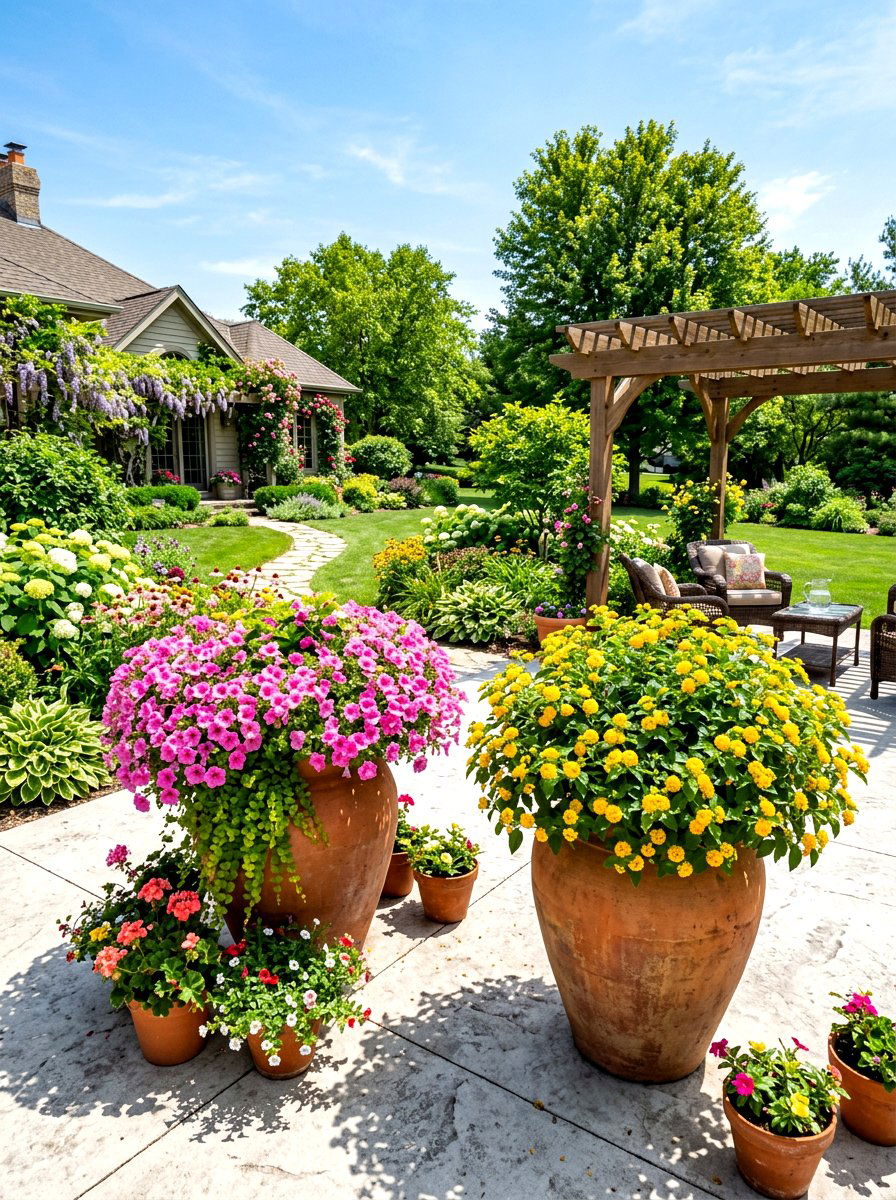
Maximizing the bright energy of a south-facing deck requires plants that can handle intense heat and light. A full sun flower pot should feature tough varieties like petunias, lantana, and ornamental grasses. These plants are known for their ability to bloom continuously even when the summer temperatures soar. Using a larger container will help retain moisture longer, protecting the roots from the scorching midday sun. You can create a vibrant color palette using bold oranges, yellows, and purples that won't fade under the bright sky. Regular deadheading and consistent watering are the keys to keeping these sun-worshipping displays looking fresh and spectacular through the entire growing season.
10. Self watering garden
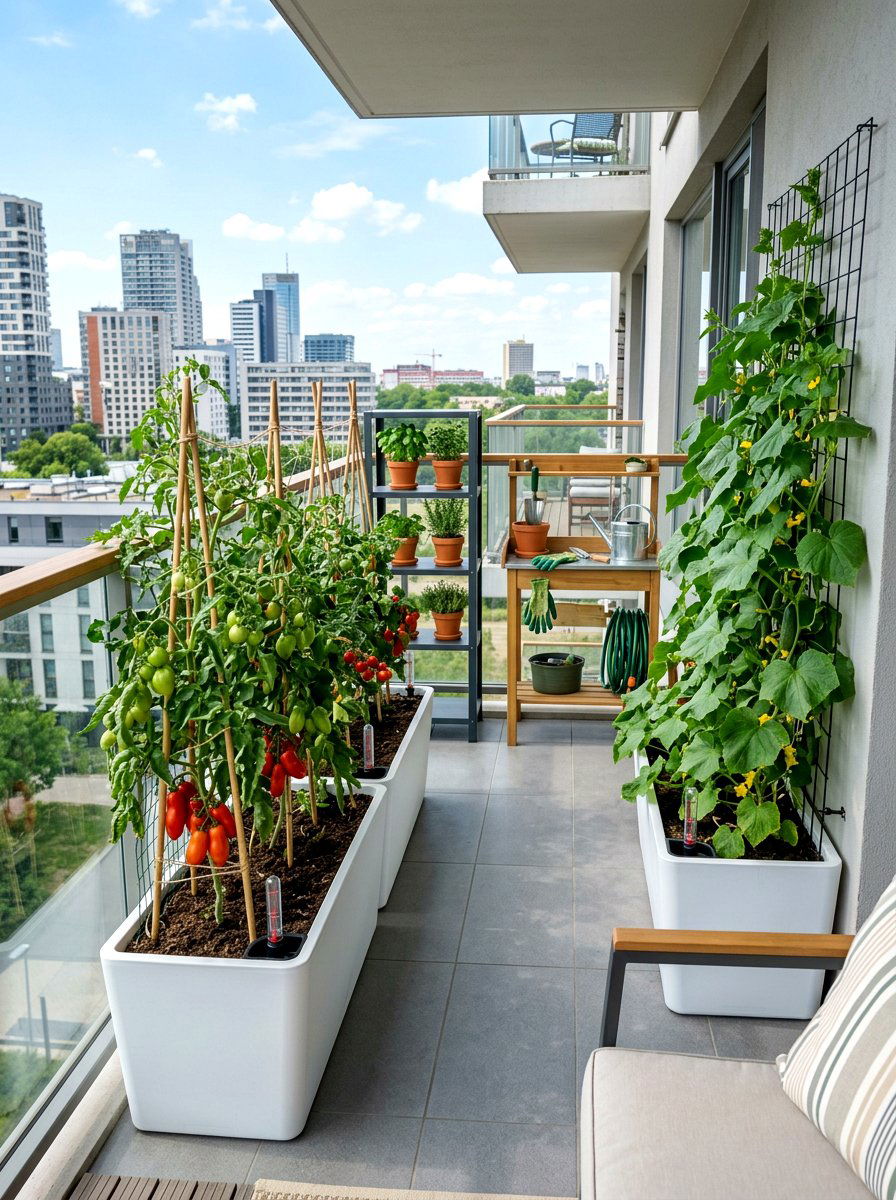
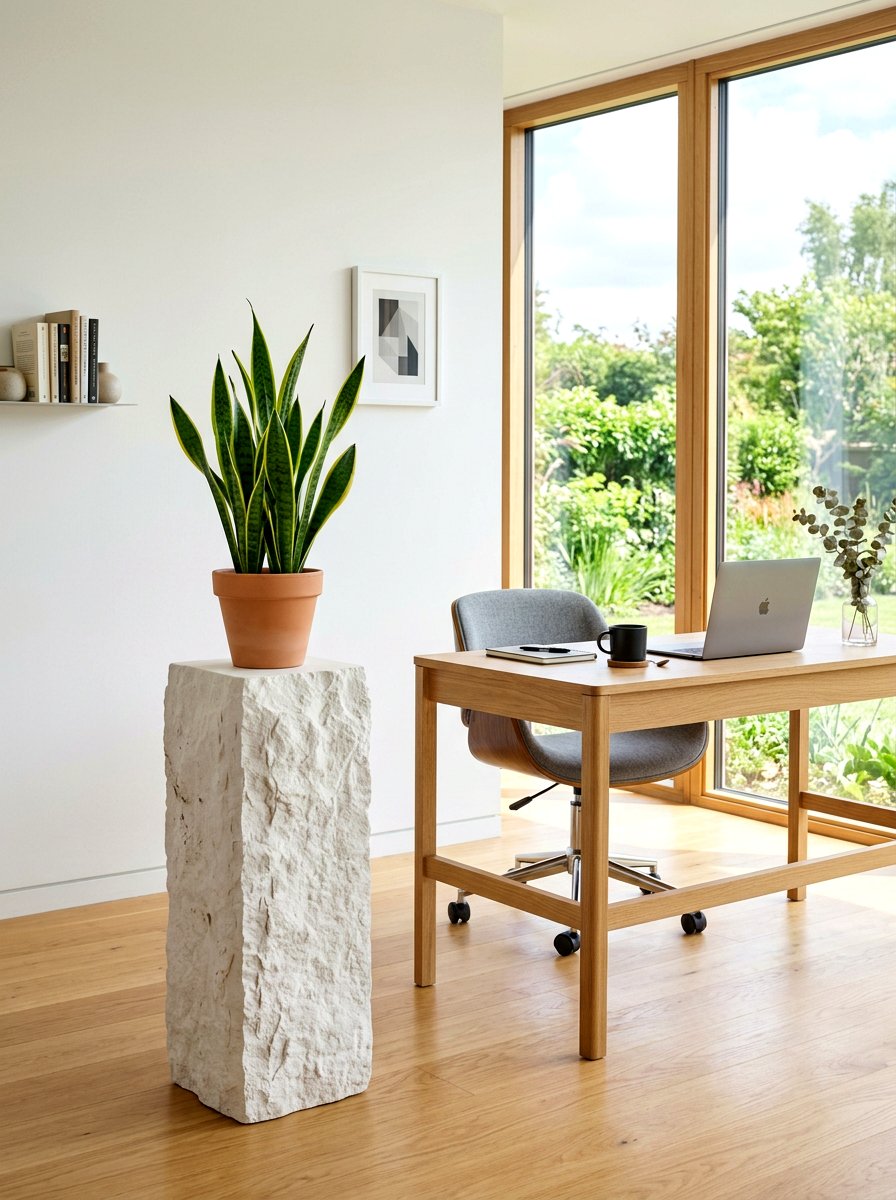
Modern technology has made it easier than ever to maintain a thriving garden even with a busy schedule. Self watering gardens utilize a built-in reservoir at the base of the pot to provide consistent moisture to the roots. This system prevents the common cycle of over-watering and under-watering that often stresses container plants. It is an excellent choice for thirsty crops like tomatoes or cucumbers that require steady hydration to produce high yields. You simply need to keep the reservoir filled, and the soil will wick up the water as needed. These containers are a lifesaver during hot spells or when you need to go away for a weekend.
11. Tropical patio plant
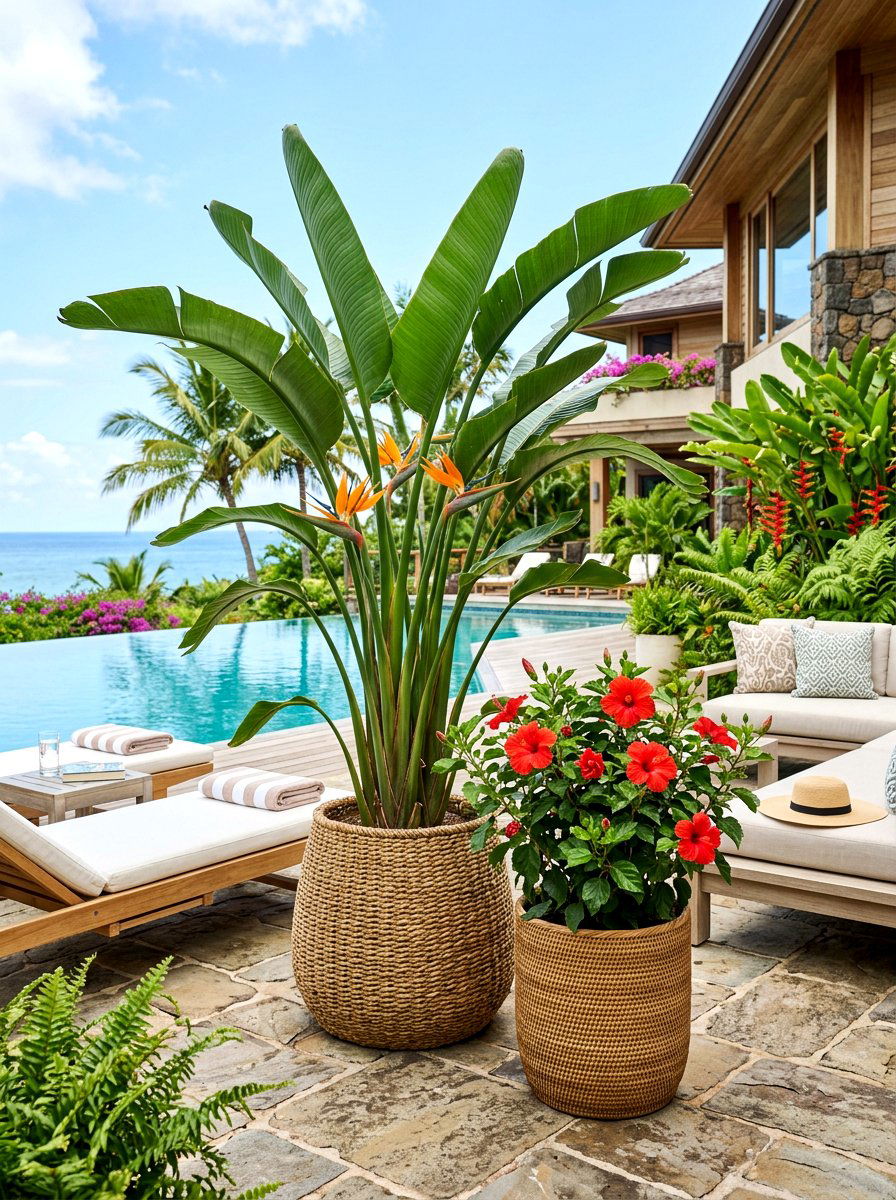
Transforming your backyard into an exotic vacation destination is possible with large-leafed tropical plants. Consider using bird of paradise, hibiscus, or majestic palms to create a bold and lush atmosphere. These plants thrive in warm weather and high humidity, adding a sense of height and drama to your patio layout. Using brightly colored or textured pots can further enhance the tropical theme and make the space feel more curated. It is important to provide these plants with plenty of water and occasional misting if the air is particularly dry. When the cooler months arrive, many of these tropical beauties can be moved indoors to serve as stunning houseplants.
12. Cottage garden container
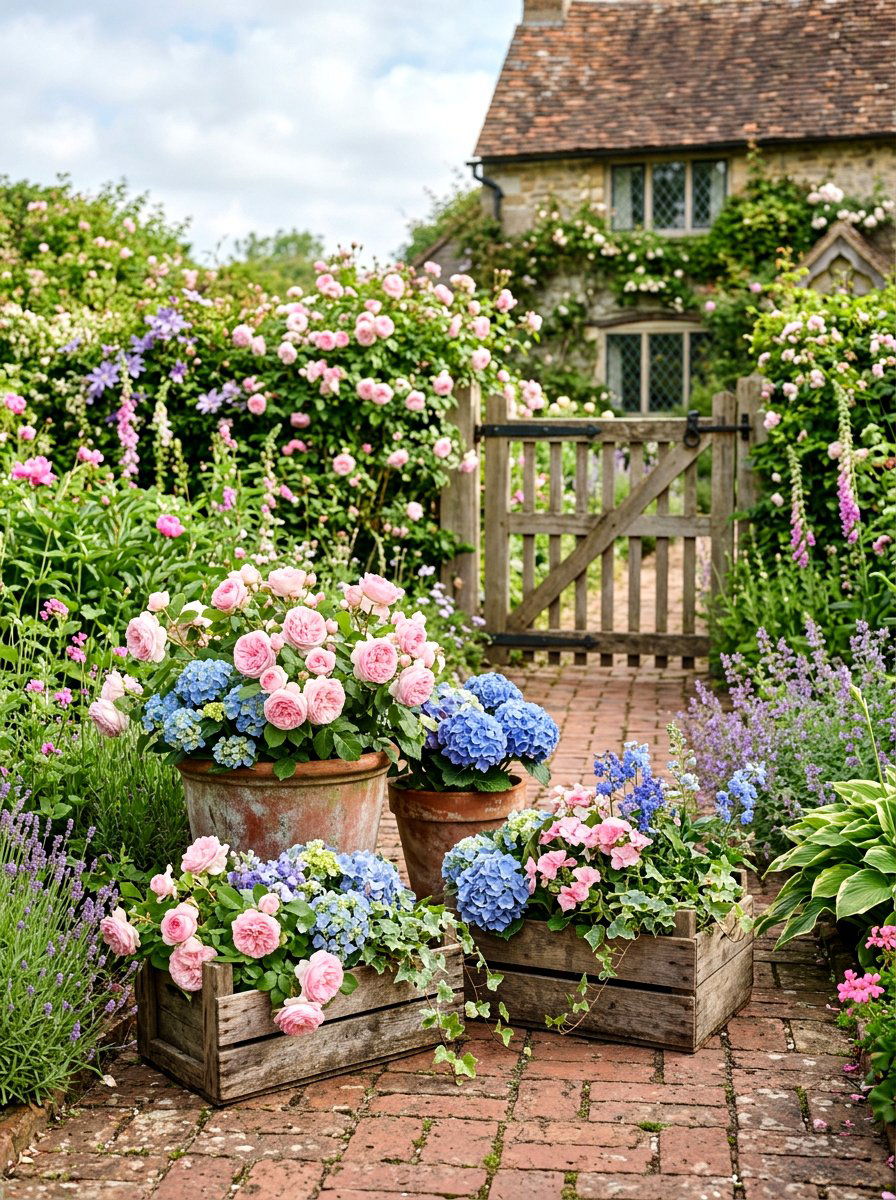
The romantic and whimsical feel of a country garden can be captured in a series of weathered pots. A cottage garden container often features a relaxed mix of classic favorites like roses, hydrangeas, and snapdragons. You should look for terracotta or wooden planters that develop a natural patina over time to enhance the vintage aesthetic. Allowing some plants to spill over the edges creates a soft and informal look that is very inviting. Mixing different heights and flower types together in a loose arrangement mimics the charming chaos of a traditional cottage border. This style is perfect for creating a cozy and nostalgic retreat on a small porch or terrace.
13. Hanging flower basket
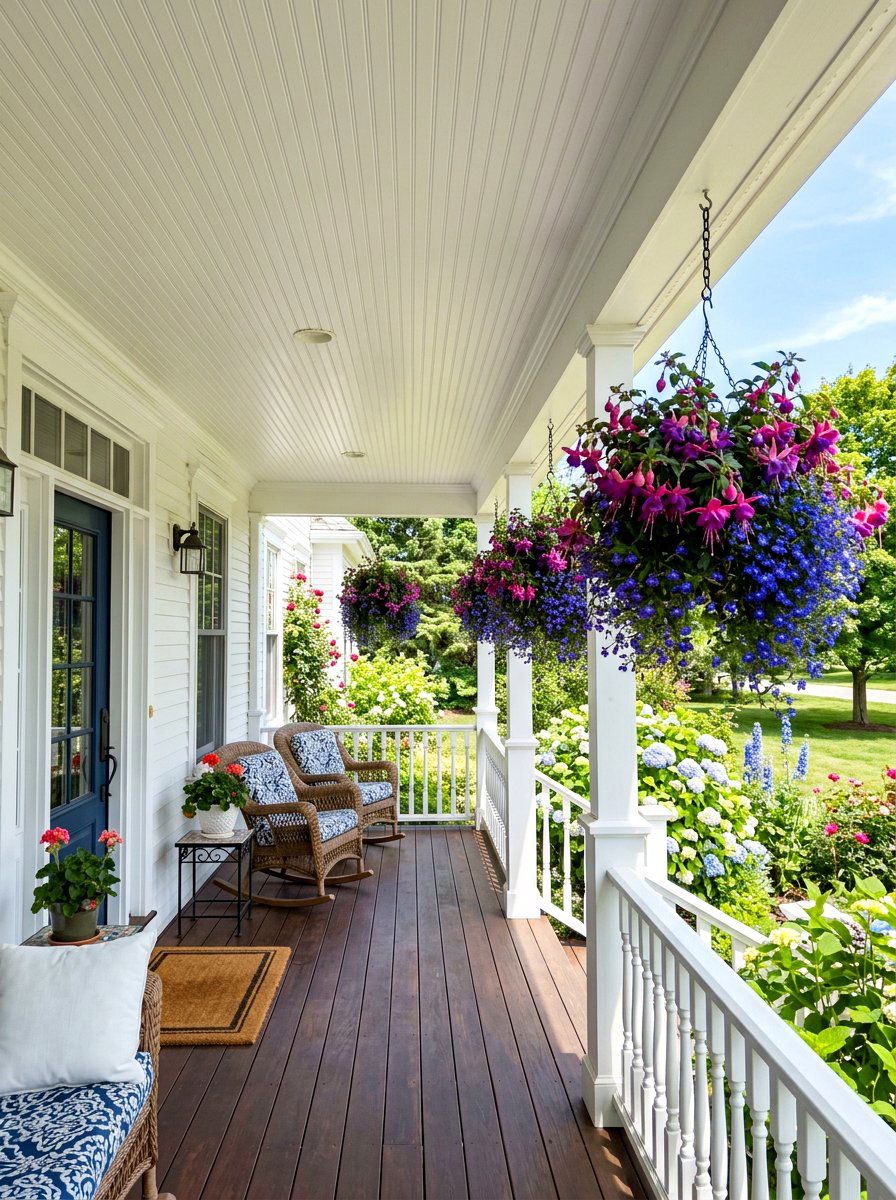
Suspending your plants from the ceiling or a wall bracket adds a new dimension of color to your space. Hanging flower baskets are ideal for trailing varieties like fuchsia, trailing lobelia, or wave petunias. These displays create a cascading waterfall of blooms that can soften the hard lines of your home’s architecture. Since hanging pots are exposed to wind on all sides, they tend to dry out very quickly and may need watering twice a day during the peak of summer. Using a high-quality liner made of coco coir helps retain moisture and provides a natural look. These baskets are perfect for adding eye-level beauty to porches and balconies.
14. Fragrant herb pot
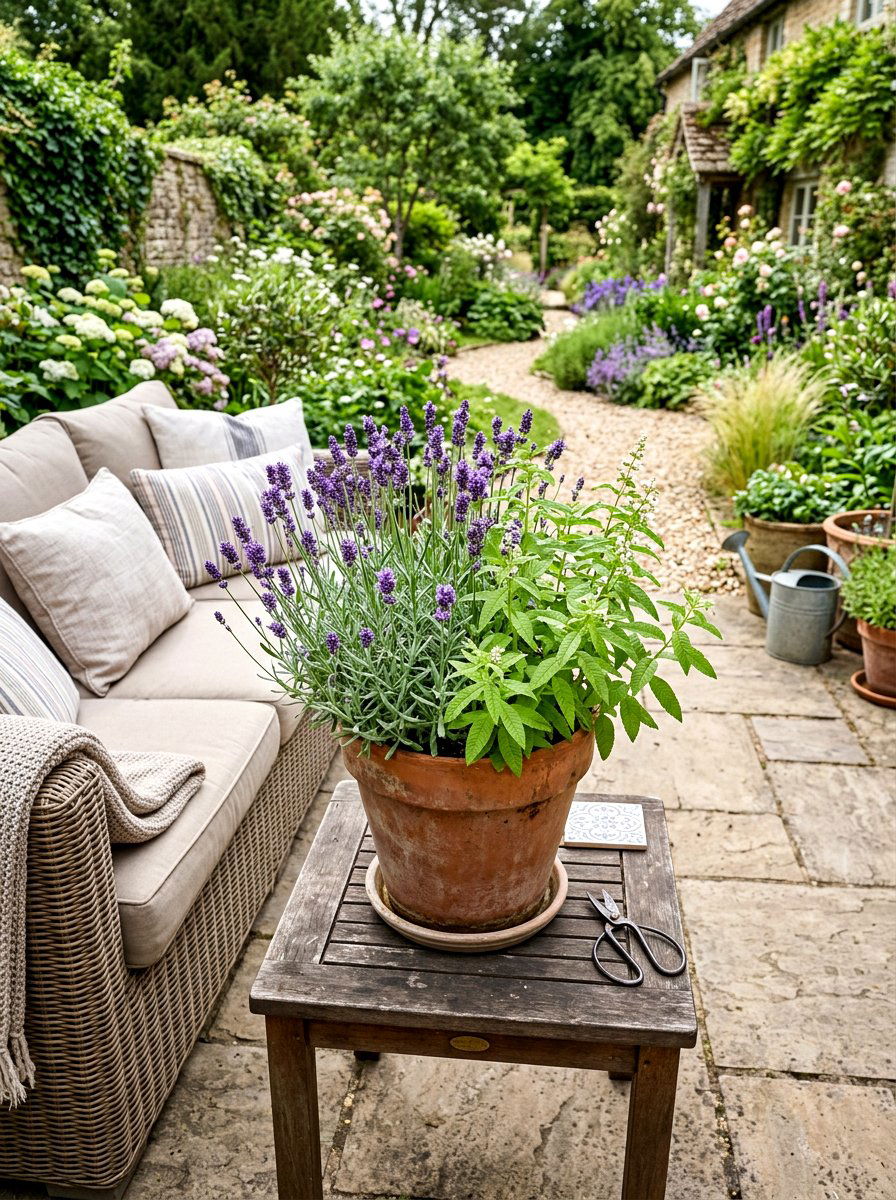
Engaging your sense of smell makes your outdoor area feel even more immersive and relaxing. A fragrant herb pot should include aromatic plants like lavender, lemon verbena, and scented geraniums. Placing these containers near your seating area allows you to enjoy the soothing scents every time a breeze passes by. You can also brush against the leaves to release a fresh burst of fragrance into the air. Most aromatic herbs prefer well-draining soil and plenty of sunlight to produce the oils that create their signature scents. It is a simple way to create a sensory garden that provides both beauty and therapeutic benefits right at your back door.
15. Tiered plant stand
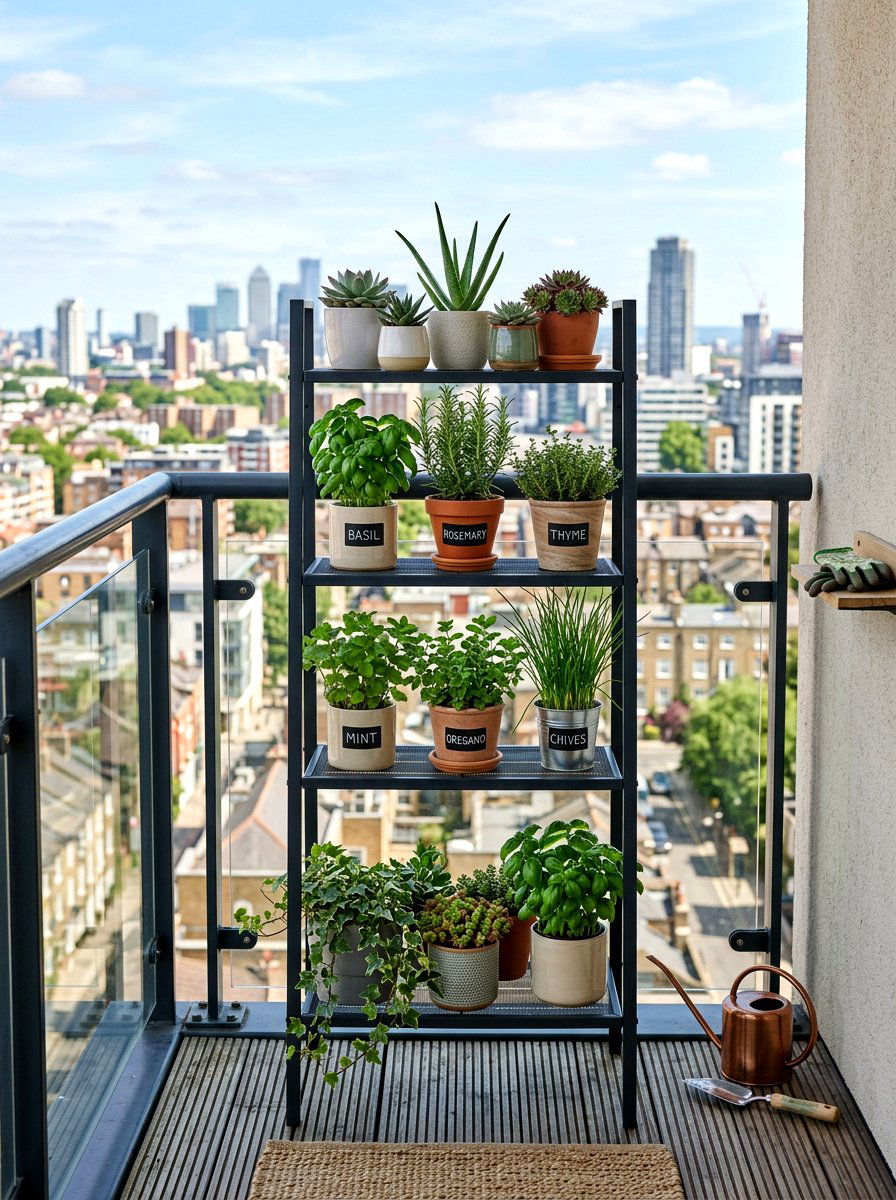
Organizing your containers on a tiered plant stand is a fantastic way to display a large collection in a small footprint. This vertical arrangement ensures that every plant gets enough light and allows you to create a beautiful staircase of greenery. You can place smaller succulent pots on the top tiers and larger, heavier foliage plants on the bottom for stability. This setup makes it much easier to water and care for your plants without having to bend over constantly. Using a stand made of metal or treated wood adds a decorative architectural element to your patio or balcony. It turns a simple collection of pots into a curated gallery.
16. Privacy screen planter
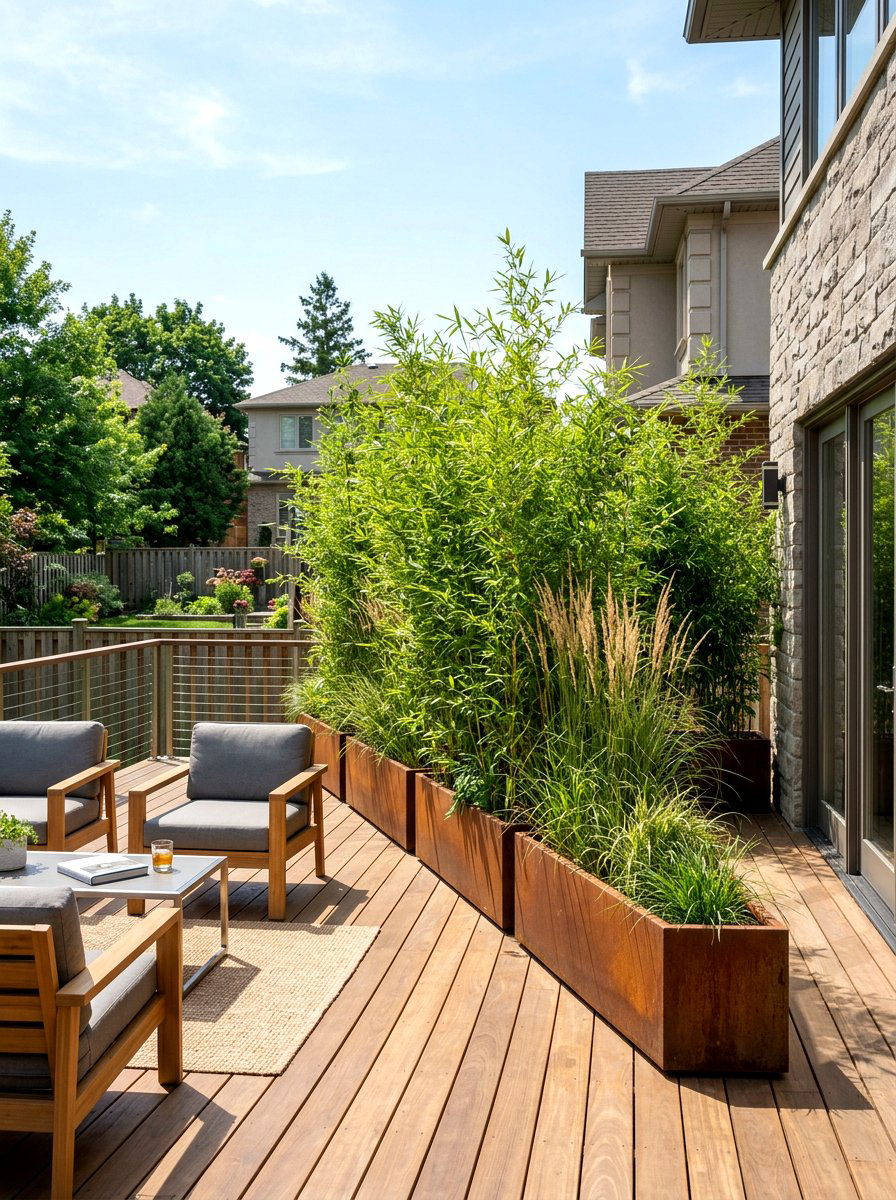
Using plants as a natural barrier is a beautiful way to create a secluded sanctuary on your balcony or deck. Privacy screen planters are typically long, rectangular troughs that can accommodate tall, upright plants. Bamboo, tall ornamental grasses, or evergreen shrubs like arborvitae are perfect for blocking the view of neighbors or busy streets. These plants provide a soft, swaying wall of green that also helps to dampen noise and wind. Ensure the containers are heavy enough or secured so they do not tip over in strong gusts. This functional design adds a sense of enclosure and intimacy to your outdoor living space while improving the overall aesthetic.
17. Fall garden container
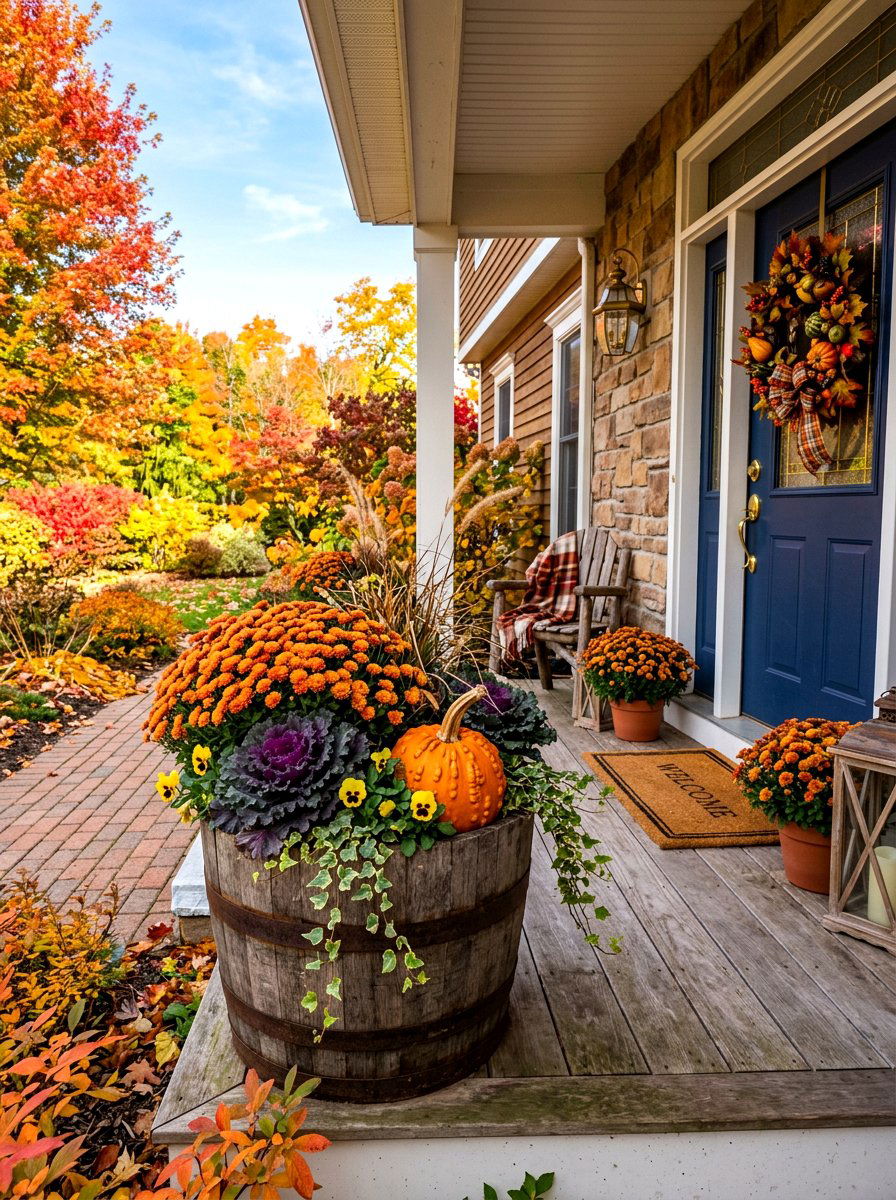
As the summer heat fades, you can refresh your outdoor decor with a vibrant fall garden container. This is the perfect time to use rich, warm tones like burnt orange, deep red, and golden yellow. You can combine classic mums with ornamental kale, pansies, and decorative grasses for a multi-textured look. Adding small pumpkins or gourds as accents can tie the whole seasonal theme together beautifully. These plants are cold-hardy and will continue to look great even as the nights get crisp and cool. Swapping out your tired summer annuals for these fresh autumn favorites keeps your porch looking festive and well-maintained throughout the transition into the winter season.
18. Spring bulb pot
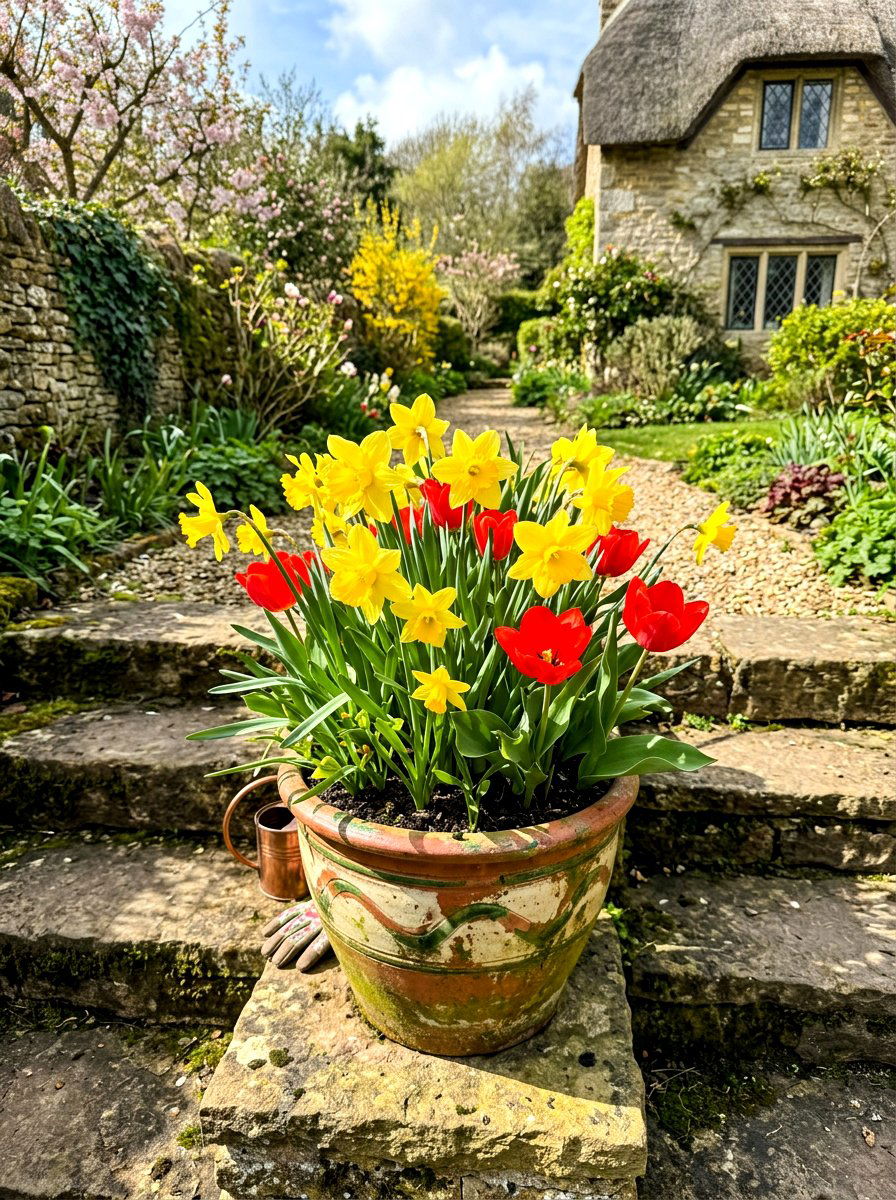
Watching the first green shoots emerge from the soil is a wonderful way to celebrate the end of winter. You can create a spectacular spring bulb pot by layering tulips, daffodils, and crocuses in a technique often called a bulb lasagna. Planting the largest bulbs at the bottom and the smallest at the top ensures a continuous display of flowers as they bloom in succession. Cover the soil with a layer of mulch or moss to keep the bulbs protected and the pot looking tidy. These containers can be prepared in the late fall and kept in a cool, protected spot until the first signs of spring appear. It is a rewarding project.
19. Winter evergreen container
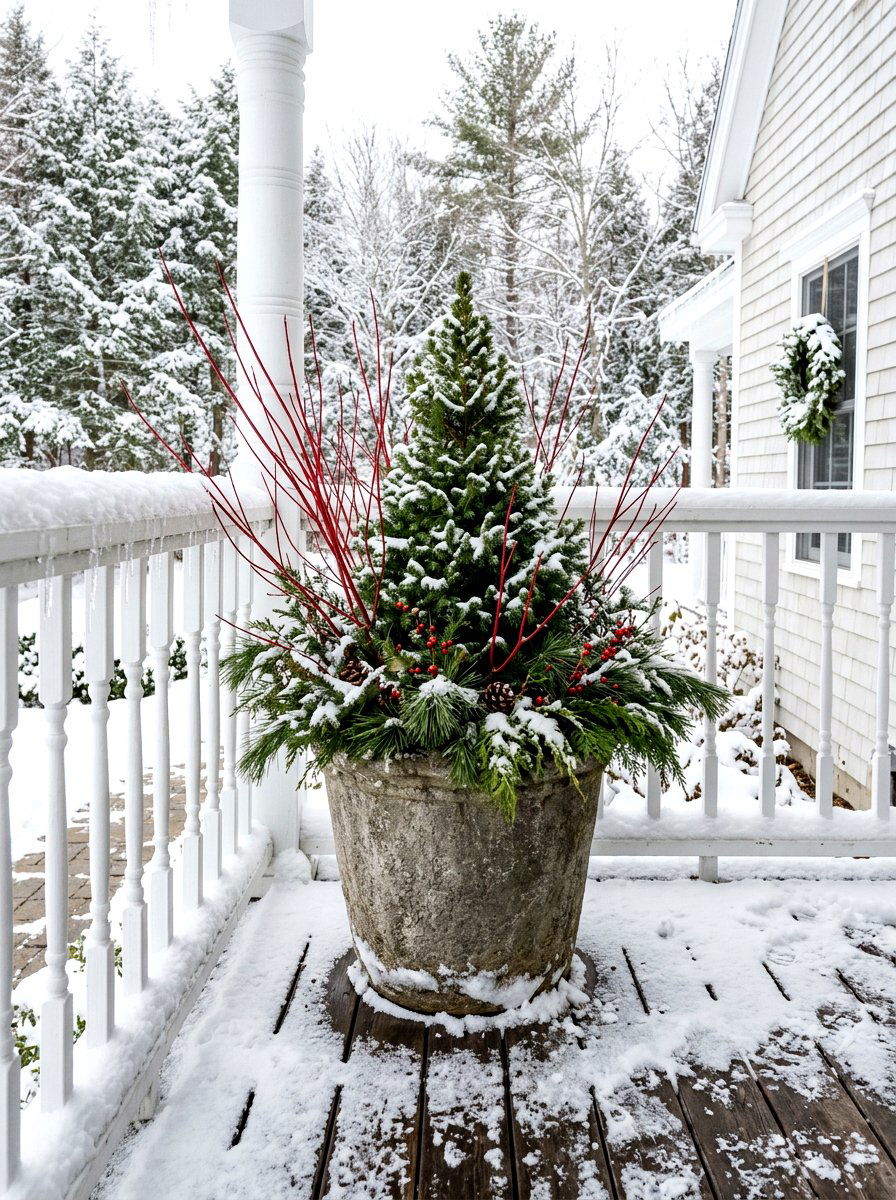
Maintaining a touch of green during the cold months is essential for keeping your home’s exterior looking lively. A winter evergreen container can feature hardy shrubs like boxwood, holly, or dwarf spruce. You can enhance the arrangement by adding decorative branches, pinecones, or even weather-resistant ribbons for a festive touch. These plants provide much-needed structure and color when the rest of the garden has gone dormant. It is important to water them occasionally during dry winter spells when the ground is not frozen to prevent the needles from drying out. Using heavy ceramic or stone pots will ensure the display remains stable against winter winds and looks elegant throughout the snowy season.
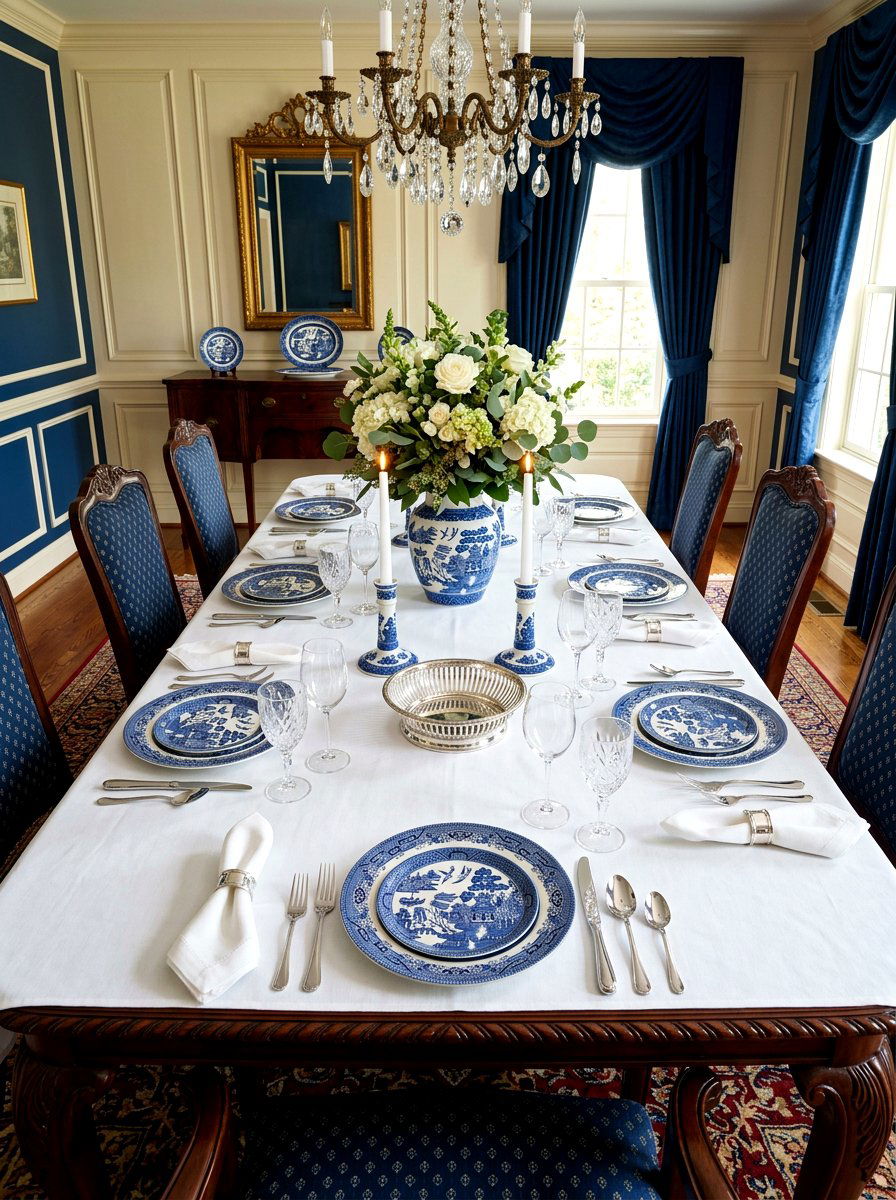
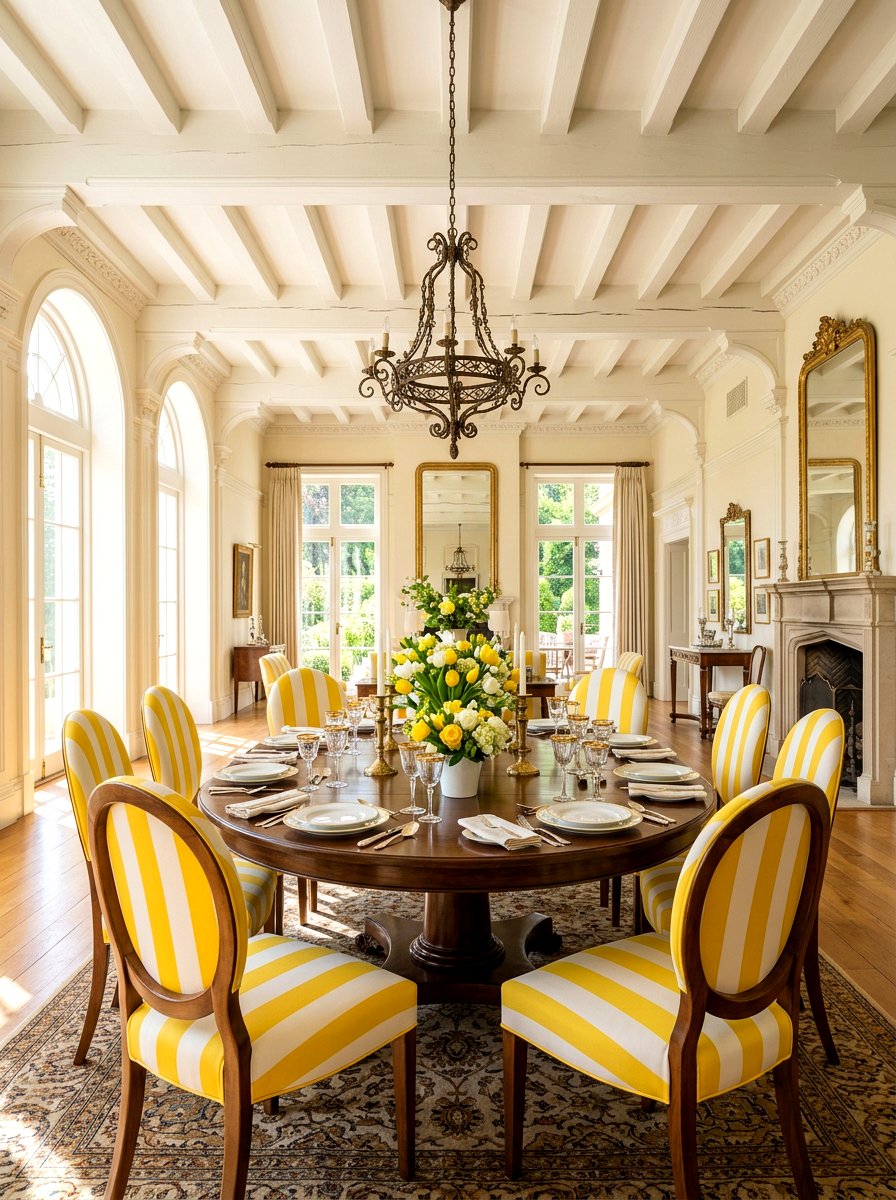
20. Modern minimalist planter
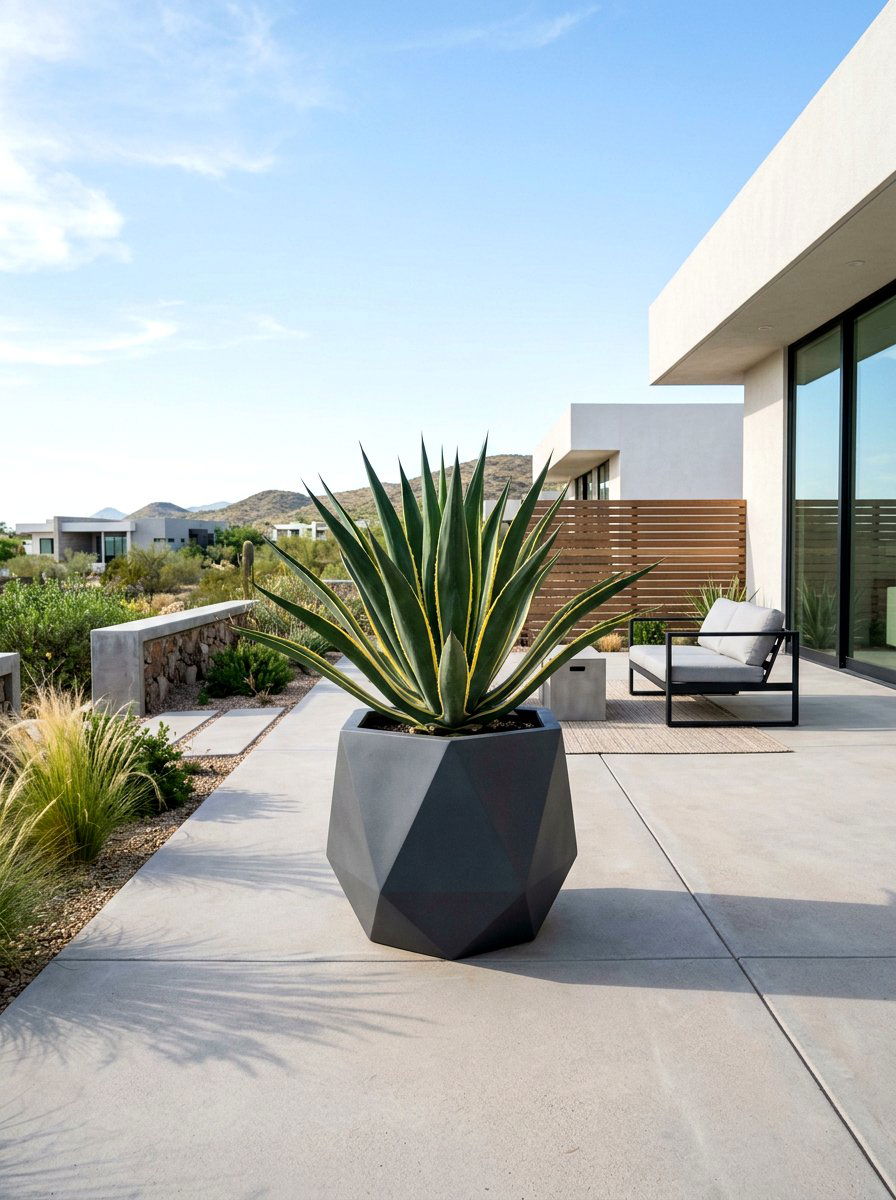
Clean lines and simple palettes define the modern minimalist planter style. This approach focuses on choosing a few high-quality plants with striking shapes, such as a single snake plant or a sculptural agave. The container itself is often the star, featuring a sleek geometric shape and a neutral color like charcoal, white, or concrete. This style works exceptionally well in contemporary architectural settings where less is often more. You should use a simple top dressing of smooth black river rocks or white gravel to maintain the clean look. This low-clutter design creates a sense of calm and sophistication on a modern patio or at a sleek building entrance.
21. Galvanized tub garden
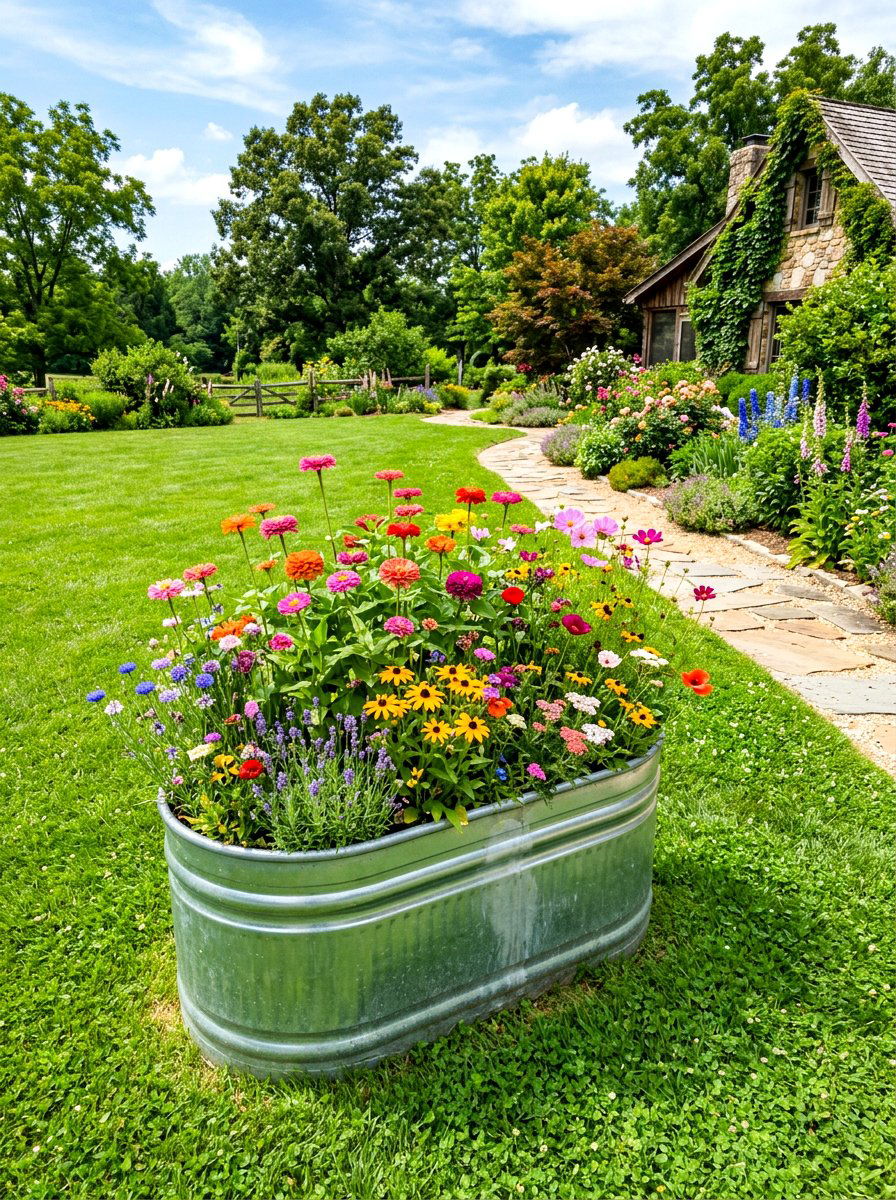
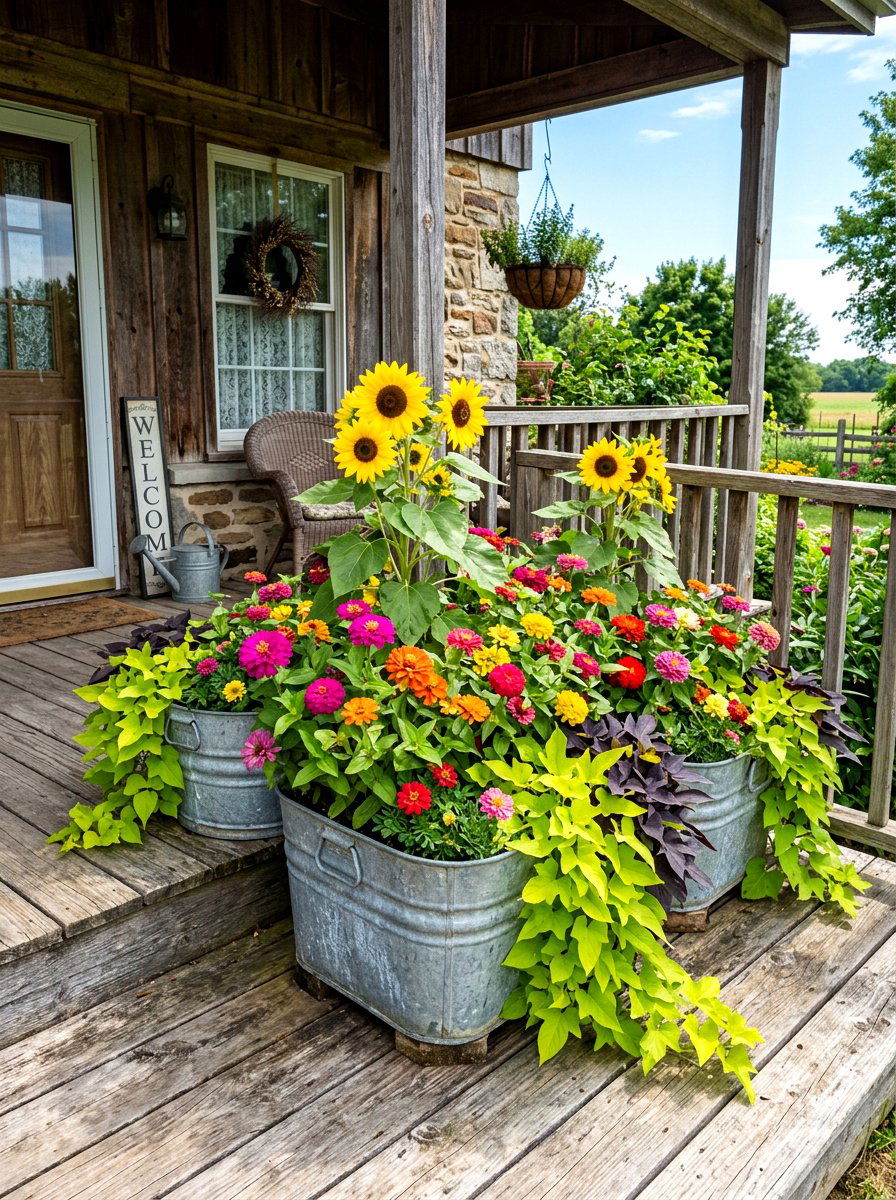
Embracing a rustic or farmhouse aesthetic is easy when you repurpose vintage items like galvanized steel tubs. These deep containers are incredibly durable and provide plenty of room for a large variety of plants to grow together. You can create a mini-meadow with wildflowers or a productive kitchen garden with several different vegetable varieties in one tub. It is absolutely vital to drill several drainage holes in the bottom to prevent water from pooling and rotting the roots. The silver metal finish looks beautiful against the green foliage and develops a charming character as it ages. This recycled look adds a touch of personality and history to any backyard or garden.
22. Aquatic container garden
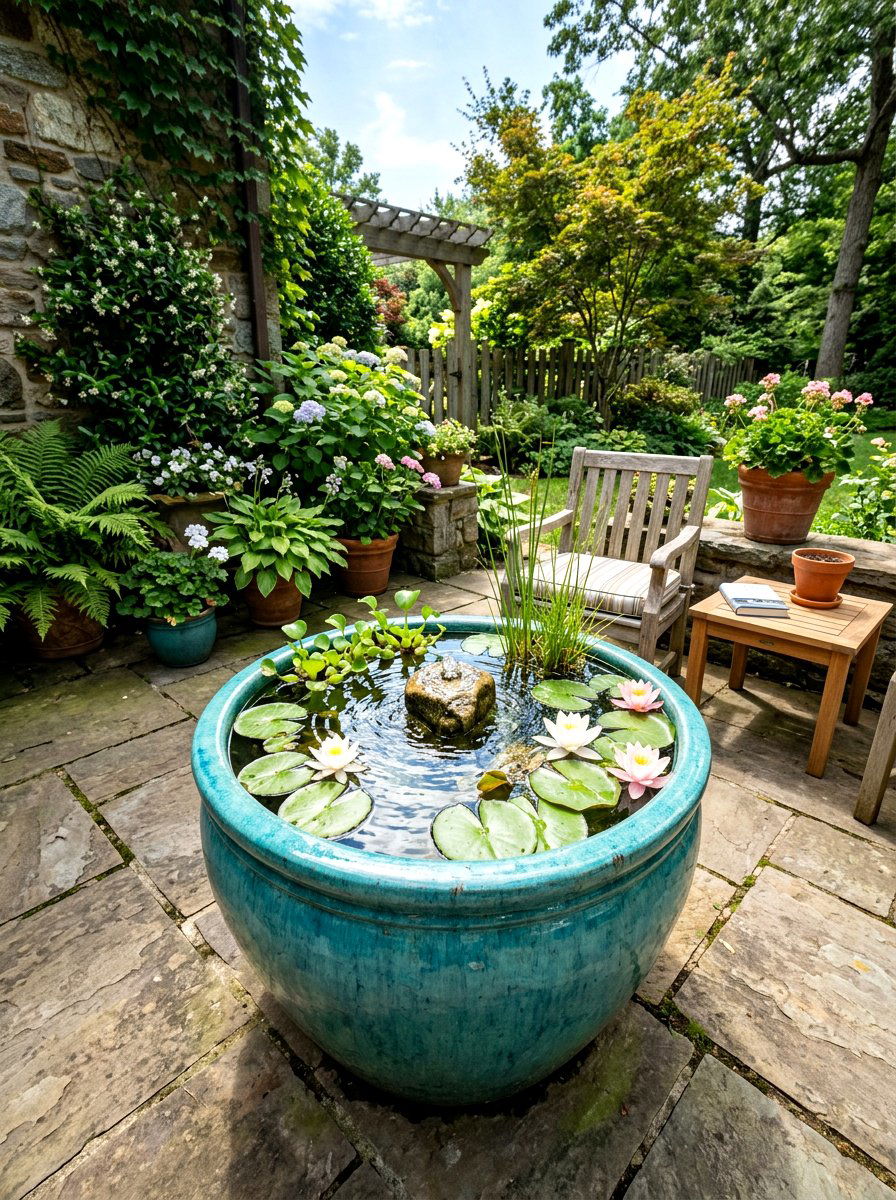
Bringing the tranquil beauty of a water feature to your patio is possible with an aquatic container garden. You can use any large, watertight pot to create a miniature pond filled with floating plants like water lilies and water lettuce. Adding a small solar-powered fountain can provide the soothing sound of trickling water and help keep the environment oxygenated. It is important to place the container in a spot that receives at least six hours of sunlight to encourage the lilies to bloom. You might even include a few small goldfish to keep mosquito larvae at bay and add movement to the display. This unique garden type provides a serene focal point.
23. Fairy garden pot
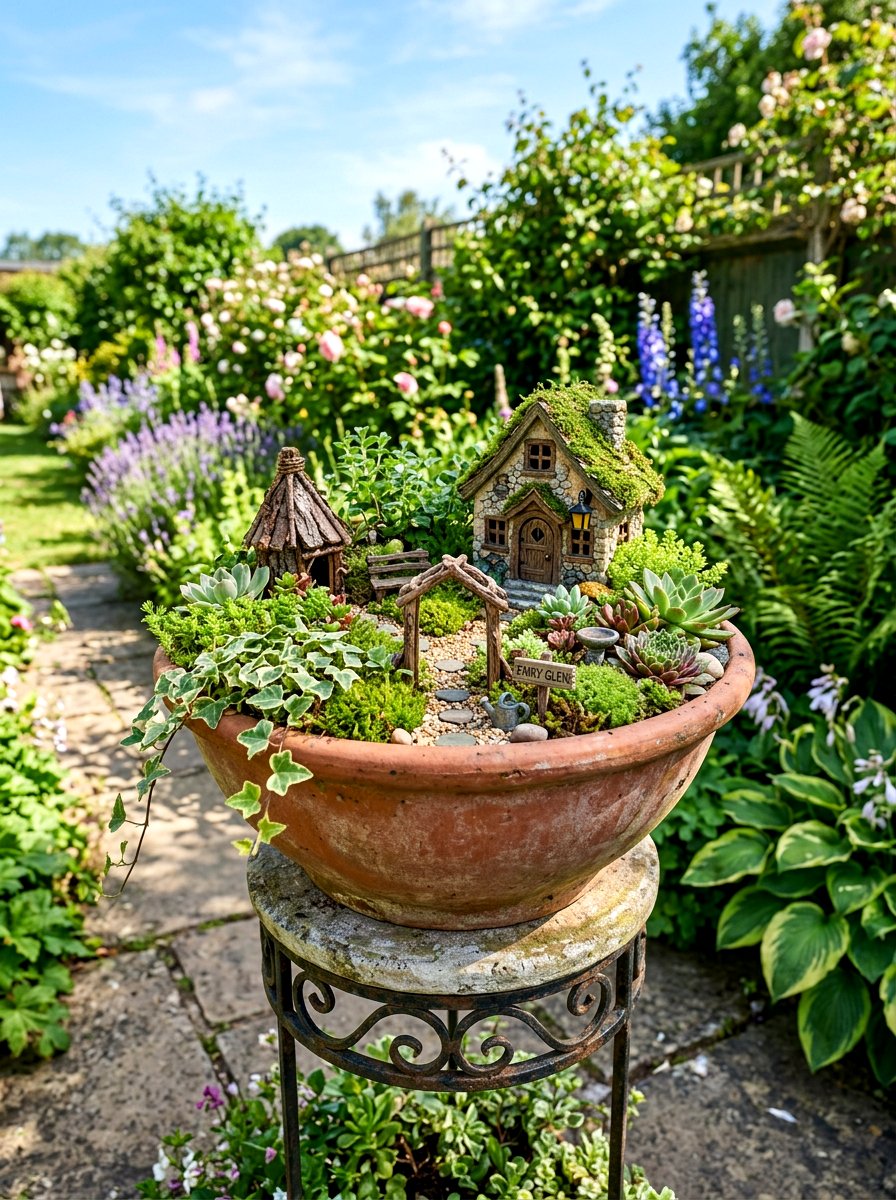
Creating a miniature magical world is a fun and imaginative project for gardeners of all ages. A fairy garden pot utilizes small-scale plants like moss, miniature ivy, and tiny succulents to create a lush landscape. You can add whimsical accessories like small stone houses, tiny benches, and gravel paths to bring the scene to life. This type of container garden requires a delicate touch and regular misting to keep the small plants healthy and vibrant. It is a wonderful way to showcase your creativity and can be a great activity to do with children. Placing these miniature displays on a tabletop allows guests to admire the intricate details up close.
24. Butterfly garden container
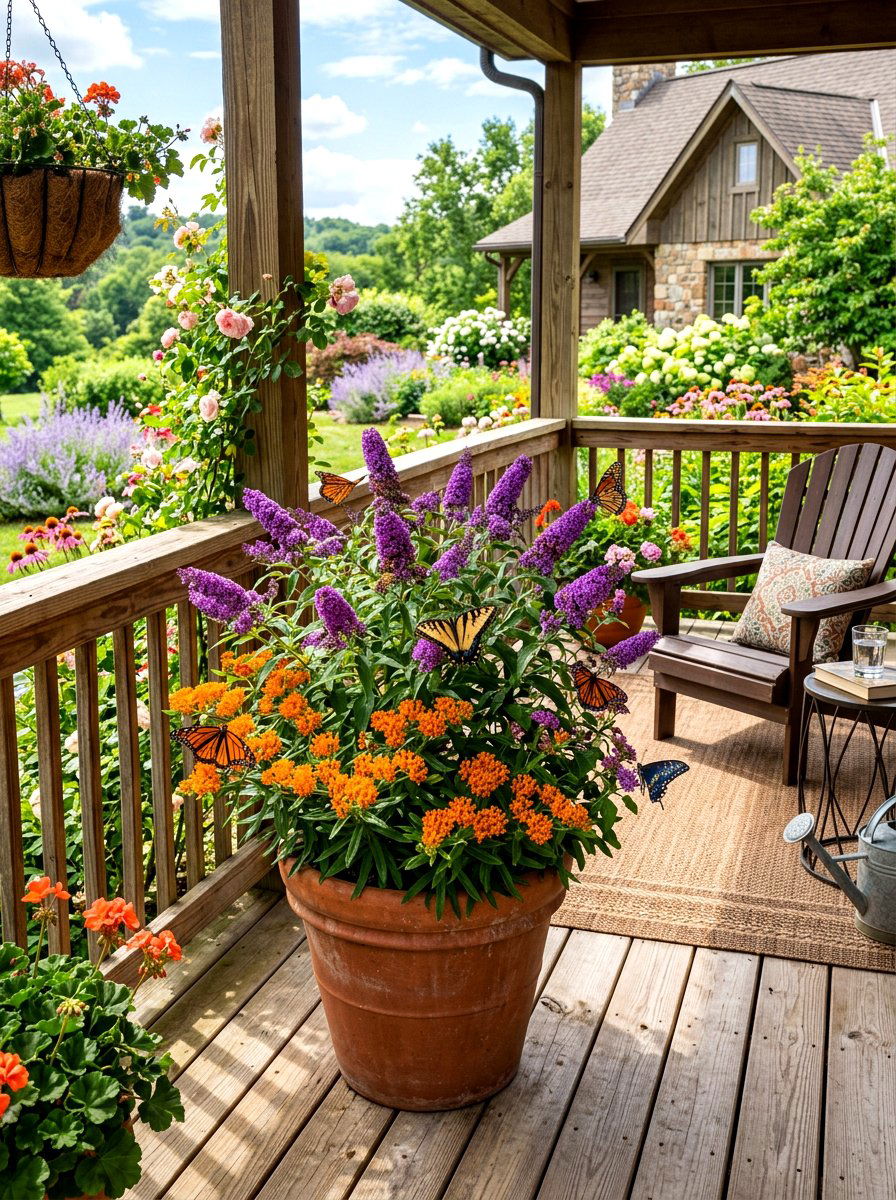
Focusing specifically on attracting butterflies involves choosing plants that serve as both nectar sources and host plants for caterpillars. A butterfly garden container might feature butterfly bush, milkweed, and pentas in a large, sunny pot. Providing a variety of bloom times ensures that there is always food available for these colorful insects throughout the season. You should avoid using any broad-spectrum insecticides, as these will harm the very visitors you are trying to attract. Including a flat, sun-warmed stone gives butterflies a place to rest and regulate their body temperature. This specialized garden provides a front-row seat to the fascinating lifecycle of some of nature’s most beautiful creatures in your own home.
25. Indoor herb garden
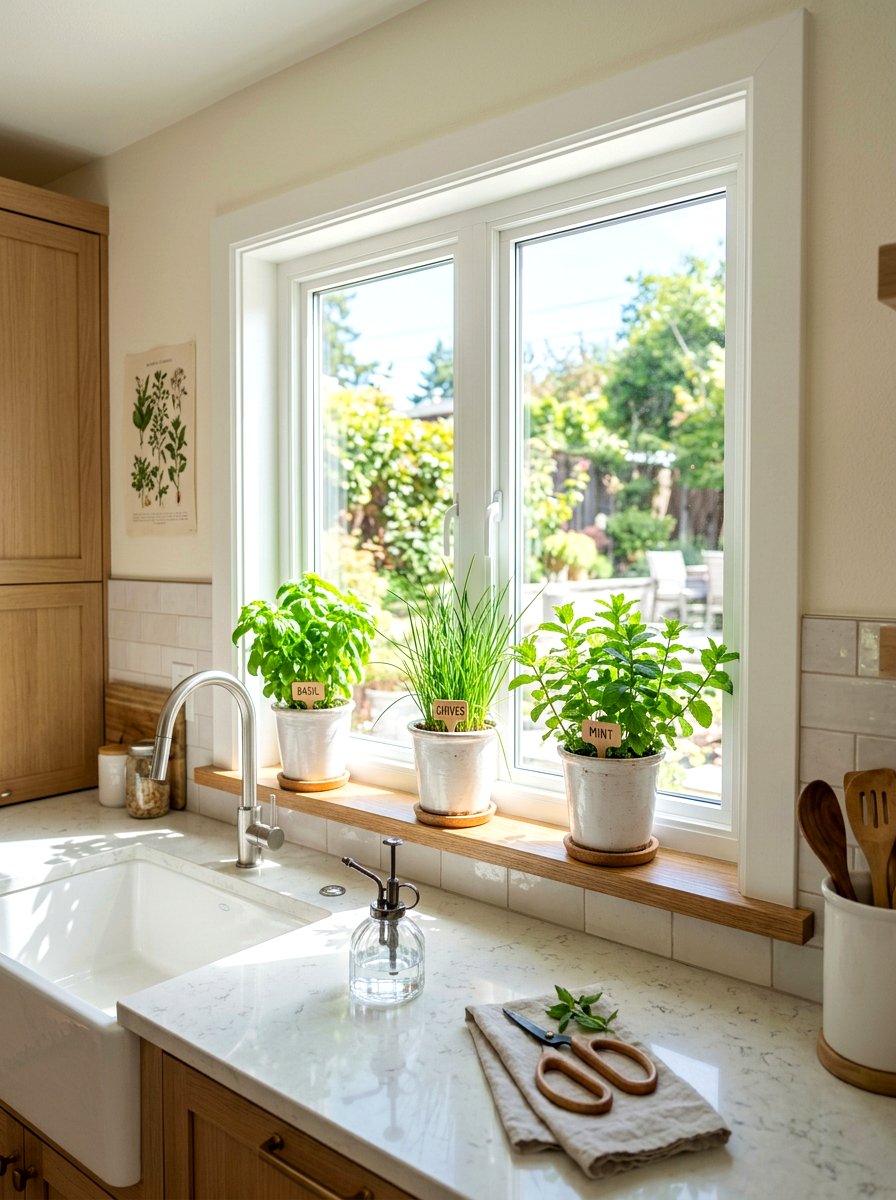
You can enjoy the benefits of fresh herbs year-round by moving your garden inside to a sunny windowsill. An indoor herb garden works best with small, individual pots for each variety, such as basil, chives, and cilantro. Using a tray underneath the pots will protect your indoor surfaces from moisture and spills while you water. If your home does not get enough natural light, you can easily supplement with a small LED grow light to keep the plants thriving. Harvesting small amounts frequently will keep the plants compact and encourage new growth for your favorite recipes. It is a practical way to add a touch of greenery and flavor to your kitchen.
26. Monochromatic flower pot
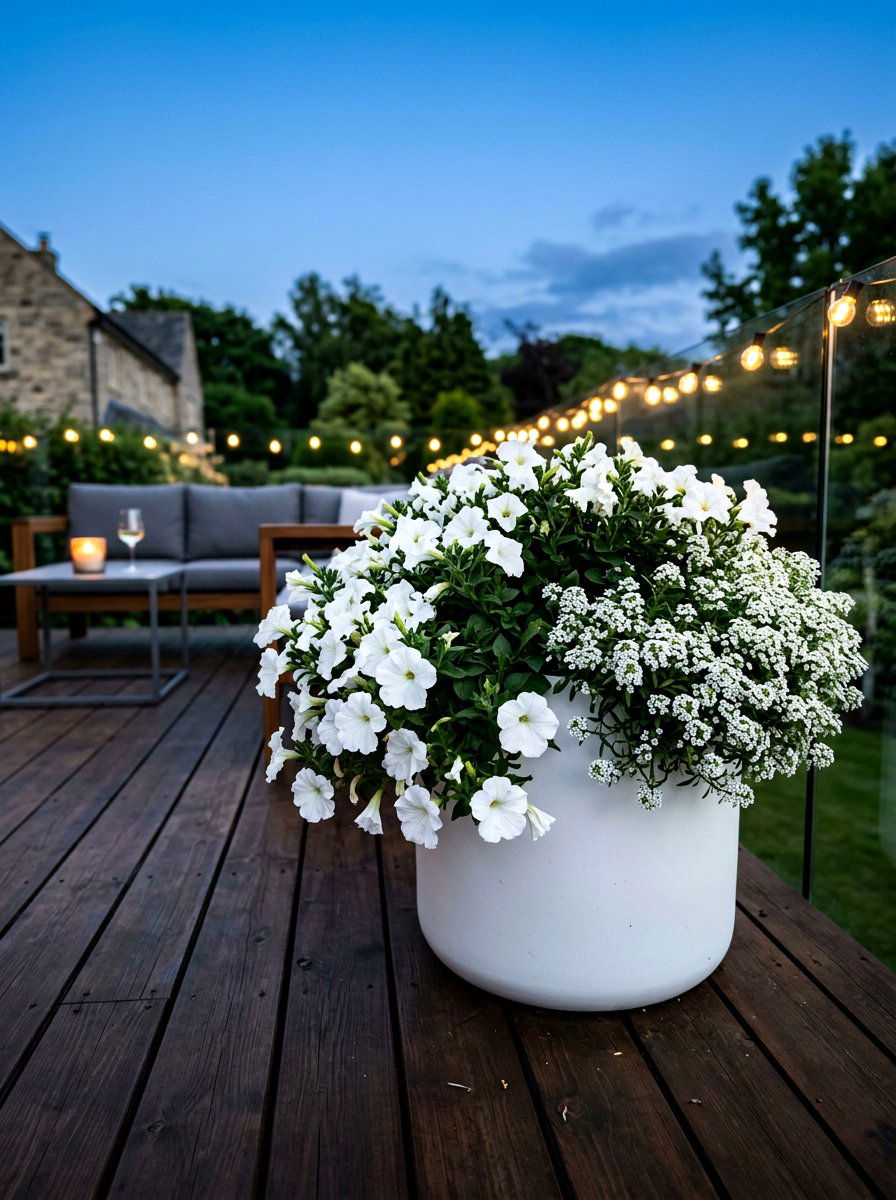
Creating a sophisticated look is easy when you stick to a single color palette for your entire arrangement. A monochromatic flower pot might feature various shades of white, such as white petunias, silvery dusty miller, and pale alyssum. This design relies on different textures and heights to create interest rather than a riot of colors. It has a very calming and elegant effect that looks particularly stunning in the evening light or under moonlight. You can choose any color that matches your home’s decor, from deep purples to vibrant yellows. This intentional design choice makes your container garden look like it was professionally curated and adds a high-end feel to your patio.
27. Dwarf conifer container
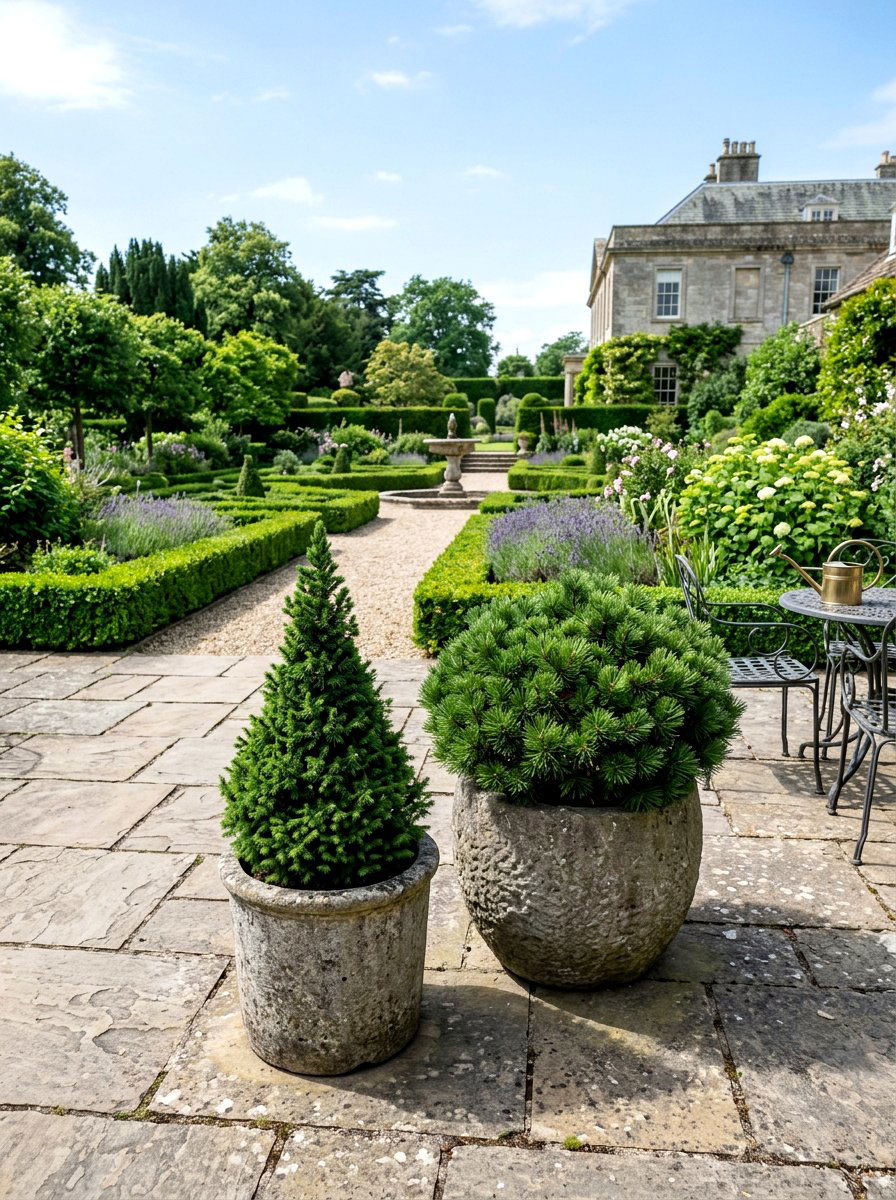
Providing year-round structure and a classic look is simple when you use slow-growing dwarf conifers. These miniature evergreens come in a variety of colors, from deep forest green to bright gold and silvery blue. They require very little maintenance once established and look fantastic in formal stone or ceramic pots. You can group several different shapes together, such as a conical spruce with a rounded pine, to create a miniature forest effect. These plants are very hardy and can withstand most weather conditions, making them a permanent fixture in your outdoor design. They provide a reliable backdrop for seasonal flowers or look beautiful and sophisticated all on their own.
28. Upcycled garden container
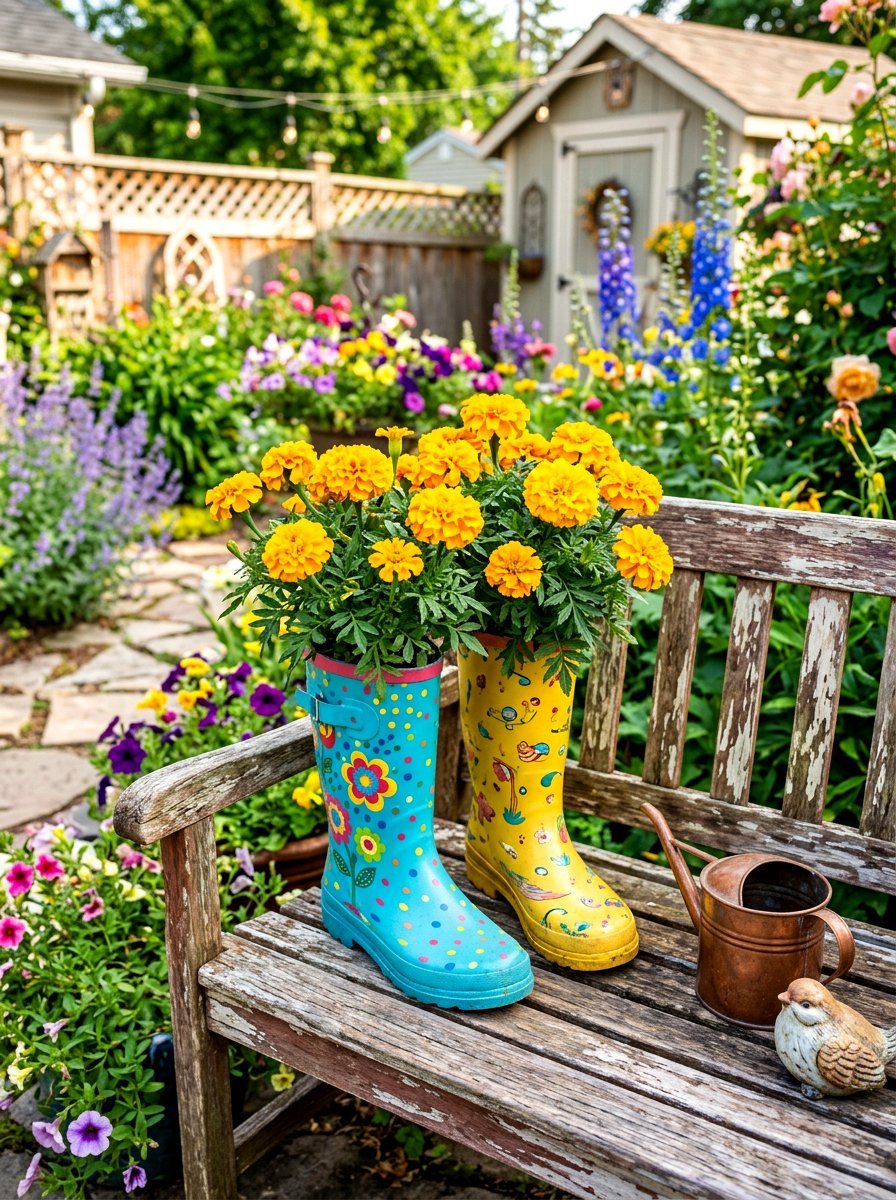
Showing your commitment to sustainability can be done by repurposing everyday items into creative plant holders. An upcycled garden container can be anything from an old wooden ladder used as a plant stand to colorful rain boots filled with flowers. This approach adds a playful and unique personality to your garden that cannot be found in a store. You must always ensure that your chosen items have proper drainage and are safe for the plants to grow in. Using recycled materials is a budget-friendly way to expand your garden while keeping items out of the landfill. It encourages you to look at common household objects with a fresh and creative perspective.
29. Raised bed planter
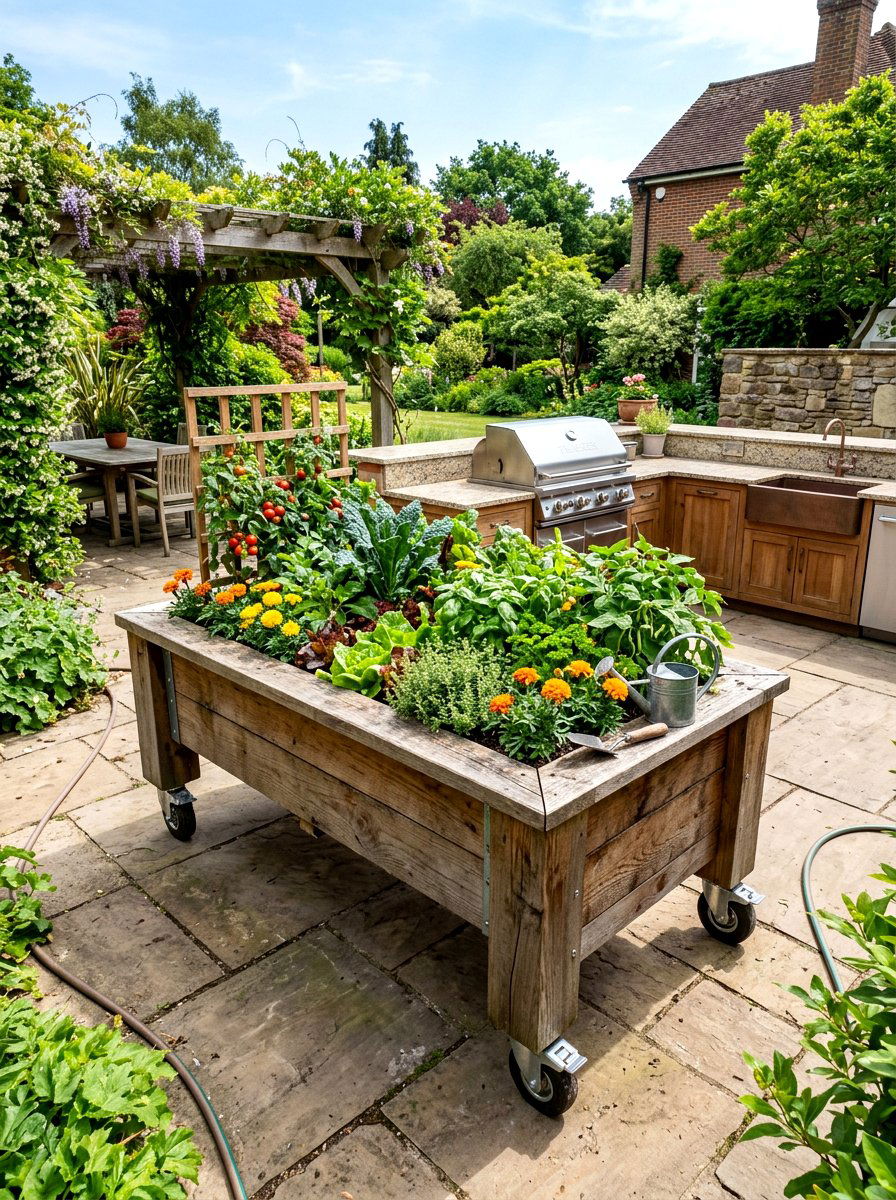
Combining the benefits of a traditional garden bed with the convenience of a container is easy with a large raised bed planter. These elevated units are perfect for growing deep-rooted vegetables or creating a large floral display without the need for digging into the ground. They are particularly helpful for gardeners with back issues as they reduce the need for bending and kneeling. You can find models with built-in legs or wheels for easy movement around your patio or deck. Filling these large containers with high-quality potting mix ensures your plants have the best start possible. This design offers a substantial growing area while maintaining a clean and organized outdoor environment.
30. Deck railing garden
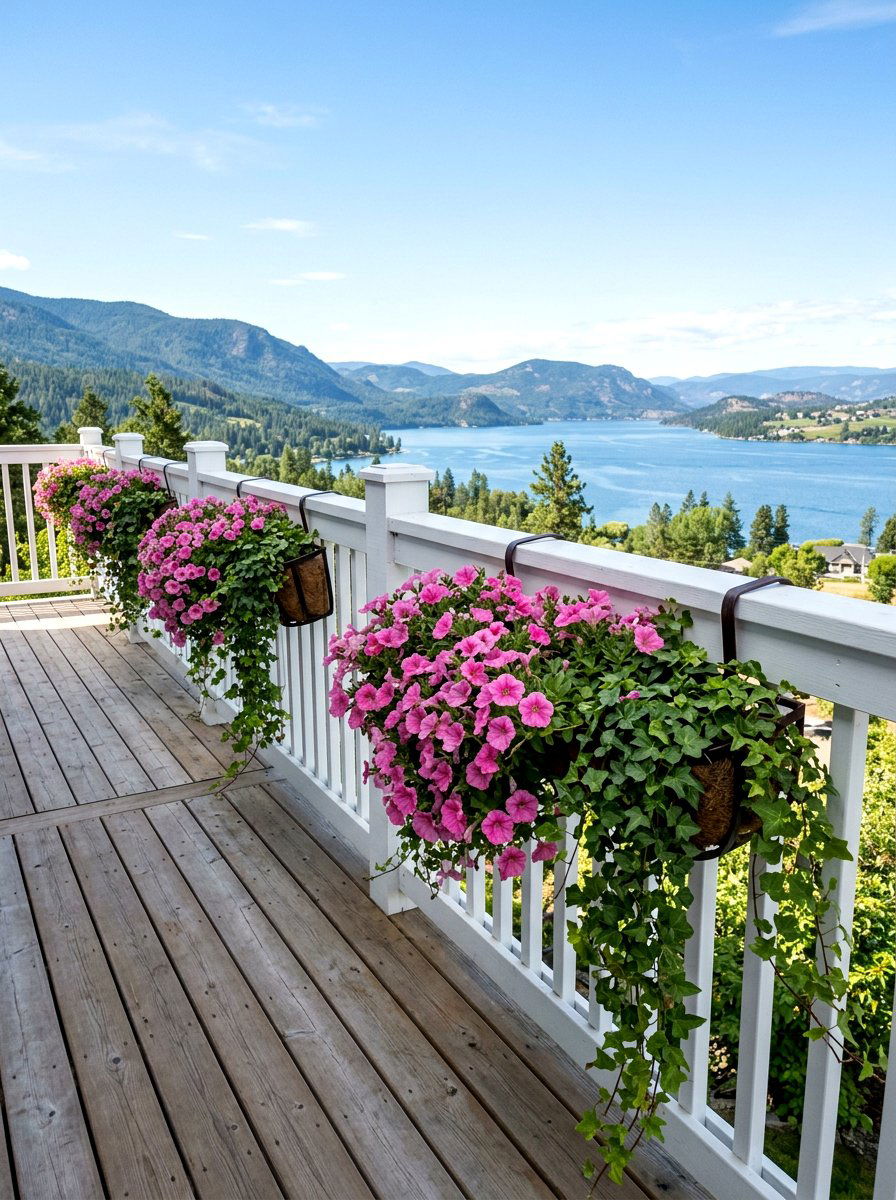
Utilizing the often-overlooked space on your balcony or deck railing is a great way to add greenery without using any floor space. Deck railing gardens involve specialized containers that straddle the rail or hook securely over the top. These are perfect for growing trailing flowers like million bells or low-growing herbs like thyme and oregano. Because they are elevated, these plants receive plenty of airflow and sunlight, which helps prevent many common fungal issues. It is important to ensure the planters are securely fastened so they do not fall during strong winds or heavy rain. This design brings your garden right up to eye level, making it easy to enjoy and maintain.
Conclusion:
Embracing container gardening is a transformative journey that allows you to cultivate beauty and sustain life in any environment. From the practical benefits of growing your own food to the aesthetic joy of a blooming floral display, these ideas prove that space is never a limitation for a creative mind. By selecting the right containers and plants for your specific light and climate conditions, you can ensure a thriving and vibrant outdoor space all year long. Remember that the key to success lies in consistent care, quality soil, and a little bit of imagination. Your portable garden will eventually become a cherished retreat that reflects your unique style.

Related posts: