Starting a compost corner doesn't have to look messy or ruin the aesthetic of your backyard garden. Many homeowners worry that a pile of rotting organic matter will be an eyesore, but with the right design, it becomes a functional focal point. Creating a dedicated space for nutrient-rich soil production helps you recycle kitchen scraps while boosting the health of your plants. From rustic wooden enclosures to sleek modern tumblers, there are countless ways to organize your organic waste. This guide explores creative solutions that blend seamlessly into your landscape, ensuring your gardening journey is both sustainable and visually appealing for years to come.
1. Wooden Pallet Compost Bin
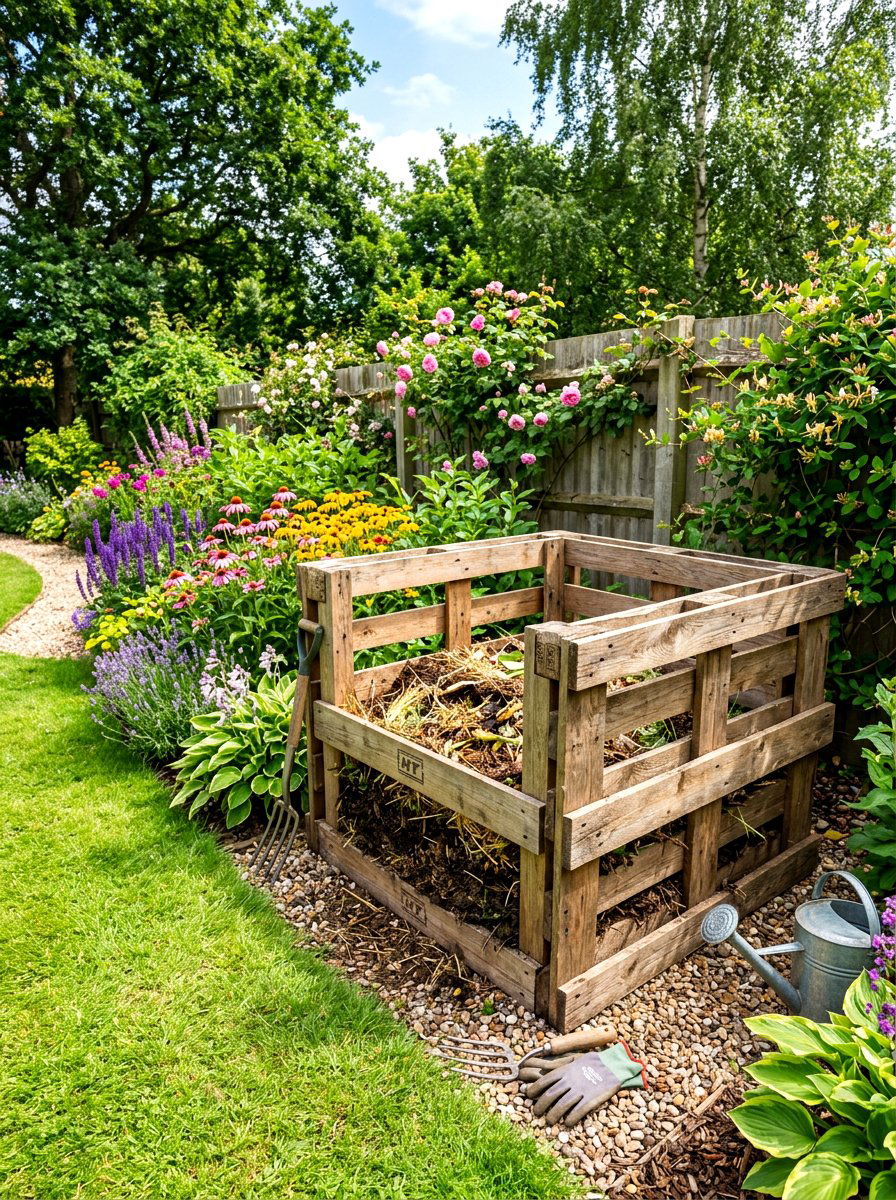
Have you ever wondered how to turn old shipping materials into garden gold without spending a fortune? Using heat-treated wooden pallets is one of the most popular ways to build a sturdy and ventilated compost corner. These pallets are often free and provide the perfect amount of airflow needed for aerobic decomposition. You can simply zip-tie or screw four pallets together to create a square enclosure that holds a massive amount of yard waste. Many gardeners choose to paint or stain the wood to match their garden fences, making the structure look like a deliberate part of the landscape design. This method is incredibly sustainable and highly cost-effective for any beginner.
2. Three Bin Composting System
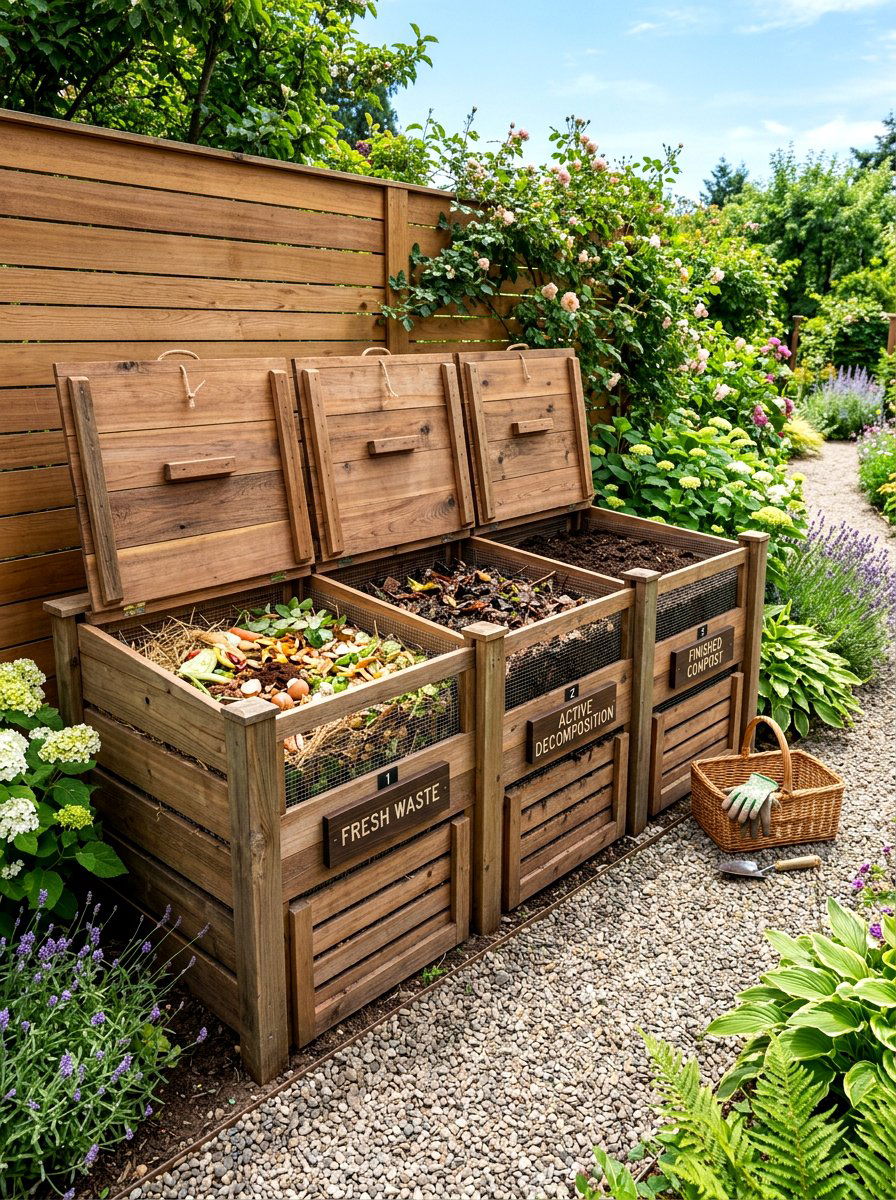
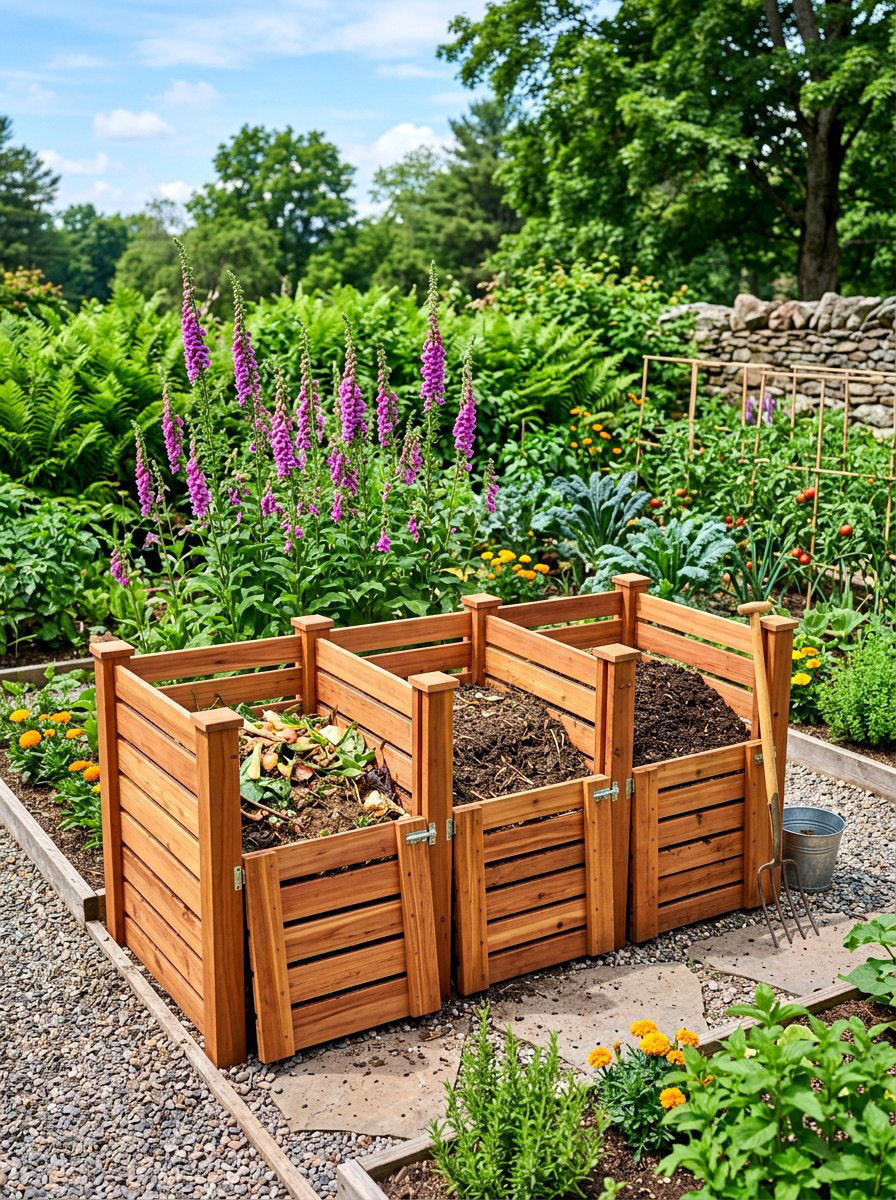
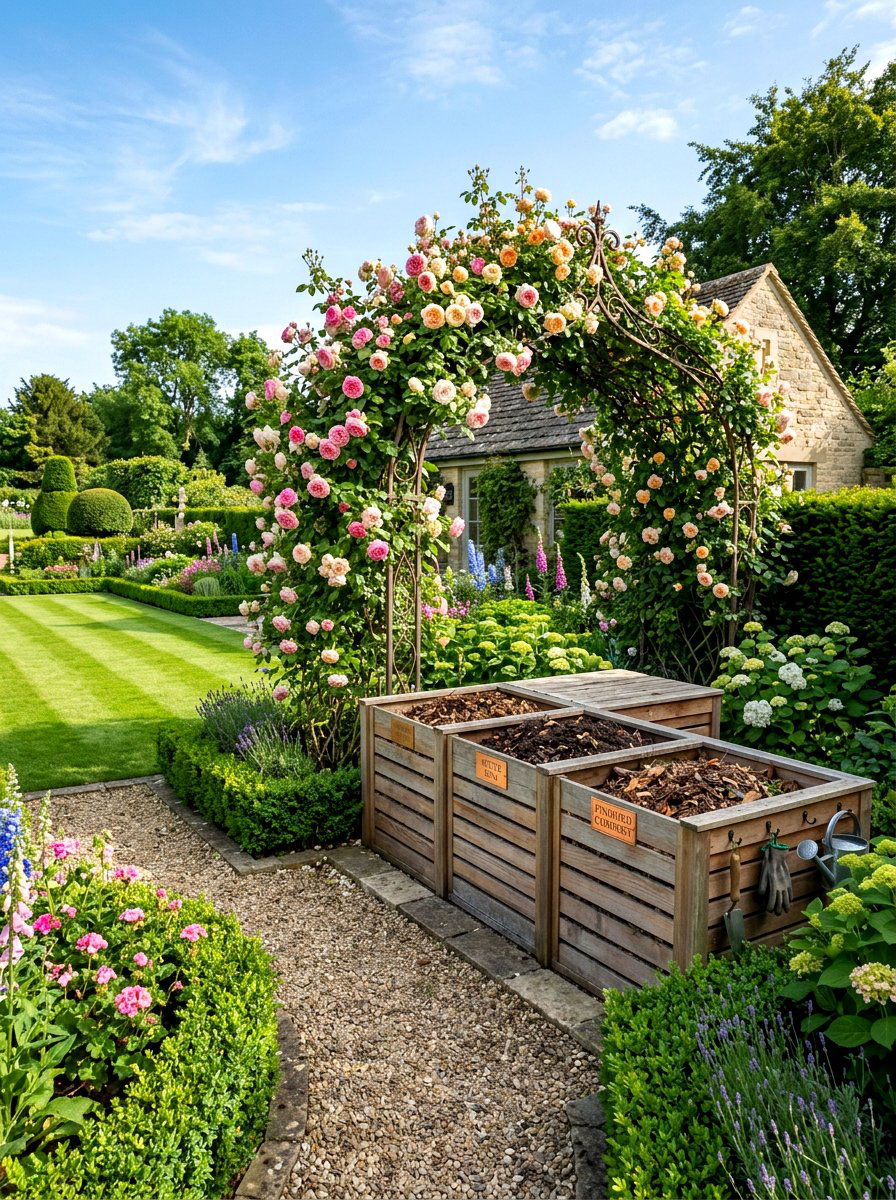
If you have a large backyard and plenty of organic waste, a three-bin system is arguably the most efficient layout. This setup allows you to manage different stages of the composting process simultaneously in one organized station. The first bin is for fresh scraps, the second is for active cooking, and the third holds finished material ready for the garden. Using a system like this ensures a continuous supply of nutrient-rich soil throughout the growing season. You can build these bins from cedar or reclaimed lumber for a cohesive look. Having a clear organization system makes the chore of turning and moving compost much easier for any homeowner.
3. Cedar Slat Compost Bin
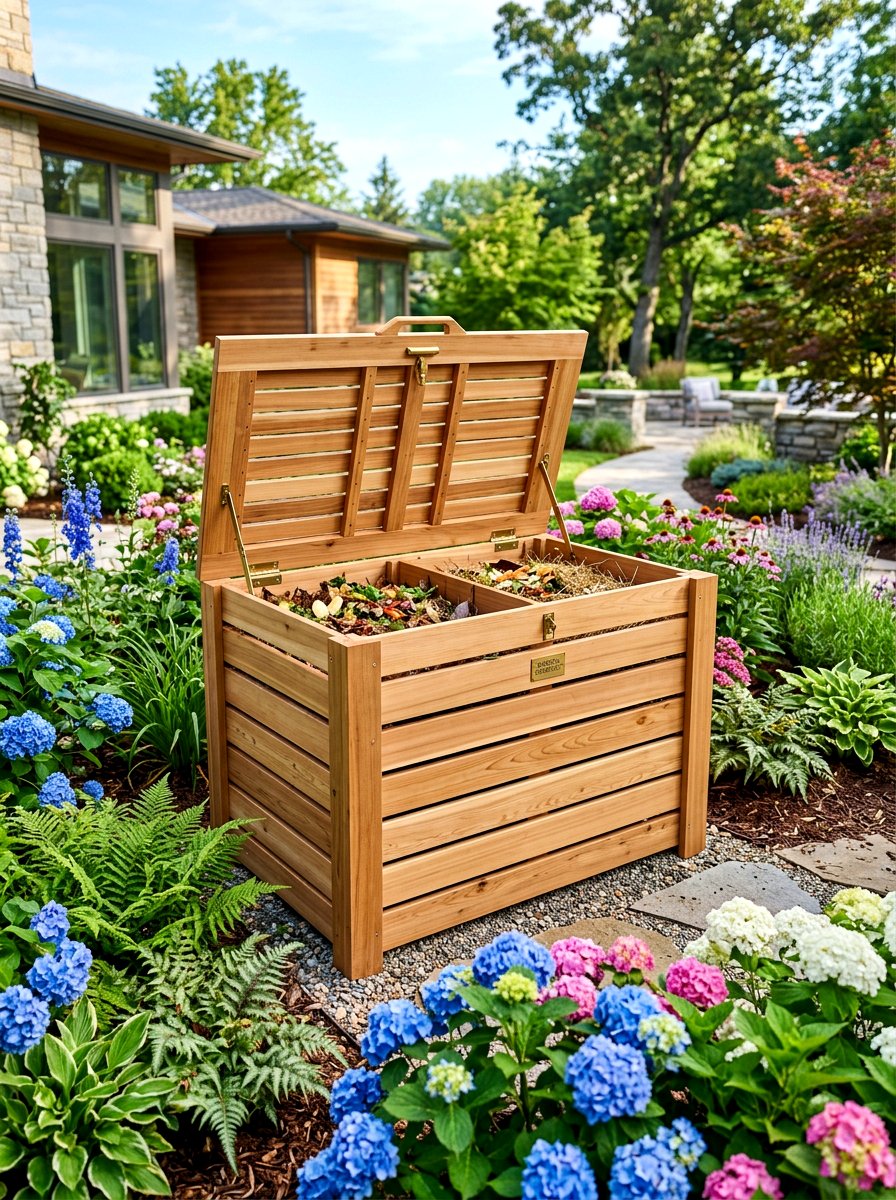
Cedar is a top-tier material for outdoor garden structures because it naturally resists rot and insects without needing harsh chemical treatments. A cedar slat bin looks incredibly polished and sophisticated, fitting perfectly into a modern or high-end landscape design. The small gaps between the horizontal slats allow for essential air circulation while keeping the contents neatly tucked out of direct sight. Over time, the cedar will weather to a beautiful silvery-gray patina that blends into the natural surroundings. This type of enclosure is perfect for gardeners who want their compost area to look just as professional and clean as their ornamental flower beds.
4. Hidden Lattice Screen Compost
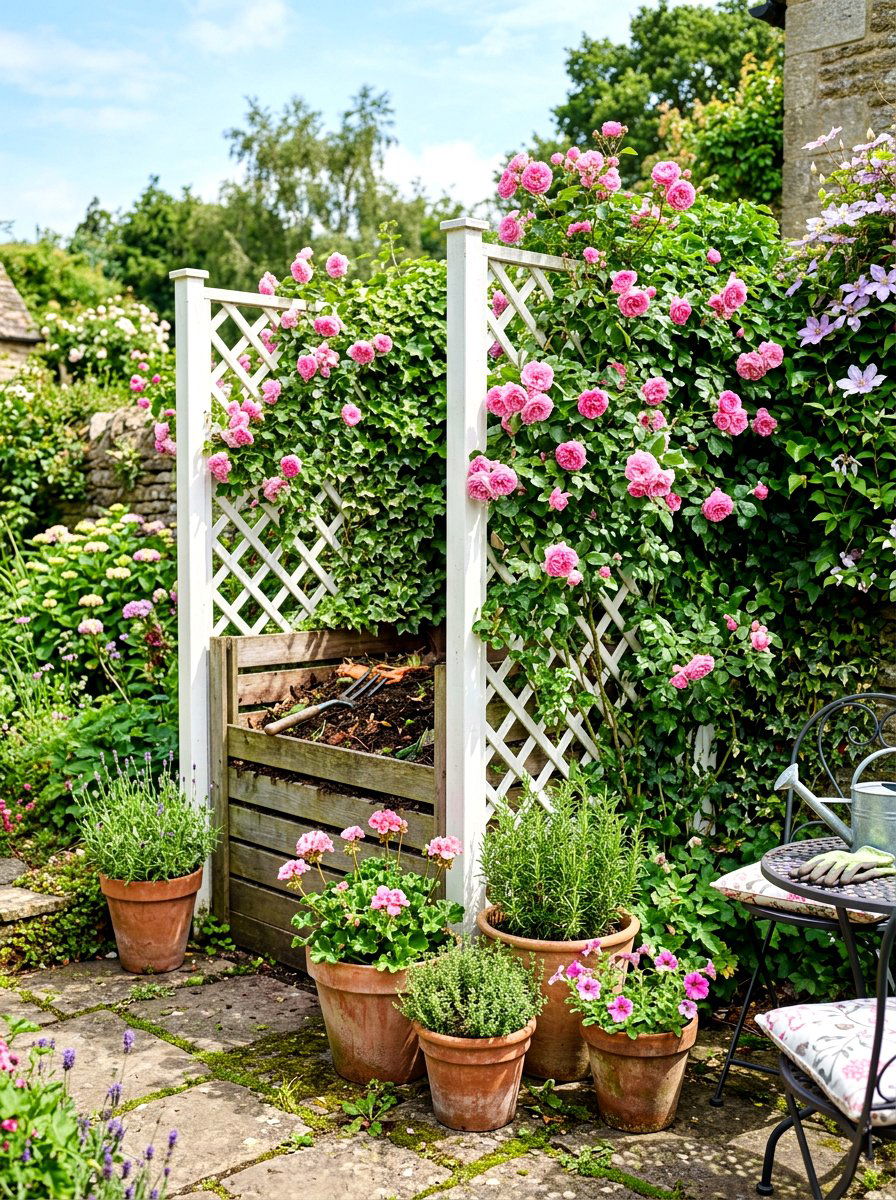
Sometimes the best way to manage a compost corner is to hide it behind a beautiful architectural element like a lattice. By installing decorative lattice panels around your compost pile, you create a visual barrier that still allows for plenty of airflow. This design works particularly well in smaller yards where you might not want the actual bin to be visible from your patio. You can even grow climbing plants like jasmine or clematis up the lattice to further camouflage the area with greenery and flowers. It transforms a functional utility zone into a charming garden feature that adds vertical interest and privacy to your backyard.
5. Wire Mesh Cylinder Bin
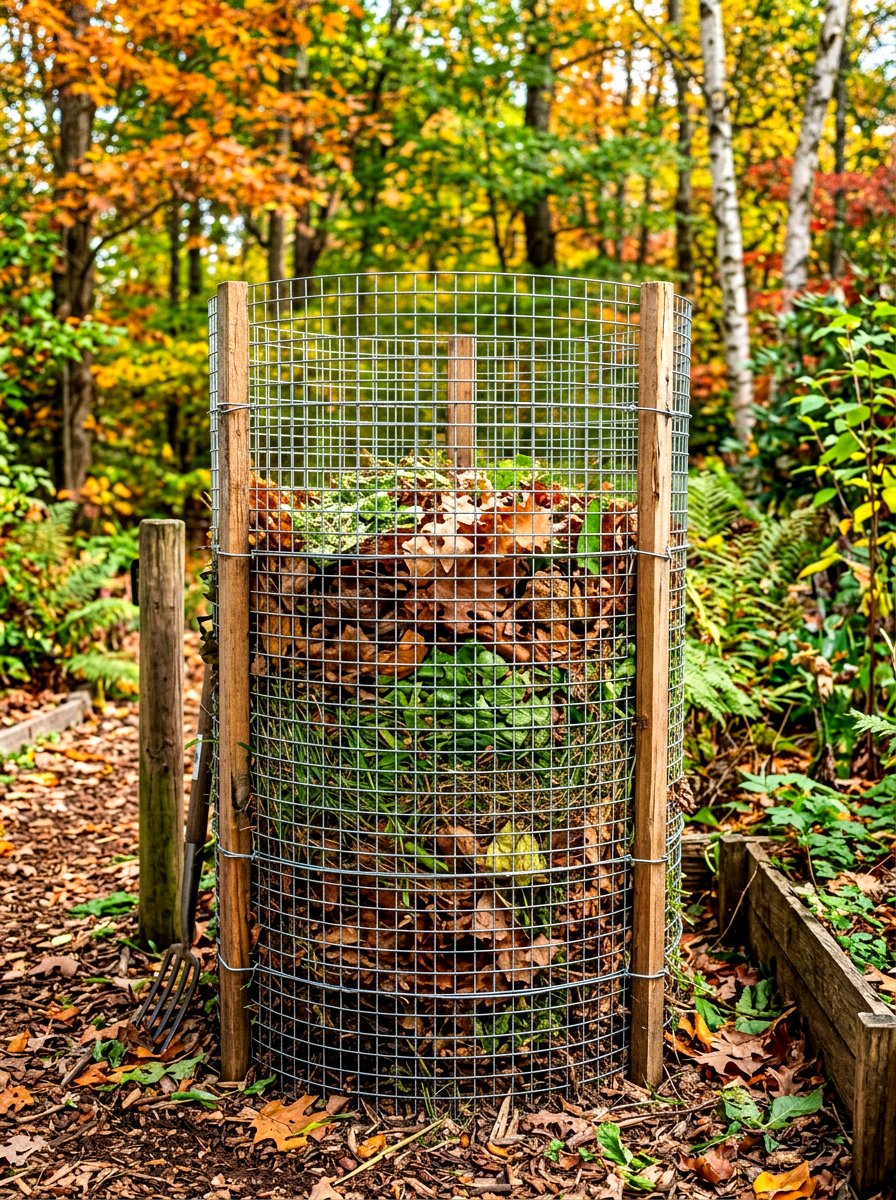
For those who prefer a minimalist and highly breathable approach, a simple wire mesh cylinder is an excellent low-profile choice. You can create this by taking a roll of galvanized hardware cloth or chicken wire and forming it into a large tube. This design is extremely lightweight and easy to move around the garden whenever you need to relocate your nutrient production site. The open-air design ensures that your compost stays well-oxygenated, which helps speed up the decomposition process and prevents any unwanted odors. It is a very practical and budget-friendly solution for managing large piles of autumn leaves or grass clippings quickly.
6. Plastic Tumbler Compost Bin
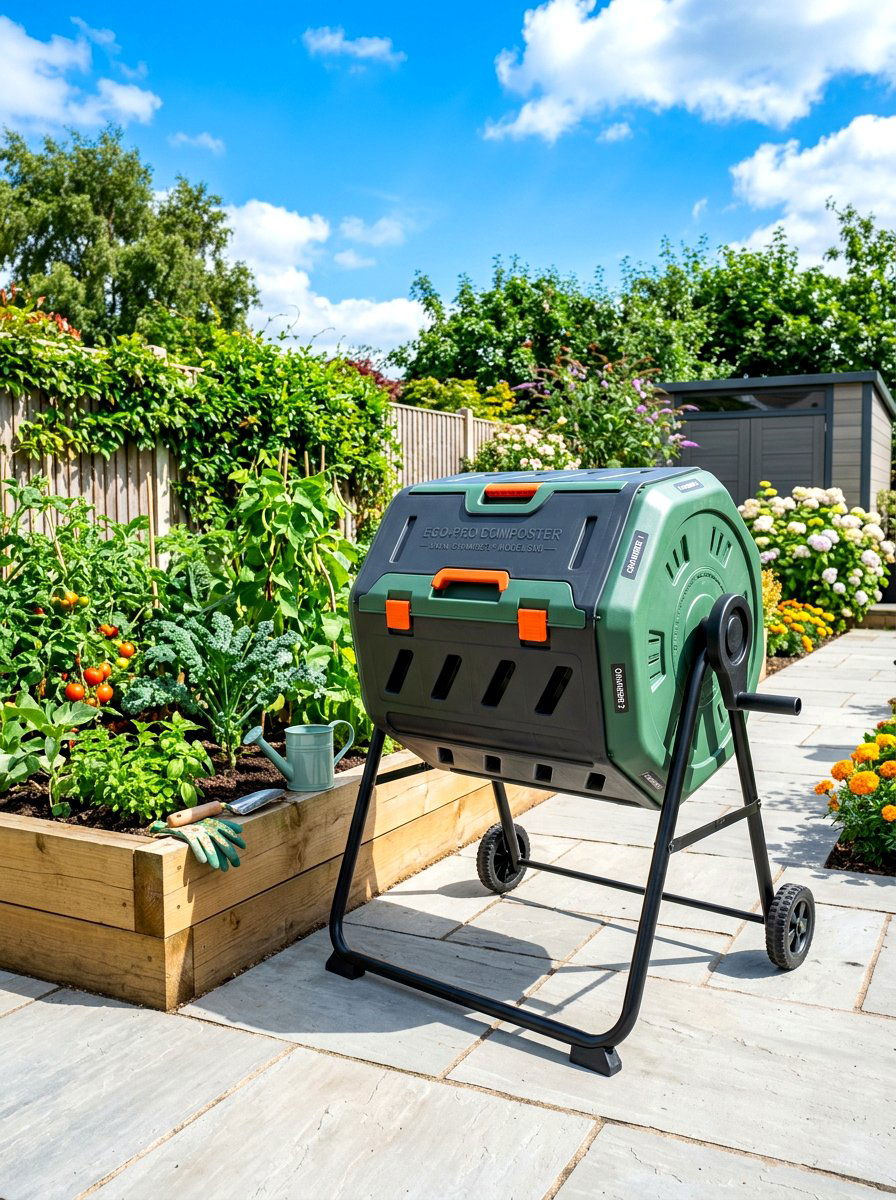
A plastic tumbler is the ultimate choice for urban gardeners or those who want a quick and tidy composting experience. These units are fully enclosed, which helps keep pests like rodents or raccoons away from your fresh kitchen scraps. The rotating mechanism makes it incredibly easy to turn the compost, ensuring that the materials are mixed and aerated with just a few spins. Because the dark plastic absorbs heat from the sun, these tumblers can produce finished compost much faster than a traditional open pile. They look modern and take up very little space, making them ideal for a corner on a deck or patio.
7. Brick And Mortar Compost Area
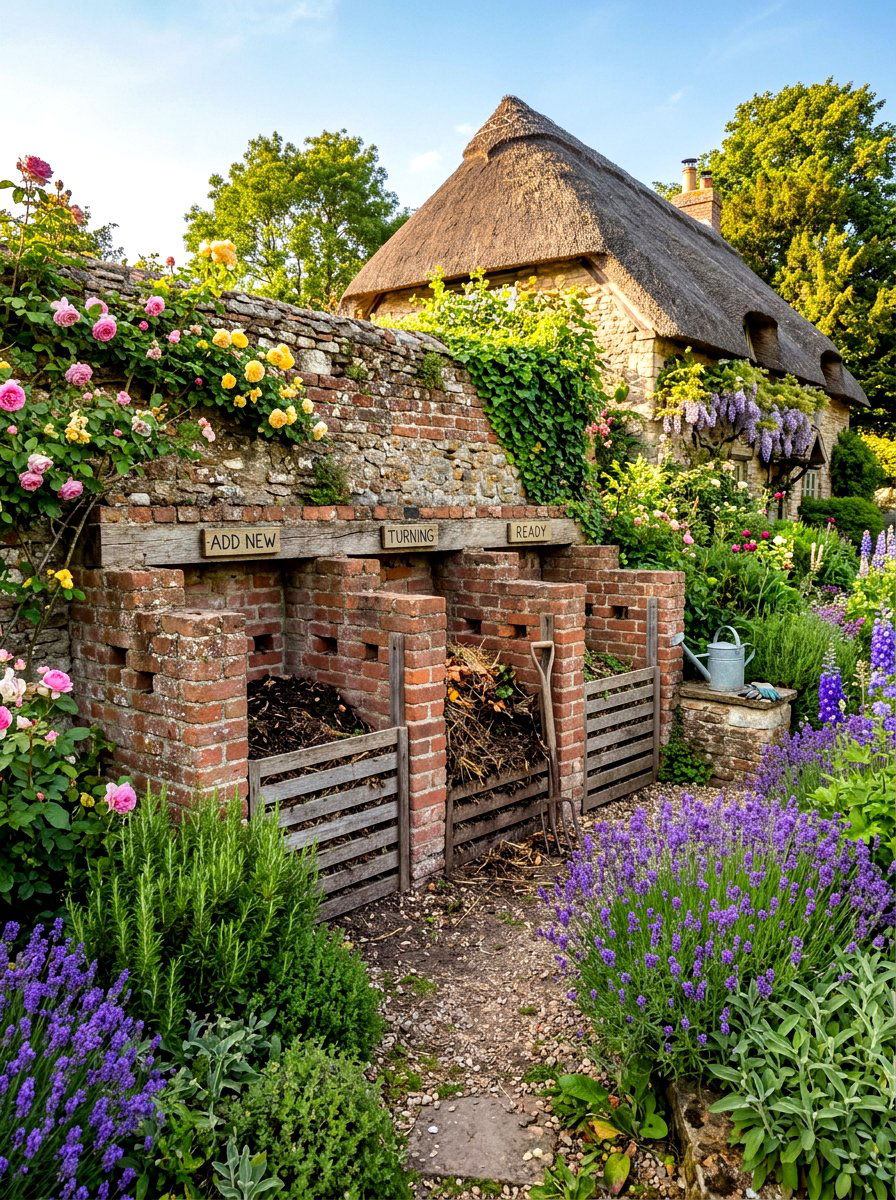
Building a permanent compost station out of brick or stone creates a sense of history and stability in your garden landscape. This heavy-duty approach is perfect for large estates where the compost corner needs to withstand many years of intense use. By leaving small gaps in the mortar between some of the bricks, you can provide the necessary ventilation for the organic matter. This structure can be designed to match the brickwork of your home or garden walls for a truly integrated look. It is a durable and fireproof option that feels like a solid architectural part of the outdoor living space rather than an afterthought.
8. Woven Willow Compost Fence
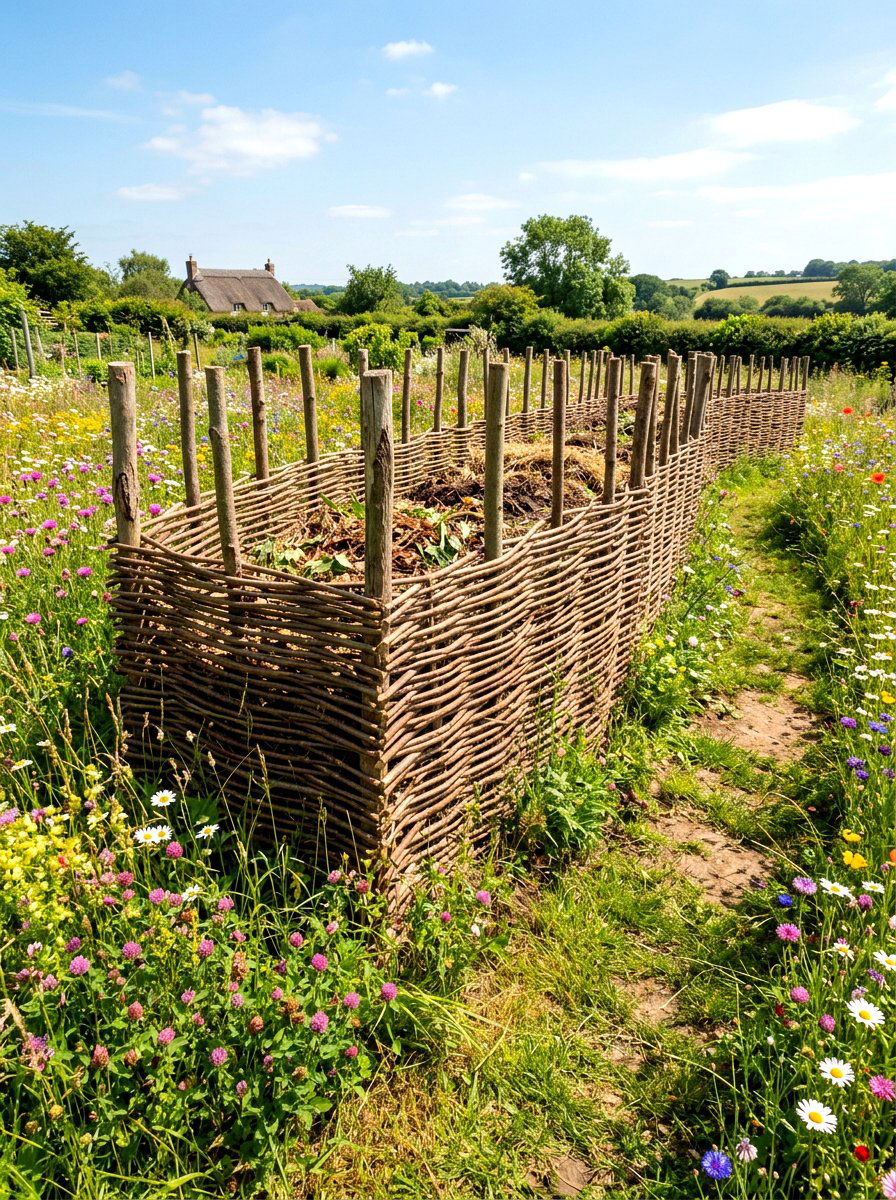
Embrace a rustic and cottage-core aesthetic by using woven willow or hazel branches to create a natural enclosure for your compost. This traditional technique, often called wattle, uses flexible branches woven around sturdy upright stakes to form a breathable and beautiful wall. It looks incredibly organic and fits perfectly into a wildlife-friendly garden or a permaculture-based landscape design. The natural materials will eventually break down themselves over several years, but they are easy to repair or replace using trimmings from your own trees. It is a wonderful way to use garden waste to build the very structure that processes your future soil.
9. Metal Trash Can Compost Bin
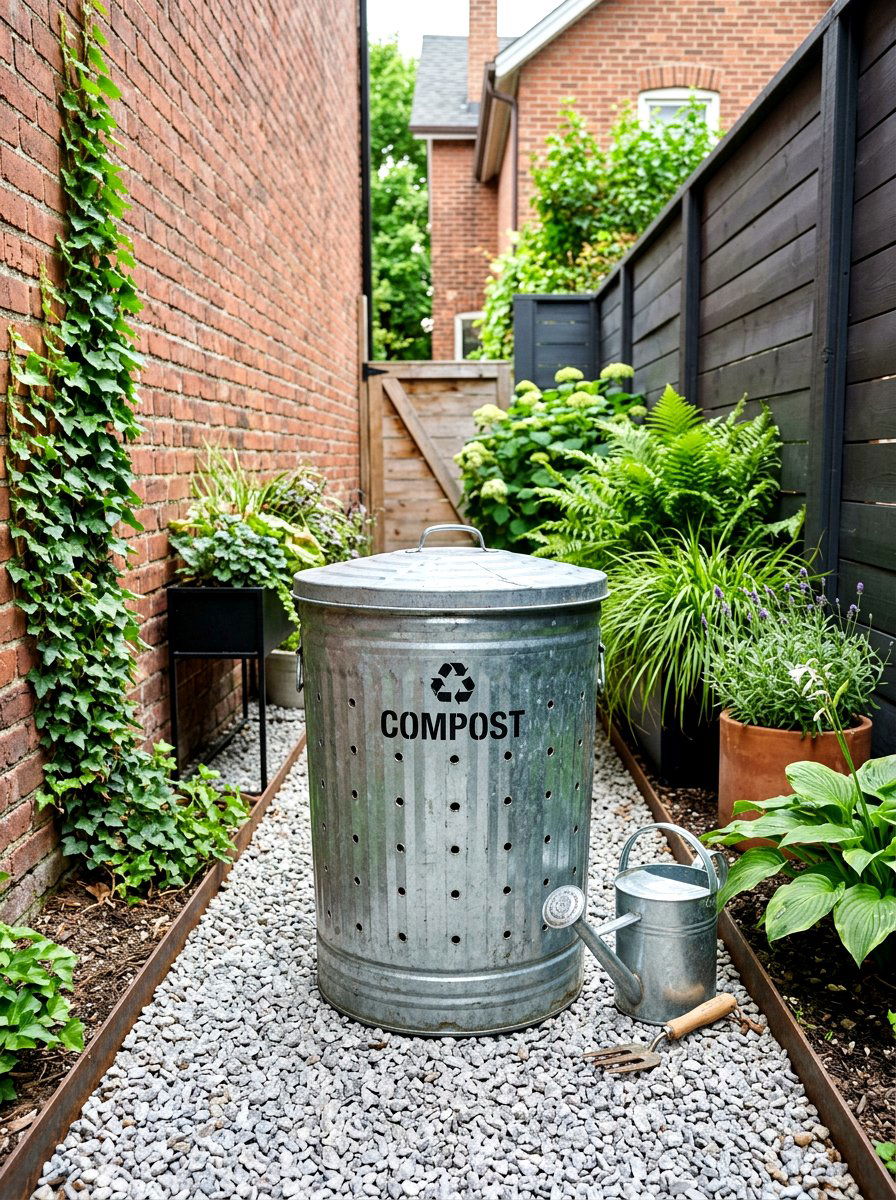
If you are dealing with a very small space, a repurposed metal trash can serve as a surprisingly effective and industrial-style composter. By drilling several holes into the sides and bottom for aeration and drainage, you create a compact and secure environment for waste. Metal cans are excellent at retaining heat, which helps the biological processes stay active even during the cooler months of the year. They are also virtually pest-proof once the lid is secured, which is a major benefit in city environments. This low-cost solution can be tucked into a narrow side yard or placed behind a few large potted plants.
10. Repurposed Plastic Storage Tote
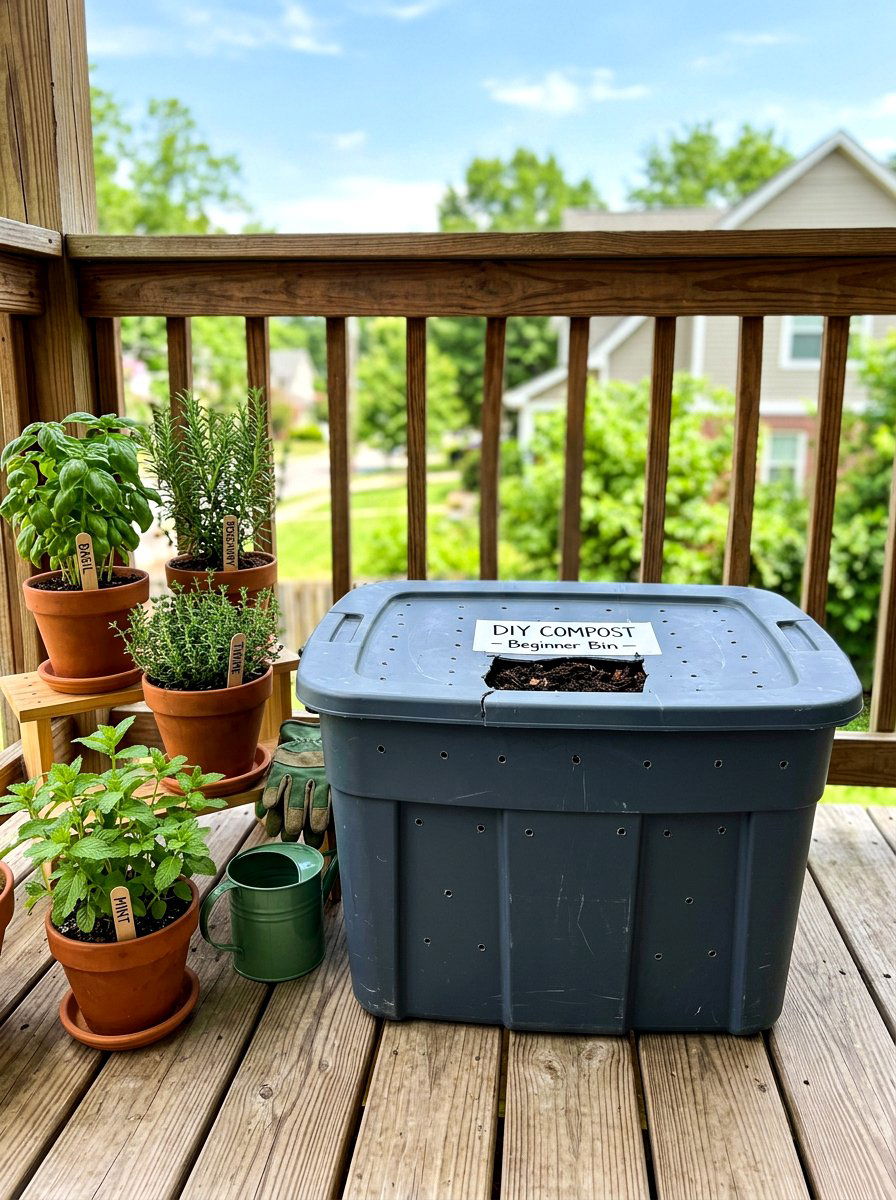
Starting your composting journey doesn't require a large investment when you can upcycle a common plastic storage tote from your garage. These bins are easy to modify by drilling air holes and adding a layer of dry leaves or shredded paper at the bottom. This is a fantastic "starter" bin for those who only have a few kitchen scraps each week and want to learn the basics. Because they have tight-fitting lids, you can keep them on a balcony or a small porch without worrying about attracting flies. It is a simple and approachable way to reduce your household waste while producing small batches of soil.
11. Trench Composting In Garden
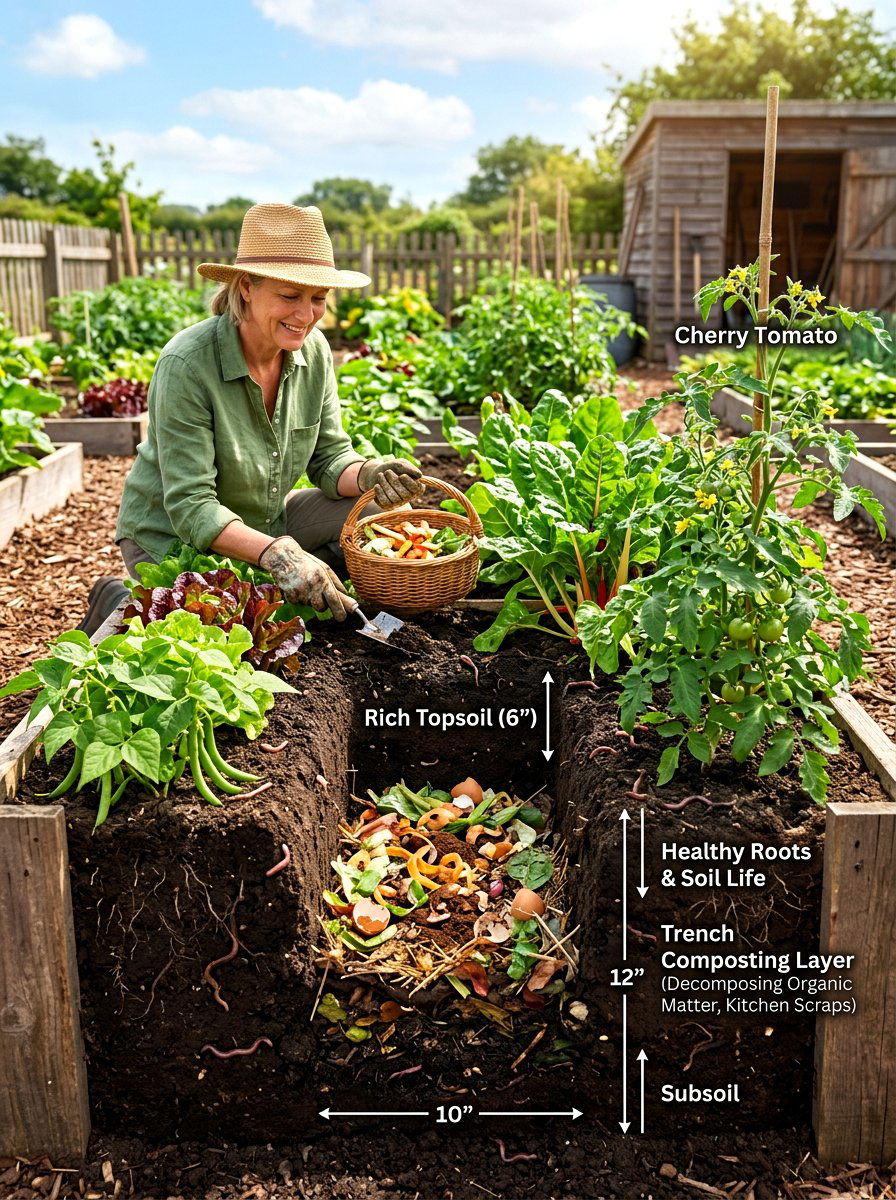
Trench composting is the ultimate "set it and forget it" method for gardeners who want to keep their process completely invisible. Instead of building a bin above ground, you simply dig a hole or a long trench directly in your garden beds. You fill the trench with kitchen scraps and yard waste, then cover it back up with a thick layer of soil. Over several months, the organic matter decomposes underground, feeding the soil microbes and earthworms exactly where your plants will grow next. This method requires no turning and zero maintenance once the waste is buried deep beneath the surface.
12. Under Sink Bokashi Bin
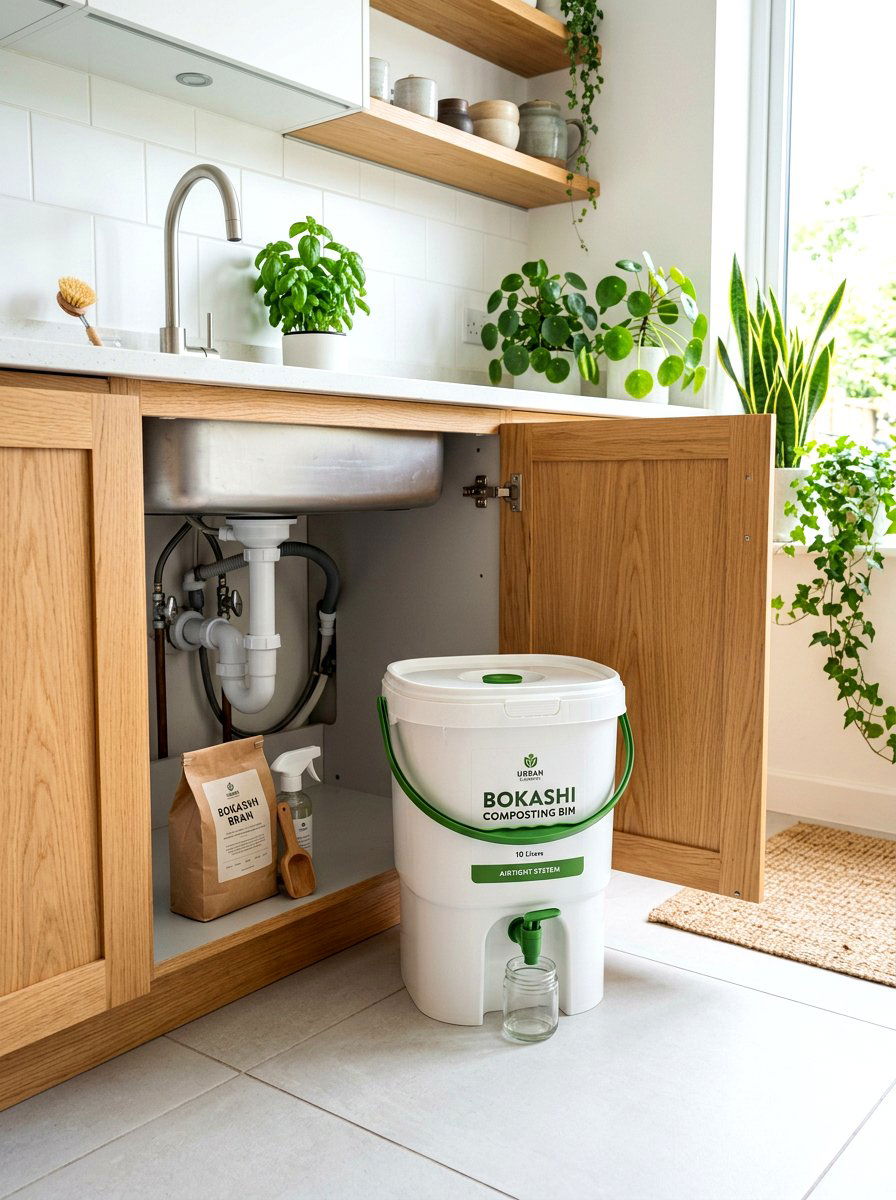
For those living in apartments or homes without a large yard, a bokashi bin offers a way to compost right in the kitchen. Unlike traditional composting, bokashi uses a specialized bran infused with microbes to ferment organic waste in an airtight container. This process can handle items that usually aren't allowed in outdoor bins, such as dairy or small amounts of meat scraps. Once the bin is full and fermented, the contents are buried in a small outdoor patch or a large planter to finish breaking down. It is a clean, odor-free, and highly efficient way to manage food waste in a tiny space.
13. Worm Farm Vermicompost Kit
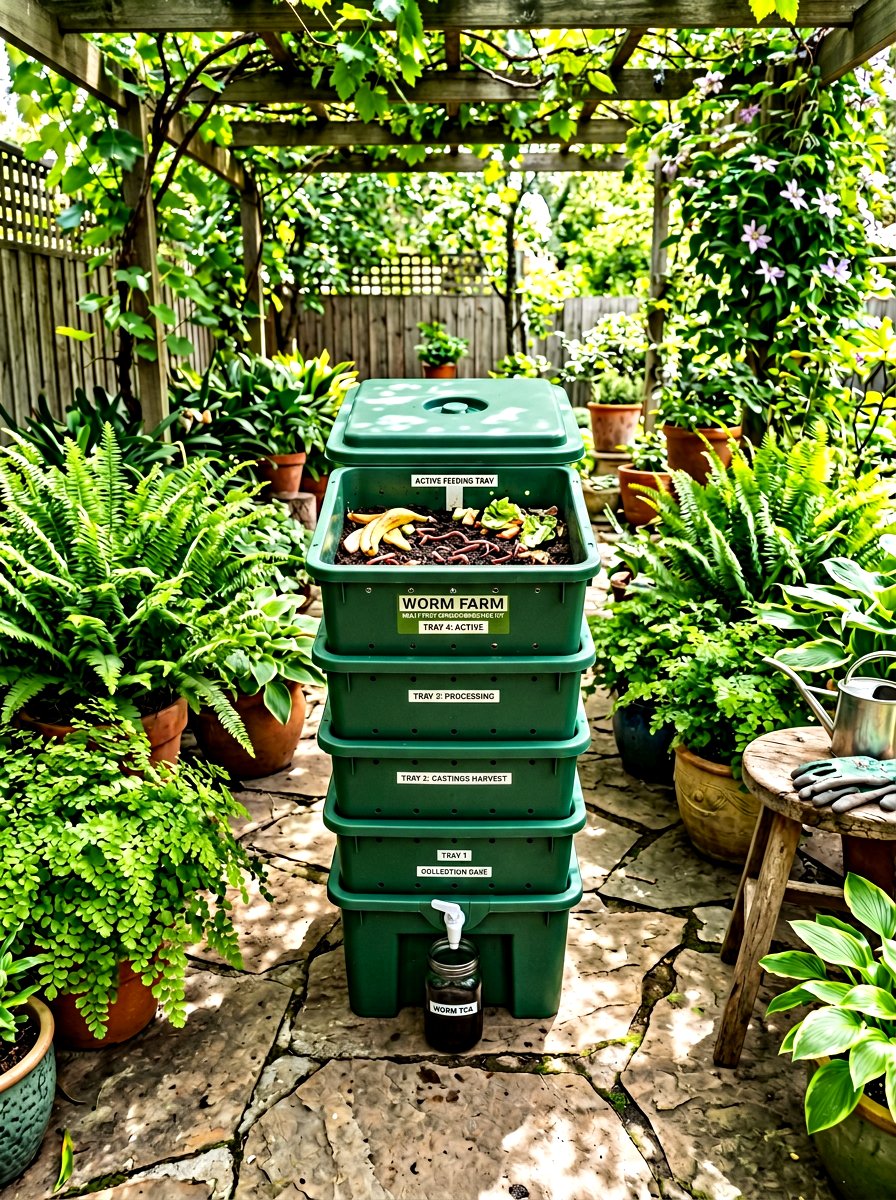
A worm farm, or vermicompost system, is a fascinating and highly productive way to turn kitchen scraps into the richest soil additive available. These systems use specific types of earthworms to eat through organic matter, leaving behind nutrient-dense castings that act as a powerful fertilizer. Worm farms are usually designed with stackable trays that make it easy to harvest the finished compost without disturbing the active worms. They are compact enough to be kept in a garage, basement, or even under the kitchen sink. This is a great educational project for kids and a must-have for serious vegetable gardeners who want premium soil.
14. Stone Wall Compost Pit
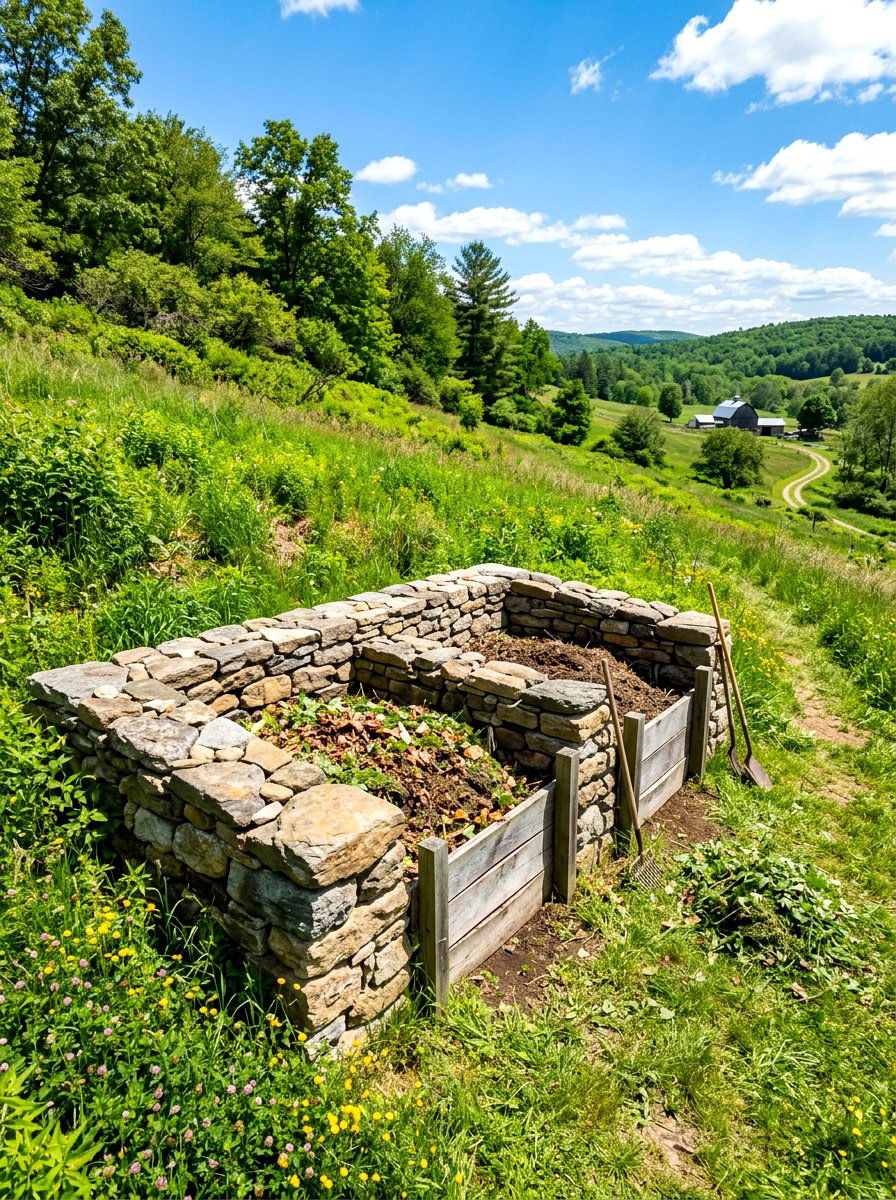
Integrating your compost area into a stone-walled pit can create a stunning and permanent landscape feature that looks like a natural rock formation. By using dry-stack stone techniques, you allow for natural air gaps between the rocks while maintaining a very sturdy and heavy structure. This design is excellent for sloped yards where you can build the pit into the side of a hill to save space. The thermal mass of the stones helps keep the compost pile warm during the winter, which can lead to faster breakdown times. It is a beautiful way to combine functional utility with high-end masonry craftsmanship.
15. Log Cabin Style Compost Stack
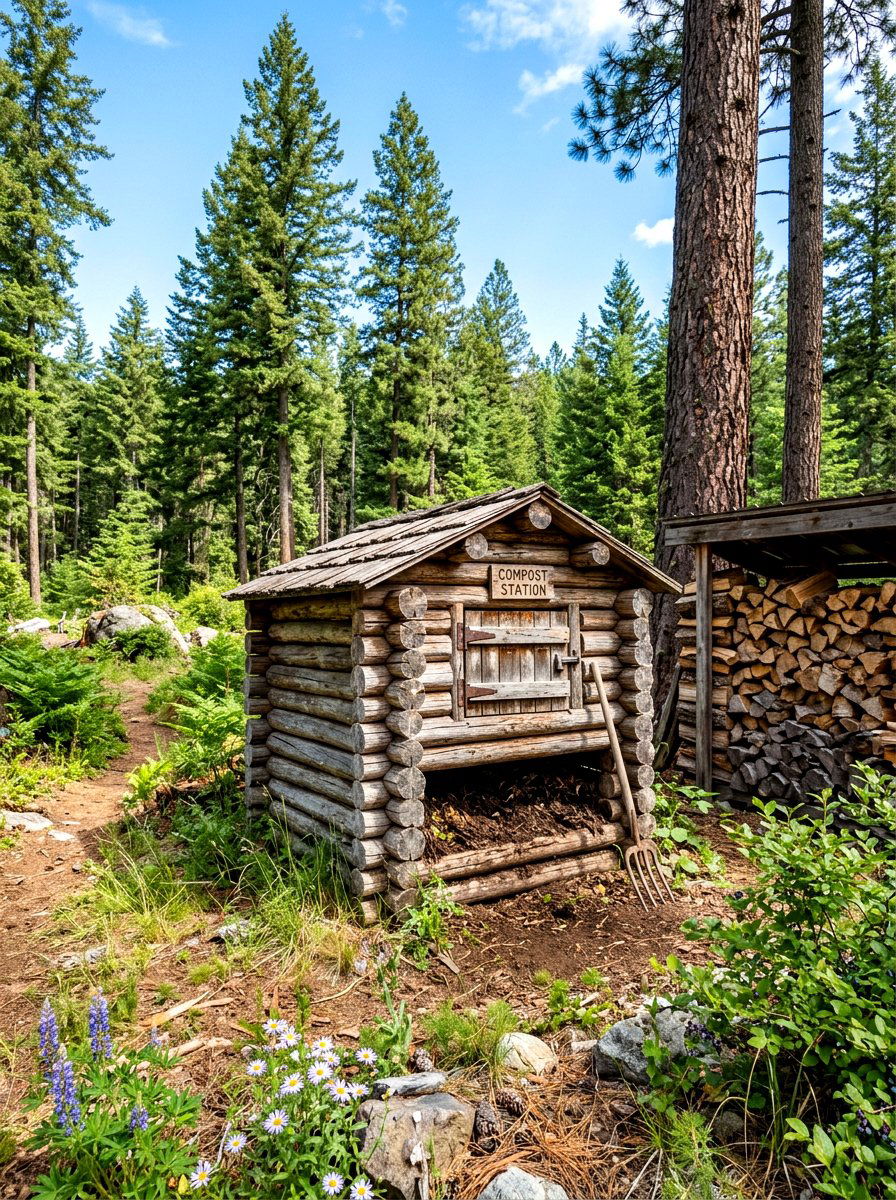
If you live in a rural or wooded area, a log cabin style compost enclosure is a rugged and charming design choice. You can use fallen branches or small logs from your property to create a notched, interlocking square frame that holds your waste. This method requires no nails or screws, making it a very sustainable and traditional way to build a sturdy structure. The thick logs provide great insulation for the pile, helping it reach high temperatures for efficient decomposition. It looks perfectly at home in a rustic garden or near a woodpile, adding a cozy and functional element to the landscape.
16. Cinder Block Composting Station
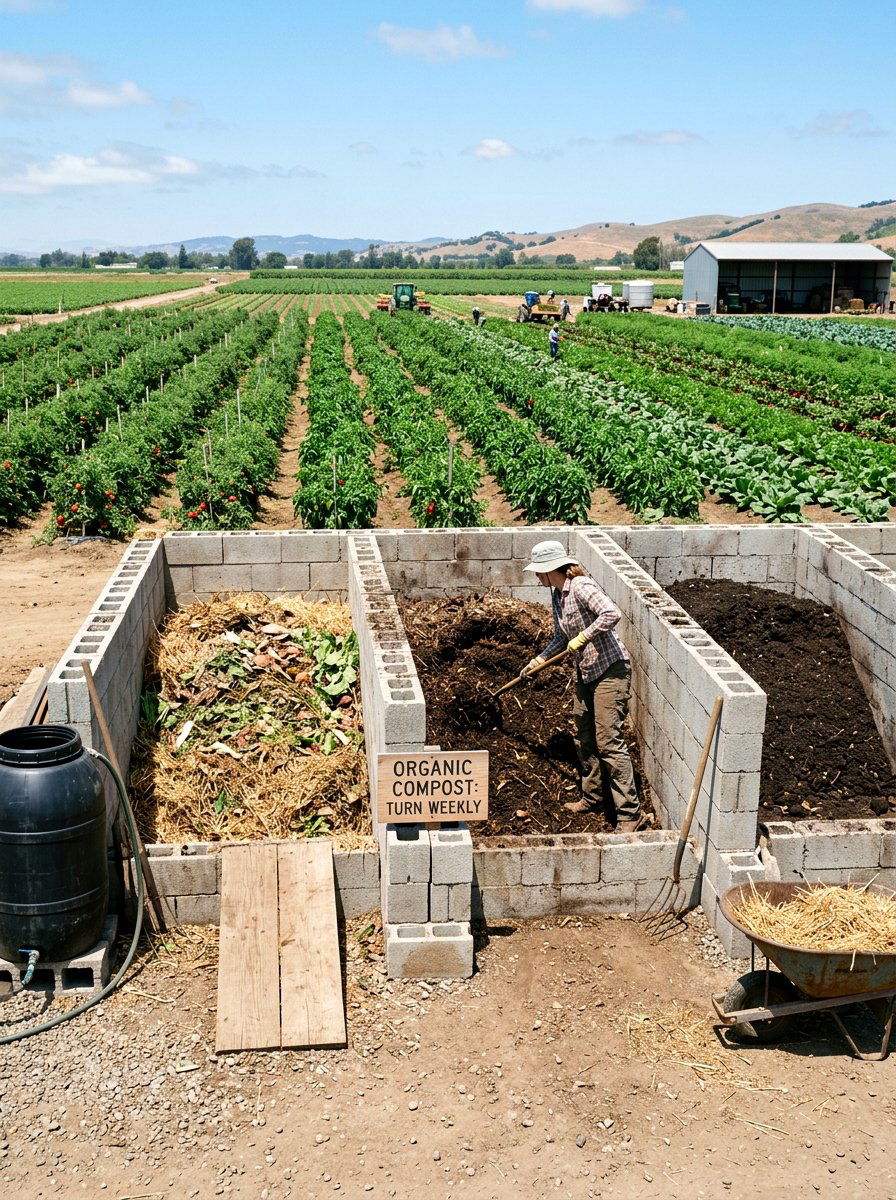
Cinder blocks are a fantastic material for building a heavy-duty and modular compost station that will last for decades. You can stack the blocks without mortar to create three-sided bins that are easy to expand or reconfigure as your needs change. Turning the blocks so the holes face inward provides excellent ventilation for the pile while keeping the structure feeling solid and grounded. Many people choose to cap the top with flat stones or wood to create a more finished and intentional look. This industrial-style solution is perfect for large-scale composting where durability and ease of construction are the primary goals.
17. Decorative Trellis Compost Hideaway
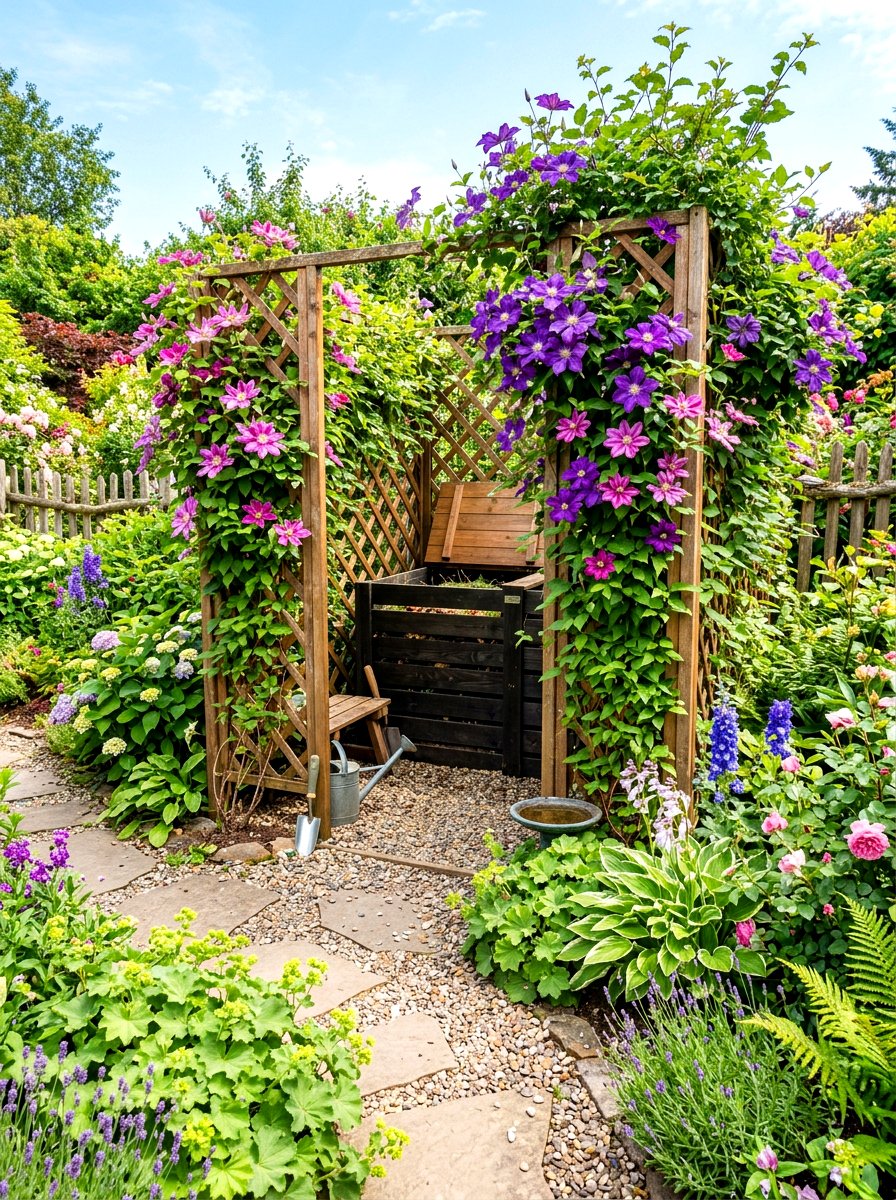
Creating a dedicated "room" for your compost using tall decorative trellises can turn a utility area into a secret garden destination. By surrounding your bins with three sides of high-quality wood or metal trellises, you create a sense of enclosure and intentionality. You can plant fast-growing vines like ivy or honeysuckle to create a living wall of greenery that completely masks the composting process. This approach is ideal for gardeners who want to maximize their planting space while still having a highly functional area for waste management. It adds height and beauty to the back corner of your yard while serving a vital purpose.
18. Corrugated Metal Compost Bin
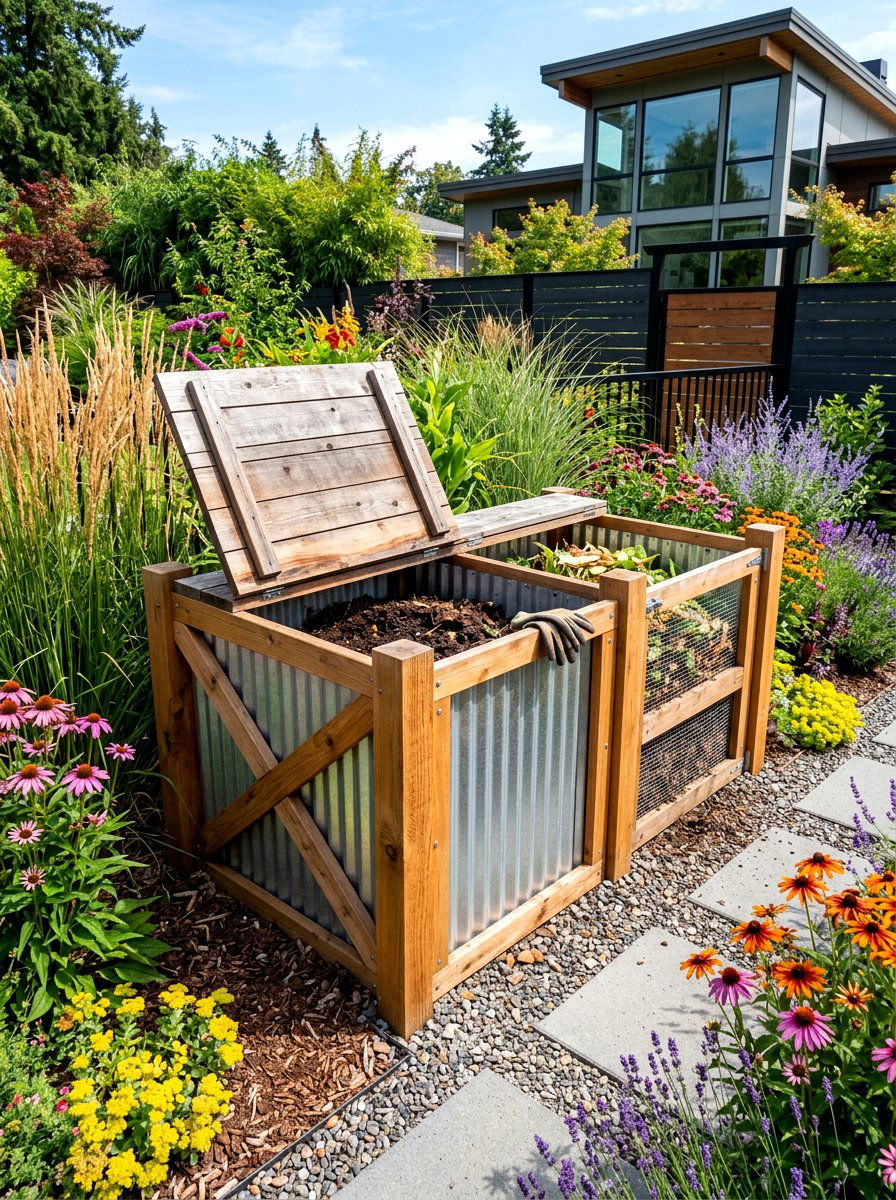
For a modern and slightly industrial look, corrugated metal panels can be used to create a sleek and durable compost enclosure. These panels are often used for roofing or fencing and offer a unique texture that stands out against lush green foliage. You can frame the metal with wood to create a sturdy and attractive structure that resists rust and withstands the elements. The metal surfaces reflect heat into the pile, which can help accelerate the breakdown of organic materials during the summer months. It is a stylish and contemporary solution for homeowners who love the look of mixed materials in their garden design.
19. Upcycled Wood Crate Compost
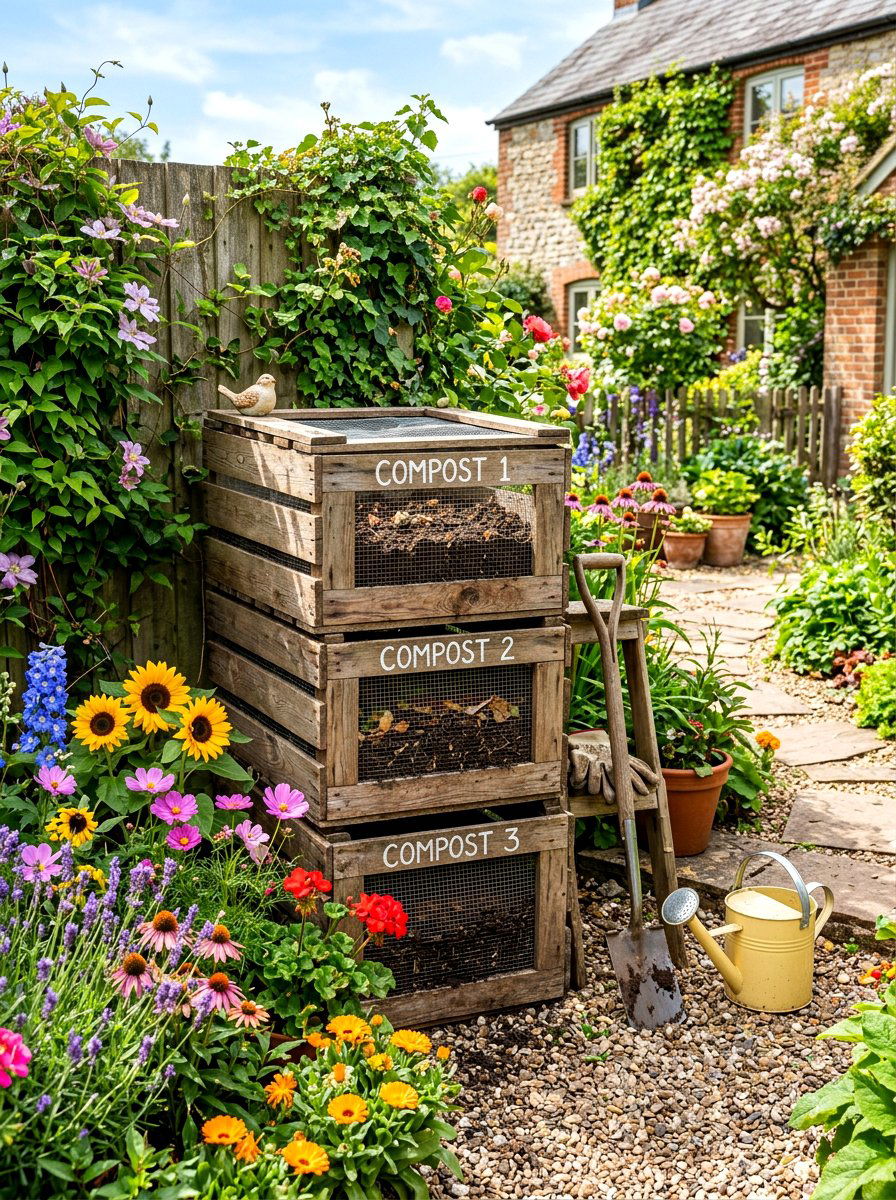
Small-scale composting can be easily achieved by upcycling old wooden fruit or shipping crates into a compact and charming bin. These crates often have natural gaps between the slats that provide the perfect amount of airflow for a small pile of scraps. You can stack several crates on top of each other to create a vertical system that saves valuable floor space in a tiny garden. This method is incredibly easy to set up and costs almost nothing if you can source the crates from a local market. It is a wonderful way to give new life to old materials while improving your garden soil.

20. Vertical Tiered Compost Tower
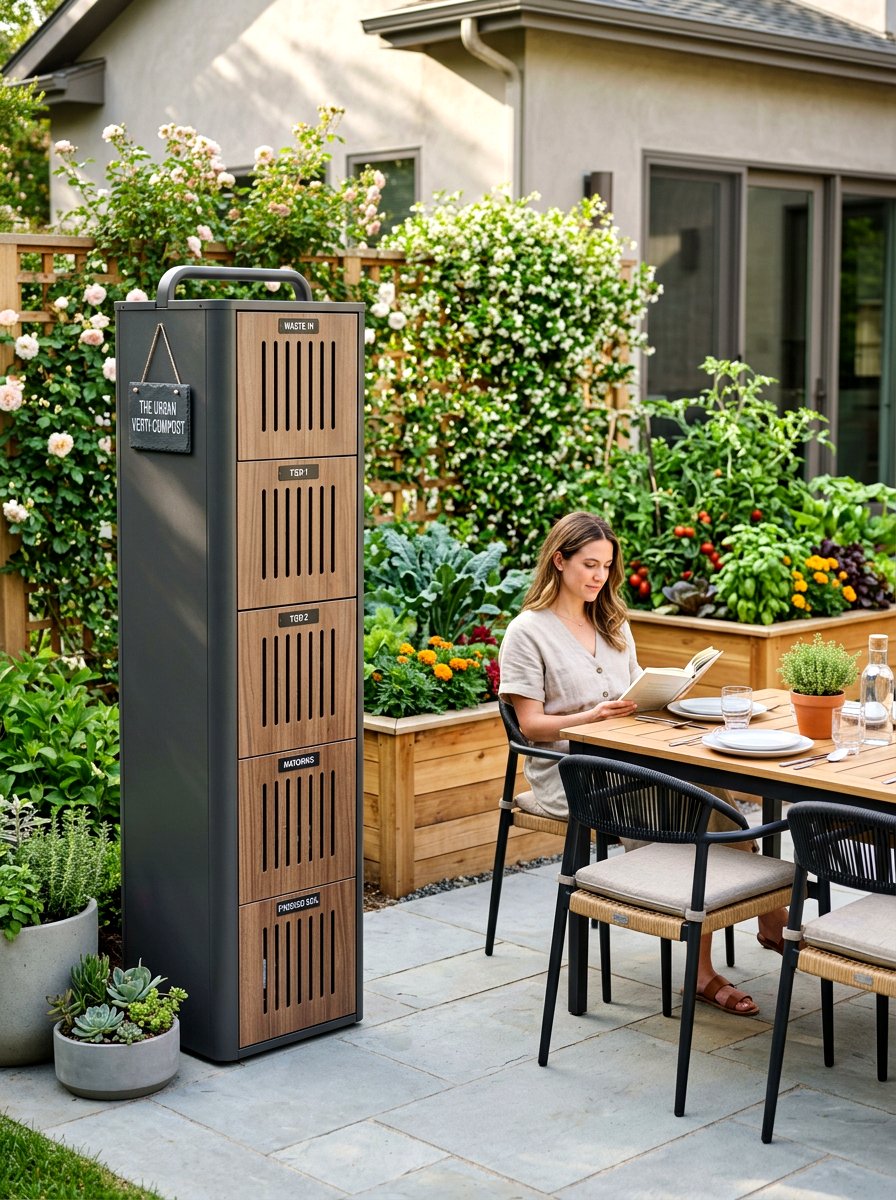
A vertical tiered tower is a smart space-saving solution for gardeners who want to compost in a narrow or crowded area. These structures use a series of stacked bins or drawers, allowing you to move material from the top to the bottom as it decomposes. This gravity-fed design makes it very easy to harvest finished soil from the bottom layer while adding fresh waste to the top. Many of these towers are designed to be aesthetically pleasing, resembling a modern planter or a small outdoor cabinet. It is a clever way to keep your compost corner organized and efficient without taking up a large footprint.
21. Picket Fence Compost Enclosure
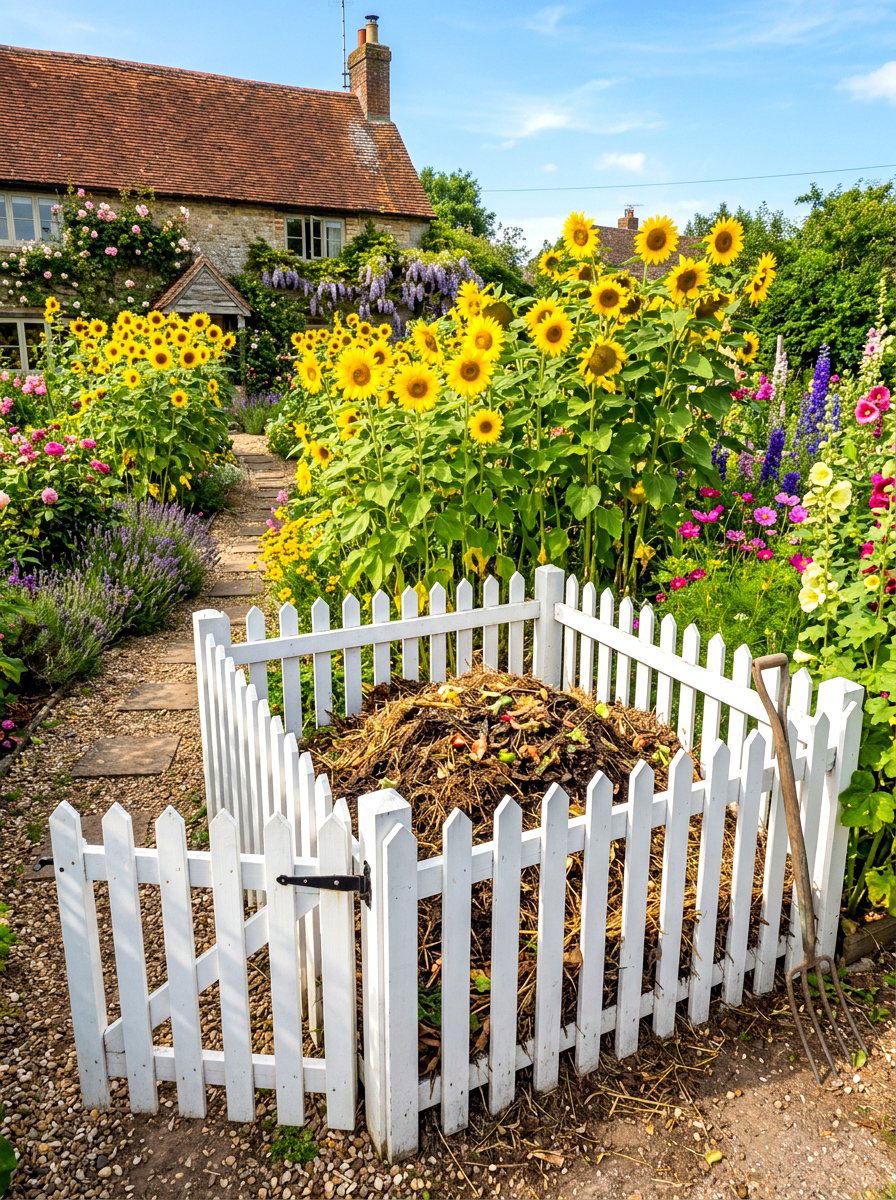
If your home has a traditional or farmhouse aesthetic, building a mini picket fence around your compost area is a delightful way to keep it organized. This low-profile design defines the space and keeps loose materials from blowing around the yard while maintaining a very classic look. You can paint the pickets white to match your home or leave them natural for a more rustic feel. This enclosure is perfect for containing a simple compost heap while making it look like a deliberate and cared-for part of the garden. It adds a touch of charm and whimsy to an otherwise very practical and hardworking space.
22. Straw Bale Composting Area
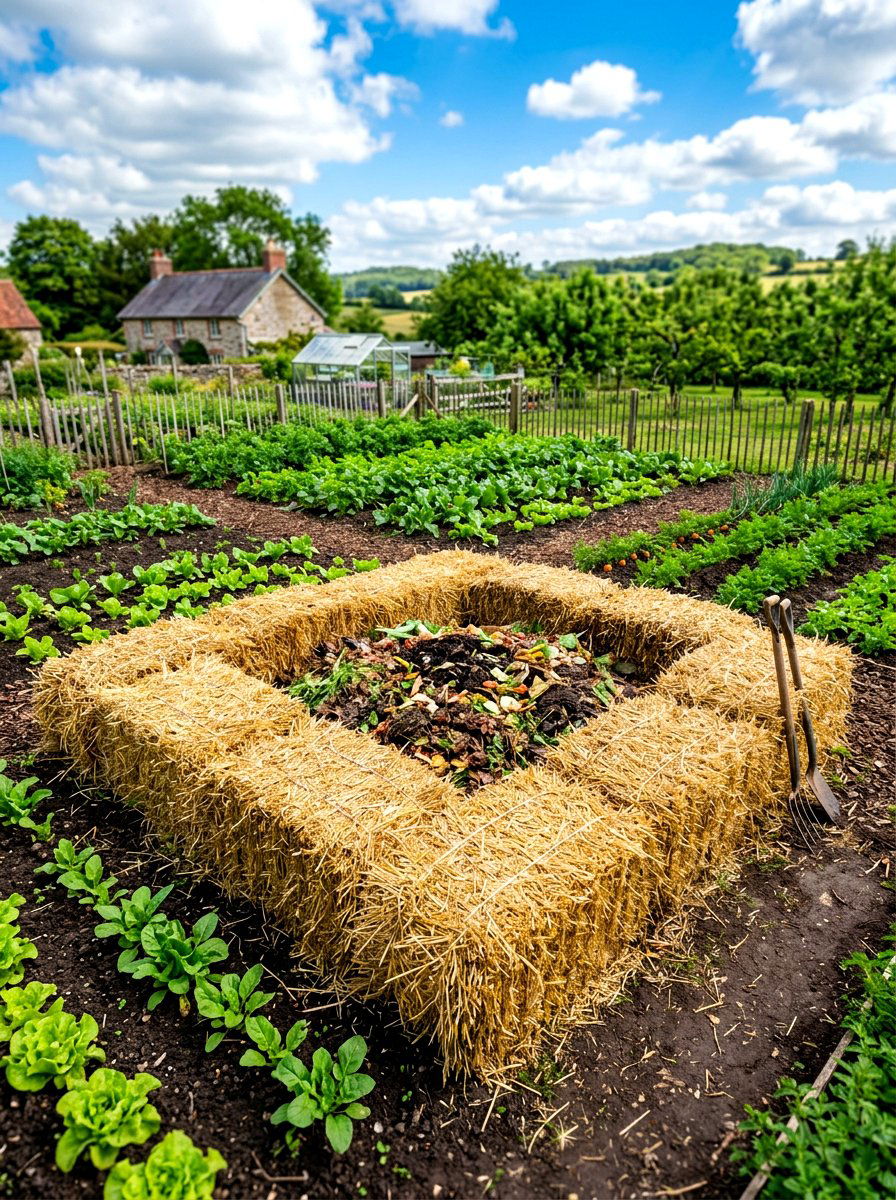
Using straw bales to create a temporary compost enclosure is a brilliant technique that eventually adds even more organic matter to your garden. You simply arrange the bales in a square or U-shape to hold your kitchen and yard waste throughout the season. As the compost breaks down inside the enclosure, the straw bales themselves will also begin to decompose and absorb nutrients from the pile. Once the season is over, you can break apart the weathered straw and mix it directly into your garden beds as a rich mulch. It is a highly productive and completely biodegradable way to manage a seasonal compost corner.
23. Subpod In Ground Compost
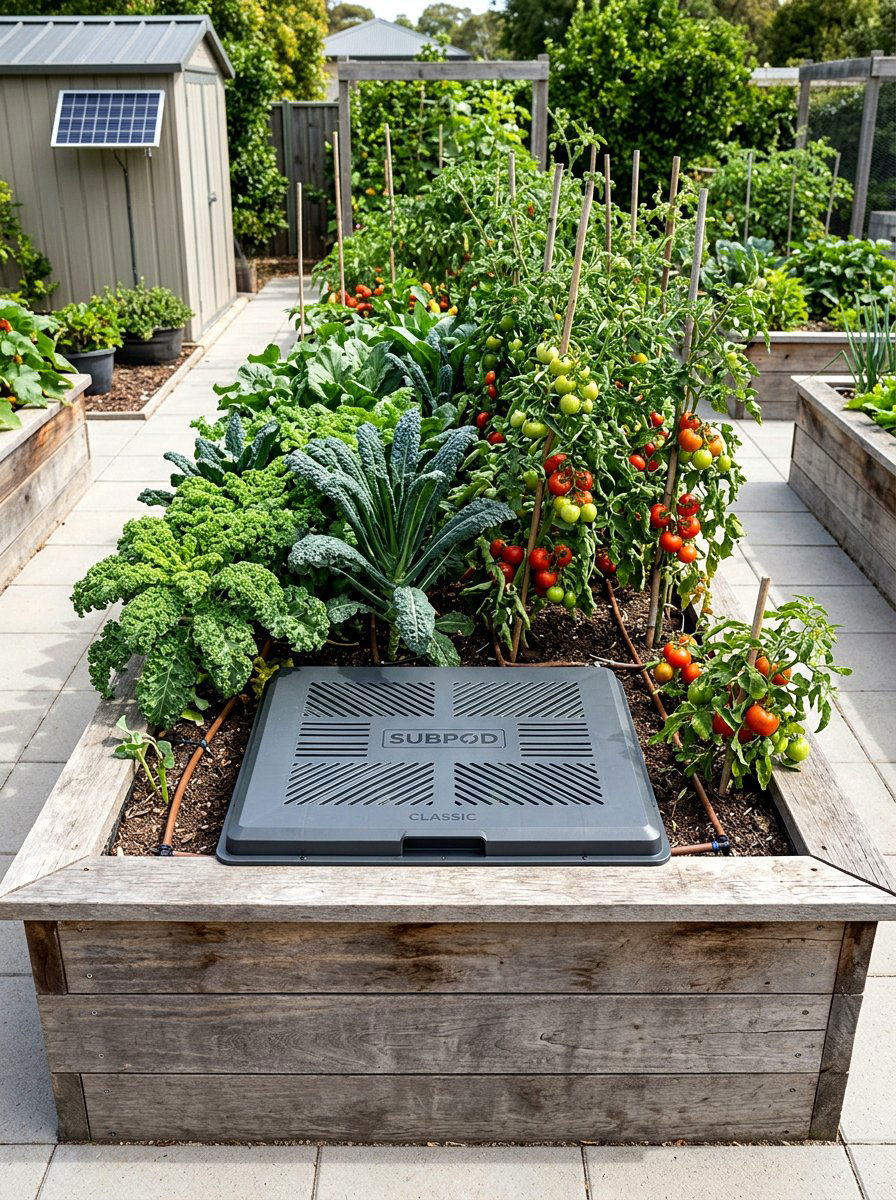
The Subpod is a revolutionary modern system that combines the benefits of vermicomposting with the convenience of an in-ground bin. This sleek, perforated box is buried directly into your raised garden beds, allowing worms to move freely between the compost and the surrounding soil. As the worms eat your scraps, they naturally aerate and fertilize the roots of your plants without you ever having to move a shovel. The lid sits flush with the soil surface and can even be used as a garden bench, making it completely integrated into your living space. It is a high-tech and incredibly efficient solution.
24. Repurposed Shipping Crate Bin
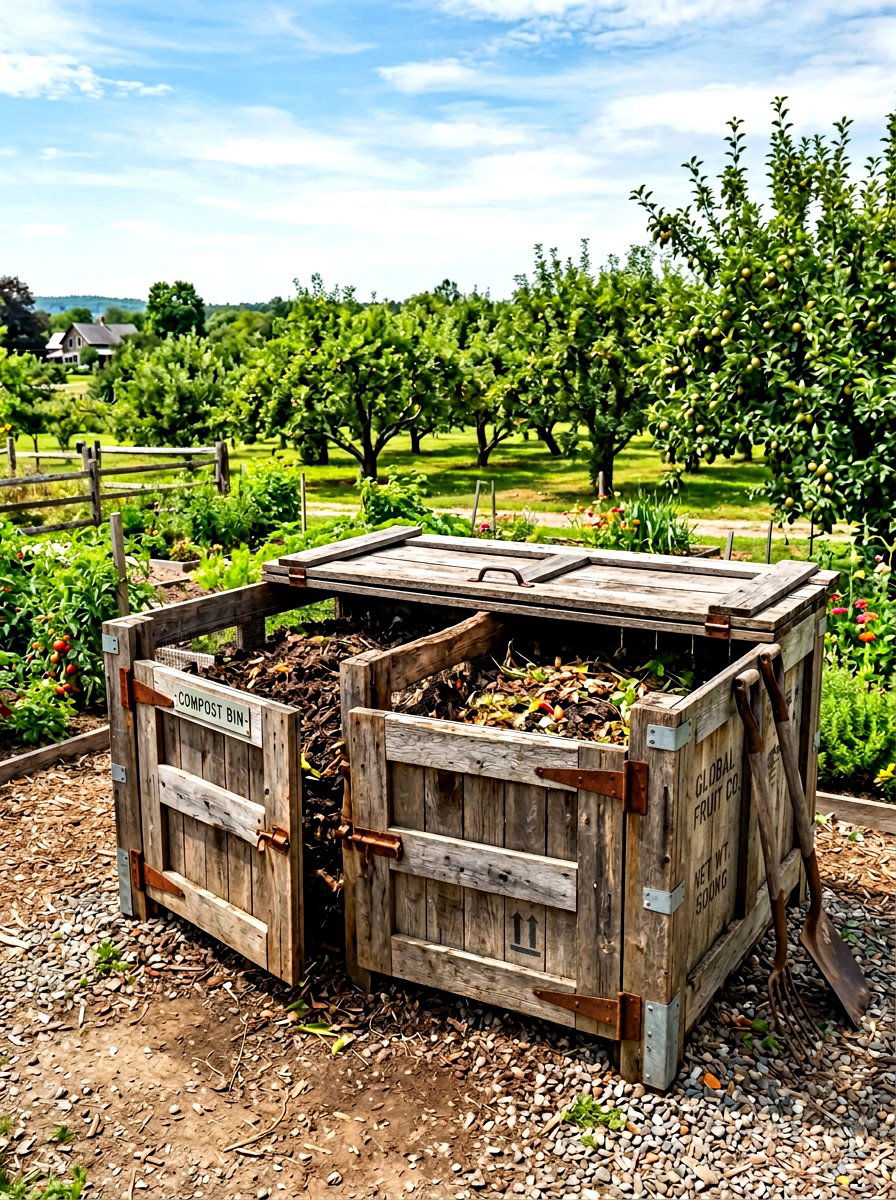
Large wooden shipping crates can be easily converted into heavy-duty compost bins with very minimal effort. These crates are designed to be extremely durable and can hold a massive volume of material, making them ideal for households with large gardens. By removing a few of the side slats, you can create the necessary ventilation for a healthy and active compost pile. You can even add a hinged lid or a front door to make it easier to access the finished soil at the bottom. This is a very cost-effective way to gain a large-scale composting station while practicing sustainable upcycling in your backyard.

25. Bamboo Woven Compost Basket
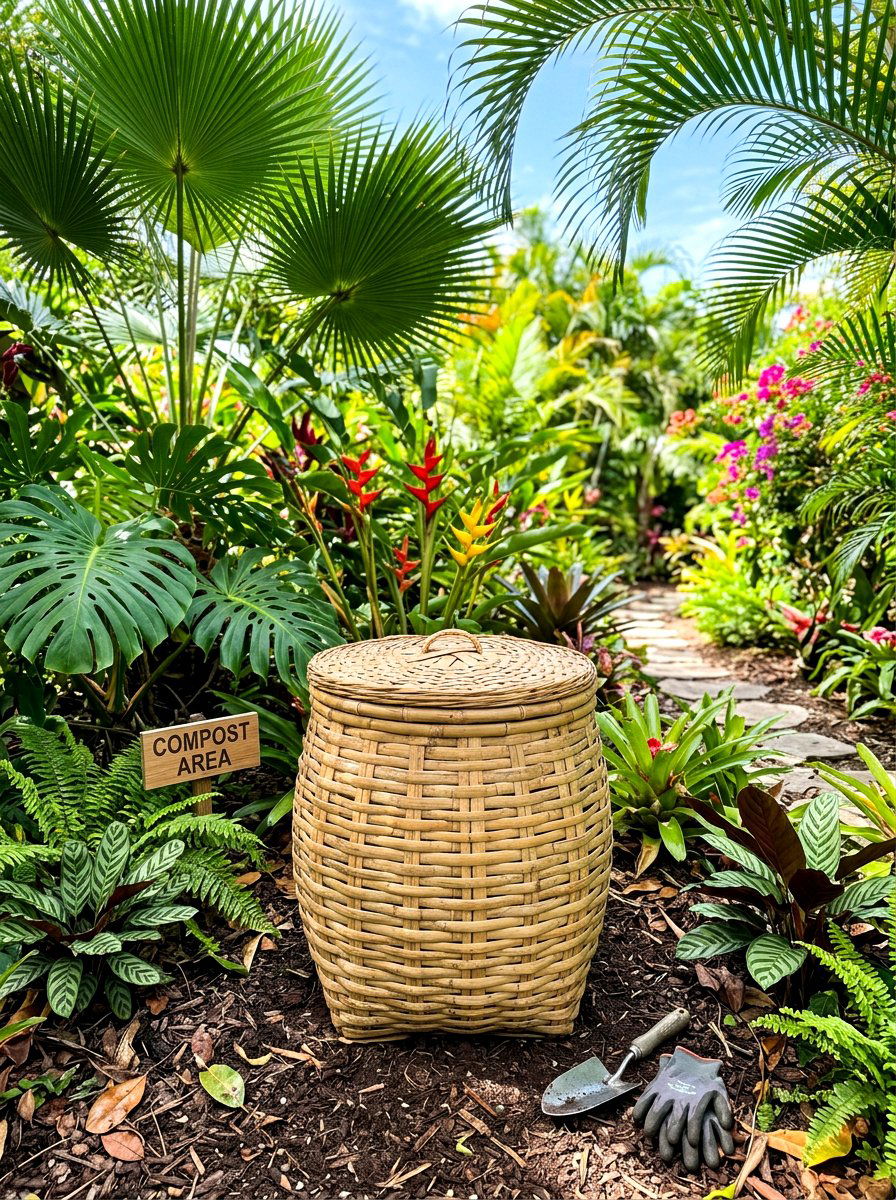
For a touch of tropical or Asian-inspired design, a hand-woven bamboo basket can serve as a beautiful and lightweight compost container. Bamboo is a fast-growing and highly sustainable material that offers a natural and airy aesthetic for your garden corner. The open weave of the bamboo allows for maximum oxygen penetration, which is essential for preventing bad odors and speeding up the process. While bamboo will eventually break down over a few years, it is inexpensive to replace and adds a lovely texture to the landscape. It is an excellent choice for gardeners who want a biodegradable and visually soft enclosure for their waste.
26. Stackable Milk Crate Compost
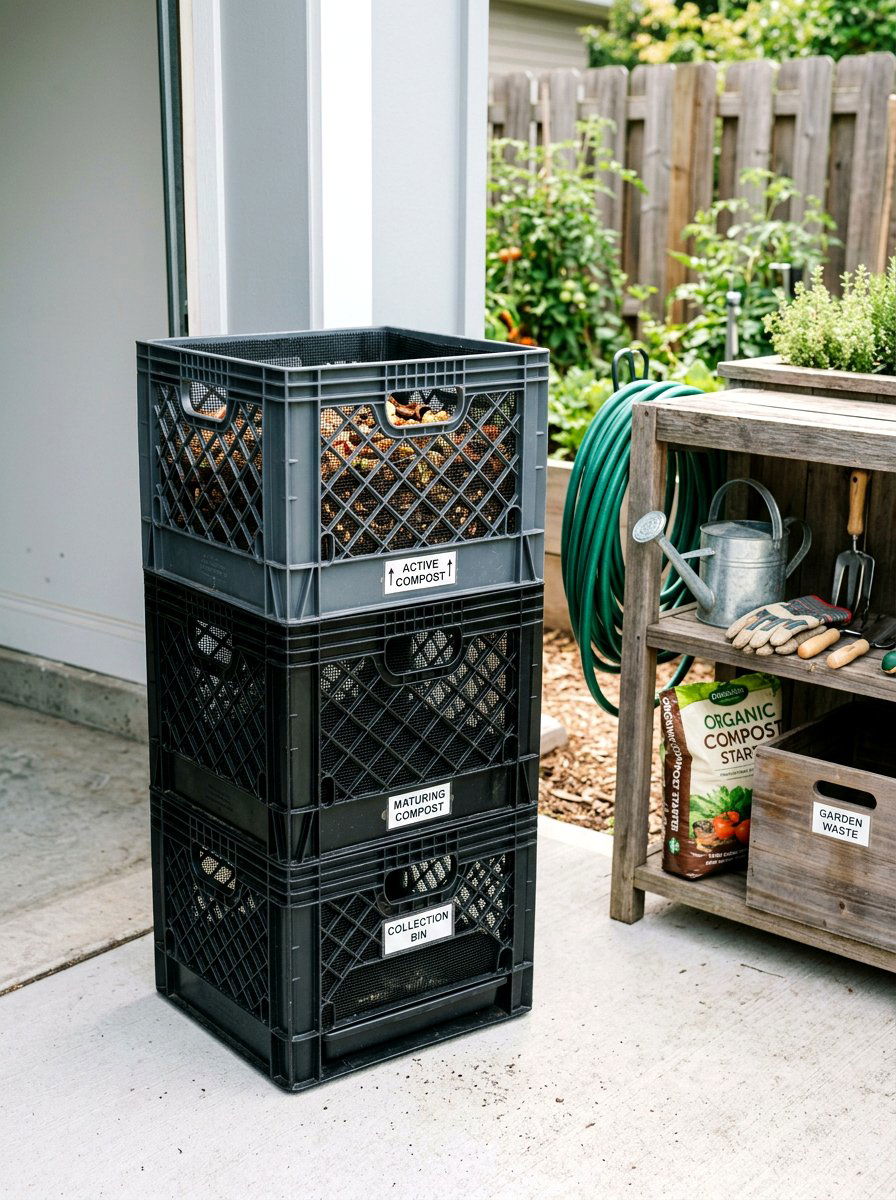
Milk crates are surprisingly versatile tools for creating a modular and expandable composting system on a budget. By lining the crates with a fine mesh to keep smaller materials inside, you can stack them to create a vertical composting tower. This allows you to manage different batches of waste in separate containers, making it very easy to track the progress of each pile. Because they are made of durable plastic, these crates will last for many years and are easy to hose down when needed. This is a fantastic solution for a small patio or a garage corner where space and organization are highly valued.
27. Concrete Form Compost Tube
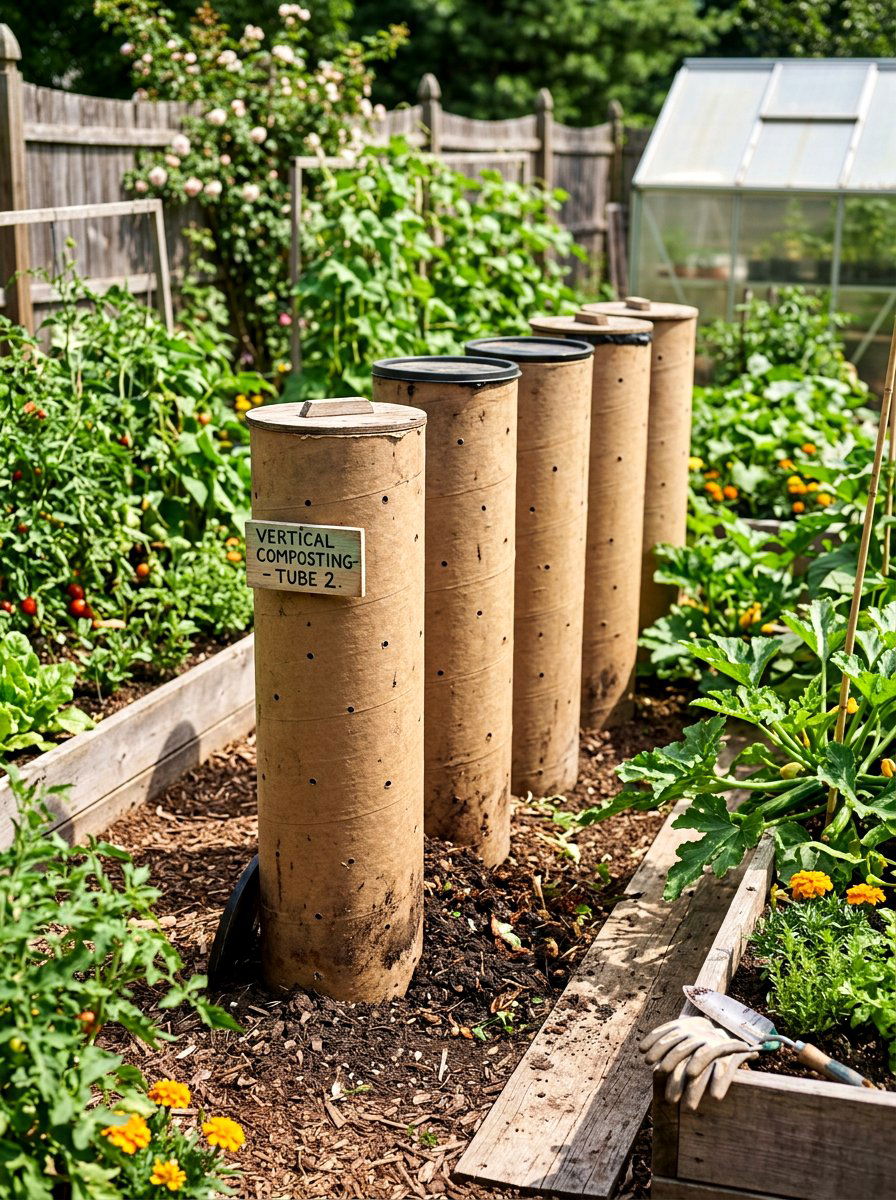
Using large cardboard concrete forms is a unique and temporary way to create a series of tall compost cylinders in your backyard. These sturdy tubes can be stood on end and filled with layers of brown and green materials to create a "compost lasagna. " As the material decomposes, the cardboard will slowly break down as well, eventually being incorporated into the soil. This is a very fun and experimental way to compost that results in tall, neat columns of organic matter. It is perfect for a one-season project or for preparing a new garden area where the soil needs a major boost of nutrients.
28. Reclaimed Door Compost Enclosure
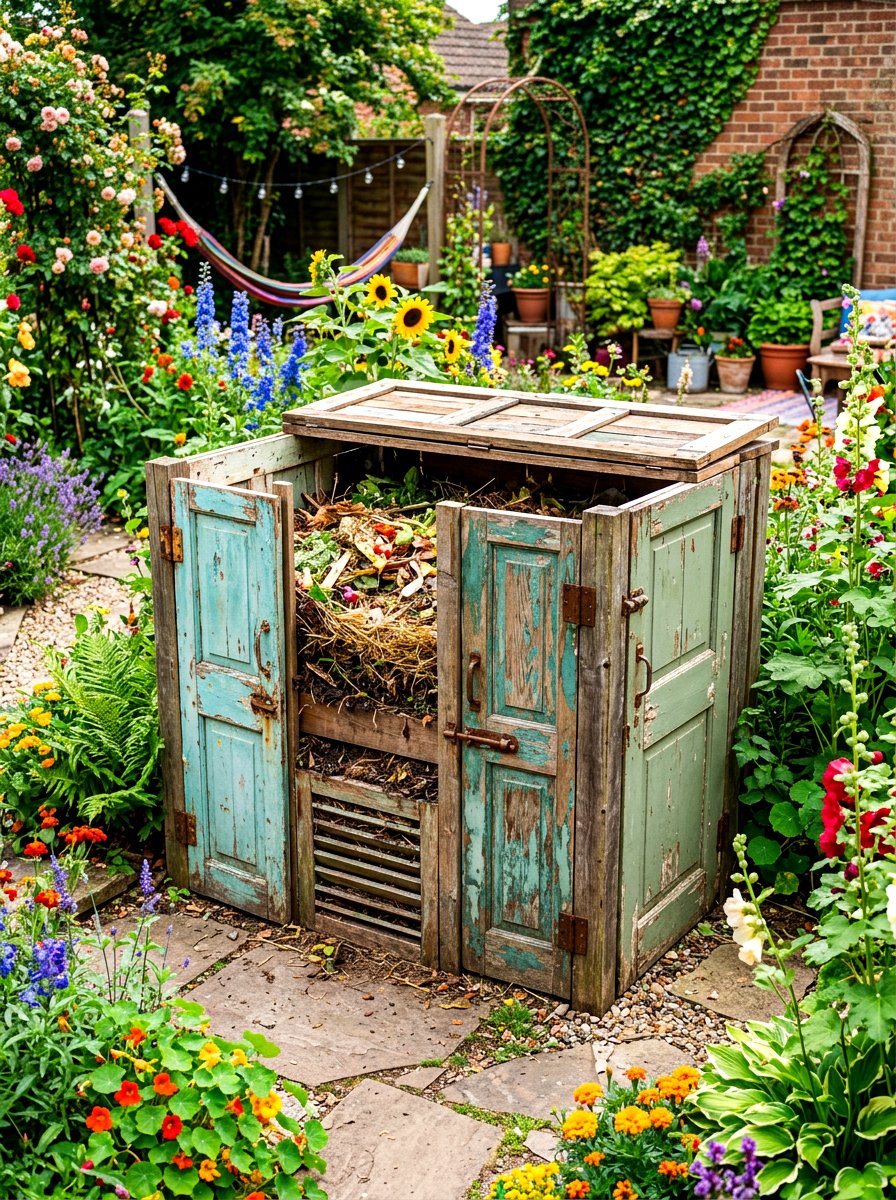
Upcycling old wooden doors into a three-sided compost enclosure is a fantastic way to add architectural character and vintage charm to your garden. You can use three matching doors to create a tall and sturdy station that hides a large pile of waste from view. This design works particularly well in a cottage garden or a shabby-chic landscape where reclaimed materials are a key part of the aesthetic. You can even keep the original doorknobs or hardware for a whimsical touch that makes the structure feel like a secret entrance. It is a creative and stylish way to repurpose bulky construction waste.
29. Raised Bed Integrated Composter
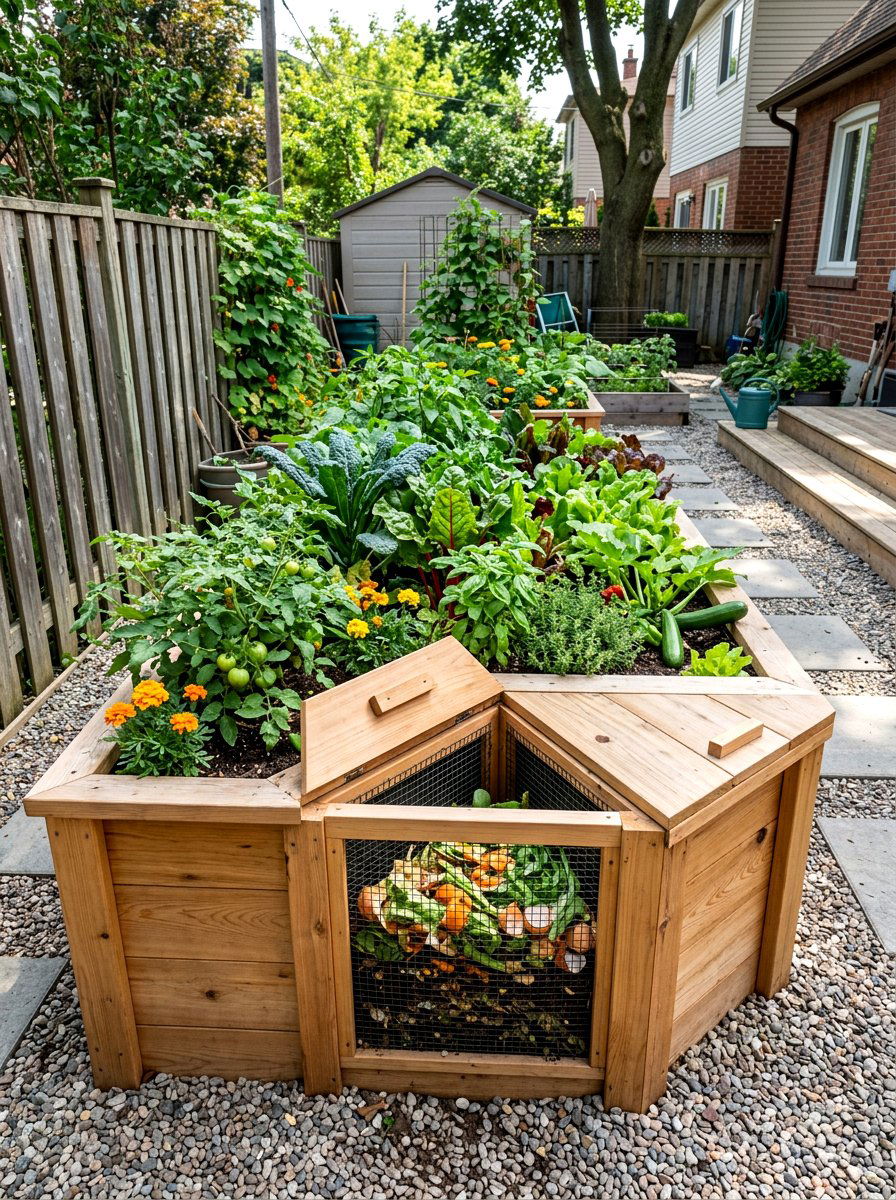
Building a small composting section directly into the corner of a large raised garden bed is a masterclass in efficiency and space-saving design. This allows you to dump kitchen scraps directly where the plants are growing, reducing the distance you have to travel with your waste. By using a small wire mesh or wooden divider, you can keep the composting area separate from the main planting soil. As the materials break down, the nutrients will naturally leach into the surrounding earth, providing a constant source of food for your vegetables. it is a smart and practical integration for any urban or small-scale farmer.
30. Hedge Screened Compost Corner
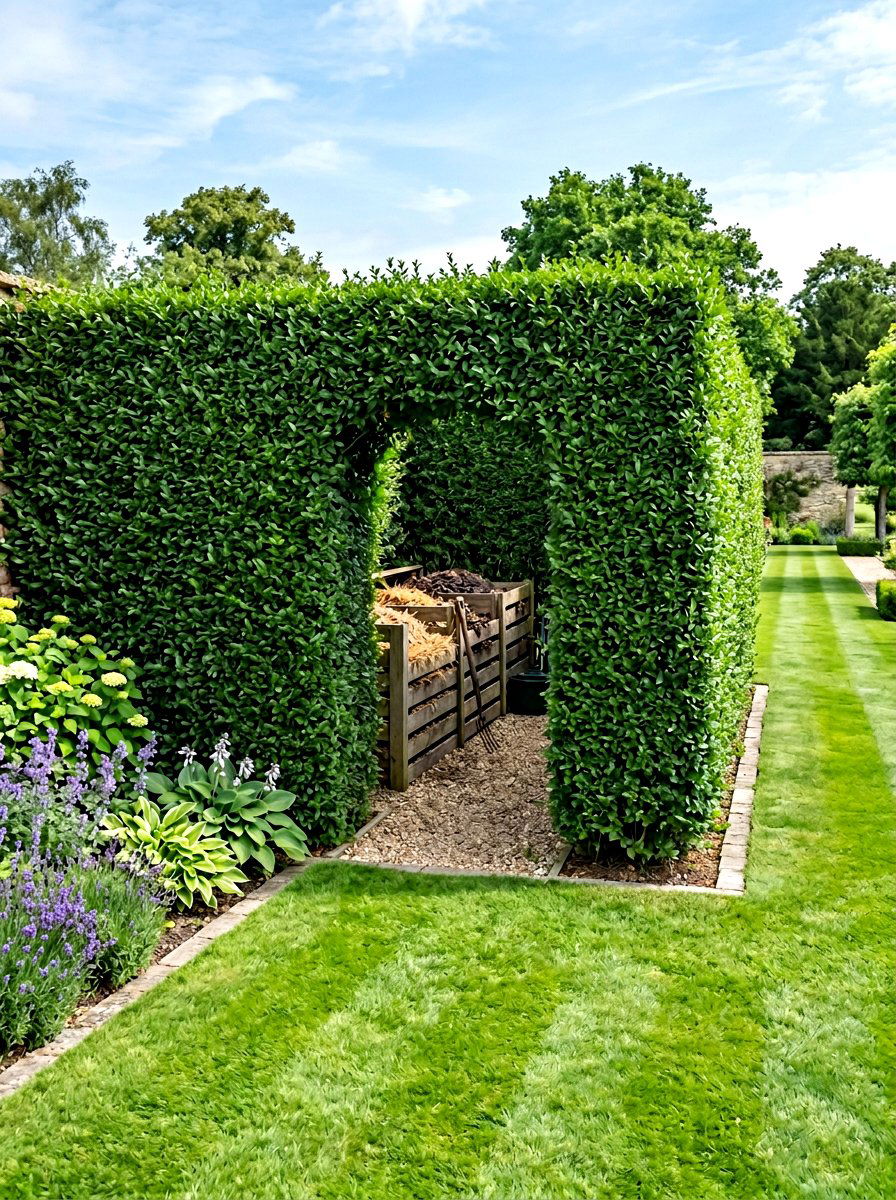
If you prefer a completely natural look, planting a dense evergreen hedge around your compost area is the ultimate way to camouflage it. By using fast-growing shrubs like boxwood or privet, you can create a living "fence" that hides your bins while providing a habitat for local birds. This approach requires a bit of patience as the hedge grows, but it results in a beautiful and seamless integration with the rest of your landscape. It ensures that your hard-working compost corner remains a private and hidden part of the garden, allowing you to focus on the beauty of your lawn and flower beds.
Conclusion:
Building an effective compost corner is one of the most rewarding projects any gardener can undertake for their outdoor landscape. By choosing a design that matches your personal style and available space, you transform waste management into a beautiful and functional ritual. Whether you prefer the rustic charm of woven willow or the sleek efficiency of a modern plastic tumbler, the goal remains the same: creating high-quality soil. Remember that a successful setup depends on good airflow, moisture balance, and a little bit of patience as nature does the hard work. Your garden will eventually thank you with vibrant blooms and an incredibly bountiful harvest.

Related posts: