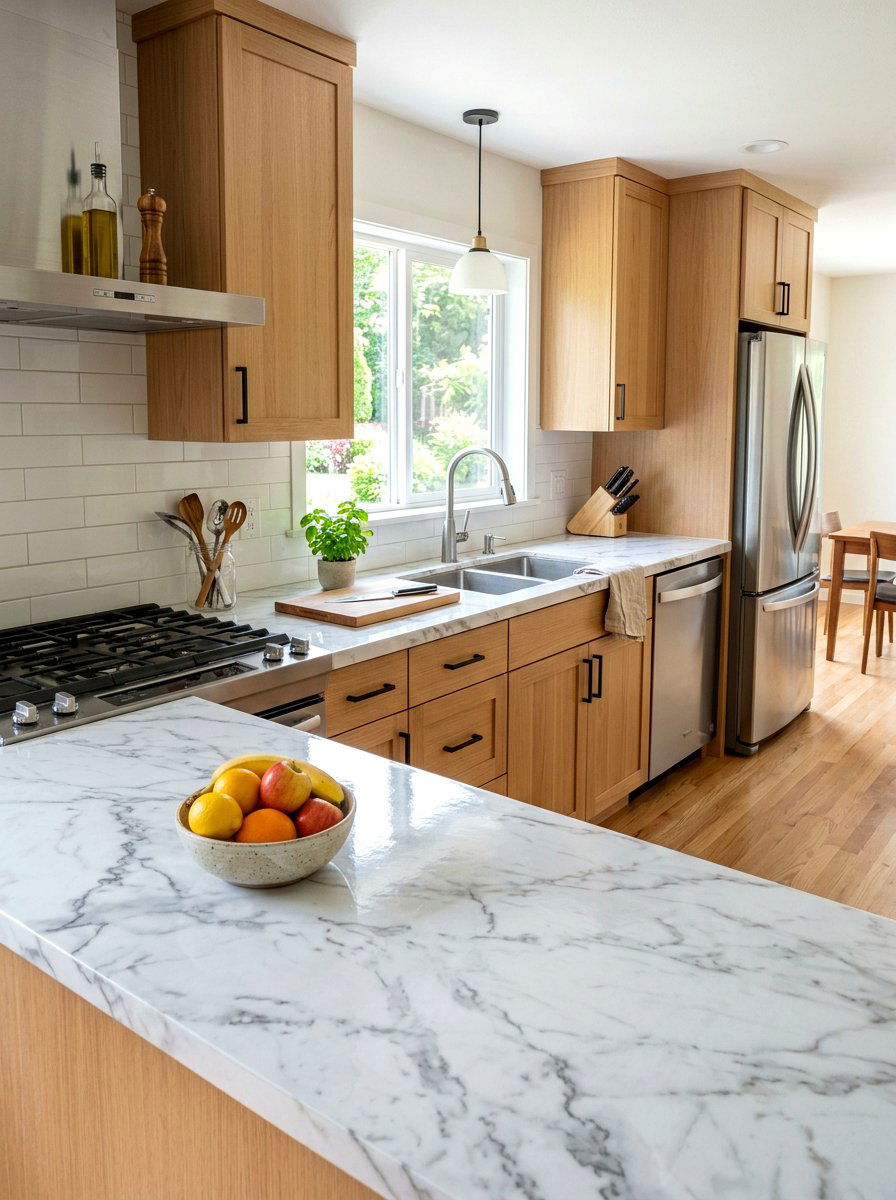
Designing a dedicated pet station in your kitchen is a brilliant way to merge functionality with high-end home aesthetics. As pets become more central to our daily lives, homeowners are moving away from messy floor bowls and towards integrated solutions that save space and reduce clutter. These stations can range from simple recessed niches to elaborate built-in cabinetry that includes water fillers, food storage, and even cozy sleeping nooks. By planning for your pet 's needs during a kitchen renovation, you create a more organized environment that simplifies mealtime routines while protecting your floors from spills. A well-designed pet zone ensures that your furry friend has a safe, comfortable spot to eat that doesn' t interfere with your kitchen's workflow or overall design.
1. Built in dog bowl kitchen island
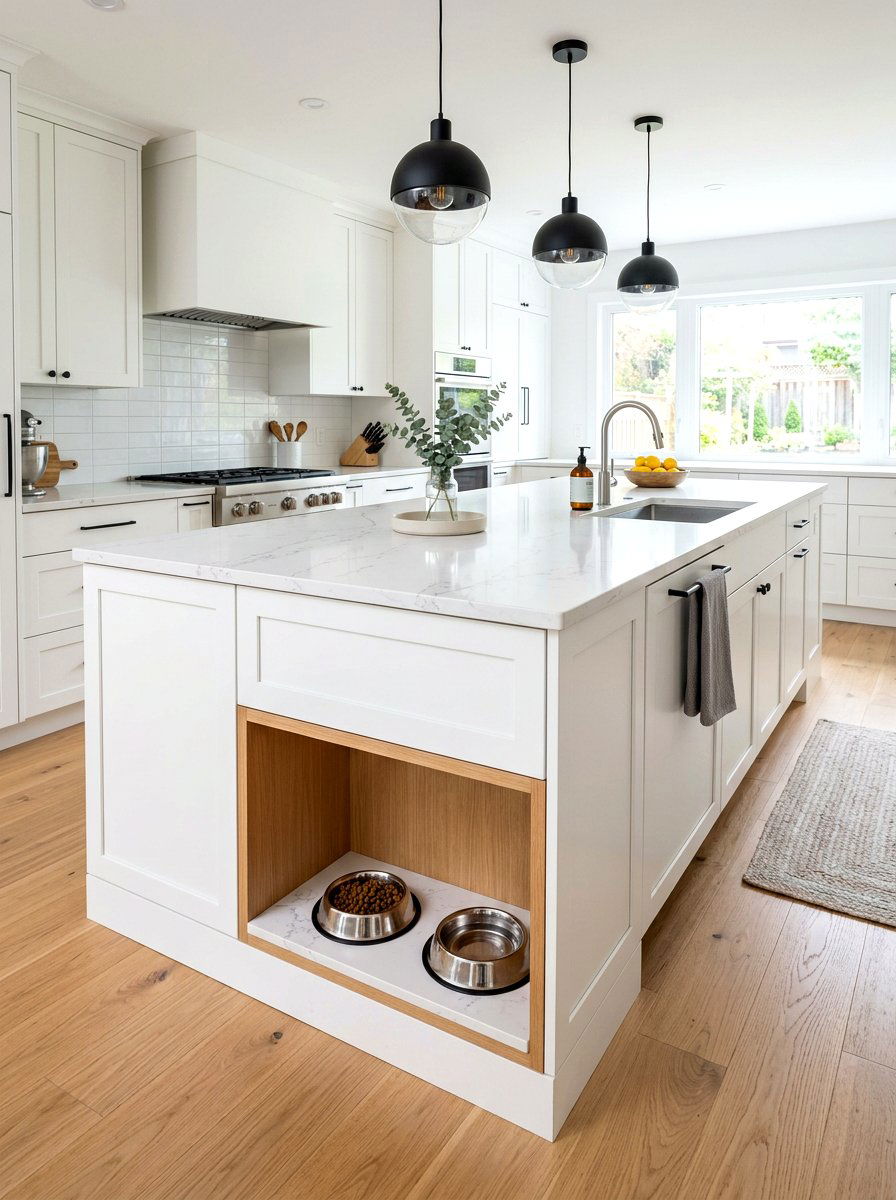
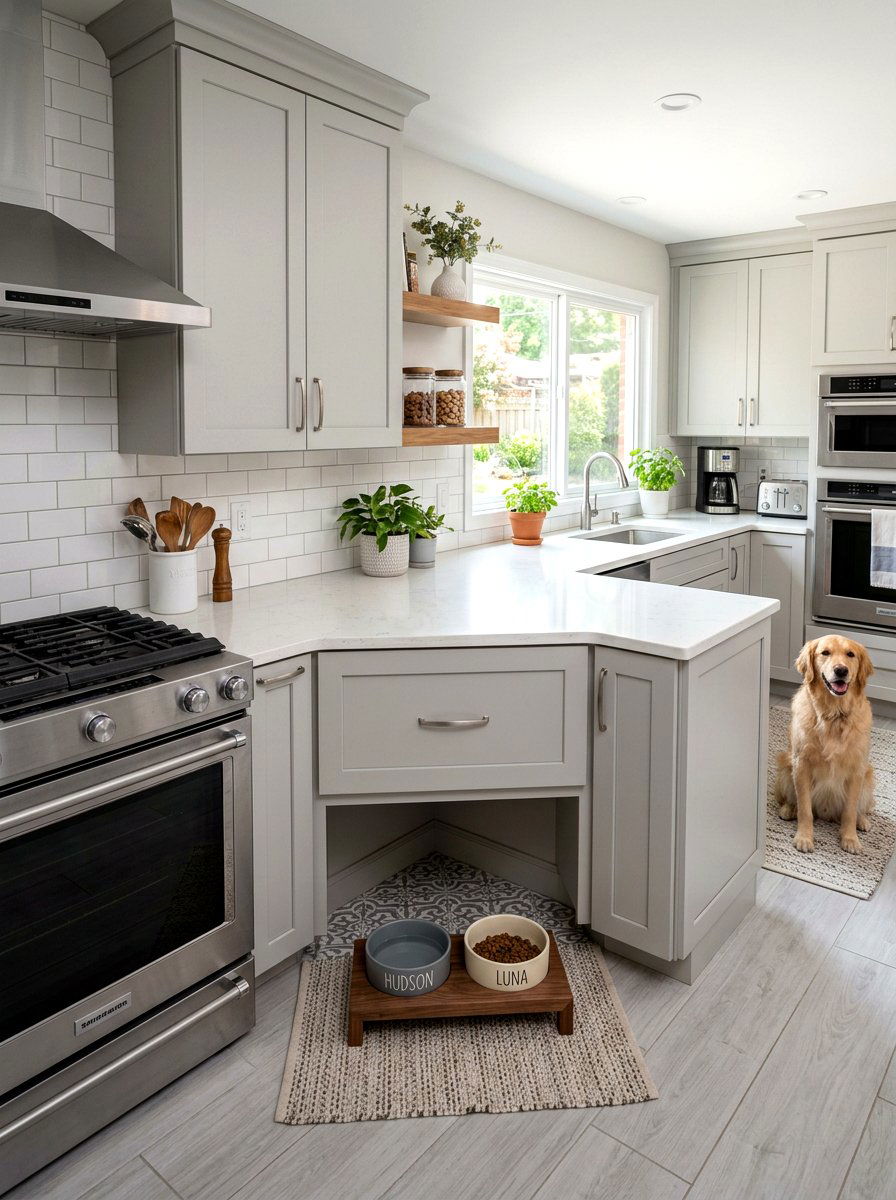
Integrating a pet feeding area directly into your kitchen island is a sophisticated way to utilize otherwise dead space. By carving out a recessed niche at the base of the island, you provide a permanent home for water and food bowls that stays completely out of the way of foot traffic. This design often utilizes the same high-quality materials as the rest of the cabinetry, ensuring the pet station feels like a deliberate architectural feature. Many designers recommend lining these niches with moisture-resistant materials like quartz or porcelain tile to make cleaning up splashes and crumbs an effortless task for busy pet owners.
2. Pull out pet food drawer
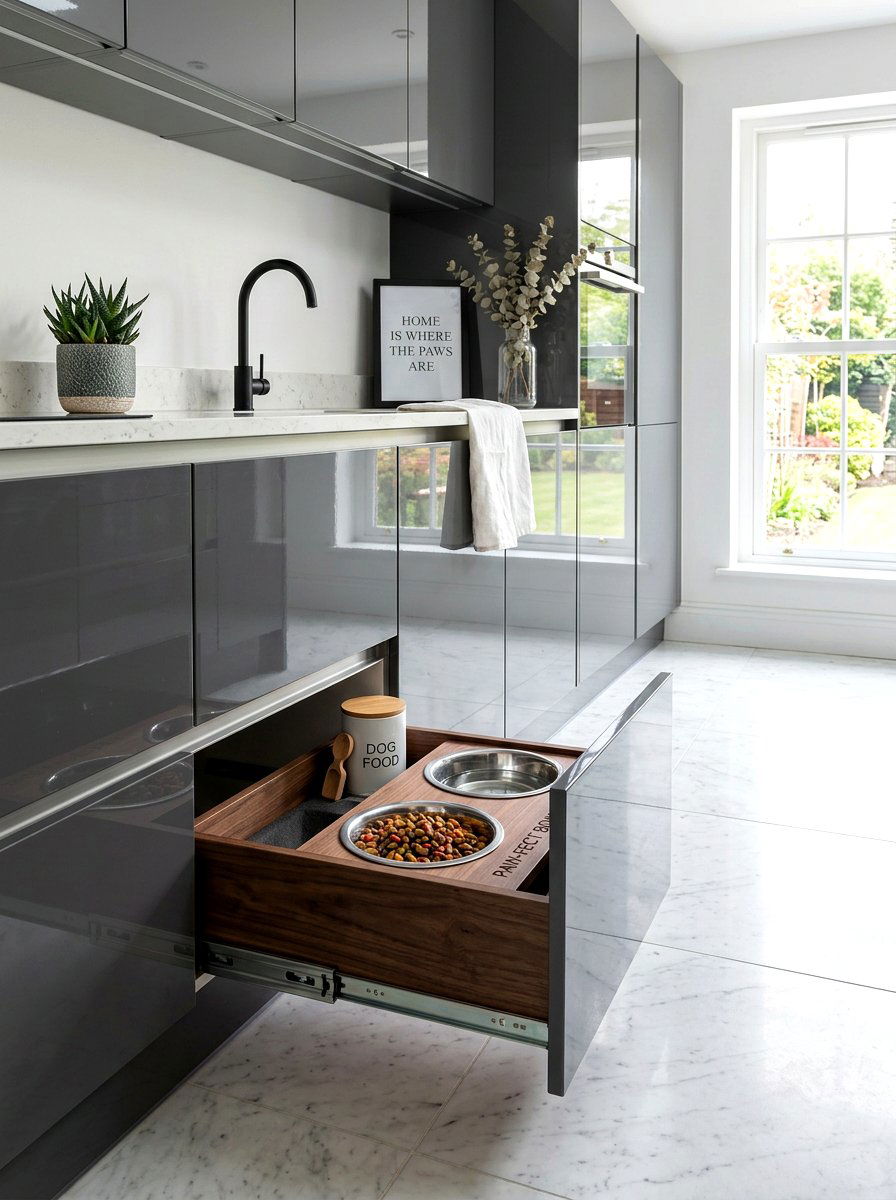
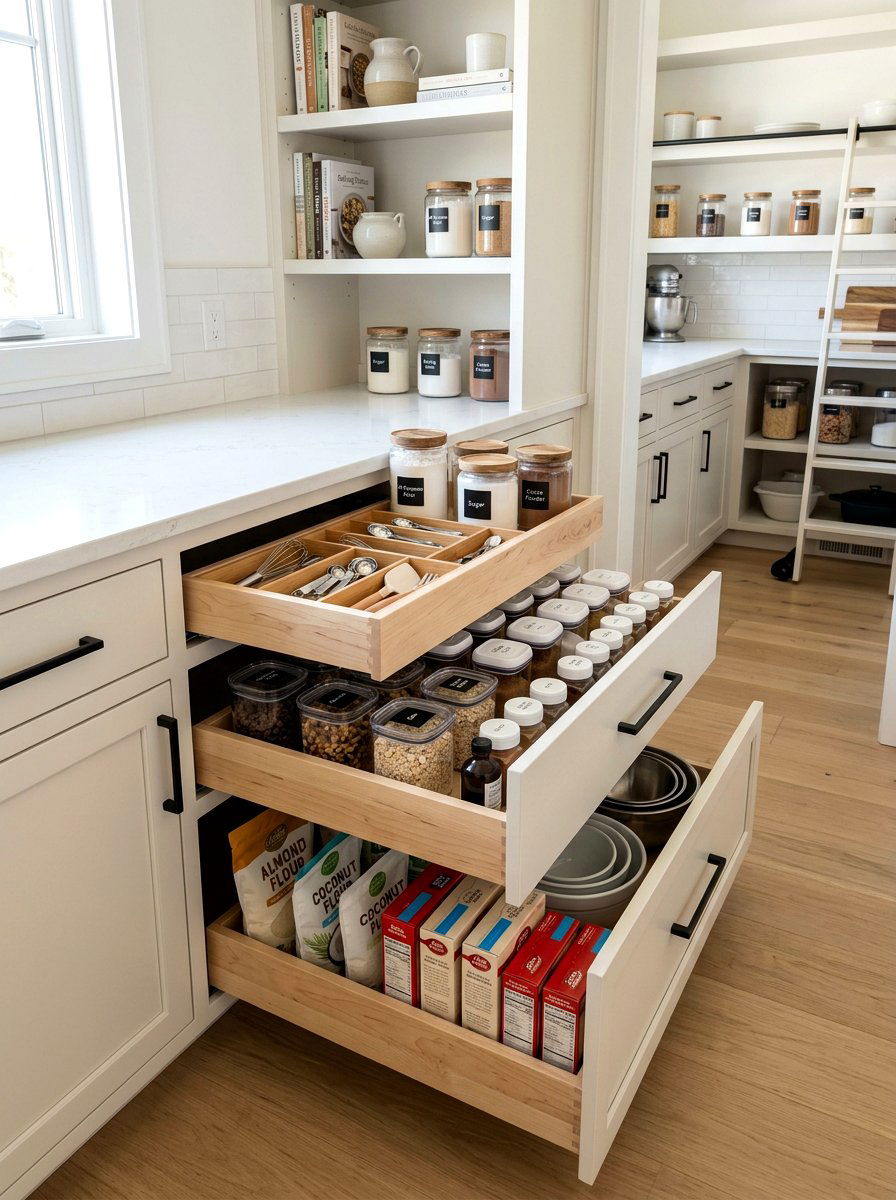
A pull-out pet food drawer is the ultimate space-saving solution for modern kitchens that prioritize clean lines and minimalism. This clever design involves a heavy-duty drawer at the bottom of a cabinet stack that slides out to reveal integrated stainless steel bowls. When mealtime is over, the entire station disappears from sight, leaving your kitchen floors perfectly clear and free from tripping hazards. These drawers often include a secondary compartment behind the bowls for airtight kibble storage, allowing you to keep all pet supplies centralized. It is a perfect choice for small kitchens where every square inch of floor space is vital.
3. Under cabinet dog bed nook
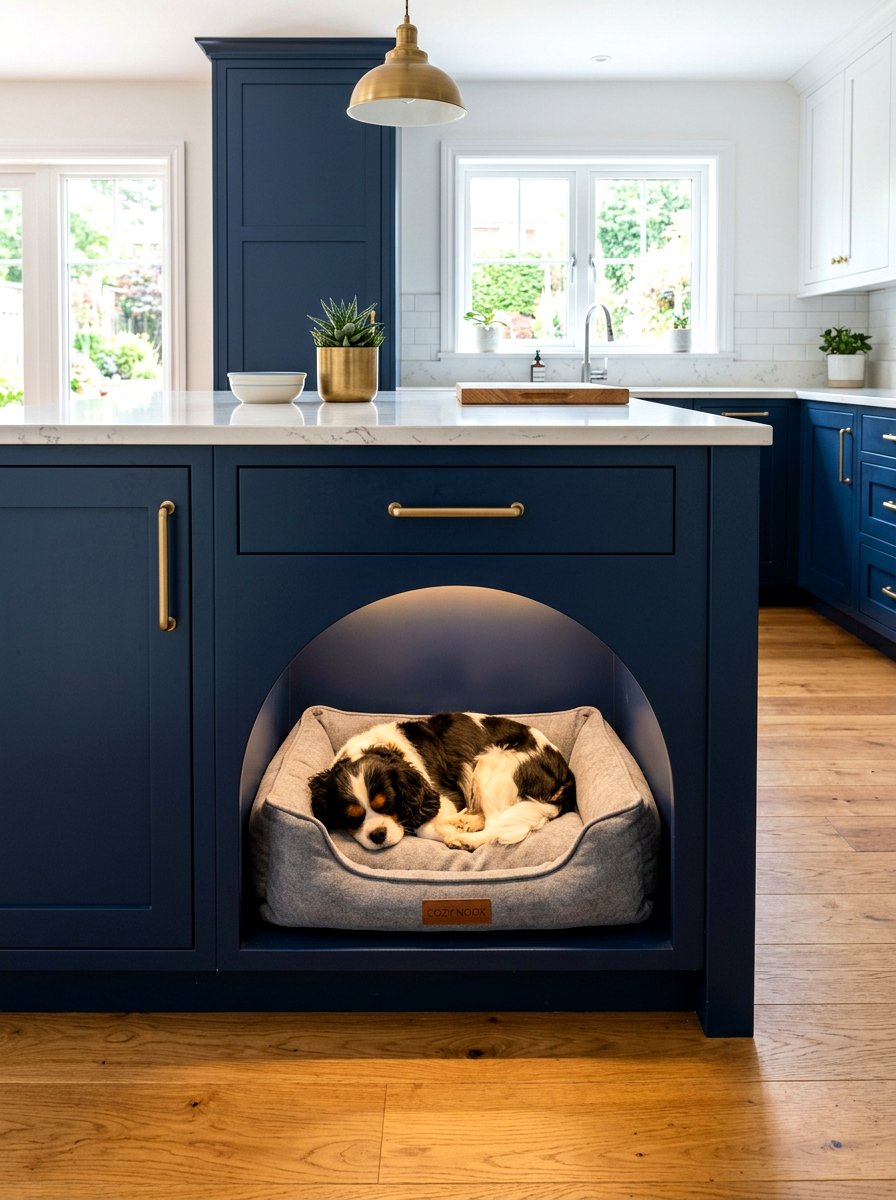
Creating a cozy sleeping area underneath your kitchen cabinets allows your pet to stay close to the heart of the home without being underfoot while you cook. By removing a section of lower cabinetry and finishing the interior with matching wood or paint, you create a private den that feels like part of the furniture. This approach is particularly effective at the end of a cabinet run or under a breakfast bar overhang. Adding a custom-fit orthopedic bed that matches your kitchen's color palette ensures the space looks intentional and stylish, providing your furry companion with a comfortable retreat within the room.
4. Kitchen island pet crate cabinet
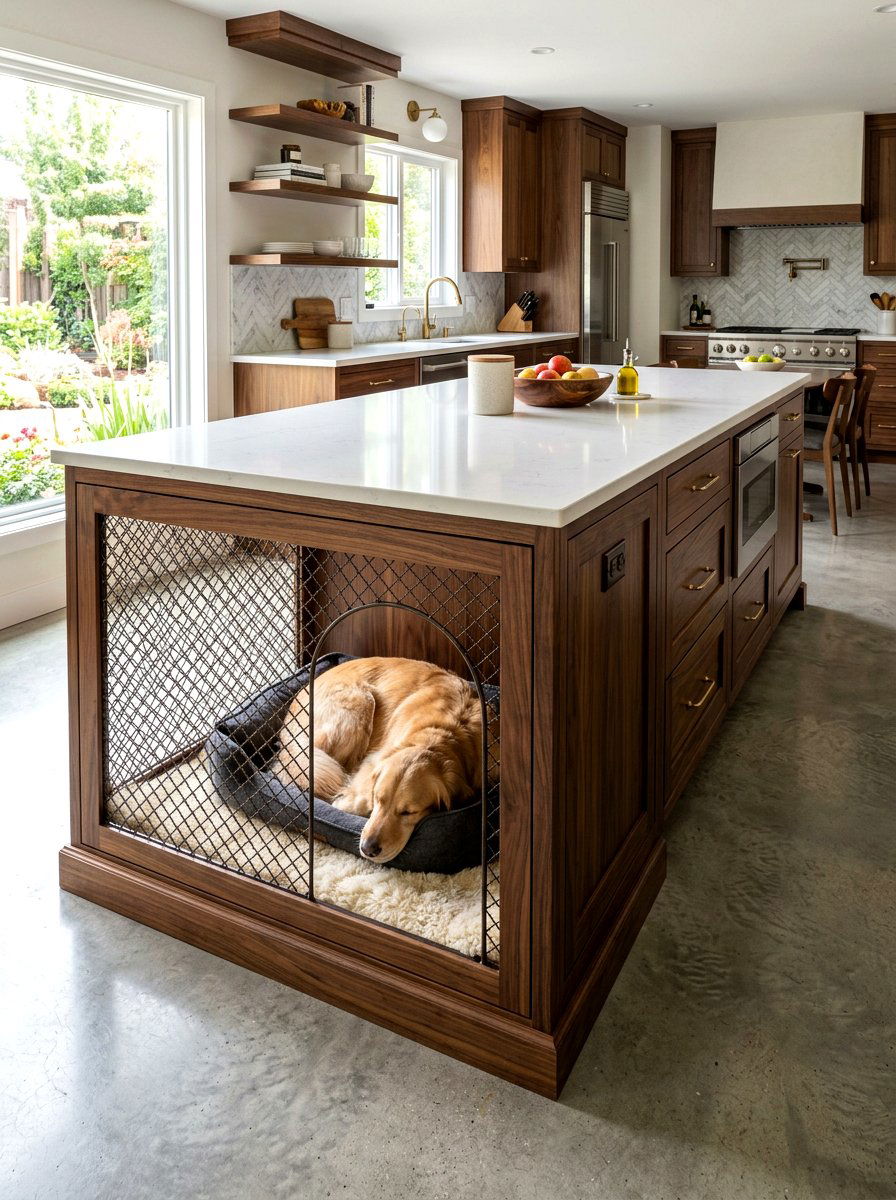
Replacing a traditional wire crate with a built-in kitchen island crate cabinet is a game-changer for maintaining a cohesive interior design. This concept involves designing a section of the island with a mesh or decorative metal screen door that provides ventilation and visibility for your pet. Inside, the space is sized perfectly for your dog’s comfort, offering a secure and familiar place for them to relax. By integrating the crate into the island, you eliminate the bulky appearance of a standalone kennel. It serves as a multifunctional piece of furniture that anchors the kitchen while providing a safe haven for your pet.
5. Hidden pet feeding station cabinet
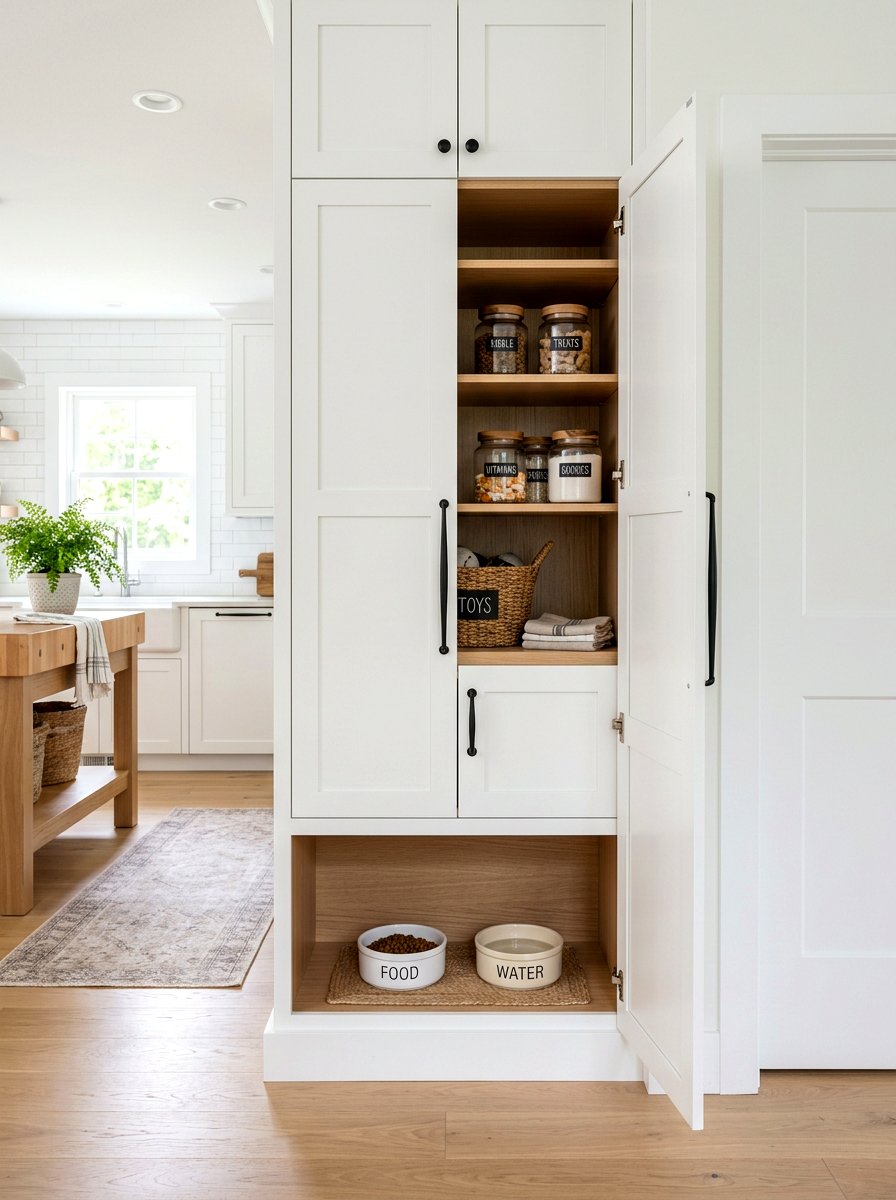
A hidden feeding station behind pocket or bifold doors allows you to tuck away the pet mess entirely when it is not in use. This specialized cabinet typically features a low-profile shelf for bowls and upper shelving for treats, leashes, and grooming supplies. When the doors are closed, the unit looks like a standard part of your kitchen pantry or utility wall. This setup is ideal for homeowners who want to keep their kitchen looking pristine for guests while still having a highly functional and organized area for their animals. It centralizes all pet-related tasks into one efficient, concealed cupboard.
6. Toe kick dog bowl drawer
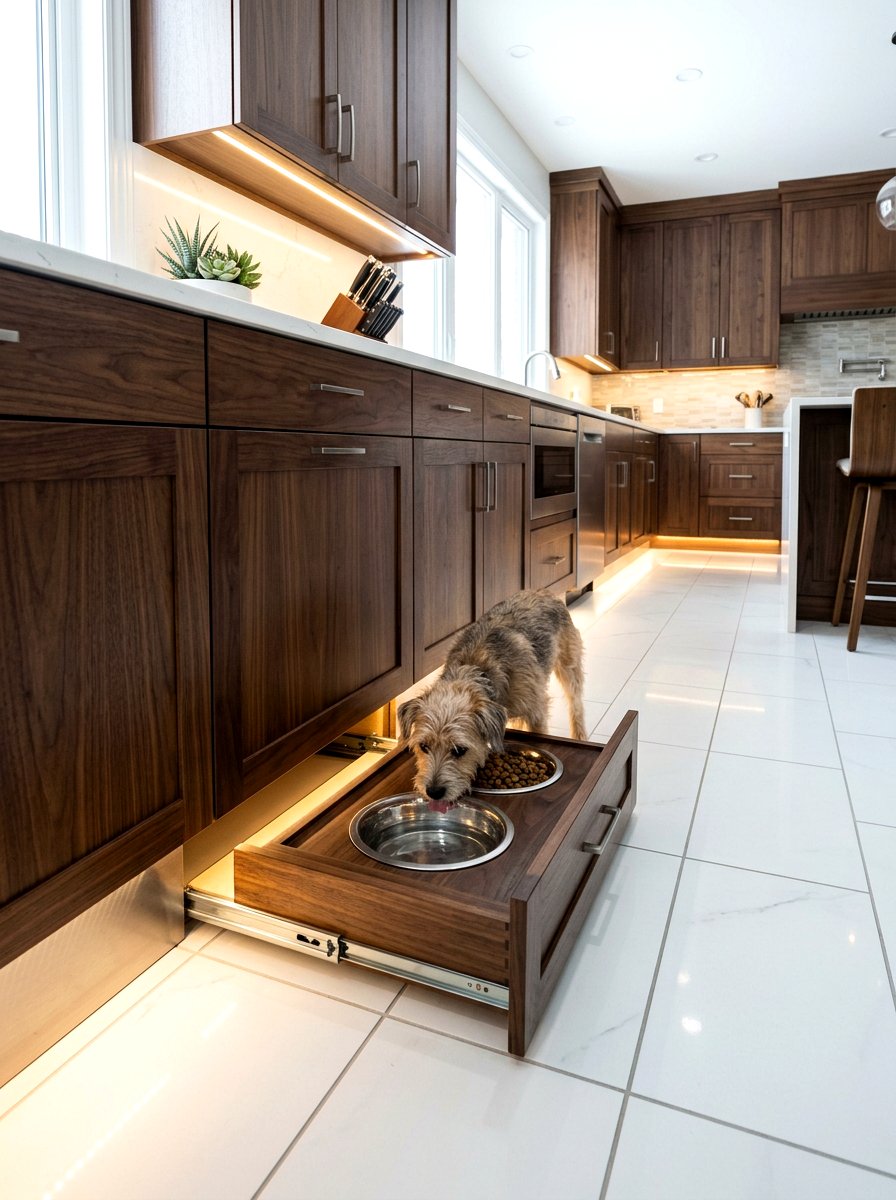
Utilizing the toe kick area for a pet bowl drawer is one of the most innovative ways to find extra space in a crowded kitchen. The toe kick is the recessed space beneath your bottom cabinets, which is usually wasted. By installing a shallow, spring-loaded drawer in this location, you can store bowls that are only accessible when needed. This design is perfect for smaller dogs or cats and keeps the bowls at floor level but tucked away when the drawer is pushed shut. It is a subtle and highly functional modification that adds immense value to a pet-friendly kitchen renovation project.
7. Wall mounted pet food storage
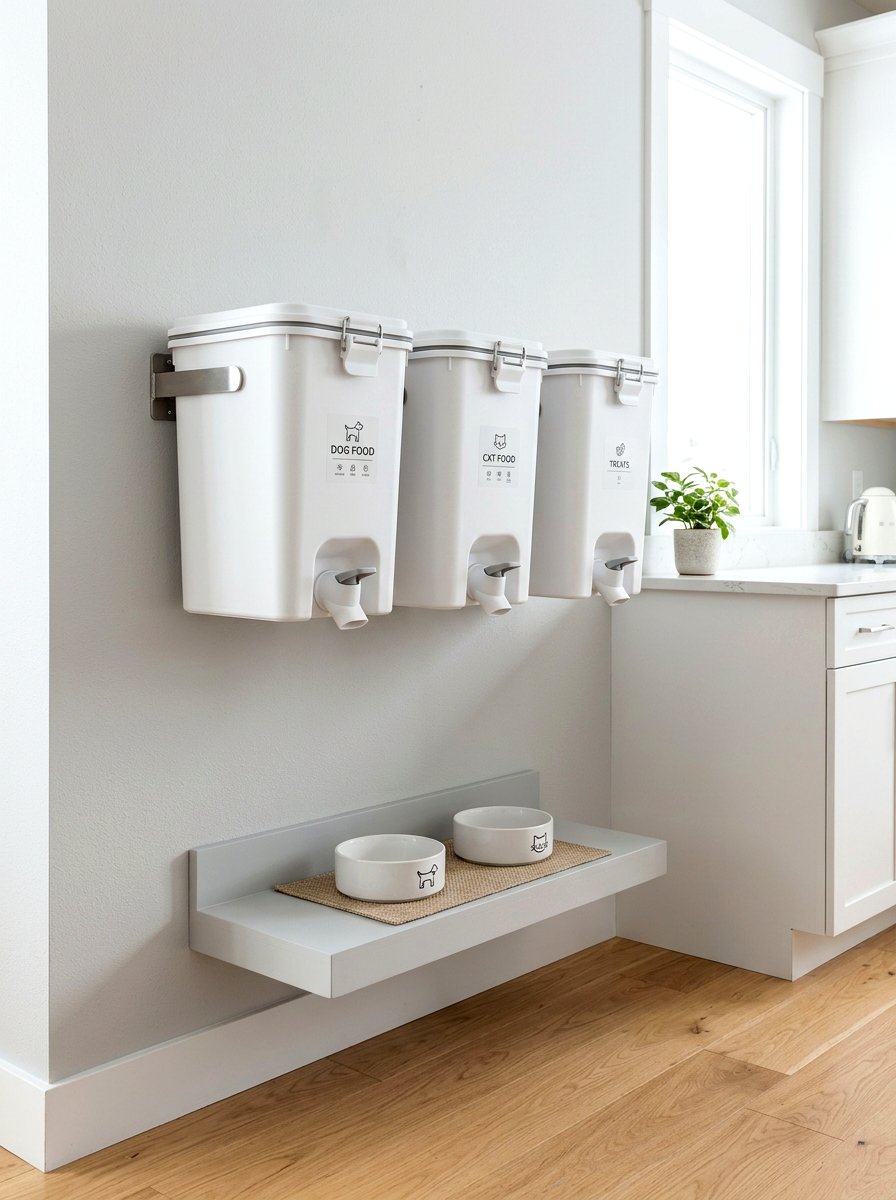
Wall-mounted pet food storage solutions can turn a functional necessity into a stylish design element in your kitchen. Instead of hiding heavy bags of food in a pantry, you can use sleek, airtight bins mounted directly to the wall or inside a dedicated cabinet. This keeps the food off the floor, making it easier to sweep and mop while preventing pests from reaching the kibble. When paired with a matching feeding station below, this creates a vertical pet care zone that is both ergonomic and visually appealing. Using labeled containers or minimalist bins ensures the setup complements your modern or farmhouse kitchen style.
8. Recessed dog feeding wall niche
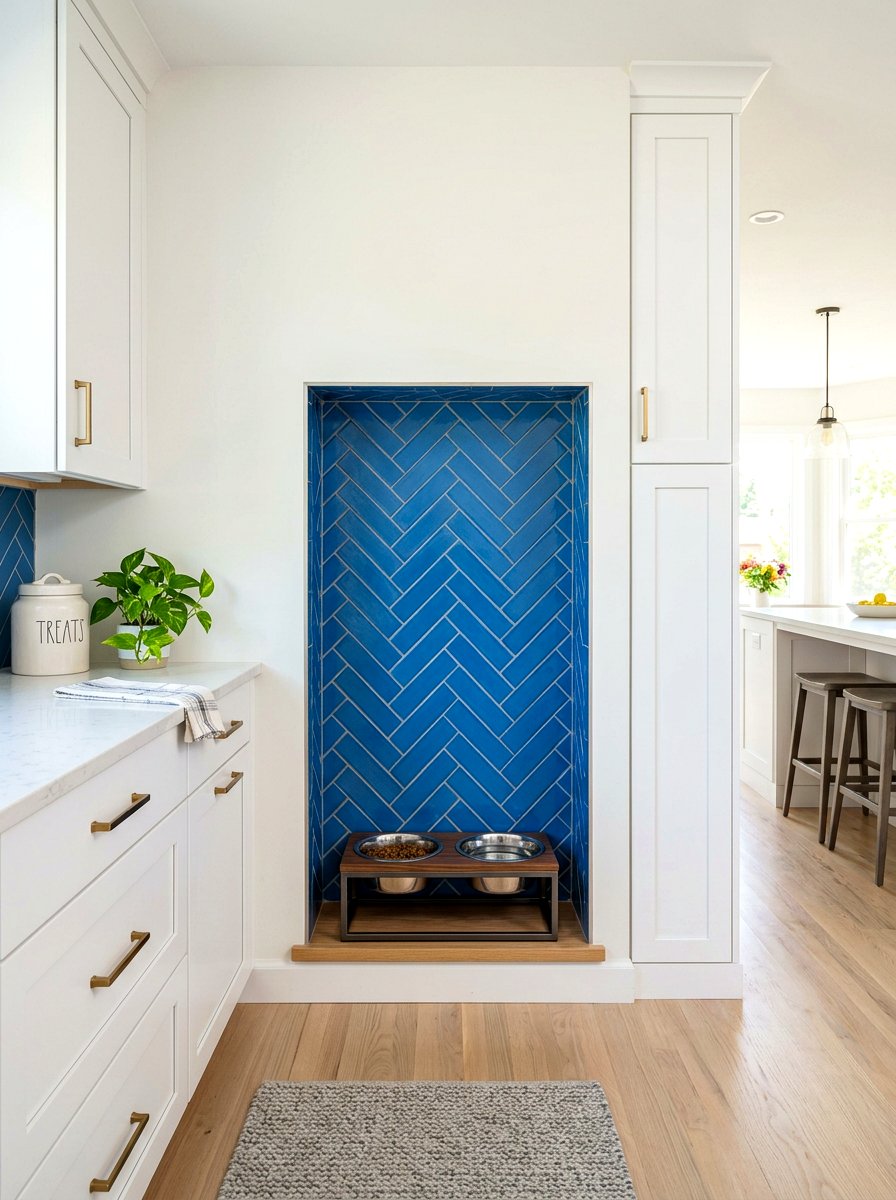
A recessed feeding niche built directly into a kitchen wall or the side of a pantry provides a streamlined look that saves floor space. This design requires framing out a small alcove during construction, which can then be finished with decorative tile, stone, or wood to match your backsplash. Because the bowls sit flush with the wall surface, there is no risk of kicking them as you walk through the room. This architectural detail is not only practical but also adds a unique custom touch to the home. It is a permanent solution that defines a clear dining area for your pet.
9. Custom dog feeding station cabinetry
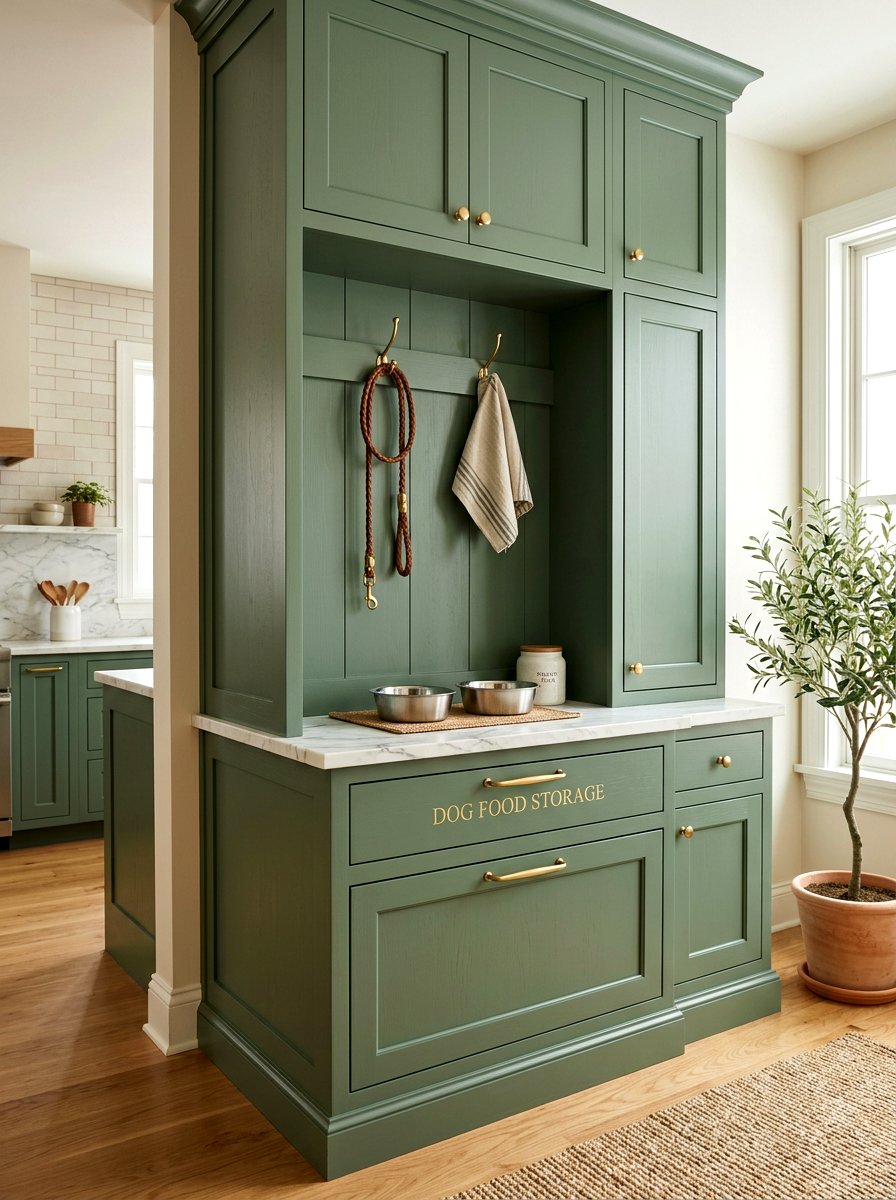
High-end custom cabinetry can be designed to include a full-service pet station that mirrors the quality of your human-centric kitchen features. These units often feature a combination of open niches for bowls, drawers for food, and specialized racks for hanging leashes or storing cans. By using the same door styles and hardware as your main kitchen, the pet station becomes an integral part of the room's visual identity. This approach allows for complete personalization, such as choosing the perfect height for your dog’s bowls to aid in their digestion. It represents the peak of pet-integrated interior design and luxury living.
10. End of island dog bowl
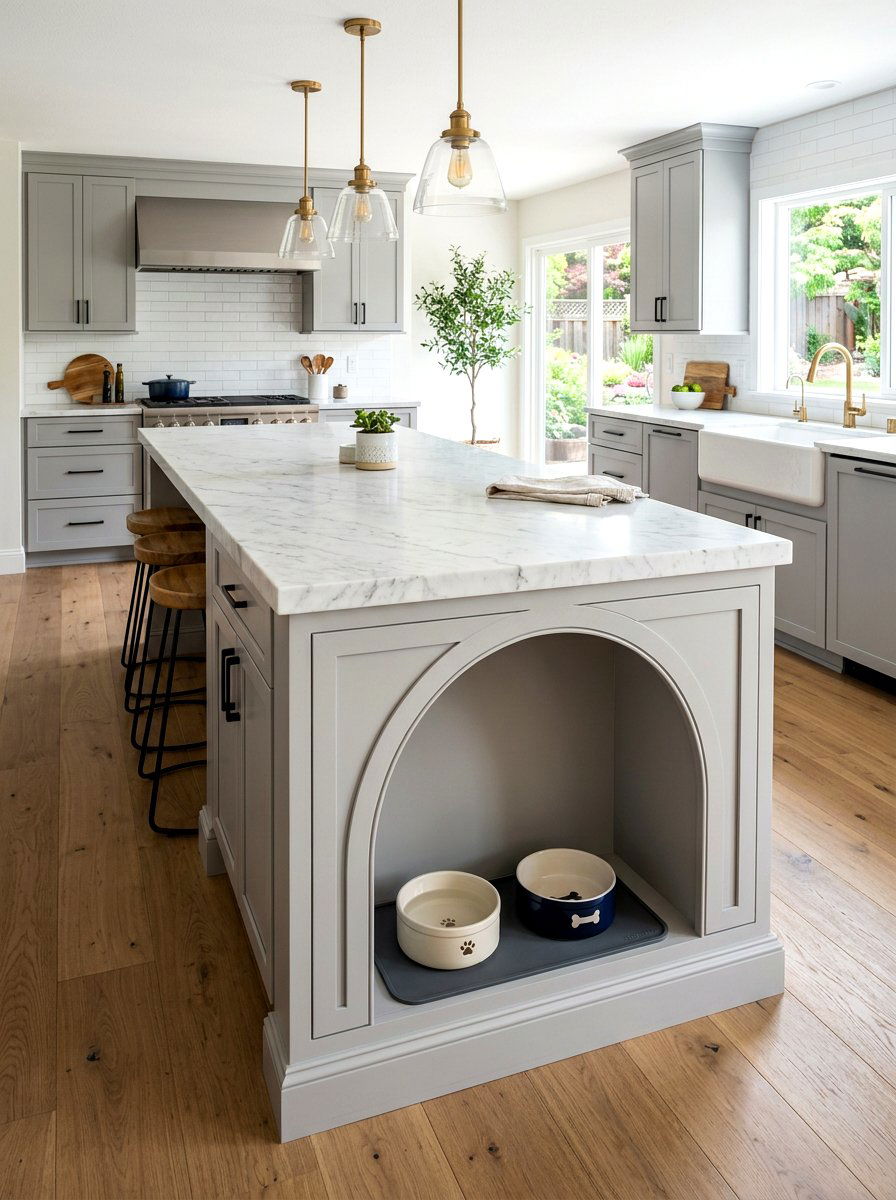
Placing a pet station at the end of a kitchen island is a popular choice because it utilizes a low-traffic area that is easily accessible. This setup often involves a decorative arched opening or a simple cutout that houses elevated bowls. By positioning the station here, you keep your pet out of the main work triangle where you are busy prepping meals and moving between the stove and sink. The end cap of an island is often a focal point, so finishing this area with beautiful millwork or a contrasting paint color can make the pet station look like a high-end furniture piece.
11. Pot filler for dog bowls
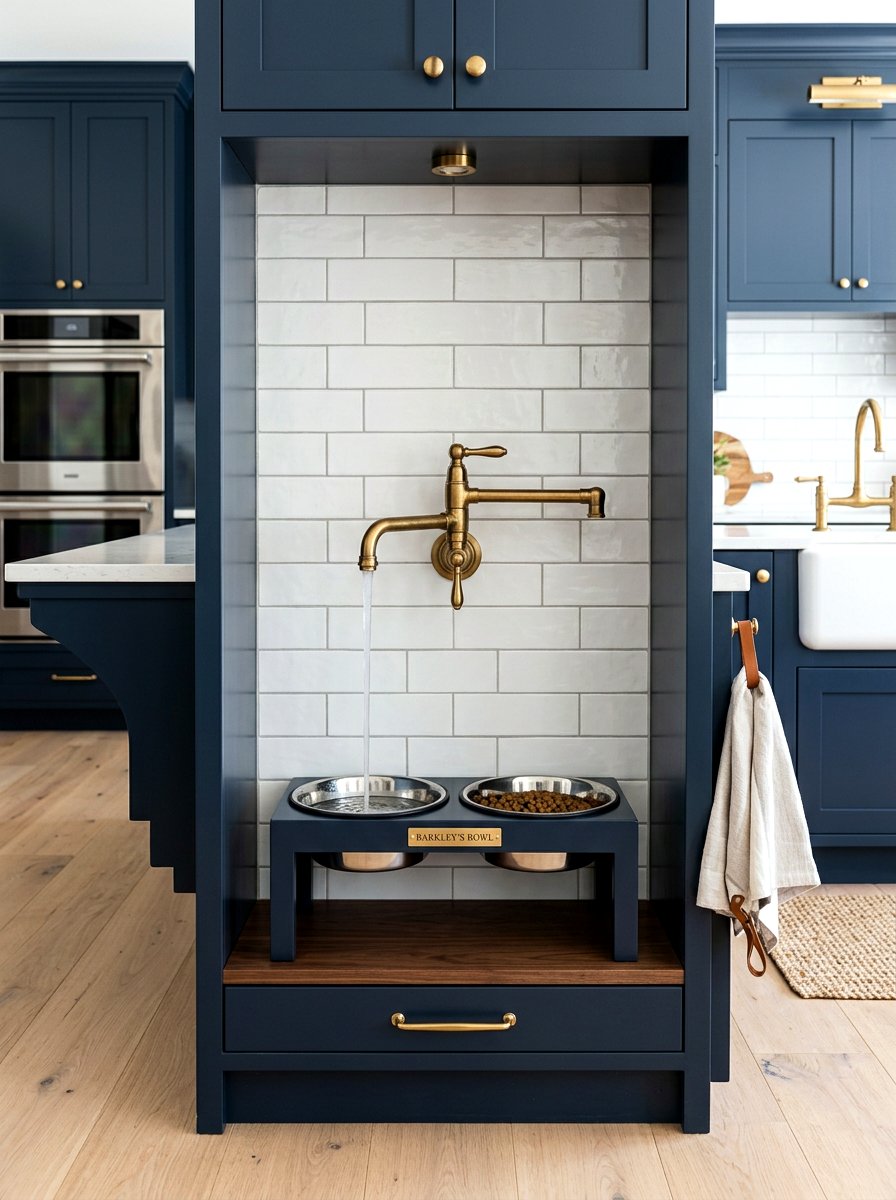
Installing a dedicated pot filler faucet above your pet’s water bowl is the ultimate convenience for any pet owner. This plumbing feature allows you to refill the water dish instantly without having to carry a heavy, sloshing bowl across the kitchen to the main sink. It is a sophisticated addition that mimics the functionality of a professional chef's kitchen. When mounted within a tiled niche or at the base of a cabinet, it creates a self-contained watering station that reduces spills and saves time. This feature is particularly useful for large dogs that require frequent water refills throughout the busy day.
12. Farmhouse kitchen pet station
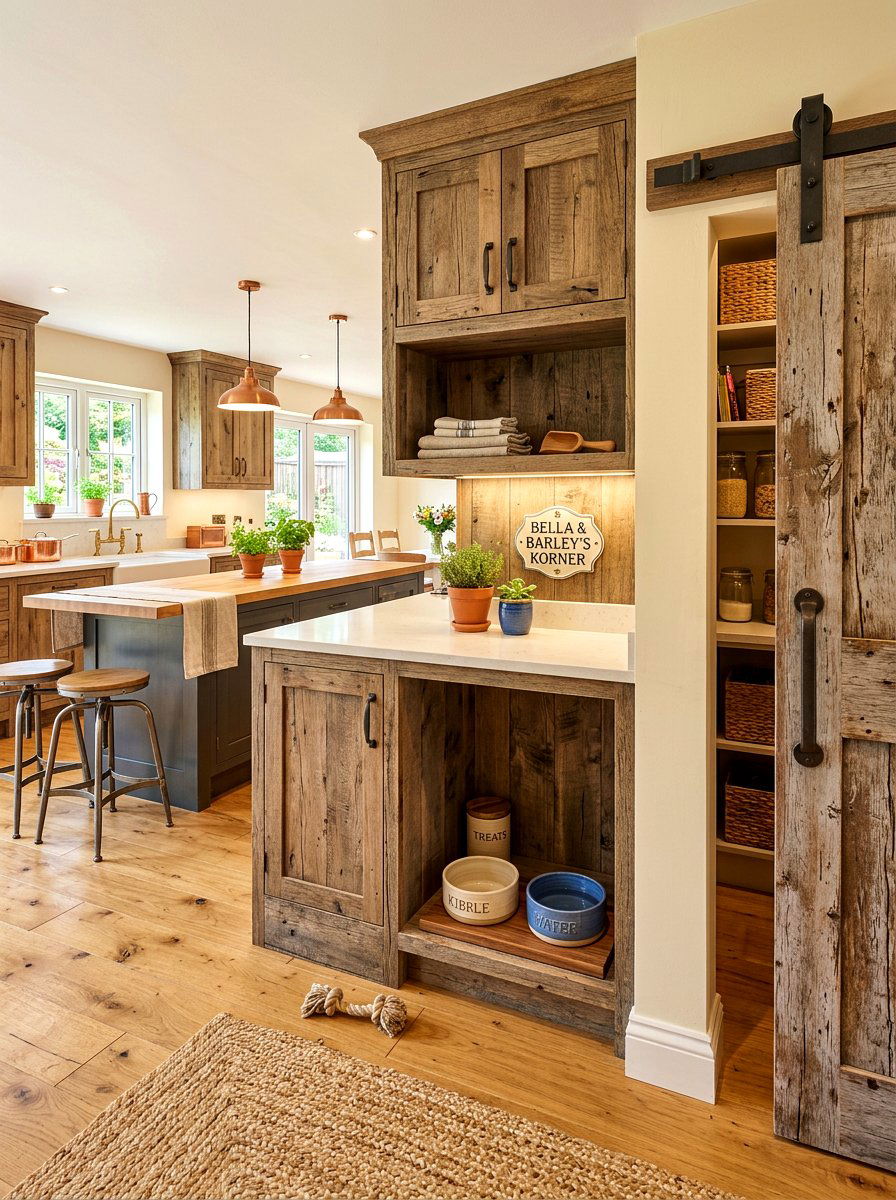
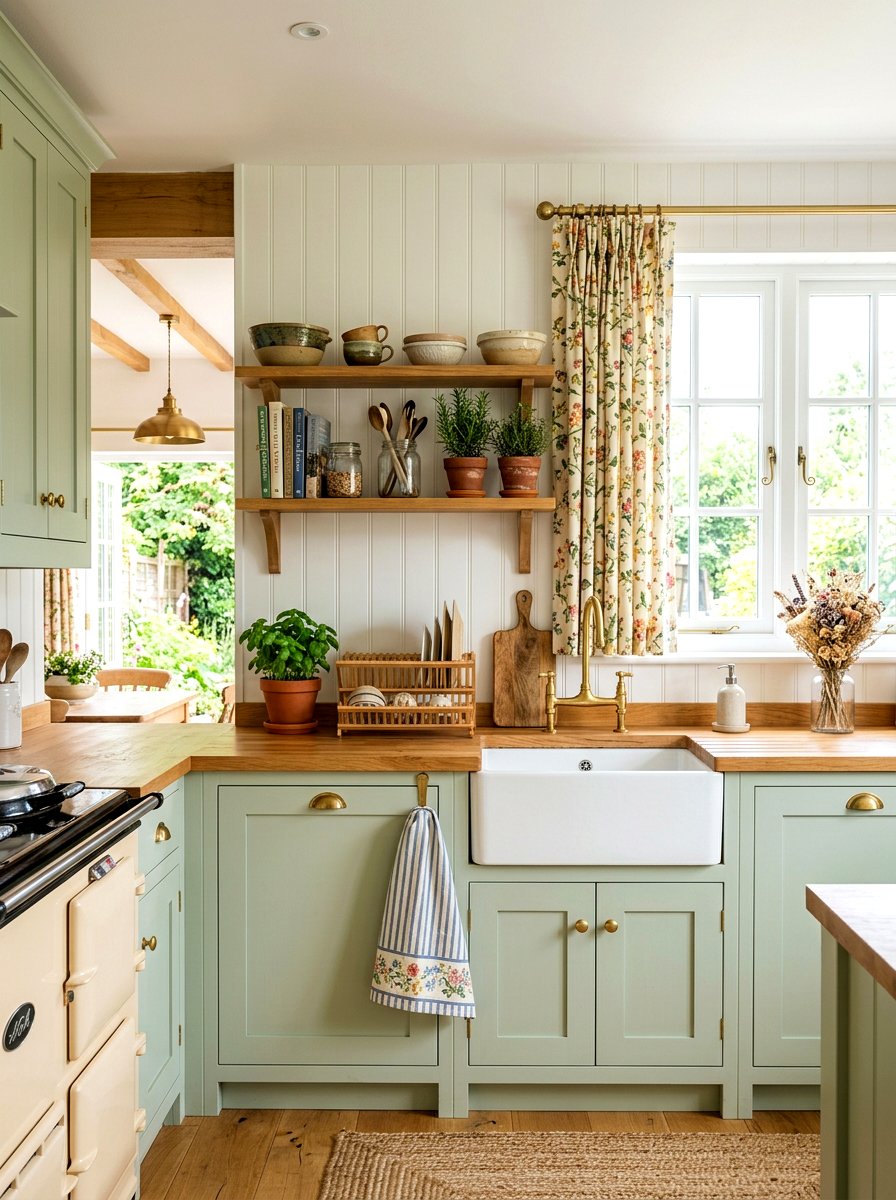
A farmhouse-style kitchen pet station often emphasizes natural materials and cozy, rustic details. You might see a feeding area integrated into a reclaimed wood island or a cozy nook featuring a sliding barn door for a built-in crate. Using classic elements like shiplap backings or woven baskets for toy storage helps the pet zone blend seamlessly with the warm, lived-in aesthetic of a farmhouse home. Choosing ceramic bowls with vintage-inspired patterns or simple stoneware adds to the charm. This design approach focuses on creating a welcoming and comfortable space that feels like a natural extension of a family-centric kitchen.
13. Modern dog feeding niche kitchen
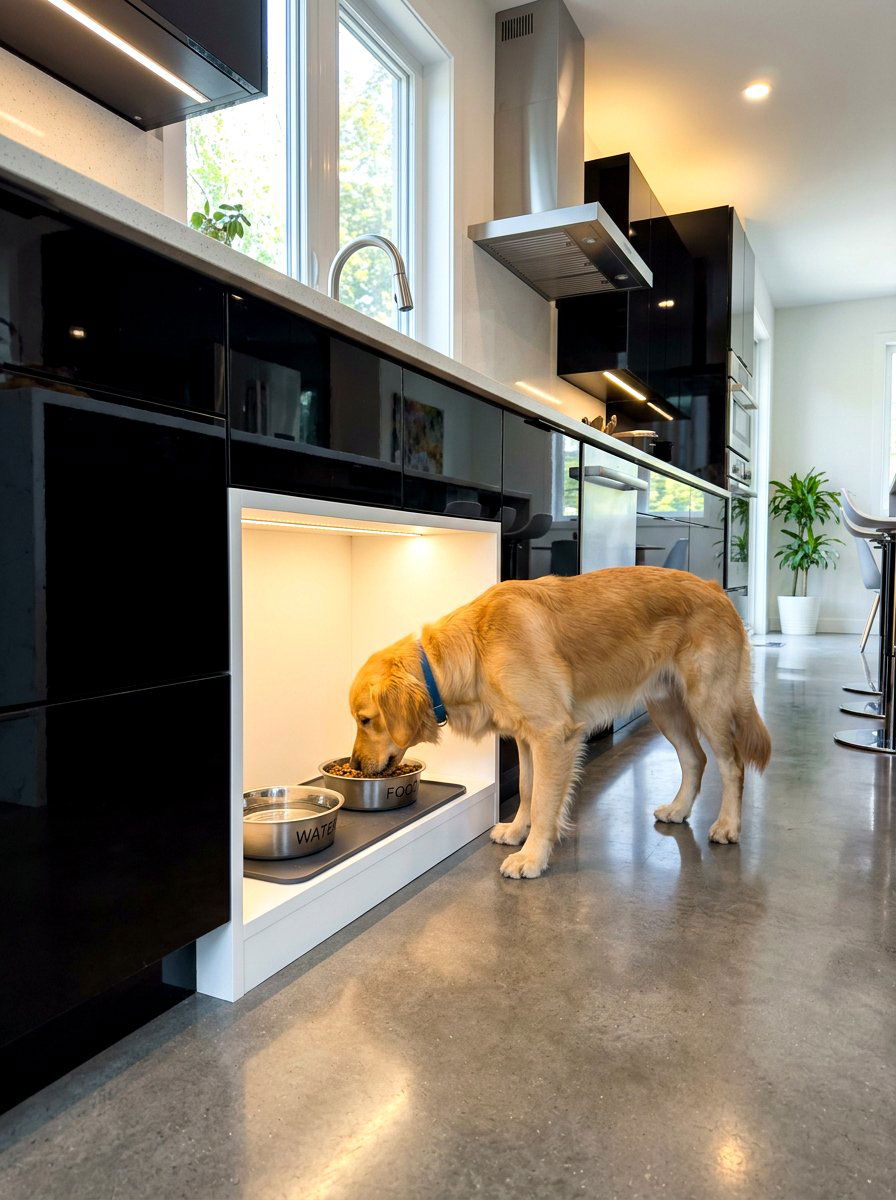
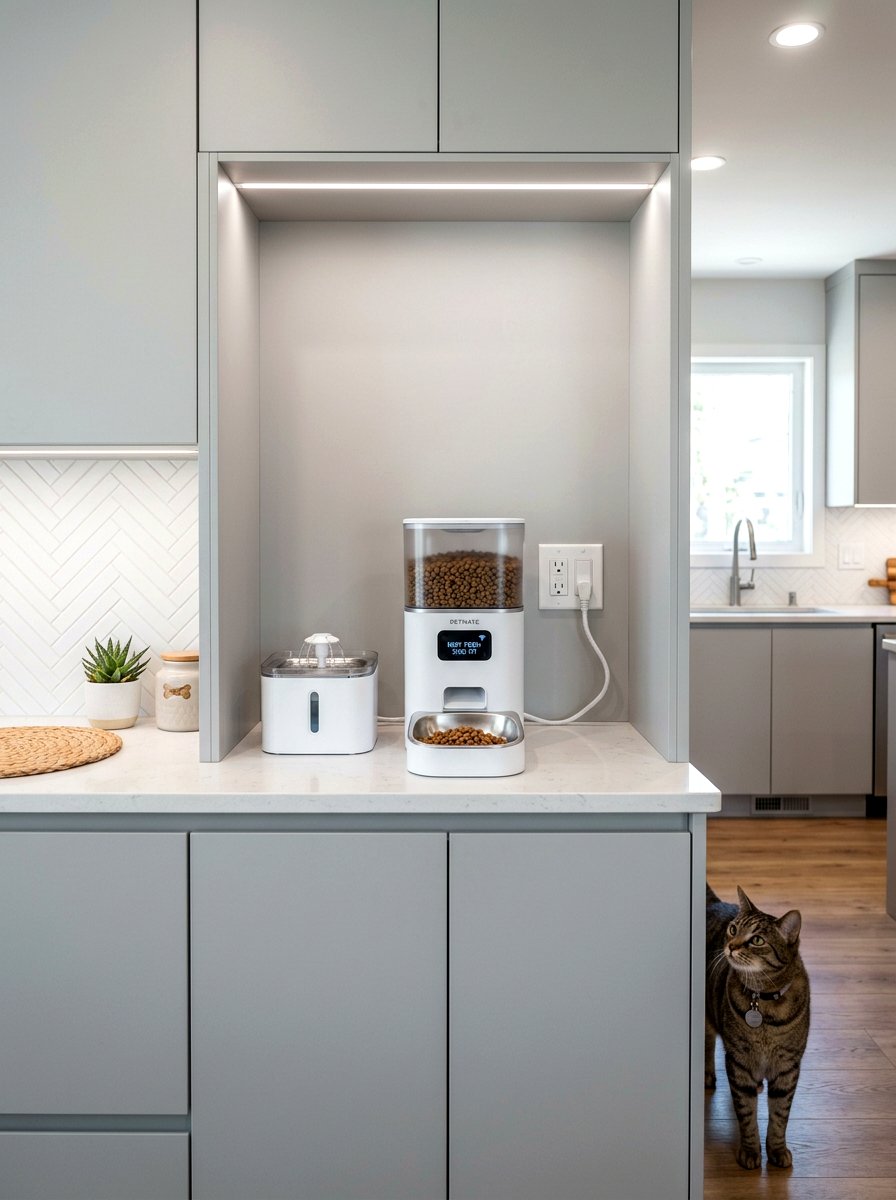
For those who prefer a modern aesthetic, a pet feeding niche should focus on clean lines, hidden storage, and high-tech materials. A minimalist alcove finished with smooth laminate or stainless steel creates a sharp, professional look that is incredibly easy to maintain. These niches are often illuminated with integrated LED strip lighting, which not only looks stunning at night but also helps your pet find their water easily. The goal is to make the station as unobtrusive as possible, often using handle-less cabinetry or push-to-open drawers to maintain a sleek and uninterrupted surface throughout the entire contemporary kitchen space.
14. Open shelving pet feeding area
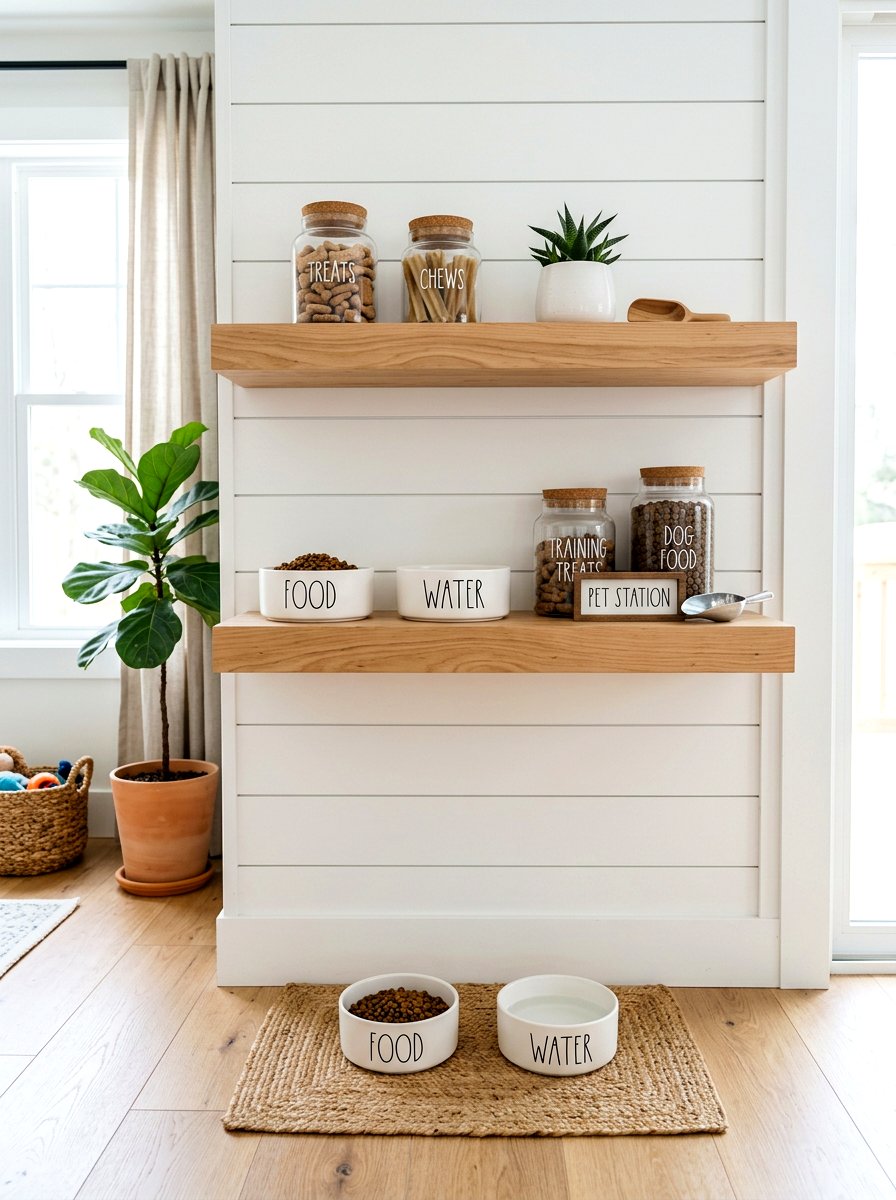
Using open shelving for your pet 's feeding area is a practical way to keep supplies organized while adding a decorative element to the kitchen. Lower open shelves can be used to hold heavy ceramic bowls, while upper shelves can display stylish jars of treats or neatly folded pet towels. This approach makes everything easy to grab and keeps the floor area clear. To keep it looking tidy, use uniform containers and baskets that coordinate with your kitchen decor. It is a flexible solution that can be easily updated or changed as your pet' s needs evolve over time through different life stages.
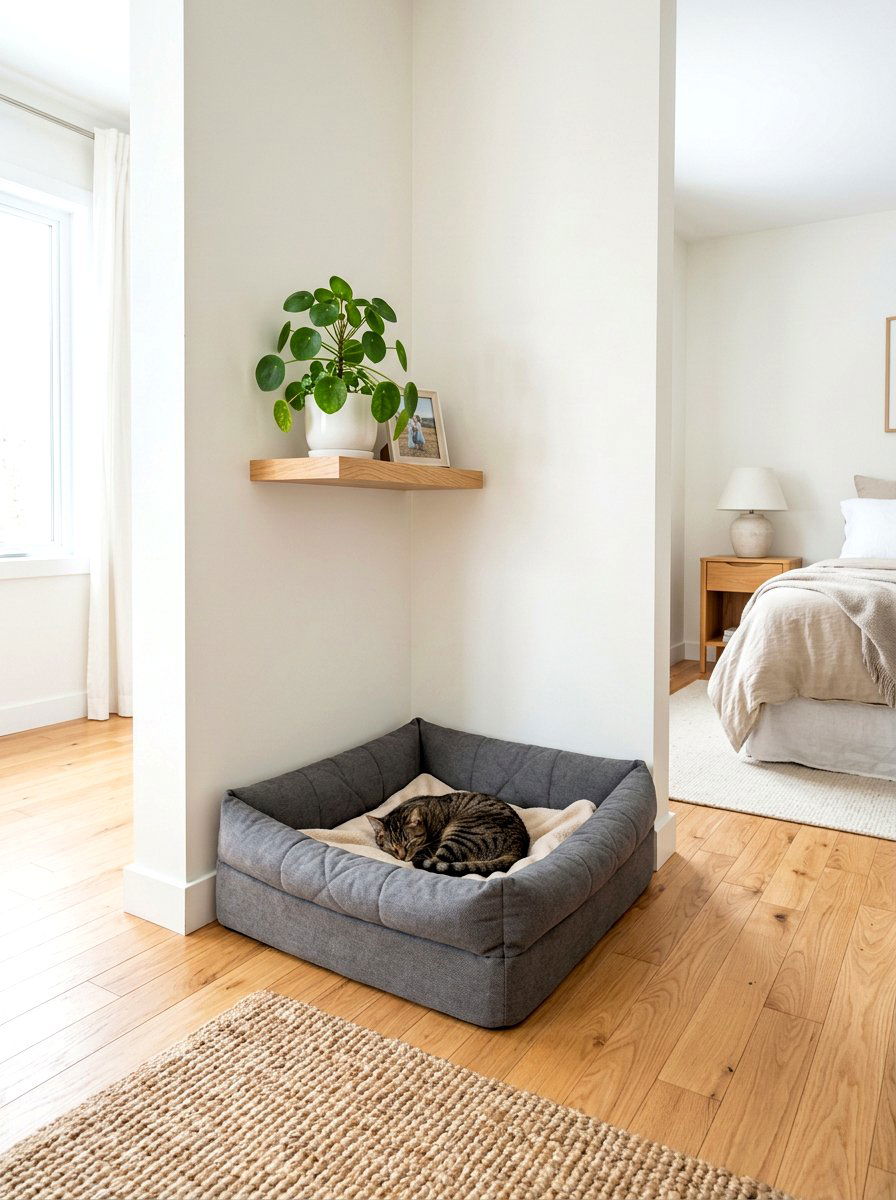
15. Kitchen corner dog nook
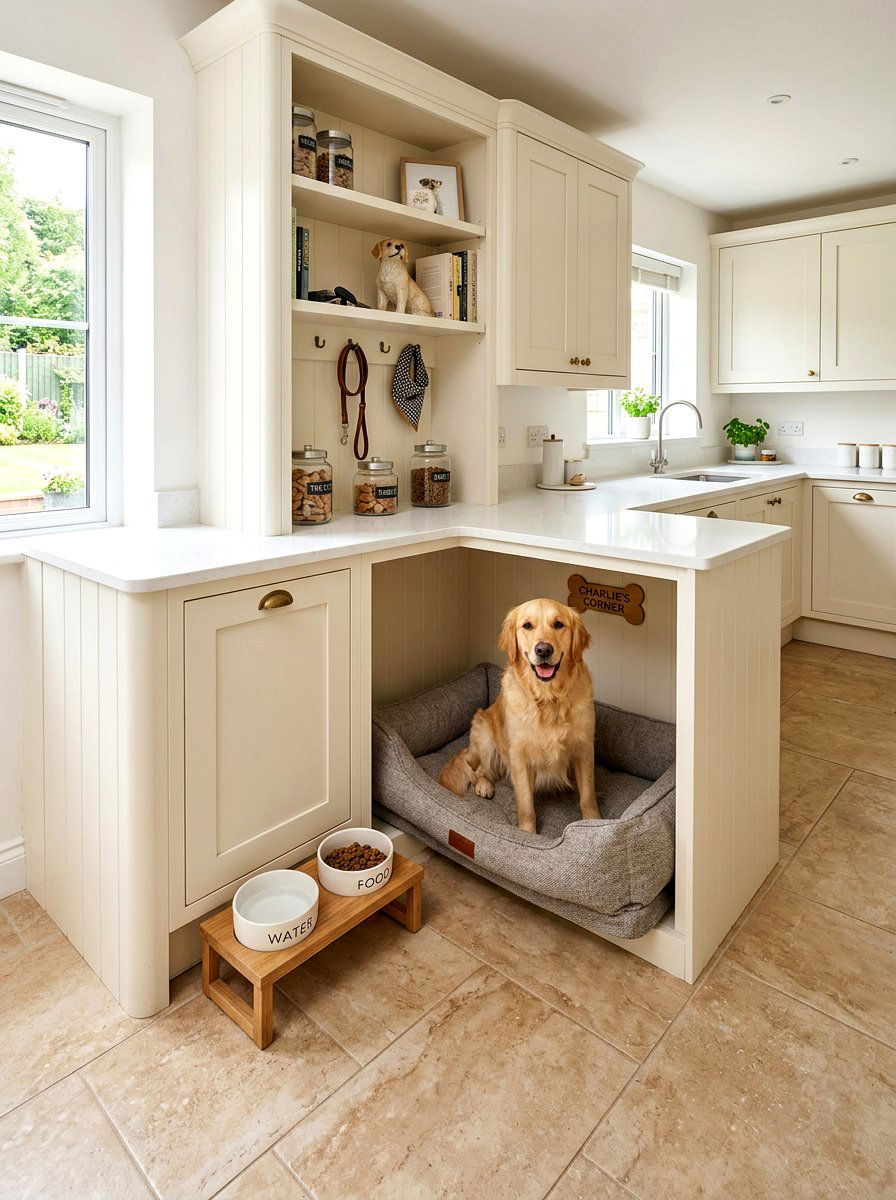
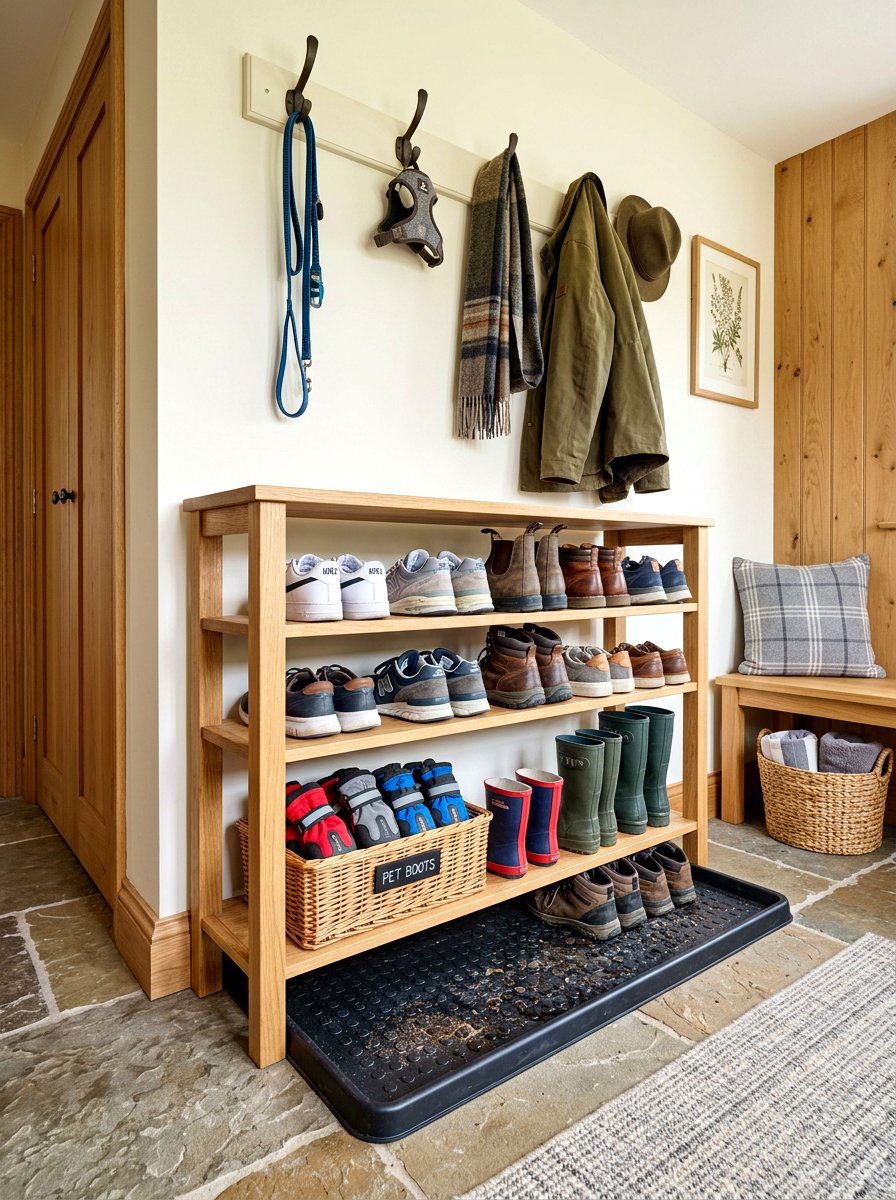
The corner of a kitchen is often an underutilized area that can be perfectly transformed into a dedicated dog nook. By removing a corner base cabinet, you can create a spacious L-shaped area that accommodates both a feeding station and a small bed. This provides your pet with a protected, out-of-the-way spot where they can observe the kitchen activity without being in the middle of the room. Adding a small overhead light or a decorative valance across the top of the opening can make the space feel like an intentional and cozy little room designed specifically for your furry family member.
16. Sliding door dog crate kitchen
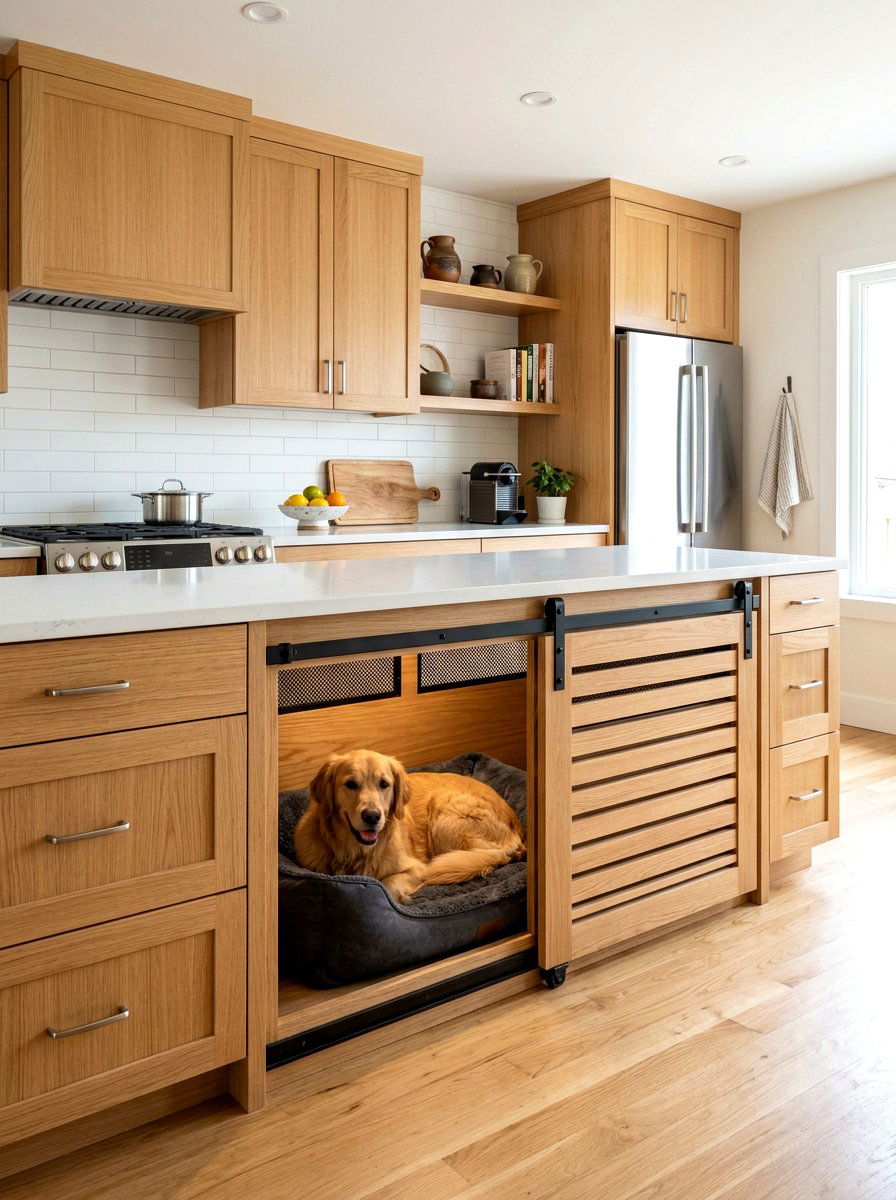
A sliding door dog crate integrated into your cabinetry is an excellent way to save space in tighter kitchen layouts. Unlike traditional swinging doors that require a wide clearance, a sliding or pocket door slides neatly out of the way when the crate is open. This design allows you to leave the crate accessible for your pet throughout the day without blocking walkways. The door can be made from beautiful wood slats or metal mesh to provide ventilation while maintaining a high-end look. It is a clever engineering solution that prioritizes flow and functionality in a busy household pet-friendly environment.
17. Integrated pet wash station kitchen
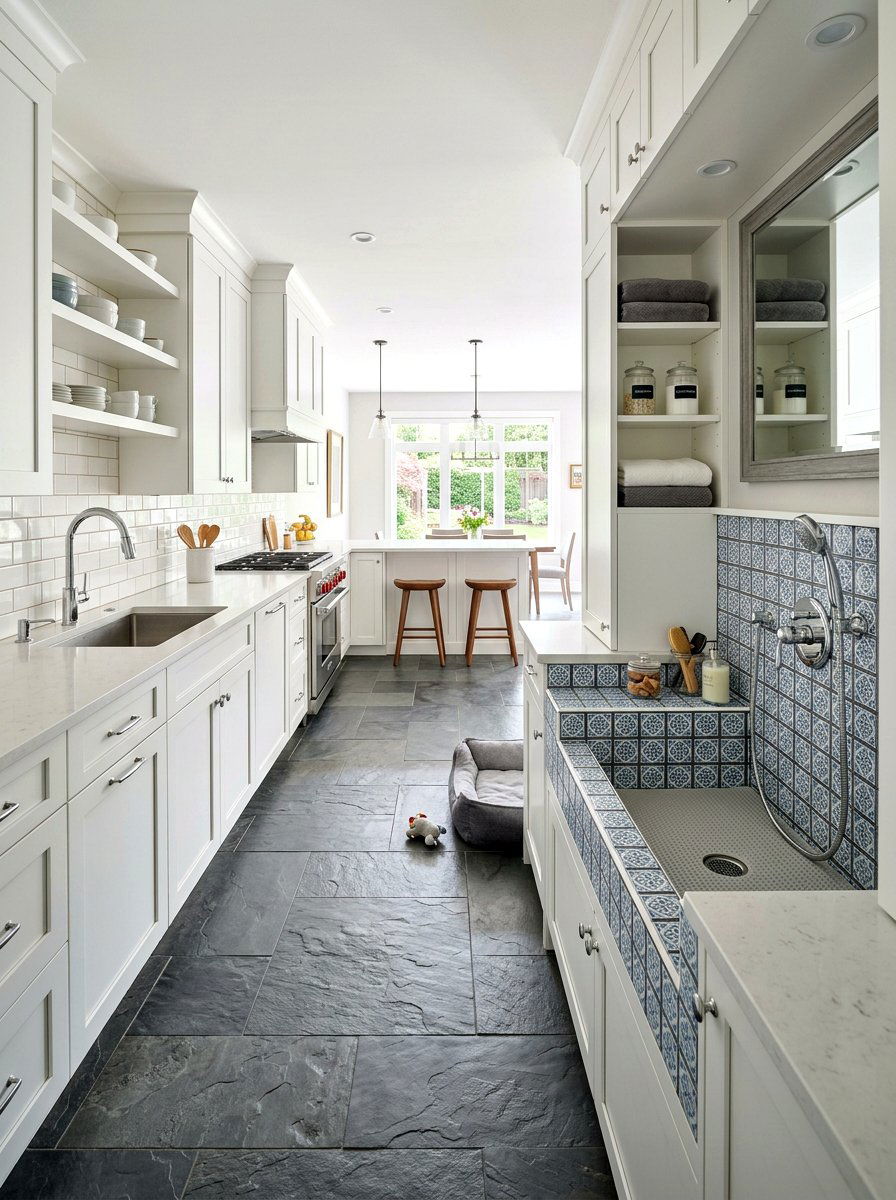
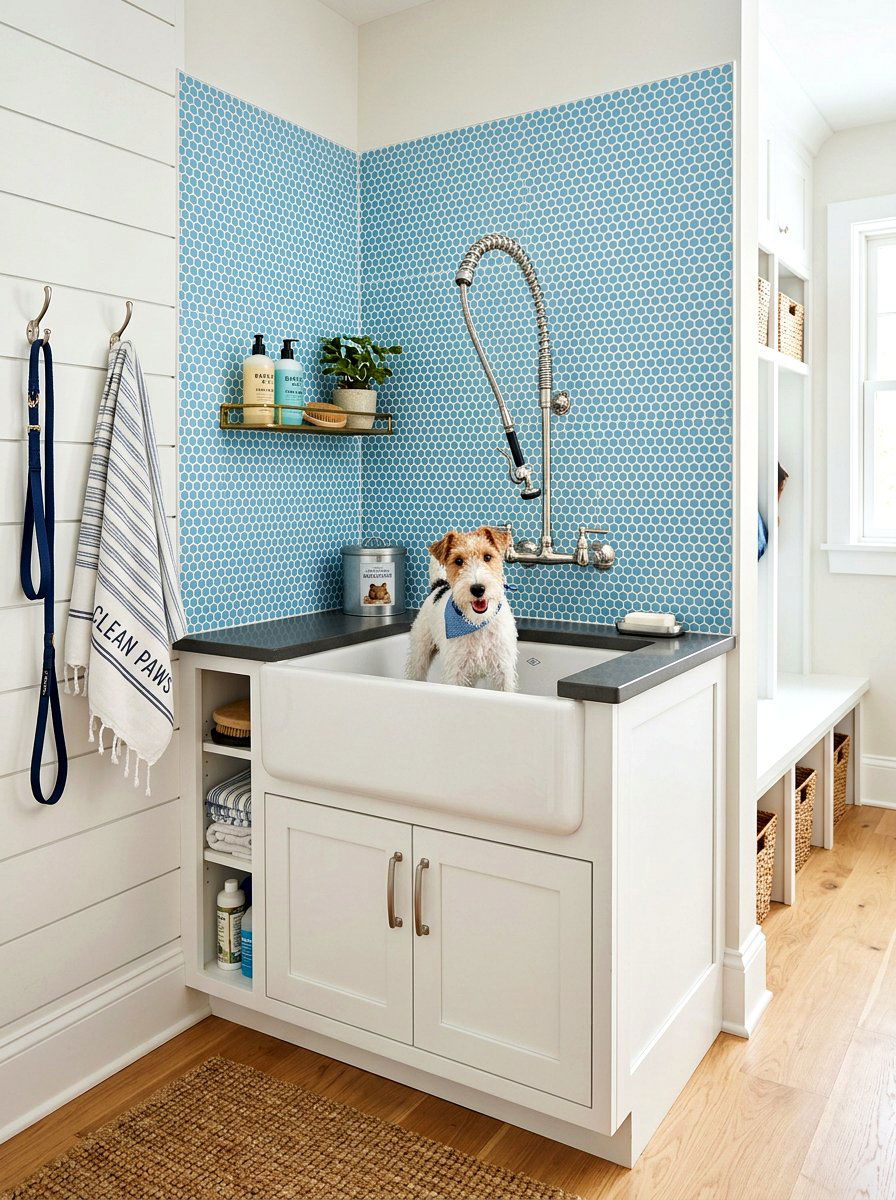
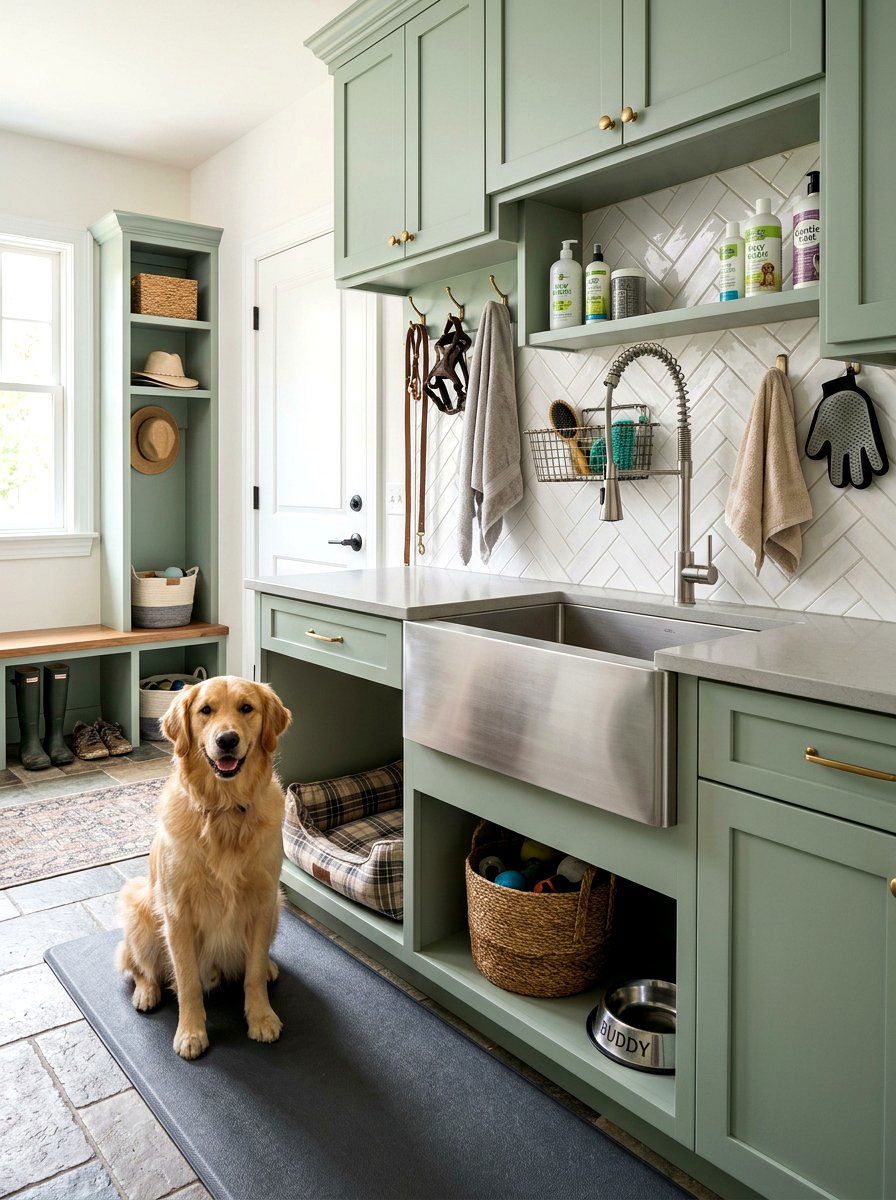
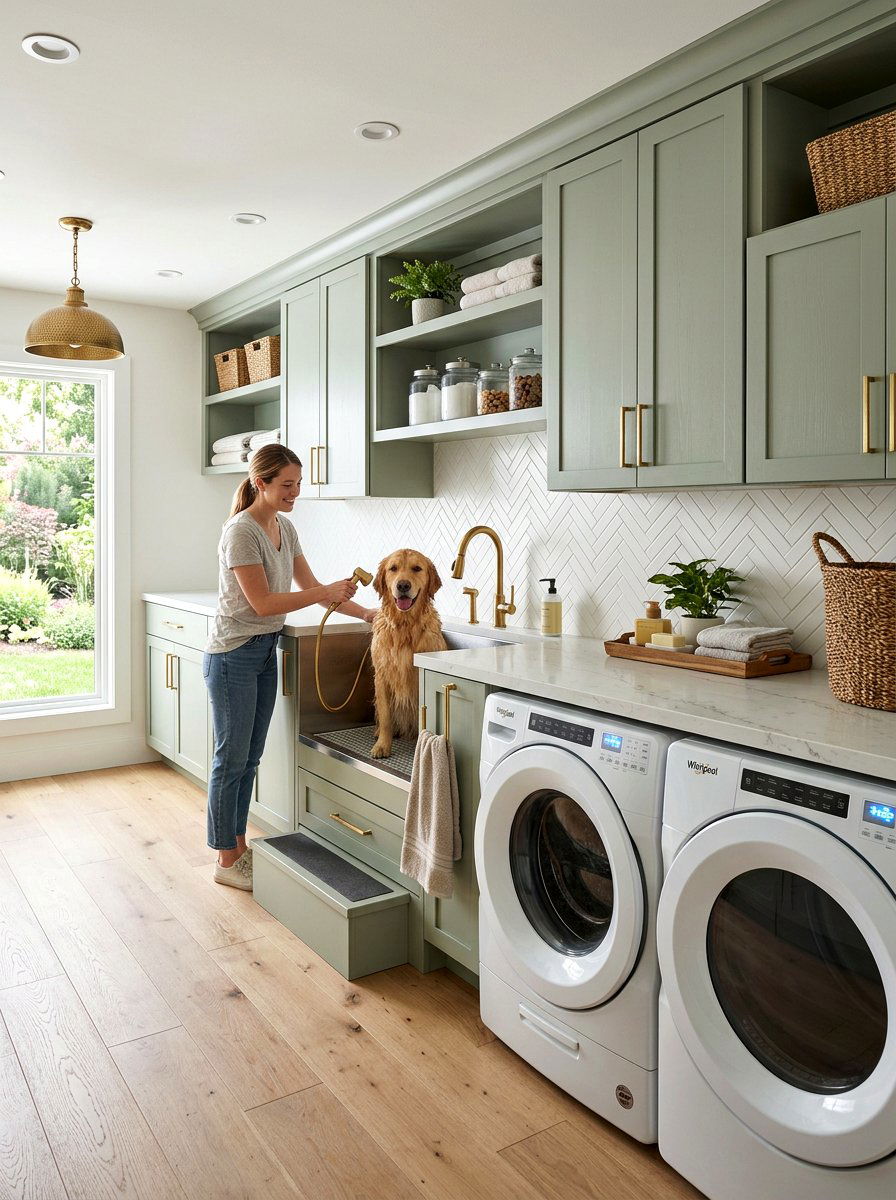
In larger kitchens or those connected to a mudroom, an integrated pet wash station is a luxury feature that provides incredible utility. This usually involves a low-profile tiled basin with a hand-held sprayer, similar to a small shower, located at the end of a cabinet run. It is perfect for washing muddy paws or giving small dogs a quick bath without making a mess in the bathroom. By using the same tile and cabinetry as the rest of the kitchen, the wash station looks like a high-end utility feature rather than an afterthought. It centralizes all grooming and cleaning tasks in one convenient area.
18. Built in treat cabinet kitchen
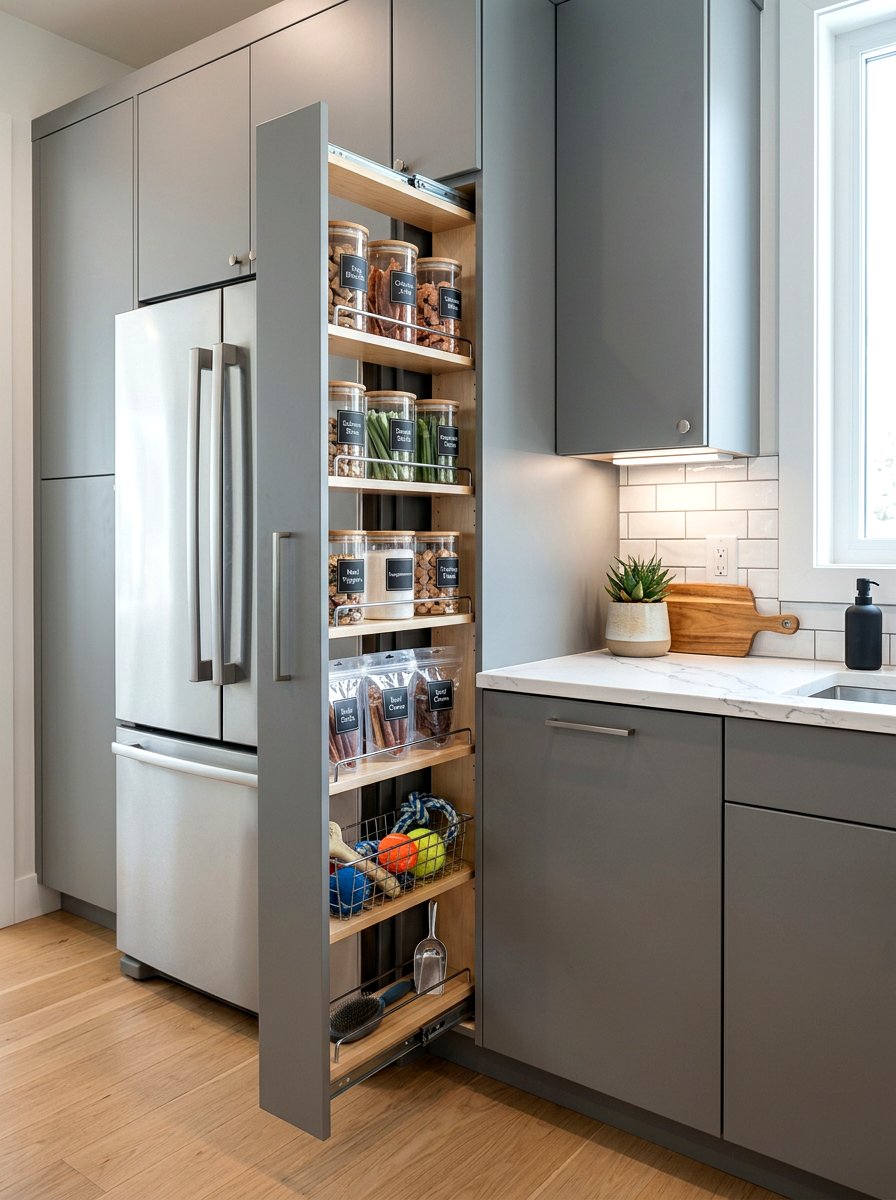
A built-in treat cabinet or "pet pantry" allows you to organize all of your animal 's supplements, snacks, and medications in one easy-to-reach spot. This can be a narrow pull-out spice-style cabinet or a dedicated drawer with custom dividers. Having a specific place for treats helps prevent kitchen counters from becoming cluttered with various bags and boxes. It also makes it easier to keep track of supplies so you never run out of your pet' s favorites. Labeling the sections or using clear acrylic bins adds a level of organization that makes daily pet care much more efficient and visually pleasing.
19. Small kitchen pet station solution
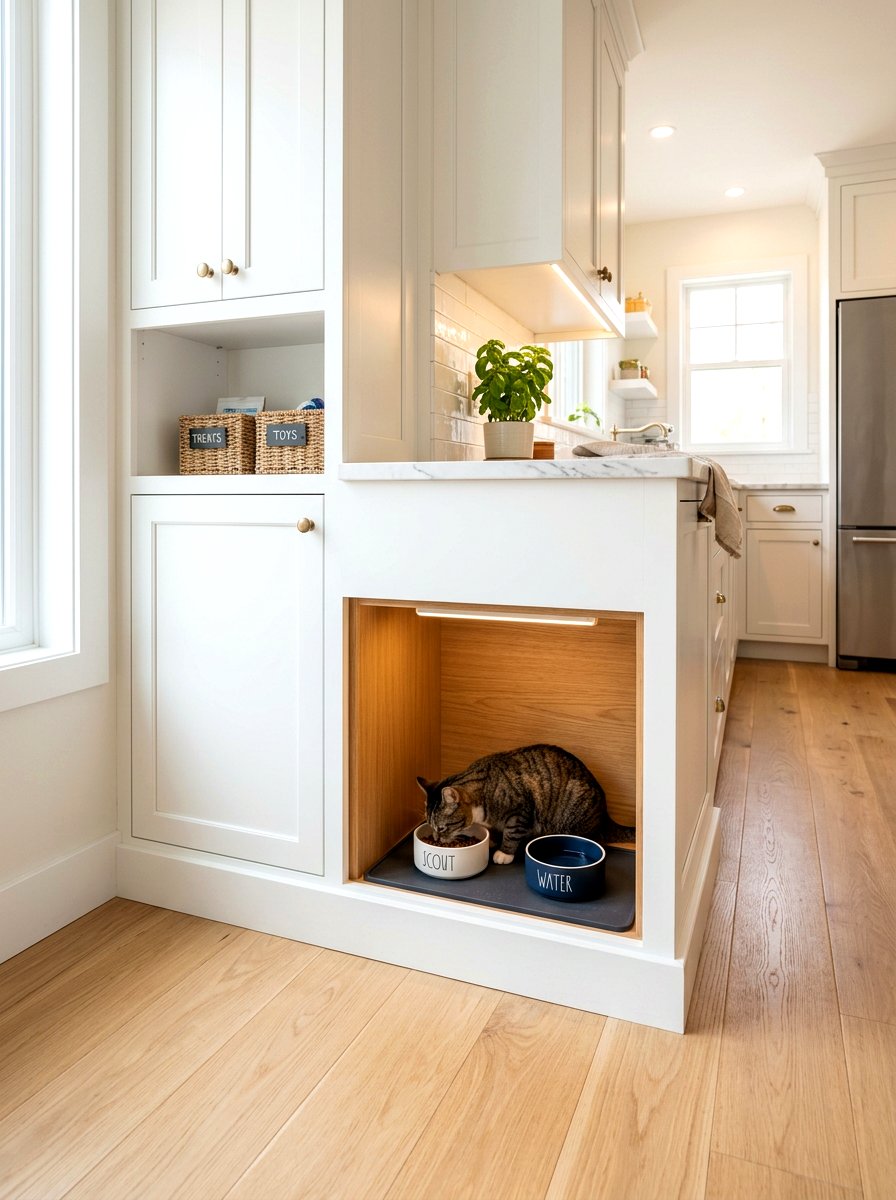
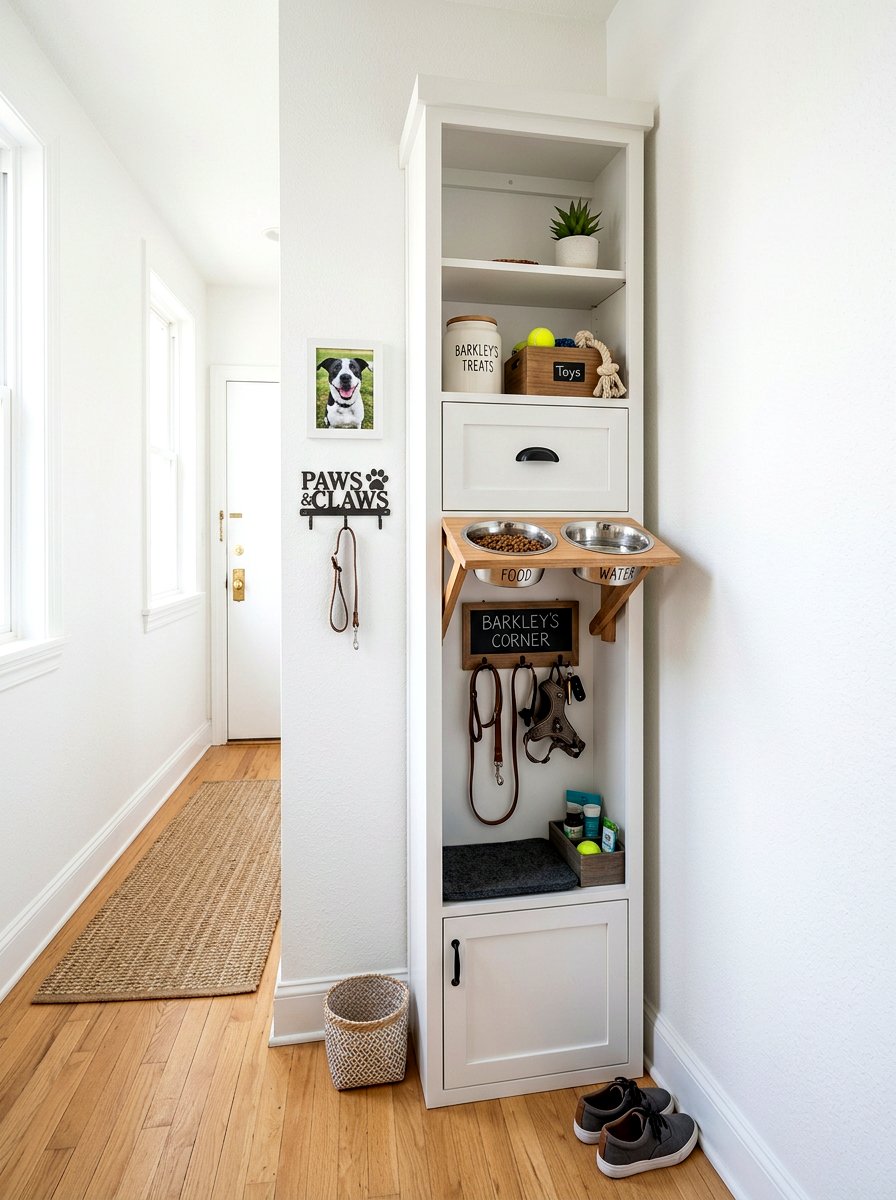
Even in the smallest kitchens, you can create a dedicated pet station by using clever multi-purpose furniture or compact modifications. A simple recessed area at the base of a pantry or the end of a short counter can house two small bowls without taking up any extra floor space. Another option is a wall-mounted fold-down table that holds bowls during mealtime and flips up against the wall afterward. The key in a small space is to look for vertical opportunities or to utilize the gaps between appliances. These small adjustments make a huge difference in how the kitchen functions for both people and pets.
20. Rustic wood dog feeding station
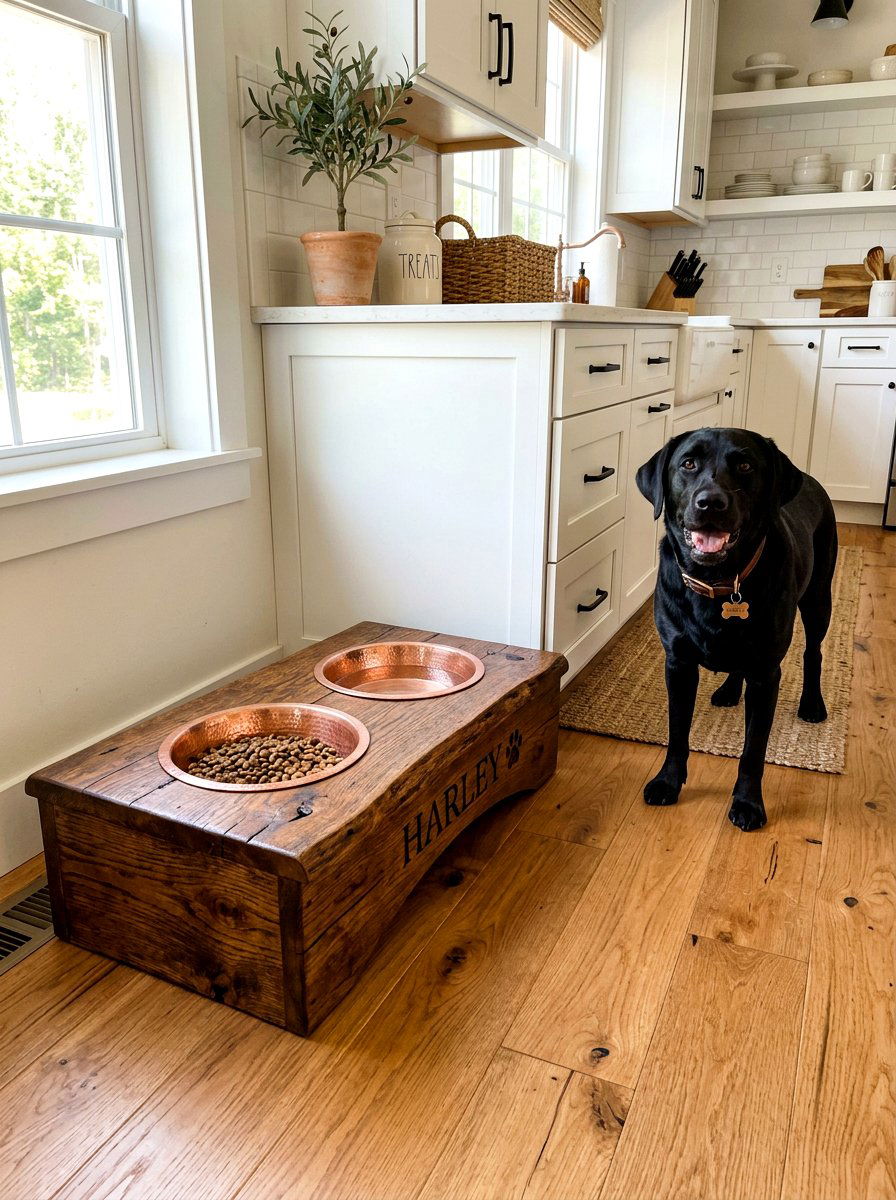
A rustic wood feeding station brings warmth and organic texture to a kitchen, making it feel more homey and inviting. These stations are often handcrafted from reclaimed timber or stained oak to highlight the natural grain of the wood. The heavy, solid construction is not only beautiful but also durable enough to withstand the wear and tear of daily pet use. When paired with matte black hardware or copper bowls, a rustic wood station creates a timeless look that works well in traditional or cottage-style kitchens. It is a sturdy and stylish way to show your pet is a valued part of the home.
21. Minimalist pet bowl kitchen setup
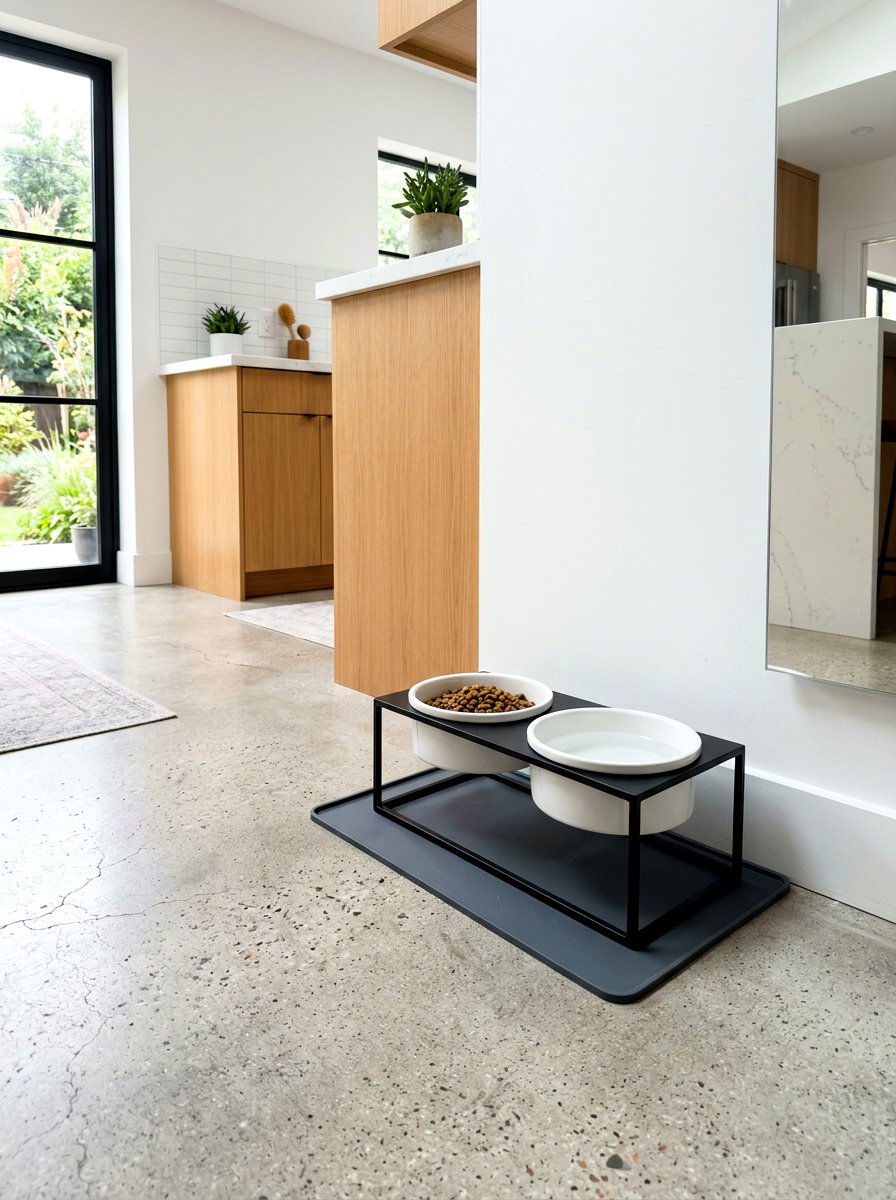
A minimalist pet bowl setup is all about simplicity, focusing on high-quality materials and a clean, uncluttered look. This often involves a single, sleek platform made of stone or metal that holds the bowls just slightly off the floor. The goal is to have as little visual impact as possible, with the station blending into the background of the kitchen. Using neutral colors like white, grey, or black ensures that the setup doesn't compete with other design elements. It is an ideal choice for modern homeowners who appreciate a quiet, organized aesthetic where everything has a specific, discreet place to reside.
22. Multifunctional kitchen mudroom pet area
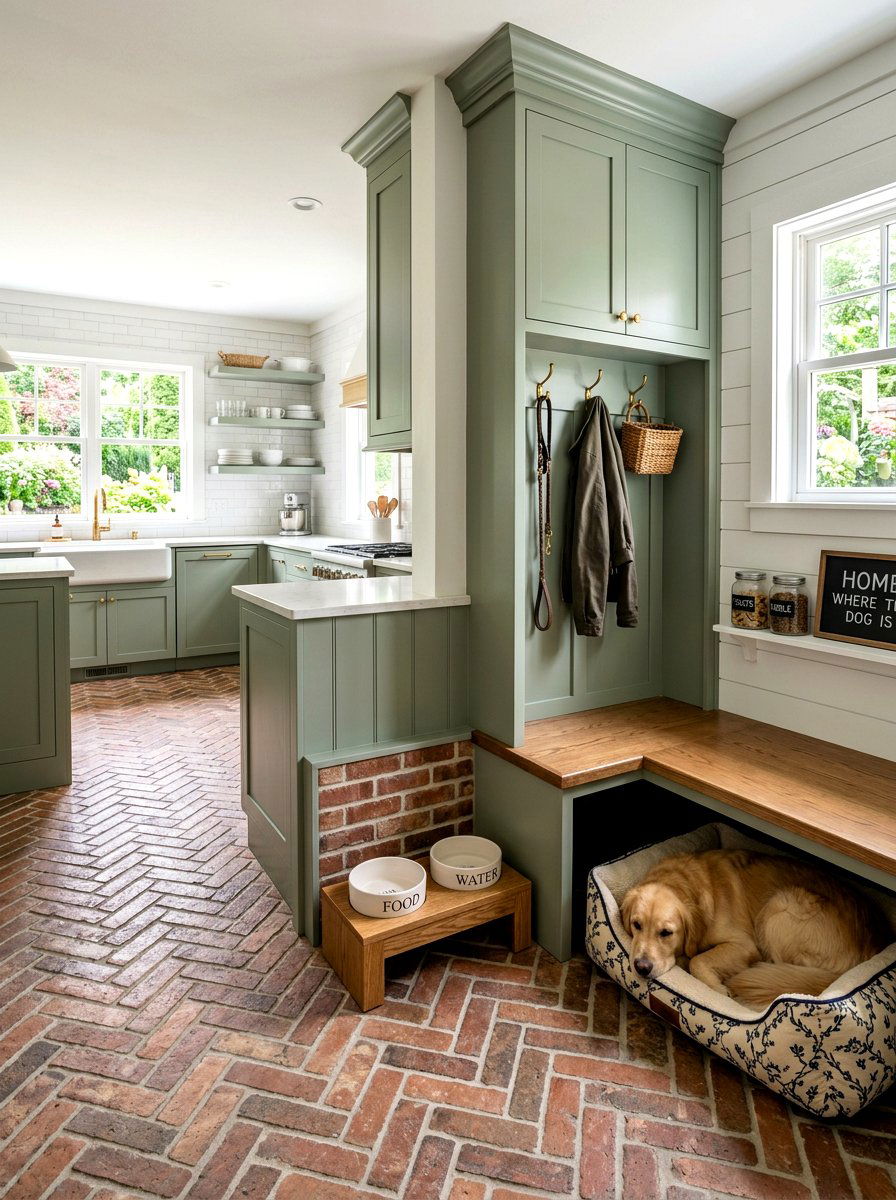
Combining your kitchen and mudroom allows for a highly functional, all-in-one pet zone that handles everything from feeding to grooming. This area might include a built-in crate under a bench, a storage wall for leashes and coats, and a floor-level feeding station. By placing the pet zone near the back door, you keep any outside mess contained in a durable, easy-to-clean area before it reaches the main living spaces. Using waterproof flooring like luxury vinyl or tile ensures the space can handle wet paws and spilled water easily. It is a practical layout that streamlines the transition from outdoor adventures to indoor relaxation.
23. Decorative dog food bin cabinet
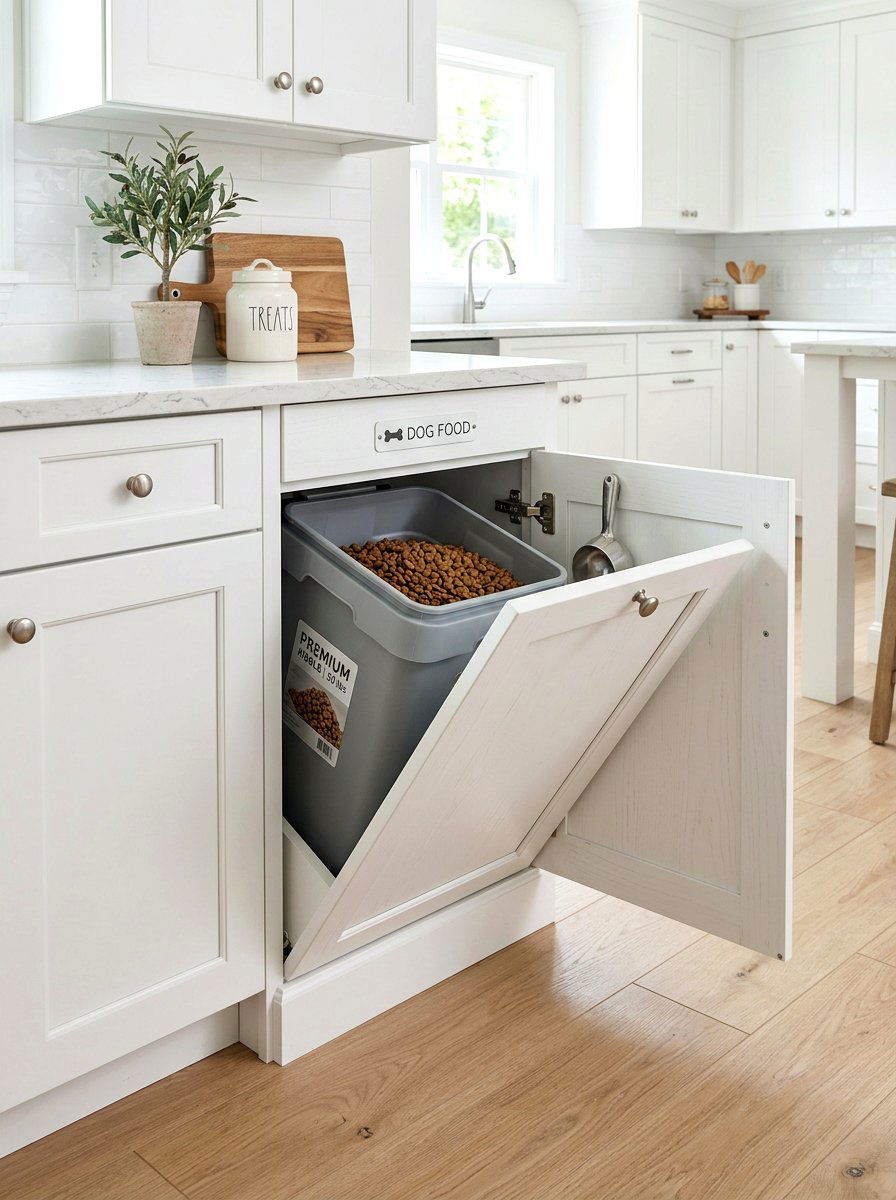
Moving bulky dog food bags into a decorative bin cabinet is a simple way to improve the look of your kitchen. These specialized cabinets feature a tilt-out or pull-out bin lined with a food-safe plastic container that keeps kibble fresh and accessible. The exterior of the cabinet matches your kitchen's millwork, so it looks like a standard cupboard rather than a piece of pet equipment. This eliminates the need for unsightly plastic tubs sitting in the corner and makes it much easier to pour food during mealtime. It is a classic example of how smart storage can improve the daily household experience.
24. Automatic pet feeder kitchen cabinet
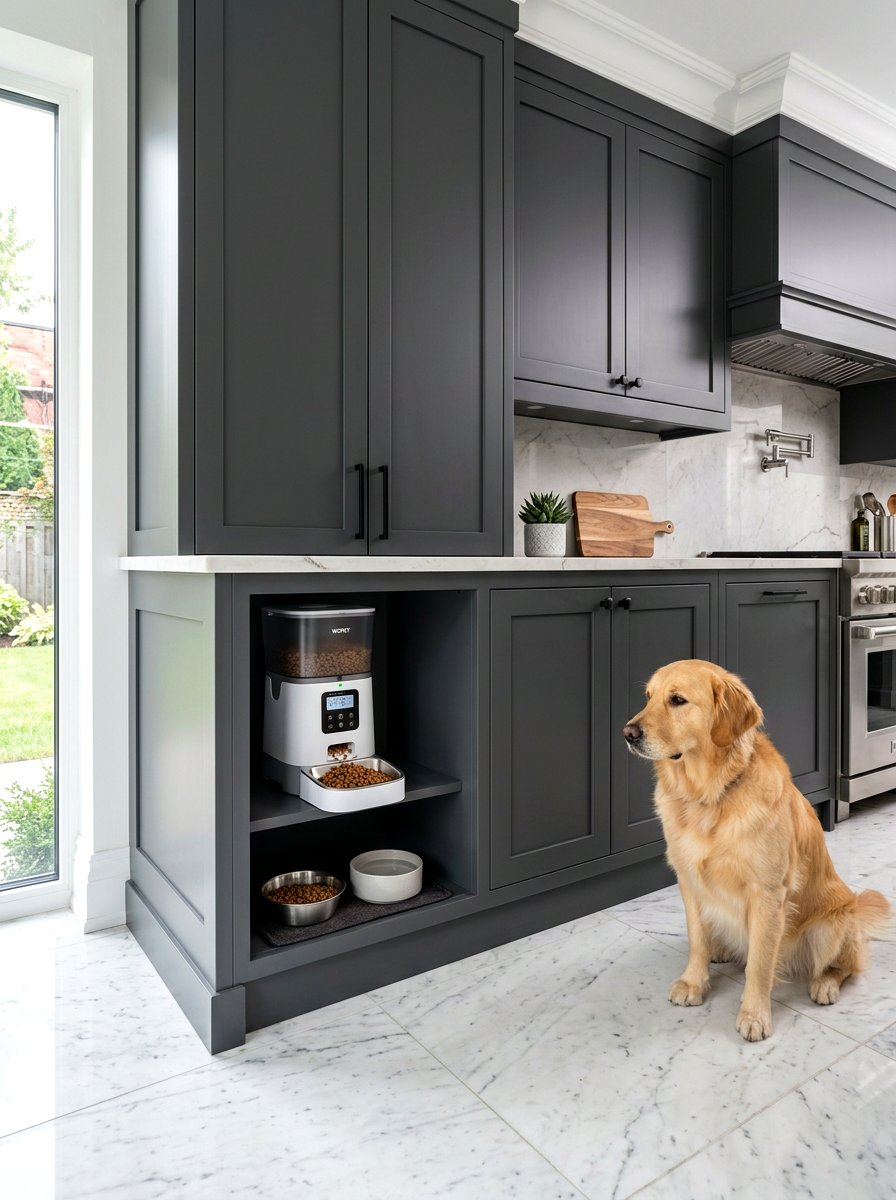
Integrating an automatic pet feeder into a custom kitchen cabinet allows you to enjoy modern technology without sacrificing your design aesthetic. A specialized cabinet can be designed with a cutout that fits the feeder perfectly, hiding the bulky machine and its power cords behind a closed door or within a recessed niche. This ensures your pet is fed on a consistent schedule while keeping the kitchen looking tidy and professional. Some homeowners even include a small light or a camera within the cabinet to monitor their pet’s eating habits. It is the perfect blend of high-tech convenience and high-end interior kitchen design.
25. Marble top dog feeding station
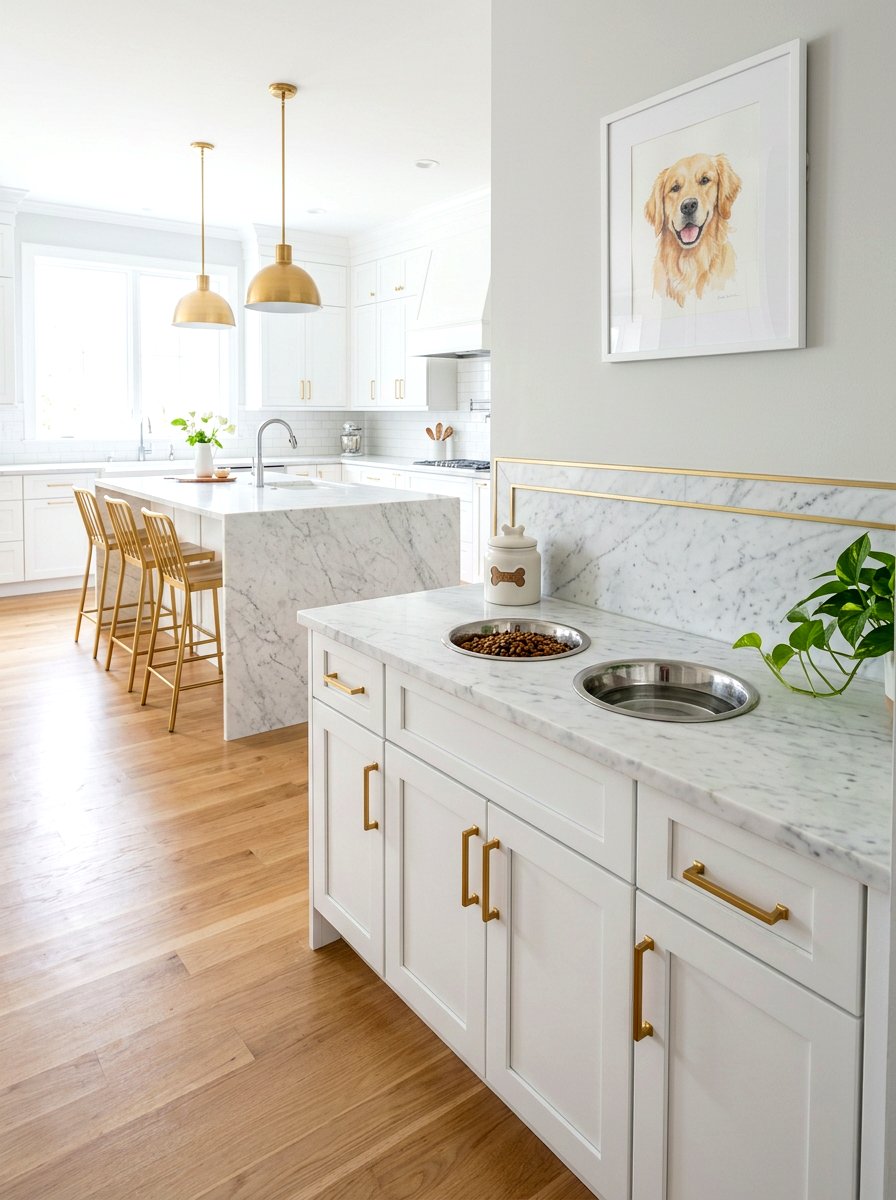
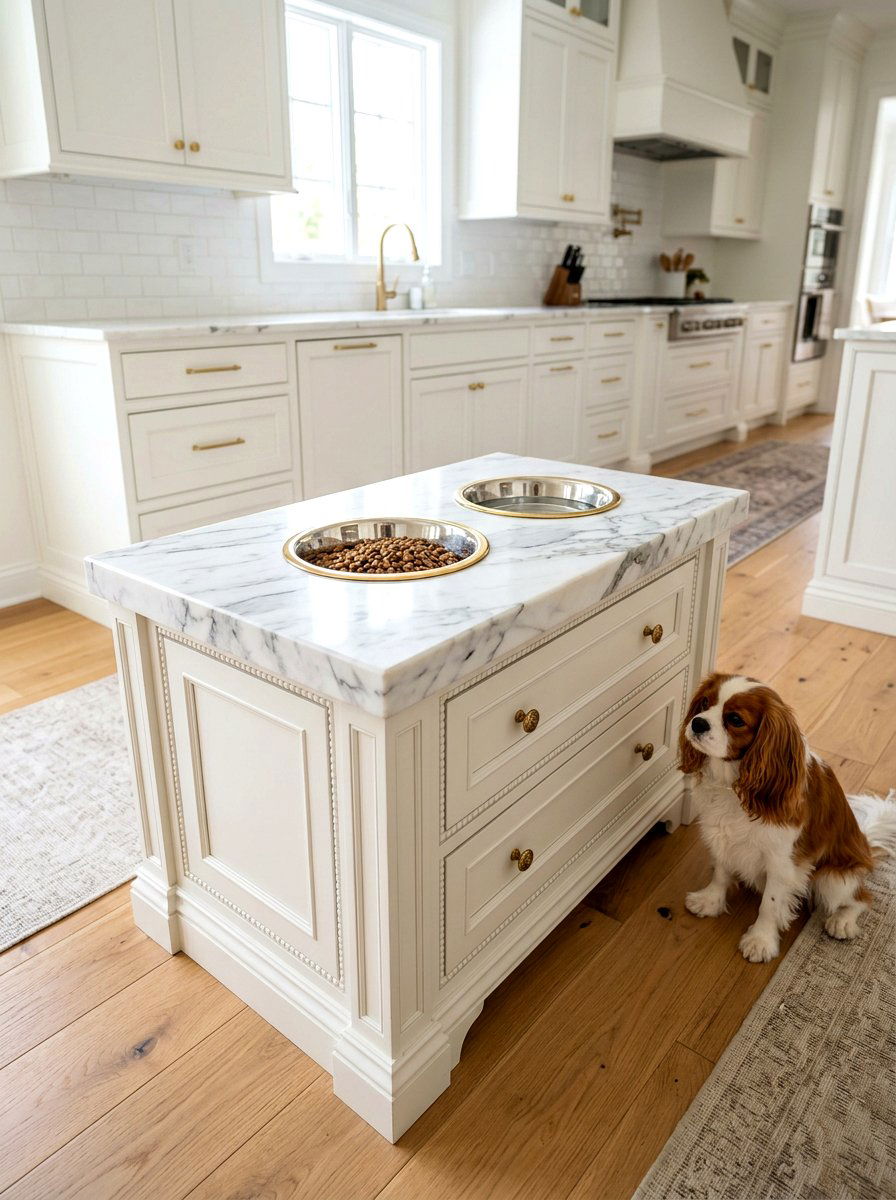
For a touch of pure luxury, a marble top dog feeding station adds a high-end feel to your pet's dining area. Using a remnant piece of marble that matches your kitchen countertops creates a beautiful, cohesive look that is also incredibly durable. Marble is naturally cool and easy to wipe down, making it an excellent surface for holding food and water bowls. This type of station is often built into the side of a kitchen island or a dedicated coffee bar area. It elevates the pet zone from a basic utility to a stunning design feature that showcases your attention to detail and style.
26. Pull out trash can pet food
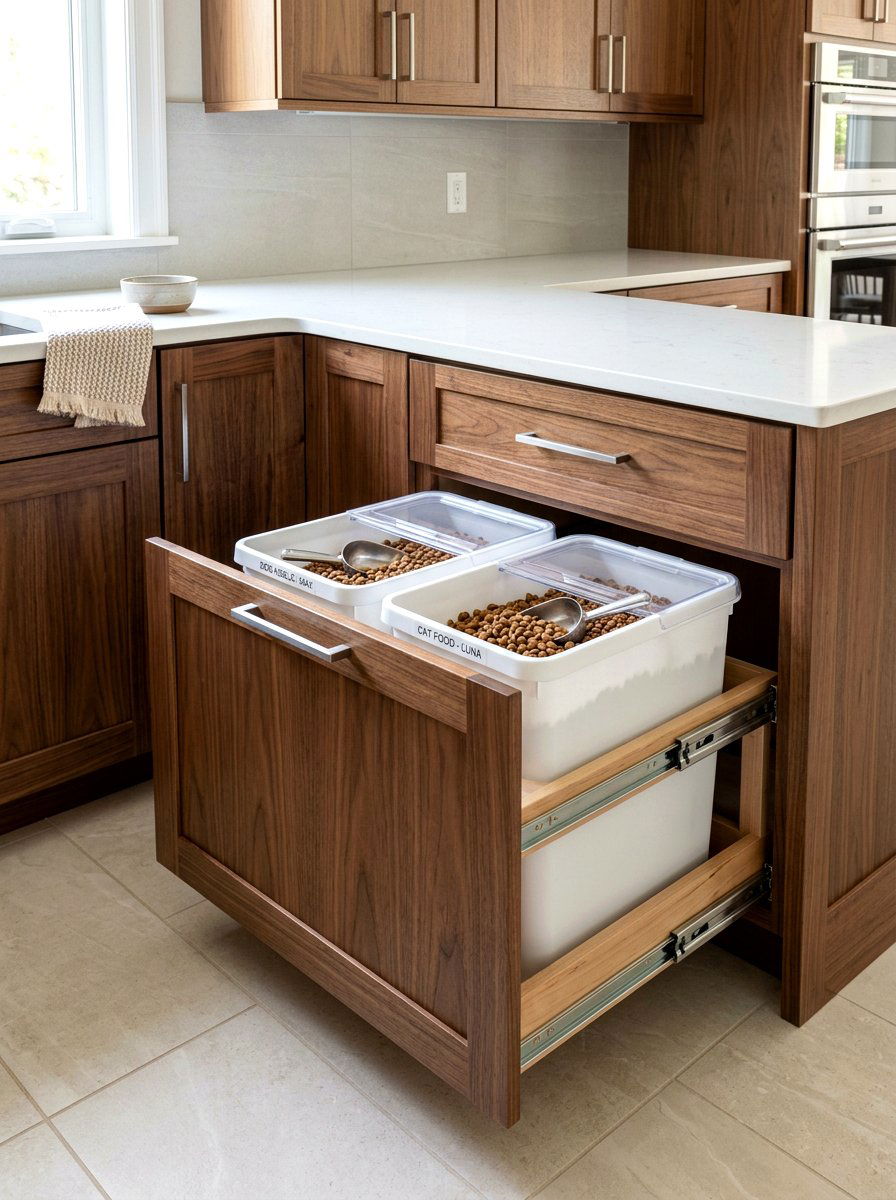
Repurposing a standard pull-out trash can cabinet into a pet food station is a clever and affordable way to organize your kitchen. By replacing the trash bins with airtight containers, you create a large-capacity storage area for multiple types of food or treats. Some systems even allow you to mount a small shelf for bowls directly in front of the food bins, creating a complete "all-in-one" station that slides out when needed. This utilizes existing kitchen hardware and cabinet dimensions, making it an easy modification for those who want better organization without a full custom build. It is remarkably efficient.
27. Scandi style dog feeding area
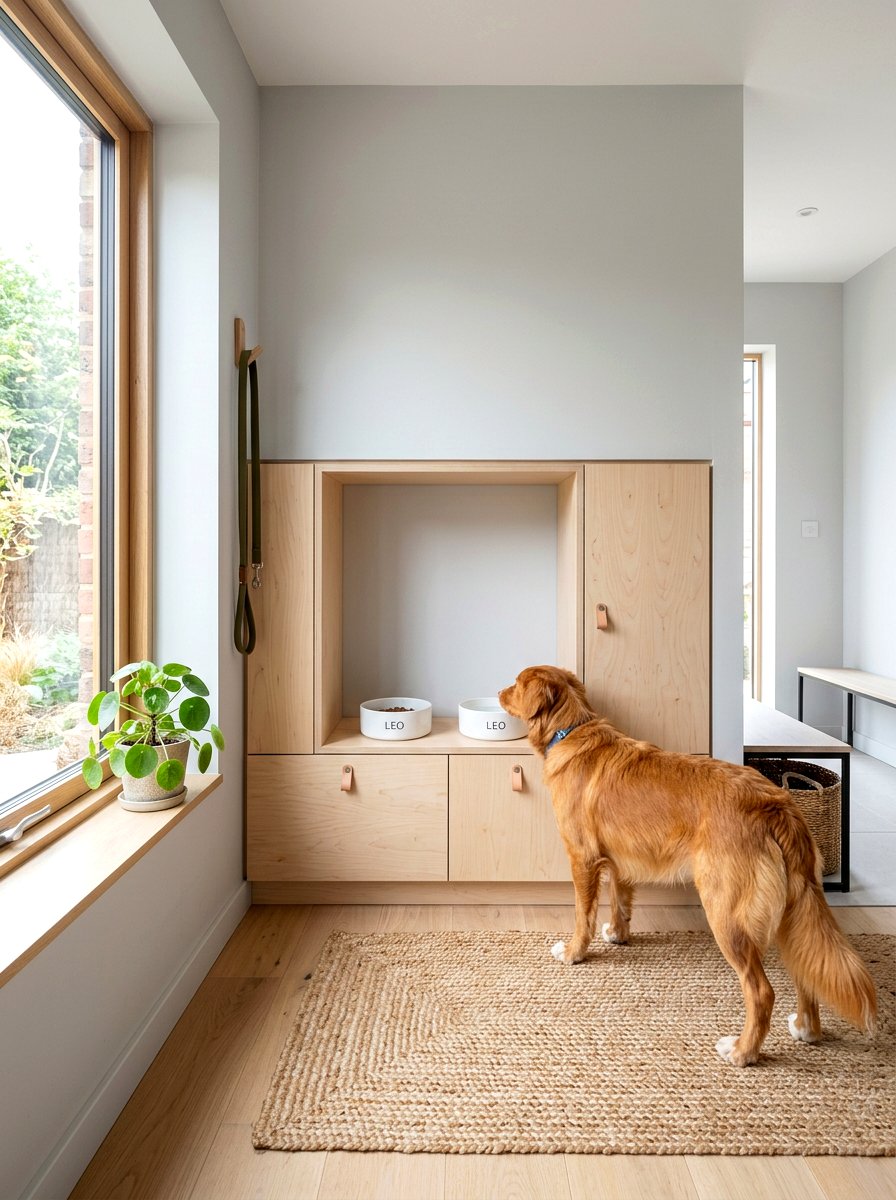
The Scandi style is defined by light woods, functional design, and a bright, airy feel, all of which can be applied to a pet station. A simple plywood or light oak nook with clean edges and white ceramic bowls creates a look that is both modern and incredibly cozy. This design often avoids unnecessary ornamentation, focusing instead on the beauty of the materials and the practicality of the layout. Adding a soft grey mat and a few minimalist wooden pegs for leashes nearby completes the look. It is a calming and stylish way to integrate your pet into a contemporary Scandinavian-inspired kitchen environment.
28. Tiled pet feeding station niche
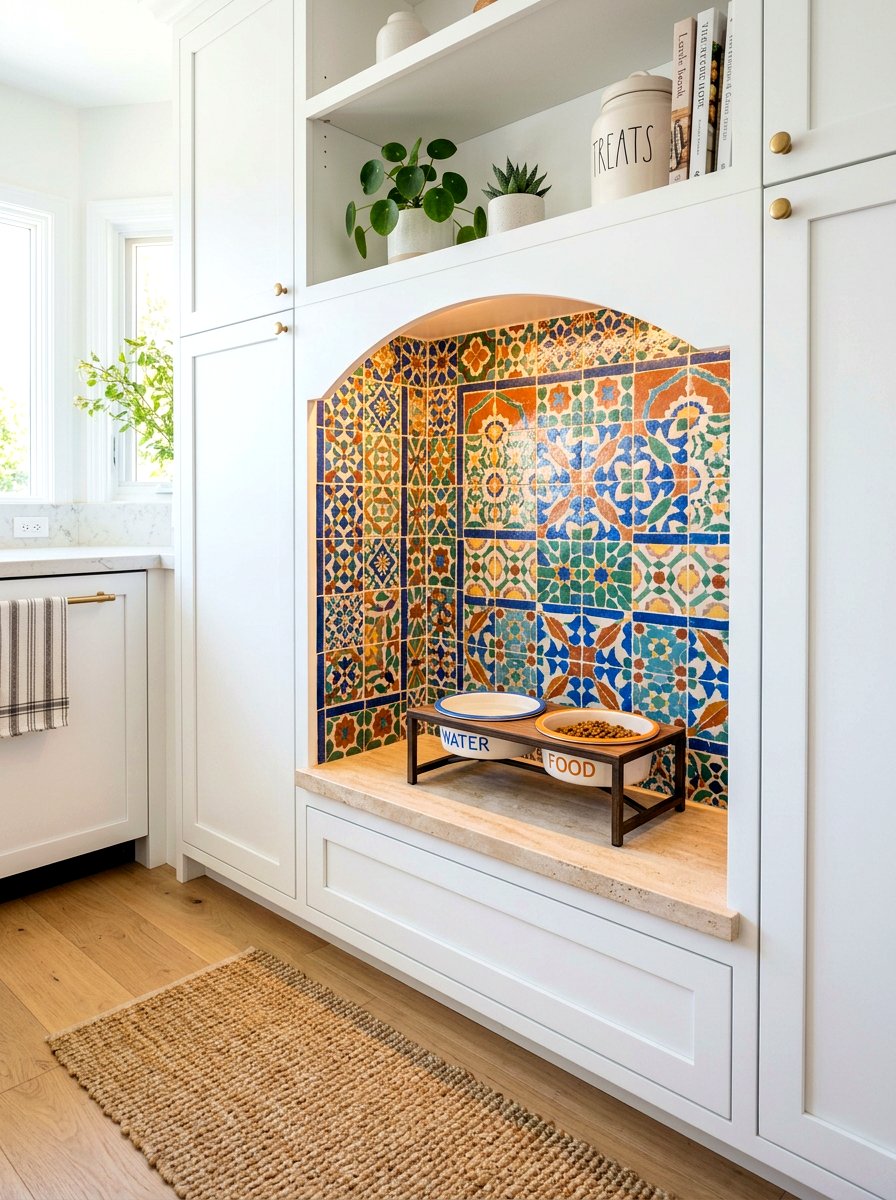
Lining a pet feeding niche with decorative tile is a fantastic way to add color and pattern to your kitchen while protecting your walls. You can use a bold backsplash tile to make the station a focal point or choose a subtle subway tile for a more classic look. Tile is completely waterproof and easy to scrub, which is essential for pets that are messy eaters or drinkers. Extending the floor tile up into the niche creates a seamless transition that is both beautiful and functional. This design choice shows that every part of the kitchen, including the pet zone, has been carefully considered.
29. Double dog feeding station kitchen
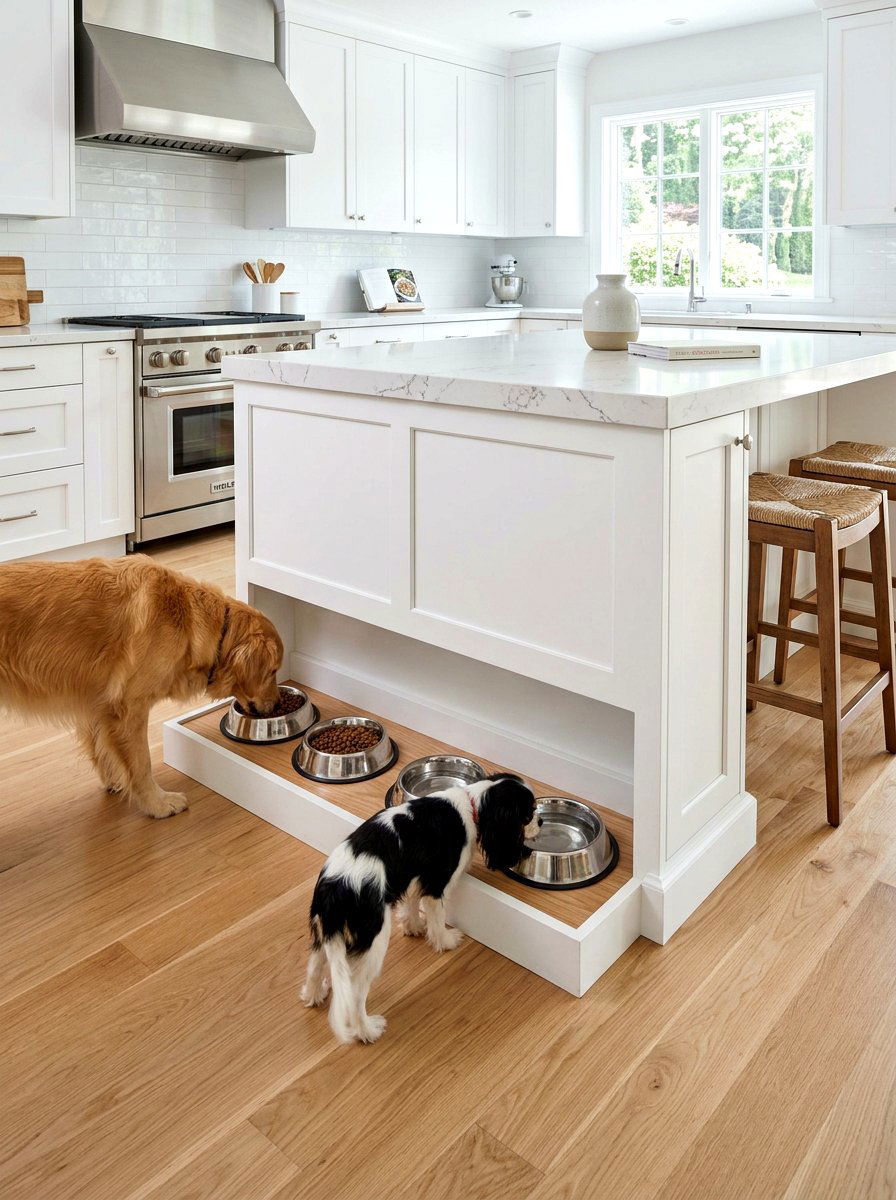
For households with multiple pets, a double dog feeding station ensures everyone has their own space and prevents mealtime squabbles. This is typically a longer recessed area or a wide pull-out drawer that accommodates four or more bowls side-by-side. By planning for two distinct zones, you can maintain organization and ensure each pet receives the correct food and supplements. These stations can be built into a long run of cabinets or a large kitchen island. Providing enough space between the bowls allows your pets to eat comfortably together, making the morning and evening feeding routines much more peaceful and organized.
30. Elevated dog feeding station kitchen
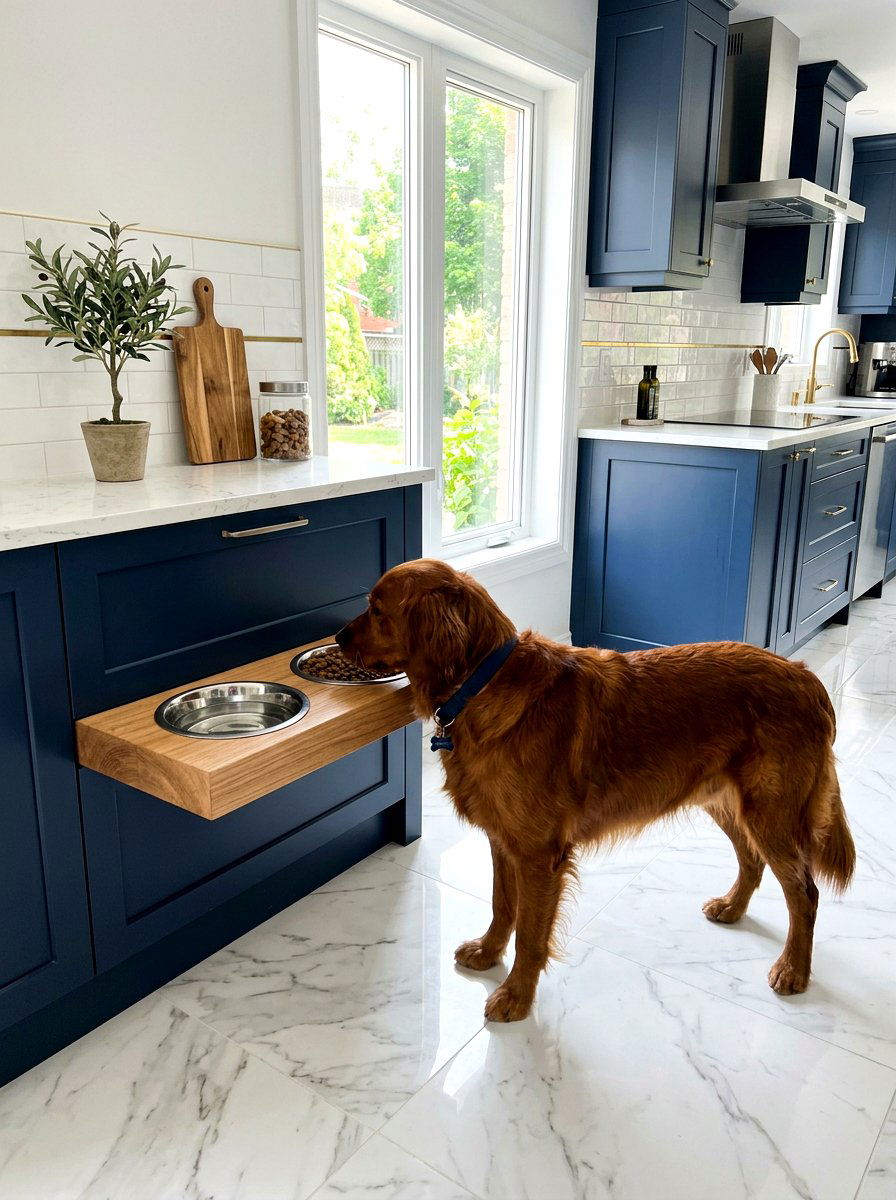
An elevated feeding station is often recommended for larger breeds to improve their posture and aid in digestion. Integrating these into your kitchen cabinetry allows you to set the height perfectly for your dog 's specific needs. A floating shelf or a built-in platform can hold the bowls at chest height, reducing the strain on your pet' s neck and joints. This ergonomic approach is both a health benefit for your animal and a design win for your home, as it looks much more polished than a plastic freestanding riser. It is a thoughtful way to care for your aging or large-breed furry companion.
Conclusion:
Integrating a pet station into your kitchen is a thoughtful investment that pays off in both daily convenience and long-term home value. By moving beyond basic floor bowls, you create an environment that is cleaner, more organized, and visually harmonious. Whether you choose a hidden drawer, a custom island niche, or a luxury marble-topped station, the key is to design a space that reflects your personal style while meeting your pet 's unique needs. These ideas prove that you don' t have to sacrifice a high-end aesthetic to accommodate your furry family members. A well-planned kitchen pet station truly makes the heart of the home a welcoming place for everyone.

Related posts: