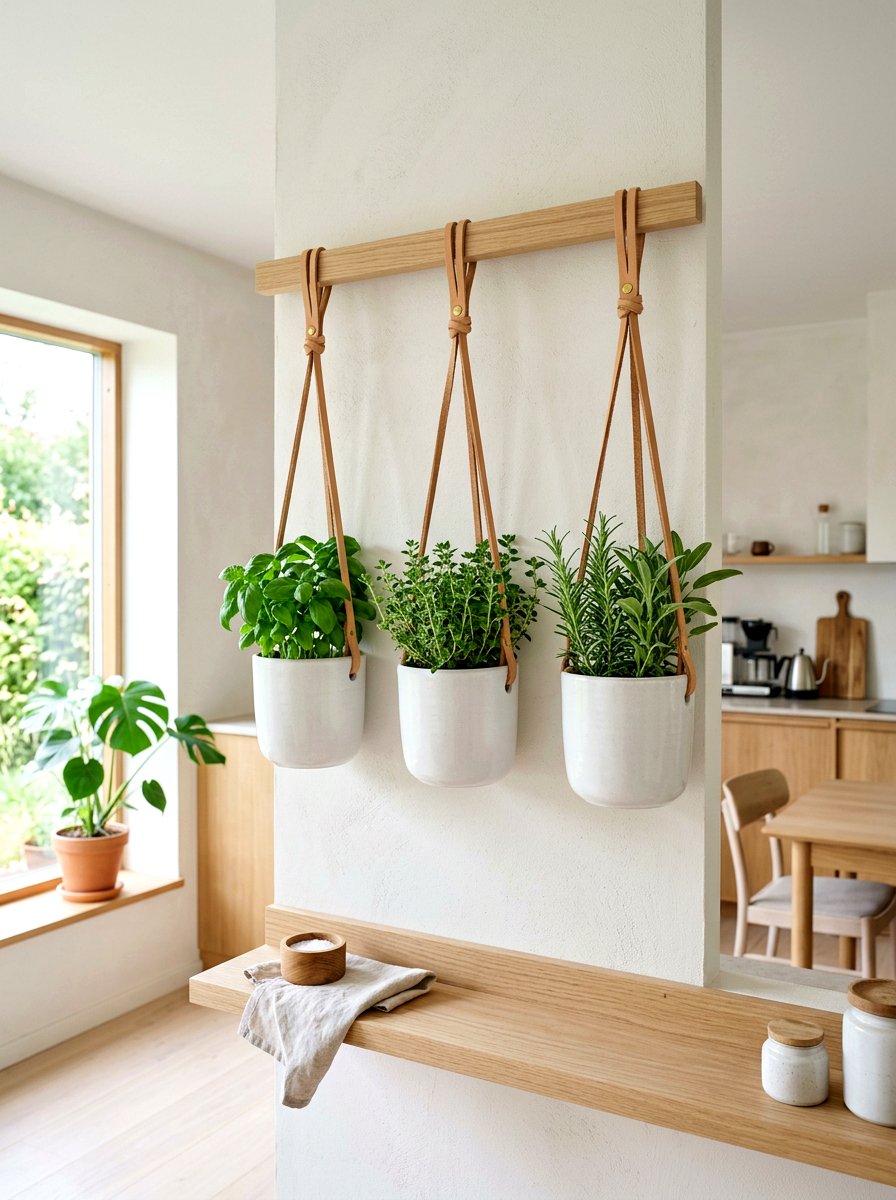
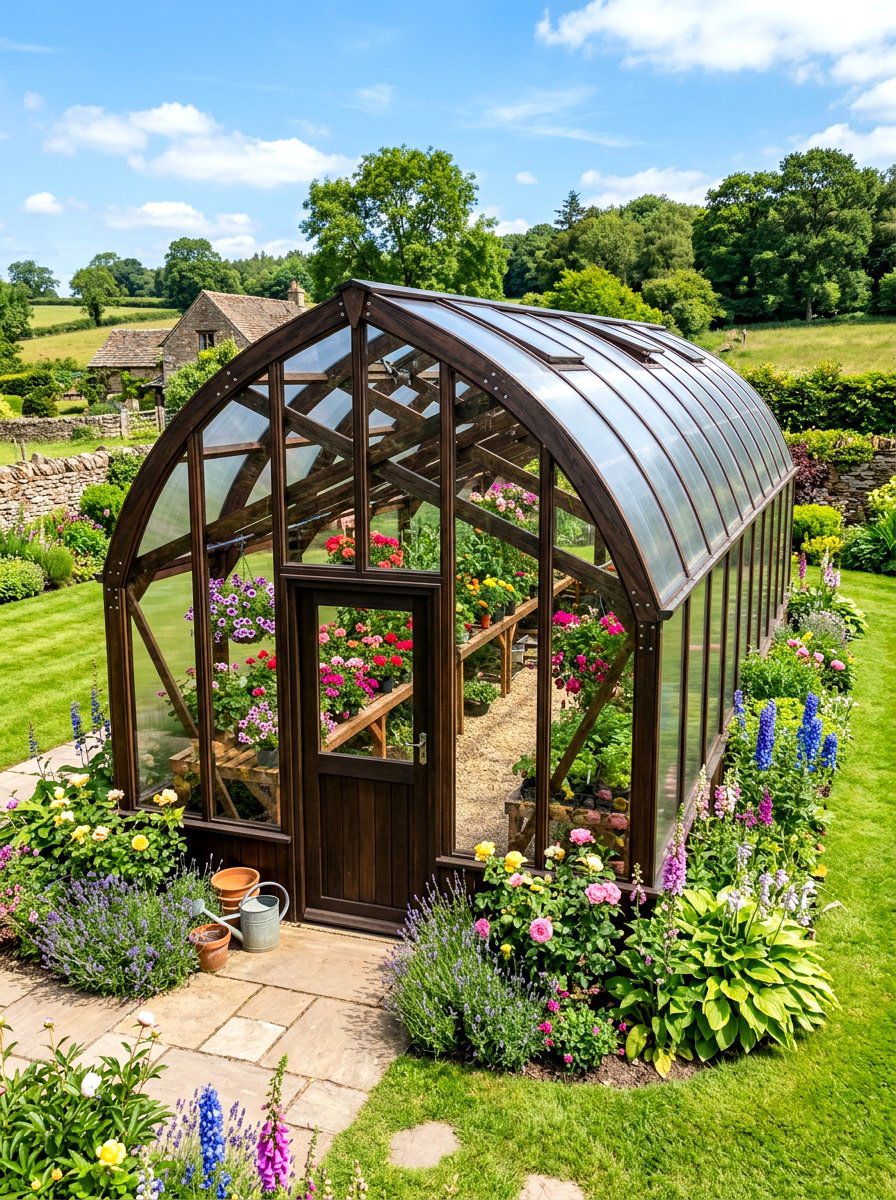
Transforming your outdoor space into a sanctuary that engages all five senses is one of the most rewarding ways to enjoy nature at home. A sensory garden goes beyond traditional landscaping by intentionally incorporating elements that invite you to touch, smell, hear, taste, and see the beauty of the natural world. Whether you are looking for a calming retreat to reduce stress or an interactive environment for children to explore, these specialized spaces offer therapeutic benefits for everyone. By carefully selecting plants with varied textures, aromatic herbs, and soothing water features, you can create a multi-dimensional experience. This guide explores creative ways to build a backyard haven that nourishes the soul and provides endless moments of sensory delight.
1. Lavender Garden Border
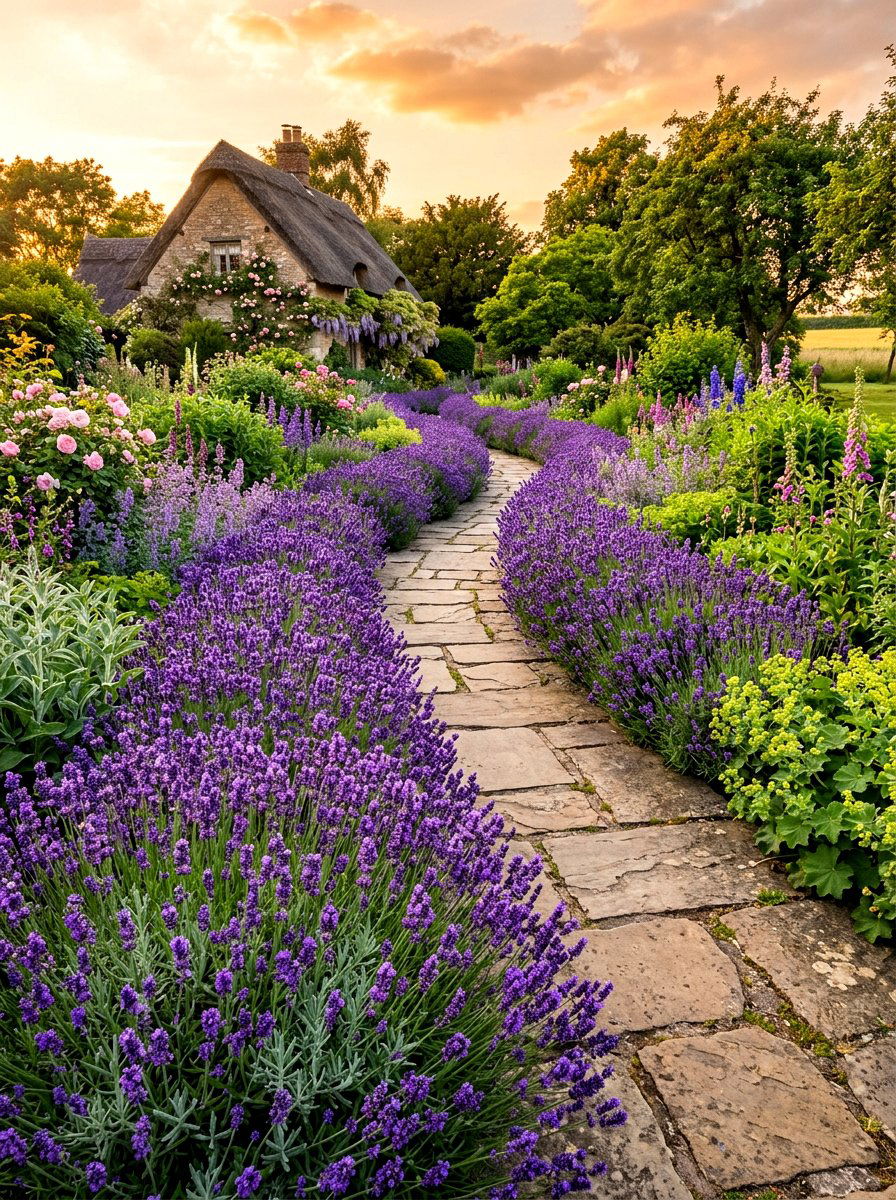
Walking through a lavender garden border is an immediate way to soothe your nervous system through the power of aromatherapy. This hardy perennial is prized for its iconic purple spikes and silvery-green foliage that stays attractive throughout the growing season. Beyond its visual beauty, lavender releases a calming floral scent whenever the wind blows or you gently brush against its stems. It is a perfect choice for lining pathways where visitors can easily interact with the plant and enjoy its fragrance. Additionally, lavender is a magnet for pollinators like bees and butterflies, adding a layer of gentle movement and sound to your sensory-focused backyard landscape.
2. Bubbling Water Fountain
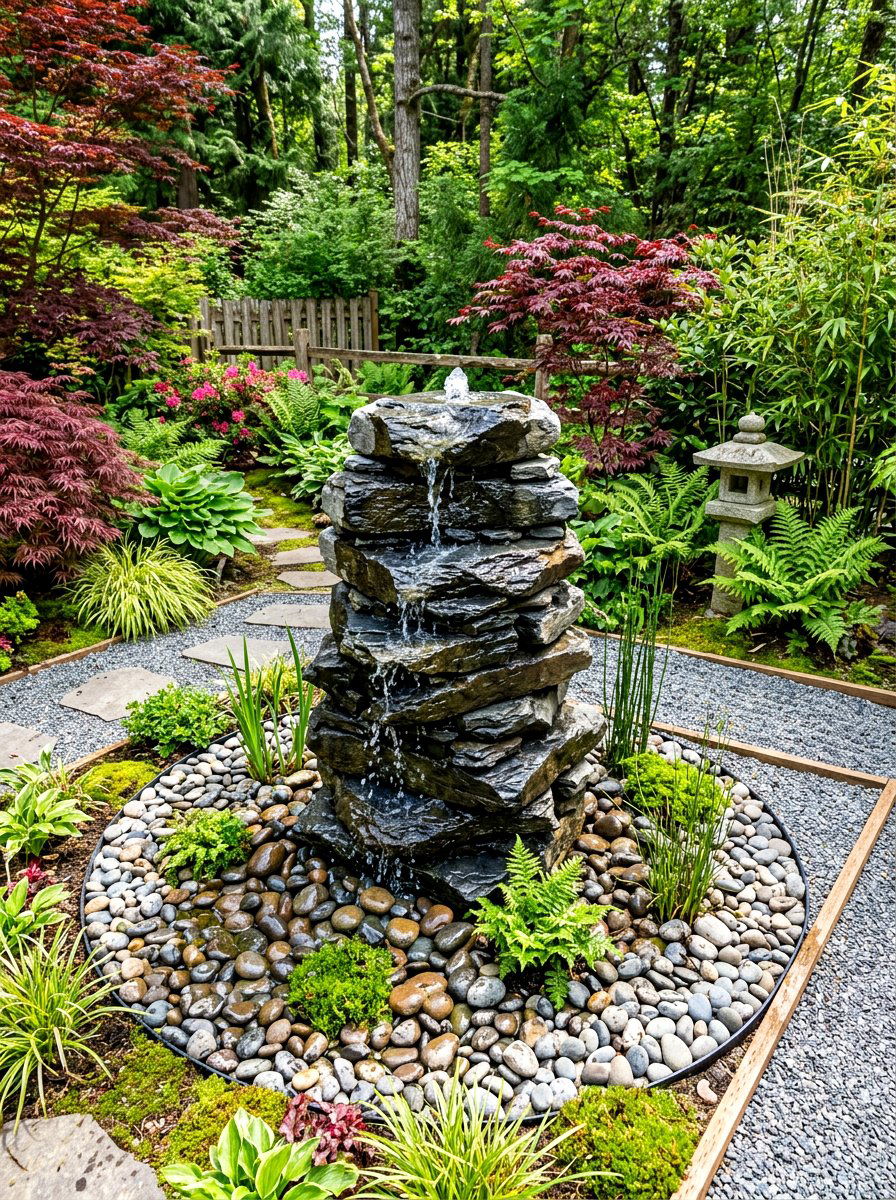
Integrating a bubbling water fountain into your garden provides a continuous source of soothing white noise that masks unwanted neighborhood sounds. These water features are designed to mimic the peaceful trickling of a natural mountain stream, creating a meditative atmosphere in any corner of your yard. The visual of water glistening over the natural textures of stone adds a refreshing cooling effect to the space during hot summer days. You can place smooth pebbles around the base to encourage tactile interaction, allowing you to feel the cool water as it flows. This focal point serves as a vital water source for local birds, bringing life and movement to your retreat.
3. Lambs Ear Plant
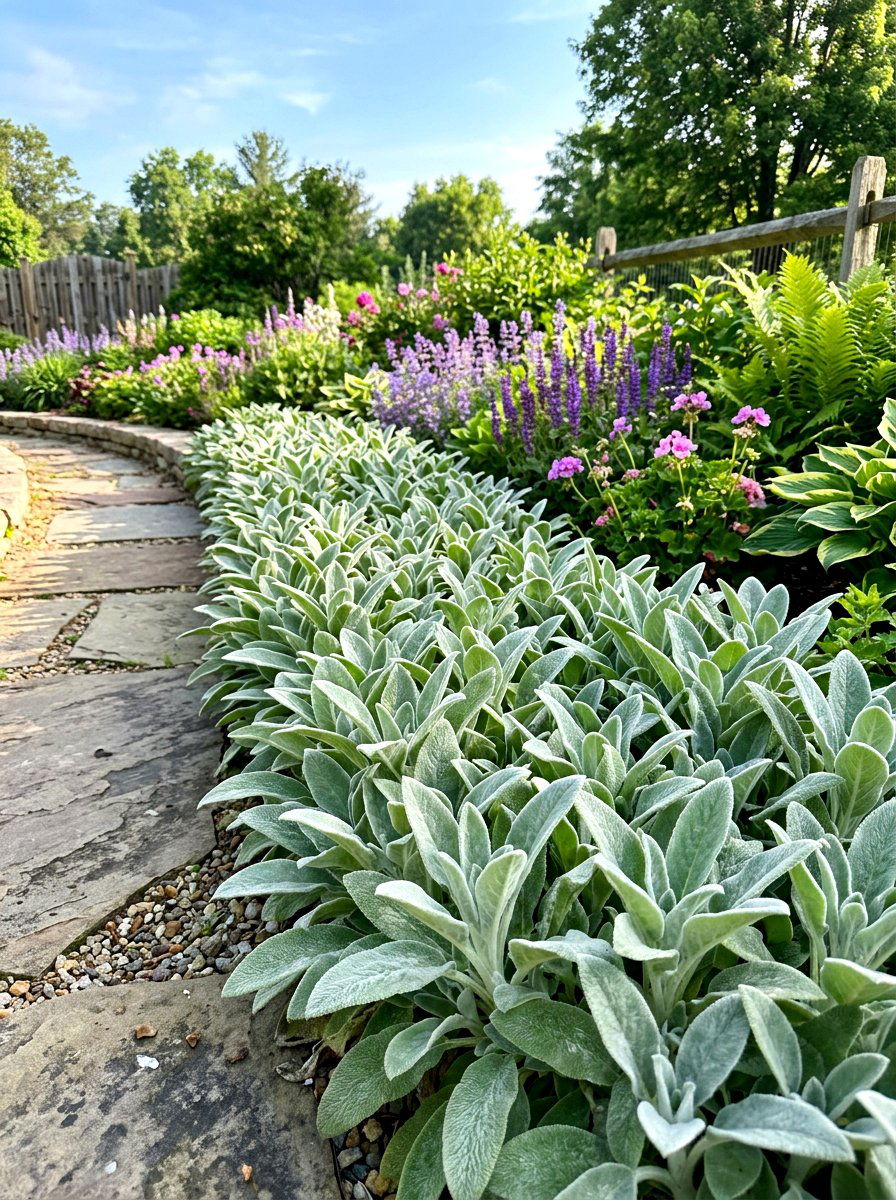
Few plants offer a more satisfying tactile experience than the lambs ear plant with its thick, velvety leaves. The silvery foliage is covered in tiny, fine hairs that feel exactly like the soft ear of a lamb, making it a favorite for children and sensory seekers. It thrives as a groundcover or a front-of-border plant where its unique texture can be easily reached and stroked. The muted silver color provides an excellent visual contrast against vibrant green plants, helping other colors in the garden pop. This low-maintenance perennial is drought-tolerant and resilient, ensuring your garden remains soft and inviting through varying weather conditions.
4. Backyard Berry Patch
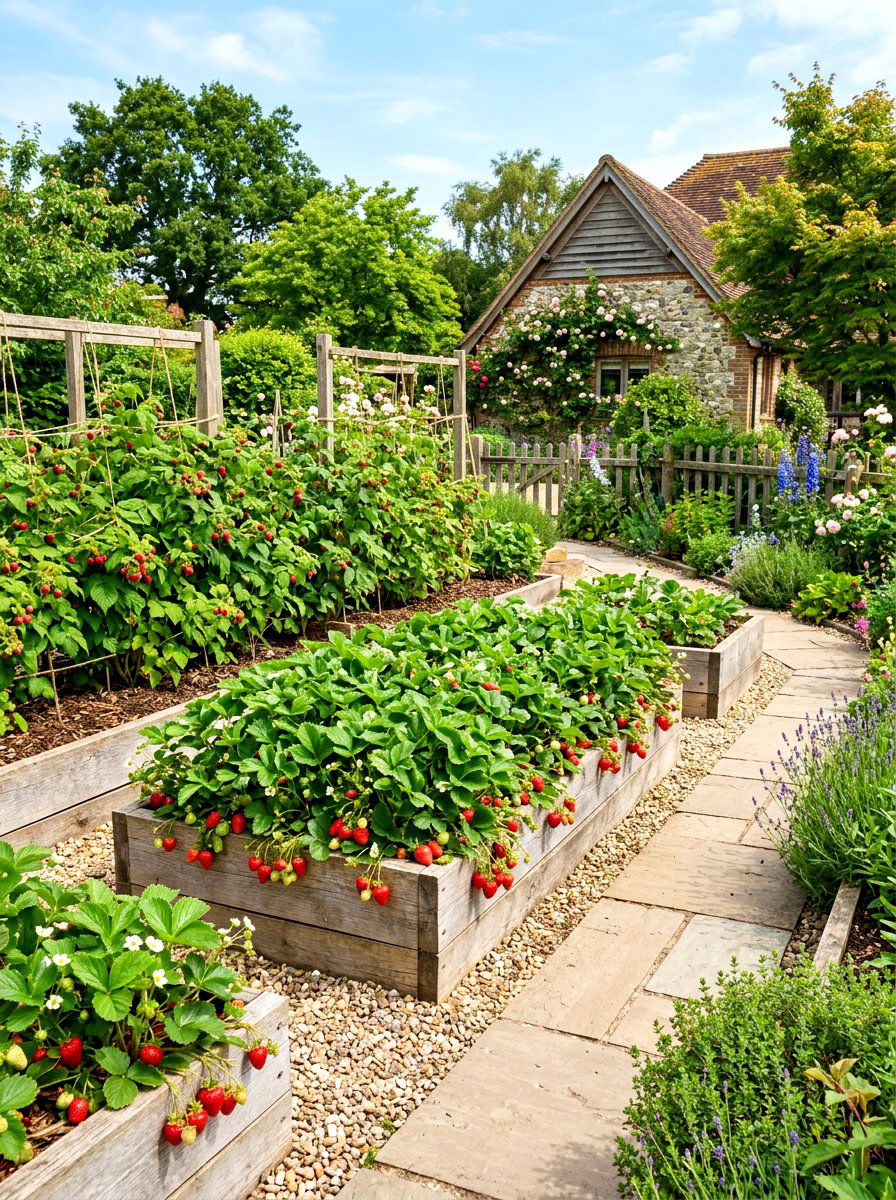
A backyard berry patch introduces the sense of taste into your outdoor environment while providing a visual feast of bright colors. Planting strawberries, blueberries, or raspberries allows you to enjoy the unparalleled flavor of sun-ripened fruit picked directly from the vine. These plants often feature delicate white or pink blossoms in the spring, followed by vibrant fruits that change color as they ripen. Growing your own food creates a deep connection to the cycles of nature and encourages mindful eating right in your backyard. Ensure the patch is located in a sunny spot and use organic mulches to keep the area clean and accessible for snacking.
5. Bamboo Wind Chimes
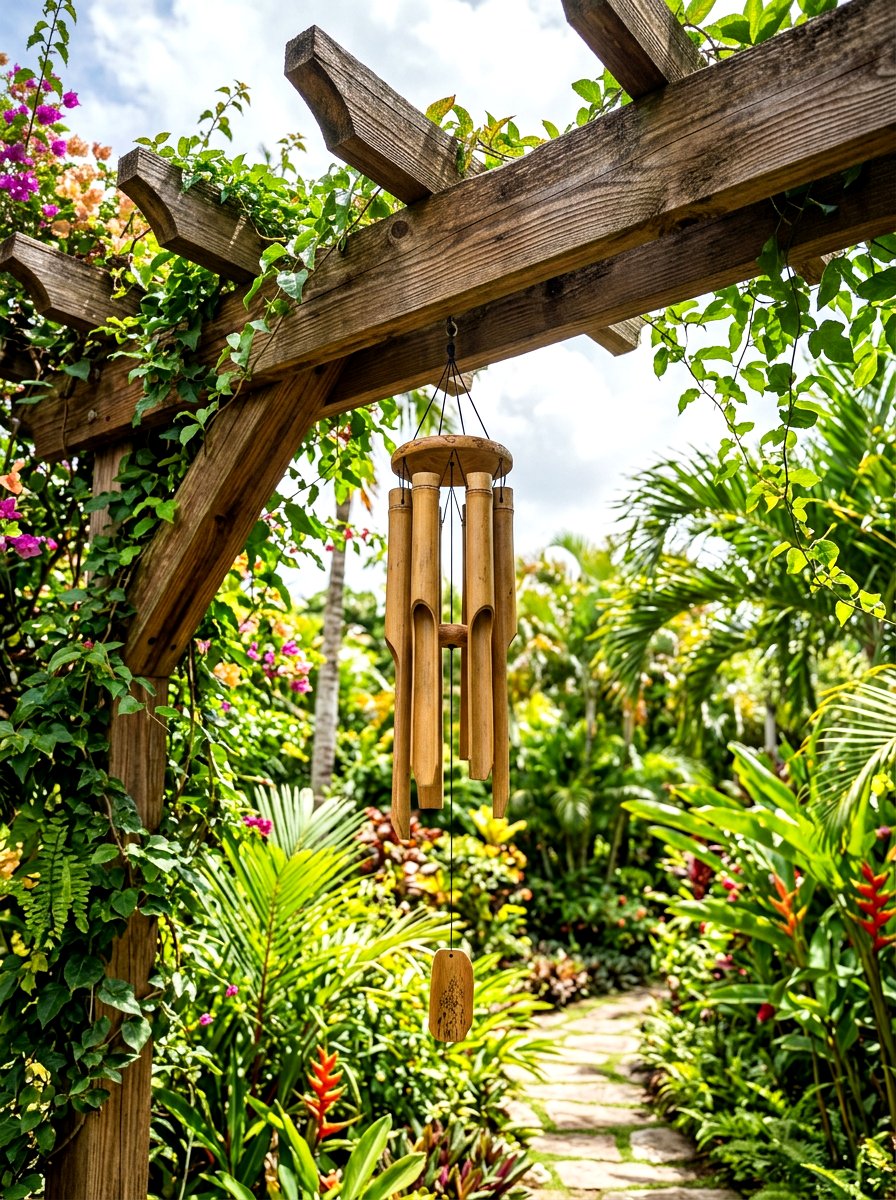
Hanging bamboo wind chimes in a breezy area of your garden adds a hollow, percussive sound that is deeply grounding and organic. Unlike metal chimes that can sometimes sound sharp, bamboo produces a soft, low-toned clatter that blends perfectly with the rustling of leaves. This auditory element helps define the mood of different garden zones, signaling a transition into a more relaxed and peaceful space. The natural wood aesthetic of the chimes complements various garden styles, from tropical to minimalist. By placing them near a seating area, you can close your eyes and let the rhythmic sounds transport you to a tranquil forest environment.
6. Flower Garden Bed
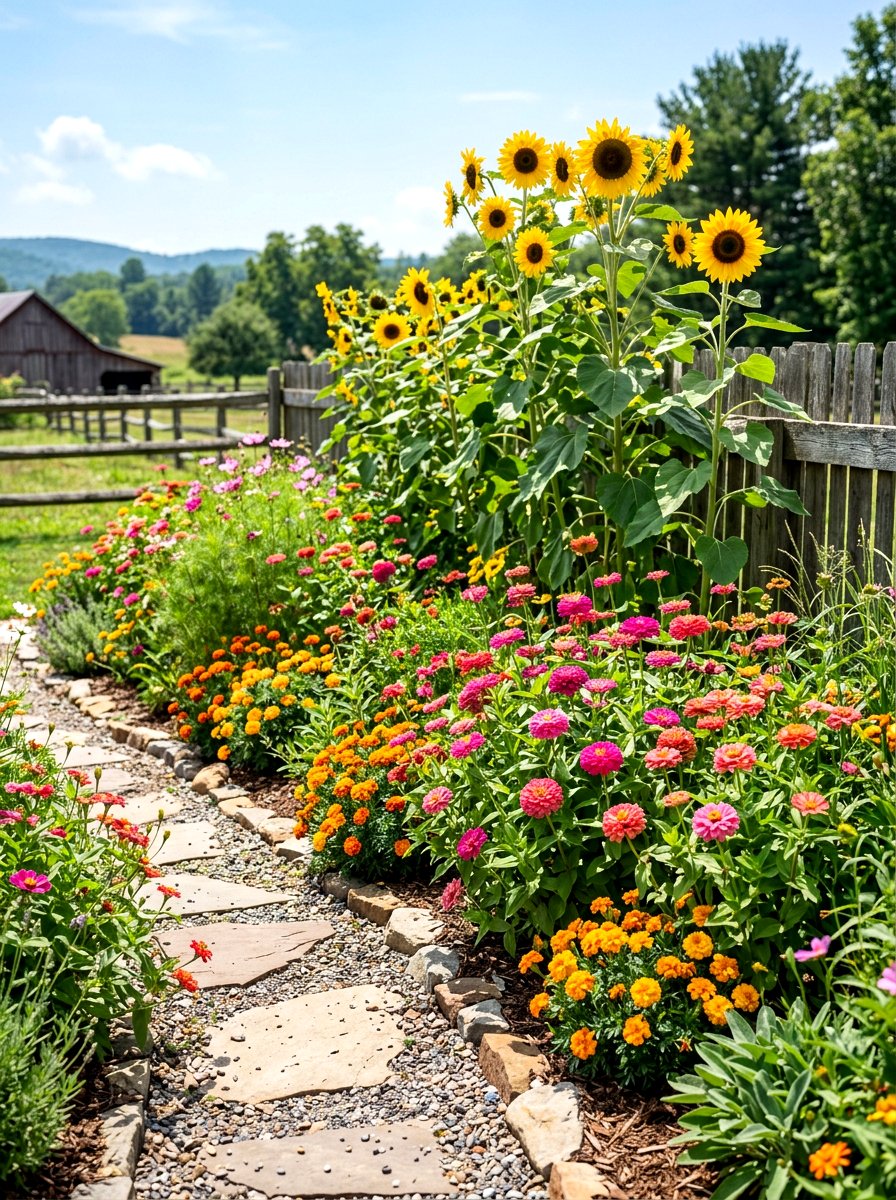
Creating a diverse flower garden bed is the most effective way to stimulate the sense of sight through a wide spectrum of colors. Choosing a mix of annuals and perennials like zinnias, marigolds, and coneflowers ensures a vibrant display from early spring until the first frost. Incorporating different heights and shapes, such as tall sunflowers and low-growing petunias, creates a sense of depth and visual rhythm. Bright reds and yellows can feel energizing, while soft blues and purples promote a sense of calm. This living tapestry of color not only beautifies your home but also provides a necessary habitat for beneficial insects and local birds.
7. Stone Pebble Path
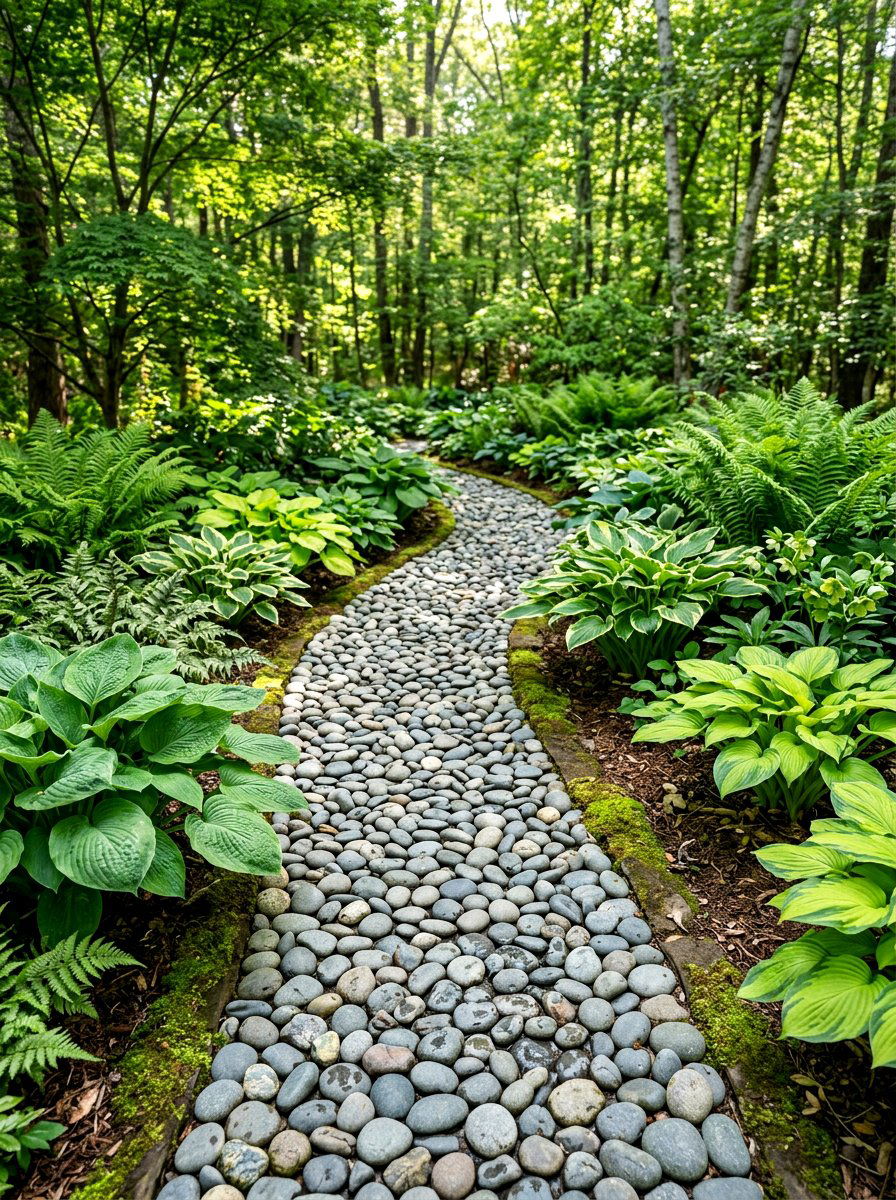
A stone pebble path adds a unique auditory and tactile dimension to your garden as you walk through the space. The subtle crunching sound of footsteps on loose gravel or smooth river stones provides instant feedback, making the act of walking a more mindful experience. You can choose different sizes and colors of stones to create intricate patterns or a simple, natural look that blends with the surroundings. This type of path is excellent for drainage and helps define the flow of your garden layout. Feeling the slight shift of stones beneath your feet encourages you to slow down and appreciate the textures of the natural ground.
8. Scented Mint Groundcover
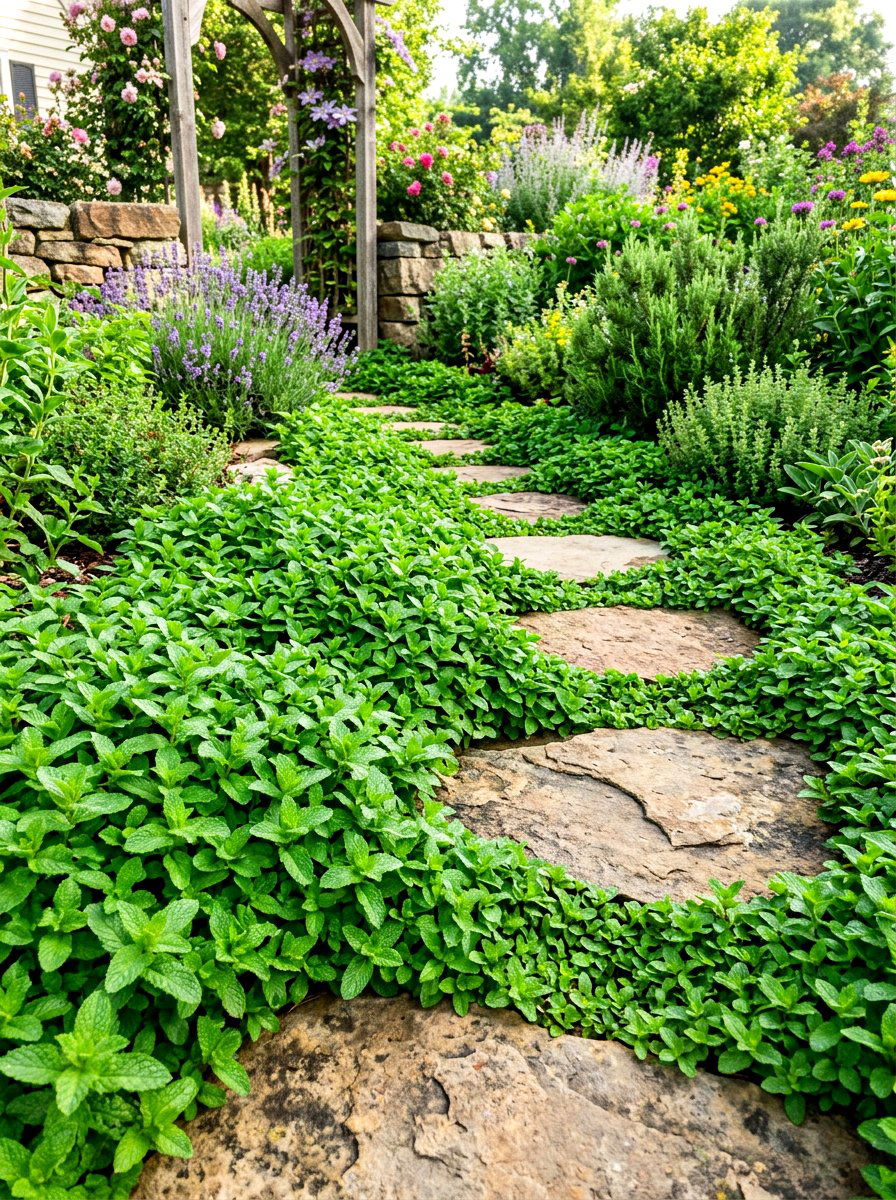
Using a scented mint groundcover in areas with light foot traffic turns a simple walk into a fragrant journey. As you step on varieties like peppermint or chocolate mint, the leaves release a sharp, refreshing aroma that clears the mind and energizes the senses. Mint is incredibly hardy and spreads quickly, making it an excellent choice for filling gaps between stepping stones or covering large patches of soil. The small, bright green leaves provide a lush carpet of color that stays vibrant throughout the warmer months. This edible groundcover can also be harvested for fresh teas, adding a culinary benefit to its many sensory qualities.
9. Ornamental Grass Garden

An ornamental grass garden is essential for introducing movement and soft rustling sounds to your backyard landscape. Varieties like Mexican feather grass or fountain grass have delicate seed heads that dance gracefully in even the slightest breeze. The visual effect of swaying stalks creates a dynamic environment that changes with the wind, providing a sense of life and energy. During the autumn months, many grasses change to golden or bronze hues, adding a new layer of visual interest as other plants fade. The fine texture of the blades invites you to run your fingers through them, offering a wispy and light tactile sensation.
10. Wood Garden Bench
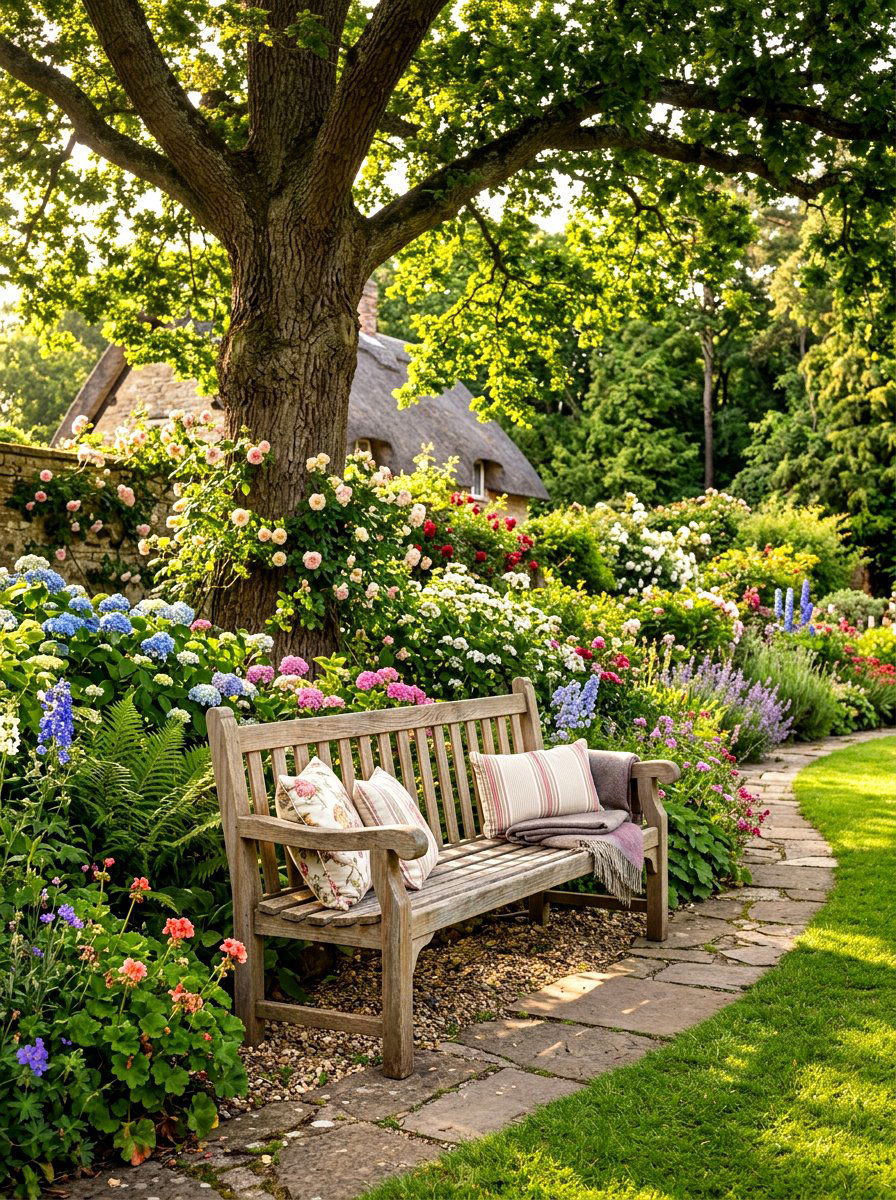
Placing a wood garden bench in a secluded corner provides a comfortable spot to sit and fully immerse yourself in the sensory experience. The natural warmth and texture of cedar or teak wood feel grounding against the skin, especially when warmed by the afternoon sun. A well-placed bench allows you to rest and observe the garden from a stationary perspective, noticing small details like the flight of a bee or the scent of a nearby rose. It acts as a destination within your backyard, encouraging longer periods of outdoor reflection. Surrounding the bench with fragrant plants or soft foliage enhances the feeling of being completely enclosed in nature.
11. Scented Geranium Plant
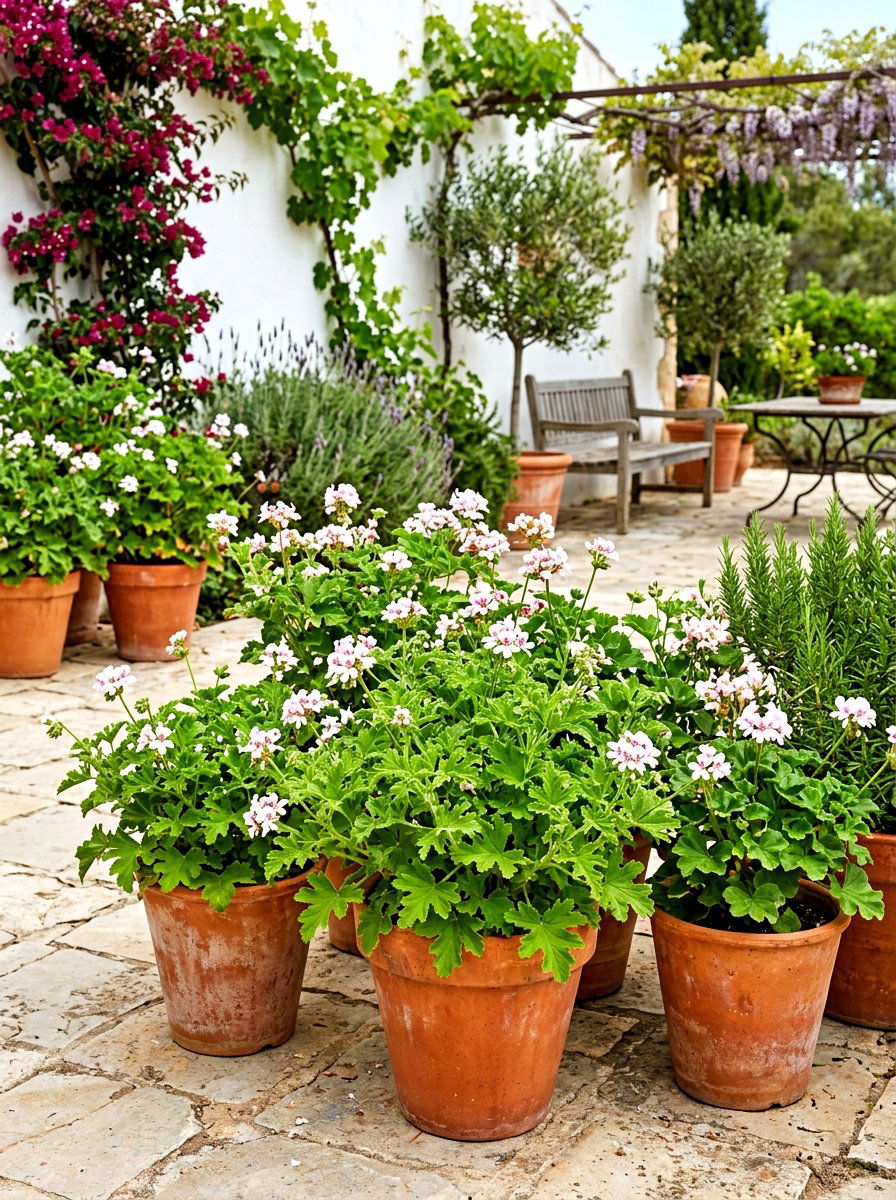
The scented geranium plant is a sensory powerhouse known for its leaves that mimic a variety of complex aromas. Depending on the variety, rubbing the foliage can release scents ranging from lemon and lime to chocolate, ginger, or even rose. These plants are often grown for their aromatic oils rather than their flowers, featuring interestingly shaped leaves with fine textures. They thrive in pots or garden beds near seating areas where their fragrance is easily accessible. Because the scent is only released when the leaves are touched, it creates an interactive experience that rewards curiosity. Scented geraniums are also excellent for repelling certain pests naturally.
12. Purple Butterfly Bush
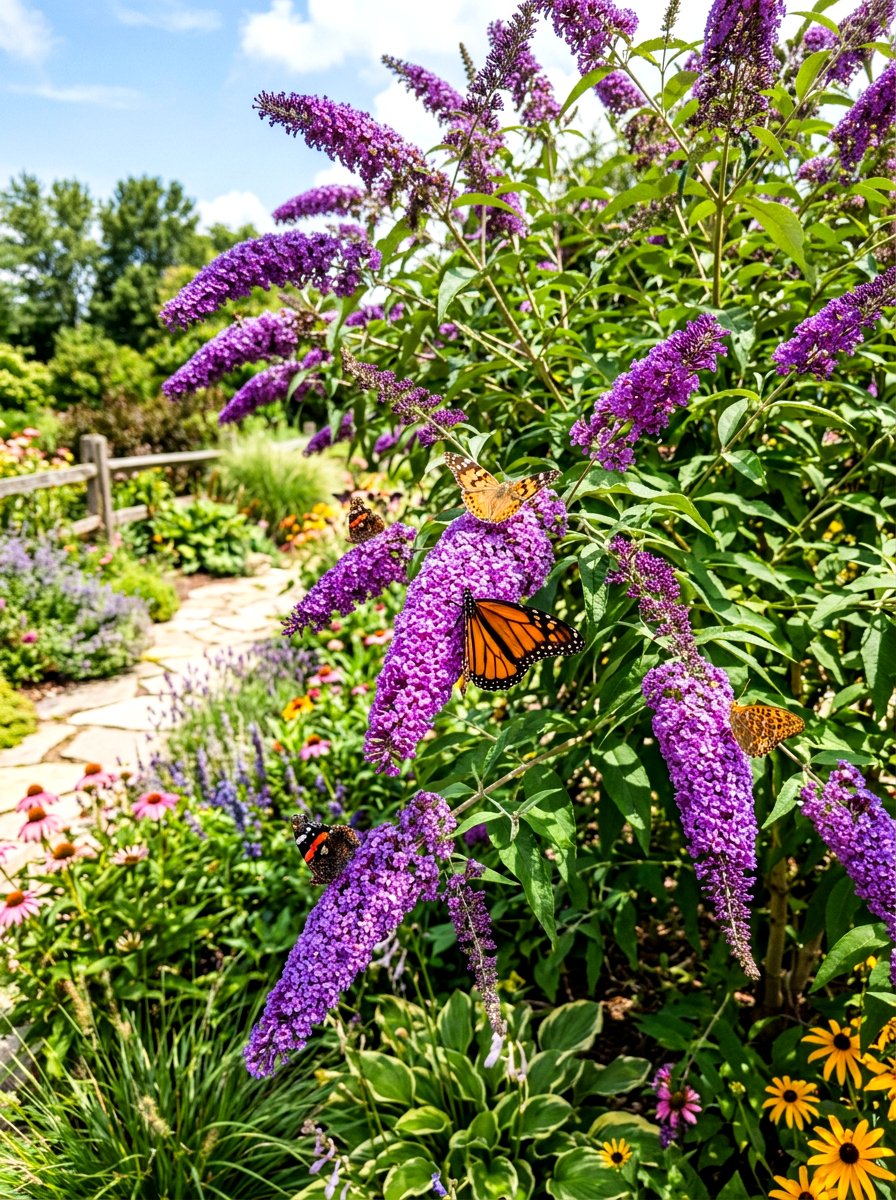
Planting a purple butterfly bush is a guaranteed way to bring vibrant color and active wildlife into your sensory backyard. The long, honey-scented flower spikes are a primary food source for butterflies, hummingbirds, and bees, creating a hub of natural activity. Watching the graceful movement of colorful butterflies as they flit from bloom to bloom provides a mesmerizing visual experience that connects you to the local ecosystem. The plant itself grows vigorously and offers a lush, full appearance that can serve as a beautiful backdrop for smaller perennials. Its sweet, heavy fragrance fills the air during the peak of summer, especially in the warm evening hours.
13. Raised Herb Garden
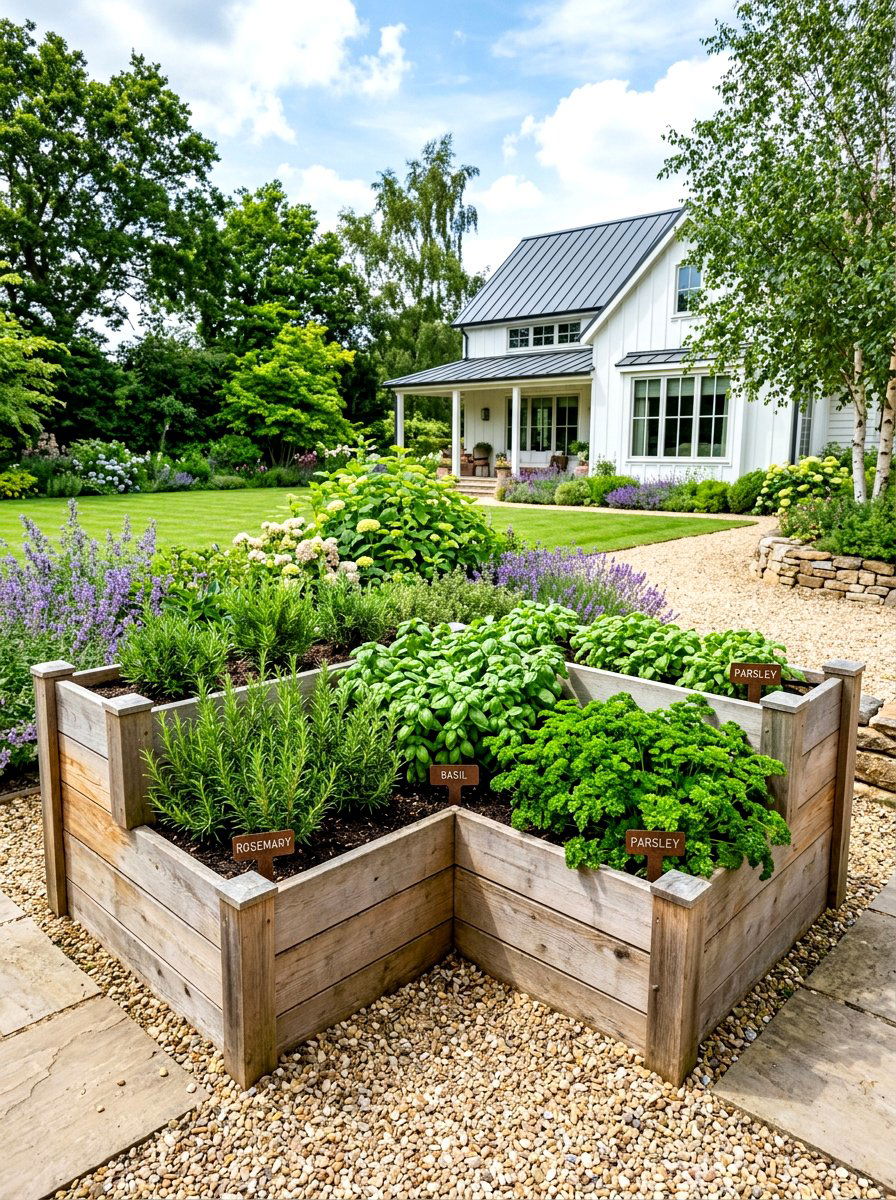
A raised herb garden places sensory elements at a convenient height, making it easier to see, smell, and harvest fresh greens. Filling a wooden or stone planter with rosemary, thyme, and basil creates a concentrated zone of culinary and aromatic delights. The different leaf shapes and shades of green provide a subtle but sophisticated visual appeal. Having herbs within arm’s reach encourages you to pinch a leaf and experience the intense flavors and scents that home-grown plants offer. Raised beds also provide better drainage and soil control, ensuring your herbs remain healthy and productive throughout the season for use in cooking and natural remedies.
14. Garden Solar Lights
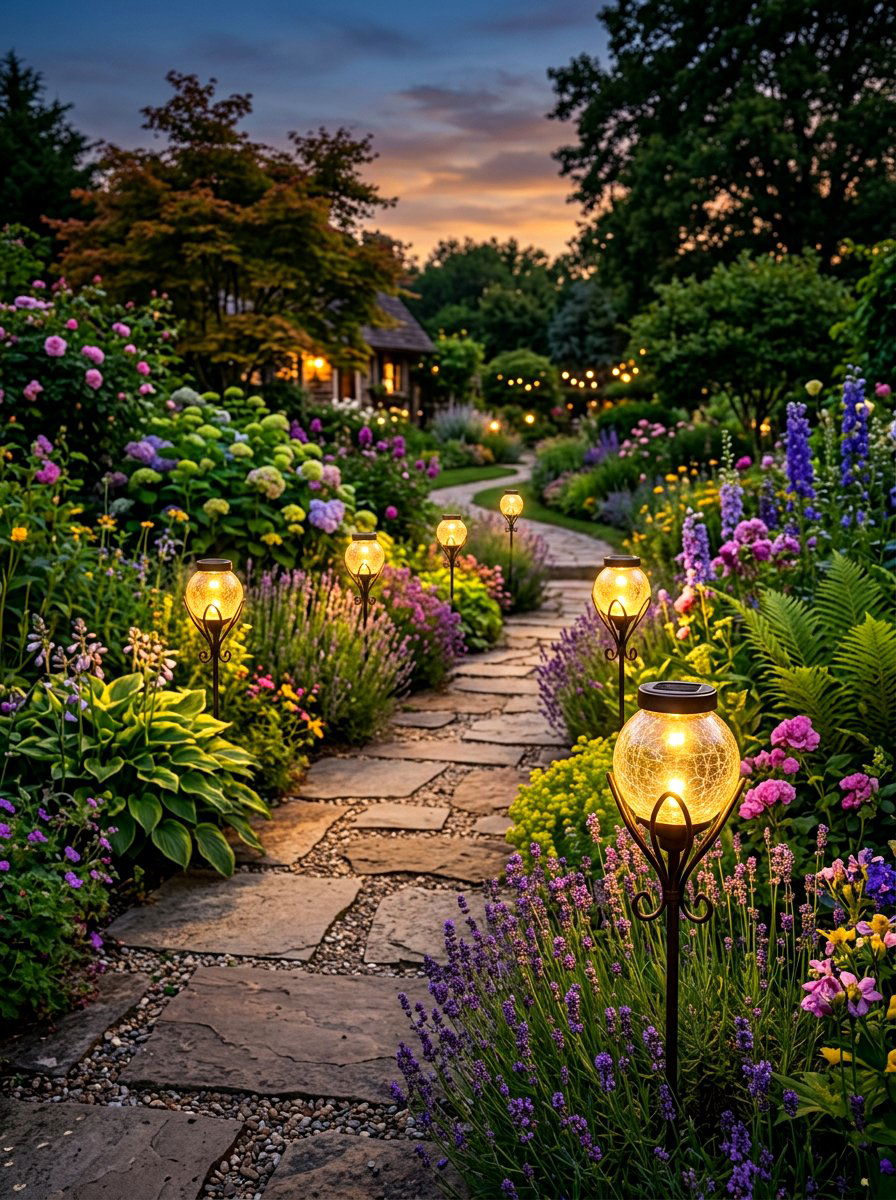
Adding garden solar lights enhances the sensory experience of your backyard long after the sun has gone down. Soft, warm lighting creates a magical ambiance that highlights the silhouettes of trees and the delicate shapes of flower petals in the dark. Pathways lit by glowing orbs or lanterns provide a sense of safety and wonder, guiding you through the nocturnal version of your landscape. The play of light and shadow adds a mysterious visual layer that is entirely different from the daytime view. Solar-powered options are eco-friendly and easy to install, allowing you to create a glowing retreat that invites evening relaxation and midnight strolls.



15. Stone Bird Bath
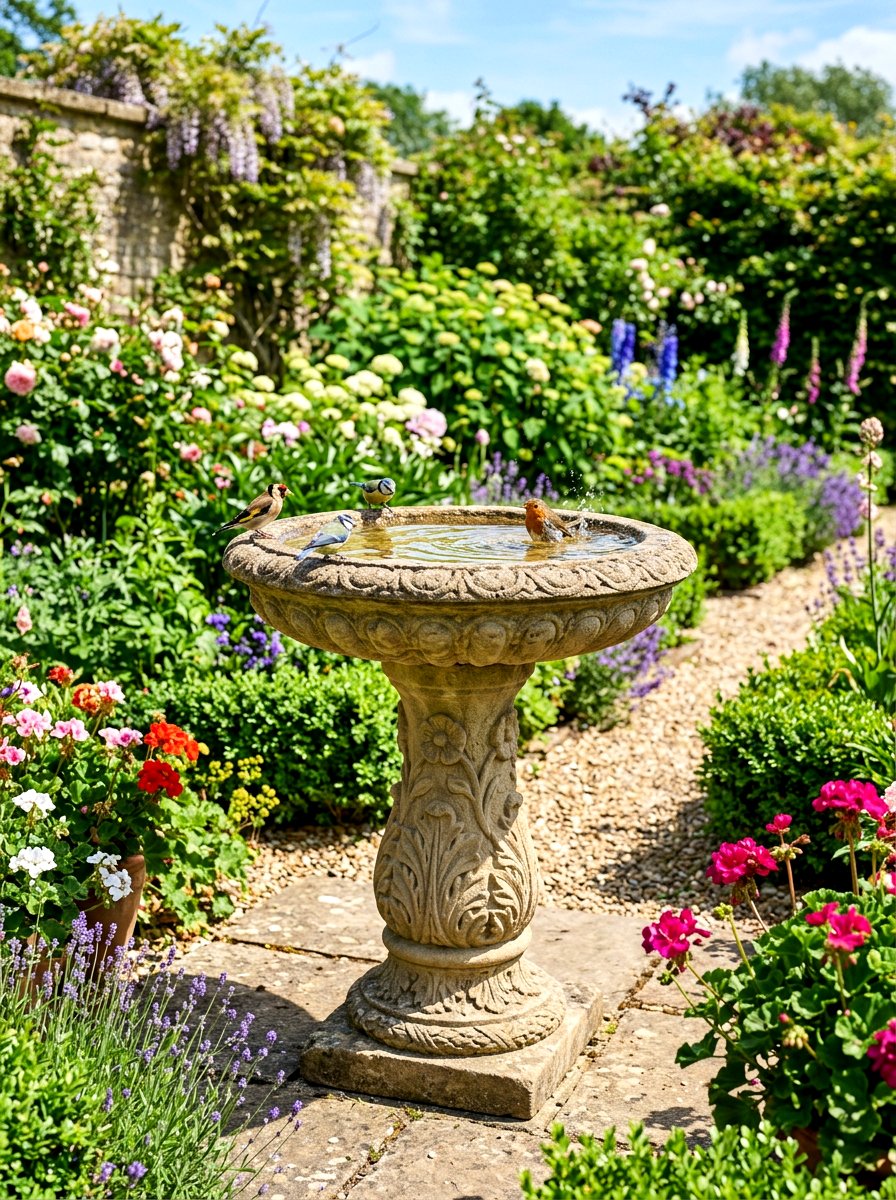
A stone bird bath serves as a functional and aesthetic addition that invites the sounds of nature into your backyard. The sight of birds splashing in the water and the sound of their cheerful songs add a layer of joy and liveliness to the garden. Carved from natural stone, these features possess a rugged, timeless texture that complements both modern and traditional landscapes. Placing the bird bath near a window or seating area allows you to observe the visiting wildlife closely without disturbing them. The presence of water also reflects the sky and surrounding foliage, creating beautiful shifting visuals throughout the different times of day.
16. Feather Reed Grass
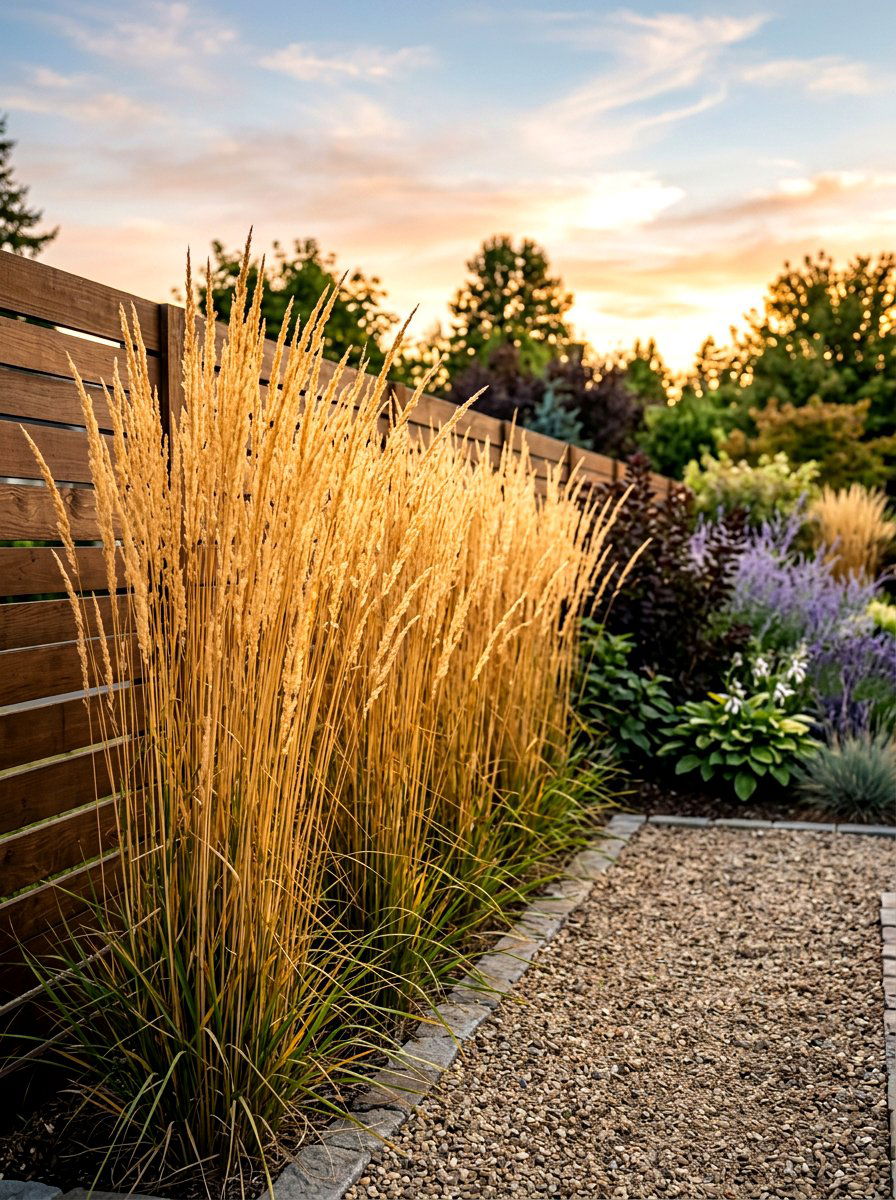
Feather reed grass is a popular architectural plant that provides a strong vertical element and a soothing auditory experience. The tall, wheat-like stalks stand upright throughout the year, rustling softly whenever the wind moves through the garden. This sound is rhythmic and calming, perfect for creating a sense of privacy and enclosure in a backyard setting. The golden seed heads capture the light of the setting sun, creating a glowing effect that is visually stunning during the golden hour. Its stiff structure provides a contrast to softer, mounding plants, helping to organize the garden’s layout while contributing to a rich, multi-sensory environment for all seasons.
17. Fragrant Jasmine Trellis
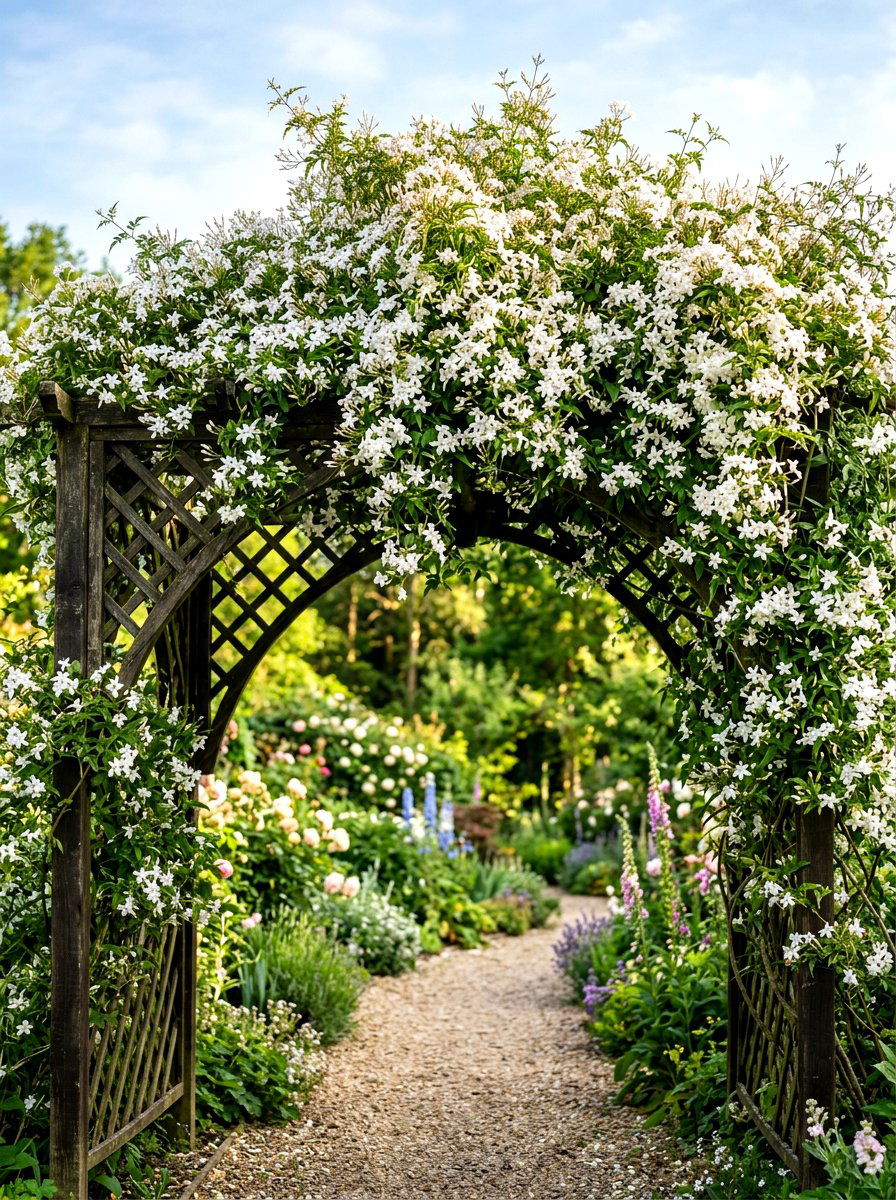
Training a fragrant jasmine trellis against a wall or fence adds a vertical layer of intoxicating scent and delicate beauty. During the blooming season, the small white flowers release a heavy, sweet perfume that can travel across the entire backyard, especially at night. This climbing plant creates a "living wall" effect, softening hard surfaces and providing a lush green backdrop for other garden features. The act of tending to a trellis-grown plant encourages you to reach upward and interact with the foliage at eye level. Jasmine is perfect for placing near doorways or bedroom windows, allowing the scent to drift indoors on a gentle summer breeze.
18. Soft Green Moss

Integrating soft green moss into shaded areas of your garden provides a cushiony, emerald-colored carpet that is incredibly pleasing to the touch. Moss thrives in damp, cool spots where other plants might struggle, offering a velvety texture that invites you to press your hand against it. Visually, its deep green color provides a sense of ancient, forest-like tranquility that grounds the entire landscape. It can be grown between pavers, over old logs, or around the base of trees to create a fairytale aesthetic. The moisture-retaining properties of moss also help create a cooler microclimate, which is a refreshing sensory detail during the hottest parts of the year.
19. Wildflower Meadow Garden
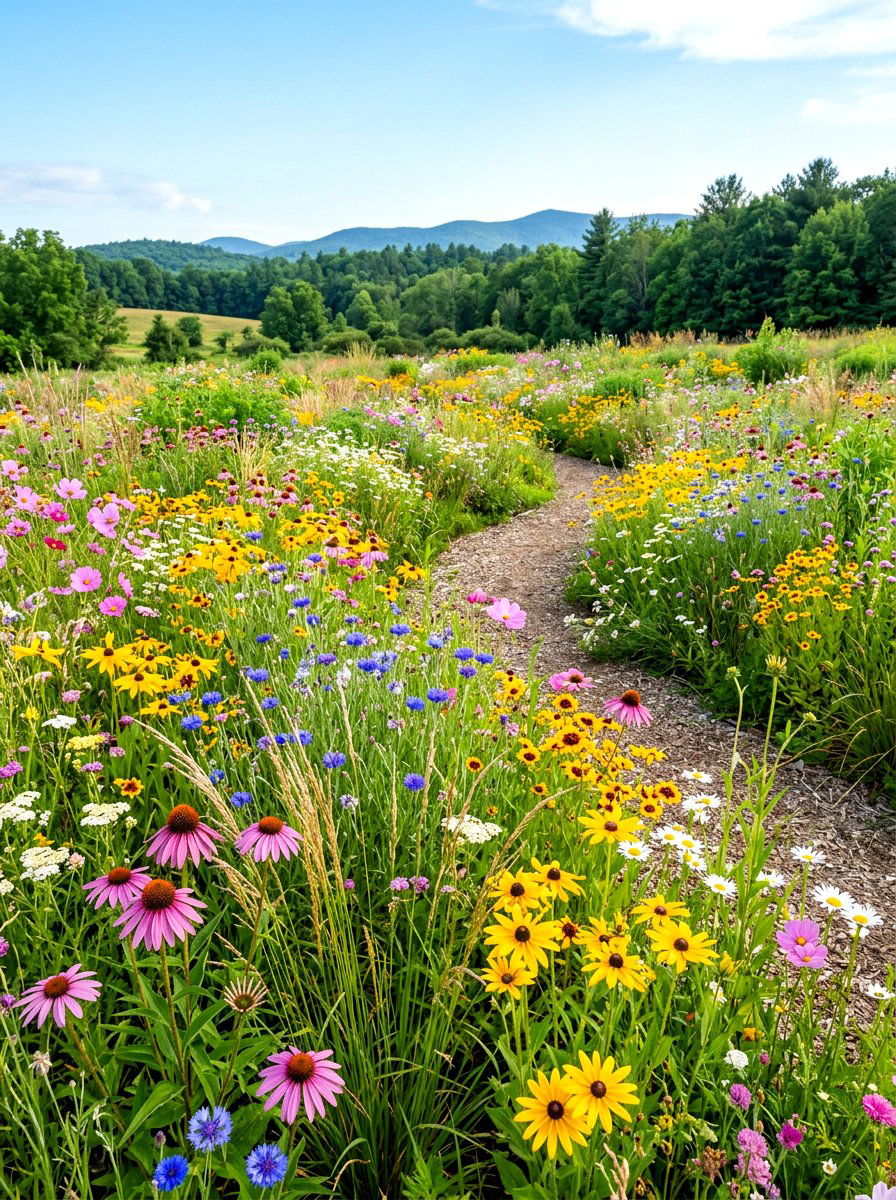
A wildflower meadow garden is a vibrant, low-maintenance way to engage both the eyes and the ears with natural diversity. These gardens are filled with a mix of native species that bloom in a chaotic, beautiful array of colors and shapes throughout the summer. As the wind moves through the tall stems, the meadow produces a soft, whispering sound that mimics the open countryside. Meadows are teeming with life, from the buzzing of bees to the chirping of crickets, creating a rich soundscape that changes from day to night. This type of garden encourages a sense of discovery, as new flowers and insects appear every week.

20. Brick Garden Patio
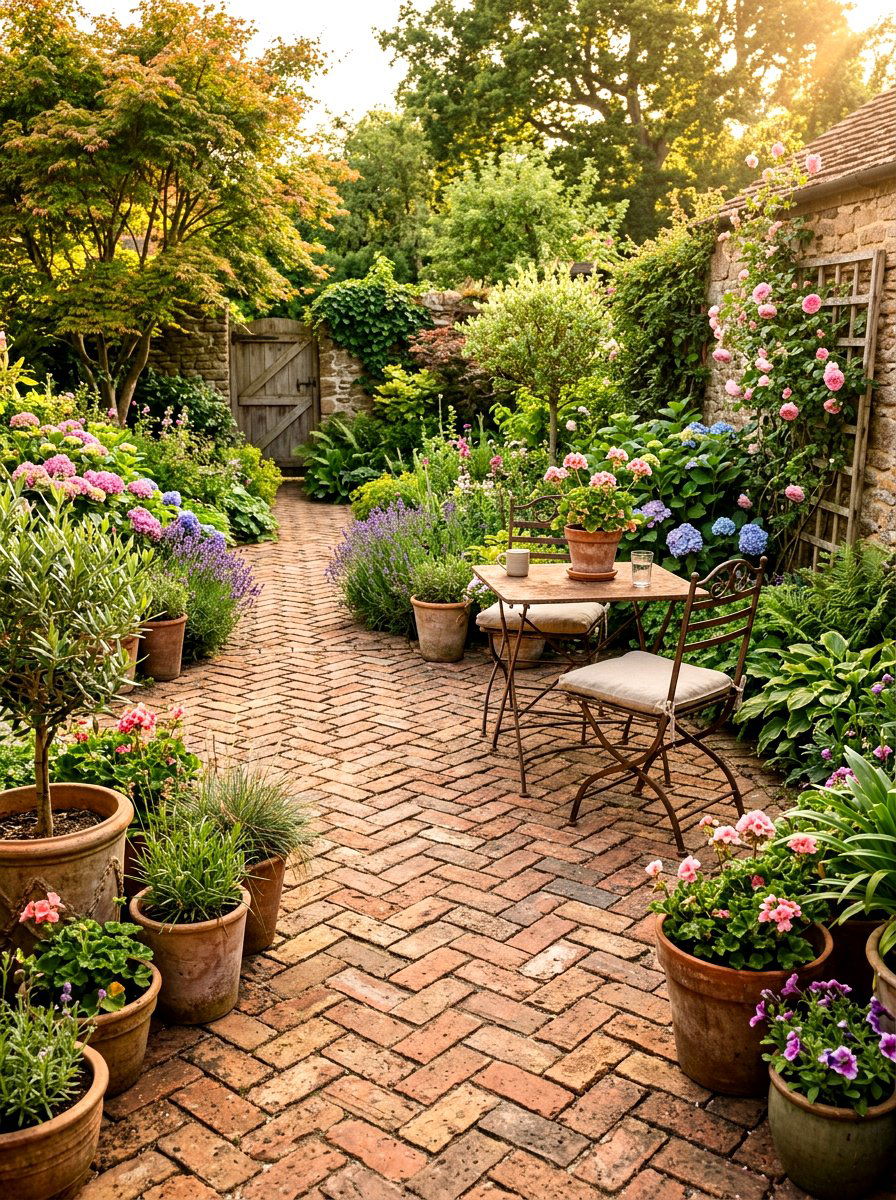
Building a brick garden patio provides a solid, textured foundation for outdoor living that feels warm and permanent. The earthy red and orange tones of the bricks offer a classic visual appeal that ages beautifully over time, developing a unique character. Underfoot, the slightly uneven surface of sand-set bricks provides a tactile connection to the ground that feels more natural than poured concrete. During the day, the bricks absorb heat from the sun, radiating a gentle warmth that makes the area comfortable for evening gatherings. A brick patio serves as a versatile stage for sensory elements like potted herbs, comfortable furniture, and crackling fire pits.
21. Sweet Pea Arch
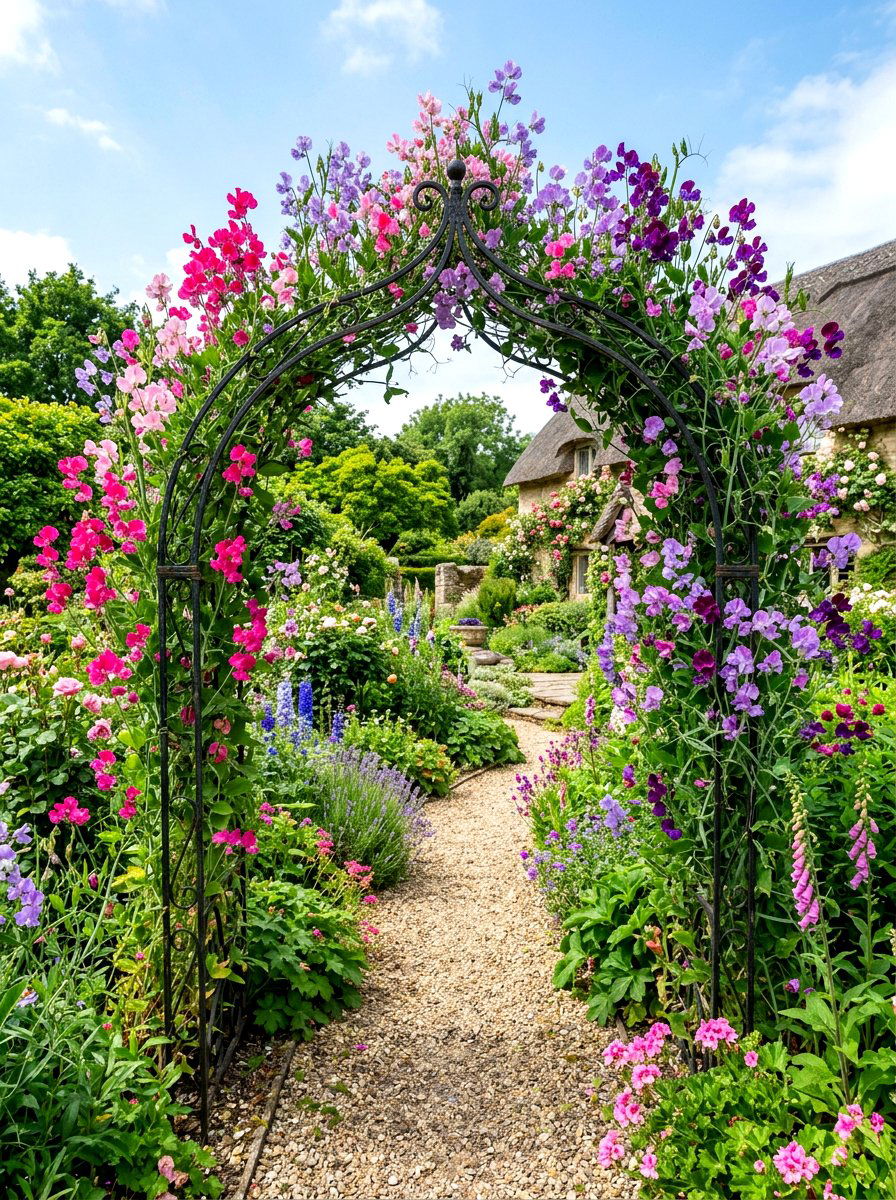
A sweet pea arch creates a romantic and fragrant gateway that encourages you to walk through and linger. These climbing annuals are famous for their delicate, ruffled blossoms and an incredibly sweet, old-fashioned scent that is synonymous with summer. Placing an arch over a path or at the entrance to a garden room creates a sense of transition and enchantment. The variety of pastel colors, from soft pinks to deep purples, provides a gentle visual delight that is easy on the eyes. Harvesting the flowers for indoor bouquets encourages frequent interaction with the vines, ensuring you get the most out of their short but intense blooming season.
22. Crunchy Gravel Path
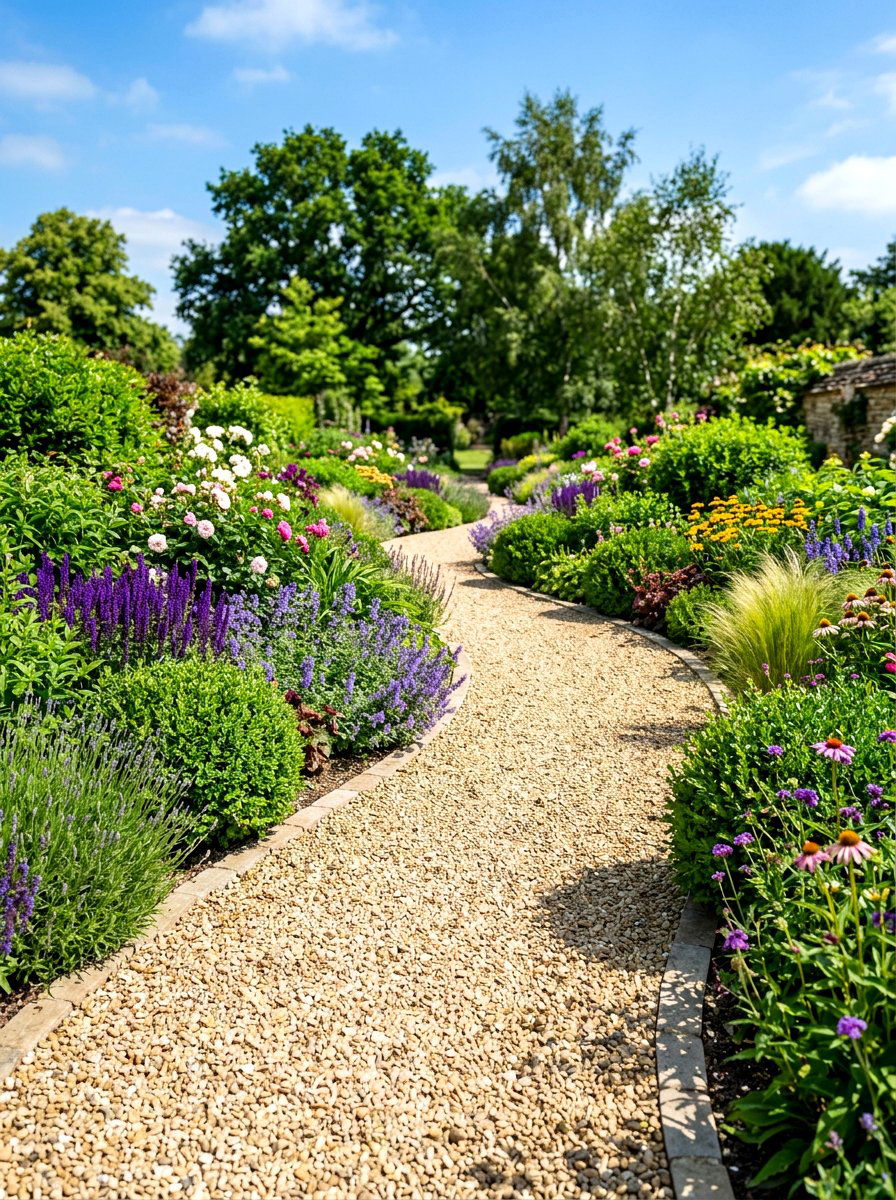
Choosing a crunchy gravel path is one of the simplest ways to add an auditory dimension to every step you take in your garden. The sharp, distinct sound of gravel shifting underfoot provides an immediate connection to your environment, making the walk more engaging. This texture also serves as a natural security feature, as footsteps on gravel are easily heard from a distance. Visually, gravel offers a clean, tidy look that contrasts well with organic plant shapes and lush green foliage. It is highly practical for drainage and can be used to create winding paths that invite exploration into the deeper, more secluded parts of your backyard landscape.
23. Rosemary Topiary Pot
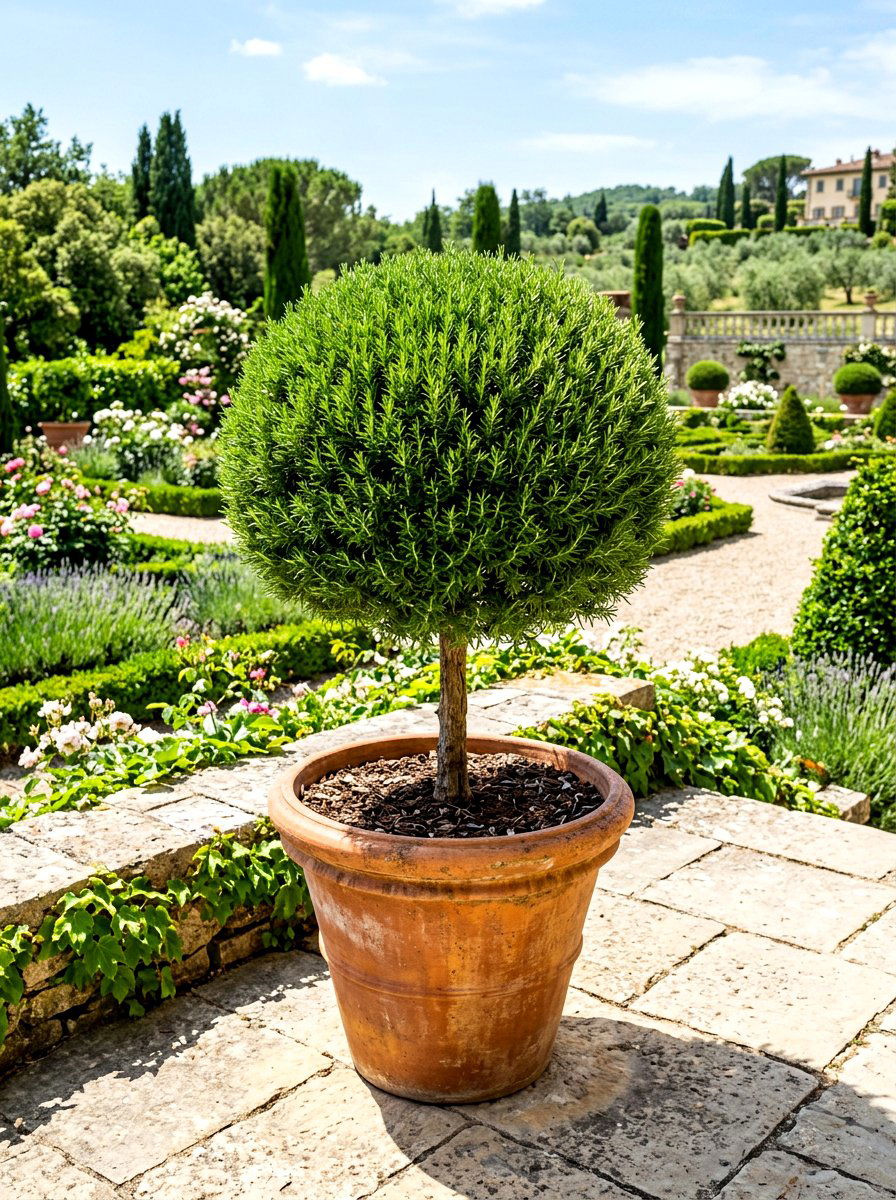
Keeping a rosemary topiary pot near your back door or on a patio table combines formal beauty with intense sensory benefits. Rosemary has stiff, needle-like leaves that are incredibly fragrant and textured, releasing a pine-like scent that is both clearing and uplifting. Shaping the plant into a topiary adds a structured visual element to your decor, while the edible leaves provide a fresh supply of herbs for roasting and seasoning. The woody stems are hardy and can be touched and smelled year-round, providing sensory consistency even in the winter months. Its small blue flowers in spring add a delicate touch of color to the dark green foliage.
24. Bird Feeder Station
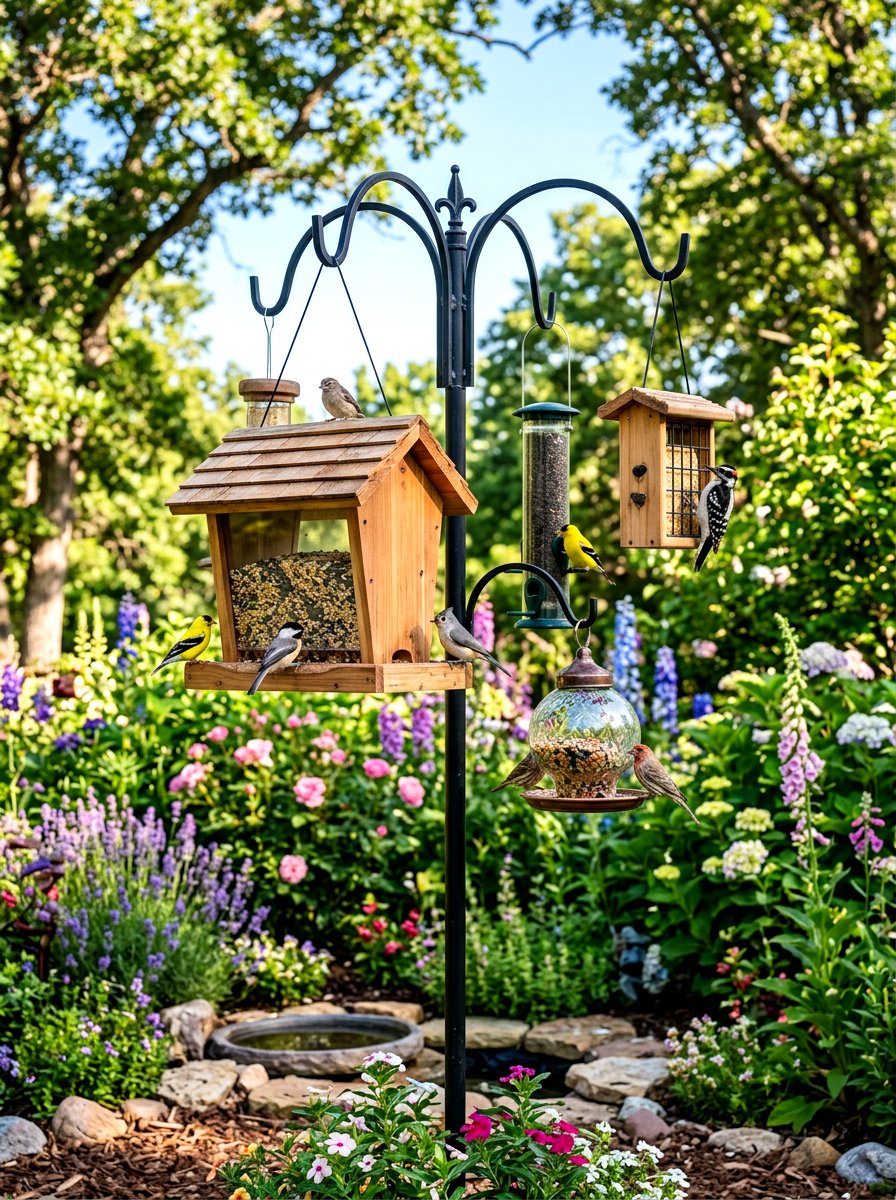
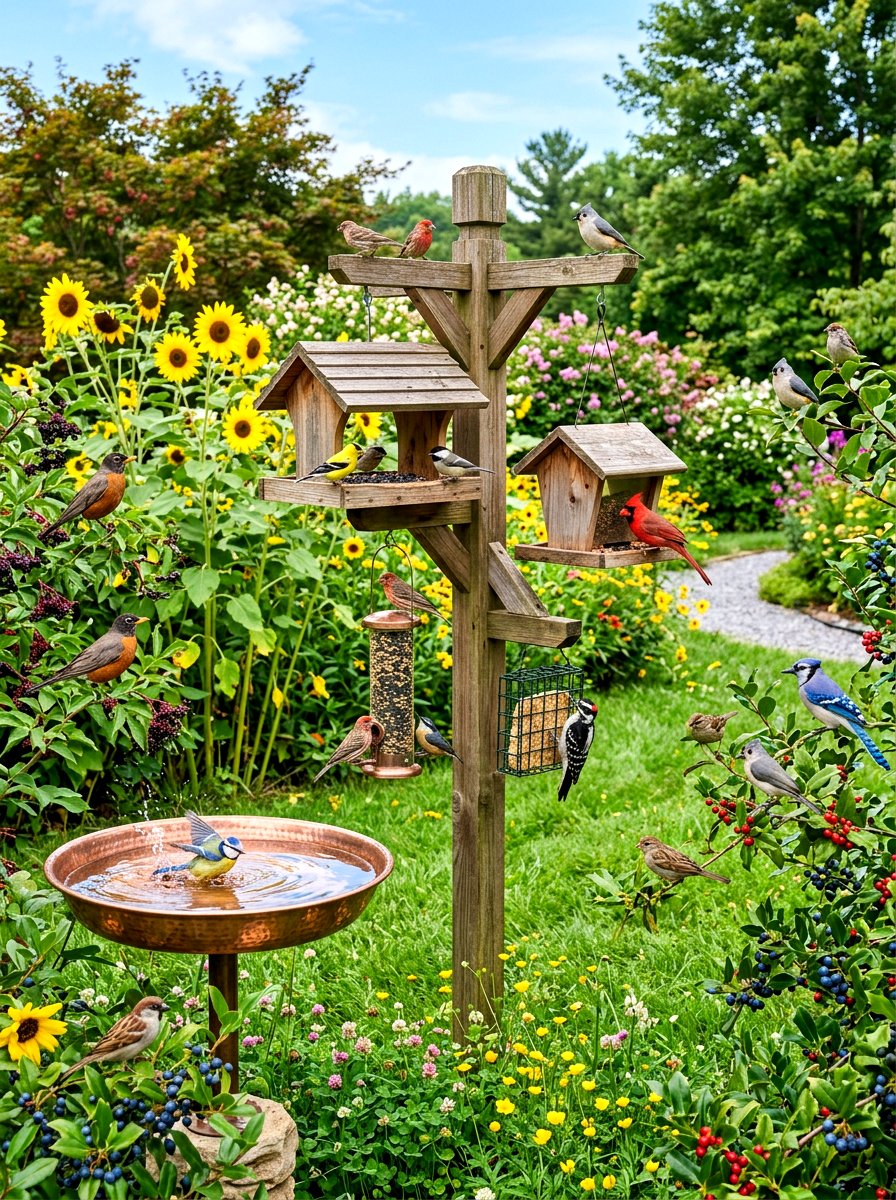
Setting up a bird feeder station transforms your backyard into a theater of sound and color as local wildlife visits throughout the day. The variety of birds that appear brings different songs, from high-pitched whistles to rhythmic chirps, creating a natural soundtrack for your outdoor space. Watching the birds interact, feed, and fly provides a constant source of visual interest and entertainment for observers of all ages. By choosing different types of seed, you can attract a diverse range of species, each with its own unique plumage and behavior. This interactive element fosters a deeper appreciation for the biodiversity existing right outside your own back door.
25. Backyard Succulent Garden
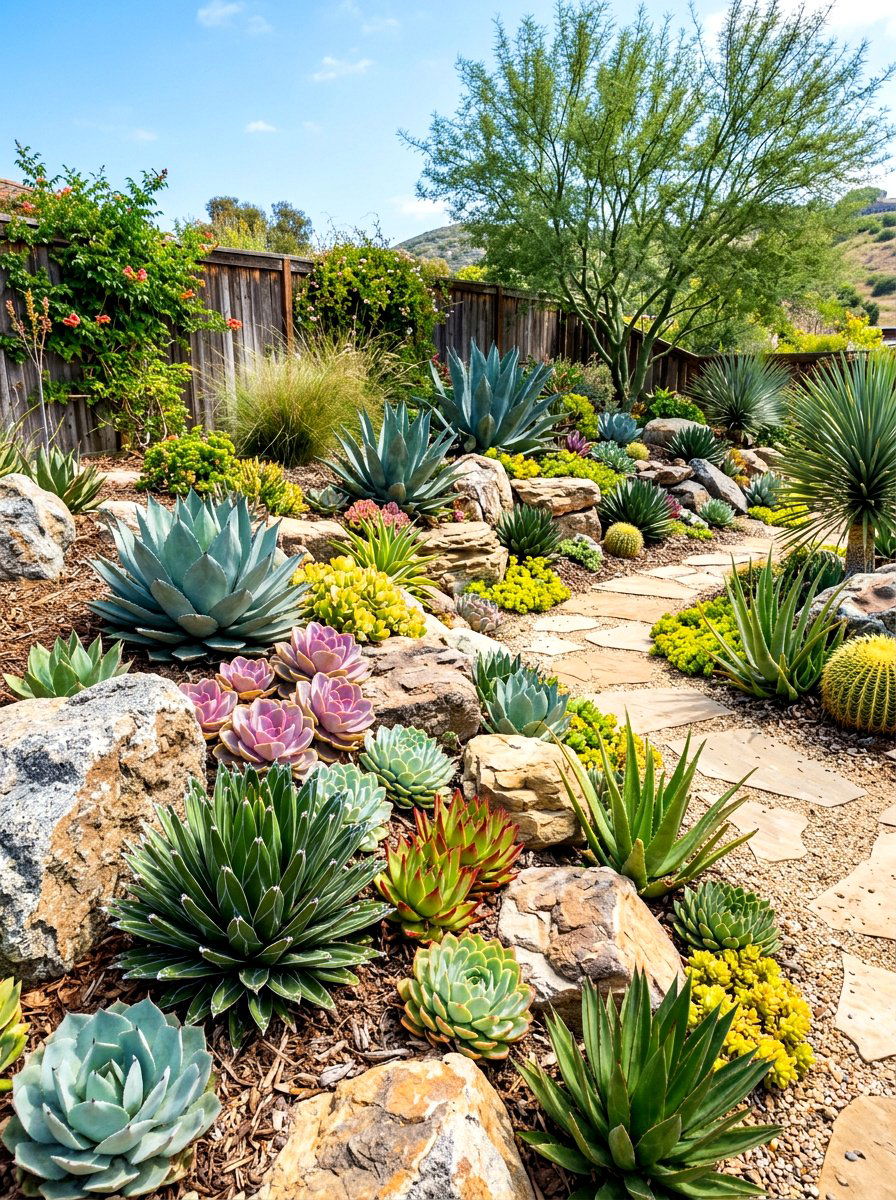
A backyard succulent garden offers a fascinating array of sculptural shapes and unusual textures that are a delight to see and touch. Succulents often have thick, fleshy leaves that feel cool and firm, providing a unique tactile experience compared to traditional leafy plants. Their colors range from dusty blues and purples to bright oranges and lime greens, often changing intensity based on sun exposure. Many varieties feature intricate patterns or fuzzy surfaces that invite close-up inspection. Arranging them among natural rocks and sand creates a minimalist, desert-inspired aesthetic that is both calming and low-maintenance, making it perfect for modern sensory spaces that prioritize clean lines and interesting forms.
26. Eucalyptus Tree Garden
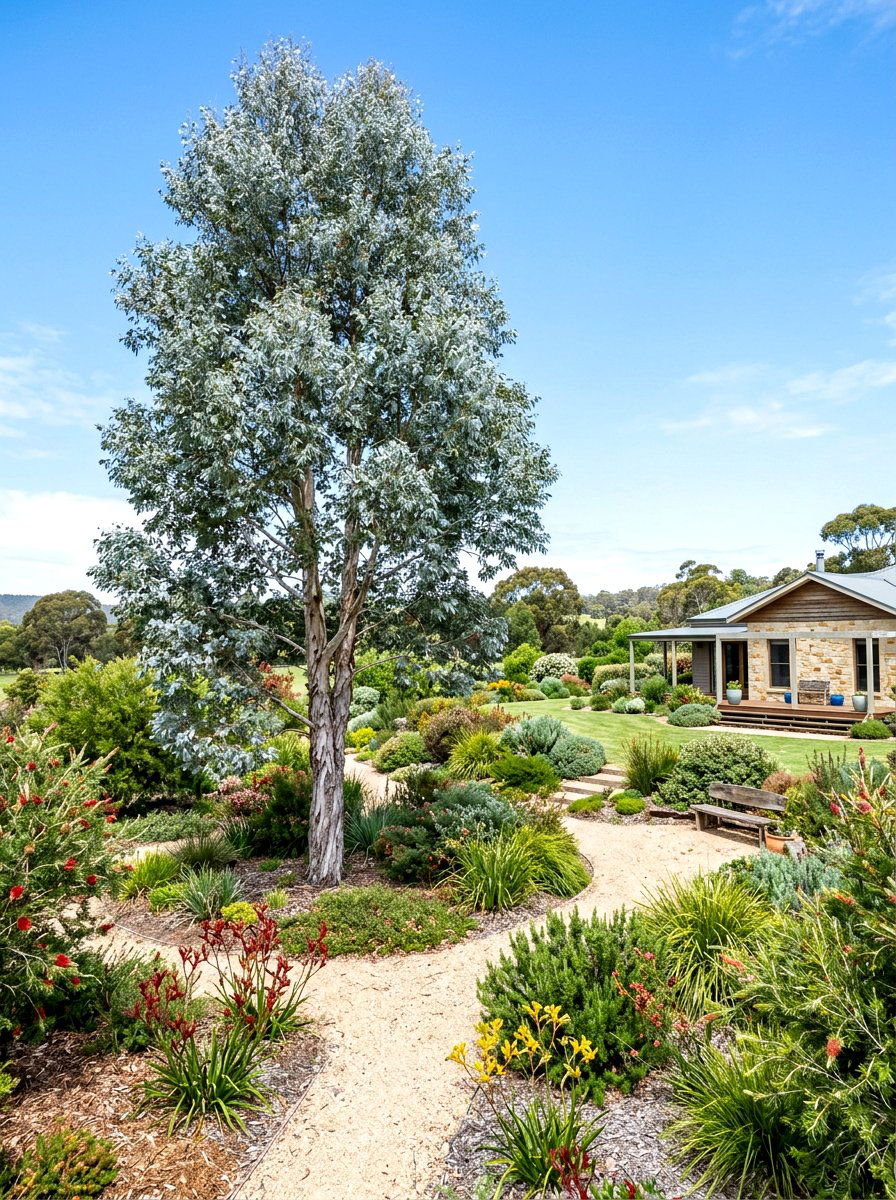
Planting a eucalyptus tree in your garden introduces a refreshing, medicinal scent and a striking visual presence to the landscape. The iconic silver-blue foliage has a unique waxy texture and releases a sharp, invigorating aroma when the leaves are crushed or when it rains. As the tree matures, many varieties feature peeling bark that reveals different colors and textures underneath, providing a rugged tactile element. The leaves flutter in the wind with a distinct metallic rustle, adding an unusual sound to the garden’s auditory palette. Eucalyptus is excellent for creating height and filtered shade, offering a cool and fragrant place to rest during the heat of the day.
27. Dry Creek Bed
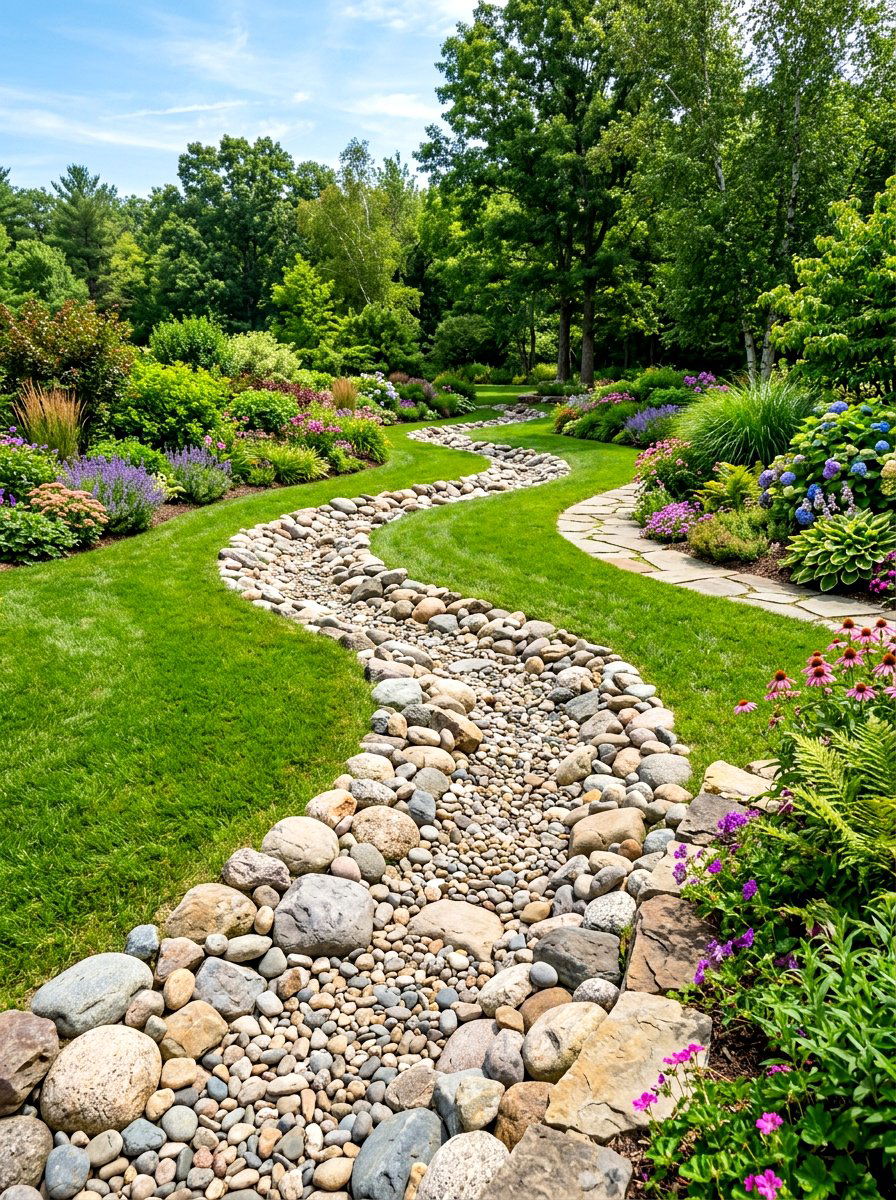
A dry creek bed is a landscape feature made of stones and boulders that mimics the path of a natural stream, even without water. Visually, it adds a sense of flow and structure to the garden, breaking up large expanses of green with earthy grays and browns. During rainstorms, the creek bed comes to life as water flows over the rocks, creating a temporary but beautiful auditory experience of splashing and trickling. In dry weather, the varied sizes and textures of the stones provide a rugged landscape that is interesting to look at and touch. It serves as a beautiful drainage solution while adding a peaceful, naturalistic feel.
28. Cherry Tomato Vine
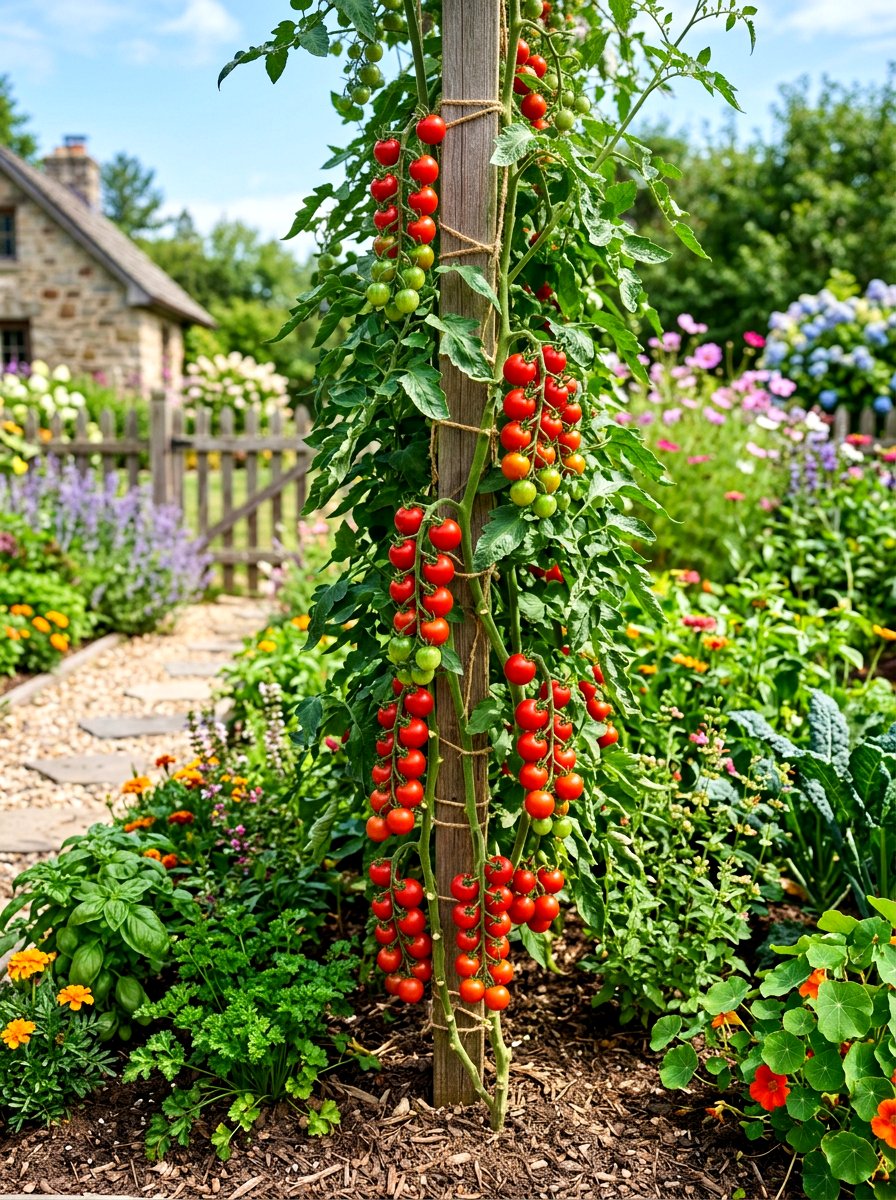
Growing a cherry tomato vine is a rewarding sensory activity that culminates in the burst of sweet, sun-warmed flavor in late summer. The plants themselves have a distinct, slightly fuzzy texture and a characteristic earthy scent that many people find nostalgic and pleasant. Watching the tiny green globes transform into bright red, yellow, or orange gems provides a sense of accomplishment and visual excitement. The act of harvesting the fruit encourages you to slow down and carefully search through the foliage, engaging both your sight and touch. Tasting a tomato directly from the vine is a powerful sensory experience that highlights the incredible freshness of homegrown food.
29. Shady Fern Garden
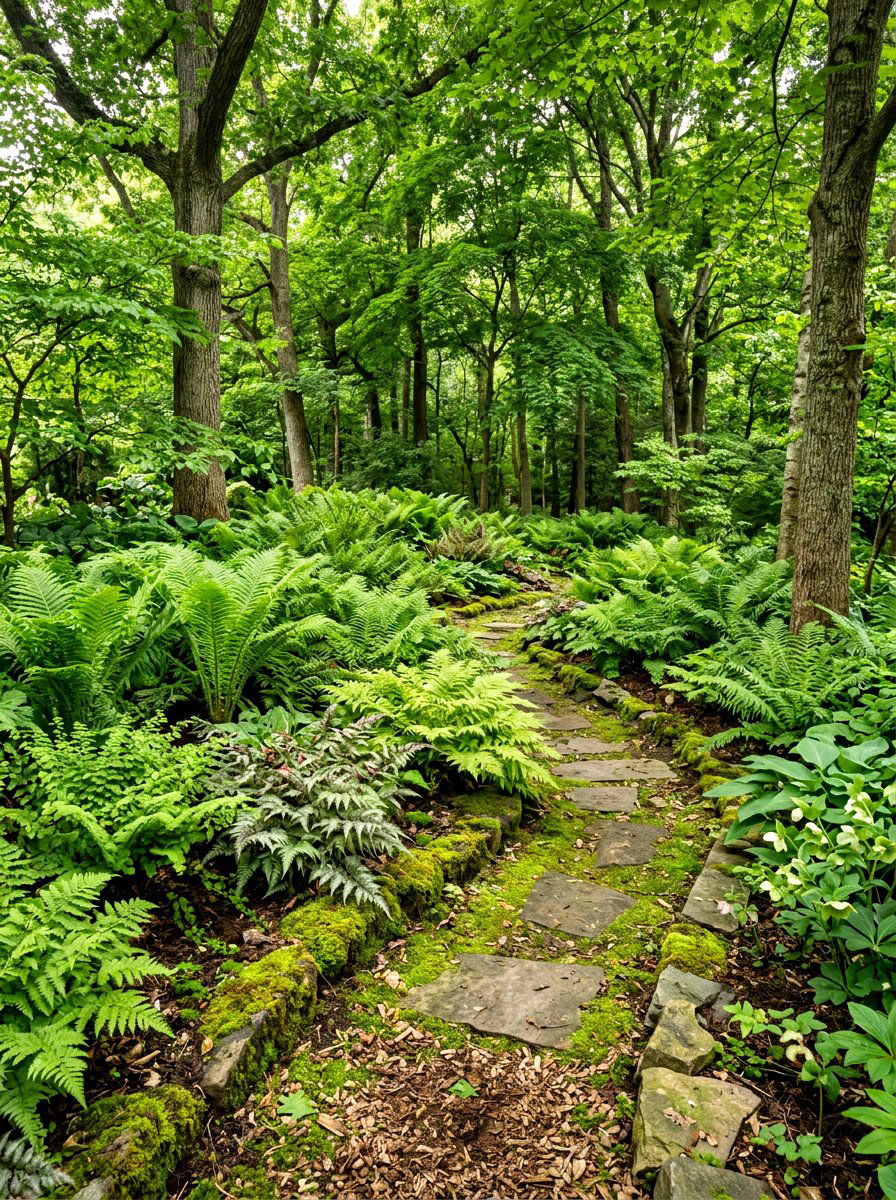
A shady fern garden creates a cool, lush oasis that feels like a hidden forest floor right in your own backyard. Ferns are celebrated for their delicate, feathery fronds that offer a soft and airy tactile quality when brushed against. The repeating patterns of their leaves provide a mesmerizing visual rhythm that is both complex and calming to the eye. In the shade, the different shades of deep forest green and lime green create a soothing monochromatic palette that reduces visual stress. The humid environment often associated with fern gardens also provides a refreshing change in air quality, making the space feel cooler and more tranquil during the summer.
30. Wood Chip Path
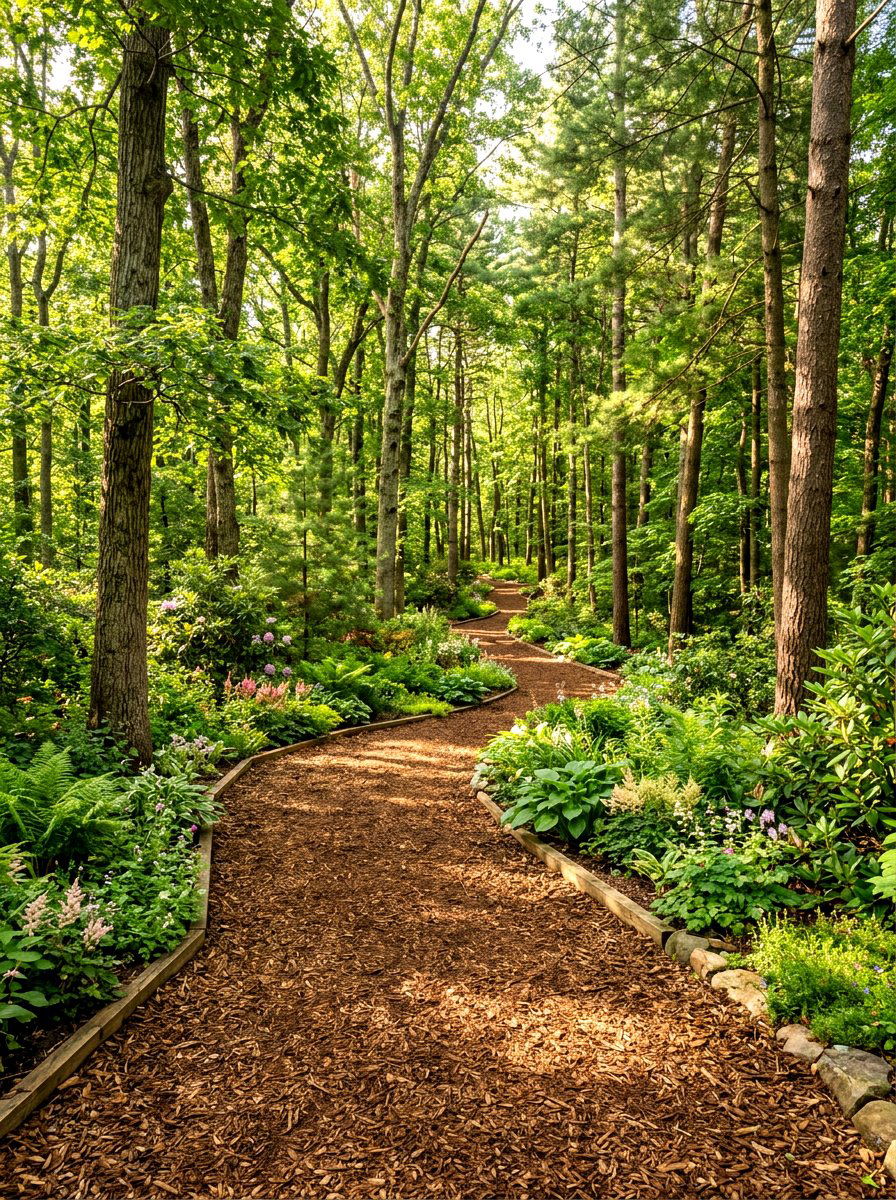
Using a wood chip path is a rustic and eco-friendly way to add a soft, springy texture and an earthy scent to your garden walks. The smell of fresh cedar or pine mulch is grounding and reminds many of forest trails, providing an immediate connection to the wilder side of nature. Walking on wood chips offers a cushioned feel that is easy on the joints and produces a muted, thumping sound that is very different from the crunch of gravel. As the chips break down over time, they enrich the soil and maintain a natural look that blends seamlessly with trees and shrubs, creating an effortless and inviting sensory journey.
Conclusion:
Creating a sensory backyard is an ongoing journey of discovery that transforms a simple patch of grass into a living, breathing retreat. By intentionally focusing on the five senses, you move away from a purely decorative garden toward an interactive space that promotes mental clarity and emotional well-being. Whether it is the sound of wind in the grasses, the scent of fresh herbs, or the feel of soft moss, every element contributes to a richer outdoor experience. These gardens encourage us to slow down, breathe deeply, and reconnect with the natural world in a meaningful way. Start small with a few sensory features and watch your backyard become a sanctuary.

Related posts: