Creating a sanctuary within your home is more than just an aesthetic choice; it is a vital step toward improving your overall well-being and sleep hygiene. A calm sensory bedroom focuses on soothing the five senses to reduce stress and promote deep relaxation after a long, busy day. By carefully selecting textures, lighting, and colors that resonate with your personal needs, you can transform a standard sleeping area into a restorative retreat. This approach is particularly helpful for those who feel overstimulated by the modern world. Exploring different sensory elements allows you to customize your environment for ultimate peace, comfort, and quietude throughout every single night.

1. Soft neutral color palette
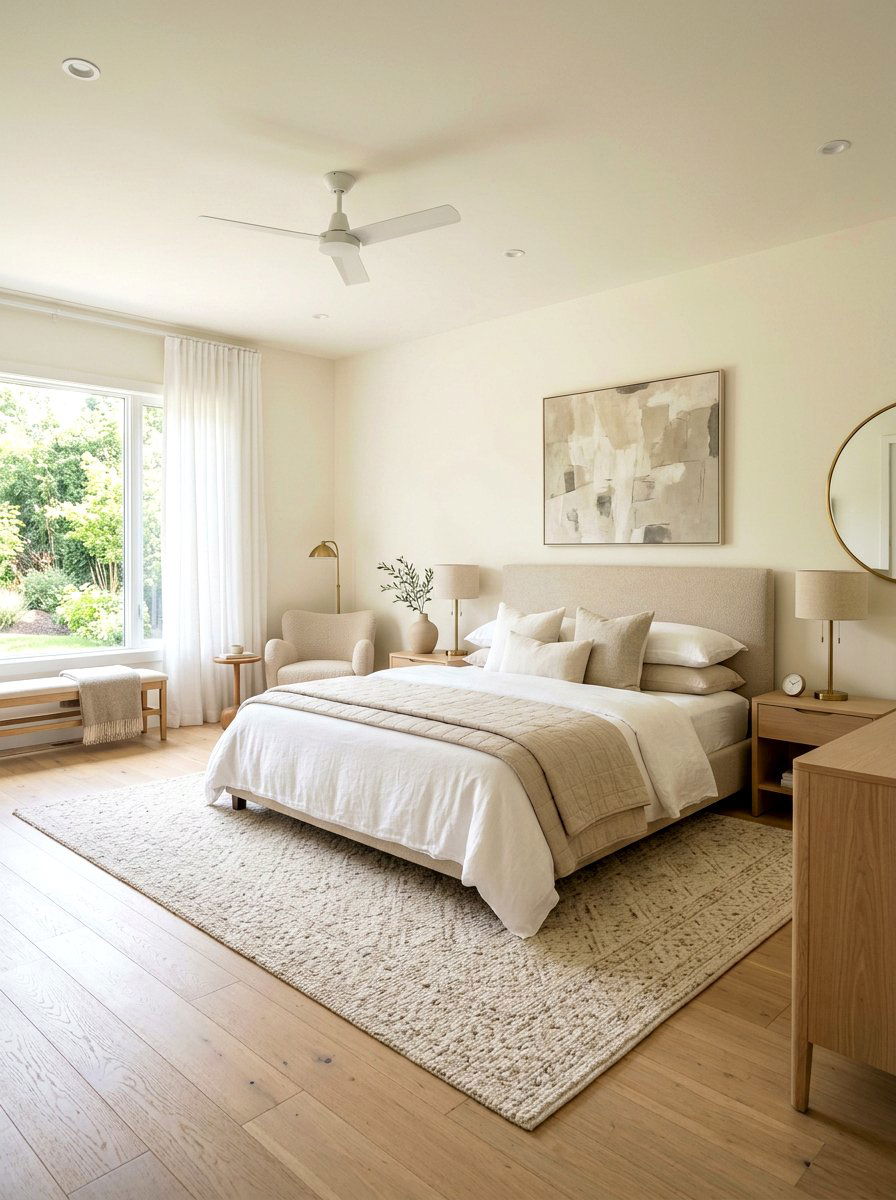
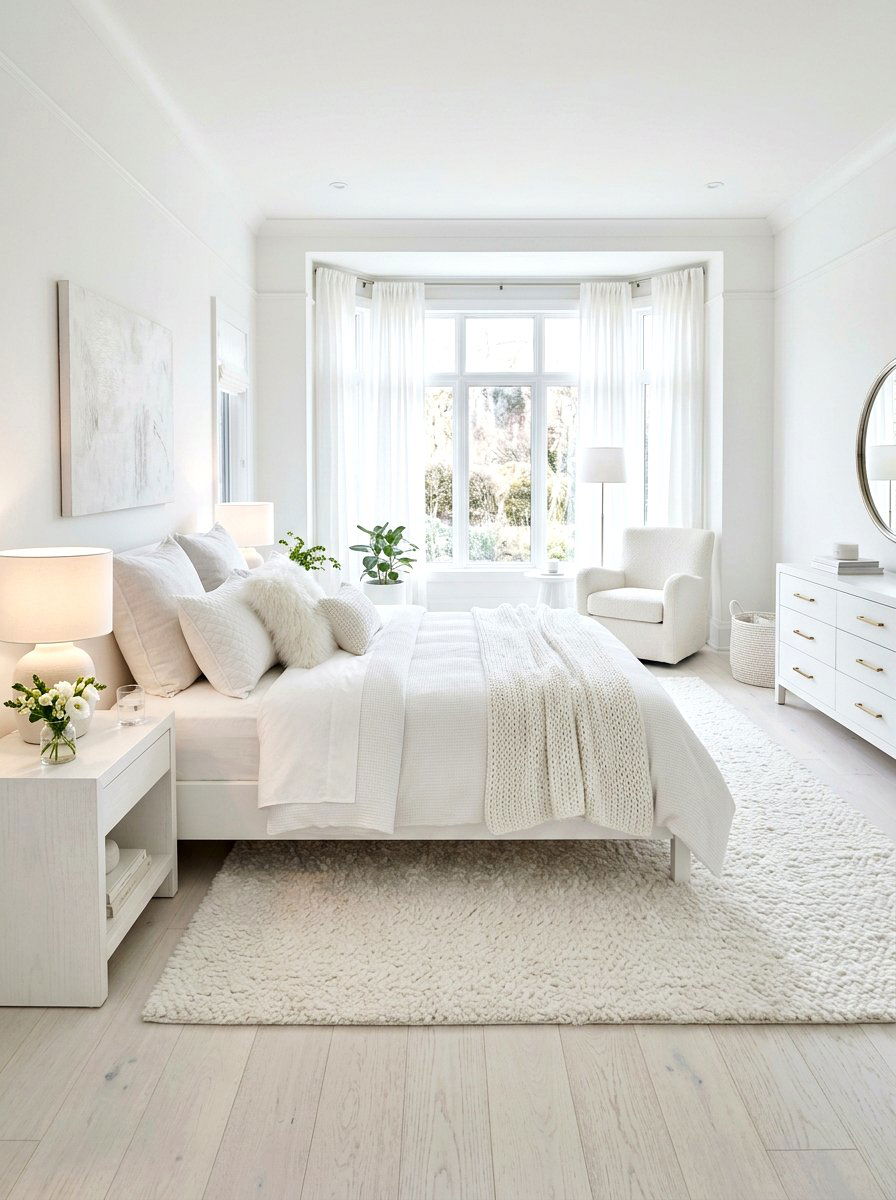
Choosing the right colors for your walls can significantly impact your emotional state and how quickly you fall asleep at night. A soft neutral color palette, featuring shades like warm beige, muted sage green, or soft dove gray, creates a visually quiet environment that minimizes mental clutter. Unlike bright or bold colors that can stimulate the brain, these earthy tones provide a grounding effect that encourages a sense of safety and tranquility. When you walk into a room wrapped in gentle hues, your eyes can rest easily without being overwhelmed by high-contrast patterns. This subtle backdrop sets a perfect foundation for other sensory layers and cozy textures.
2. Weighted blanket for sleep
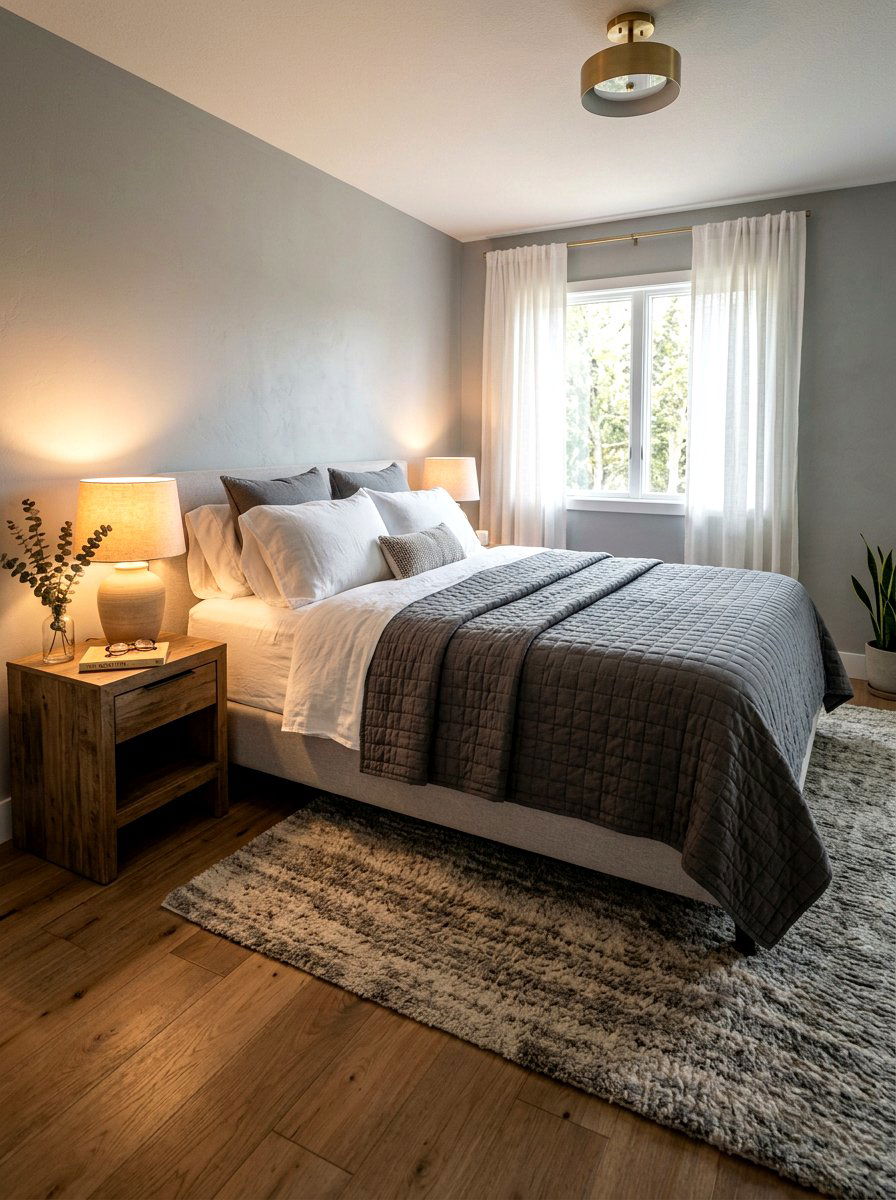
A weighted blanket is a powerful tool for anyone seeking a deeper sense of security and physical calm during the night. These blankets use deep pressure stimulation to mimic the feeling of being held or hugged, which helps to lower cortisol levels and increase serotonin production. For people with sensory processing needs or high anxiety, the gentle weight provides a grounding sensation that prevents tossing and turning. When selecting one, look for breathable fabrics like cotton or bamboo to ensure you stay cool while feeling the comforting pressure. It is a functional addition that doubles as a cozy, textured decor element on your bed for deep sleep.
3. Dimmable warm lighting

Lighting plays a crucial role in regulating your circadian rhythm and preparing your brain for a restful night of deep sleep. Dimmable warm lighting allows you to gradually lower the brightness as evening approaches, signaling to your body that it is time to wind down. Instead of harsh overhead lights, use multiple light sources like bedside lamps or wall sconces with warm-toned bulbs. This layered approach creates a soft glow that eliminates sharp shadows and reduces eye strain. Having the ability to adjust the intensity of light gives you total control over the mood, making your bedroom feel like a peaceful, private glowing sanctuary every evening.
4. Noise cancelling curtains
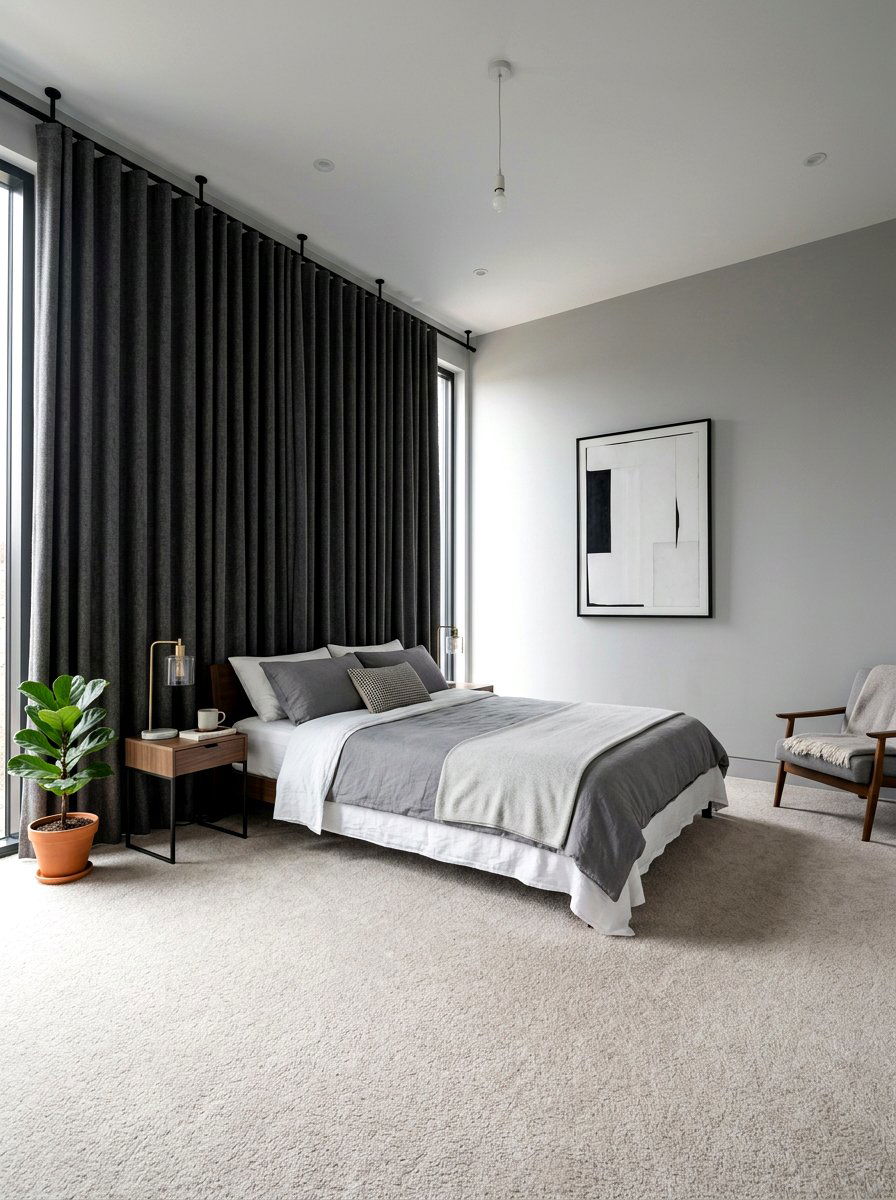
External sounds from traffic or neighbors can be a major source of sensory irritation when you are trying to relax at home. Noise cancelling curtains are designed with thick, heavy fabrics that absorb sound waves and provide an extra layer of thermal insulation for your windows. These curtains not only help quiet the room but also block out light, creating a cocoon-like atmosphere that feels incredibly private. The heavy drape of the fabric adds a luxurious, high-end look to your windows while serving a very practical purpose. By dampening outside noise, you can maintain a consistent level of silence that is essential for restorative rest.
5. Lavender essential oil diffuser
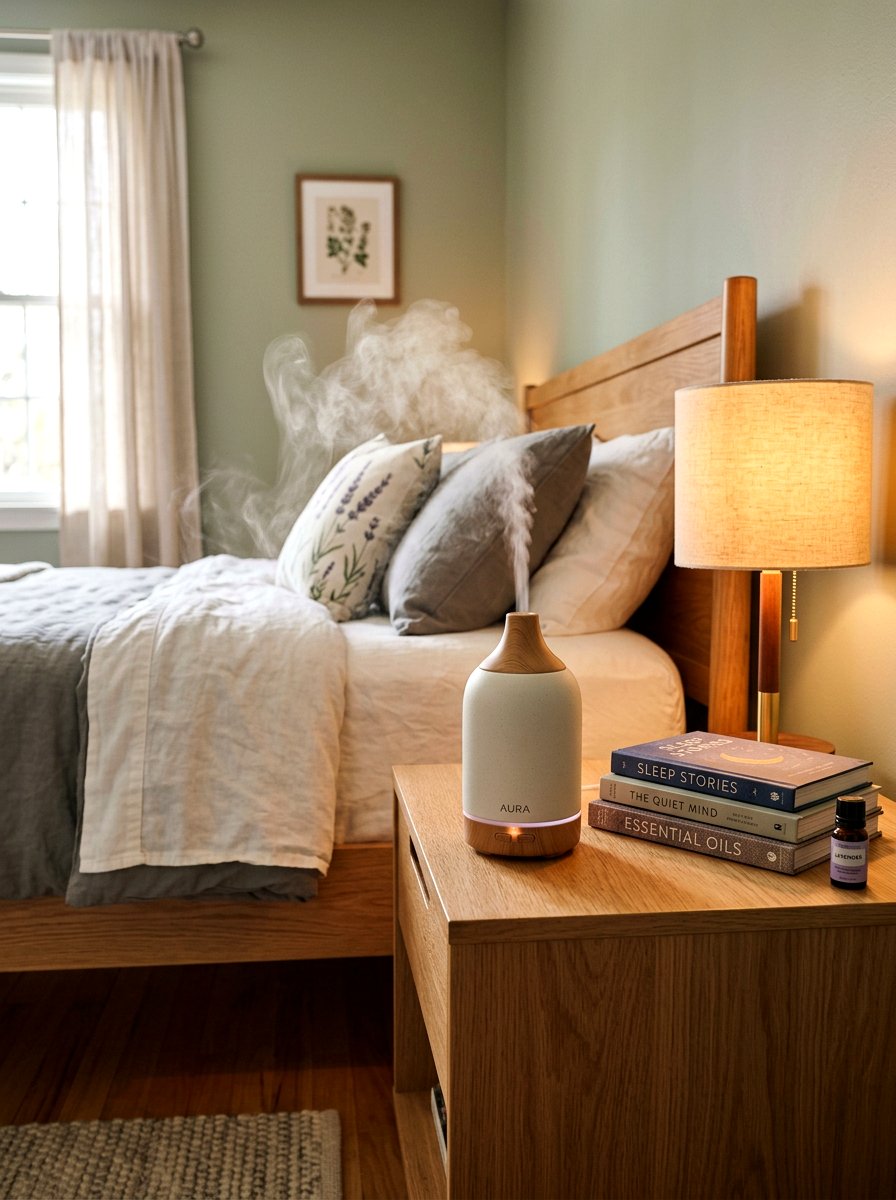
Engaging your sense of smell is a fast way to shift your mood from stressed to serene before you go to bed. A lavender essential oil diffuser fills the air with a gentle mist that carries calming floral notes known for their sedative properties. Lavender has been used for centuries to promote relaxation and reduce heart rates, making it a staple for sensory bedrooms. The quiet hum of the diffuser can also act as a subtle form of white noise, adding to the overall peace of the room. Placing a stylish diffuser on your nightstand ensures that your environment smells fresh, clean, and incredibly soothing.
6. Plush shag rug
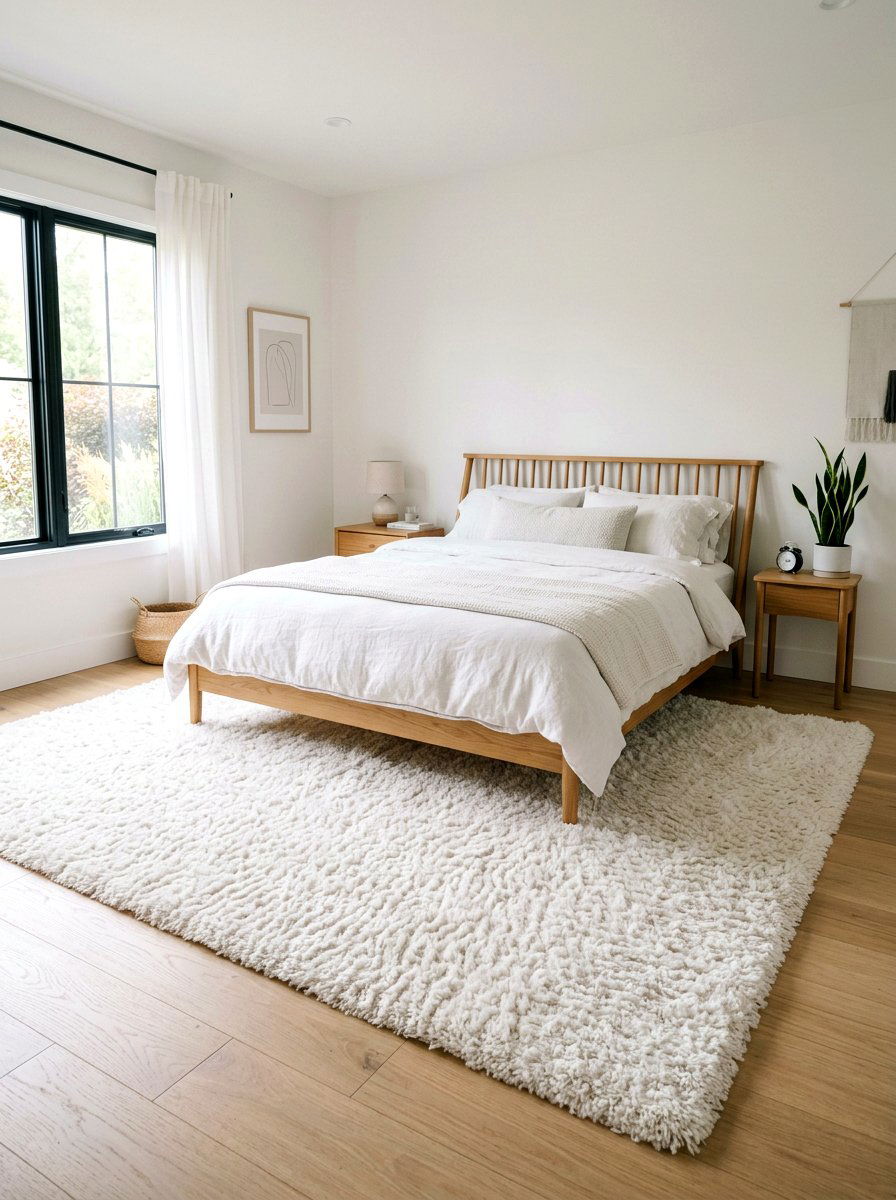
Walking across a cold, hard floor can be a jarring sensory experience, especially first thing in the morning or late at night. A plush shag rug provides a soft, tactile landing for your feet that immediately makes the space feel warmer and more inviting. High-pile rugs help to dampen echoes and absorb sound, contributing to the overall quietness of the bedroom. Choosing a rug in a soft, complementary color adds a layer of visual softness that ties the entire room together. The physical comfort of sinking your toes into a thick rug can help ground your body and provide a sense of luxury and ease.
7. Minimalist wooden furniture
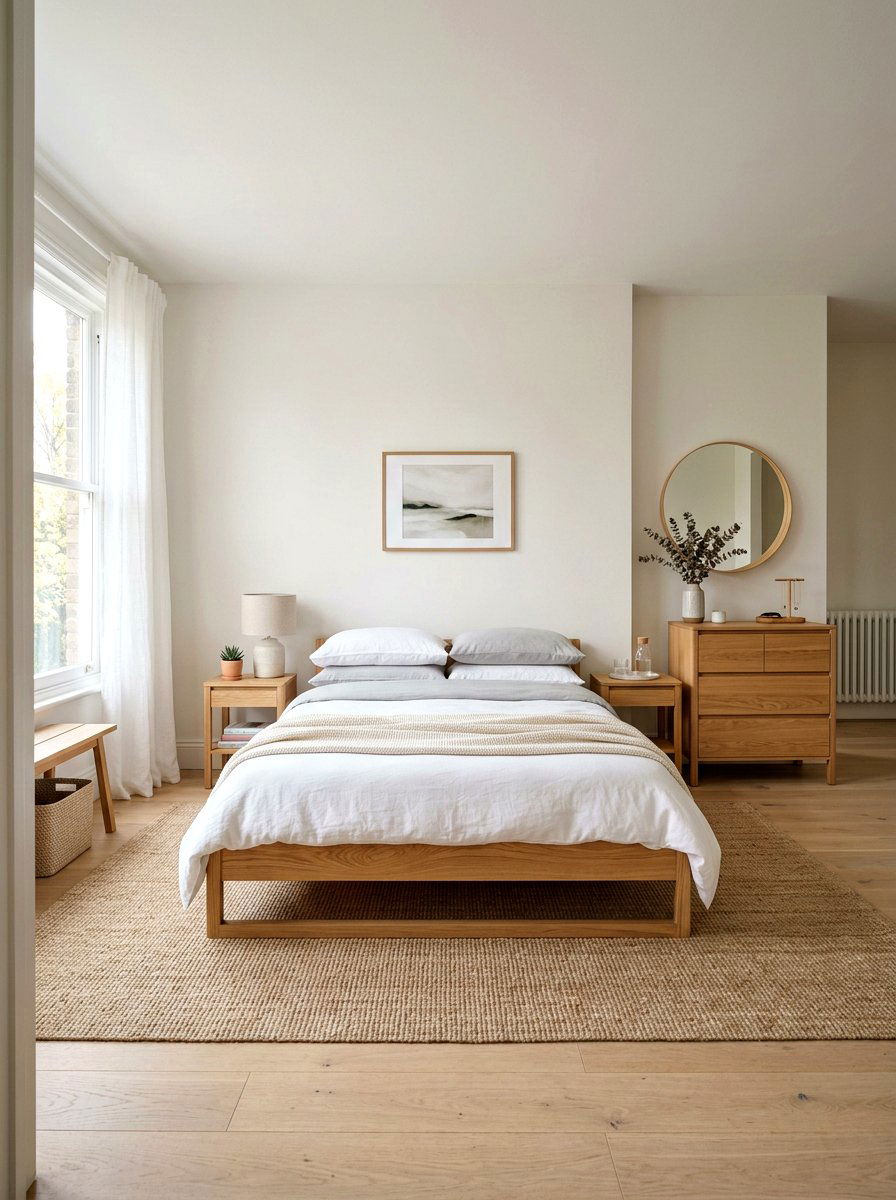
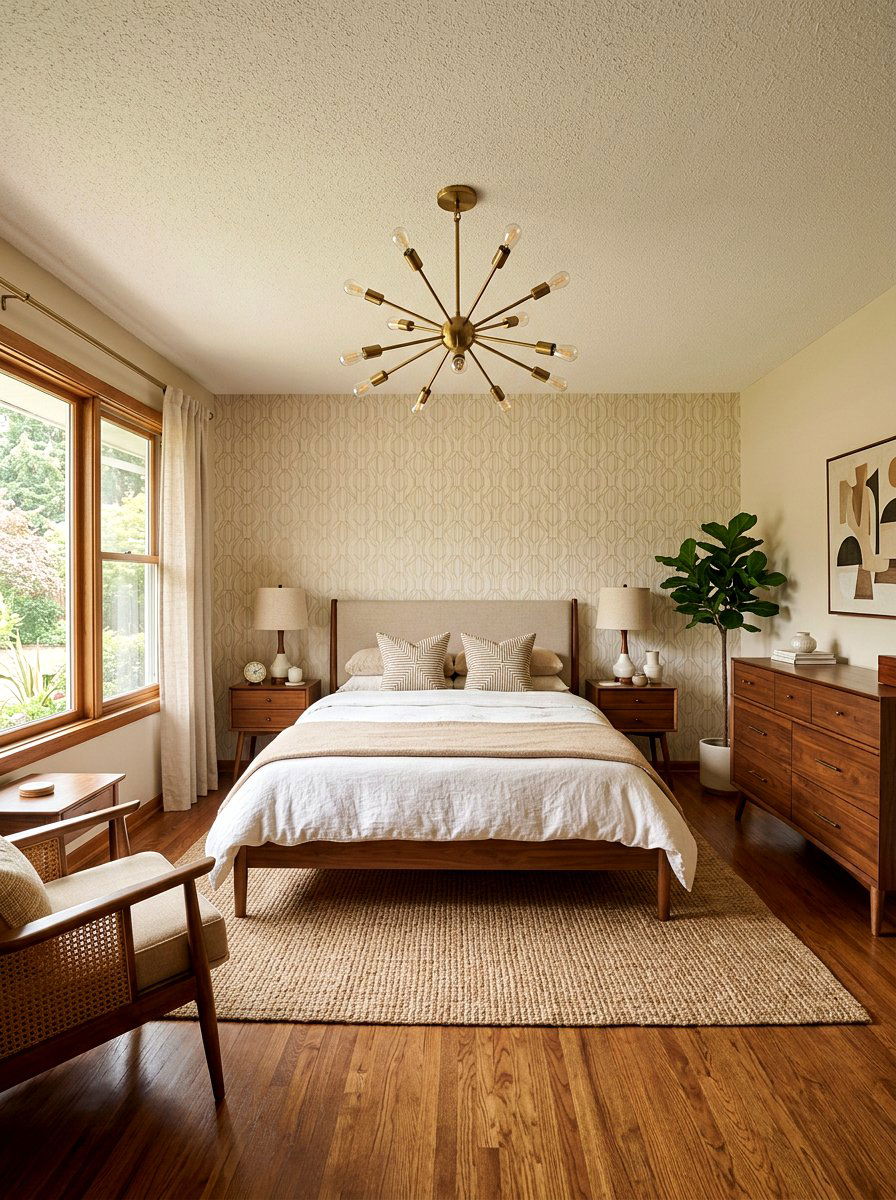
Furniture with clean lines and natural materials can help reduce visual noise and create a more organized, peaceful sleeping environment. Minimalist wooden furniture brings an organic element indoors, connecting you to nature while providing sturdy functionality without the clutter of ornate details. Wood has a natural warmth and texture that feels timeless and grounding, which is perfect for a calm sensory space. By choosing pieces that serve a clear purpose and offer plenty of hidden storage, you can keep surfaces clear of distracting items. This lack of visual chaos allows your mind to settle down much faster when you enter the room.
8. Indoor air purifying plants
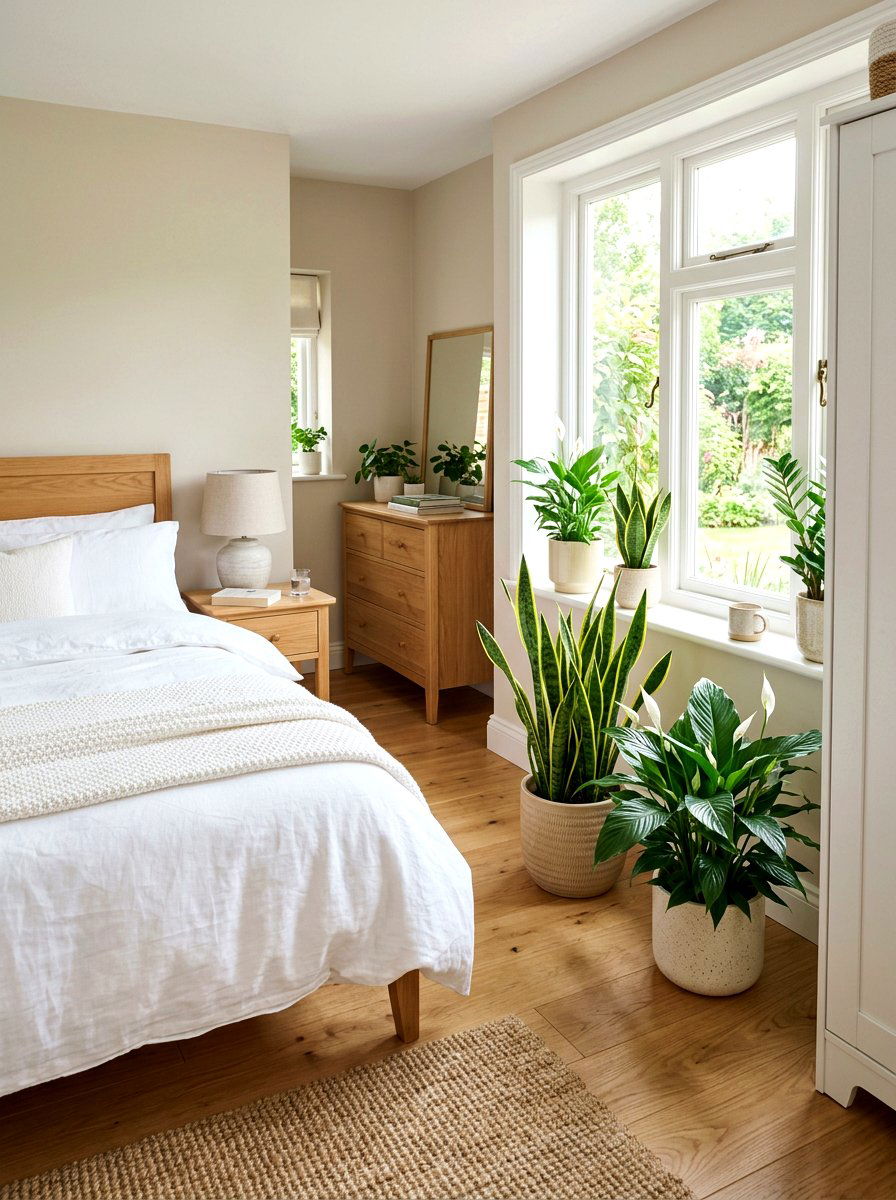
Bringing nature inside with indoor air purifying plants can improve your physical health while providing a calming visual focal point. Plants like snake plants, peace lilies, or spider plants are excellent choices because they require minimal maintenance and effectively filter toxins from the air. The presence of greenery has been shown to lower stress levels and boost mood, creating a more vibrant yet peaceful atmosphere. Seeing a touch of living nature in your bedroom adds a soft organic shape that breaks up the straight lines of furniture. This living decor element makes the air feel fresher and the whole room more alive.
9. Blackout window blinds
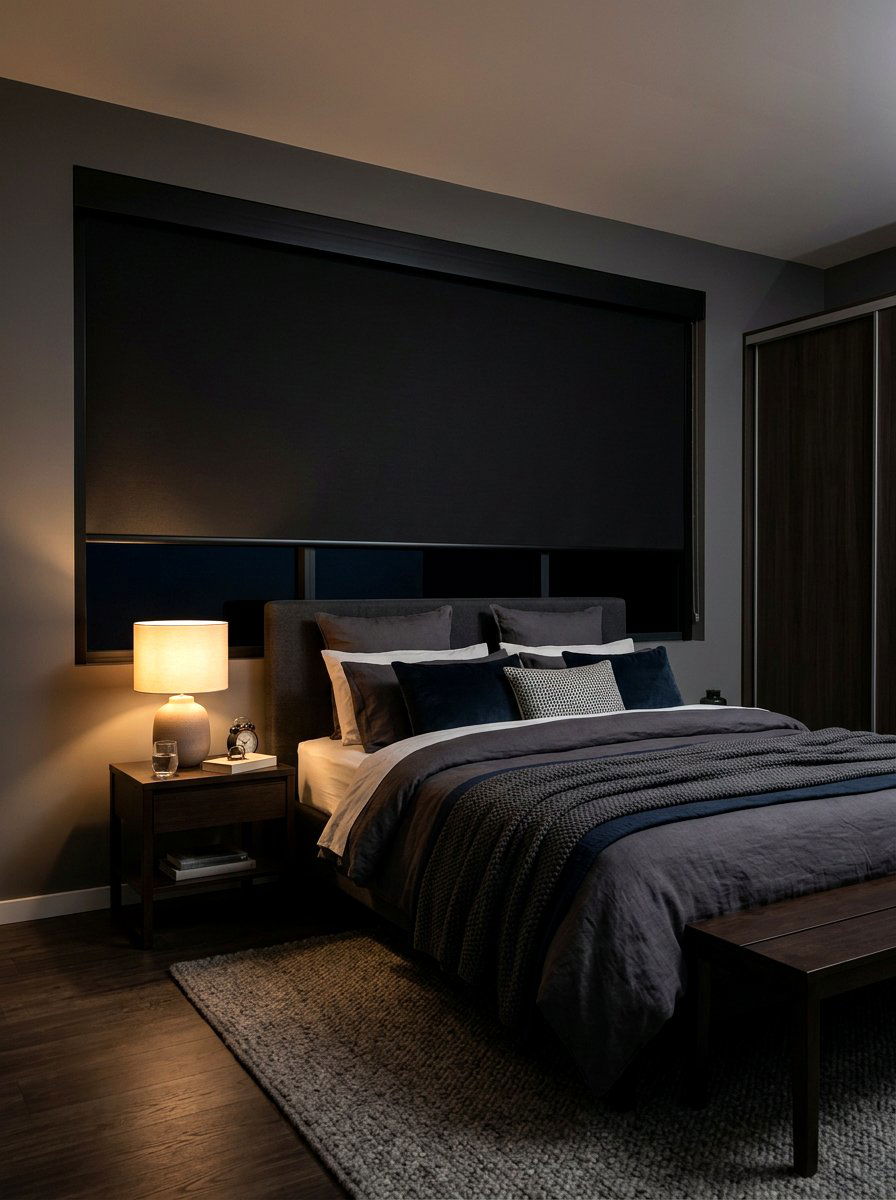
Total darkness is often necessary for the brain to produce enough melatonin for high-quality, uninterrupted sleep throughout the entire night. Blackout window blinds are a practical solution for blocking out streetlights, early morning sun, or car headlights that might disturb your rest. These blinds fit snugly against the window frame to minimize light leaks, ensuring your room remains a dark, quiet cave-like environment. When combined with curtains, they provide excellent control over the lighting levels in your room at any time of day. This control is vital for shift workers or anyone sensitive to light changes during their sleeping hours.

10. Cotton linen bedding

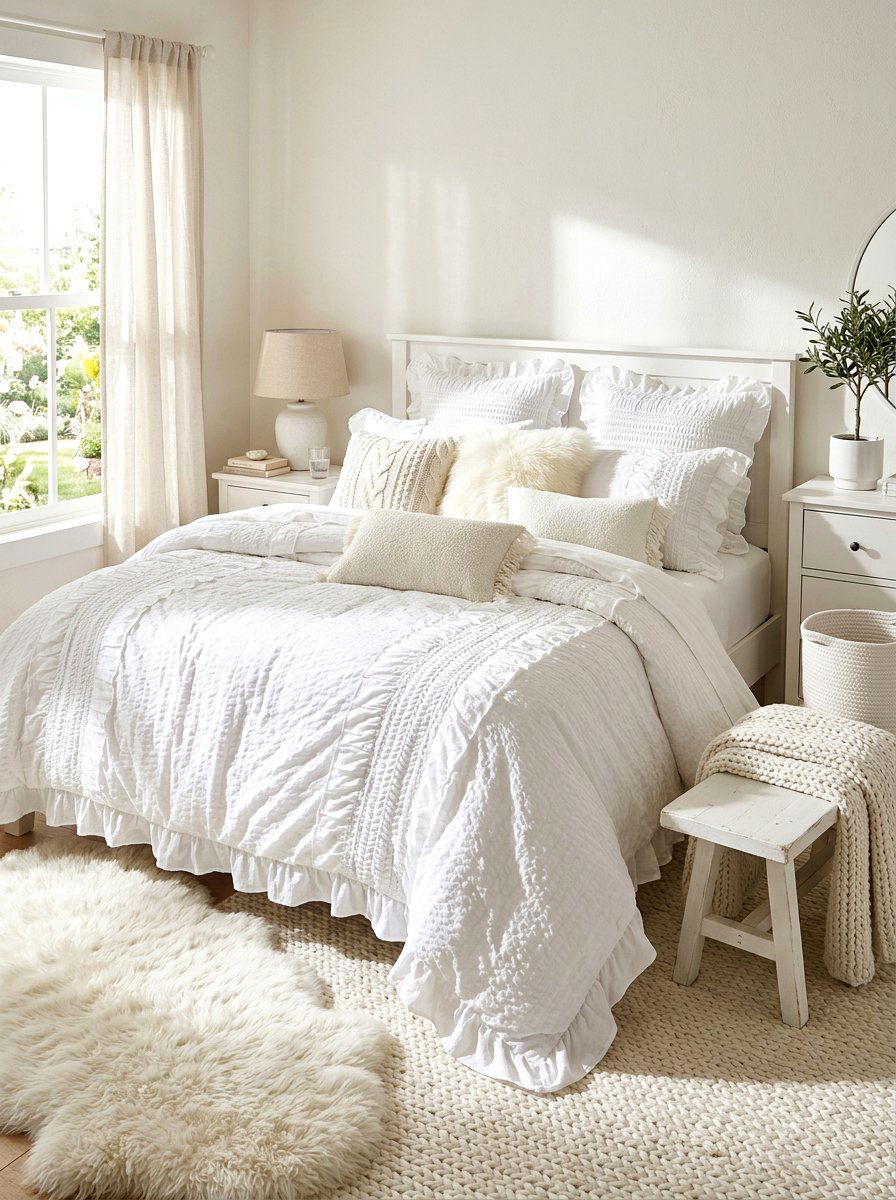
The fabric that touches your skin all night should be as soft and breathable as possible to prevent sensory irritation. Cotton linen bedding is a fantastic choice because it is durable, natural, and gets softer with every single wash over time. These natural fibers regulate temperature effectively, keeping you cool in the summer and warm in the winter without causing overheating. The slightly rumpled, matte texture of linen adds a relaxed and effortless look to the bed, which contributes to a low-pressure aesthetic. Investing in high-quality bedding ensures that your physical contact with your bed is always a pleasant and soothing experience.
11. Sound machine for white noise
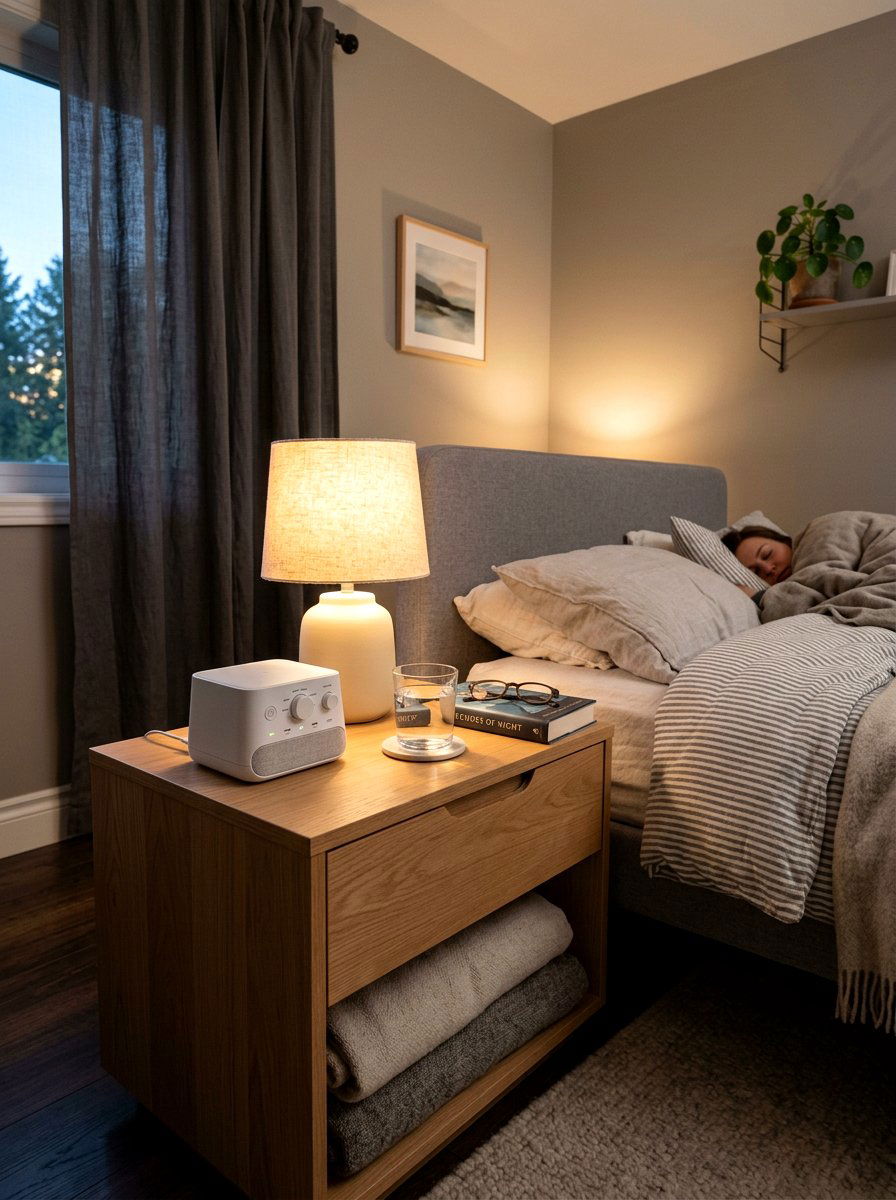
Consistent background sound can mask unpredictable noises that might startle you awake or prevent you from relaxing during the day. A sound machine for white noise provides a steady, soothing frequency that helps the brain tune out distractions and focus on rest. Many machines offer various sounds, such as falling rain, ocean waves, or steady fans, allowing you to choose what feels most calming. This auditory anchor is particularly helpful for those living in busy urban areas where silence is hard to find. The rhythmic patterns of white noise can help lull you into a deeper state of relaxation very quickly.
12. Hidden storage organization
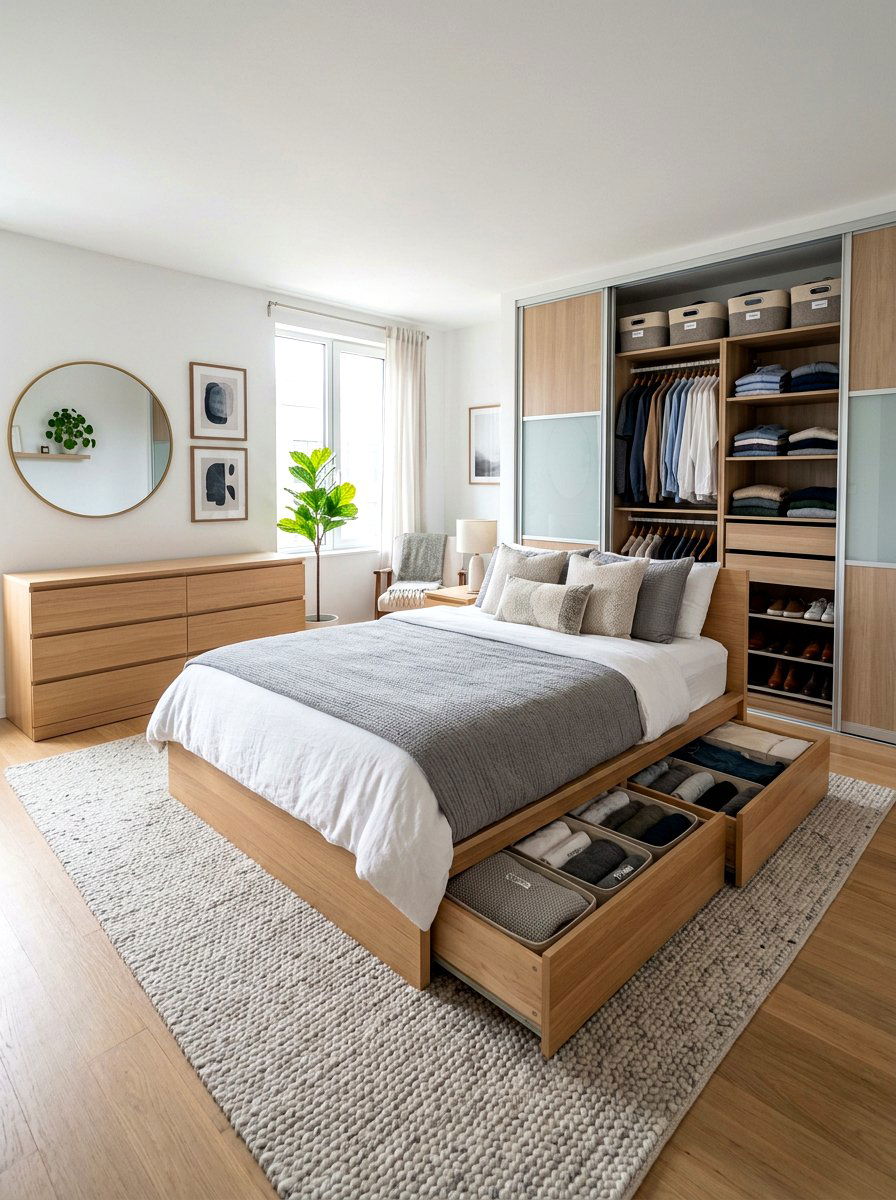
Clutter is a significant source of visual overstimulation that can make it difficult for the mind to truly relax and unwind. Hidden storage organization, such as under-bed bins, built-in wardrobes, or ottomans with storage compartments, allows you to keep your belongings out of sight. When the surfaces of your dressers and nightstands are clear, the room feels larger, airier, and much more peaceful. Organizing your space so that everything has a specific place reduces the mental load of managing "stuff" before bed. A tidy room promotes a tidy mind, which is essential for creating a successful and calm sensory bedroom environment.
13. Textured wall panels
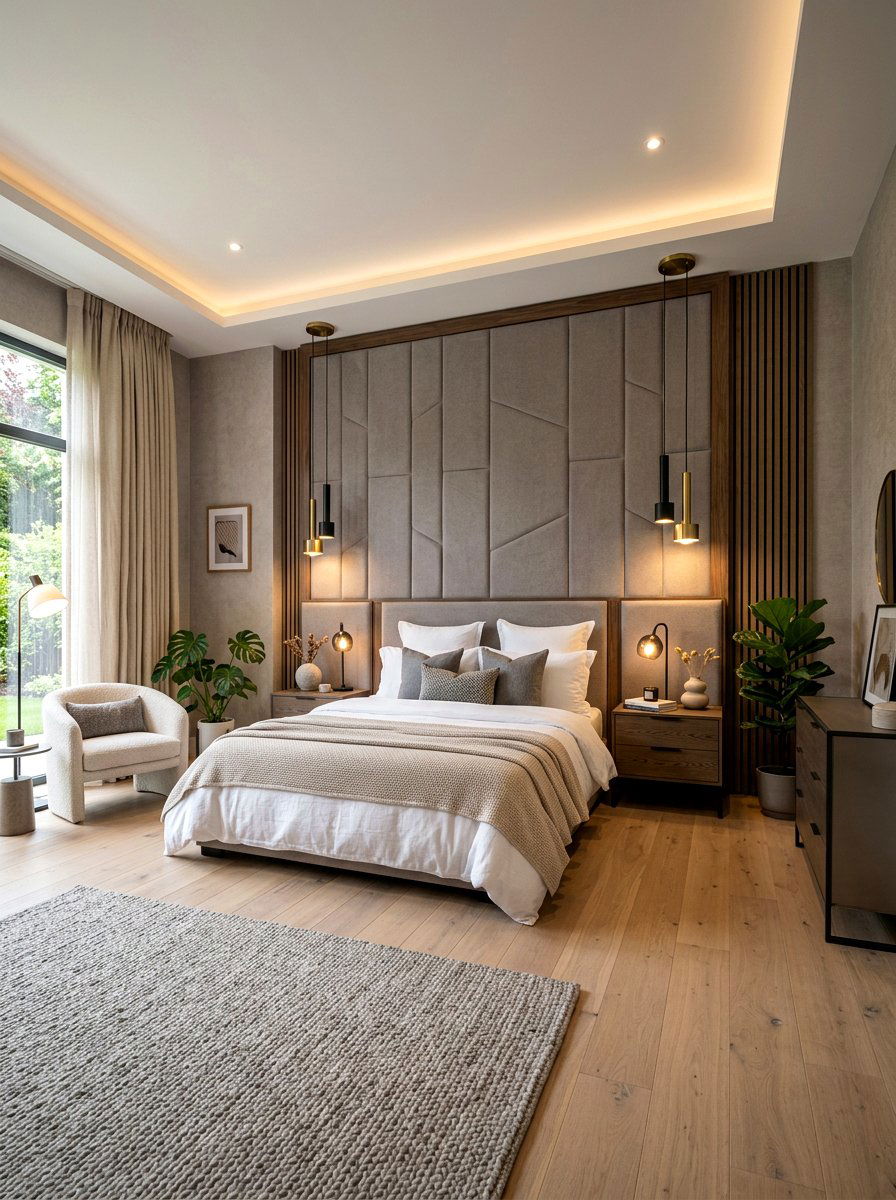
Adding a subtle physical dimension to your walls can enhance the sensory experience of your bedroom without being visually overwhelming or loud. Textured wall panels, whether made of fabric, wood, or 3D molding, provide a soft visual interest that breaks up flat surfaces. These panels can also help with sound absorption, making the room feel quieter and more intimate than a standard painted wall. Choosing a texture that is repetitive and symmetrical can have a meditative effect on the eyes, encouraging a sense of order. This design choice adds a sophisticated, tactile quality to the room that feels modern and very intentional.
14. Reading nook floor chair
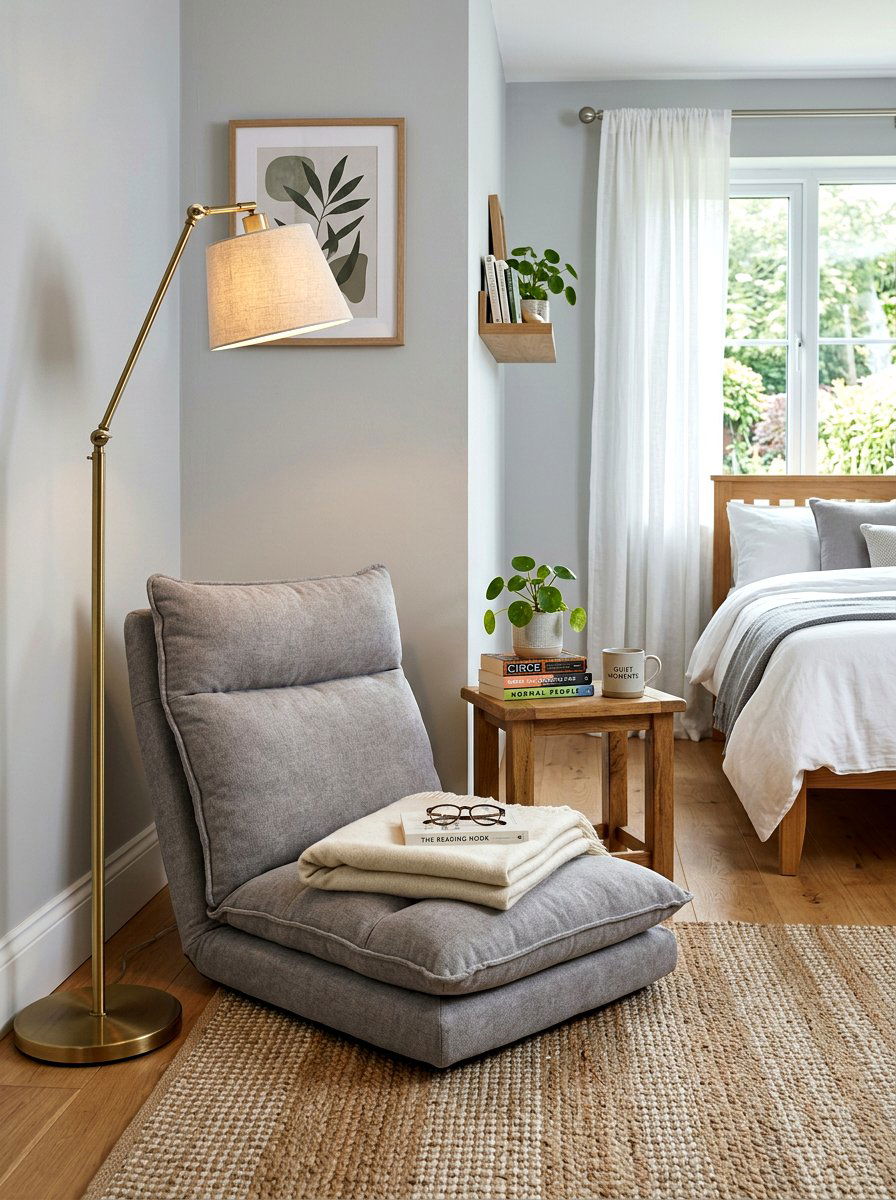
Creating a dedicated space for quiet activities like reading or meditating can help you separate your sleep area from your waking life. A reading nook floor chair offers a low-profile, comfortable seating option that encourages a relaxed posture and a sense of grounding. Placing this chair near a window or a bookshelf creates a cozy corner where you can decompress without getting into bed too early. By having a separate spot for quiet reflection, you reinforce the idea that the bedroom is a multi-sensory retreat for peace. Soft cushions and a small side table complete this functional and very inviting corner.


15. Blue light filtering bulbs
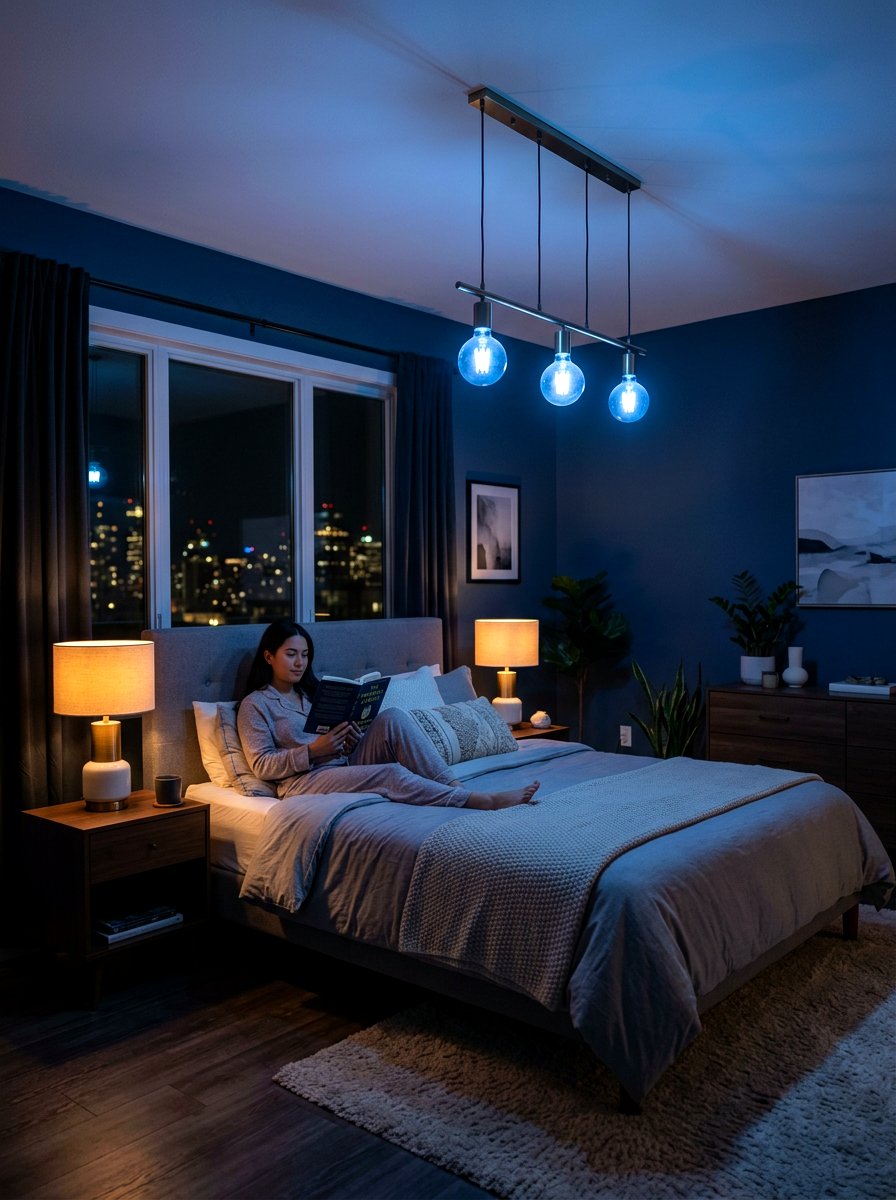
The blue light emitted by standard LED bulbs and electronic screens can interfere with your sleep cycle by suppressing melatonin production. Using blue light filtering bulbs in your bedroom lamps can help protect your eyes and your brain from this artificial stimulation. These bulbs emit a warmer, amber-toned light that feels much more natural and relaxing during the evening hours. Making this simple switch helps transition your body into sleep mode as you read or prepare for bed. It is an easy way to adjust the sensory input of your room to better align with your natural biological rhythms and needs.
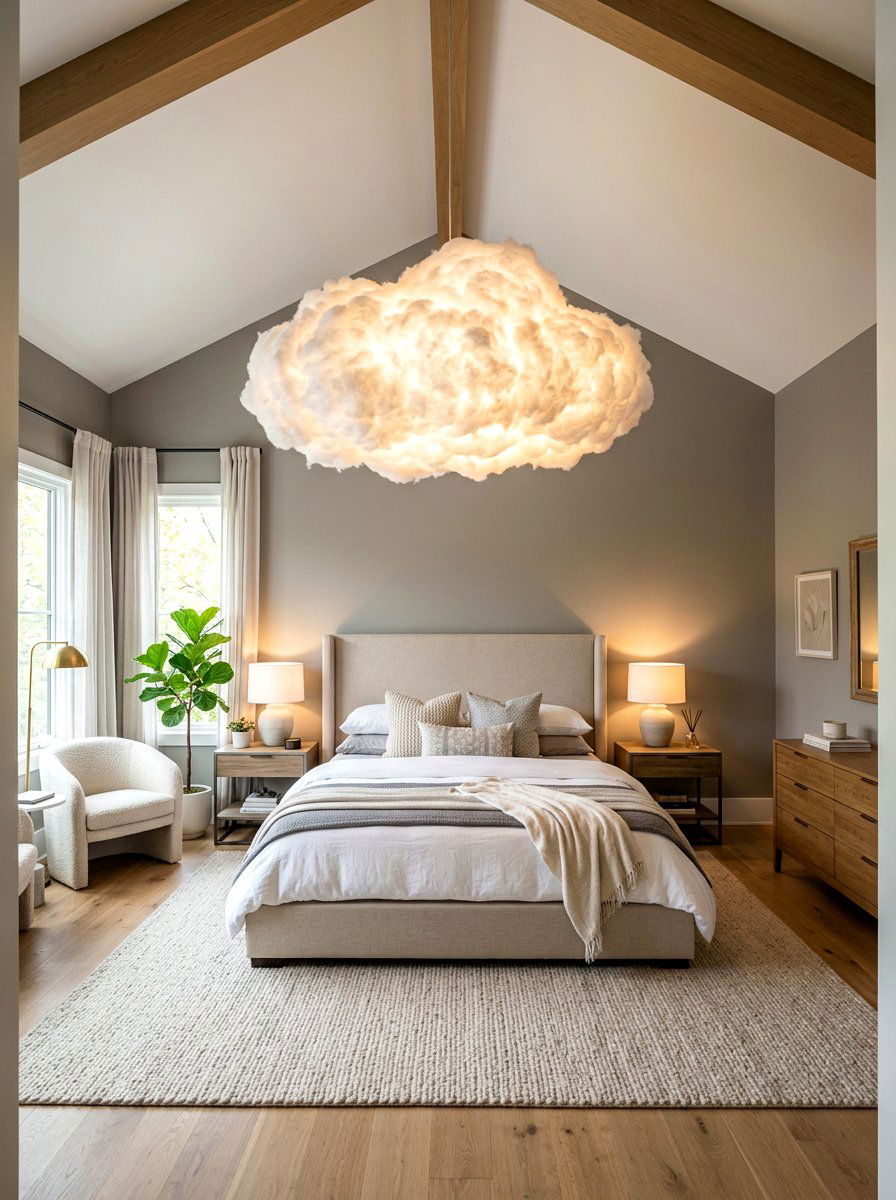
16. Natural wood ceiling beams

Architectural details that incorporate organic materials can bring a sense of rustic warmth and structural beauty to a sensory bedroom. Natural wood ceiling beams draw the eye upward and add a feeling of height and character to the space without feeling cluttered. The raw texture and natural grain of the wood provide a grounding element that makes the room feel more connected to the outdoors. Whether your style is modern farmhouse or minimalist, wooden beams add a layer of visual warmth that paint alone cannot achieve. This feature creates a cozy, cabin-like atmosphere that feels protective, sturdy, and incredibly peaceful to look at.
17. Upholstered bed frame
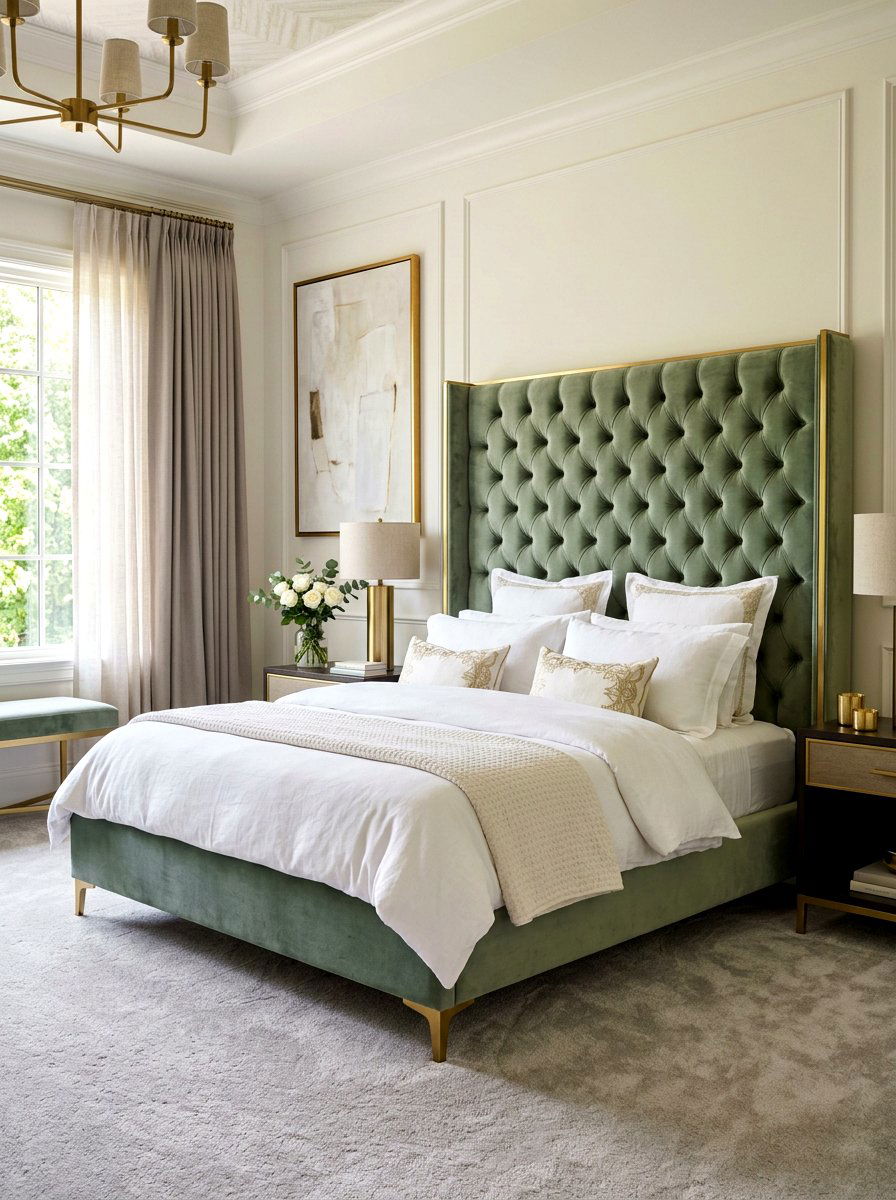
The bed is the center of any bedroom, and choosing an upholstered bed frame adds an immediate layer of softness. A padded headboard covered in soft fabric like velvet, linen, or tweed provides a comfortable surface to lean against while reading. This fabric element also helps to absorb sound and reduces the presence of hard, sharp edges in the room's design. The visual softness of an upholstered frame makes the bed look like a giant cloud, inviting you to rest and recover. It is a perfect way to introduce more texture and color into the room while prioritizing physical comfort and safety.
18. Salt lamp glow
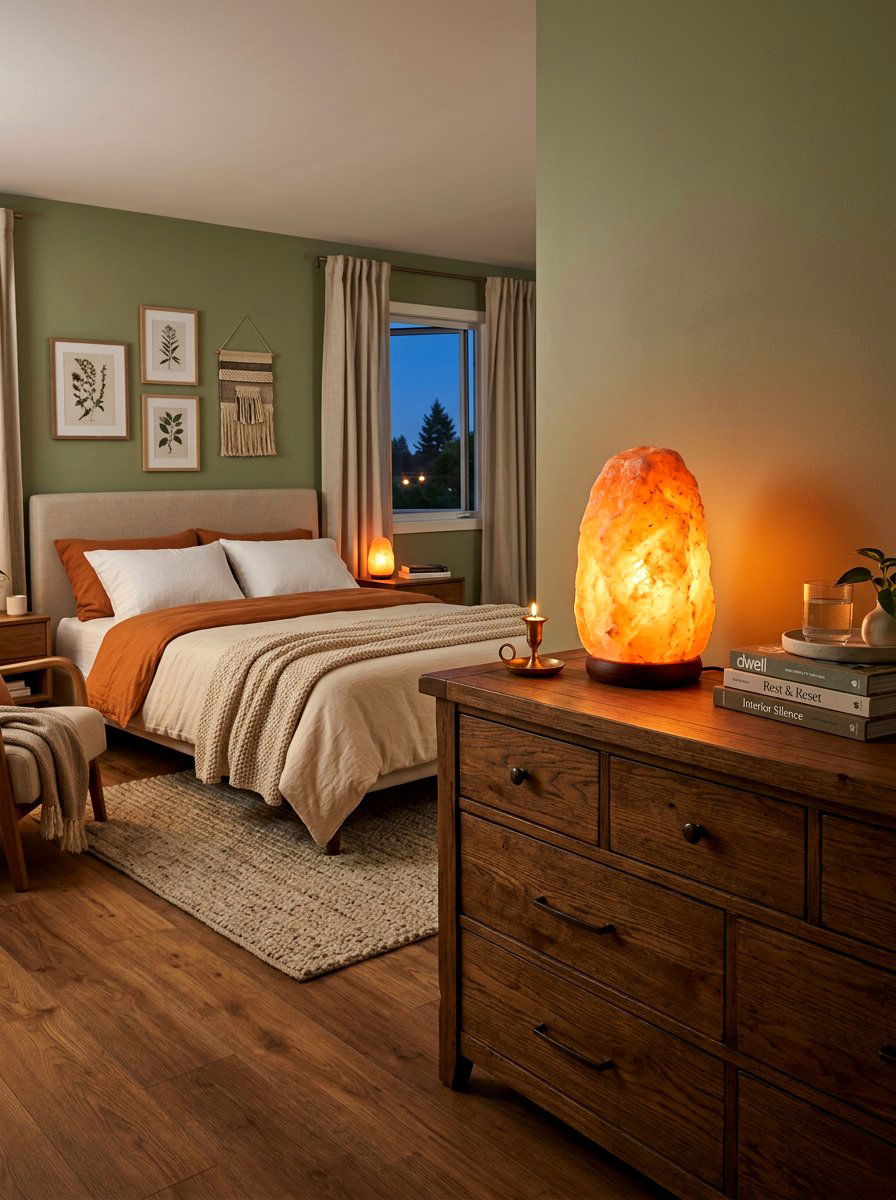
Himalayan salt lamps are popular in sensory bedrooms for their unique, warm orange glow and potential air-cleansing properties for the home. The soft, ambient light they emit is very low in intensity, making it perfect for use as a nightlight or evening accent. This specific color spectrum is known to be very relaxing for the eyes and the nervous system, helping to reduce evening anxiety. The natural, irregular shape of the salt crystal adds an organic beauty to your nightstand or dresser. Many people find the steady, warm light incredibly grounding, providing a sense of comfort in the dark hours of night.
19. Sheer canopy bed curtains

Adding a canopy to your bed creates a room-within-a-room effect that can make you feel more secure and private while sleeping. Sheer canopy bed curtains provide a light, airy layer that softens the look of the bed and diffuses any light in the room. This visual barrier helps to signal to your brain that you are in a safe, enclosed space dedicated only to rest. The gentle movement of the fabric in a light breeze can be very soothing to watch as you drift off to sleep. It adds a touch of romantic elegance while serving a functional purpose for sensory boundaries.

20. Floor to ceiling mirror
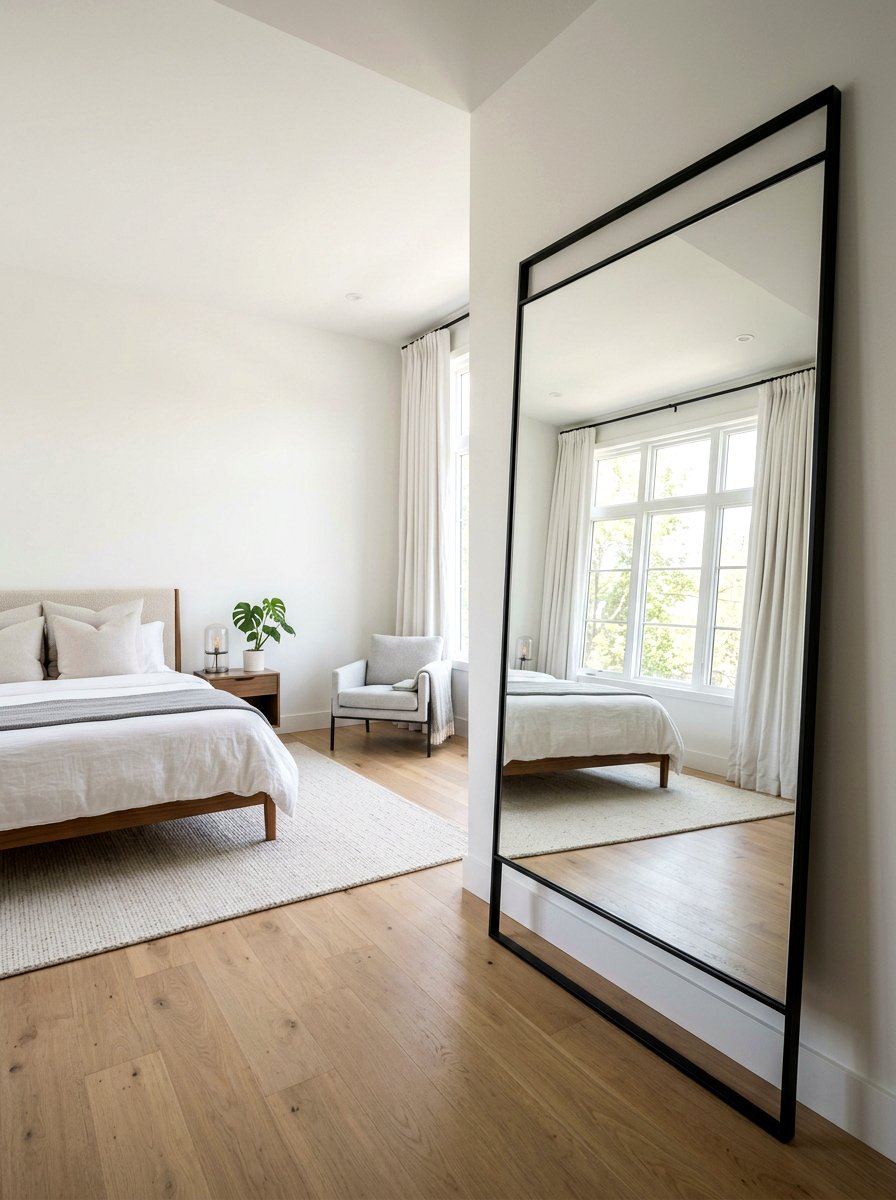
A large floor to ceiling mirror can help a small bedroom feel more open and airy by reflecting natural light. While sensory rooms often focus on darkness, having a bright and open feeling during the day is important for a positive mood. Positioning a mirror where it can reflect a window or a piece of art adds depth and interest to the room 's layout. A simple, thin frame ensures that the mirror doesn' t become a source of visual clutter or distraction. The clean reflection creates a sense of symmetry and balance, which are key components of a calm and well-organized sensory space.
21. Velvet throw pillows
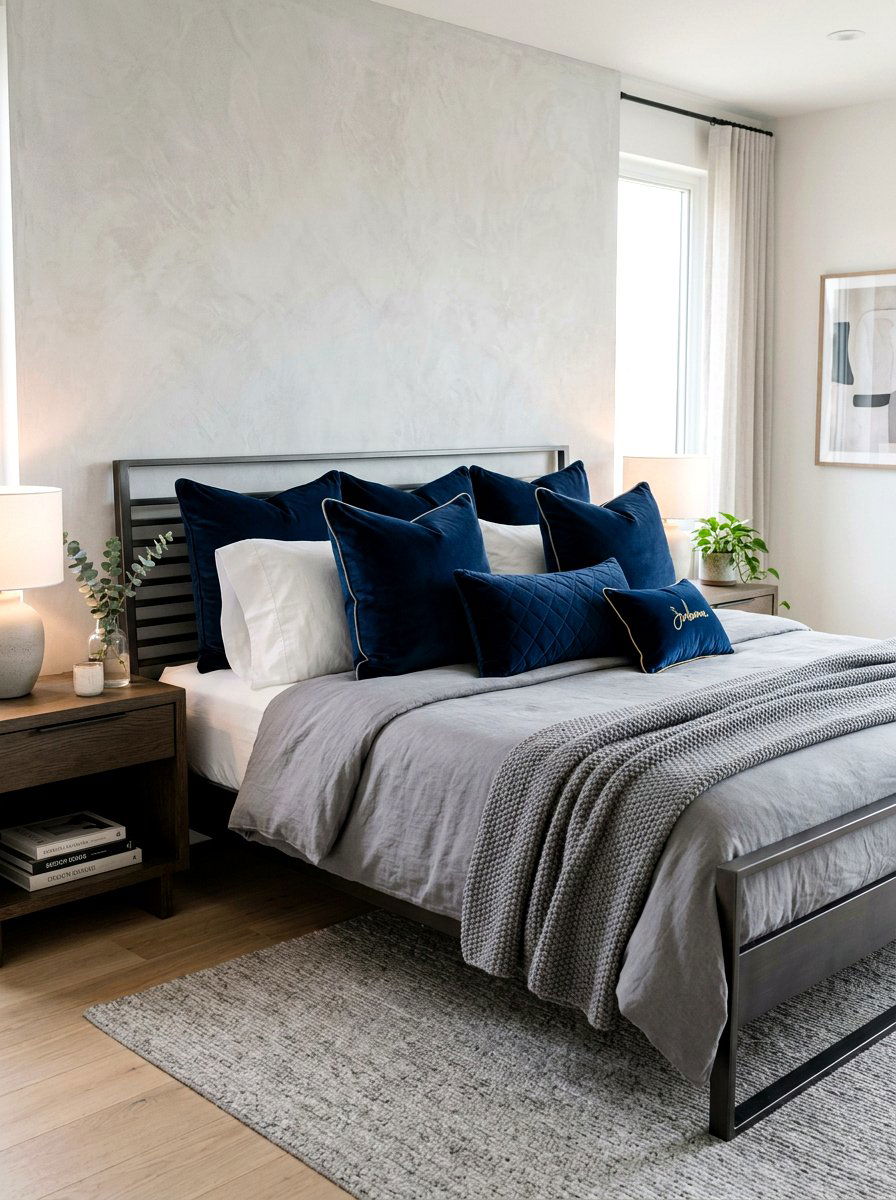
Velvet is one of the most luxurious fabrics for sensory seekers because of its incredibly soft, smooth, and consistent physical texture. Adding velvet throw pillows to your bed or seating area provides a tactile focal point that feels wonderful against the skin. The way velvet catches the light also adds a subtle, non-glaring visual depth to your decor scheme without being overwhelming. These pillows can be used to add a pop of muted color, like navy or forest green, to a neutral room. Squeezing or resting against a soft velvet pillow can provide immediate comfort and help lower stress levels during relaxation.
22. Floating wall shelves
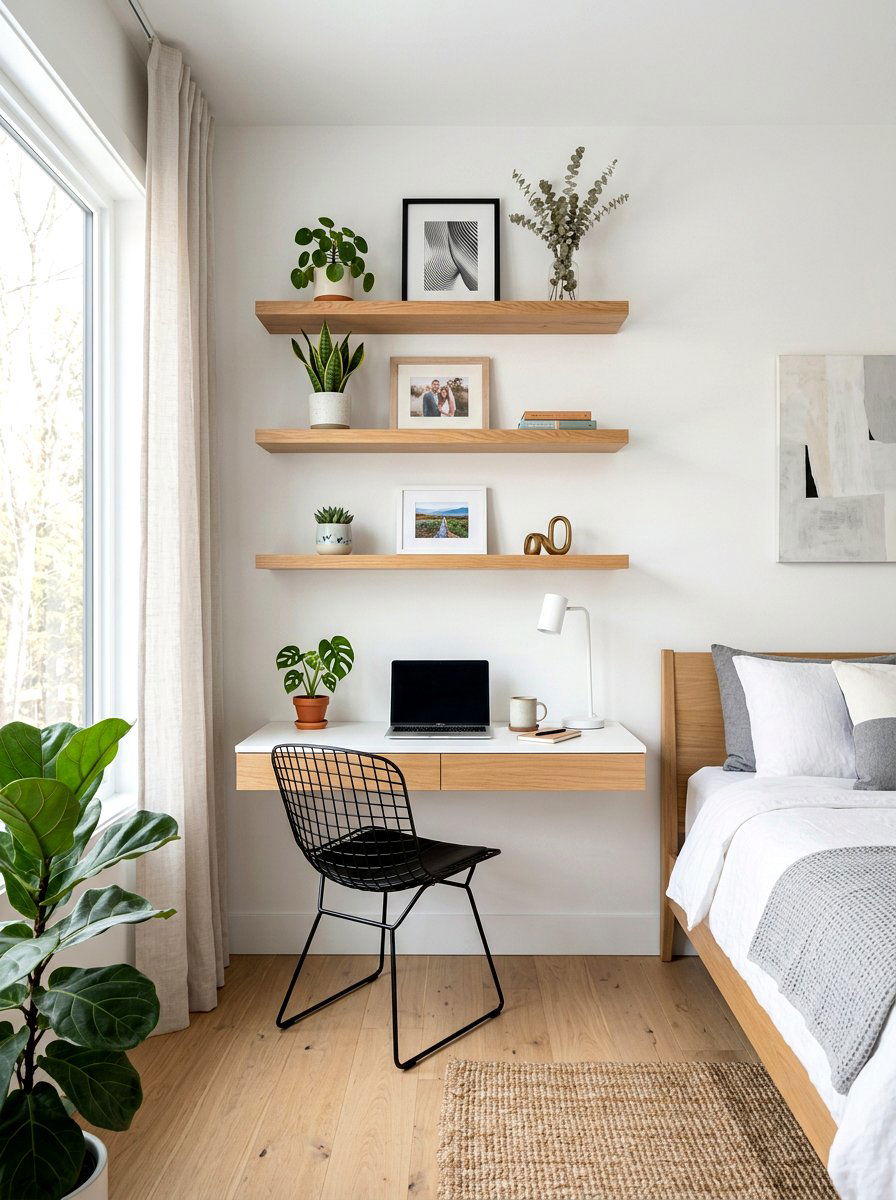
Keeping the floor clear of clutter is essential for maintaining a sense of calm in any bedroom, especially small ones. Floating wall shelves offer a minimalist way to display a few cherished items, like books or small plants, without taking up floor space. These shelves create a clean, modern look that emphasizes open space and prevents the room from feeling cramped or boxed in. By limiting what you put on the shelves, you can curate a visual experience that is intentional and peaceful. This organizational strategy helps maintain the flow of the room, making it feel more like a professional and curated retreat.
23. Woven wicker baskets
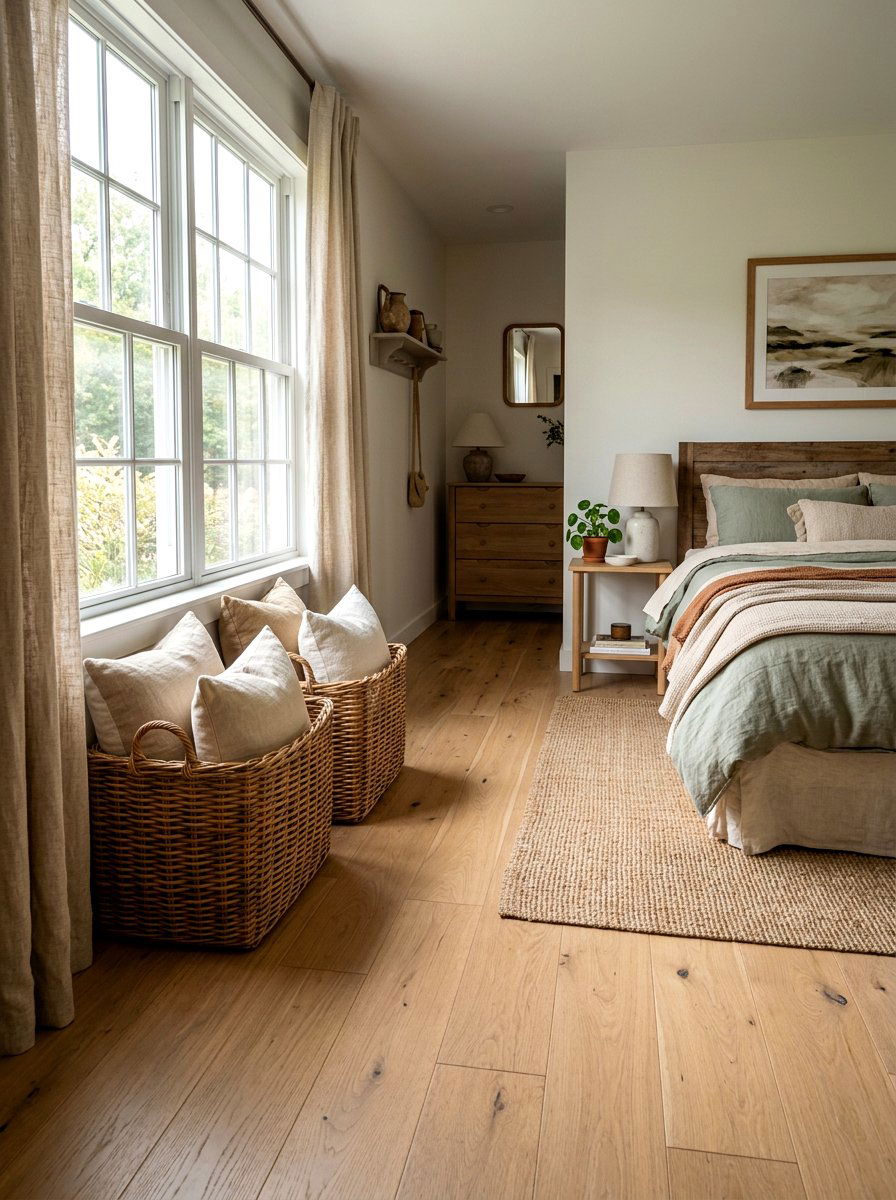
Natural textures like wicker and rattan bring a bit of the outdoors inside, adding a warm and organic feel. Woven wicker baskets are perfect for hiding extra blankets, pillows, or laundry that might otherwise clutter the corners of your room. The physical texture of the weave adds visual interest and a handcrafted quality that feels more personal than plastic storage bins. These baskets are lightweight and easy to move, making them a practical addition to a calm sensory bedroom. Using natural materials helps create a soft, earthy atmosphere that is naturally relaxing to both the eyes and the mind.
24. Framed landscape art
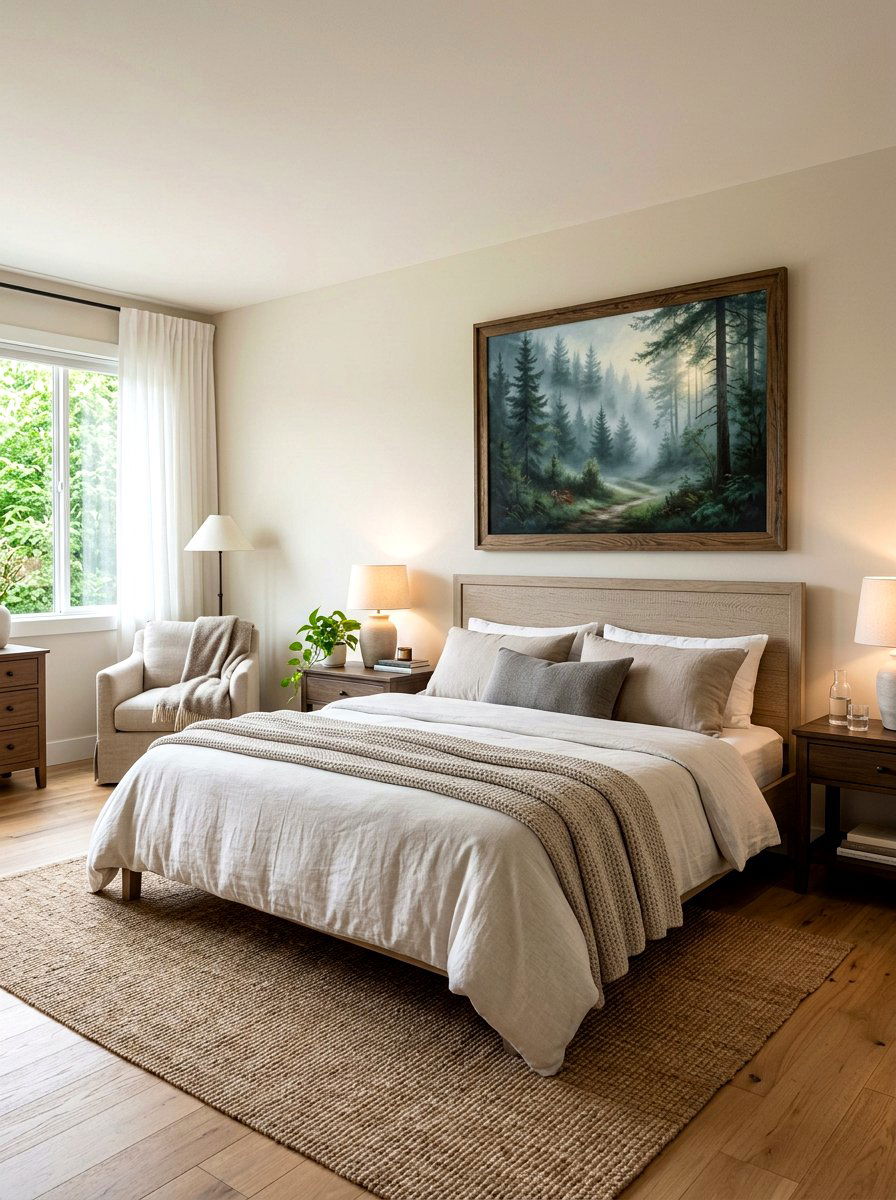
The art you choose for your walls should reflect the feeling of peace and stillness you want to achieve in your life. Framed landscape art, featuring scenes of rolling hills, quiet forests, or calm oceans, can transport your mind to a serene environment. Avoid busy or abstract pieces with high-contrast colors, as these can be visually taxing when you are trying to wind down. Simple, high-quality frames in wood or metal keep the focus on the soothing imagery within the artwork itself. Looking at nature-inspired art can lower your heart rate and provide a meditative focal point as you prepare for sleep.
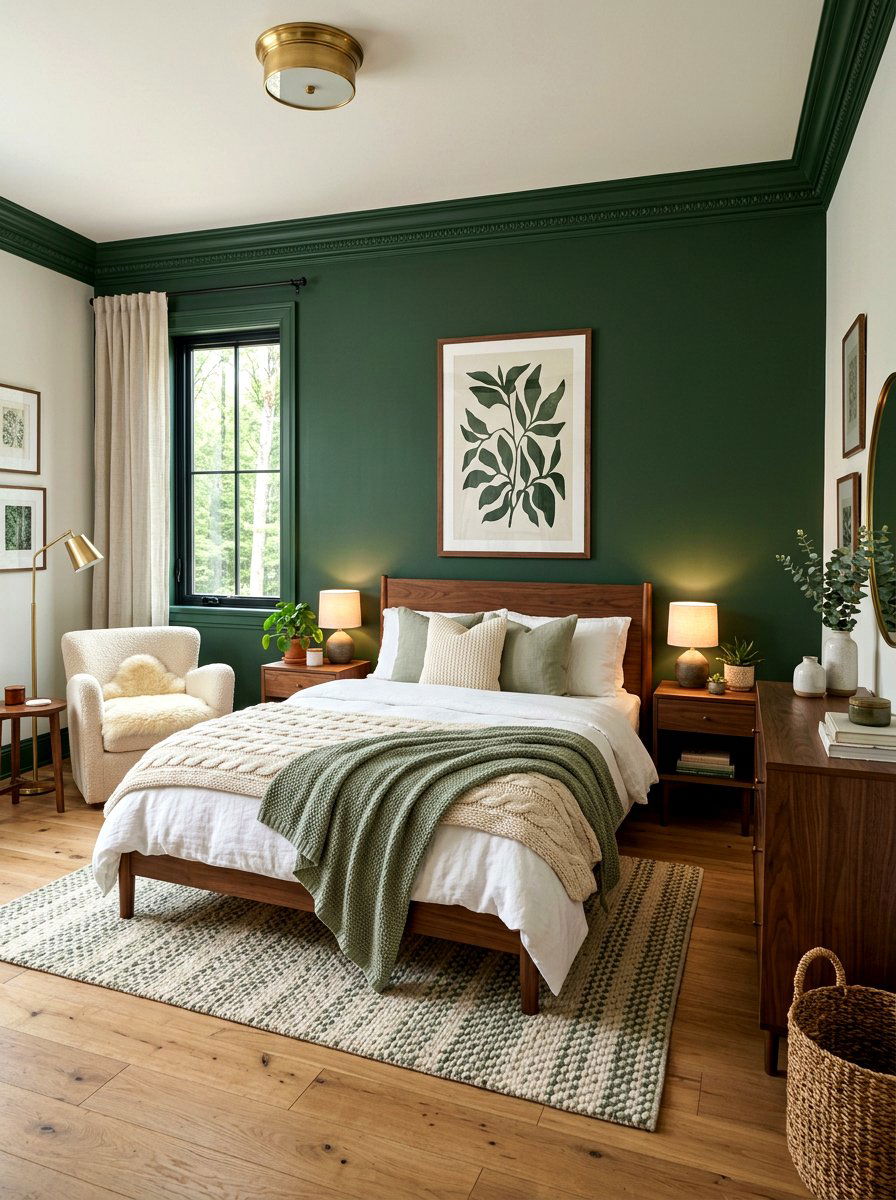
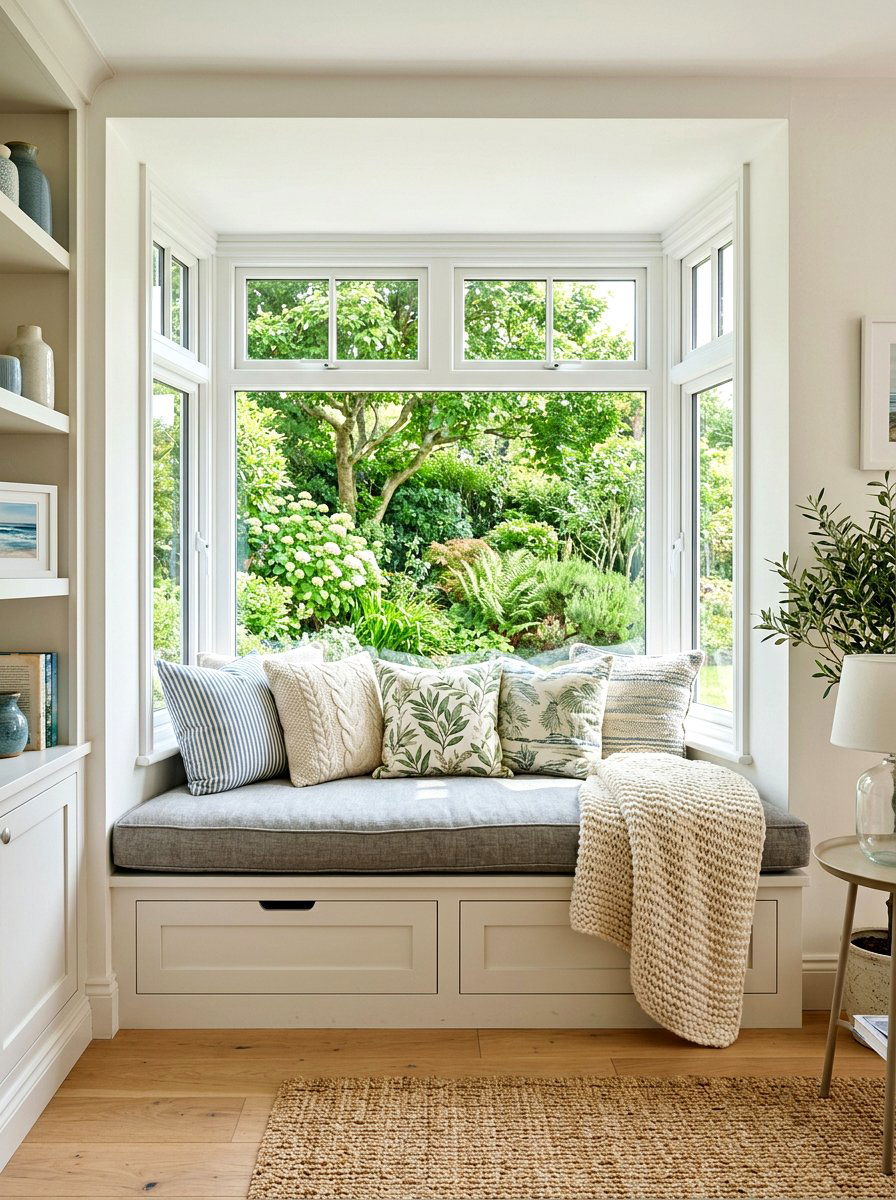
25. Soft knit throw blanket

A chunky, soft knit throw blanket adds a layer of cozy warmth and physical texture that makes any bed look more inviting. The weight of a knit blanket is often lighter than a weighted blanket, making it perfect for layering or using during naps. The tactile nature of the large stitches provides a sensory experience that is both comforting and interesting to touch. Draping a throw over the foot of the bed adds a finished, "homey" look to the room's overall design. It is an easy way to introduce extra softness and warmth to your sensory environment without needing a major renovation.
26. Hanging bubble chair
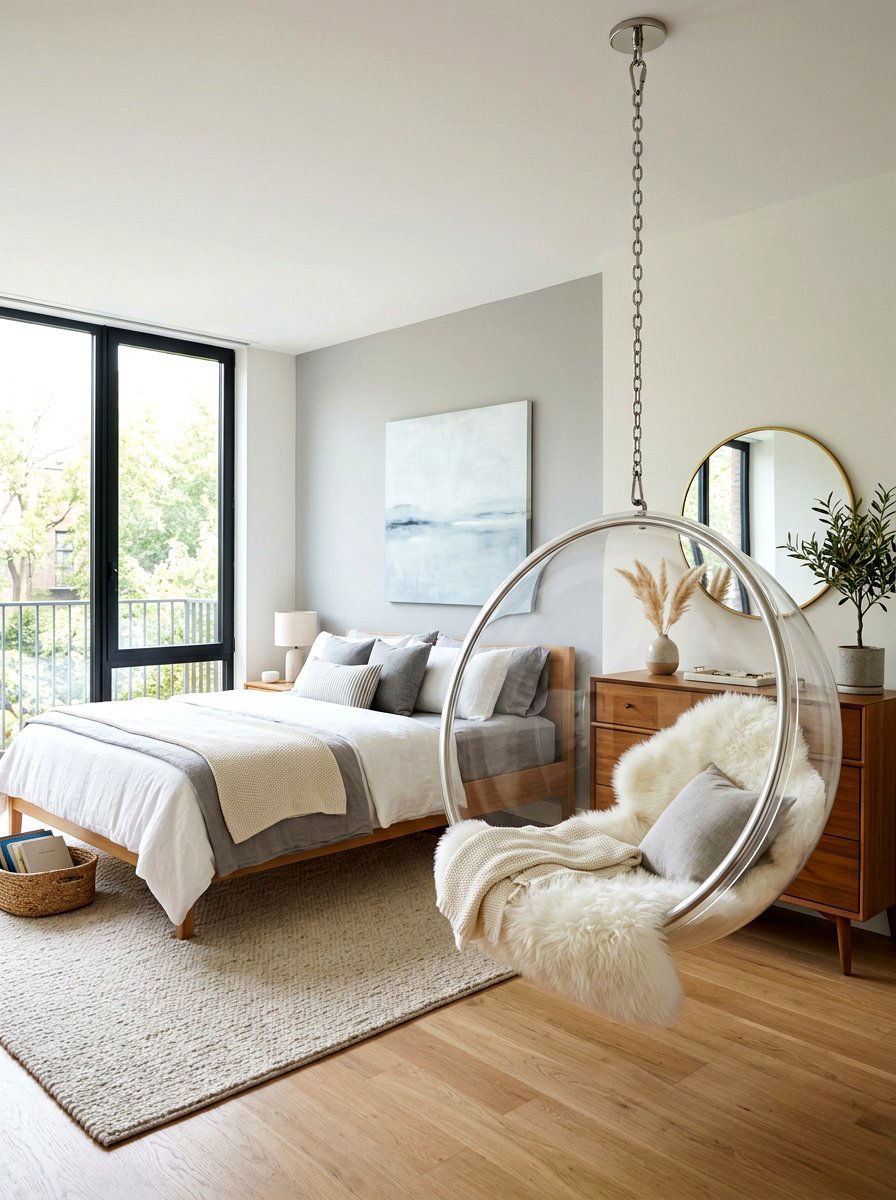
A hanging bubble chair offers a unique, weightless sensation that can be incredibly soothing for people who enjoy gentle movement and rocking. Suspended from the ceiling, this chair provides a private, enclosed space where you can curl up and feel completely supported by the air. The clear acrylic design of many bubble chairs keeps the room feeling open while still providing a clear physical boundary for relaxation. Adding a sheepskin rug or a soft pillow inside makes it the ultimate cozy nook for reading or meditating. The slight swaying motion can help calm the nervous system and promote a sense of deep ease.
27. Low profile bed frame
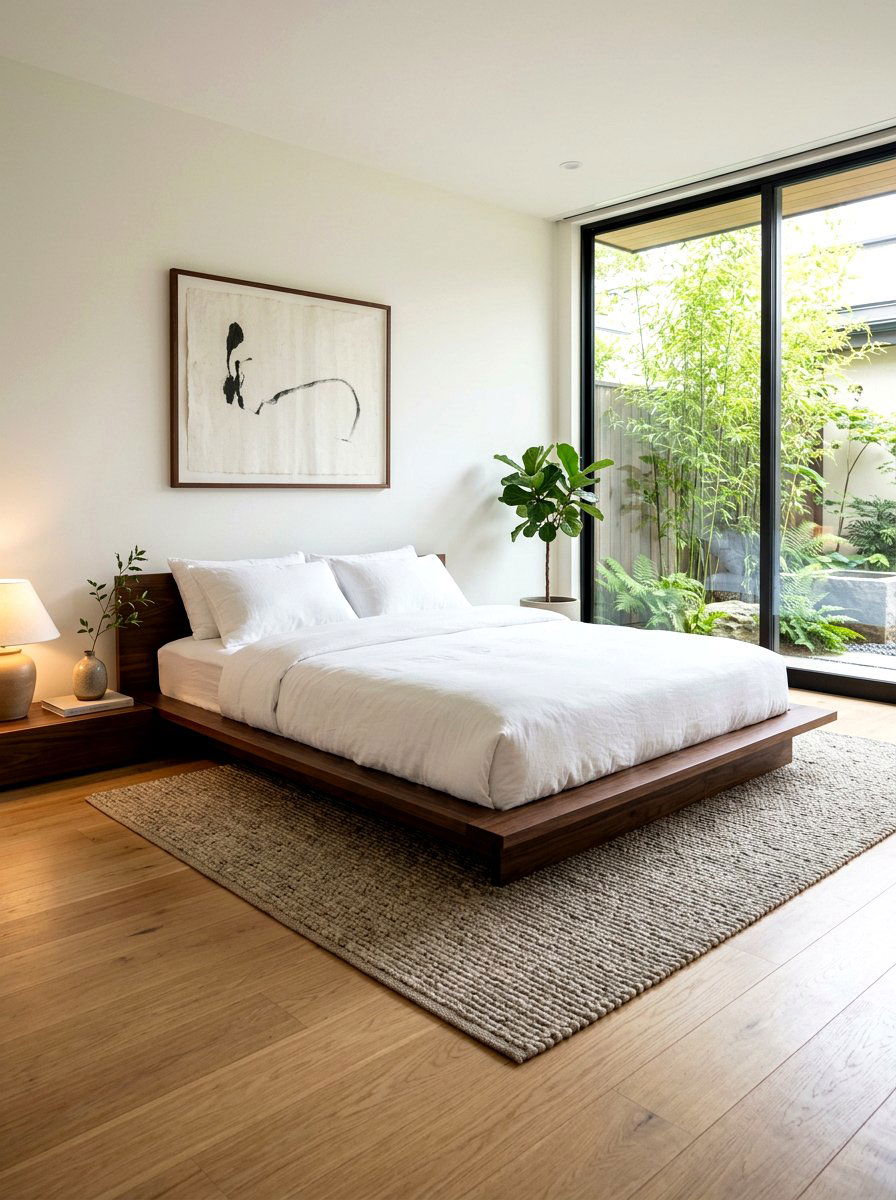
A low profile bed frame sits closer to the ground, which can create a more grounded and stable feeling in the bedroom. This design choice is often associated with Japanese-inspired minimalism, emphasizing simplicity and a lack of unnecessary vertical clutter in the space. Being closer to the floor can make the ceilings feel higher and the room feel more spacious and open to the air. The sturdy, wide base of a low bed provides a sense of security and permanence that is very comforting for sleep. It is a sleek, modern option for anyone looking to simplify their sensory environment and focus on sleep.
28. Cork flooring tiles
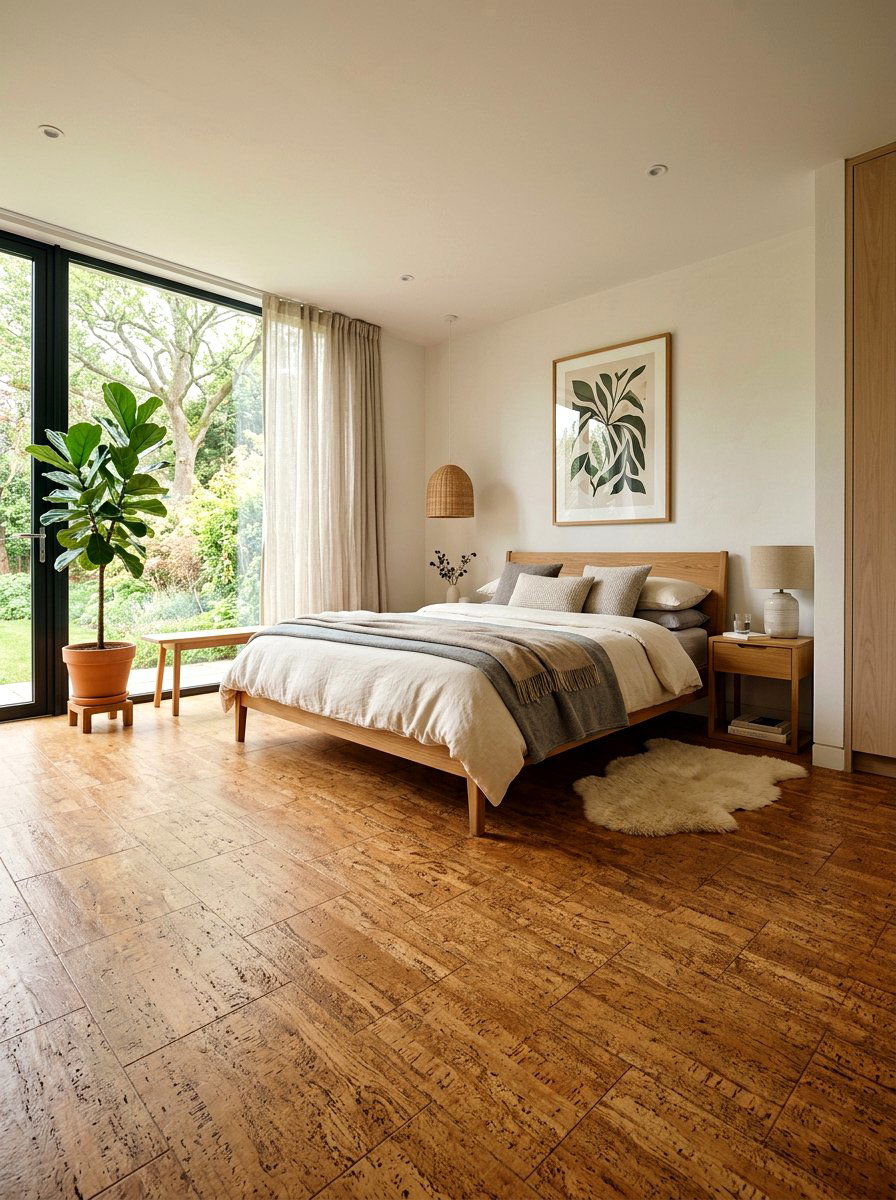
Cork is a natural, sustainable material that is exceptionally soft underfoot and provides excellent sound and heat insulation for your bedroom floors. Cork flooring tiles have a unique, cellular structure that absorbs impact, making them very comfortable to walk on even without a rug. They also help to dampen noise from footsteps or falling objects, contributing to a quieter and more peaceful environment for resting. The natural, warm tones of cork add an earthy beauty that complements a variety of decor styles and color palettes. It is an ideal flooring choice for those who want a quiet, warm, and very soft sensory foundation.
29. Smart light strips
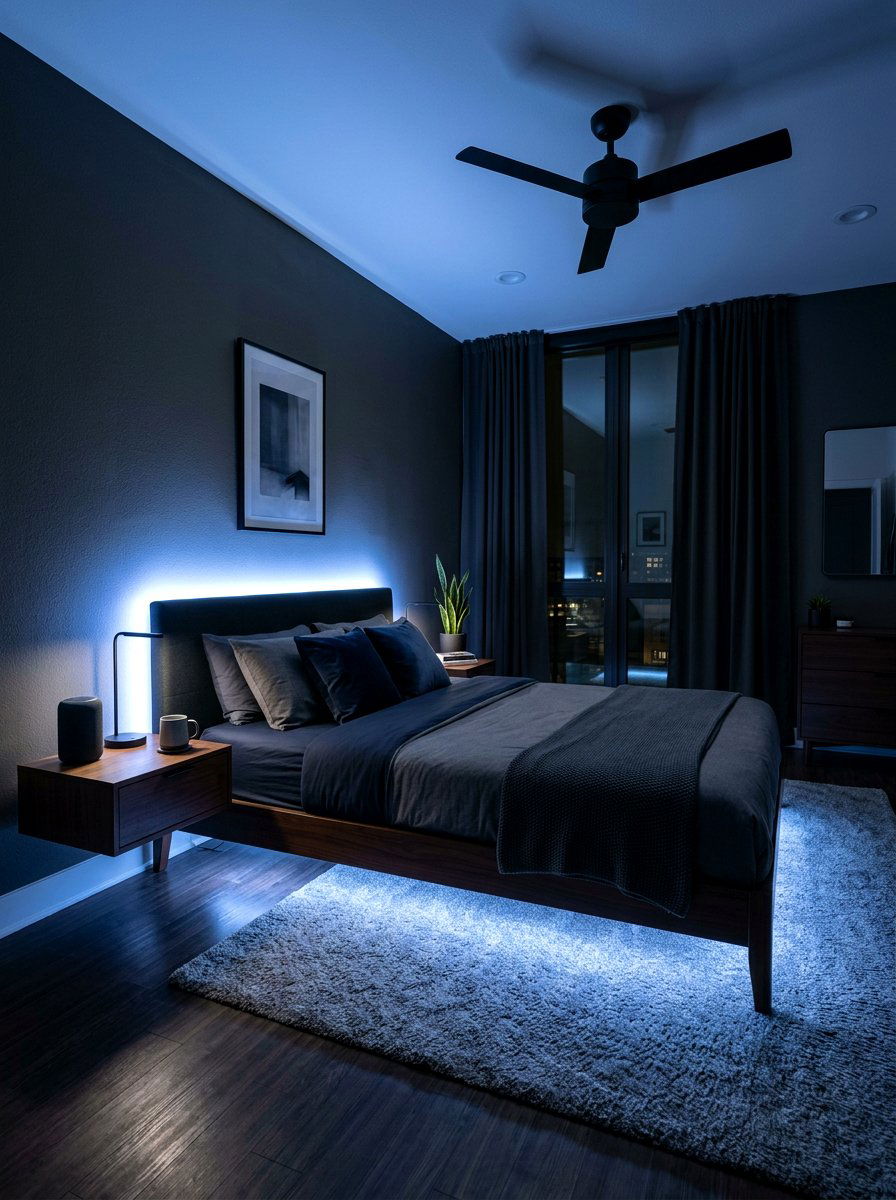
Smart light strips hidden behind a headboard or under furniture can provide a soft, indirect glow that feels modern and very relaxing. These lights can be programmed to change colors or brightness levels based on the time of day using a simple phone app. For a sensory bedroom, setting them to a soft sunset orange or a deep indigo can help set the mood for rest. Indirect lighting is much gentler on the eyes than direct light, as it eliminates harsh glares and creates soft transitions. This tech-friendly addition allows for complete customization of your sensory experience with just a single tap.
30. Bamboo room divider
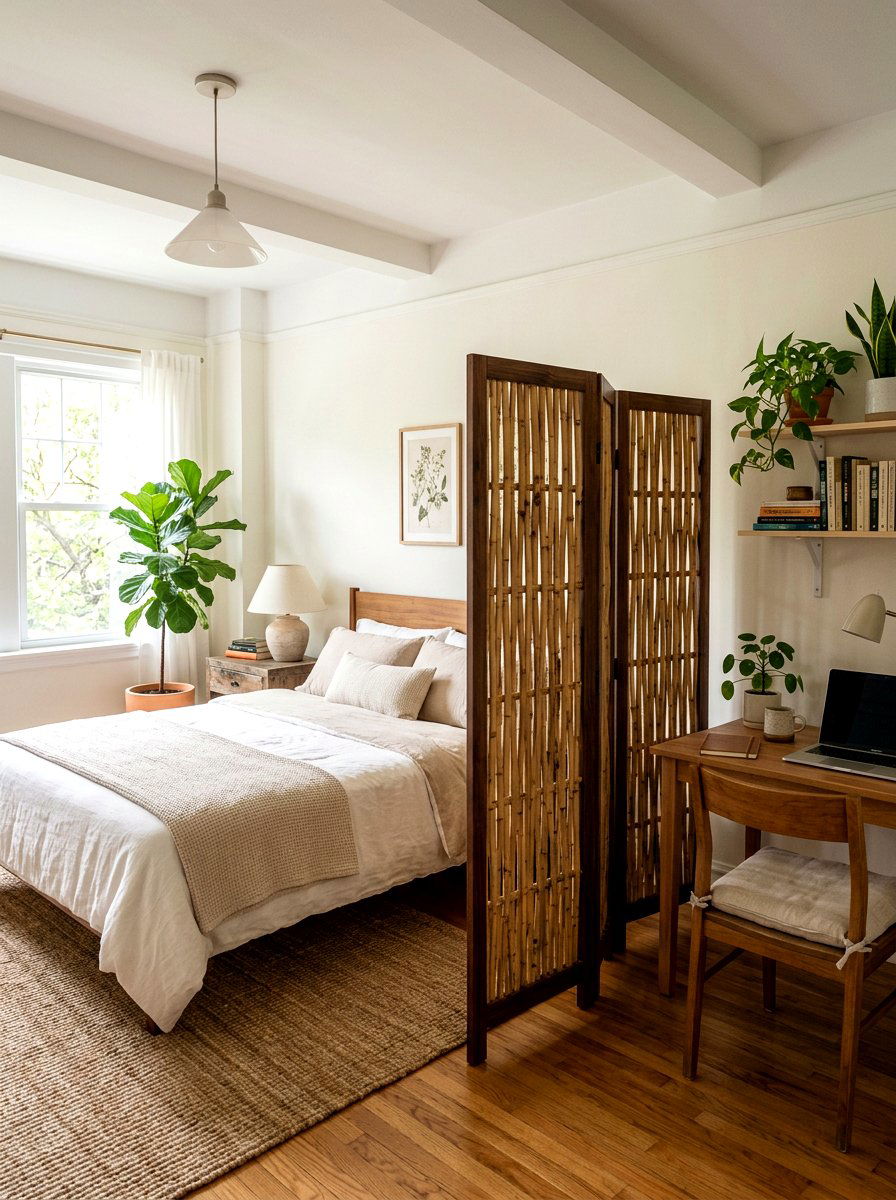
If your bedroom serves multiple purposes, such as an office or a gym, a bamboo room divider can help. It allows you to physically and visually separate your sleeping area from the rest of the room's activities. This separation is crucial for mental clarity, as it prevents you from seeing work-related clutter or equipment while you are trying to sleep. Bamboo is a natural, lightweight material that adds a touch of organic texture and warmth to the space without being heavy. Being able to "close off" your bed from the world creates a dedicated zone for peace, quiet, and sensory recovery.
Conclusion:
Designing a calm sensory bedroom is a deeply personal journey that involves understanding your own needs and how you react to your environment. By incorporating soft textures, soothing colors, and intentional lighting, you can create a space that actively supports your mental and physical health. Whether you choose to add a weighted blanket for security or air-purifying plants for freshness, every single change contributes to a more peaceful life. A well-designed room acts as a shield against the stresses of the outside world, allowing you to wake up feeling refreshed and truly balanced. Investing in your sensory comfort is an investment in your long-term happiness and rest.

Related posts: