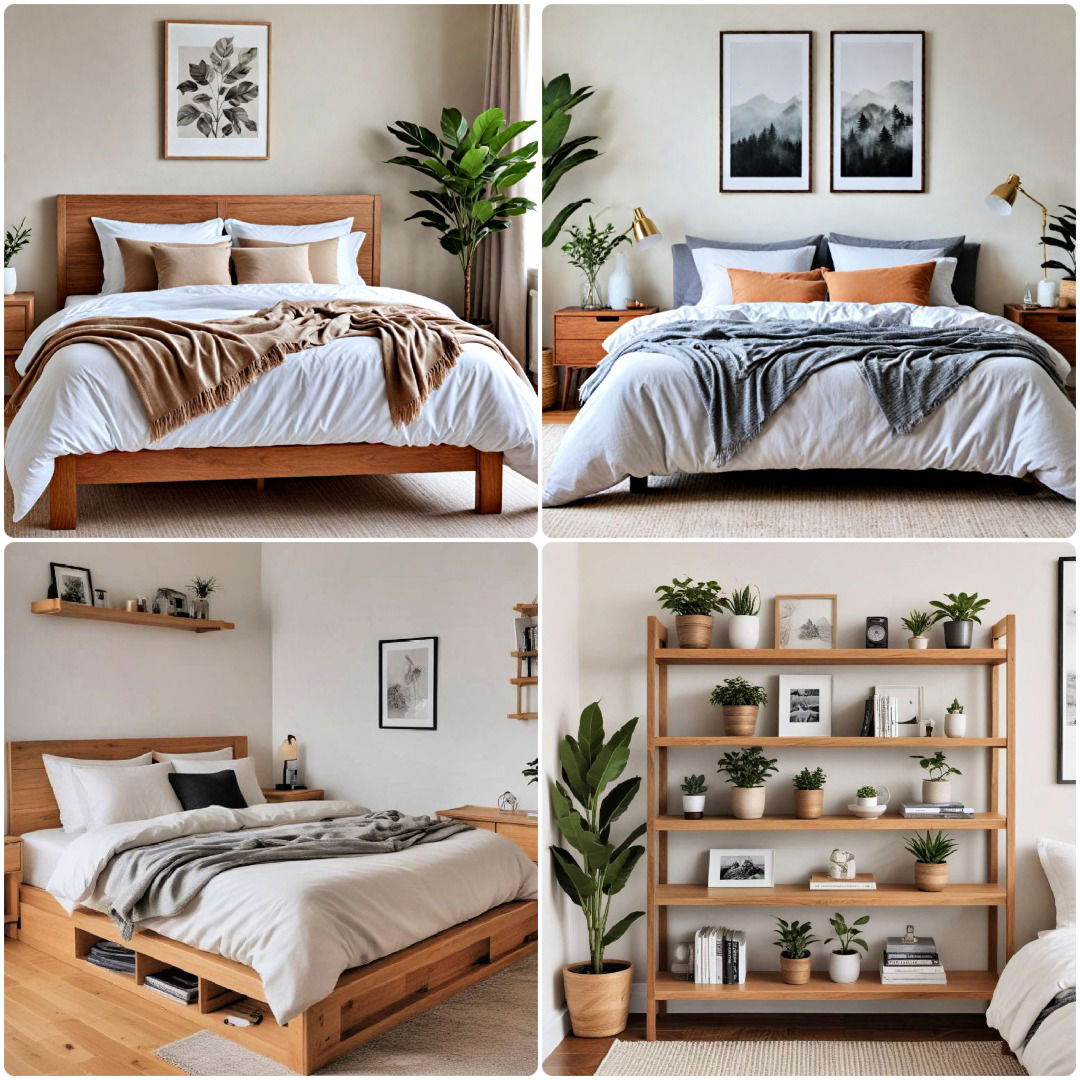
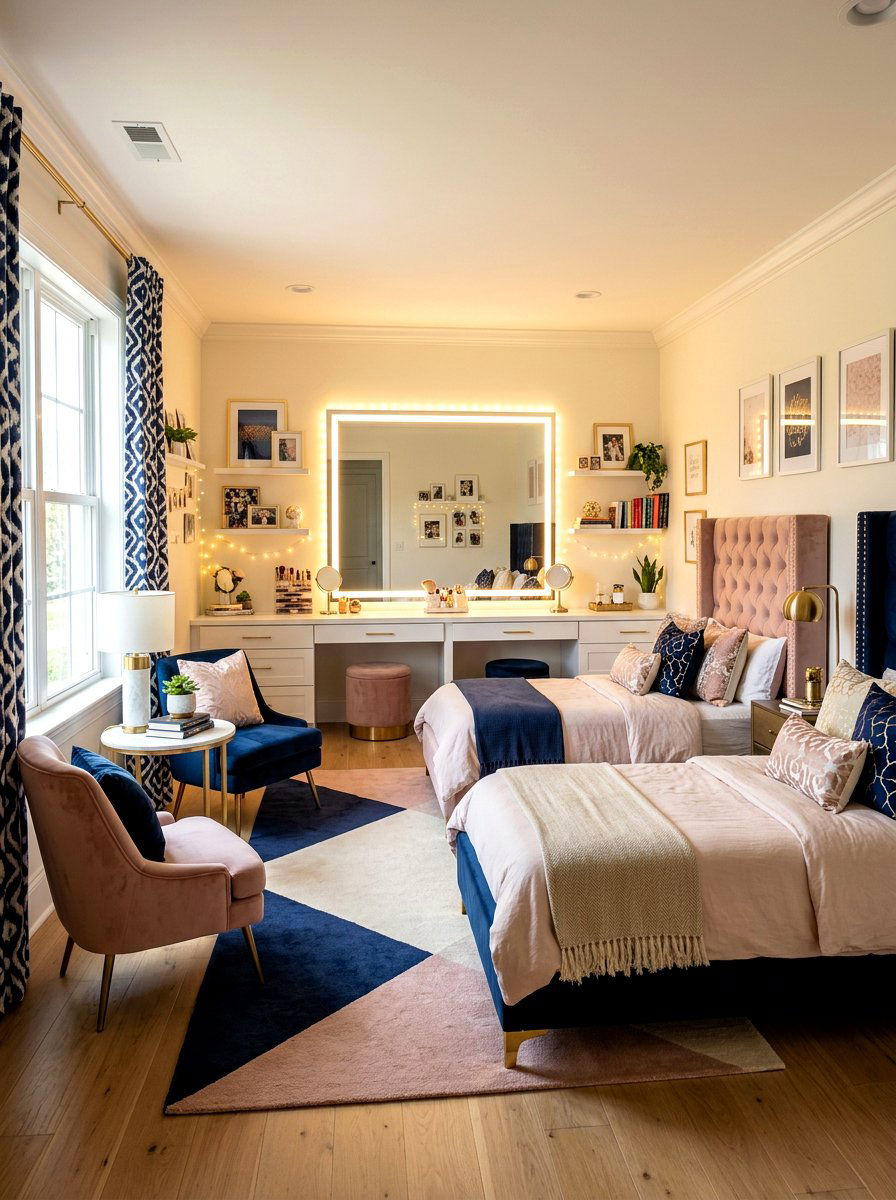
Creating a peaceful sanctuary starts with managing how sound travels within your most personal space. Many people struggle with echoes or outside noise that disrupts their rest, but acoustic bedroom treatments offer a stylish solution to these common problems. By integrating sound-absorbing materials into your decor, you can transform a hollow-sounding room into a quiet, cozy retreat that promotes deep sleep. Whether you are dealing with thin walls or high ceilings, these strategies focus on softening hard surfaces to dampen noise effectively. This guide explores creative ways to balance functionality and aesthetics, ensuring your bedroom looks beautiful while providing the ultimate acoustic comfort you deserve every single night.

1. Fabric Wall Panel
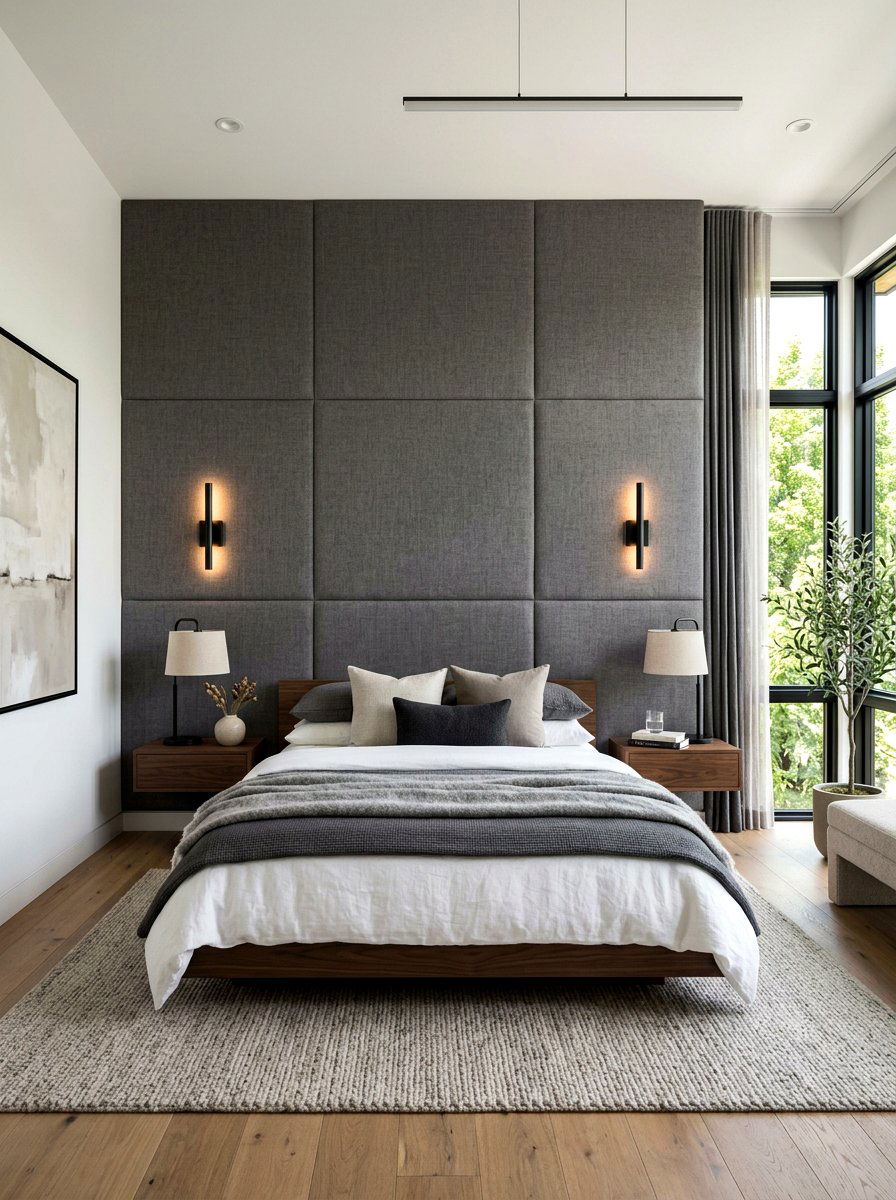
Large fabric wall panels serve as a powerful tool for noise reduction while adding a touch of luxury to your sleeping area. These oversized sections are typically wrapped in high-quality textiles like linen or velvet, which naturally trap sound waves instead of letting them bounce off hard drywall. You can install them behind your bed to create a dramatic focal point that doubles as a functional sound buffer. This approach is particularly effective for those living in apartments with shared walls where muffled conversations or footsteps might bleed through. Choosing a soft neutral color or a bold jewel tone allows these panels to blend seamlessly into your existing interior design style.
2. Wood Slat Wall
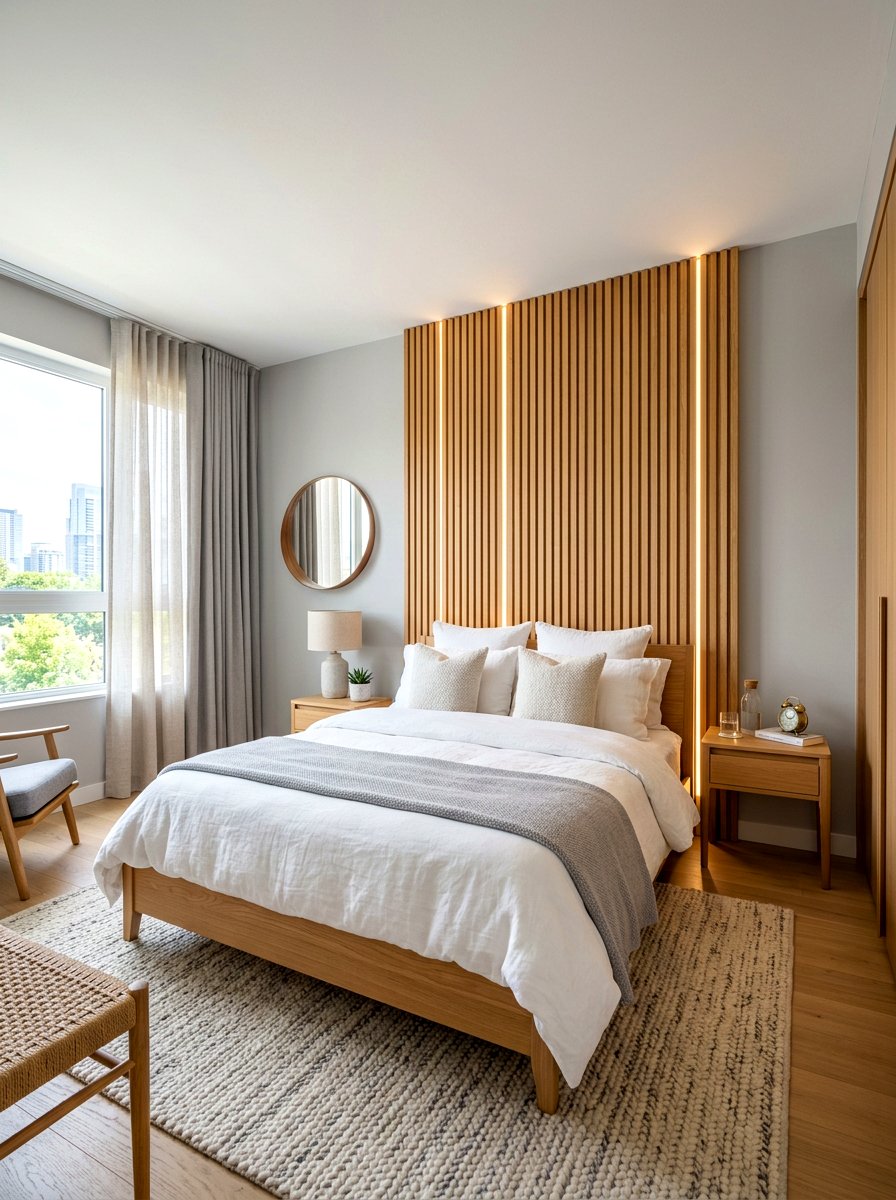
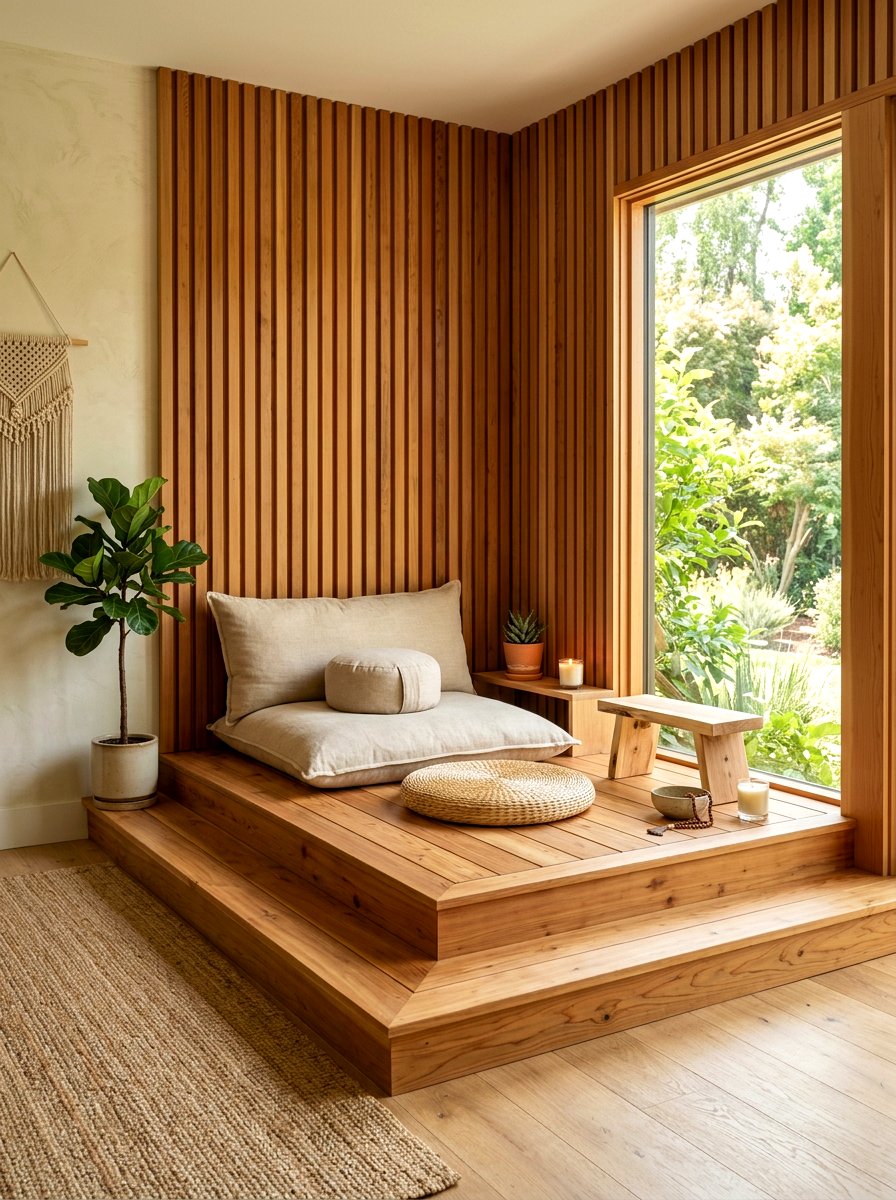
Installing a wood slat wall is a popular modern trend that provides exceptional acoustic benefits for any contemporary bedroom layout. These panels usually feature thin strips of oak or walnut mounted onto a thick recycled felt backing that absorbs mid-to-high frequency sounds. The vertical lines create a sense of height and architectural interest, making the room feel more structured and grounded. You can use this treatment as a full accent wall or a smaller decorative section to break up a large expanse of flat space. The combination of natural wood textures and sound-dampening felt creates a warm, inviting atmosphere that significantly reduces the annoying flutter echo often found in minimalist rooms.
3. Upholstered Headboard

An upholstered headboard is one of the simplest ways to introduce soft, sound-absorbing surfaces directly into your sleeping environment. By extending the fabric and padding beyond the standard bed frame size, you create a larger surface area to capture noise near your ears. Velvet, chenille, or tufted linen are excellent choices because their dense fibers and varied textures are highly effective at breaking up sound reflections. Many modern designs now feature floor-to-ceiling upholstered headboards that act as a primary wall treatment. This functional piece of furniture not only provides a comfortable backrest for reading but also works quietly to ensure your immediate sleeping zone remains blissfully silent.
4. Heavy Blackout Curtain
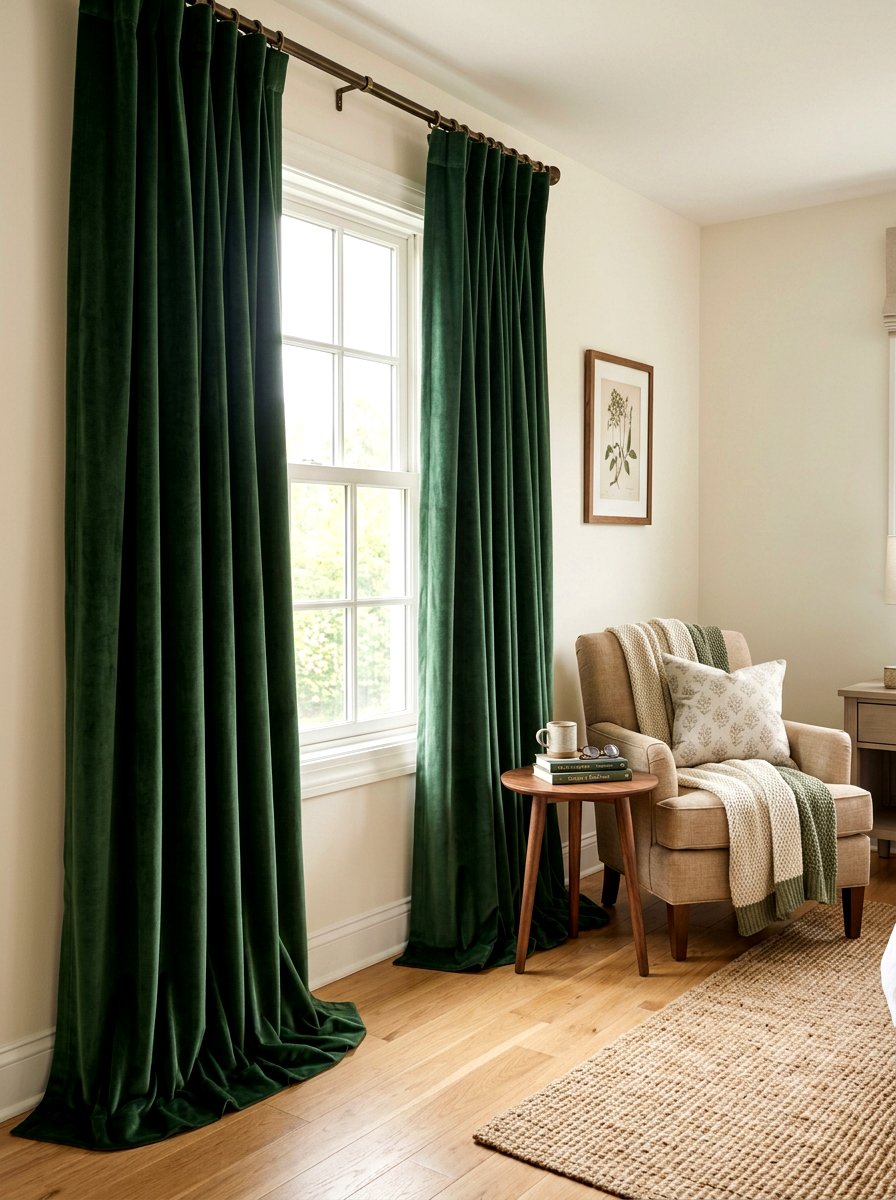
Using heavy blackout curtains is a dual-purpose strategy that manages both light pollution and unwanted external noise coming from your windows. These drapes are often constructed with multiple layers of dense fabric or specialized acoustic linings that act as a barrier against street traffic and wind. To maximize their effectiveness, ensure the curtains extend several inches beyond the window frame on all sides to prevent sound leaks through the gaps. The thick folds of fabric provide significant mass, which is essential for blocking sound waves from entering your sanctuary. Pairing these curtains with a high-quality rod creates a sophisticated look while significantly enhancing the overall quietness of your bedroom.
5. Thick Area Rug
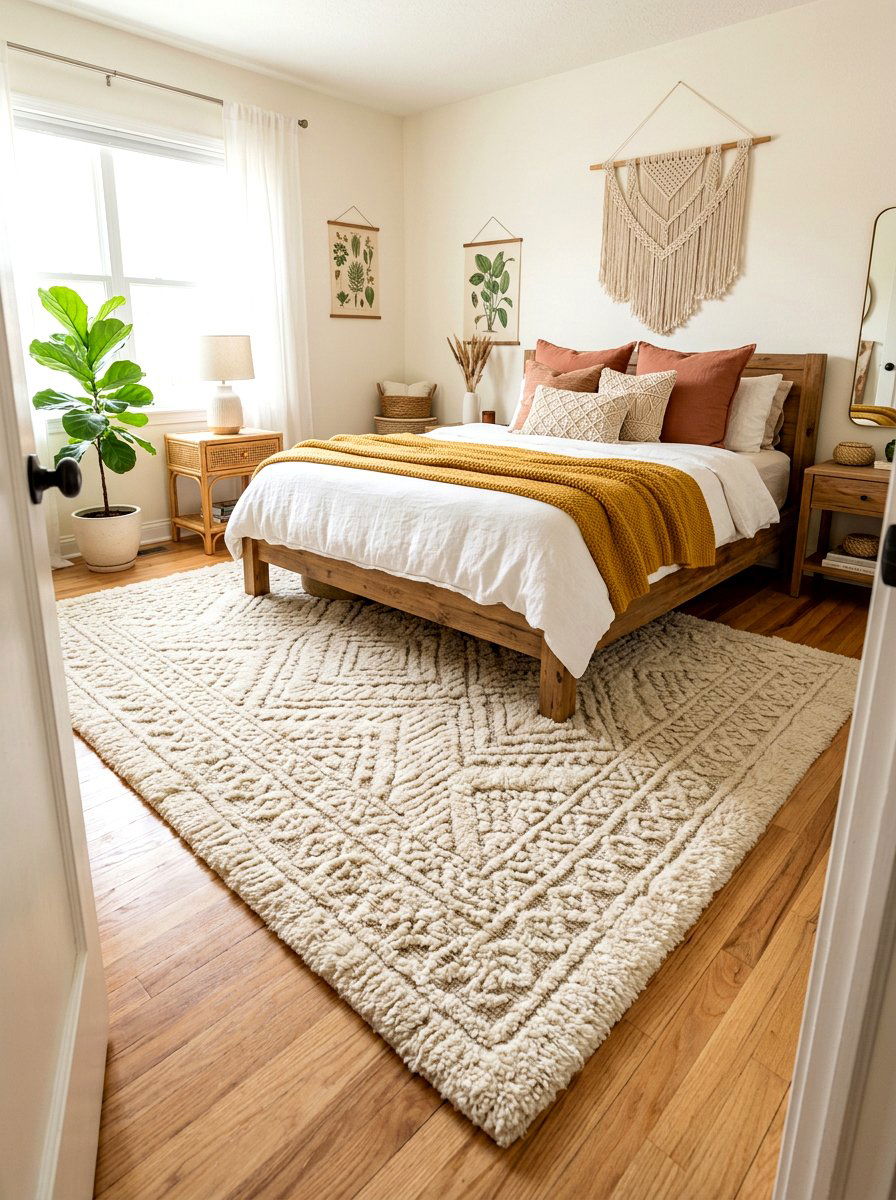
A thick area rug is an essential foundation for any acoustic bedroom design, especially if you have hard flooring like wood or tile. Sound often bounces off hard floors, creating a cold and echoing environment that can feel restless and uninviting. By placing a high-pile wool rug or a plush shag carpet under the bed, you effectively dampen the sound of footsteps and reduce floor-to-ceiling vibrations. For even better performance, add a high-quality felt rug pad underneath to provide extra mass and cushioning. This layered approach helps ground the room visually while creating a soft, sound-absorbing base that makes the entire bedroom feel more private.
6. Acoustic Foam Tile
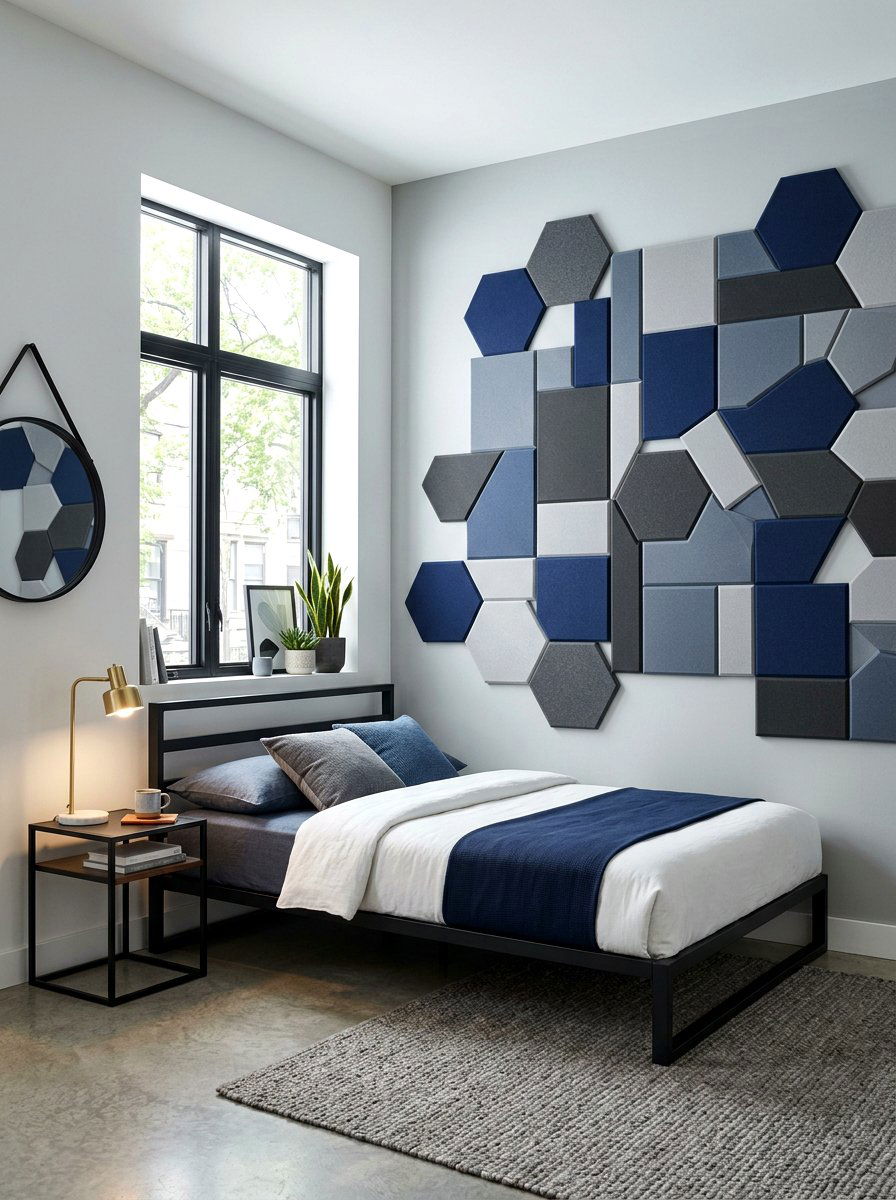
Acoustic foam tiles are no longer reserved just for professional recording studios; they can be integrated into a bedroom with creative styling. These geometric tiles are designed with specialized shapes like pyramids or wedges to diffuse and absorb sound waves across different frequencies. When arranged in a stylish pattern on a side wall, they become a unique piece of industrial-chic art that improves speech clarity and reduces reverberation. To make them fit a bedroom aesthetic, look for foam tiles in sophisticated colors like charcoal, navy, or even soft pastels. Placing them strategically on the wall opposite your bed helps create a more balanced and controlled acoustic environment.
7. Bookshelf Wall
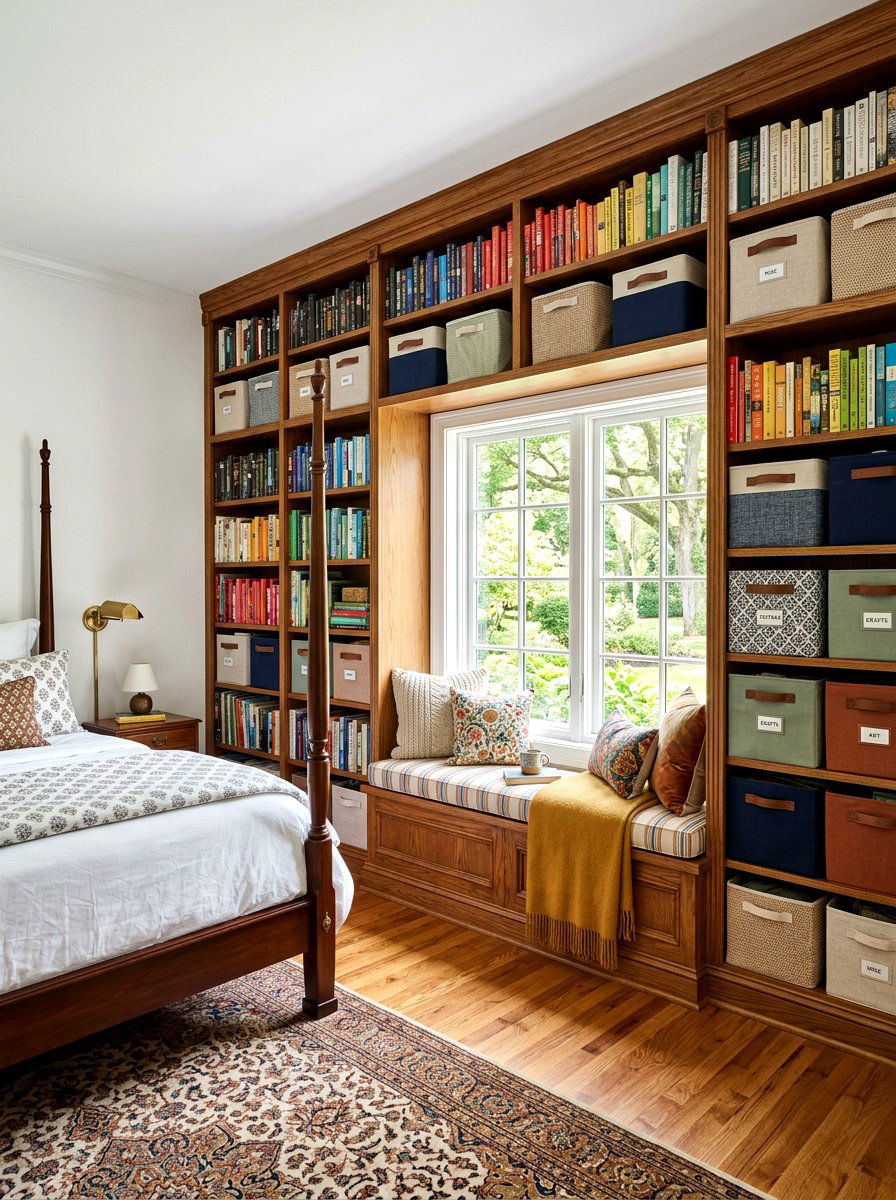
A full-wall bookshelf is a natural and aesthetically pleasing way to achieve sound diffusion and insulation in a large bedroom. The irregular shapes and different depths of books act as a perfect diffuser, scattering sound waves so they don't bounce directly back into the room. Additionally, the sheer mass of the paper and the wooden shelving unit provides a heavy barrier that can help block noise from adjacent rooms. To get the most acoustic benefit, fill the shelves completely and mix in some fabric storage bins or decorative items. This classic design choice adds a cozy, scholarly vibe while functioning as a giant, built-in sound absorber.
8. Cork Wall Covering
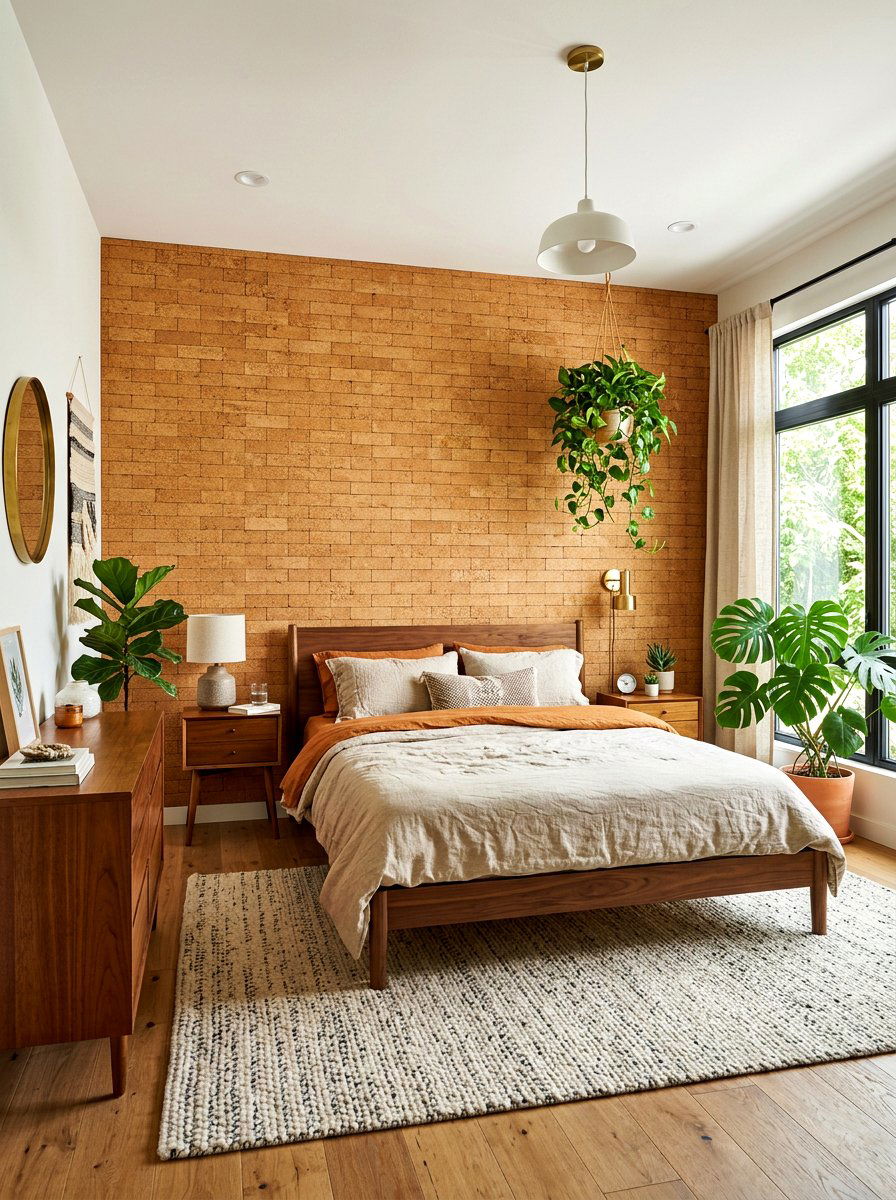
Cork wall coverings offer a sustainable and naturally effective way to insulate your bedroom against noise while adding organic texture. Cork is composed of millions of tiny air-filled cells, making it one of the best natural materials for absorbing vibration and blocking sound transmission. You can find cork in various formats, including peel-and-stick tiles, large sheets, or decorative bricks that add a 3D effect to your walls. Beyond its acoustic properties, cork provides thermal insulation, keeping your bedroom warmer in the winter and cooler in the summer. Its warm, earthy appearance pairs beautifully with houseplants and wooden furniture for a complete biophilic bedroom design.
9. Canopy Bed
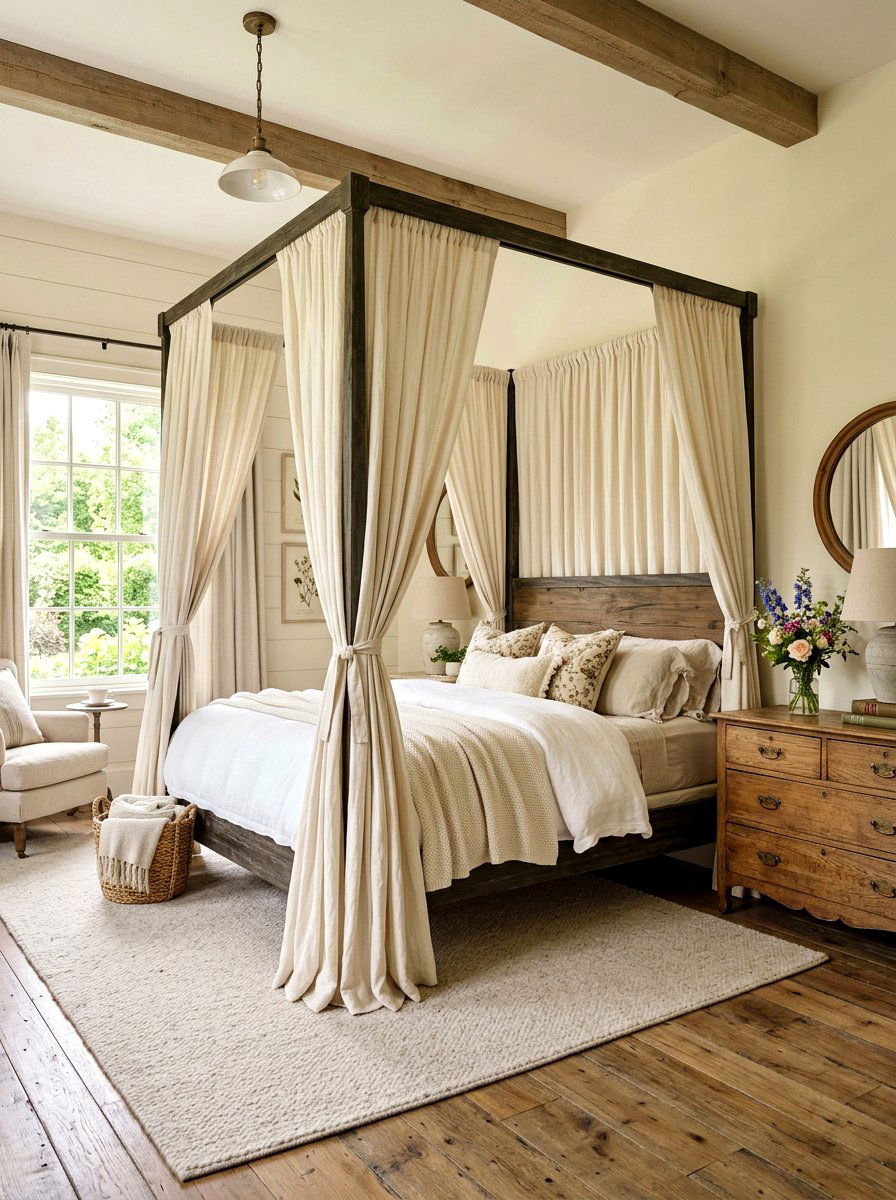
Integrating a canopy bed into your bedroom design is a romantic way to create a localized zone of silence around your mattress. By draping thick fabric over the frame, you create a soft "room within a room" that catches sound before it ever reaches you. Lightweight sheers look beautiful but offer little sound protection, so consider using heavier textiles like velvet or dense cotton for better acoustic results. The overhead fabric serves to dampen noise that might be bouncing off the ceiling, which is a common issue in rooms with tall or vaulted architecture. This design creates a cozy cocoon that feels remarkably private and quiet.

10. Felt Wall Art
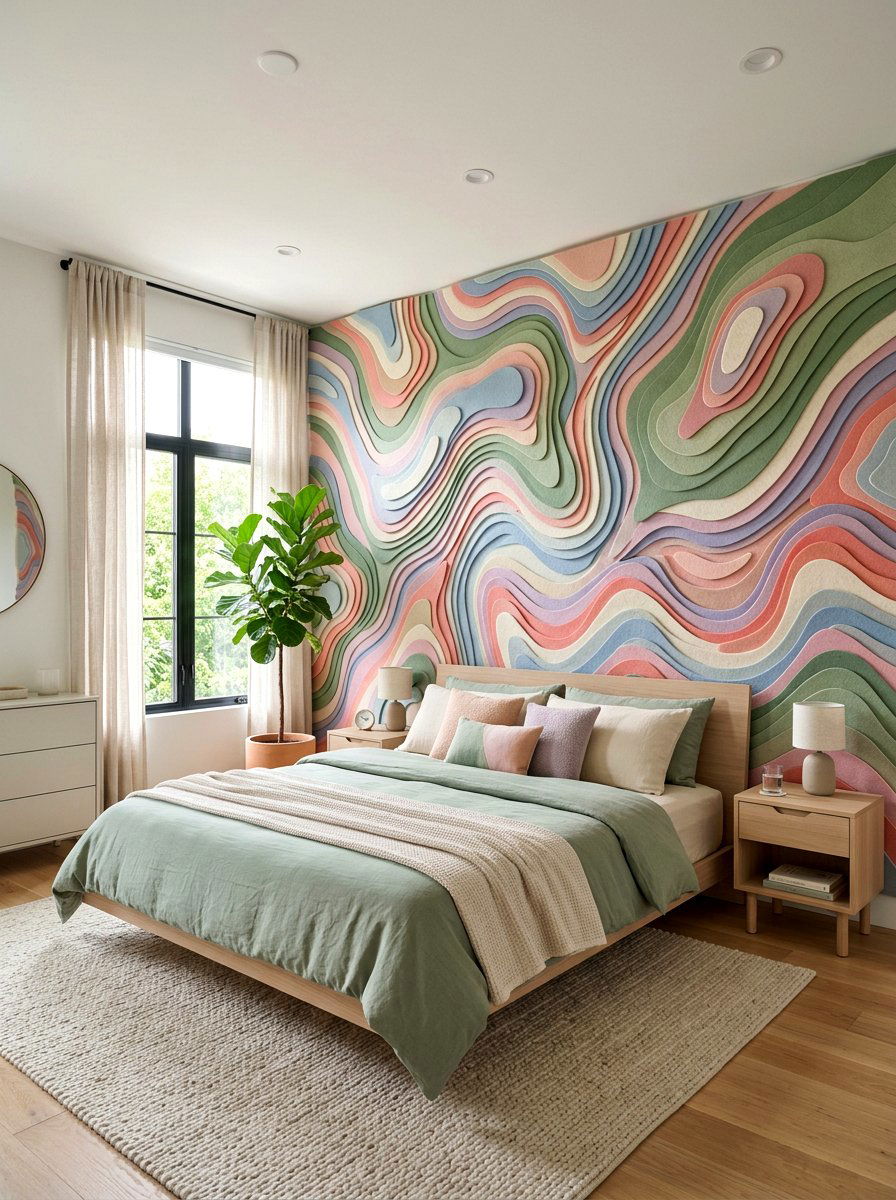
Felt wall art represents a modern intersection between high-end interior design and practical acoustic science for the home. Made from recycled PET fibers or compressed wool, these decorative pieces are specifically engineered to soak up sound while looking like high-end gallery pieces. You can find felt art in various shapes, from 3D topographic maps to simple geometric clusters that you can arrange in a custom configuration. Because felt is a porous material, it is incredibly efficient at reducing echo in rooms with many hard surfaces. It is a perfect solution for the wall facing the bed, providing a soft visual and acoustic landing for sound waves.
11. Window Insert
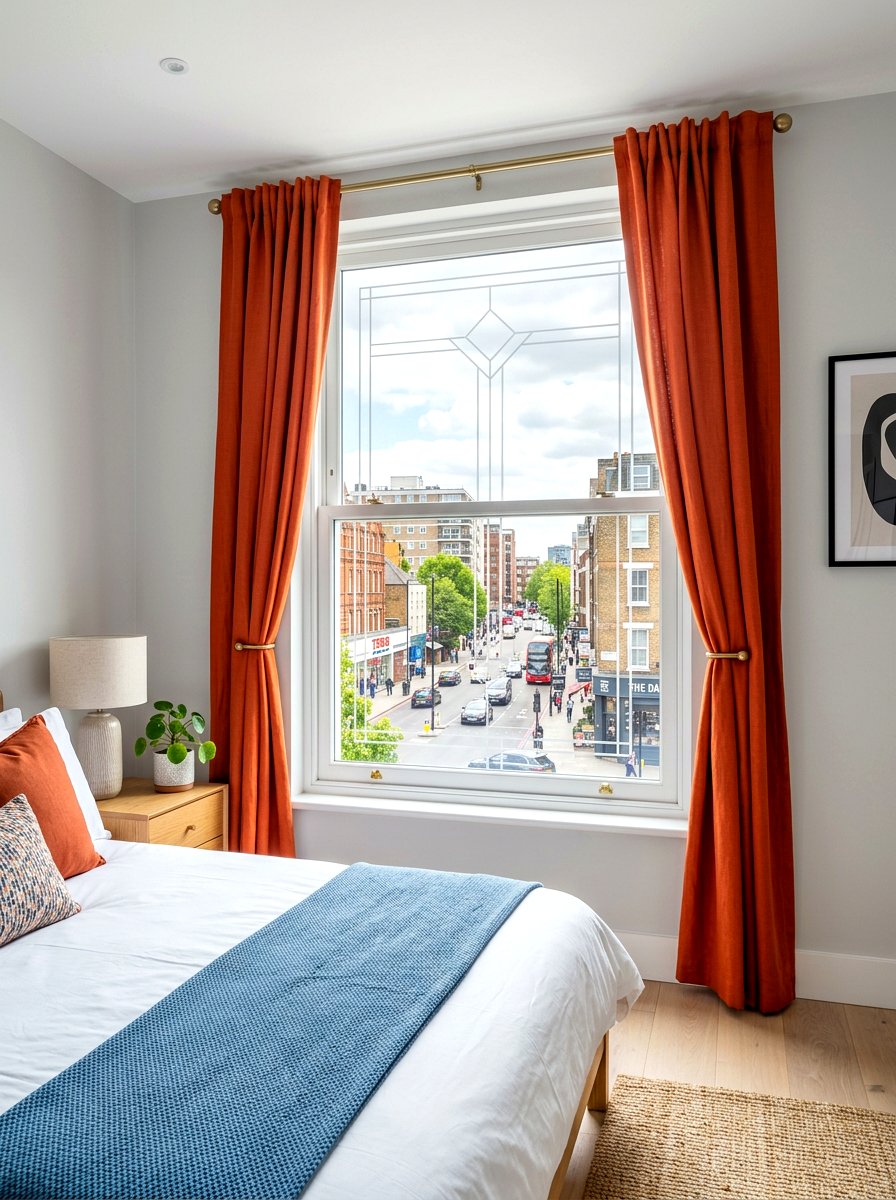
A window insert is a specialized soundproofing solution that fits inside your existing window frame to create a powerful noise barrier. These clear acrylic or glass panels create an airtight seal and a dead air space that significantly reduces the amount of street noise entering your room. Unlike permanent window replacements, inserts are often removable and much more cost-effective for homeowners or renters looking for immediate relief from traffic sounds. They allow natural light to flood the room while keeping the disturbing noises of the outside world at bay. This invisible upgrade is a game-changer for bedrooms located near busy roads or noisy urban centers.
12. Under Bed Storage
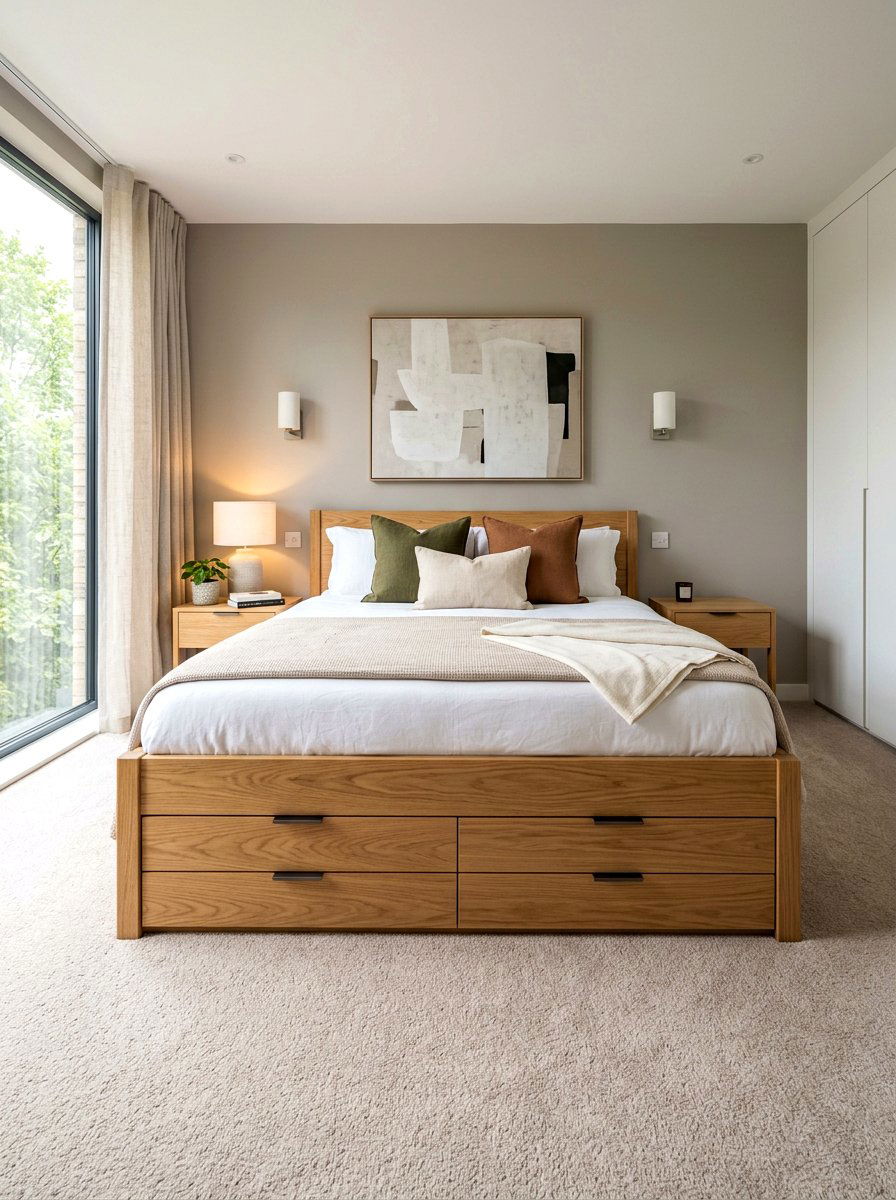
Utilizing under-bed storage is an often-overlooked acoustic tactic that adds density and mass to the lower half of your bedroom. Sound waves can easily travel through empty spaces, so filling the void beneath your bed with drawers or storage bins helps dampen floor vibrations. Packing these containers with soft items like seasonal clothing, extra blankets, or pillows turns your bed into a massive, functional sound absorber. The more solid and filled the space under the bed is, the less chance there is for sound to resonate against the floor. It is a practical way to stay organized while contributing to a quieter sleeping environment.
13. Floor To Ceiling Drapery
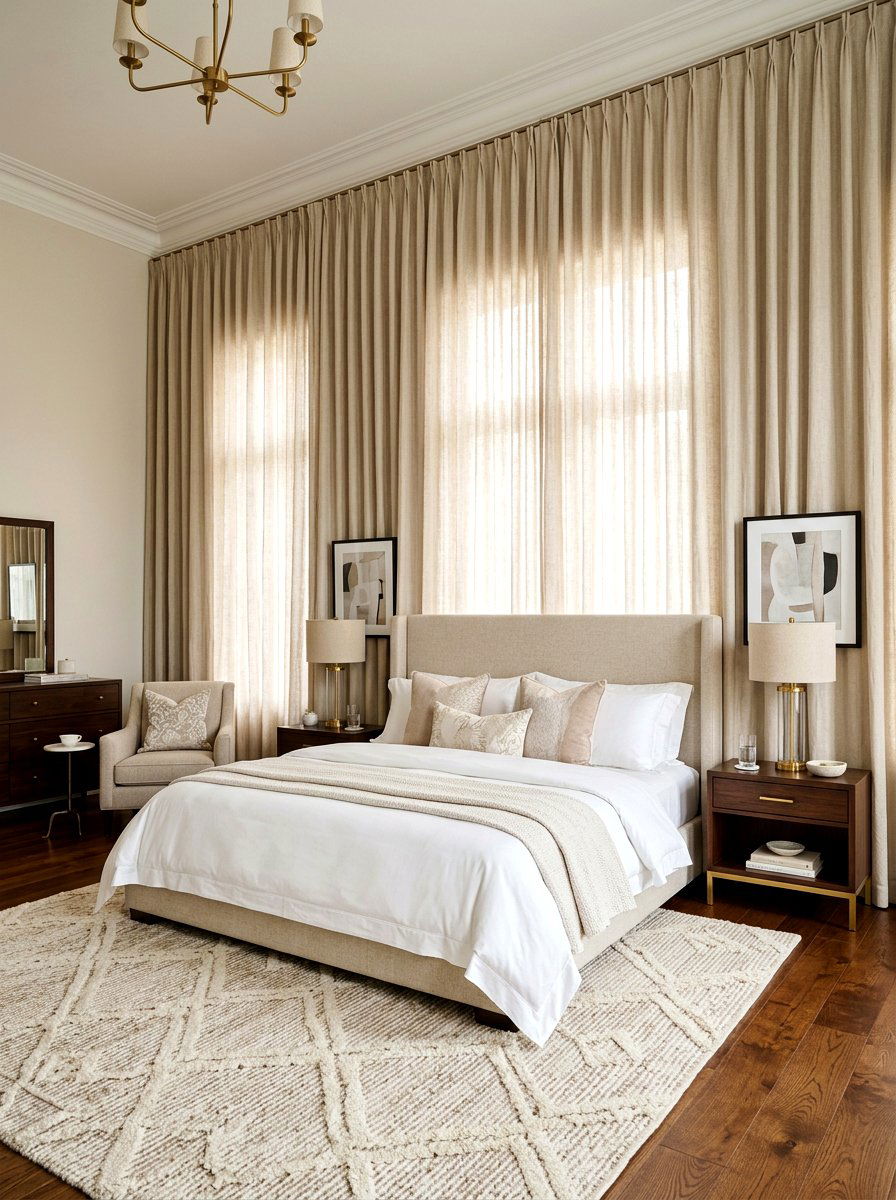
Installing floor-to-ceiling drapery across an entire wall can transform the acoustic profile of a bedroom instantly while adding a high-end hotel feel. This technique involves hanging a continuous track along the ceiling and using a large volume of fabric to cover the wall behind the bed or windows. The heavy folds of the fabric create a massive surface area that effectively traps sound waves and prevents them from echoing off the wall. This look provides a soft, luxurious backdrop that makes the room feel much larger and more unified. It is particularly helpful in rooms with poor insulation or those that feel physically cold and hollow.
14. Velvet Accent Wall

A velvet accent wall is the ultimate statement in luxury and acoustic performance, offering a rich texture that completely changes a room's vibe. Velvet is a dense, heavy fabric with a high pile, which makes it one of the most effective textiles for absorbing sound in a bedroom. You can achieve this look by using velvet wallpaper, upholstered panels, or even hanging large velvet tapestries that cover most of the wall surface. The deep sheen of the fabric adds visual depth and a sense of coziness that hard paint simply cannot provide. This treatment is perfect for creating a moody, quiet atmosphere that encourages relaxation and rest.


15. Soundproof Door Seal
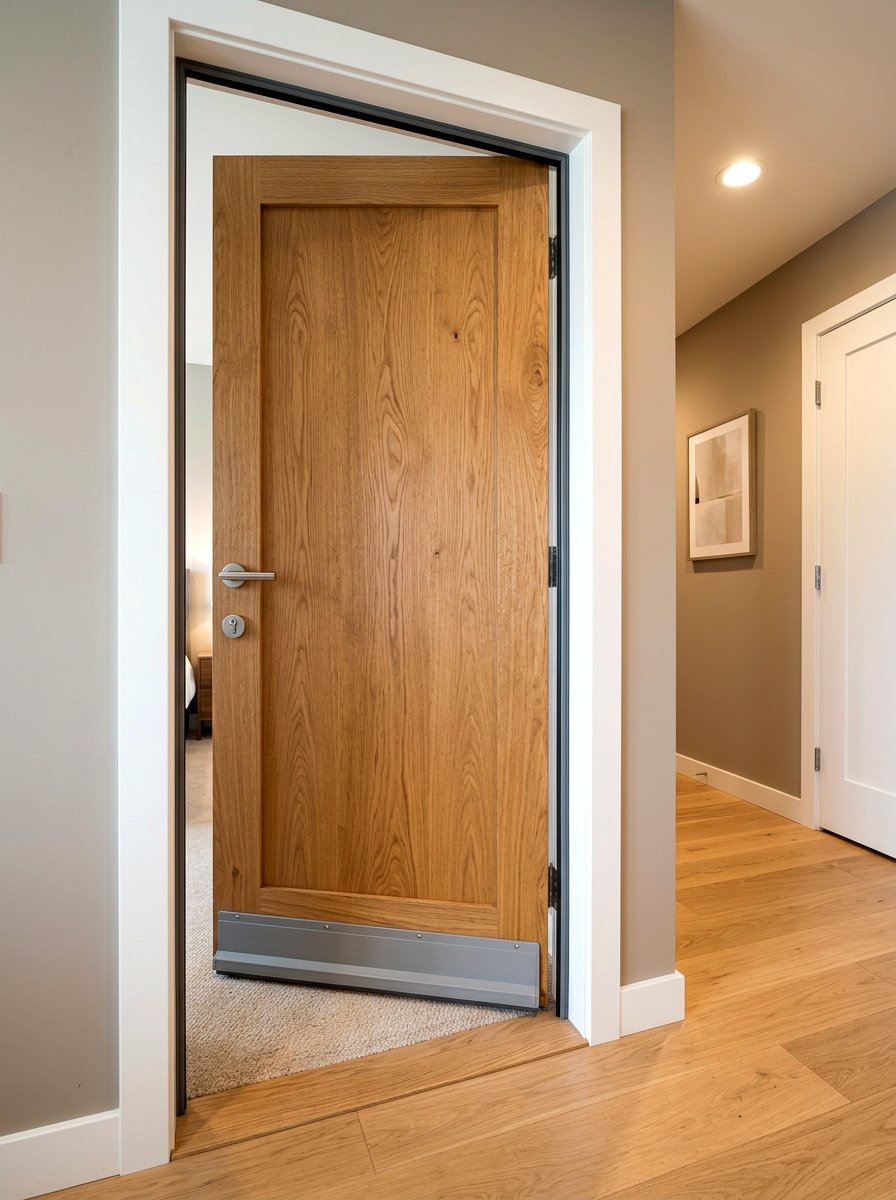
A soundproof door seal is a small but critical technical upgrade that prevents noise from leaking through the gaps around your bedroom door. Standard interior doors often have significant spaces at the bottom and sides where sound can easily travel like air through a vent. By installing a heavy-duty door sweep and adhesive weatherstripping, you create a tighter seal that blocks out hallway noise or living room chatter. Adding a solid-core door if you currently have a hollow one will further increase the sound-blocking mass. These simple modifications ensure that once your bedroom door is closed, your private sanctuary remains truly isolated from the rest of the house.
16. Floating Ceiling Cloud
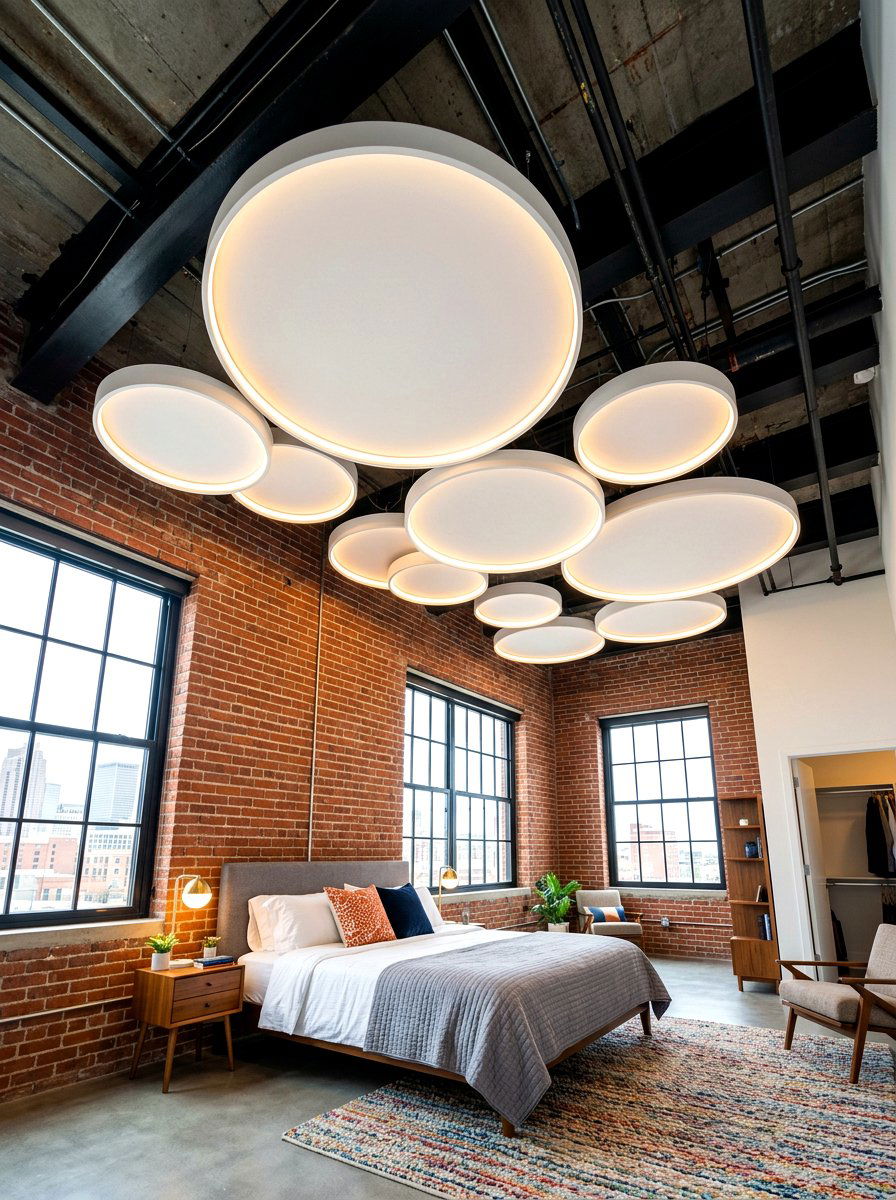
A floating ceiling cloud is a sophisticated architectural feature that addresses noise reflections from above, which is common in bedrooms with high ceilings. These suspended acoustic panels are hung horizontally from the ceiling, creating an air gap that increases their ability to absorb sound waves effectively. They are available in various shapes like circles, hexagons, or large rectangles, and can be outfitted with integrated LED lighting for a modern look. By breaking up the flat expanse of the ceiling, these clouds reduce the "bathroom" echo effect and help keep sound closer to the floor. They add a high-end designer touch while significantly improving the room's overall acoustic balance.
17. Textured Wallpaper

Textured wallpaper made from materials like grasscloth, cork, or flocked fabric provides a subtle yet effective layer of sound dampening for your walls. Unlike standard flat paint or smooth vinyl wallpaper, these textured options have uneven surfaces that help scatter and absorb sound waves. Grasscloth, in particular, is made from natural woven fibers that add a warm, organic feel to the room while providing a slight acoustic buffer. While not a complete soundproofing solution on its own, textured wallpaper works exceptionally well as part of a layered acoustic strategy. It adds visual interest and a tactile quality to the bedroom that makes the space feel more finished.
18. Solid Wood Furniture
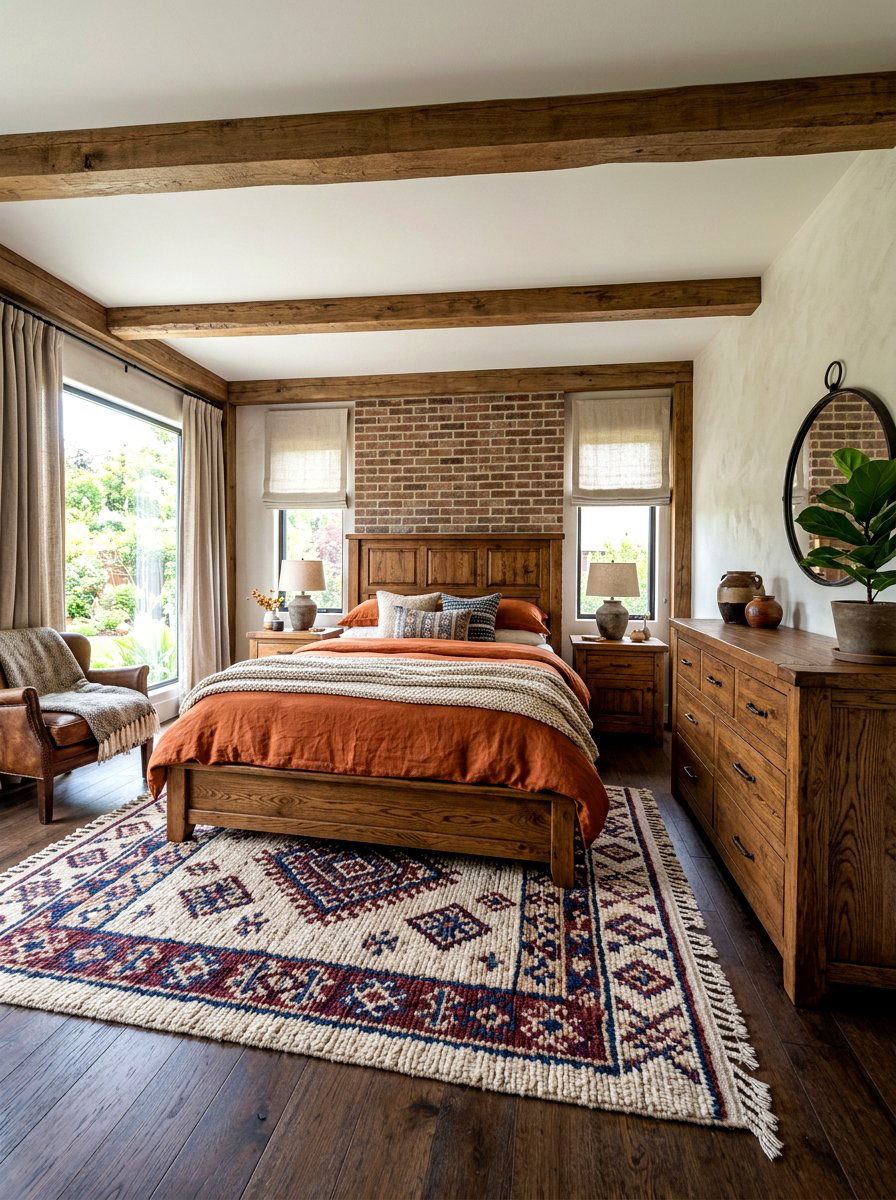
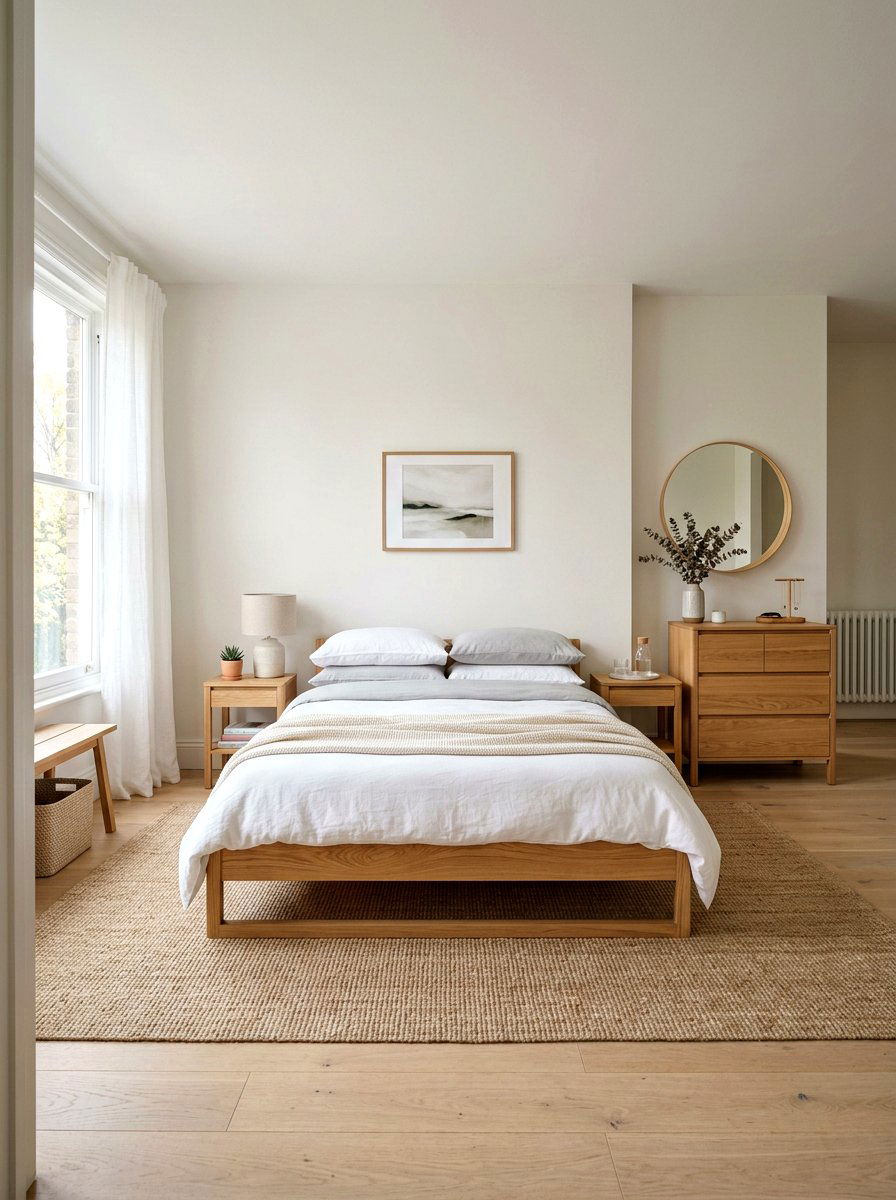
Solid wood furniture plays a surprising role in bedroom acoustics by providing heavy, dense mass that helps ground the space and absorb vibrations. Lightweight, hollow furniture made from particle board can sometimes resonate with sound, but solid oak, walnut, or mahogany pieces stay silent and stable. A large, solid wood dresser or a heavy nightstand adds enough mass to help block some sound transmission through the floor and walls. The natural pores of the wood also provide a tiny amount of sound absorption compared to metal or glass surfaces. Investing in high-quality wooden furniture is a long-term design choice that supports both style and a quiet atmosphere.
19. Room Divider Screen
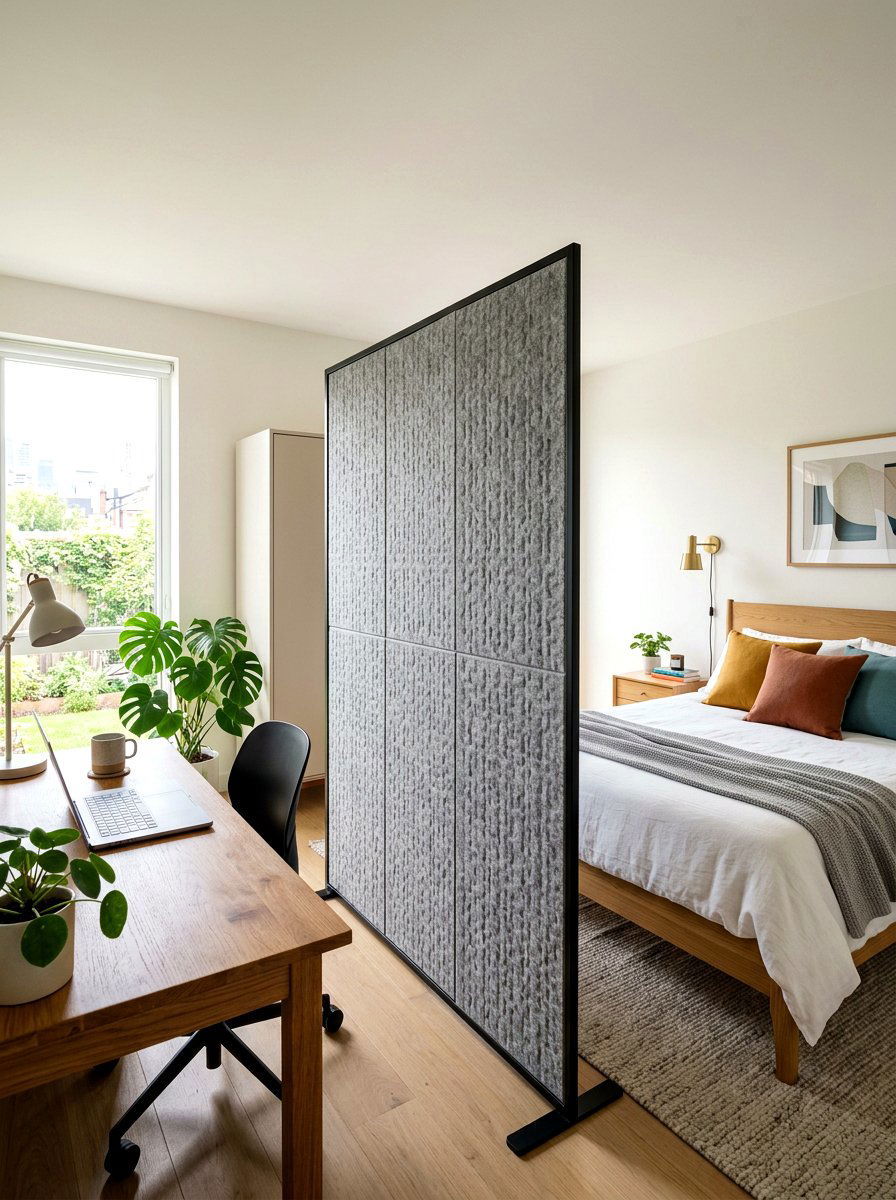
A room divider screen made from upholstered fabric or acoustic felt is a versatile tool for blocking sound and creating zones in a bedroom. You can place a folding screen in a corner to dampen noise or use it to separate a small home office area from your sleeping zone. Many modern screens are specifically designed with sound-absorbing materials to provide privacy in open-concept spaces or large master suites. Because they are portable, you can move them around to find the most effective position for blocking noise from specific directions. They add a layer of architectural depth and a decorative element while serving a functional acoustic purpose.

20. Plush Bedding Layer
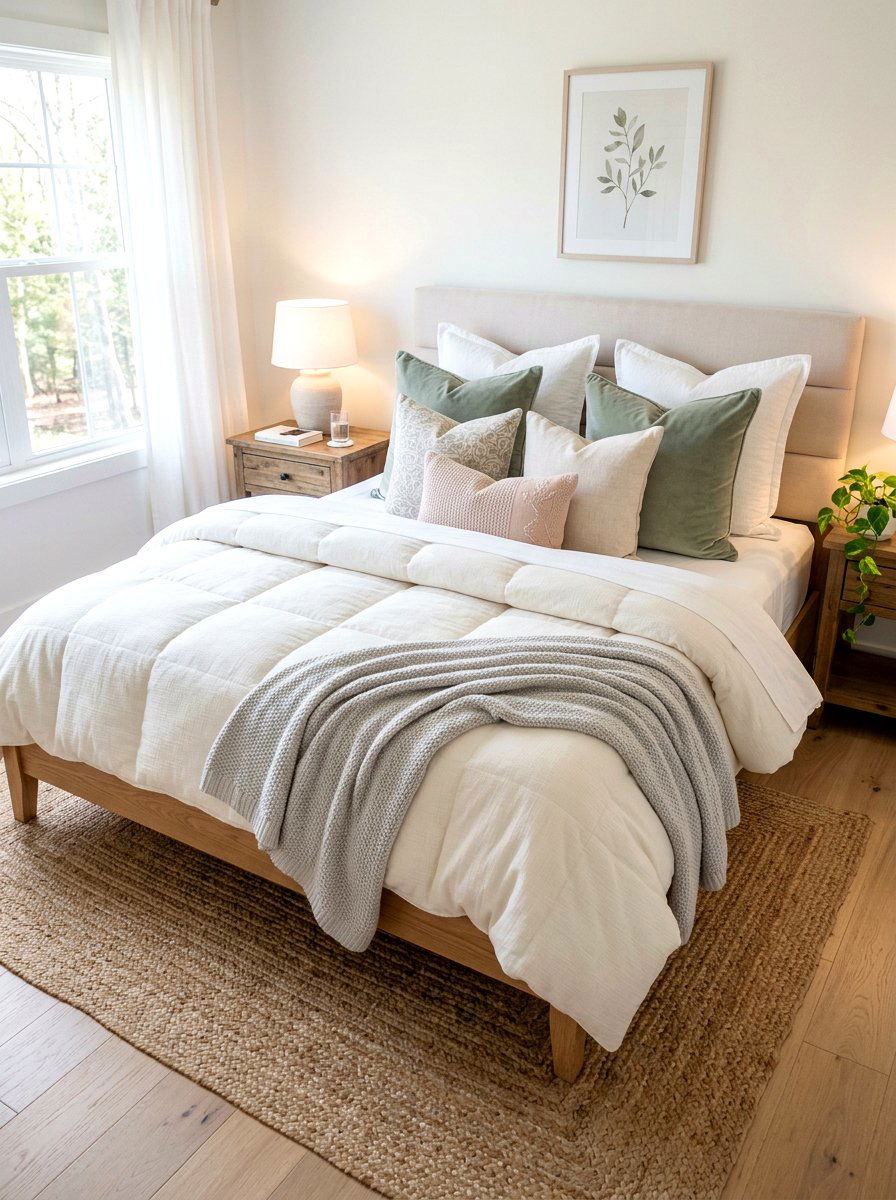
The presence of a plush bedding layer, including thick duvets, multiple pillows, and textured throws, contributes significantly to the acoustic softness of a bedroom. Every soft item you add to the room serves as a small sound absorber that prevents noise from bouncing around the space. Using a down-filled comforter and heavy linen sheets creates a large, soft mass in the center of the room that naturally quietens the environment. Don't underestimate the power of a pile of decorative pillows on the bed; they are highly effective at breaking up sound waves near the head of the bed. This "pillowy" aesthetic is both visually comforting and acoustically beneficial.
21. Padded Wall Tile
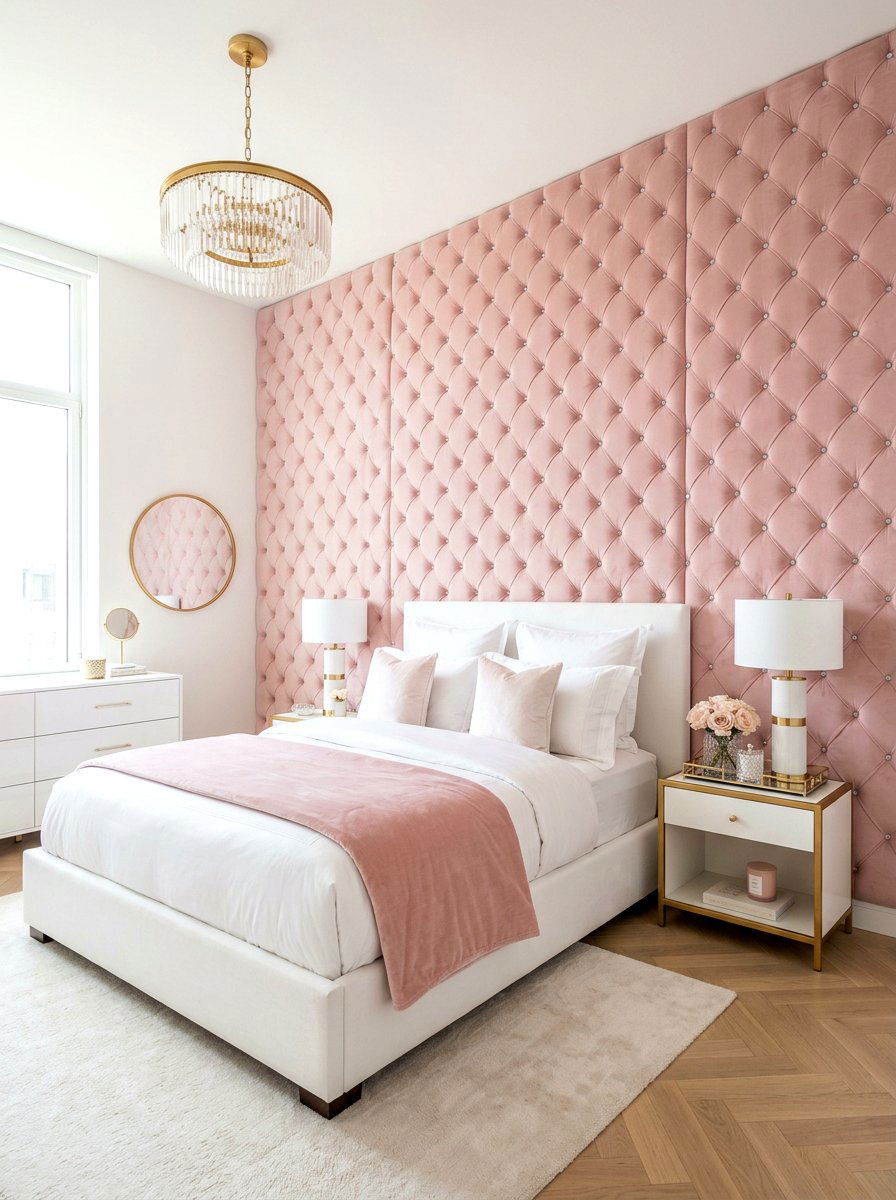
Padded wall tiles offer a modular and customizable way to add soundproofing to your bedroom while creating a modern, three-dimensional look. These individual tiles are typically made from foam or high-density fiberboard wrapped in soft fabric, and they can be arranged in endless patterns. You can cover an entire wall or create a small geometric installation that acts as both art and an acoustic buffer. Because they are soft to the touch, they are also a great safety and comfort feature for families with young children or those who enjoy lounging against the wall. They bring a sophisticated, high-end feel to any bedroom while effectively killing annoying echoes.
22. Mass Loaded Vinyl
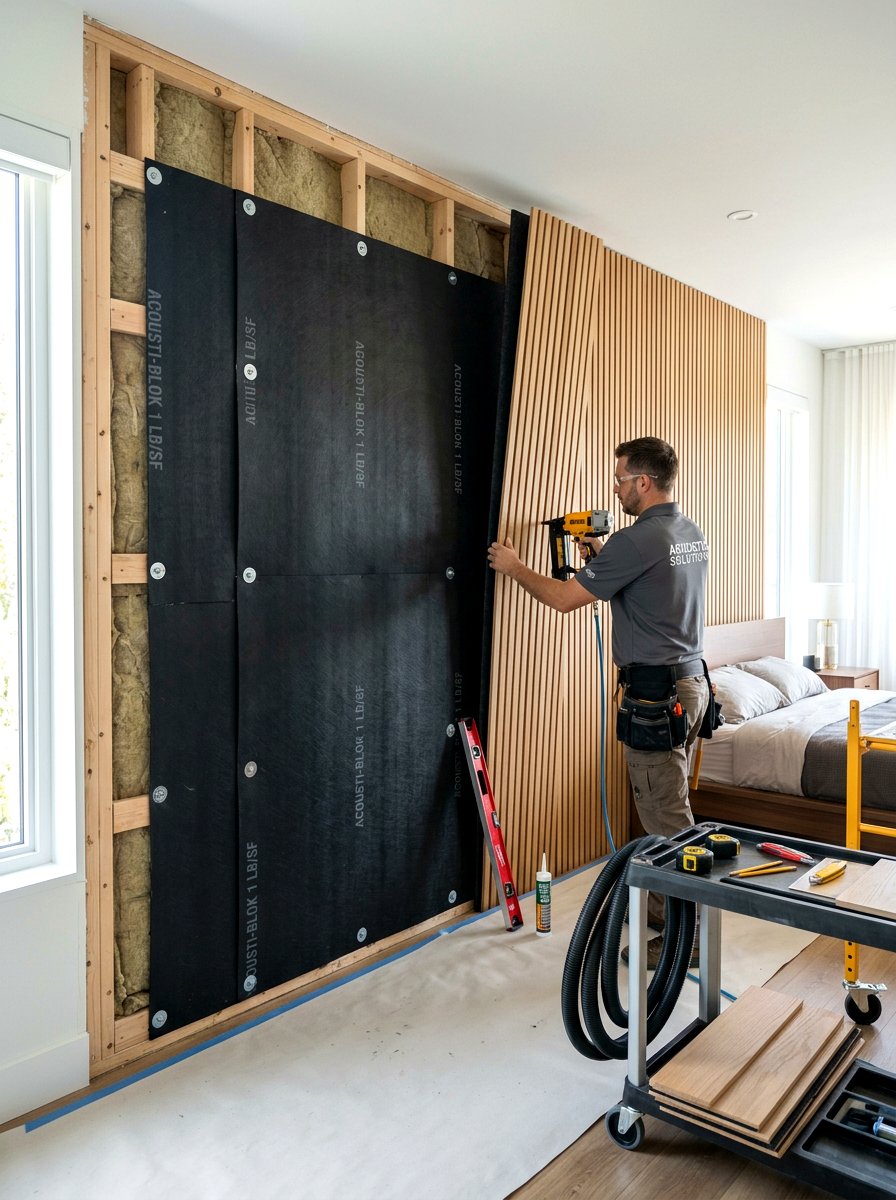
Mass loaded vinyl, often referred to as MLV, is a professional-grade soundproofing material that can be hidden behind decorative bedroom wall treatments. This thin but extremely heavy material is designed to block sound transmission by adding significant mass to a wall without taking up much space. You can install it directly onto the drywall and then cover it with fabric panels, wood slats, or even another layer of sheetrock. It is the gold standard for blocking noise from neighbors or loud street traffic that light fabrics cannot handle. While it is a technical material, it is the foundation for creating a truly soundproof, high-performance master bedroom sanctuary.
23. Soundproof Window Blanket
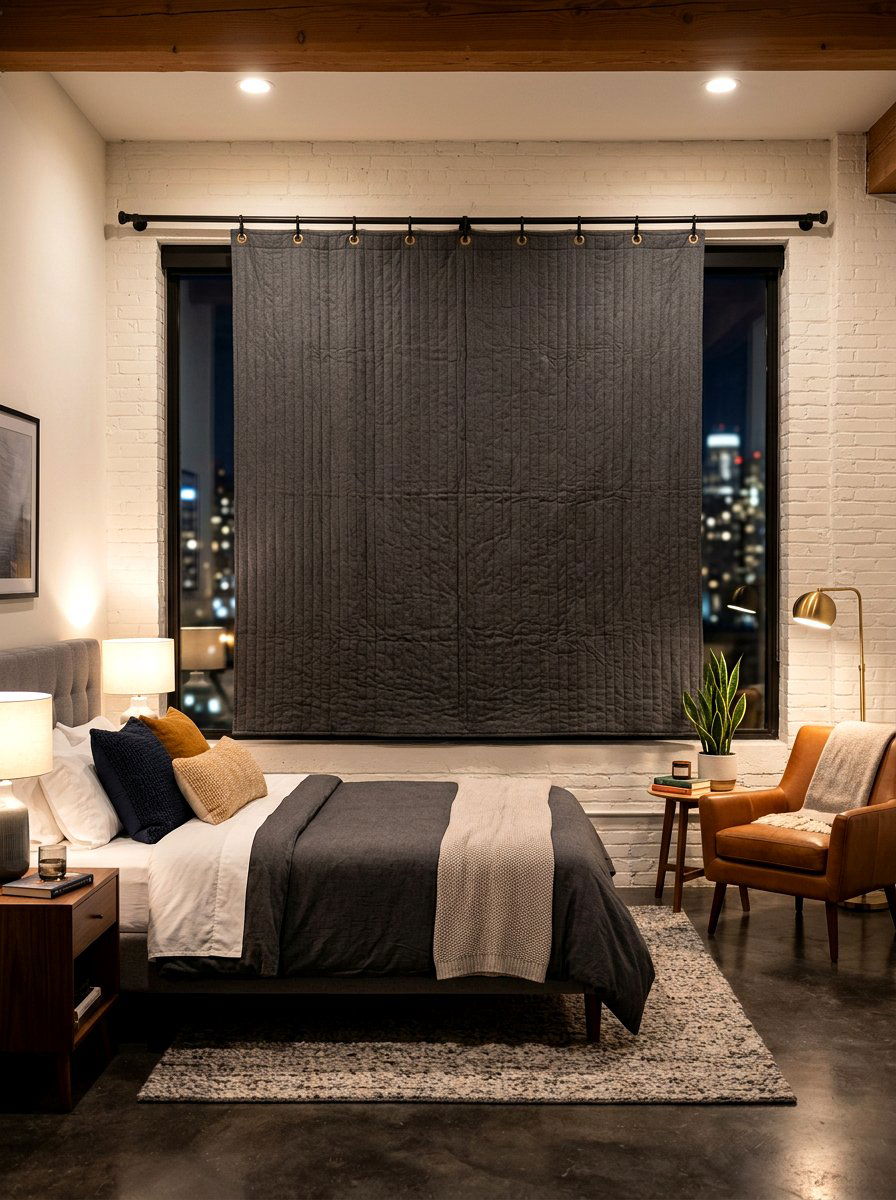
A soundproof window blanket is a heavy-duty, industrial-strength solution for extreme noise problems like nearby construction or heavy train traffic. These blankets are made from dense acoustic materials and are designed to be hung over windows using grommets or specialized tracks when you need maximum silence. While they are more utilitarian in appearance than standard curtains, many modern versions are available in clean colors that blend well with a contemporary bedroom aesthetic. They provide an incredible level of noise reduction by completely sealing off the window opening from external sound waves. This is an excellent temporary or permanent solution for anyone whose sleep is regularly disrupted by loud outside environments.
24. Corner Bass Trap
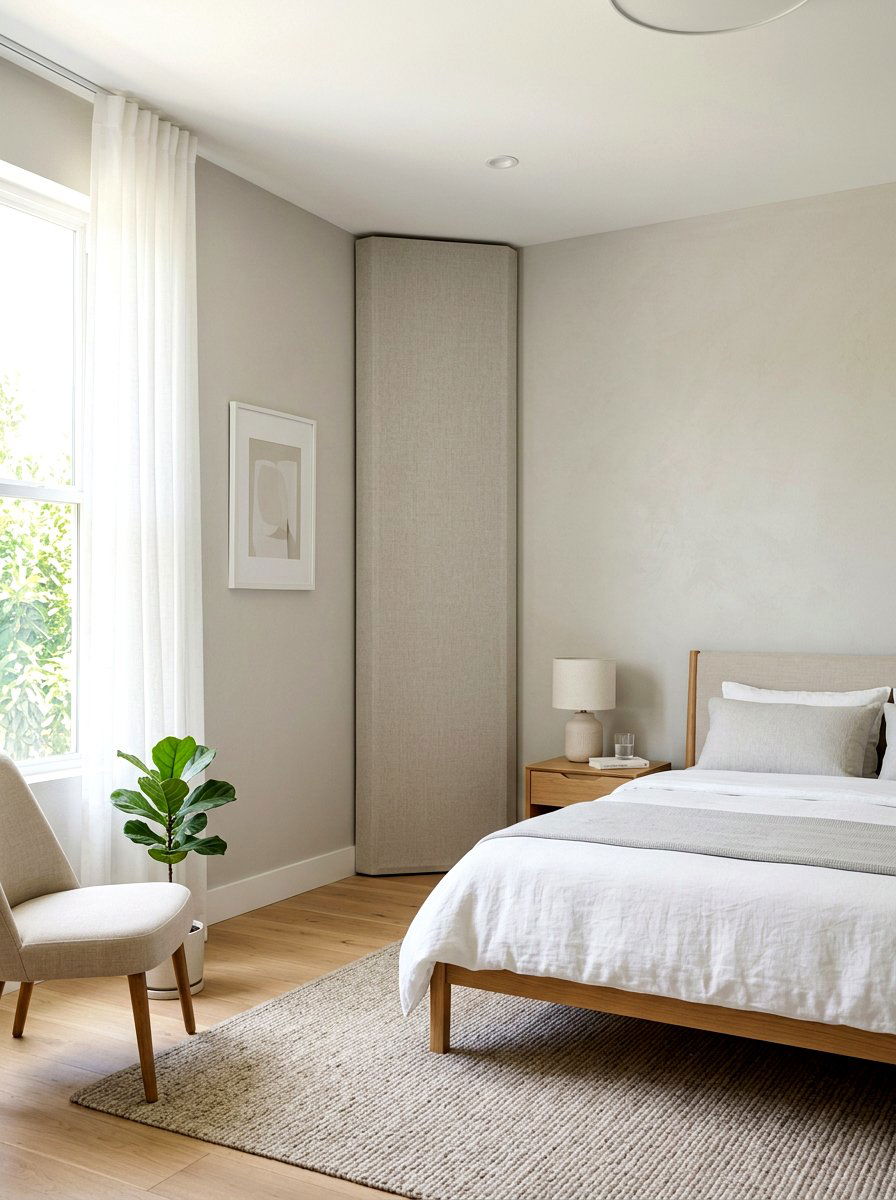
Incorporating a corner bass trap into your bedroom design is a pro-level move for managing low-frequency noise that often accumulates in the corners of a room. Low sounds, like the hum of an HVAC system or the rumble of distant traffic, tend to build up and resonate in 90-degree angles. Bass traps are specialized acoustic panels that fit snugly into corners to absorb these long sound waves and prevent a "boomy" feeling in the room. Many bass traps are now designed with sleek fabric coverings or wooden faceplates that look like modern sculptures. Placing them in the corners behind your bed can lead to a much tighter, cleaner-sounding environment.

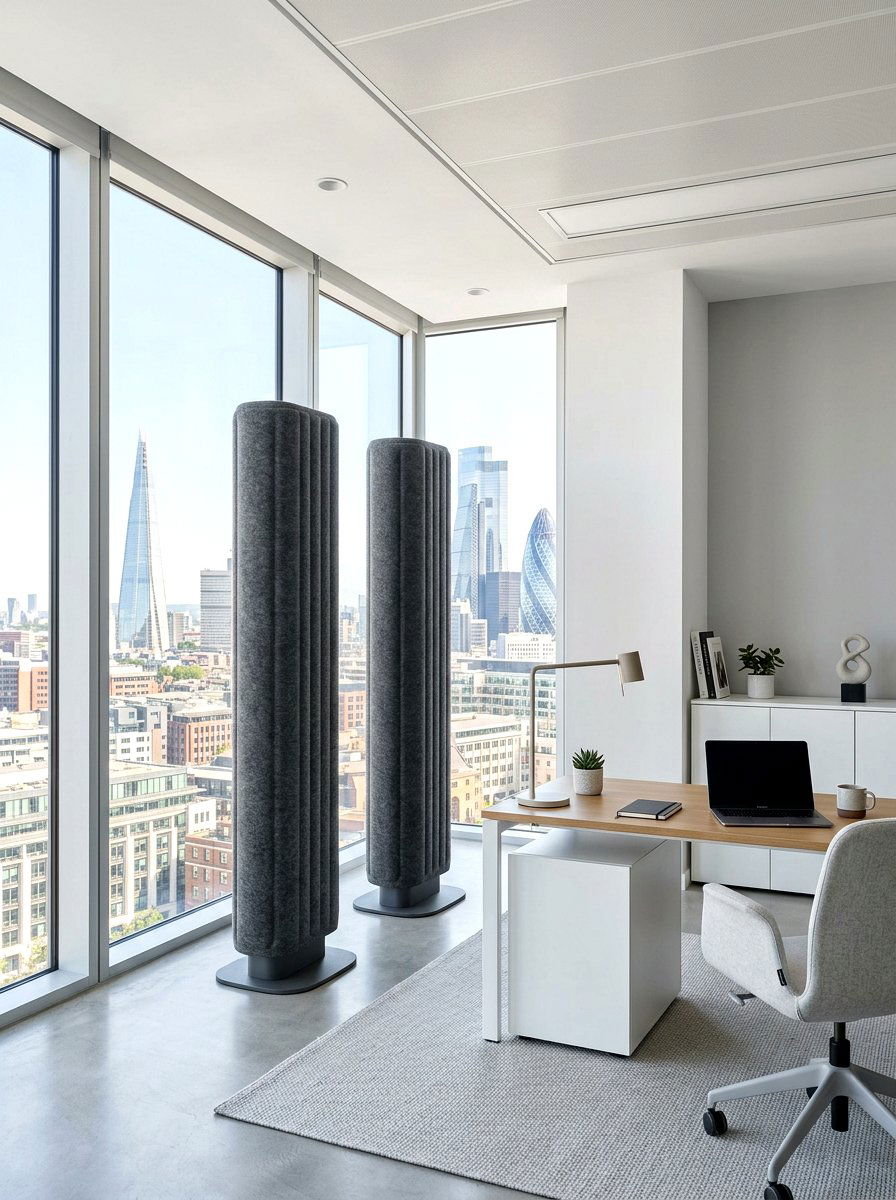
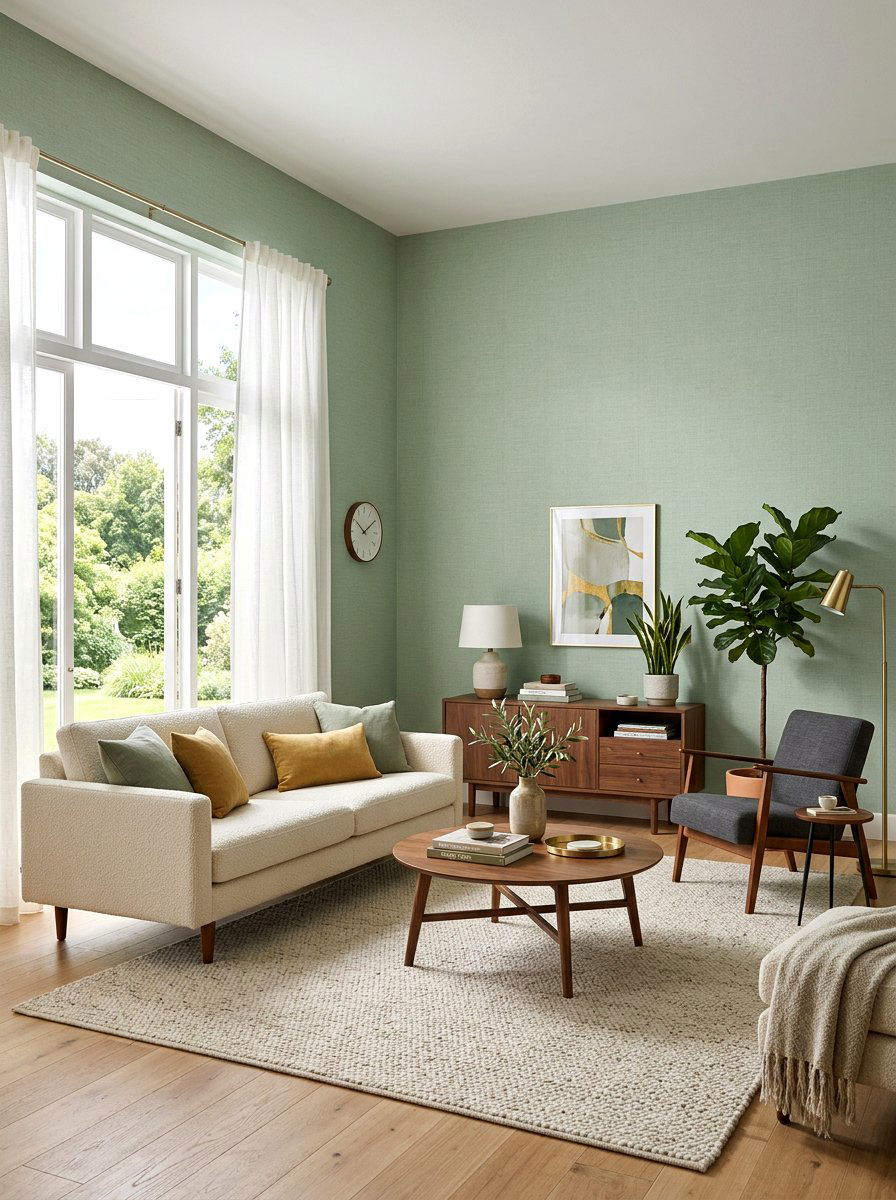

25. Moss Wall Decor

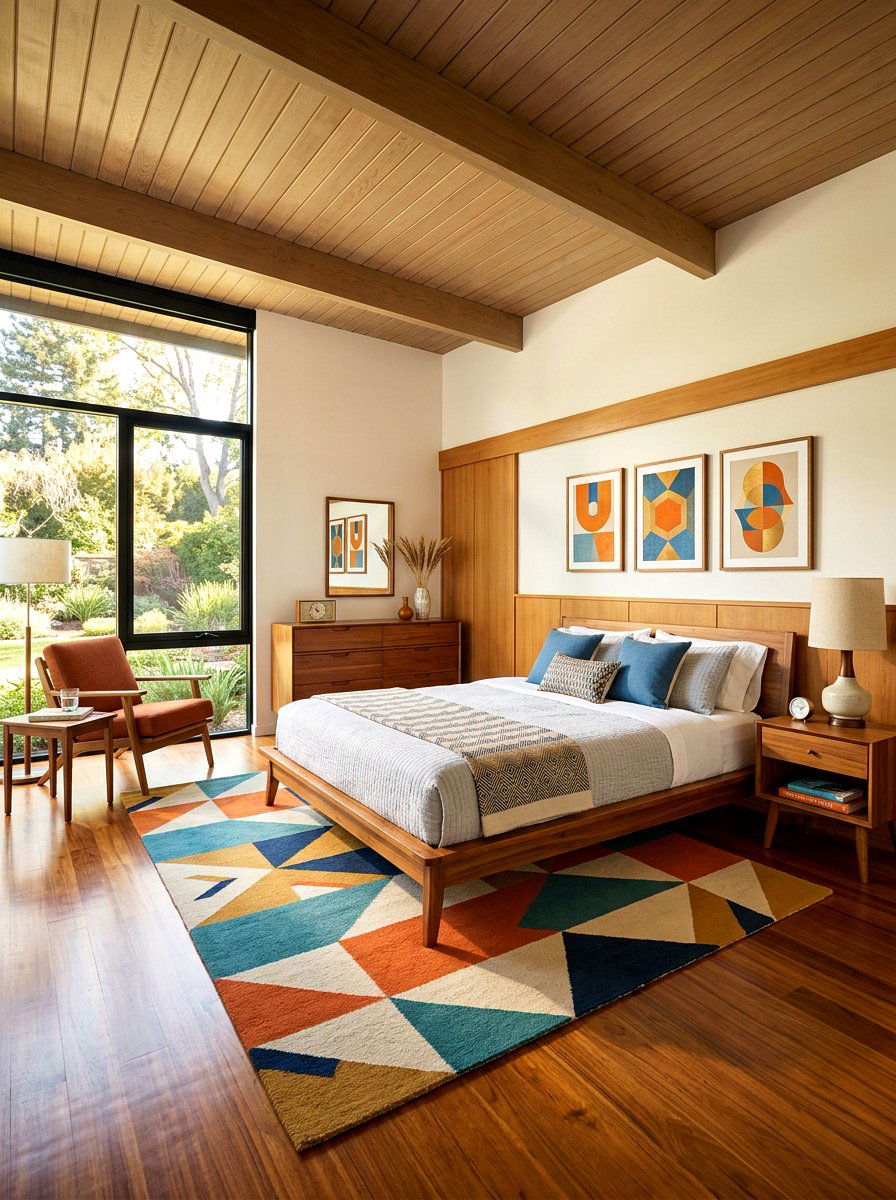
Moss wall decor is a stunning biophilic design trend that offers surprising acoustic benefits due to the natural structure of preserved moss. The intricate, porous surface of reindeer moss or flat moss is excellent at breaking up and absorbing sound waves, much like a natural sponge. These green walls are often sold in framed panels that can be hung as art or installed as a full feature wall. Beyond its sound-dampening qualities, moss adds a vibrant pop of nature that never needs watering, making it a low-maintenance way to improve your bedroom's ambiance. It creates a lush, forest-like atmosphere that is both visually and acoustically calming for a restful sleep.
26. Decorative Ceiling Tile
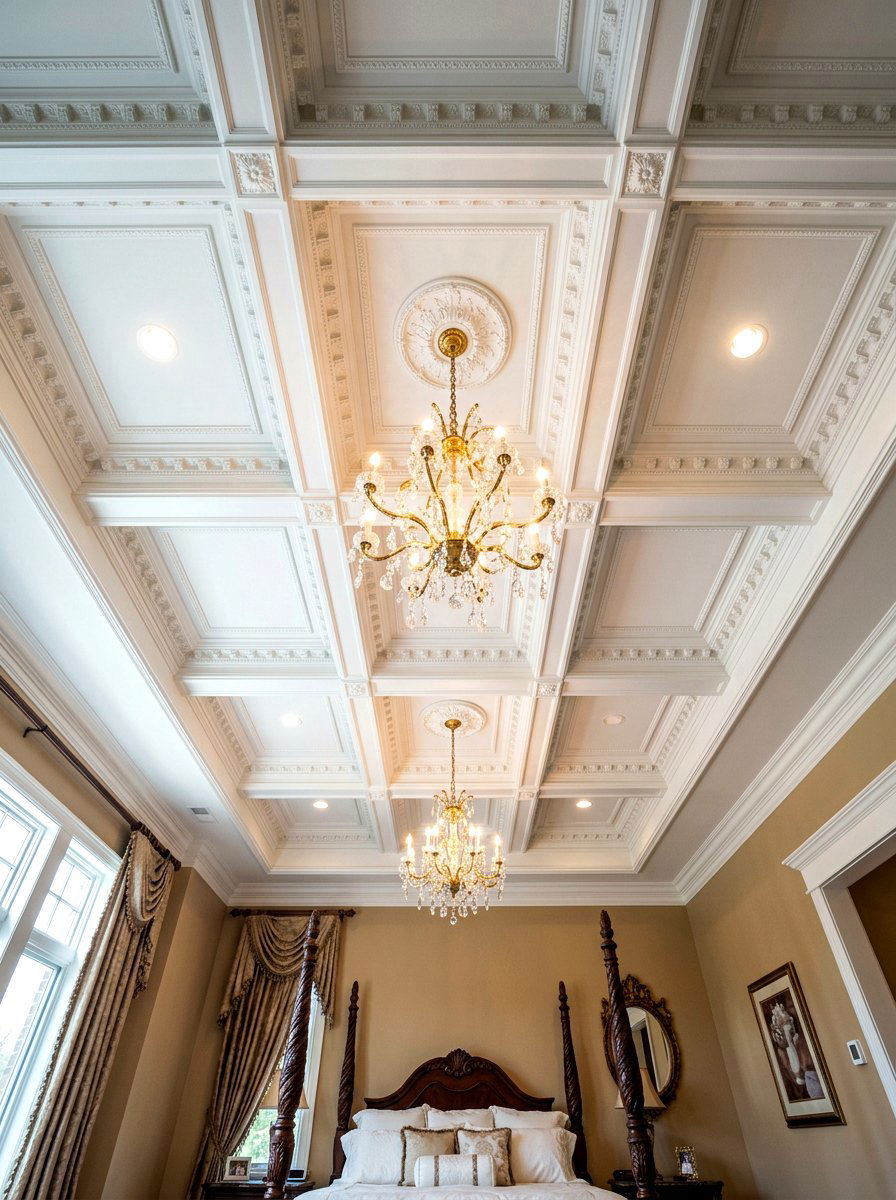
Decorative ceiling tiles made from mineral fiber or pressed metal with acoustic backings can turn a boring ceiling into a functional design feature. Standard plaster ceilings are highly reflective, but acoustic tiles are designed to trap sound waves and keep them from bouncing back down into the room. You can choose from vintage-inspired tin patterns or ultra-modern geometric designs that add architectural character to your bedroom. This treatment is especially effective for dampening the sound of people walking on the floor above you. It is a classic renovation technique that combines old-world charm with modern sound-management technology for a quieter, more peaceful bedroom environment.
27. Double Pane Window
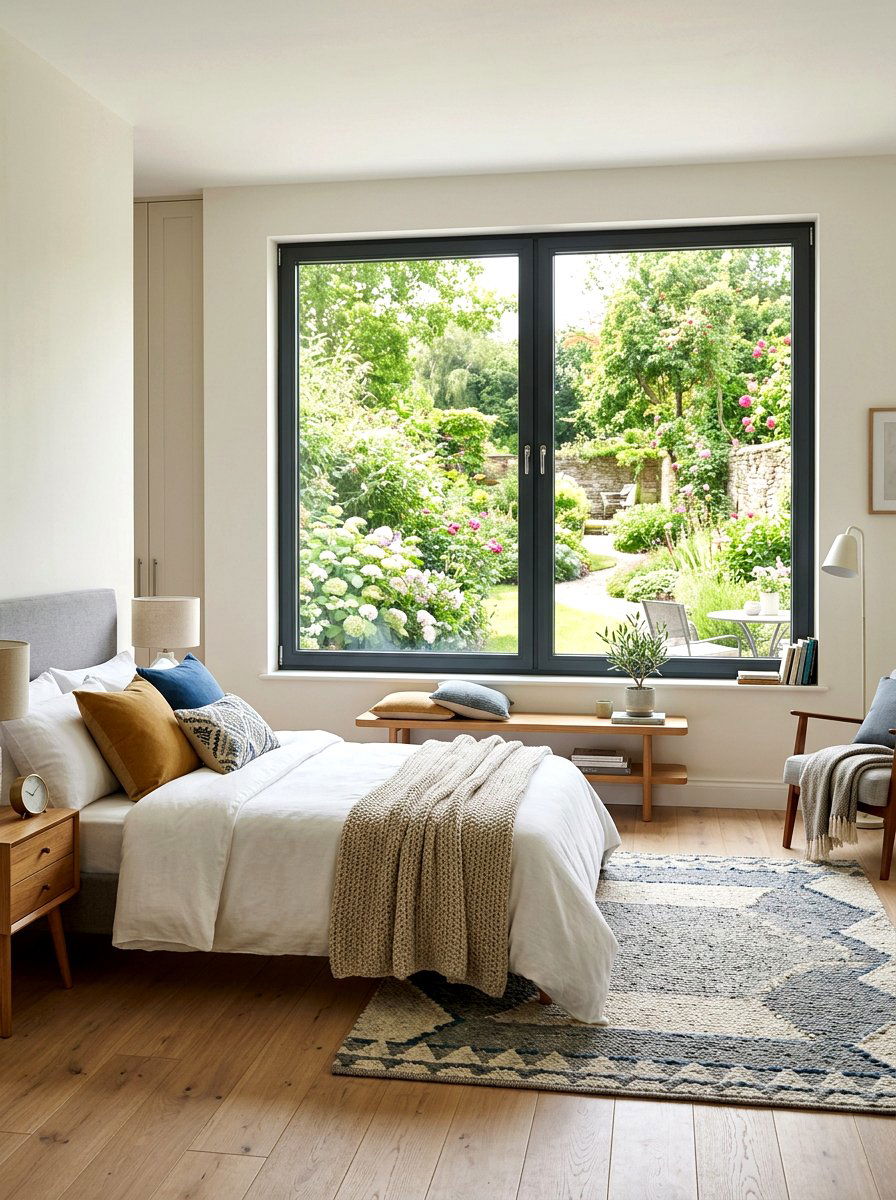
Upgrading to a high-quality double pane window is one of the most significant investments you can make to permanently soundproof your bedroom. These windows feature two layers of glass separated by a vacuum or an inert gas, which acts as a powerful insulator against both temperature and sound. The air gap between the panes breaks the path of sound waves, significantly reducing the volume of sirens, barking dogs, or morning traffic. For the best results, look for windows with varied glass thicknesses, as different layers vibrate at different frequencies to block more noise. This upgrade increases your home's value while providing a life-changing improvement in your nightly sleep quality.
28. Tapestry Wall Hanging

A large tapestry wall hanging is a budget-friendly and artistically expressive way to add a layer of sound-softening fabric to your bedroom. Unlike a framed painting behind glass, which is a hard and reflective surface, a woven textile absorbs sound and reduces the slap-back echo in a room. You can choose a design that reflects your personal style, from bohemian patterns to modern abstract weaves, to serve as a soft focal point. For an extra acoustic boost, hang a layer of moving blankets or felt behind the tapestry to increase its mass and sound-absorbing potential. It is a quick and easy way to make a cold room feel much warmer.
29. Door Sweep Attachment
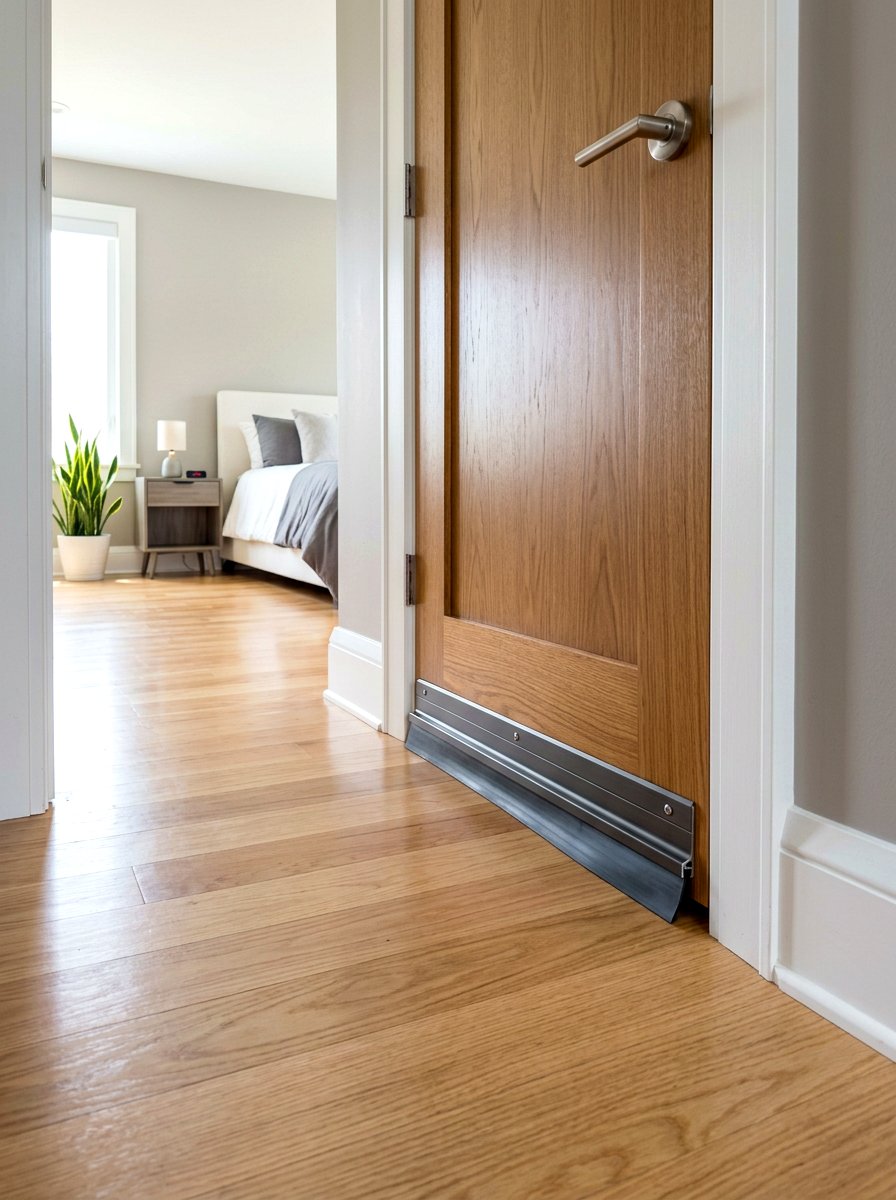
Adding a heavy-duty door sweep attachment is a simple DIY task that can drastically reduce the amount of noise that enters your bedroom from other parts of the house. Most of the sound that travels through a doorway comes from the gap at the bottom, so a thick rubber or brush sweep creates a tight seal against the floor. This prevents the "leakage" of television sounds, kitchen clatter, or conversation from disturbing your peace. Some sweeps are even designed with acoustic foam cores for maximum noise blocking. It is a small, inexpensive detail that makes a noticeable difference in how private and quiet your bedroom feels during the day and night.
30. Soft Seating Nook

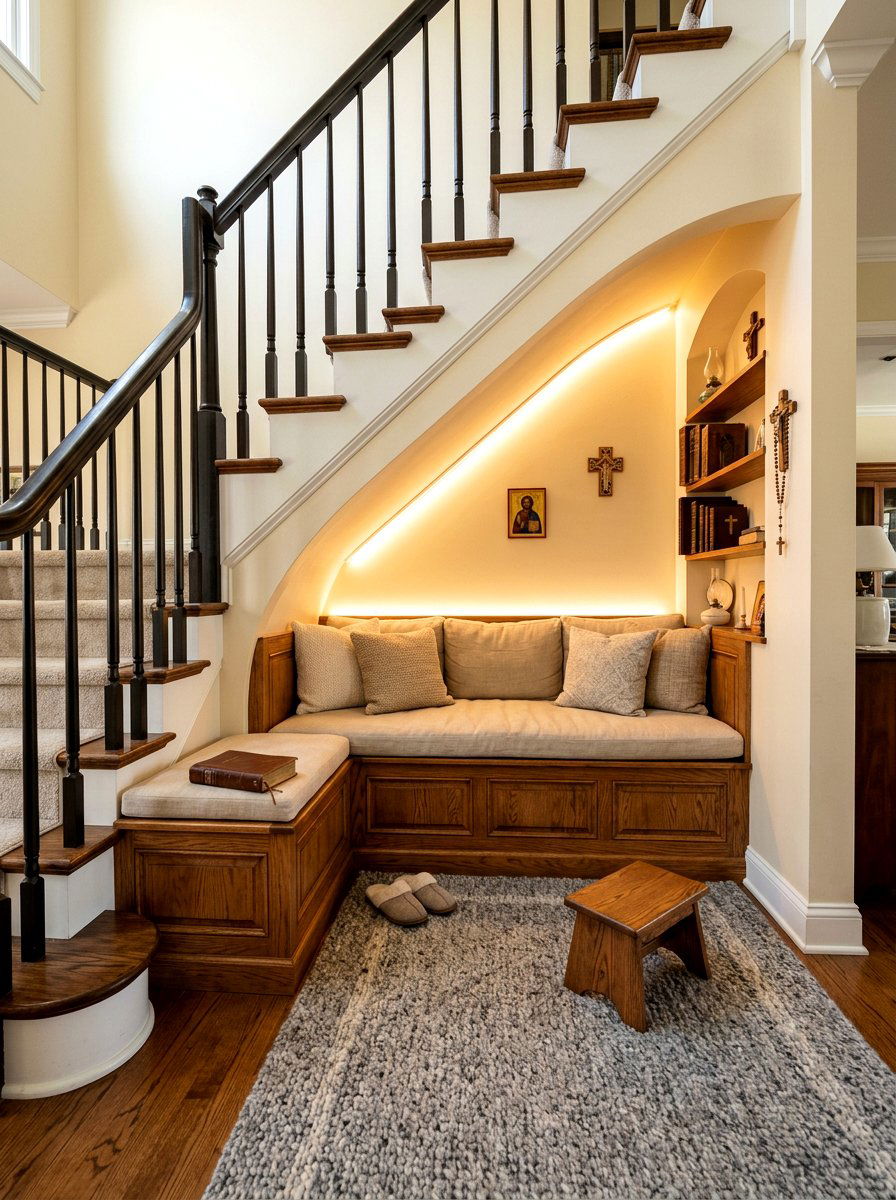
Creating a soft seating nook with an upholstered armchair, a pile of cushions, and a footstool adds another cluster of sound-absorbing material to your bedroom. Every piece of soft furniture you introduce helps to "break" the room's acoustic profile, preventing sound from traveling freely across the space. Placing this nook in a corner or against a shared wall provides an extra buffer zone where you can relax in relative silence. Using a high-back chair with fabric upholstery is particularly effective at creating a localized quiet zone for reading or meditation. This design choice adds a layer of functionality to the room while contributing to a softer, more hushed atmosphere.
Conclusion:
Investing in an acoustic bedroom design is a transformative way to prioritize your mental health and physical rest through the power of silence. By carefully selecting materials like wood slats, fabric panels, and heavy textiles, you can create a sanctuary that shields you from the chaotic noises of the modern world. Each of these ideas offers a unique blend of style and science, allowing you to customize your space according to your personal aesthetic and specific noise challenges. Remember that the best results often come from layering different textures and mass-heavy elements throughout the room. Start today and enjoy the profound peace of a truly quiet home.

Related posts: