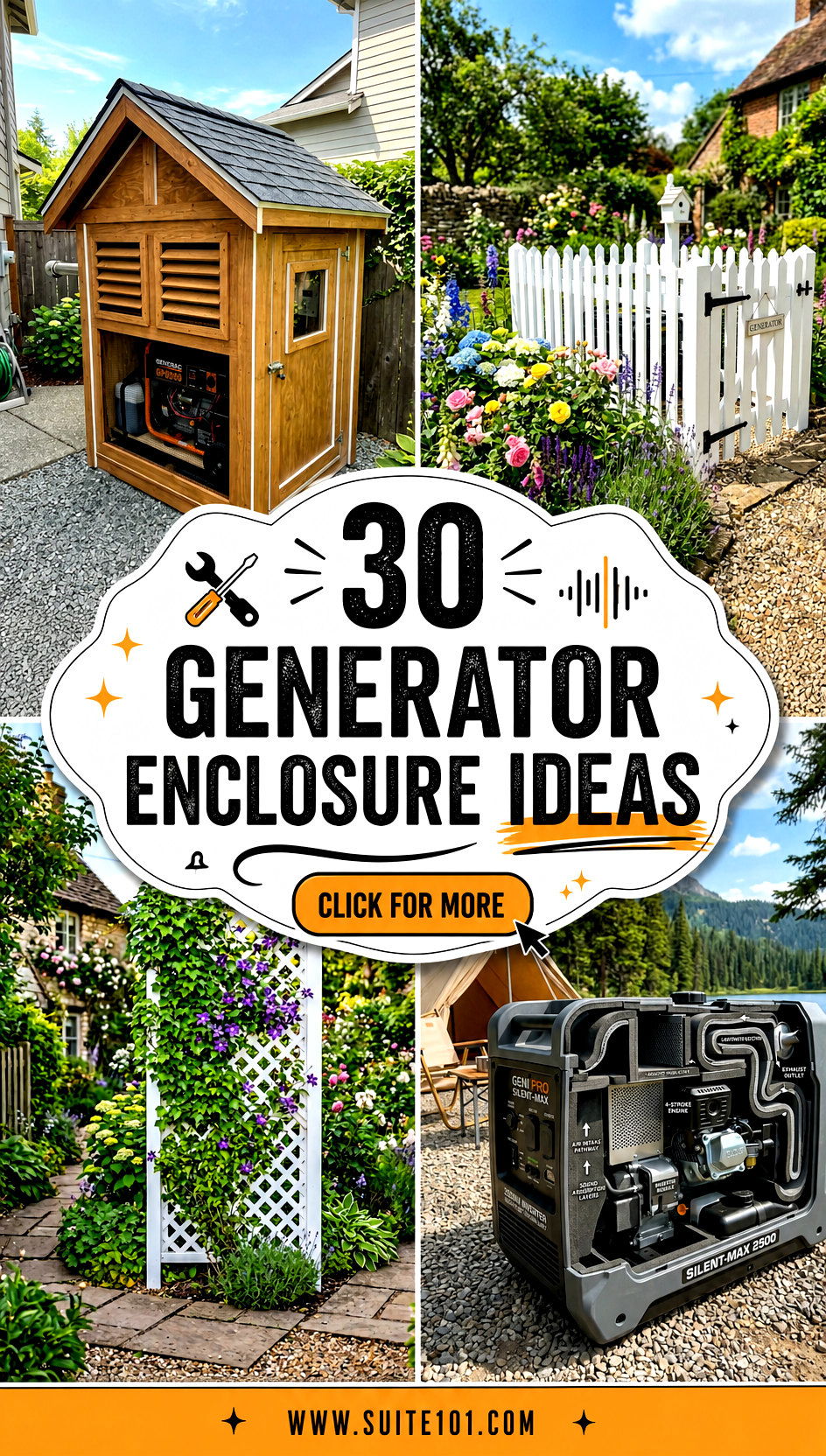
Choosing the right housing for your backup power system is about balancing functionality with outdoor aesthetics while ensuring safety. Many homeowners realize too late that a loud and exposed generator can disrupt the peace of their backyard or even face damage from harsh weather conditions. By implementing a well-designed structure, you can protect your expensive equipment from rain, snow, and debris while significantly muffling the intrusive noise. These solutions range from simple DIY wooden boxes to elaborate landscaping screens that blend perfectly with your garden. Safety remains the top priority, so every enclosure must provide adequate ventilation and exhaust management to prevent dangerous overheating or carbon monoxide buildup near your home.
1. Wooden Generator Shed
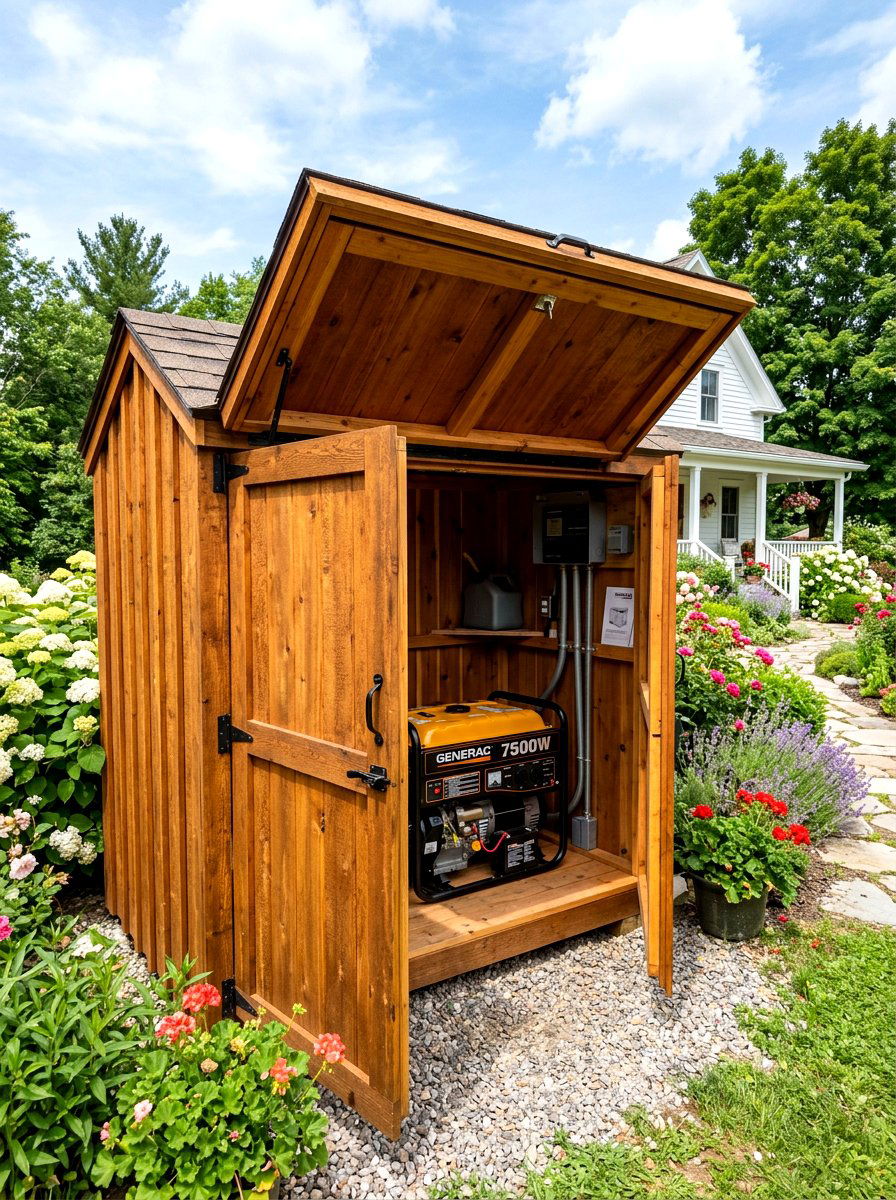
A wooden generator shed is a classic choice that offers a natural look for any backyard setting. You can construct these using pressure-treated lumber or cedar to ensure the frame stands up to moisture and insects over time. This type of structure typically features double doors on the front and a hinged roof for easy access to the control panel and fuel tank. To keep the engine running smoothly, it is important to include louvered vents on the sides for cross-ventilation. Many people choose to stain the wood to match their existing deck or fence, creating a cohesive design that hides the industrial machinery. It remains one of the most durable and customizable ways to protect your power source.
2. Soundproof Generator Box
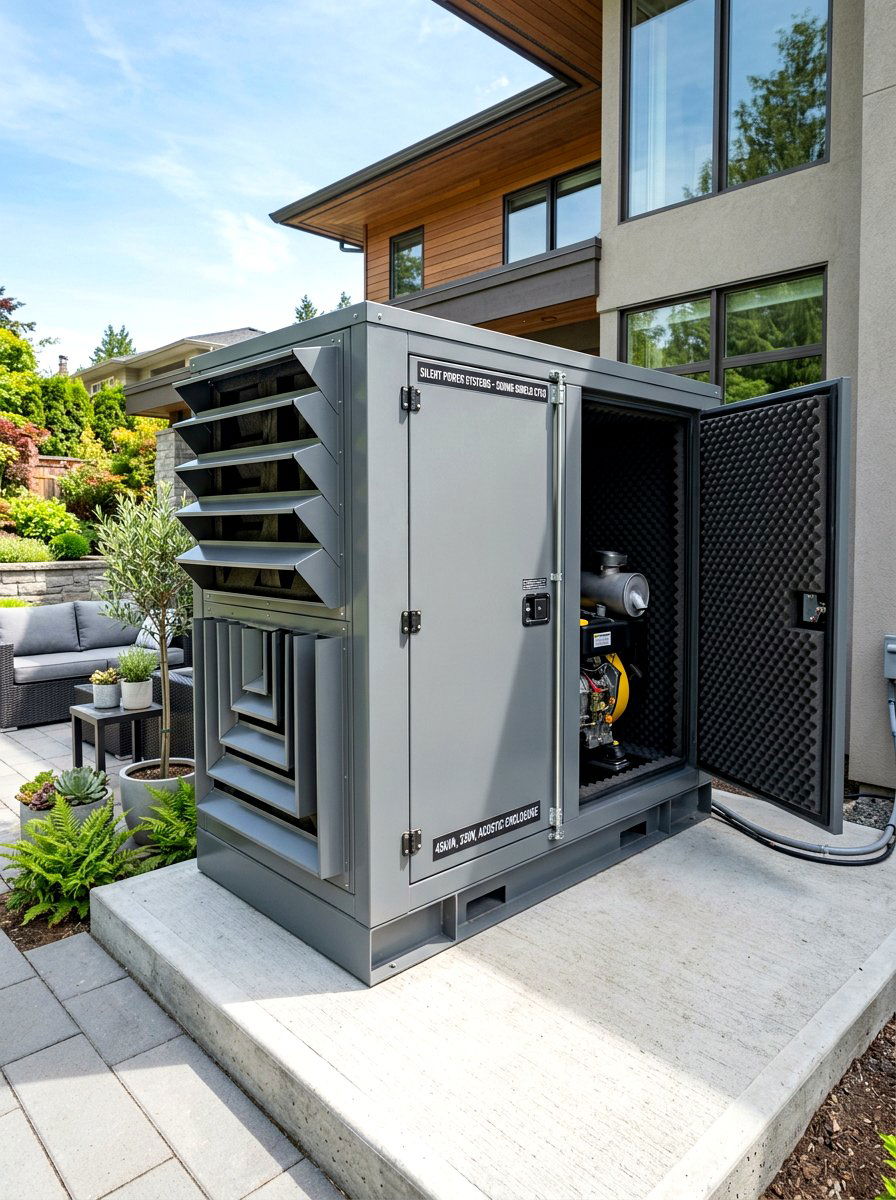
When noise reduction is your primary goal, a soundproof generator box is the most effective solution for residential areas. These enclosures are built with heavy-duty walls and lined with specialized materials like mass-loaded vinyl or thick acoustic foam to absorb vibrations. The design must incorporate a baffle system, which allows air to enter and exit through a series of turns that trap sound waves inside. This keeps the decibel levels low enough so that you can run the machine at night without disturbing your family or neighbors. It is a highly technical build that requires careful planning of the intake and exhaust paths to ensure the engine never suffocates or overheats while operating.
3. Plastic Generator Enclosure
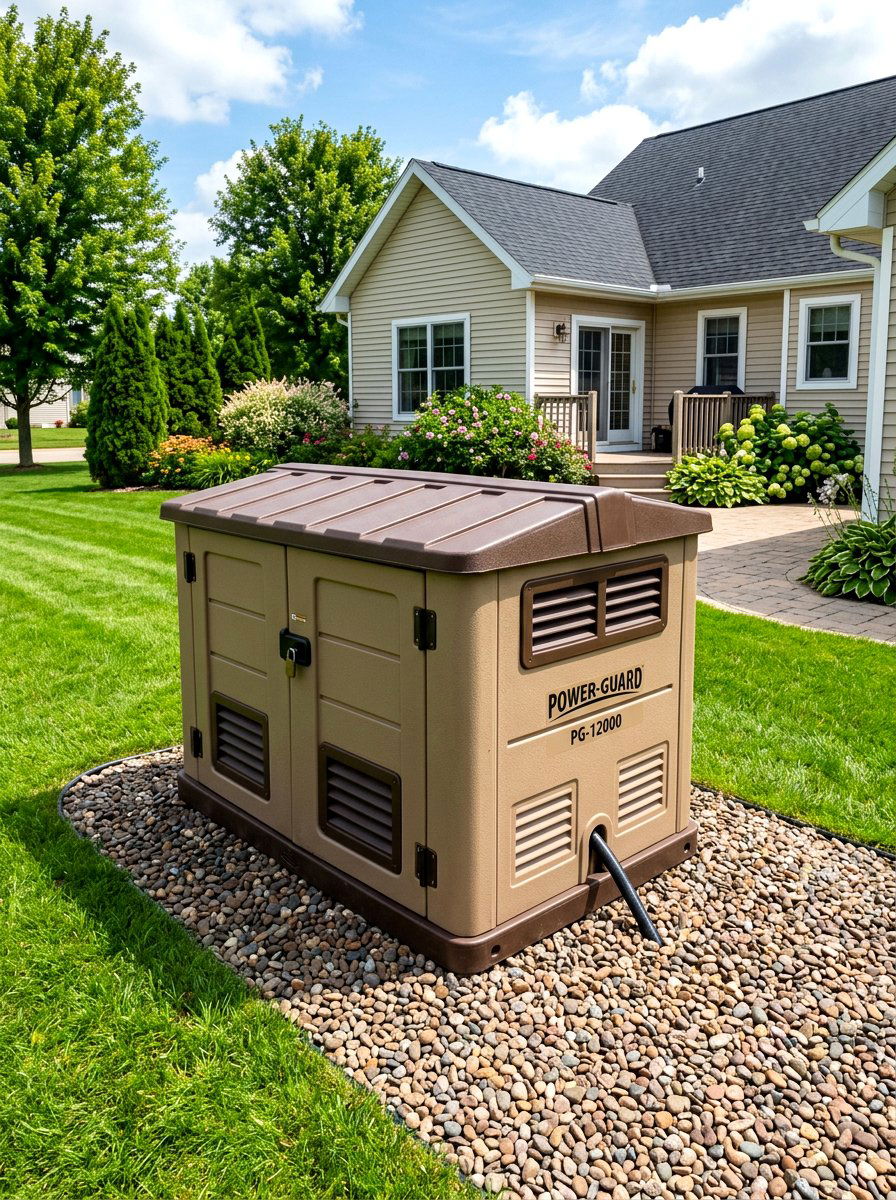
For those who prefer a low-maintenance option, a plastic generator enclosure provides excellent weather protection without the need for painting or staining. These pre-fabricated resin sheds are widely available at home improvement stores and offer a lightweight yet sturdy housing for smaller portable units. They are generally UV-resistant and waterproof, keeping your equipment dry during heavy rainstorms or winter snow. Most models feature a walk-in or reach-in design with a secure locking mechanism to deter theft. While they do not offer as much sound dampening as wooden or insulated boxes, they are extremely affordable and easy to assemble on a level concrete pad or a bed of gravel in your side yard.
4. Metal Generator Cover
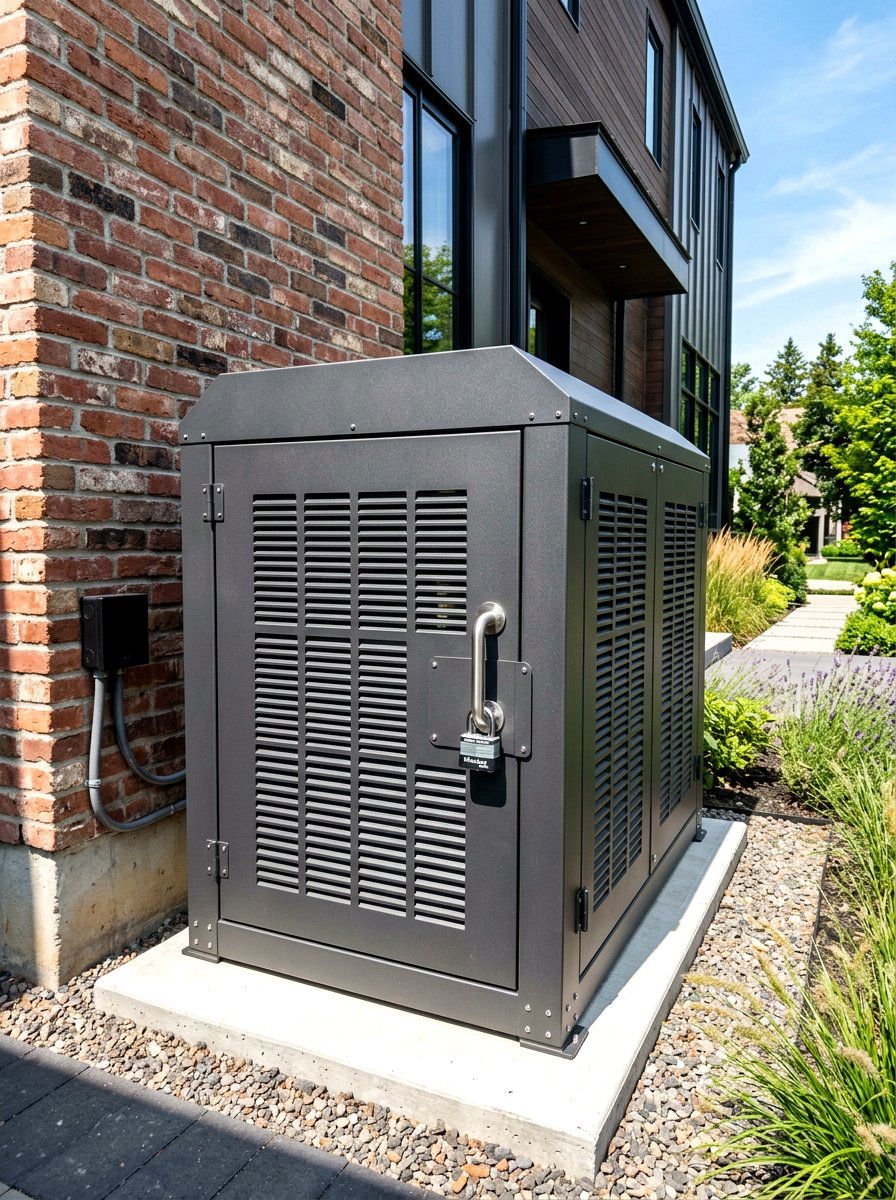
A metal generator cover is often the standard for whole-house standby units because of its superior fire resistance and long-term durability. Constructed from powder-coated steel or aluminum, these enclosures are designed to withstand high winds and extreme temperature fluctuations without warping or cracking. Aluminum is particularly beneficial for coastal regions because it naturally resists corrosion from salt air. These units often come with pre-installed vents and high-quality locks for maximum security. While they can be more expensive than other materials, the industrial strength ensures that your investment remains safe from both the elements and potential vandalism. They offer a sleek, professional appearance that fits well alongside modern architectural home styles.
5. DIY Generator Housing
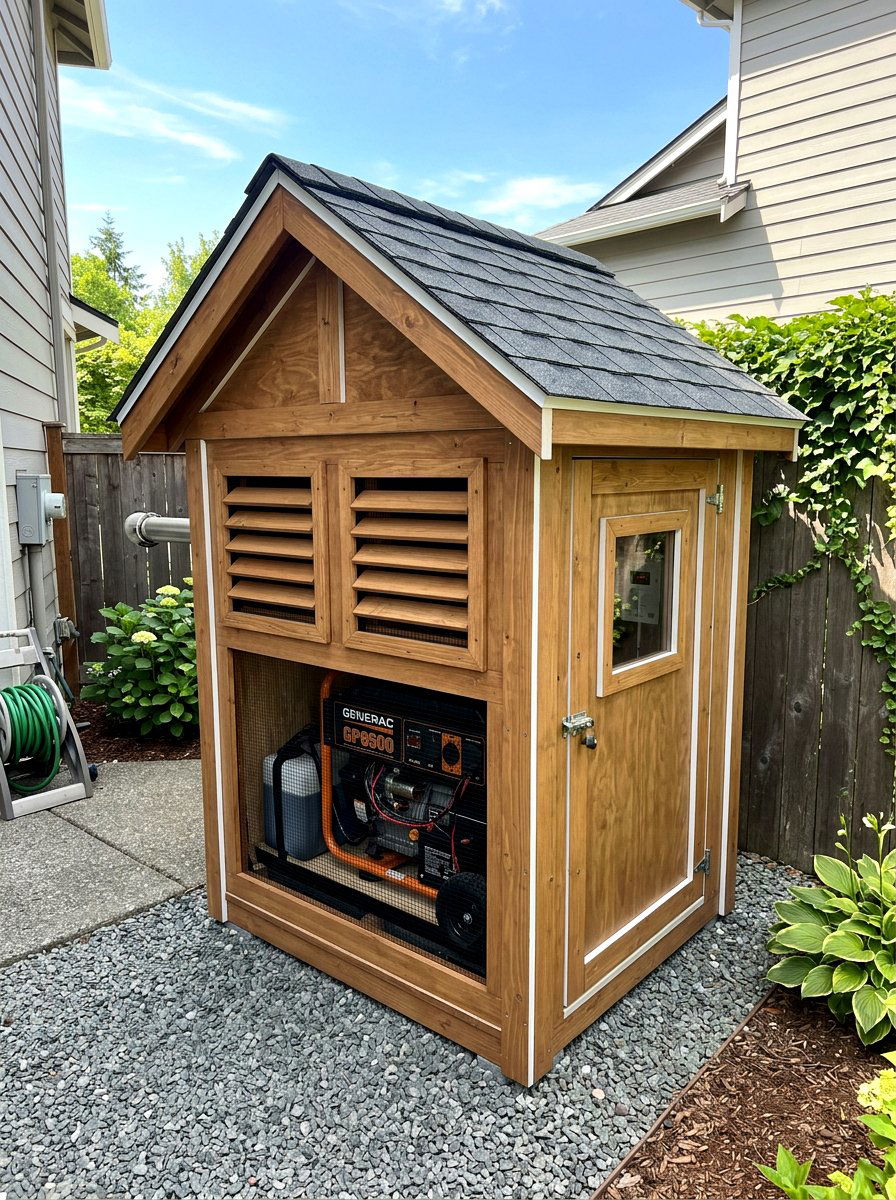
Creating a custom DIY generator housing allows you to tailor the dimensions and features specifically to your machine’s requirements. Many homeowners use leftover building materials like plywood and shingles to match the enclosure to their primary residence. This approach gives you the freedom to add specific upgrades, such as high-velocity exhaust fans or interior lighting for nighttime maintenance. When building your own, you must prioritize the internal clearance to ensure at least three feet of space on all sides for proper airflow. This project is perfect for someone with basic carpentry skills who wants to save money while creating a functional piece of backyard infrastructure that looks much better than a generic tarp.
6. Portable Generator Tent
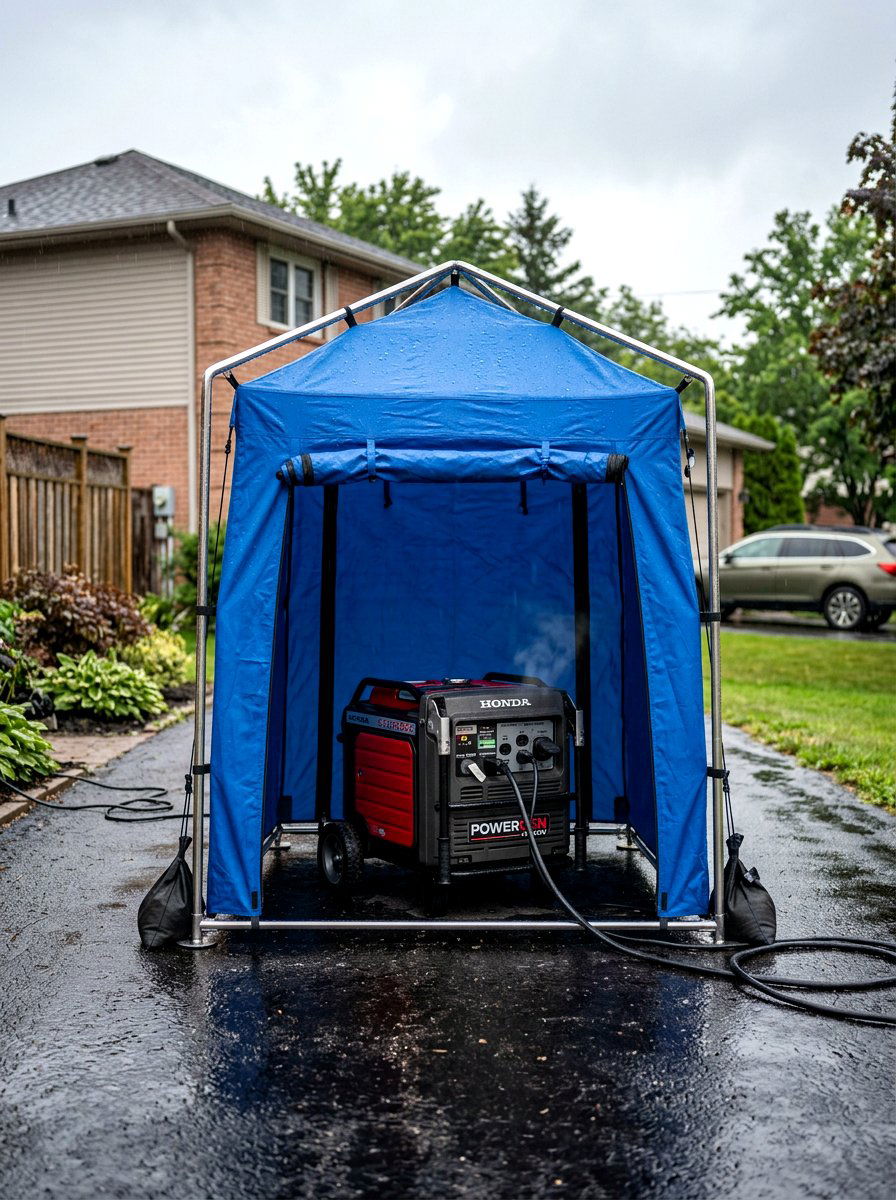
If you only use your equipment during emergencies or camping trips, a portable generator tent is a flexible and convenient choice. These specialized canopies are designed to stay on the machine while it is running, protecting the sensitive electrical outlets from rain and snow. They feature a sturdy frame that attaches directly to the generator's metal tubes, allowing the exhaust to escape freely while the top remains covered. This is much safer than using a standard tarp, which can trap heat and cause a fire hazard. These tents are easy to store in a small bag when not in use and can be set up in minutes without any permanent installation.
7. Ventilated Generator Shed
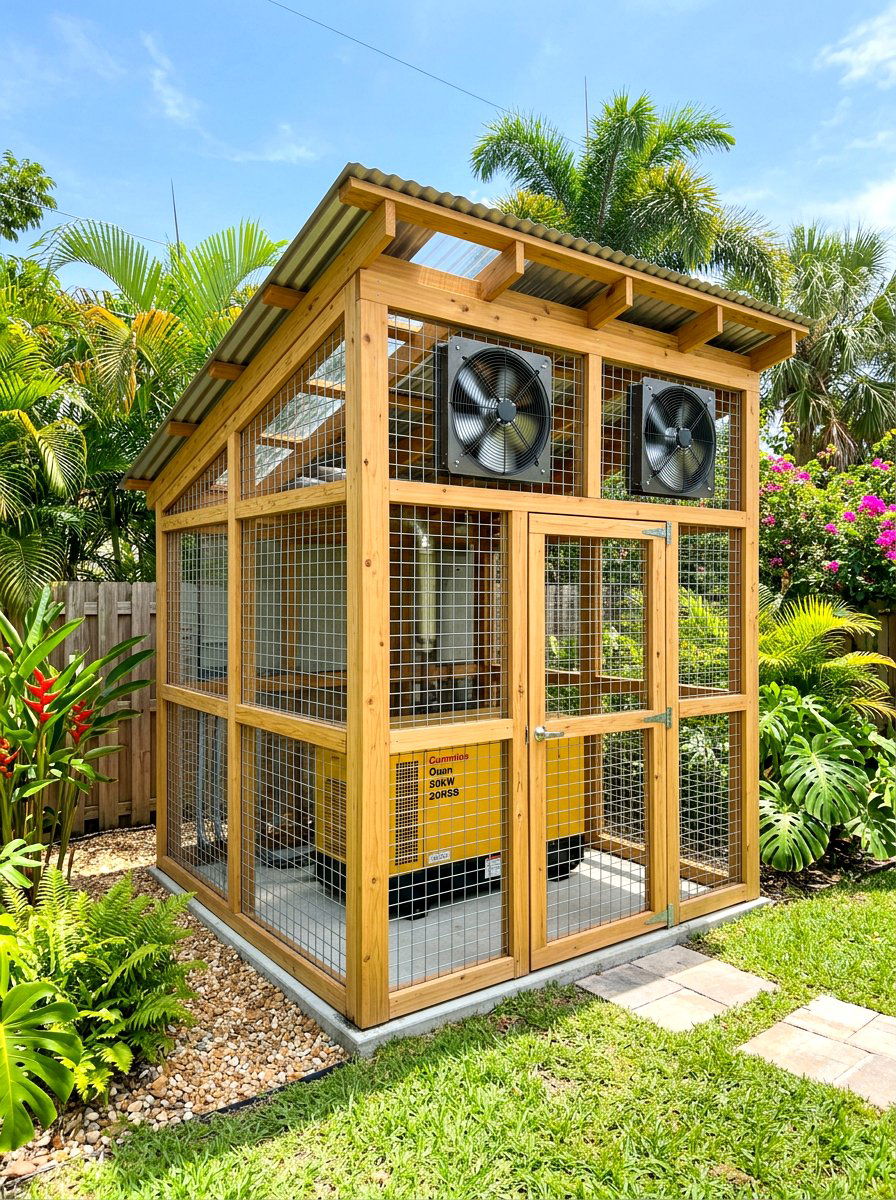
A ventilated generator shed focuses entirely on the cooling needs of high-performance engines to prevent mechanical failure. This design usually features large mesh panels or multiple industrial louvers that allow a massive volume of air to circulate around the unit. Some advanced versions even include solar-powered fans that automatically kick on when the internal temperature reaches a certain threshold. This is especially important for areas with hot climates where a lack of airflow could lead to the engine shutting down during a power outage. By prioritizing the movement of air, you ensure that the machine operates at peak efficiency for long periods. The structure still provides a solid roof to block direct sunlight and rain.
8. Small Generator Box
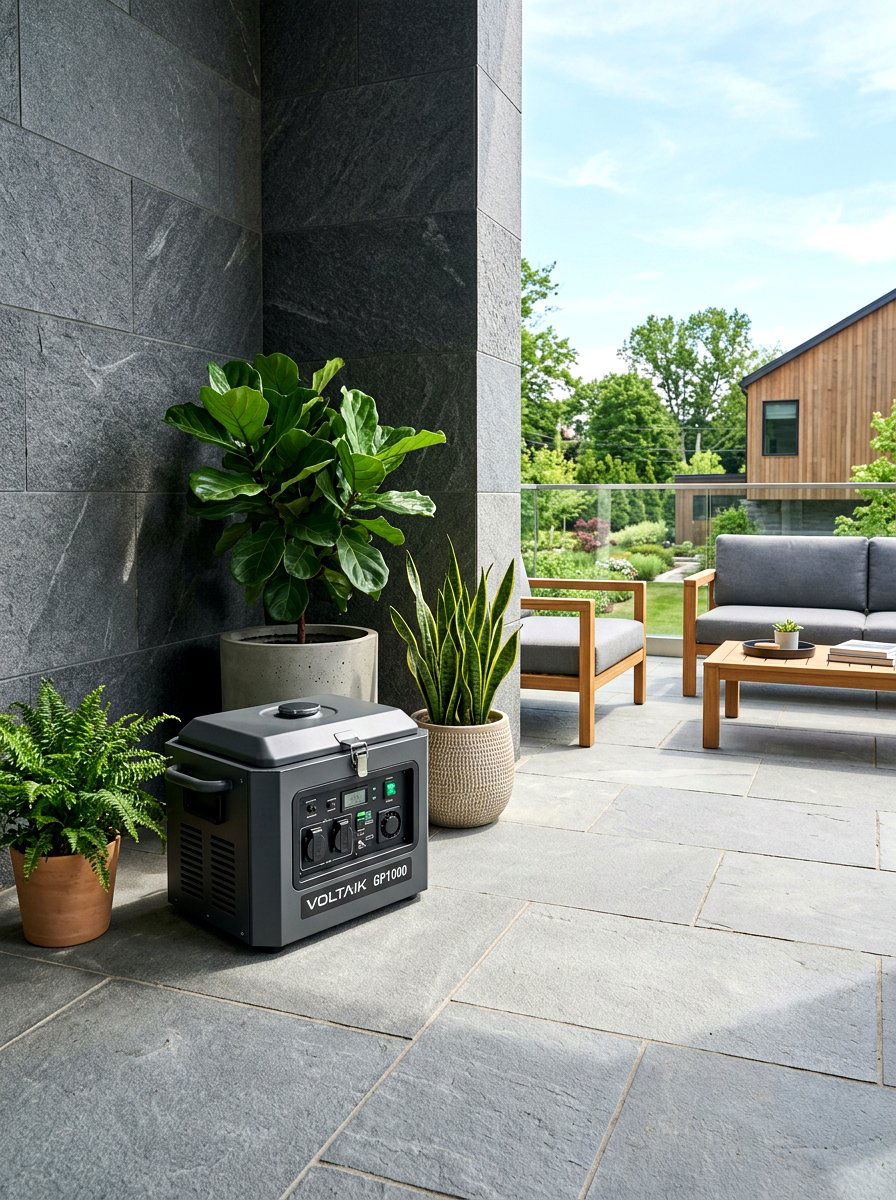
A small generator box is the ideal solution for homeowners who own compact, inverter-style machines for tailgating or light backup power. These enclosures are often built to be low-profile, so they do not take up much visual space in a small garden or on a patio. They can be made from high-density polyethylene or small wood frames with a flip-top lid. Because smaller machines produce less heat, these boxes can be more compact while still offering enough room for a simple intake vent. They are easy to tuck away behind a shrub or near the corner of a garage. This keeps the unit accessible for quick use without being an eyesore in your outdoor living area.
9. Whole House Generator Screen
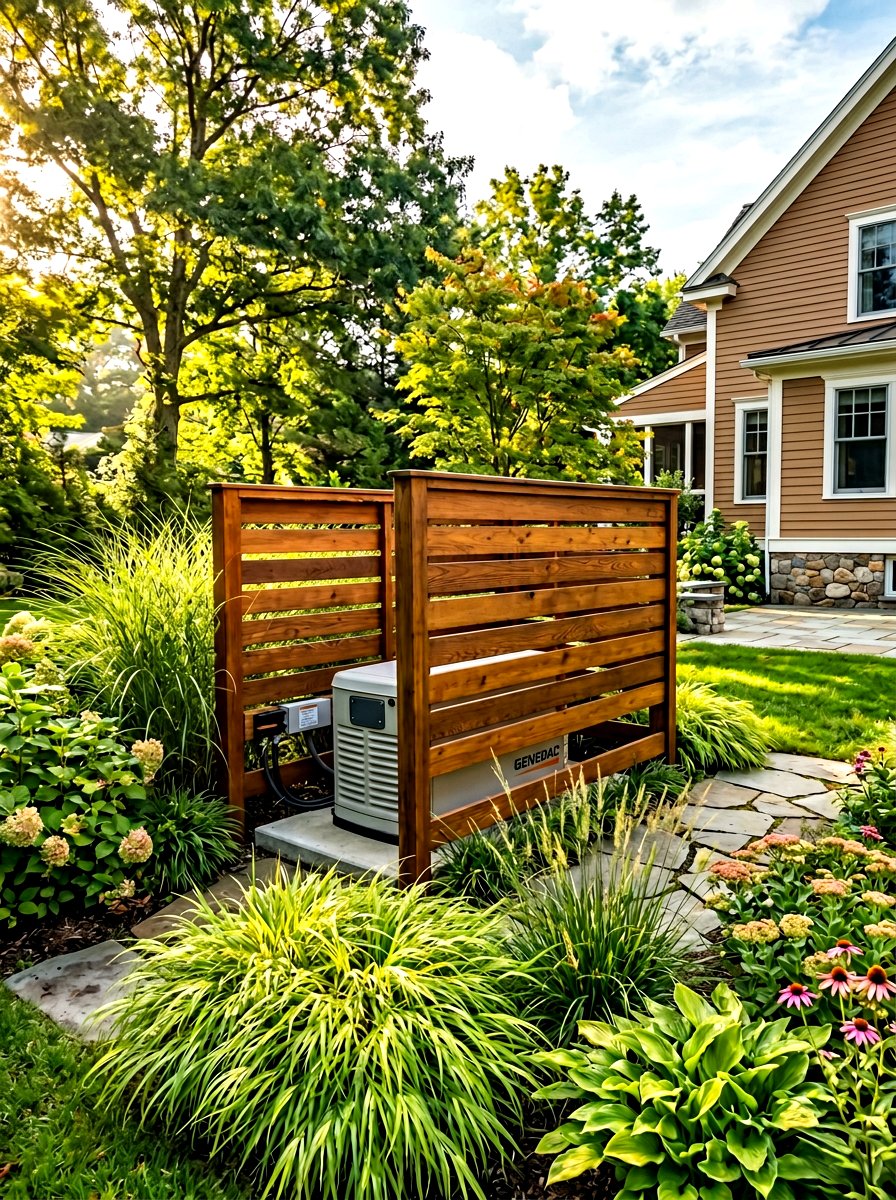
A whole house generator screen is a landscape-focused solution that hides large standby units without completely enclosing them. These screens usually consist of three vertical panels made from decorative wood slats, vinyl, or even metal lattice. They are installed a few feet away from the unit to ensure the manufacturer’s airflow requirements are strictly met while blocking the machine from the street view. This is a popular choice for homeowners who want to maintain curb appeal without building a full roofed structure. You can easily grow climbing vines or place potted plants in front of the screen to further blend it into the surrounding garden beds for a soft look.
10. Cedar Generator Enclosure
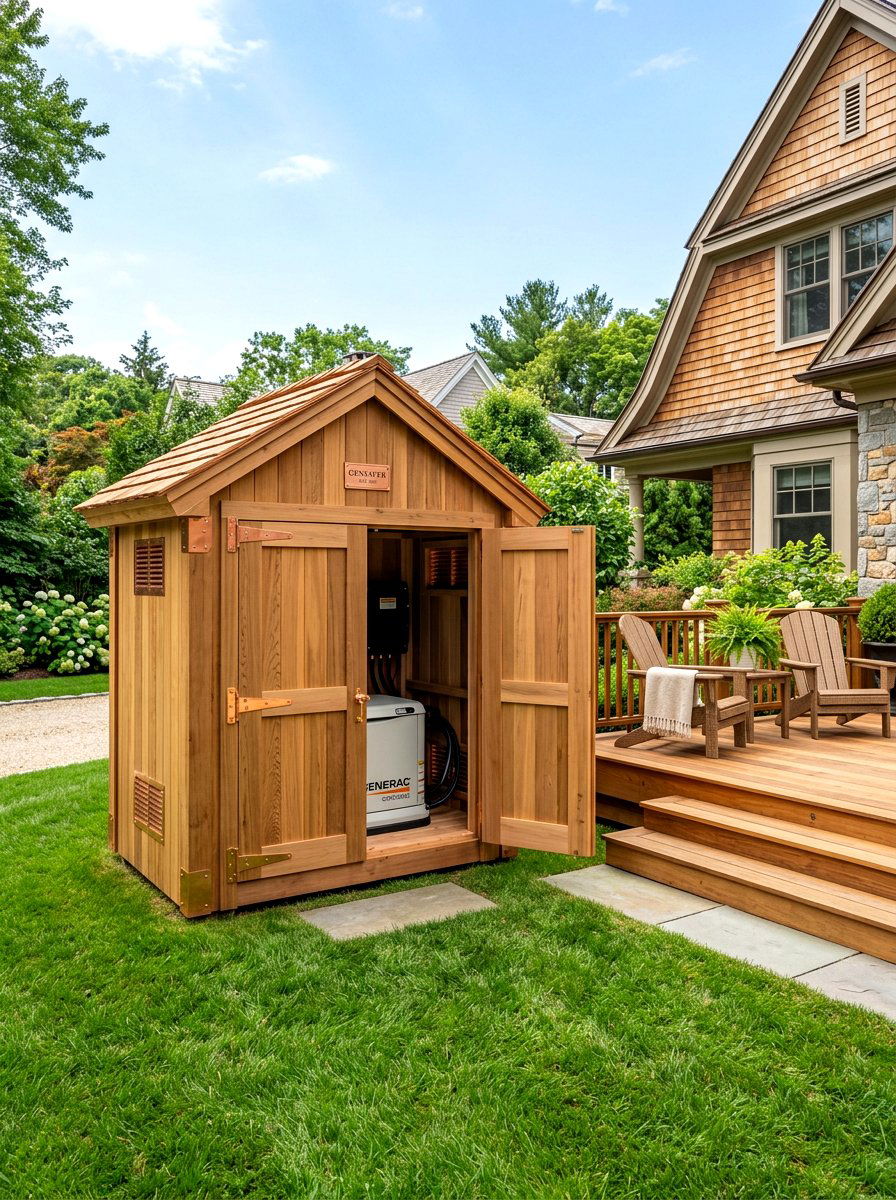
Using cedar for your enclosure provides natural rot resistance and a beautiful aroma that enhances any backyard environment. Cedar is a premium wood that ages gracefully to a silvery-grey patina if left untreated, or it can be sealed to maintain its warm reddish tones. This material is naturally resistant to decay and insects, making it one of the longest-lasting wood options for outdoor structures. A cedar box is sturdy enough to handle heavy snow loads and looks great when paired with matching garden furniture or pergolas. Because it is a soft wood, it is easy to cut and assemble with standard tools, making it a favorite for high-end custom DIY projects.
11. Picket Fence Generator Cover
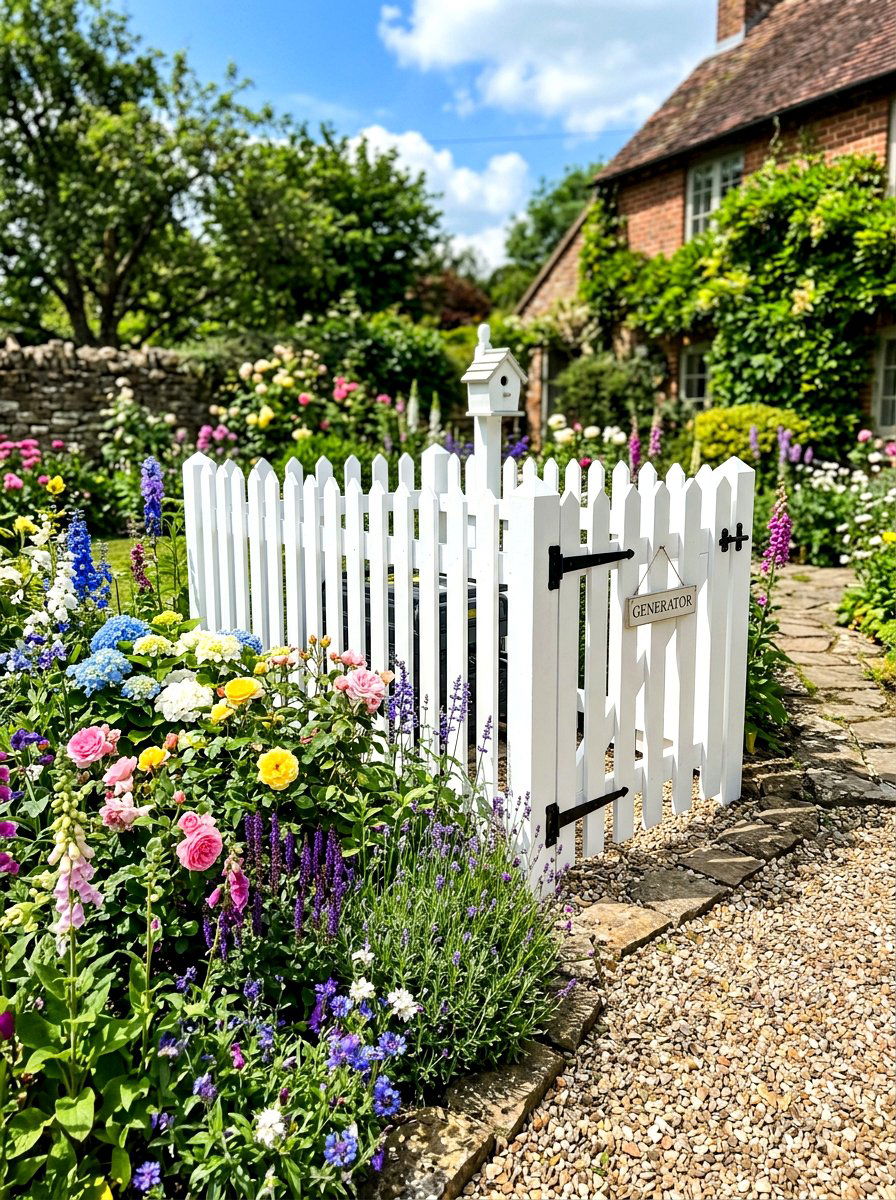
A picket fence generator cover offers a charming, cottage-style look that hides the machine while fitting perfectly into a traditional garden design. By building a small, four-sided fence with a swinging gate, you create a dedicated zone for the equipment that looks like a miniature garden feature. The gaps between the pickets provide natural ventilation, which is essential for cooling the engine during operation. This style is very easy to paint white or a color that matches your home’s trim. It provides a clear physical barrier to keep children and pets away from the hot exhaust while still allowing technicians easy access for scheduled oil changes or repairs.
12. Lattice Generator Screen
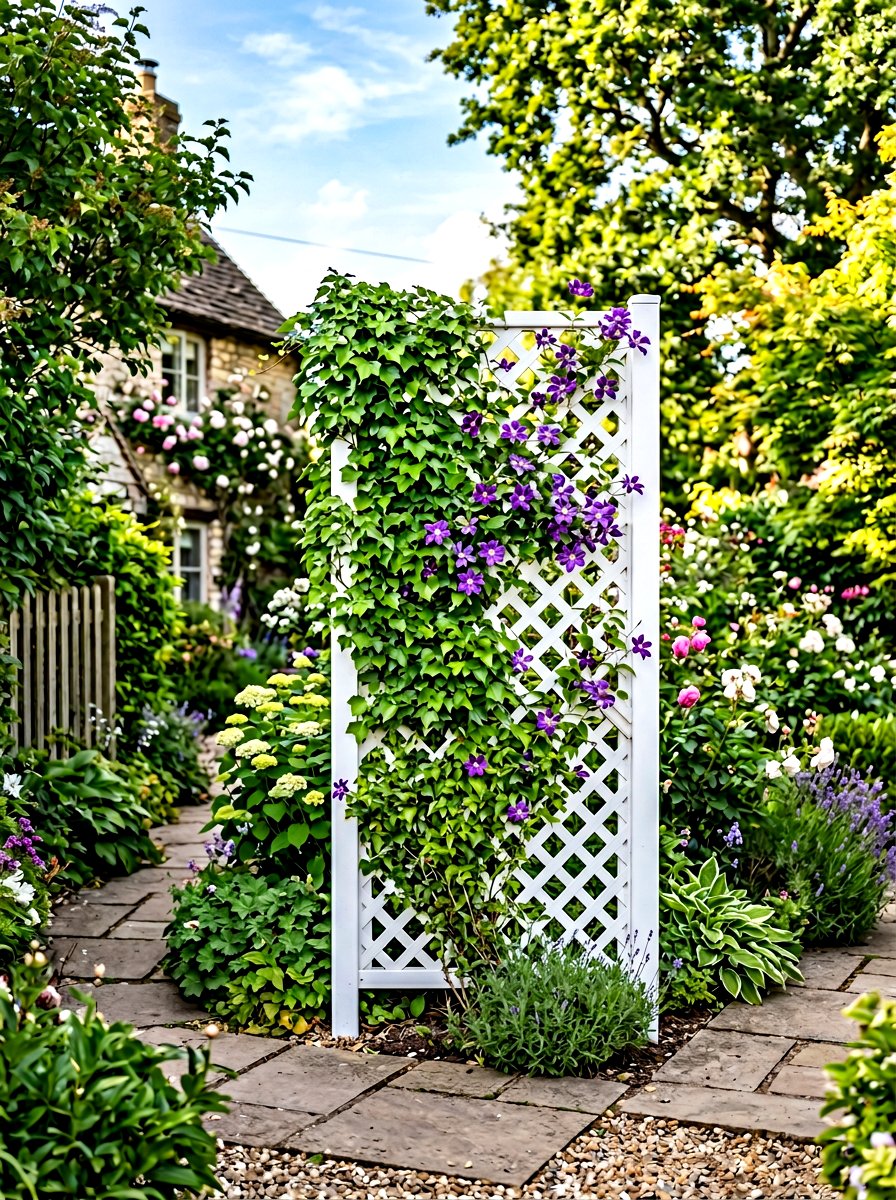
A lattice generator screen is a lightweight and affordable way to camouflage a bulky power unit with a decorative touch. The crisscross pattern of the lattice allows for maximum airflow from every direction, which is the safest environment for an air-cooled engine. You can use wood or vinyl lattice panels framed with sturdy posts to create a semi-transparent wall that breaks up the harsh lines of the machinery. This design is particularly effective when you want to grow climbing plants like jasmine or ivy, which can eventually turn the screen into a living green wall. It is a simple weekend project that provides immediate visual improvement to a side yard or utility area.
13. Stone Generator Housing
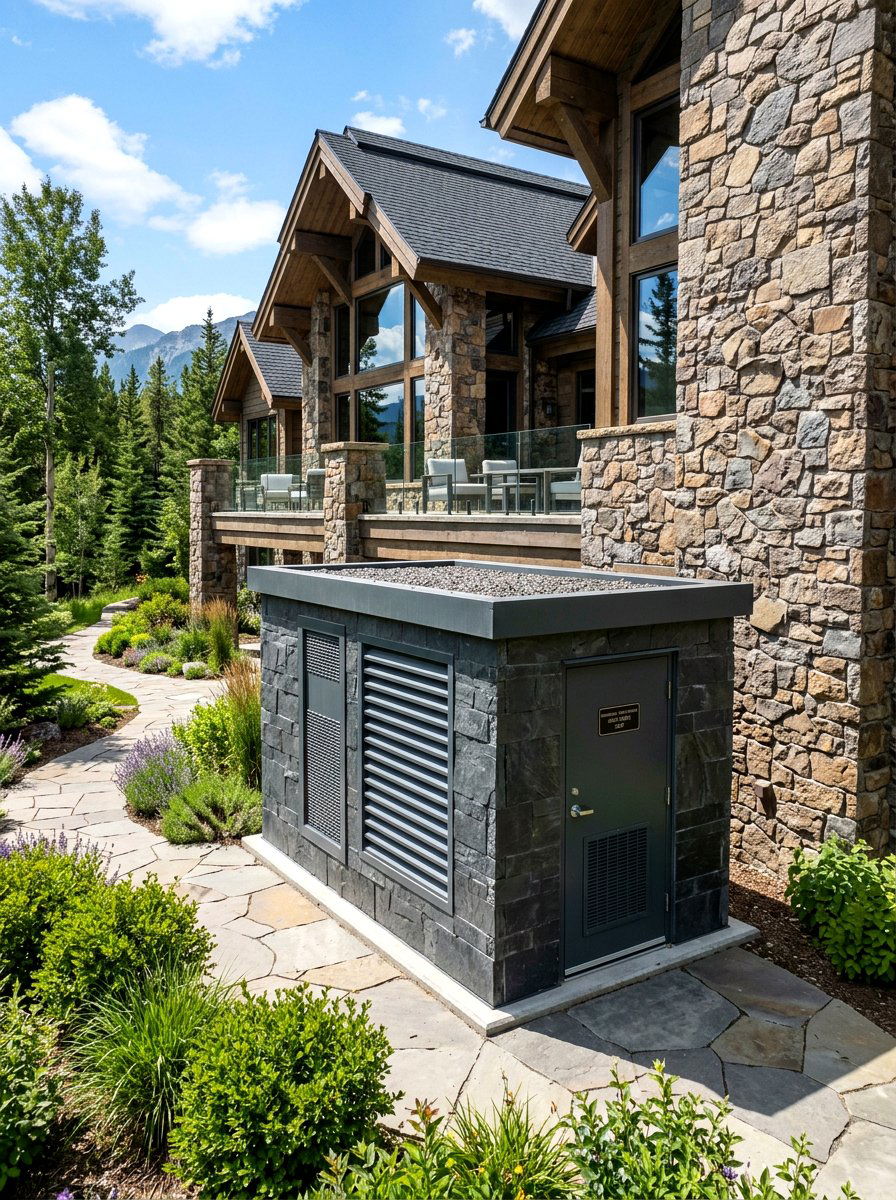
A stone generator housing provides a permanent and incredibly durable solution that looks like a natural extension of your home’s foundation. These enclosures are typically built with a concrete core and finished with a decorative stone veneer to match the masonry on the main house. Because stone is a heavy and dense material, it naturally helps to block some of the lower-frequency noise produced by the engine. You must include large metal vents in the stonework to ensure the unit does not overheat. This is a high-end option that adds value to your property while providing a sophisticated and rugged look that will last for decades with almost no maintenance required.
14. Concrete Block Generator Shelter
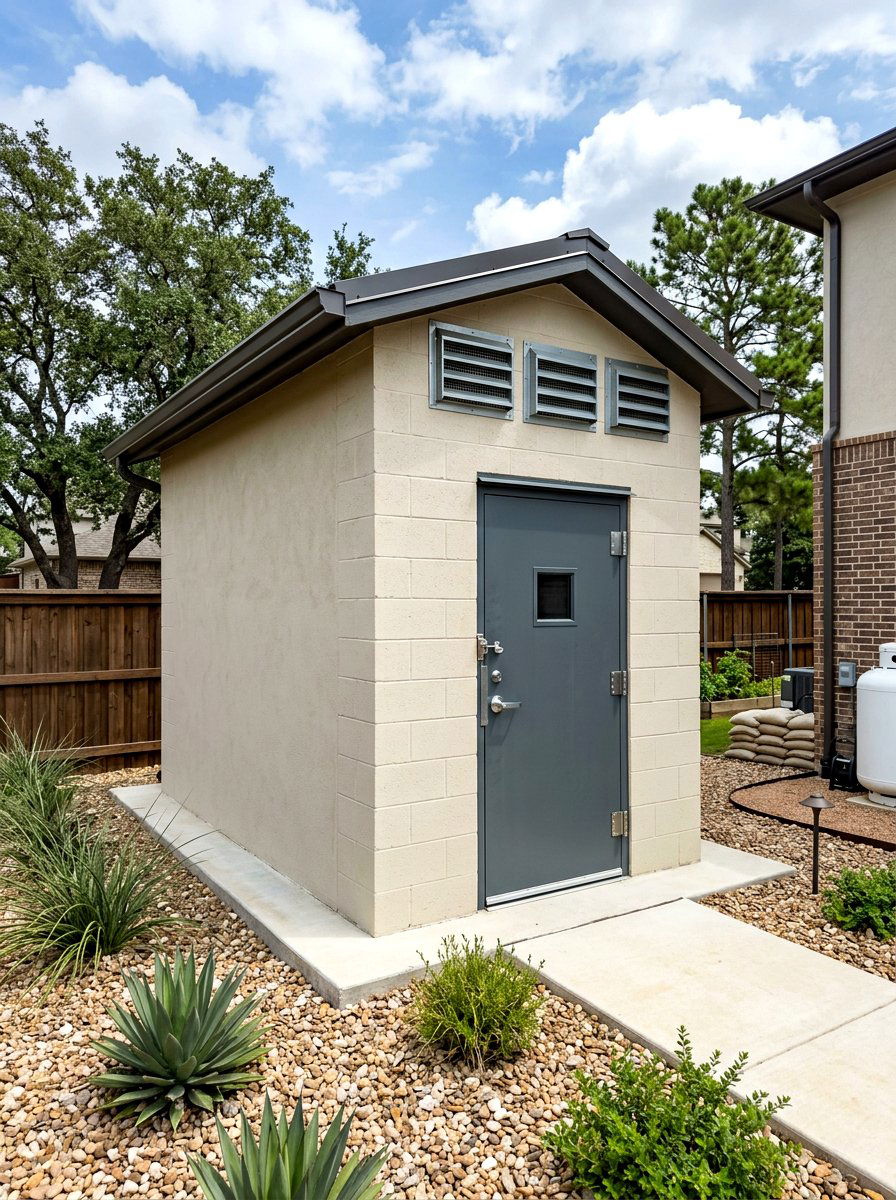
For maximum protection against severe weather like hurricanes or tornadoes, a concrete block generator shelter is the strongest option available. These structures are built using standard cinder blocks and are often anchored deep into a concrete pad for absolute stability. The thick walls provide an excellent fire rating and can protect the generator from flying debris during high-wind events. Because concrete is very basic in appearance, many homeowners choose to stucco the exterior or paint it to match the house. It is essential to install heavy-duty steel vents and a reinforced door to maintain the structural integrity while ensuring the machine receives the huge amount of fresh air it needs.
15. Vertical Generator Shed
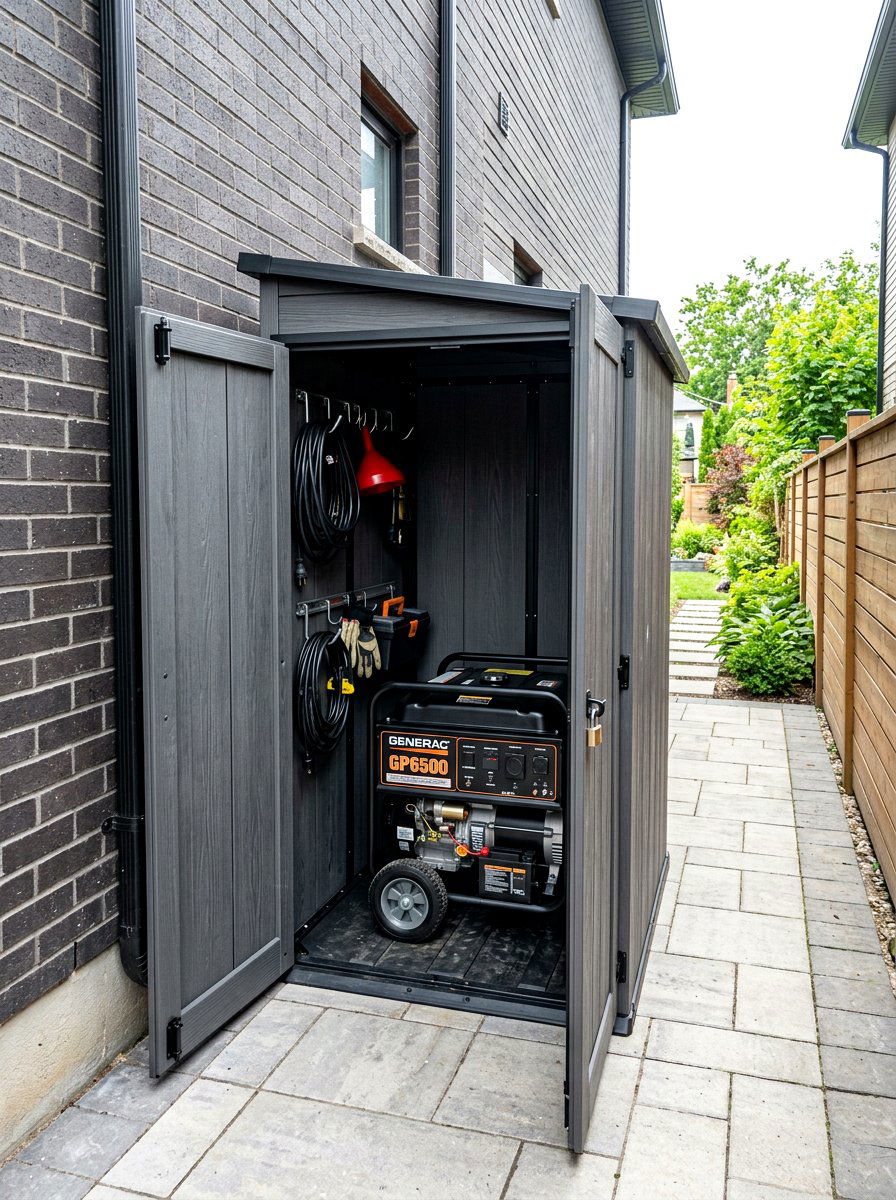
A vertical generator shed is a smart design for homeowners with limited ground space who need to store a taller machine or extra fuel cans. This type of shed is designed with a smaller footprint but extra height, allowing you to easily stand inside or reach the upper components of the unit. These are often made from weather-resistant resin or treated wood and feature tall front doors that open wide. The vertical design makes it easier to organize cables and accessories on interior wall hooks, keeping the floor area clear and tidy. It is a perfect solution for narrow side yards where a wide, horizontal box would block the walkway or access to the backyard.
16. Flip Top Generator Box
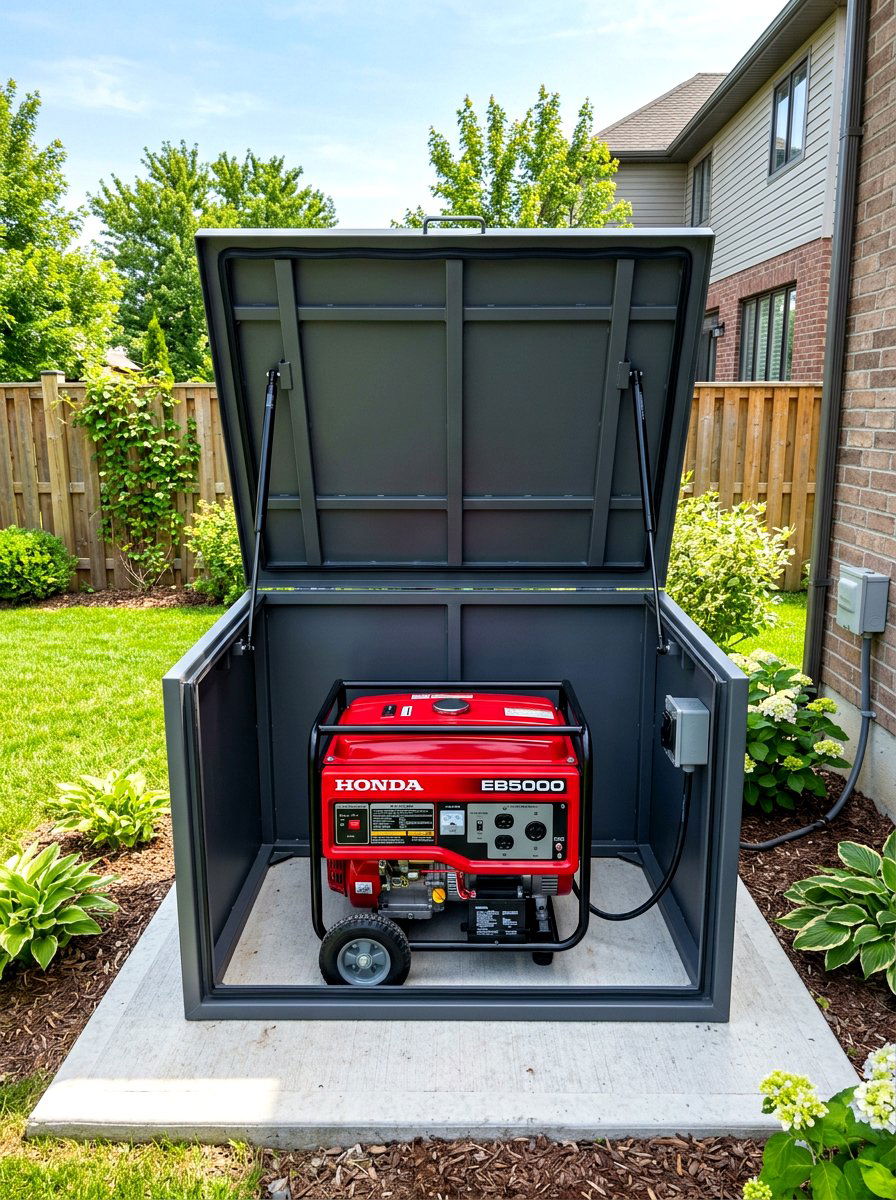
A flip top generator box is designed for ultimate convenience when it comes to fueling and routine maintenance checks. The entire roof of the enclosure is attached with heavy-duty hinges and gas struts, allowing it to lift effortlessly and stay open while you work. This gives you full overhead access to the gas cap and control panel without having to crouch inside a dark shed. The front panels usually fold down or open like doors, providing total access to the engine and battery. This design is excellent for smaller portable units that require frequent manual starting and fueling. It provides a tight seal when closed to keep out rain and pests during storage.
17. Lean To Generator Shed
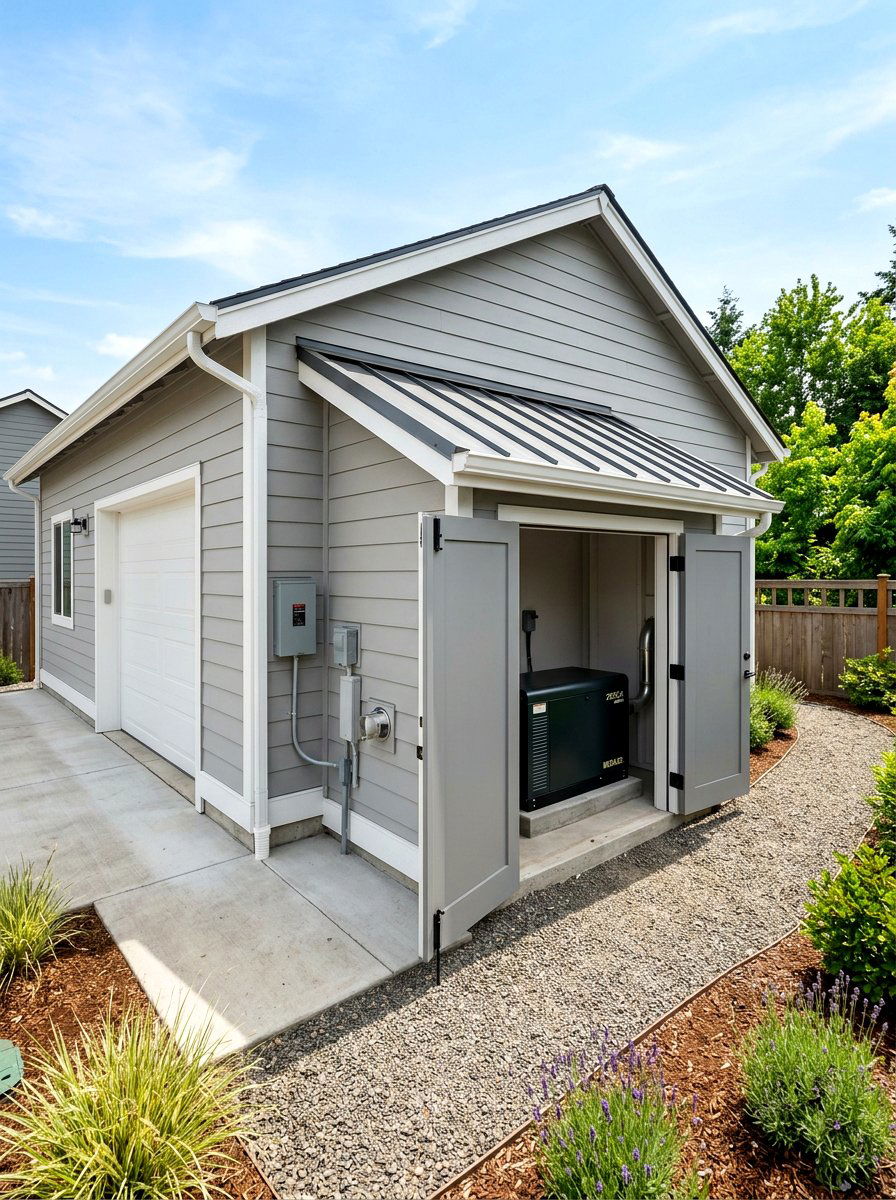
A lean to generator shed is an efficient structure that uses the side of your house or an existing outbuilding as one of its walls. This design saves on material costs and provides a very stable anchor for the roof and side panels. By sloping the roof away from the house, you ensure that rainwater and snow do not pool against the foundation. These sheds are often built with a simple wooden frame and finished with siding that matches the main building for a seamless appearance. It is a practical way to create a protected utility zone that keeps the generator close to the electrical transfer switch while saving valuable space in the middle of the yard.
18. Custom Generator Enclosure
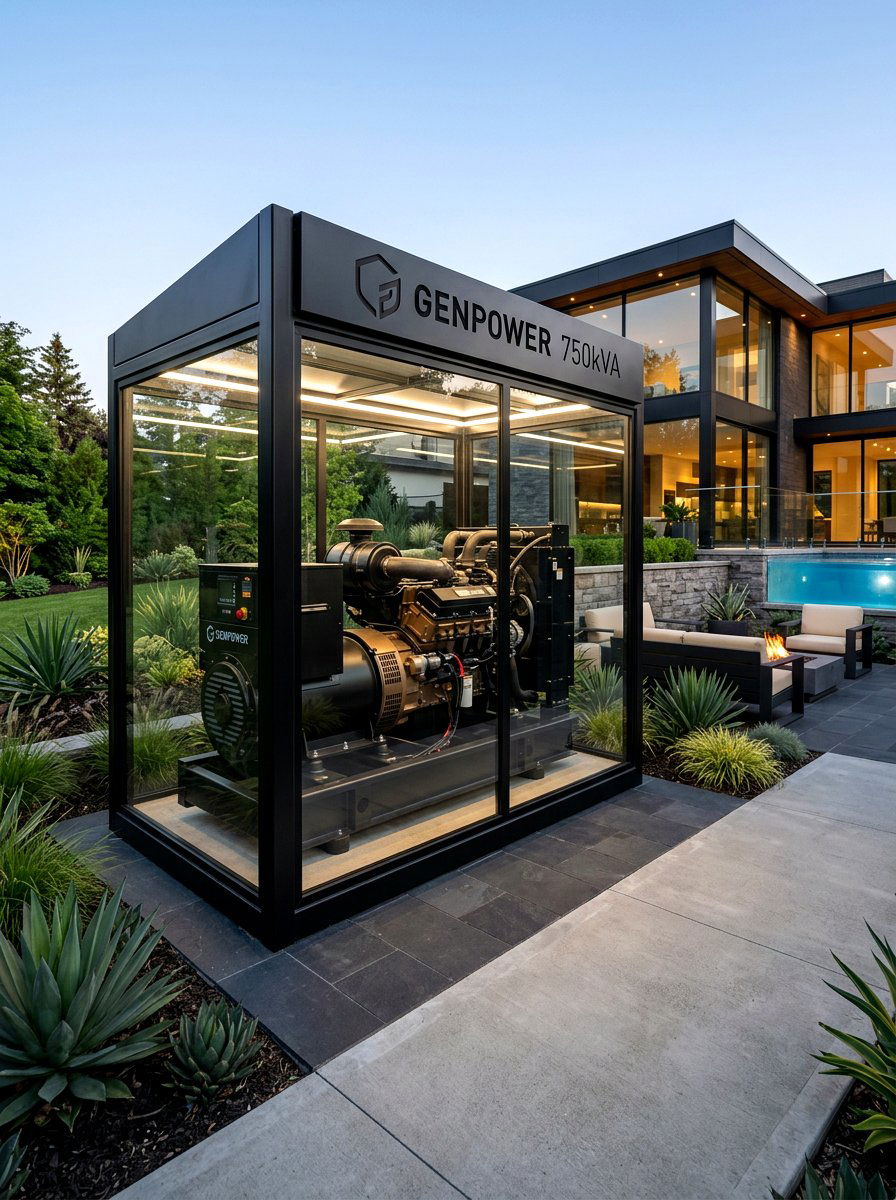
A custom generator enclosure is the best way to ensure every specific need of your power system and landscape is met perfectly. When you work with a professional builder, you can incorporate advanced features like automatic shutters that open when the machine starts or integrated fire suppression systems. These structures can be designed to match any architectural style, from ultra-modern glass and steel to rustic timber frames. The benefit of going custom is the ability to precisely engineer the acoustics and airflow for your specific model’s requirements. While this is the most expensive path, it results in a beautiful and highly functional piece of equipment that enhances the overall value of your property.
19. Sound Dampened Generator Box
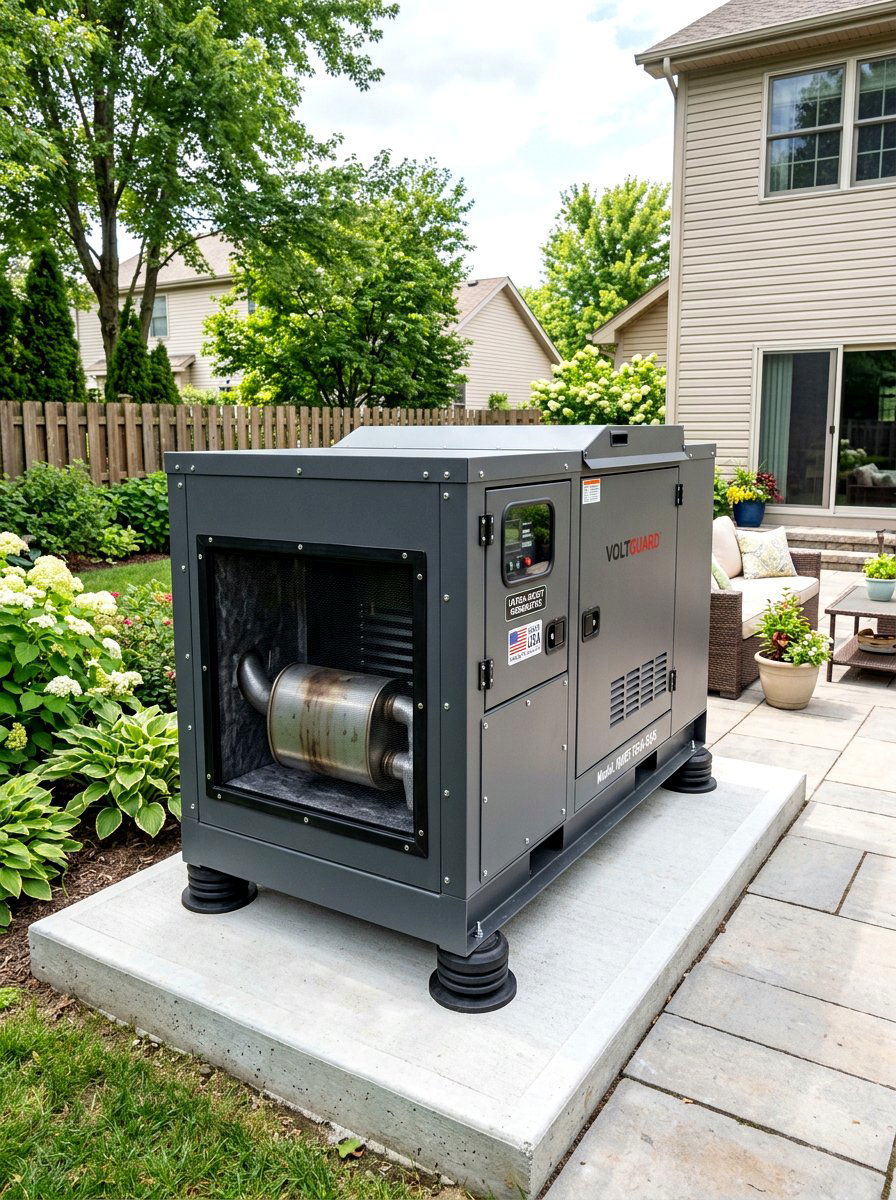
A sound dampened generator box goes a step further than standard enclosures by using specialized vibration isolation mounts to prevent noise from traveling through the ground. The interior walls are often treated with a combination of mass-loaded vinyl and open-cell foam to catch a wide range of sound frequencies. This type of enclosure is essential if the unit is located near a bedroom window or a neighbor's patio. The exhaust system is typically fitted with an additional residential-grade muffler to quiet the engine’s roar even further. By focusing on both airborne and structural noise, these boxes make the presence of a running generator almost unnoticeable from a short distance, ensuring a peaceful environment.
20. Insulated Generator Shed
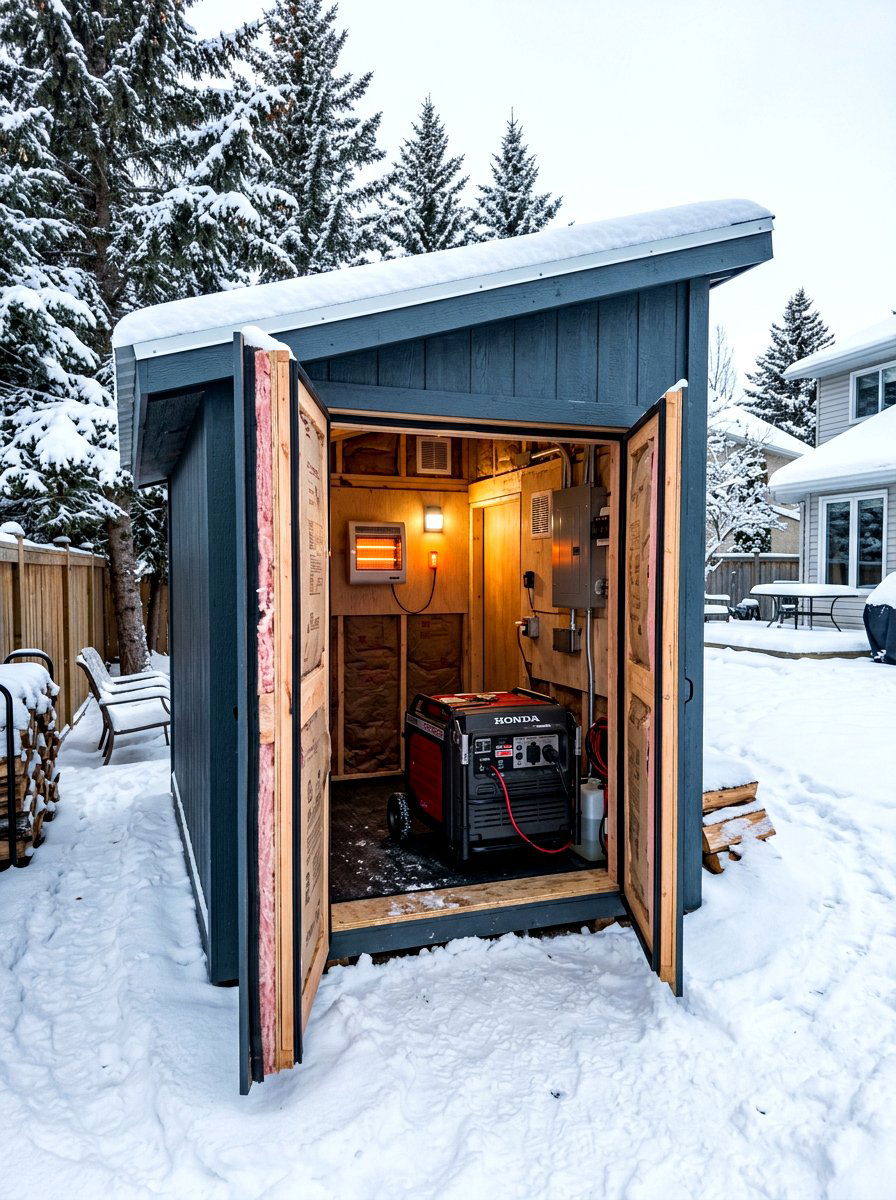
An insulated generator shed is specifically designed for homeowners living in extremely cold climates where engines can be difficult to start. These structures use thermal insulation in the walls to help retain a small amount of heat, often provided by a dedicated battery warmer or a small space heater. This keeps the oil and internal components at a temperature that ensures a reliable start when the power fails during a winter storm. The insulation also provides an added benefit of noise reduction during operation. You must ensure that the intake louvers are designed to prevent snow from drifting inside, which could block the airflow and lead to the machine stalling when you need it most.
21. Modern Generator Cover
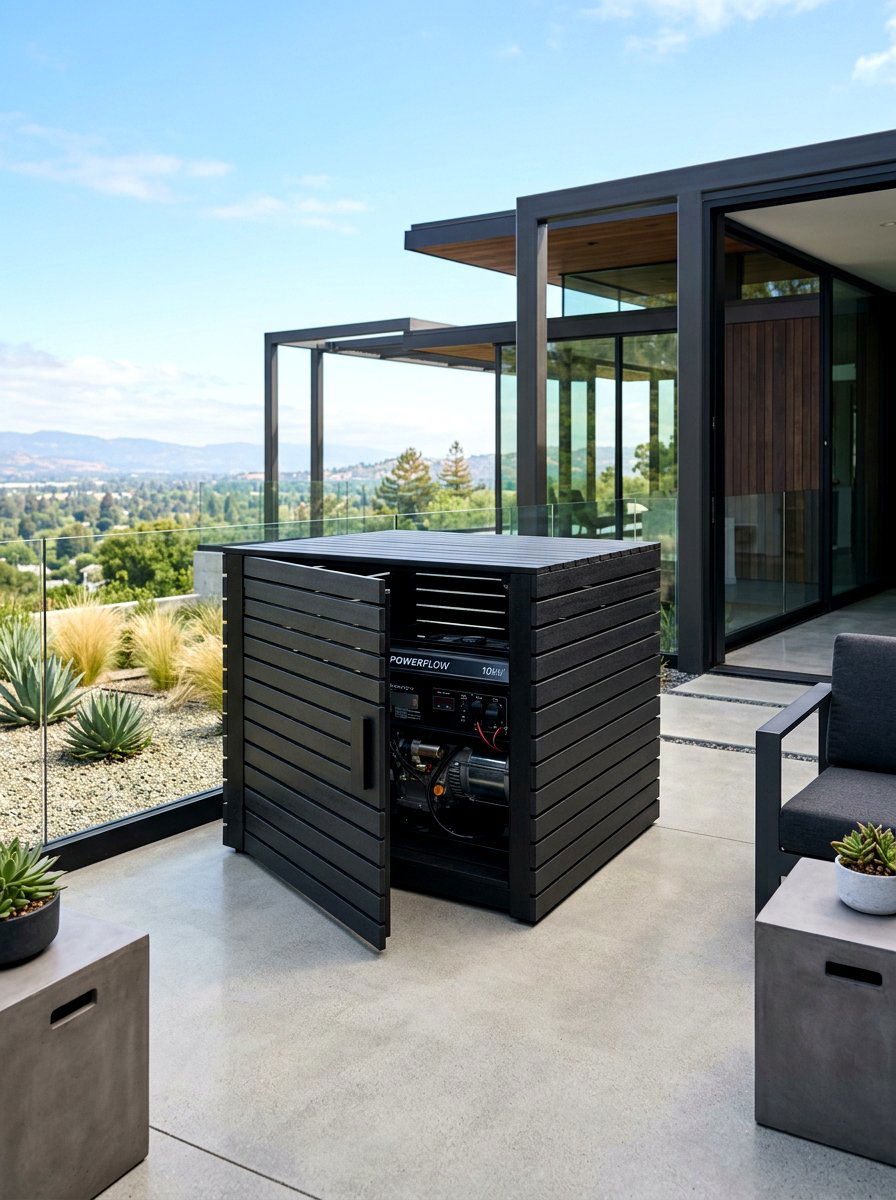
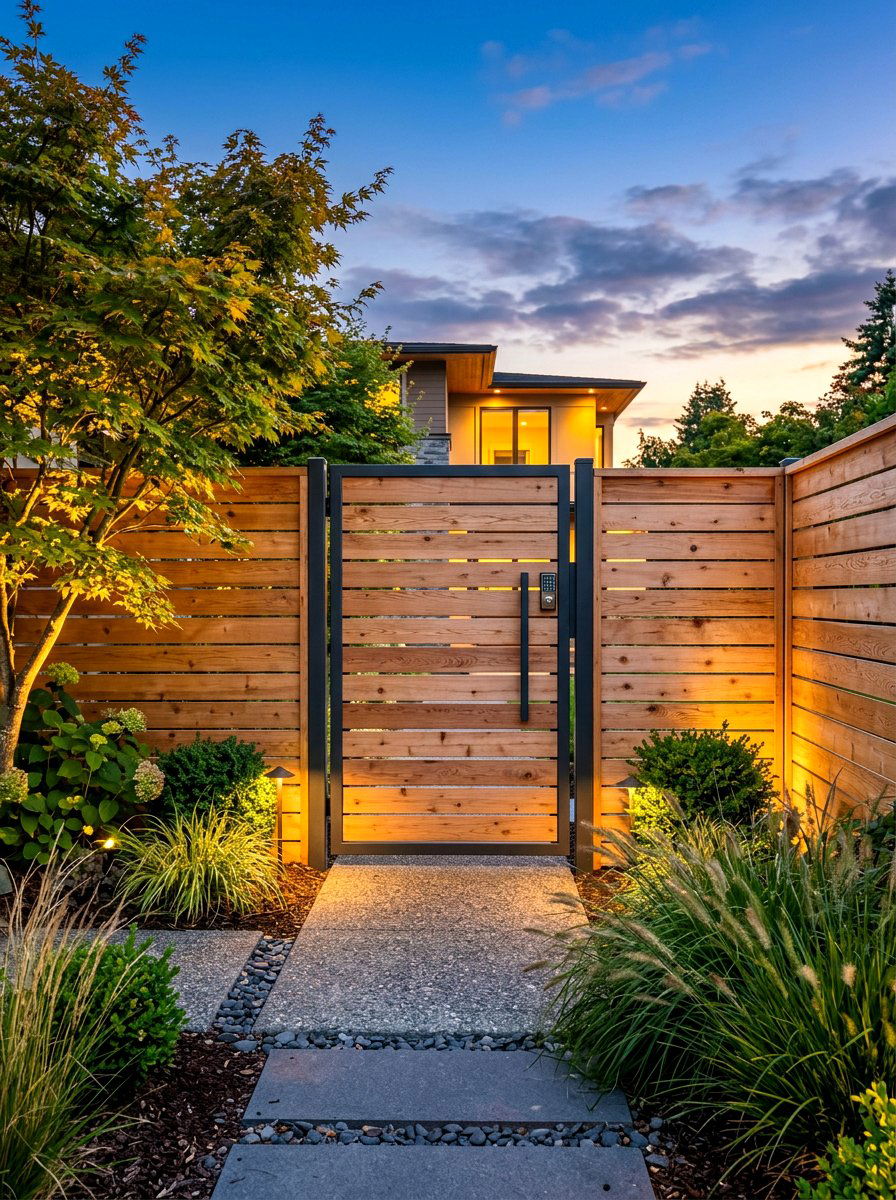
A modern generator cover features clean lines, minimalist materials, and a sleek aesthetic that complements contemporary home designs. Often constructed from dark slate, powder-coated aluminum, or horizontal composite slats, these enclosures look like high-end outdoor furniture rather than utility boxes. Many modern designs prioritize hidden fasteners and integrated handles for a seamless look. These covers are popular in urban settings where every element of the outdoor space is carefully curated. They provide the necessary protection and ventilation without sacrificing the sophisticated visual appeal of the backyard. Using contrast colors like black or charcoal can make the enclosure a deliberate design statement that looks very professional and polished against a light-colored home.
22. Pallet Generator Box
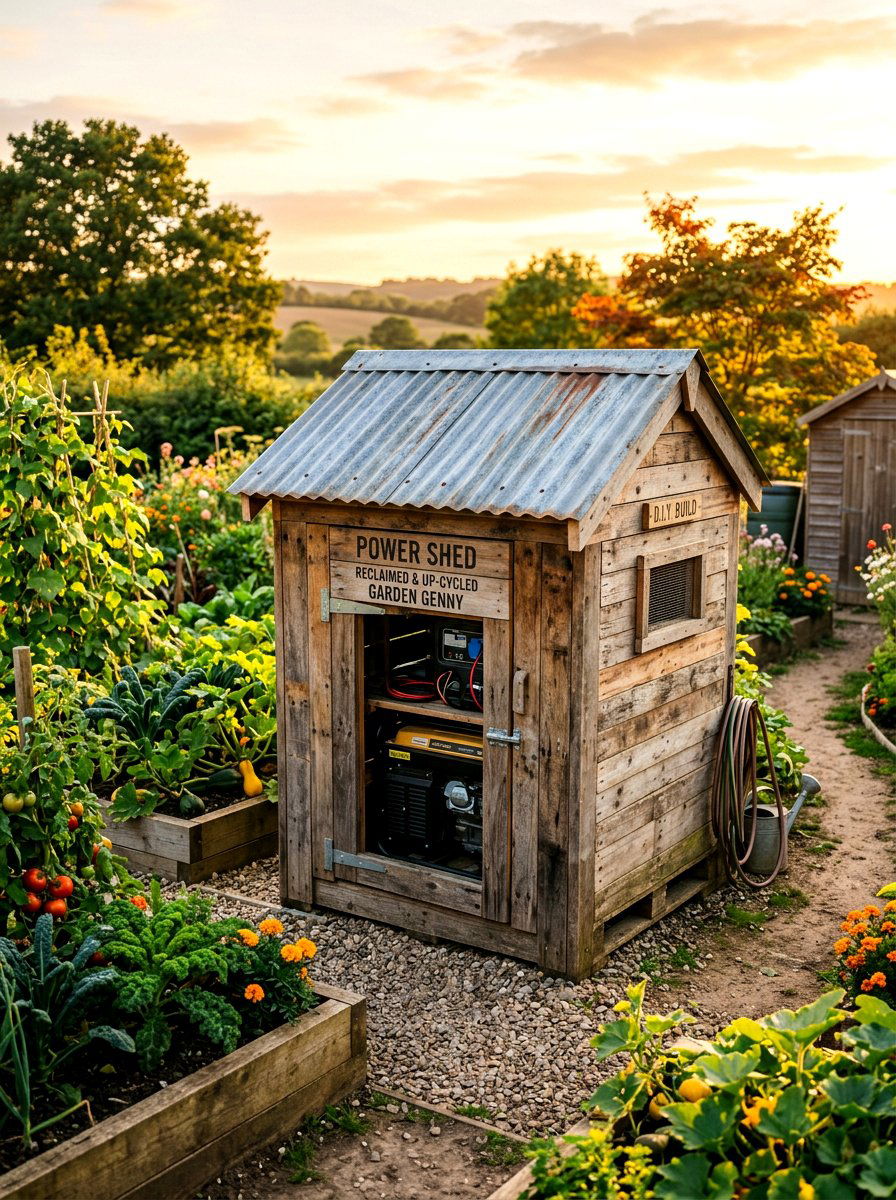
A pallet generator box is a fantastic budget-friendly project for those who enjoy upcycling materials and want a rustic look. Using heat-treated wooden pallets, you can construct a sturdy frame and siding for very little cost. The natural gaps between the pallet slats provide excellent ventilation, though you may want to add a solid roof covered in shingles or metal to keep the machine dry. This type of enclosure has a rugged, farmhouse charm that looks great in more casual garden settings. It is easy to customize the size by adding more pallets, and you can finish the wood with a dark outdoor stain to make it look much more expensive than it actually is.
23. Heavy Duty Generator Enclosure
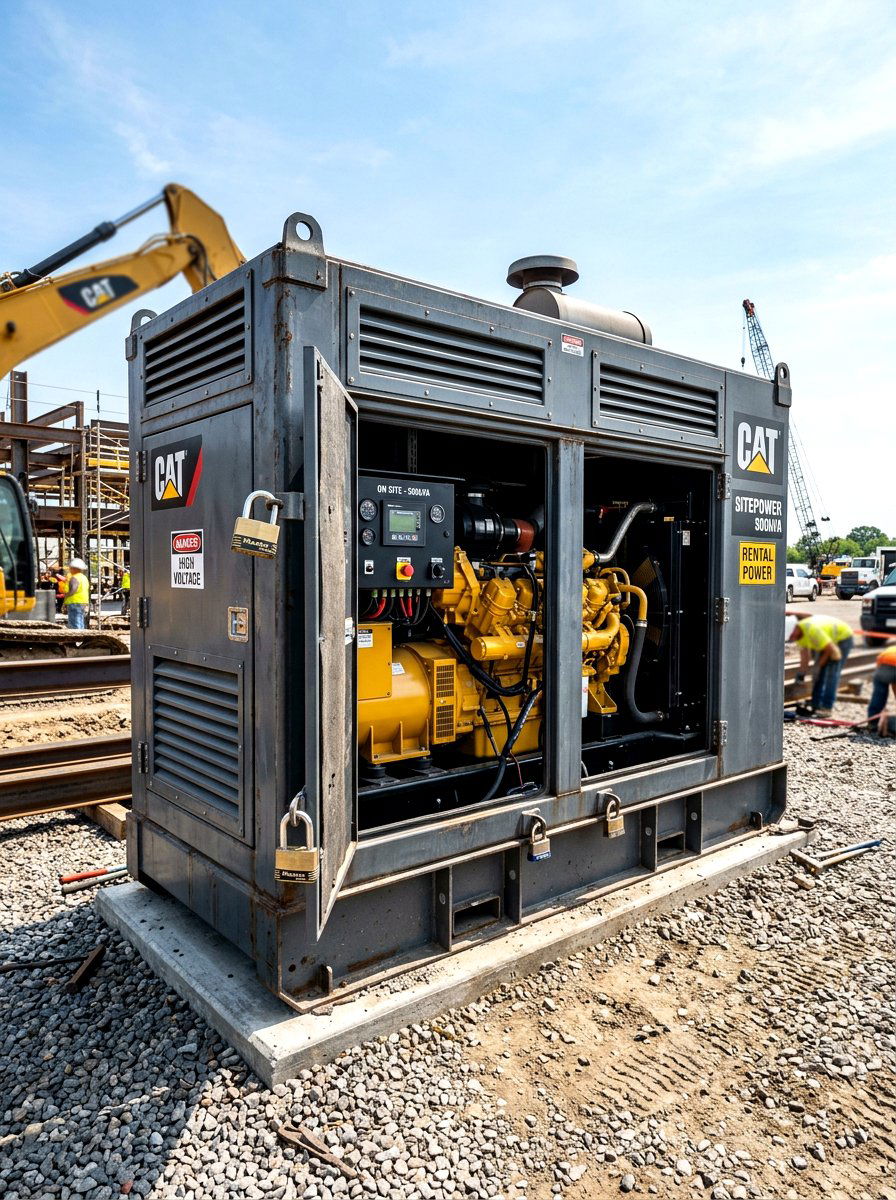
A heavy duty generator enclosure is built to withstand the most demanding environments, such as construction sites or industrial yards. These are typically made from thick-gauge reinforced steel and feature industrial-strength hinges and padlocks to prevent unauthorized access. The floor is often a reinforced steel skid that allows the entire unit to be moved by a forklift if necessary. These enclosures are designed for long-term outdoor exposure and offer the highest level of physical protection against impacts and theft. While they are more functional than decorative, they are the gold standard for anyone who needs to secure their power source in a high-traffic or remote location where security is a major concern.
24. Weatherproof Generator Housing
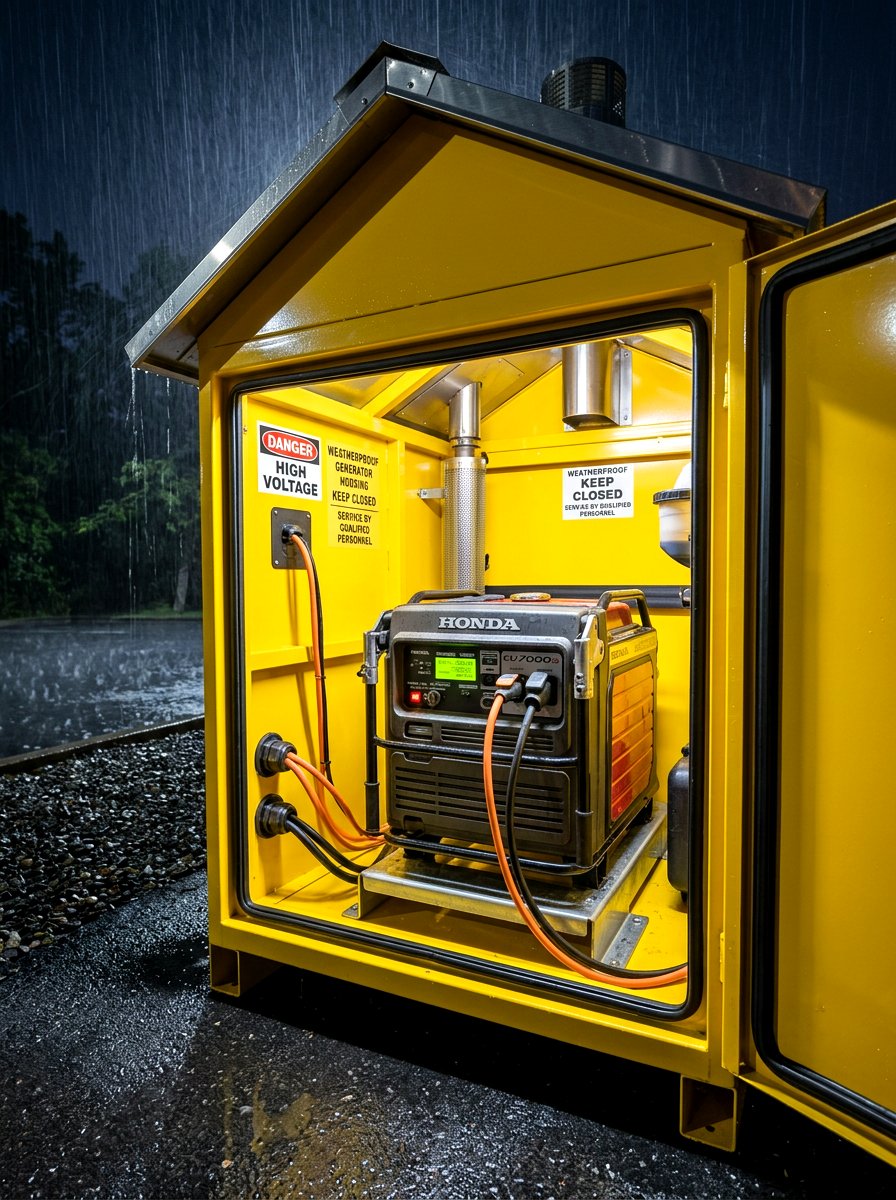
A weatherproof generator housing is designed with one single goal: keeping moisture and debris away from the sensitive internal components. These units use high-quality gaskets and seals on every door and access panel to ensure that driving rain cannot penetrate the interior. The roof is usually pitched at a steep angle to shed water quickly and prevent ice buildup in the winter. Special attention is paid to the air intake hoods, which are designed to let in air while blocking water droplets. This type of enclosure is vital in regions with high humidity or frequent heavy storms, as it prevents rust and electrical shorts that could permanently damage your expensive backup power system.
25. Quiet Generator Box
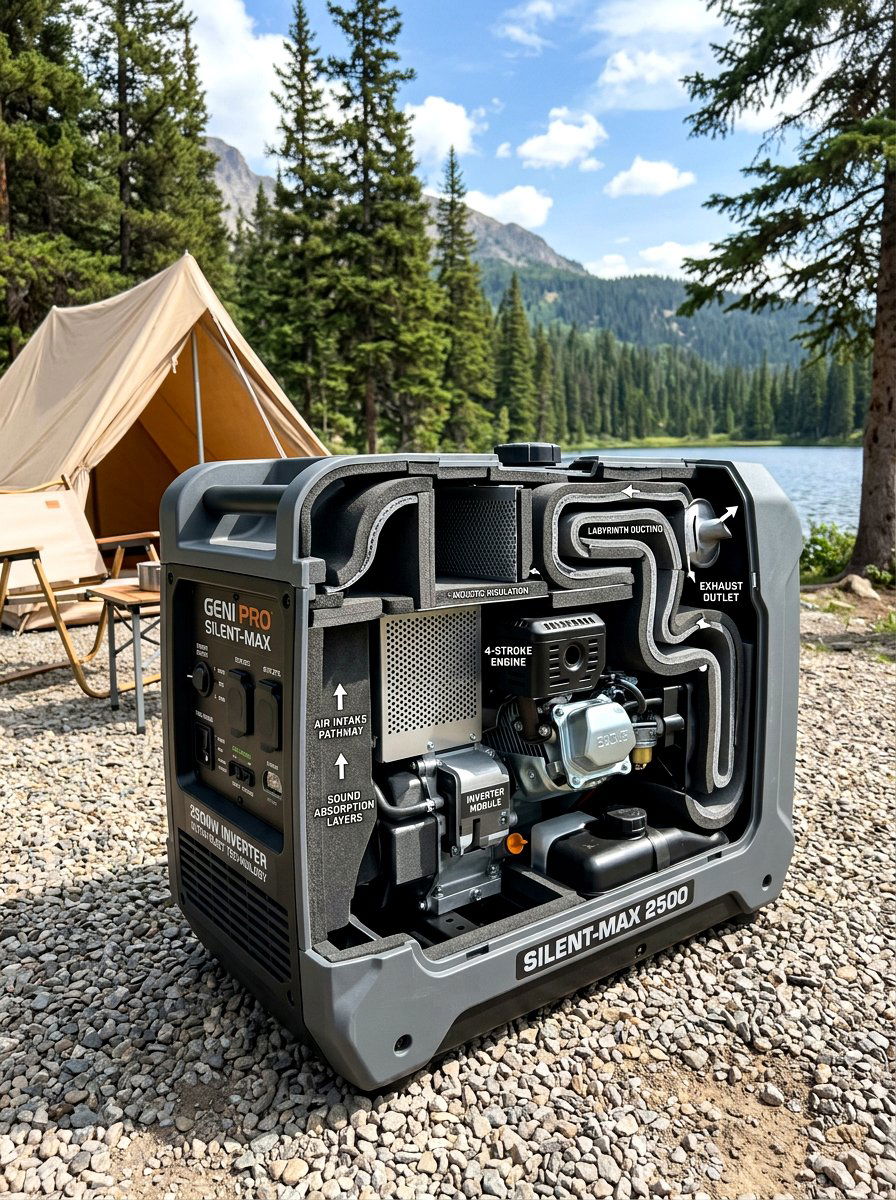
A quiet generator box focuses on specialized engineering to reduce the high-pitched mechanical whine of the engine. Unlike standard soundproofing, these boxes often use a series of internal chambers that force sound to bounce off multiple surfaces before escaping, losing energy with each impact. This "labyrinth" design is highly effective at reducing decibel levels without restricting the air volume needed for cooling. Many of these units are portable, making them popular for recreational use where a loud engine would ruin the quiet of nature. They are often made from lightweight composite materials that are easy to transport but offer the dense acoustic properties required to keep the surrounding area peaceful during operation.
26. Backyard Generator Storage
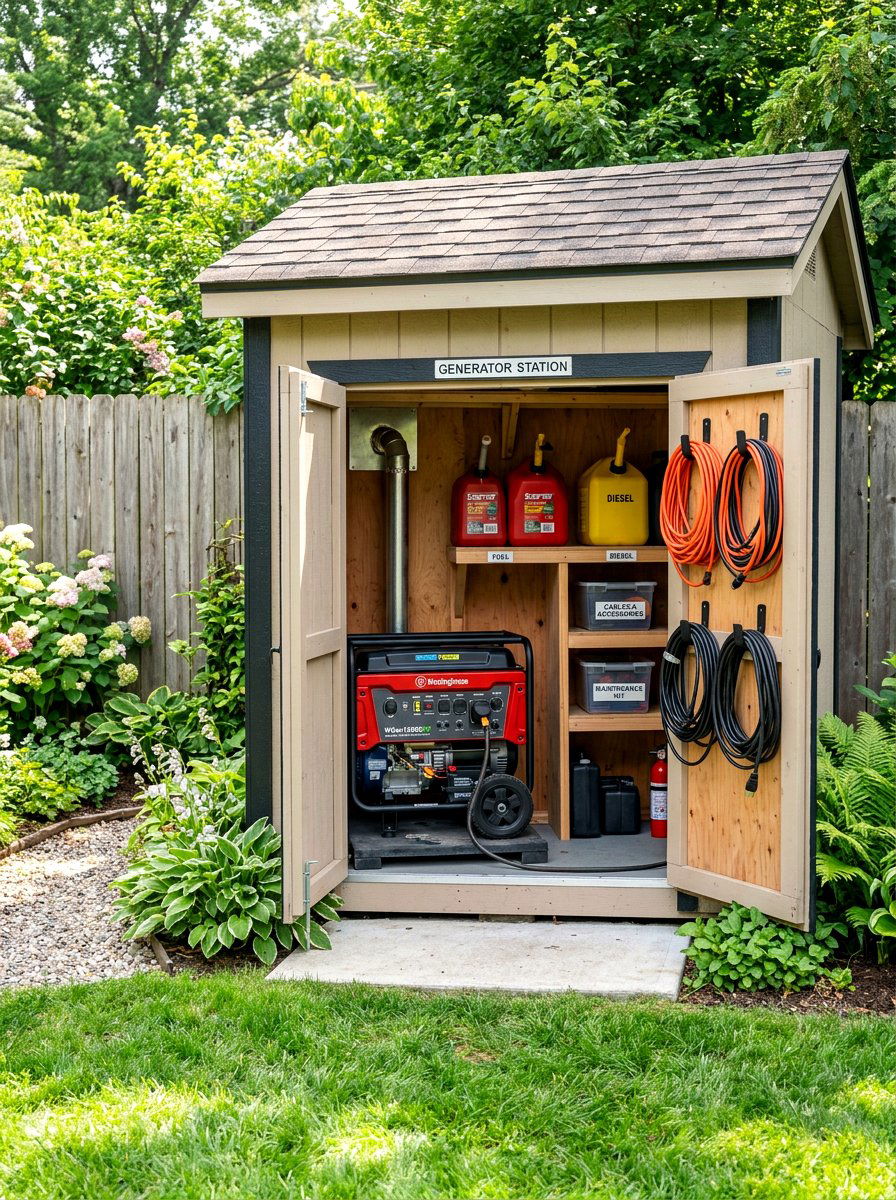
Backyard generator storage solutions are often designed to look like standard garden sheds or tool cabinets to hide their true purpose. By using a pre-made storage building, you can easily house both the generator and its accessories, like heavy-duty extension cords and extra fuel containers, in one organized location. It is important to modify these structures with proper floor vents and exhaust ports if you plan to run the machine while it is inside. This multi-purpose approach keeps your utility area looking tidy and ensures that everything you need for a power outage is in one place. It is a practical way to integrate the machine into your existing outdoor organizational system.
27. Low Profile Generator Shed
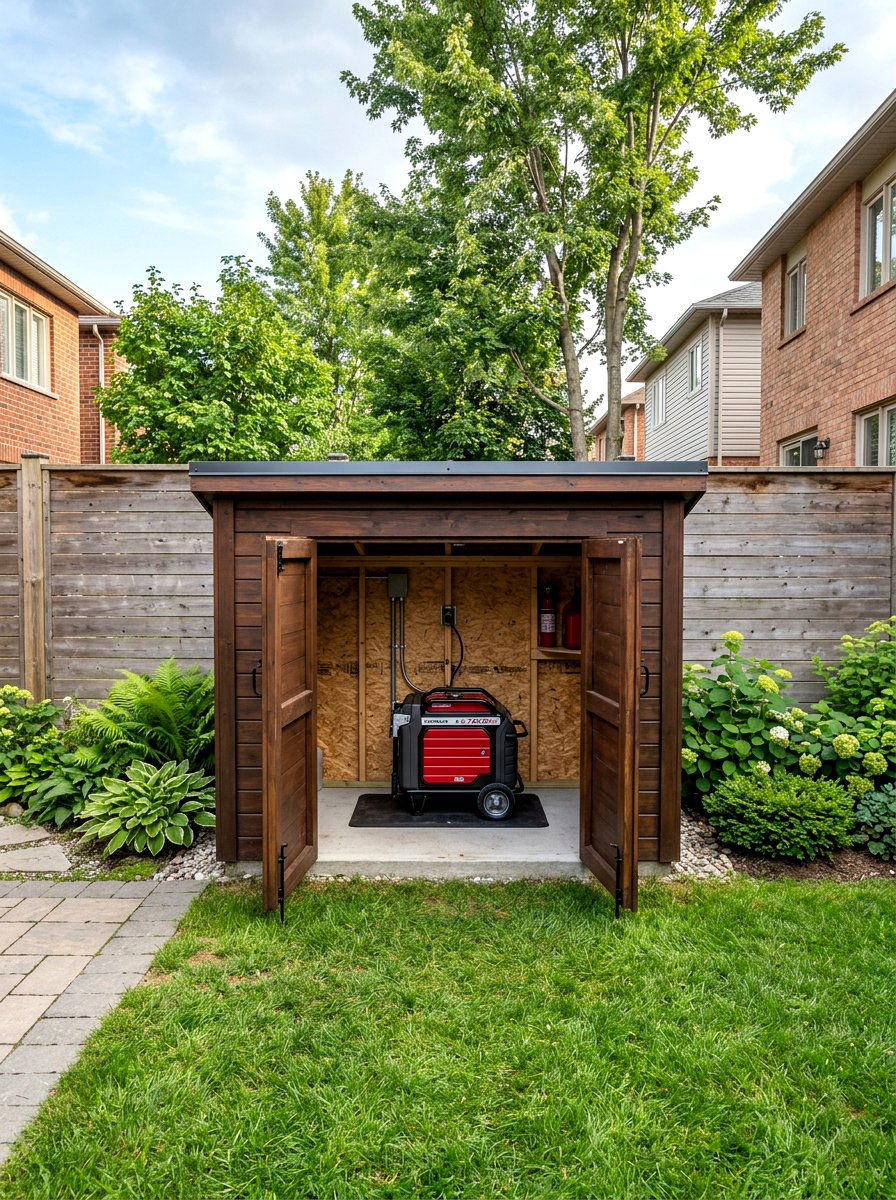
A low profile generator shed is designed to sit below the height of a standard fence line, making it virtually invisible from the street or a neighbor's yard. These enclosures are horizontal in shape and often feature a lift-up lid and front-opening doors for easy access. They are perfect for residential areas with strict homeowner association rules that forbid tall outbuildings or visible utility equipment. By using materials that match the color of your home’s foundation or siding, the shed can blend into the background. Despite the small vertical height, they provide ample internal space for the generator to operate safely with the lid and doors open during a power outage.
28. Composite Generator Enclosure
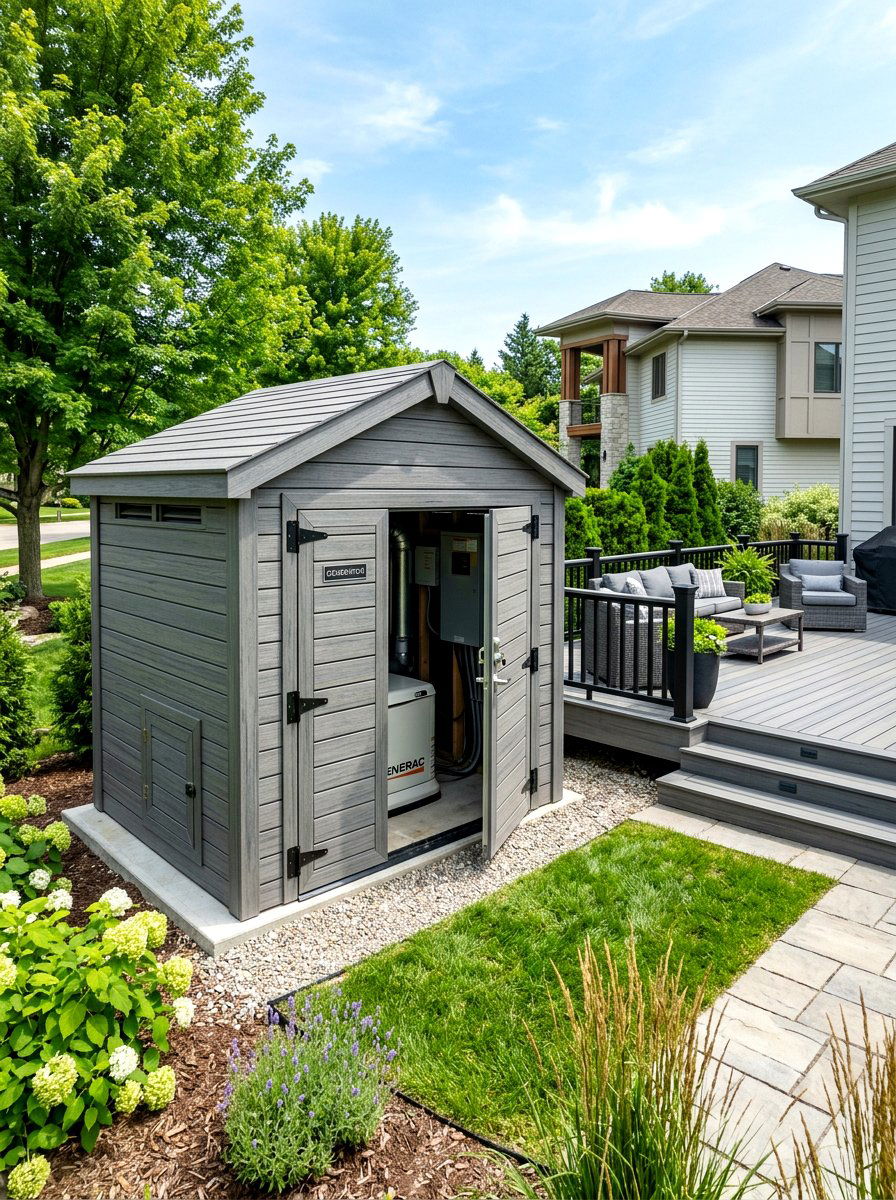
A composite generator enclosure uses modern deck materials like Trex or Azek to create a structure that will never rot, warp, or need painting. These materials are made from a blend of wood fibers and recycled plastic, offering the beauty of natural wood with the durability of a synthetic product. A composite box is highly resistant to UV rays and moisture, making it a "set it and forget it" solution for busy homeowners. Because these boards come in a wide variety of colors and textures, you can easily match the enclosure to your existing deck or porch. It provides a high-end, finished look that stays looking brand new for many years.
29. Garden Generator Screen
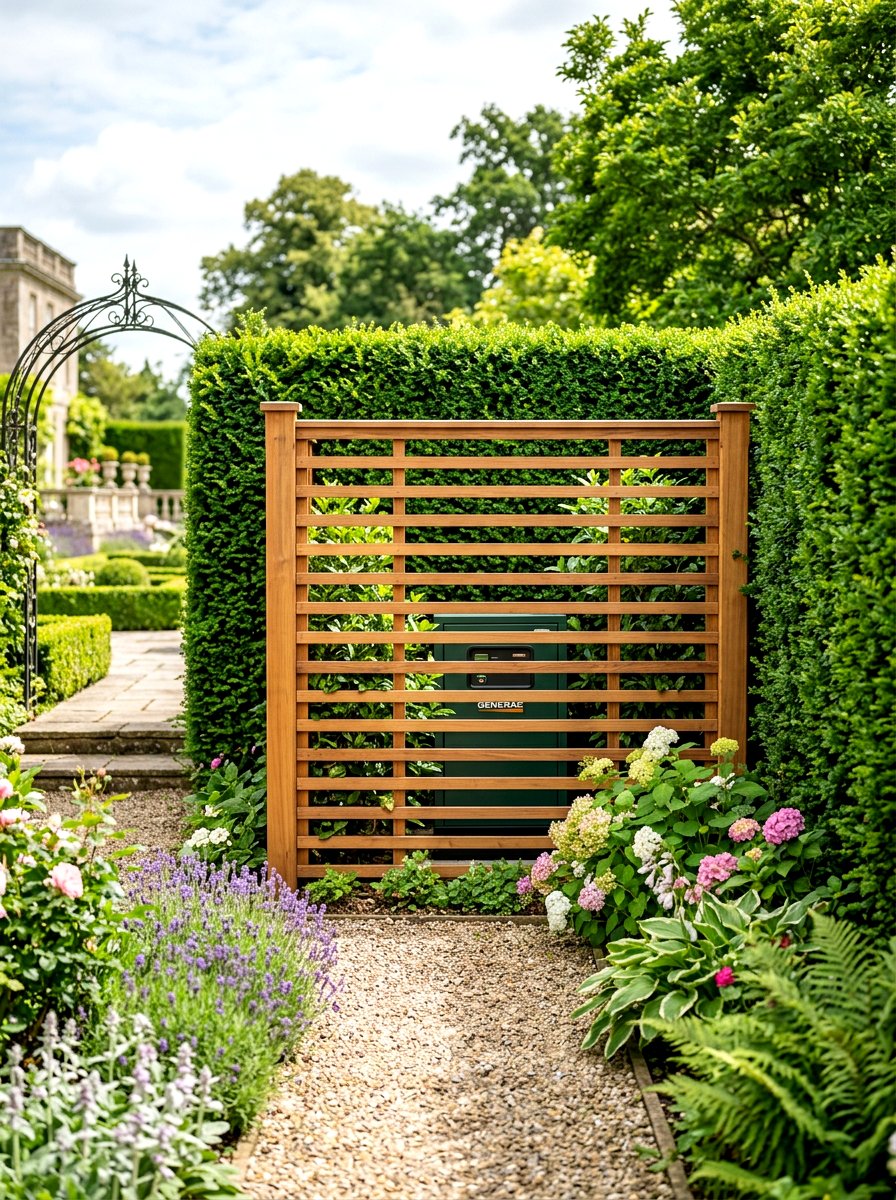
A garden generator screen is a decorative approach that uses natural elements to hide the industrial look of a power unit. This often involves a combination of a wooden lattice or vinyl fence panels with strategic plantings of evergreen shrubs like boxwood or arborvitae. The key is to leave a clear path for technicians to access the unit while using the greenery to soften the visual impact of the machine. This living wall approach helps to absorb some of the noise and makes the generator feel like a planned part of the landscape. It is an ideal solution for gardeners who want to keep their backyard looking like a lush sanctuary without any visible machinery.
30. Fire Resistant Generator Box
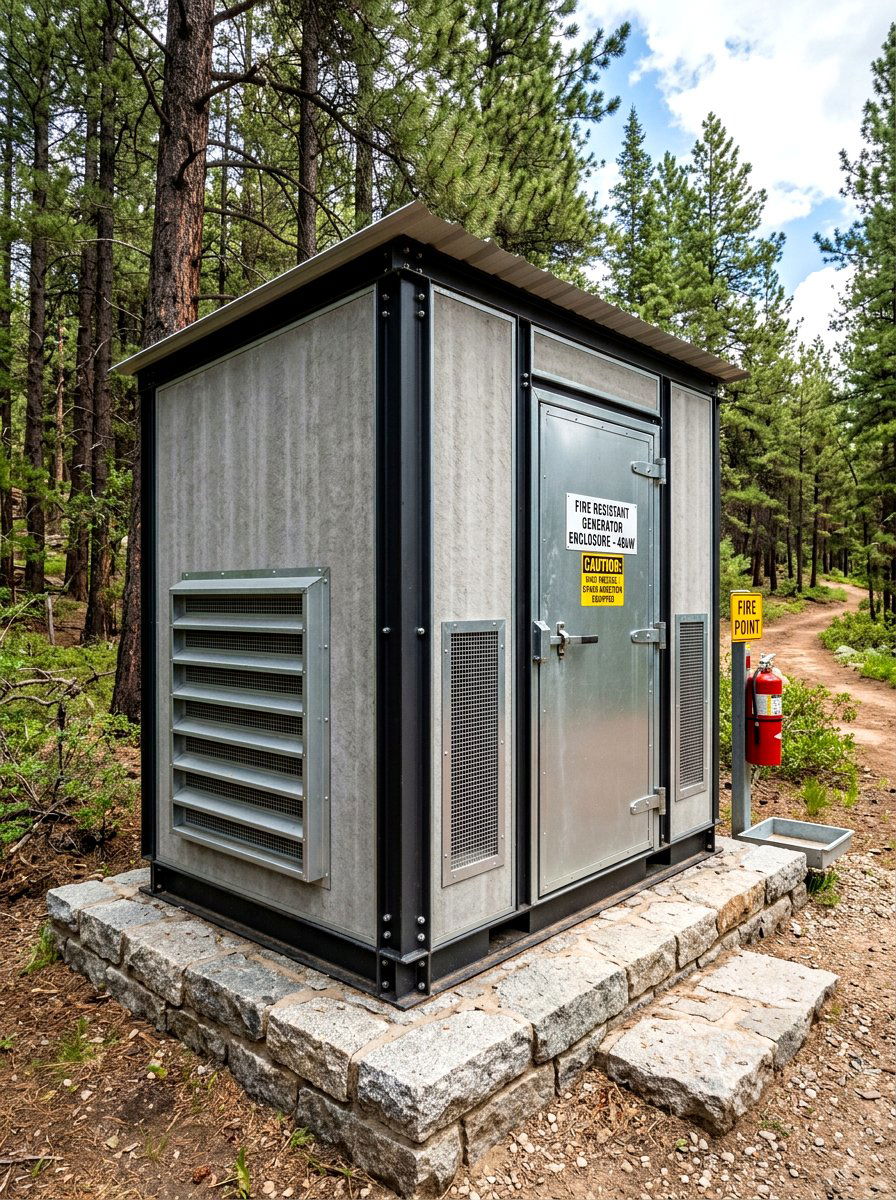
A fire resistant generator box is built using non-combustible materials like fiber cement board, metal, or stone to provide an extra layer of safety. Since generators involve internal combustion and flammable fuel, having an enclosure that can contain or resist heat is a smart precaution. These boxes are often lined with fire-rated insulation and feature spark-arresting vents to prevent any potential fire from spreading to nearby structures or dry landscaping. This type of enclosure is especially recommended for homes in wildfire-prone areas or where the unit must be located close to the main house. It provides peace of mind that your backup power system is as safe as it is reliable.
Conclusion:
Investing in a quality generator enclosure is a vital step for any homeowner who relies on backup power for safety and convenience. Whether you choose a high-end soundproof box, a simple wooden shed, or a decorative garden screen, the goal remains the same: protecting your equipment while maintaining the beauty of your outdoor space. Always remember that proper ventilation and easy access for maintenance are the most critical factors for the longevity of your machine. By thoughtfully integrating your generator into your landscape, you ensure that it is ready to perform when the lights go out without becoming a permanent eyesore. Your power system deserves a home as durable as the machine itself.

Related posts: