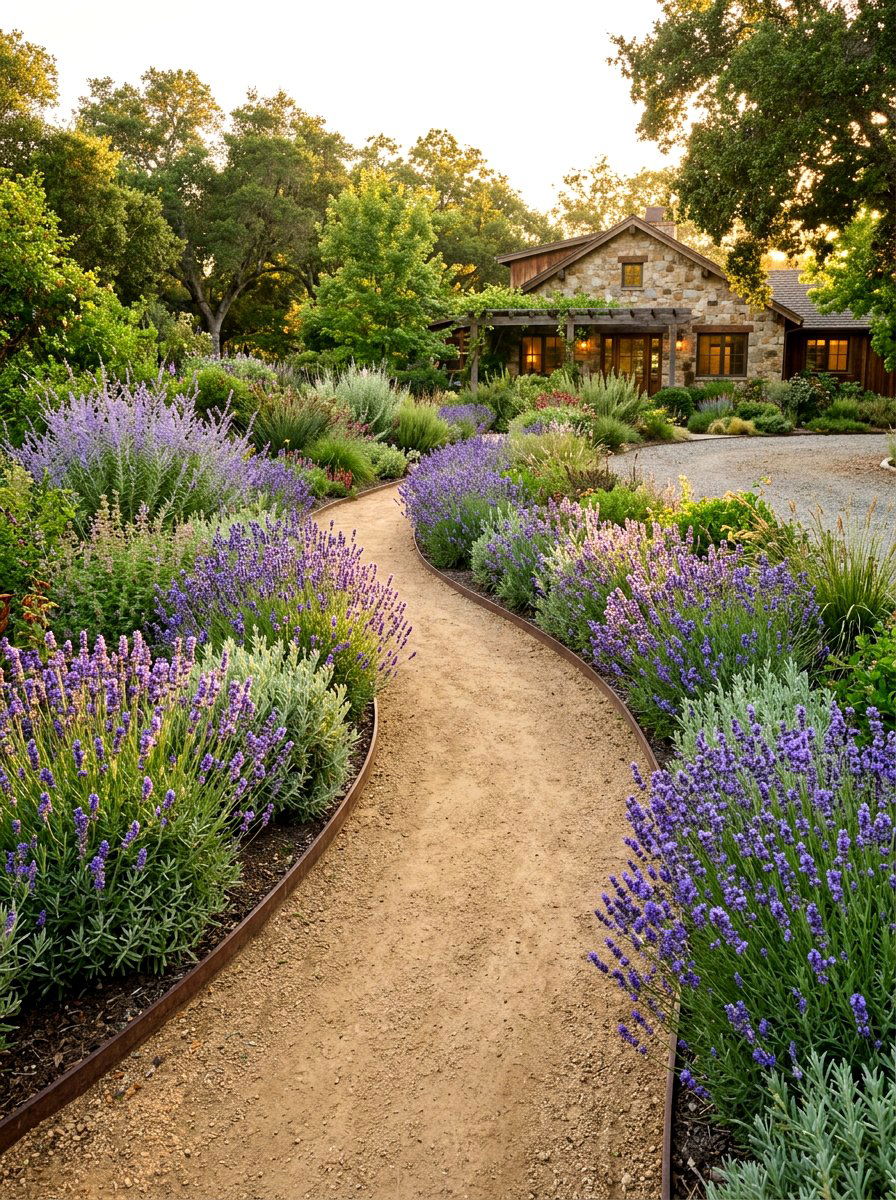
Creating a beautiful backyard shouldn't mean draining your local water supply or spending hours with a hose every weekend. Drought-smart landscaping, or xeriscaping, has become a massive trend for homeowners who want a stunning outdoor space that remains resilient in dry conditions. By choosing the right materials and plant species, you can build a sustainable sanctuary that looks professionally designed while reducing your utility bills significantly. This approach focuses on using local resources and clever hardscaping to create texture and visual interest without the need for high-maintenance turf. From lush succulent beds to elegant gravel pathways, these strategies help you reclaim your time and protect the environment simultaneously. You can achieve a high-end look that thrives on neglect while providing a peaceful retreat for your family.
1. Native Plant Garden
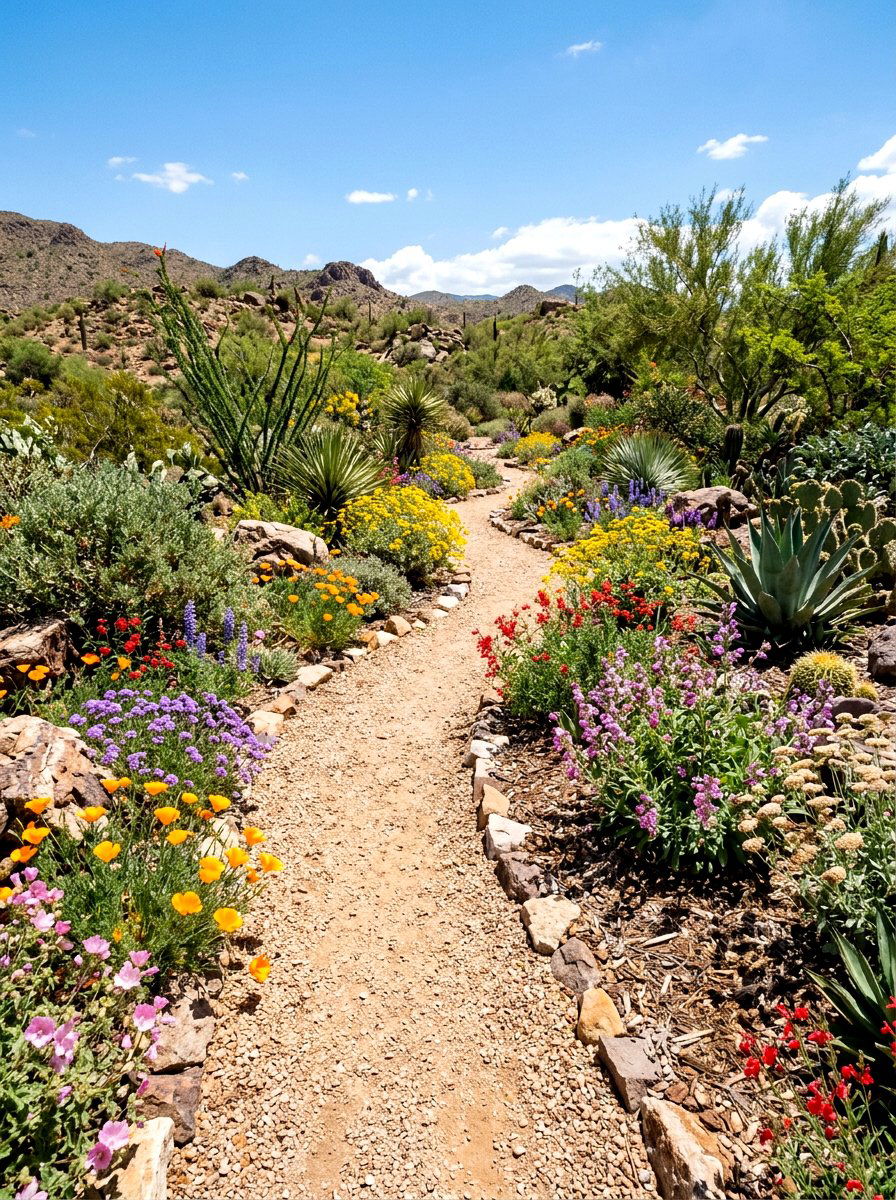
Starting with local flora is the smartest way to ensure your outdoor space thrives without constant watering. Native plants have spent centuries adapting to your specific climate and soil conditions. They require significantly less maintenance once they are established in the ground. You will find that these plants also support local pollinators like bees and butterflies. This choice creates a mini ecosystem right in your own backyard. It eliminates the need for harsh chemical fertilizers or excessive irrigation schedules. Choosing regional varieties ensures your landscape looks natural and fits the surrounding environment perfectly. Your yard stays green and vibrant even during the hottest summer months without any extra effort.
2. Pea Gravel Patio
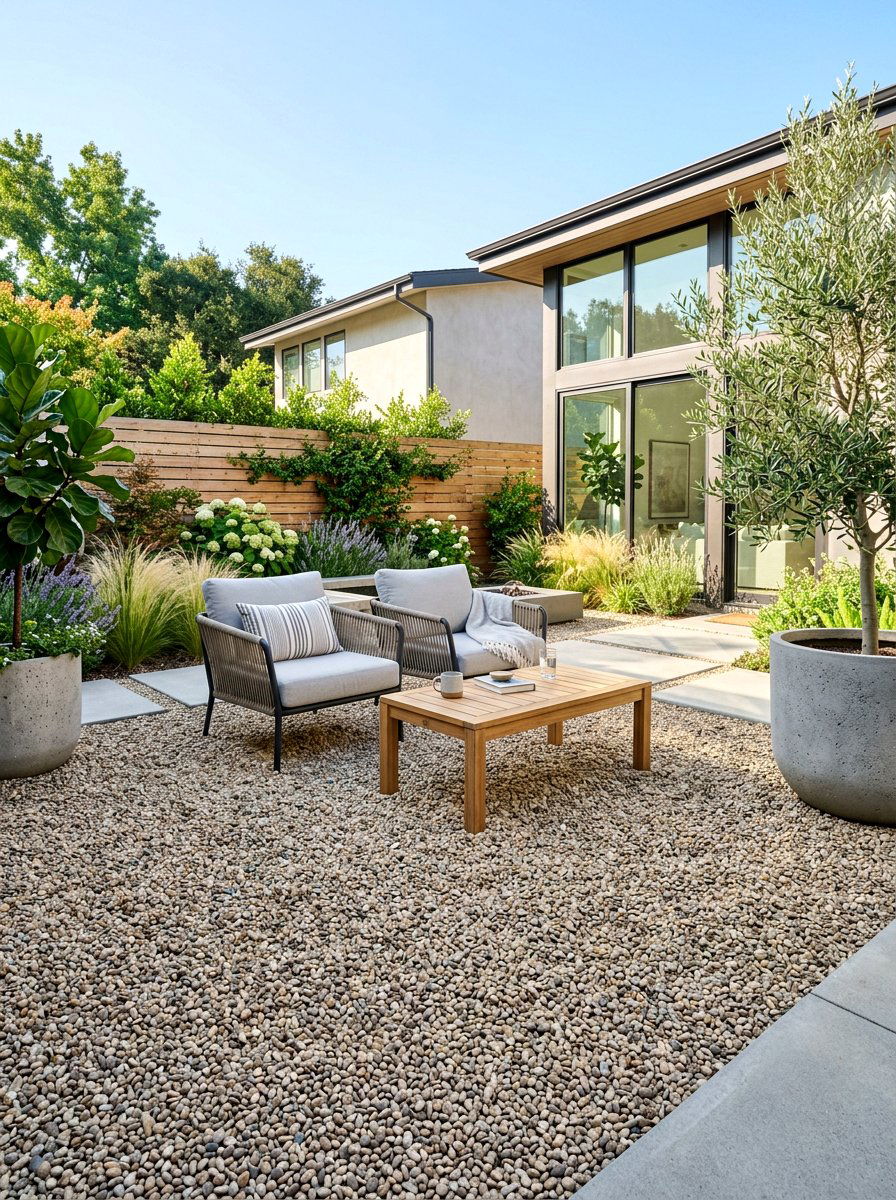
Replacing a thirsty lawn with a permeable gravel surface is a brilliant way to save water. Pea gravel is an affordable and stylish choice for creating a functional outdoor living area. It allows rainwater to soak directly into the earth rather than running off into the street. This helps replenish the groundwater and keeps your soil healthy. You can arrange modern furniture on top of the gravel to create a cozy dining or lounging spot. The crunching sound underfoot adds a lovely sensory element to your garden experience. It requires almost zero maintenance and provides a clean, contemporary look that works with many different architectural styles.
3. Succulent Landscape
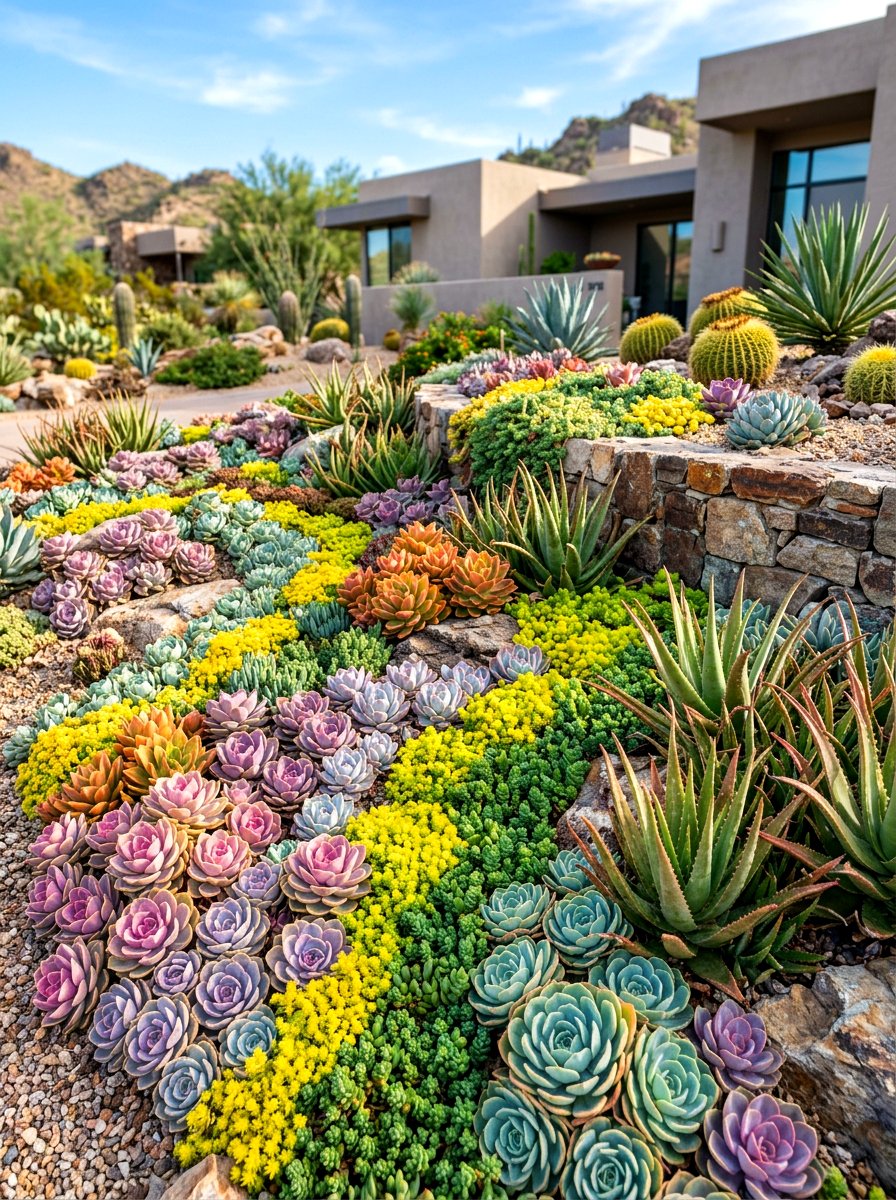
Succulents are the ultimate champions of water conservation because they store moisture in their thick, fleshy leaves. These plants come in an incredible variety of colors, shapes, and sizes, allowing for creative garden designs. You can group different species together to create a tapestry of textures that looks like a living work of art. They thrive in sunny spots and need very little intervention to look their best year-round. Using succulents as a primary landscape element reduces your water consumption by a massive margin. They are incredibly hardy and can survive long periods without a single drop of rain. Your garden will look lush and tropical without the high water cost.
4. Artificial Grass Lawn
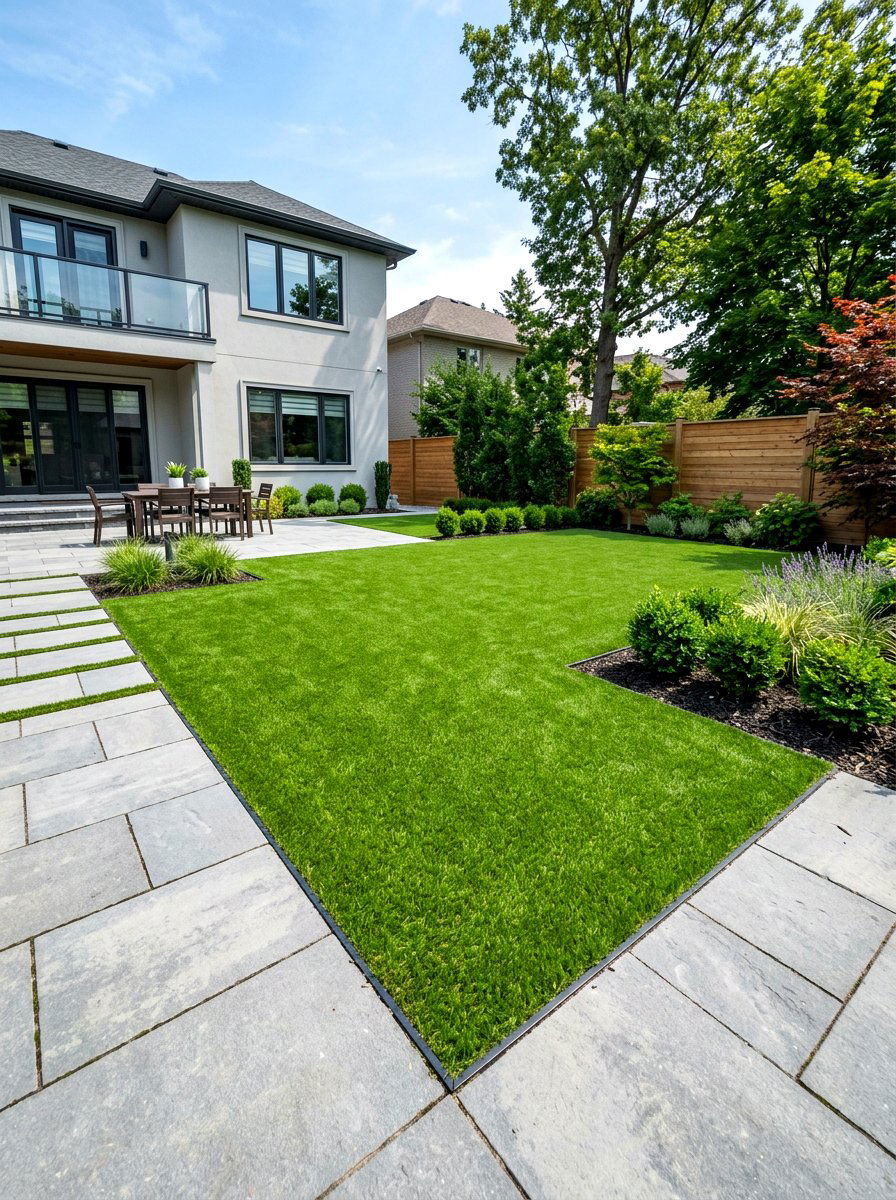
If you still want the look of a green lawn without the water bill, synthetic turf is an excellent alternative. Modern artificial grass looks remarkably realistic and stays perfectly manicured in every season. You never have to mow, fertilize, or water it to keep it looking fresh. This is a perfect solution for families with pets or children who need a soft surface for play. It eliminates the mud and mess associated with traditional grass during the rainy season. High-quality turf is designed to drain quickly and withstand heavy foot traffic for many years. It provides a permanent pop of green color that anchors your entire backyard design effortlessly.
5. Decomposed Granite Walkway
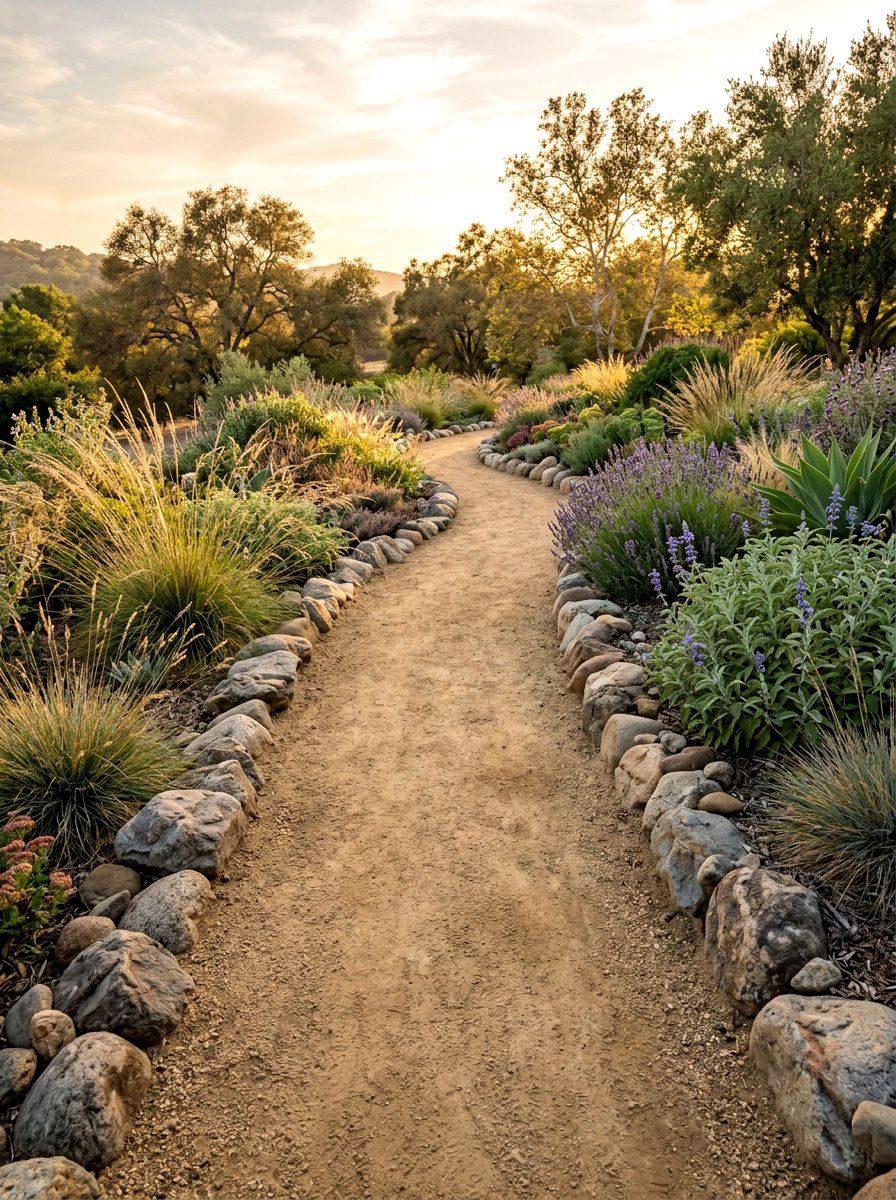
Decomposed granite is a versatile and natural material that creates beautiful, stable paths throughout your backyard. It has a rustic, earthy appearance that blends seamlessly with drought-tolerant plantings. This material is highly permeable, which means it helps manage water runoff effectively during occasional storms. You can choose from various warm tones like gold, tan, or gray to match your home’s exterior. It is easy to install and provides a firm surface that is comfortable to walk on. Using this for walkways reduces the amount of irrigated space in your yard significantly. It adds a professional, finished look to your garden while keeping your maintenance tasks to an absolute minimum.
6. Dry Creek Bed
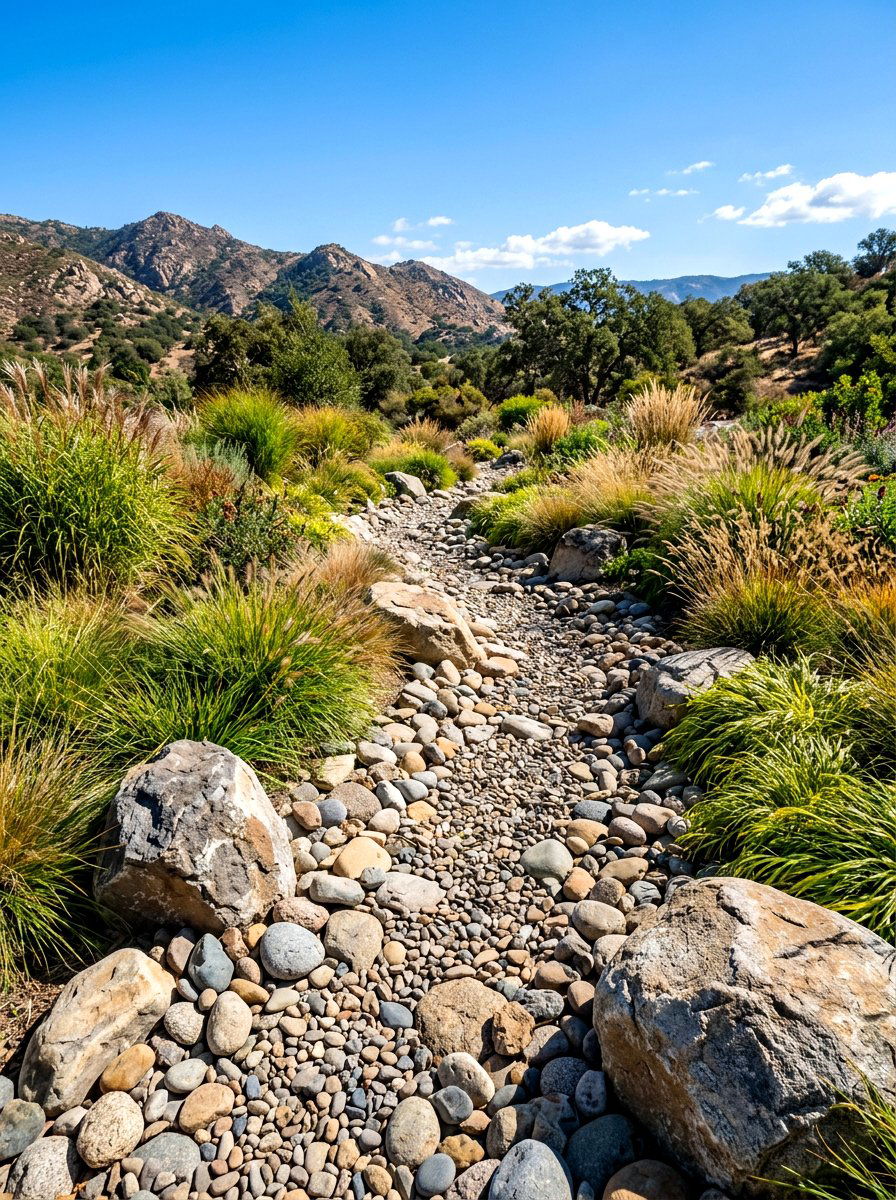
A dry creek bed is a functional and decorative feature that mimics the look of a natural waterway. It is typically constructed using a mix of river rocks, boulders, and smaller stones to create visual depth. During heavy rains, this feature helps direct excess water away from your home’s foundation. In dry periods, it serves as a stunning focal point that adds a rugged, naturalistic vibe to the landscape. You can plant drought-resistant grasses along the edges to soften the appearance of the stones. This design choice adds a lot of movement and character to your backyard without needing any water. It is a perfect solution for sloped properties.
7. Permeable Paver Terrace
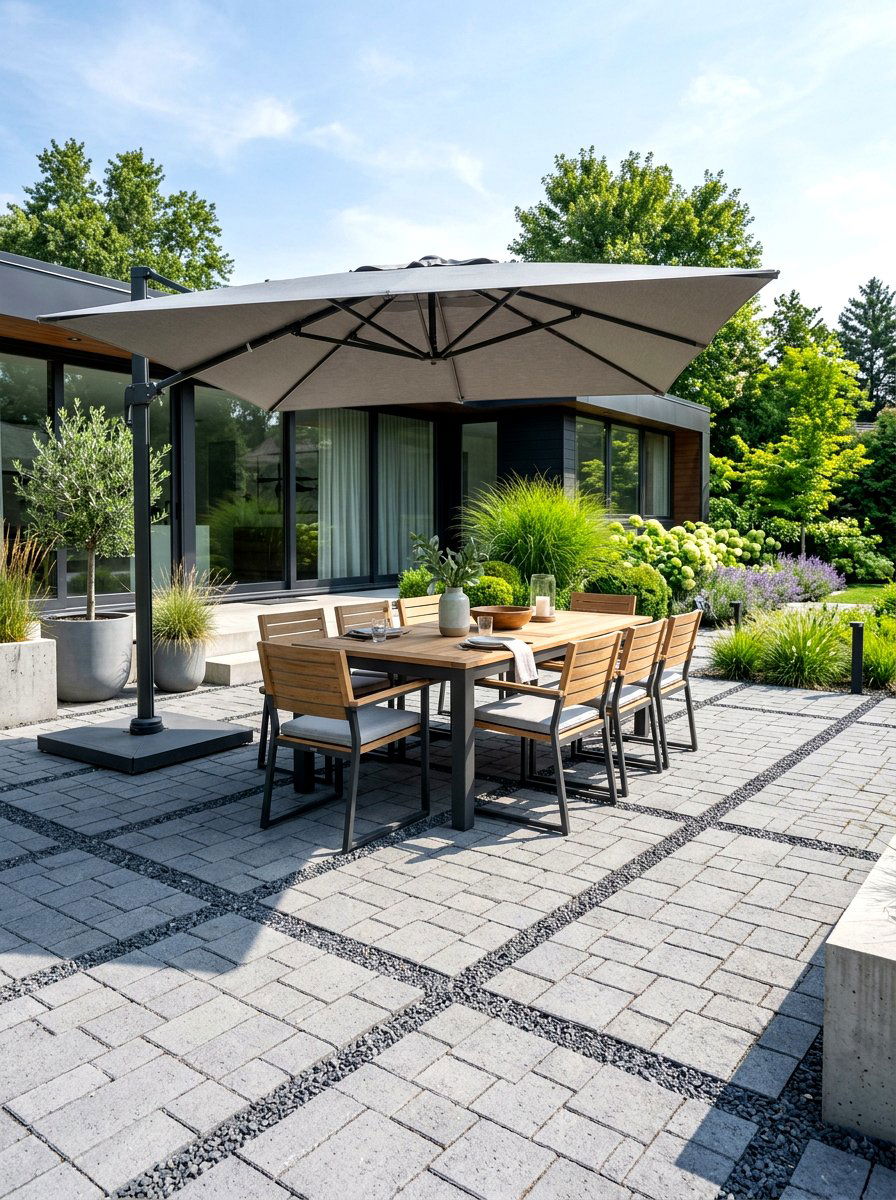
Permeable pavers offer a sophisticated look for a patio or terrace while prioritizing environmental health. Unlike solid concrete, these pavers are designed with small gaps that allow water to filter back into the ground. This prevents puddling and helps keep the surrounding soil hydrated naturally. You can find these pavers in many different shapes and colors to suit your personal style. They create a flat, stable surface for outdoor furniture and heavy grills. This hardscaping choice reduces the need for water-intensive plants in large areas of your yard. It is a durable and long-lasting investment that increases your property value while being incredibly eco-friendly.
8. Mediterranean Courtyard
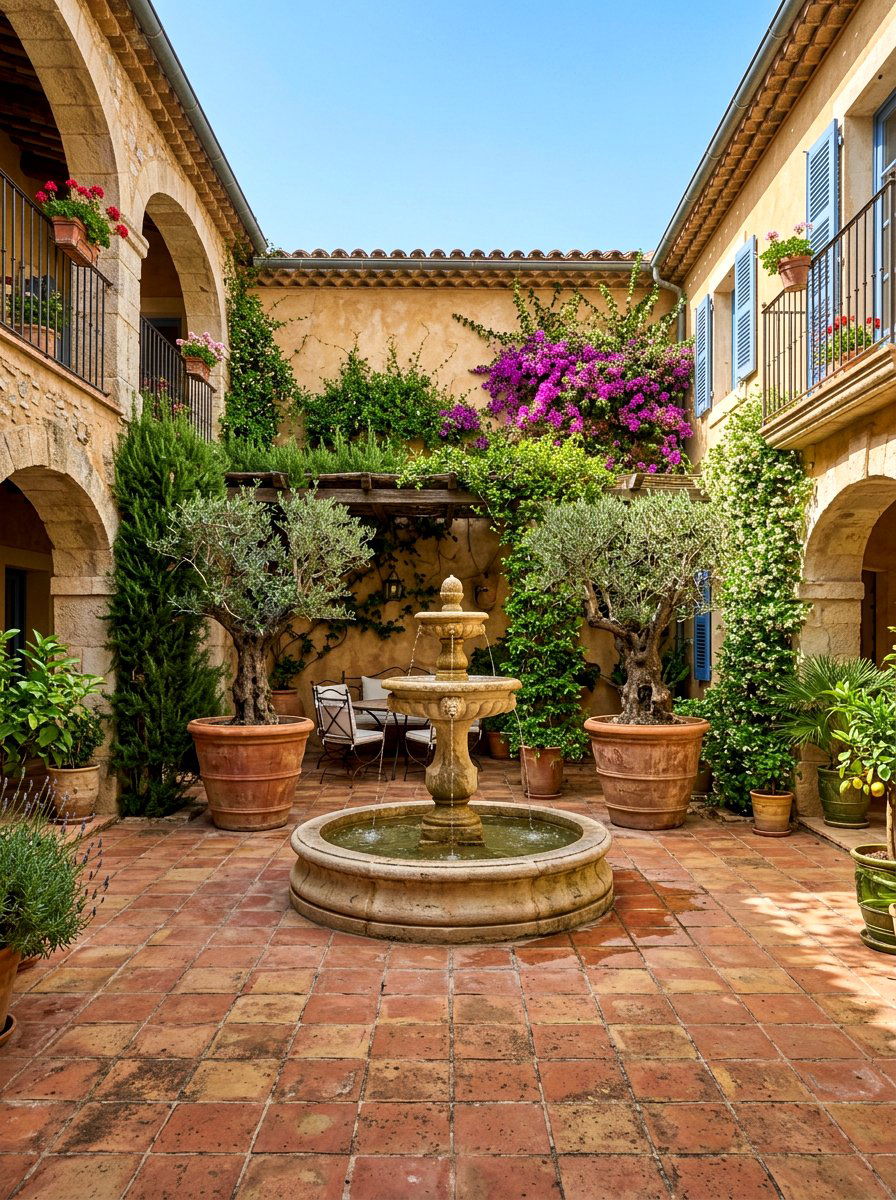
Designing your space like a Mediterranean courtyard is a timeless way to embrace a dry climate. This style typically features terracotta pots, stone walls, and gravel floors that require no irrigation. You can incorporate hardy plants like lavender, rosemary, and olive trees that thrive in heat. These plants provide wonderful fragrances and beautiful silvery-green foliage that looks elegant against stone. Central fountains can be used as a focal point, often using recycled water in a closed loop. The goal is to create a sheltered, shaded area that feels cool even on the hottest days. This aesthetic is both romantic and practical for homeowners living in sun-drenched regions.
9. Ornamental Grass Border
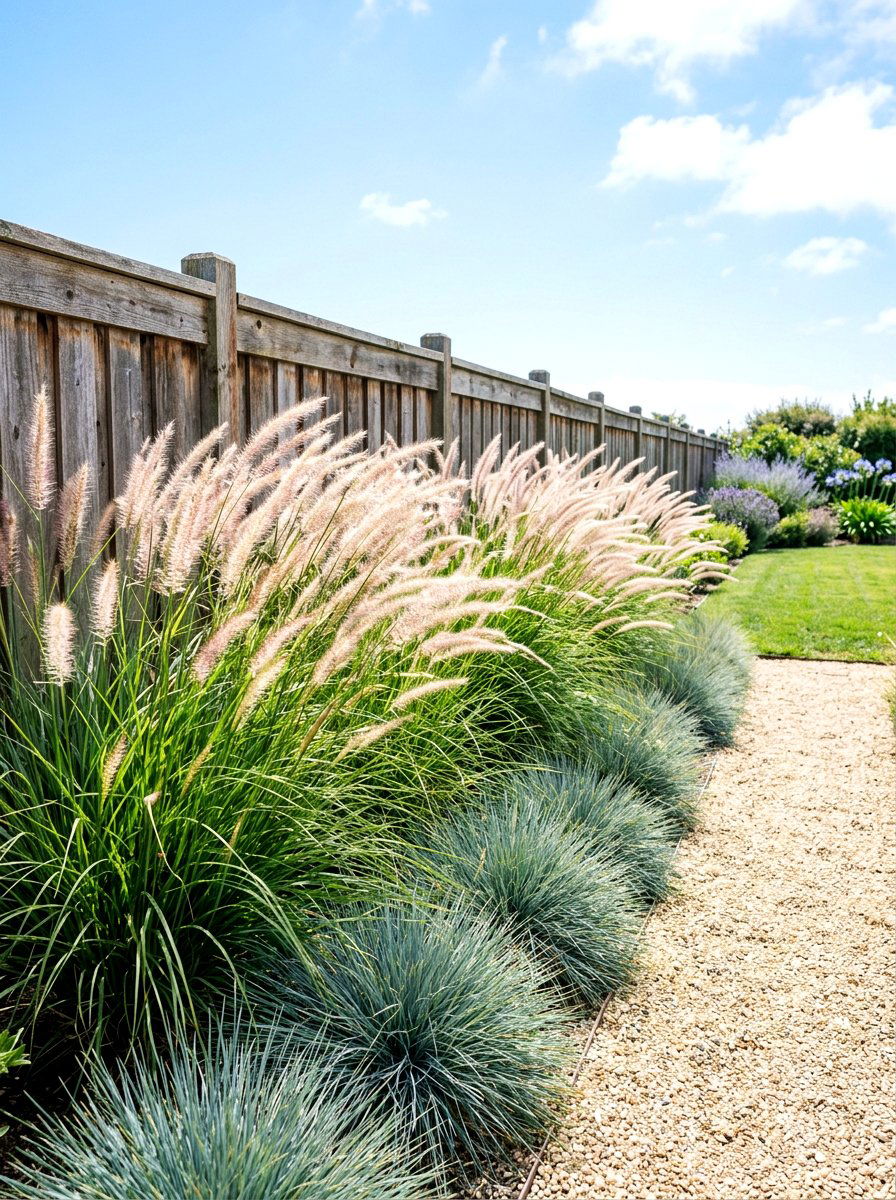
Ornamental grasses add beautiful texture, height, and movement to a drought-smart backyard. Many varieties, such as blue fescue or fountain grass, are naturally resistant to dry conditions. They look stunning when planted in long borders or as soft accents around harder landscape features. As the wind blows, these grasses create a gentle swaying motion and a soothing rustling sound. They require very little pruning and can stay looking great throughout the fall and winter months. Their deep root systems help stabilize the soil and make them very resilient during heatwaves. These grasses provide a soft, airy contrast to rocks and wood elements in your garden.
10. Wood Chip Mulch
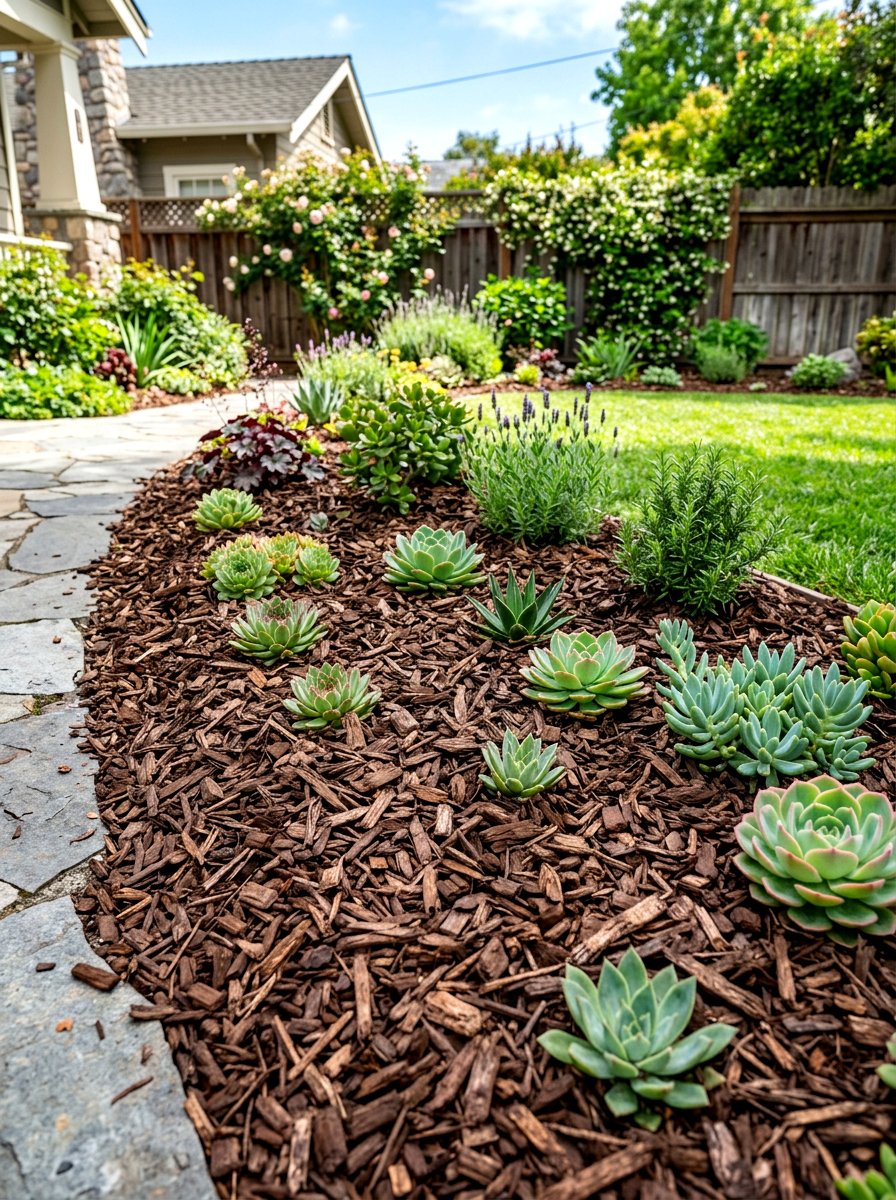
Applying a thick layer of wood chip mulch is one of the most effective ways to conserve soil moisture. Mulch acts like a protective blanket, shading the ground and preventing water from evaporating too quickly. It also helps suppress weeds that would otherwise compete with your plants for precious water. Over time, organic mulch breaks down and improves the quality of your soil. This simple addition can drastically reduce the frequency of your watering schedule. It gives your garden beds a clean, uniform appearance and protects plant roots from extreme temperature changes. Choosing a natural color helps the greenery in your backyard stand out beautifully.
11. Rock Garden
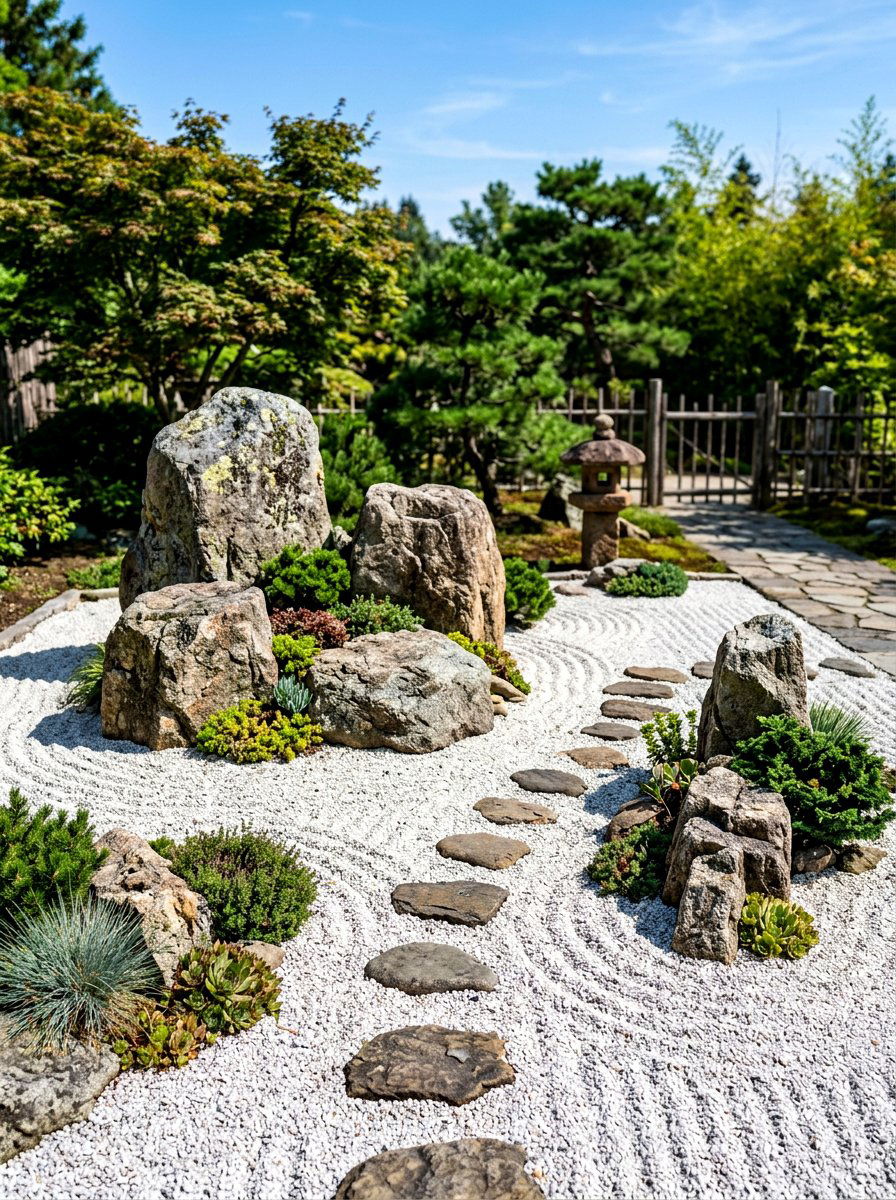
A rock garden is a low-maintenance masterpiece that uses various sizes of stones to create a sculptural landscape. You can use large boulders as dramatic focal points and fill the gaps with smaller river rocks. Integrating drought-tolerant plants between the stones adds a touch of life to the rugged design. This type of garden is perfect for areas with poor soil where traditional plants struggle to grow. It requires no mowing and very little weeding, making it an ideal choice for busy homeowners. The rocks retain heat during the day and release it at night, creating a unique microclimate. It is a durable and permanent landscaping solution.
12. Drip Irrigation System
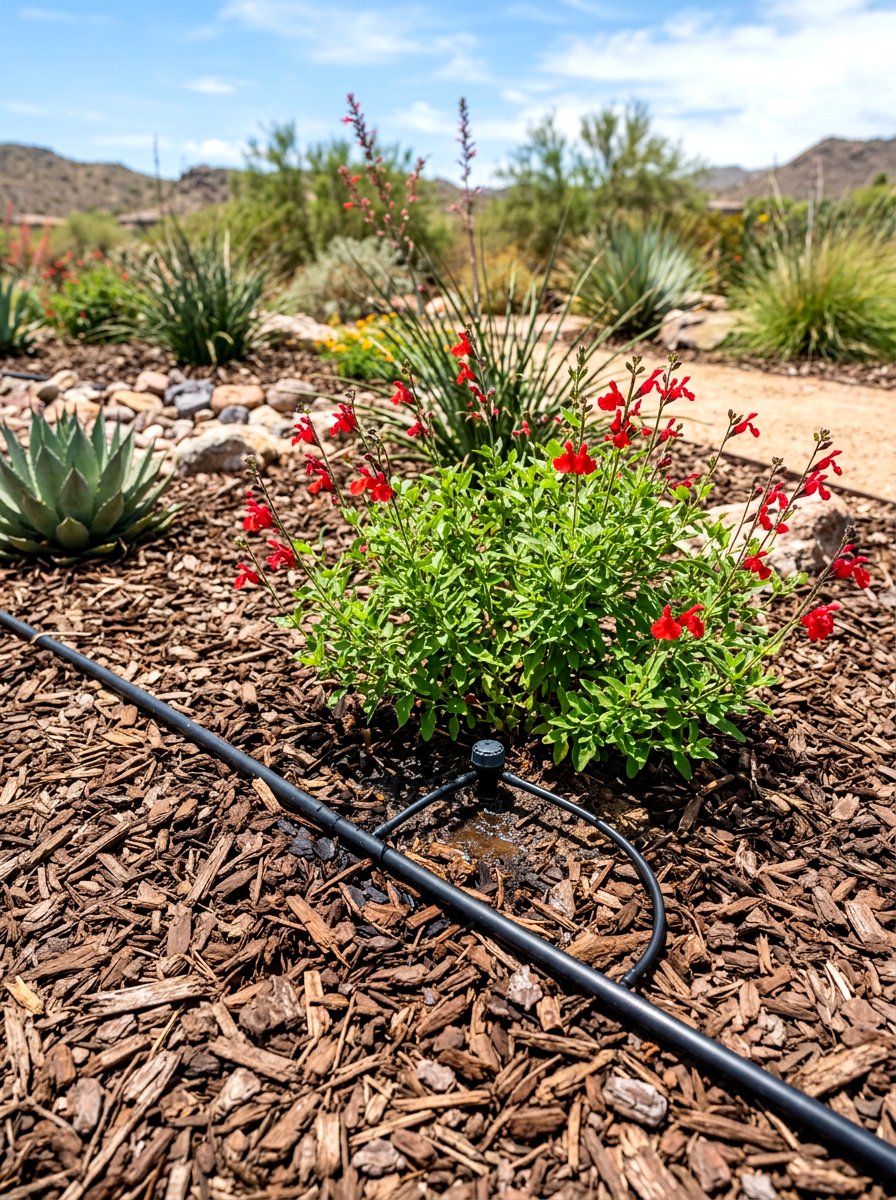
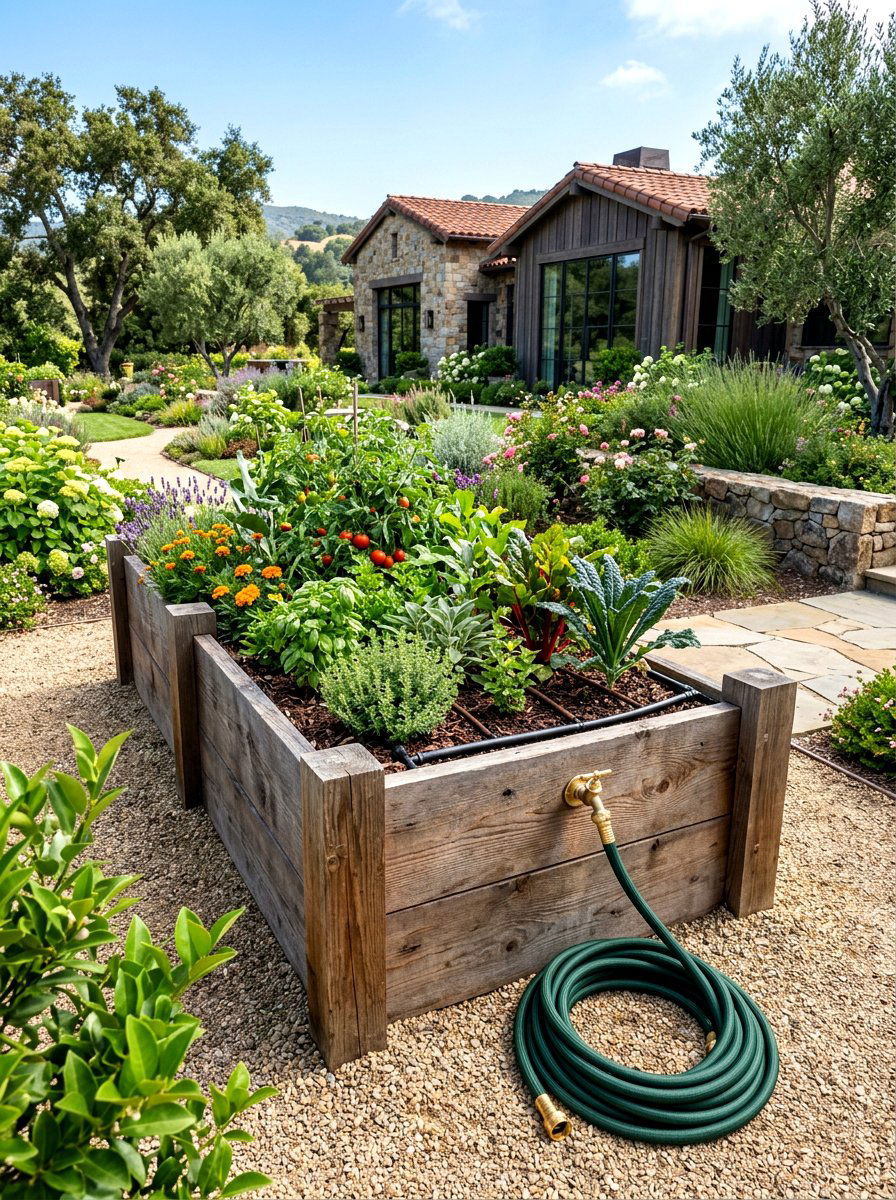
Installing a drip irrigation system is the most efficient way to keep your plants healthy while saving water. Unlike traditional sprinklers that lose a lot of water to evaporation and wind, drip lines deliver moisture directly to the roots. This targeted approach ensures that every drop is used effectively by the plants. You can easily hide the thin tubing under a layer of mulch for a clean look. Many systems can be paired with smart timers that adjust watering based on local weather conditions. This automation takes the guesswork out of gardening and prevents overwatering. It is a small technical upgrade that makes a huge environmental impact.
13. Rain Barrel Station
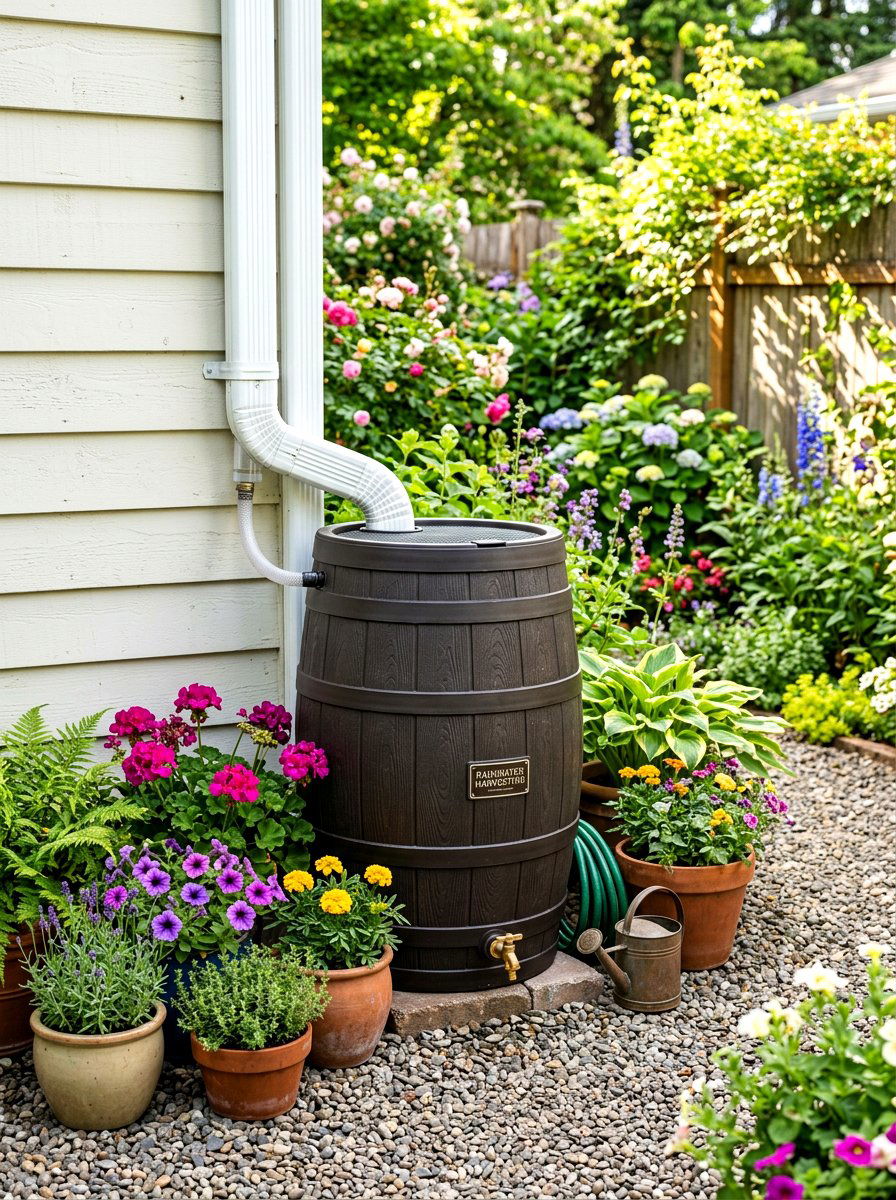
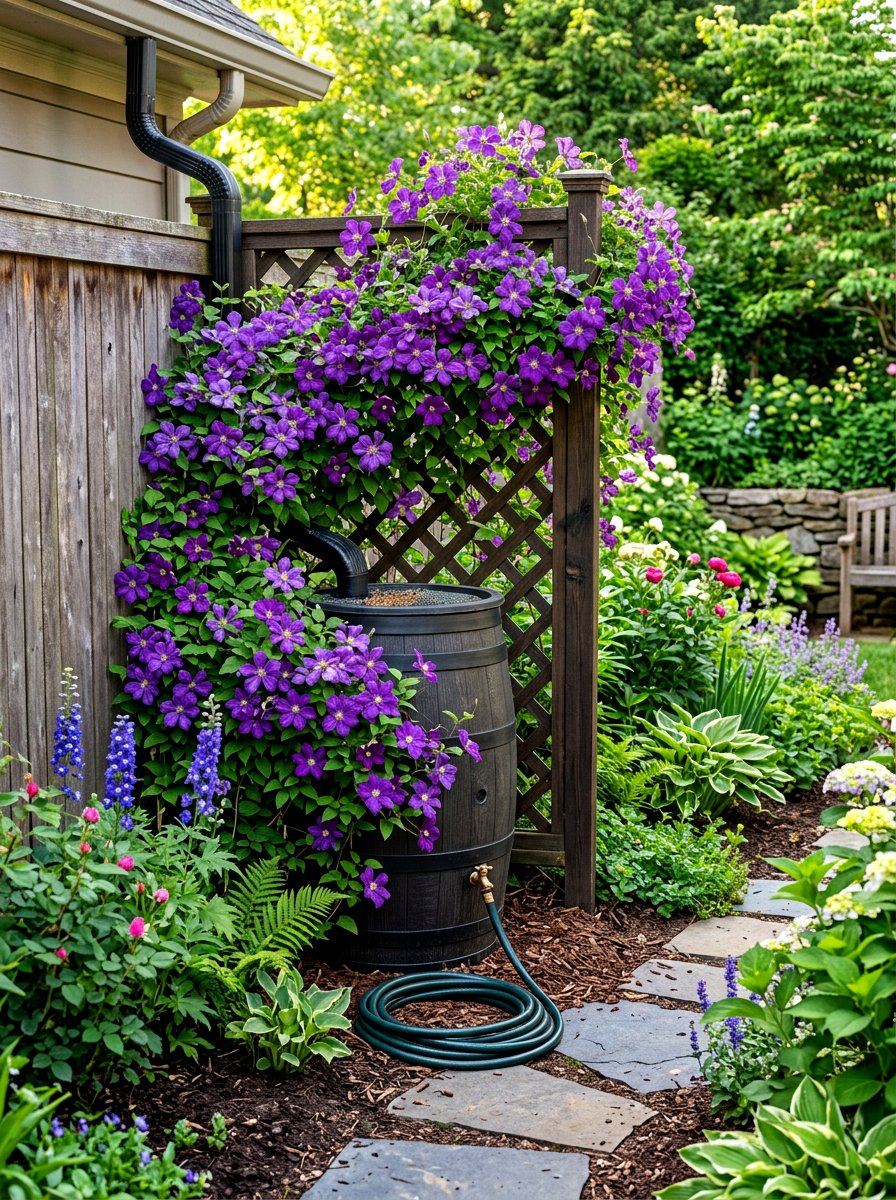
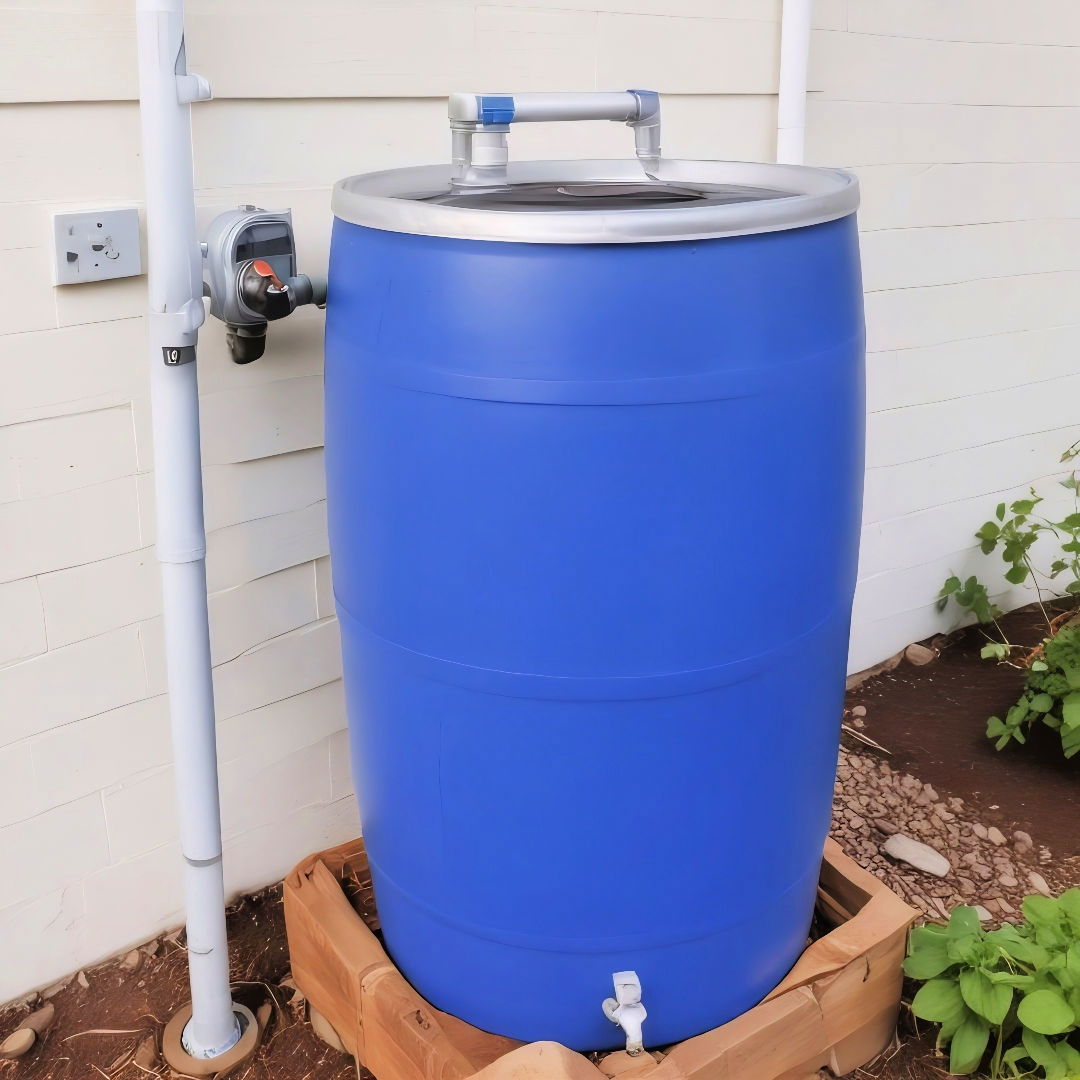
Collecting rainwater is a brilliant strategy for keeping your garden hydrated without using the municipal supply. You can install decorative rain barrels at the base of your downspouts to capture runoff from your roof. This water is free of chemicals and perfect for nourishing your potted plants and flower beds. Modern rain barrels come in many styles that look like high-end pottery or wooden casks. Some even have built-in planters on top to further enhance your backyard's aesthetic. By using stored rainwater during dry spells, you become more self-sufficient and eco-conscious. It is a simple weekend project that provides long-term benefits for your landscape.
14. Desert Oasis
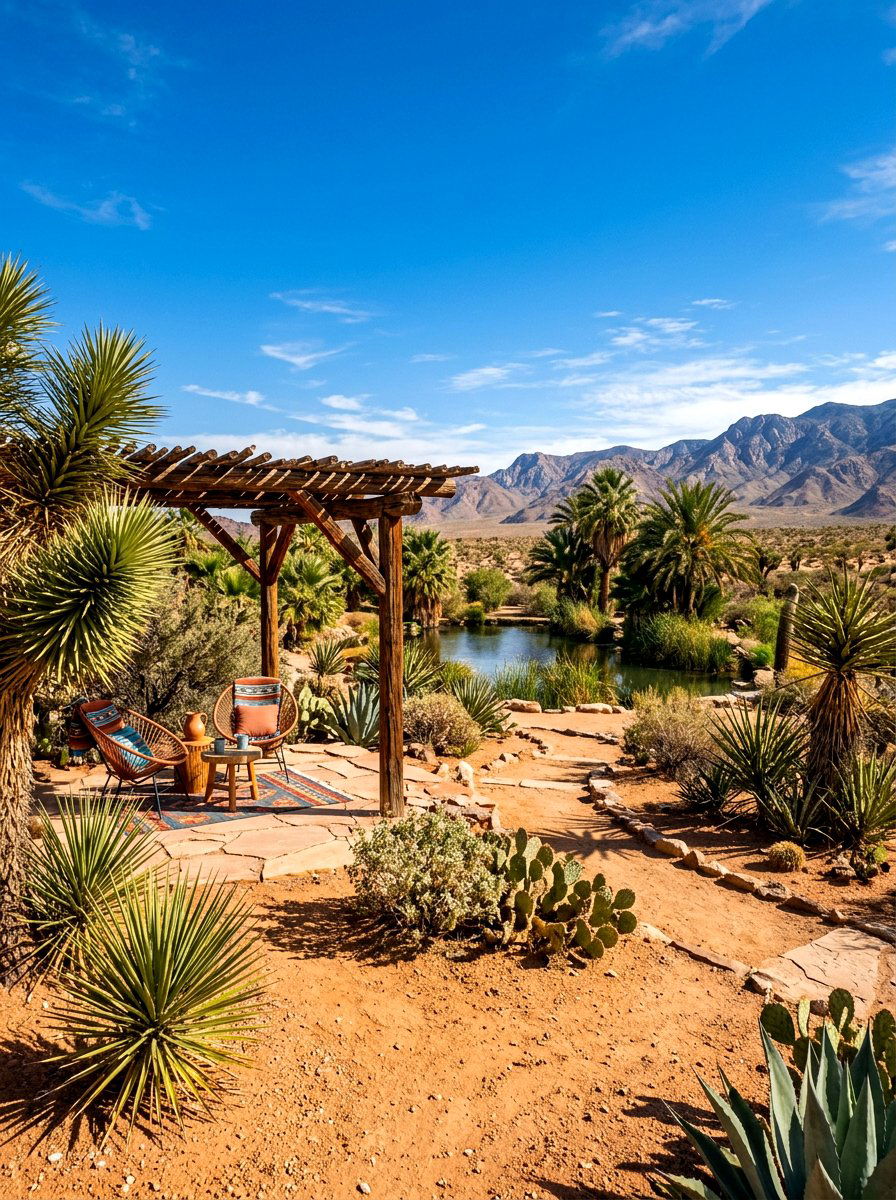
Creating a desert oasis theme allows you to lean into the natural beauty of arid environments. This style uses a palette of warm sands, gravels, and striking architectural plants. You can feature iconic species like agave, yucca, and desert marigolds for a bold look. These plants are built to withstand intense sun and very little moisture over long periods. Adding a simple shaded seating area with a pergola creates a comfortable spot to enjoy the view. The combination of sand-colored ground covers and architectural greenery creates a very modern and clean aesthetic. This design is incredibly easy to maintain and looks intentional rather than neglected.
15. Wildflower Meadow
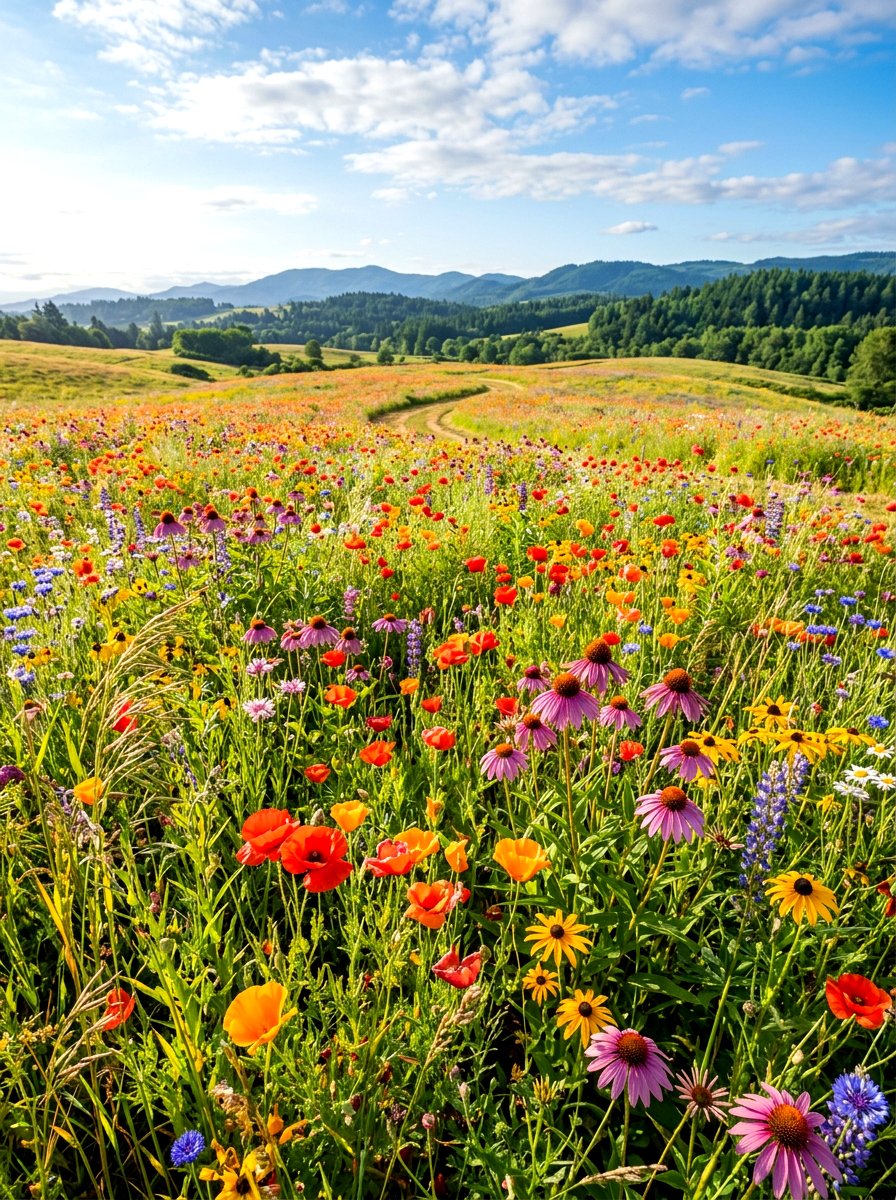
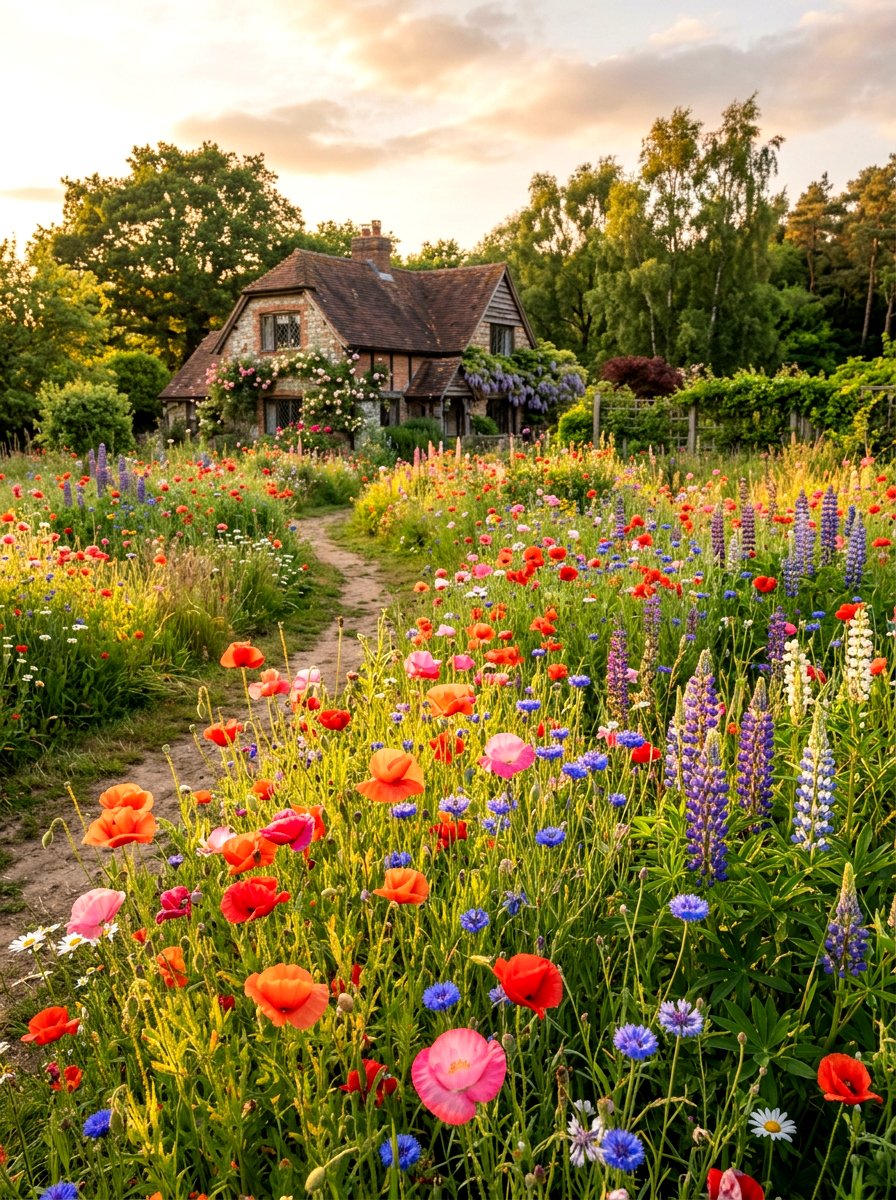
If you prefer a more natural and whimsical look, a drought-tolerant wildflower meadow is a fantastic option. You can sow a mix of seeds specifically designed for your local region and climate. These flowers typically require very little water once they take root and start blooming. They create a vibrant carpet of color that changes throughout the seasons. A meadow also provides a vital habitat for local birds and beneficial insects. You only need to mow the area once or twice a year to keep it healthy. This approach turns a boring patch of dirt into a stunning, low-maintenance display of natural beauty and biodiversity.
16. Architectural Cacti
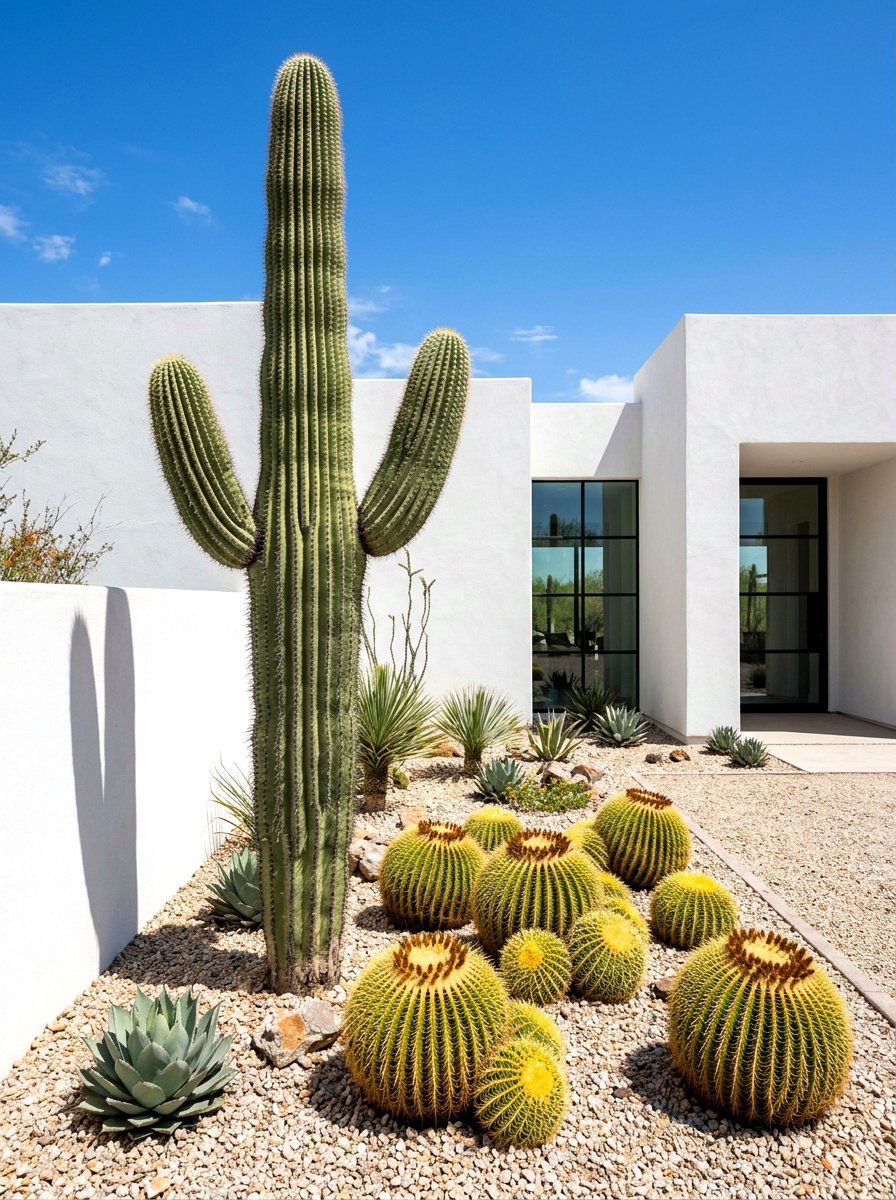
Cacti are bold, sculptural plants that can serve as the primary focus of a water-wise backyard. Their unique shapes and sizes create a dramatic visual impact that requires almost no effort from you. You can choose tall columnar cacti to add height or round barrel varieties for a lower profile. Many cacti also produce stunning, colorful flowers that appear unexpectedly during the spring. They are perfectly suited for the hottest spots in your yard where other plants might wither. Pairing them with clean white gravel or dark lava rock creates a high-contrast, modern look. These plants are incredibly resilient and define a drought-smart lifestyle.
17. Lavender Field
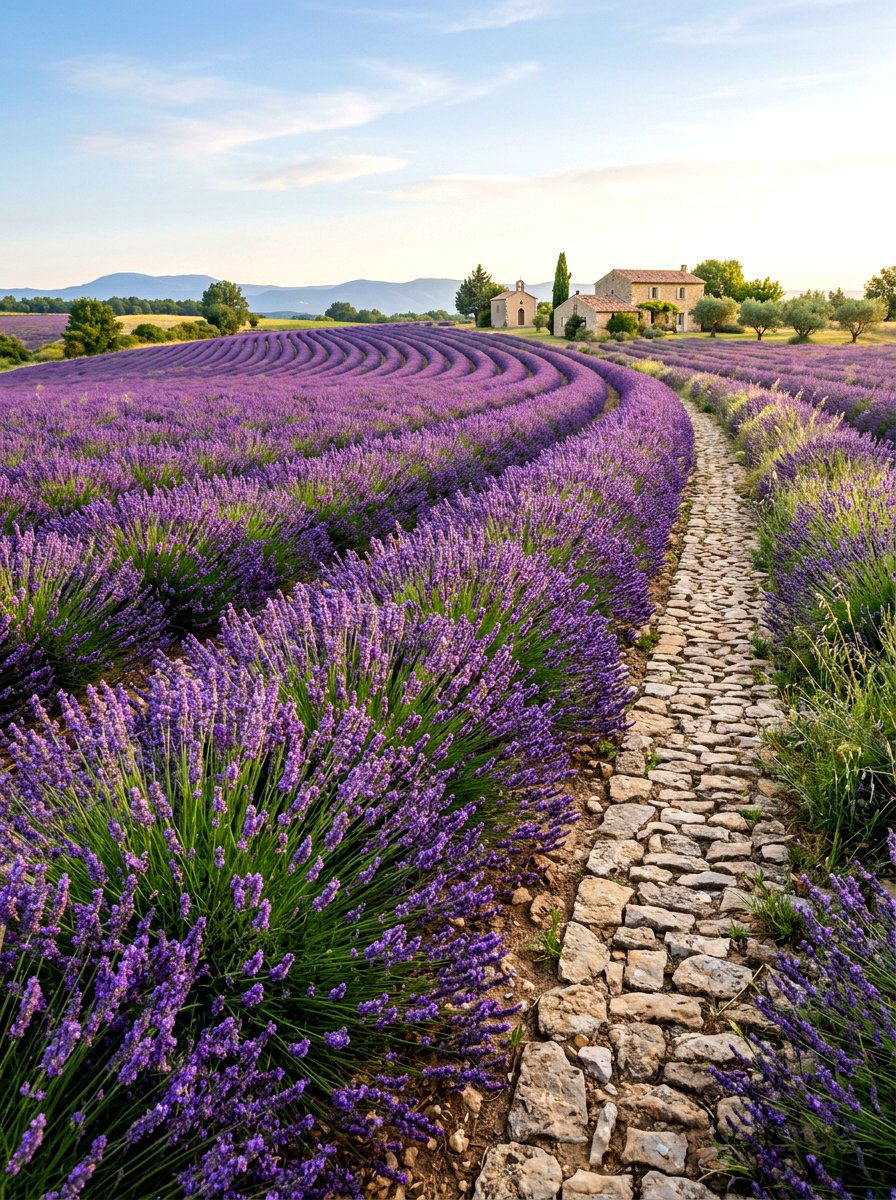
Planting large clusters of lavender creates a sensory paradise that needs very little water to thrive. Lavender is a hardy shrub that loves full sun and well-drained soil. Its beautiful purple spikes and silver foliage provide a stunning color palette for any backyard. The scent is incredibly relaxing and can help transform your outdoor space into a peaceful sanctuary. It also attracts plenty of bees and butterflies, supporting your local ecosystem. Once established, lavender can survive on very minimal rainfall. You can even harvest the blooms to use in your home or as gifts. It is a classic choice for a drought-smart and beautiful garden.
18. Outdoor Fire Pit
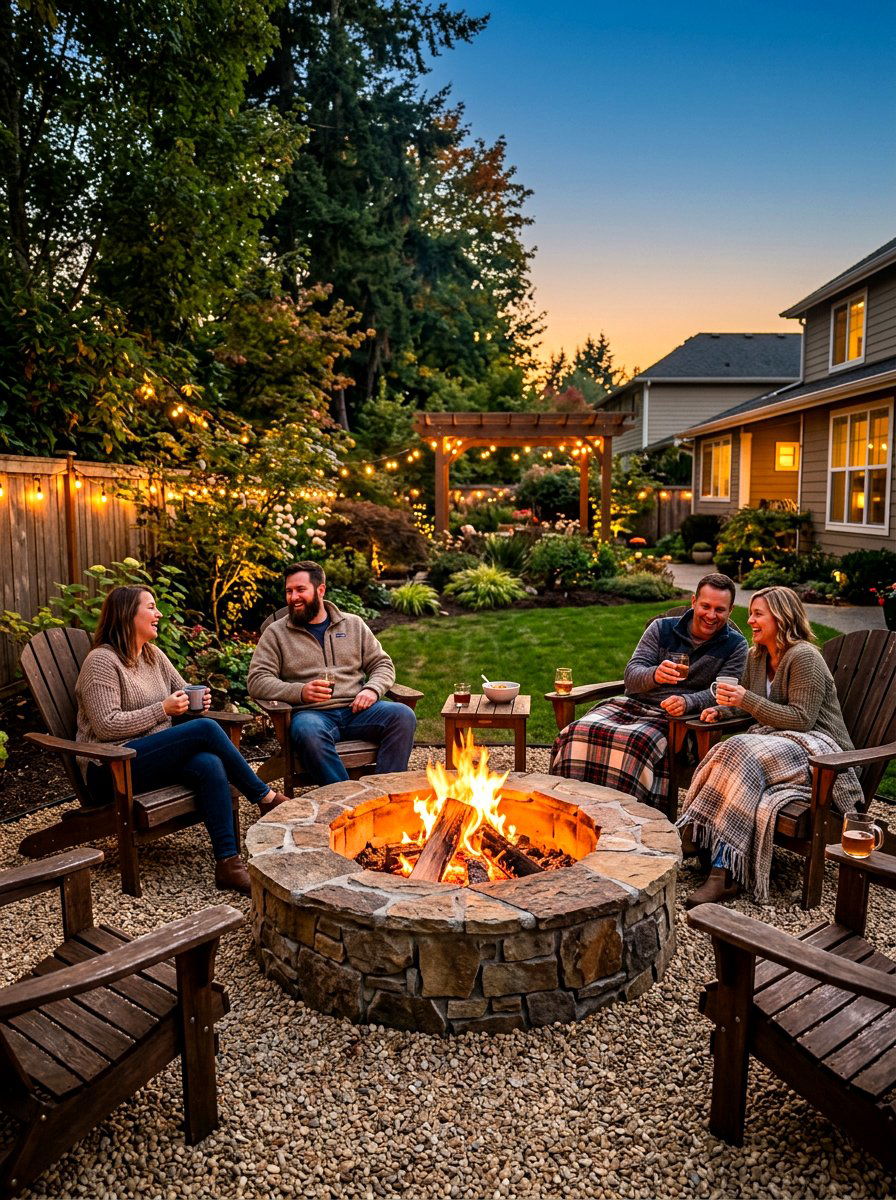
An outdoor fire pit is a great way to add a functional gathering space that doesn't require any irrigation. By dedicating a section of your yard to a stone or metal fire feature, you reduce the area that needs plants. You can surround the pit with gravel or pavers for a safe and stylish seating zone. This creates a cozy ambiance for evening hangouts with friends and family. It works perfectly as a focal point in a drought-resistant landscape. The materials used are durable and require no maintenance other than an occasional cleaning. This addition makes your backyard usable year-round without increasing your monthly water consumption.
19. Flagstone Path
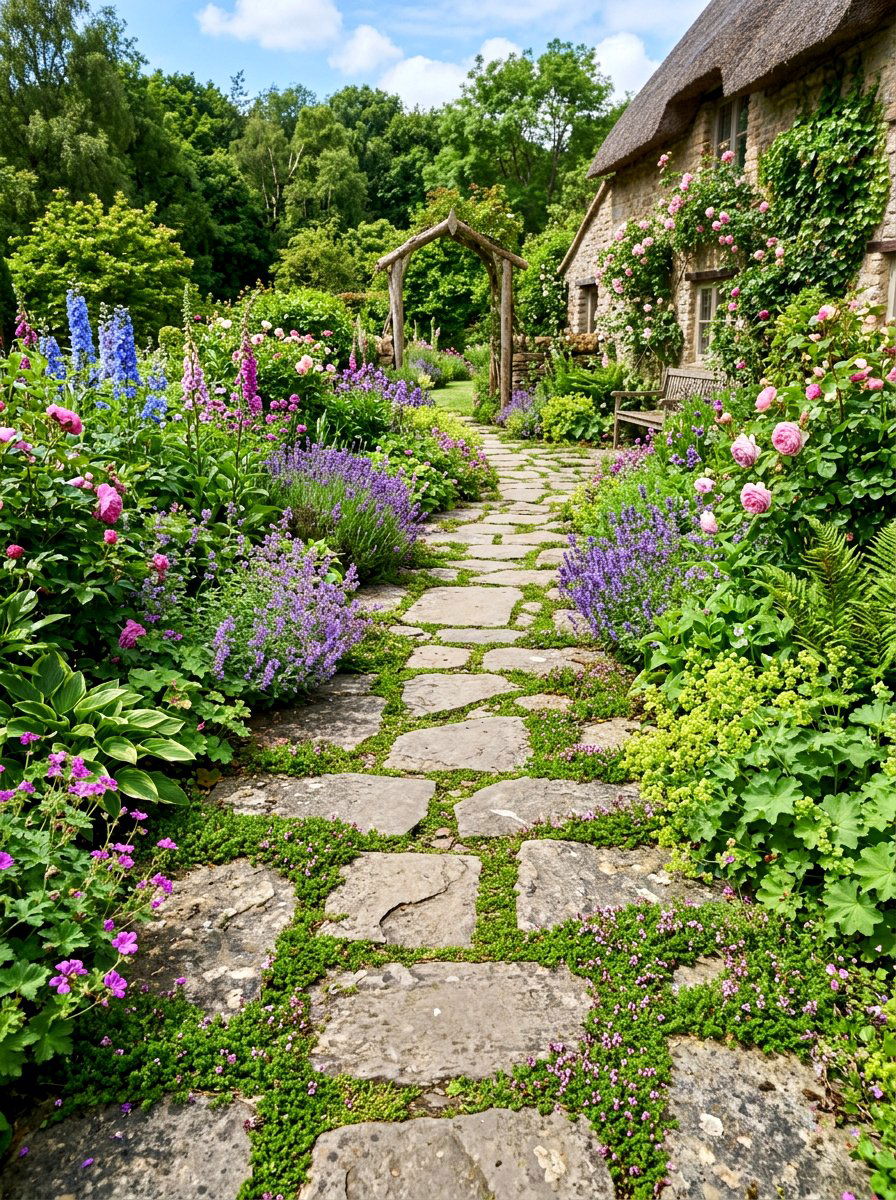
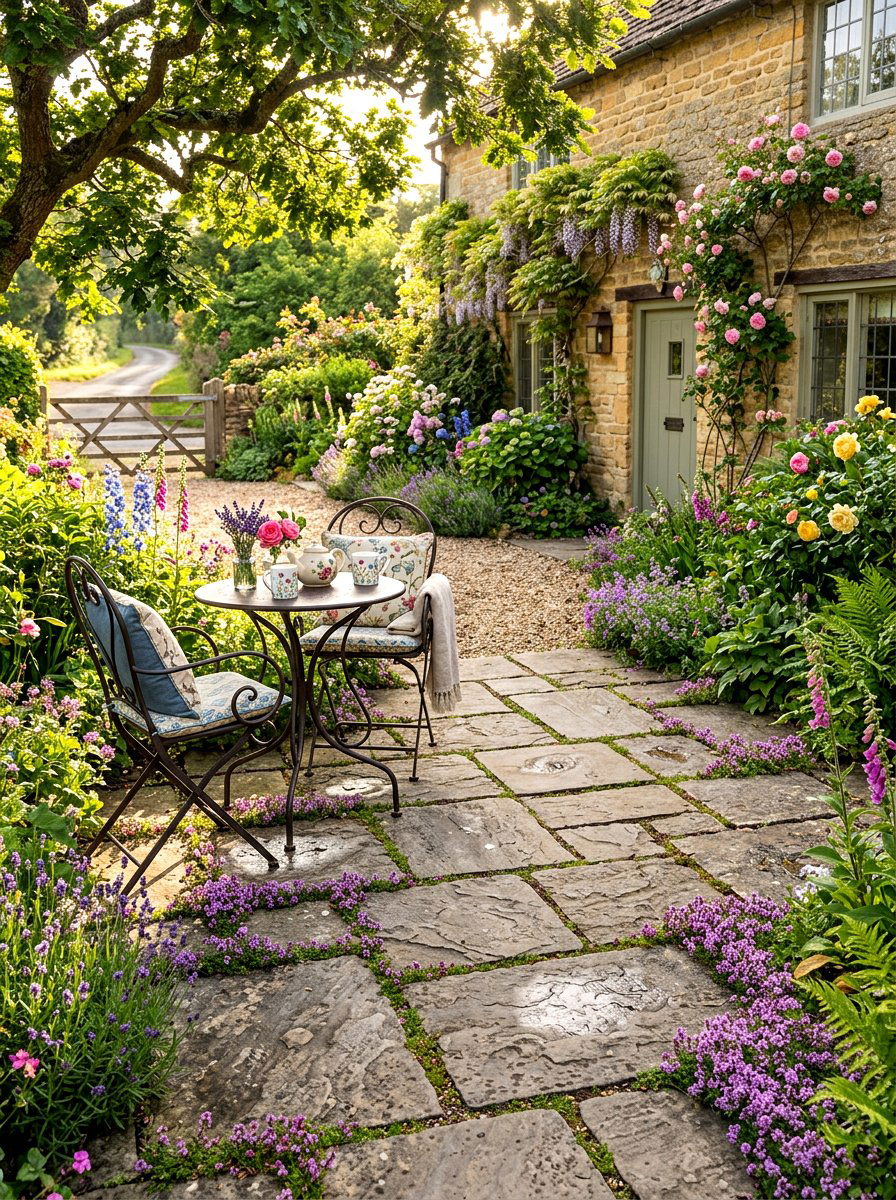
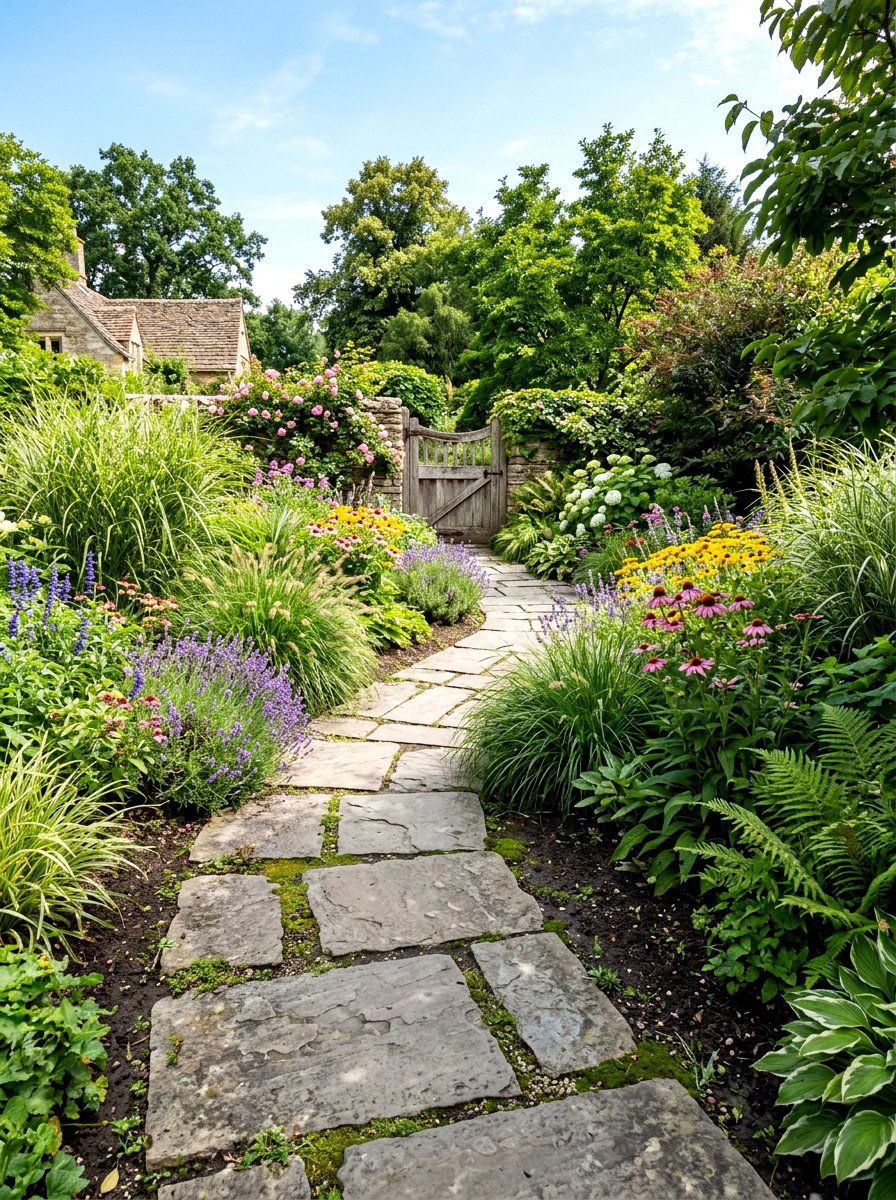
Flagstone is a premium natural stone that creates a beautiful and durable path through your landscape. The irregular shapes and varied colors of the stones add an organic feel to your backyard. You can place the stones with gaps in between and fill those spaces with low-water ground covers like creeping thyme. This creates a charming "lived-in" look that is very popular in cottage-style gardens. Flagstone is heavy and stays in place well, providing a very stable walking surface. It is a great way to connect different areas of your yard while reducing the amount of lawn space. It looks even better as it ages naturally.
20. Xeriscape Flower Bed
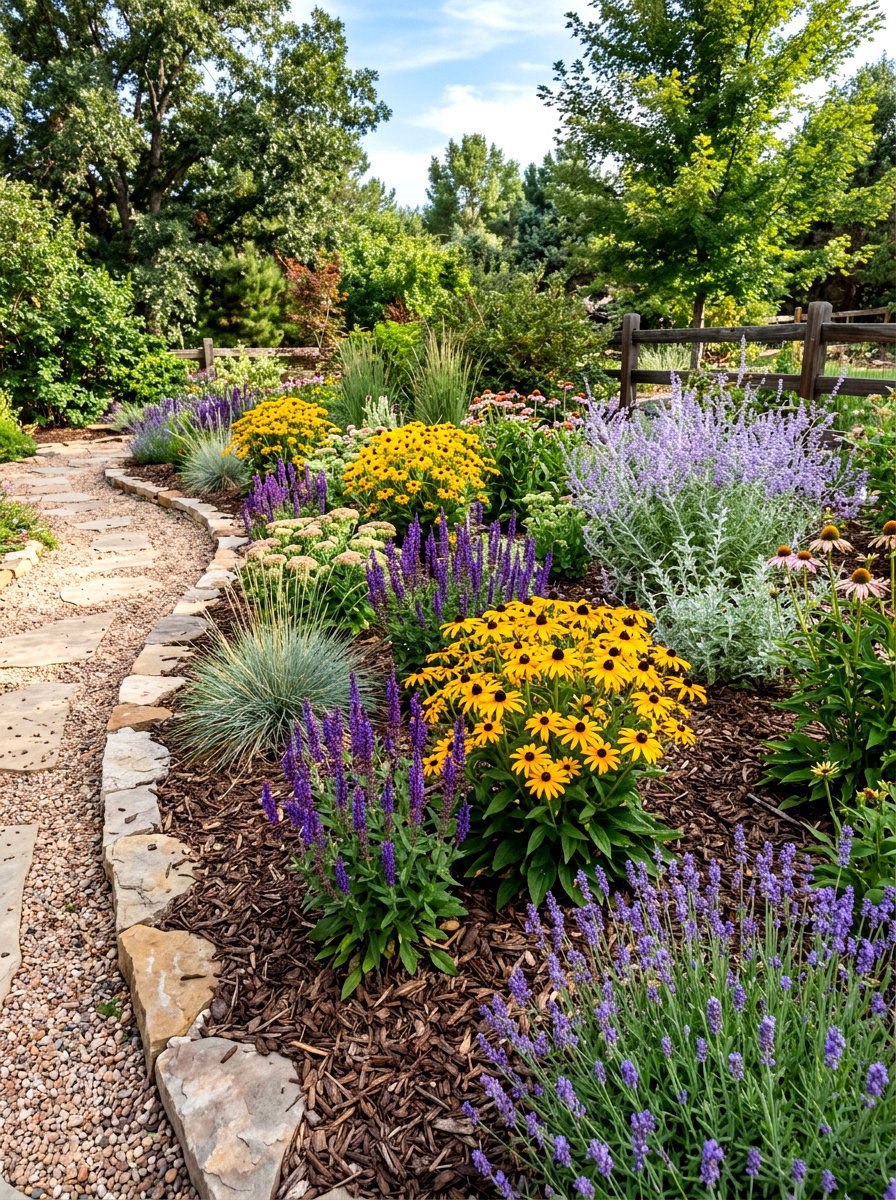
You can still have a traditional-looking flower bed by choosing species that are specifically adapted to dry conditions. Plants like black-eyed Susans, coneflowers, and coreopsis provide a massive burst of color with very little thirst. Designing a xeriscape bed involves grouping plants with similar water needs together, a technique known as hydrozoning. This ensures that you aren 't wasting water on plants that don' t need it. Adding a thick layer of mulch and using organic compost will help the soil retain every bit of moisture. This approach allows you to enjoy a lush, floral aesthetic without the environmental guilt of high water usage.
21. Cedar Bark Groundcover
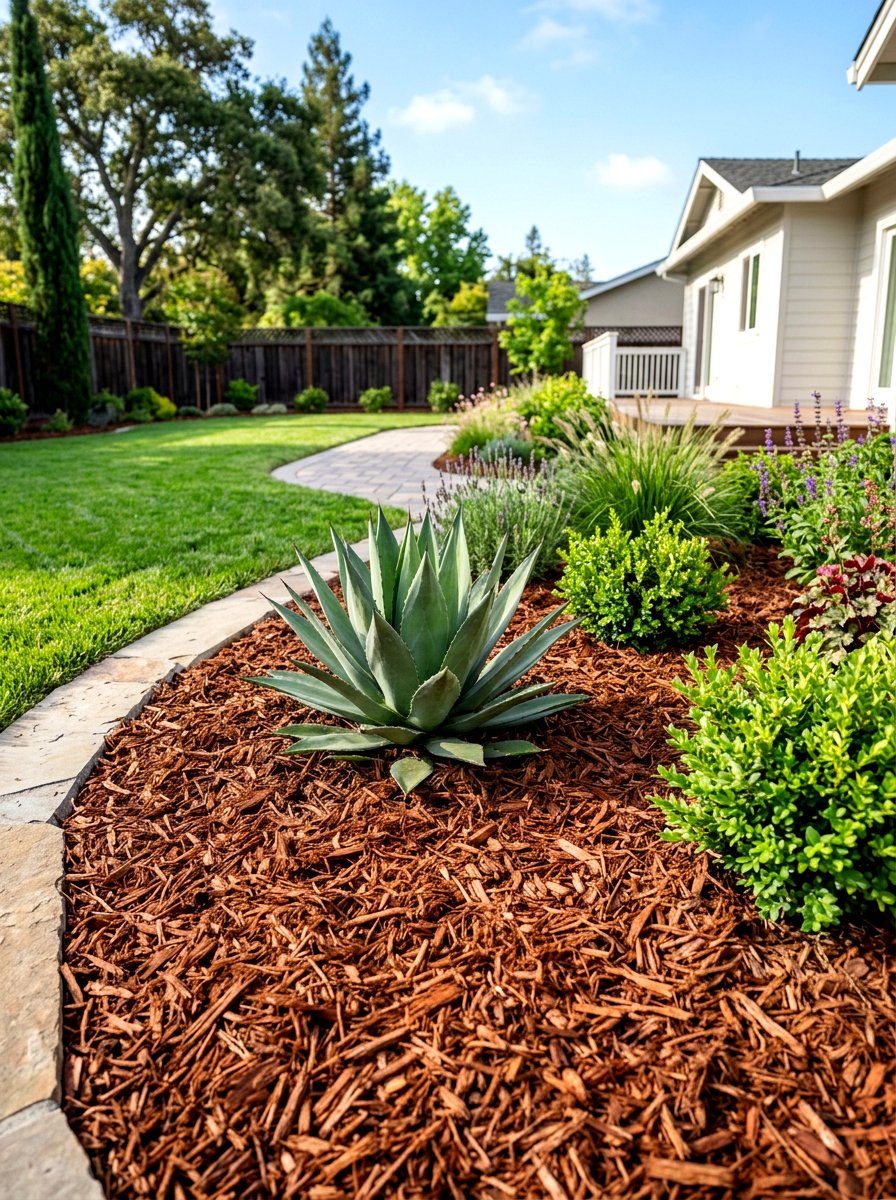
Cedar bark is a popular choice for groundcover because of its beautiful reddish hue and pleasant aroma. It is particularly effective at repelling certain insects while protecting your soil from the drying effects of the sun. Using cedar bark in your garden beds helps maintain a consistent soil temperature, which is vital for plant health. It stays in place better than some lighter mulches and breaks down slowly over time. This means you won't have to replace it as often as other organic materials. It provides a clean, professional finish to your backyard while significantly lowering the amount of maintenance and water required for success.
22. Potted Drought Tolerant Plant
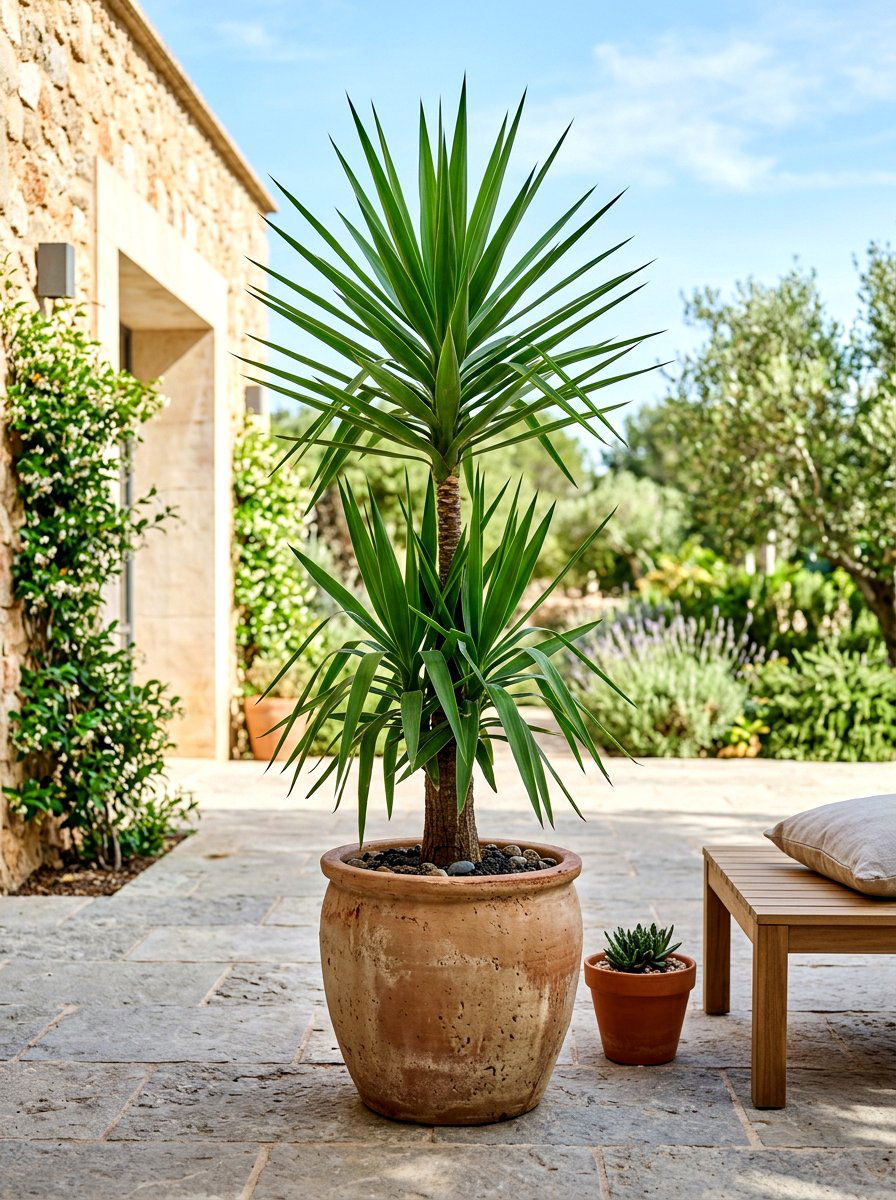
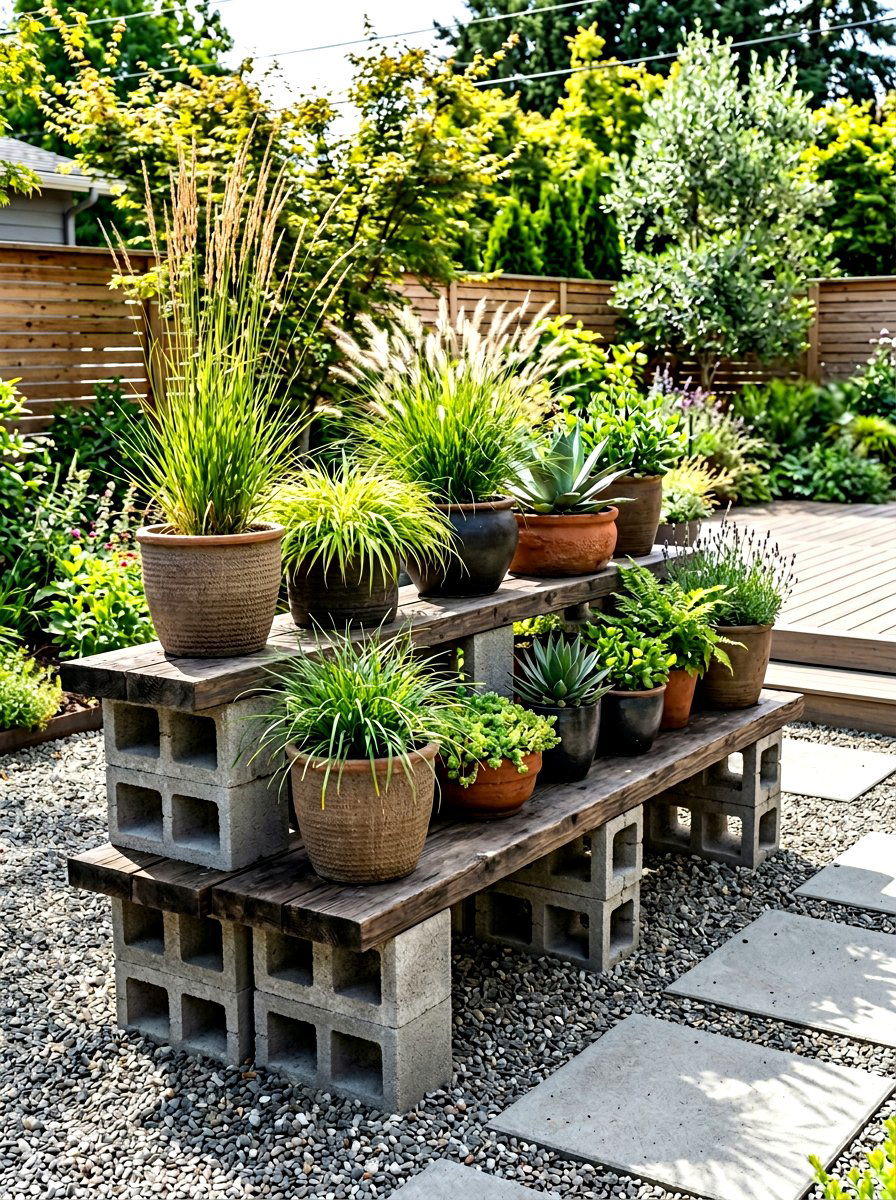
Using containers is a smart way to add greenery to your backyard while having total control over water usage. Large pots can be moved around to take advantage of shade or to change the look of your patio. You can plant them with hardy species like jade, agave, or ornamental grasses. This method prevents water from leaching into the surrounding ground, ensuring the plant gets exactly what it needs. Grouping several pots together creates a lush, layered look that feels very intentional. It is also an excellent solution for renters or people with limited space. Decorative containers add an extra layer of style to your outdoor area.
23. Recycled Concrete Patio
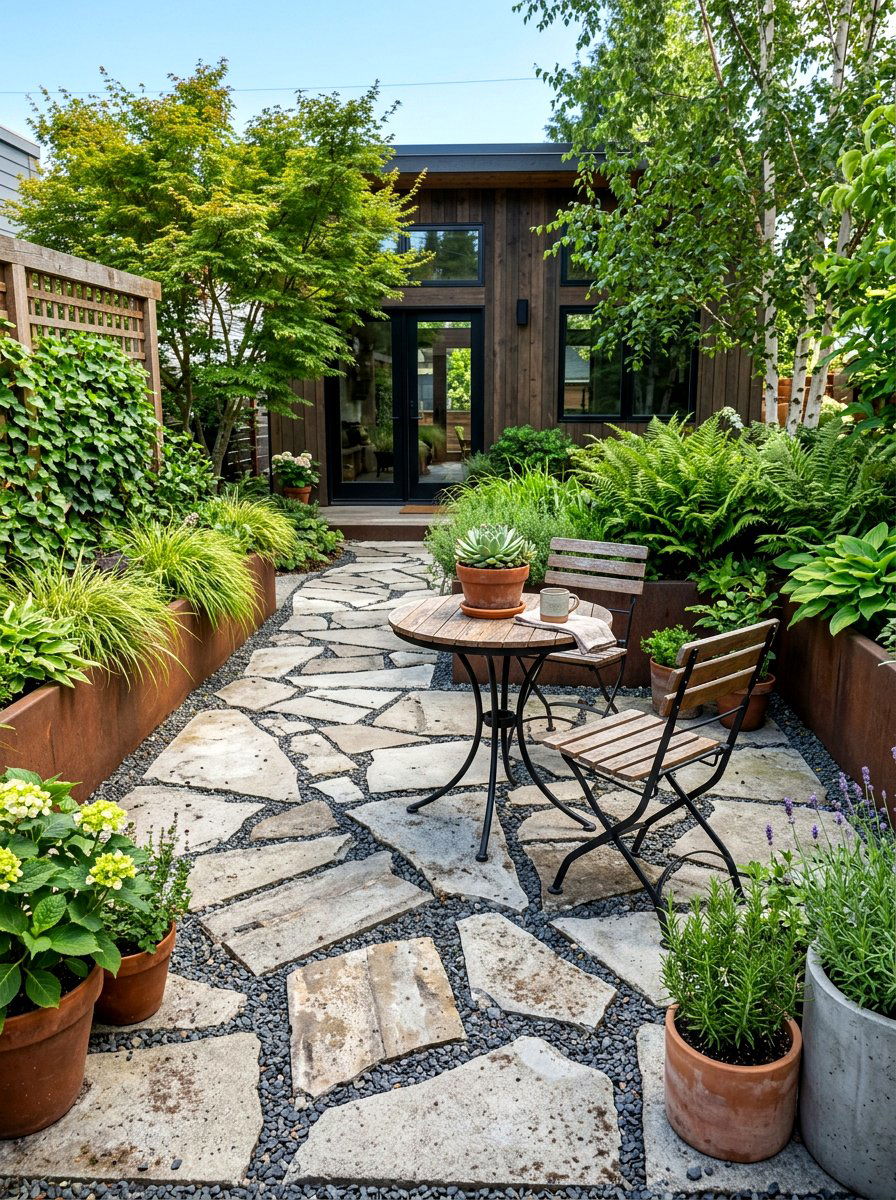
Creating a patio from recycled concrete, often called "urbanite, " is a sustainable and stylish hardscaping choice. You can break up old concrete slabs and arrange them like natural flagstone to create a unique mosaic. This approach keeps waste out of landfills and gives you a very durable outdoor floor. The gaps between the pieces can be filled with gravel to allow for proper drainage. It provides a cool, flat surface that is perfect for a dining table or lounge chairs. This DIY-friendly project adds a lot of character and a modern, industrial vibe to your backyard. It requires no watering and will last for many decades.
24. Sage Brush Perimeter
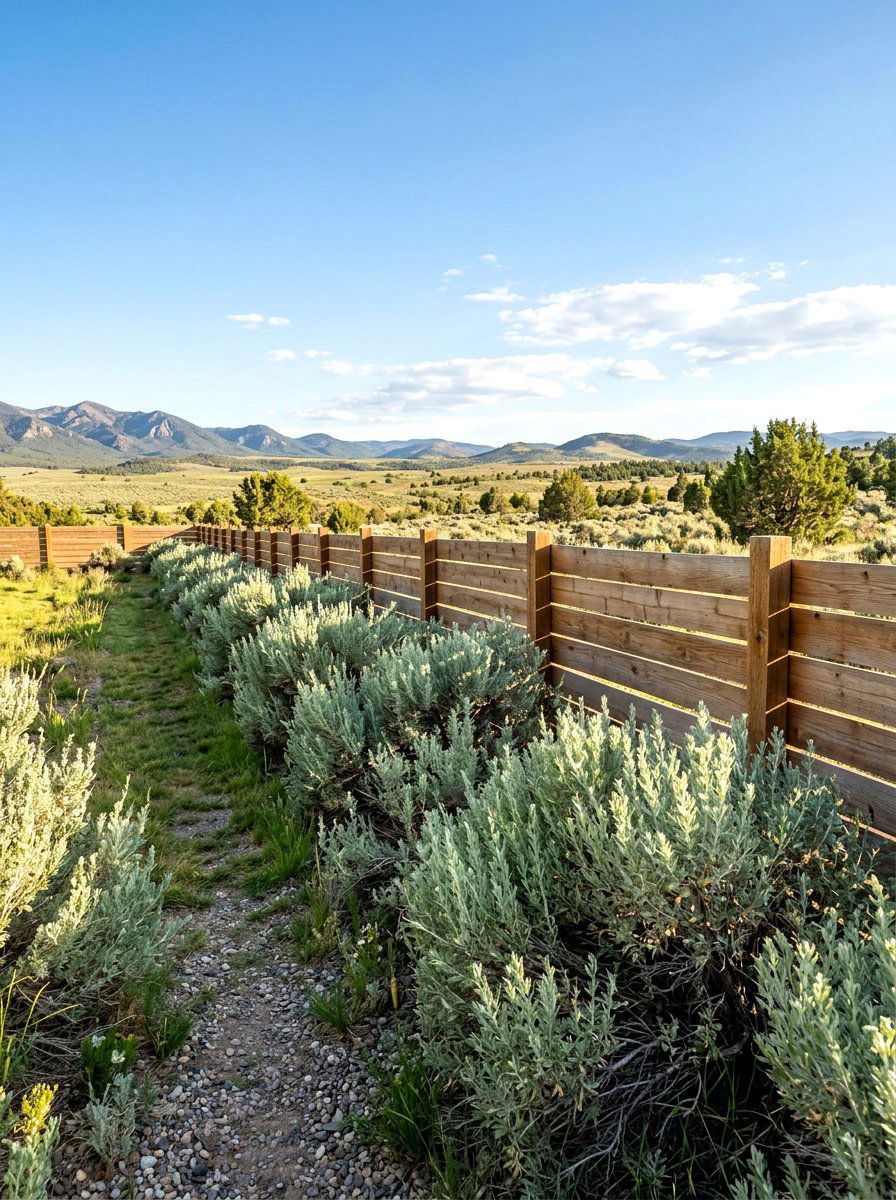
Planting sage brush or other hardy shrubs along your property line creates a beautiful, low-maintenance privacy screen. These plants are famous for their silver-green leaves and their ability to thrive in harsh, dry environments. They require very little pruning and can grow quite large, providing excellent coverage. Sage also releases a wonderful, earthy fragrance that fills the air after a light rain. It is a much more sustainable option than a traditional hedge that might require frequent watering and trimming. Using these native shrubs helps your backyard blend into the local landscape while providing a soft, natural border for your private outdoor living space.
25. Wood Decking
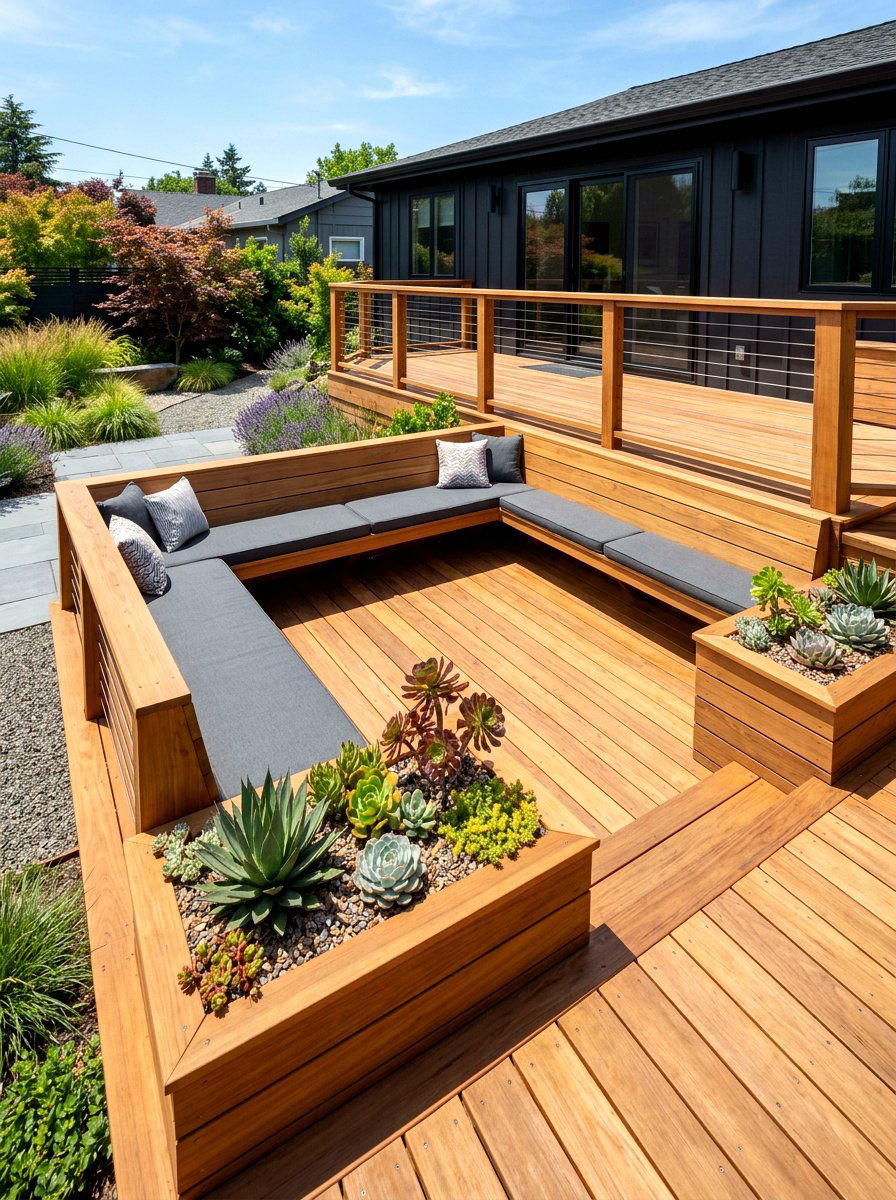
A wood deck is a classic backyard feature that provides a comfortable and stylish area for entertaining without needing water. By building a raised platform, you create a dedicated zone for outdoor furniture, grills, and plants in containers. This reduces the footprint of your actual garden, meaning you have less area to irrigate and maintain. You can use sustainably sourced wood or composite materials that are designed to withstand the elements for years. A deck adds a lot of visual warmth to the backyard and serves as a bridge between your indoor and outdoor spaces. It is a high-impact upgrade that improves your quality of life.
26. Vertical Succulent Wall
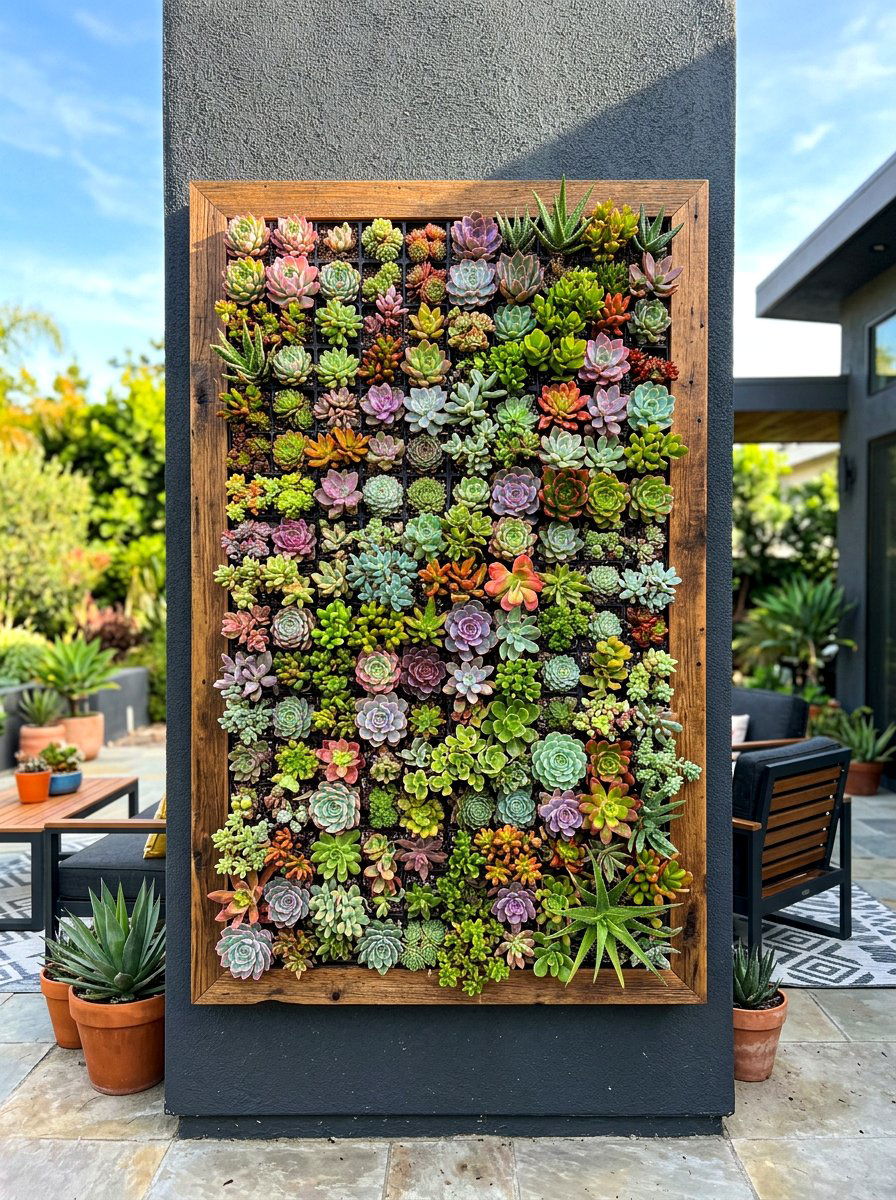
A vertical garden is a brilliant way to add a lot of greenery to a small backyard without taking up any ground space. You can use a variety of small succulents to create a living wall that acts like a piece of art. These plants have shallow root systems and store water, making them perfect for vertical containers. They require very little moisture and can thrive on a simple misting every few weeks. This feature adds a lush, modern feel to a fence or an exterior wall. It is a great conversation piece that shows off your commitment to smart, water-wise design in a creative way.
27. Crushed Stone Driveway
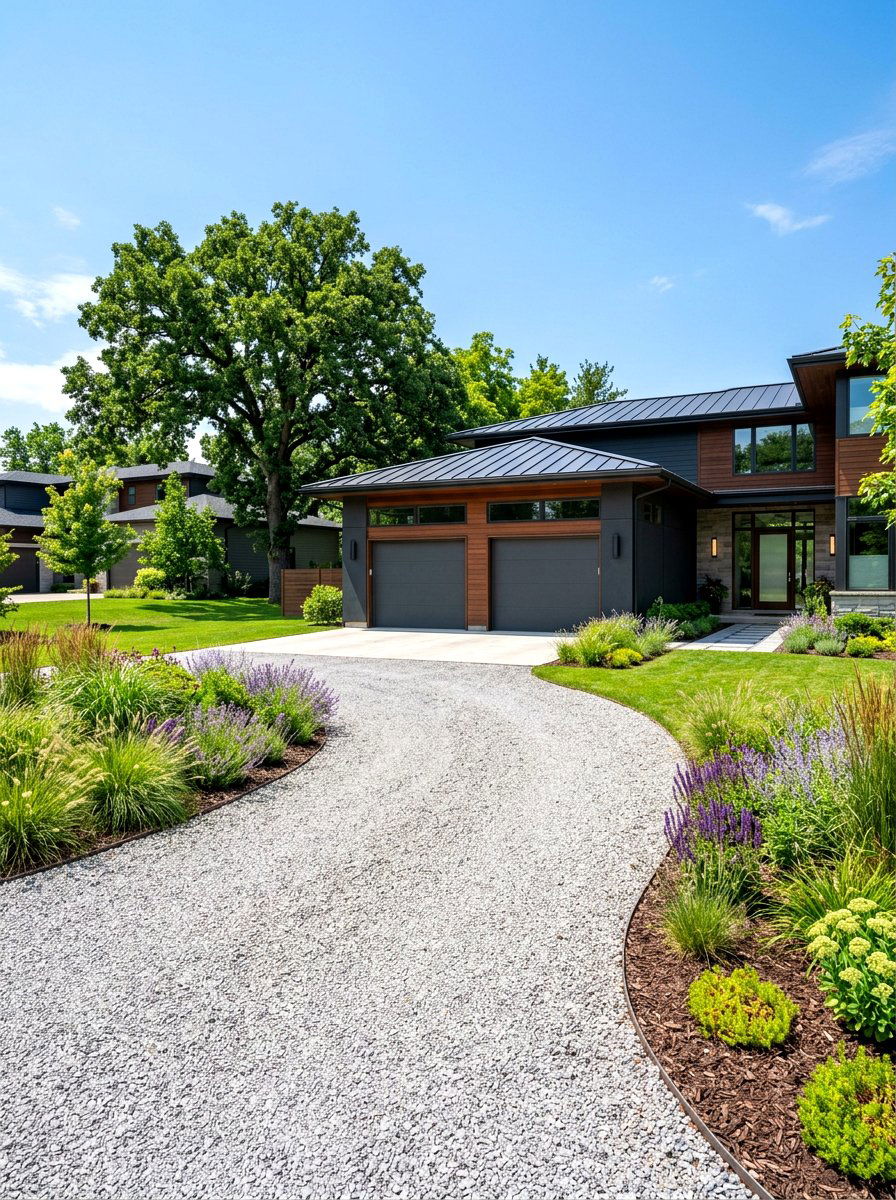
Replacing a traditional asphalt or concrete driveway with crushed stone is a great move for water conservation. Crushed stone allows rainwater to pass through and soak into the ground, reducing the amount of runoff that enters the storm drains. This material comes in many colors and sizes, allowing you to match it to your backyard's overall color palette. It is a very affordable option that provides a clean and tidy appearance for your home. Maintenance is as simple as raking it occasionally to keep the surface level. It is a practical and attractive choice that supports a more sustainable and drought-resistant property.
28. Stone Retaining Wall
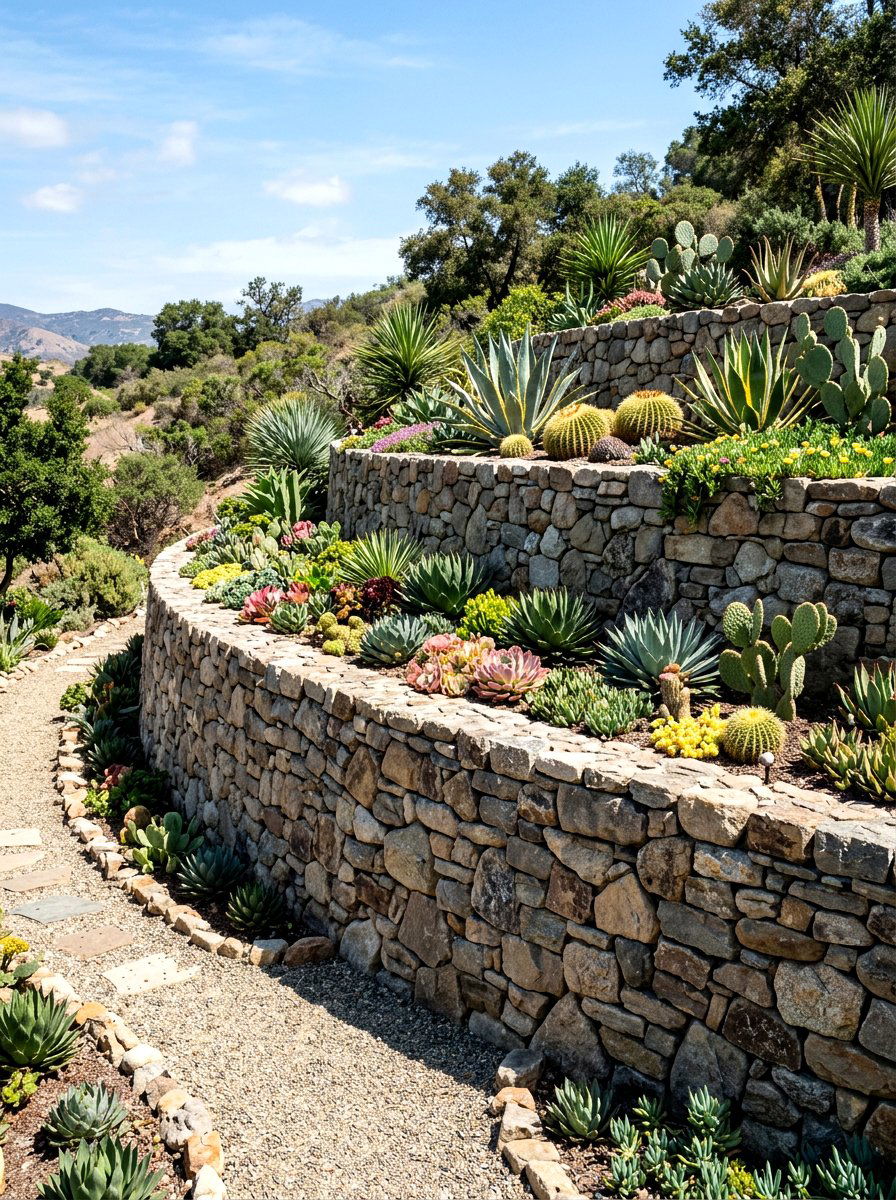
A stone retaining wall is a functional and beautiful way to manage slopes and create level planting areas in your backyard. Using natural stone adds a sense of permanence and timelessness to your landscape. These walls can be used to define different "rooms" in your yard or to hold back soil for raised garden beds. They require no water and very little maintenance once they are properly installed. You can even tuck small, drought-tolerant plants into the crevices of the stones for a more natural look. This structural element adds a lot of visual interest and value to your outdoor space while being eco-friendly.
29. Agave Centerpiece
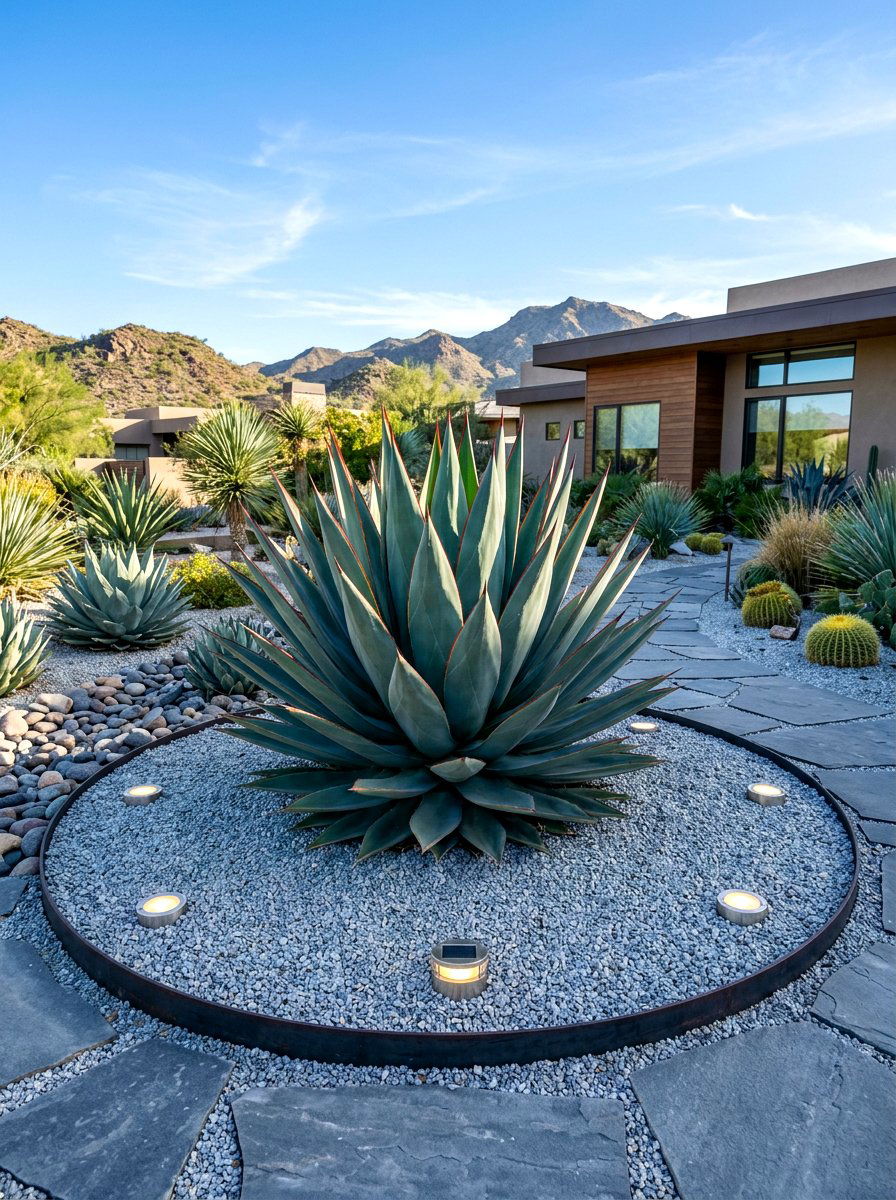
The agave plant is a stunning architectural marvel that can anchor your entire backyard design. Its large, pointed leaves and symmetrical form make it a perfect centerpiece for a drought-smart garden. Agaves are incredibly tough and can survive in extreme heat and very poor soil with almost no water. They come in many varieties, from small blue-green clusters to massive specimens that reach several feet across. Planting a single, large agave in a prominent spot creates a high-end, designer look with minimal effort. It is a resilient and dramatic choice that celebrates the unique beauty of plants that thrive in dry and sunny climates.
30. Shade Structure
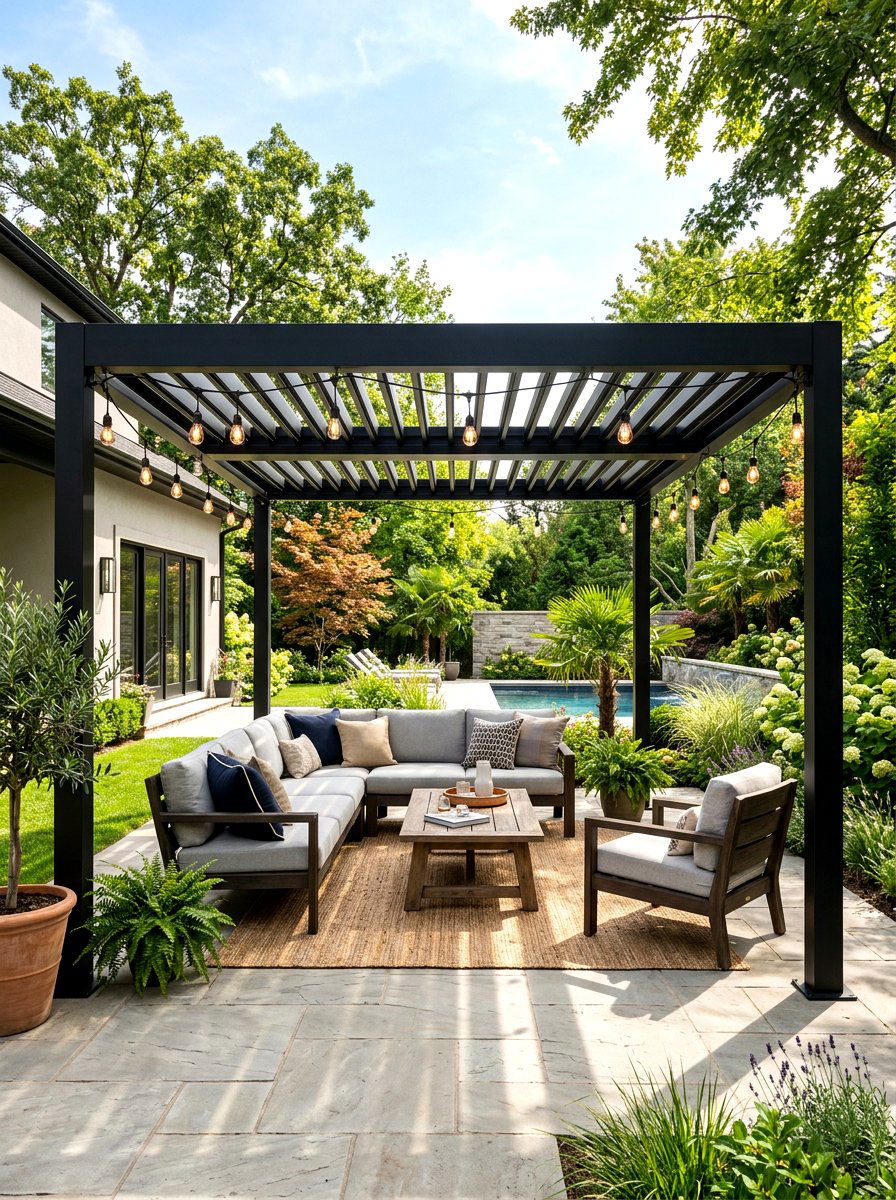
A shade structure like a pergola or gazebo is an essential part of a drought-smart backyard. By providing shade, these structures lower the temperature of the ground underneath, which significantly reduces water evaporation. This helps any plants nearby stay hydrated for much longer than those in direct sun. It also makes your outdoor space more comfortable for you to enjoy during the hot afternoon hours. You can style the structure with outdoor curtains or climbing vines that don't require much water. A well-placed shade feature acts as a functional hub for your backyard, tying together your hardscape and landscape elements into a cohesive whole.
Conclusion:
Transforming your outdoor space into a water-wise sanctuary is one of the most rewarding home projects you can undertake today. It allows you to save significant money on monthly utility bills while still maintaining a stunning aesthetic. These drought-smart strategies prove that you do not need a thirsty lawn to have a beautiful and functional backyard. You can mix different textures like stone and wood with resilient greenery to create a modern look. Your home will become a sustainable model for the neighborhood while providing a relaxing retreat for your family. Start small with one area and watch how your yard transforms into a thriving, low-maintenance paradise.

Related posts: