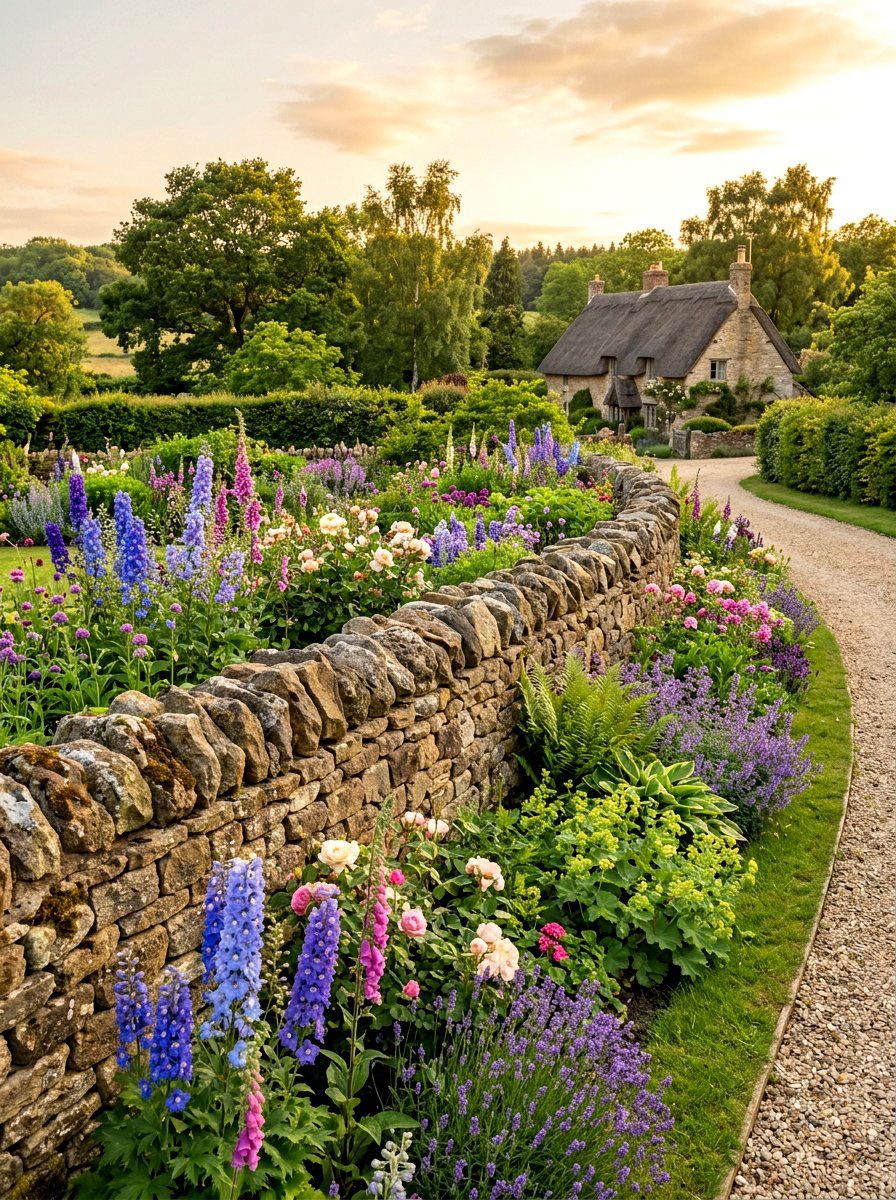
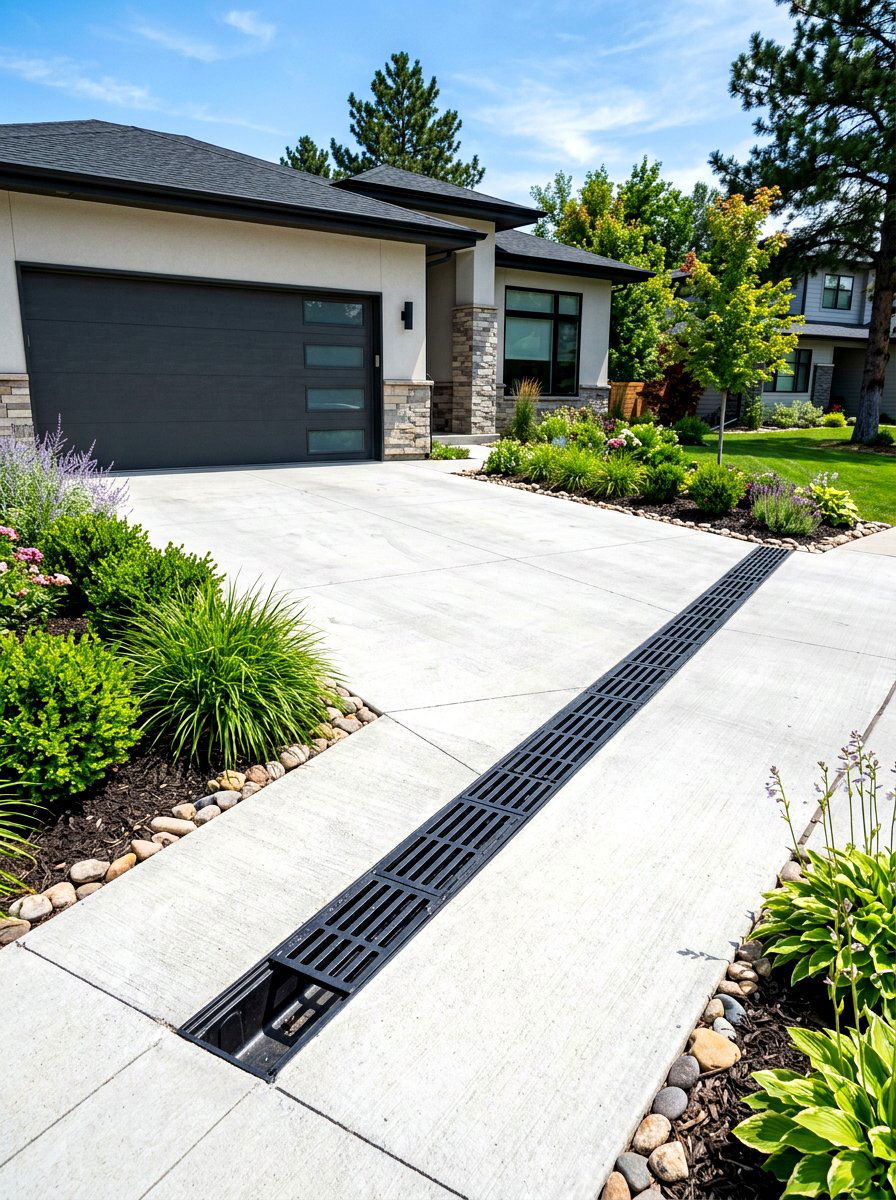
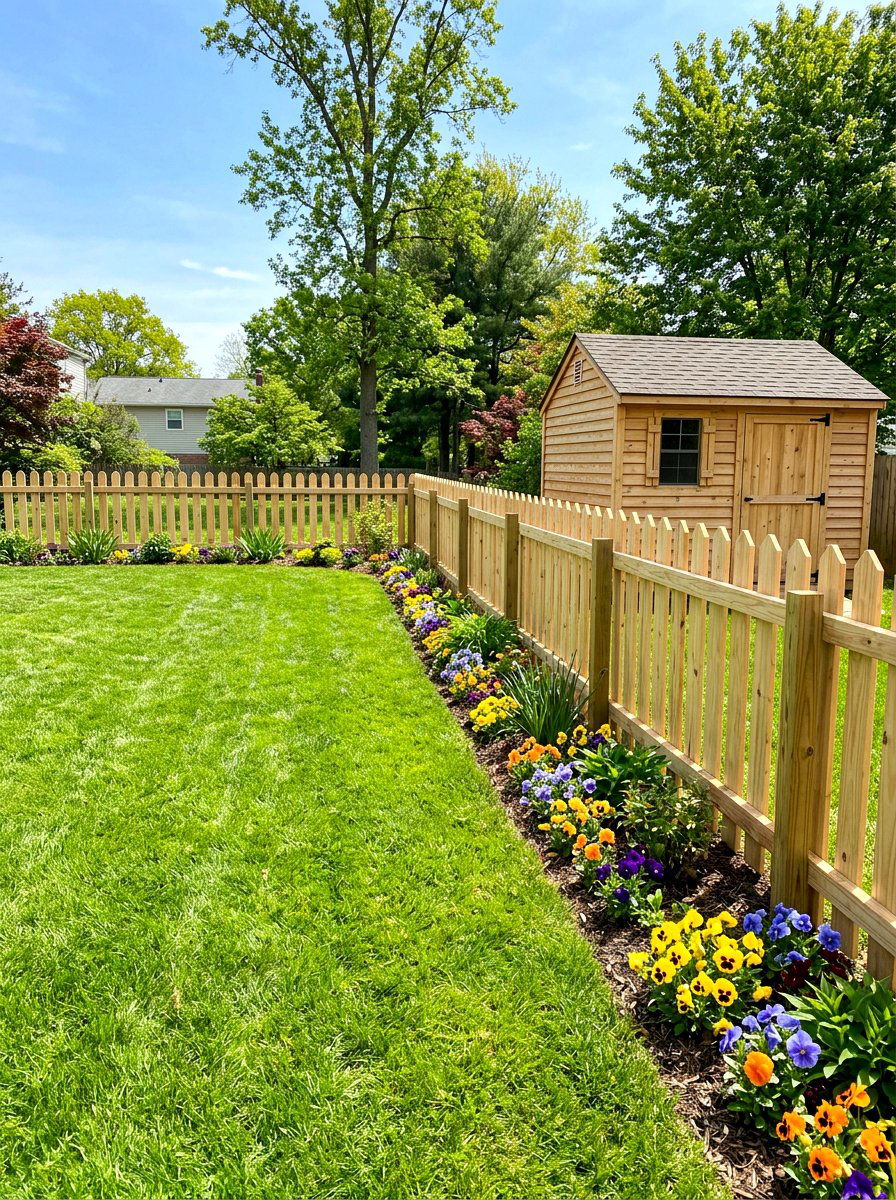
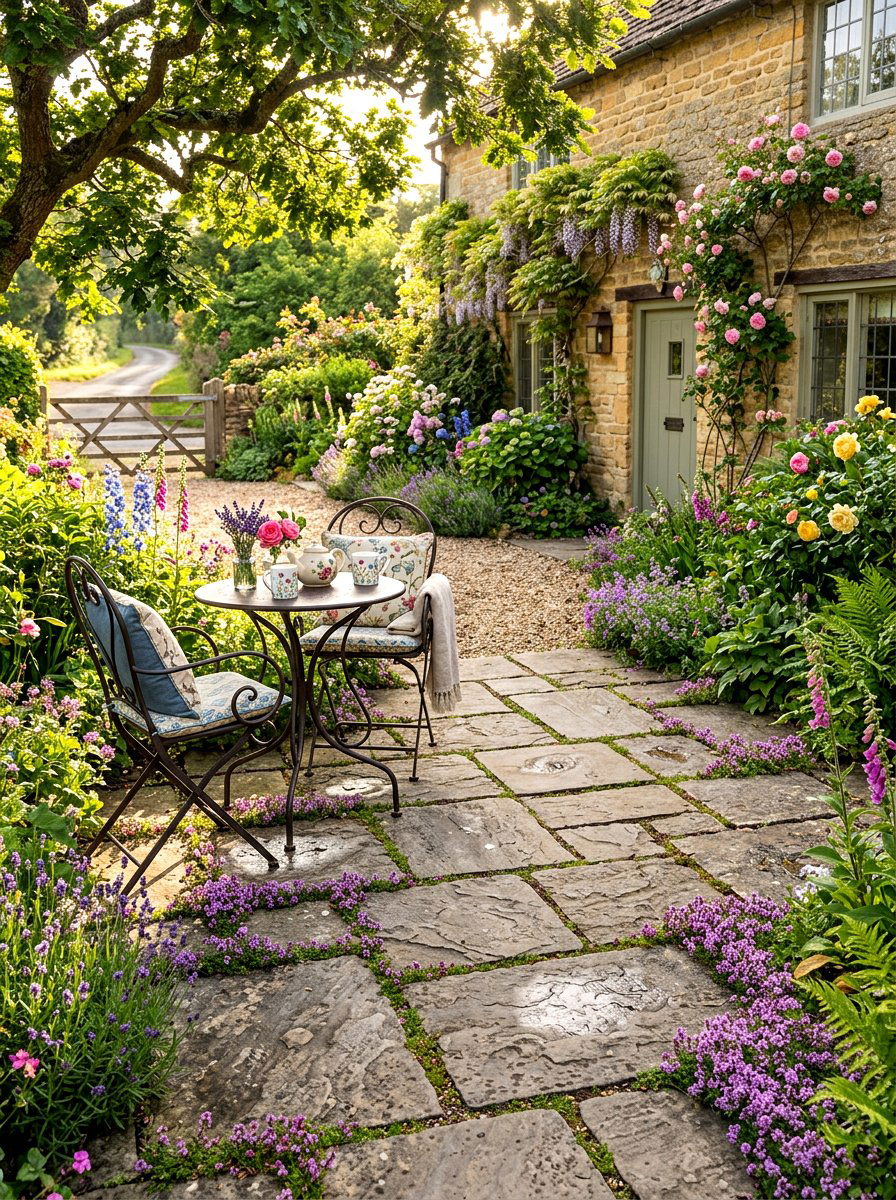
Designing a dry creek bed is a fantastic way to blend practical drainage solutions with stunning landscape aesthetics. These features mimic the natural beauty of a mountain stream or a dried-up riverbed, providing visual interest even when there is no water flowing. By using various sizes of river rocks, boulders, and drought-tolerant plants, you can solve common backyard issues like erosion and standing water while boosting your home’s curb appeal. Whether you prefer a modern minimalist look or a lush woodland retreat, a well-placed dry creek bed offers a low-maintenance alternative to traditional gardens. It is a versatile design element that anchors your outdoor space and creates a sense of movement through your yard.
1. River rock dry creek bed
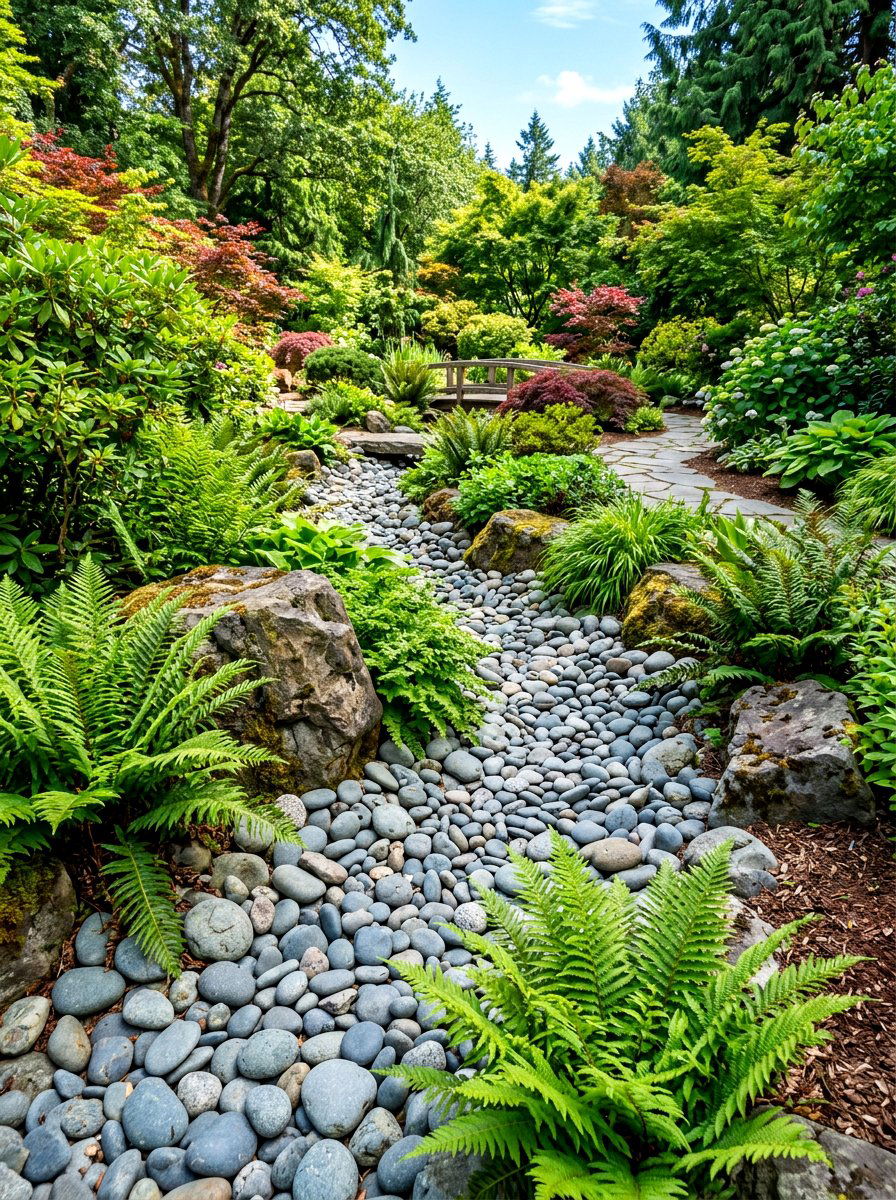
Using classic river rock is the most effective way to create a realistic and natural-looking stream feature in your backyard. These stones are known for their smooth, rounded edges and soft earthy tones that blend seamlessly with any garden environment. To achieve the best look, it is important to mix different sizes, placing larger cobbles along the edges to define the banks and smaller pebbles in the center to simulate the path of a current. This layering technique adds depth and mimics the way nature deposits sediment in a real river. It is a timeless choice that works perfectly for both traditional and contemporary landscape designs.
2. Dry creek bed bridge
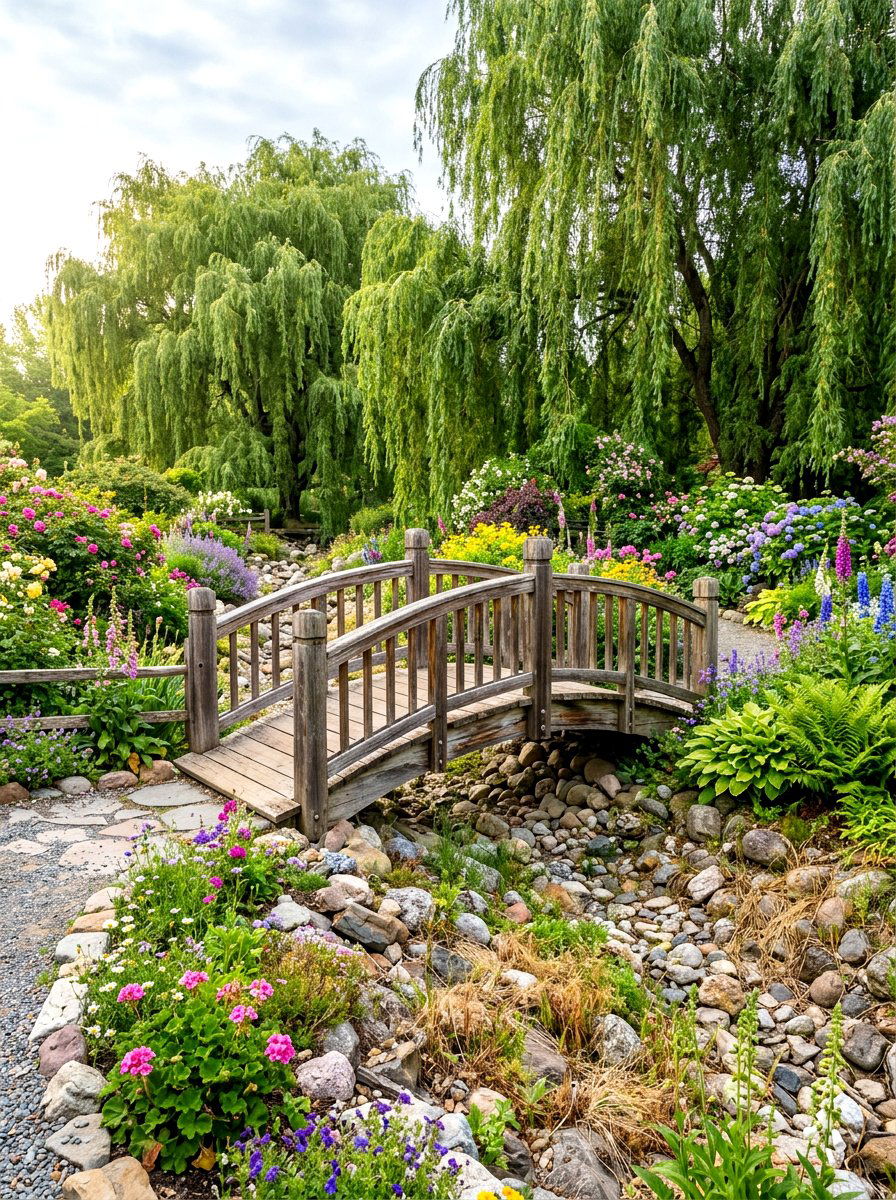
Have you ever considered adding a structural element to your garden to create a more immersive experience? A small wooden or stone bridge spanning across your dry creek bed transforms the area into a charming destination rather than just a drainage path. This design choice provides a clear focal point and invites visitors to walk over the "water, " even when the weather is dry. You can surround the bridge footings with large anchor boulders and soft ferns to help it look like it has been part of the landscape for years. It is an excellent way to connect two different sections of your garden while adding vertical interest.
3. Small backyard dry creek bed
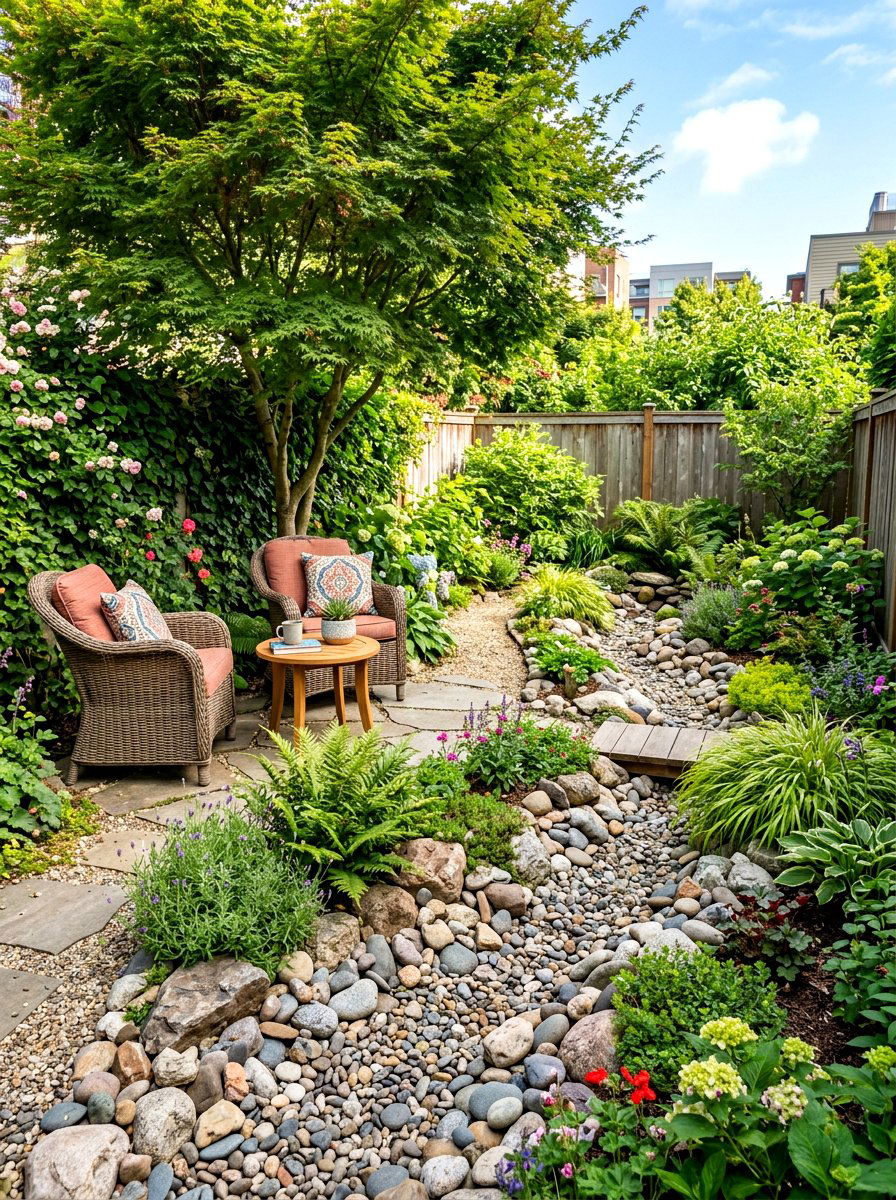
Small outdoor spaces can benefit immensely from a scaled-down dry creek bed that adds texture without overwhelming the area. By using smaller stones and keeping the path narrow and winding, you can make a tiny yard feel much larger and more complex. It is best to tuck these features into unused corners or along a fence line to maximize the available space for seating or lawns. Using light-colored stones can help brighten up a shaded small backyard, making the entire area feel more open and airy. This design is perfect for urban dwellers who want to incorporate a touch of nature into their limited footprint.
4. Drainage dry creek bed
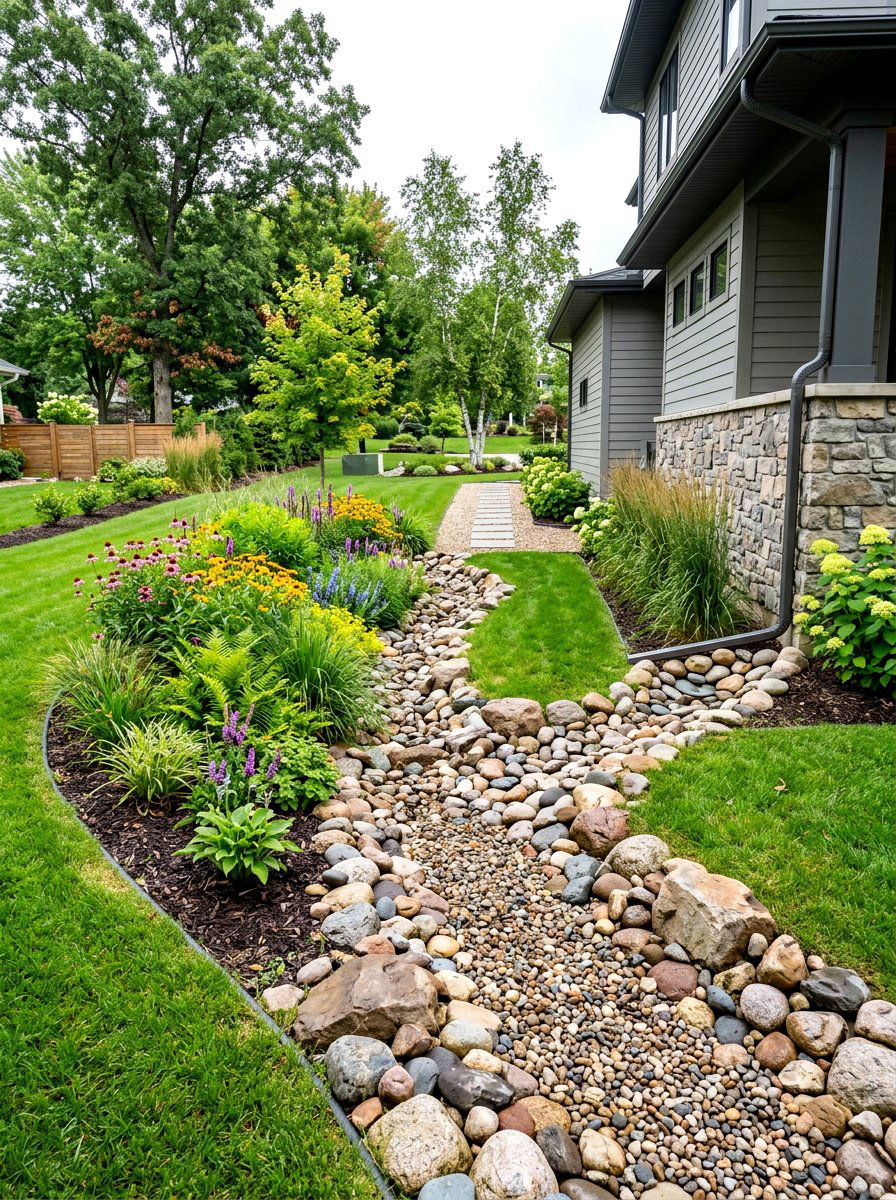
When your backyard suffers from pooling water or muddy patches, a drainage-focused dry creek bed is the ultimate functional solution. This design involves digging a deeper trench and lining it with heavy-duty landscape fabric to ensure water flows efficiently away from your home’s foundation. Instead of a traditional ugly plastic pipe, you get a beautiful rocky channel that handles heavy rain with ease. You should focus on using medium-sized rocks that won't wash away during intense storms. This approach proves that you do not have to sacrifice beauty for utility, as the final result looks like a natural part of your property’s topography.
5. Modern dry creek bed
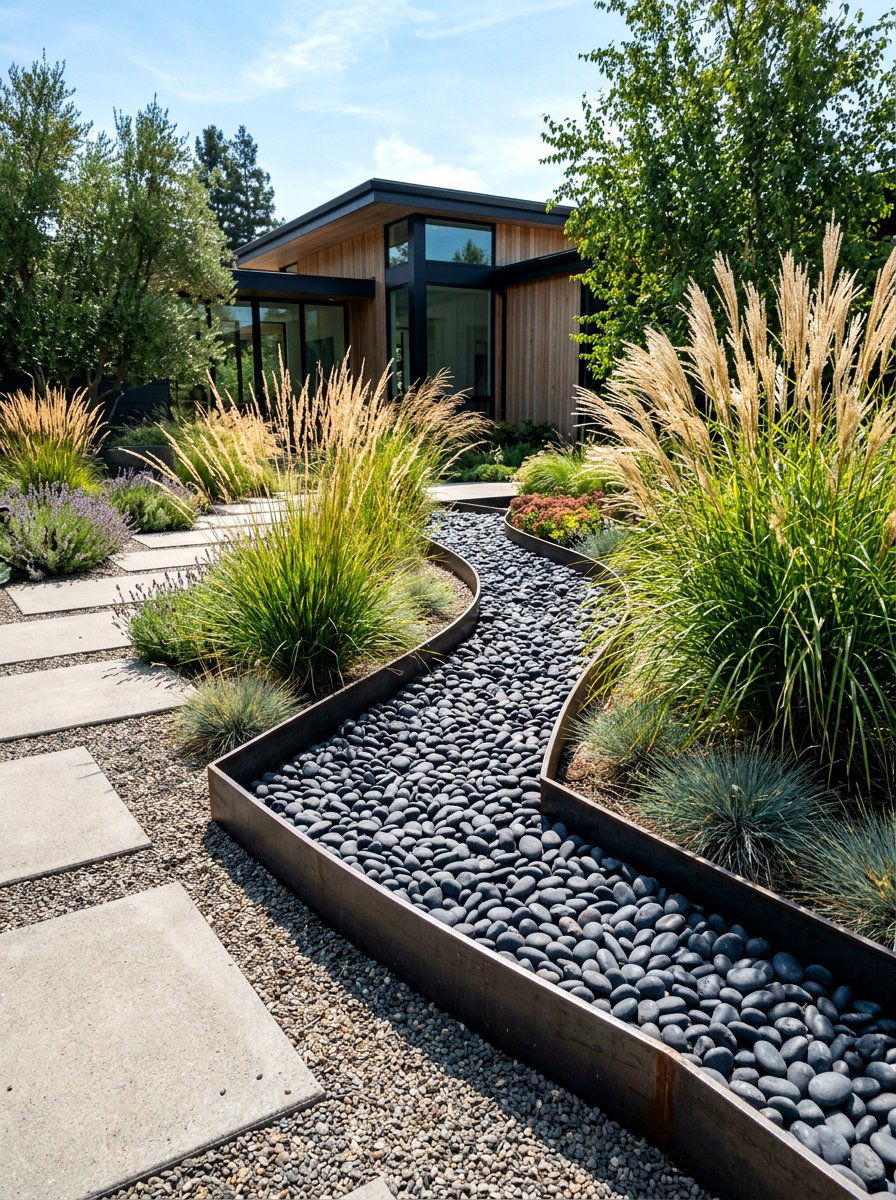
Modern landscaping often relies on clean lines and a restricted color palette, making a contemporary dry creek bed a perfect addition. You can achieve this look by using uniform slate chips or dark basalt rocks instead of multi-colored river stones. Instead of organic, curvy shapes, try a straighter path with sharp edges defined by metal edging or concrete borders. To maintain the minimalist aesthetic, pair the rock feature with architectural plants like ornamental grasses or structural succulents. This style of creek bed acts as a sculptural element that complements the sleek architecture of a modern home, providing a sophisticated and low-maintenance garden feature.
6. Front yard dry creek bed
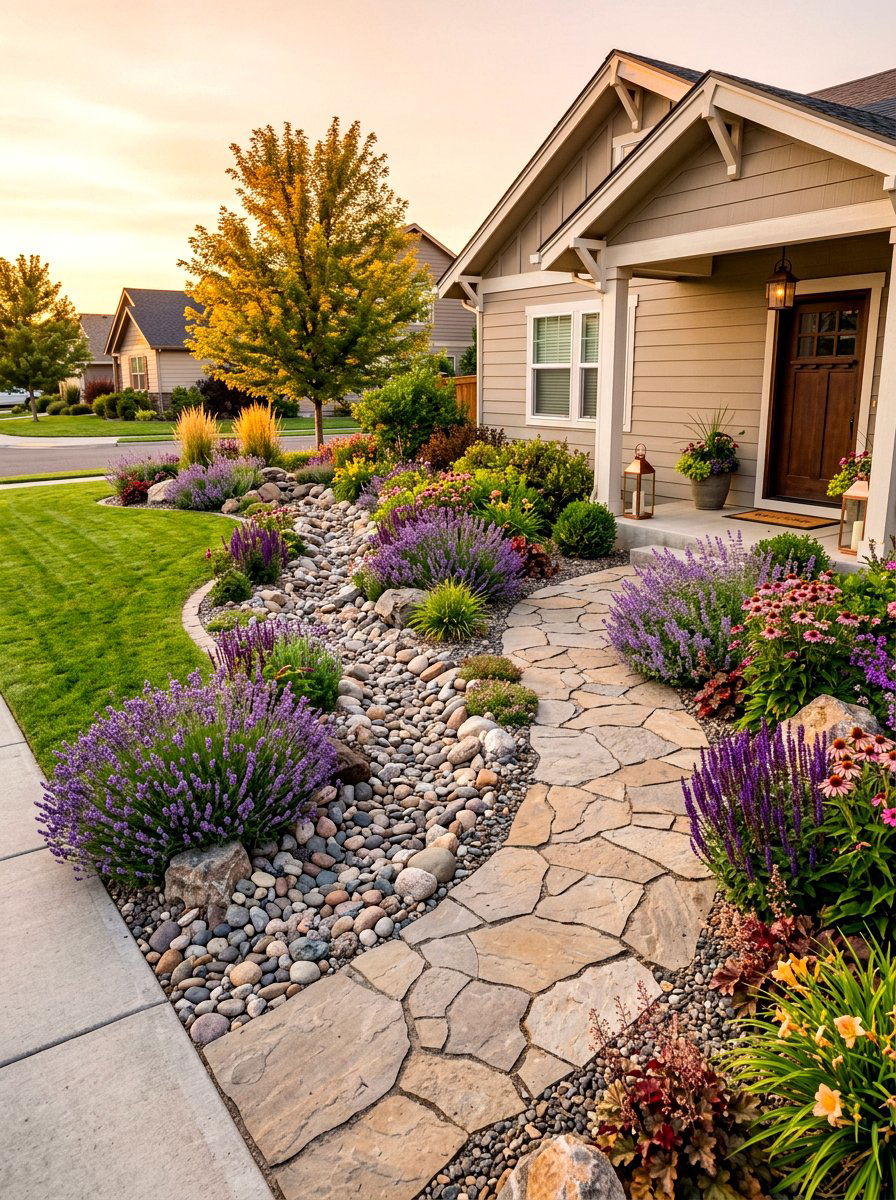
Is your front yard lacking the curb appeal you desire? Replacing a portion of your traditional lawn with a dry creek bed can create an eye-catching entrance that sets your home apart from the neighbors. This design often works best when it meanders from the front porch down toward the street, mimicking a natural runoff path. You can enhance the look by planting colorful perennials and flowering shrubs along the "banks" to provide seasonal color. This not only reduces the amount of grass you need to mow but also provides a durable and drought-tolerant landscape that looks beautiful even during the hottest summer months.
7. Large boulder dry creek bed
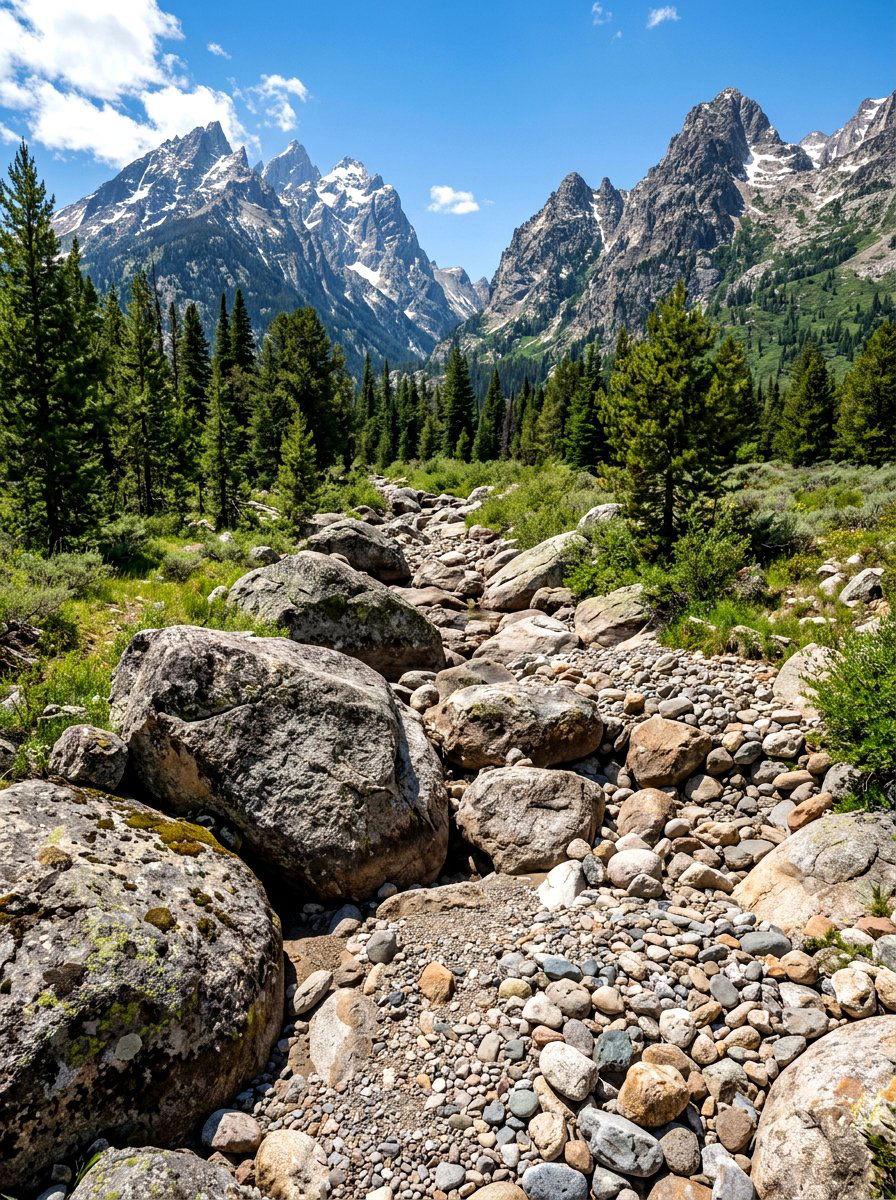
Adding massive boulders to your dry creek bed design is the best way to create a sense of scale and permanence. These large stones should be partially buried to look as though they have been unearthed by years of natural water flow. Place them at the bends of your creek to act as natural barriers that redirect the "current" and provide visual weight to the design. Boulders also serve as perfect natural seating or pedestals for garden art and birdbaths. When you mix these giants with smaller gravel, the contrast in size creates a professional, high-end look that mimics a rugged mountain stream.
8. Japanese dry creek bed
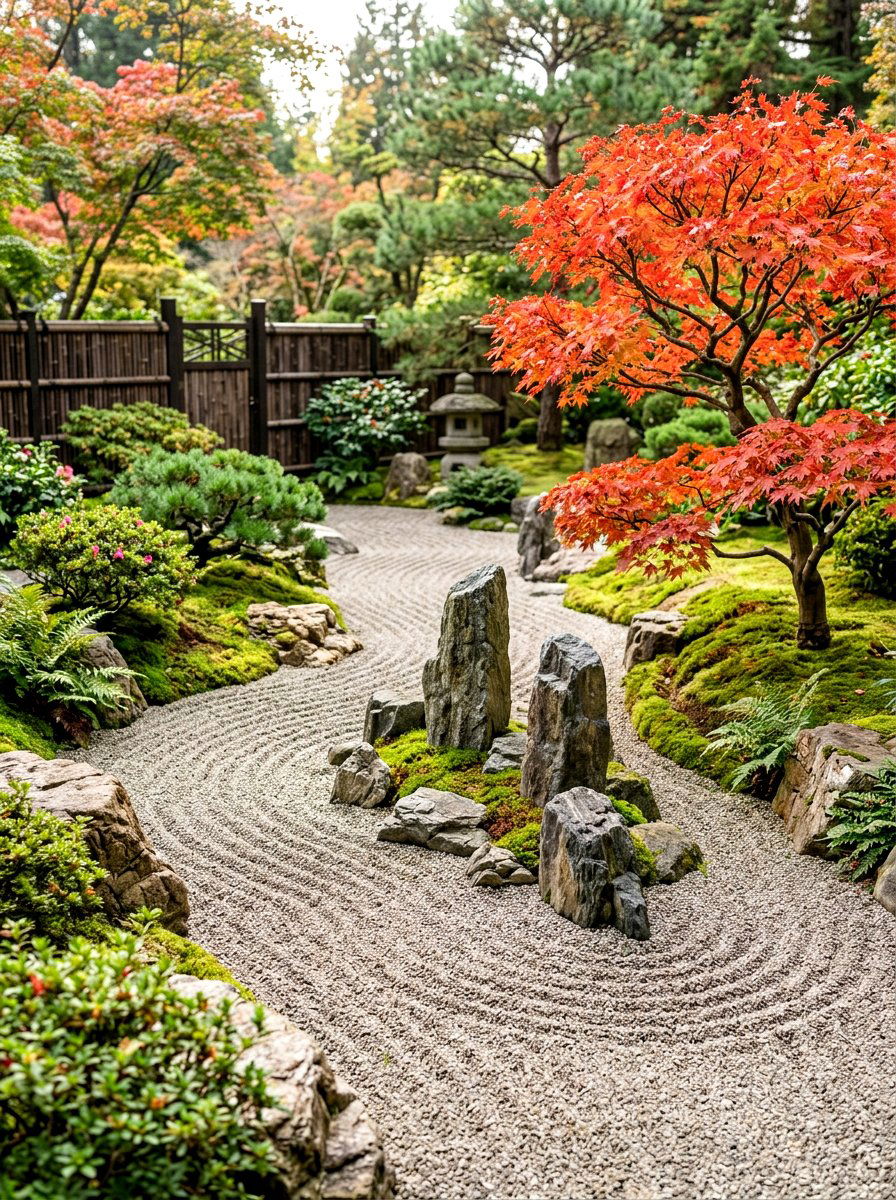
Japanese garden design often uses dry creek beds, known as karesansui, to represent the essence of water through stone. To capture this tranquil vibe, you should use fine gravel or raked sand to represent the flowing current, with carefully placed upright stones standing in for islands. This style is less about drainage and more about creating a meditative space for reflection and peace. Surround the area with traditional plants like Japanese maples, moss, and azaleas to complete the serene atmosphere. It is a wonderful choice for homeowners who want a spiritual retreat in their backyard that requires very little water or upkeep.
9. Desert dry creek bed
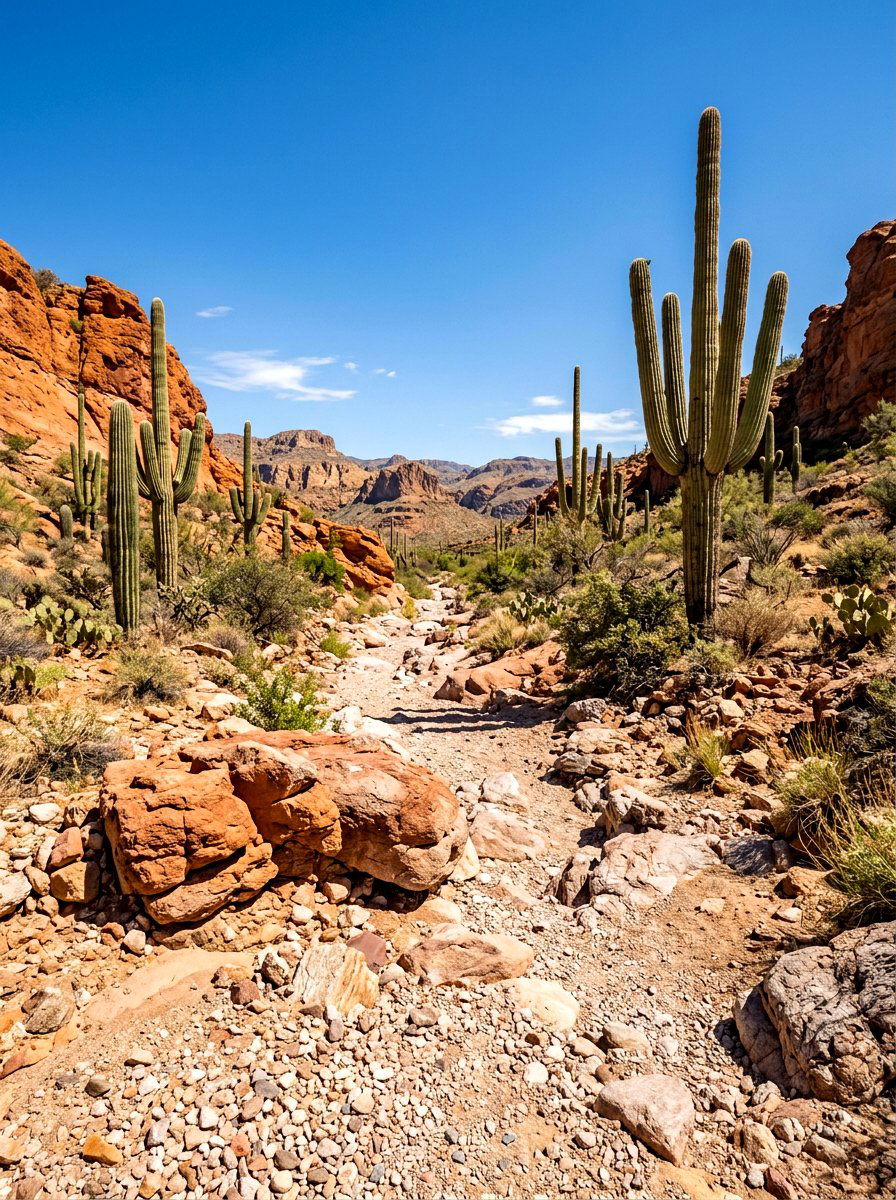
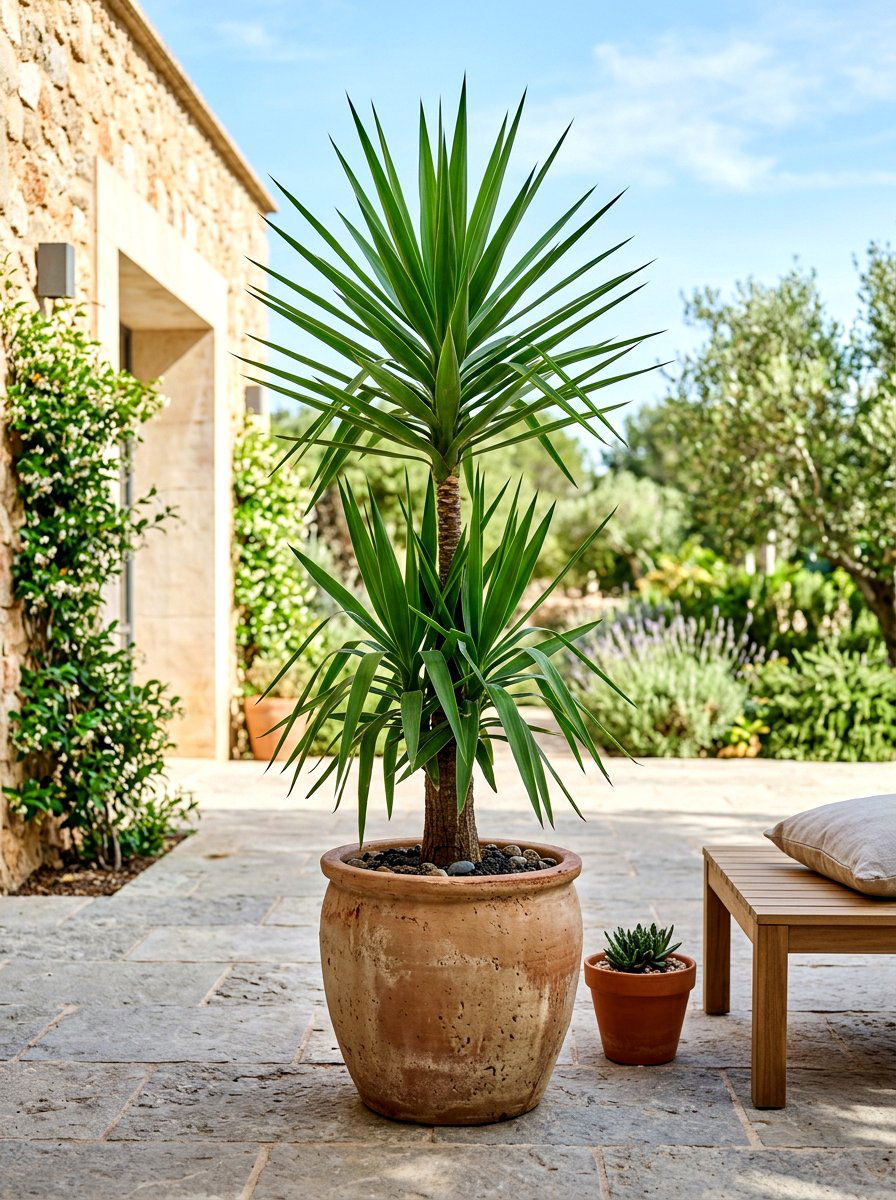
If you live in an arid climate, a desert-themed dry creek bed is a sustainable and beautiful way to landscape your property. Instead of lush greenery, focus on using red sandstone, beige pebbles, and large jagged rocks that reflect the local geology. This design thrives when paired with hardy cacti, agave, and yucca plants that can withstand intense sun and little rain. The dry creek bed acts as a natural-looking arroyo, which is a common feature in southwestern landscapes. It provides a rugged, authentic feel that celebrates the natural environment while eliminating the need for thirsty lawns and high-maintenance irrigation systems.
10. Slope dry creek bed
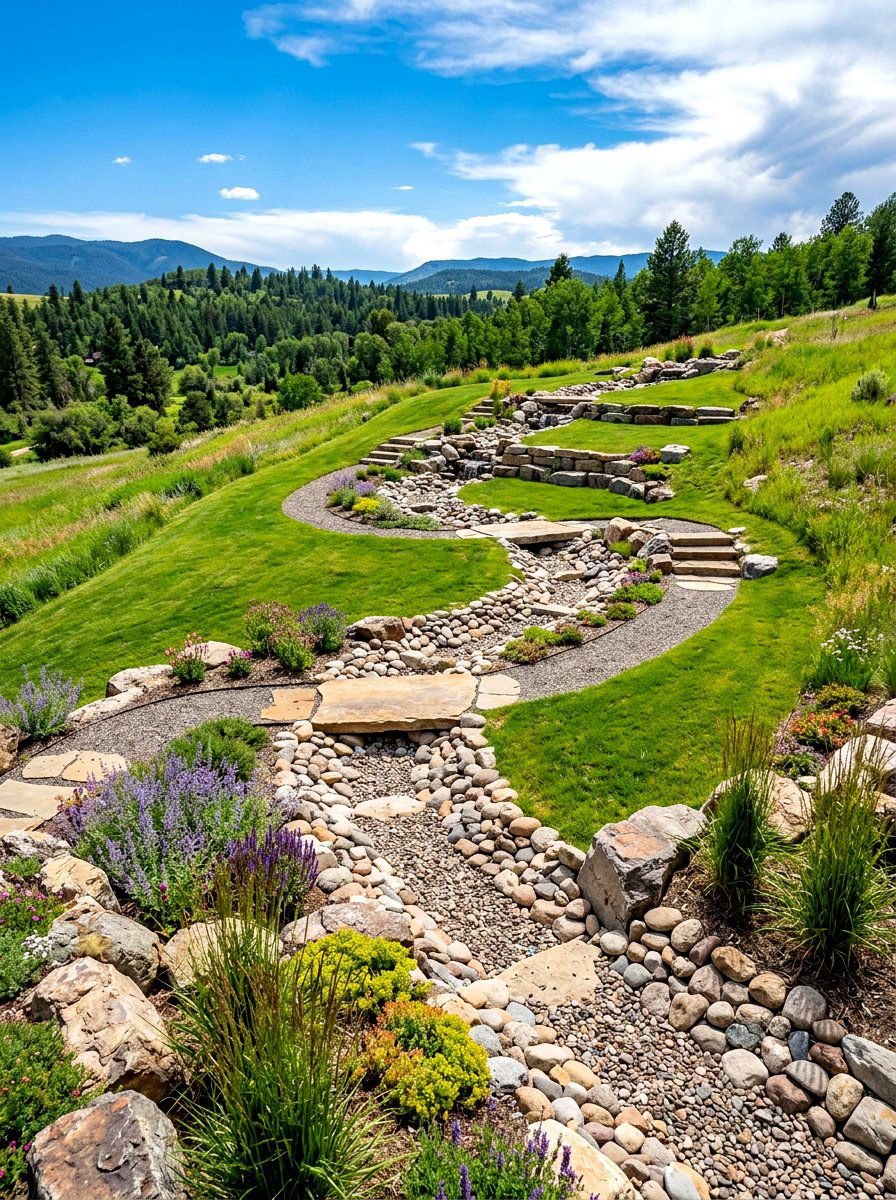
Landscaping a steep hill can be a major challenge, but a dry creek bed is one of the best ways to manage erosion on a slope. By creating a rocky channel that follows the natural fall of the land, you can slow down rainwater and prevent it from washing away your precious topsoil. Use a series of "check dams" or larger flat stones to create miniature waterfalls that break the speed of the water. This design turns a problematic hillside into a stunning tiered landscape that looks like a natural waterfall. It is a practical and visually dramatic way to add character to a difficult backyard.
11. Driveway dry creek bed
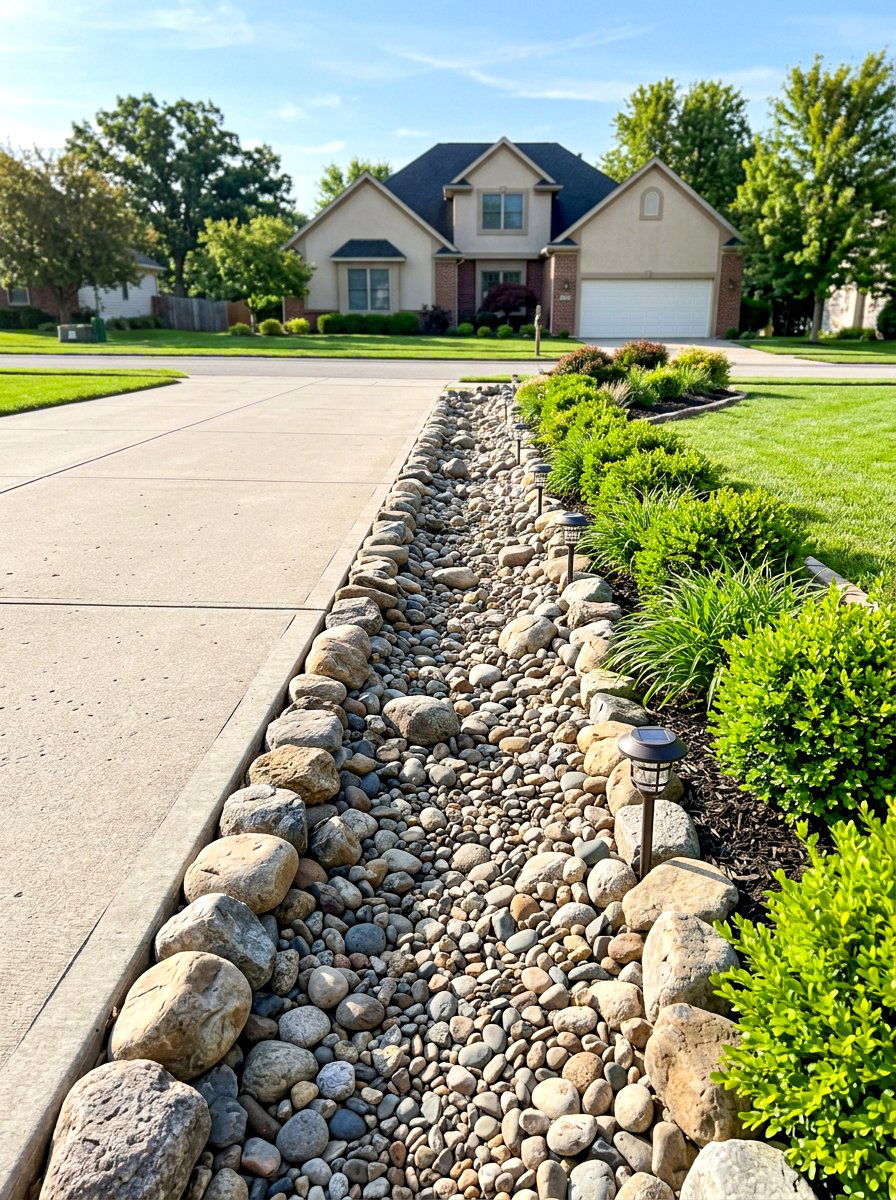
Do you struggle with water running off your driveway and into your garage or flower beds? A dry creek bed installed parallel to your driveway can catch this runoff and direct it safely to a drainage point. This functional border also serves as a beautiful transition between the hard surface of the pavement and the soft greenery of your lawn. You can use larger stones near the edges to prevent people from accidentally driving into the trench. It is a smart way to add a decorative touch to a purely functional area of your property while protecting your home from potential water damage.
12. Woodland dry creek bed
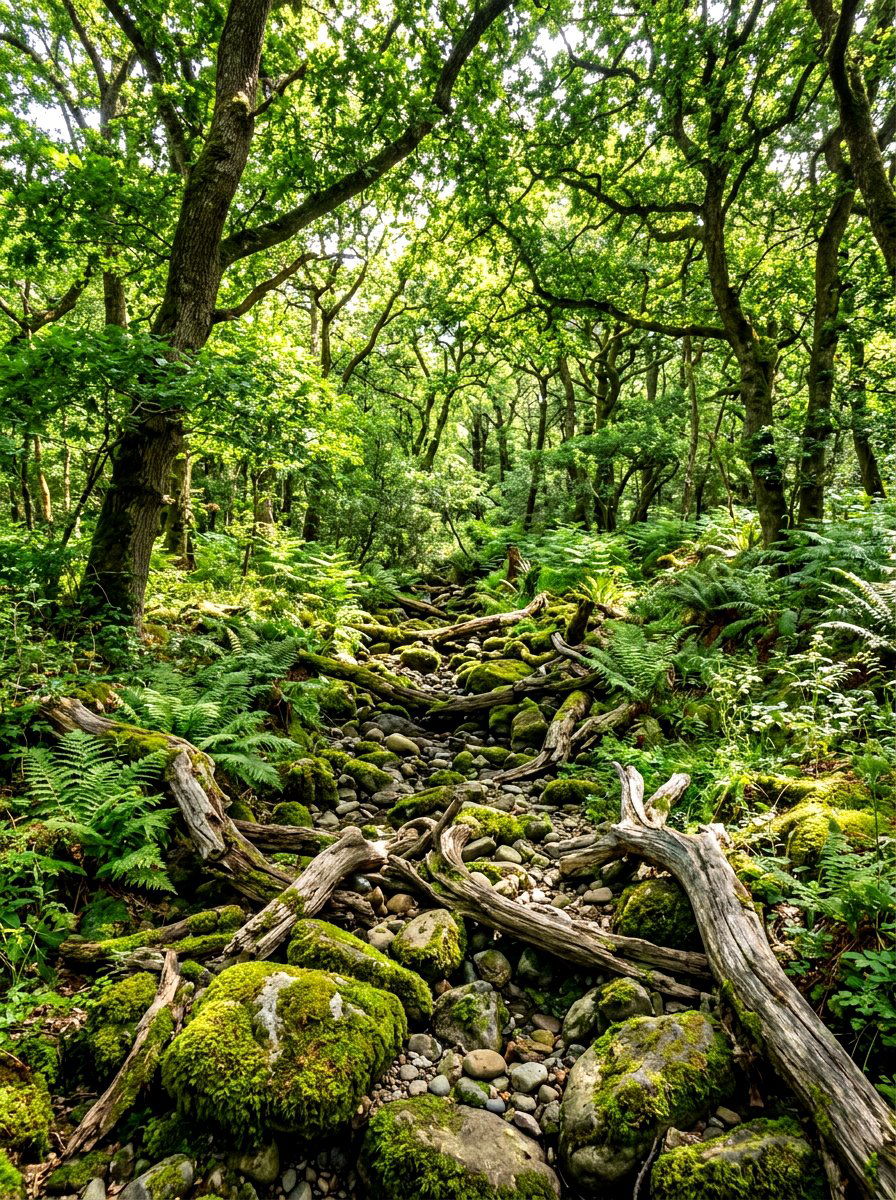
Creating a woodland-inspired dry creek bed is all about embracing a lush, shaded environment with plenty of organic textures. This design looks best when it winds through a canopy of trees and is surrounded by shade-loving plants like hostas, ferns, and wild ginger. You can incorporate fallen logs or pieces of driftwood along the edges to enhance the "forest floor" aesthetic. Use dark, weathered stones that look like they have been covered in moss for decades. This type of creek bed provides a cool, damp feeling even in the heat of summer, making it a perfect sanctuary for local wildlife and peaceful afternoon walks.
13. Narrow dry creek bed
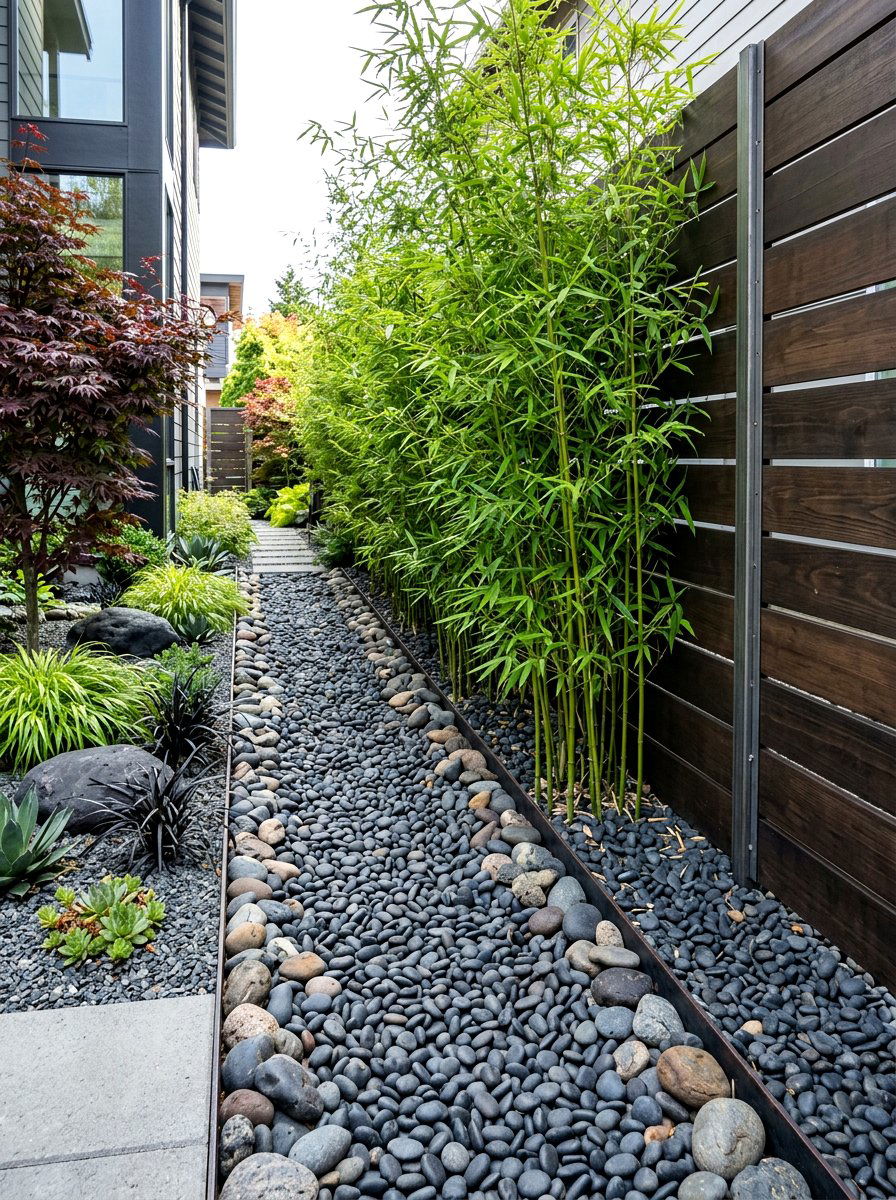
Sometimes a subtle touch is all you need to define a garden space, and a narrow dry creek bed is perfect for this purpose. These slim channels can act as a natural divider between a patio and a flower bed or run alongside a narrow side yard. By using smaller pebbles and a few well-placed accent stones, you can create a sense of movement without taking up valuable walking space. This design is particularly effective in modern gardens where precision is valued. It allows you to introduce the texture of stone into a tight area where a full-sized stream would be impossible to install.
14. Stepping stone dry creek bed
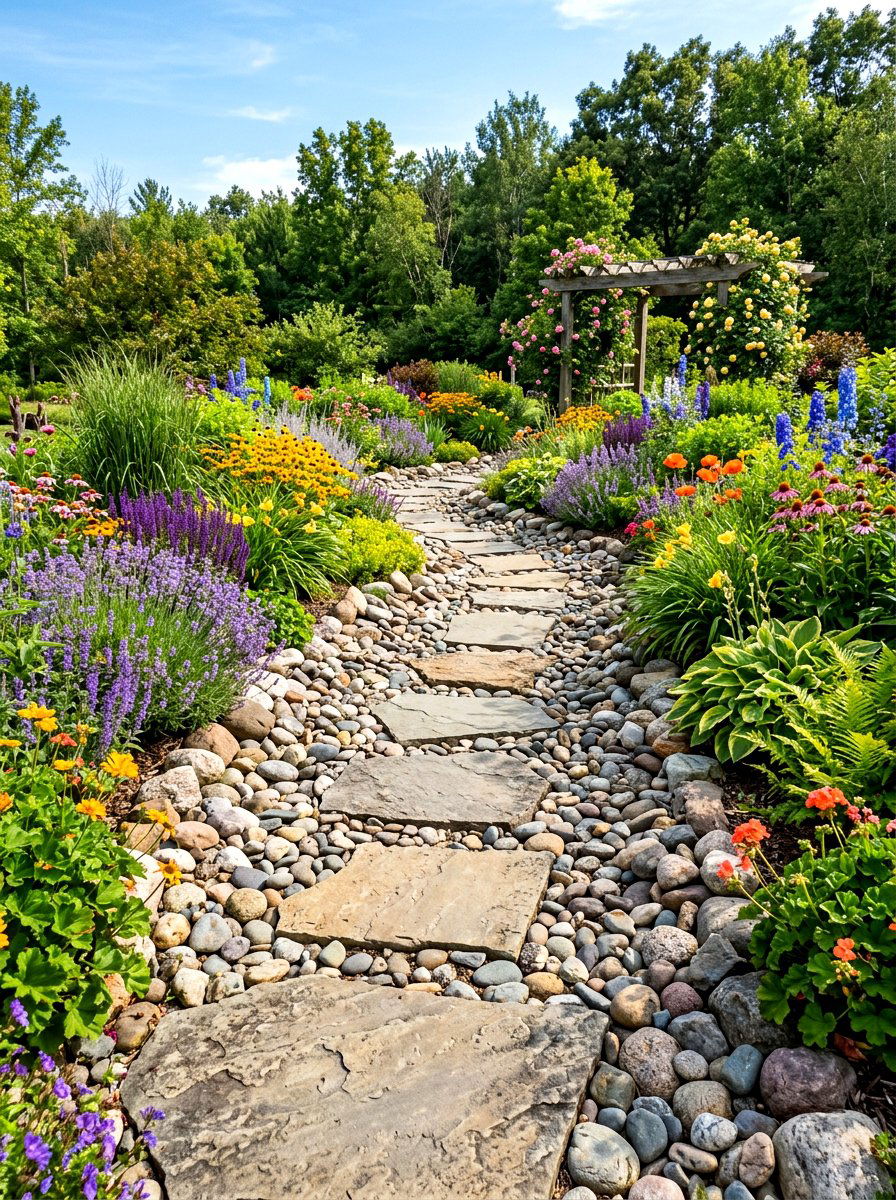
Integrating stepping stones directly into the middle of your dry creek bed is a clever way to combine a path and a water feature. Large, flat flagstones can be set into the pebbles, allowing you to walk right through the center of the design without disturbing the rocks. This creates an interactive experience that makes your garden feel more adventurous and fun to explore. It is particularly useful if your creek bed crosses a main walking path in your yard. The contrast between the large flat surfaces and the small rounded river rocks adds a beautiful visual rhythm to the entire landscaping project.
15. Tropical dry creek bed

You can bring a vacation vibe to your home by designing a tropical-themed dry creek bed filled with vibrant colors and bold textures. Use dark volcanic rocks or bright white pebbles to create a high-contrast base for your "stream. " Surround the area with oversized leafy plants like bird of paradise, canna lilies, and palms to create a dense, jungle-like feel. If you have a swimming pool, a tropical dry creek bed is a perfect companion to the water, making the entire backyard feel like a hidden island resort. This design is all about abundance and lushness, providing a high-energy look that feels exotic and exciting.
16. Curved dry creek bed
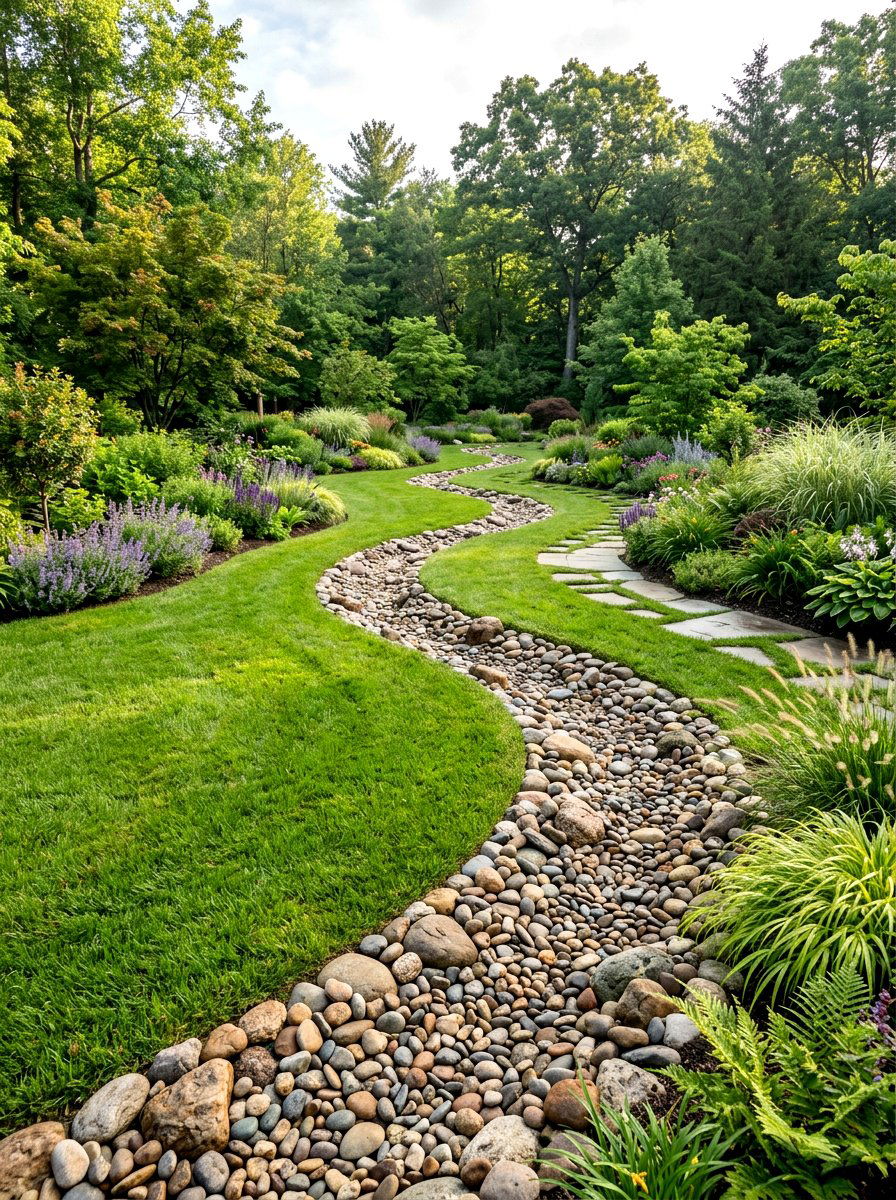
In nature, water rarely flows in a straight line, which is why a curved dry creek bed always looks more authentic and pleasing to the eye. By incorporating gentle S-curves and wide bends, you can guide the viewer’s gaze through the garden in a relaxing way. These curves also serve a practical purpose by slowing down water flow, which helps prevent erosion during heavy storms. You should place larger boulders on the outside of each curve, as this is where a real river would naturally deposit the heaviest stones. This design adds a sense of flow and organic beauty that softens the hard edges of your home.
17. Flagstone dry creek bed
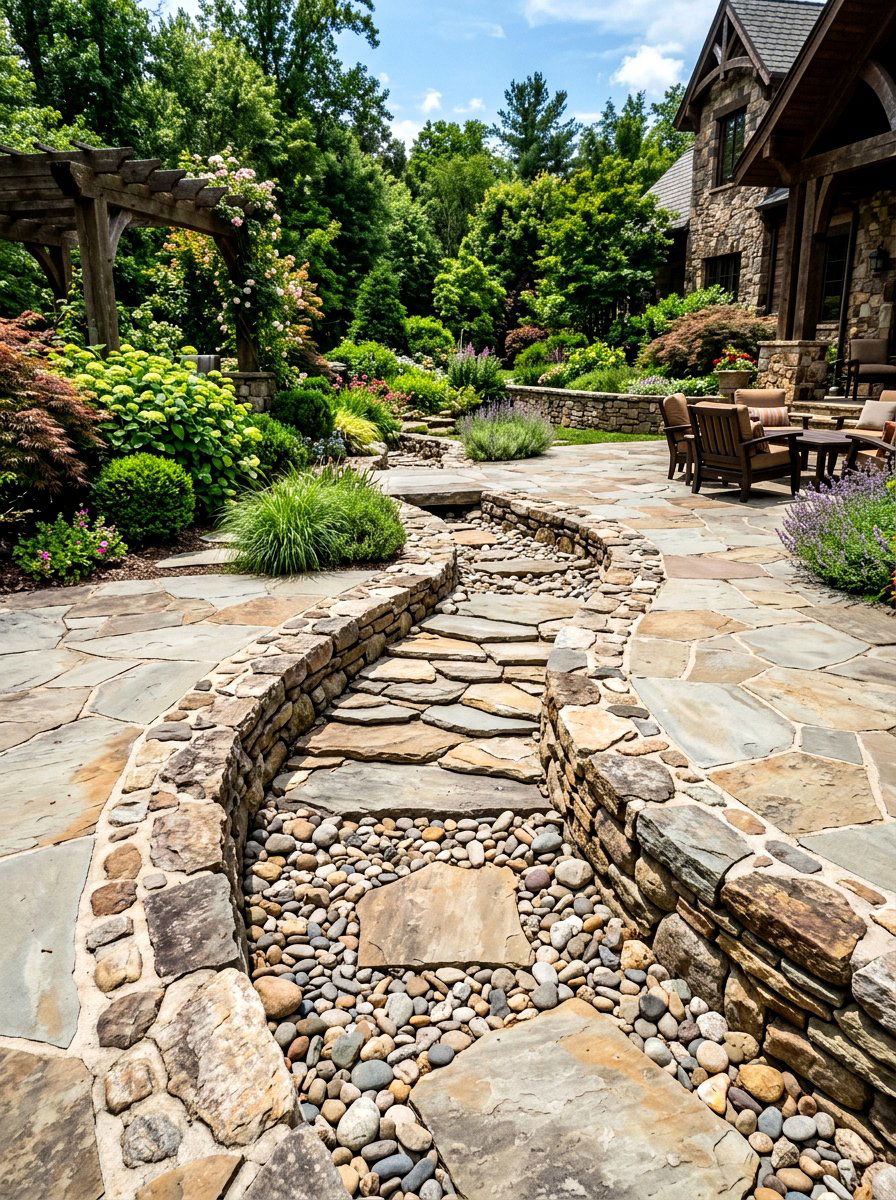
If you want a more structured and sophisticated look, consider using flat flagstones as the primary material for your dry creek bed. Unlike rounded river rocks, flagstones provide a more stable and layered appearance that can look like an ancient stone-lined channel. You can stack them horizontally along the edges to create "cliffs" or lay them flat in the center to create a paved-style stream. This design works exceptionally well in formal gardens or near stone patios where you want to maintain a consistent material palette. It offers a rugged yet refined aesthetic that feels very permanent and well-integrated into the home’s architecture.
18. Grass dry creek bed
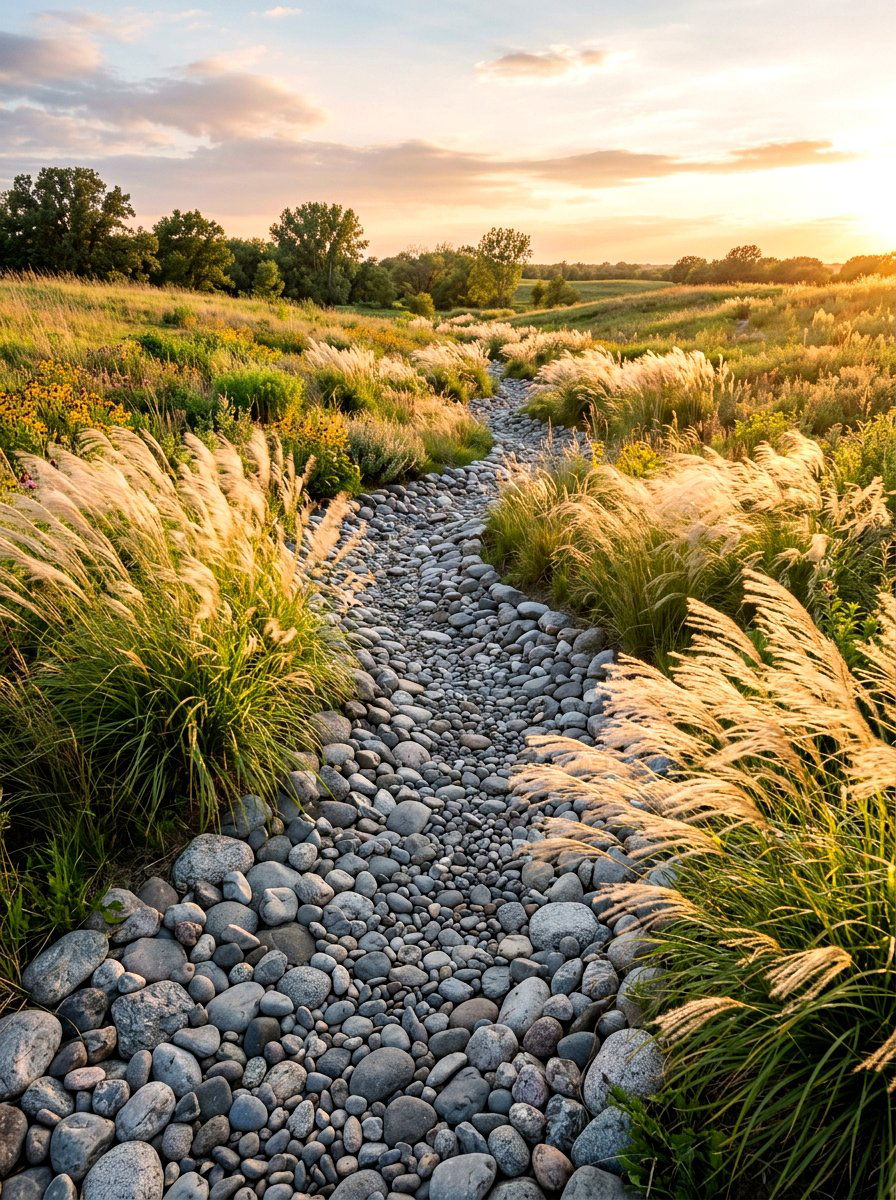
Pairing stones with various types of ornamental grasses is a classic way to add movement and softness to your dry creek bed. As the wind blows, the swaying blades of grass mimic the ripples of water, enhancing the illusion of a flowing stream. You can plant tall, feathery grasses like Muhly grass or Switchgrass along the banks to provide vertical height and privacy. Lower-growing sedges can be tucked between the rocks to soften the transition between the stone and the soil. This combination of hard stone and soft foliage creates a balanced and dynamic landscape that changes beautifully with every season.
19. Succulent dry creek bed
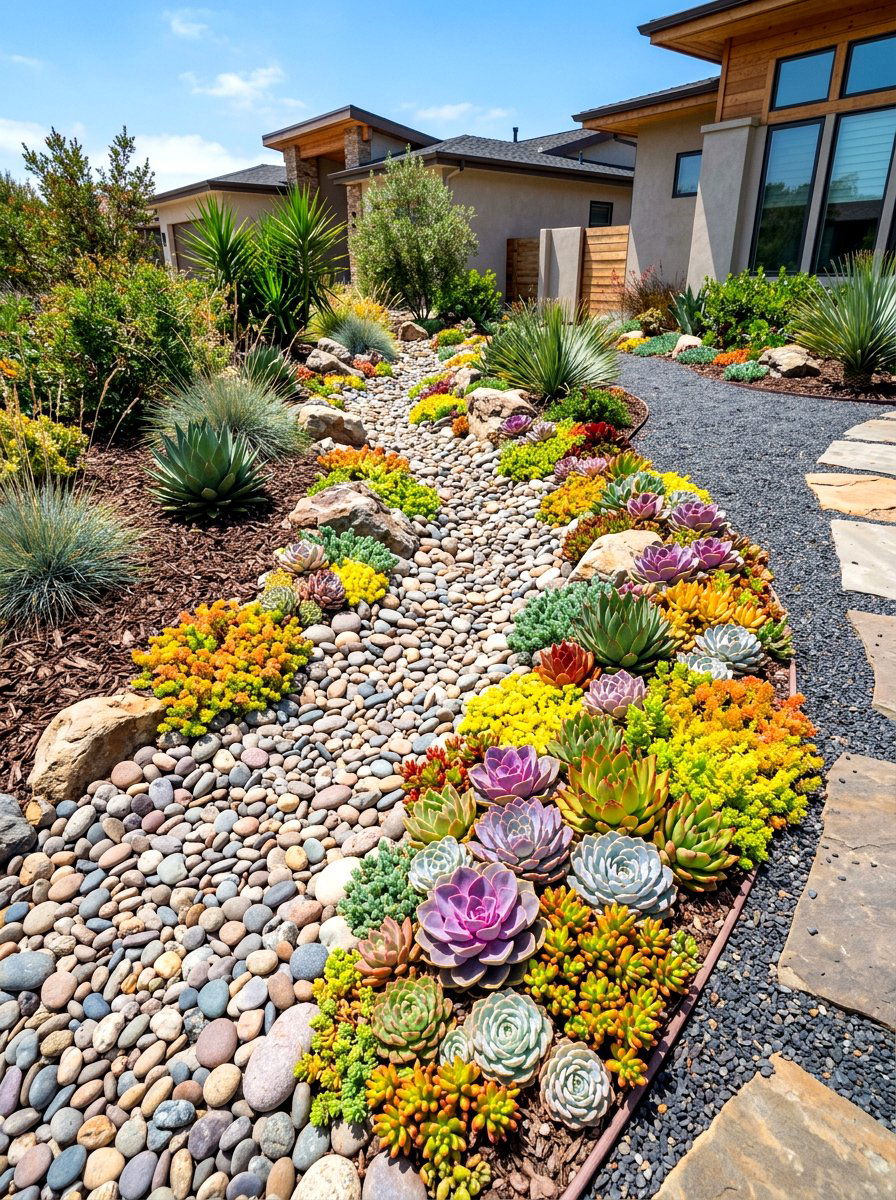
For a low-water and high-impact design, a succulent dry creek bed is a trend that continues to grow in popularity. You can use small, colorful succulents like echeveria, sedum, and hens-and-chicks to fill the gaps between the rocks. These plants thrive in the well-drained soil that a rocky creek bed provides, and their diverse colors and shapes look like underwater coral or sea anemones. This design is perfect for sunny spots where traditional plants might struggle with the heat. It creates a "living" stream that is fascinating to look at up close, making it a great feature for a front entryway or a patio border.
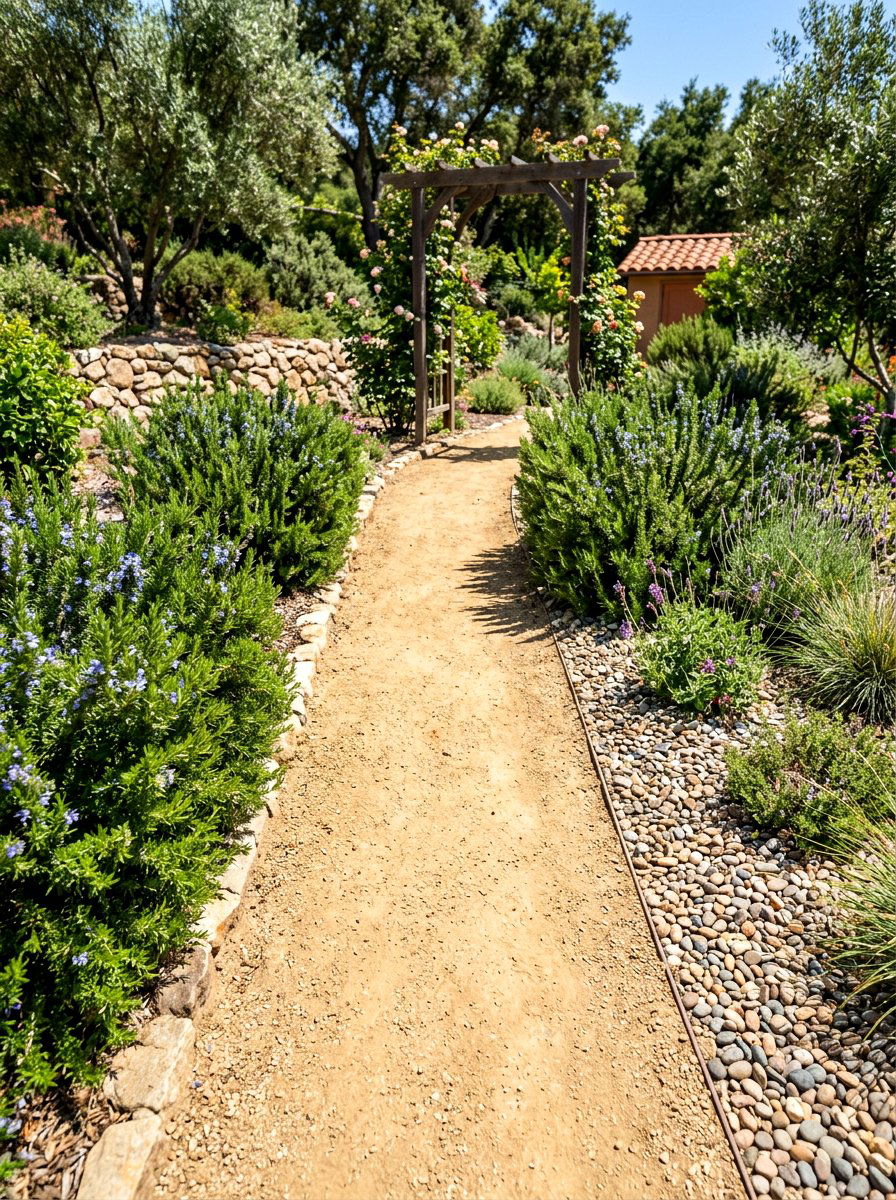



20. Flower dry creek bed
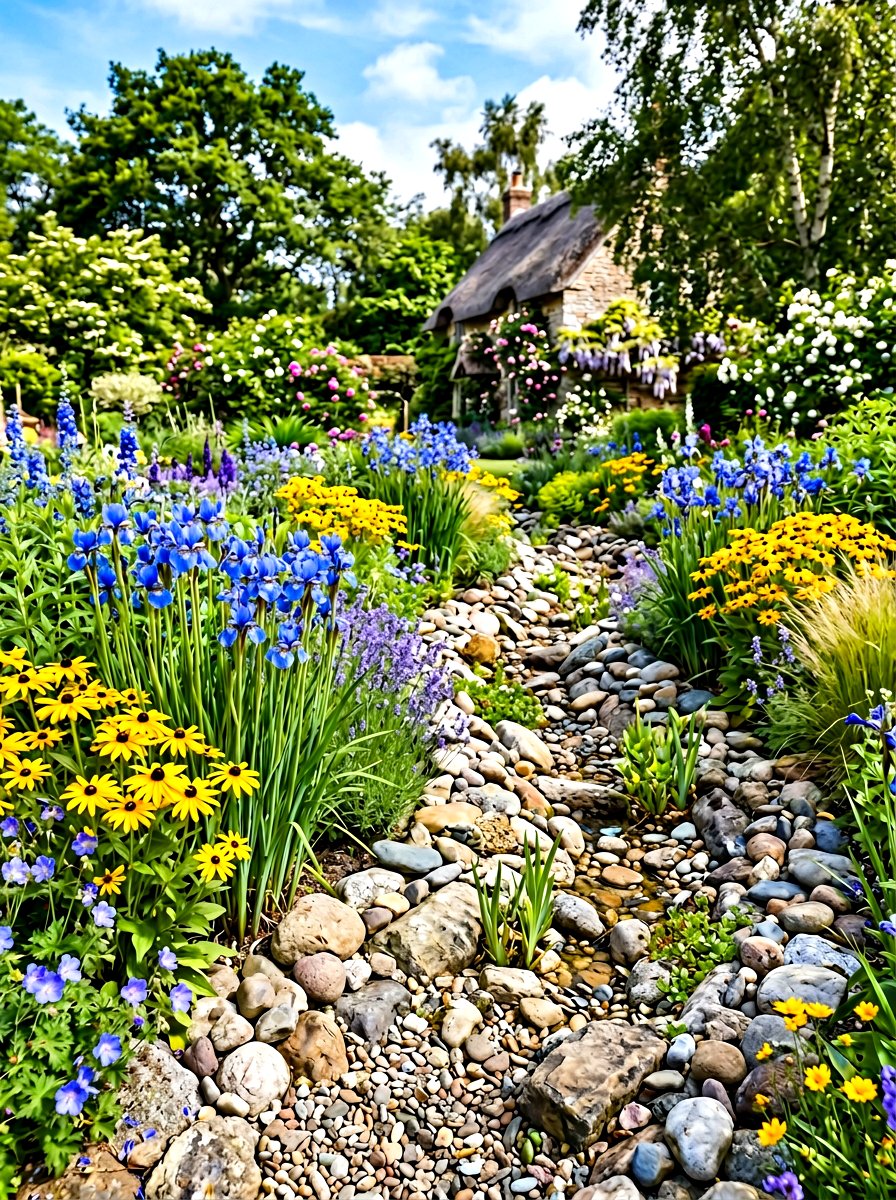
Who says a dry creek bed has to be just about rocks? Adding a burst of color with flowering perennials can turn your drainage ditch into a vibrant wildflower meadow. Choose plants that enjoy the occasional moisture of a runoff area, such as blue flag iris, cardinal flower, or black-eyed Susans. By grouping these flowers along the edges of the rocks, you create a soft and romantic look that attracts butterflies and bees. This design is ideal for cottage gardens where a wild, overgrown aesthetic is desired. It transforms a simple stone path into a lush, blossoming feature that brings life and fragrance to your backyard.
21. Erosion dry creek bed
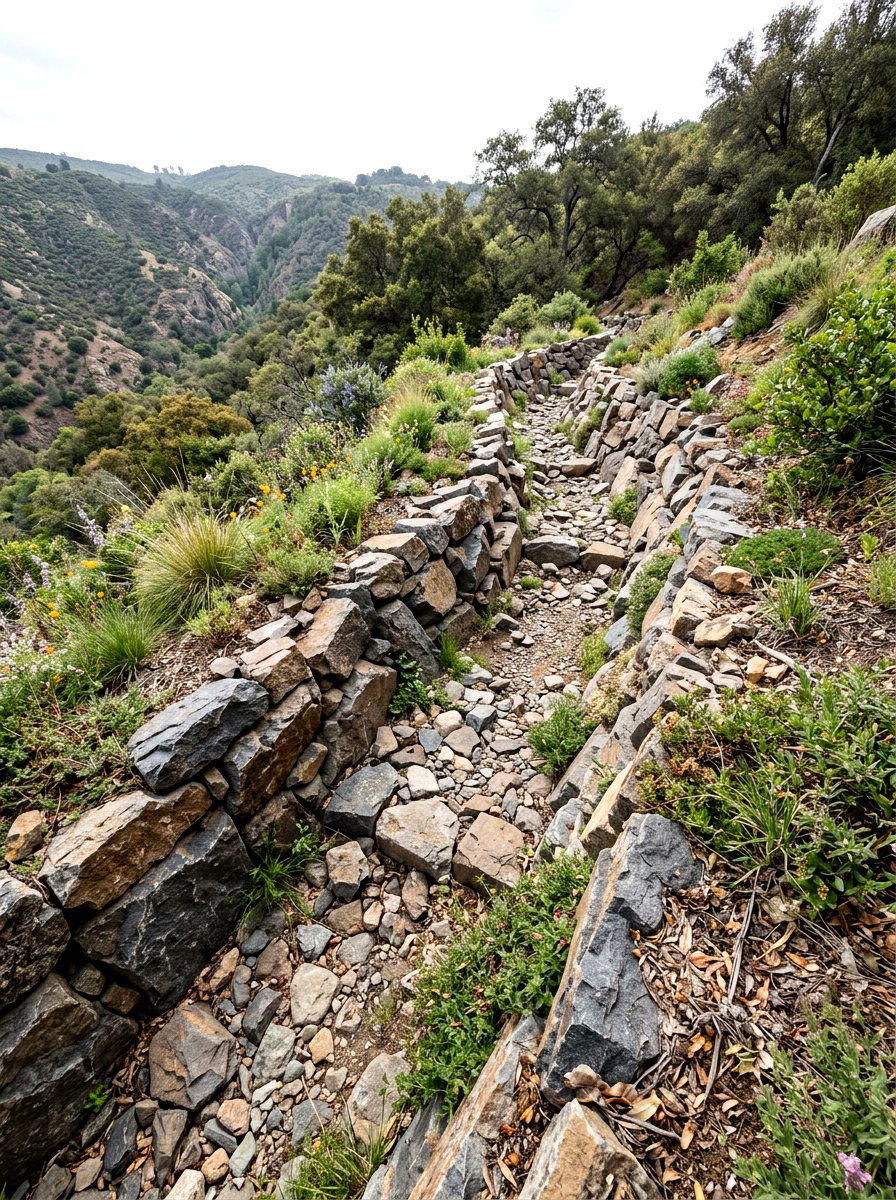
If you have a specific area in your yard where the soil constantly washes away, an erosion-control dry creek bed is the most effective permanent fix. This design uses a mix of angular rocks and heavy boulders that "lock" together, creating a stable surface that water cannot easily move. Beneath the stones, a layer of heavy-duty geotextile fabric prevents the soil from being pulled through the gaps. It is a rugged and practical approach that is often used on banks or near steep driveways. While its primary job is stabilization, the finished look provides a beautiful, naturalistic rock outcrop that adds significant value to your property.
22. Downspout dry creek bed
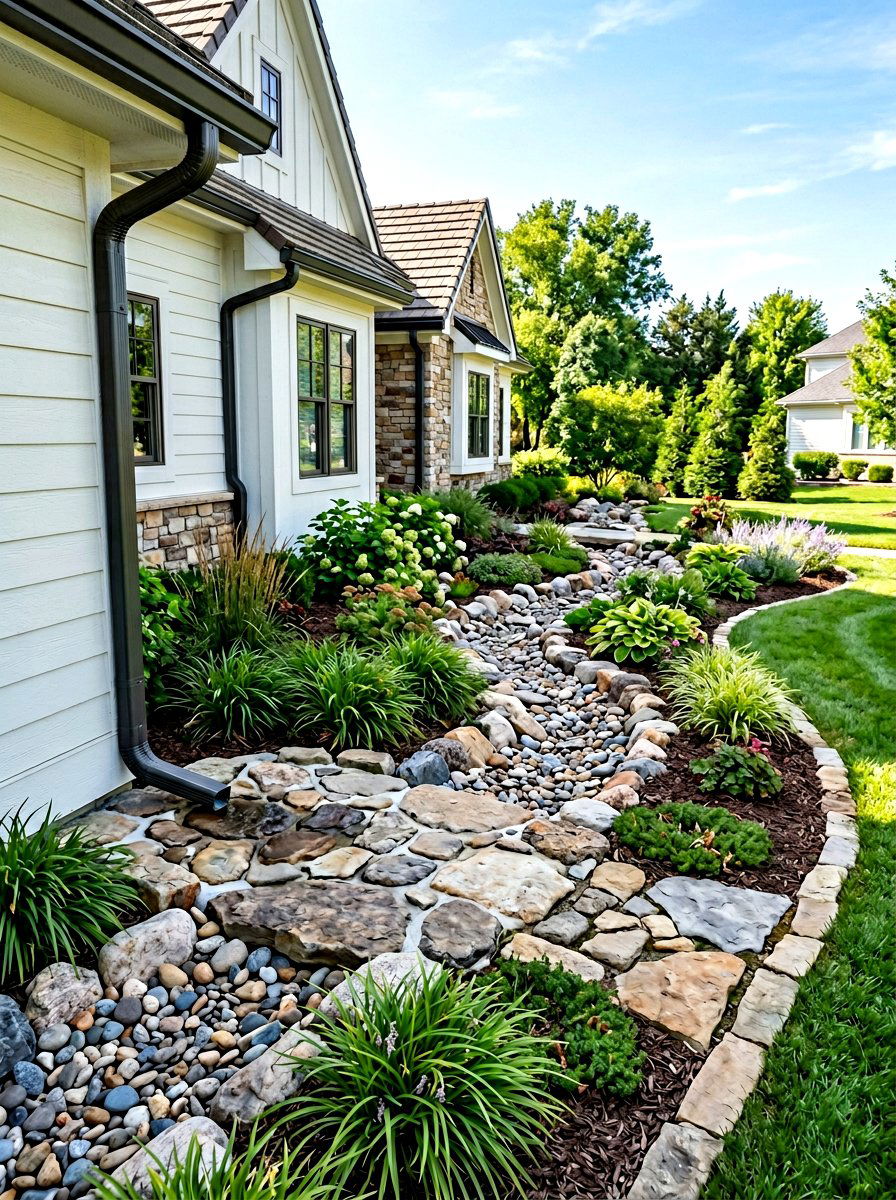
Managing water from your roof is a common challenge, but a downspout dry creek bed turns a potential mess into a beautiful garden feature. Instead of a plastic extension pipe running across your lawn, you can create a stone channel that starts right at the base of your gutter. This allows the water to splash onto a "landing stone" and then flow naturally through a rocky path away from your house. It is a brilliant way to handle localized flooding while adding a decorative element to the side of your home. You can even end the creek in a small rain garden filled with moisture-loving plants.
23. Zen dry creek bed
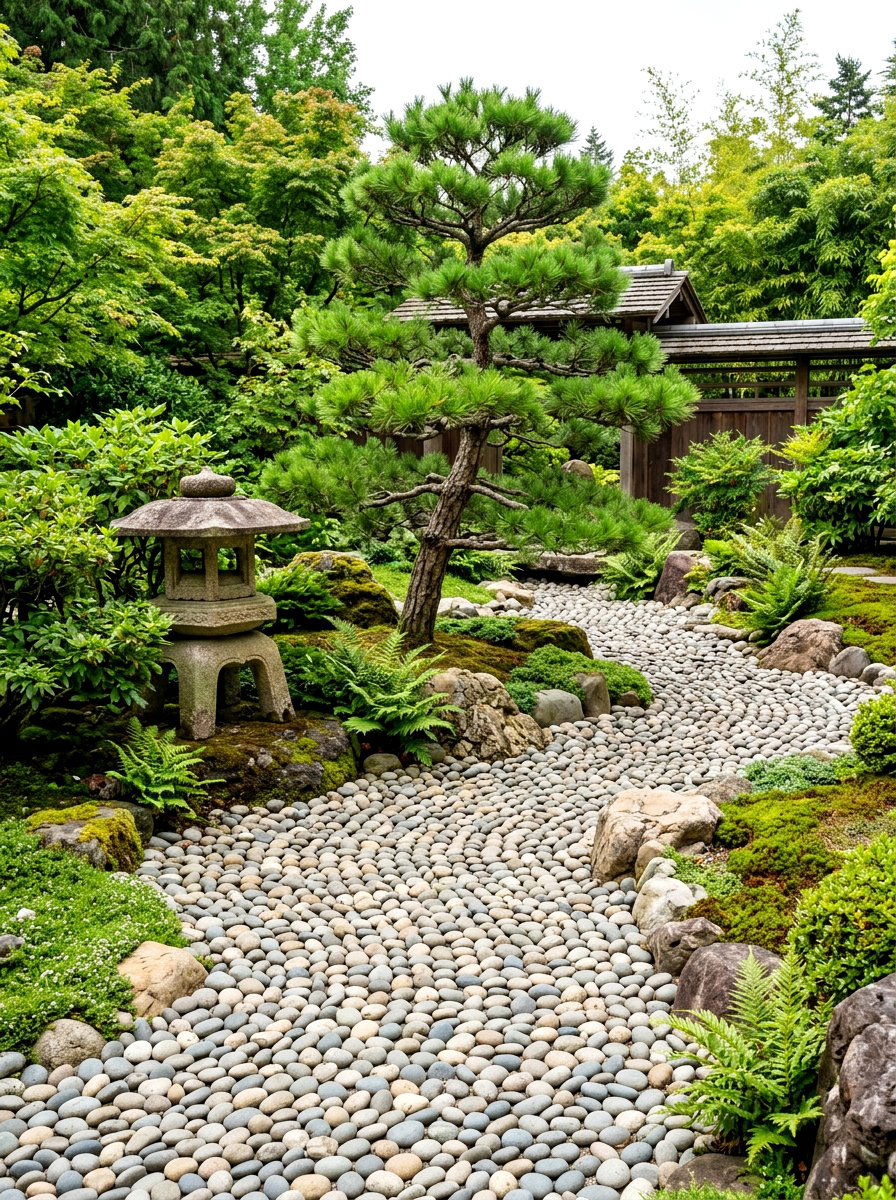
Creating a Zen-style dry creek bed is all about simplicity, balance, and intentional placement of every single stone. To achieve this look, you should use neutral-toned pebbles and focus on creating a sense of "ma, " or negative space, within the design. A few carefully selected upright stones can represent mountains, while the surrounding gravel is raked into patterns that resemble ripples on a lake. This design encourages a sense of stillness and meditation, making it perfect for a quiet corner of your garden. Surround the area with bamboo or a single specimen tree to keep the focus on the peaceful and minimalist rock arrangement.
24. Rustic dry creek bed
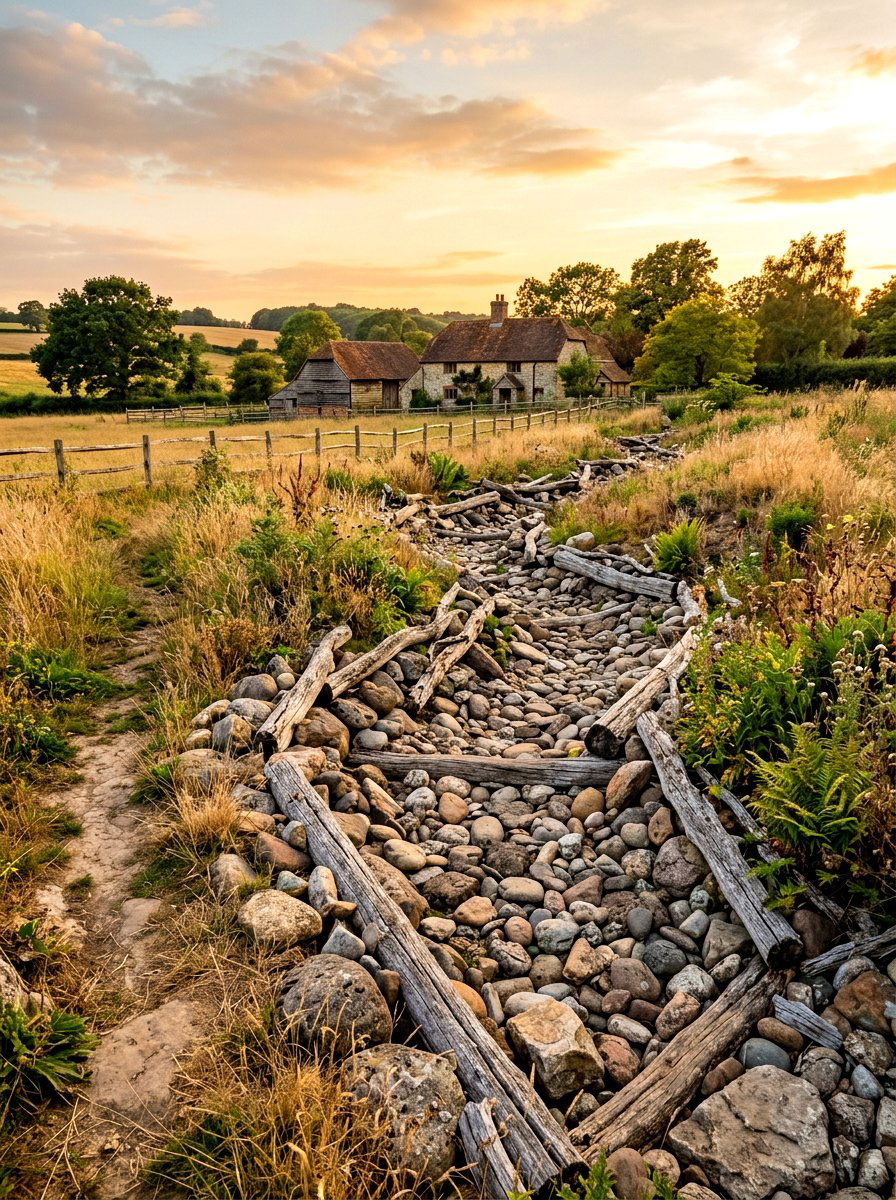
A rustic dry creek bed is designed to look as if it has always been there, perfectly blending with the untamed parts of your property. This look is achieved by using unpolished, jagged stones and allowing some native weeds or moss to grow naturally between the rocks. You can incorporate weathered timber or old railway sleepers as borders to enhance the "old world" charm. This style is perfect for farmhouses or country estates where you want the landscaping to feel organic and unpretentious. It requires very little maintenance, as the more it weathers and settles over time, the more authentic and beautiful it will eventually become.
25. White rock dry creek bed
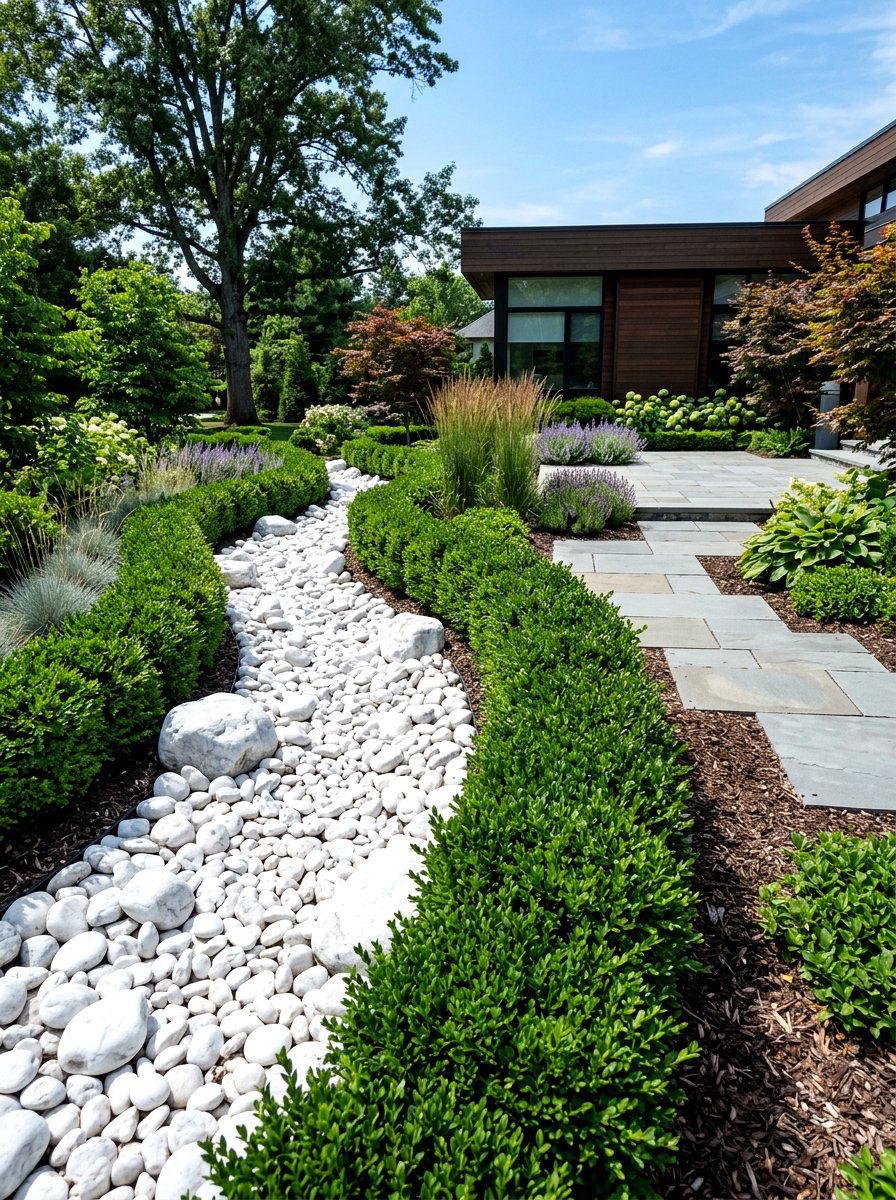
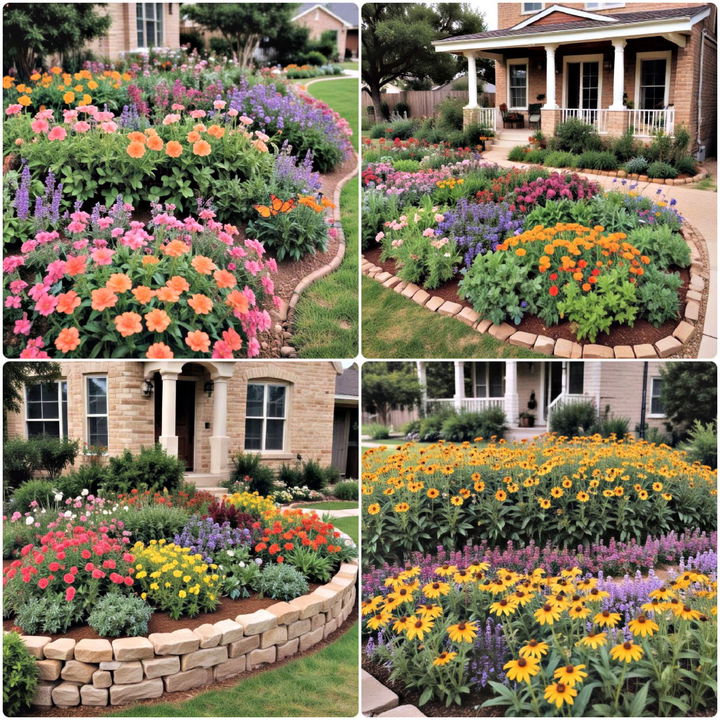
Using bright white river stones or marble chips can create a stunning and high-contrast dry creek bed that pops against green grass. This design is particularly effective in shaded areas where traditional dark rocks might disappear into the shadows. The white stones reflect the light, making the entire garden feel brighter and more vibrant. To keep the look clean and modern, you should pair the white rocks with deep green foliage like boxwoods or dark-leaved perennials. It provides a crisp, "clean" aesthetic that looks very intentional and professionally designed, making it a popular choice for high-end suburban homes and manicured front yards.
26. Multi color dry creek bed
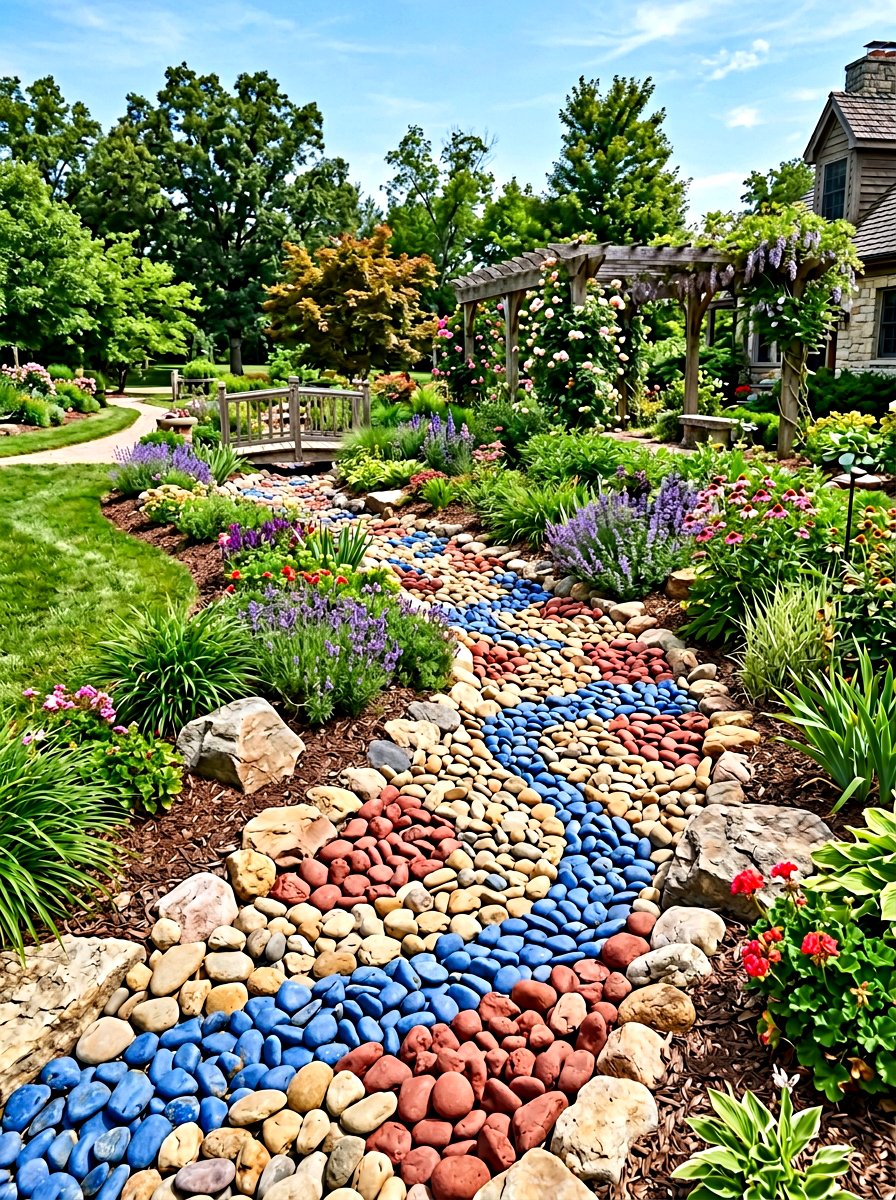
If you want a vibrant and energetic garden feature, a multi-colored dry creek bed using stones of various hues is the way to go. You can find river rocks in shades of blue, red, tan, and gray, which when mixed together, create a rich tapestry of color. This variety mimics the geological diversity of a real riverbed and adds a playful element to your landscape. This design works well in family-friendly yards where you want a cheerful and interesting feature for kids to explore. The different colors ensure that the creek bed looks interesting in all lighting conditions, from the bright morning sun to the golden hour.
27. Blue glass dry creek bed
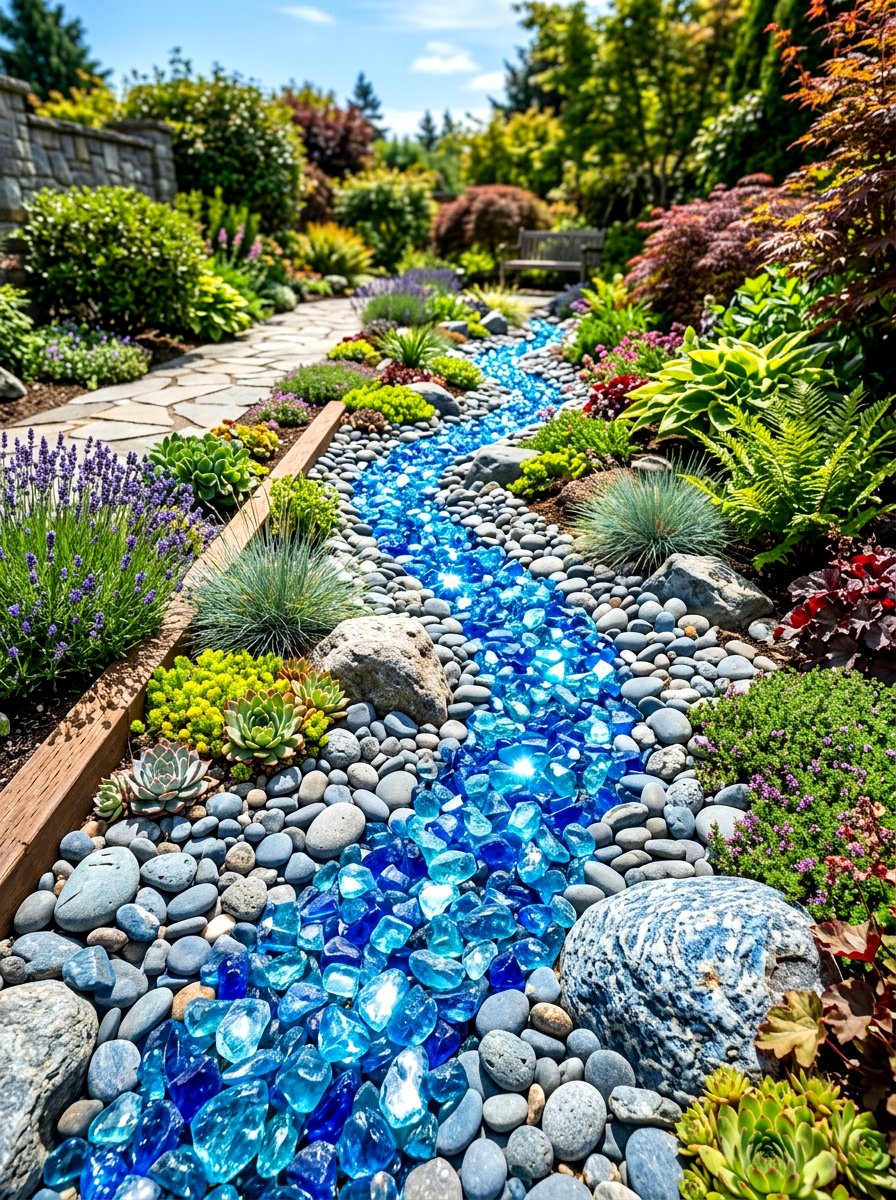
For a whimsical and truly unique look, you can incorporate blue recycled glass cullet into your dry creek bed to simulate the appearance of actual water. When the sun hits the translucent blue glass, it sparkles and glows, creating the illusion of a flowing river even in the middle of a drought. You can use the glass as a "vein" running through the center of a traditional stone bed to add a touch of magic to your yard. This design is a favorite for artistic homeowners who want to push the boundaries of traditional landscaping. It provides a stunning focal point that is guaranteed to start conversations.
28. Lava rock dry creek bed
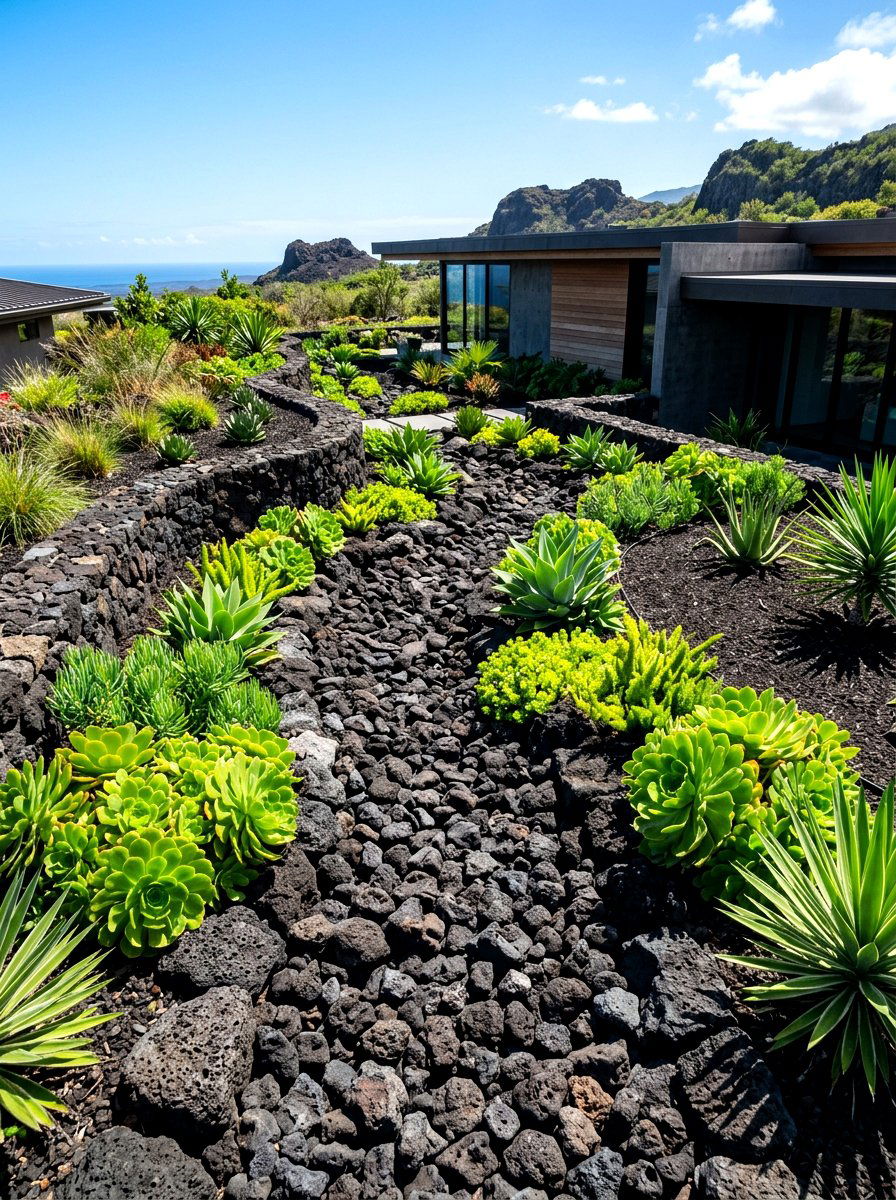
Using red or black lava rock is a bold choice that adds a dramatic and volcanic feel to your dry creek bed. These rocks are incredibly porous and lightweight, making them excellent for drainage and moisture retention for nearby plants. The deep, rich colors of lava rock provide a striking backdrop for bright green succulents or silver-toned grasses. This design feels very contemporary and can look like a prehistoric landscape or a desert oasis. Because the rocks have a rough, jagged texture, they stay in place very well even on slight inclines, making them as practical as they are visually impressive for modern yards.
29. Garden border dry creek bed
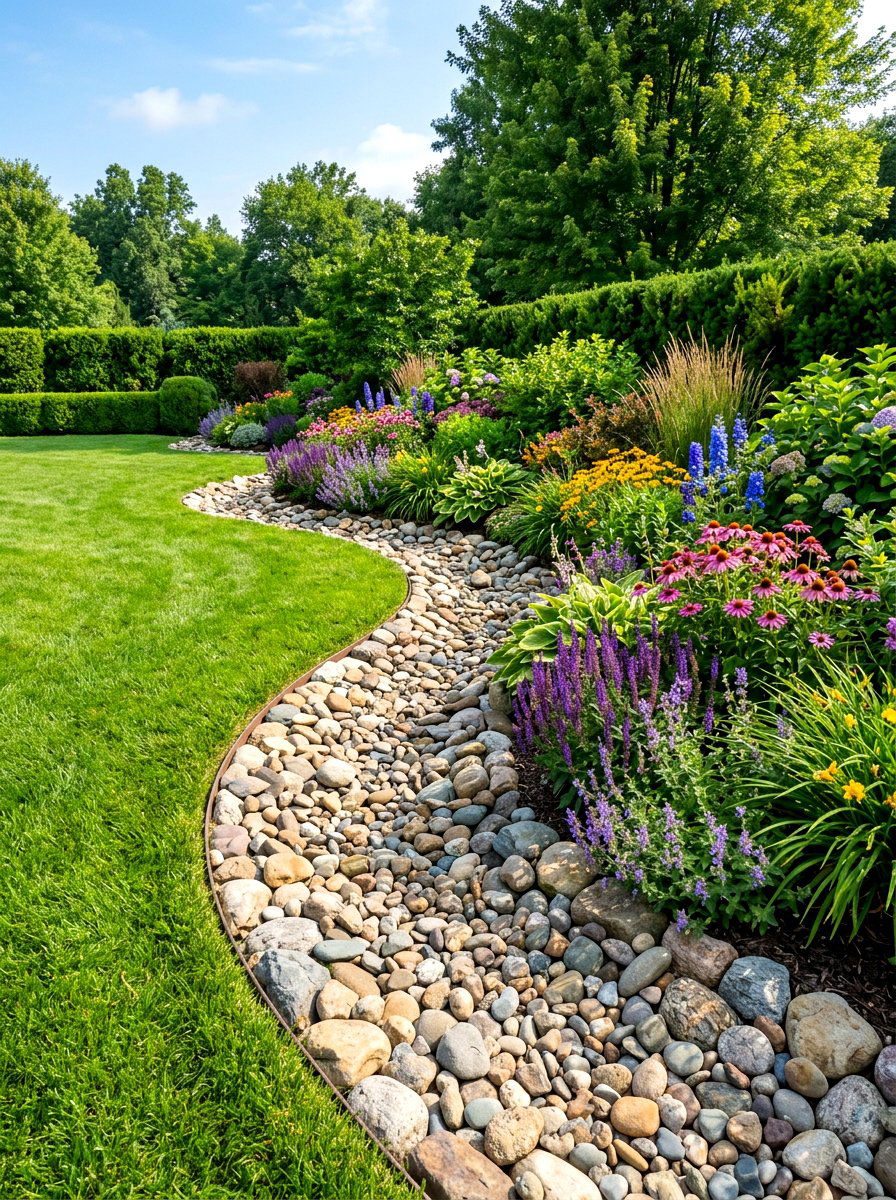
A dry creek bed can serve as the perfect "edge" for your garden beds, replacing traditional plastic or wood edging with something much more natural. By running a rocky channel between your lawn and your flower borders, you create a clear visual boundary that also catches runoff from the garden. This prevents mulch and soil from washing onto your grass during heavy rains. You can plant low-growing groundcovers that "spill" over the rocks, softening the edge and making the transition look seamless. It is a high-end landscaping trick that adds a layered, professional finish to your entire property’s design scheme.
30. Low maintenance dry creek bed
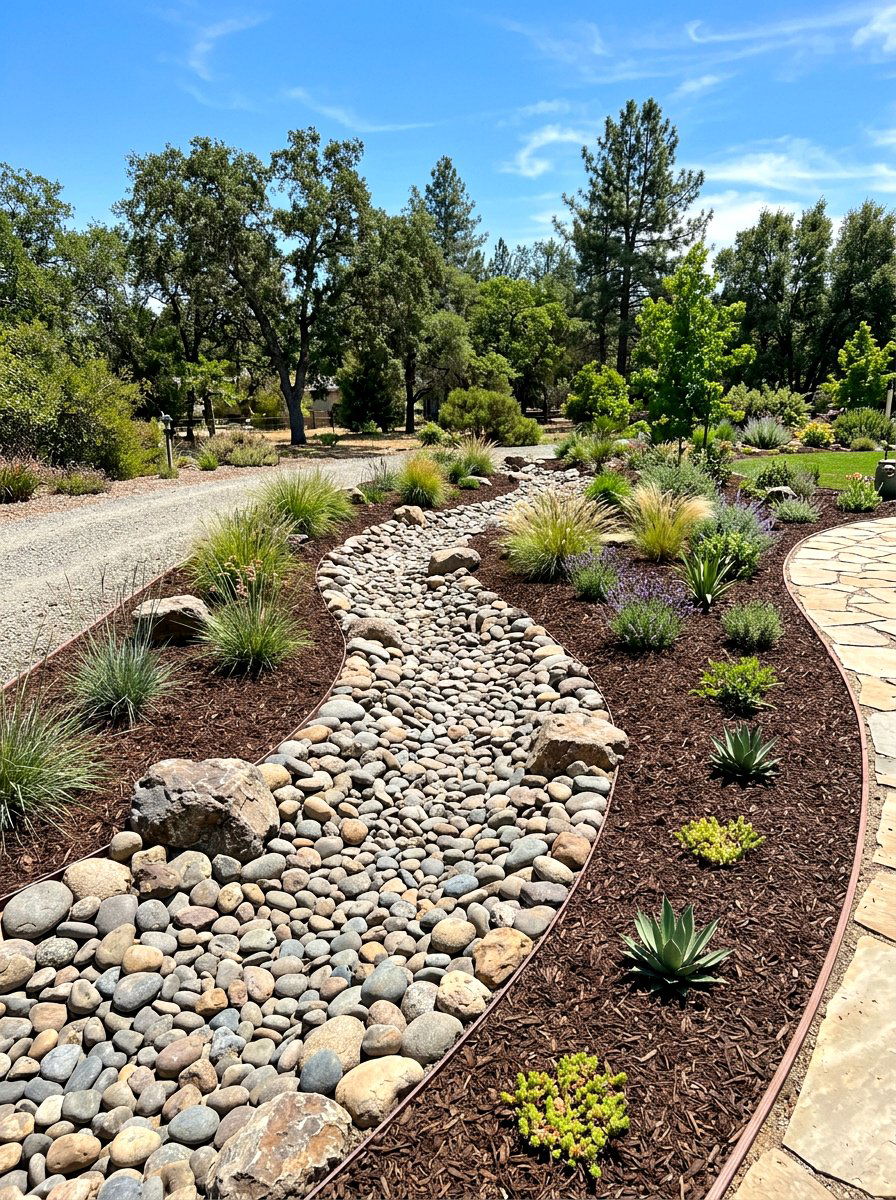
If you are looking for a "set it and forget it" landscaping feature, a low-maintenance dry creek bed is the perfect investment for your yard. By using a thick layer of high-quality landscape fabric and a deep bed of stones, you can virtually eliminate weed growth in that area. Unlike a lawn, it never needs to be mowed, watered, or fertilized. This design allows you to enjoy the beauty of a garden feature without the back-breaking labor of traditional plant care. It is a smart choice for busy professionals or retirees who want a beautiful, high-impact backyard that stays looking pristine with only an occasional leaf-blowing or light rinsing.
Conclusion:
Designing a dry creek bed is a rewarding project that combines utility with artistic expression in your outdoor space. These thirty ideas demonstrate how versatile stones and plants can be when you want to manage water or simply add visual texture to your yard. From solving drainage issues near downspouts to creating a peaceful Zen retreat, the possibilities are truly endless for any homeowner. As you plan your own design, remember to focus on natural rock placement and diverse plant selections to achieve the most authentic look. Your garden will not only look more professional but will also provide a durable, low-maintenance landscape that stands the test of time and weather.

Related posts: