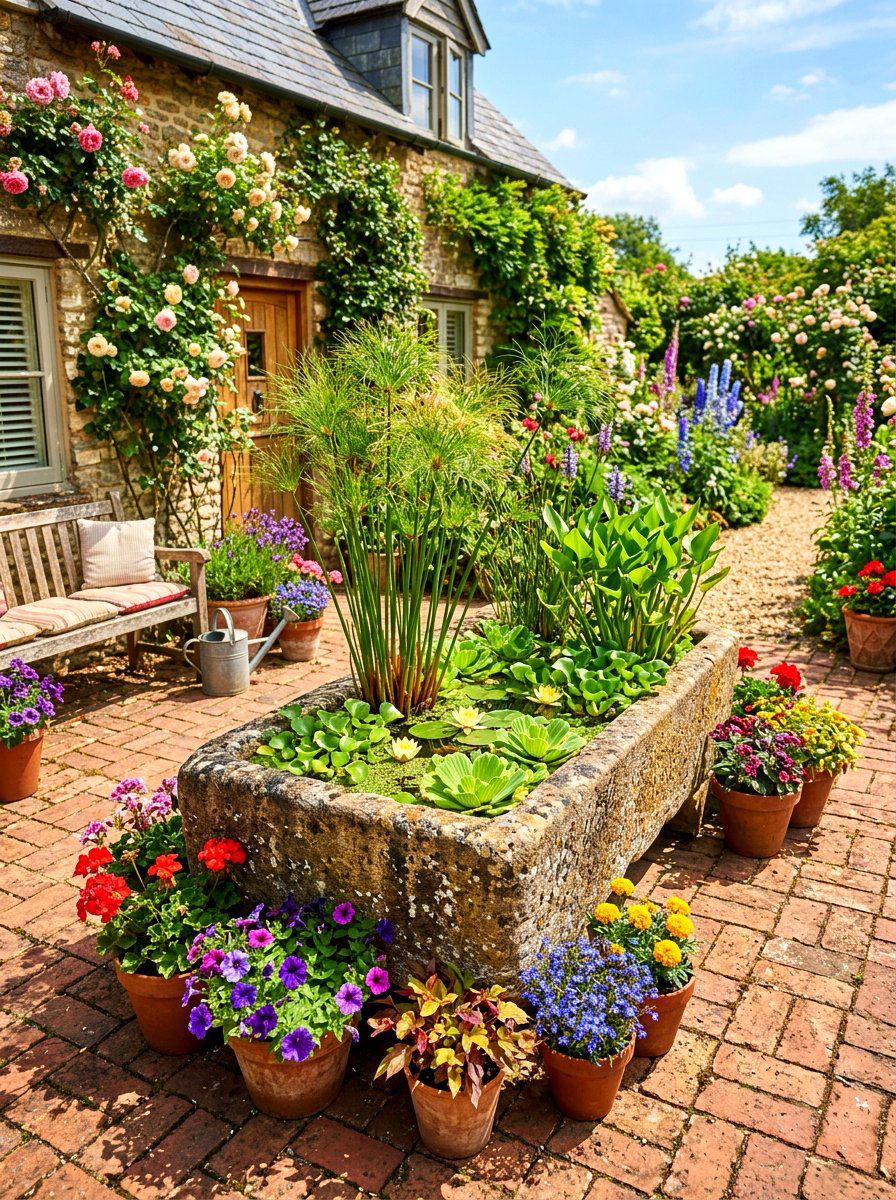
Managing water runoff effectively is essential for maintaining a healthy and beautiful outdoor space. Many homeowners struggle with soggy lawns or erosion after heavy rain, but the right landscaping can solve these issues permanently. Drainage solutions do not have to be purely industrial or hidden away. In fact, you can integrate functional water management into your overall garden aesthetic quite seamlessly. By combining engineering with creative planting and stonework, you create a backyard that handles storms with ease. This guide explores various ways to redirect water, improve soil absorption, and protect your home’s foundation while enhancing your curb appeal and outdoor enjoyment.
1. Dry Creek Bed
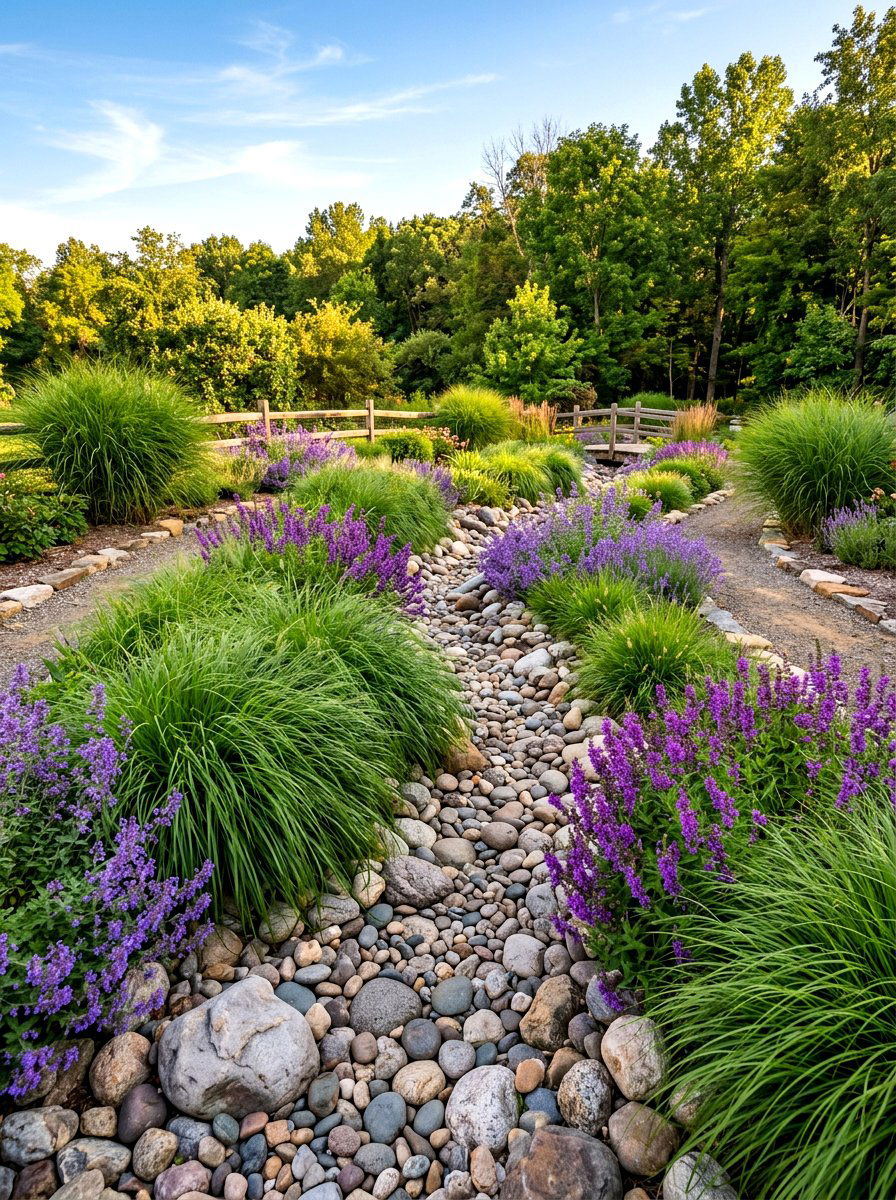
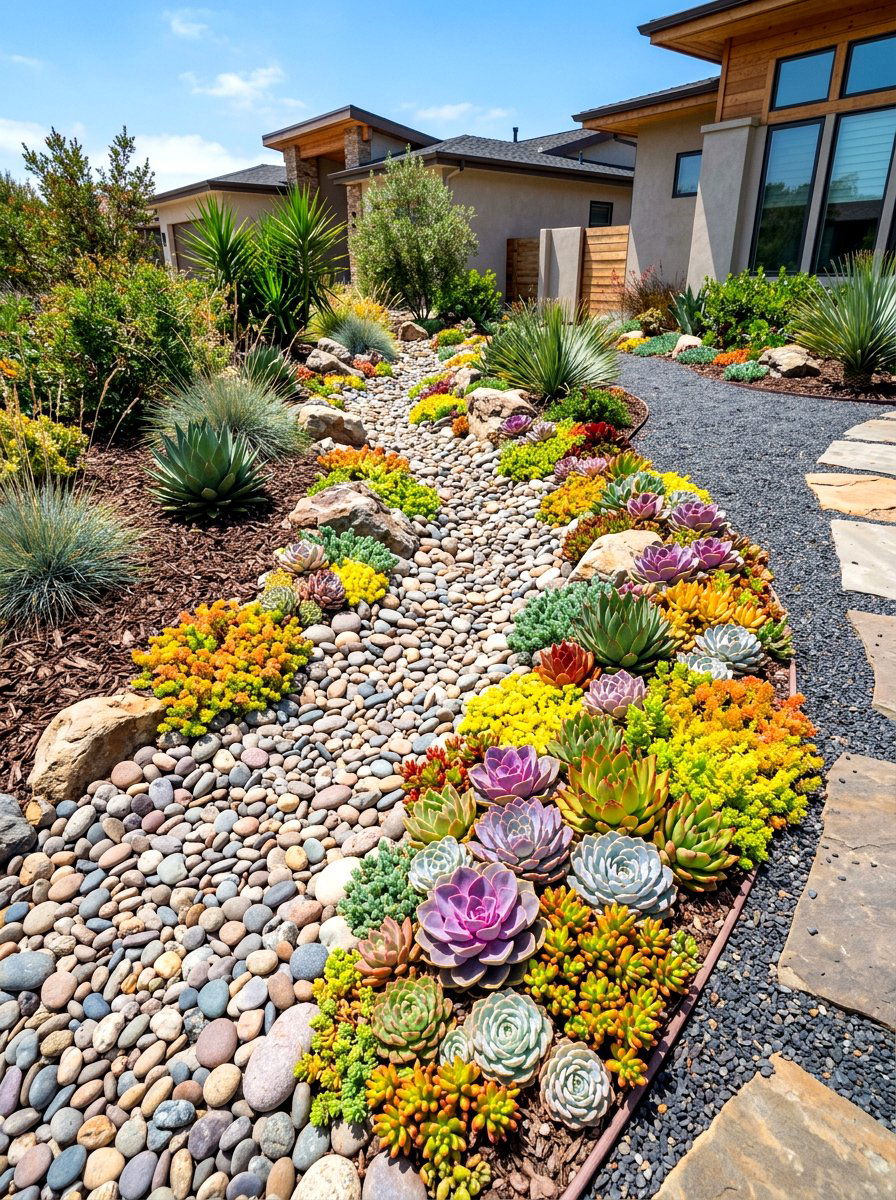
A dry creek bed is a beautiful and functional way to handle excess water flow in your yard. It mimics the look of a natural stream while providing a clear path for runoff to follow. You can use a mix of large river rocks and smaller pebbles to create a realistic texture. This design helps prevent erosion by slowing down the water as it moves across your landscape. Many homeowners add drought-tolerant plants along the edges to enhance the natural appearance. It works perfectly in sloped areas where water tends to pool after a heavy storm. This solution turns a potential problem into a stunning focal point for your garden.
2. French Drain
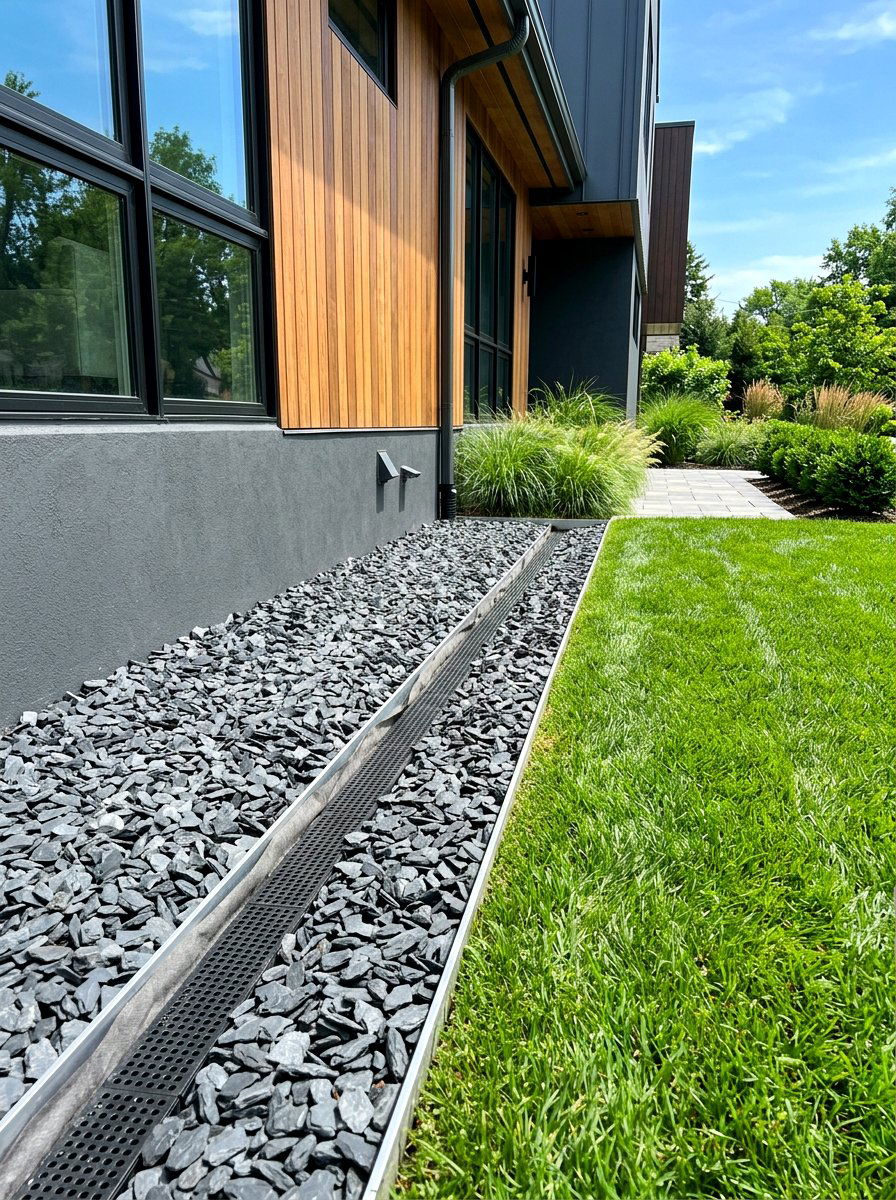
The French drain is a classic solution for diverting water away from your home foundation or low spots in the grass. It consists of a gravel-filled trench that contains a perforated pipe to whisk water away quickly. While the internal mechanics are functional, the surface can be covered with decorative stones or even turf. This ensures that the drainage system blends into your lawn without looking like a construction site. It is highly effective for preventing soggy soil and protecting your basement from leaks. When installed correctly, it provides a permanent fix for heavy saturation issues. The gravel also acts as a natural filter for the flowing water.
3. Rain Garden
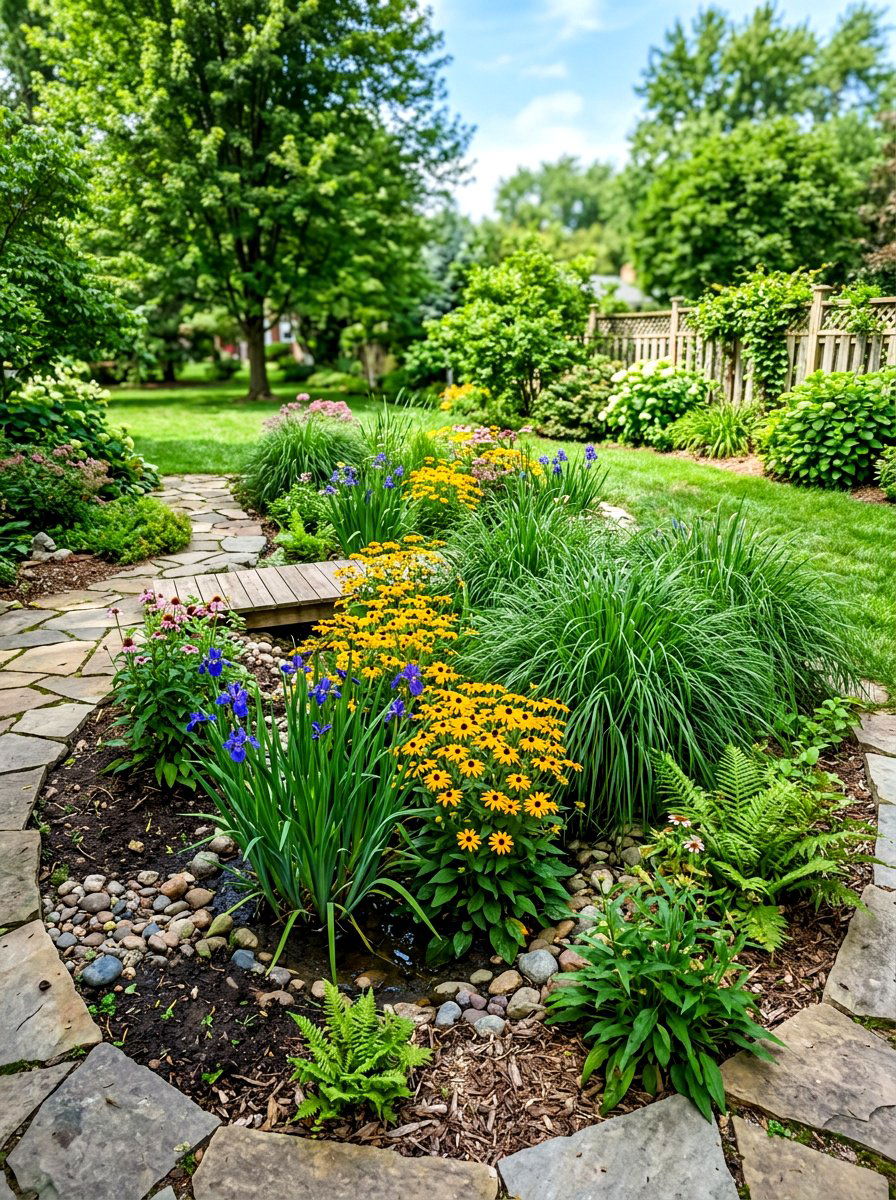
Creating a rain garden is an eco-friendly way to manage stormwater while supporting local wildlife and pollinators. This design involves a shallow depression planted with native species that can tolerate both wet and dry conditions. The garden captures runoff from roofs or driveways and allows it to slowly soak into the ground. This process filters out pollutants and reduces the amount of water entering local sewer systems. It looks like a lush, intentional flower bed rather than a drainage tool. By selecting various heights and colors of plants, you can make this a vibrant part of your landscape. It adds significant beauty and environmental value to any yard.
4. Permeable Paver Driveway
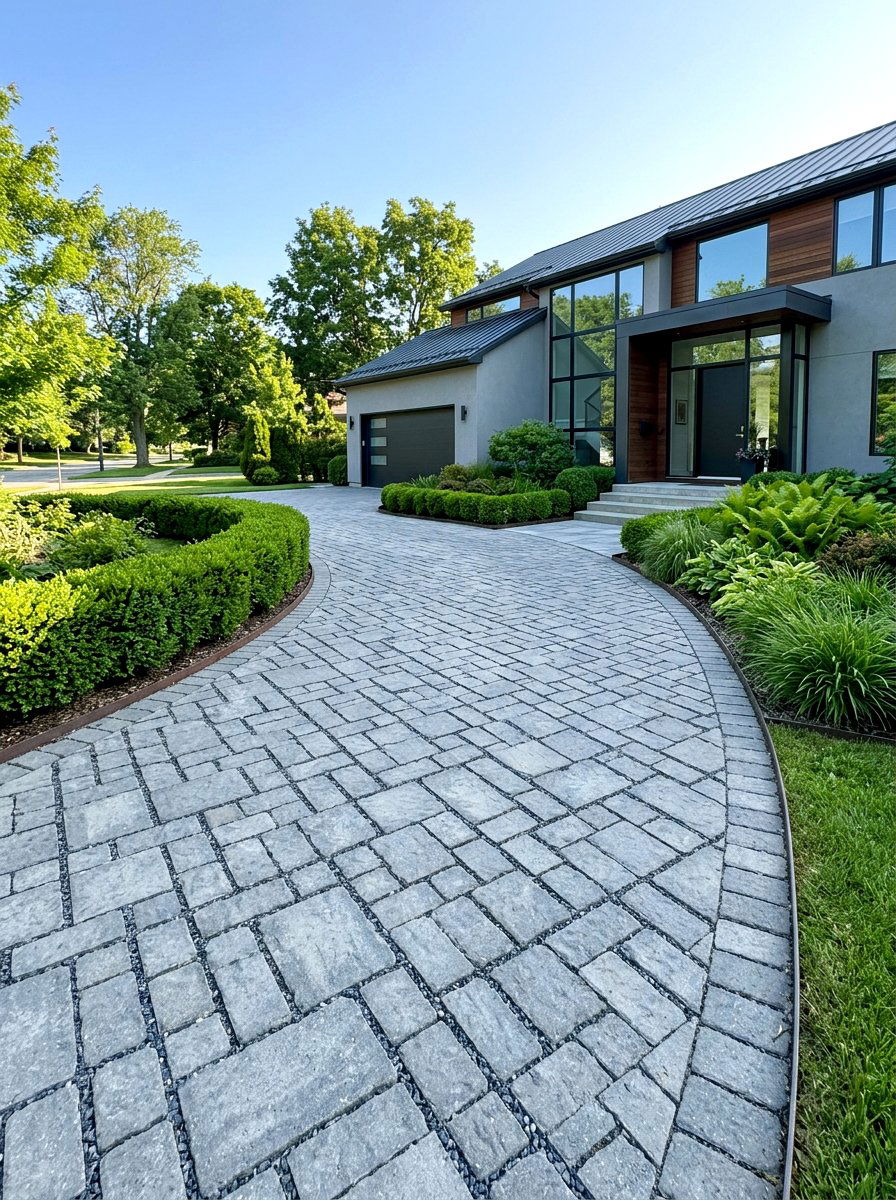
Traditional concrete driveways often cause massive runoff because water cannot penetrate the solid surface. Switching to permeable pavers allows rain to soak through the joints and into the ground below. These pavers come in many styles, from modern gray blocks to rustic cobblestone looks. They are installed over layers of crushed stone that act as a reservoir for excess water. This design prevents large puddles from forming on your parking surface during heavy downpours. It also reduces the risk of ice patches in the winter. This functional upgrade improves the durability of your driveway while helping the environment. It is a smart long-term investment for any modern home.
5. Grass Swale
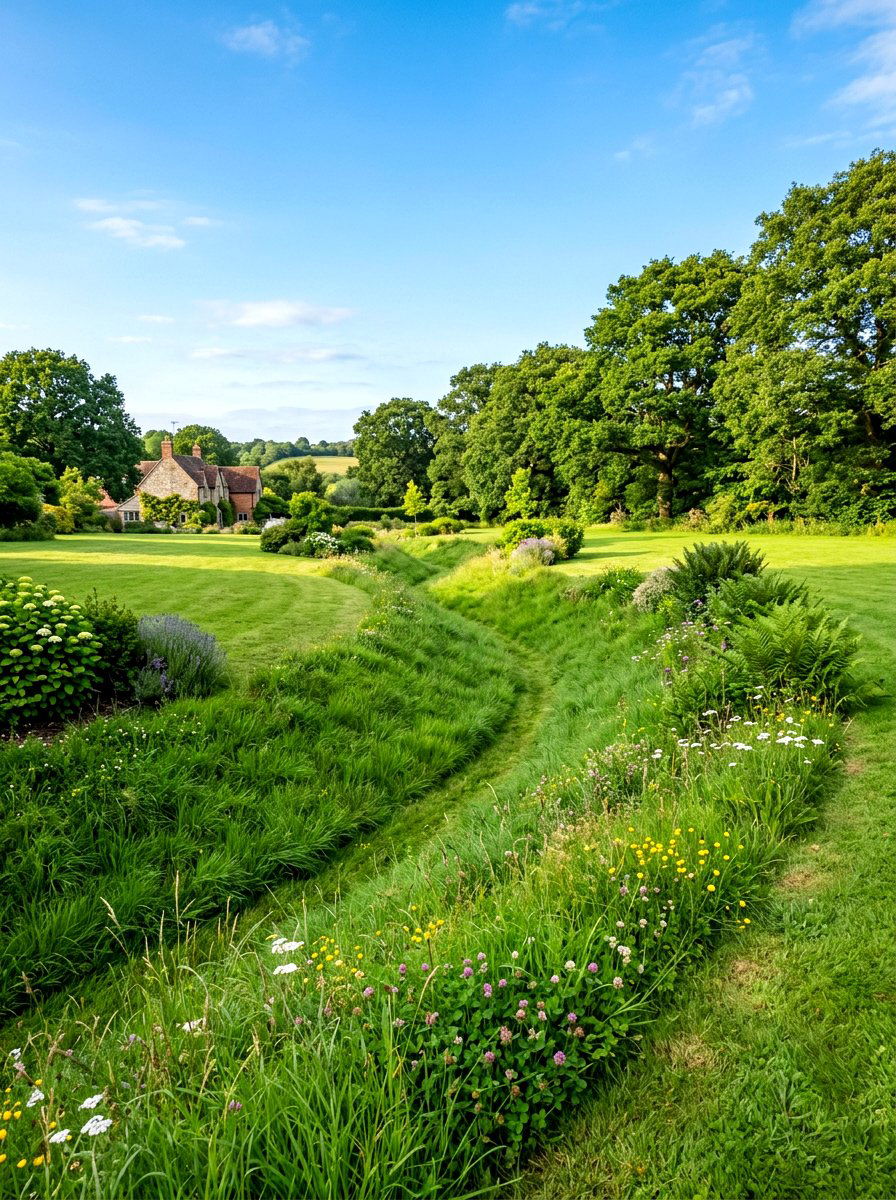
A grass swale is a shallow, wide channel designed to move water slowly across a property. Unlike a concrete ditch, a swale is covered in hardy turf or meadow grasses to look natural. The gentle slope directs water toward a safe discharge point while allowing some of it to evaporate or soak in. It is an excellent choice for large properties where you need to manage a lot of volume. Because it is mostly grass, you can easily mow over it during your regular yard maintenance. It blends perfectly with the rest of your lawn while serving a vital purpose. This design keeps your yard functional and visually cohesive.
6. Retaining Wall
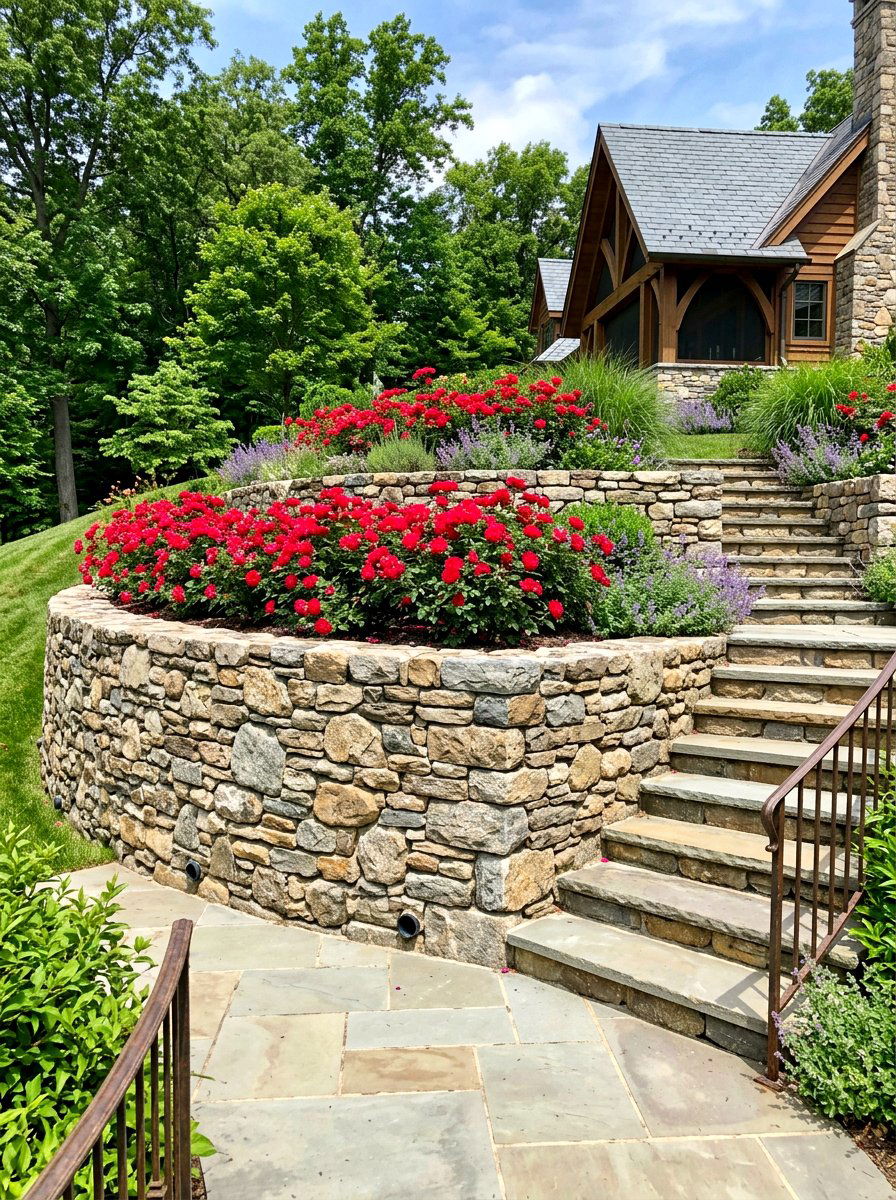
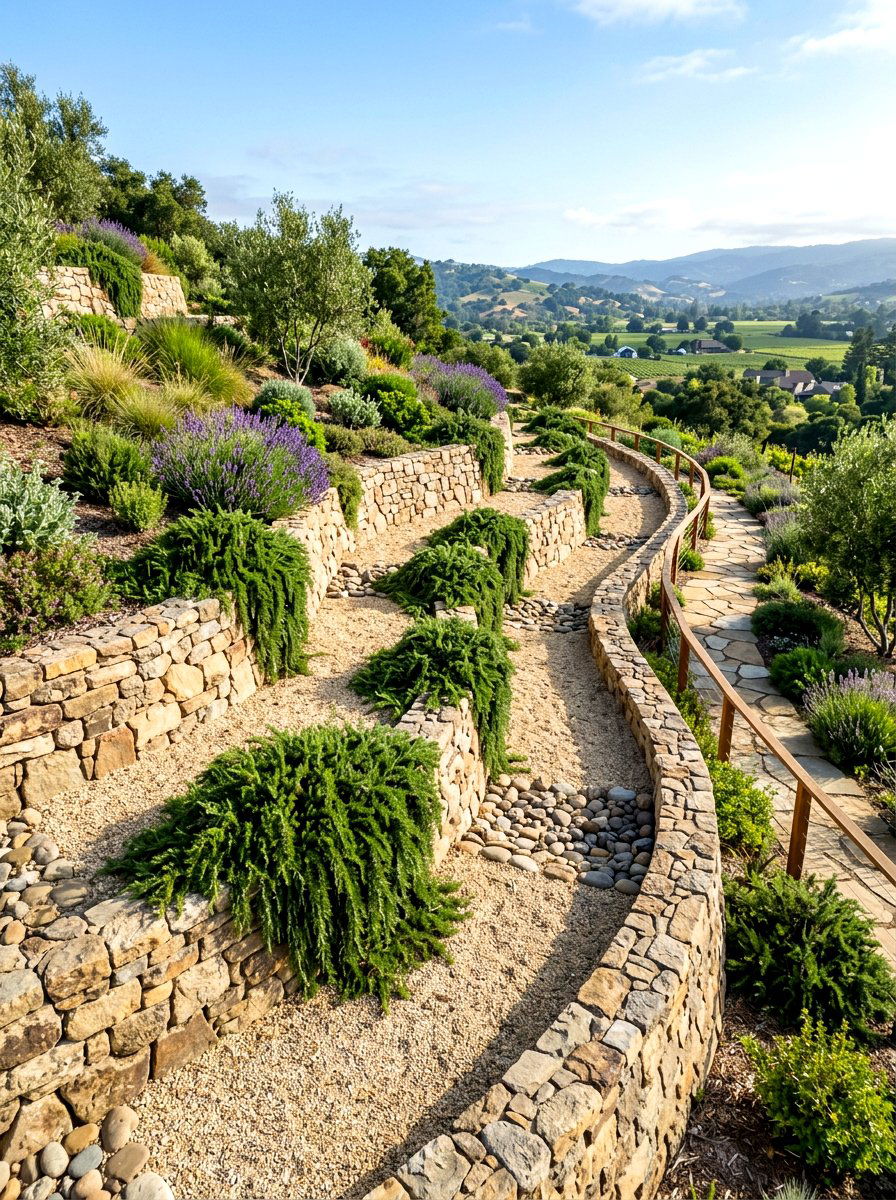
Building a retaining wall can help manage water on a sloped property by creating level tiers of soil. These walls must include weep holes or integrated drainage pipes to prevent water pressure from building up behind the stone. By leveling the ground, you reduce the speed of runoff and allow the soil to absorb moisture more effectively. You can use natural stone, timber, or concrete blocks to match your home’s architecture. These walls also provide extra space for planting flowers or shrubs that further help with water management. A well-designed wall adds structural integrity and visual depth to a backyard. It solves erosion problems while creating more usable space.
7. River Rock Garden
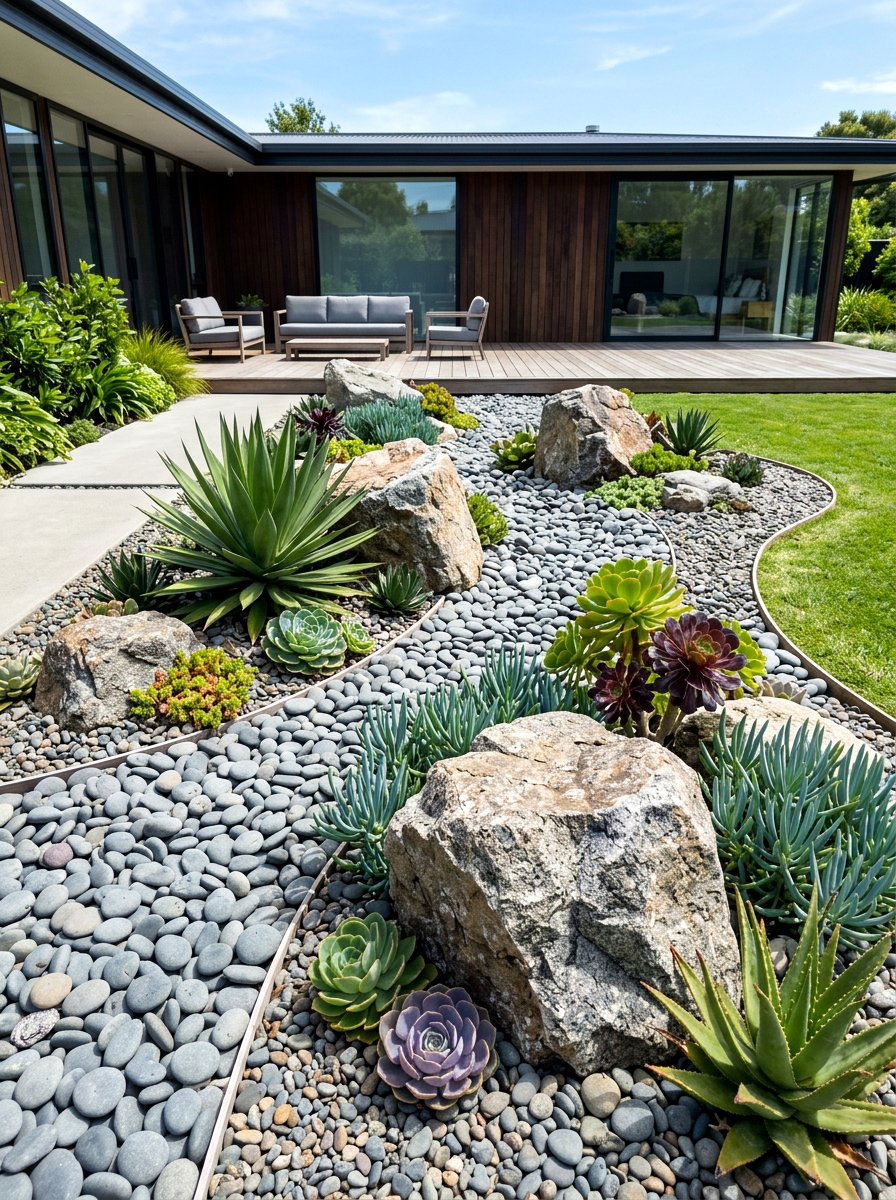
A river rock garden uses various sizes of smooth stones to create a maintenance-free area that handles water beautifully. You can place these rocks in areas where grass refuses to grow due to excessive moisture or shade. The rocks provide a stable surface that won't wash away during a heavy storm. This design often incorporates large boulders as accents to create a rugged, natural look. It is a great way to cover large patches of ground without needing constant watering or weeding. The gaps between the stones allow water to seep into the earth naturally. This approach works well in modern, minimalist, or rustic landscape designs across many climates.
8. Catch Basin
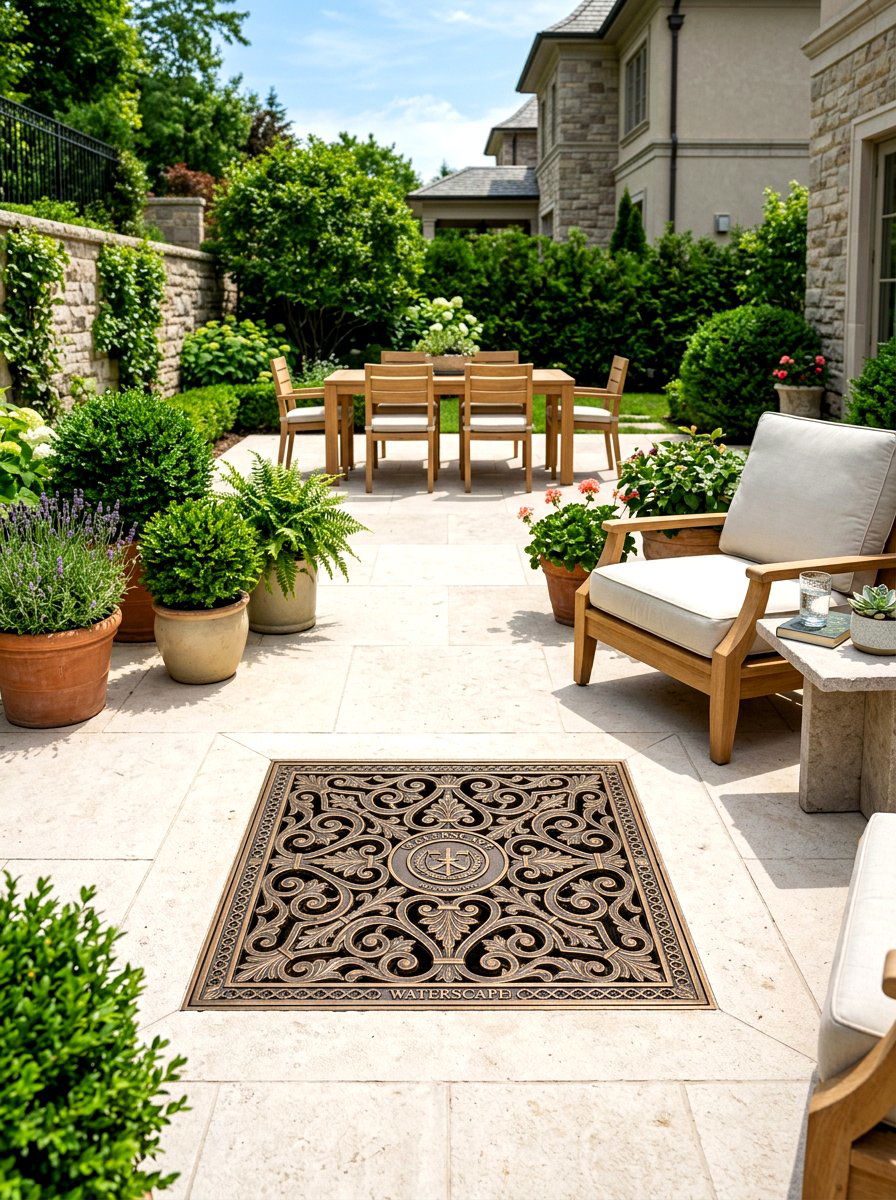
A catch basin is an essential component for yards that experience significant pooling near patios or walkways. It features a decorative grate at ground level that collects water and sends it into an underground pipe. You can find grates in various finishes, including bronze or black, to match your outdoor hardware. This system is perfect for low spots where water naturally gathers and has nowhere else to go. It prevents the ground from becoming a muddy mess after every rain shower. By connecting the basin to a larger drainage network, you ensure that your outdoor living areas stay dry and usable. It is a discreet but very powerful tool.
9. Gravel Path
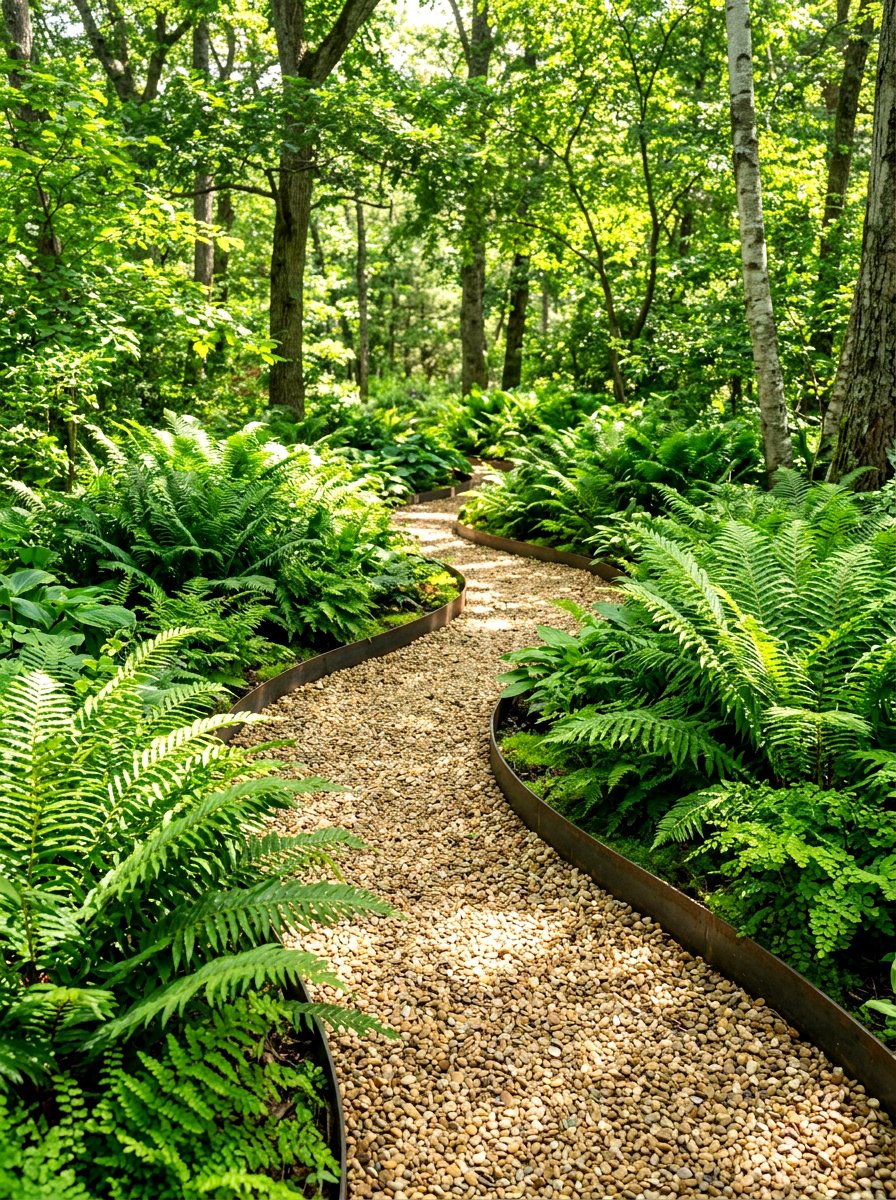
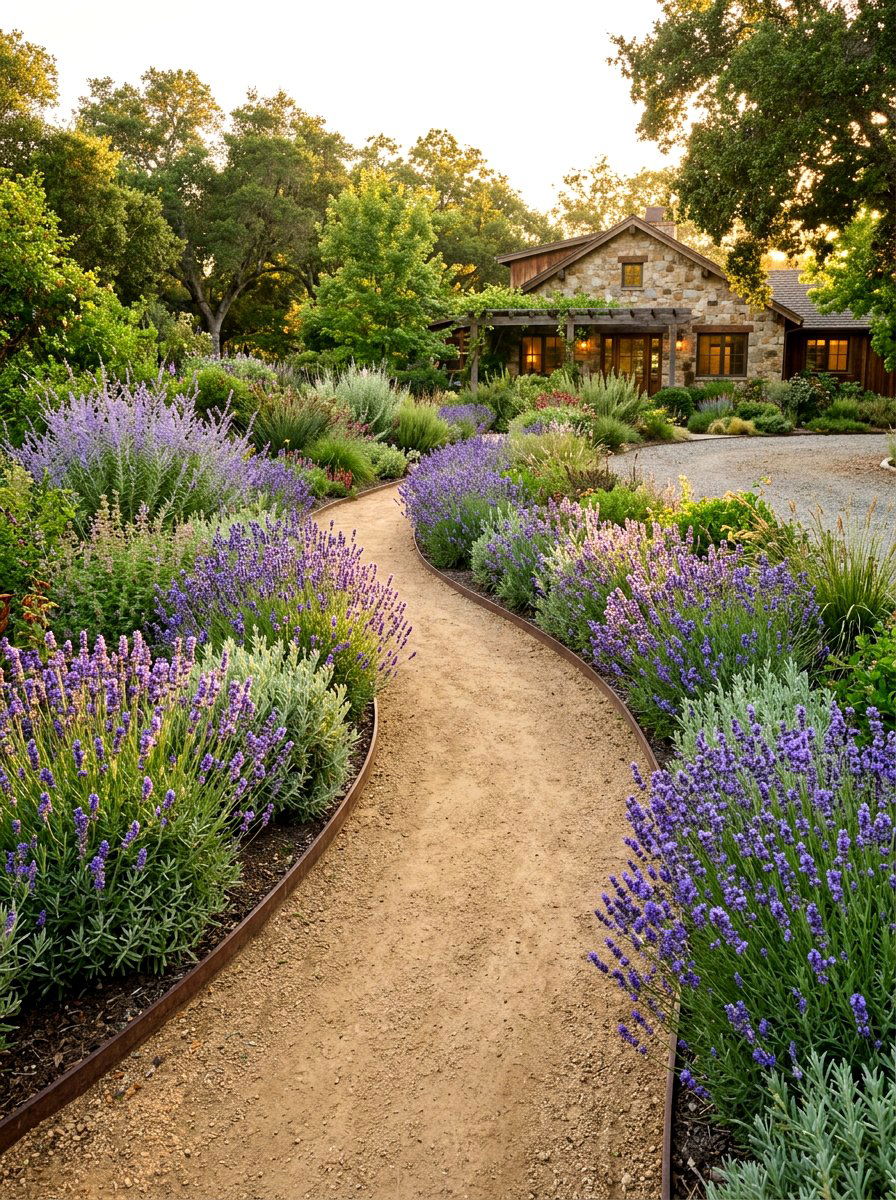
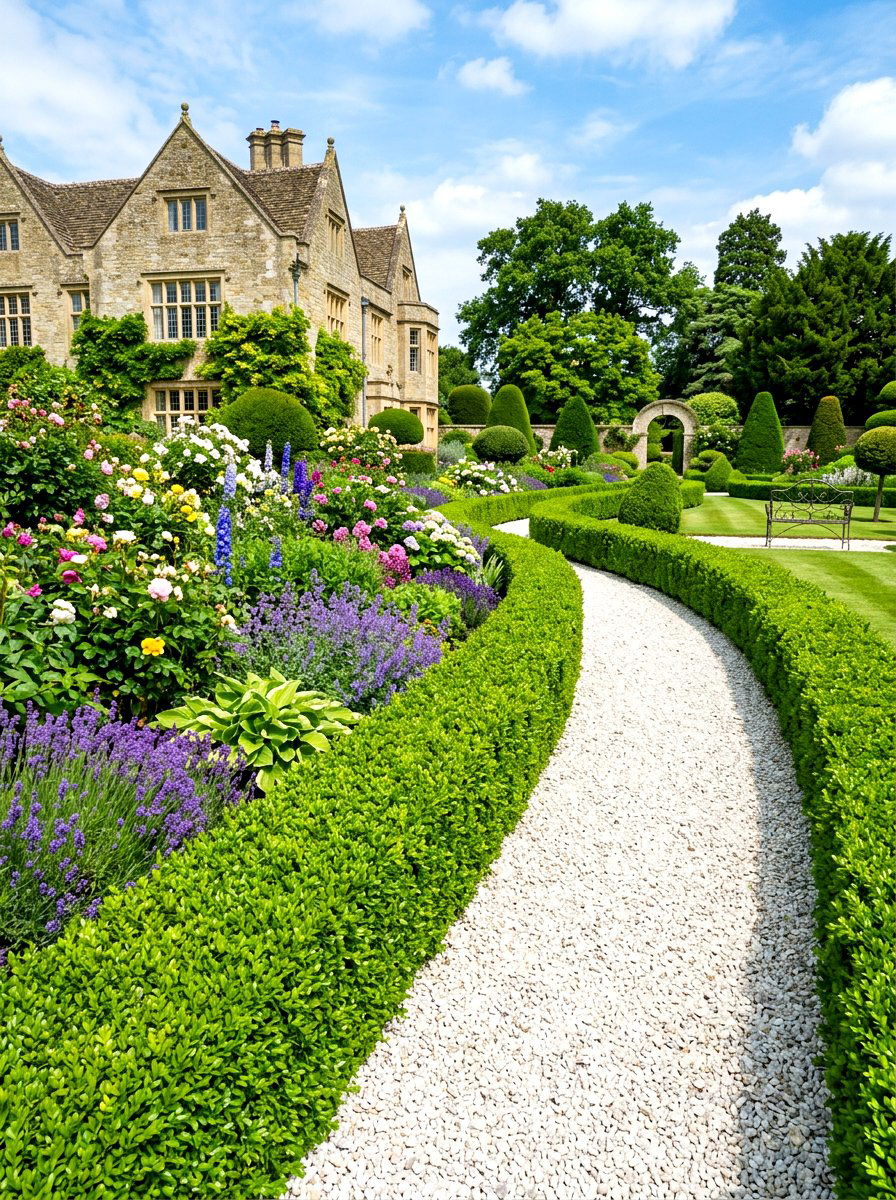
Installing a gravel path is a simple way to create a permeable walkway that manages water effectively. Unlike solid pavers or concrete, gravel allows rain to pass through directly into the soil. This prevents runoff from flowing onto your lawn and causing erosion or soft spots. You can use different colors of pea gravel or crushed stone to complement your garden's color palette. Adding a border of larger stones or metal edging keeps the gravel contained and looking neat. This design adds a lovely textural element to your yard while being highly functional. It is an affordable and stylish solution for paths that stay dry all year long.
10. Underground Downspout
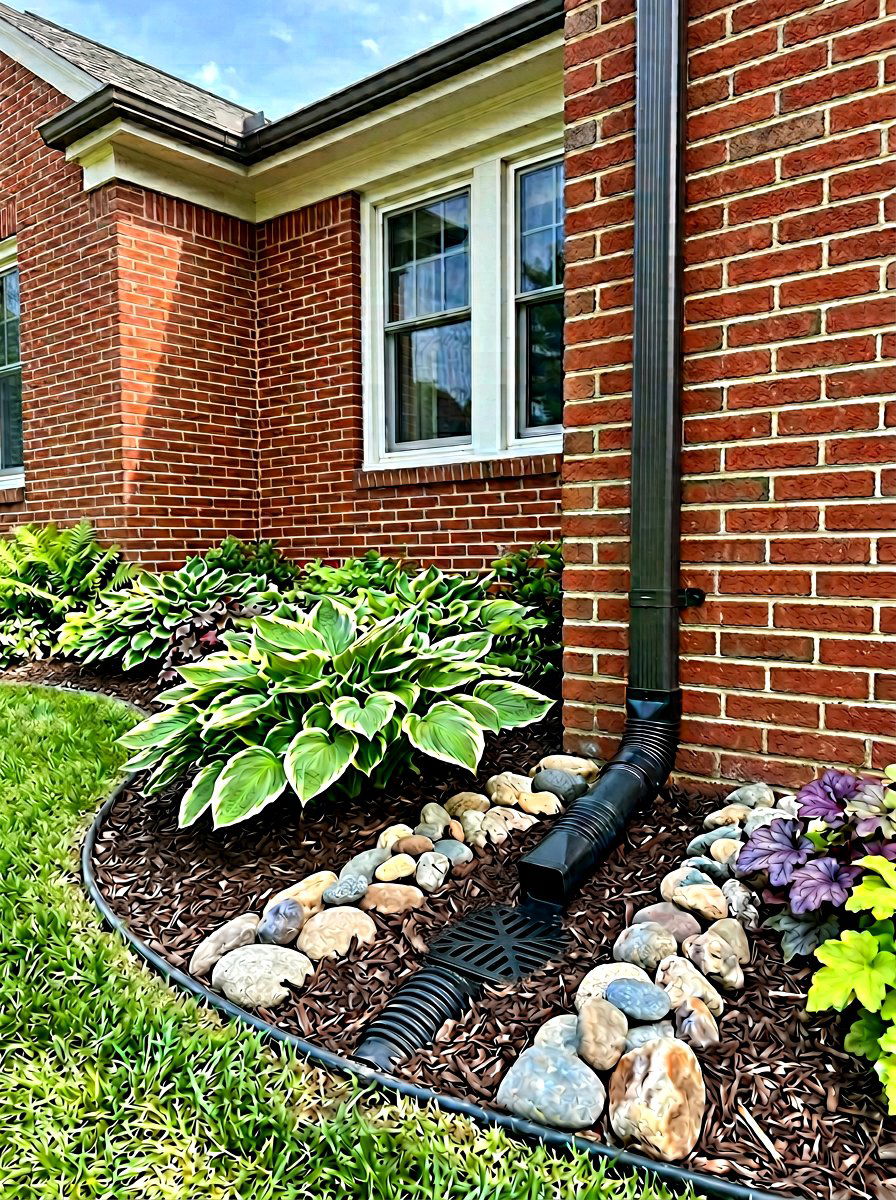
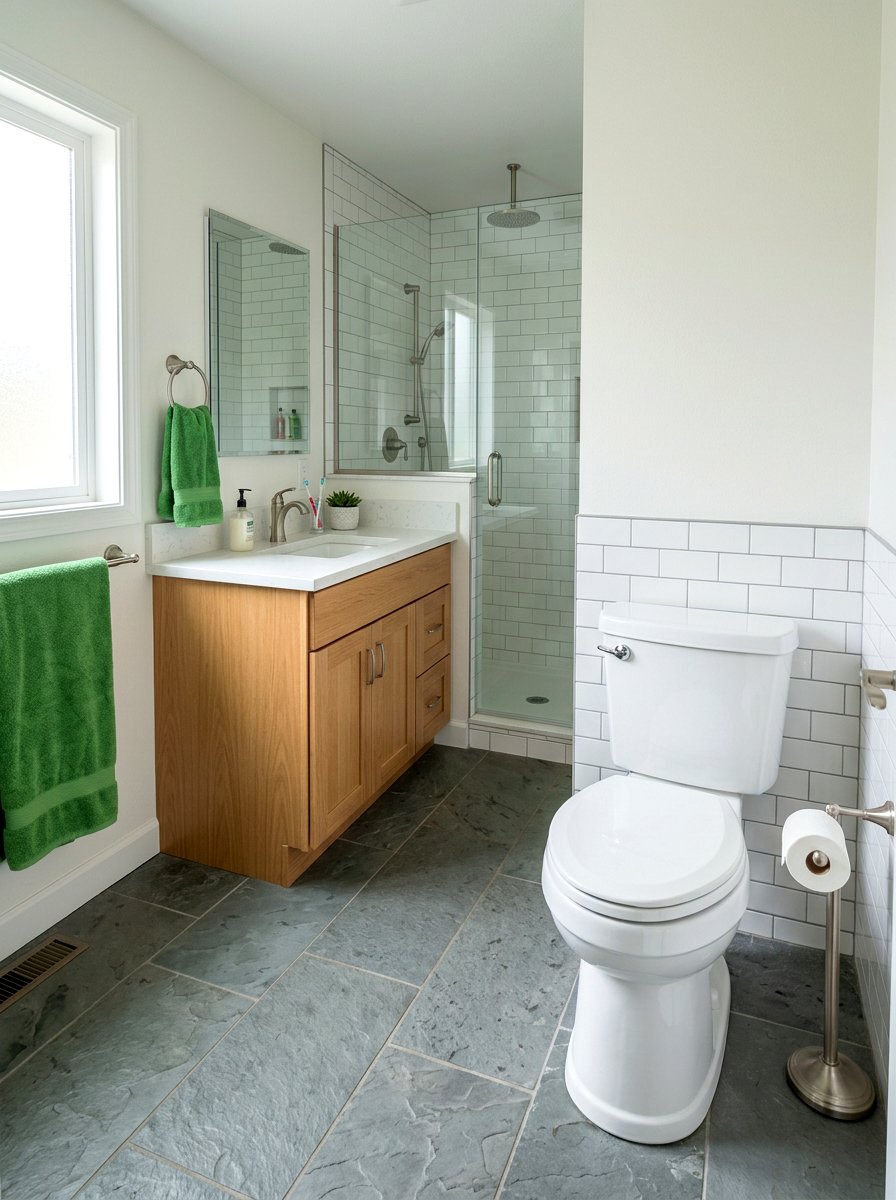
Redirecting your roof water through an underground downspout is a great way to keep your foundation safe. Instead of water dumping directly at the base of your house, it travels through a hidden pipe. You can lead the pipe toward a rain garden, a dry well, or a lower part of the yard. This keeps your flower beds from being washed out by heavy flows from the gutters. The exit point can be disguised with decorative rocks or a pop-up emitter for a clean look. This design is crucial for preventing basement leaks and soil settling near the home. It creates a much cleaner appearance around the perimeter of your house.
11. Terraced Garden
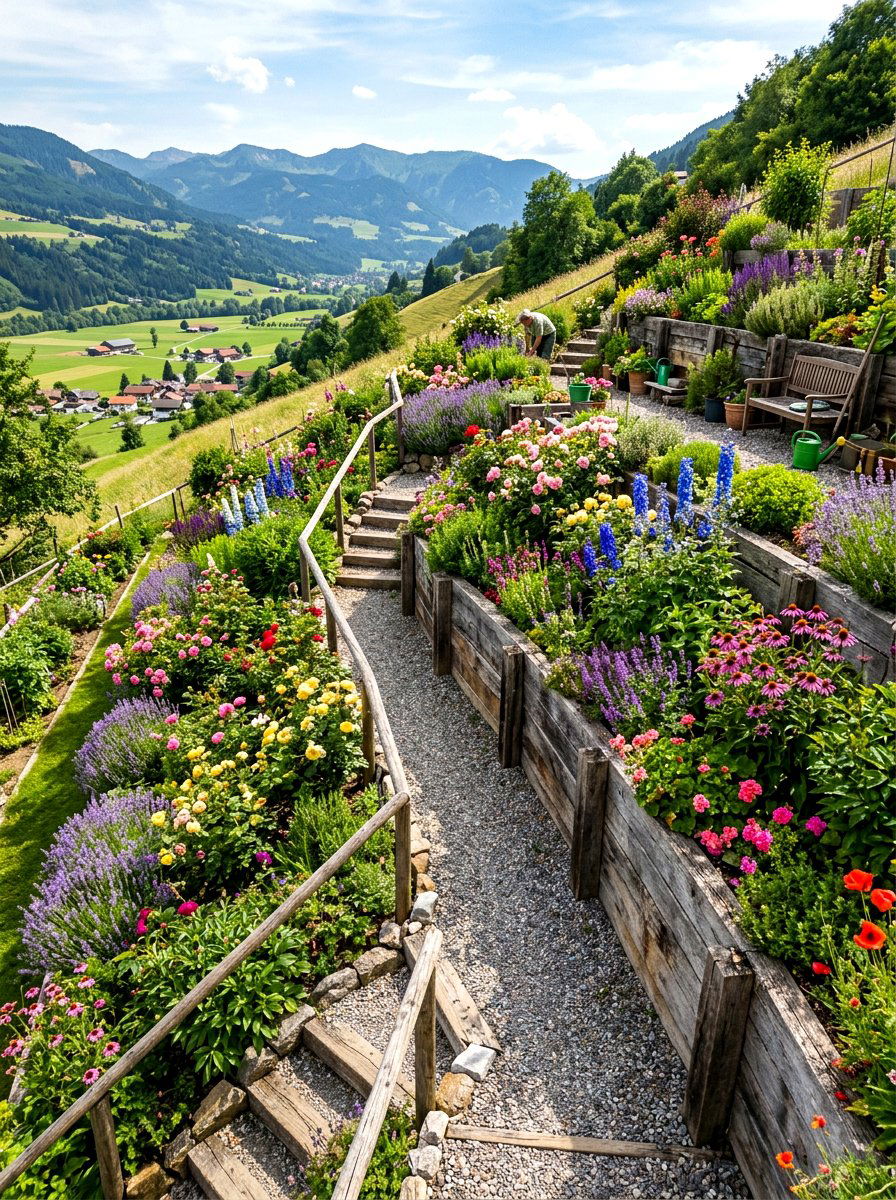
A terraced garden uses a series of steps to break up a steep slope and manage water runoff. Each level is held back by a small wall, creating flat planting beds that catch and hold rain. This design prevents water from gaining speed as it travels downhill, which protects your soil from washing away. You can fill the terraces with a variety of perennials, shrubs, and groundcovers. This adds a lush, layered look to your property that is very visually appealing. Terracing transforms a difficult, unusable hillside into a productive and beautiful garden space. It is one of the most effective ways to handle elevation changes and drainage simultaneously.
12. Bog Garden
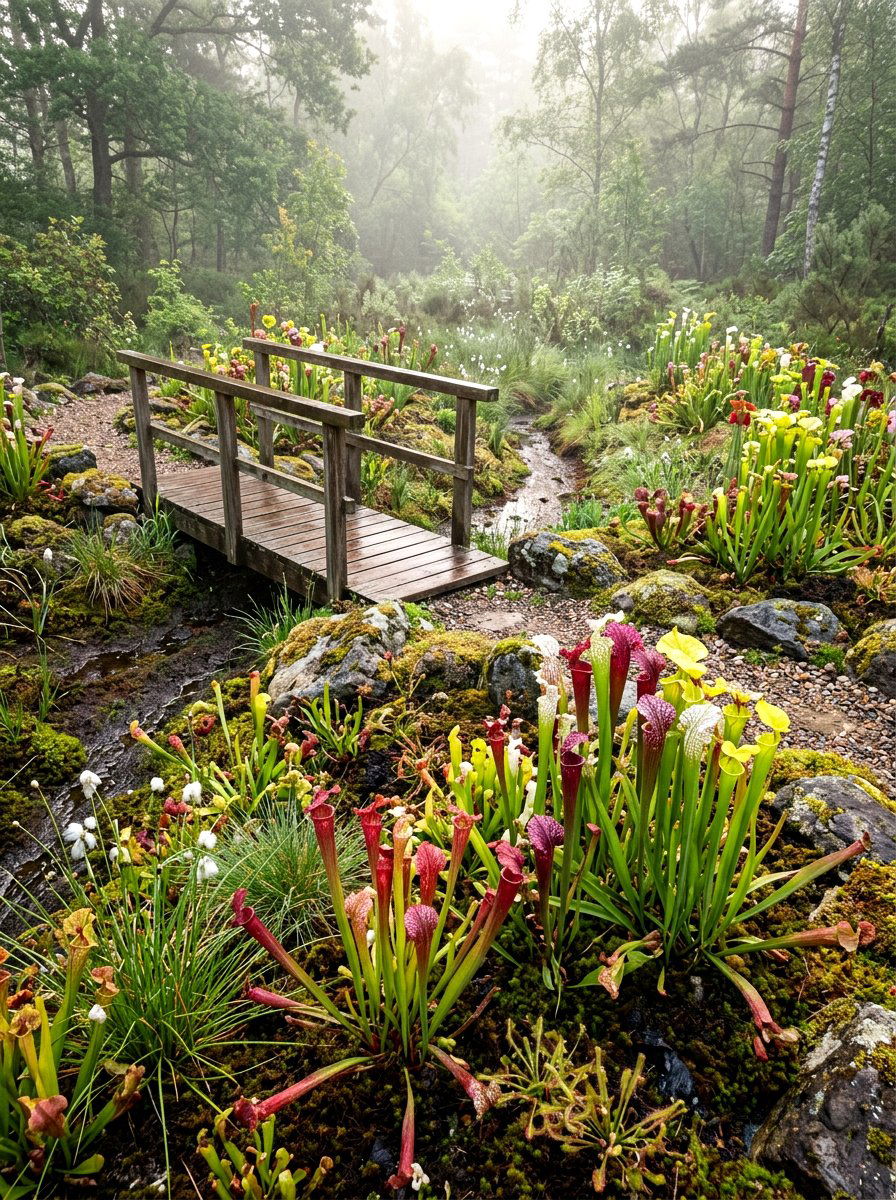
If you have a naturally wet spot in your yard that never seems to dry out, a bog garden is the answer. Instead of fighting the moisture, you embrace it by planting species that thrive in saturated soil. Plants like pitcher plants, marsh marigolds, and certain irises love having "wet feet" all the time. This area becomes a unique habitat that attracts frogs, butterflies, and dragonflies. A bog garden turns a muddy eyesore into a lush, exotic-looking feature. It requires very little maintenance once the right plants are established in the damp earth. This design is a creative way to work with nature rather than against it in your yard.
13. Dry Well
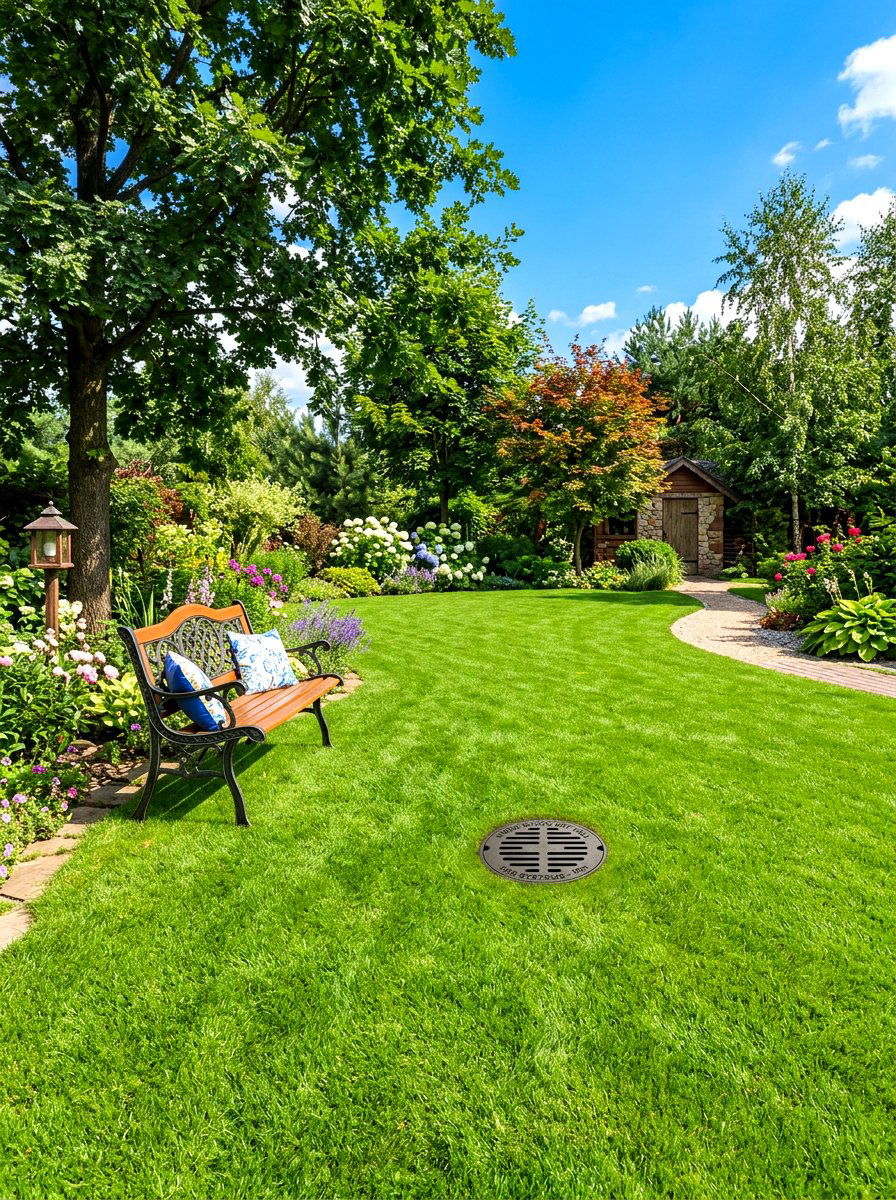
A dry well is an underground structure that collects and stores runoff until it can soak into the surrounding soil. It is usually a large plastic or concrete tank with holes in the sides, surrounded by gravel. You can direct water from downspouts or catch basins into the well to keep it off the surface. This is an excellent solution for urban yards with limited space for surface drainage. The top of the well is buried deep enough that you can plant grass or a garden over it. It is a completely invisible way to handle large volumes of water. This system prevents local flooding and keeps your lawn firm and dry.
14. Channel Drain
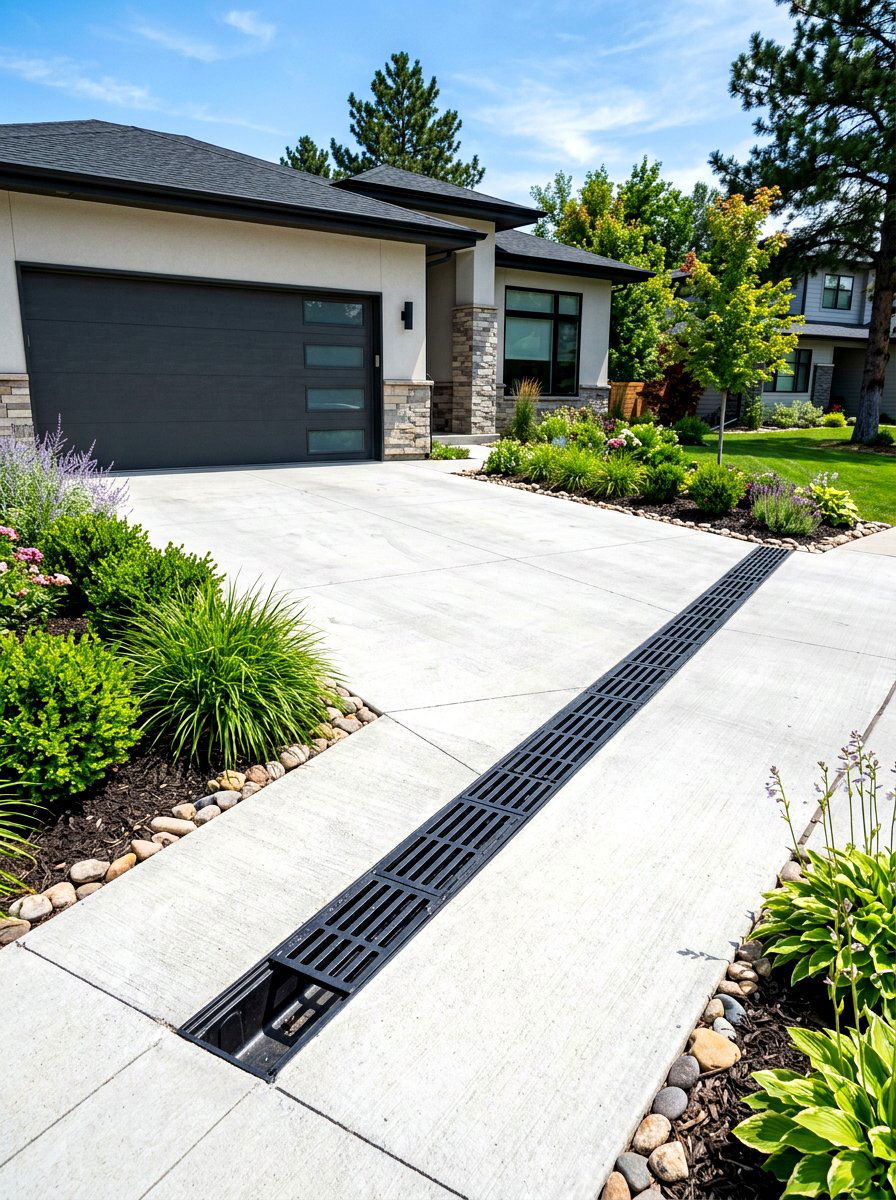
A channel drain is a long, narrow grate often installed across driveways or along the edge of a patio. It captures water that sheets off a flat surface and directs it into a pipe system. This prevents water from entering your garage or flooding your outdoor seating area. The grates are available in many designs, ranging from industrial steel to decorative patterns. They are flush with the ground, making them safe to walk or drive over without any issues. This is a vital feature for hardscaped areas where large amounts of water can accumulate quickly. It provides a sleek and professional way to manage drainage in high-traffic zones.
15. Sump Pump Discharge
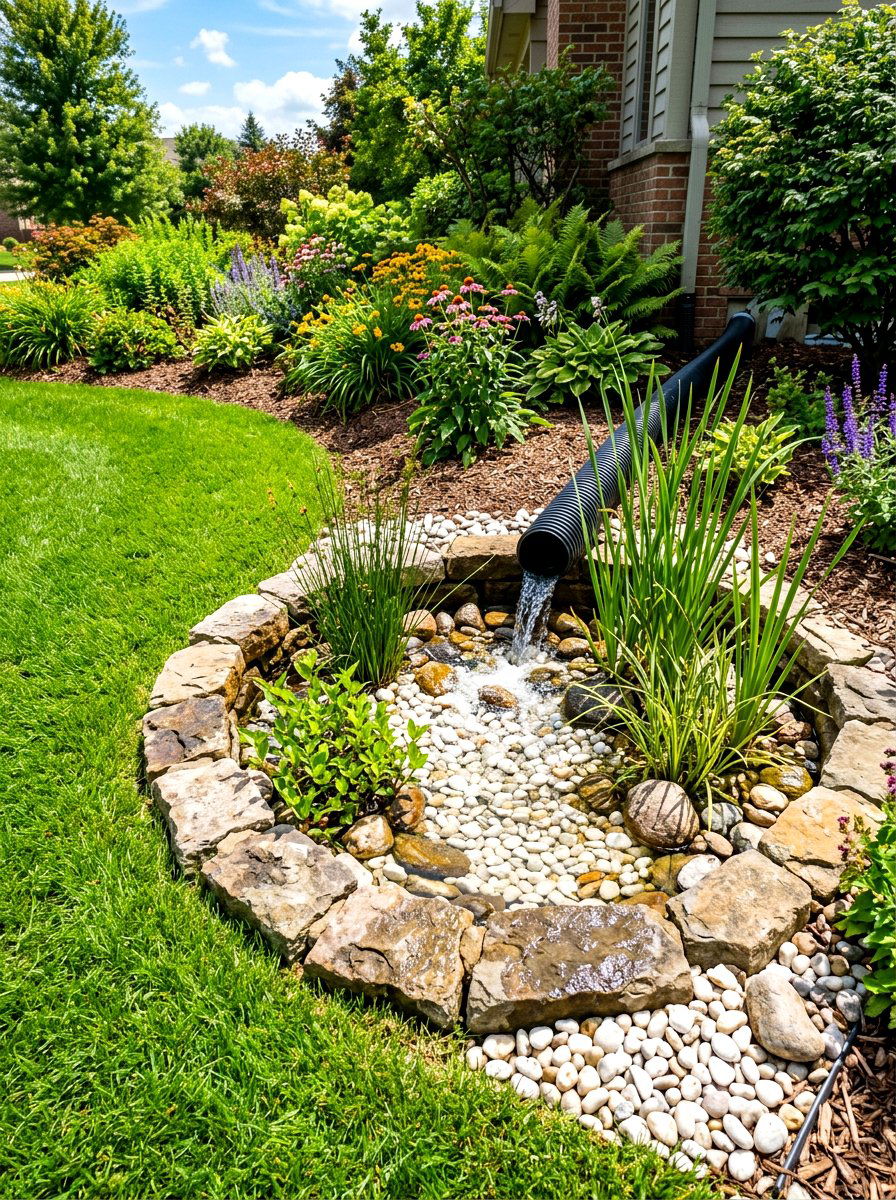
Managing the water that comes out of your sump pump is vital for keeping your yard from becoming swampy. Instead of letting the pipe dump water onto your grass, you can create a dedicated discharge zone. This area can be lined with decorative stones and moisture-loving plants to handle the frequent water flow. You might also connect the discharge pipe to an underground system that leads to the street or a dry well. This prevents the same water from soaking back down into your foundation. A well-designed discharge point looks like a small water feature rather than a mechanical outlet. It ensures your basement stays dry while protecting your landscape.
16. Grassy Berm
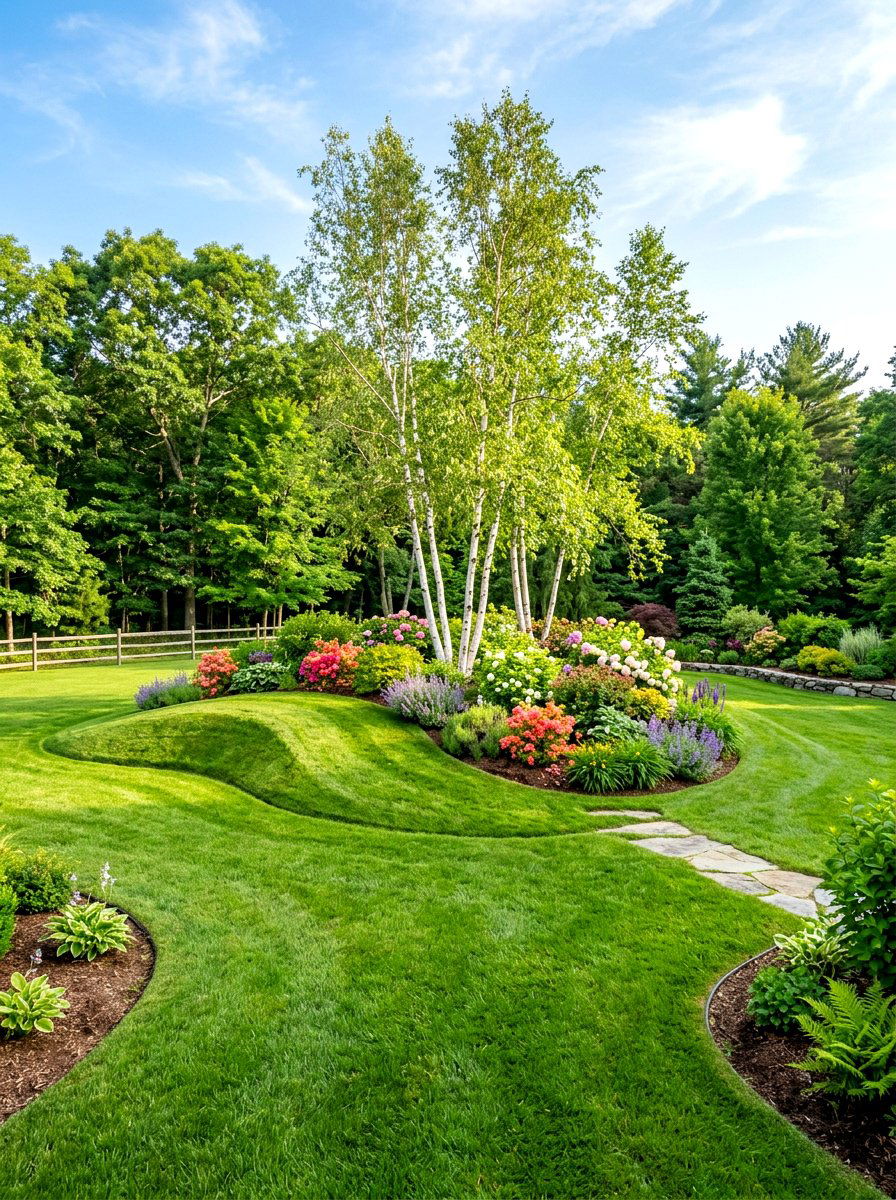
A grassy berm is a small, rounded hill of soil covered in turf that redirects water flow. You can use a berm to block water from flowing toward your house or to guide it around a patio. It acts as a natural dam that is integrated into the shape of your lawn. When designed with gentle curves, a berm adds visual interest and privacy to your landscape. You can plant trees or shrubs on top of the berm to enhance its look and help absorb more water. It is a simple earth-moving solution that requires no pipes or expensive materials. This design creates a more dynamic and sculpted appearance for flat yards.
17. Slotted Pipe
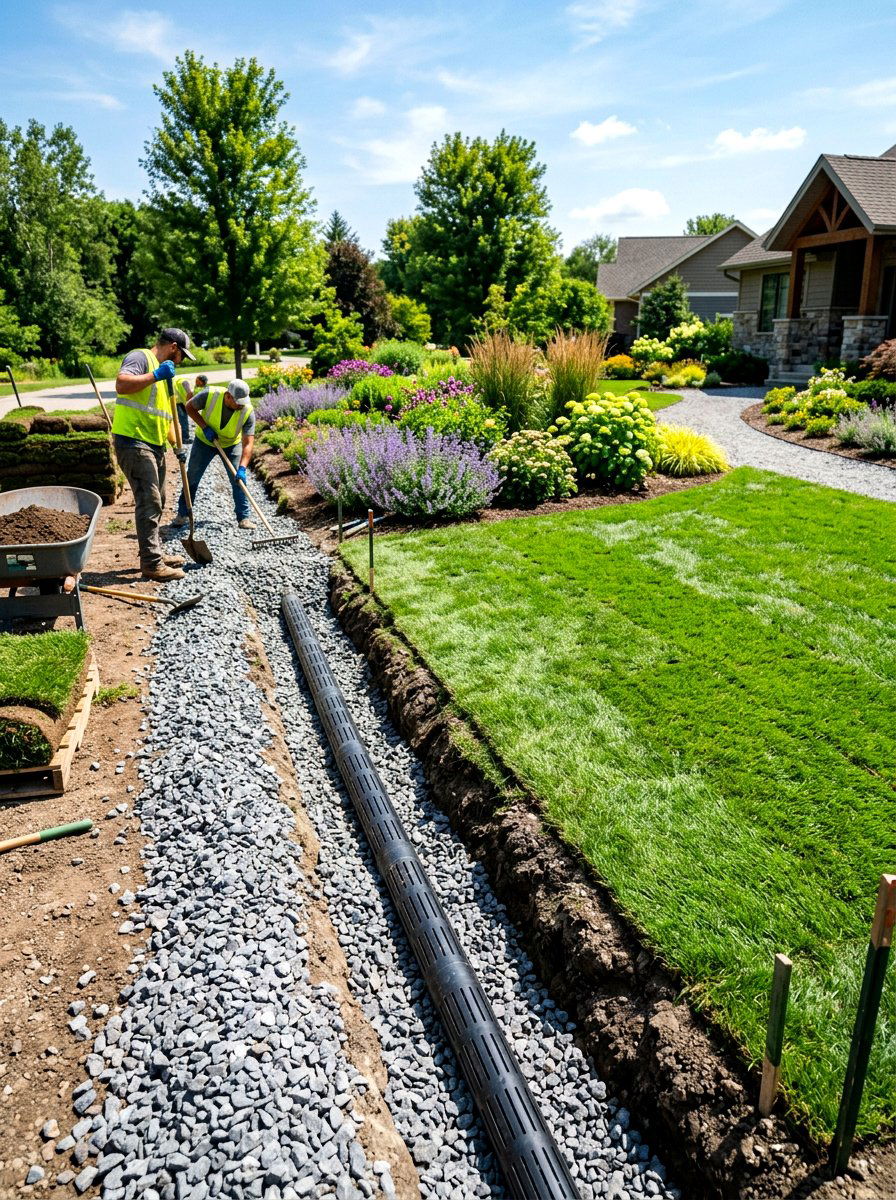
Using a slotted pipe system is an effective way to collect groundwater over a wide area. These pipes have small openings that allow water to enter from the surrounding soil along their entire length. They are usually buried in a trench filled with clean gravel to prevent dirt from clogging the slots. This system is perfect for large, flat yards that stay damp for days after a rainstorm. The water travels through the pipe to a lower exit point or a drainage basin. It is a very reliable method for drying out large sections of a lawn. Once buried, the system is completely invisible and does not interfere with mowing.
18. Pop Up Emitter
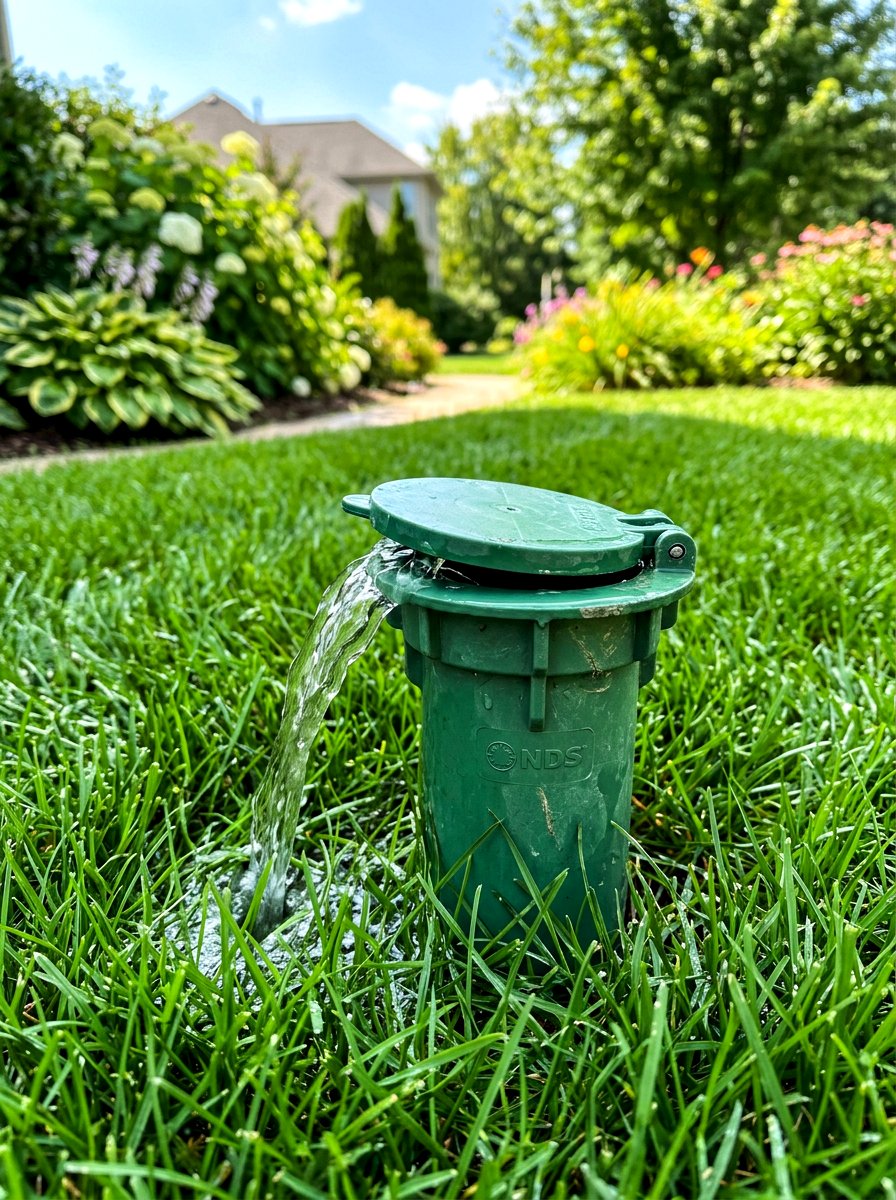
A pop-up emitter is a clever device used at the end of an underground drainage pipe. When the pipe fills with water, the pressure lifts the green lid, allowing water to flow out onto the lawn. Once the water stops flowing, the lid closes flush with the ground due to a spring. This keeps debris, leaves, and small animals from entering and clogging your drainage pipes. Because it sits flush, you can run your lawnmower right over it without causing any damage. It is a much cleaner look than having an open pipe sticking out of the ground. This small detail makes a big difference in a professional landscape.
19. Stone Edging
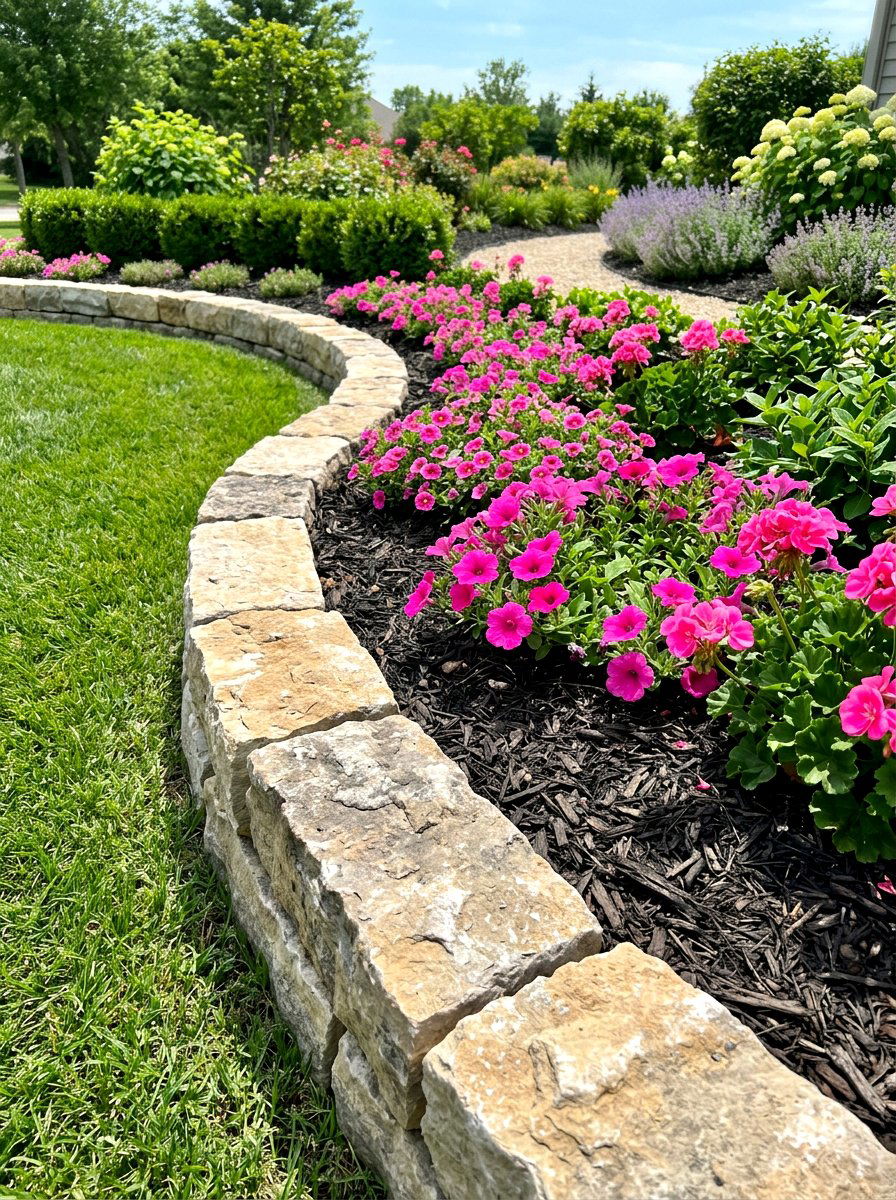
Stone edging can serve as a subtle barrier that guides water along a specific path in your garden. By using large flat stones or stacked rocks, you can create a border that keeps mulch and soil in place. This prevents heavy rain from washing your garden beds onto your walkways or lawn. The stones themselves add a classic, structured look to your landscaping. You can choose rocks that match your home 's exterior for a cohesive design throughout the property. This simple addition helps manage small amounts of runoff while defining the different zones of your yard. It is a practical and decorative way to improve your garden' s drainage.

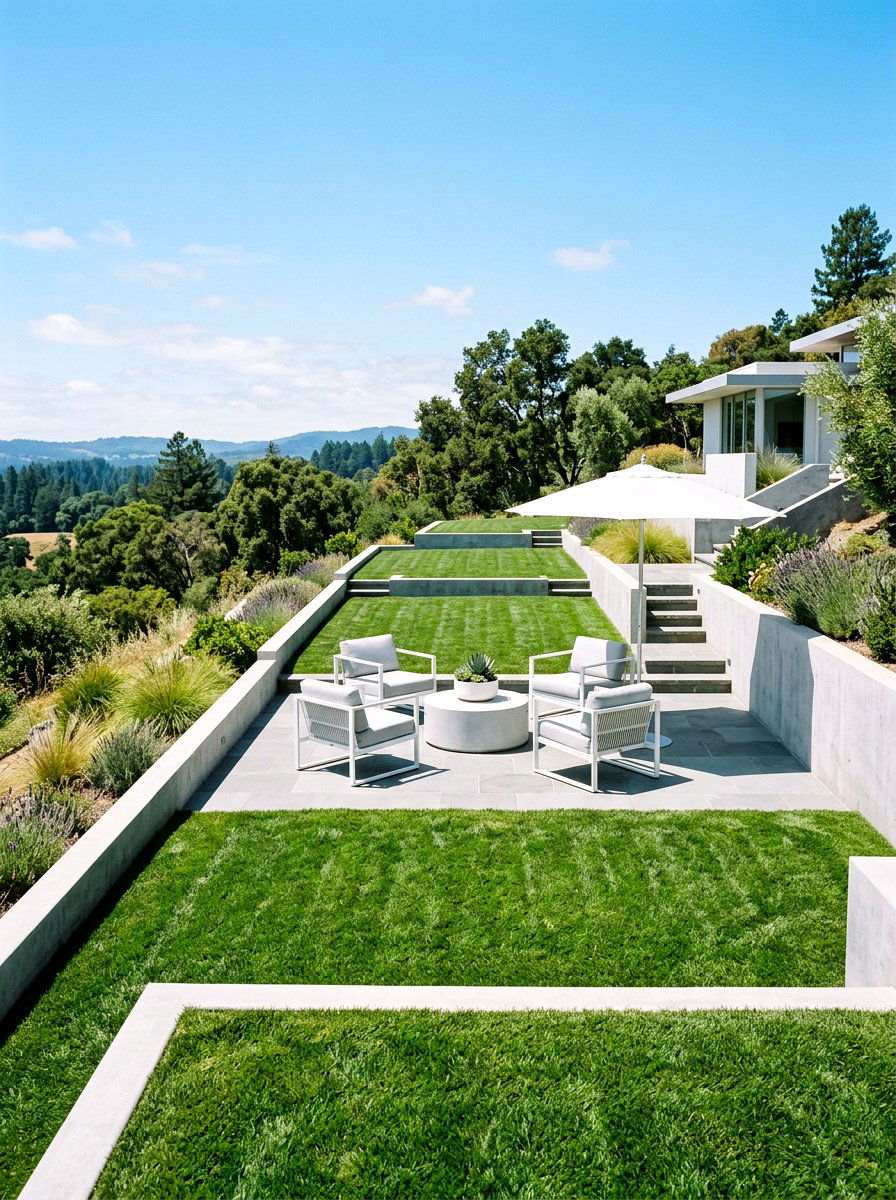
20. Mulch Basin
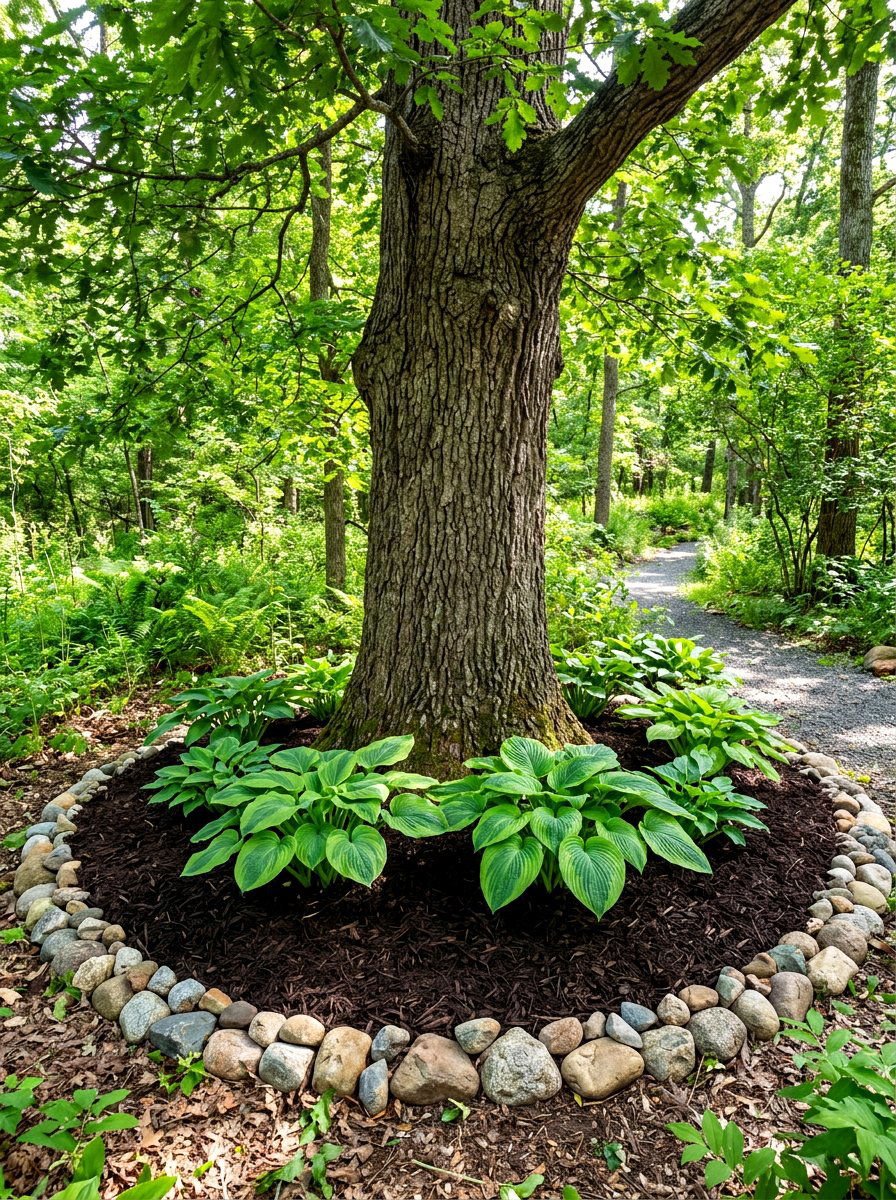
A mulch basin is a sunken area filled with organic mulch and plants designed to catch and hold water. This is commonly used around the base of trees or in large planting beds. The thick layer of mulch acts like a sponge, soaking up rain and slowly releasing it to the roots. This reduces the need for supplemental watering while preventing runoff from leaving the area. As the mulch breaks down, it improves the soil's ability to absorb even more water in the future. It is an affordable and natural solution for managing water in wooded or heavily planted areas. This design promotes healthy plant growth and soil health.
21. Flagstone Walkway
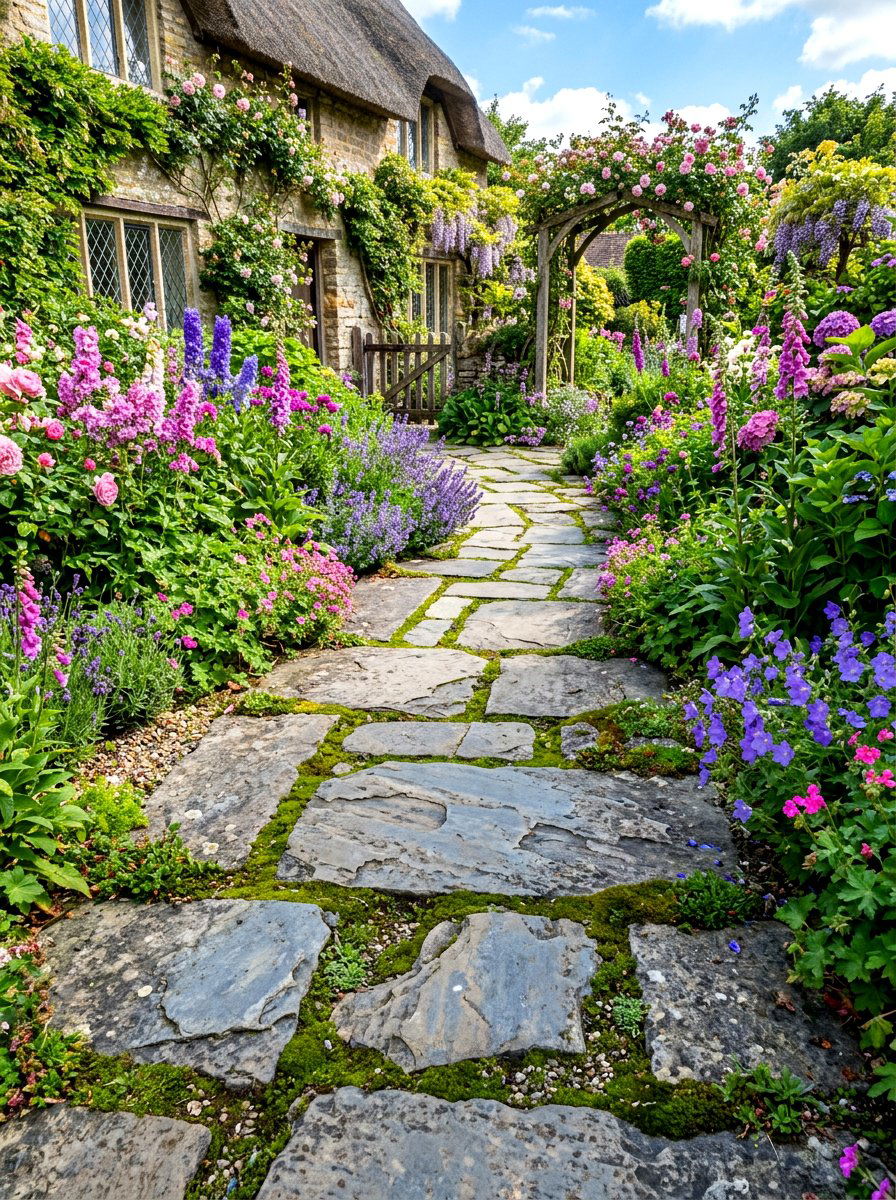
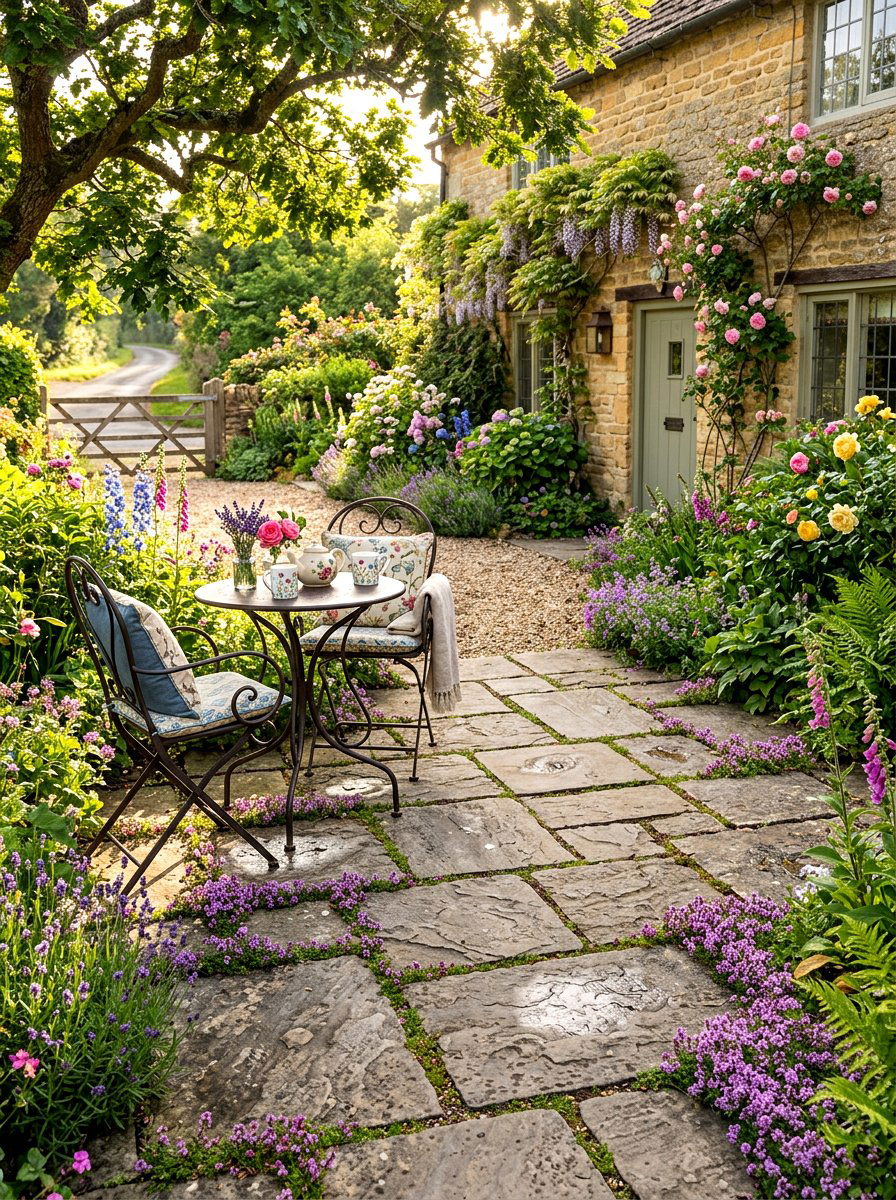
Creating a flagstone walkway with wide gaps between the stones is an excellent drainage strategy. Instead of using mortar to fill the joints, you can use sand, fine gravel, or even low-growing moss. This allows rainwater to seep into the ground between the heavy stones rather than running off the sides. Flagstone provides a beautiful, natural aesthetic that works with almost any home style. The irregular shapes of the stones create a charming and organic look for your paths. This design keeps your walkways from becoming slippery during rain and helps keep the surrounding soil hydrated. It is a timeless choice for a functional and pretty landscape.
22. Rain Barrel
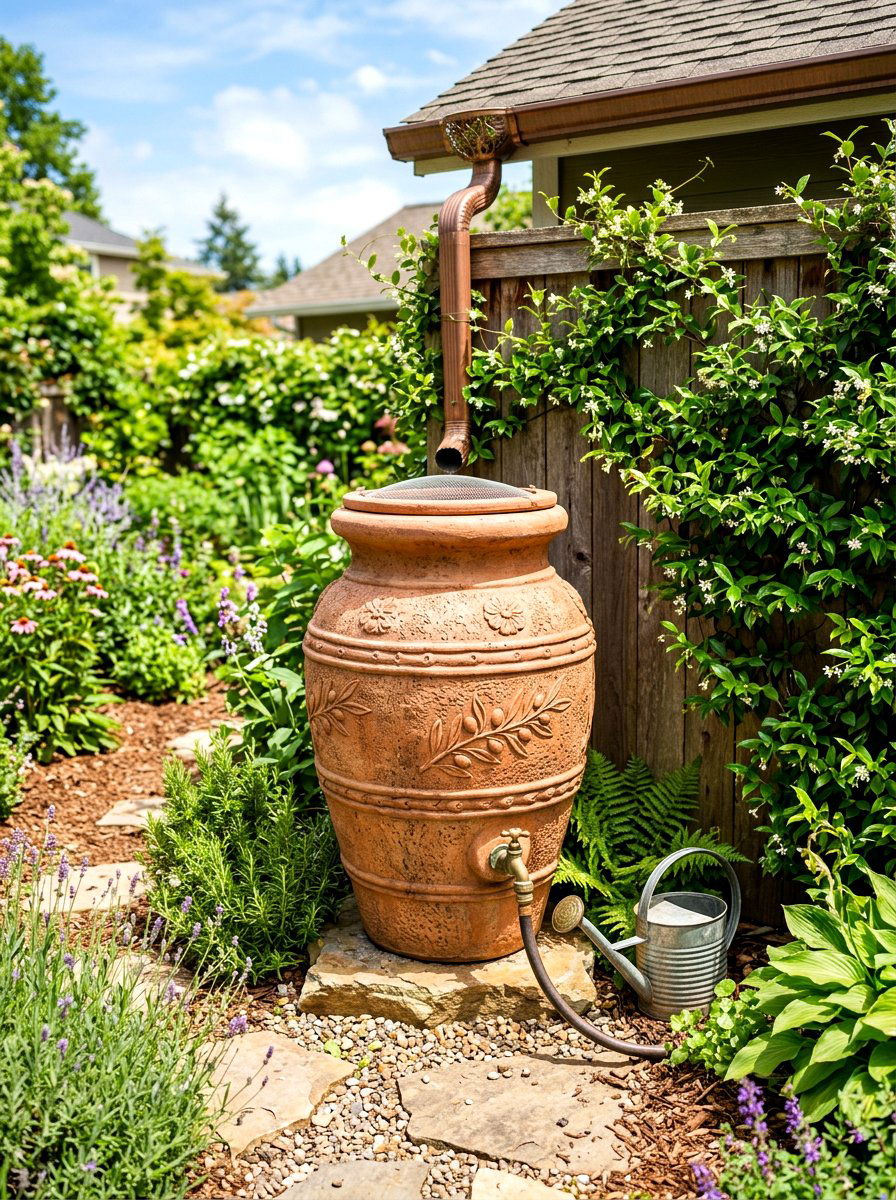
A rain barrel is a practical way to collect and store water from your roof for later use. It sits directly under a downspout and can hold hundreds of gallons of water during a storm. This prevents all that water from flooding your flower beds or foundation at once. Modern rain barrels come in many styles, including some that look like terracotta urns or stone pillars. Most include a spigot so you can easily fill a watering can or attach a hose for your garden. This not only manages drainage but also saves money on your water bill. It is a sustainable and attractive addition to any backyard.
23. Native Plant Buffer
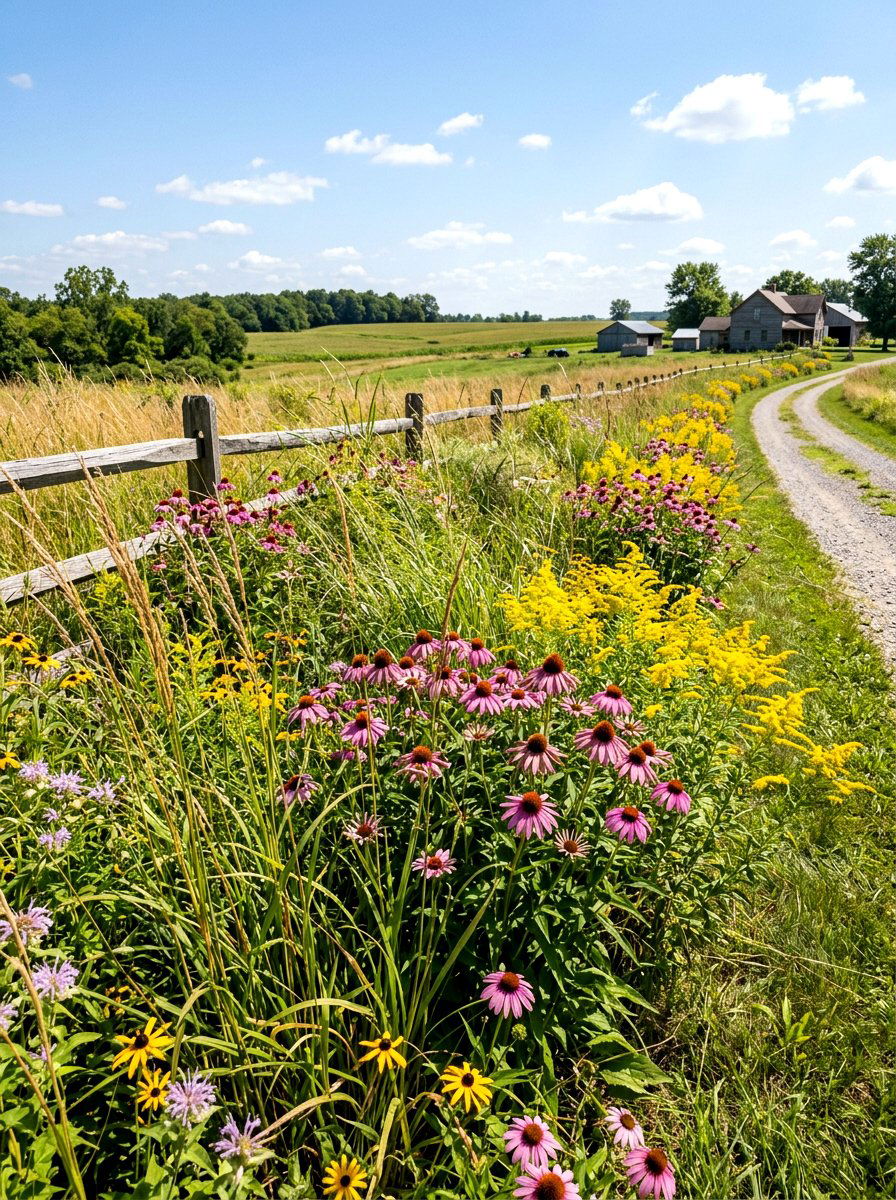
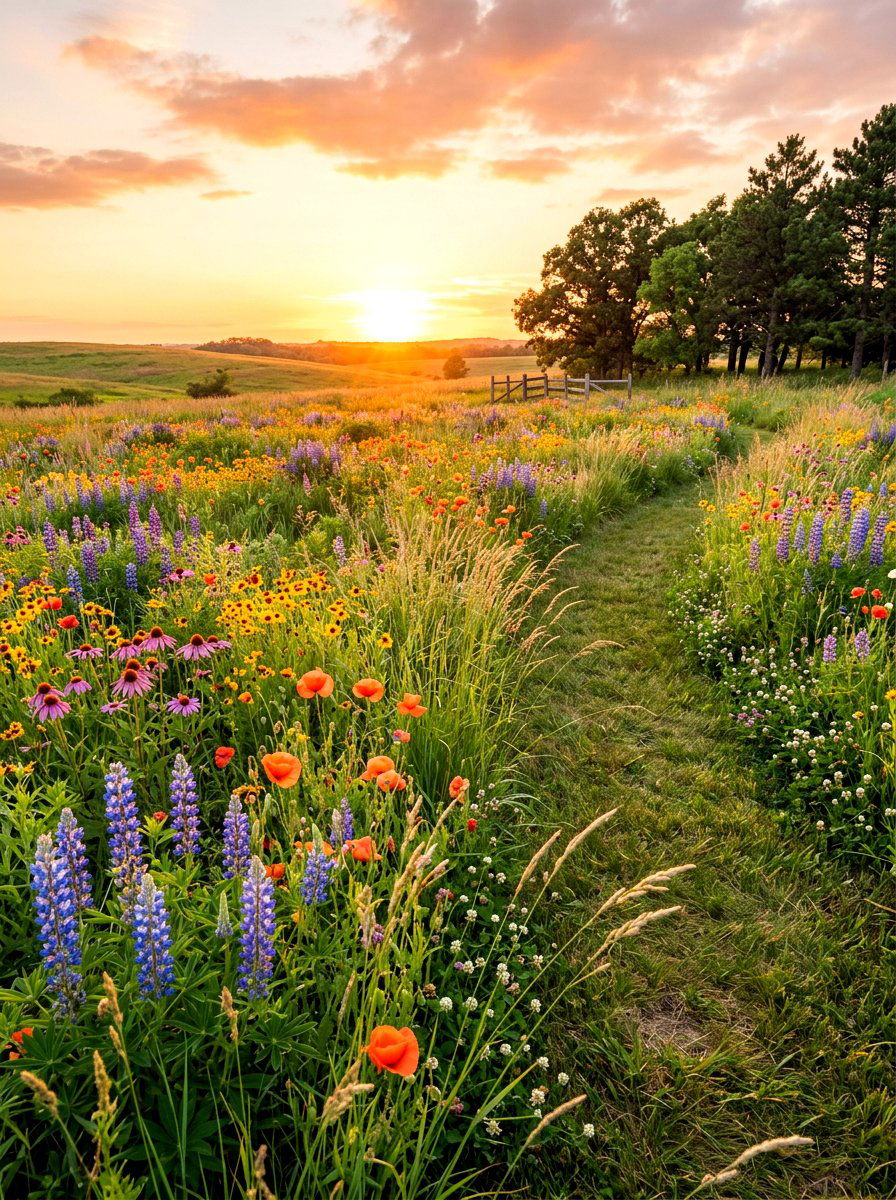
Planting a buffer of native grasses and wildflowers can significantly improve the drainage on your property. Native plants usually have much deeper root systems than standard lawn grass, which helps them reach and absorb deep groundwater. This creates channels in the soil that allow air and water to move more freely. A thick buffer of plants can also slow down surface runoff, filtering out sediment before it leaves your yard. This area becomes a beautiful, low-maintenance wild spot that provides a home for beneficial insects. It is a natural way to solve drainage issues while increasing the biodiversity of your local environment.
24. Yard Grading
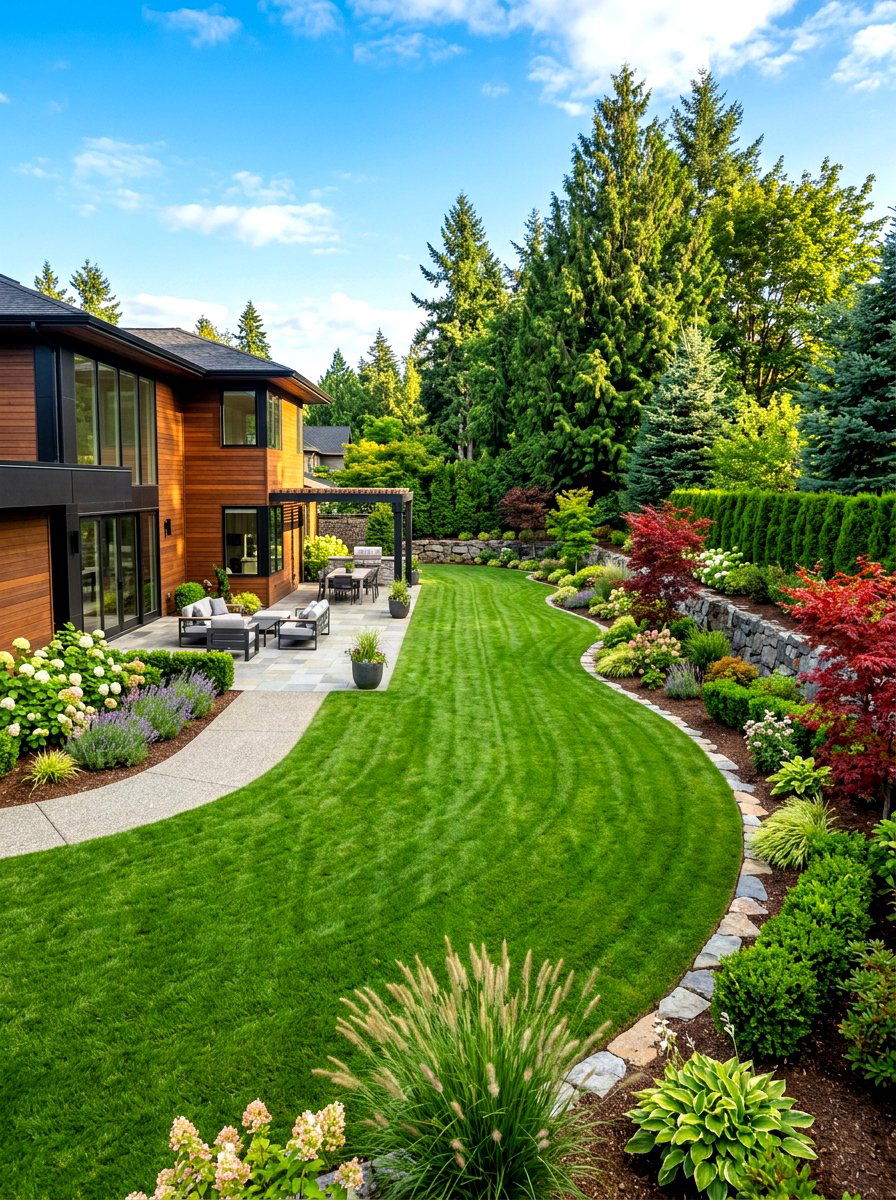
Proper yard grading is the foundation of all good drainage and involves sloping the ground away from your house. A professional can reshape the soil to ensure that water always flows toward the street or a dedicated drain. Even a slight slope of one or two inches over ten feet can make a massive difference. This prevents water from pooling against your basement walls and causing structural damage. Once the grading is finished, you can replant grass or install new landscape features over the top. It is the most important step in protecting your home from water-related issues. A well-graded yard ensures long-term peace of mind.
25. Rock Mulch
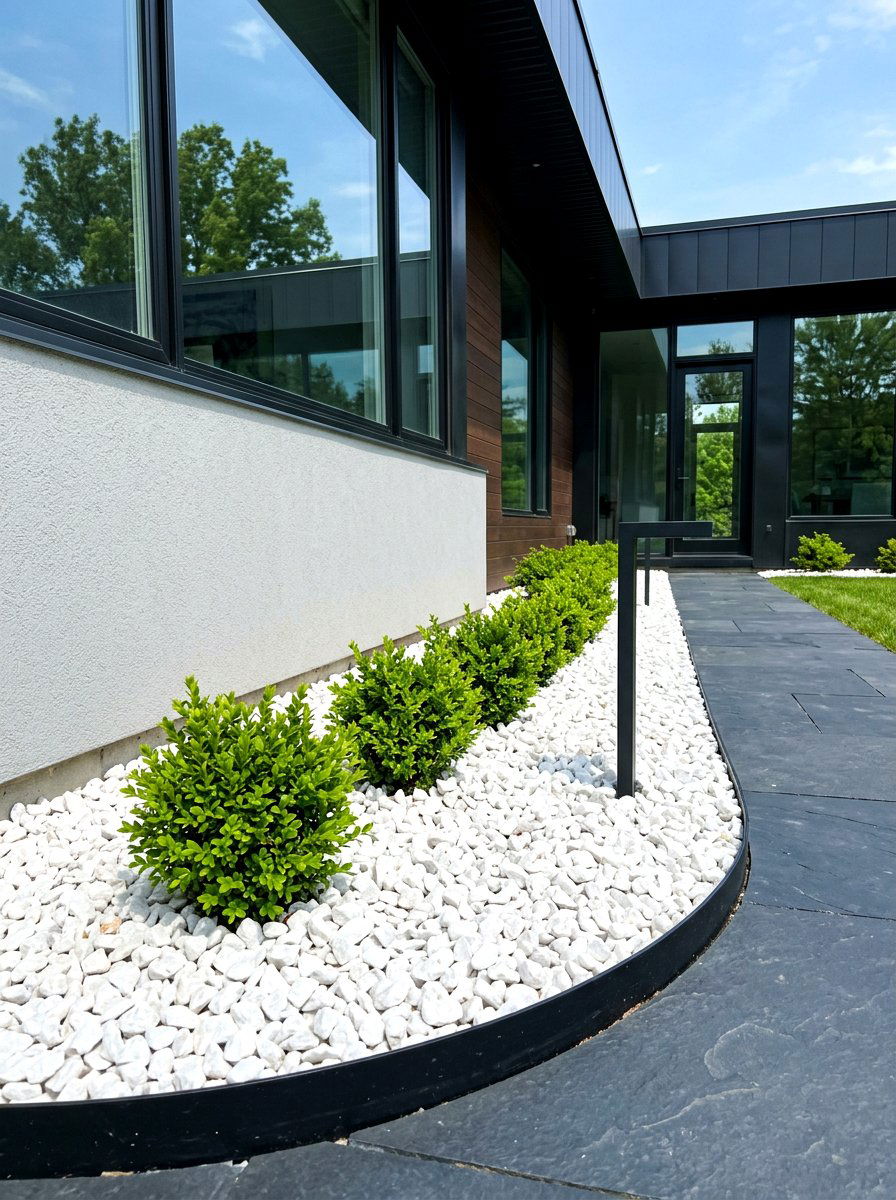
Using rock mulch instead of wood chips is a smart choice for areas that experience heavy water flow. Wood mulch can float and wash away during a storm, making a mess of your lawn and clogging drains. Stones, however, stay in place and provide a heavy, stable surface for water to pass through. You can use lava rock, river stone, or decorative gravel to create a clean and modern look. Rock mulch also helps suppress weeds and keeps the soil cool during the hot summer months. It is a very durable option that doesn't need to be replaced every year. This design is both practical and visually striking.
26. Stepping Stone Path
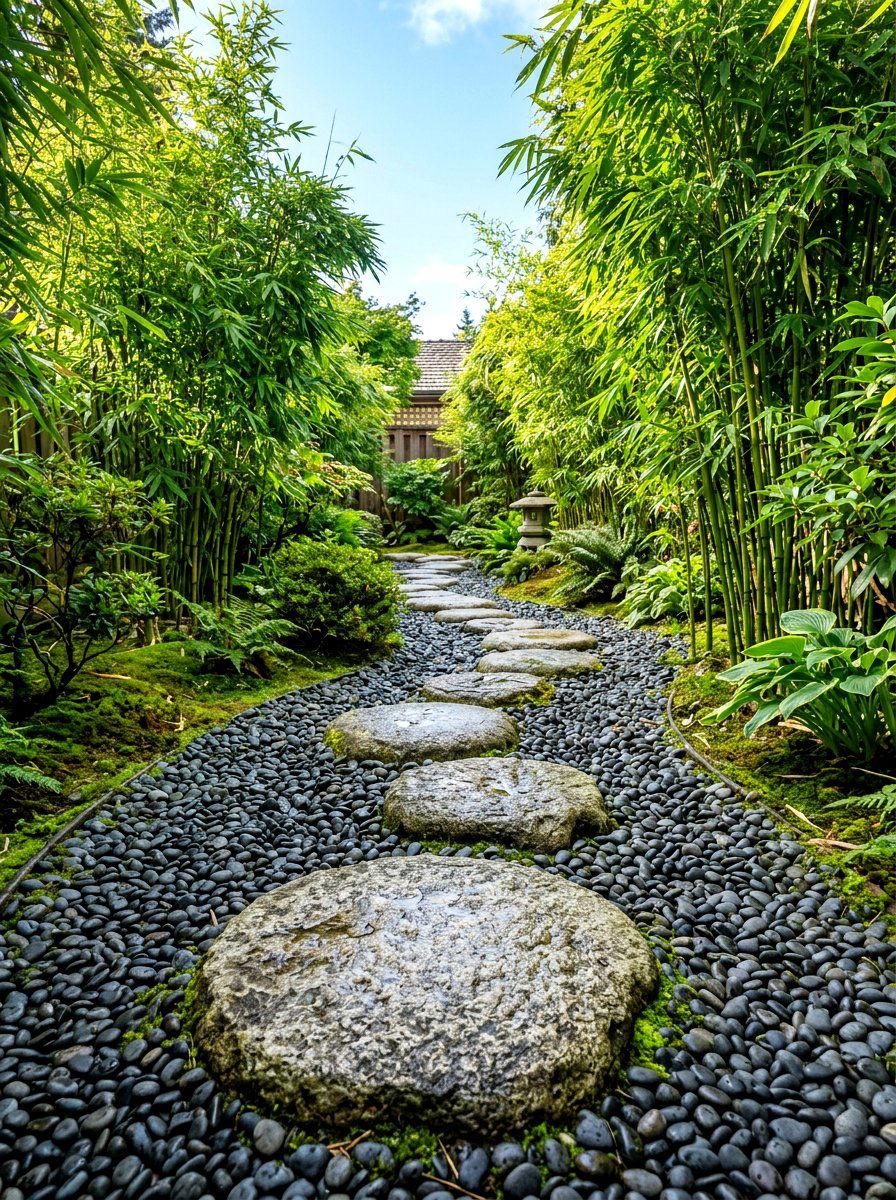
A stepping stone path is a simple way to cross a damp area of your yard without getting your feet wet. By placing large, flat stones in a bed of gravel or groundcover, you create a stable walking surface. This allows the ground underneath to remain permeable so water can still soak in naturally. You can space the stones out to create a relaxed, casual feel that guides visitors through your garden. This design is very easy to install and can be adjusted as your plants grow and change. It adds a sense of adventure and discovery to your outdoor space while solving a common muddy problem.
27. Bioswale
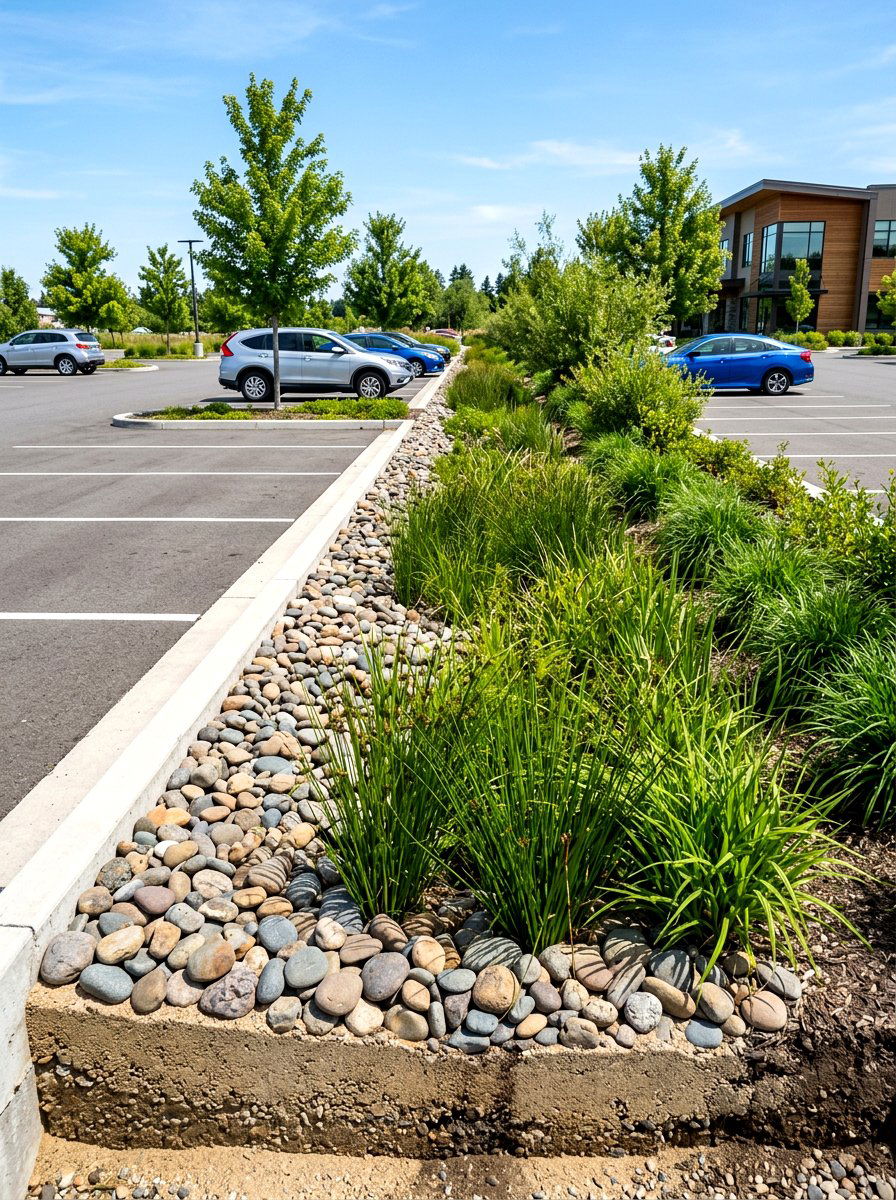
A bioswale is a more advanced version of a regular swale that uses specific layers of soil and plants to filter water. It is designed to remove pollutants like oil and chemicals from runoff before the water enters the ground. This makes it an excellent choice for areas near driveways or roads. The bioswale features a mix of rocks, sand, and deep-rooted plants that thrive in varying moisture levels. It looks like a beautiful, sunken garden bed that stretches along the edge of your property. This functional landscape feature protects local waterways while adding a professional, engineered look to your home. It is a top choice for sustainability.
28. Culvert Pipe
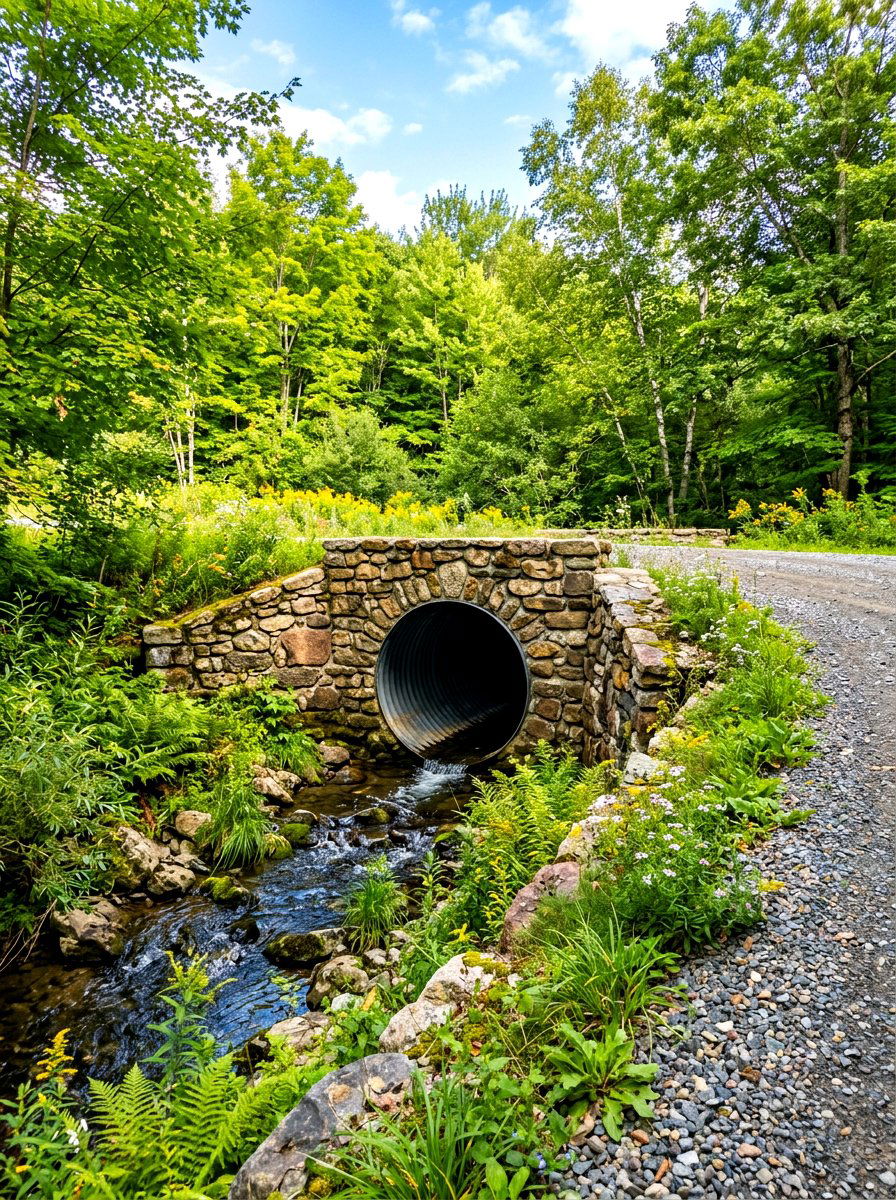
If you have a driveway that crosses a ditch or a natural water path, a culvert pipe is necessary. This pipe allows water to flow underneath your driveway without washing it out or causing a flood. You can hide the ends of the pipe with decorative stone headwalls to make it look like part of the landscape. Using natural fieldstone or stacked slate can turn a functional necessity into a charming architectural feature. The pipe must be sized correctly to handle the maximum expected water flow during a big storm. This ensures your access to the property remains safe and dry. It is a sturdy and essential drainage solution.
29. Pebble Mosaic
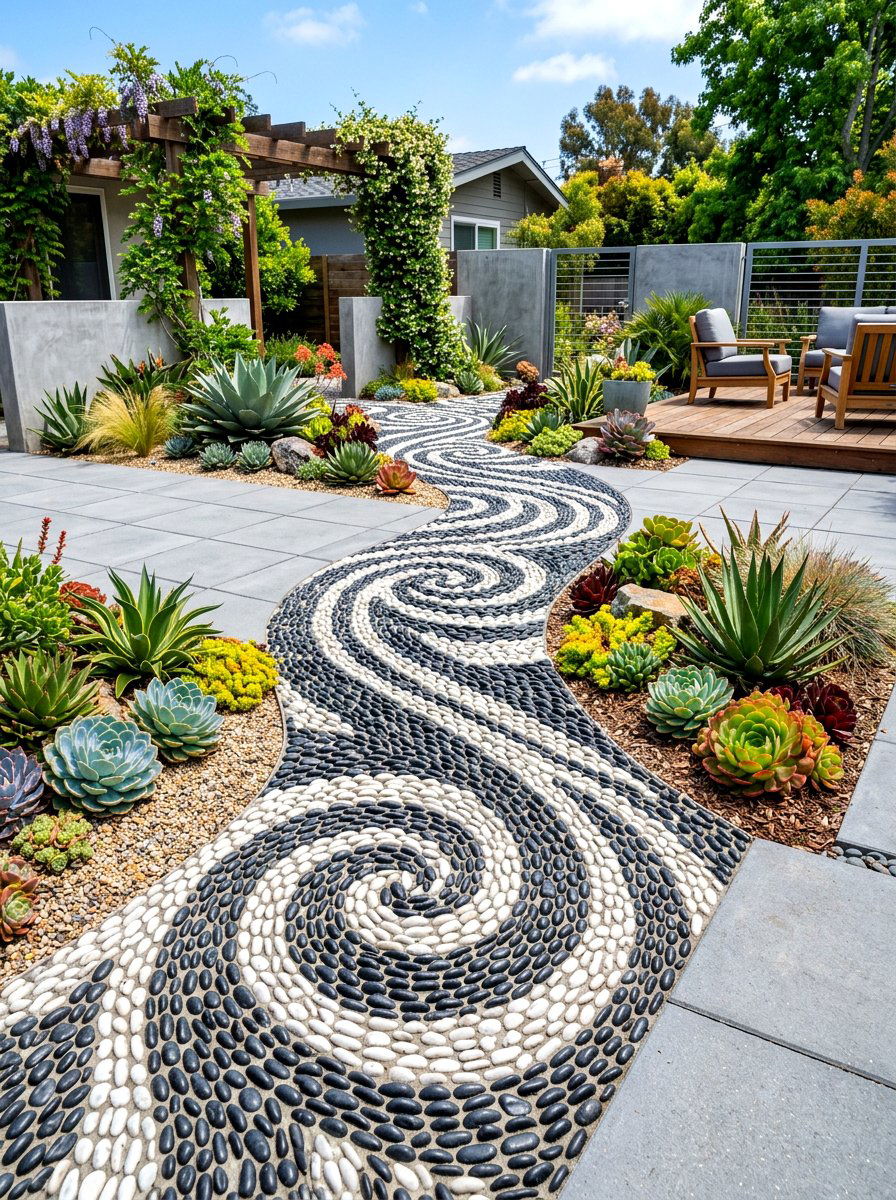
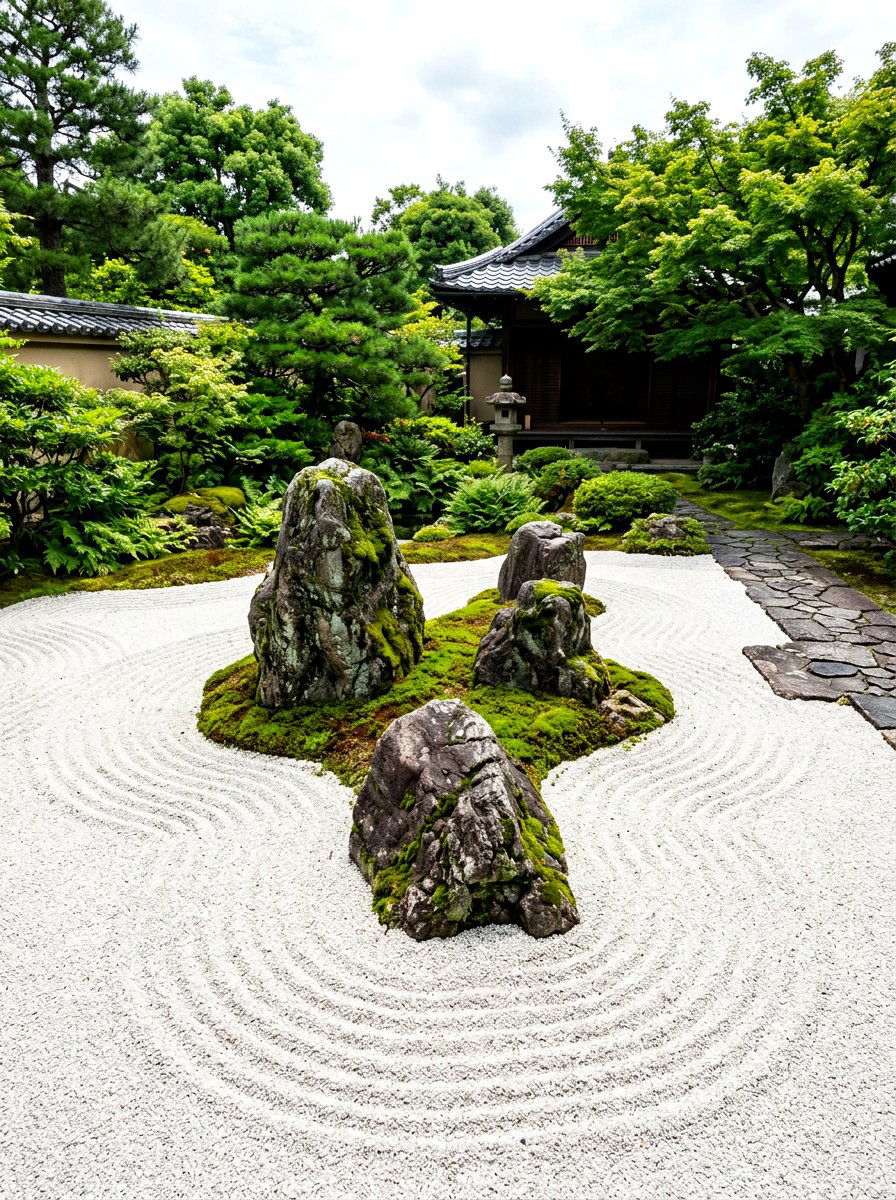
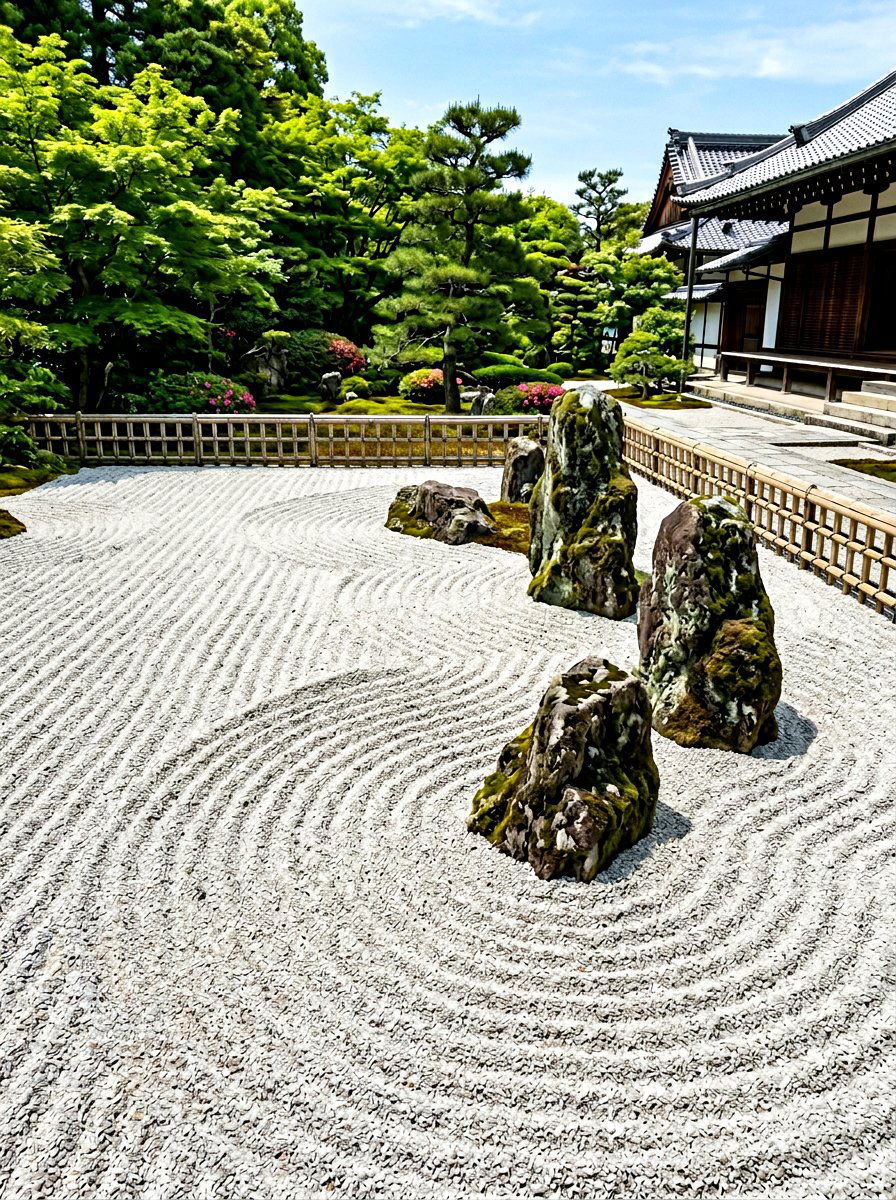
Integrating a pebble mosaic into your drainage design adds a touch of artistic flair to your yard. You can use small, colorful stones to create patterns or images in areas where water naturally flows. This turns a simple drainage ditch or catch basin area into a piece of handcrafted art. The stones are set firmly to withstand the force of moving water while remaining porous. It is a wonderful way to express your personal style while solving a practical landscaping problem. Pebble mosaics work beautifully in Zen gardens, Mediterranean styles, or modern backyard retreats. They prove that even the most functional elements of a home can be beautiful.
30. Drain Grate
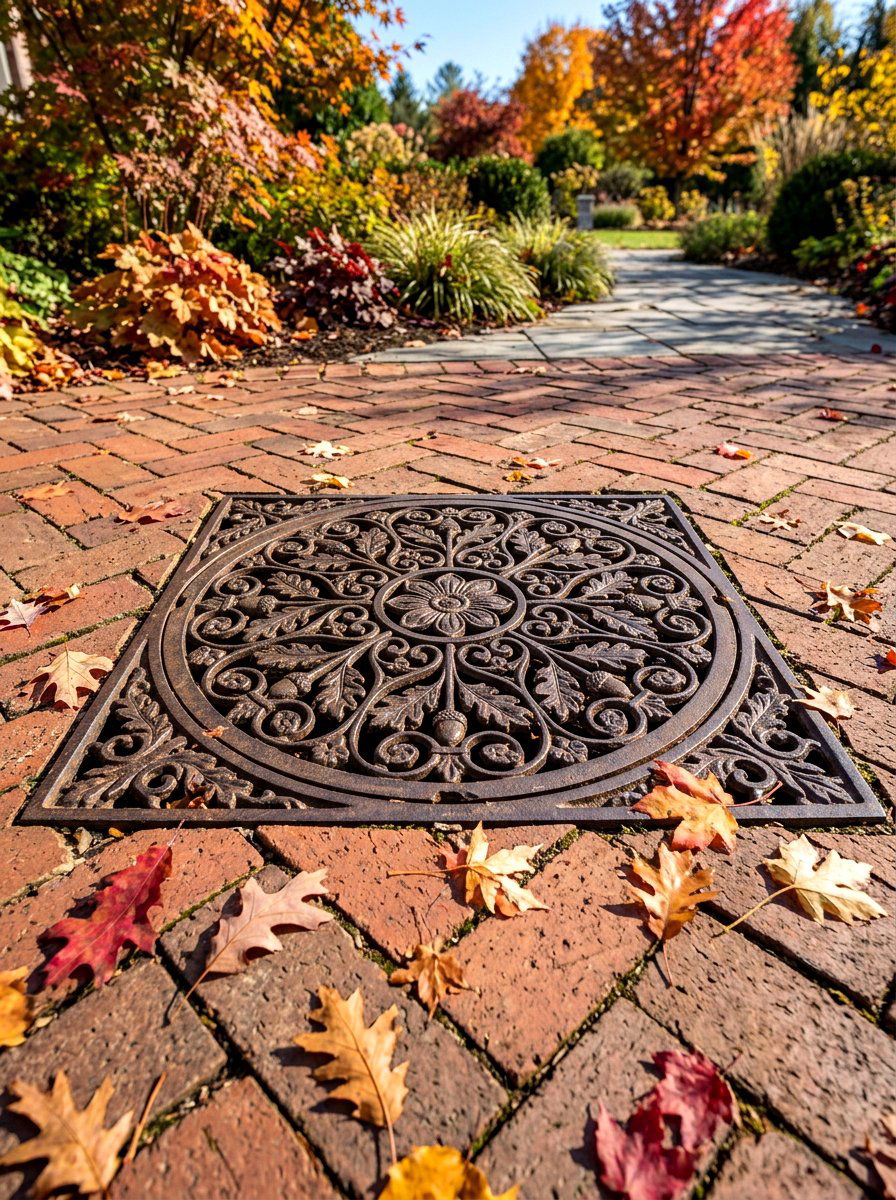
A high-quality drain grate is the finishing touch for any underground drainage system. Instead of using a cheap plastic cover, you can choose a decorative cast iron or brass grate. These grates come in intricate patterns like leaves, waves, or geometric shapes that enhance your patio or walkway. They are designed to sit flush with the surface, ensuring that they don't become a tripping hazard. A beautiful grate shows that every detail of your landscape has been carefully considered. It protects your pipes from large debris while allowing water to disappear quickly. This small upgrade adds a sense of luxury and permanence to your outdoor water management system.
Conclusion:
Investing in quality drainage landscaping is one of the smartest things a homeowner can do for their property. By redirecting water effectively, you protect your home’s structural integrity and prevent expensive foundation repairs. These thirty ideas demonstrate that functional solutions can also be incredibly beautiful and enhance your overall garden design. Whether you choose a natural dry creek bed or a modern permeable driveway, the goal is to work with nature. A well-planned yard stays dry, remains usable throughout the year, and increases your home 's value. Take the time to assess your yard' s unique needs and choose the solutions that fit your personal style.

Related posts: