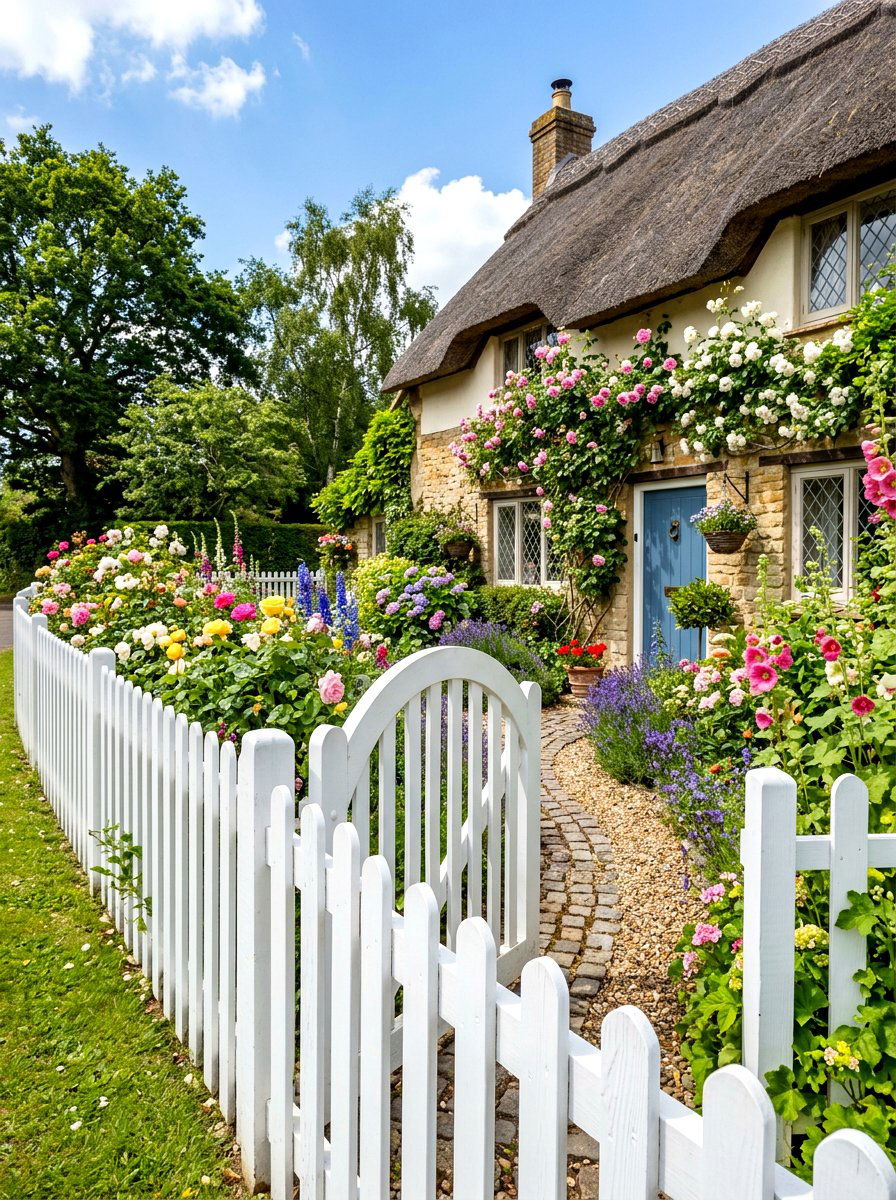
Enhancing the boundary of your property is one of the most effective ways to elevate your entire outdoor living space and curb appeal. A plain fence often looks stark and unfinished, but with the right landscaping, it becomes a beautiful backdrop that ties your garden together perfectly. Whether you are dealing with a classic wooden structure or a modern metal screen, adding greenery, flowers, and textures can transform a functional barrier into a stunning focal point. This guide explores thirty creative ways to dress up your perimeter, ensuring your yard feels private, lush, and professionally designed. From vibrant climbing vines to architectural shrubbery, these ideas will inspire you to rethink your fence line and create a more inviting atmosphere.
1. Wood Fence Privacy Landscaping
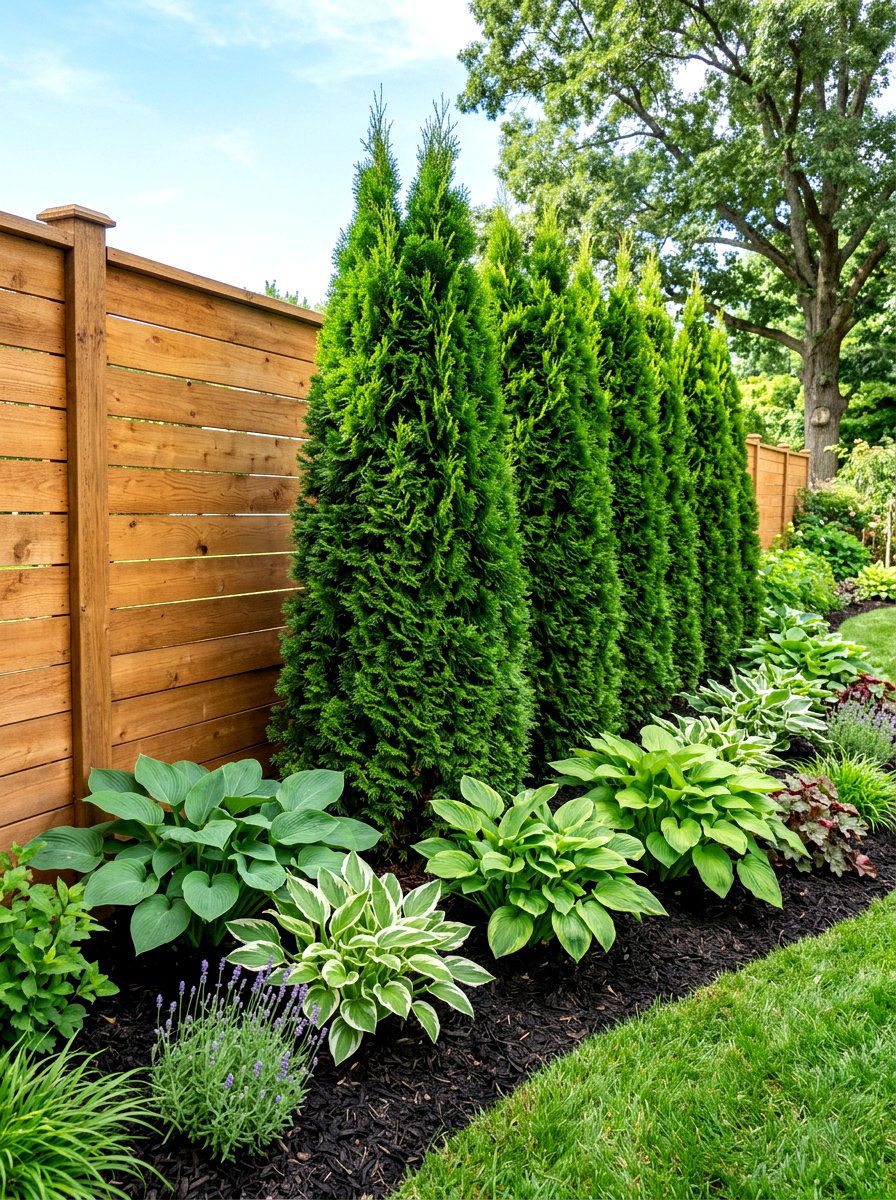
Layering tall evergreens against a classic wood fence creates a lush, living wall that provides year-round privacy and a beautiful green backdrop. You can choose dense shrubs like arborvitae or cherry laurel to block out neighbors while adding rich texture to the yard. To make the design feel more balanced, try planting smaller perennials or hostas at the base of the taller trees. This tiered approach breaks up the vertical lines of the fence and adds depth to the garden. Using dark green foliage against a warm cedar or pine fence offers a striking color contrast that looks sophisticated. It also helps dampen street noise for a quieter retreat.
2. Flower Bed Along Fence
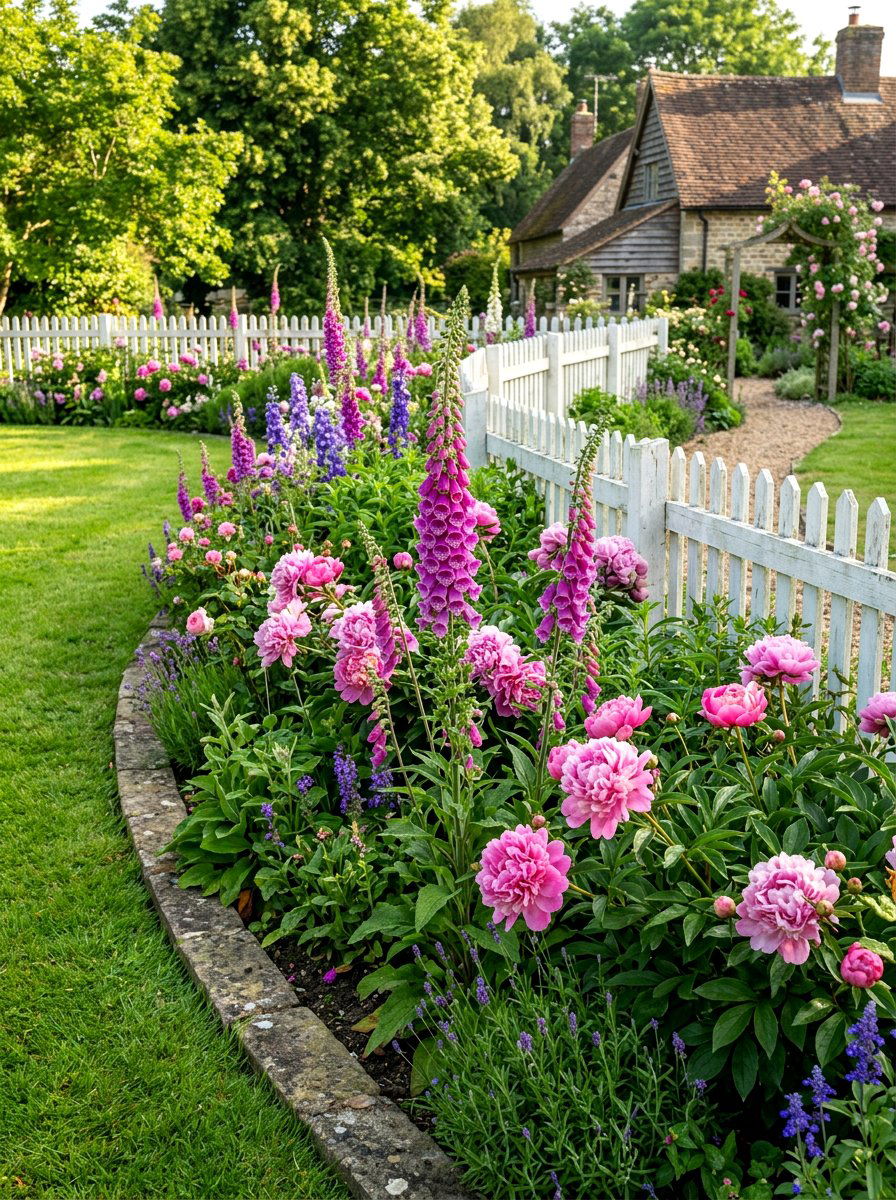
Creating a dedicated flower bed along your fence line is a timeless way to add a burst of seasonal color and charm. You should start by edging a curved or straight bed and filling it with a mix of tall perennials like foxgloves and shorter annuals for continuous blooms. This design draws the eye along the perimeter of the property, making the backyard feel larger and more intentional. Adding mulch or decorative stones around the plants keeps the area looking tidy and helps retain moisture for the soil. A well-maintained flower border transforms a boring boundary into a vibrant garden feature that attracts butterflies and hummingbirds all summer.
3. Modern Horizontal Fence Plants
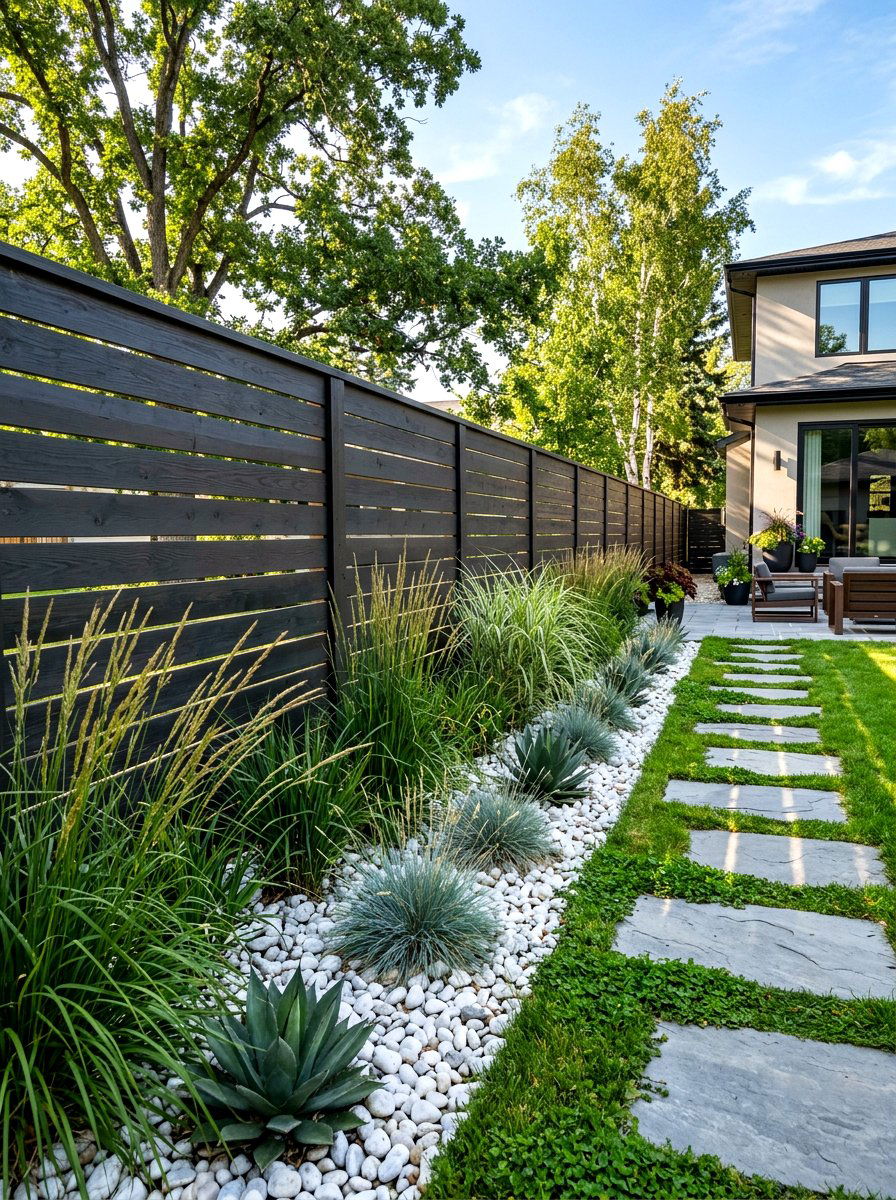
Modern landscaping often features horizontal slat fences, which look best when paired with minimalist and structured plant choices for a clean aesthetic. You can use ornamental grasses or architectural plants like yucca to complement the sleek lines of the wood or composite materials. To keep the look contemporary, stick to a limited color palette of greens, whites, and silvers. Spacing the plants evenly along the fence line emphasizes the linear design and prevents the area from feeling overcrowded or cluttered. This style works exceptionally well in urban or suburban yards where a sophisticated, low-maintenance look is desired. Adding simple black river rocks as ground cover completes the modern vibe.
4. Climbing Plants For Fence
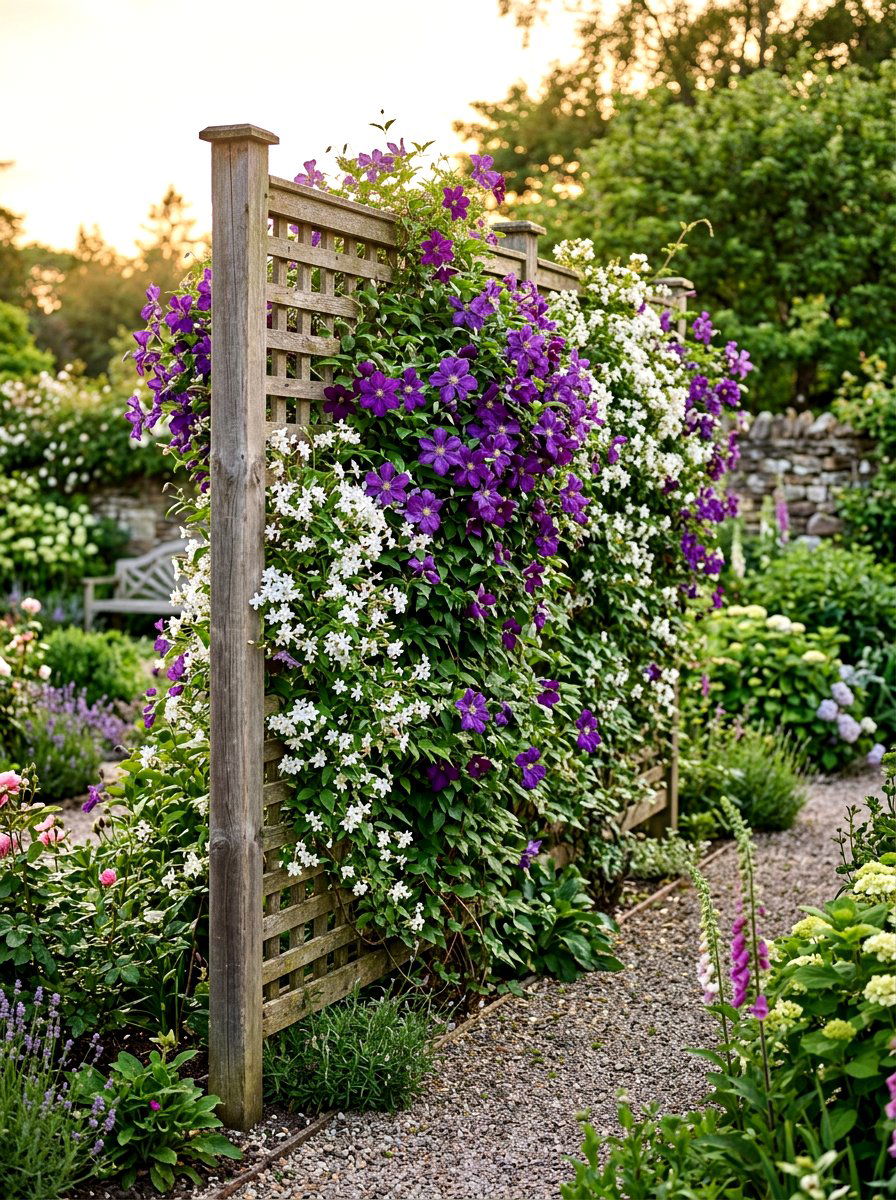
Training climbing plants to grow directly on your fence is a fantastic way to soften hard edges and save precious ground space. You can install a simple wire trellis or use the fence itself to support vigorous vines like clematis, honeysuckle, or star jasmine. These plants provide a vertical explosion of flowers and fragrance that can completely hide an older or unattractive fence structure. During the peak growing season, the dense foliage acts as a natural screen, enhancing the privacy of your outdoor living area. Selecting varieties with different bloom times ensures that your fence remains a beautiful and evolving feature from early spring through the late autumn months.
5. Cedar Fence Landscaping
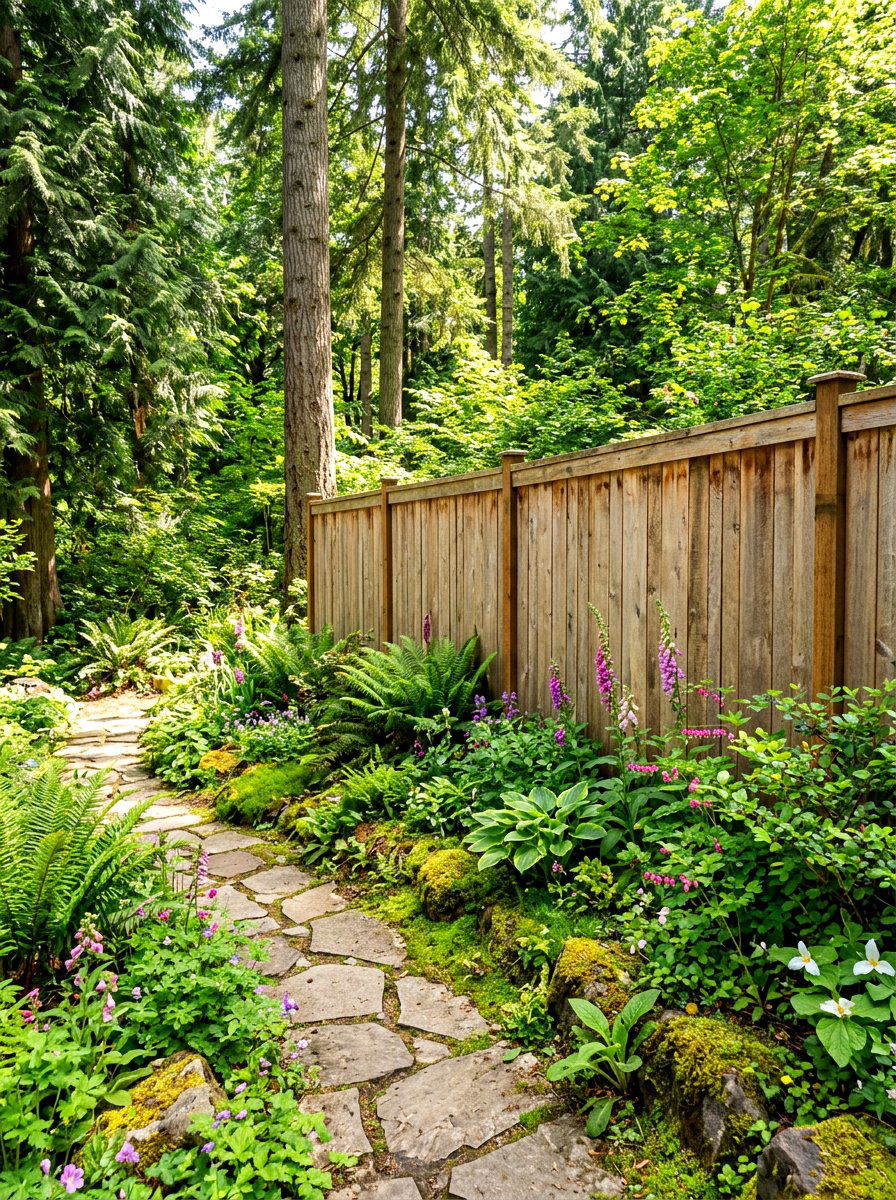
Cedar fences are prized for their natural beauty and warm tones, which can be enhanced by surrounding them with soft, airy greenery. You might consider planting delicate ferns or woodland flowers that thrive in the dappled shade often found near a tall privacy fence. The contrast between the rugged wood grain and the fine texture of the foliage creates a high-end, organic look. Applying a clear or lightly tinted stain to the cedar will protect the wood while making the colors of your plants pop. This type of landscaping feels very grounded and natural, making it a perfect choice for those who love a rustic or Pacific Northwest-inspired garden.
6. Backyard Fence Garden Border
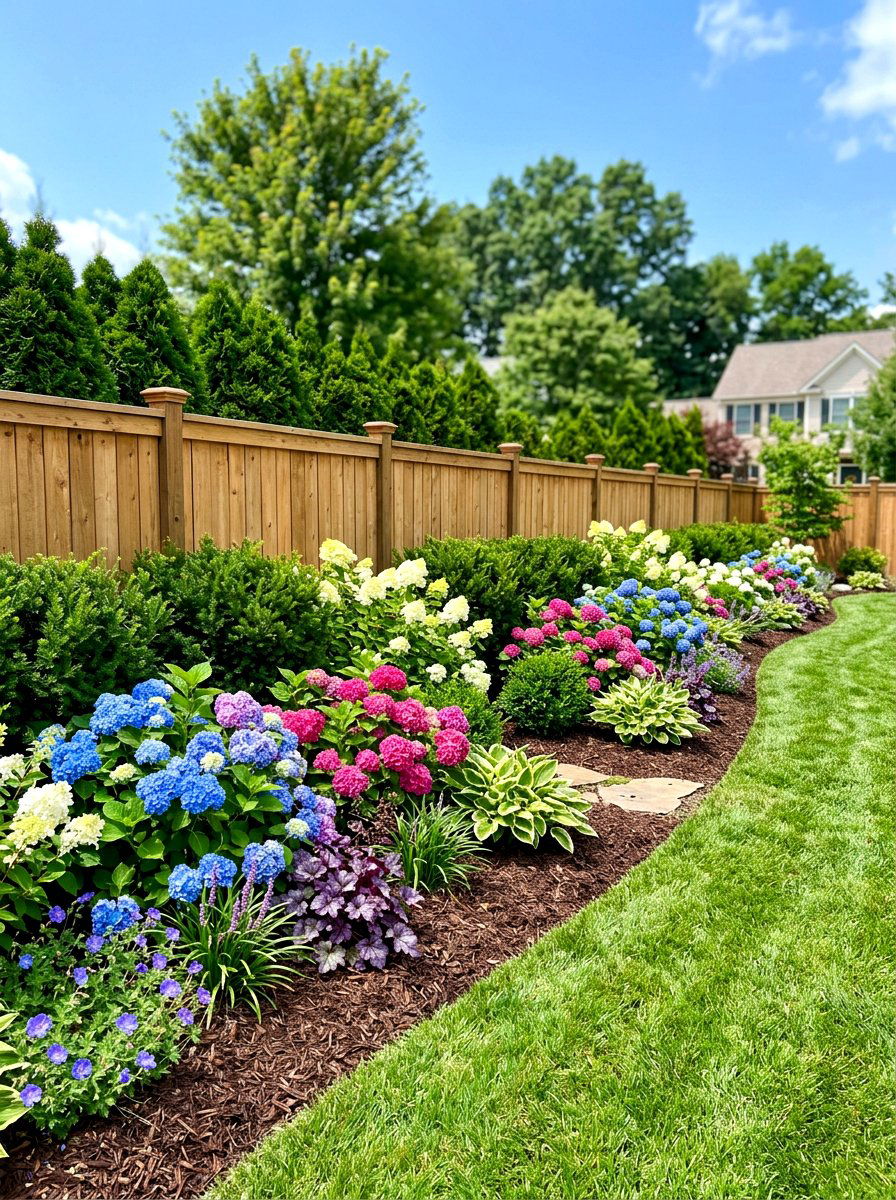
A diverse garden border along the back fence is a great way to incorporate various textures and heights into your landscape design. You can combine medium-sized shrubs, flowering bushes, and ground covers to create a layered effect that feels professional and lush. This design hides the bottom of the fence where dirt and debris often accumulate, keeping the yard looking fresh. By choosing a mix of evergreen and deciduous plants, you ensure that the border remains interesting even during the winter months. A wide border also provides plenty of space for bird baths or garden ornaments, adding a touch of personality to the very edge of your property.
7. White Picket Fence Flowers
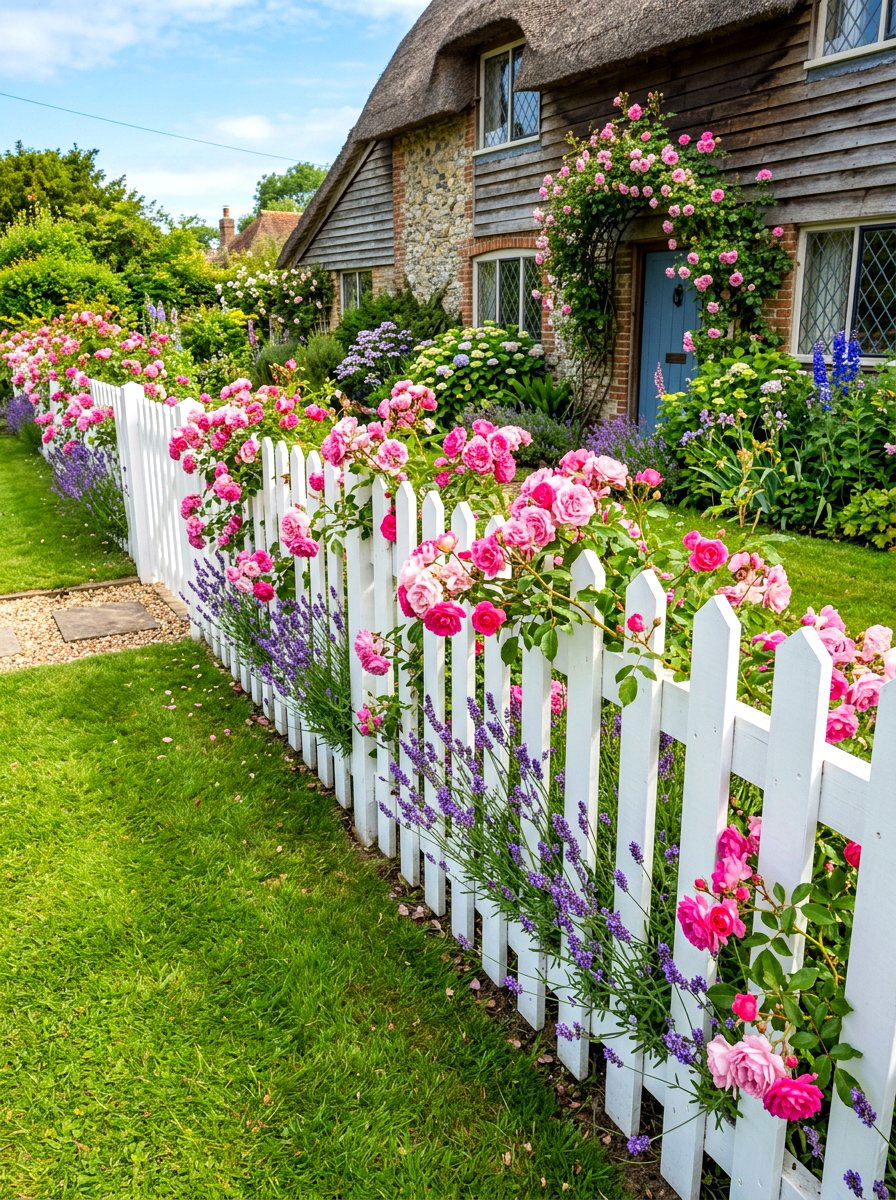
Nothing captures the classic cottage garden aesthetic quite like a white picket fence surrounded by a riot of colorful, traditional flowers. You should focus on planting favorites like roses, lavender, and peonies that can peek through the slats for a whimsical and inviting appearance. This style of landscaping adds incredible curb appeal to the front of a home and creates a friendly, welcoming atmosphere. Keeping the plants slightly overgrown and informal helps achieve that authentic cottage feel that many homeowners adore. The crisp white of the fence serves as the perfect canvas for bright pinks, purples, and blues, making every bloom stand out vividly against the sun.
8. Metal Fence Landscape Edging
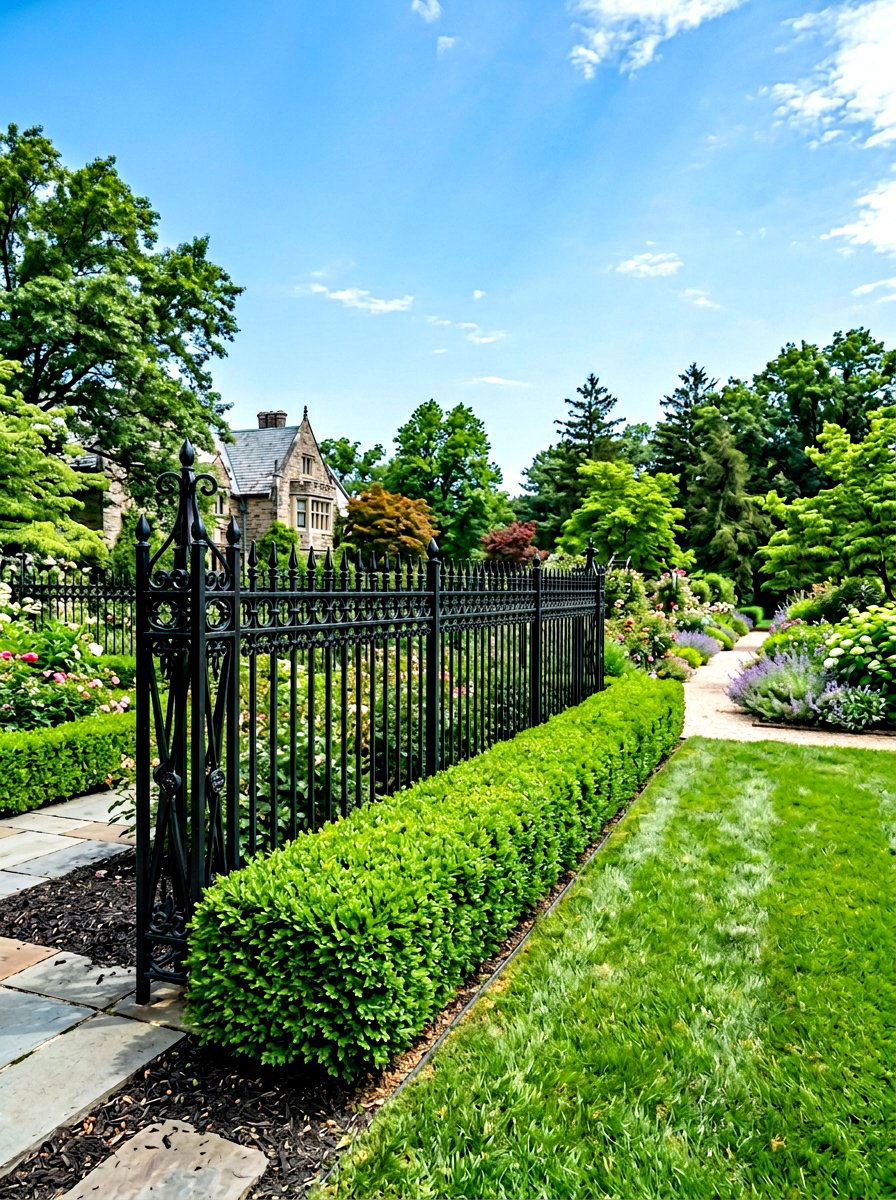
Metal fences, whether wrought iron or modern steel, provide a structural and airy feel that pairs beautifully with neatly manicured landscape edging. You can use boxwood hedges or low-growing evergreens to create a formal border that follows the crisp lines of the metal panels. This design is excellent for keeping the garden looking organized and prevents lawn grass from creeping into the flower beds. For a more industrial or contemporary look, consider using ornamental grasses that sway in the wind, providing a soft contrast to the rigid metal. The open nature of many metal fences allows the landscaping to be seen from both sides, doubling its visual impact.
9. Tall Plants For Fence Screen
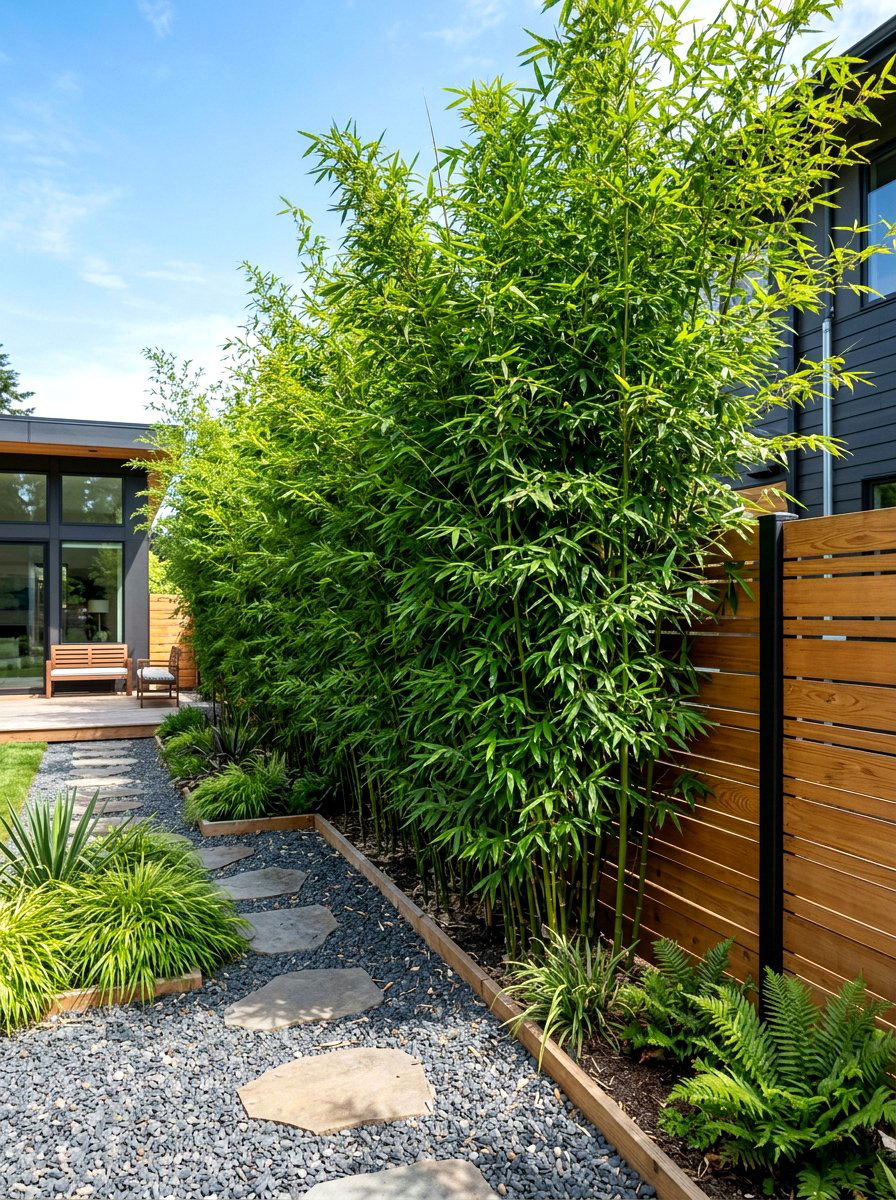
If you need immediate privacy without waiting years for a hedge to grow, choosing naturally tall plants for a fence screen is the best strategy. Bamboo is a popular choice for its rapid growth and exotic appearance, though you should always use a root barrier to keep it contained. Alternatively, tall varieties of ornamental grass can reach heights of six feet or more in a single season, providing a breezy and modern screen. These plants move beautifully in the wind and add a sense of motion to the garden. Placing them in a row along the fence creates an effective visual block that feels much more natural than a solid wall.
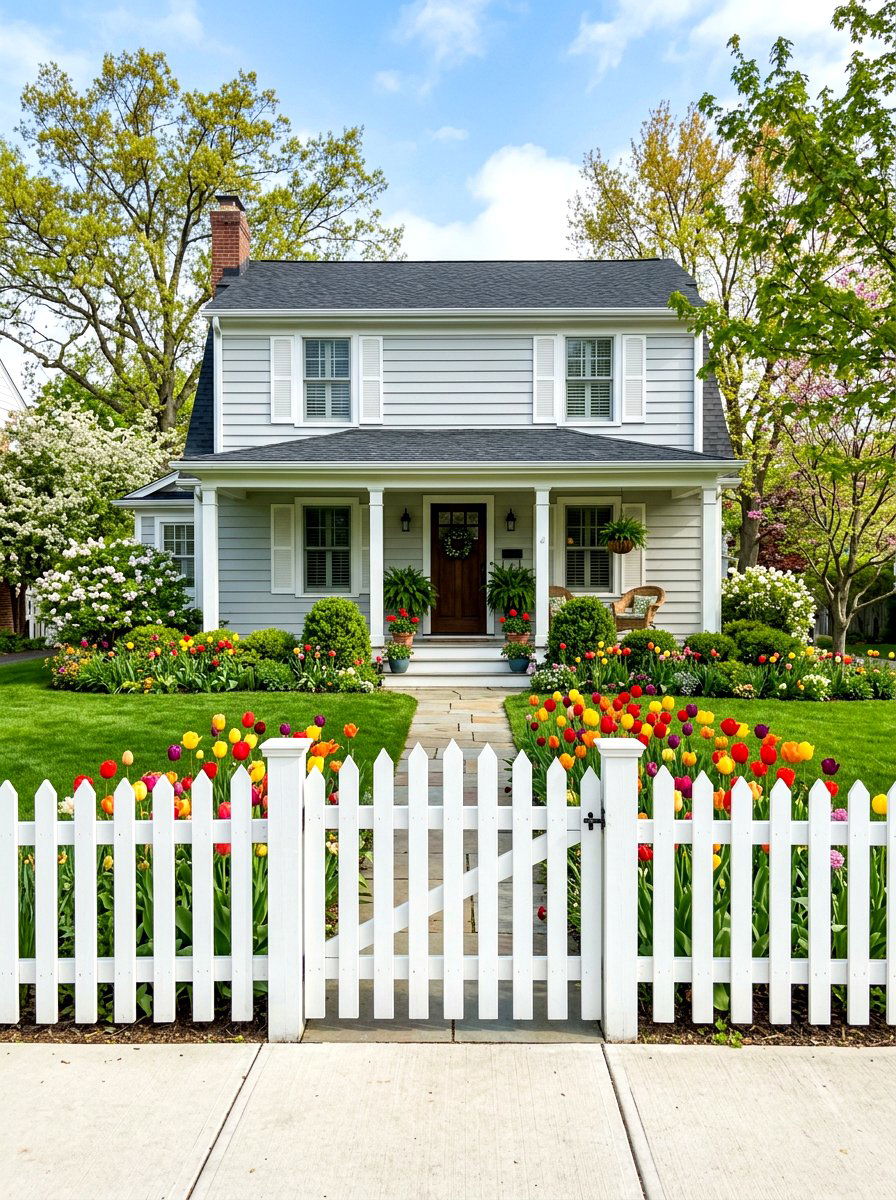
10. Low Maintenance Fence Landscaping
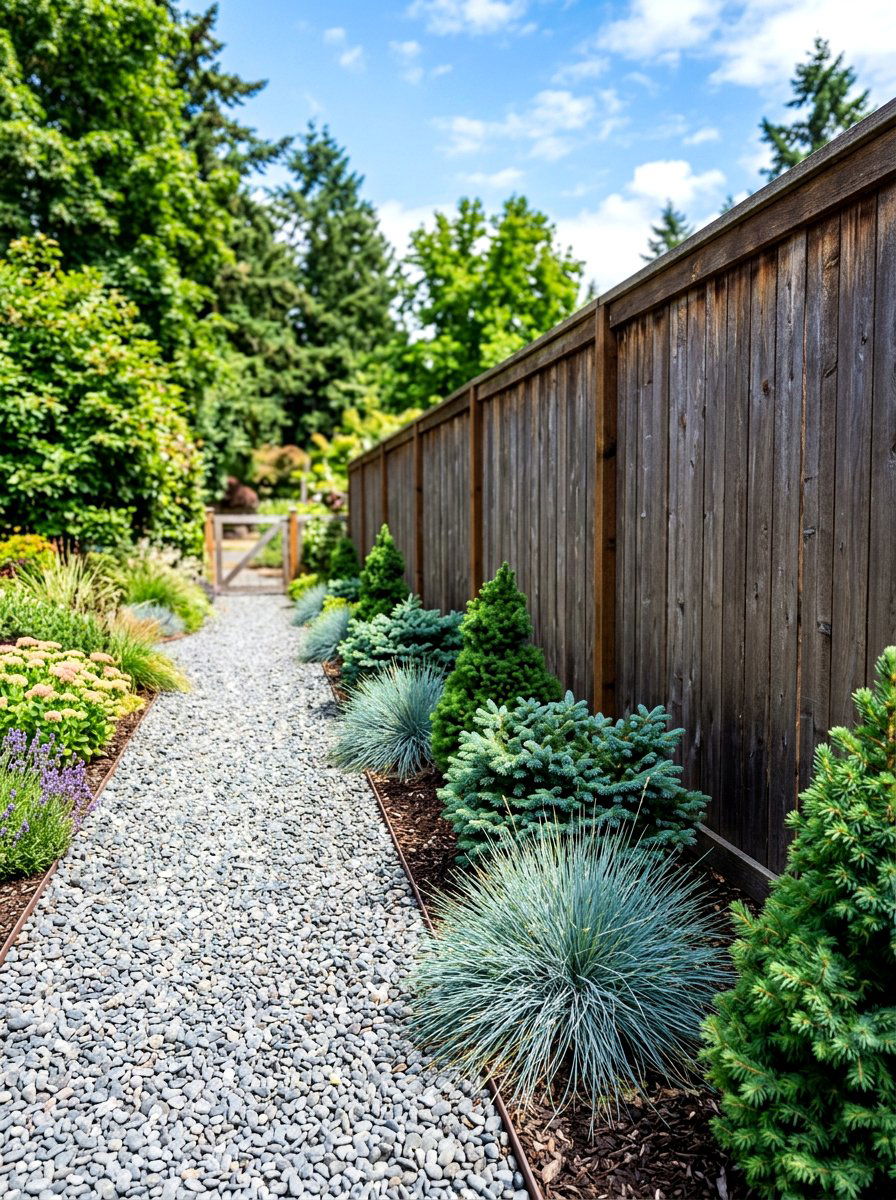
For homeowners who want a beautiful fence line without spending every weekend weeding, low-maintenance landscaping is the ideal solution for the yard. You can opt for hardy shrubs like dwarf conifers or drought-tolerant succulents that require very little pruning or watering once established. Using a heavy layer of wood chips or decorative gravel between the plants will suppress weeds and keep the area looking clean for months. Native plants are also excellent choices because they are already adapted to your local climate and soil conditions. This approach allows you to enjoy a polished and green perimeter with minimal effort, giving you more time to relax outdoors.
11. Raised Garden Beds Against Fence
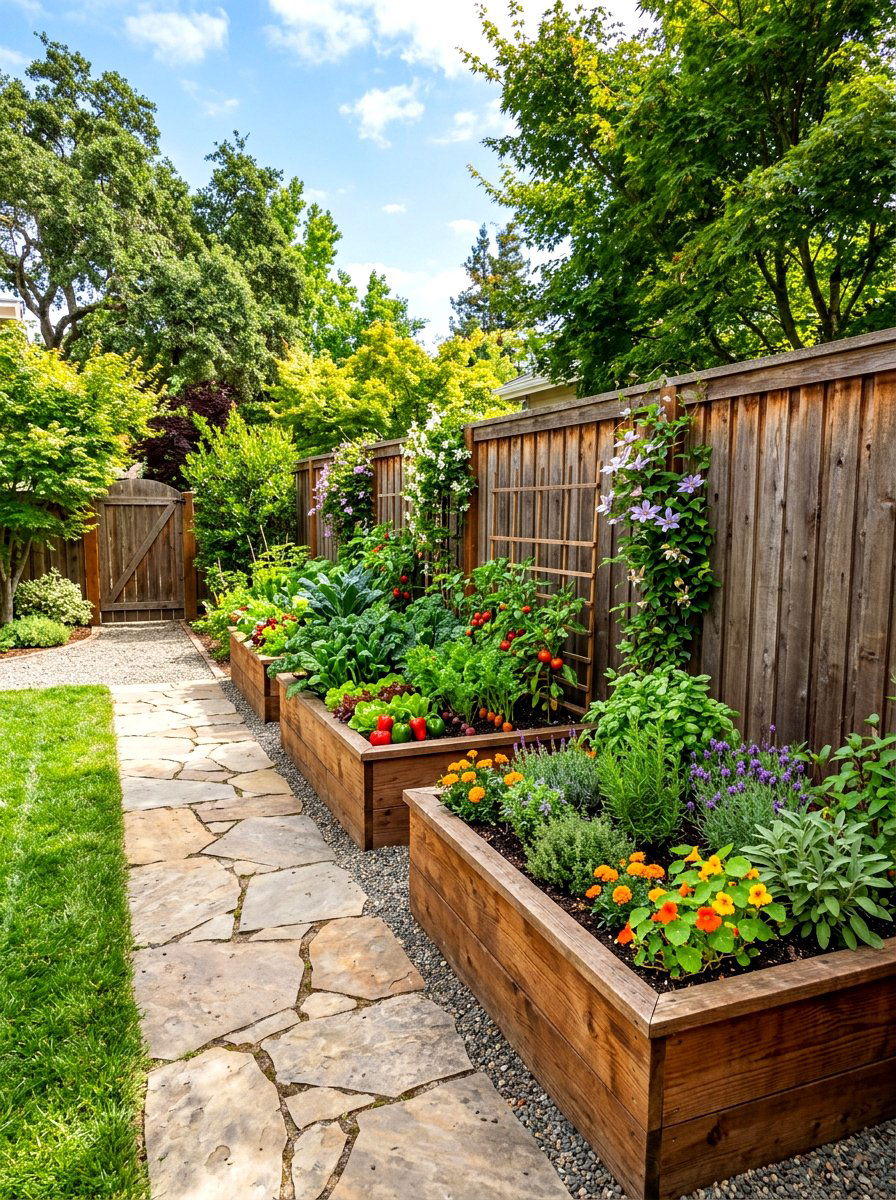
Building raised garden beds directly against your fence is a smart way to add height to your plantings and make gardening easier on your back. You can use matching wood to the fence for a seamless look or choose corrugated metal for a more modern, industrial feel. These beds are perfect for growing vegetables, herbs, or a curated selection of cut flowers right at the edge of your lawn. The added height of the beds helps the plants stand out and provides a clean, architectural line along the base of the fence. This setup also helps protect your fence from moisture by keeping the wet soil contained within the planter boxes.
12. Bamboo Fence Tropical Landscaping
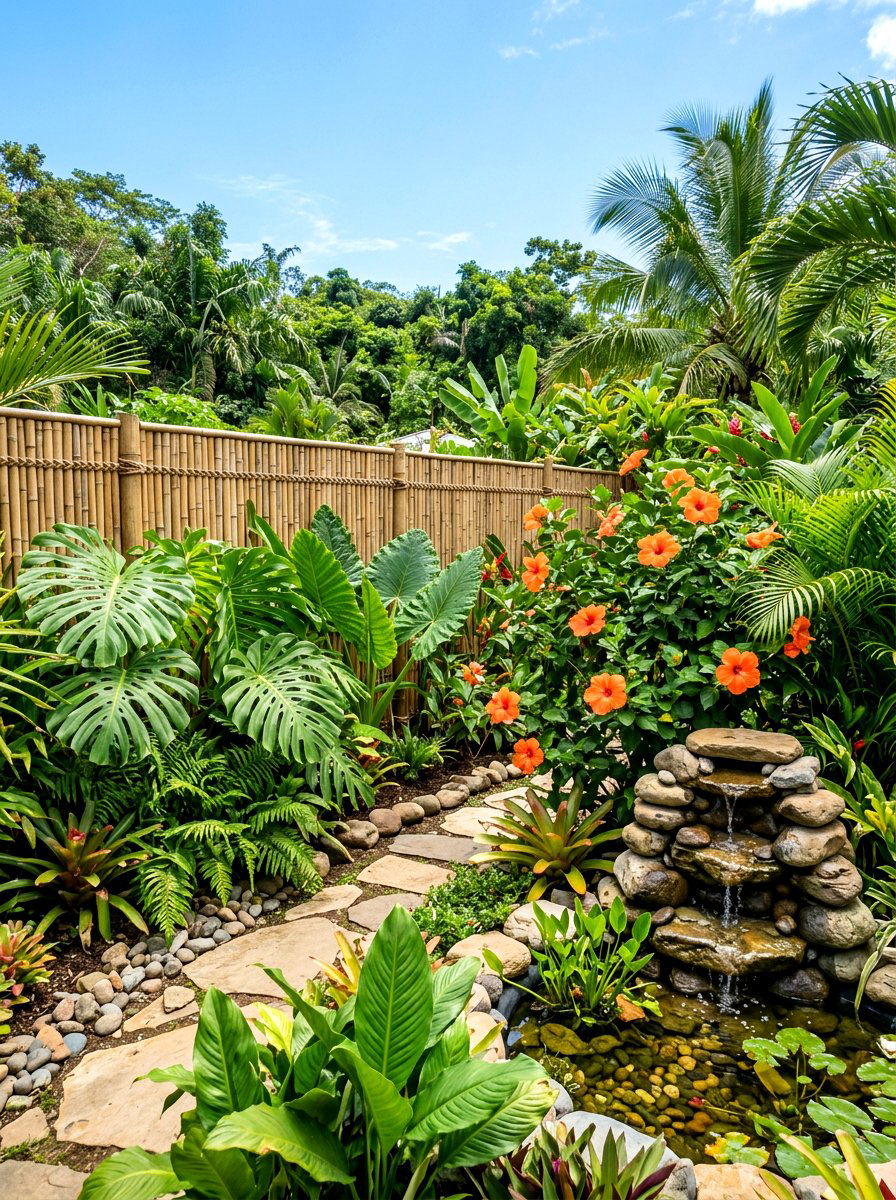
If you want to create a backyard oasis that feels like a vacation, pairing a bamboo fence with tropical-style landscaping is a winning combination. You should look for plants with large, bold leaves like hostas, canna lilies, or even cold-hardy palms to complete the exotic theme. The tan and beige tones of the bamboo provide a neutral, textured background that makes vibrant green foliage and bright orange or red flowers truly shine. This design style is perfect for pool areas or small patios where you want to create a sense of seclusion and warmth. Adding a few tiki torches or outdoor lanterns will enhance the tropical vibe after the sun goes down.
13. Boxwood Hedge Fence Border
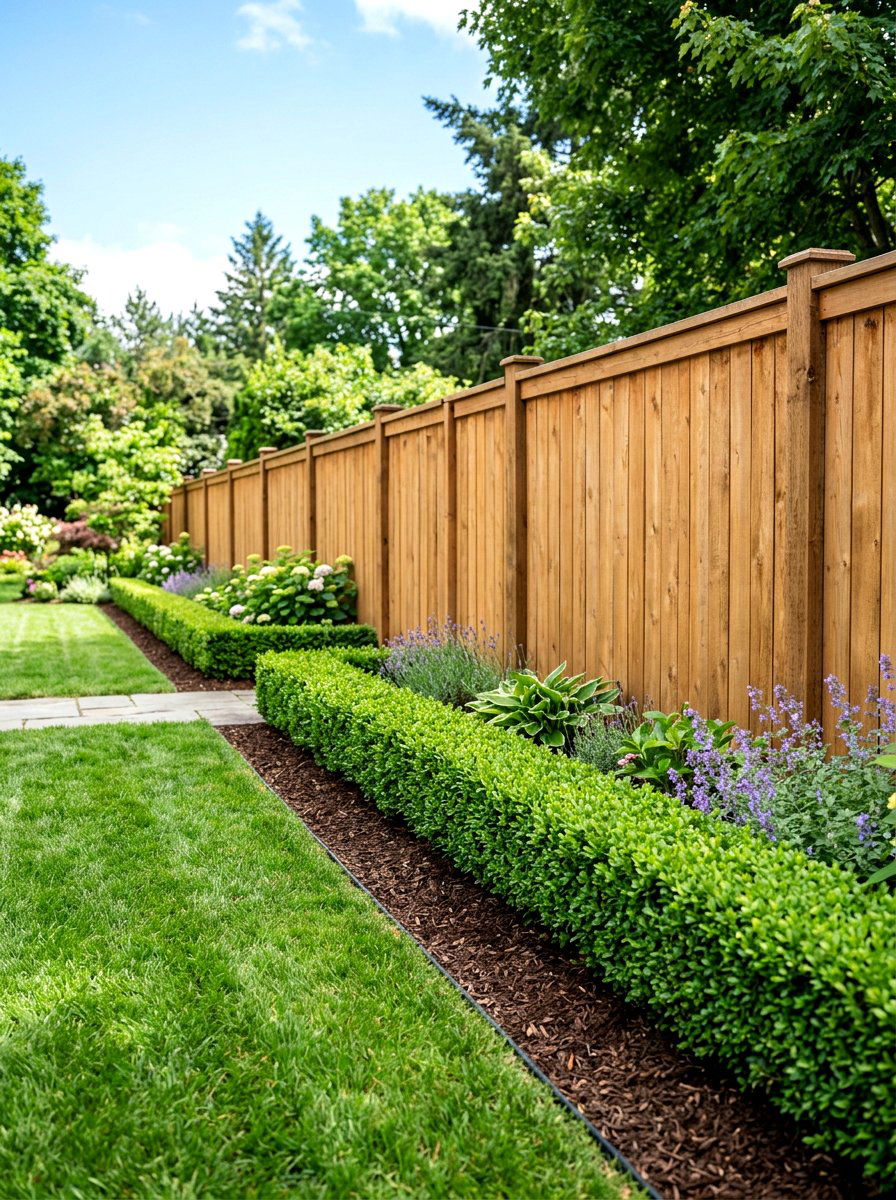
A tightly clipped boxwood hedge along the bottom of a fence offers a formal and sophisticated look that never goes out of style. This type of landscaping creates a very clean and structured boundary that works well with traditional, colonial, or modern home architectures. You can plant the boxwoods in a straight line for a classic feel or in a gentle curve to soften the corners of your property. Because boxwoods are evergreen, this border will provide consistent color and structure throughout the entire year, even when other plants have gone dormant. It serves as an excellent low-growing frame for taller trees or a minimalist backdrop for a few focal plants.
14. Vinyl Fence Landscaping
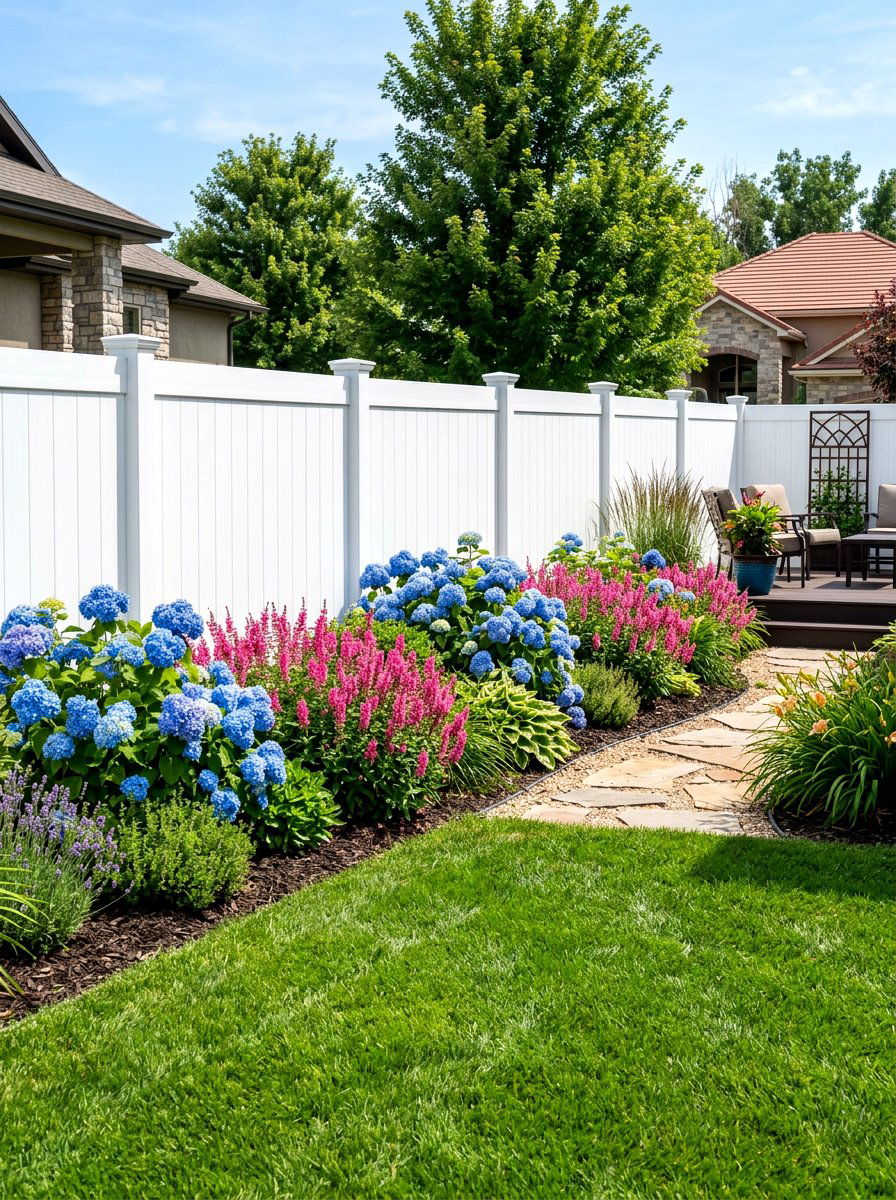
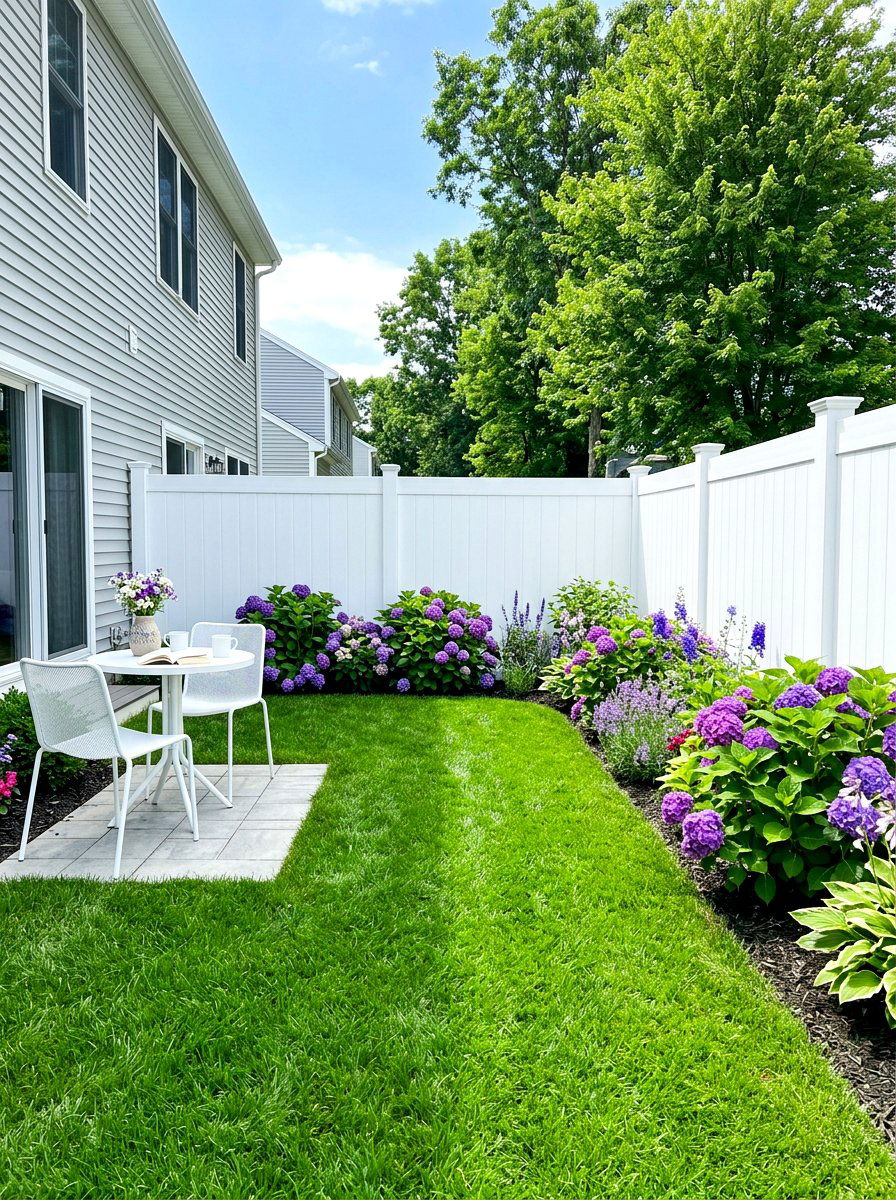
Vinyl fences are incredibly durable and easy to clean, making them a popular choice for busy families who still want a beautiful yard. To prevent the white or tan plastic from looking too sterile, you should surround it with plenty of soft, colorful landscaping. Tall purple salvia or vibrant hydrangeas look stunning against the smooth surface of a vinyl fence. Since vinyl doesn't rot, you can plant quite close to the panels without worrying about damaging the structure over time. Adding a dark mulch or stone border at the base will ground the fence and provide a professional finish that enhances the overall look of the property.

15. Vertical Garden On Fence
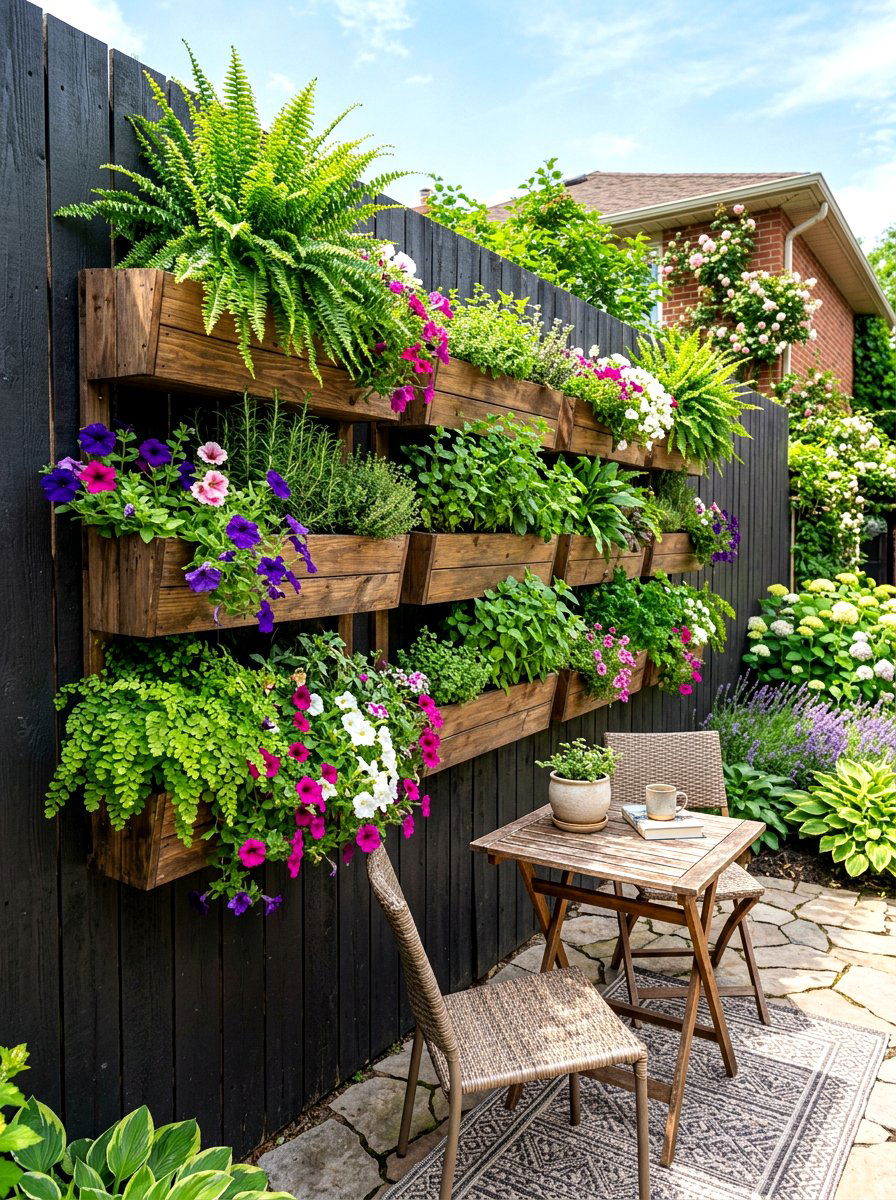
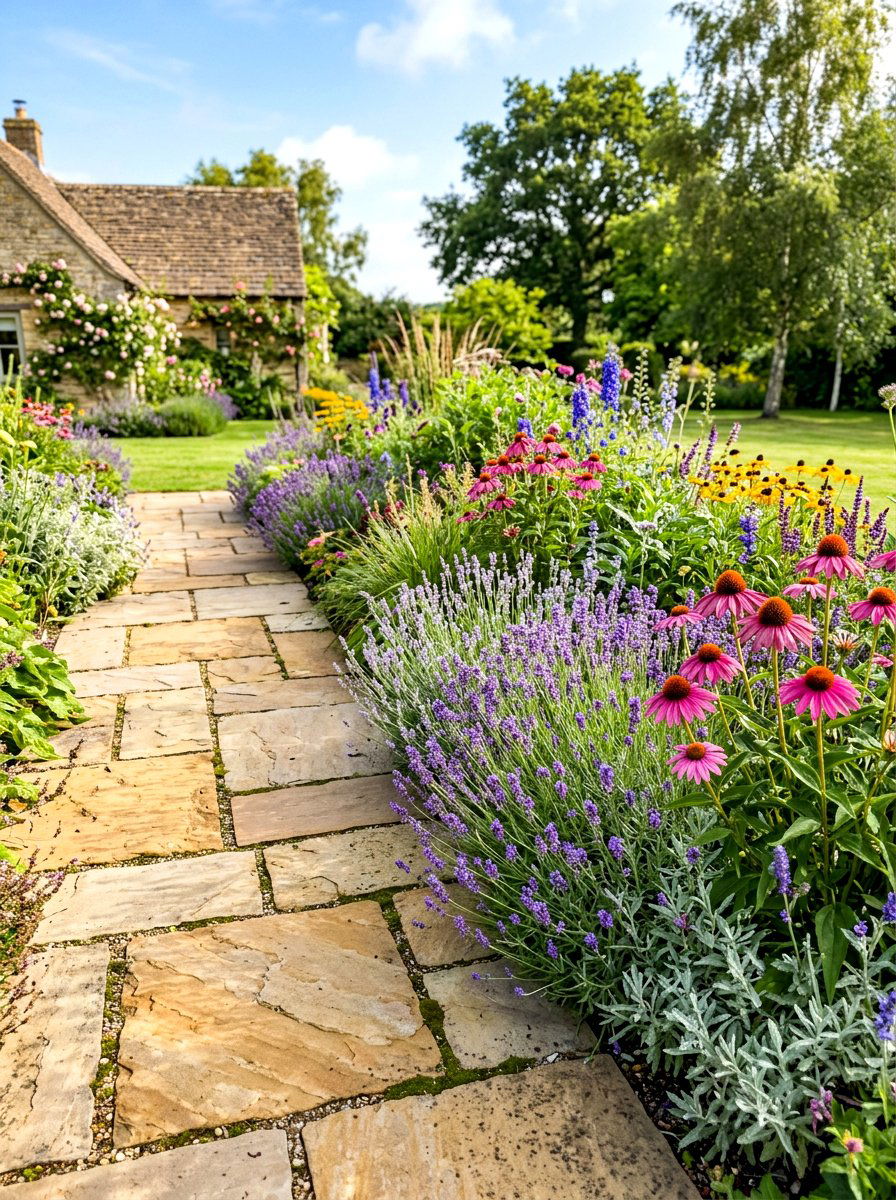
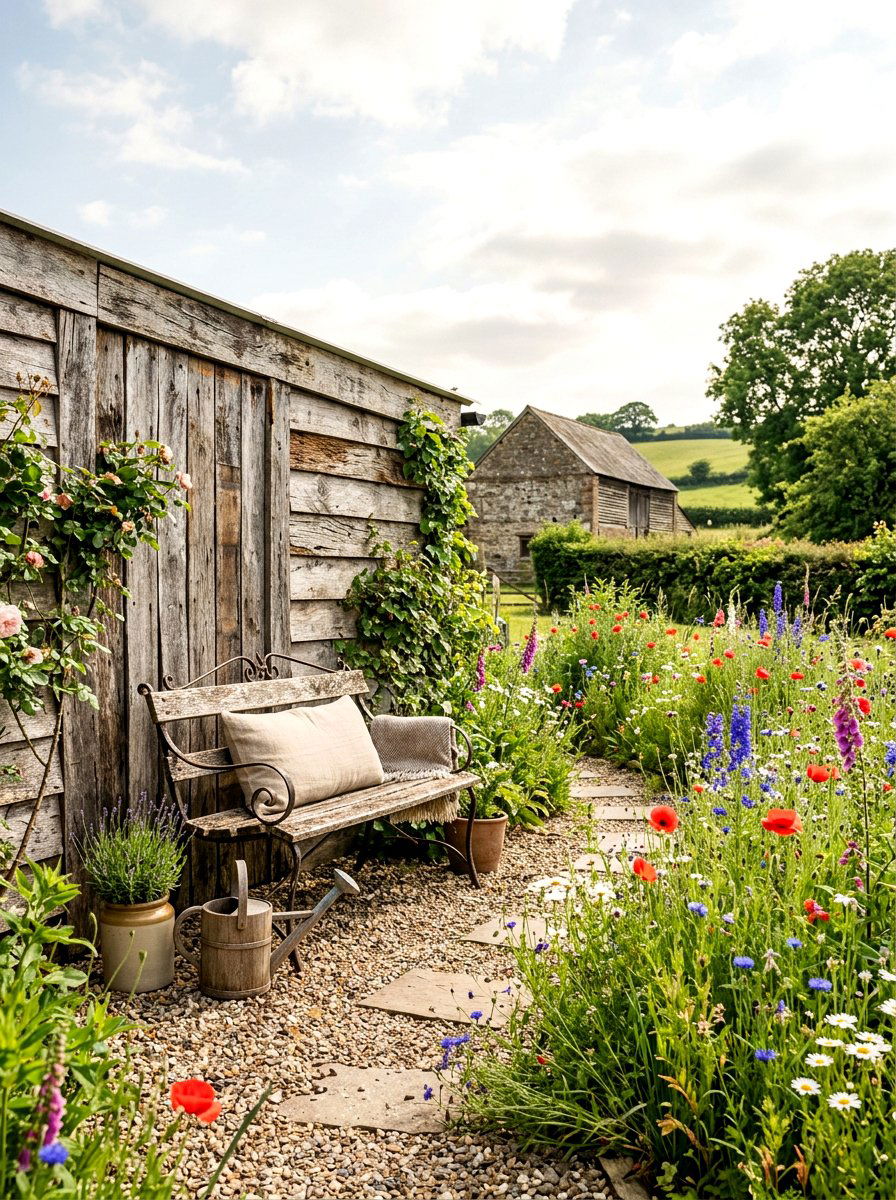
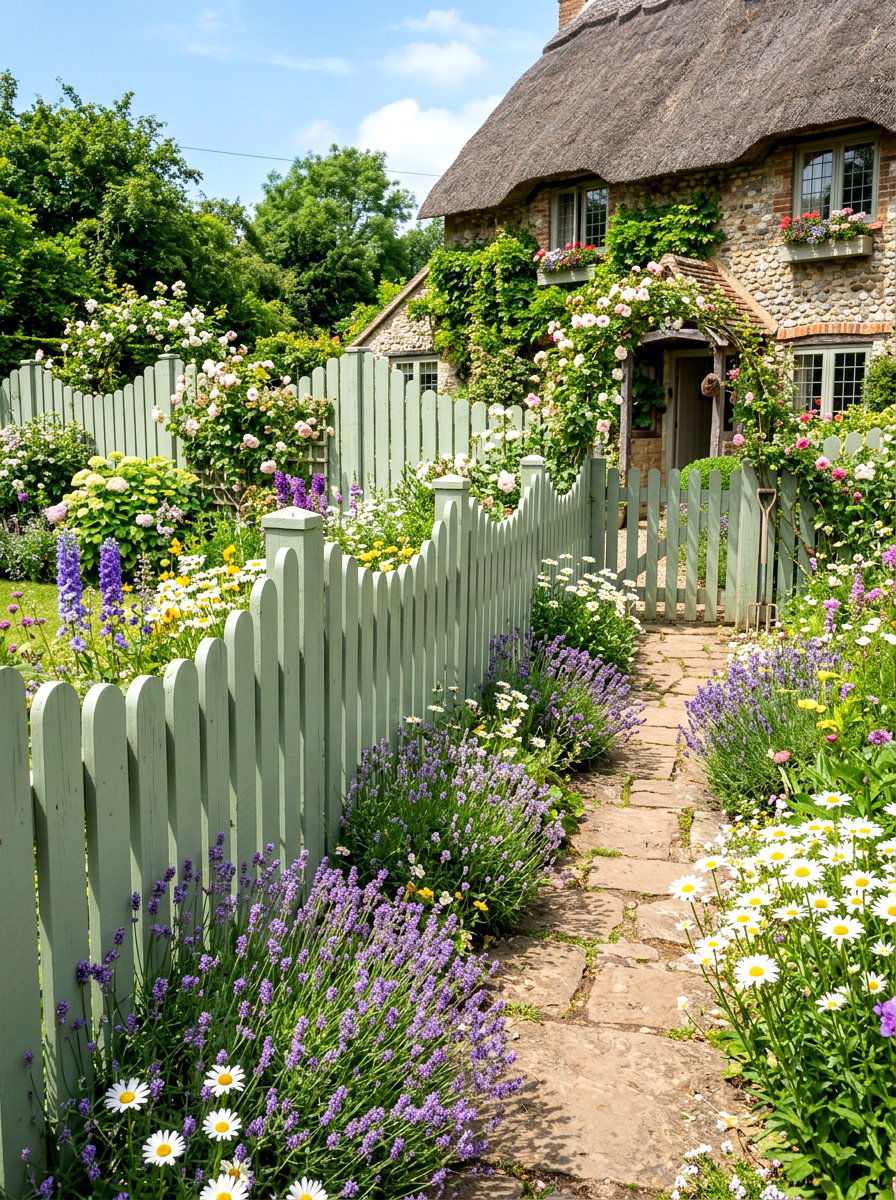
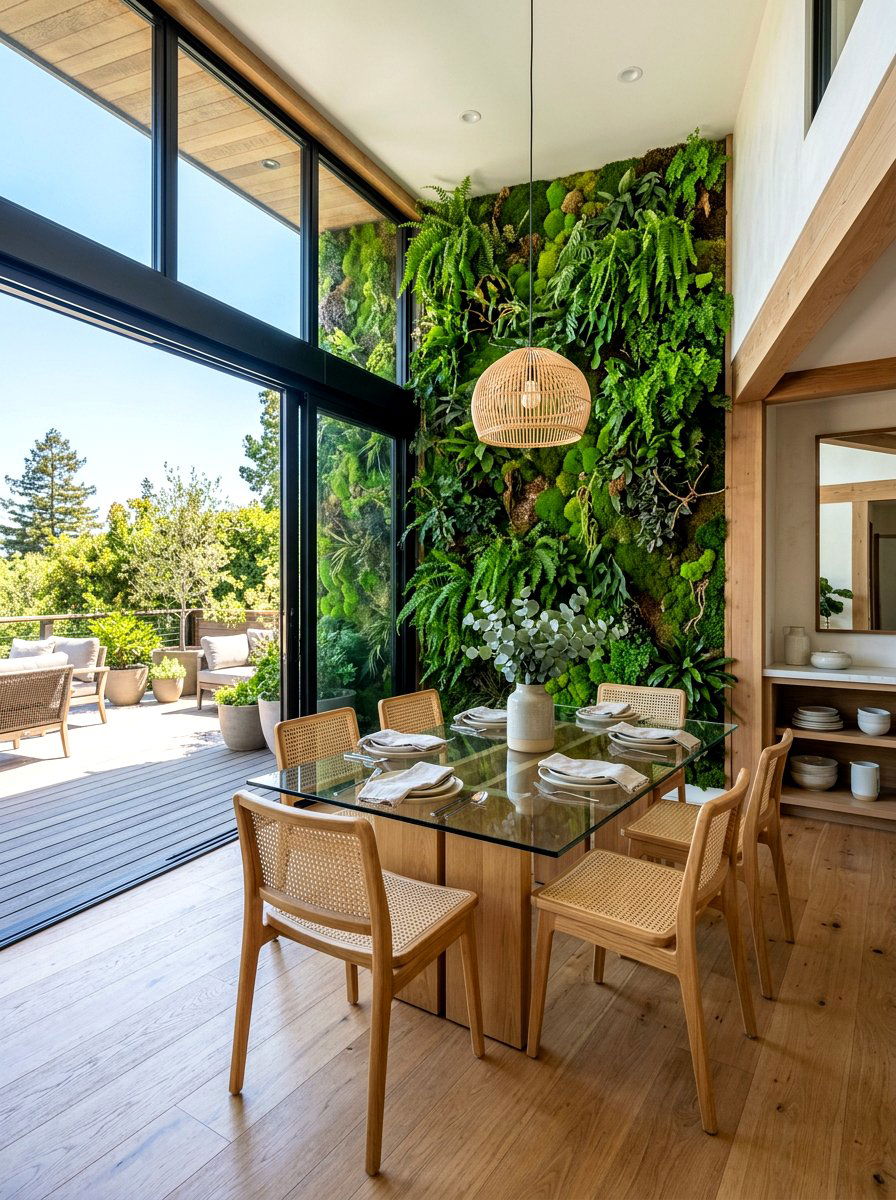
When you have a small yard or a large expanse of boring fence, a vertical garden is the perfect way to add life and color. You can attach modular planters, hanging pots, or even repurposed wooden pallets to the fence to hold a variety of small plants. This design is ideal for growing strawberries, herbs, or trailing succulents that drape beautifully over the sides of the containers. A living wall turns your fence into a functional piece of art that can be easily changed with the seasons. It also brings the greenery up to eye level, making your outdoor space feel more immersive and lush without sacrificing any precious lawn area.
16. Stone And Wood Fence Landscaping
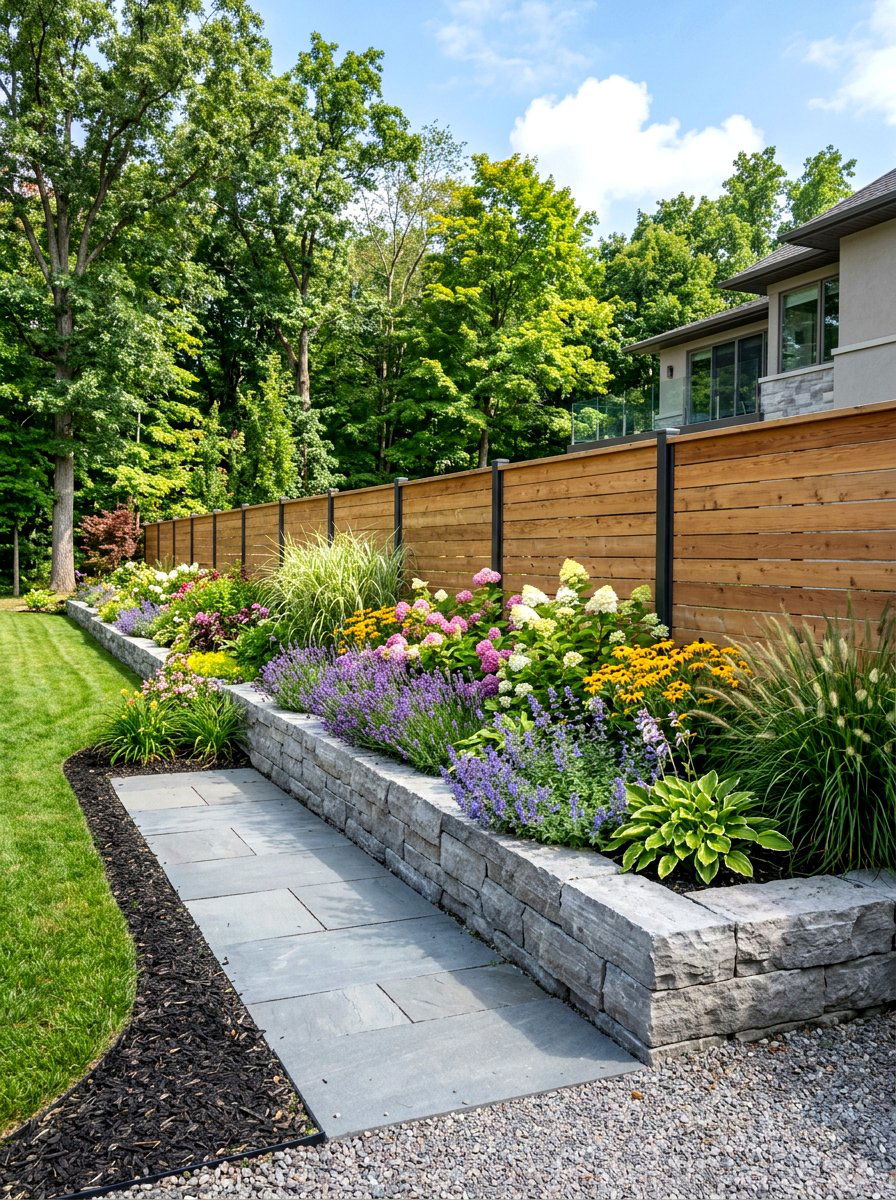
Combining natural stone elements with a wooden fence creates a high-end, multi-textured look that adds significant value and interest to your landscape. You might consider building a low stone retaining wall along the base of the fence to create a permanent planting pocket for shrubs and flowers. The mix of grey or tan stones with the warm brown of the wood offers a beautiful, organic contrast that feels very grounded. This approach is especially useful for sloped yards where you need to manage drainage while also wanting a decorative border. The stone acts as a durable edge that protects the wood from grass trimmers while providing a timeless, upscale appearance.
17. Hydrangea Border Along Fence
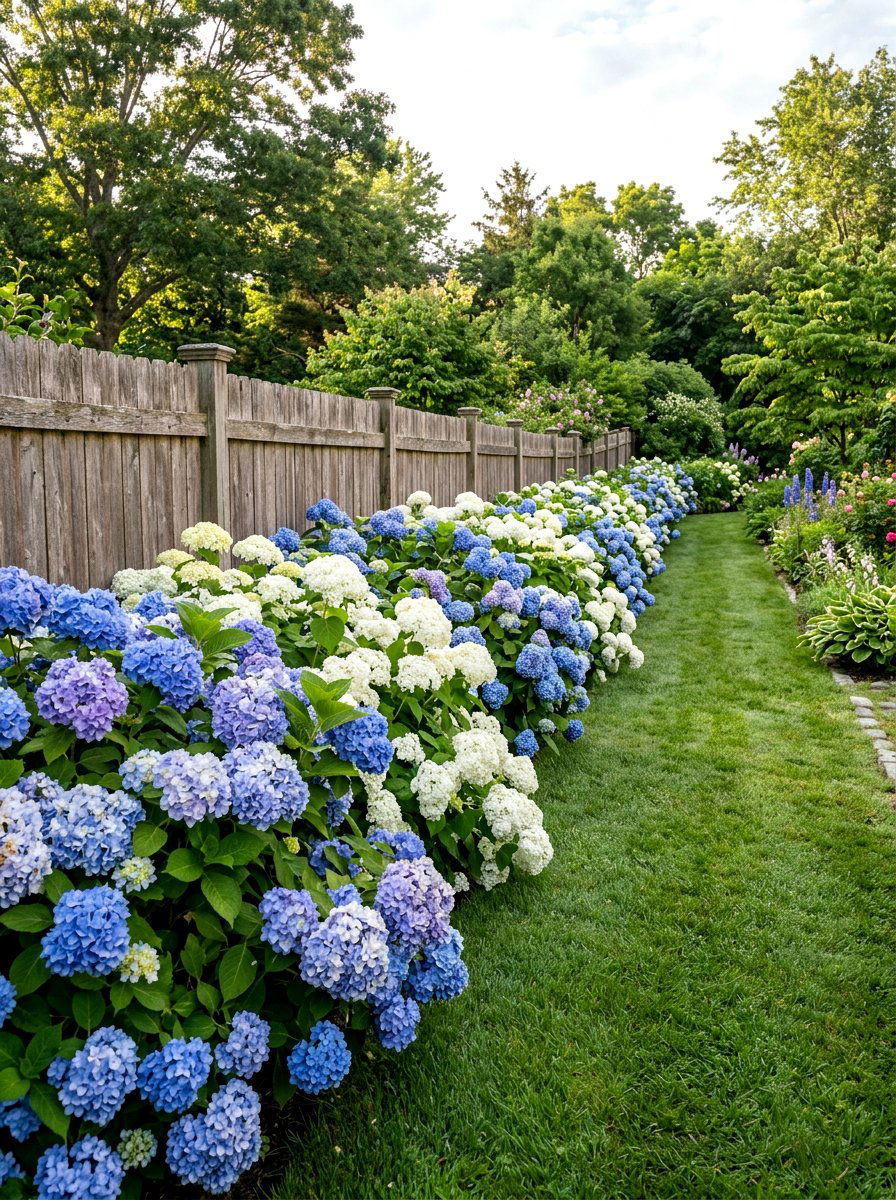
Planting a long row of hydrangeas along your fence line creates a soft, romantic, and incredibly lush border that blooms for months. These bushes are famous for their large, showy flower heads in shades of blue, pink, and white, which can completely transform the look of a plain yard. Because hydrangeas can grow quite large and dense, they do an excellent job of covering the lower half of a fence and providing extra privacy. They thrive in areas with morning sun and afternoon shade, making them perfect for fences that face east or north. This classic landscaping choice provides a high-impact visual that feels both traditional and effortlessly elegant.
18. Small Backyard Fence Landscaping
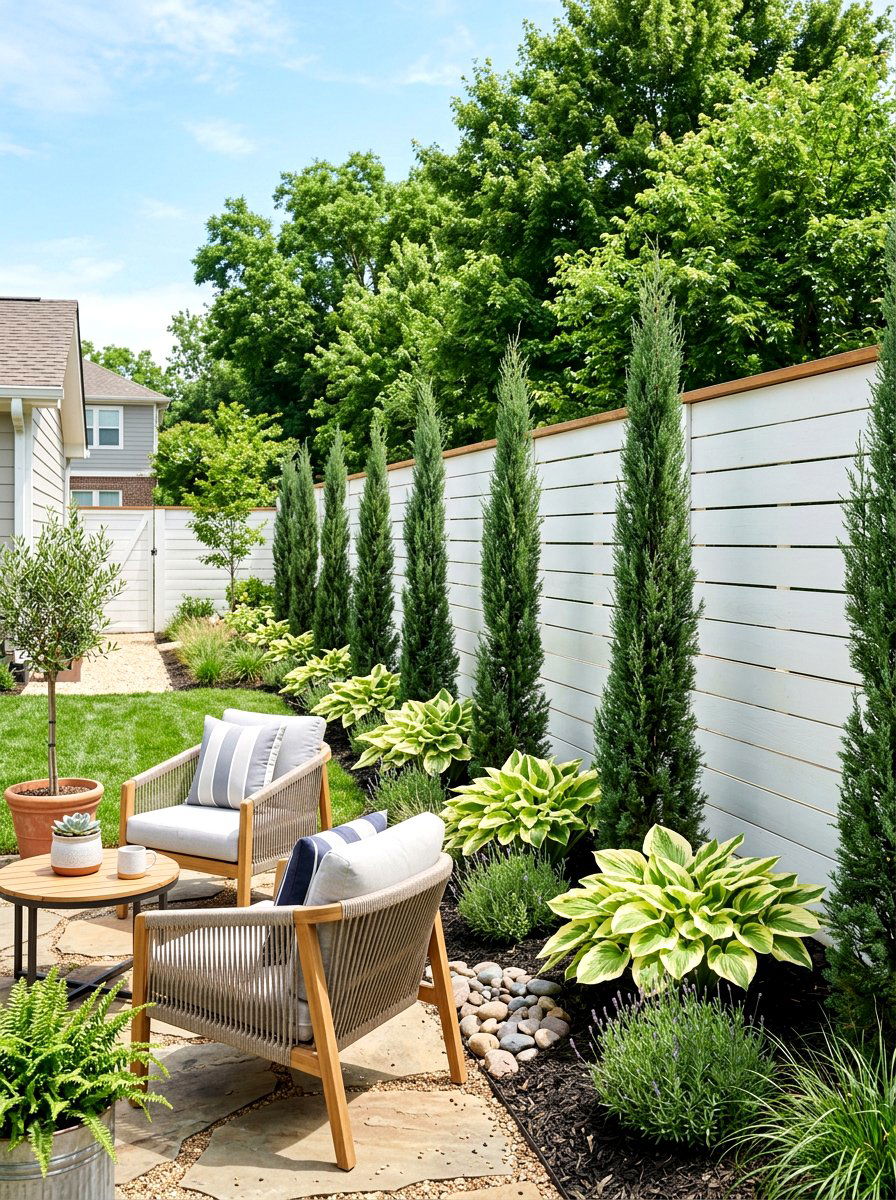
In a small backyard, every inch of space matters, so your fence landscaping should be intentional and space-efficient to avoid a cluttered look. You can use narrow, upright plants like Italian Cypress or "Sky Pencil" Holly to add height and privacy without taking up much ground space. Creating a single, well-defined planting strip along the fence keeps the center of the yard open for furniture or a small lawn. Using light-colored plants or variegated foliage can help brighten up a small, enclosed space and make it feel more expansive. Integrating small mirrors or decorative wall art onto the fence can also help create the illusion of more depth and light.
19. Evergreen Trees For Fence Privacy
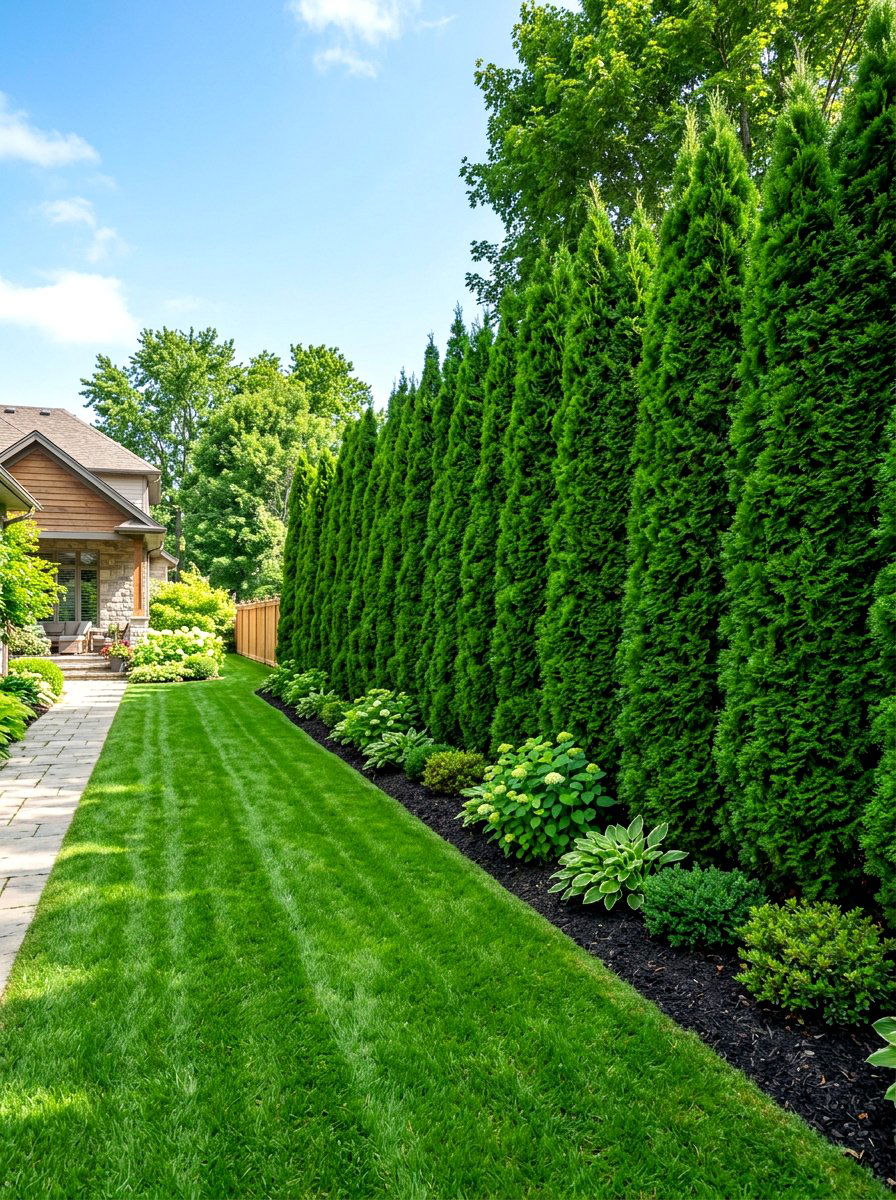
Using evergreen trees like Emerald Green Thuja or Leyland Cypress is the gold standard for creating a permanent, year-round privacy screen along a fence. These trees grow in a tall, narrow shape that fits perfectly into most backyard perimeters without encroaching too far into the living space. Unlike deciduous plants, they keep their thick needles all winter long, ensuring you never lose your sense of seclusion from the neighbors. Planting them in a tight row creates a solid green wall that acts as a natural windbreak and noise dampener. This functional landscaping choice provides a clean, uniform look that serves as a beautiful backdrop for any other garden features.
20. Trellis Fence With Climbing Roses
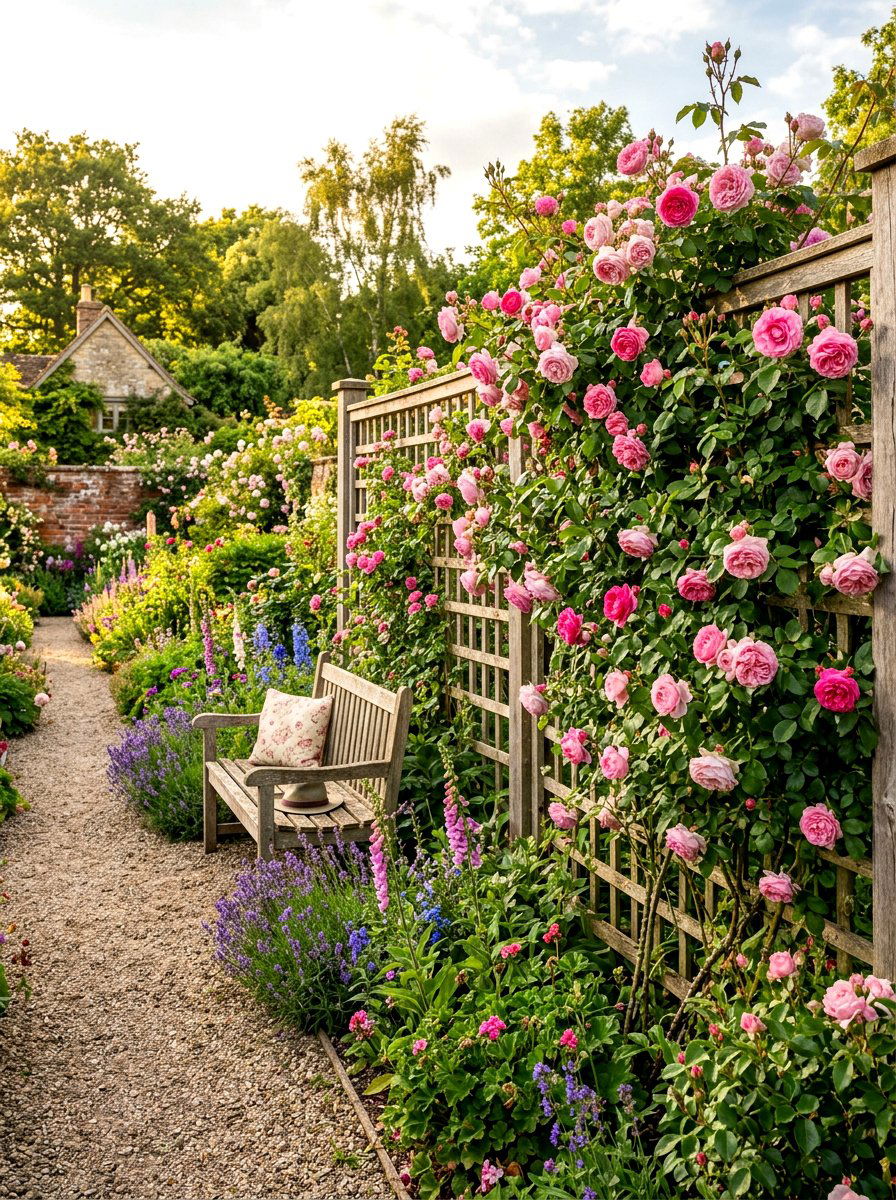
A trellis fence adorned with climbing roses is the epitome of romantic garden design and adds incredible fragrance to your outdoor area. You can choose from a wide variety of rose colors and scents to create a personalized look that matches your home’s exterior. Training the canes to grow horizontally along the trellis encourages more blooms, resulting in a wall of flowers during the early summer. This type of landscaping works beautifully for dividing different sections of a yard or as a charming boundary for a patio. The delicate structure of the trellis combined with the classic beauty of roses creates a timeless feature that only gets better with age.
21. Fence Lighting And Plants
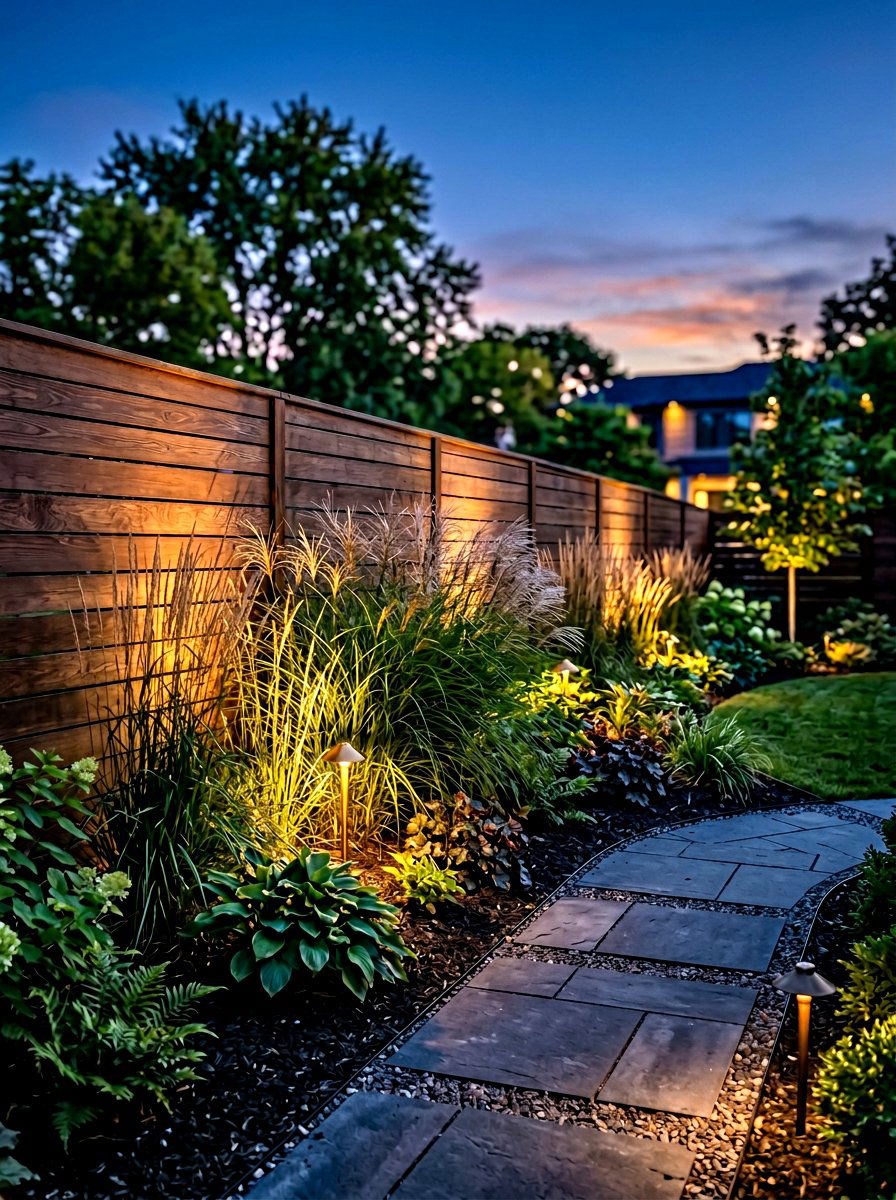
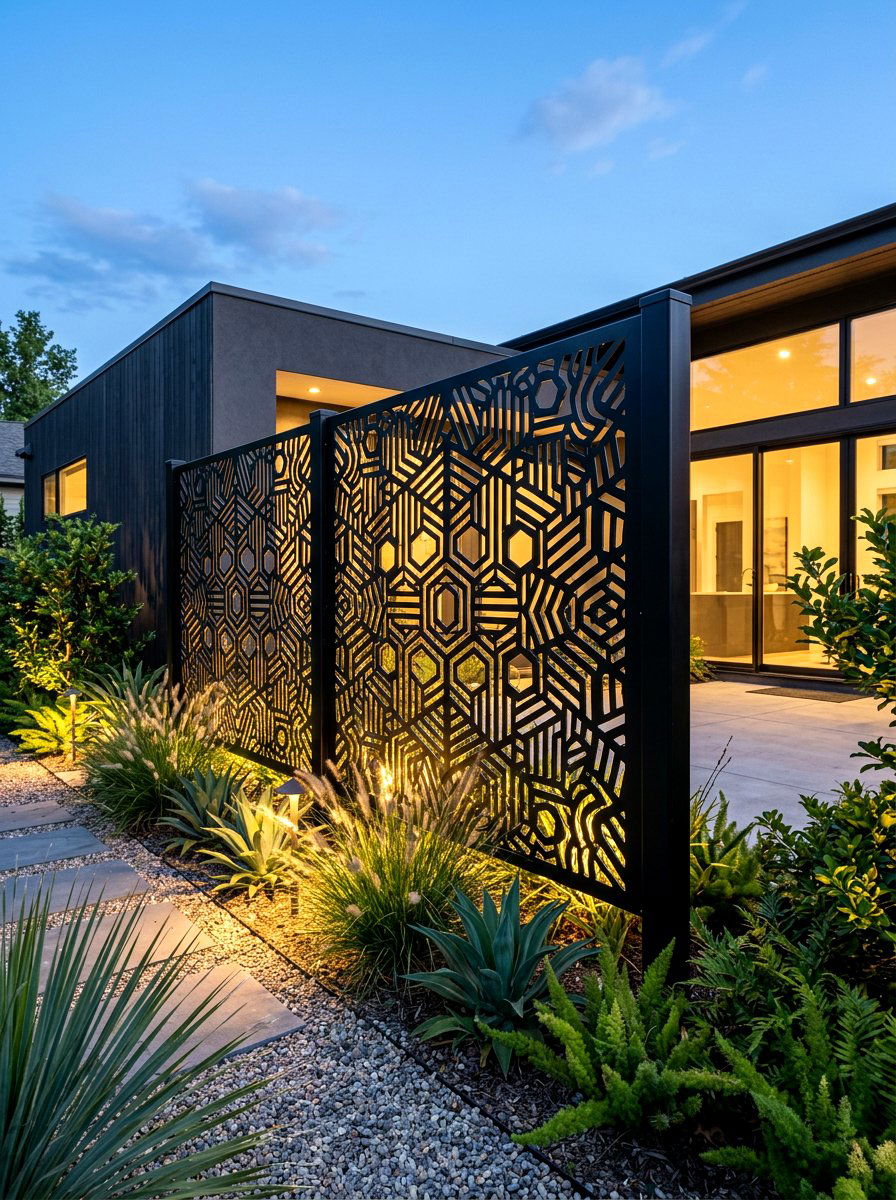
Integrating lighting into your fence landscaping is a modern trend that allows you to enjoy your garden long after the sun goes down. You can install small LED lanterns on the fence posts or use solar-powered uplights hidden among the plants to create a dramatic, glowing effect. Lighting the foliage from below highlights the textures of the leaves and creates interesting shadows against the fence panels. This setup not only improves the safety and security of your property but also creates a cozy, high-end atmosphere for evening entertaining. Soft, warm lighting paired with lush greenery turns a simple backyard into a sophisticated retreat that feels like a luxury resort.
22. Native Plants For Fence Line
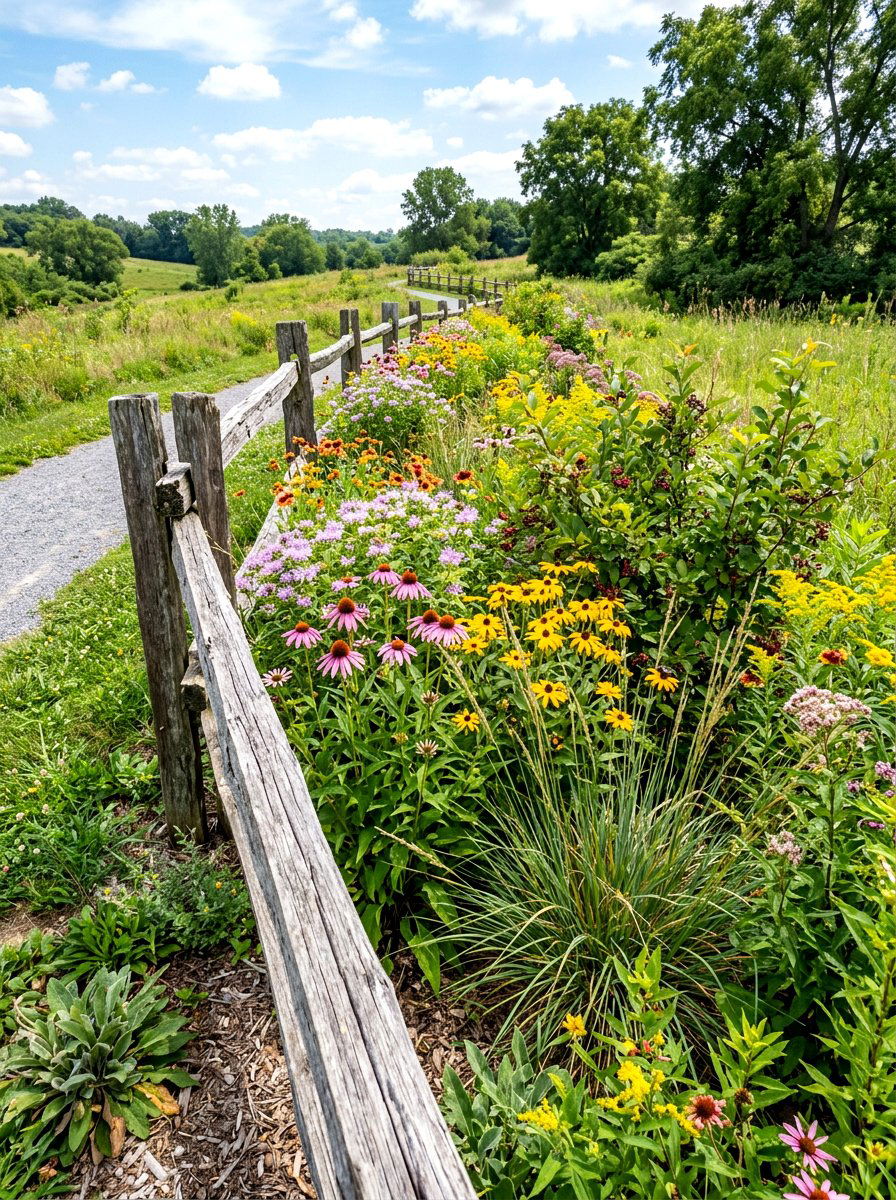
Choosing native plants for your fence line is an eco-friendly way to create a low-maintenance and pollinator-friendly garden. These plants are naturally resistant to local pests and diseases, meaning they will thrive with less water and fewer chemicals than exotic varieties. You can research which shrubs and flowers are native to your specific region to find options that offer beautiful blooms and autumn colors. Native landscaping often has a more relaxed and natural appearance that blends seamlessly with the surrounding environment. By planting local species, you are also providing essential food and habitat for native birds, bees, and butterflies, making your garden a vital part of the local ecosystem.
23. Layered Shrubbery Against Fence
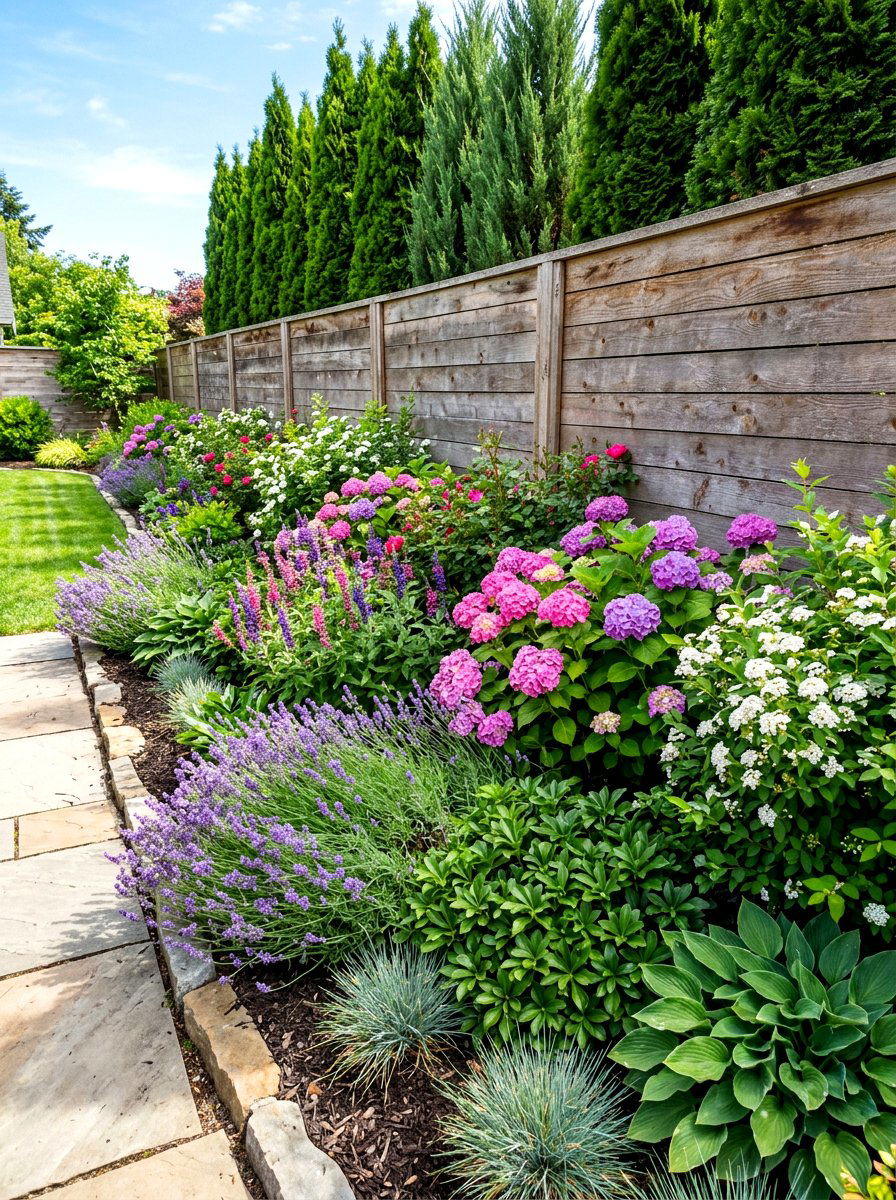
Creating a layered look with different types of shrubs is a professional design technique that adds depth and visual interest to a long fence. You should start with taller evergreen shrubs in the back, followed by medium-sized flowering bushes in the middle, and finished with low-growing ground covers in the front. This staggered arrangement prevents the landscaping from looking flat and provides a rich variety of colors and textures to admire. Using plants with different leaf shapes — such as broad-leaved hollies mixed with fine-needled conifers — adds even more complexity to the design. A layered border is effective at hiding the fence entirely, creating a more immersive and forest-like feel in your backyard.
24. Ornamental Grass Fence Border
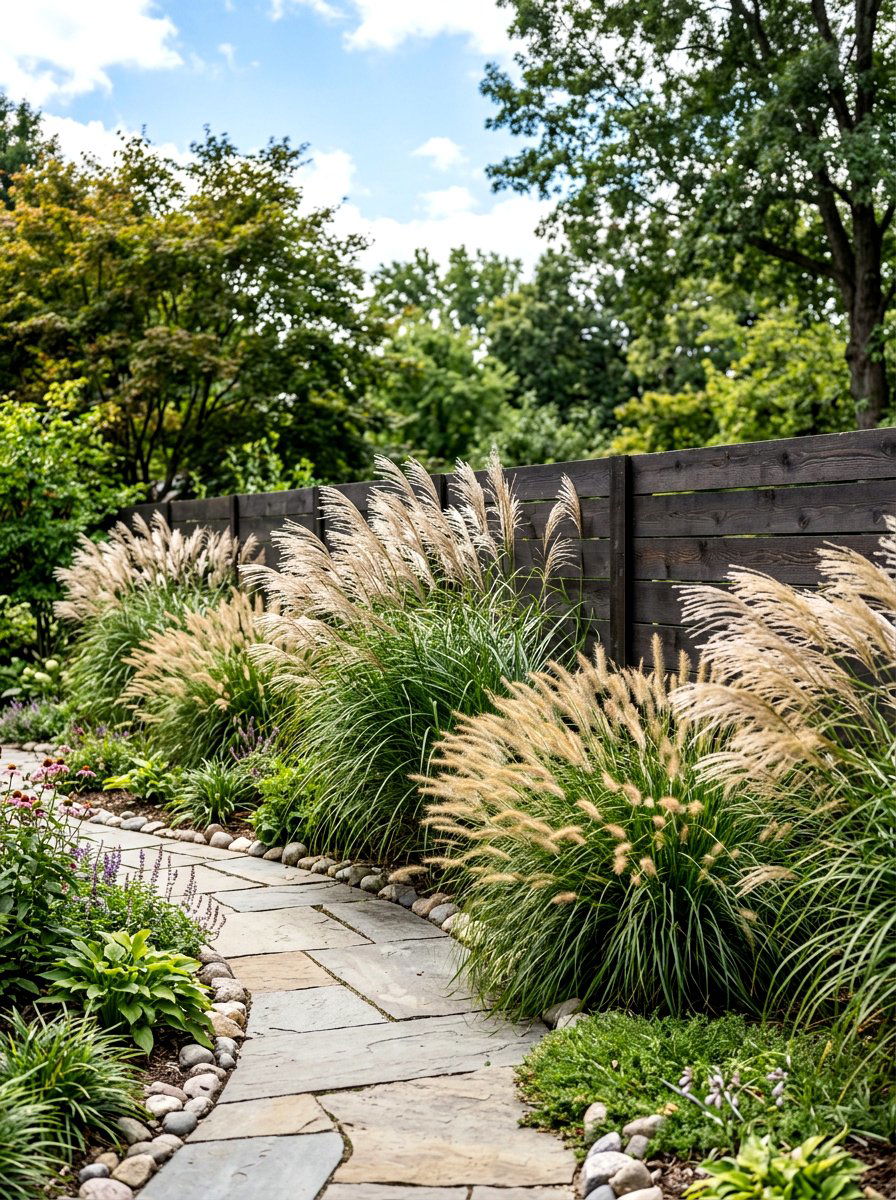
Ornamental grasses offer a modern, airy, and textured look that is perfect for homeowners who want a contemporary fence border. Varieties like Fountain Grass, Maiden Grass, or Switchgrass provide soft movement and a pleasant rustling sound when the wind blows. These plants are exceptionally easy to care for and look beautiful from spring through the winter, especially when their dried seed heads catch the frost. Planting them in a continuous row along the fence creates a breezy, semi-transparent screen that adds privacy without feeling heavy or closed-in. The golden and tan colors of the grass in the fall look stunning against a dark-painted or natural wood fence.


25. Lattice Fence With Vines
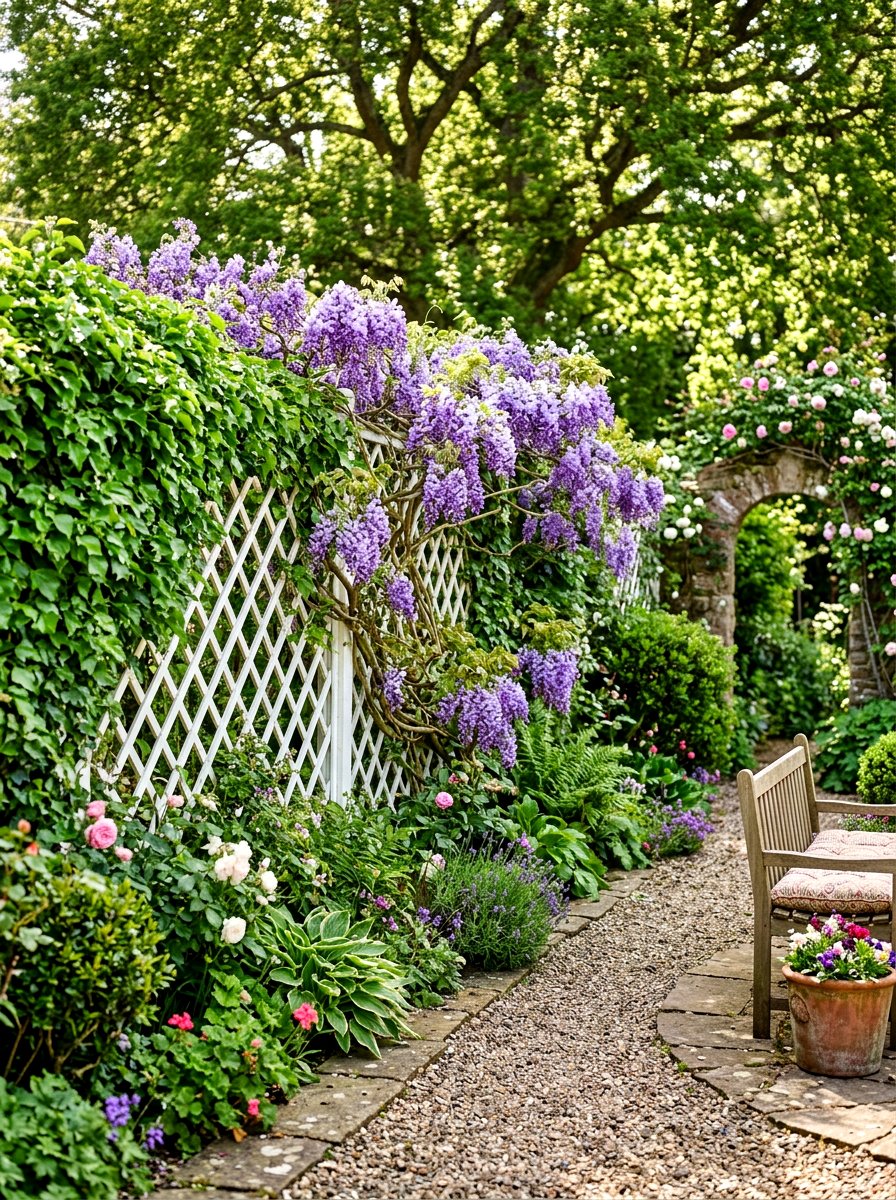
A lattice fence is a classic choice for areas where you want some privacy but still want to let light and air pass through the structure. To enhance this design, you can plant fast-growing vines like Ivy, Wisteria, or Trumpet Creeper that will weave through the diamond-shaped openings. Over time, the plants will create a living tapestry that provides a lush, green screen while maintaining the architectural charm of the lattice. This type of landscaping is perfect for creating a secluded corner in a garden or for screening off utilitarian areas like trash cans or AC units. The combination of the structured wood and the wild greenery creates a beautiful, balanced look.
26. Black Fence Modern Landscaping
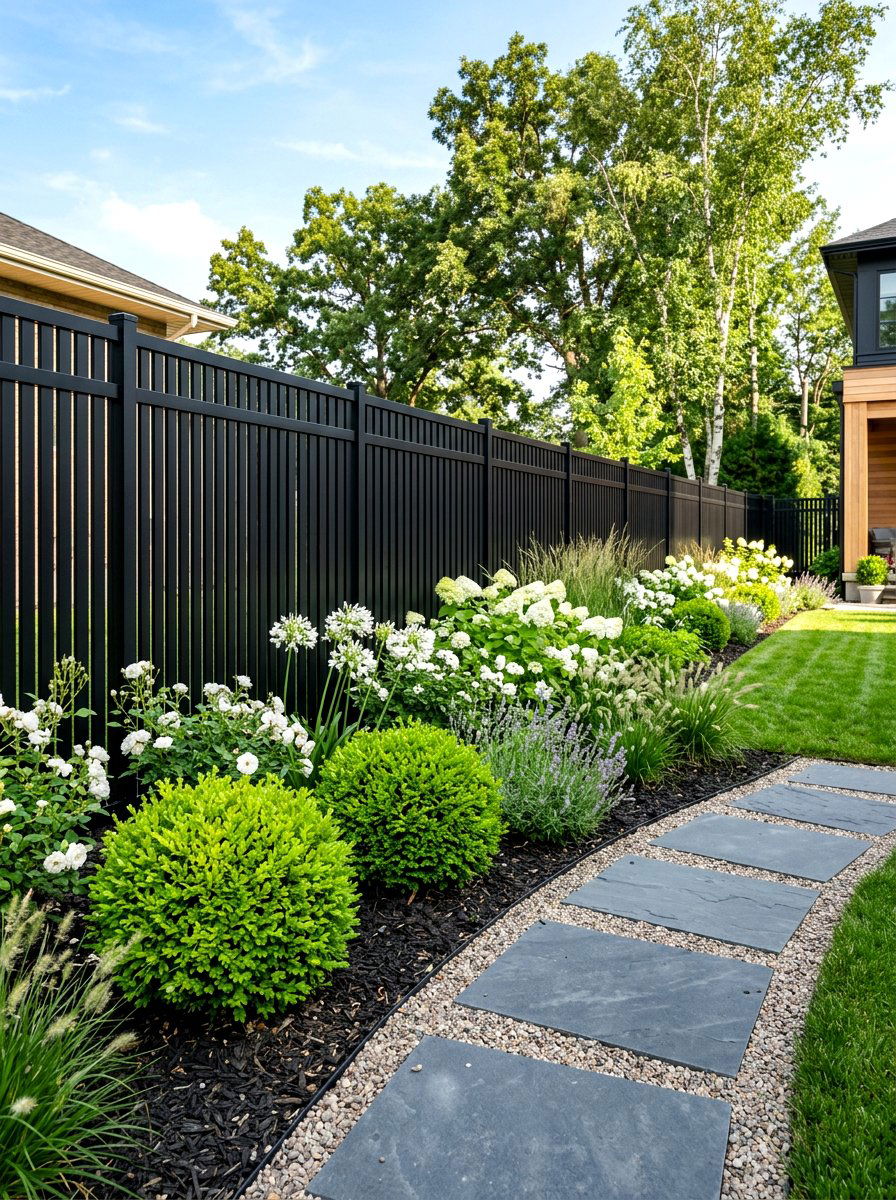
Painting or staining your fence a deep matte black or charcoal grey is a bold design choice that makes the surrounding greenery look incredibly vibrant. This modern aesthetic is very popular because it creates a high-contrast backdrop that allows the true colors of your plants to pop. You should pair a dark fence with bright green foliage, white flowers, or silver-toned plants like Lavender or Russian Sage for a sophisticated and clean look. Black fences also have a unique ability to "disappear" into the shadows, making a small yard feel much larger and less confined. This style works perfectly with minimalist plantings and modern outdoor furniture for a high-end, designer feel.
27. Zen Garden Fence
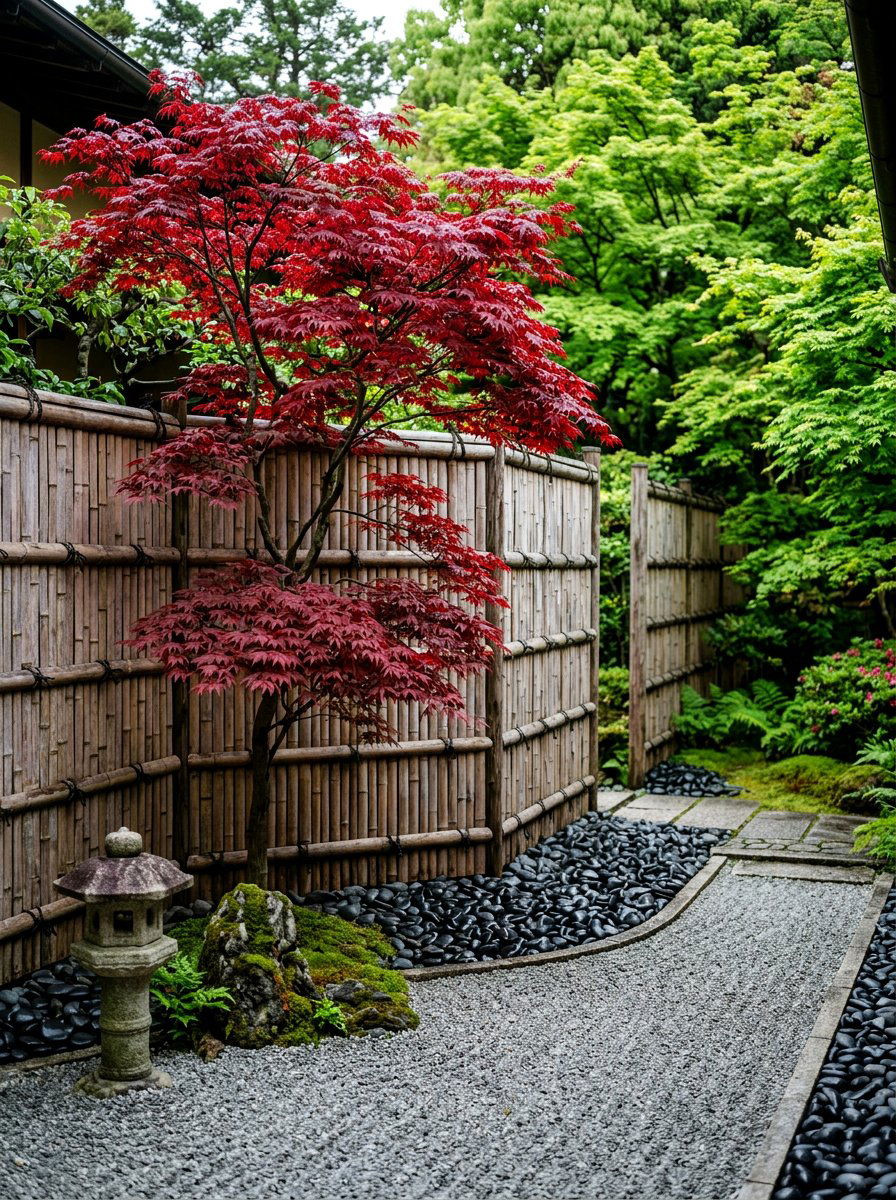
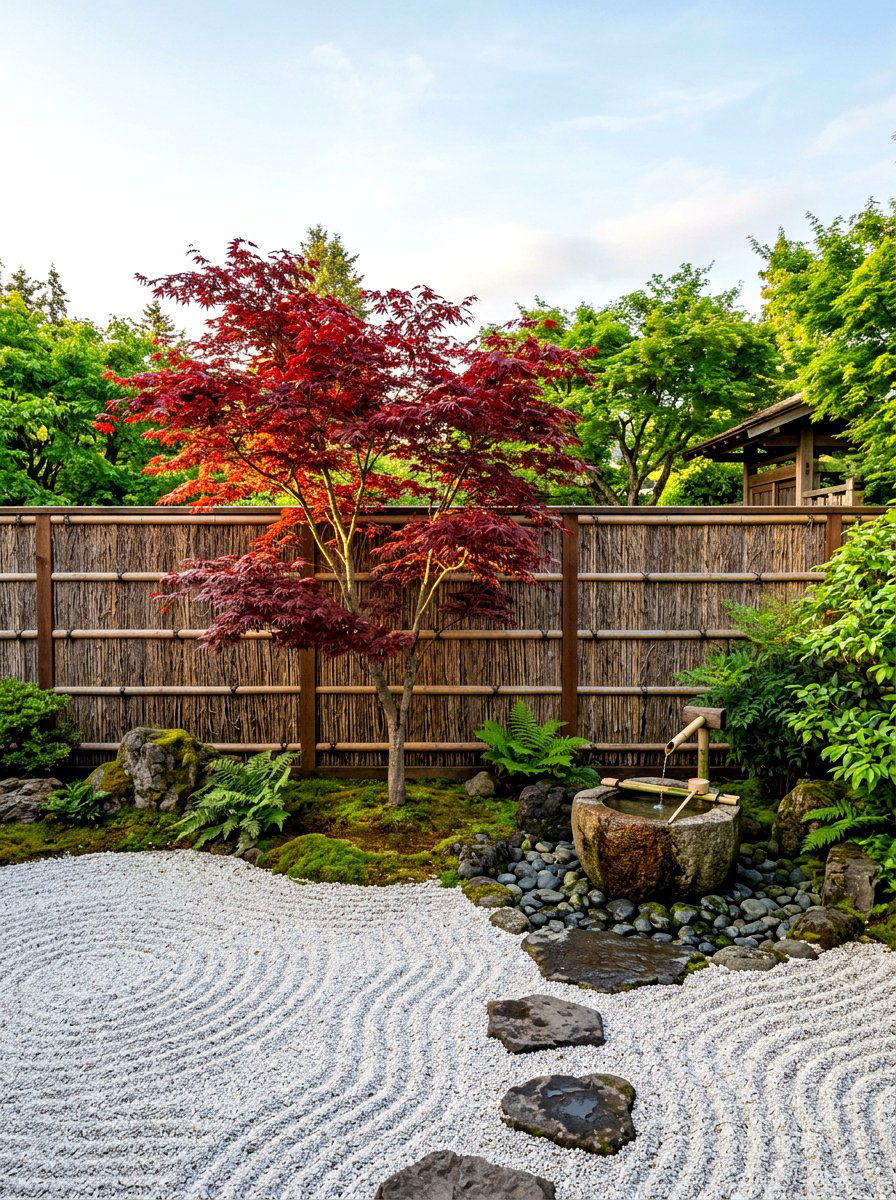
For those who want a peaceful and meditative outdoor space, a Zen-inspired fence design using bamboo and smooth stones is the perfect solution. You can use a bamboo screen as your primary boundary and line the base with a clean border of river rocks or pea gravel. Adding a few carefully placed boulders and structural plants like Japanese Maples or Boxwood balls creates a sense of harmony and balance. This style of landscaping is all about simplicity and clean lines, providing a calm environment where you can relax and de-stress. A small water feature or a stone lantern placed near the fence will complete the serene, East Asian-inspired atmosphere.
28. Herb Garden Fence Planters
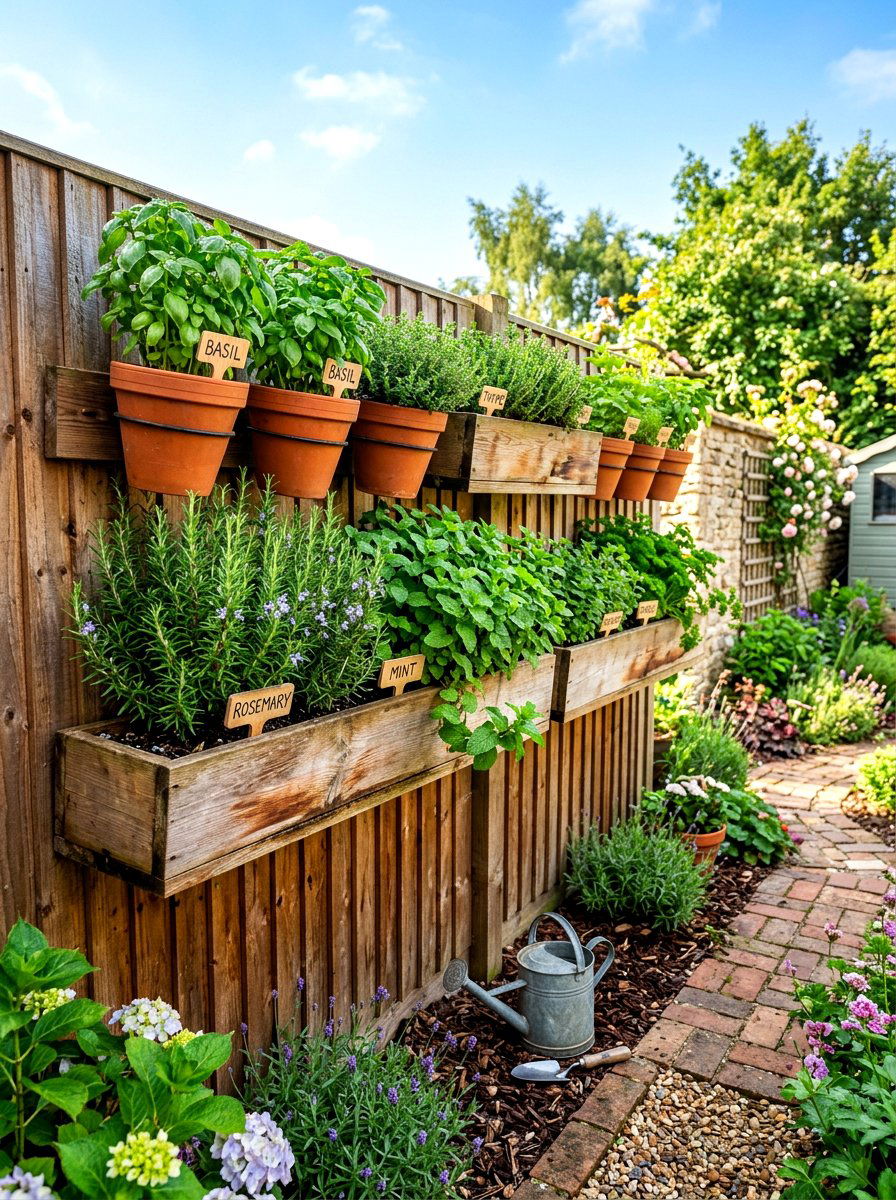
Turning your fence into a productive herb garden is a fantastic way to combine beauty and utility in a small space or a sunny backyard. You can attach long cedar planter boxes or individual terracotta pots directly to the fence at various heights for easy harvesting. Growing fragrant herbs like rosemary, thyme, basil, and mint right on the perimeter keeps them within reach of the kitchen and creates a wonderful aroma in the air. This design adds a charming, rustic touch to the yard and makes the fence look much more interesting and purposeful. It is an excellent project for urban gardeners who want to maximize their growing area and enjoy fresh ingredients.
29. Privacy Screen Potted Plants
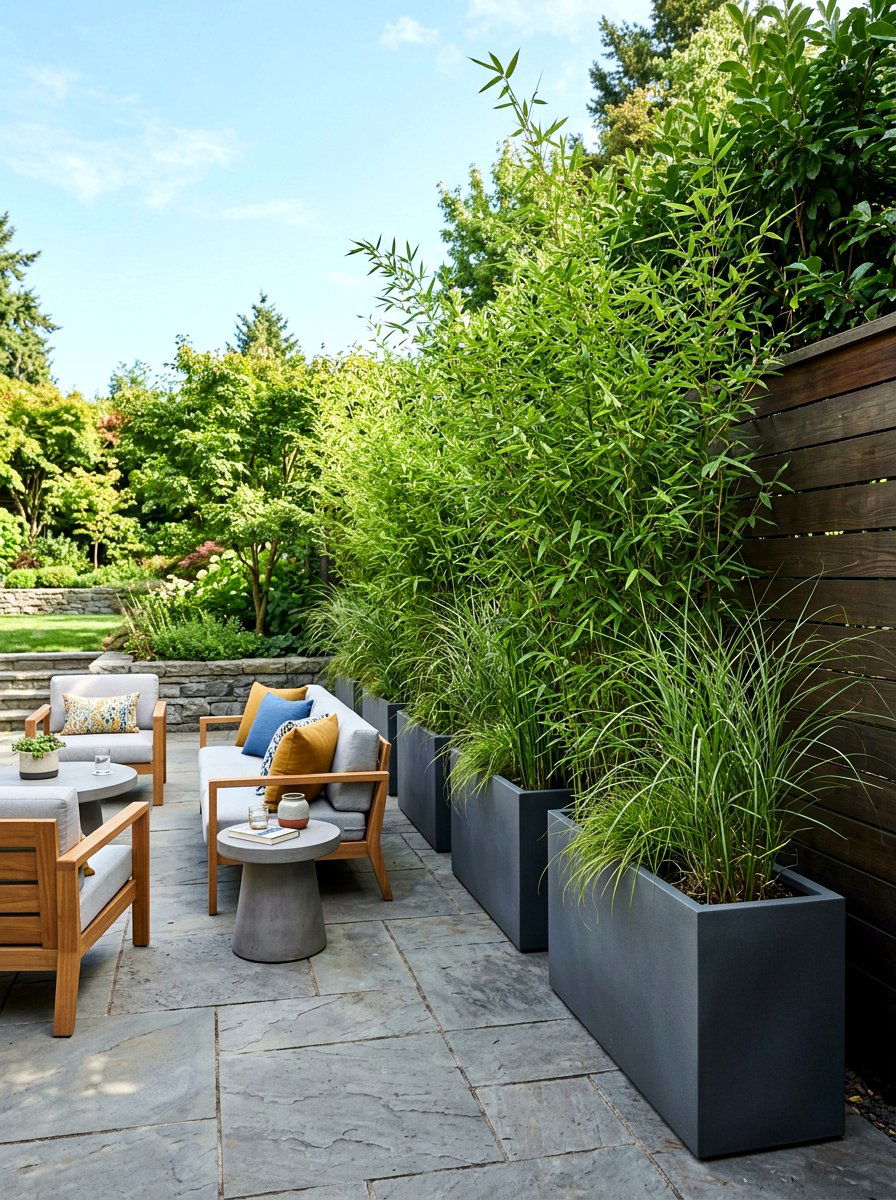
If you are renting or don't want to commit to permanent planting beds, using large potted plants as a privacy screen along your fence is a great alternative. You can choose tall, architectural containers and fill them with fast-growing plants like bamboo, tall grasses, or even small fruit trees. Placing these pots in a row creates a flexible and stylish border that can be rearranged whenever you feel like changing the look of your patio. Using a variety of pot sizes and materials can add an eclectic and personalized vibe to the space. This approach also allows you to bring sensitive plants indoors during the winter, ensuring your fence line stays beautiful year-round.
30. Wildflower Meadow Fence Border
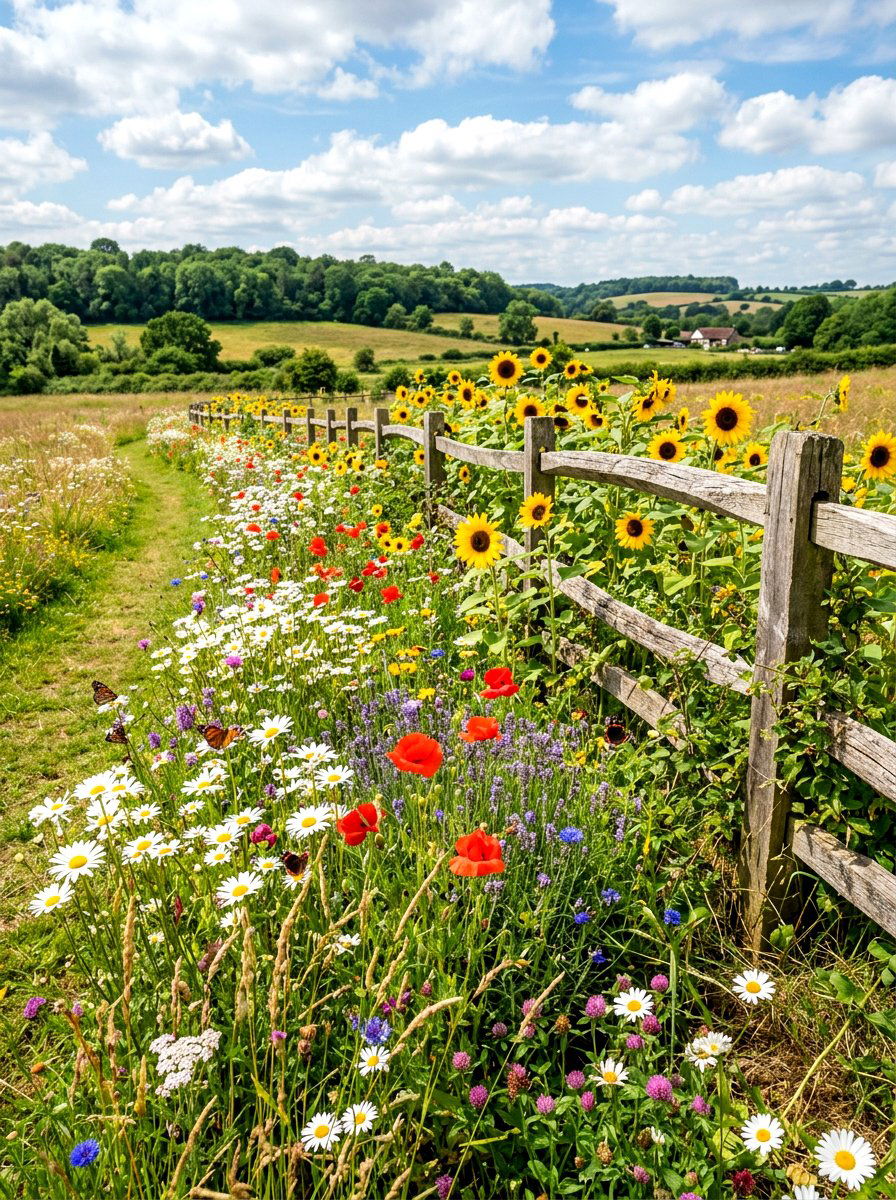
For a more relaxed and eco-friendly look, you can create a wildflower meadow border along your back fence instead of a traditional manicured lawn. You should choose a mix of native wildflower seeds that are suited to your soil and sun exposure to ensure a successful and colorful display. This type of landscaping is very low-maintenance once established and provides a changing tapestry of colors throughout the growing season. A wildflower border feels very natural and whimsical, making it a perfect fit for a country or rustic-style home. It also acts as a magnet for local pollinators, bringing your garden to life with the sight of bees and butterflies flitting about.
Conclusion:
Transforming your fence line with thoughtful landscaping is an investment that pays off in both beauty and functionality for your home. By moving beyond a simple wooden barrier and incorporating layers of plants, textures, and lighting, you create a cohesive and inviting outdoor environment. Whether you prefer the structured elegance of a boxwood hedge, the romantic charm of climbing roses, or the modern appeal of a black fence with ornamental grasses, there is a design here for every style. These ideas not only provide privacy and noise reduction but also increase the value and enjoyment of your property. Start planning your dream perimeter today and watch your garden flourish.

Related posts: