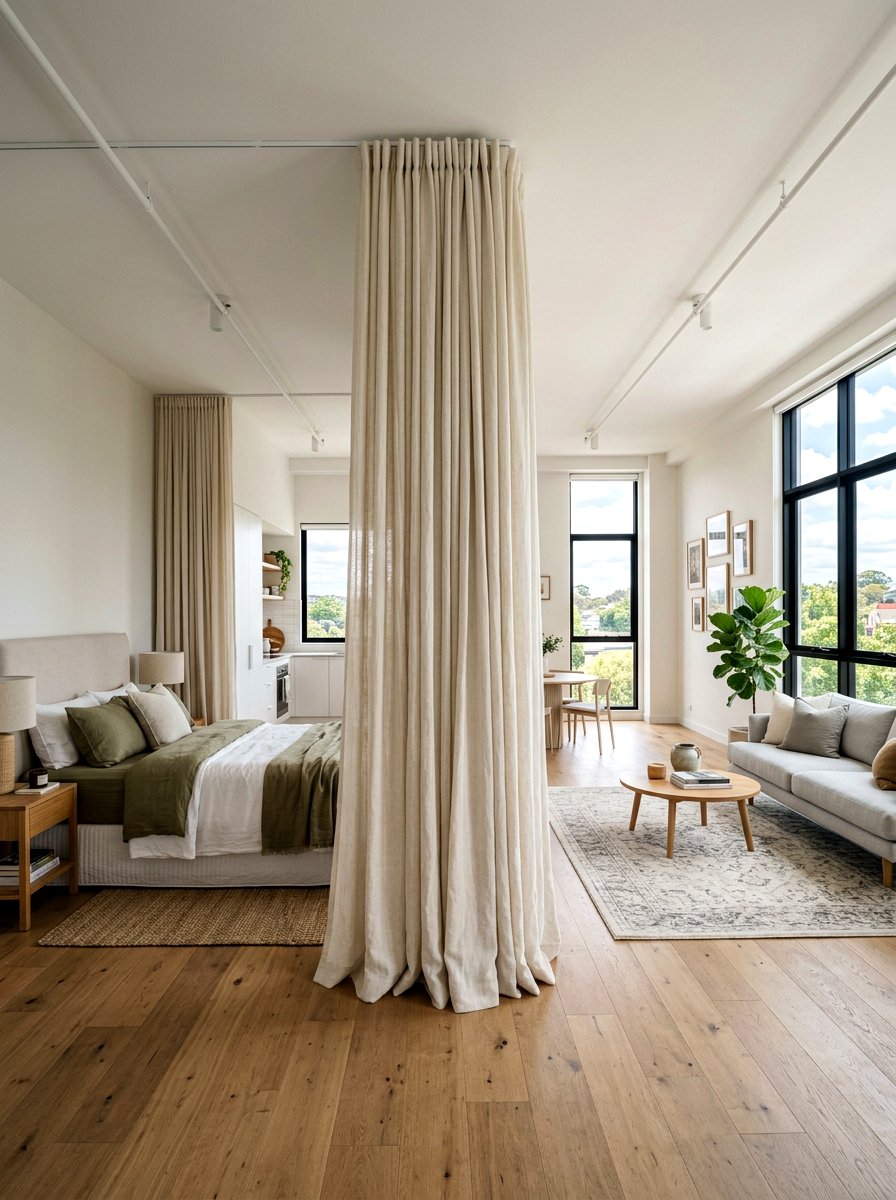
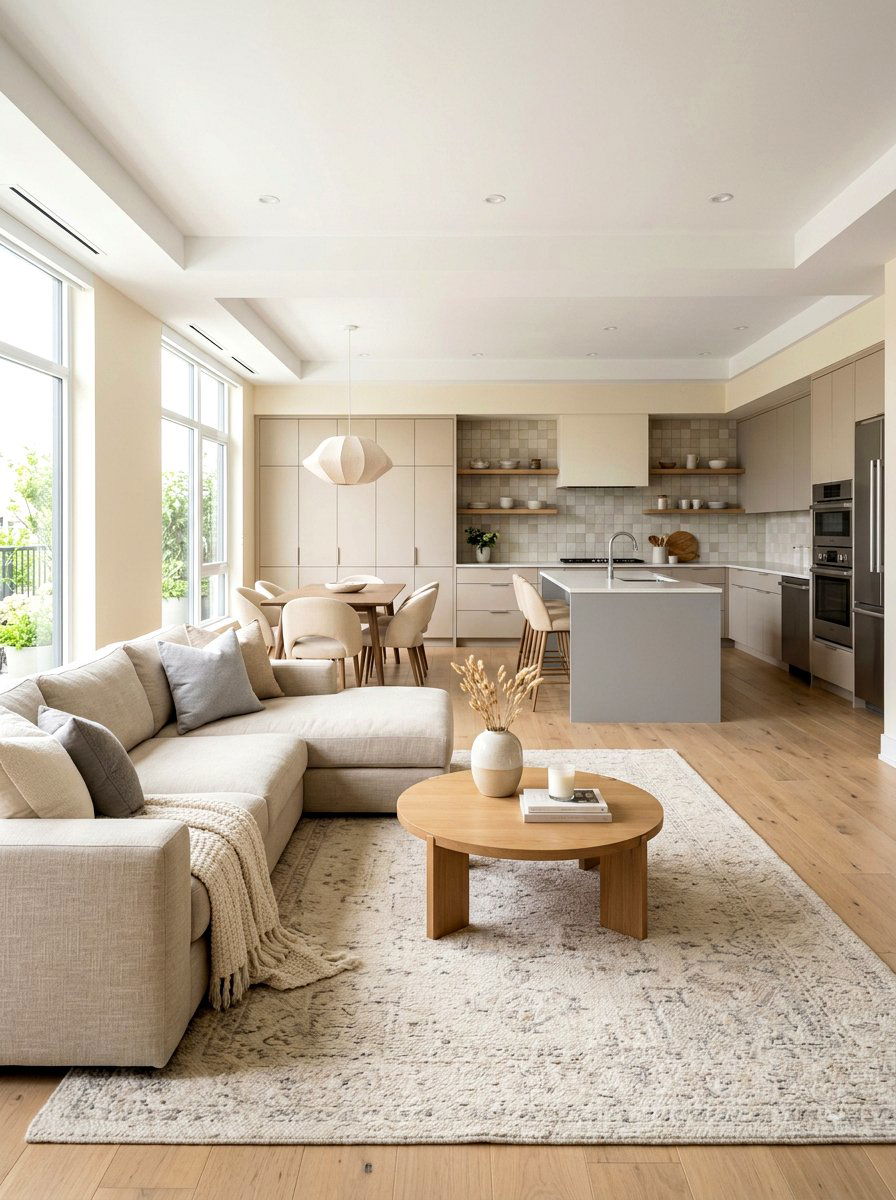
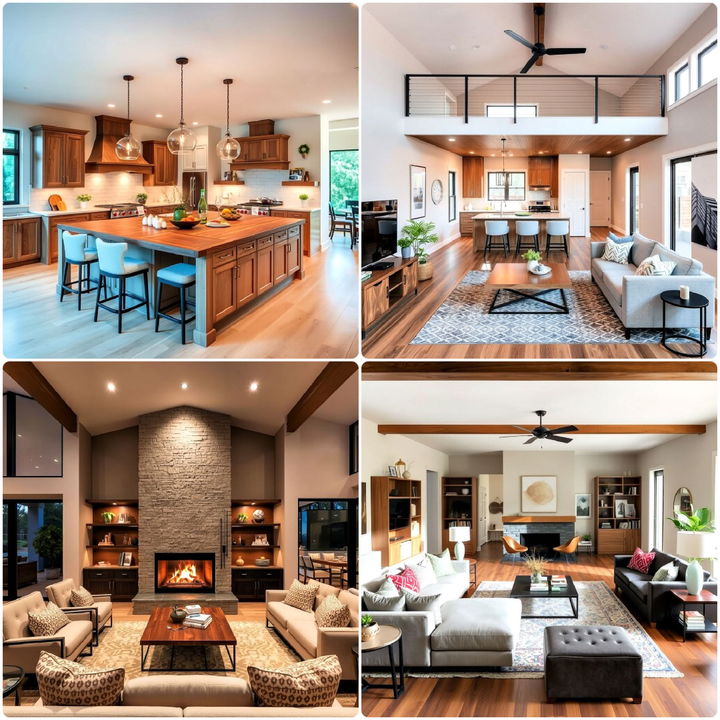
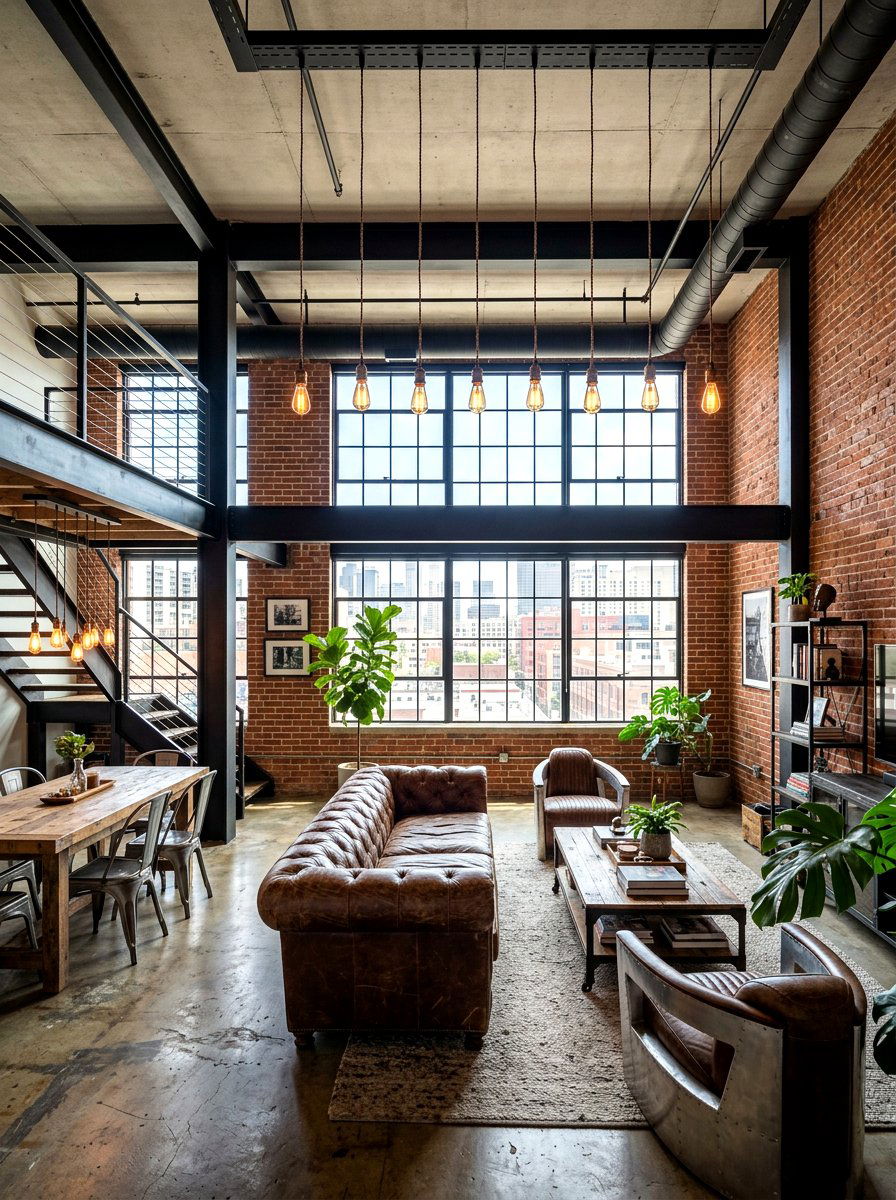
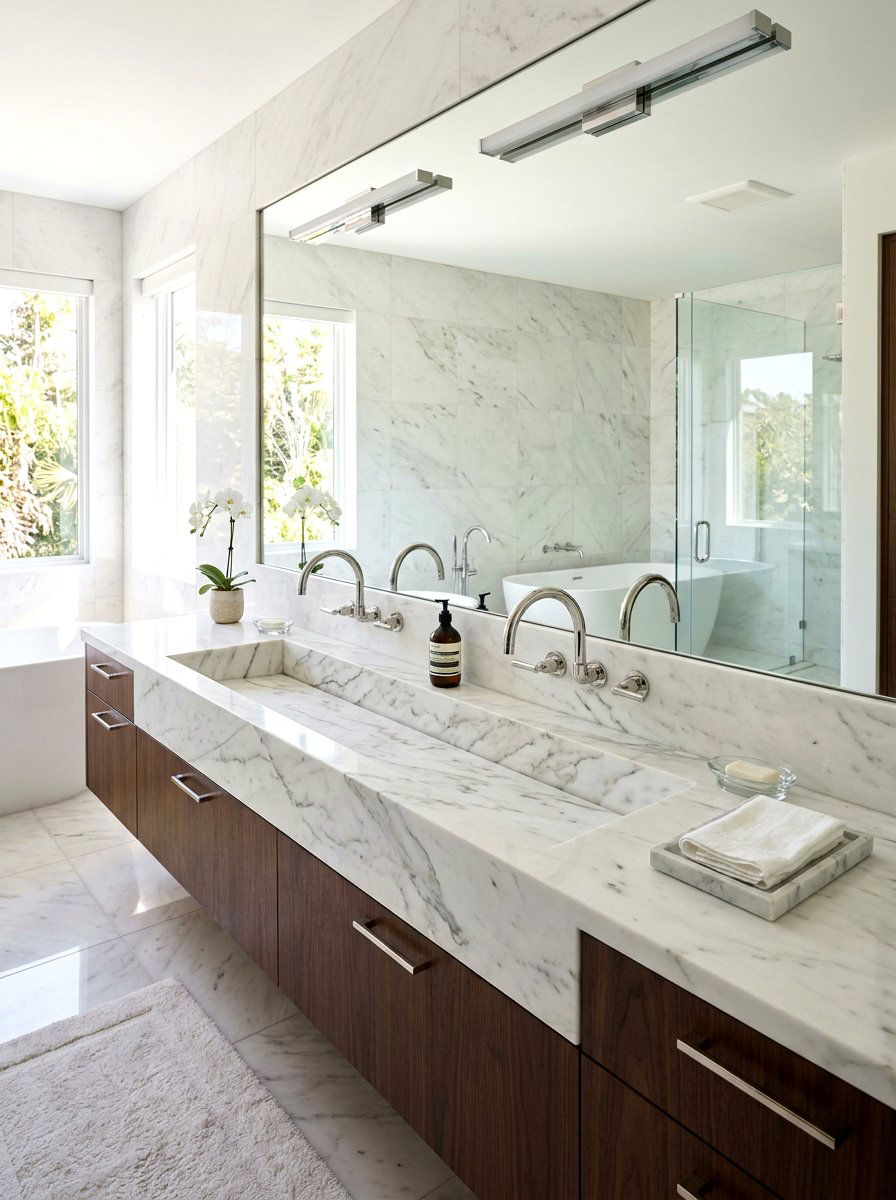
Finding the perfect balance between a spacious open concept and the cozy privacy of traditional rooms can feel like a challenge for many modern homeowners. A semi open floor plan offers a smart compromise that blends the best of both worlds by using subtle architectural boundaries instead of solid walls. This layout style, often called broken plan living, allows natural light to flow freely while creating distinct zones for cooking, lounging, or working from home. By incorporating clever design elements like glass partitions, half walls, or furniture arrangements, you can enjoy a home that feels airy yet intentionally organized. This approach improves acoustics and provides the functional privacy families need today.
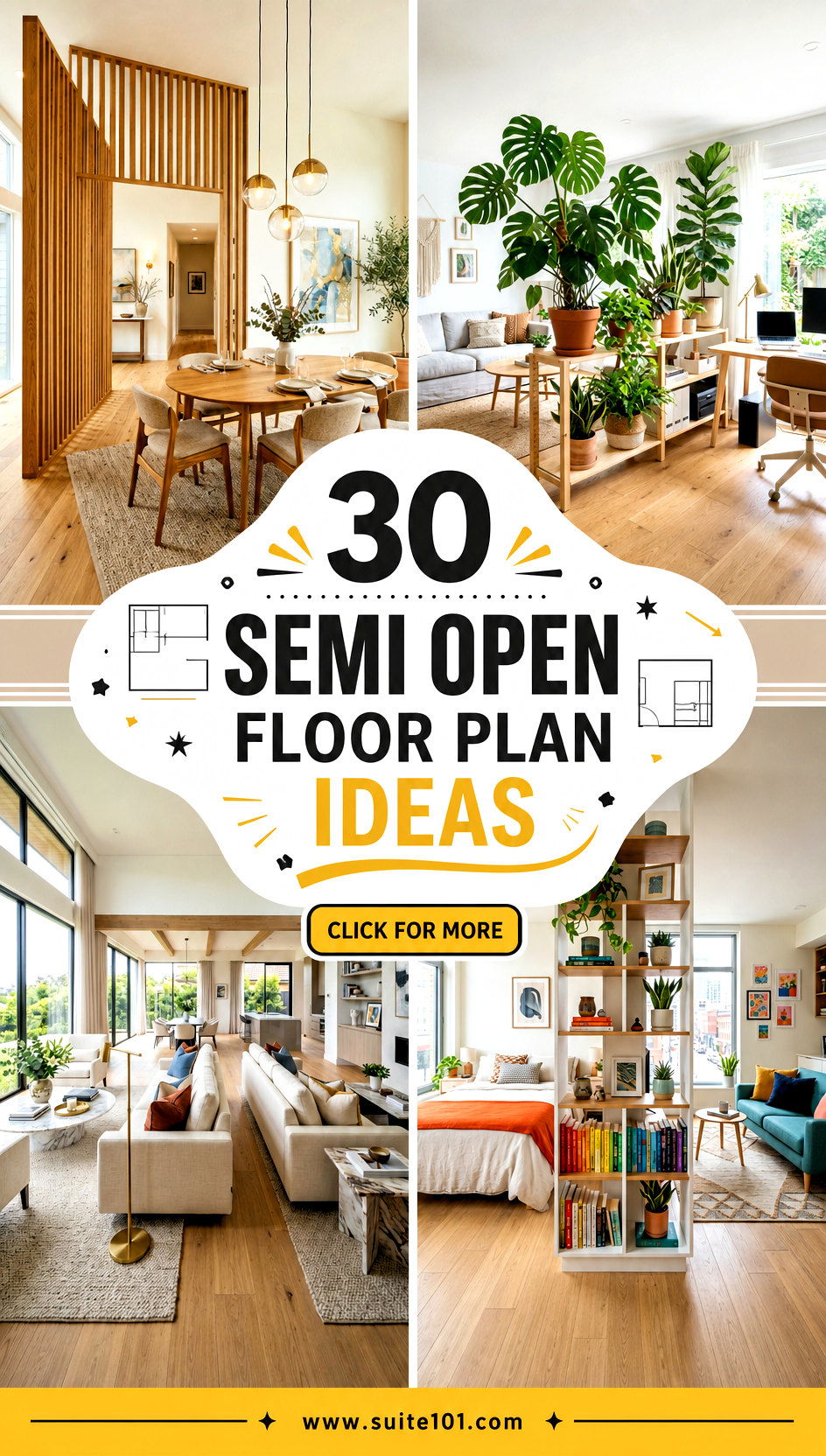
1. Glass Wall Partition
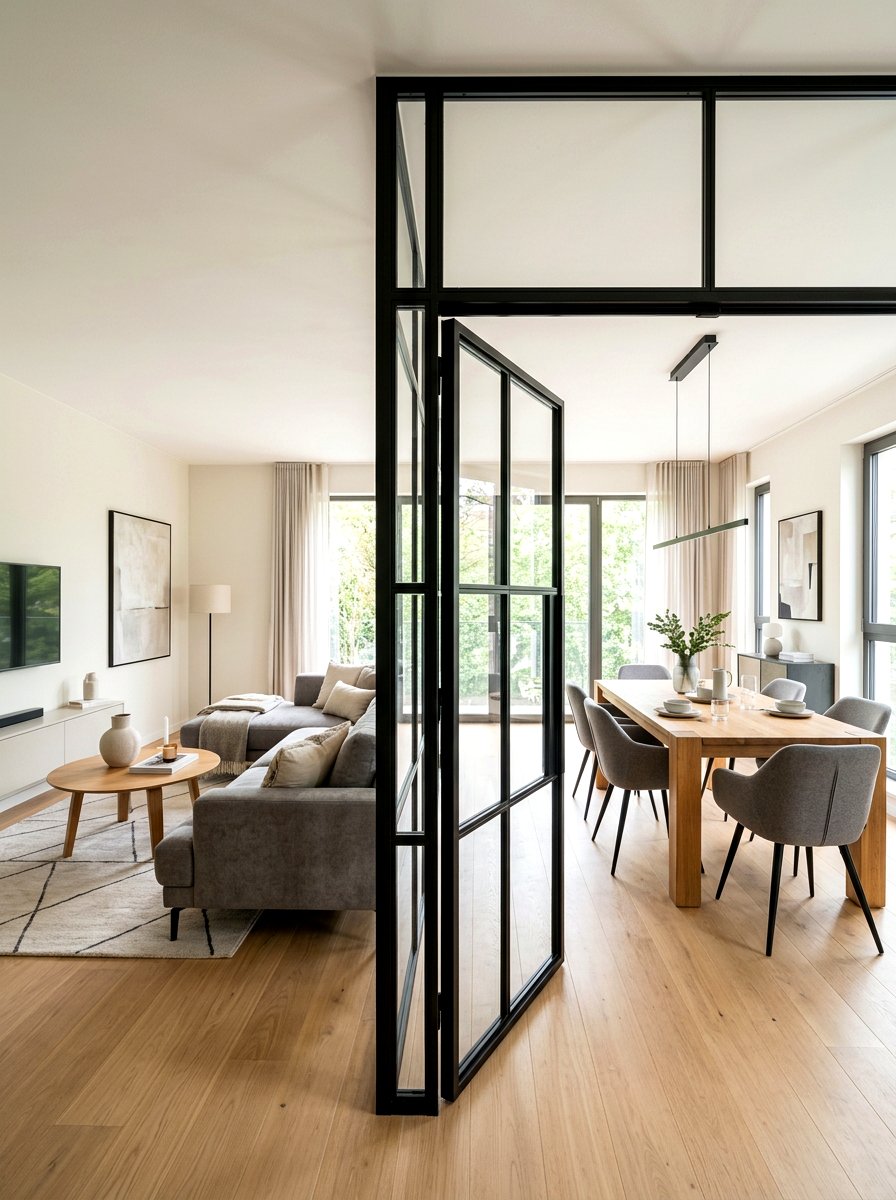
Installing a glass wall partition is a sophisticated way to divide a large living area without losing any visual connection or natural sunlight. This design usually features a slim black steel frame with large glass panels that act as a transparent barrier between a quiet lounge and a busy dining space. It effectively blocks noise from the kitchen or television while keeping the entire floor plan feeling expansive and modern. The industrial aesthetic of the metal frame adds a stylish architectural detail that anchors the room. This setup is ideal for people who want to keep an eye on family activities while maintaining a peaceful and quiet environment.
2. Double Sided Fireplace
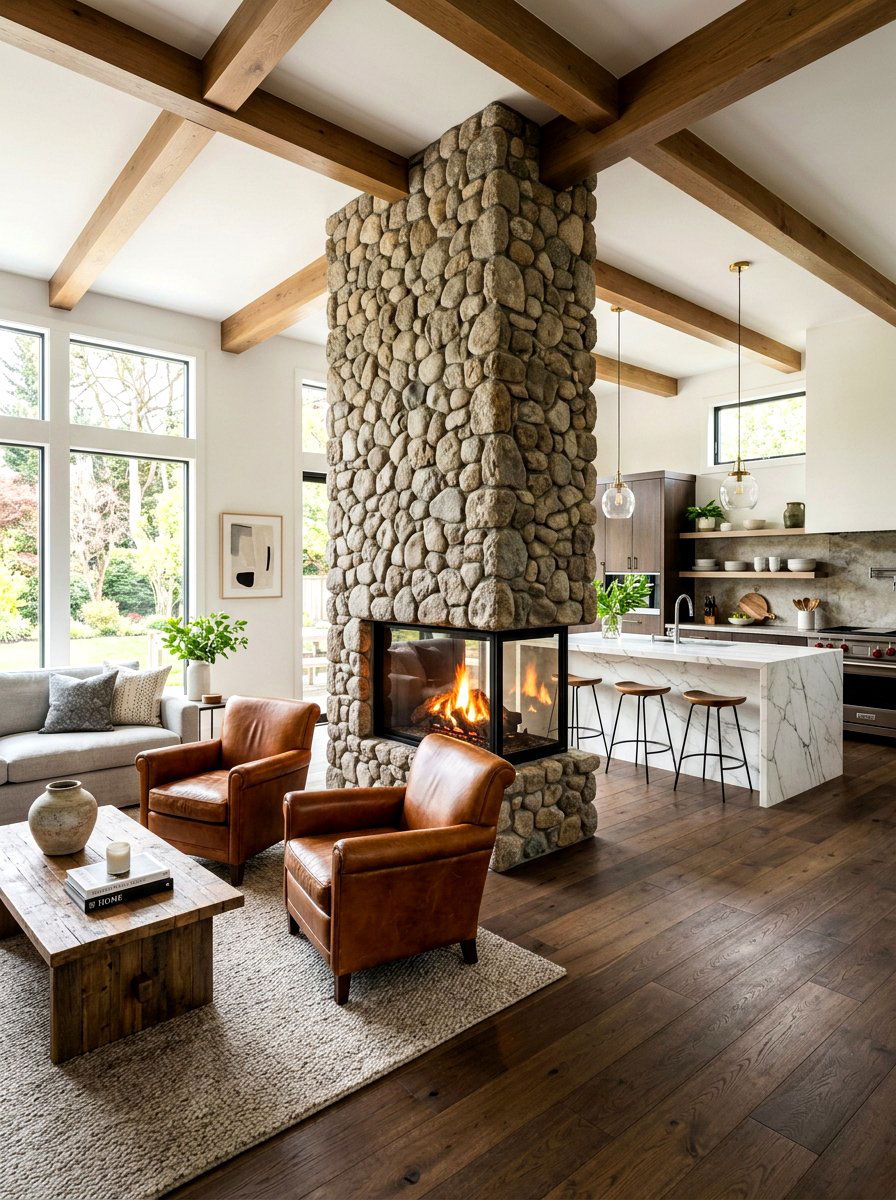
A double sided fireplace serves as a stunning central focal point that physically separates two distinct living zones while sharing warmth and light. Positioned between a formal sitting area and a casual dining room, the fireplace creates a cozy atmosphere that is visible from both sides. This architectural feature eliminates the need for a full wall, allowing the ceiling to remain continuous and the floor space to feel connected. You can finish the exterior in natural stone, smooth plaster, or modern tile to match your interior style. It provides a luxurious sense of division that feels natural and functional for large, open family homes.
3. Sunken Living Room
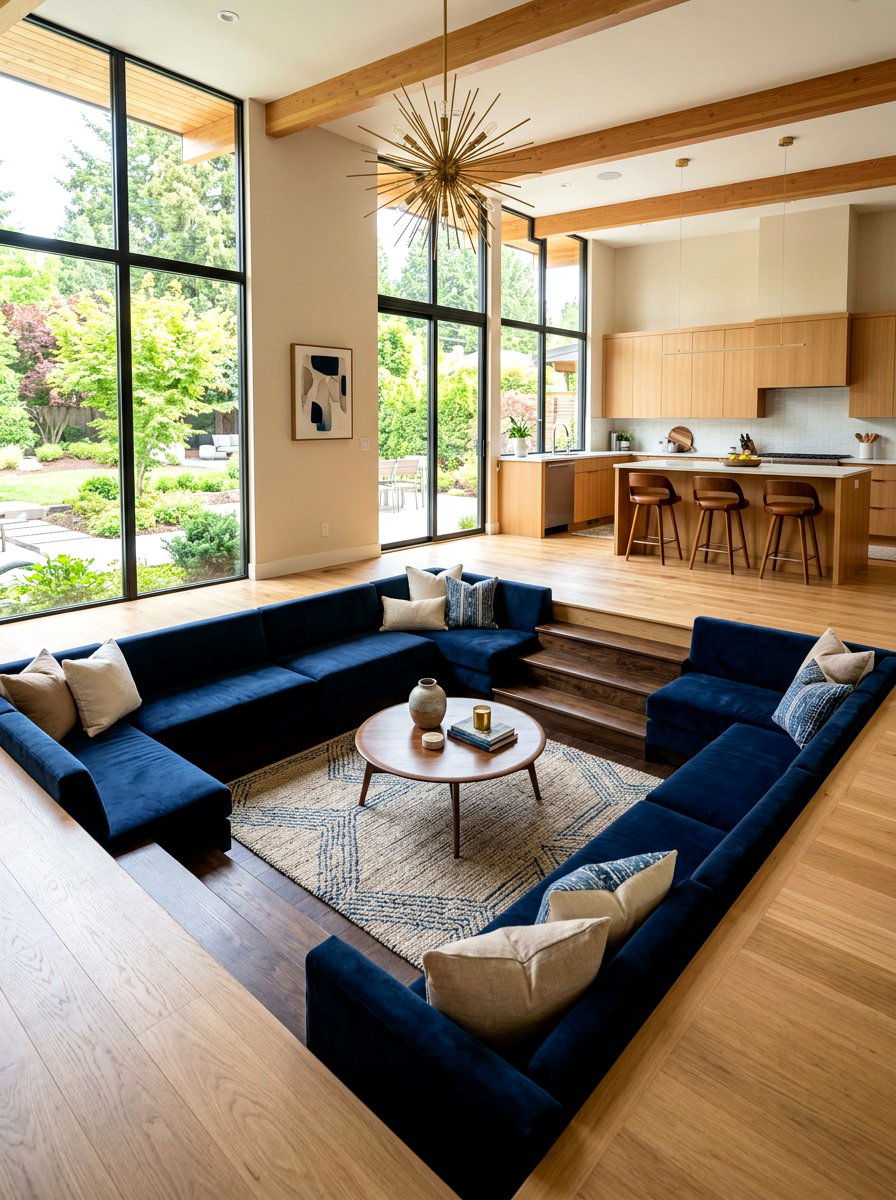
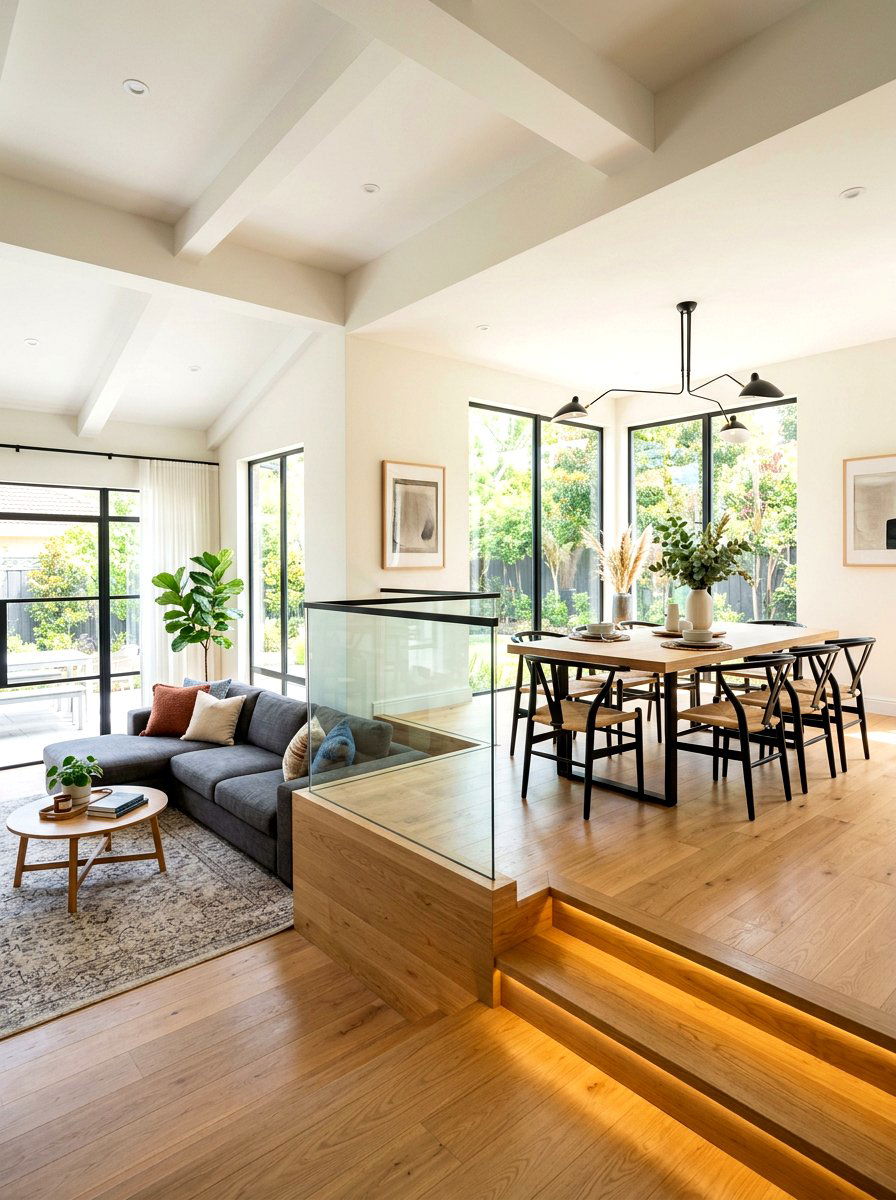
Designing a sunken living room is a creative way to use floor levels to define a specific area without adding any vertical barriers. By stepping down into the lounge, you create an immediate sense of intimacy and enclosure that feels separate from the surrounding kitchen or hallway. This elevation change naturally guides the flow of traffic and establishes a clear boundary for relaxation and conversation. The transition often includes built-in seating or wide steps that add character to the architecture. This layout is perfect for maintaining an open view across the entire house while giving the living space its own unique and cozy identity.
4. Arched Interior Opening
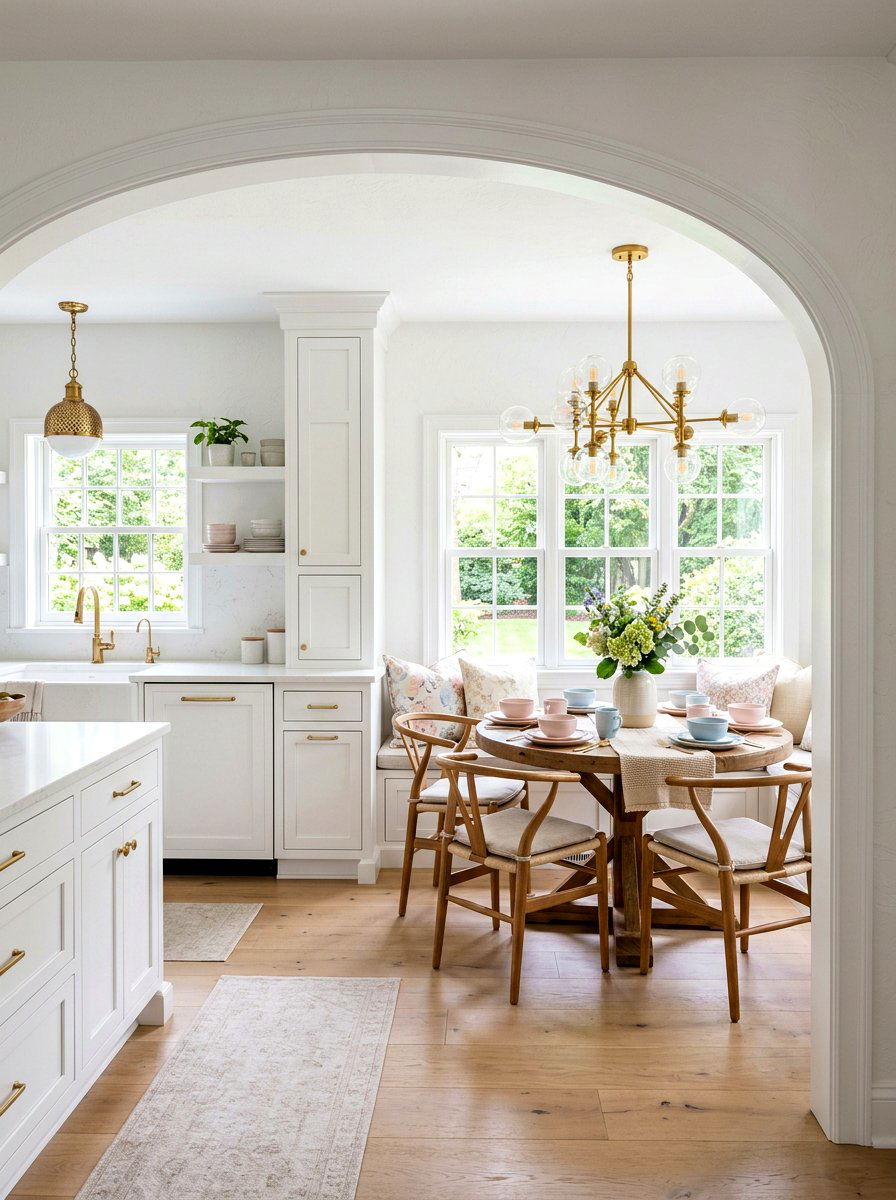
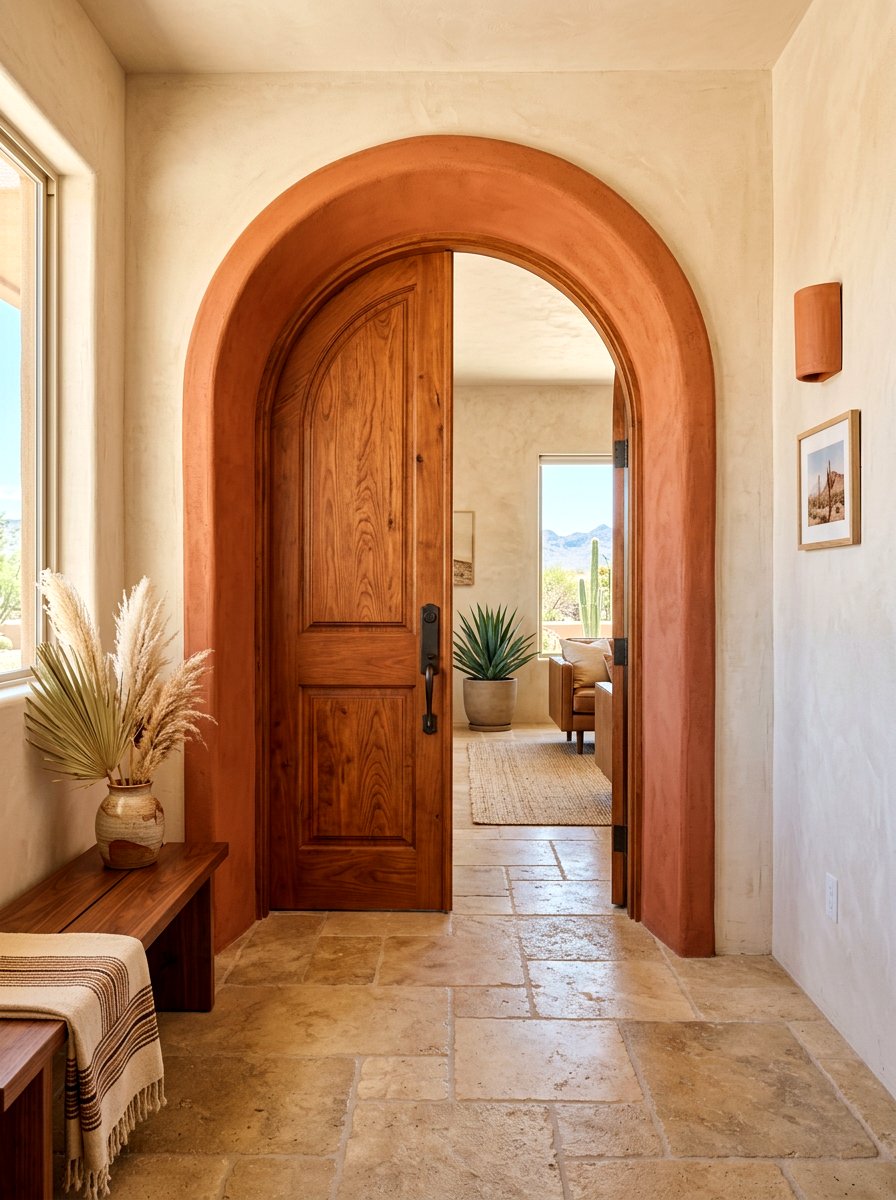
An arched interior opening adds a touch of classic elegance and soft geometry to a semi open floor plan by framing the view. Instead of a standard rectangular doorway, a wide arch creates a graceful transition between the kitchen and the breakfast nook. This design allows for a large opening that maintains a high level of visibility while still clearly marking where one room ends and another begins. The curved lines help to soften the harsh angles of modern furniture and cabinetry. Using arches makes the home feel more custom and historic, providing a sense of architectural permanence without making the spaces feel small.
5. Half Wall Divider
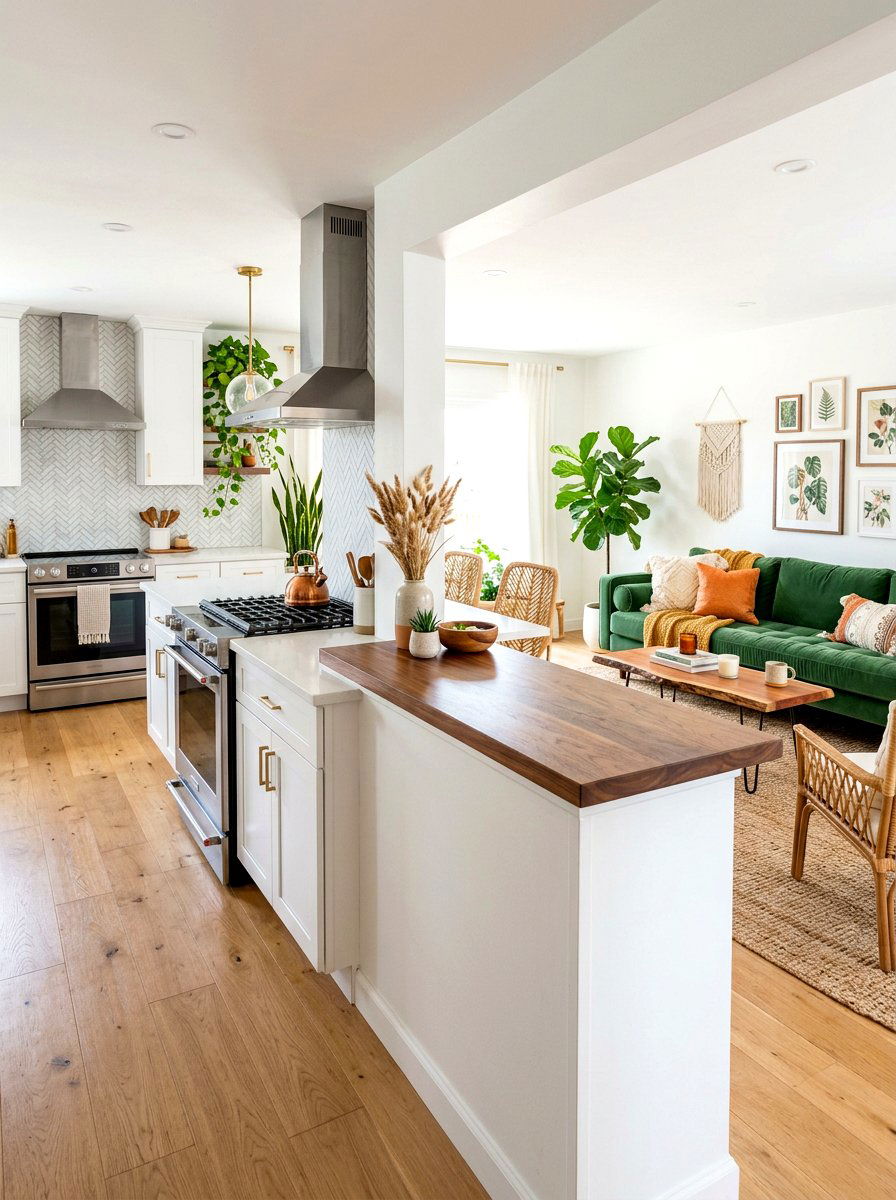
A half wall divider, also known as a pony wall, offers a practical solution for separating a kitchen from a living area. This low wall provides a physical boundary that keeps kitchen clutter out of sight from the sofa while keeping the upper half of the room open. You can top the wall with a wooden ledge or a stone counter to create a useful surface for decor or beverages. It allows for easy communication between family members while providing enough of a barrier to define the layout. This is an excellent choice for smaller homes where full walls would make the interior feel too dark.
6. Internal Glass Window
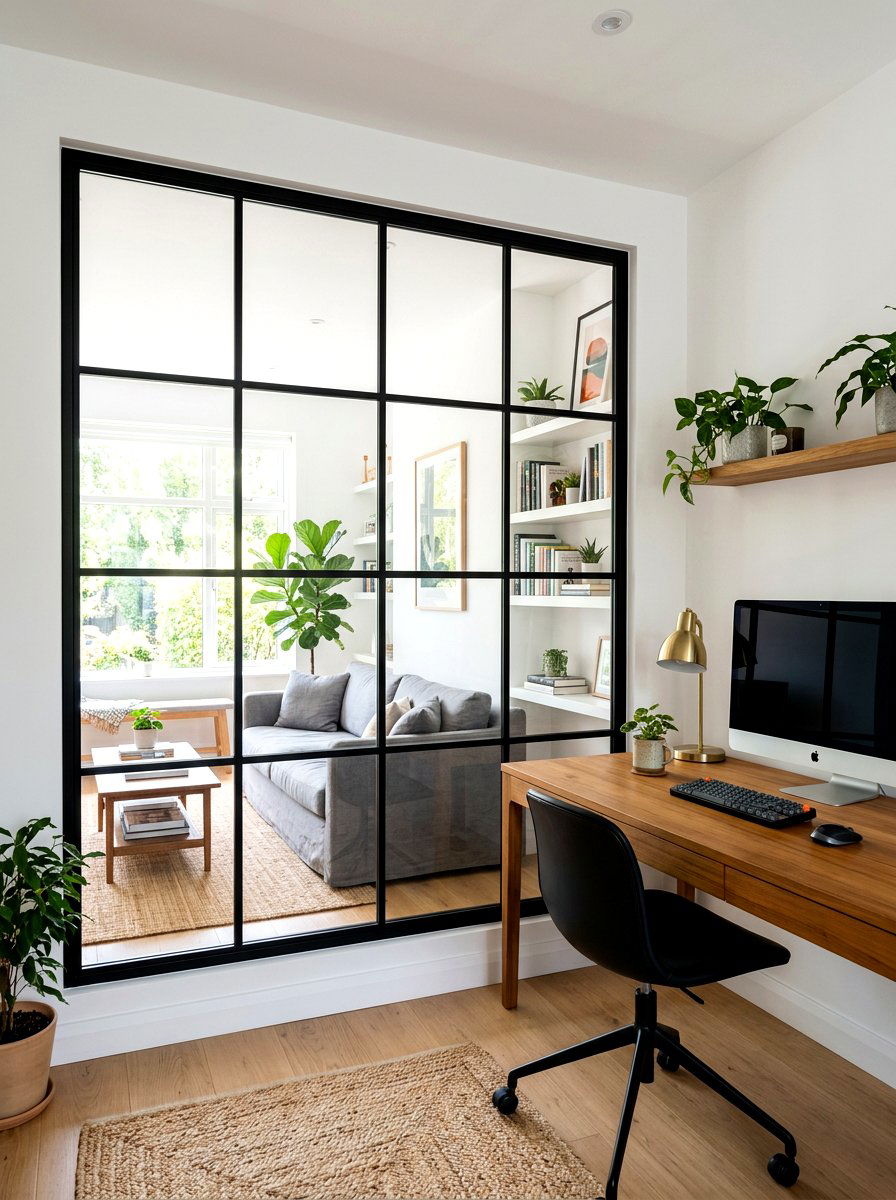
Incorporating an internal glass window into a shared wall is a unique way to bring light into darker interior rooms like a home office. By placing a window between the study and the main living room, you create a visual link that prevents the office from feeling isolated. This design choice maintains acoustic privacy, which is essential for video calls or focused work. You can choose clear glass for maximum visibility or fluted glass if you prefer a bit of extra privacy and texture. It acts as a beautiful decorative element that makes the wall feel lighter and more intentional in a modern home.
7. Bookshelf Room Separator
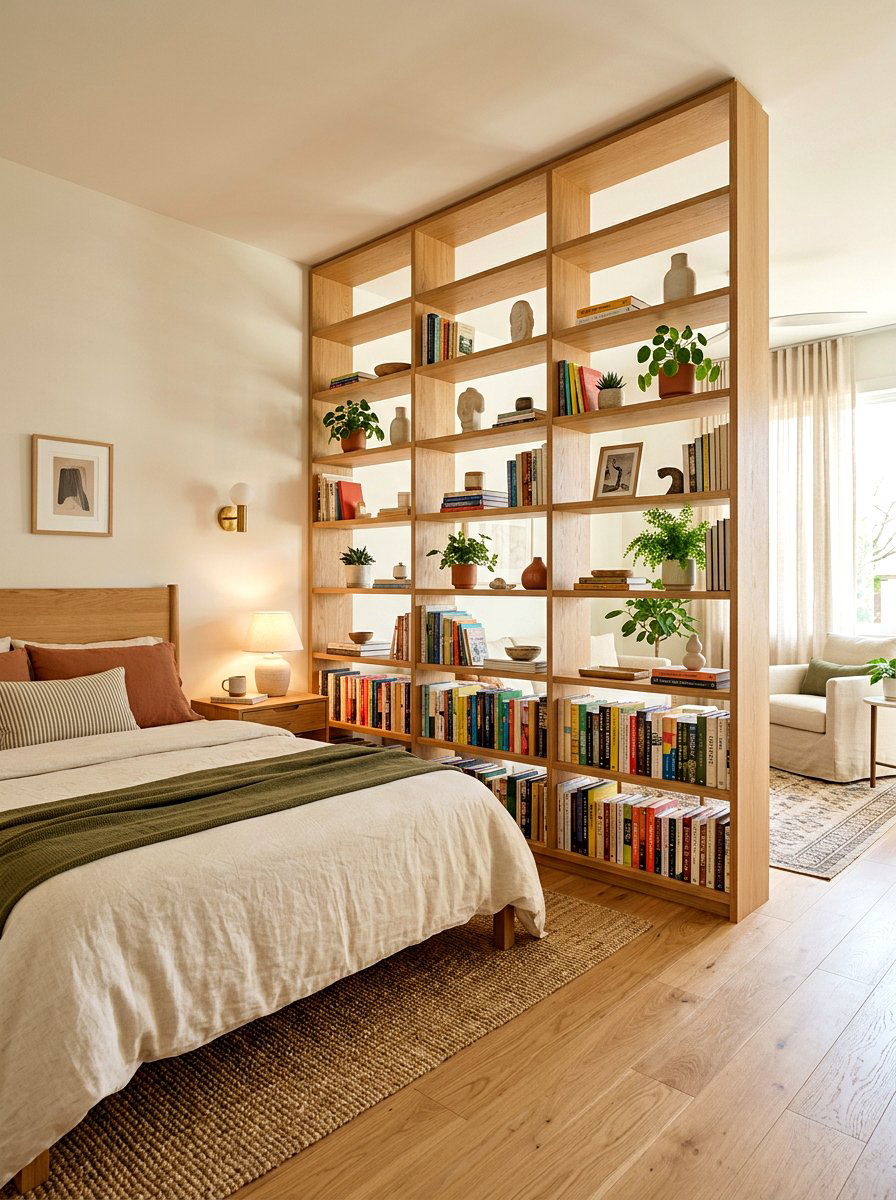
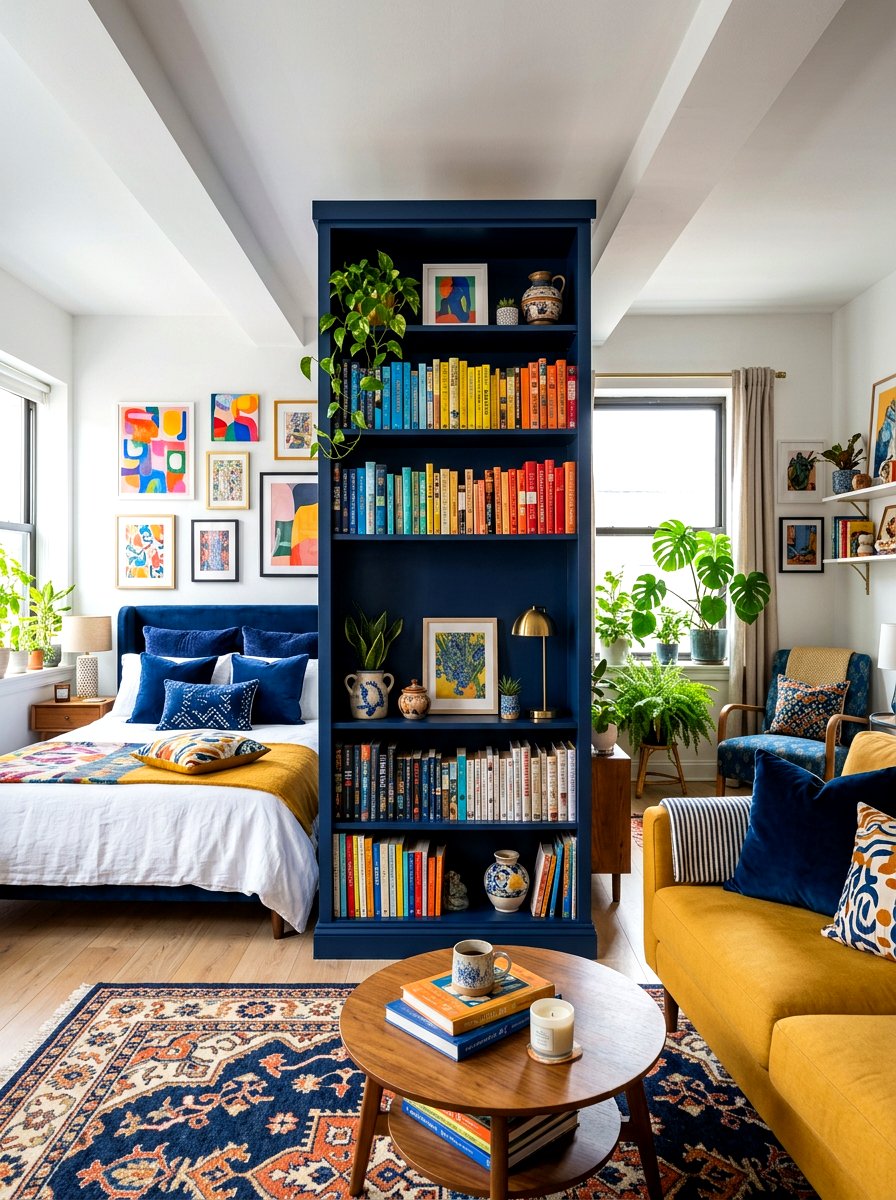
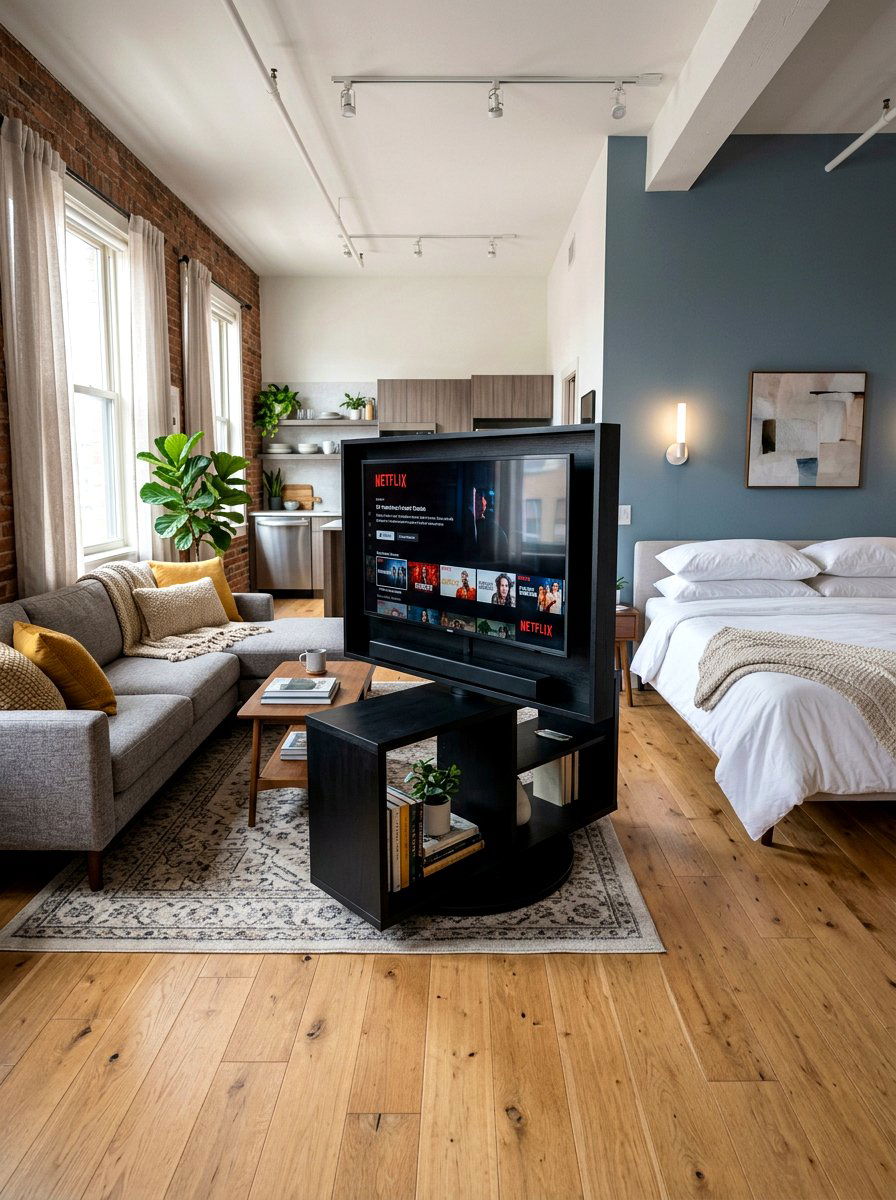
A bookshelf room separator provides both storage and a semi-private boundary between a bedroom and a small sitting area. This floor-to-ceiling unit can be built into the architecture or remain as a freestanding furniture piece with an open-back design. By leaving some shelves empty, you allow light and glimpses of the next room to pass through, maintaining the airy feel of the floor plan. It is a highly functional way to display books, plants, and art while effectively zoning a large multipurpose space. This idea works beautifully in studio apartments or open-plan master suites that require a bit more structured organization.
8. Sliding Barn Door
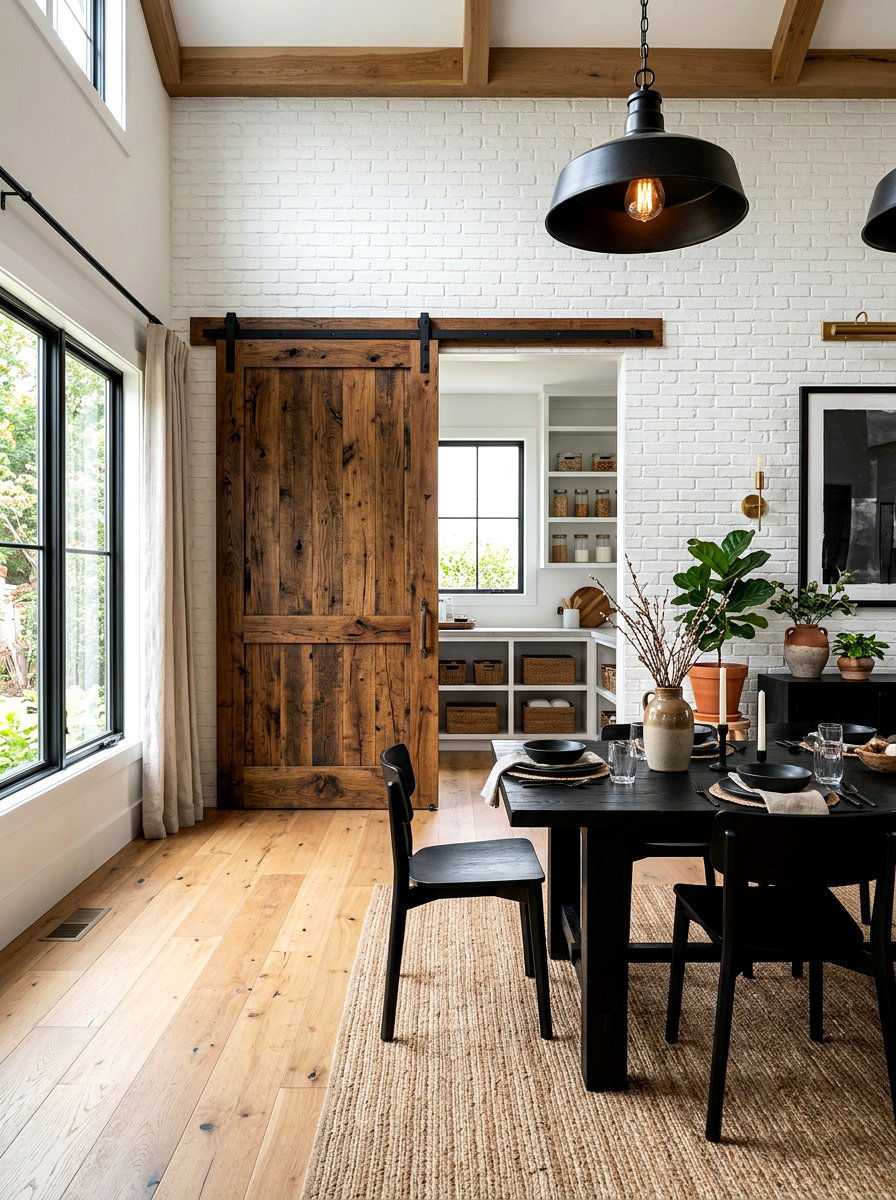
A sliding barn door is a versatile element that allows you to transition between a fully open and a semi open floor plan. When left open, the wide doorway keeps the kitchen and dining room connected for easy entertaining and a sense of flow. When closed, the heavy door provides instant privacy and a rustic or modern accent to the wall. This design is particularly useful for separating a pantry, laundry room, or media room from the main living area. The sliding mechanism saves space compared to traditional swinging doors, making it a functional and stylish addition to any busy household layout.
9. Kitchen Breakfast Bar
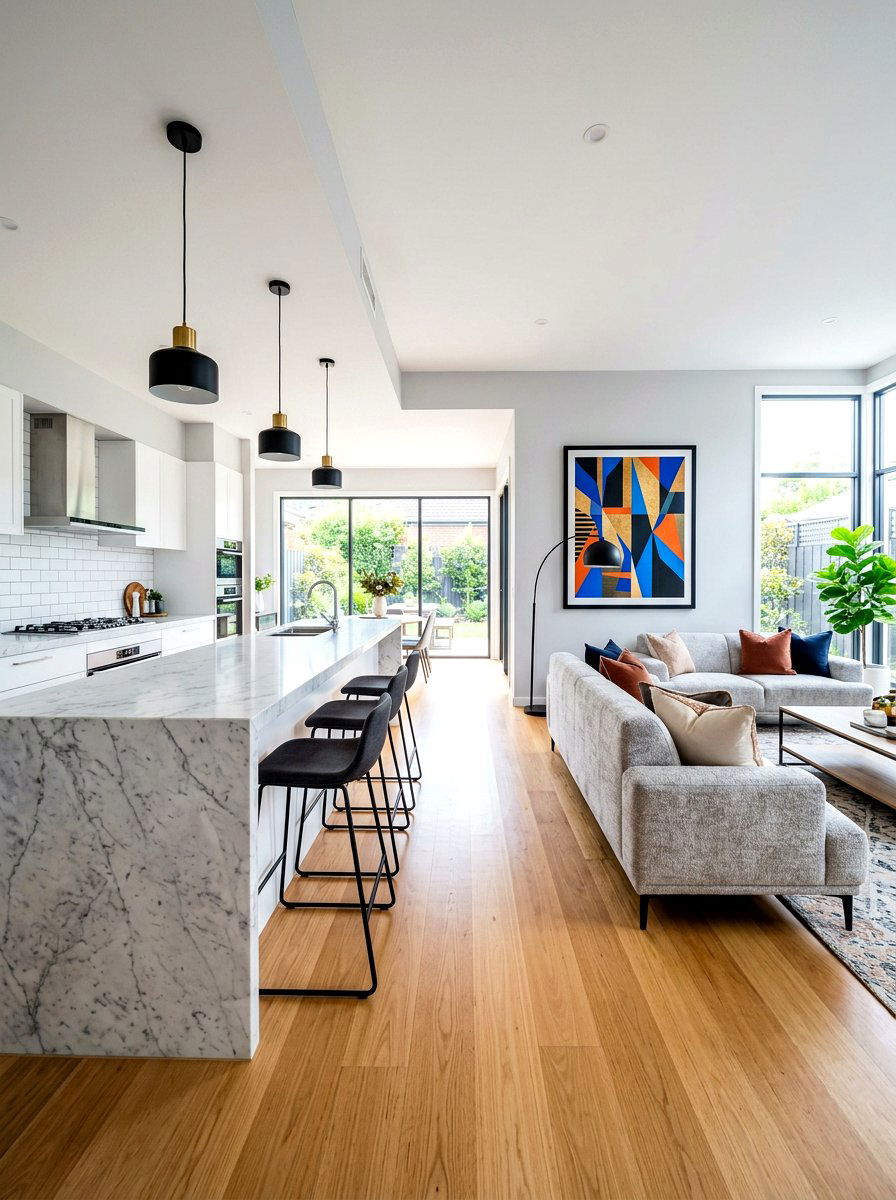
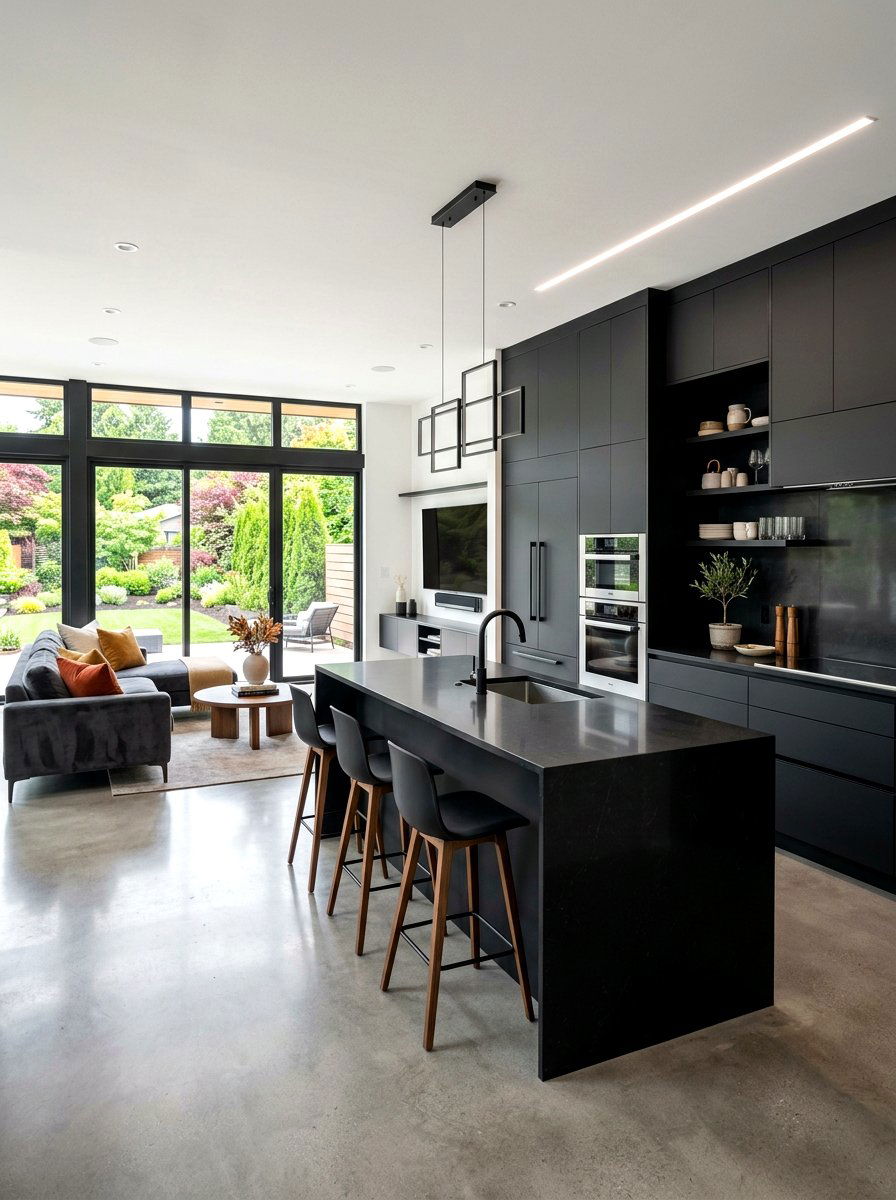
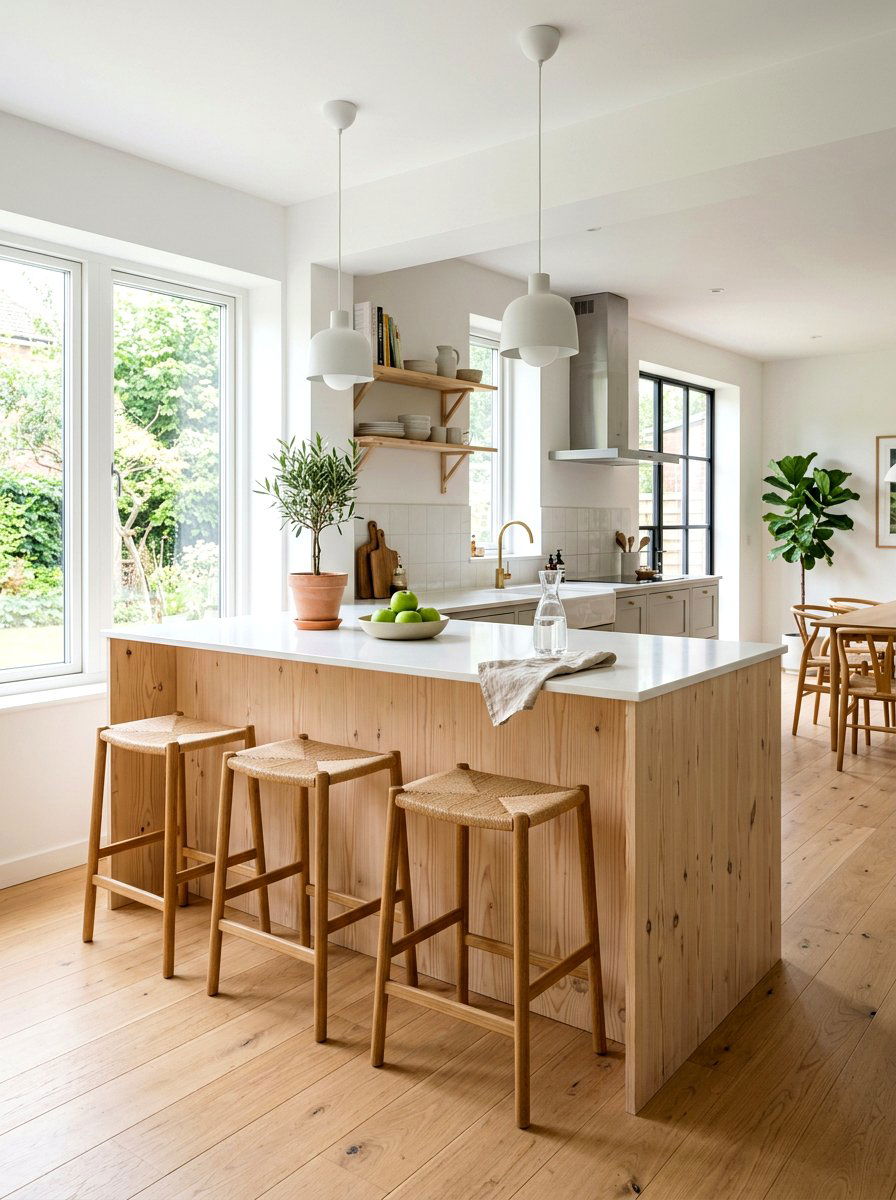
A kitchen breakfast bar acts as a natural bridge between the cooking zone and the dining area, providing a clear functional boundary. This raised or extended countertop creates a casual spot for morning meals and social interaction without blocking the view of the entire room. By adding stylish bar stools on one side, you define the transition area where guests can sit while the cook stays busy in the kitchen. The horizontal line of the counter subtly marks the end of the workspace. It is a popular semi open design because it combines utility with a welcoming, social atmosphere for daily life.
10. Decorative Metal Screen
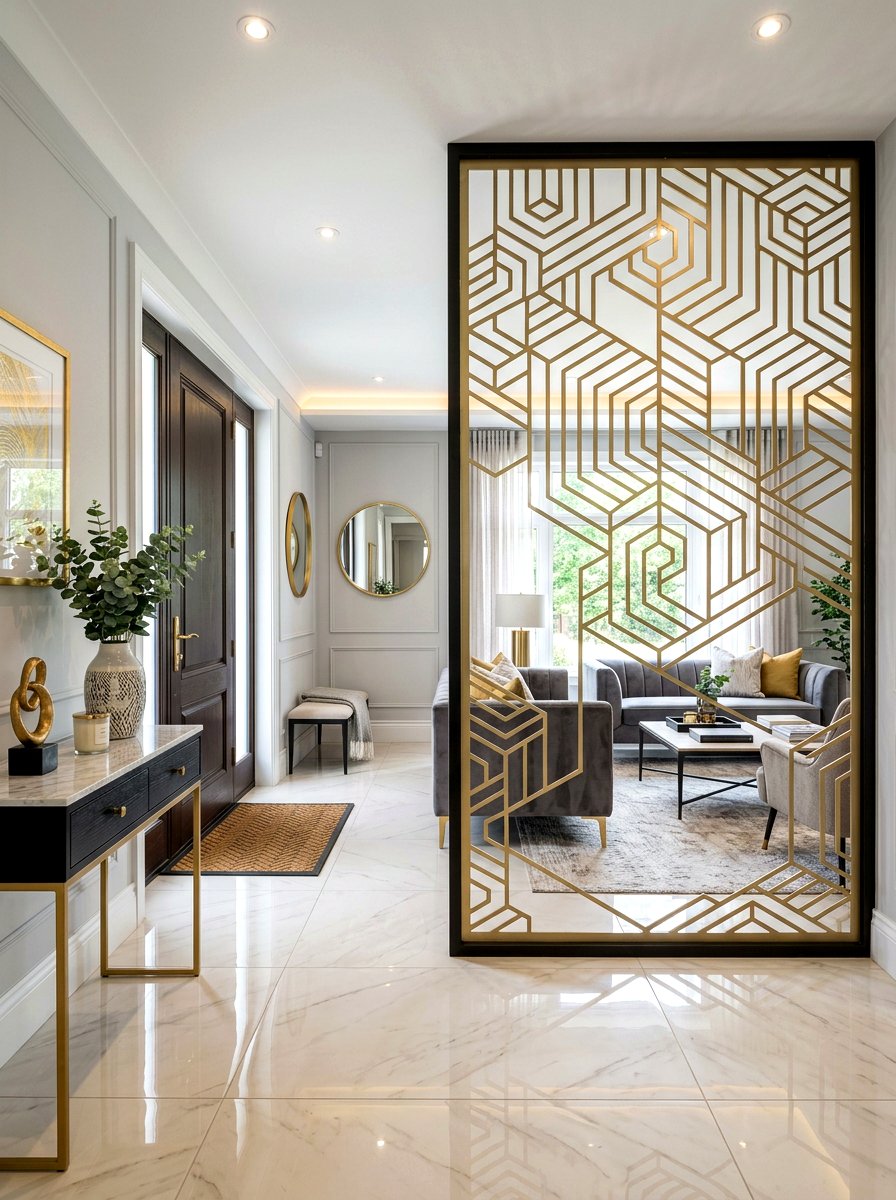
Using a decorative metal screen is an artistic way to create a semi-transparent wall between an entryway and a main living room. These screens often feature laser-cut geometric patterns or organic shapes that cast beautiful shadows when light passes through them. They provide a sense of enclosure and privacy for the front door area without completely shutting off the space from the rest of the house. The thin profile of the metal ensures that the room remains feeling light and spacious. This design choice serves as a piece of art while performing the practical task of zoning an open entryway.
11. Vertical Wood Slats
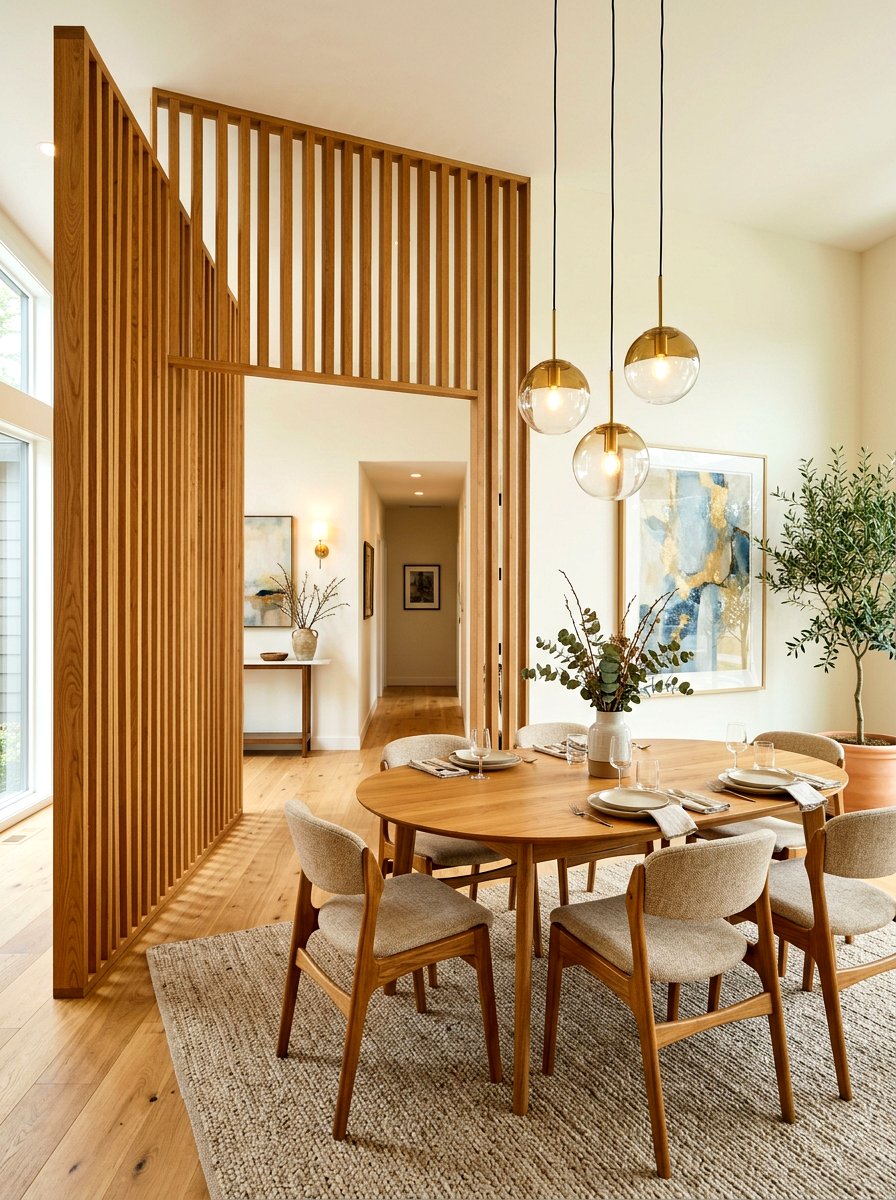
A wall made of vertical wood slats provides a warm and modern way to separate a dining room from a hallway. The narrow gaps between the timber pieces allow light and air to move through freely, which keeps the semi open floor plan feeling breathable. This architectural feature adds a strong sense of texture and natural beauty to the interior design. From a distance, it looks like a solid screen, but as you move closer, the visual connection to the adjacent room becomes clear. It is an effective way to define a space without losing the contemporary, airy vibe of an open concept.
12. Two Sided Cabinetry
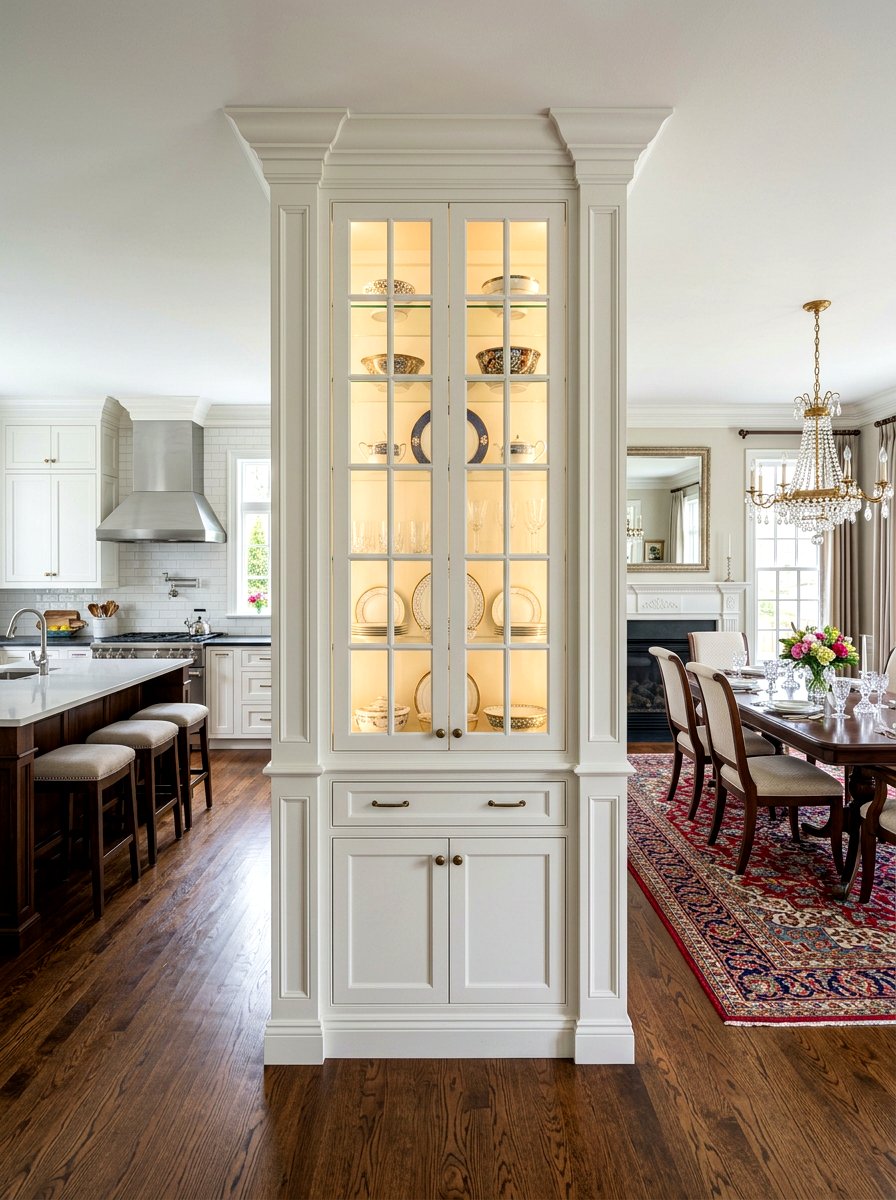
Installing two sided cabinetry between a kitchen and a dining space offers incredible storage while functioning as a sturdy room divider. These custom units can feature glass doors on both sides, allowing you to display fine china or glassware while letting light filter through. The lower section usually provides solid cabinet space for bulky items, creating a solid base that grounds the room. This design eliminates the need for a standard wall, turning a structural boundary into a useful storage solution. It creates a professional and organized look that fits perfectly into high-end kitchens and formal dining rooms with open layouts.
13. Split Level Flooring
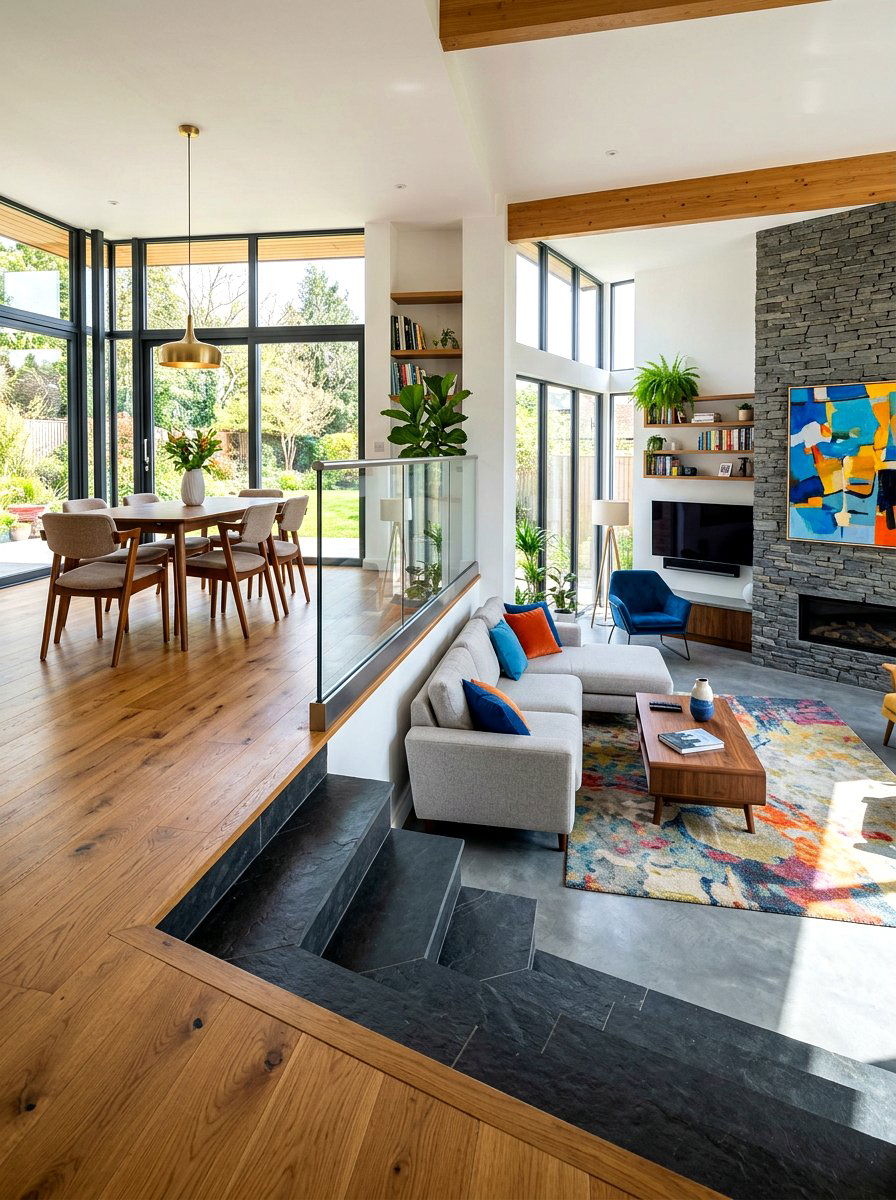
Split level flooring uses a small change in elevation to distinguish a dining area from a lower living room without any walls. By raising the dining platform by just two or three steps, you create a clear hierarchy within the home that naturally separates different activities. This architectural technique makes the ceiling height feel varied and dynamic across the entire floor plan. The edges of the level change can be highlighted with different flooring materials, such as transitioning from hardwood to plush carpeting. It is a classic mid-century modern design strategy that remains a popular way to organize large, open interior spaces today.
14. Pocket Door System
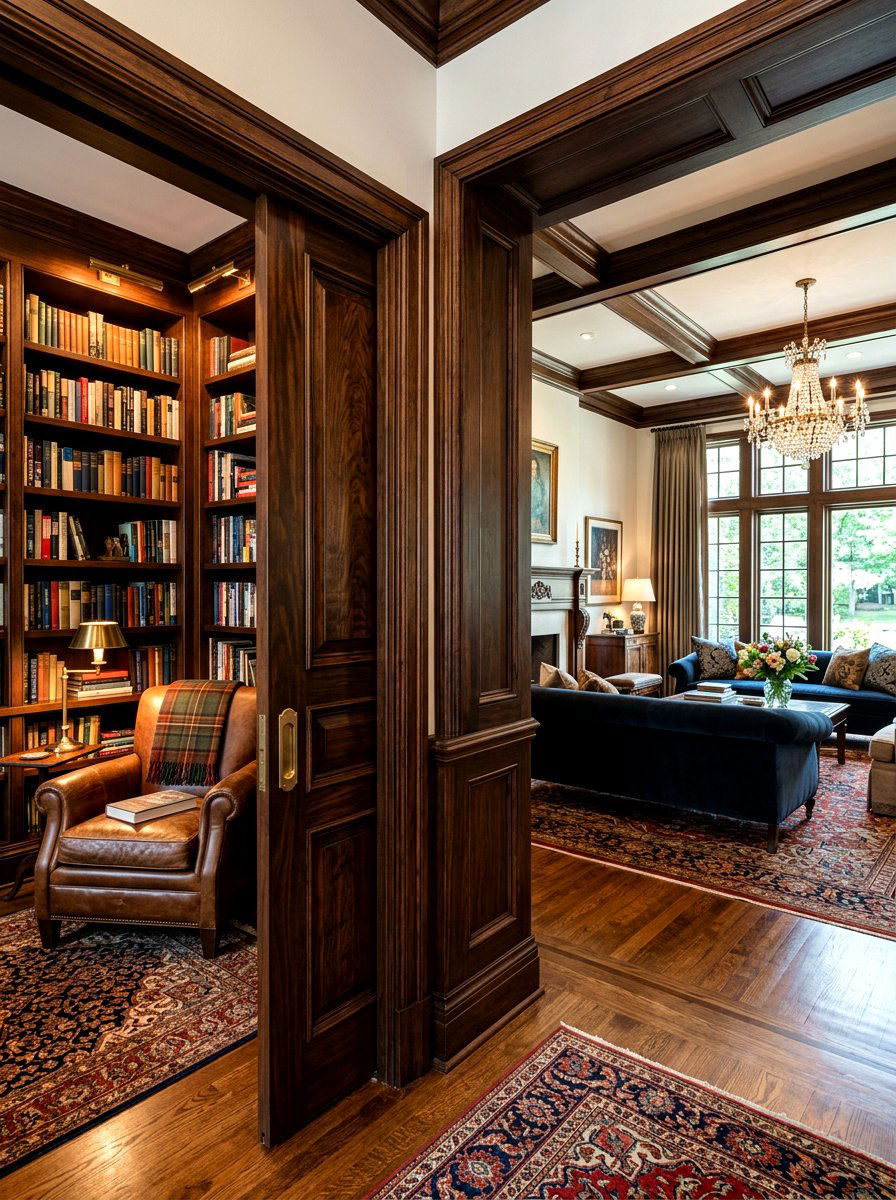
A pocket door system is a clever architectural choice that allows you to hide entire walls within the structure when they are not needed. This design is perfect for a home library or a formal parlor that you want to keep open to the living room most of the time. When you need peace or a private atmosphere, the doors slide out to create a solid partition. Because they disappear into the wall, they do not clutter the room or take up floor space like traditional doors. This provides the ultimate flexibility for a semi open floor plan that adapts to your daily needs.
15. Large Indoor Plants
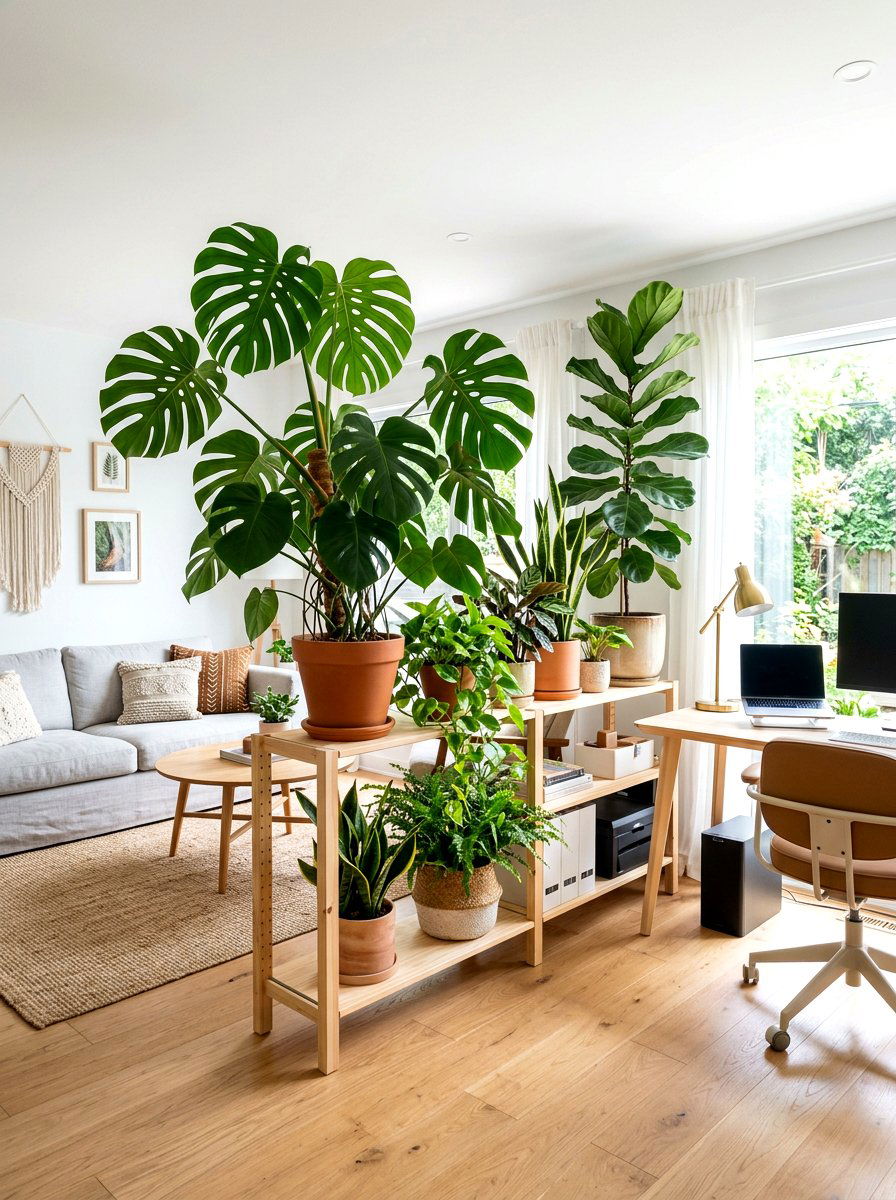
Using large indoor plants as a living divider is a refreshing and organic way to soften the boundaries between two rooms. A row of tall potted palms or a large fiddle leaf fig can act as a lush screen between a home office and a lounge. This approach brings color and life into the house while providing a subtle visual block that feels relaxed and informal. It is an easy way to experiment with a semi open layout without committing to any permanent construction. The greenery improves air quality and creates a calming atmosphere that makes the transition between zones feel very natural.
16. Central Feature Staircase
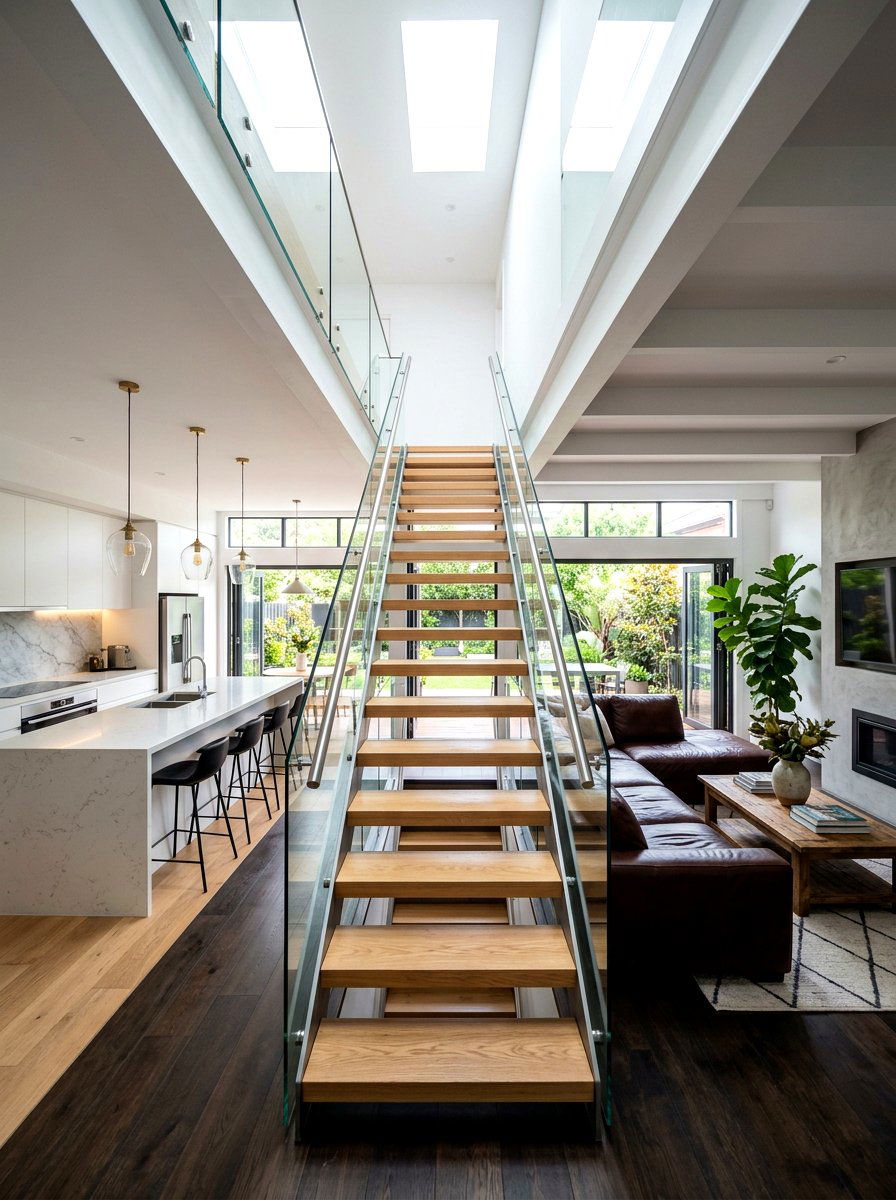
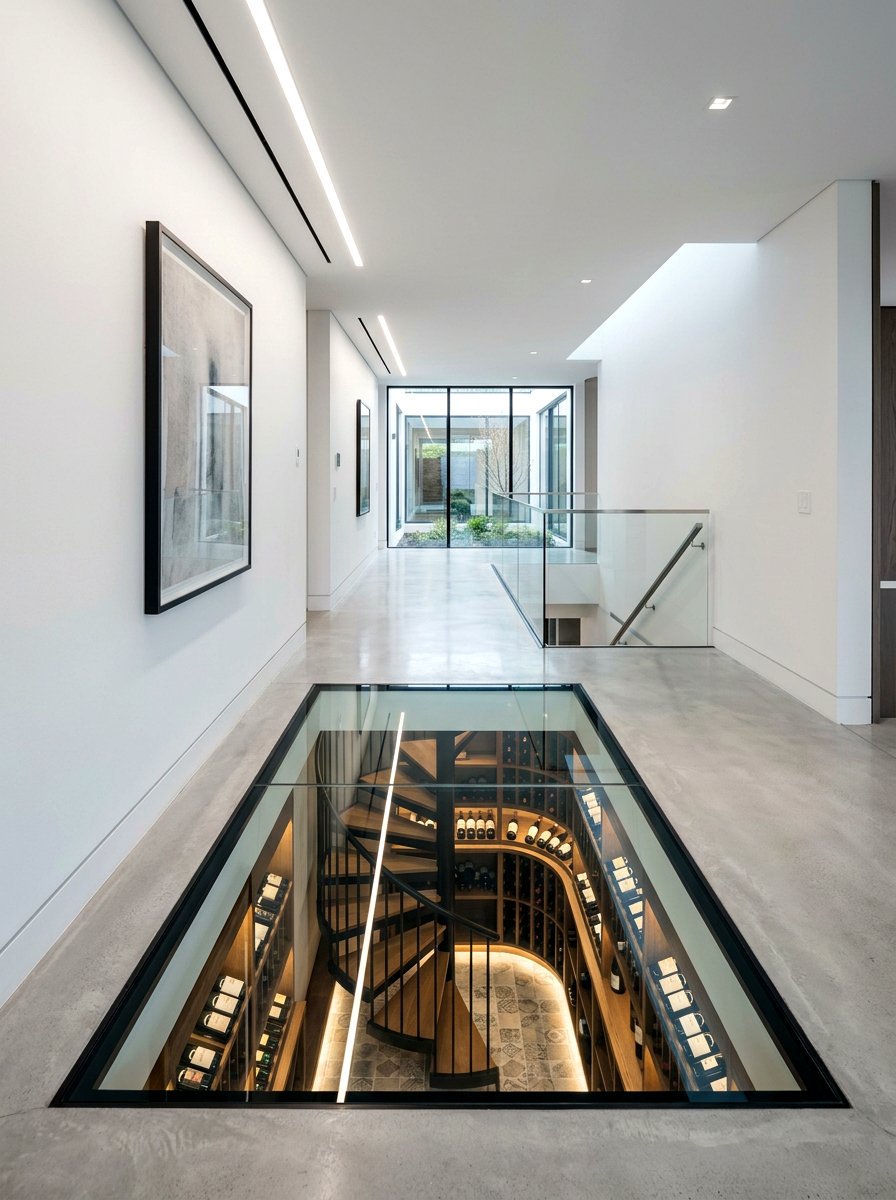
A central feature staircase can act as a majestic physical divider that splits a large open floor plan into two distinct wings. By placing the stairs in the middle of the house, you create a natural barrier between the kitchen and the living room without using walls. The open treads and glass railings often used in modern designs allow you to see through the structure, maintaining a sense of openness. This layout turns a functional necessity into a sculptural centerpiece that defines the flow of the entire home. It guides movement upward while subtly organizing the ground floor into clear and manageable living zones.
17. Structural Column Beam
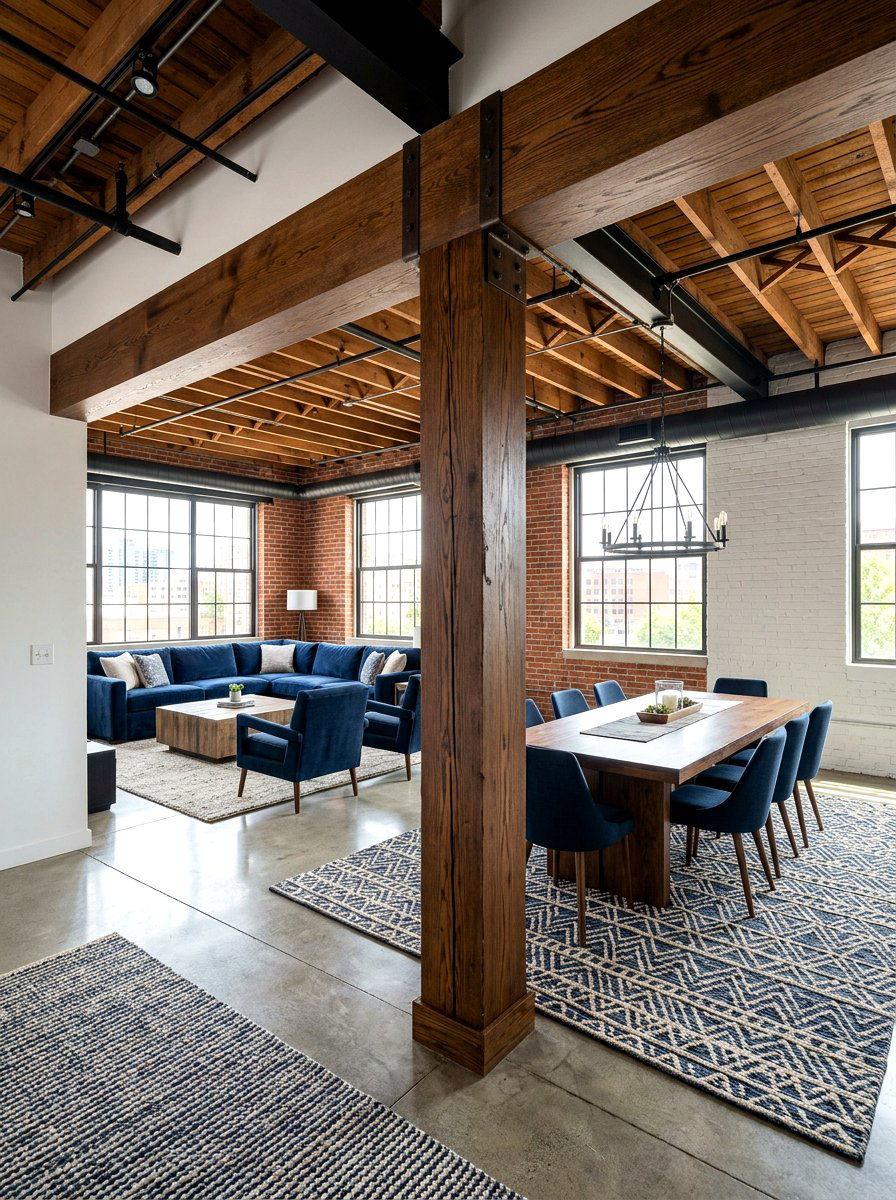
Leaving a structural column beam exposed is a smart way to acknowledge the transition between two rooms in an open layout. These pillars often remain after a wall has been removed, providing a hint of the original room boundaries while keeping the space open. You can wrap the columns in decorative wood, stone, or even paint them a contrasting color to turn them into a design feature. They provide a sense of rhythm and scale to a large room, making it feel more architectural and less like a giant empty hall. This is a common and effective way to achieve a semi open feel.
18. Kitchen Island Layout
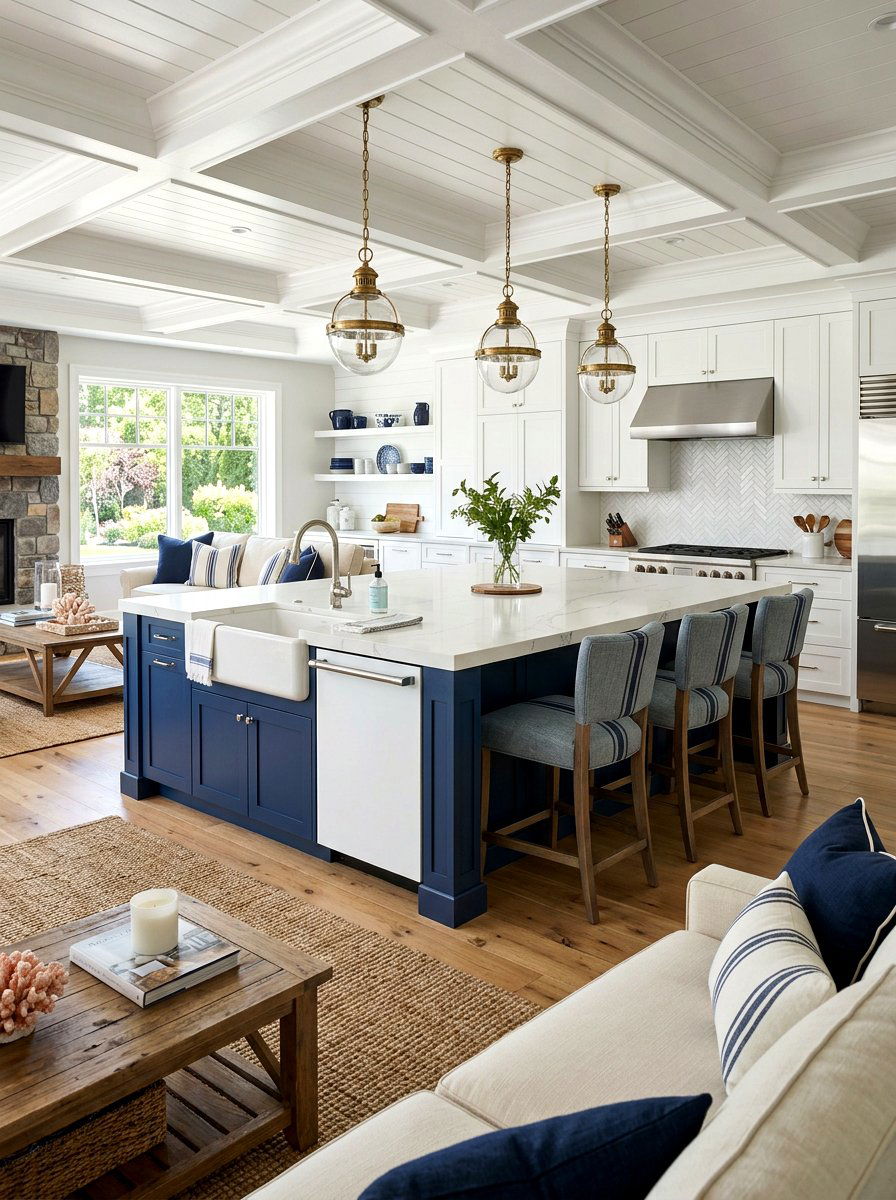
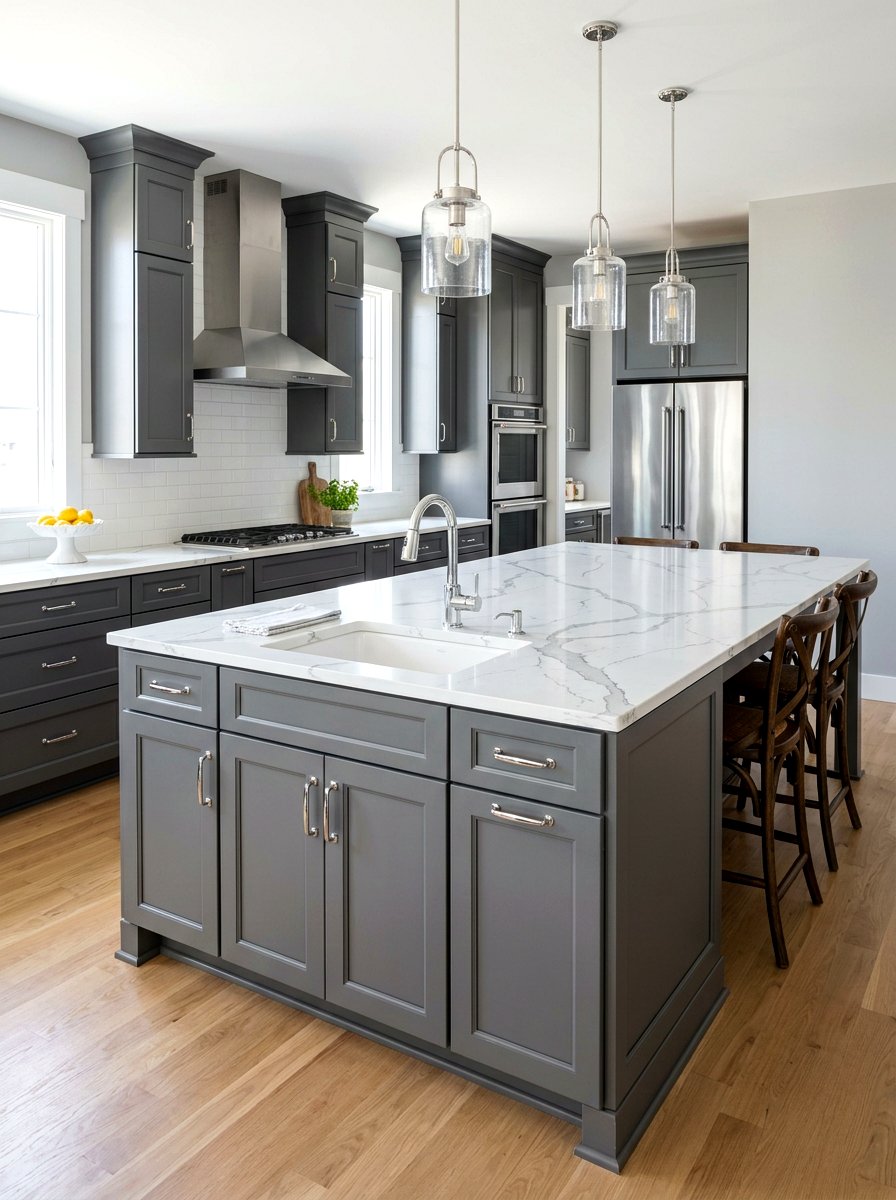
A large kitchen island layout serves as the ultimate functional anchor that separates the cooking area from the social living space. By positioning the island centrally, you create a workstation that faces outward toward the rest of the home. This allows the cook to engage with guests or family while staying within the designated kitchen zone. The bulk of the island provides a visual stop for the eye, marking where the kitchen ends and the lounge begins. It offers a clear boundary that doesn't rely on vertical walls, ensuring the home stays bright and connected during parties or daily family meal times.
19. Ceiling Height Variation
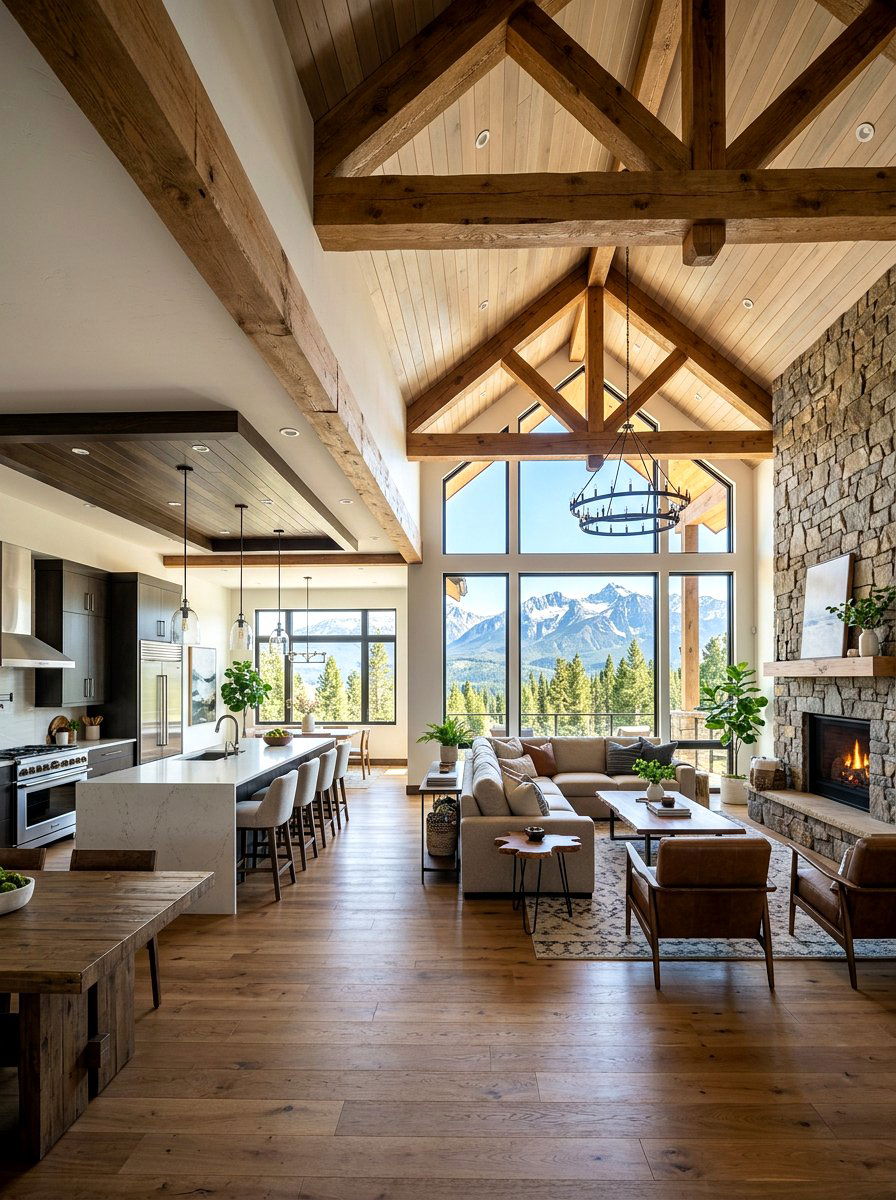
Changing the ceiling height is a subtle yet powerful way to define different areas in a semi open floor plan. A dropped ceiling with recessed lighting over the kitchen can make the area feel more intimate and focused compared to a vaulted living room. This visual shift tells the brain that you are moving from one zone to another without the need for a physical wall. You can also use decorative beams or coffered details to highlight specific sections of the room. This architectural trick maintains the floor-level openness while providing a structured and sophisticated feel to the overall design of the house.

20. Framed Glass Door
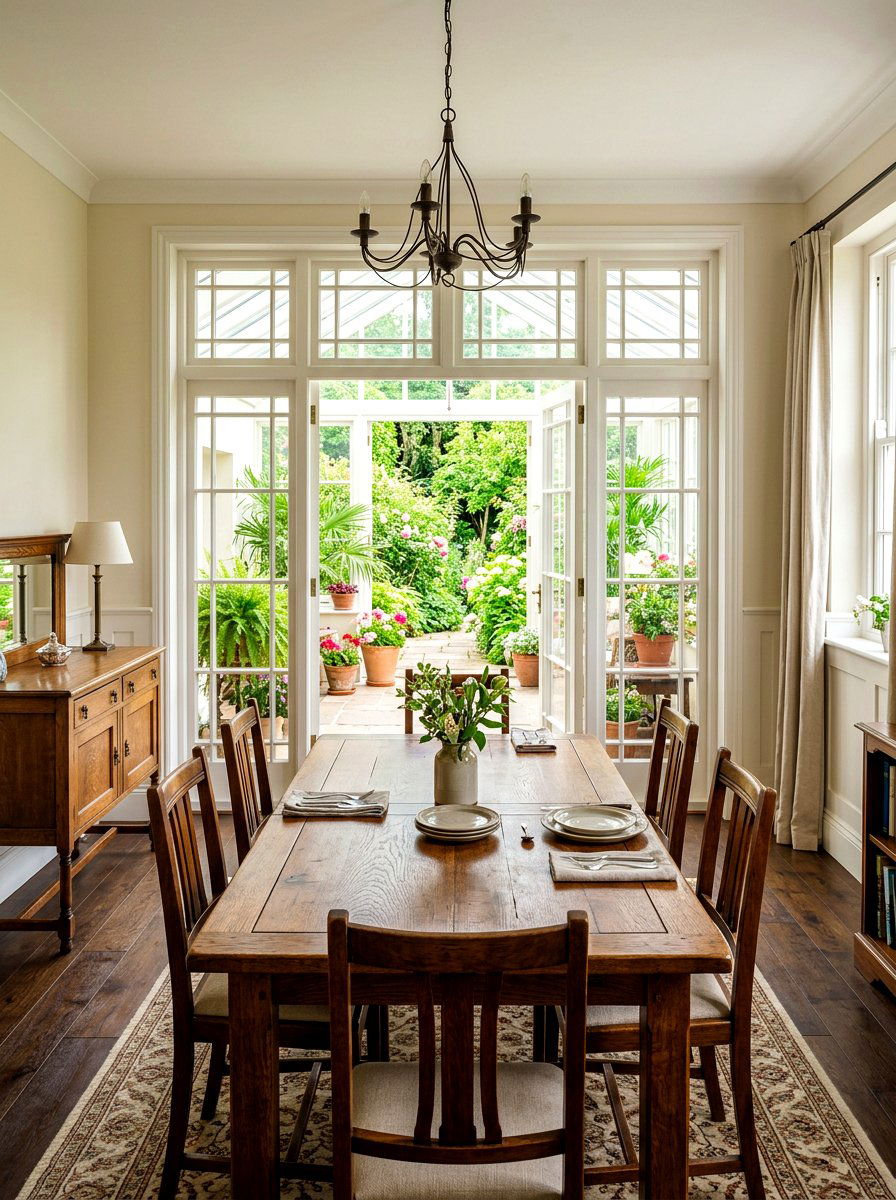
Installing a framed glass door between a sunroom and a dining area offers a classic semi open transition that maximizes views. These doors, often called French doors, feature multiple glass panes that allow light to travel deep into the interior of the home. They provide a clear physical separation that blocks drafts or noise while keeping the outdoor scenery visible from the dining table. The traditional framing adds a sense of rhythm and formality to the room's design. This setup is perfect for creating a bright and airy atmosphere that still feels protected and structured, especially in traditional or farmhouse style homes.
21. Recessed Lighting Zone
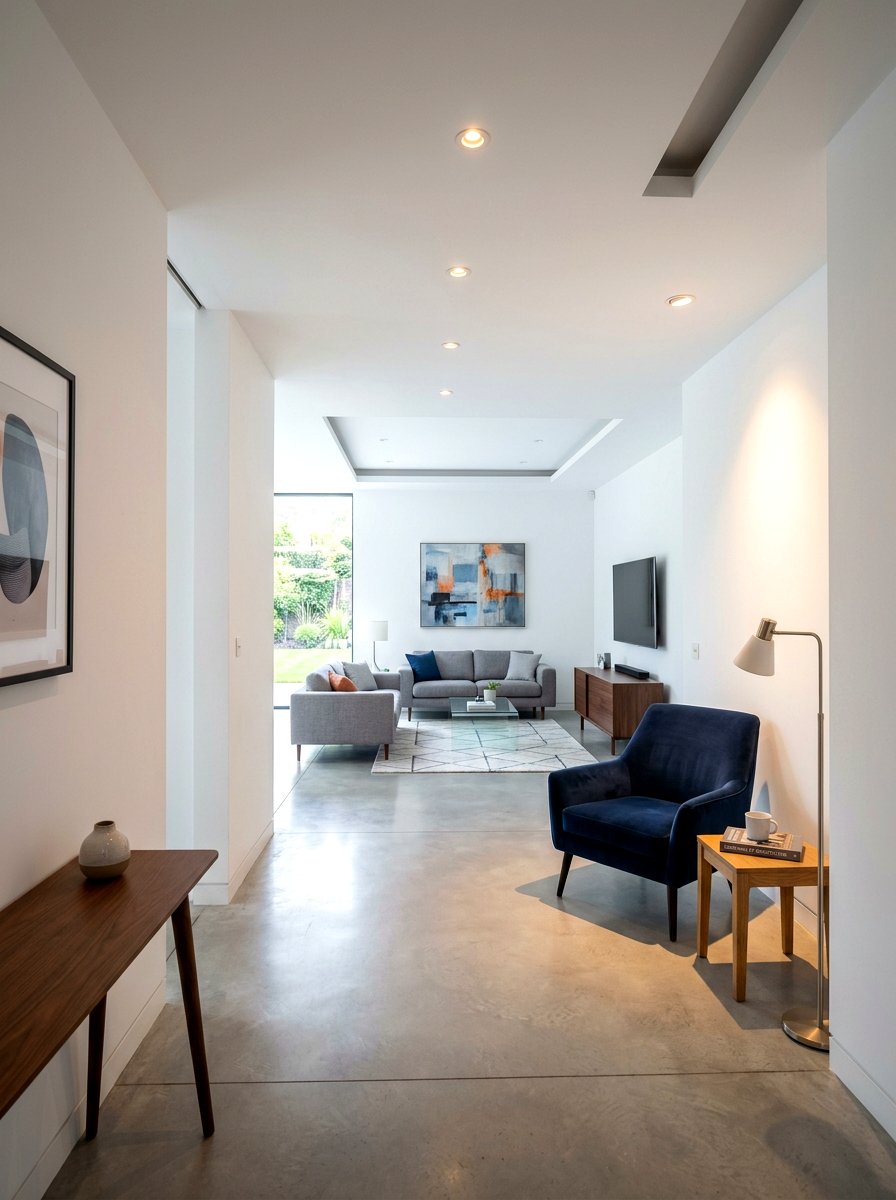
Using a recessed lighting zone is a modern way to create invisible boundaries between a hallway and a living space. By installing a specific grid of lights over one area, you create a "pool" of light that naturally anchors that part of the floor plan. This technique helps to define the purpose of a space, such as a reading nook or an entryway, without using any furniture or walls. When the lights are dimmed or turned off in one area, it feels completely separate from the rest of the house. It is a highly effective way to manage the mood and function of an open layout.
22. Built In Bench
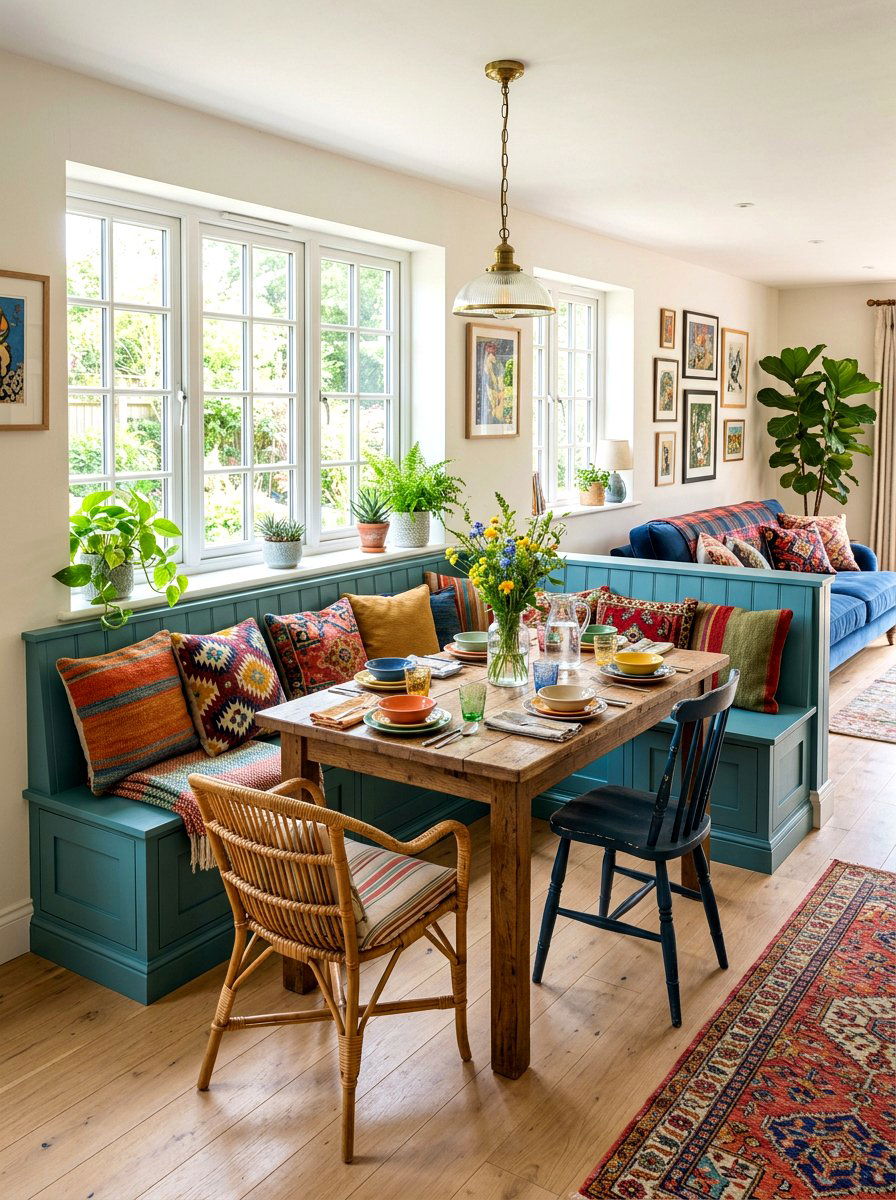
A built in bench placed along the back of a sofa or a low wall can help define a dining nook within a larger room. This custom furniture piece creates a permanent seating area that feels tucked away and cozy compared to the open lounge. By integrating the bench into the architecture, you save floor space and create a clean, streamlined look that fits the semi open theme. The back of the bench acts as a low barrier that guides traffic around the dining zone. It is a clever way to add character and extra seating while establishing a clear and organized room layout.
23. Large Area Rug
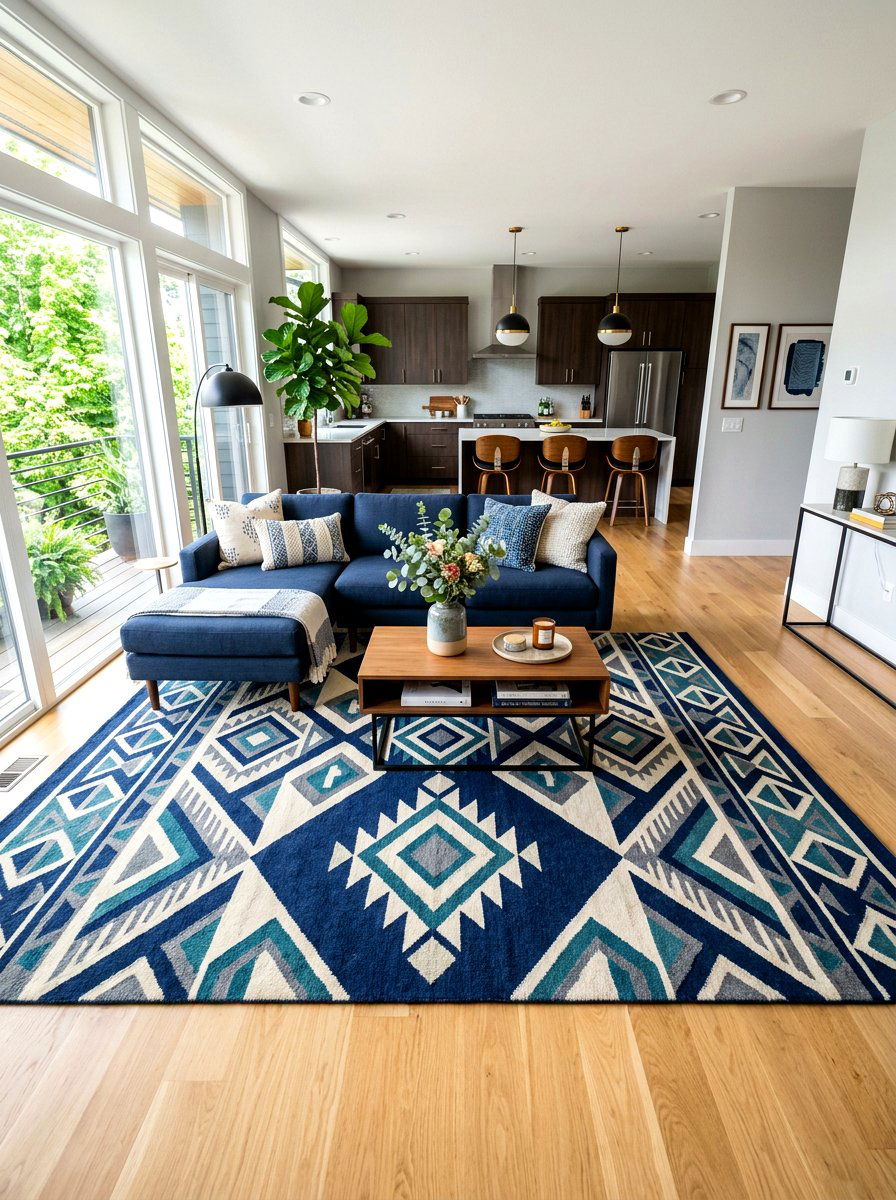
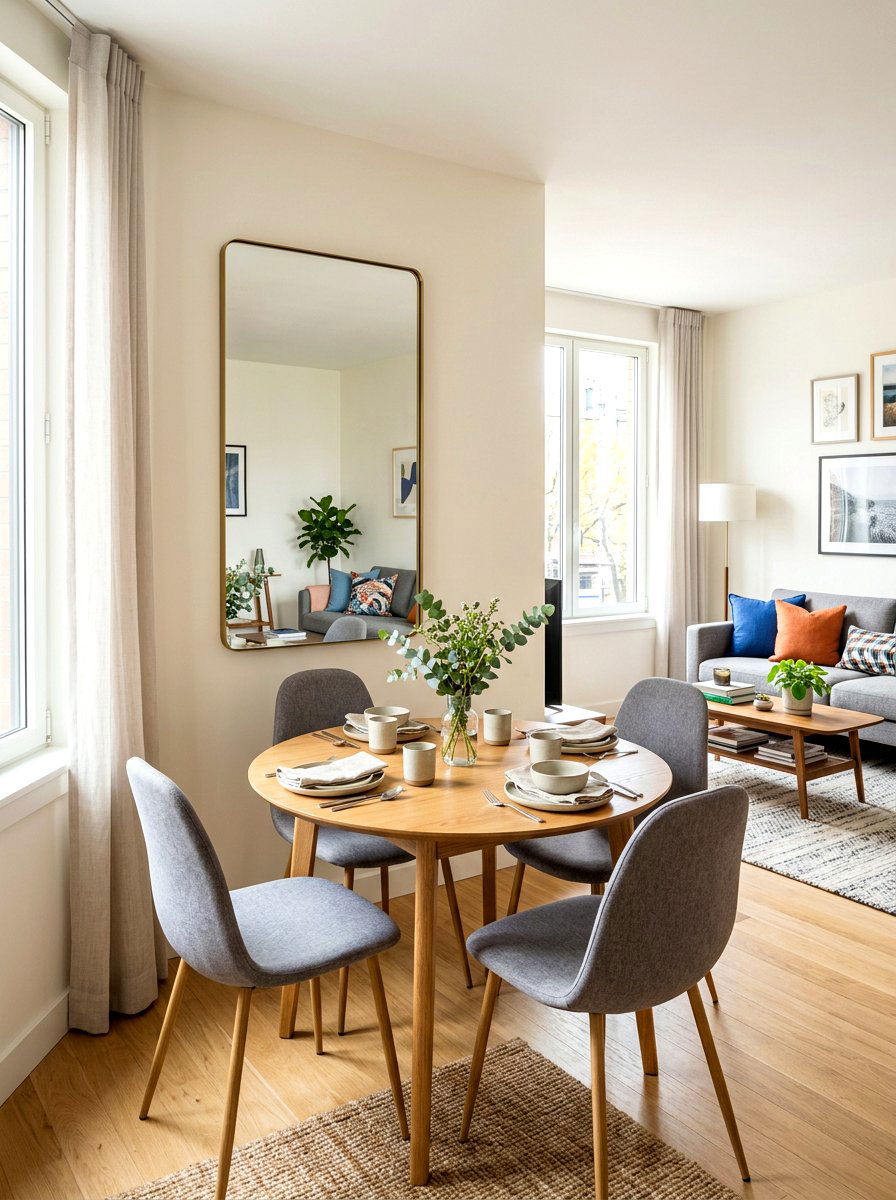
A large area rug is one of the easiest ways to zone a semi open floor plan by grounding a specific furniture group. By placing all the living room seating on a single rug, you create a cohesive island that feels separate from the nearby dining table. This visual boundary provides a sense of warmth and comfort that defines the boundaries of the relaxation zone. You can use different textures and colors of rugs to distinguish between a play area and a formal sitting room. This approach allows you to change the layout whenever you like without making any permanent structural changes to the home.
24. Floating Furniture Layout
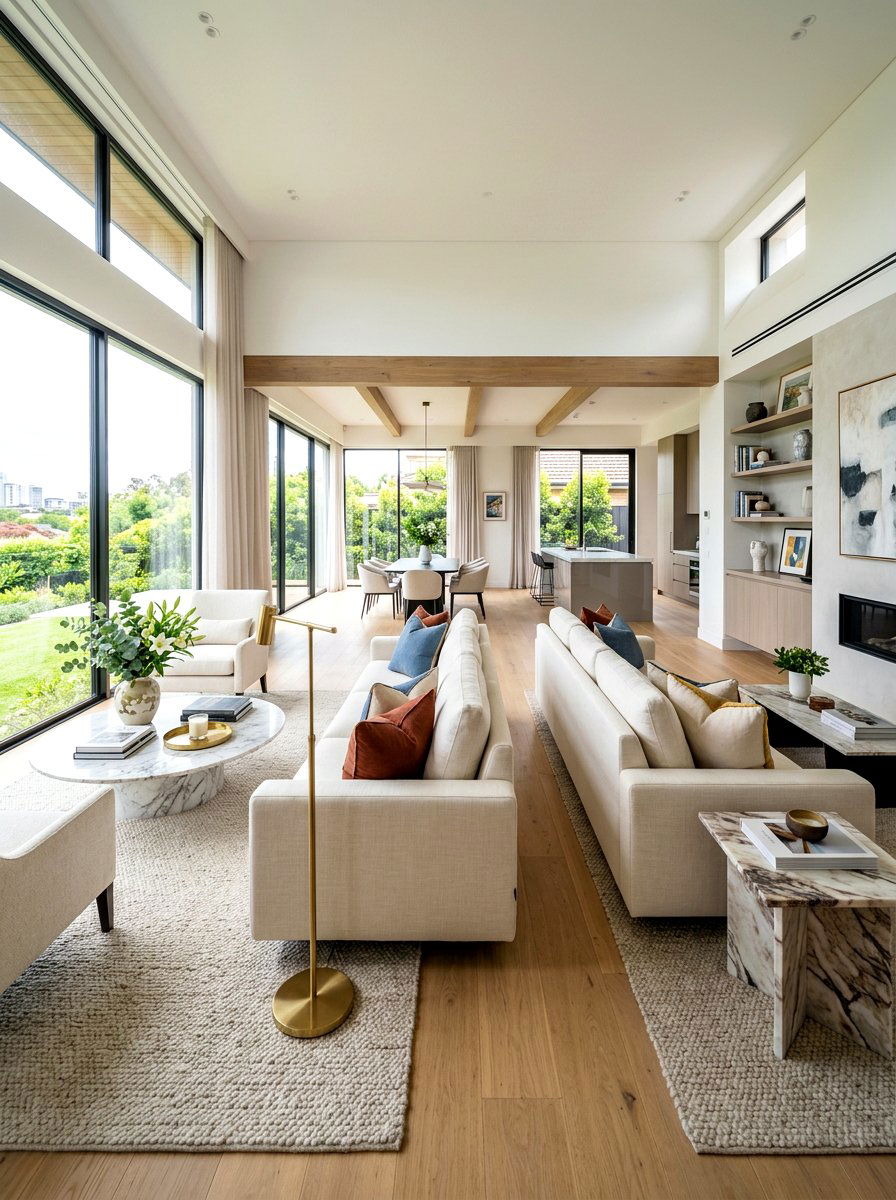
A floating furniture layout involves pulling sofas and chairs away from the walls and positioning them centrally to create a room within a room. This technique uses the backs of the furniture to act as low walls that define the living area's boundaries. By leaving a walkway behind the sofa, you create a natural hallway that guides people through the house without needing actual partitions. This makes a large, open space feel more organized and functional for daily use. It is a key strategy for interior designers who want to achieve a semi open look that is both flexible and very welcoming.
25. Partial Brick Wall
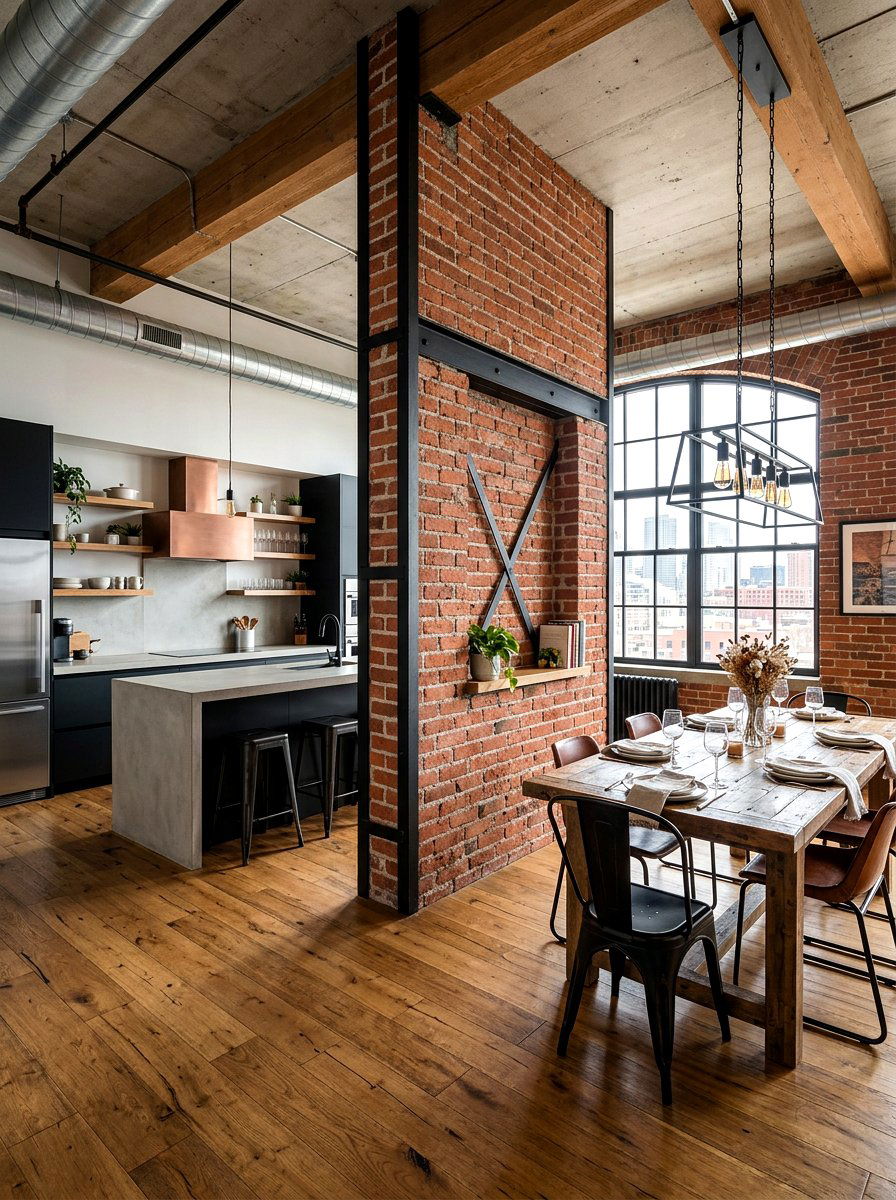
A partial brick wall adds a rustic and industrial texture that provides a sturdy divider between a kitchen and a mudroom. This feature usually stops short of the ceiling or ends halfway across the room to maintain the flow of air and light. The exposed brick provides a beautiful contrast to smooth modern surfaces, adding depth and history to the house. It acts as a permanent architectural statement that clearly defines the transition into a utility space. This idea is perfect for those who love the look of urban lofts or traditional homes where material variety is used to create visual interest.
26. Sliding Glass Panel
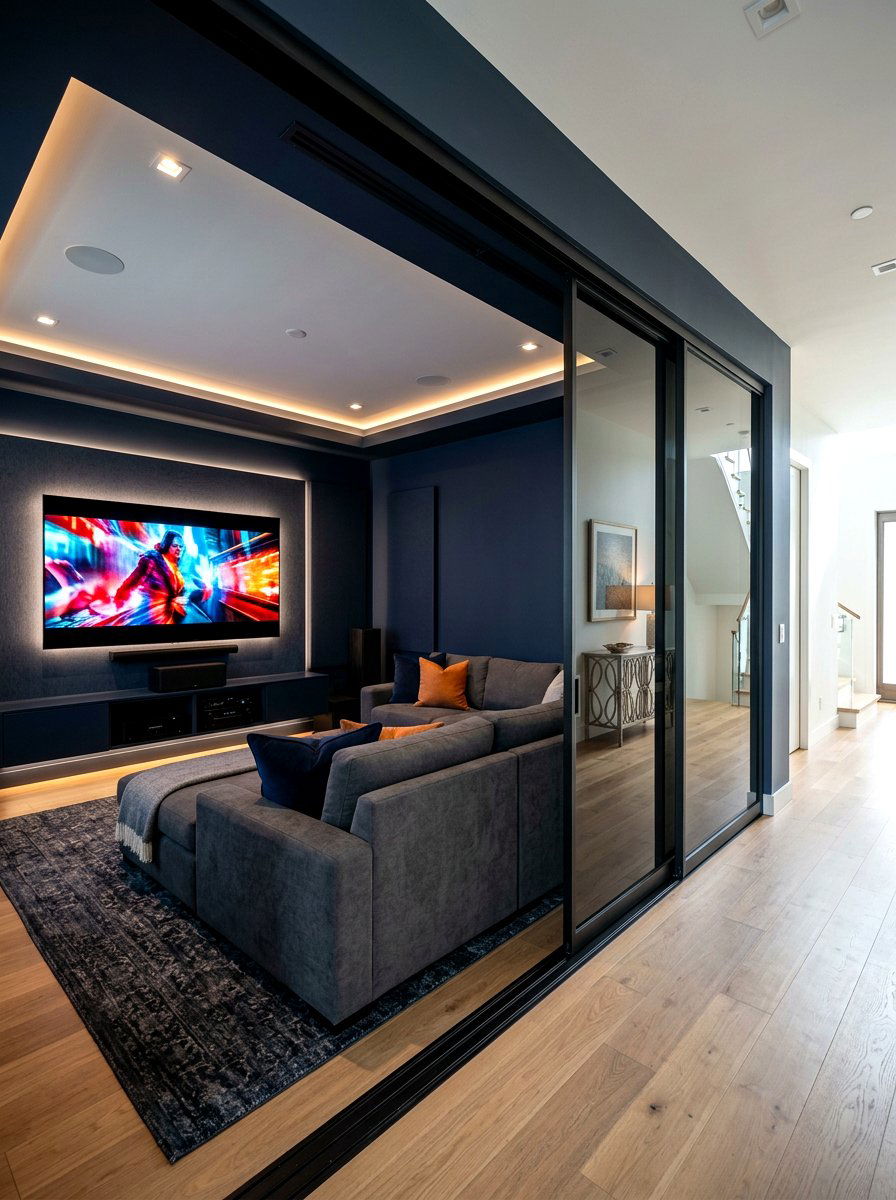
A sliding glass panel system offers a sleek and contemporary way to close off a media room from a main living area. These large panels can slide along a hidden track, allowing you to create a soundproof barrier whenever you want to watch a movie. Because the panels are made of clear or tinted glass, they do not make the room feel small or dark when they are closed. When fully open, they stack neatly to the side, restoring the full open floor plan. This high-tech solution is ideal for modern homes that prioritize flexibility and a high-end, clean-lined aesthetic for everyday living.
27. Vertical Garden Wall
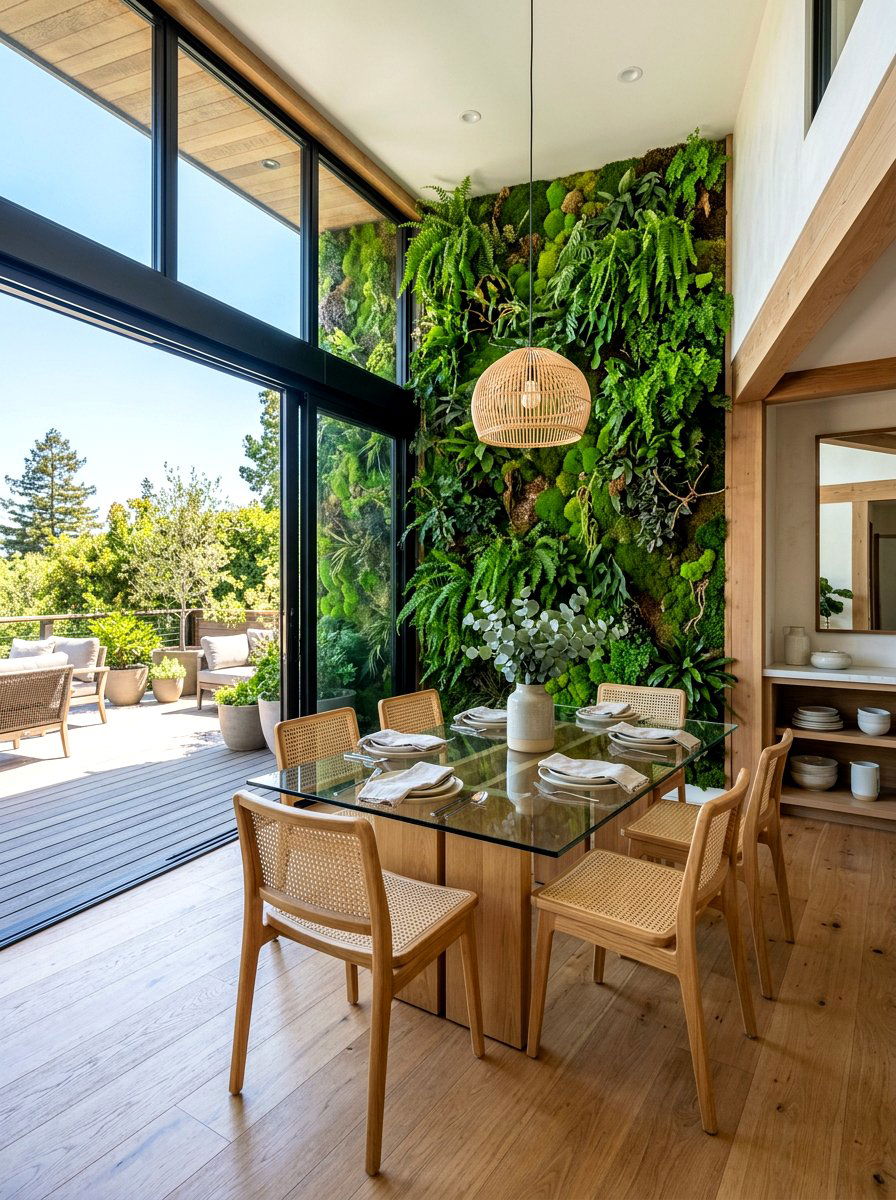
A vertical garden wall acts as a stunning living partition that separates a dining room from an outdoor patio or sunroom. This wall of greenery provides a lush, natural barrier that brings the beauty of the outdoors into the heart of the home. The plants act as a soft screen that filters light and provides a sense of privacy for diners. It is an innovative way to achieve a semi open feel while adding a vibrant focal point that everyone will notice. The garden wall also helps to cool the air and reduce noise, making the home environment much more pleasant and relaxing.
28. Open Shelving Unit
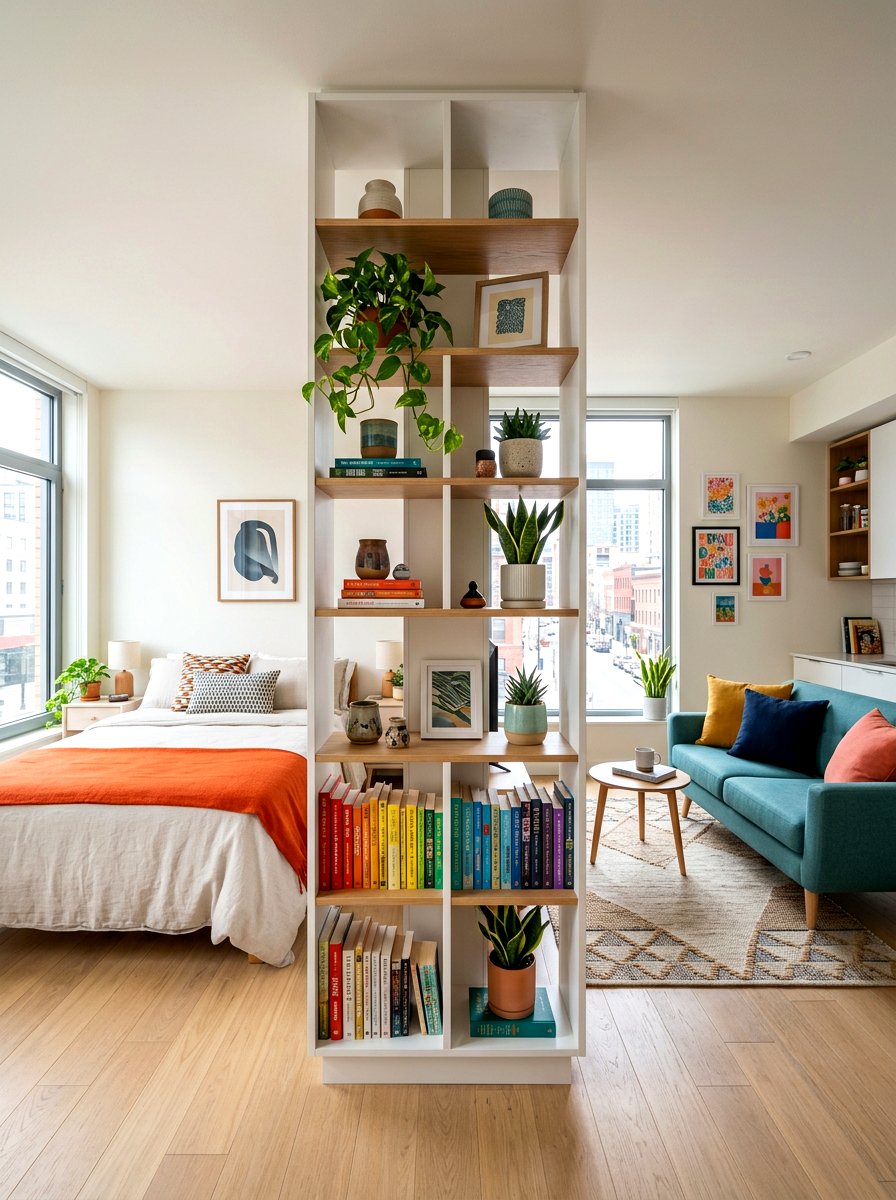
An open shelving unit is a versatile and lightweight option for dividing a studio apartment or a multipurpose guest room. Because these units do not have a back panel, you can see through them to the other side, which prevents the space from feeling cramped. You can use the shelves to store books, baskets, and decorative objects that reflect your personal style. By strategically placing items, you can control how much of the next room is visible. It is a practical and stylish way to create a semi-private bedroom or workspace without the need for expensive construction or heavy permanent walls.
29. Contrasted Wall Color
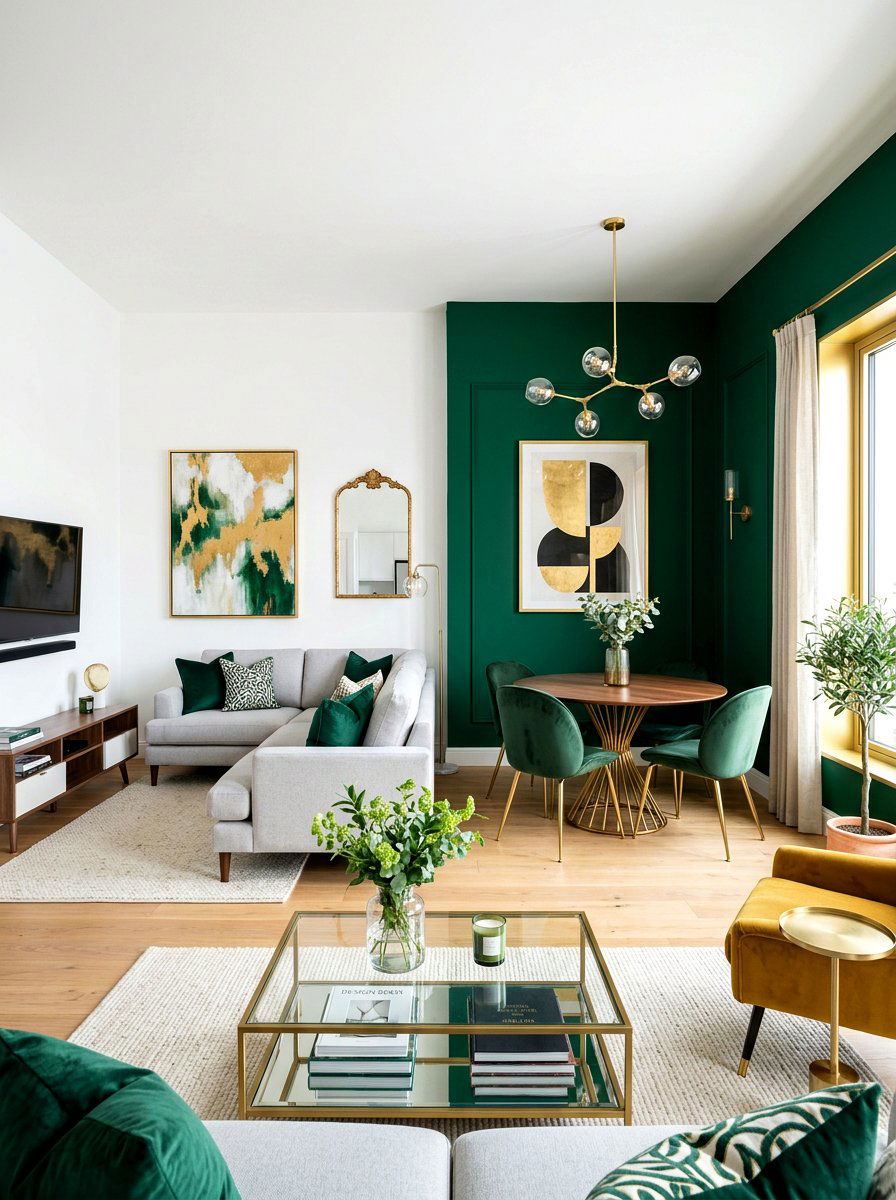
Using a contrasted wall color is a simple visual trick to define different zones in a semi open floor plan without any physical barriers. By painting the dining area a deep navy blue and the adjacent living room a soft cream, you create a clear psychological boundary. This color shift tells the eye that each space has its own unique personality and function. You can further enhance this effect by matching the decor and textiles within each color zone. It is a cost-effective way to organize a large room and add a dramatic sense of style to your modern interior design.
30. Mezzanine Floor Level
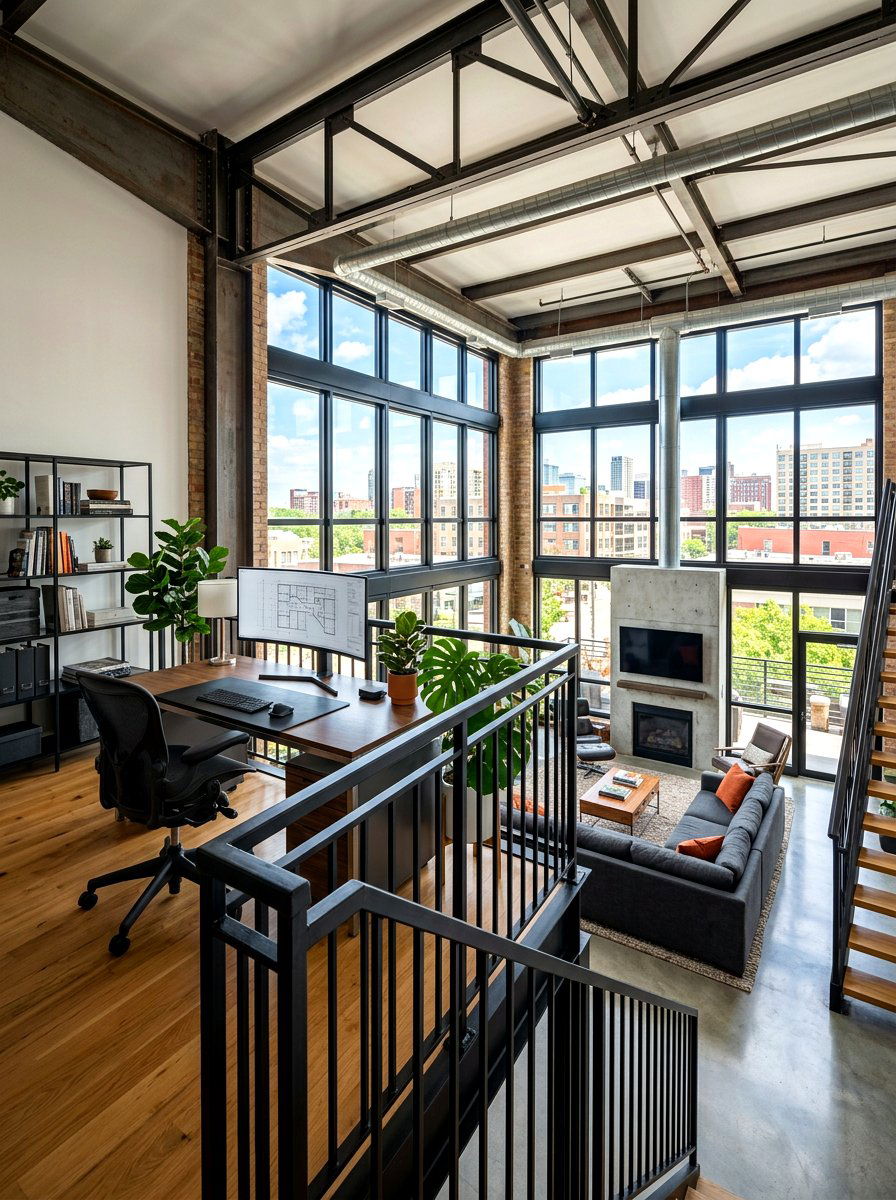
A mezzanine floor level is an architectural feature that adds a secondary living space overlooking the main open floor plan. This elevated platform is often used for a home office, library, or guest sleeping area. By being vertically separated, it feels like its own room, yet it remains visually connected to the living area below via a railing. This design maximizes the use of high ceilings and provides a unique perspective on the entire home. It creates a sense of adventure and architectural interest that is perfect for modern homes with a semi open layout that feels grand and very spacious.
Conclusion:
Choosing a semi open floor plan is a fantastic way to create a home that feels both connected and functional for modern living. By using clever architectural features like glass partitions, level changes, and strategic furniture placement, you can enjoy the benefits of an open layout while maintaining the privacy you need. This approach improves the flow of light, controls noise, and gives every room a clear sense of purpose. Whether you are remodeling an old house or building a new one, these ideas help you design a space that is truly balanced. Start small with rugs or plants, or go big with structural arches and fireplaces.

Related posts: