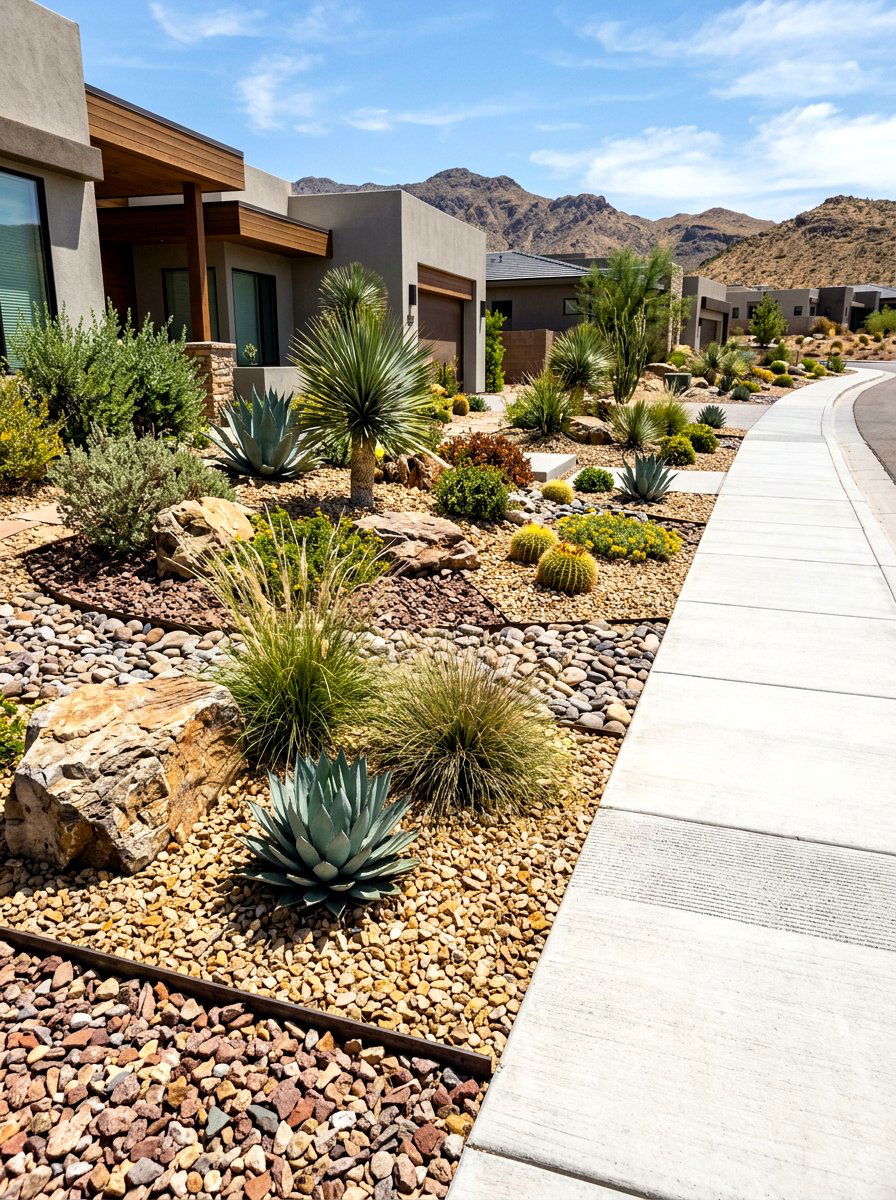
Transforming your backyard into a functional masterpiece often begins with smart water management solutions that also look incredible. Swale landscaping is a perfect example of how utility meets aesthetics in modern outdoor design. These shallow channels are designed to manage runoff, prevent erosion, and guide water safely away from your home’s foundation. Instead of hiding these features, many homeowners are turning them into stunning focal points like dry creek beds or lush rain gardens. Whether you are dealing with a steep slope or just want to add texture to a flat lawn, swale landscaping offers endless creative possibilities. Let’s explore how you can use different materials and plants to create a beautiful, eco-friendly drainage solution.

1. Rock Lined Drainage Swale
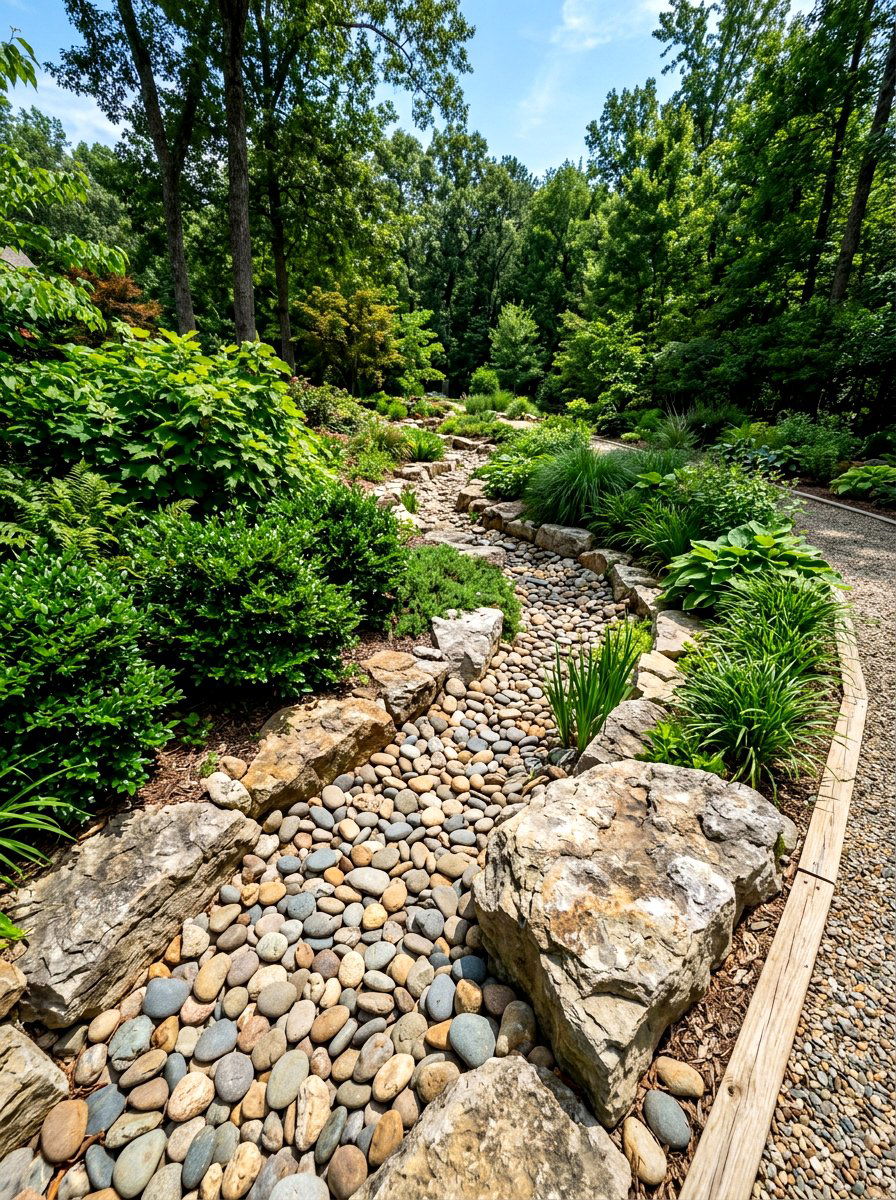
Have you ever noticed how a simple line of stones can completely change the vibe of your outdoor space? A rock-lined drainage swale is one of the most popular ways to handle heavy rainfall while adding a rugged, natural look to your yard. You typically start by digging a shallow trench and lining it with a durable landscape fabric to prevent weeds. Then, you layer various sizes of river rocks and smooth stones to create a path for water to flow. This setup prevents soil erosion and keeps your garden looking neat even during the stormiest seasons. It is a practical solution that looks like a deliberate design choice rather than just a plumbing fix.
2. Dry Creek Bed With Boulders
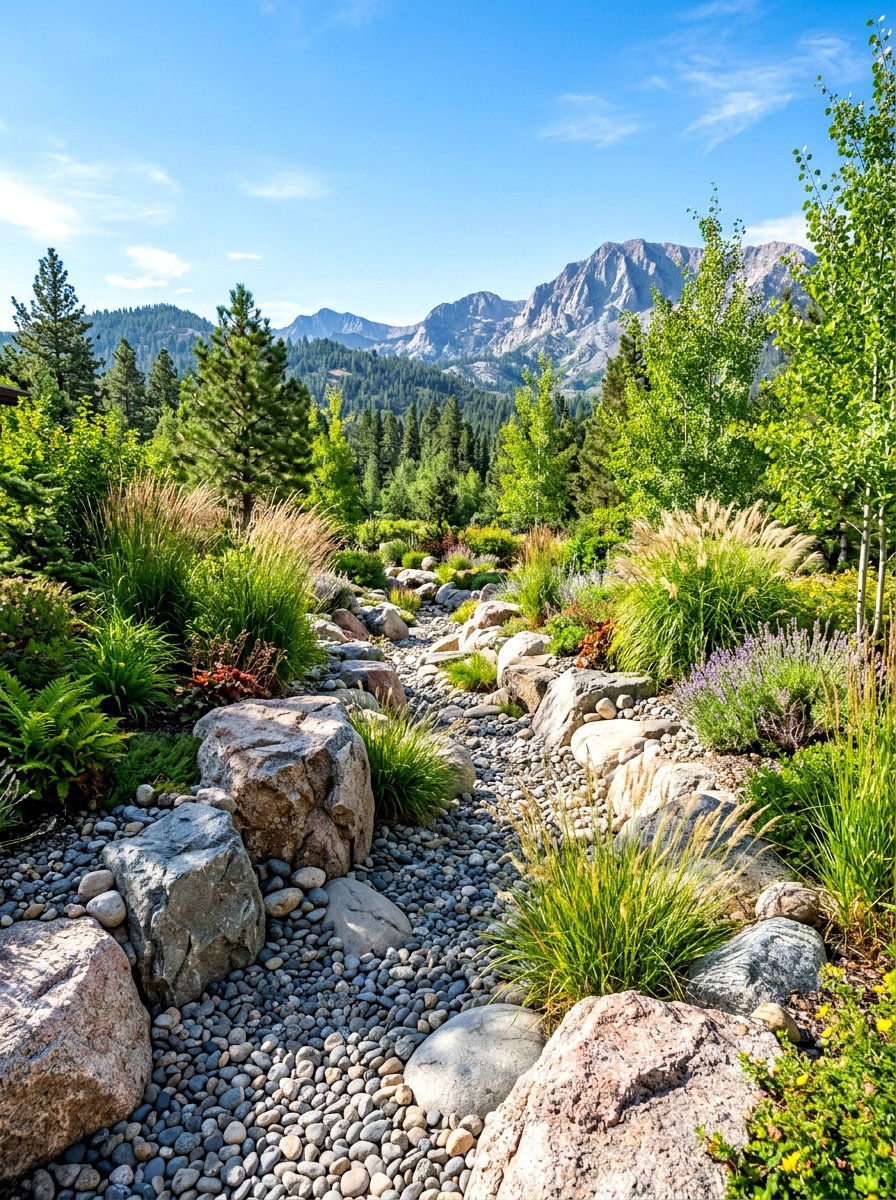
Creating a dry creek bed with boulders allows you to mimic the appearance of a natural mountain stream right in your backyard. This design uses larger rocks as anchor points to create visual weight and a sense of permanence. You can place smaller gravel and pebbles between the boulders to simulate the look of a dried-up river. When it rains, the water flows naturally through the rocks, soaking into the ground slowly. This method is excellent for yards with significant grading issues because the heavy boulders stay in place even during intense downpours. It adds a wonderful rustic charm to any landscape while serving a critical functional purpose.
3. Native Grass Bioswale
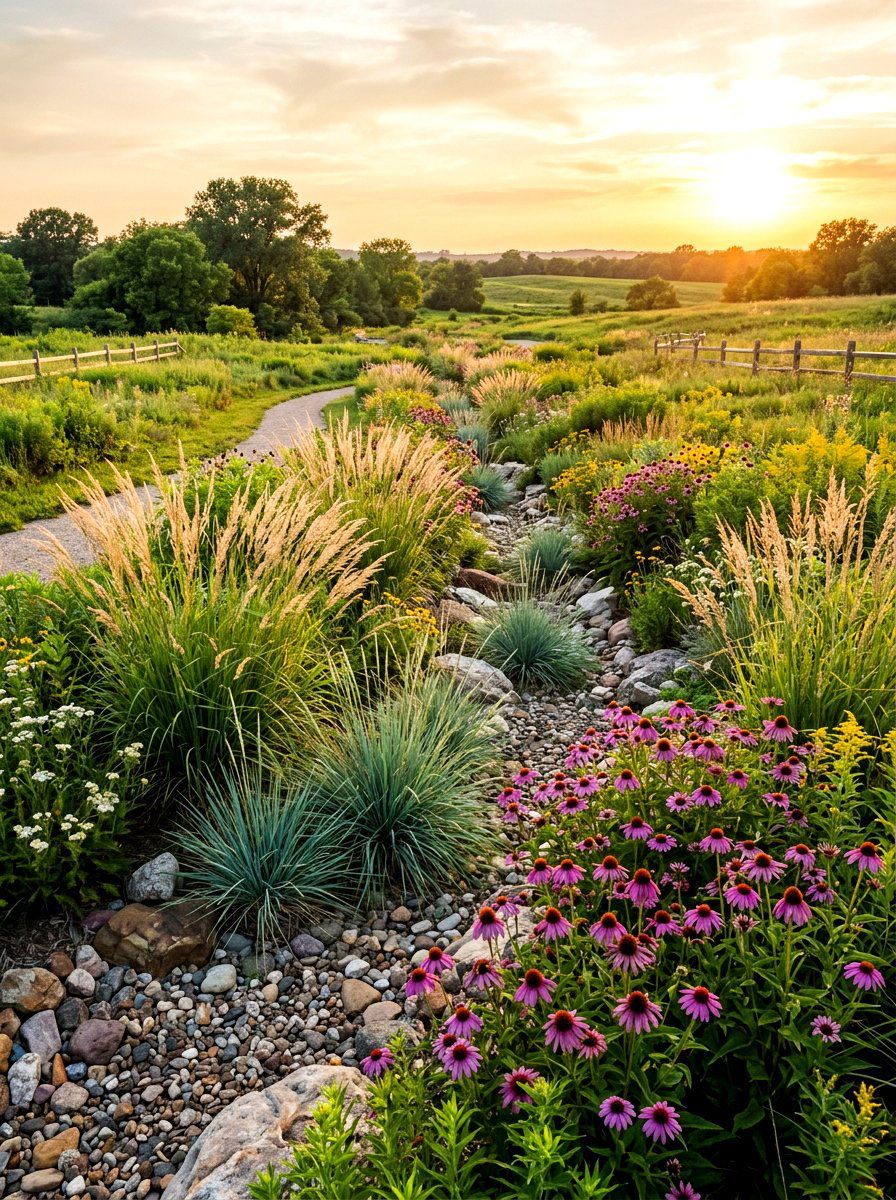
A native grass bioswale is an environmentally friendly way to filter pollutants from rainwater before it reaches the local water table. By planting tall, deep-rooted grasses like switchgrass or bluestem, you create a living filter that absorbs excess nutrients and moisture. These grasses are particularly effective because they are adapted to your local climate and require very little maintenance once established. The soft, flowing texture of the grass creates a beautiful contrast against hard architectural lines or traditional turf. During the summer, the swaying blades of grass add movement and sound to your garden. This approach is perfect for homeowners who want a soft, natural look that supports local biodiversity.
4. Modern Concrete Rain Swale
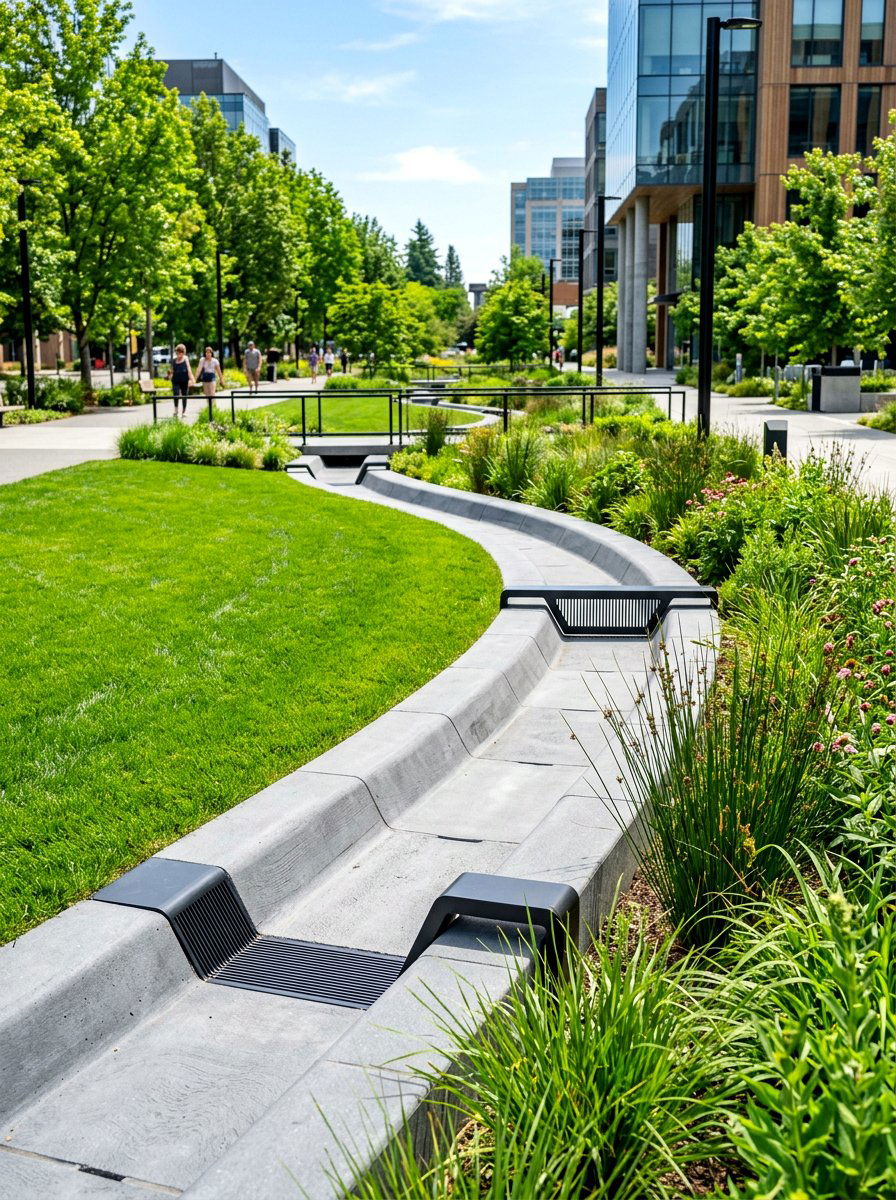
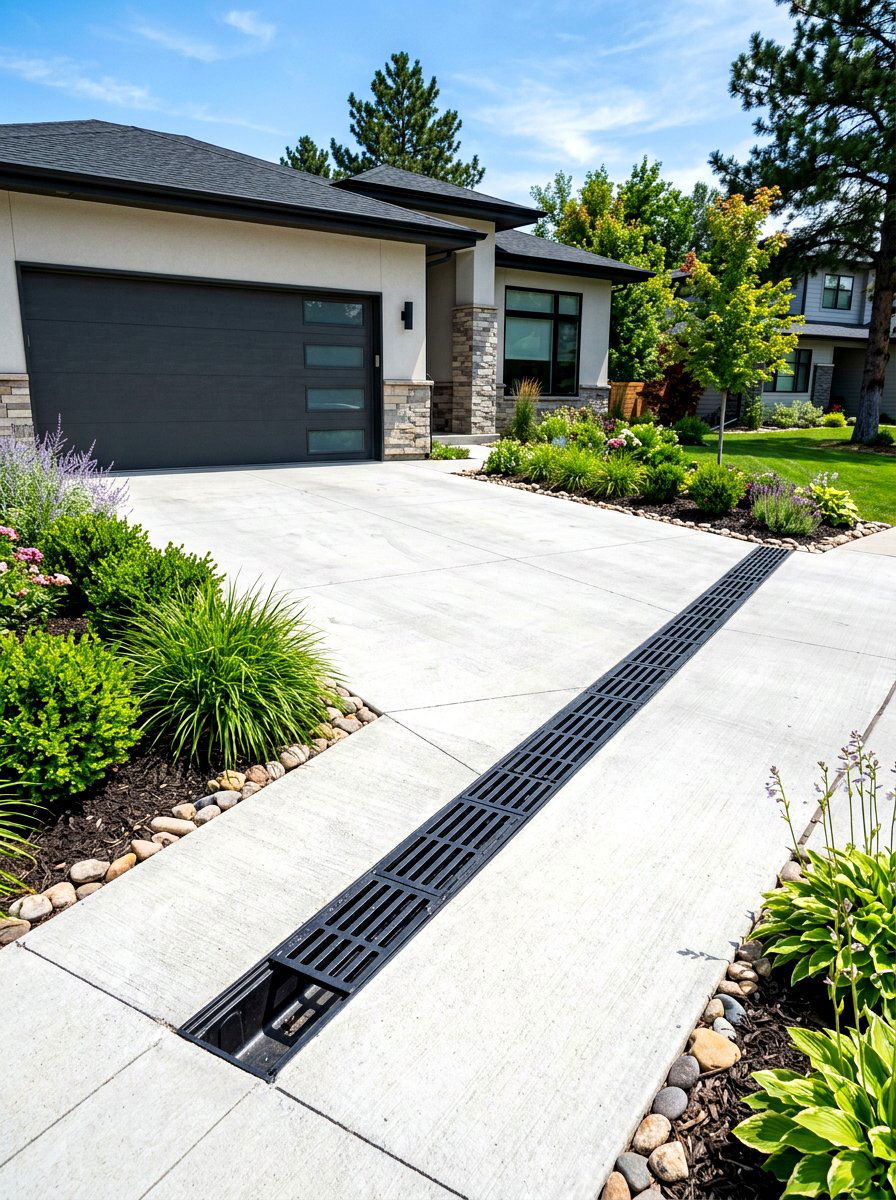
For those who prefer a clean and contemporary aesthetic, a modern concrete rain swale offers sharp lines and a minimalist feel. Instead of using natural stone or messy mulch, this design utilizes smooth concrete channels to direct water with precision. You can pair the grey concrete with bright green turf or dark basalt gravel for a high-contrast look that pops. This style works exceptionally well in urban gardens or small backyards where space is limited and every inch needs to look intentional. It provides a structured architectural element that handles drainage efficiently without taking away from the sleek, modern design of a newly renovated home or patio.
5. Wood Bridge Over Swale
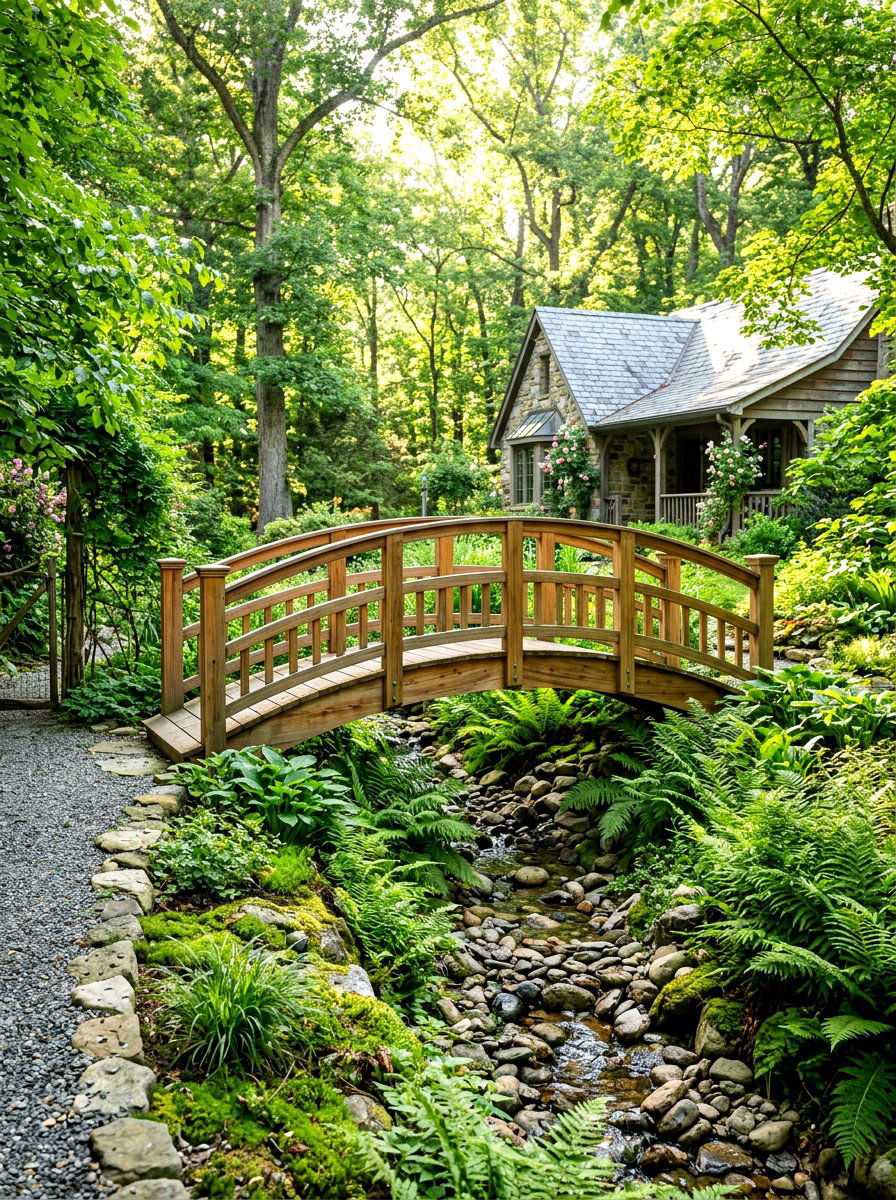
Adding a wood bridge over a swale instantly turns a functional drainage ditch into a charming landscape feature that invites exploration. A small arched bridge made of cedar or redwood creates a focal point that connects different parts of your yard. This is a fantastic way to handle a swale that cuts through a walking path or divides the lawn. The contrast between the warm wood tones and the cool rocks or green plants underneath creates a visually pleasing scene. It also adds a vertical element to an otherwise horizontal landscape. A bridge makes the drainage area feel like a special destination rather than a problem area to avoid.
6. Pebble Lined Garden Swale
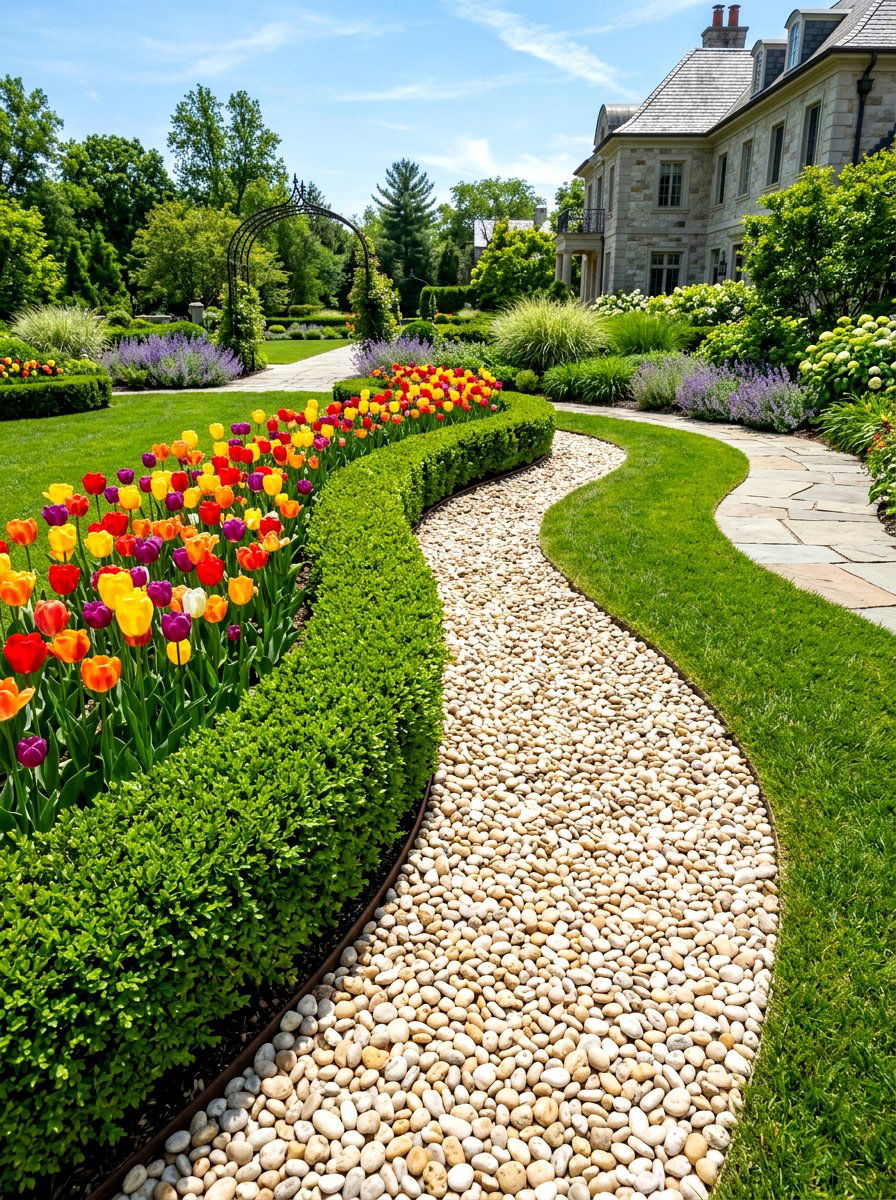
A pebble-lined garden swale is a subtle and elegant way to manage water flow around delicate flower beds. By using smaller, uniform pebbles instead of large jagged rocks, you create a smoother and more refined look. This style is often seen in Zen-inspired gardens where texture and tranquility are prioritized over ruggedness. The pebbles provide a stable surface that prevents mud from splashing onto your favorite blooms during a storm. You can mix different colors of pebbles, such as white, tan, or charcoal, to complement your existing garden color palette. It is a low-profile solution that blends seamlessly into any well-manicured garden border or walkway.
7. River Rock Drainage Path
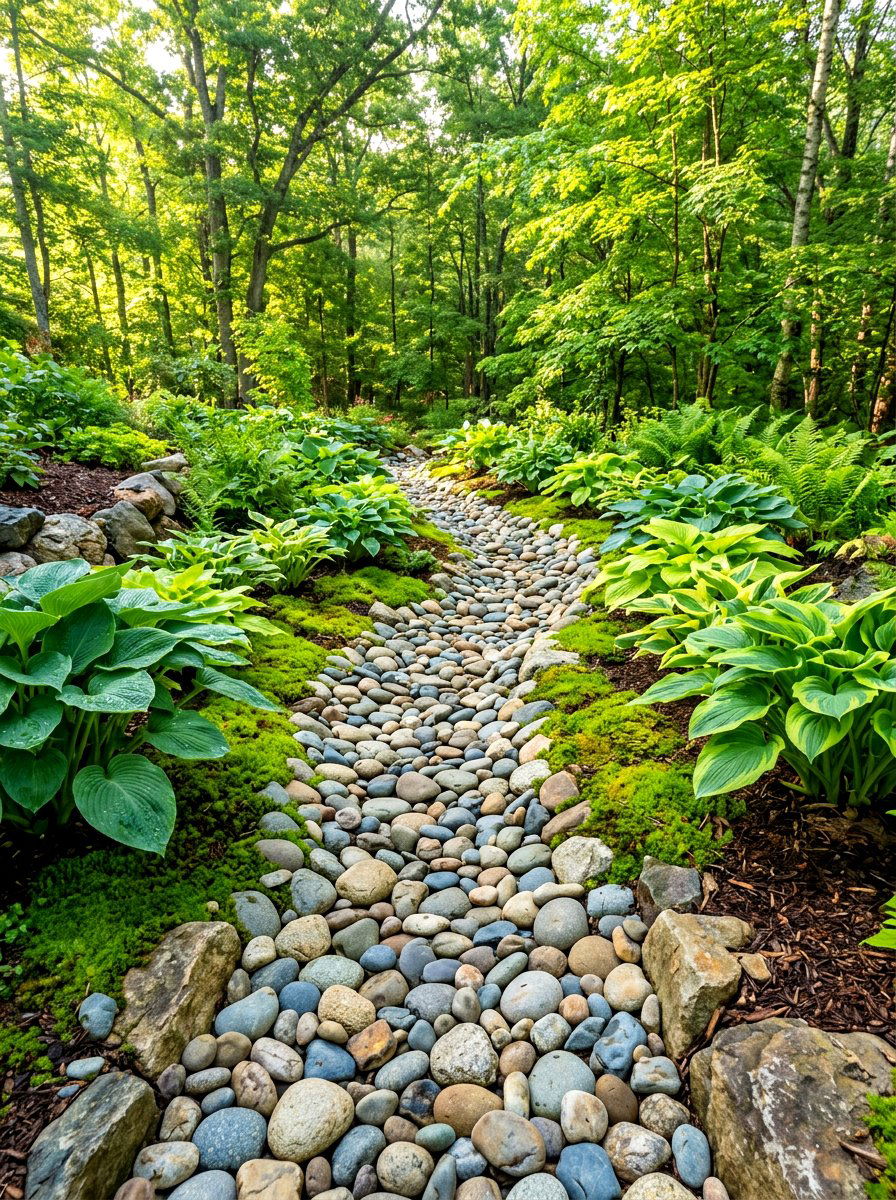
A river rock drainage path serves as a beautiful and functional transition between different zones of your outdoor living space. These paths are designed to look like a natural dry river, winding gracefully through your yard to catch runoff from downspouts. Using smooth, water-worn river rocks of varying sizes gives the path an authentic feel that mimics the beauty of a real streambed. Because the rocks are rounded, they allow water to move quickly while protecting the soil underneath from being washed away. This type of swale is incredibly versatile and can be adapted to fit almost any landscape style, from traditional suburban yards to wilder coastal gardens.
8. Shade Loving Swale Plants
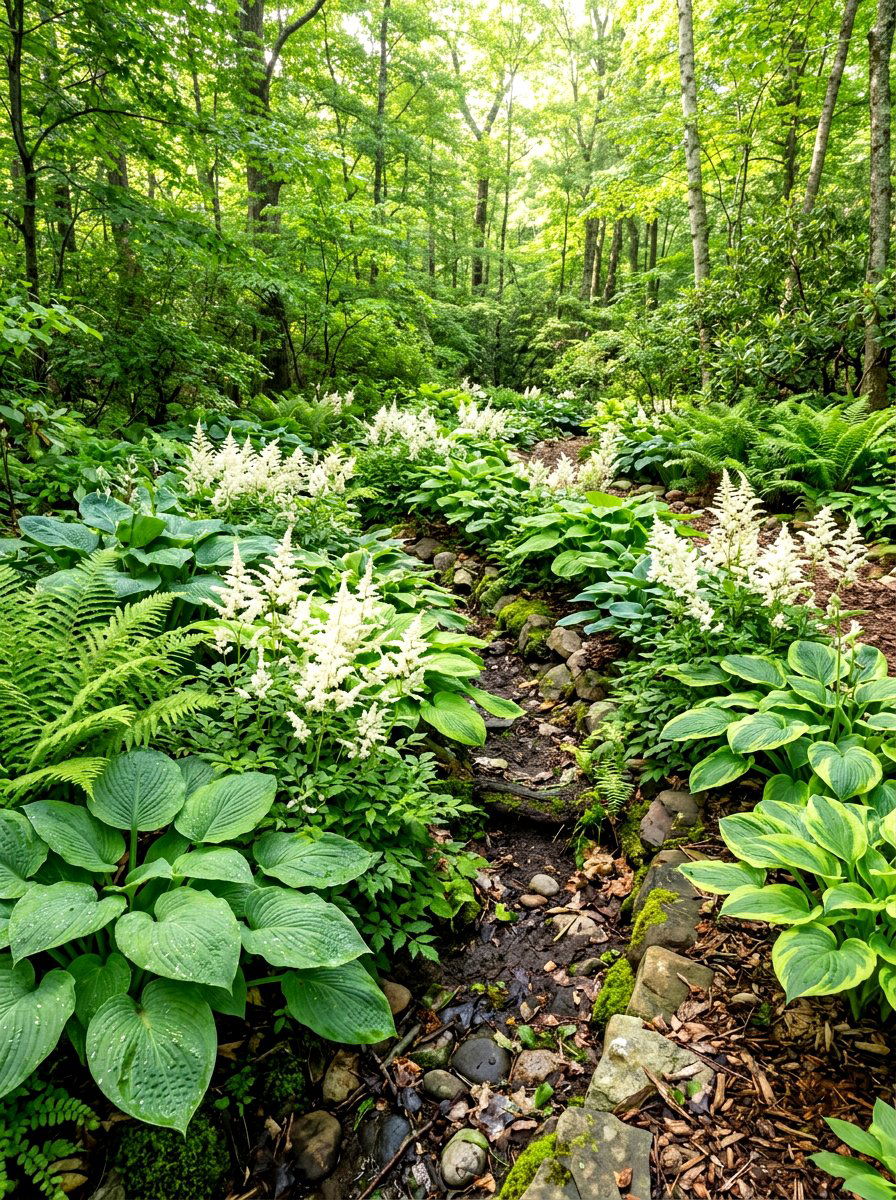
If your yard is tucked under a canopy of trees, a swale with shade-loving plants can turn a soggy, dark corner into a lush oasis. Hostas, ferns, and astilbes are excellent choices for these areas because they thrive in moist, low-light conditions. The broad leaves of hostas provide excellent ground cover, while the delicate fronds of ferns add a touch of woodland magic. Planting these species along the banks of your swale creates a layered look that hides the drainage channel while soaking up excess water. This approach transforms a potentially muddy mess into a cool, green retreat that stays beautiful and vibrant throughout the entire growing season.
9. Sloped Yard Swale System
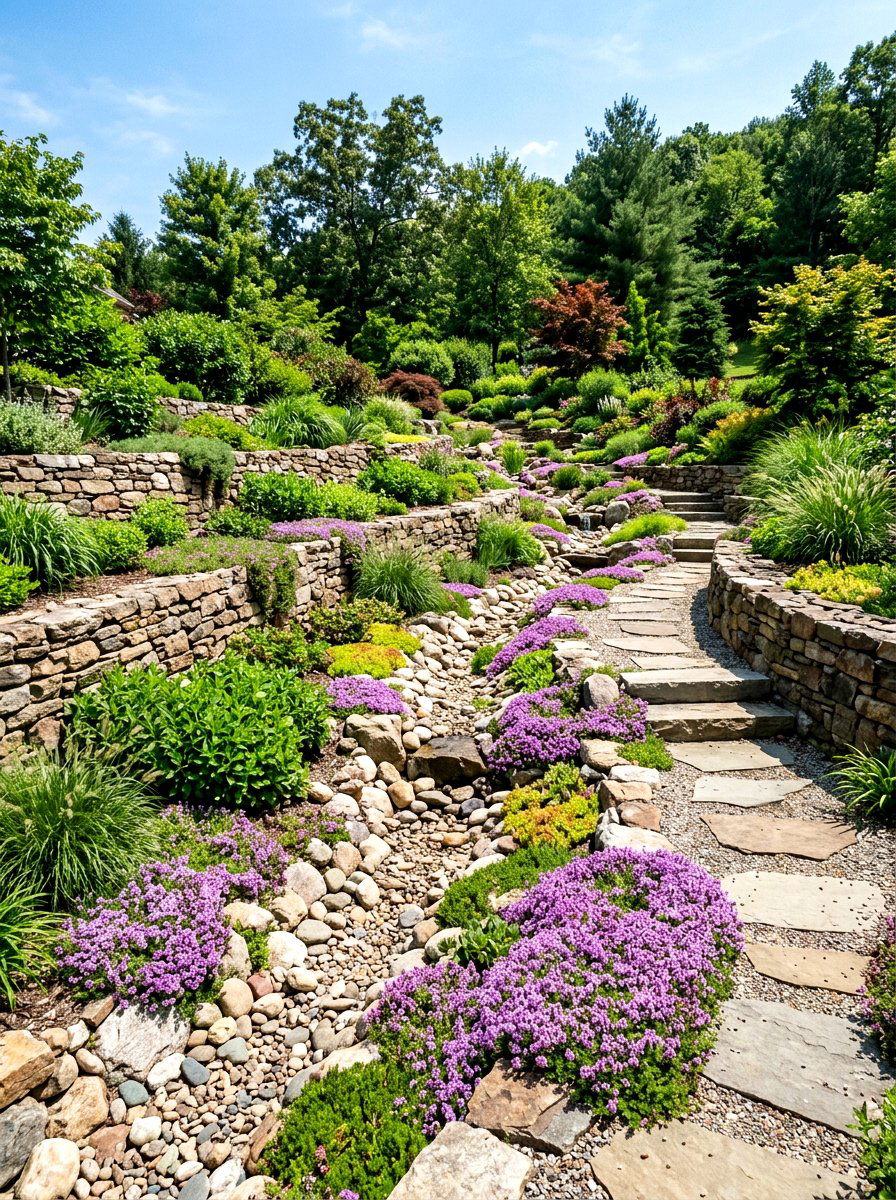
Dealing with a steep hill can be a challenge, but a sloped yard swale system is the ultimate solution for controlling fast-moving runoff. By creating a series of shallow, horizontal trenches across the slope, you can catch water before it gains enough speed to cause erosion. Each level of the swale acts like a small terrace, allowing the water to pool slightly and soak into the ground. You can line these levels with decorative stone or hardy ground covers to stabilize the soil further. This systematic approach not only protects your property but also creates an interesting tiered effect that adds depth and visual interest to a difficult hillside.
10. Succulent Rock Swale
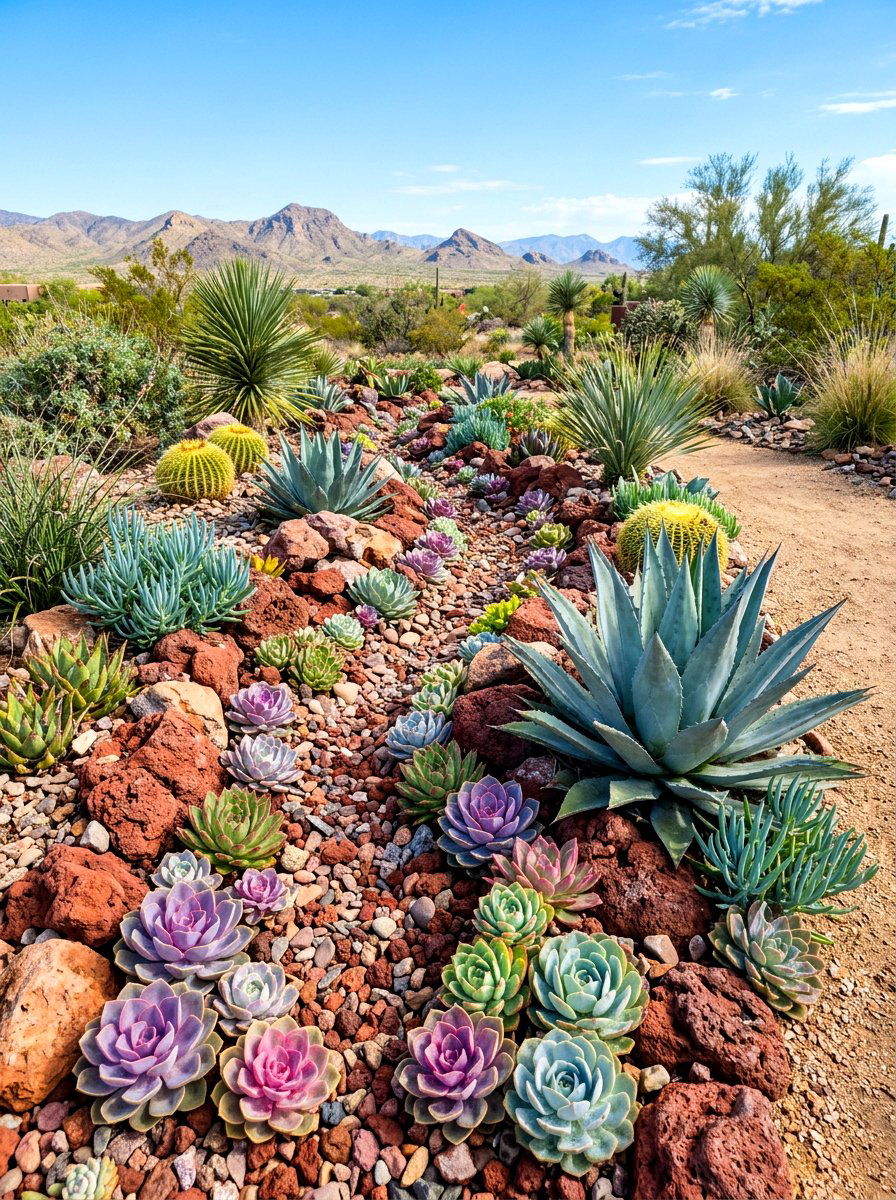
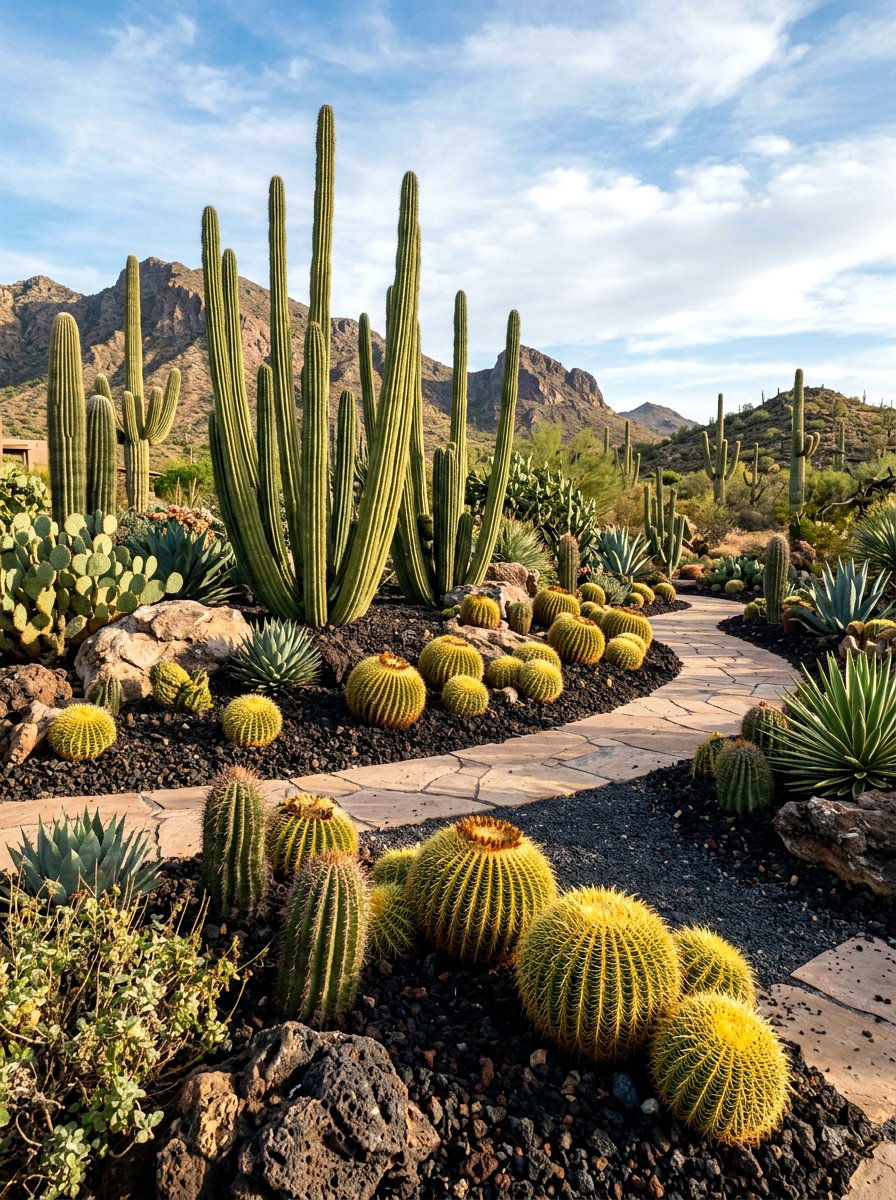
In drier climates or xeriscaped yards, a succulent rock swale provides a stunning way to manage occasional heavy rain while maintaining a water-wise garden. You can plant drought-tolerant succulents like agave, echeveria, and sedum along the edges of a rocky drainage path. These plants are experts at storing water and thrive in the well-draining soil often found near swales. The mix of fleshy green leaves and colorful stones creates a vibrant, desert-inspired look that requires almost no supplemental watering. This design proves that drainage solutions can be just as beautiful in arid regions as they are in rainy ones, offering a unique and modern textures.
11. Wildflower Meadow Swale
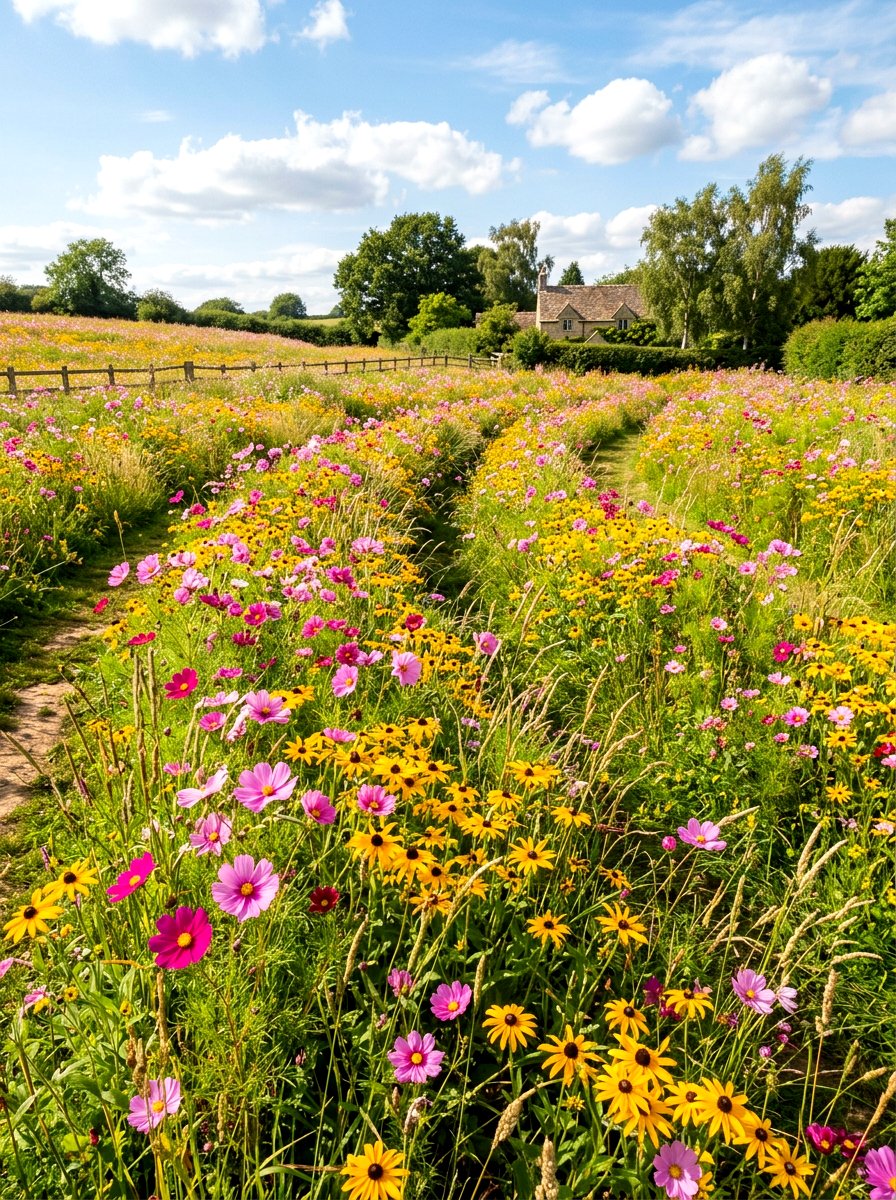
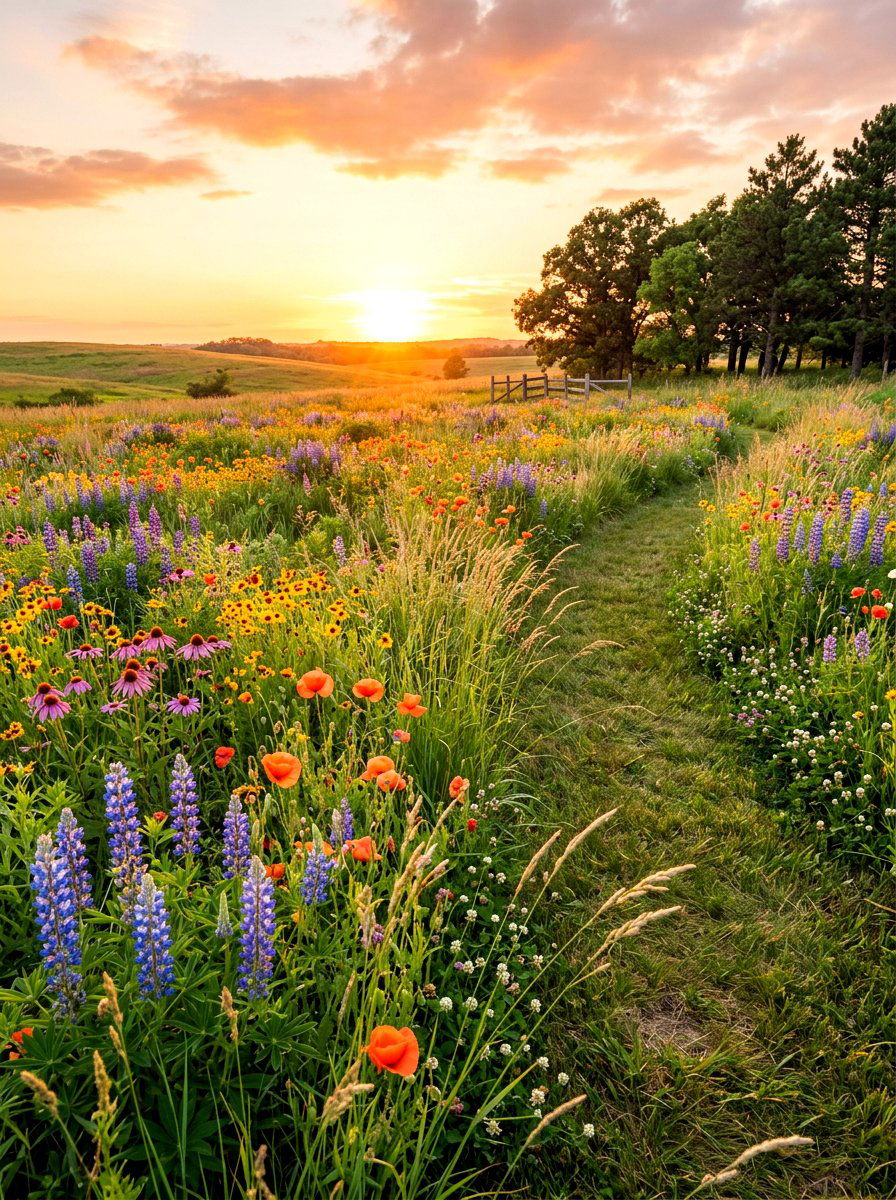
A wildflower meadow swale is a wonderful way to bring color and life to a functional drainage area while supporting local pollinators. Instead of traditional grass, you can seed the banks of your swale with a mix of native wildflowers that enjoy wet feet. As the seasons change, the swale will transform into a blooming tapestry of blues, yellows, and pinks. This approach is perfect for a more relaxed, cottage-style garden where you want to encourage bees and butterflies to visit. The dense root systems of the wildflowers also help stabilize the banks of the swale, preventing soil movement during heavy rains while creating a joyful natural vista.
12. Flagstone Path Swale
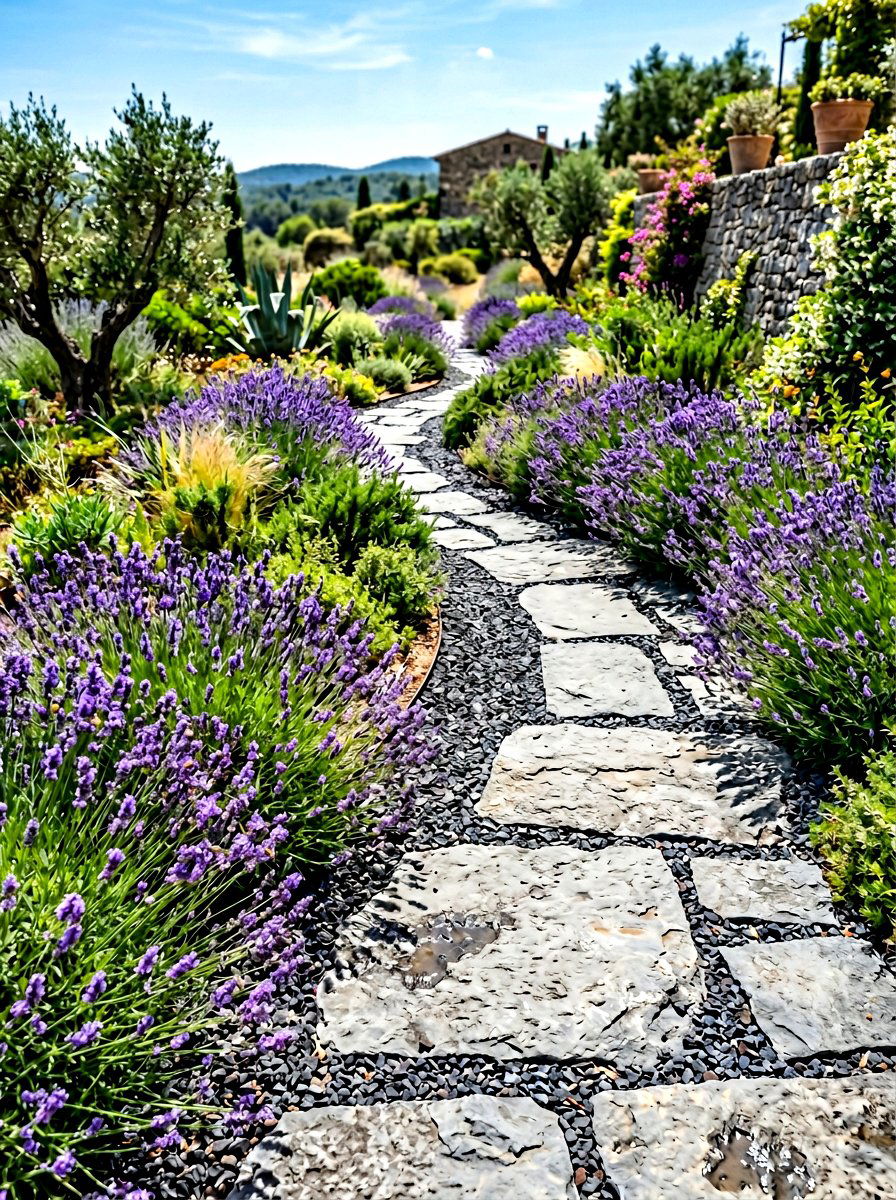
Combining a walking path with a drainage system is a brilliant use of space, and a flagstone path swale does exactly that. By setting large, flat flagstones into a bed of gravel or river rock, you create a stable surface for walking that still allows water to drain through the gaps. This design is ideal for narrow side yards where there is not enough room for both a dedicated path and a separate drainage ditch. The natural, irregular shapes of the flagstones give the path an organic feel that complements a wide range of home styles. It is a dual-purpose feature that looks sophisticated and keeps your feet dry.
13. Tropical Foliage Swale
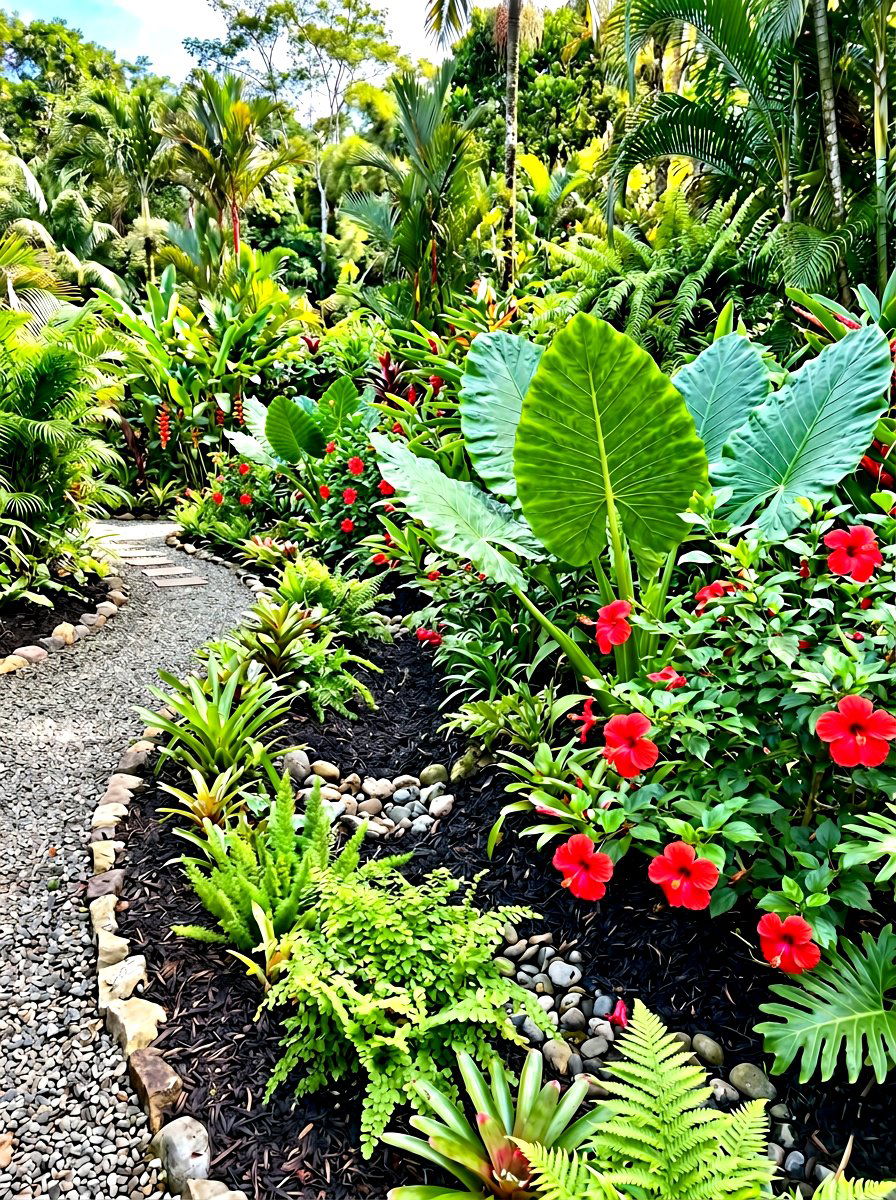
Imagine stepping into a backyard that feels like a rainforest getaway, thanks to a tropical foliage swale. In warmer climates, you can line your drainage area with large-leafed plants like elephant ears, cannas, and hibiscus. These plants love the extra moisture that a swale provides and grow quickly to create a dense, green screen. The lush textures and bold colors turn a simple utility feature into a dramatic garden statement. The moisture-loving nature of these tropical species helps manage the water load efficiently while providing a beautiful backdrop for your outdoor seating area. It is a fantastic way to embrace a bold, exotic garden theme.
14. Gravel Swale With Edging
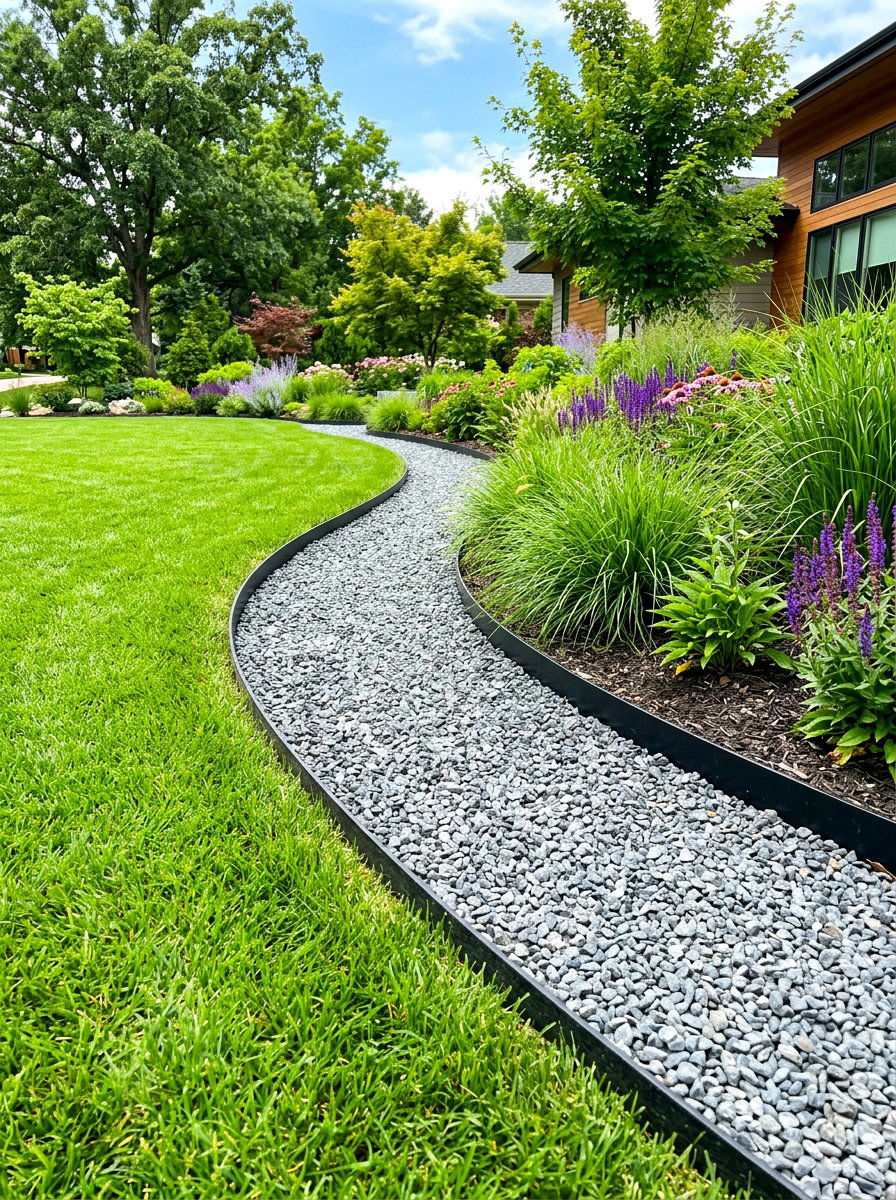
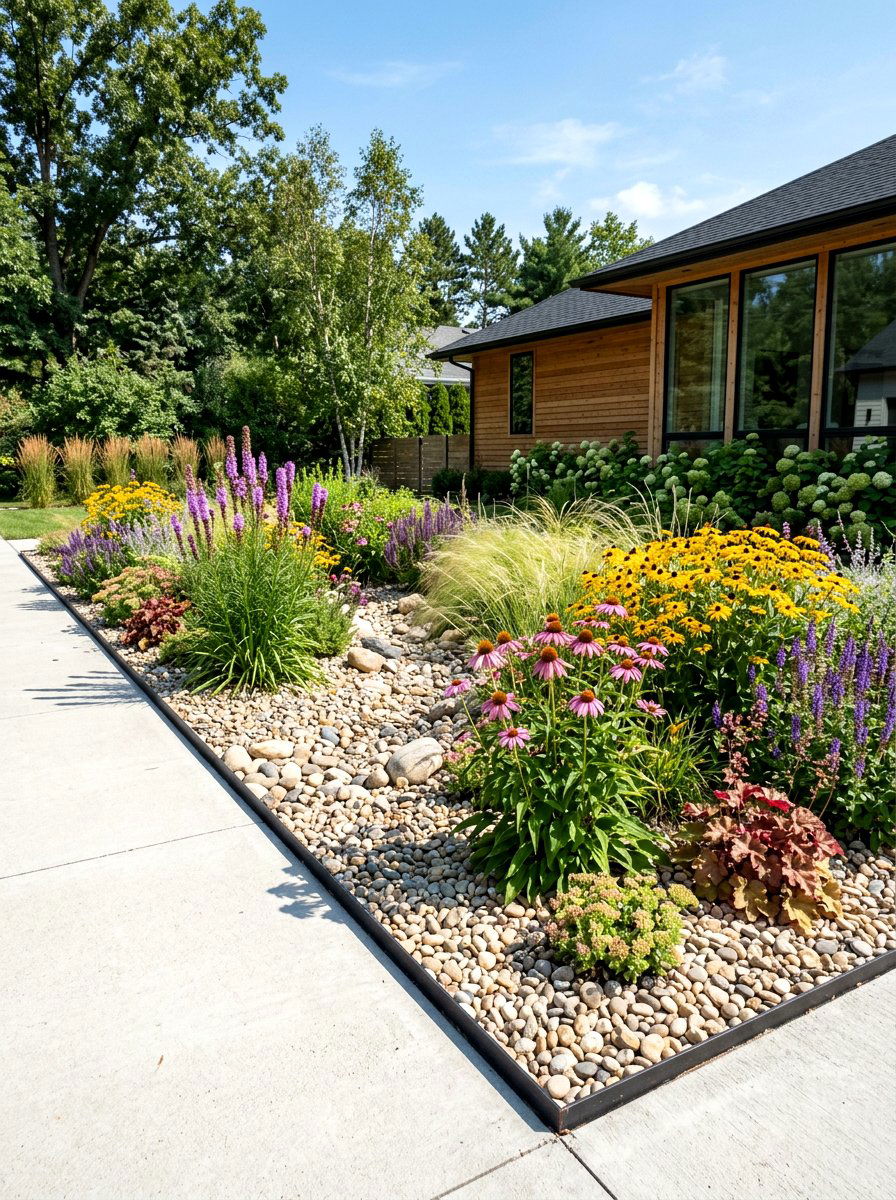
A gravel swale with clean edging is a great choice for homeowners who want a tidy and organized look for their drainage solutions. By using metal, plastic, or stone edging, you can keep the gravel contained and prevent it from spilling onto your lawn or flower beds. This creates a sharp, defined line that looks very professional and deliberate. You can choose from a variety of gravel types, such as pea gravel or crushed granite, to match the colors of your home and patio. This design is particularly effective for guiding water away from driveways or walkways, ensuring that your hardscaping stays clean and free of standing water.




15. Low Maintenance Turf Swale
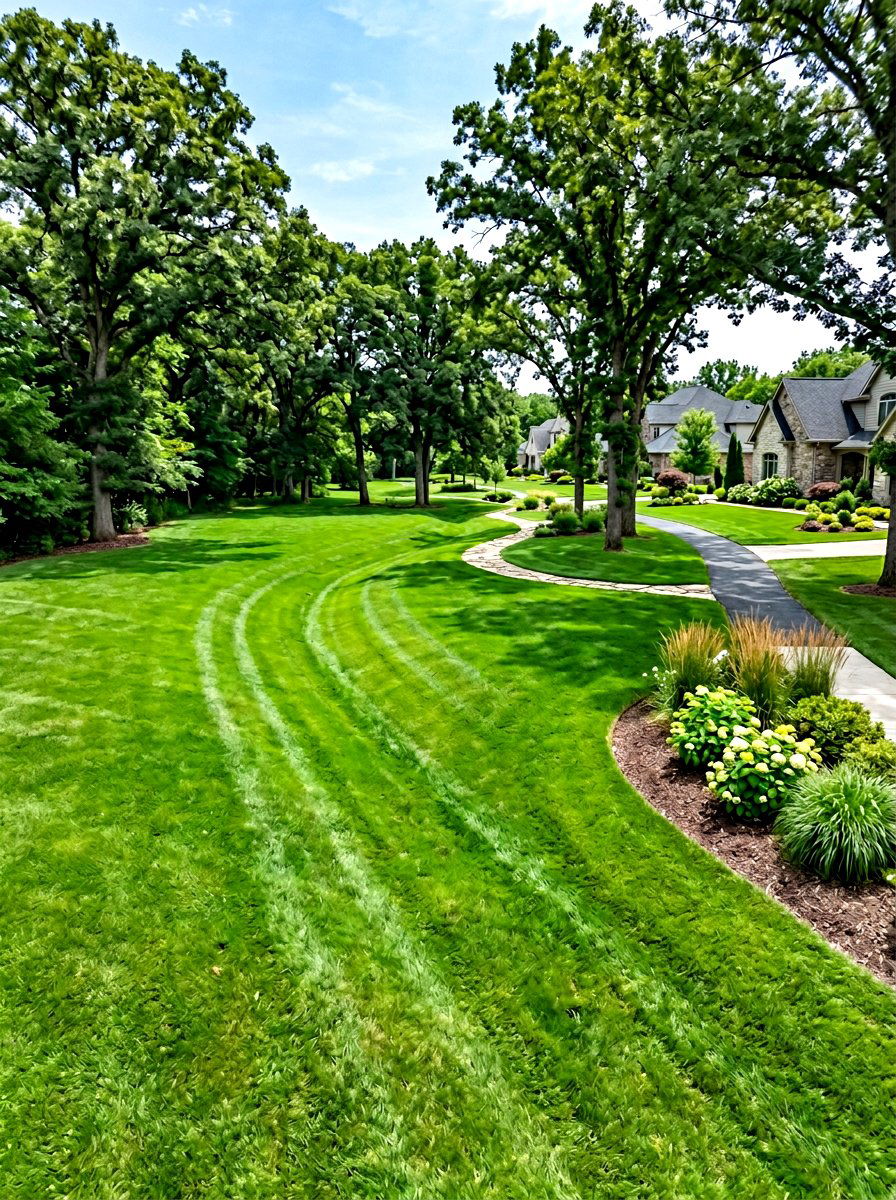
Sometimes the best solution is the simplest one, and a low-maintenance turf swale provides effective drainage without changing the look of your lawn. This is essentially a wide, shallow depression in the grass that is graded to direct water away from the house. Because it is covered in turf, you can mow right over it just like the rest of your yard. This is a perfect option for those who want to solve drainage issues without adding rocks or new garden beds. It maintains a clean, open expanse of green grass while discreetly managing runoff. It is an affordable and practical choice for large, suburban backyards.
16. Stepping Stone Swale
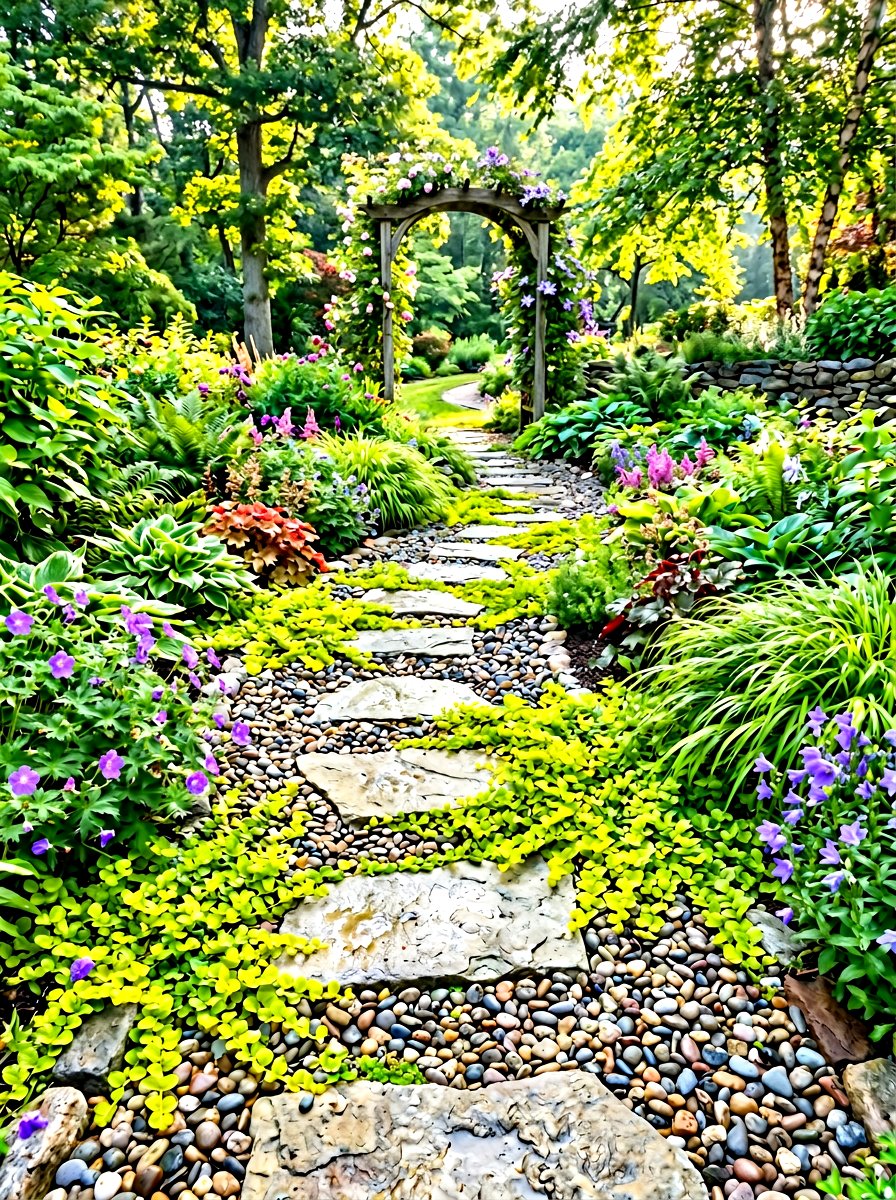
A stepping stone swale adds a touch of whimsy and functionality to a rocky drainage area, making it easy to cross without getting your shoes wet. You can place large, flat stones at regular intervals along the length of the swale, surrounding them with smaller river rocks. This creates a charming path that looks like it belongs in a fairytale garden. The stepping stones provide a solid foundation for walking, even when the swale is actively carrying water. This design is especially useful if your swale runs between your patio and a garden shed or play area. It turns a potential obstacle into an interactive and attractive landscape feature.
17. Fern and Moss Swale
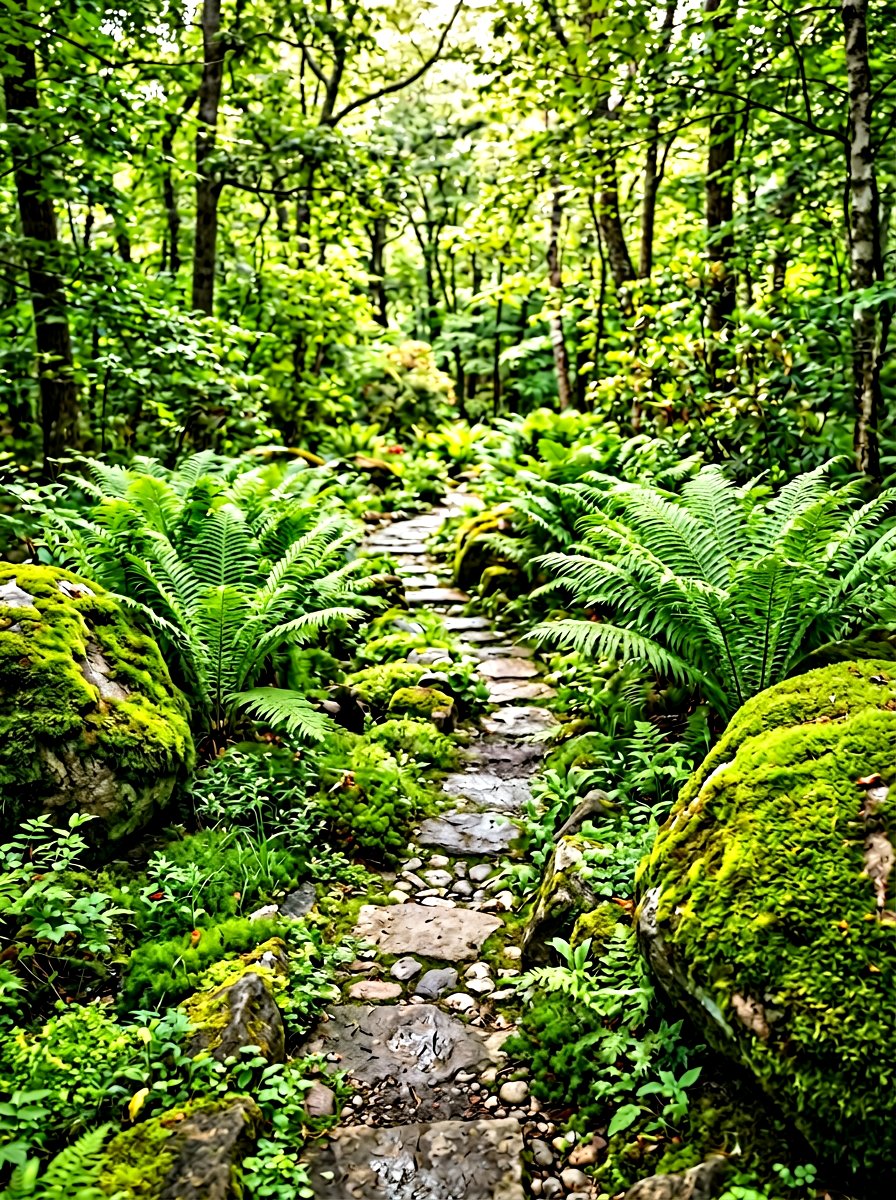
For a soft, woodland-inspired look, a fern and moss swale creates a serene and moisture-rich environment that feels incredibly lush. Moss naturally thrives on damp rocks and soil, providing a velvety green carpet that covers the edges of the swale. When you tuck different varieties of ferns into the crevices, you add height and delicate textures that dance in the breeze. This type of swale is perfect for north-facing yards or areas under large trees where grass struggles to grow. The combination of moss and ferns creates a prehistoric, magical atmosphere that remains cool and refreshing even during the hottest days of the summer season.
18. Ornamental Grass Swale
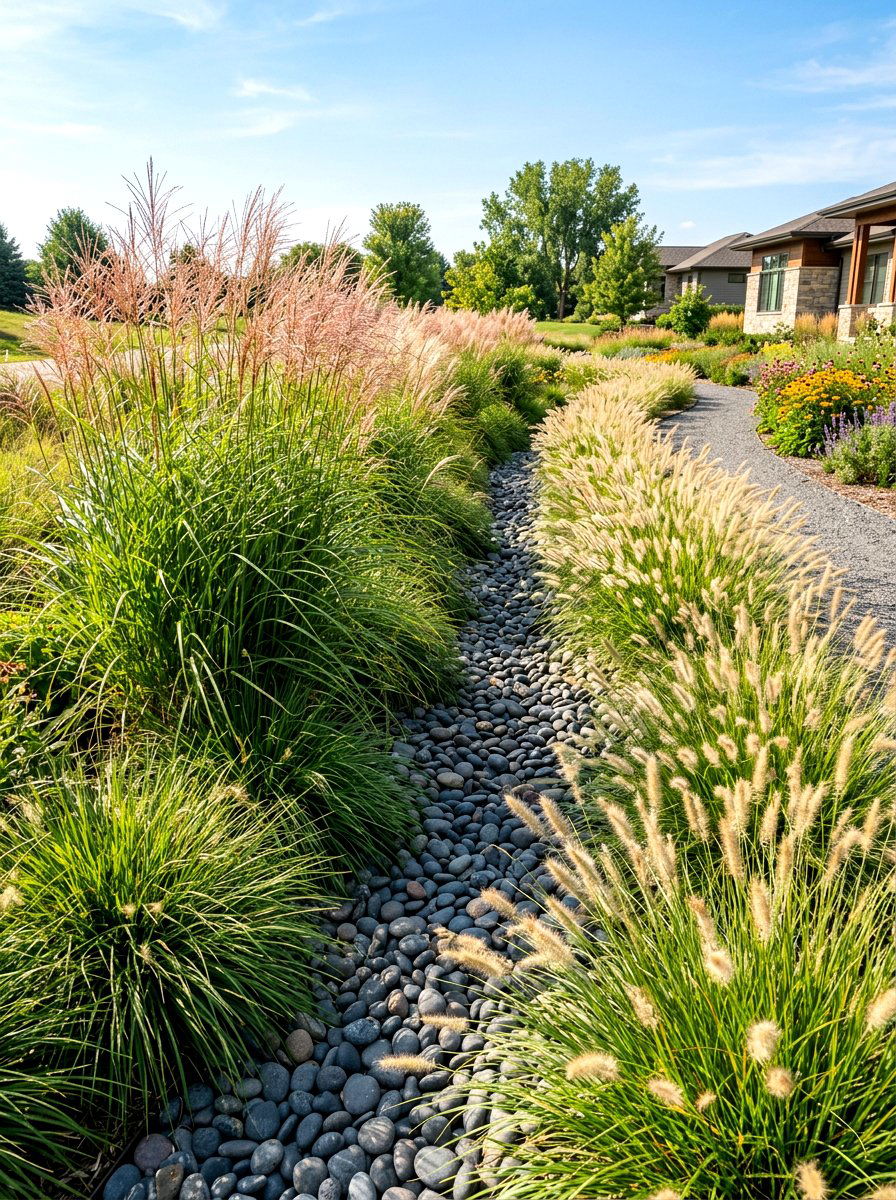
Ornamental grasses come in a huge variety of heights, colors, and textures, making them perfect for creating a dynamic ornamental grass swale. You can use tall grasses like maiden grass to create a sense of privacy and height along the edges, while shorter sedges can line the bottom of the channel. The fine blades of these grasses catch the light beautifully and provide winter interest even after they have turned golden in the cold. These plants are generally very hardy and can handle both wet and dry periods with ease. This design is perfect for modern landscapes where movement and a relaxed, breezy feel are the primary goals.
19. Layered Rock Swale Waterfall
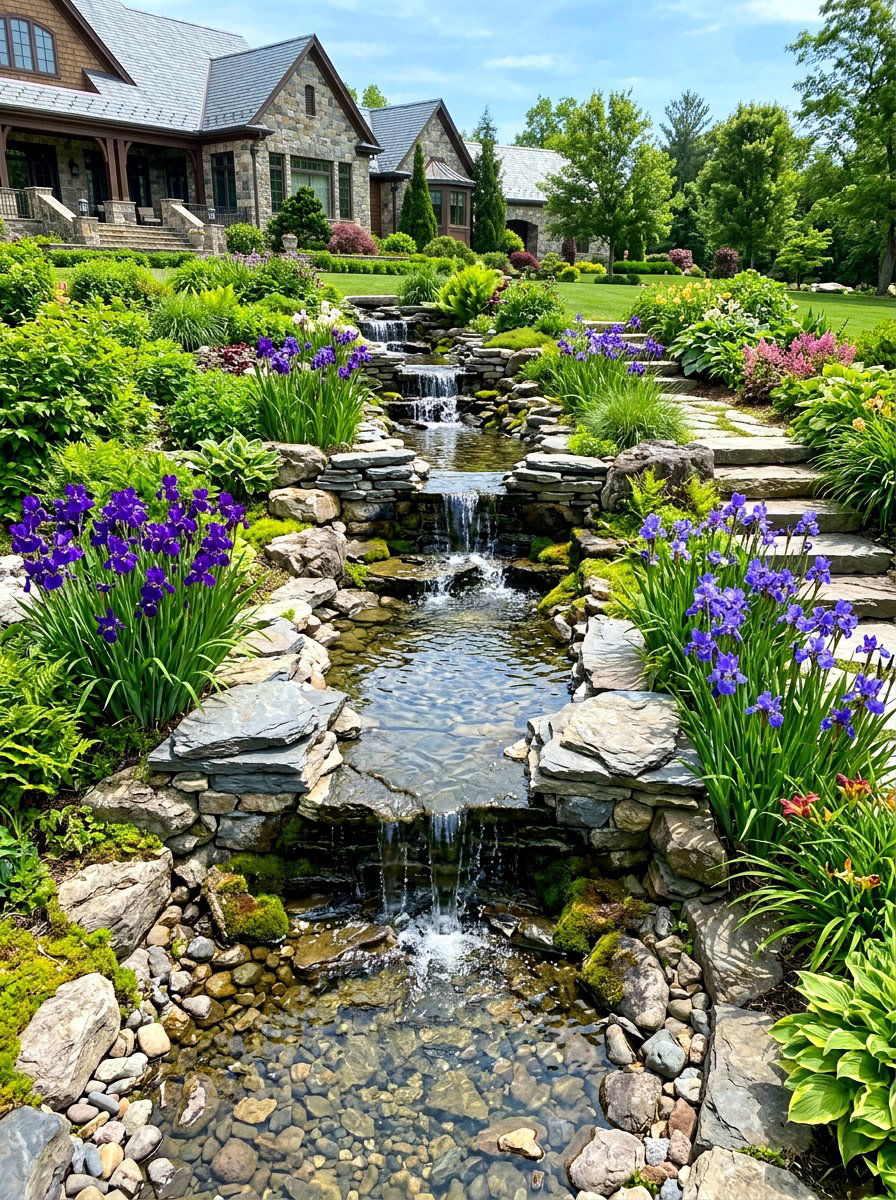
If your yard has a significant change in elevation, you can turn your drainage swale into a stunning layered rock swale waterfall. By stacking flat stones to create small drops or "check dams, " you can slow down the water and create a soothing splashing sound during rainstorms. This mimics the look of a natural stream cascading down a hillside. Even when it is dry, the layered rock structure provides beautiful architectural interest and depth to your garden. This is a more advanced project that may require some careful planning, but the visual and auditory rewards are well worth the extra effort for a luxury landscape.

20. Minimalist Zen Rock Swale
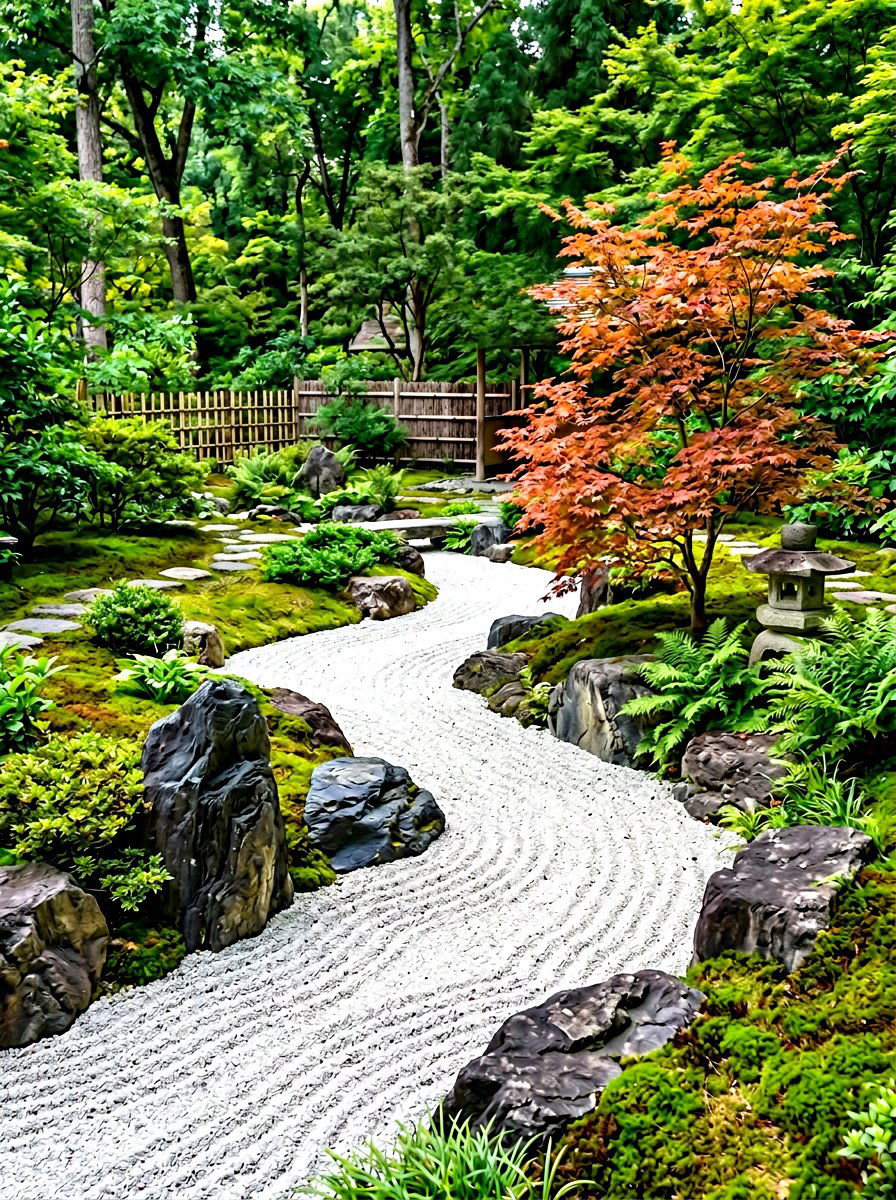
Drawing inspiration from traditional Japanese gardens, a minimalist Zen rock swale uses carefully placed stones and raked gravel to create a peaceful drainage solution. In this design, every rock is chosen for its shape and color, and the overall layout is meant to symbolize water even when the channel is empty. You might include a few low-growing evergreens or a single specimen tree to complete the look. The simplicity of this style makes it incredibly calming and perfect for a meditation garden or a quiet side yard. It is a sophisticated way to handle drainage that feels more like a work of art than a utility.
21. Natural Meadow Swale
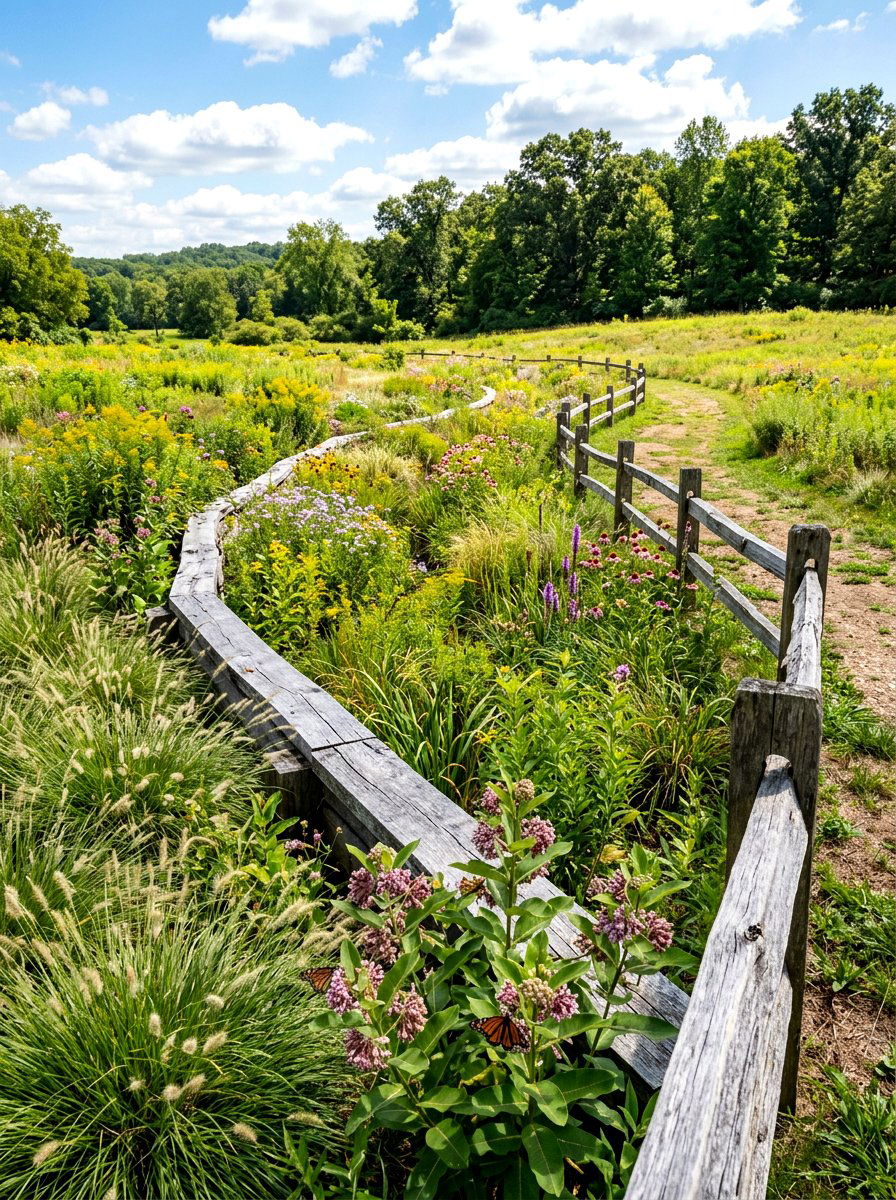
A natural meadow swale focuses on creating a wild, unmanicured look that mimics the beauty of an open field. By using a mix of native grasses and hardy perennials, you can create a low-maintenance area that requires very little intervention. This design is great for large properties where you want to blend the edges of your lawn into the surrounding natural landscape. The dense vegetation provides a habitat for local wildlife and does an excellent job of soaking up excess rainwater. As the plants grow and fill in, the swale becomes a vibrant, living part of the ecosystem that changes beautifully with each passing season.
22. Cobblestone Drainage Channel
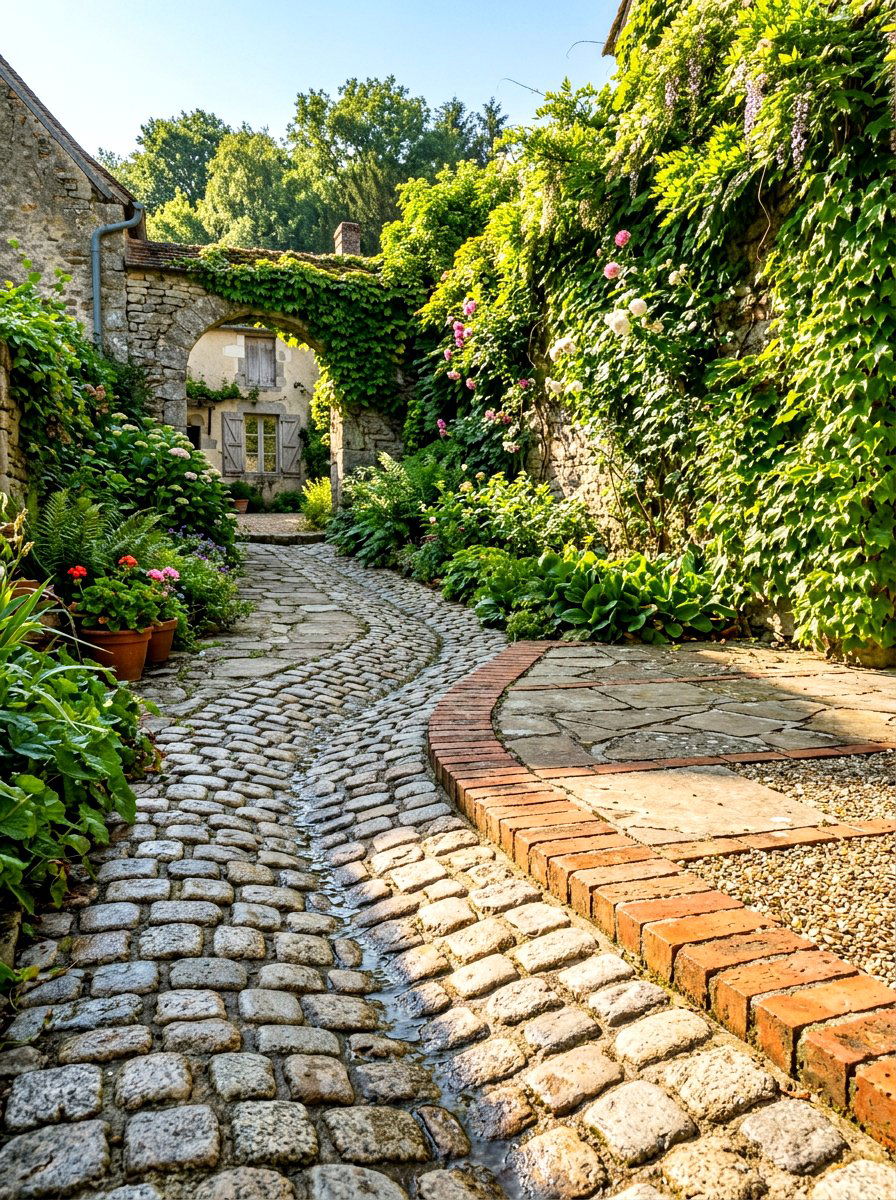
For a classic, old-world feel, a cobblestone drainage channel brings timeless charm to your yard’s water management system. Using rounded cobblestones or pavers creates a sturdy and durable path for water that looks like a street from a historic European village. This style is particularly effective near driveways or patios where you want a more formal look. The tight packing of the stones ensures that the channel remains stable and easy to clean over time. You can use different shades of grey or tan stones to match your home’s exterior. It is a high-end solution that adds significant curb appeal and structural integrity to your property.
23. Pollinator Garden Swale
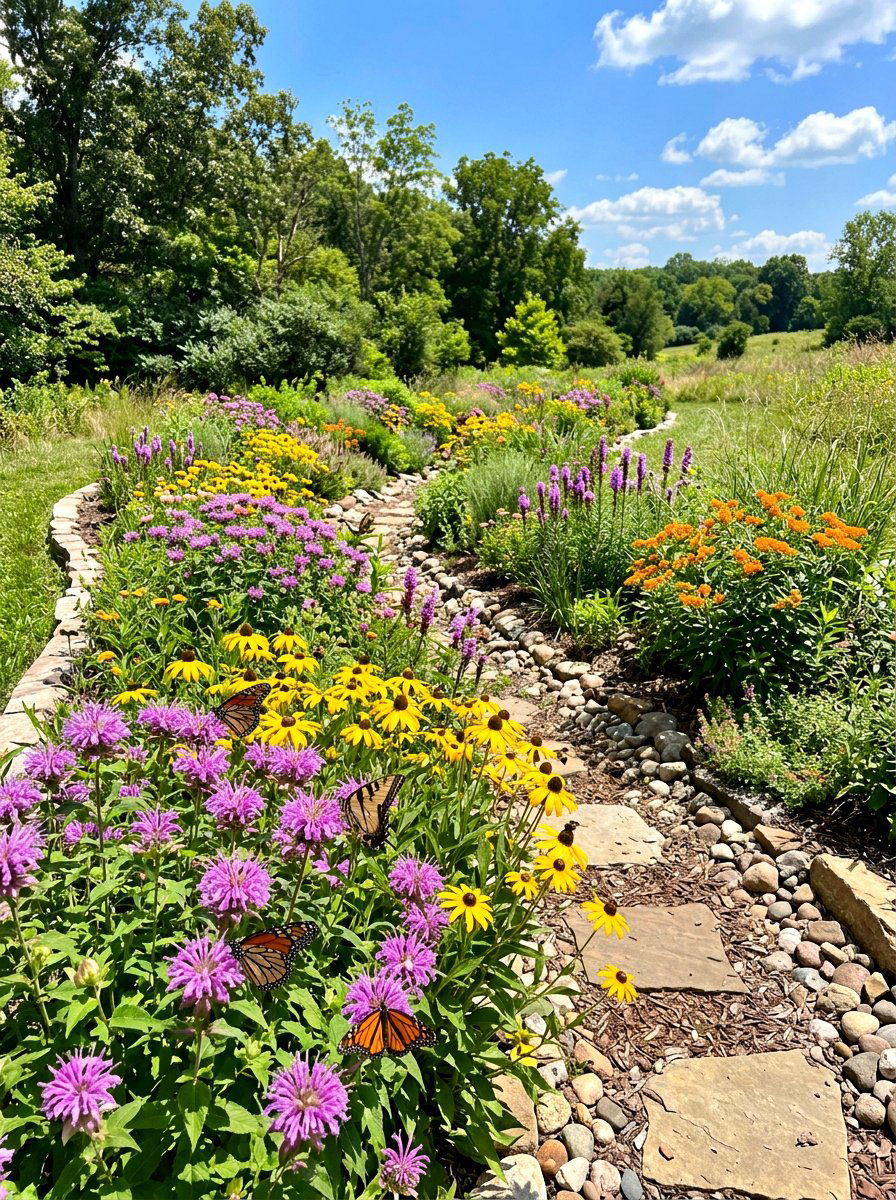
Why not use your drainage area to save the bees? A pollinator garden swale is designed with plants specifically chosen to provide food and habitat for butterflies, bees, and birds. Species like milkweed, bee balm, and coneflowers thrive in the moist soil of a swale and provide a constant source of nectar. This turns a functional space into a buzzing hub of activity that benefits the environment. The tall, colorful blooms create a cheerful border that hides the drainage channel while adding vertical interest to your lawn. It is a rewarding project that allows you to contribute to local ecology while solving a common yard problem.
24. French Drain Swale Hybrid
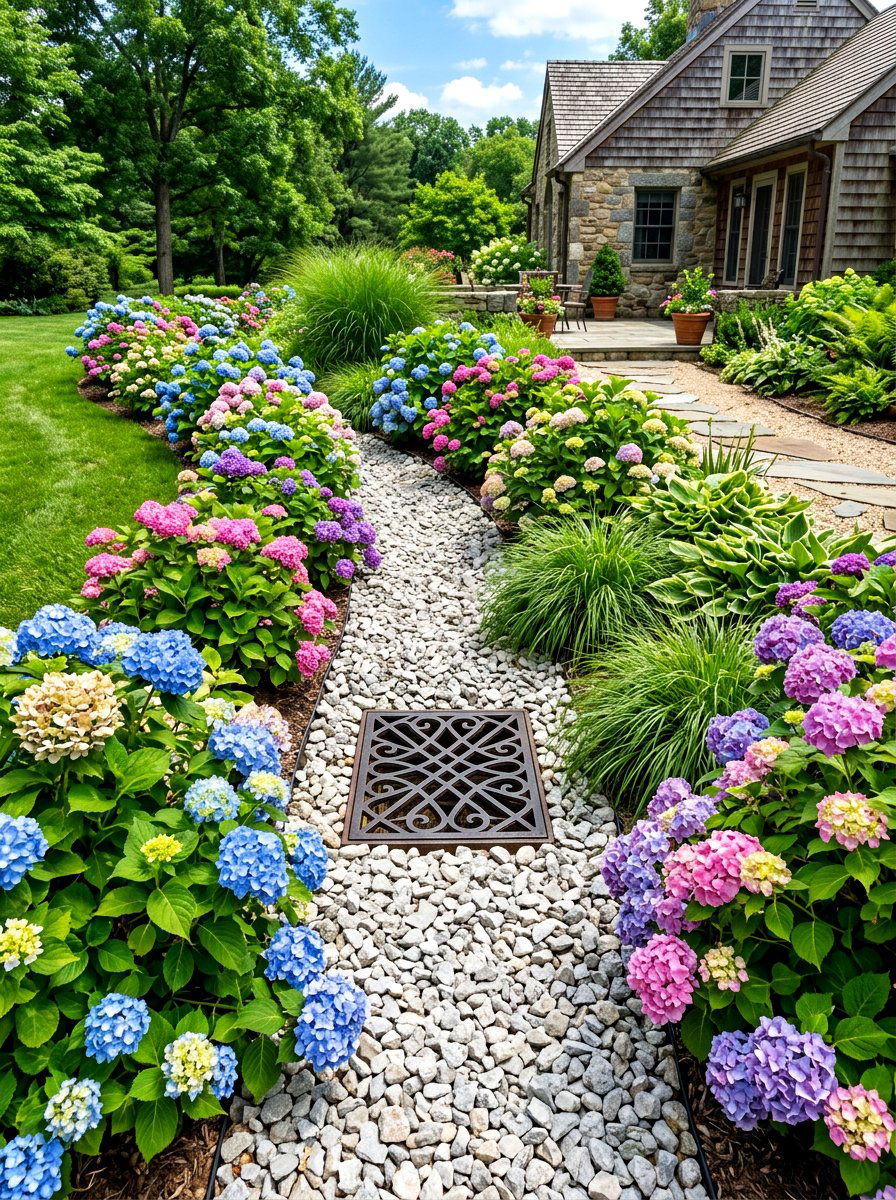
Sometimes you need a little extra power to handle severe drainage issues, which is where a French drain swale hybrid comes in. This system combines an underground perforated pipe with a traditional surface swale to move large amounts of water quickly. The surface is usually covered with decorative river rock or gravel, hiding the pipe beneath. This allows you to handle heavy runoff from downspouts or steep hills without the risk of the channel overflowing. It is the perfect choice for homeowners who have experienced basement flooding or persistent standing water. This design offers the ultimate peace of mind while still looking beautiful on the surface.



25. Wood Chip Swale Path
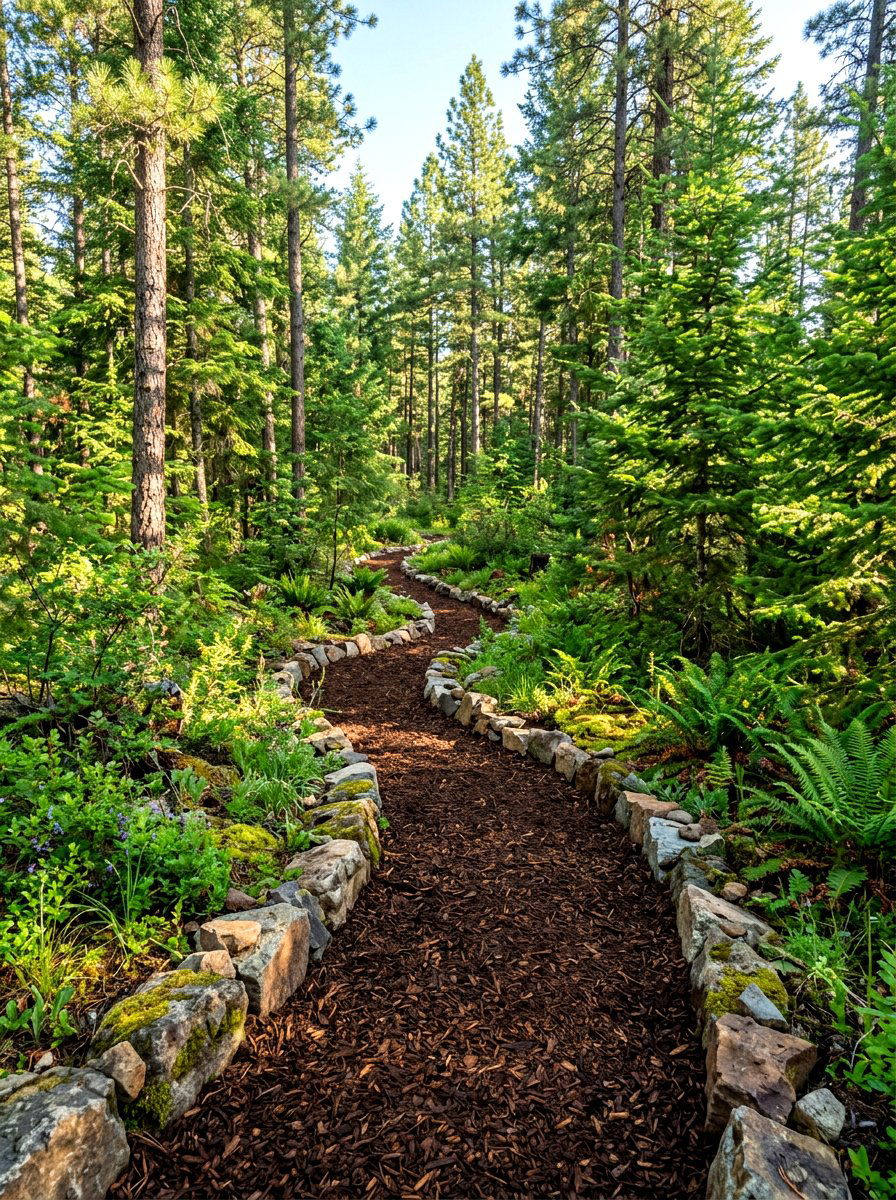
A wood chip swale path is a budget-friendly and rustic option that works well in informal gardens or woodland settings. By filling a shallow trench with high-quality wood chips or bark mulch, you create a soft surface that absorbs water and prevents mud. This is a great choice for side yards or areas where you need a quick drainage fix. Over time, the wood chips will break down and improve the soil quality, so you may need to refresh them every couple of years. The natural look of the mulch blends perfectly with trees and shrubs, creating a seamless and earthy transition throughout your outdoor space.
26. Curving Stone Swale
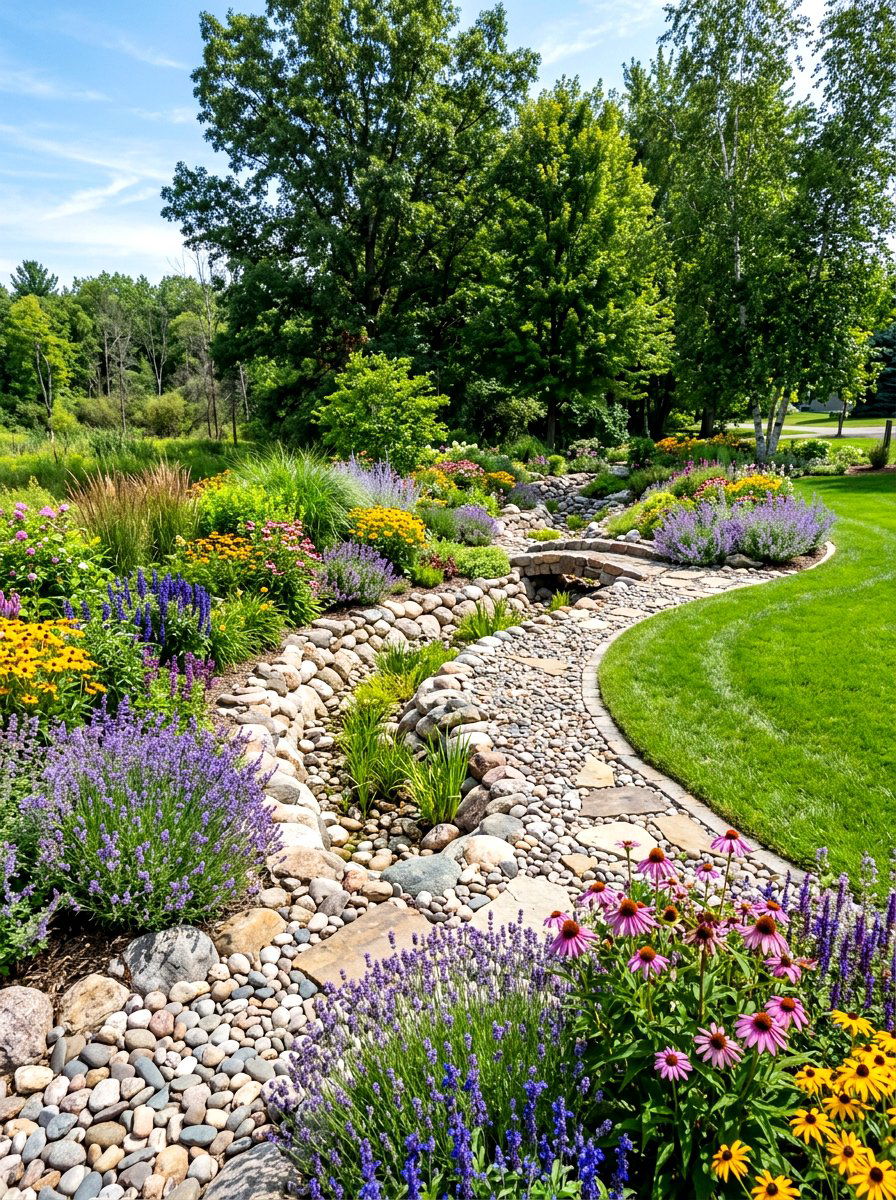
Adding curves to your drainage channel is a simple way to make it look more natural and visually appealing. A curving stone swale mimics the meandering path of a real creek, which is much more interesting to the eye than a straight line. By gently winding the rocks through your flower beds or lawn, you can create a sense of flow and movement in your landscape. This design also helps to slow down the water, giving it more time to soak into the ground before it reaches the end of the channel. It is a small design tweak that makes a huge difference in the overall look.
27. Backyard Creek Swale
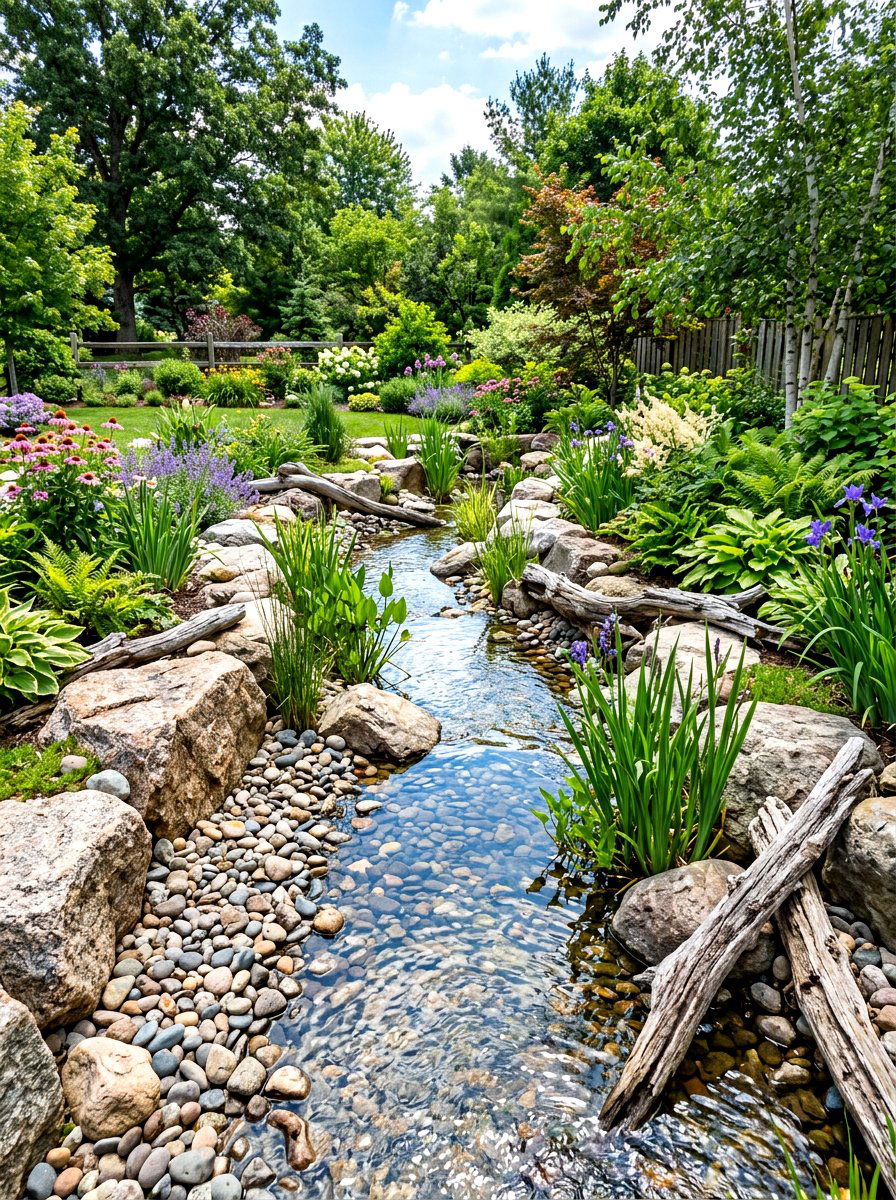
A backyard creek swale is designed to be the main focal point of your outdoor space, often running right through the center of the yard. By using a variety of rock sizes, driftwood, and aquatic-looking plants, you can create a feature that looks like a permanent water feature. Even when there is no water flowing, the "creek" adds texture and a sense of adventure to the garden. You can even add a small seating area or a bench nearby so you can enjoy the view. This approach turns a necessary drainage solution into a high-end landscape feature that adds value and beauty to your home.
28. Flowering Shrub Swale
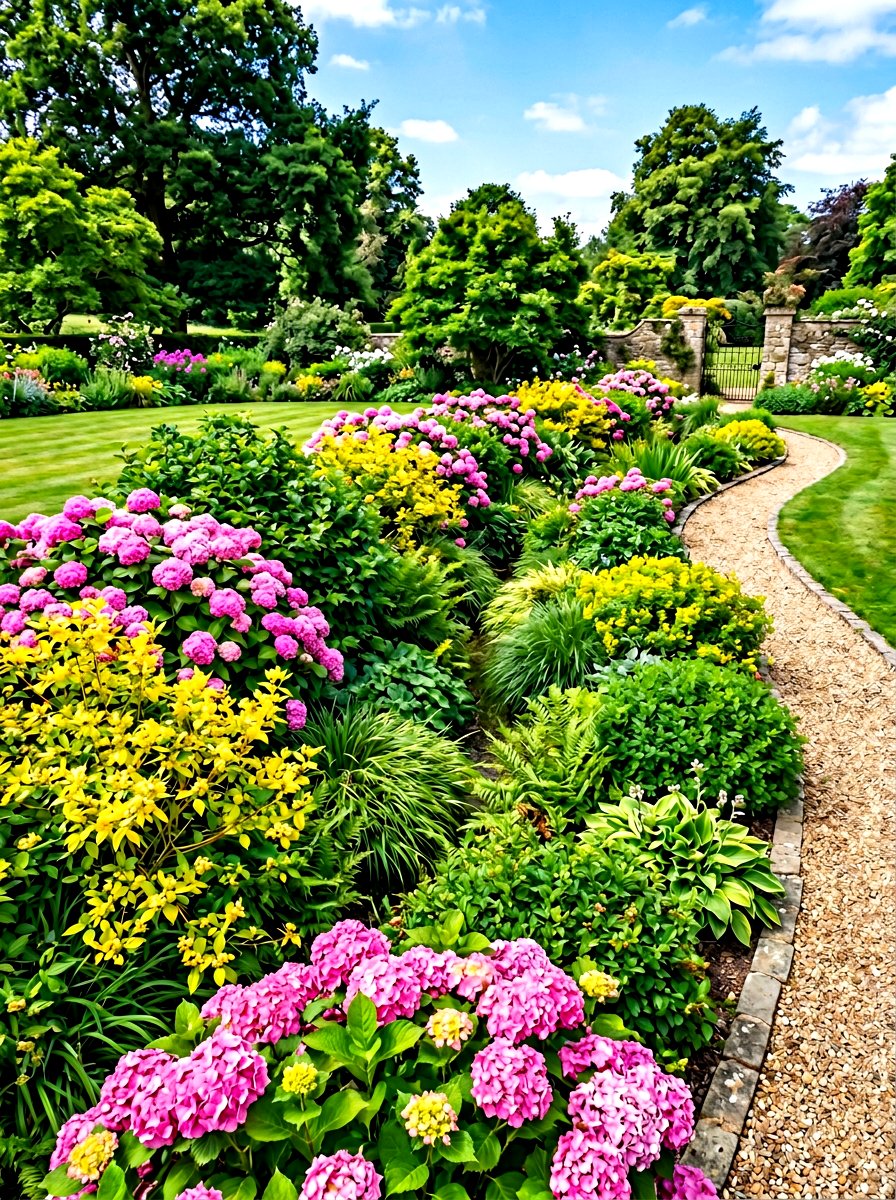
If you want to add some height and structure to your drainage area, a flowering shrub swale is an excellent choice. Many shrubs, such as dogwoods, hydrangeas, and viburnums, actually prefer the extra moisture found in low-lying areas. Planting these along the edges of your swale provides a beautiful screen and a burst of color when they are in bloom. The woody stems and deep roots of the shrubs provide excellent stability for the soil, preventing any erosion during heavy storms. This design creates a lush, layered look that makes your drainage system feel like a deliberate and integral part of your garden design.
29. Terraced Rock Swale
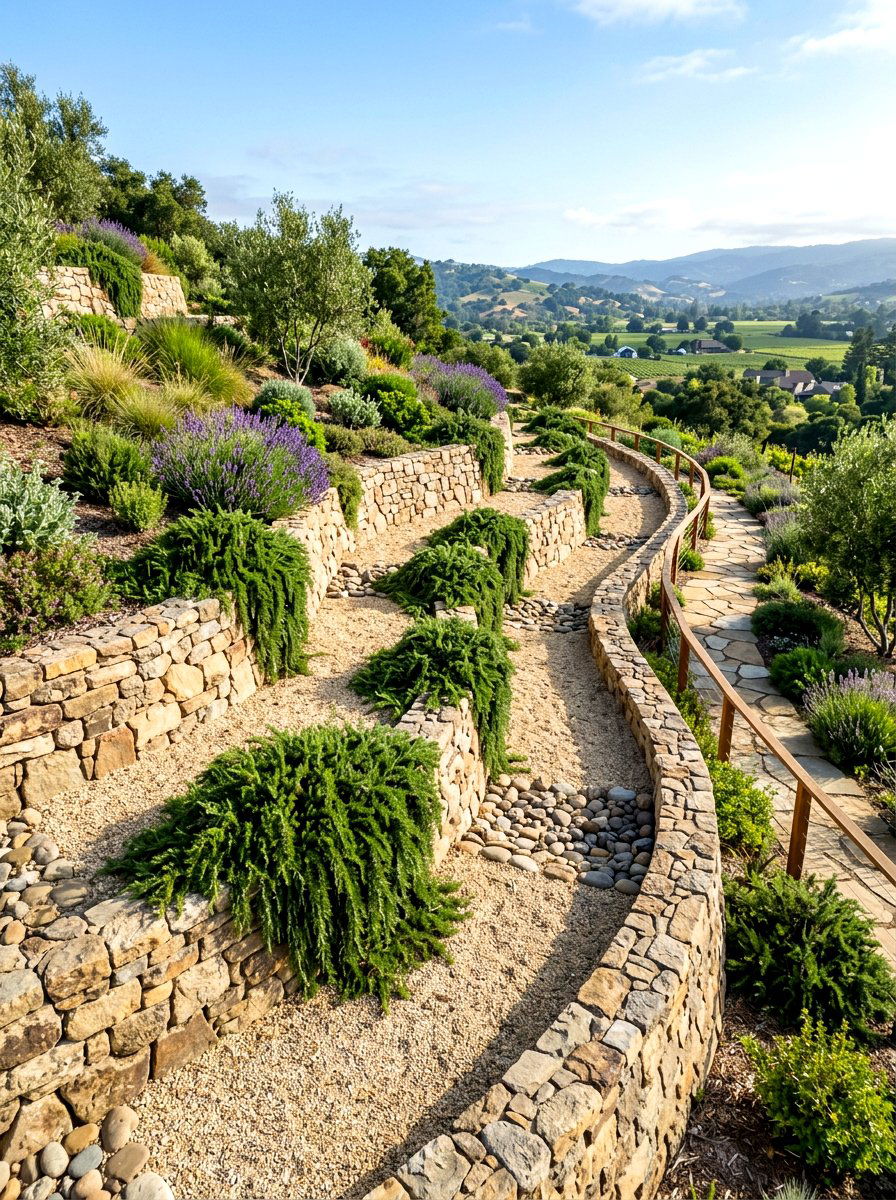
On very steep hillsides, a terraced rock swale uses a series of stone walls to create flat levels that catch and hold water. This prevents the water from rushing down the hill and causing massive soil loss. Each terrace can be filled with decorative gravel or planted with hardy ground covers to create a beautiful tiered garden effect. The use of large, flat stones for the walls adds a sense of permanence and strength to the landscape. While this is a more labor-intensive project, it is one of the most effective ways to manage water on a difficult slope while creating a stunning visual feature.
30. Contemporary Metal Edged Swale
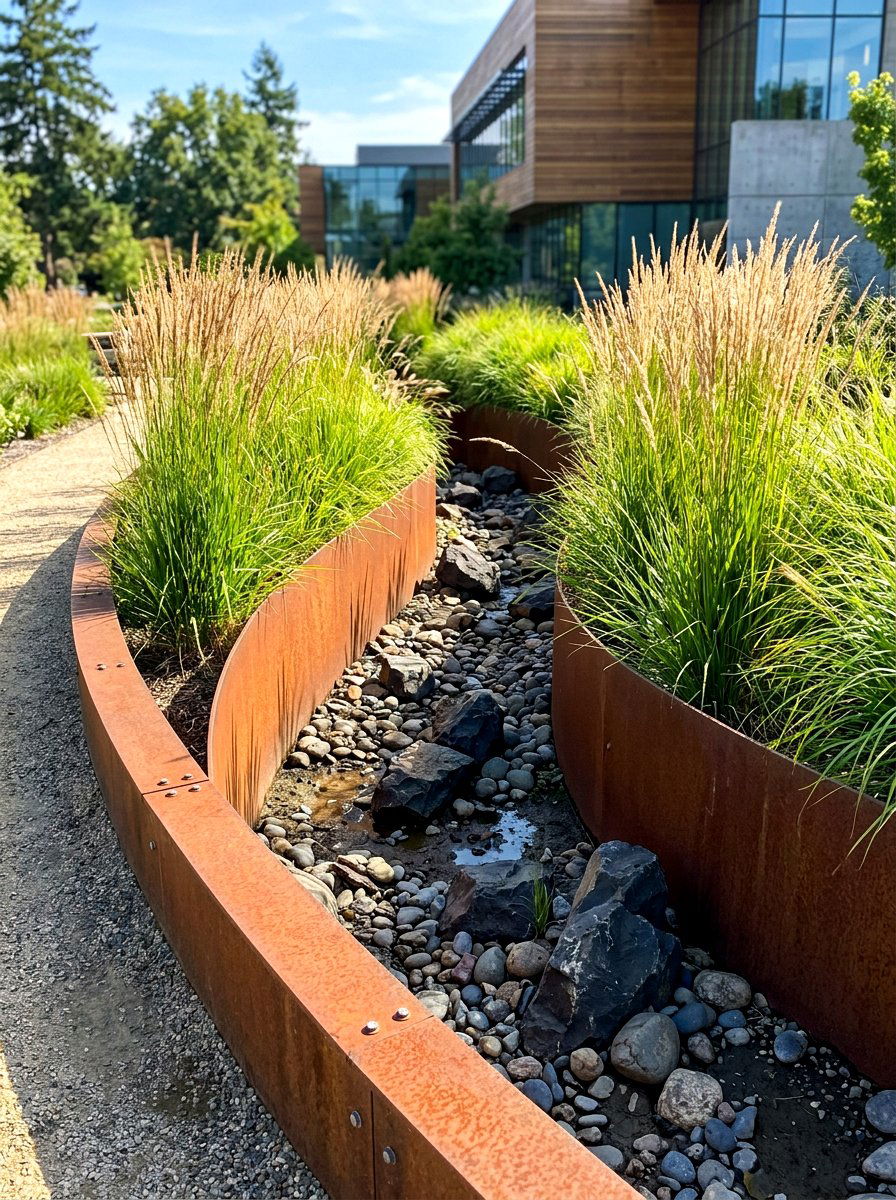
A contemporary metal edged swale uses sleek steel or aluminum strips to define the boundaries of a gravel or rock path. This creates a very sharp, modern look that is popular in high-end landscape architecture. The metal edging keeps the drainage materials perfectly in place, ensuring that your yard always looks tidy and well-maintained. You can pair the dark metal with light-colored pebbles or dark basalt for a high-contrast aesthetic. This style works beautifully next to concrete patios or modern home designs with lots of glass and steel. It is a durable, low-maintenance solution that brings a touch of industrial chic to your outdoor living area.
Conclusion:
Building a beautiful and functional swale is one of the smartest investments you can make for your home's landscape. By choosing the right materials and plants, you can transform a simple drainage ditch into a stunning feature that enhances your yard’s overall aesthetic. Whether you prefer the rugged look of boulders, the softness of native grasses, or the clean lines of modern concrete, there is a swale design that will fit your personal style. These eco-friendly solutions not only protect your property from water damage but also create a healthier environment for local plants and wildlife. Take the time to plan your project carefully, and you will enjoy a beautiful, dry, and inviting backyard for many years to come.

Related posts: