Are you looking for a way to transform your outdoor space while also helping the environment? A rain garden is a beautiful and functional addition to any property that solves drainage issues while supporting local wildlife. These shallow, landscaped depressions are specifically designed to capture and soak up stormwater runoff from roofs, driveways, and sidewalks before it enters the municipal sewer system. By utilizing deep-rooted native plants and specialized soil mixes, you can create a vibrant ecosystem that filters pollutants and prevents erosion. This guide explores creative ways to implement these sustainable landscapes, ensuring your yard remains lush and dry even after the heaviest seasonal downpours.
1. Front Yard Rain Garden
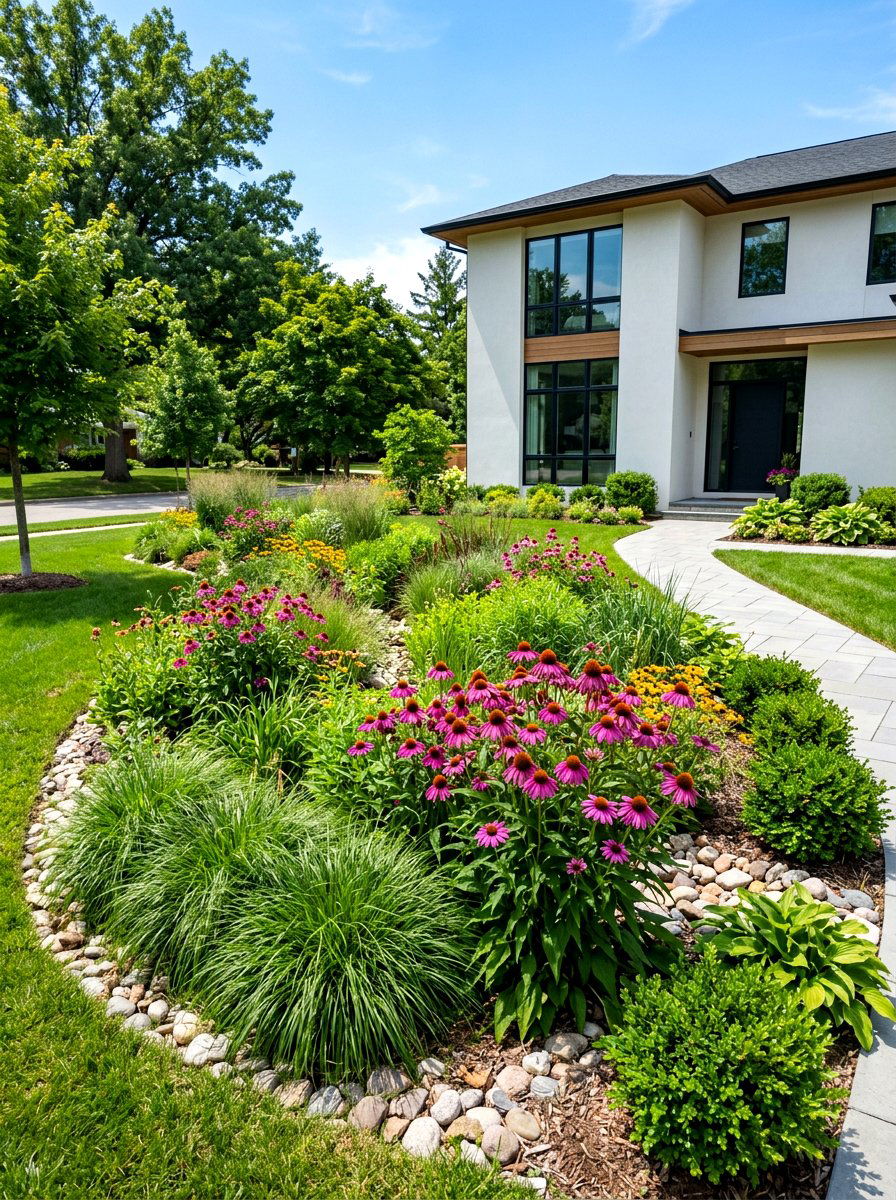
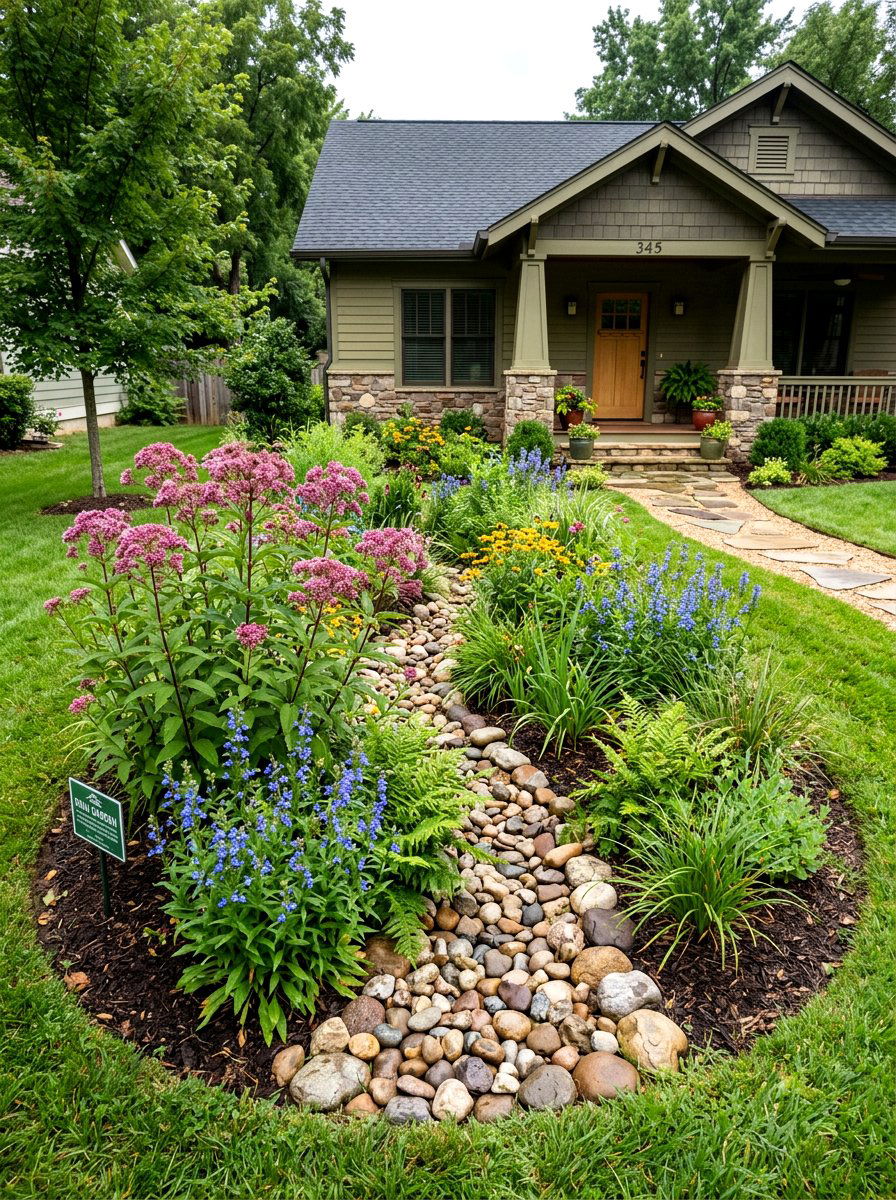
Does your front yard suffer from standing water after every heavy storm? A front yard rain garden serves as a welcoming focal point that replaces traditional turf with a functional ecosystem. You should place this garden at least ten feet away from your home's foundation to ensure proper drainage. Incorporating various heights of grasses and flowering perennials creates a layered look that enhances curb appeal instantly. The design focuses on a shallow basin filled with permeable soil and topped with decorative mulch to keep moisture where it belongs. This setup not only prevents erosion near your walkway but also creates a striking natural border that separates your property from the street beautifully.
2. Native Plant Rain Garden
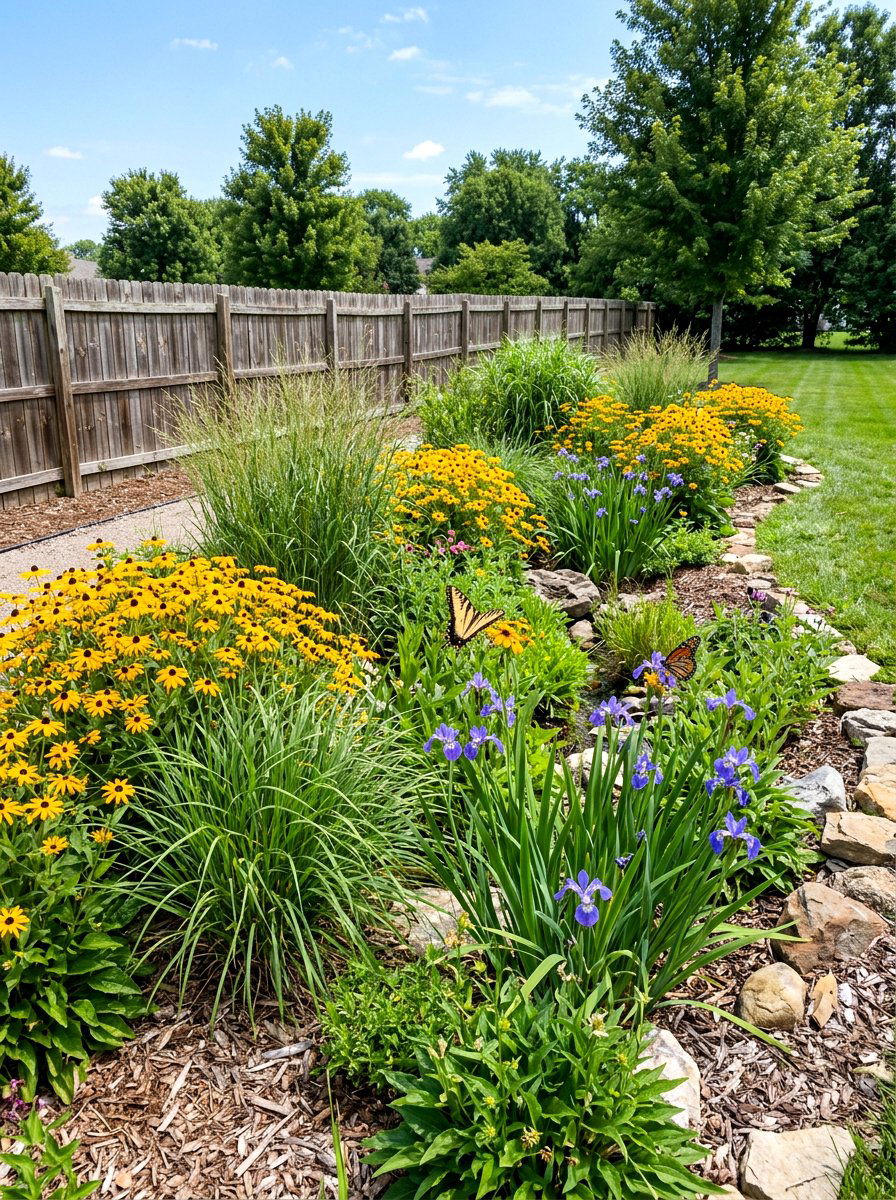
Why choose exotic species when local plants are already adapted to your specific climate and soil conditions? A native plant rain garden is the gold standard for sustainability because these plants require less maintenance once established. Deep-rooted species like switchgrass and black-eyed Susans are perfect for absorbing excess nutrients and water from the ground. This full-scale landscape design prioritizes biodiversity by creating a habitat for local birds and beneficial insects. By choosing a mix of flowering perennials and sturdy shrubs, you create a dense mat of vegetation that stabilizes the soil. The result is a lush, self-sustaining area that looks intentionally wild yet remains incredibly organized and visually appealing throughout the year.
3. Modern Rain Garden With Rocks
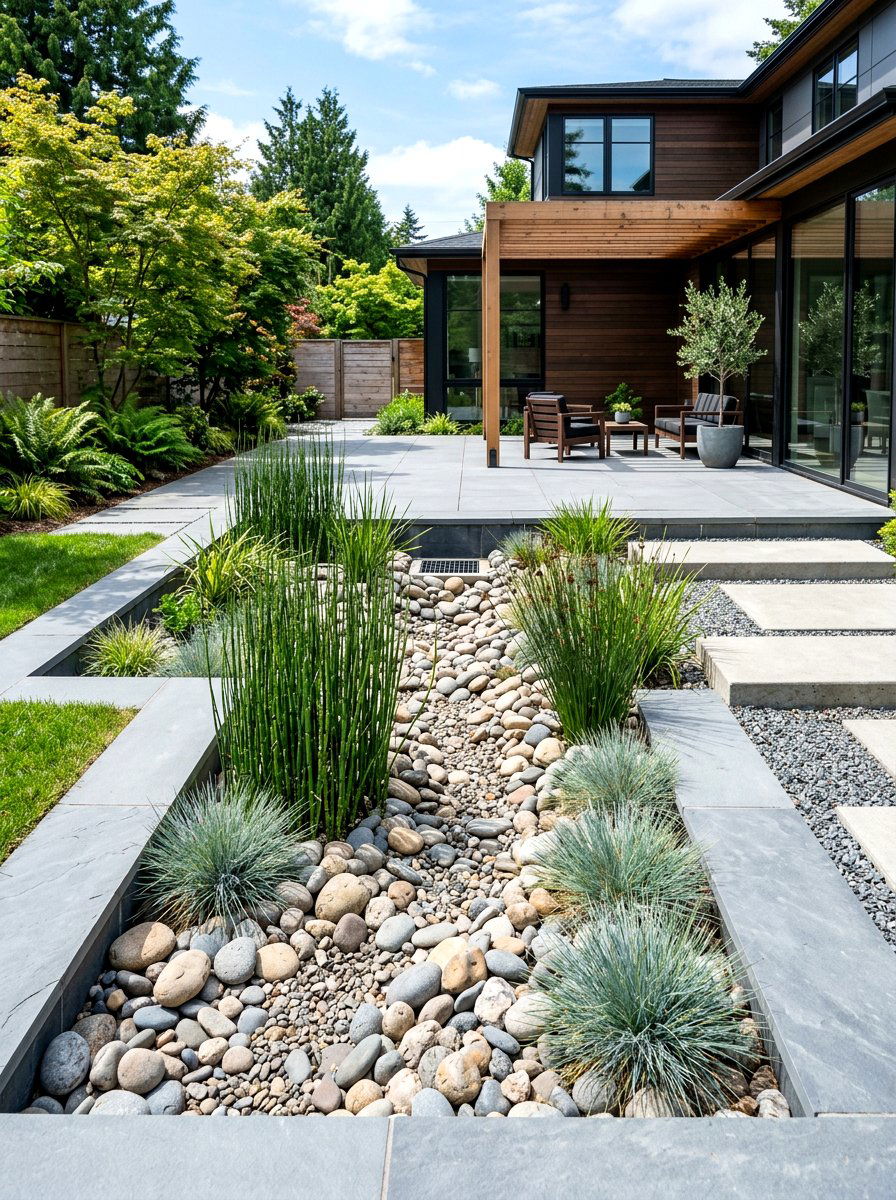
Have you considered using hardscaping to define the edges of your drainage area? A modern rain garden with rocks uses clean lines and structured elements to create a sophisticated outdoor aesthetic. Instead of a messy patch of weeds, this design features a carefully curated selection of river stones and slate. The rocks act as a natural filter and slow the flow of water as it moves through the garden bed. Pair these stone elements with architectural plants like blue fescue or horsetail for a minimalist look. This style works exceptionally well in contemporary landscapes where you want the functionality of a rain garden without sacrificing a polished and high-end appearance.
4. Downspout Rain Garden Extension
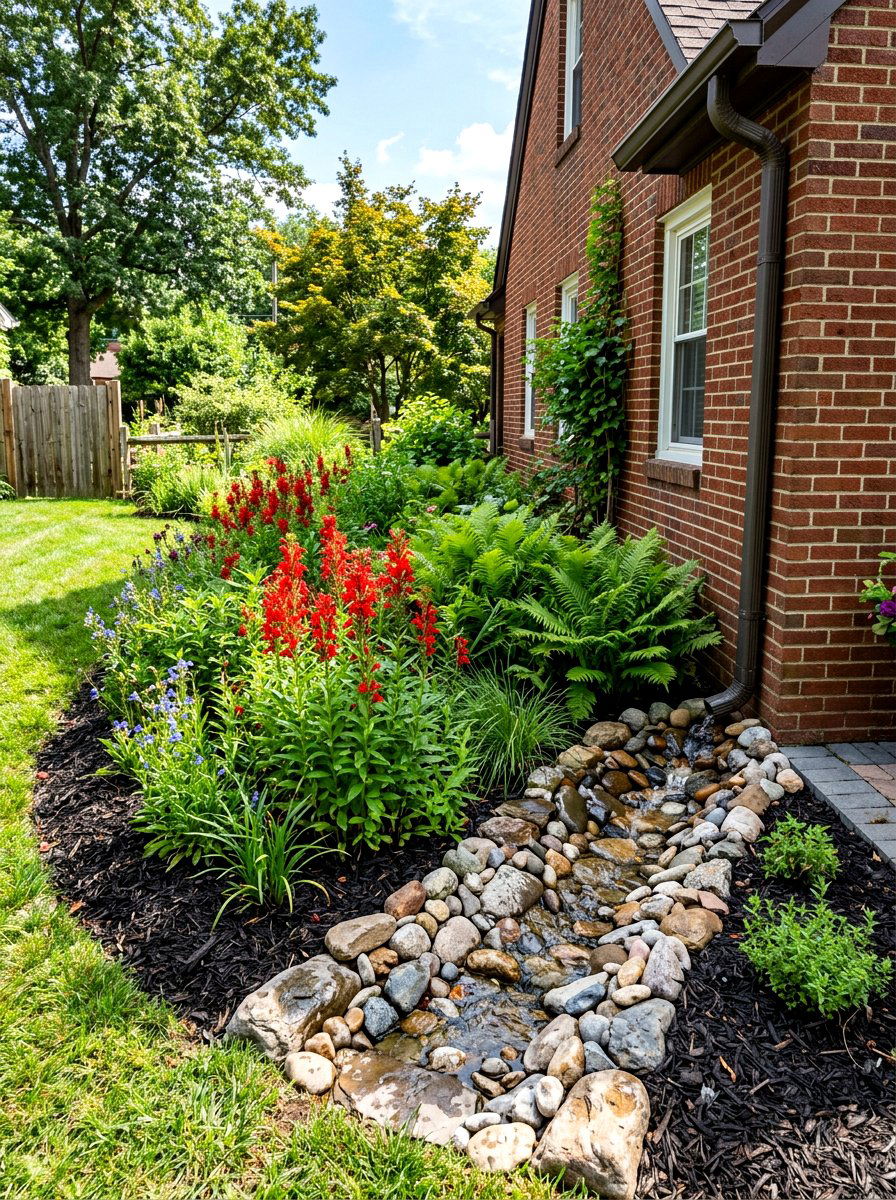
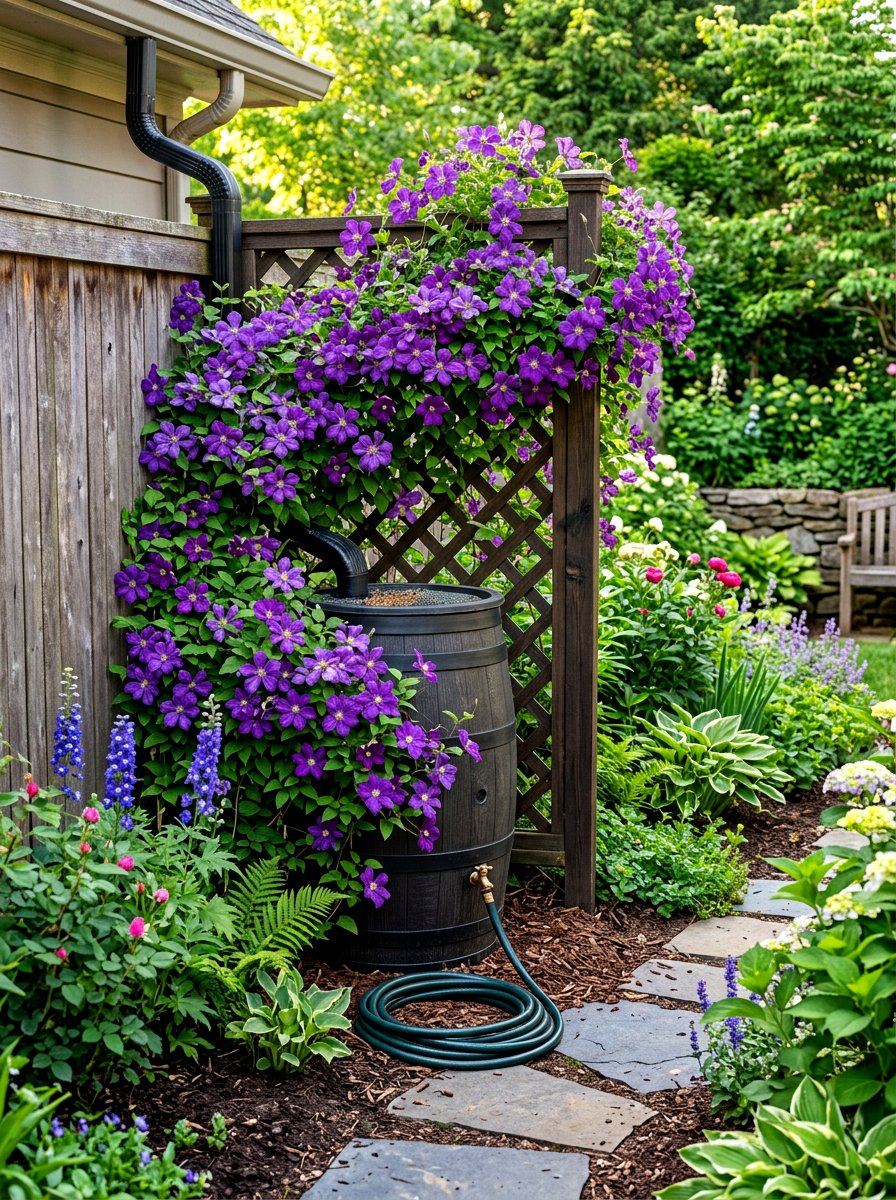
How do you handle the massive amount of water pouring off your roof during a thunderstorm? A downspout rain garden extension is a smart solution that connects your gutter system directly to a lush planting bed. By using an underground pipe or a decorative stone swale, you can lead the runoff toward a designated absorption zone. This prevents the water from pooling against your basement walls or washing away your expensive mulch. The design features moisture-loving plants at the entry point where the water is most concentrated. As the water spreads out through the wider basin, more drought-tolerant species can thrive along the edges, creating a balanced and healthy plant community.
5. Small Space Rain Garden
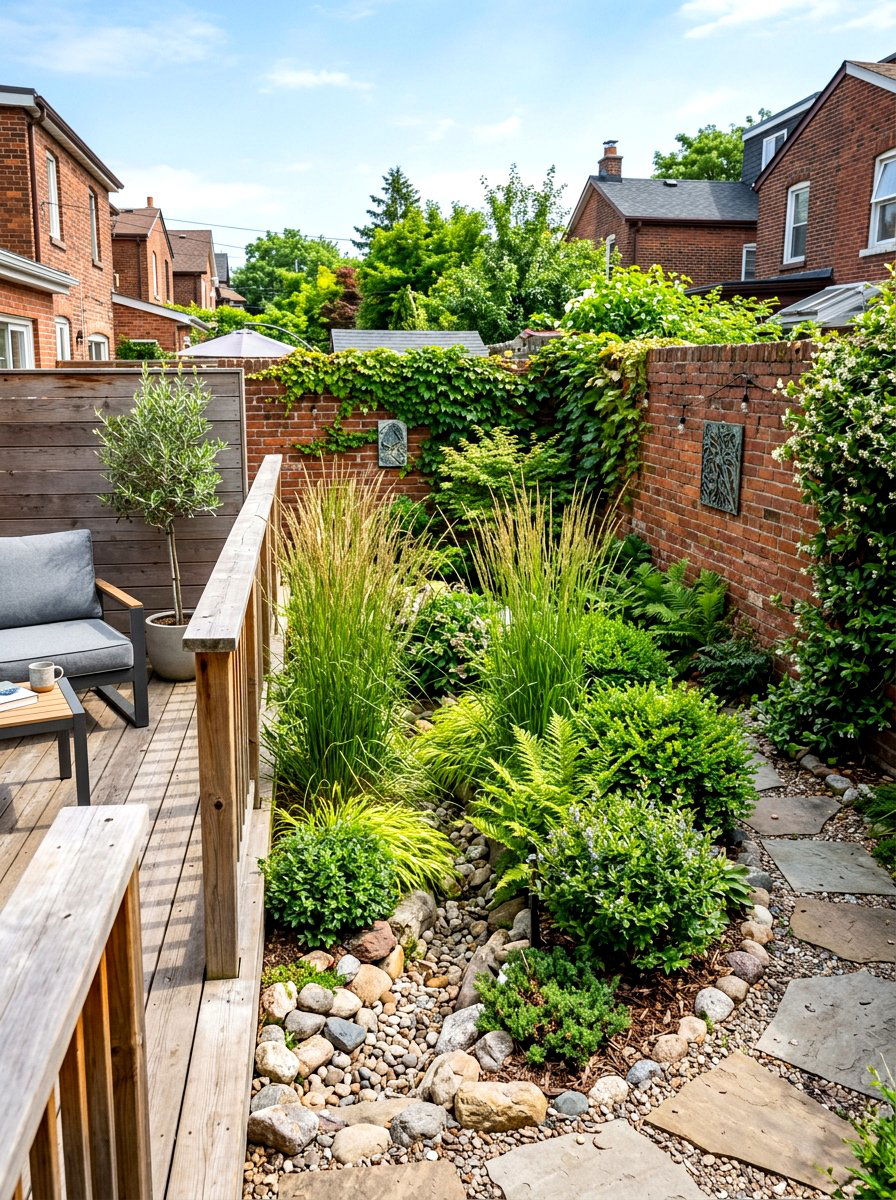
Do you think your yard is too tiny to accommodate a functional drainage system? A small space rain garden proves that even a compact urban lot can benefit from smart water management. This design focuses on deep, narrow basins that maximize absorption in a limited footprint. You can use vertical elements like tall grasses or climbing vines to add visual interest without taking up precious ground space. Compact shrubs and dwarf varieties of native perennials are ideal for these smaller installations. By keeping the design simple and focused on a few high-impact plants, you can turn a damp corner of your patio into a vibrant, green oasis that performs perfectly.
6. Rain Garden With Stepping Stones
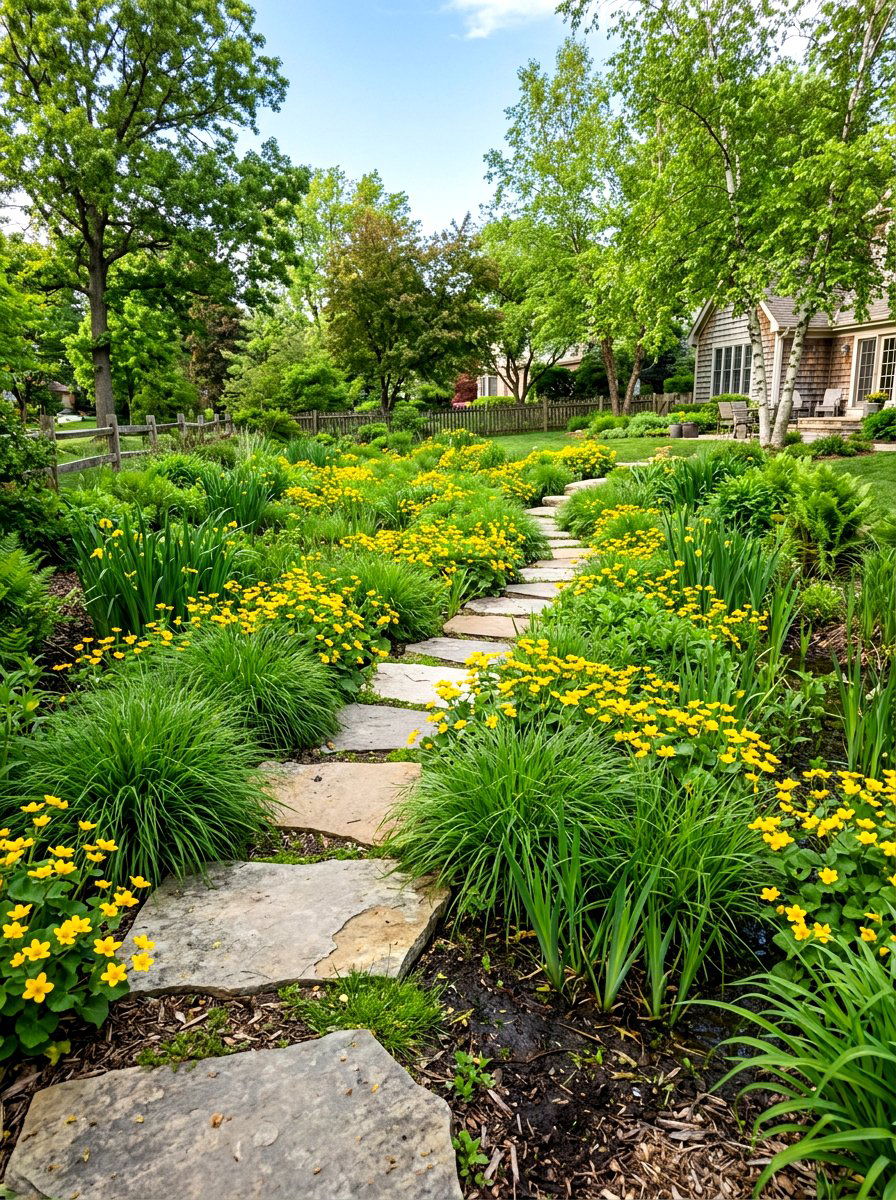
What if your drainage area could also serve as a functional pathway through your backyard? A rain garden with stepping stones combines utility with beauty by allowing you to walk directly through the lush vegetation. Large, flat stones are placed securely within the basin, providing a dry surface for your feet while the water flows freely beneath. This design encourages you to interact with your garden and observe the plants up close. You should surround the stones with low-growing groundcovers that can handle occasional foot traffic and heavy moisture. This creates a charming, secret garden atmosphere that makes the functional task of water management feel like a delightful landscape feature.
7. Backyard Swale Rain Garden
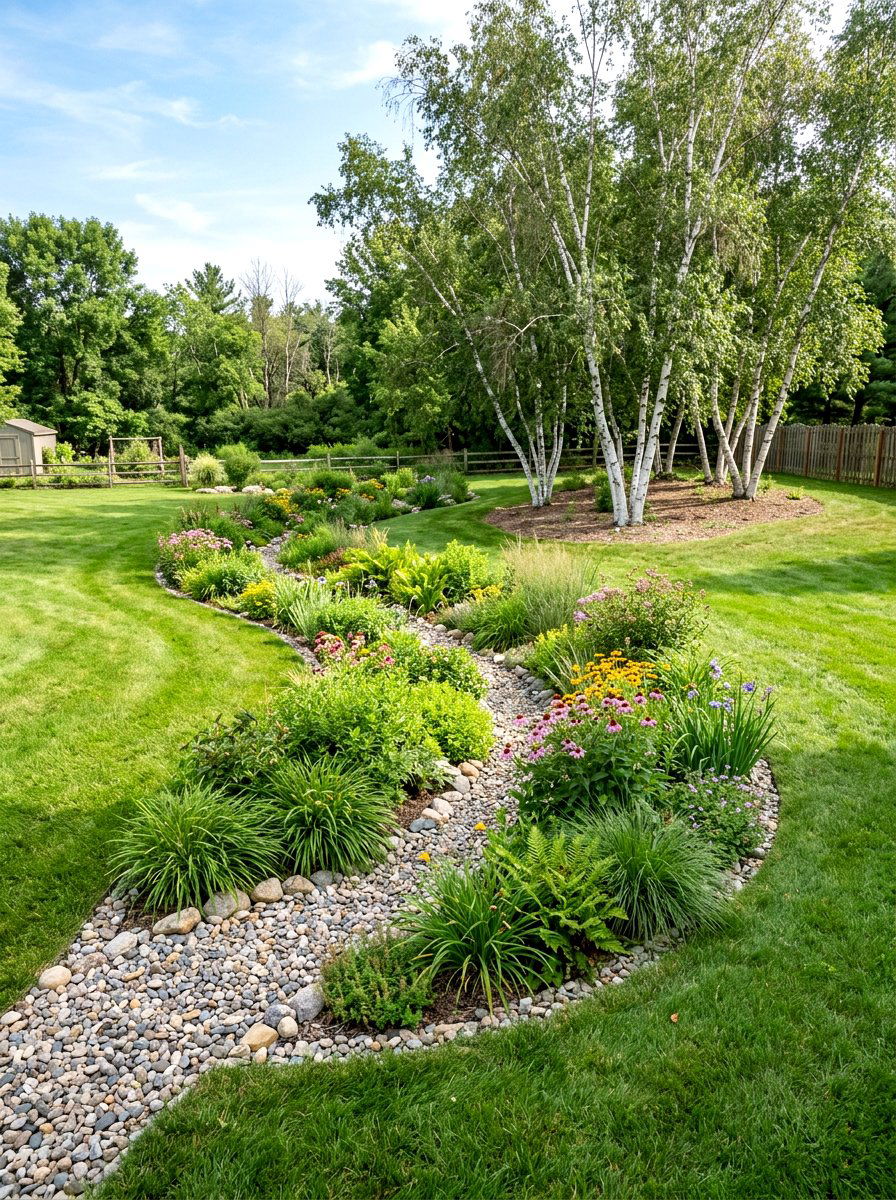
Are you dealing with a long, sloping yard that tends to channel water toward your neighbors? A backyard swale rain garden is a clever way to slow down and redirect that flow. This design features a long, shallow trench that is filled with gravel and planted with moisture-wicking species. Unlike a traditional ditch, a swale is beautifully landscaped to look like a natural dry creek bed when it is not raining. The gradual slope of the swale allows water to infiltrate the soil slowly as it moves along the channel. This prevents fast-moving water from carving out gullies in your grass while adding a unique, flowing shape to your backyard.
8. Dry Creek Bed Rain Garden
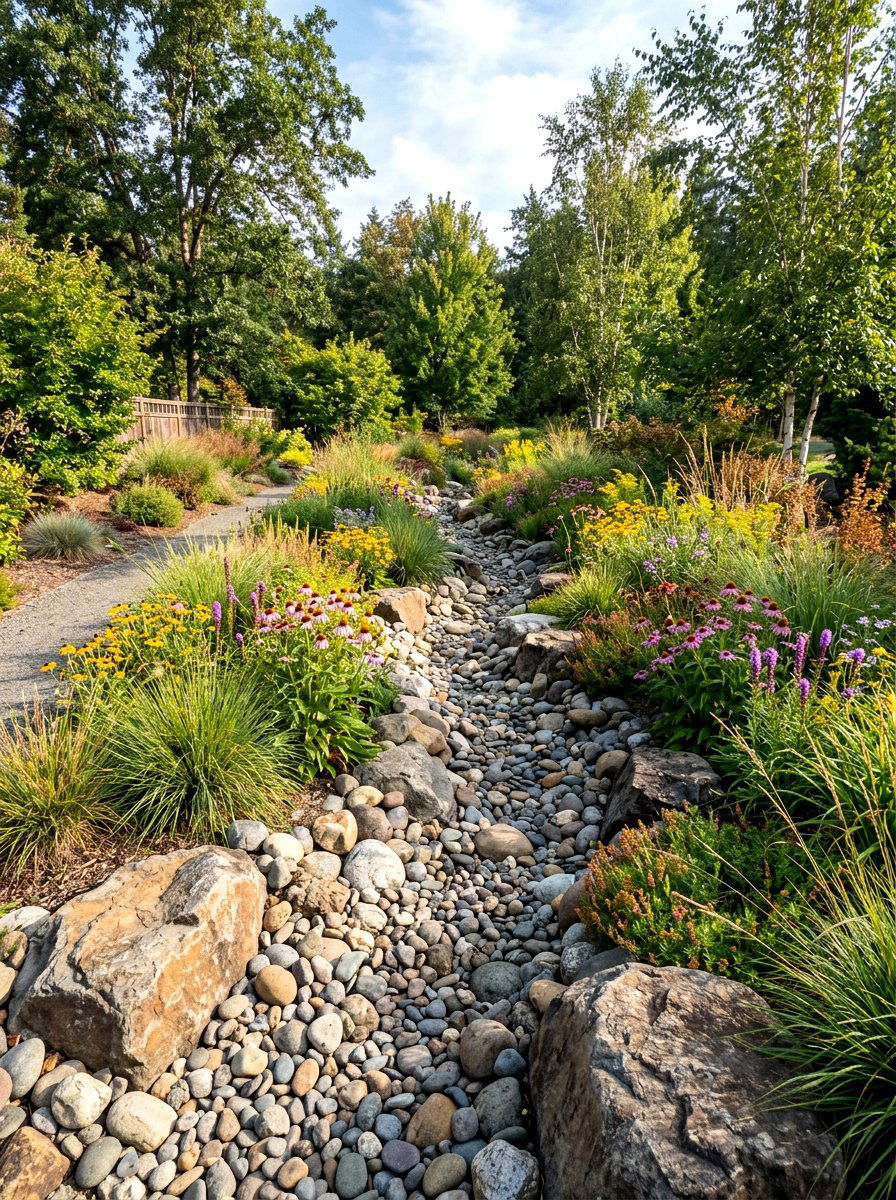
How can you make a drainage area look attractive even during the driest months of the summer? A dry creek bed rain garden uses a variety of river rocks and boulders to mimic the look of a natural stream. When the rain falls, this feature comes to life as water flows over the stones and into the planting zones. During dry spells, the textured rocks provide architectural interest and a clear structural element in the garden. You can plant ornamental grasses and flowering shrubs along the "banks" of the creek to complete the realistic look. This design is highly effective at managing large volumes of water while providing year-round visual appeal.
9. Pollinator Rain Garden
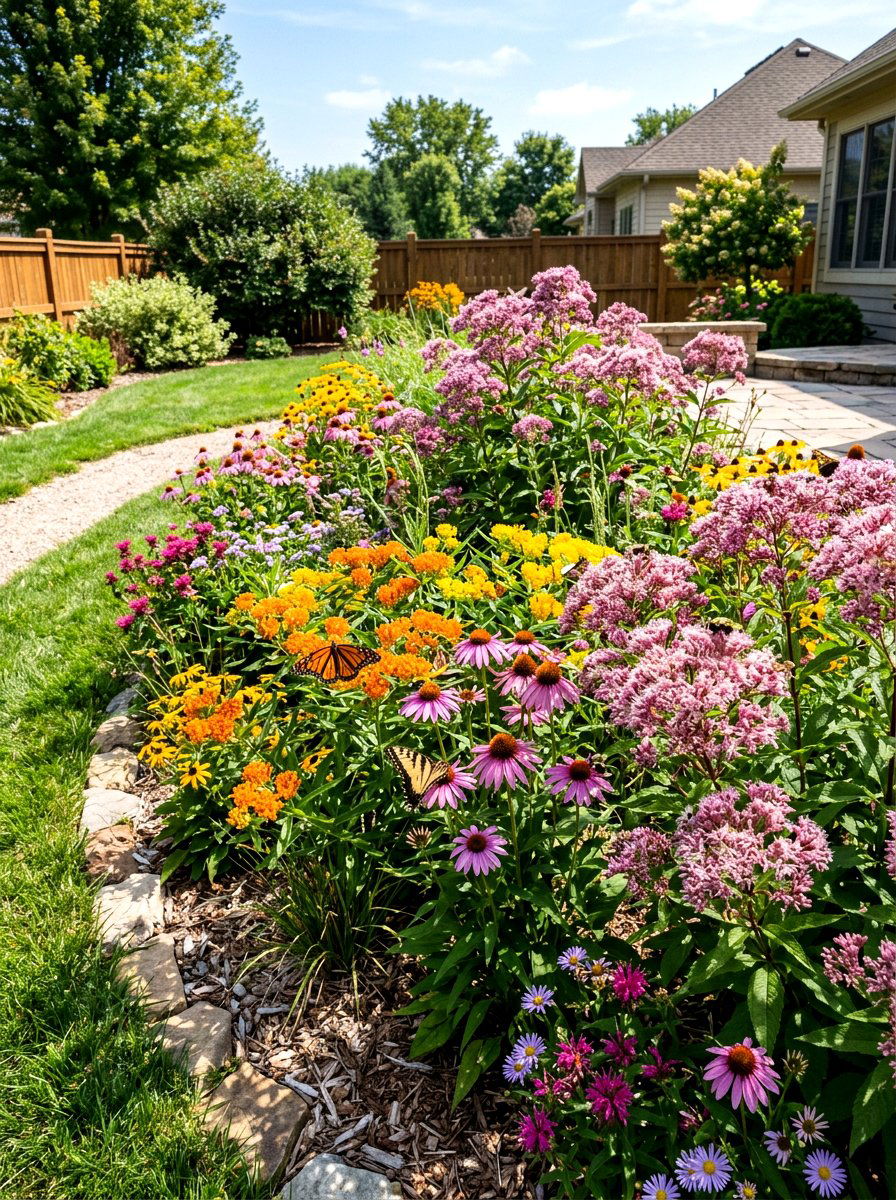
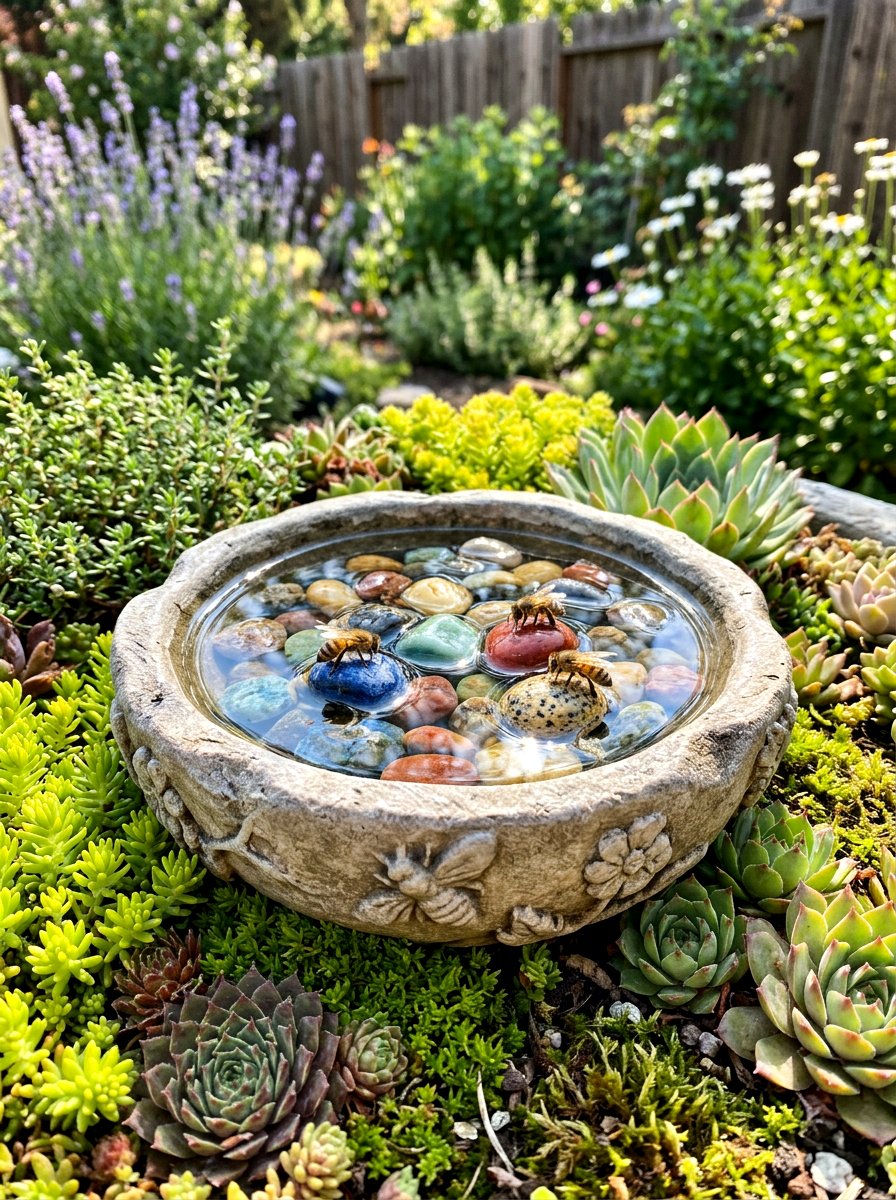
Would you like to help the environment while solving your yard’s drainage issues? A pollinator rain garden is specifically designed to attract bees, butterflies, and hummingbirds with nectar-rich native plants. Species like milkweed, joe-pye weed, and purple coneflower thrive in the moist conditions of a rain garden basin. This design creates a buzzing, colorful ecosystem that supports local wildlife throughout the growing season. By selecting plants with different bloom times, you can ensure that your garden remains a vital food source from early spring through late fall. This approach turns a functional drainage solution into a lively sanctuary that benefits both the planet and your personal outdoor enjoyment.
10. Shady Rain Garden
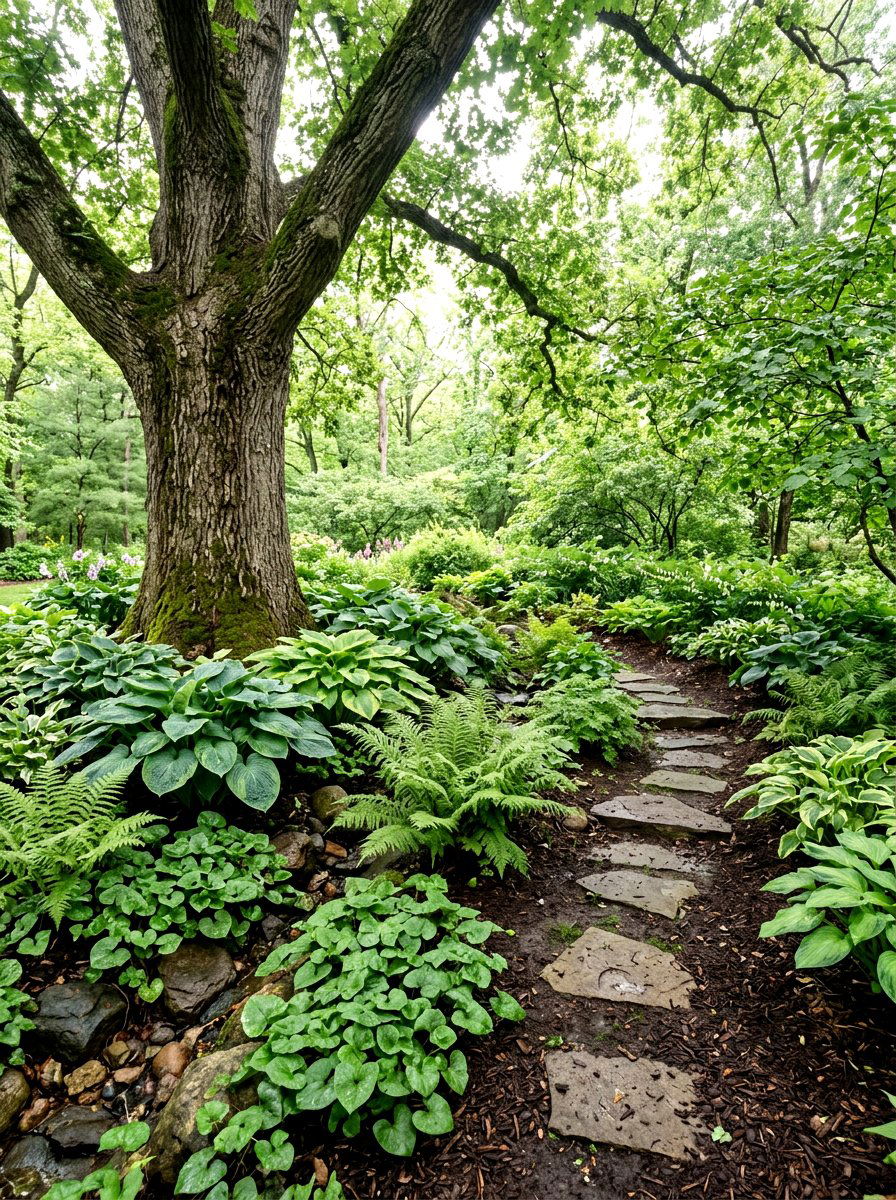
Do you have a damp spot under a large tree where nothing seems to grow well? A shady rain garden is the perfect solution for those low-light areas that tend to stay soggy. Many native woodland plants, such as ferns, hostas, and wild ginger, love the combination of moisture and shade. This design focuses on a variety of leaf textures and shades of green to create a calming, cool atmosphere. Because the sun doesn't dry the soil as quickly in the shade, these gardens are excellent at retaining moisture for longer periods. This allows you to create a lush, forest-like floor that prevents erosion and manages runoff in the darkest corners of your yard.
11. Sunny Rain Garden
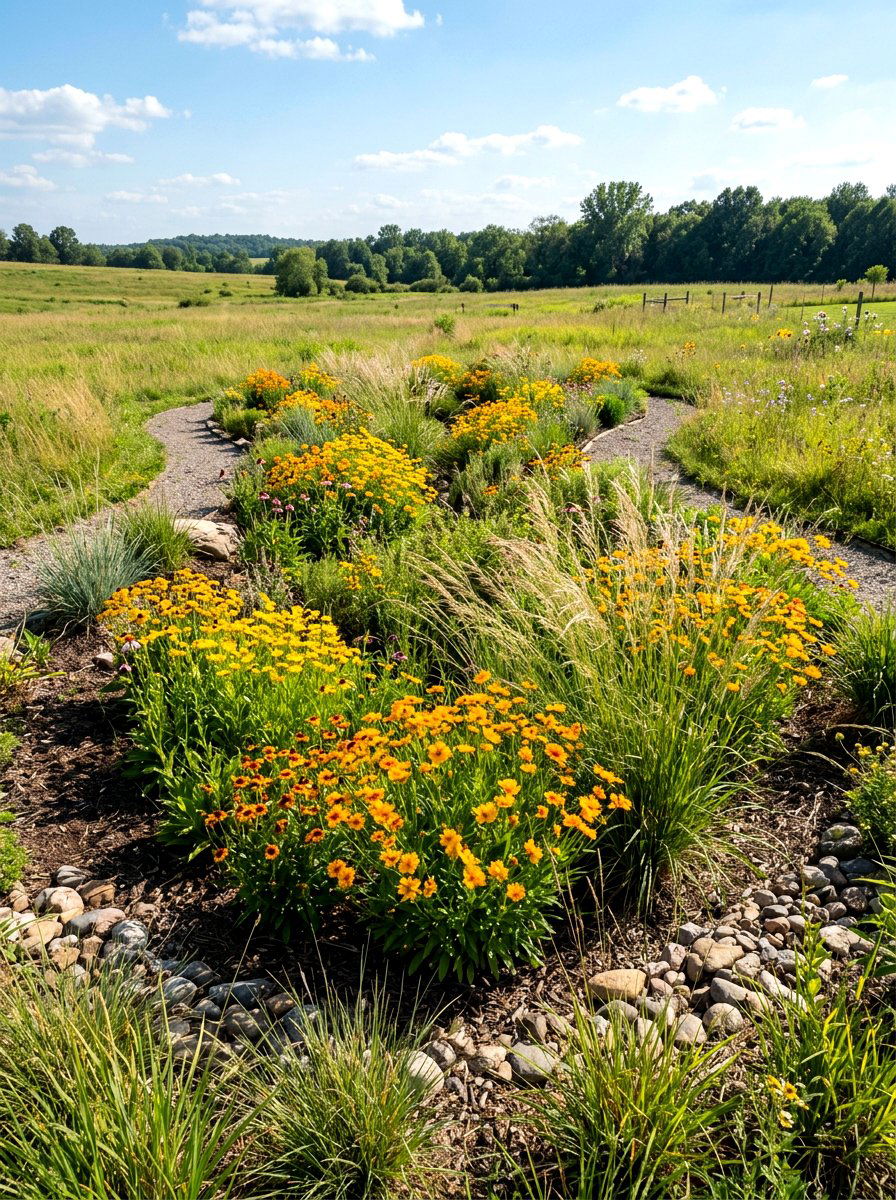
Is your property exposed to direct sunlight for the majority of the afternoon? A sunny rain garden utilizes heat-tolerant plants that can handle both the soaking wet conditions of a storm and the baking sun of a dry spell. Prairie plants like switchgrass, bluestem, and coreopsis are ideal for these bright locations. The design should feature a wide, open basin that allows for maximum evaporation and infiltration. These gardens are often the most vibrant, showcasing bright yellows, purples, and oranges that pop against the green foliage. Because these plants grow quickly in the sun, they establish strong root systems that are incredibly effective at filtering pollutants from incoming stormwater runoff.
12. Rain Garden With Retaining Wall
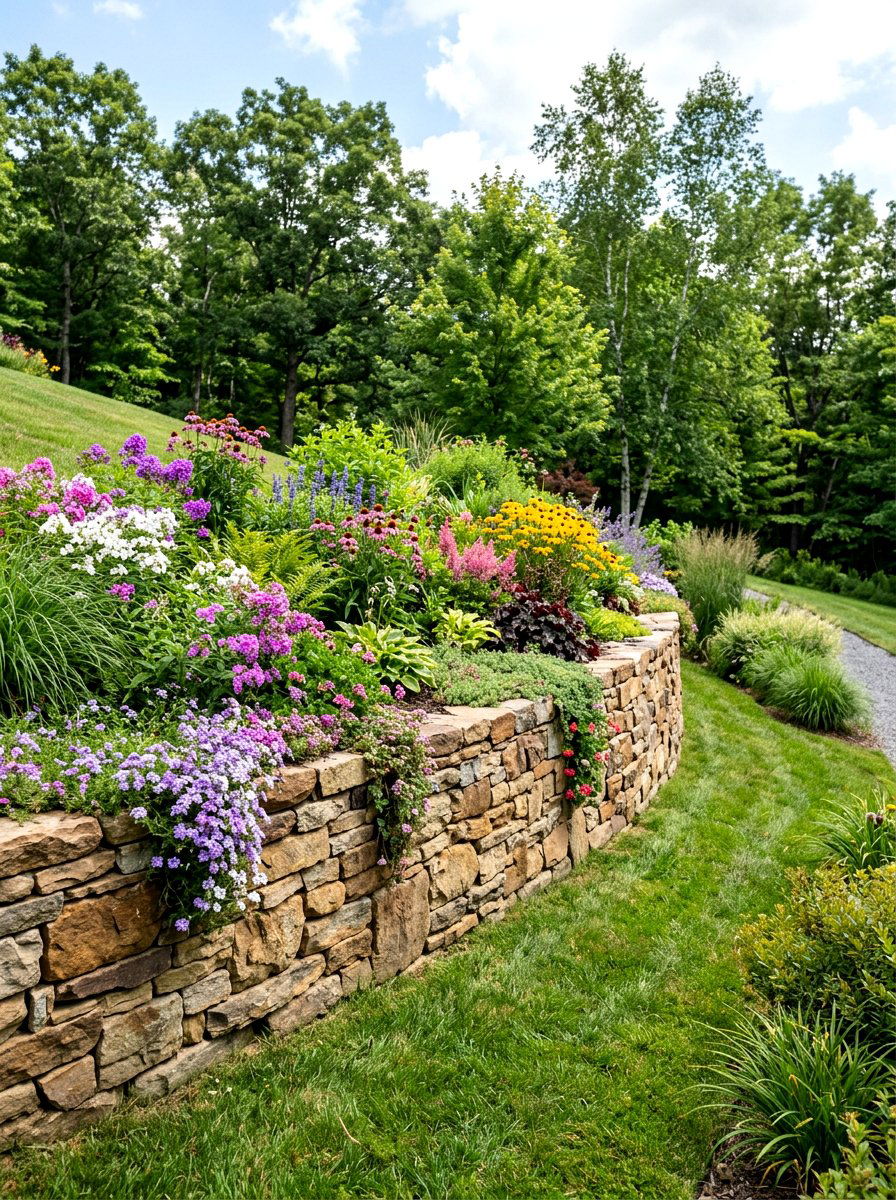
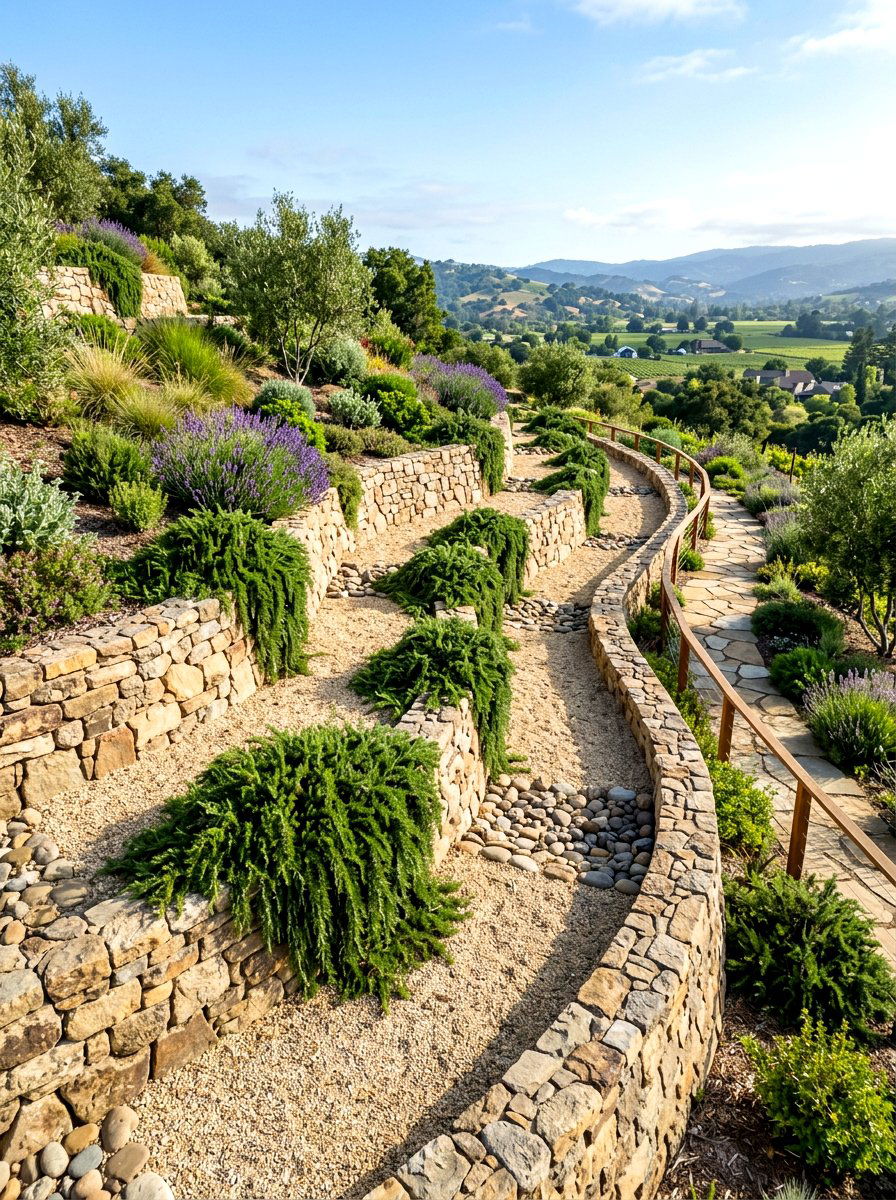
How do you build a rain garden on a property with a significant elevation change? A rain garden with a retaining wall allows you to create a level basin on a slope. The wall can be built from natural stone, timber, or concrete blocks to provide a sturdy boundary for the planting area. This design prevents soil from washing away while creating a terraced effect that adds depth to your landscape. You can plant cascading species along the top of the wall to soften the hard edges of the structure. This combination of engineering and horticulture results in a dramatic and highly functional garden that manages water flow while creating a beautiful outdoor feature.
13. Low Maintenance Rain Garden
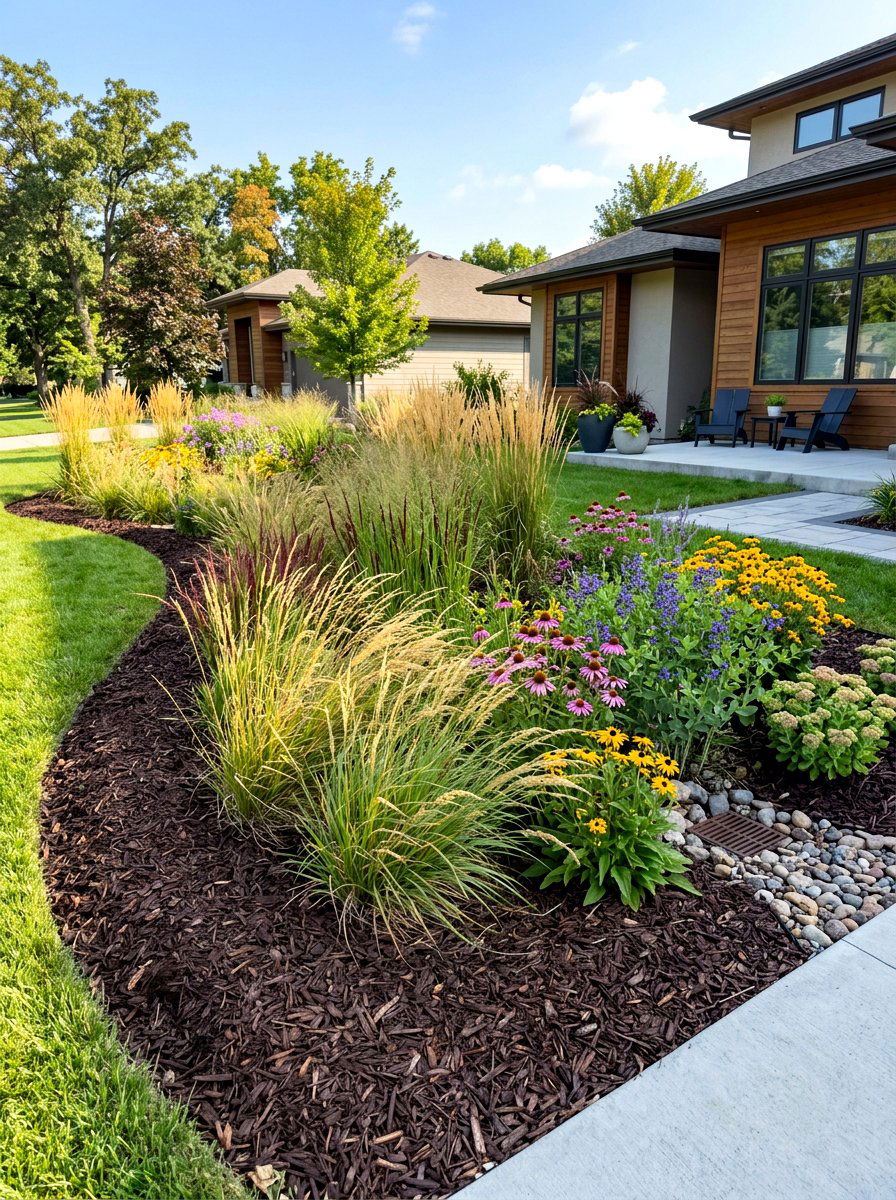
Are you looking for a drainage solution that doesn't require hours of weekly upkeep? A low maintenance rain garden relies on tough, resilient plants that once established, can take care of themselves. By selecting a heavy layer of wood mulch and a dense planting of groundcovers, you can naturally suppress weeds. This design minimizes the need for supplemental watering, pruning, and fertilizing. Ornamental grasses are often the stars of this style because they maintain their shape and provide interest even in the winter. A well-planned low maintenance garden allows you to enjoy the benefits of a dry yard and beautiful scenery without adding more chores to your busy weekend schedule.
14. Modern Concrete Rain Garden
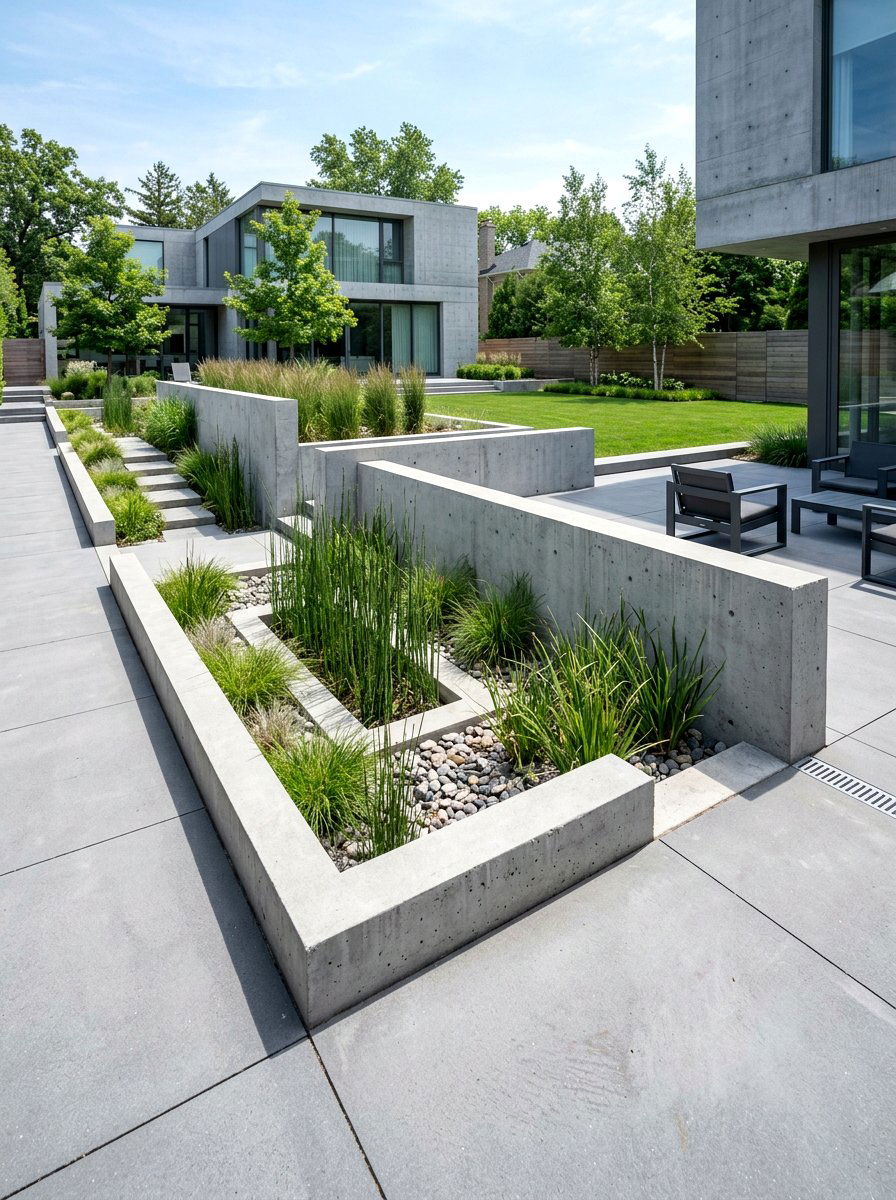
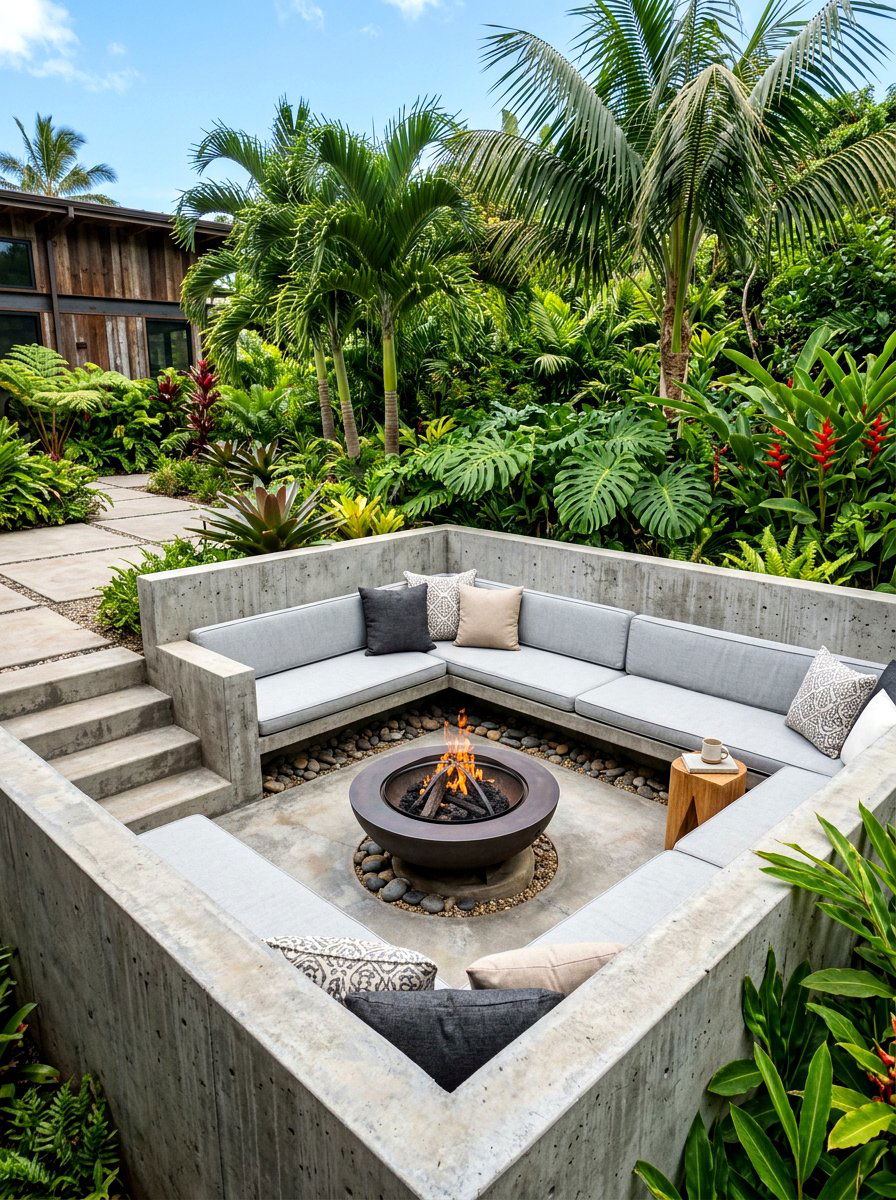
Can a rain garden look industrial and sleek while still being environmentally friendly? A modern concrete rain garden uses cast-in-place concrete walls to define sharp, geometric planting beds. This style is perfect for urban settings or homes with a contemporary architectural vibe. The contrast between the grey, smooth concrete and the wild, soft textures of the plants creates a stunning visual balance. These structured beds are designed to collect water from paved surfaces like patios or walkways through integrated inlets. Inside the concrete frame, a specialized soil mix ensures that water drains away quickly and efficiently. This design proves that sustainable water management can be a high-end design statement for any modern home.

15. Tropical Rain Garden
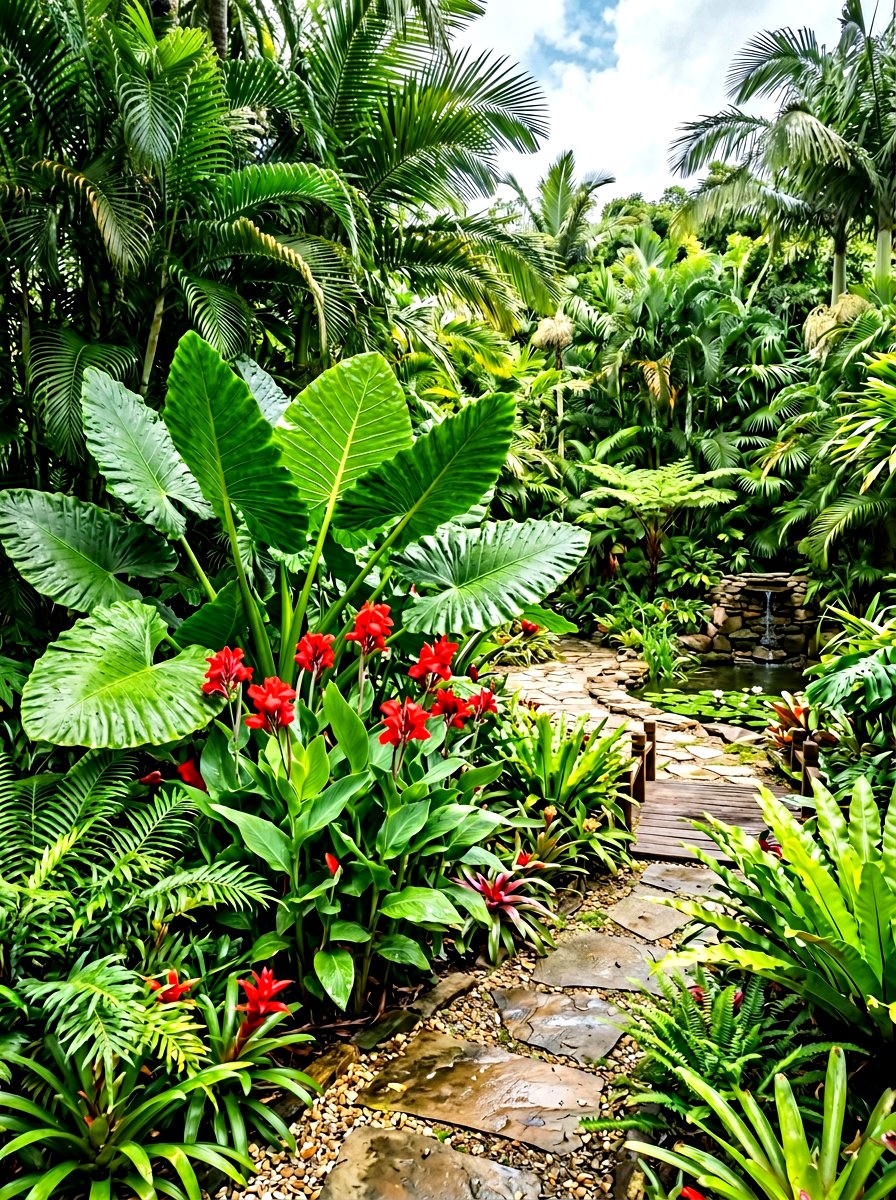
Would you like your backyard to feel like a lush island getaway? A tropical rain garden uses broad-leafed plants and vibrant colors to create an exotic atmosphere. While you may need to use native substitutes in colder climates, you can achieve this look with plants like canna lilies, elephant ears, and hibiscus. These species love high moisture levels and warm temperatures, making them perfect for the center of a rain garden basin. The design features layers of dense foliage that create a private, jungle-like feel. This approach is ideal for homeowners who want to hide their drainage solutions within a thick, verdant landscape that feels both luxurious and incredibly refreshing during the summer.
16. Rain Garden With Grasses
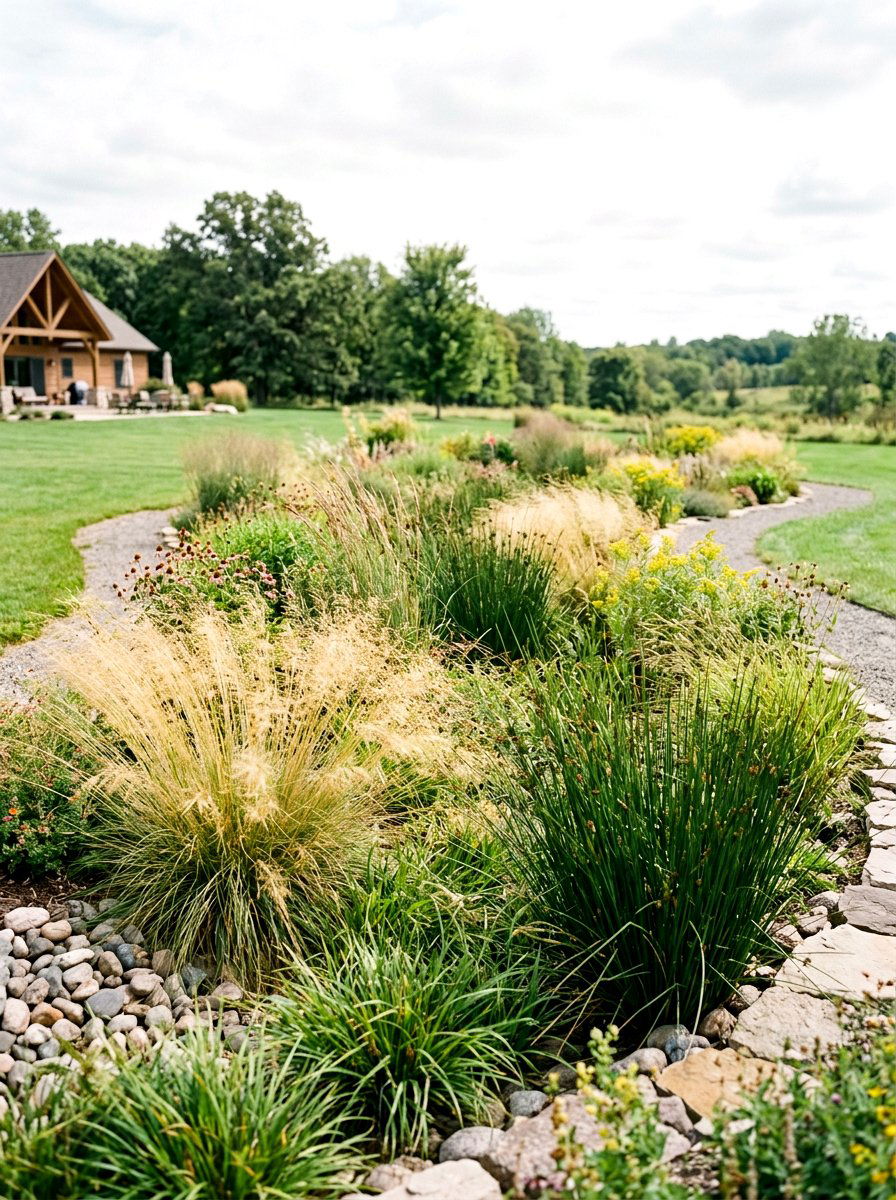
Have you ever noticed how beautifully ornamental grasses move in the wind? A rain garden with grasses focuses on the texture and movement of various sedges and rushes. These plants are exceptionally good at slowing down water and trapping sediment because of their dense growth patterns. This design uses a variety of heights and colors, from the golden hues of prairie dropseed to the deep greens of fox sedge. Grass-heavy gardens are often more subtle and elegant than flower-heavy designs, providing a soft, flowing look that lasts throughout the winter. Their deep fibrous roots are powerful tools for stabilizing the soil and improving the overall water infiltration rate of your entire property.
17. Decorative Gravel Rain Garden
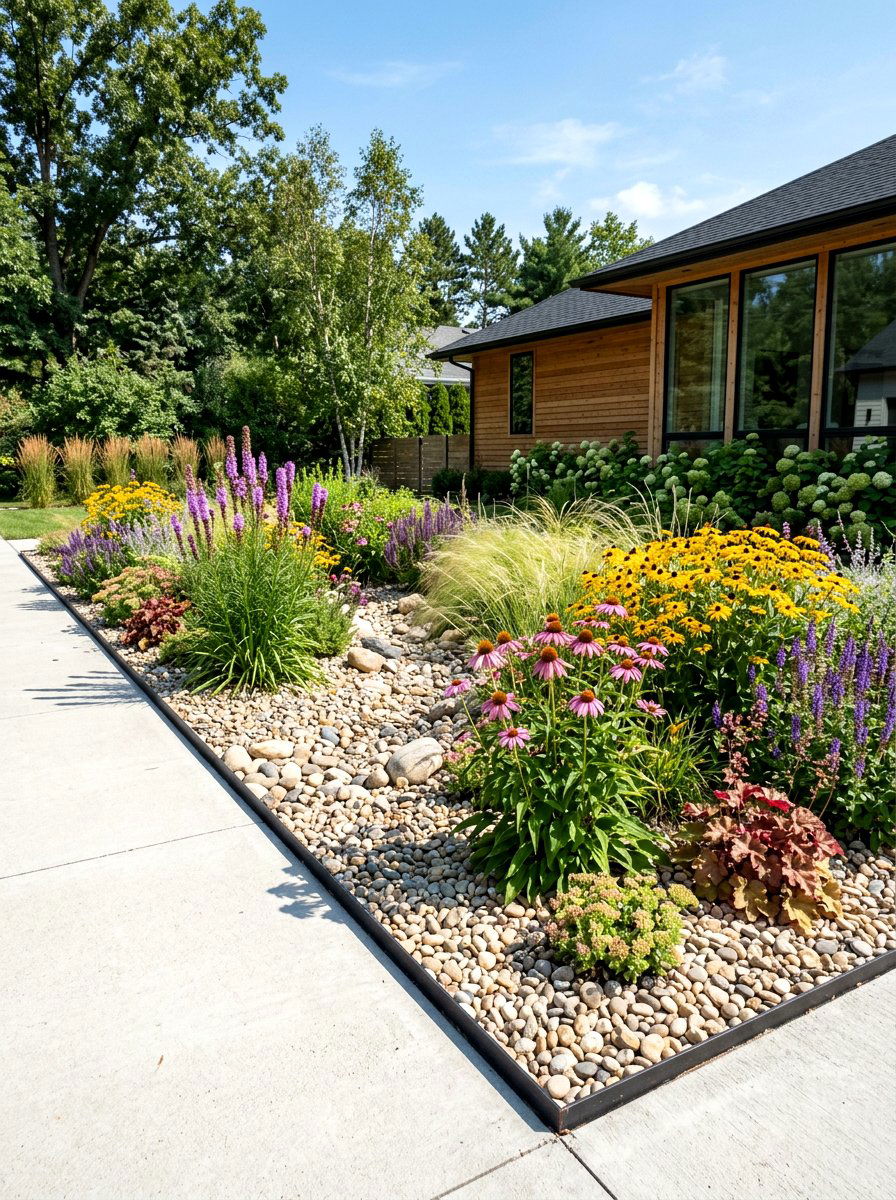
What if you want a clean, tidy look that still manages water effectively? A decorative gravel rain garden replaces traditional bark mulch with a layer of washed river stone or pea gravel. This prevents mulch from floating away during heavy downpours and provides a stable surface for the plants. The gravel acts as a heat sink, keeping the soil cool and moist for the roots while providing a modern, finished appearance. You can plant clumps of moisture-loving perennials directly through the gravel for a contemporary "gravel garden" look. This design is particularly effective in areas where you want a very defined border between your lawn and the specialized drainage zone of your yard.
18. Rain Garden Drainage Swale
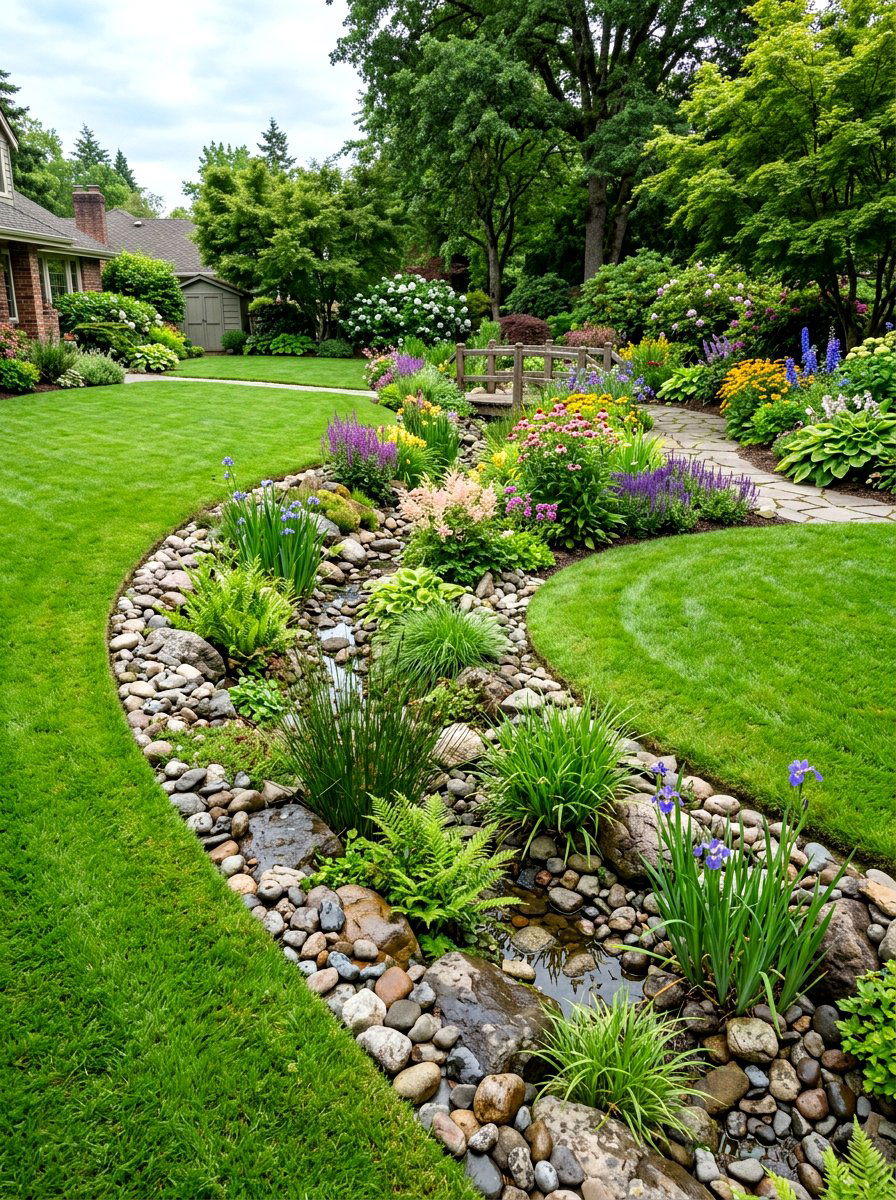
Are you trying to move water from a soggy spot to a more suitable drainage area? A rain garden drainage swale acts as a natural pipe, transporting runoff while cleaning it along the way. Unlike a standard underground drain, this surface feature is lined with stones and plants that absorb water as it travels. The design usually follows the natural contours of your land, curving gracefully through the landscape. This creates a functional waterway that adds a sense of flow and rhythm to your garden design. By using various sizes of cobble and river rock, you can create a feature that looks like a natural brook, making a technical drainage solution look like art.
19. Edible Rain Garden
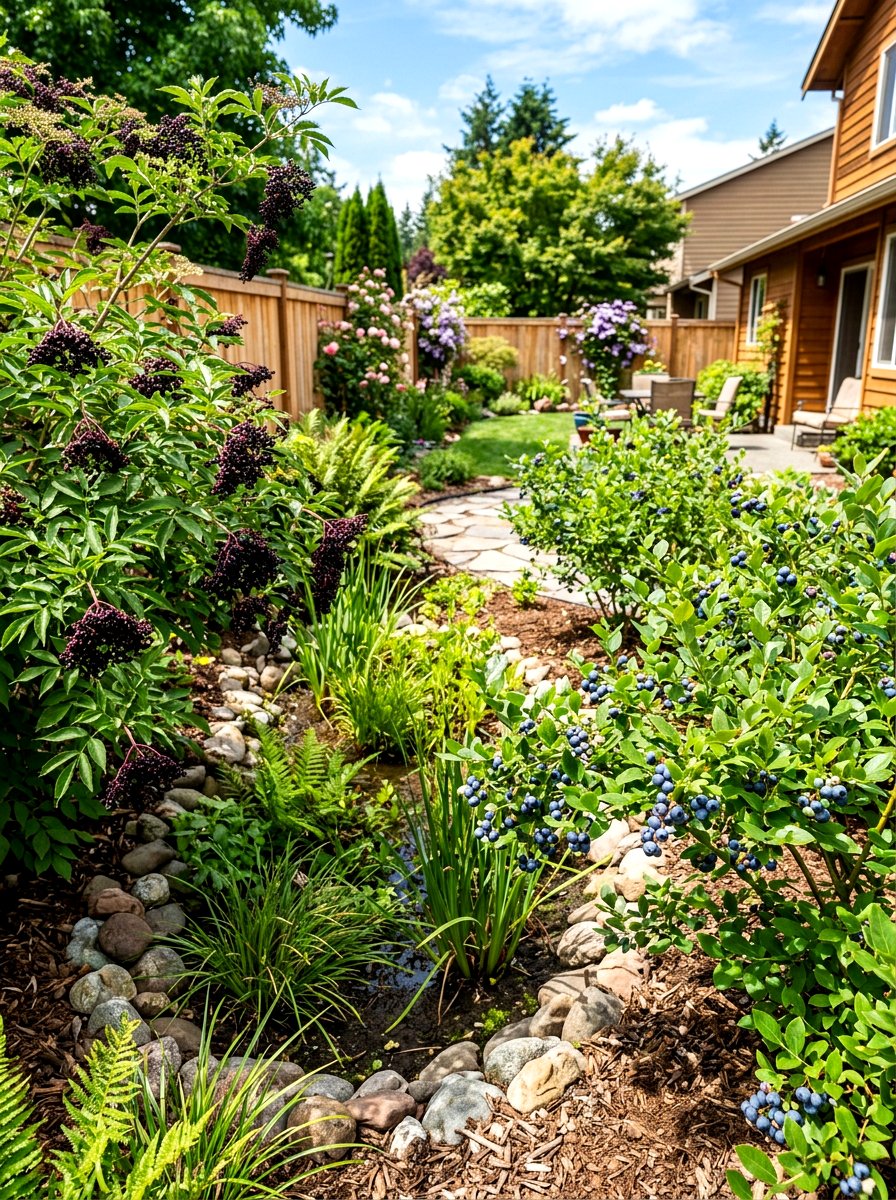
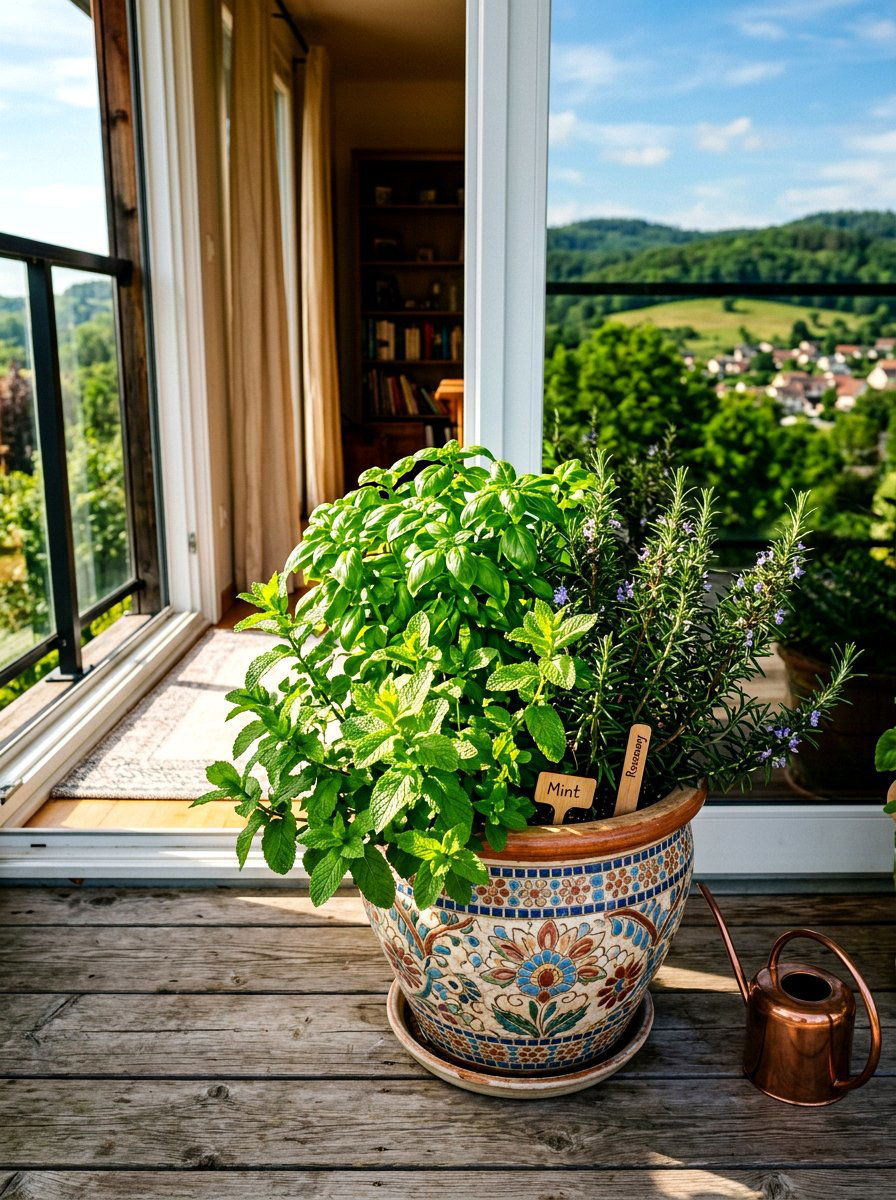
Can a rain garden also provide a harvest for your kitchen? An edible rain garden incorporates fruit-bearing shrubs and herbs that can tolerate the fluctuating moisture levels of a drainage basin. Highbush blueberries, elderberries, and certain types of mint are excellent choices for the damp edges of a rain garden. This design allows you to maximize the utility of your land by growing food while managing stormwater. You must ensure that the runoff coming into the garden is relatively clean and free from heavy chemicals. This approach is perfect for gardeners who want every square inch of their property to be productive, beautiful, and ecologically beneficial to the surrounding local environment.

20. Urban Rain Garden
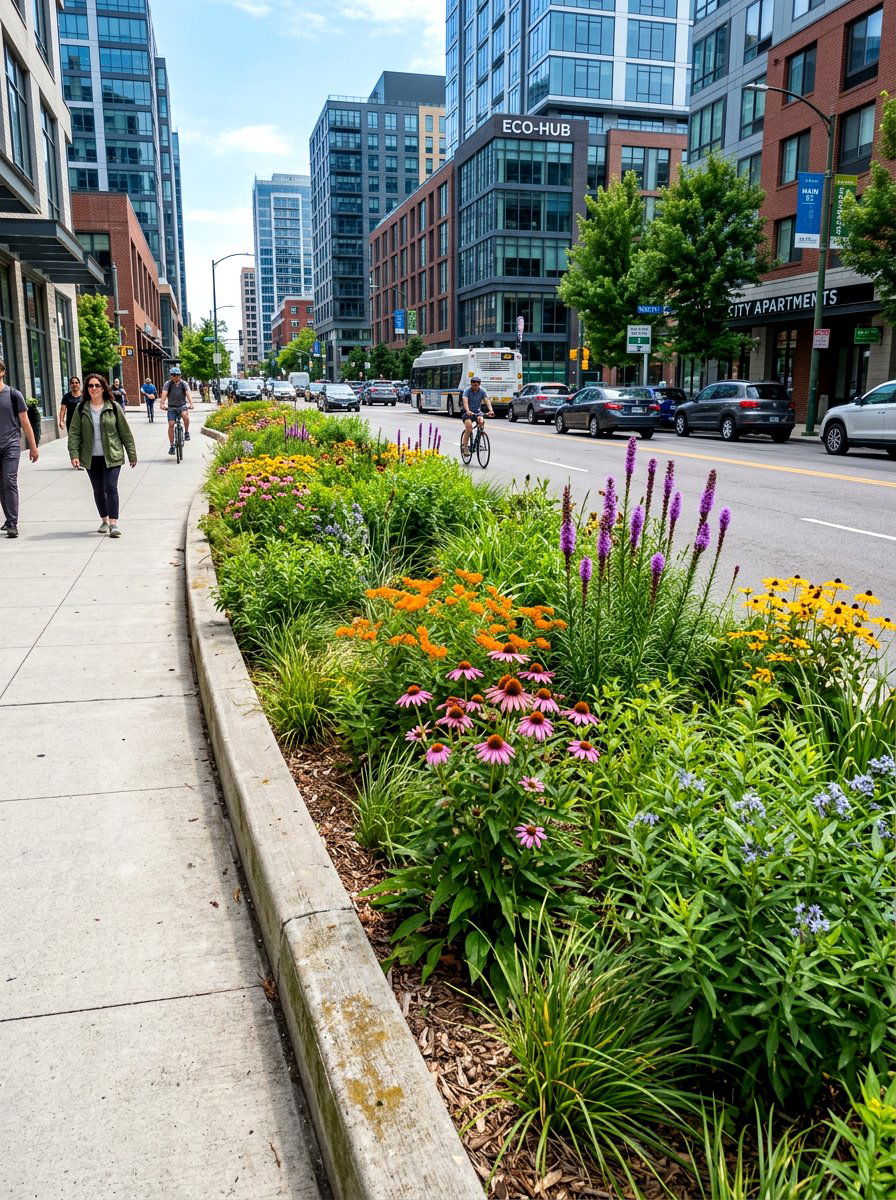
How do you manage runoff in a city environment with mostly paved surfaces? An urban rain garden is designed for tight lots, alleys, or street-side strips where space is at a premium. These gardens often use raised borders or curbs to channel water from sidewalks into a sunken planting bed. Because of the high volume of pollutants found on city streets, these gardens use specialized soil mixes to filter out oils and heavy metals. Tough, salt-tolerant plants are often chosen to survive the harsh conditions of urban life. This design is a critical tool for cities to reduce the strain on aging sewer systems while adding much-needed green space to the concrete landscape.
21. Sloped Rain Garden
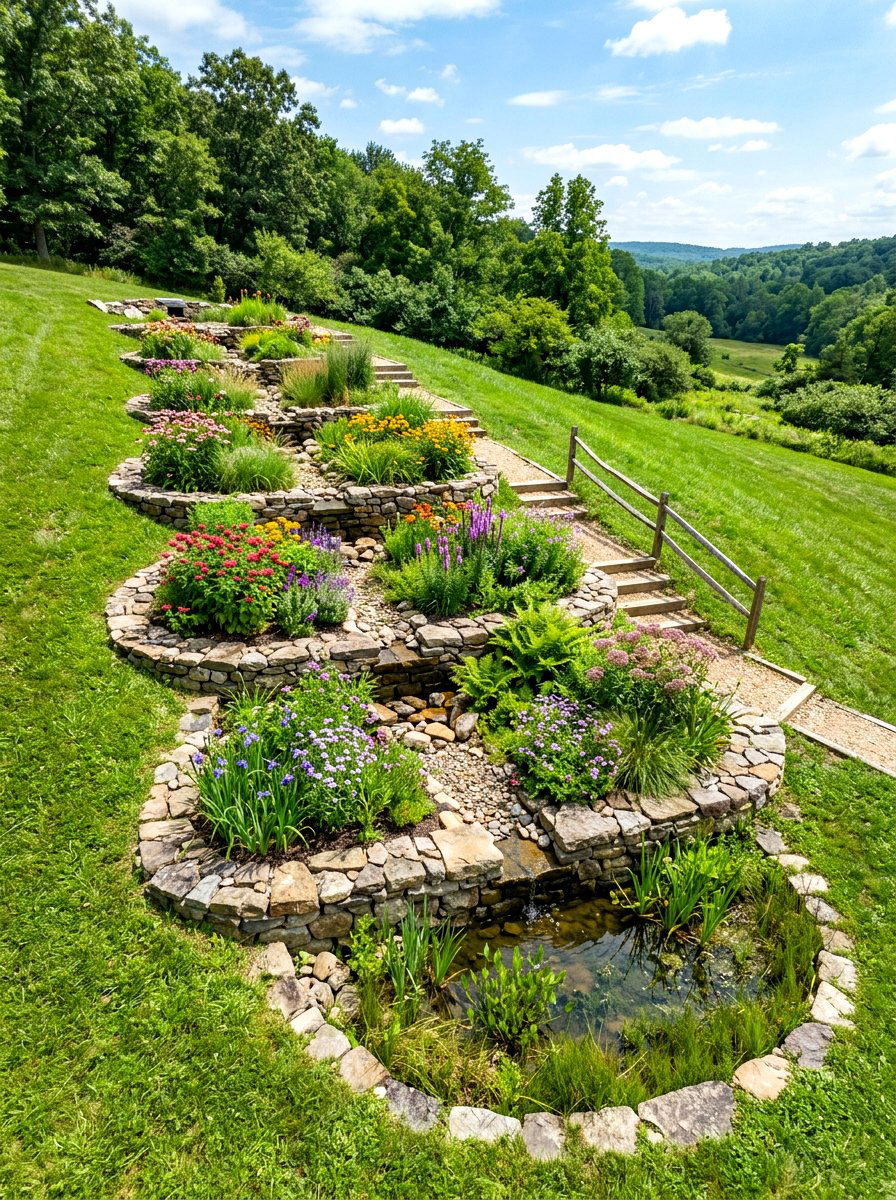
Do you have a hill in your backyard that causes water to rush down and pool at the bottom? A sloped rain garden uses a series of small, terraced basins to catch and slow the water as it moves downhill. This prevents the water from gaining too much speed and causing erosion or mudslides. Each terrace acts as a mini-reservoir, allowing the water to soak into the soil before overflowing into the next level. This design is visually dynamic, creating a cascading effect of greenery and flowers. By using deep-rooted shrubs on the slopes and moisture-loving plants in the basins, you can stabilize the entire hillside while solving your drainage problems effectively.
22. Rain Garden Pond Hybrid
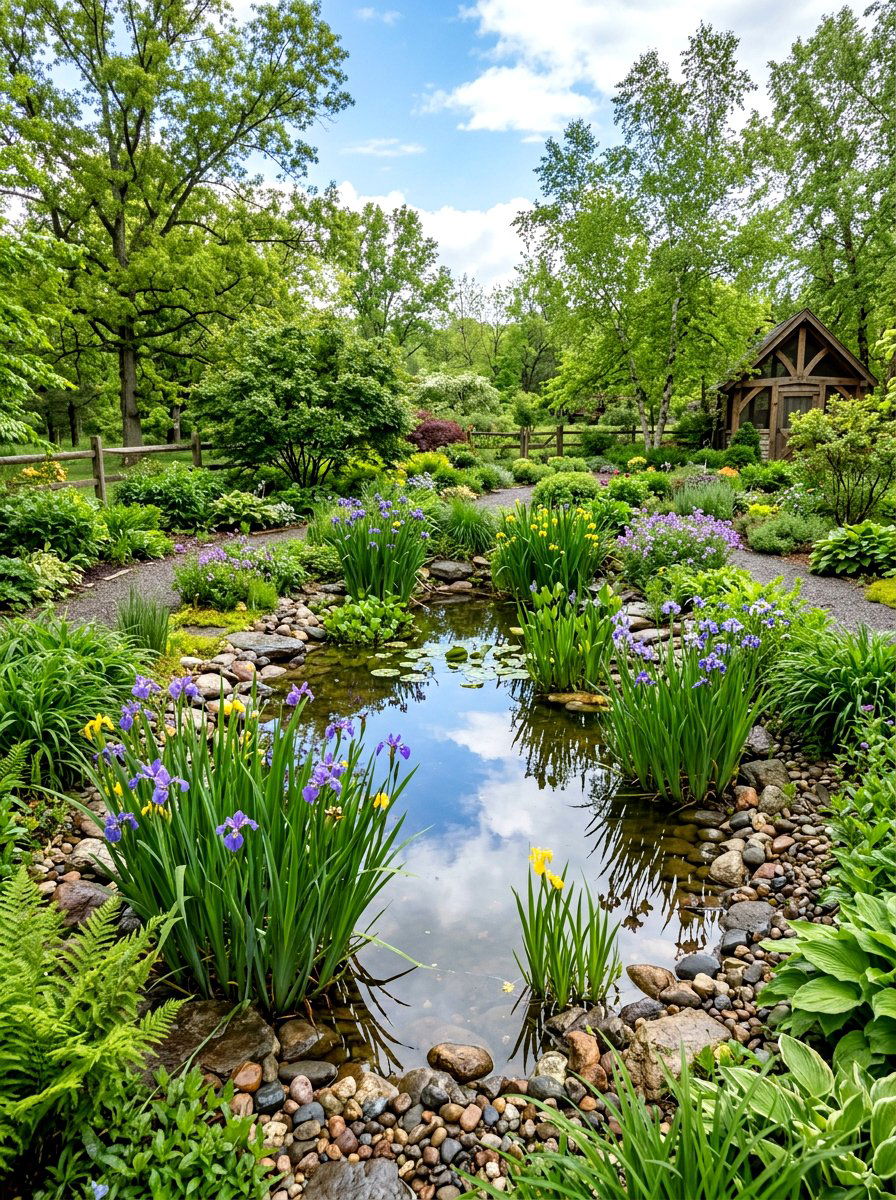
What if you want the look of a permanent water feature without the maintenance of a pond? A rain garden pond hybrid is designed to hold water for a short period after a storm, creating a temporary reflecting pool. Unlike a regular pond, this area will eventually dry up within twenty-four to forty-eight hours, preventing mosquitoes from breeding. The center of the basin is deeper and lined with plants that can survive being submerged for a day or two. This design adds a sense of tranquility and surprise to your landscape, as the garden's appearance changes based on the weather. It provides a unique aquatic habitat that appears and disappears with the rain.
23. Woodland Rain Garden
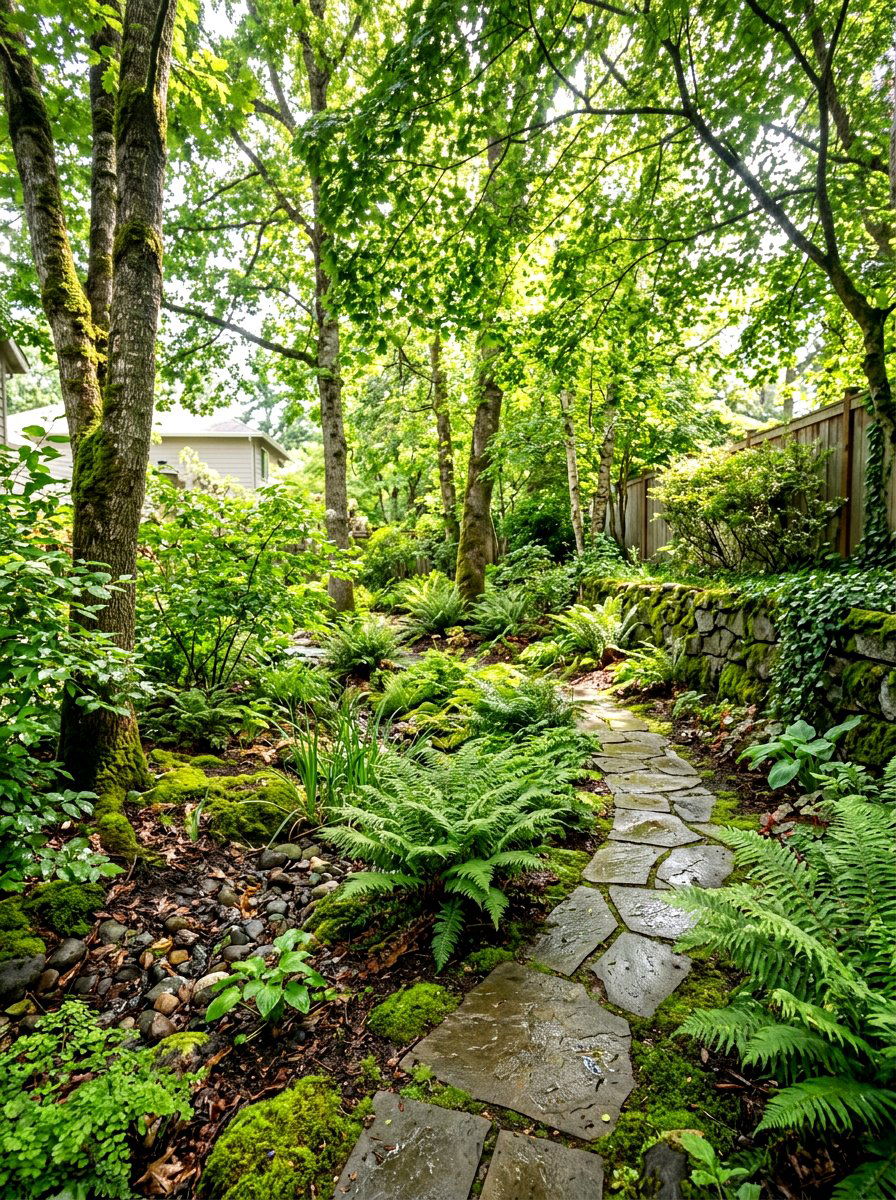
Are you living in a forested area or trying to recreate a natural grove? A woodland rain garden uses the natural forest floor as inspiration, featuring layers of trees, shrubs, and groundcovers. This design is perfect for areas with dappled sunlight and existing mature trees. You can use native dogwoods or serviceberries as a canopy over a carpet of ferns and mosses. This multi-layered approach mimics the way a natural forest captures and processes rainfall. The resulting garden is cool, quiet, and incredibly efficient at absorbing moisture. It creates a serene retreat that feels like a hidden corner of a state park right in your own backyard or side garden.
24. Rain Garden With Bridge
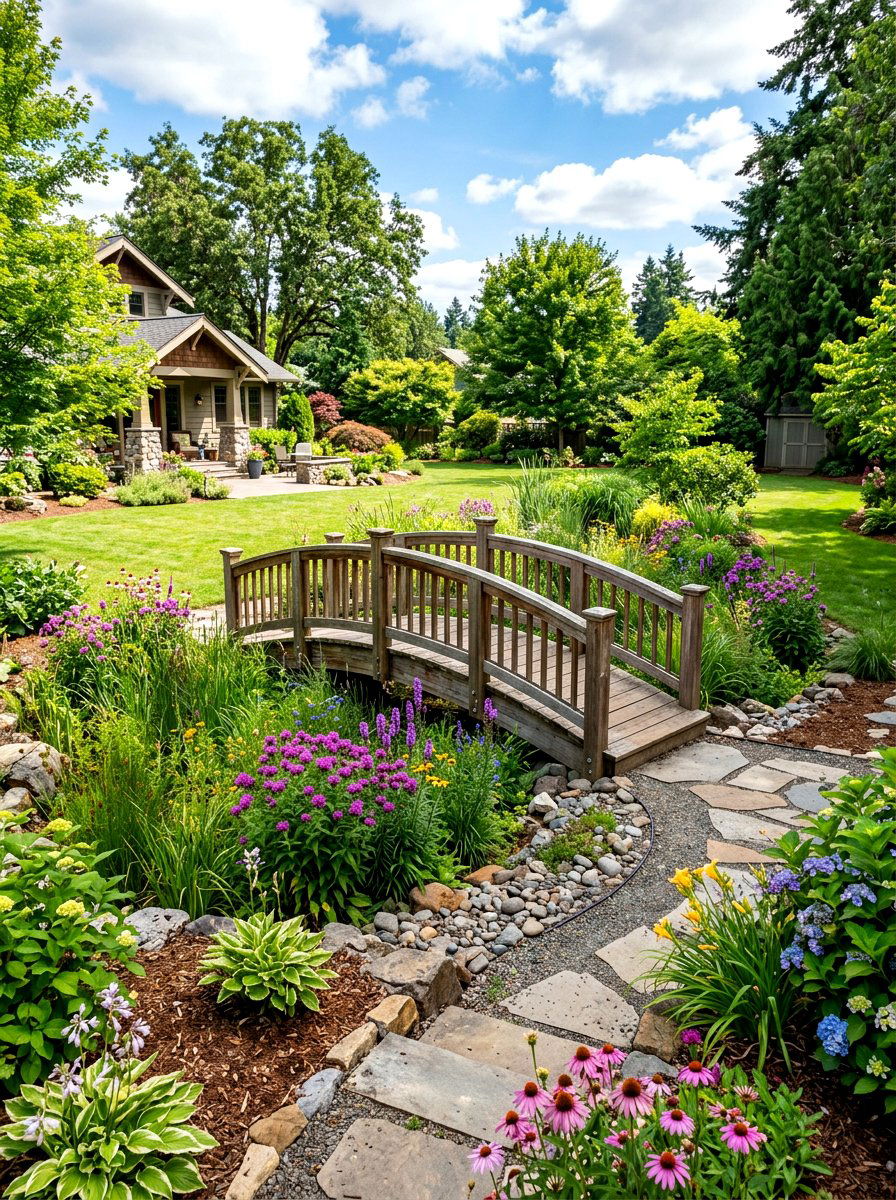
How can you add a touch of whimsy and architecture to your drainage solution? A rain garden with a bridge features a small wooden or stone walkway that spans the widest part of the basin. This allows you to cross over the garden without disturbing the plants or the soil. The bridge serves as a major focal point, drawing the eye to the center of the landscape. Below the bridge, you can plant tall, lush species like iris or cardinal flower that thrive in the extra moisture. This design is especially effective in larger yards where you want to create a journey through the garden, making the functional drainage area feel like a destination.

25. Formal Rain Garden
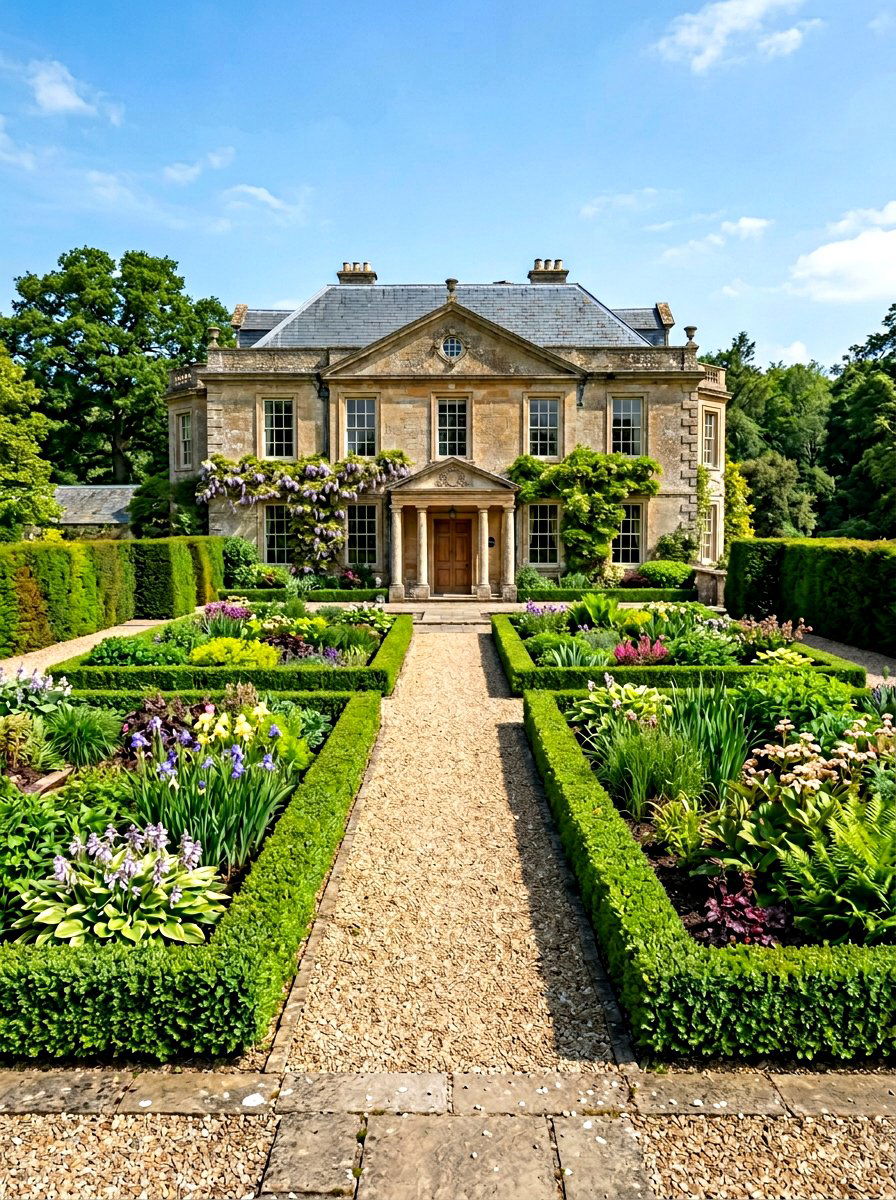
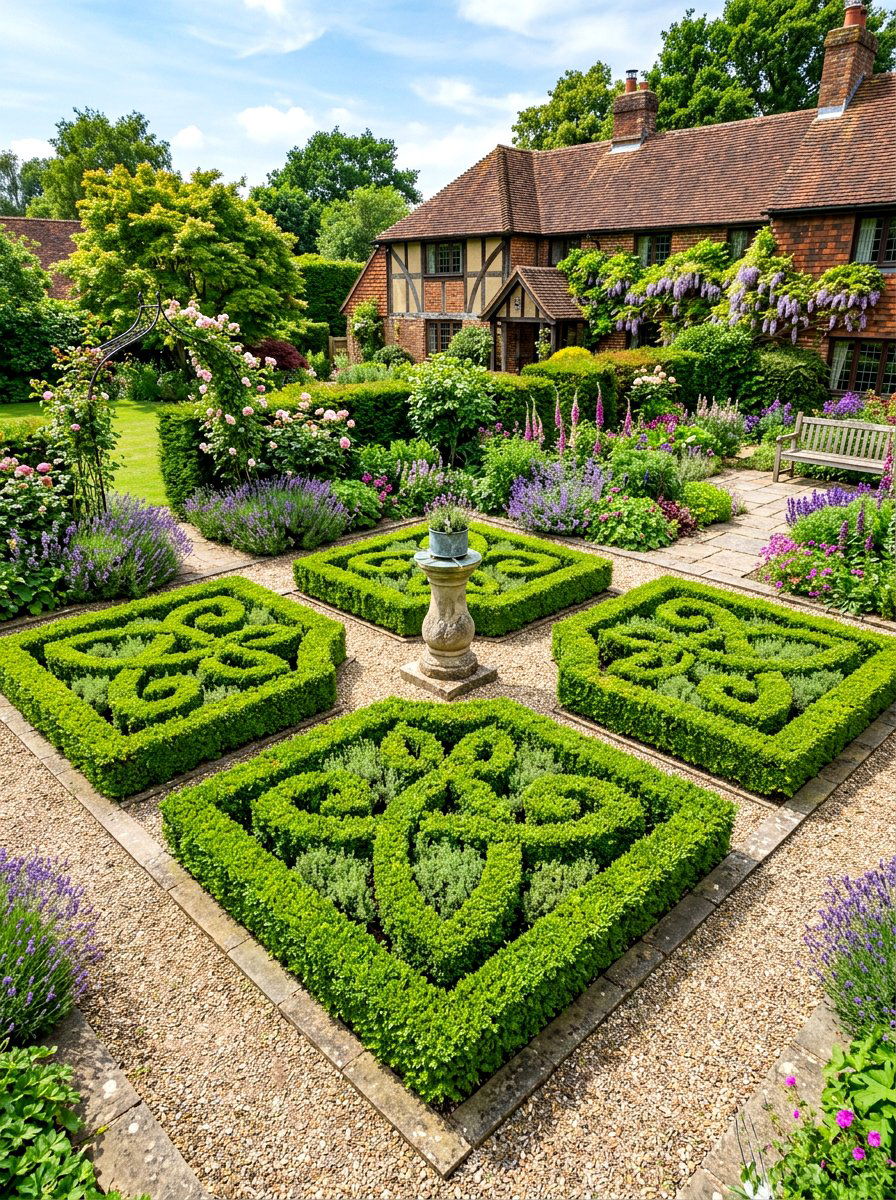
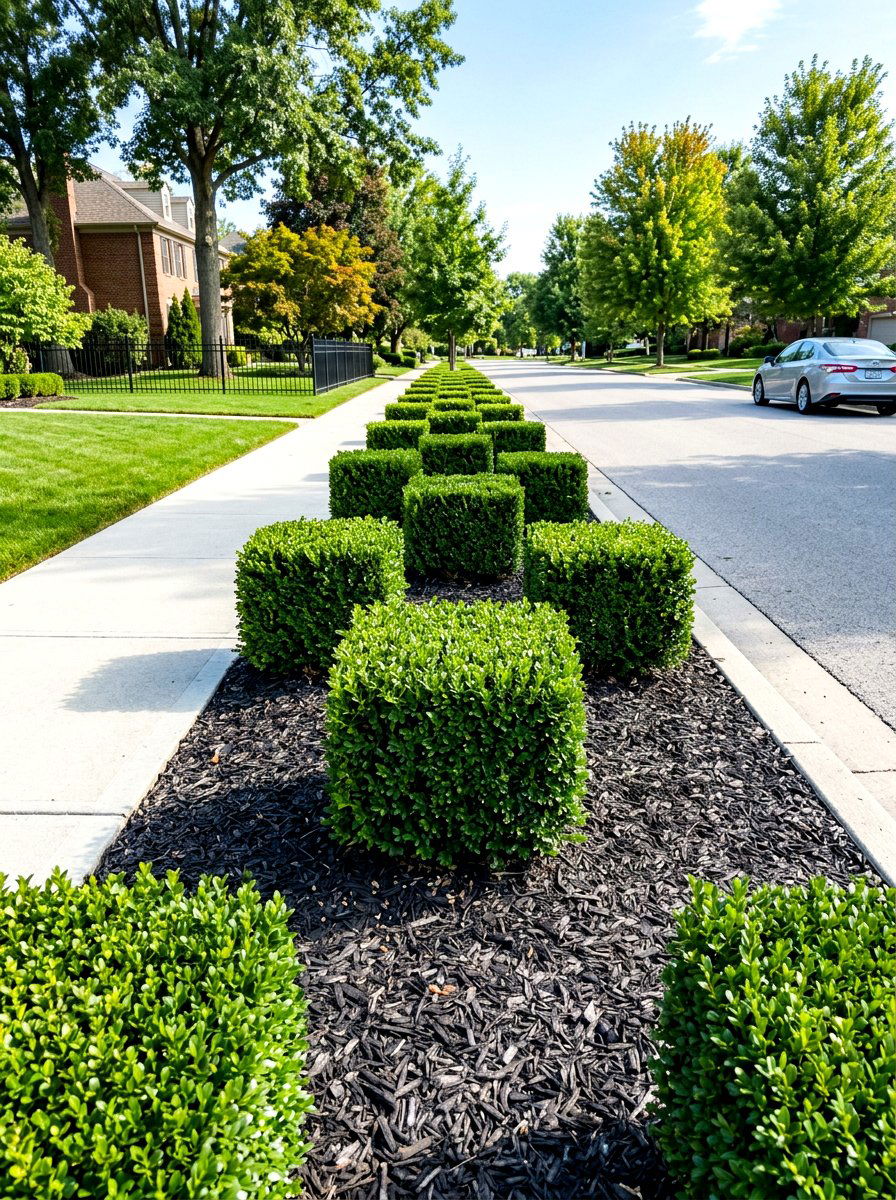
Can a rain garden fit into a traditional, symmetrical landscape design? A formal rain garden uses clipped hedges, straight lines, and balanced planting beds to create a structured look. Instead of a wild, meadow-like appearance, this garden follows a clear geometric pattern. You can use low boxwood hedges to frame the drainage basin, keeping the moisture-loving plants contained within a neat border. This design proves that eco-friendly practices can be integrated into even the most traditional garden styles. It is perfect for front yards in historic neighborhoods where you want to maintain a classic aesthetic while still being a responsible steward of the local water system and environment.
26. Wildflower Rain Garden
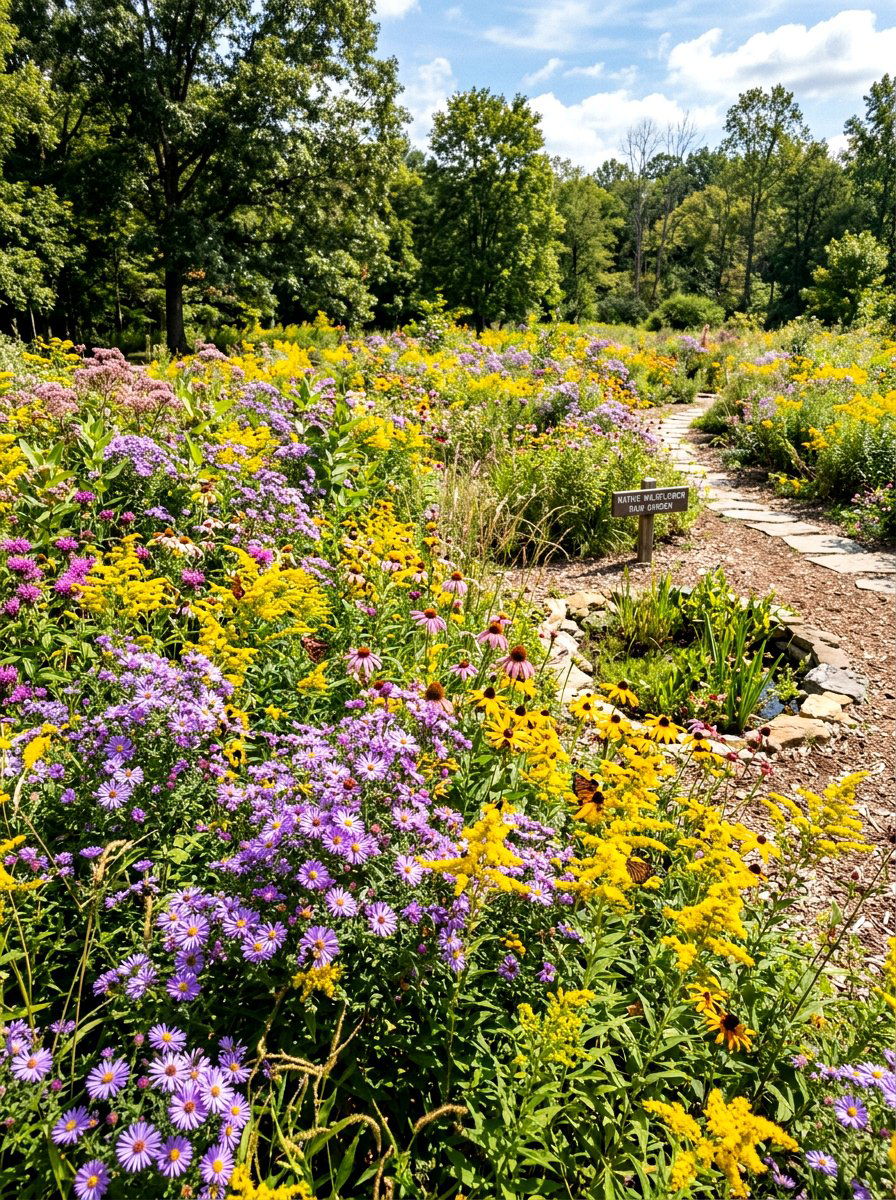
Do you dream of a colorful, blooming meadow right outside your door? A wildflower rain garden uses a mix of native flowering species to create a vibrant tapestry of color. This design is often the most visually stunning, with waves of blooms that change throughout the seasons. Species like aster, goldenrod, and blazing star are perfect for the drier edges, while swamp milkweed thrives in the center. This garden requires very little mowing or pruning, allowing the plants to grow into their natural, beautiful shapes. The result is a cheerful, low-maintenance area that provides a massive burst of color while performing the essential task of filtering and absorbing stormwater runoff.
27. Rain Garden Berm
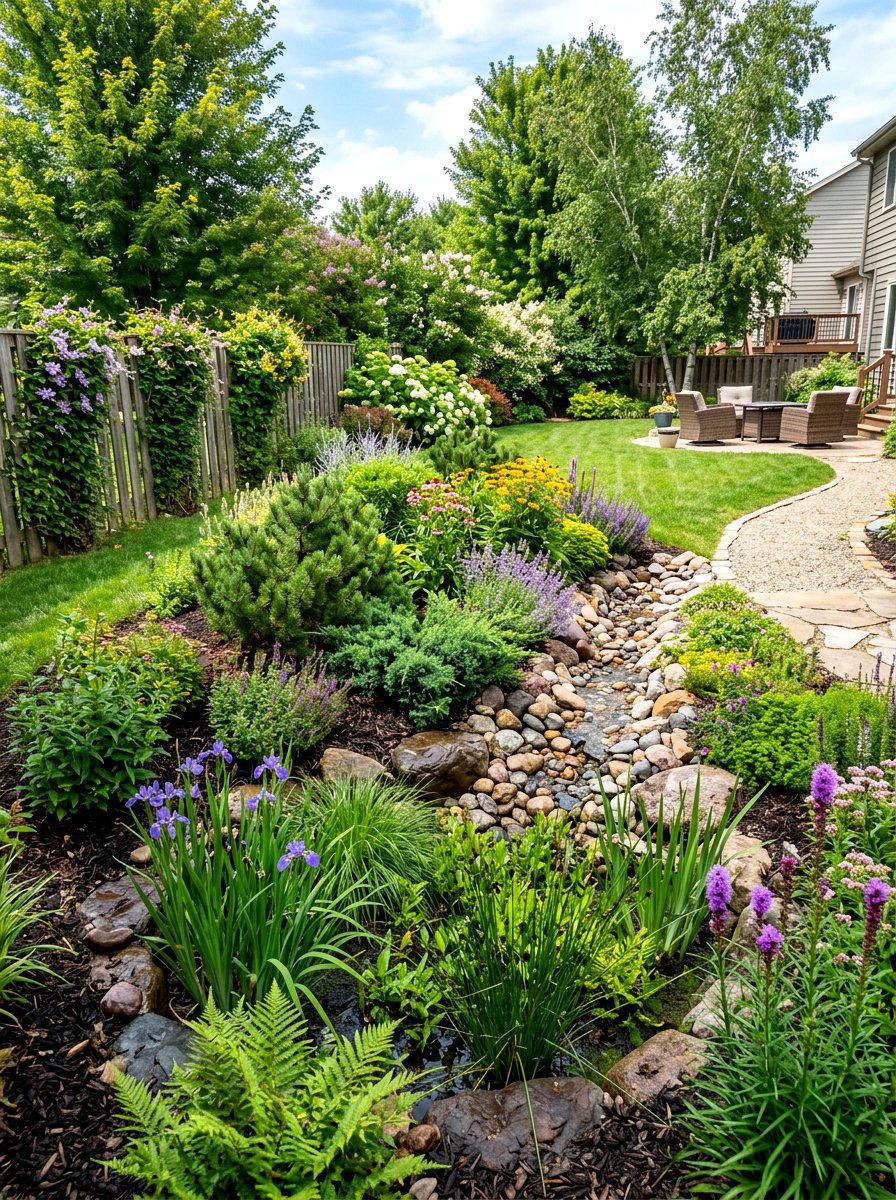
What if you need to redirect water away from a specific area, like a patio or a shed? A rain garden berm uses a raised mound of soil to act as a dam, channeling water into a nearby basin. The berm itself is landscaped with drought-tolerant plants, while the basin on the other side is filled with moisture-loving species. This creates a two-tiered effect that adds height and dimension to your yard. The berm can be planted with evergreen shrubs to provide year-round privacy and structure. This design is a powerful tool for land contouring, allowing you to take full control over how water moves and settles on your entire property.
28. River Rock Rain Garden
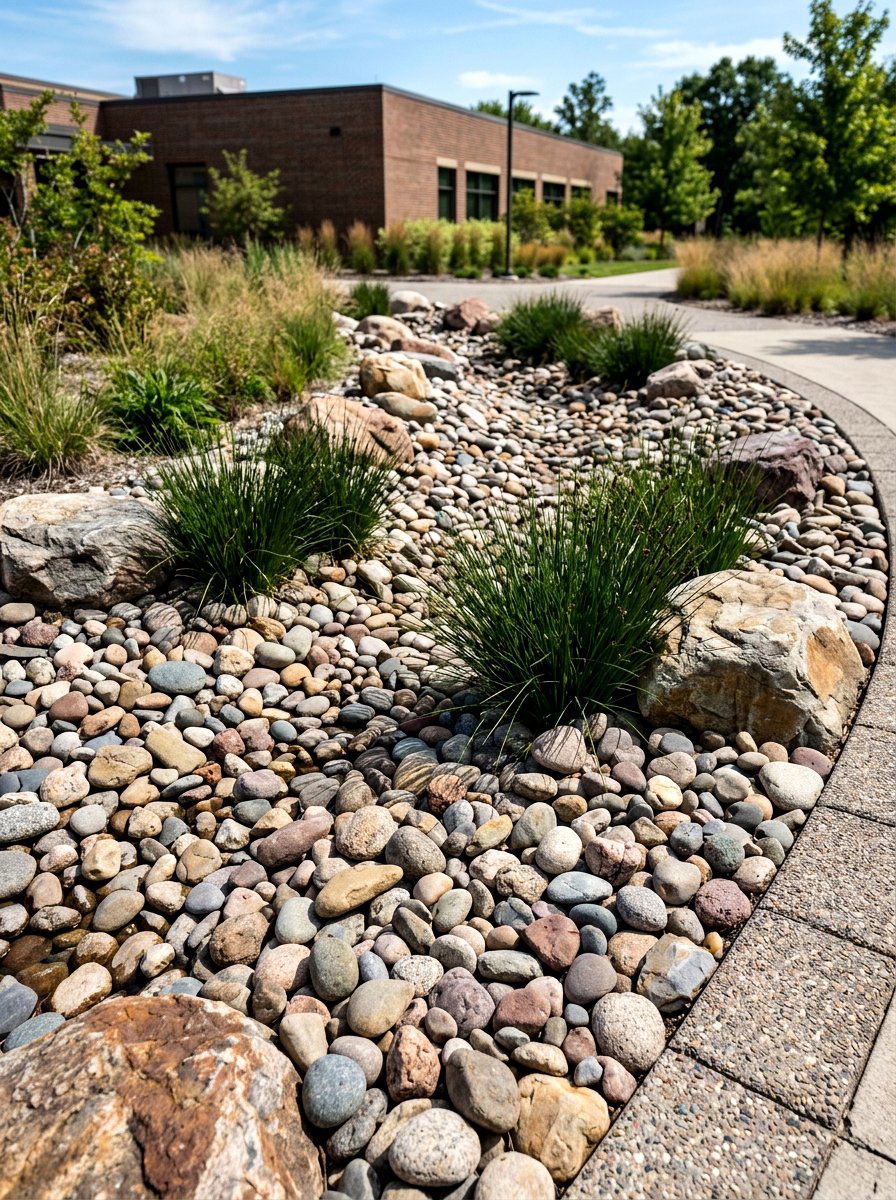
Are you looking for a rugged, natural look that handles high-velocity water? A river rock rain garden uses large, smooth stones to line the entire drainage area. This is particularly effective at the base of steep slopes or under heavy-duty downspouts where water pressure is highest. The stones prevent the soil from washing away while creating a beautiful, textural landscape feature. You can tuck small succulents or alpine plants into the crevices between the rocks for a more finished look. This design is incredibly durable and requires very little maintenance, making it an ideal choice for areas that receive a lot of heavy, direct rainfall throughout the year.
29. Fern Rain Garden
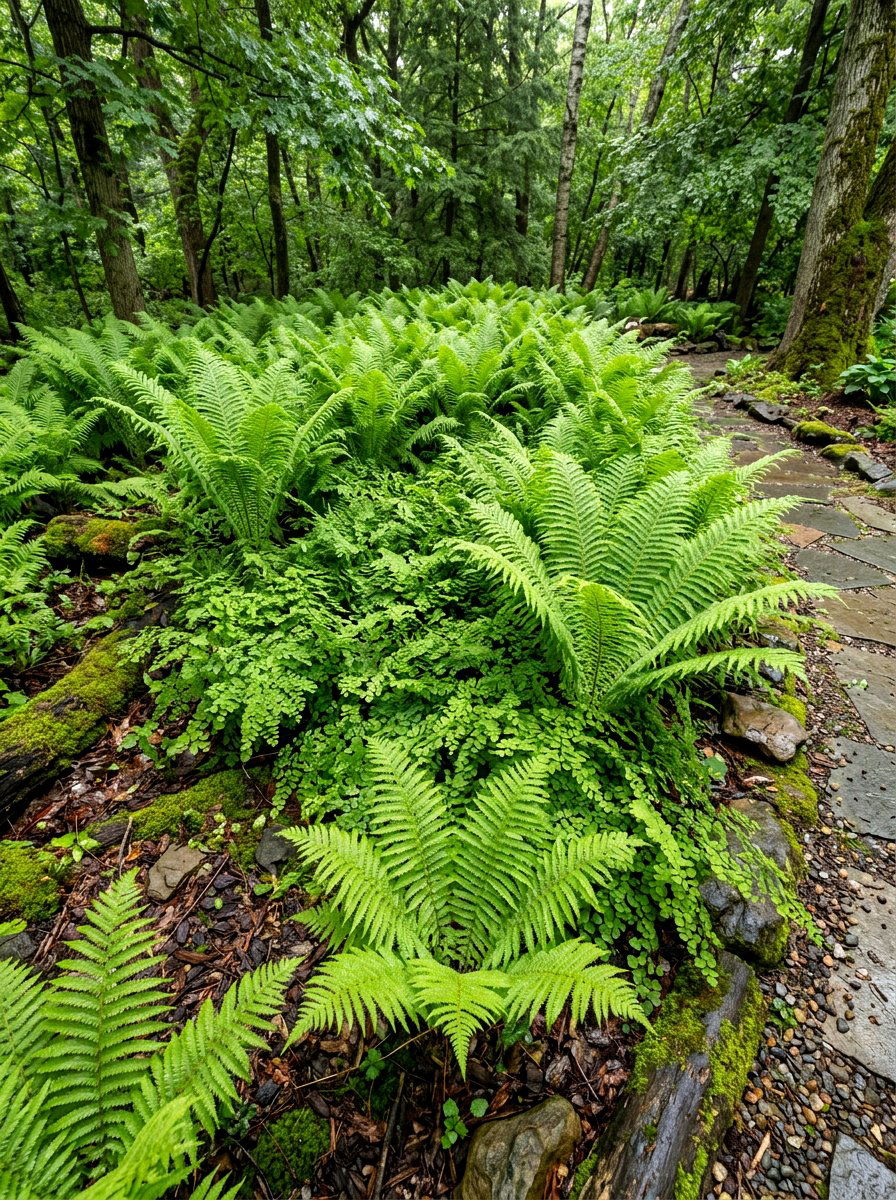
Do you love the prehistoric, lush look of ancient plants? A fern rain garden focuses on the many varieties of ferns that thrive in wet, shaded conditions. From the massive ostrich fern to the delicate maidenhair fern, these plants create a soft, feathery texture that is unlike anything else in the garden. This design is perfect for the north side of a house or under a dense tree canopy. Ferns are excellent at holding soil in place with their dense root mats, and they look beautiful when they are covered in droplets of rain. This garden style creates a quiet, verdant atmosphere that feels incredibly cool and refreshing during the hot summer months.
30. Minimalist Rain Garden
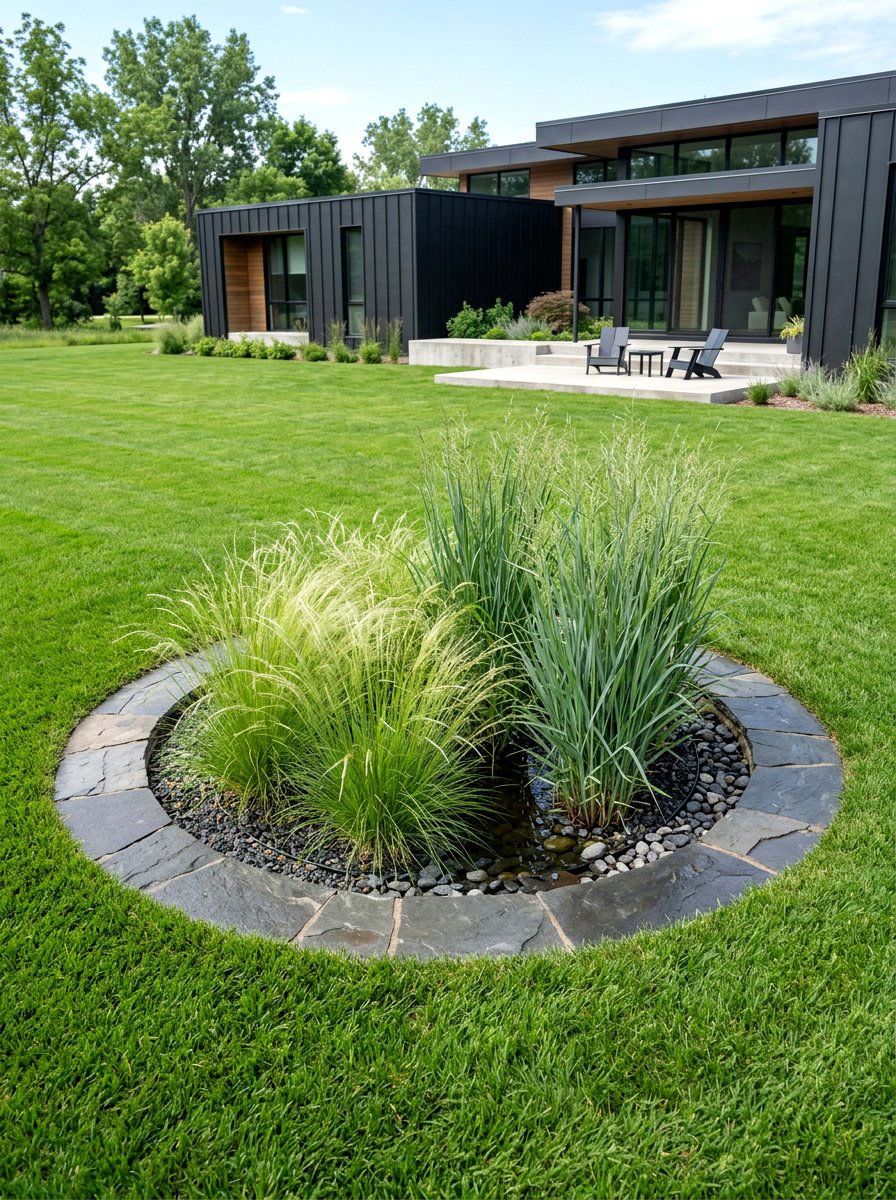
Is your style focused on "less is more"? A minimalist rain garden uses a limited palette of plants and materials to create a clean, modern look. Instead of dozens of different species, you might choose just one or two types of ornamental grass and a single type of stone. This design emphasizes form and texture over bright colors and busy patterns. The basin is clearly defined with sharp edges and a uniform layer of mulch or gravel. This approach works perfectly with modern architecture and smaller lots where a busy garden might feel overwhelming. It provides all the functional benefits of a rain garden while maintaining a calm, uncluttered, and contemporary aesthetic.
Conclusion:
Building a rain garden is one of the most rewarding landscaping projects you can undertake for your home and the local ecosystem. Not only do these gardens solve frustrating drainage problems and prevent basement flooding, but they also create vital habitats for pollinators and filter harmful pollutants before they reach our waterways. Whether you prefer a structured formal look or a wild, flowering meadow, there is a rain garden design that will perfectly complement your personal style and property needs. By choosing native plants and thoughtful layouts, you can turn a soggy corner of your yard into a stunning, sustainable feature. We hope these thirty ideas inspire you to embrace the rain and create a beautiful, functional landscape that flourishes for many years to come.

Related posts: