Creating a leaning art wall is a fantastic way to bring a relaxed, modern vibe into your home without the commitment of drilling holes into your walls. This design trend has taken the interior world by storm because it allows for incredible flexibility and layered depth that traditional hanging simply cannot match. You can easily swap pieces out whenever your mood changes or a new season arrives, making it perfect for those who love to refresh their decor frequently. Whether you are working with a grand living room or a tiny studio apartment, the casual lean offers a curated, gallery-like feel that looks effortlessly cool. It brings a touch of effortless sophistication to any corner of your living space.
1. Floating Shelf Art
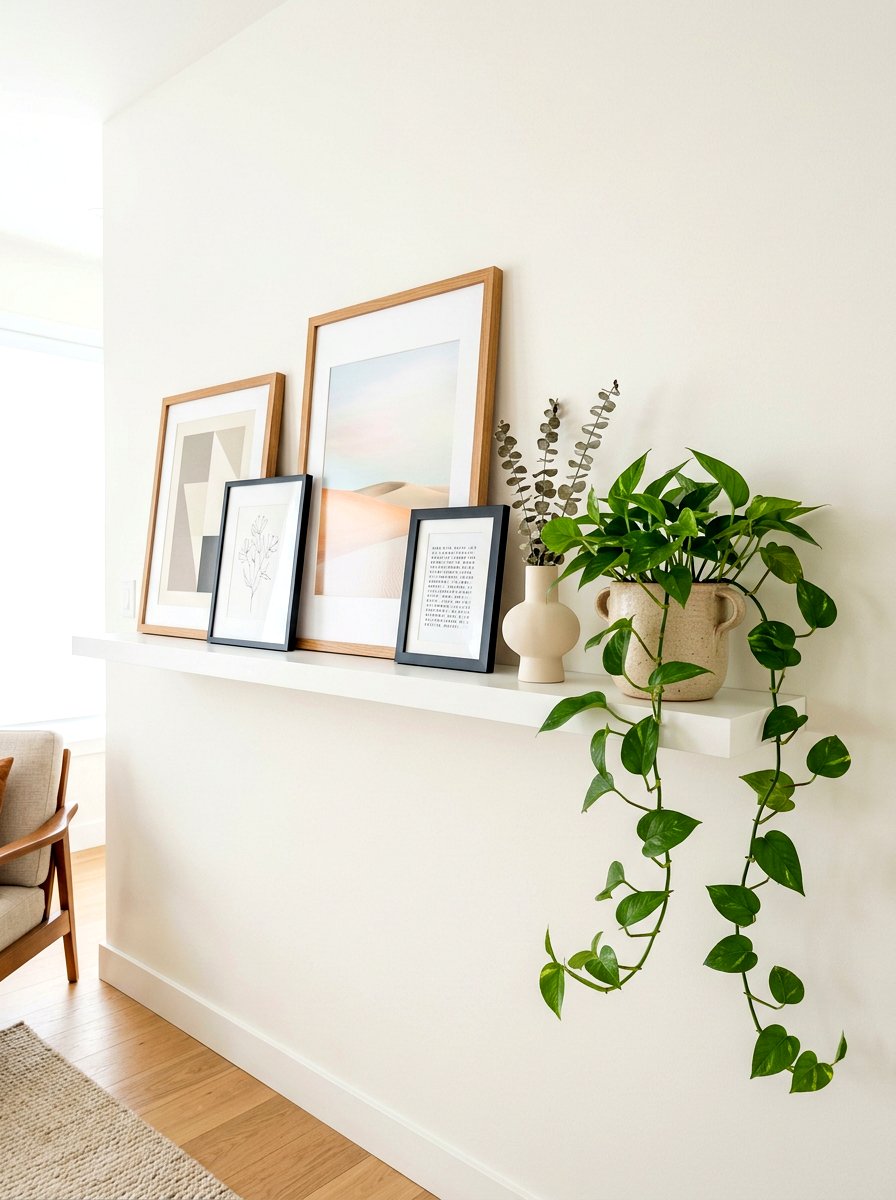
Installing a thin floating shelf allows you to create a rotating gallery that feels both organized and artistic. You should begin with your tallest framed piece as the primary background element to establish a clear vertical focal point. From there, overlap two or three smaller frames of varying heights and orientations to build a sense of movement. This overlapping technique is essential because it eliminates the flat, static look of traditional wall hanging. To finish the space, incorporate small decorative objects like a brass figurine or a trailing ivy plant. These textured elements break up the clean lines of the frames and add a cozy, lived-in feel to your room.
2. Floor Leaning Art
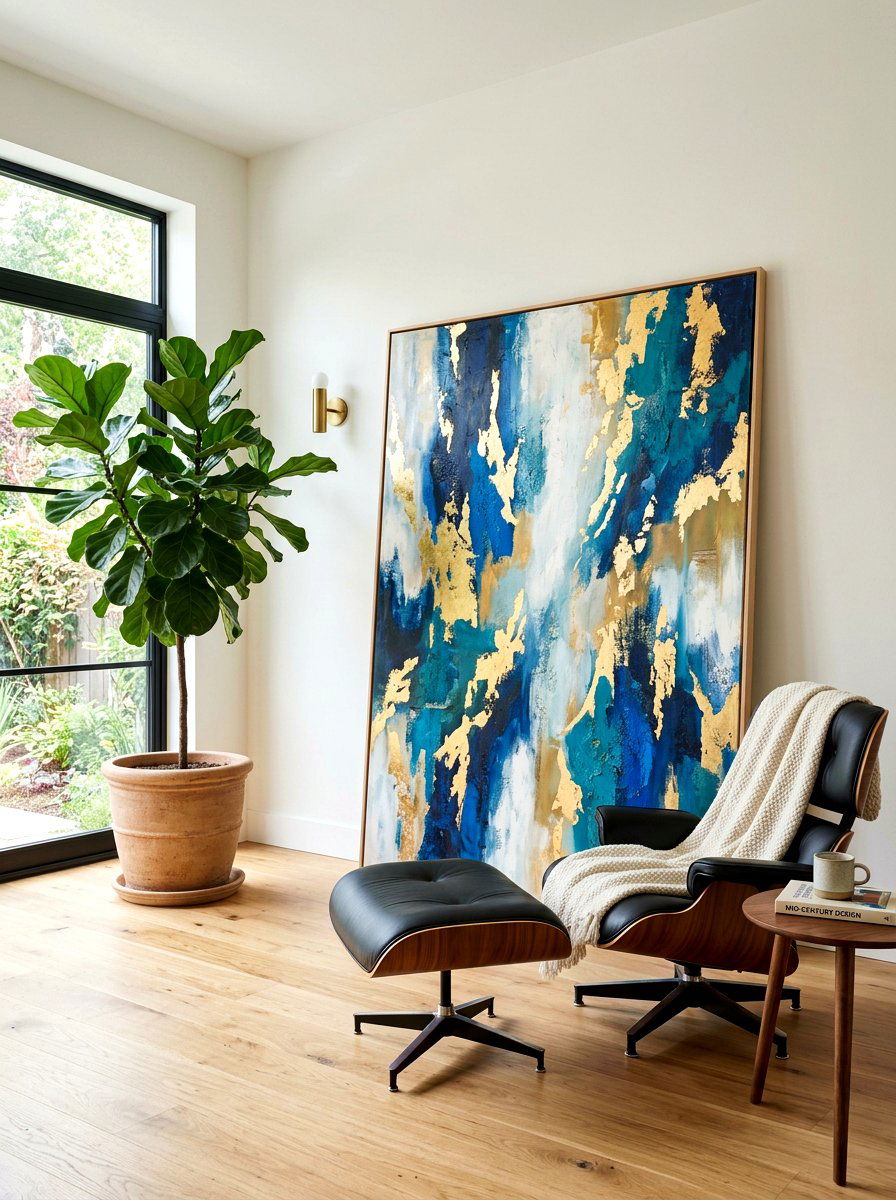
Oversized art pieces look incredibly dramatic when placed directly on the floor and leaned against a large, empty wall. This approach is perfect for heavy canvases or massive wooden frames that might be difficult to mount safely. To make this look intentional rather than unfinished, pair the artwork with a low-slung accent chair or a large floor plant. This creates a cozy vignette that draws the eye downward and makes the ceiling feel taller by comparison. You can also place a smaller frame slightly in front of the larger one to add depth. This simple trick transforms a bare corner into a sophisticated, gallery-inspired focal point for any room.
3. Mantel Art Layering
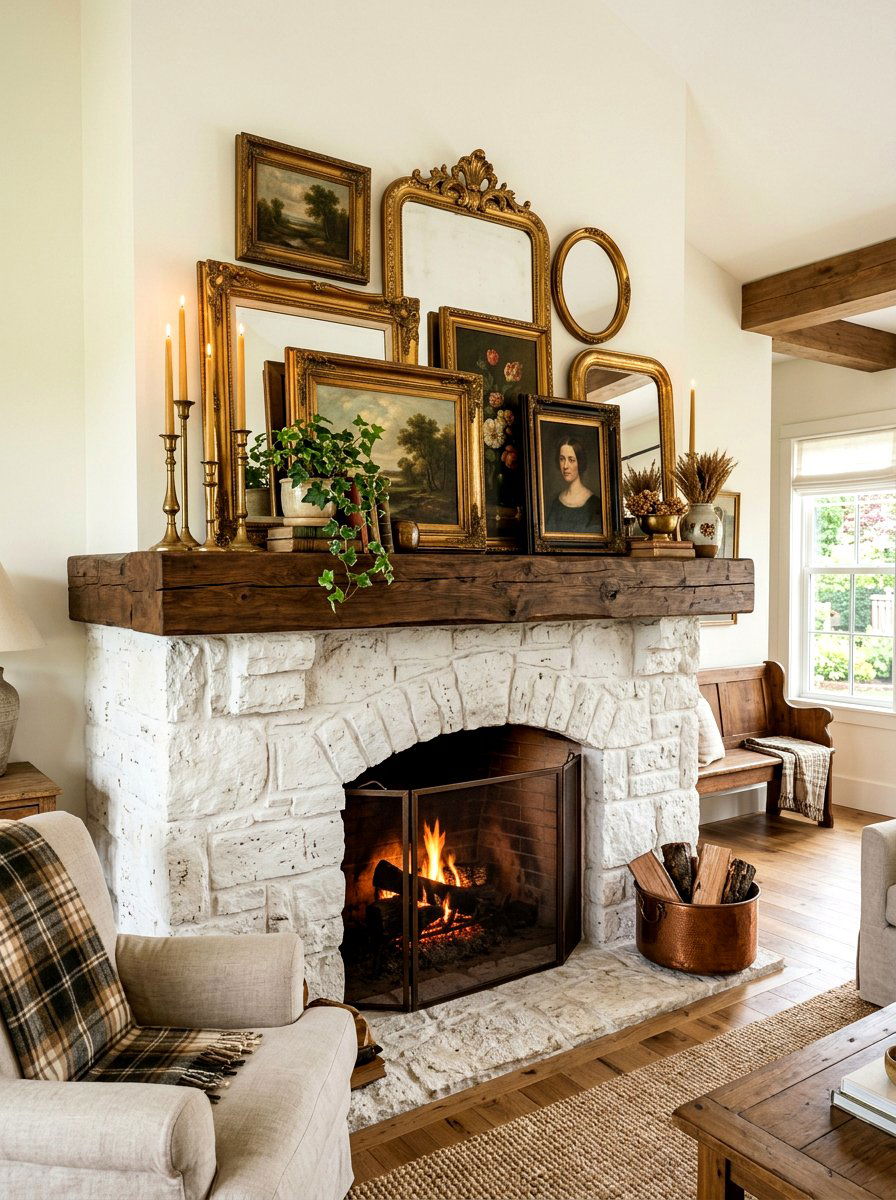
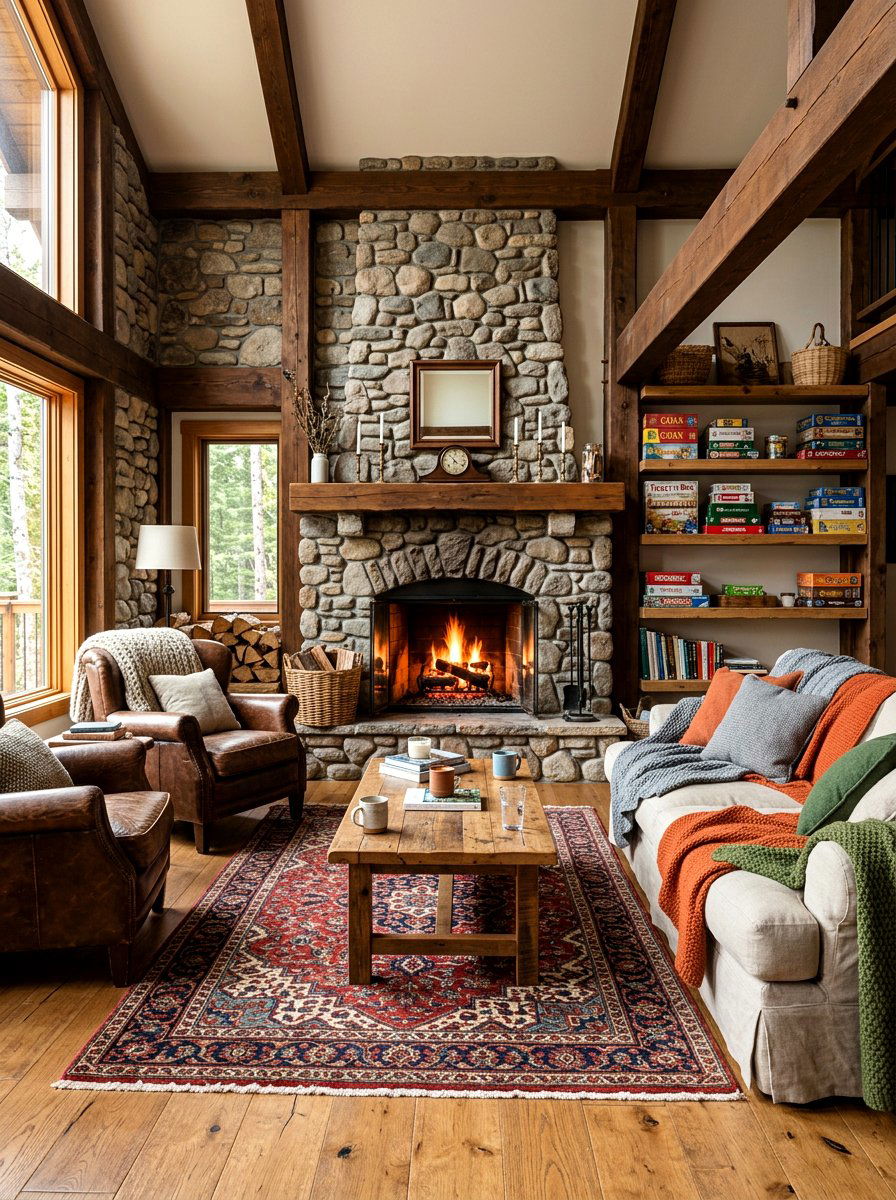
The fireplace mantel is a natural stage for leaning art and serves as the heart of your living room. Instead of hanging one single mirror, try layering several pieces of different scales to create a rich, textured display. Start with a large landscape or abstract painting in the center and tuck a smaller sketch or photograph into one side. This asymmetrical balance feels modern and fresh compared to traditional symmetrical setups. You can further enhance the display by adding candlesticks or small sculptures between the frames. The soft lean of the artwork creates a relaxed atmosphere that invites conversation and makes the fireplace feel even more inviting.
4. Console Table Art
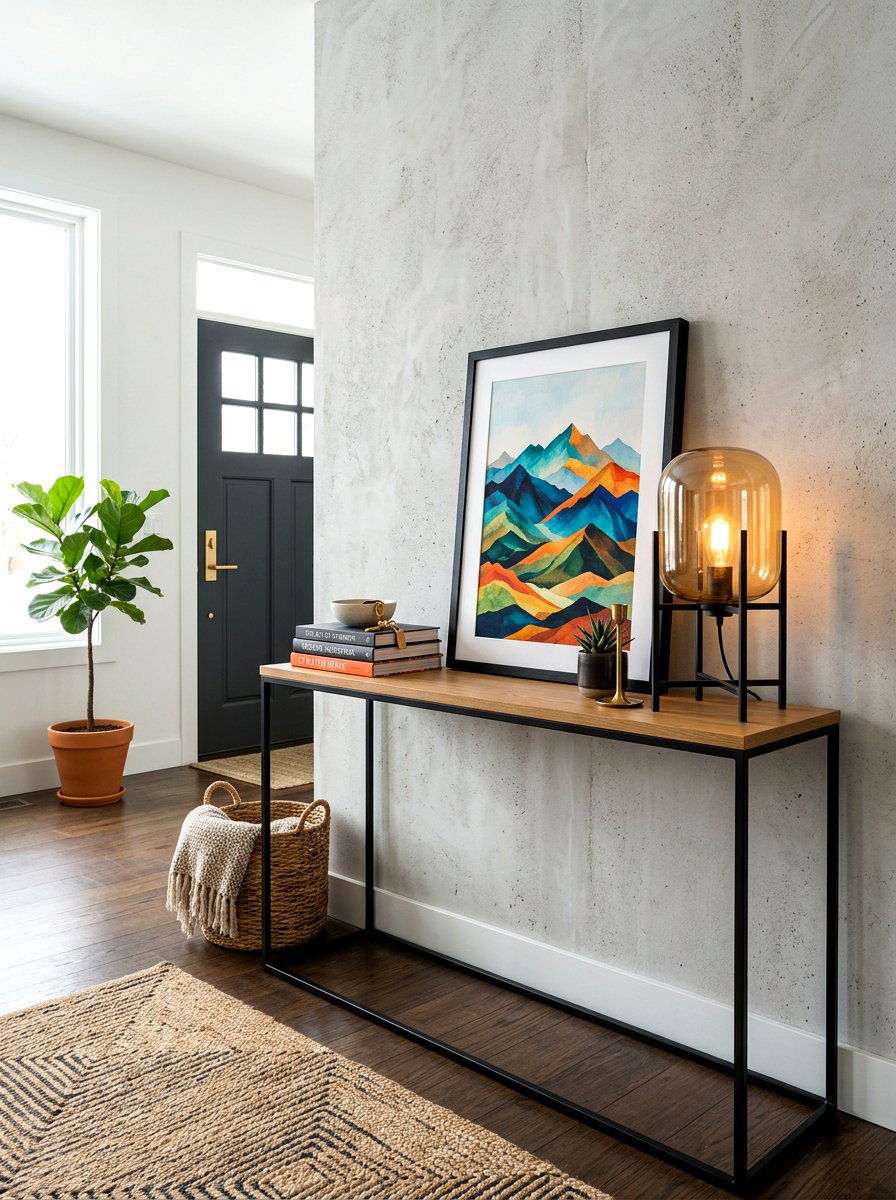
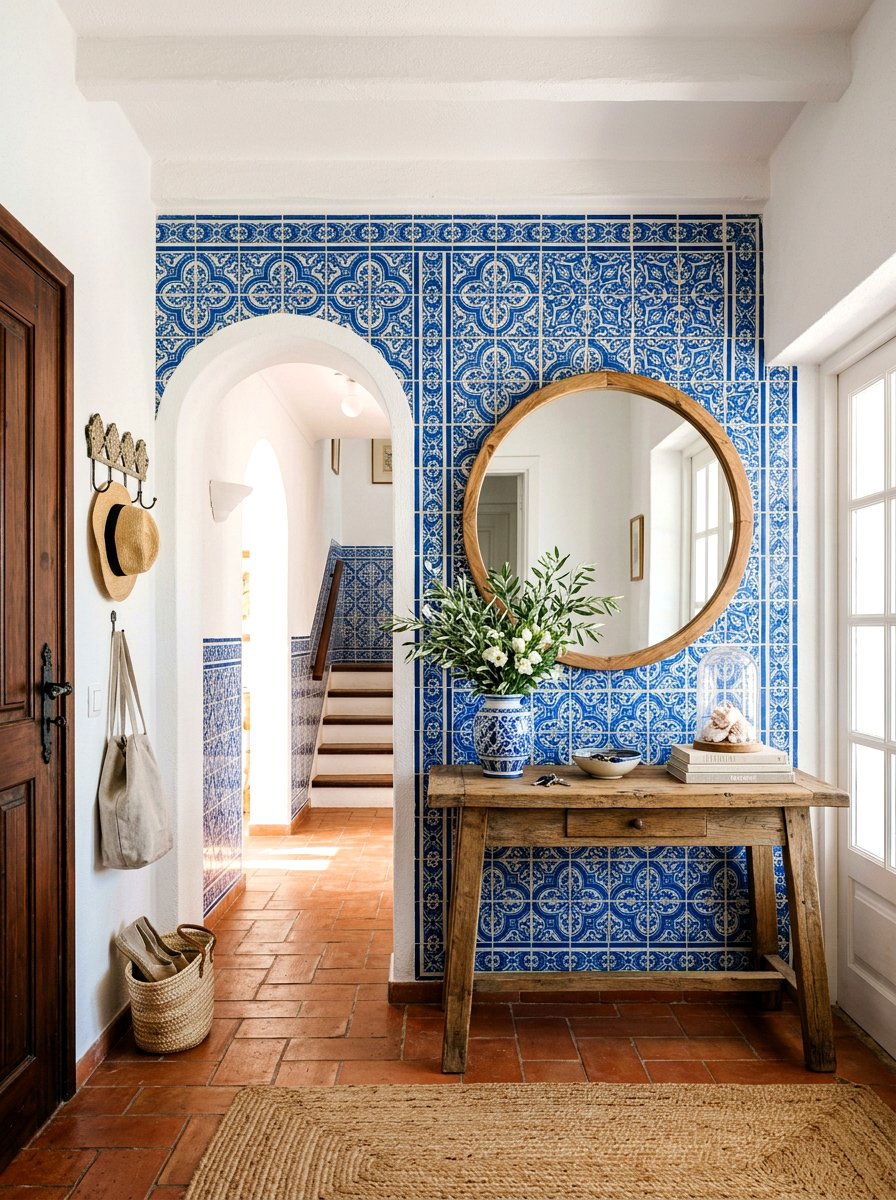
An entryway console table provides the perfect surface for a stylish art lean that welcomes guests into your home. Placing a medium-sized frame against the wall allows you to easily anchor the rest of your tabletop decor. You can layer a smaller mirror or a textured piece of textile art in front of the main frame for added dimension. This setup works beautifully when paired with a tall table lamp and a bowl for keys. Because the art is not fixed, you can shift it left or right to accommodate seasonal flowers or new decorative finds. It creates a flexible and high-impact first impression for any visitor.
5. Bedroom Floor Art
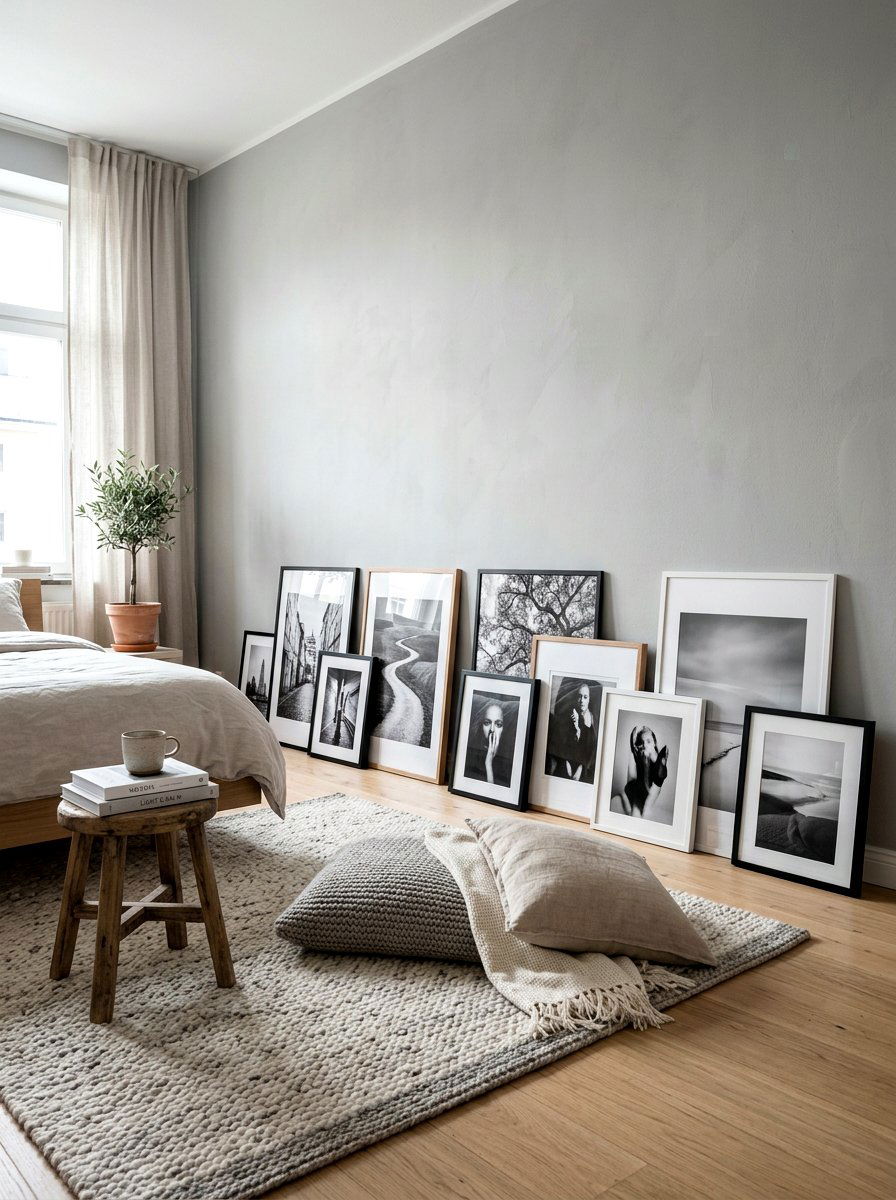
Leaning art in the bedroom adds a soft, romantic touch that helps create a serene and personalized sanctuary. Try placing a large, calming abstract piece on the floor near a full-length mirror or a cozy reading nook. This low-level placement feels intimate and grounded, perfect for a space meant for relaxation. You can lean several smaller framed photos or sketches against the wall to create a casual floor gallery. This looks especially charming in a minimalist or bohemian-style bedroom where textures like rugs and pillows are prominent. It allows your favorite memories to be part of your daily view without cluttering the walls or the bedside tables.
6. Sideboard Art Decor
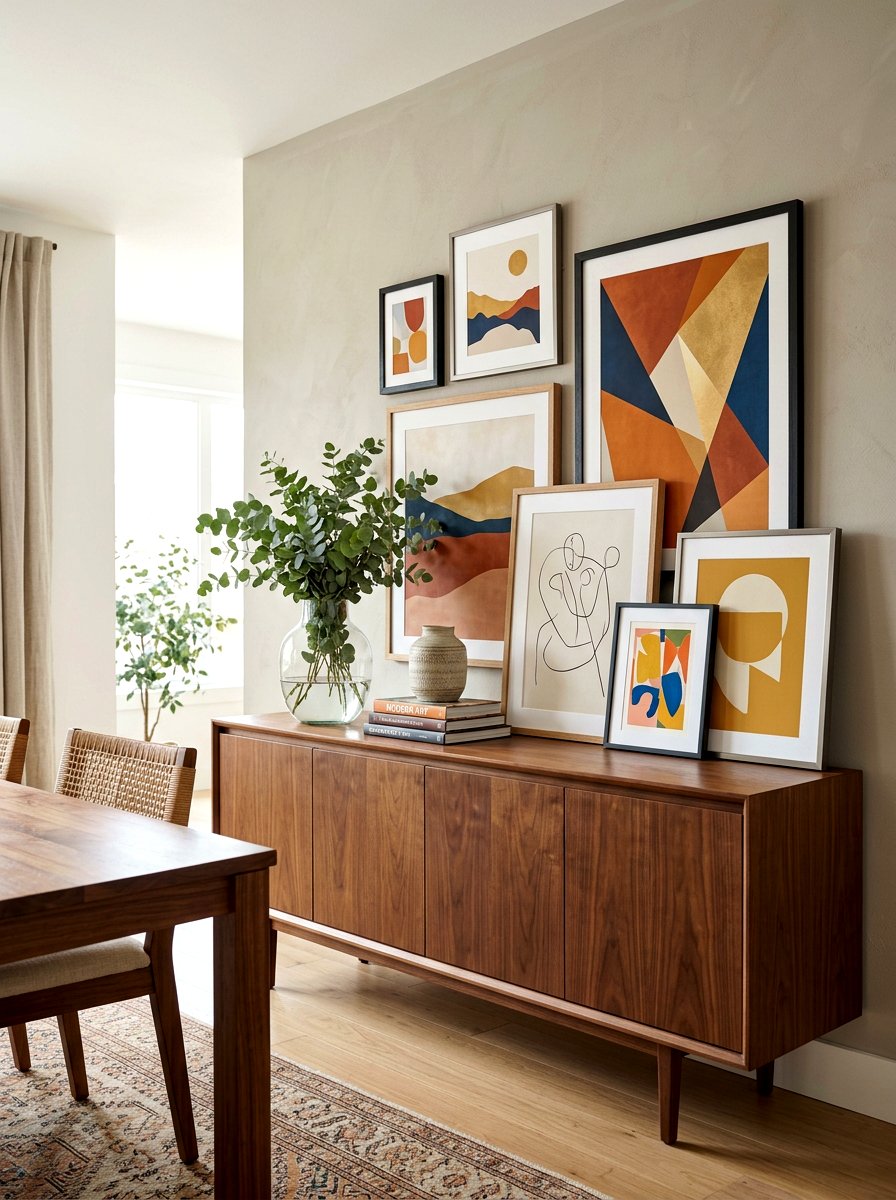
A long sideboard in the dining room is an ideal location for a curated collection of leaning art. You can arrange a series of frames in a linear fashion, overlapping them slightly to create a cohesive narrative. Mixing vintage oil paintings with modern line drawings adds a sophisticated, collected-over-time aesthetic to the dining area. To keep the look balanced, place taller items like wine decanters or tall vases at opposite ends of the art cluster. The leaning style makes the room feel less formal and more approachable for dinner parties. It is a simple way to update your dining decor without needing any permanent wall mounting tools.
7. Picture Ledge Art
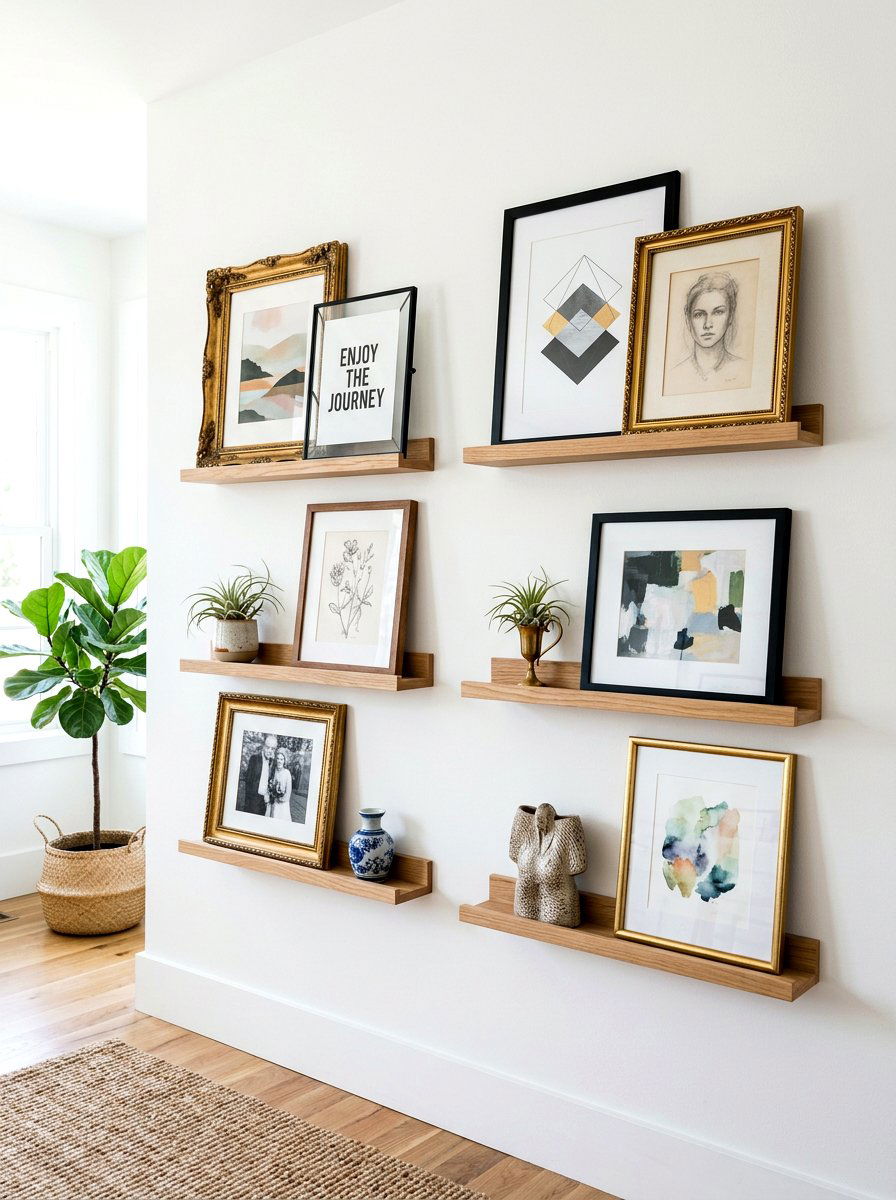
Picture ledges are specifically designed for the leaning look and offer a clean, streamlined way to display multiple pieces. You can install two or three ledges vertically on a single wall to create a full gallery wall effect without the stress. The beauty of the ledge is that it keeps the bottom of every frame perfectly aligned while allowing the tops to vary. This creates a sense of order that still feels very casual and creative. You can mix and match different frame colors like gold, black, and natural oak for an eclectic vibe. Adding small ceramic objects or air plants between the art pieces enhances the visual interest.
8. Dining Room Art
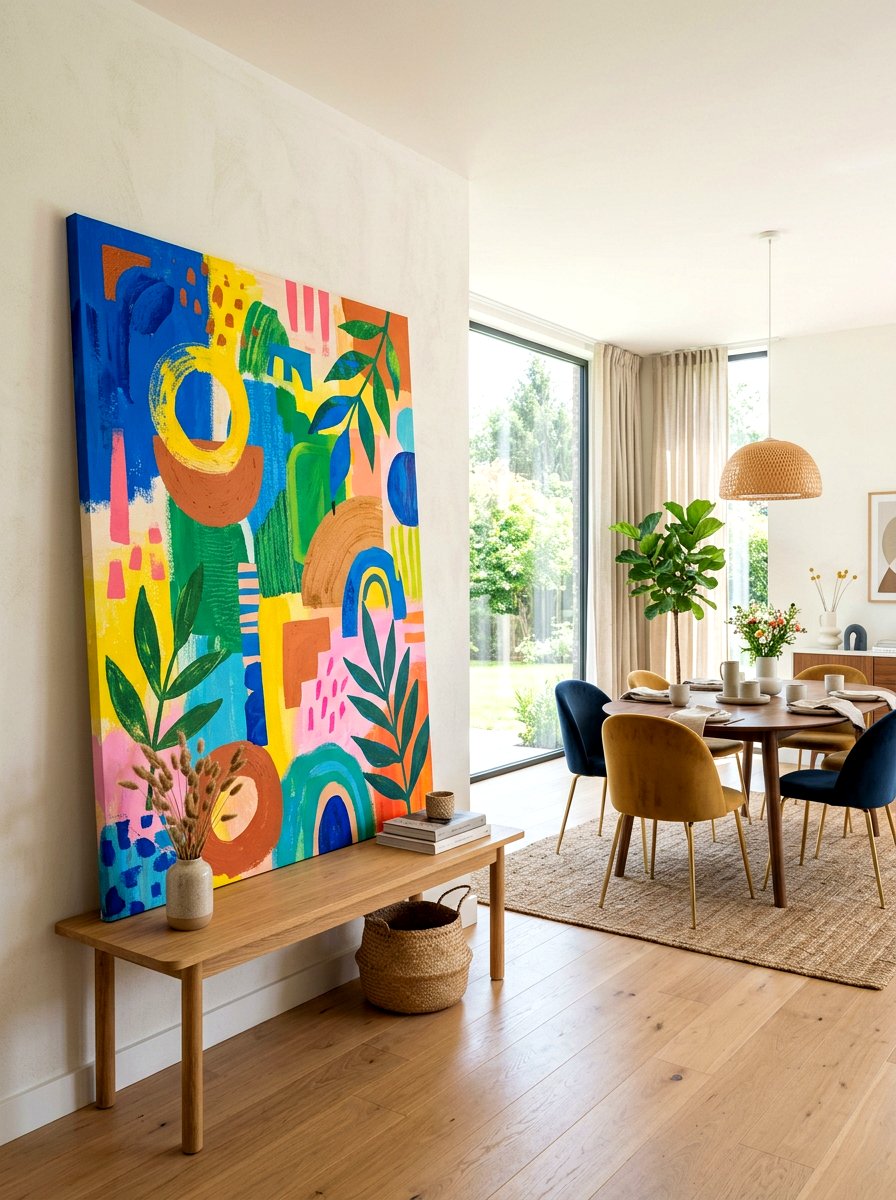
Leaning a large-scale canvas against a dining room wall creates an instant focal point that anchors the entire eating space. This technique is particularly effective in rooms with high ceilings or large windows where a small hanging piece might look lost. By placing the art on a low bench or the floor, you bring the visual interest down to eye level for seated guests. Choose artwork with bold colors or interesting textures to spark conversation during meals. You can also layer a smaller framed menu or a family portrait in front of the main piece. This adds a personal touch that makes the dining room feel warm and lived-in.
9. Bench Art Display
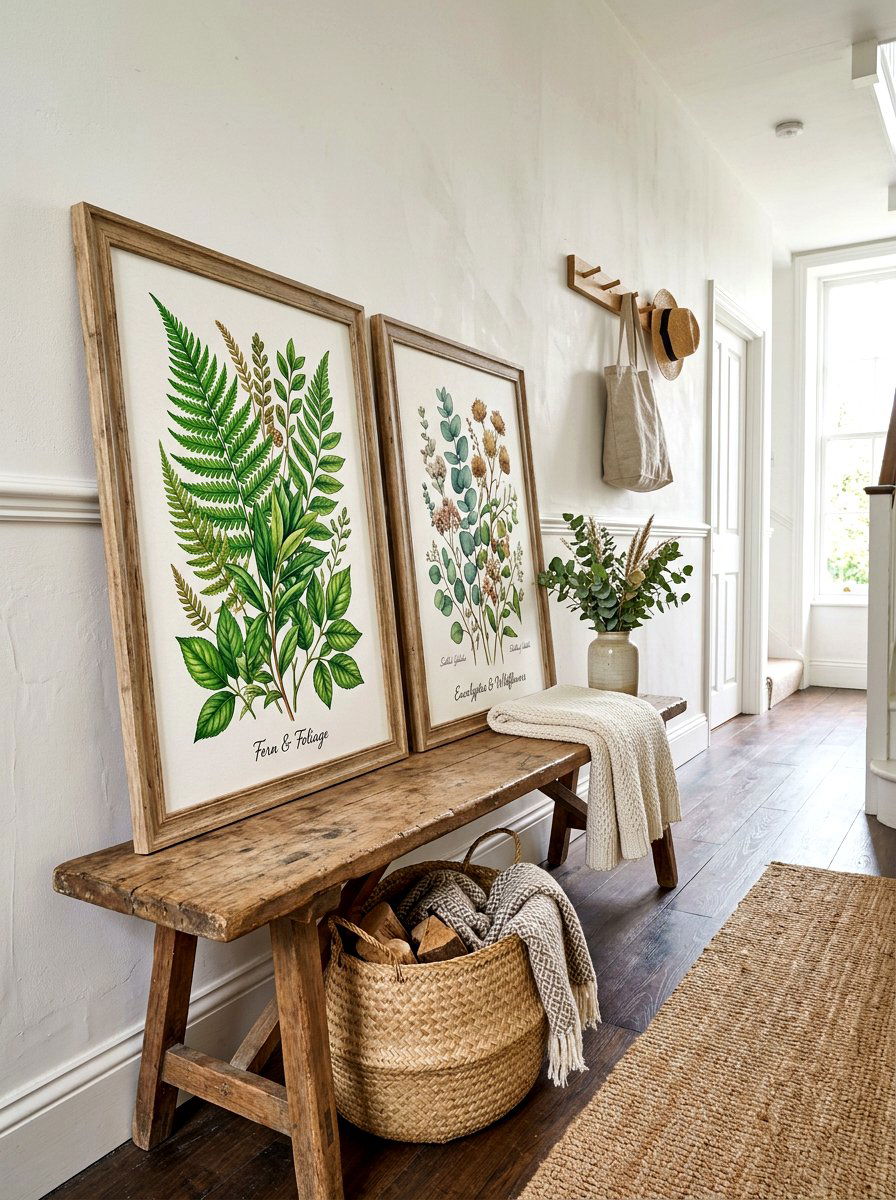
A wooden bench placed against a hallway or entryway wall is a creative spot for a leaning art arrangement. This low-profile surface allows you to display medium-sized frames alongside functional items like baskets or folded blankets. You can lean a single statement piece or a pair of complementary prints to create a balanced look. The bench provides a sturdy base that feels more substantial than a thin shelf or the floor. This setup is particularly useful in narrow spaces where a bulky table might block the walkway. The leaning art adds height and color to the area without taking up any additional square footage in your home.
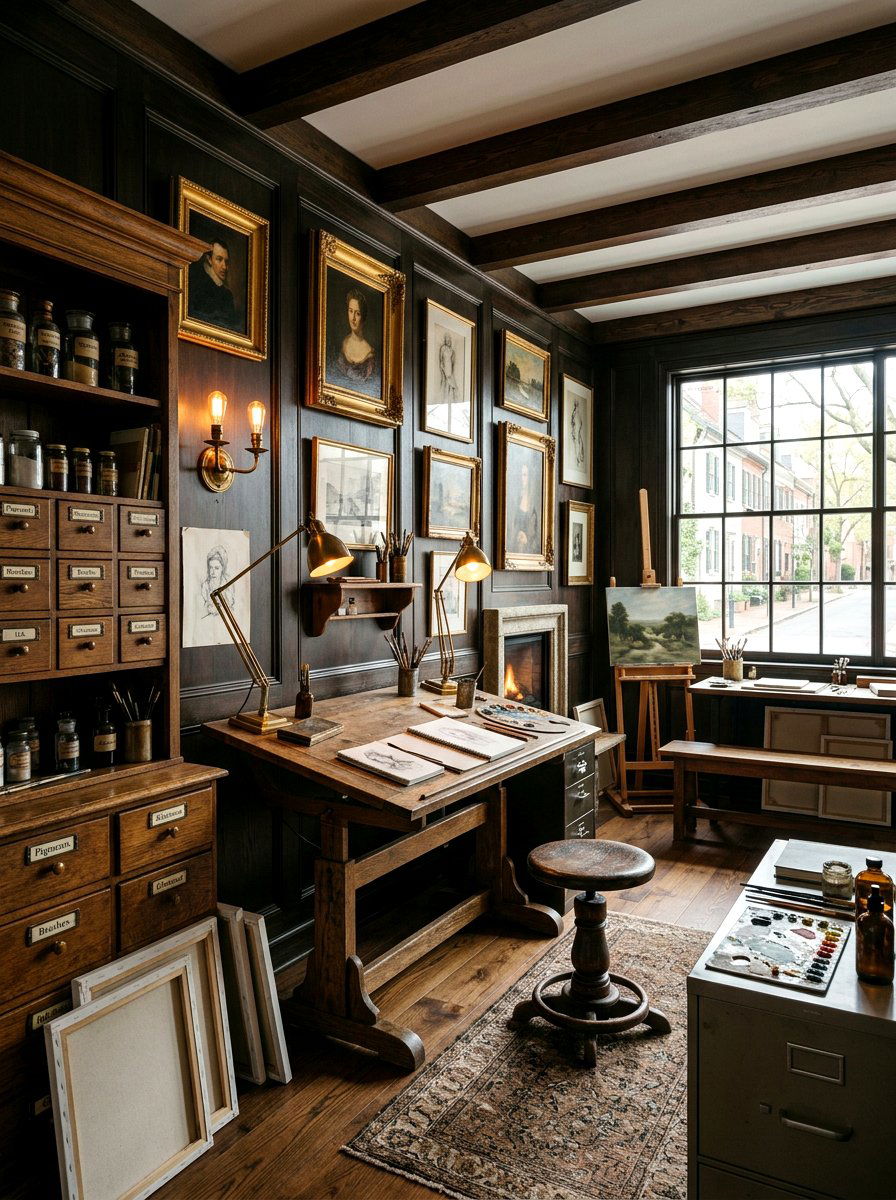
10. Hallway Floor Art
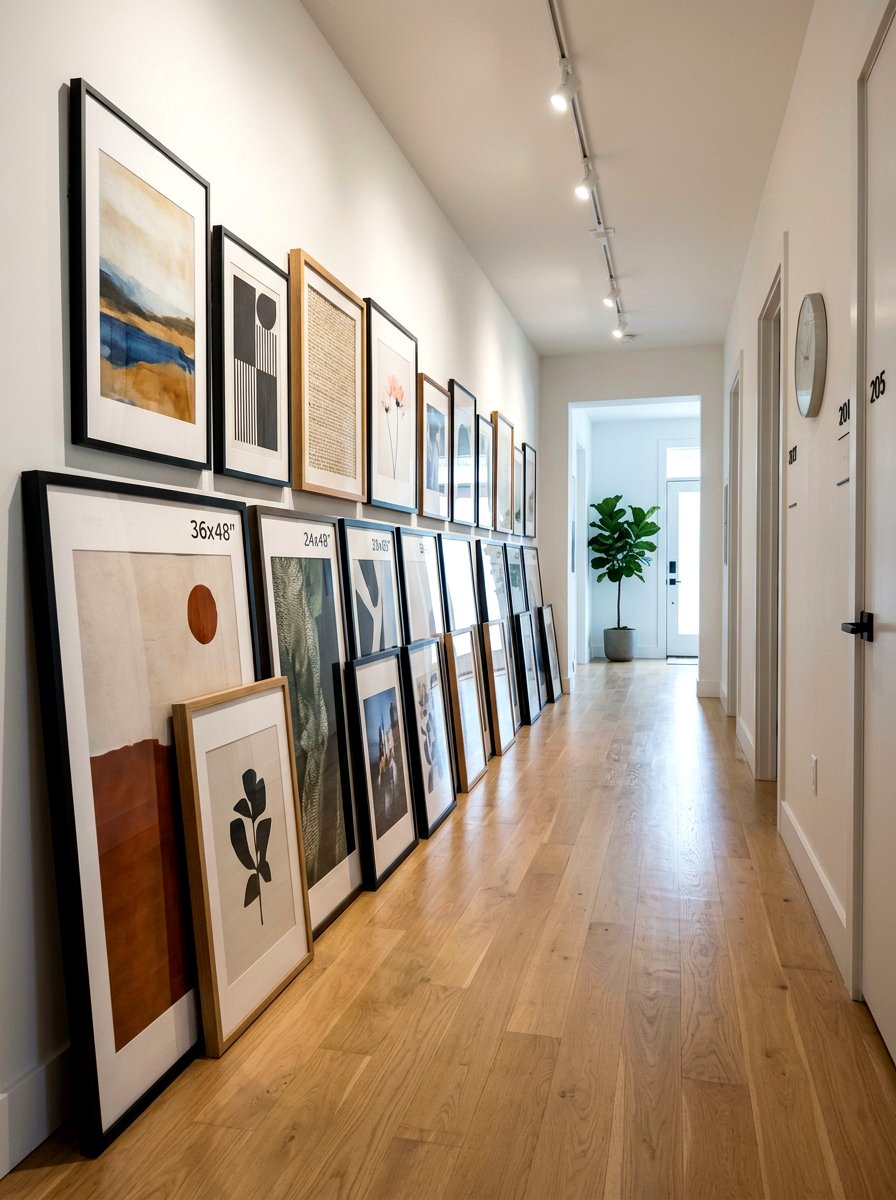
Long, narrow hallways can often feel empty or neglected, but leaning art can quickly transform them into a vibrant gallery. Try placing several large frames of varying heights along one side of the corridor to create a sense of rhythm. This keeps the eye moving and makes the transition between rooms feel more engaging and intentional. Since the frames are on the floor, you don't have to worry about the narrow space making wall-hanging difficult or cramped. Stick to a consistent color palette or frame style to ensure the long line of art feels cohesive. It is a simple, effective way to add personality to a transitional space.
11. Window Sill Art
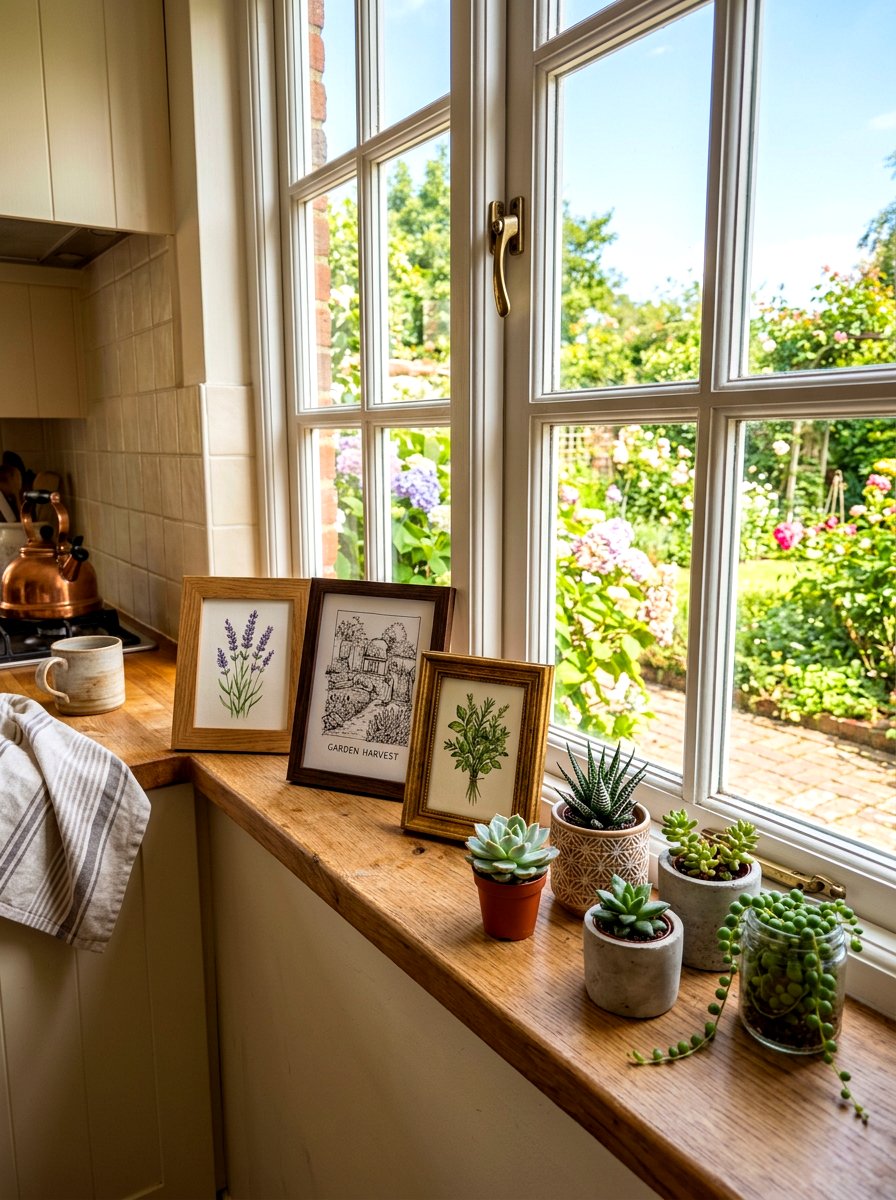
Deep window sills are often overlooked but they are perfect for small leaning art pieces that catch the natural light. You can prop up a tiny framed sketch or a colorful abstract print behind a row of potted succulents. The backlighting from the window can make certain art styles, like watercolors or glass pieces, truly glow and stand out. This approach brings a touch of unexpected charm to kitchens, bathrooms, or sunrooms where wall space might be limited. Make sure the frames are stable and won 't be easily knocked over by a breeze or passing pets. It adds a lovely layer of personality to your home' s architectural features.
12. Office Desk Art
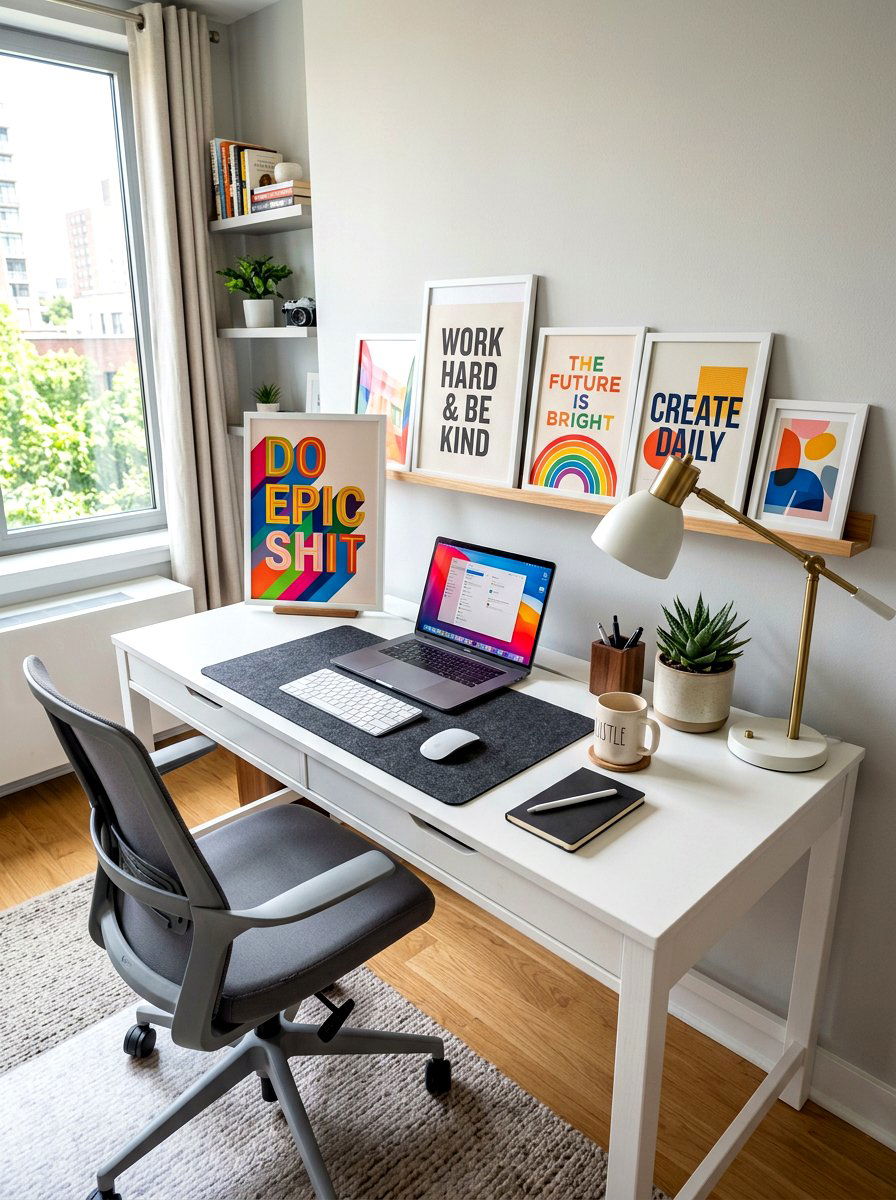
Decorating your home office with leaning art can make your workspace feel more inspiring and less like a corporate cubicle. Lean a few motivational quotes or beautiful landscapes against the back of your desk or on a nearby shelf. This allows you to keep your favorite images close without taking up valuable horizontal workspace. You can easily rotate the art based on your current projects or the mood you want to set for the day. Layering a small calendar or a mood board in front of a larger frame keeps everything organized and stylish. It creates a personalized backdrop that looks great during video calls and daily work.
13. Kitchen Art Frame
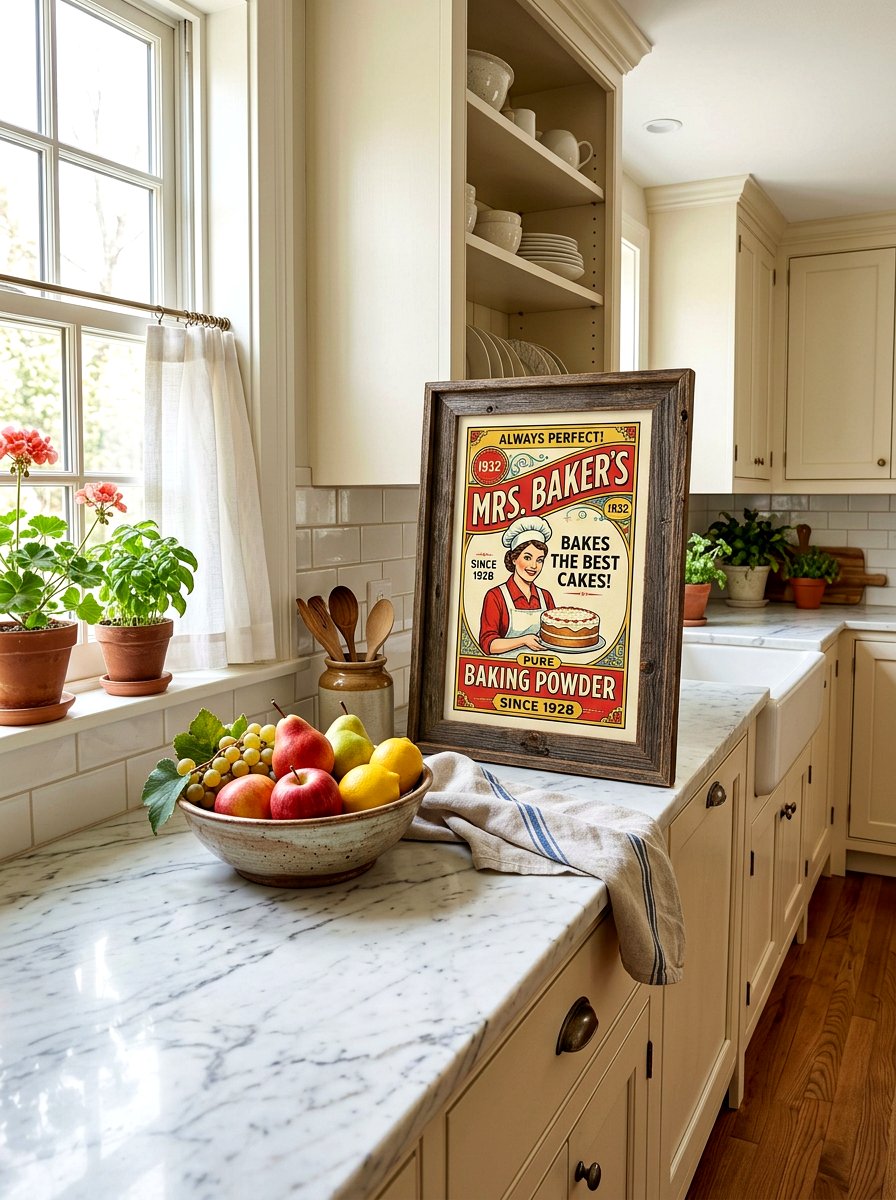
The kitchen is a great place for leaning art because it adds a touch of warmth to a room filled with hard surfaces. You can prop a medium-sized framed print on the back of a countertop or atop a row of upper cabinets. Choose art that features botanical themes, vintage food advertisements, or simple line drawings to complement the culinary setting. Leaning the art makes it easy to move when you need more space for food preparation or cleaning. It also protects the walls from potential splashes that might happen while cooking. This small addition makes the kitchen feel more like a living space and less like a utility room.
14. Bookshelf Art Layering
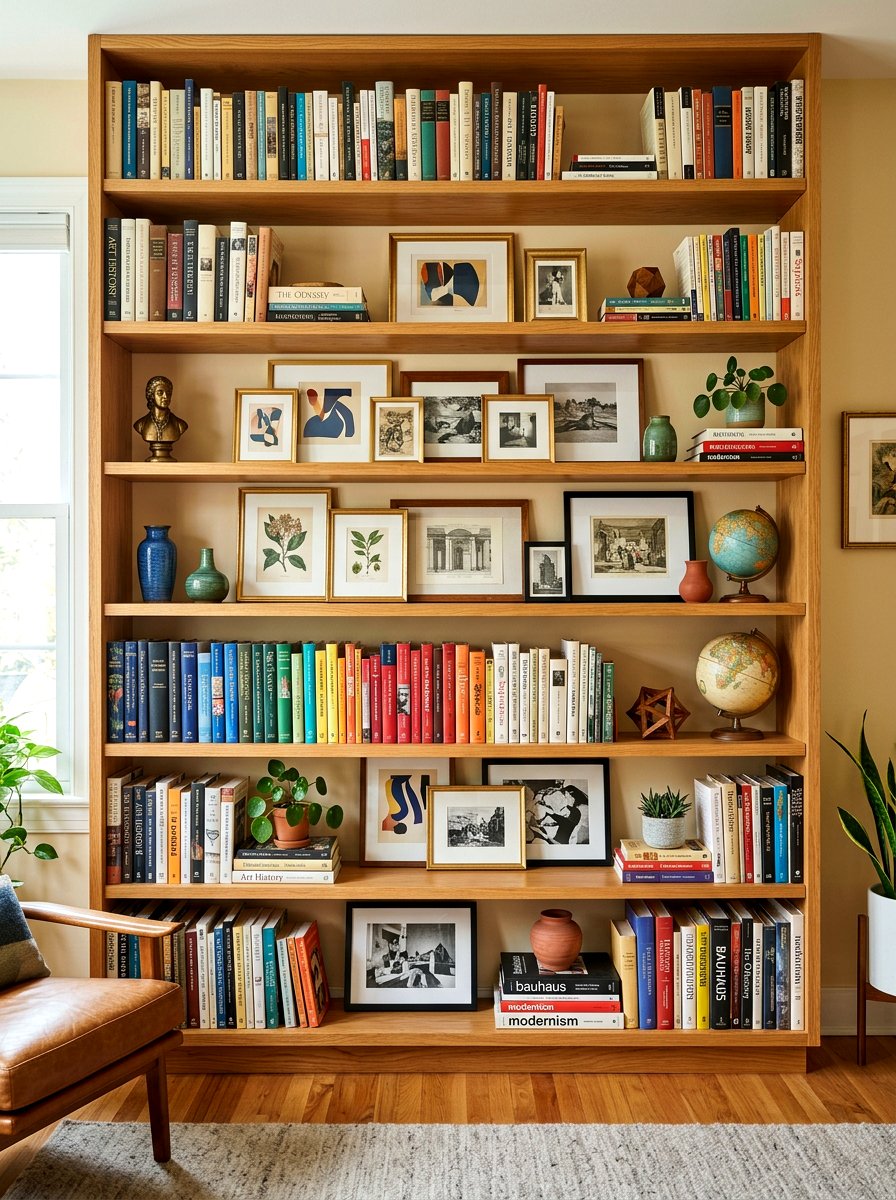
Bookshelves are not just for books; they are prime real estate for leaning art that adds depth to your collection. You can tuck a small frame into the back of a shelf to act as a colorful backdrop for your favorite novels. Alternatively, lean a larger piece in front of a row of books to break up the vertical lines and add visual variety. This technique creates layers that make the bookshelf look professionally styled and deeply personal. Mixing different textures, such as canvas, paper, and wood, keeps the display from feeling too flat. It is an easy way to showcase art in a way that feels very integrated.
15. Corner Art Display
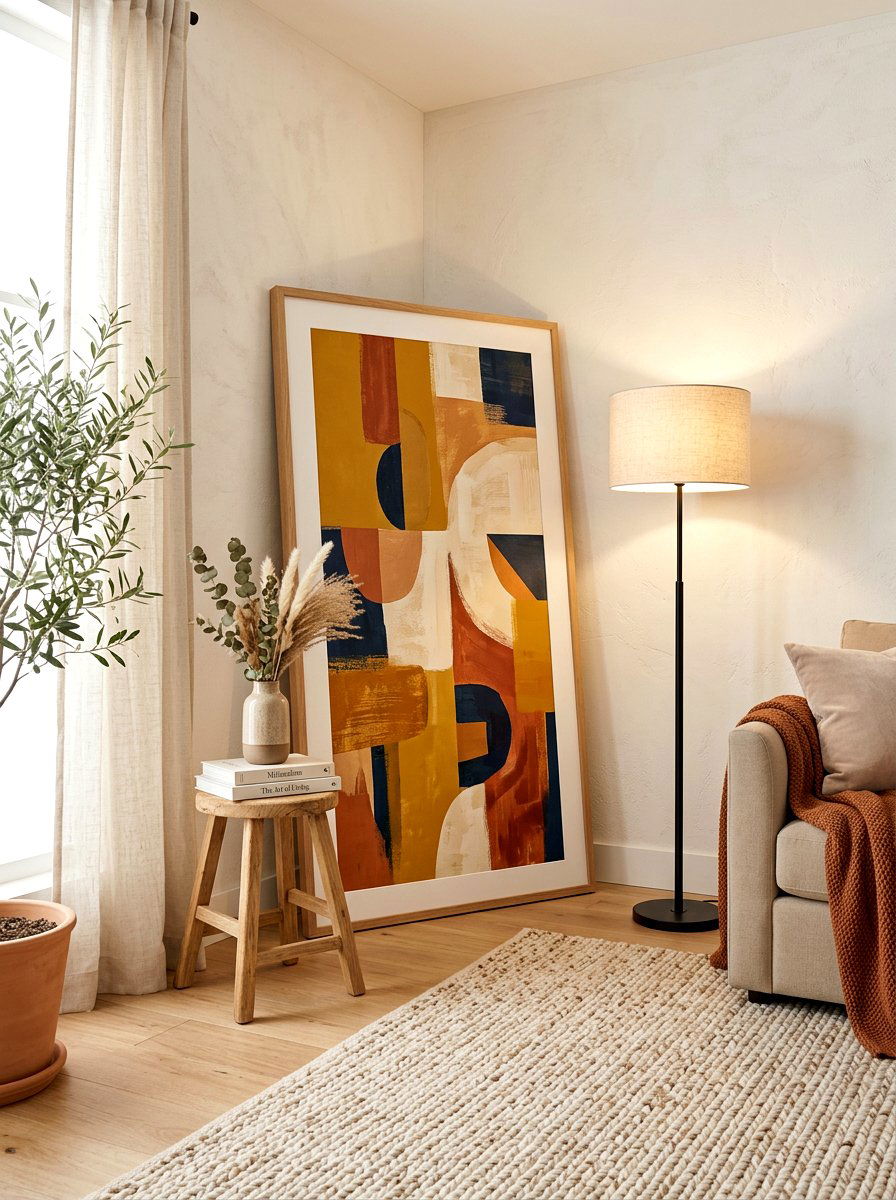
Awkward corners are often difficult to decorate, but a leaning art arrangement can fill the void perfectly. You can use a corner as a spot for a large, tall frame that anchors the space and adds height. By leaning the art at an angle, you soften the sharp lines of the room and create a more inviting atmosphere. Pair the art with a small stool or a decorative floor lamp to complete the look and add functional lighting. This works especially well in living rooms or bedrooms where you want to create a cozy, finished feel. It turns a forgotten corner into a stylish and intentional design feature.
16. Radiator Art Decor
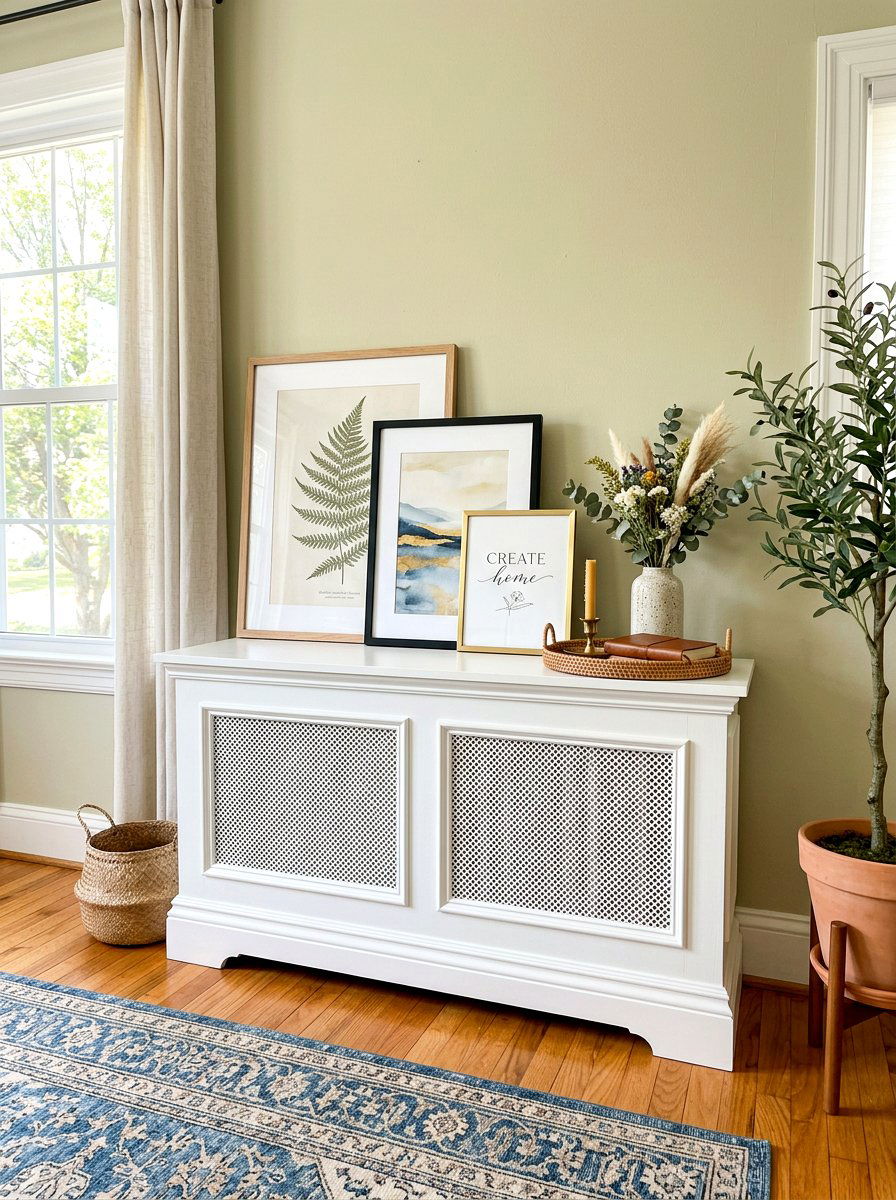
A radiator cover offers a flat, stable surface that is often underutilized for decorative purposes. You can lean a selection of framed prints or mirrors across the top to hide a plain wall or an unsightly heater. This setup creates a beautiful vignette that feels like a custom built-in feature in your living or dining room. Because the art is leaning, it stays at a safe distance from the heat while providing a high-impact visual display. You can add a tray of decorative objects or a stack of books to ground the arrangement. It is a smart way to reclaim functional space for artistic expression in your home.
17. Sofa Art Layering
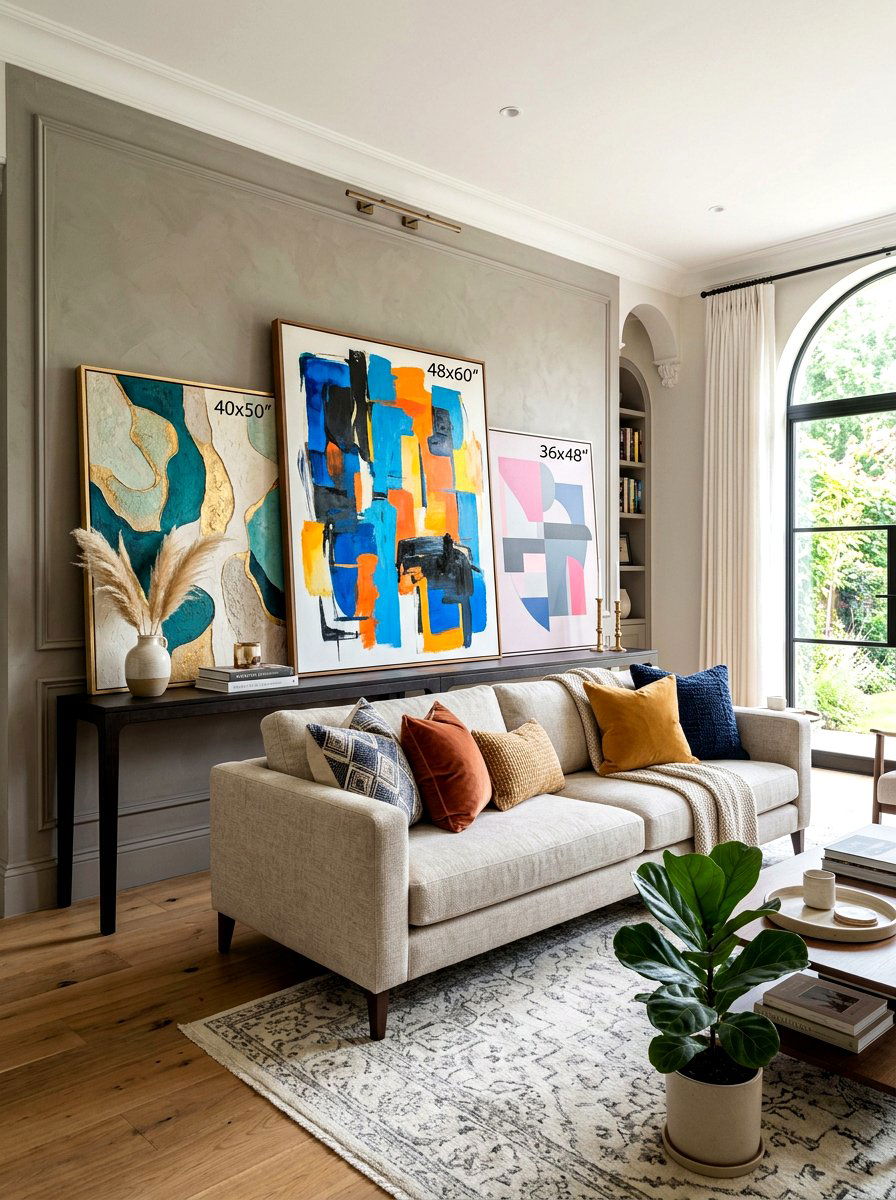
Placing art on a narrow console table directly behind your sofa allows you to create a beautiful, layered backdrop for your seating area. You can lean a large statement piece in the center and overlap it with smaller frames on either side. This adds a sense of depth and luxury to your living room that standard wall hanging cannot provide. The leaning style feels relaxed and comfortable, which perfectly matches the vibe of a cozy sofa. You can easily switch out the artwork to match new throw pillows or seasonal rugs. It makes the entire room feel more cohesive and intentionally designed for comfort and style.
18. Ladder Shelf Art
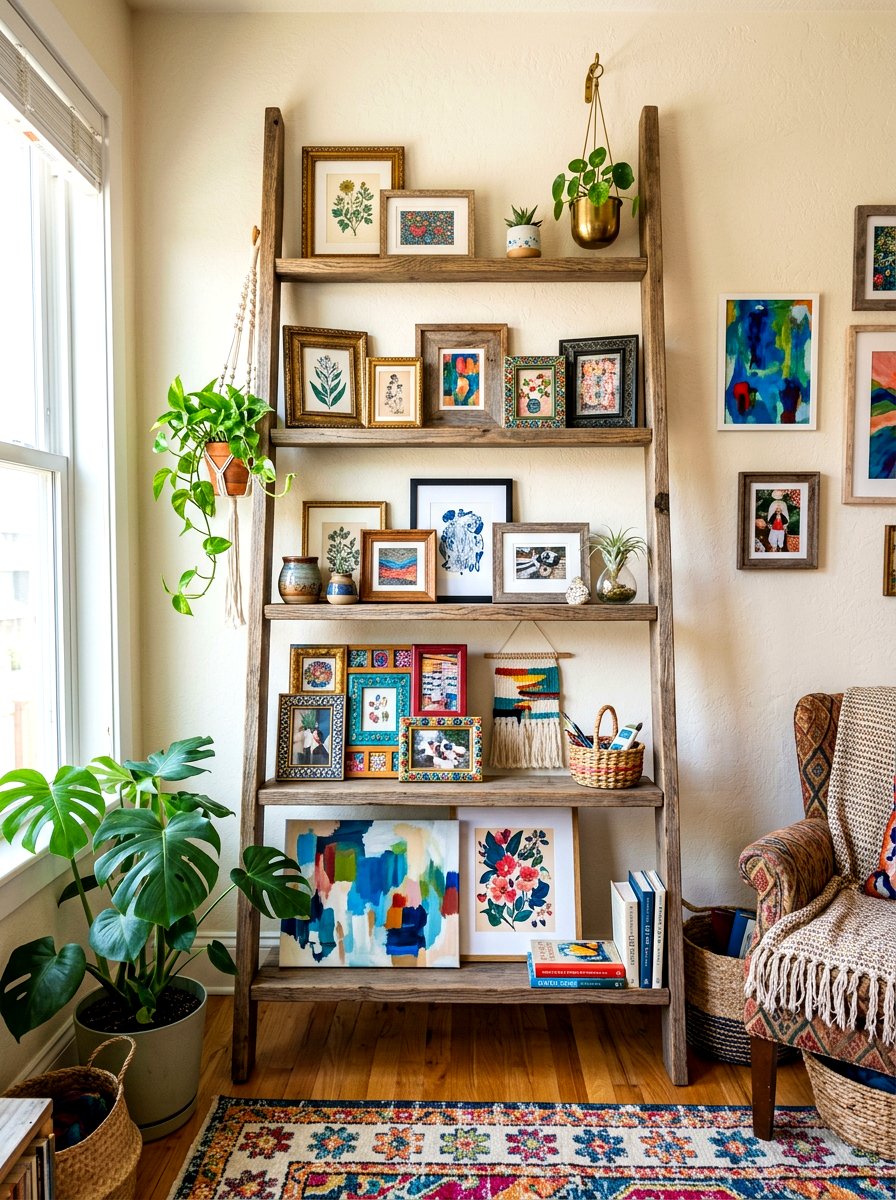
Ladder shelves are inherently casual, making them the perfect partner for leaning art displays. You can place different sized frames on each rung to create a staggered, vertical gallery that saves floor space. This look is great for small apartments or entryways where you want to make a big impact in a tight area. Mix in a few small plants or decorative baskets to keep the shelves from looking too heavy with frames. The open design of the ladder allows the wall color to peek through, creating a light and airy feel. It is a versatile way to organize your art collection while maintaining a modern, bohemian aesthetic.
19. Credenza Art Collection
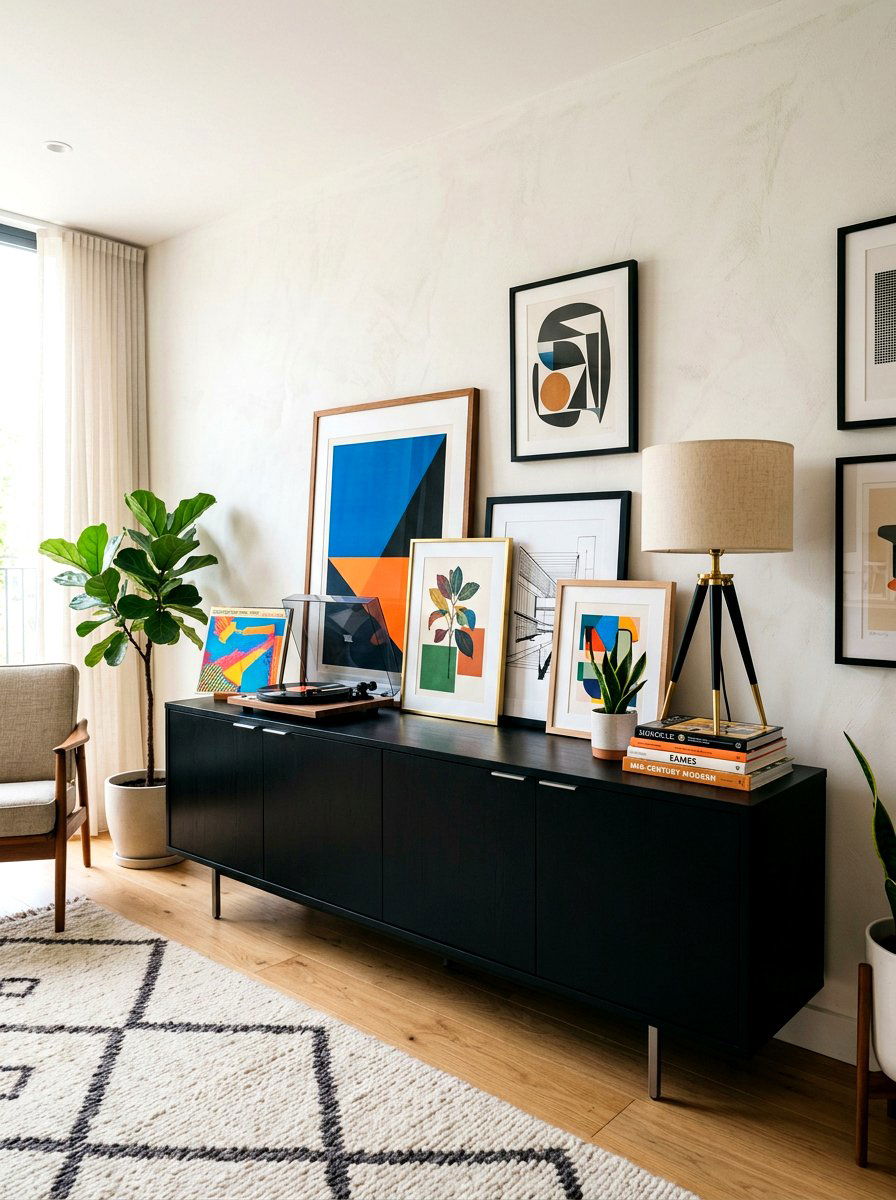
A low credenza in a hallway or media room is a fantastic spot to lean a collection of art that tells a story. You can group pieces by theme, color, or artist to create a curated museum-like experience in your own home. By leaning the frames, you avoid the rigid look of a traditional gallery and embrace a more fluid design. This setup allows you to easily incorporate other items like record players, lamps, or sculptural pieces into the display. The low height of the credenza keeps the art at a comfortable viewing level. It creates a sophisticated focal point that feels both high-end and very relaxed.

20. Dresser Art Display
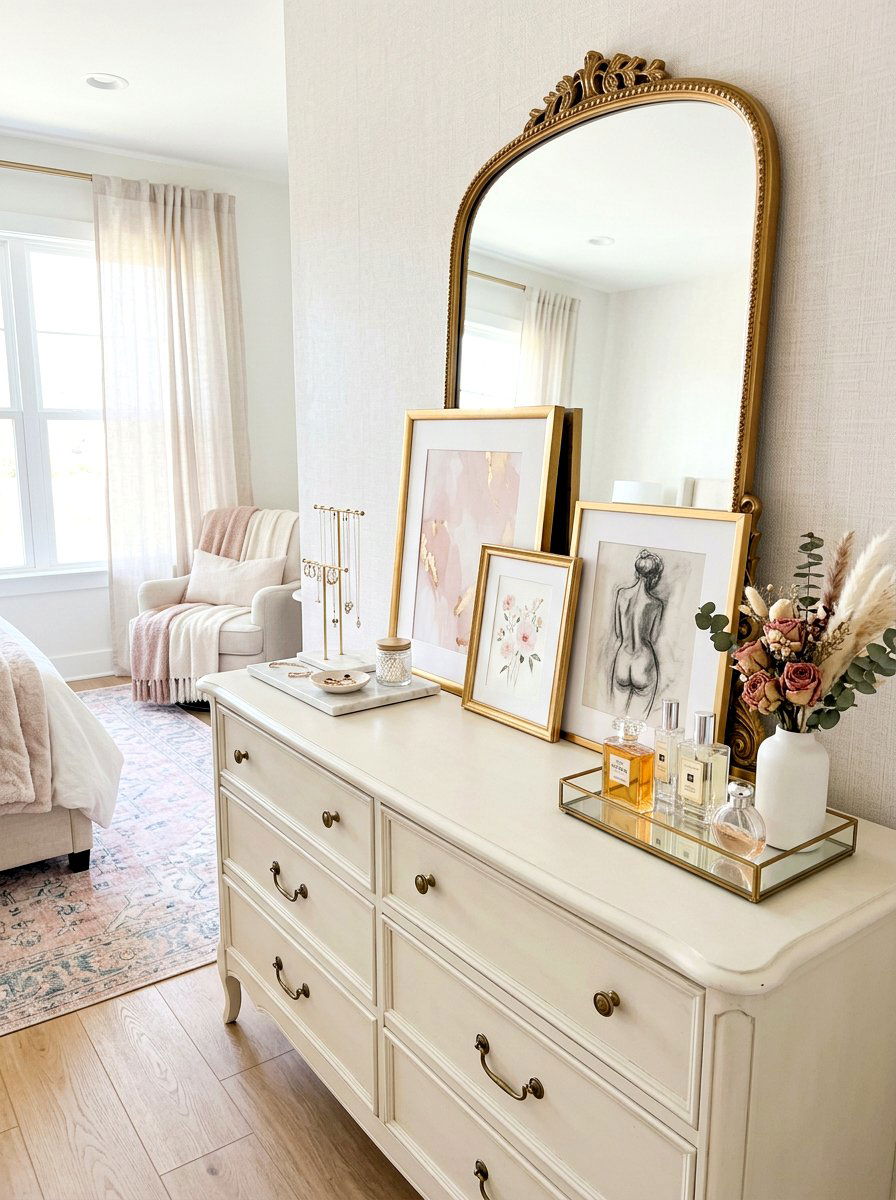
Transform the top of your bedroom dresser into a stylish art station by leaning a mix of frames against the wall. This is a great way to display personal photos, travel mementos, and small paintings in a way that feels organized. You can start with a large mirror as your base and then lean smaller art pieces against its surface for a layered effect. This not only adds visual interest but also helps reflect light around the bedroom, making it feel brighter. Add a jewelry dish or a small vase of flowers to finish the look. It turns a functional piece of furniture into a beautiful decorative highlight.
21. Stair Landing Art
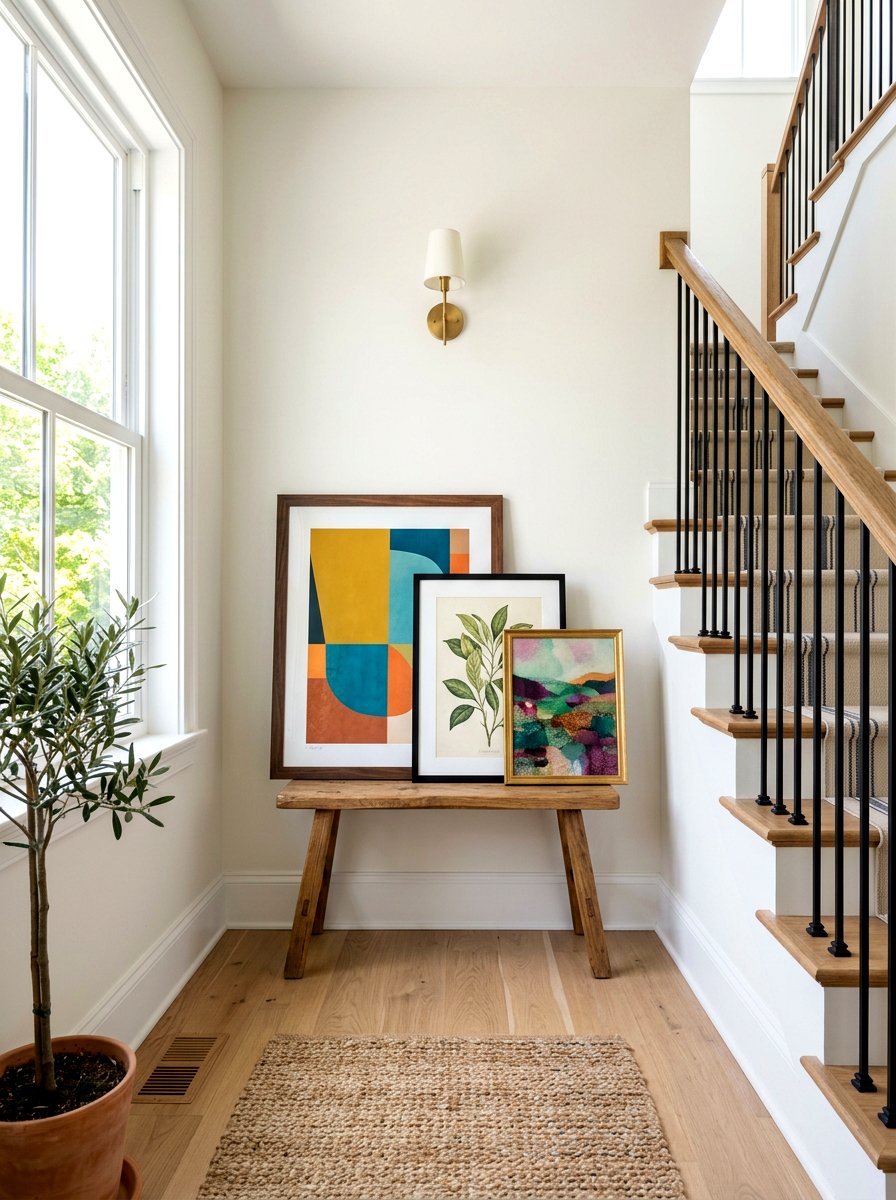
A stair landing is often a missed opportunity for decor, but leaning art can turn it into a mini gallery. Place a few medium-sized frames on the floor or a small stool in the corner of the landing. This adds color and personality to a space that people pass through every day. The low-level art creates an interesting perspective as you walk up or down the stairs. Choose pieces that are bold and easy to see from a distance to make the most of the transit area. It is a simple way to make your home feel finished and designed from top to bottom without much effort.
22. Mirror Art Layering
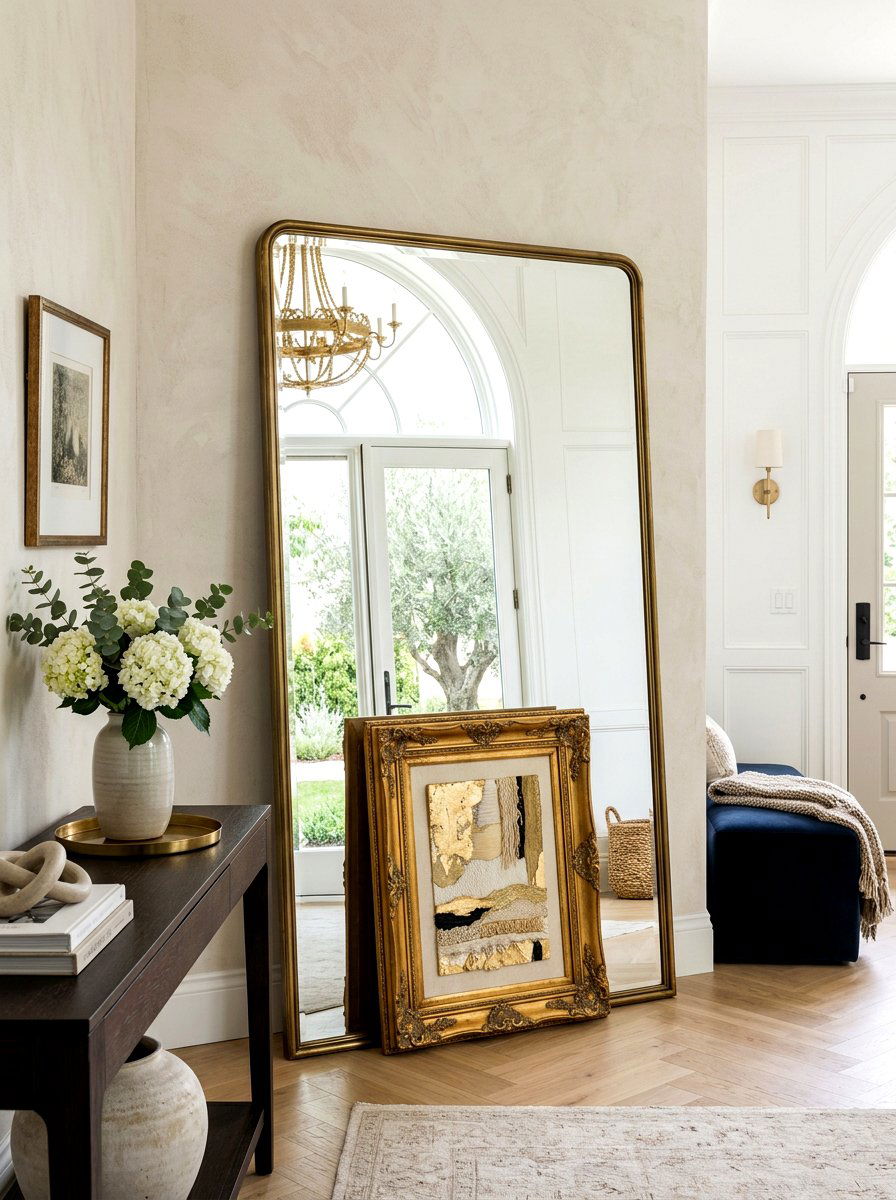
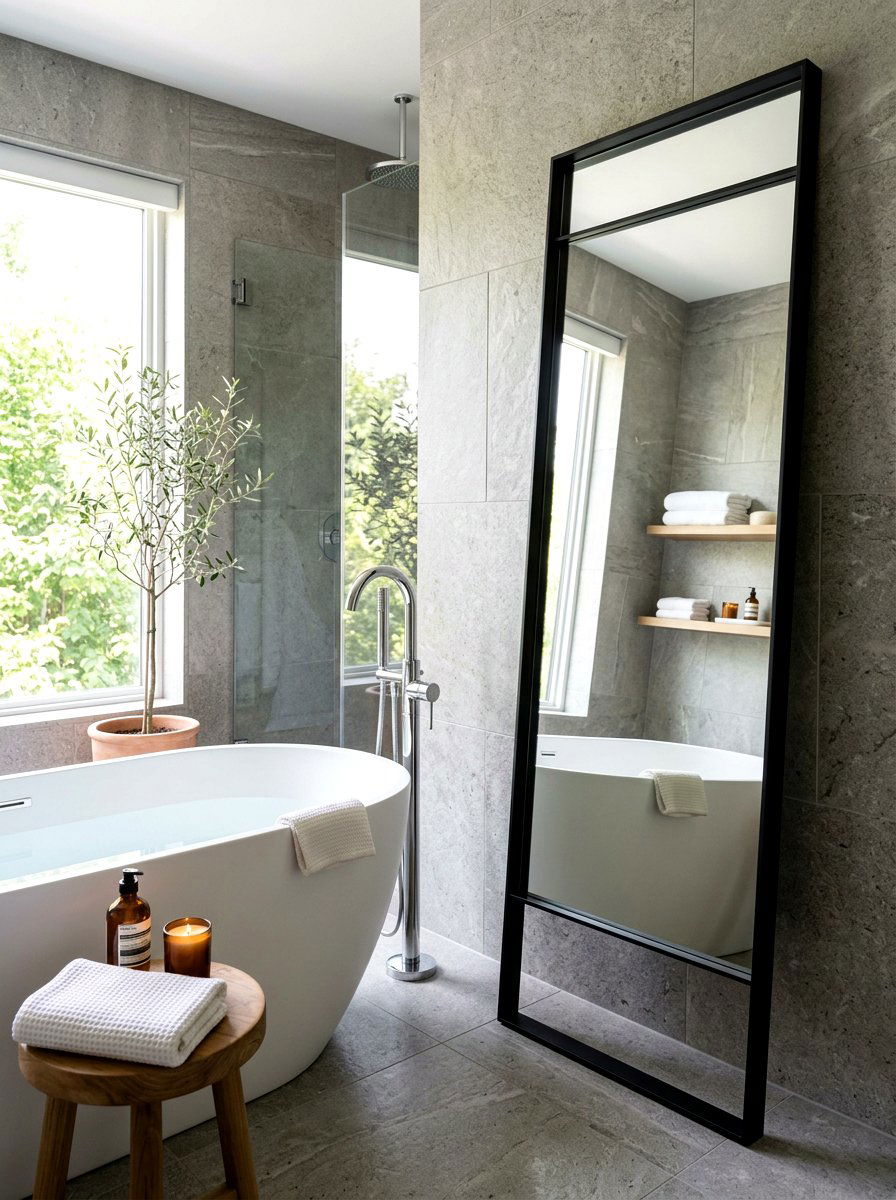
Layering a framed piece of art directly over a leaning floor mirror is a high-impact design trick that adds incredible depth. The reflection in the mirror creates a sense of three-dimensional space that makes the artwork pop even more. This works best with a large, heavy mirror that can safely support the weight of a smaller frame leaning against it. It is a sophisticated look often seen in luxury interiors because it feels both clever and artistic. The combination of the two elements provides both functionality and beauty in one spot. It is a perfect choice for entryways or bedrooms where you want to maximize style and light.
23. Sunroom Art Display
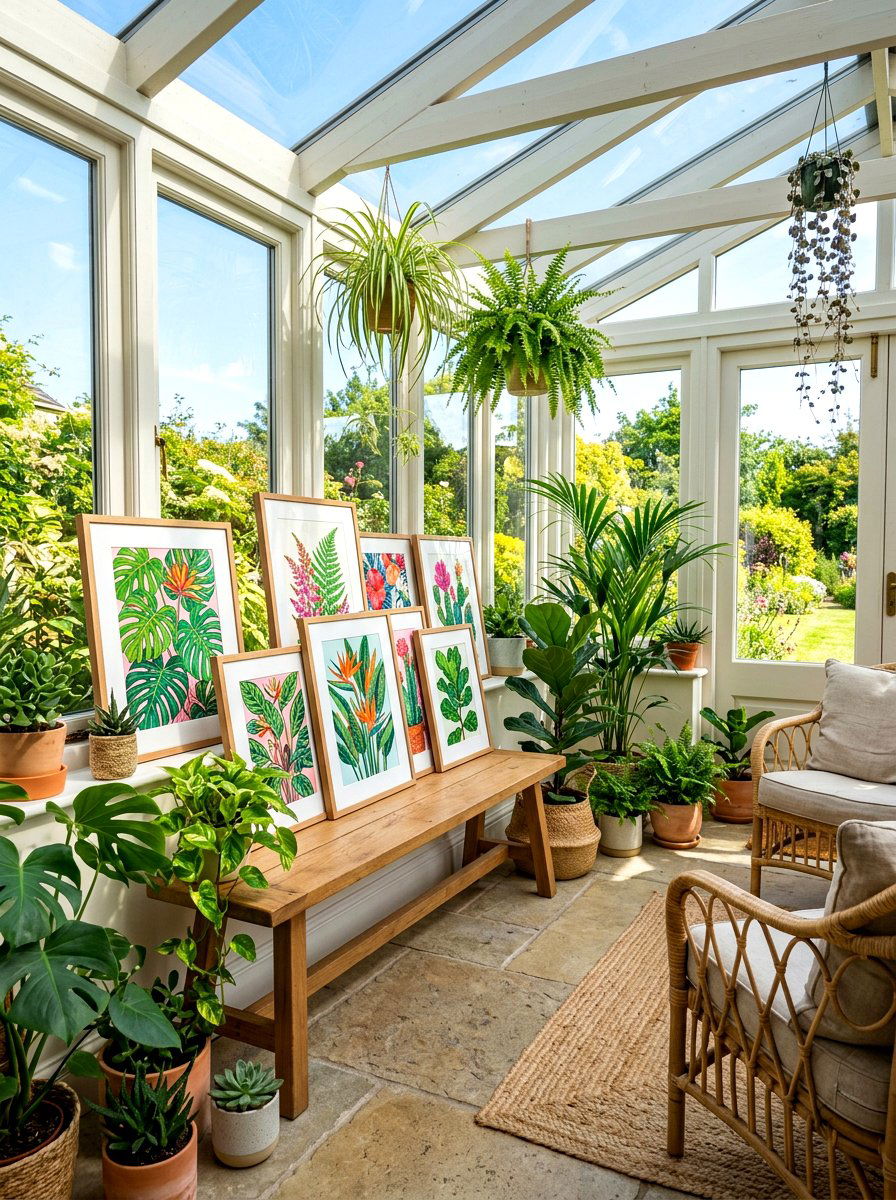
Sunrooms are filled with light, making them a wonderful place to showcase vibrant leaning art on low benches or floor cushions. You can choose botanical prints or sunny landscapes that reflect the outdoor beauty seen through the windows. Leaning the art allows it to be moved easily to follow the path of the sun or to make room for guest seating. This casual approach matches the relaxed, breezy atmosphere of a sun-drenched room. Use natural wood frames to tie the look in with the greenery and outdoor elements. It creates a peaceful, artistic retreat that feels connected to nature while displaying your favorite creative pieces.
24. Nightstand Art Frame
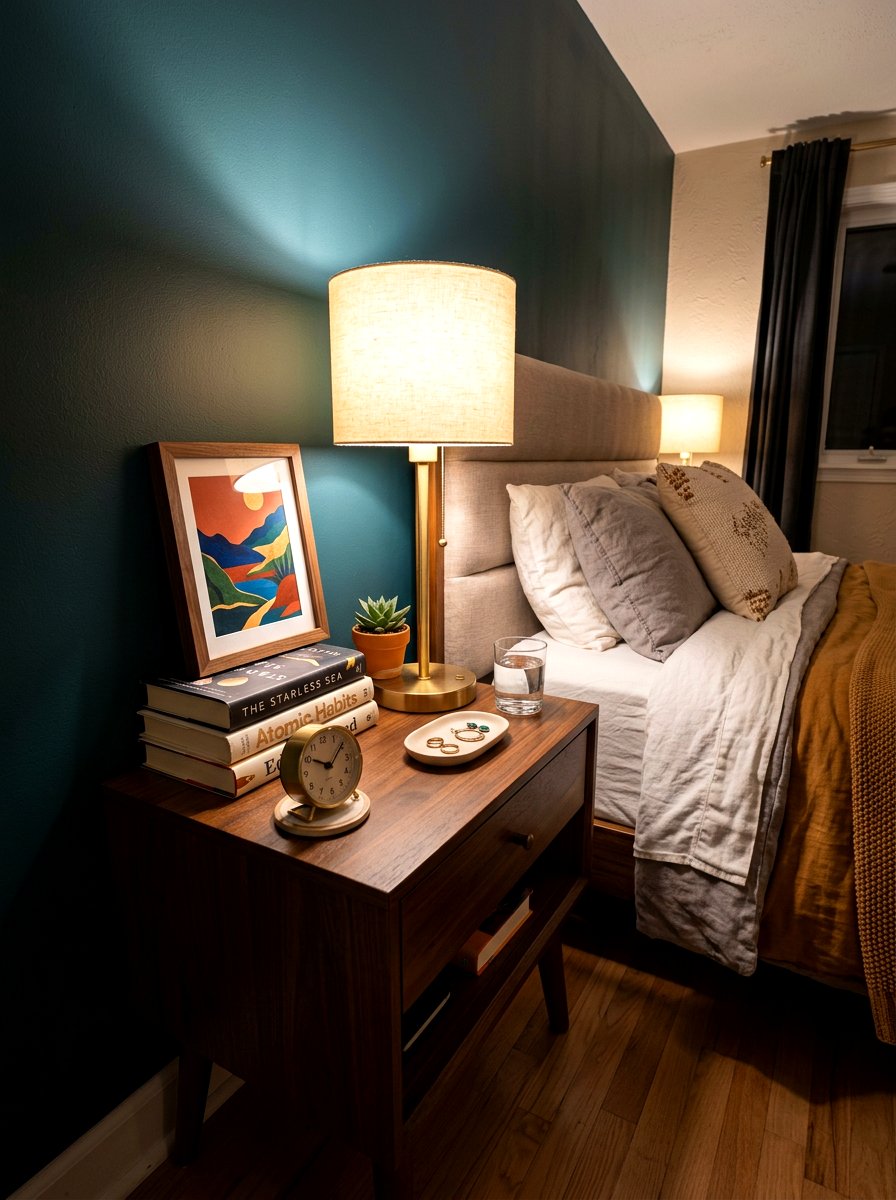
If your nightstand has enough depth, leaning a small framed print against the wall behind your lamp can add a lovely personal touch. This creates a cozy and curated look that feels much more intentional than a bare wall. You can choose a piece of art that has calming colors to help you wind down at the end of the day. Because it is leaning, you can easily swap it out for a different image whenever you feel like changing your bedroom decor. It adds a layer of sophistication to your bedside area without requiring any tools. This small detail makes your morning and evening routines feel more special.
25. Built In Art
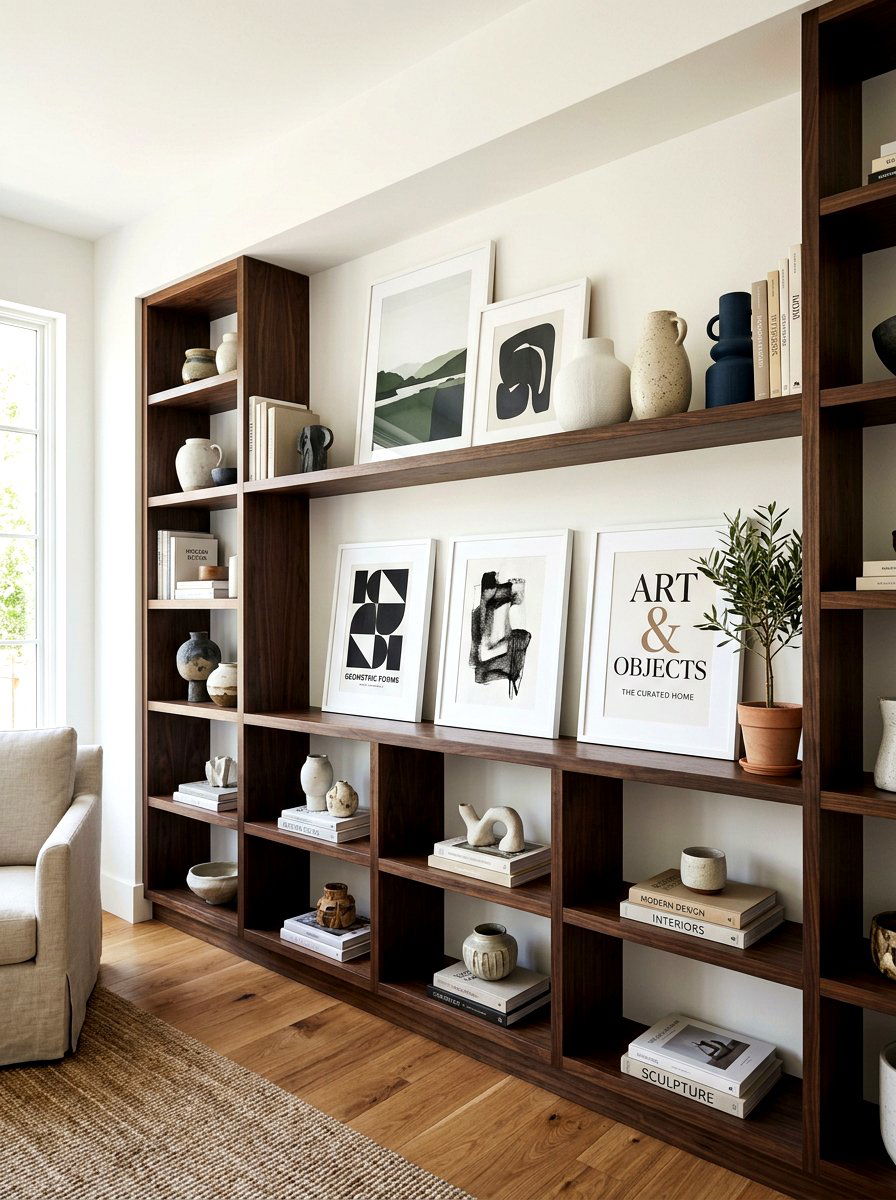
Built-in shelving units offer a structured environment where leaning art can add a touch of softness and organic movement. You can place a few frames on different levels to break up the repetitive patterns of the shelves. This technique helps to highlight specific sections of your built-ins and draws attention to your most prized possessions. Mixing framed art with ceramics and books creates a balanced, professional look that feels very high-end. The depth of the built-ins provides plenty of security for the leaning pieces, ensuring they stay exactly where you want them. It is a classic way to elevate any library or living room.
26. Media Art Display
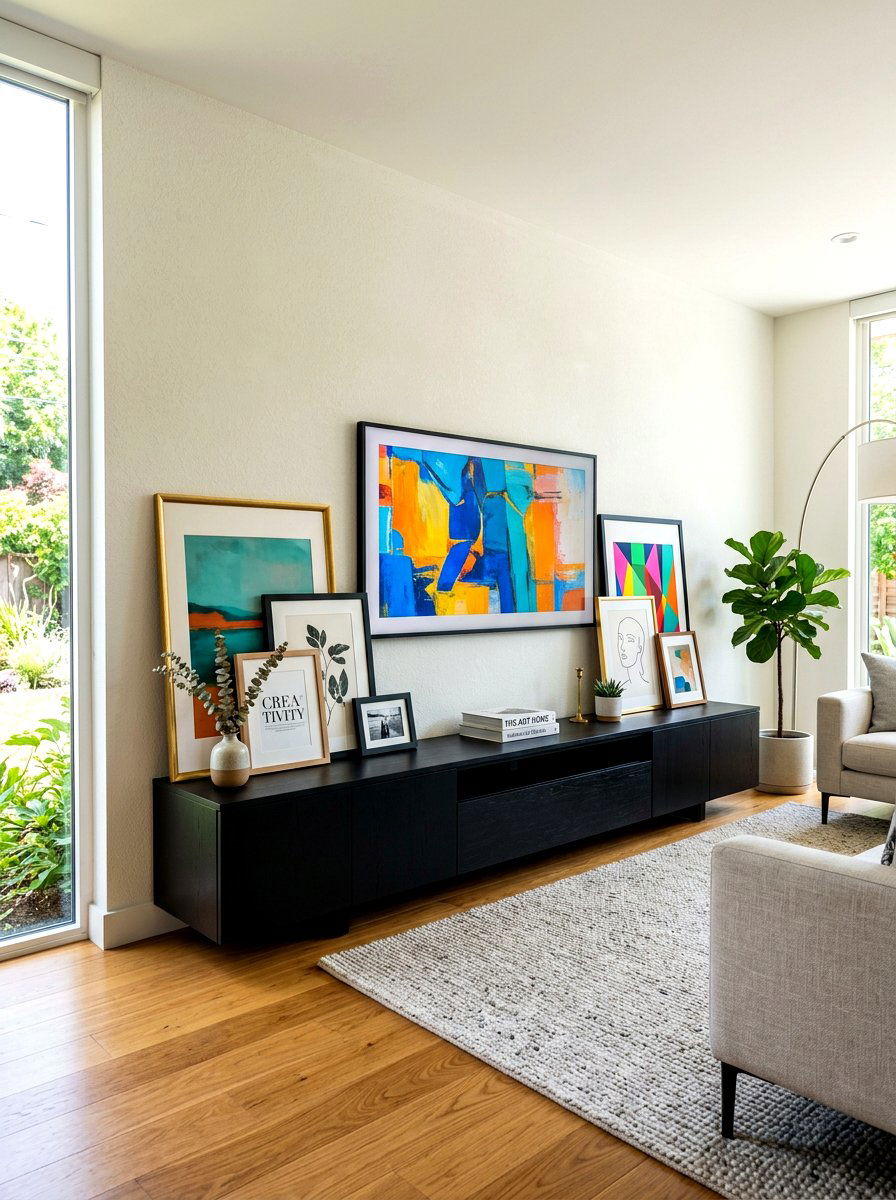
Integrating leaning art into your media console setup can help disguise the black screen of the television when it is not in use. Place a few frames of different sizes on the console, leaning them slightly to the side of the TV. This draws the eye toward the artwork and makes the technology feel like part of a larger, more beautiful composition. Choose art that complements the colors of your living room to create a cohesive and polished look. This approach is much more flexible than hanging art around the TV, as you can adjust the placement whenever you like. It makes the entertainment center feel more like furniture.
27. Bathroom Art Shelf
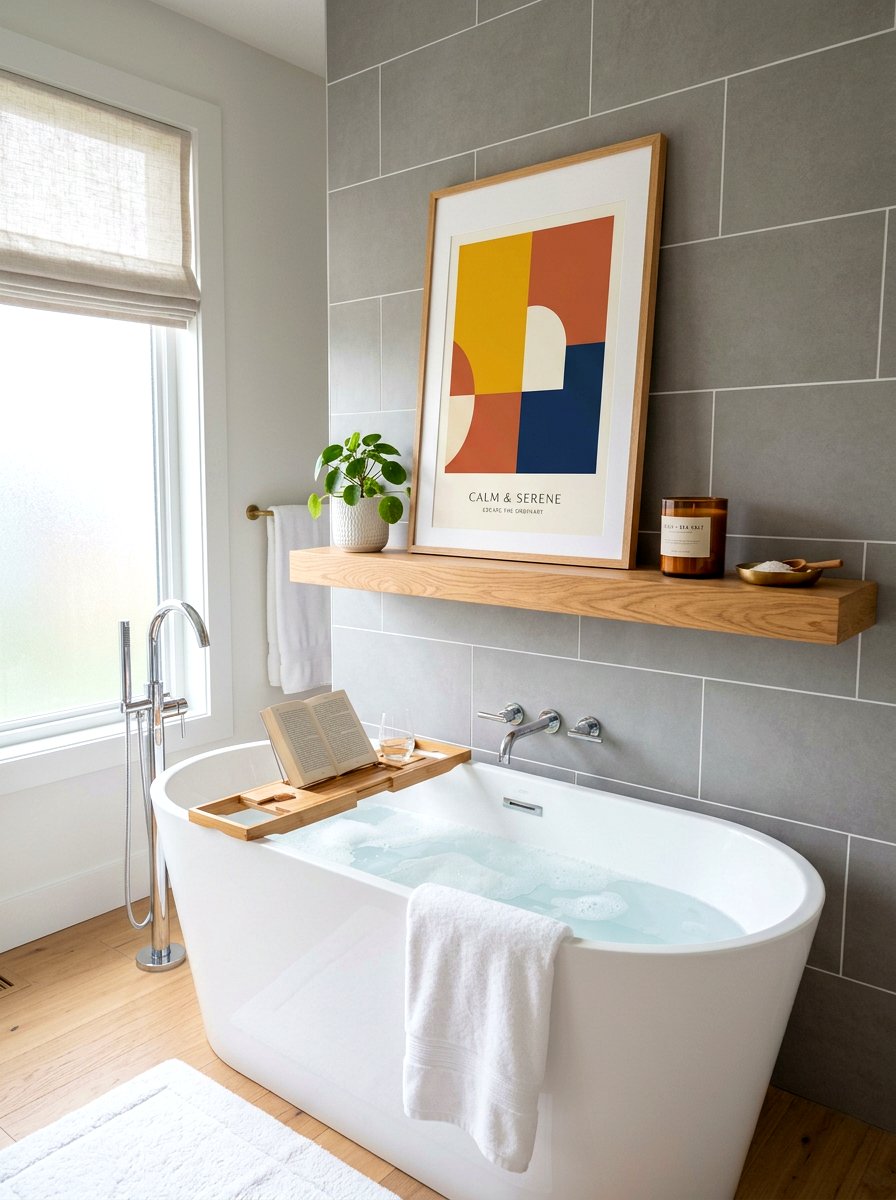
Even the bathroom can benefit from the leaning art trend, especially on a shelf above the vanity or the bathtub. A small, moisture-resistant frame with a simple line drawing can add a spa-like feel to the space. Leaning the art is ideal for bathrooms where you might not want to drill into tile or deal with permanent wall fixtures. It allows you to add a pop of color or a touch of personality to an otherwise functional room. Make sure to choose frames with glass or acrylic to protect the art from steam. This simple addition elevates the room and makes it feel more like a part of the home.
28. Porch Art Decor
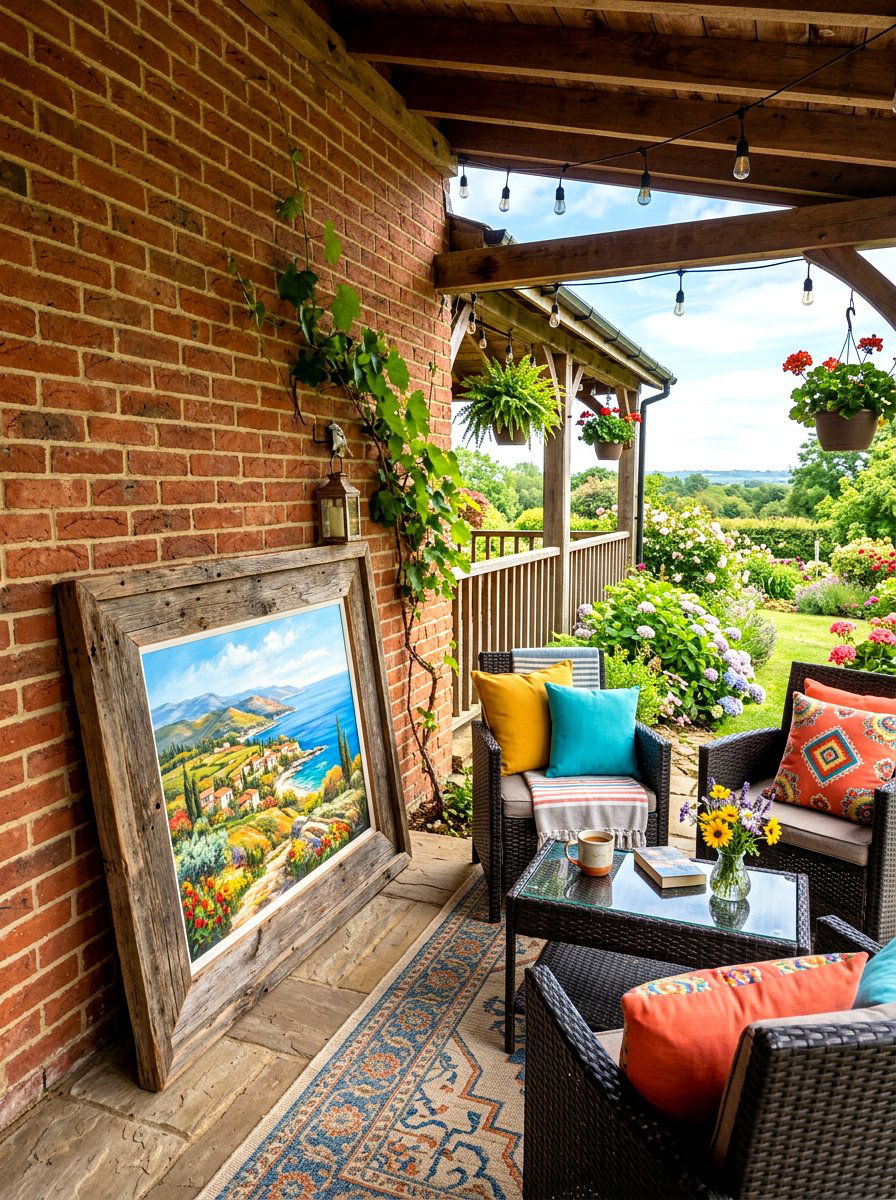
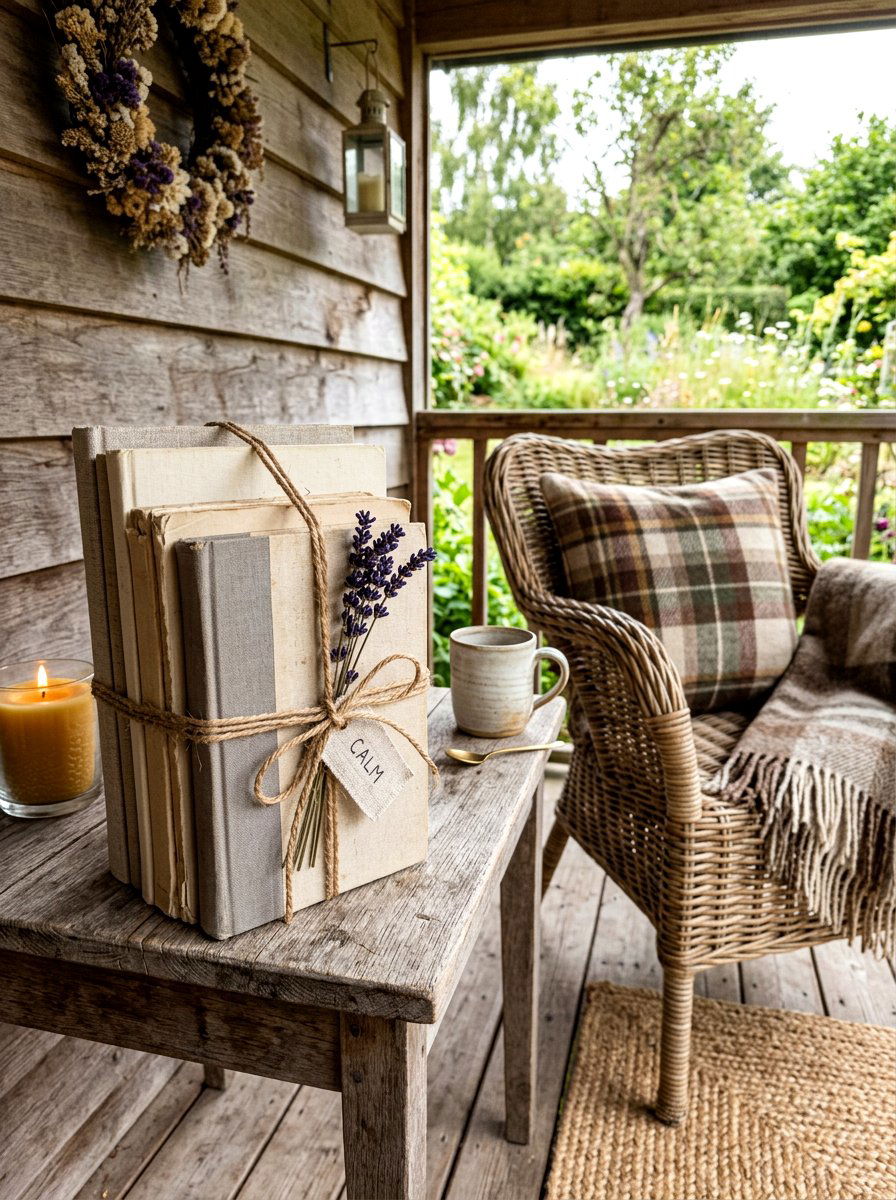
A covered porch or sunroom is a great spot to lean large, rustic art pieces against the siding or a brick wall. This creates a cozy outdoor living room vibe that is perfect for relaxing during the warmer months. Choose weather-resistant materials like treated wood frames or metal prints to ensure the art stays in good condition. Leaning the art on an outdoor bench or a sturdy side table adds height and visual interest to your patio furniture. It makes the outdoor space feel just as decorated and intentional as your interior rooms. This is a wonderful way to bring personal style to your home's exterior.
29. Piano Art Layering
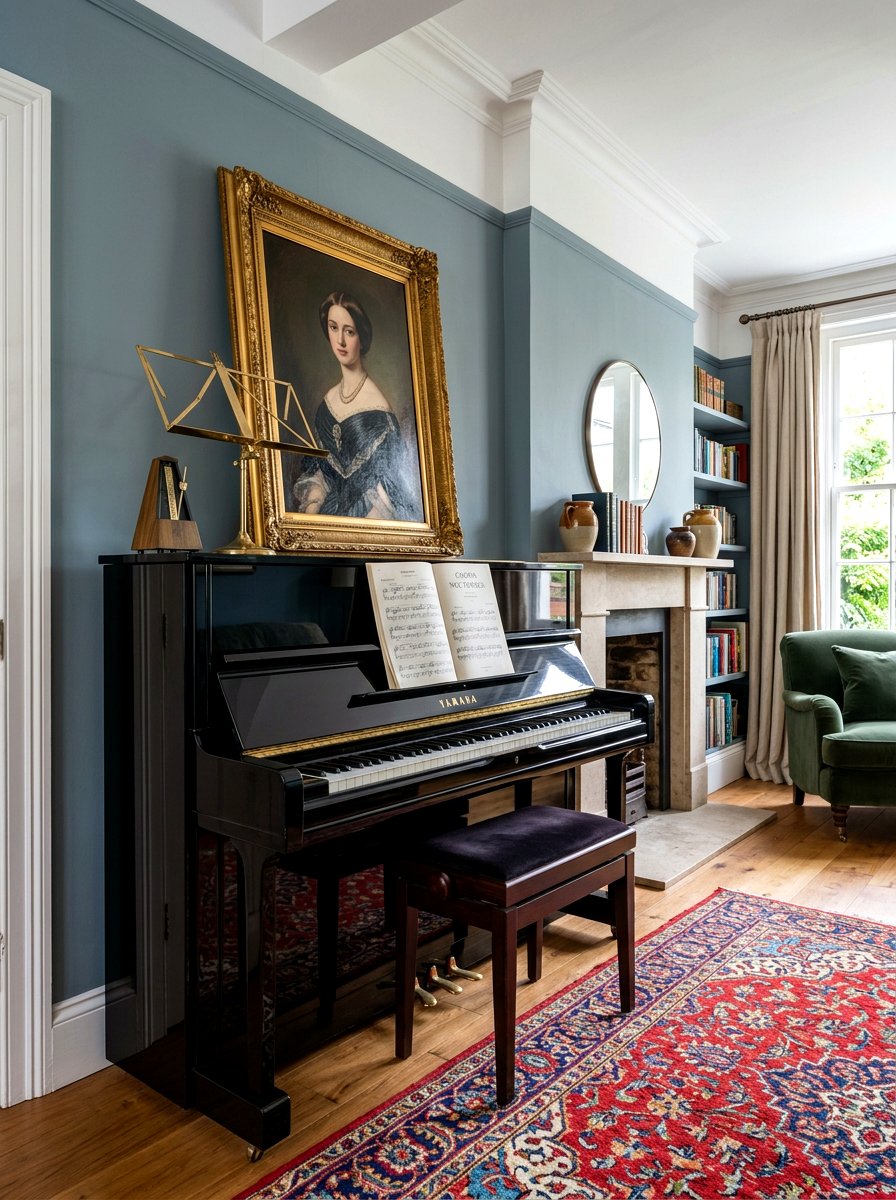
The top of an upright piano is a classic and sophisticated spot for a leaning art arrangement. You can lean a large, elegant piece of music-themed art or a classic portrait in the center of the piano lid. Adding a few smaller frames and a vintage metronome creates a beautiful, layered vignette that honors the instrument. The leaning style feels more creative and less rigid than hanging a single piece of art directly above the piano. This setup provides a perfect backdrop for when you are practicing or performing for guests. It turns the piano into a stunning focal point that combines music and visual art beautifully.
30. Nursery Art Shelf
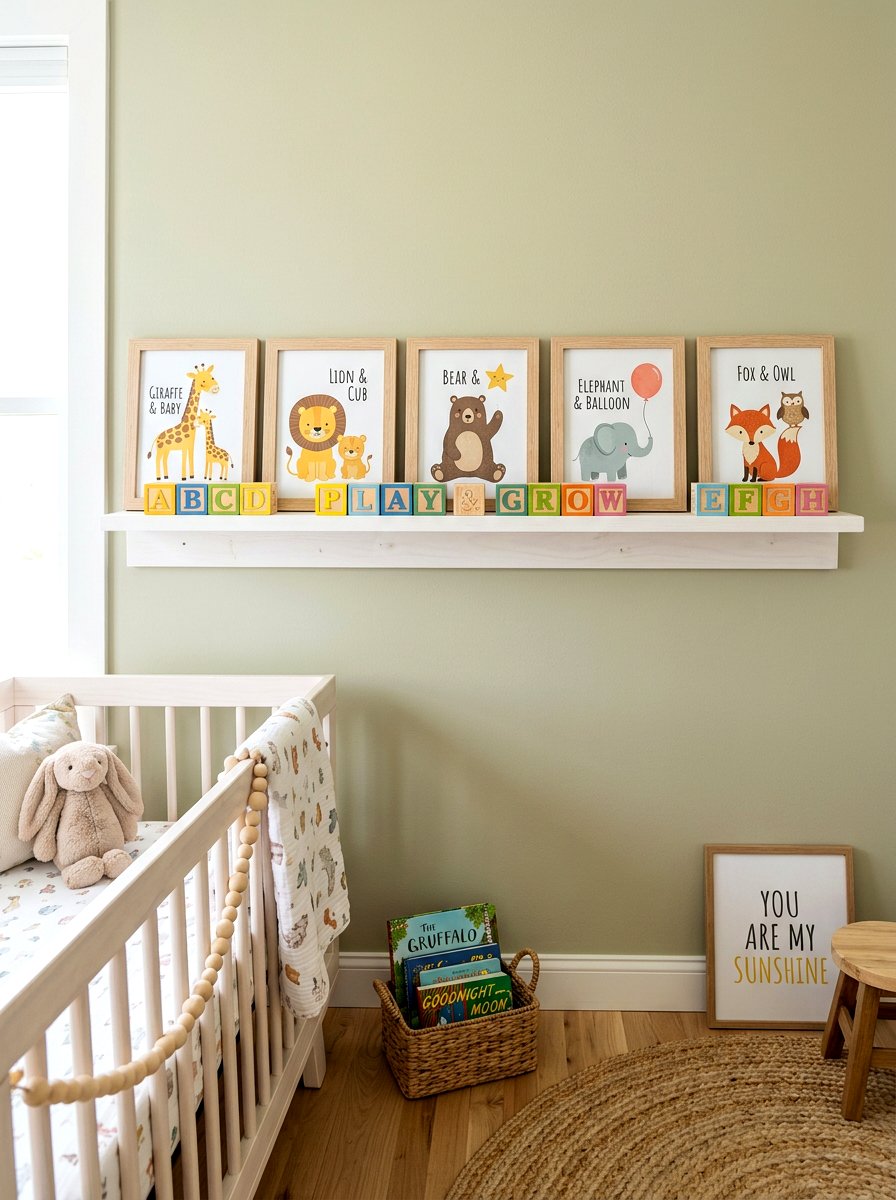
In a nursery, leaning art on a low shelf or picture ledge is a safe and stylish way to decorate. You can display colorful animal prints or sweet quotes that can be easily updated as the child grows. By using a ledge, you keep the art out of reach of little hands while still making it a prominent part of the room's design. This flexible approach allows you to change the theme of the room without any major renovations or wall repairs. It creates a soft, inviting environment that feels personalized and full of character. This simple leaning technique makes the nursery feel modern and thoughtfully curated.
Conclusion:
Adopting the leaning art wall trend is a transformative design choice that offers unparalleled flexibility and style for any homeowner. By moving away from the rigid constraints of traditional wall hanging, you unlock the ability to layer textures, mix scales, and tell a unique visual story that can evolve with your life. Whether you are highlighting a grand fireplace or adding a small touch to a bathroom shelf, the casual lean brings a sense of ease and modern sophistication to your living environment. This approach is not only practical for renters but also for anyone who loves the creative freedom of a dynamic, ever-changing home.

Related posts: