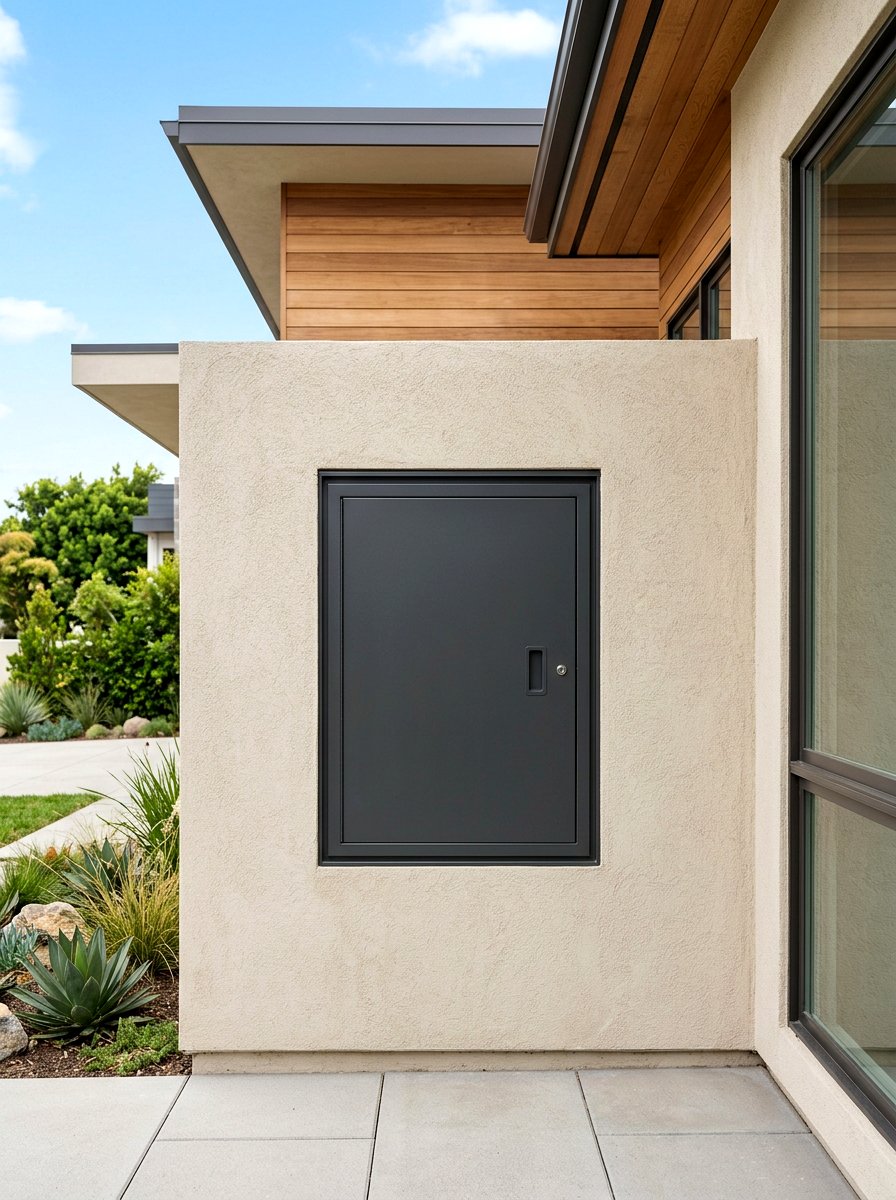
Your outdoor air conditioning unit is a vital part of your home’s comfort system, yet its bulky, industrial appearance often clashes with a beautifully manicured landscape. Integrating this mechanical necessity into your yard requires a thoughtful balance between aesthetic appeal and functional performance. When planning your layout, the primary concern is always airflow, as blocking the vents can lead to overheating and costly repairs. By using creative screening, strategic plantings, or architectural enclosures, you can successfully disguise these eyesores while maintaining the necessary clearance for maintenance. This guide explores various ways to transform your utility area into a seamless extension of your home's outdoor design.
1. Wooden Lattice Screen
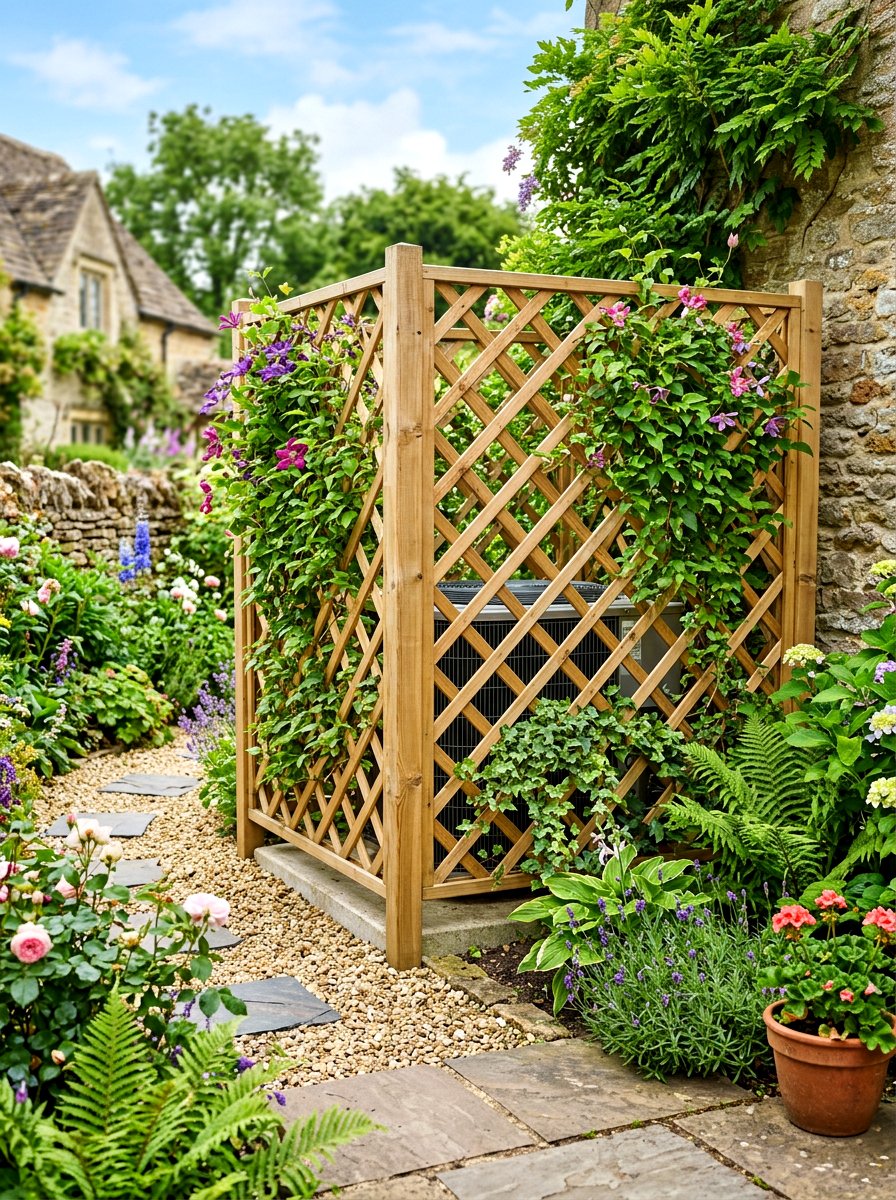
A wooden lattice screen is a classic choice for homeowners looking to mask a bulky condenser while ensuring maximum ventilation. This structure features an open-weave pattern that allows air to flow freely, which is critical for the efficiency of your cooling system. You can easily build a three-sided enclosure using pressure-treated wood or cedar to resist rot and insect damage over time. Many people choose to paint the lattice to match their home's siding or leave it natural for a rustic, garden-like feel. When installing, remember to leave at least two feet of space between the unit and the screen to allow a technician easy access during routine service calls.
2. Horizontal Wood Slat Wall
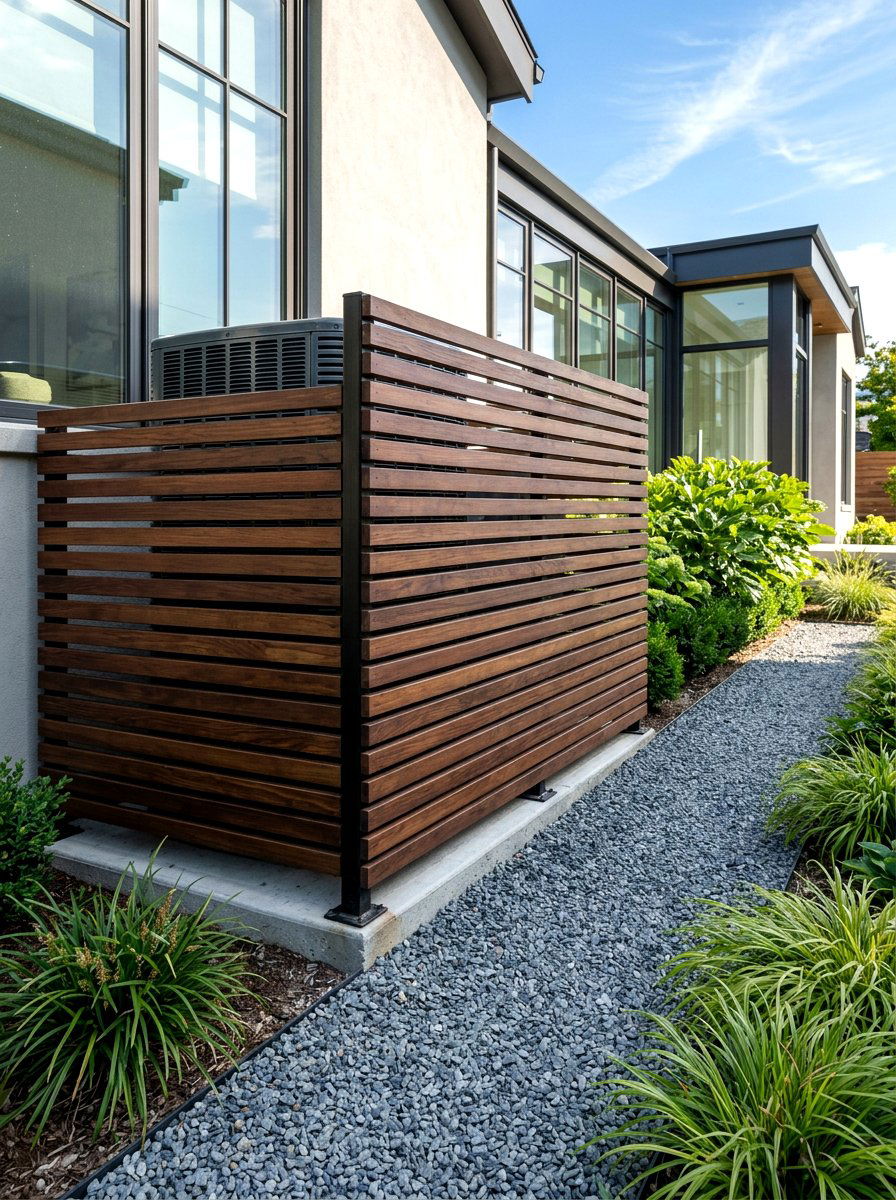
Creating a horizontal wood slat wall offers a sleek, modern aesthetic that complements contemporary home designs perfectly. This style uses thin strips of wood arranged with small gaps between them, providing a sophisticated look while still permitting necessary air circulation. Staining the wood in a dark walnut or a warm teak finish adds a touch of luxury to your side yard. This type of enclosure works exceptionally well when anchored into the ground with sturdy posts, creating a permanent architectural feature. It effectively hides the industrial metal of the unit from the street view, significantly boosting your property 's curb appeal without hindering the machine' s cooling capacity or performance.
3. Tall Evergreen Shrub
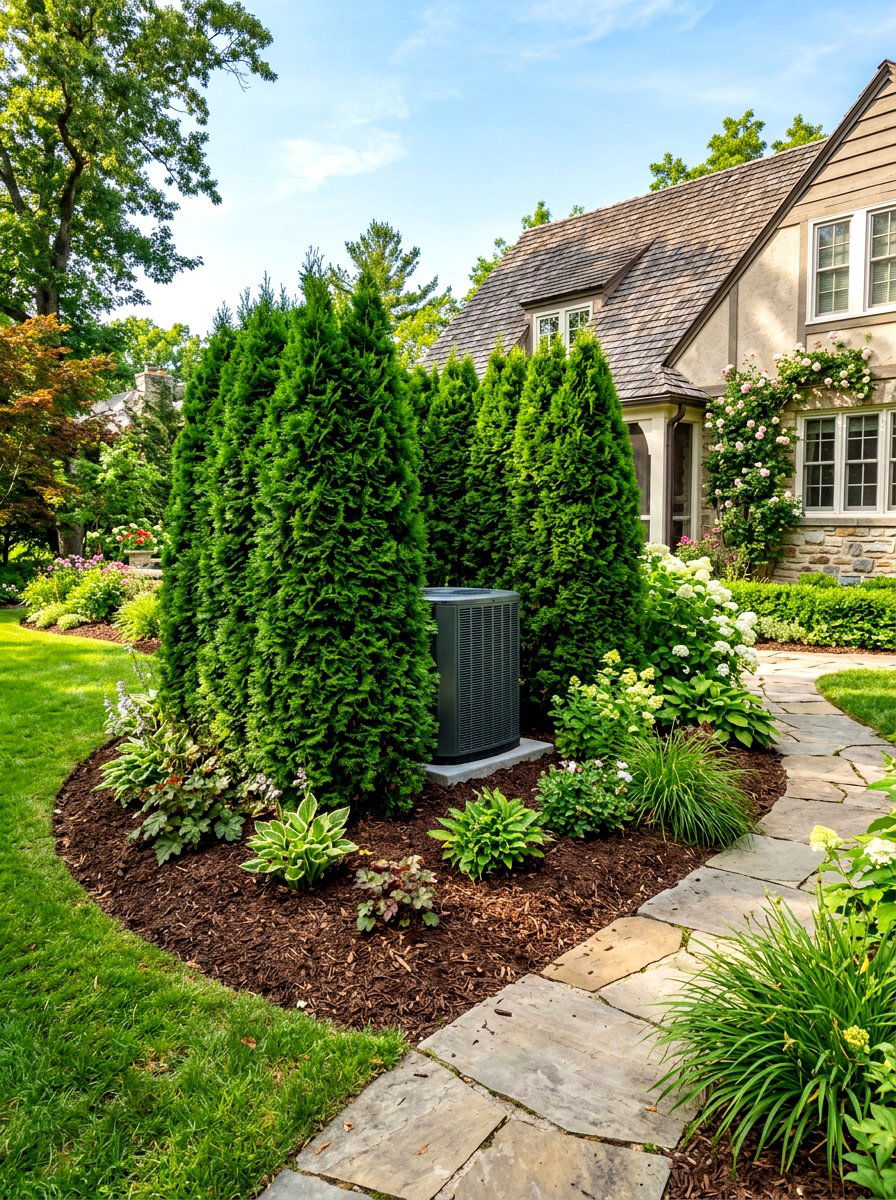
Tall evergreen shrubs serve as a living wall that provides year-round coverage for your outdoor utility equipment. Unlike deciduous plants that lose their leaves in the winter, evergreens like Arborvitae or Boxwood maintain their dense foliage throughout every season. These plants offer a soft, natural texture that blends seamlessly into the surrounding garden beds rather than looking like a forced concealment project. It is essential to choose varieties that are known for their upright growth habits to prevent them from sprawling into the unit’s intake vents. Regular pruning will keep the height manageable and ensure there is always a clear path for air and maintenance workers to move.
4. Modern Metal Privacy Panel
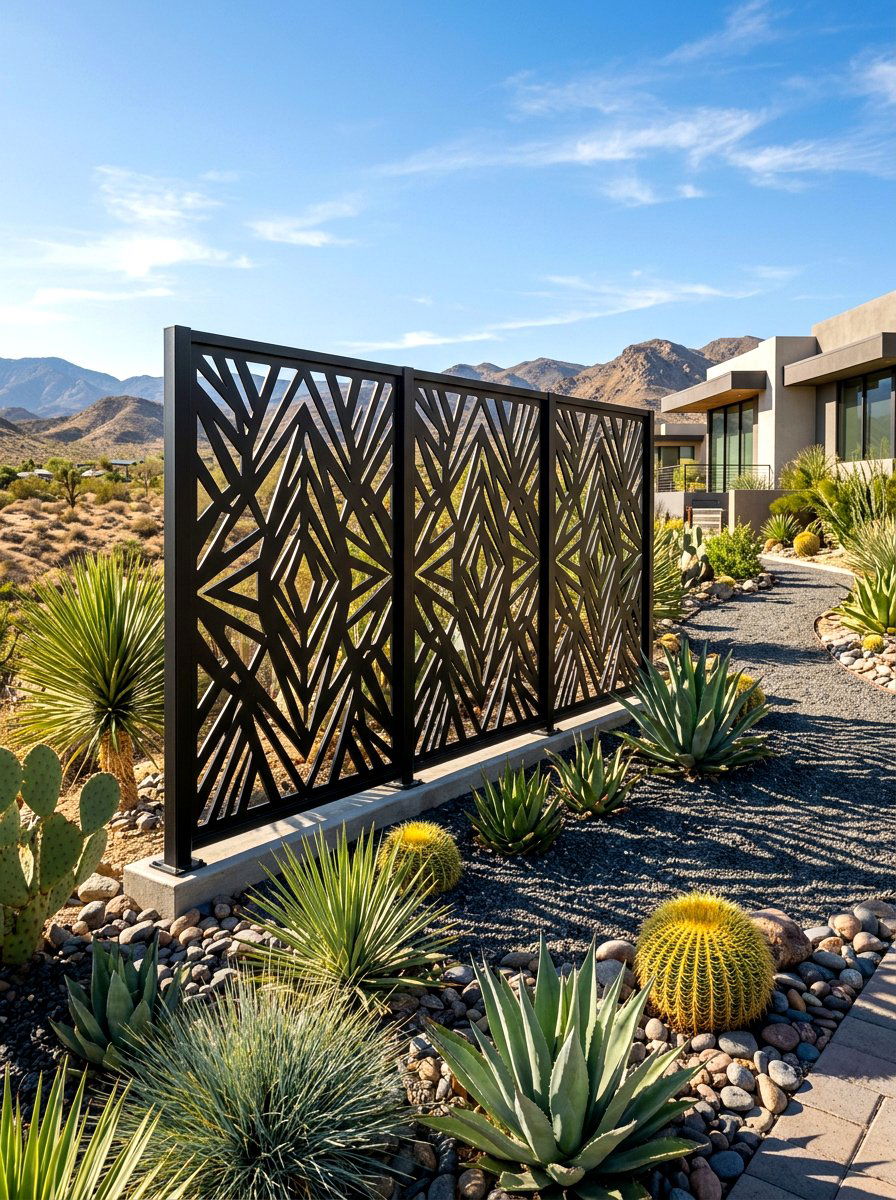
Installing a modern metal privacy panel is an excellent way to introduce an industrial-chic element to your landscaping while hiding the AC unit. These panels often feature laser-cut geometric patterns that create beautiful shadows and allow for excellent ventilation. Metal is incredibly durable and requires very little maintenance compared to wood, as it won’t warp, rot, or require frequent restaining. You can find these panels in various finishes, such as powder-coated black, white, or even a weathered corten steel that develops a beautiful patina over time. Positioning these panels on a gravel base creates a clean, intentional look that makes the utility area feel like a modern art installation.
5. Picket Fence Enclosure
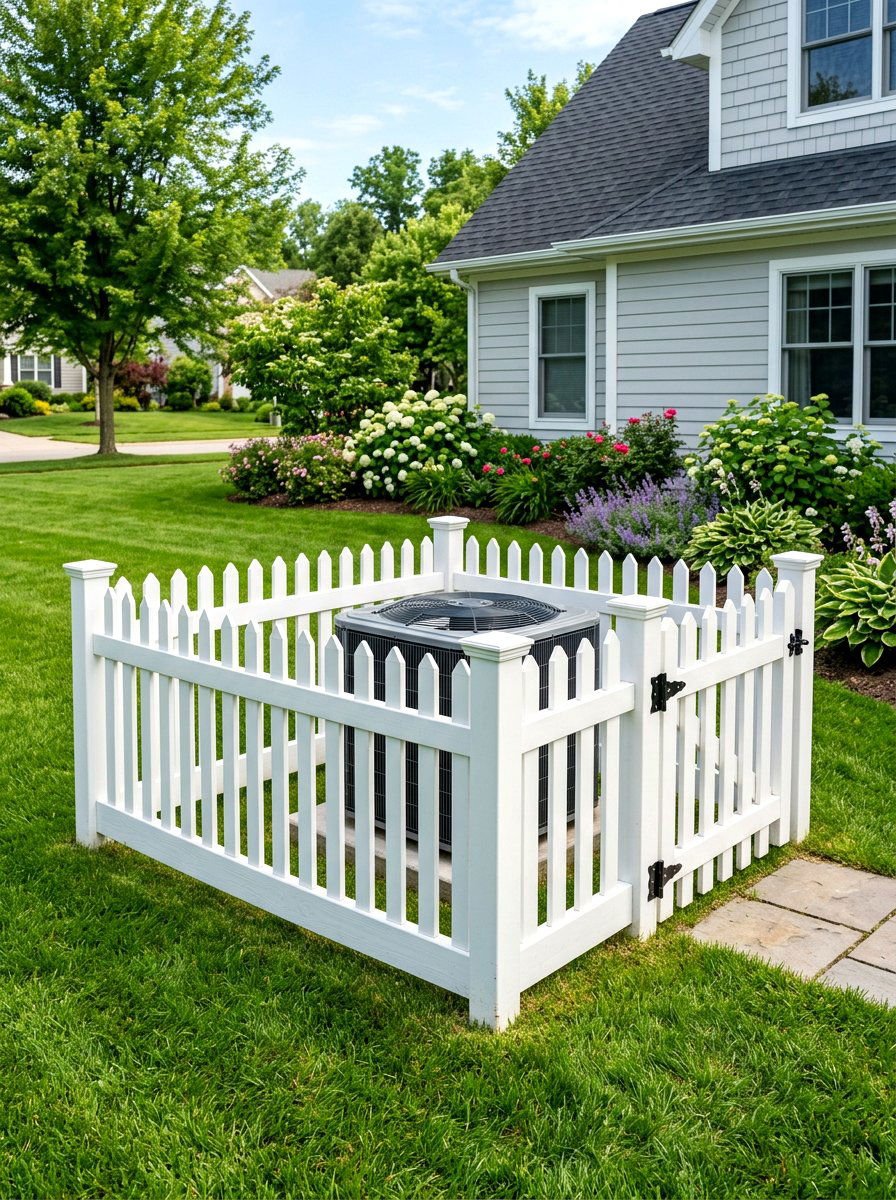
A traditional picket fence enclosure brings a sense of charm and cottage-style elegance to the side of your house. This mini-fence acts as a decorative border that clearly defines the utility zone while obscuring the mechanical components from plain sight. By using white vinyl or painted wood, you can mirror the architectural details found on your front porch or perimeter fencing. The gaps between the pickets are naturally designed to let air pass through, which prevents the condenser from working too hard. Adding a small gate to the enclosure ensures that your HVAC technician can reach the unit easily without having to climb over or dismantle your beautiful handiwork.
6. Decorative Garden Planter Box
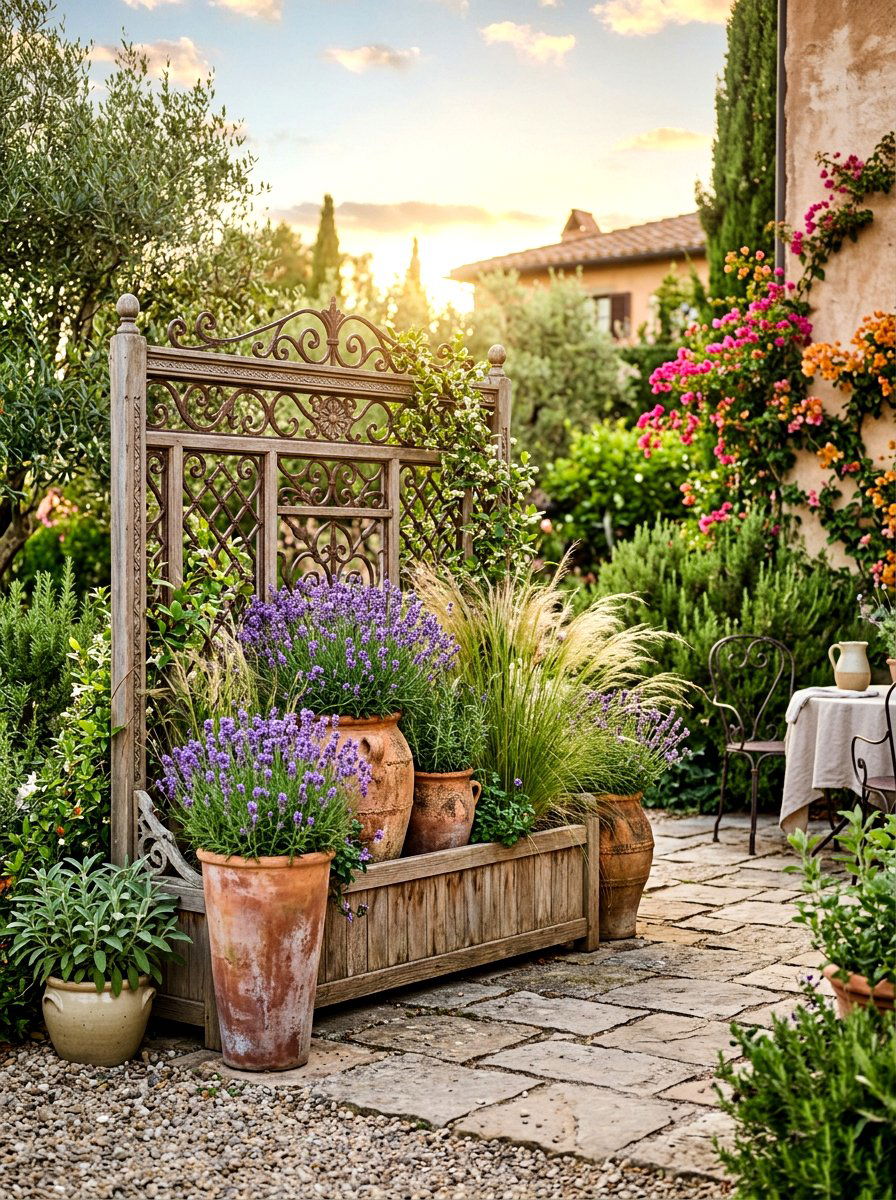
Using a decorative garden planter box allows you to hide your air conditioner behind a vibrant display of seasonal flowers and greenery. You can build or purchase extra-large, tall planters and arrange them in a row to create a modular screen that is easy to move if needed. Filling these boxes with cascading vines or upright ornamental grasses adds height and density to the visual barrier. This approach is particularly useful for areas with limited ground space where traditional digging isn't an option. Ensure the planters are heavy enough to withstand wind but positioned far enough away from the unit to prevent any leaves or debris from being sucked into the vents.
7. Stone Retaining Wall
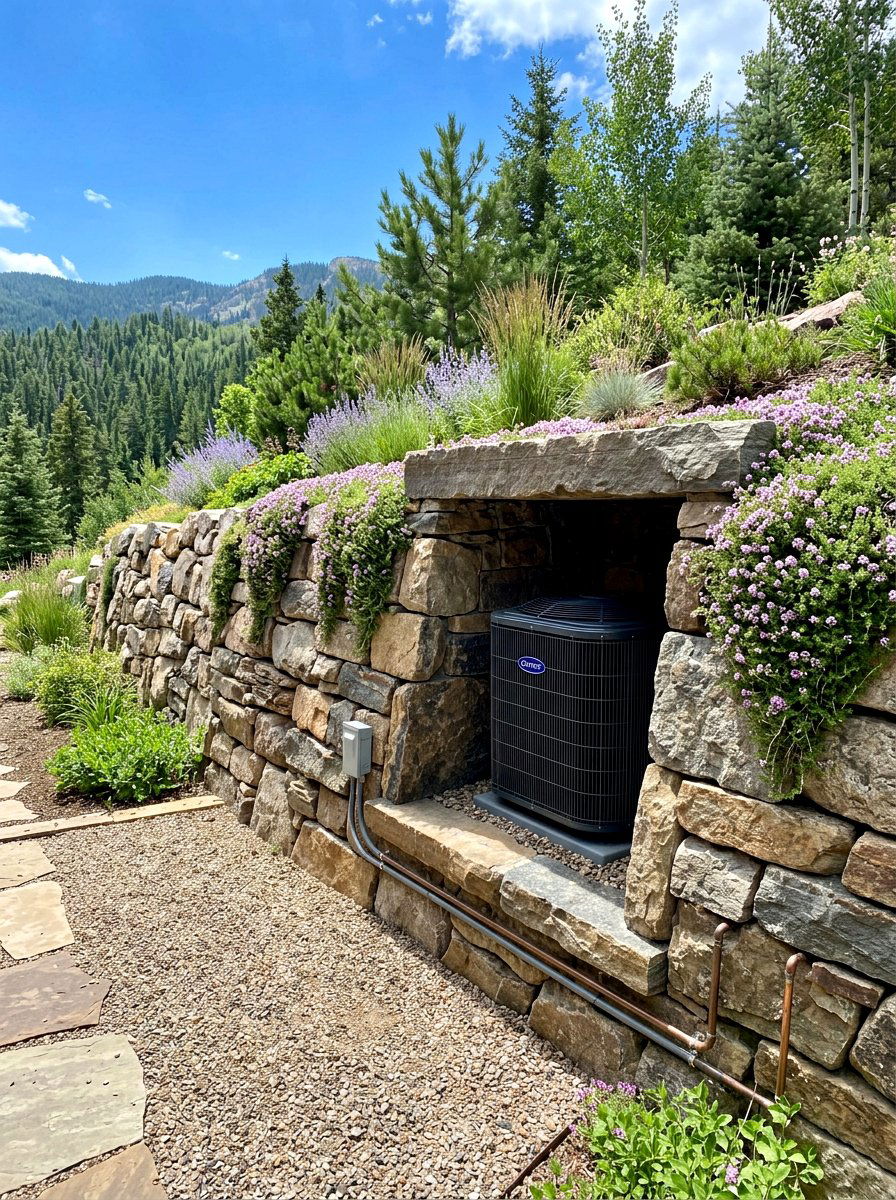
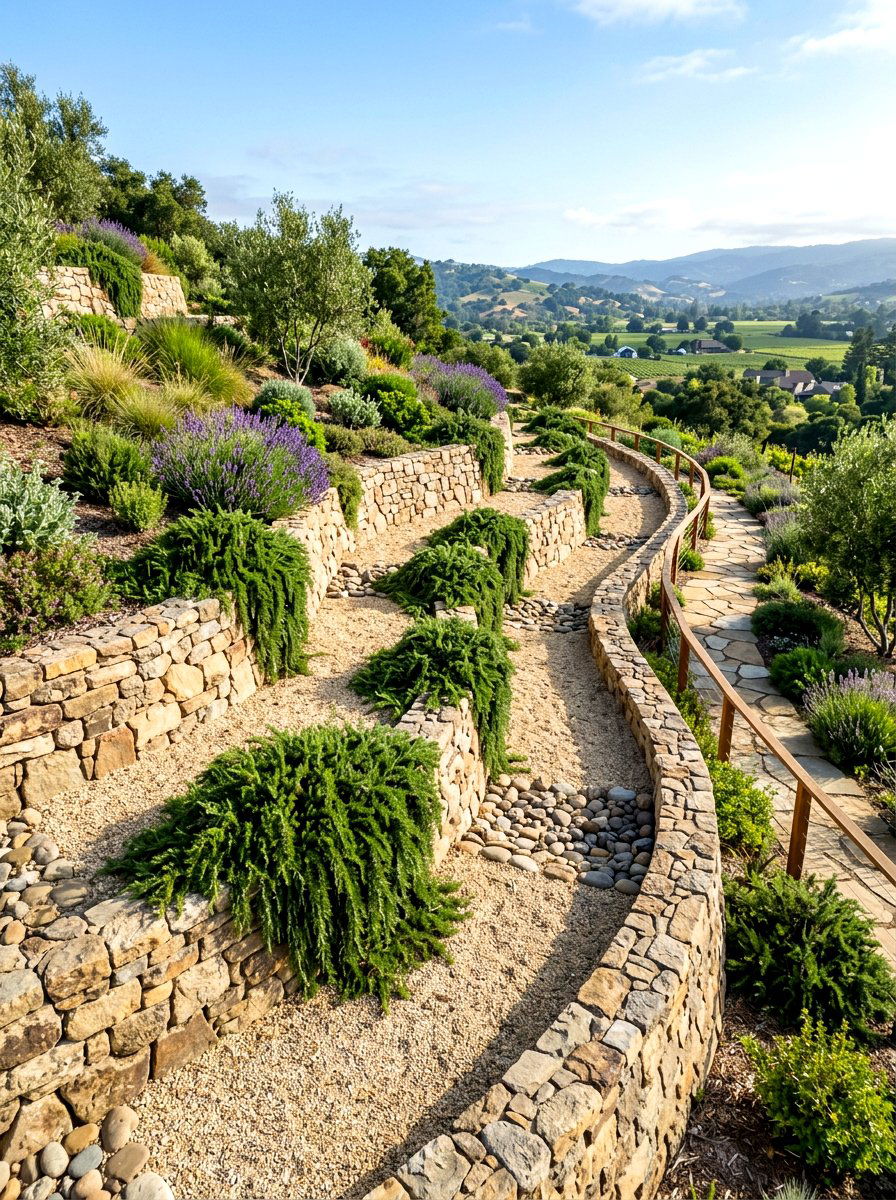
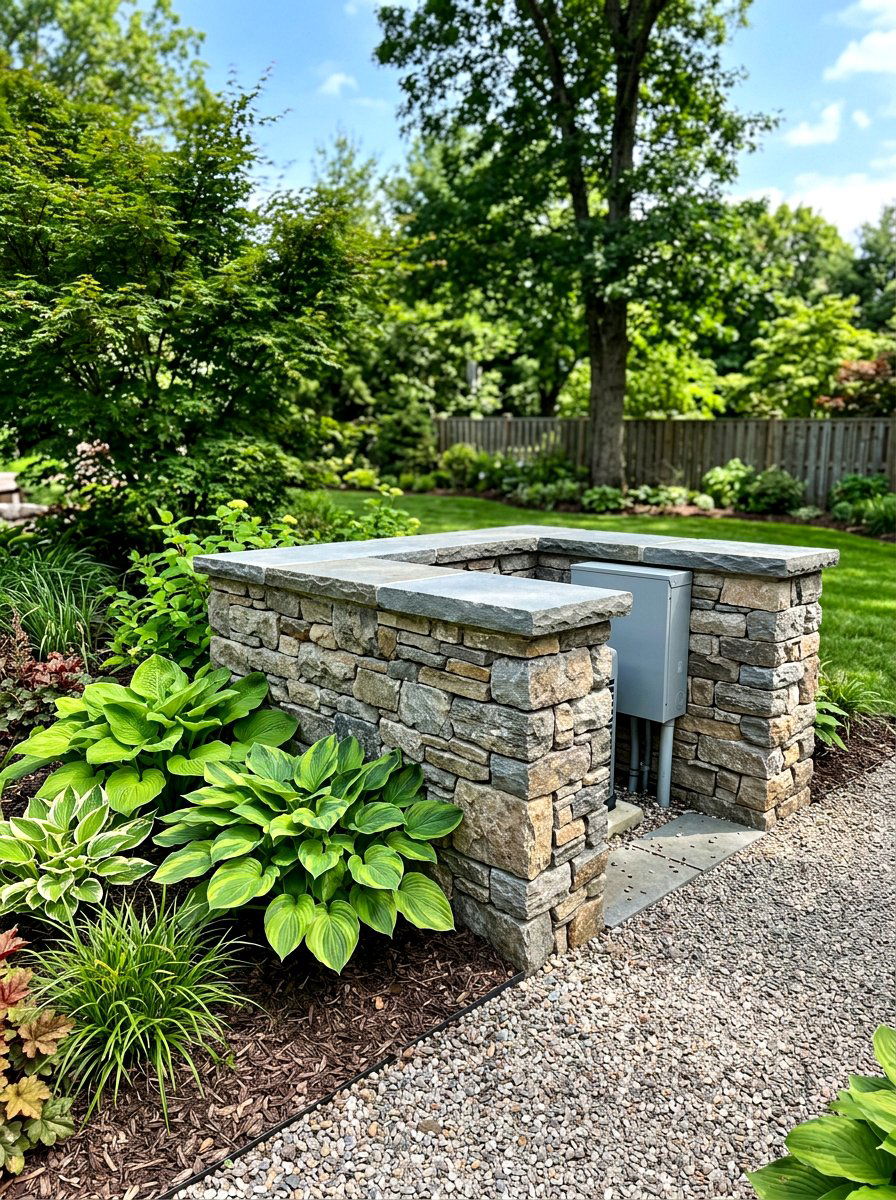
A stone retaining wall provides a permanent and incredibly sturdy solution for concealing a unit located on a sloped or uneven grade. By building a low wall using natural fieldstone or stacked pavers, you create a dedicated "niche" for the equipment that looks like a deliberate part of the landscape. This masonry approach is excellent for noise reduction, as the density of the stone can help dampen the humming sound of the compressor. You can top the wall with flat capstones to create a shelf for decorative lanterns or small potted succulents. This method integrates the mechanical area into the hardscaping of your backyard, making it virtually disappear into the overall design.
8. Vinyl Fencing Panel
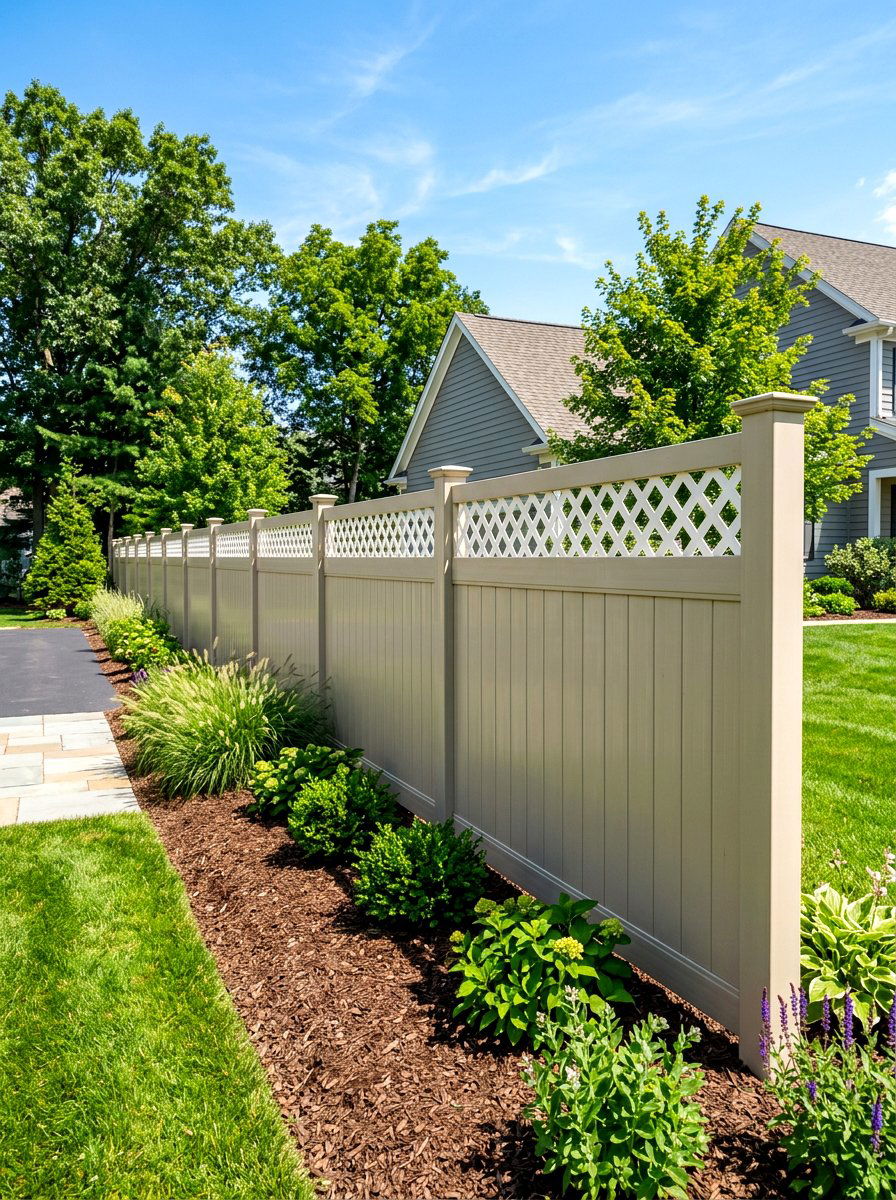
Choosing a vinyl fencing panel offers a low-maintenance and long-lasting alternative to traditional wood screens for hiding your exterior cooling equipment. Vinyl is resistant to moisture, fading, and peeling, making it an ideal choice for the humid environment often found near a running air conditioner. These panels are available in various styles, including solid options or those with decorative lattice tops that encourage better airflow. Because they are lightweight, they can often be installed as a freestanding "L-shaped" screen that shields the unit from the patio or pool area. Cleaning is as simple as a quick spray with a garden hose, keeping your utility area looking crisp and tidy year-round.
9. Reclaimed Wood Shutter
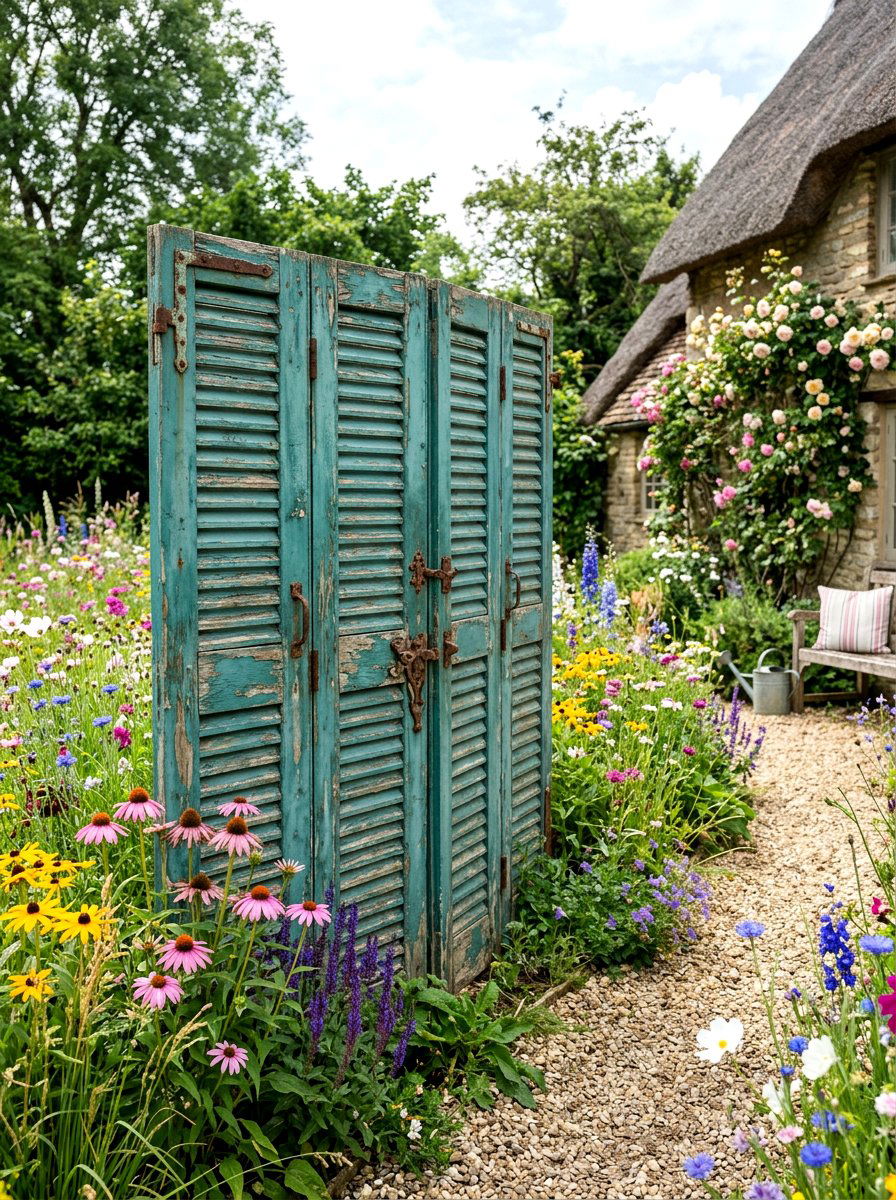
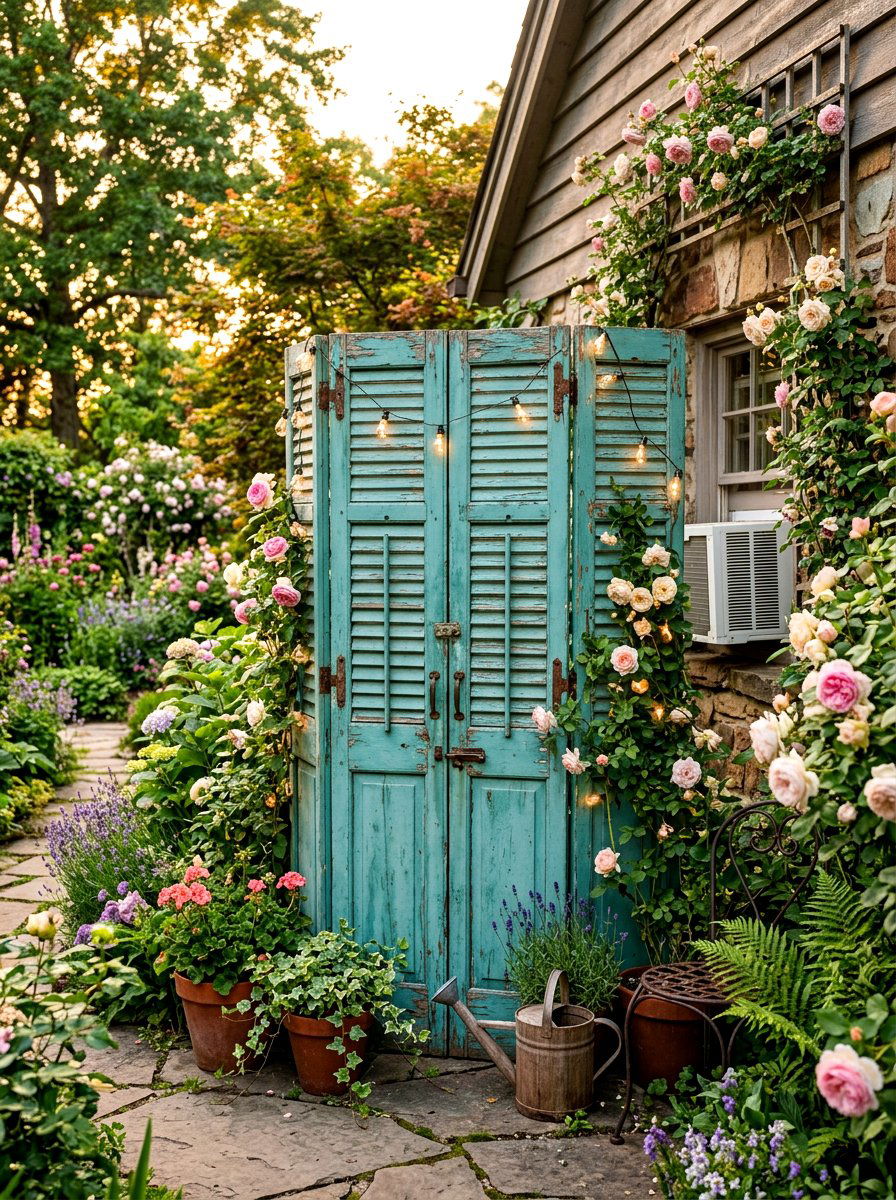
Repurposing a reclaimed wood shutter is a creative and eco-friendly way to build a unique privacy screen for your outdoor unit. Old window shutters already have built-in louvers, which are perfectly designed to redirect sightlines while allowing air to move through the slats. You can hinge three or four shutters together to create a folding screen that stands independently around the AC. This DIY project adds a touch of vintage character and "shabby chic" charm to your home's exterior. Sanding them down and applying a weather-resistant sealant will protect the wood from the elements while preserving the weathered texture that makes reclaimed materials so visually appealing and unique.
10. Bamboo Privacy Screen
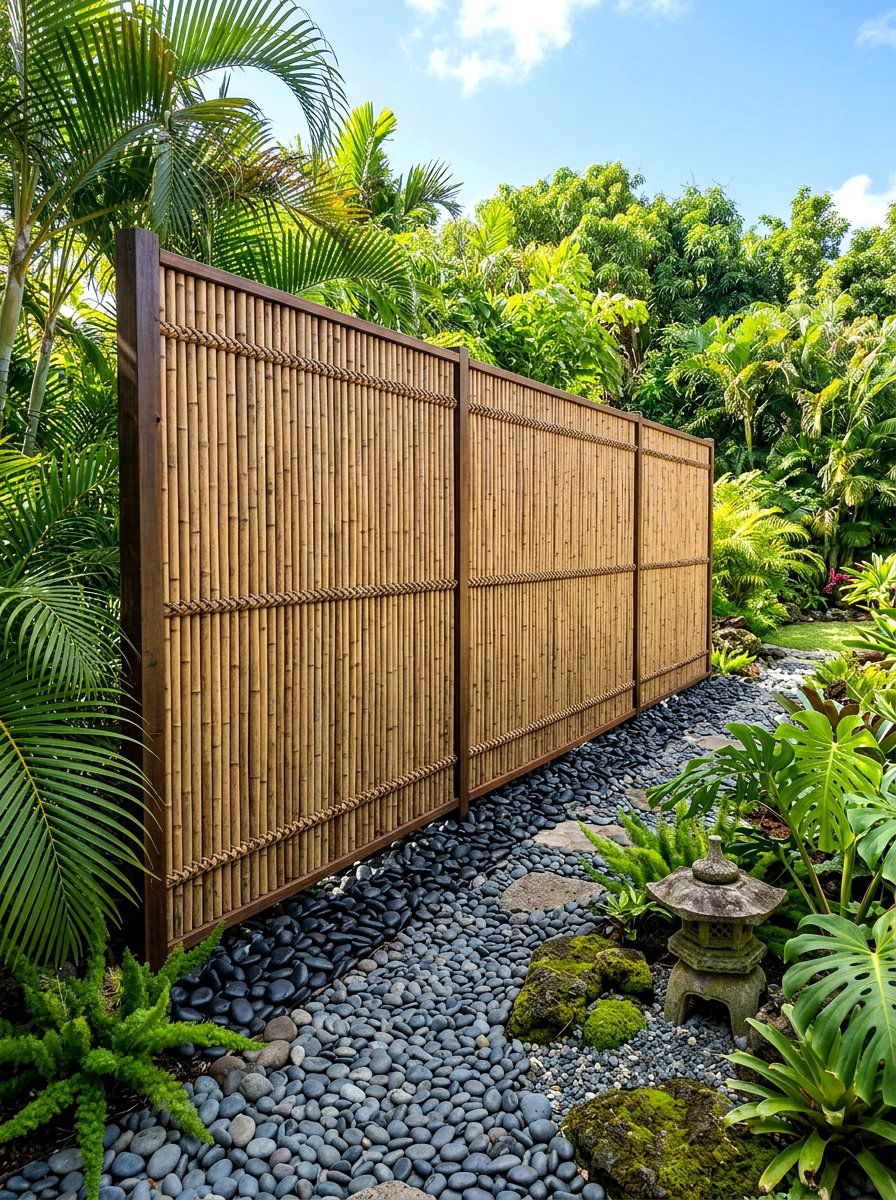
A bamboo privacy screen introduces a tropical or Zen-like atmosphere to your backyard while effectively masking the cold, metal lines of the AC. Bamboo poles are naturally weather-resistant and provide a dense yet breathable barrier that fits perfectly into an Asian-inspired garden theme. You can purchase pre-made bamboo rolls and attach them to a simple wooden frame for a quick installation process. This material is highly sustainable and offers a unique vertical texture that contrasts beautifully with broad-leafed plants and gravel paths. Because bamboo is lightweight, it is easy to move if the unit requires major repairs, making it a practical and stylish choice for many homeowners.
11. Trellis with Climbing Vine
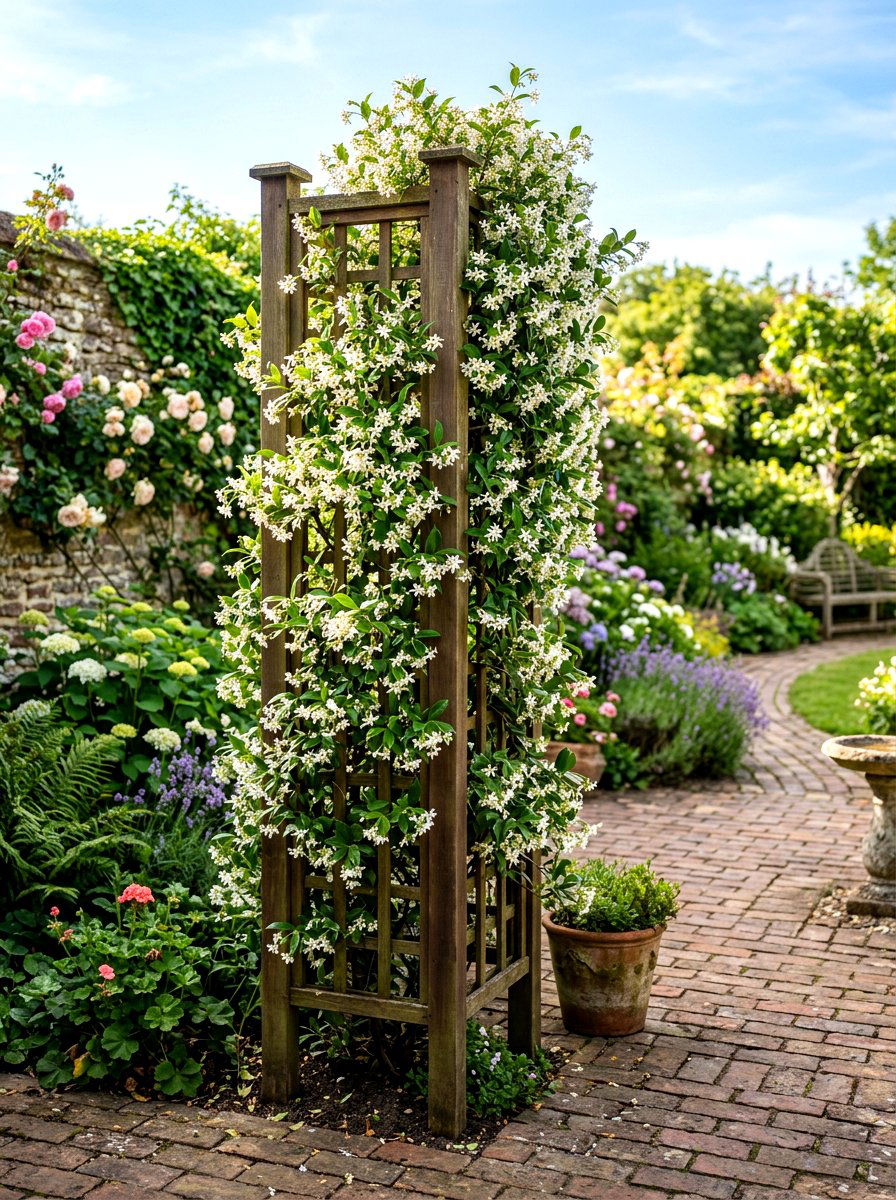
A trellis paired with a fast-growing climbing vine creates a lush, vertical garden that completely hides the air conditioner behind a wall of green. By installing a sturdy trellis at least two feet away from the unit, you provide a structure for plants like Clematis or Jasmine to thrive. These vines fill in the gaps of the trellis over time, creating a fragrant and beautiful screen that changes with the seasons. It is important to choose non-invasive species to ensure that the vines do not grow into the unit's internal components. This living screen not only beautifies the area but also provides natural cooling through transpiration and shade for the equipment.
12. Gravel and River Rock Base
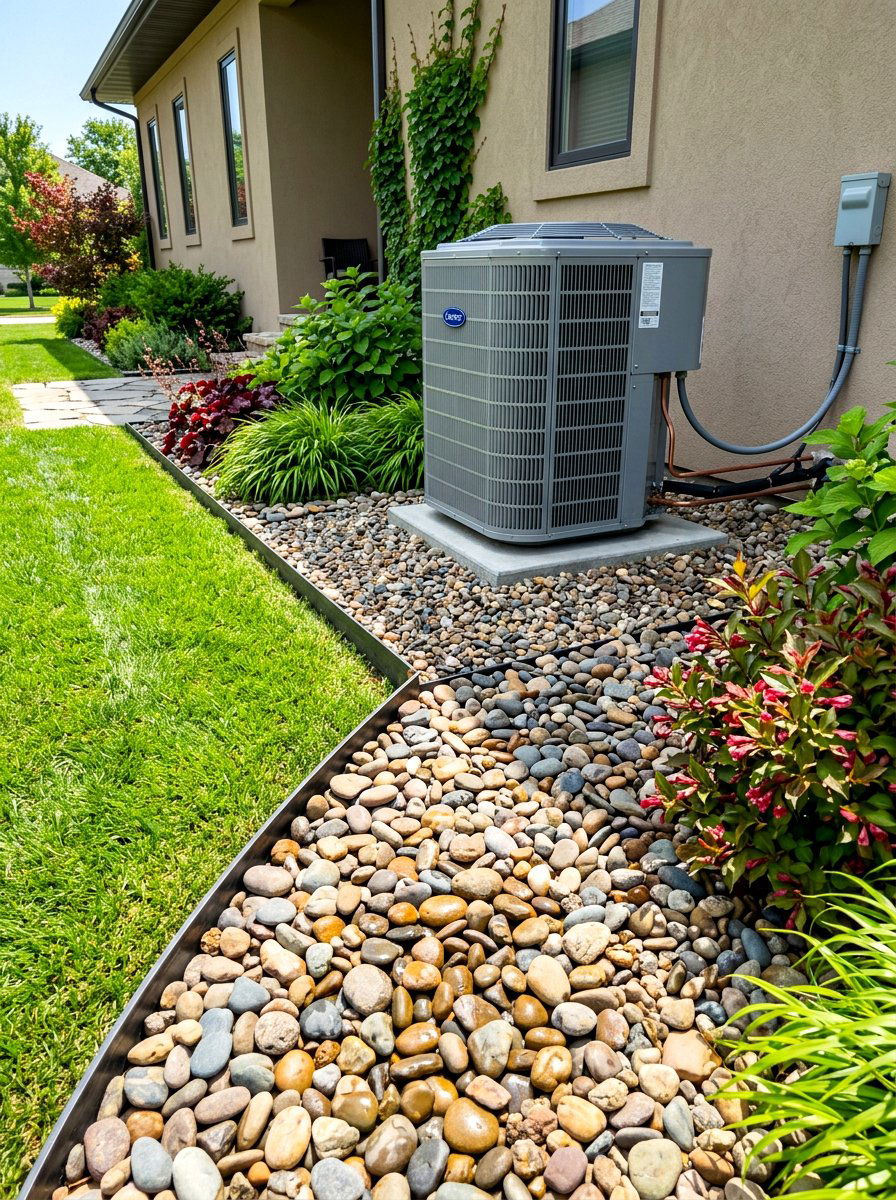
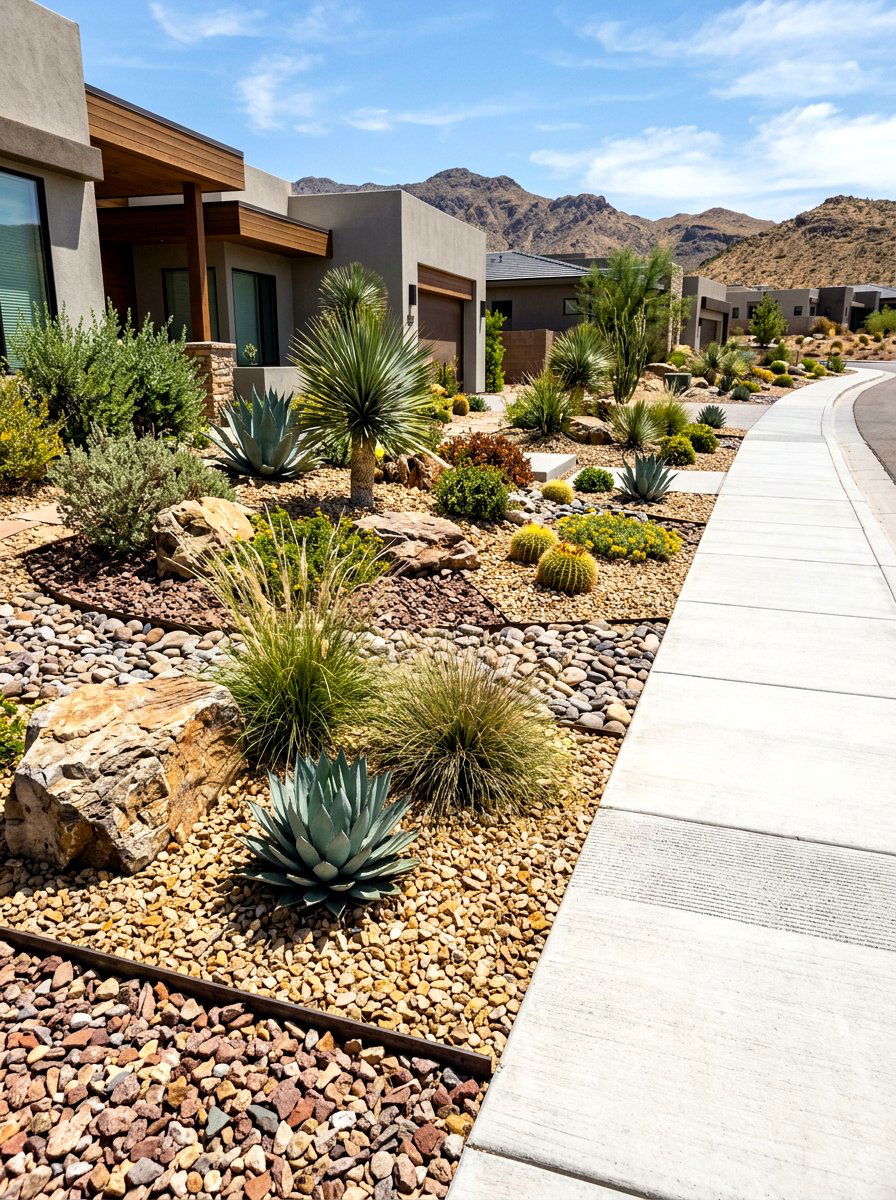
Starting your landscaping project with a gravel and river rock base ensures a clean, weed-free environment for your air conditioning unit. Removing the grass around the condenser and replacing it with a layer of landscaping fabric and decorative stones prevents mud from splashing onto the coils during heavy rain. This inorganic base also discourages pests and small animals from nesting near the warm machinery. You can use different colors of river rock to create a decorative border that ties into the rest of your garden's hardscaping. A stone base provides excellent drainage and defines the utility area, making it look organized and intentional rather than like an abandoned corner of the yard.
13. Custom Cedar Enclosure
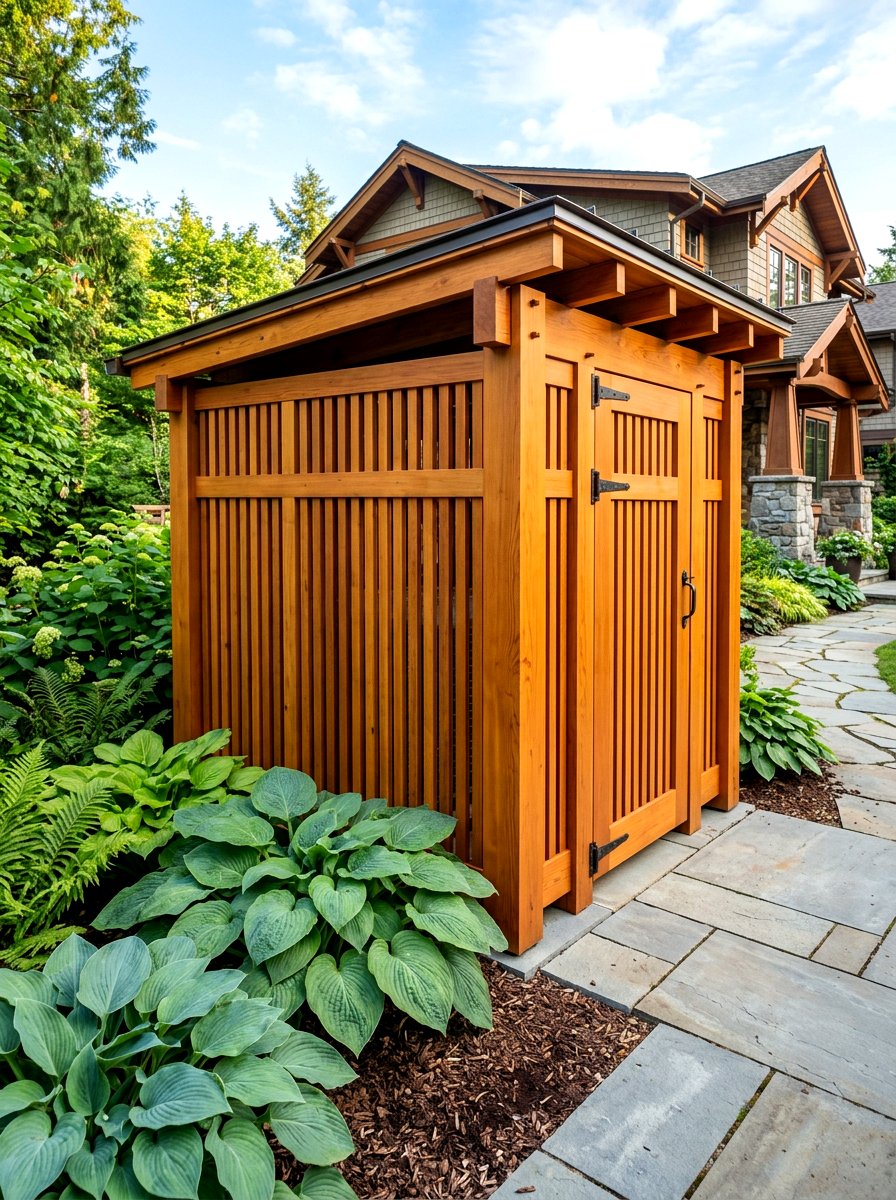
Building a custom cedar enclosure is one of the most durable and visually striking ways to manage the appearance of your outdoor HVAC system. Cedar contains natural oils that protect the wood from moisture and decay, ensuring the structure stays beautiful for many years without rot. A custom-built box can be designed with vertical or horizontal slats to perfectly match the architectural lines of your modern or traditional home. Including a removable top or a hinged front door allows for effortless access when it is time for a seasonal tune-up. The warm, reddish tones of the cedar provide a high-end look that elevates the overall aesthetic of your side yard or patio area.
14. Woven Willow Hurdle
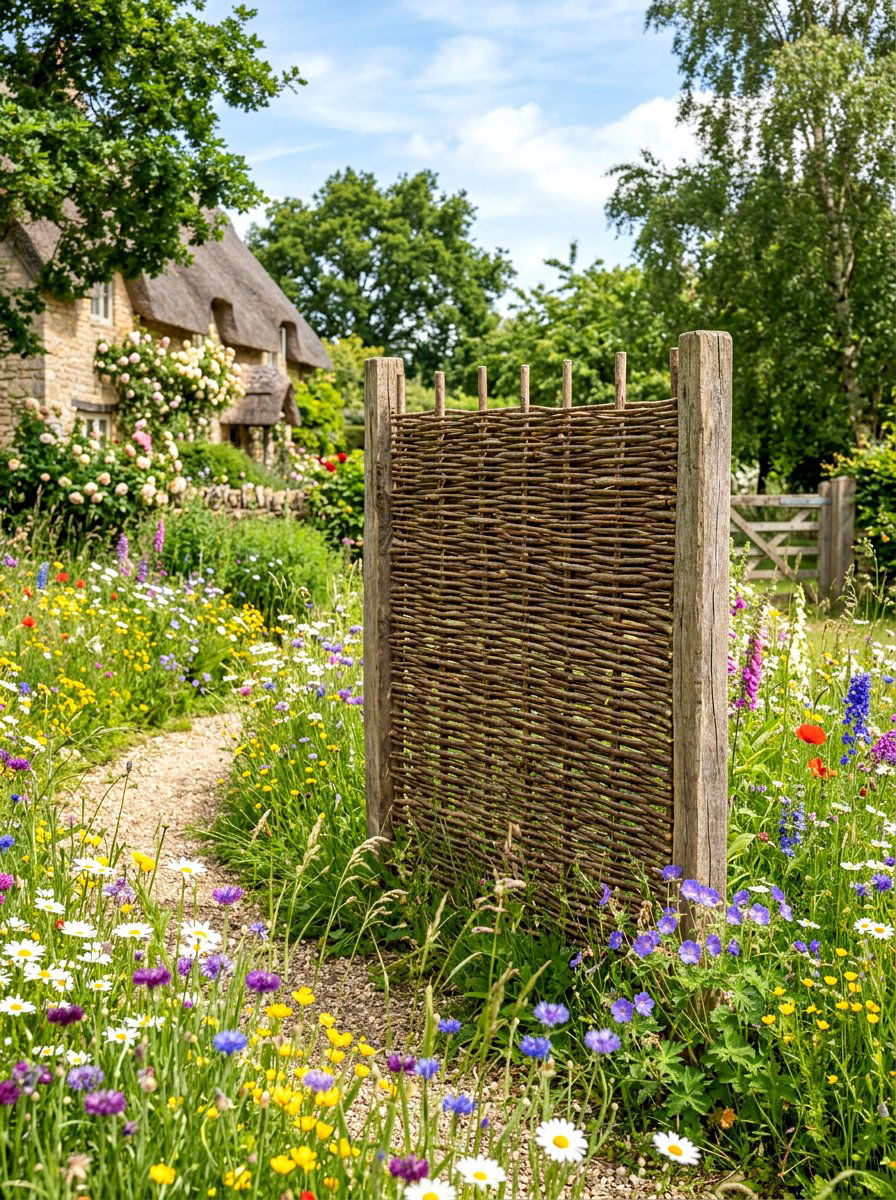
A woven willow hurdle offers a rustic and organic screening option that works beautifully in traditional or country-style gardens. These panels are made by weaving flexible willow branches around upright stakes, resulting in a textured, natural barrier that looks hand-crafted. The irregular gaps in the weaving allow for gentle airflow, which is ideal for a unit that needs to breathe to function efficiently. Willow hurdles blend into the landscape much better than plastic or metal alternatives, making them a favorite for those who prefer a "wilder" garden look. They are easy to install by simply pushing the stakes into the ground, providing an instant and charming concealment solution for any homeowner.
15. Brick Wall Surround
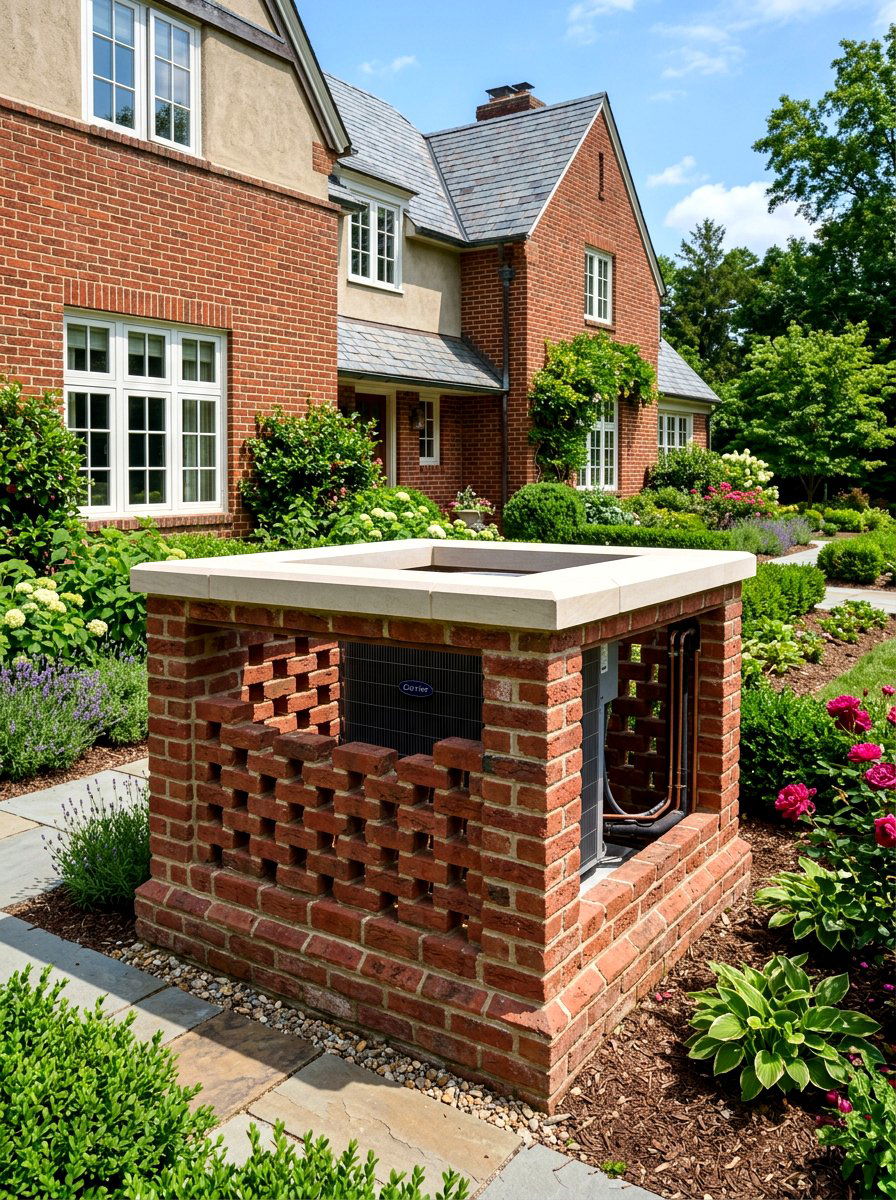
A brick wall surround is a permanent and classic architectural choice that can make your air conditioning unit feel like a built-in feature of your home. If your house has a brick exterior, using matching materials to create a low three-sided wall ensures total visual harmony. You can leave small gaps between some of the bricks, often called a "hit-and-miss" pattern, to encourage airflow while still blocking the view of the machine. This solid structure is incredibly effective at blocking the noise generated by the fan and compressor. Adding a stone cap to the top of the brickwork creates a polished finish that can be used to hold decorative garden ornaments.
16. Tiered Flower Bed
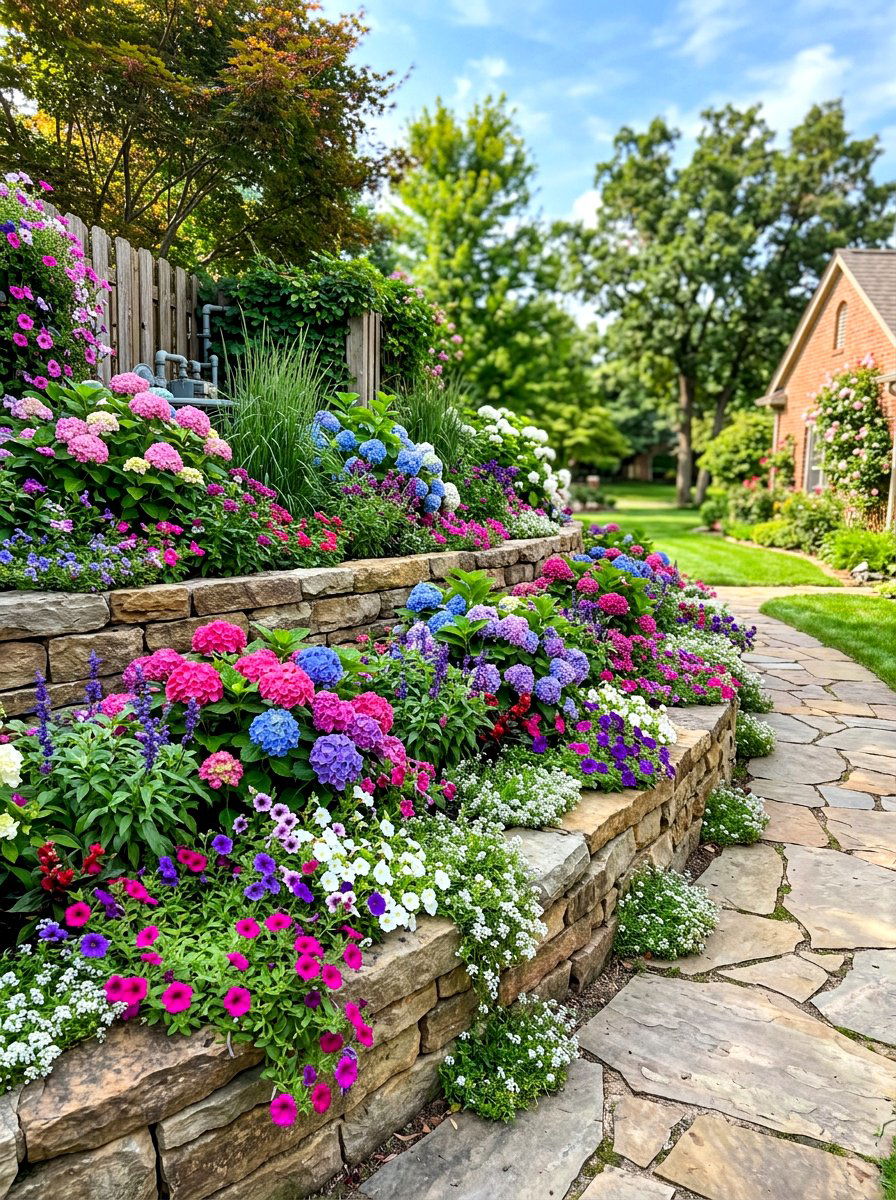
Designing a tiered flower bed around your unit creates a beautiful focal point that draws the eye away from the mechanical equipment. By using different levels of planting, you can place taller, dense shrubs in the back row to act as the primary screen. The middle and front tiers can be filled with colorful perennials and low-growing groundcovers to add variety and texture. This "stadium seating" for plants ensures that the area looks like a deliberate garden feature rather than just a way to hide something. The tiered layout also makes it easier to manage the plants without getting too close to the unit’s sensitive intake and exhaust vents.
17. Movable Potted Plant Arrangement
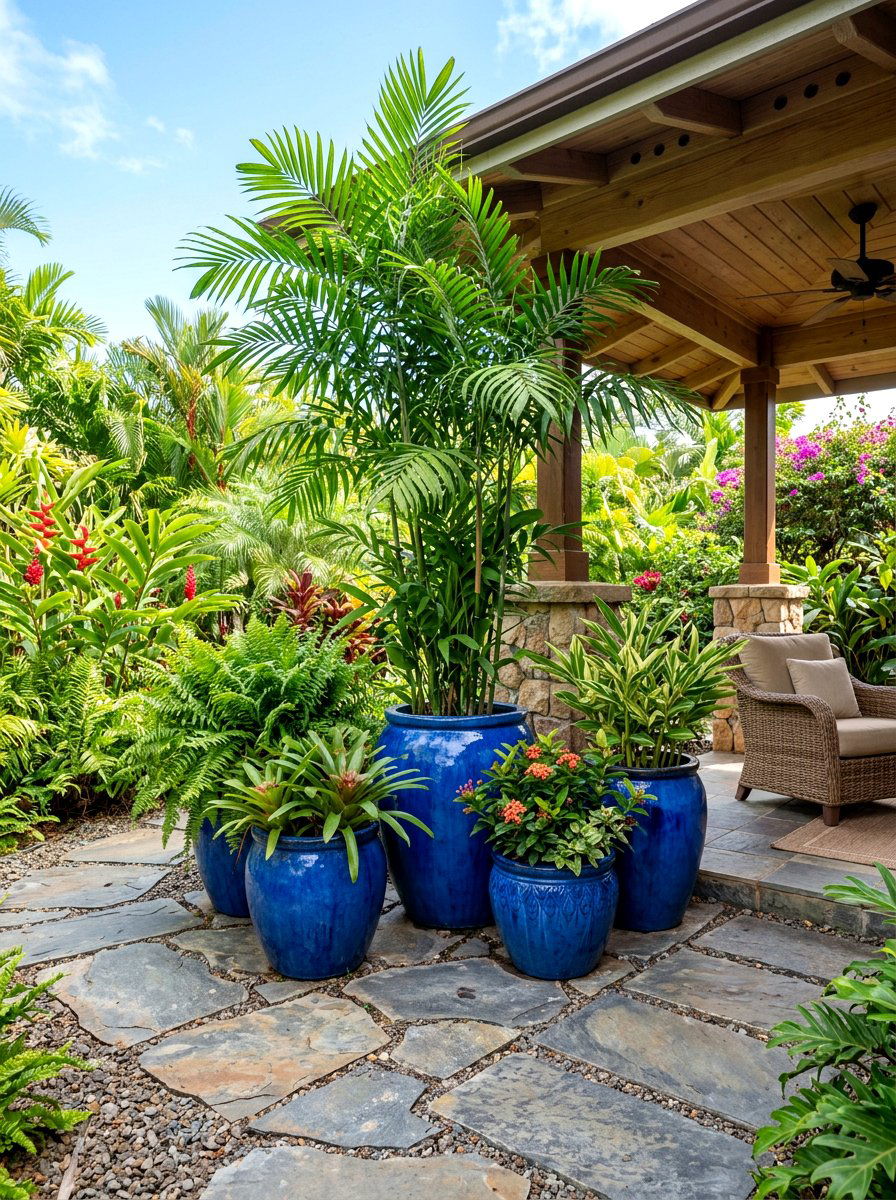
A movable potted plant arrangement provides the ultimate flexibility for homeowners who need to maintain clear access to their AC unit at all times. By using a collection of large, decorative containers filled with different heights of plants, you can create a customized screen that looks professional and intentional. Choosing tall plants like Dracaena or tall grasses in the back of the arrangement provides the necessary vertical height to block the view. The best part of this method is that if a technician arrives, you can simply slide the pots to the side. This avoids the need for permanent structures and allows you to change the look for every new season.
18. Decorative Iron Gate
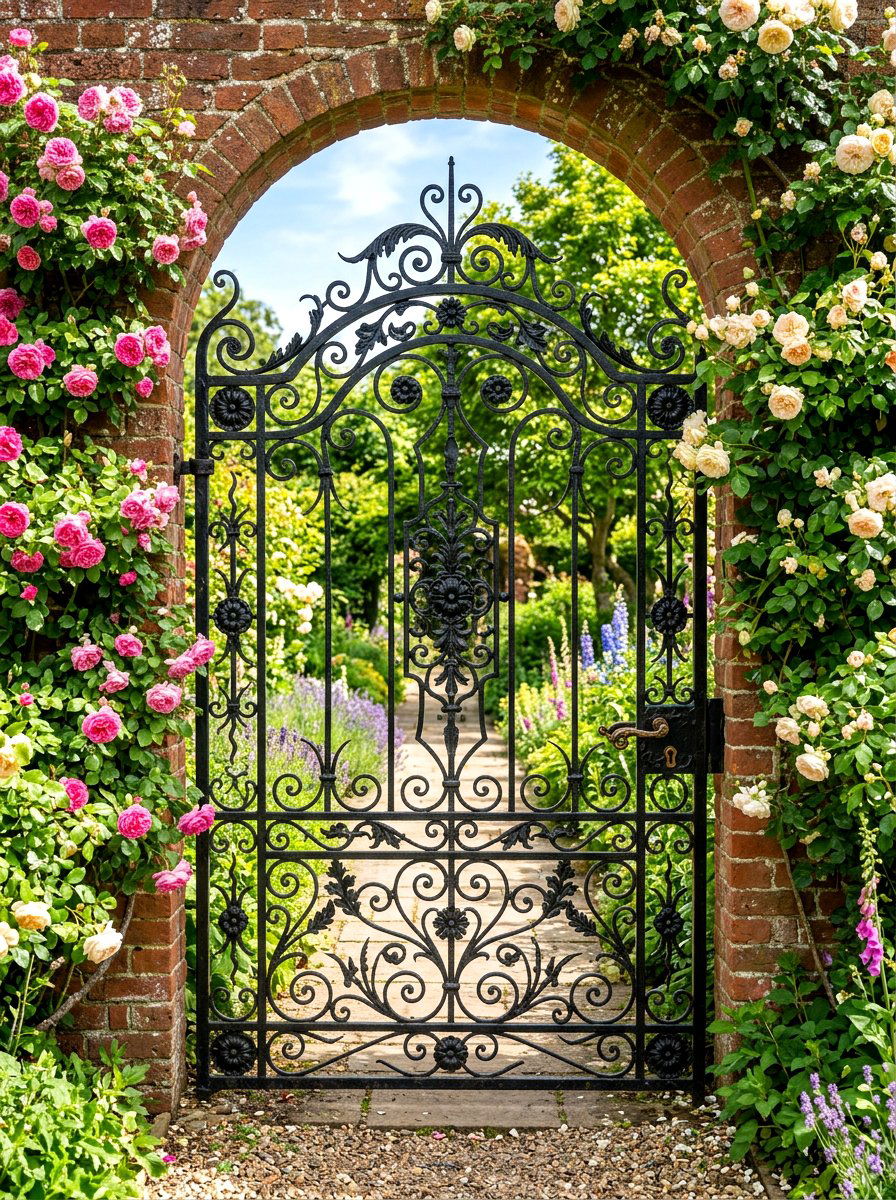
Repurposing a decorative iron gate as a screen adds a touch of vintage elegance and sophisticated craftsmanship to your outdoor utility space. Wrought iron features intricate scrollwork and open designs that are naturally perfect for maintaining high airflow around a condenser. You can lean a pair of tall gates against each other to form a freestanding "V" shape or mount them to sturdy wooden posts for a more permanent installation. Iron is incredibly durable and can be painted in classic black or a weathered bronze to match your home's exterior hardware. This solution is ideal for those who want a "secret garden" feel that masks the industrial equipment behind artistic metalwork.
19. Painted Pallet Screen
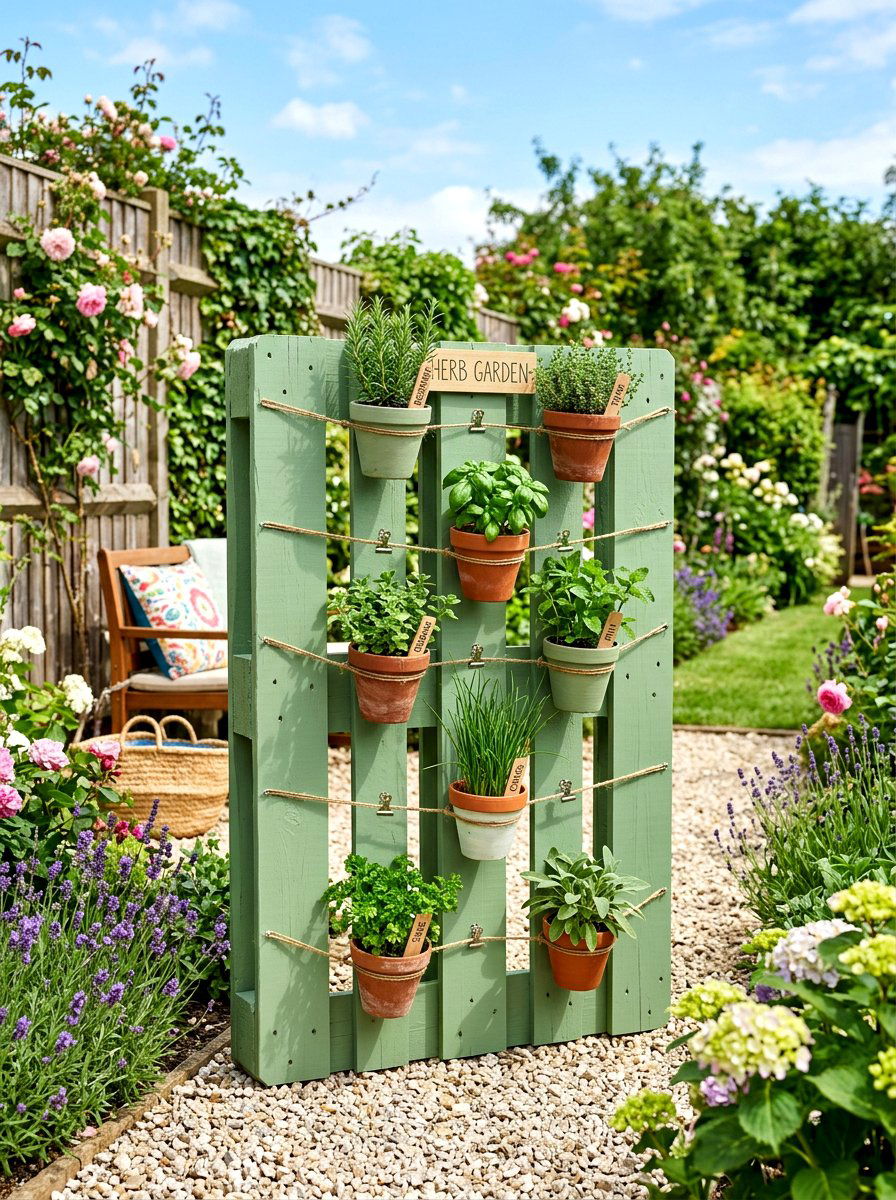
A painted pallet screen is a budget-friendly and creative DIY solution for hiding an air conditioner while recycling old materials. Wooden pallets can be easily stood on their ends and joined together with hinges to create a multi-panel folding screen. By painting them in a bright, cheerful color or a subtle neutral tone, you transform the rough wood into a stylish garden accessory. The gaps between the pallet slats provide the essential ventilation required for the unit to run smoothly without overheating. You can even use the horizontal boards of the pallets to attach small "hook-on" planter boxes, adding a layer of vertical greenery that further helps to disguise the machine behind.
20. Vertical Garden Wall
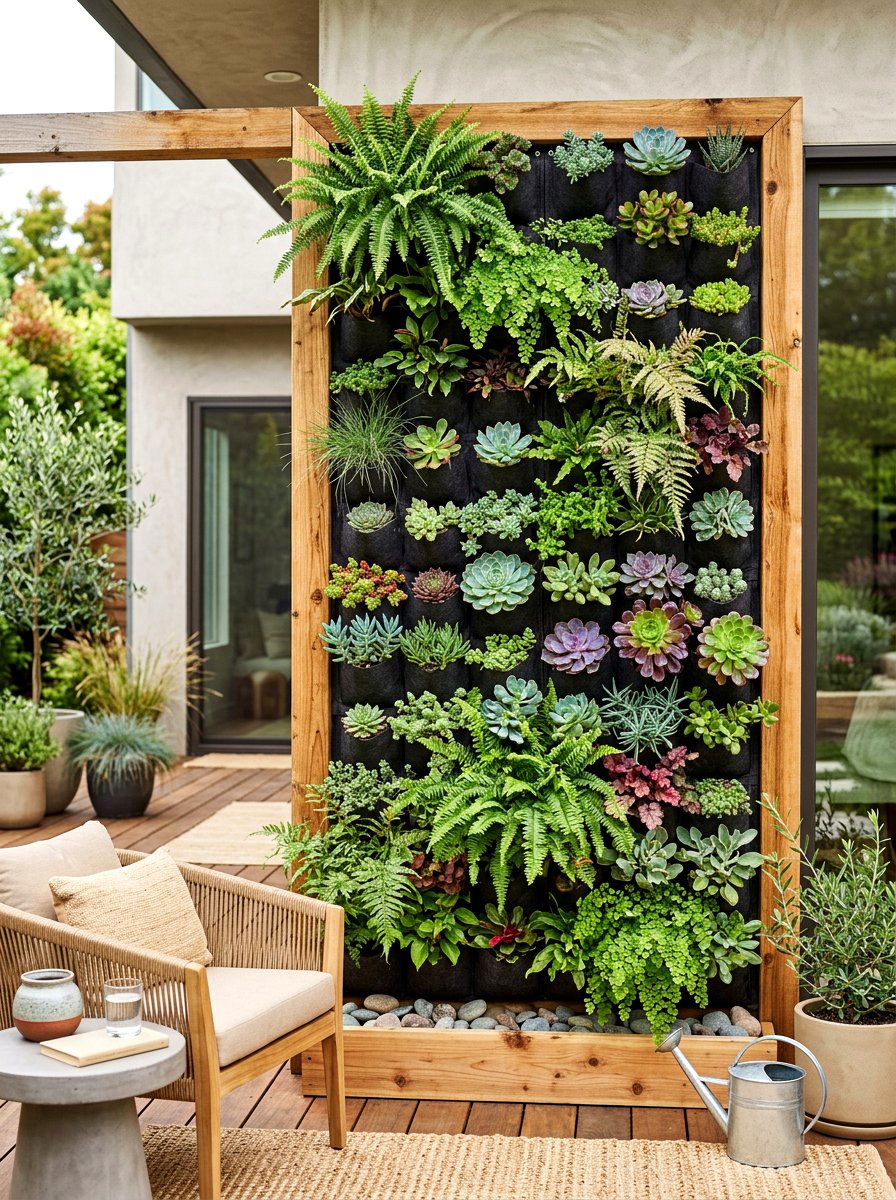
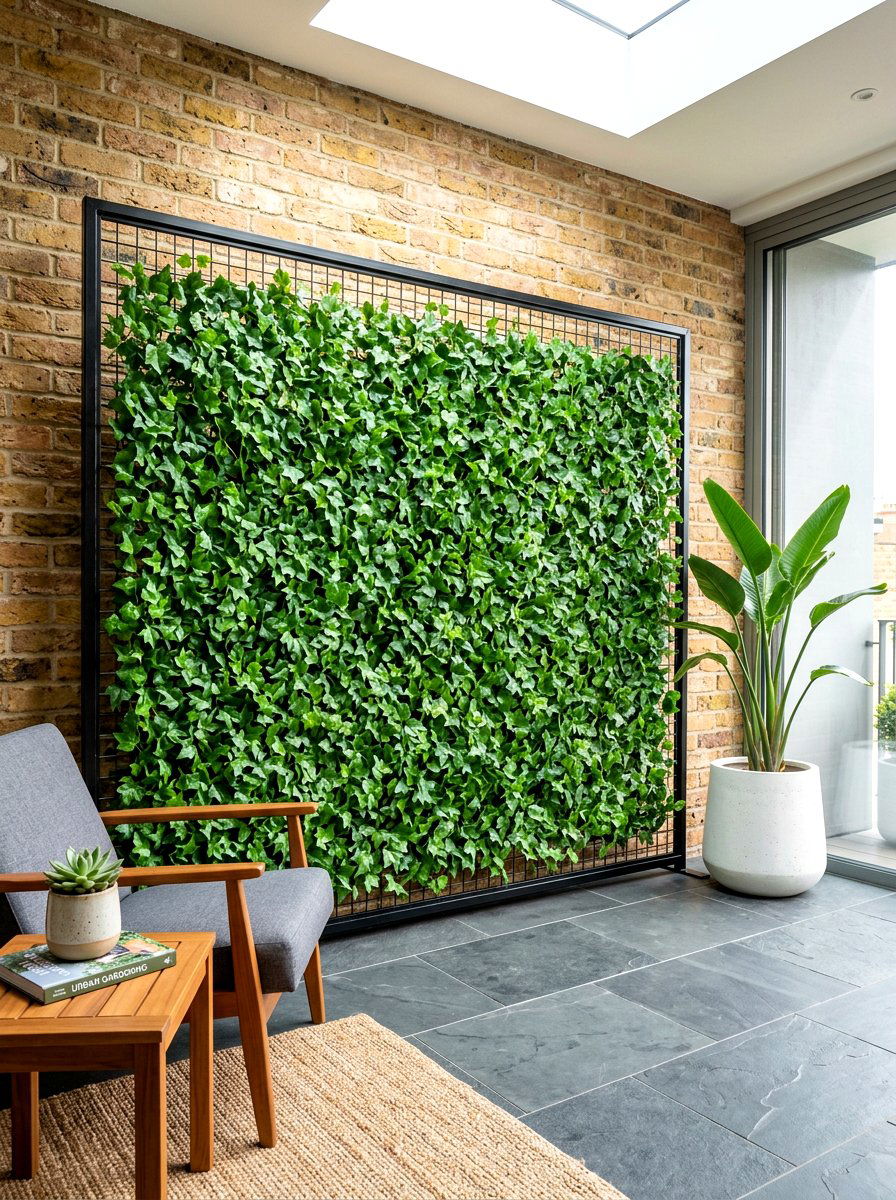
A vertical garden wall turns the space around your air conditioner into a productive and beautiful living tapestry of plants. You can install a freestanding frame equipped with pockets or felt liners to hold a variety of herbs, ferns, or succulents. This design allows you to grow a large number of plants in a very small footprint, making it perfect for narrow side yards. The dense foliage acts as an excellent sound barrier, helping to muffle the hum of the AC during the summer months. As long as the wall is positioned with a few feet of clearance, it provides a stunning visual distraction that makes the utility area one of your favorite garden spots.
21. Boxwood Hedge Border
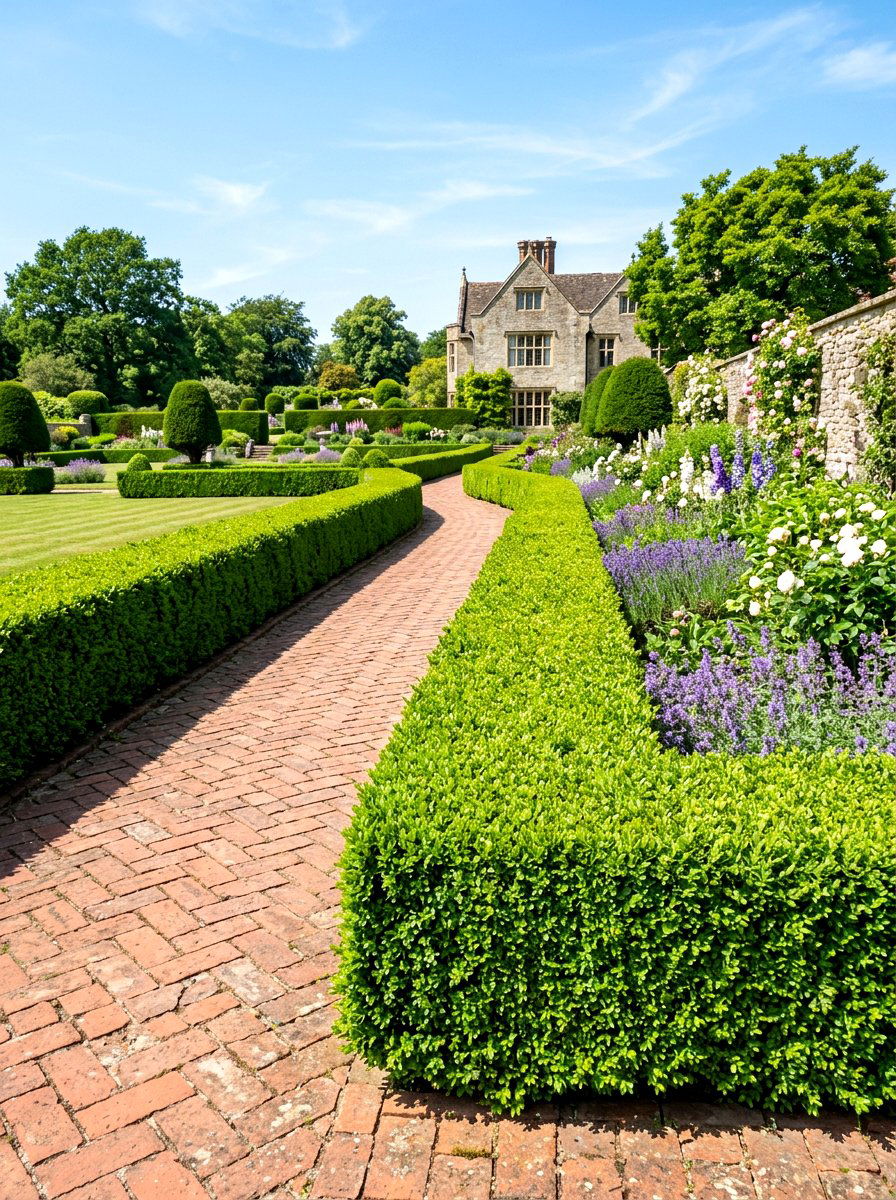
A boxwood hedge border is the gold standard for creating a formal and tidy look around outdoor mechanical equipment. Boxwoods are prized for their small, dense leaves and their ability to be clipped into perfectly straight or rounded shapes. By planting a row of boxwoods around three sides of the unit, you create a green "box" that hides the metal while looking like a classic landscape feature. Because they are slow-growing, they are easy to maintain at the specific height needed to cover the machine without blocking the top. This evergreen solution ensures that your yard looks polished and well-maintained even in the dead of winter when other plants have gone dormant.
22. Corrugated Metal Fence
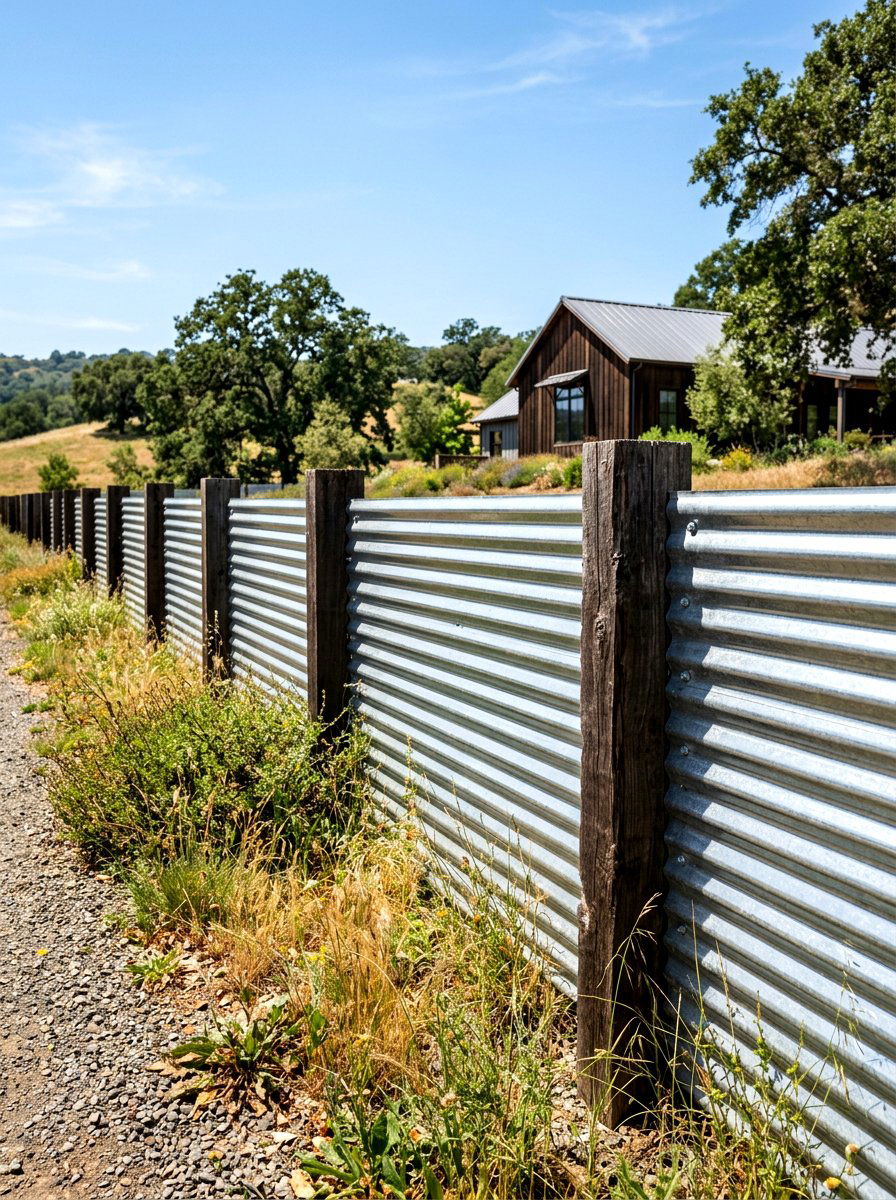
A corrugated metal fence offers a bold, modern, and slightly rustic aesthetic that works exceptionally well for industrial or farmhouse-style homes. The wavy texture of the metal panels provides a unique visual interest and a very sturdy barrier that will last for decades. When building this type of screen, it is best to mount the metal sheets onto a wooden frame, leaving a gap at the bottom and top to ensure air can circulate behind the panel. Metal reflects heat, so it is important to place these screens far enough away from the unit to prevent a localized heat buildup. This material is also fire-resistant and incredibly easy to clean with just a quick spray.
23. Composite Decking Screen
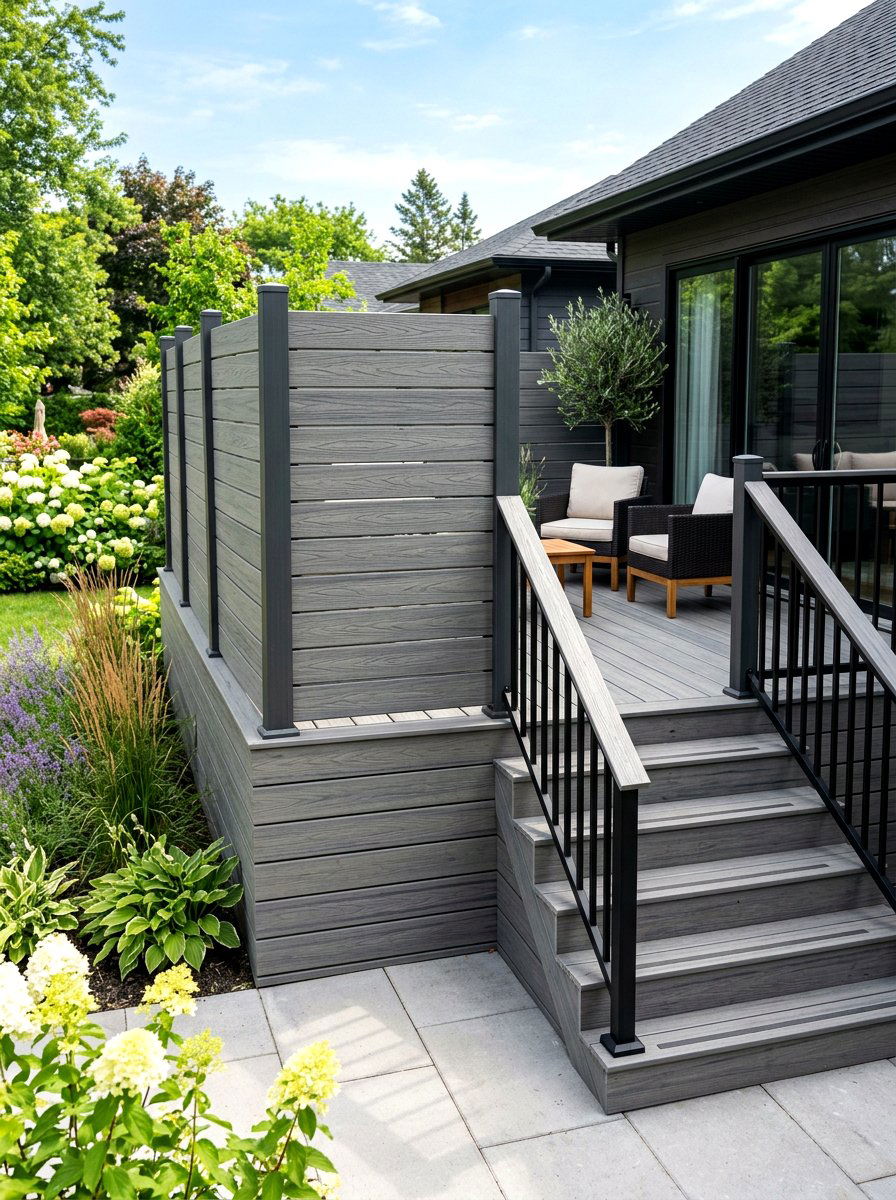
Using composite decking boards to build a screen is a smart choice for those who want the look of wood without the maintenance of staining or sealing. Composite materials are made from a blend of wood fibers and plastic, making them completely resistant to rot, insects, and moisture. You can use the same boards from your main deck to create a matching enclosure, providing a cohesive and integrated look for your outdoor living space. The boards can be installed vertically or horizontally with uniform gaps to ensure the AC unit receives plenty of fresh air. This high-end solution stays looking new for years, regardless of how much rain or sun it is exposed to daily.
24. Tall Ornamental Grass
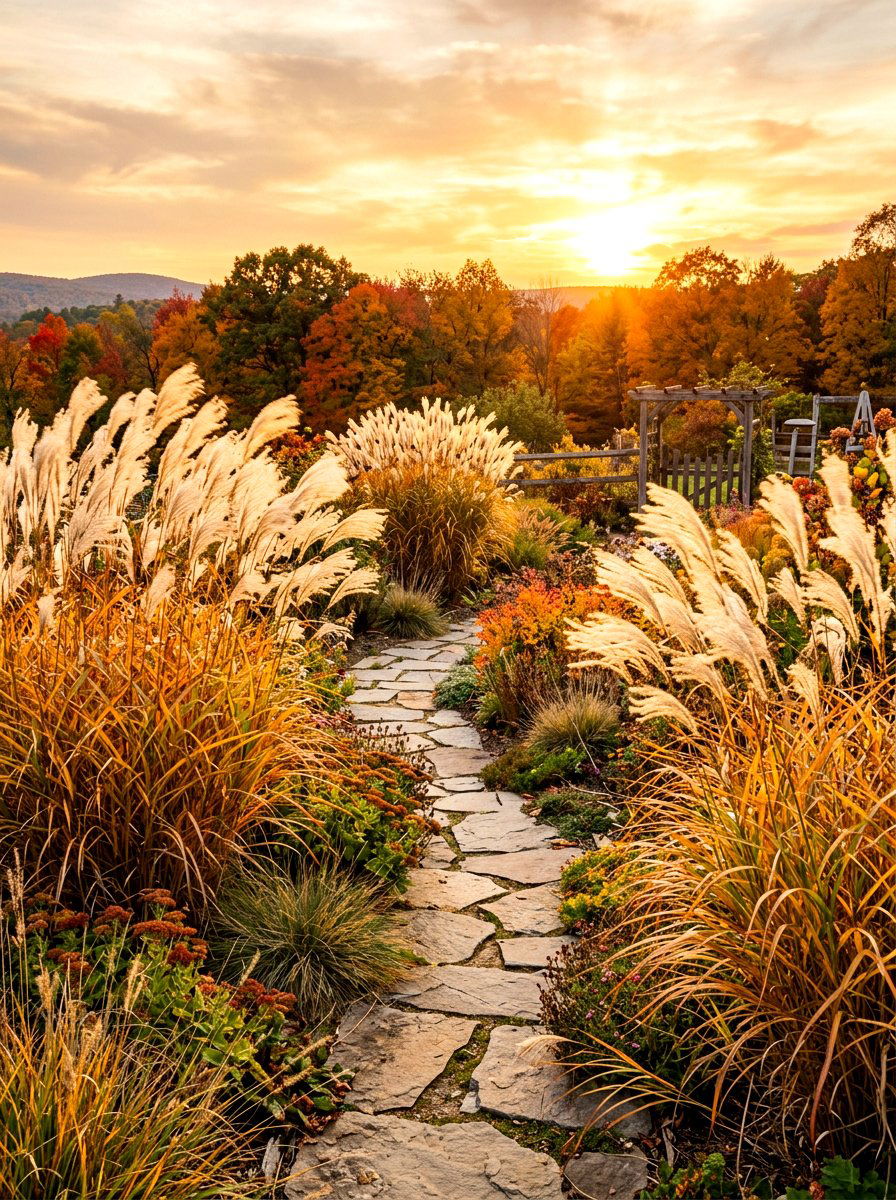
Tall ornamental grasses, such as Miscanthus or Feather Reed Grass, provide a soft and moving screen that hides the AC unit with natural grace. These grasses grow quickly each season, reaching heights of four to six feet, which is perfect for obscuring a standard-sized condenser. Unlike stiff fences, grasses sway in the wind, adding a sense of movement and sound to your garden that helps distract from the noise of the fan. They are very low-maintenance and only require a quick cut-back once a year in early spring. The feathery plumes also provide visual interest in the fall and winter, ensuring the utility area looks beautiful through all four seasons.

25. Barn Door Cover
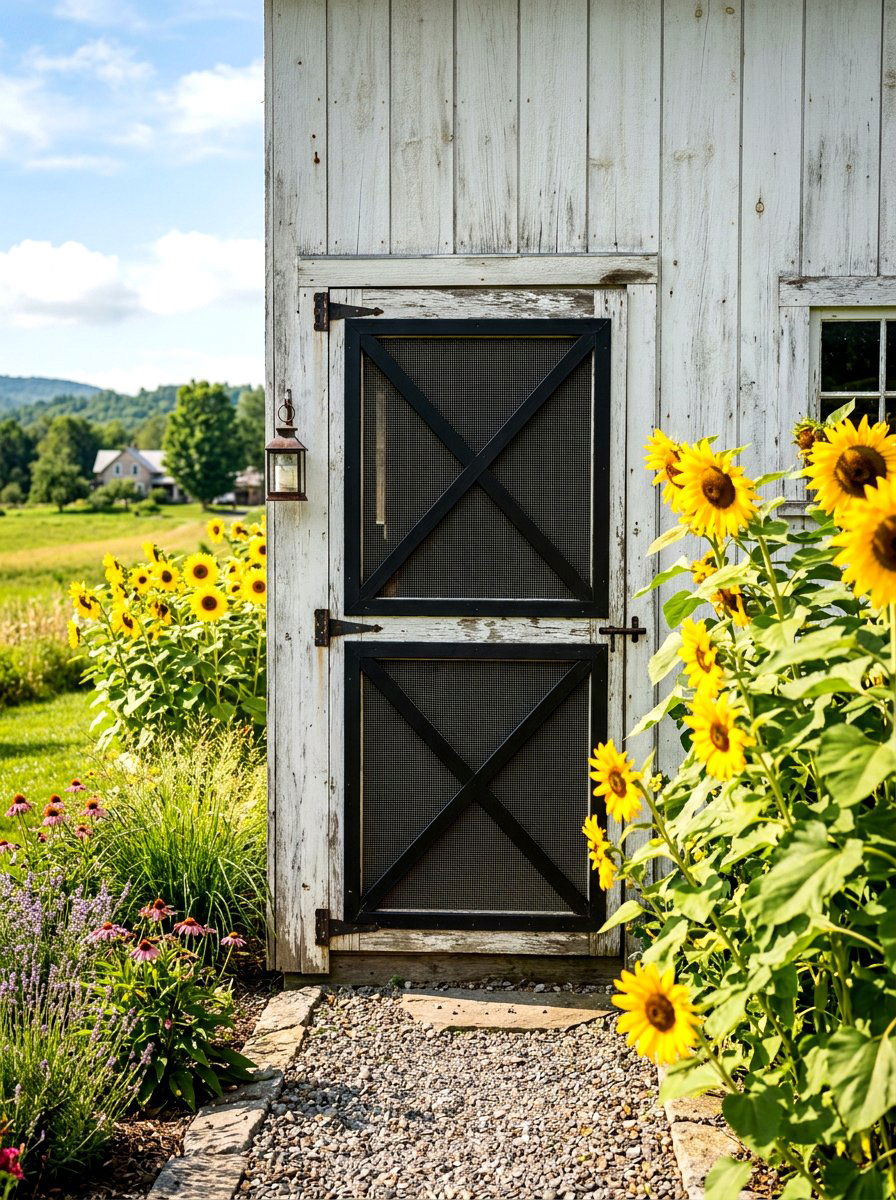
A barn door cover brings a trendy, rustic farmhouse vibe to the side of your home while cleverly hiding the air conditioner. You can build a small-scale version of a traditional "X-brace" barn door and mount it to a sturdy frame or even use a sliding track system if space allows. This design is visually heavy and provides total concealment from a specific viewing angle, such as your back deck. Because the door is made of solid wood boards, it is crucial to ensure the back and sides of the enclosure are left open or screened with lattice to prevent air from becoming trapped. This architectural detail adds significant character and a custom feel to your home.
26. Louvered Panel Enclosure
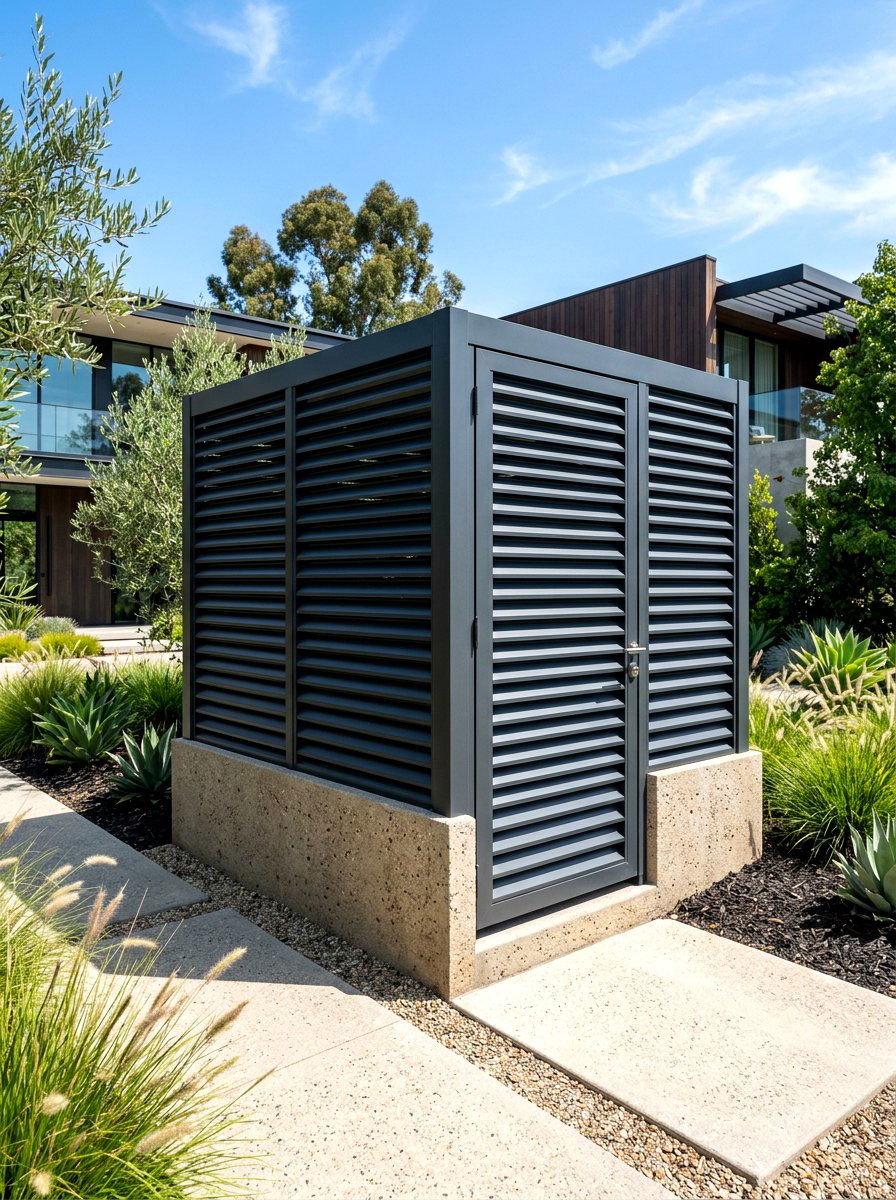
A louvered panel enclosure is perhaps the most efficient design for hiding an AC unit because the slats are angled specifically to block sightlines while maximizing airflow. These panels are often used in commercial settings but have become popular for residential use due to their sleek and functional design. You can find pre-made louvered screens in wood, vinyl, or aluminum to suit your home 's specific style. The downward-angled slats prevent people from seeing the unit from a distance, but they don' t restrict the movement of the hot exhaust air exiting the machine. This "high-tech" look is perfect for modern homes where a clean and efficient appearance is the highest priority for the owner.
27. Stepping Stone Path and Screen
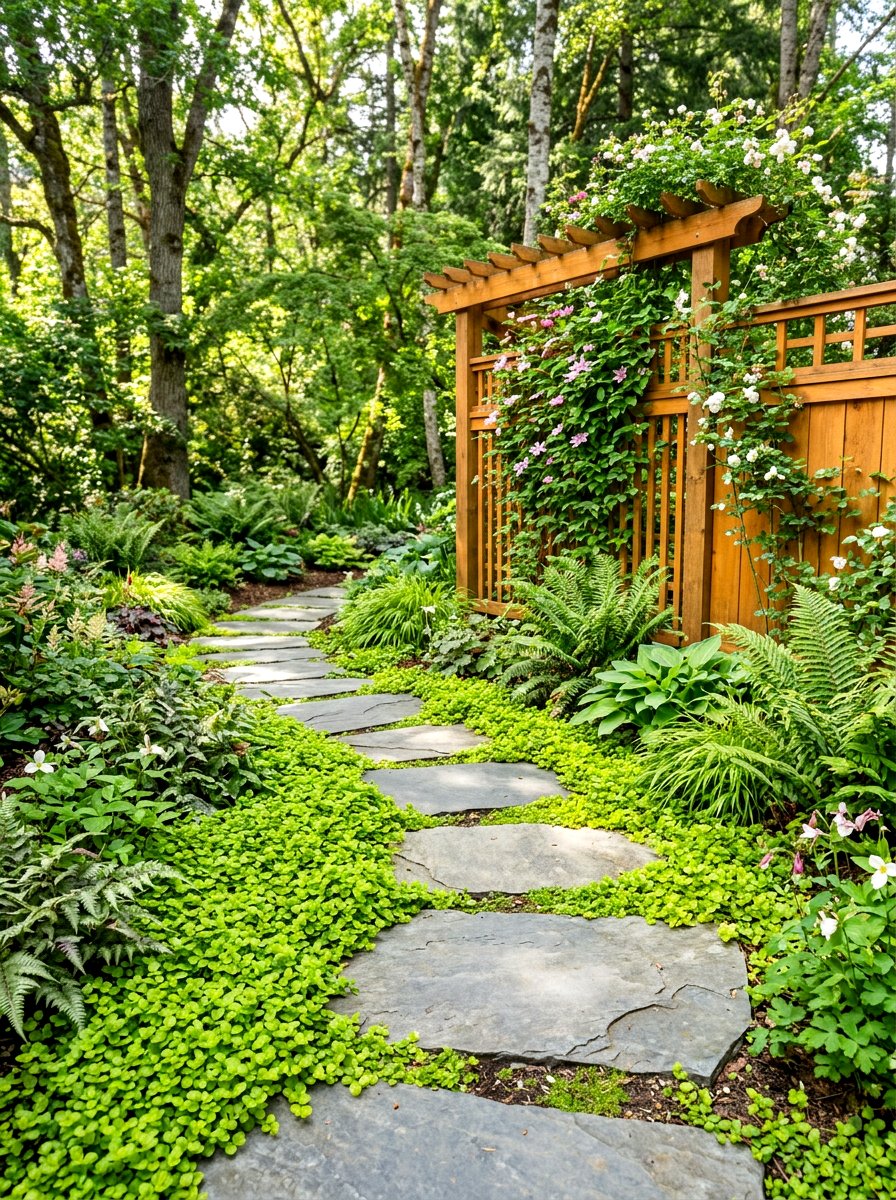
Creating a stepping stone path leading to a decorative screen makes the utility area feel like an intentional part of your yard's navigation. By laying down large slate or concrete pavers, you provide a stable and mud-free walkway for yourself and any HVAC technicians who need to reach the equipment. Pairing this path with a beautiful trellis or wooden screen creates a "destination" feel rather than an "eyesore" feel. This layout helps to organize the side yard and prevents the area around the air conditioner from becoming overgrown with weeds or messy grass. It is a practical and high-design way to integrate the machine into your overall landscape master plan successfully.
28. Artificial Boxwood Panel
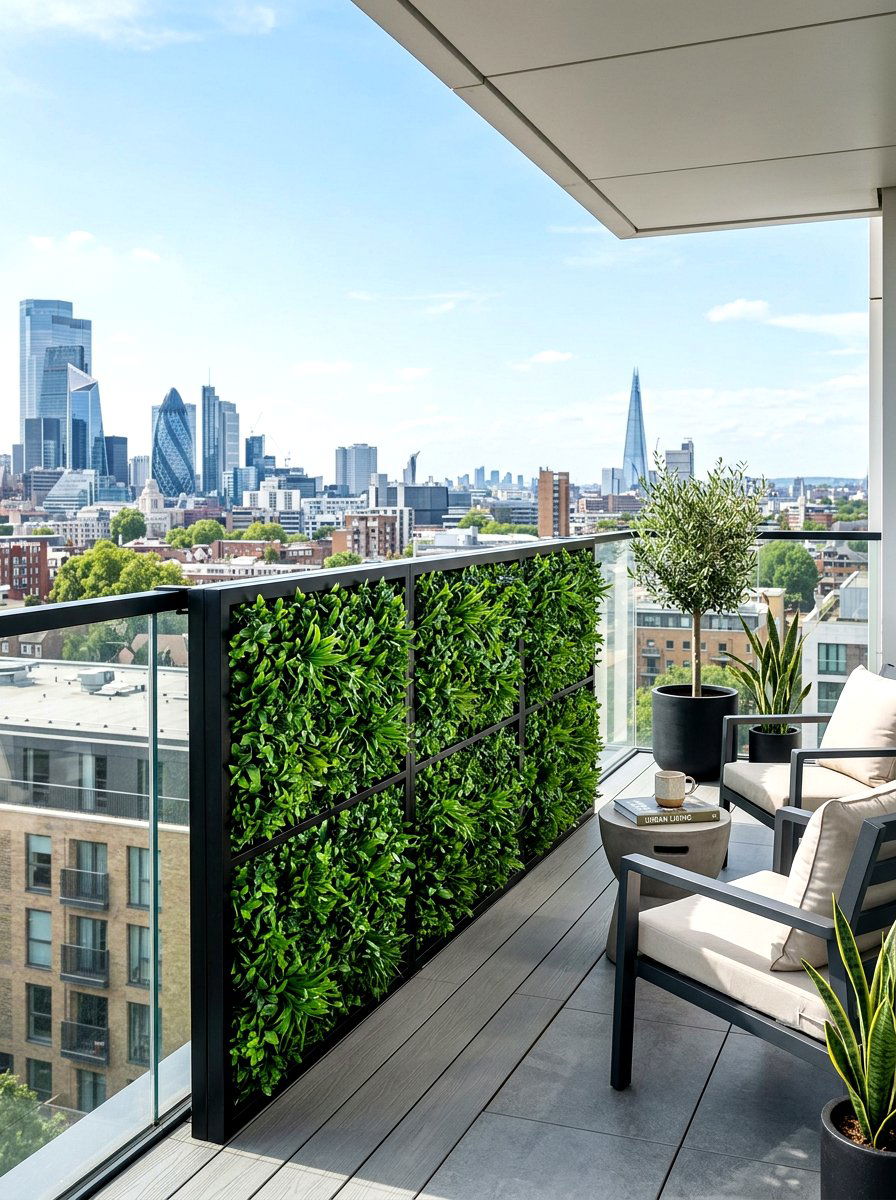
An artificial boxwood panel is a great "shortcut" for homeowners who want the look of a perfectly manicured hedge without the wait or the maintenance. These panels consist of high-quality plastic leaves mounted onto a plastic grid that can be easily attached to an existing fence or a simple wooden frame. They provide a dense, vibrant green screen that looks realistic from a distance and stays that way regardless of the sun or rain. This is an ideal solution for shady side yards where real boxwoods might struggle to grow due to lack of light. Since the leaves are plastic, they are easy to clean and won 't drop debris into the unit' s cooling fins.
29. Trellis with Faux Ivy
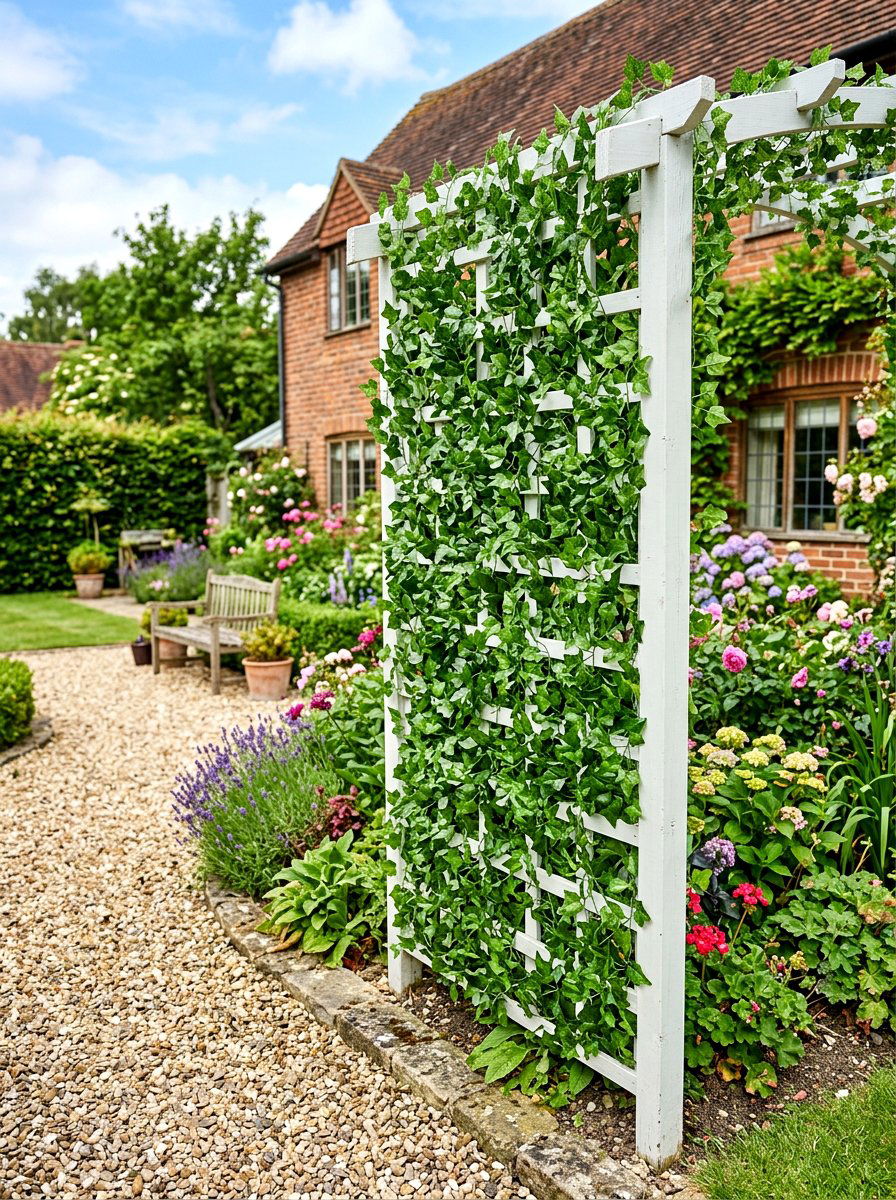
Using a trellis with faux ivy offers the charm of a vine-covered wall without the risk of real plants growing into your expensive machinery. Faux ivy rolls can be zip-tied to a standard wooden or metal trellis, providing instant and total coverage for the air conditioner. This is a perfect solution for those who want immediate results for a party or a home sale. Modern artificial ivy is UV-resistant, so it won't fade to a strange blue color in the sun over time. This method allows for excellent airflow through the trellis structure while giving the appearance of a lush, established garden that requires zero watering, pruning, or fertilizing to look great.
30. Pergola with Hanging Plant
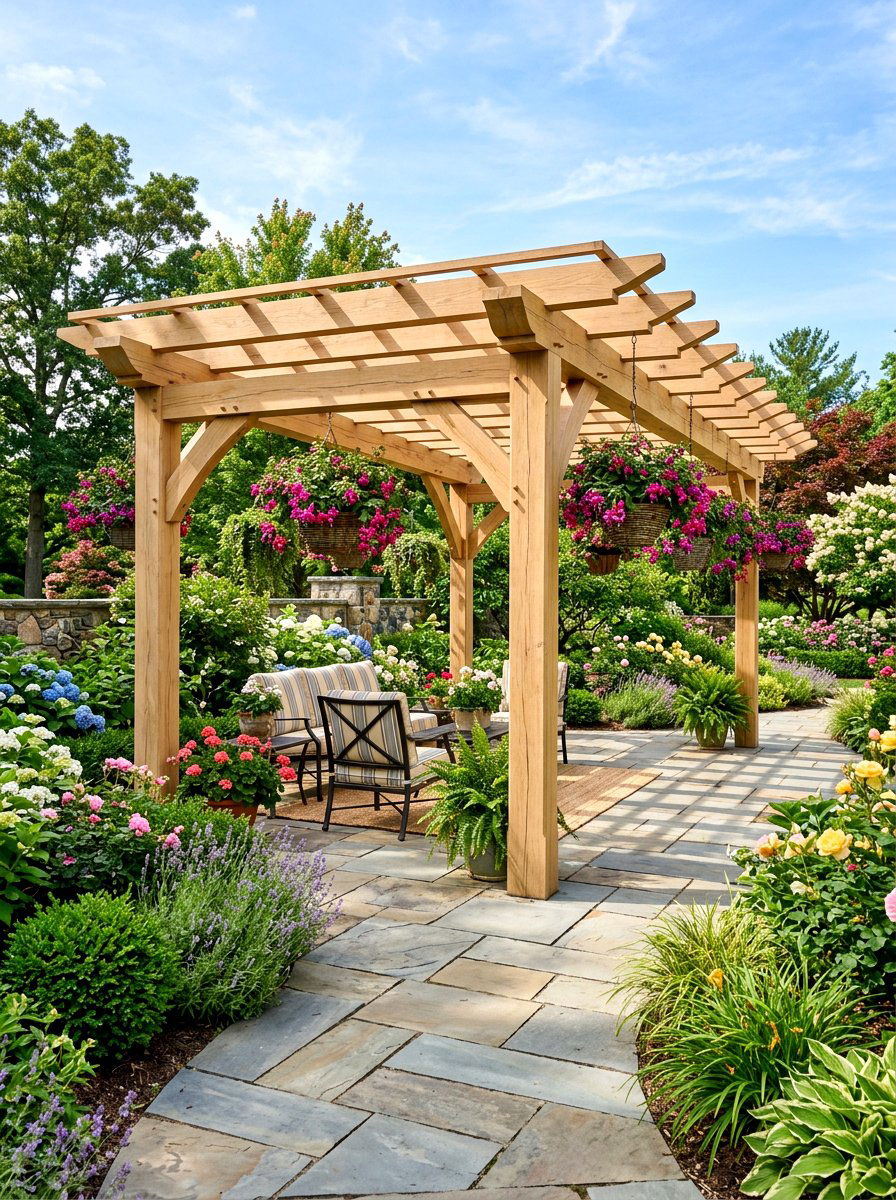
A small pergola built specifically over the air conditioner area adds a high-end architectural element that draws the eye upward. While you should never place a solid roof over the unit, the open rafters of a pergola are perfectly safe as long as they are at least five feet above the top of the machine. You can hang lush ferns or flower baskets from the rafters to create a "floating" screen that softens the look of the area. This structure provides a little bit of shade for the unit, which can actually help it run more efficiently during the hottest parts of the day. It transforms a boring utility spot into a charming garden feature.
Conclusion:
Concealing your air conditioning unit is a rewarding weekend project that significantly enhances the beauty and value of your home. Whether you choose a living screen of evergreen shrubs or a custom-built wooden enclosure, the goal remains the same: blending utility with style. By prioritizing airflow and leaving adequate space for maintenance access, you ensure that your cooling system remains efficient while your yard stays picturesque. Each of these 30 ideas offers a unique way to handle the challenge of outdoor machinery, allowing you to tailor the solution to your specific garden theme. With a little creativity, that mechanical eyesore can finally become a beautiful and integrated part of your outdoor sanctuary.

Related posts: