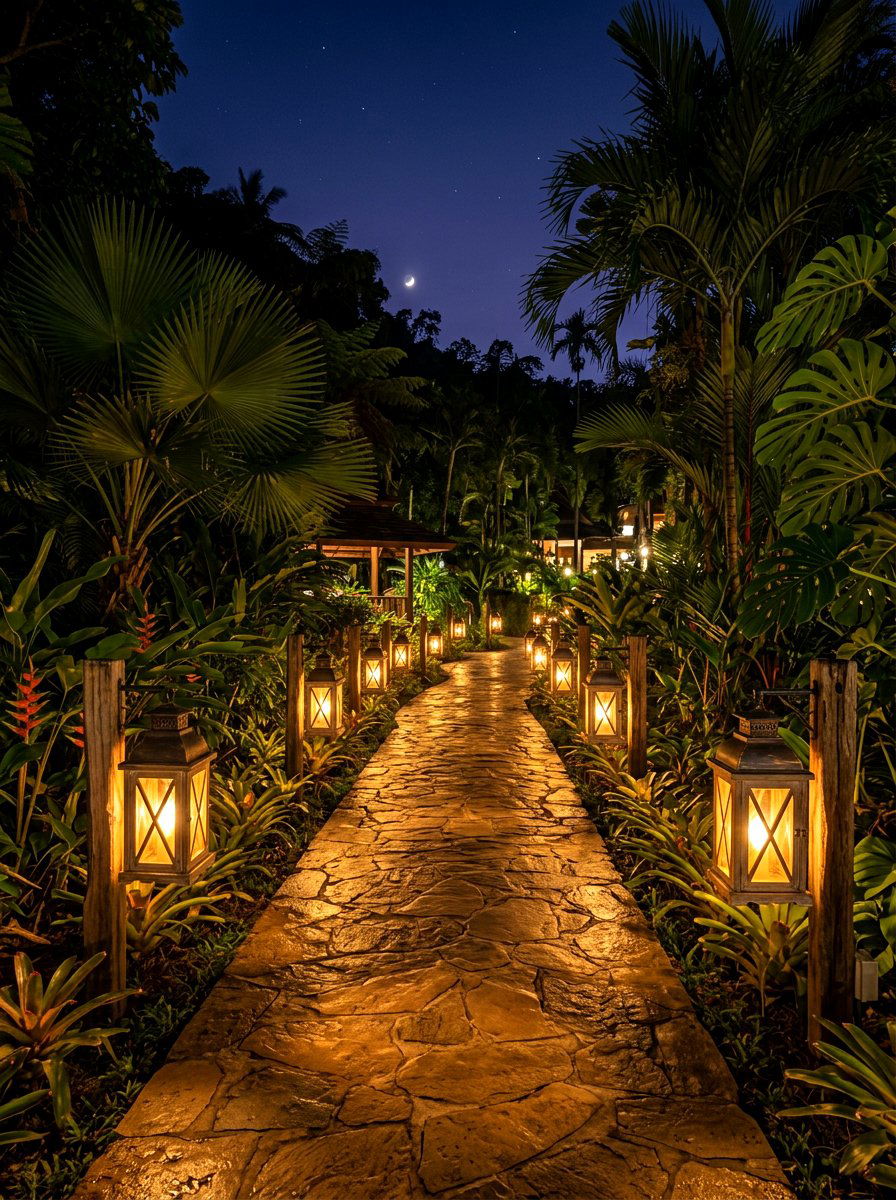
Cloister gardens offer a unique sense of peace and historical depth that few other outdoor spaces can match. These enclosed sanctuaries originally served as meditative retreats for monks and nuns in medieval Europe. Today, they provide homeowners with a blueprint for creating a private oasis that feels separate from the busy modern world. By focusing on symmetry, natural materials, and the soothing sound of water, you can transform a simple courtyard into a timeless masterpiece. Whether you are working with a large estate or a tiny urban lot, the core principles of cloister design help define clear boundaries and foster tranquility. These gardens are not just about plants; they represent a harmonious lifestyle that prioritizes slow living and quiet reflection.
1. Traditional Monastery Courtyard
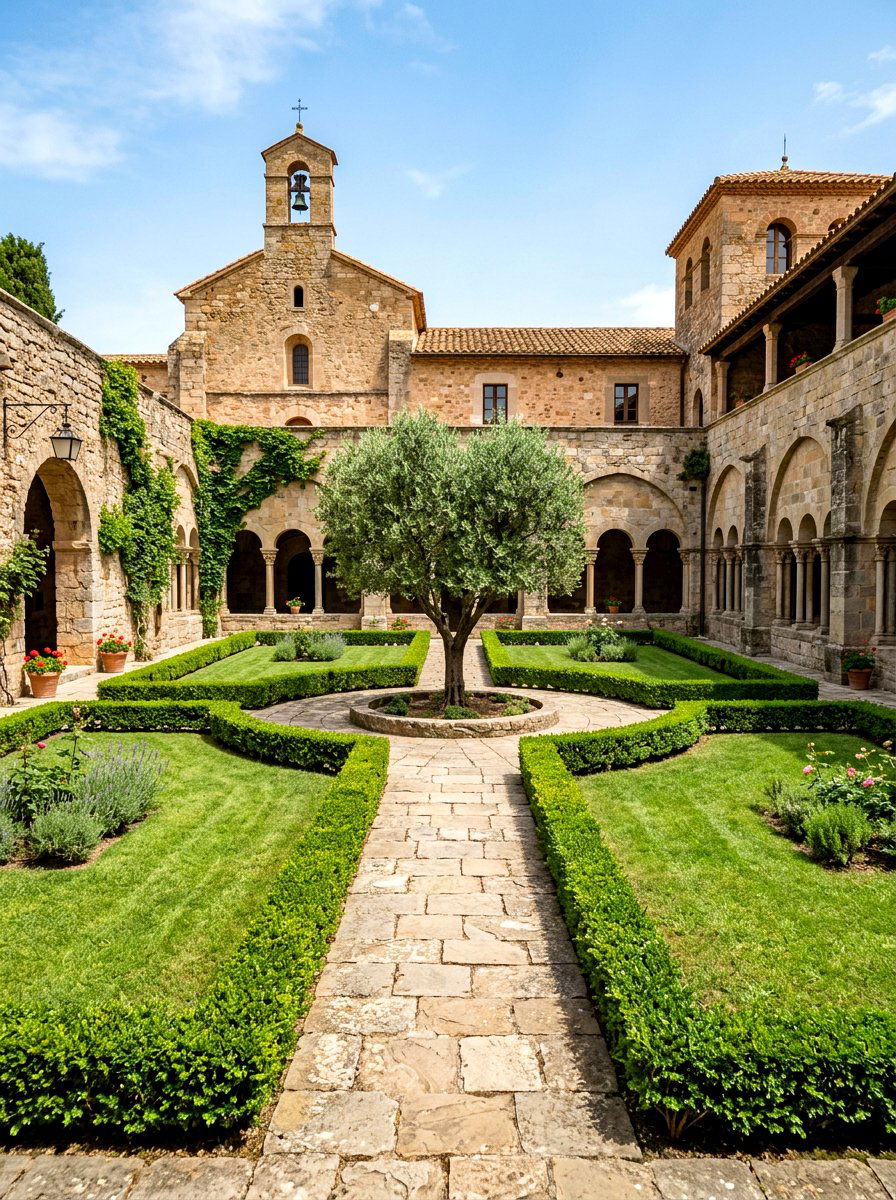
Imagine walking into a space where time seems to stand still and the noise of the outside world fades away. A traditional monastery courtyard captures this exact feeling through its structured and peaceful layout. You will often see a large central square that is divided into four equal parts by straight stone paths. This symbolic design represents balance and harmony with nature. In the center, a simple feature like a small tree or a cross might stand tall. Low hedges or stone borders usually line the pathways to keep the space looking tidy. This classic setup provides a sense of order that is perfect for quiet reflection and slow afternoon walks in the sun.
2. Central Tiered Fountain
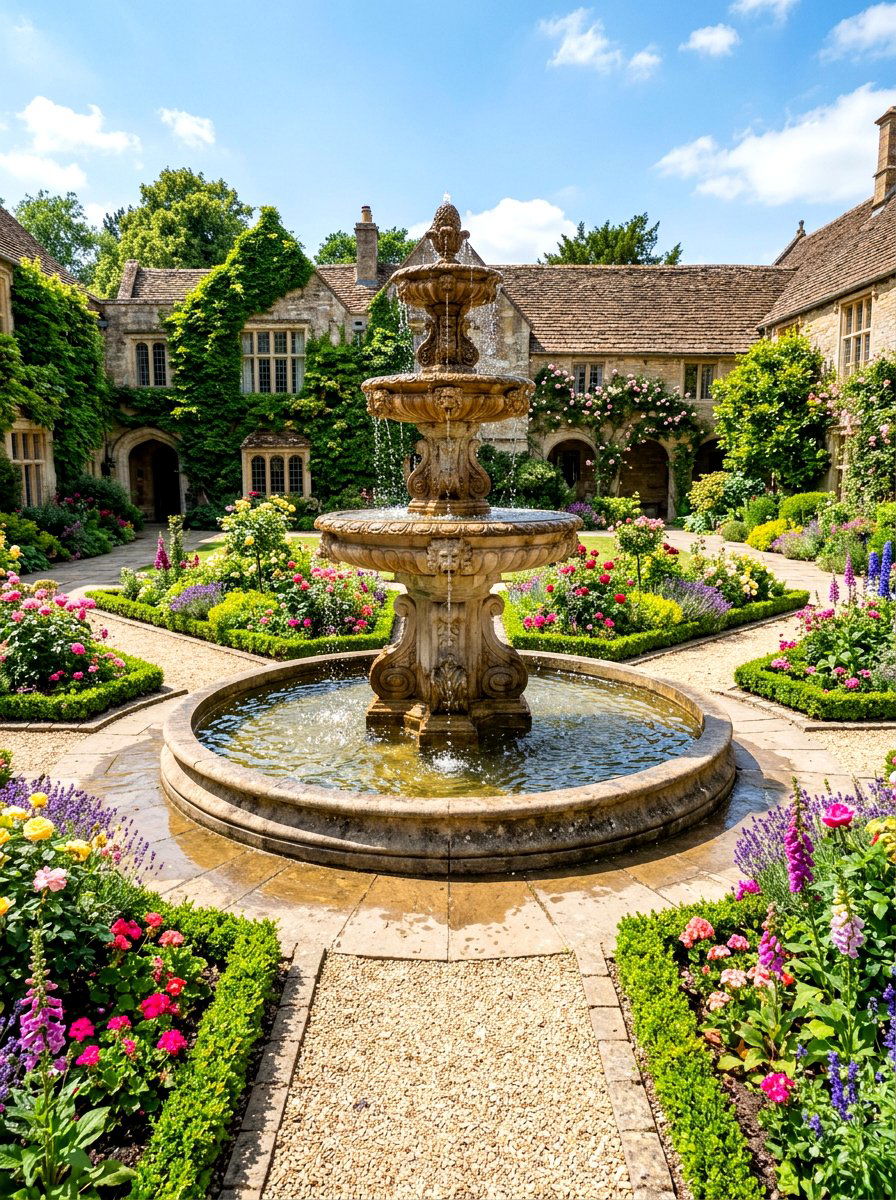
Is there anything more relaxing than the sound of water gently splashing in a quiet courtyard? A central tiered fountain acts as the heart of a cloister garden, providing both a visual focal point and a calming soundtrack. These fountains are typically made of weathered stone or marble to match the surrounding architecture. Water flows from the top tier down into a wide basin, creating ripples that catch the sunlight. Positioning the fountain at the intersection of four paths ensures it can be seen and heard from every corner of the garden. It anchors the entire design, making the outdoor area feel intentional, luxurious, and deeply refreshing.
3. Stone Column Arcade
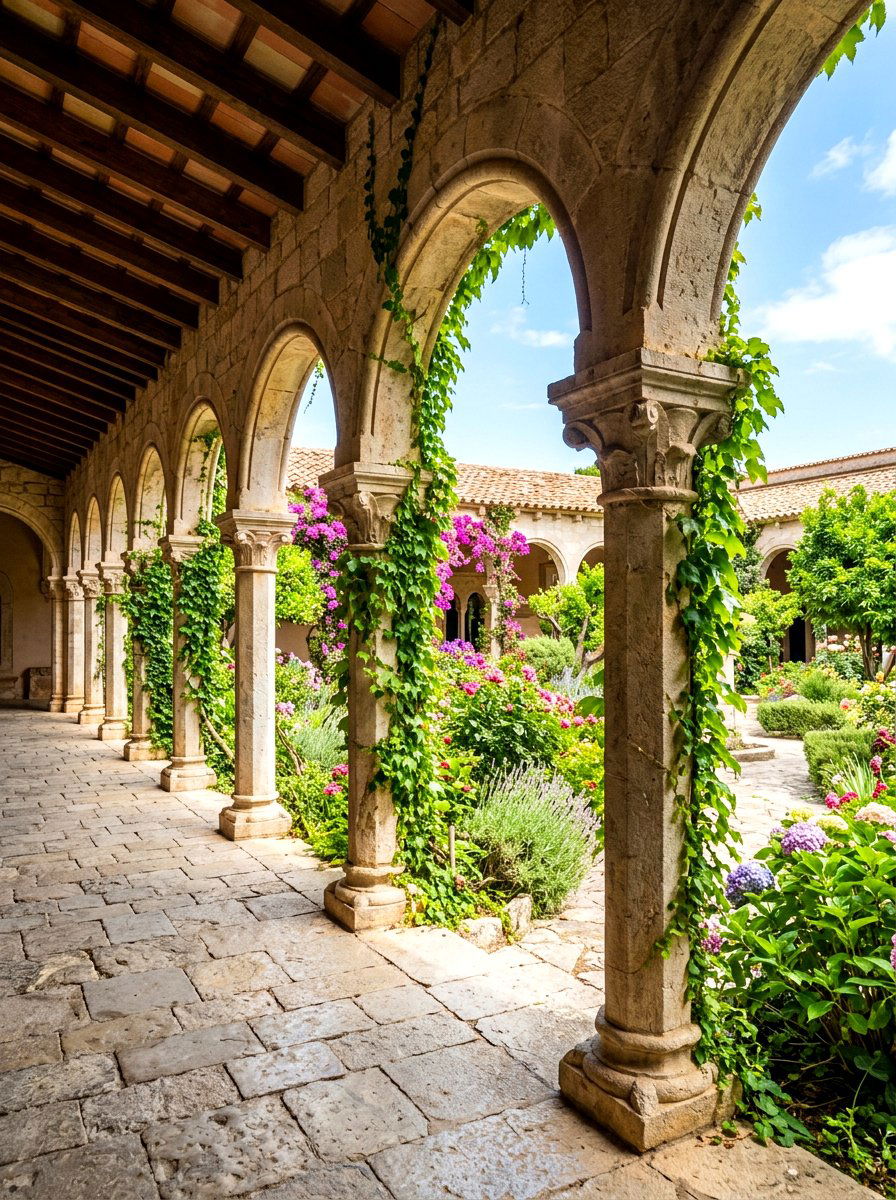
Have you ever noticed how a covered walkway can make a garden feel more intimate and architectural? A stone column arcade is a defining feature of classic cloister designs, offering a shaded path around the perimeter of the courtyard. These rows of arches provide a beautiful frame for the greenery inside while protecting you from the elements. You can use light-colored limestone or rough-hewn granite to create a sense of permanence and history. The repetitive pattern of the columns creates a rhythmic visual effect that is very soothing to the eye. This structural element turns a simple walkway into a grand architectural statement that enhances the garden's privacy.
4. Symmetrical Boxwood Parterre
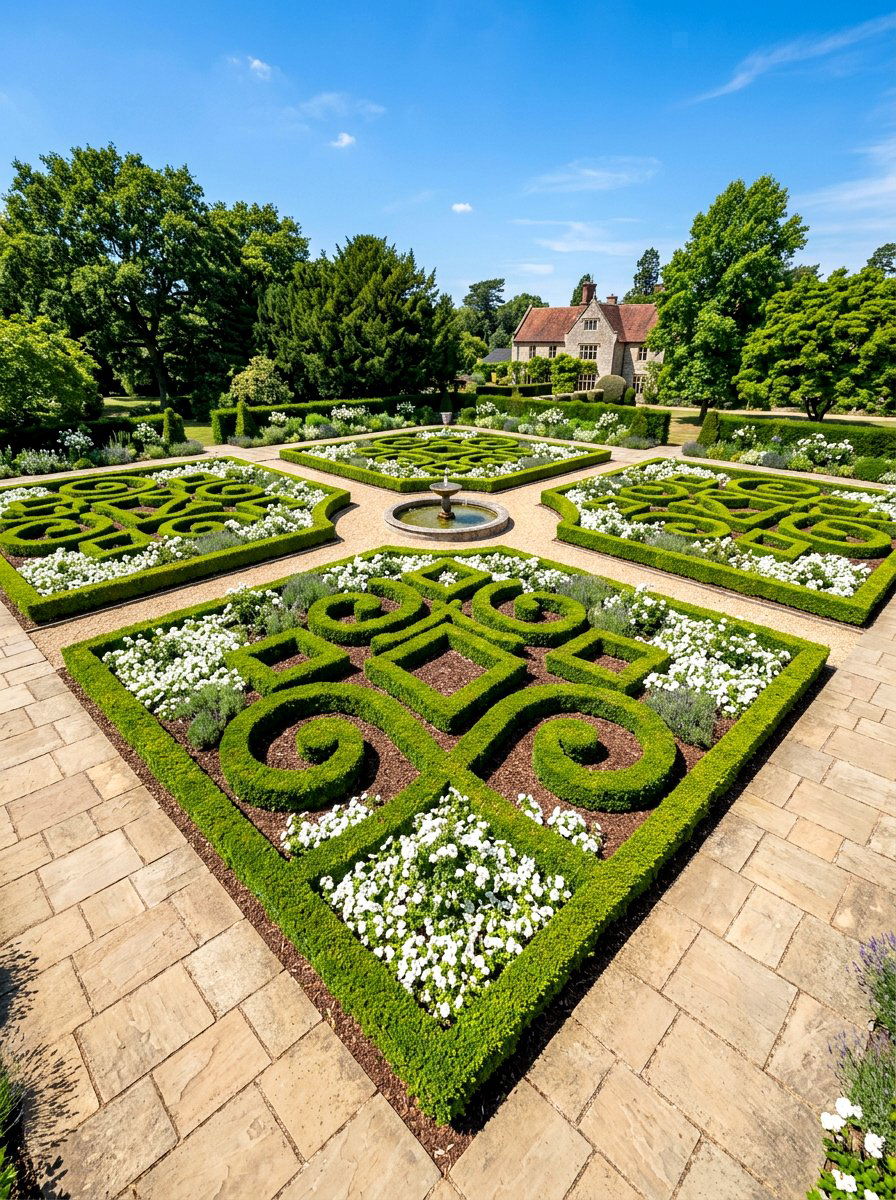
What if your garden could look like a piece of living art through the use of carefully shaped greenery? A symmetrical boxwood parterre uses low-growing evergreen hedges to create intricate geometric patterns on the ground. These hedges act as frames for flowers, herbs, or even colorful gravel. In a cloister setting, these patterns are usually mirrored across the central paths to maintain a sense of perfect balance. Boxwood is an ideal choice because it stays green year-round and can be trimmed into very sharp, clean lines. This design approach adds a formal and sophisticated touch to the courtyard, making it look well-maintained and historically authentic.
5. Medieval Herb Garden
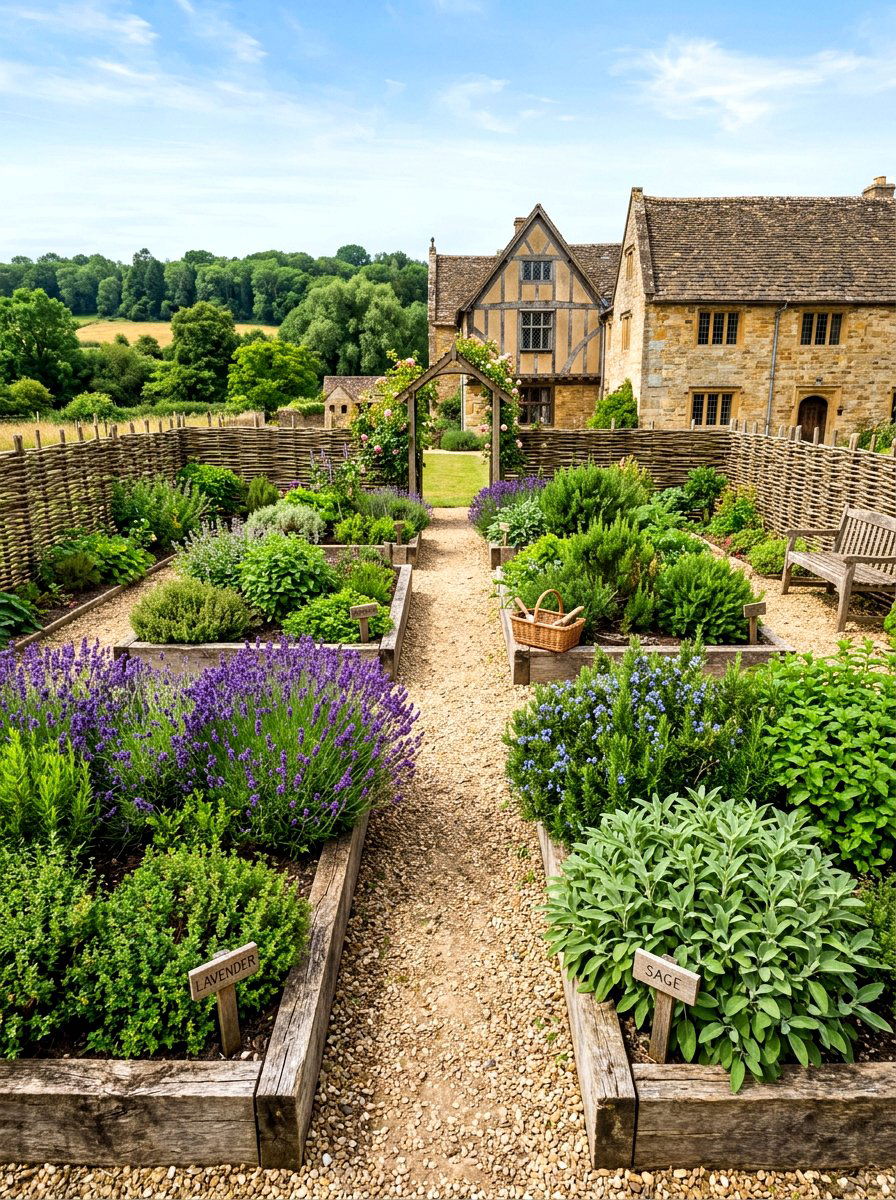
Walking through a garden filled with the scent of fresh lavender and rosemary can immediately lift your spirits. A medieval herb garden, often called a physic garden, focuses on plants that were once used for cooking and healing. These gardens are usually organized into neat, rectangular beds separated by narrow timber or stone edges. You can include a variety of useful plants like sage, thyme, mint, and chamomile. The mixture of different textures and shades of green creates a lush, tapestry-like effect. Not only is this type of garden beautiful to look at, but it also provides a functional harvest for your kitchen and home.
6. Gravel Path Layout
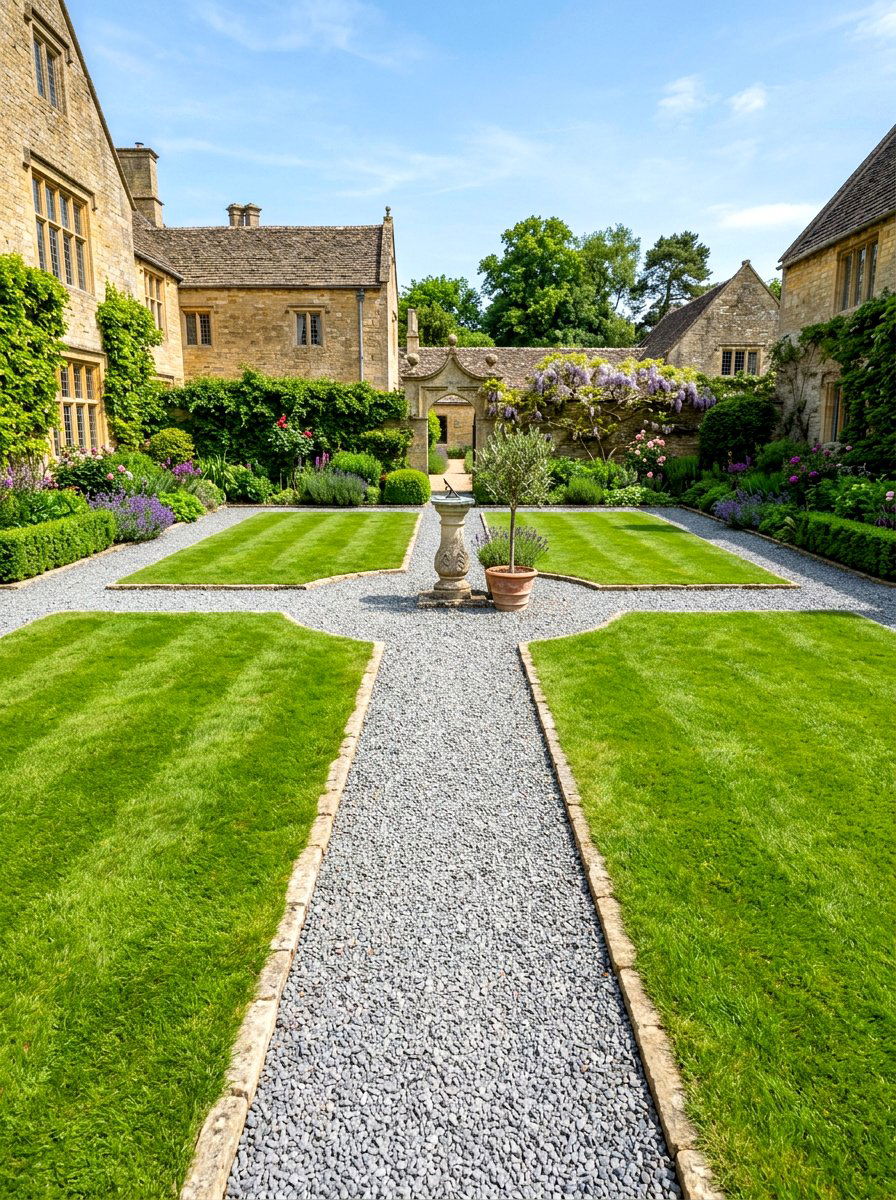
Do you enjoy the satisfying crunch of footsteps on a well-maintained path during a quiet morning stroll? A gravel path layout is a practical and aesthetic choice for any enclosed courtyard space. Using fine pea gravel or crushed limestone allows for excellent drainage and creates a soft, natural look that complements stone walls. These paths usually form a cross shape, dividing the garden into four manageable quadrants for planting. The neutral color of the gravel helps the vibrant greens and bright flower colors stand out more effectively. This simple material choice keeps the garden looking clean and organized while requiring very little maintenance over the long term.
7. Walled Secret Garden
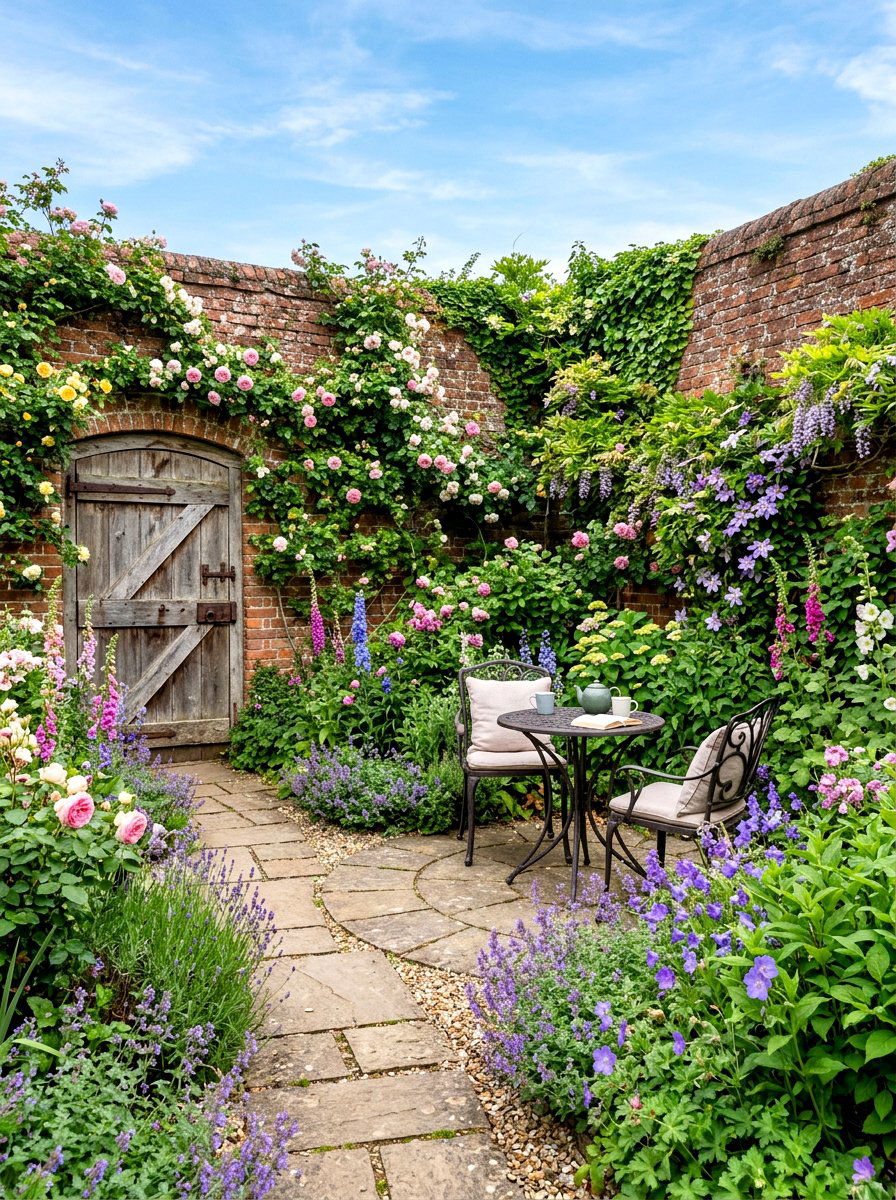
There is something truly magical about a garden that is completely hidden away from the prying eyes of the public. A walled secret garden uses high stone or brick boundaries to create a sanctuary that feels entirely private and secure. These walls provide a backdrop for climbing plants and help block out unwanted noise from the street. You can add a heavy wooden gate or a small iron door to enhance the sense of mystery and exclusivity. Inside, the tall walls trap warmth, allowing delicate plants to thrive in a protected microclimate. This design is perfect for those who want a quiet retreat for reading or meditation.
8. Mediterranean Cloister Style
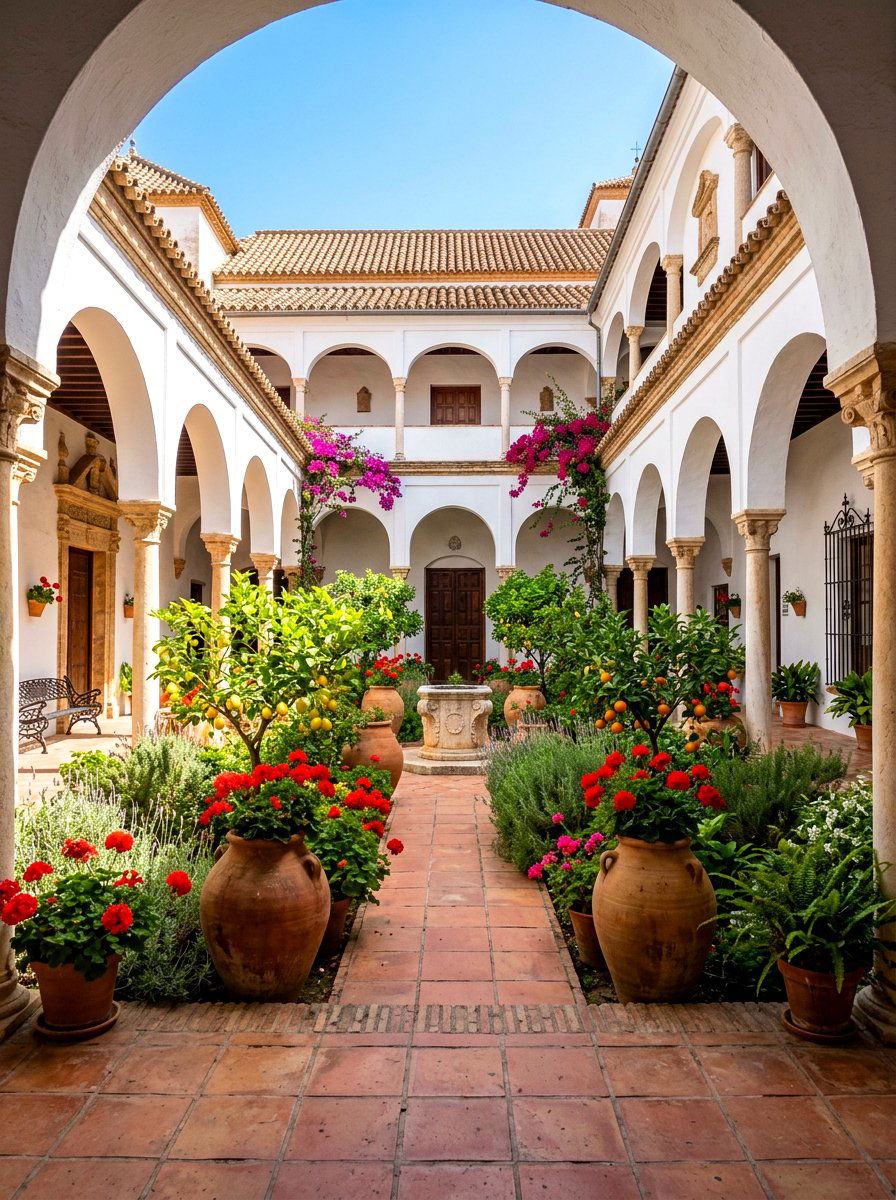
Can you picture a sunny courtyard filled with the warmth of terracotta tiles and the vibrant colors of citrus trees? The Mediterranean cloister style blends traditional monastic layouts with the relaxed atmosphere of southern Europe. Instead of lush grass, this design often features warm-toned stone paving and large clay pots overflowing with geraniums. A central lemon or orange tree provides shade and a wonderful fragrance when in bloom. The use of white-washed walls reflects the sunlight, making the space feel bright and airy even on cloudy days. This style is perfect for creating a cheerful and inviting outdoor room that feels like a vacation home.
9. Climbing Rose Trellis
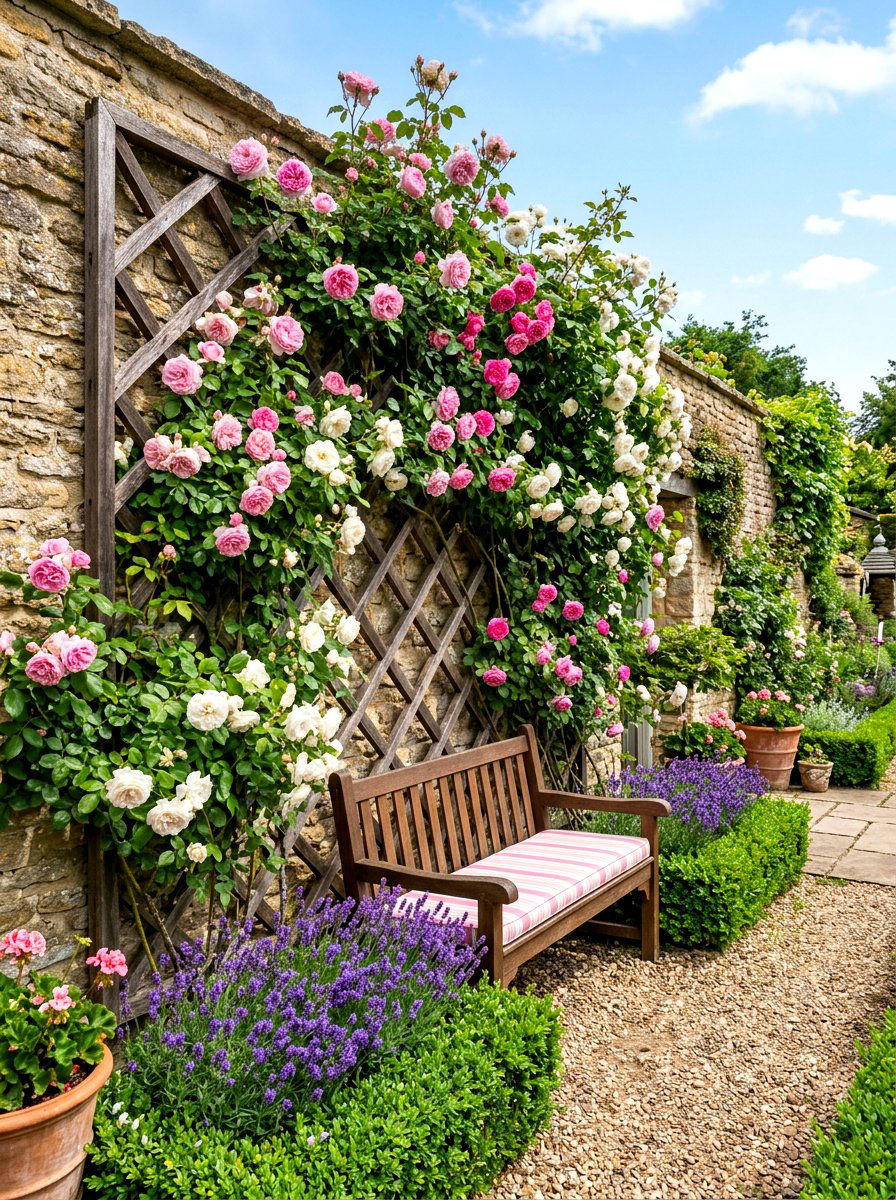
Imagine sitting under a canopy of fragrant roses while the afternoon sun filters through the delicate green leaves. A climbing rose trellis adds vertical interest and a romantic touch to the rigid structure of a cloister walkway. You can attach wooden or metal trellises to the surrounding walls or columns to encourage vines to grow upward. As the roses bloom, they create a wall of color and scent that softens the look of the stone architecture. This design idea is great for adding a sense of softness and femininity to the garden. It also provides a natural screen that enhances the feeling of enclosure and intimacy.
10. Modern Minimalist Courtyard
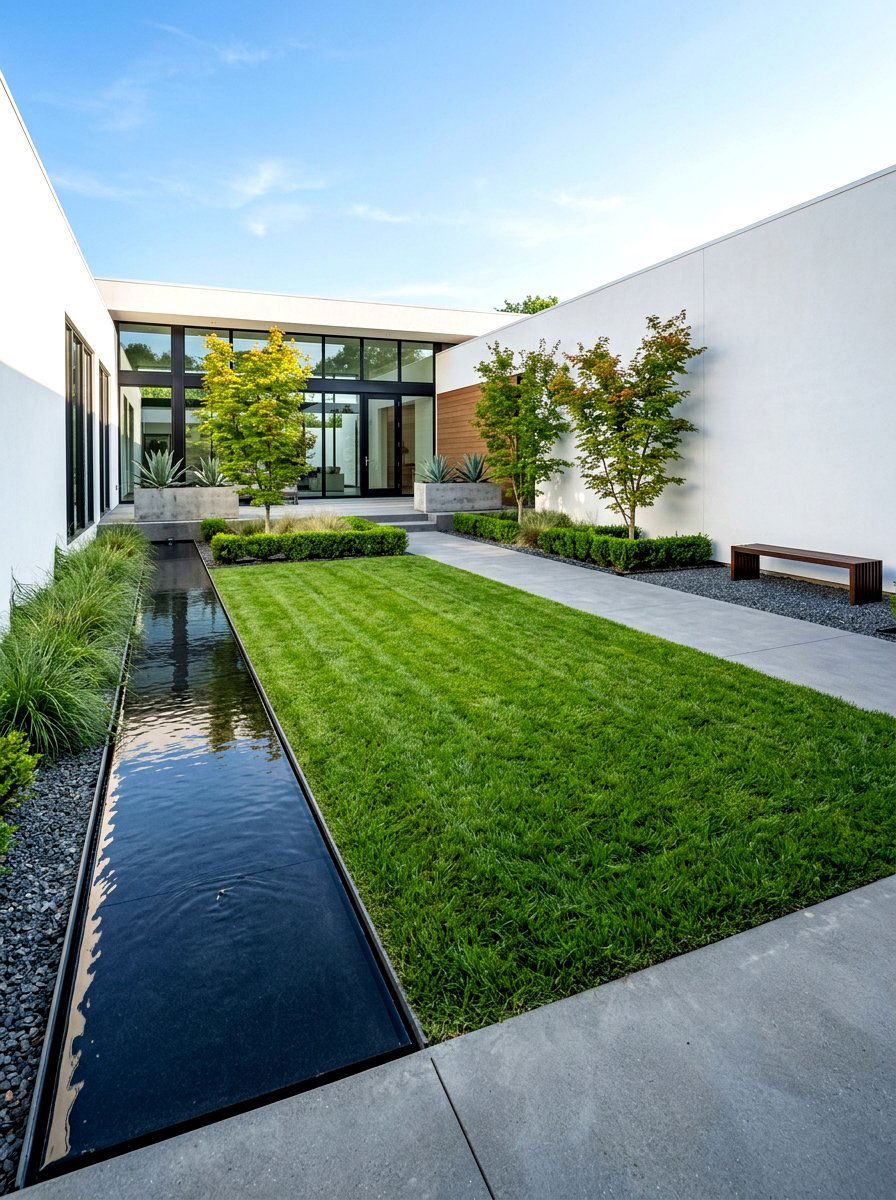
What happens when you strip away the ornate details of the past and focus on clean lines and open space? A modern minimalist courtyard takes the core idea of a cloister and simplifies it for a contemporary lifestyle. Instead of complex parterres, you might see a single, perfectly manicured lawn surrounded by a sleek concrete walkway. A linear water feature or a simple reflective pool replaces the traditional tiered fountain. The color palette is usually restricted to neutral tones like grey, white, and deep green. This approach creates a very calm and uncluttered environment that is ideal for homeowners who appreciate modern architecture and quiet simplicity.
11. Ancient Brick Paving
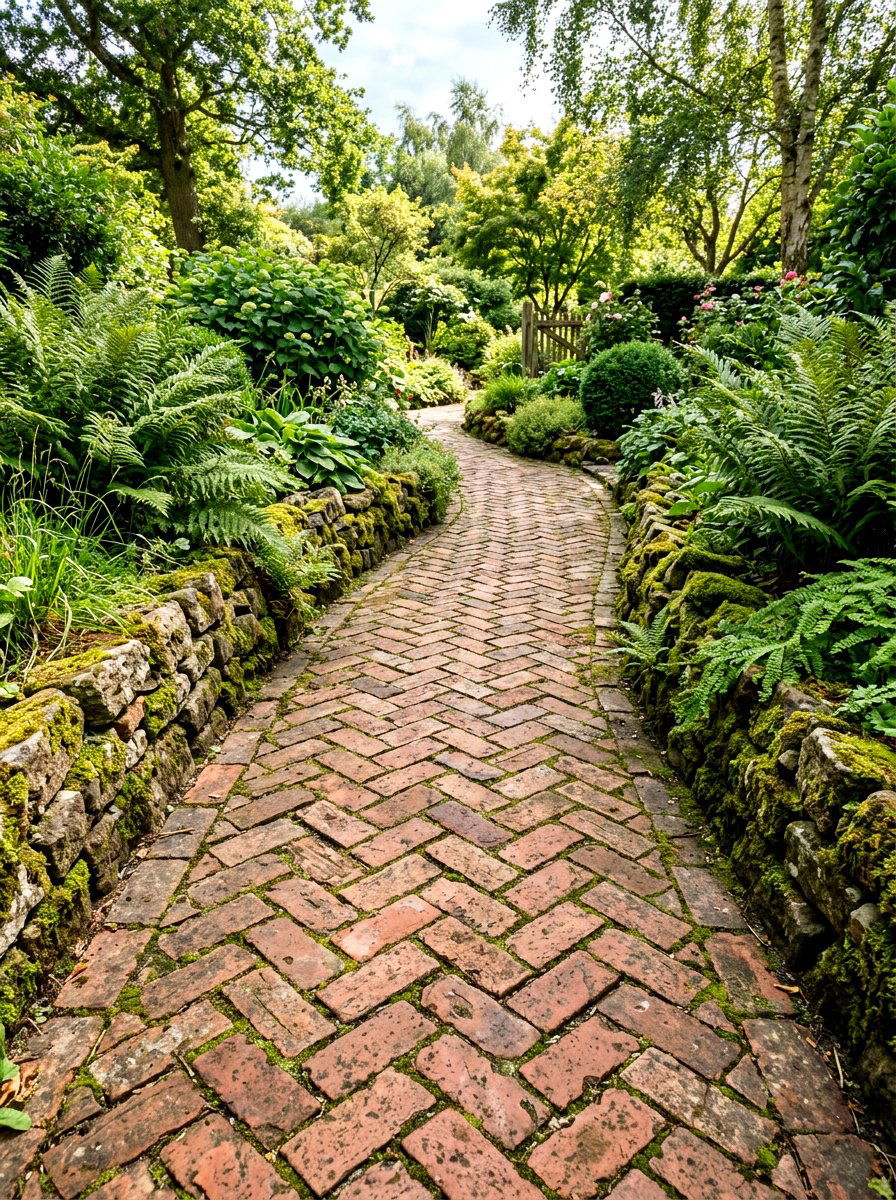
Have you ever considered how the texture of the ground beneath your feet can change the entire mood of a garden? Ancient brick paving uses weathered, reclaimed bricks to create a floor that feels full of history and character. You can lay the bricks in a classic herringbone or basketweave pattern to add visual interest to the flat paths. The warm reds and oranges of the brick contrast beautifully with the cool greens of the surrounding plants. Over time, a little moss might grow in the cracks, adding to the aged and natural look. This durable material is perfect for creating a rustic and cozy atmosphere in your courtyard.
12. Lavender Walkway Border
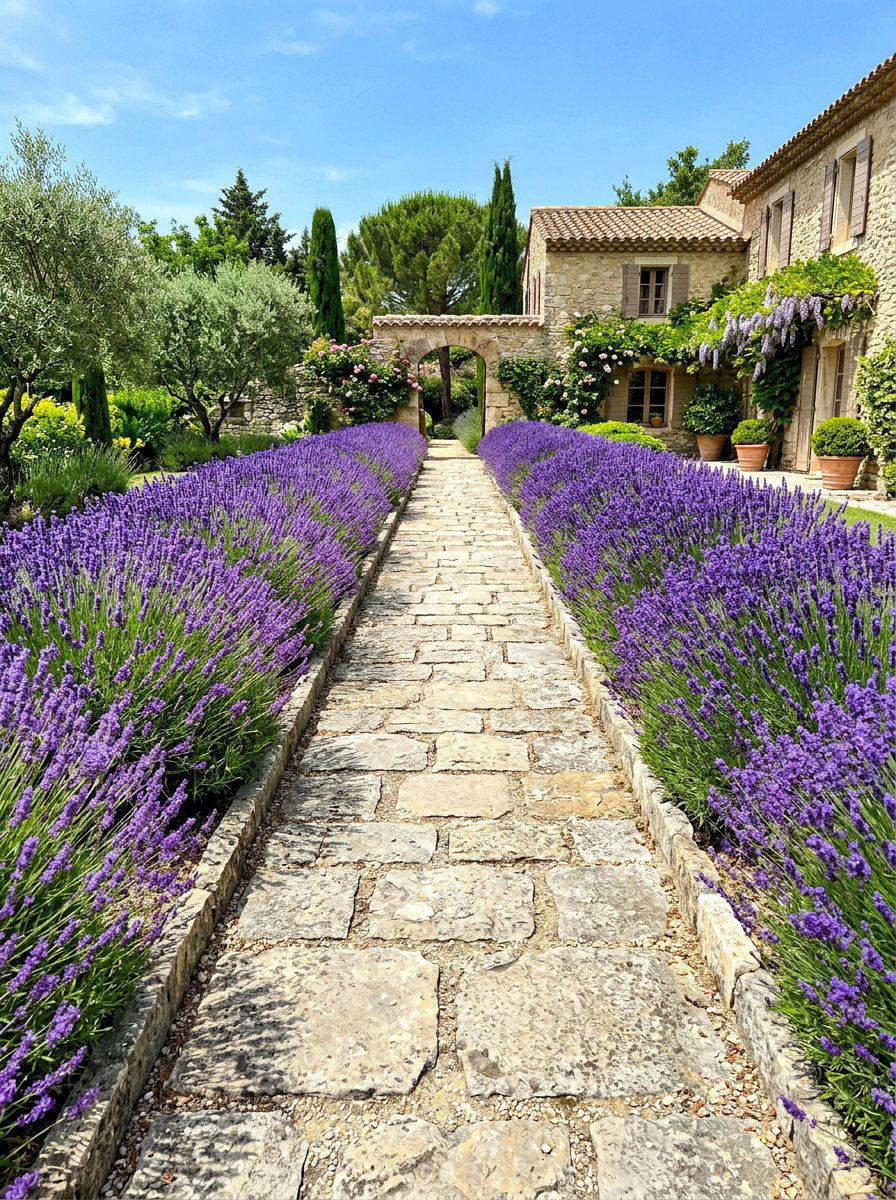
Imagine the calming scent of purple flowers wafting through the air every time you step outside for some fresh air. A lavender walkway border is a classic way to line the paths of a cloister garden with color and fragrance. These low-growing shrubs create a soft, mounded edge that spills over onto the stone or gravel paths. Lavender is a hardy plant that loves the sun, making it perfect for an open-air courtyard. In the summer, the vibrant purple spikes attract butterflies and bees, bringing life and movement to the space. It is a simple yet effective way to add sensory appeal to your outdoor design.
13. Shady Arched Gallery
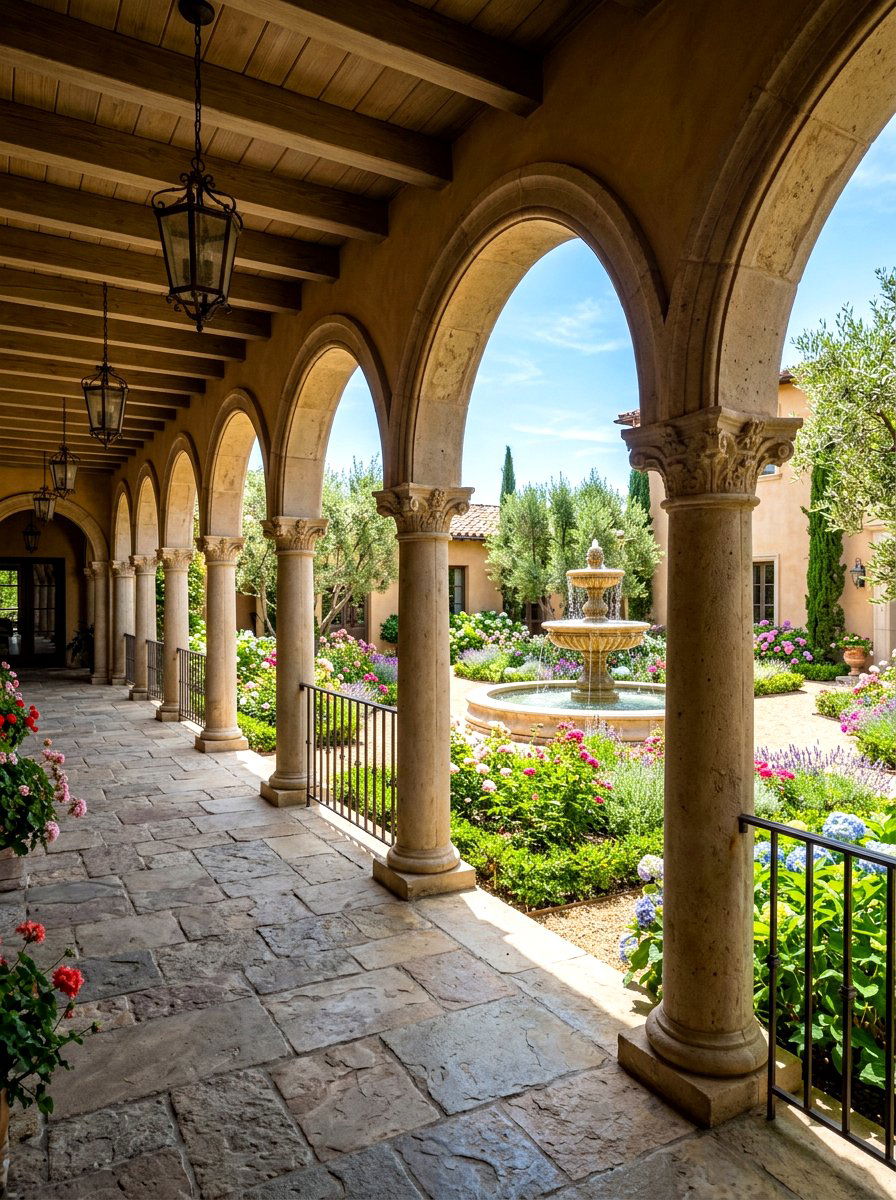
Are you looking for a way to stay cool during the hot summer months while still enjoying your garden? A shady arched gallery provides a covered area where you can relax without being in the direct sun. This architectural feature is essentially a long porch or loggia that runs along one or more sides of the courtyard. You can place comfortable outdoor seating or a small dining table under the arches to create an outdoor living room. The view of the sun-drenched garden from the cool shade is incredibly beautiful and relaxing. This design element perfectly balances the solid structure of the house with the natural beauty of the garden.
14. Zen Reflection Pool
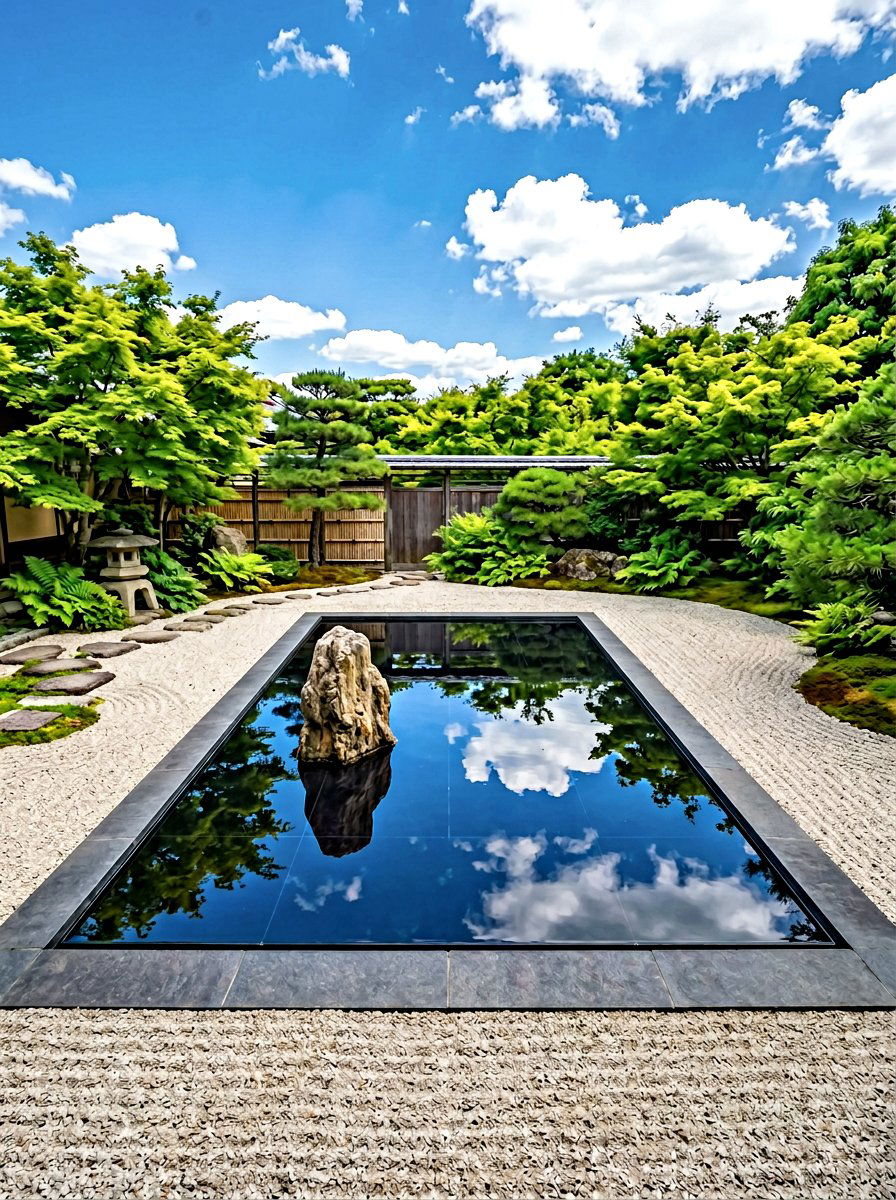
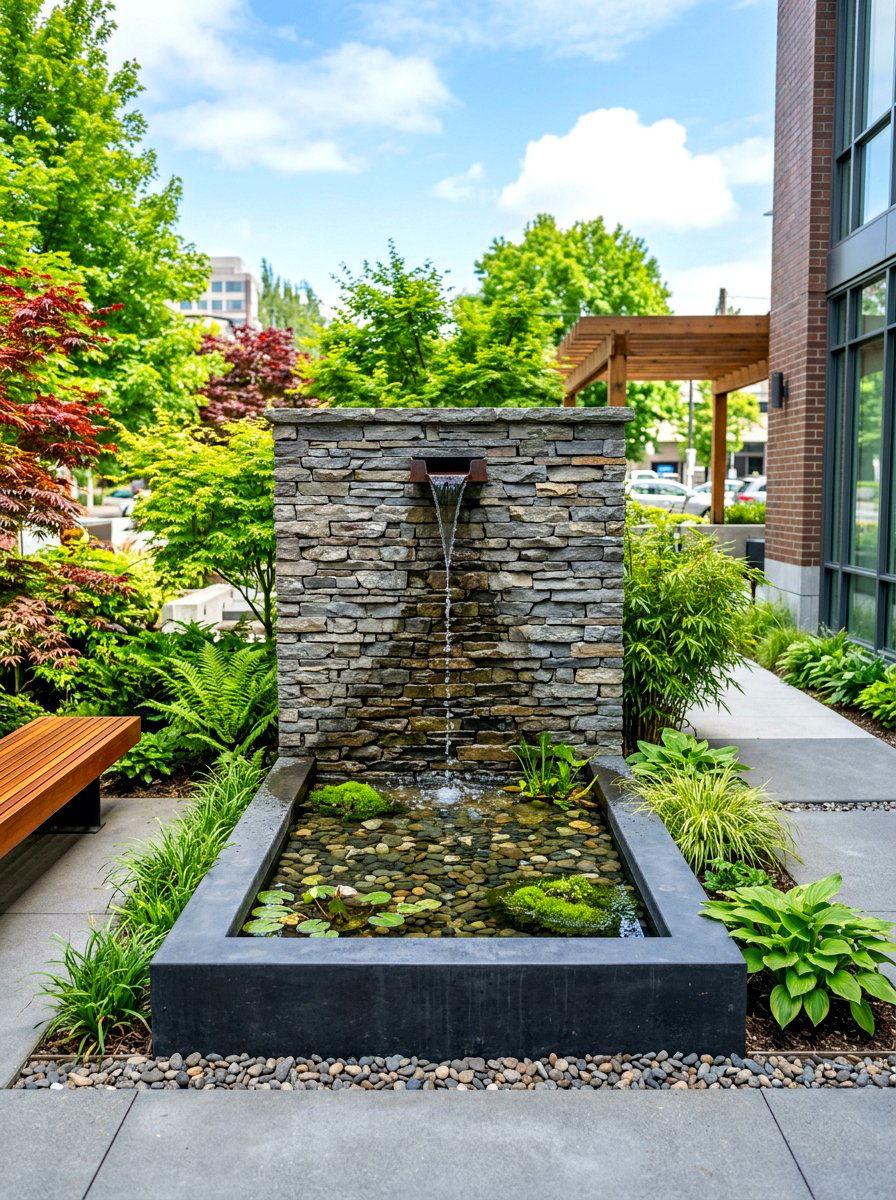
What if your garden could help you find a moment of total stillness in the middle of a busy day? A Zen reflection pool is a minimalist water feature that focuses on the beauty of a perfectly flat, mirror-like surface. Instead of splashing water, this pool is kept still to reflect the sky and the surrounding architecture. It is usually built as a shallow black basin that disappears into the ground. Placing a single stone or a small Japanese maple nearby creates a striking visual composition. This idea brings a modern, spiritual energy to the traditional cloister layout, emphasizing the importance of quiet observation and inner peace.
15. Terracotta Pot Arrangement
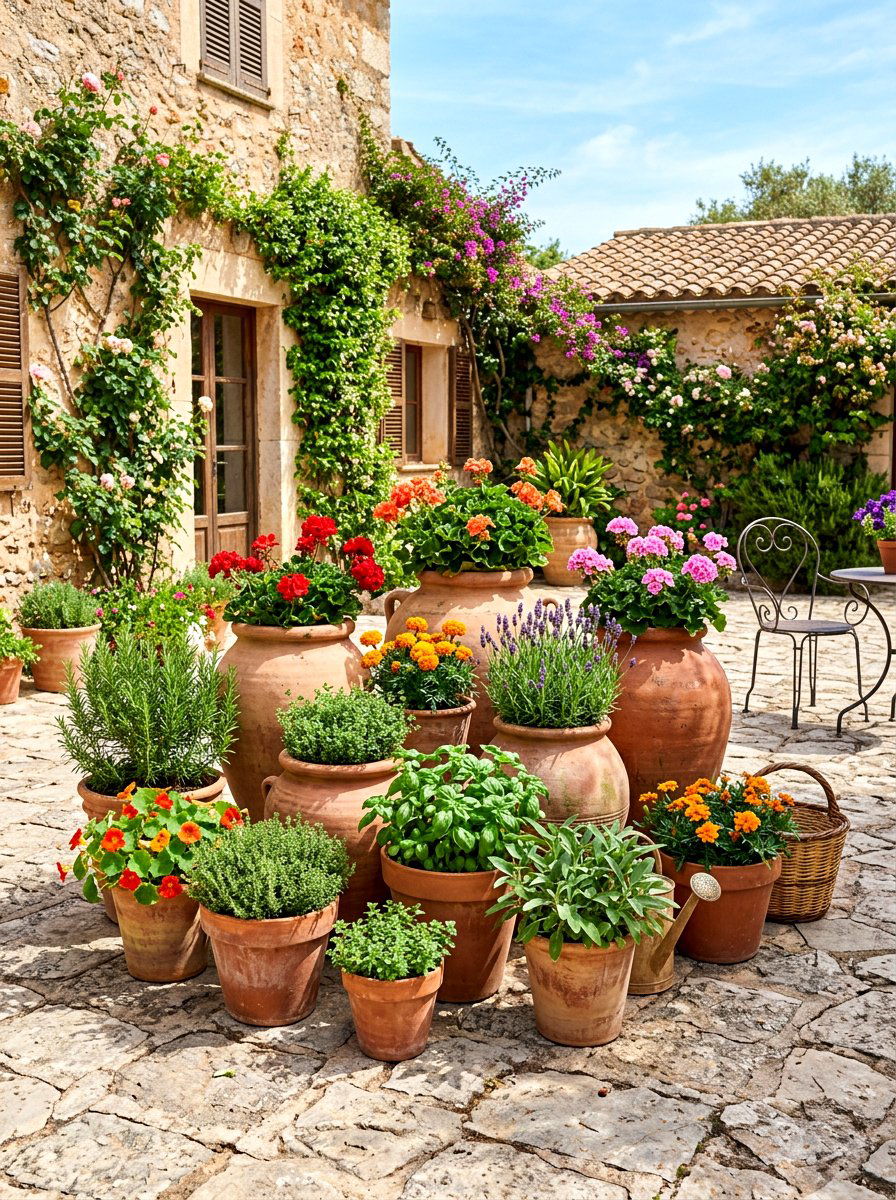
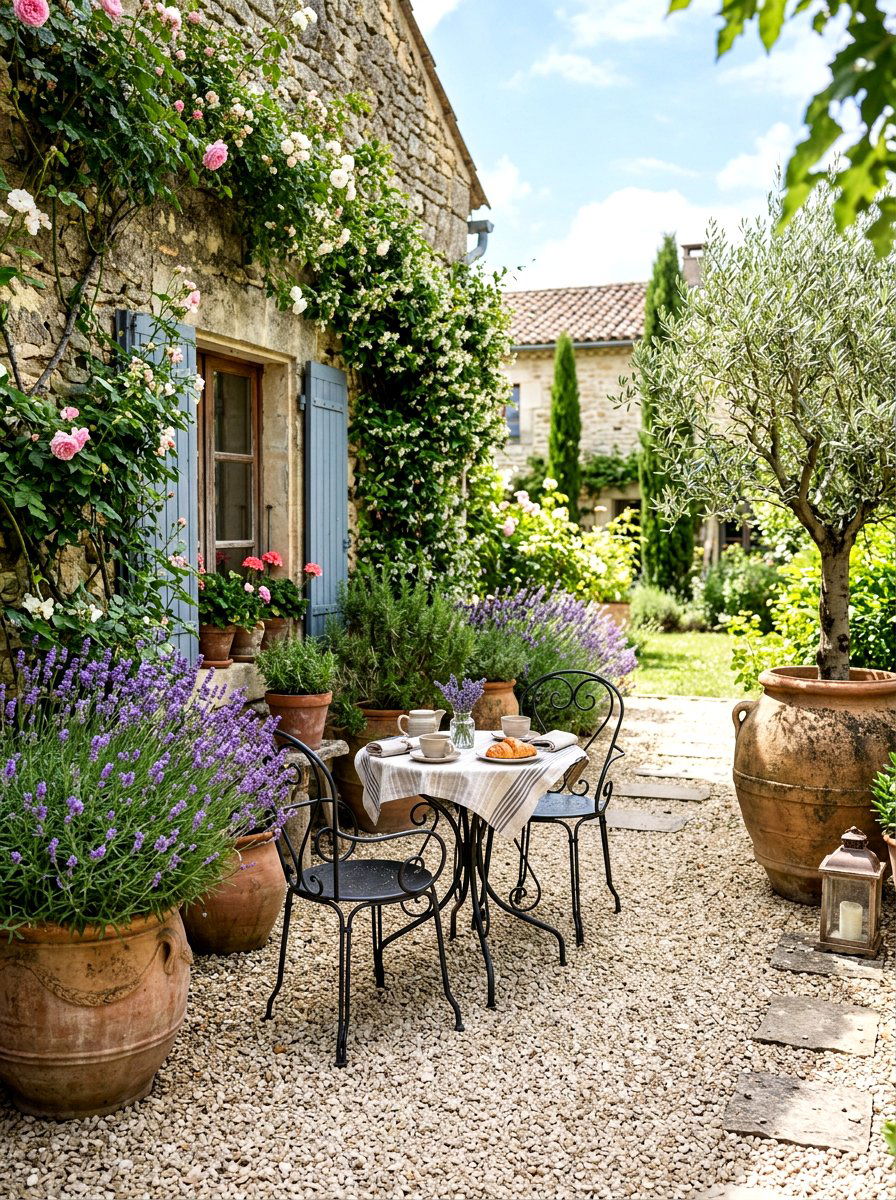
Do you want the flexibility to change your garden's look without having to dig up any of your precious plants? A terracotta pot arrangement allows you to add layers of greenery and color to a paved courtyard with ease. You can group pots of different sizes and heights in the corners or along the walkways to create visual depth. Terracotta is a breathable material that keeps plant roots cool and looks better as it ages and develops a natural patina. This approach is perfect for growing seasonal flowers, small trees, or even vegetables. It adds a lived-in, Mediterranean feel to the garden that is both charming and very practical.
16. Rustic Wooden Pergola
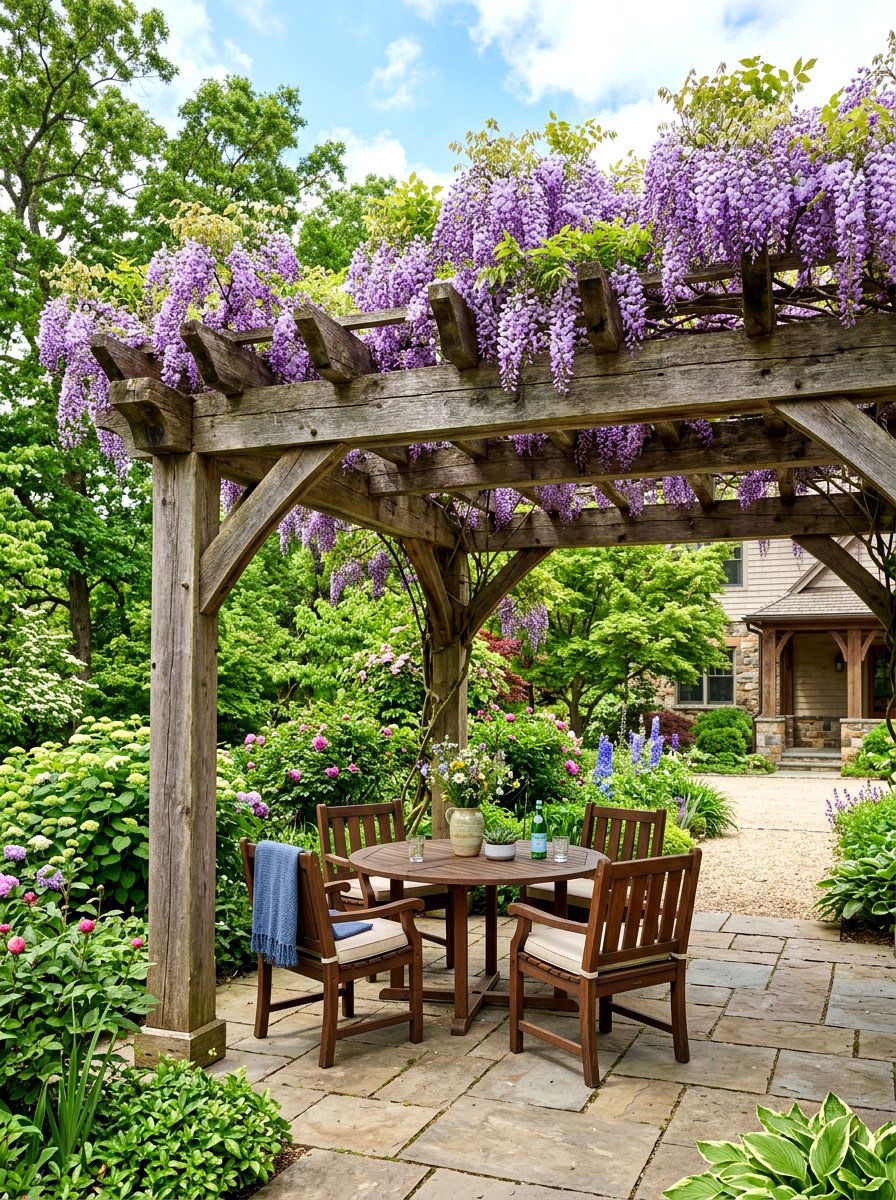
Imagine a sturdy structure made of natural wood that provides a home for leafy vines and hanging flower baskets. A rustic wooden pergola is an excellent alternative to a stone arcade if you want a softer, more organic look. You can build the pergola over a seating area or along a path to provide dappled shade throughout the day. Using rough-sawn cedar or oak gives the garden a country feel that is warm and inviting. As wisteria or honeysuckle grows over the top, the pergola becomes a living ceiling of green and fragrant blooms. This design bridges the gap between the built environment and the wildness of nature.
17. Spanish Courtyard Style
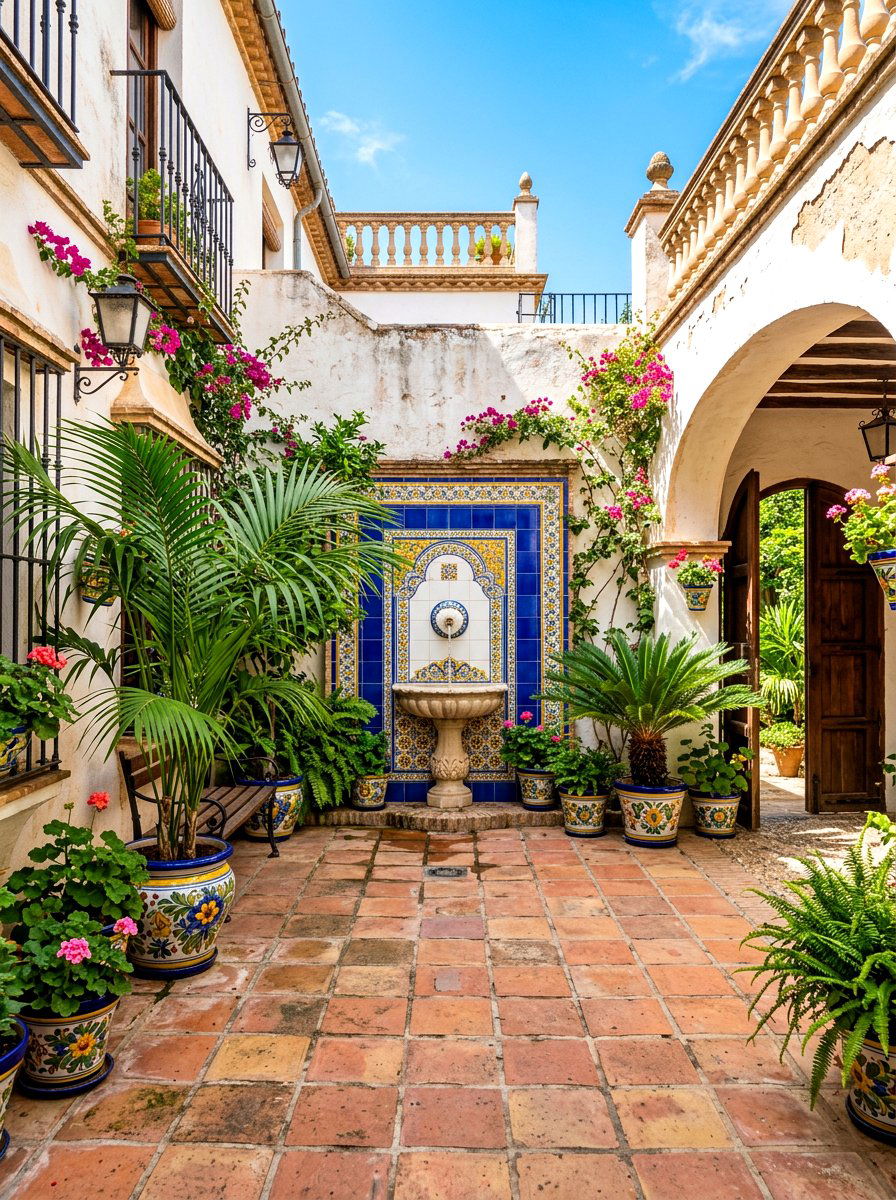
Can you hear the faint sound of a guitar and the rustle of palm leaves in a sun-soaked outdoor room? The Spanish courtyard style uses vibrant tiles and lush, tropical-looking plants to create a high-energy cloister garden. You will often see walls decorated with colorful ceramic tiles and floors made of decorative mosaic patterns. A central fountain is usually decorated with matching tiles to tie the whole space together. Using plants with large, glossy leaves adds to the exotic and luxurious feel of the area. This style is perfect for those who want a garden that is as much about entertaining as it is about quiet contemplation.
18. Formal Knot Garden
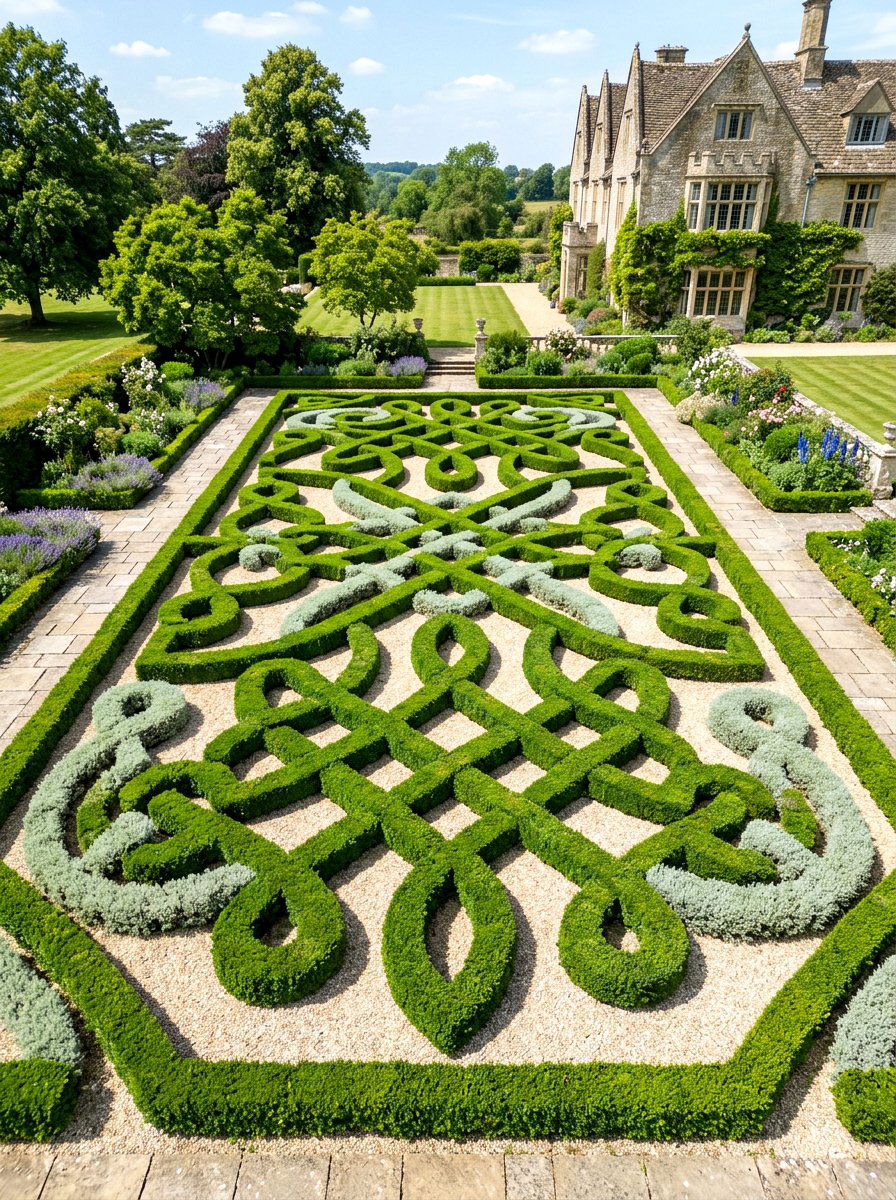
What if you could turn your garden floor into a complex and beautiful tapestry made entirely of living plants? A formal knot garden uses interlocking hedges of different colors to create a design that looks like a knotted rope from above. In a cloister, this feature is often placed in the center of a quadrant to act as a primary decorative element. You can use different types of herbs, such as green and silver santolina, to create the contrasting "ropes. " This is a very high-maintenance design that requires regular clipping, but the result is a stunning display of horticultural skill. It adds a regal and historic atmosphere to the space.
19. Covered Walkway Seating
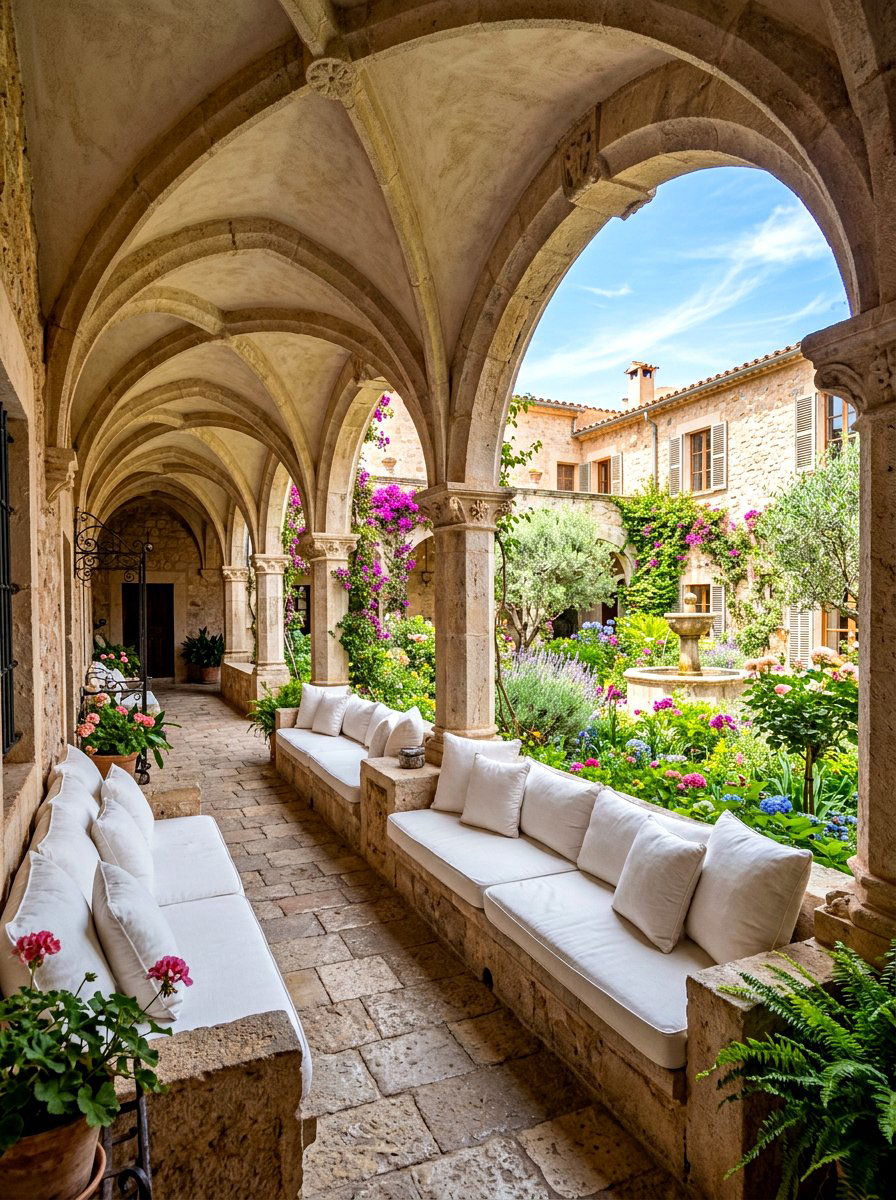
Have you ever wanted a cozy spot to enjoy a cup of tea while watching the rain fall in your garden? Adding covered walkway seating is a smart way to make your cloister arcade more functional and comfortable. Instead of just a path, you can create small alcoves or built-in stone benches where you can sit and rest. Adding some soft outdoor cushions and a small side table makes the space feel like a true extension of your indoor living room. This allows you to use the garden in all kinds of weather, providing a sheltered viewpoint from which to enjoy the changing seasons and the natural light.
20. White Flower Garden
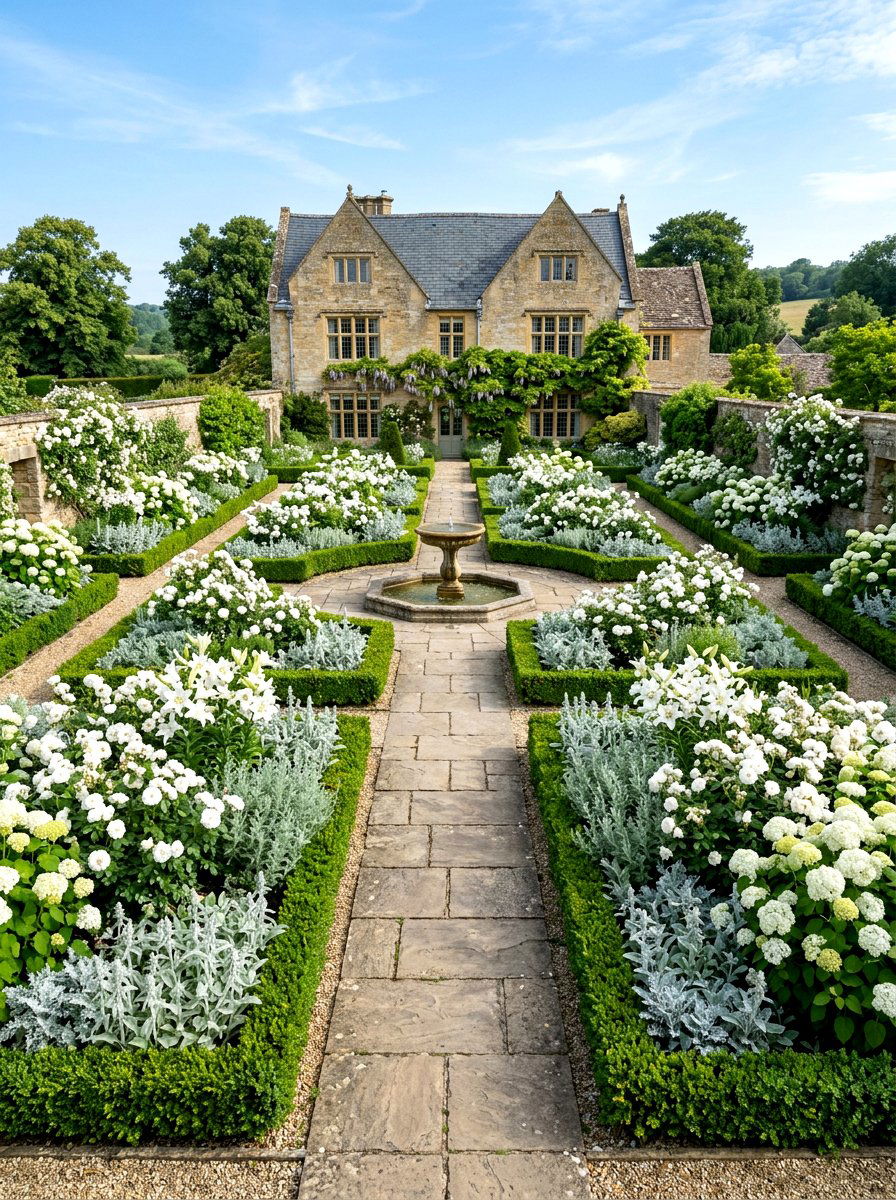
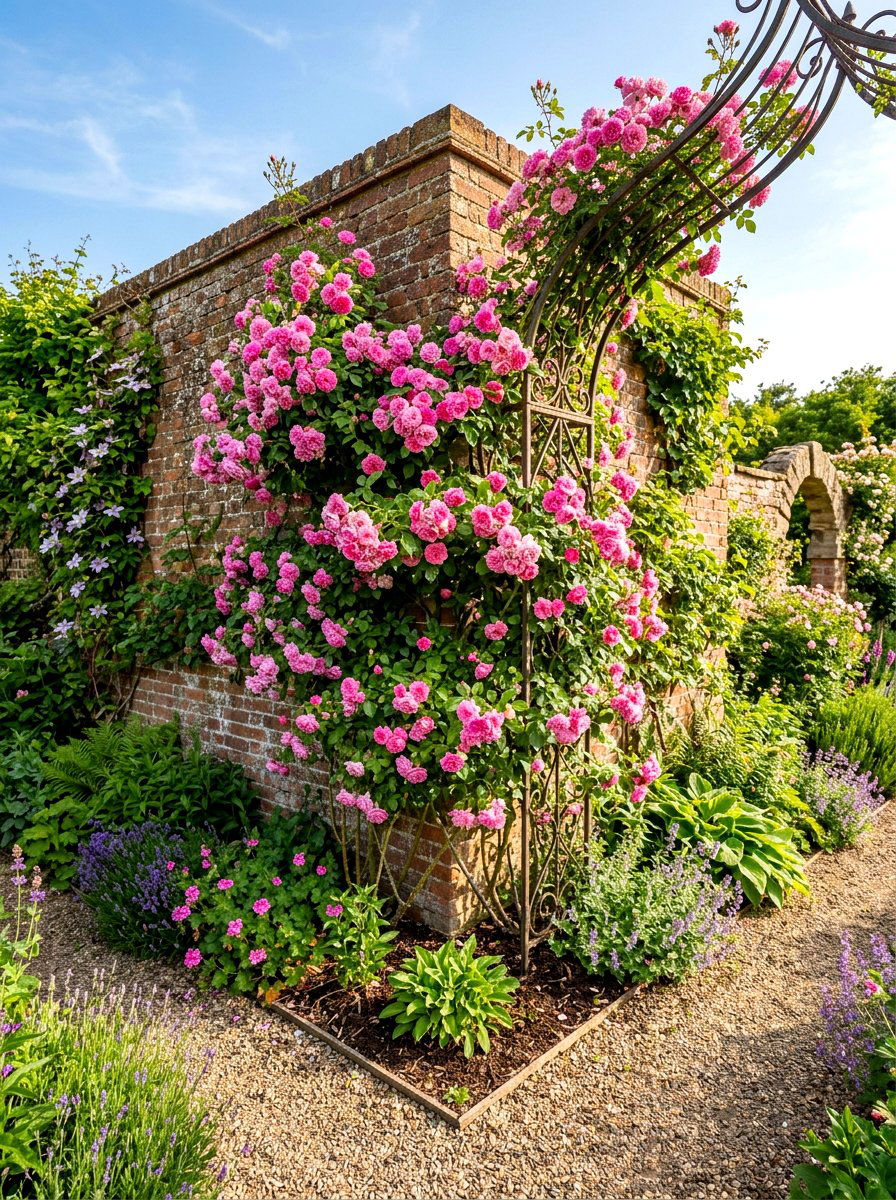
Imagine a garden that seems to glow in the twilight, filled with pure white blossoms and silver-green foliage. A white flower garden is a classic choice for a cloister because it feels incredibly clean, peaceful, and elegant. You can use a mix of white roses, lilies, hydrangeas, and daisies to create a variety of heights and textures. White flowers reflect more light than other colors, making the garden look bright and inviting even in the early morning or late evening. This monochromatic approach simplifies the design and focuses your attention on the shapes of the plants and the architecture. It is a timeless look that never goes out of style.
21. Natural Stone Well
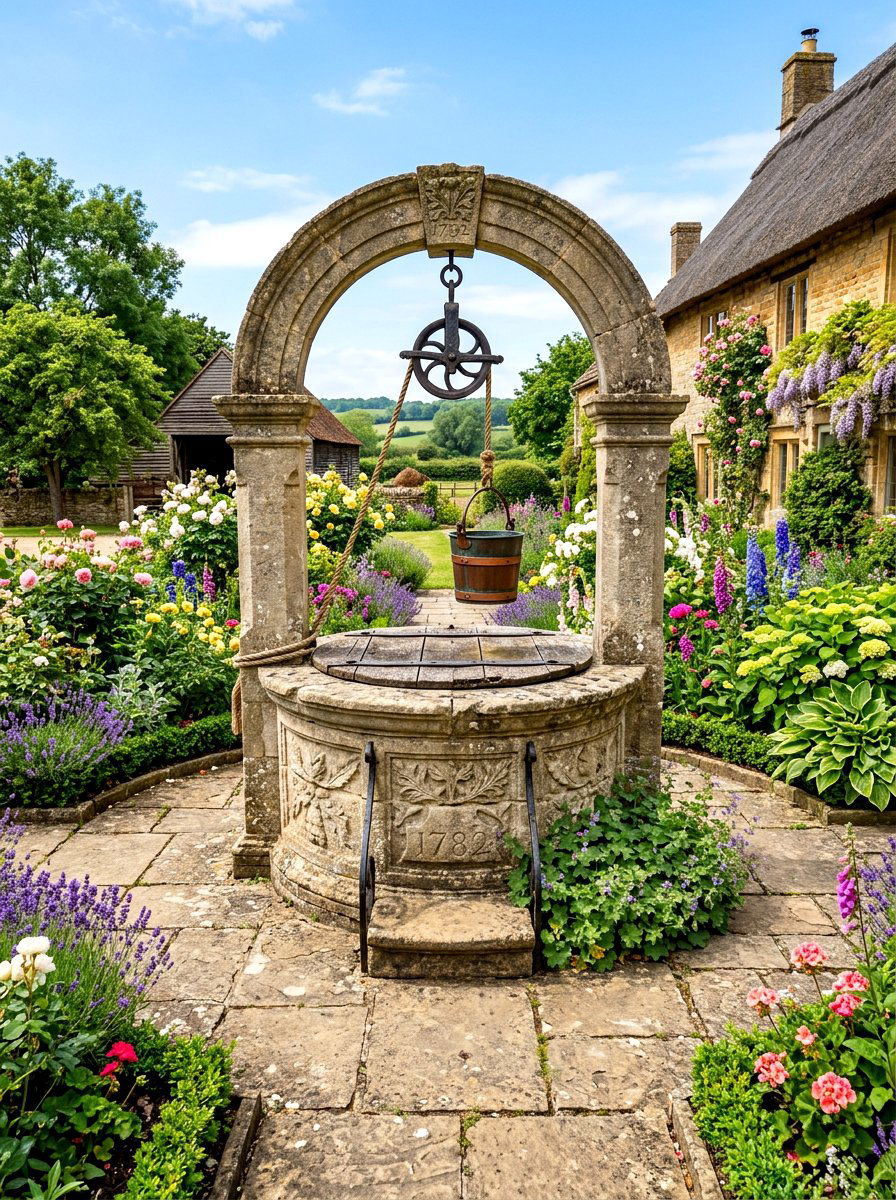
Is there any garden feature more iconic and historic than a heavy stone well sitting in the middle of a courtyard? A natural stone well head acts as a powerful symbolic centerpiece, representing the "source of life" found in ancient monastic retreats. Even if the well is not functional, the structure adds a sense of weight and permanence to the garden design. You can decorate the ironwork over the well with climbing ivy or hanging flowering vines to soften the look of the cold stone. This feature provides a great conversation piece and gives the entire space a sense of being connected to the past and the earth.
22. Moss Covered Walls
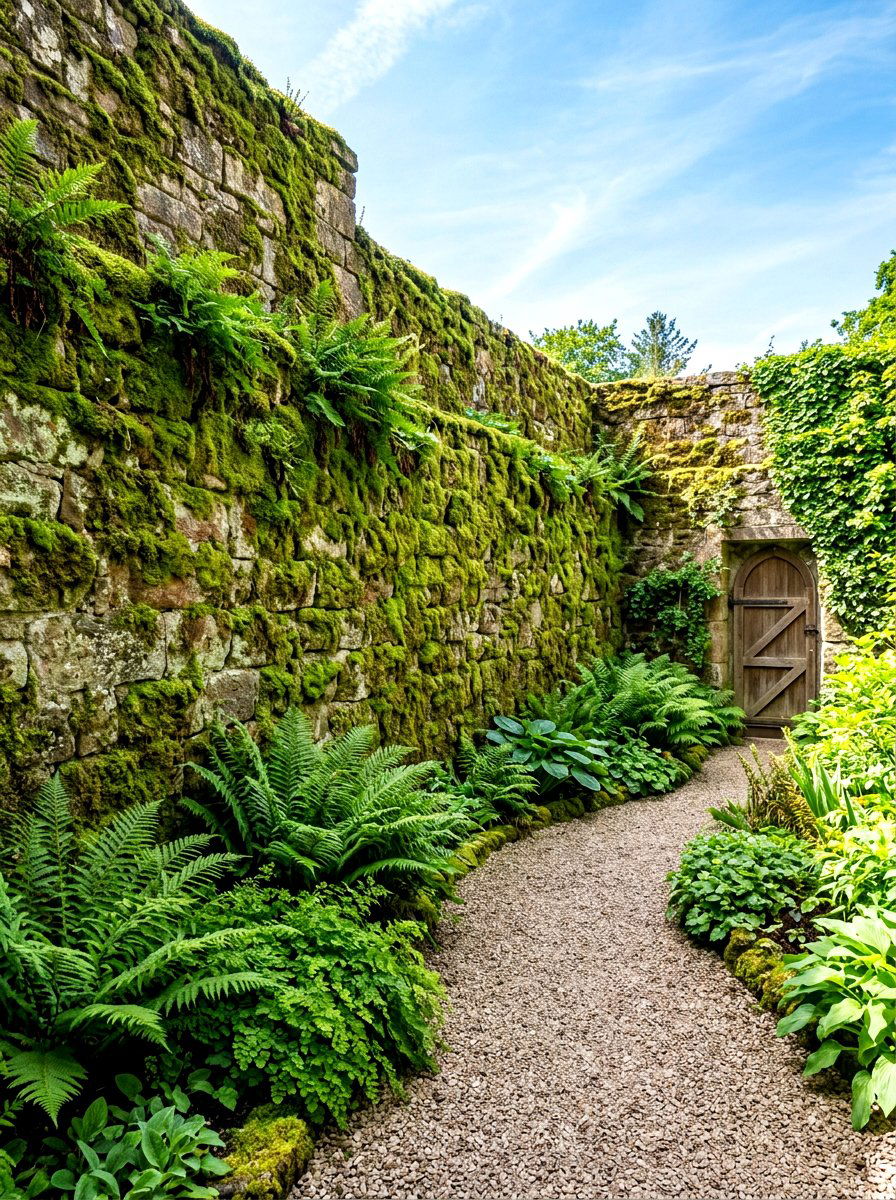
Do you love the look of an old garden that feels like it has been there for hundreds of peaceful years? Moss covered walls are a wonderful way to add a sense of age and "wabi-sabi" beauty to a cloister sanctuary. In shady or damp courtyards, moss will naturally grow on stone or brick surfaces, creating a soft green carpet that feels velvety to the touch. You can encourage this growth by keeping the walls slightly moist or using a moss starter kit. This natural texture helps blur the lines between the man-made walls and the growing plants. It makes the garden feel more established, quiet, and deeply integrated with its environment.
23. Scented Jasmine Arch
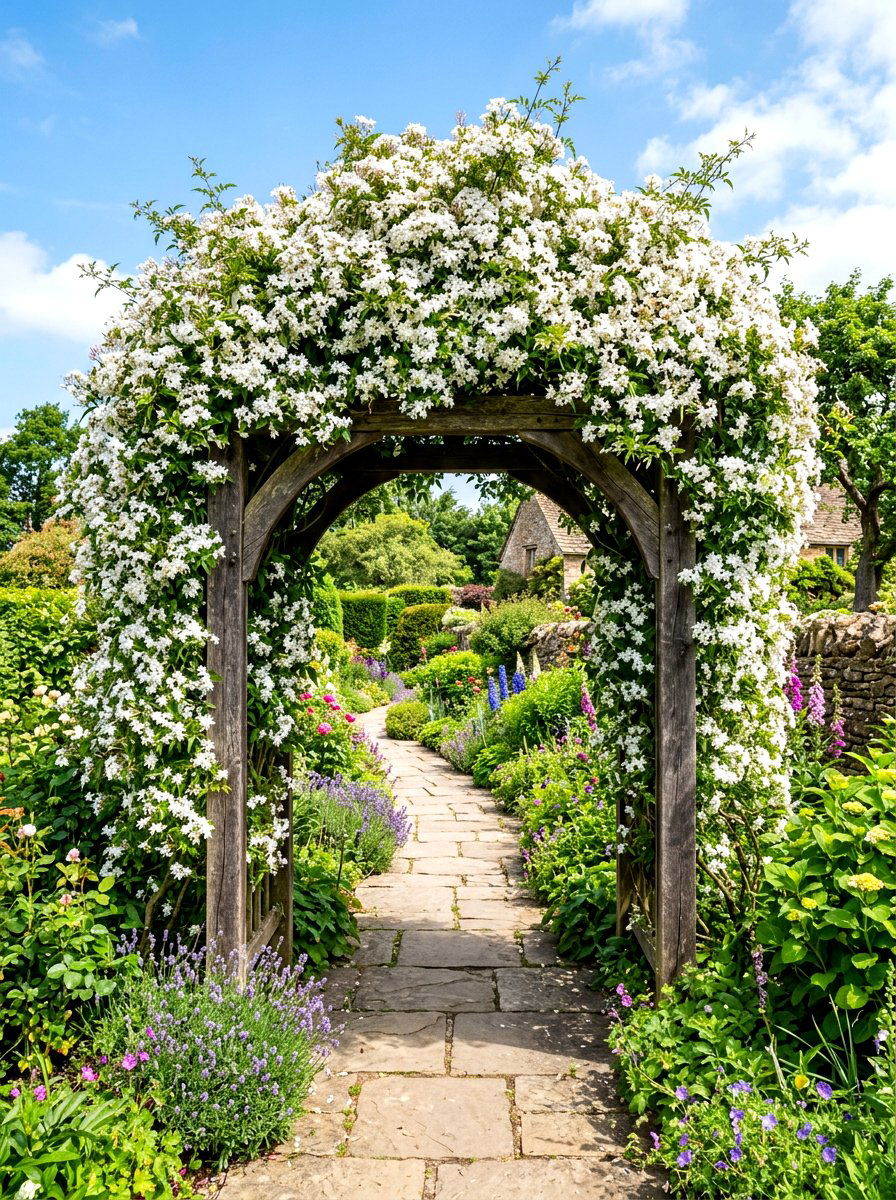
Walking through a doorway that is draped in the sweet perfume of blooming jasmine is a sensory experience like no other. A scented jasmine arch can be used at the entrance of your cloister garden to signal that you are entering a special and private place. The delicate white flowers stand out beautifully against the dark green leaves of the vine. Jasmine is a fast-growing plant that will quickly cover a wooden or metal archway with a thick layer of foliage. This design idea adds a layer of vertical beauty and ensures that your garden smells as wonderful as it looks, especially during the warm summer evenings.
24. Contemporary Glass Enclosure
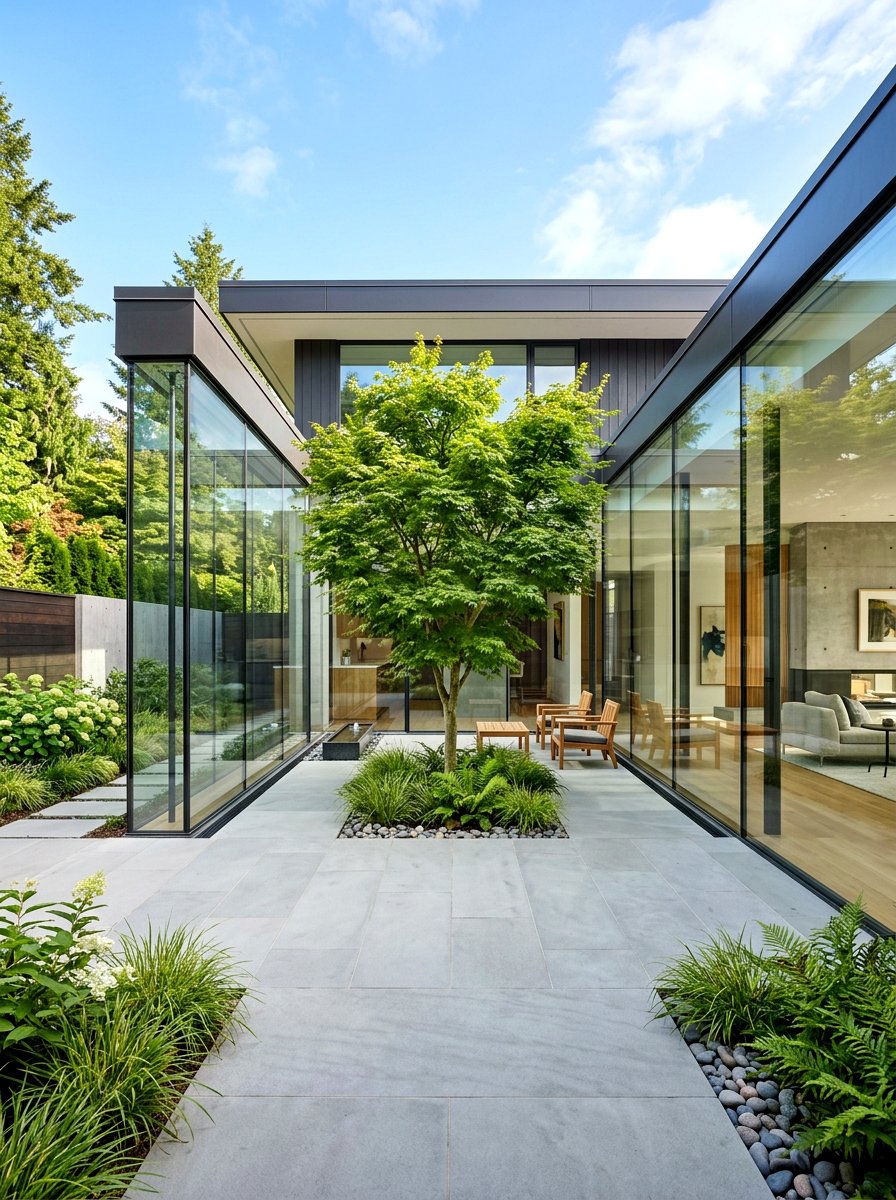
What if you could enjoy your cloister garden all year long, even in the middle of a cold and snowy winter? A contemporary glass enclosure uses floor-to-ceiling glass walls to protect the walkway while maintaining a clear view of the central garden. This modern update turns the traditional arcade into a bright and airy conservatory or sunroom. You can fill the indoor walkway with tropical plants that wouldn't survive outside, creating a lush green border that stays vibrant in every season. This design bridges the gap between indoor comfort and outdoor beauty, allowing you to stay connected to nature regardless of the temperature or the weather outside.
25. Classic Italianate Courtyard
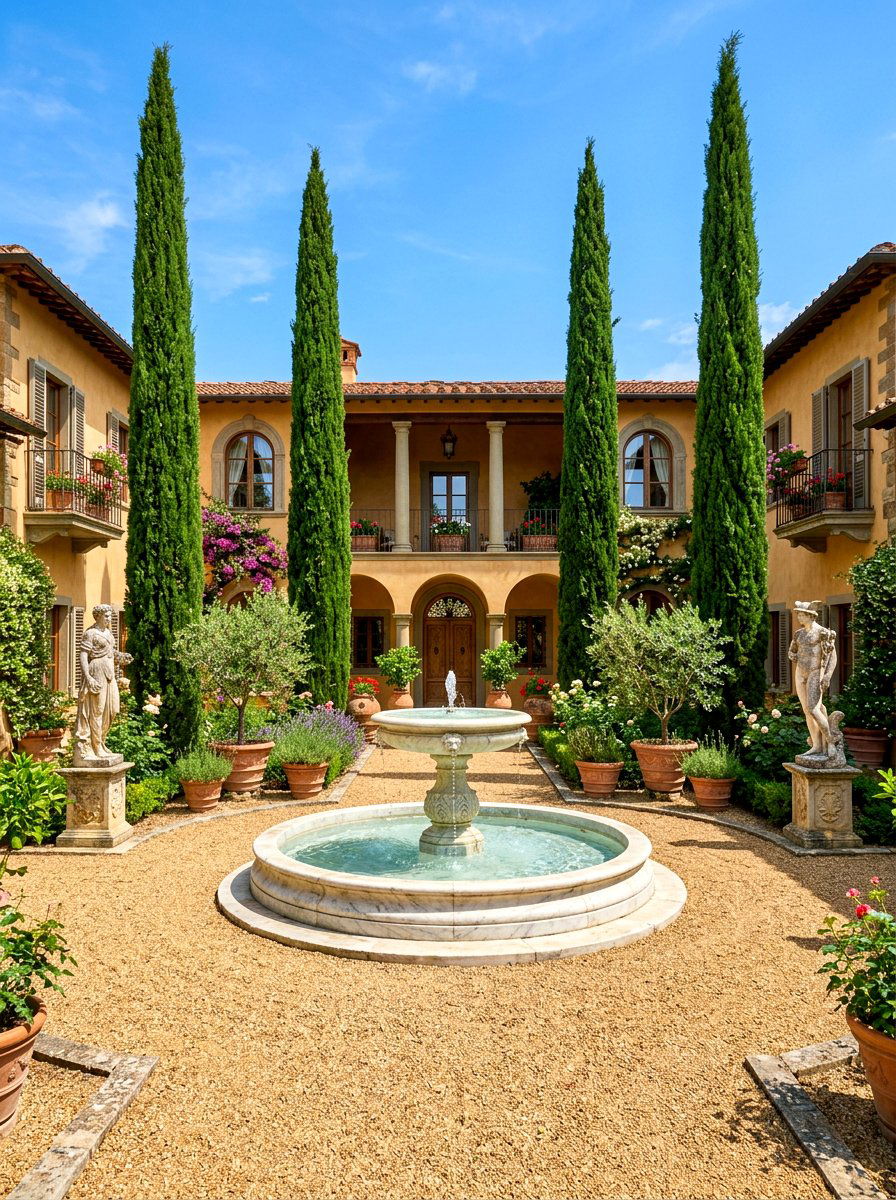
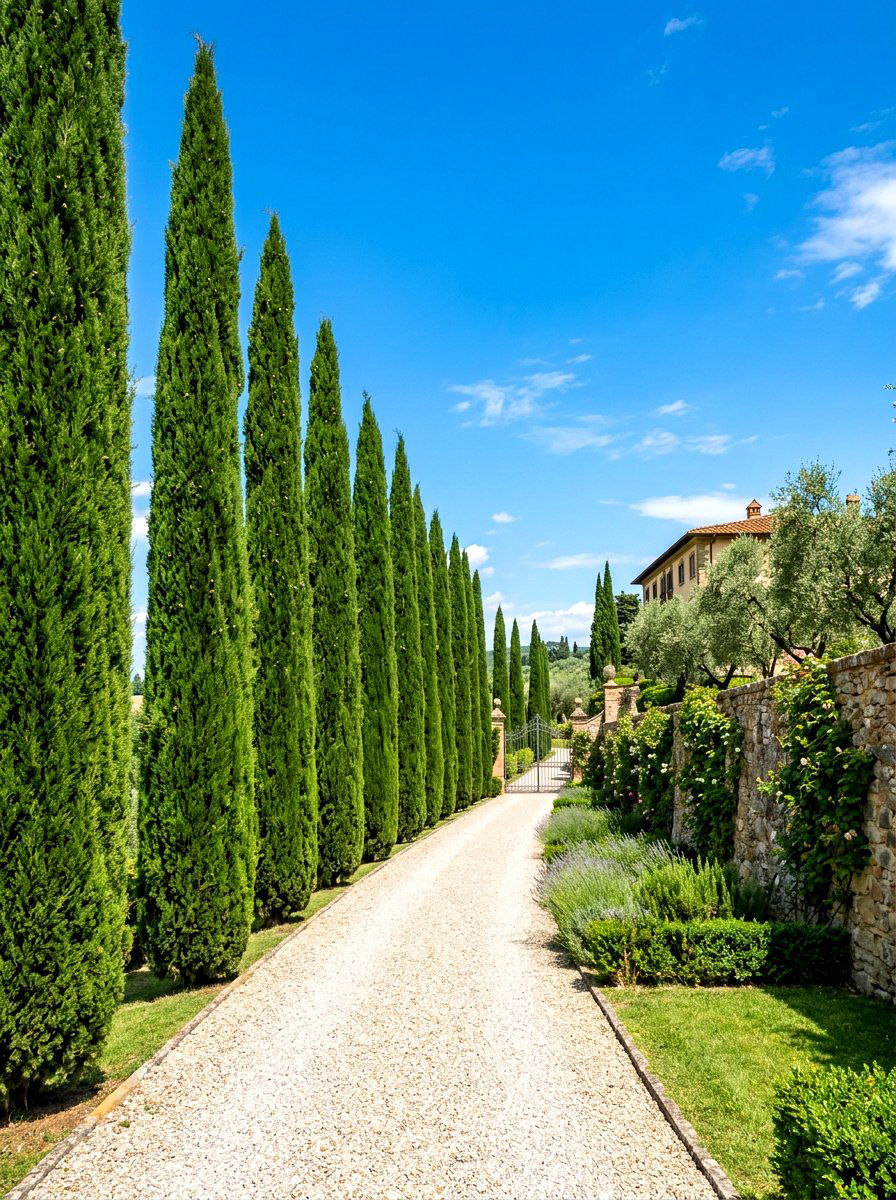
Can you picture a grand space filled with tall cypress trees, stone statues, and a feeling of old-world luxury? A classic Italianate courtyard brings the elegance of a Renaissance villa to your home's outdoor design. This style often features a central circular fountain surrounded by gravel or stone paving. Tall, slender trees are used to add height and drama, while marble busts or stone benches provide a sense of history and art. The layout is strictly symmetrical, creating a very formal and impressive environment. This is a great choice for homeowners who want to create a high-end space that feels both artistic and very well-ordered.
26. Wildflower Meadow Center
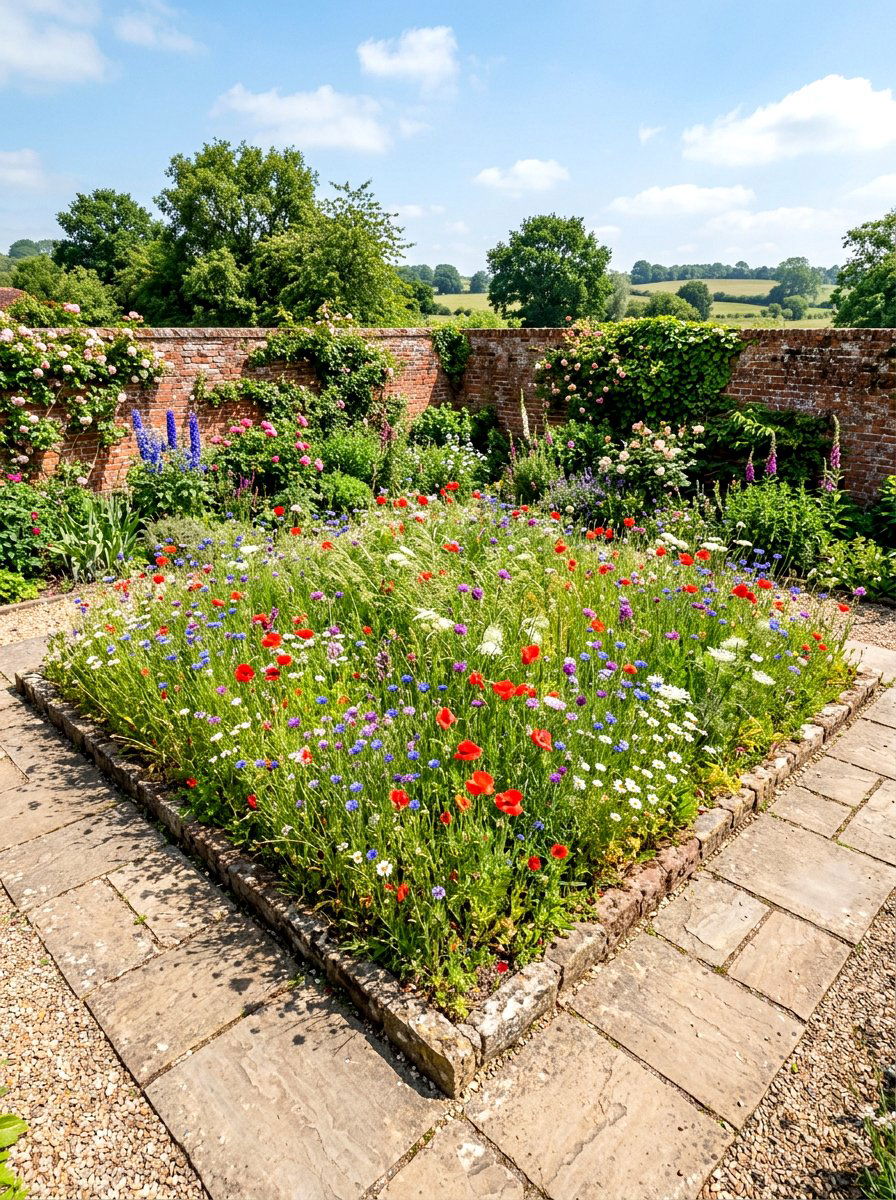
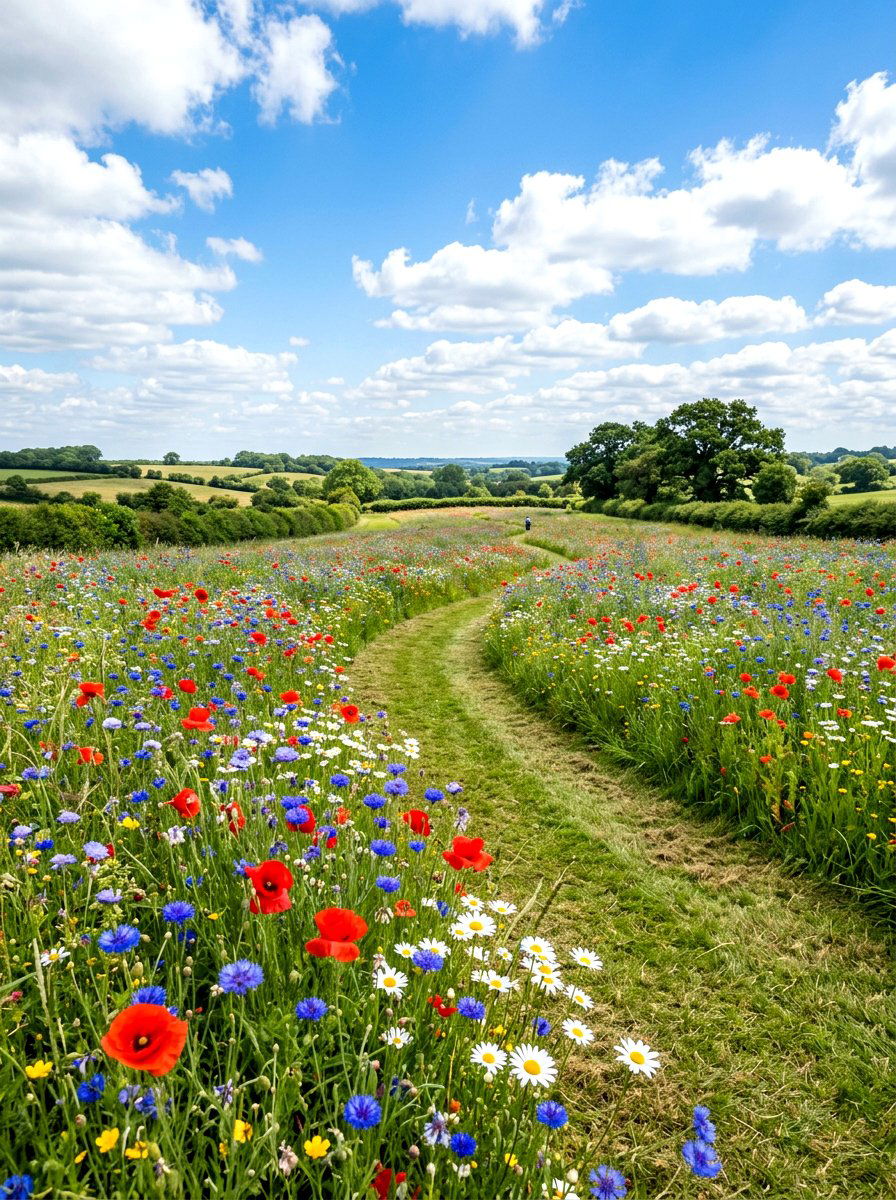
Imagine a garden that feels a little less restricted and more like a vibrant, buzzing piece of the natural countryside. A wildflower meadow center replaces the traditional manicured lawn with a mix of native grasses and colorful flowering plants. This approach brings a sense of wildness and spontaneity to the structured frame of the cloister walls. You can include species like poppies, cornflowers, and clovers to provide food for local bees and butterflies. This type of garden is very low-maintenance once it is established and changes beautifully with every passing season. It offers a soft, romantic contrast to the straight stone paths and hard architectural lines.
27. Sculptural Centerpiece Art
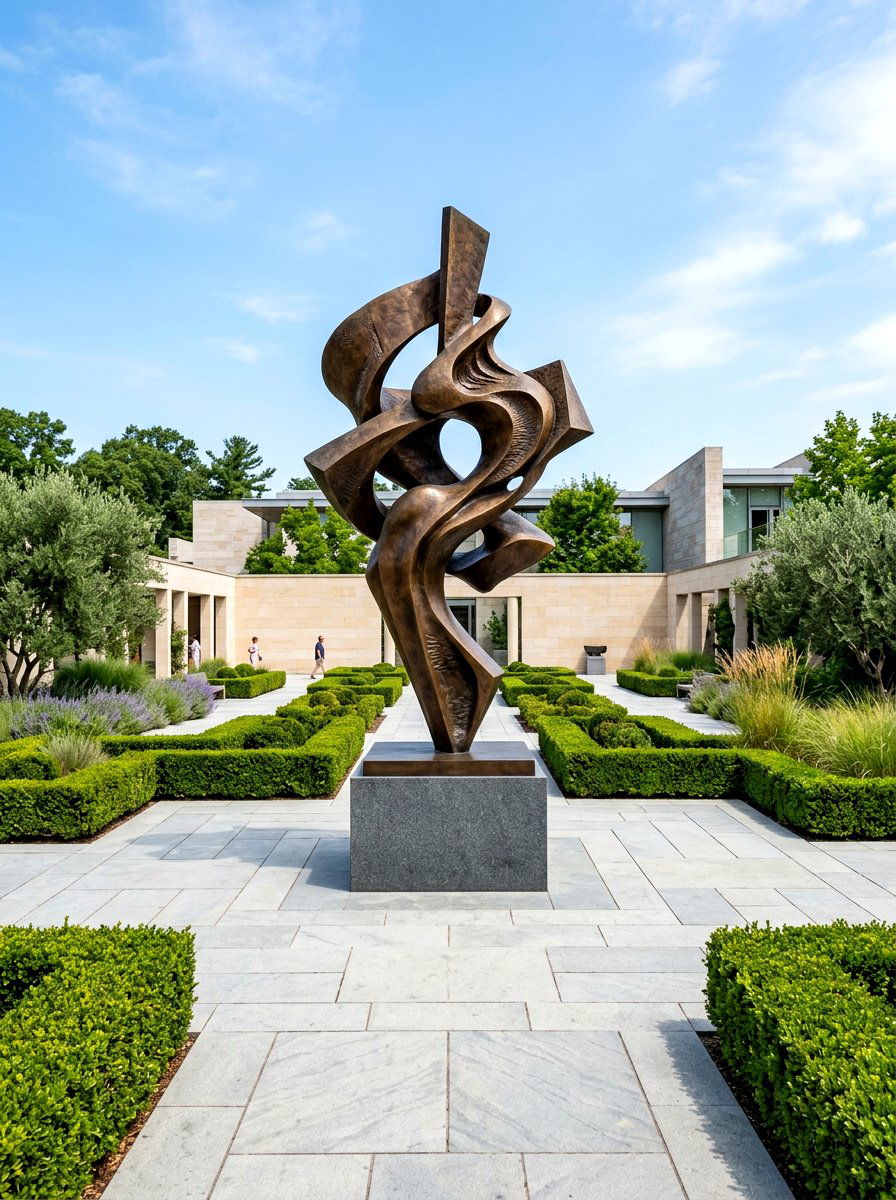
What if the main focus of your garden was a bold piece of modern art that expresses your personal style? Using a sculptural centerpiece allows you to create a unique and contemporary focal point in the middle of a traditional layout. You could choose an abstract bronze statue, a large granite monolith, or a sleek metal installation. Placing the art on a raised pedestal or in the center of a circular path ensures it gets the attention it deserves. This design idea turns your courtyard into a private outdoor gallery where nature and human creativity meet. It is a sophisticated way to make the space feel modern and deeply personal.
28. Gothic Stone Archway
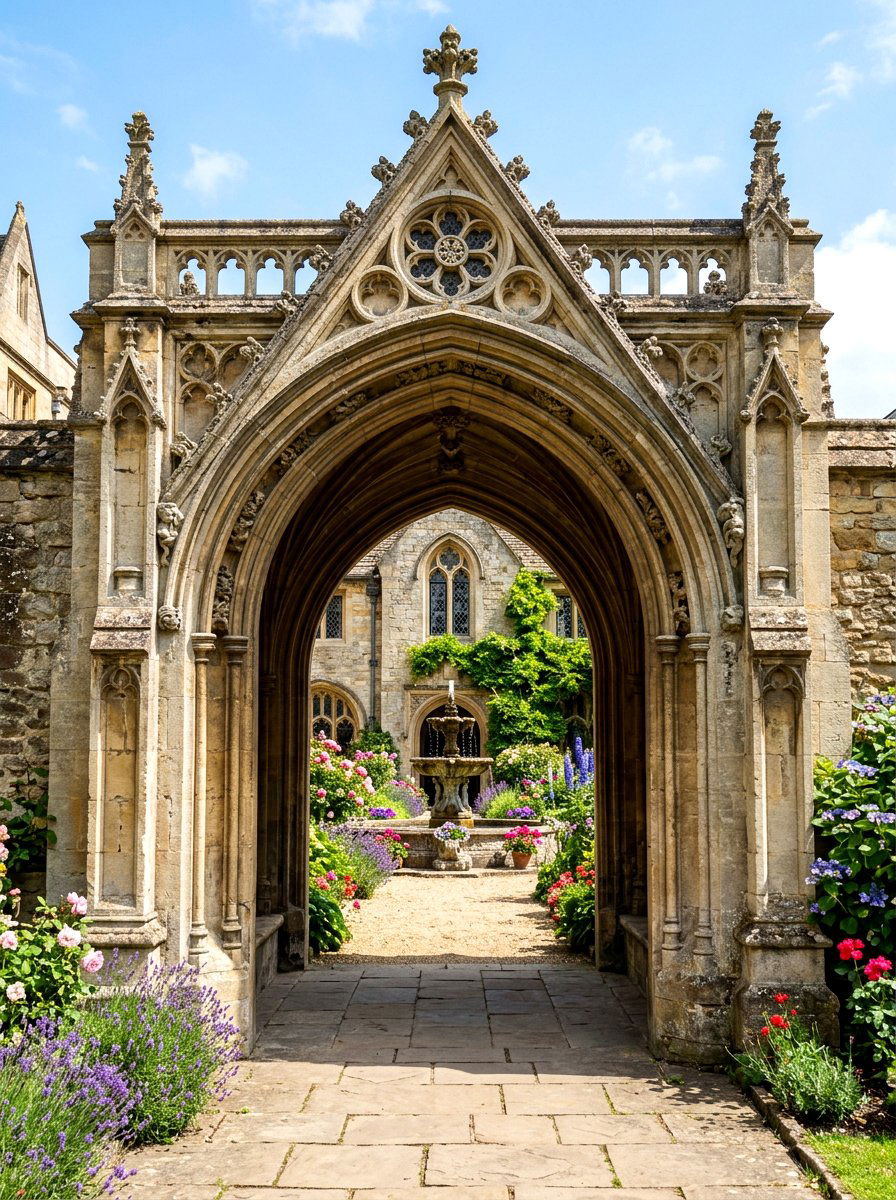
Do you want to add a touch of drama and mystery to the entrance of your private outdoor sanctuary? A Gothic stone archway uses pointed arches and carved details to create a majestic transition from the house to the garden. This style of architecture is deeply connected to the history of medieval monasteries and cloisters. You can leave the stone bare to show off its natural texture or allow a bit of ivy to trail down the sides for a more weathered look. The dark, heavy stone provides a beautiful frame for the bright, sun-drenched garden waiting on the other side. It makes every entry into the garden feel special.
29. Tropical Cloister Oasis
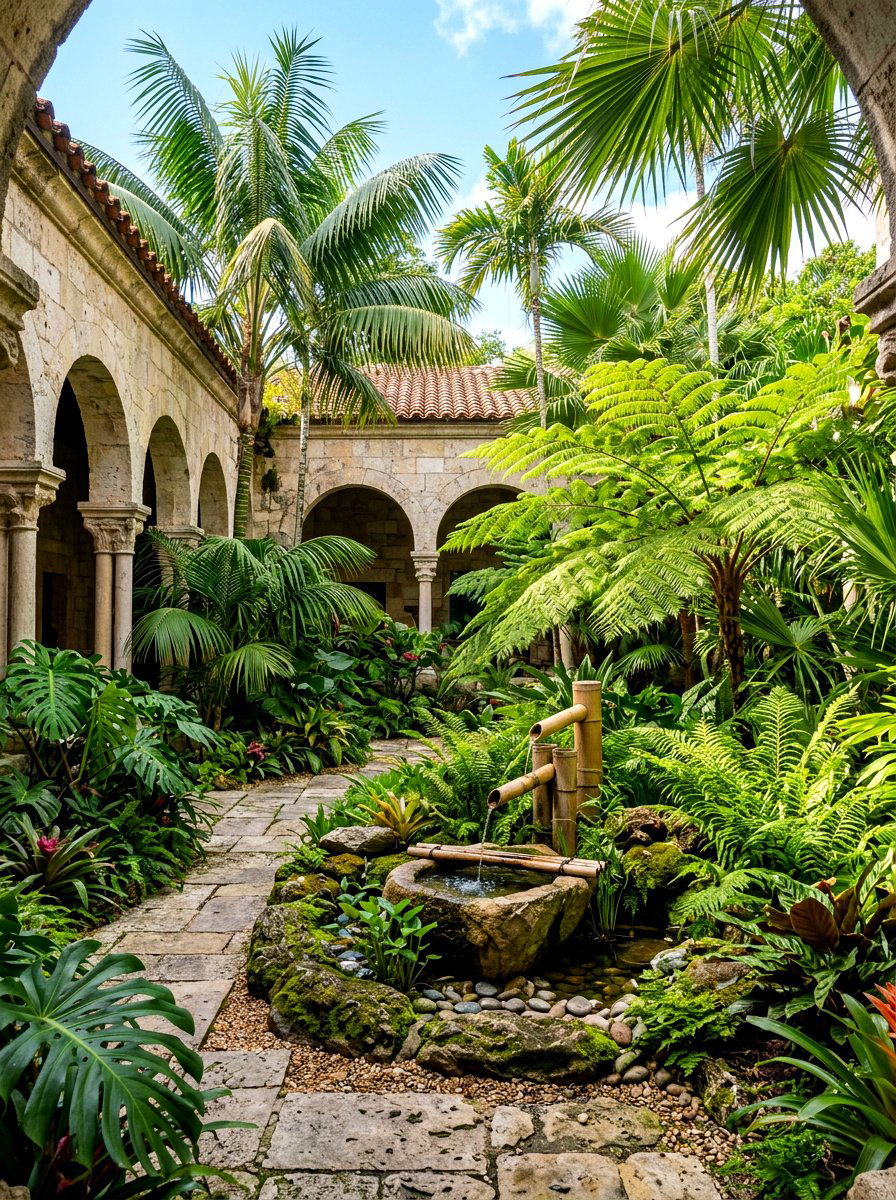
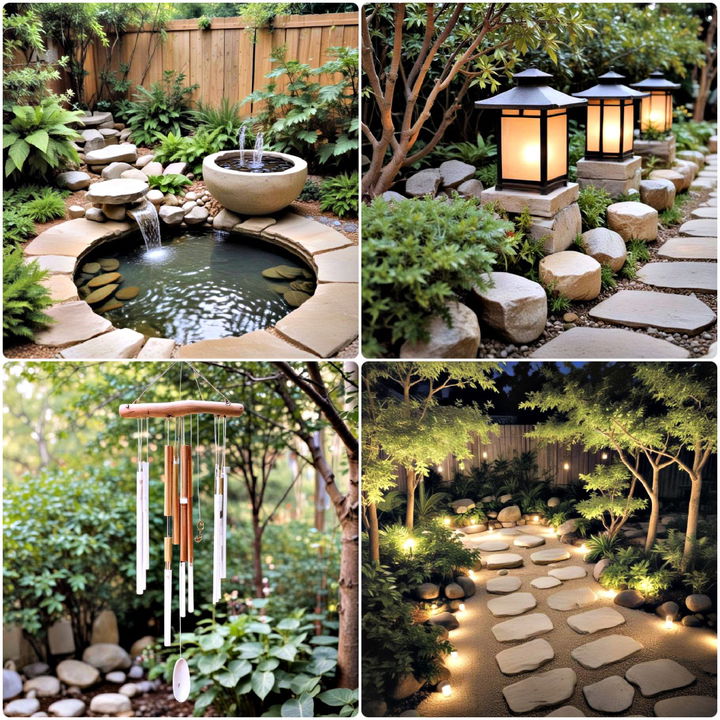
Imagine stepping into a hidden courtyard that feels like a lush jungle, filled with giant ferns and exotic flowers. A tropical cloister oasis uses large-leafed plants and dense greenery to create a space that feels incredibly private and cool. You can use bamboo screens or tall palms to hide the surrounding walls and create a sense of immersion in nature. Adding a simple stone basin with a small bamboo spout creates the soothing sound of water without the need for a large fountain. This design is perfect for warm climates and for anyone who wants a garden that feels like a hidden escape from the concrete jungle of the city.
30. Small Apartment Courtyard
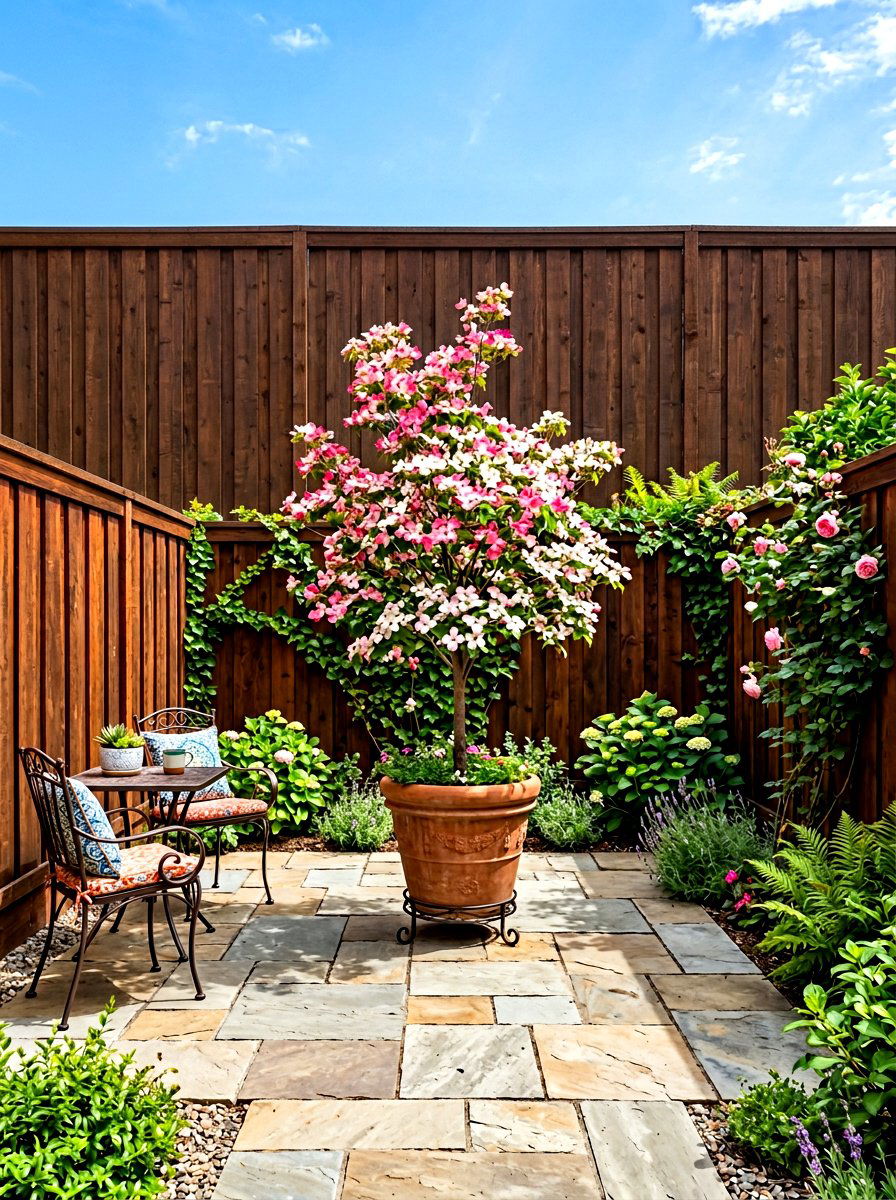
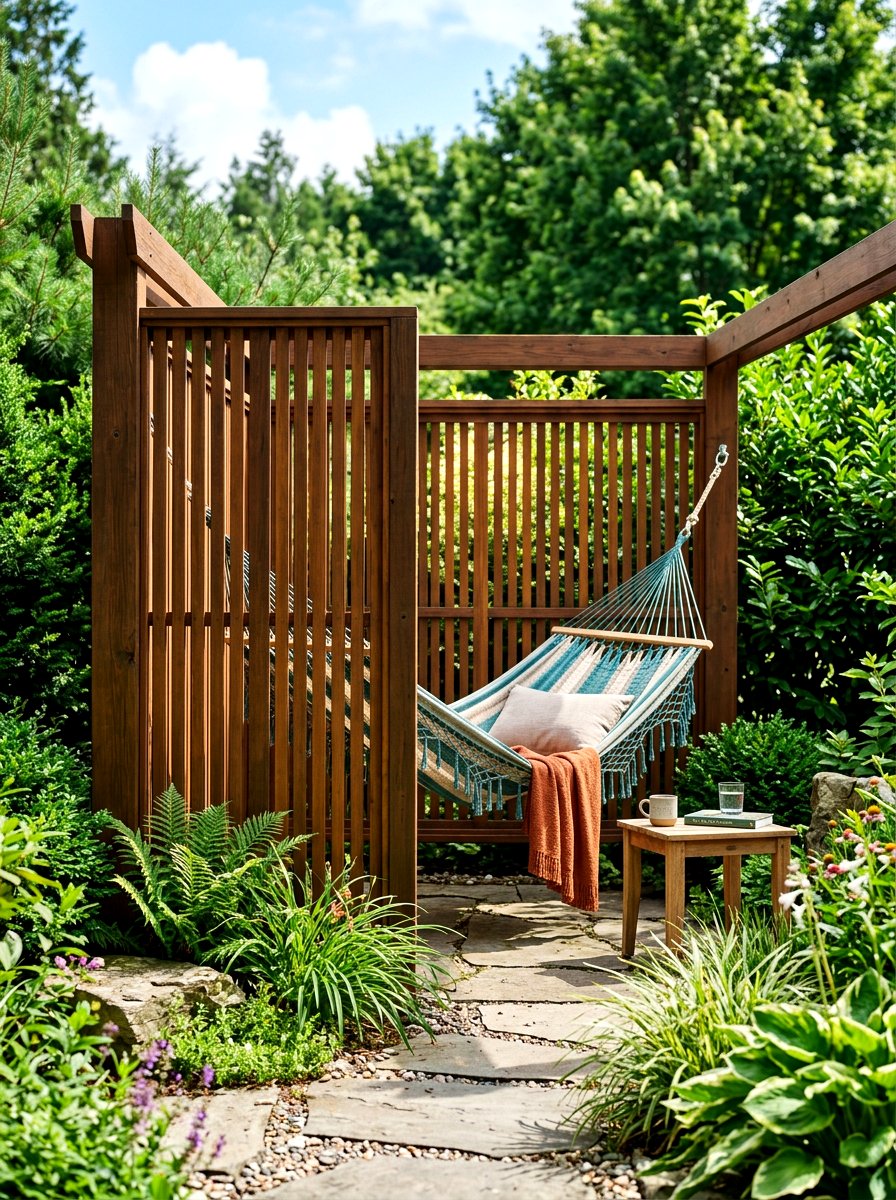
Can you create a peaceful cloister retreat even if you only have a very small outdoor space to work with? A small apartment courtyard uses the same principles of enclosure and symmetry on a much more compact and manageable scale. You can use high wooden fences or lattice panels to create privacy on a balcony or tiny back lot. A single central pot with a beautiful tree acts as the focal point, while a few small stone pavers define the walking area. Using vertical gardens or wall-mounted planters ensures you still have plenty of greenery without taking up valuable floor space. It proves that serenity is possible in any size.
Conclusion:
Creating a cloister garden is a rewarding way to bring structure, peace, and beauty to your home’s outdoor environment. These 30 ideas demonstrate that the core concept of an enclosed sanctuary can be adapted to fit almost any architectural style or climate. Whether you prefer the rustic charm of a medieval herb garden or the sleek lines of a modern minimalist courtyard, the focus remains on personal reflection. By incorporating elements like water features, stone walkways, and symmetrical planting, you build a space that truly nourishes the soul. This type of garden encourages you to slow down and appreciate the simple rhythms of nature every single day.

Related posts: