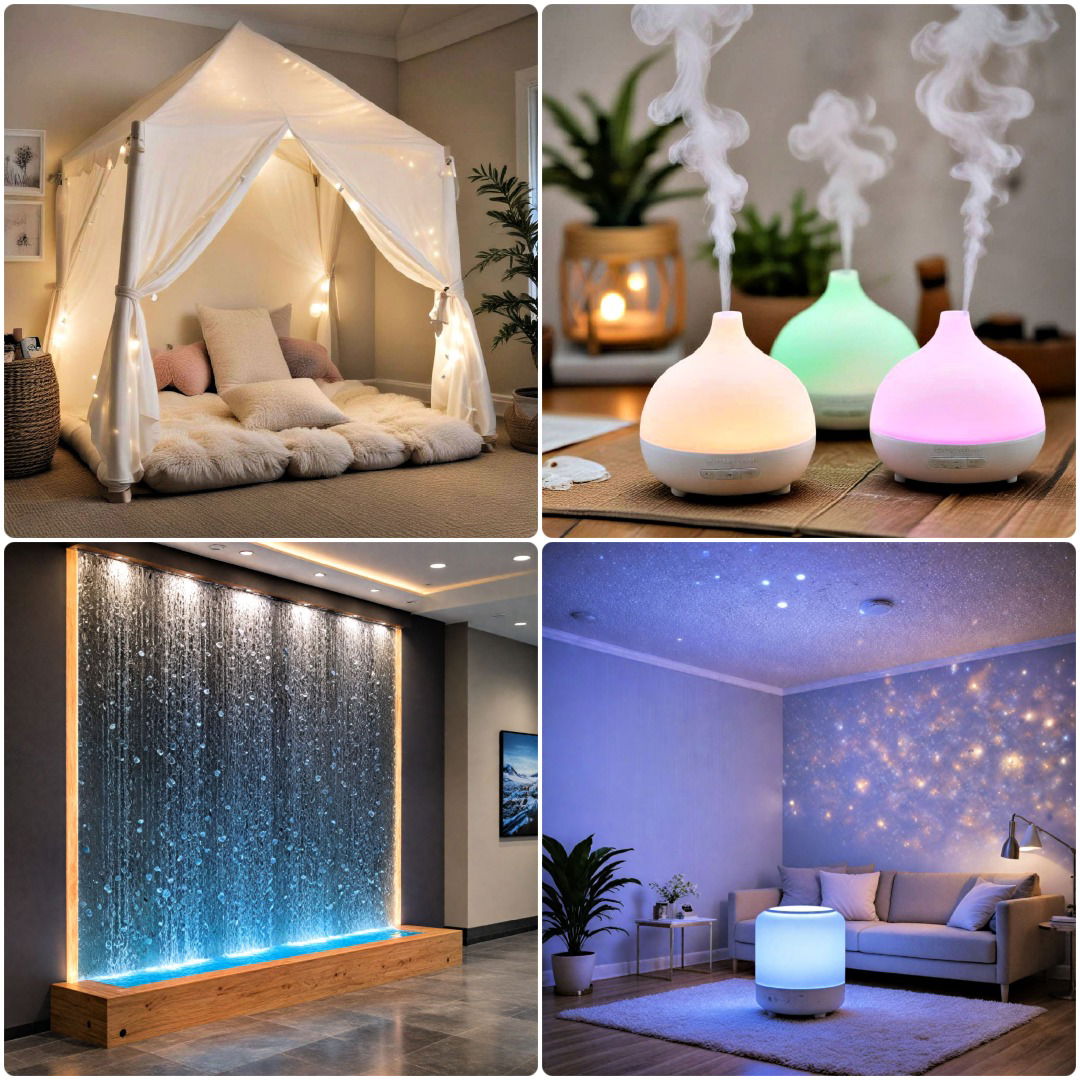
Creating a peaceful sanctuary is essential for recharging after a busy day. Many people struggle with sensory overload, making it hard to fall asleep or relax properly. A low-stimulation bedroom focuses on reducing visual and auditory clutter. This design approach uses soft colors, gentle textures, and intentional lighting to soothe the nervous system. By removing distractions, you allow your brain to enter a state of deep rest. Whether you are neurodivergent or simply looking for a quiet retreat, these design choices make a significant difference. Let’s explore how you can transform your sleeping space into a calming haven that promotes better sleep quality and mental clarity.
1. Sage Green Bedroom
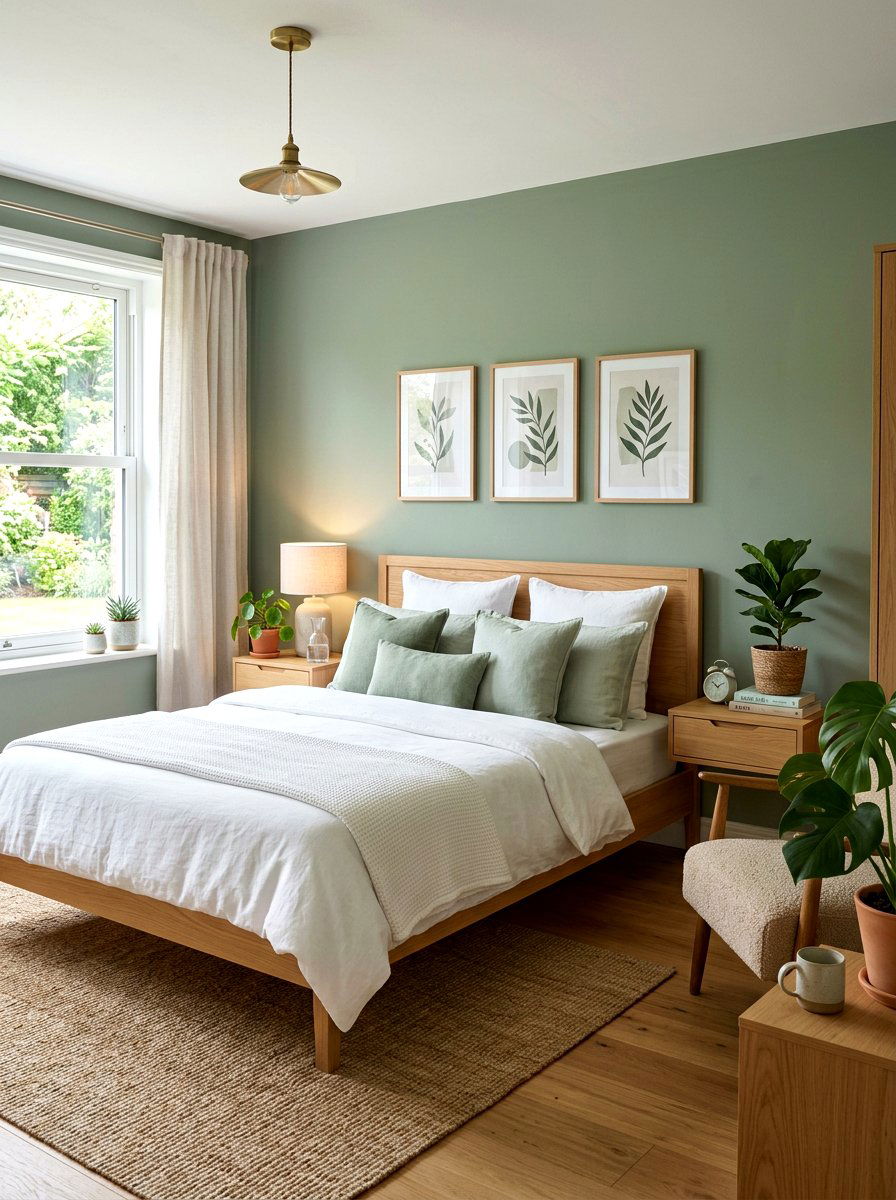
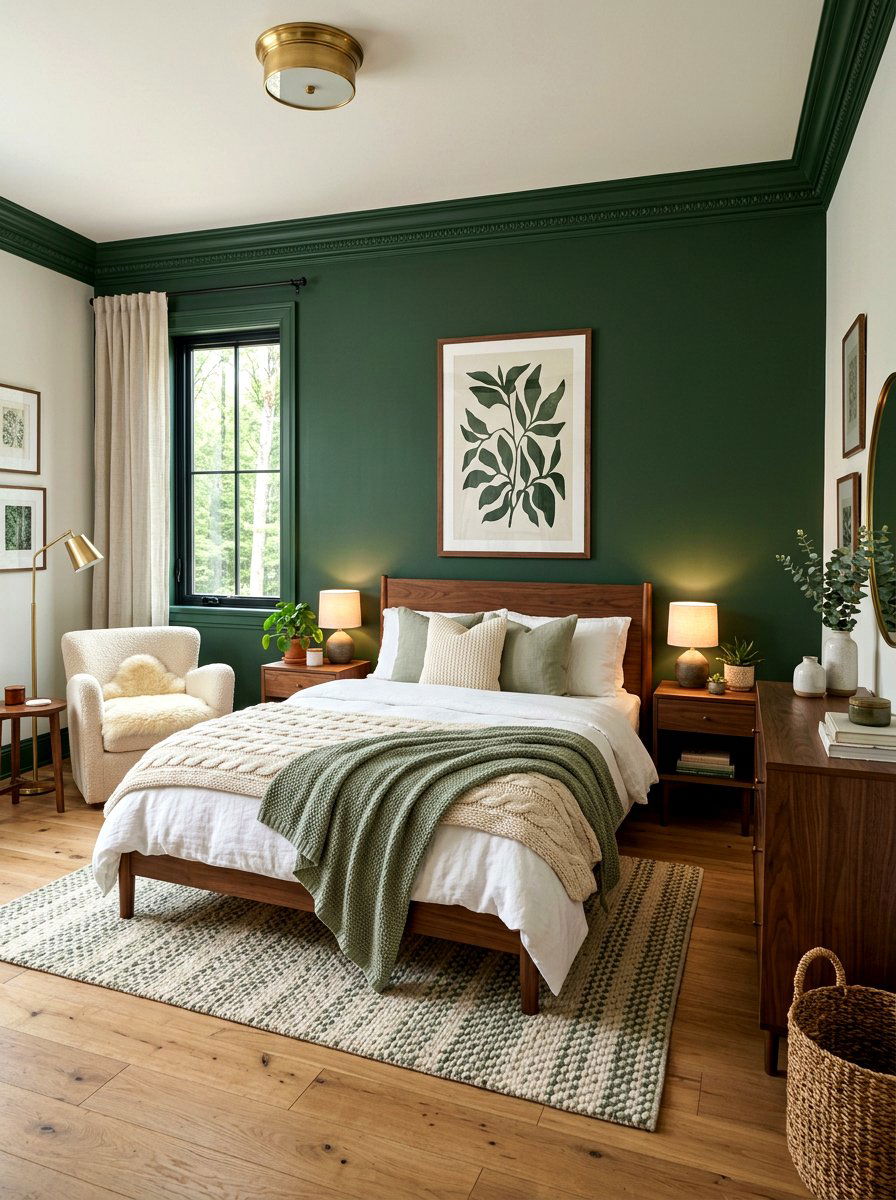
Soft green tones are famous for their calming effects on the human mind. Choosing a sage green bedroom theme provides a refreshing yet subtle backdrop for rest. This color mimics nature, which helps reduce anxiety and lowers heart rates. You should pair these walls with light-colored furniture to keep the room feeling airy. Avoid bright, neon greens that might overstimulate your eyes before bed. Instead, focus on dusty, muted shades that blend seamlessly with the environment. This specific palette works well with wooden accents and white linens. It creates a cohesive look that feels safe and grounded. Adding some potted plants can further enhance this peaceful atmosphere.
2. Minimalist White Bedroom
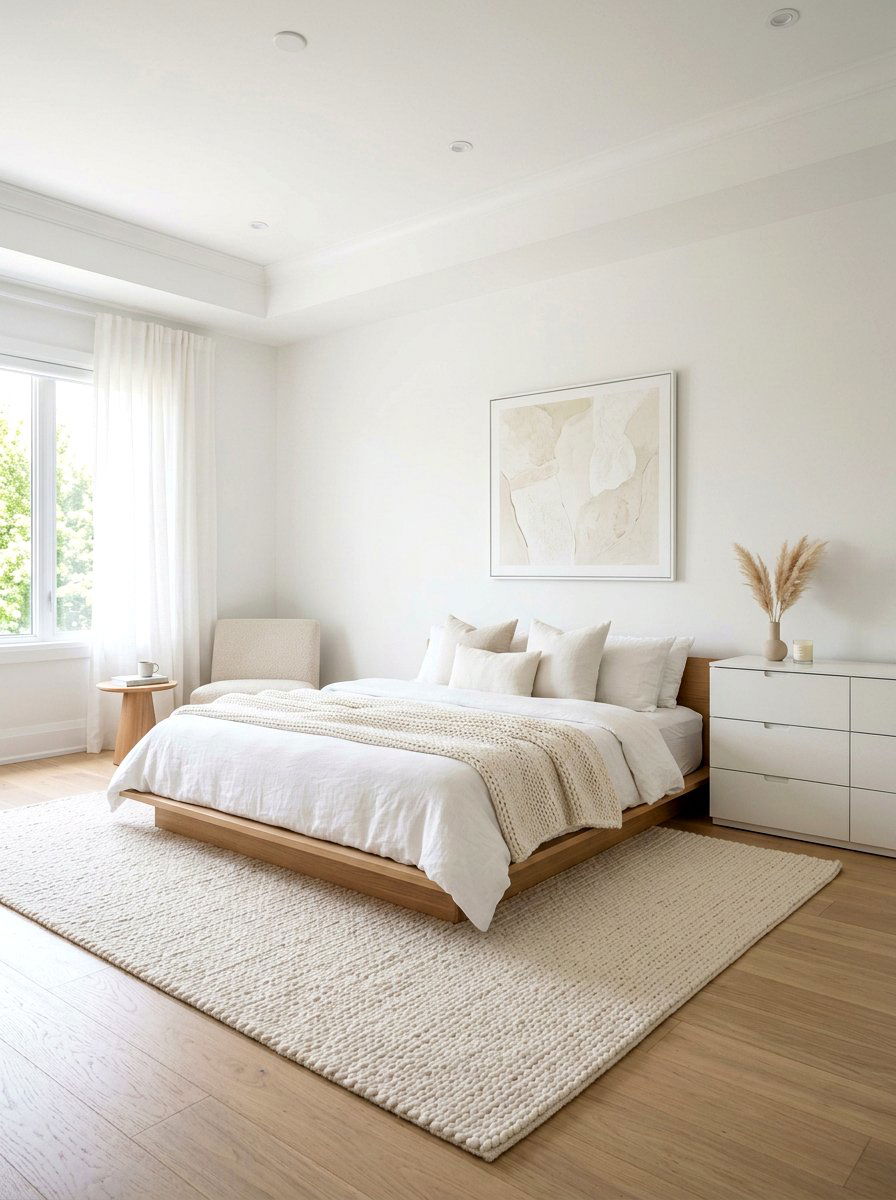
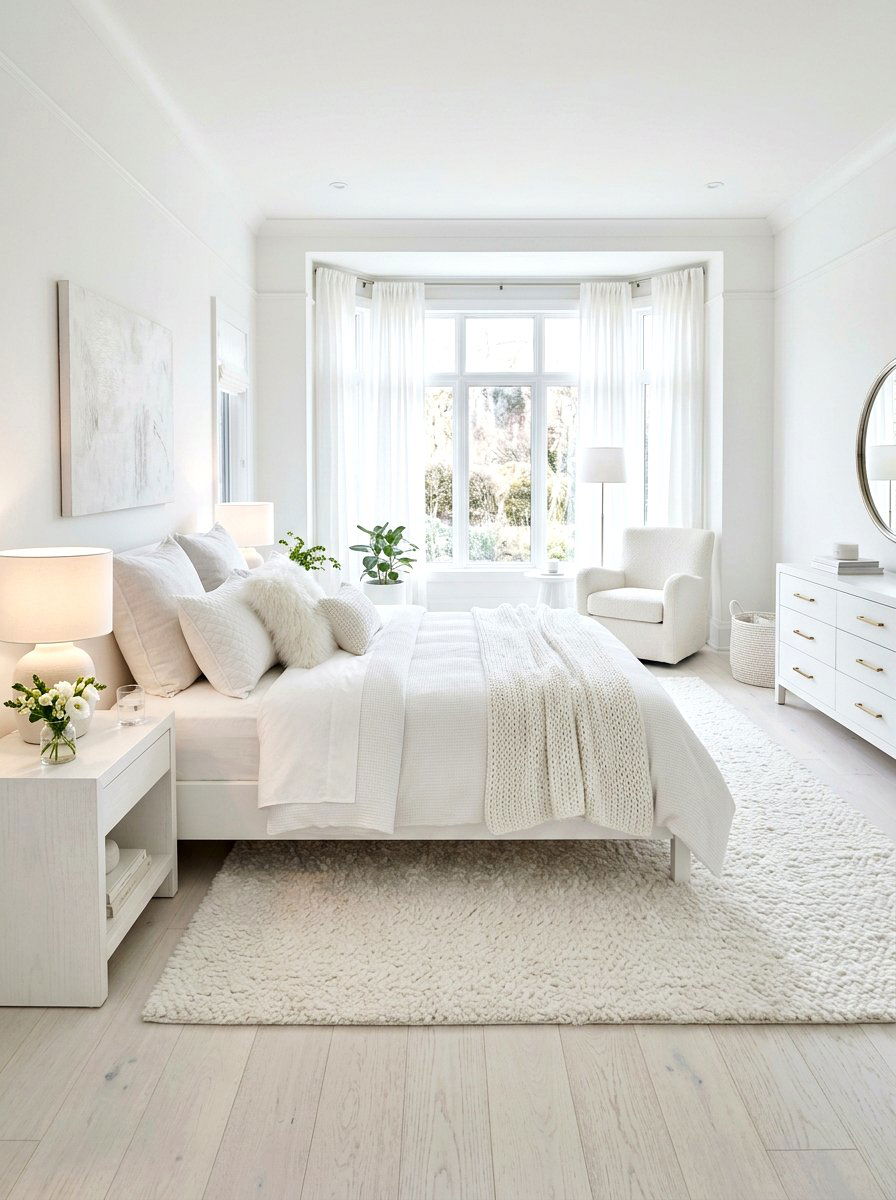
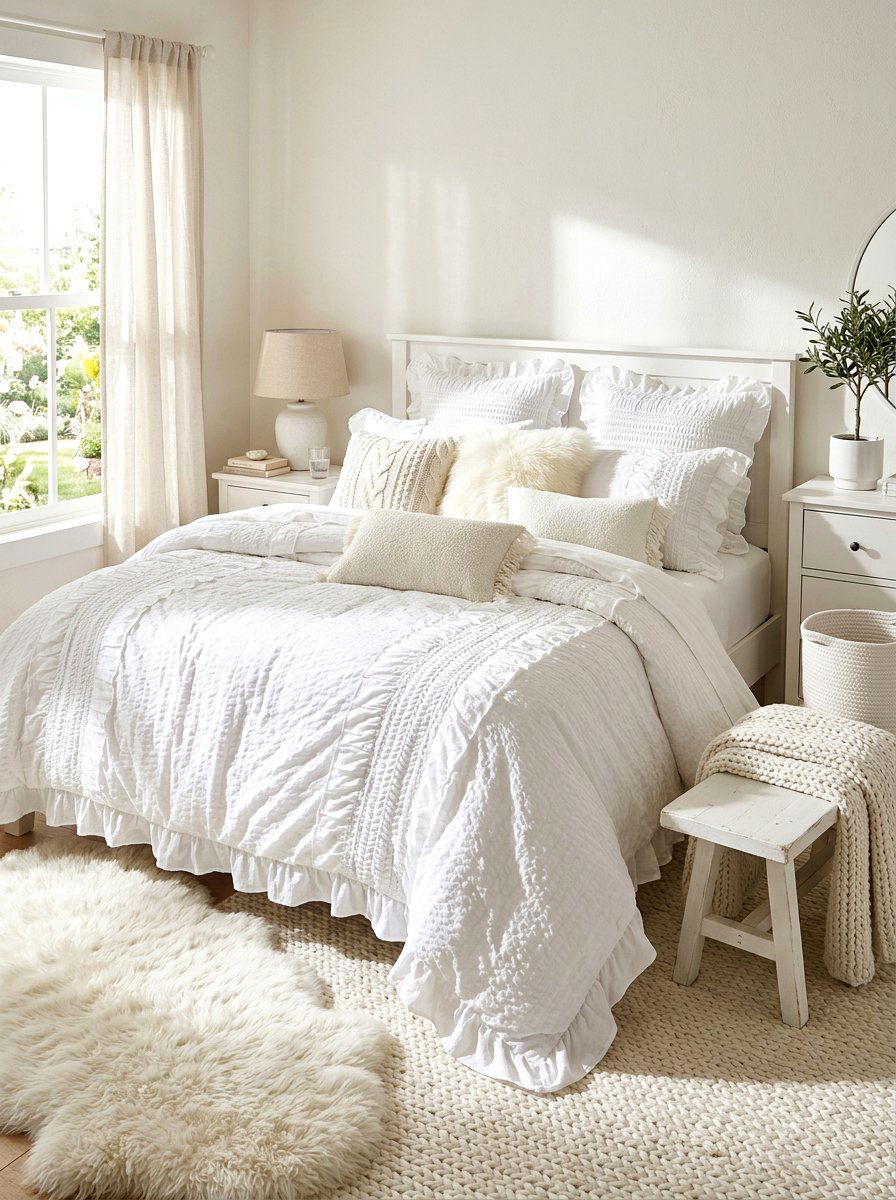
A minimalist white bedroom offers a clean slate for those who feel overwhelmed by visual noise. Using different shades of white and cream prevents the space from looking too clinical. You can layer various materials like cotton and wool to add warmth without adding clutter. This design style encourages a clear mind because there are no bold patterns to process. Natural light reflects beautifully off white surfaces, making the room feel larger and more open during the day. Keeping the floor clear of items is a vital part of this aesthetic. A few carefully chosen pieces of furniture will provide all the function you need for sleep.
3. Textured Linen Bedding
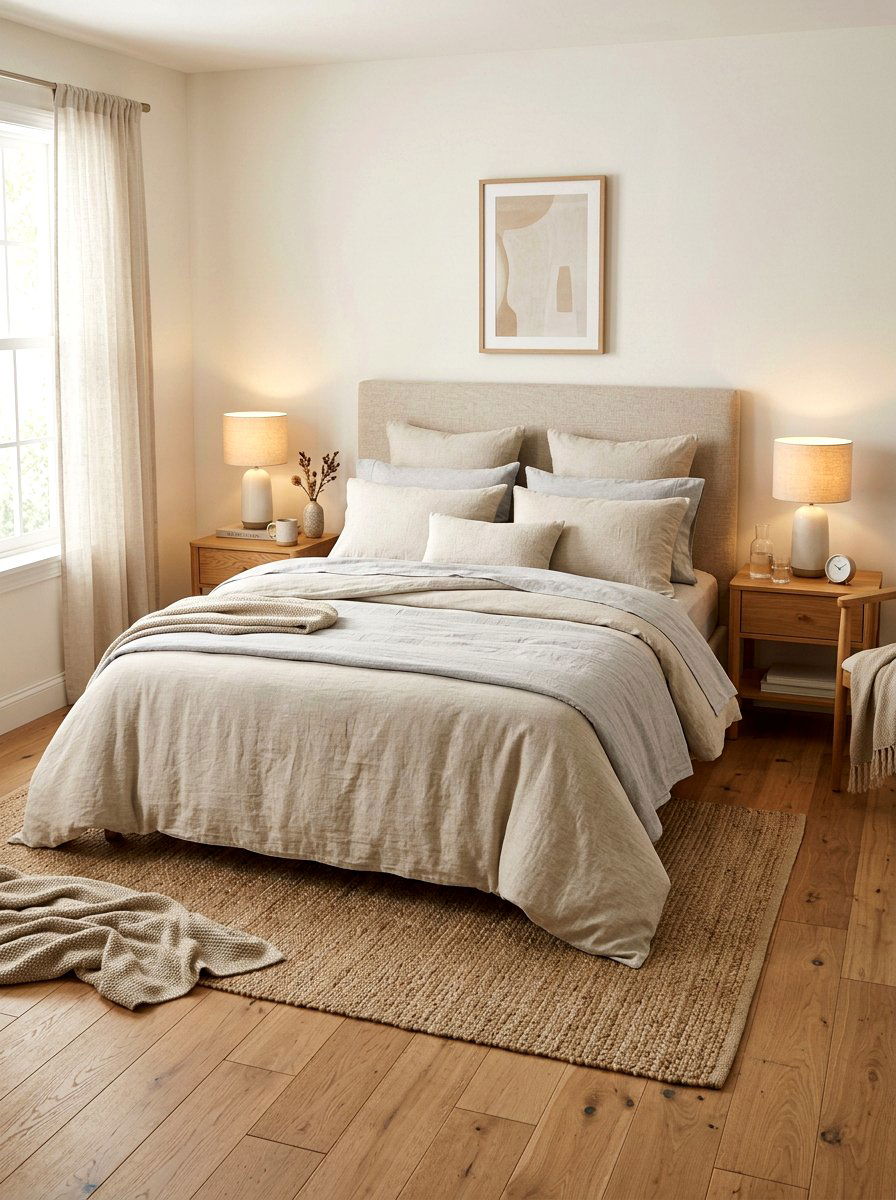
The feel of your bedding is just as important as the visual design. Textured linen bedding provides a tactile experience that is grounding and comforting. Linen is a breathable fabric, which helps regulate body temperature throughout the night. This is especially helpful for people who are sensitive to heat or humidity. The natural, slightly wrinkled look of linen adds a relaxed vibe to the room without looking messy. You can choose neutral colors like oatmeal or light grey to maintain a low-stimulation environment. High-quality bedding serves as a soft hug for your body, signaling that it is finally time to wind down.
4. Blackout Curtains
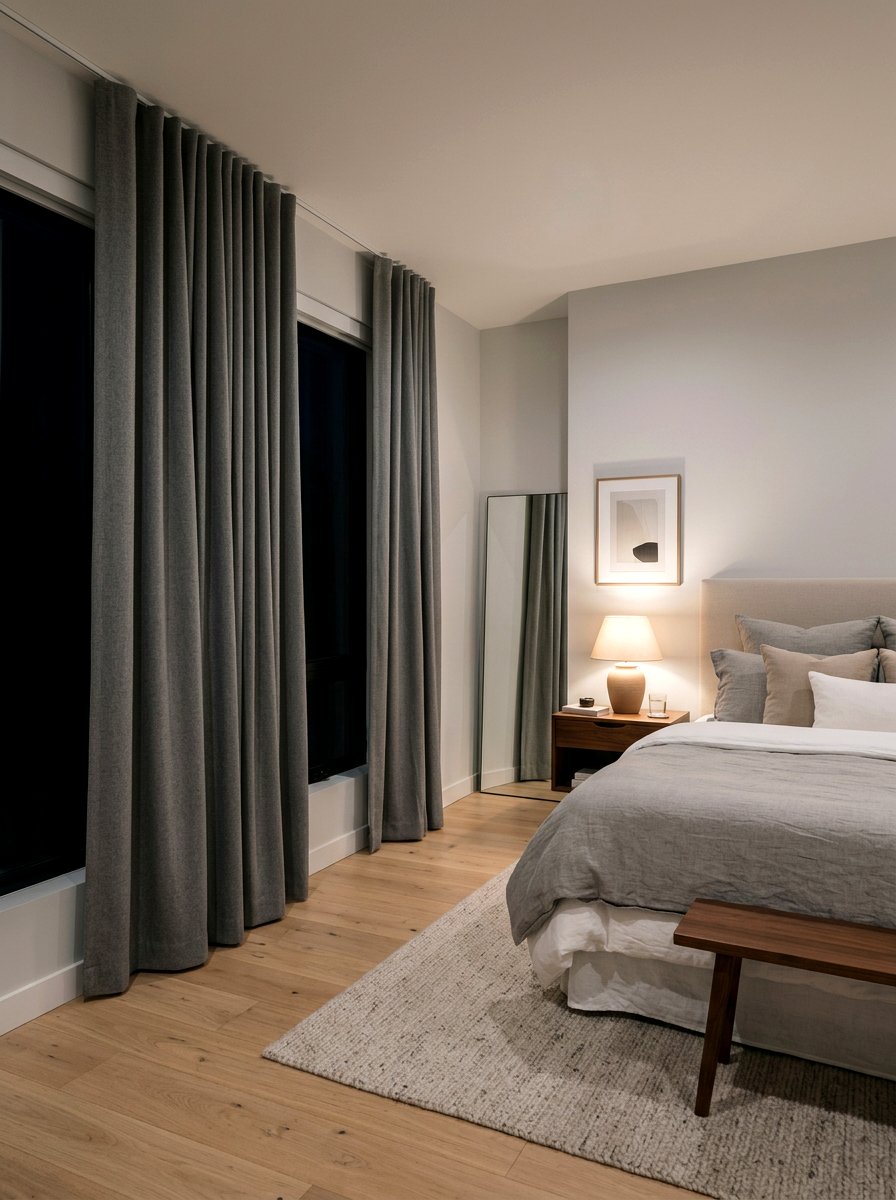
Controlling light is one of the most effective ways to improve sleep quality. Blackout curtains are essential for blocking out streetlights, passing cars, or early morning sun. Total darkness helps your brain produce melatonin, which is the hormone responsible for sleep. These heavy fabrics also provide a layer of insulation, keeping the room quiet and temperature-controlled. When choosing curtains, look for solid colors that match your walls to create a continuous visual flow. This prevents the windows from becoming a point of high contrast in the room. Hanging them from ceiling to floor adds a sense of height and luxury to the space.
5. Warm Indirect Lighting
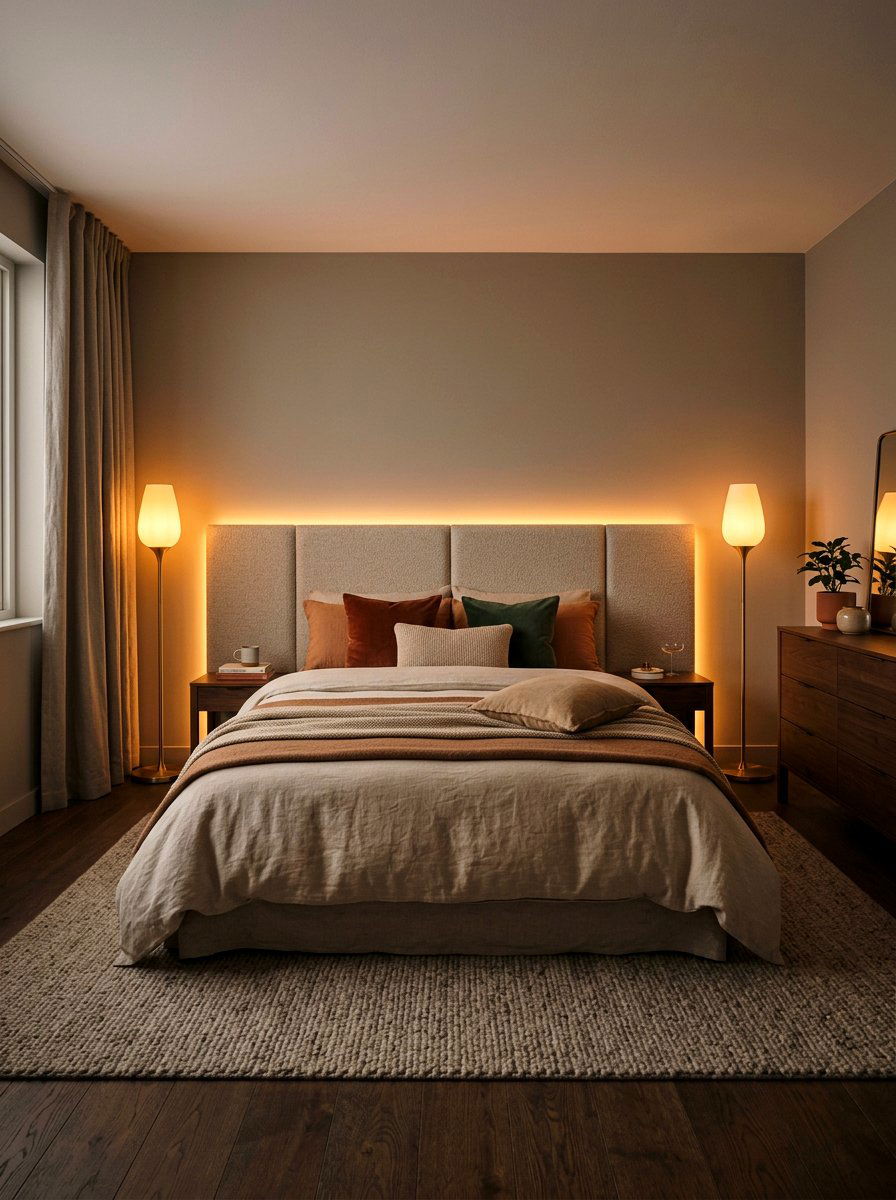
Harsh overhead lighting can be very jarring for the senses. Switching to warm indirect lighting creates a soft glow that mimics the sunset. You can achieve this by using floor lamps, table lamps, or LED strips hidden behind furniture. These light sources should be positioned so the bulb is not directly visible to your eyes. Warm, amber-toned bulbs are much better for relaxation than cool, blue-toned ones. This type of lighting helps your nervous system transition from the brightness of the day to the calm of the night. It turns your bedroom into a cozy cocoon where you can truly let go of stress.
6. Natural Wood Furniture
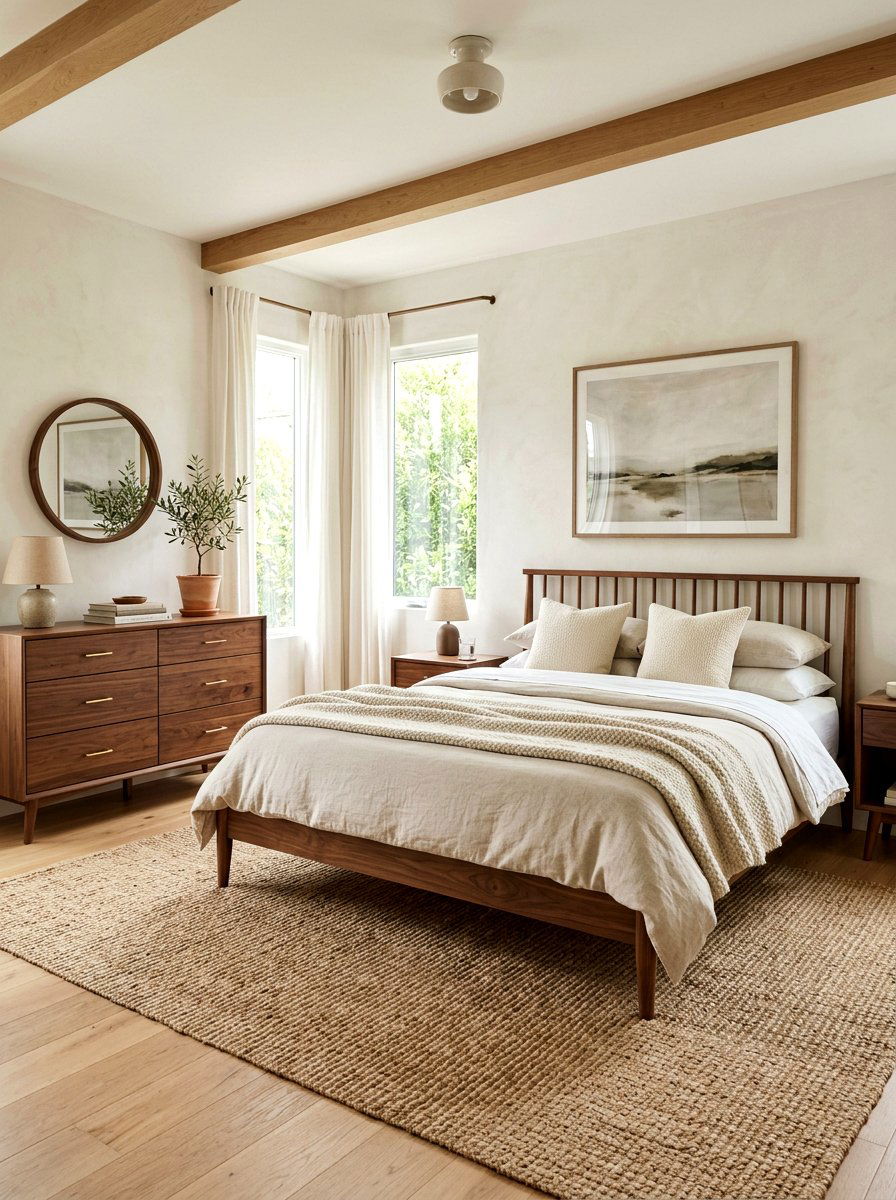
Incorporating natural materials into your bedroom design brings a sense of the outdoors inside. Natural wood furniture provides a sturdy and grounding presence in the space. The organic grain patterns are visually interesting but not overwhelming. You might choose a simple oak bed frame or a smooth walnut dresser to anchor the room. Avoid shiny, polished finishes that reflect too much light. Instead, opt for matte or oiled wood that feels soft to the touch. These elements connect you to the earth and provide a timeless look. Wood also pairs perfectly with neutral textiles, creating a harmonious and very balanced environment for rest.
7. Soundproof Bedroom Panels
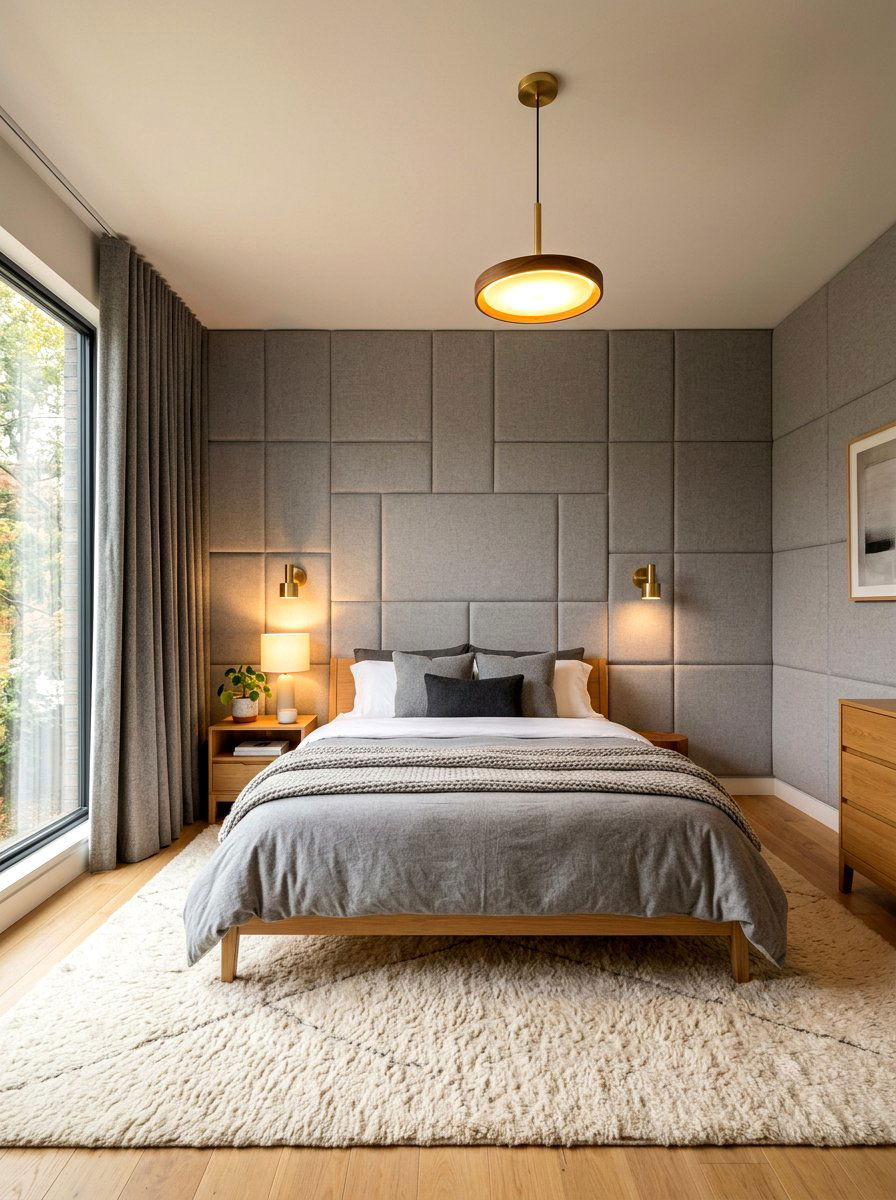
Auditory distractions can keep your brain on high alert even when you are trying to sleep. Soundproof bedroom panels are a functional way to dampen noise from the rest of the house or outside. These panels come in various fabrics and colors, allowing them to blend into your wall decor. By reducing echoes and outside noise, you create a much more controlled acoustic environment. This is particularly beneficial for light sleepers or people living in busy urban areas. Quiet is a luxury that significantly improves your mental health. Integrating these panels as a headboard or accent wall adds a modern, sophisticated touch to your peaceful retreat.
8. Clutter Free Nightstand
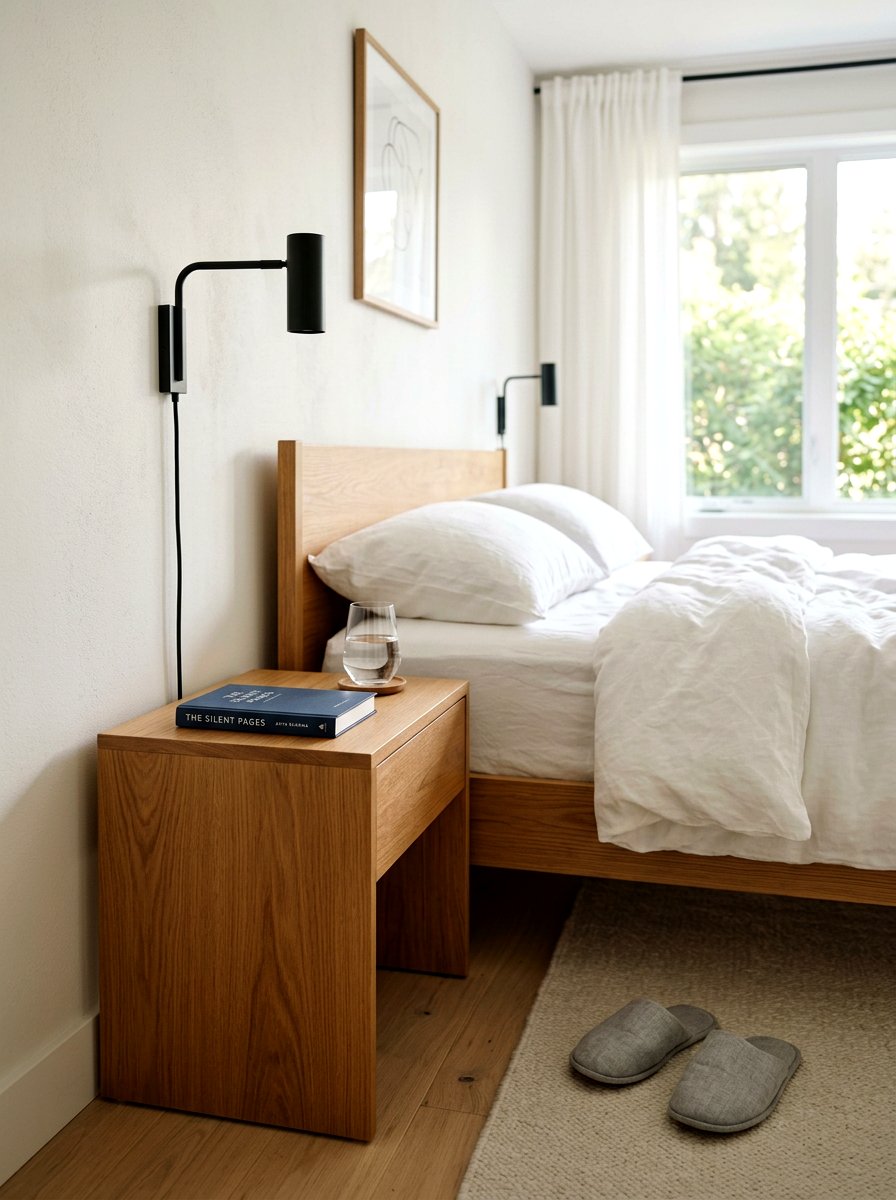
A cluttered nightstand is often the last thing you see before closing your eyes. Keeping this area organized is vital for a low-stimulation bedroom. Only keep the essentials within reach, such as a glass of water and a single book. Use a nightstand with drawers to hide away charging cables, remotes, or medication. A clear surface area helps reduce the mental load of things you need to clean or organize. You can add a small tray to hold jewelry or a watch to keep things from rolling around. This simple habit of decluttering your bedside creates a sense of order and peace every single night.
9. Soft Wool Rugs
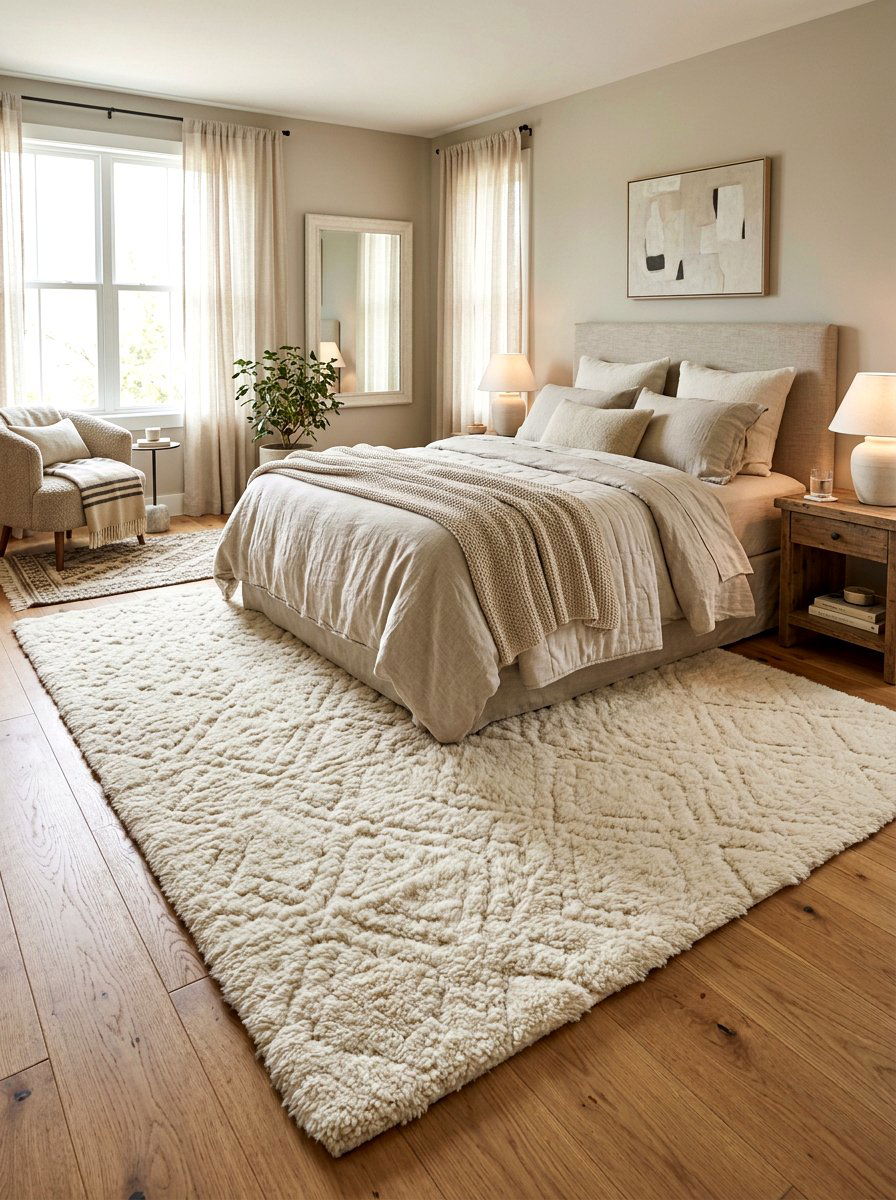
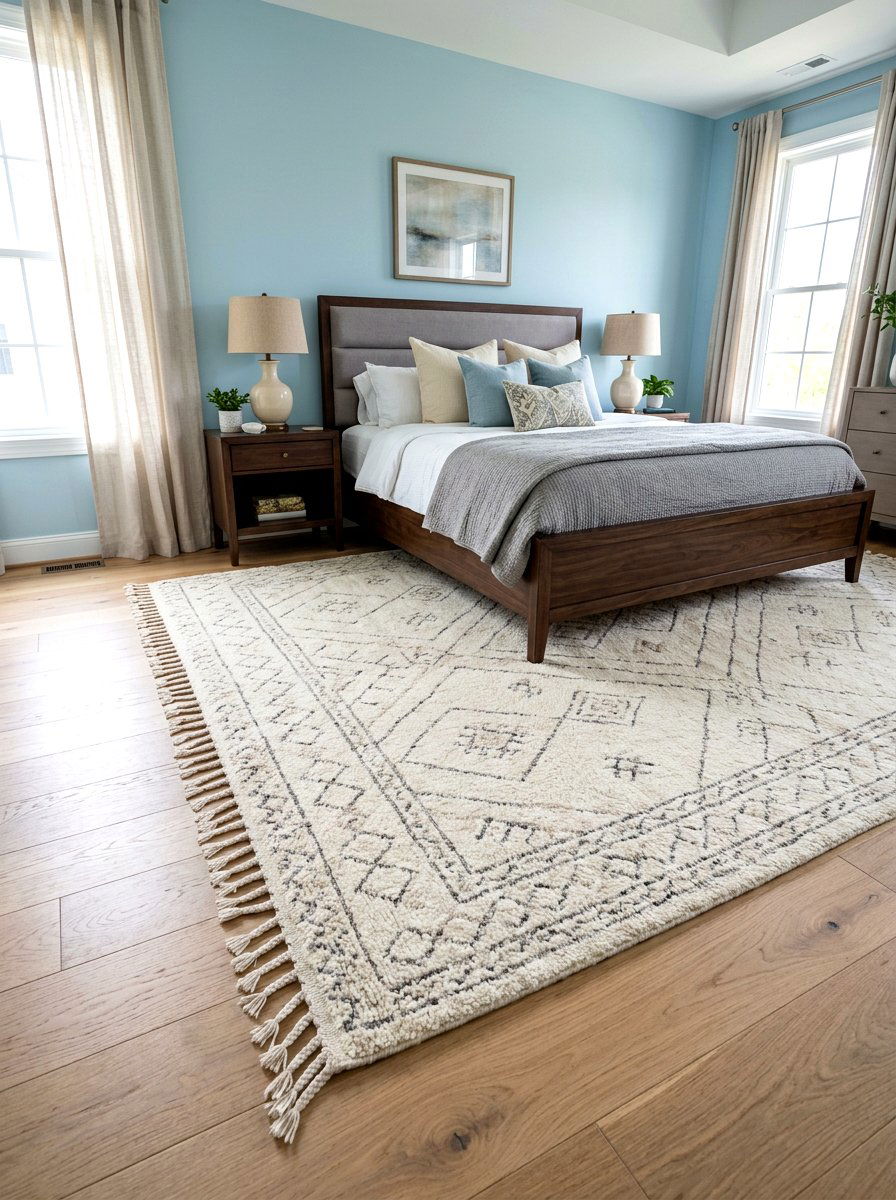
Walking on a cold, hard floor in the morning can be a sharp sensory shock. Soft wool rugs provide a plush and warm landing for your feet when you get out of bed. The natural fibers are incredibly durable and offer excellent sound absorption. A large rug that sits under the bed can help anchor the entire room’s design. Choose a subtle pattern or a solid neutral color to keep the visual stimulation low. The texture adds a layer of coziness that makes the bedroom feel finished and inviting. Sensory-friendly materials like wool are perfect for creating a space that feels safe and comfortable.
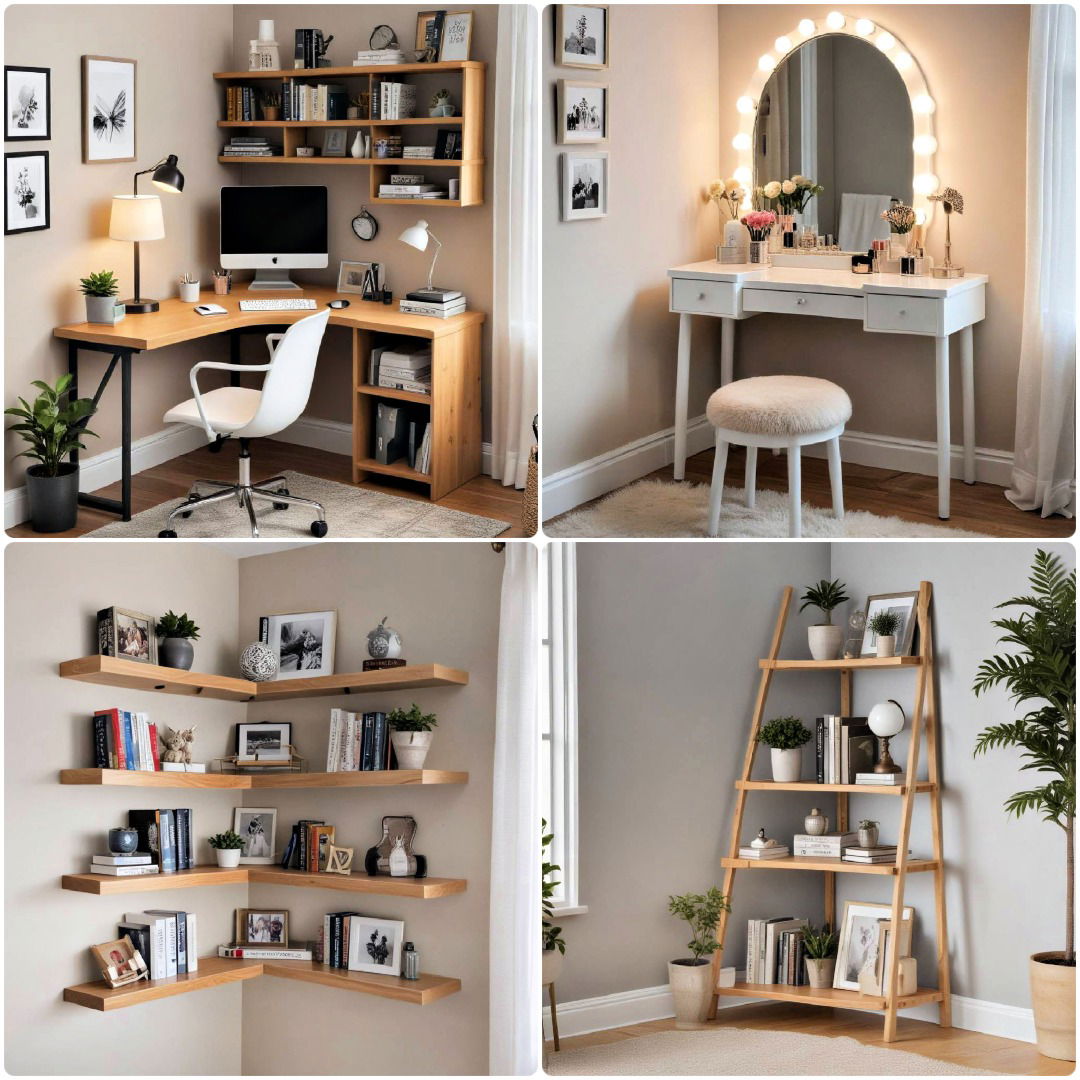
10. Hidden Bedroom Storage
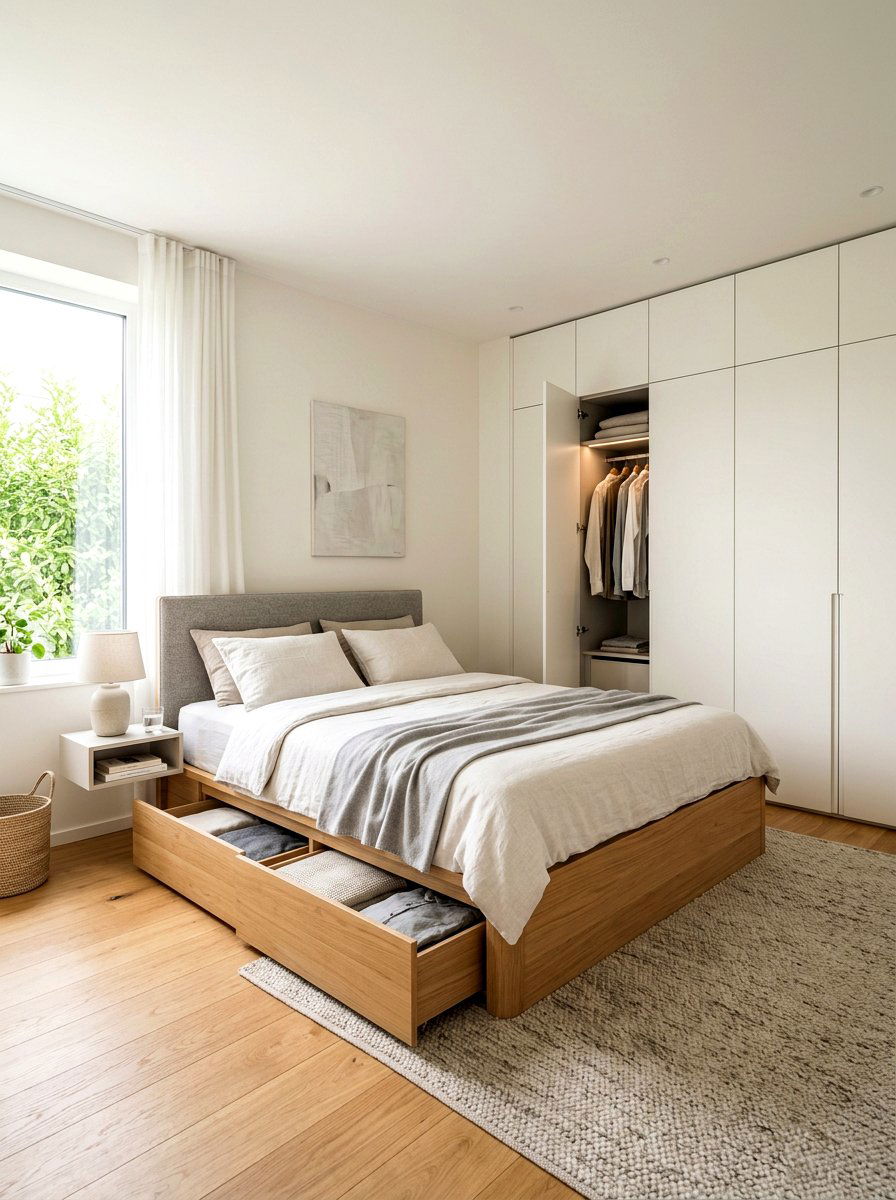
Visual clutter is one of the biggest contributors to a high-stimulation environment. Hidden bedroom storage solutions, like under-bed drawers or built-in wardrobes, keep your belongings out of sight. When everything has a dedicated place, the room feels much more organized and calm. Avoiding open shelving prevents your brain from constantly scanning and processing individual items. Smooth cabinet doors without handles can create a seamless, wall-like look. This approach prioritizes the architecture of the room over the accumulation of objects. A tidy room naturally leads to a tidy mind, which is the ultimate goal of a restful and low-stimulation sleeping space.
11. Earth Tone Bedroom
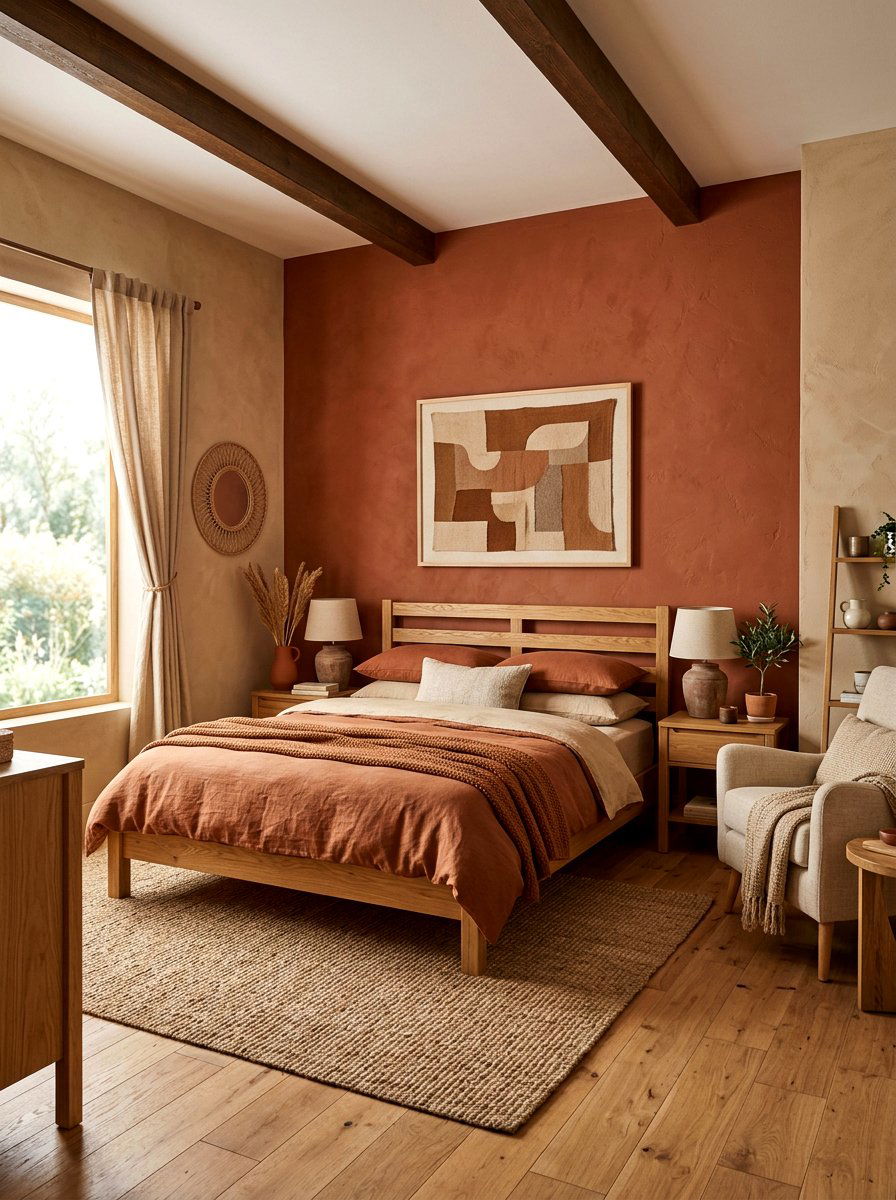
Using earth tones creates a grounded and stable environment. Colors like clay, terracotta, and deep sand provide warmth without being too energetic. These hues are inspired by the natural world, which our brains find inherently relaxing. You can mix different shades within the same color family to create depth and interest. This prevents the room from feeling flat while still maintaining a very low contrast. Earthy tones work beautifully with natural light and organic materials like jute or cotton. It is a sophisticated way to add personality to a space while ensuring it remains a quiet and restful place for your daily sleep.
12. Diffused Window Light
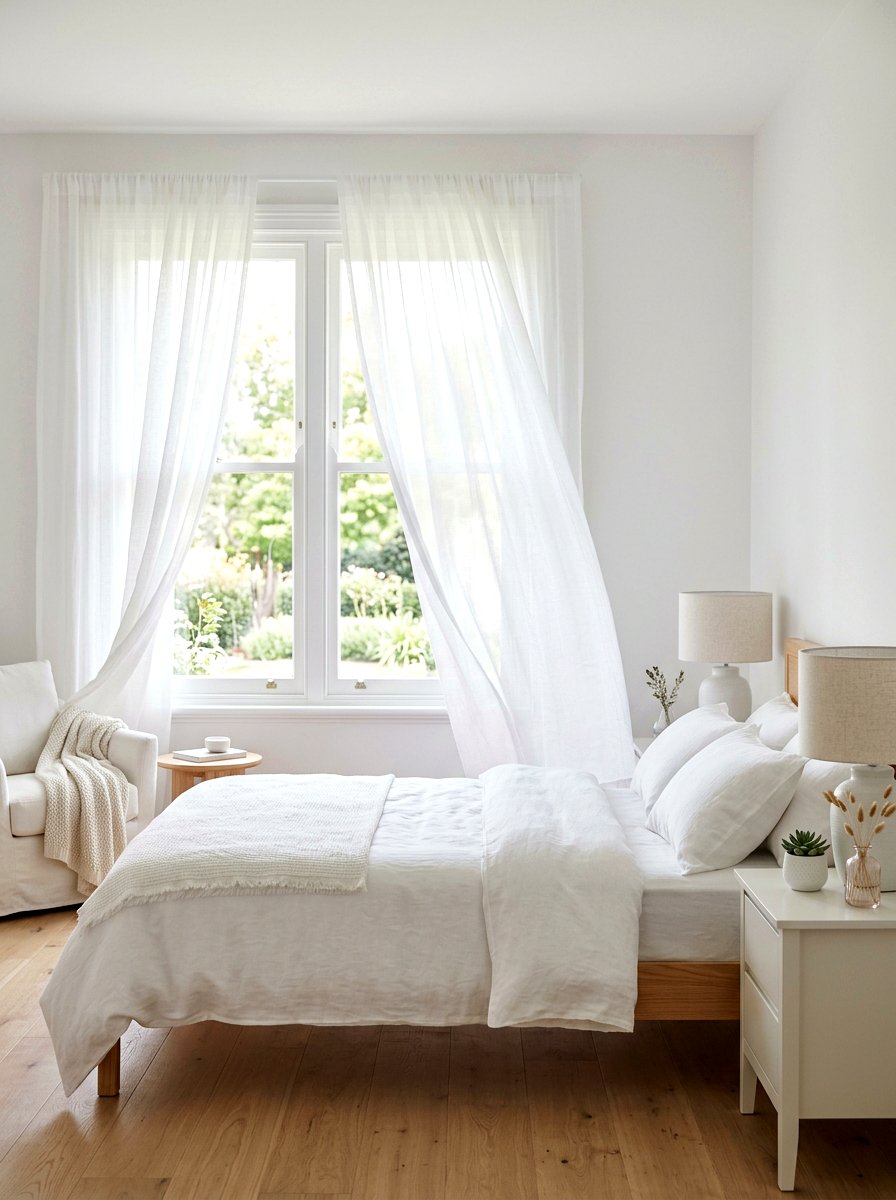
Direct sunlight can sometimes be too bright or create harsh shadows in a room. Using diffused window light helps soften the atmosphere throughout the day. Sheer curtains or light-filtering blinds are excellent for achieving this effect. They allow natural light to enter the space while blurring the view of the outside world. This creates a soft, ethereal glow that makes the room feel peaceful and private. Softening the light reduces eye strain and helps maintain a consistent mood in the bedroom. It is a simple adjustment that transforms the way you experience your space during the morning and afternoon hours of rest.
13. Lavender Scent Diffuser
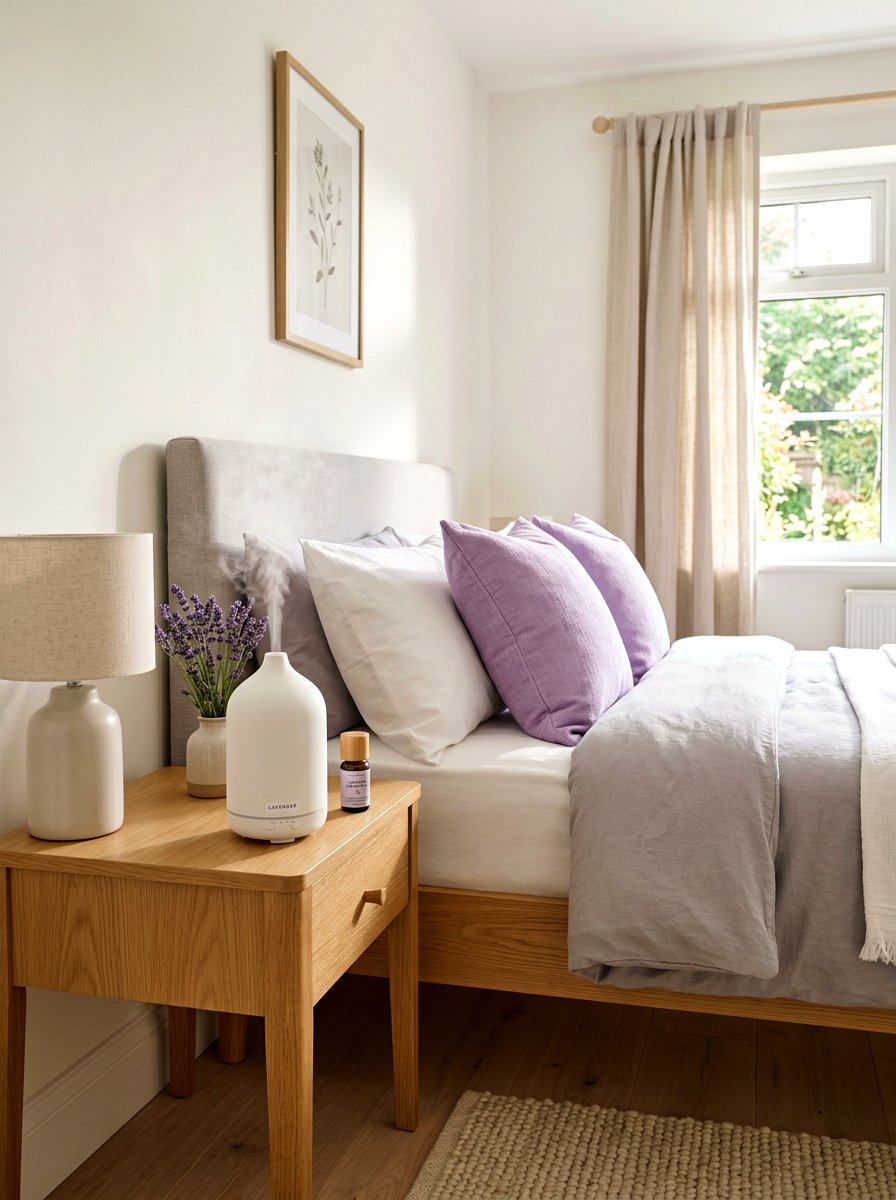
Engaging the sense of smell is a powerful way to promote relaxation. A lavender scent diffuser can fill your bedroom with a calming aroma that signals sleep time. Lavender has been scientifically proven to lower heart rates and reduce anxiety. Using an ultrasonic diffuser is a safe way to enjoy essential oils without the use of heat or flames. You can set it to run for a few hours before bed to prep the environment. The gentle mist also adds a bit of moisture to the air, which can be soothing. Choosing a diffuser with a minimal design ensures it fits perfectly into your low-stimulation decor.
14. Monochrome Grey Bedroom
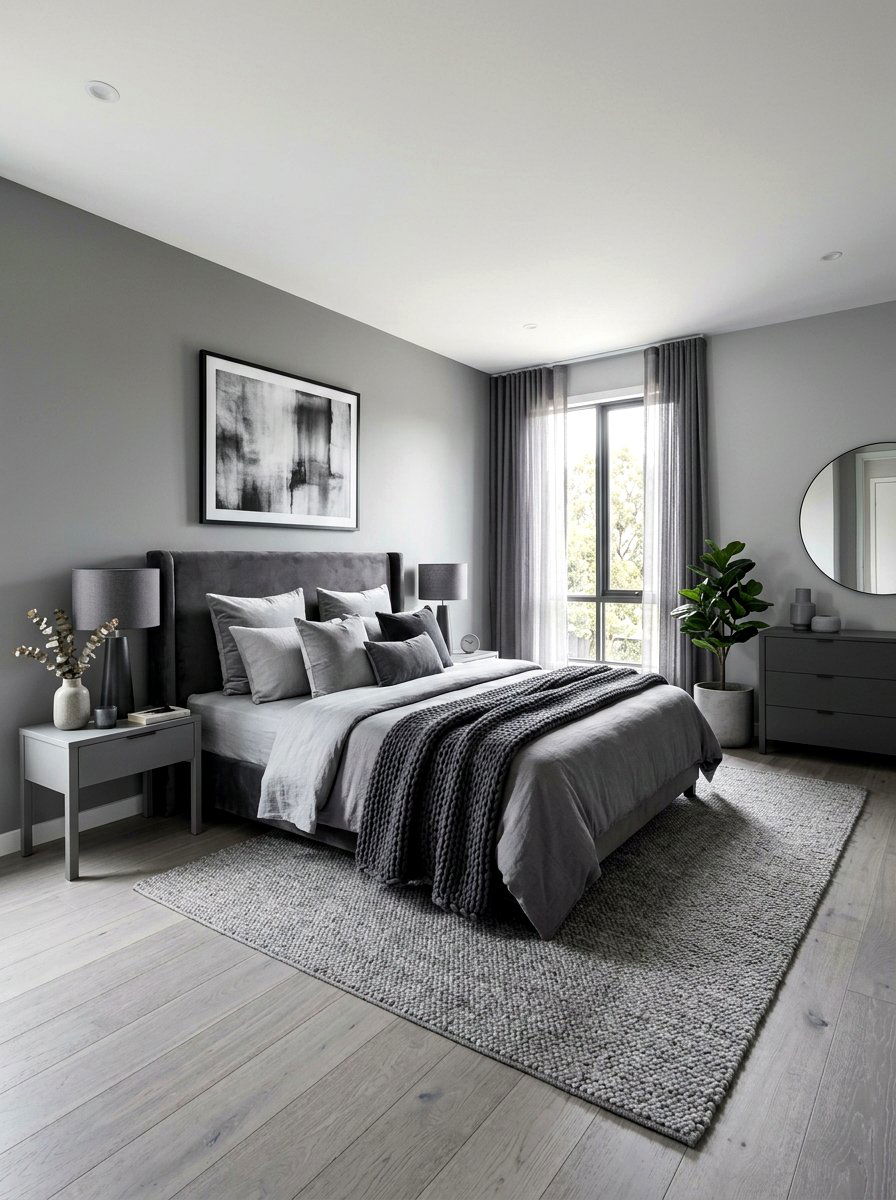
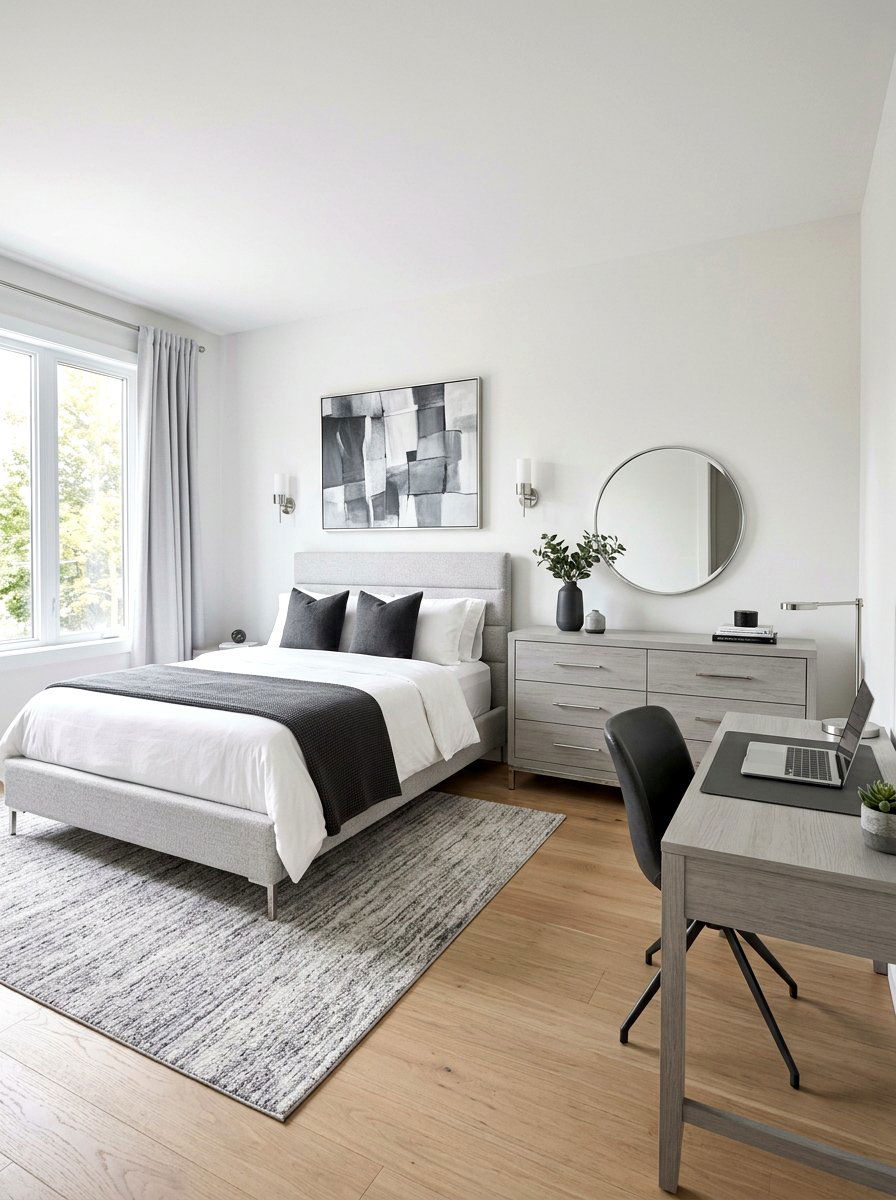
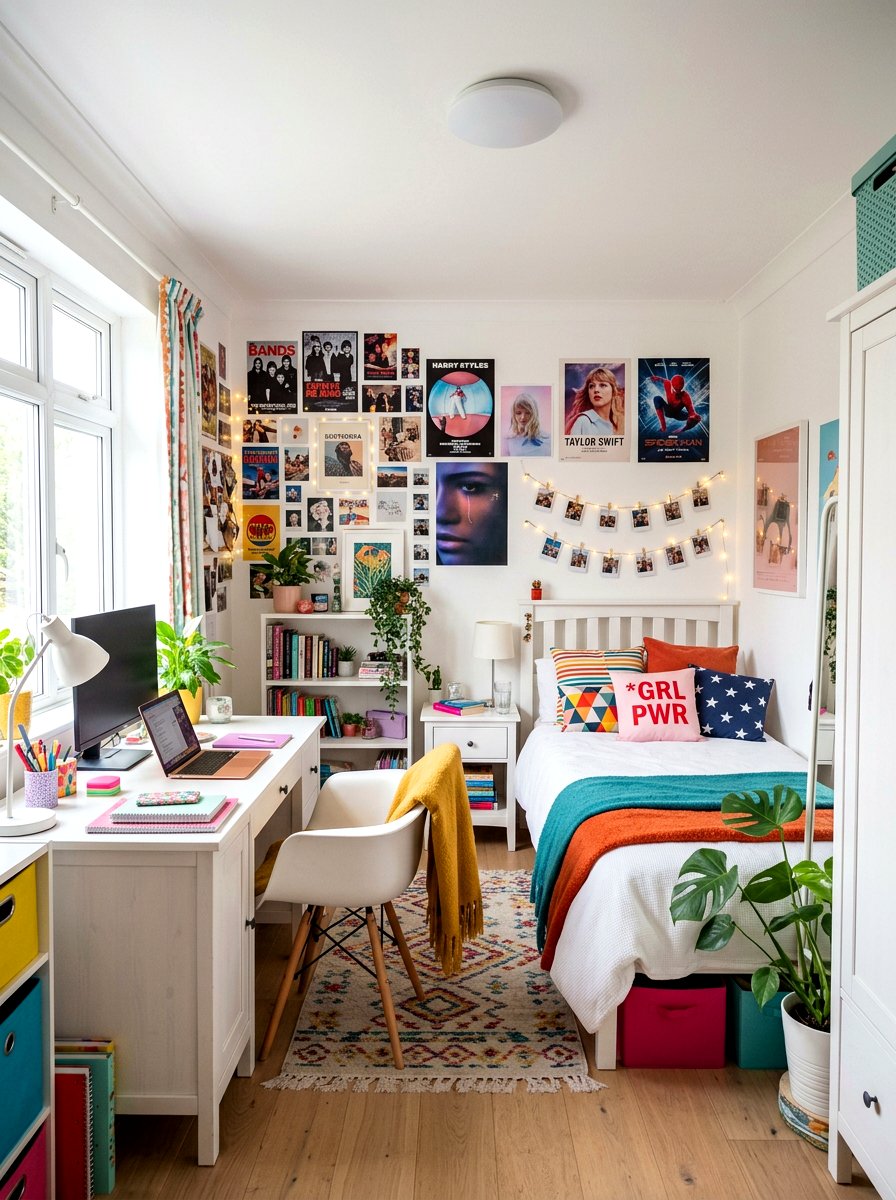
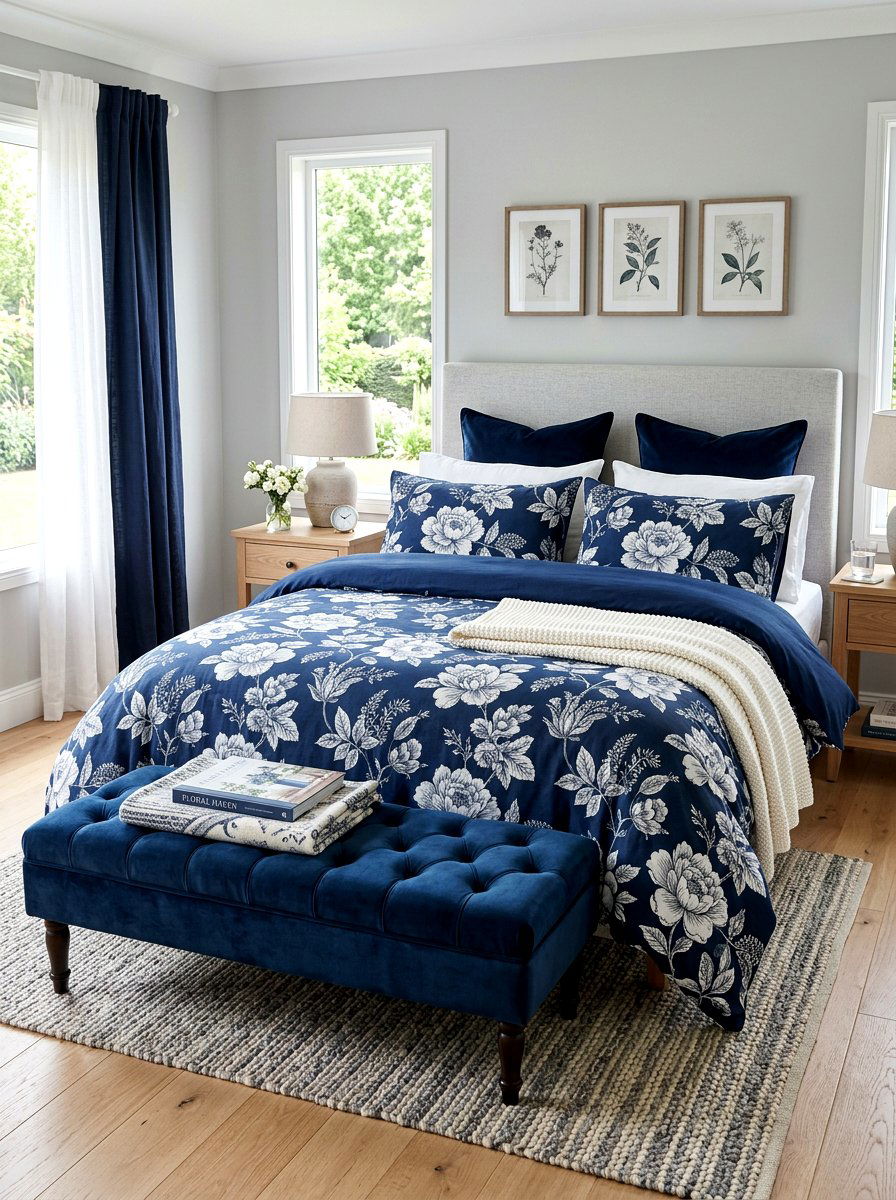
A monochrome grey bedroom is the epitome of sophisticated calm. Grey is a neutral color that doesn't demand attention, allowing your mind to rest easily. By using various shades of grey, from light silver to deep charcoal, you can create a layered and cozy look. This palette is modern and clean, making it perfect for a low-stimulation design. You should focus on different textures, such as velvet pillows or a knitted throw, to keep the space from feeling cold. The lack of color variety reduces visual decision-making, helping you relax faster. It is a timeless choice that feels both protective and incredibly stylish.
15. Weighted Blanket Styling
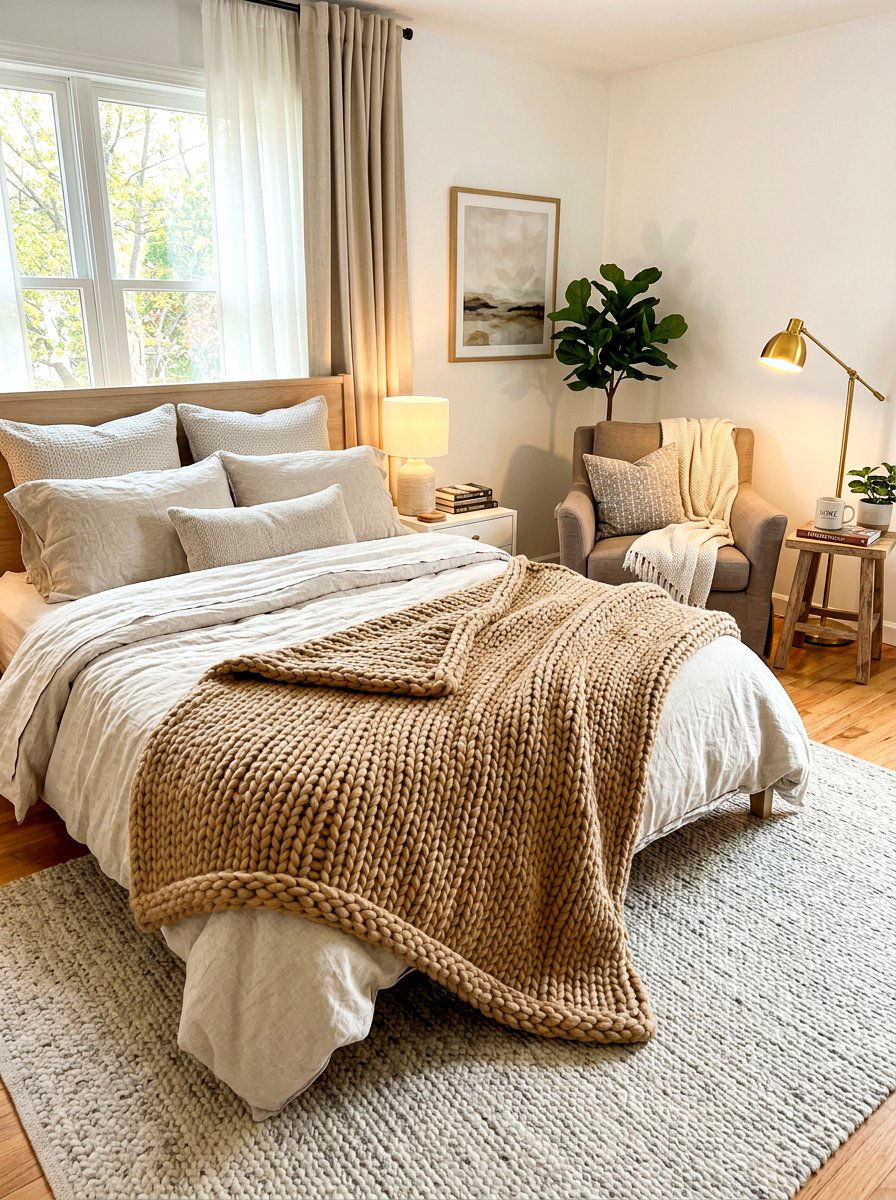
Weighted blankets are a popular tool for providing proprioceptive input, which calms the nervous system. Styling a weighted blanket in your bedroom doesn't have to look therapeutic. Many options now come in beautiful fabrics like chunky knits or soft cotton covers. You can drape the blanket across the foot of the bed for a layered, inviting look. The gentle pressure feels like a firm hug, helping to reduce tossing and turning during the night. This is a functional addition that serves as a focal point for your comfort. Choosing a color that matches your bedding will keep the overall look cohesive and very visually quiet.
16. Indoor Plants For Bedroom
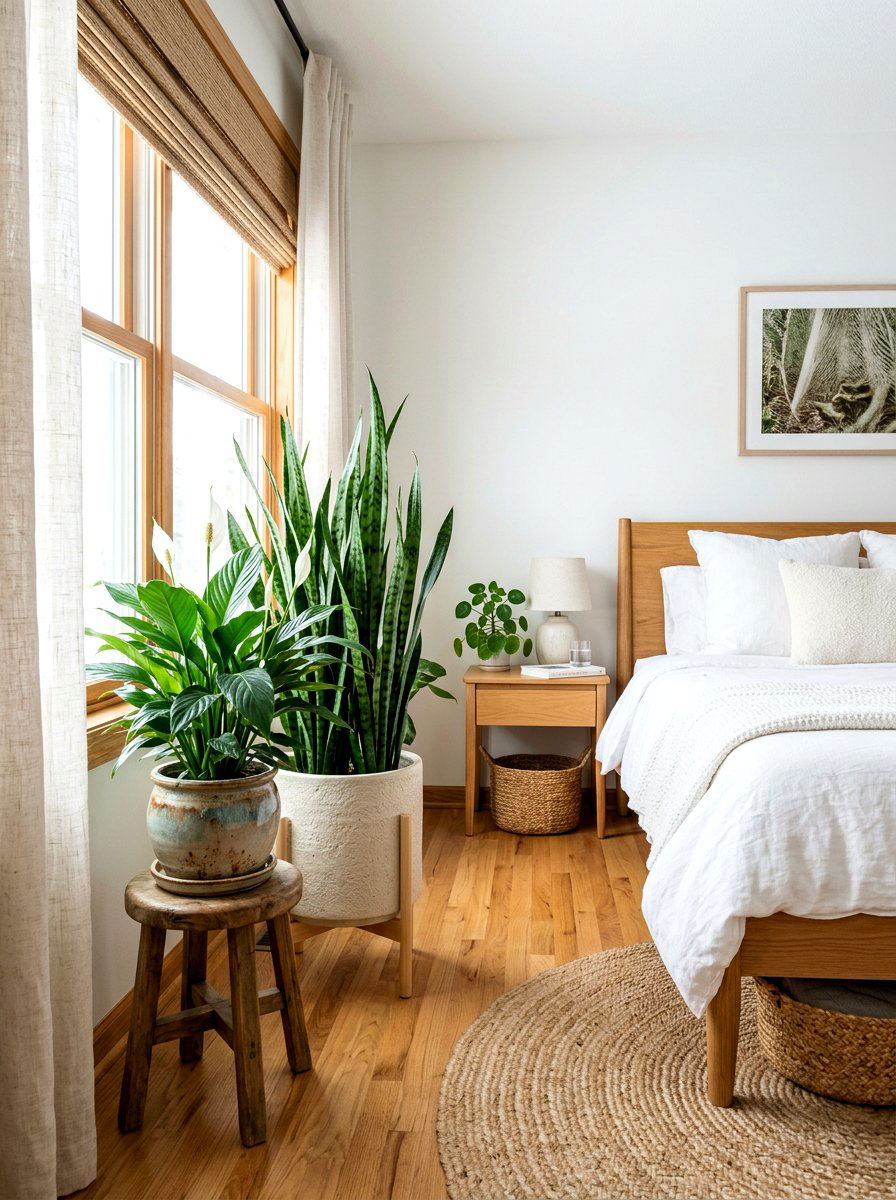
Bringing nature indoors is a classic way to create a low-stimulation environment. Indoor plants for the bedroom, such as snake plants or peace lilies, improve air quality and add a soft organic touch. The color green is naturally soothing to the eyes and helps connect the space to the outside world. Choose plants that are low-maintenance so they don't become another chore to worry about. Placing them in simple ceramic pots maintains a clean and minimal aesthetic. The presence of living things can make a room feel more vibrant yet peaceful. Watching a plant grow slowly is a very calming and mindful experience for anyone.
17. Upholstered Bed Frame
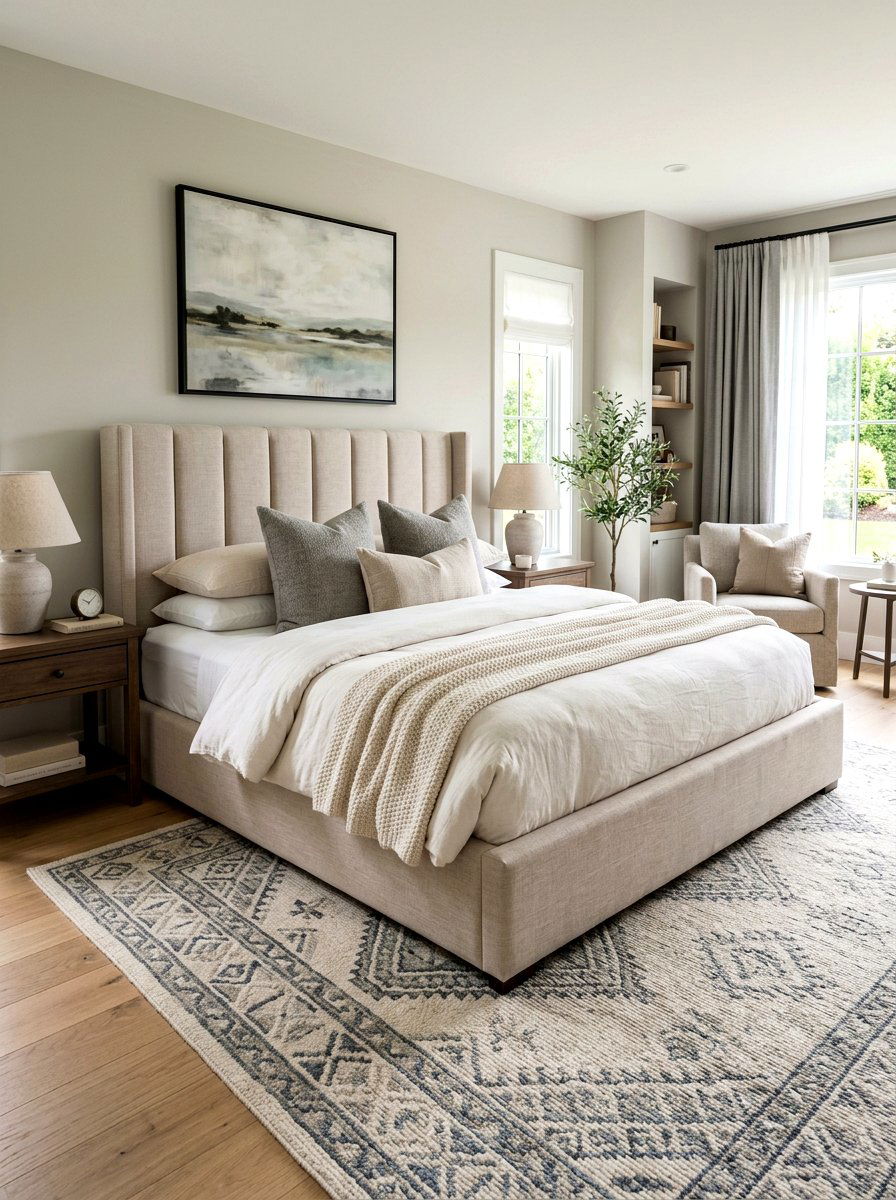
An upholstered bed frame adds a soft, tactile element to the center of your room. Unlike metal or wood frames, fabric-covered headboards provide a cushioned surface for leaning against while reading. This softness contributes to the overall "cocoon" feeling of a low-stimulation bedroom. You can choose a neutral fabric like linen or velvet in a muted color. The padded texture also helps absorb sound, making the room even quieter. A simple, clean-lined design prevents the bed from looking too busy or ornate. It is a luxurious choice that prioritizes physical comfort and visual softness, which are essential for a truly restful sleeping environment.
18. Dimmer Light Switch
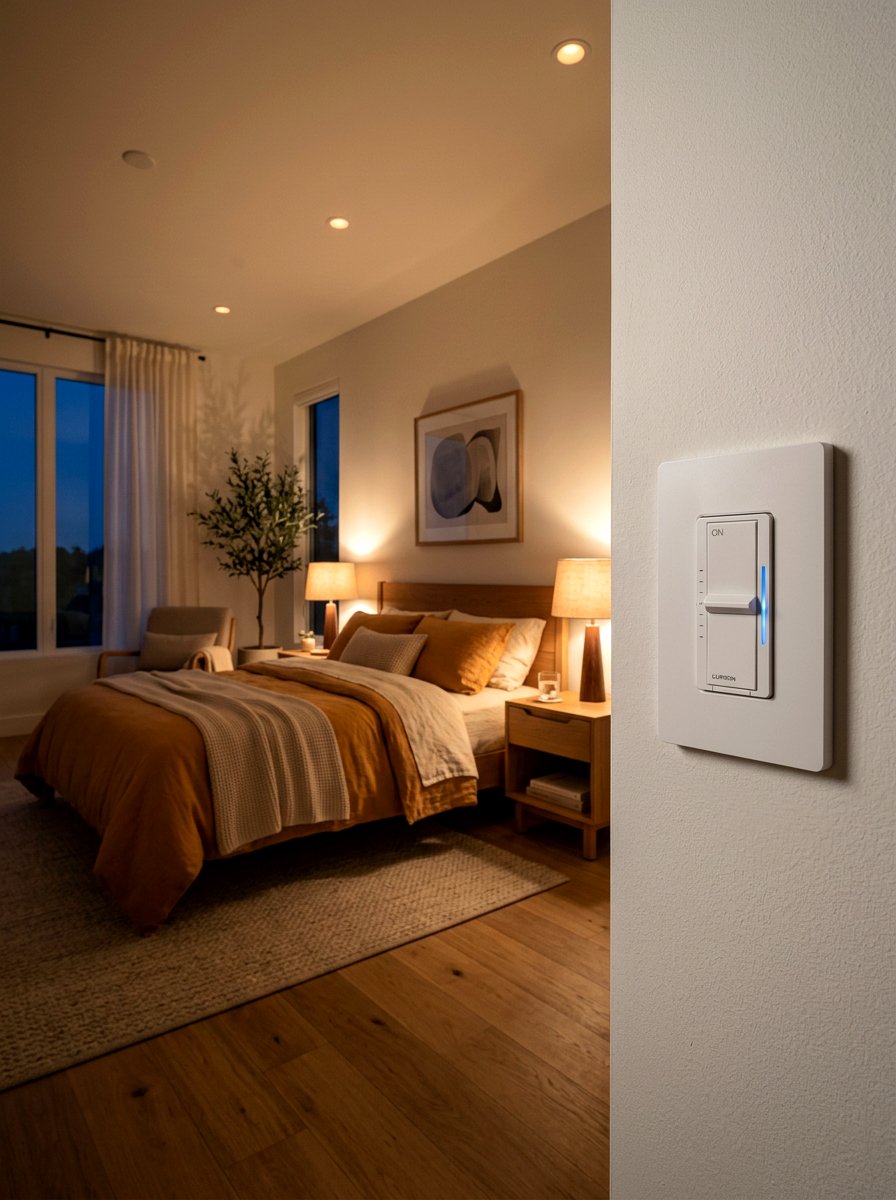
Having the ability to control the intensity of your lights is a game-changer. A dimmer light switch allows you to gradually lower the brightness as you get closer to bedtime. This mimicry of the natural fading of daylight helps your body prepare for sleep. You can keep the lights bright for cleaning or dressing and then dim them for a cozy evening atmosphere. It is a functional upgrade that gives you total control over your sensory environment. Adjustable lighting prevents the shock of turning off a bright light and sitting in total darkness. This transition period is vital for anyone who struggles with sensory processing or insomnia.
19. Minimalist Wall Art
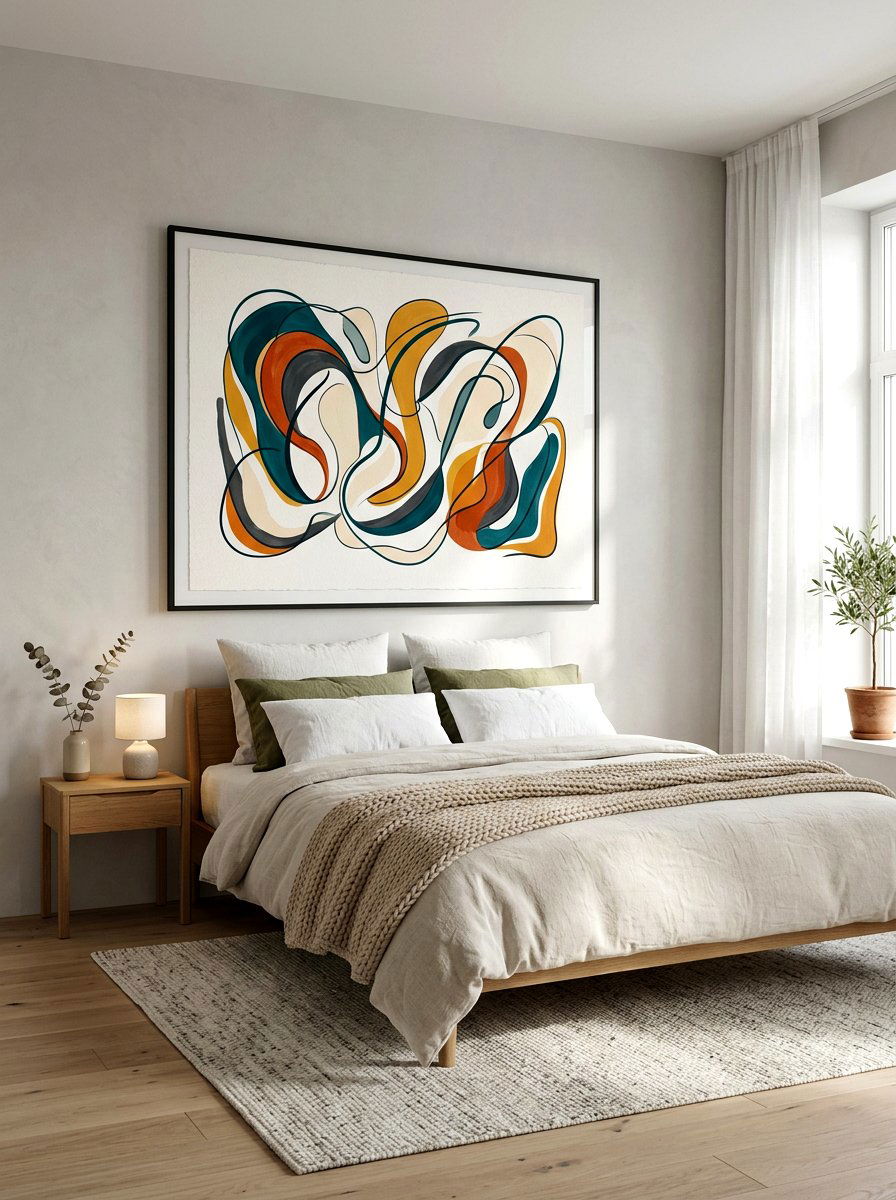
Empty walls can sometimes feel cold, but too much art can be distracting. Minimalist wall art, such as line drawings or abstract landscapes, adds a personal touch without being loud. Focus on pieces with soft curves and a limited color palette. Large-scale art can actually be less stimulating than a gallery wall of many small items. It provides one focal point for your eyes to rest on rather than many little things to scan. Choosing frames that match your furniture will help the art blend seamlessly into the room. This approach allows you to express your style while maintaining a very quiet and peaceful visual field.
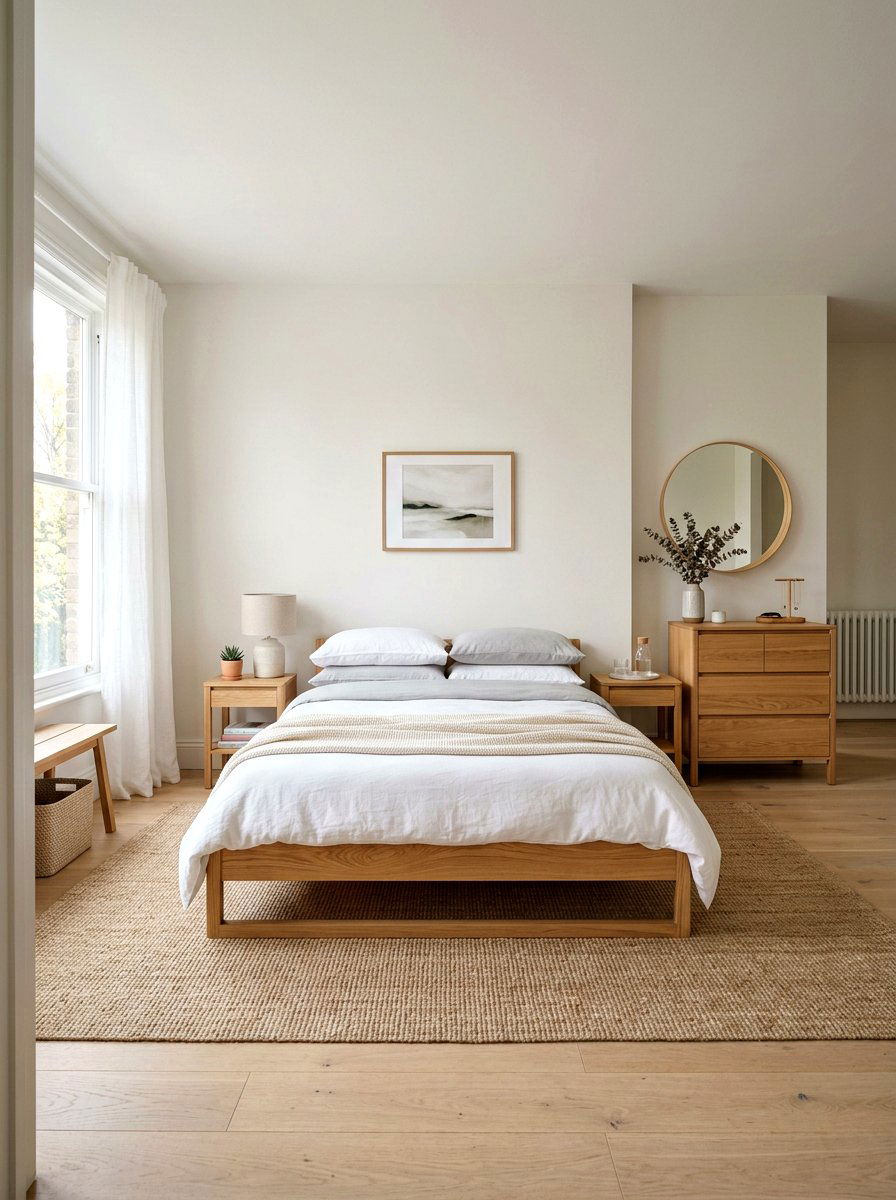
20. Cozy Reading Nook
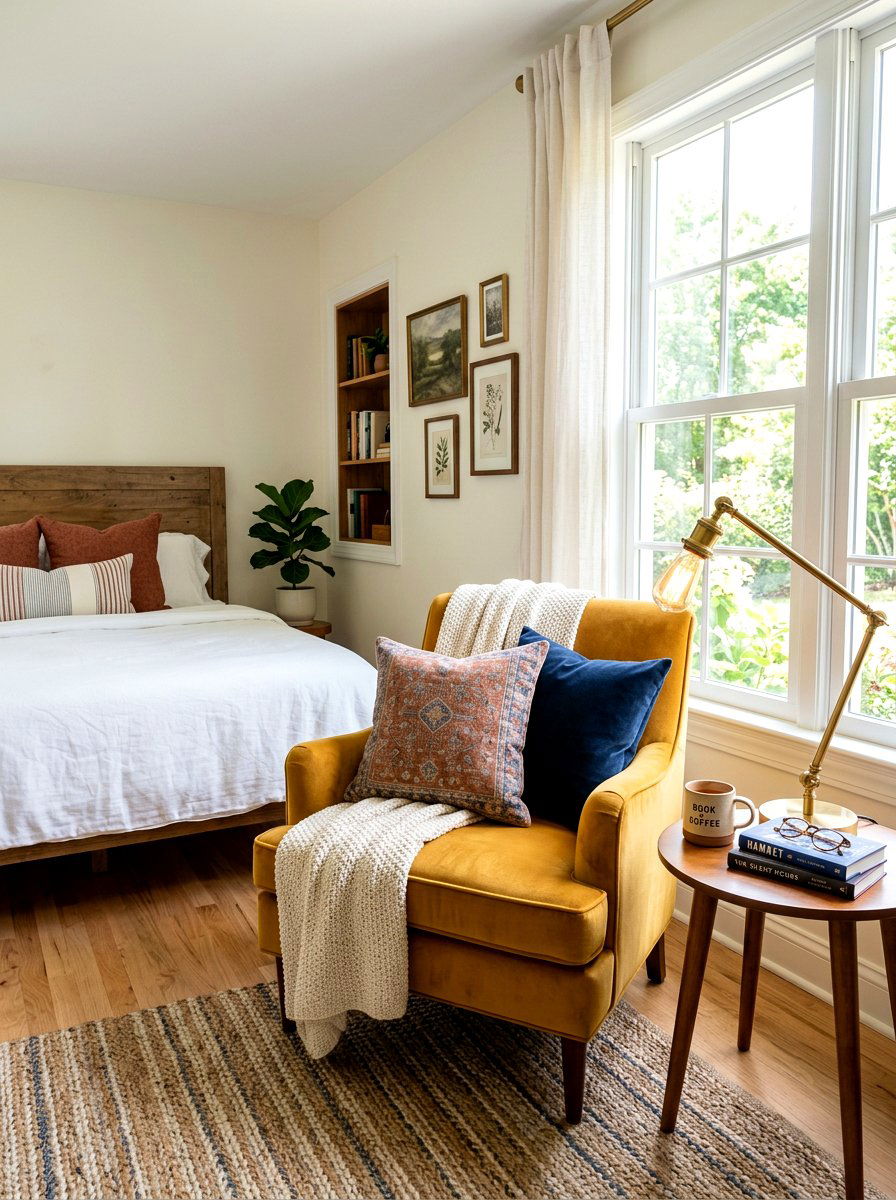
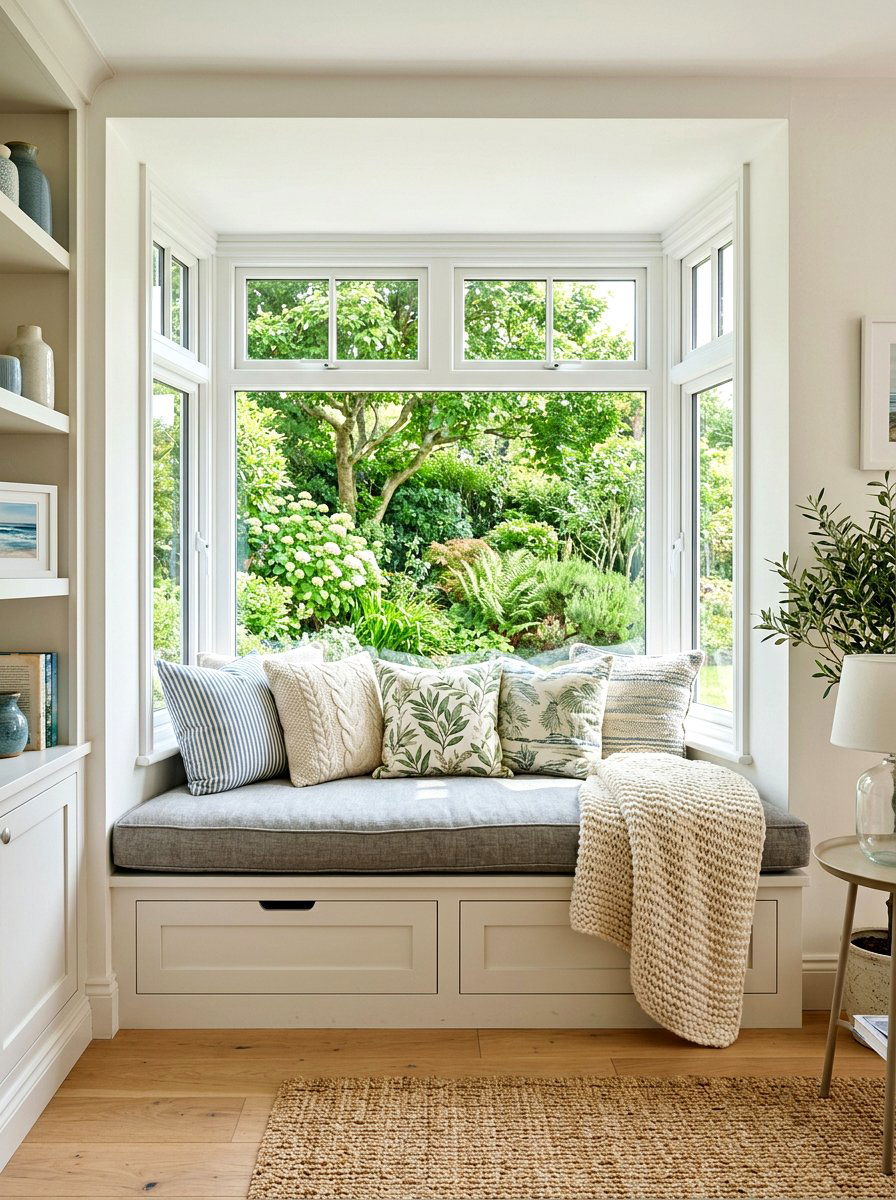
Creating a dedicated space for relaxation outside of the bed is a great idea. A cozy reading nook with a comfortable chair and a small lamp provides a place to wind down. This helps your brain associate the bed only with sleep rather than other activities. Use soft cushions and a warm throw to make the area inviting. Keeping this corner simple and clutter-free ensures it remains a low-stimulation zone. You can use this space for meditation, journaling, or quiet reflection before bed. Having a secondary "safe spot" in your bedroom enhances the feeling of sanctuary and provides a perfect transition into your nightly sleep routine.
21. Neutral Color Palette
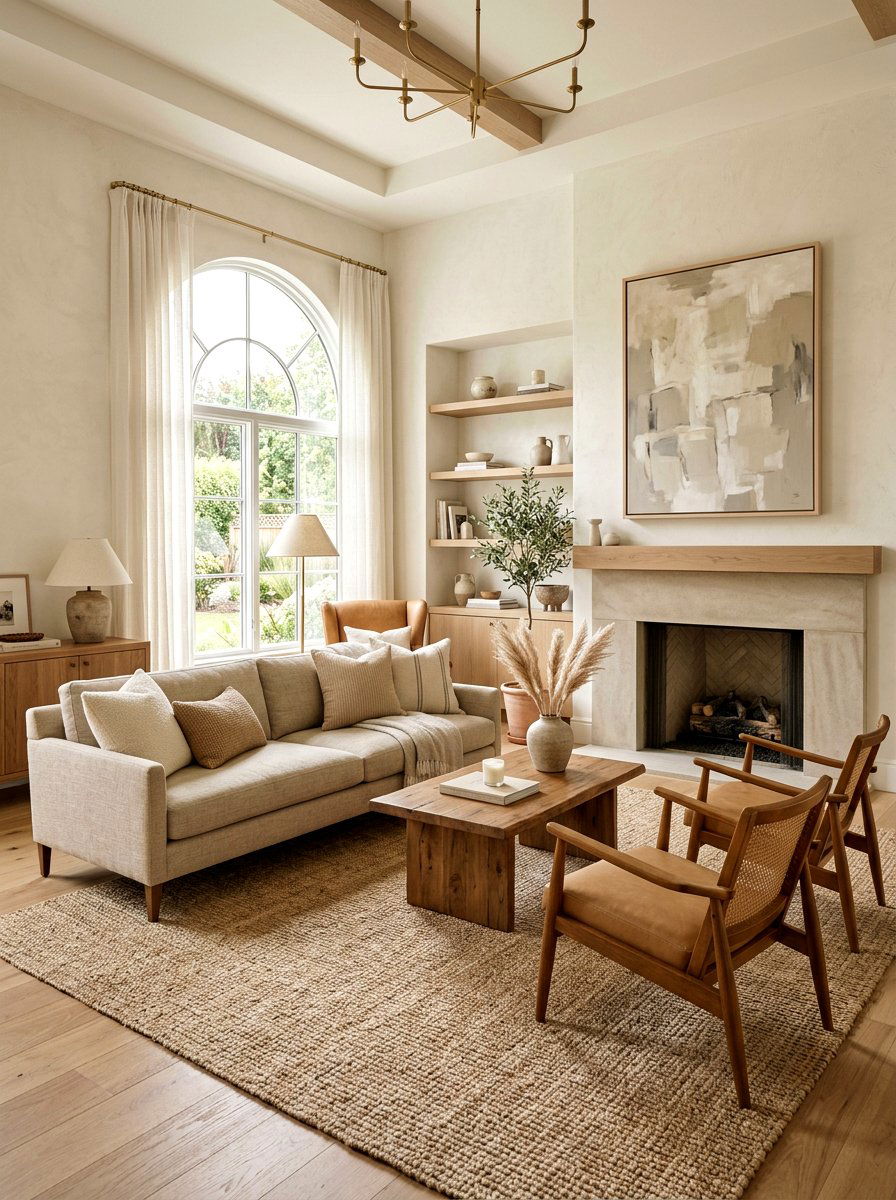
A neutral color palette is the foundation of many low-stimulation designs. Using beiges, creams, and soft tans creates a warm and inviting atmosphere that never feels overwhelming. These colors are versatile and work well with almost any furniture style. A neutral room feels timeless and balanced, which helps reduce mental fatigue. You can add interest through different textures, like a jute rug or a silk pillowcase, rather than through bright colors. This subtle approach to design ensures that the room remains a background for your rest. It is a safe and effective way to guarantee your bedroom always feels like a calm and peaceful retreat.
22. Rattan Bedroom Decor
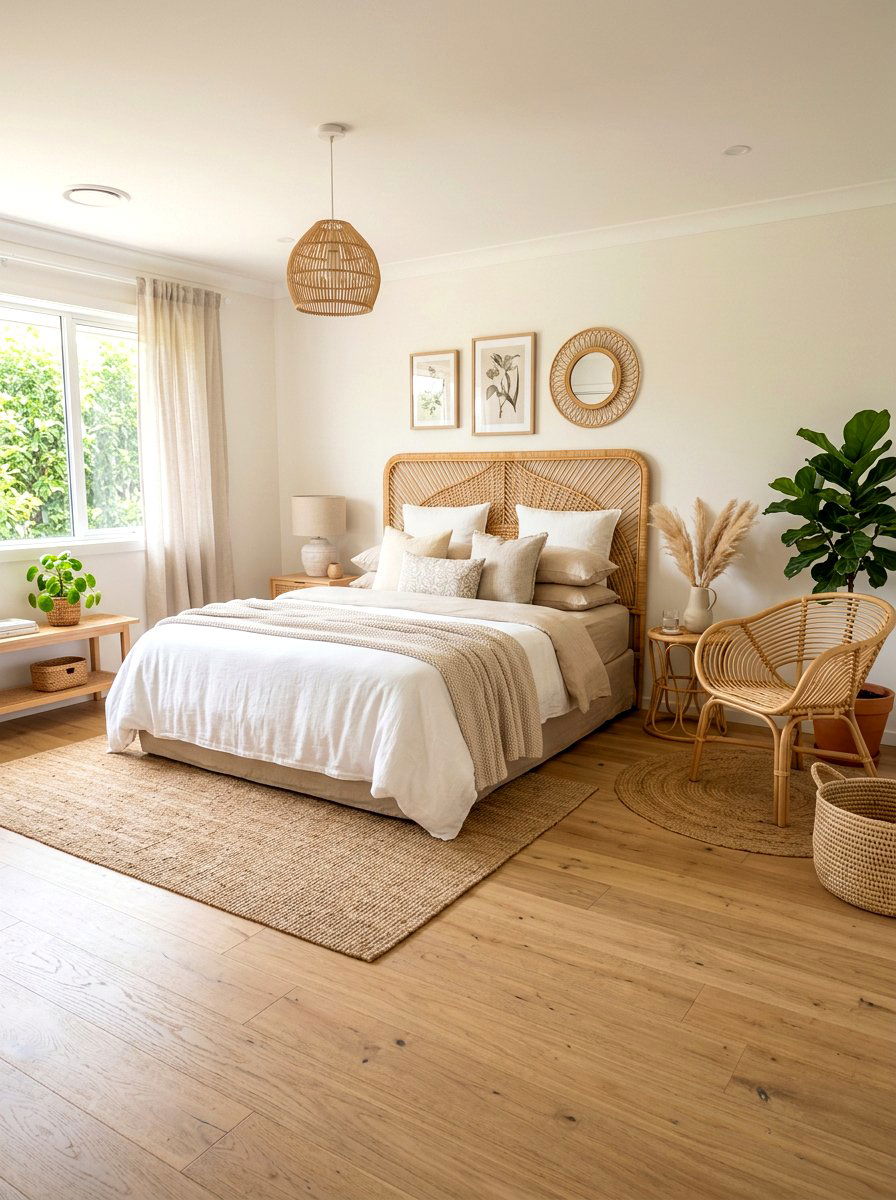
Rattan is a natural material that adds texture and warmth to a room without feeling heavy. Rattan bedroom decor, such as a headboard or a small side chair, brings an organic and airy vibe. The light brown tones are grounding and pair perfectly with neutral linens and green plants. Because rattan is often woven, it has a beautiful tactile quality that is visually interesting but subtle. It works well in a variety of styles, from boho to minimalist. Using natural fibers helps soften the hard lines of a room, making it feel more approachable and relaxed. It is a great way to add a touch of nature.
23. Floor To Ceiling Curtains
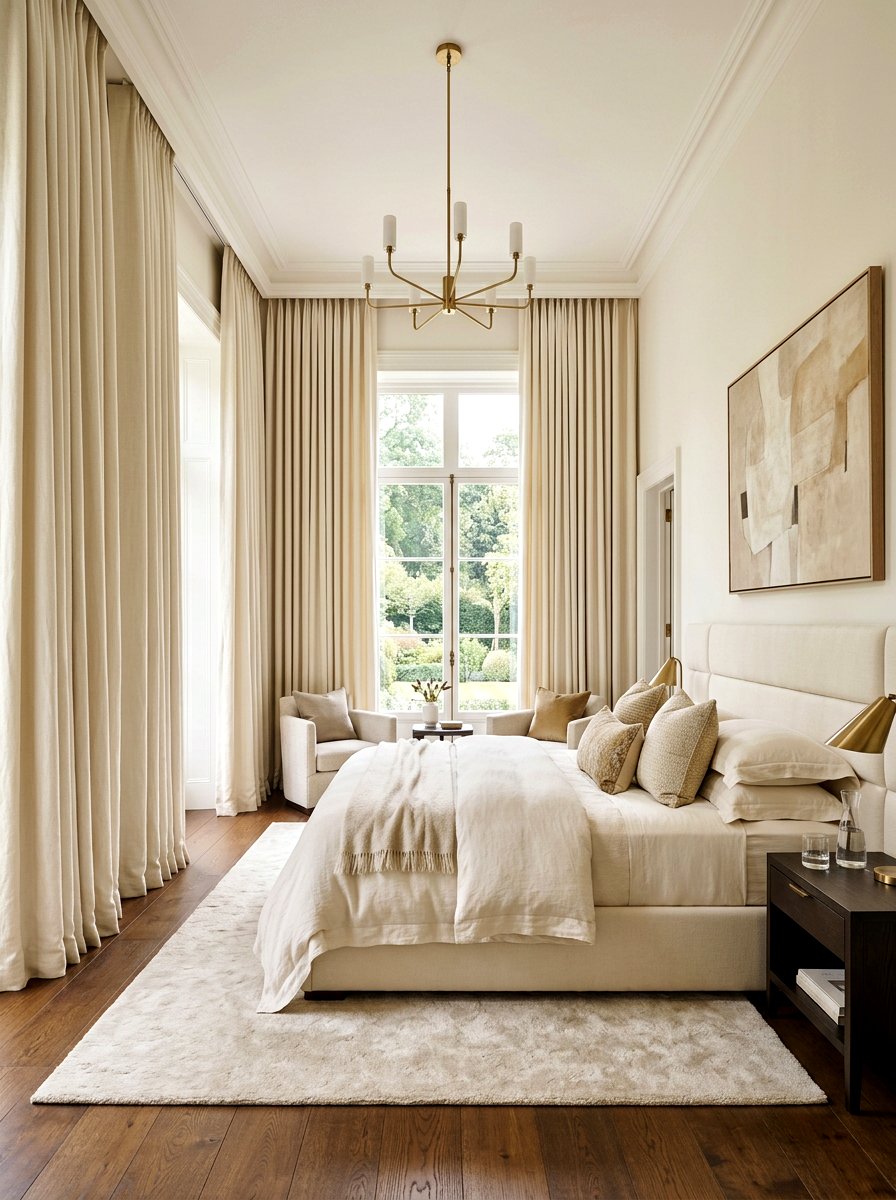
Hanging curtains from the ceiling all the way to the floor creates a sense of luxury and calm. This design choice makes your windows look larger and helps block out more light and sound. The large amount of fabric adds softness to the walls, which can help dampen echoes in the room. When the curtains are closed, they create a continuous fabric wall that feels very protective. Choose a heavy, high-quality material in a solid color to maintain a low-stimulation look. This simple architectural trick elevates the entire room while providing practical benefits for your sleep. It makes the bedroom feel like a high-end hotel suite.
24. Built In Shelving
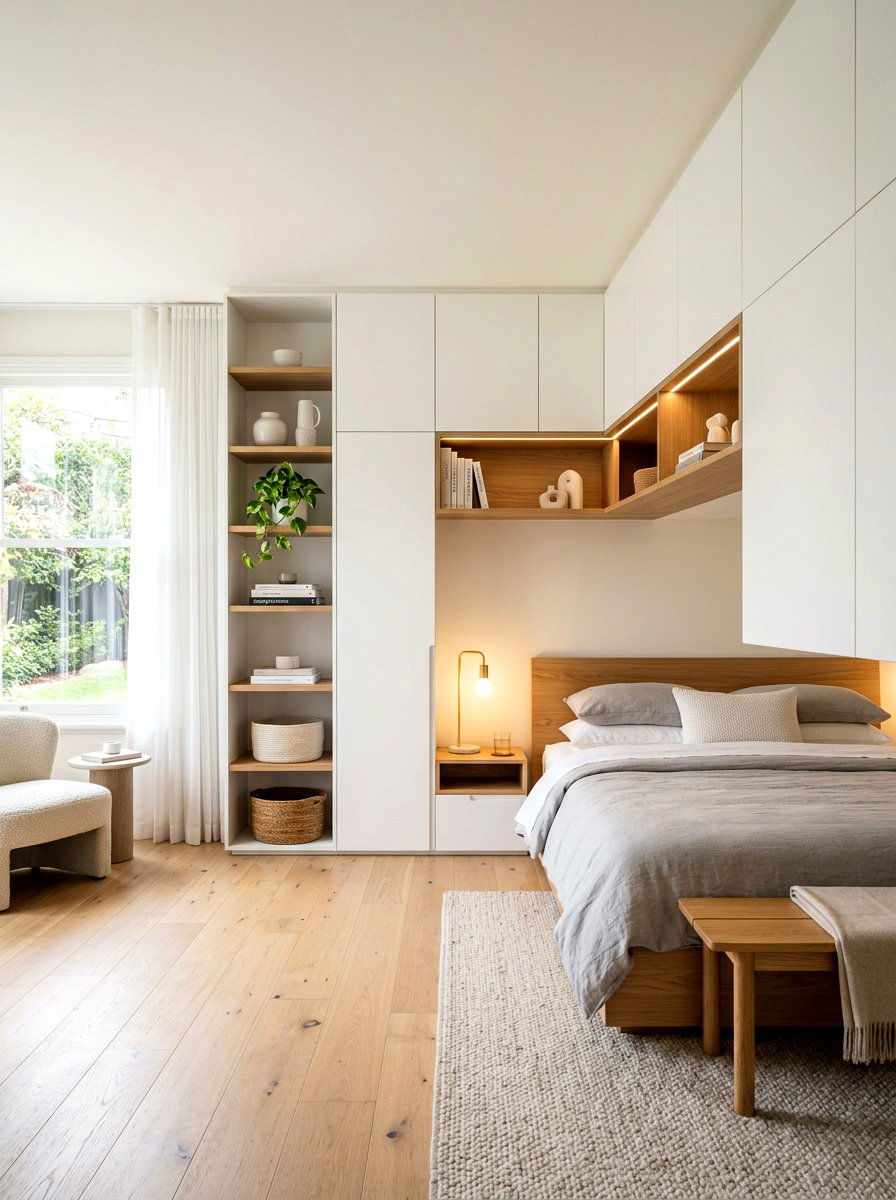
Open bookshelves can often look cluttered with mismatched book spines and small objects. Built-in shelving with doors or curtains allows you to hide these items away. This keeps the lines of the room clean and reduces visual distractions. You can use the shelves to store everything from extra blankets to personal mementos. By keeping the exterior simple, you maintain the peaceful atmosphere of the bedroom. If you prefer open shelves, try to group items by color or use uniform baskets to hide small clutter. Built-in solutions maximize your storage while minimizing the impact on your visual field, which is key for a very low-stimulation design.
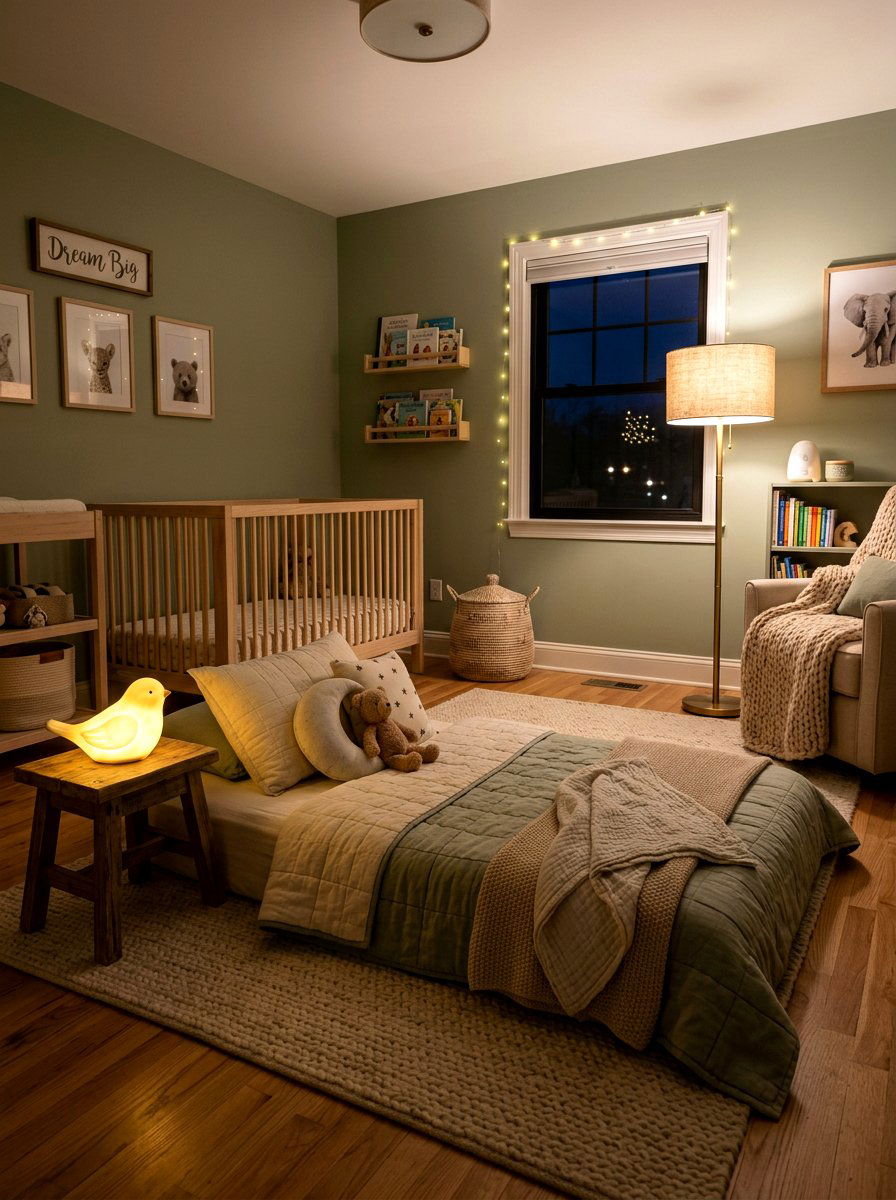
25. Japandi Bedroom Style
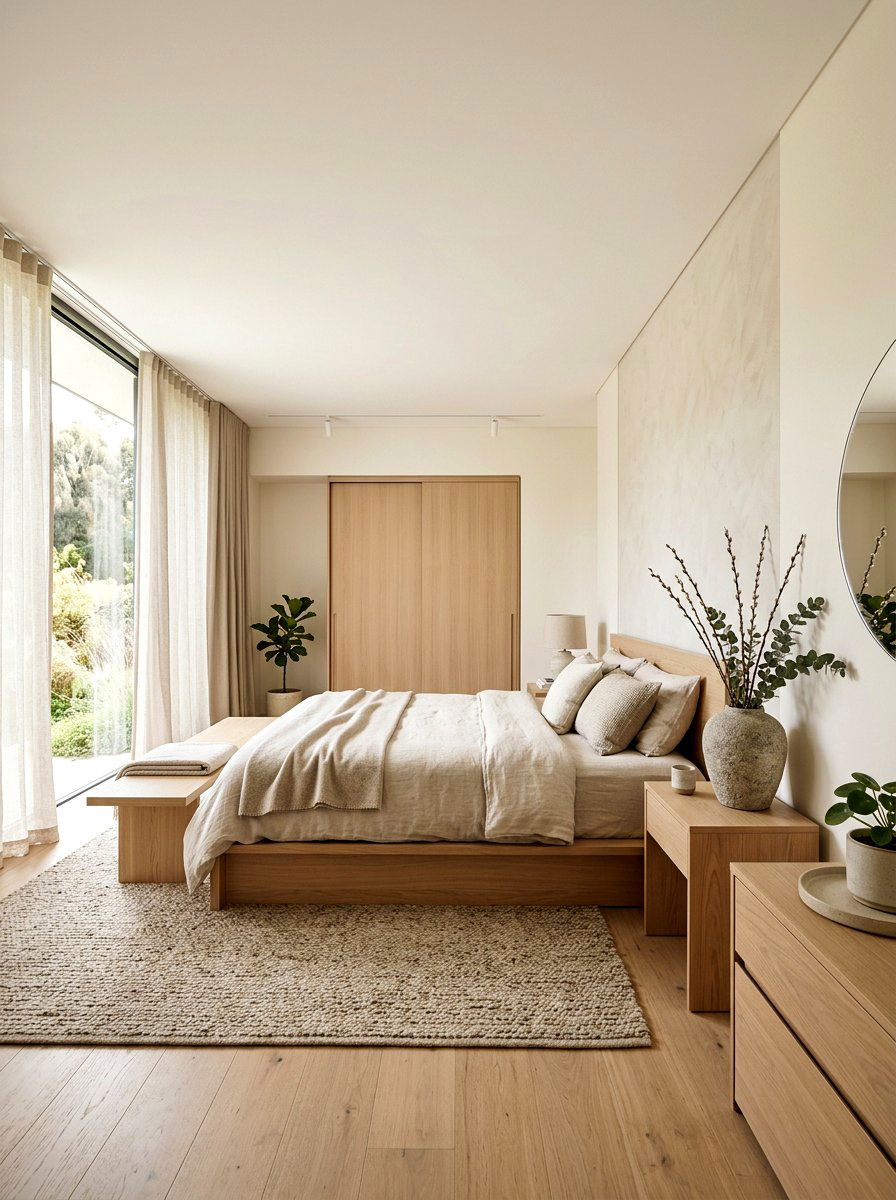
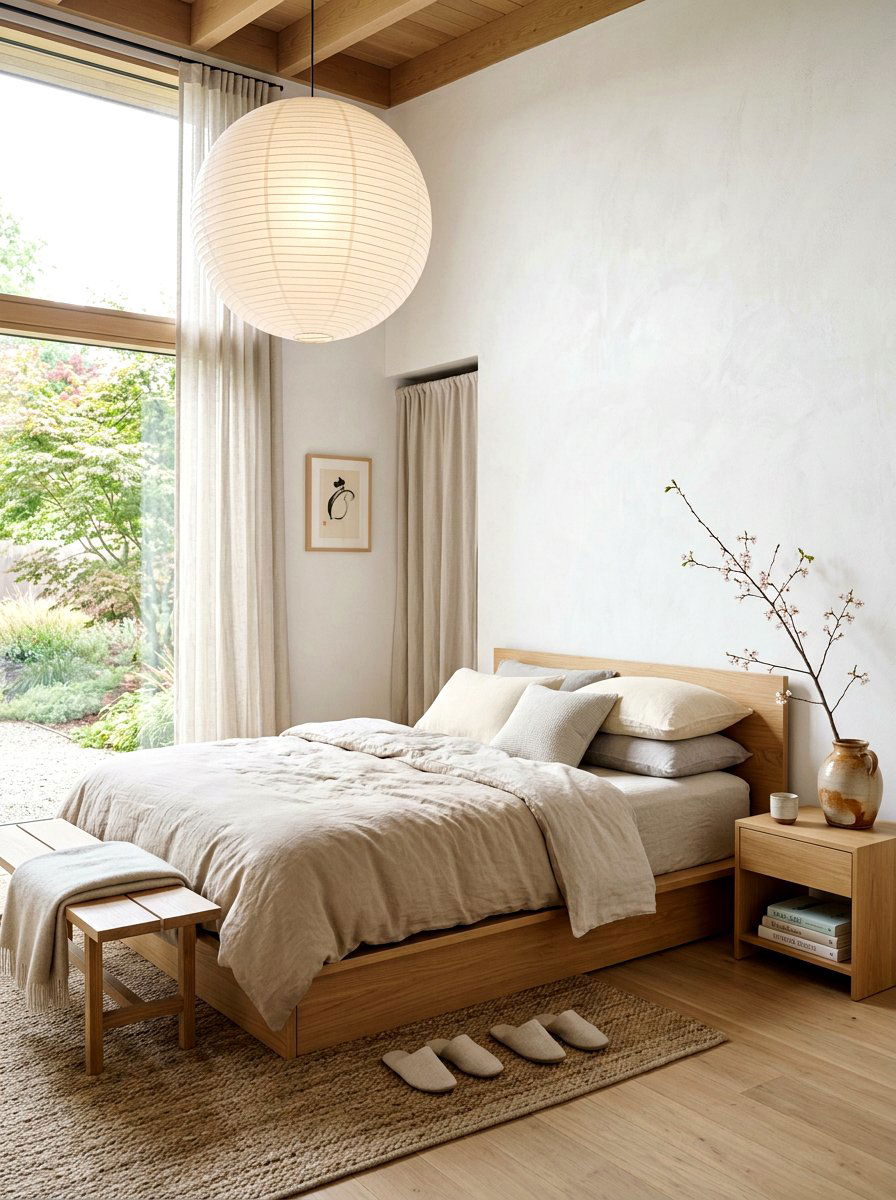
Japandi style is a beautiful blend of Japanese minimalism and Scandinavian functionality. This aesthetic is perfect for a low-stimulation bedroom because it focuses on clean lines, natural materials, and neutral colors. It prioritizes quality over quantity, meaning every piece of furniture has a purpose. The use of light wood, stone, and soft textiles creates a space that feels both modern and traditional. Japandi design encourages a clutter-free environment and a connection to nature. This balance of simplicity and warmth provides a perfect backdrop for rest. It is an intentional way to design a room that feels organized, peaceful, and incredibly stylish all at the same time.
26. Under Bed Lighting
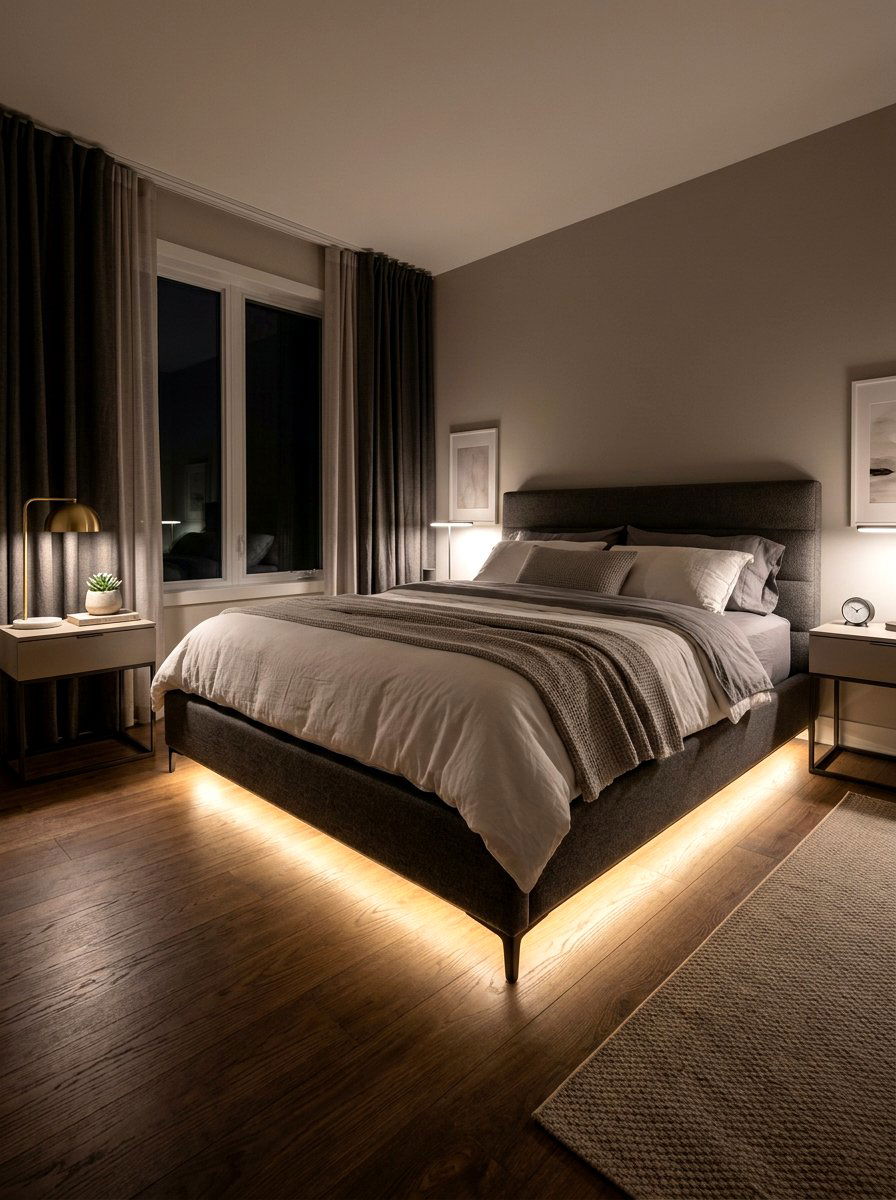
Traditional bedside lamps can sometimes be too bright for a midnight trip to the bathroom. Under-bed lighting uses motion-activated LED strips to provide a soft glow on the floor. This provides enough light to see where you are going without fully waking up your brain. The light is directed downwards, so it doesn't hit your eyes directly. It is a functional and high-tech solution that adds a modern touch to your bedroom. This gentle lighting helps maintain your sleepy state, making it much easier to drift back off after you return to bed. It is a small detail that significantly improves your nighttime experience and safety.
27. Cotton Waffle Blankets
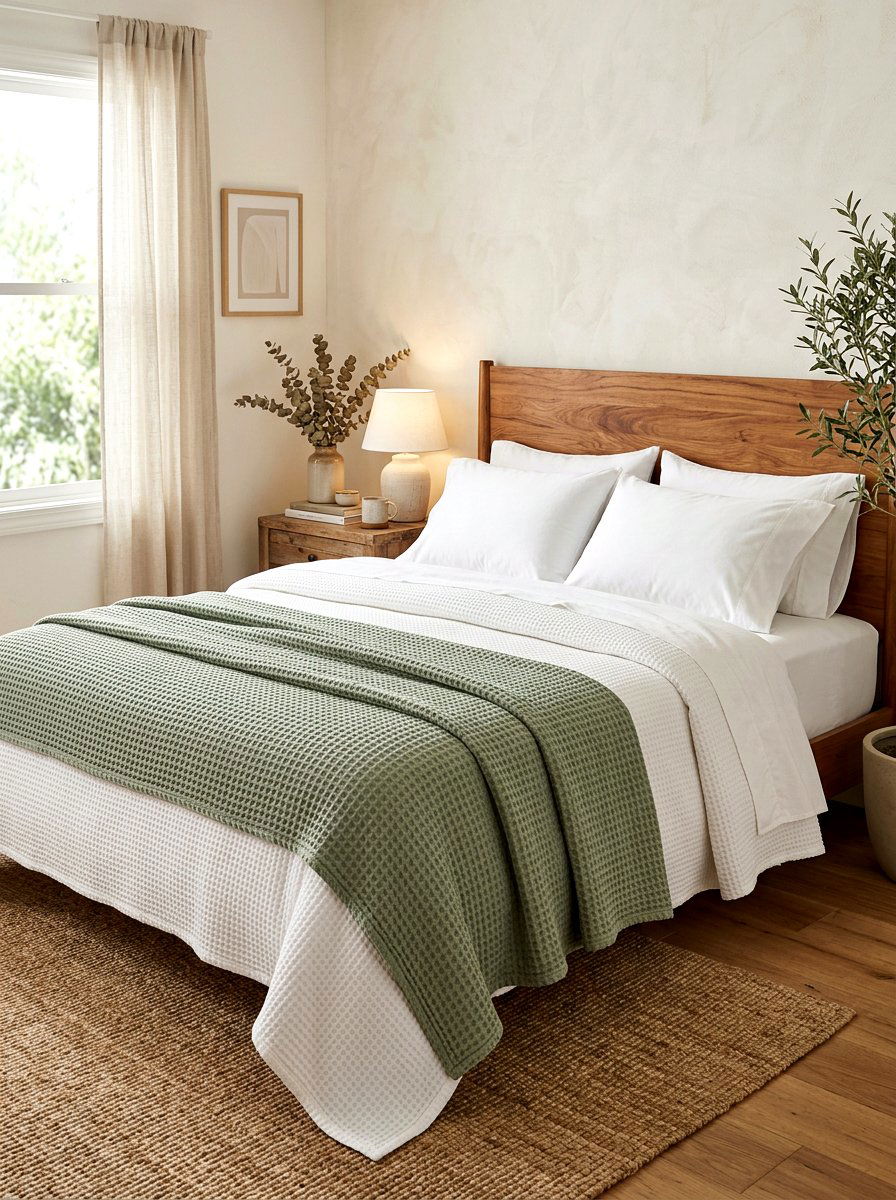
Adding a cotton waffle blanket to your bed provides a unique tactile experience. The honeycomb texture is soft and provides a slight weight without being too heavy for summer nights. Waffle weave is also highly breathable, which is great for people who are sensitive to fabric textures. These blankets look beautiful when layered over smooth sheets, adding a bit of visual depth to a neutral bed. You can find them in many muted colors like dusty rose or sage green. The texture is comforting to touch and helps ground your senses as you prepare for sleep. It is a simple way to upgrade your bedding for better comfort.
28. Muted Blue Walls
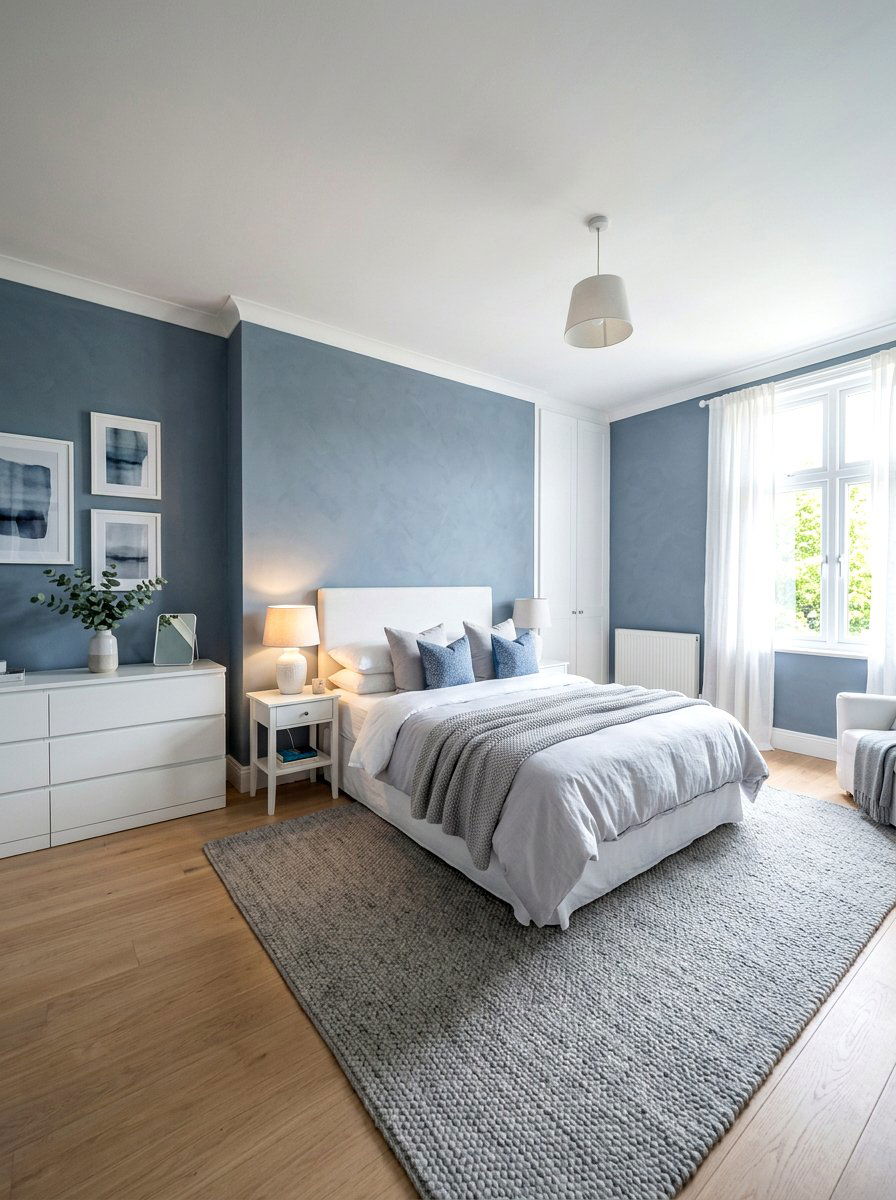
Blue is one of the most popular colors for bedrooms because of its cooling and calming properties. Muted blue walls, such as a soft denim or a light slate, can help lower your blood pressure. This color is associated with the sky and the ocean, which are both vast and peaceful environments. Unlike bright primary blues, muted shades feel sophisticated and quiet. You can pair blue walls with white furniture for a classic, clean look. This palette is especially effective for people who find warm tones too stimulating. It creates a refreshing and serene space that feels like a breath of fresh air every time you enter.
29. Bamboo Window Blinds
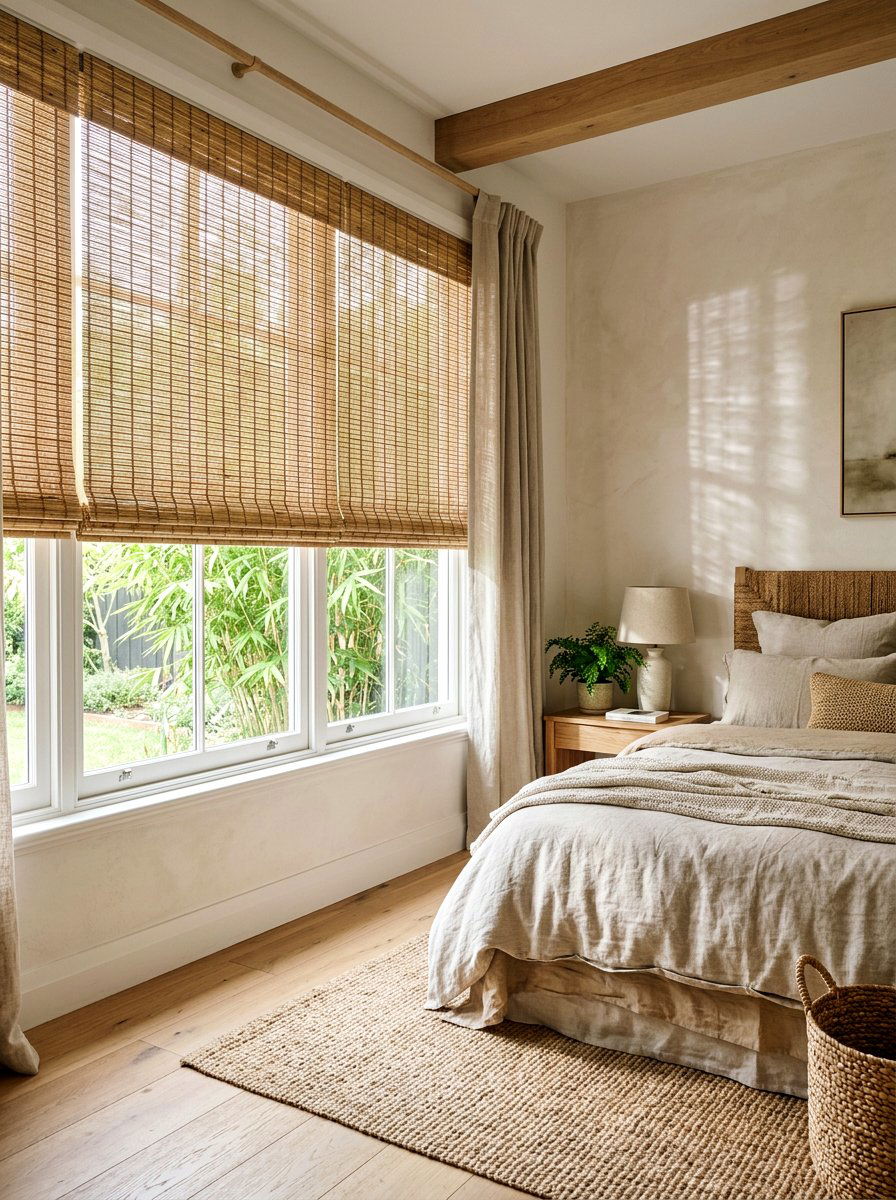
Bamboo window blinds are a great alternative to traditional fabric curtains. They add a natural, woody texture to your windows that feels organic and grounded. These blinds allow you to control the amount of light entering the room by tilting the slats. They provide excellent privacy while still letting a bit of soft light filter through. Bamboo is a sustainable material, making it a great choice for eco-conscious decorators. The warm brown tones of the wood pair beautifully with green plants and neutral bedding. Using natural materials on your windows helps bring a touch of the outdoors into your low-stimulation sanctuary for a very peaceful vibe.
30. Salt Lamp Decor
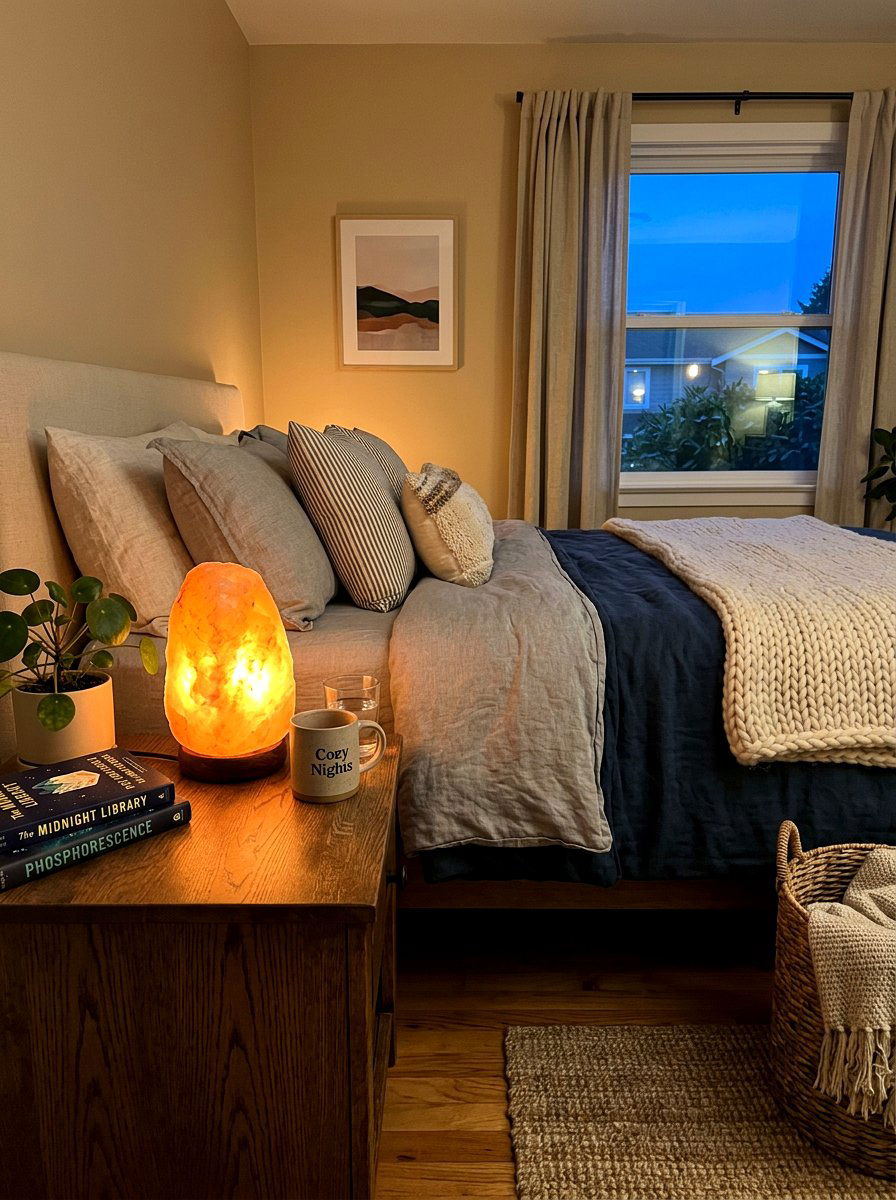
Himalayan salt lamps are famous for their warm, orange glow and potential air-purifying qualities. Placing a salt lamp on your nightstand provides a very soft and soothing light source for the evening. The natural shape of the salt crystal is visually unique and grounding. Many people find the amber light much more relaxing than standard white bulbs. It creates a campfire-like atmosphere that is perfect for winding down before sleep. Because the light is dim, it doesn 't interfere with your body' s natural sleep cycle. Adding a salt lamp is an easy and affordable way to introduce a bit of warmth and nature into your low-stimulation bedroom.
Conclusion:
Designing a low-stimulation bedroom is a beautiful way to practice self-care and prioritize your mental health. By focusing on sensory-friendly elements, you create a space that truly supports your well-being. Everyone deserves a place where they can escape the noise of the outside world. Whether you choose soft lighting, muted colors, or tactile textures, each choice matters. These small changes lead to better sleep and a more peaceful morning routine. Start with one or two ideas and see how your body responds to the new environment. Your bedroom should be your ultimate sanctuary. Investing time in this transformation will pay off in your daily energy levels and overall happiness.

Related posts: