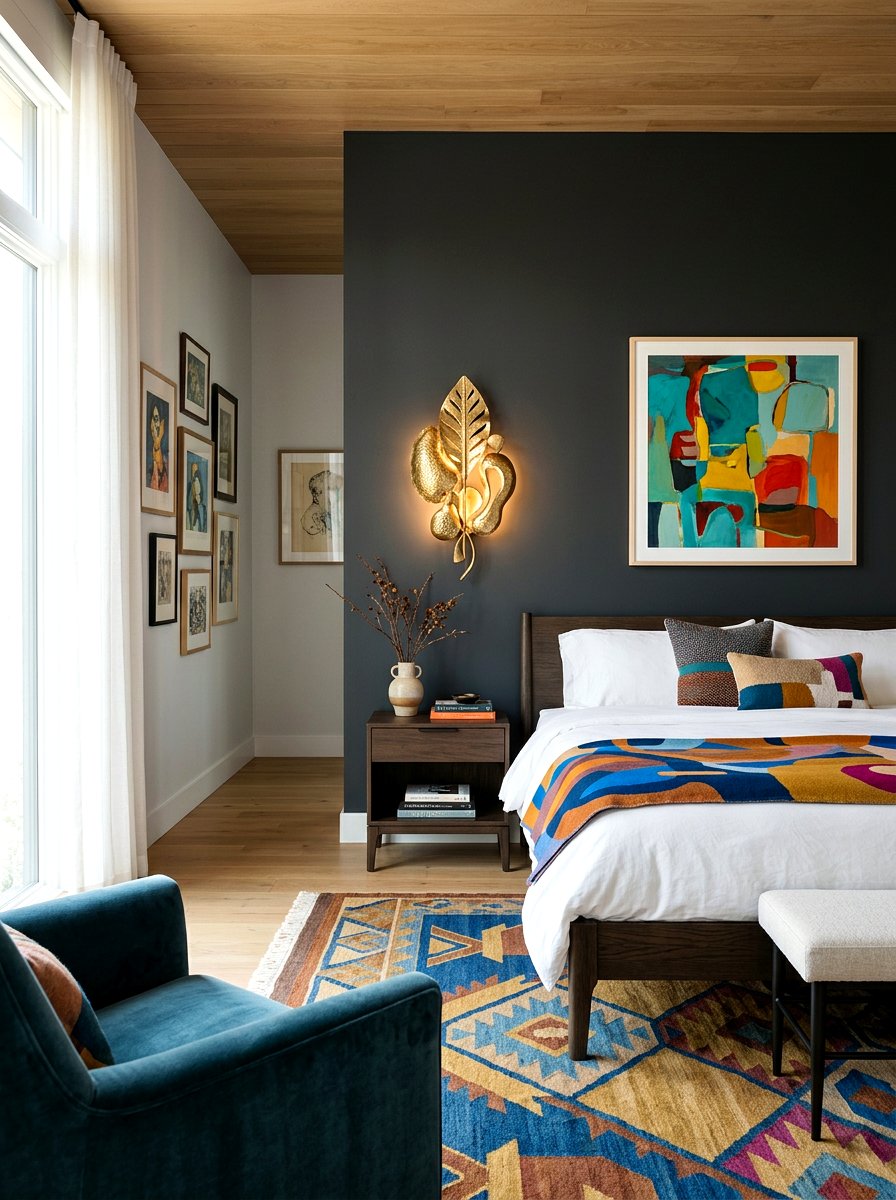
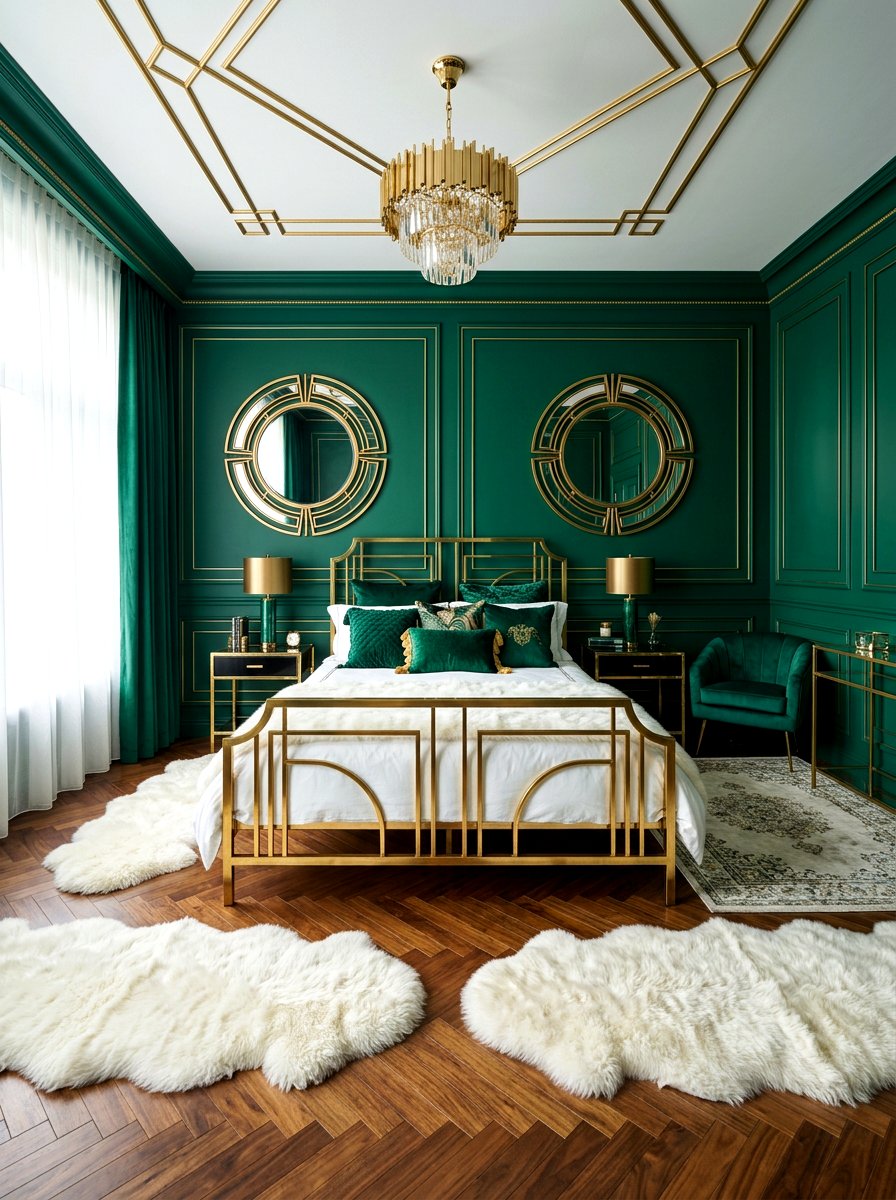
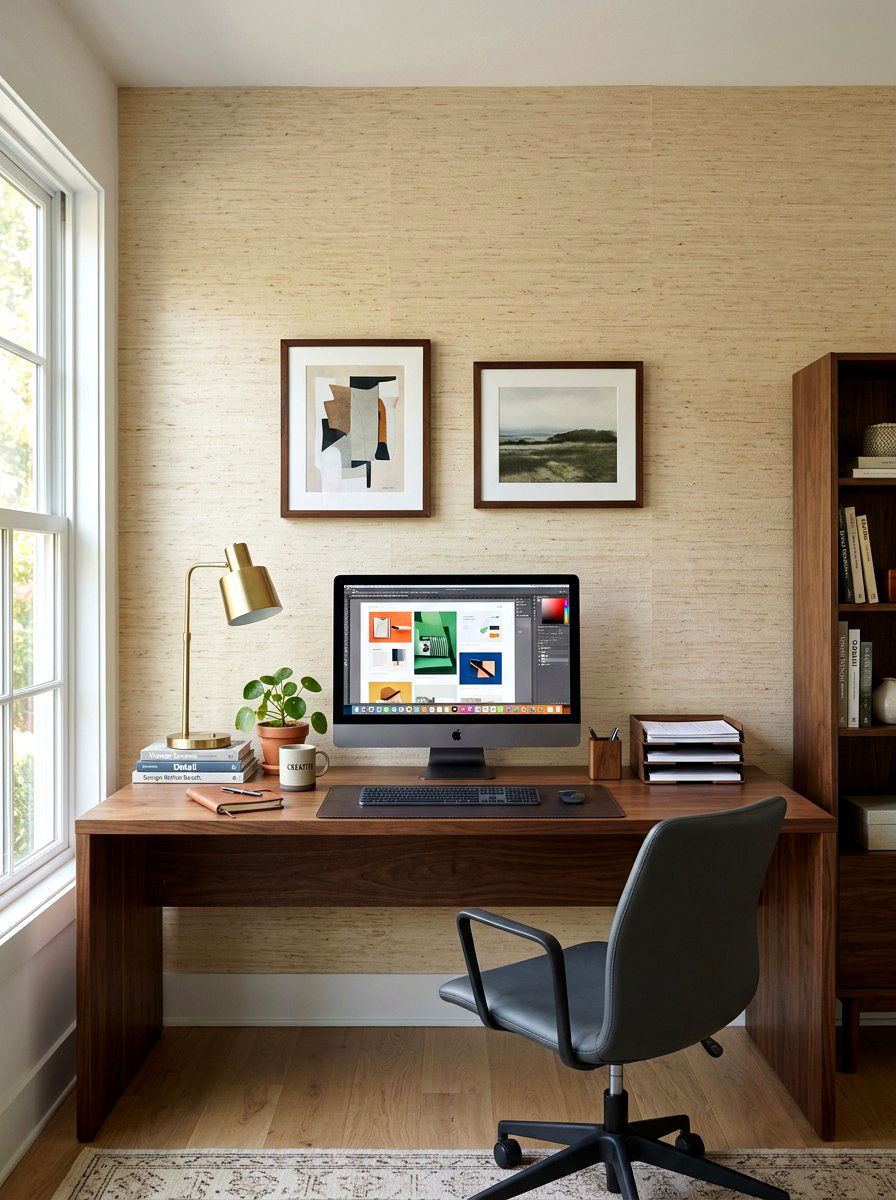
Creating a sleep sanctuary is about more than just buying a new mattress or picking out pretty sheets. It involves a holistic approach to your environment that prioritizes rest, relaxation, and mental clarity. Your bedroom should be a dedicated space where the stresses of the outside world simply melt away the moment you step inside. By focusing on sensory details like soft textures, calming colors, and gentle lighting, you can transform a standard sleeping area into a true haven. This guide explores various ways to optimize your room for deep, restorative slumber so you wake up feeling refreshed and energized every single morning of the week.

1. Neutral Bedroom Color Palette
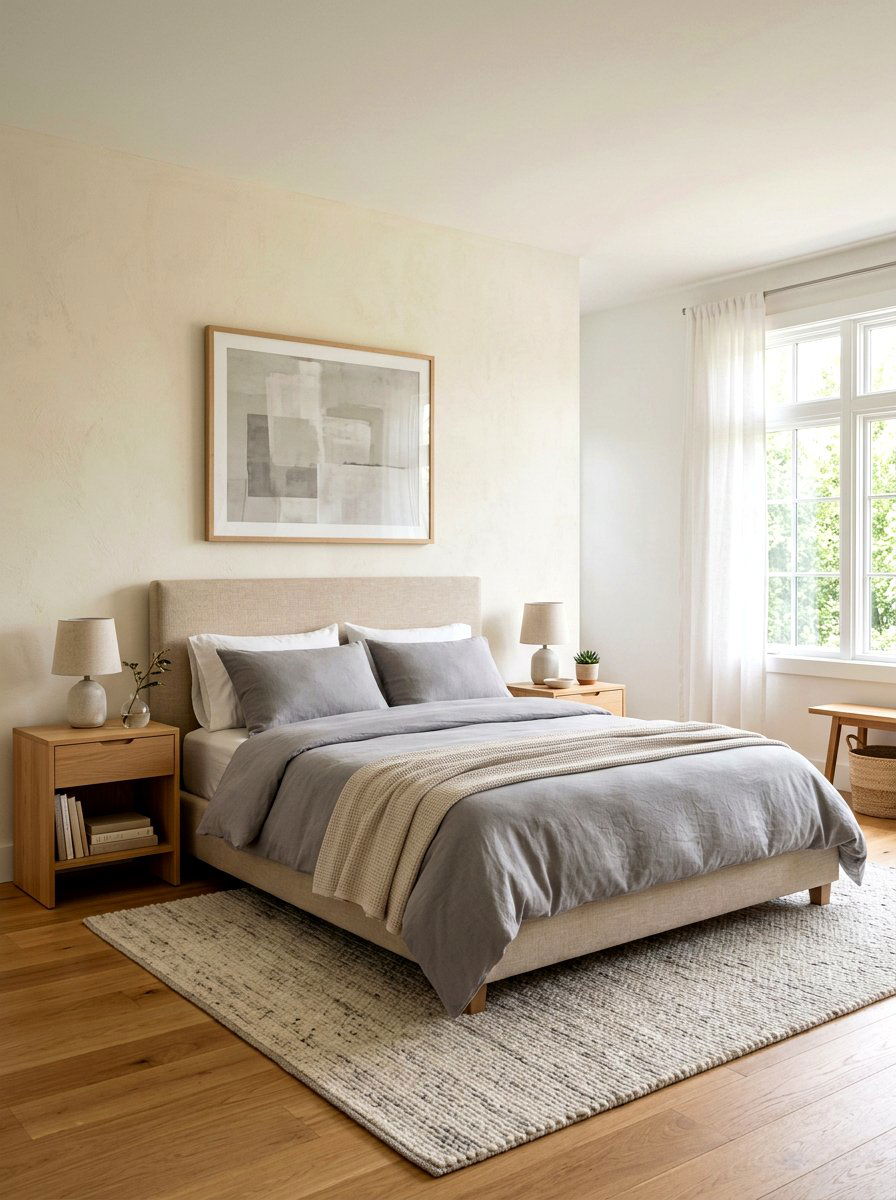
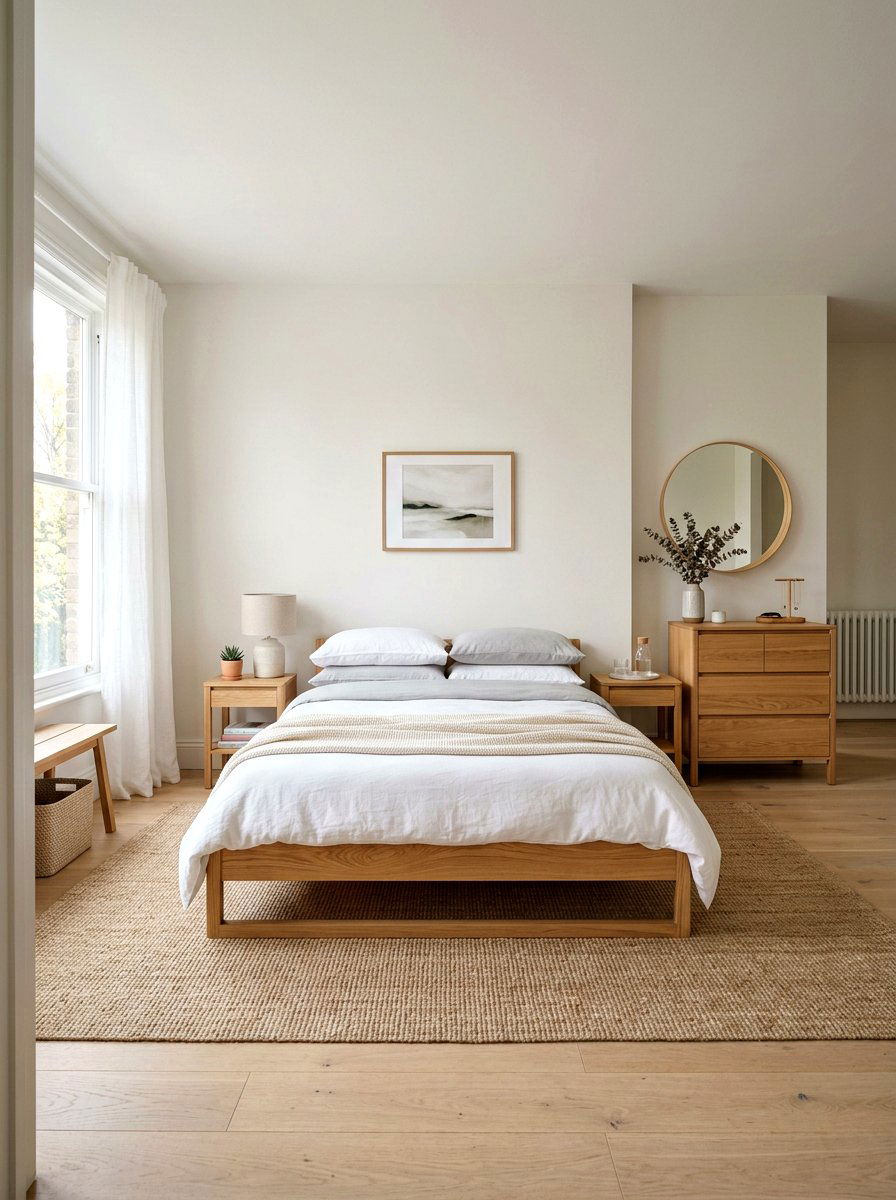
Choosing the right colors for your walls and decor plays a massive role in how quickly you drift off at night. A neutral bedroom color palette creates a visually quiet environment that helps lower your heart rate and prepare your mind for rest. Think about using soft shades like creamy white, warm beige, or gentle dove gray across your entire space. These colors reflect natural light beautifully during the day and feel incredibly cozy when the sun goes down. When your surroundings are simple and cohesive, your brain doesn't have to process complex visual information. This leads to a much faster transition into a deep sleep state.
2. Minimalist Bedroom Furniture

A cluttered room often leads to a cluttered mind, making it very difficult to truly relax before bed. Opting for minimalist bedroom furniture helps you maintain a clean and organized space that feels open and airy. Focus on selecting pieces with clean lines and functional designs that serve a clear purpose without taking up too much floor space. A simple bed frame paired with sleek, unobtrusive nightstands can make even a small room feel significantly larger and more peaceful. By removing unnecessary items, you eliminate distractions that might otherwise keep you awake. Simplicity is truly the ultimate luxury when it comes to designing a functional sanctuary.
3. Organic Linen Bedding
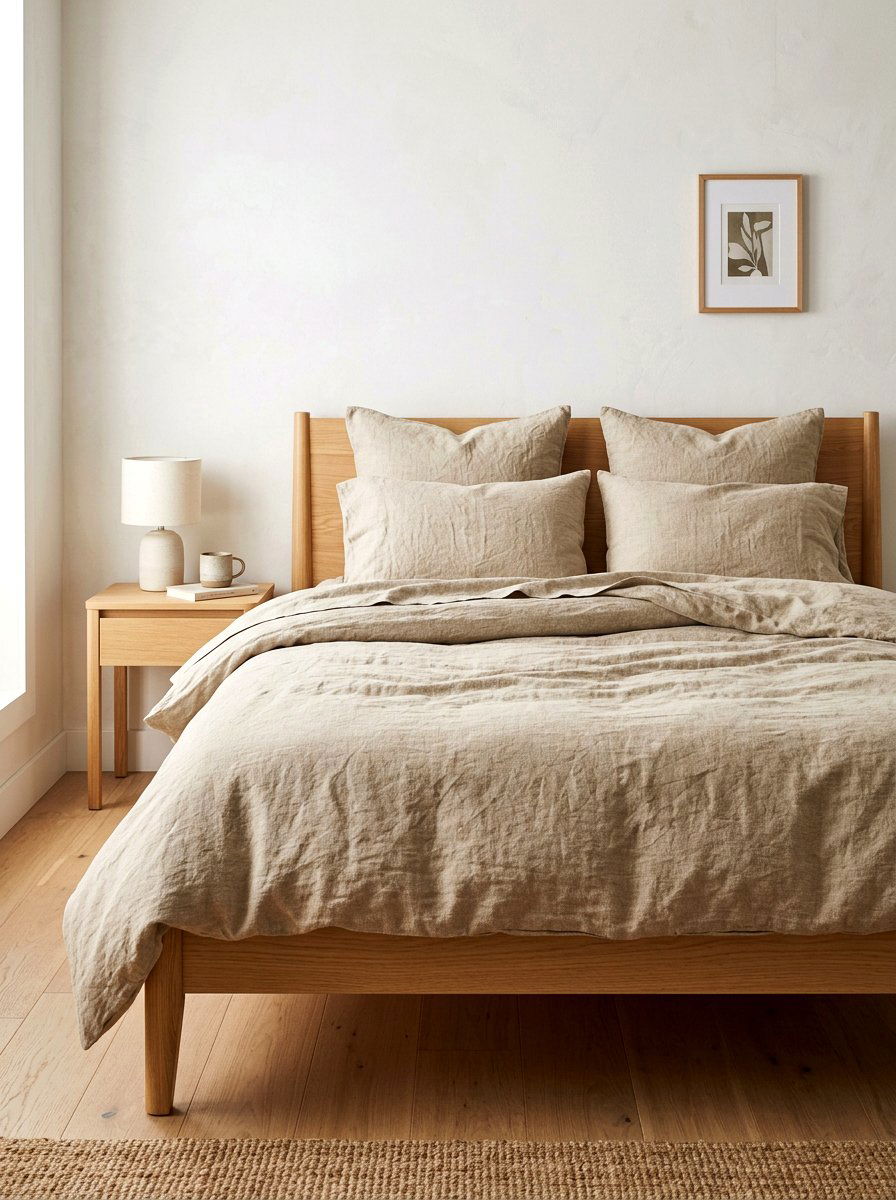
The fabric that touches your skin all night long is one of the most important factors for sleep quality. Organic linen bedding is highly breathable and moisture-wicking, which helps regulate your body temperature throughout every season. Unlike synthetic materials, linen allows for excellent airflow, preventing you from overheating during the night. It also possesses a beautiful, natural texture that becomes softer with every single wash. Investing in high-quality natural fibers creates a tactile experience that feels both luxurious and grounding. When your body feels comfortable and cool, you are much less likely to toss and turn, leading to a far more consistent sleep cycle.
4. Blackout Window Treatments
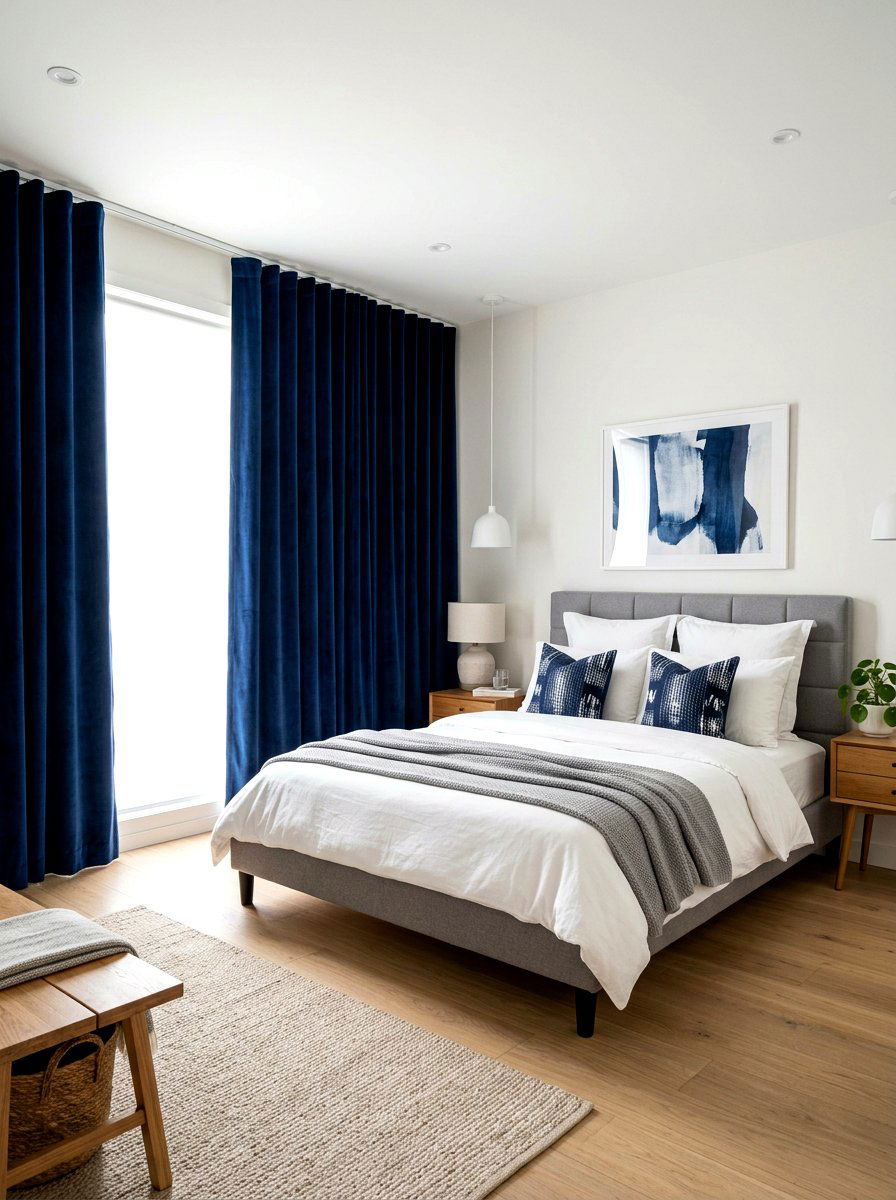
Light is a major disruptor of the human circadian rhythm, often preventing the production of essential sleep hormones like melatonin. Installing blackout window treatments is a practical solution that ensures your room remains perfectly dark regardless of streetlights or early sun. These thick curtains or shades are designed to block nearly all outside light while also providing an extra layer of thermal insulation. By creating a completely dark environment, you signal to your brain that it is time for deep recovery. This simple adjustment can significantly improve the duration and quality of your rest, especially if you live in a busy or bright urban area.
5. Soft Ambient Lighting
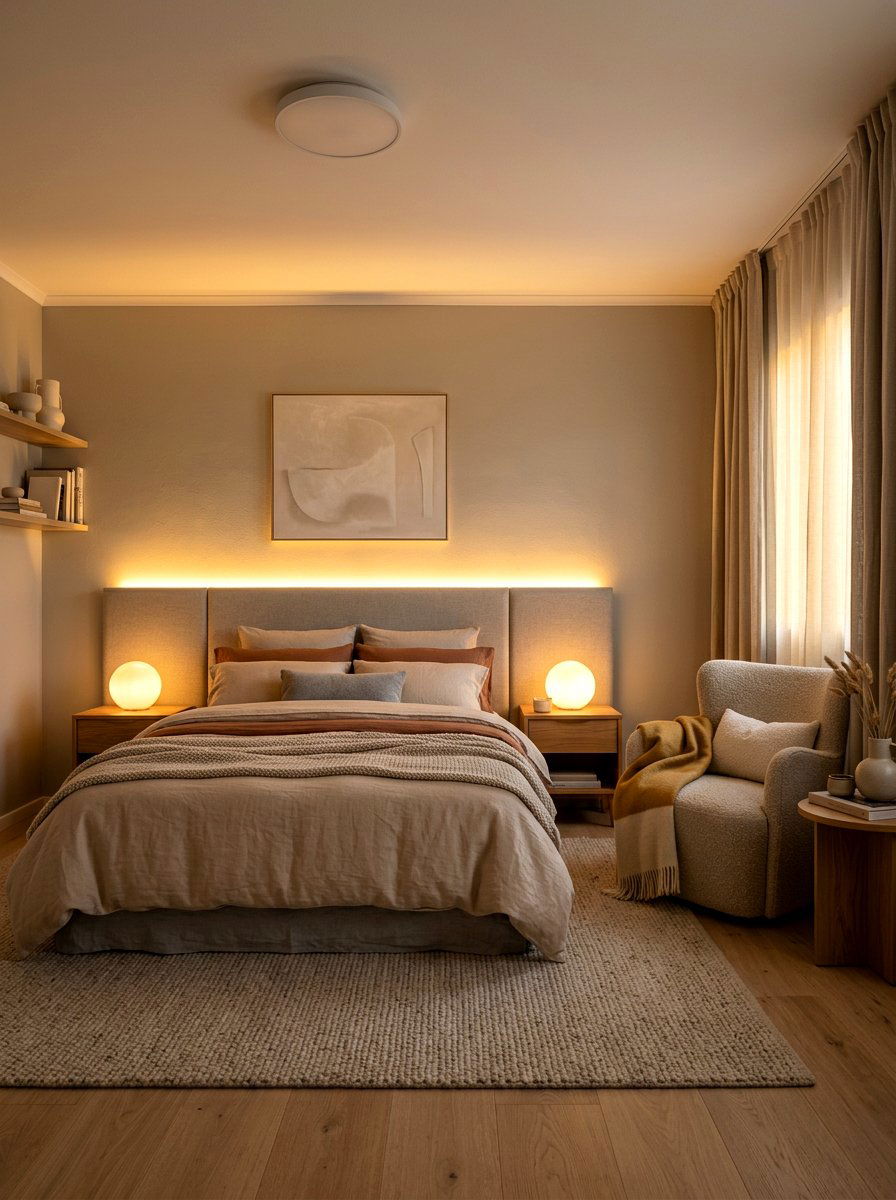
Harsh overhead lighting can feel abrasive and stimulating, which is the opposite of what you need when winding down. Incorporating soft ambient lighting throughout your bedroom helps transition your mind from the high energy of the day to a restful state. Use multiple light sources like bedside lamps, wall sconces, or even warm LED strips to create a gentle, diffused glow. Dimmer switches are also excellent tools for gradually reducing the light levels as your bedtime approaches. By avoiding bright blue light in the evening, you support your body’s natural rhythm. A warm, golden atmosphere makes the entire room feel much more inviting and calm.
6. Biophilic Bedroom Elements
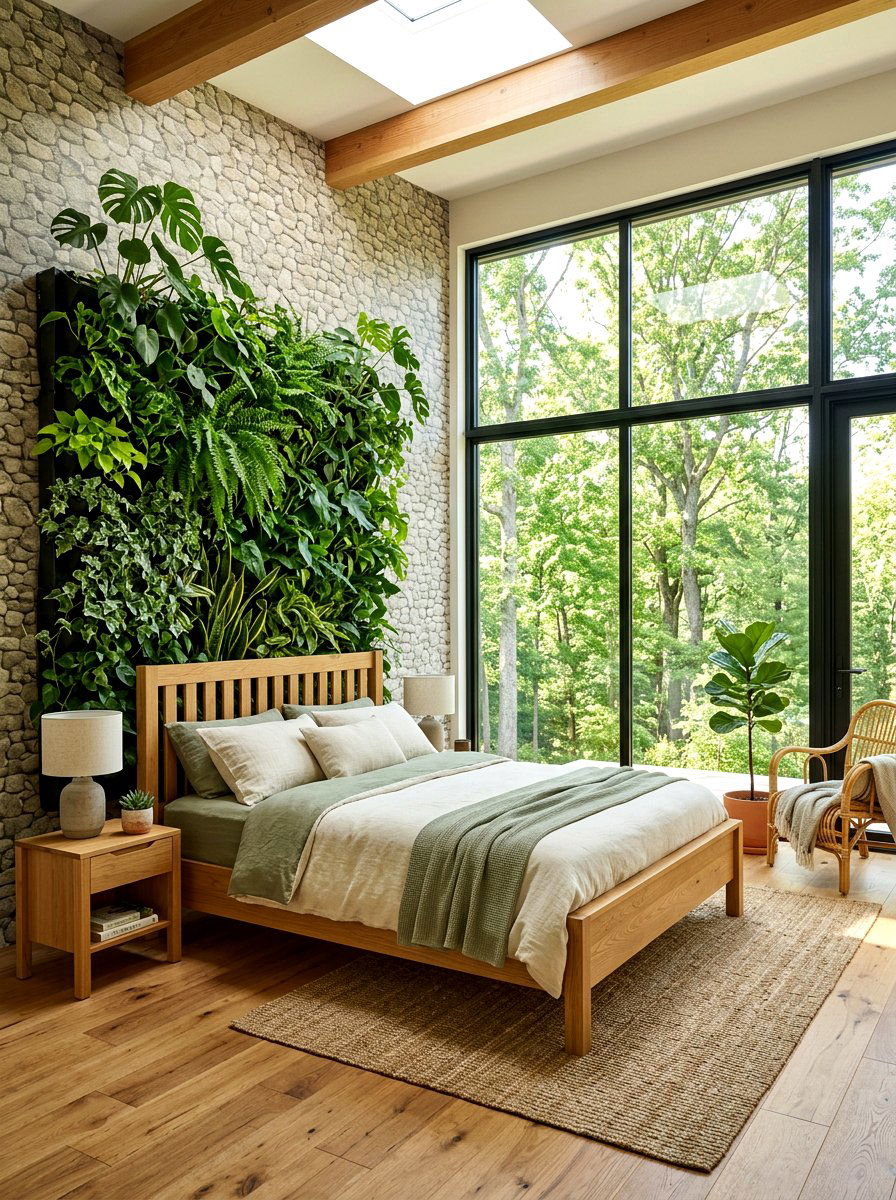
Bringing elements of nature into your sleeping space can have a profound impact on your mental well-being and stress levels. Biophilic bedroom elements focus on using natural materials, organic shapes, and greenery to create a calming connection to the outdoors. This might include using stone accents, woven textures, or placing a few lush plants around the room. Nature has an inherent ability to soothe our nervous systems and promote a sense of security. When you surround yourself with these organic touches, the bedroom feels less like an artificial box and more like a living, breathing retreat that nourishes your soul every night.
7. Cozy Reading Nook
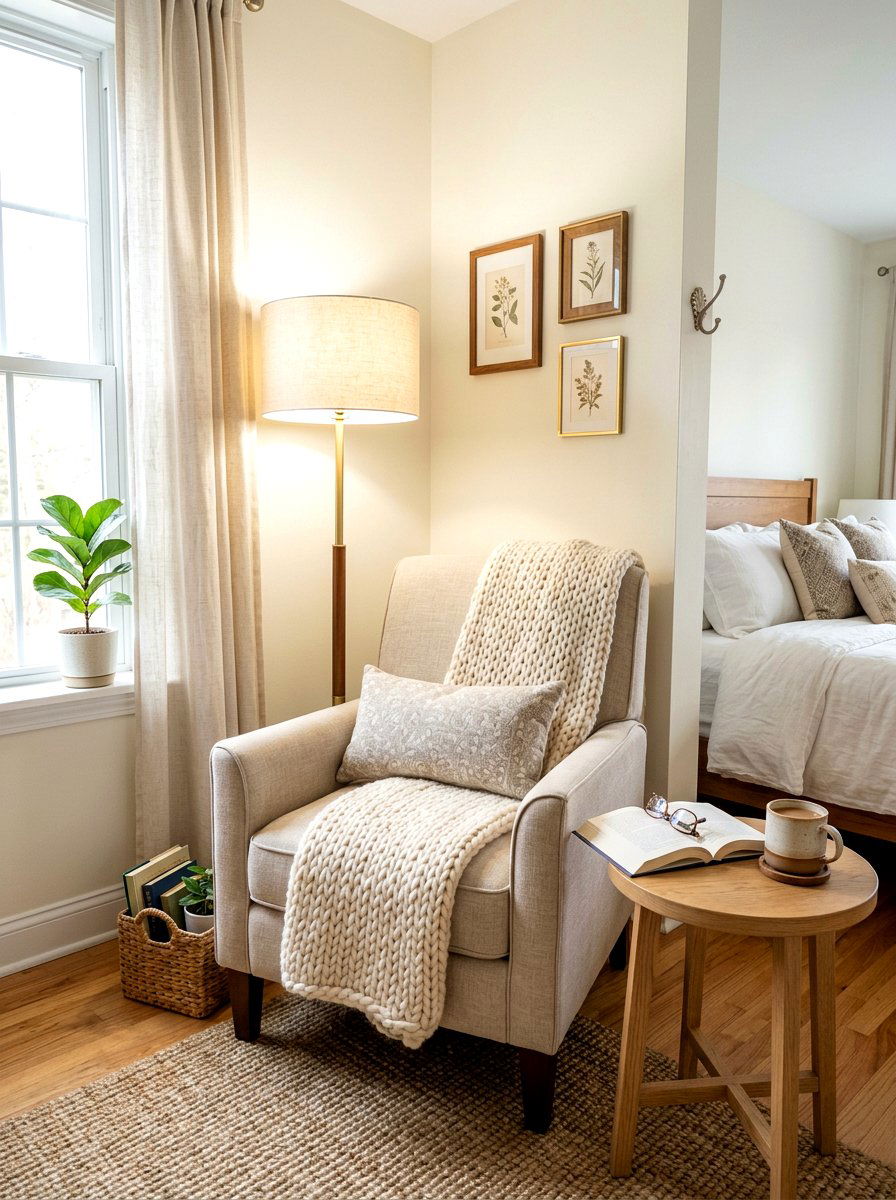
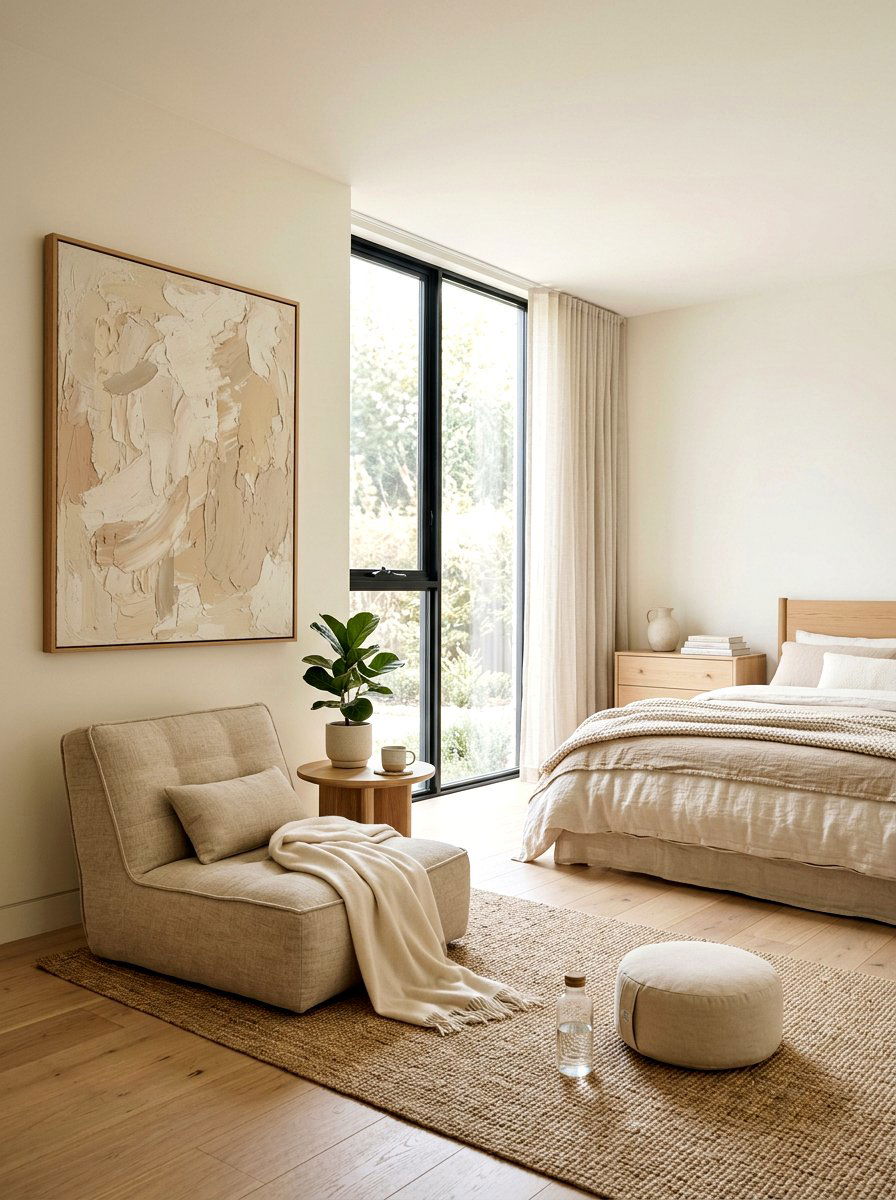
Having a dedicated space for quiet activities that do not involve screens can greatly enhance your evening routine. A cozy reading nook provides a comfortable spot to decompress with a book or a journal before you actually get into bed. This helps your brain associate the bed only with sleep rather than with reading or browsing your phone. All you need is a comfortable armchair, a soft throw blanket, and a small side table for your tea. By separating your "winding down" activities from your actual sleeping area, you create a psychological boundary that makes it much easier to fall asleep quickly.
8. Soundproof Bedroom Walls
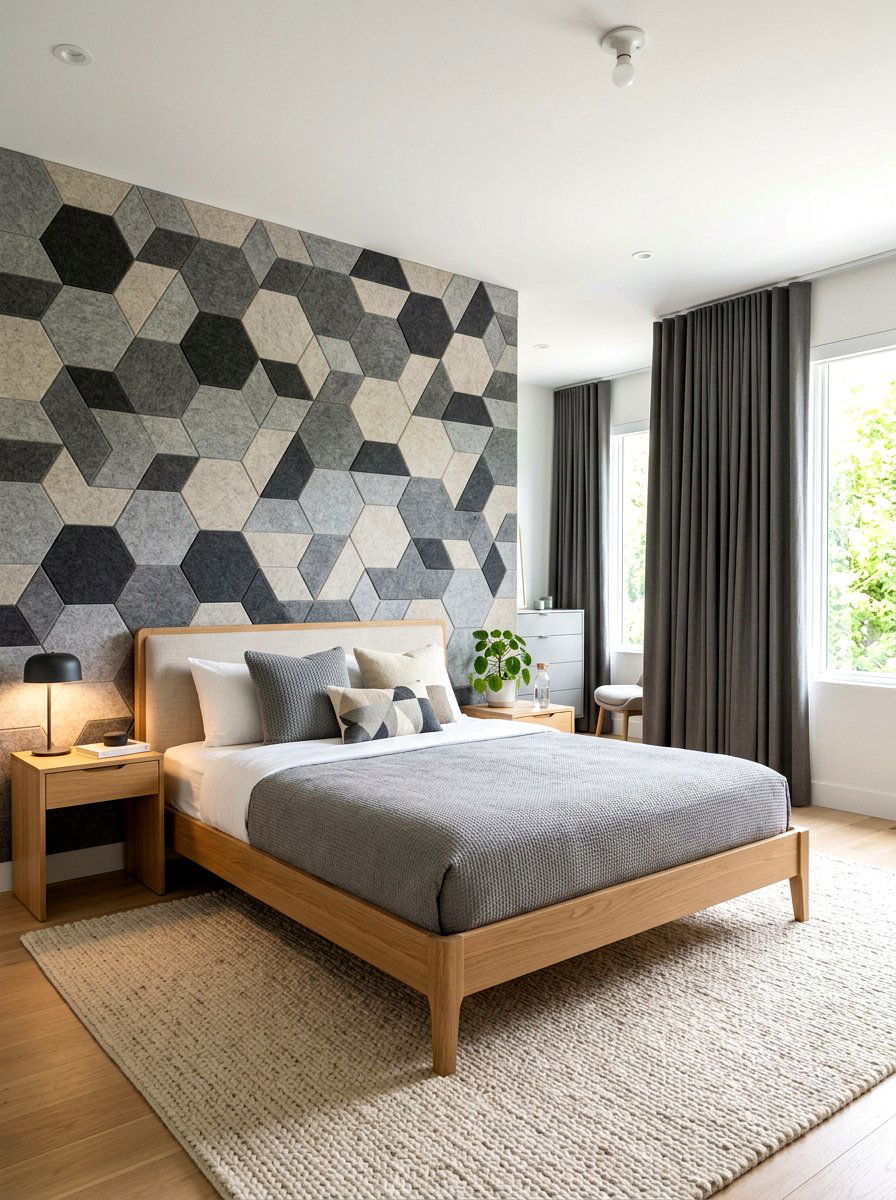
External noises like traffic, loud neighbors, or barking dogs can easily pull you out of a deep sleep cycle. Enhancing your space with soundproof bedroom walls or acoustic treatments can create a much-needed barrier against these common disturbances. You don’t necessarily need professional construction; heavy fabric wall hangings, thick rugs, and strategic furniture placement can help absorb sound waves effectively. Creating a silent environment allows your brain to stay in the deeper stages of sleep for longer periods. When the world outside stays quiet, your body can focus entirely on the vital processes of cellular repair and mental processing that happen while you rest.
9. Air Purifying Plants
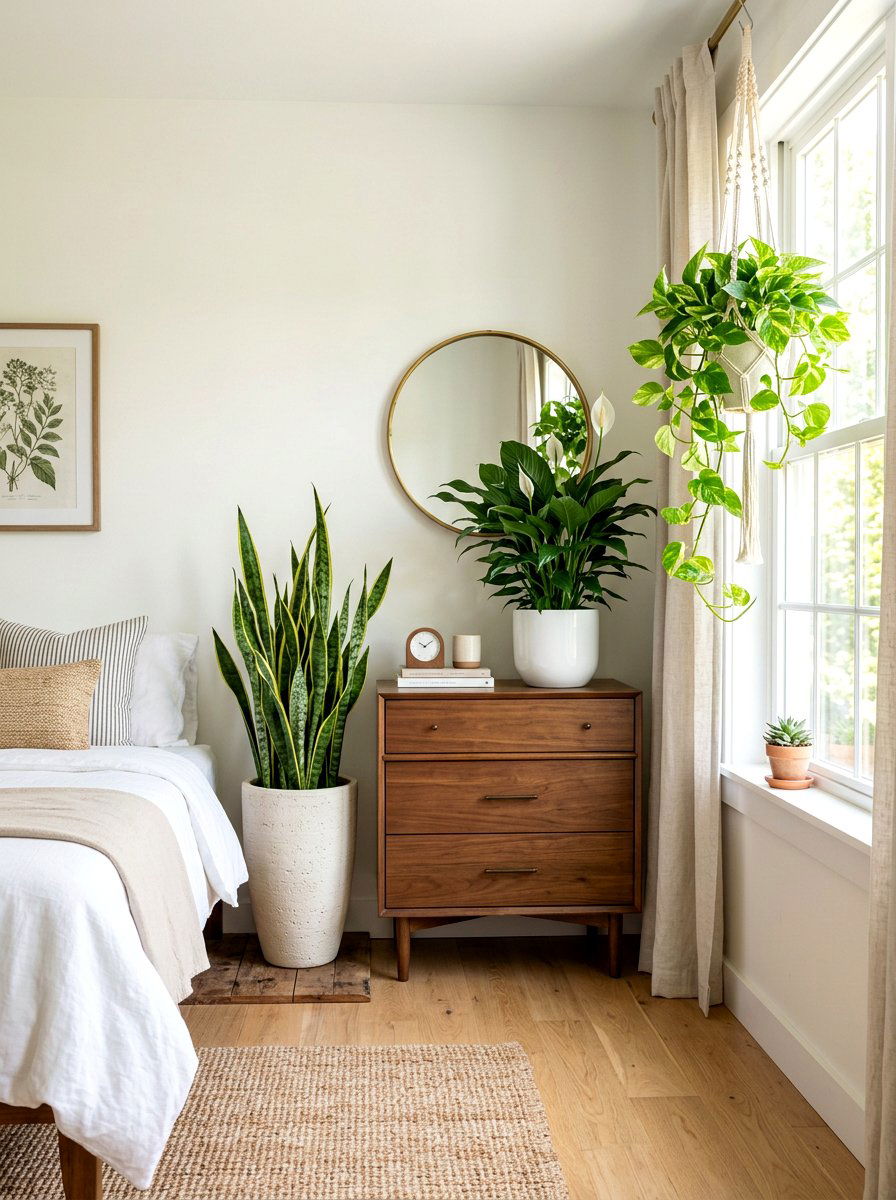
The quality of the air you breathe while sleeping is just as important as the comfort of your mattress. Air purifying plants like snake plants, peace lilies, or spider plants are excellent additions to any modern sleep sanctuary. These natural filters work to remove toxins from the air while releasing fresh oxygen, which can lead to clearer breathing and better rest. Beyond their functional benefits, the sight of green foliage is known to reduce anxiety and promote a sense of tranquility. Tending to a small indoor garden also provides a mindful ritual that can help you feel more grounded and peaceful before bed.
10. Essential Oil Diffuser
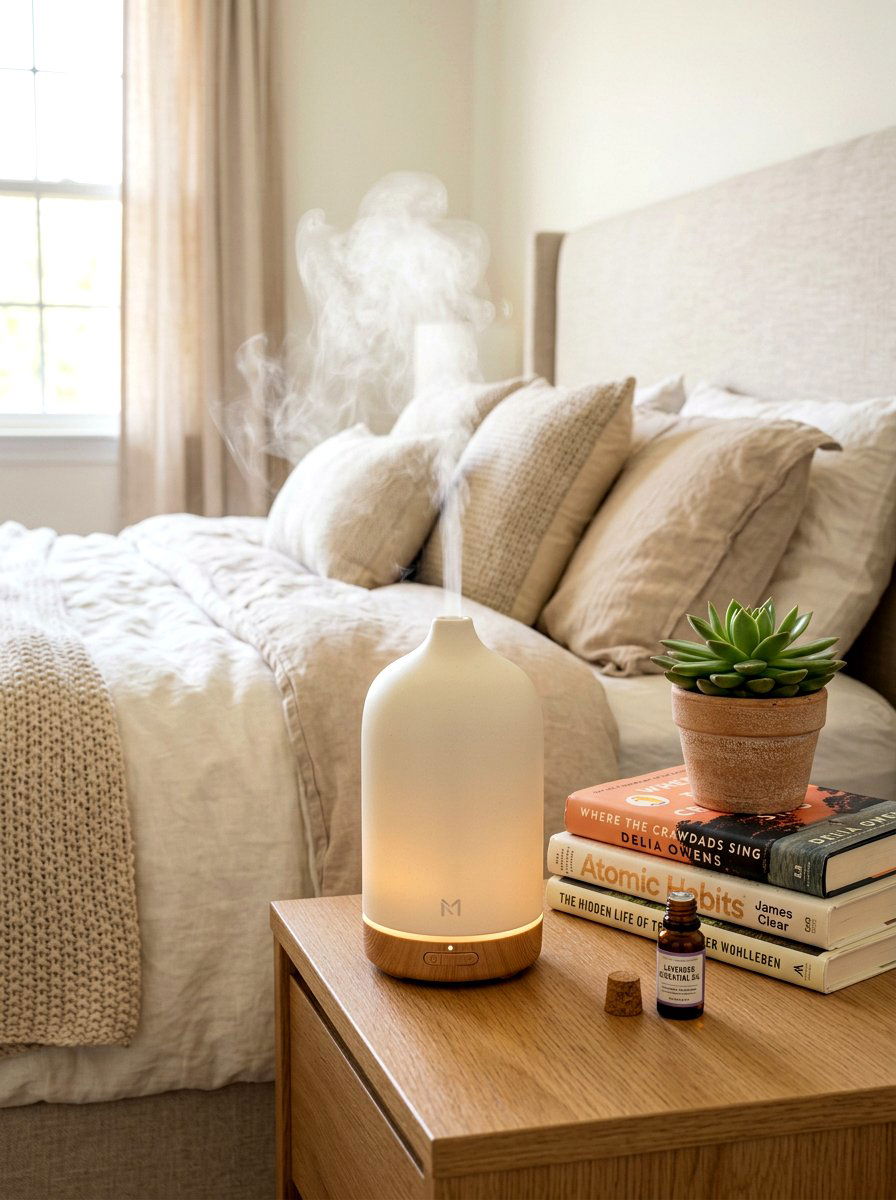
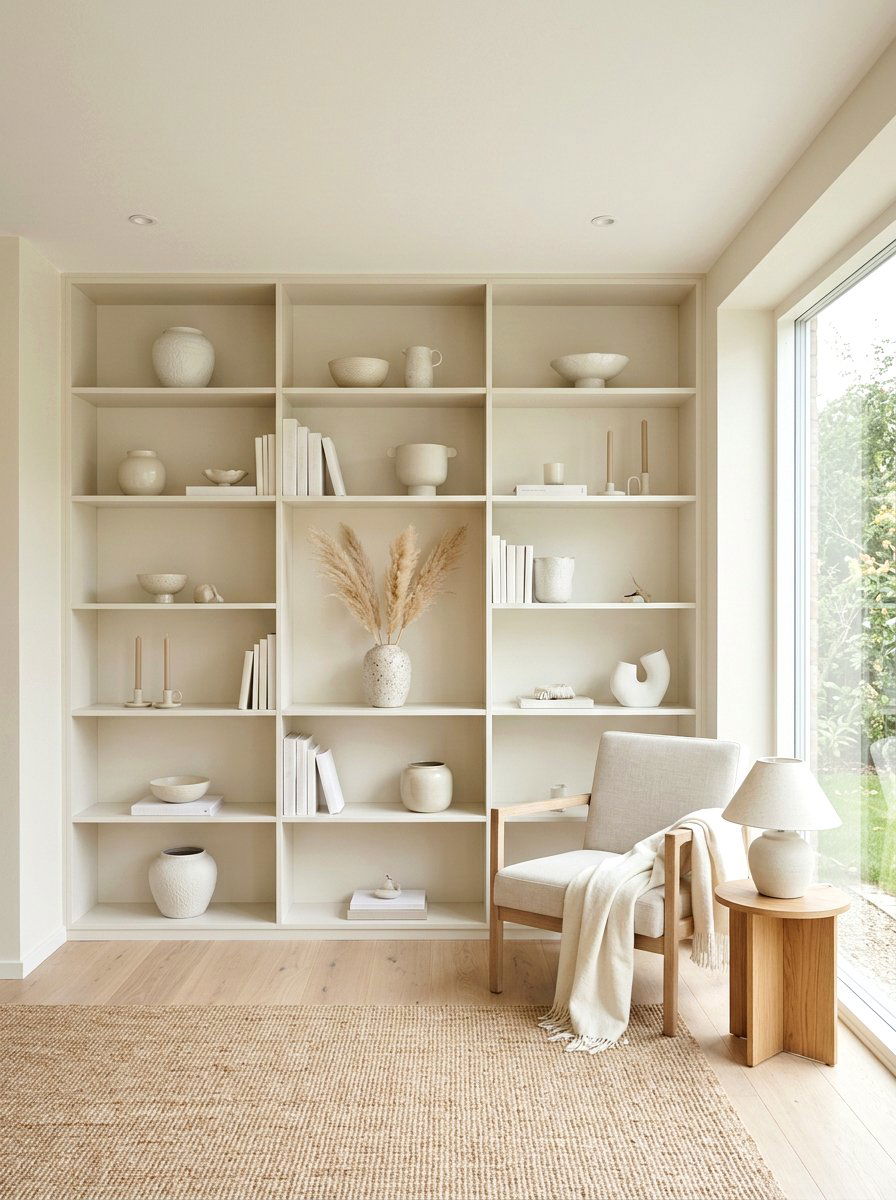
Scent is a powerful sense that can be used to trigger a deep relaxation response in the brain. Using an essential oil diffuser allows you to fill your bedroom with calming aromas like lavender, cedarwood, or chamomile. These natural scents are scientifically proven to lower heart rates and reduce cortisol levels, making them perfect for a pre-sleep routine. Many modern diffusers also act as cool-mist humidifiers, which can keep your nasal passages comfortable during the dry winter months. By incorporating aromatherapy into your nightly habits, you create a sensory cue that tells your body it is officially time to let go of the day.
11. Weighted Blanket Bedroom

For many people, the gentle pressure of a weighted blanket provides a sense of security and comfort that mimics a hug. Incorporating a weighted blanket into your bedroom can help reduce tossing and turning by promoting a feeling of stillness. This deep pressure stimulation is known to increase the production of serotonin and melatonin while reducing the stress hormone cortisol. Choosing a blanket with a breathable cover ensures that you stay cozy without overheating during the night. This functional decor piece not only looks inviting at the foot of the bed but also serves as a therapeutic tool for achieving a deeper sleep.
12. Natural Wood Elements

The warmth and texture of natural wood elements bring a sense of grounding and timelessness to any interior space. Whether it is a reclaimed wood headboard, a set of oak nightstands, or polished wooden flooring, these materials connect the room to the earth. Wood has a unique ability to make a space feel more permanent and stable, which is essential for a sanctuary. The varying grains and tones provide visual interest without being distracting or overly busy. By choosing furniture made from solid wood rather than synthetic materials, you also avoid the off-gassing of chemicals, ensuring a cleaner and much healthier sleeping environment.
13. Under Bed Storage

Visual clutter is one of the biggest enemies of a peaceful mind, especially in the room where you sleep. Utilizing under bed storage is a smart way to keep your space organized while hiding away items that aren 't used daily. Whether you use built-in drawers or stylish rolling bins, keeping extra linens and seasonal clothing out of sight makes the room feel larger. A tidy environment allows the energy of the room to flow more freely, which is a core principle of restorative design. When you aren' t looking at piles of stuff, your brain can finally switch off and focus on resting deeply.
14. Plush Area Rug
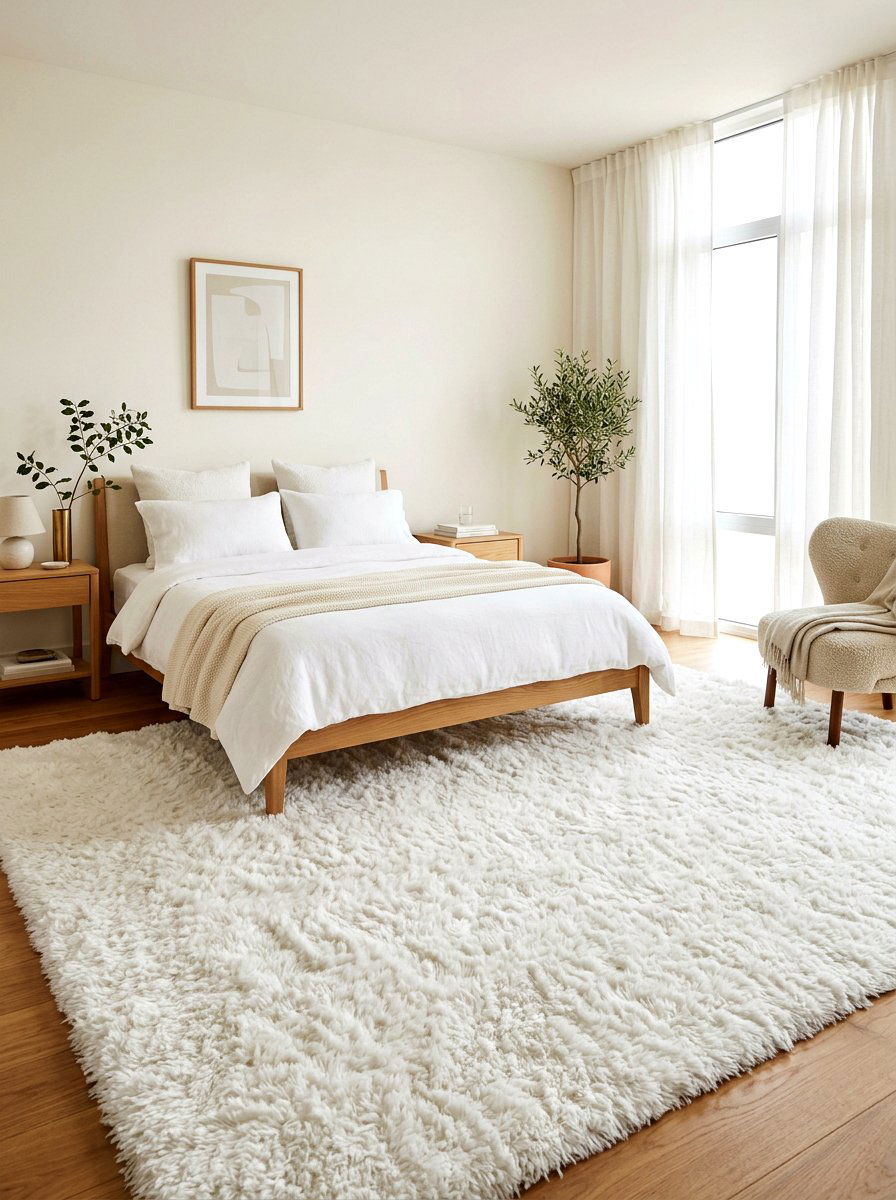
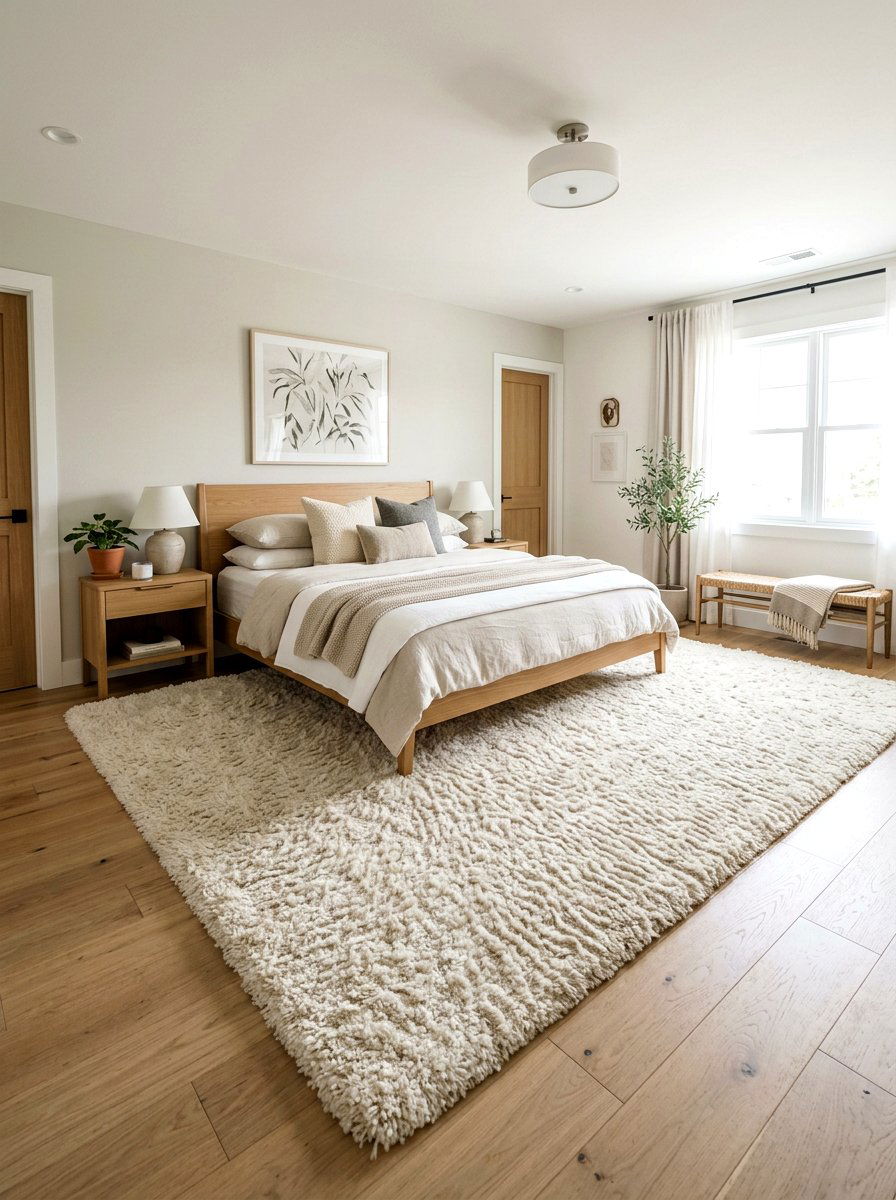
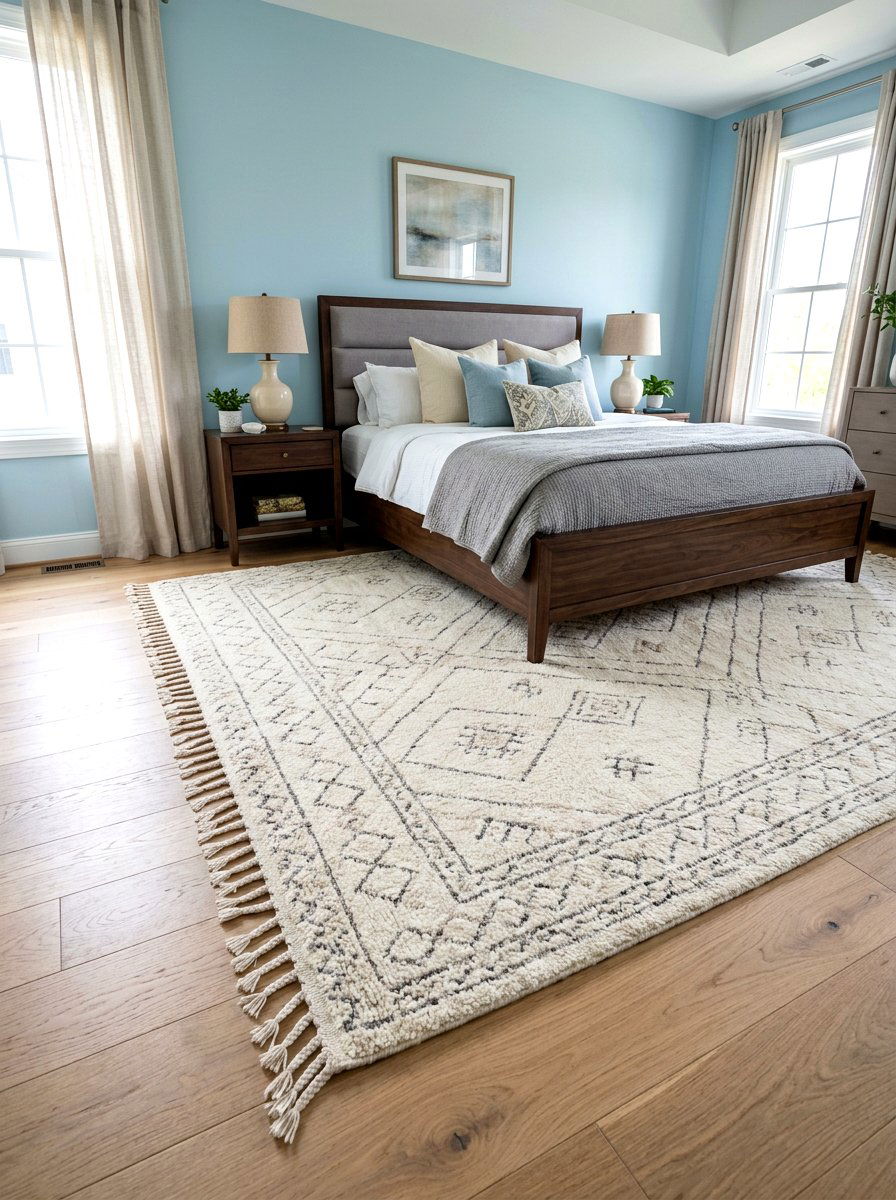
Stepping onto a cold, hard floor first thing in the morning can be a jarring experience for your nervous system. Adding a plush area rug next to your bed provides a soft, warm landing for your feet that feels incredibly luxurious. This tactile addition also helps to dampen sound and add a layer of visual warmth to the overall room design. Choose materials like wool or high-pile cotton that feel gentle against the skin and are easy to maintain. A well-placed rug acts as an anchor for the bed, making the entire sleep area feel more defined and intentionally designed for comfort and peace.
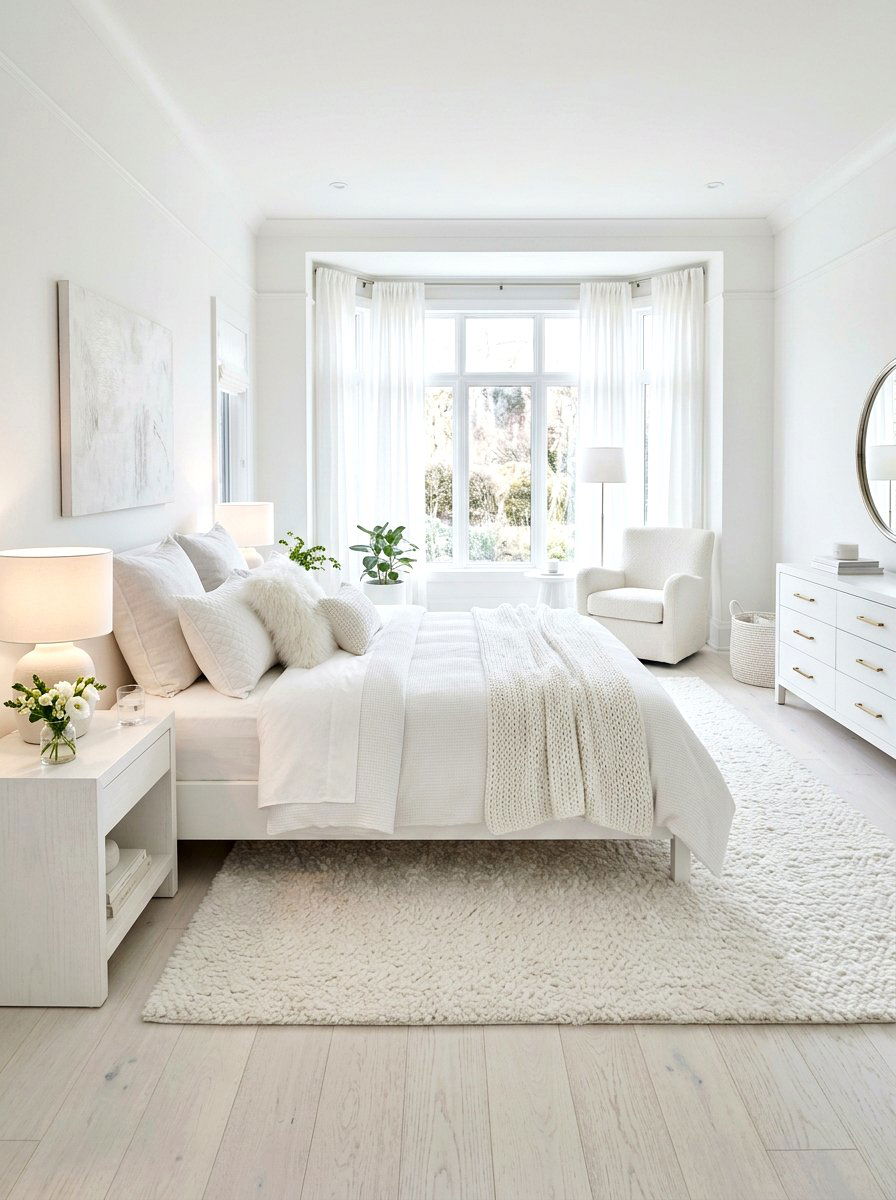

15. Smart Circadian Lighting
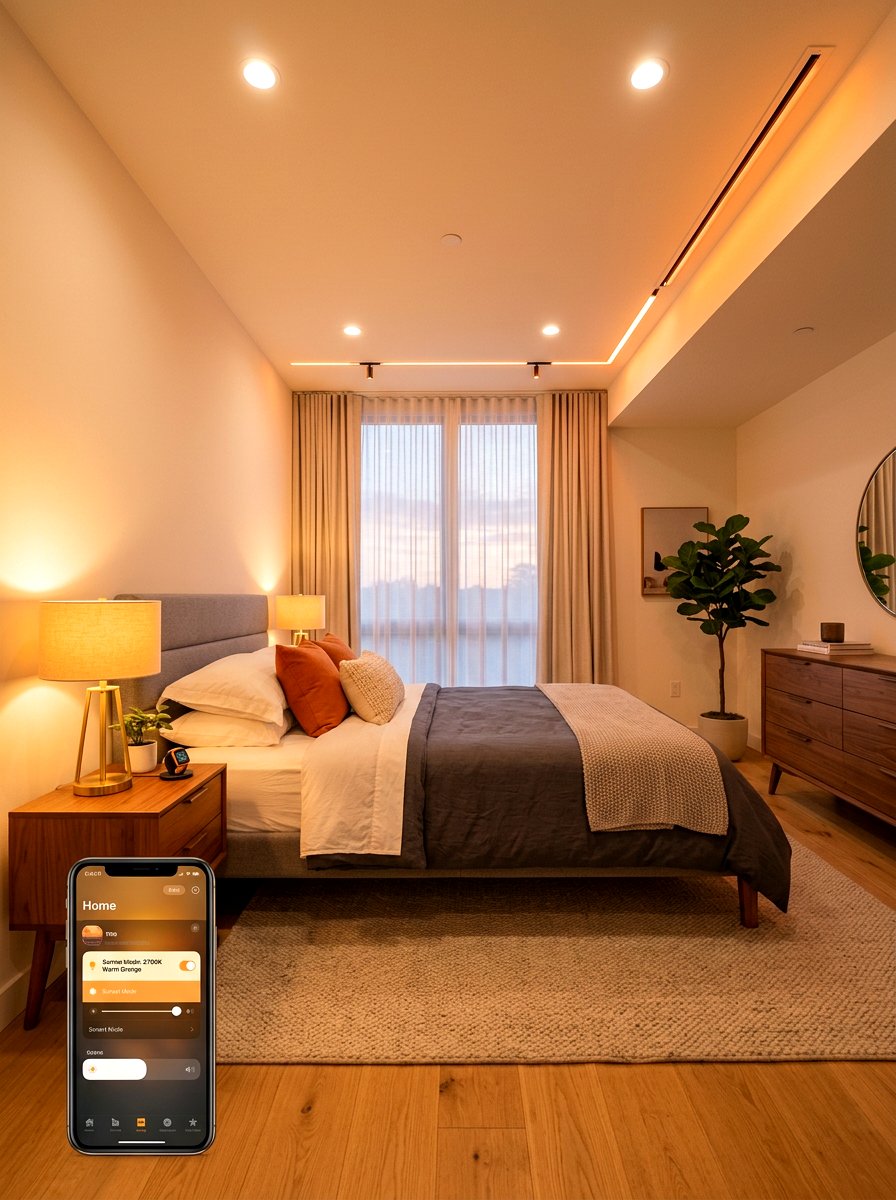
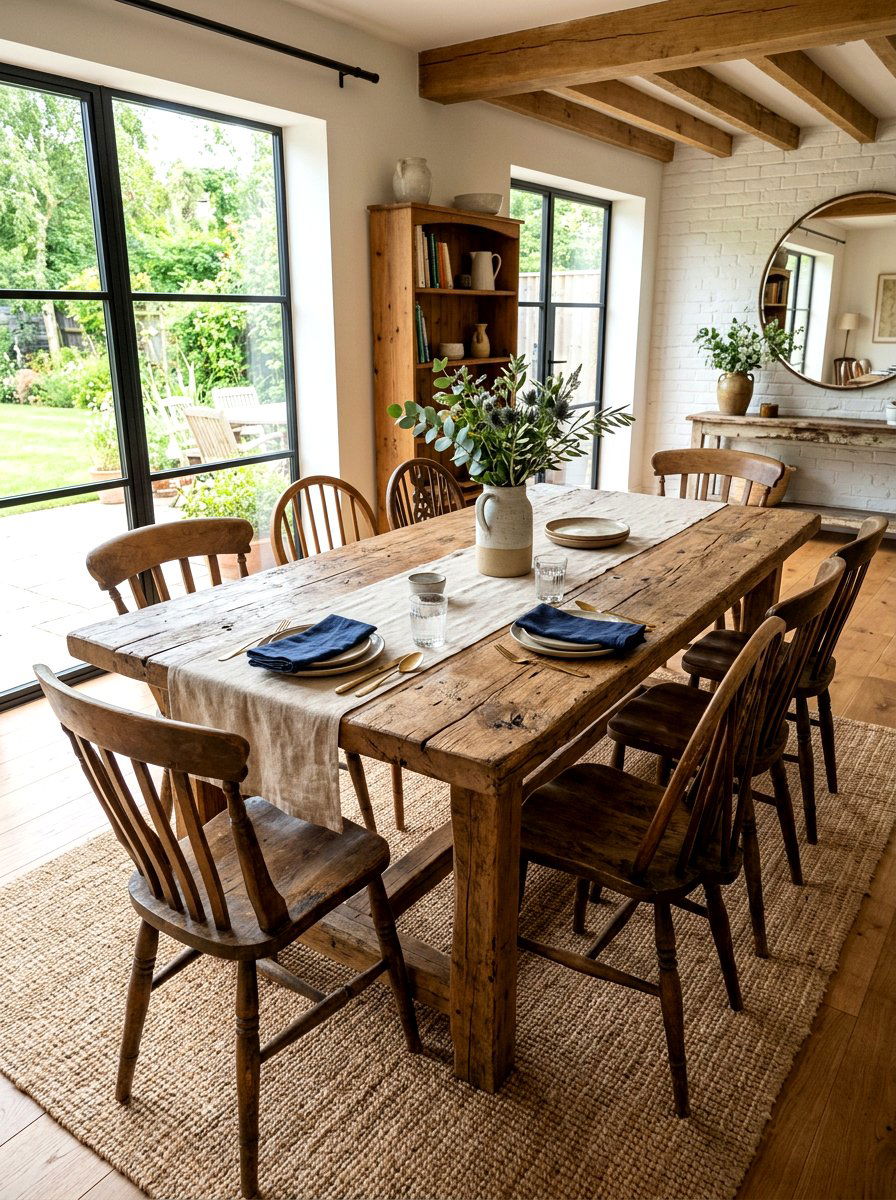
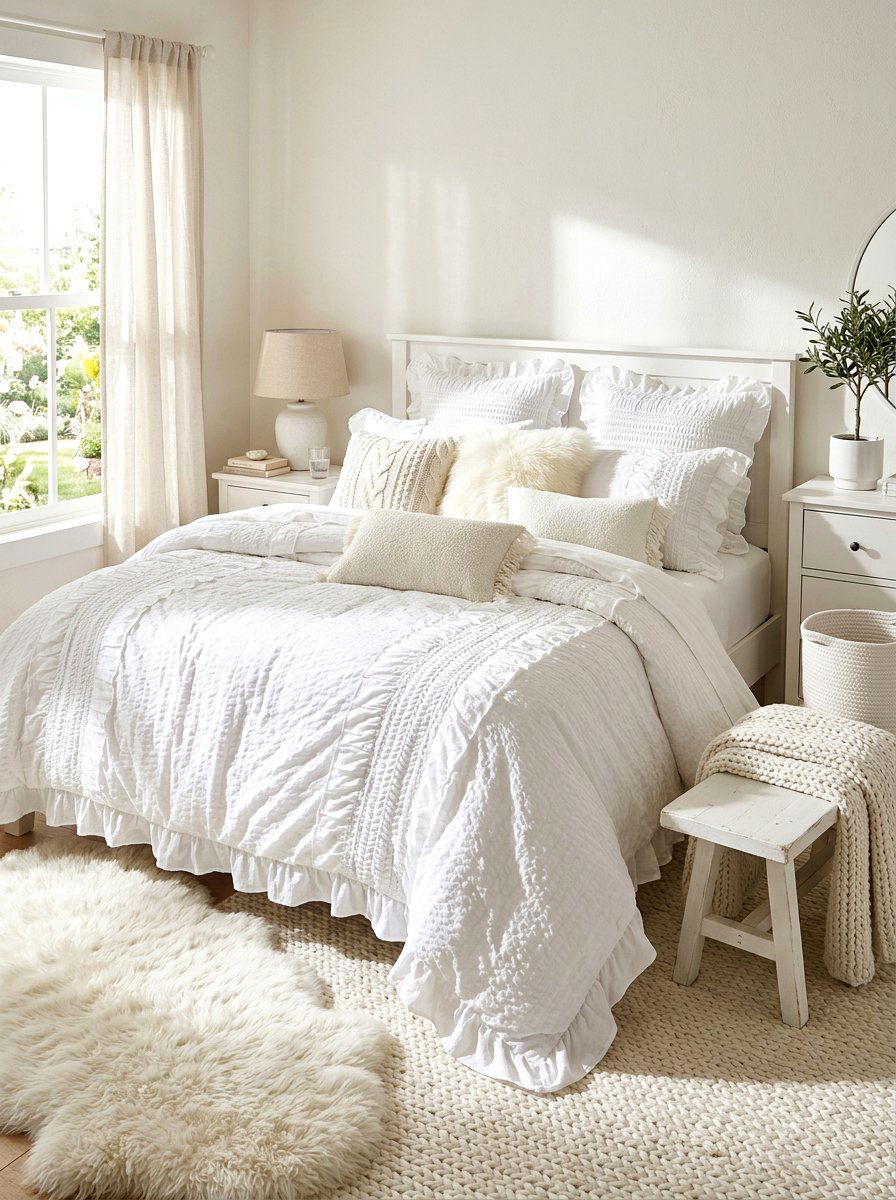
Modern technology can actually be used to support your health when applied correctly, such as with smart circadian lighting. These advanced lighting systems are designed to mimic the natural progression of sunlight throughout the day and into the night. In the morning, they can glow with a bright, blue-toned light to wake you up gently, while in the evening, they shift to a warm, amber hue. This helps regulate your body’s internal clock and ensures you aren't exposed to stimulating light before bed. Having a system that adjusts automatically removes the guesswork and makes it easy to maintain a healthy and consistent sleep schedule.
16. Zen Bedroom Layout
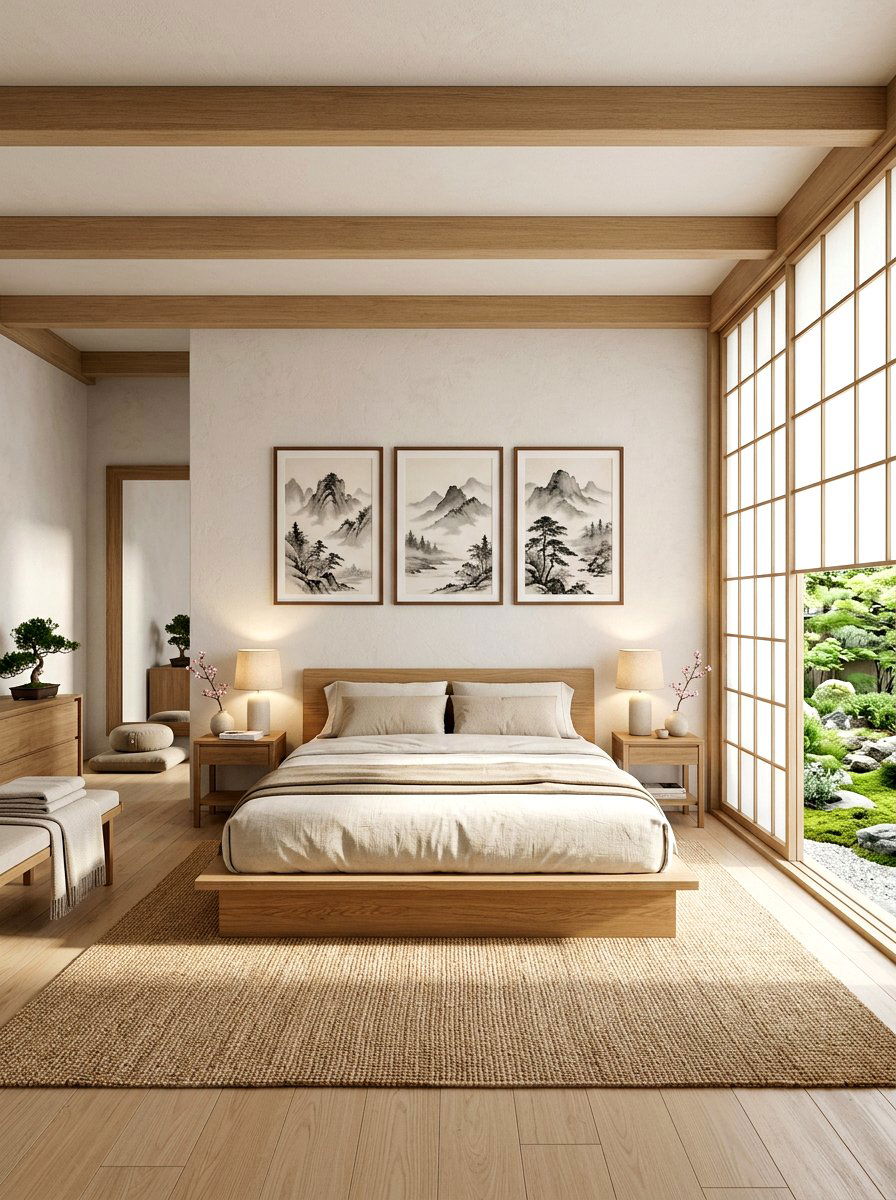
The way you arrange your furniture can have a significant impact on the flow of energy and your sense of safety. A Zen bedroom layout focuses on balance, symmetry, and clear pathways to create a harmonious and stable environment. Placing the bed in a "command position" — where you can see the door but aren't directly in line with it — helps the subconscious mind feel more secure. Avoiding large pieces of furniture hanging over the bed or blocking windows ensures that the room feels open and light. When the layout feels intentional and balanced, your mind can let go of the surrounding space more easily.
17. Warm White Wall Paint
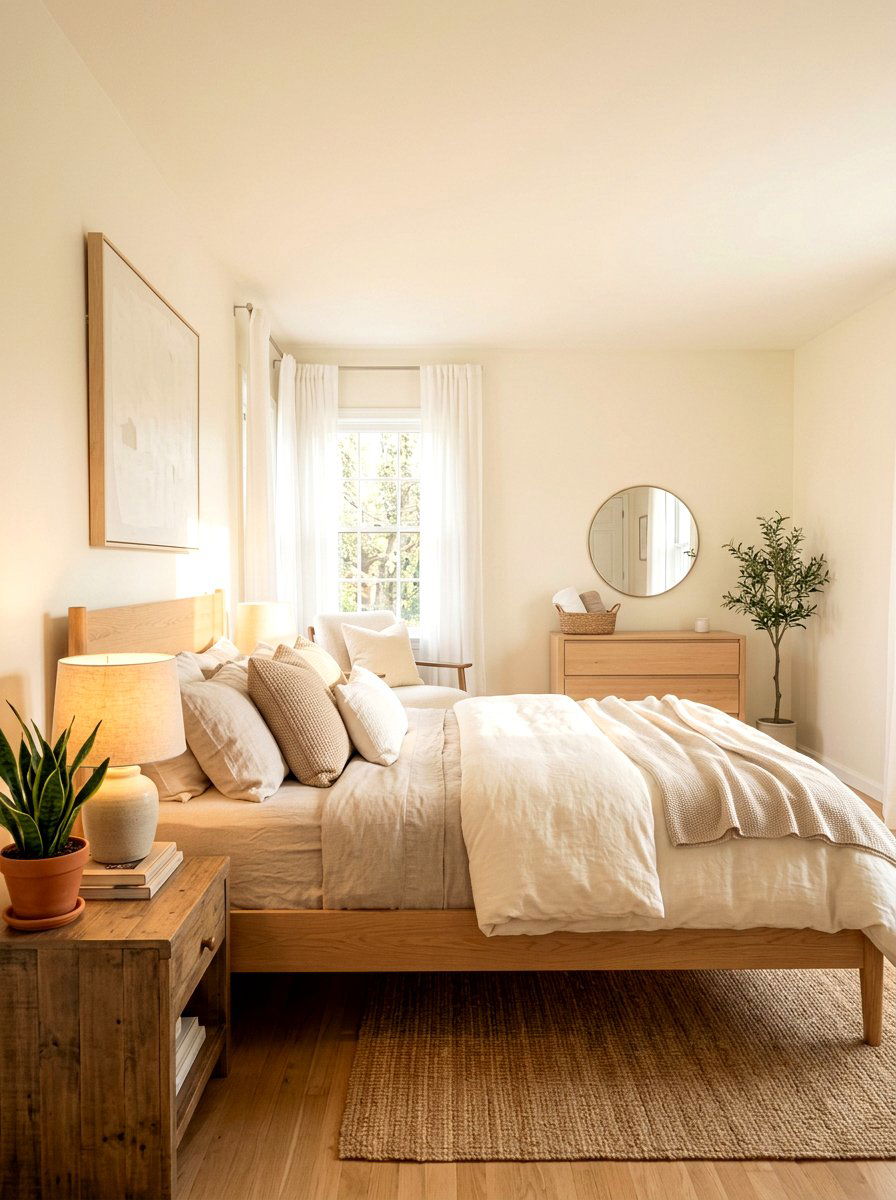
The specific shade of paint you choose for your walls can set the entire mood of your sleep sanctuary. Warm white wall paint offers a clean and refreshing look while avoiding the clinical feel of cooler, blue-toned whites. These warmer hues have a slight yellow or pink undertone that makes the room feel soft and glowing, especially under evening lamp light. They provide a versatile backdrop that works beautifully with any style of furniture or bedding you choose. A bright but warm room feels incredibly inviting during the day and turns into a cozy, protective cocoon once the sun finally sets for the night.
18. Upholstered Bed Frame
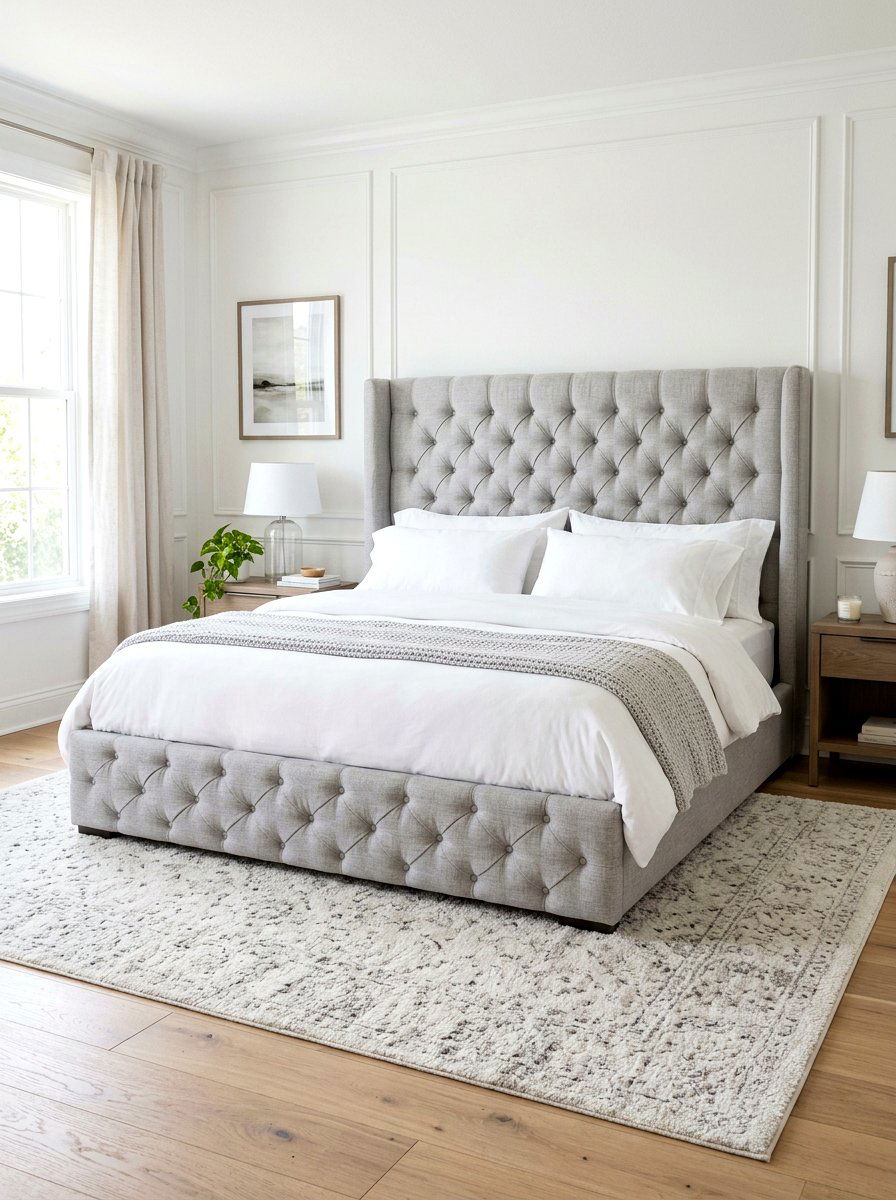
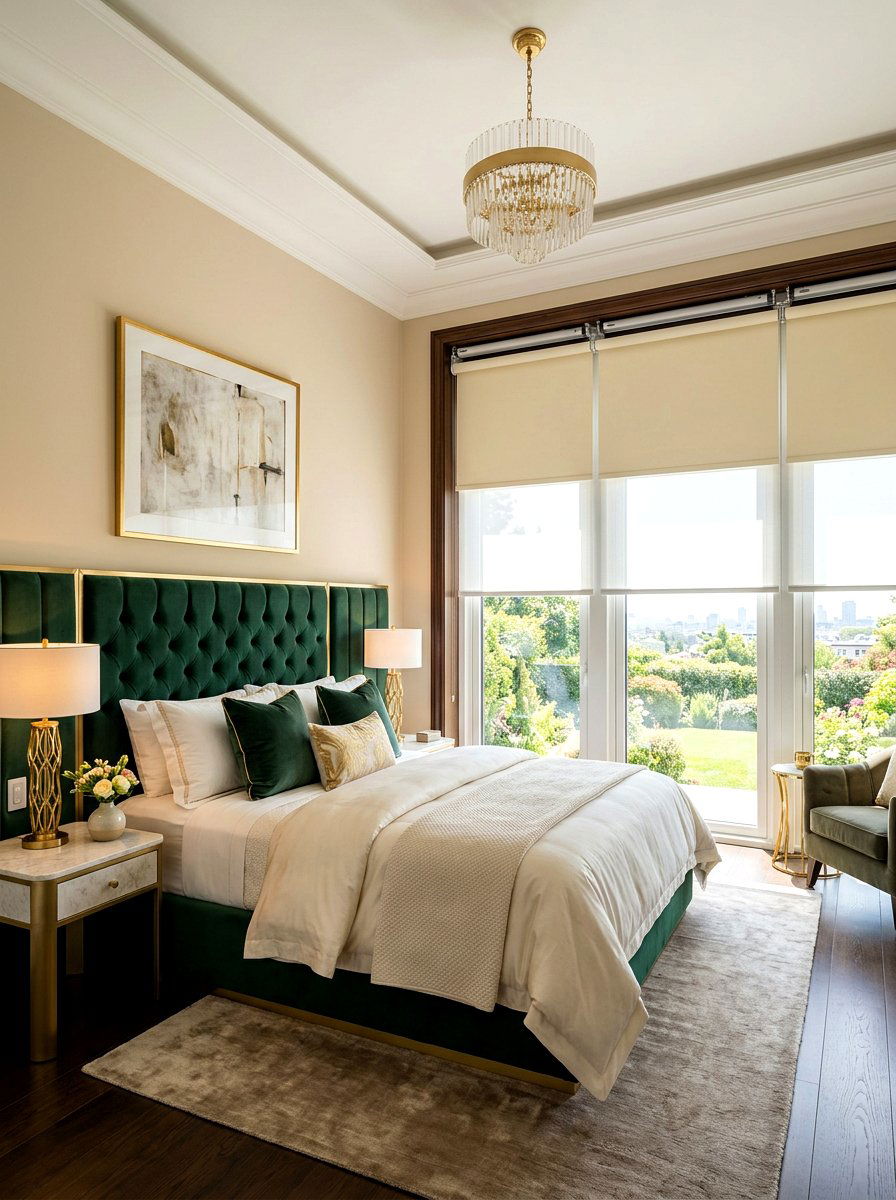
Adding softness to the largest piece of furniture in the room is a great way to increase the overall comfort level. An upholstered bed frame provides a padded surface that feels much more inviting than hard wood or cold metal. It also creates a plush backrest for those evenings when you want to lean back and relax before sliding under the covers. Choosing a fabric with a slight texture, like linen or velvet, adds a layer of sophistication and tactile richness to the design. This soft border around your mattress reinforces the idea that the bed is a protected zone dedicated entirely to your comfort.
19. Nightstand Organization
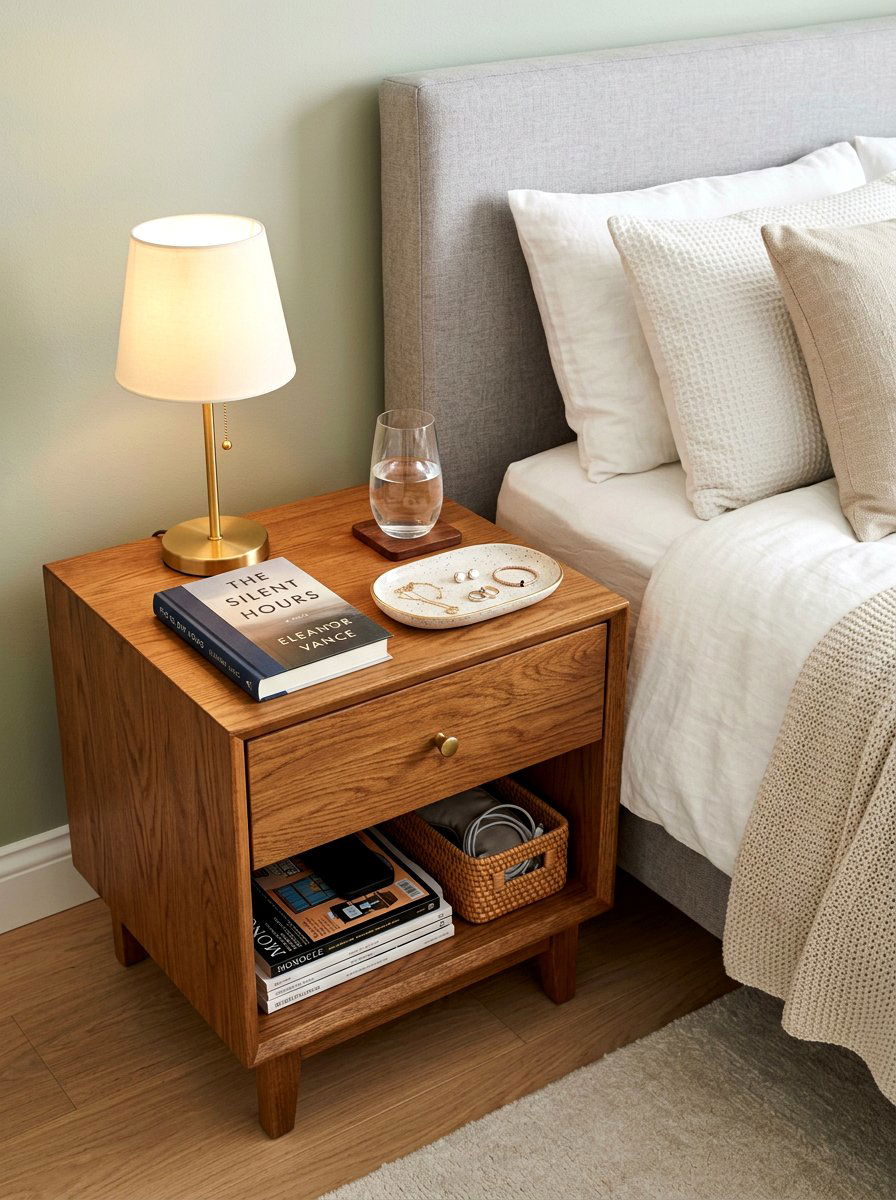
Your nightstand is often the last thing you see before closing your eyes, so keeping it organized is essential for peace of mind. Nightstand organization involves keeping only the bare essentials on the surface, such as a lamp, a glass of water, and perhaps a single book. Utilizing drawers to hide away charging cables, medications, and other small items prevents visual noise from accumulating right next to your head. When your immediate surroundings feel orderly, your brain is less likely to dwell on unfinished tasks or daily stresses. A clean nightstand promotes a clear mind, allowing you to drift off into sleep with a sense of calm.
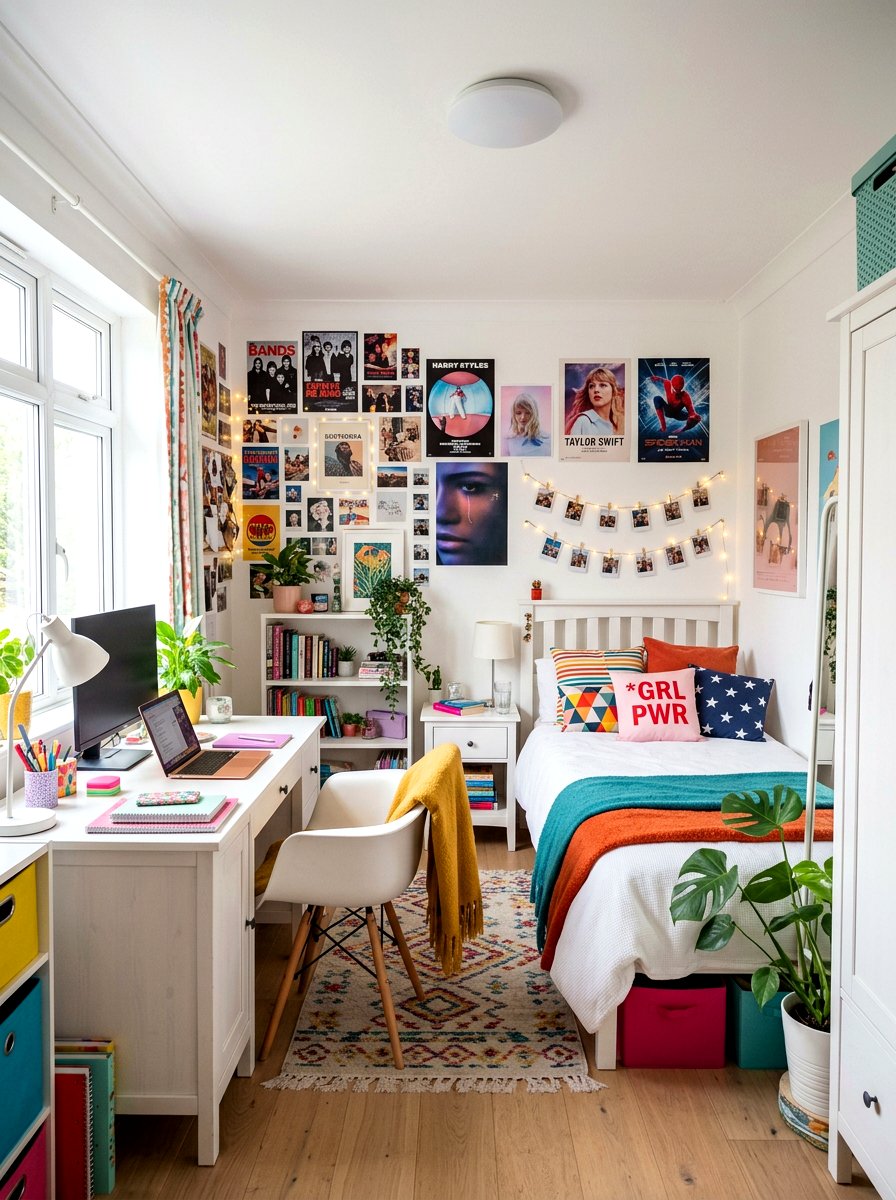


20. Earth Tone Decor
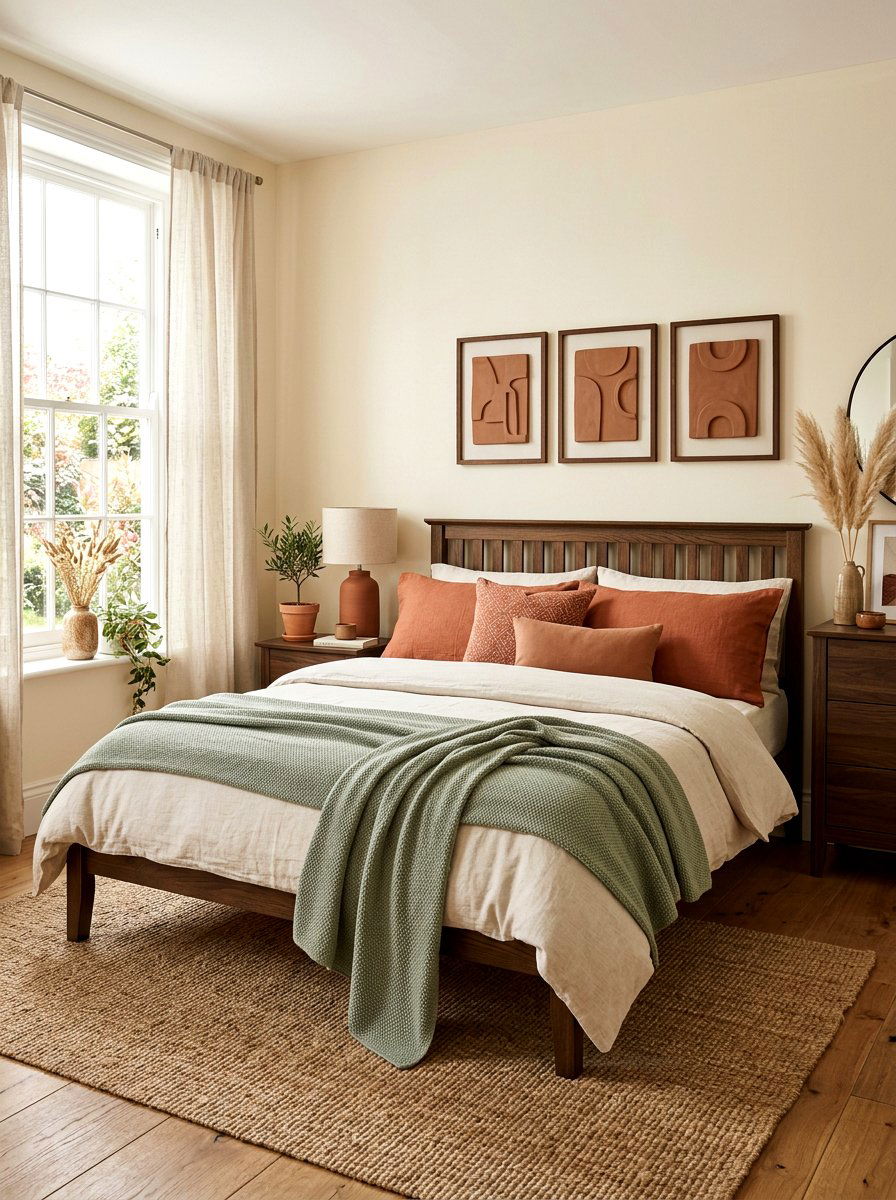
Drawing inspiration from the natural world is a foolproof way to create a space that feels timeless and incredibly soothing. Earth tone decor utilizes colors like terracotta, sage green, sandy brown, and muted clay to build a grounded and organic aesthetic. These hues are naturally calming because they remind us of the landscapes we find in the great outdoors. Integrating these colors through throw pillows, wall art, or ceramic accents adds warmth and depth to the bedroom without being overwhelming. Earthy tones create a sense of stability and connection that is perfect for a room designed specifically for deep rest and rejuvenation.
21. Textured Wall Panel
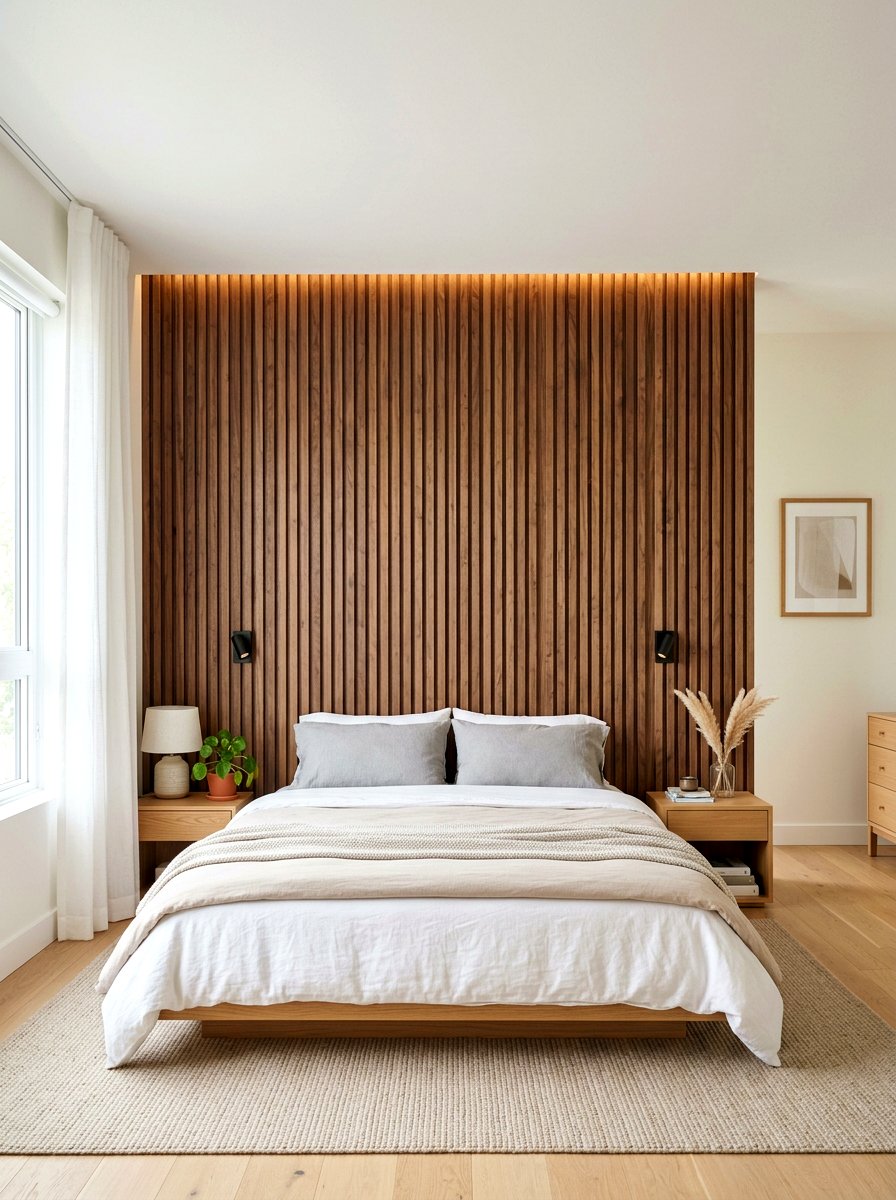
Sometimes a flat painted wall can feel a bit uninspiring or cold in a room meant for absolute comfort. Installing a textured wall panel behind the bed is a fantastic way to add architectural interest and a sense of coziness to the space. Whether you choose a soft fabric panel, a light wood slat design, or a subtle 3D pattern, texture adds a layer of depth that absorbs light and sound. It acts as a visual hug for the bed, making the sleeping area feel more tucked away and specialized. This design choice elevates the room from a simple bedroom to a sophisticated and highly curated retreat.
22. Cotton Canopy Bed
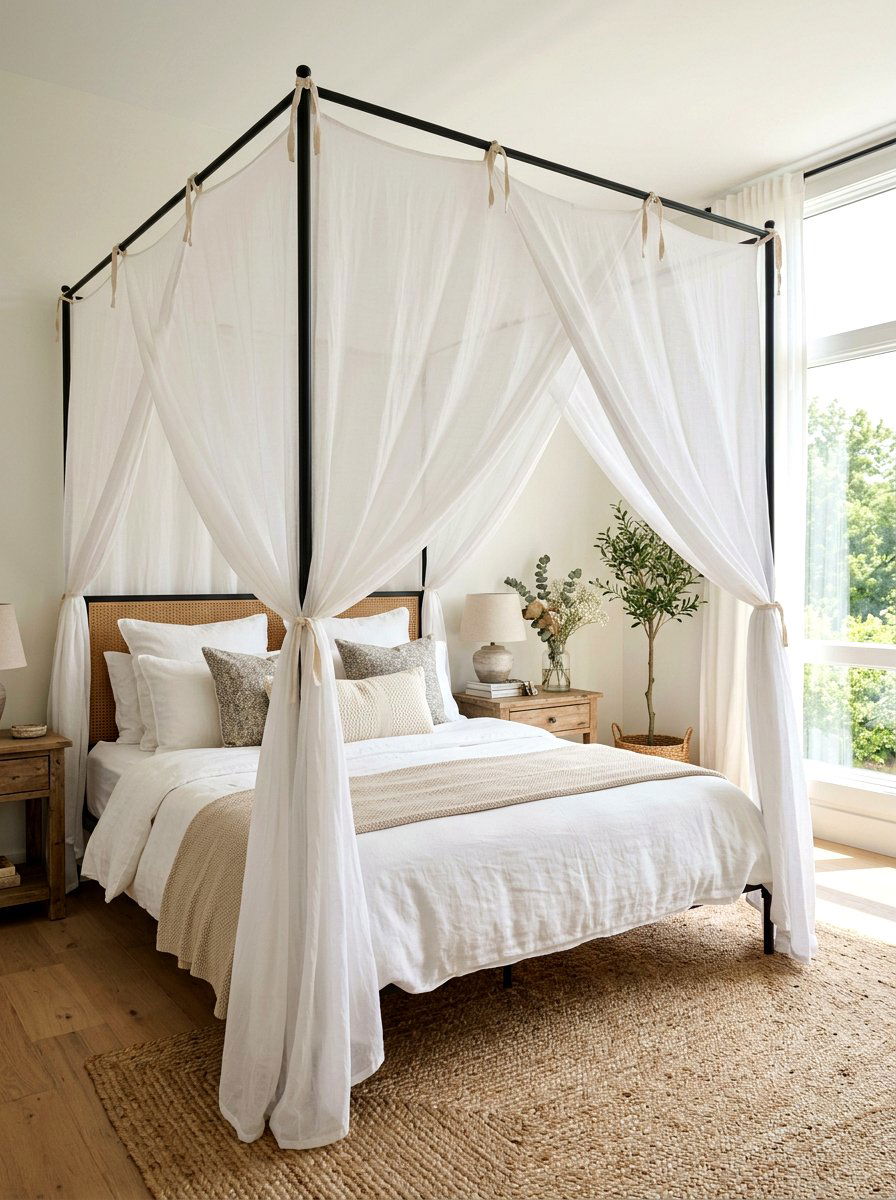
There is something inherently romantic and protective about a canopy bed that makes it a perfect centerpiece for a sleep sanctuary. A cotton canopy bed uses light, breathable fabric draped over a frame to create a "room within a room" feeling. This physical boundary provides a sense of seclusion and security that can help you feel more relaxed and private. Using white or cream-colored cotton ensures that the space remains airy and light rather than feeling heavy or enclosed. It is an elegant way to add a touch of drama to the room while simultaneously enhancing the functional feeling of being safely cocooned for the night.
23. Floor To Ceiling Curtains
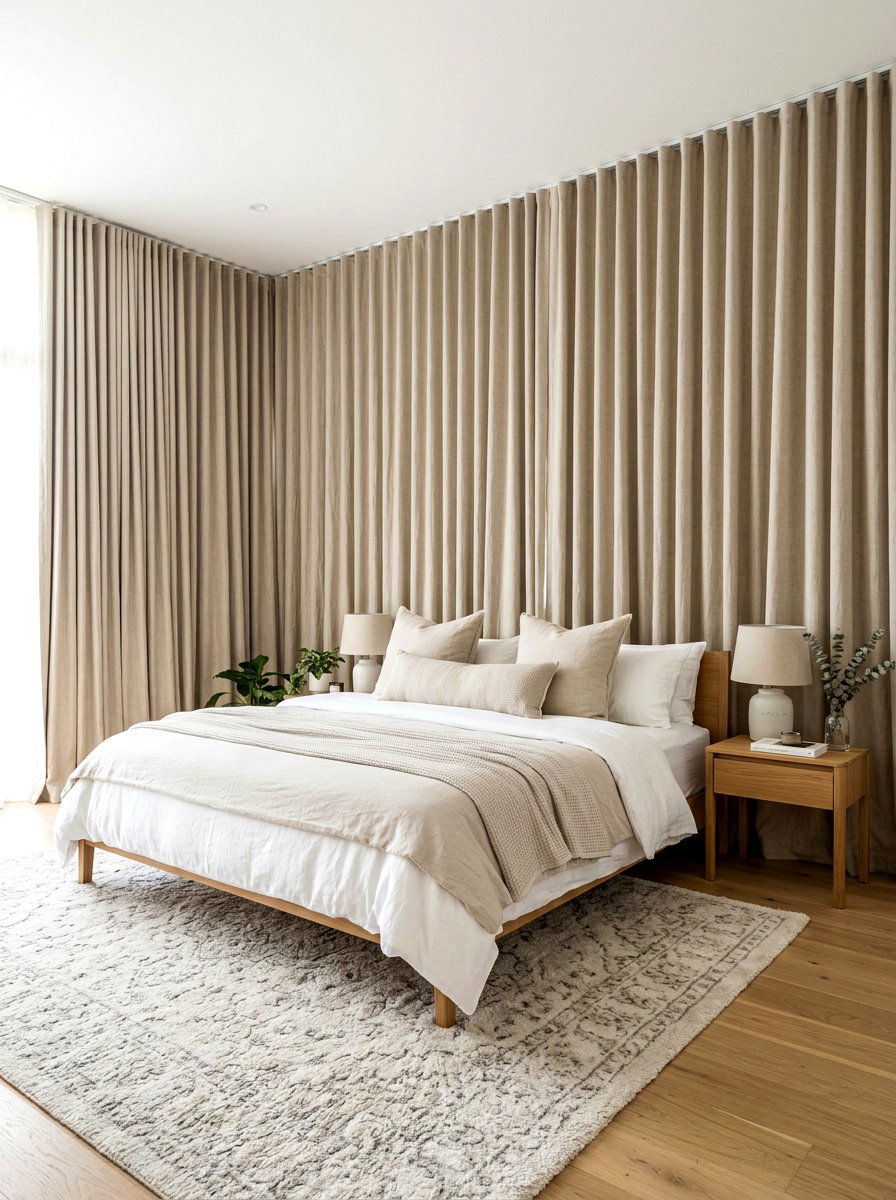
The scale of your window treatments can completely change the perceived height and luxury of your bedroom space. Installing floor to ceiling curtains creates a sense of grandeur and helps to soften the hard lines of windows and walls. When these curtains are closed, they create a continuous wall of fabric that provides excellent light blocking and sound insulation. This look is not only aesthetically pleasing but also contributes to the feeling of being in a high-end hotel suite. Choosing a heavy, high-quality fabric ensures that the drapes hang beautifully and provide the maximum amount of functional benefit for your sleep environment.
24. Lavender Infused Space
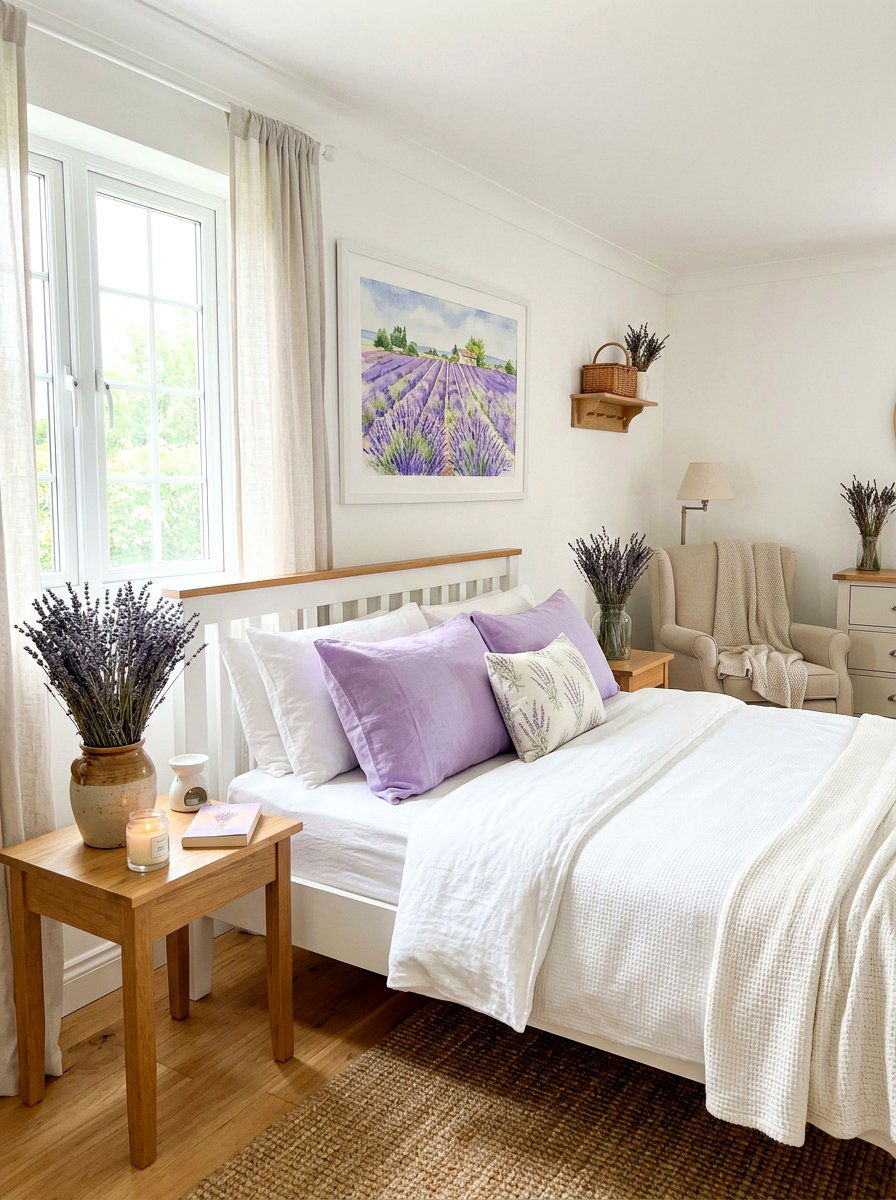
Lavender has been used for centuries as a natural remedy for insomnia and anxiety due to its powerful relaxing properties. Creating a lavender infused space can be as simple as placing dried bundles on your dresser or using a high-quality room spray on your pillows. The subtle, floral scent helps slow down the nervous system and prepares the body for a deep and restorative sleep cycle. You can also incorporate live lavender plants on a sunny windowsill for a touch of natural beauty and a constant, gentle fragrance. Making scent a priority in your room design turns every bedtime into a truly therapeutic and soothing experience.
25. Japandi Style Bedroom
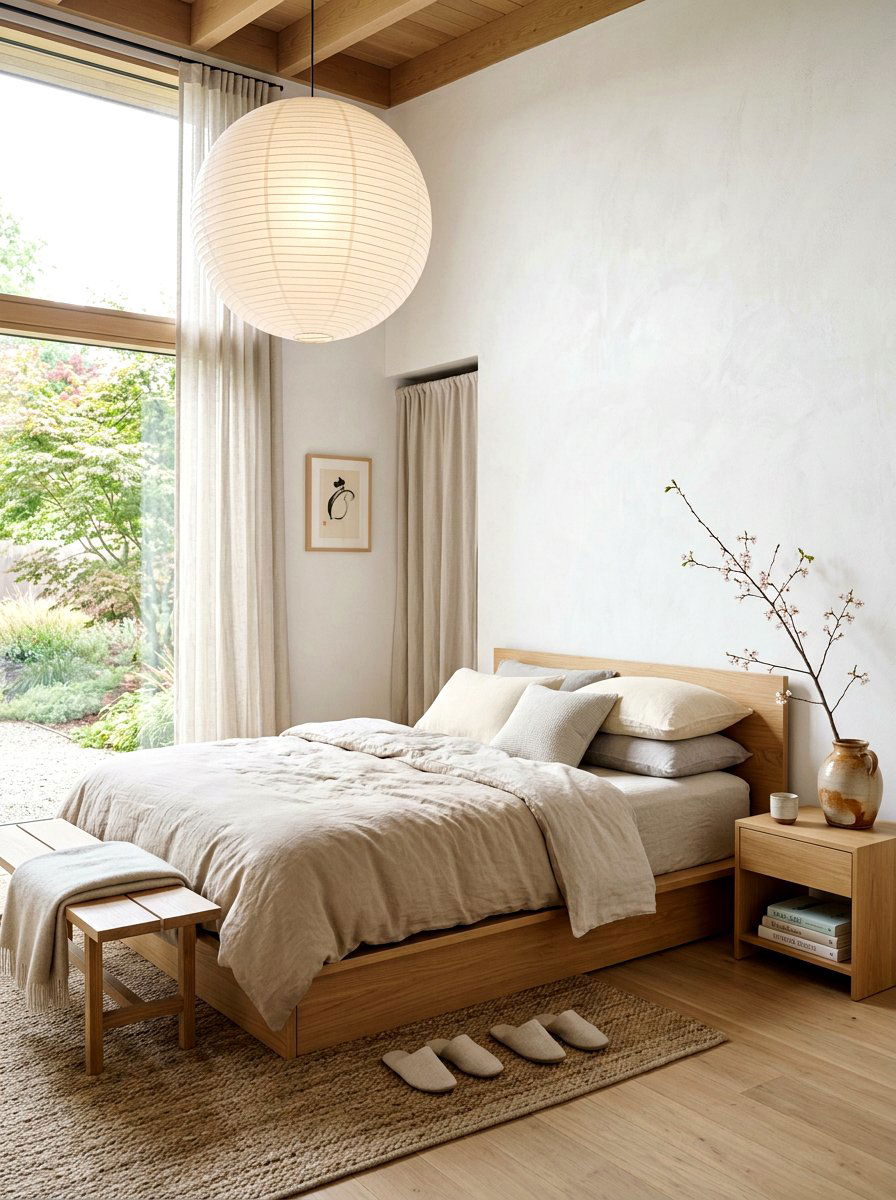
Combining the functional minimalism of Japanese design with the cozy warmth of Scandinavian style creates the perfect atmosphere for rest. A Japandi style bedroom focuses on high-quality natural materials, low-profile furniture, and a completely clutter-free aesthetic. The result is a space that feels incredibly balanced, intentional, and peaceful without being too cold or sterile. By emphasizing "wabi-sabi" — the beauty of imperfection — and "hygge" — the feeling of coziness — this design movement supports a mindful and slow way of living. This approach is ideal for anyone looking to simplify their life and prioritize the essential act of getting a good night of restorative sleep.
26. Layered Bedding Textures

A bed that looks flat and thin can often feel uninviting and cold when you are ready to rest. Using layered bedding textures is a design trick that makes your bed look like a fluffy cloud waiting to welcome you. Combine a crisp cotton base sheet with a textured linen duvet and a chunky knit throw blanket at the foot of the bed. Adding a few pillows with different fabrics, such as silk or velvet, creates a rich sensory experience that feels incredibly high-end. These layers also allow you to adjust your warmth easily throughout the night, ensuring you stay at the perfect temperature for sleeping.
27. Low Profile Bed
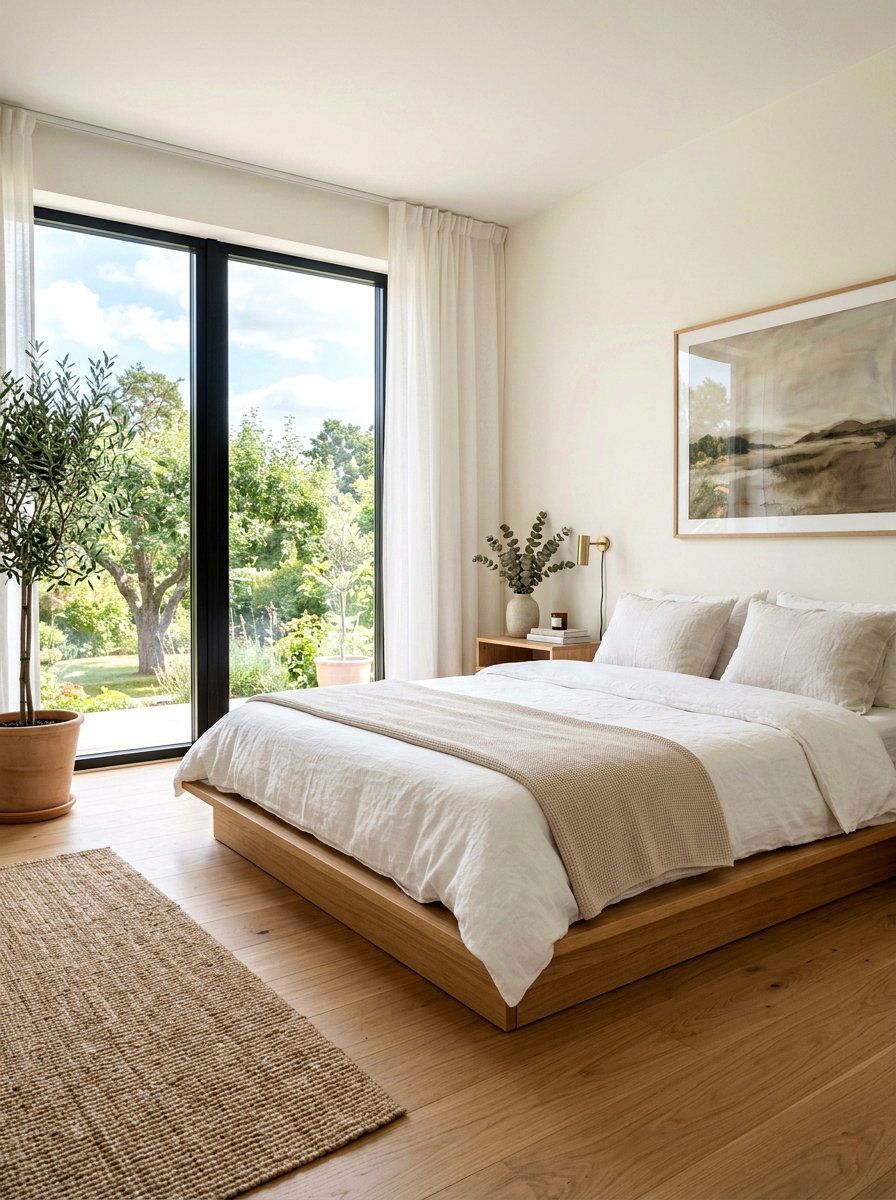
Bringing the mattress closer to the floor can create a more grounded and stable feeling in the bedroom. A low profile bed frame is a staple of minimalist and modern design, offering a sleek look that makes the ceiling feel much higher. This type of furniture often features clean, simple lines that don't distract the eye or create visual weight in the room. Being lower to the ground can also help the space feel more relaxed and less formal, which is perfect for a private sanctuary. It is an easy way to achieve a contemporary aesthetic while focusing on the core goal of simplicity and peace.
28. Rattan Bedroom Decor
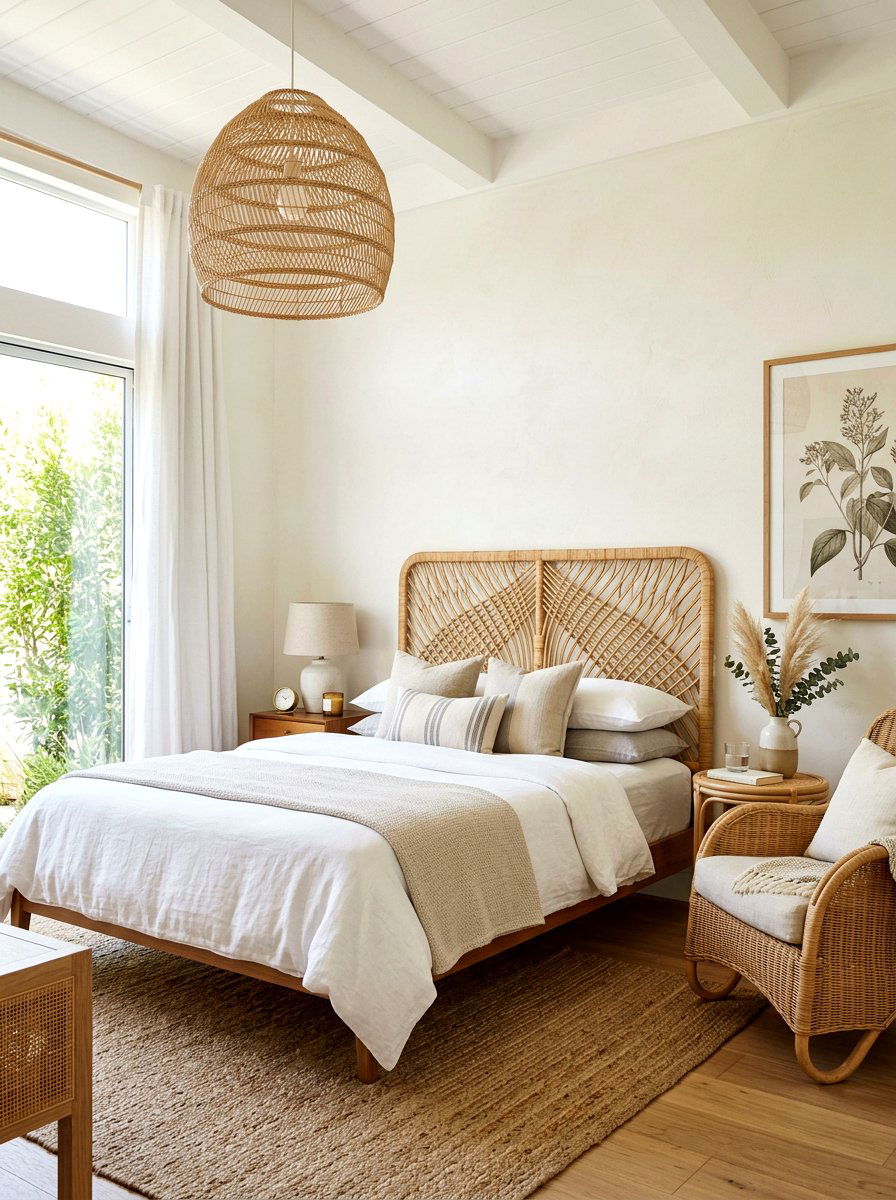
Incorporating woven materials like rattan is an excellent way to add natural texture and a touch of warmth to your space. Rattan bedroom decor, such as a headboard, a bedside stool, or even a light fixture, brings an organic and handmade feel to the room. The intricate weaving allows light to filter through in beautiful patterns, creating a soft and dappled effect that is very soothing. Because it is a natural material, it feels lightweight and breathable, preventing the room from feeling too heavy or over-decorated. Rattan pairs perfectly with green plants and neutral tones for a complete and cohesive nature-inspired look.
29. Sage Green Bedroom
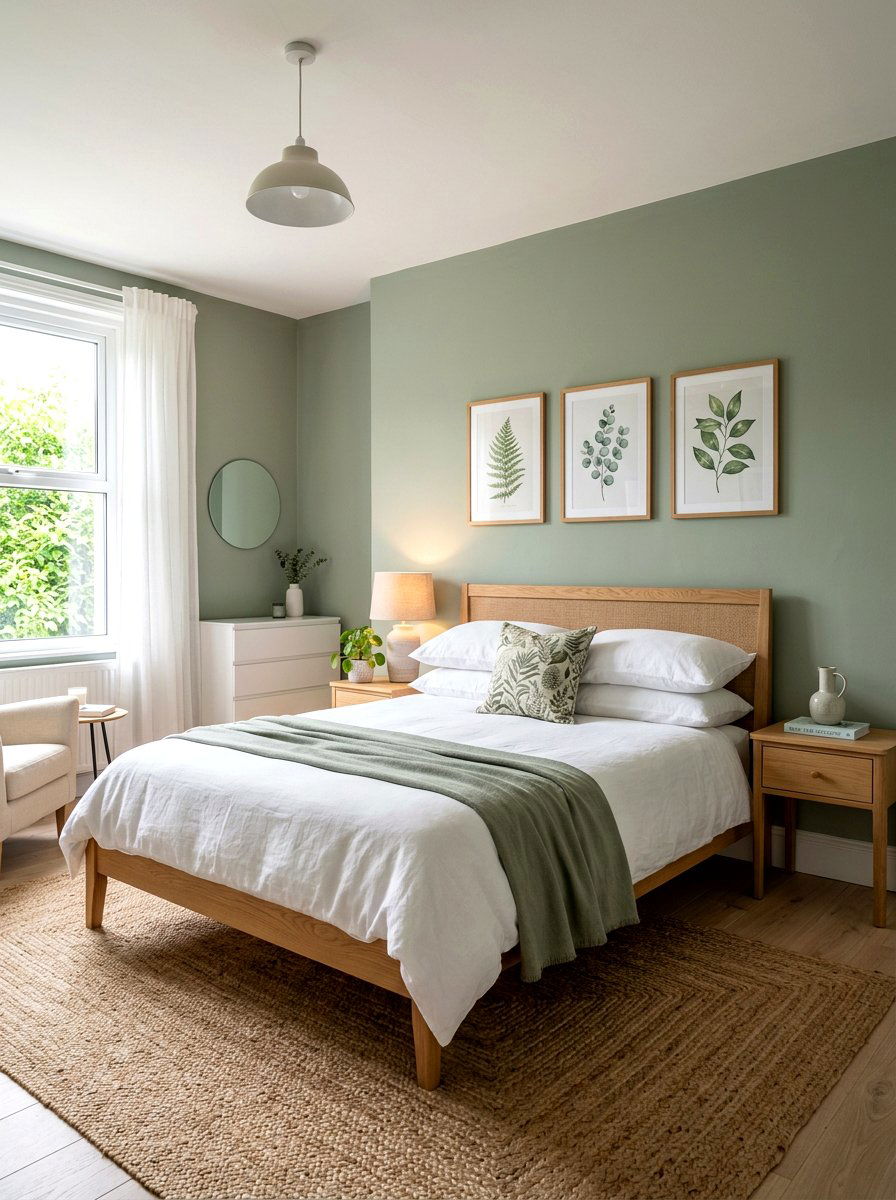
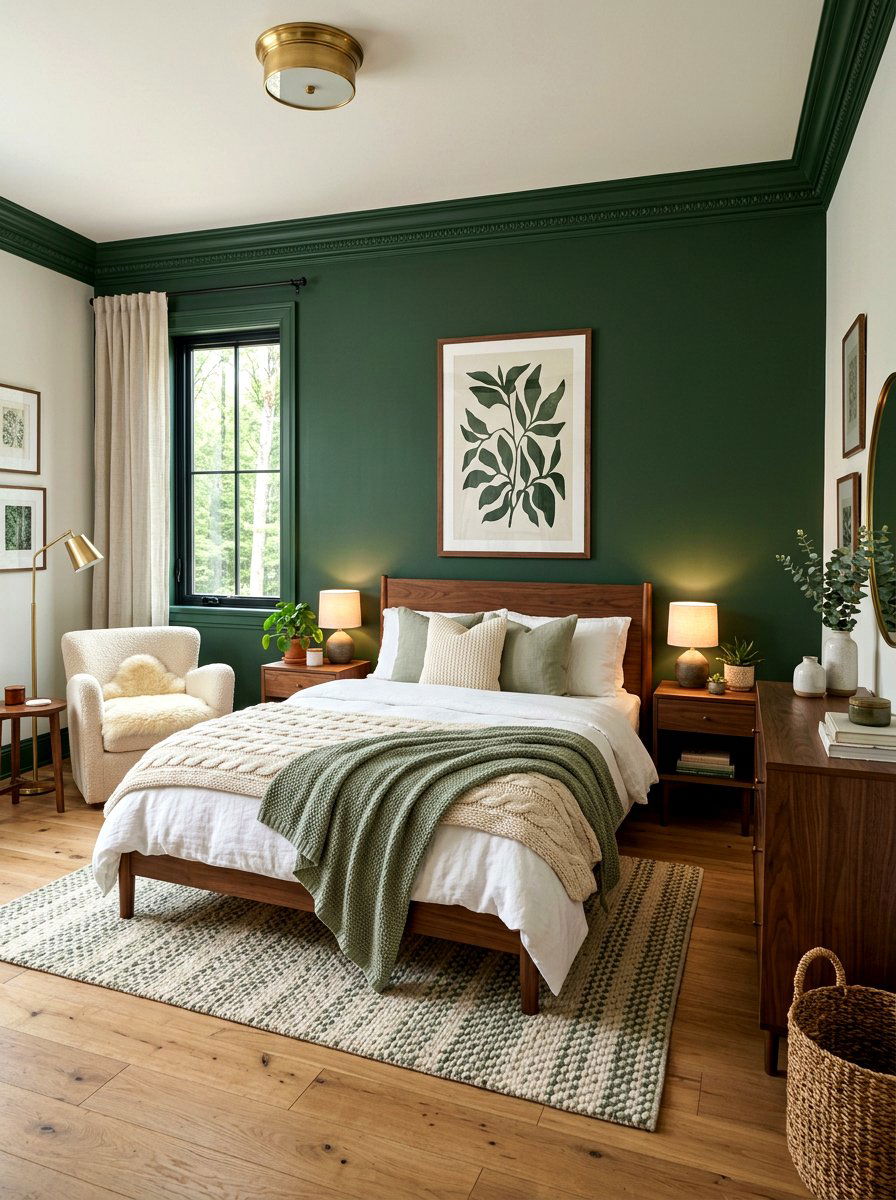
Color psychology suggests that green is one of the most restful colors for the human eye, symbolizing growth and renewal. A sage green bedroom uses a muted, earthy version of this color to create a space that feels both sophisticated and incredibly tranquil. This particular shade works almost like a neutral, pairing beautifully with wood tones, whites, and blacks. It brings a sense of the forest indoors, which can help lower blood pressure and promote a feeling of quiet harmony. Whether used on the walls or through bedding and accents, sage green is a timeless choice for anyone building a dedicated sanctuary for sleep.
30. Scented Candle Arrangement
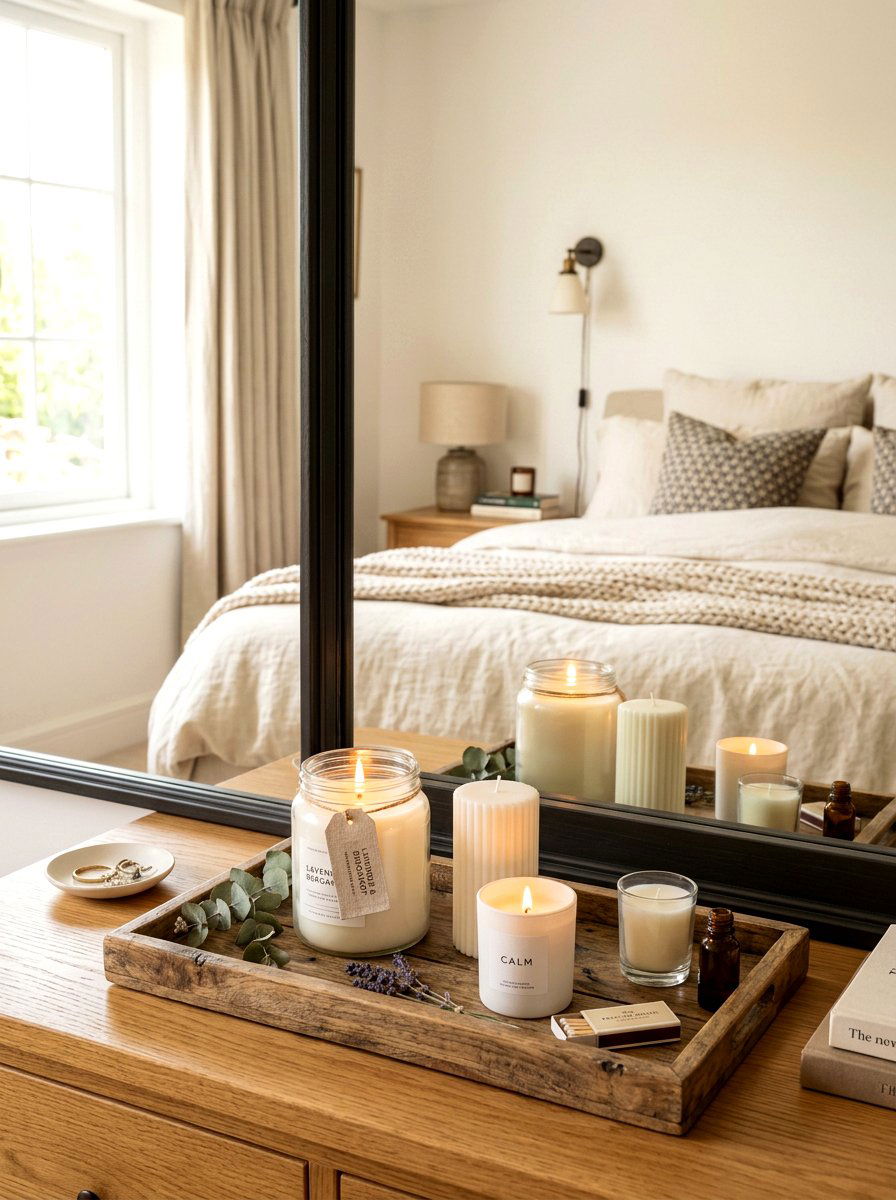
The soft, flickering light of a candle provides a primordial sense of comfort and warmth that artificial bulbs simply cannot replicate. Setting up a scented candle arrangement on a dresser or nightstand creates a beautiful focal point for your evening wind-down ritual. Choose scents that are known for their grounding properties, such as sandalwood, vanilla, or amber. Watching the flame for a few minutes before bed can act as a form of light meditation, helping to quiet the chatter of your mind. Just remember to always blow them out before you actually fall asleep to ensure your sanctuary remains a safe and peaceful environment.
Conclusion:
Transforming your bedroom into a true sleep sanctuary is one of the most impactful investments you can make for your long-term health and happiness. By intentionally choosing colors, textures, and lighting that support your natural rhythms, you create a space that actively works to heal your mind and body. Each of these 30 ideas offers a unique way to refine your environment and eliminate the distractions that prevent deep rest. Whether you start with a single plant or commit to a full Japandi-inspired makeover, the goal is to build a room that feels uniquely yours. Prioritize your peace, and you will undoubtedly reap the rewards every single morning.

Related posts: