Embracing a slow living lifestyle within your home is more than just a passing interior design trend; it is a deep commitment to creating a sanctuary that prioritizes mindfulness and intentionality. In our fast-paced world, our houses often become cluttered with both physical objects and mental noise, leaving us feeling drained. By integrating slow living principles, you can transform your environment into a peaceful retreat that encourages you to pause and appreciate the present moment. This approach focuses on quality over quantity, natural materials, and spaces that serve your well-being. Whether you are looking to declutter or create a cozy corner, these thoughtful changes foster a sense of calm and belonging in every single room.
1. Natural light living room
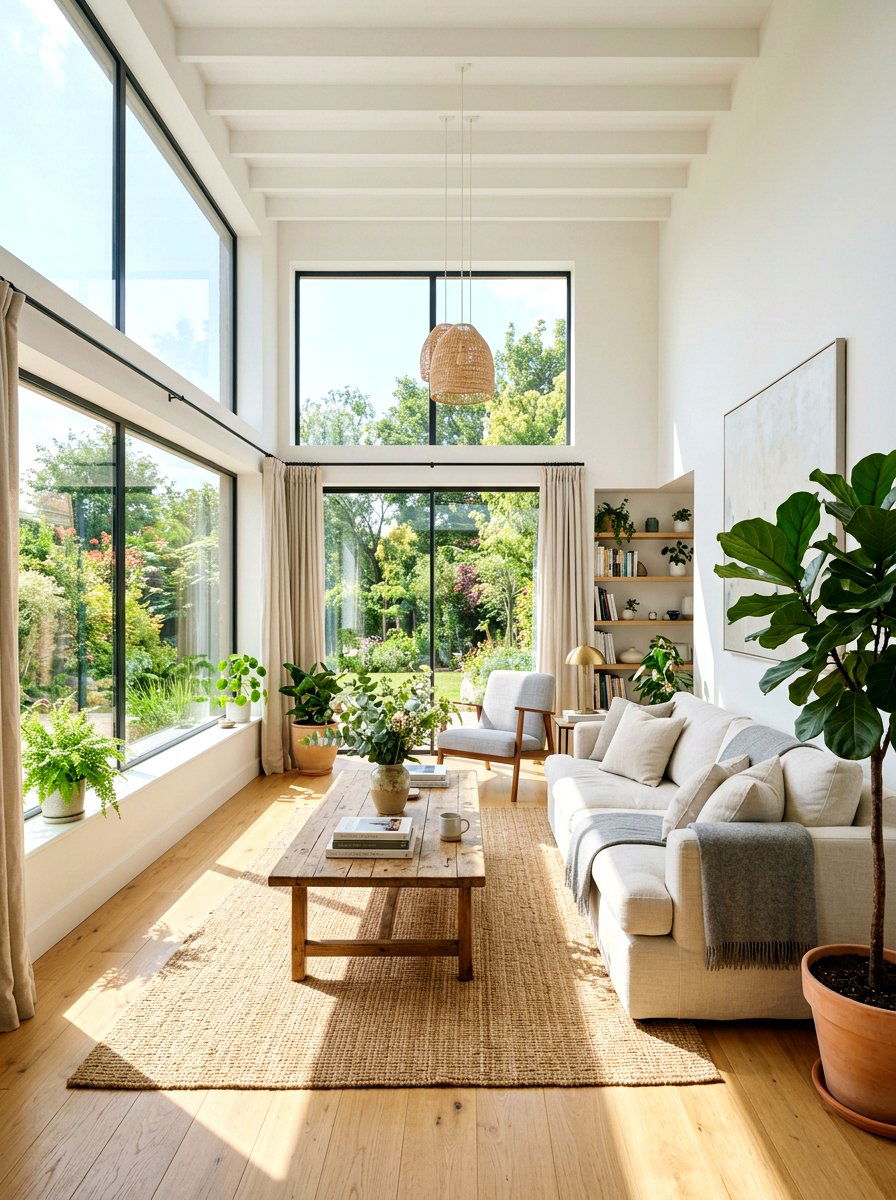
Have you ever noticed how a splash of morning sun can completely shift your mood for the better? Prioritizing natural light is a fundamental step in designing a home that feels open and connected to the rhythms of the day. Instead of relying on harsh overhead bulbs, try to keep your windows unobstructed to let the sun pour in. This simple change creates a soft, airy atmosphere that highlights the natural beauty of your furniture and decor. In a slow home, lighting is about more than just visibility; it is about creating a gentle transition between the indoors and the beautiful natural world outside.
2. Minimalist living room
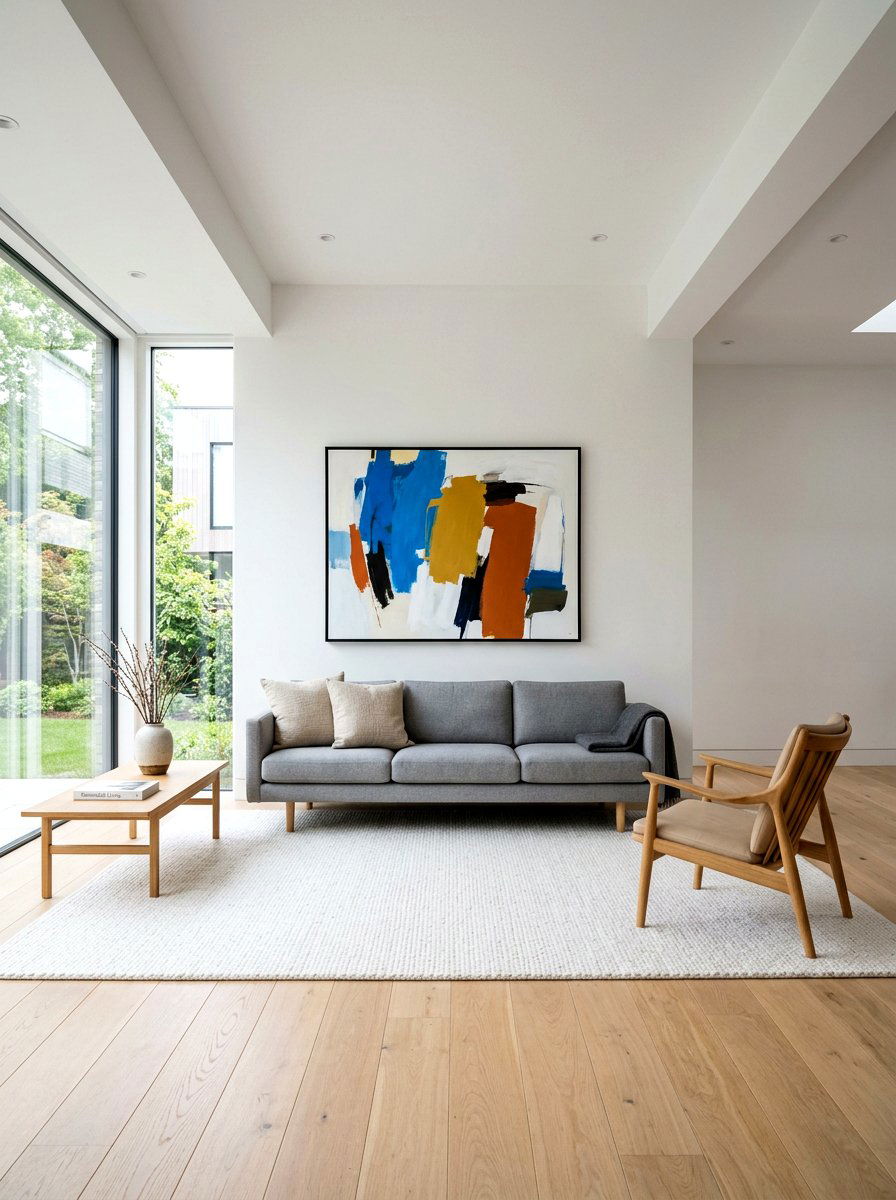
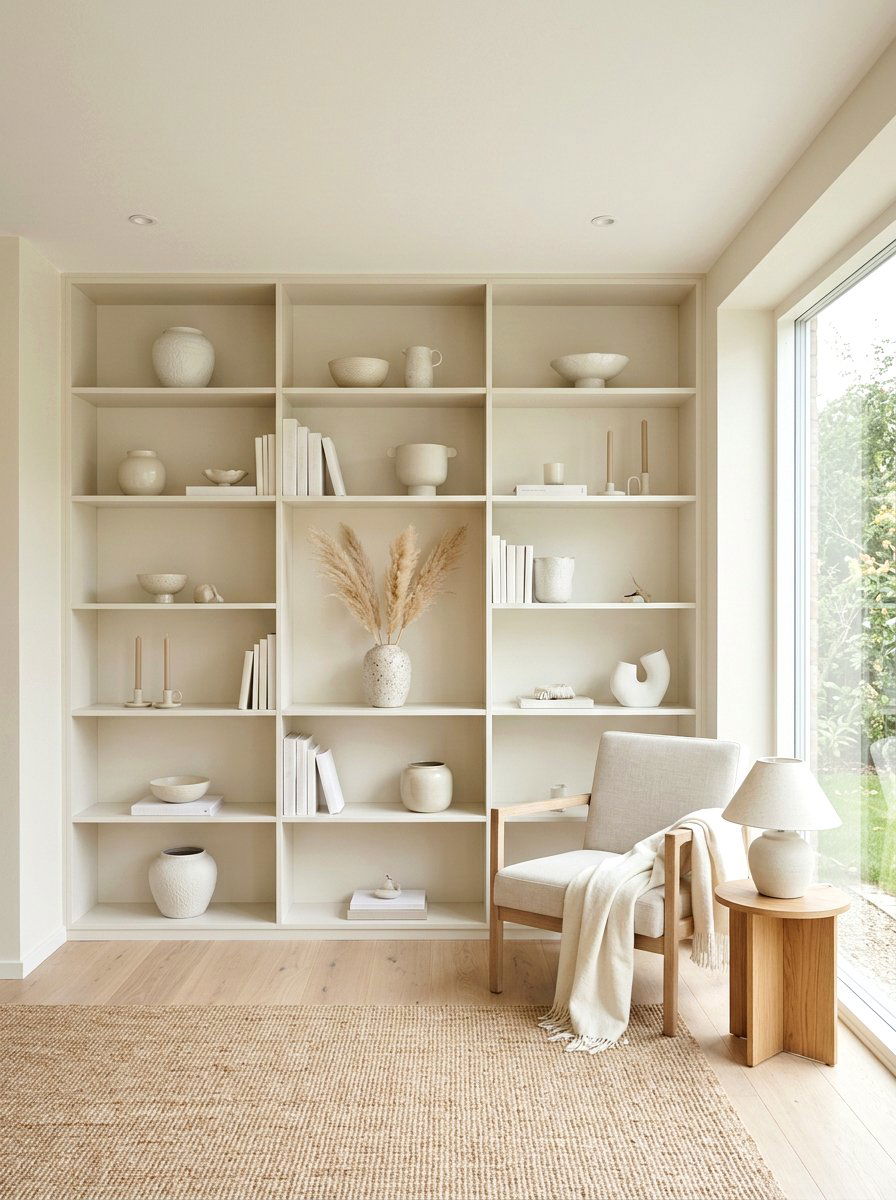
Creating a minimalist living room is about removing the visual noise that often clutters our daily lives and minds. By choosing only the most essential and meaningful pieces of furniture, you allow the room to breathe and feel more spacious. A slow living approach focuses on high-quality items that serve a purpose rather than filling every corner with decorative objects. This intentional layout encourages you to relax without the distraction of excess items needing to be cleaned or organized. When your surroundings are simple and tidy, it becomes much easier to focus on quiet conversation or a peaceful moment of personal reflection.
3. Indoor herb garden
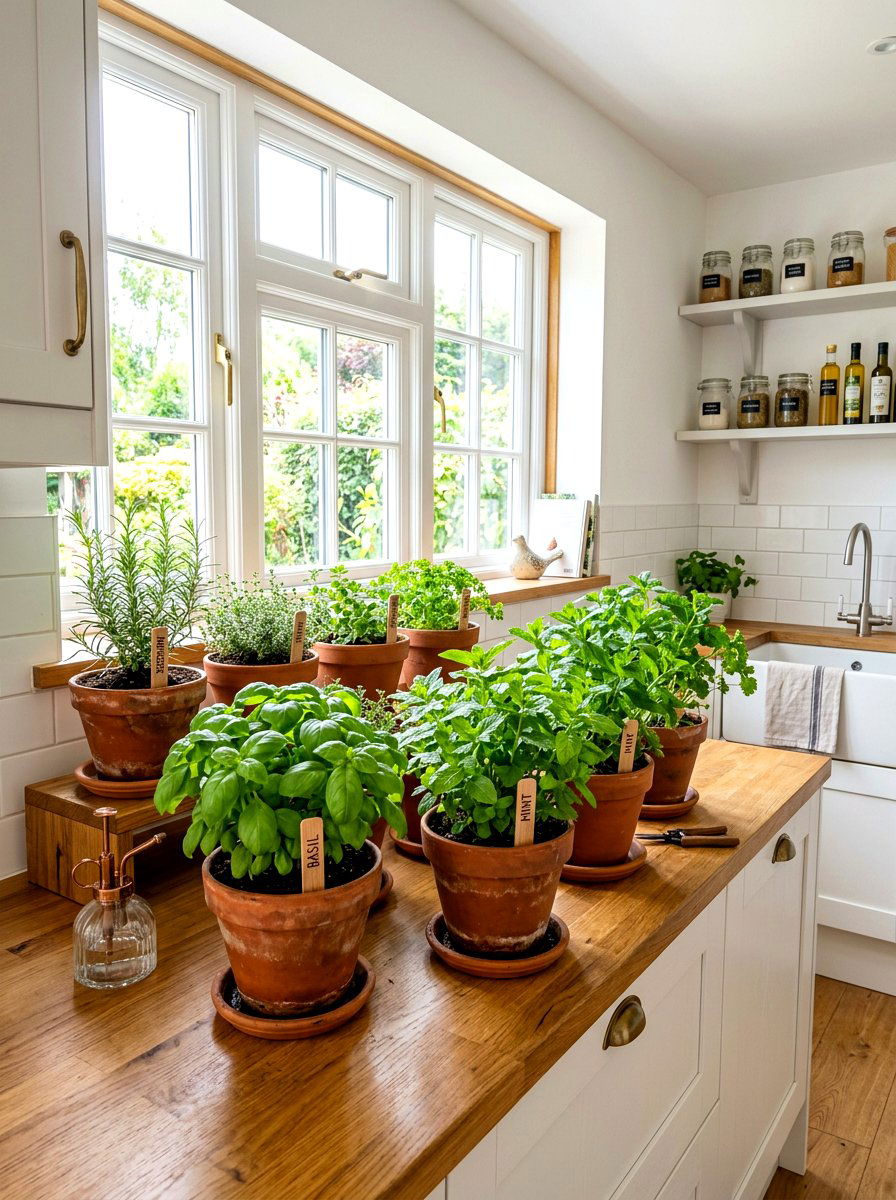
Imagine the simple joy of plucking fresh basil or mint directly from your kitchen windowsill while preparing a meal. An indoor herb garden is a perfect way to bring a touch of nature inside while promoting a slower, more conscious way of eating. Growing your own food, even on a small scale, connects you to the earth and encourages a deeper appreciation for the ingredients you use. These small pockets of greenery not only improve the air quality but also provide a refreshing visual element. Tending to your plants becomes a mindful daily ritual that grounds you in the present moment and natural cycle.
4. Cozy reading nook
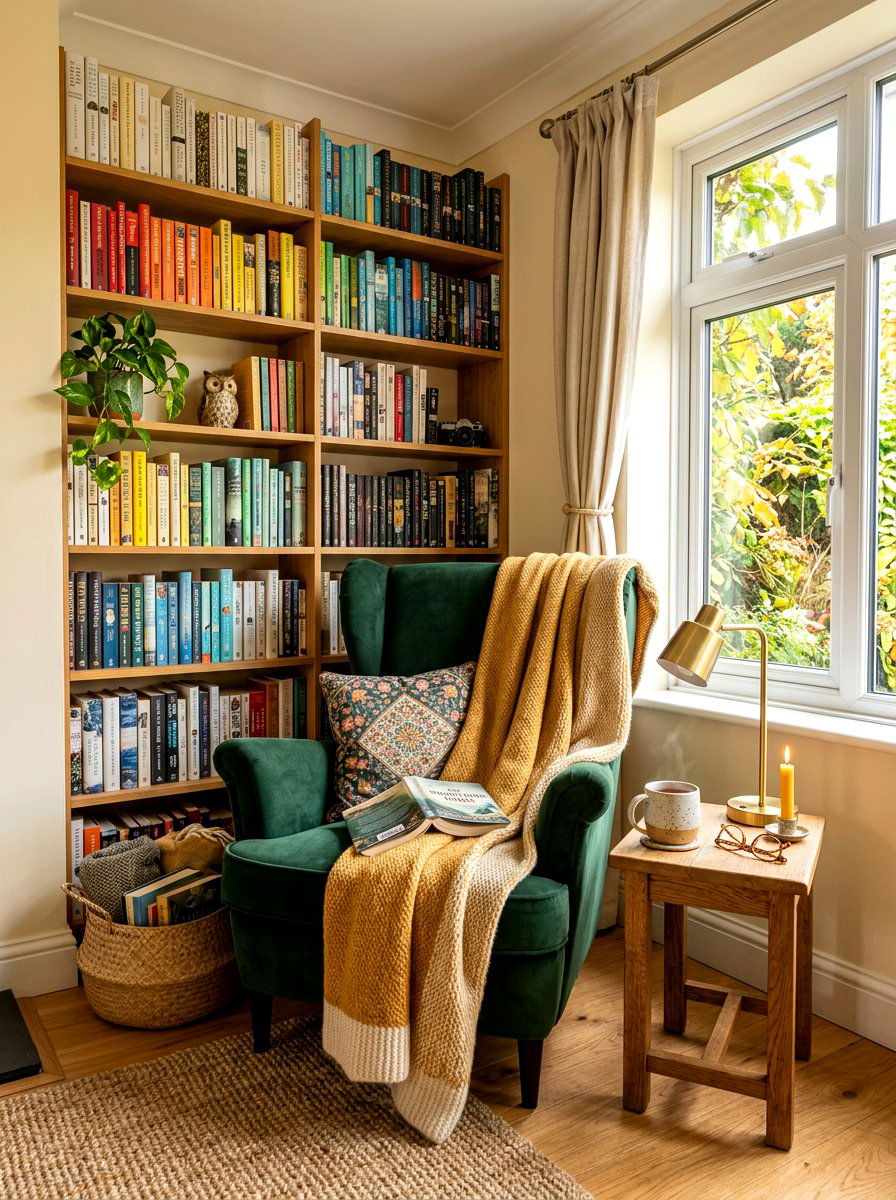
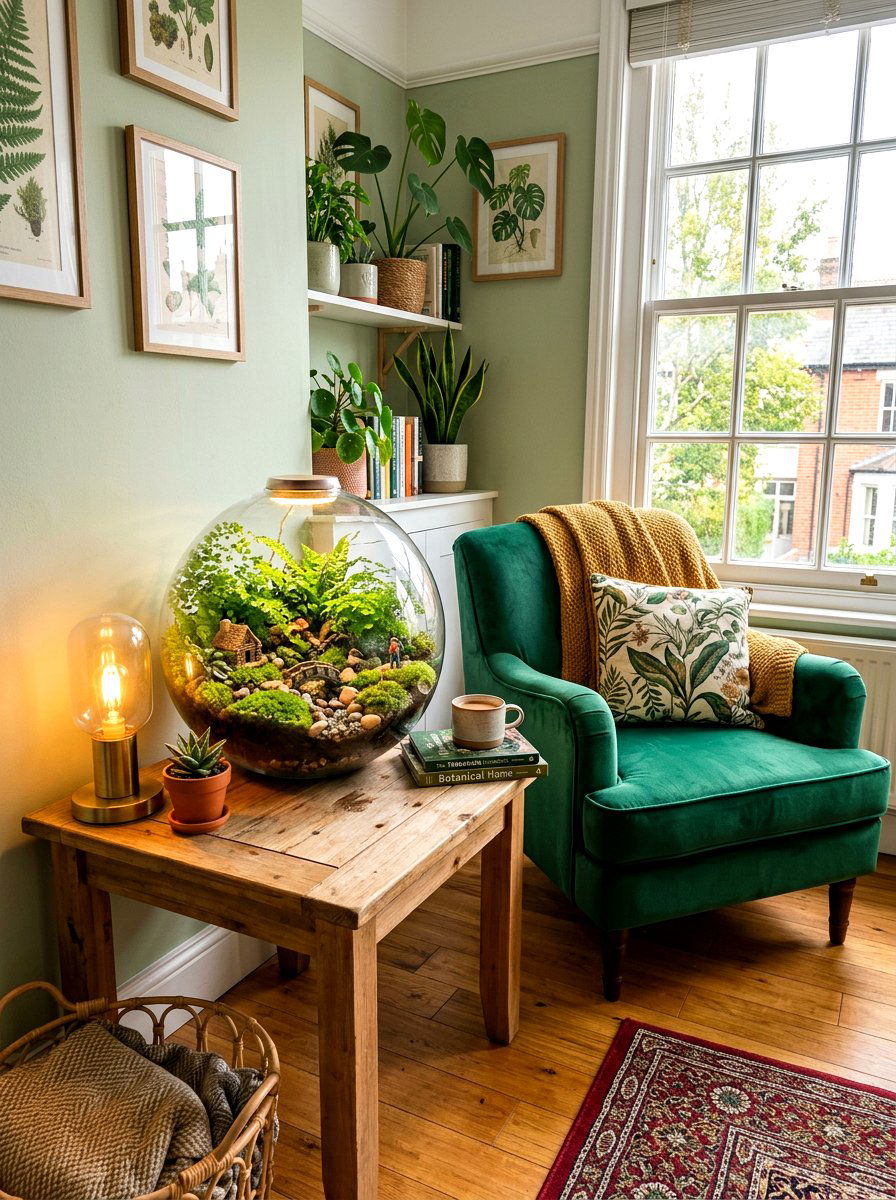
Setting aside a specific area for reading and relaxation is a wonderful way to carve out time for yourself. A cozy reading nook doesn't require much space; a comfortable armchair and a small side table near a window are often enough. By adding a soft throw blanket and a few plush pillows, you create an inviting retreat that beckons you to put away your phone. This dedicated space serves as a reminder to slow down and lose yourself in a good book. It is a physical manifestation of your commitment to rest, providing a quiet sanctuary away from the hustle of modern life.
5. Neutral bedroom decor
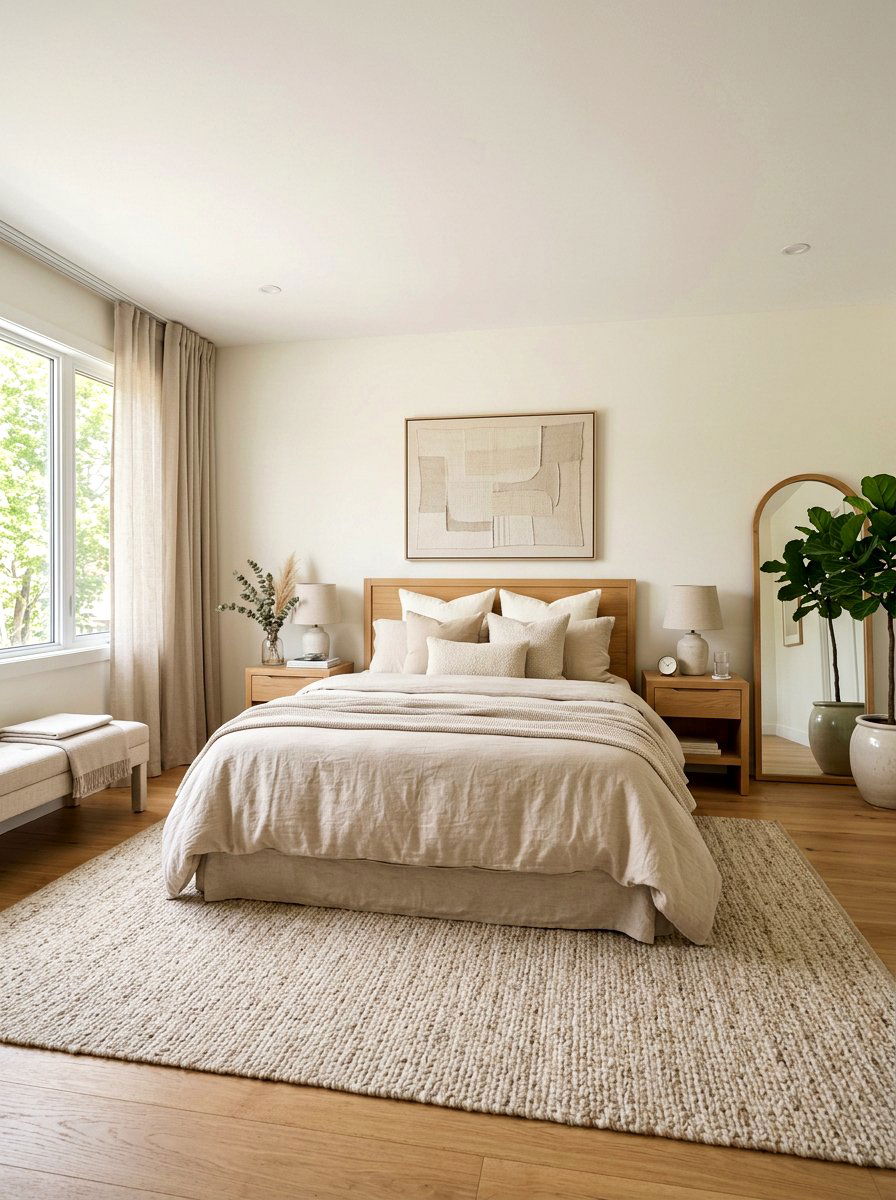
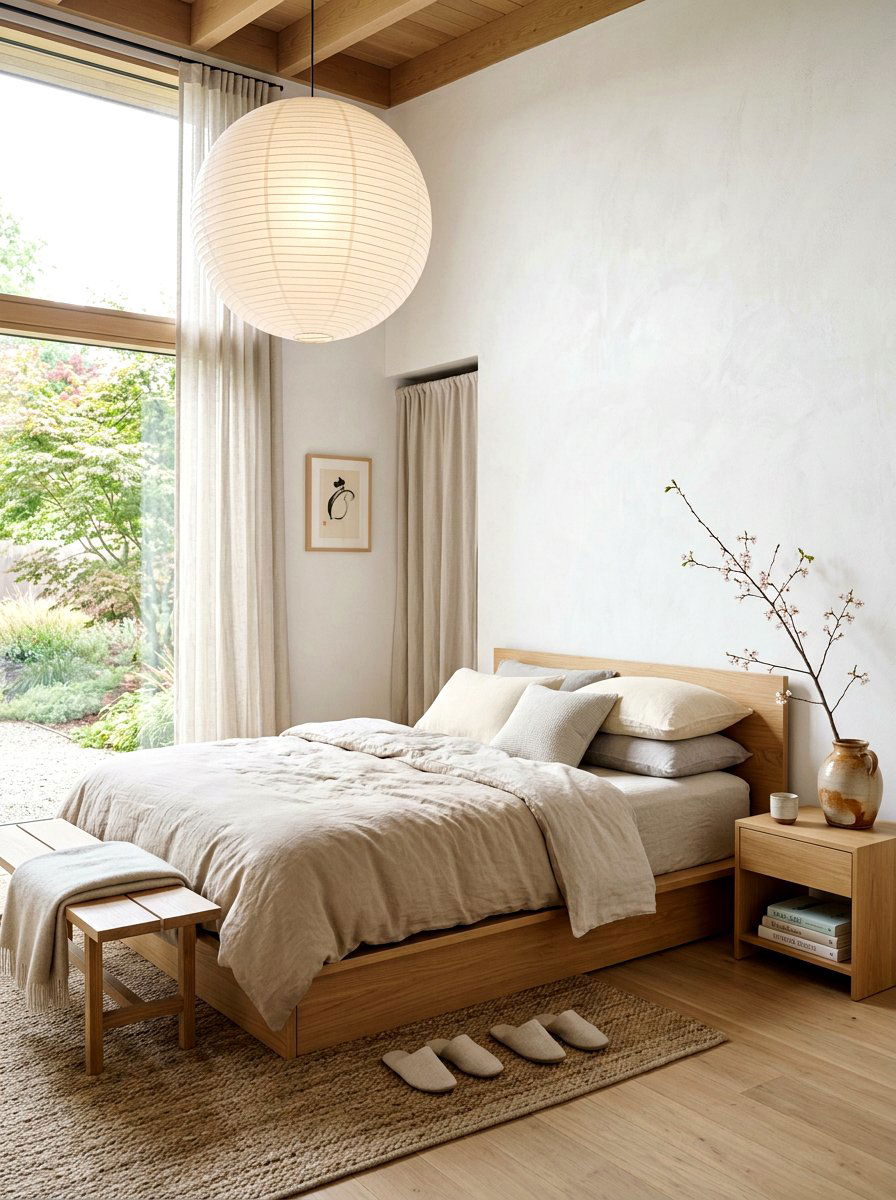
Using a neutral color palette in the bedroom is a powerful way to signal to your brain that it is time to rest. Soft whites, warm beiges, and gentle grays create a soothing backdrop that doesn't overwhelm the senses after a long day. This color scheme allows you to focus on textures and natural materials, which add depth and warmth without being visually loud. In a slow living home, the bedroom should feel like a serene cocoon where you can truly unplug. By keeping the colors simple and calm, you create an environment that naturally supports better sleep and a more peaceful morning.
6. Artisanal home decor
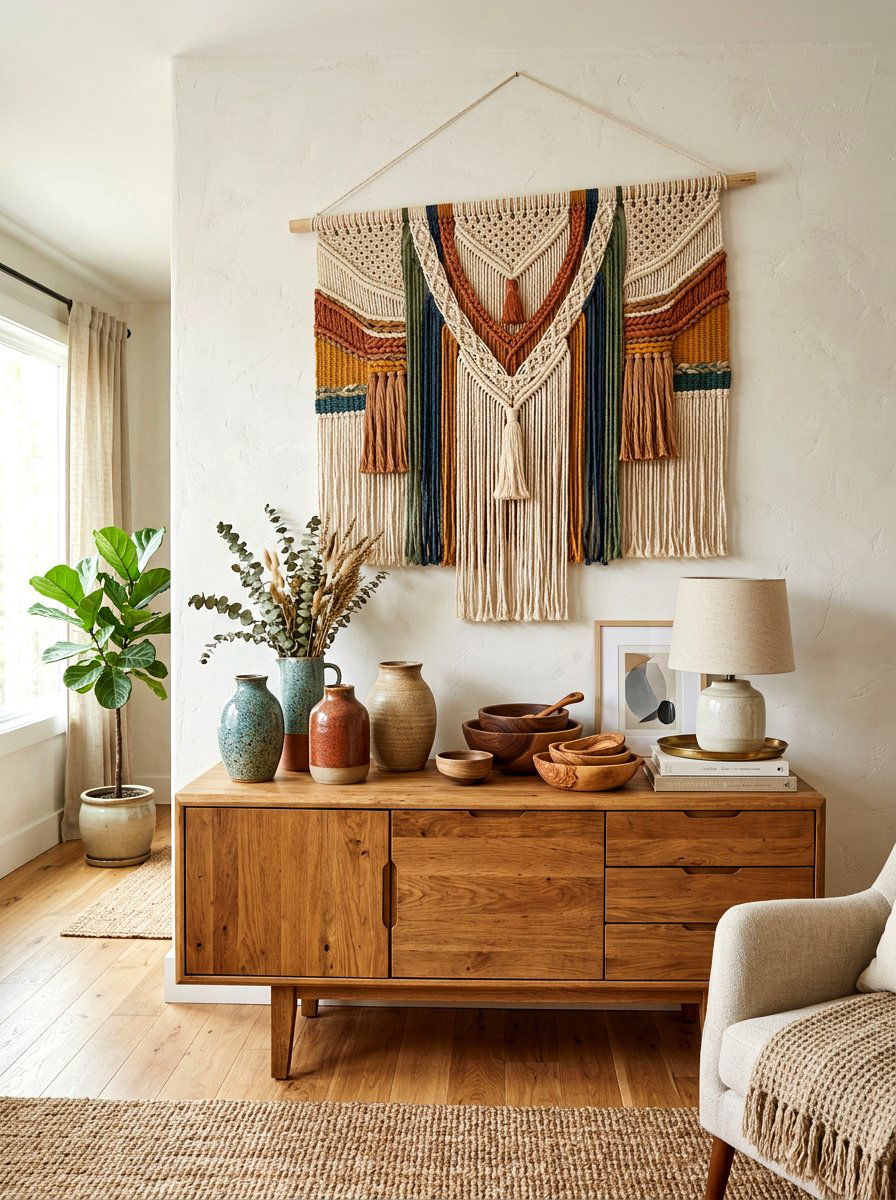
Decorating with handmade items is a beautiful way to infuse your home with character and a sense of history. Artisanal decor, such as hand-thrown ceramic vases or woven wall hangings, carries the story of the maker and the effort put into the craft. Unlike mass-produced items, these unique pieces have small imperfections that add to their charm and authenticity. Choosing craftsmanship over convenience is a core tenet of slow living, as it encourages us to value quality and longevity. These items create a more personal connection to your space, making your home feel curated and deeply reflective of your own values.
7. Sustainable home design
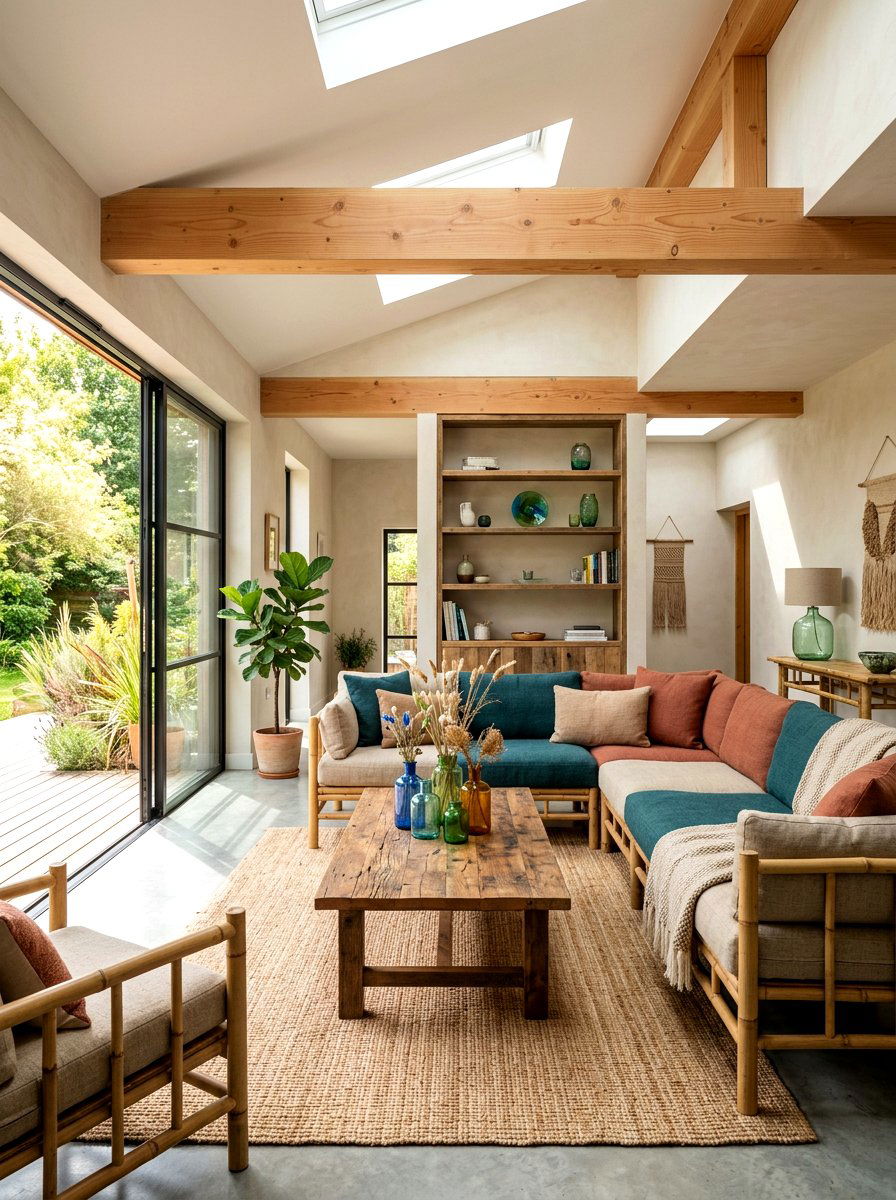
Building a home environment that respects the planet is a key part of the slow living philosophy and lifestyle. Sustainable home design involves choosing furniture and materials that are eco-friendly, such as reclaimed wood, bamboo, or recycled glass. By investing in pieces that are built to last, you reduce waste and move away from the cycle of disposable consumption. This approach also extends to how you use energy and water, promoting a more conscious interaction with resources. A sustainable home feels more grounded and honest, providing a sense of peace that comes from knowing your lifestyle aligns with the well-being of the world.
8. Linen bedroom aesthetic
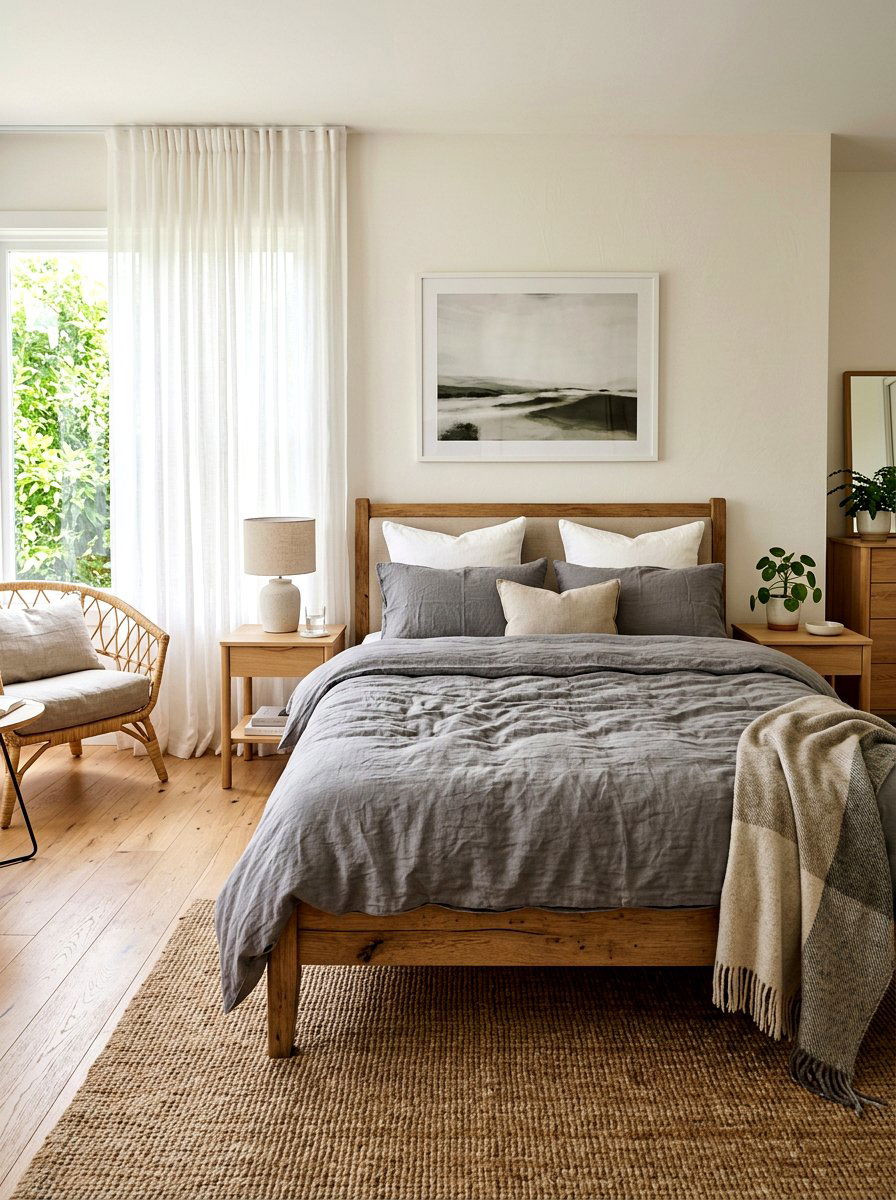
There is something incredibly soothing about the tactile feel of high-quality linen bedding against your skin at night. Linen is a natural, breathable fabric that gets softer with every wash, making it a perfect choice for a slow living bedroom. Its slightly rumpled appearance adds a relaxed, lived-in feel to the room, discouraging the need for perfection. Choosing organic textiles helps create a healthier sleep environment while supporting sustainable farming practices. By focusing on the sensory experience of your bedding, you turn the simple act of going to bed into a luxurious and mindful ritual that helps you unwind from the day.
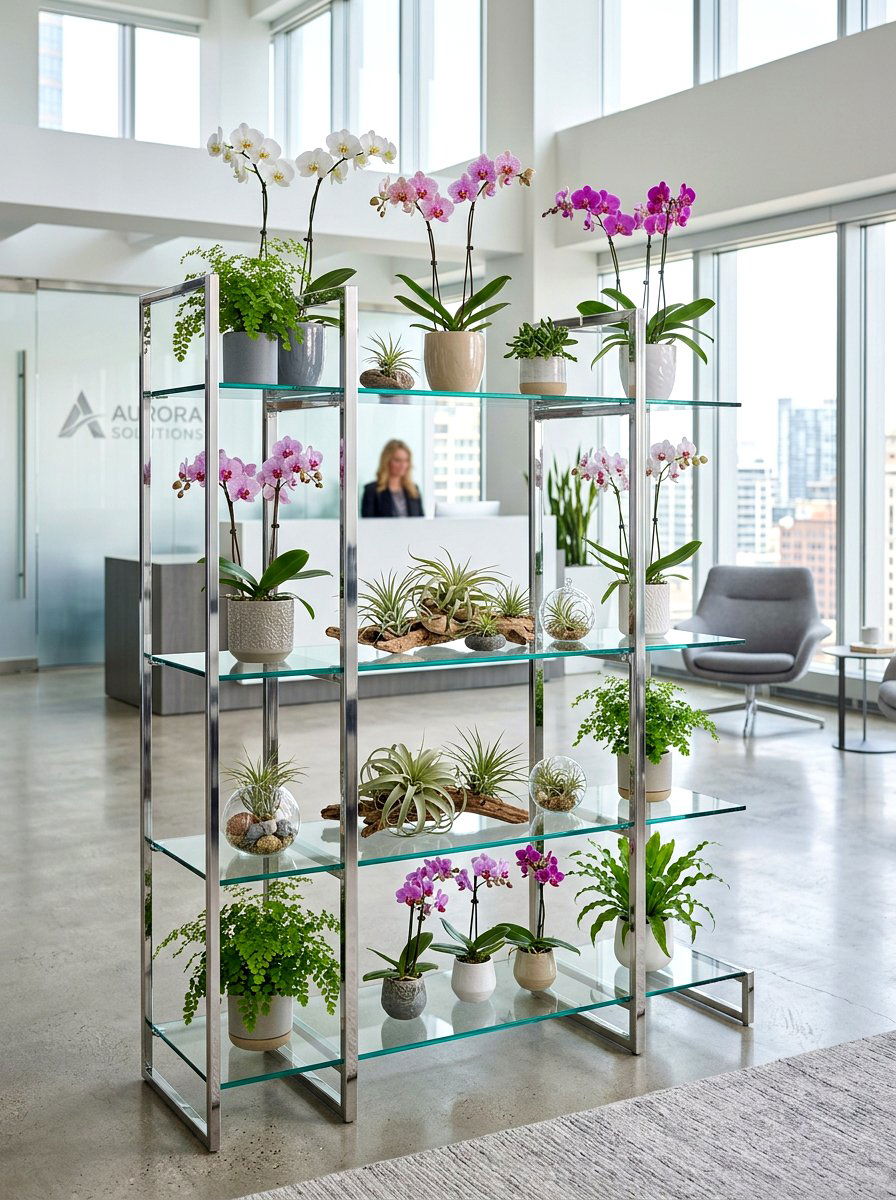
9. Indoor plant room
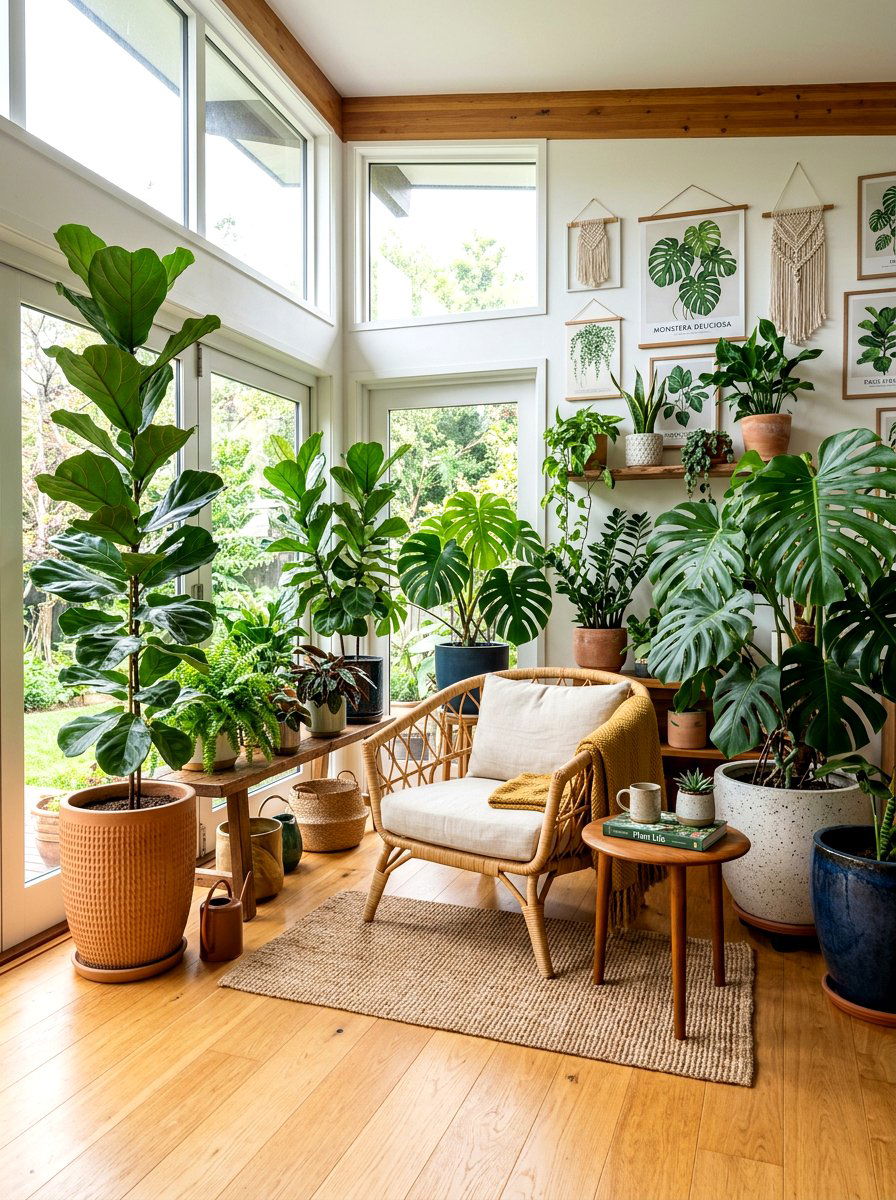
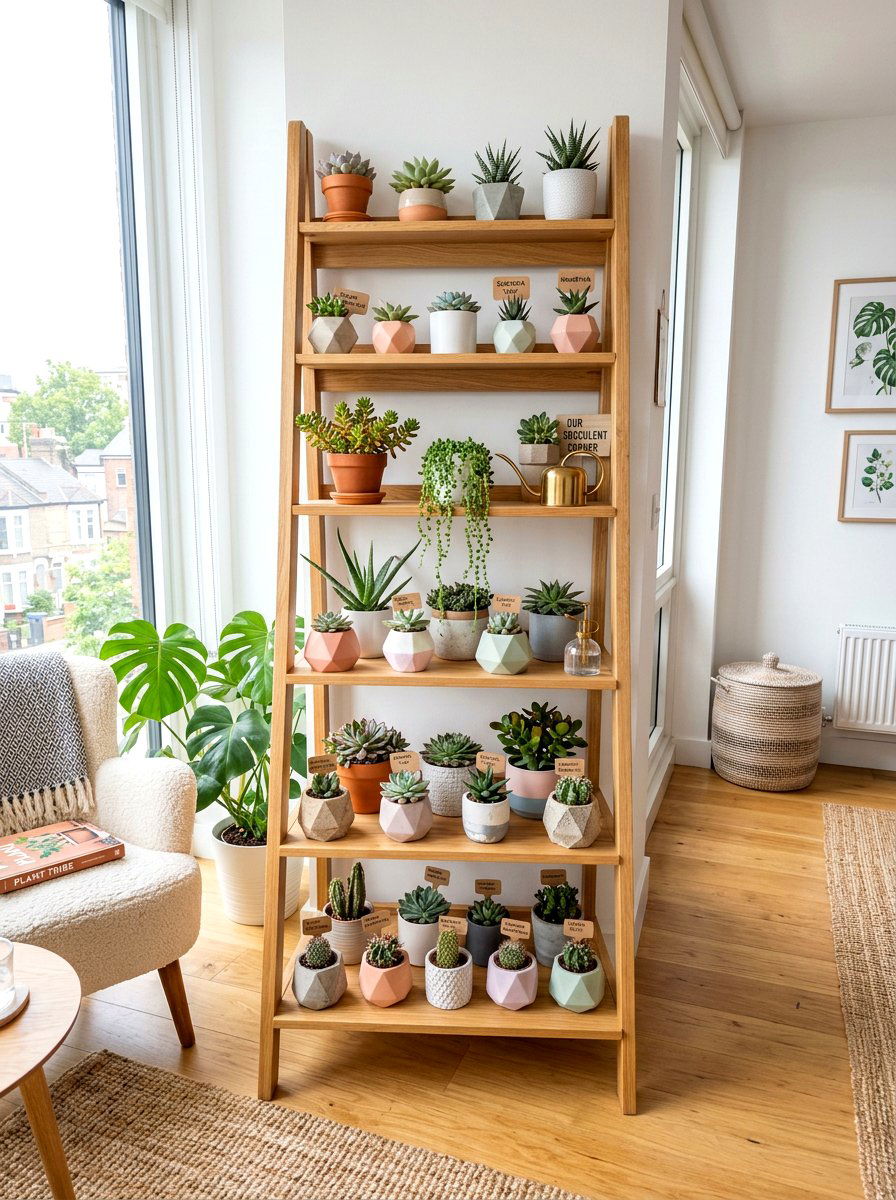
Transforming a corner of your house into an indoor plant room brings the calming energy of the outdoors inside. Lush greenery, from towering floor plants to small succulents, adds life and vibrant color to any space while purifying the air. Caring for a variety of plants requires a gentle, rhythmic attention that fits perfectly with a slower pace of life. Watching a new leaf unfurl or a flower bloom provides a quiet sense of accomplishment and connection to nature. This biophilic design approach reduces stress and creates a refreshing sanctuary where you can feel rejuvenated by the presence of natural beauty.
10. Home meditation space
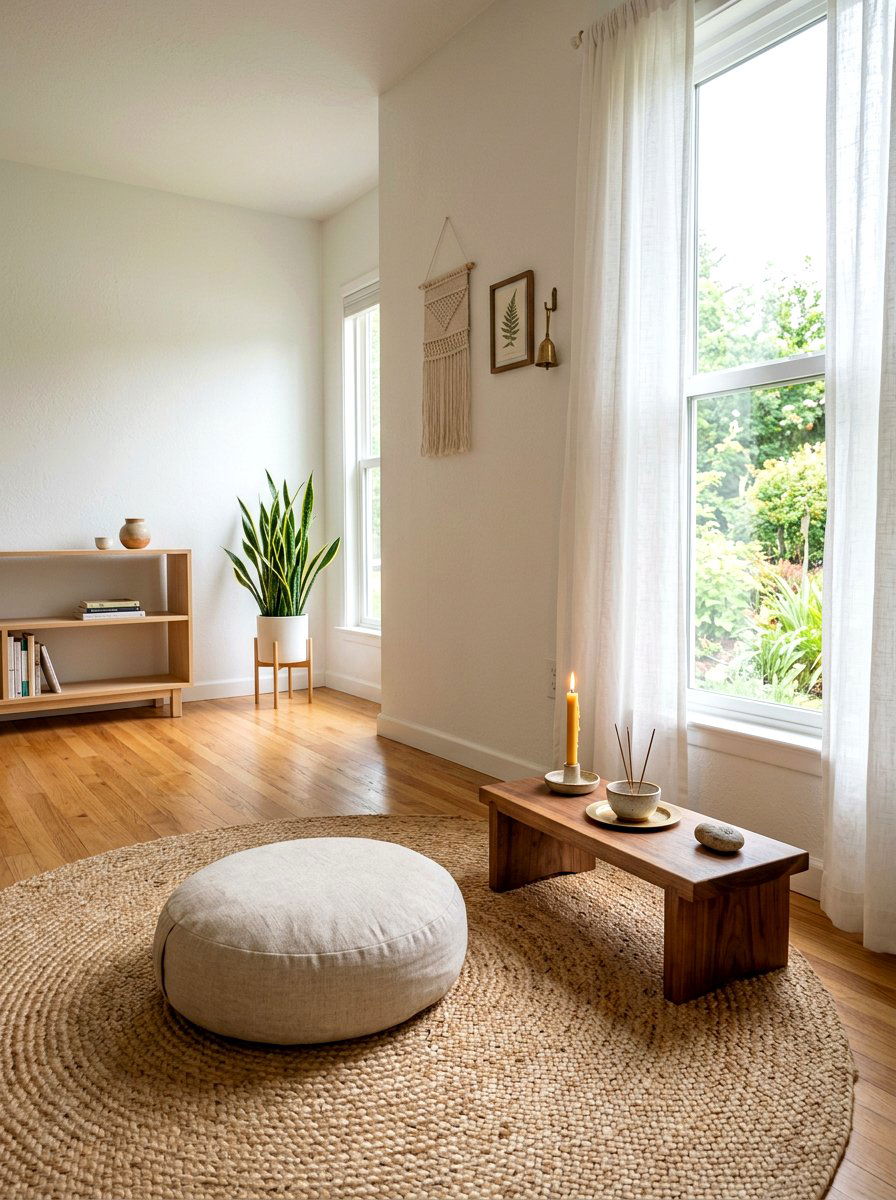
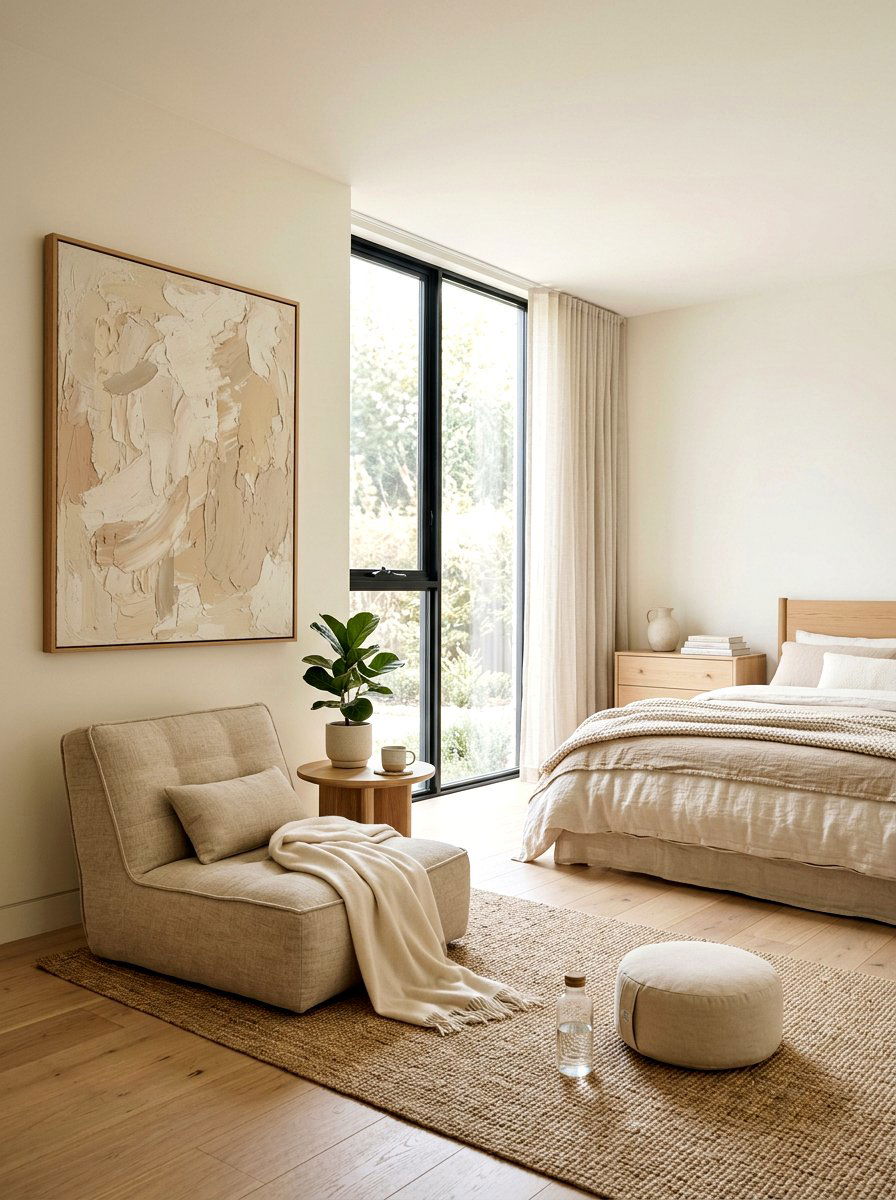
Designating a specific area for meditation or quiet contemplation is a powerful way to prioritize your mental and emotional health. A home meditation space should be simple and free from distractions, perhaps featuring a comfortable floor cushion and a few meaningful objects. By having a physical location dedicated to stillness, you are more likely to make mindfulness a regular part of your daily routine. This space acts as an anchor for your practice, providing a reliable retreat whenever you need to find your center. It is a quiet reminder that taking time for yourself is essential for a balanced and slow life.
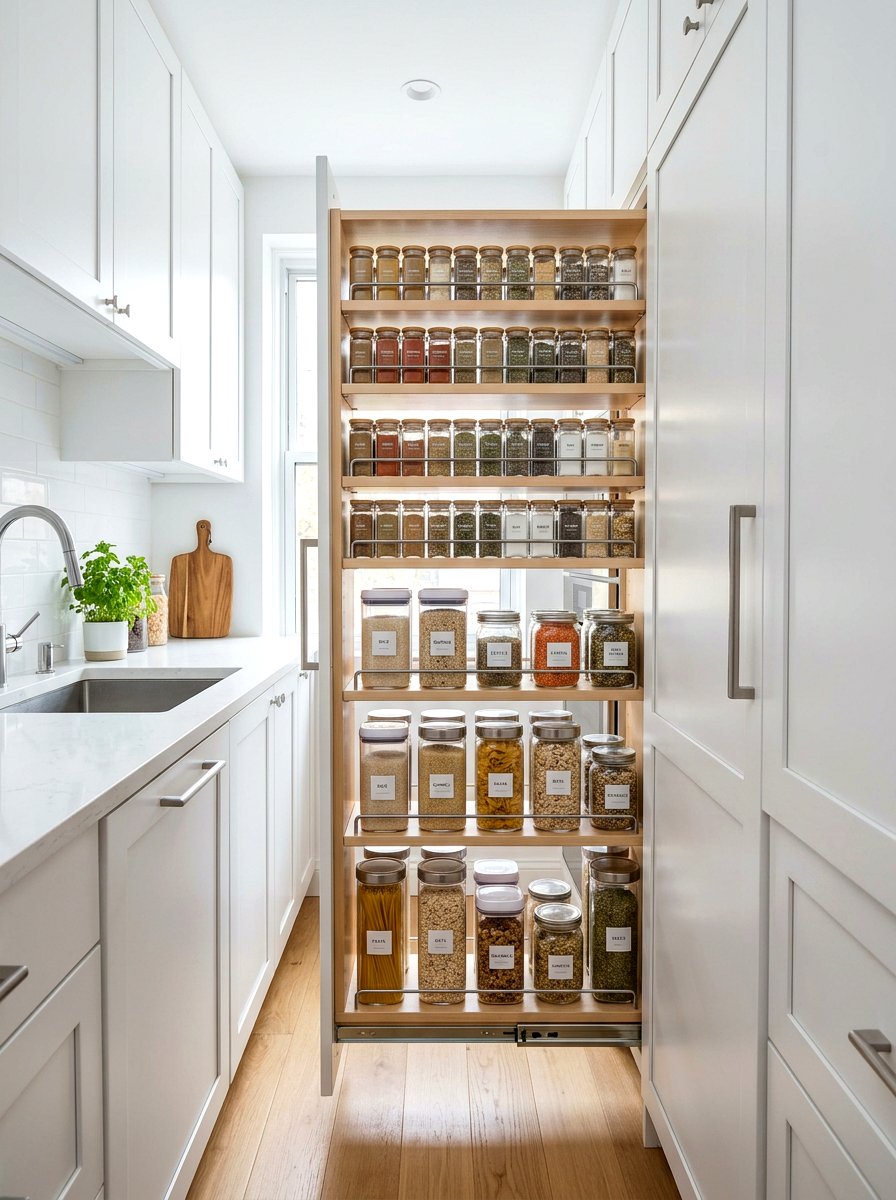
11. Open shelf kitchen
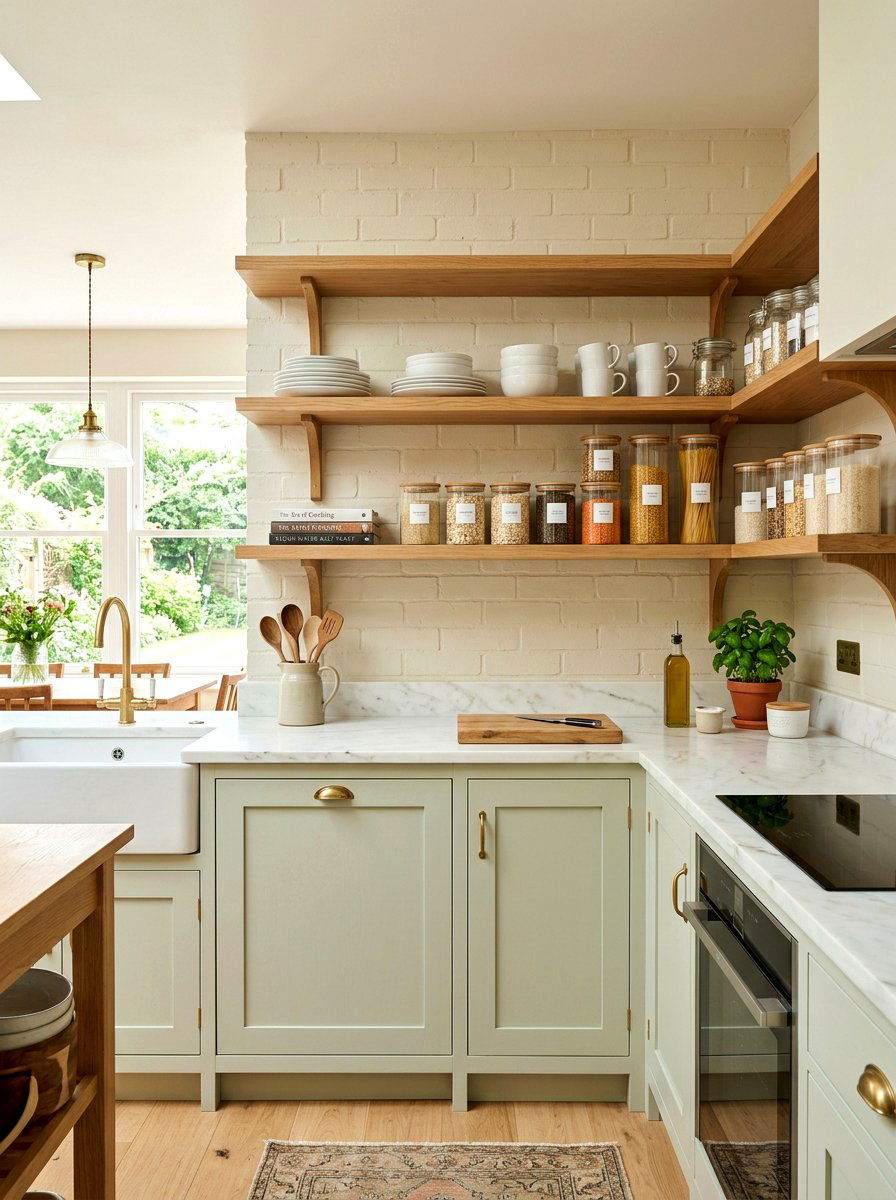
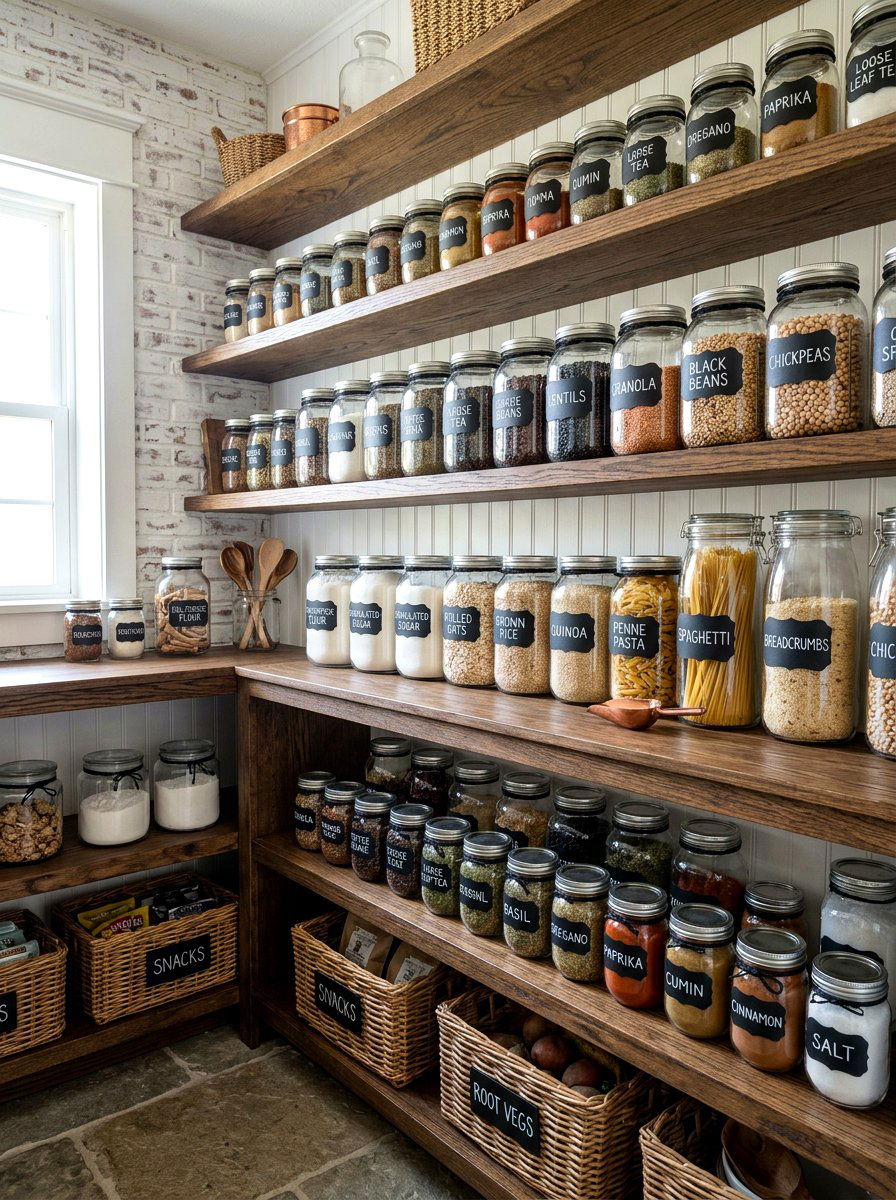
An open shelf kitchen encourages a more intentional relationship with the items you use for cooking and dining every day. By displaying your most-used dishes and jars of ingredients, you create a space that feels accessible, functional, and honest. This design choice forces you to be mindful of what you own, as there is no place to hide unnecessary clutter. It turns everyday objects into a form of decor, celebrating the beauty of simple, functional design. An open kitchen feels more inviting and connected, making the process of preparing a meal feel like a creative and enjoyable part of your day.
12. Natural fiber home
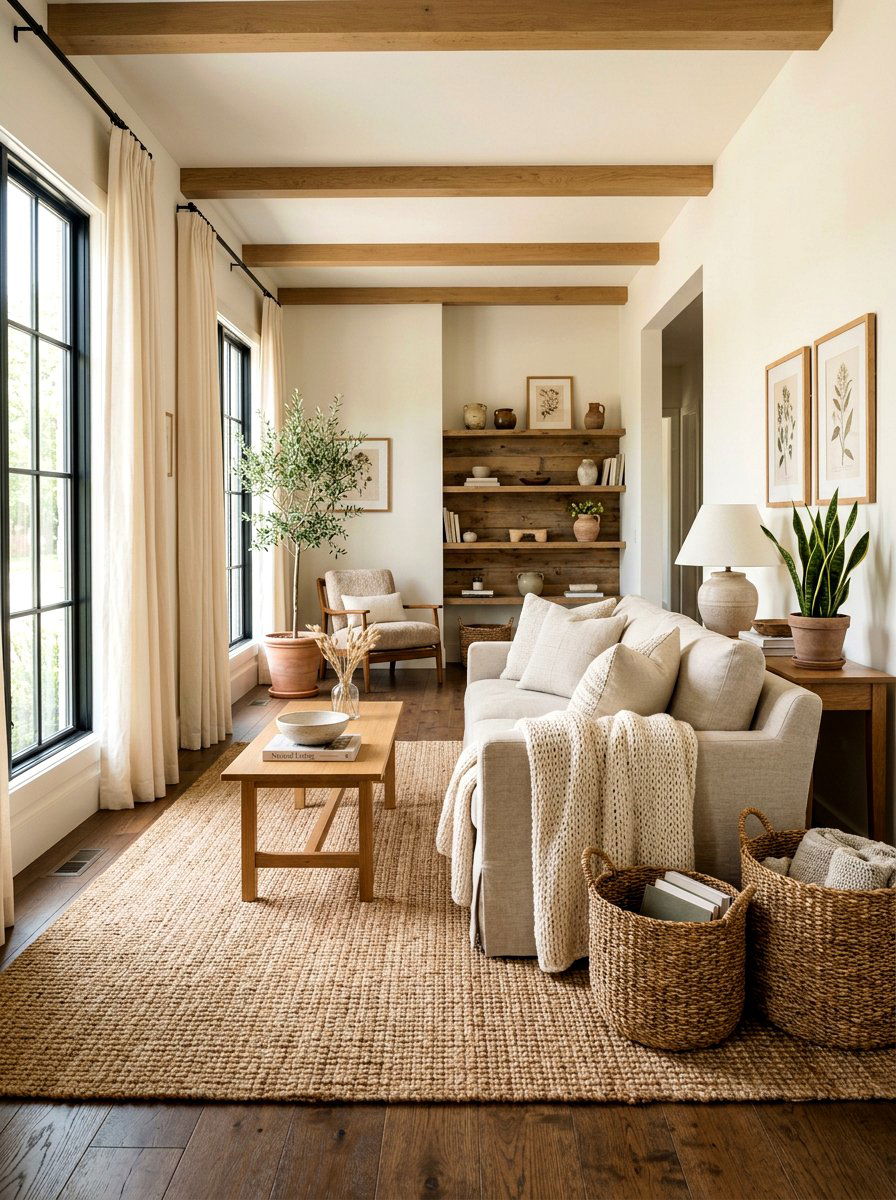
Integrating natural fibers like wool, jute, and cotton throughout your home adds a layer of warmth and organic texture. These materials are not only sustainable but also provide a grounding tactile experience that synthetic fabrics simply cannot replicate. Whether it is a soft wool rug underfoot or a chunky knit throw on the sofa, natural fibers make a space feel cozy and authentic. They age beautifully and develop a unique character over time, echoing the slow living values of durability and quality. By surrounding yourself with materials from the earth, you create a home that feels deeply connected to the natural world.
13. Textured wall finish
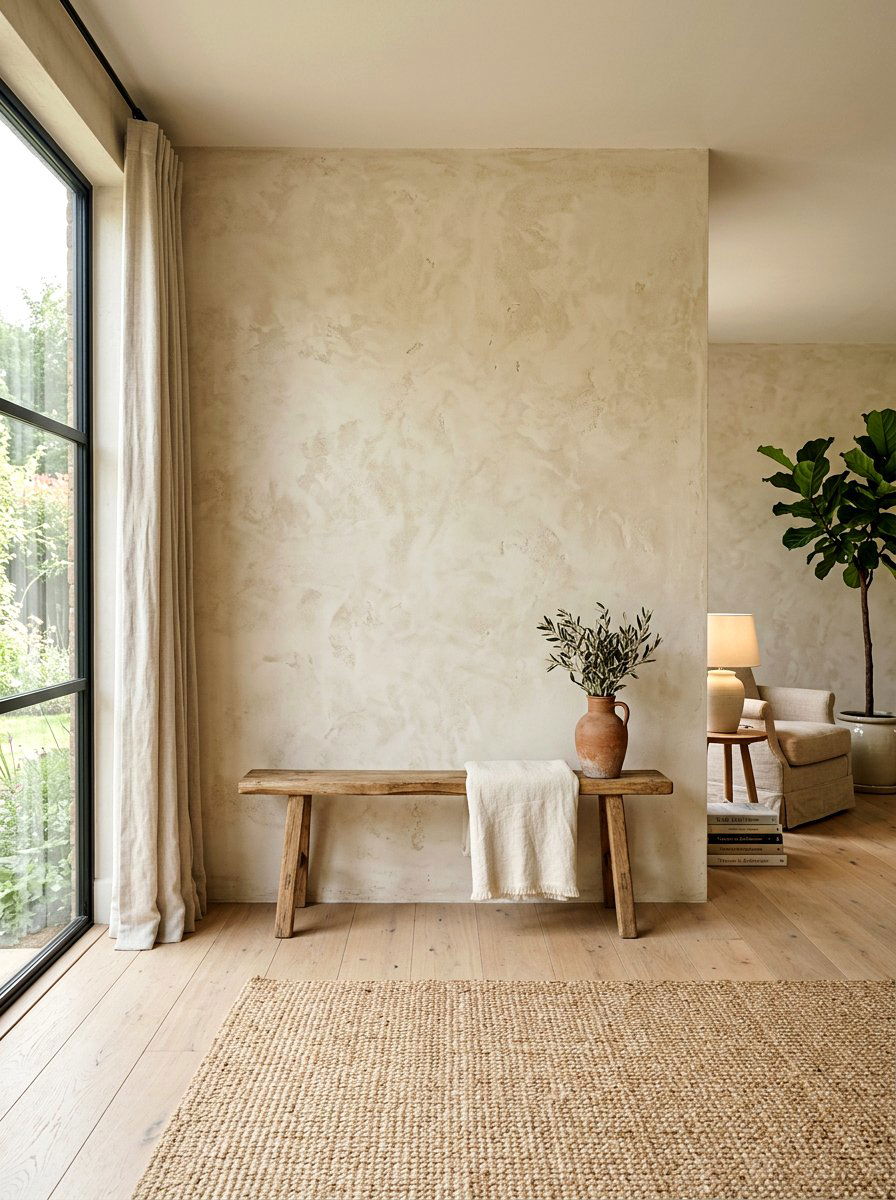
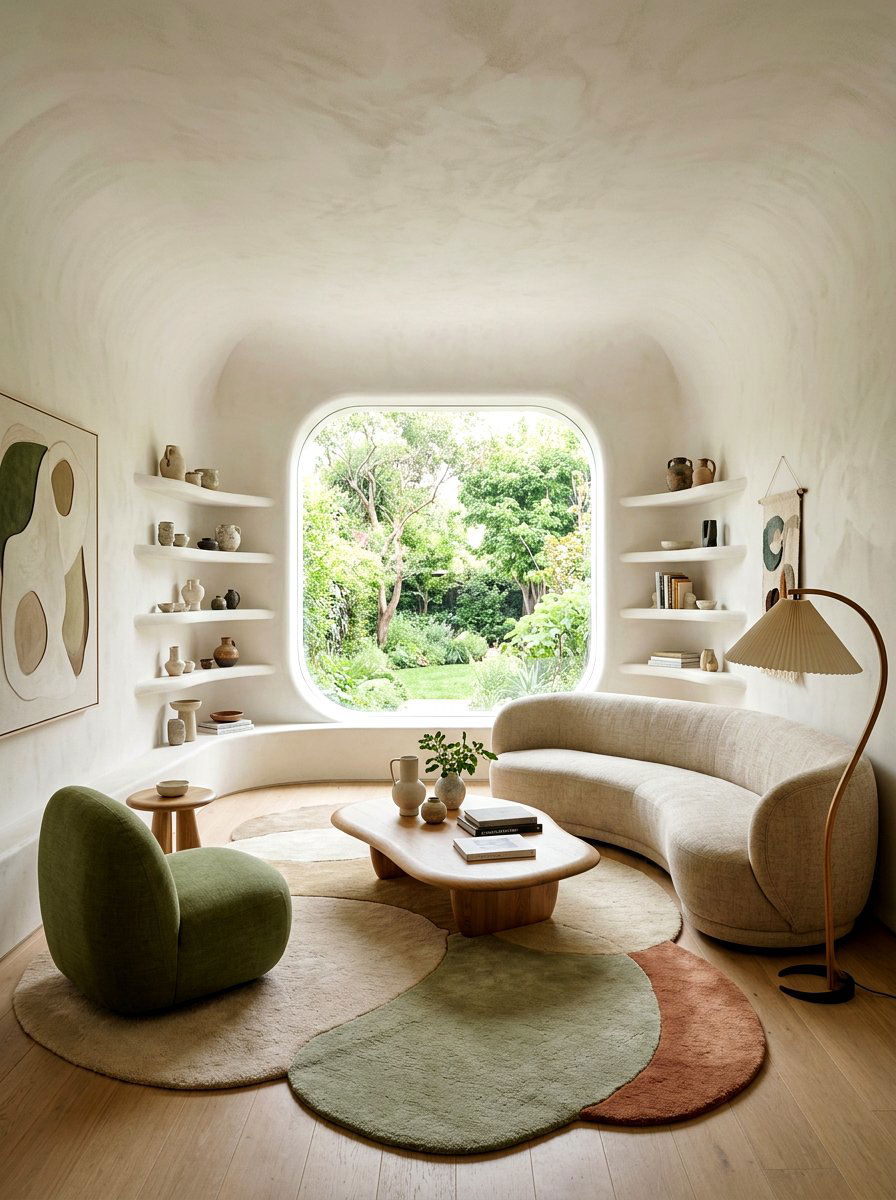
Moving away from perfectly smooth, flat walls can add a surprising amount of depth and personality to your living space. Textured wall finishes, such as lime wash or clay plaster, create a soft, mottled appearance that catches the light beautifully. These traditional techniques use natural materials that are breathable and eco-friendly, contributing to a healthier indoor environment. The subtle variations in color and texture make the walls feel like a work of art in themselves, providing a sense of handmade warmth. This approach celebrates the beauty of imperfection, creating a backdrop that feels organic, sophisticated, and incredibly calming for the entire household.
14. Vintage furniture home
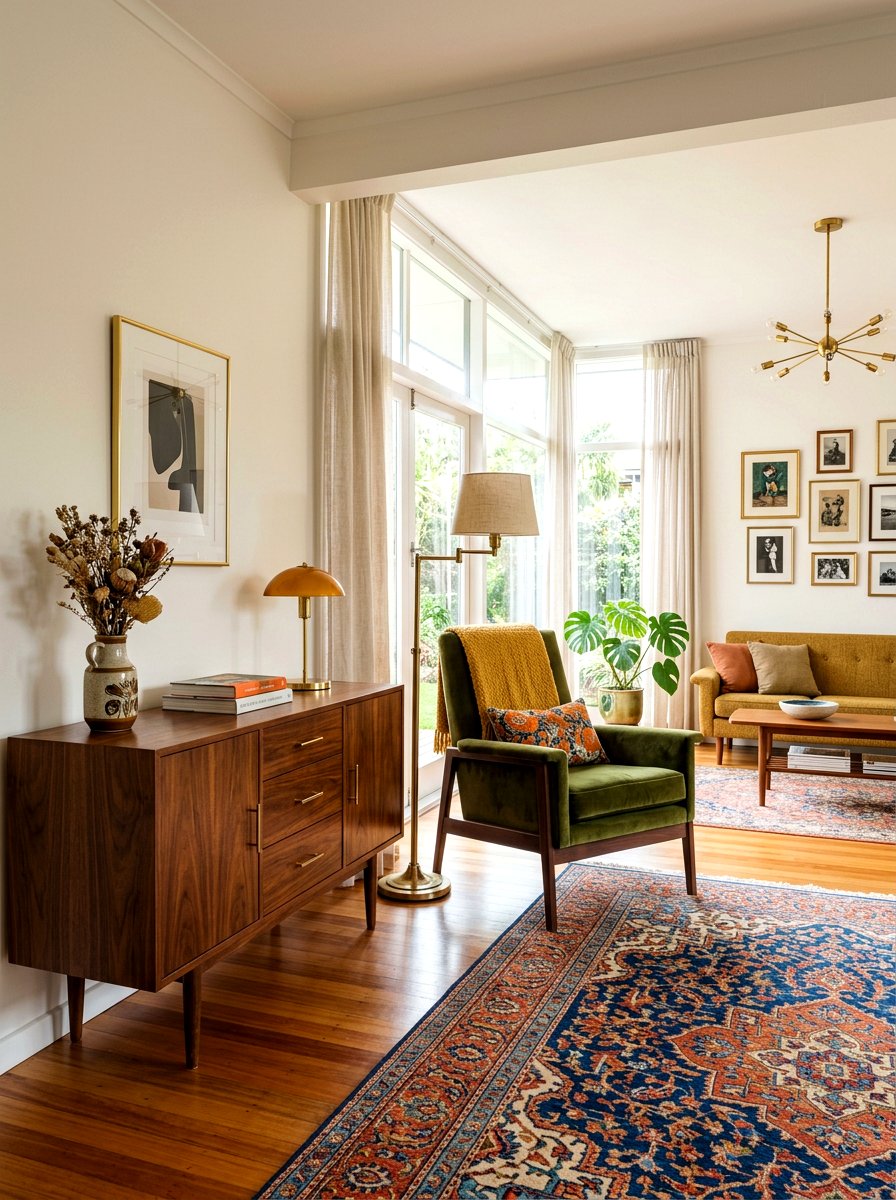
Incorporating vintage furniture into your home is a wonderful way to embrace the slow living concept of circular consumption. Each antique piece has a history and a unique soul that adds a layer of depth to your modern interior design. By choosing older items, you are giving them a new life and keeping them out of landfills, which is a sustainable choice. Vintage pieces are often built with superior craftsmanship, ensuring they will continue to serve you for many years to come. Mixing old and new elements creates a curated, timeless look that feels personal and far from the world of fast furniture.
15. Wool rug interior
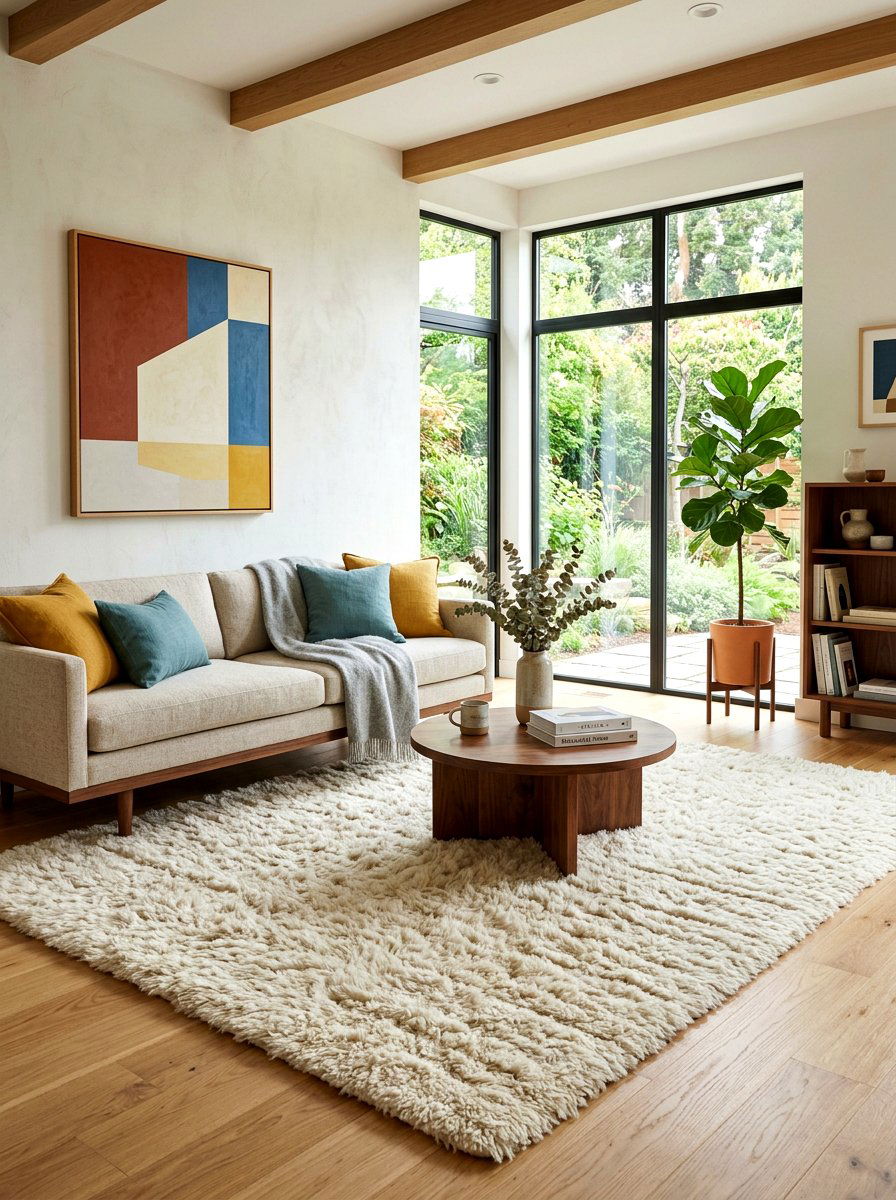
A high-quality wool rug is an investment in comfort that can completely transform the atmosphere of a room. Wool is a natural, durable material that provides excellent insulation and a soft, luxurious feel under your feet. In a slow living home, the floor is an important surface for connection, whether you are playing with children or sitting during meditation. A beautiful rug helps define a space and adds a layer of sound-dampening warmth that makes the room feel more intimate. Choosing a rug with a simple, natural pattern ensures it will remain a classic and beloved part of your home for decades.
16. Woven home decor
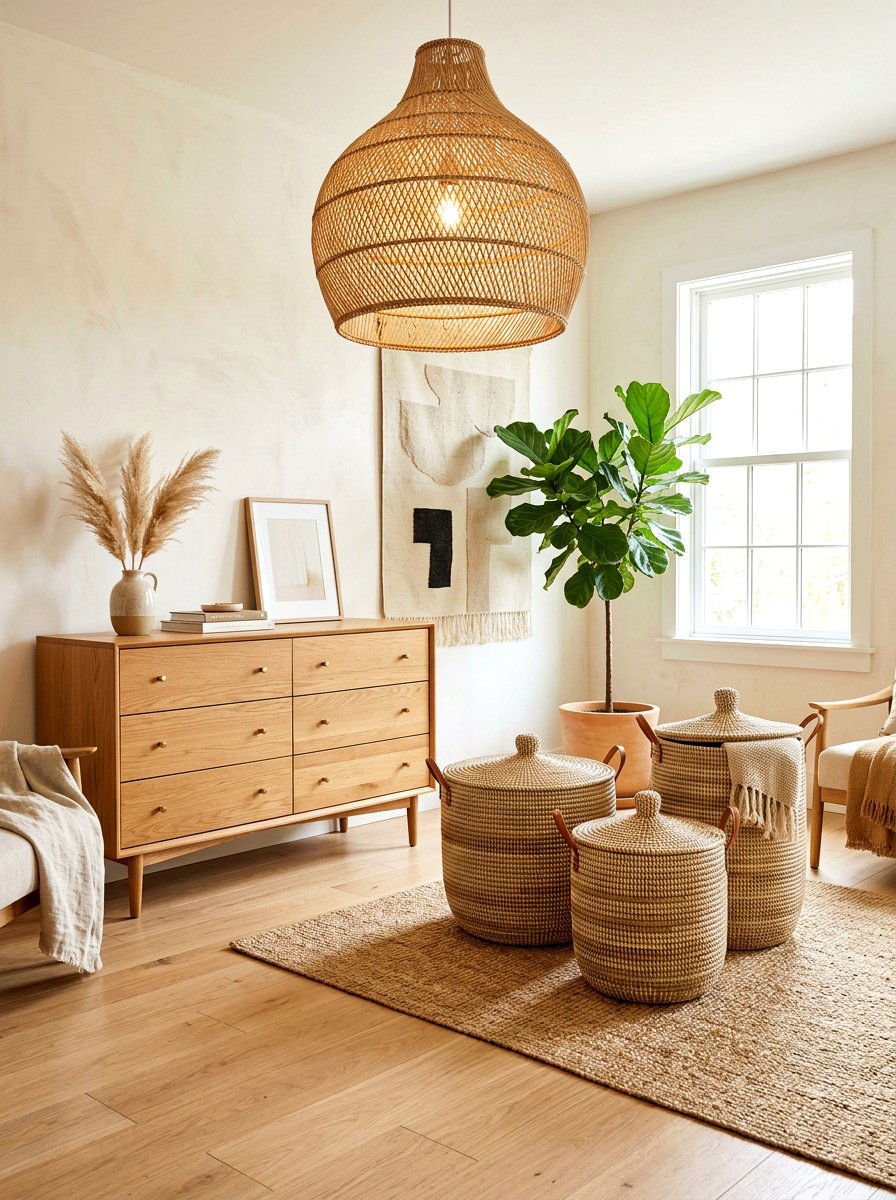
Using woven elements like rattan furniture or seagrass baskets is an easy way to bring natural texture and warmth indoors. These materials are often handcrafted, supporting traditional skills and providing a unique, organic look that complements any decor style. Woven baskets are particularly useful in a slow home for organizing clutter in a way that feels intentional and beautiful. They can hold everything from extra blankets to children’s toys, keeping your surfaces clear and your mind at ease. By incorporating these tactile pieces, you create a space that feels grounded and connected to the craftsmanship of the natural world.
17. Home aromatherapy room
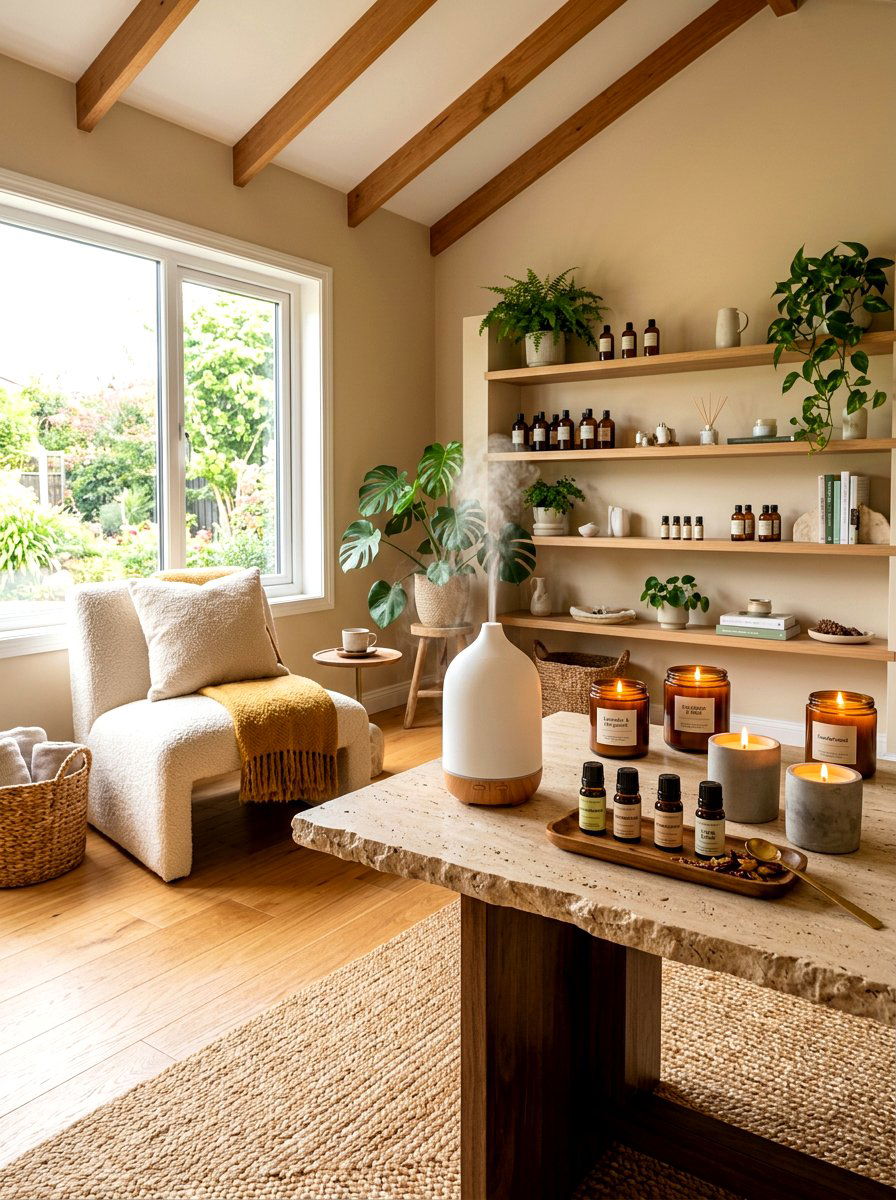
Creating a dedicated space for aromatherapy allows you to use the power of scent to influence your mood and well-being. Whether you use an essential oil diffuser or natural soy candles, the right fragrance can help you relax or feel more focused. This sensory experience is a key part of slow living, as it encourages you to be present and enjoy the subtle details of your environment. You can set up a small station with your favorite oils and a comfortable chair to create a mini-retreat. This mindful practice helps reduce stress and turns your home into a truly restorative and healing sanctuary.
18. Soft lighting interior
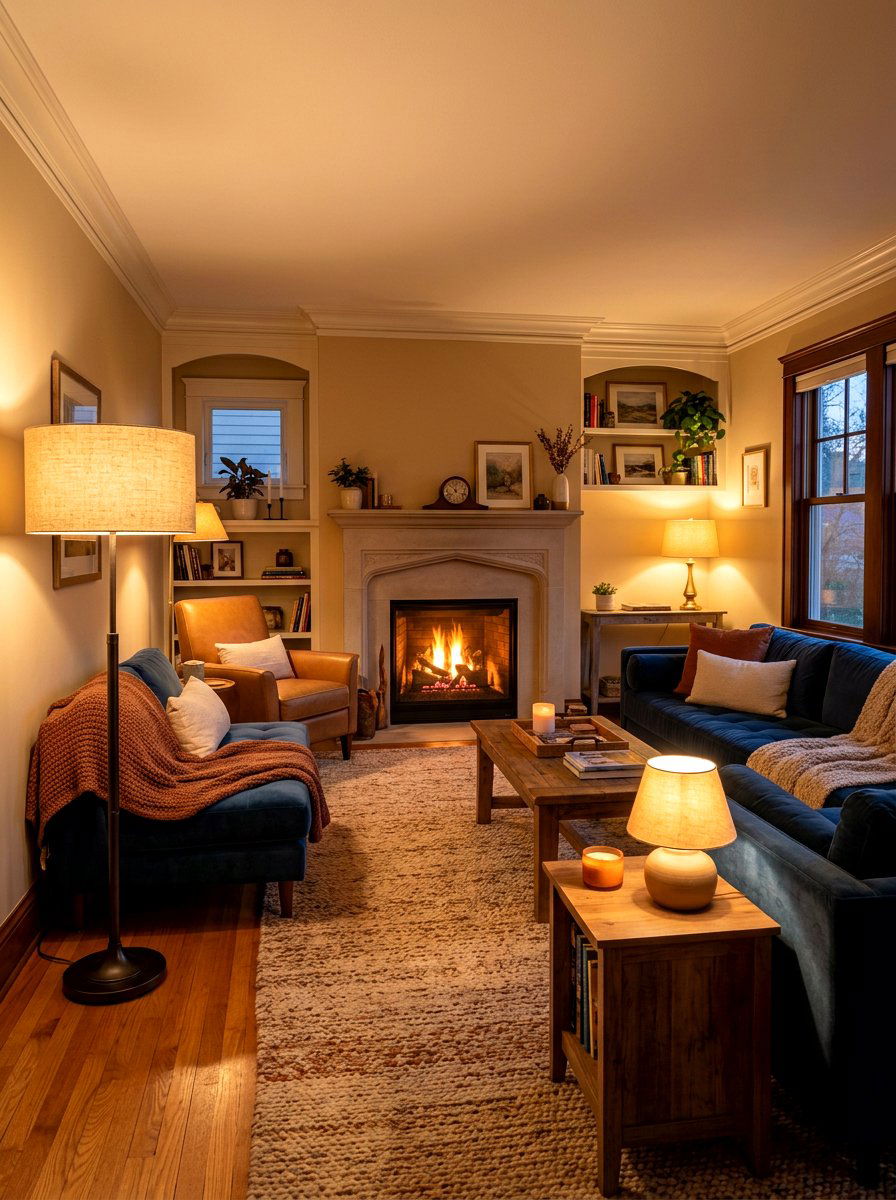
Do you find that harsh overhead lights make it difficult to unwind after a busy day at the office? Replacing bright bulbs with soft, layered lighting is an essential step in creating a calm and inviting slow living environment. Use a combination of floor lamps, table lamps, and even candles to create a warm, gentle glow throughout your space. This approach mimics the natural transition of the sun and helps your body prepare for rest as the evening progresses. Soft lighting highlights the textures in your home and creates a cozy atmosphere that encourages you to linger and enjoy the quiet moments.
19. Entryway mudroom design
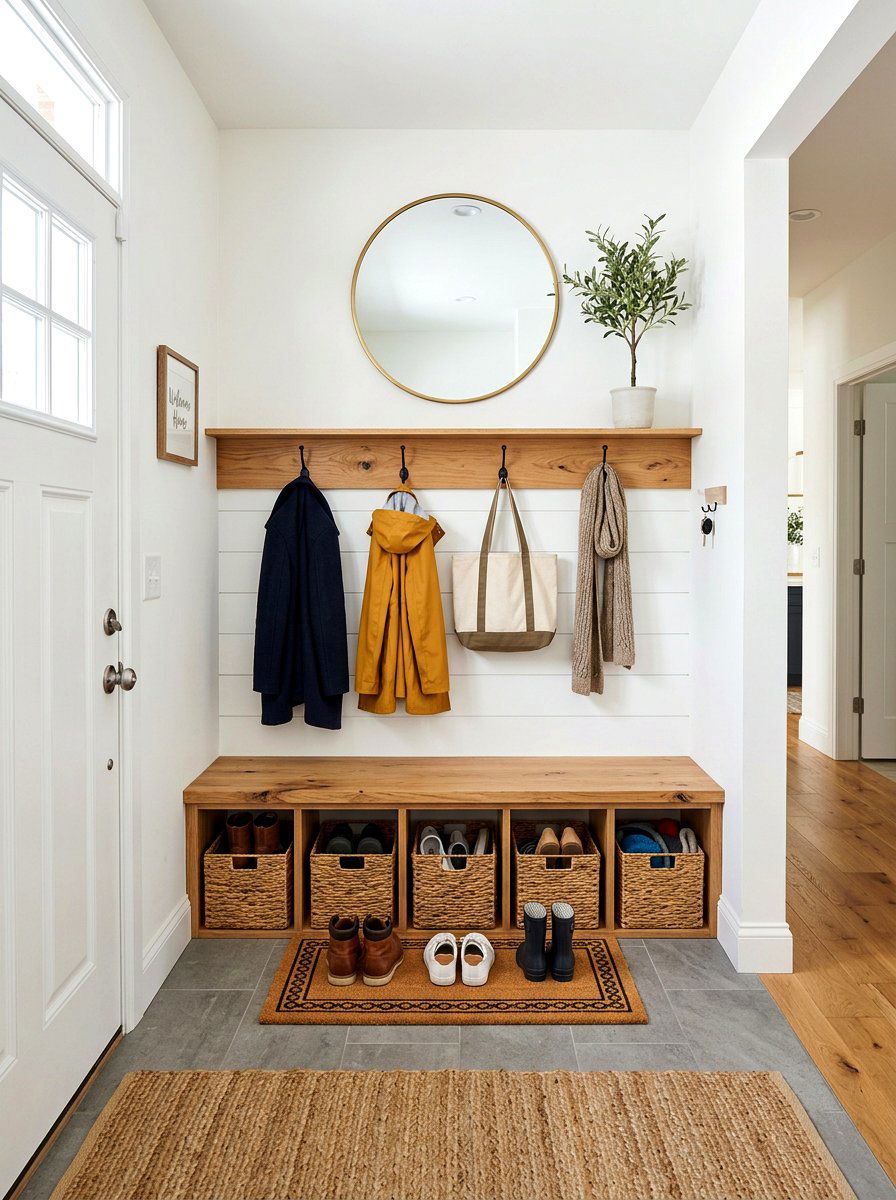
An organized entryway or mudroom serves as a vital transition zone between the busy outside world and your peaceful home sanctuary. By having a dedicated place for shoes, coats, and bags, you prevent the clutter of daily life from creeping into your living spaces. A well-designed mudroom should include simple hooks, a sturdy bench, and perhaps some woven baskets for storage. This functional area encourages a mindful routine of putting things away as soon as you enter the house. When the entry is clear and organized, you feel an immediate sense of relief and calm the moment you step through the front door.
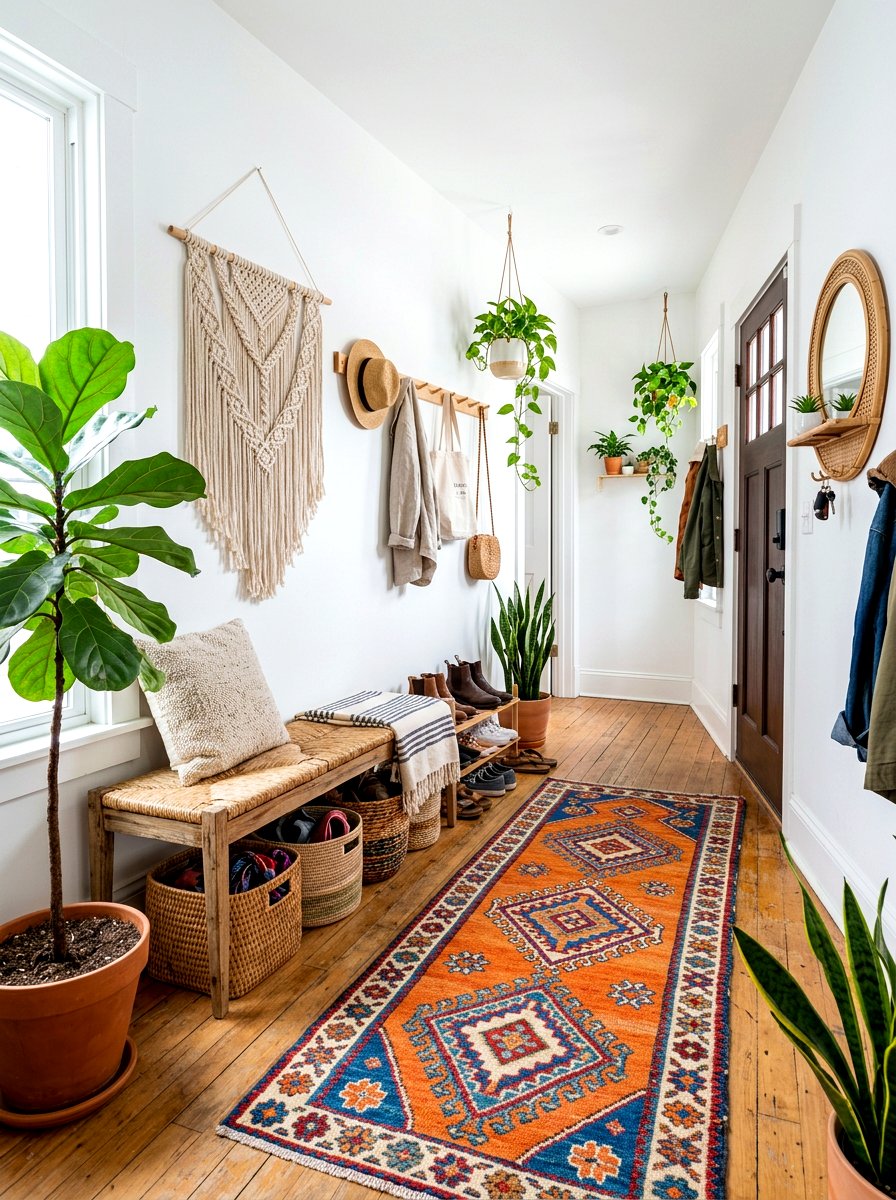
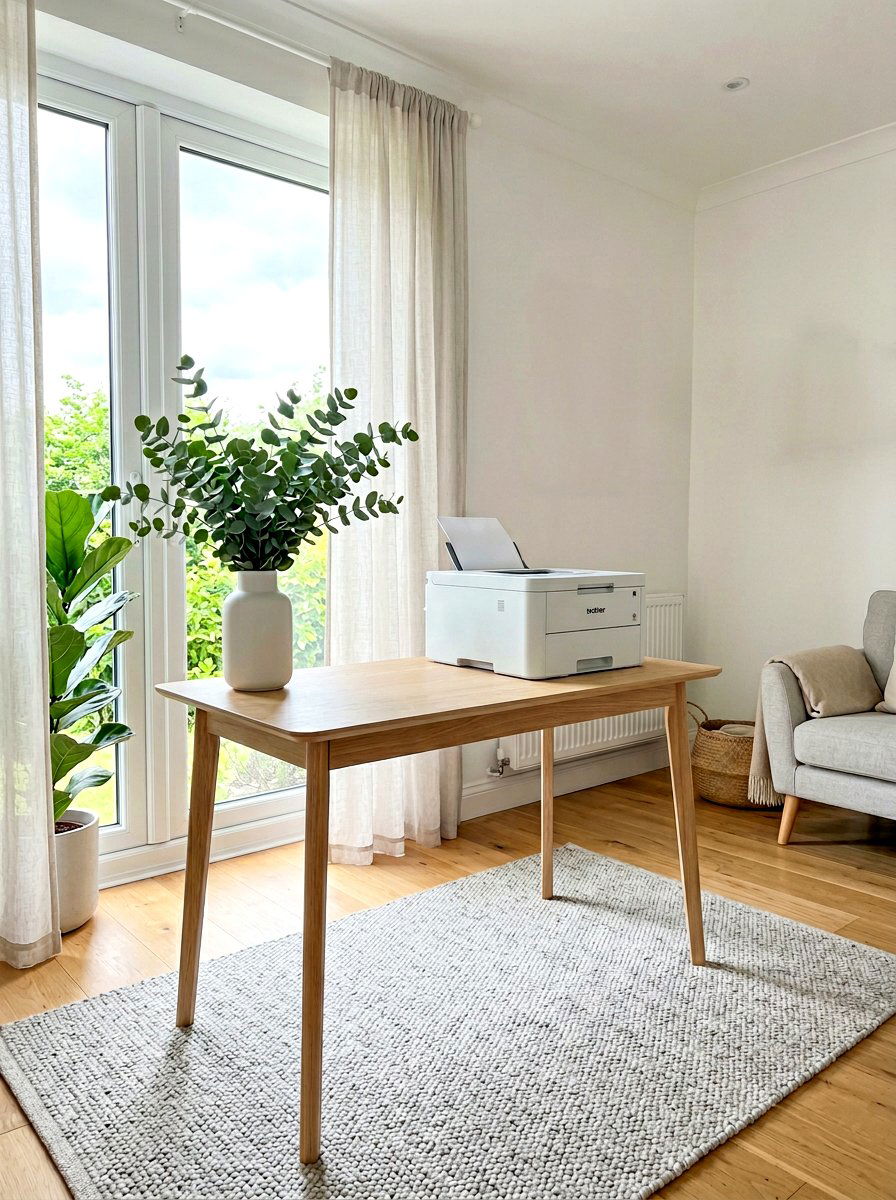
20. Reclaimed wood dining
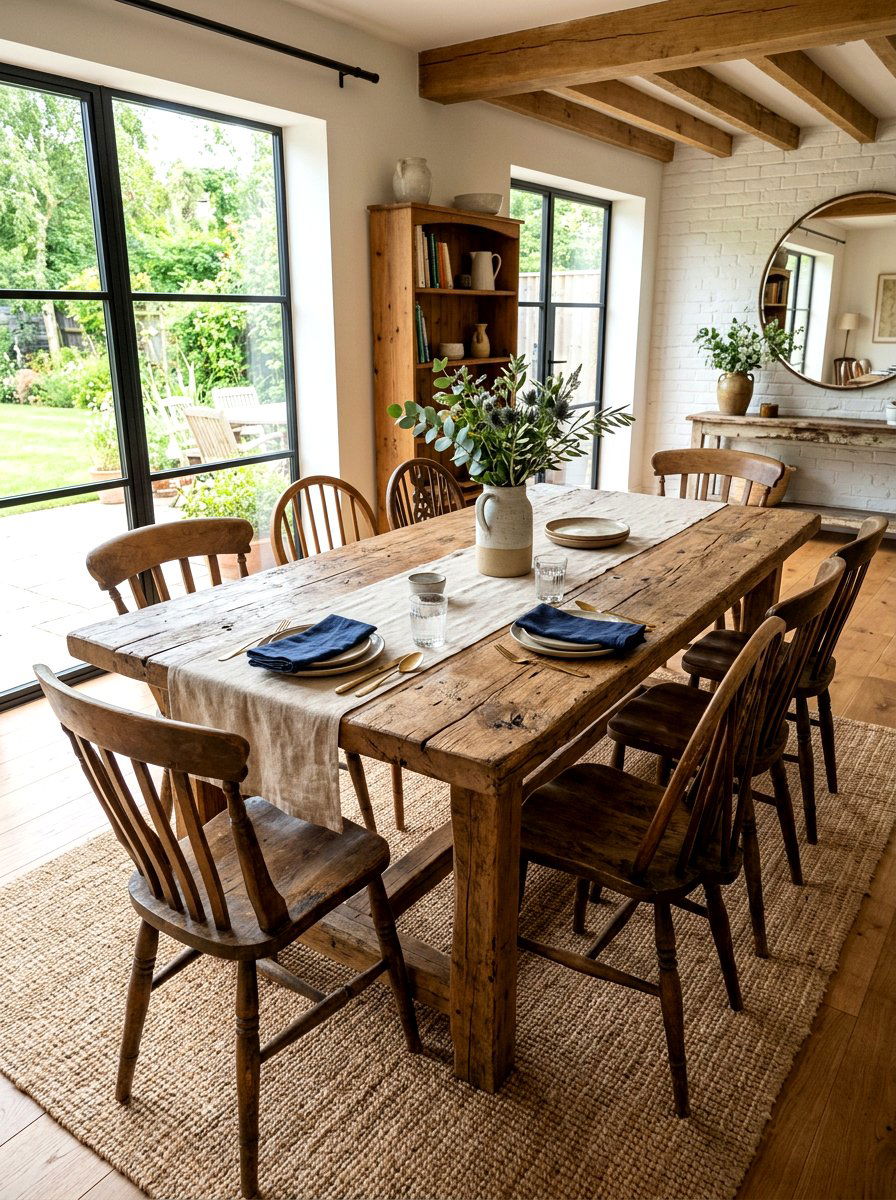
Gathering around a dining table made from reclaimed wood is a beautiful way to celebrate history and sustainable living. Each piece of salvaged wood has its own unique grain, knots, and history, making your dining area feel one-of-a-kind. This natural material brings a sense of warmth and character that encourages long, slow meals and meaningful conversation with family and friends. Choosing reclaimed wood also supports the environment by giving new life to old materials. It is a sturdy and durable choice that will only get better with age, serving as the heart of your home for many years of shared experiences.
21. Stone bathroom design
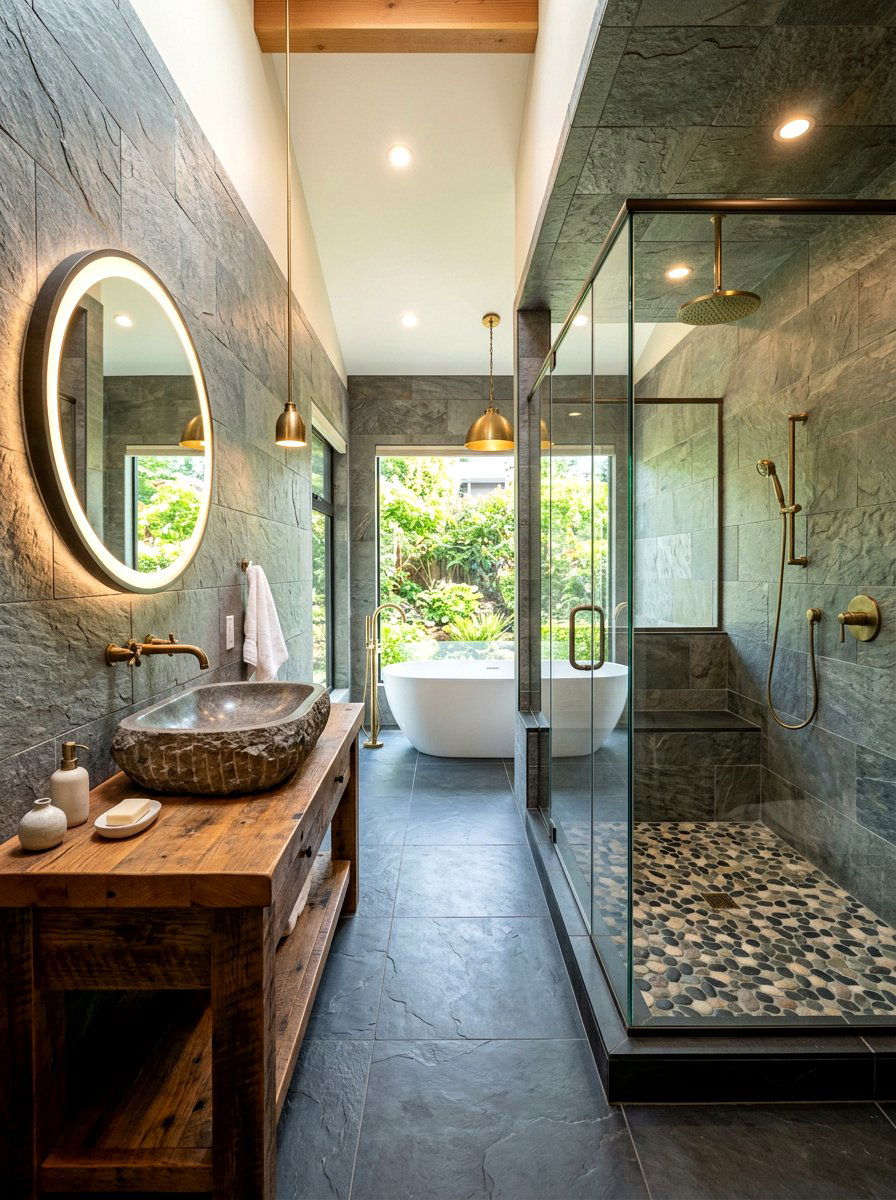
Transforming your bathroom into a spa-like retreat using natural stone elements is a perfect way to prioritize self-care and relaxation. Materials like slate, marble, or river stones provide a tactile and visual connection to the earth that feels incredibly grounding. A stone-tiled shower or a carved stone sink adds a sense of luxury and timelessness to the space. By keeping the design simple and uncluttered, you create an environment where you can truly wash away the stresses of the day. This focused attention on the bathroom turns your daily hygiene rituals into mindful moments of peace and rejuvenation for the mind.
22. Large window view
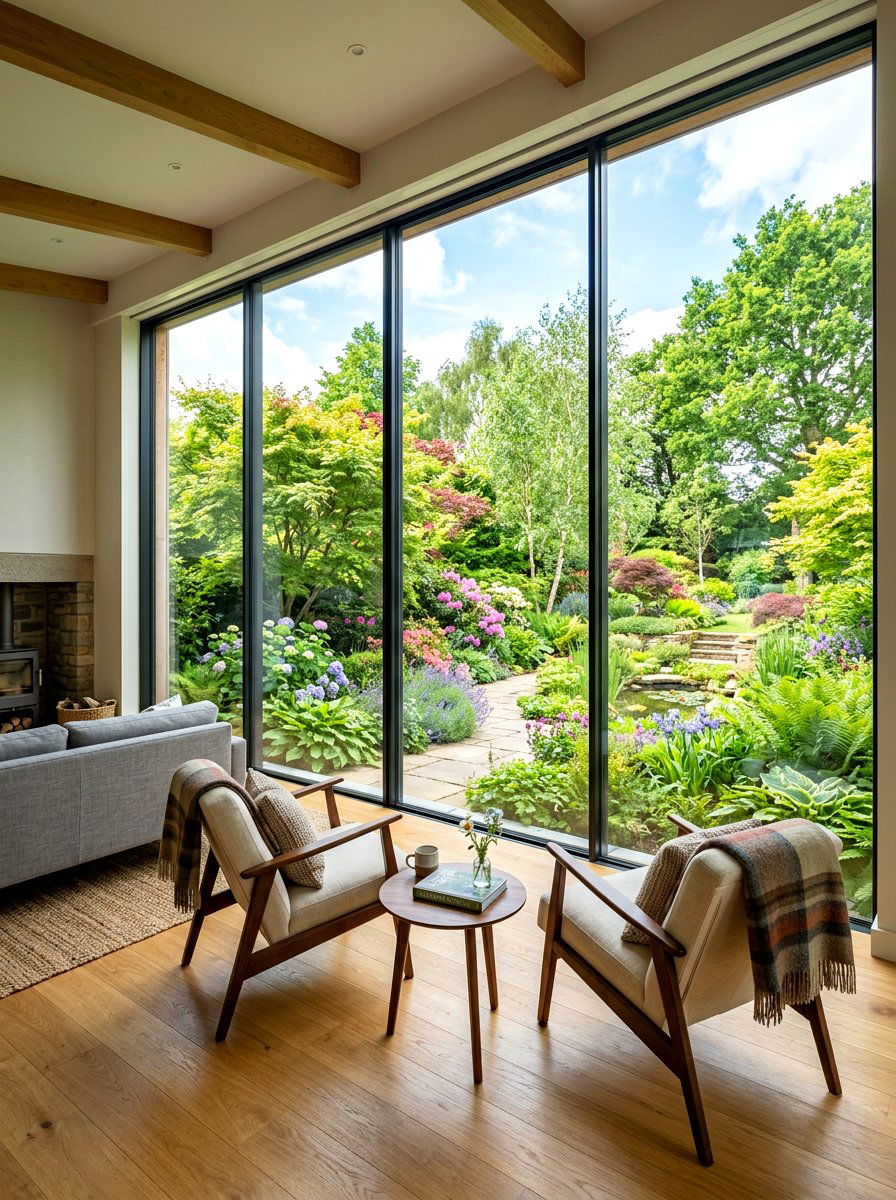
If you are lucky enough to have a home with large windows, make the most of the views to connect with the world. A large window acts like a living painting, changing with the seasons and the time of day to provide constant inspiration. Positioning your furniture to face these views encourages you to look outward and appreciate the beauty of nature or the surrounding neighborhood. This visual connection helps your home feel more expansive and less like an enclosed box. It is a simple but effective way to bring the calming energy of the outdoors into your everyday living and working spaces.
23. Dried flower decor
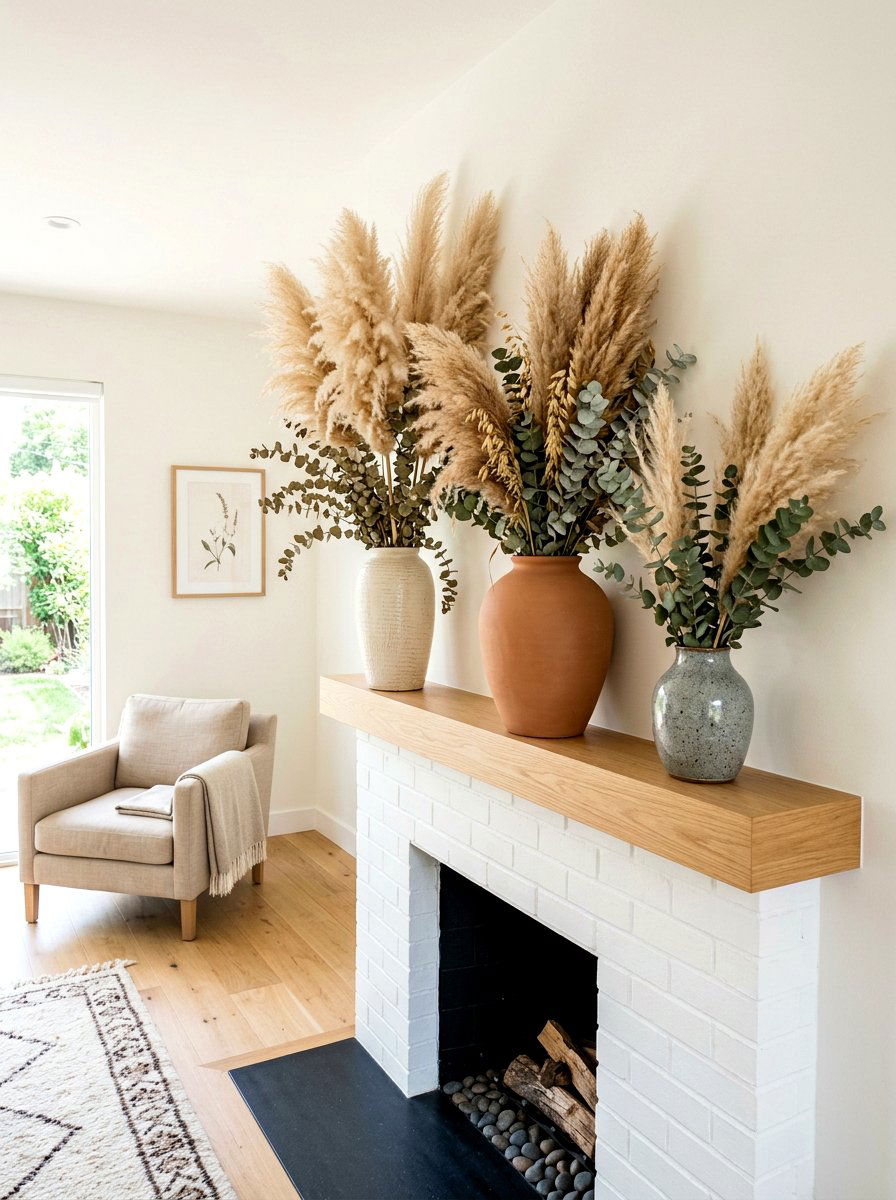
Decorating with dried flowers is a wonderful way to bring a touch of the garden inside without the need for constant maintenance. Unlike fresh bouquets that fade quickly, dried arrangements last for months, echoing the slow living values of longevity and appreciation for natural beauty. You can create your own arrangements by drying flowers from your garden or a local market, making it a creative and mindful project. These delicate, muted florals add a soft, romantic feel to any room. They serve as a quiet reminder of the passing seasons and the enduring beauty found in the natural world around us.
24. Tech free bedroom
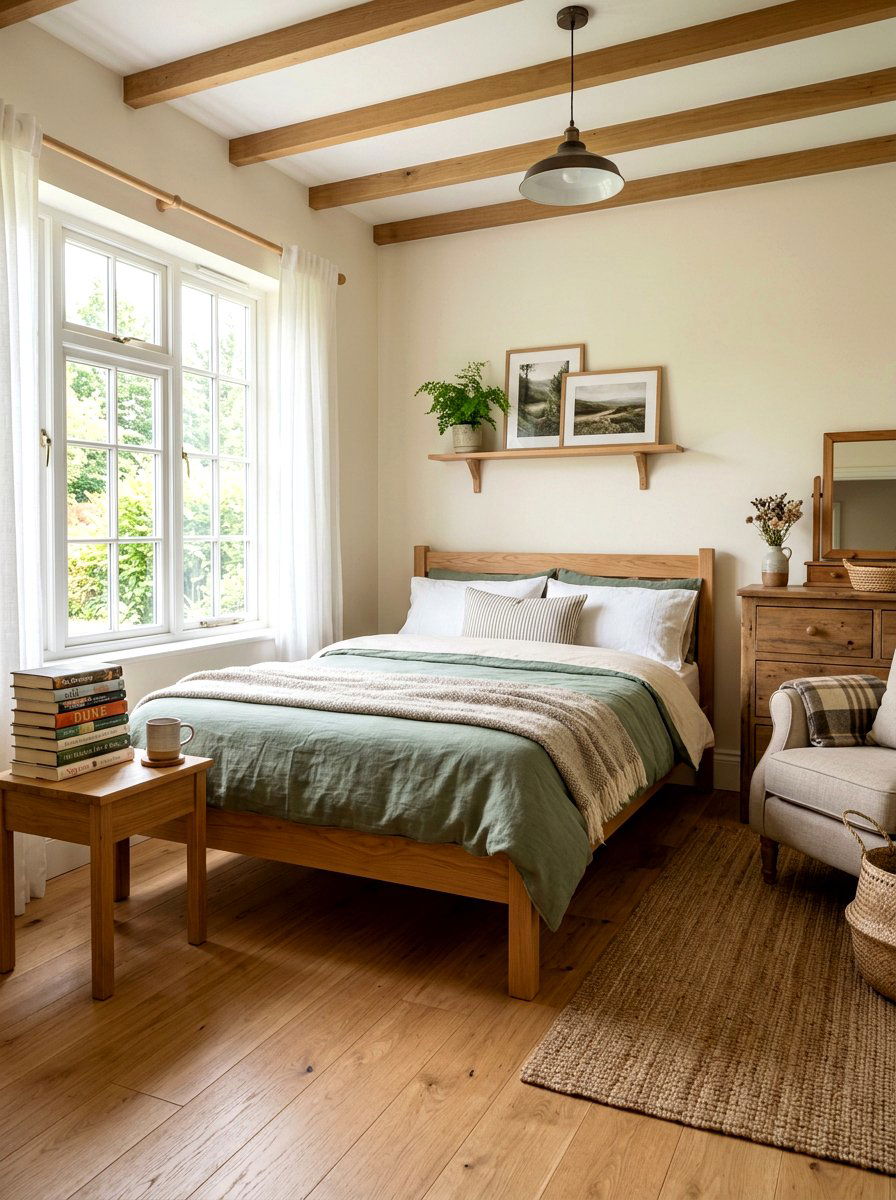
Creating a tech-free bedroom is perhaps one of the most impactful changes you can make for a slower and healthier lifestyle. By removing televisions, computers, and even smartphones from your sleeping area, you eliminate a major source of mental stimulation and blue light. This allows your brain to fully relax and prepare for a deep, restorative sleep without the constant distraction of notifications. Instead of scrolling, you might spend your evening reading a physical book or practicing gentle stretching. A tech-free sanctuary ensures that your bedroom remains a place solely dedicated to rest, intimacy, and the quiet restoration of your energy.
25. Floor seating area
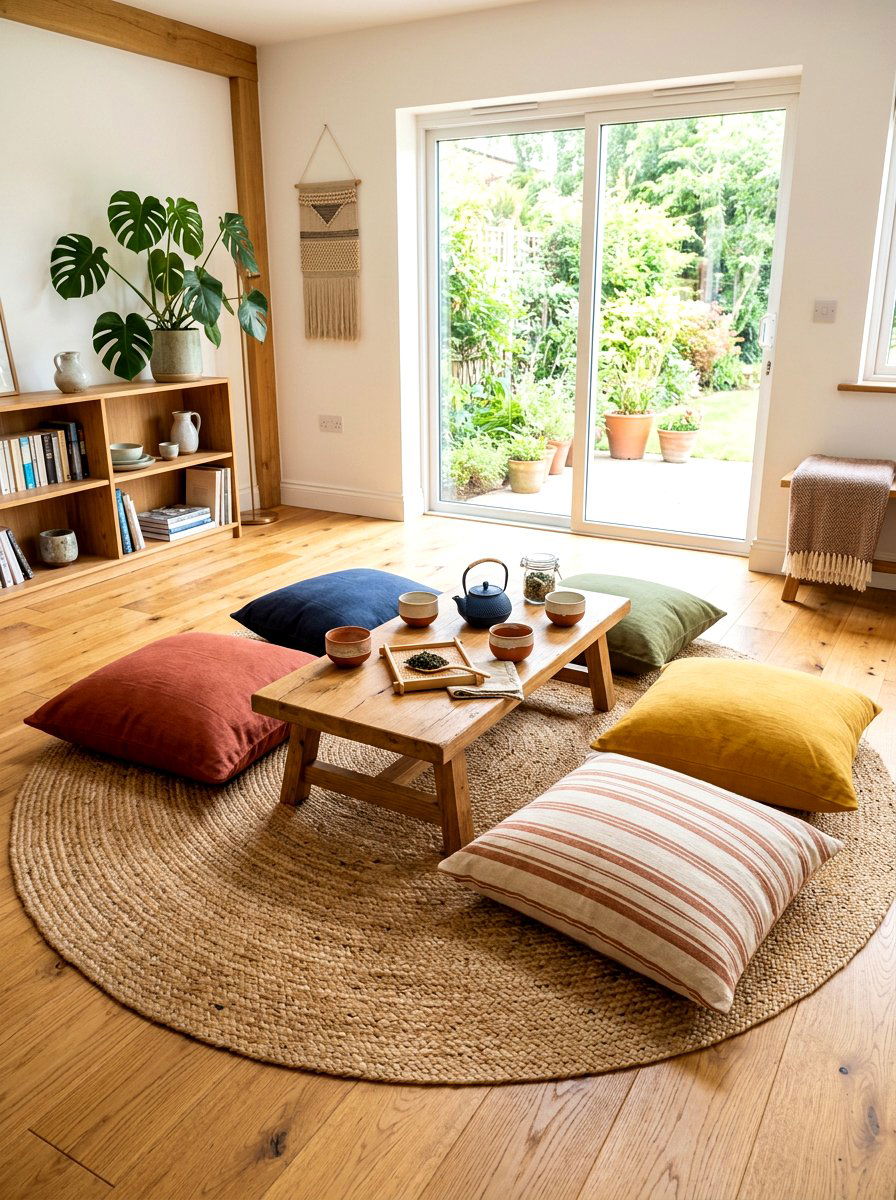
Introducing a floor seating area into your living room or den encourages a more relaxed and informal way of gathering. Using oversized cushions, low coffee tables, and soft rugs creates a grounded environment that feels cozy and approachable for everyone. This type of layout is perfect for casual tea ceremonies, playing board games, or simply having long conversations with friends. Sitting closer to the ground can make a space feel more intimate and less rigid than traditional furniture arrangements. It is a simple way to foster a sense of community and connection, prioritizing comfort and human interaction over formal and stiff design.
26. Outdoor living space
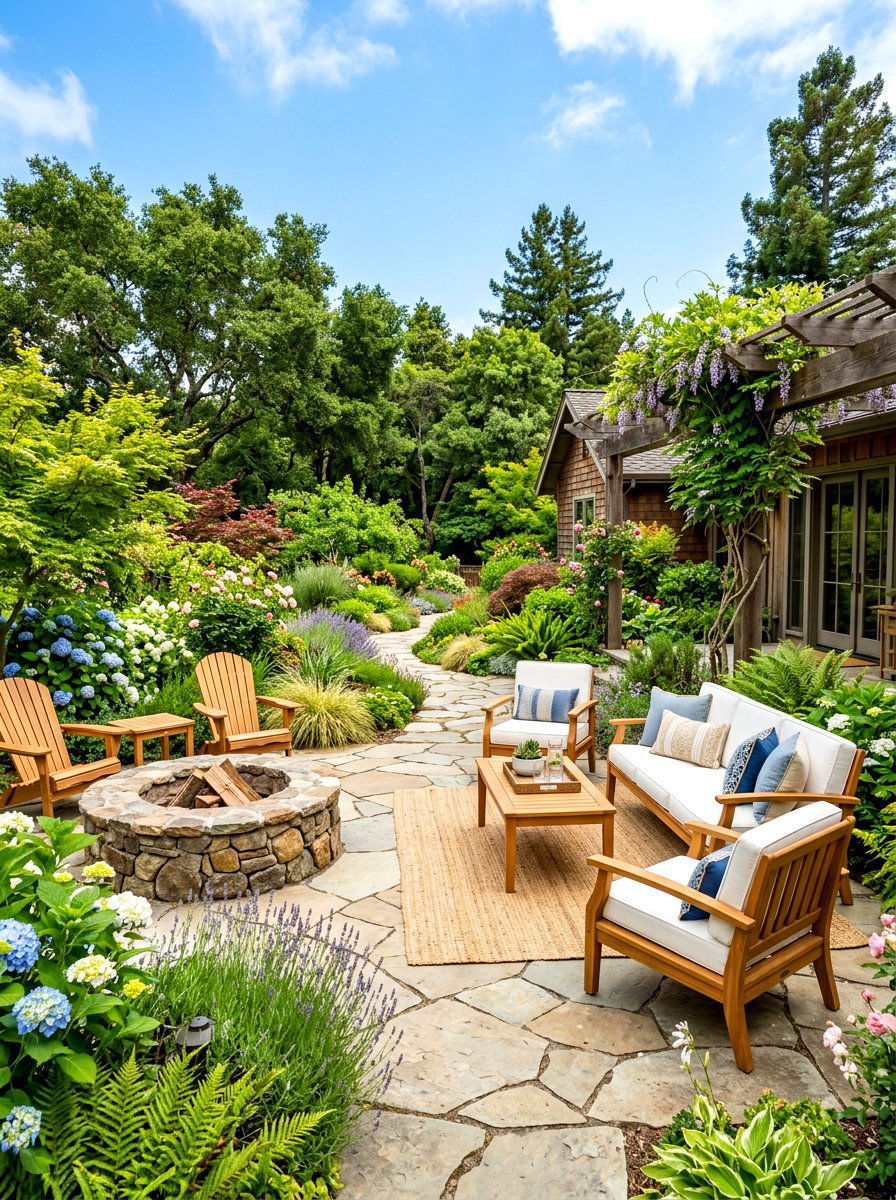
Extending your slow living philosophy to your porch, patio, or garden creates a seamless transition between your indoor and outdoor lives. An outdoor living space should be a comfortable area where you can sit and enjoy the fresh air, the sound of birds, and the sun. Using weather-resistant natural materials like teak or wrought iron ensures your furniture will last for many seasons. Adding soft cushions and perhaps a fire pit makes the space inviting throughout the year. This dedicated outdoor retreat provides a necessary escape from the digital world, allowing you to reconnect with nature and find peace in the open.
27. Jute rug hallway
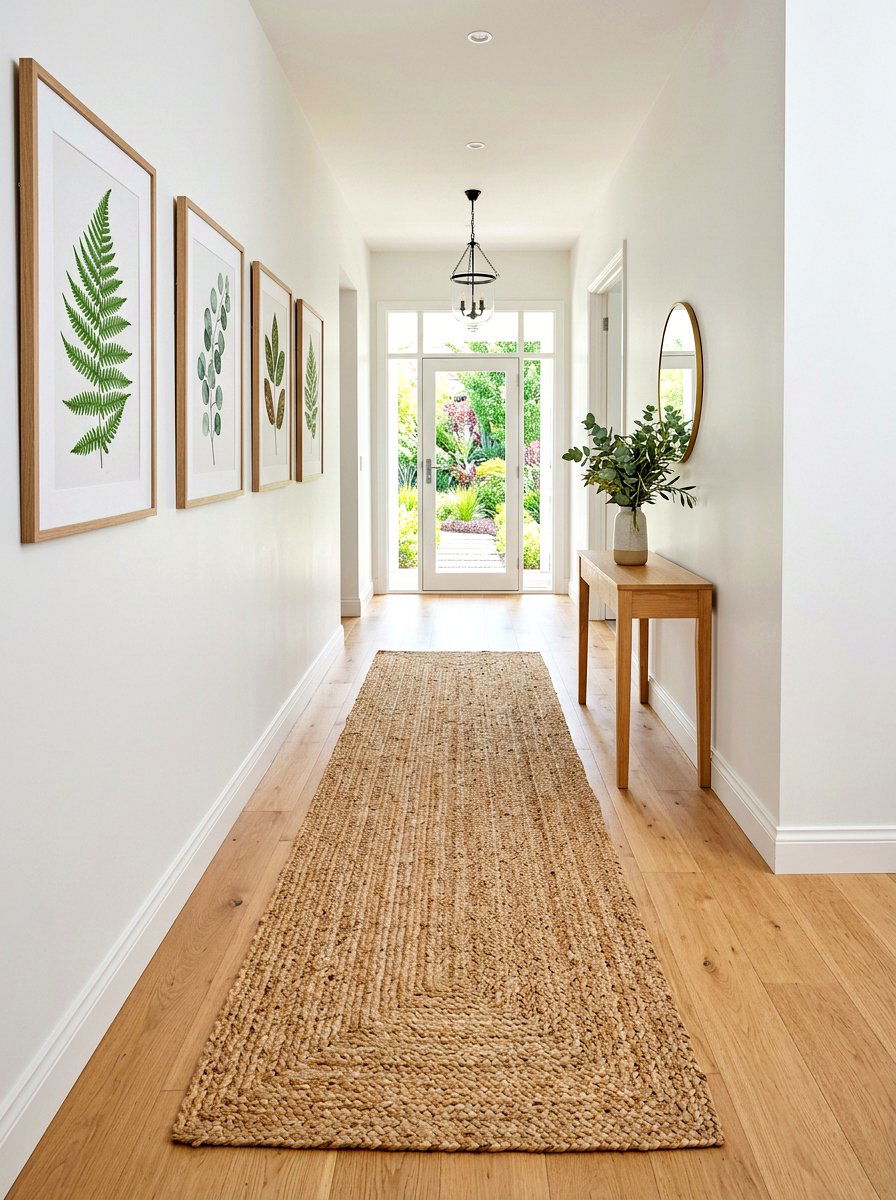
Hallways are often overlooked, but they serve as important pathways that connect the different rooms and energies of your home. Adding a durable jute runner rug is a practical and stylish way to bring natural texture to these high-traffic areas. Jute is a sustainable fiber that stands up well to daily use while providing a warm, organic look that softens the space. The natural golden tones of the rug complement almost any decor and make the hallway feel more like a considered part of your home. It provides a soft, grounded feeling underfoot as you move mindfully from one room to another throughout the day.
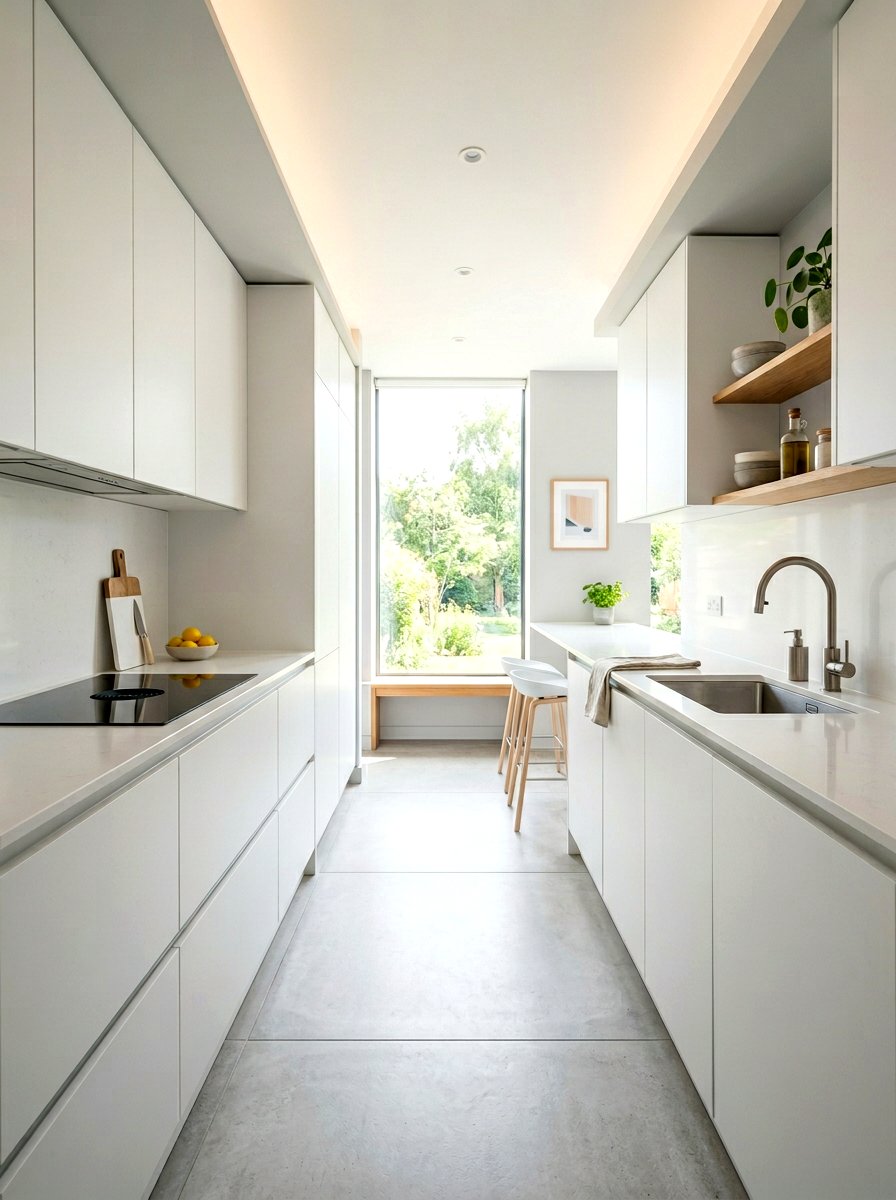
28. Rustic kitchen style
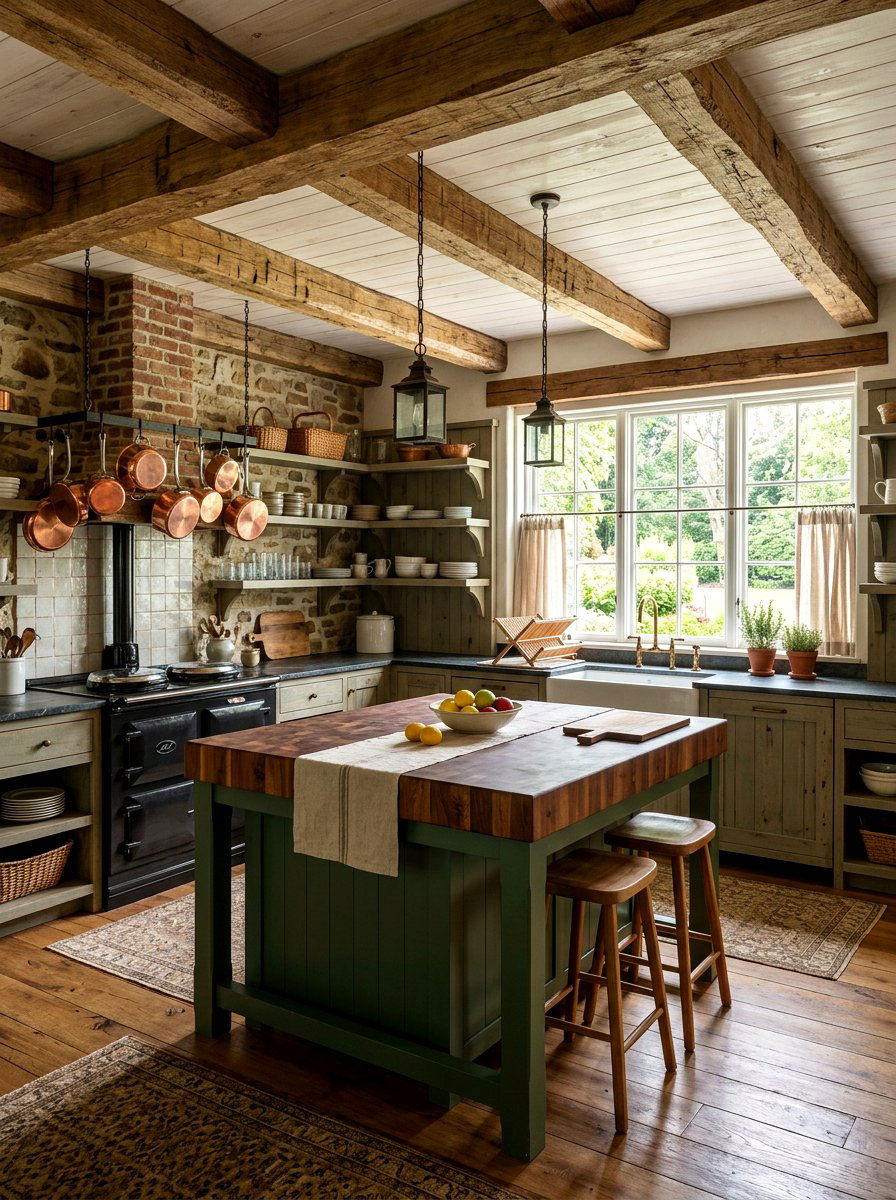
A rustic kitchen style focuses on the beauty of raw materials and functional simplicity, creating a warm heart for the home. Think of elements like open wooden beams, farmhouse sinks, and vintage-inspired hardware that add a sense of history and charm. This design approach celebrates the practical nature of cooking and encourages you to slow down and enjoy the process of preparing food. Using natural stone or wood for countertops provides a tactile experience that feels honest and durable. A rustic kitchen is not about modern perfection but about creating a welcoming space where family and friends can gather and connect.
29. Sheer curtain decor
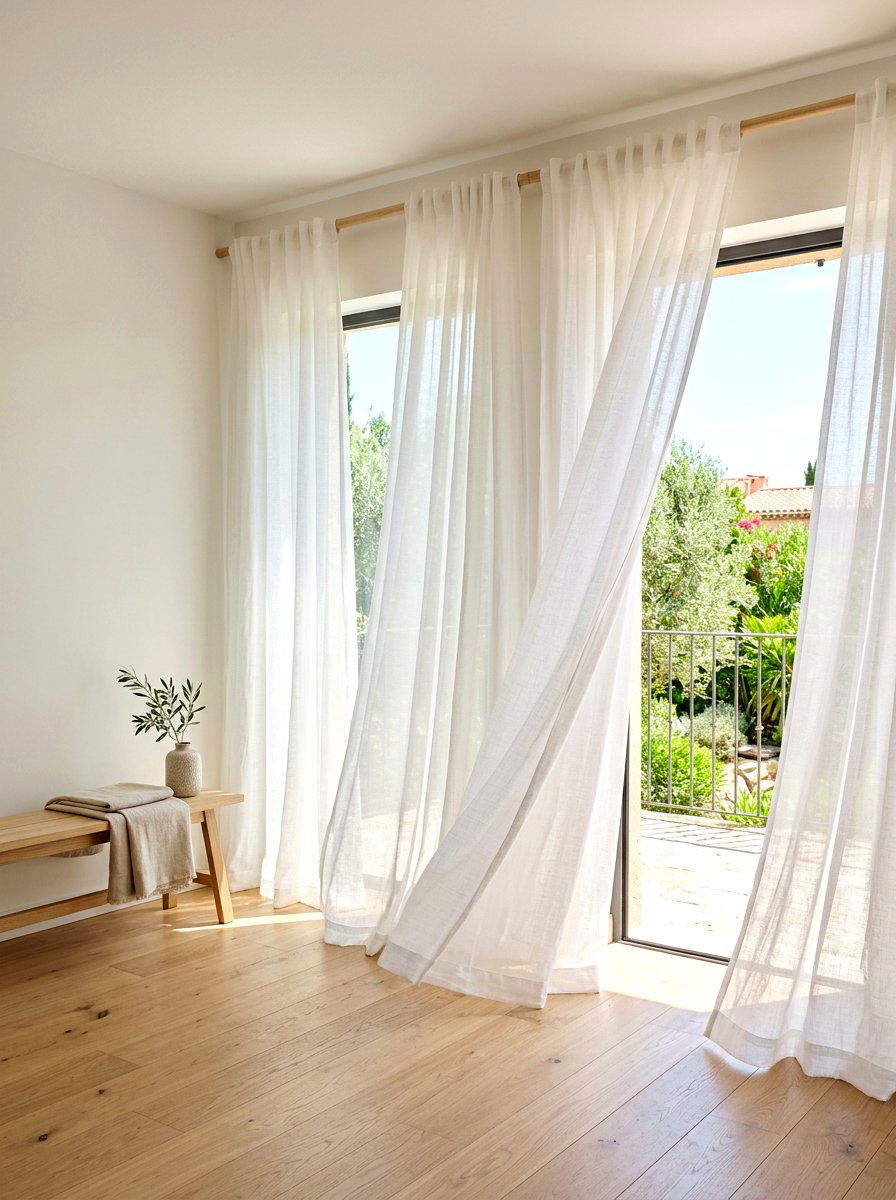
Using sheer window curtains is a simple yet effective way to soften the light and add a sense of movement to a room. These light, airy fabrics allow natural sunlight to filter through while providing a layer of privacy from the outside world. The gentle swaying of the fabric in a breeze creates a peaceful and ethereal atmosphere that feels incredibly relaxing. Sheer curtains work well in almost any room, from the living area to the bedroom, adding a touch of romance and softness. They are a low-maintenance choice that helps create a bright and airy environment, perfect for a slow living home.
30. Mindful home office
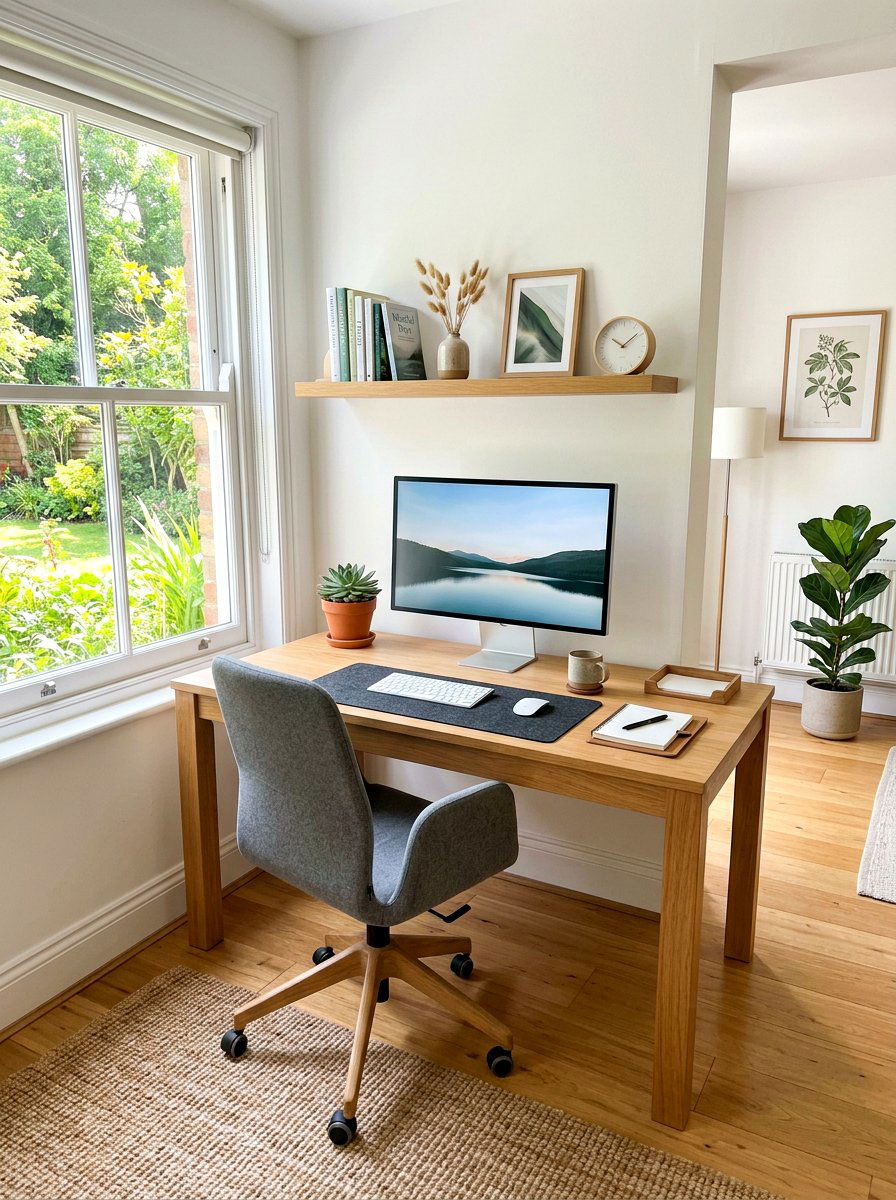
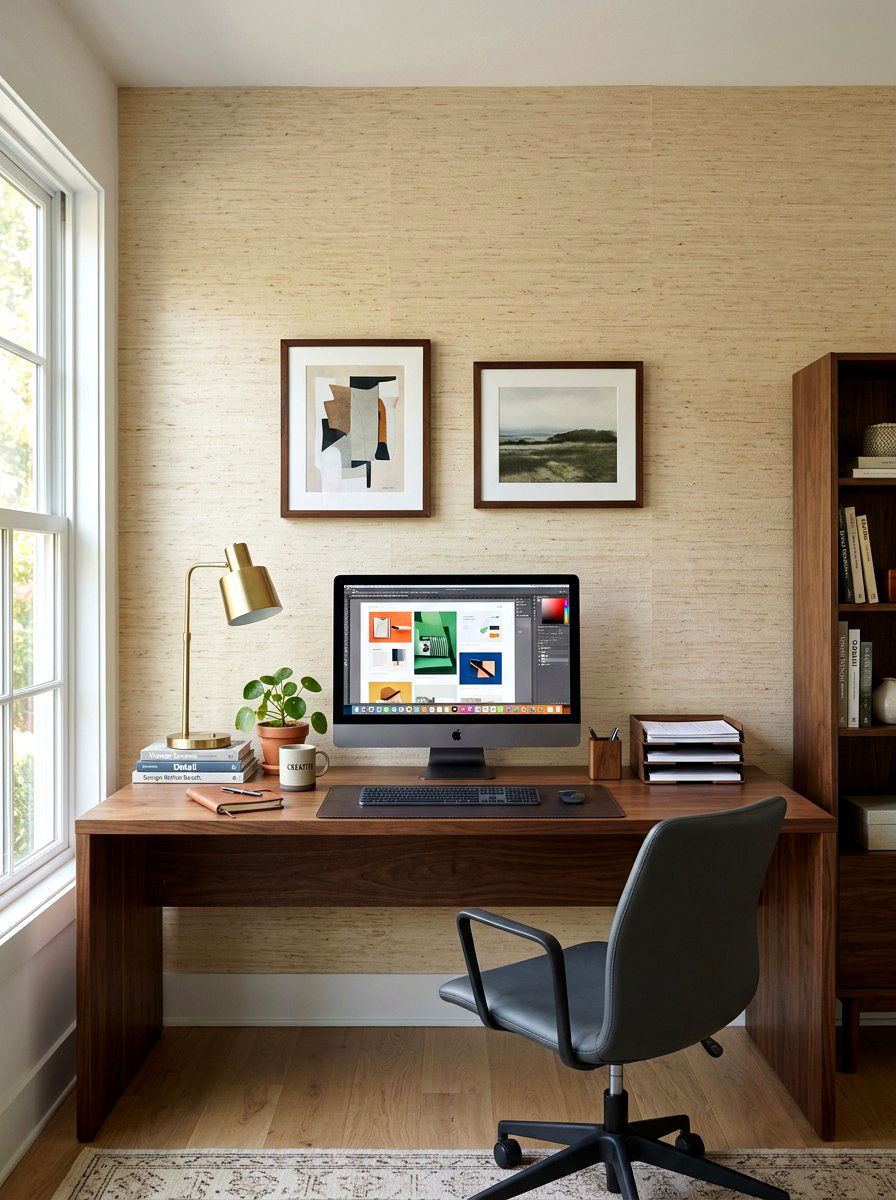
In a world where many of us work from home, creating a mindful office space is essential for maintaining balance and focus. A slow living workspace should be uncluttered, organized, and filled with natural light to support your mental clarity throughout the day. Choose a comfortable, ergonomic chair and a desk made from natural wood to create a grounded and productive environment. Incorporate a few plants and meaningful objects to make the space feel personal and inspiring. By setting clear boundaries and creating a calm work area, you can move through your tasks with intention and avoid the stress of a chaotic environment.
Conclusion:
Adopting slow living home ideas is a journey toward creating a space that truly nurtures your soul and supports your well-being. By focusing on natural materials, intentional layouts, and mindful details, you can transform your house into a sanctuary of peace and clarity. Each of these changes, from adding a wool rug to creating a tech-free bedroom, encourages you to slow down and appreciate the simple joys of everyday life. Your home should be a reflection of your values, providing a restful retreat from the busy world outside. As you curate your environment with care, you will find that a slower pace brings deep satisfaction.

Related posts: