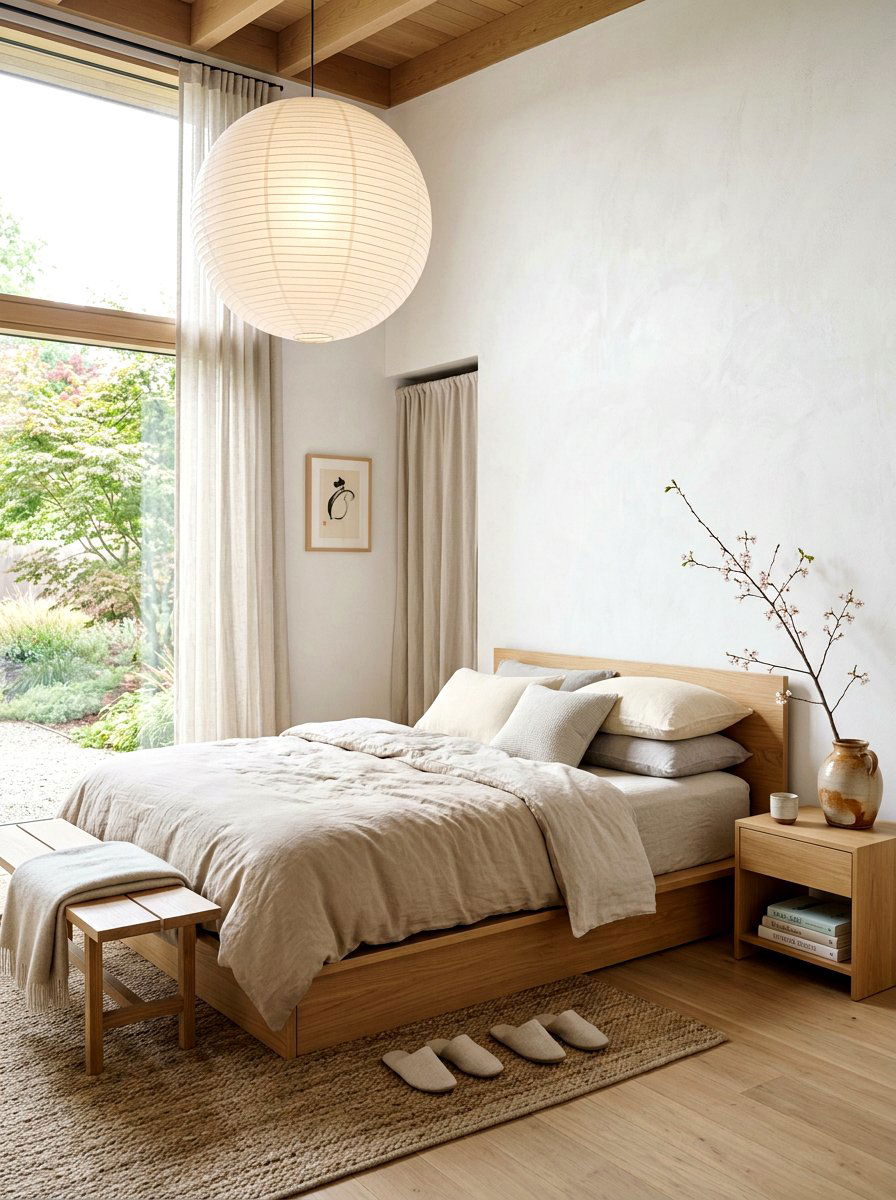
Creating a home that truly reflects your values begins with the concept of intentionality in your most-used spaces. Instead of simply filling a room with trendy items, intentional living room design focuses on how you want to feel and interact within your environment every single day. This approach prioritizes purpose, comfort, and a deep connection to the items you choose to keep. By carefully selecting textures, colors, and layouts that support your lifestyle, you transform a generic space into a personal sanctuary. It is about moving away from mindless consumption toward a curated life that celebrates slow living, mindfulness, and authentic beauty.
1. Minimalist living room layout
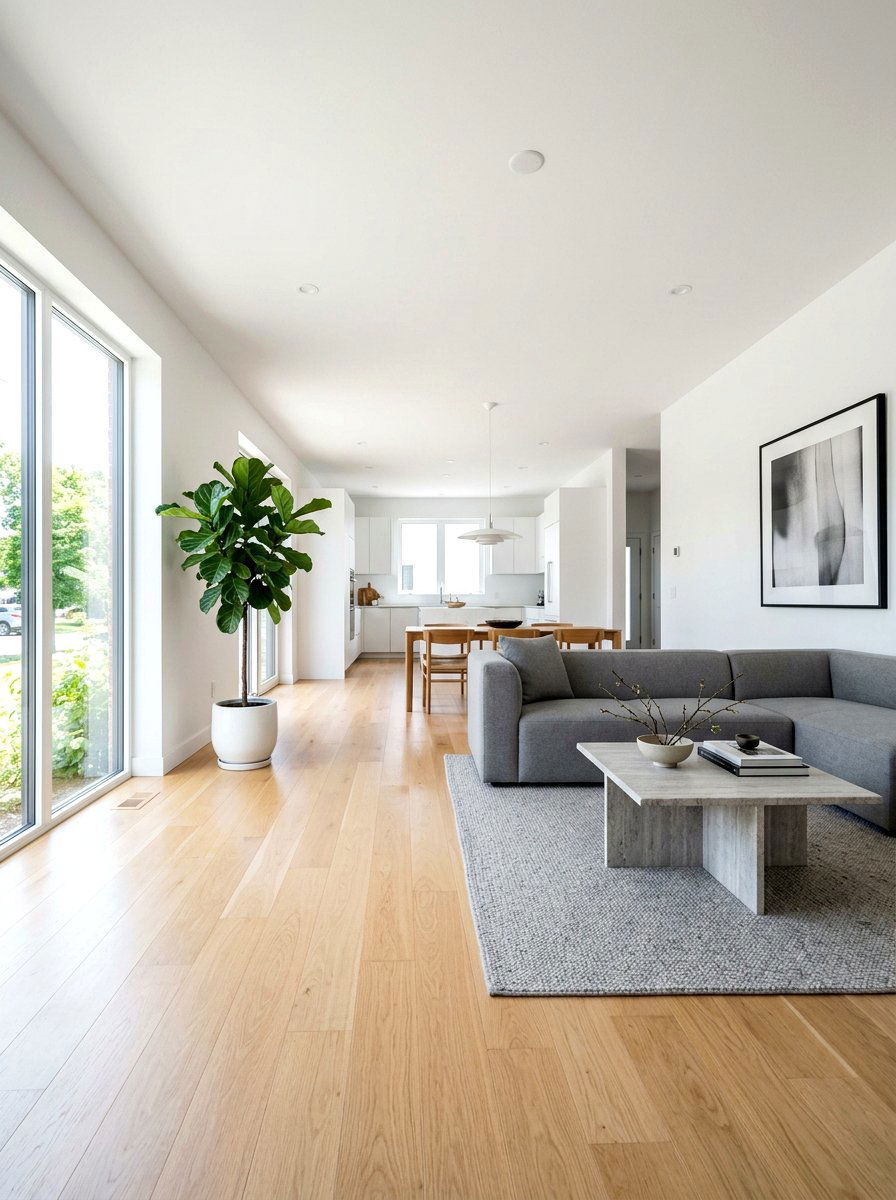
Have you ever walked into a room and immediately felt a sense of calm because of the breathing room? A minimalist living room layout is all about intentionality through the subtraction of the unnecessary. This design focuses on a few high-quality furniture pieces that serve a specific purpose, leaving plenty of open floor space for movement and clarity. By choosing a sleek, low-profile sofa and a simple stone coffee table, you create a visual landscape that feels light and airy. Every object in this space has a designated spot, which reduces visual noise and helps the mind relax after a long, busy day of work.
2. Biophilic living room
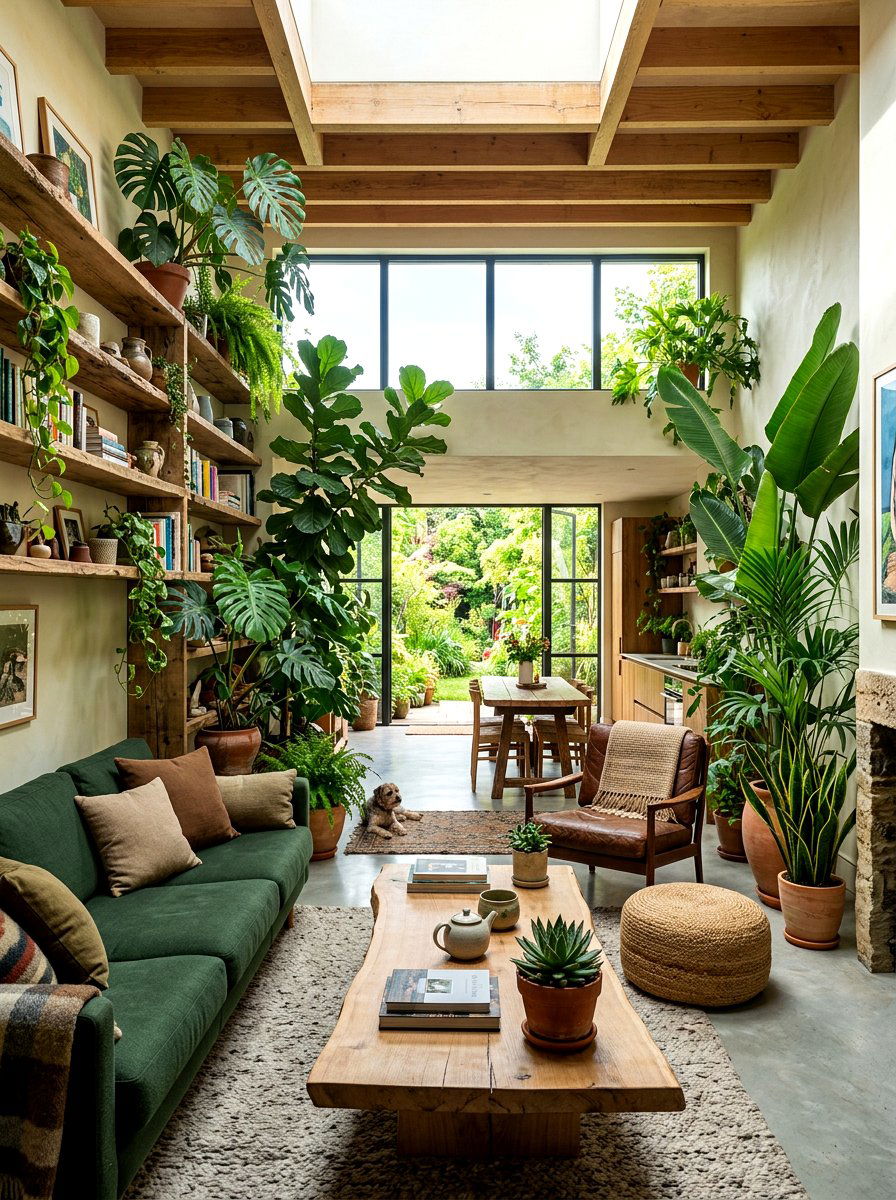
How can we bridge the gap between our indoor lives and the natural world outside our windows? A biophilic living room accomplishes this by integrating living elements, natural light, and organic materials into the core design. This style often features large windows that frame the sky, alongside clusters of oversized floor plants that purify the air. Using raw wood shelving and stone accents further anchors the space to the earth. The color palette typically stays within soft greens and browns, mimicking a forest canopy. This intentional connection to nature is proven to lower stress levels and boost overall mood within the home.
3. Sustainable living room furniture
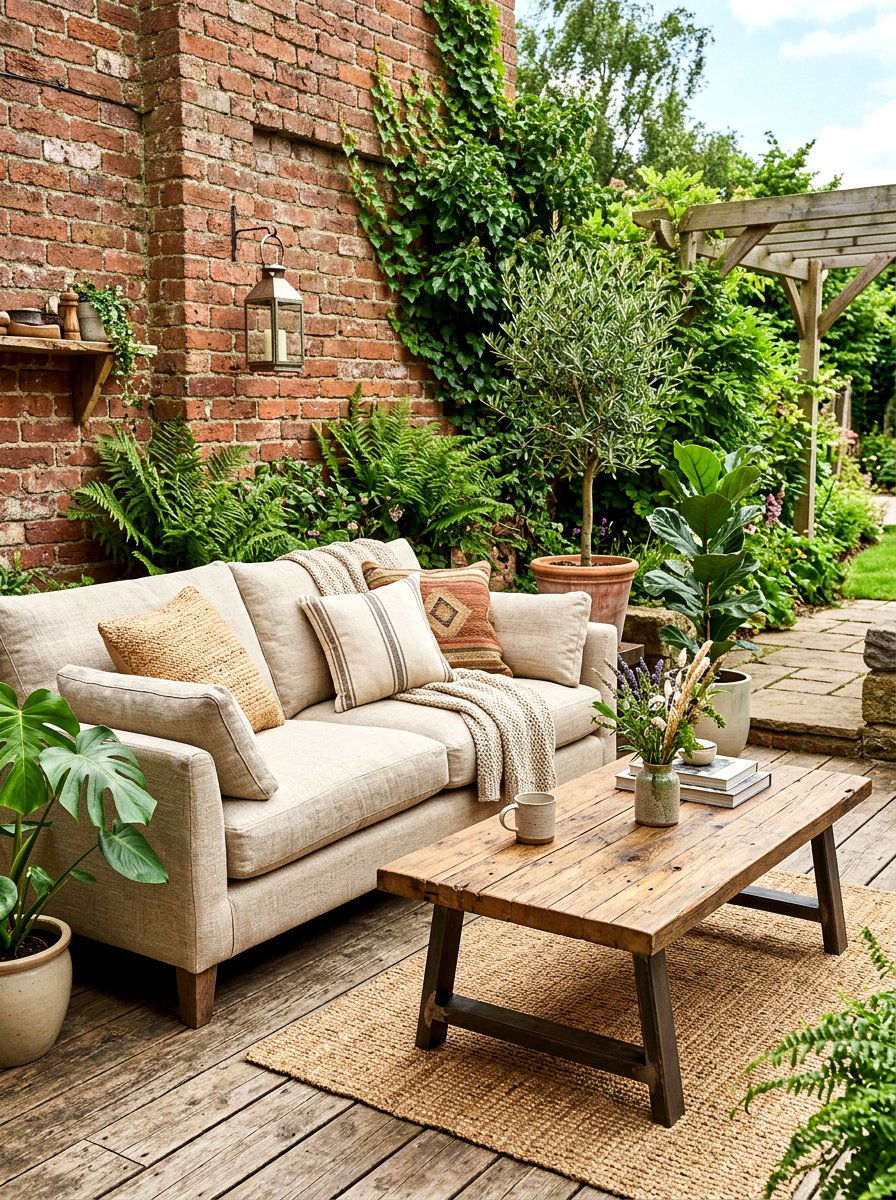
Choosing furniture made from reclaimed wood or recycled materials is a powerful way to practice intentionality and environmental stewardship. A sustainable living room prioritizes pieces that have a story and a low carbon footprint, such as hand-crafted tables or sofas upholstered in organic linen. These items are built to last a lifetime, moving away from the "fast furniture" culture that leads to waste. The aesthetic is often rugged and authentic, celebrating the natural imperfections of the materials. By investing in quality craftsmanship, you create a space that feels grounded, ethically conscious, and deeply personal to your unique family values.
4. Tech free living room
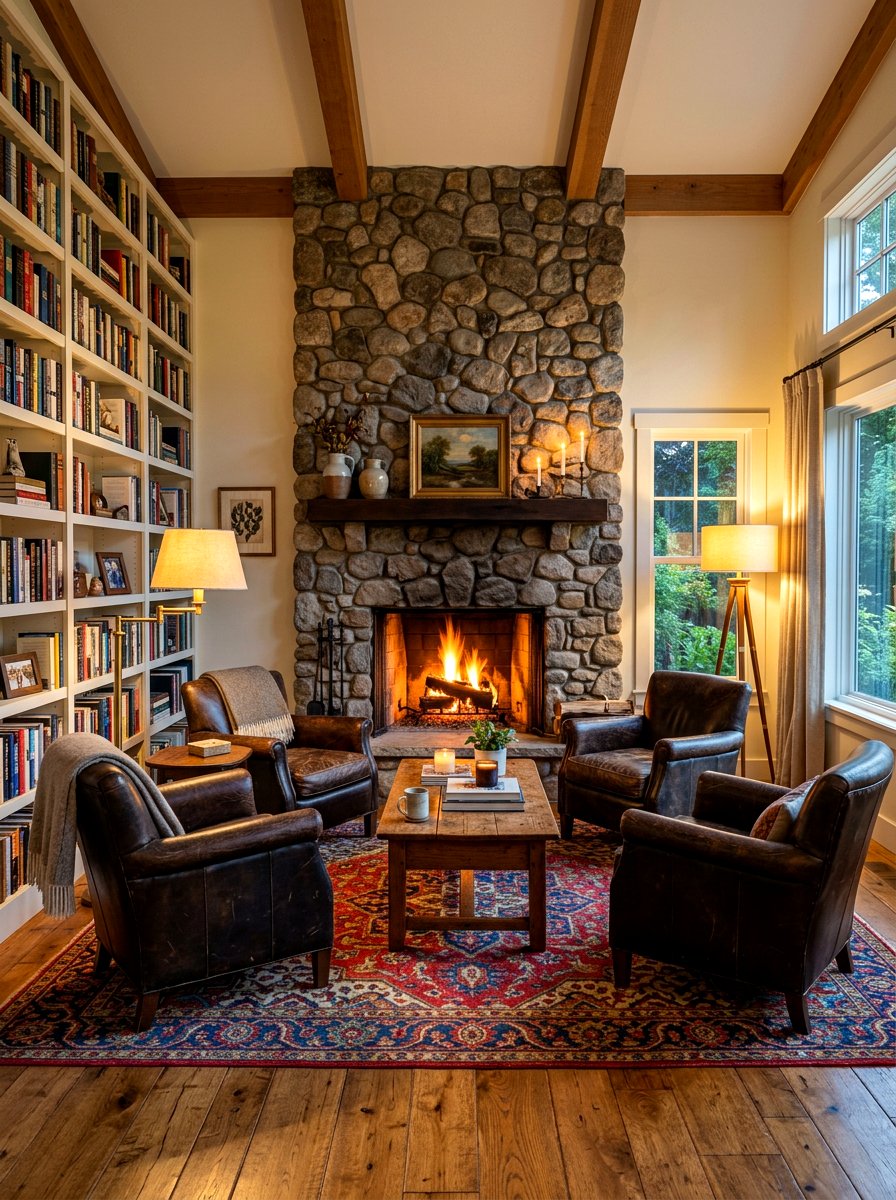
Imagine a space where the constant hum of digital notifications and the glow of screens completely disappear. A tech-free living room is intentionally designed to promote deep human connection and quiet reflection without modern distractions. Instead of a television as the focal point, this room might feature a cozy fireplace or a large window overlooking a garden. Books, board games, and musical instruments are placed within easy reach to encourage active participation in hobbies. The seating is often arranged in a circle to facilitate face-to-face conversations, making the room a true sanctuary for social intimacy and mental rest.
5. Conversation focused living room
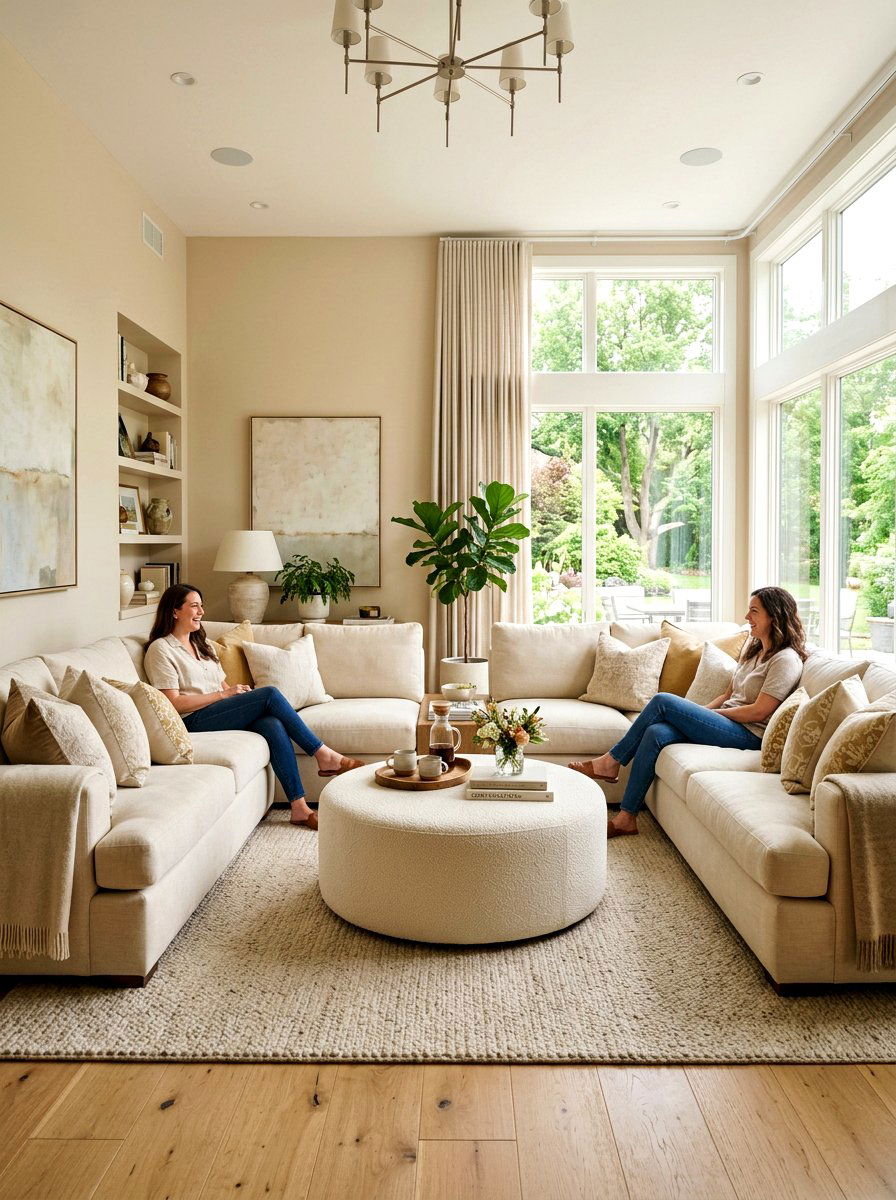
Does your current seating arrangement make it easy to talk to your guests without straining your neck? A conversation-focused living room uses a U-shaped or circular furniture layout to ensure everyone feels included in the social circle. By placing two armchairs directly across from a plush sofa, you create a natural intimacy that encourages long talks. A large, round ottoman or coffee table serves as a communal center for drinks and snacks. Soft, ambient lighting from floor lamps helps set a relaxed mood, ensuring that the primary purpose of the room remains centered on building and maintaining meaningful human relationships.
6. Warm neutral living room
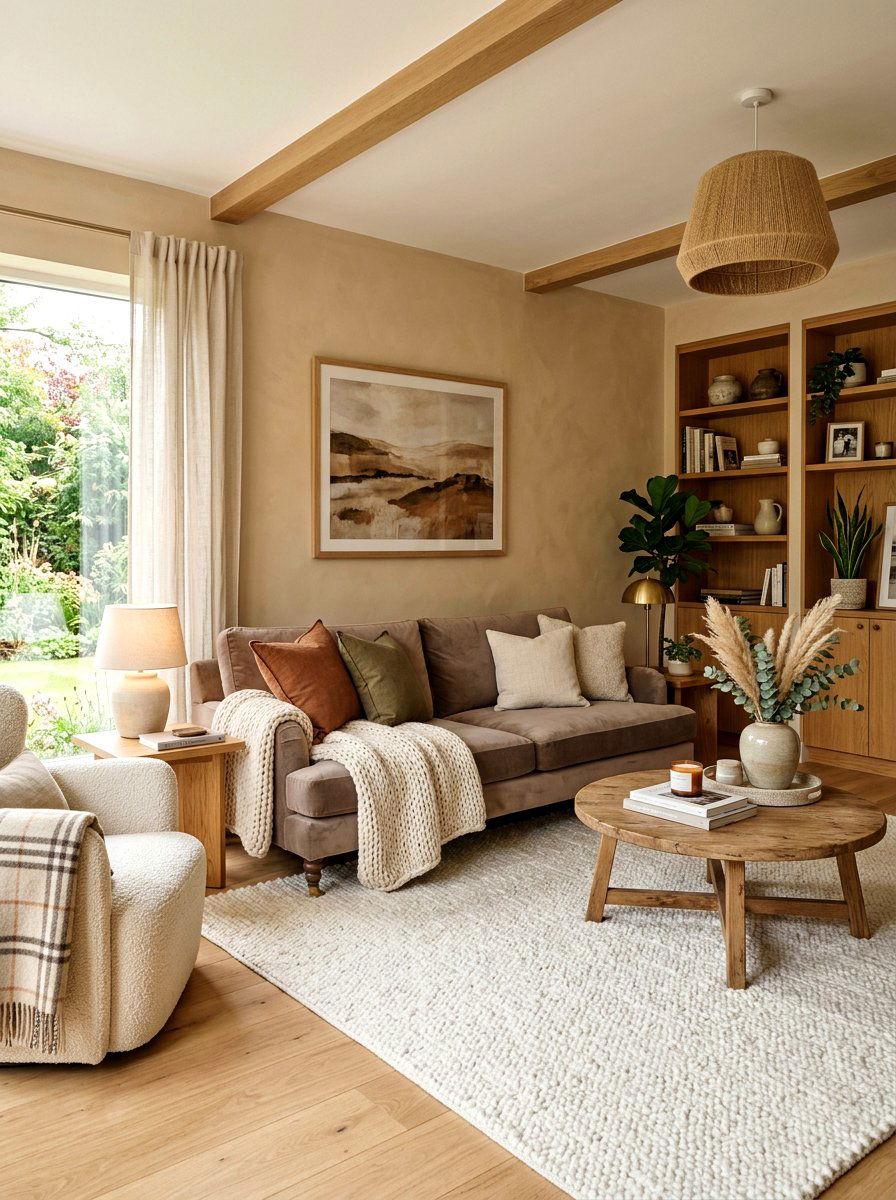
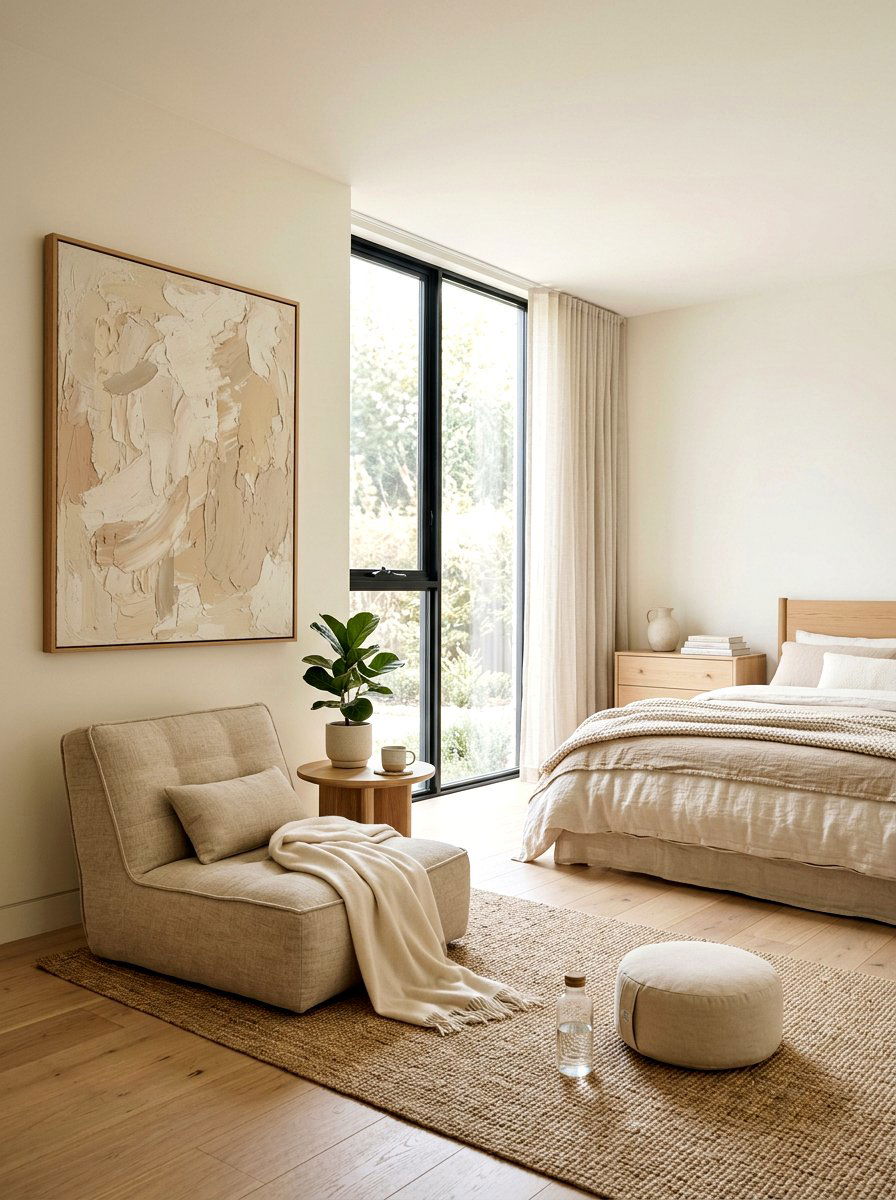
Can a room feel both incredibly sophisticated and exceptionally cozy at the same time? A warm neutral living room achieves this balance by using a palette of creams, beiges, and soft tans. This intentional choice of color creates a soft backdrop that doesn't overwhelm the senses, allowing the textures of the room to shine. Think of a thick wool rug paired with a velvet sofa in a mushroom hue. By keeping the colors consistent, the space feels larger and more harmonious. This design is perfect for those who want a serene environment that feels like a warm hug whenever they enter.
7. Curated bookshelf living room
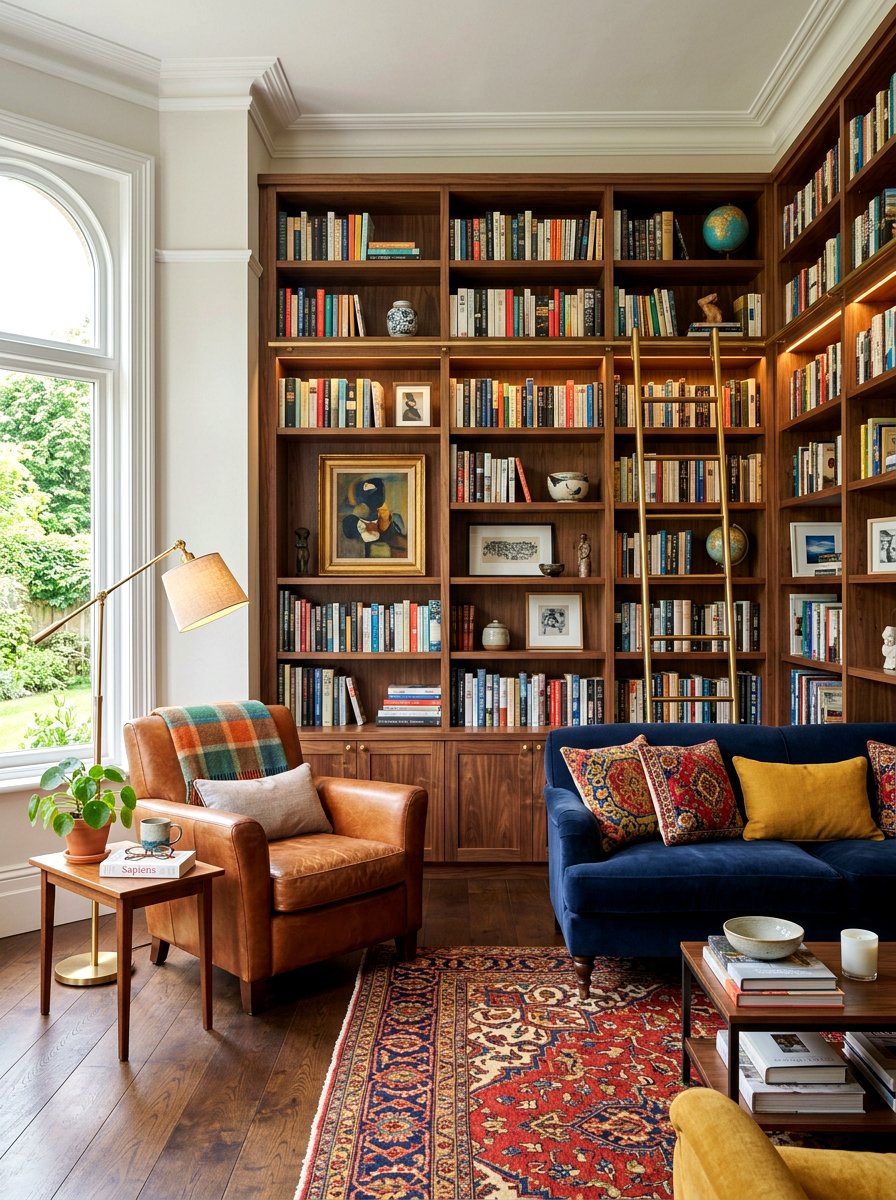
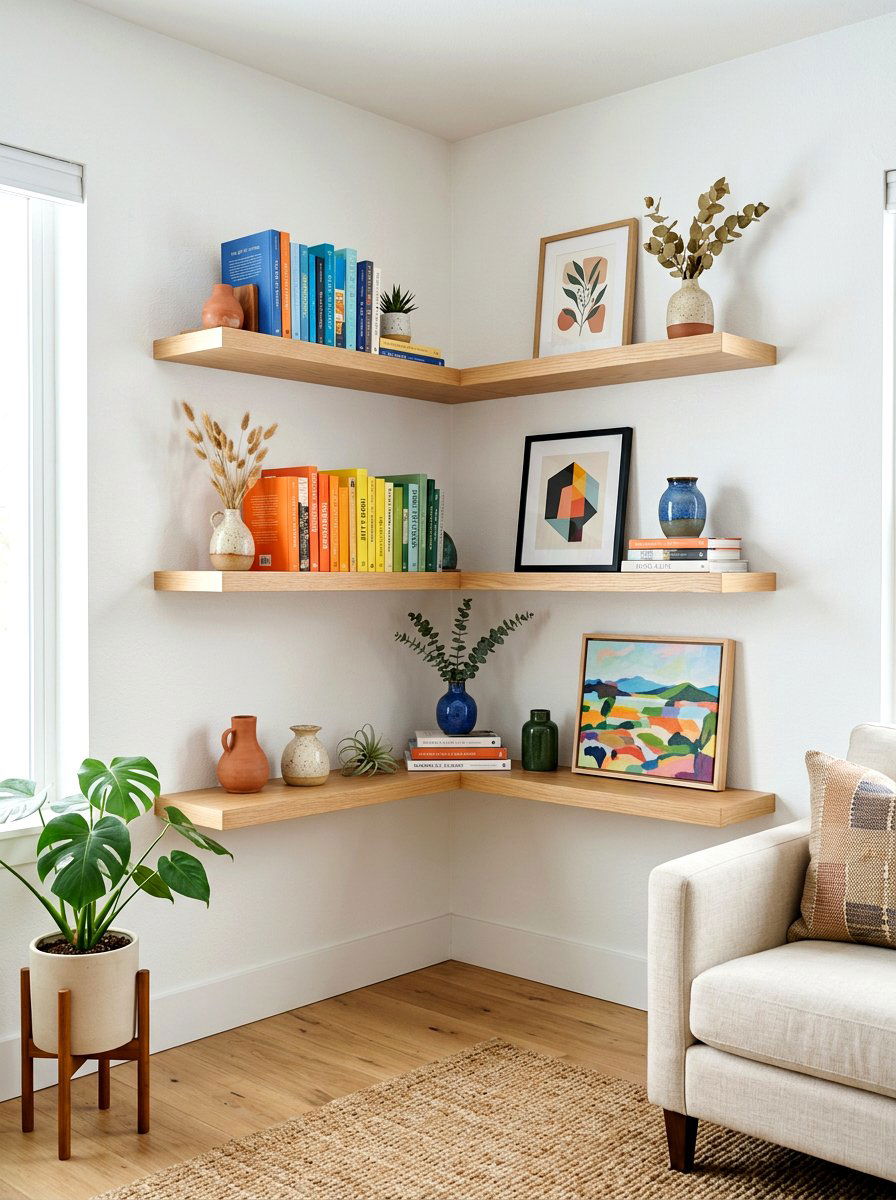
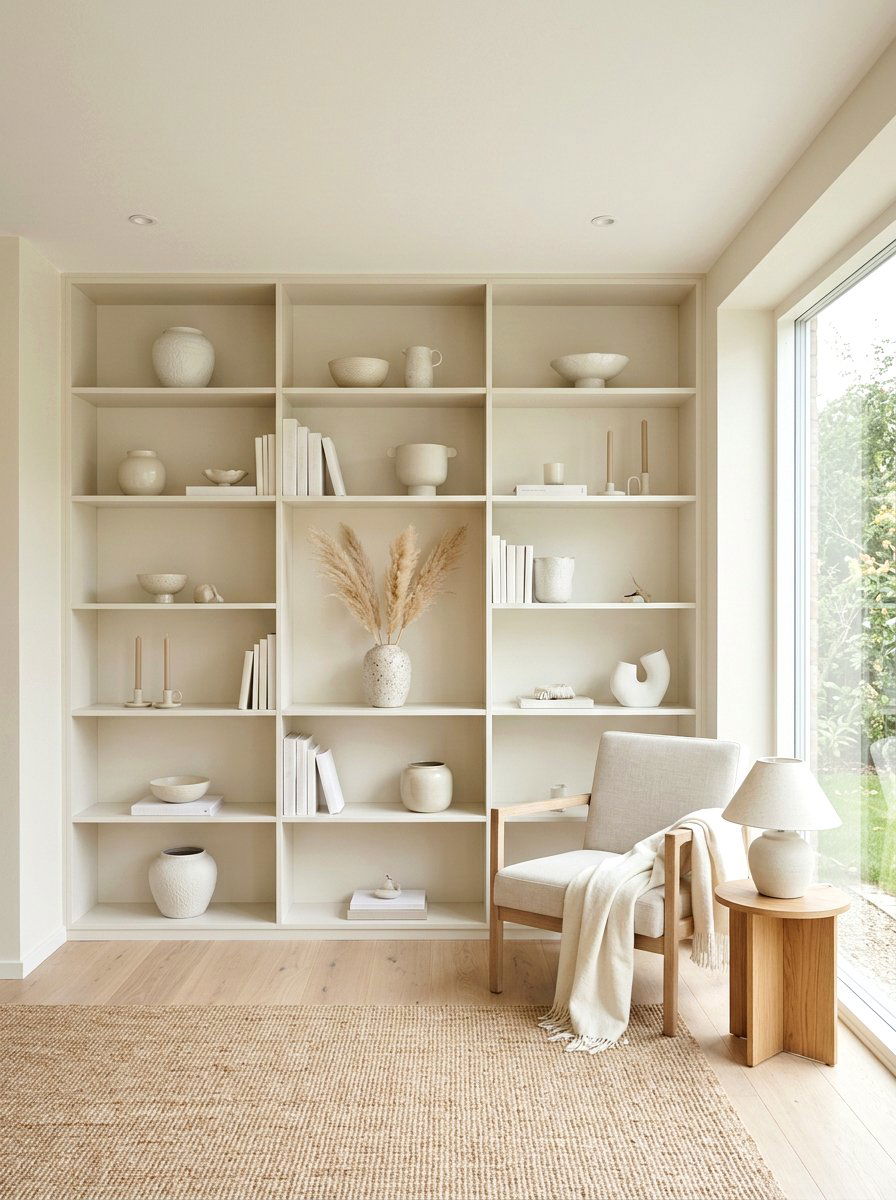
What if your walls could tell the story of your travels, your interests, and your favorite memories? A curated bookshelf living room uses floor-to-ceiling shelving as a functional art installation. Instead of cramming every shelf with random objects, you intentionally place books, sculptures, and framed photos with plenty of negative space between them. This prevents the room from feeling cluttered while still showcasing your personality. A comfortable leather chair placed nearby turns the entire room into an intellectual retreat. It is a space designed for those who find joy in the tactile experience of reading and personal reflection.
8. Multipurpose living room furniture
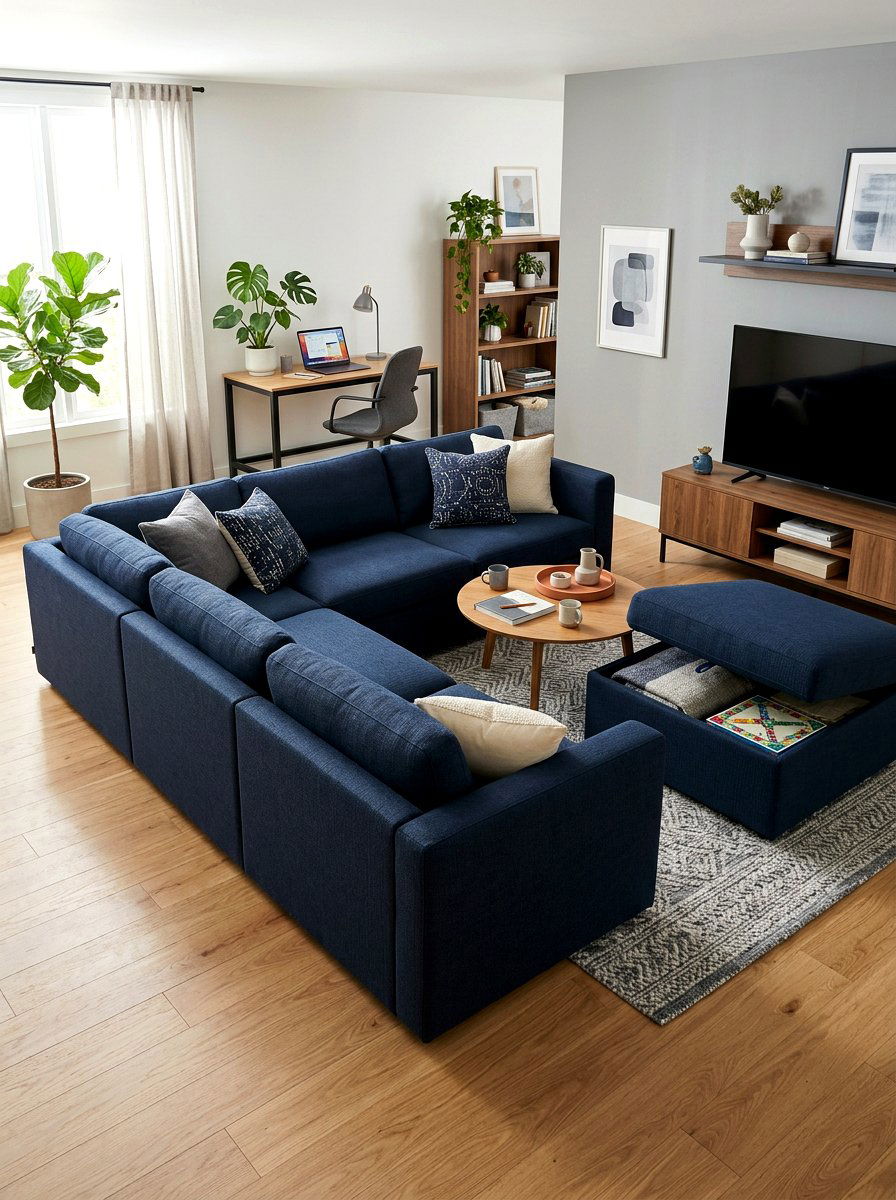
In modern homes where space is often limited, using furniture that serves more than one function is a brilliant strategy. A living room with multipurpose pieces might include a storage ottoman that doubles as a coffee table or a sofa bed for overnight guests. This intentionality ensures that every square inch of the room is utilized efficiently without sacrificing style. By keeping the floor plan flexible, you can easily transition from a home office during the day to a relaxation zone at night. This approach reduces the need for excess furniture, leading to a cleaner and more organized living environment.
9. Cozy reading nook living room
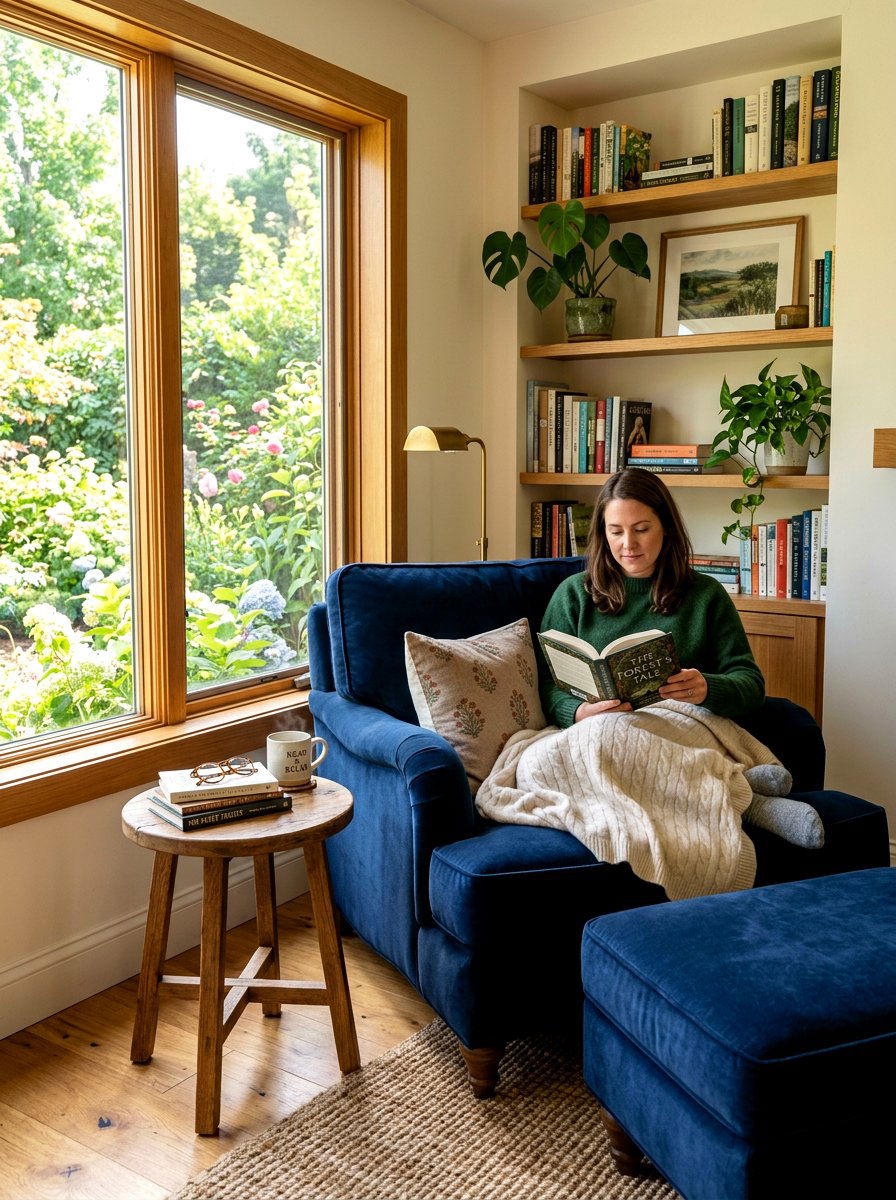
Is there anything better than curling up with a good book while the afternoon sun hits your face? An intentional living room often features a dedicated reading nook tucked away in a quiet corner. This area usually consists of an oversized, comfortable armchair, a small side table for tea, and a high-quality floor lamp for evening reading. Soft textiles like a cashmere throw or a sheepskin rug add to the sensory experience of the space. By creating a physical boundary for this activity, you give yourself permission to slow down and enjoy a moment of peace and literary escape.
10. Indoor plant living room
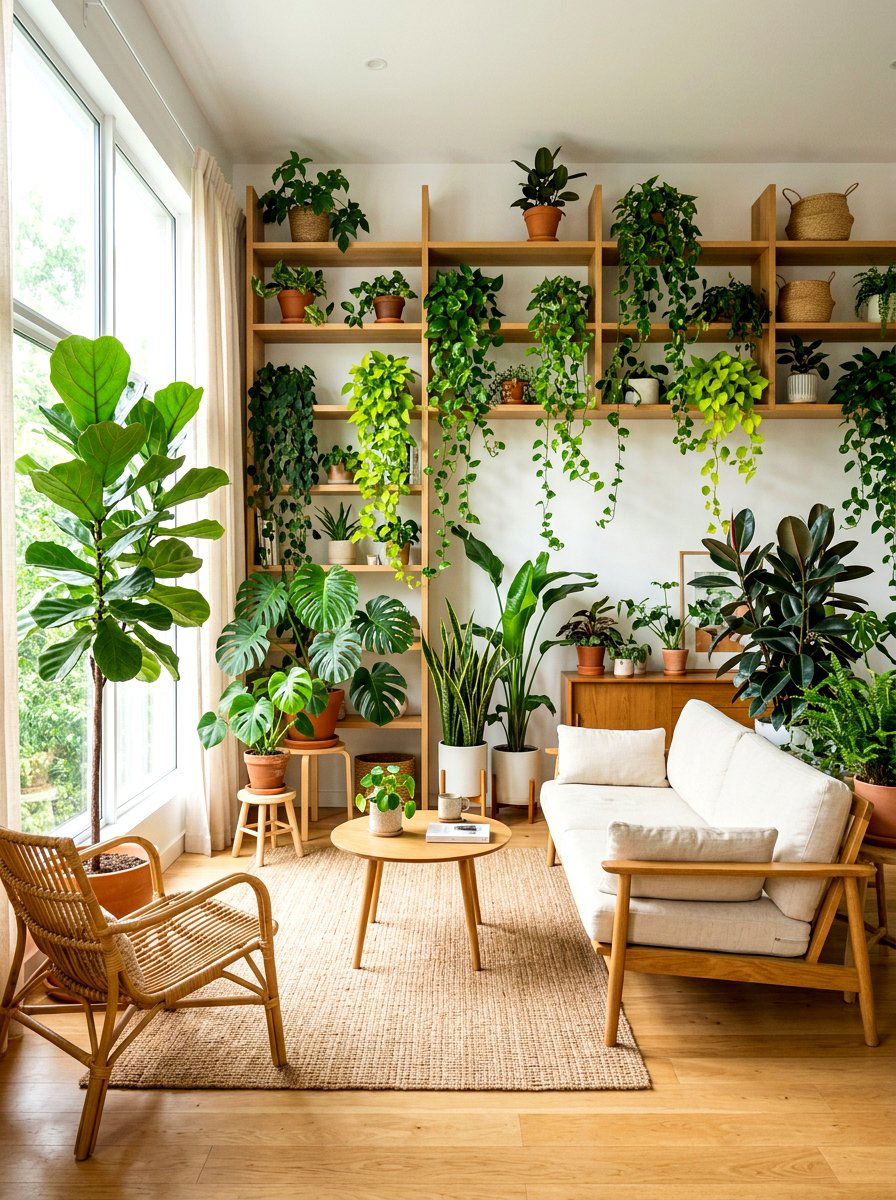
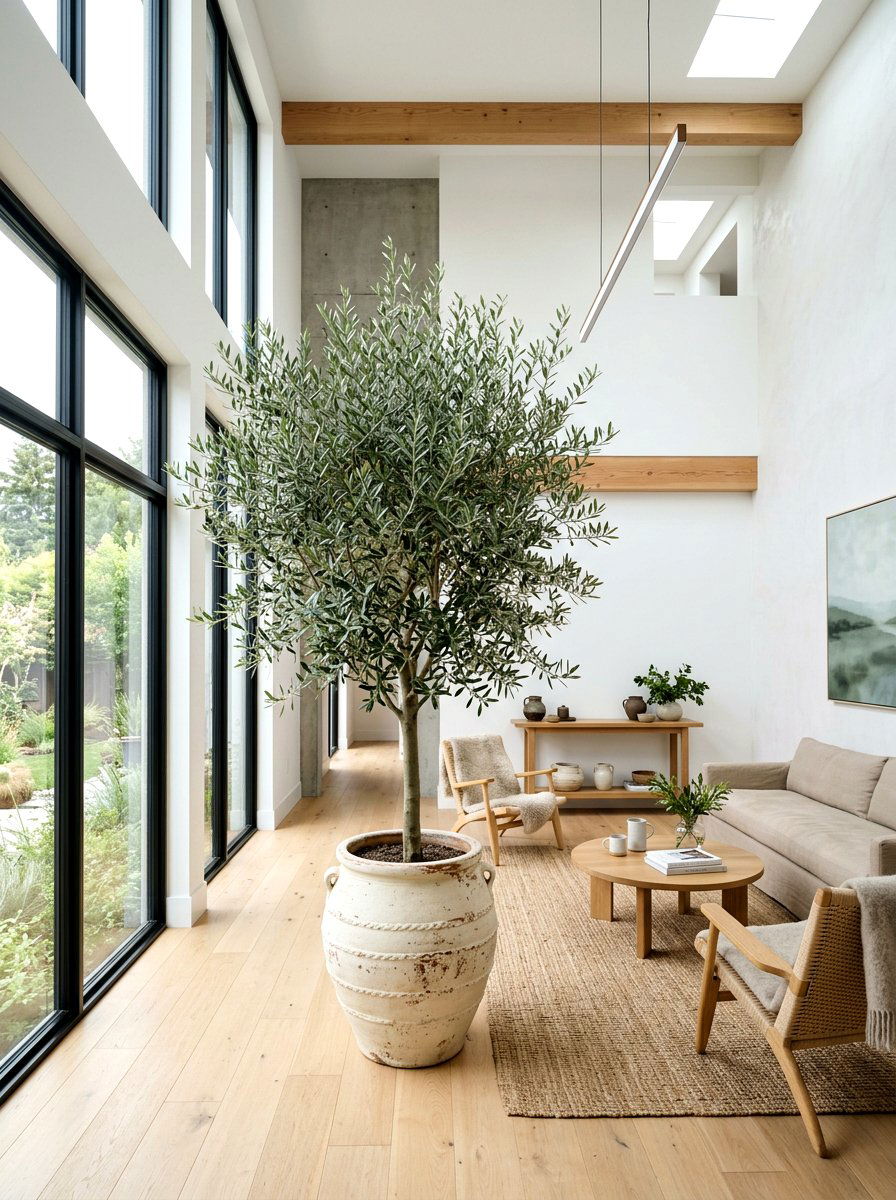
Walking into a room filled with lush greenery can instantly make you feel more energized and connected. An indoor plant living room uses varied heights and textures of foliage to create a vibrant, living atmosphere. From tall fiddle leaf figs in the corners to trailing pothos on high shelves, the plants act as natural decor that evolves over time. This design requires an intentional commitment to care, which can be a mindful practice in itself. The presence of greenery softens the hard lines of furniture and brings a refreshing, outdoor energy into the heart of the home.
11. Earthy color living room
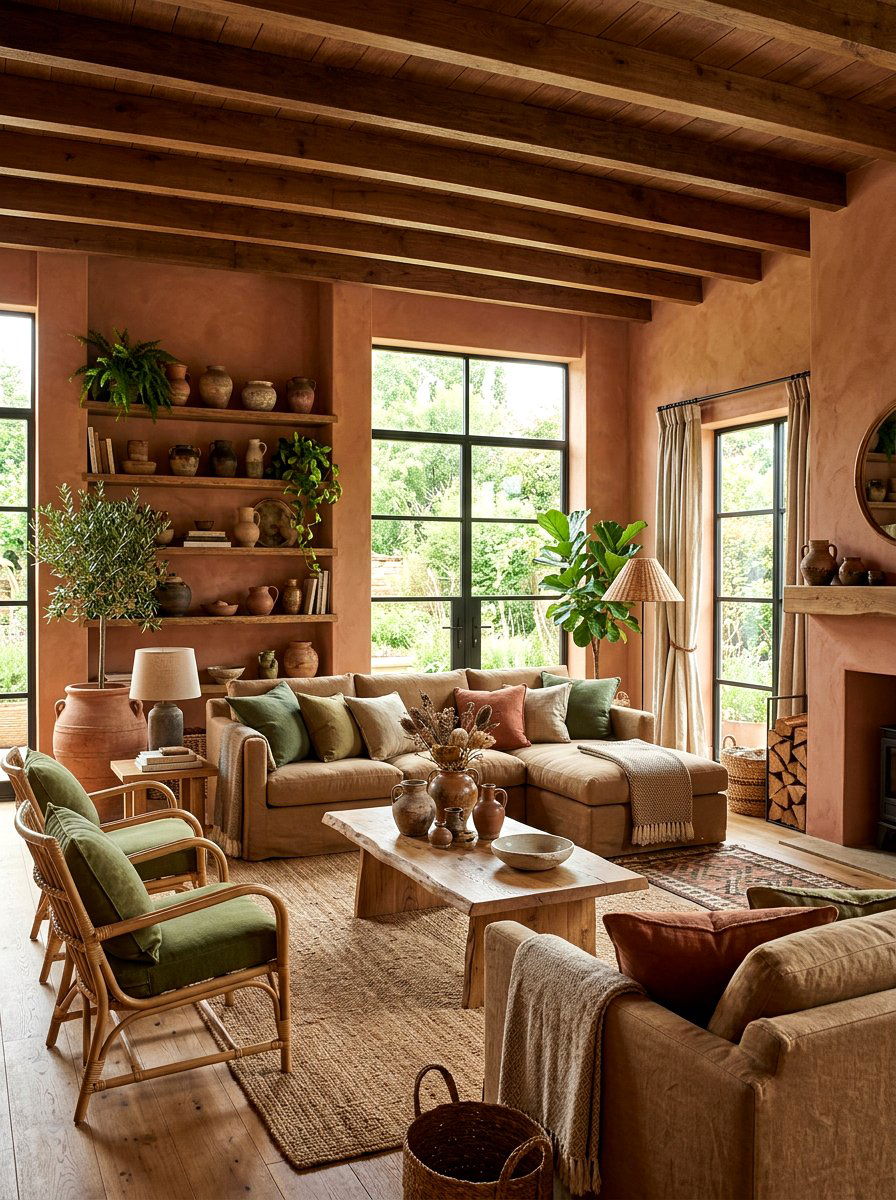
Deep terracotta, mossy green, and sandy brown tones can transform a cold space into a grounded and inviting haven. An earthy color living room pulls inspiration directly from the natural landscape to create a sense of stability. These colors are often applied to the walls or large furniture pieces to provide a bold yet soothing foundation. When paired with natural wood finishes and clay pottery, the room feels authentic and timeless. This intentional use of color helps occupants feel more connected to the earth, making the living room a perfect place for grounding and daily relaxation.
12. Open floor plan living room
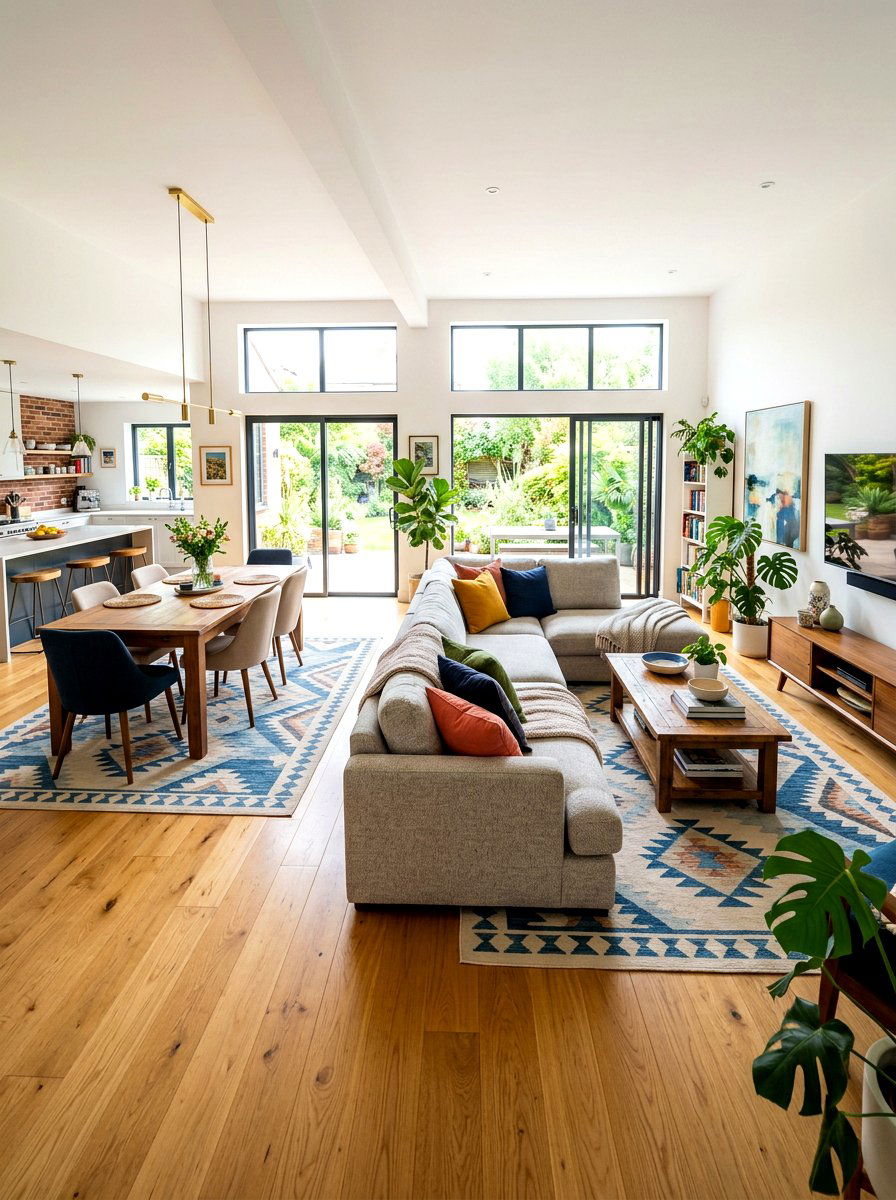
How do you define a space when there are no physical walls to separate the different functions of a home? An open floor plan living room uses furniture placement and area rugs to create "rooms within a room. " For example, a large sectional sofa can act as a divider between the lounge area and the dining zone. This layout promotes a sense of inclusivity and flow, allowing family members to stay connected even when they are doing different activities. It is an intentional way to maximize light and airiness while maintaining a sense of order and clear purpose.
13. Tactile texture living room
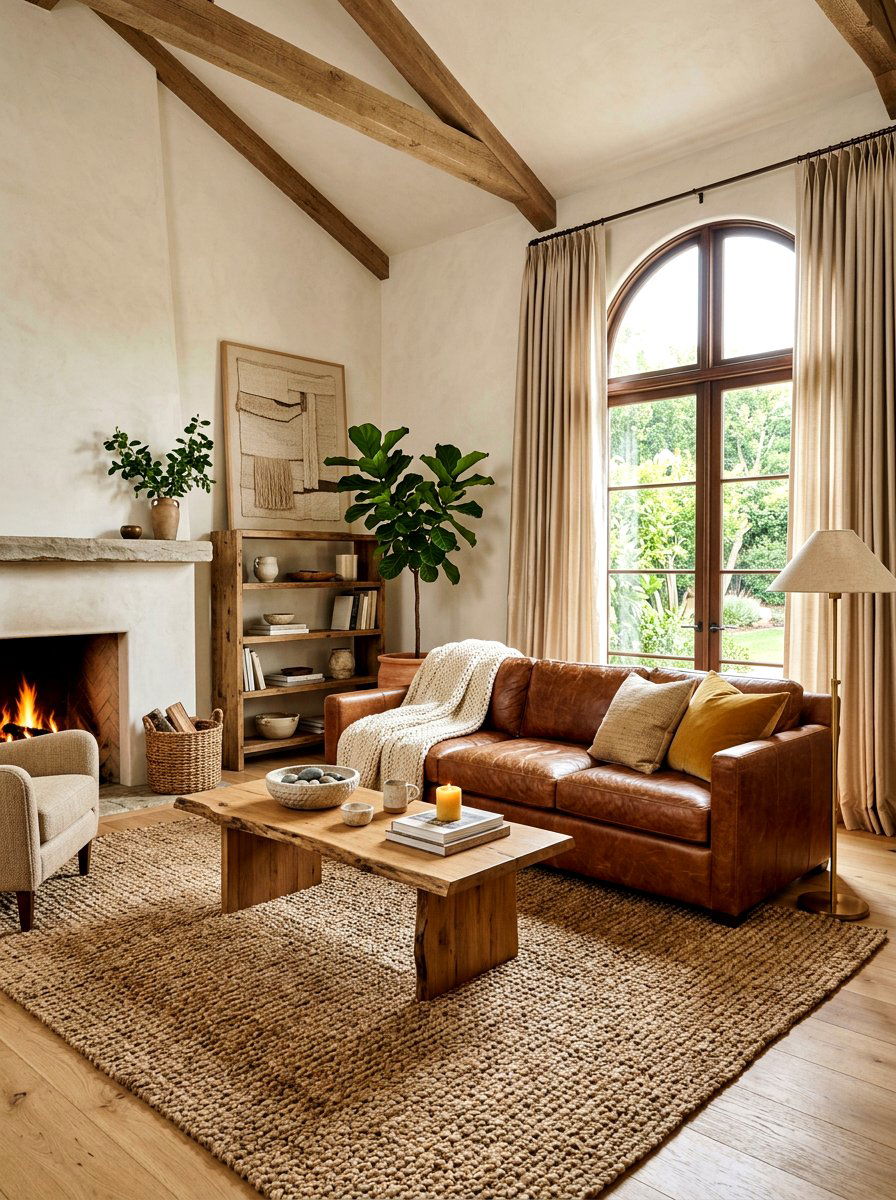
Have you ever noticed how the feel of a fabric can completely change your perception of a room's comfort level? A tactile texture living room focuses on the sensory experience of touch by layering different materials. Imagine a smooth leather sofa sitting on a chunky jute rug, topped with chunky knit pillows and silk curtains. This variety creates visual depth and physical warmth without the need for bright colors or busy patterns. It is an intentional way to make a space feel rich and luxurious, encouraging you to reach out and experience the physical environment with all your senses.
14. Eco friendly living room
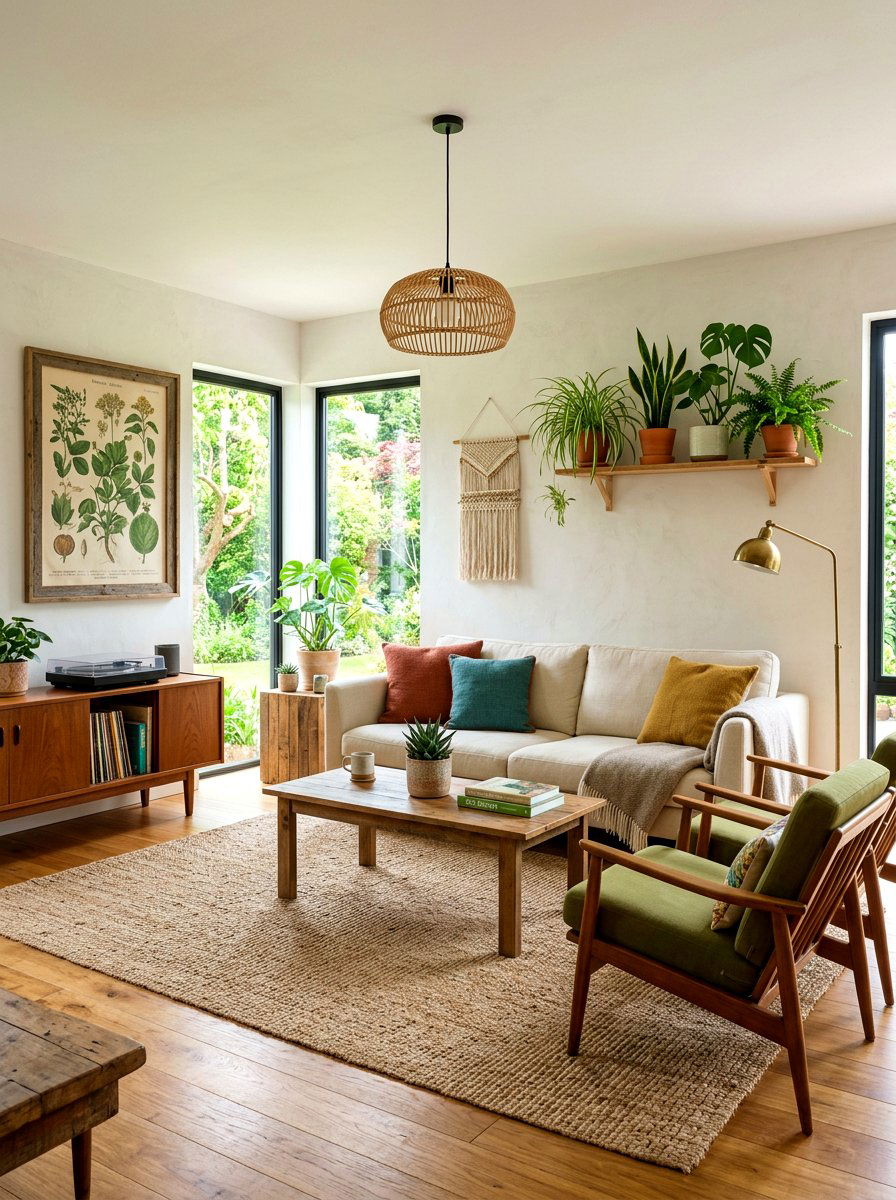
Building a home that respects the planet requires a thoughtful selection of every material and finishes used in the space. An eco-friendly living room features non-toxic paints, natural fiber rugs, and energy-efficient lighting solutions. This intentionality extends to the decor, where vintage finds or items made from recycled ocean plastics take center stage. By avoiding harmful chemicals and synthetic materials, you create a healthier indoor air quality for your family. This design philosophy proves that you can have a beautiful, high-end living room while remaining deeply committed to environmental sustainability and personal well-being.
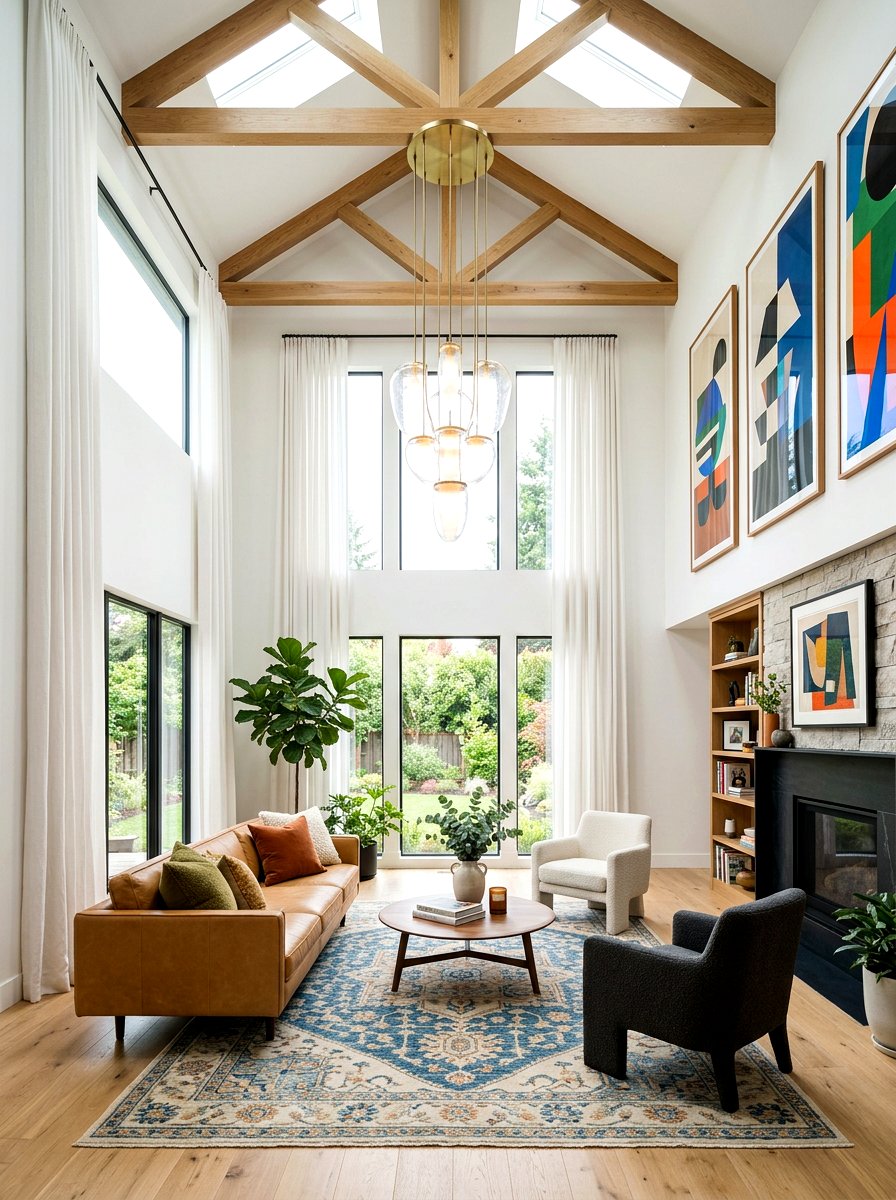
15. Organized storage living room
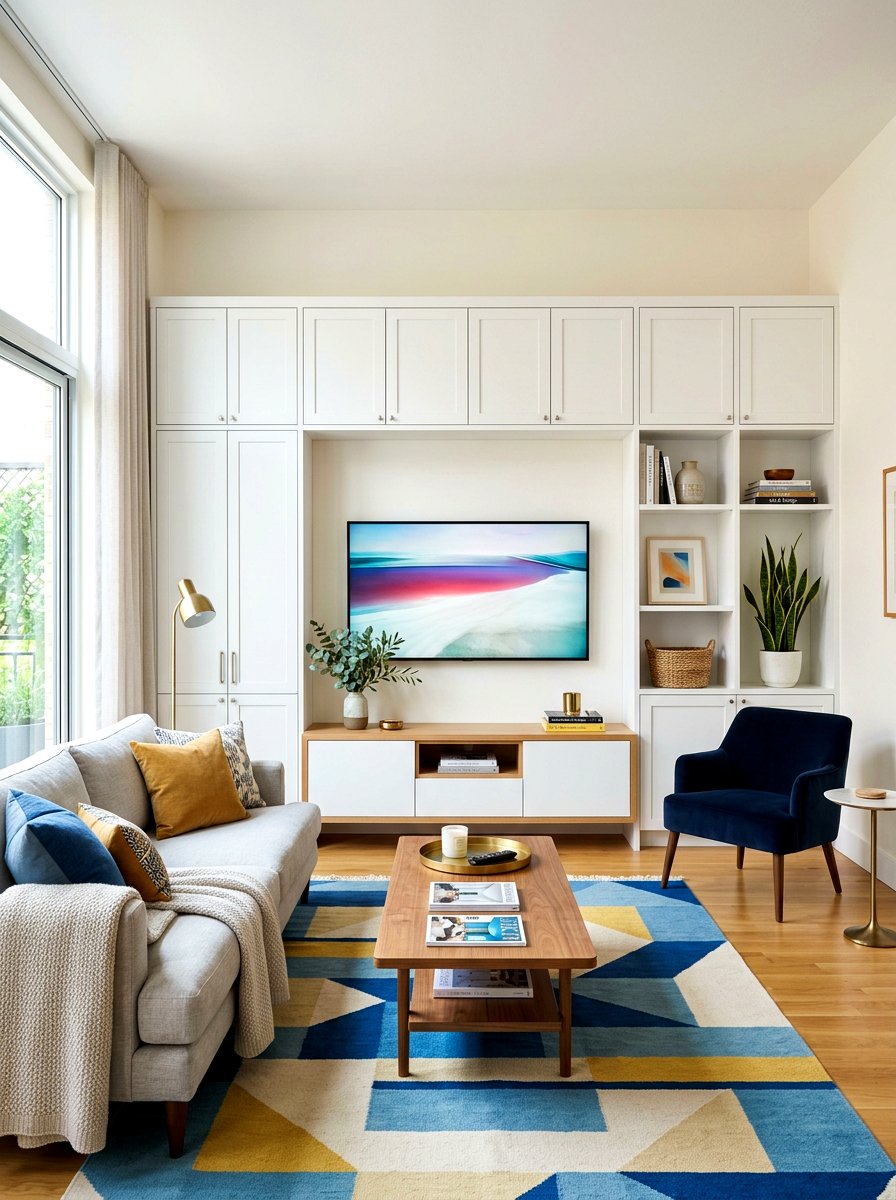
A cluttered room often leads to a cluttered mind, which is why smart storage is essential for intentional living. An organized storage living room utilizes built-in cabinets and stylish baskets to keep daily items out of sight when not in use. By giving every object a "home, " you reduce the time spent cleaning and searching for things. This intentional design allows the architectural beauty of the room to shine through. Whether it is a hidden media console or a sleek sideboard, these storage solutions help maintain a peaceful and orderly atmosphere that supports a focused and calm lifestyle.
16. Statement art living room
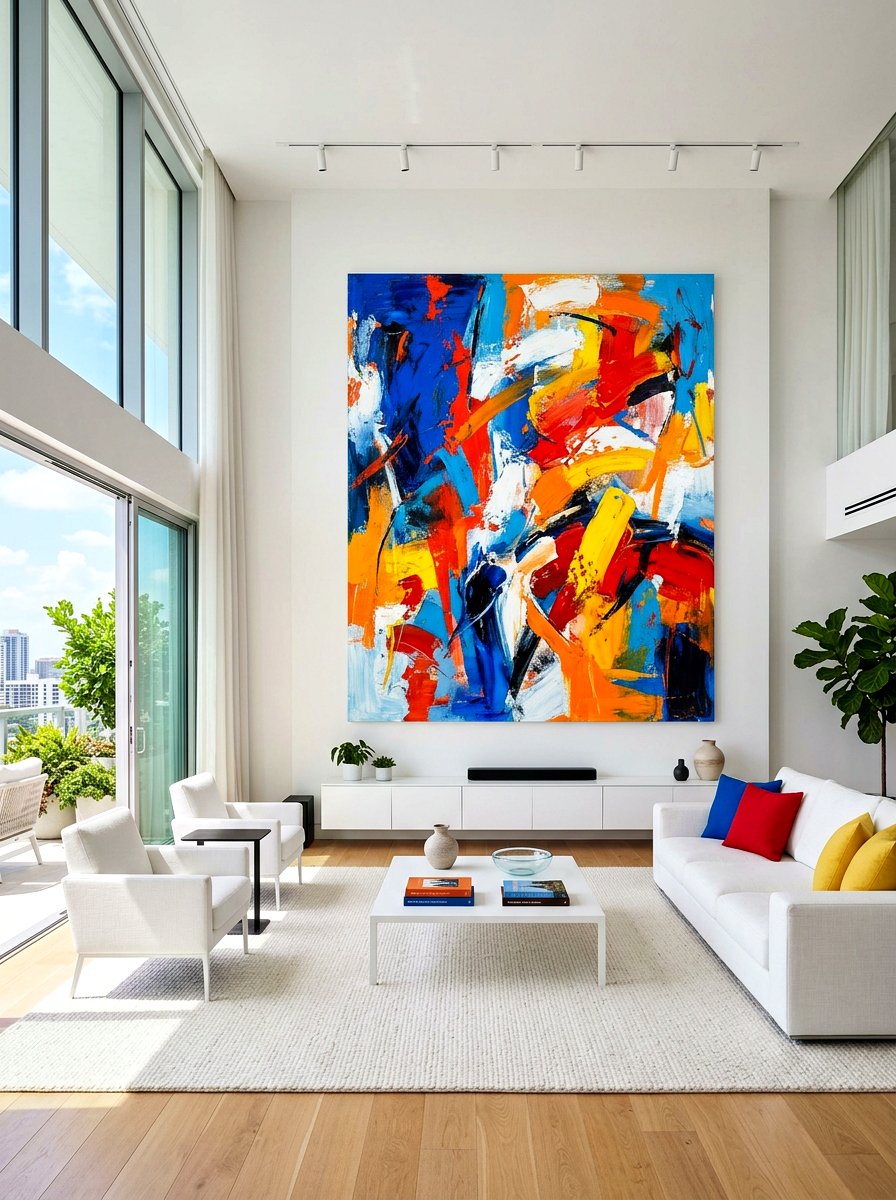
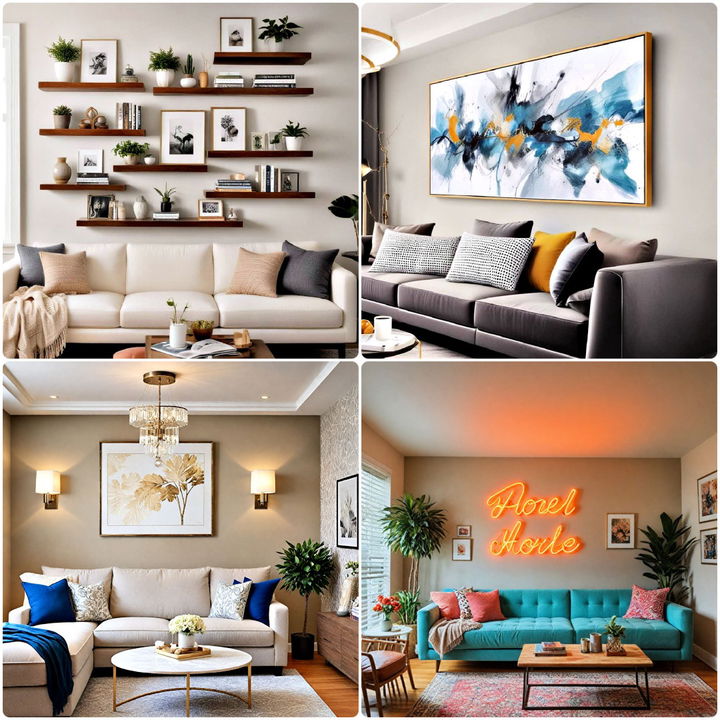
Why settle for generic wall decor when you can fill your space with art that actually moves your soul? A statement art living room centers the entire design around one or two significant pieces that spark conversation and emotion. This could be an oversized abstract canvas, a gallery wall of personal photography, or a unique wall sculpture. The furniture and color palette are often kept minimal to allow the artwork to remain the primary focus. This intentional choice turns the living room into a private gallery, reflecting your artistic tastes and providing daily inspiration to everyone who enters.
17. Low profile furniture living room
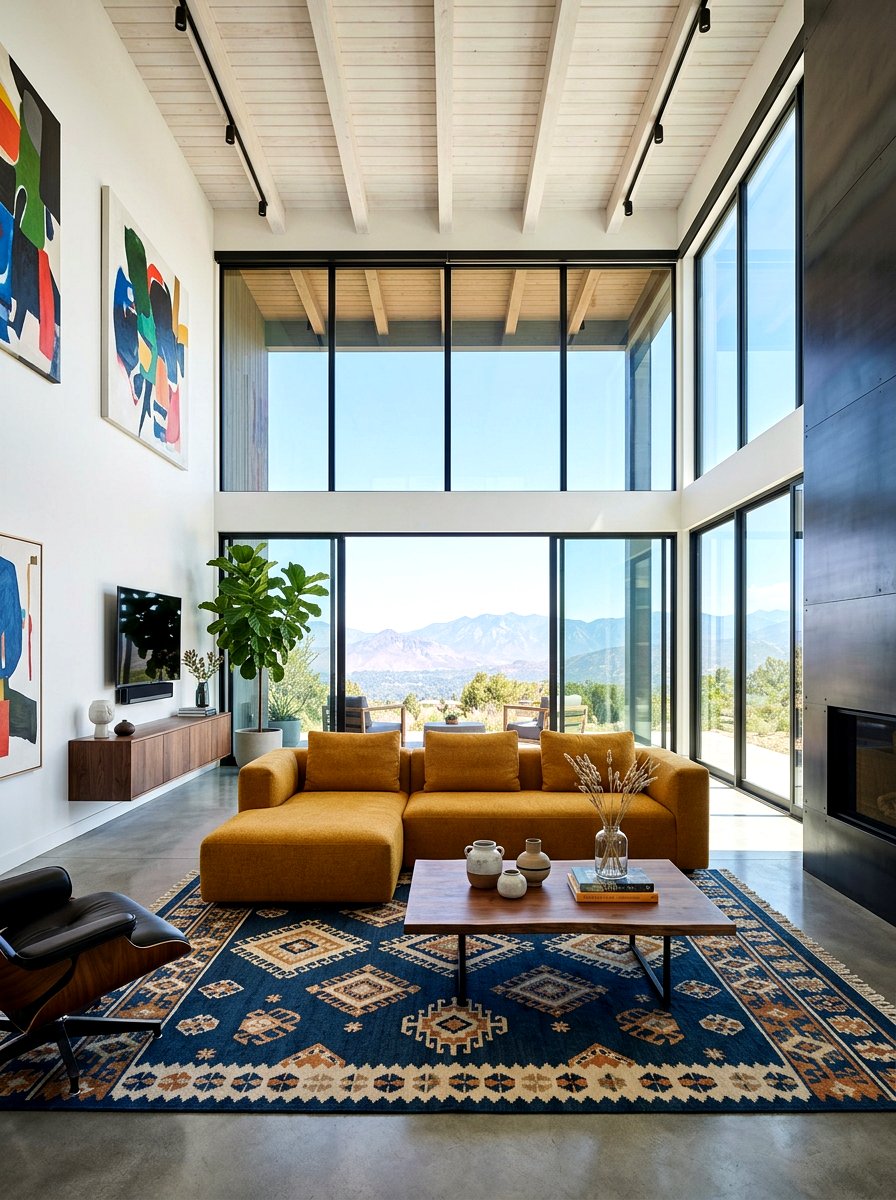
Does your furniture feel like it is crowding the room or blocking the beautiful view outside your window? Low-profile furniture is an intentional design choice that keeps the visual horizon clear, making the ceiling feel higher and the space more expansive. These pieces often feature sleek lines and sit closer to the floor, creating a modern and grounded aesthetic. This style is particularly effective in smaller rooms where traditional, bulky furniture might feel overwhelming. By choosing lower sofas and coffee tables, you create an unobstructed flow of light and energy throughout the entire living environment.
18. Symmetrical living room
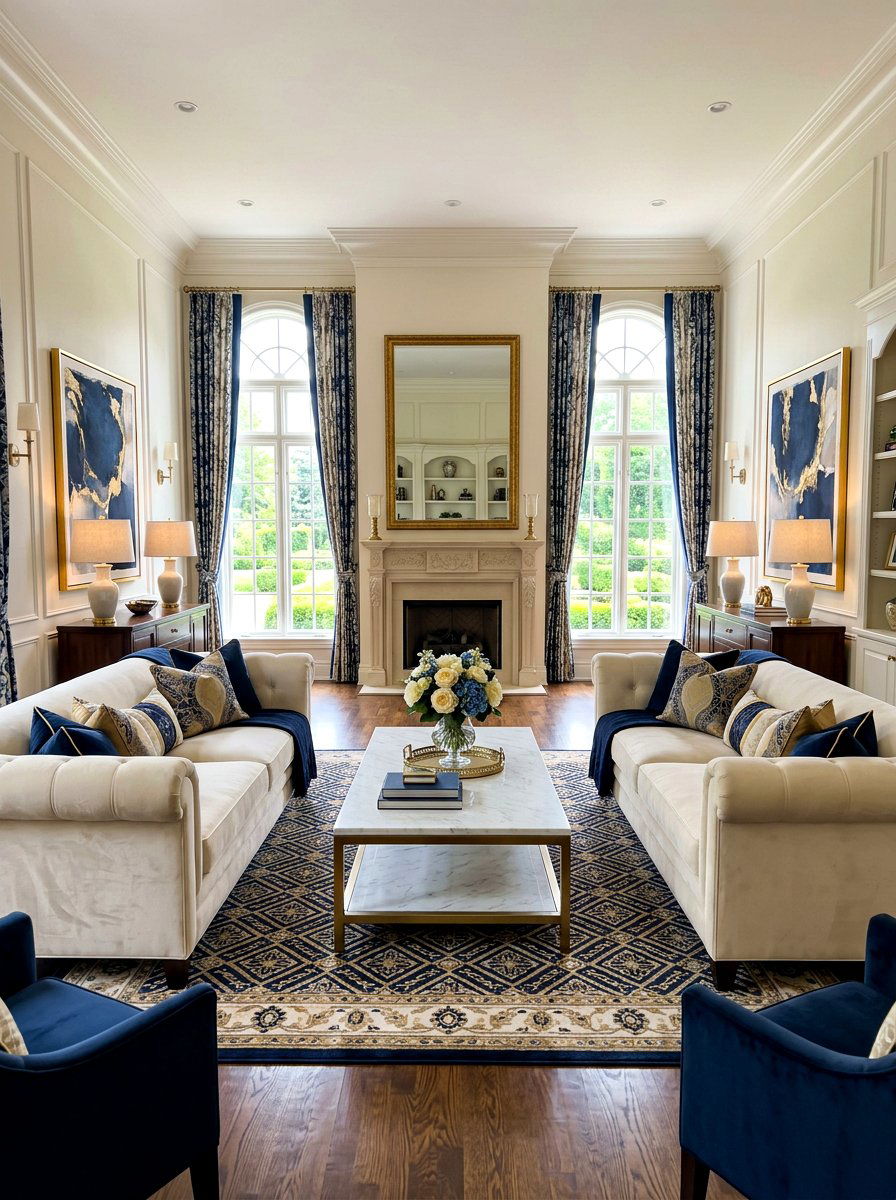
For many people, a sense of balance and order is the key to feeling relaxed and in control at home. A symmetrical living room uses mirrored furniture arrangements to create a formal and harmonious look. This might involve placing two identical sofas facing each other or flanking a fireplace with matching built-in bookshelves. This intentional repetition provides a clear structure that is easy for the eye to process. It is a timeless design technique that brings a sense of elegance and predictability to the space, making it feel curated, intentional, and professionally designed.
19. Circular living room seating
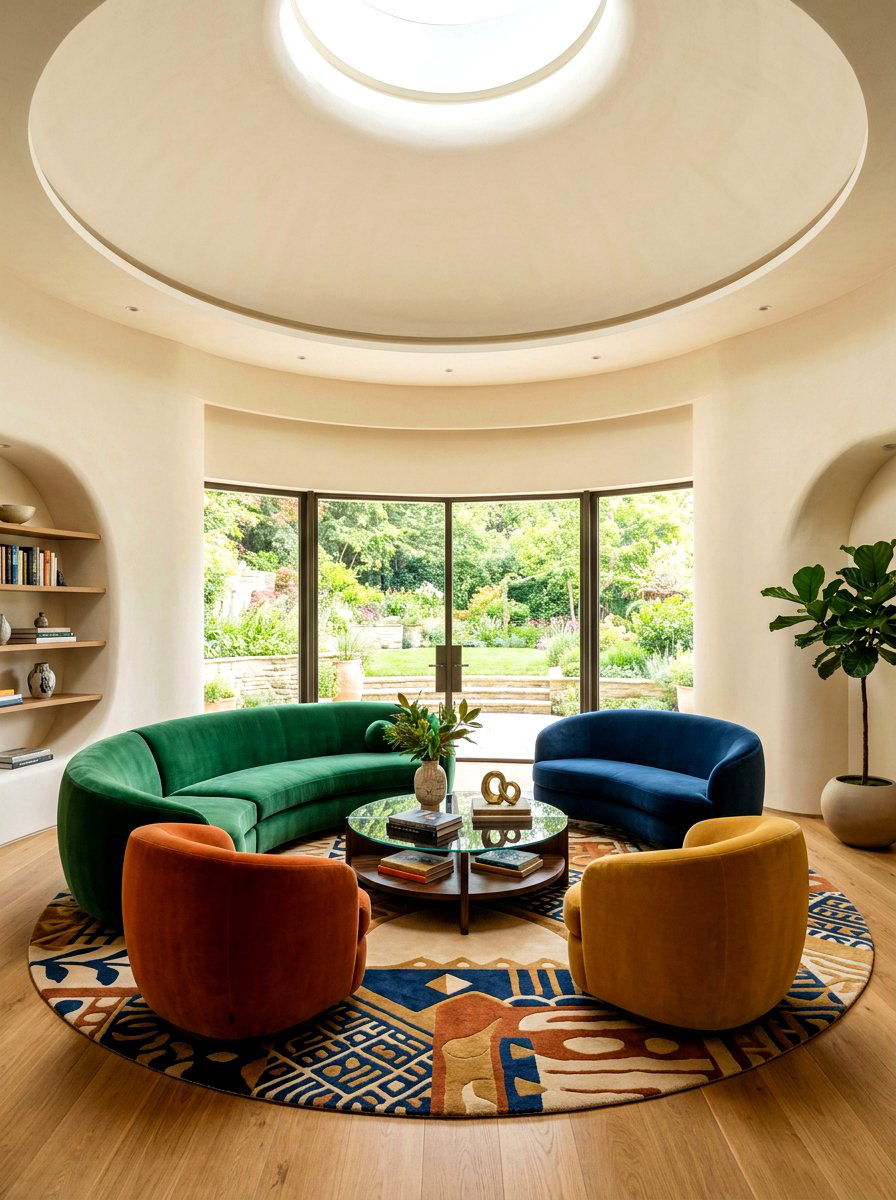
Breaking away from the standard rectangular layout can bring a soft and organic energy to your main gathering space. Circular living room seating utilizes rounded sofas or a collection of curved armchairs to create an inclusive environment. This arrangement naturally draws people toward the center, making it ideal for group discussions or family game nights. The absence of sharp corners makes the room feel safer and more fluid, especially in homes with young children. This intentional focus on curves adds a sculptural element to the design, turning the furniture itself into a work of art.
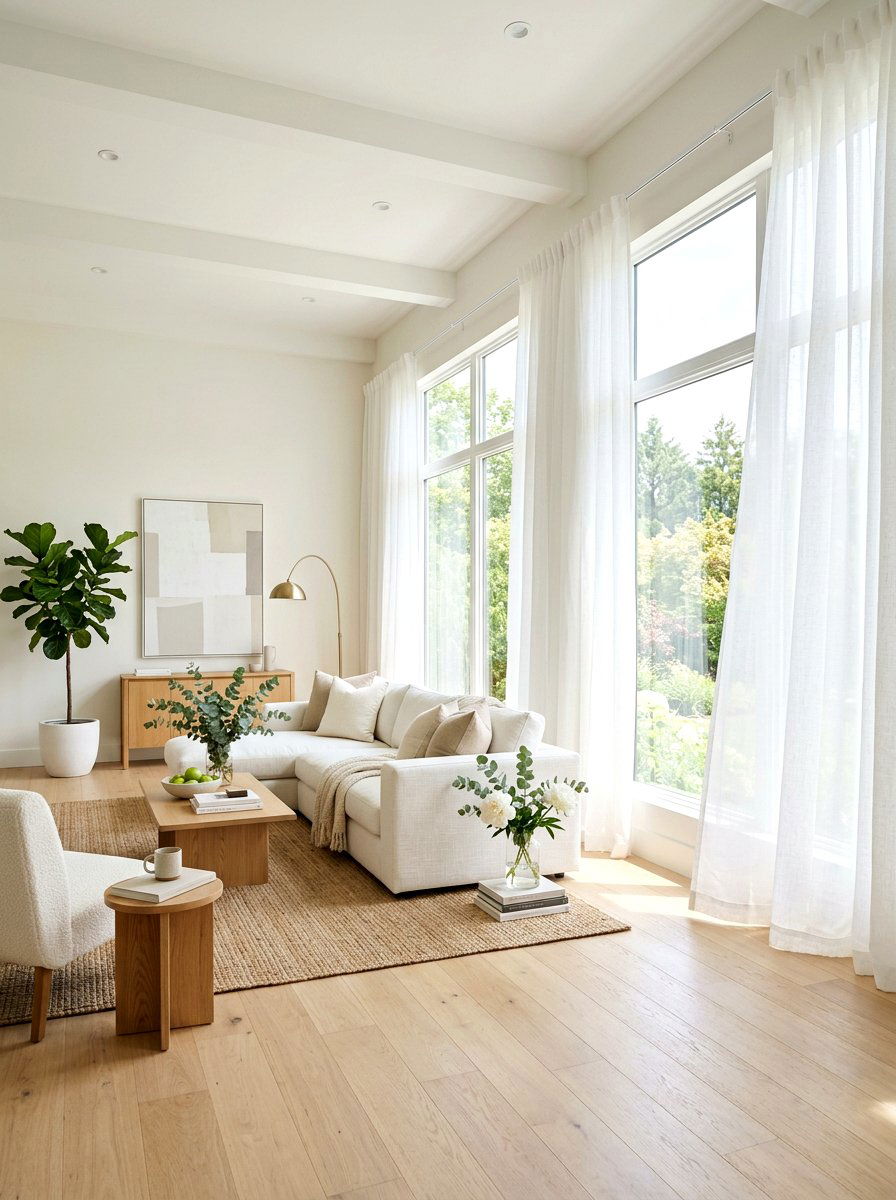
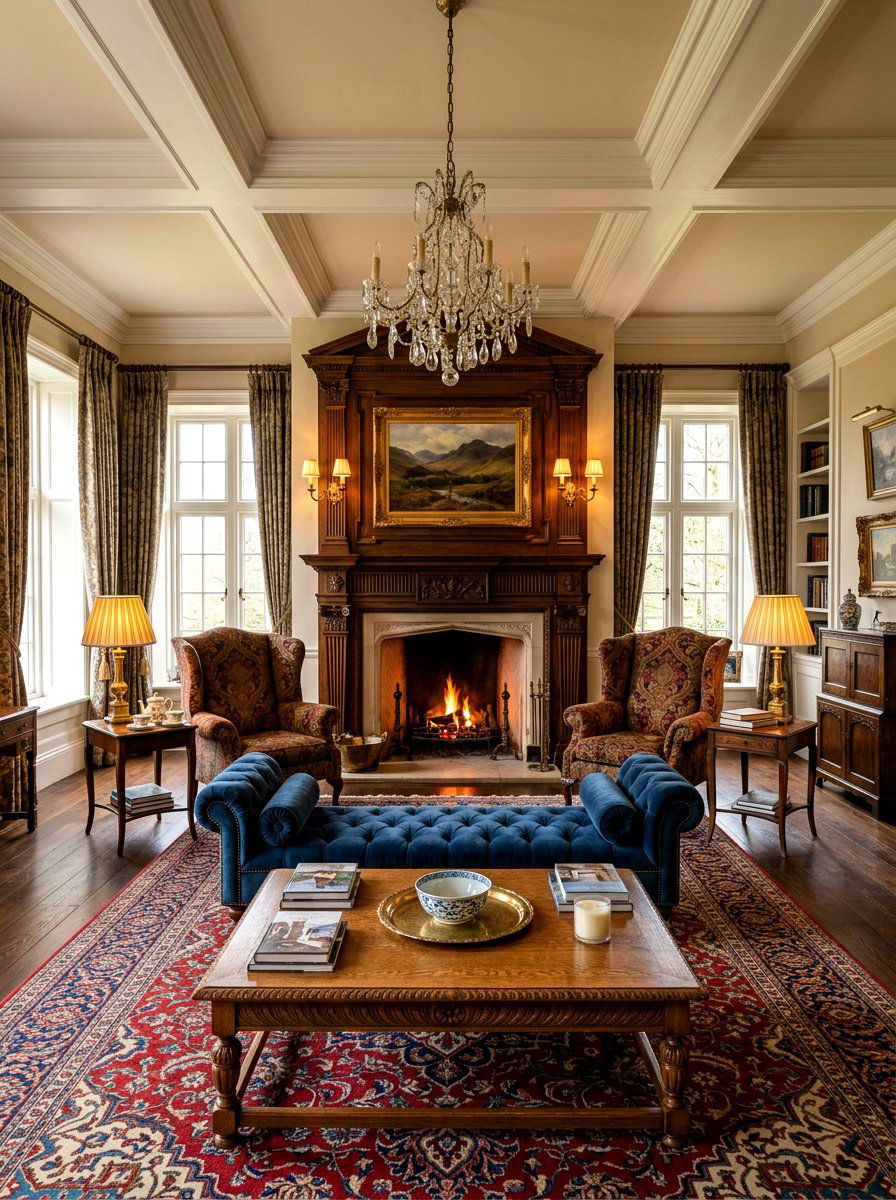
20. Sunken living room
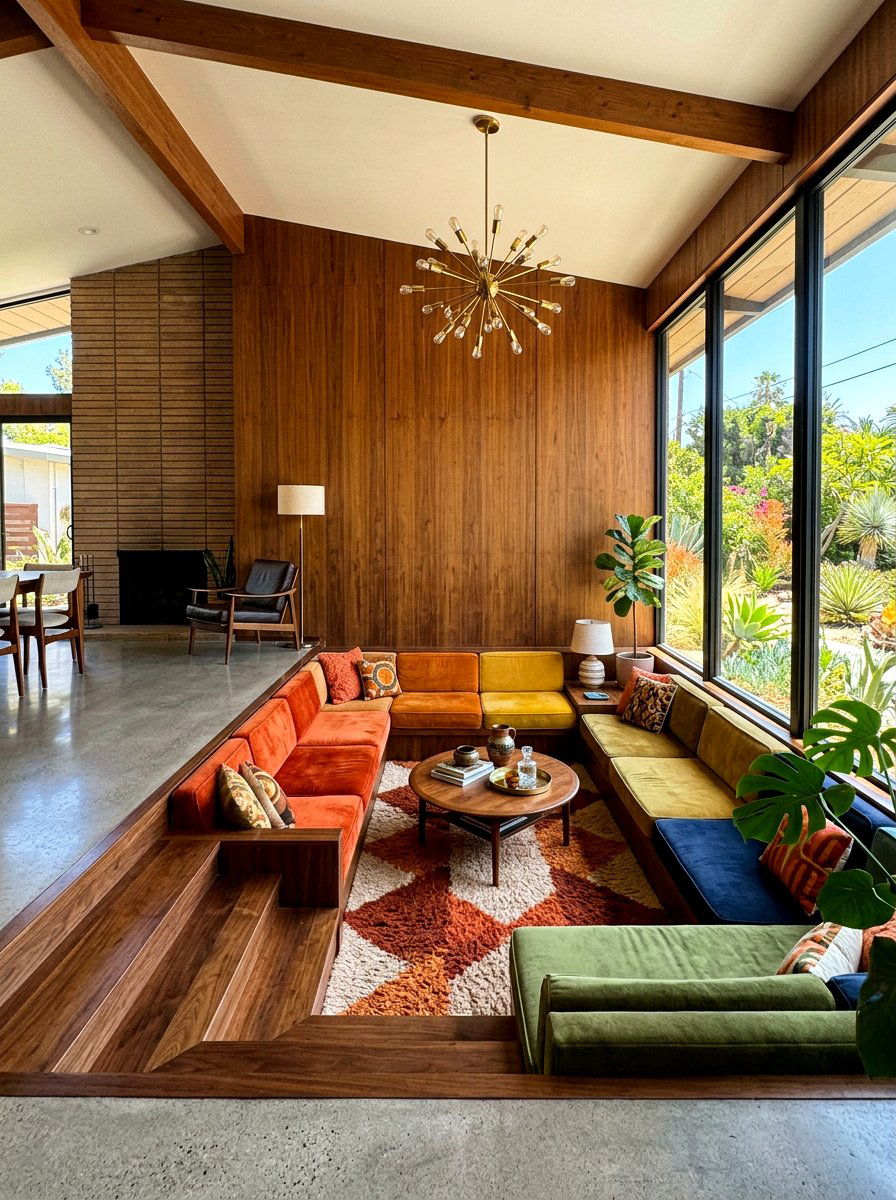
Creating a physical change in floor level can make a large room feel much more intimate and special. A sunken living room, also known as a "conversation pit, " is an intentional architectural feature that defines the lounge area without the need for walls. By stepping down into the seating zone, you immediately feel a sense of enclosure and coziness. This design was popular in mid-century modern homes and is making a comeback for its unique ability to foster social interaction. It is a bold, intentional choice that makes the living room feel like a dedicated destination for relaxation.
21. Scandi style living room
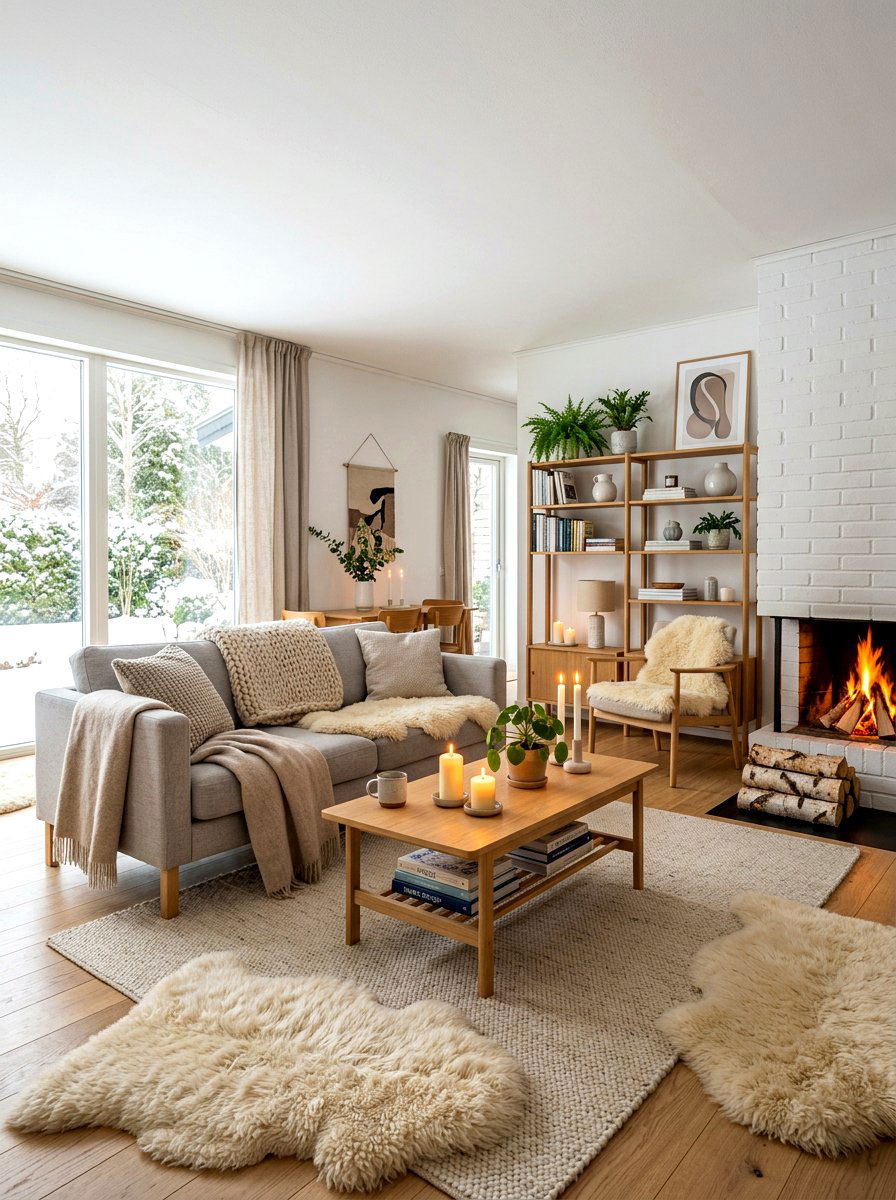
Blending functionality with a cozy, lived-in feel is the hallmark of Scandinavian design, often referred to as "hygge. " A Scandi-style living room uses light wood tones, white walls, and plenty of soft textiles to create a bright and inviting atmosphere. The intentionality lies in the focus on simple pleasures, like a warm blanket, a glowing candle, or a perfectly placed reading light. Every item in the room is both beautiful and practical, ensuring that the space remains uncluttered. This design approach is perfect for those who value comfort, light, and a clean, modern aesthetic.
22. Japandi living room
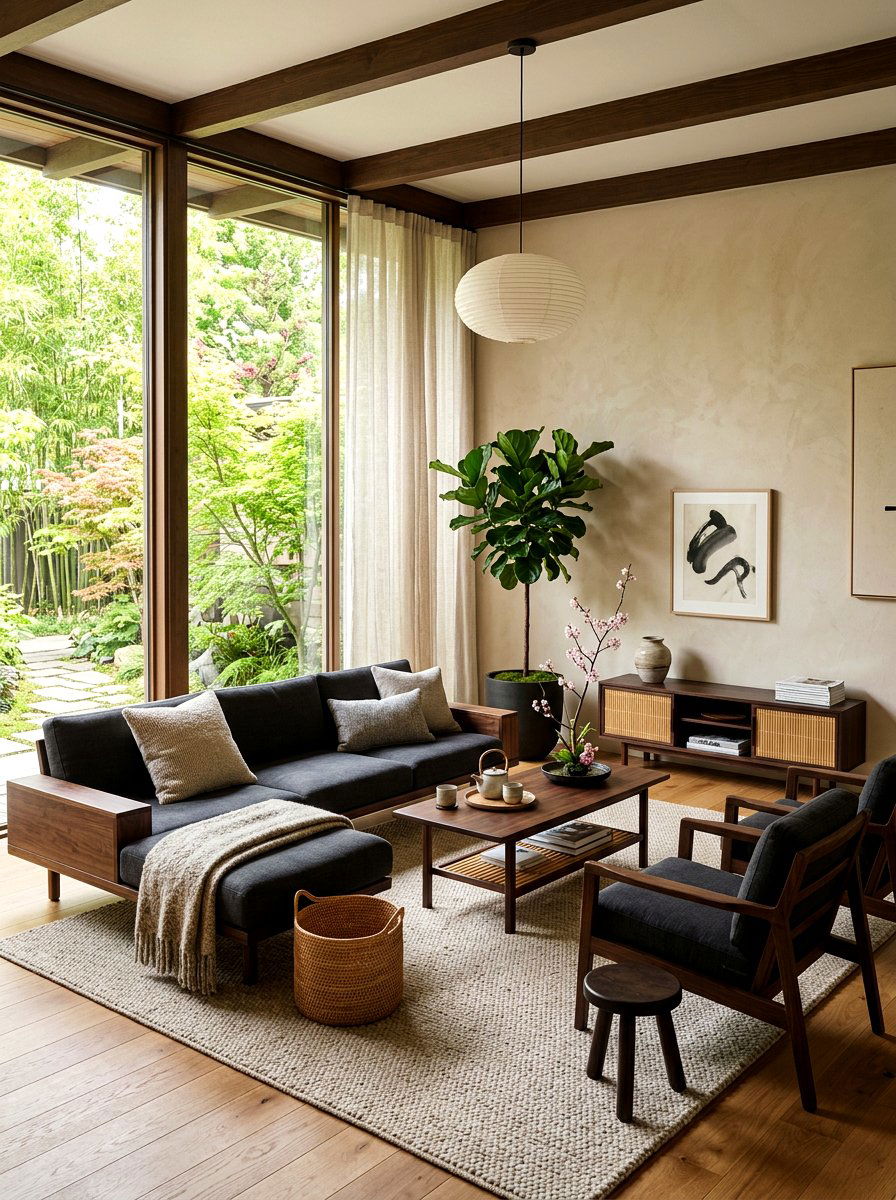
What happens when you combine the rustic warmth of Japanese design with the clean functionality of Scandinavian style? A Japandi living room is the result of this intentional fusion, focusing on the beauty of imperfection and the importance of simplicity. This style uses a neutral palette with dark wood accents and organic materials like bamboo and paper. The furniture is often low and minimalist, emphasizing a connection to the floor and a sense of zen. This design encourages a slow, mindful lifestyle by stripping away the excess and focusing on the essential harmony between the human spirit and the home.
23. High ceiling living room
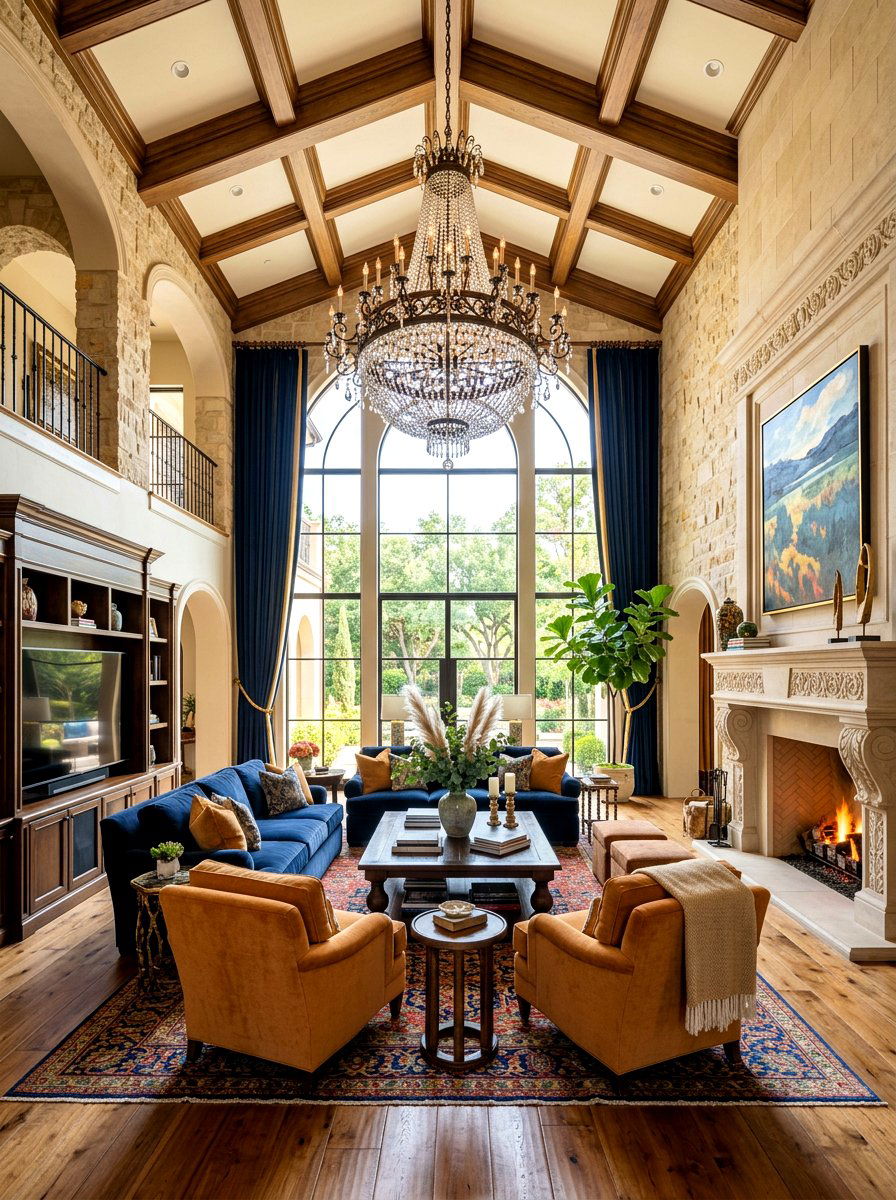
When you are blessed with vertical space, it is important to use it intentionally to prevent the room from feeling cold or empty. A high-ceiling living room often features tall windows, statement chandeliers, and artwork hung at varying heights to draw the eye upward. Using vertical elements like floor-to-ceiling curtains or a tall fireplace chimney helps anchor the space and makes it feel more proportional. This design celebrates the grand architecture of the home while ensuring that the seating area remains cozy and human-scaled. It is about balancing the impressive scale with intentional, warm details.
24. Window seat living room
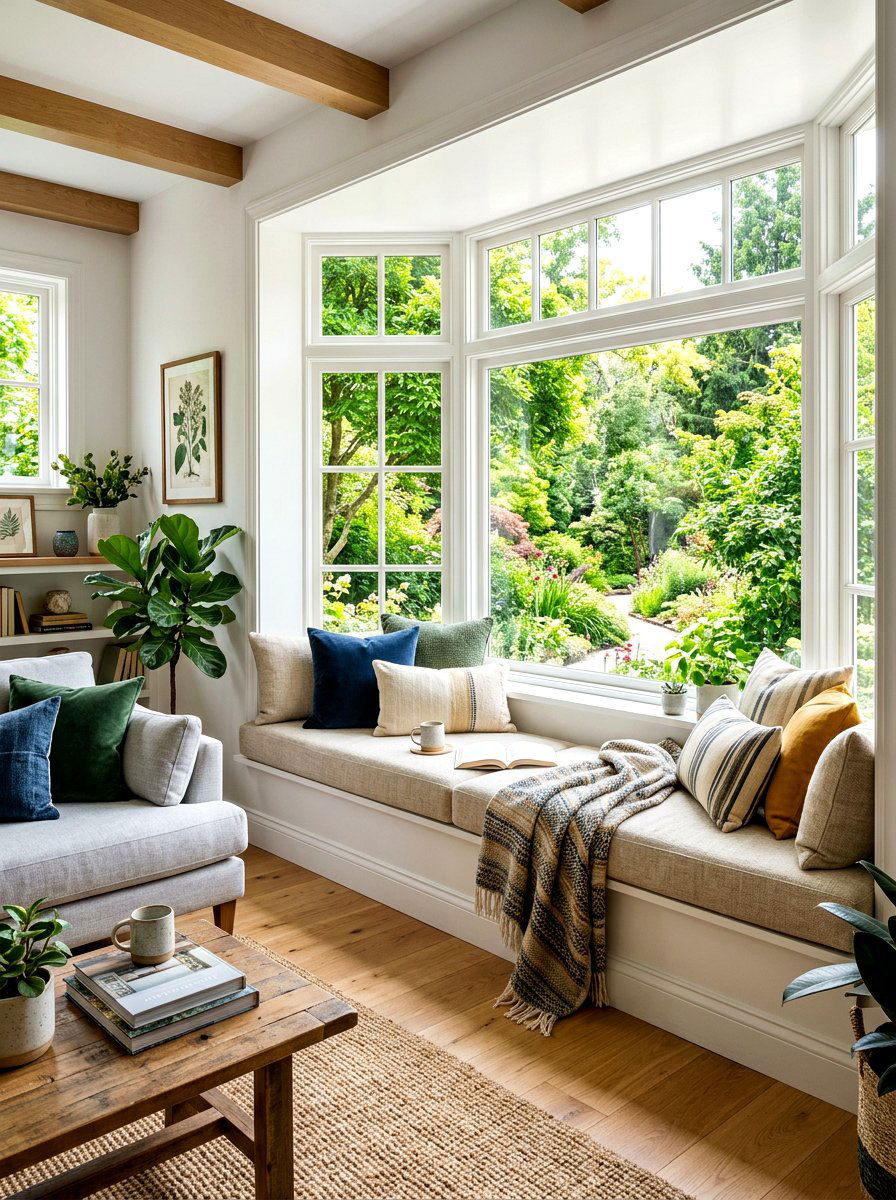
Transforming a simple ledge into a functional piece of furniture is a great way to maximize the utility of your architecture. A window seat living room provides a built-in spot for lounging while taking advantage of natural light and outdoor views. This intentional addition creates a secondary seating area that doesn't take up any extra floor space. With soft cushions and a few throw pillows, it becomes the perfect place for morning coffee or afternoon daydreaming. It encourages you to pause and appreciate the world outside, making the living room feel more connected to its surroundings.
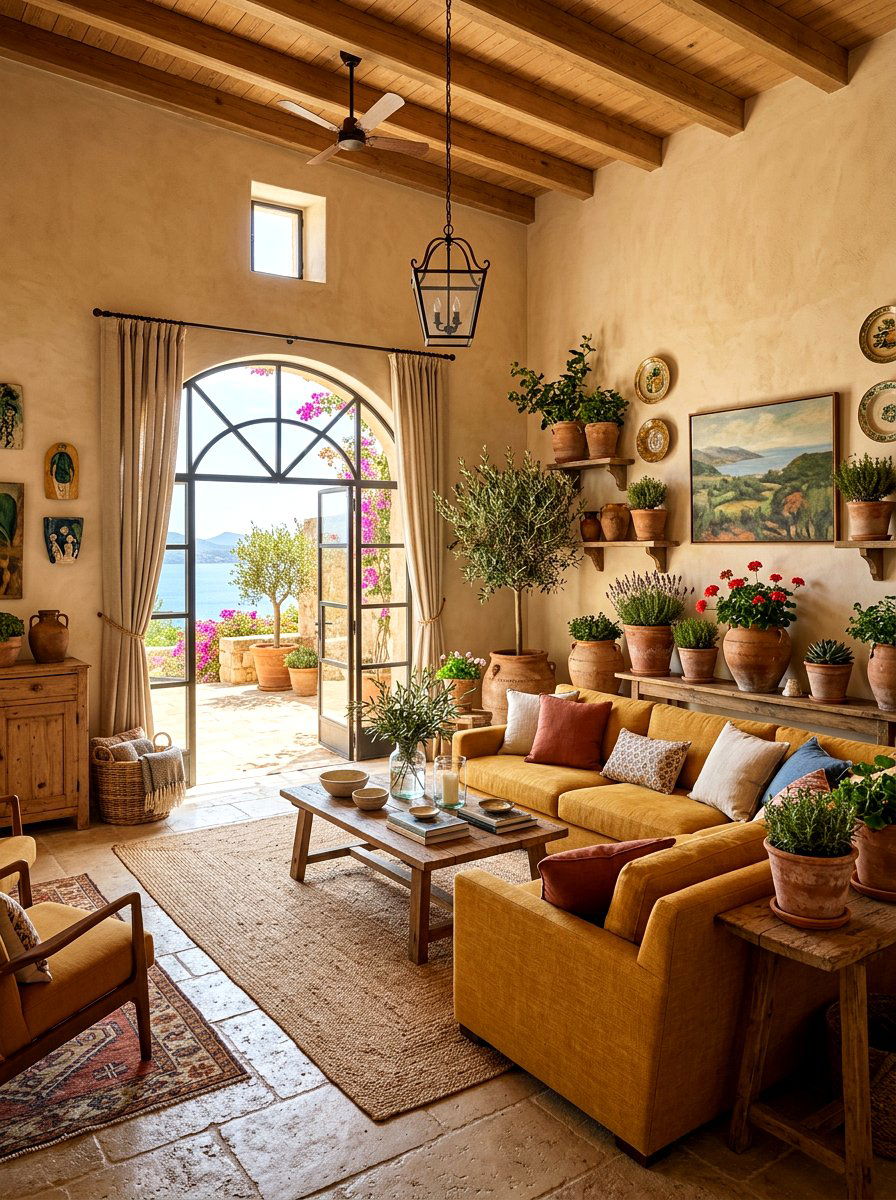
25. Organic shape living room
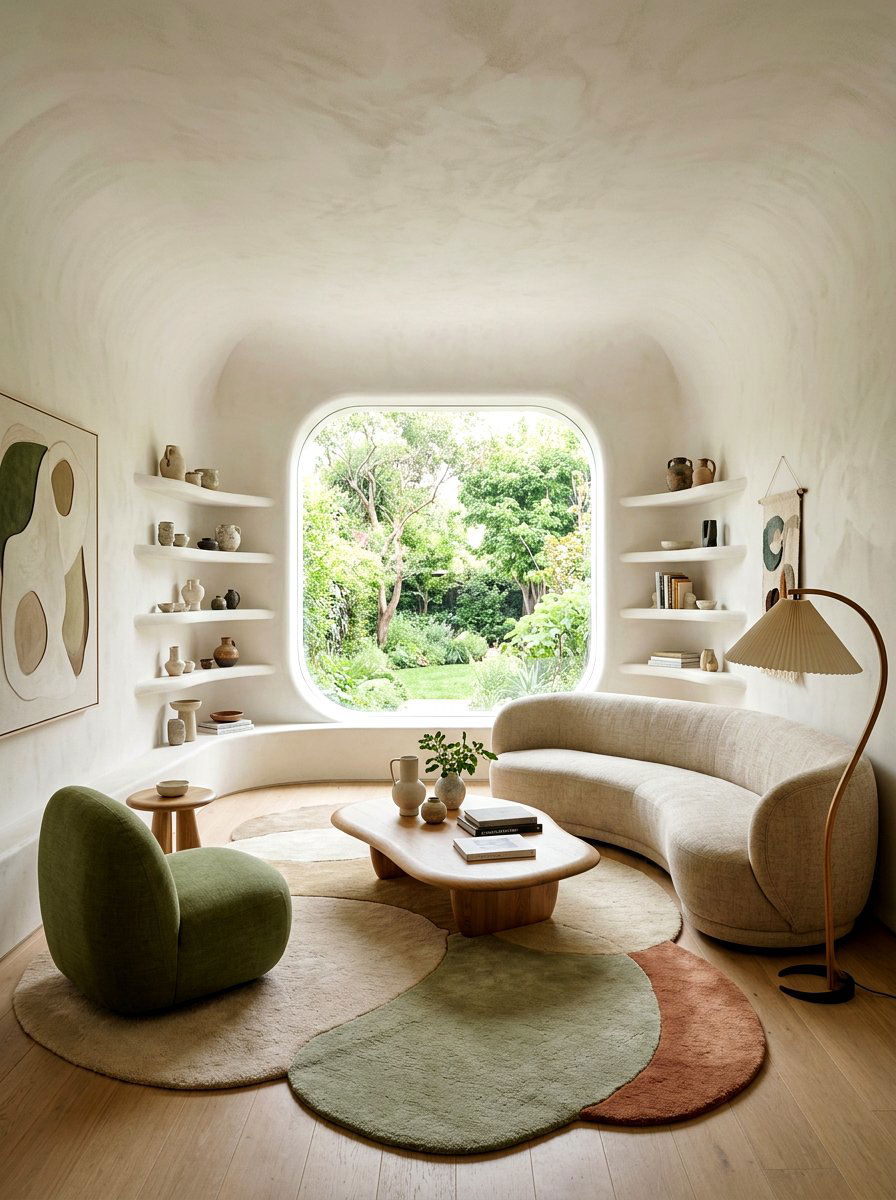
Nature rarely moves in straight lines, and incorporating organic shapes into your home can make it feel more relaxed and human. An organic shape living room features furniture with soft curves, pebble-shaped coffee tables, and wavy rugs. These intentional design choices break up the rigidity of standard room architecture and create a sense of movement. The lack of sharp edges makes the space feel more welcoming and approachable. This style is often paired with natural materials and soft lighting to enhance the feeling of being in a gentle, protective environment that supports emotional well-being.
26. Layered rug living room
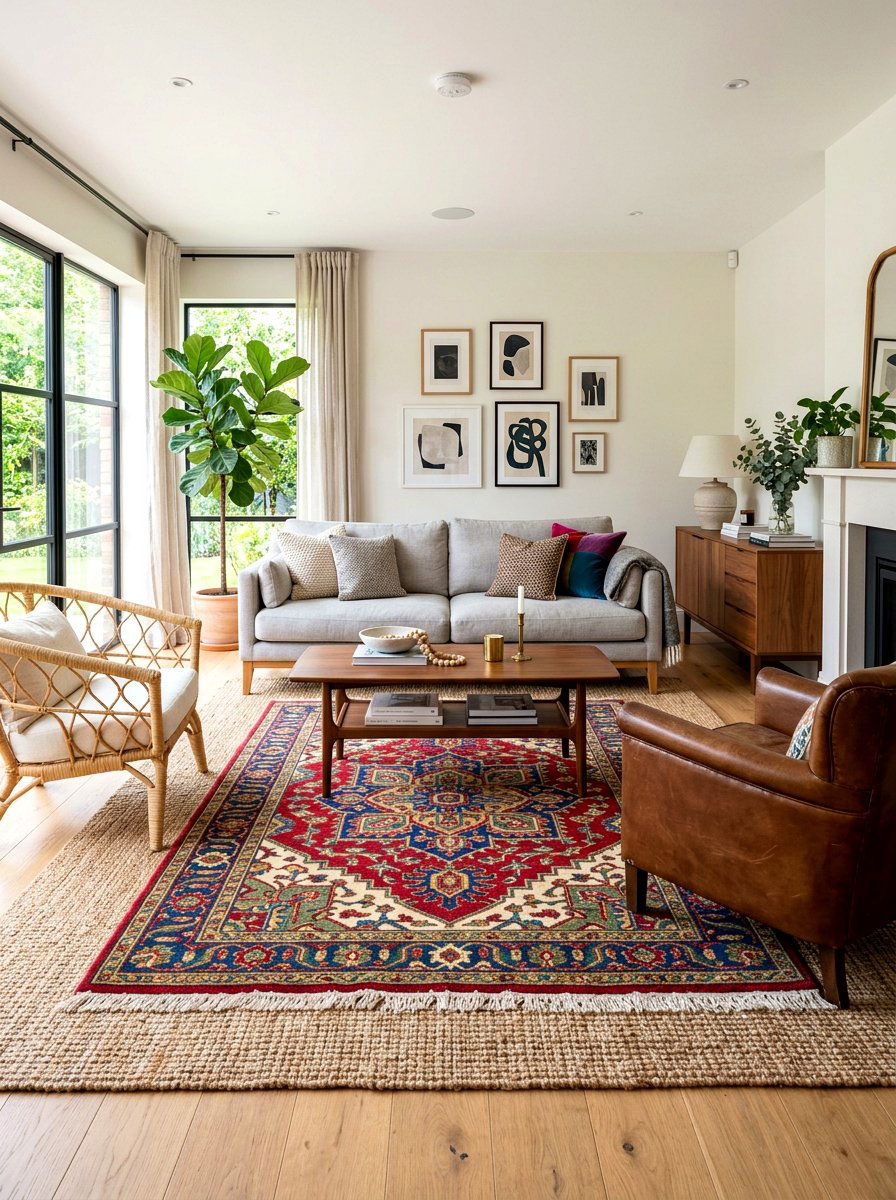
Can a simple change in flooring make an entire room feel more intentional and luxurious? A layered rug living room involves placing a smaller, patterned rug on top of a larger, neutral jute or sisal rug. This technique adds visual interest, color, and extra cushion underfoot. It is an intentional way to define a specific seating area within a larger room while adding a professional, "designer" touch. The different textures create a rich, tactile experience that makes the space feel grounded and complete. It is a simple yet effective way to inject personality into a neutral room.
27. Fireplace focal point living room
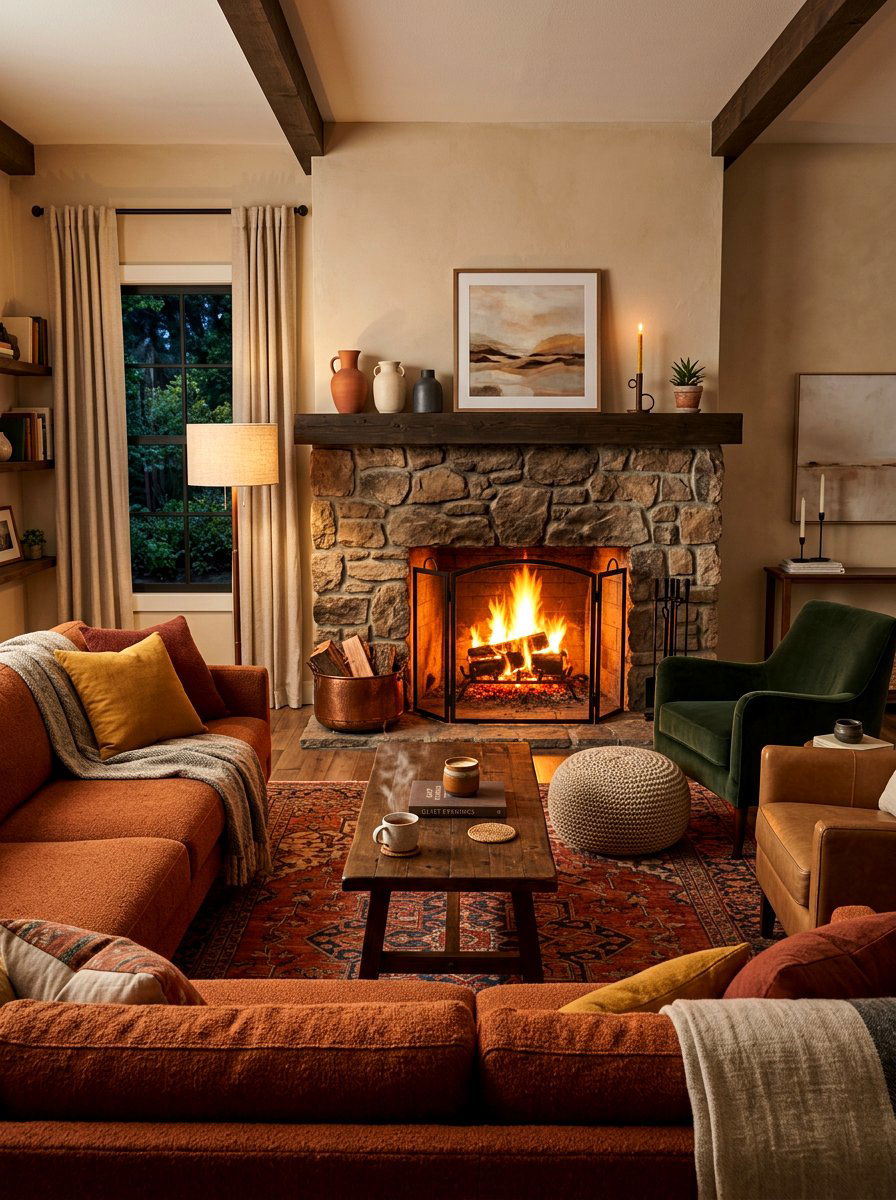
Centering a room around a natural source of heat and light creates an immediate sense of warmth and gathering. A fireplace focal point living room arranges the furniture to face the hearth, making it the heart of the home during the colder months. Whether it is a traditional wood-burning fireplace or a sleek modern gas insert, the flickering flames provide a hypnotic and calming effect. This intentional layout shifts the focus away from digital entertainment and toward a more primal and soothing experience. It turns the living room into a cozy retreat for quiet evenings and intimate family moments.
28. Artisan decor living room
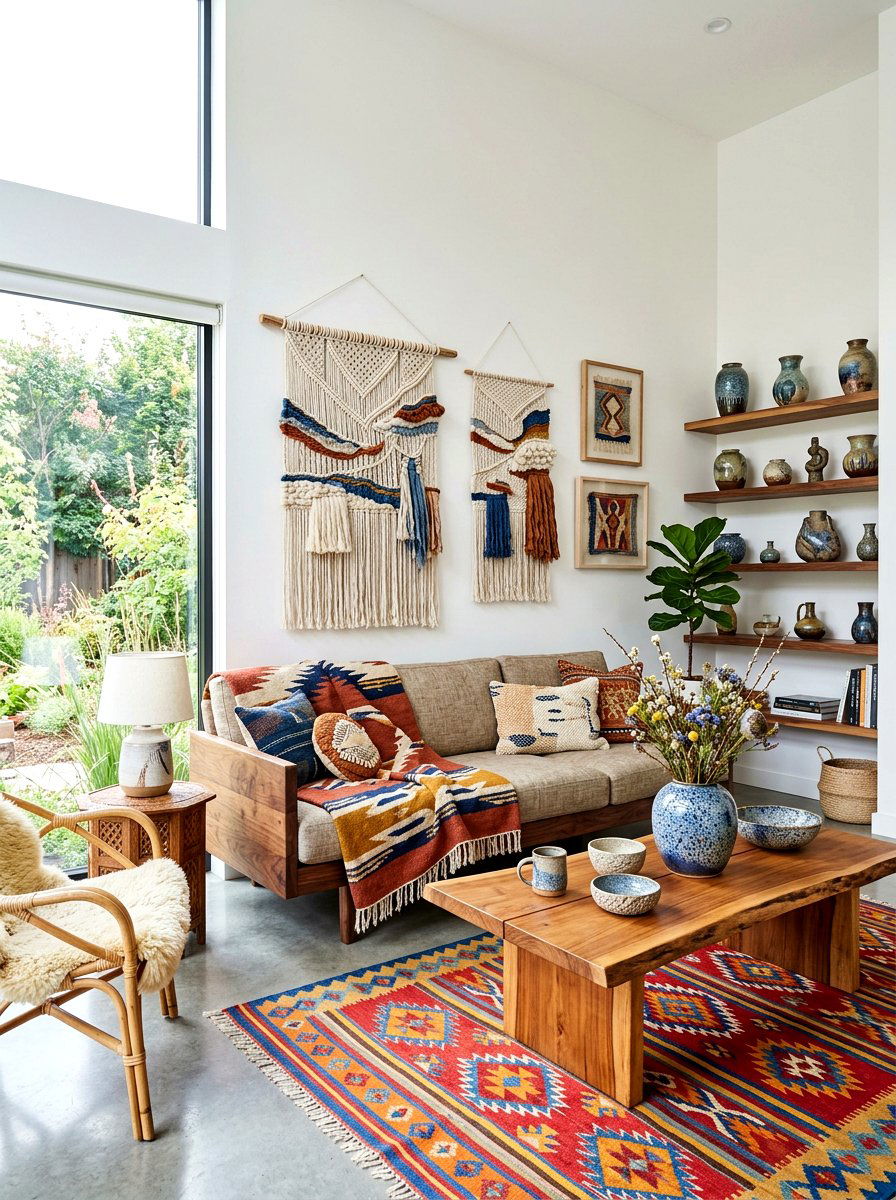
Filling your home with mass-produced items can often leave it feeling soul-less and generic. An artisan decor living room prioritizes hand-made objects, such as hand-thrown pottery, woven wall hangings, and custom-made furniture. Each of these items carries the energy and skill of the person who created it, adding a layer of depth and story to your space. This intentionality shows a deep appreciation for craftsmanship and human creativity. By surrounding yourself with unique, soulful objects, you create a living room that is truly one-of-a-kind and deeply reflective of your own personal values and aesthetic.
29. Quiet zone living room
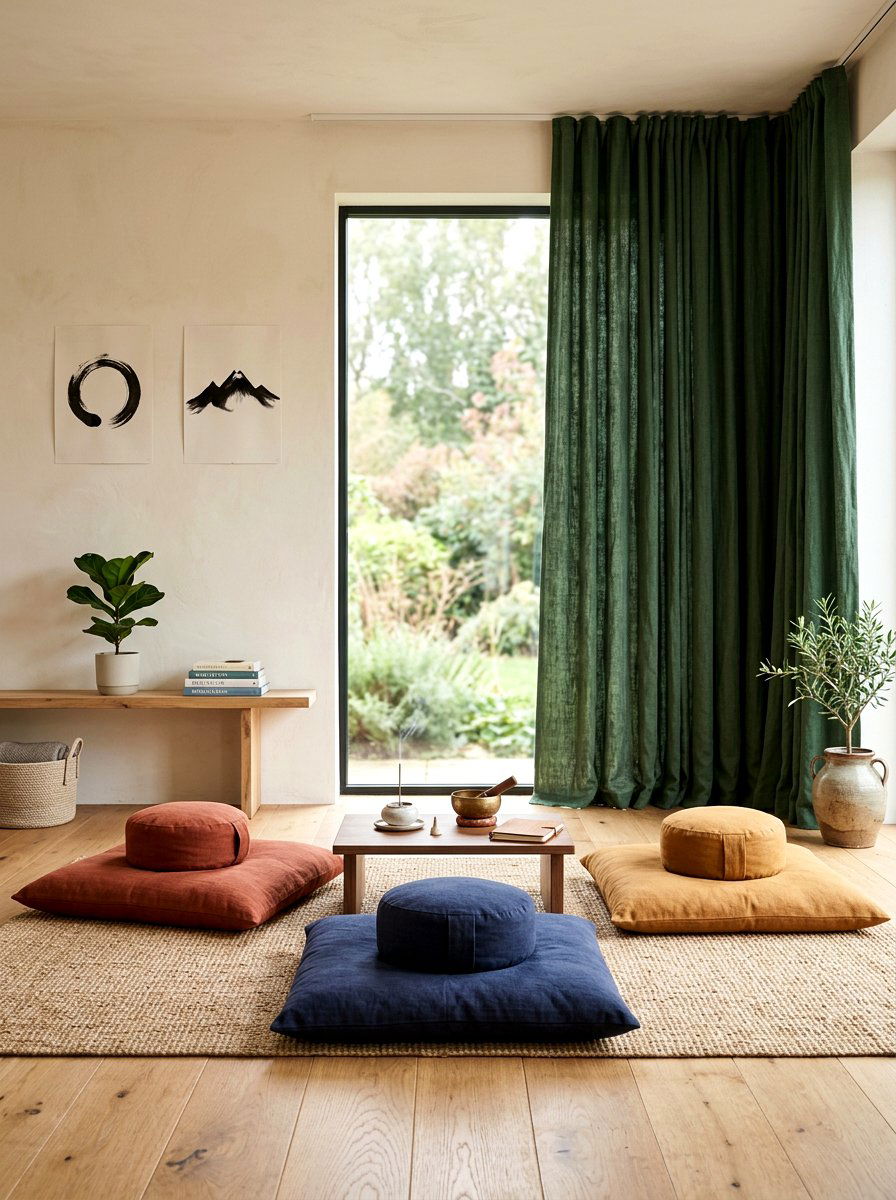
In a world that is increasingly loud and chaotic, having a dedicated space for silence is a radical act of self-care. A quiet zone living room is intentionally designed for meditation, prayer, or simple contemplation. This room might feature soft floor cushions instead of a traditional sofa and a minimal amount of decor to prevent mental distraction. The use of sound-absorbing materials like heavy drapes and thick rugs helps create an acoustic barrier from the rest of the house. It is a sanctuary designed to help you reconnect with your inner self and find peace in the present moment.
30. Vintage modern living room
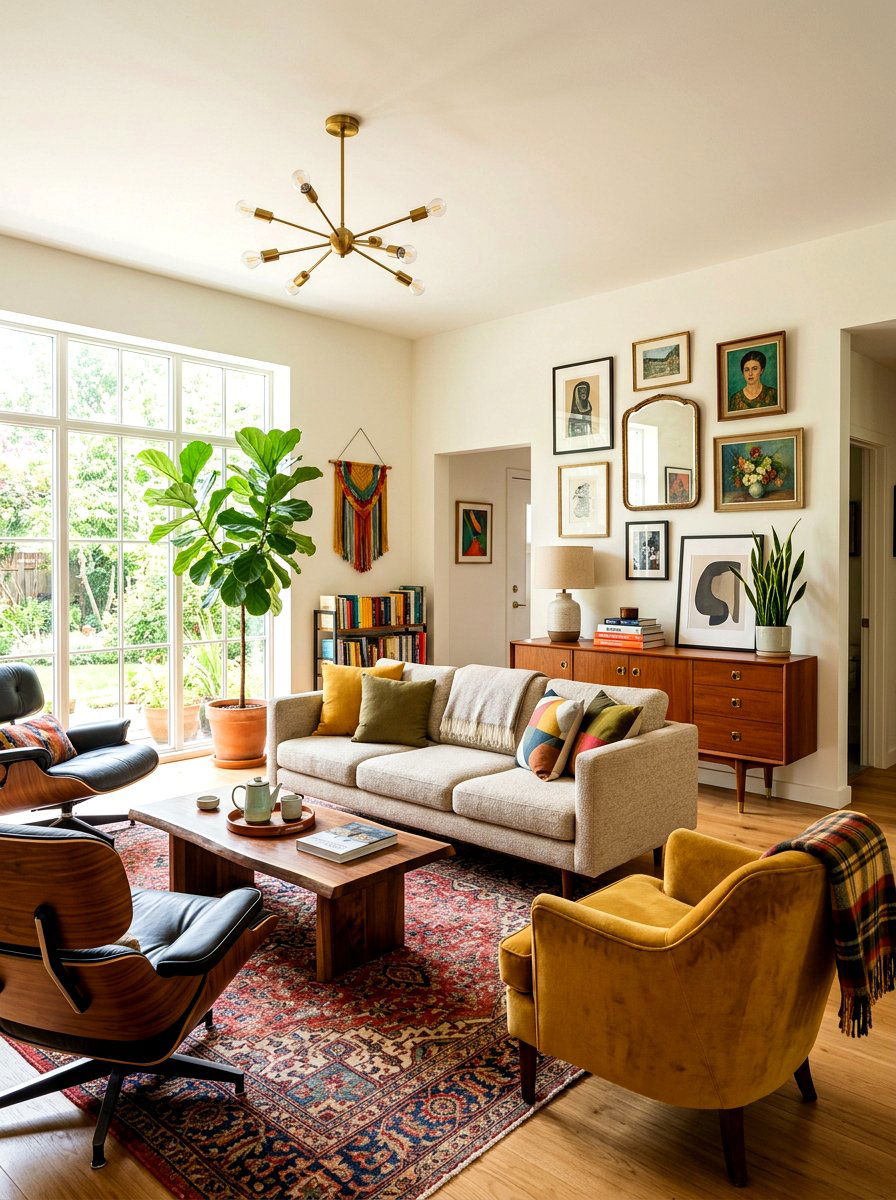
Mixing the old with the new is a beautiful way to create a home that feels timeless and full of character. A vintage modern living room intentionally pairs sleek, contemporary furniture with carefully selected antique or retro pieces. This could be a modern velvet sofa placed next to a mid-century wooden sideboard or a vintage Persian rug anchoring a minimalist glass table. This blend of eras creates a layered look that feels collected over time rather than bought all at once. It is an intentional way to celebrate history while still enjoying the comforts and aesthetics of modern life.
Conclusion:
Embracing intentional living in your home is a transformative journey that goes far beyond simple interior decoration. By making conscious choices about every element in your living room, from the furniture layout to the materials and colors, you create a space that truly supports your mental and emotional health. Whether you choose a minimalist approach, a nature-filled sanctuary, or a conversation-focused retreat, the key is to ensure that your environment reflects your unique lifestyle and values. A well-designed, intentional living room serves as a powerful anchor, providing a peaceful refuge from the outside world and a place where you can truly be yourself.

Related posts: