Creating a stylish and functional home in a tiny footprint is a rewarding challenge that requires smart planning. When dealing with limited square footage, every design choice should serve a clear purpose while enhancing the overall visual flow of the area. Modern trends focus on maximizing natural light and using clever furniture that adapts to your daily needs. By choosing the right colors, textures, and layouts, you can transform a cramped quarters into an inviting sanctuary. This guide explores creative ways to open up your environment without sacrificing comfort or your personal aesthetic. Discover how to balance practicality with beauty to make your compact living zone feel much larger than its actual size.
1. Neutral Color Living Room
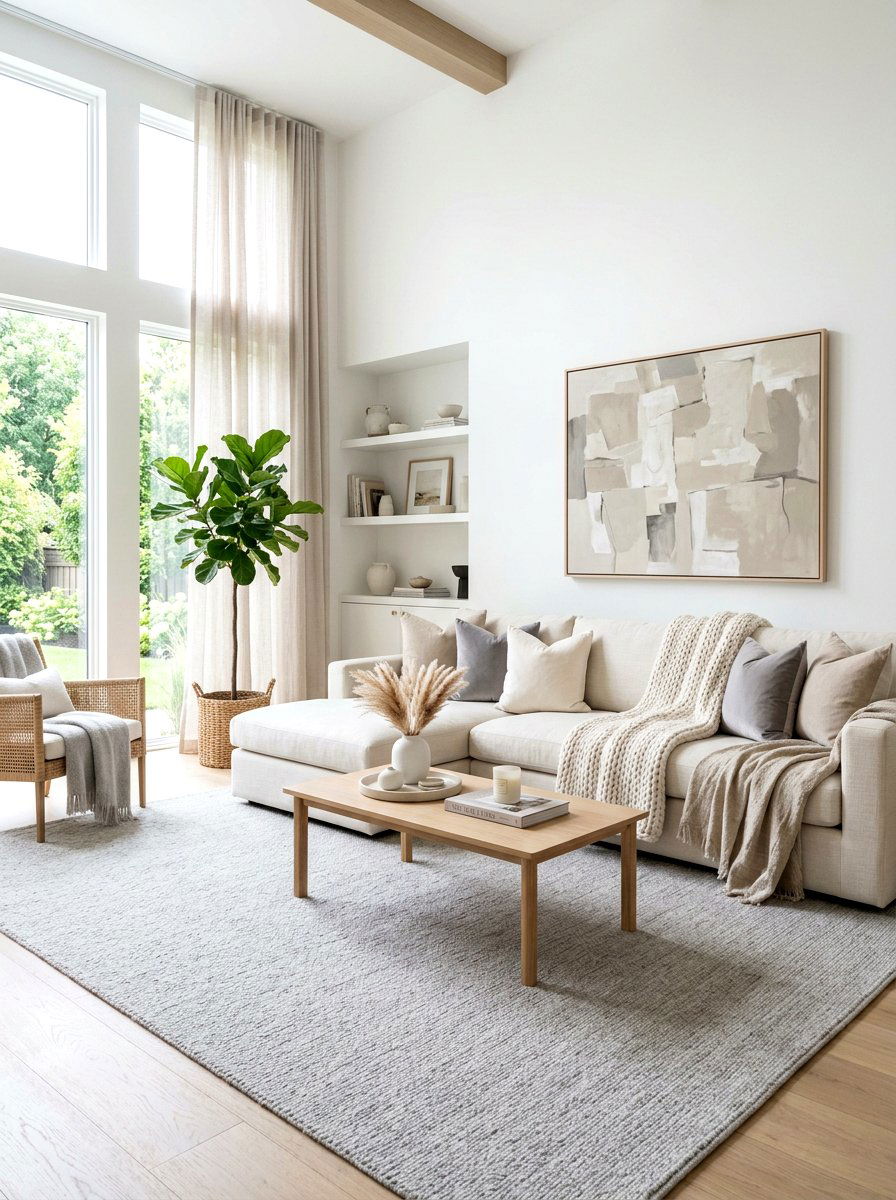
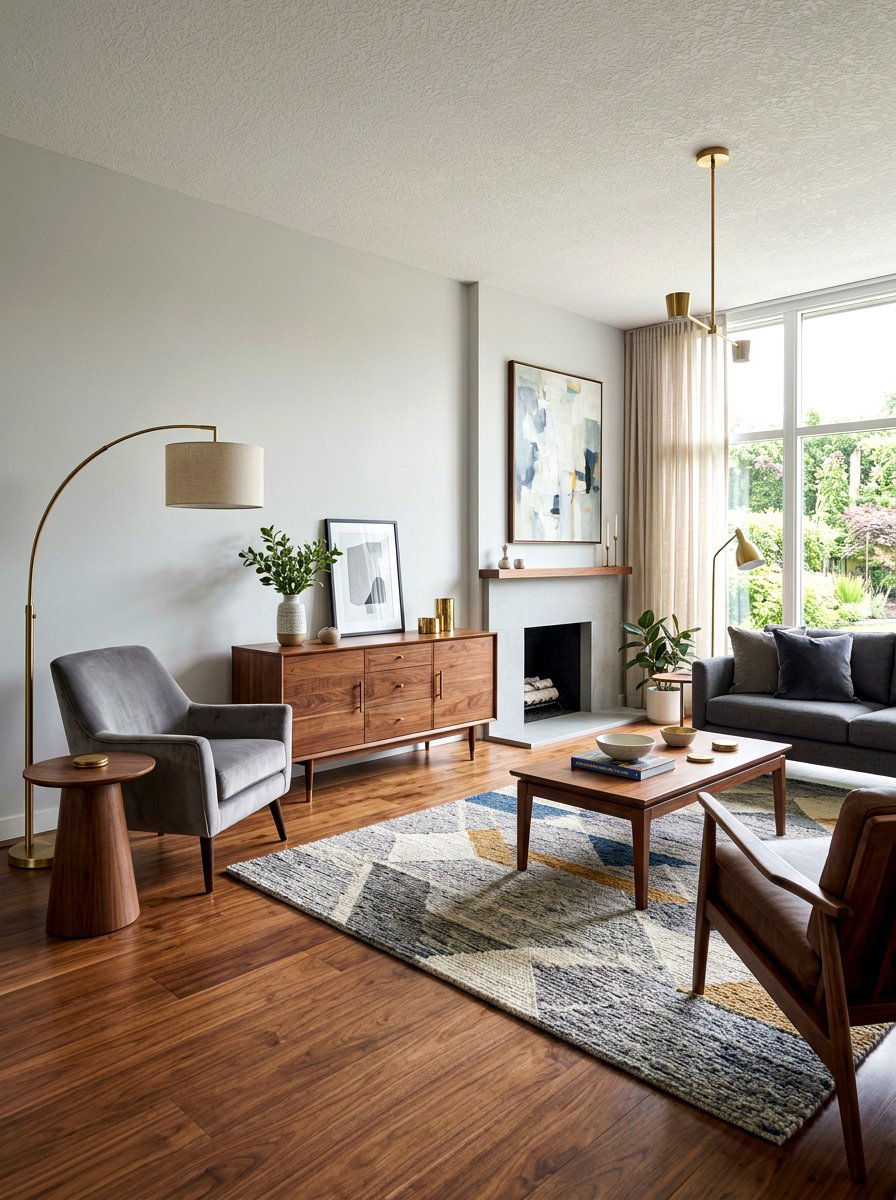
Using a soft neutral color palette is one of the most effective ways to make a tiny area feel much larger than it actually is. Light shades like cream, soft grey, and off-white reflect natural light beautifully around the room. This technique helps to blur the boundaries between walls and ceilings, creating an airy and open atmosphere. You can add depth by incorporating different textures like a linen sofa or a wool rug. This approach keeps the space from feeling flat while maintaining a serene vibe. Choosing monochromatic tones also reduces visual clutter, which is essential for cramped quarters. It transforms a small room into a peaceful and sophisticated retreat.
2. Living Room Mirror Wall
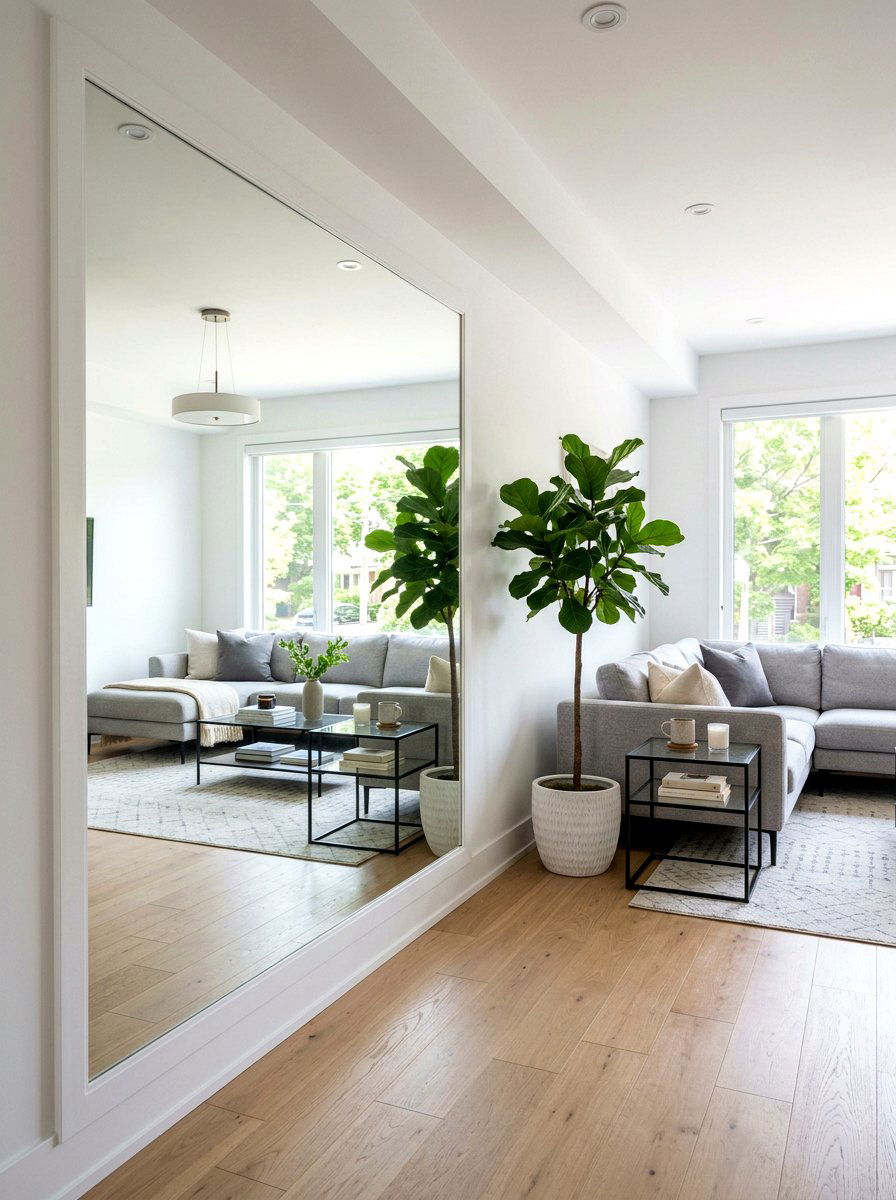
A large mirror wall can instantly double the perceived size of your interior by reflecting both light and space. Placing a floor-to-ceiling mirror opposite a window is a classic trick to pull the outdoors in and brighten dark corners. You can use a single massive piece or a collection of smaller framed mirrors to create a stylish gallery effect. The reflection creates an illusion of depth that makes the walls feel like they are pushed further back. This design choice also adds a touch of elegance and glamour to the room. It is a simple yet powerful way to make a compact area feel expansive and more inviting for guests.
3. Vertical Storage Living Room
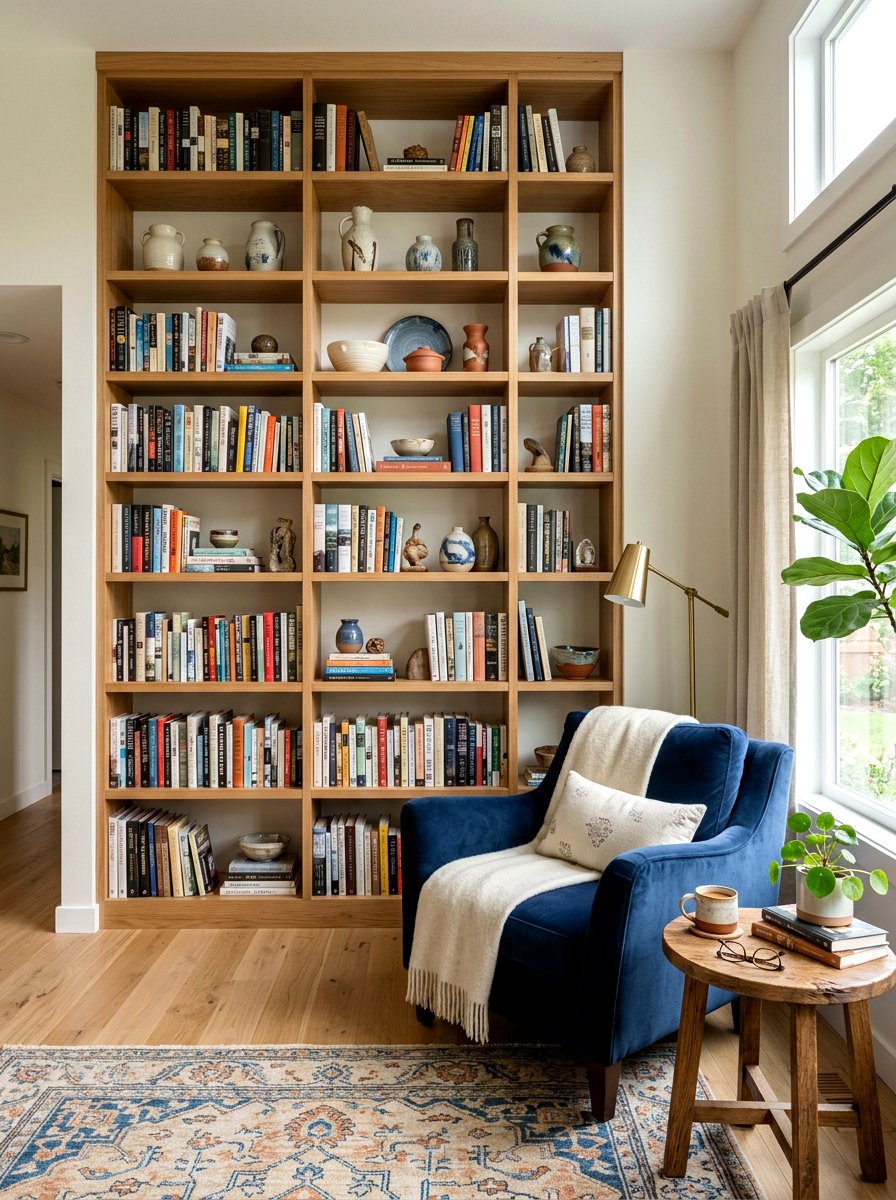
When floor space is at a premium, taking your storage solutions upward is a brilliant way to keep the floor clear. Floor-to-ceiling shelving units provide ample space for books, decor, and essentials without encroaching on the seating area. Using high shelves draws the eye upward, highlighting the height of the room and making it feel more majestic. You can mix open shelving with closed cabinets to hide clutter while displaying your favorite aesthetic items. This vertical approach ensures that every inch of wall space is utilized effectively. It creates a organized look that feels intentional and well-designed, proving that small spaces can still offer plenty of storage.
4. Multifunctional Furniture Living Room
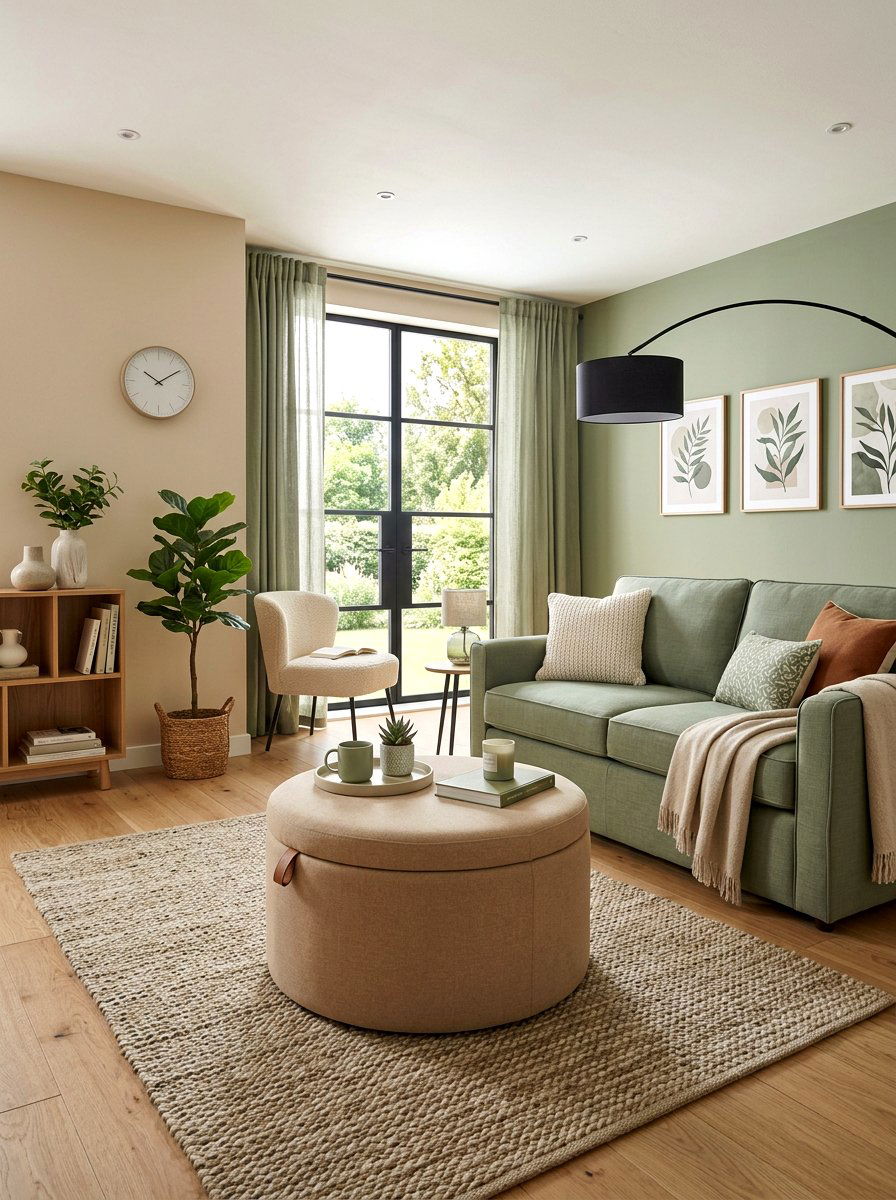
Investing in multifunctional furniture is a game-changer for anyone living in a compact home where every piece must work twice as hard. Consider a storage ottoman that serves as a coffee table, extra seating, and a place to hide blankets all at once. Nesting tables are another excellent choice because they can be tucked away when they are not needed for entertaining. A sofa bed or a daybed can transform your living area into a guest room in seconds. These versatile pieces allow you to adapt your layout for different activities without overcrowding the floor. Smart furniture choices ensure your home remains practical, flexible, and completely clutter-free.
5. Minimalist Small Living Room
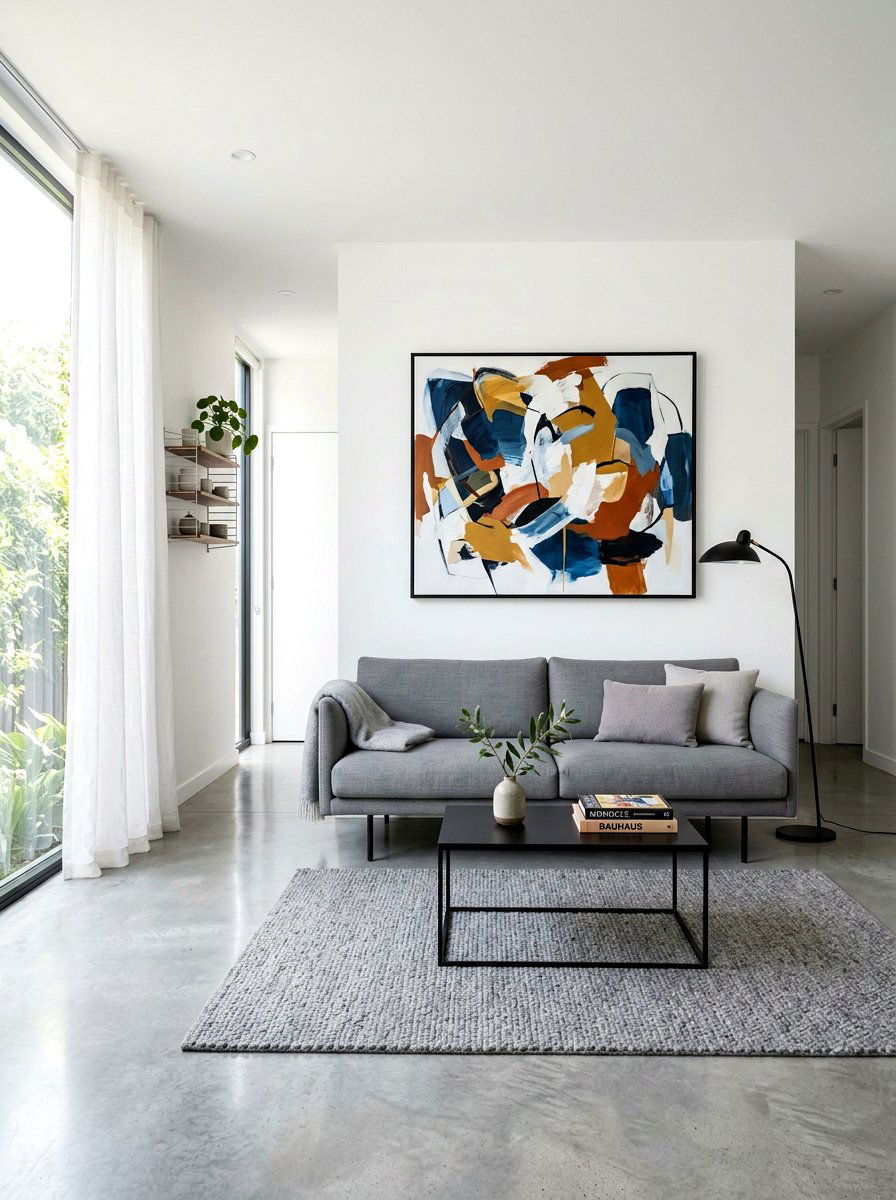
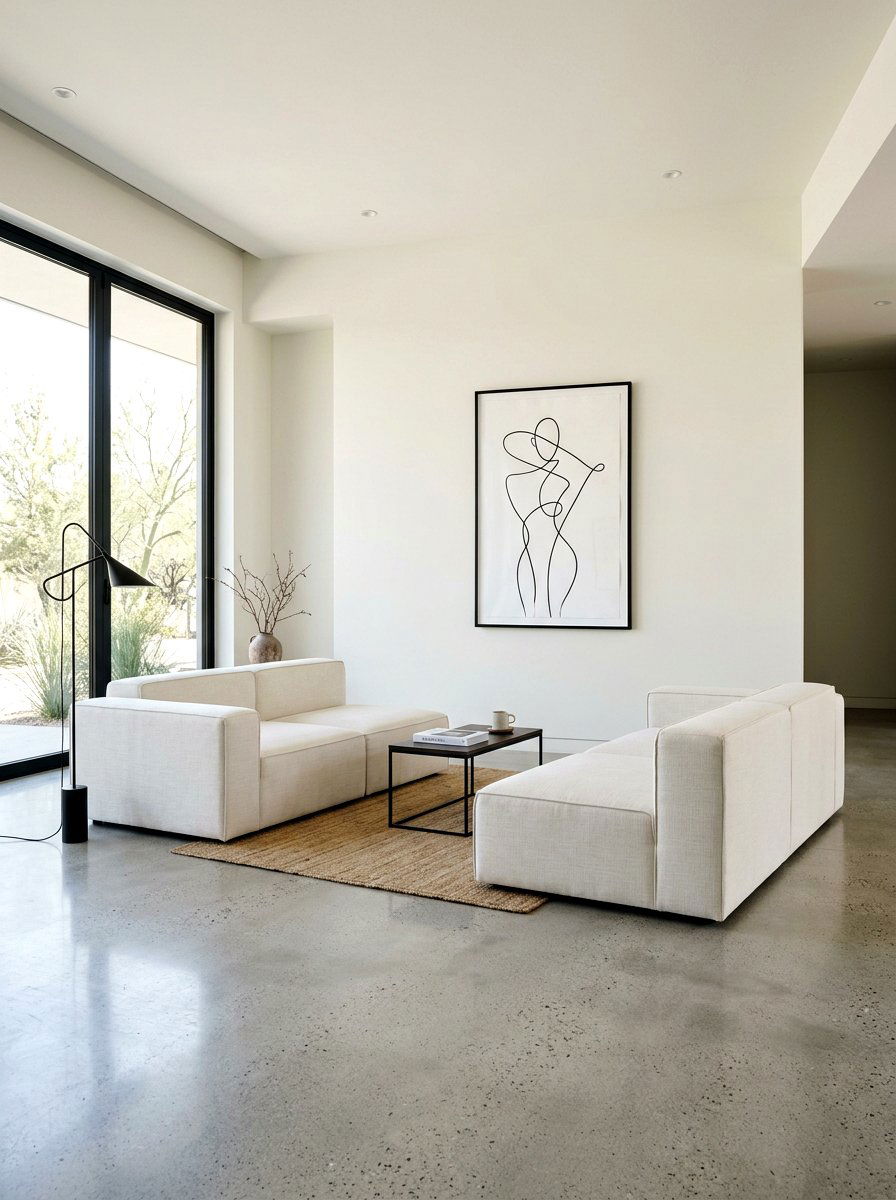
Embracing a minimalist aesthetic helps to maintain a clean and uncluttered environment which is vital for smaller layouts. This design philosophy focuses on quality over quantity, featuring only the most essential furniture pieces with sleek and simple lines. By avoiding bulky items and excessive decorations, you allow the room to breathe and feel much lighter. Choose a few statement pieces rather than many small ones to create a more cohesive and impactful look. A minimalist approach emphasizes the beauty of the architecture and the natural light available. It results in a modern, streamlined space that feels calm, organized, and much larger than its physical dimensions.
6. Open Concept Living Room
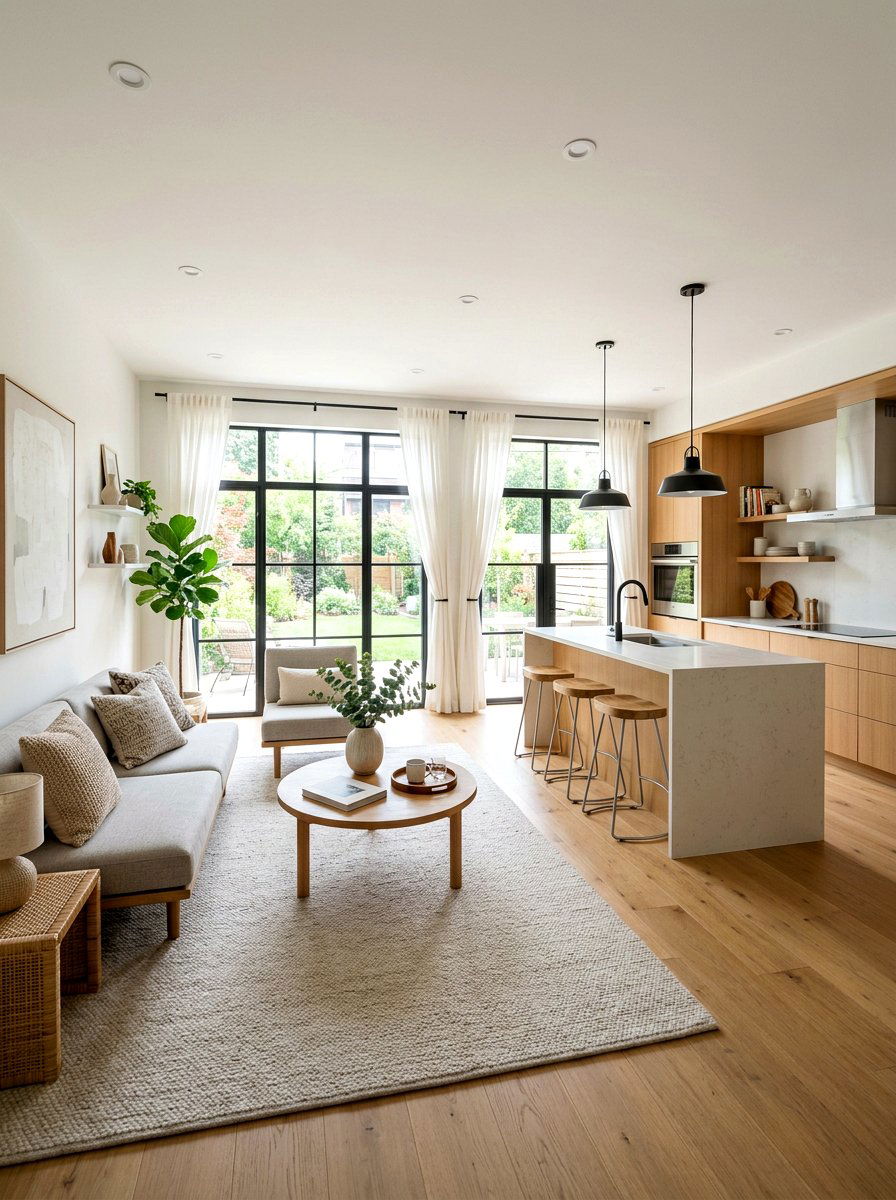
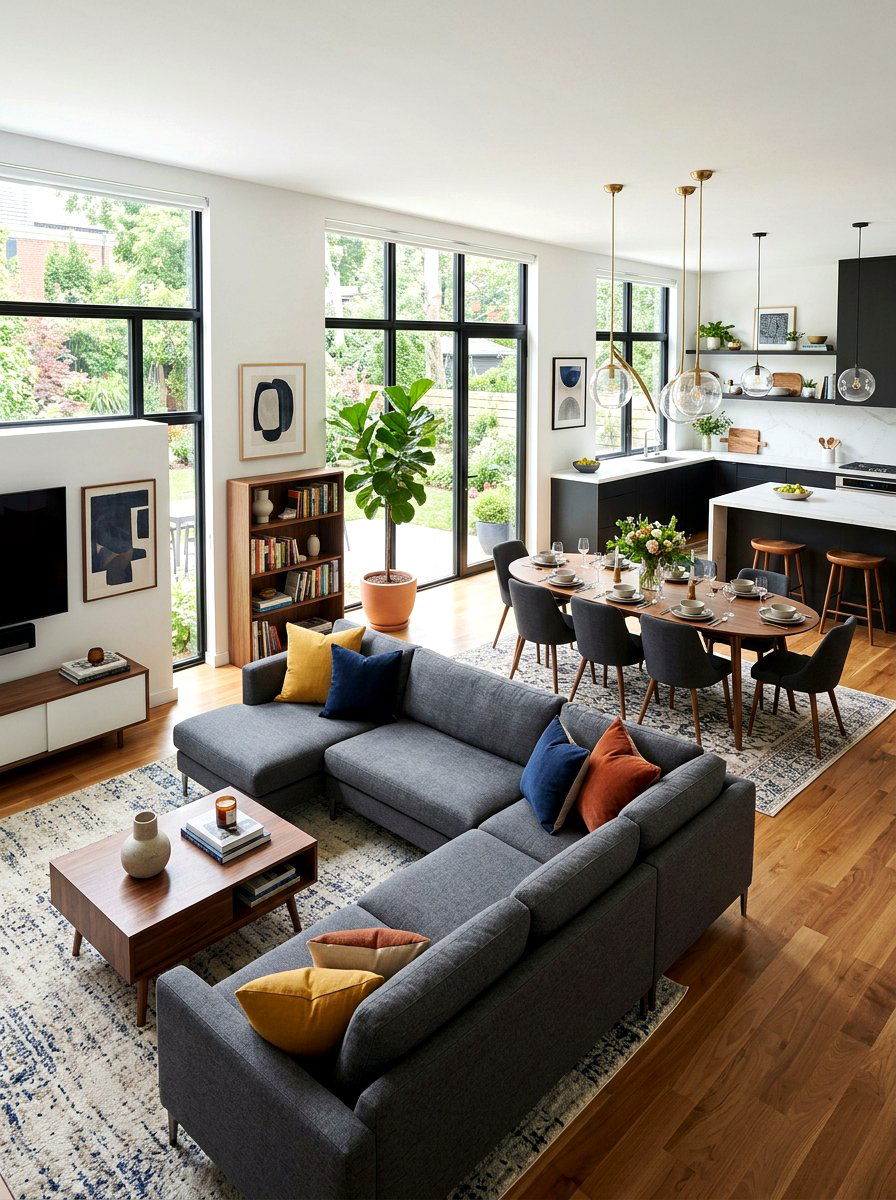
An open concept layout is perfect for making a small apartment feel like a much bigger and more cohesive home. By removing unnecessary walls or using low furniture to define zones, you create a seamless flow between the kitchen and seating areas. This lack of visual barriers allows natural light to travel through the entire floor plan, brightening every corner. You can use rugs or different lighting fixtures to subtly mark the transition between the lounging and dining spaces. This arrangement encourages social interaction and makes the environment feel airy. It is a modern solution that maximizes usability while keeping the interior feeling connected and very spacious.
7. Living Room Window Seat
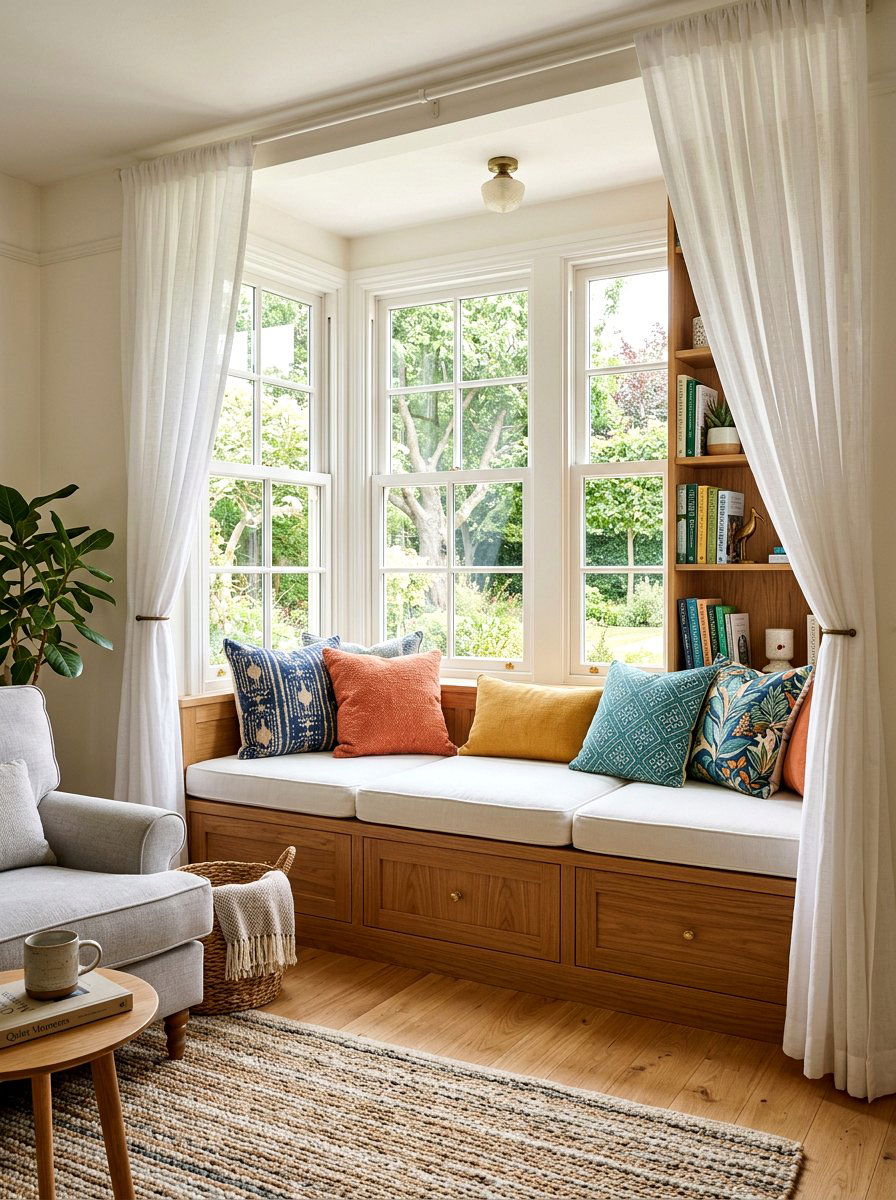
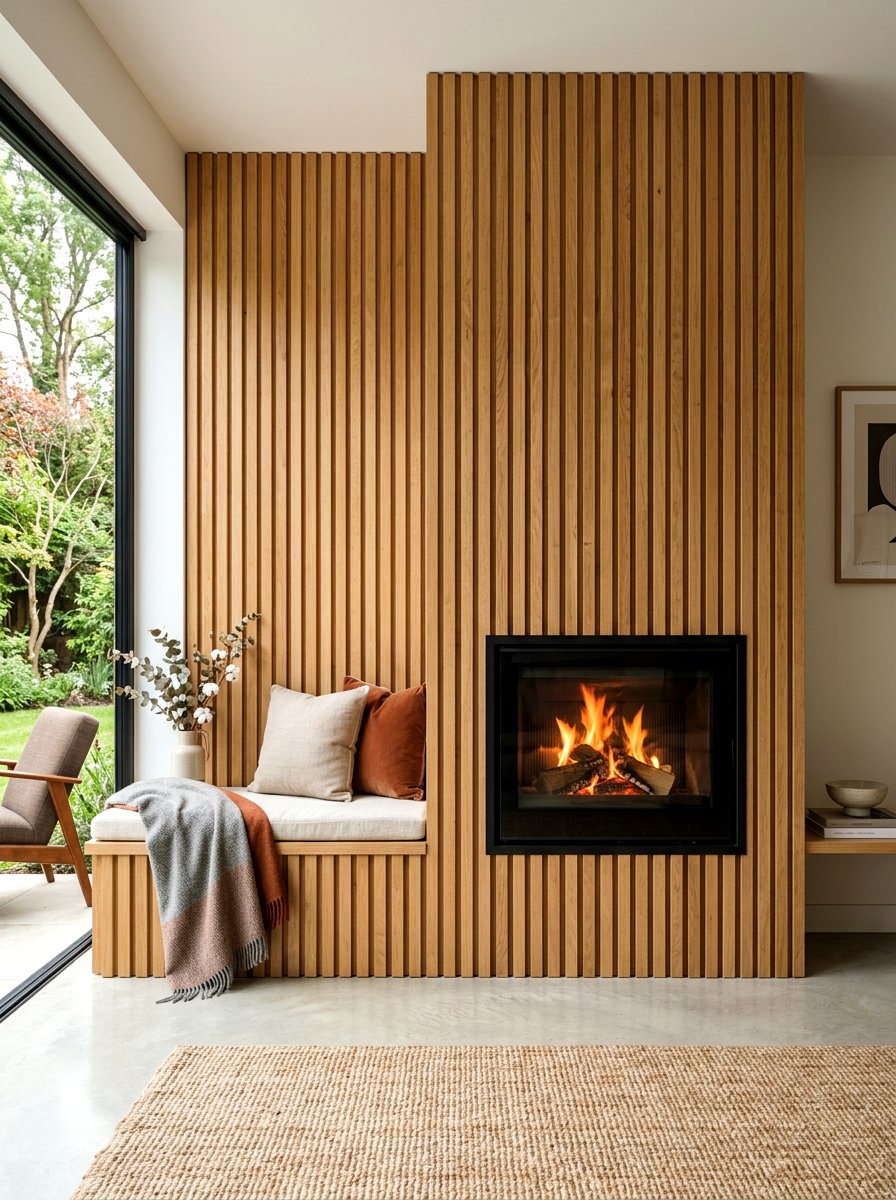
Installing a window seat is a clever way to add extra seating without taking up any precious floor space in the center. This cozy nook utilizes the area directly under a window, providing a perfect spot for reading or relaxing while enjoying the view. You can build in storage drawers beneath the seat to hold extra pillows or media equipment. It creates a charming focal point that makes the room feel more customized and architectural. Adding soft cushions and a few throw pillows makes the area feel warm and inviting. A window seat effectively turns a passive architectural feature into a highly functional and beautiful part of your home.
8. Corner Sofa Living Room
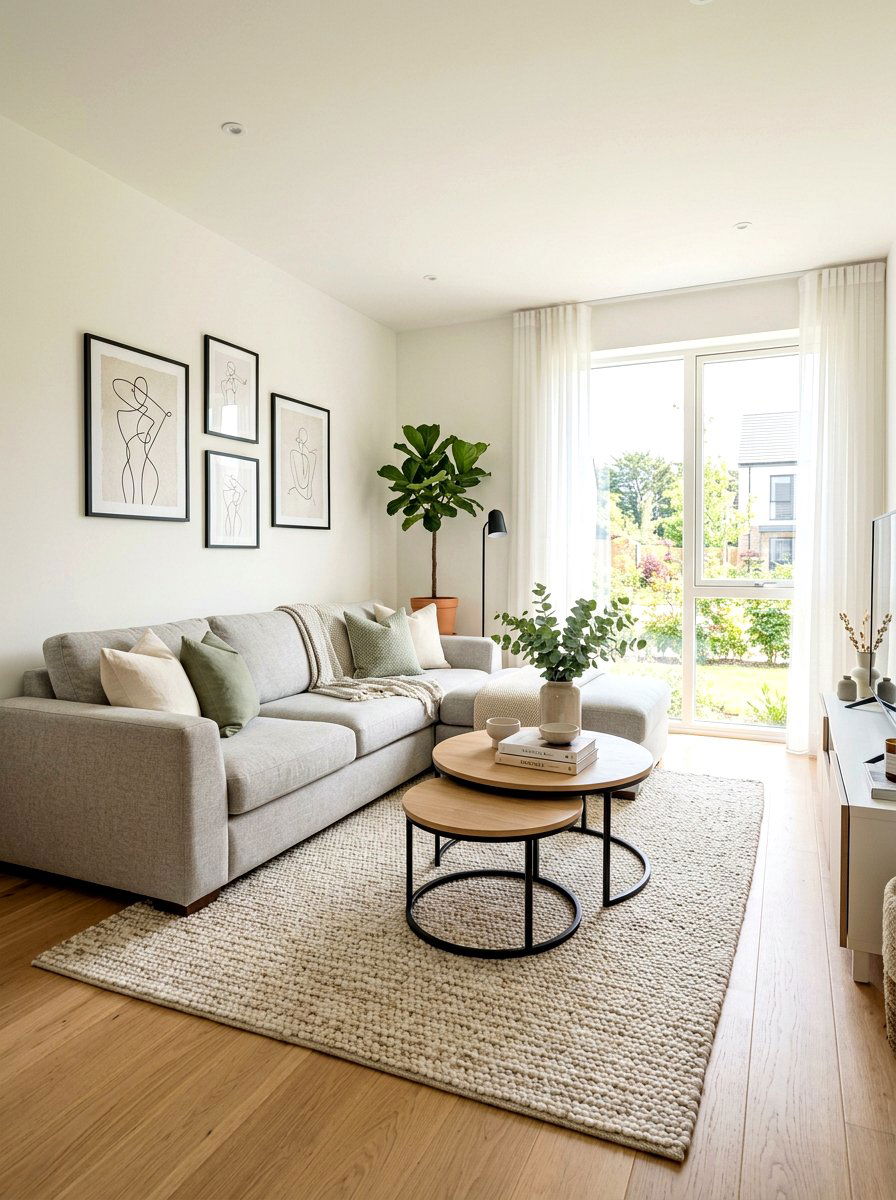
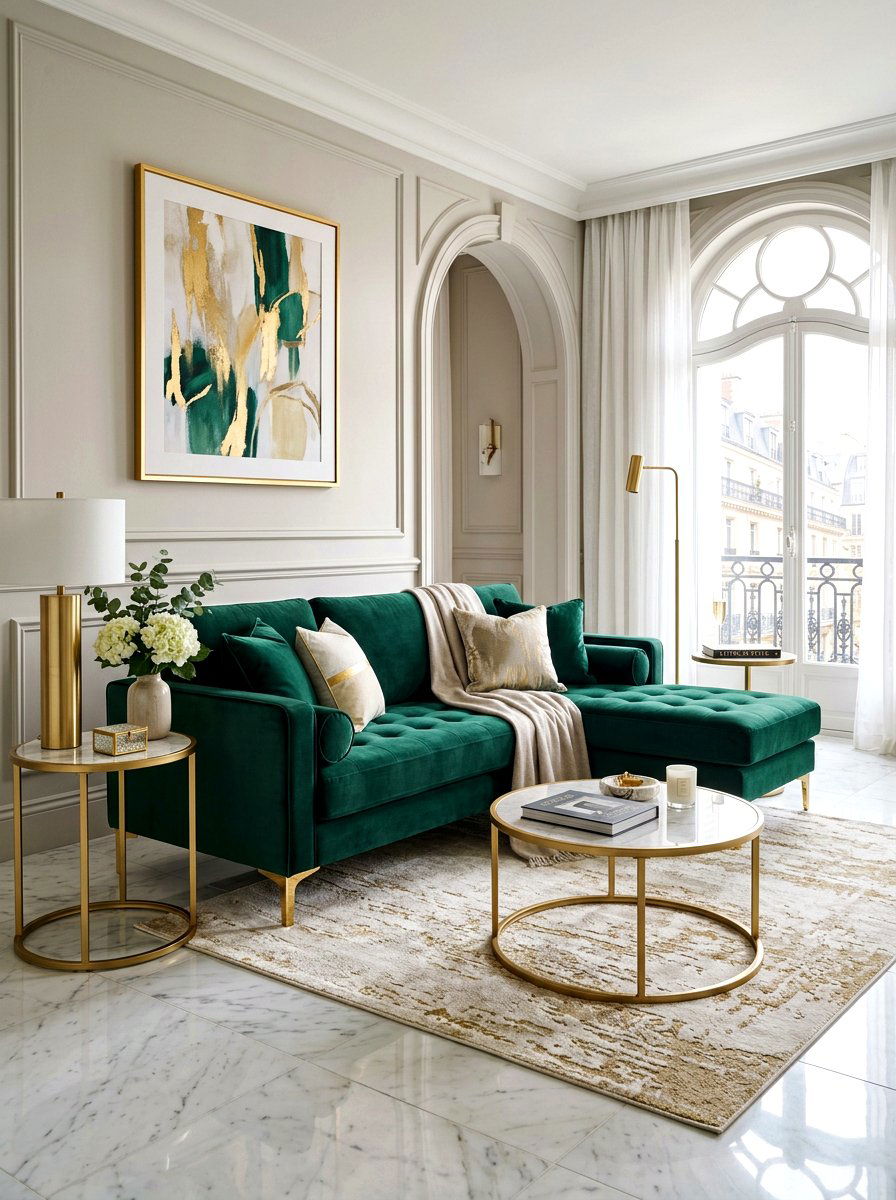
A corner sofa is an ideal furniture choice for maximizing seating in a tight corner without blocking the flow of the room. By tucking the sectional against the walls, you open up the center of the floor for traffic or a coffee table. This layout provides plenty of room for family and friends to gather comfortably in a relatively small footprint. Choose a model with slim legs to keep the floor visible, which helps maintain an airy feel throughout the space. A well-placed corner sofa anchors the room and creates a clear definition for the lounging area. It is a practical and stylish way to utilize every inch.
9. Floating Furniture Living Room
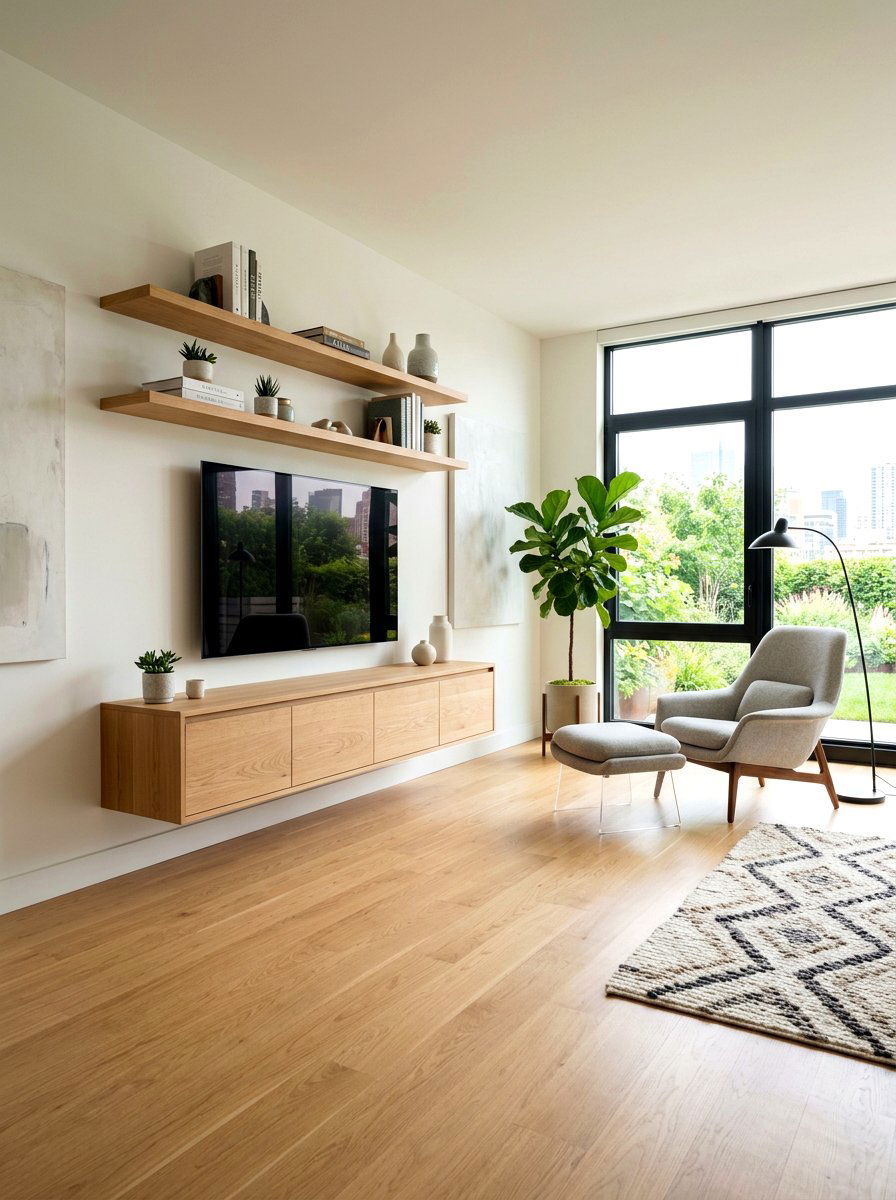
Using floating furniture like wall-mounted consoles or desks is a brilliant design trick to make a small room feel less crowded. When you can see the floor stretching all the way to the baseboards, the human eye perceives the area as larger. These pieces provide all the functionality of traditional furniture without the heavy visual weight of legs or solid bases. Floating shelves can replace bulky bookcases, while a wall-mounted TV unit keeps your media equipment organized and off the ground. This modern approach creates a sleek, futuristic look that is both highly functional and visually light. It is a great way to maintain an open atmosphere.
10. High Ceiling Living Room
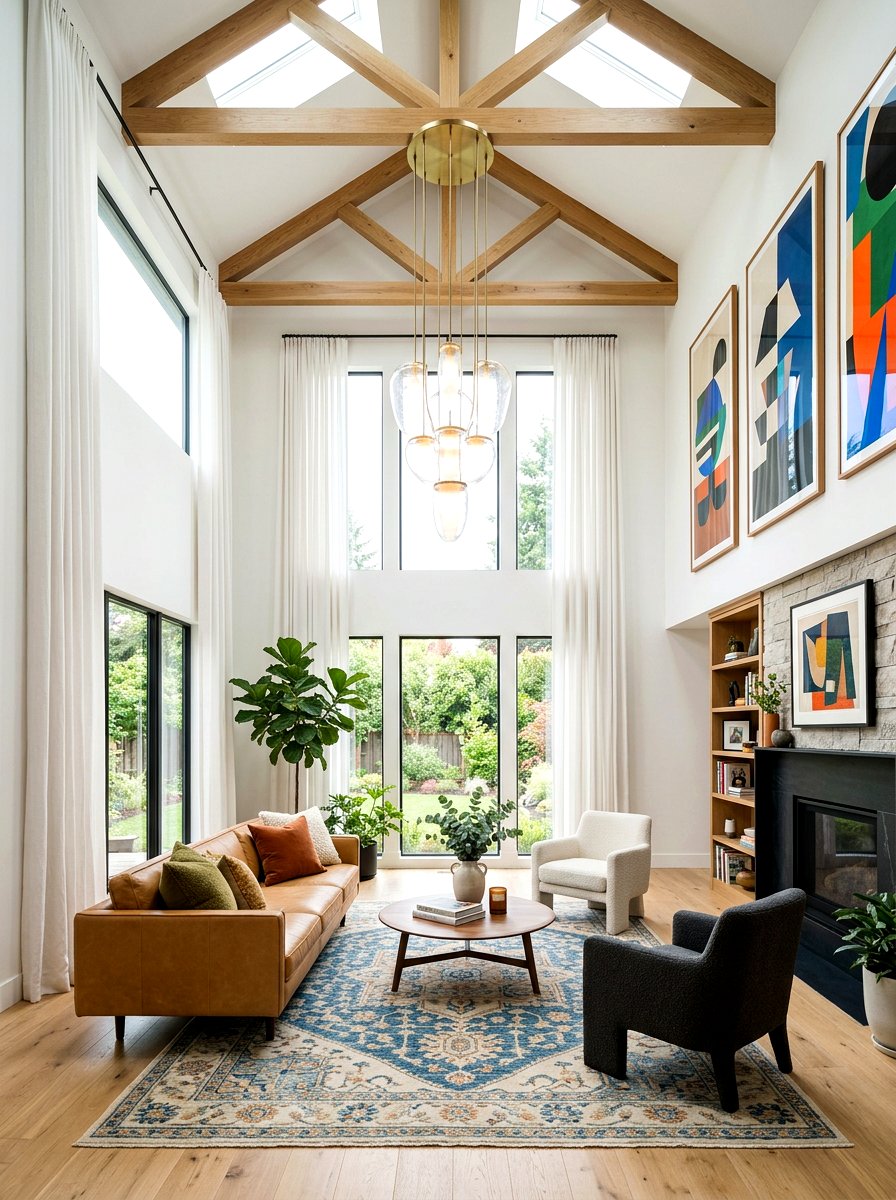
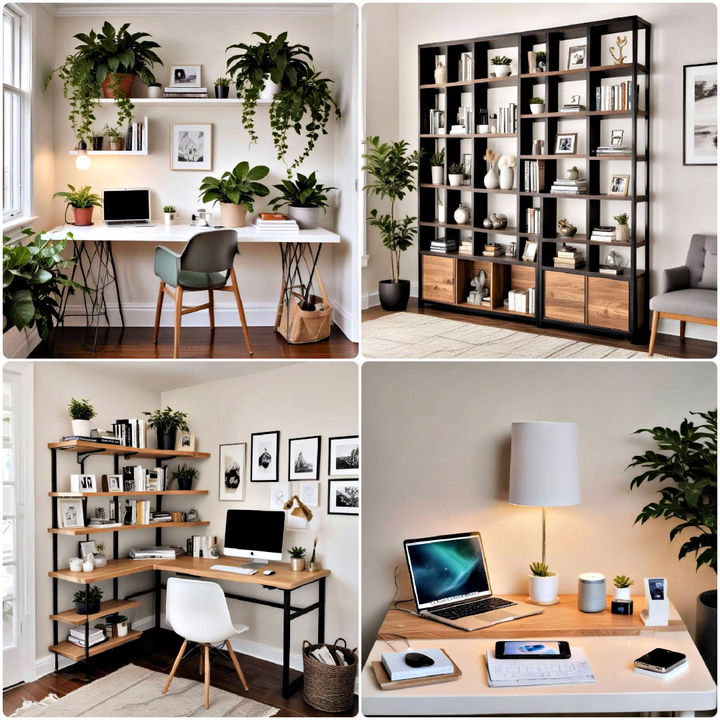
If you are lucky enough to have high ceilings, you should emphasize this vertical space to make the room feel grander. Hanging long, floor-to-ceiling curtains can draw the eye upward and make the windows appear much larger than they actually are. You can also use tall artwork or a vertical gallery wall to highlight the height of the walls. Choosing a statement chandelier that hangs at a mid-level helps to bridge the gap between the ceiling and the seating. Utilizing the upper half of the room distracts from a narrow floor plan. This strategy creates a sense of luxury and openness that makes compact living feel truly elevated.
11. Studio Apartment Living Room
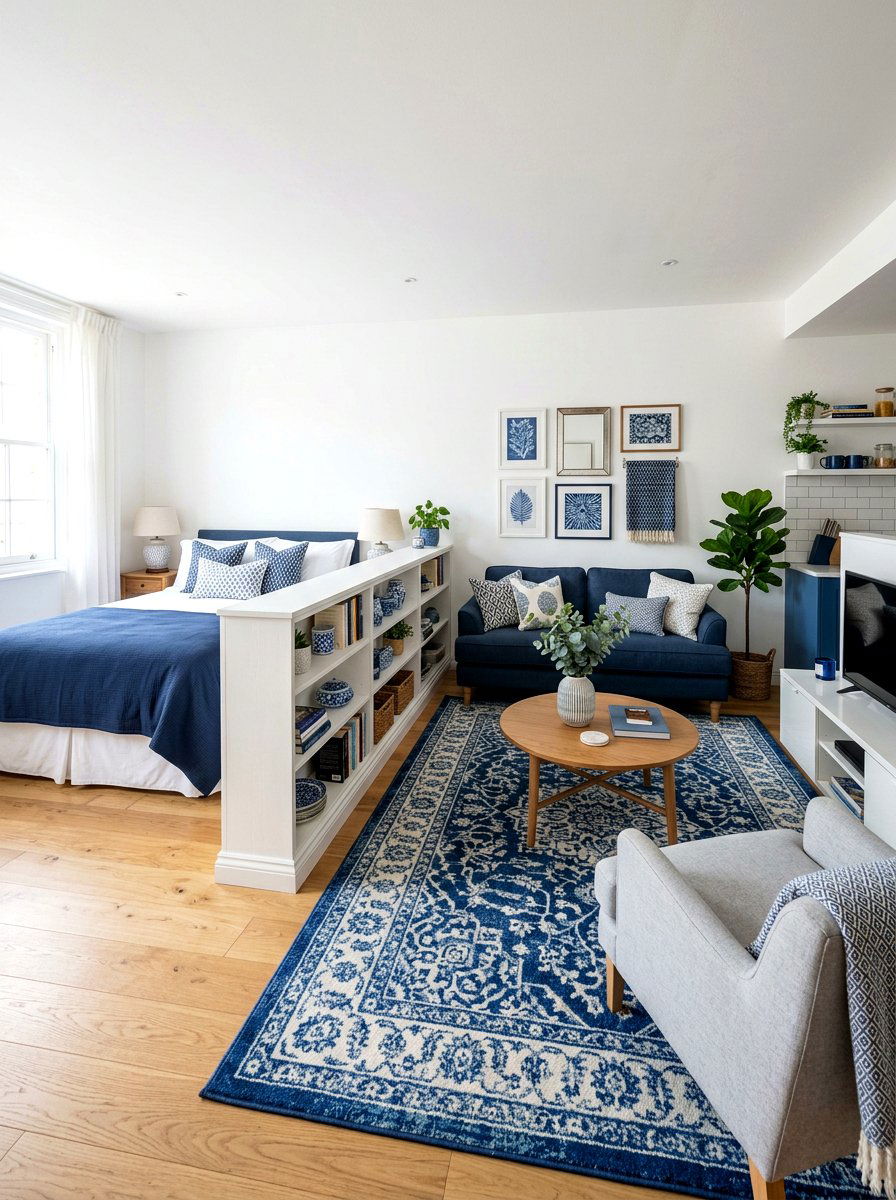
Designing a studio apartment requires clever zoning to ensure the living area feels distinct from the sleeping and cooking sections. Using a large area rug is an effective way to ground the lounging furniture and create a clear "room" within the open space. You can also use a low bookshelf or a stylish folding screen to provide a bit of privacy without blocking the light. Choosing a consistent color palette throughout the entire studio helps the different zones feel like parts of a cohesive whole. This approach makes the small footprint feel organized and intentional. It ensures that your main living zone remains a comfortable and welcoming sanctuary.
12. Hidden Storage Living Room
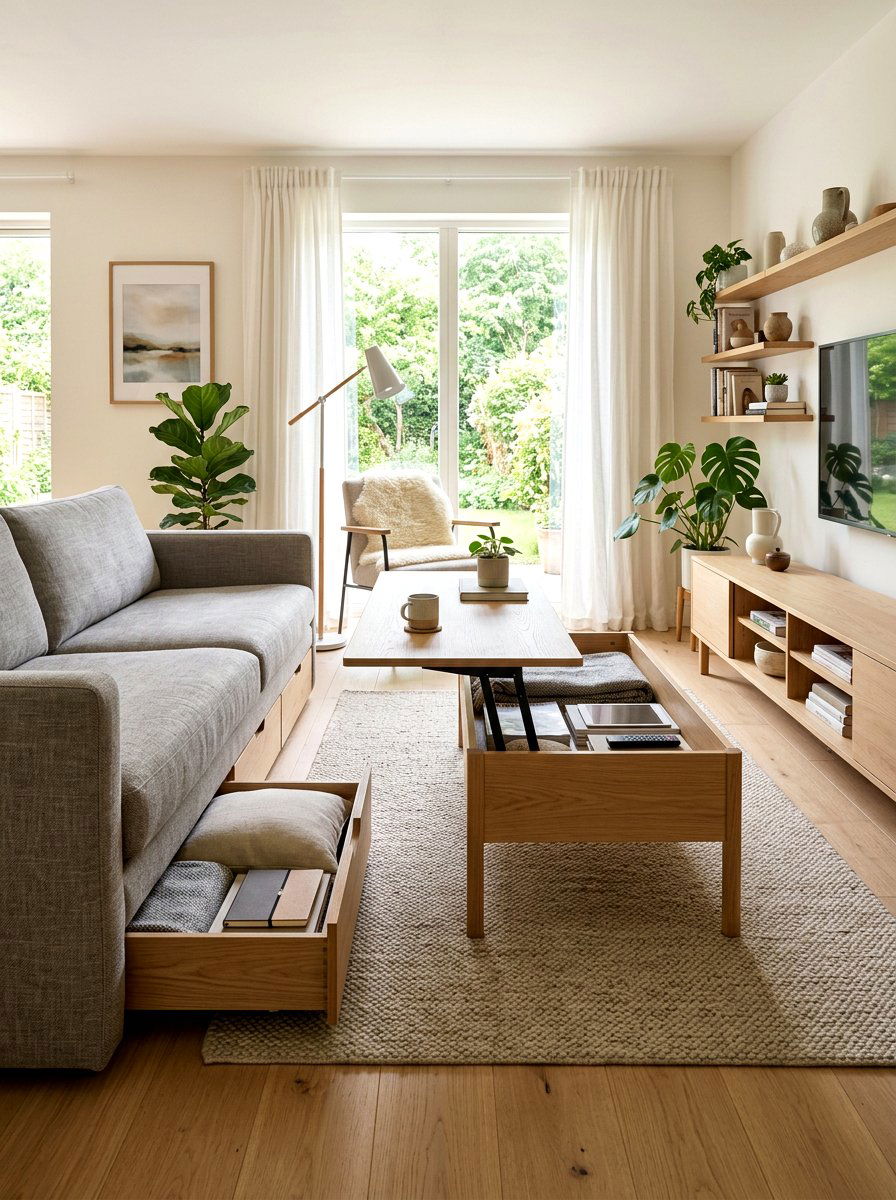
Hidden storage is the ultimate secret weapon for keeping a small home looking immaculate and professional at all times. Look for coffee tables with lift-tops or sofas with built-in compartments under the cushions to stash away everyday items. Built-in cabinets that blend into the wall color can hide everything from electronics to children's toys without adding visual bulk. This allows you to maintain a minimalist aesthetic while still having all the necessities close at hand. When everything has a dedicated place out of sight, the room feels much more serene and spacious. It is a smart way to manage clutter in a very tight living environment.
13. Glass Coffee Table Living Room
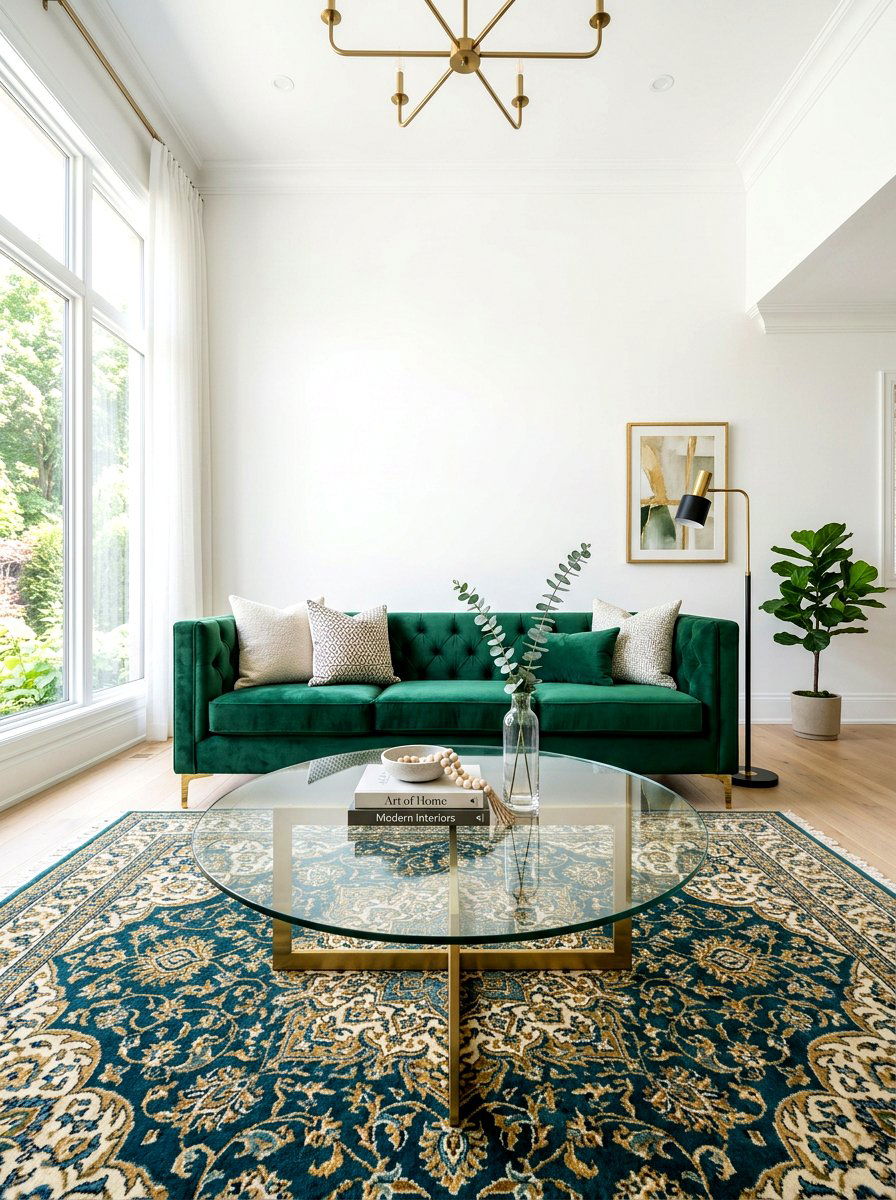
A glass coffee table is a fantastic choice for small spaces because its transparency makes it almost invisible to the eye. Unlike solid wood or metal tables, a glass piece does not create a visual block in the center of your seating area. This allows the patterns of your rug and the color of your floor to show through, maintaining a sense of openness. It provides a functional surface for drinks and decor without making the room feel crowded or heavy. Glass also reflects light, adding a subtle sparkle that brightens up the entire atmosphere. It is a classic design element that brings a modern and sophisticated touch.
14. Large Rug Small Living Room
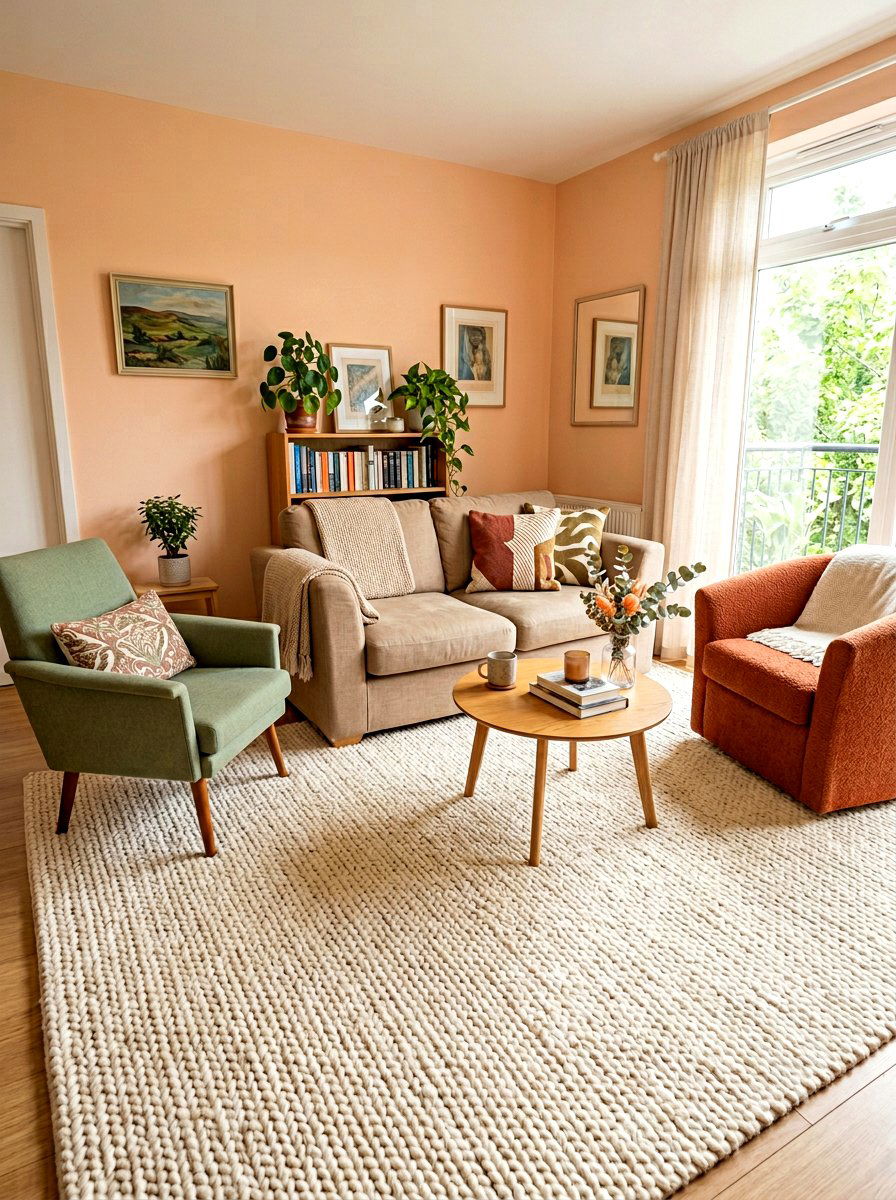
It might seem counterintuitive, but a large rug can actually make a small room feel much bigger than several small rugs. A rug that is large enough for all the furniture legs to sit on creates a unified foundation that expands the space. Small rugs can break up the floor and make it look choppy, which emphasizes the limited square footage. Choose a rug with a subtle pattern or a light color to keep the room feeling bright and airy. The texture of a large rug also adds a layer of comfort and warmth to the interior. This simple design choice anchors the layout and provides a cohesive, polished look.

15. Built In Bookshelf Living Room
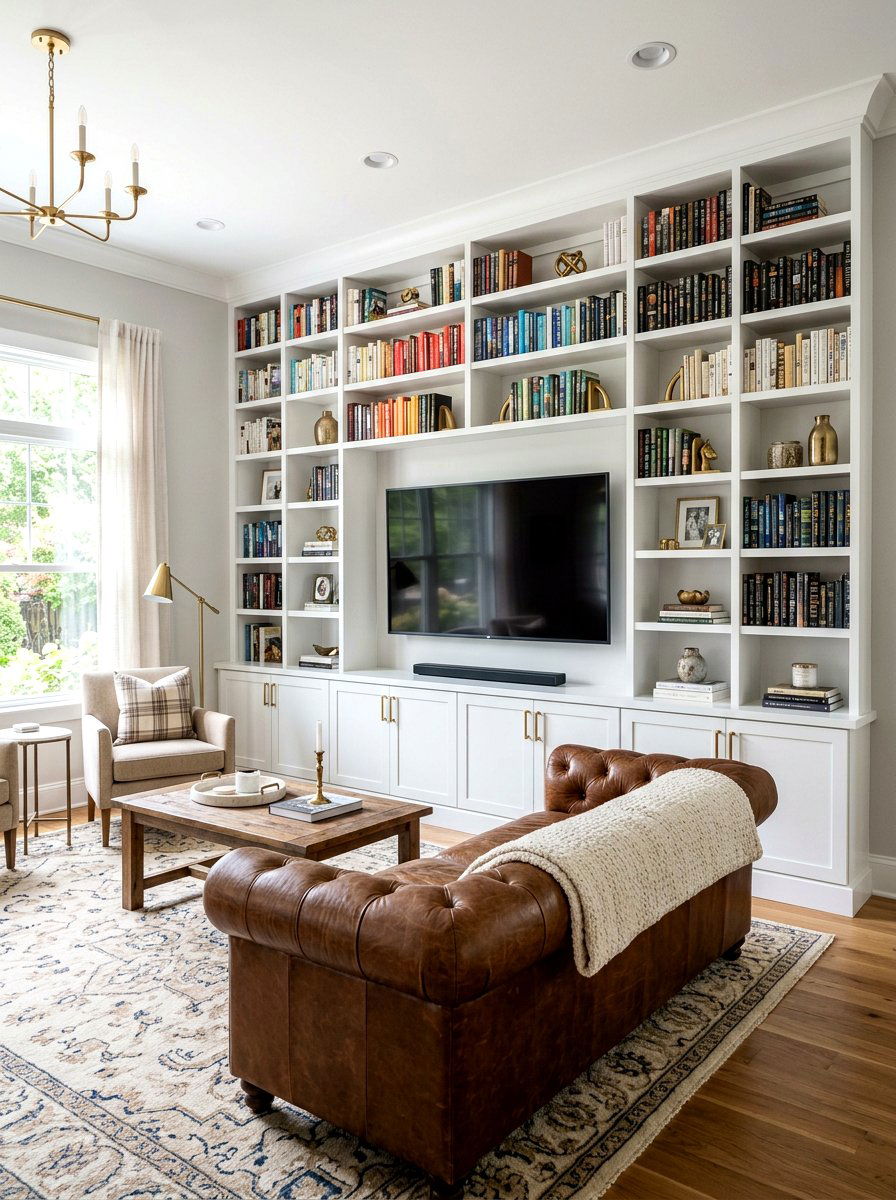
Built-in bookshelves offer a custom, high-end look while providing massive amounts of storage without taking up valuable floor space. By integrating the shelving directly into the walls, you create a seamless transition that feels like a natural part of the architecture. These units can be designed to surround a fireplace or a television, making the wall a functional focal point. Painting the back of the shelves a contrasting color can add depth and visual interest to the room. This solution is perfect for displaying your personality through books and collectibles while keeping the floor plan clear. It turns a plain wall into a beautiful and highly practical design feature.
16. Light Wood Floor Living Room
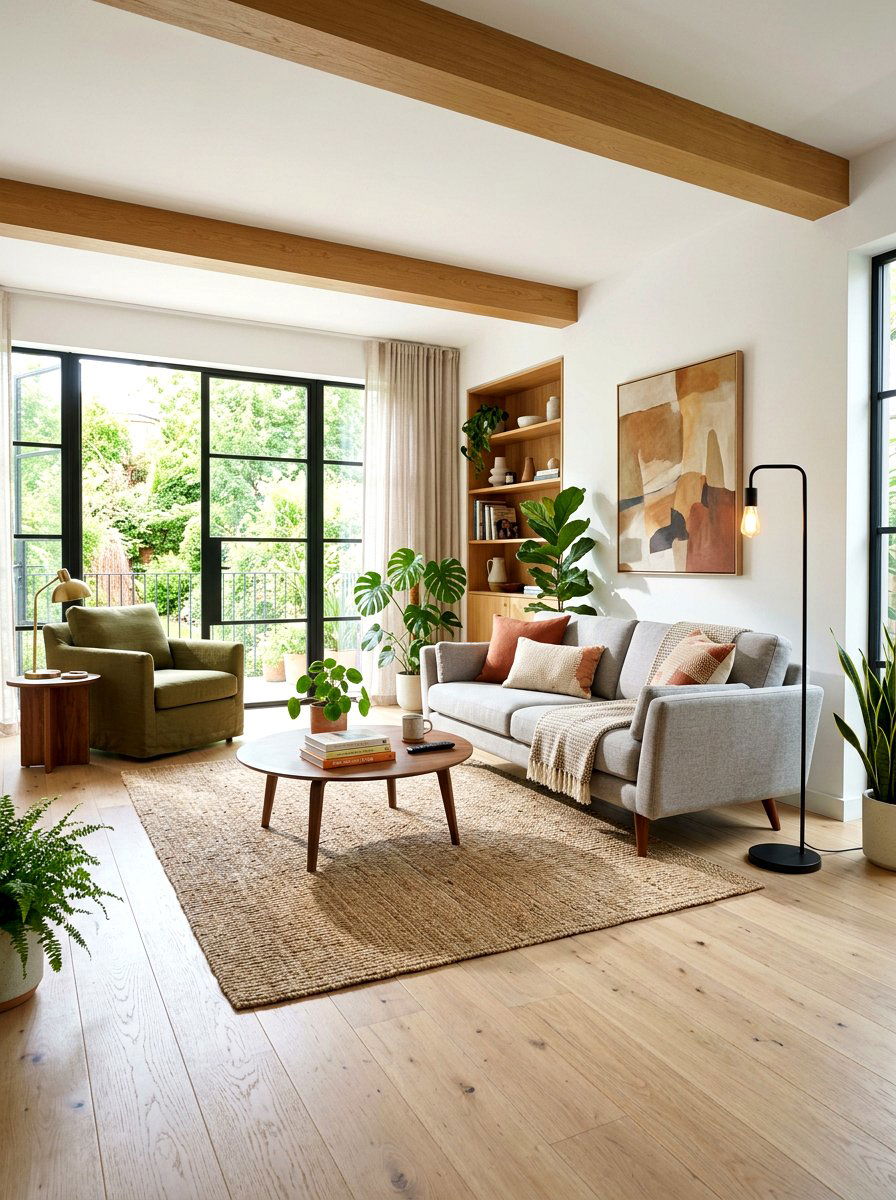
Installing light-colored wood floors is a great way to brighten up a small interior and create a sense of continuity. Pale oak or maple planks reflect natural light much better than dark finishes, which can often make a room feel enclosed. Running the planks parallel to the longest wall can also create an illusion of greater length in the space. This natural material brings warmth and texture to the room without being visually overwhelming. Light floors provide a neutral backdrop that works beautifully with almost any furniture style or color palette. It is a timeless choice that helps to create a fresh, clean, and very spacious atmosphere.
17. Modern Farmhouse Living Room
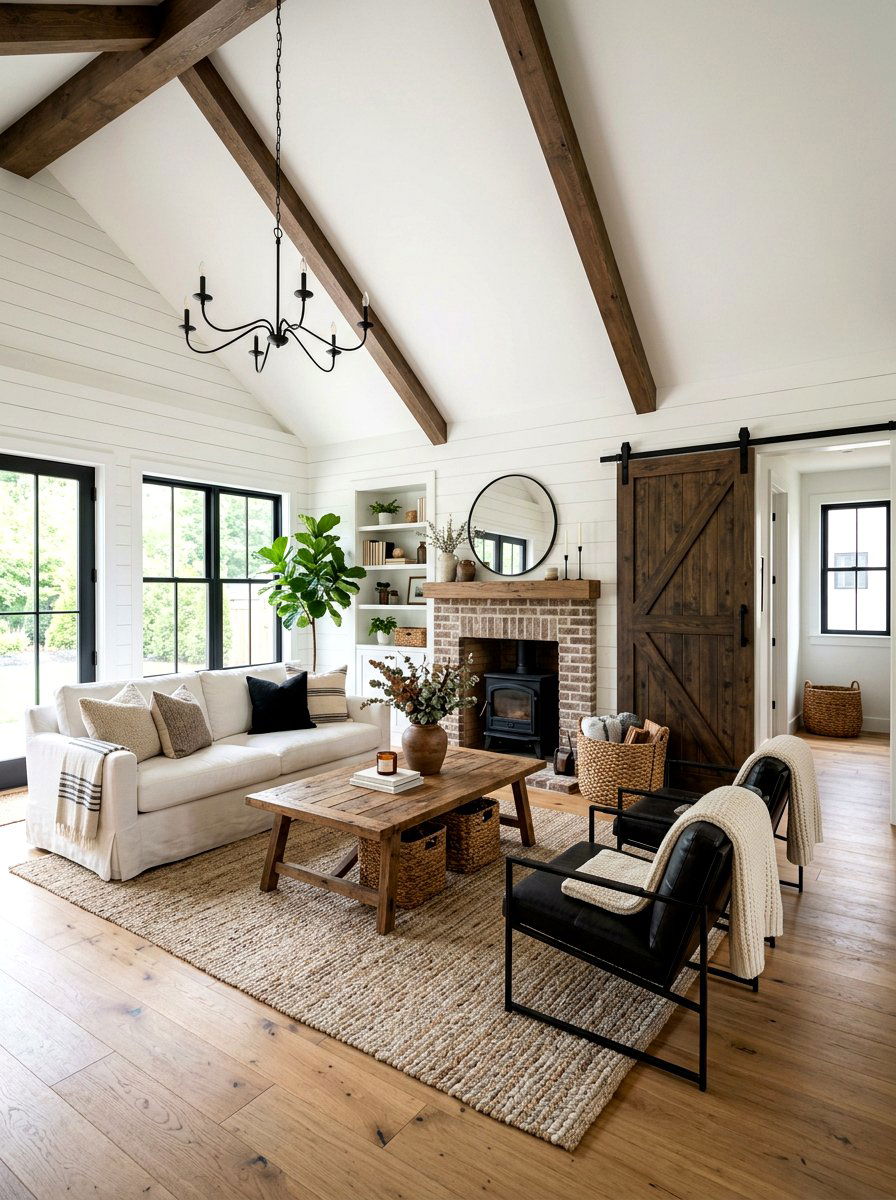
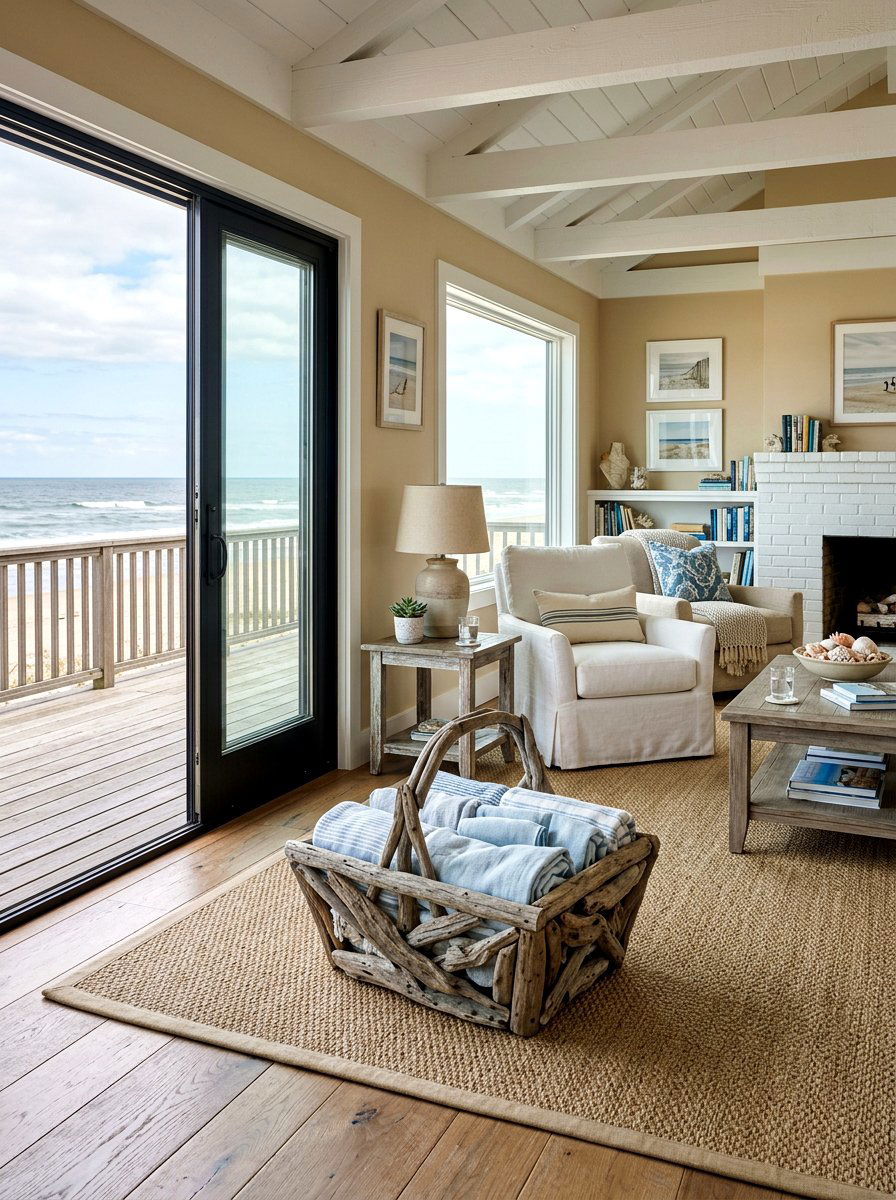
A modern farmhouse style can feel incredibly cozy and inviting even in a very small and compact living environment. This look combines rustic elements like reclaimed wood accents with clean, contemporary lines and a neutral white color palette. You can use a sliding barn door as a space-saving way to separate the living area from other rooms. Adding soft, slipcovered seating and woven baskets provides functional storage and a lived-in, comfortable feel. The focus on light colors and natural materials helps the small space stay bright and open. This design style proves that you do not need a large house to enjoy a warm and charming farmhouse aesthetic.
18. Bohemian Small Living Room
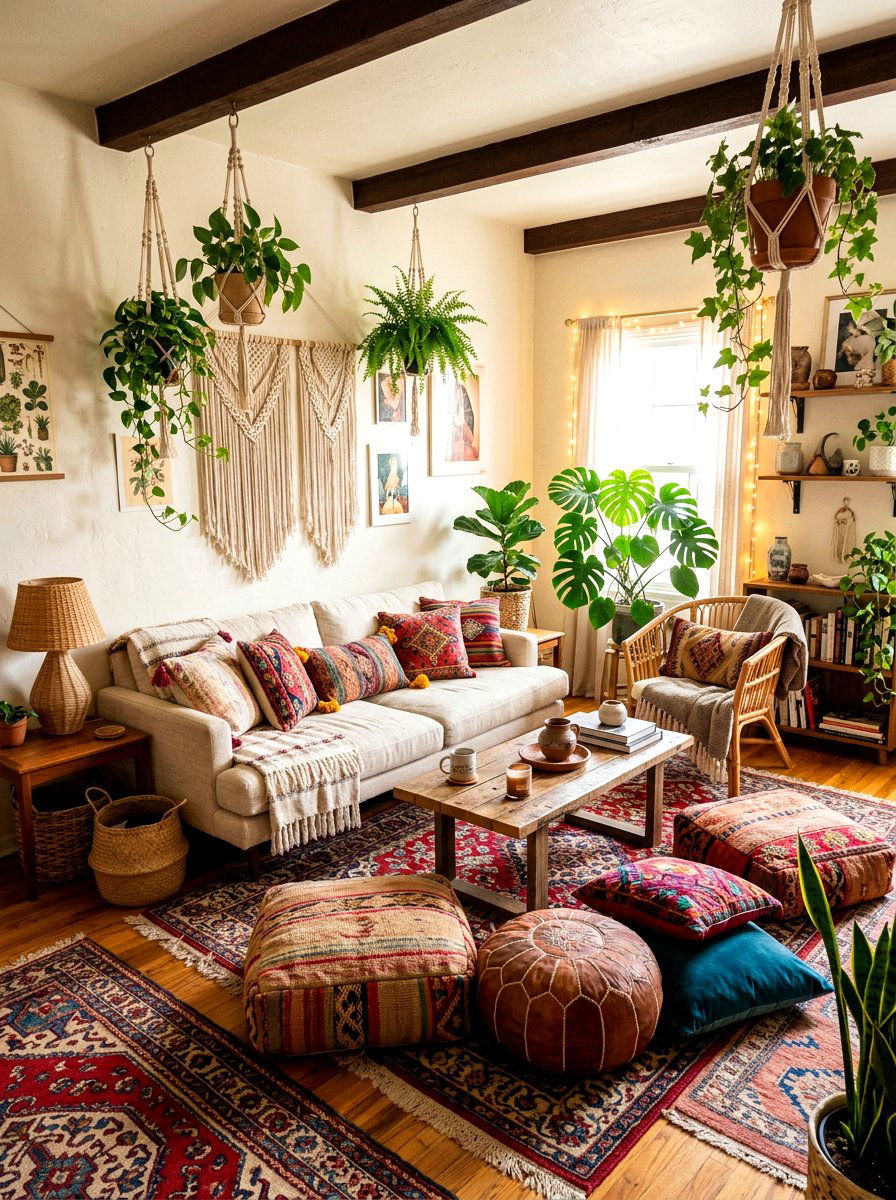
The bohemian style is perfect for small spaces because it celebrates a cozy, layered, and personality-filled environment. You can use a mix of colorful textiles, floor cushions, and patterned rugs to create a relaxed and inviting atmosphere. Hanging macrame wall art or indoor plants at different heights adds visual interest without cluttering the floor. A low-profile sofa or even a collection of oversized pillows can replace bulky traditional furniture. This eclectic approach allows you to showcase your unique style in a way that feels organic and charmingly cluttered. It turns a small room into a vibrant, creative sanctuary that feels full of life and warmth for guests.
19. Scandinavian Living Room
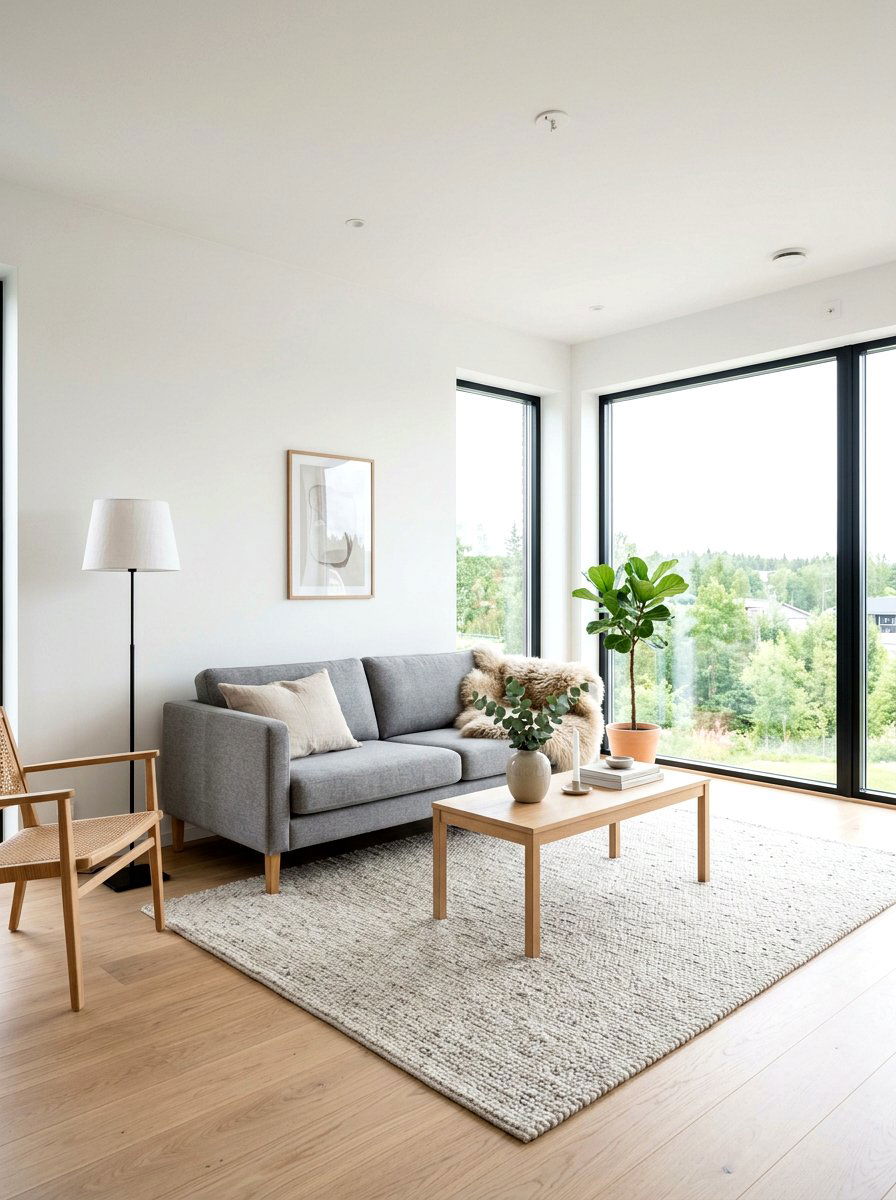
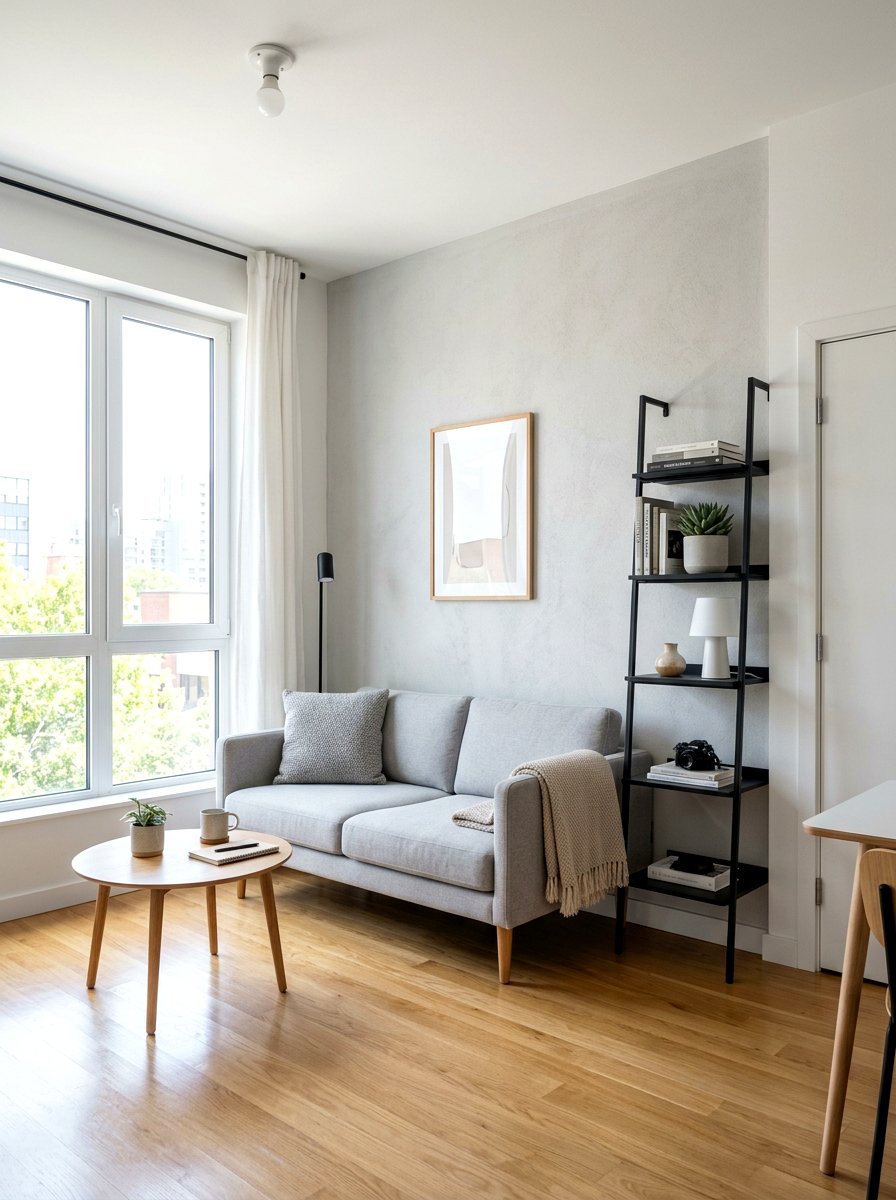
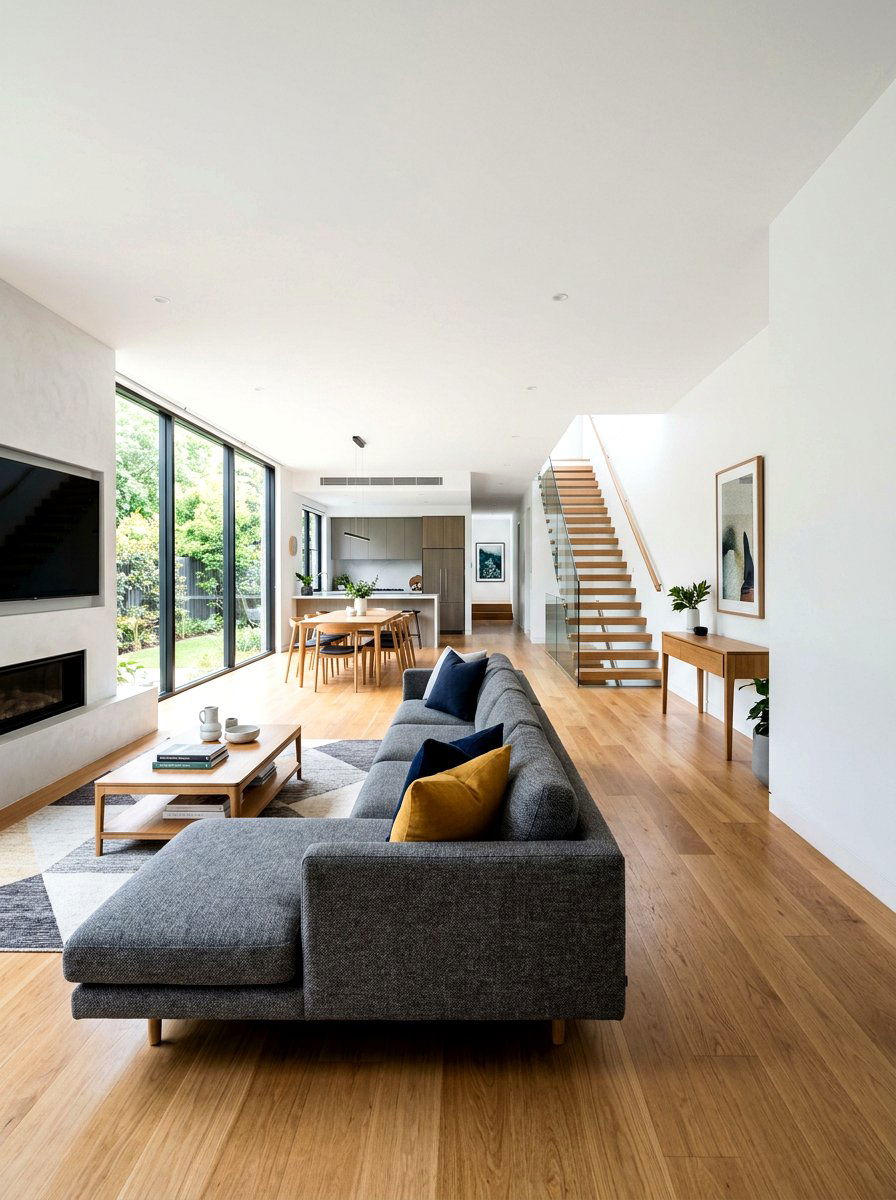
Scandinavian design is world-renowned for its ability to make small homes feel bright, functional, and exceptionally beautiful. This style focuses on simplicity, light wood tones, and a palette of whites and soft greys to maximize the light. Furniture is typically leggy and slim-lined to keep the floor visible and the room feeling airy. Adding cozy textures like sheepskin rugs and chunky knit blankets ensures the space feels warm despite the minimalist approach. Large windows are often left uncovered to let in as much natural light as possible. This aesthetic is the perfect solution for creating a serene and uncluttered environment that feels spacious and very modern.
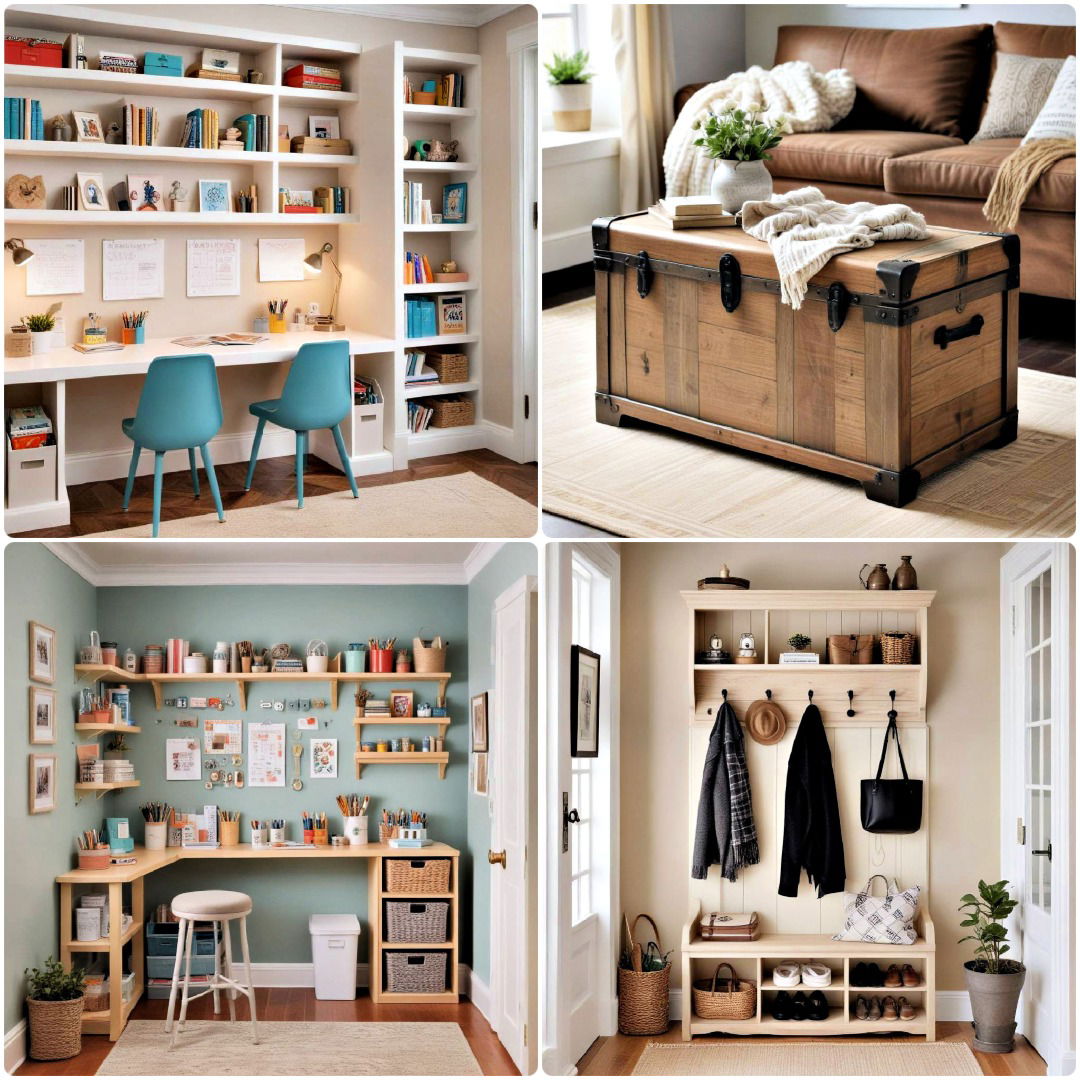
20. Industrial Loft Living Room
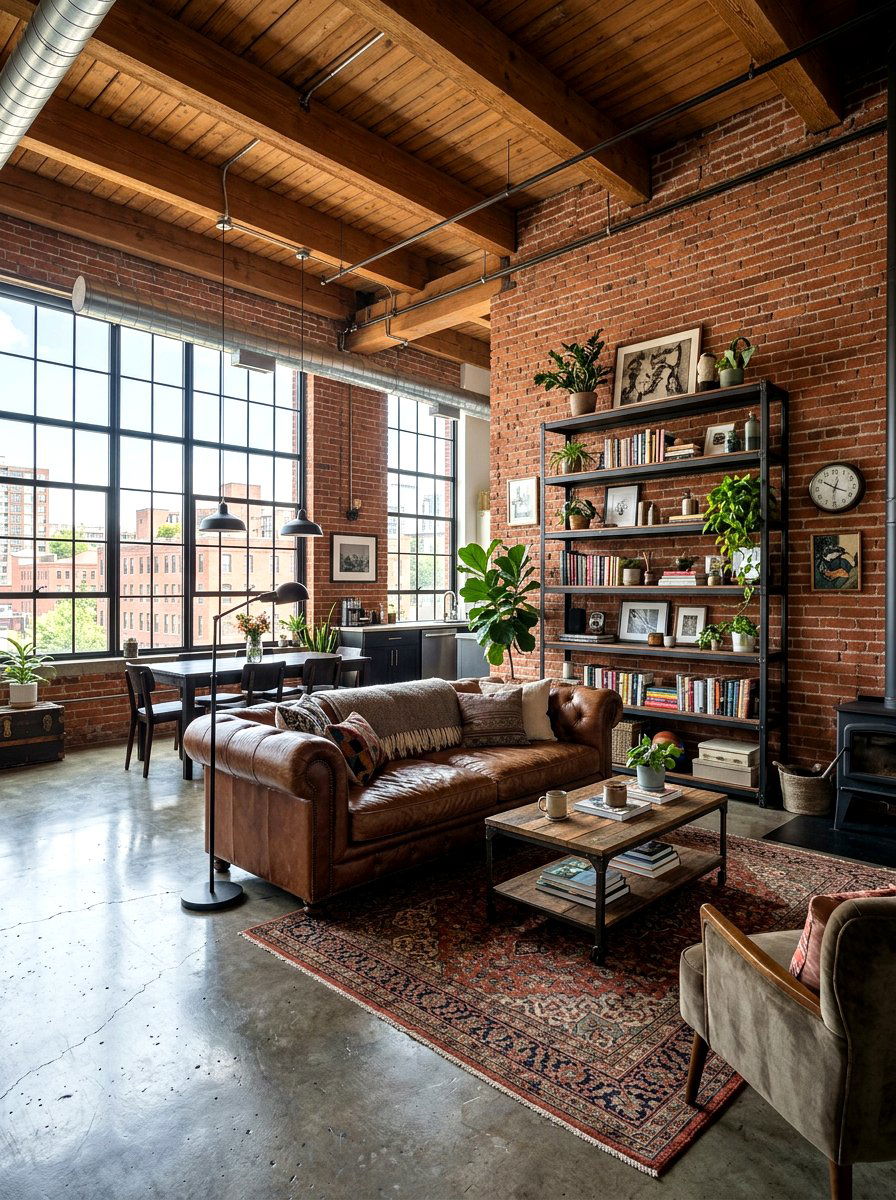
An industrial loft style works surprisingly well in small spaces by highlighting architectural details like brick walls or exposed pipes. This look uses a mix of metal, wood, and leather to create a cool and edgy atmosphere that feels very purposeful. You can use a tall, metal shelving unit to provide storage and add to the verticality of the room. Keeping the furniture low-profile helps the space feel more open and less crowded. Large, factory-style windows are a hallmark of this design and provide plenty of natural light. This style turns a compact area into a sophisticated and masculine retreat that feels like a trendy city apartment.
21. Living Room Accent Wall
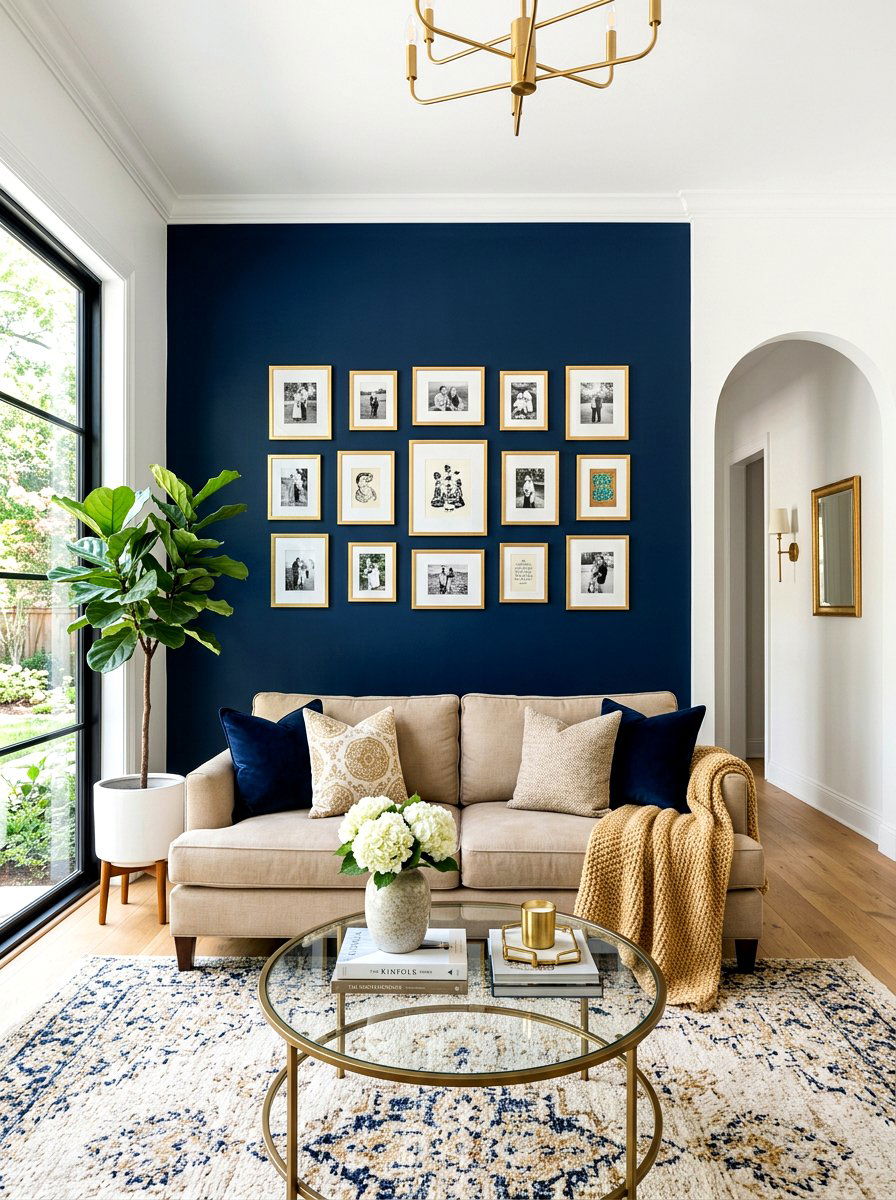
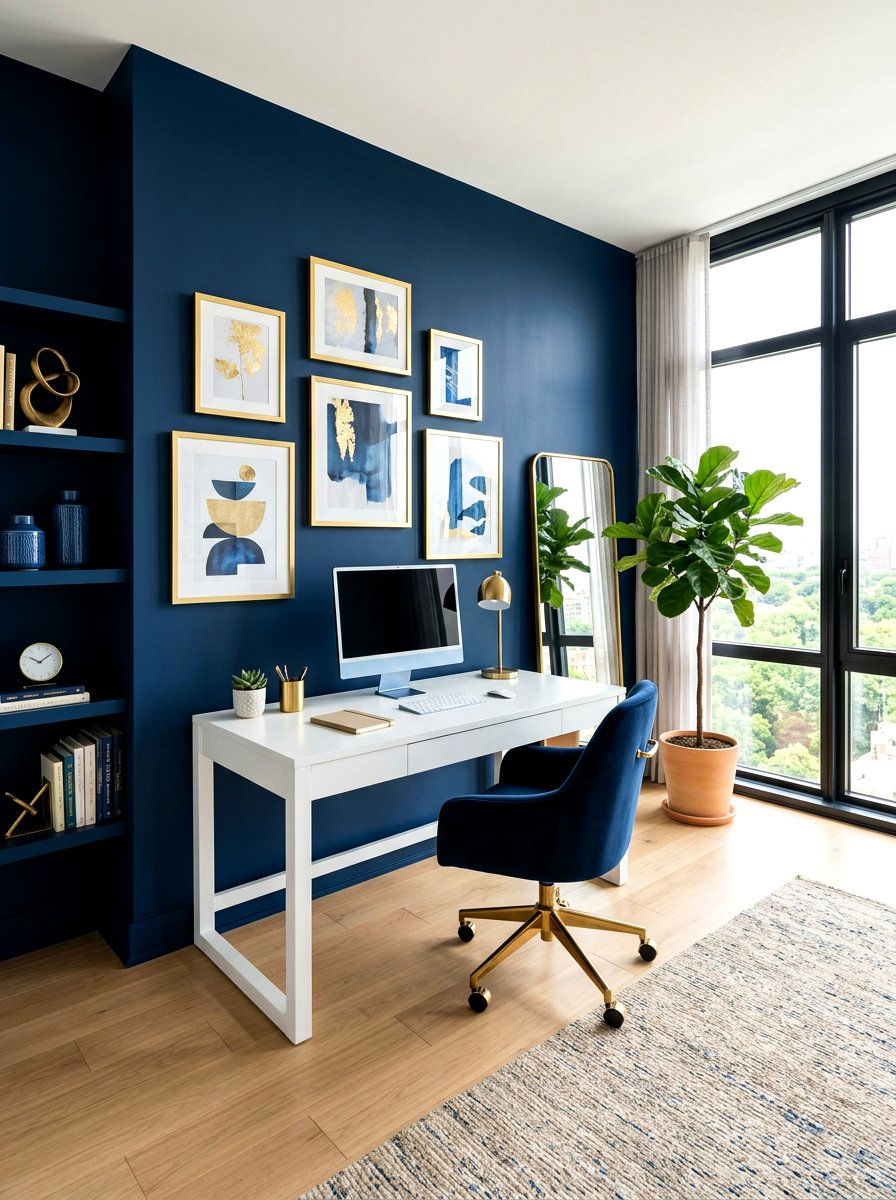
Creating an accent wall is a brilliant way to add depth and a clear focal point to a small room. You can use a bold paint color, textured wallpaper, or even wood paneling on just one wall to draw the eye. This technique helps to define the seating area and can make the wall appear to recede, adding an illusion of depth. It allows you to experiment with color and pattern without overwhelming the entire interior. Pair the accent wall with more neutral furniture to keep the room feeling balanced and sophisticated. This simple design choice brings a lot of personality and style to a compact living environment.
22. Transparent Furniture Living Room
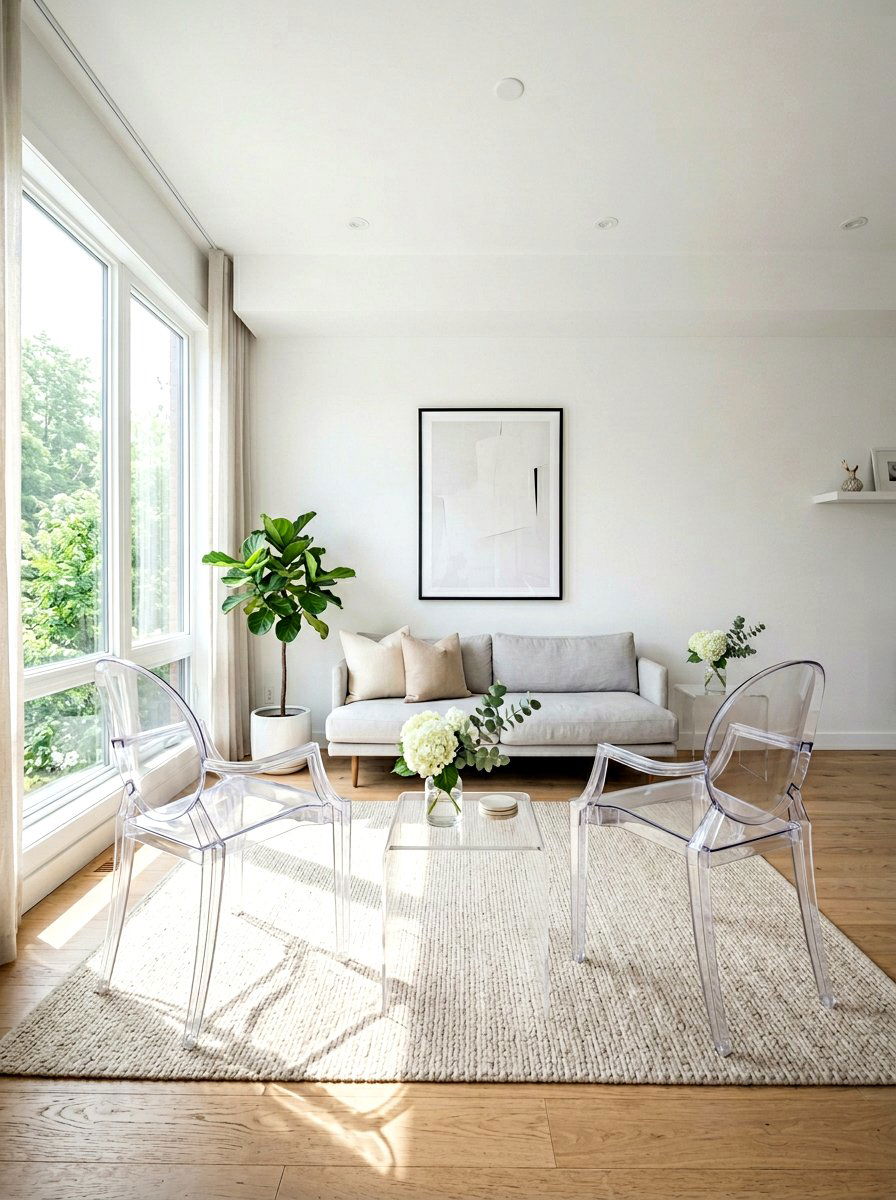
Transparent furniture made of acrylic or lucite is a modern designer's best friend when working with very limited square footage. These pieces are virtually invisible, allowing light to pass through them and making the room feel completely unobstructed. An acrylic coffee table or side chair provides all the necessary functionality without adding any visual weight to the layout. This is especially helpful in narrow rooms where a solid piece might make the path feel blocked. These clear elements blend seamlessly into any decor style, from traditional to ultra-modern. It is a clever way to include enough furniture for comfort while maintaining a light and airy atmosphere.
23. Living Room Gallery Wall
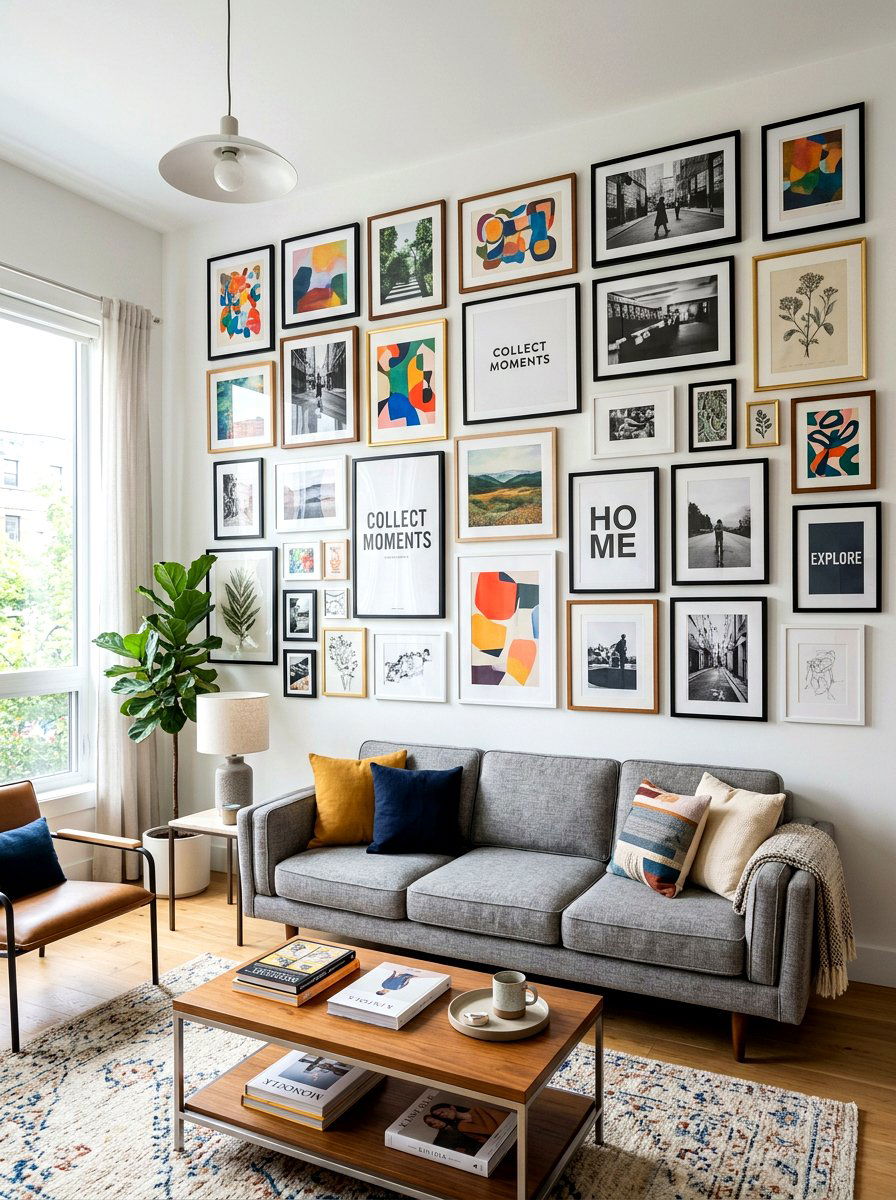
A gallery wall is an excellent way to personalize a small space without taking up any precious floor area. By arranging a collection of art and photos on the wall, you create a large-scale visual statement that adds character. Using frames of different sizes and styles can make the wall feel more dynamic and interesting. This vertical display draws the eye upward, which helps to emphasize the height of the room rather than the narrow floor. It is a great way to showcase your favorite memories and artistic tastes in a cohesive way. A well-planned gallery wall turns a plain surface into a stunning and meaningful focal point.
24. Living Room Room Divider
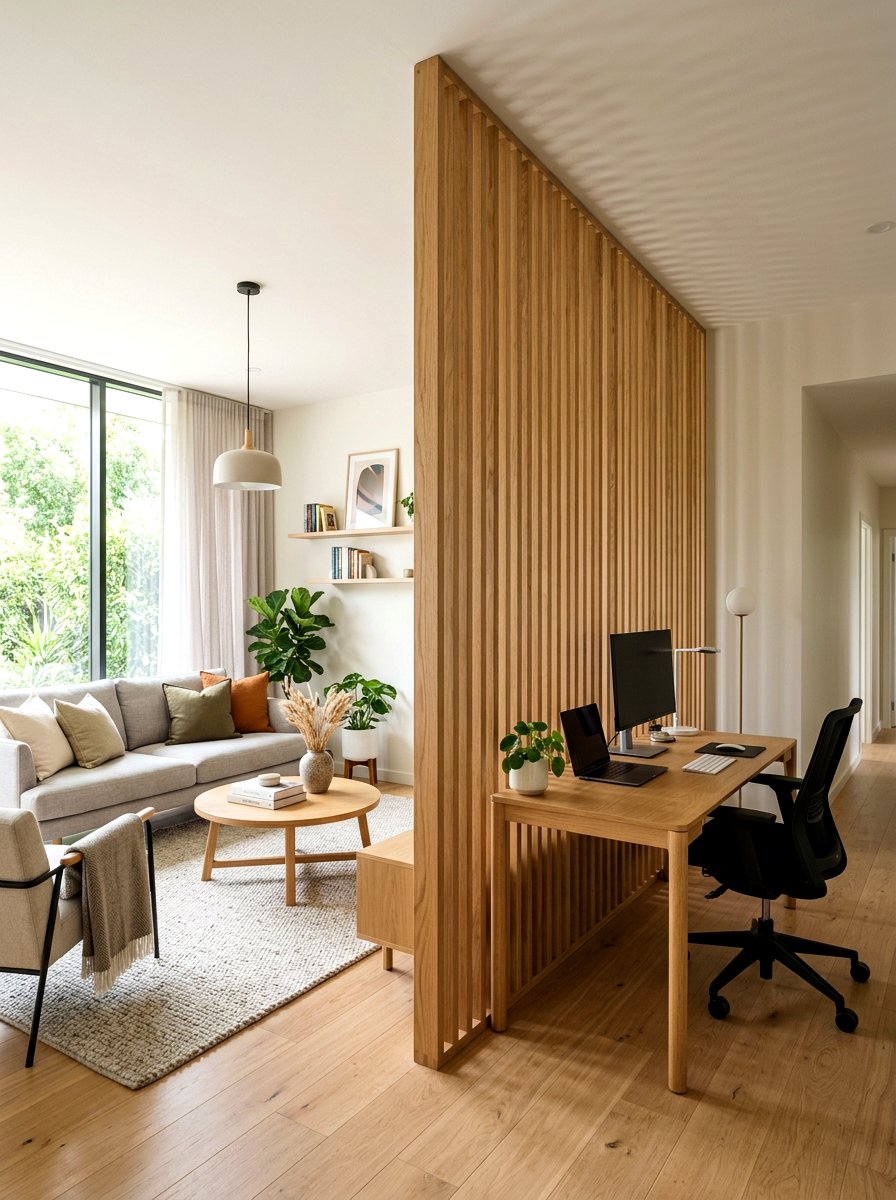
Using a stylish room divider is a practical way to create separate zones in a multi-use small living area. You can choose a slatted wood screen or a double-sided bookshelf that provides storage while acting as a light-filtering wall. This helps to define the lounging area from a home office or dining nook without completely closing off the space. Using a semi-transparent divider ensures that natural light can still reach every corner of the room. It adds an architectural element that makes the layout feel more complex and well-planned. This is a flexible solution that can be moved or adjusted as your daily needs and activities change.
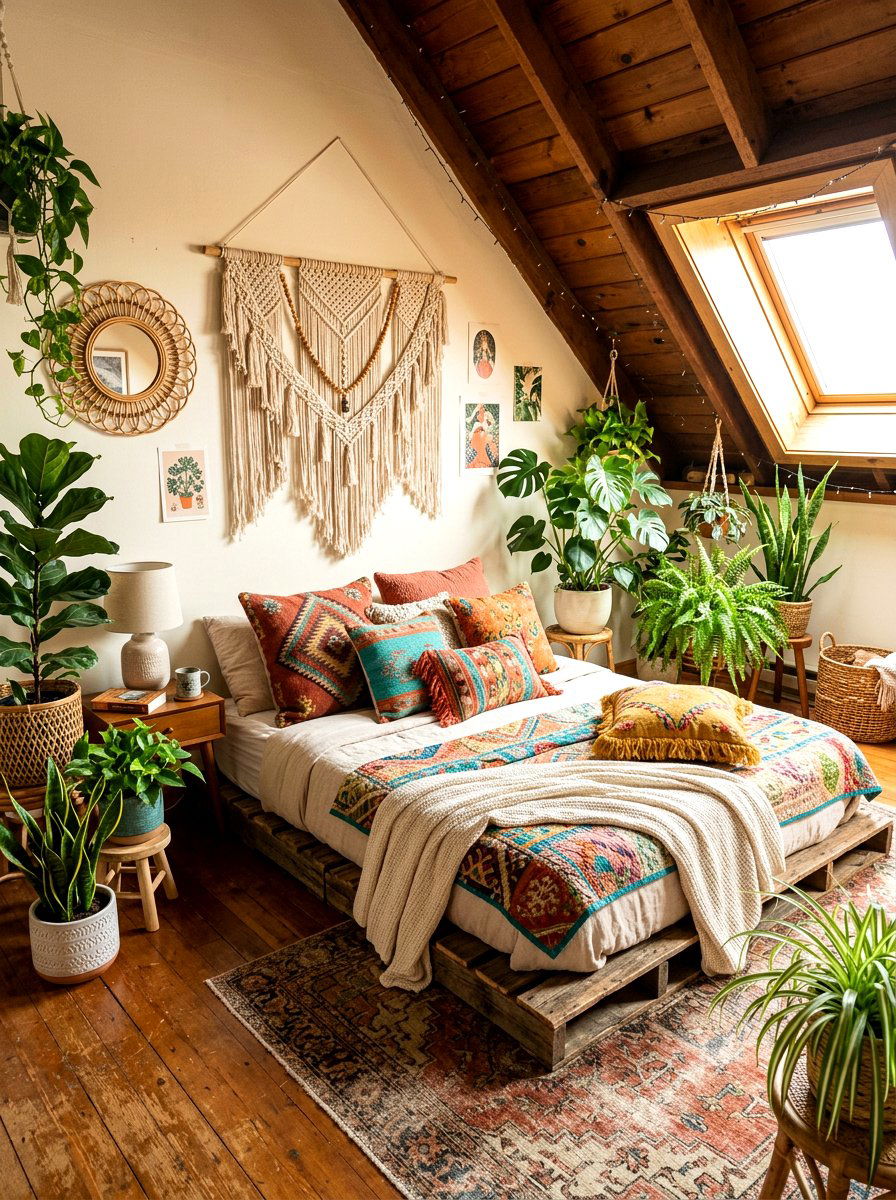
25. Low Profile Furniture Living Room
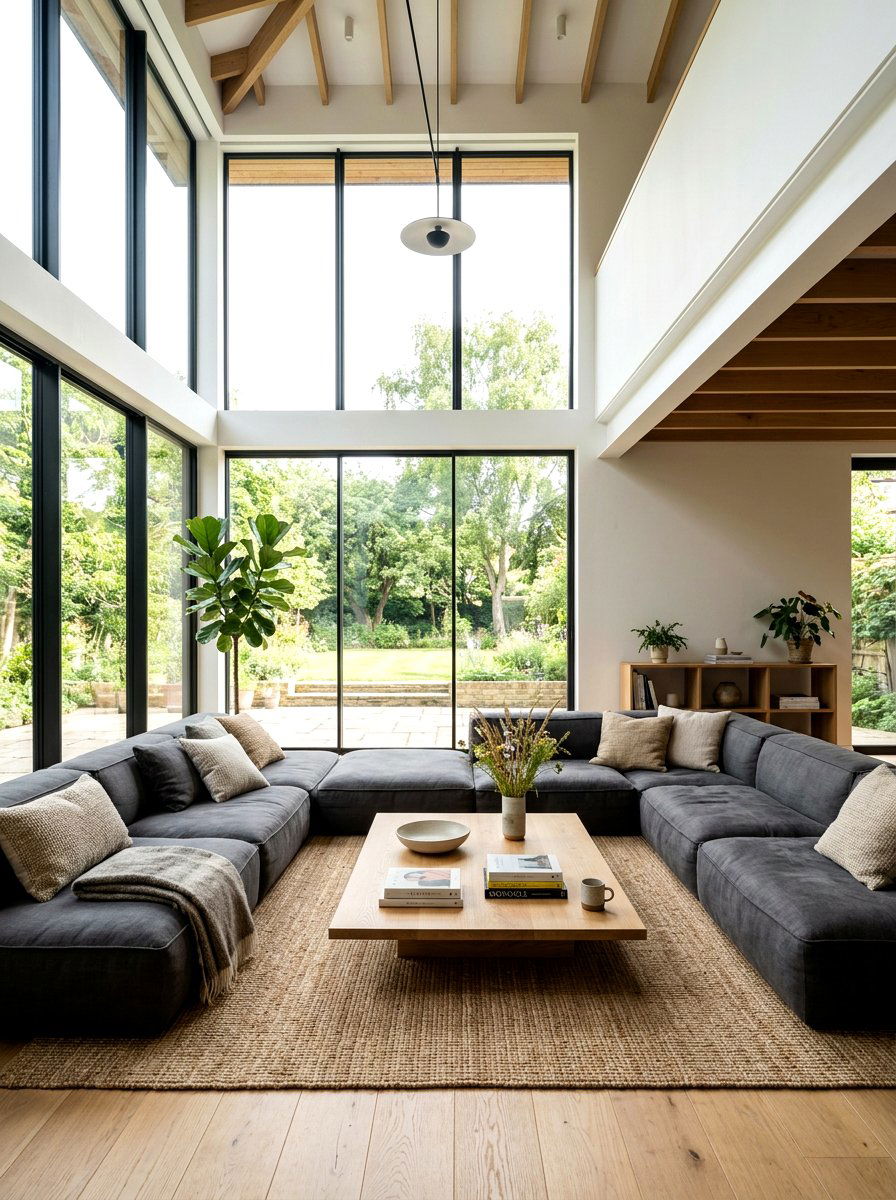
Choosing low-profile furniture is a smart strategy to make the ceilings in a small room appear much higher than they are. Sofas and chairs that sit closer to the floor create more vertical space above them, which makes the air feel less cramped. This style often features sleek, horizontal lines that help to stretch the room visually. Low furniture also tends to have a more relaxed and modern vibe that suits compact living perfectly. By keeping the bulk of the furniture below eye level, you maintain a clear line of sight across the entire room. It results in a laid-back and very spacious-feeling environment for relaxing.
26. Monochrome Living Room
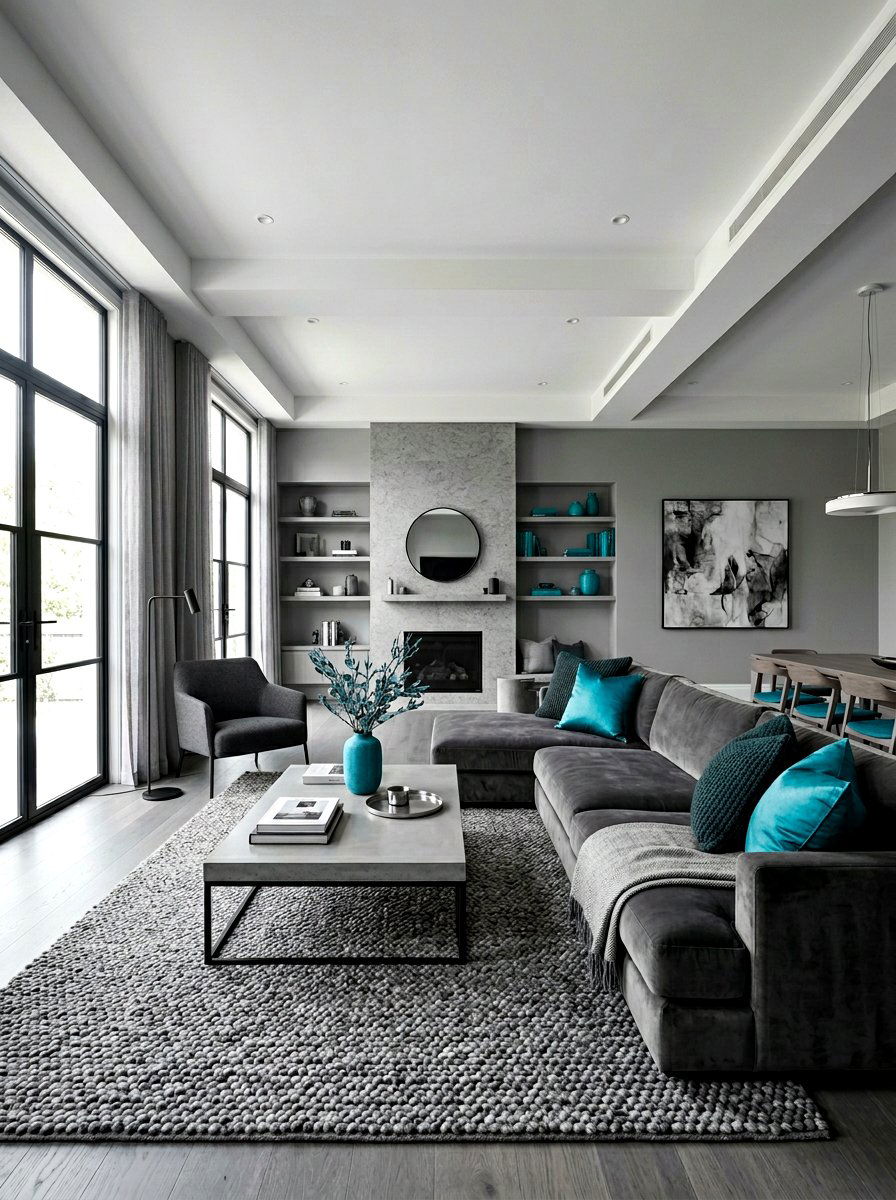
A monochrome color scheme uses different shades of a single color to create a sophisticated and harmonious small interior. This approach reduces visual noise and makes the boundaries of the room feel less defined, which helps it appear larger. You can layer different textures in the same hue, like a velvet sofa and a wool rug, to add depth. Using white or light grey as your base color will maximize the reflection of natural light. This design style is very easy to pull off and always looks polished and professional. It creates a calm and cohesive environment where the focus is on comfort and high-quality design elements.
27. Indoor Plant Living Room
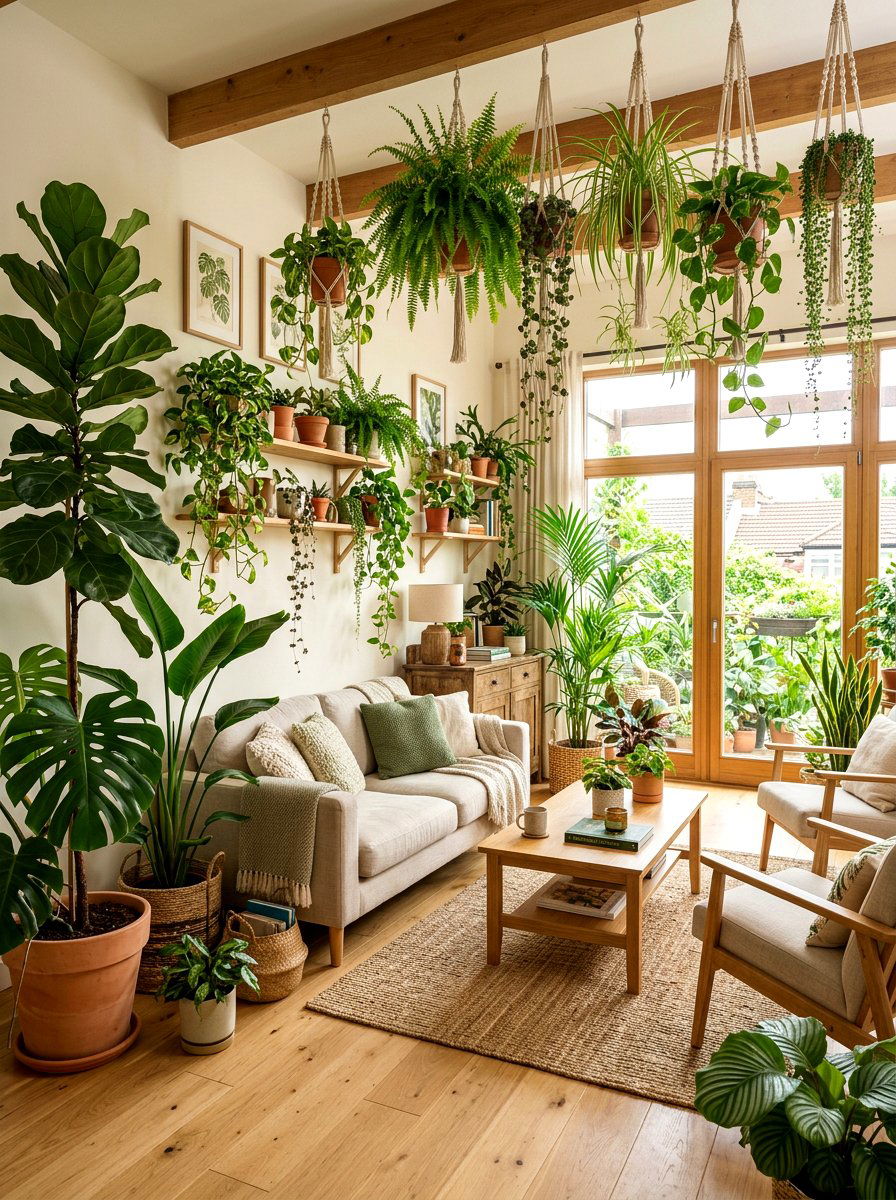
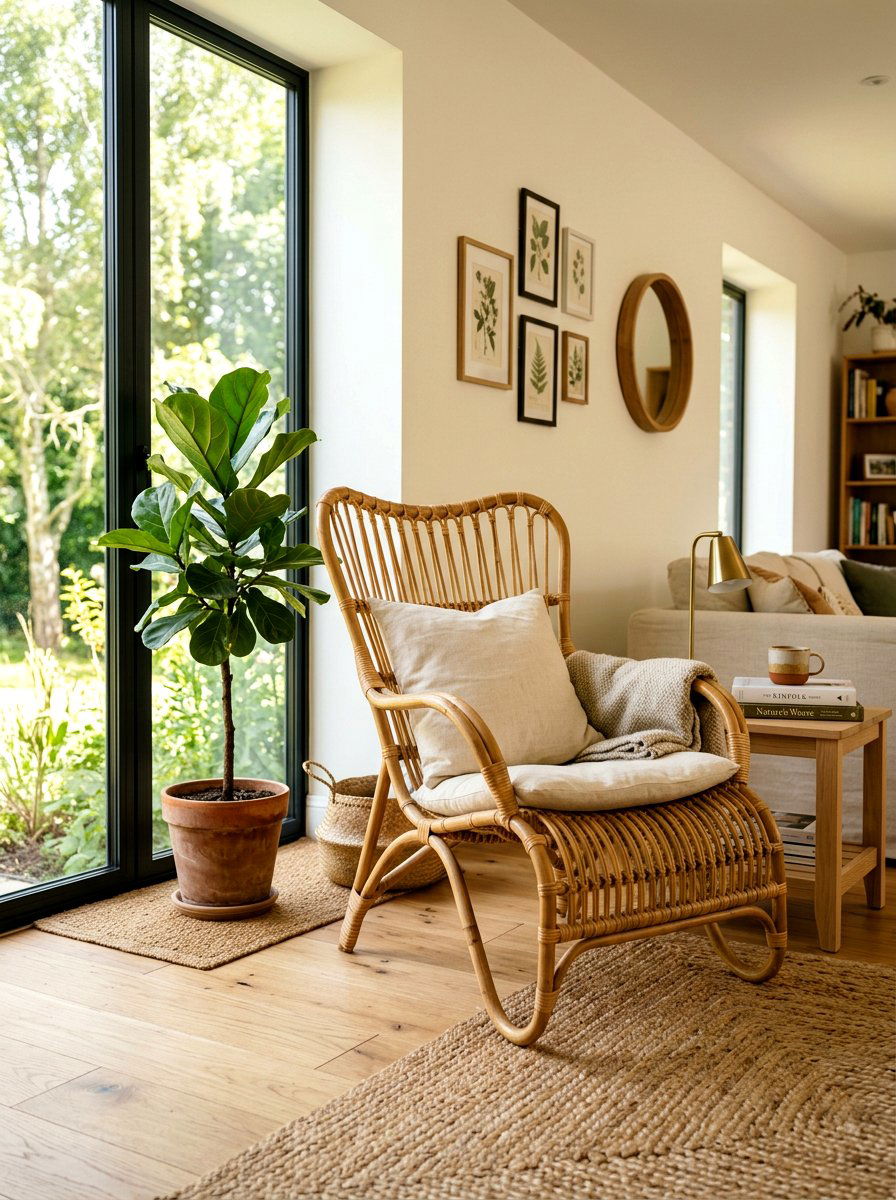
Incorporating indoor plants is a wonderful way to bring life, color, and a sense of freshness to a compact home. Large leafy plants can be used to fill empty corners, making the room feel more finished and lush. You can also hang trailing plants from the ceiling or place smaller ones on floating shelves to save floor space. The green color is naturally soothing and helps to create a connection with the outdoors. Plants also help to improve air quality and add a soft, organic texture to the room. This biophilic approach makes a small space feel more vibrant, healthy, and incredibly inviting for everyone who enters.
28. Living Room Layered Lighting
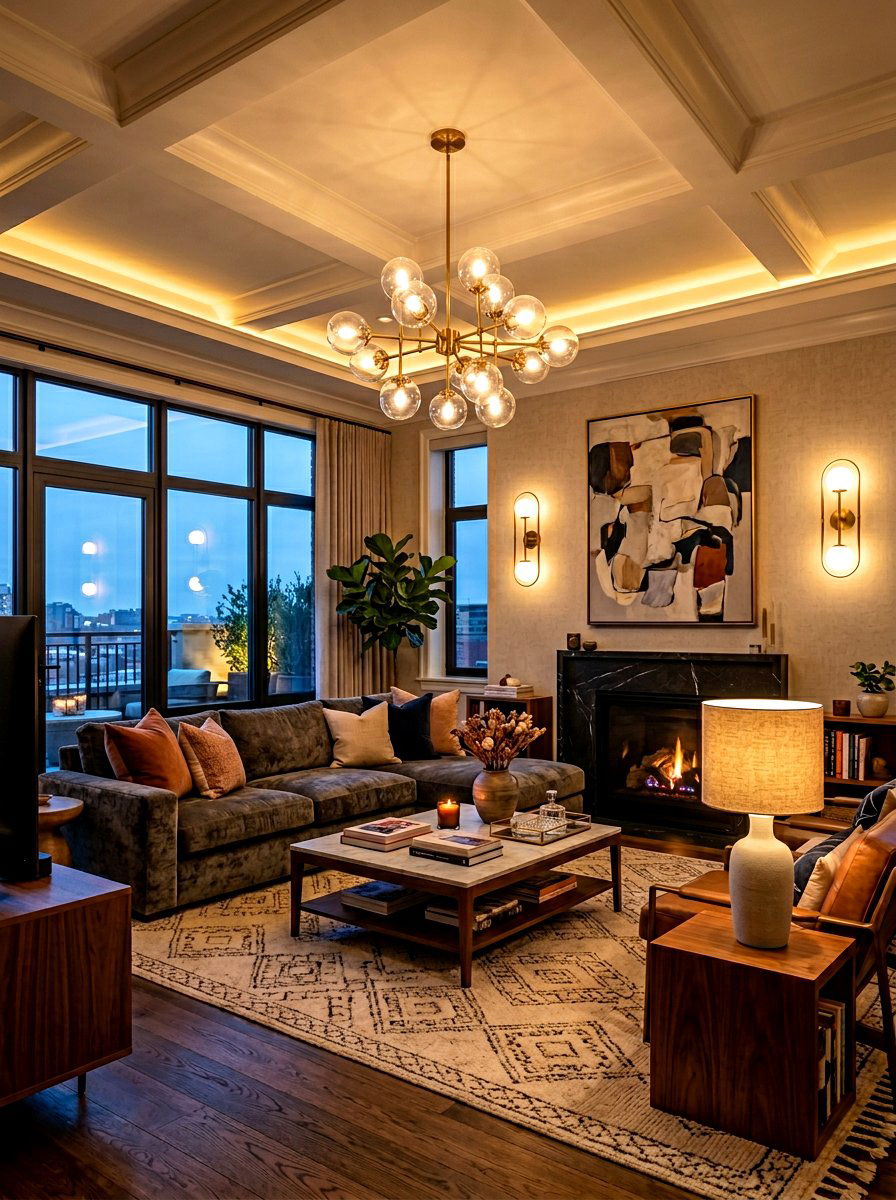
Layered lighting is essential for creating a warm and spacious atmosphere in a small room where a single light might feel harsh. Combine ambient overhead lighting with task lamps and accent lights to highlight different areas and add depth. Using wall sconces instead of floor lamps can save valuable floor space while providing a beautiful glow. Placing a small lamp in a dark corner can instantly make the entire room feel larger and more welcoming. Dimmable switches allow you to adjust the mood for different times of the day and activities. This thoughtful lighting plan ensures your compact home feels bright, cozy, and expertly designed at all times.
29. Small Sectional Living Room
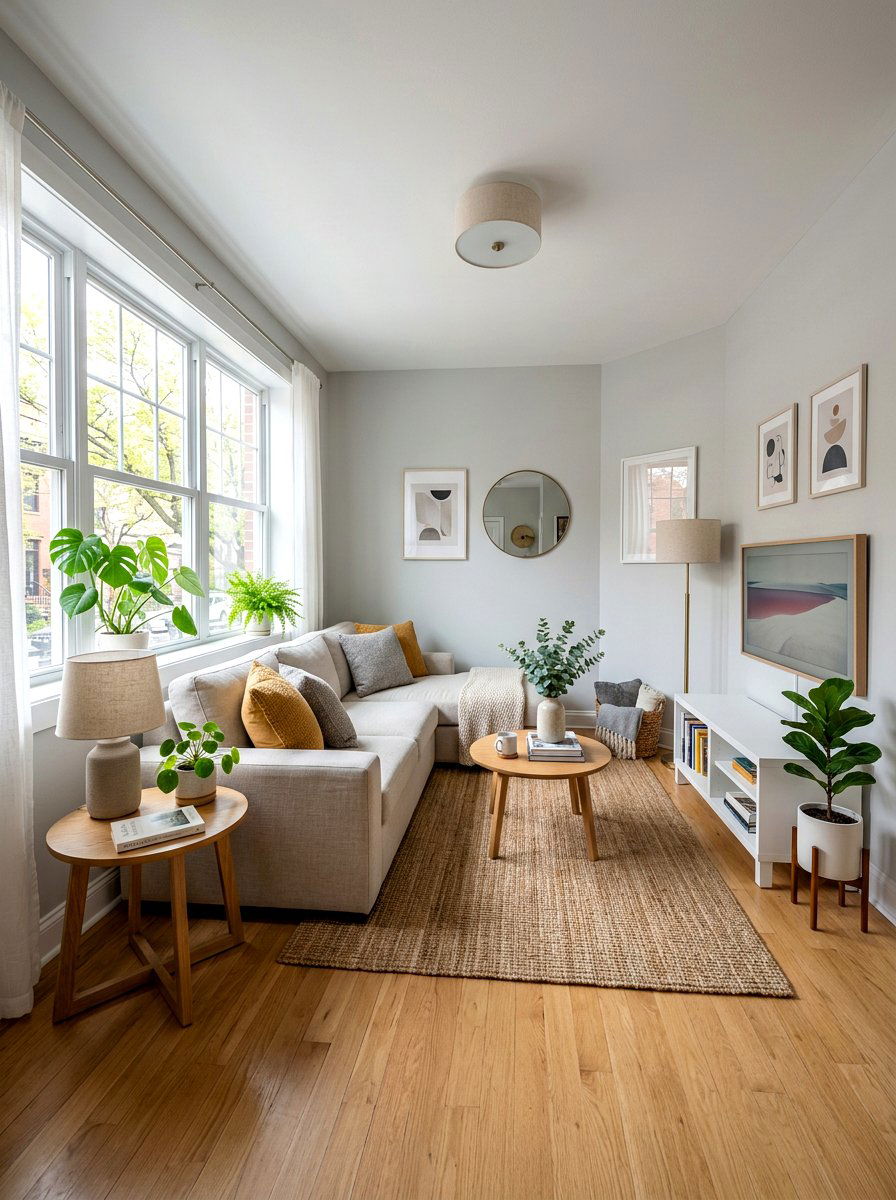
A small sectional sofa can provide a surprising amount of seating and comfort without overwhelming a compact floor plan. Many modern designs are specifically scaled for apartment living, offering a cozy chaise for lounging without the massive footprint. Placing the sectional against a wall or in a corner maximizes the available floor area for movement. This single piece of furniture can often replace multiple chairs, creating a cleaner and more streamlined look. It provides a perfect spot for movie nights or relaxing with family while keeping the room organized. A well-sized sectional anchors the space and makes the lounging area feel like a dedicated, comfortable zone.
30. Statement Art Living Room
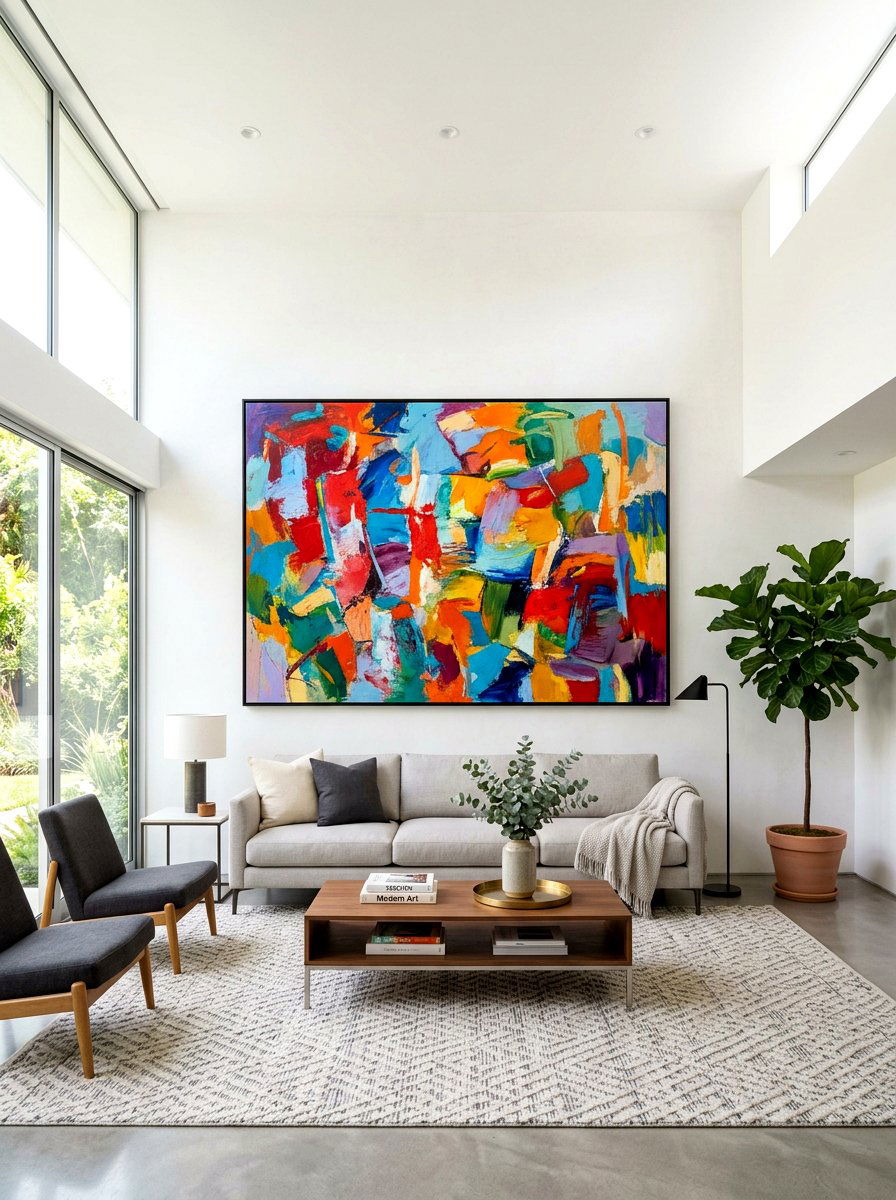
Using one large piece of statement art can actually make a small room feel more expansive than a collection of tiny items. A massive canvas draws the eye and creates a strong focal point that commands attention, making the walls feel significant. Choose a piece with bright colors or a sense of perspective to add more depth to the environment. It acts as a conversation starter and sets the entire tone for the room's decor. This bold choice shows confidence in your design and prevents the room from feeling cluttered with too many small decorations. It is a simple way to bring high-impact style to a compact space.
Conclusion:
Transforming a small living area into a beautiful and functional sanctuary is entirely possible with the right design strategies. By focusing on light, scale, and multifunctional elements, you can create a home that feels open, airy, and full of personality. Each of the ideas presented here demonstrates that limited square footage does not mean you have to compromise on style or comfort. Whether you choose a minimalist look or a cozy layered aesthetic, the key is to make intentional choices that maximize every inch. With these creative tips, your compact space will become a stylish retreat that you will love spending time in every single day.

Related posts: