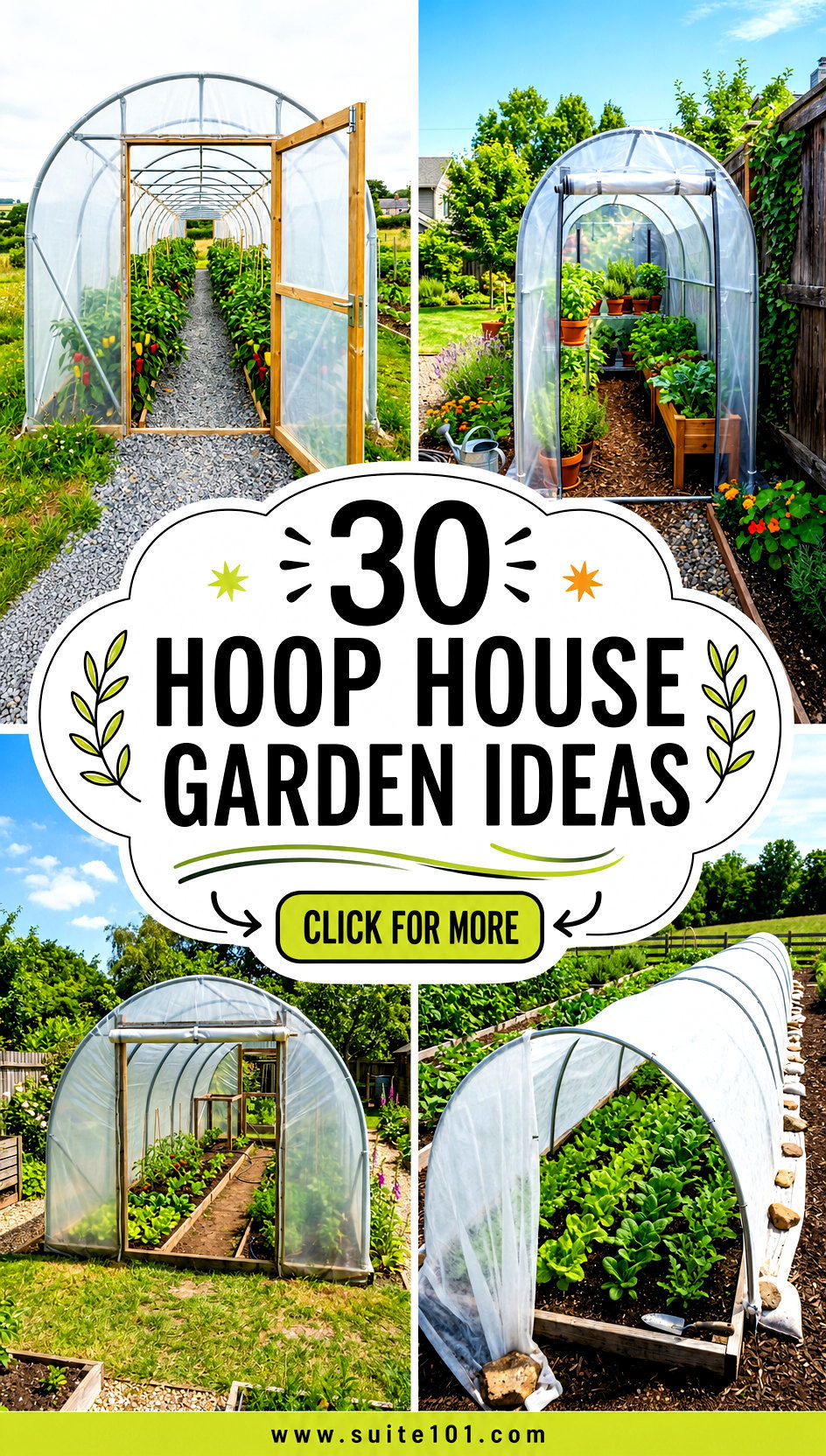
Creating a functional garden space often requires more than just good soil and seeds; it demands protection from the unpredictable elements of nature. Hoop houses have emerged as one of the most versatile and cost-effective solutions for gardeners of all experience levels who want to extend their growing season significantly. These simple structures, often made from flexible piping and clear plastic sheeting, act as miniature greenhouses that trap heat and shield delicate plants from harsh winds or unexpected frost. Whether you are looking to start your spring seedlings earlier or keep your hearty winter greens thriving through the snow, a hoop house offers a controlled environment that makes year-round gardening a reachable reality for everyone.
1. Cattle panel greenhouse
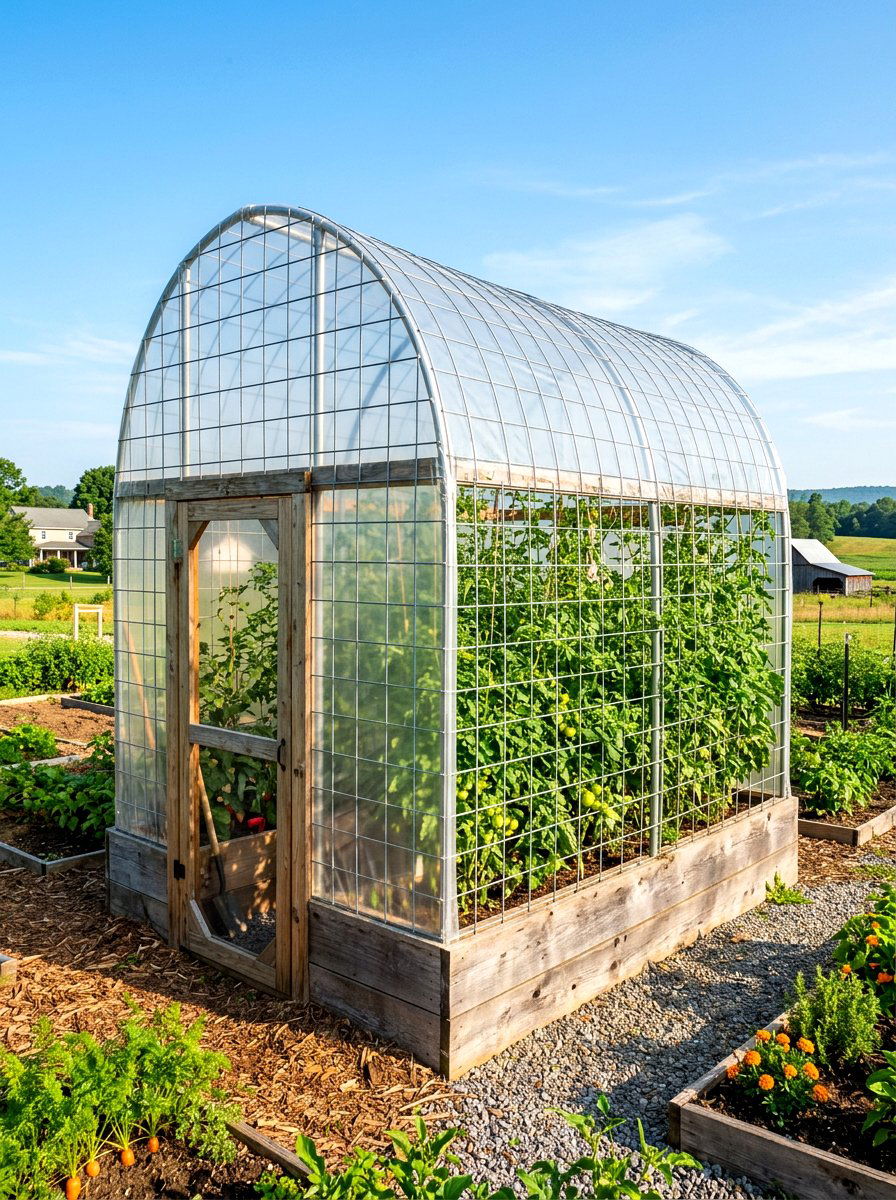
Have you ever wondered how to build a garden structure that can withstand heavy snow and strong winds without breaking your budget? Utilizing heavy-duty cattle panels is one of the smartest ways to create a tall, walk-in hoop house that lasts for many years. These stiff metal grids are bent into a perfect arch and secured to a wooden base, providing an incredibly sturdy skeleton for your plastic covering. This design is particularly popular because it allows for plenty of vertical space, making it easy to stand inside while tending to your plants. You can even use the wire mesh itself as a trellis for climbing vegetables like cucumbers.
2. Low tunnel row cover
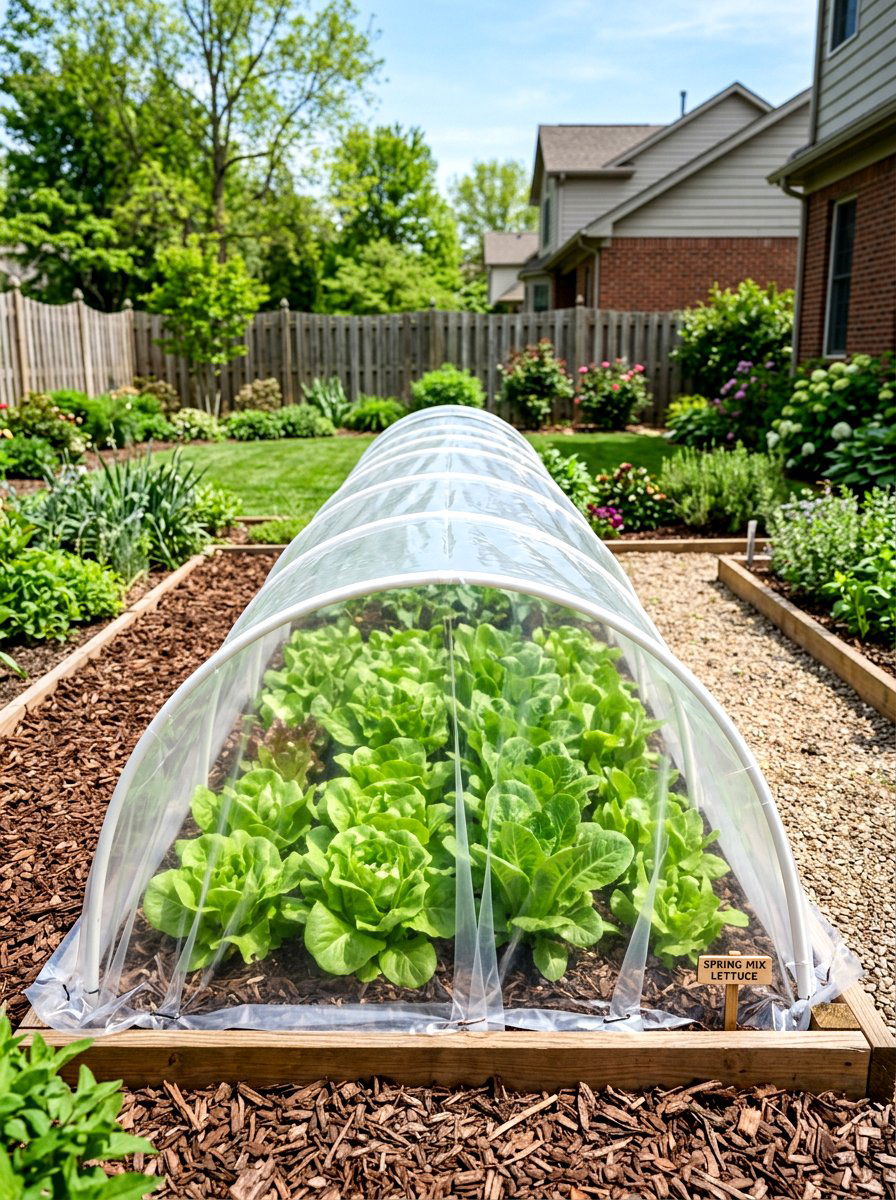
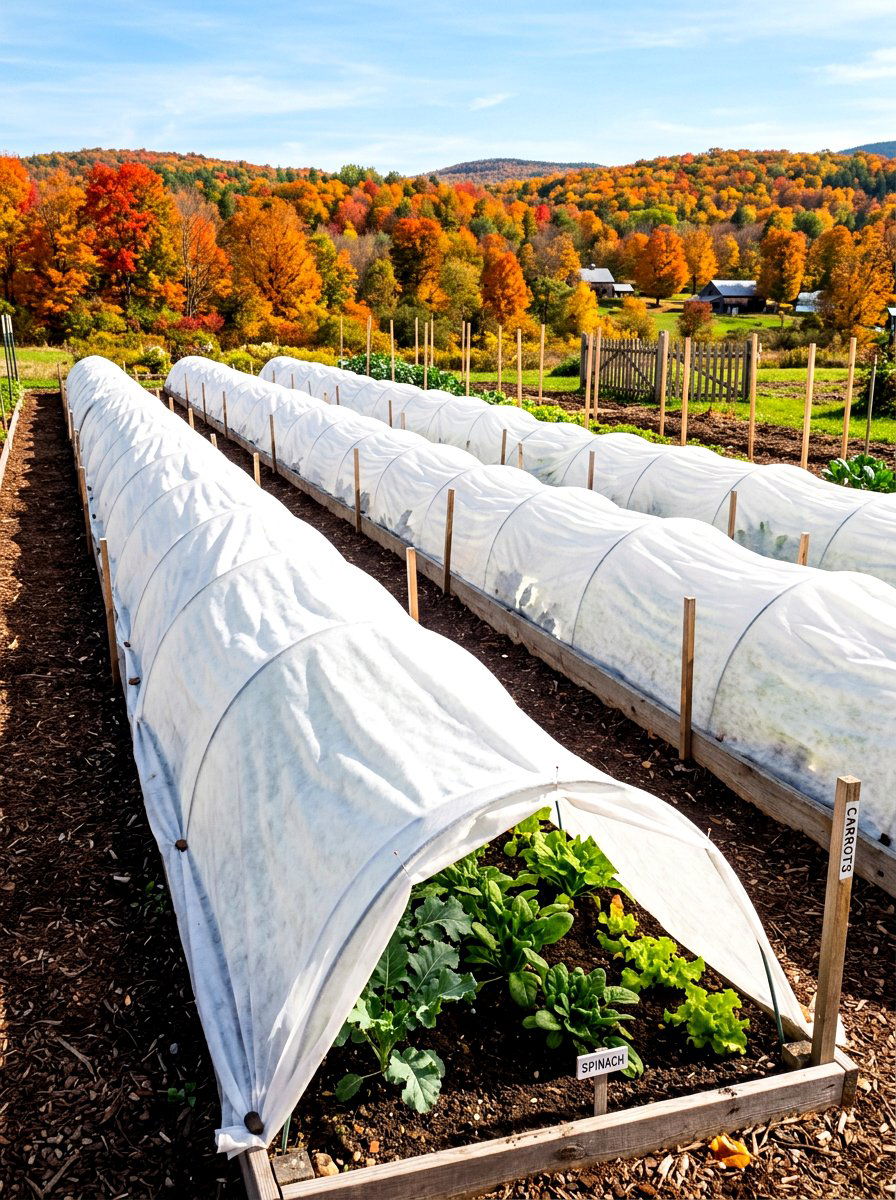
Imagine walking out to your garden in the middle of a chilly autumn morning and finding your delicate lettuce perfectly crisp and protected. Low tunnels are the smaller, more compact cousins of the full-sized hoop house, designed to sit directly over specific garden rows. These structures usually stand only two or three feet tall, making them incredibly easy to install using flexible PVC or metal wire. They are perfect for suburban backyards where a massive greenhouse might look out of place or violate local zoning rules. Because they are so close to the ground, they are exceptionally efficient at trapping heat near the soil surface.
3. Raised bed cold frame
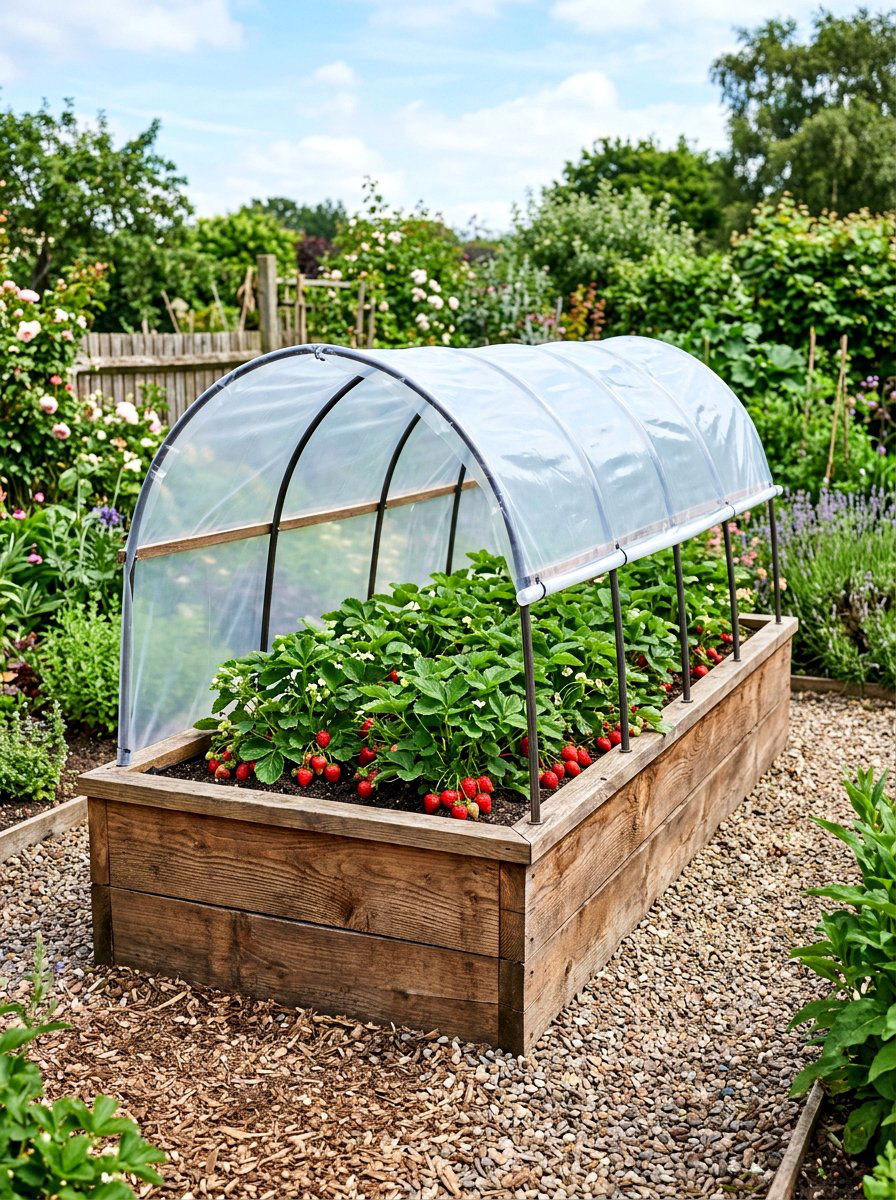
What if you could turn your existing wooden garden boxes into high-performance growing machines by adding a simple protective lid? Attaching small hoops directly to the sides of a raised bed creates a secure cold frame that keeps soil temperatures warm even when the air is freezing. This method is highly effective because the raised bed already provides excellent drainage and soil quality, while the hoop cover adds a layer of climate control. You can use simple pipe straps to screw the hoops into the wood, ensuring they stay in place during a storm. It is a fantastic way to protect your early spring strawberries.
4. PVC garden tunnel
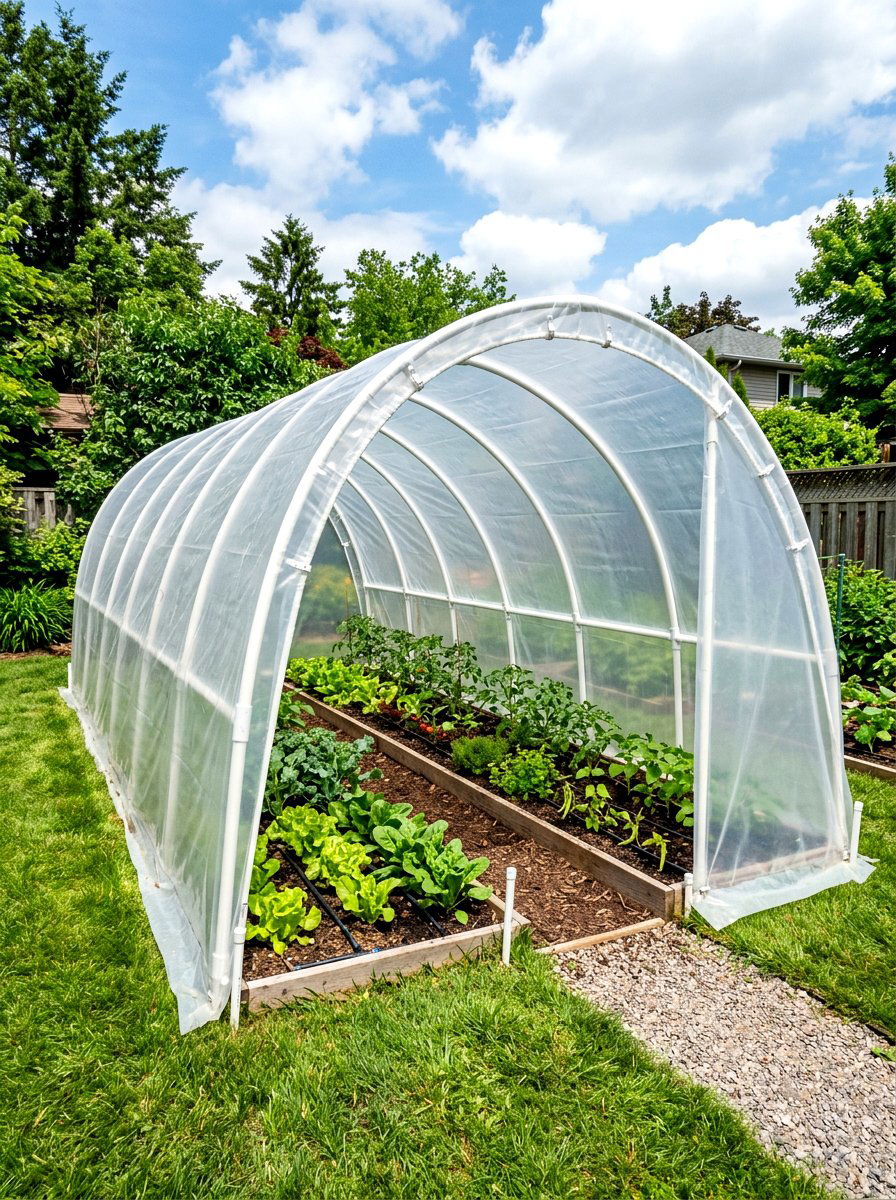
Can you picture a lightweight and affordable garden sanctuary that you can assemble in just a single afternoon using basic hardware store materials? PVC piping is the most common material for DIY hoop houses because it is incredibly flexible, easy to cut, and resistant to moisture damage. By bending long pieces of white plastic pipe into arches, you create a skeletal frame that can support various types of greenhouse film or bird netting. This design is very forgiving for beginners since mistakes are cheap to fix and the structure is light enough to move around if you decide to change your garden layout later.
5. Walk in poly tunnel
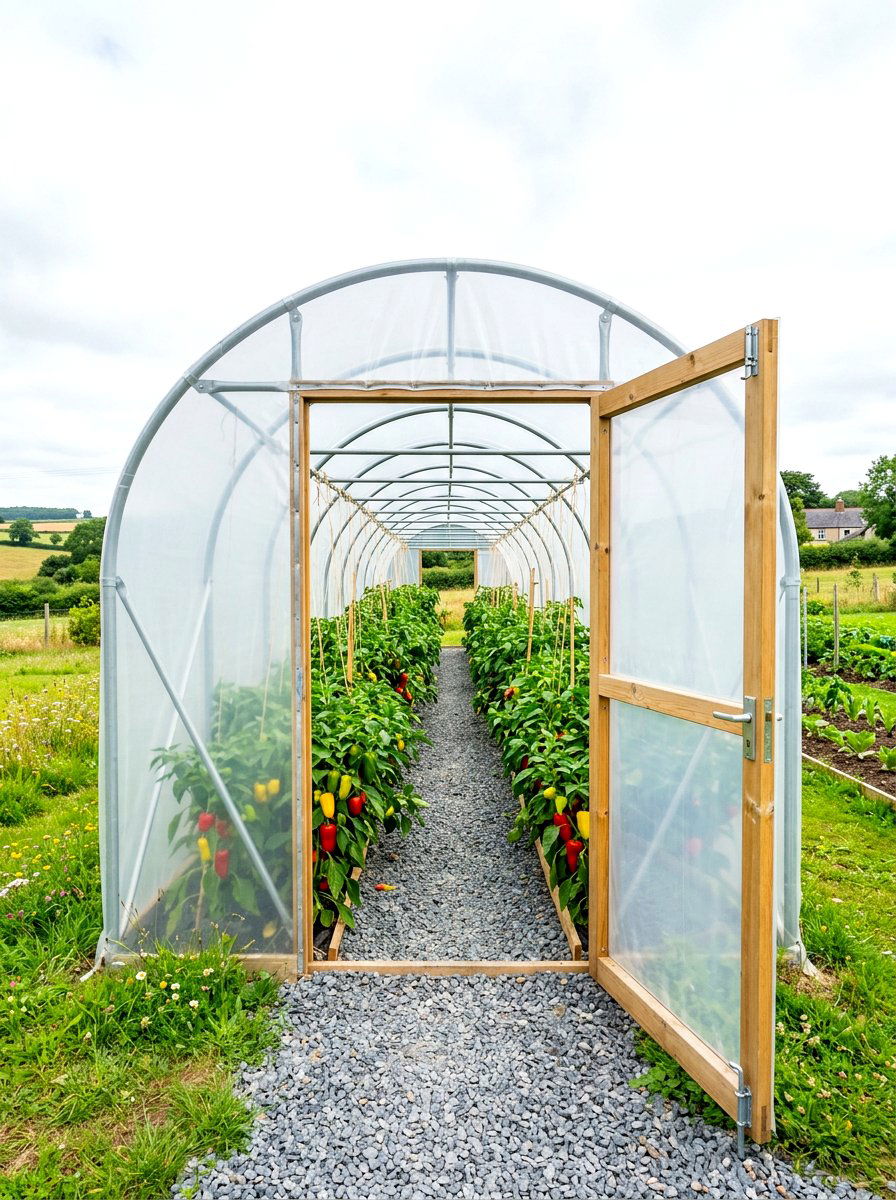
Walking into a warm, humid environment filled with the scent of damp earth while the outside air is still biting is a magical experience. A full-sized walk-in poly tunnel provides enough interior volume to grow large crops like indeterminate tomatoes or tall peppers that would never fit in a low tunnel. These structures are often reinforced with a central ridge pole to prevent the plastic from sagging during heavy rain or snow. Having a dedicated doorway allows for better airflow management, which is crucial for preventing mold and mildew growth in the height of the summer when temperatures can soar quickly.
6. Winter vegetable hoop house
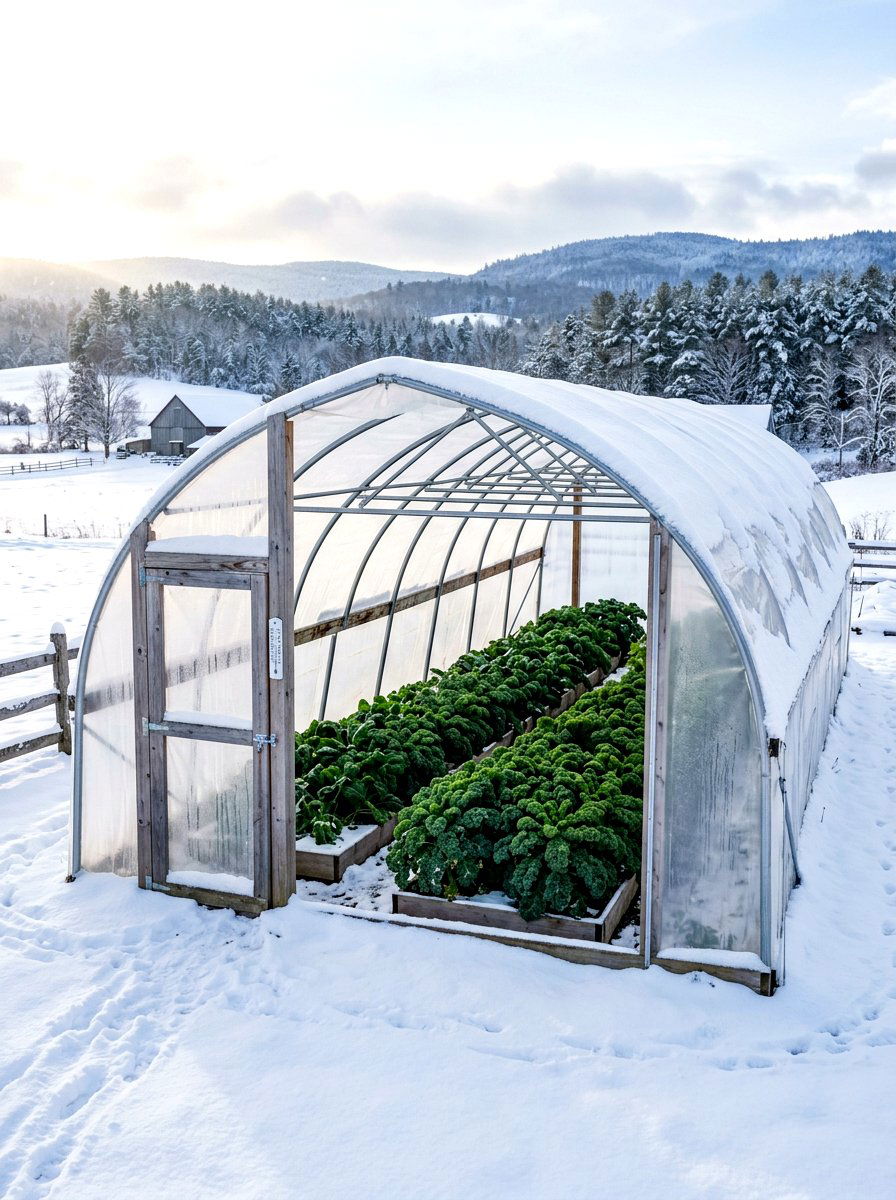
Does the thought of harvesting fresh kale and spinach in the middle of January sound like an impossible dream for a cold climate? A winter-specific hoop house is designed with extra insulation, often using a double layer of plastic with a small air gap to provide a thermal buffer. This setup creates a microclimate that prevents the ground from freezing solid, allowing hardy greens to survive throughout the darkest months of the year. By choosing cold-tolerant varieties and providing this simple overhead protection, you can virtually eliminate the need for a grocery store produce aisle during the long, dormant winter months.
7. Compact backyard hoop house
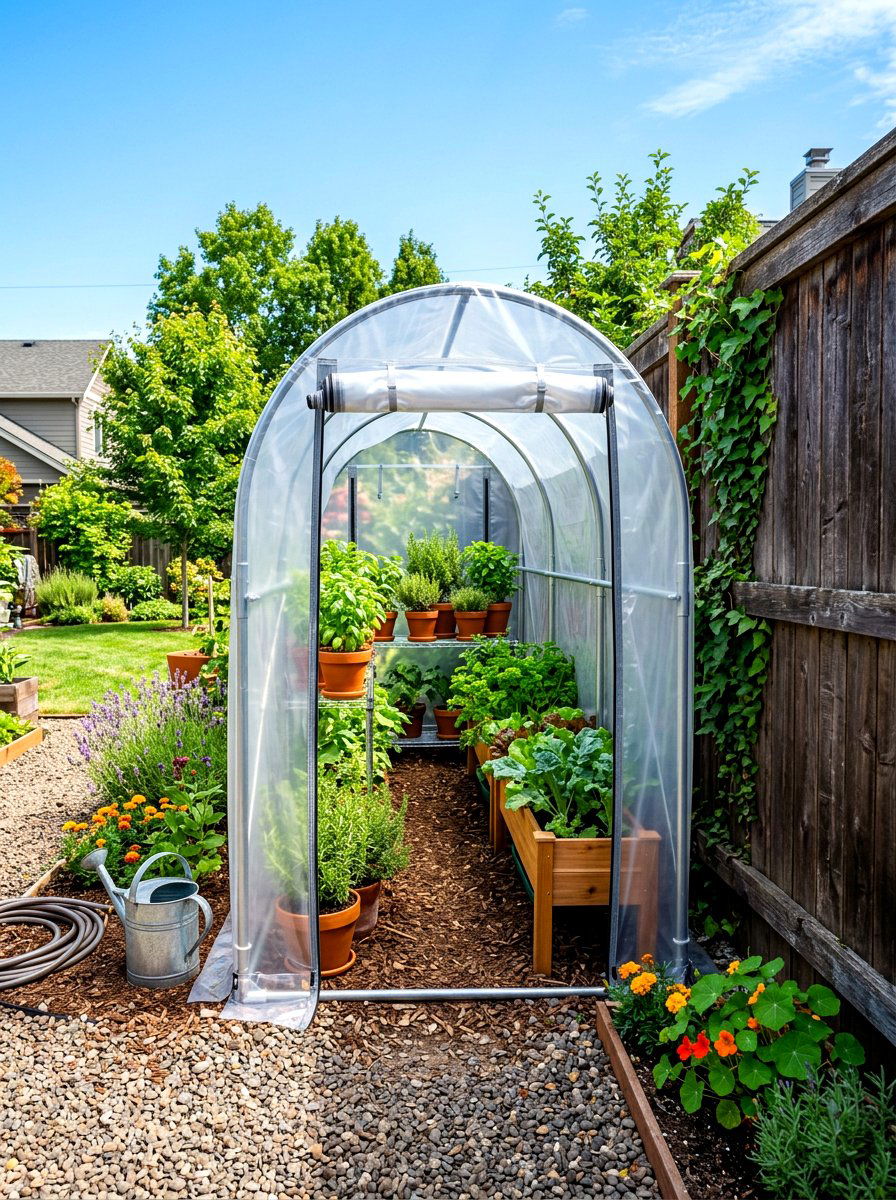
Are you worried that your small urban lot doesn't have enough space for a professional-grade agricultural structure to help grow your food? A compact hoop house is specifically tailored for tight spaces, often utilizing shorter hoops and a narrower footprint to fit alongside a fence or patio. These smaller versions offer all the benefits of a large greenhouse, such as pest protection and heat retention, without dominating your entire outdoor living area. They are ideal for city dwellers who want to grow a few specialized crops like organic herbs or gourmet salad greens in a controlled environment that maximizes every inch of space.
8. Vertical climbing hoop house
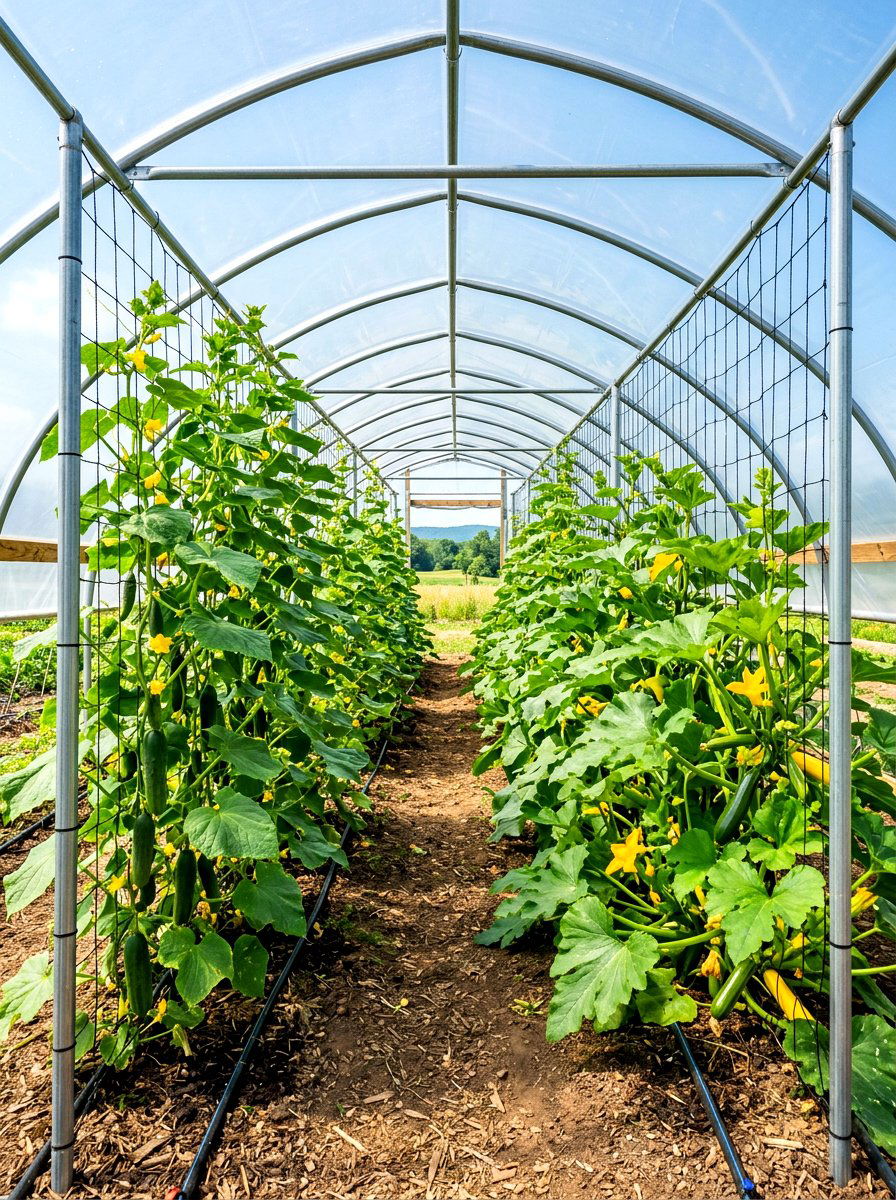
How would you like to maximize your garden's footprint by encouraging your heavy vining plants to grow upward instead of across the ground? A hoop house with a strong internal frame serves as an excellent support system for vertical gardening techniques that save space and improve air circulation. By attaching nylon netting or twine to the overhead hoops, you can train squash, cucumbers, and even small melons to climb the interior walls of the structure. This keeps the fruit off the damp soil, reducing rot and making the harvest much easier on your back since you can pick at eye level.
9. Wood frame greenhouse tunnel
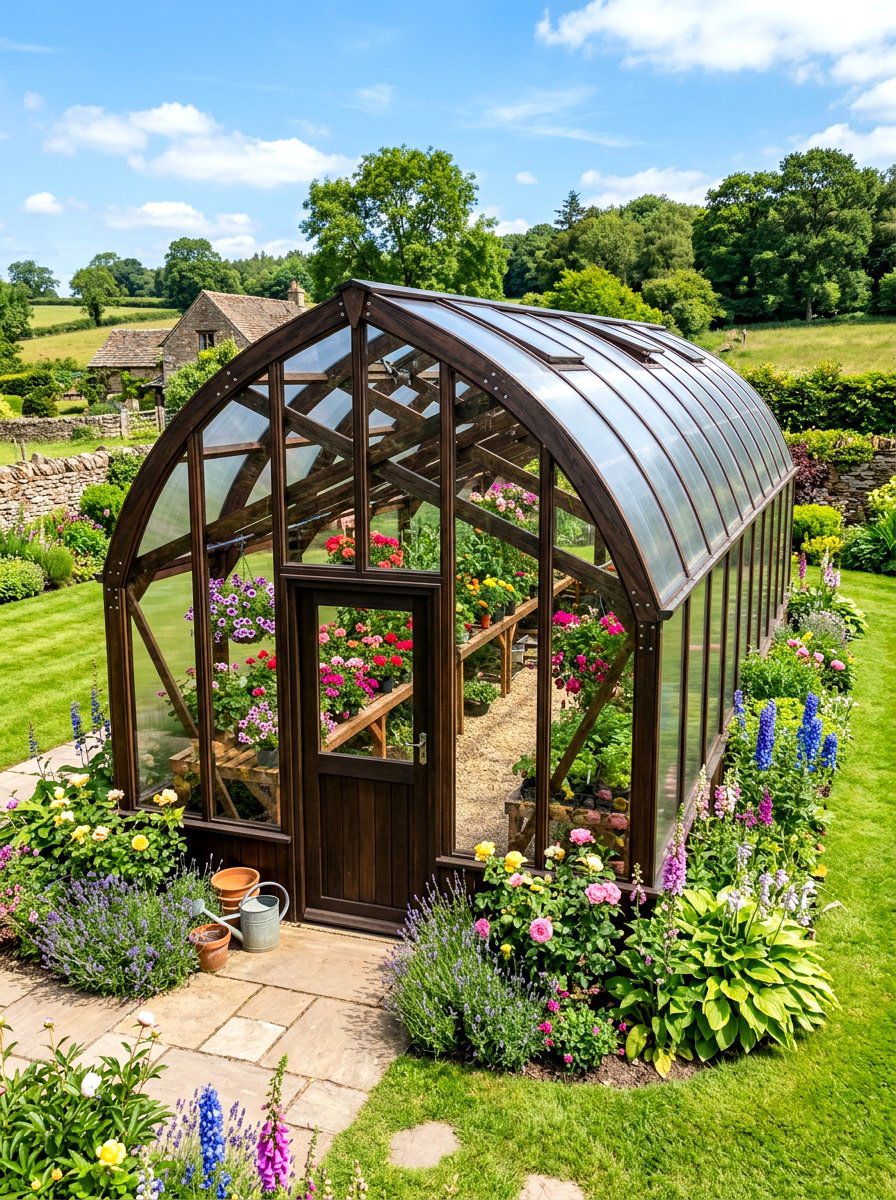
Have you considered using natural materials to create a garden structure that blends beautifully with your landscape while providing exceptional durability and strength? A wood frame hoop house uses sturdy timber for the base and end walls, giving it a much more permanent and finished appearance than all-plastic versions. The wooden skeleton provides a solid surface for attaching doors and windows, which makes regulating the internal temperature much more precise. This style of hoop house is perfect for those who want a long-term investment that adds aesthetic value to their property while serving as a highly functional year-round growing space.
10. Portable plant cover
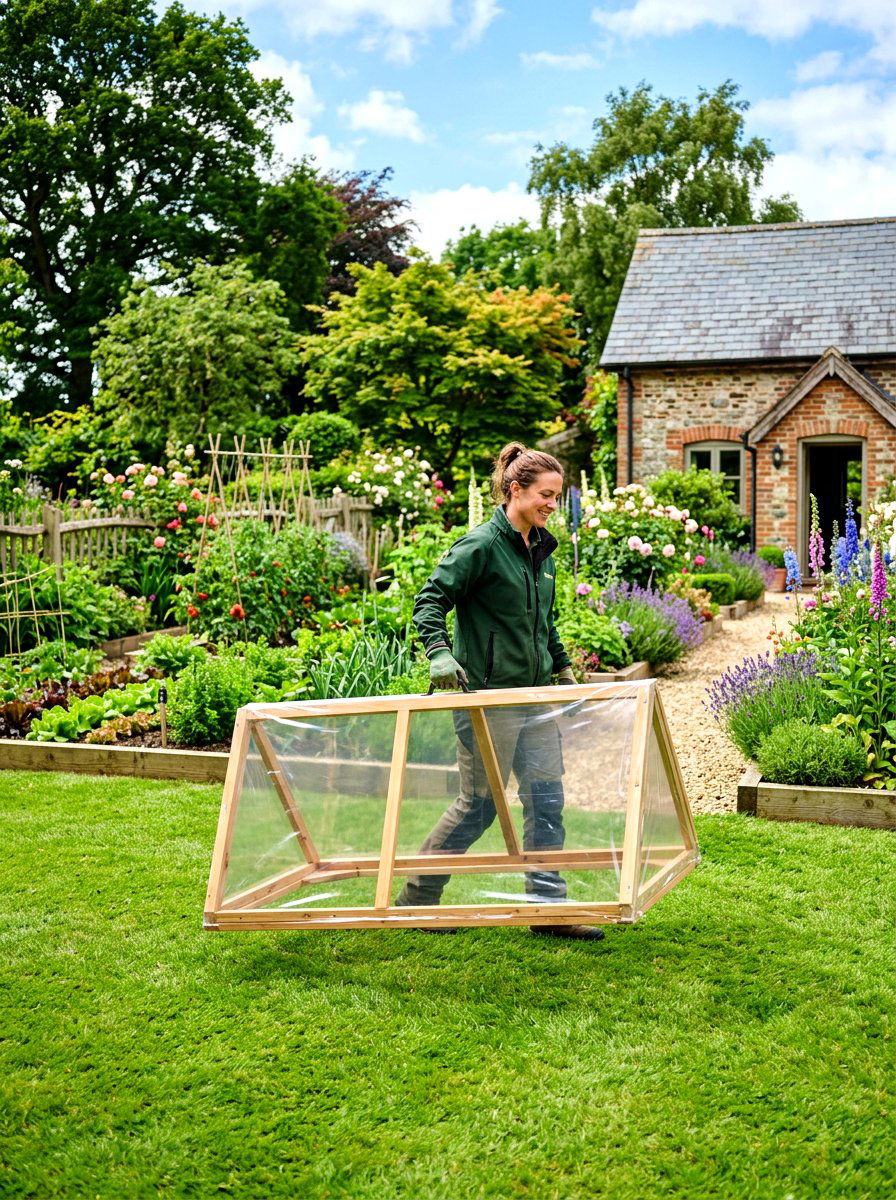
What if you had a protective garden shield that you could easily pick up and move to whichever part of the yard needs it most? Portable hoop houses are designed with lightweight materials and often lack a permanent foundation, allowing them to be relocated as your planting schedule changes. You might use it to warm up the soil for your peppers in May, then move it to protect your late-season cabbage from cabbage moths in July. This flexibility makes it an essential tool for crop rotation, as you can bring the greenhouse environment to the plants rather than moving the plants.
11. Early spring hoop house
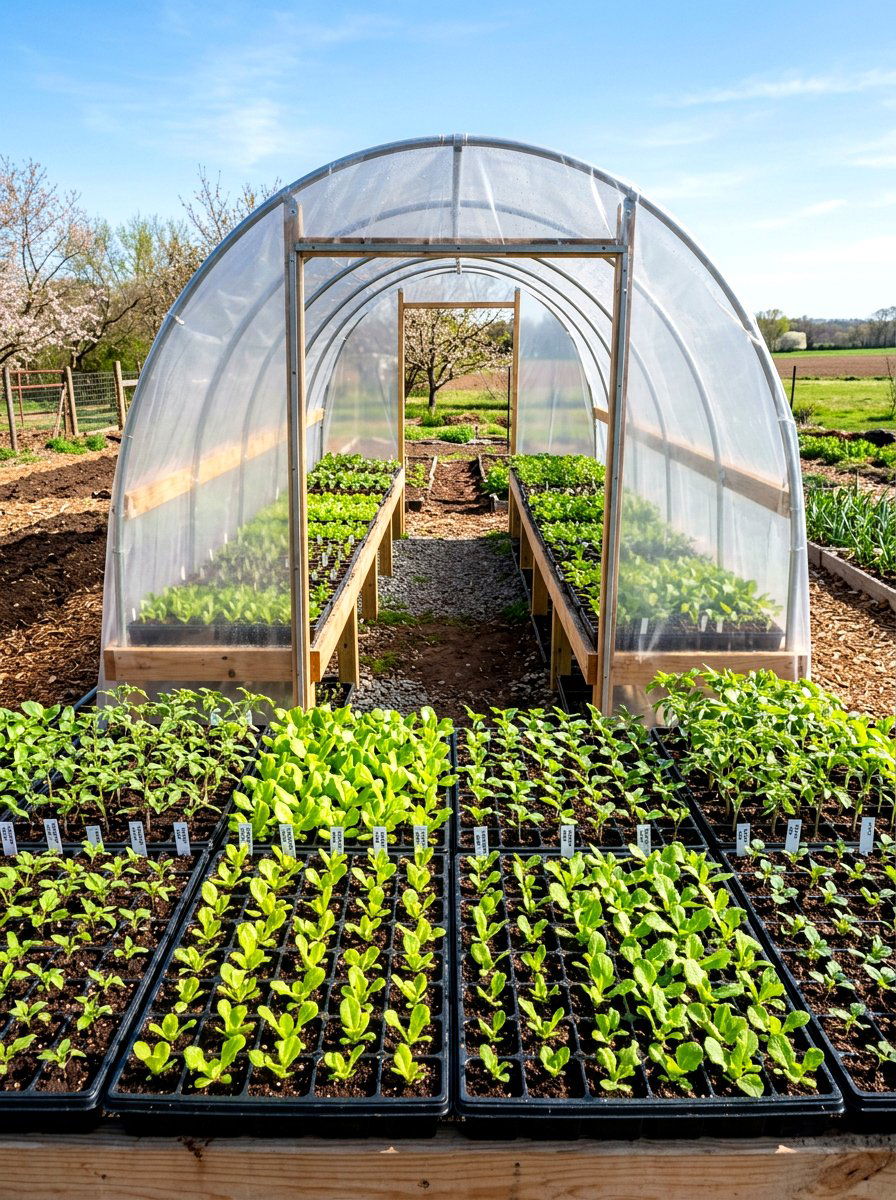
Do you find yourself impatiently waiting for the ground to thaw so you can finally get your hands back into the garden soil? An early spring hoop house is designed to jumpstart the season by warming the earth several weeks before the traditional planting dates in your local region. By capturing the increasing solar energy of late February and March, these structures allow you to transplant hardy seedlings like broccoli and cauliflower much sooner. This head start often leads to a more robust root system and an earlier harvest, giving you a significant advantage over the standard outdoor growing calendar in your area.
12. Fall harvest hoop house
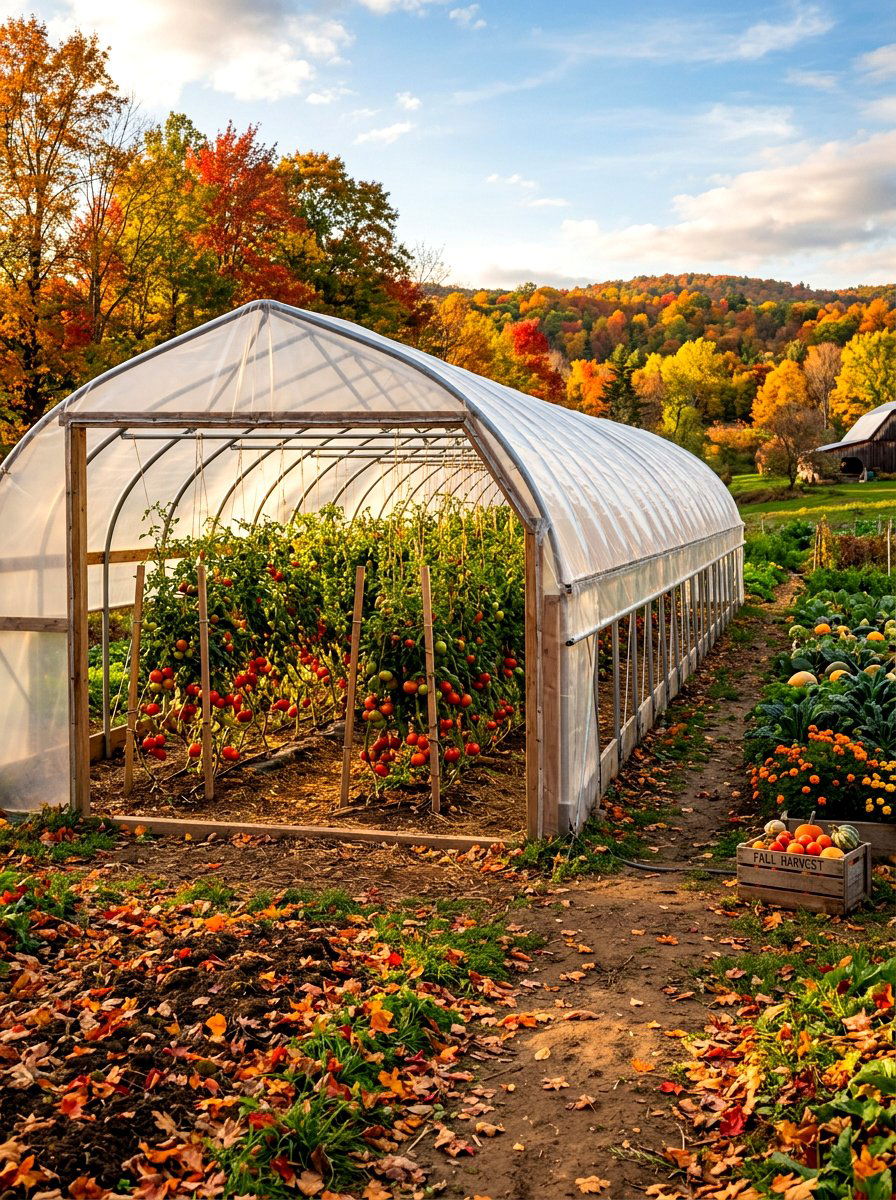
How many times have you lost a beautiful crop of tomatoes to a single night of unexpected early frost in the late autumn? A fall-focused hoop house acts as an insurance policy for your hard work, extending the life of warm-weather crops well into October or November. As the days get shorter and the nights get colder, the plastic covering retains the day's warmth to keep the soil temperature stable. This allows slow-ripening fruits to finally turn red or purple, ensuring that none of your effort goes to waste just because the calendar says the summer season is over.
13. Strawberry protection tunnel
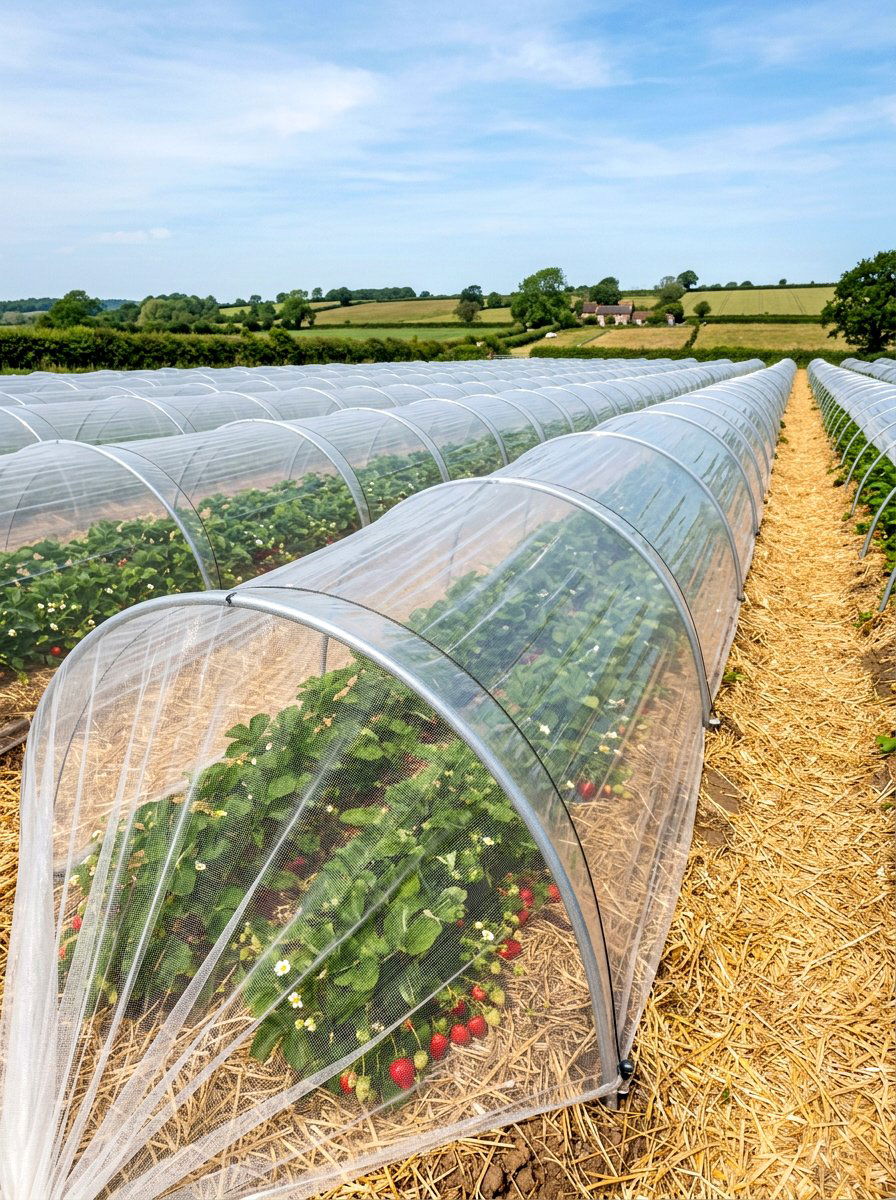
Imagine biting into a perfectly ripe, sun-warmed strawberry that hasn't been pecked by birds or nibbled on by hungry slugs in the night. Dedicated strawberry tunnels are usually low-profile hoop houses covered with a mix of clear plastic for warmth and fine mesh to keep pests away. Because strawberries are prone to rot if they get too much rain during the ripening stage, the overhead cover keeps the fruit dry while allowing the roots to get controlled moisture. This specific setup results in cleaner berries, fewer fungal issues, and a significantly higher yield of marketable fruit from your home garden.
14. Tomato ripening hoop house
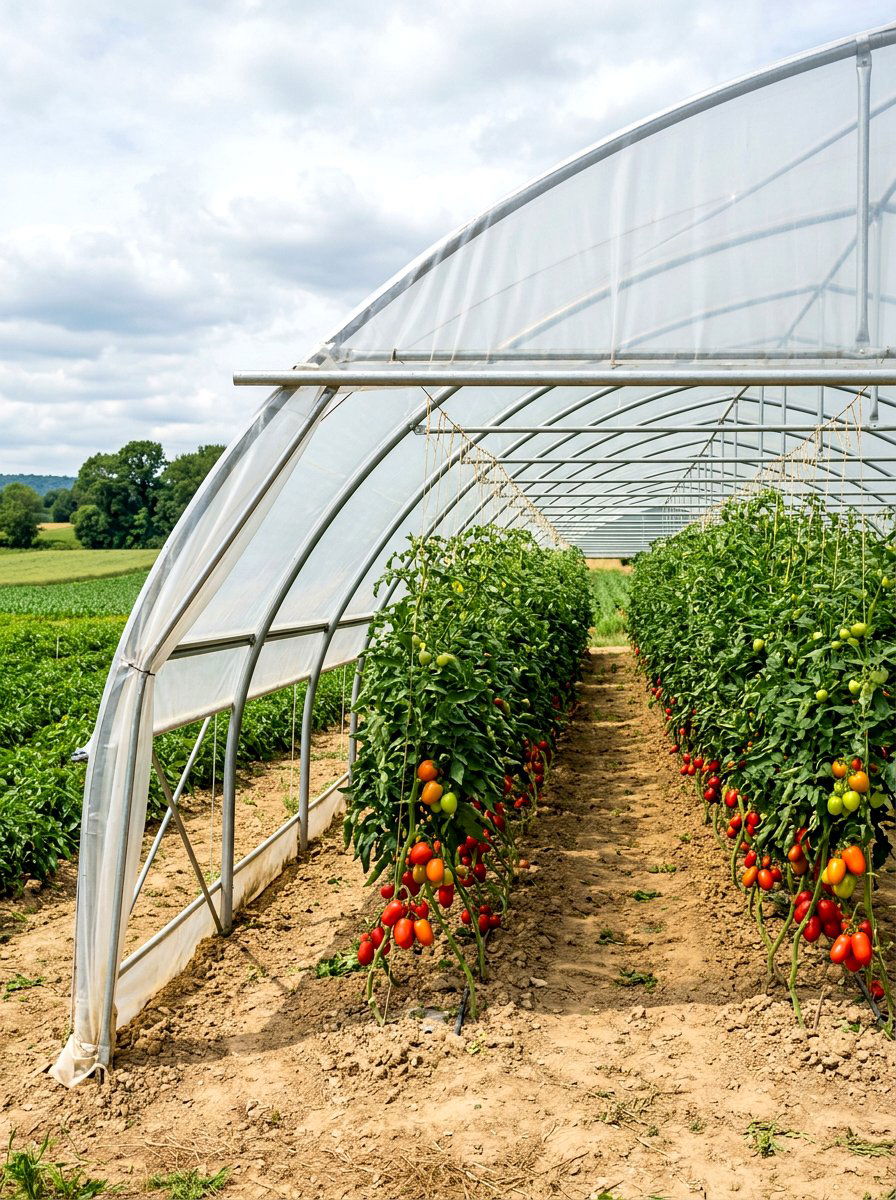
Are you tired of seeing your heavy tomato vines succumb to late-season blight or cracking because of excessive rainfall during the peak of summer? A hoop house specifically designed for tomatoes provides a dry, ventilated environment that significantly reduces the risk of foliar diseases that thrive in wet conditions. By controlling the amount of water the plants receive and keeping the leaves dry, you can maintain a much healthier crop. The added heat inside the structure also speeds up the ripening process, which is especially helpful for those living in cooler climates where the summer season is relatively short.
15. Lettuce nursery hoop house
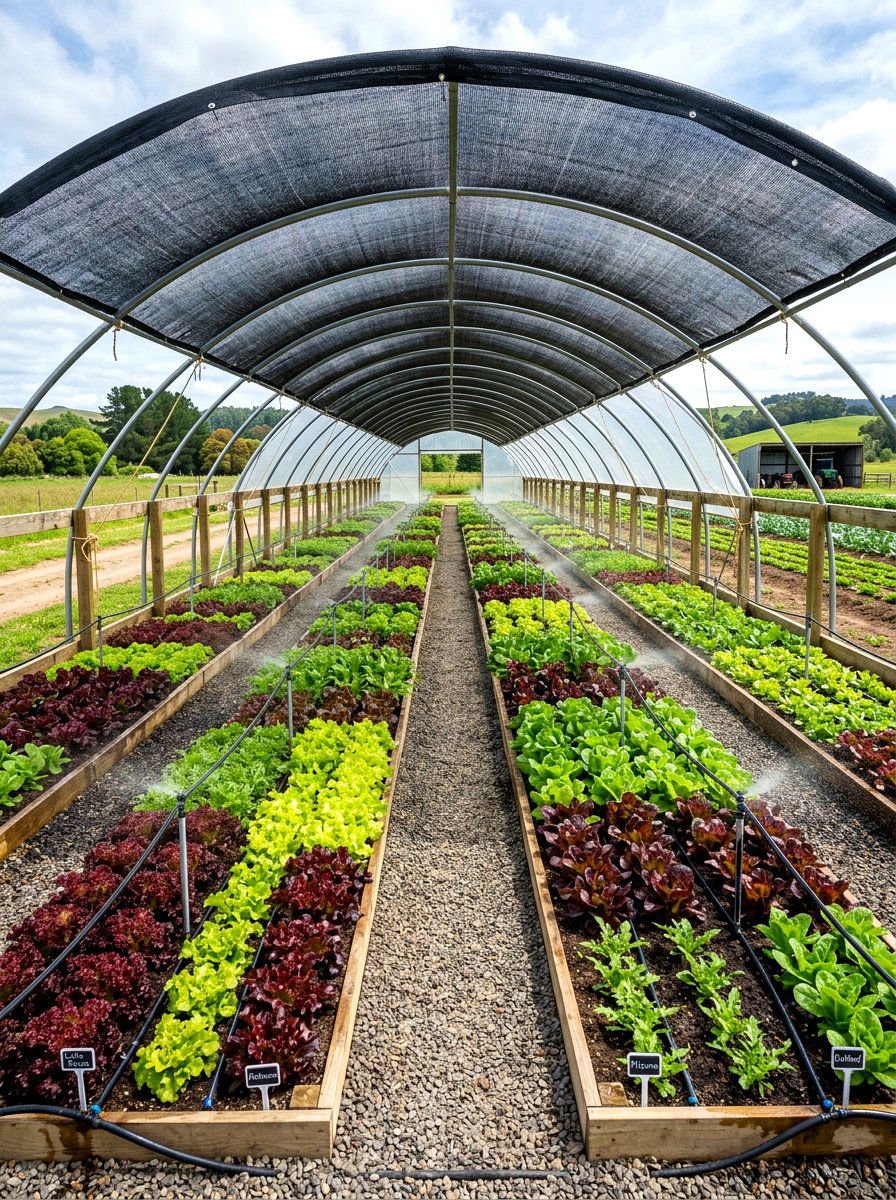
Have you ever tried to grow tender salad greens in the heat of summer only to have them bolt and turn bitter immediately? A hoop house can be outfitted with shade cloth instead of plastic to create a cool nursery environment for heat-sensitive crops like lettuce and spinach. This modification allows you to grow sweet, crunchy greens all through the hottest months by reducing the intensity of the direct sun. The structure also provides a barrier against wind, which can dry out the shallow roots of lettuce plants, ensuring that your homegrown salads remain succulent and delicious regardless of the temperature.
16. Cut flower hoop house
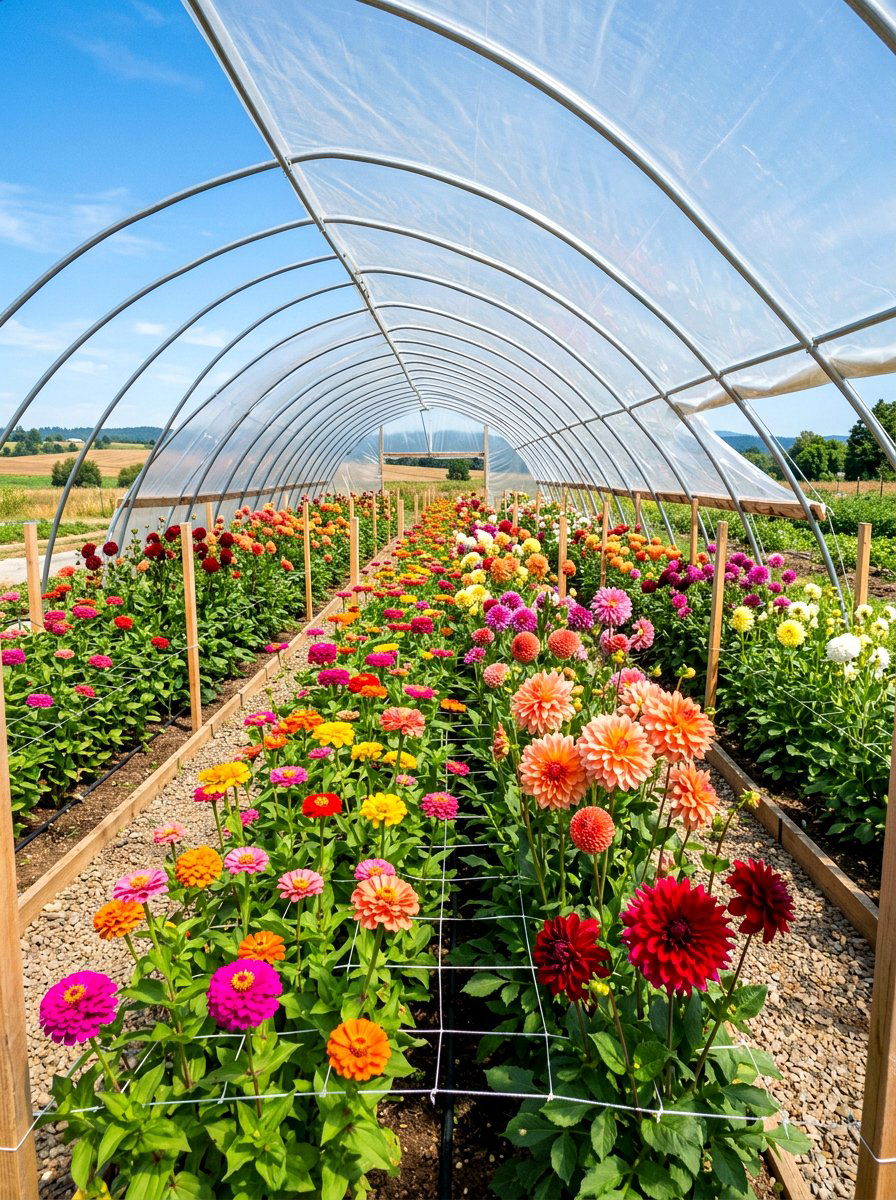
Can you imagine having a constant supply of vibrant, professional-quality flowers for your home without the high prices of a local florist shop? Using a hoop house for a cut flower garden allows you to control the environment to produce longer stems and more perfect blooms. Protection from wind prevents tall flowers like dahlias or snapdragons from toppling over, while the overhead cover protects delicate petals from being bruised by heavy rain. This controlled setting also allows you to start your flower seeds earlier in the year, resulting in a much longer blooming season for your favorite ornamental varieties.
17. Culinary herb hoop house
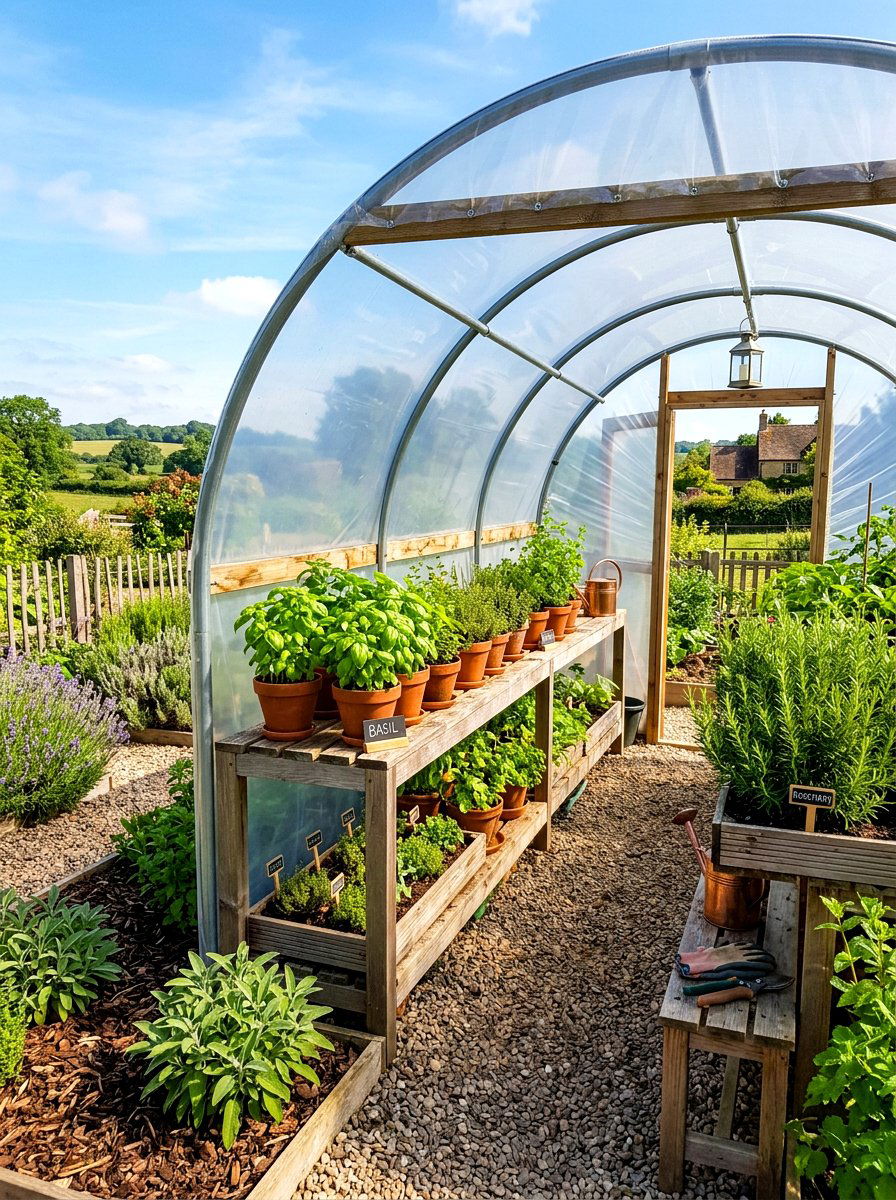
What if you could walk just a few steps from your kitchen and harvest fresh basil, cilantro, and rosemary even during the colder months? A small hoop house dedicated to culinary herbs ensures that these essential ingredients remain lush and productive throughout the year. Many herbs are sensitive to frost or heavy rain, so providing a stable environment keeps them from becoming woody or dying back. This setup is particularly useful for Mediterranean herbs that prefer a slightly warmer and drier atmosphere than what a typical temperate garden might provide during the rainy seasons or the early spring.
18. Heavy duty metal hoop house
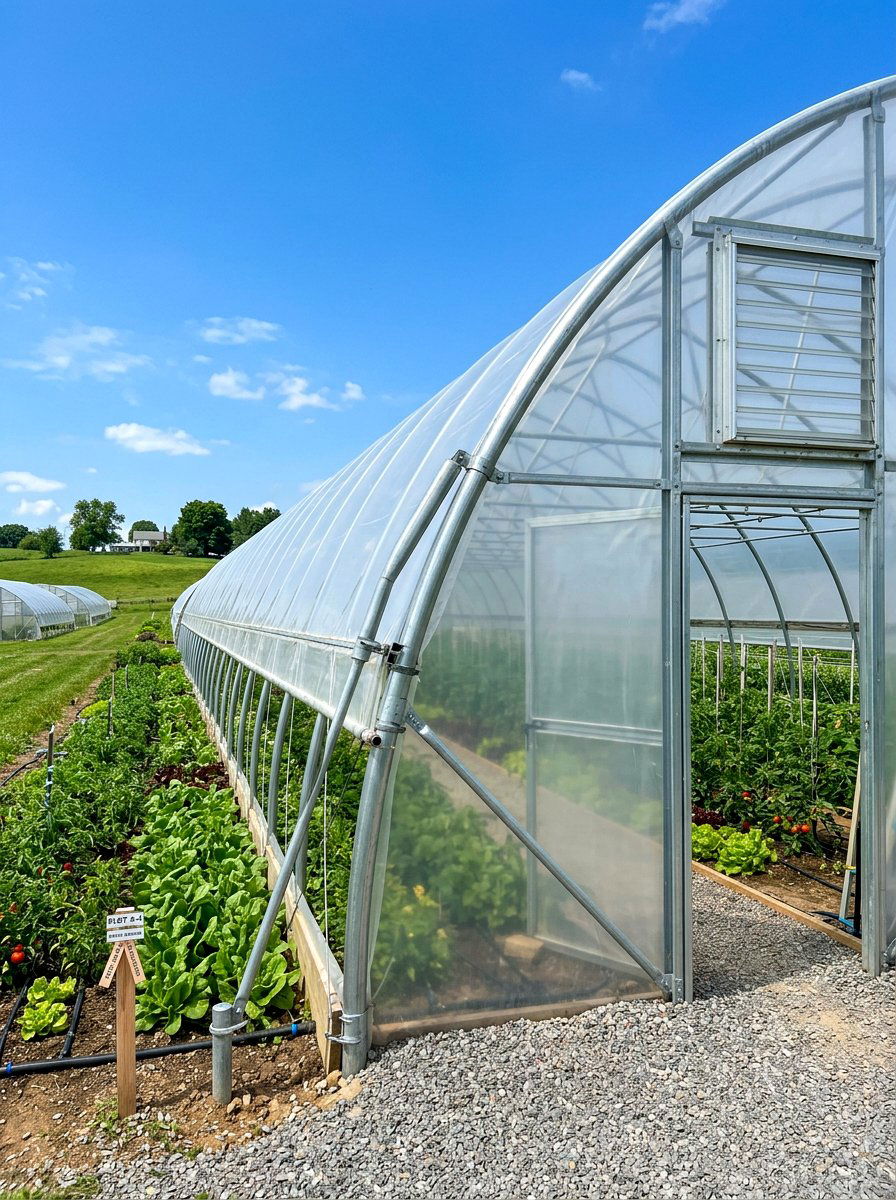
Are you looking for a permanent garden solution that can handle the most extreme weather conditions without showing any signs of wear? A metal-framed hoop house, often constructed from galvanized steel electrical conduit, offers superior strength and a much longer lifespan than PVC or wood. These structures are built to last for decades and can support the weight of heavy plastic, shade cloth, or even polycarbonate panels. While the initial cost of materials might be higher, the durability and lack of maintenance make it a preferred choice for serious gardeners who want a reliable, professional-grade growing space.
19. Mesh insect hoop house
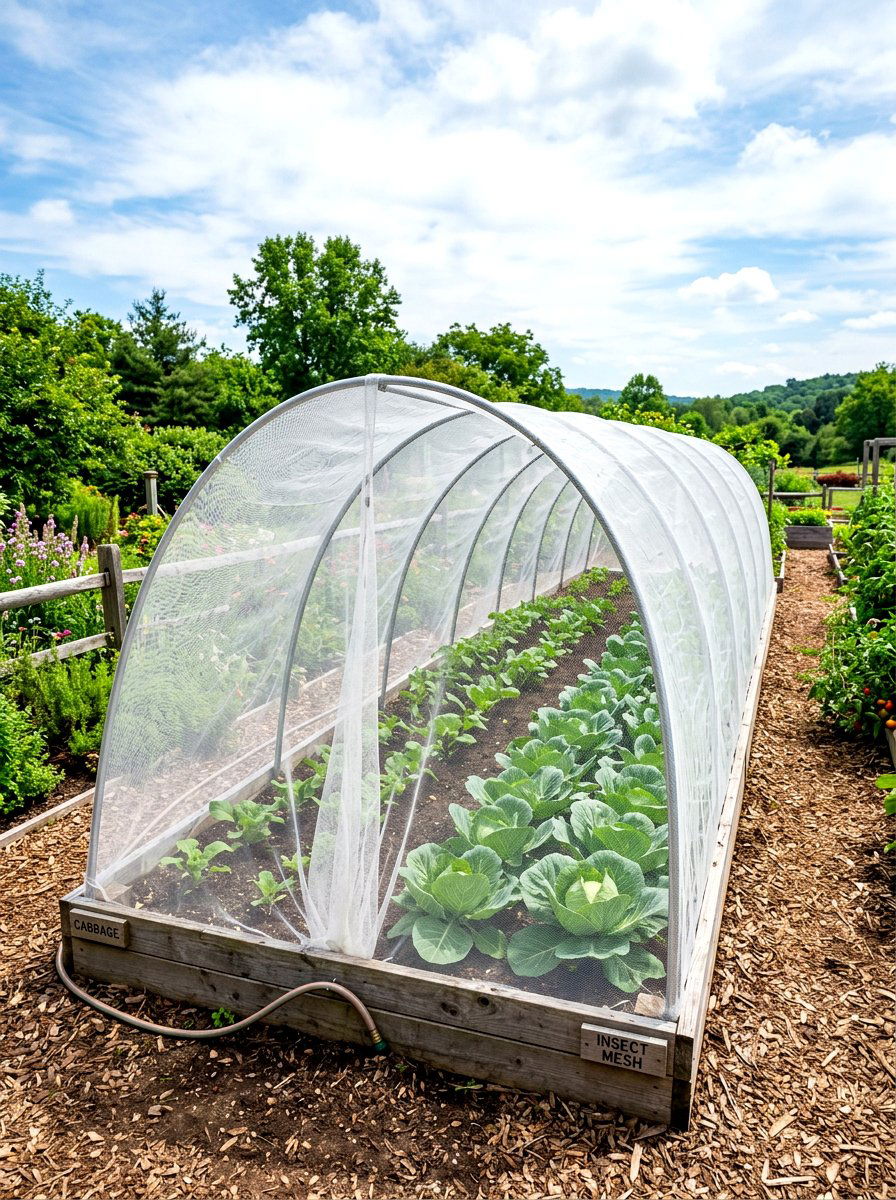
Do you struggle with persistent pests like cabbage moths, cucumber beetles, or grasshoppers that seem to devour your entire garden in a single weekend? Replacing clear greenhouse plastic with fine insect netting creates a breathable hoop house that provides 100% physical protection against harmful bugs. This organic approach eliminates the need for chemical pesticides while still allowing for excellent airflow and natural rainfall to reach your plants. It is an ideal solution for brassicas and other leafy vegetables that are highly attractive to insects but do not require pollination from bees to produce a successful and healthy edible harvest.
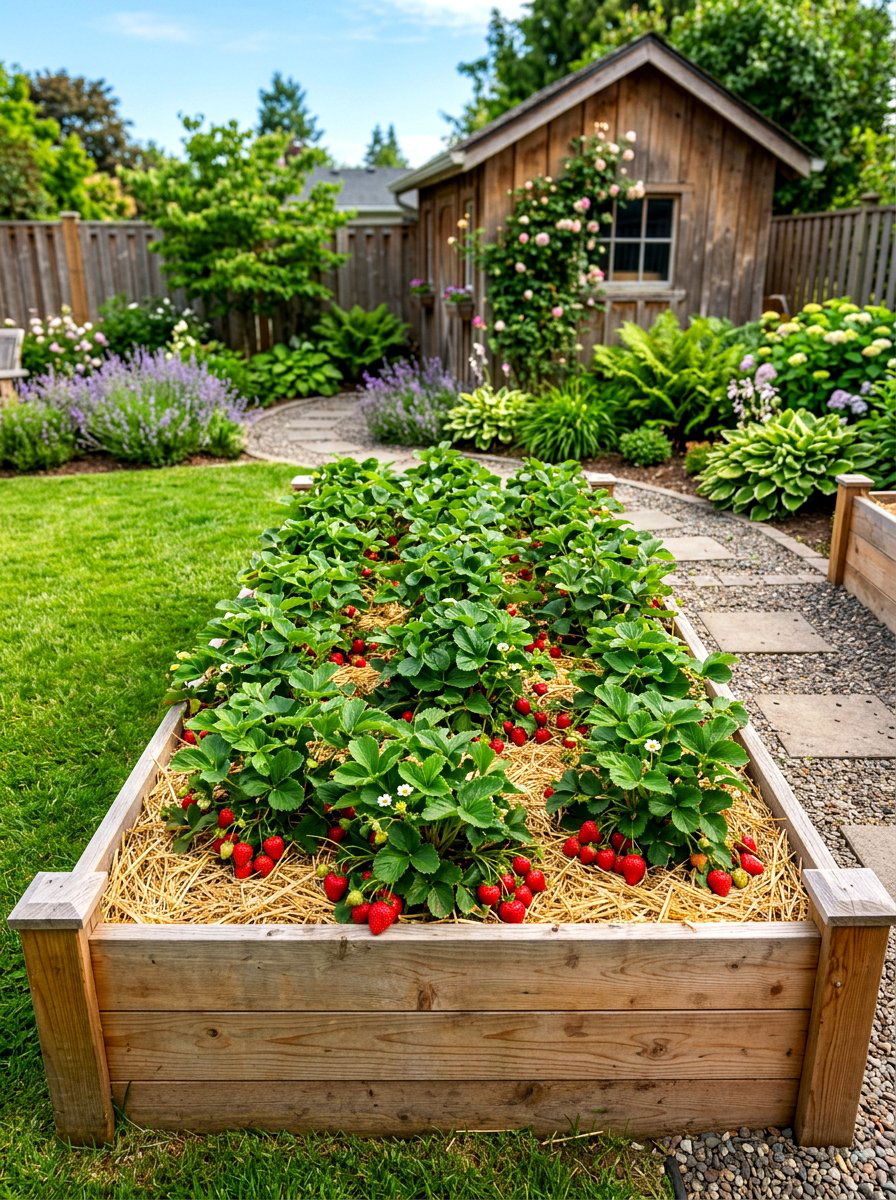


20. Plastic sheet hoop house
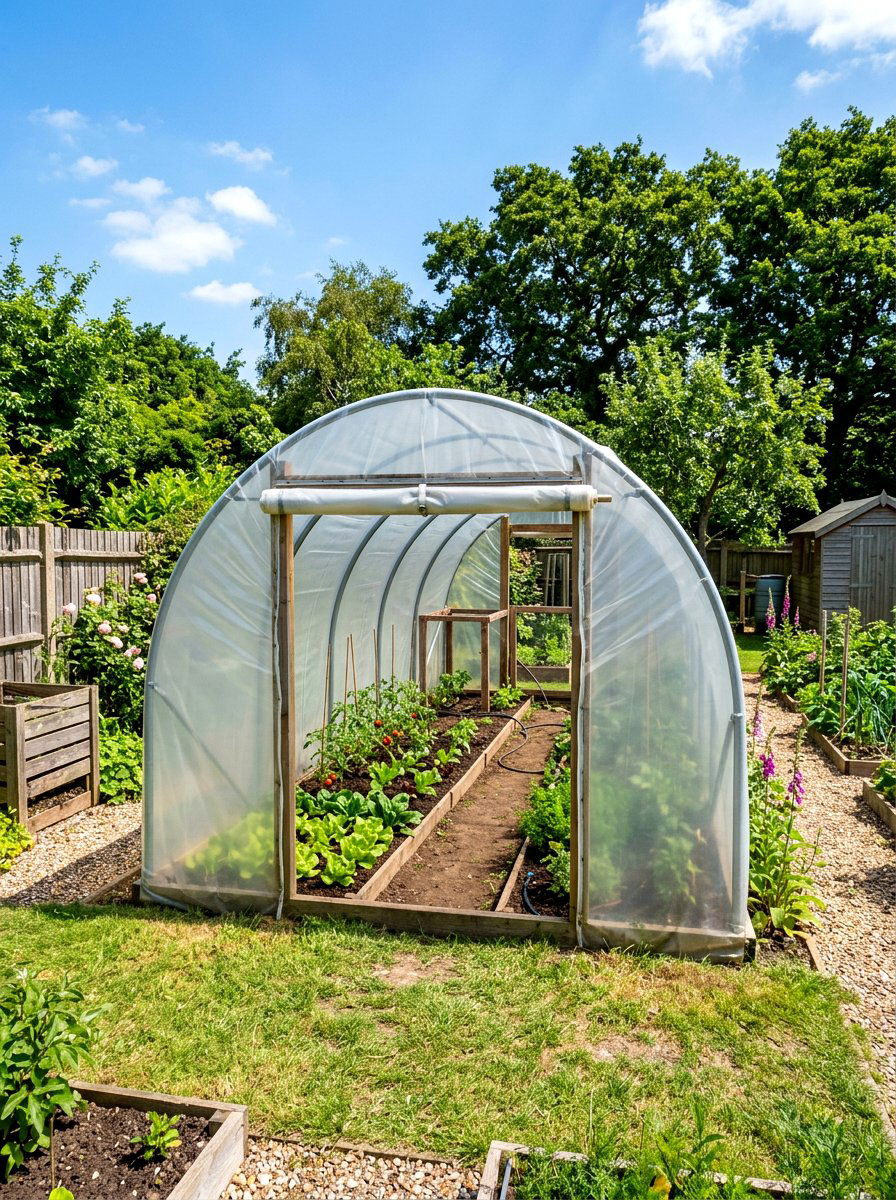
Have you ever wanted to try greenhouse gardening but felt overwhelmed by the high costs of professional glass or polycarbonate structures? A basic plastic sheet hoop house is the most budget-friendly way to experiment with season extension using simple 6-mil polyethylene film. This material is incredibly effective at trapping solar radiation and is easy to replace if it becomes damaged over time. It provides a quick and dirty way to see how your plants respond to a protected environment before you commit to more expensive materials. Most beginners start with this simple design to learn the basics of temperature and moisture.
21. DIY hoop house kit
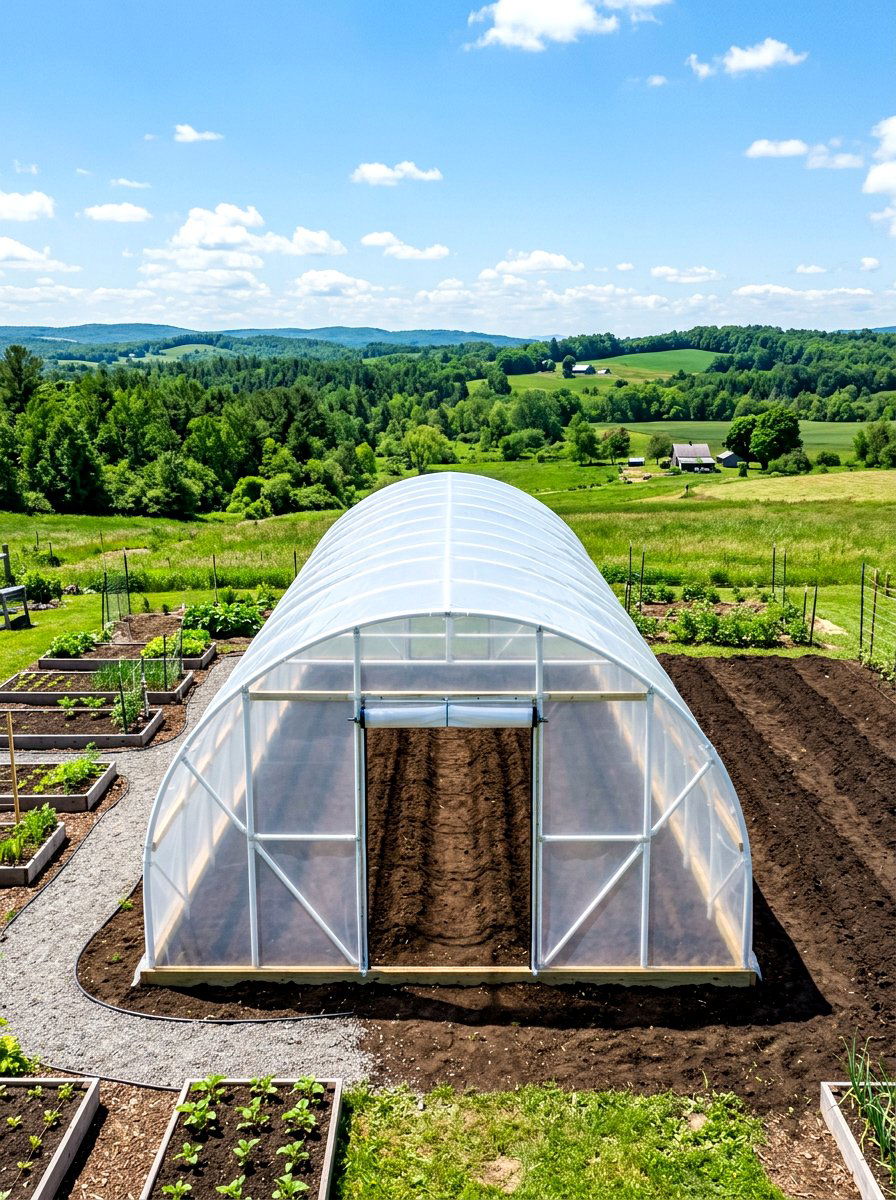
Are you someone who loves a good weekend project but prefers to have all the components and instructions ready to go in one package? Many companies now offer DIY hoop house kits that include pre-bent pipes, high-quality greenhouse plastic, and all the necessary clips and fasteners. These kits take the guesswork out of the construction process, ensuring that your structure is engineered correctly for stability and wind resistance. It is a fantastic option for gardeners who want a professional look and reliable performance without having to source individual parts from multiple different hardware stores or agricultural suppliers.
22. Side roll up hoop house
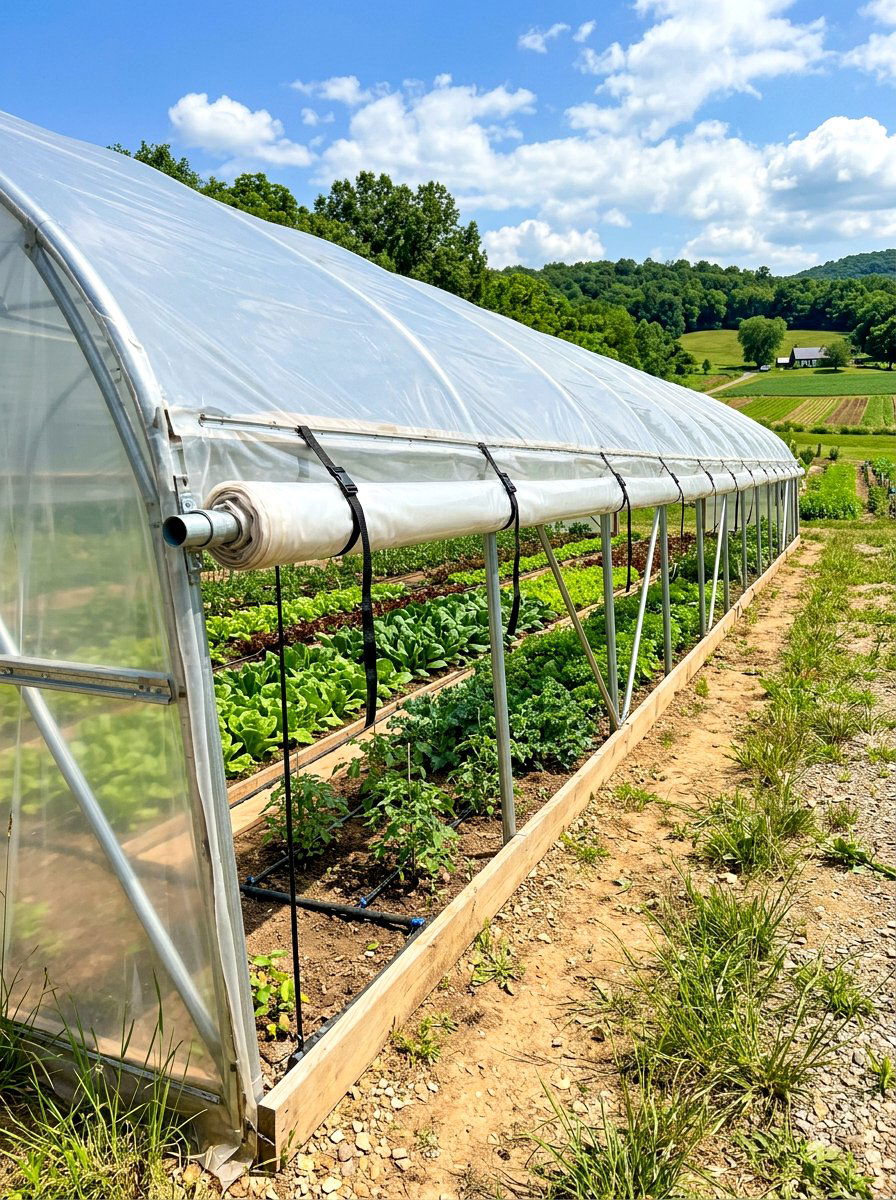
How do you manage the heat in a large hoop house when the afternoon sun starts to turn your garden into a literal oven? Incorporating roll-up sides into your hoop house design is the most effective way to provide instant ventilation and temperature control. By simply turning a hand crank or manual pipe, you can lift the bottom few feet of plastic to allow cool breezes to flow through the structure. This feature is vital for preventing heat stress in your plants and managing humidity levels, which helps to keep fungal diseases at bay during the humid summer months.
23. Urban balcony hoop house
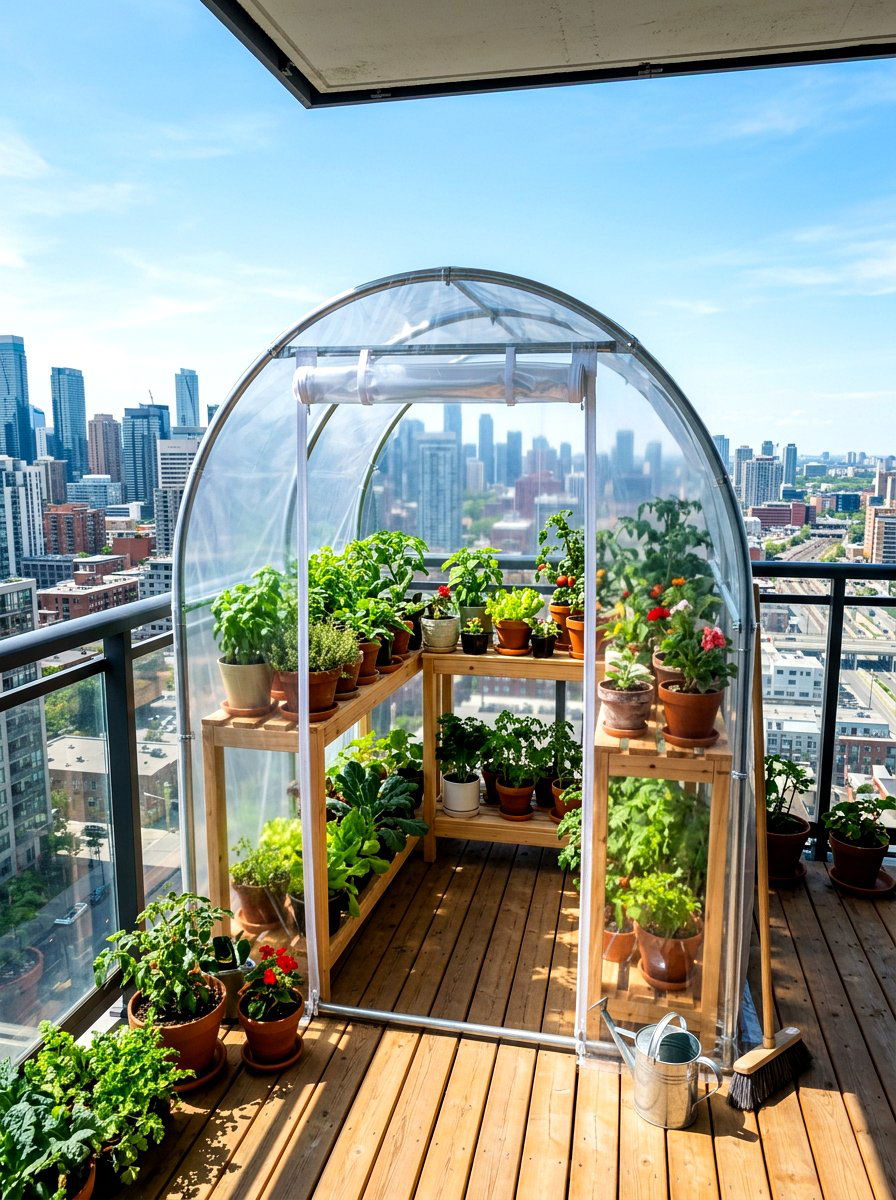
Do you live in an apartment and think that you have to give up your dreams of greenhouse gardening because you lack a backyard? An urban balcony hoop house is a miniature version designed to fit on a small deck or terrace, often using tiered shelving inside. This vertical approach allows you to grow a surprising amount of food in a very small footprint while protecting your plants from the high winds often found on elevated balconies. These compact units are usually very lightweight and can be easily disassembled and stored away if you need to move to a new home.
24. Arched garden tunnel
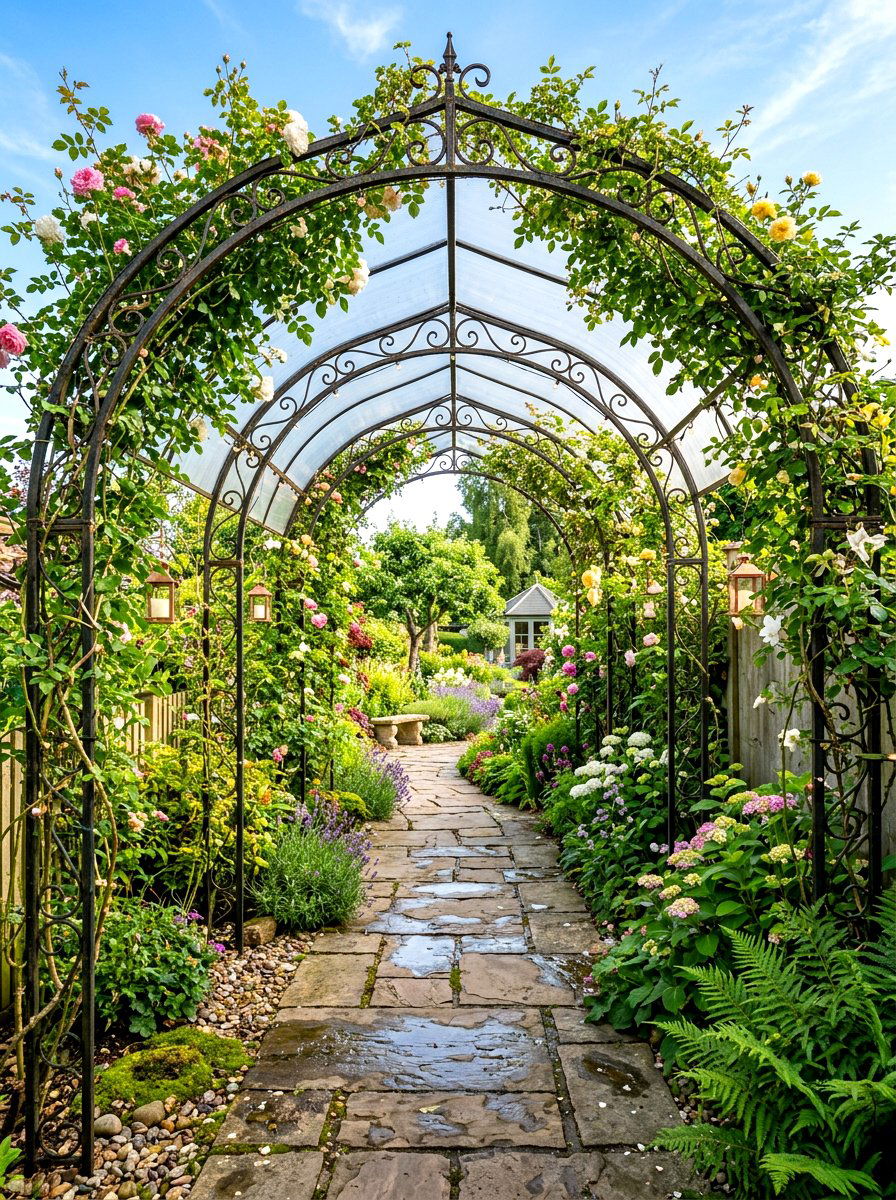
Can you visualize a beautiful, arched tunnel made of greenery and light that serves as both a functional garden and a stunning landscape feature? An arched hoop house can be designed with aesthetics in mind, using attractive materials like dark metal or cedar wood for the structural ribs. When covered with clear plastic or even left open as a trellis, it creates a romantic walkway through your yard. This design proves that garden utility does not have to come at the expense of beauty, as the elegant curve of the hoops adds a sophisticated architectural element to any backyard design.
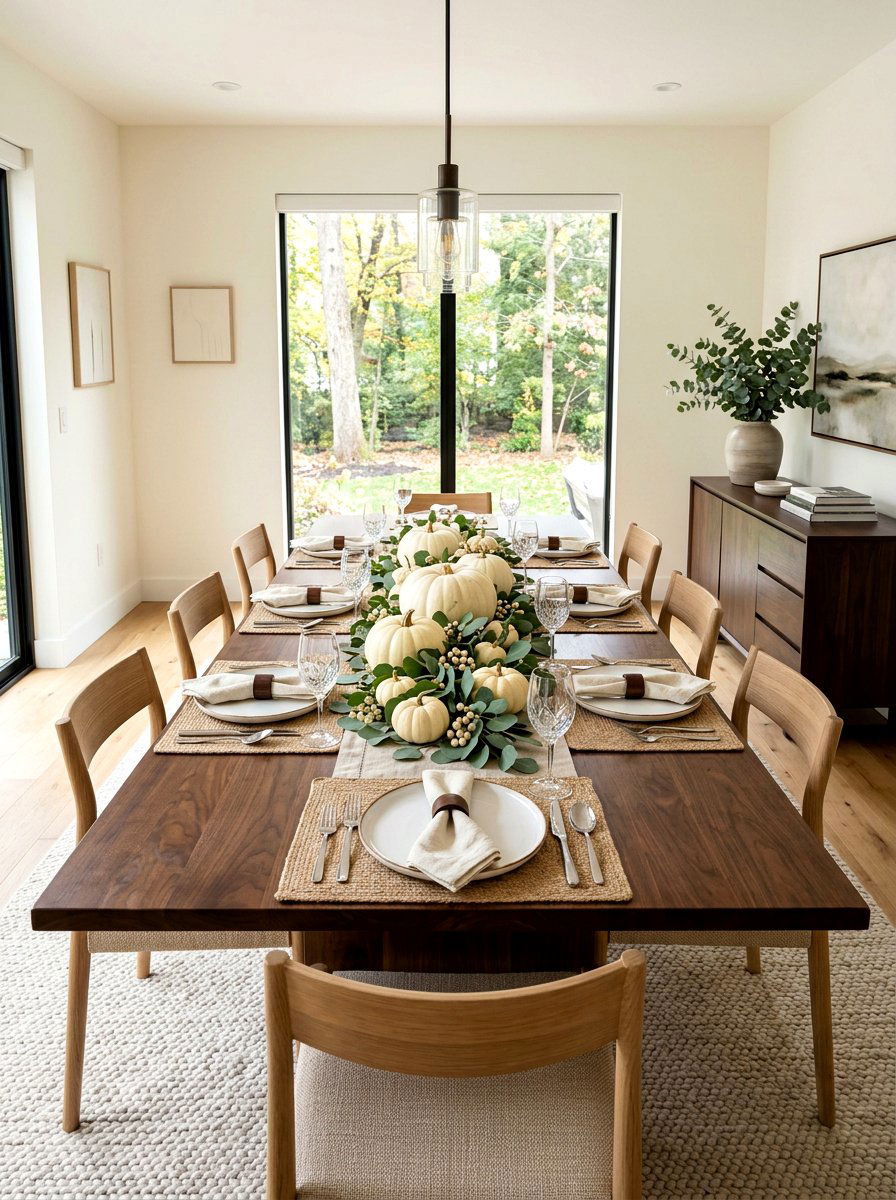
25. Removable hoop house cover
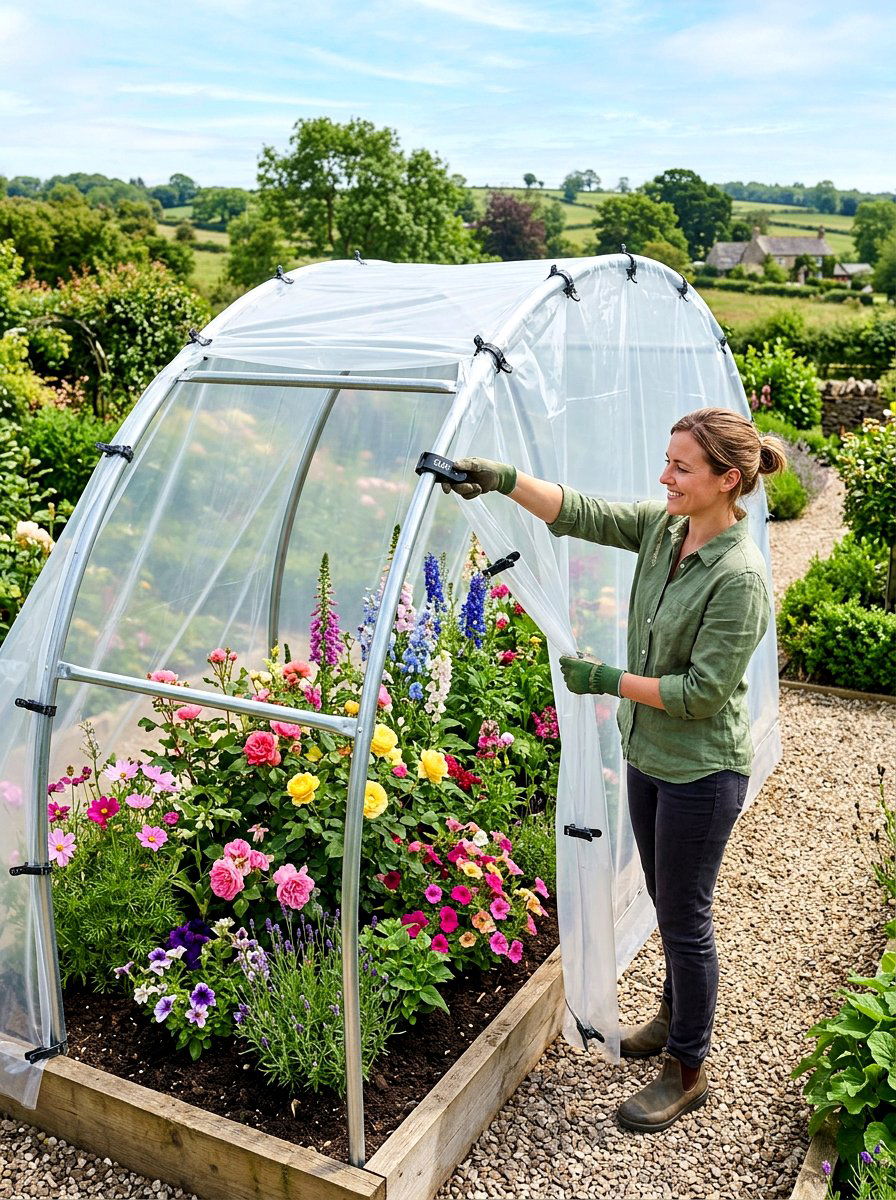
What if your garden could transition from a protected greenhouse to an open-air bed in just a few minutes whenever the weather is perfect? Removable hoop house covers use clever fastening systems like spring wire or heavy-duty clips that allow you to take the plastic off entirely during the mildest parts of the year. This gives your plants the benefit of full, unfiltered sunlight and natural pollinators when the conditions are ideal, while still giving you the option to snap the cover back on if a storm or a cold front is predicted to arrive.
26. Floating row cover hoop house
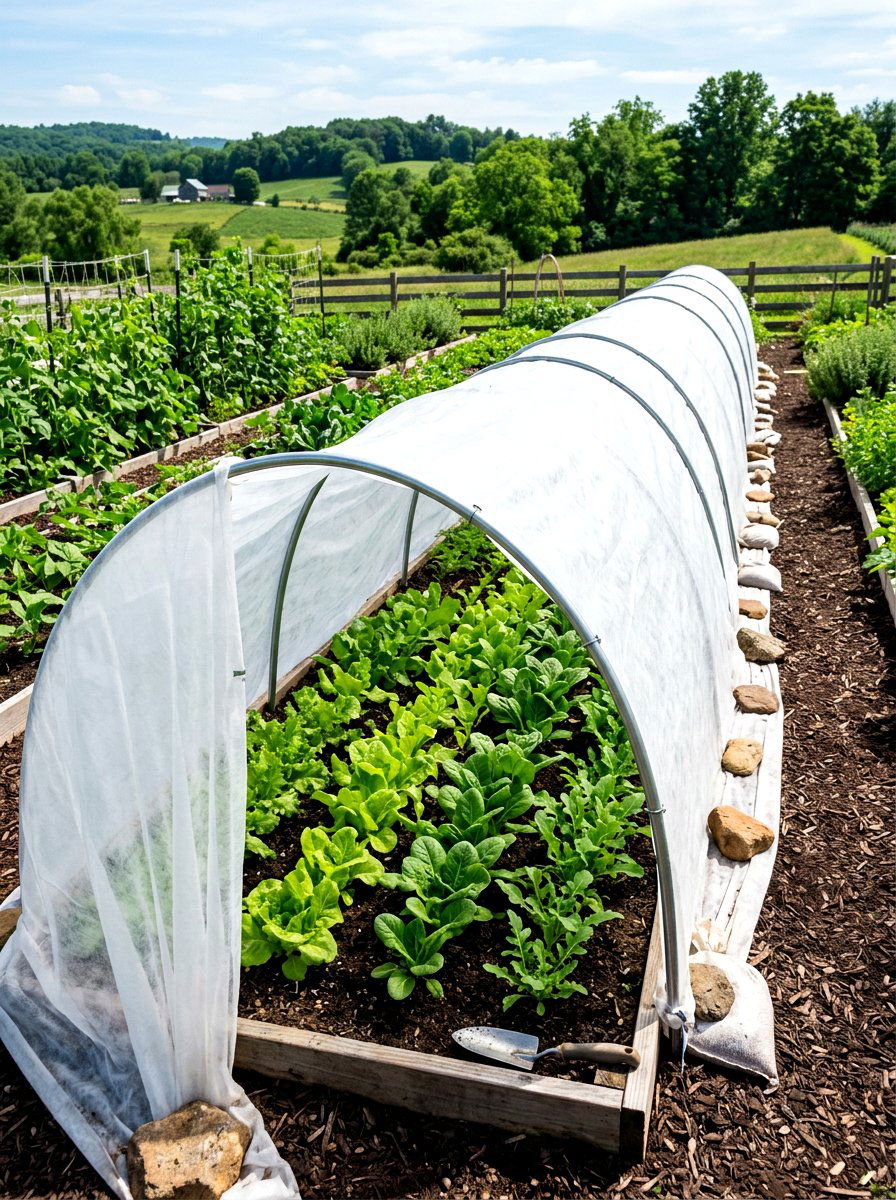
Have you ever used lightweight fabric to protect your plants but found that it crushes your delicate seedlings when it gets wet from the rain? Using small hoops to support a floating row cover keeps the fabric off the plants while still providing the thermal and pest protection you need. This "hooped" version of a row cover is much more effective because it creates an air buffer and prevents the fabric from rubbing against sensitive leaves. It is a perfect middle ground between no protection and a heavy plastic hoop house, offering a gentle microclimate for your most vulnerable garden residents.
27. Double layered hoop house
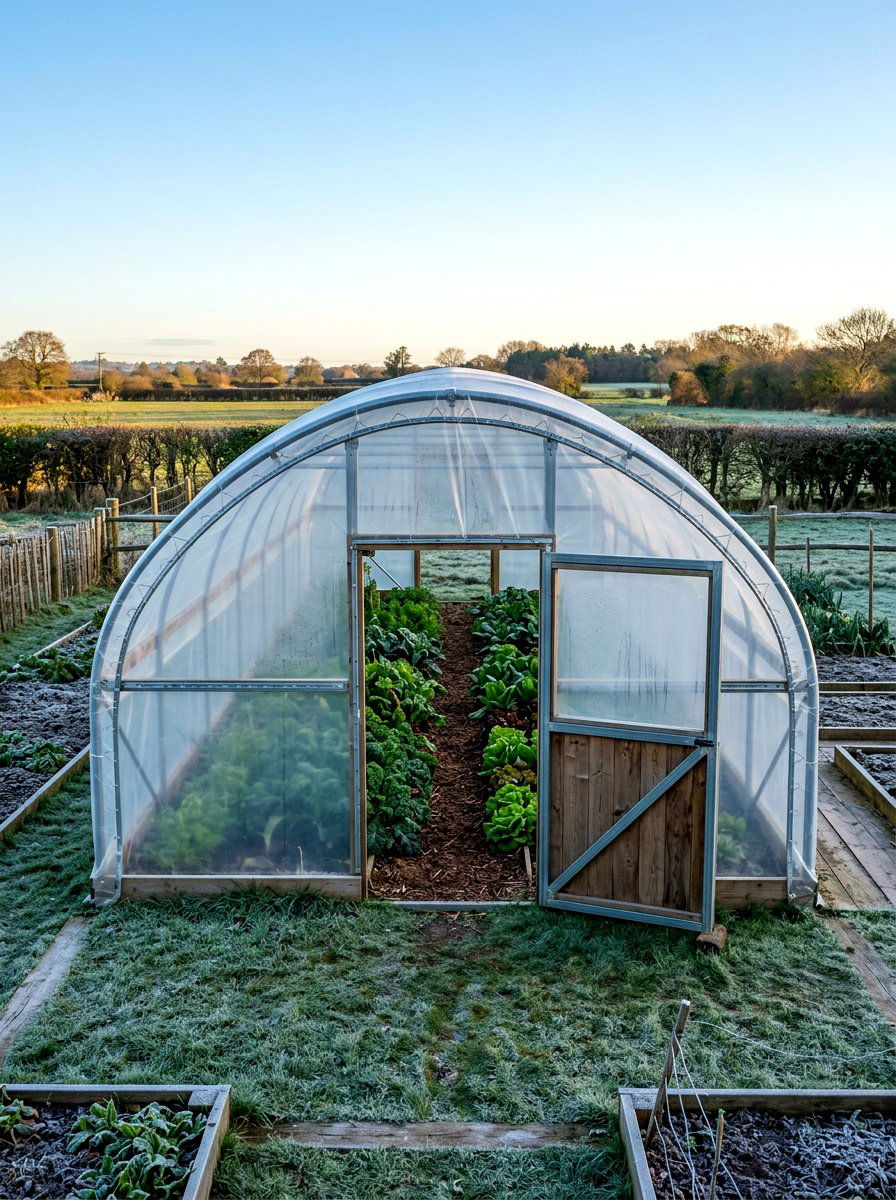
Is your garden located in a region where the winter temperatures regularly drop well below freezing for weeks at a time? A double-layered hoop house uses two separate sheets of plastic with a small air space between them to provide significantly better insulation than a single sheet. Some advanced setups even use a small fan to blow air between the layers, creating a rigid "pillow" of air that resists wind and snow loads. This extra layer of protection can make the difference between your winter greens surviving a harsh cold snap or turning into a pile of frozen mush.
28. Seed starter hoop house
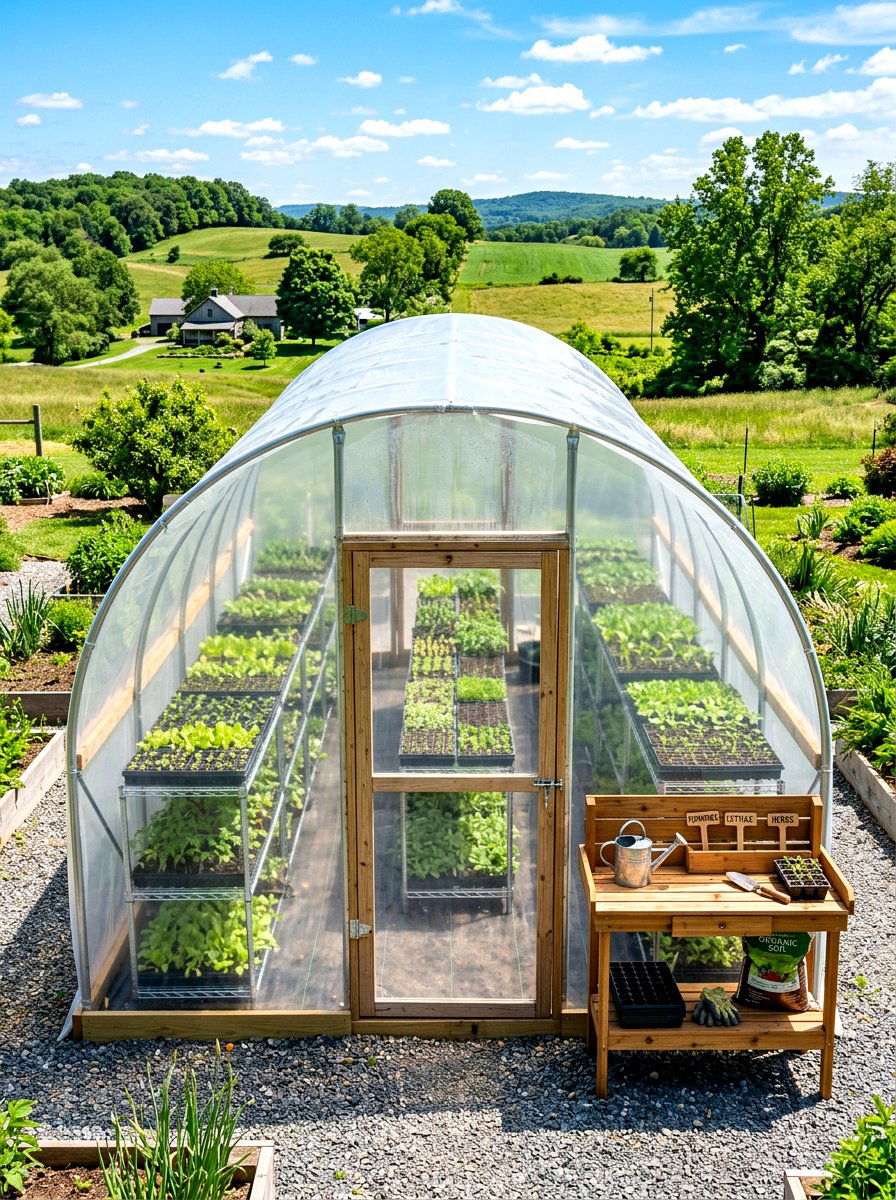
Do you dream of starting your own heirloom vegetables from seed but find that your indoor windowsills just don't provide enough light? A dedicated seed starter hoop house provides the intense, 360-degree sunlight that young plants need to grow strong and stocky rather than tall and leggy. By keeping your seed flats in a protected outdoor environment, you also help the plants naturally acclimate to the outdoor temperatures, which makes the transplanting process much easier later on. This setup is a cost-effective alternative to expensive indoor grow lights and shelving units that take up space in your house.
29. Permanent garden hoop house
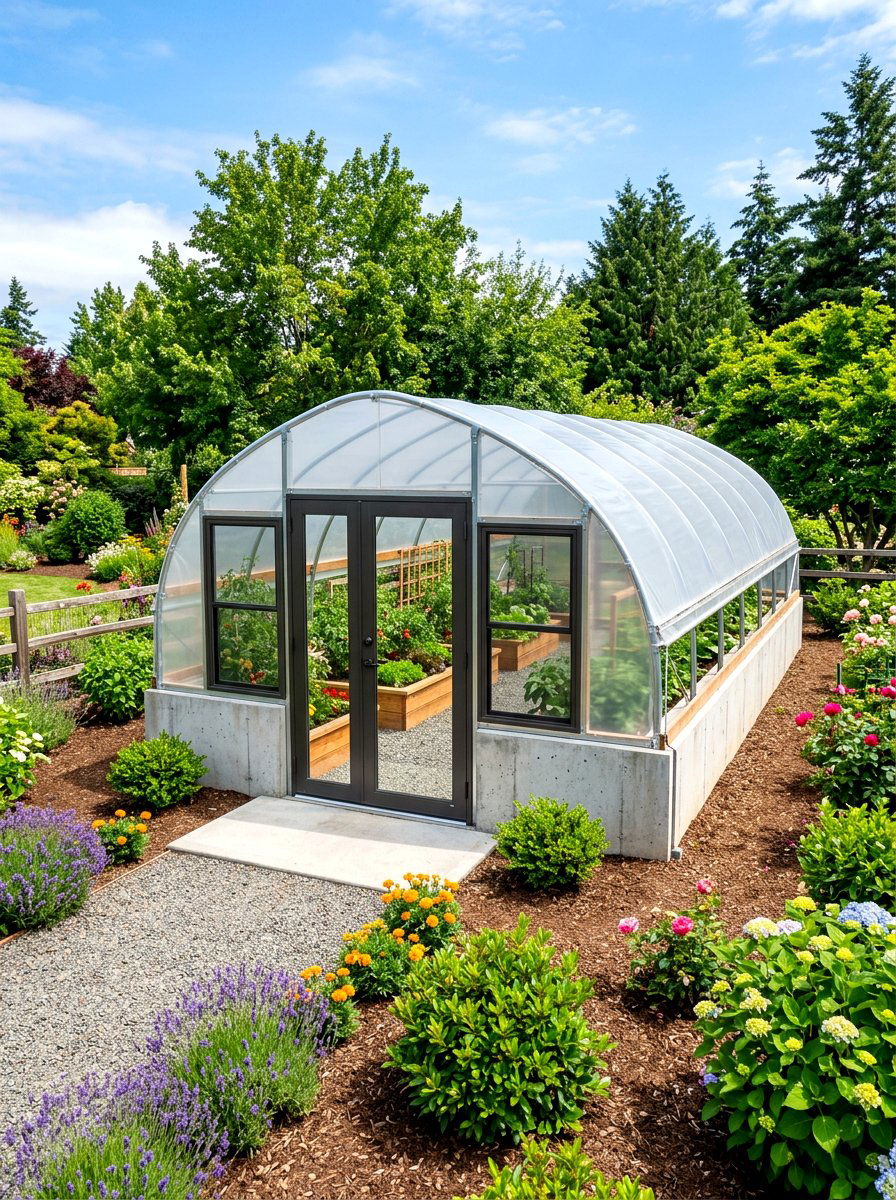
Are you ready to commit to a specific area of your yard as a high-production food zone that will serve your family for many years? A permanent hoop house is built with a solid foundation, such as concrete footings or pressure-treated timber posts, to ensure it stays put through any weather. These structures often feature gravel or stone floors to manage drainage and keep the interior clean and accessible. Because they are not meant to be moved, you can invest in better doors, high-quality ventilation systems, and even permanent irrigation lines to make your daily garden chores much more efficient.
30. Arched PVC low tunnel
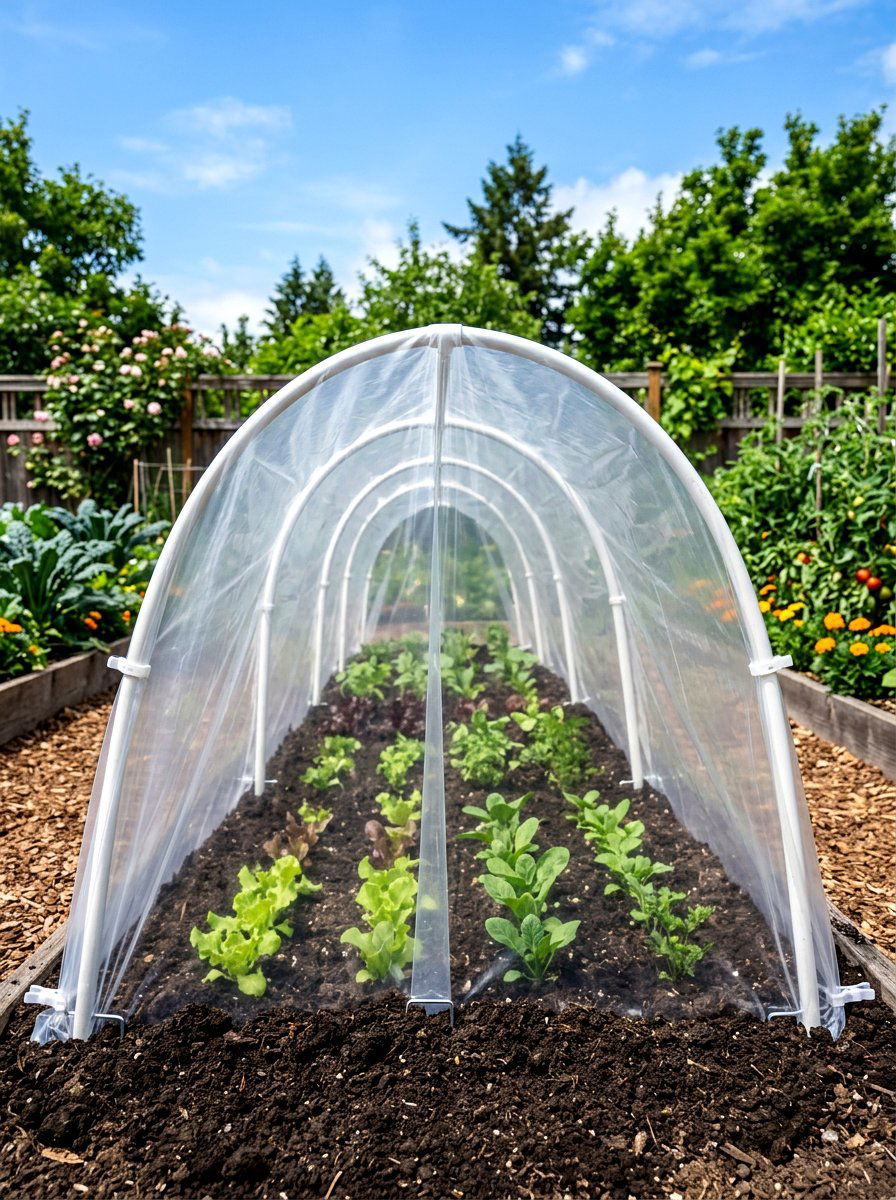
Have you considered using smaller PVC arches to create a series of micro-tunnels that can be custom-fitted to any odd-shaped garden patch? These arched low tunnels are incredibly versatile because you can adjust the height and width of the hoop simply by changing how deep you push the pipe into the ground. They are perfect for protecting a single row of peppers or a small patch of late-season radishes. Their low profile makes them very resistant to wind, and they are so simple to build that you can have one up and running in less than ten minutes.
Conclusion:
Investing time into building a hoop house is one of the most rewarding decisions a gardener can make for their long-term success. These structures bridge the gap between traditional gardening and professional greenhouses, offering an accessible way to gain control over your growing environment. By choosing the design that best fits your specific space, budget, and climate needs, you can enjoy the satisfaction of harvesting fresh produce long after your neighbors have packed away their garden tools. Whether you choose a simple low tunnel or a grand walk-in cattle panel design, the protection provided will undoubtedly lead to a more bountiful and resilient garden year after year.

Related posts: