The kitchen is the heart of the home, but it is also becoming the ultimate multi-tasking hub for busy modern families. Balancing meal preparation with school projects can be incredibly chaotic without a dedicated zone for focus and organization. Creating a functional homework station directly in the kitchen allows parents to supervise learning while staying productive with their own daily chores. We will explore thirty diverse ways to integrate these academic spaces seamlessly, ranging from custom built-ins to clever corner conversions. Whether you have a sprawling culinary space or a compact galley layout, these ideas prioritize organization, style, and productivity to ensure your children have a bright, focused place to excel in their studies every single day.
1. Built In Kitchen Desk
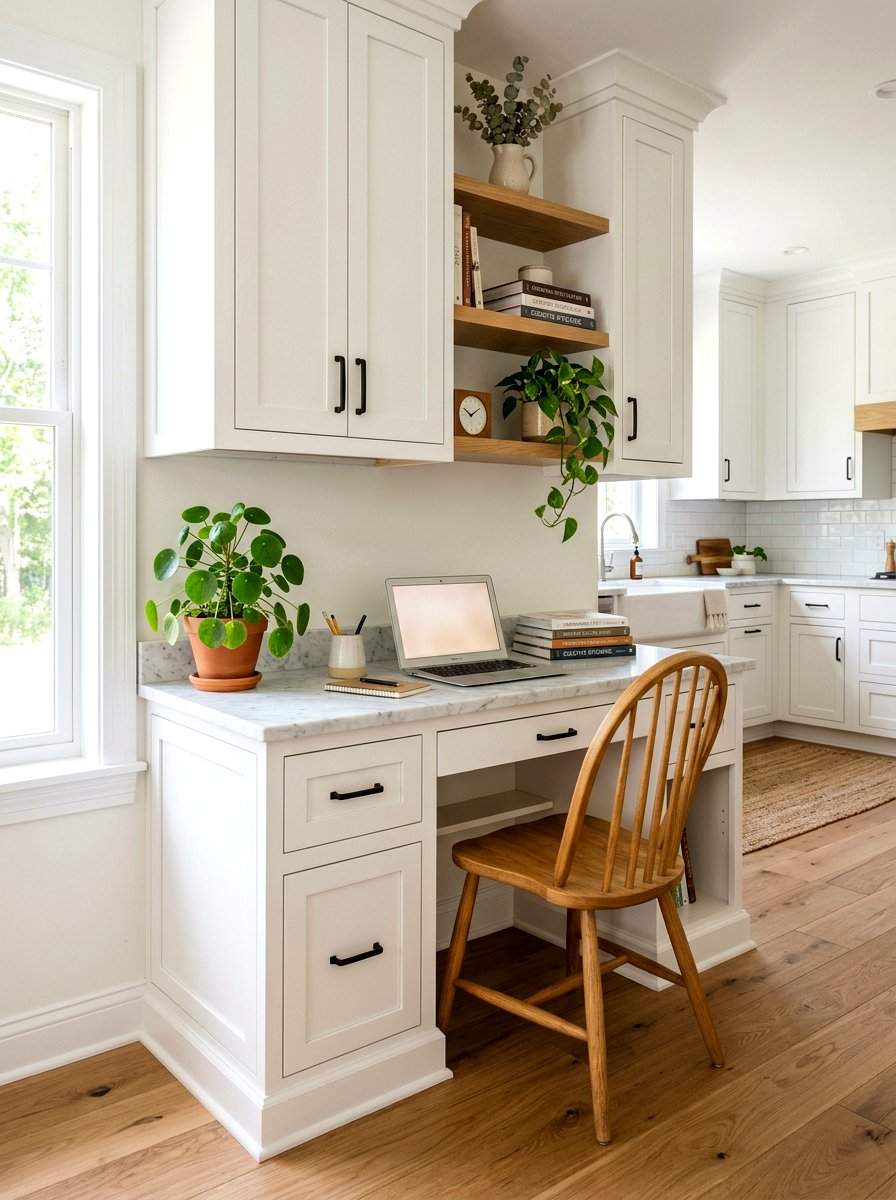
A built-in desk provides a seamless look by matching your existing cabinetry and countertops perfectly. This design choice ensures that the study area feels like a deliberate part of the room rather than a cluttered afterthought. By utilizing the same wood finish or paint color, you create a cohesive aesthetic that maintains the flow of your kitchen. These stations often feature overhead cabinets for storing textbooks and specialized drawers for pens, calculators, and paper. Positioning the desk away from the main cooking triangle helps minimize distractions for the student while keeping them close. It is a permanent solution that adds value to your home and provides a sturdy, reliable surface for daily schoolwork.
2. Kitchen Island With Seating
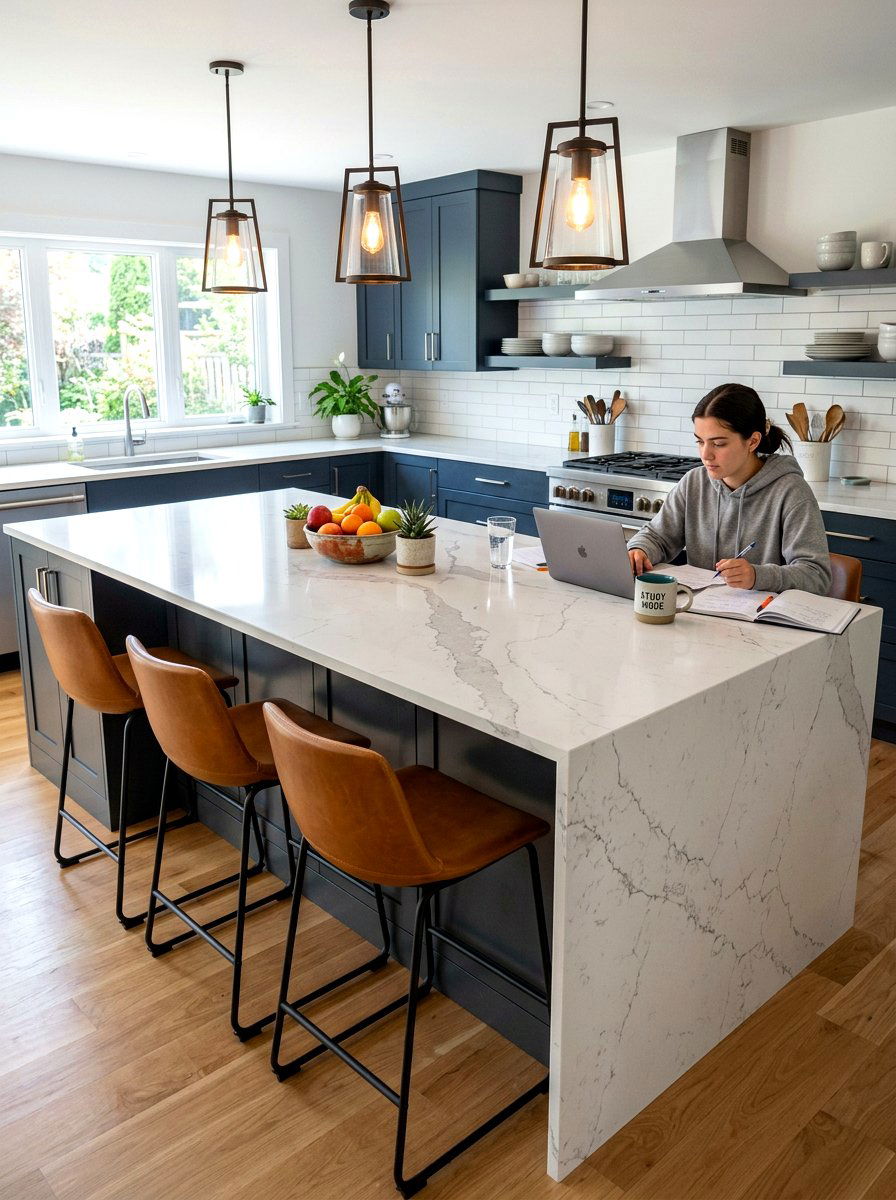
Utilizing a large kitchen island is one of the most popular ways to create a flexible and social workspace. This setup allows children to spread out their poster boards or laptops while staying close to the action of the household. Deep overhangs on the countertop provide ample legroom for comfortable seating during long study sessions. You can choose stools that tuck completely under the counter to keep pathways clear when school hours are over. This central location makes it very easy for parents to offer help with math problems while preparing dinner nearby. It transforms the island into a multi-functional piece that serves as a prep station, dining table, and academic hub.
3. Hidden Desk Behind Pocket Doors
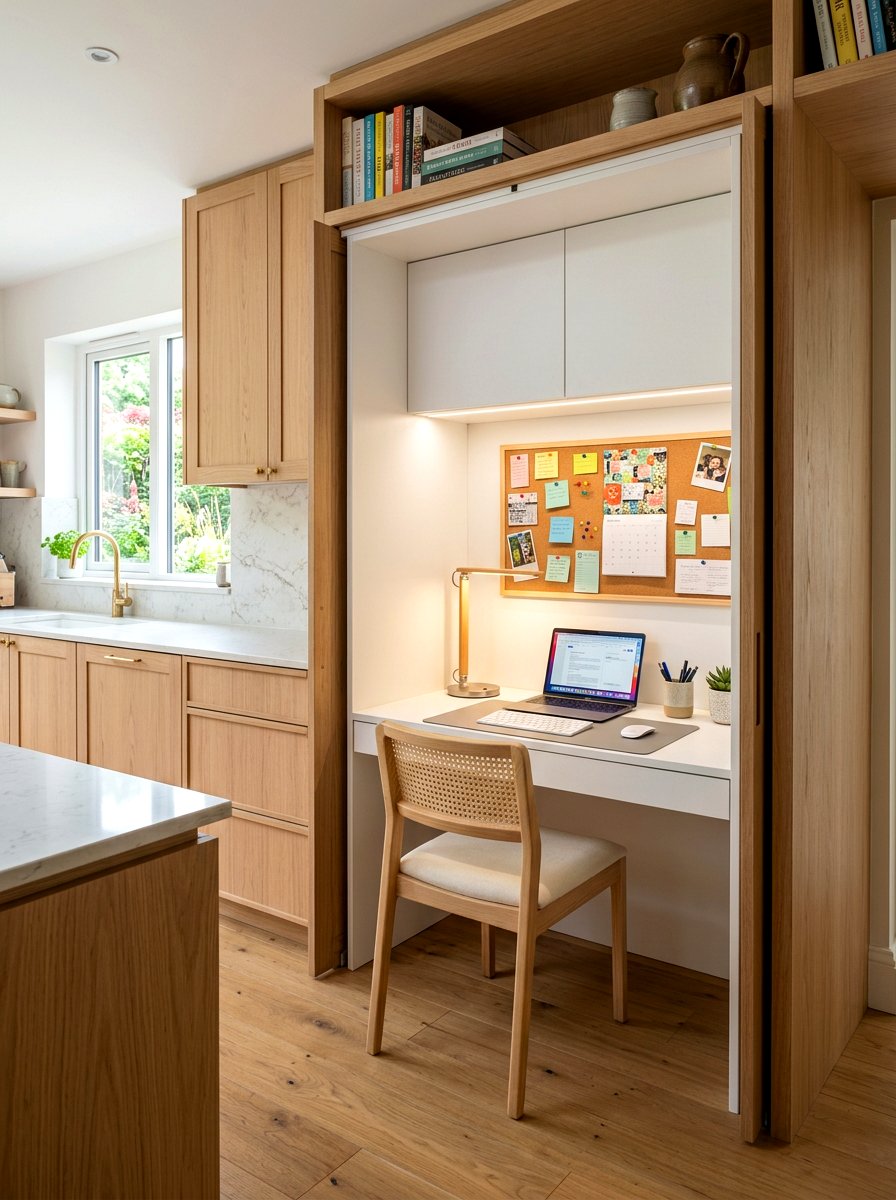
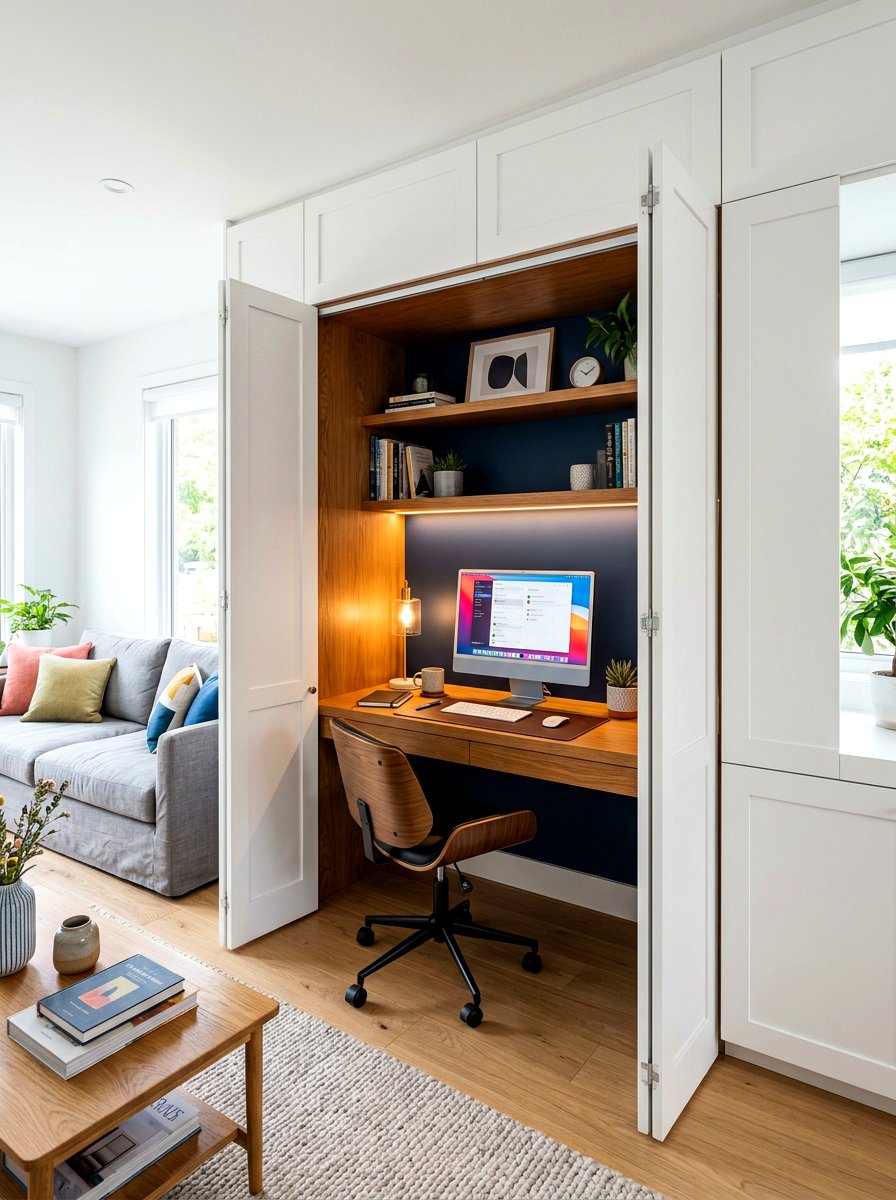
If you prefer a clutter-free look, a hidden desk behind pocket doors is an ingenious solution for your kitchen. This design allows the entire homework station to be tucked away out of sight once the school day is finished. When the doors are open, they slide back into the cabinetry, revealing a fully functional workspace with lighting and shelving. This is particularly useful for maintaining a formal kitchen appearance during dinner parties or family gatherings. You can include a corkboard or magnetic strip on the back wall for reminders. It offers the best of both worlds by providing a dedicated study zone that can disappear in an instant for a clean finish.
4. Corner Kitchen Office
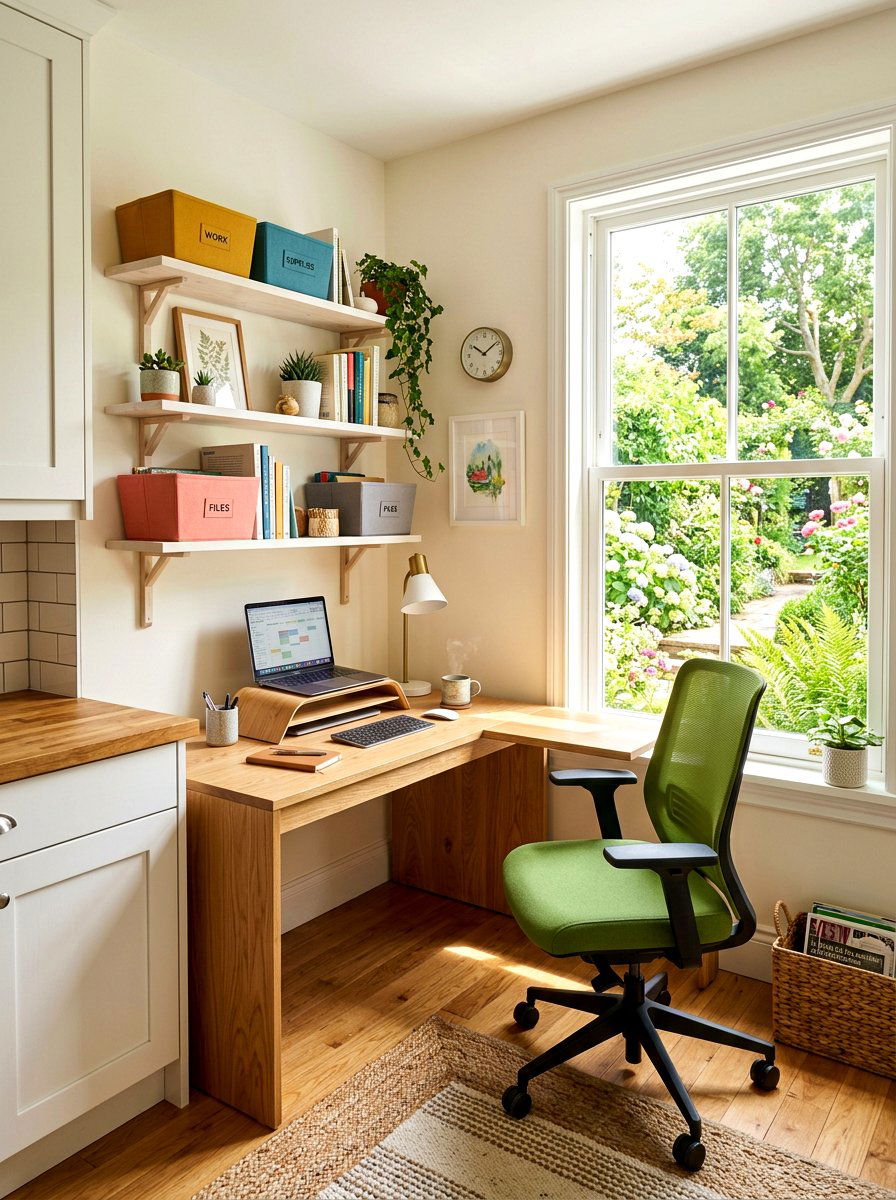
Transforming an unused corner into a kitchen office is a smart way to maximize every square inch of your floor plan. These areas are often overlooked but can easily accommodate a small desk and a comfortable chair. Using an L-shaped desk configuration can provide even more surface area for books and computers without encroaching on the main walkway. You can add floating shelves above the desk to keep the floor clear while providing plenty of room for organizational bins. Lighting is key in a corner, so consider adding a dedicated sconce or a small desk lamp. It creates a cozy and tucked-away environment that helps students focus on their assignments.
5. Kitchen Command Center
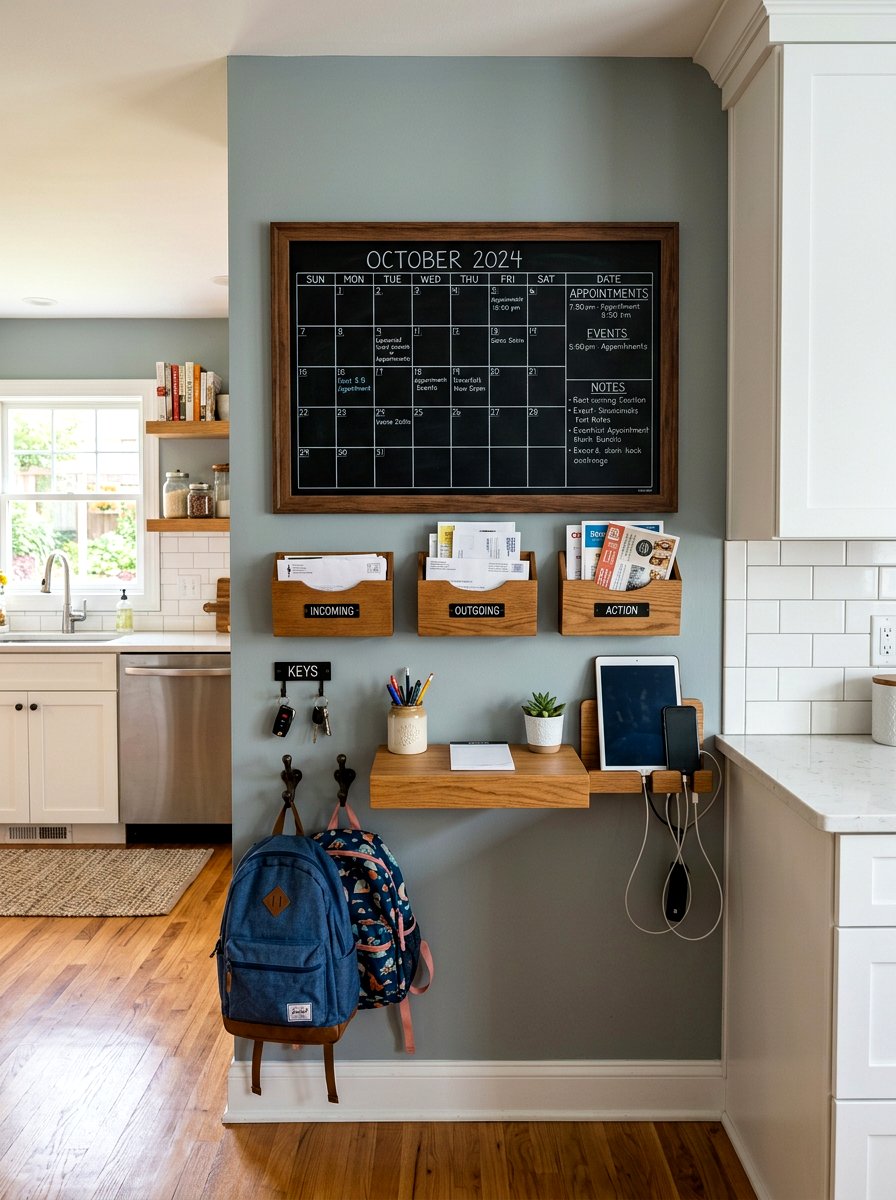
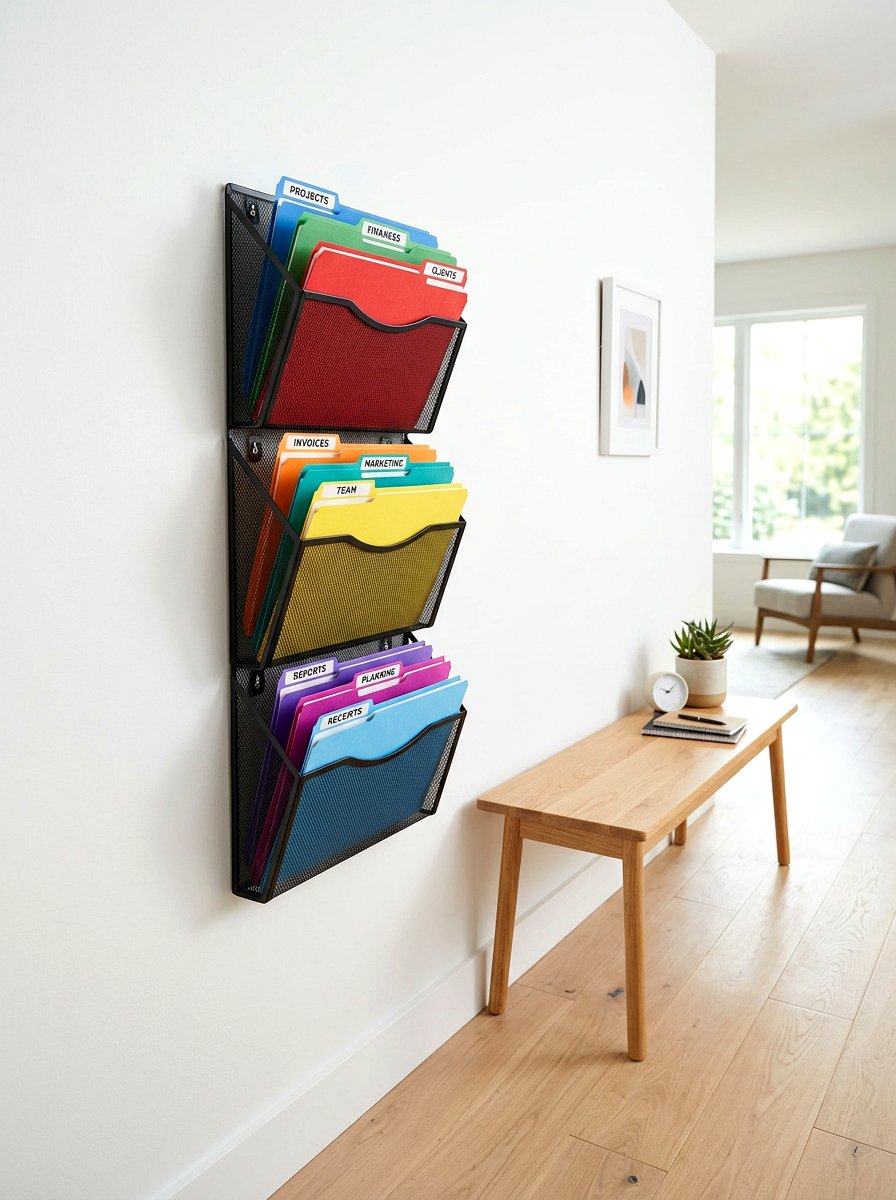
A kitchen command center acts as the central nervous system for your family’s busy schedule and school commitments. This area typically includes a large calendar, mail sorters, and a small writing surface for quick notes or homework checks. By integrating hooks for backpacks and charging stations for tablets, you keep the rest of the kitchen counters clear of school-related clutter. This setup encourages children to take responsibility for their own schedules and supplies. You can customize the wall with magnetic boards or clipboards to display graded papers and artwork proudly. It is a highly efficient way to manage the flow of information and items that come home from school each day.
6. Breakfast Nook Study Area
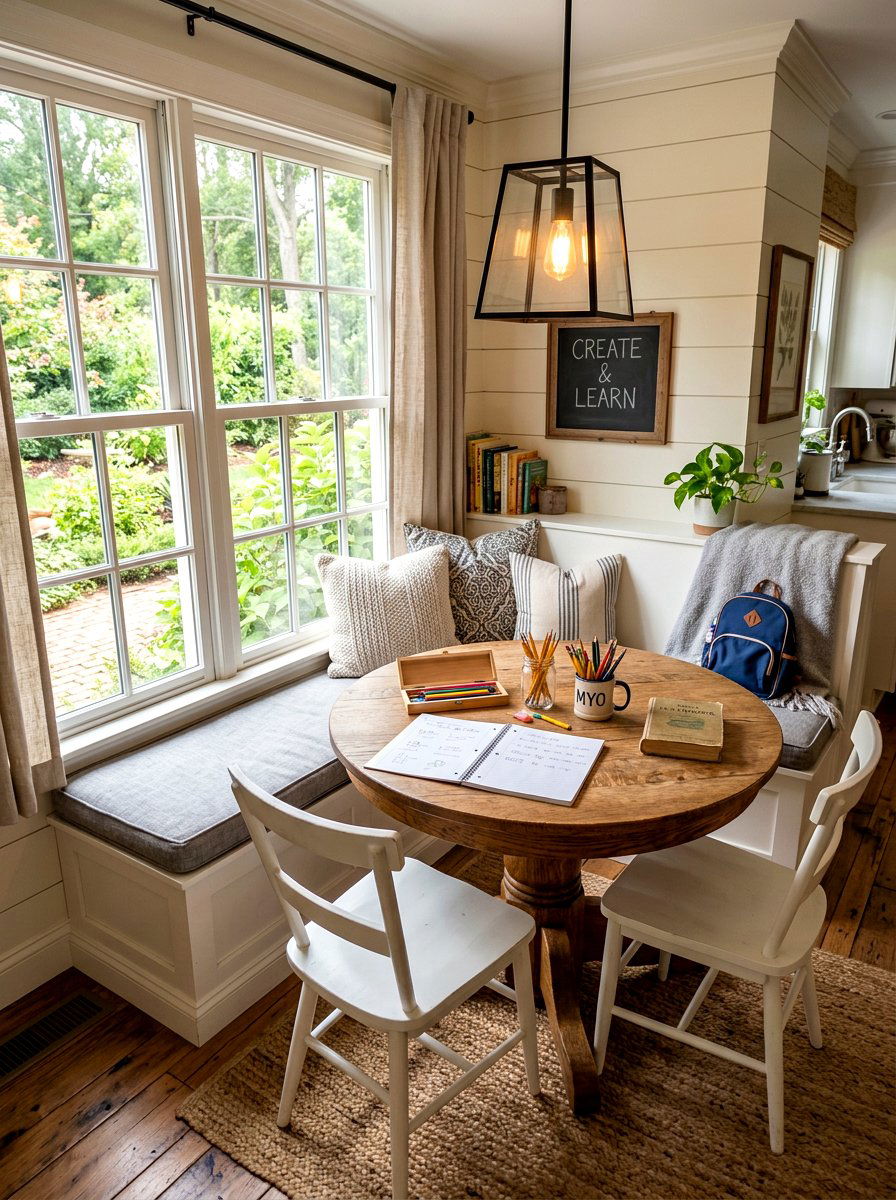
A breakfast nook can easily pull double duty as a comfortable and inviting study area for children of all ages. The built-in bench seating provides a cozy spot for reading or working on a laptop during the afternoon hours. You can add a sturdy pedestal table that offers enough space for multiple children to work together on group projects. To make it more functional, consider adding storage drawers beneath the benches to house extra paper, crayons, and school supplies. Soft cushions and good natural light from nearby windows make this a favorite spot for tackling homework. It turns a dining space into a versatile zone that supports both nourishment and education.
7. Floating Desk In Kitchen
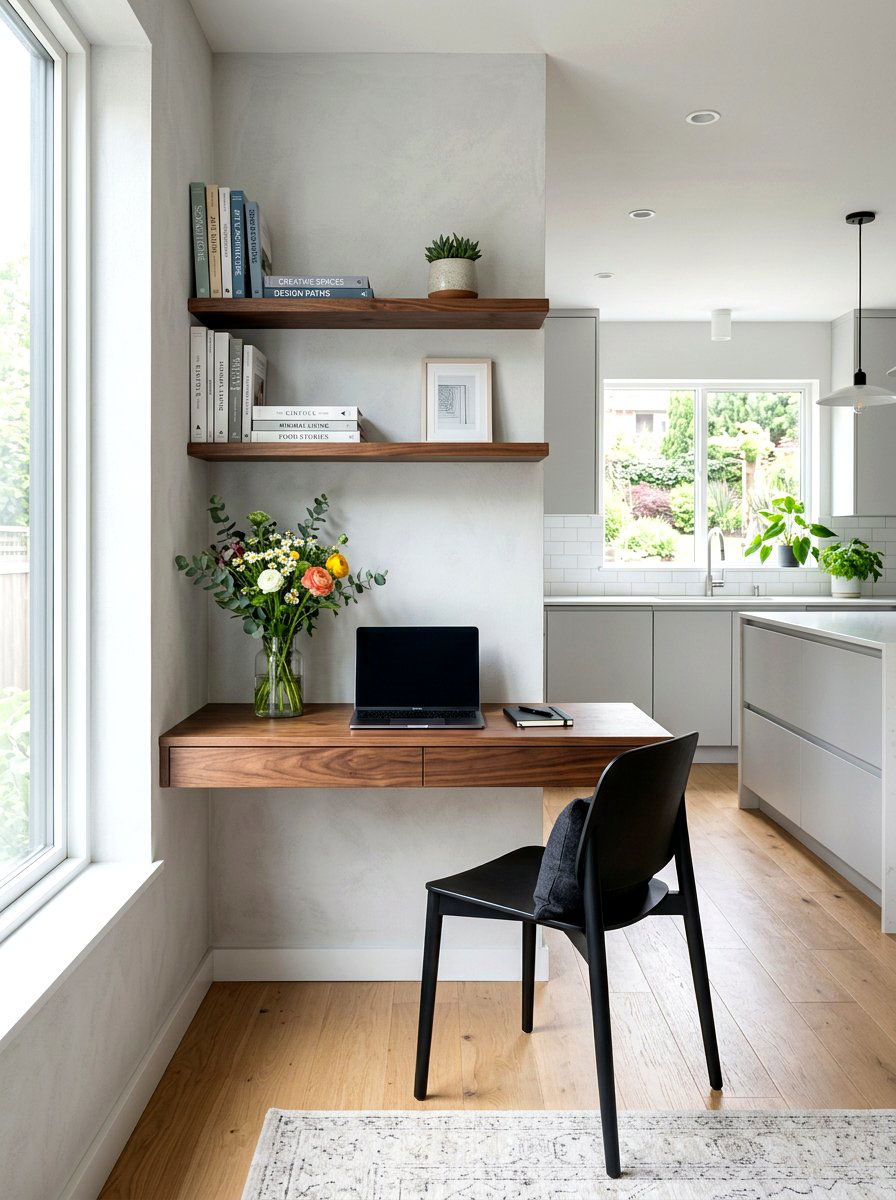
Installing a floating desk is a sleek and modern way to add a homework station without taking up any floor space. These wall-mounted surfaces create an airy feel, making the kitchen seem larger while still providing a solid work area. You can mount the desk at a height that works best for your children, whether they need a standard chair or a taller stool. Pair the floating surface with a few minimalist shelves above to create a complete workstation that looks like a piece of contemporary art. This approach is perfect for smaller kitchens where every inch of floor space is valuable. It offers a clean, streamlined look that fits into any modern decor.
8. Pantry Homework Station
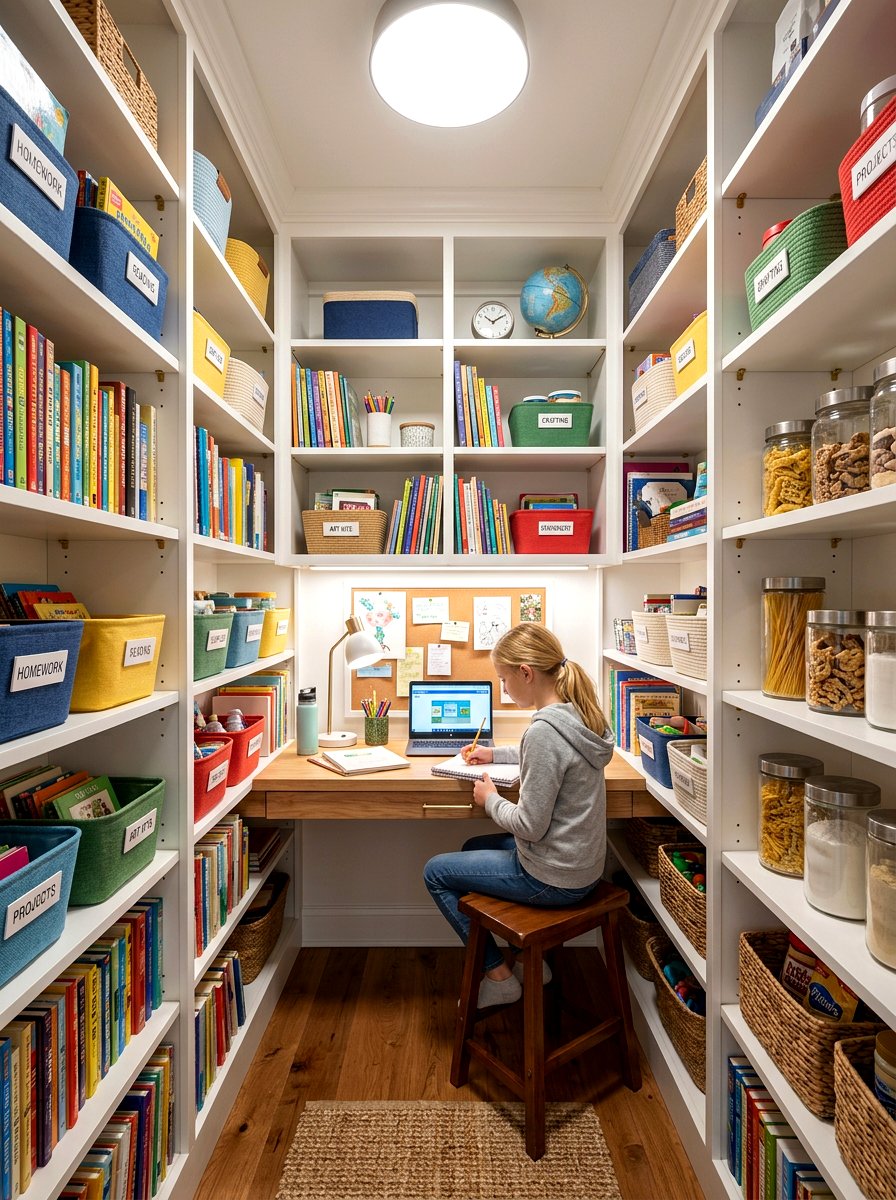
Converting a portion of a walk-in pantry into a homework station is a brilliant way to hide the academic mess. This secluded spot provides a quiet environment away from the noise and bustle of the main kitchen area. You can install a simple laminate or wood countertop along one wall and add shelves for books and bins above. This setup allows the student to have all their supplies within reach while being physically separated from the kitchen's distractions. It is an excellent use of underutilized space that keeps the main living areas looking tidy. When the work is done, you simply close the pantry door to keep the school supplies out of sight.
9. Kitchen Cabinet Desk Extension
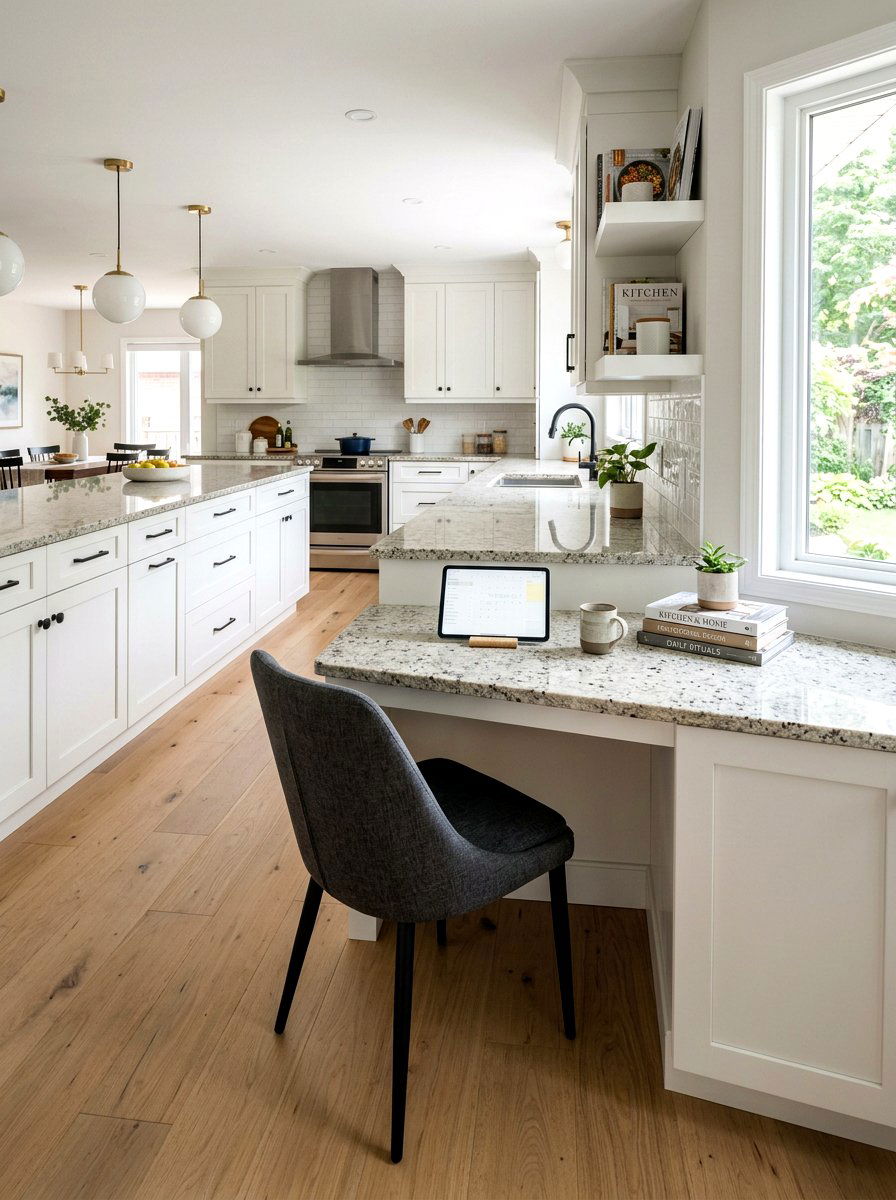
A kitchen cabinet desk extension involves extending your existing countertop slightly to create a dedicated spot for a single chair. This is a subtle way to incorporate a workspace without a major renovation or changing the footprint of the room. It works well at the end of a long run of cabinets or as part of a peninsula. You can match the countertop material exactly to ensure it looks like a natural part of the original kitchen design. This small but effective change provides a specific place for kids to sit and work without taking over the dining table. It is a simple modification that significantly improves the daily functionality of the room.
10. Under Window Kitchen Desk
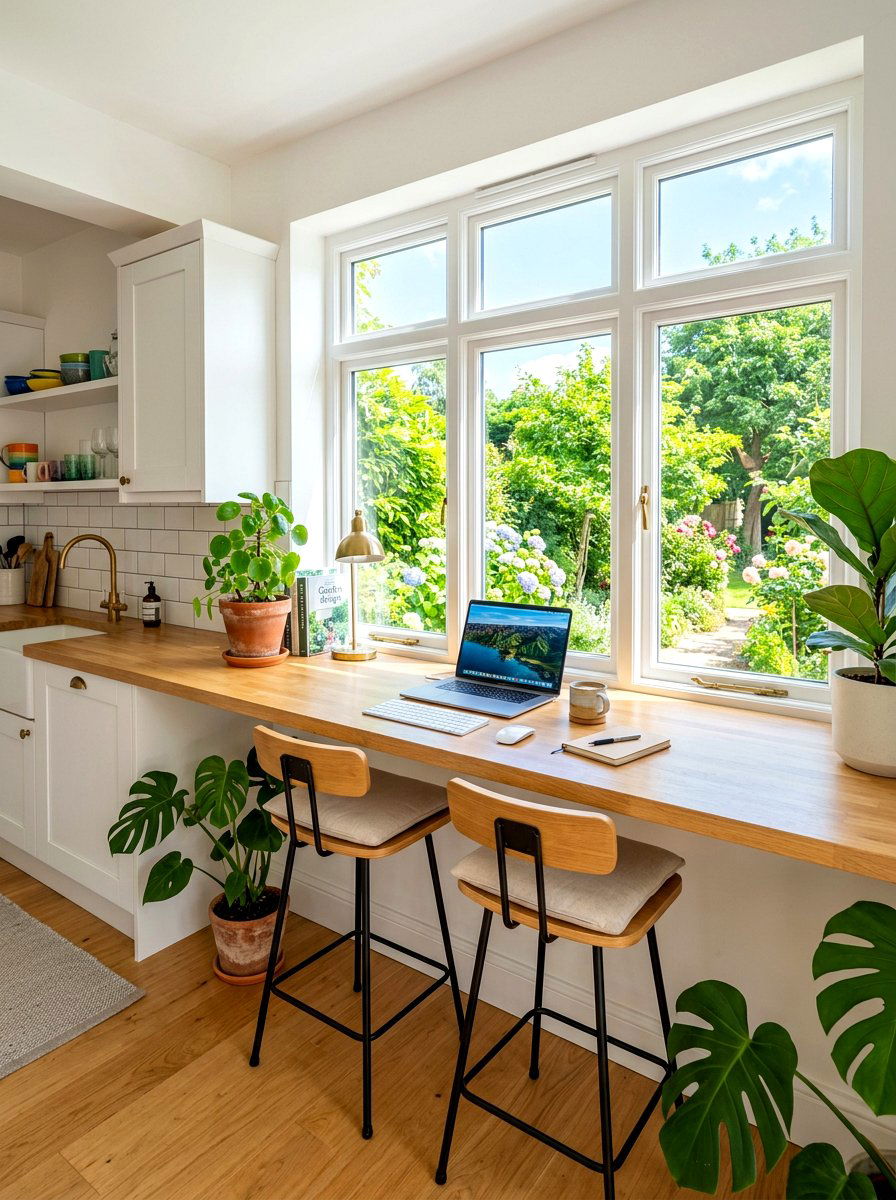
Placing a kitchen desk directly under a window offers the benefit of beautiful natural light and a refreshing view. Natural light is known to improve focus and mood, making it an ideal environment for students to complete their tasks. You can design the desk to span the width of the window, providing a bright and airy workspace that feels connected to the outdoors. Consider using a light-colored countertop to reflect the sunshine and make the area feel even more spacious. This placement also allows parents to keep an eye on the yard while helping with homework. It creates a serene and productive atmosphere that makes studying feel like a much less daunting task.
11. Small Kitchen Nook Workspace
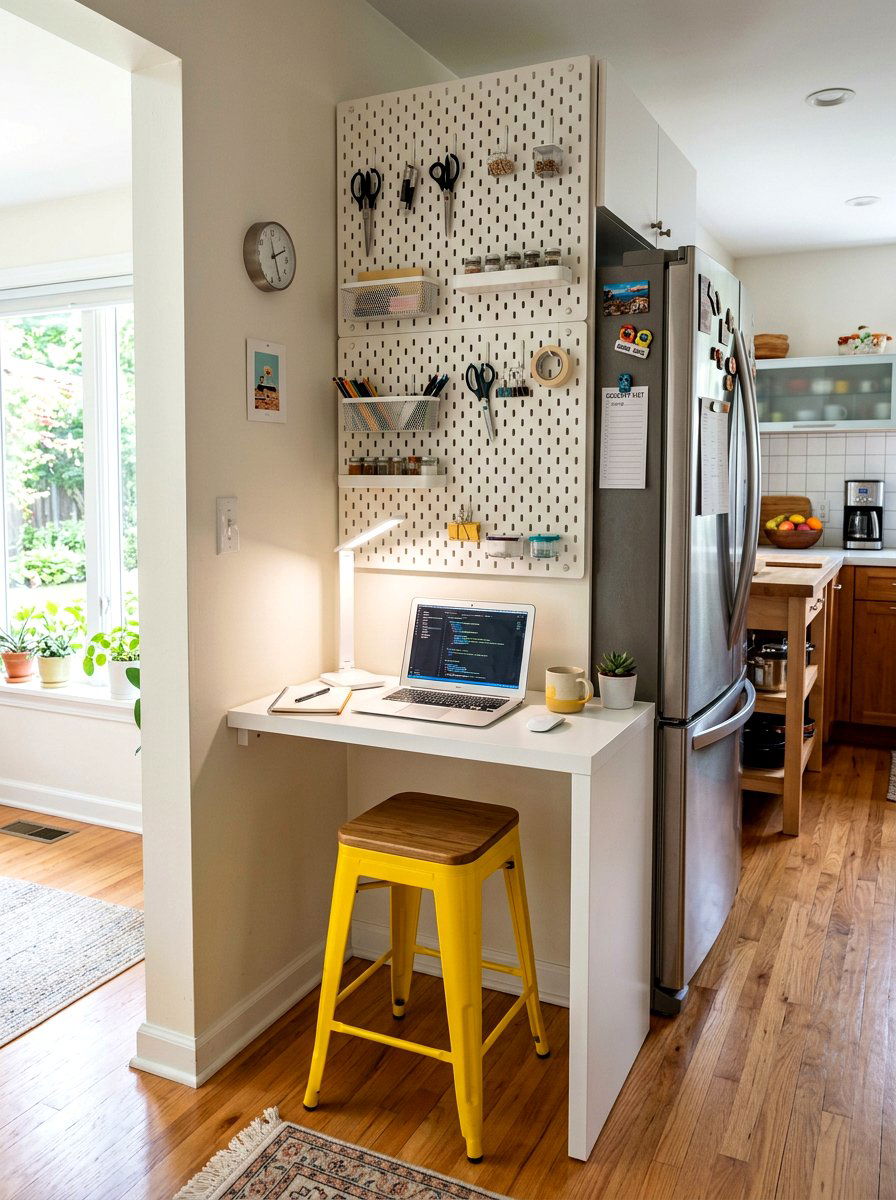
Finding space in a small kitchen can be a challenge, but a tiny nook workspace can be incredibly effective. Even a narrow gap between a refrigerator and a wall can be transformed with a slim desk and a stool. Use vertical space to your advantage by installing tall shelving or a pegboard for organizing pens, scissors, and notebooks. A bright lamp and light-colored furniture can help prevent the small space from feeling cramped or dark. This dedicated zone gives the student a sense of ownership over their work area, even in a compact home. It proves that you do not need a large room to create a highly functional and organized study spot.
12. Kitchen Desk With Shelving
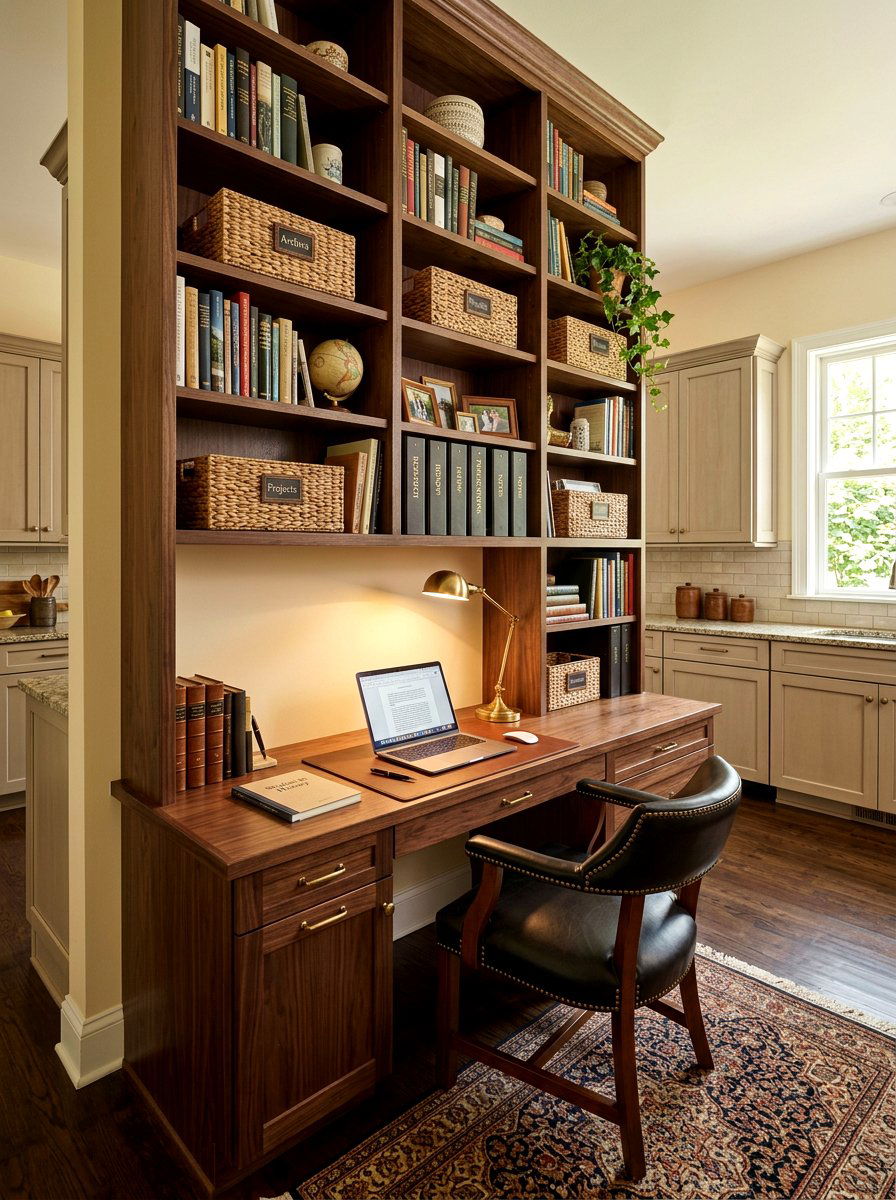
Integrating plenty of shelving around a kitchen desk is essential for keeping school books and supplies neatly organized and accessible. Open shelves allow for easy access to frequently used items like dictionaries, binders, and reference materials. You can use decorative baskets or bins to hide smaller items and keep the area looking tidy from the rest of the kitchen. Adding a mix of books and personal decor items helps the desk feel like an integrated part of your home’s overall design. This setup ensures that everything has a specific place, reducing the amount of time spent searching for supplies. It creates a visually interesting and highly practical workspace for any student.
13. Counter Height Homework Station
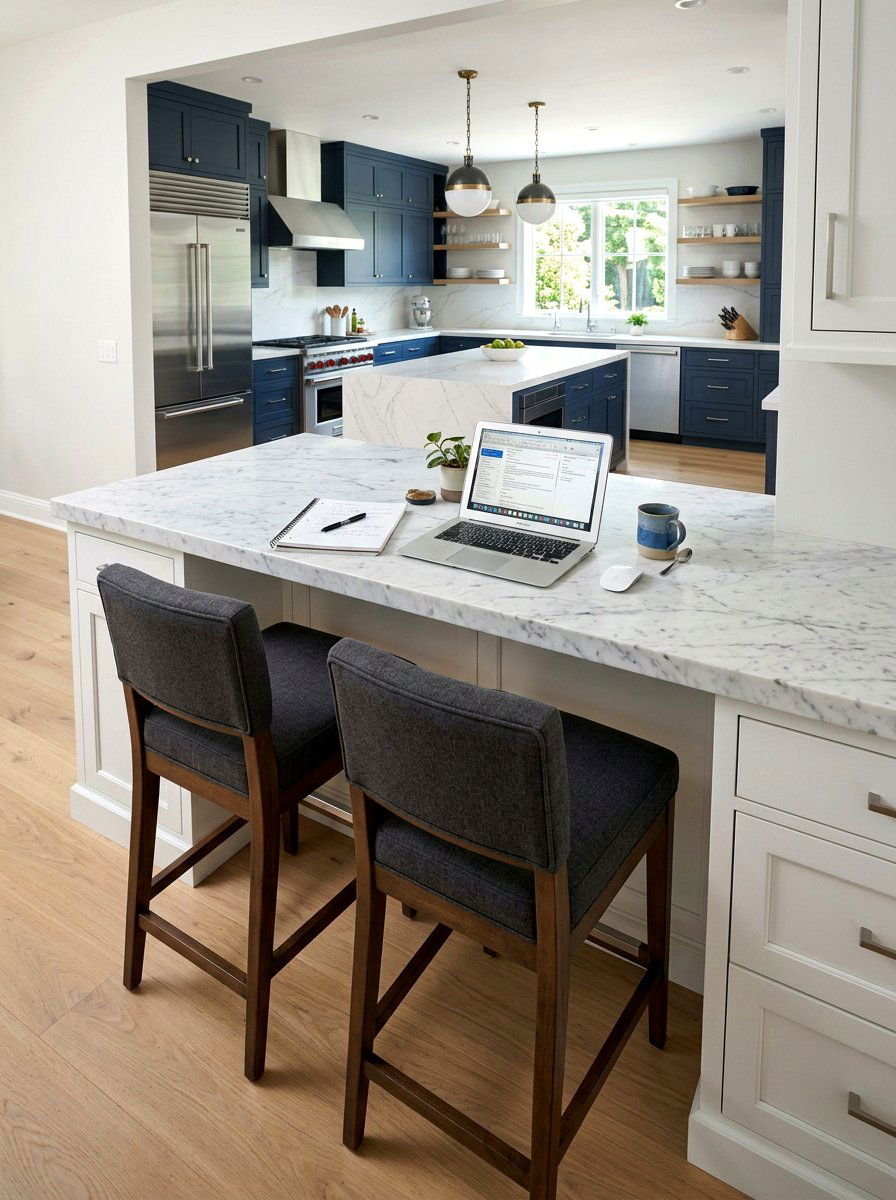
A counter-height homework station is a versatile option that allows for both sitting and standing while working on assignments. This height matches standard kitchen counters, making it easy to use for quick tasks or as an extra prep surface. You can use comfortable bar stools or ergonomic chairs that support the back during longer sessions. This setup is great for older children who may prefer a more mature workspace that feels less like a traditional desk. It also allows parents to stand next to the student and easily review their work without having to lean over significantly. It creates a professional and sleek look that blends perfectly with modern kitchen layouts.
14. Modern Minimalist Kitchen Desk
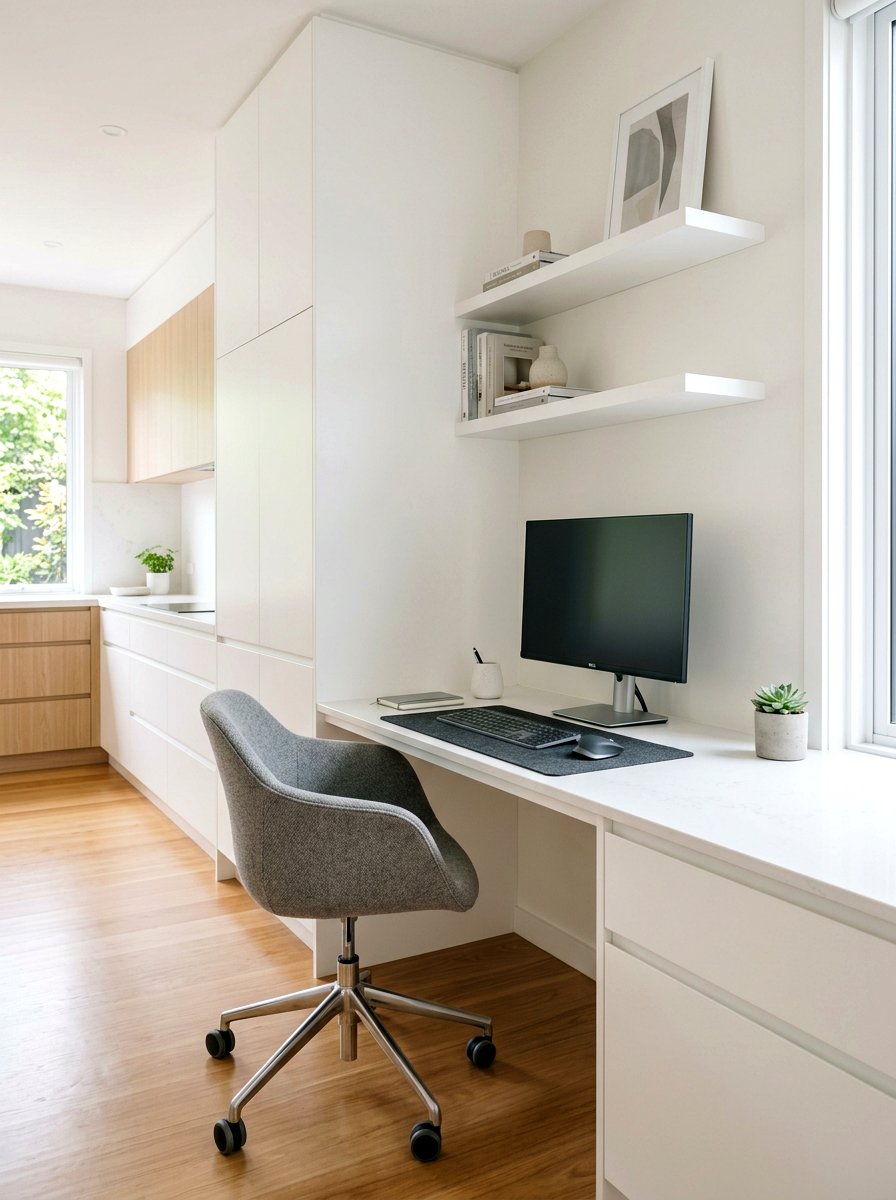
A modern minimalist kitchen desk focuses on clean lines, neutral colors, and a completely clutter-free surface. This style of workspace is perfect for those who find that a busy environment is too distracting for focused study. Choose a simple white or light wood desk with integrated drawers to keep all supplies hidden away from view. Pair it with a sleek, contemporary chair that complements the modern aesthetic of your kitchen cabinetry. By keeping the decor to a minimum, you create a calm and serene environment that promotes deep concentration and productivity. This design approach ensures that the homework station remains a subtle and sophisticated addition to your culinary space.
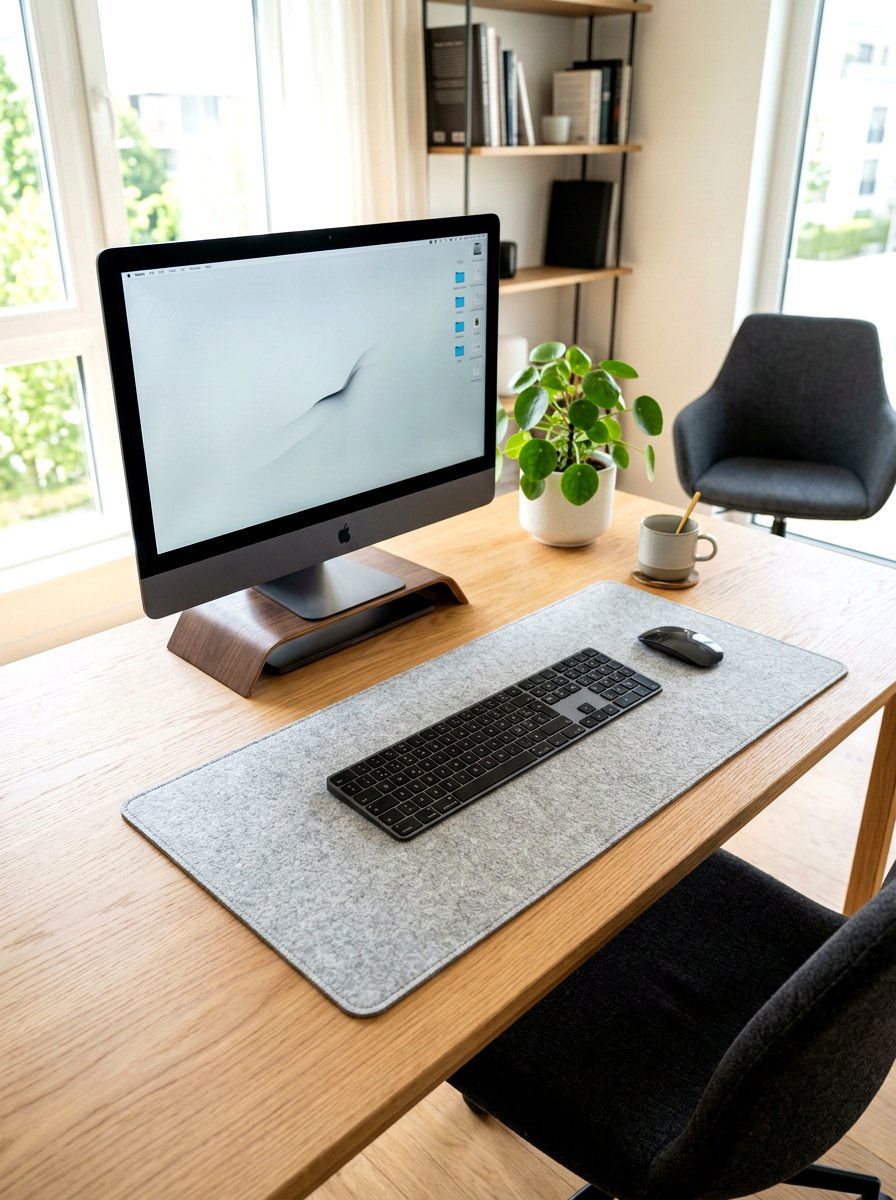
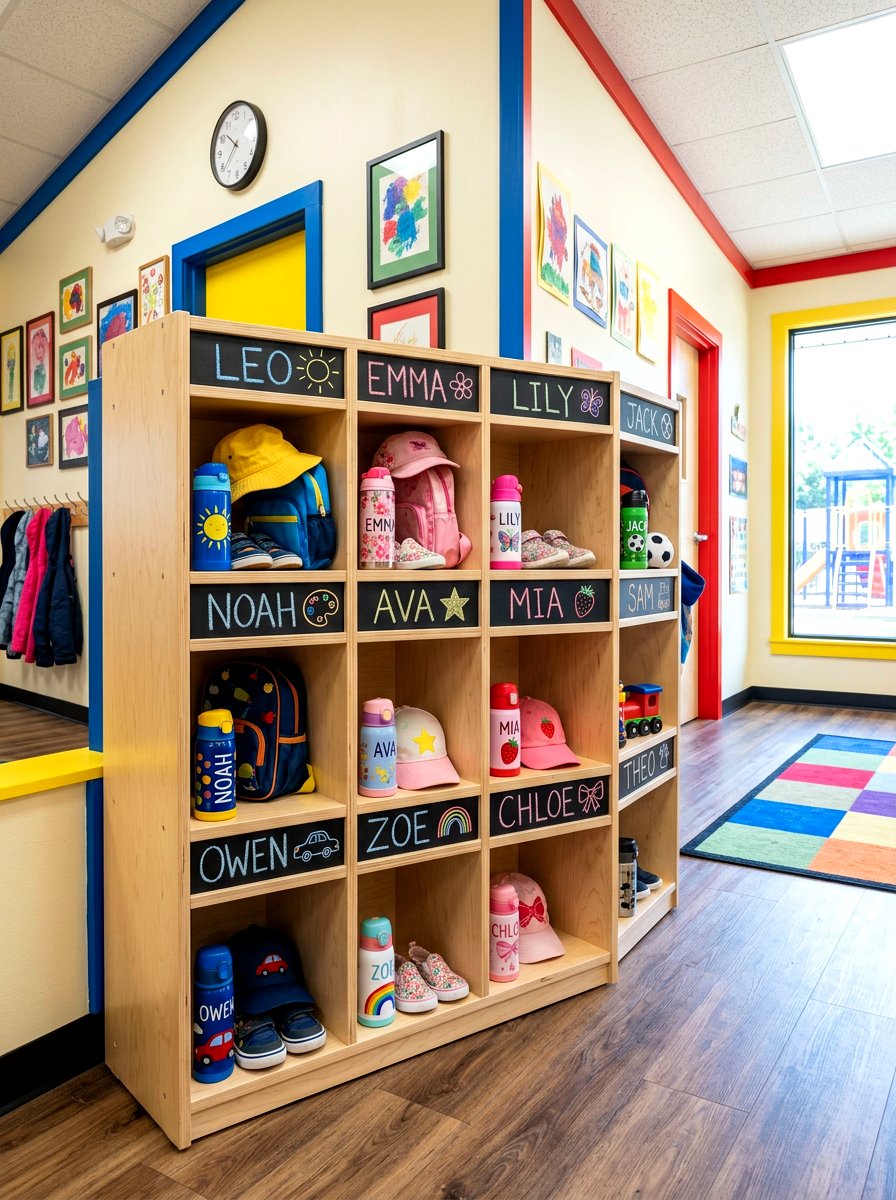
15. Farmhouse Style Kitchen Office
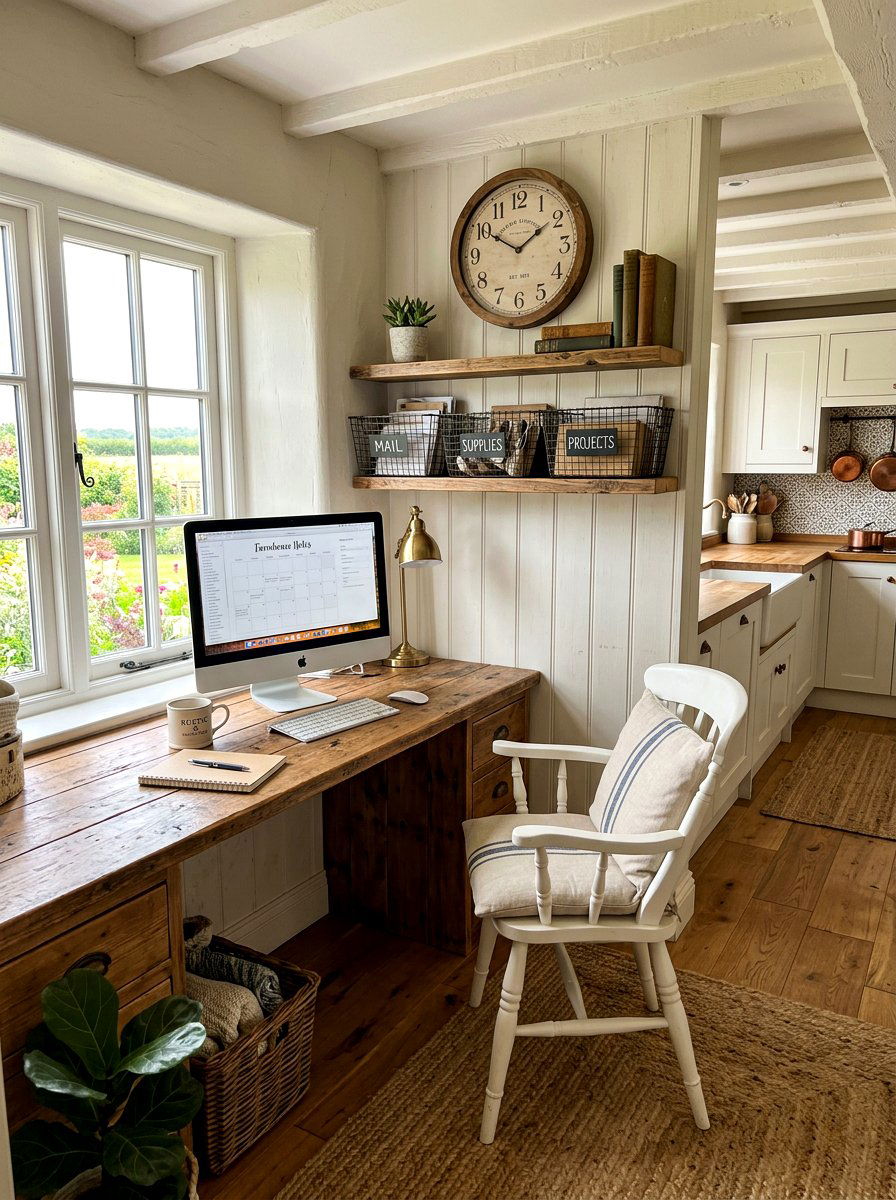
A farmhouse-style kitchen office brings warmth and character to your home with rustic wood textures and vintage-inspired details. You can use a reclaimed wood desktop paired with a classic spindle chair to create a charming and inviting workspace. Add a wire basket for paper storage and a large wooden clock to keep track of study intervals. This style works beautifully in kitchens with shaker cabinets and apron-front sinks, creating a cohesive and lived-in feel. The natural materials and soft color palette make the homework station feel like a comfortable retreat rather than a cold office. It is a wonderful way to blend functionality with a cozy, traditional aesthetic.
16. Chalkboard Wall Study Zone
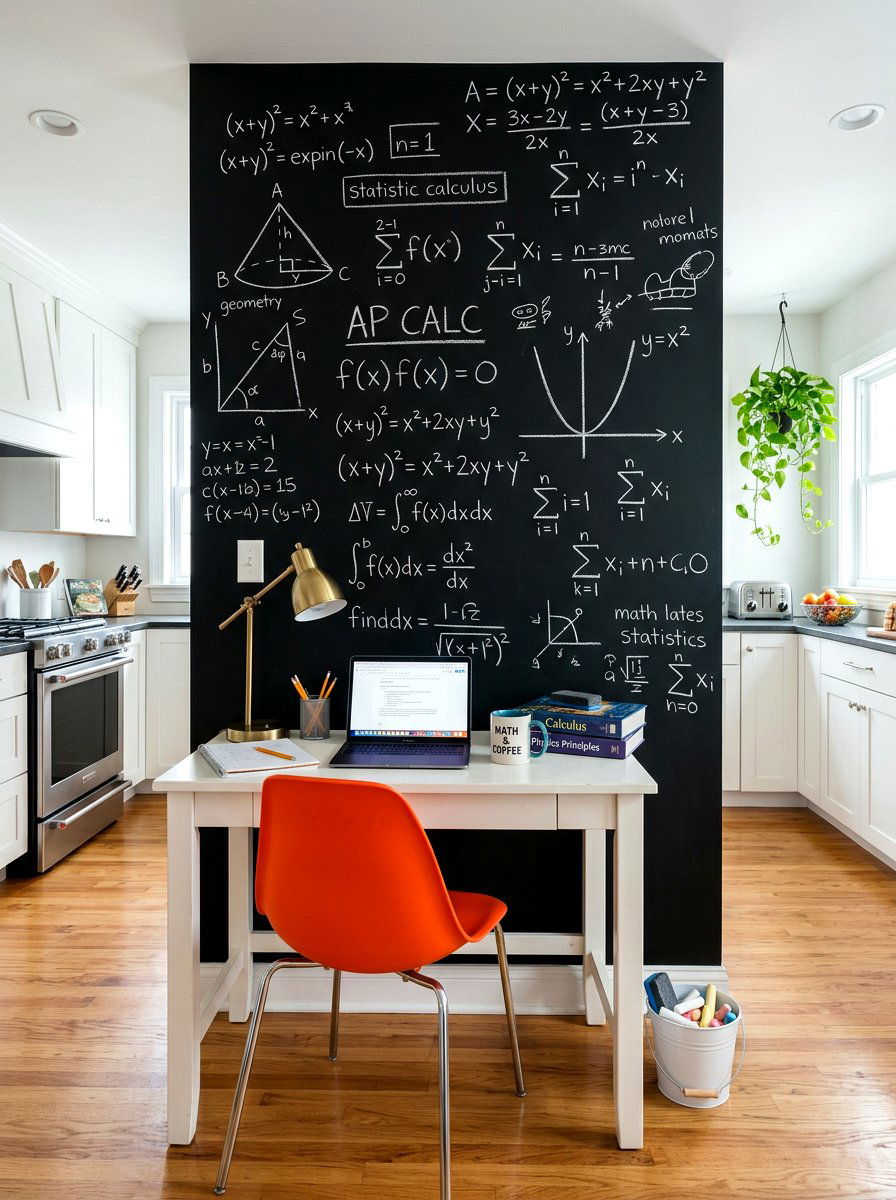
Incorporating a chalkboard wall into your kitchen study zone is a fun and interactive way to encourage learning. This large vertical surface is perfect for practicing math problems, spelling words, or sketching out creative ideas for projects. You can paint a specific section of the wall near the desk with chalkboard paint to create a focal point. It also serves as a great place for parents to leave encouraging notes or reminders about upcoming school events. This dynamic feature adds a playful element to the kitchen while providing a practical tool for daily education. It is an inexpensive and highly effective way to make the homework station more engaging for kids.
17. Pull Out Kitchen Desk
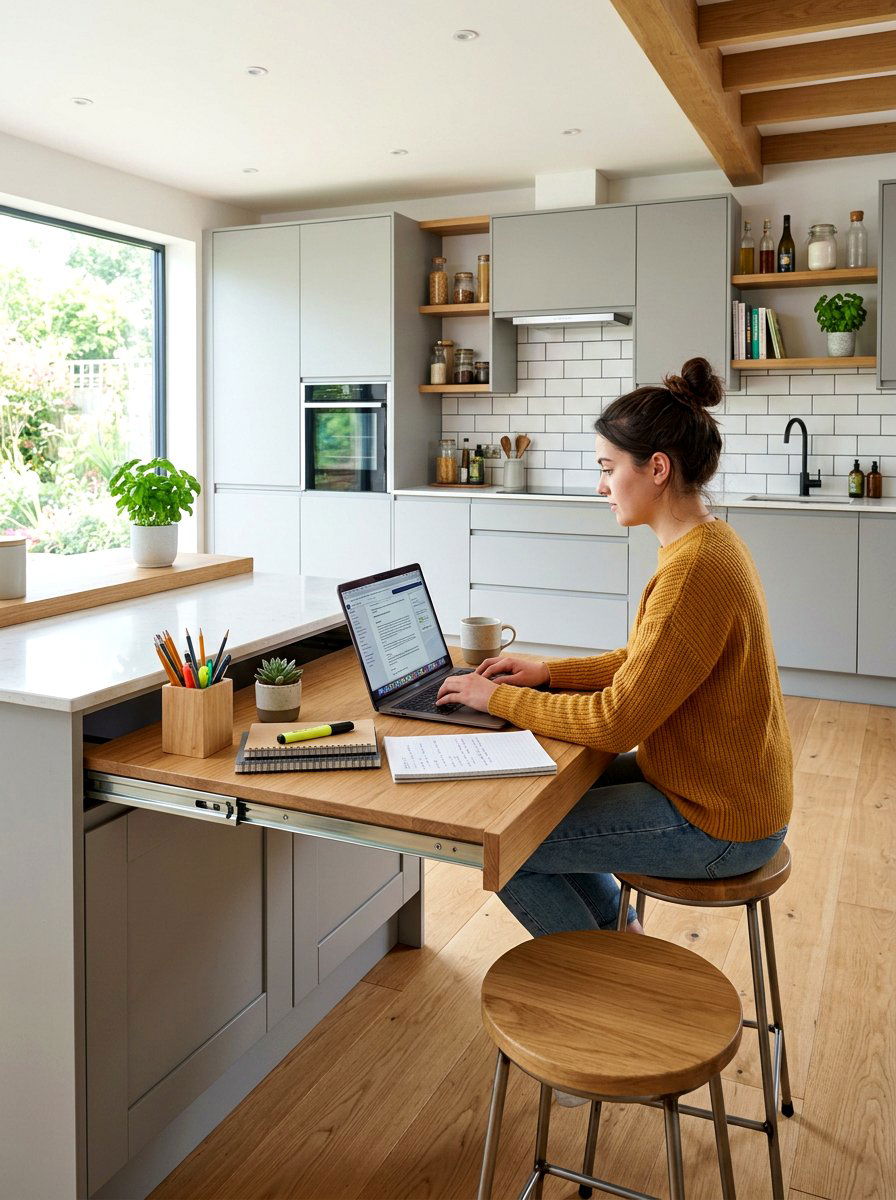
A pull-out kitchen desk is a fantastic space-saving solution for homes that need extra work surfaces on a temporary basis. This desk is built into the cabinetry and can be slid out whenever it is needed for homework or projects. When the school work is finished, the surface simply slides back into the cabinet, leaving the kitchen clear and unobstructed. This is ideal for narrow kitchens or areas with high foot traffic where a permanent desk would be in the way. You can even include a small drawer underneath the pull-out surface for storing pencils and paper. it provides maximum functionality with a minimal footprint for a very smart kitchen design.
18. Double Sided Kitchen Island
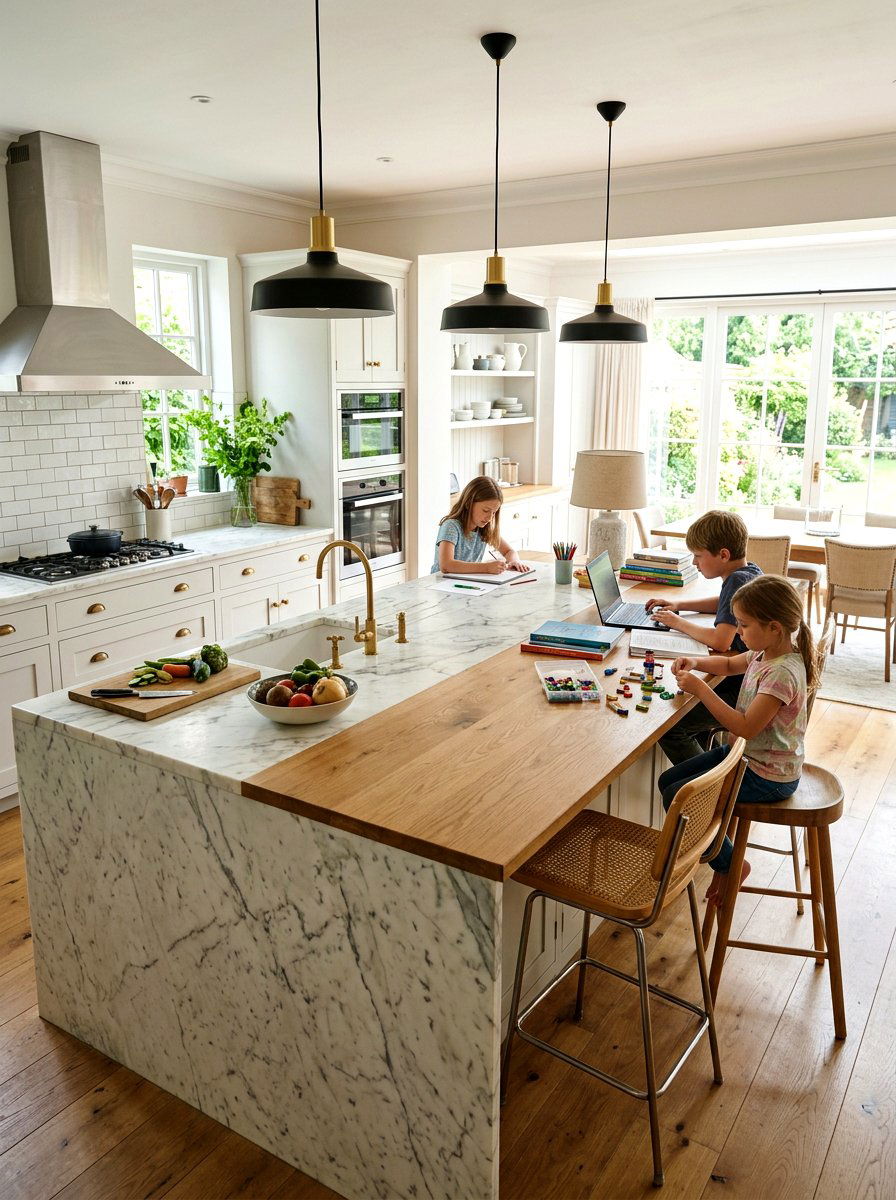
A double-sided kitchen island offers a unique layout where one side is dedicated to cooking and the other to homework. This clear division of space helps keep food preparation separate from school books and expensive laptops or tablets. You can use different materials for each side, such as marble for prep and wood for the desk, to define the zones. This setup allows for multiple children to work side-by-side without getting in each other’s way during busy afternoons. It makes the island the ultimate multi-tasking centerpiece of the home, facilitating both nutrition and education. This design is perfect for large families who need ample space for various activities at once.
19. Kitchen Desk With Cork Board
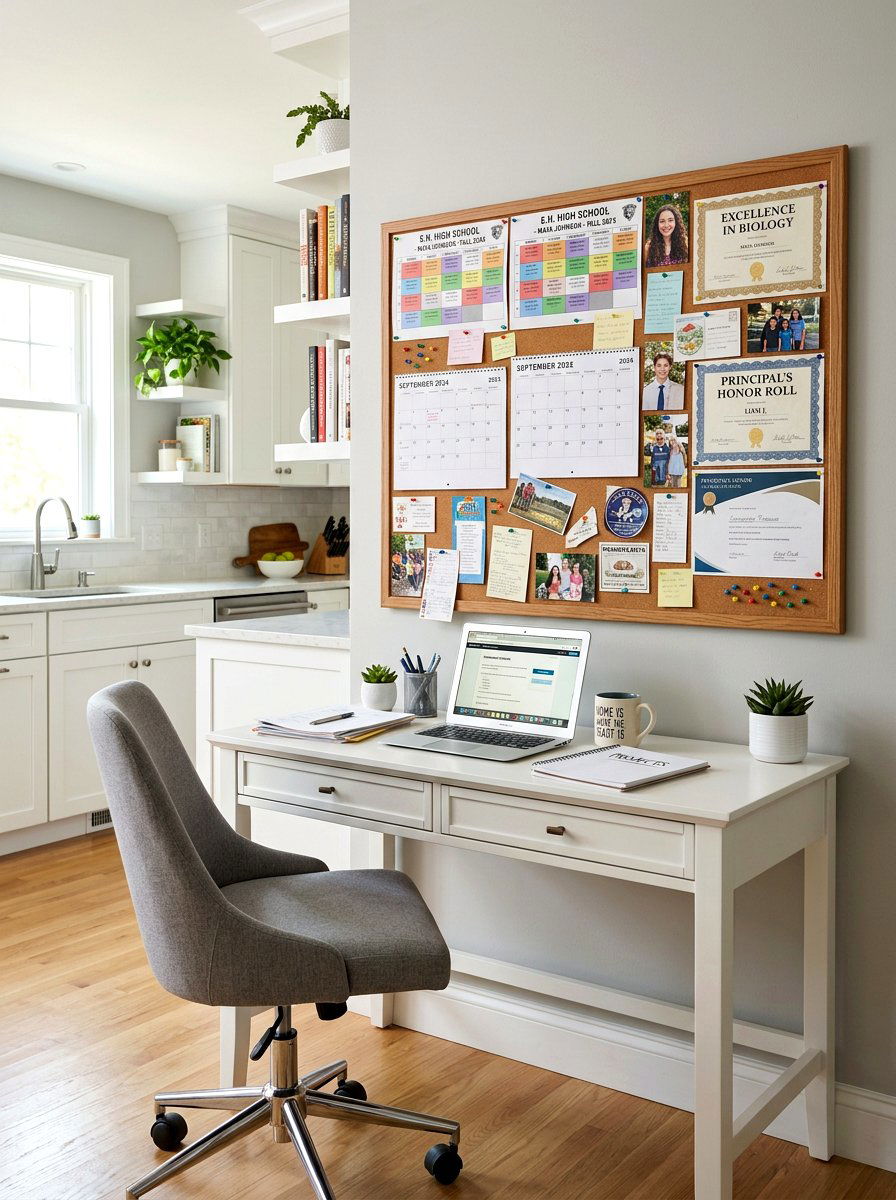
Adding a corkboard to the wall behind a kitchen desk provides an essential space for organization and personal expression. This functional backdrop allows students to pin up their school schedules, important reminders, and proud academic achievements. It keeps loose papers off the desktop, ensuring a clear and focused work environment for every single assignment. You can frame the corkboard to match your kitchen’s trim for a more polished and intentional look. It also offers a great place to display inspirational quotes or photos that keep students motivated through tough subjects. This simple addition transforms a basic desk into a fully functional and personalized command center for any student.
20. Industrial Kitchen Workspace
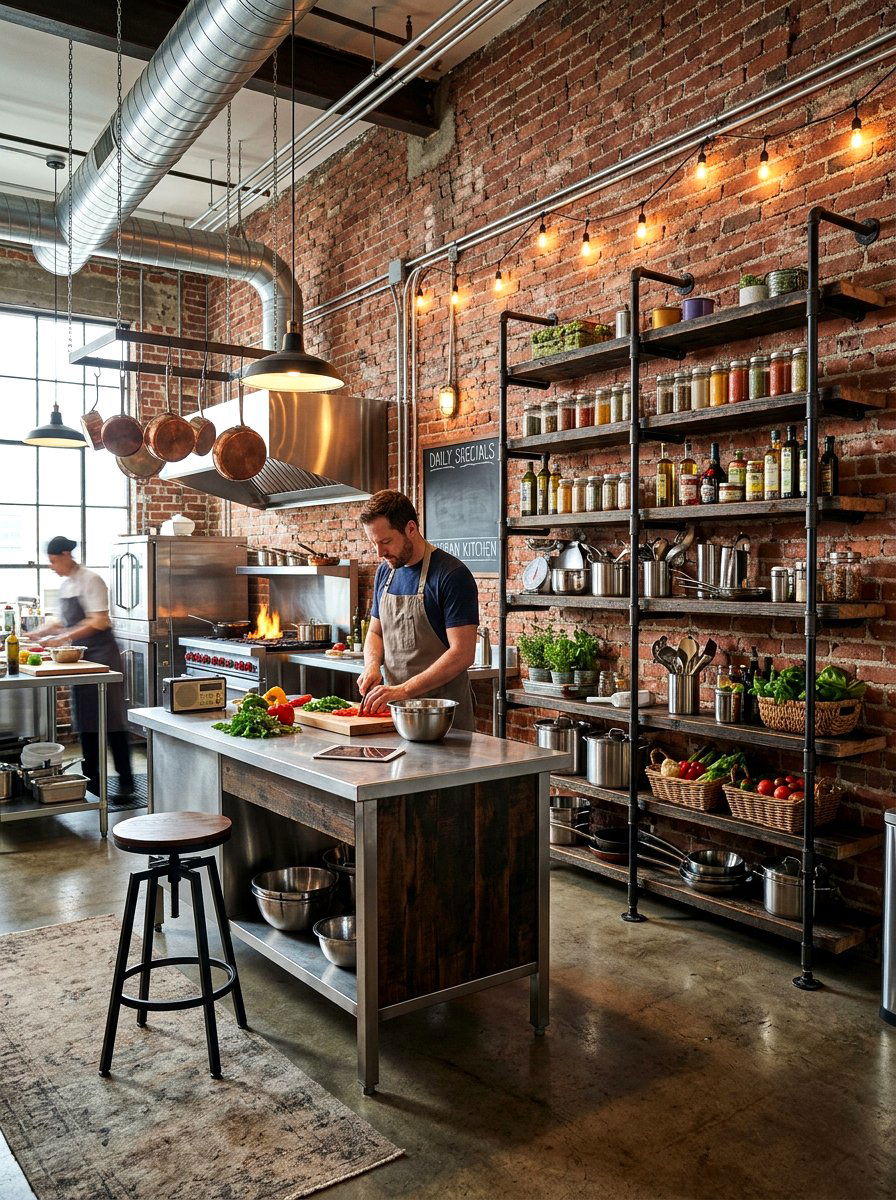
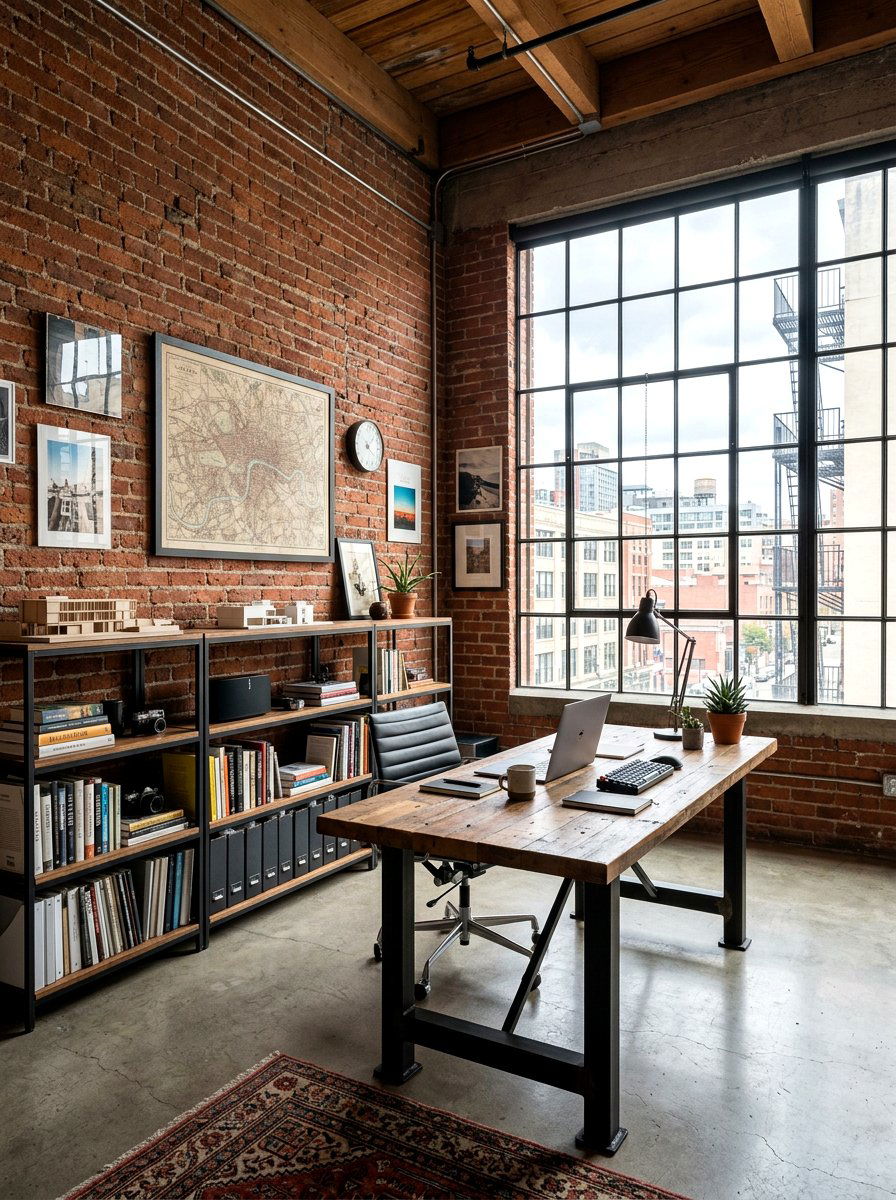
An industrial kitchen workspace features raw materials like metal, dark wood, and exposed hardware for a bold and modern look. This style is perfect for families who want a durable and edgy study area that stands out in the room. You can use a heavy-duty metal desk paired with an adjustable stool to create a rugged and functional environment. Incorporate pipe shelving above the desk for a unique way to store books and organizational bins. This aesthetic works well with brick walls or concrete floors, adding a sense of urban cool to your kitchen. It is a sturdy and stylish choice that can handle the wear and tear of daily school use.
21. Kitchen Desk Near Mudroom
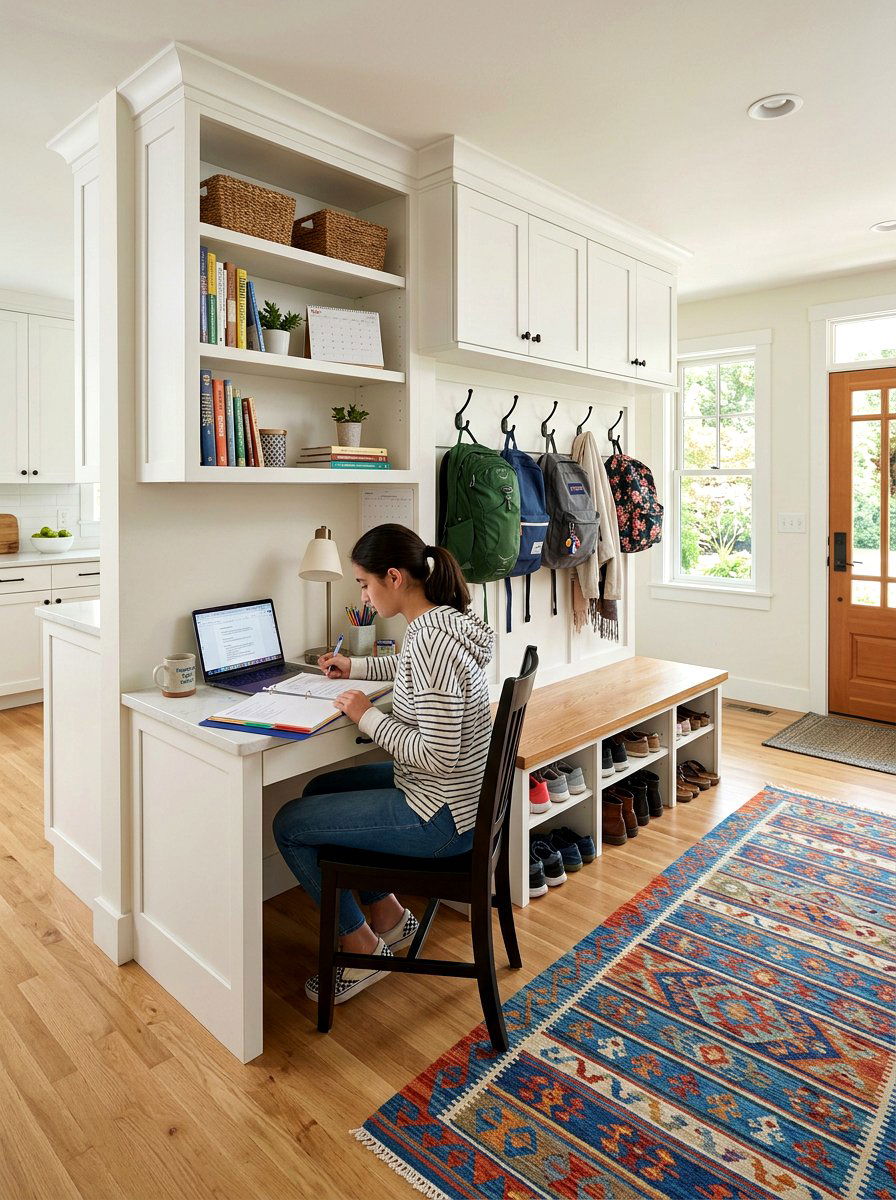
Positioning a kitchen desk near the mudroom entrance is a strategic move for managing the daily transition from school to home. This location allows children to drop off their backpacks and immediately sit down to organize their homework for the evening. It keeps the school-related clutter confined to one specific area of the house, preventing it from spreading to the living room. You can include hooks and cubbies nearby for shoes and jackets to make the process even more efficient. This setup encourages a consistent routine where homework is tackled as soon as the children walk through the door. It is a practical and highly organized layout for any busy household.
22. Colorful Kitchen Study Area
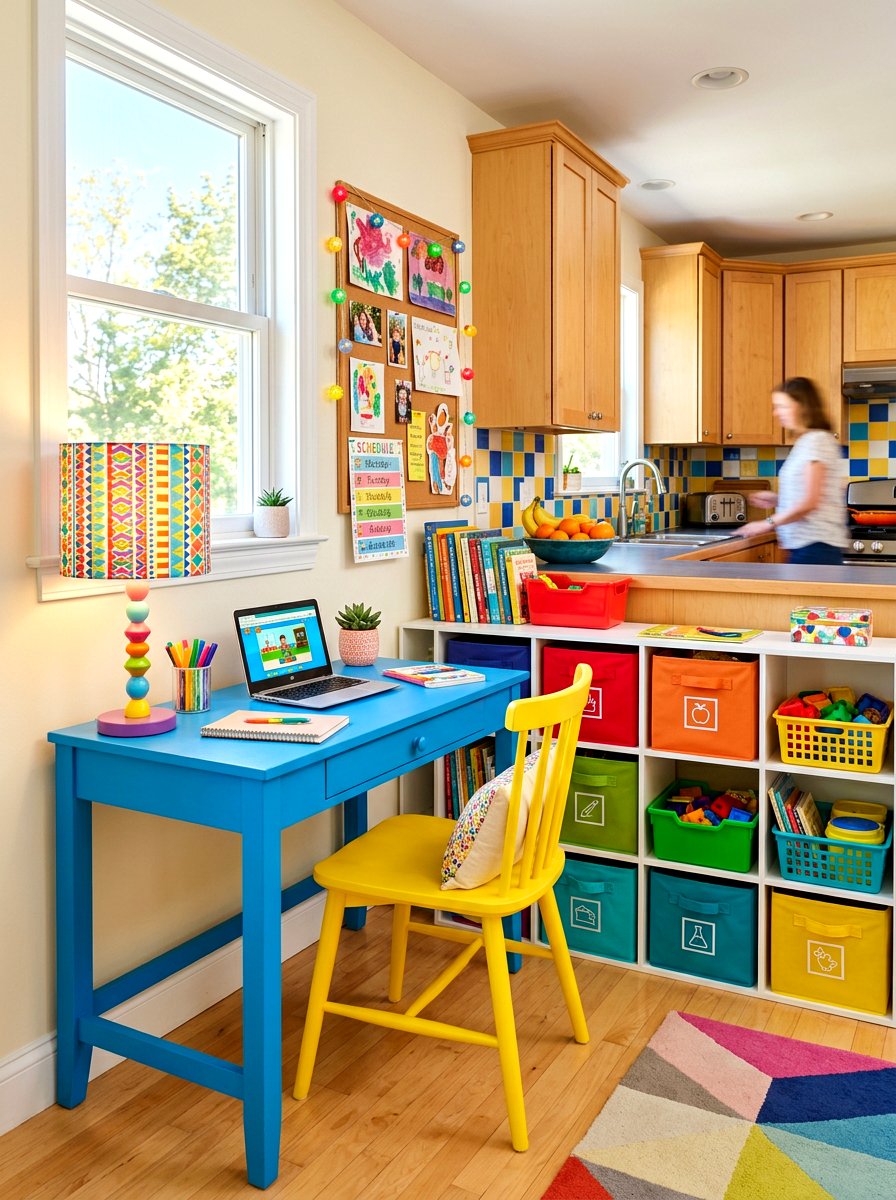
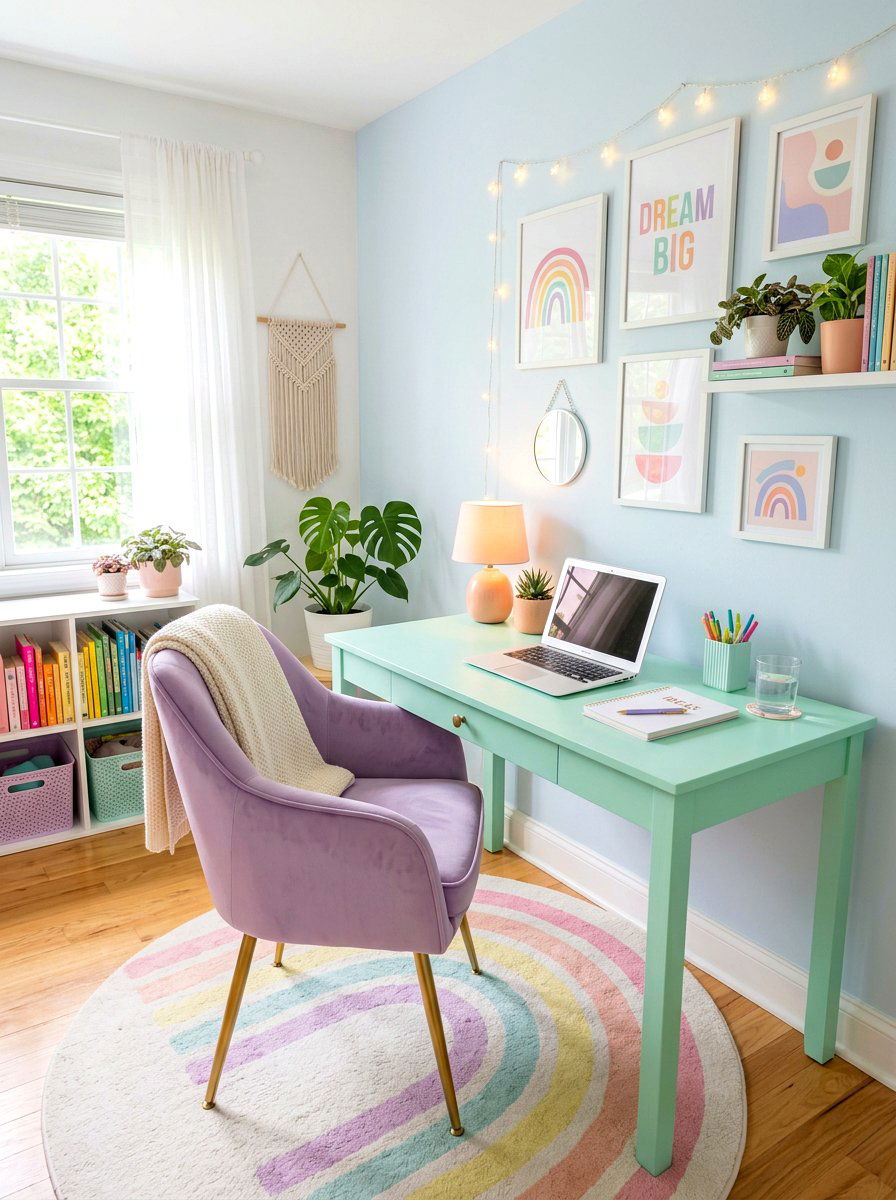
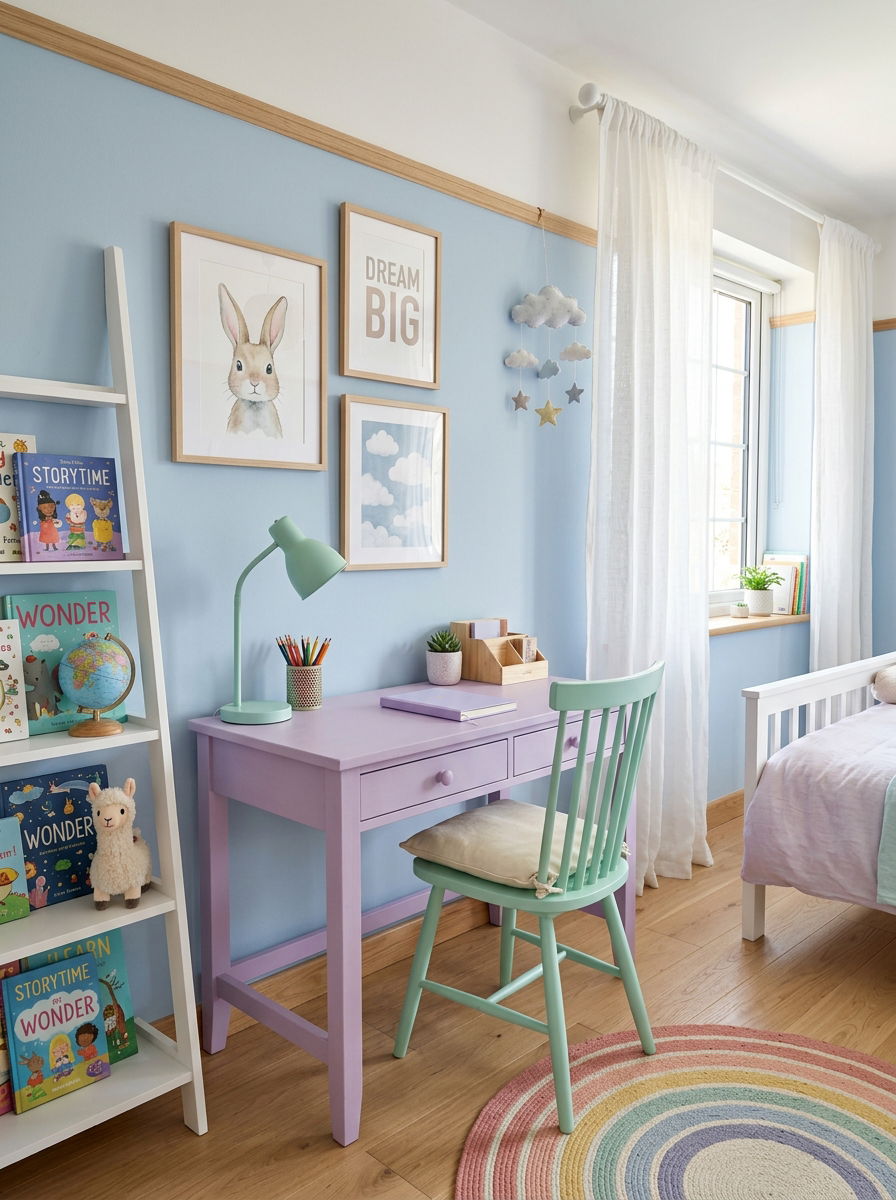
A colorful kitchen study area can spark creativity and make the homework routine feel more exciting and less like a chore. You can choose a desk in a vibrant hue like sunny yellow or bold blue to create a cheerful focal point. Pair the desk with colorful accessories, such as a bright lamp, patterned bins, and a fun chair cushion. These pops of color can help define the workspace within a neutral kitchen and make it feel more kid-friendly. Using color in a strategic way can also help improve focus and energy levels during long study sessions. It is a simple way to bring personality and joy to a functional corner of your home.
23. Glass Front Cabinet Desk
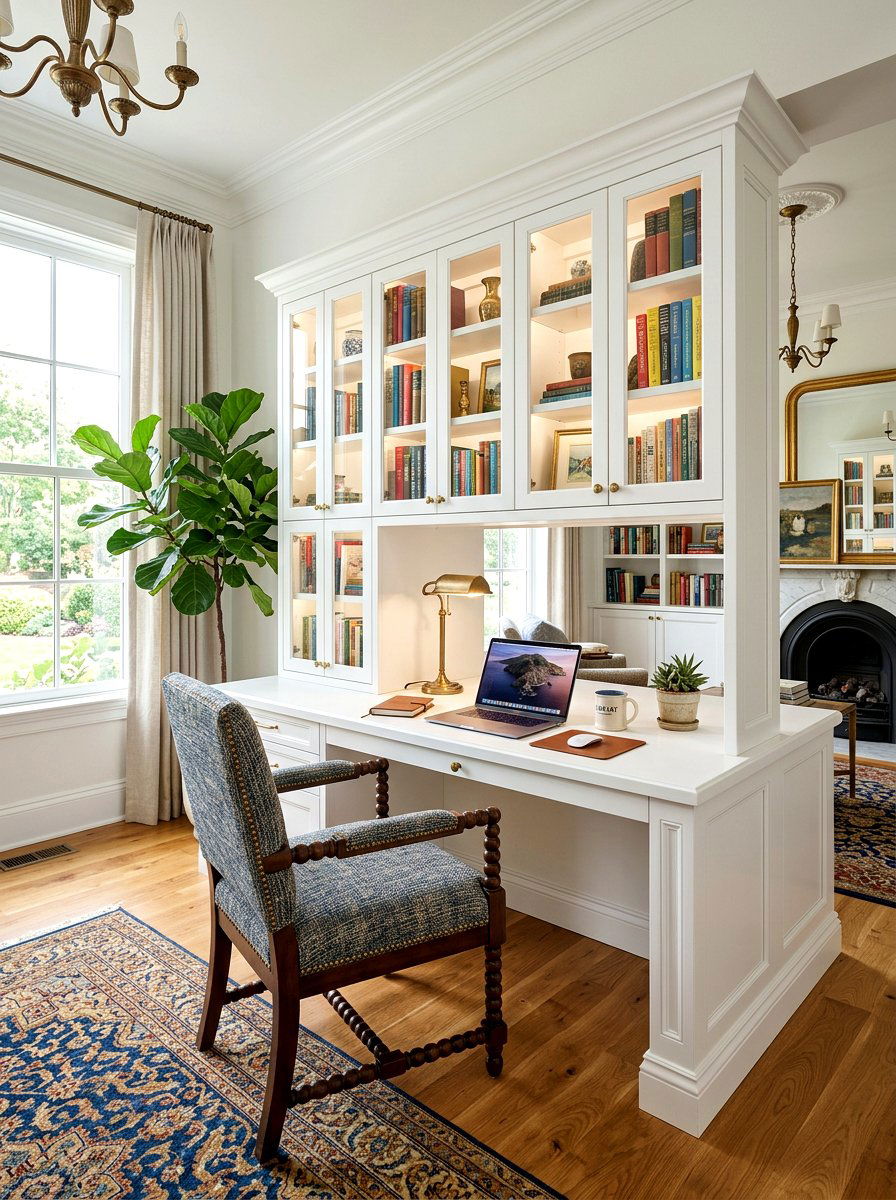
A glass-front cabinet desk combines the functionality of a workspace with the beauty of a display cabinet for a sophisticated look. You can use the upper glass cabinets to showcase colorful books or tidy organizational bins, keeping them visible but protected. The desk surface underneath provides a clear area for working, while the glass doors add a sense of lightness and elegance. This style works particularly well in traditional or transitional kitchens where you want to maintain a high-end aesthetic. It allows the homework station to feel like a piece of fine furniture rather than a utility area. This design choice adds both storage and style to your multi-functional kitchen space.
24. Traditional Kitchen Desk Unit
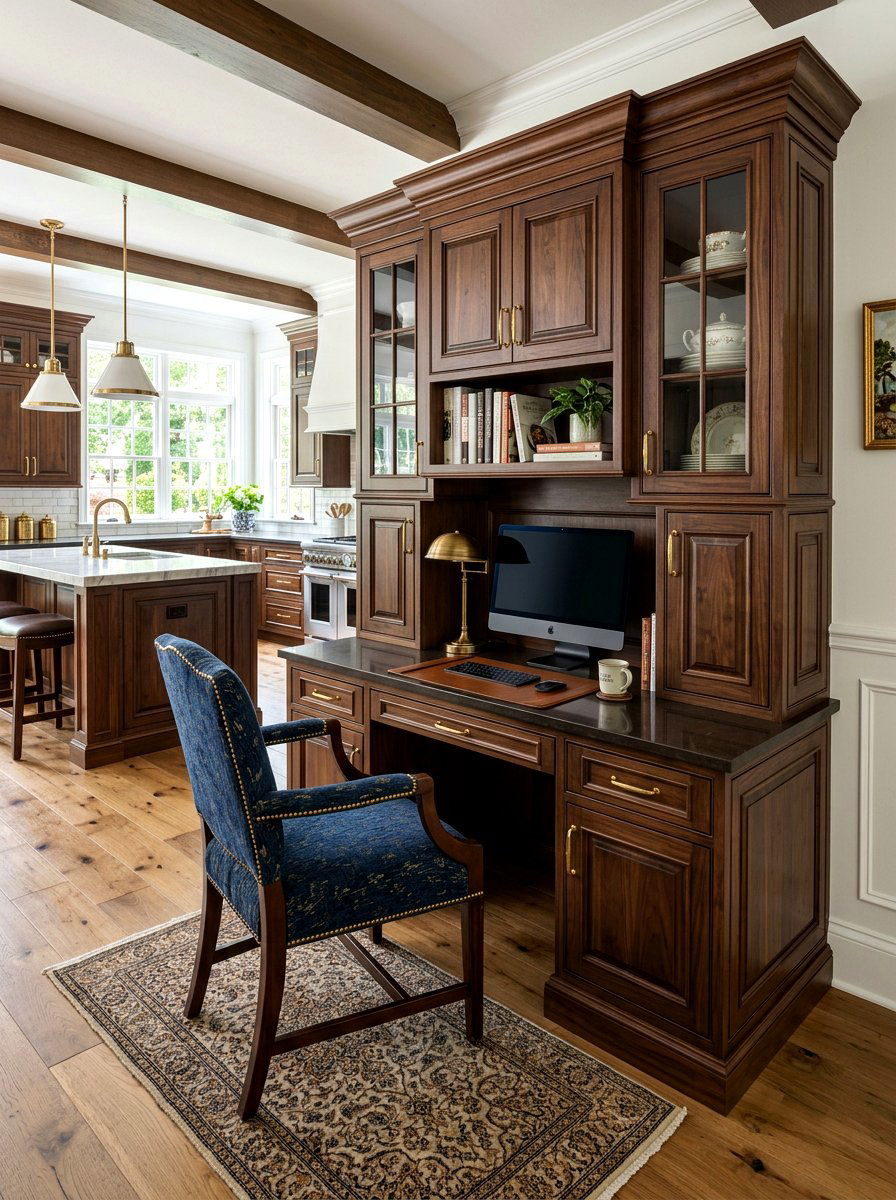
A traditional kitchen desk unit often features classic details like crown molding, recessed panels, and elegant hardware for a timeless feel. This type of workspace is designed to blend perfectly with more formal kitchen designs, ensuring a consistent and polished appearance. You can include a mix of drawers and cabinets to provide ample storage for all of your children’s school supplies and books. A comfortable upholstered chair can add a touch of luxury and make the study sessions feel more like a special event. This approach prioritizes a high-end look while still providing all the practical features needed for a successful homework station. It is a beautiful and functional addition.


25. Compact Kitchen Wall Desk
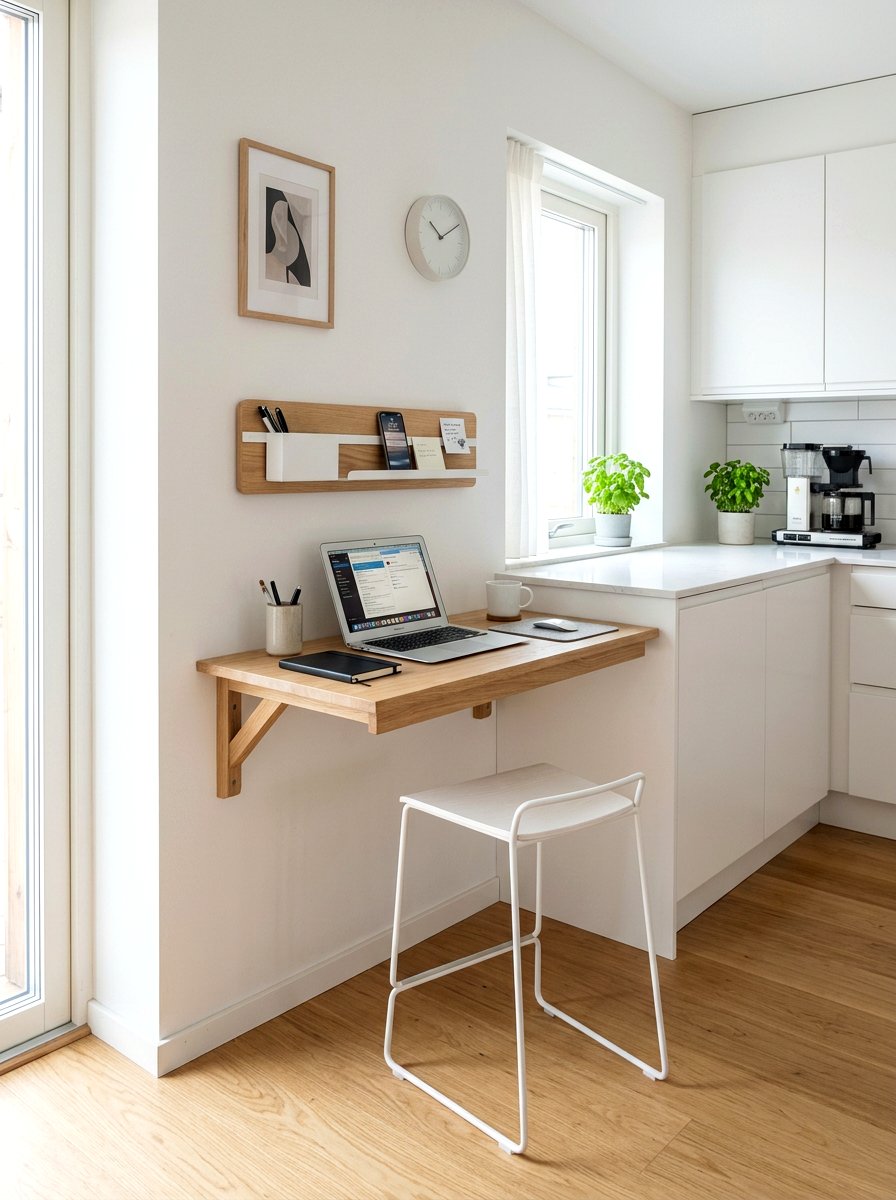
A compact kitchen wall desk is a great solution for those who only have a sliver of wall space available for a workspace. These narrow desks are designed to be shallow, ensuring they do not block walkways or interfere with the kitchen's main functions. You can pair a slim desk with a wall-mounted organizer to keep pens and paper within reach without taking up surface area. This minimalist approach is perfect for quick tasks like checking homework or working on a tablet for a short period. It proves that even the smallest area can be turned into a productive zone with the right furniture and layout. It is all about maximizing efficiency.
26. Kitchen Desk With Charging Station
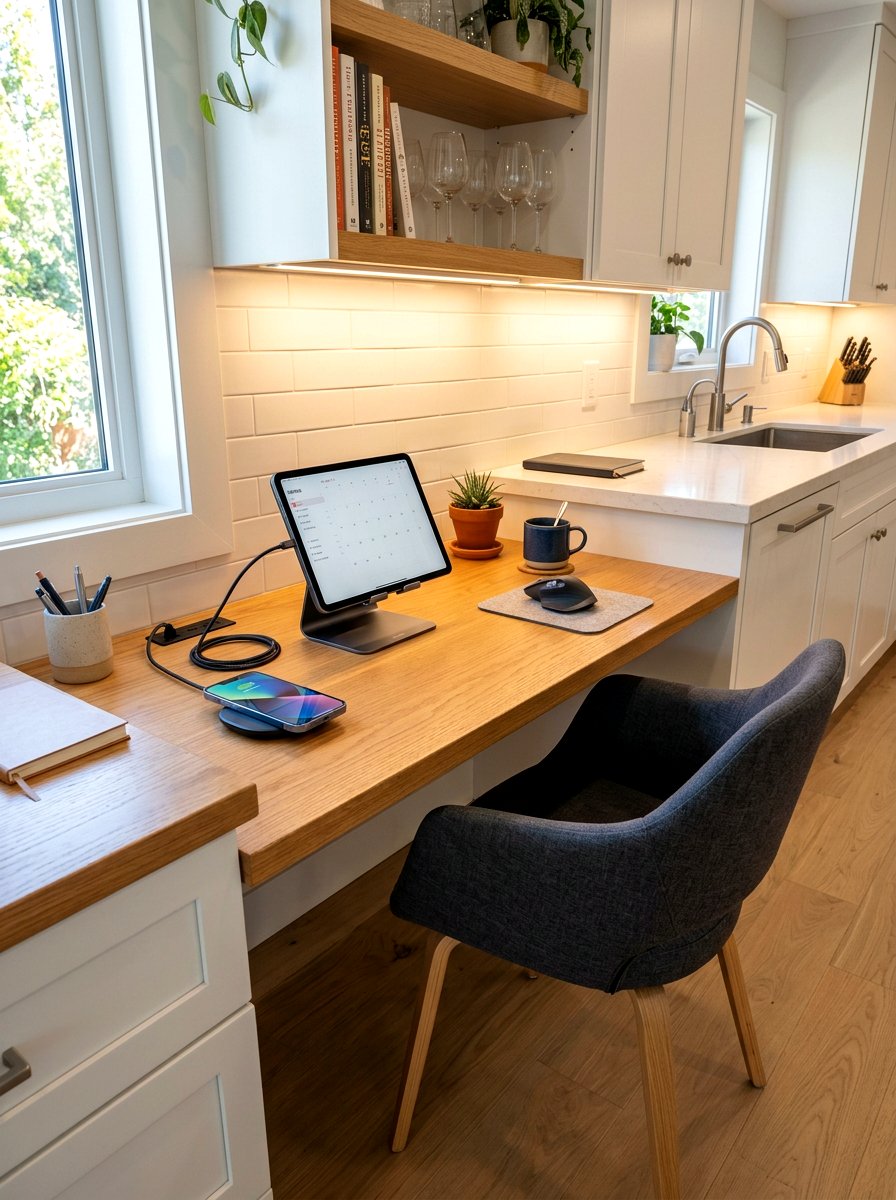
In our modern digital age, a kitchen desk with a built-in charging station is an absolute must-have for every student. This dedicated area allows laptops, tablets, and phones to be charged overnight in a central location, preventing lost cords and dead batteries. You can hide the charging ports inside a drawer or under a shelf to keep the desk looking clean and organized. This setup ensures that all school devices are ready to go each morning without the stress of searching for a charger. It also keeps the main kitchen counters clear of tangled wires and electronic devices. It is a smart and highly practical feature that modernizes any home study area.
27. Integrated Bookshelf Kitchen Desk
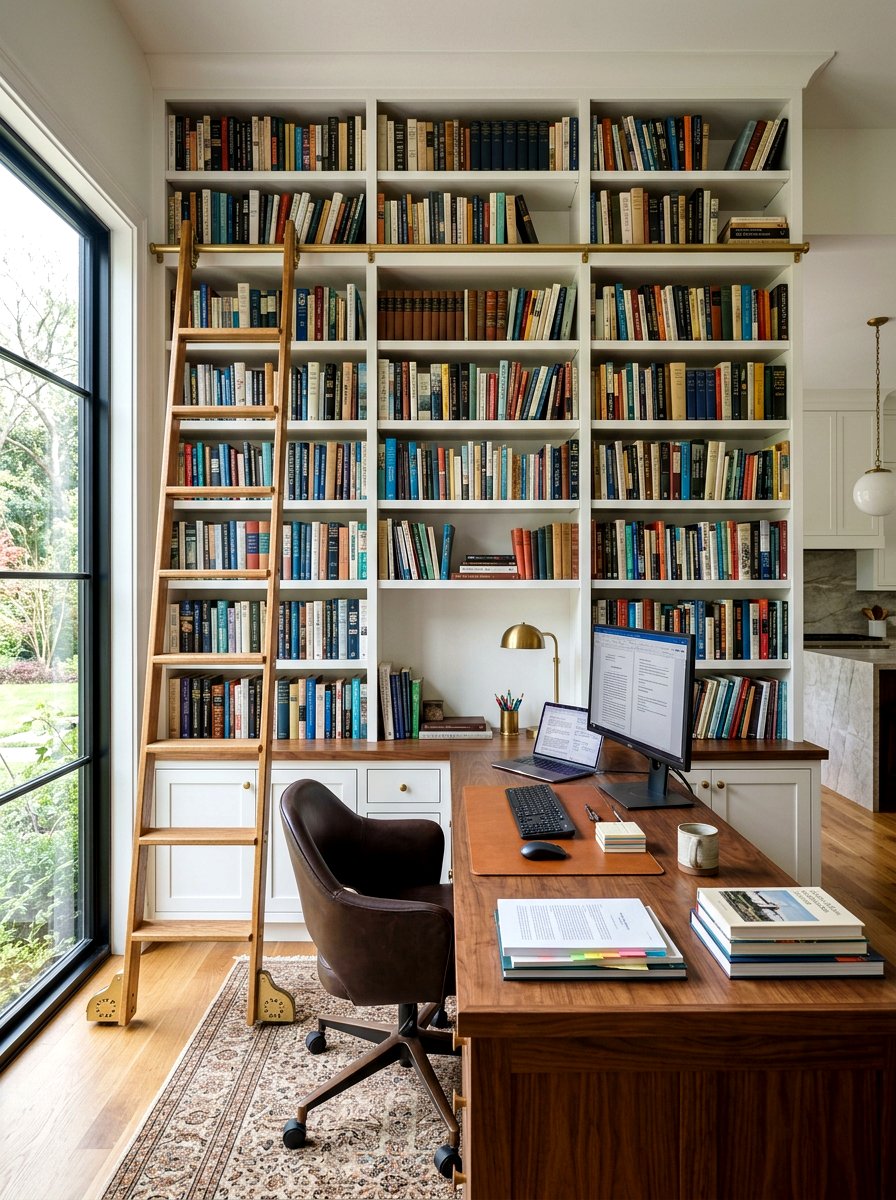
An integrated bookshelf kitchen desk combines a large surface area with floor-to-ceiling shelving for the ultimate storage and study solution. This design allows for an extensive collection of textbooks, reference books, and school supplies to be kept right where they are needed. You can use the lower shelves for heavier items and the higher shelves for decorative pieces or infrequently used binders. This vertical storage approach keeps the footprint of the desk small while providing a massive amount of organizational space. It creates a mini-library feel within your kitchen, fostering an environment that truly celebrates learning and academic success. This is a powerful and very effective design for dedicated students.
28. Rustic Wood Kitchen Desk
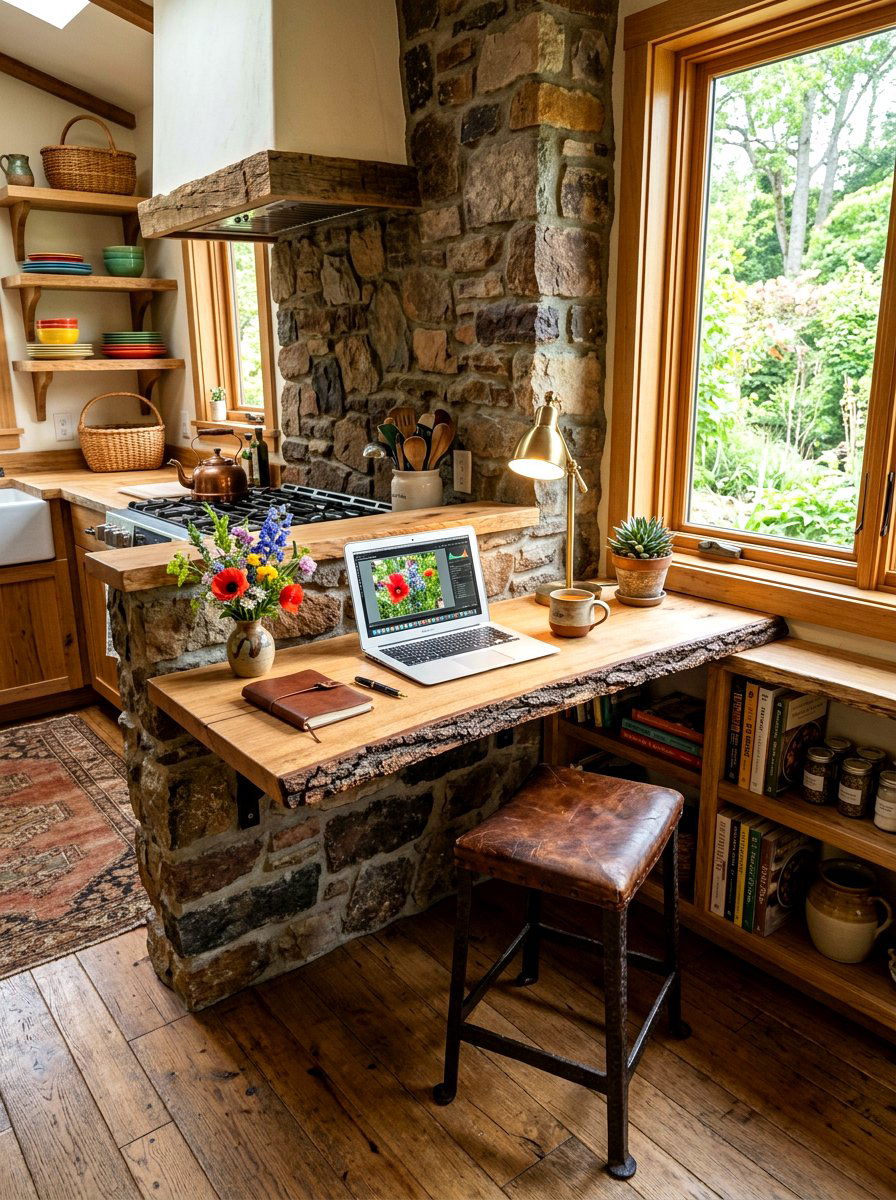
A rustic wood kitchen desk adds a sense of natural warmth and organic beauty to your home’s culinary and study hub. Using thick slabs of wood with visible grain and knots creates a unique and tactile surface that feels grounded and comfortable. This style of desk pairs beautifully with stone backsplashes or brick walls, enhancing a nature-inspired kitchen aesthetic. You can use a simple wooden bench or a leather-wrapped stool to complete the look and add a touch of rugged charm. The durable nature of solid wood makes it an excellent choice for a workspace that will see a lot of daily use. It is a timeless and very inviting design choice.
29. Kitchen Peninsula Homework Spot
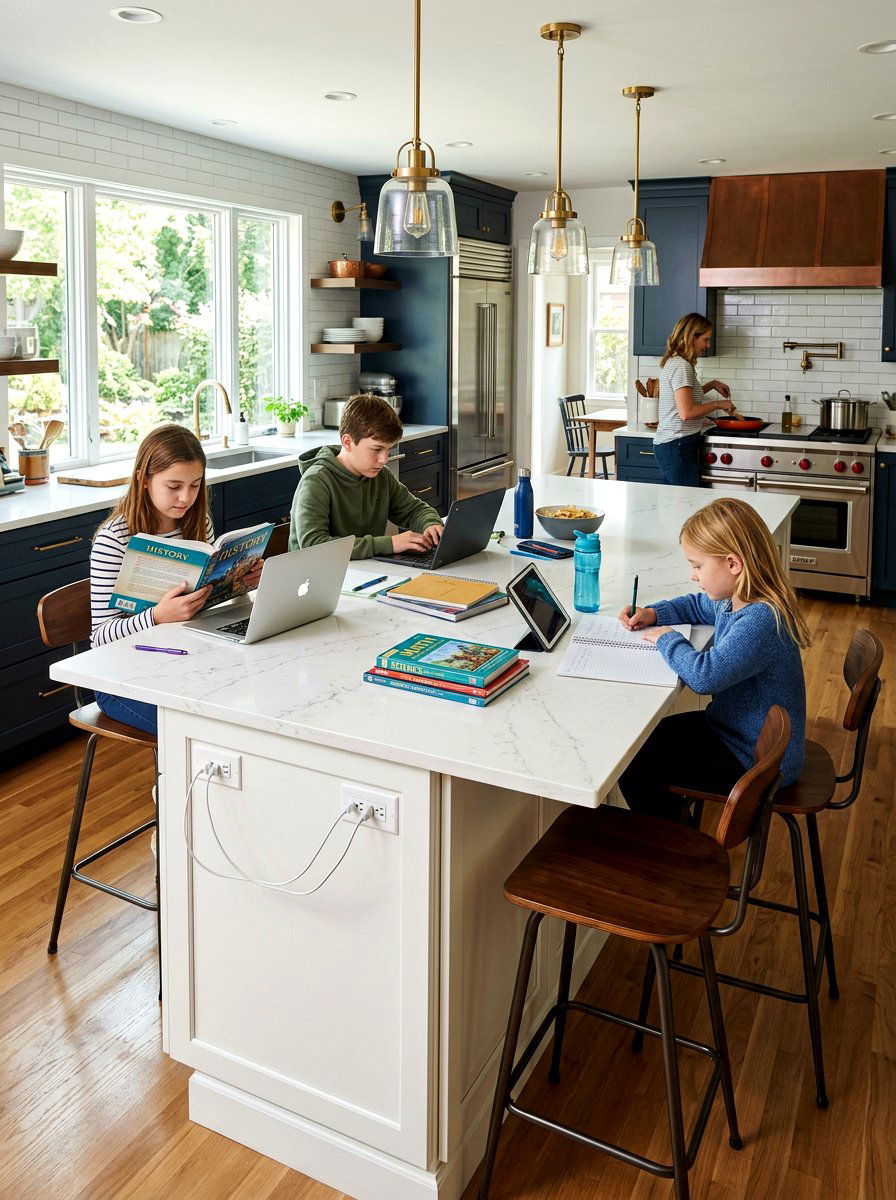
A kitchen peninsula can be a perfect homework spot because it offers a natural boundary between the cooking area and the rest of the room. This extended counter provides a long, flat surface where multiple children can work together or a parent can spread out materials. You can install electrical outlets along the side of the peninsula for easy access to power for laptops and lamps. This location keeps the student in the middle of the home’s activity while still giving them their own defined territory. It is a very social and accessible way to incorporate a study zone without the need for additional furniture. It maximizes the existing layout perfectly.
30. Galley Kitchen Desk Nook
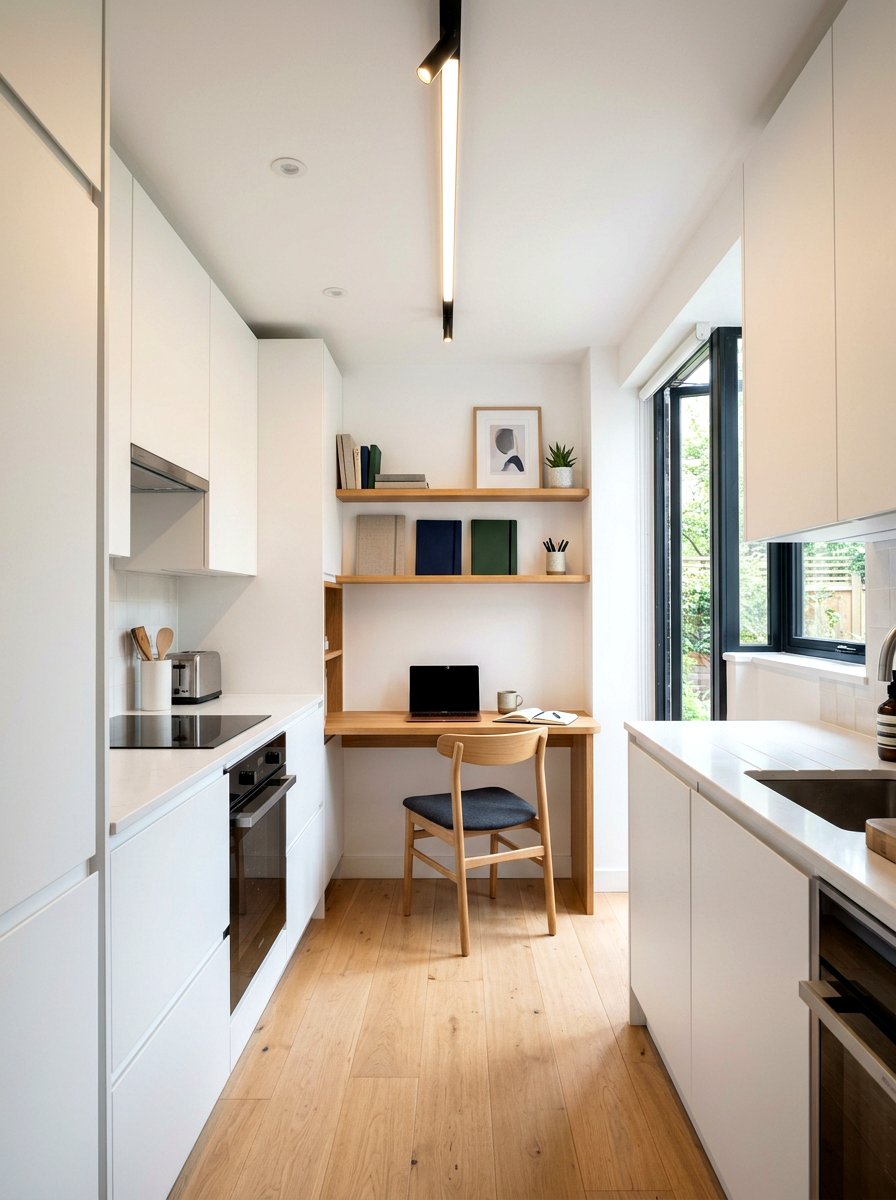
Even a narrow galley kitchen can accommodate a homework station by utilizing the end of one of the cabinet runs. A small desk nook at the end of the galley provides a tucked-away spot that does not interfere with the workflow between the sink and stove. You can use a slim chair that can be tucked completely under the desk to keep the central path clear for traffic. Adding a few floating shelves above the desk provides essential storage without making the narrow space feel closed in or dark. This clever use of space ensures that even in a smaller, linear kitchen, there is a dedicated place for academic focus and daily organization.
Conclusion:
Creating a dedicated homework station in the kitchen is one of the smartest ways to manage a modern family’s busy daily schedule. By integrating a workspace into the heart of the home, you provide a supervised and supportive environment where children can thrive academically. From hidden pocket-door desks to expansive island extensions, there is a design solution for every kitchen size and aesthetic preference. These zones not only help reduce the clutter on your dining table but also foster a consistent and organized routine for your students. We hope these thirty diverse ideas have inspired you to transform a corner of your kitchen into a functional and beautiful hub for learning and productivity.

Related posts: