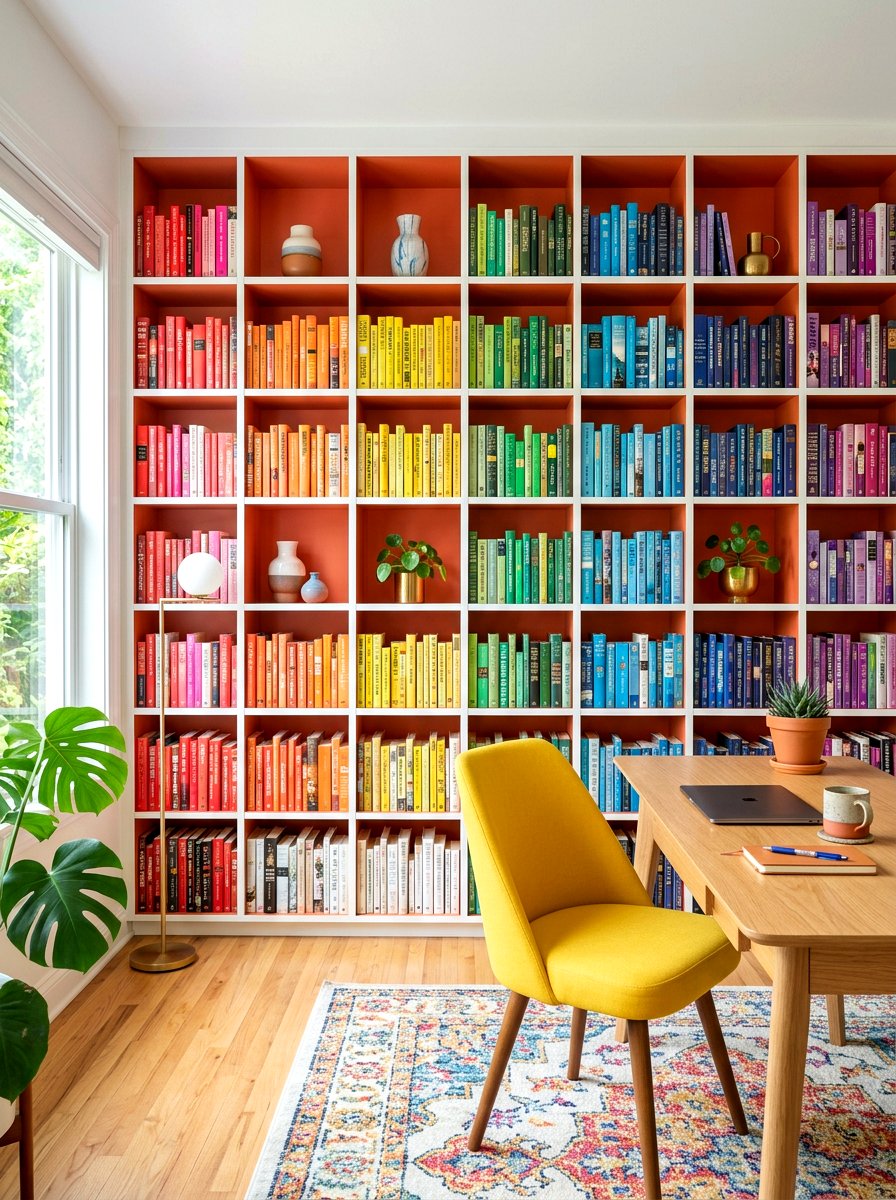
Creating a dedicated space for learning within the home is a game-changer for student productivity and focus. A homework nook doesn 't need to be a full room; it just needs to be a thoughtful corner where creativity can flourish without distractions. Whether you are dealing with a tiny apartment or a spacious family home, finding the right spot for a desk can make a massive difference in a child' s academic routine. These specialized zones help transition the mind from play to work, providing a structured environment for assignments. By choosing the right lighting, seating, and organization, you can transform any awkward alcove into a functional masterpiece. Let’s explore various ways to build a perfect study retreat.
1. Built in desk under stairs
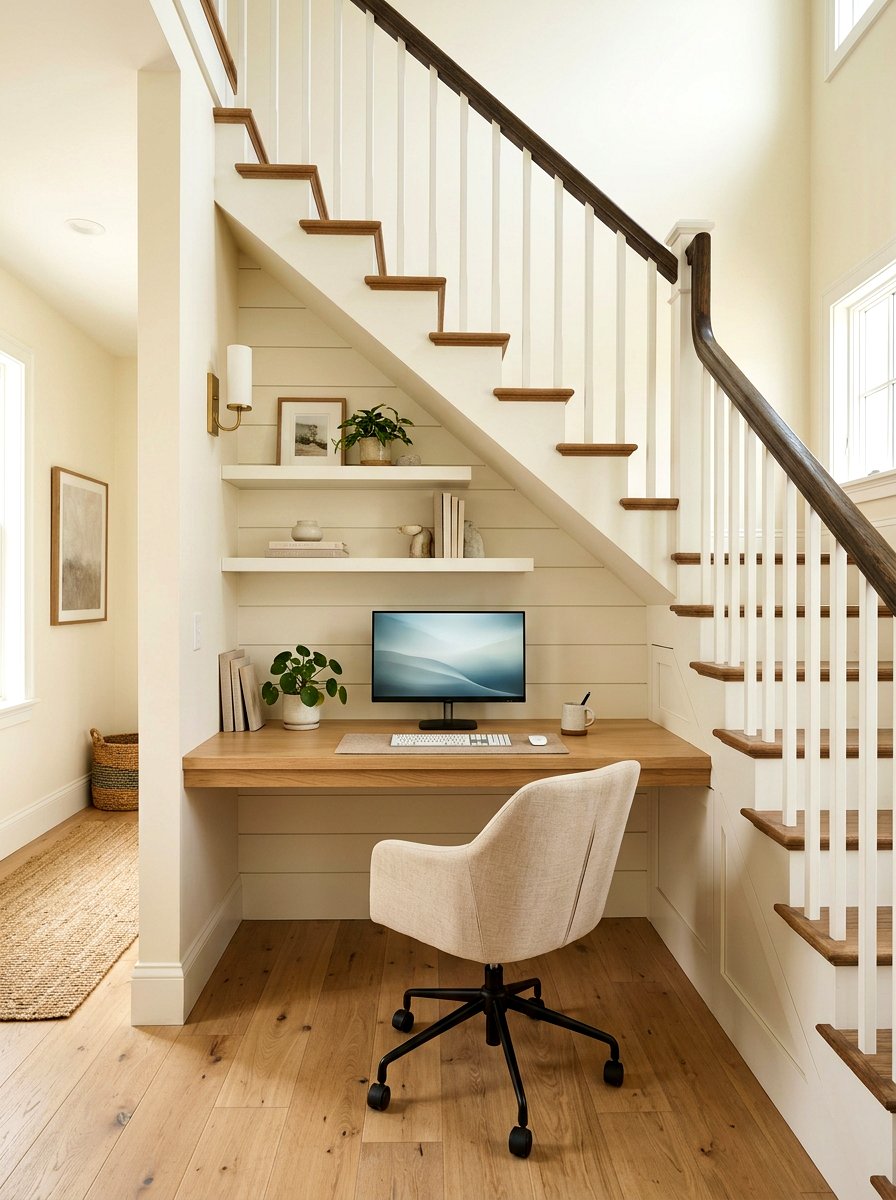
Have you ever looked at that awkward gap beneath your staircase and wondered how to use it better? Transforming this often-ignored area into a custom-built homework nook is a brilliant way to maximize every square inch of your floor plan. Because the ceiling is sloped, it creates a cozy, cocoon-like feeling that helps children stay focused on their tasks. You can install a long wooden countertop that stretches across the width of the space to provide ample surface area. Adding a few floating shelves above the desk allows for easy access to textbooks and stationery. This architectural solution keeps the main living areas tidy while providing a permanent, quiet spot for daily schoolwork.
2. Closet desk conversion
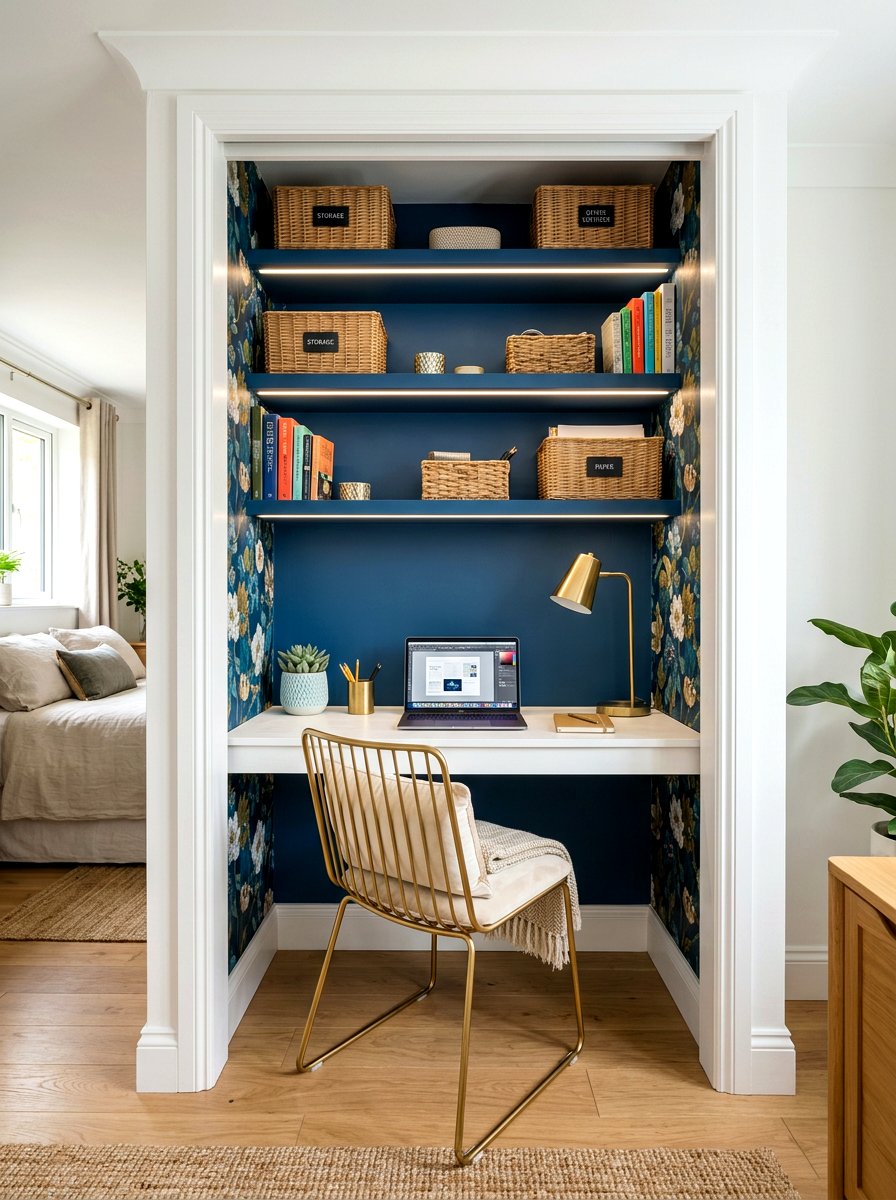
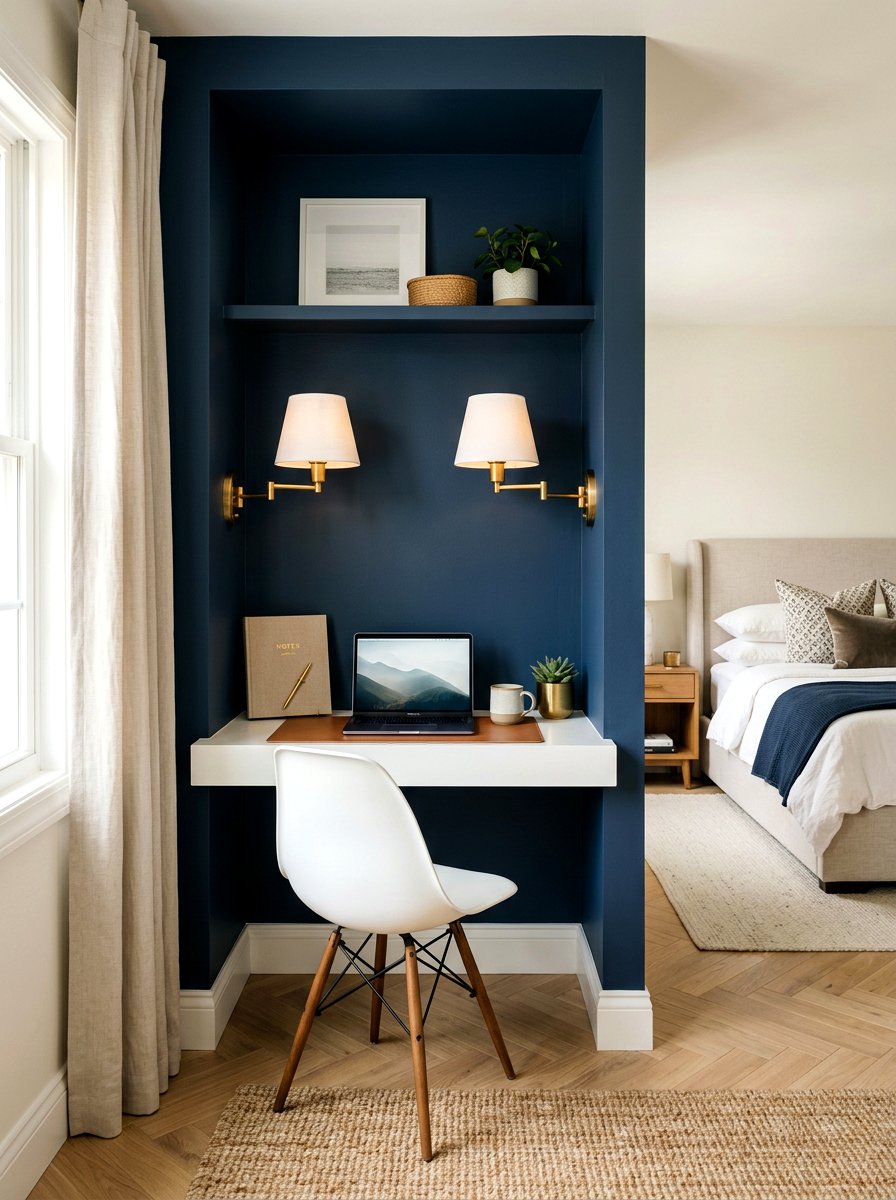
Turning an unused reach-in closet into a functional "cloffice" is one of the smartest space-saving trends for modern homes. By removing the closet doors and clothing rods, you open up a recessed area that is perfectly sized for a standard desk. You can paint the interior a bold color or apply a fun wallpaper to distinguish the work zone from the rest of the bedroom. Adding a sturdy shelf for a monitor and smaller ledges for supplies keeps the desktop clear for writing. This setup is particularly effective because it utilizes vertical space efficiently. When the school year ends, the area can easily be converted back into storage if necessary.
3. Small bedroom study corner
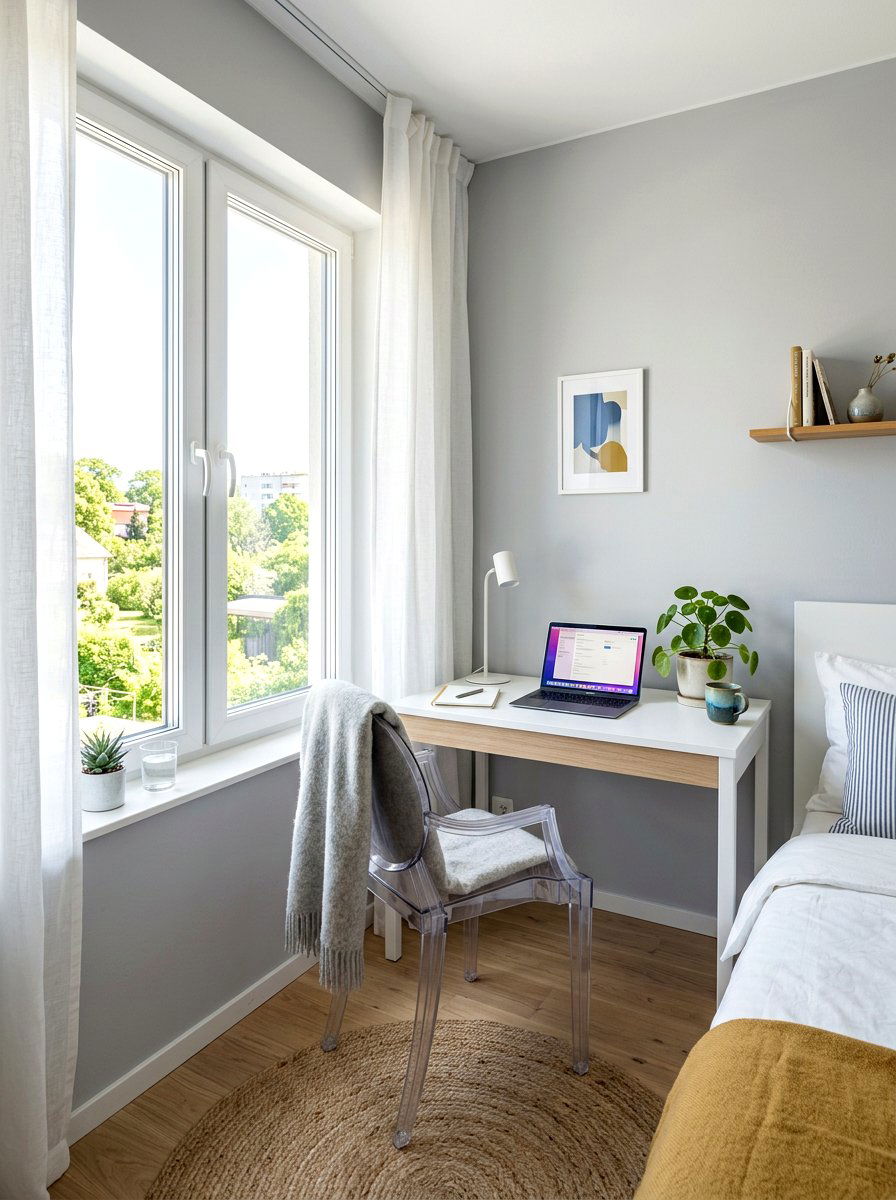
Finding room for a full-sized desk in a compact bedroom can feel like a difficult puzzle to solve. However, a dedicated study corner can easily fit into a small footprint if you choose the right furniture proportions. Opting for a slender desk with thin metal legs prevents the room from feeling cramped or overcrowded. You should position the desk near a window to take advantage of natural sunlight, which is proven to boost mood and energy levels. Using a transparent acrylic chair is another smart trick to keep the visual flow open and airy. By keeping the decor simple and functional, the bedroom remains a peaceful sanctuary for both sleeping and learning.
4. Floating wall mounted desk
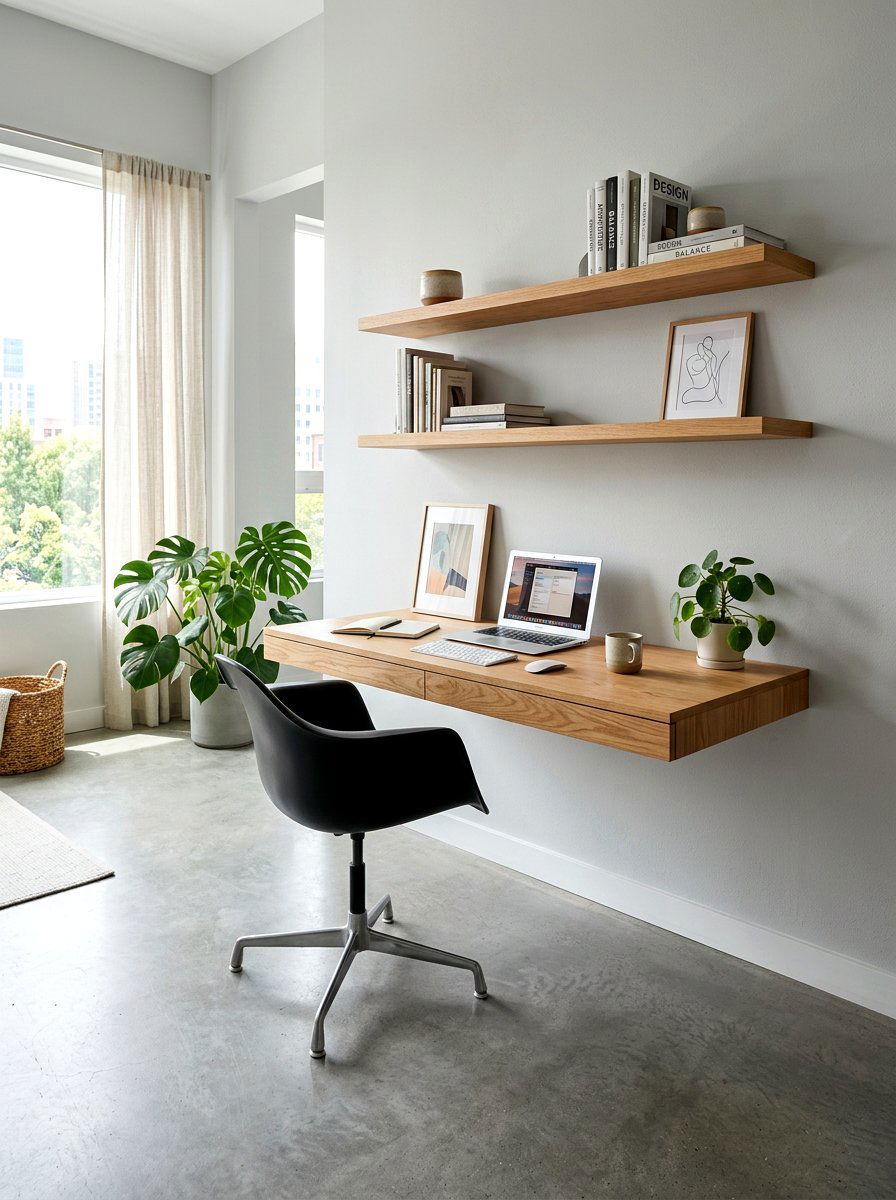
If you want to maintain a clean and minimalist look, a floating wall-mounted desk is the ideal choice for your home. These desks are attached directly to the wall studs, leaving the floor space underneath completely open and easy to clean. This design trick makes any room feel larger because it doesn't break up the visual floor line. You can customize the height of the desk to perfectly suit the child, ensuring an ergonomic setup for comfortable studying. Pair the floating surface with a few matching wall shelves to create a cohesive and modern workstation. It is a sleek solution that works well in hallways or shared family living rooms.
5. Double person homework station
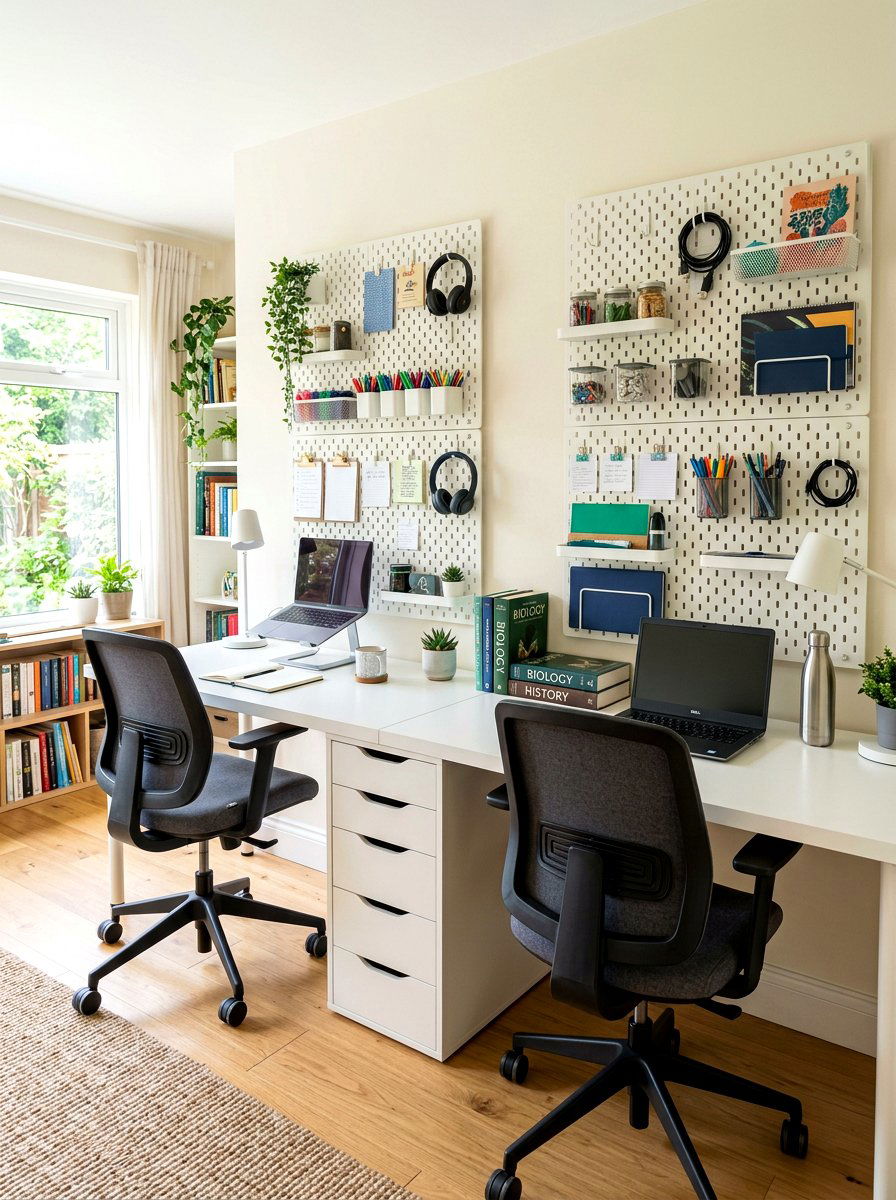
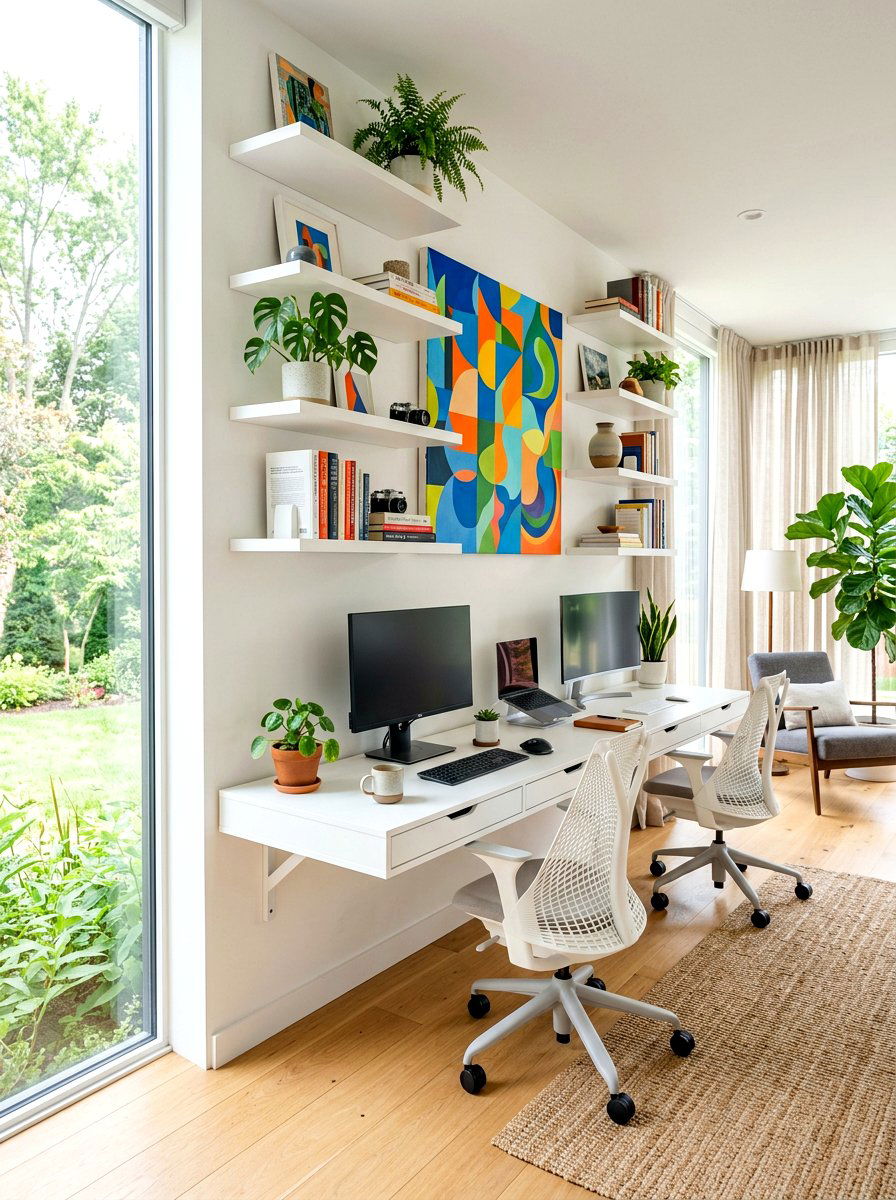
When you have multiple children sharing a home, a double-person homework station becomes an essential feature for maintaining peace during study hours. This setup typically involves a very long desk surface or two identical desks placed side-by-side along a single wall. You can use a central drawer unit to act as a physical divider, giving each child their own defined territory for their books and supplies. This layout encourages collaborative learning while still providing enough personal space to prevent bickering. High-quality task lighting should be provided for each seat to ensure both students can work comfortably. It is a practical way to streamline the daily after-school routine.
6. Loft bed with desk
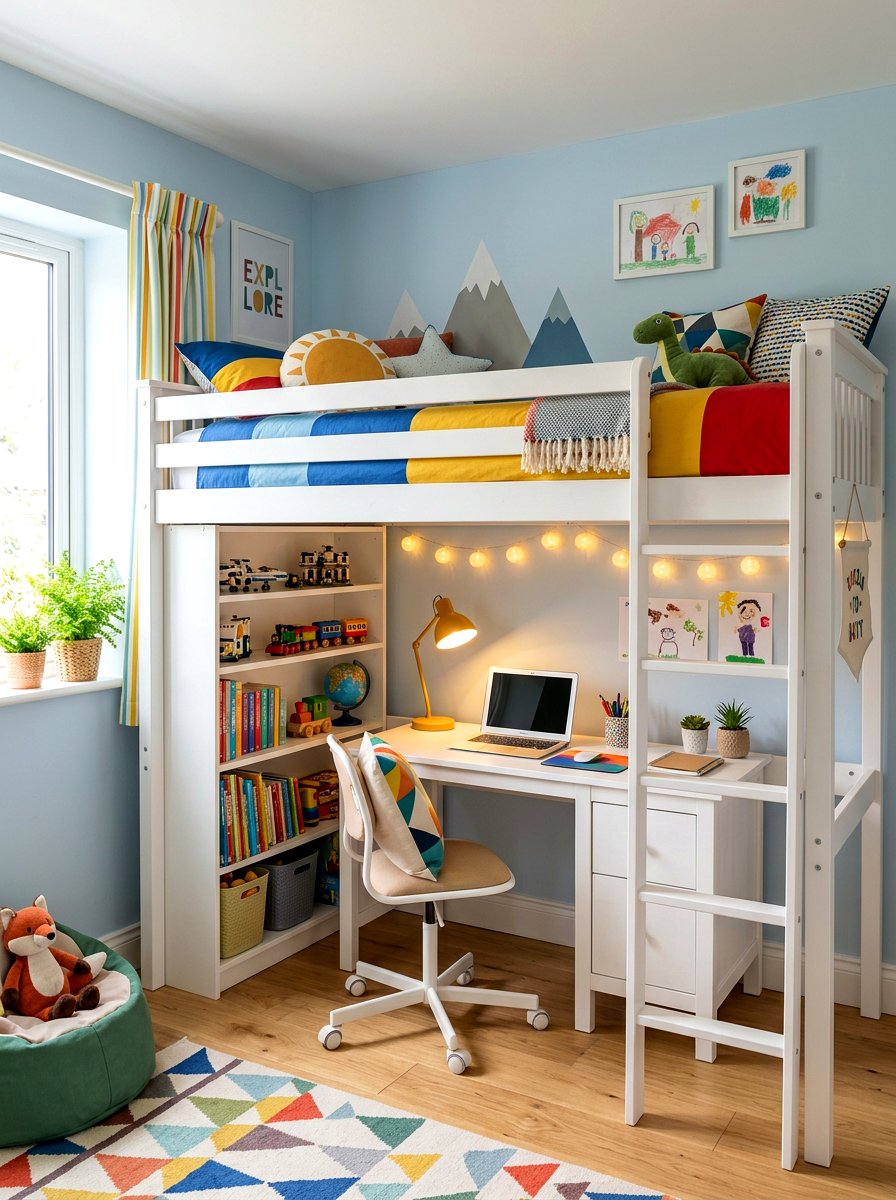
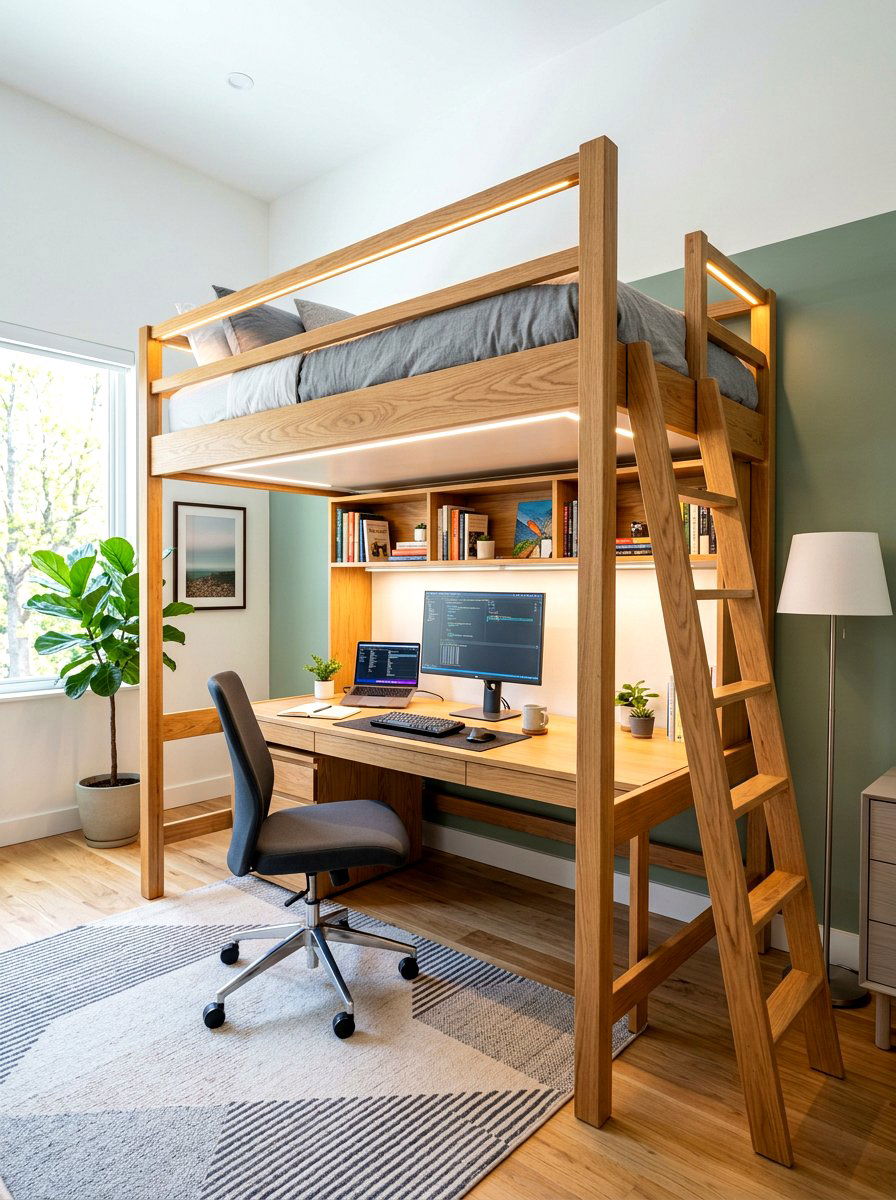
For kids with smaller bedrooms, a loft bed with a desk underneath is a classic and highly effective spatial solution. By elevating the sleeping area, you free up a significant amount of floor real estate for a comprehensive study zone. This private area beneath the bed feels like a secret fortress, which can make homework feel a bit more adventurous and fun. You can easily fit a full-sized desk, a comfortable chair, and even a small bookshelf within this compact footprint. Make sure to install plenty of LED strip lights or a bright desk lamp, as these areas can sometimes feel a bit dark under the mattress frame.
7. Window seat study area
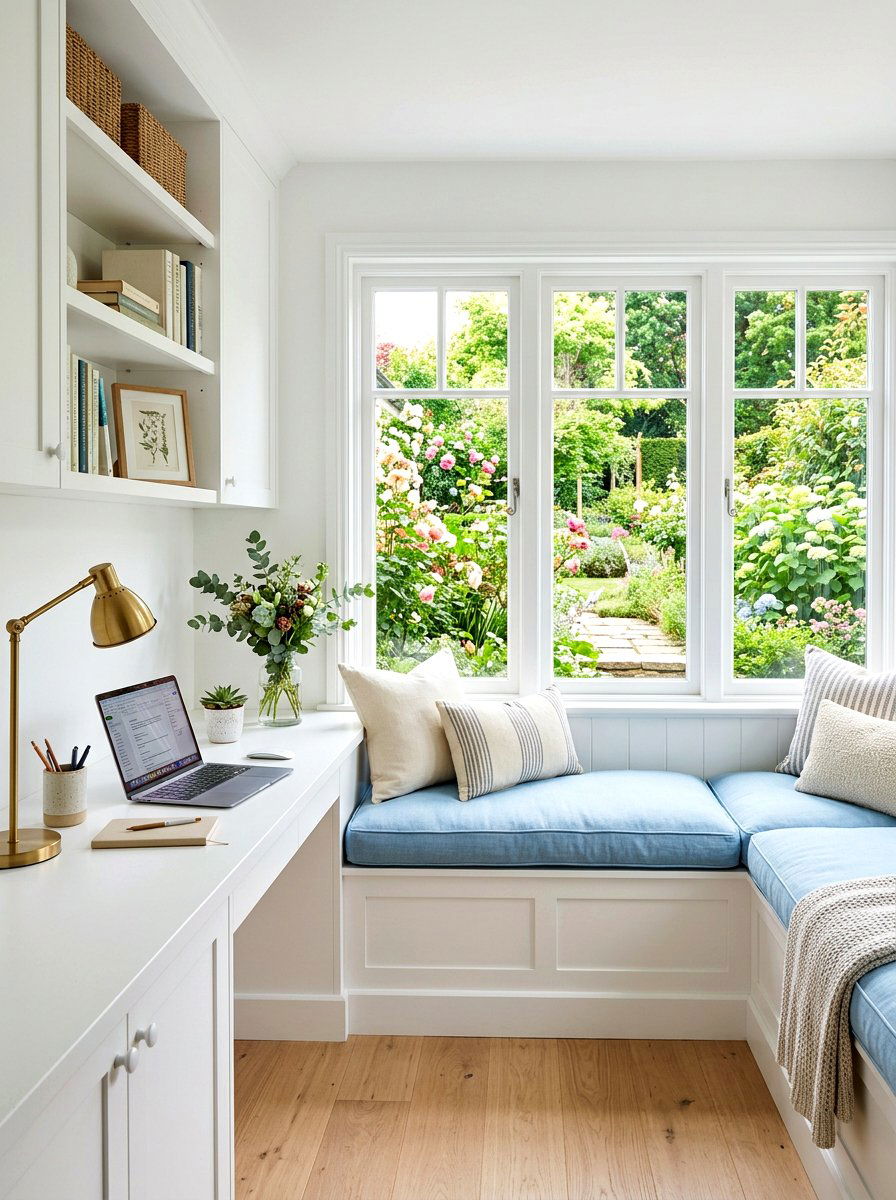
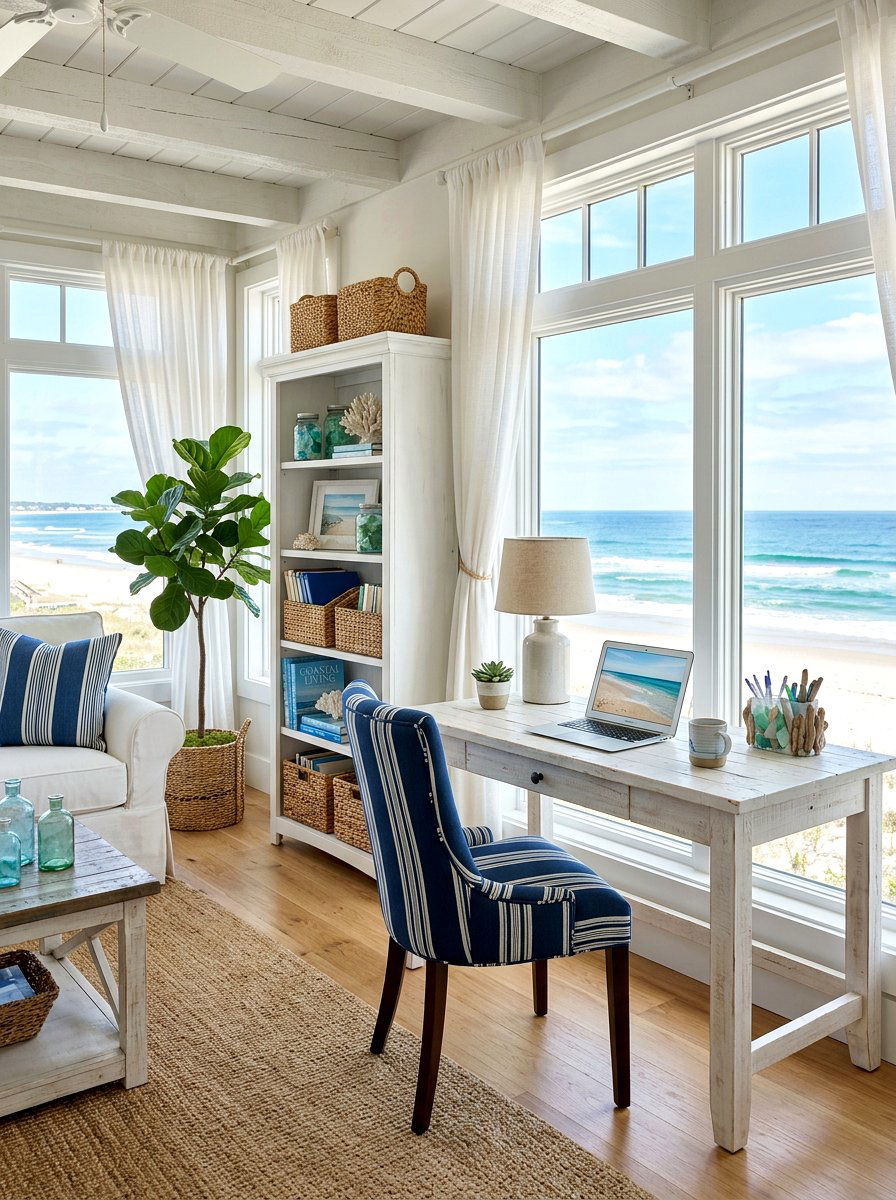
There is nothing quite like the boost of productivity that comes from working in a bright and airy environment. A window seat study area utilizes the natural light from a large window to create a serene and inspiring homework nook. You can build a custom desk that wraps around the window frame or simply place a slim table directly in front of the glass. The view of the outdoors provides a nice visual break during long study sessions, helping to reduce eye strain. Using light-colored furniture and soft curtains will enhance the brightness of the space. It is the perfect spot for reading, writing, and creative thinking for any student.
8. Minimalist white student desk
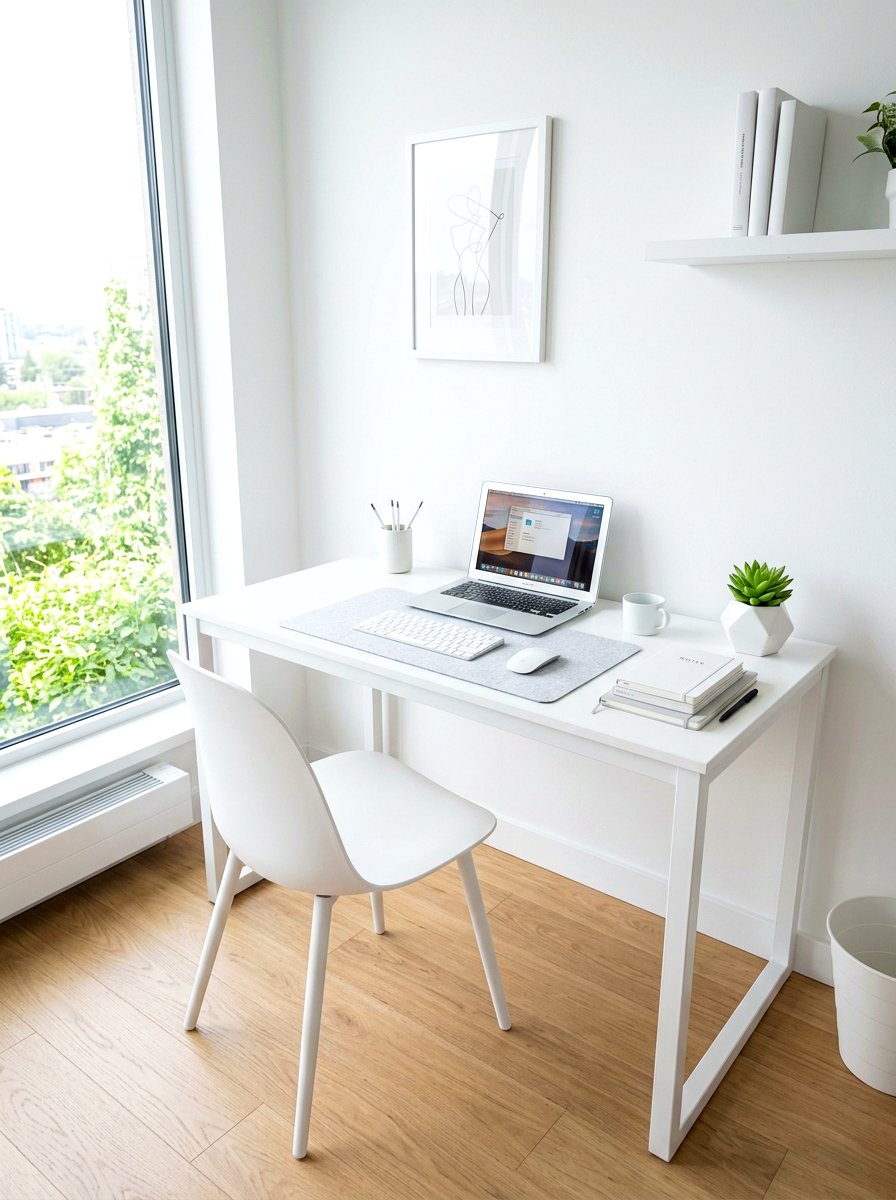
A minimalist white student desk offers a clean slate that helps reduce visual clutter and mental fatigue. This aesthetic is perfect for children who get easily distracted by busy patterns or loud colors in their environment. The simplicity of an all-white setup allows the student to focus entirely on their assignments and creative projects. You can add a few pops of color through desk organizers or a vibrant chair to keep the space from feeling too clinical. White furniture also has the added benefit of making a small room feel much brighter by reflecting the light. It is a timeless look that grows with the child through various grade levels.
9. Attic room homework nook
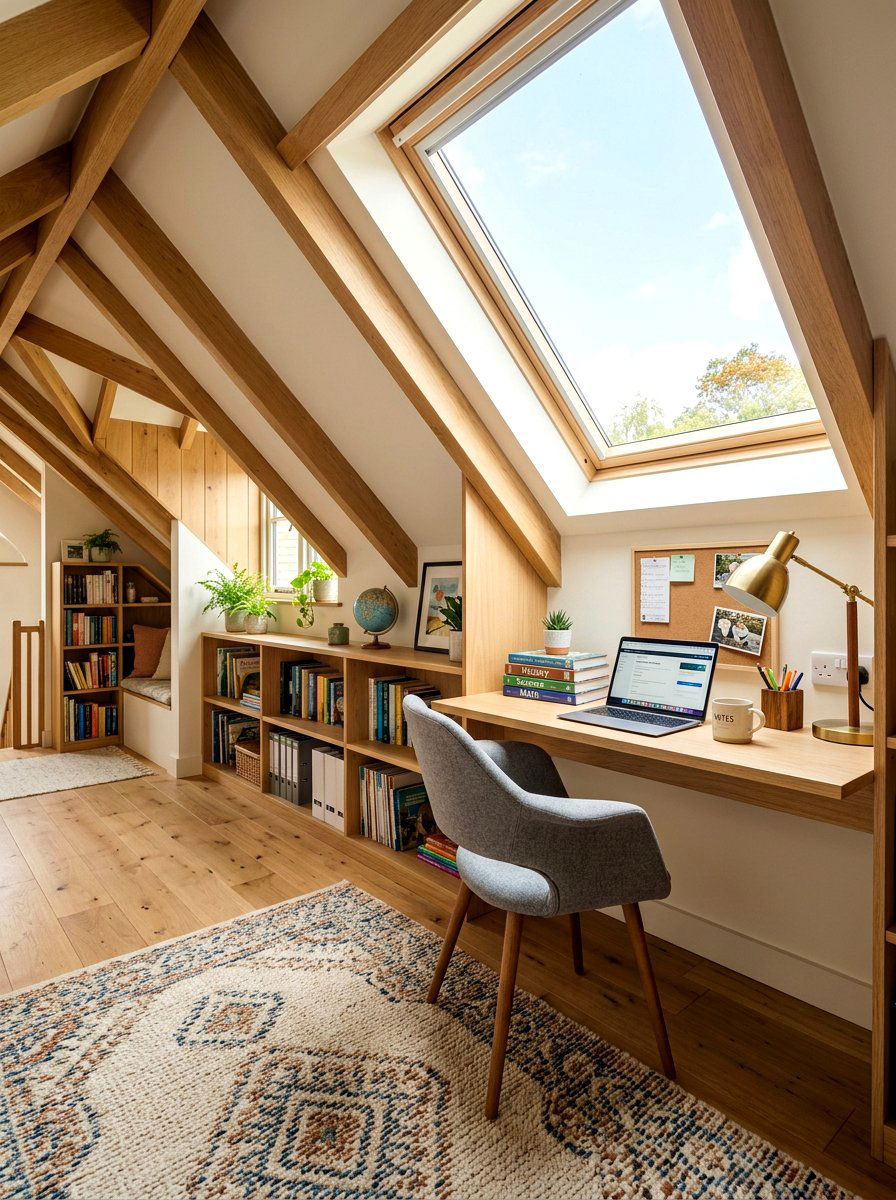
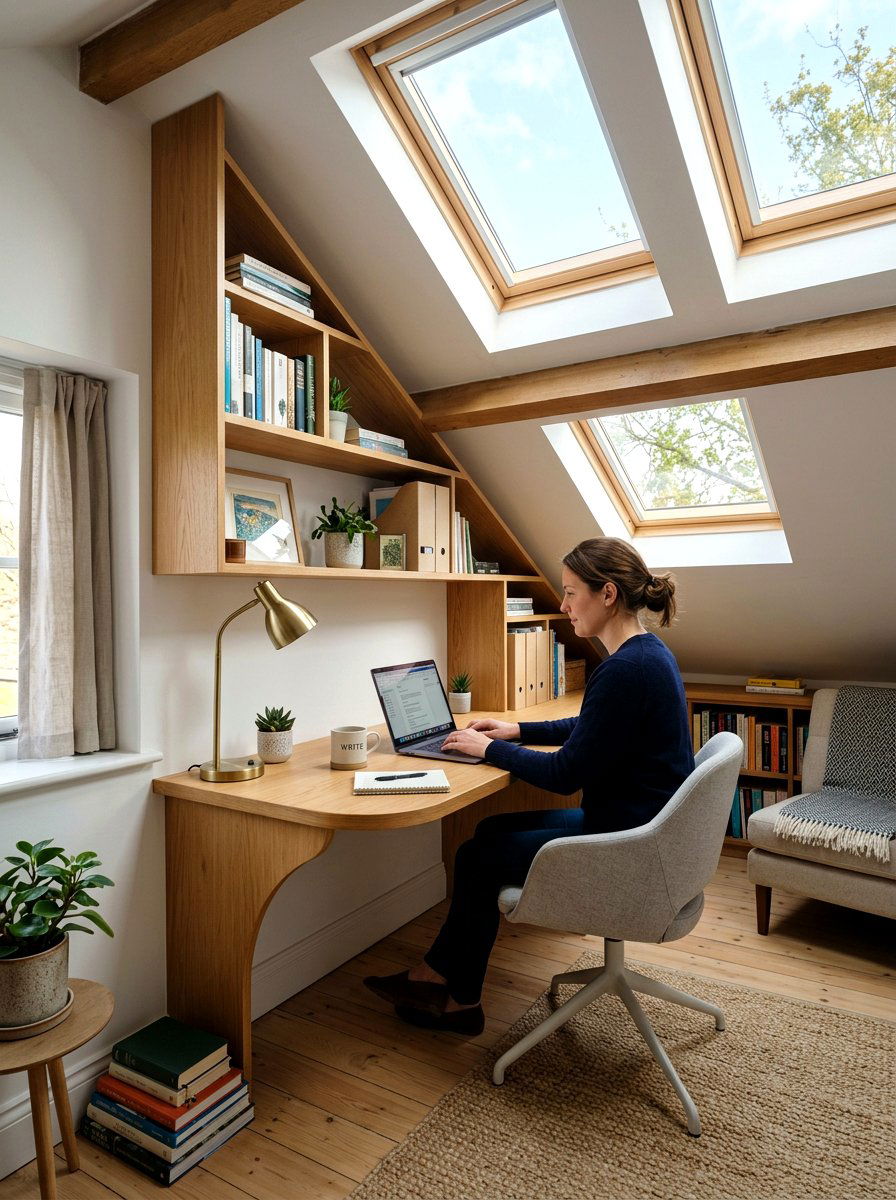
Attic spaces often have unique architectural angles and sloped ceilings that are perfect for creating a cozy homework nook. These tucked-away corners provide a sense of privacy and seclusion that is ideal for older students who need intense focus. You can place a desk directly under a skylight to ensure the area receives plenty of natural illumination during the day. Utilizing the low walls for built-in shelving is a great way to make use of every inch of available space. The quiet atmosphere of an attic room makes it feel like a private library or a professional office. It is a fantastic way to utilize an often-wasted part of the home.
10. Colorful kids craft station
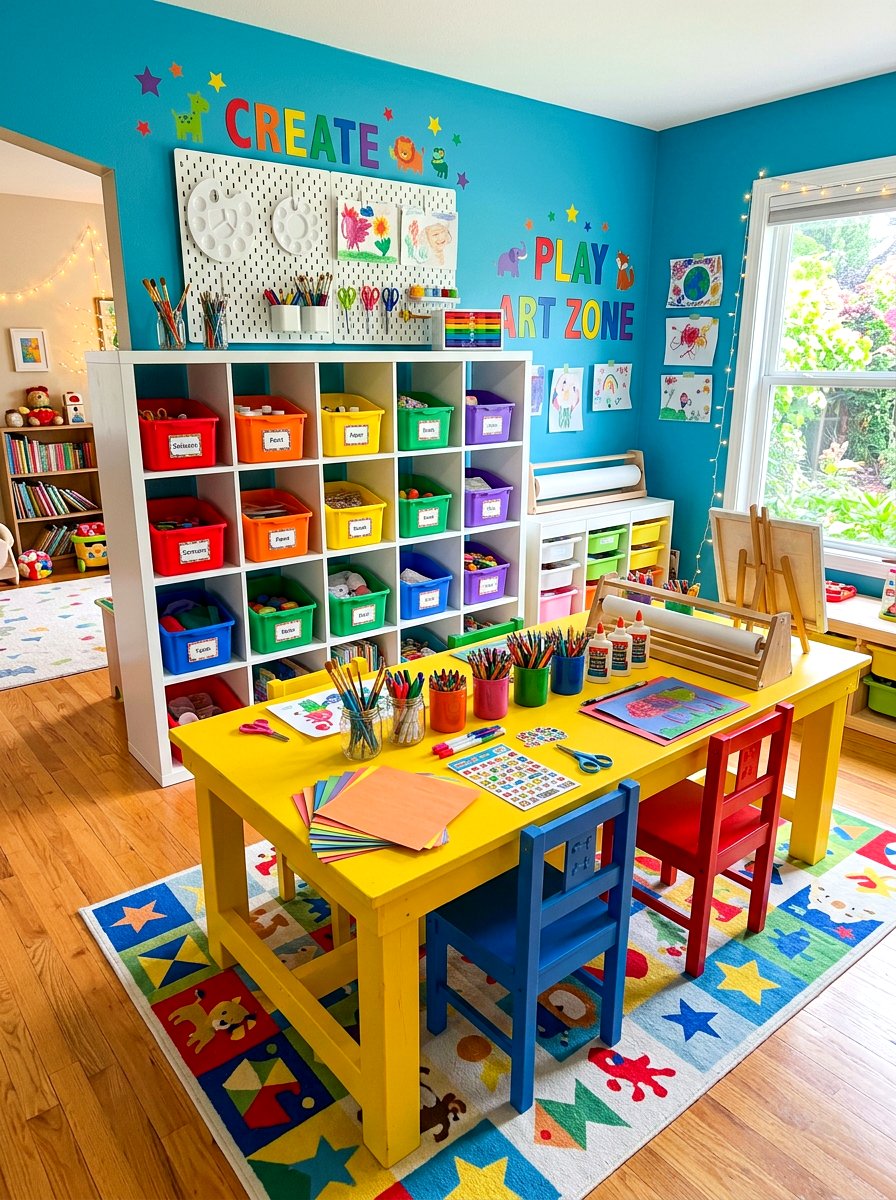
Learning should be a vibrant and exciting experience, and a colorful kids craft station is designed to foster that exact feeling. By incorporating bright hues like yellow, blue, or green into the desk and storage units, you create an environment that stimulates the imagination. This type of nook is perfect for younger children who spend time on both homework and artistic hobbies. You can use colorful bins to organize crayons, markers, and paper, making clean-up time much easier for everyone. A bold accent wall or a patterned rug can further define the space as a fun zone. It is all about making the transition to study time more inviting.
11. Kitchen island study spot
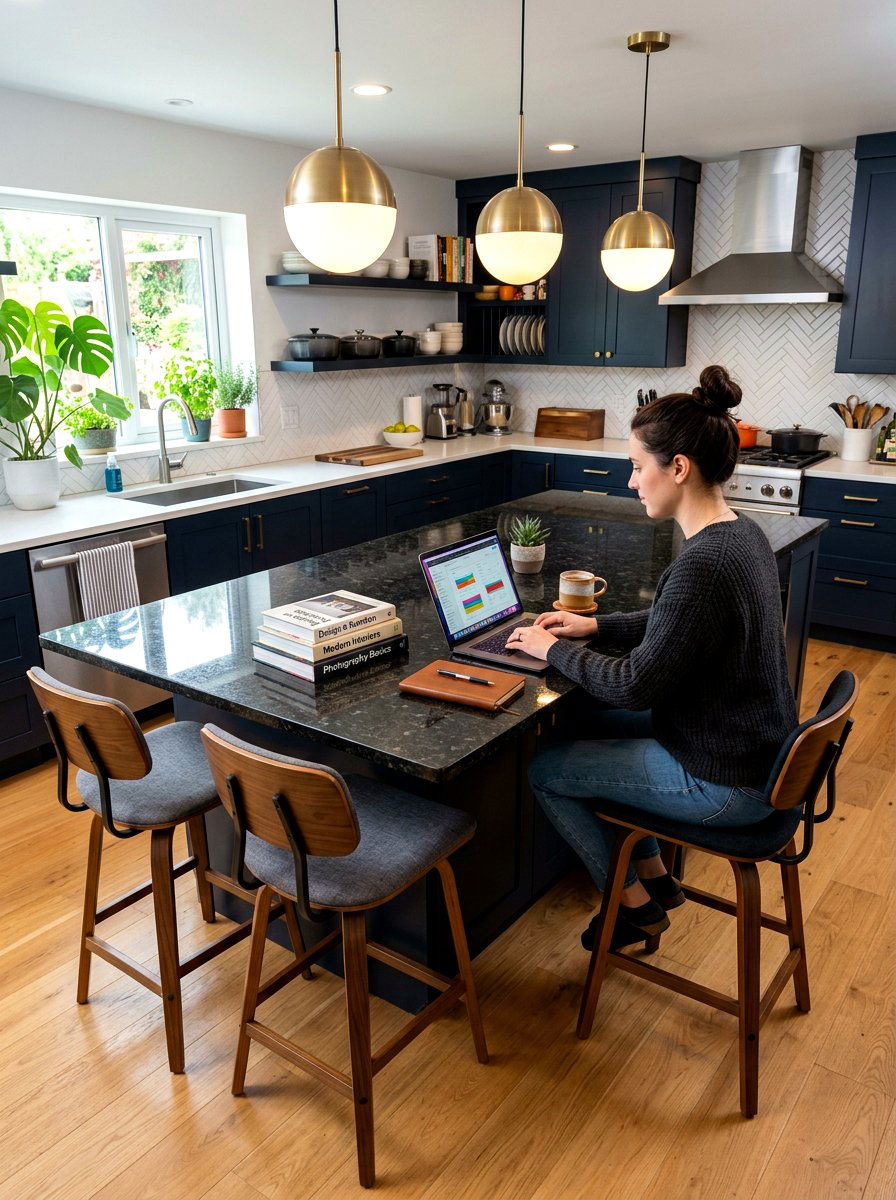
The kitchen is often the heart of the home, making a kitchen island study spot a convenient choice for busy families. This setup allows parents to supervise homework while they prepare dinner or tackle their own household tasks. You can designate one end of a large island or a nearby counter nook specifically for school supplies and laptops. Providing comfortable stools with back support ensures that children can sit for longer periods without discomfort. This centralized location makes it easy for kids to ask for help with their math problems or spelling. It is a great way to integrate learning into the natural flow of daily family life.
12. Living room alcove desk
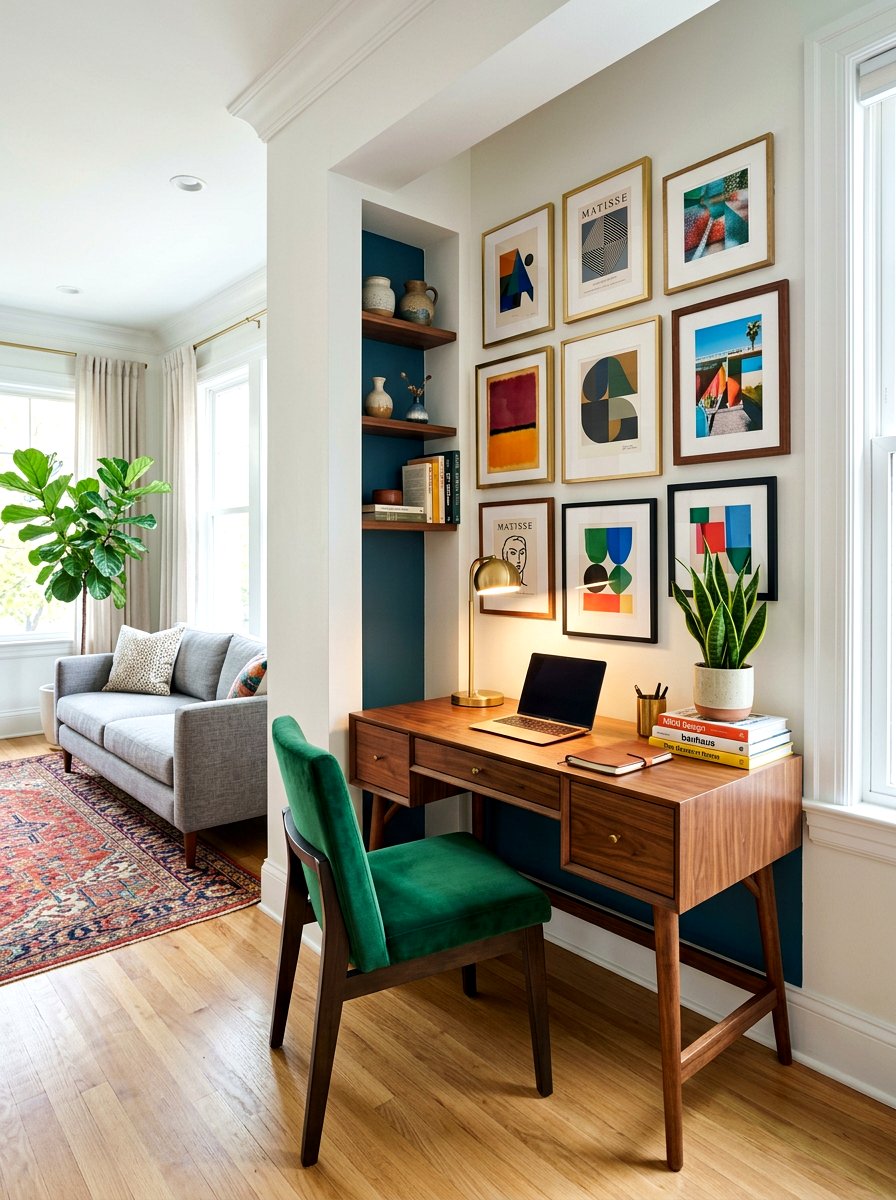
If your living room has a small alcove or an unused corner, it can easily be transformed into a sophisticated homework station. This allows the student to remain part of the family dynamic while still having a dedicated surface for their work. You can choose a desk that matches the existing decor of your living room to ensure a seamless and professional look. Adding a stylish table lamp and a comfortable upholstered chair will make the nook feel like a deliberate part of the interior design. This setup is particularly useful for teens who prefer to study in a more open and communal environment rather than being isolated.
13. Modern plywood desk unit
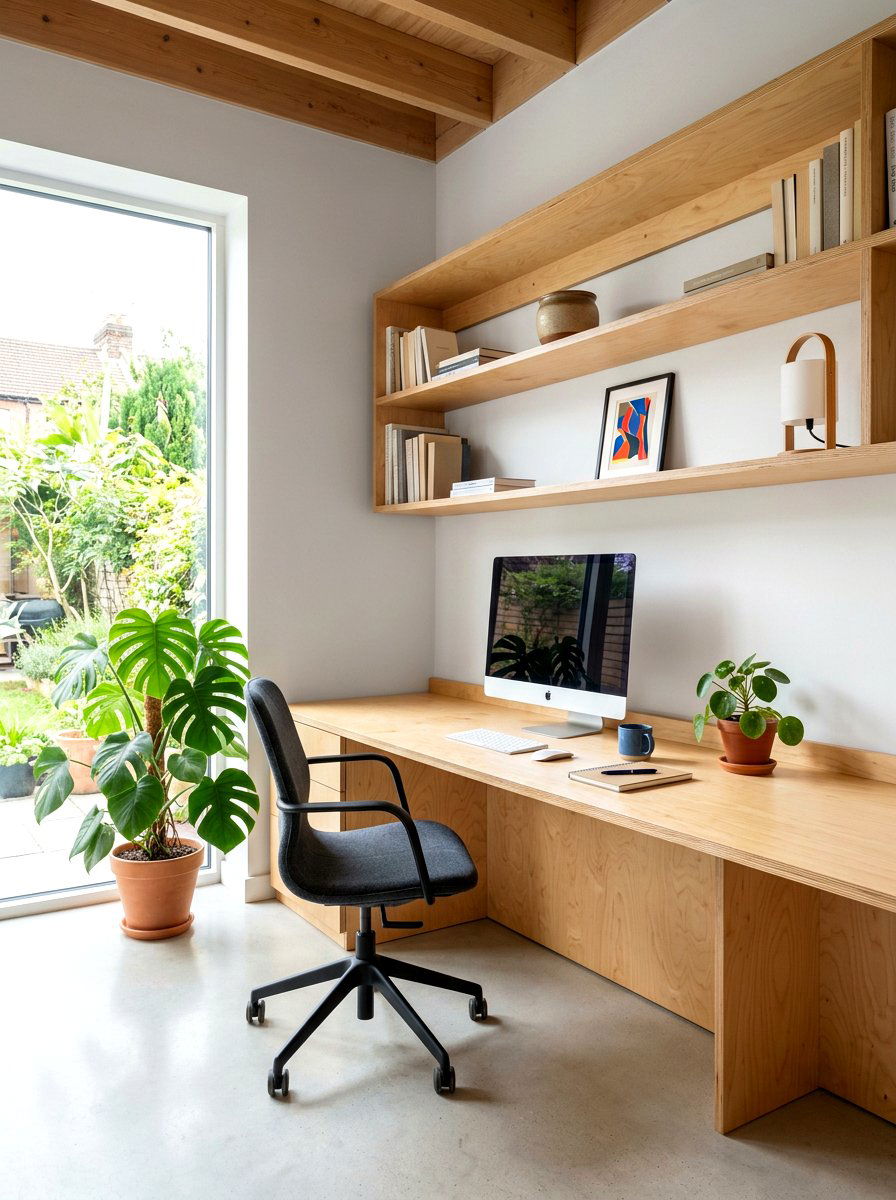
Plywood is a fantastic material for creating a modern and budget-friendly homework nook that looks incredibly stylish. Its natural light wood grain brings a warm and organic feel to any room, which can help create a calming study environment. You can build a custom unit that includes a desk surface and several integrated shelves for a cohesive, "sculptural" appearance. The clean lines of plywood furniture fit perfectly into contemporary or Scandinavian-inspired homes. It is a durable choice that can handle the wear and tear of daily school projects. This DIY-friendly approach allows you to tailor the size and shape of the desk to your specific needs.
14. Vertical wall storage desk
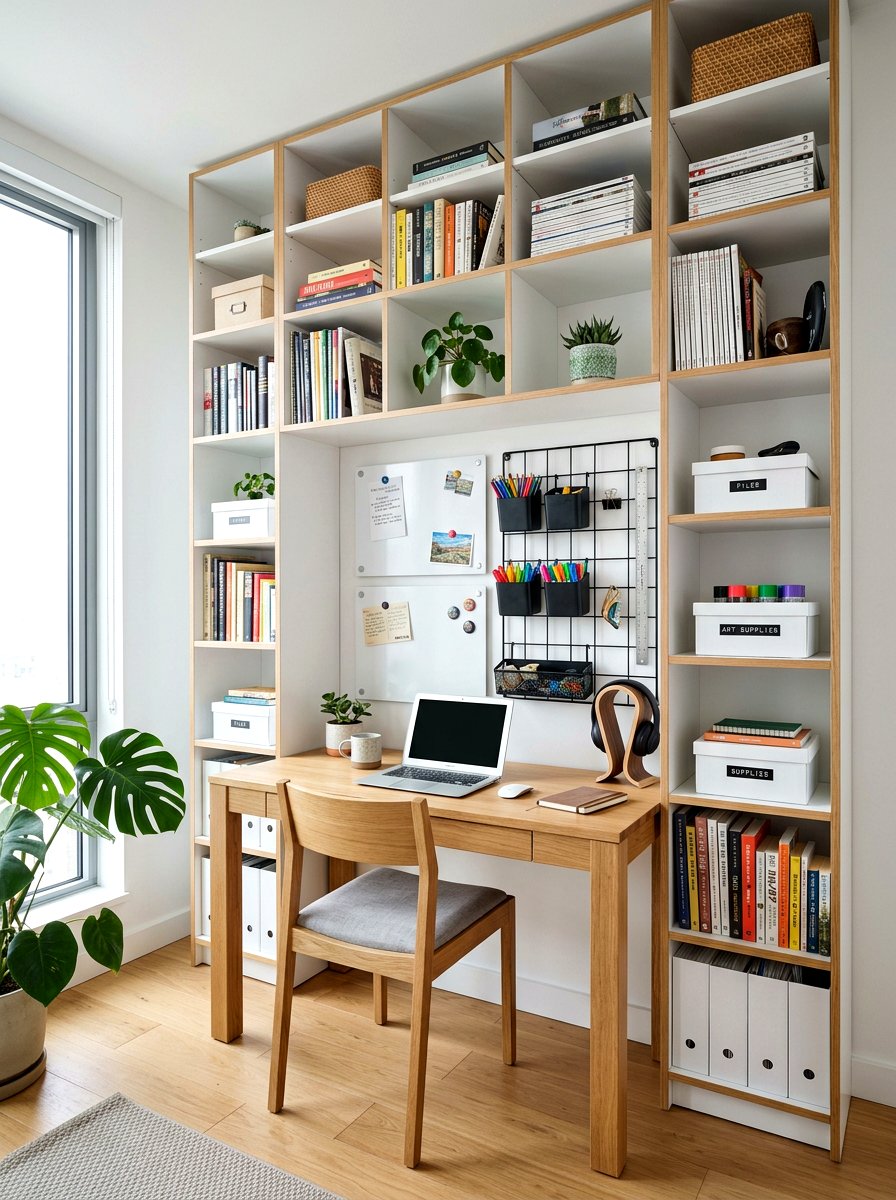
When you are working with limited floor space, a vertical wall storage desk is the ultimate solution for organization. This design focuses on using the wall above the desk to house all the necessary school supplies and textbooks. You can install a combination of floating shelves, cubbies, and magnetic boards to keep everything within easy reach. By moving items off the desktop, you provide the student with more room to spread out their papers and laptop. This setup encourages a tidy workspace and helps children develop good organizational habits from a young age. It turns an ordinary wall into a high-functioning command center for academic success and daily productivity.
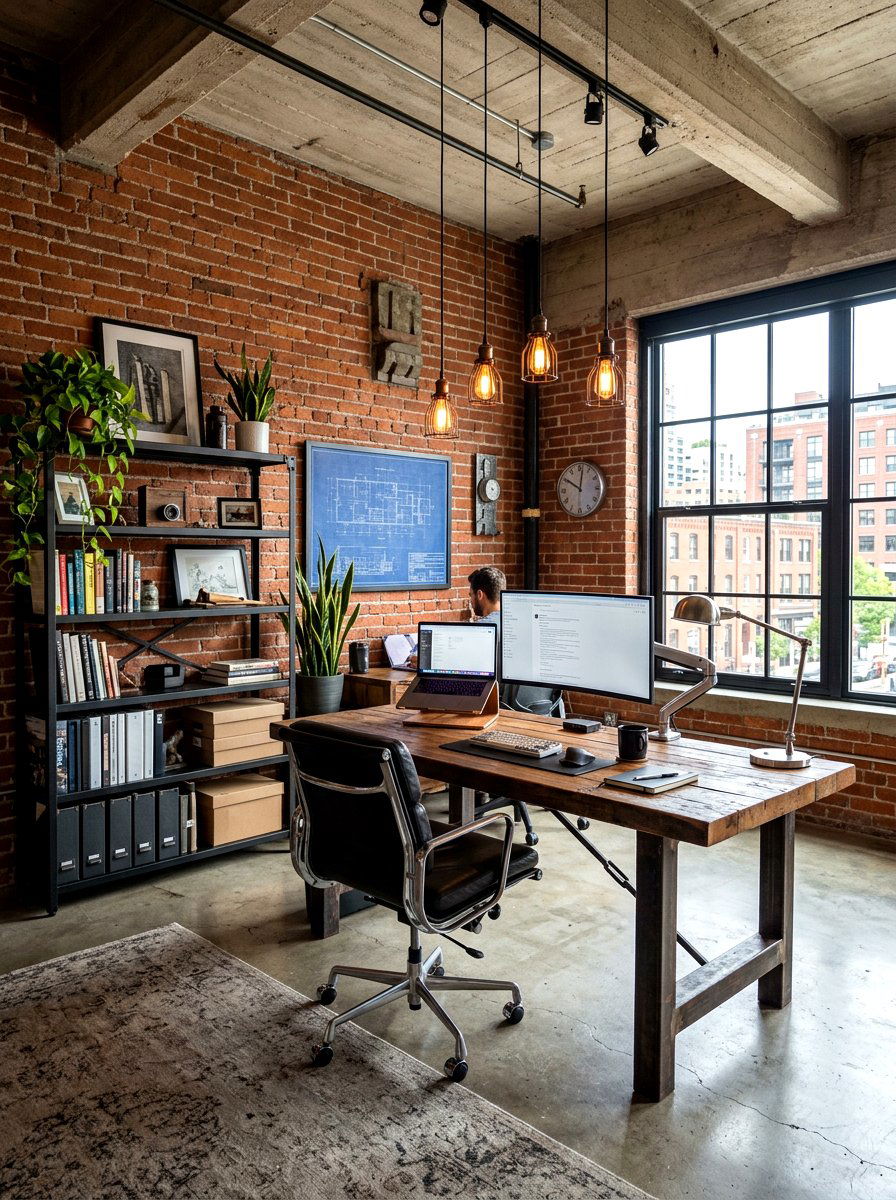
15. Industrial pipe desk setup
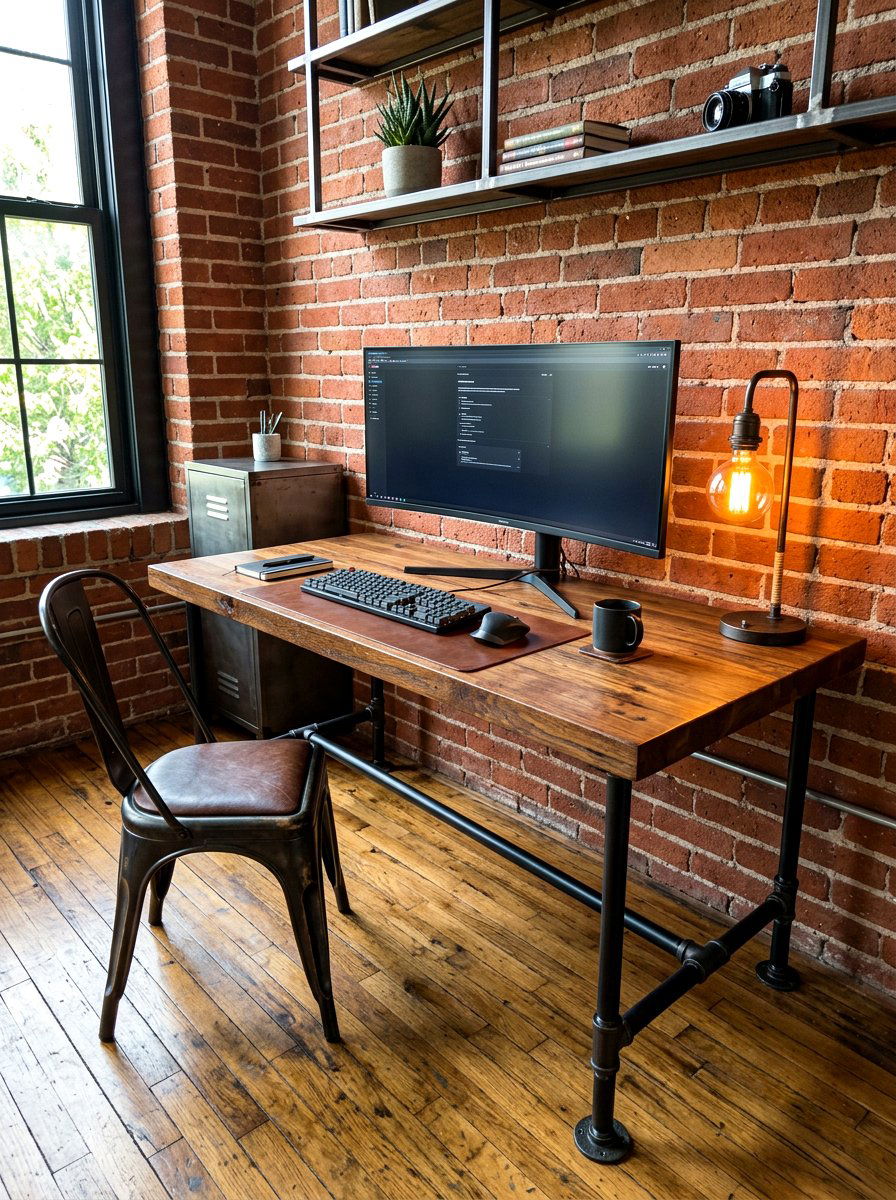
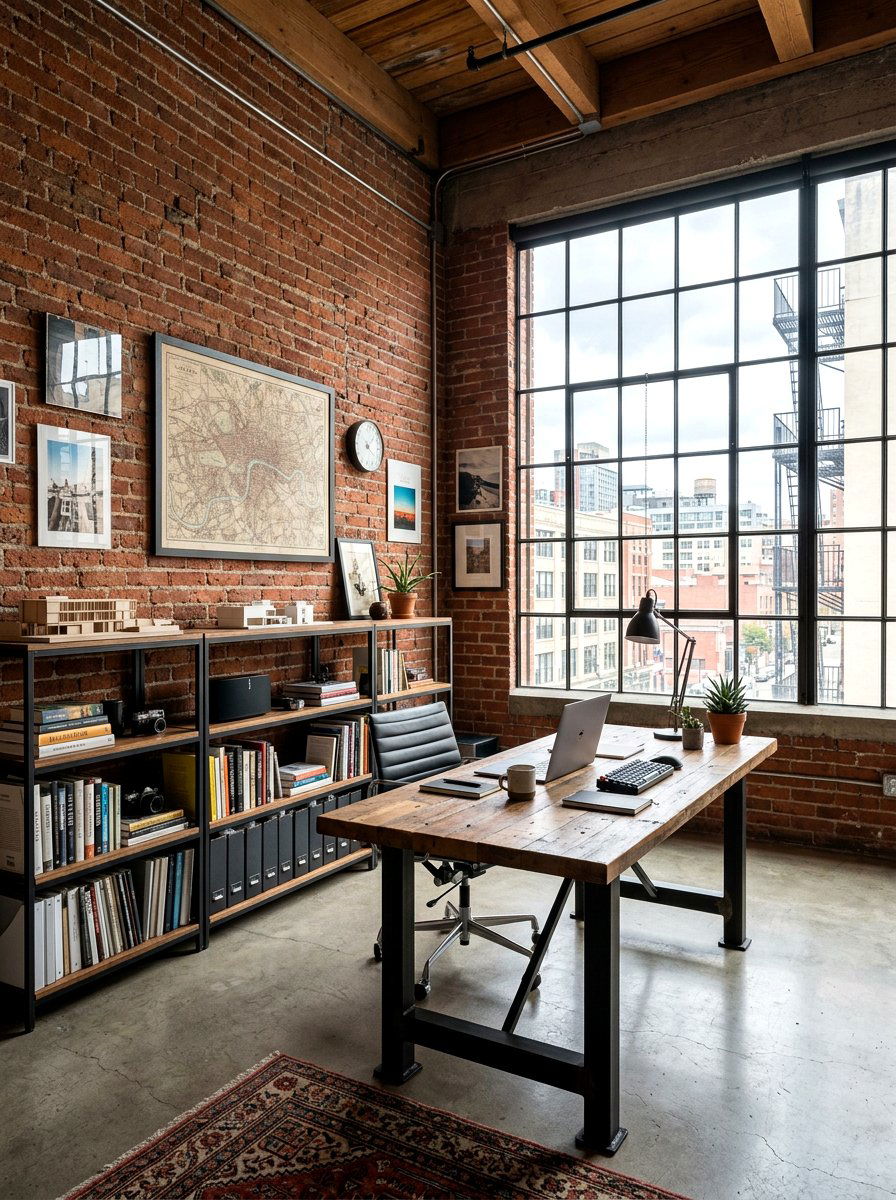
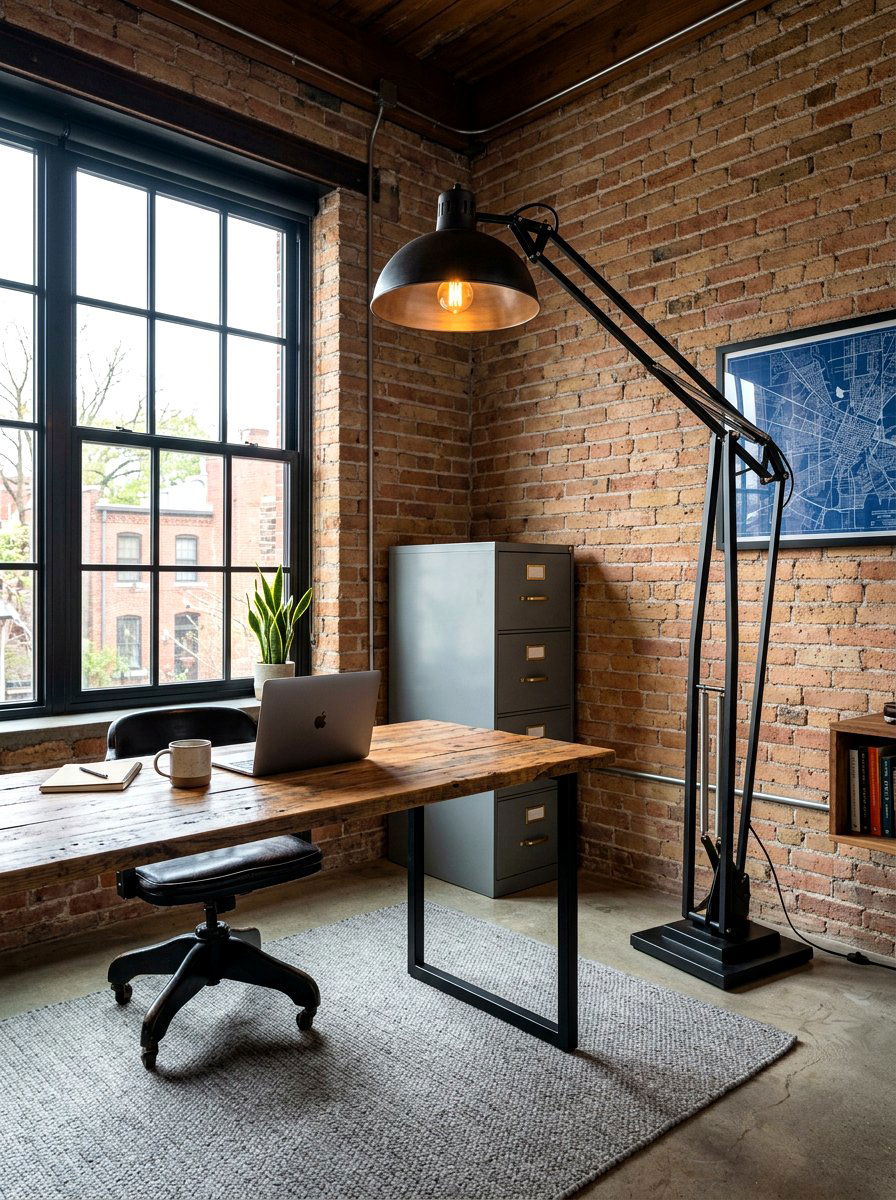
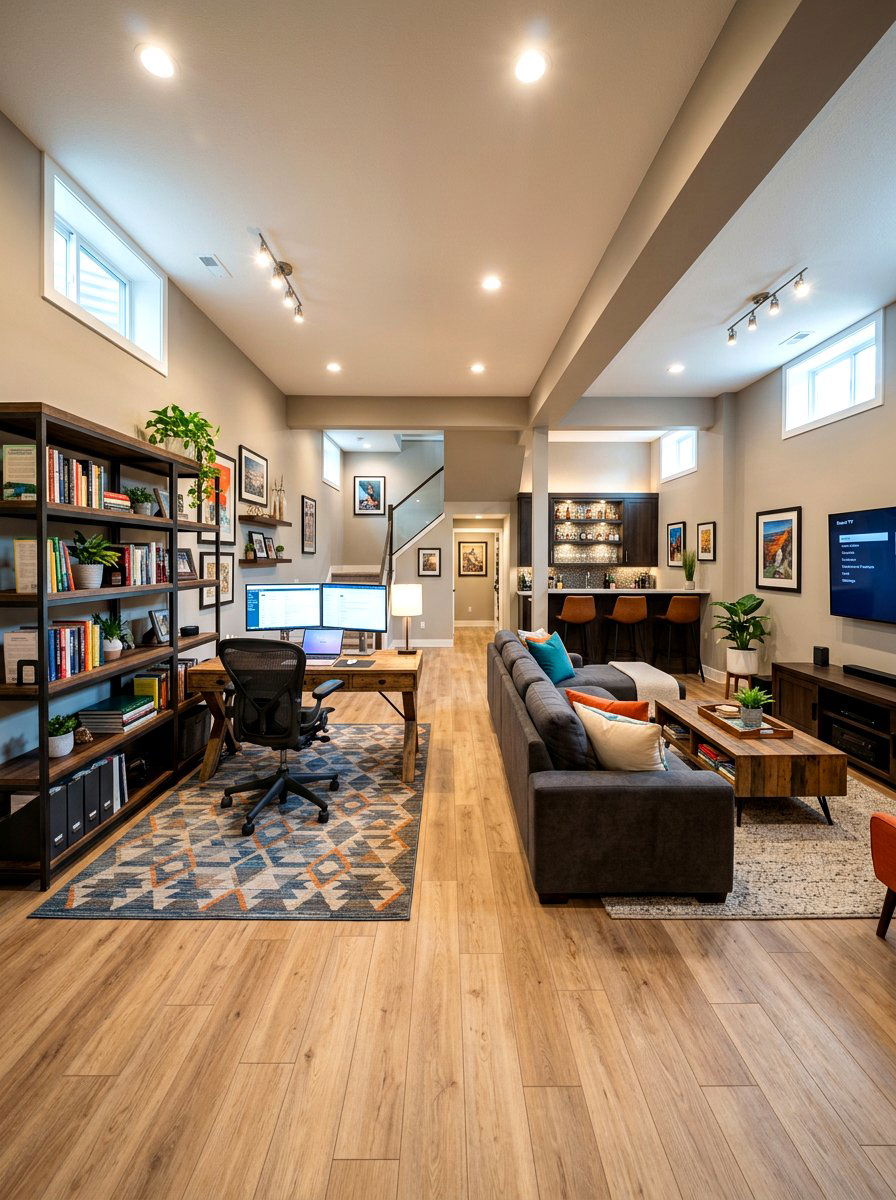
An industrial pipe desk setup offers a cool and edgy look that is particularly popular with teenagers and college students. Using black iron pipes for the frame and thick reclaimed wood for the desktop creates a sturdy and masculine aesthetic. This type of homework nook is very durable and can easily support heavy books and multiple computer monitors. You can extend the pipe structure upward to create matching bookshelves that provide a cohesive and rugged appearance. This design works exceptionally well in rooms with exposed brick or modern urban decor. It is a unique and personalized way to create a workspace that reflects a student’s maturing style and interests.
16. Corner L shaped workstation
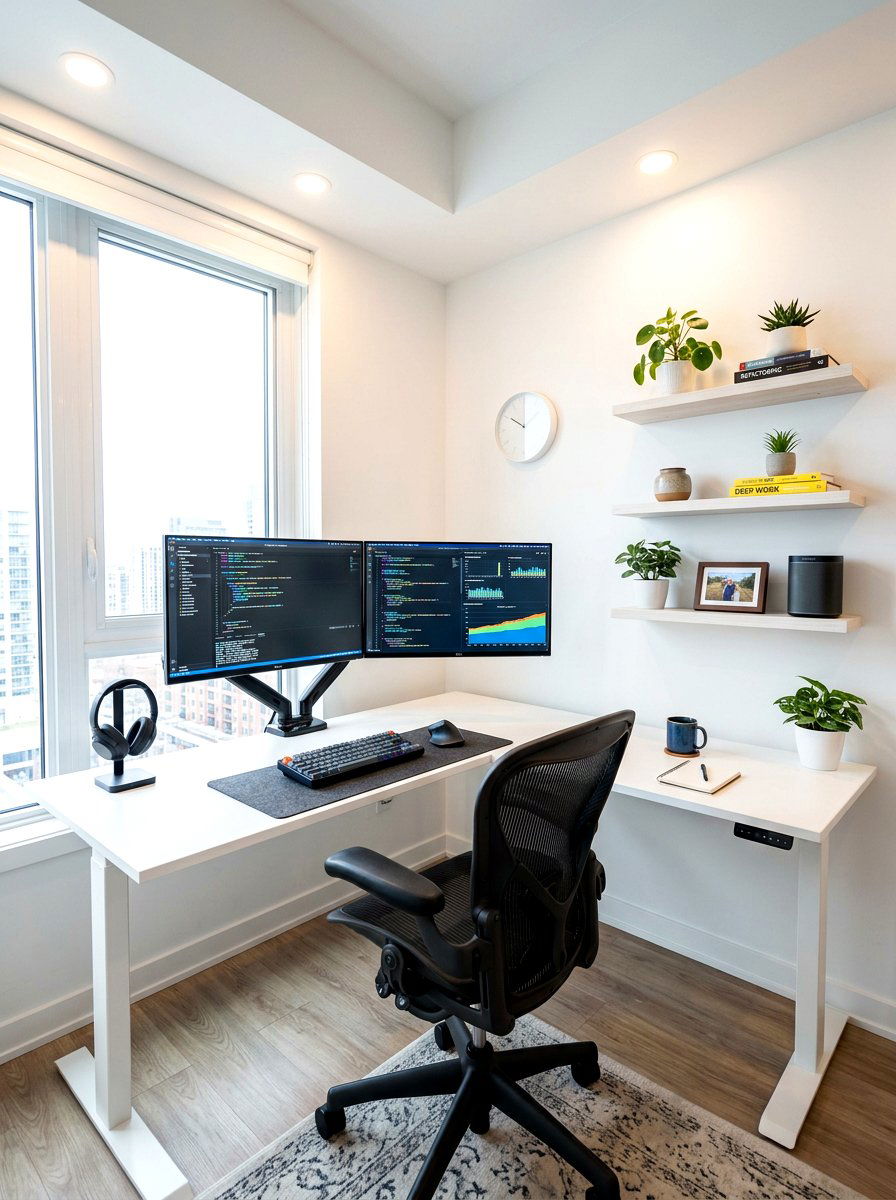
Utilizing the corner of a room with an L-shaped workstation is a brilliant way to maximize your available surface area. This layout provides two distinct zones — one for a computer or laptop and another for traditional paper-and-pencil tasks. Having this extra room allows a student to multitask efficiently without feeling cramped or overwhelmed by their materials. It is also an excellent choice for a shared space where two children might need to work near each other without interfering. You can tuck this desk into a corner to make it feel like its own private office. Adding corner shelves above the desk provides even more storage for files and school projects.
17. Hidden desk behind doors
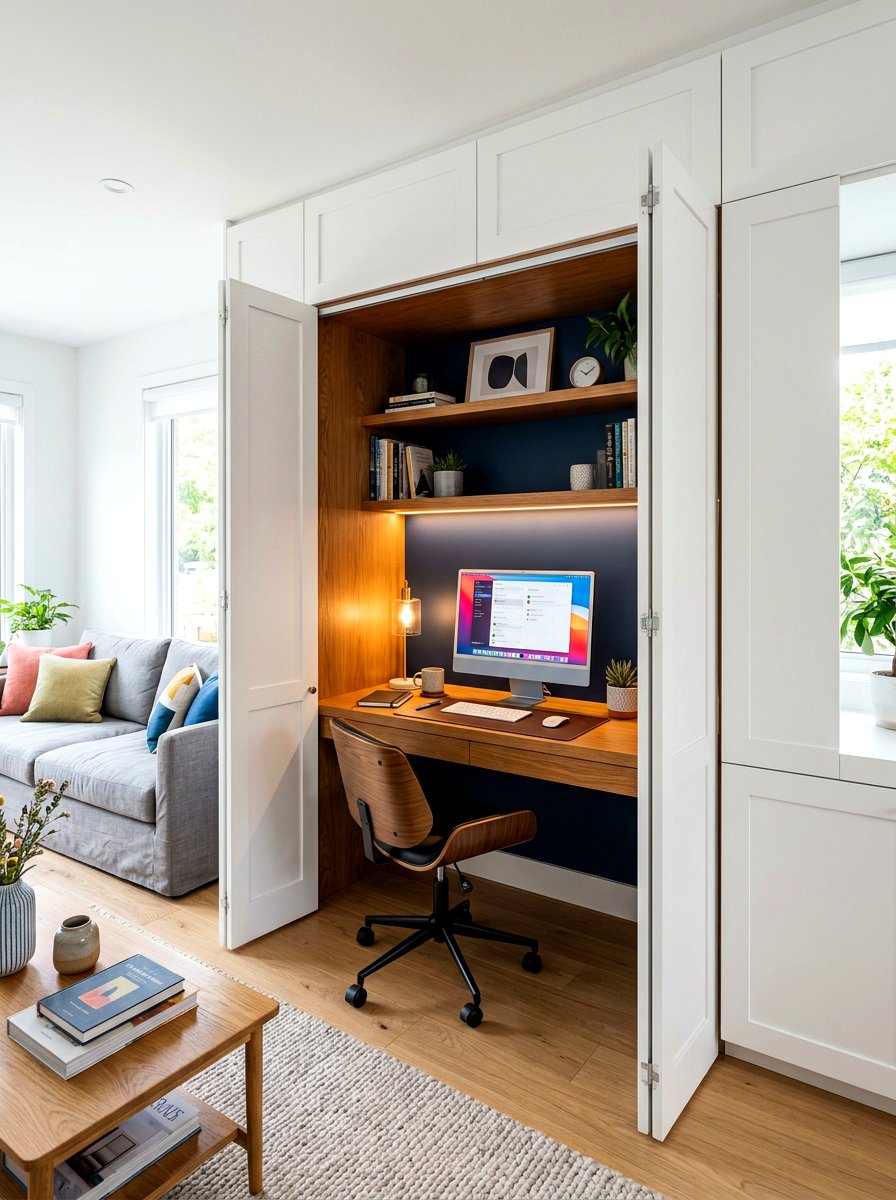
For homeowners who prefer to keep their workspaces out of sight when not in use, a hidden desk is the perfect solution. This setup can be built into a large cabinet, a closet, or even behind sliding barn doors in a hallway. When it is time for homework, the doors swing open to reveal a fully equipped and organized study nook. Once the assignments are completed, the doors can be closed to instantly hide any clutter and restore a sense of calm to the room. It is a fantastic way to maintain a clean aesthetic in multi-purpose areas like a dining room or a main living space.
18. Mid century modern study
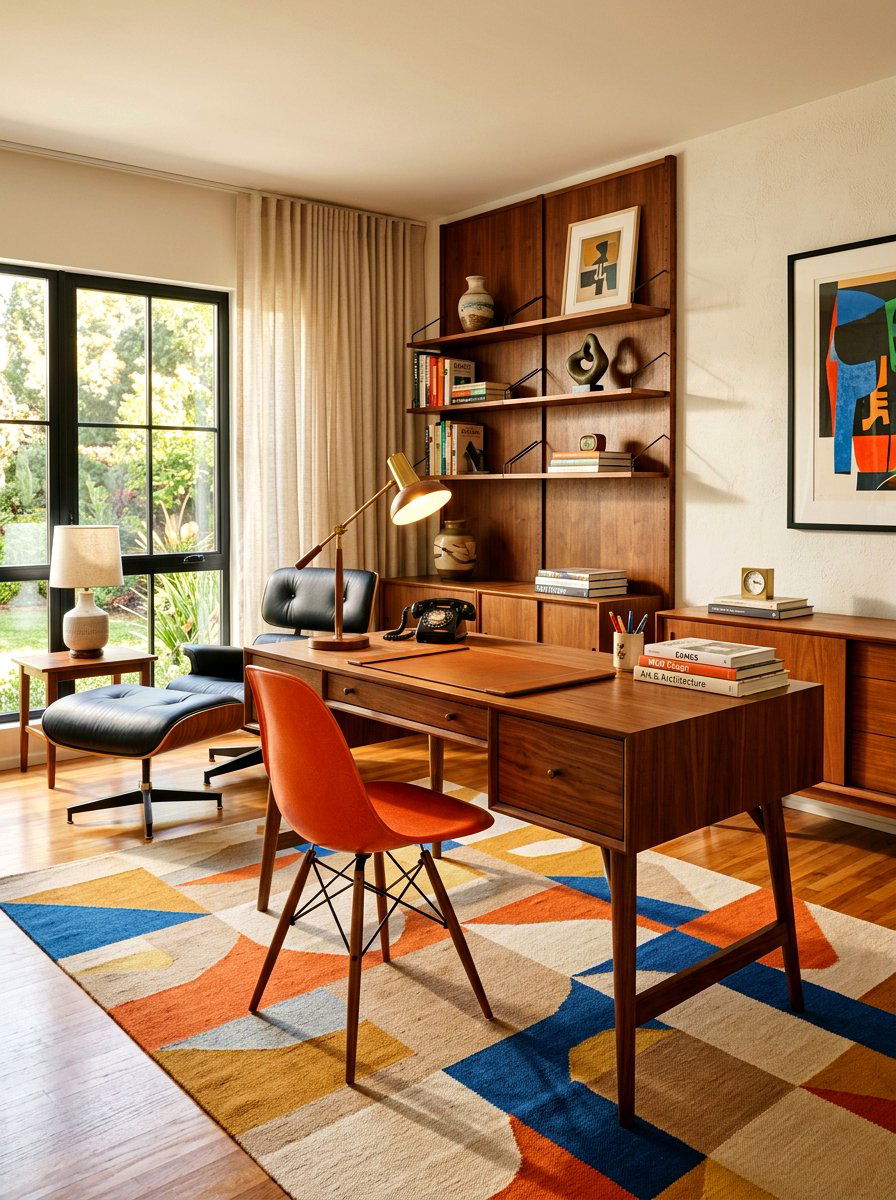
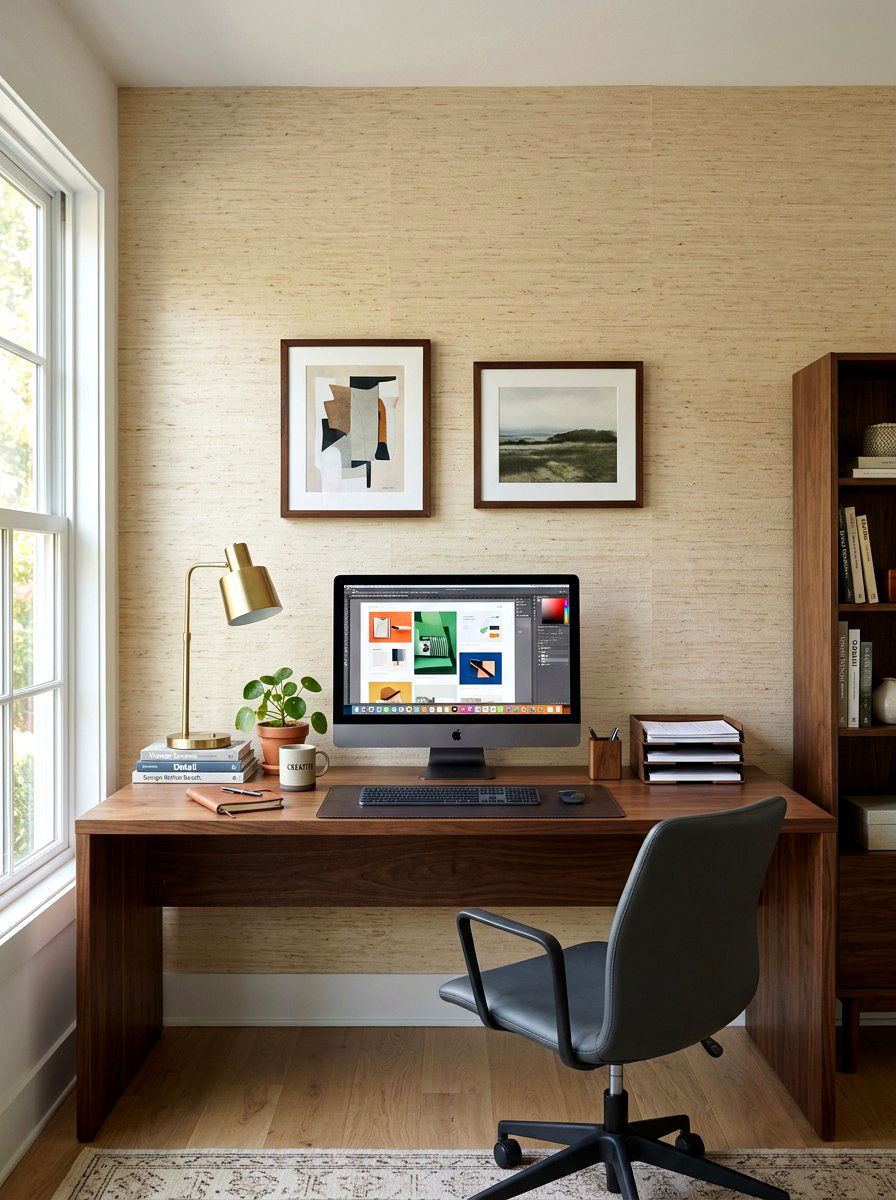
A mid-century modern study nook brings a touch of classic sophistication to a child 's or teen' s learning environment. Characterized by tapered legs, warm wood tones like walnut, and sleek silhouettes, this style of furniture looks timeless and professional. You can pair a vintage-inspired desk with a colorful Eames-style chair to create a space that is both functional and visually appealing. This aesthetic works well because it feels "grown-up, " which can help students take their schoolwork more seriously. Adding a retro desk lamp and a few geometric art pieces will complete the look. It is a stylish way to encourage a life-long love for both design and learning.
19. Bohemian inspired homework nook
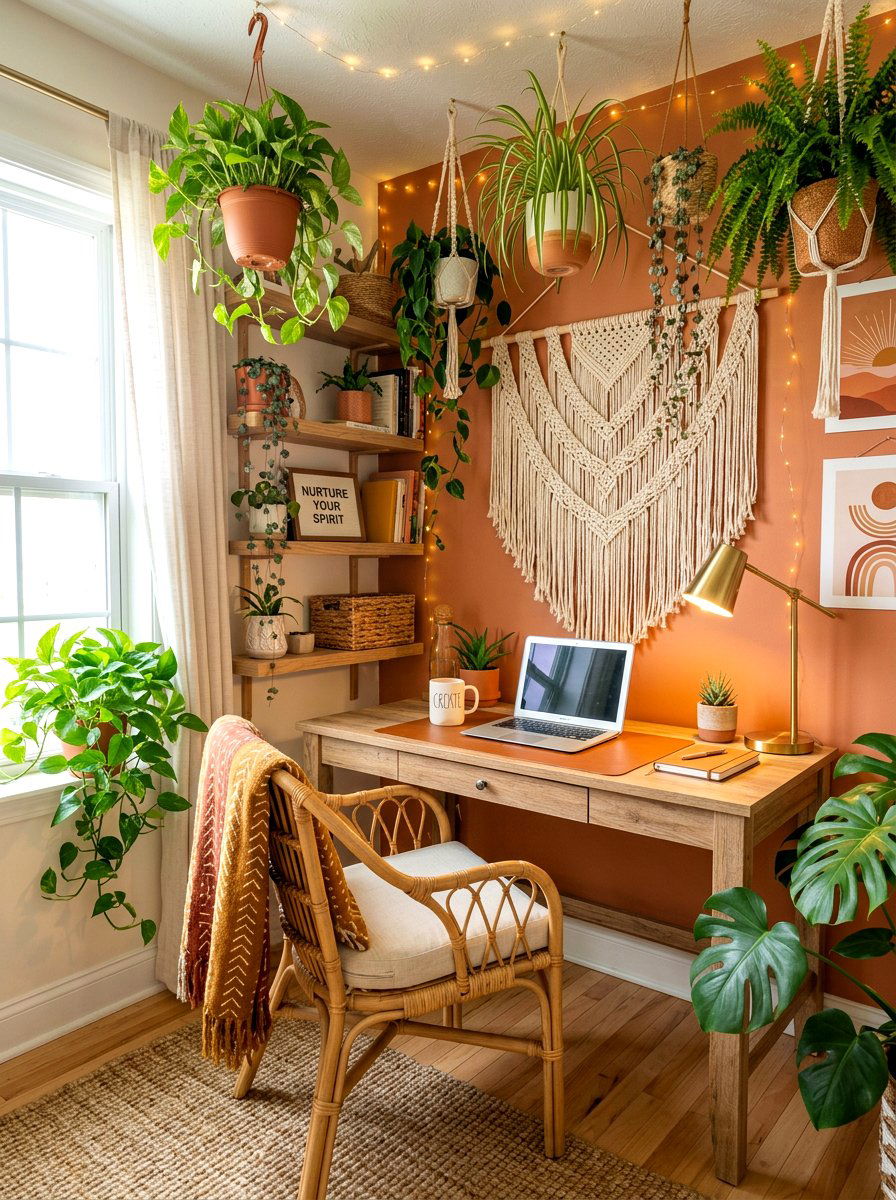
Creating a bohemian-inspired homework nook is all about incorporating textures, plants, and warm colors to make the space feel inviting. You can use a natural rattan chair, a woven macrame wall hanging, and plenty of leafy greens to breathe life into the corner. This relaxed atmosphere can help reduce the stress often associated with difficult school subjects or long study nights. Using a simple wooden desk as the foundation allows the decorative elements to shine and create a personalized retreat. A colorful Persian-style rug placed under the desk can add warmth and define the area within a larger room. It is a sanctuary for creative and academic growth.
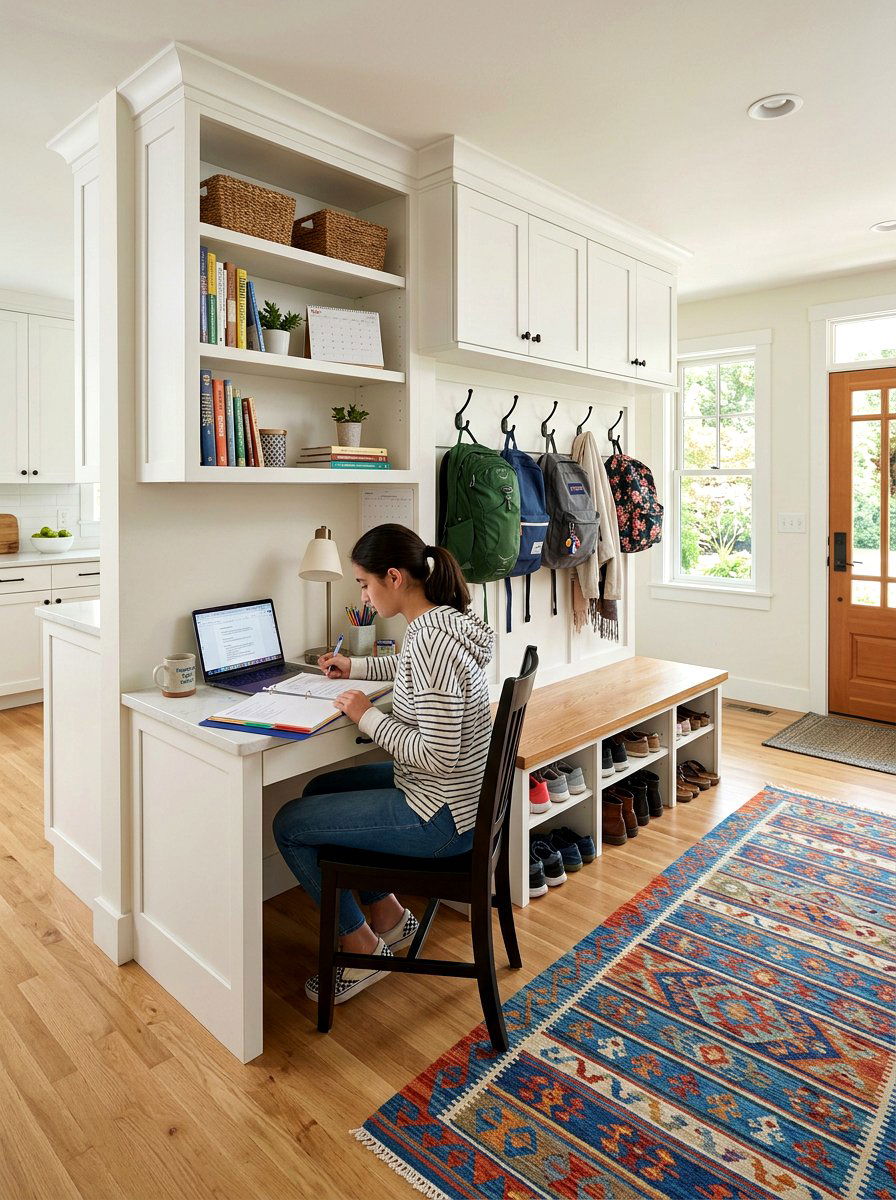
20. Playroom learning center
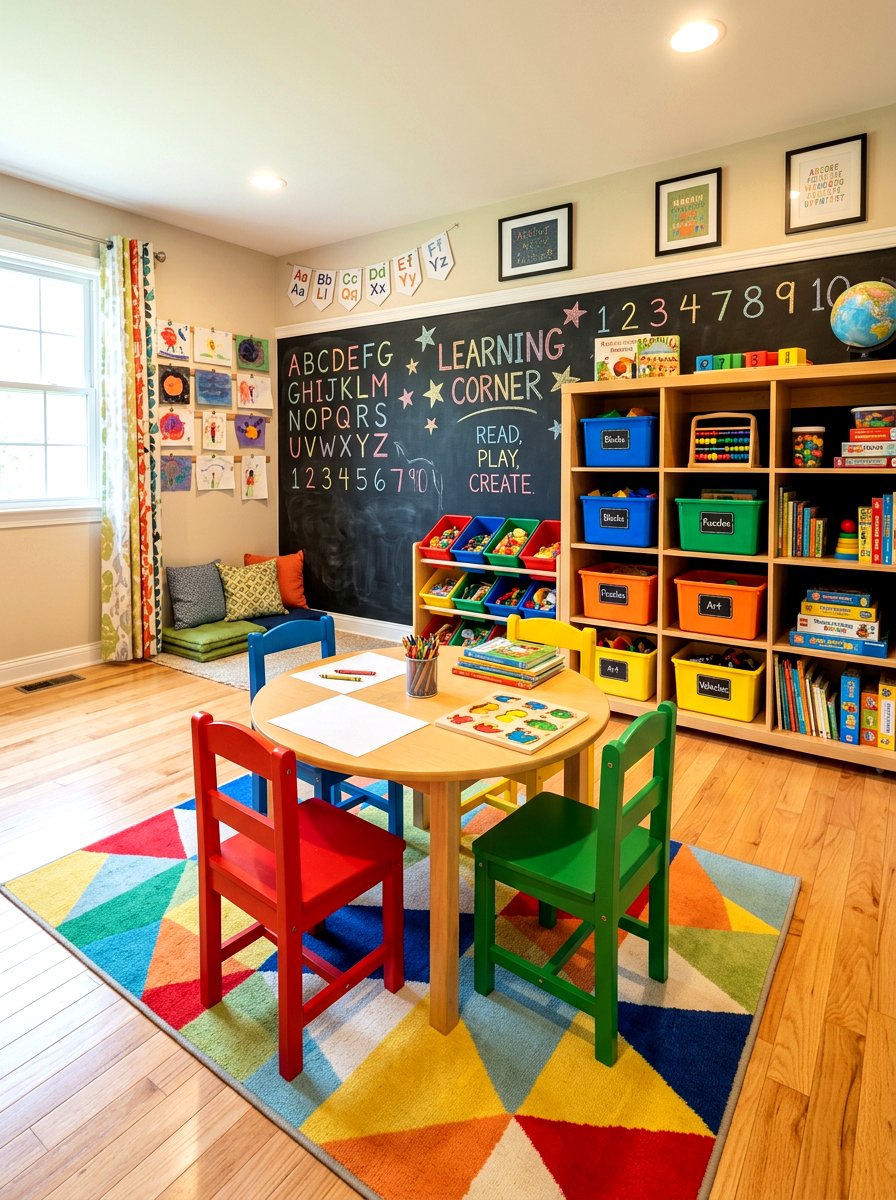
Integrating a learning center directly into a playroom is a smart way to bridge the gap between fun and education for younger kids. By designating a specific corner for academic tasks, you help them understand that there is a time for play and a time for focus. You can use kid-sized furniture that is easy for them to access independently, fostering a sense of ownership over their work. Adding a chalkboard wall or a magnetic board allows them to practice their letters and numbers in an interactive way. Keeping the storage bins labeled and organized ensures that transition times between playing and studying are smooth and efficient.
21. Farmhouse style wooden desk
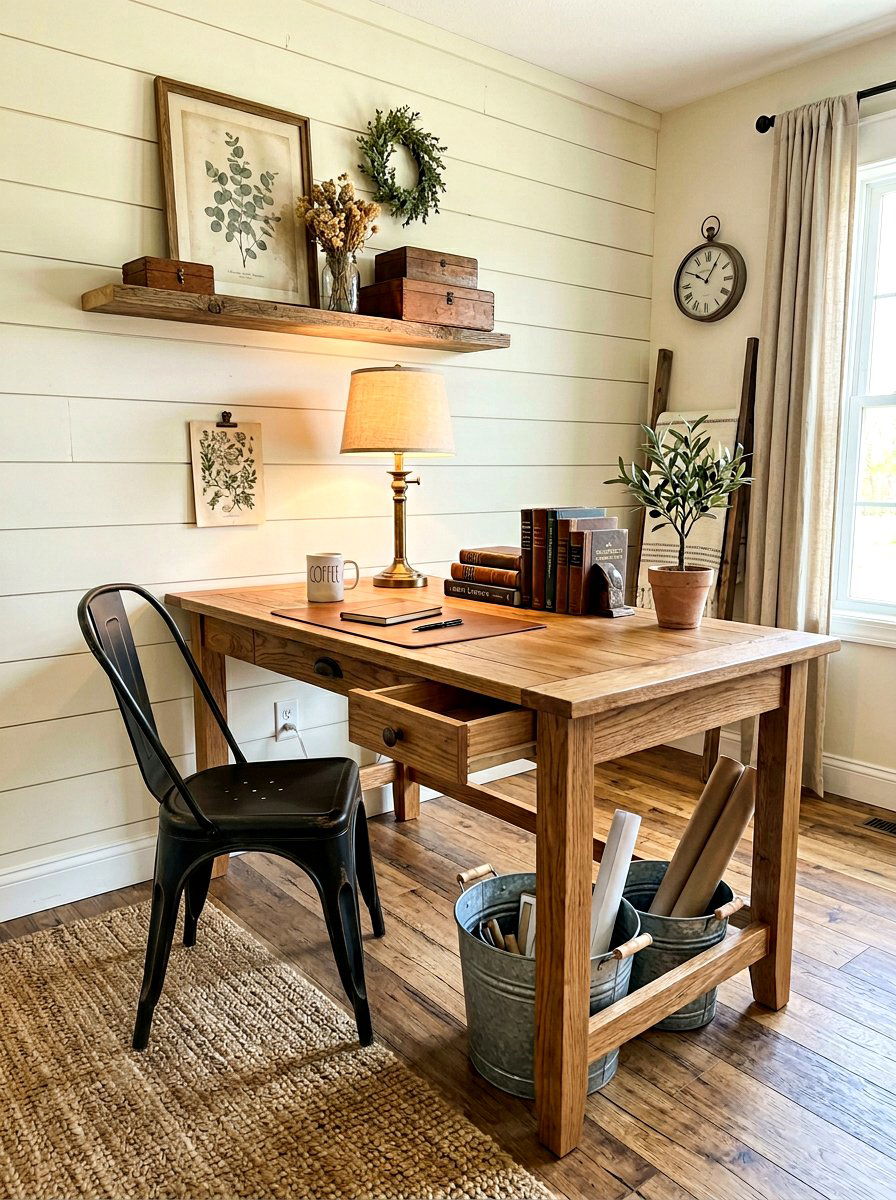
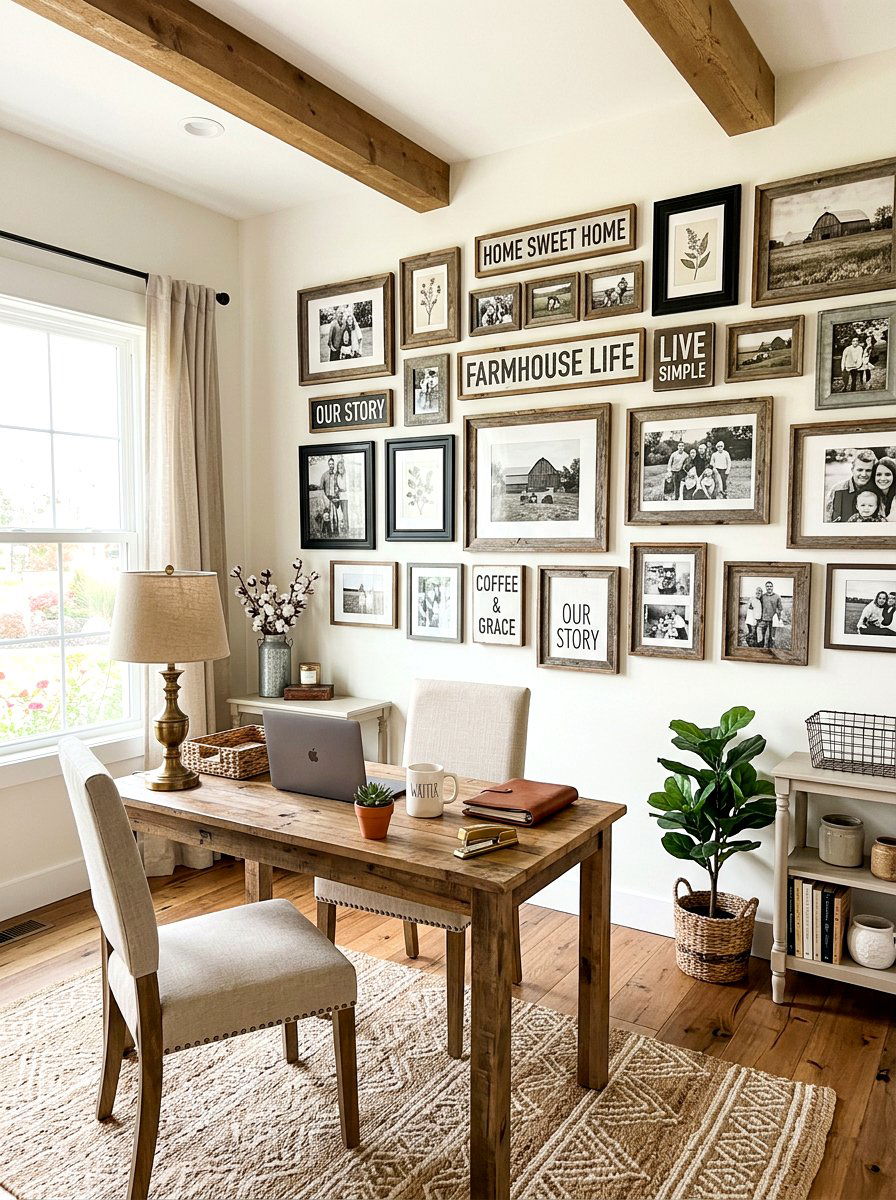
A farmhouse-style wooden desk brings a sense of rustic charm and sturdiness to a dedicated homework nook. These desks are often made from solid wood with a slightly distressed finish, making them durable enough for years of heavy use. The warm, natural tones of the wood create a cozy and grounded environment that is conducive to deep concentration. You can pair the desk with a classic metal Windsor chair or a cushioned bench for a comfortable seating option. Adding a few galvanized metal bins for storage and some traditional decor items will enhance the country-inspired look. It is a welcoming setup that feels both timeless and exceptionally practical.
22. Scandi style student area
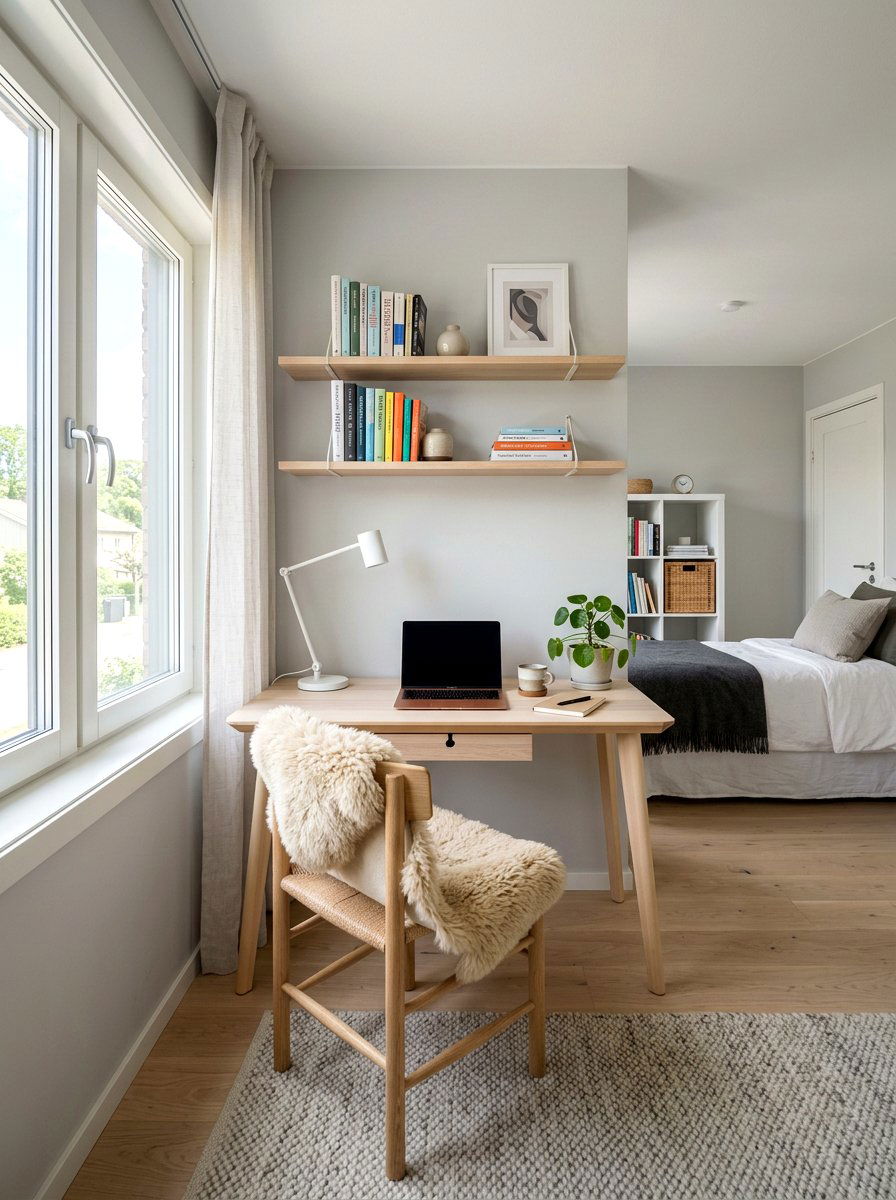
Scandinavian design is famous for its focus on light, simplicity, and functionality, making it the perfect choice for a student area. A Scandi-style nook typically features light-colored woods, white surfaces, and clean, geometric lines that minimize visual distractions. This airy aesthetic helps create a peaceful environment where a student can stay calm and organized throughout the day. You can use simple wall-mounted rails with hanging cups to keep pens and pencils tidy and accessible. Adding a cozy sheepskin rug over the chair provides extra comfort during long reading sessions. It is a modern and refreshing look that fits perfectly into any contemporary home design.
23. Pegboard wall organization desk
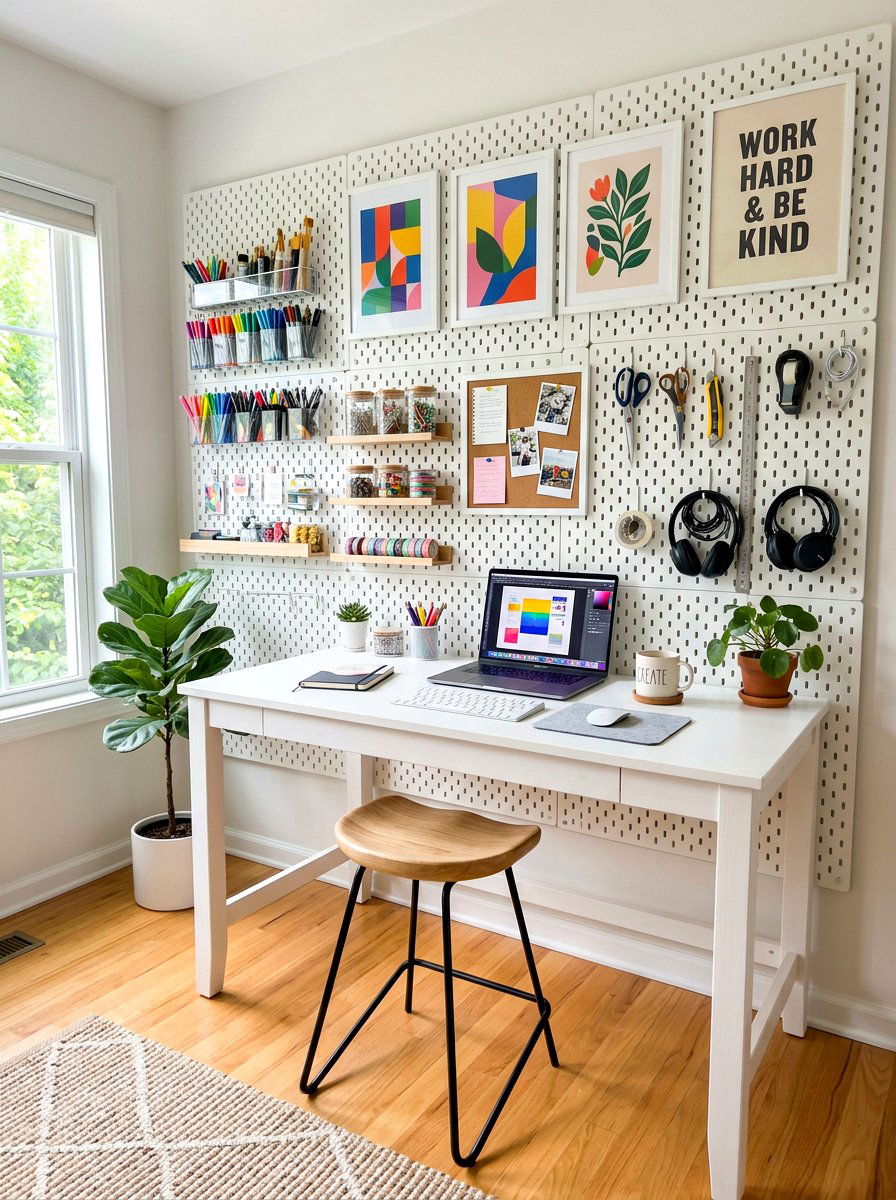
Using a pegboard wall is one of the most versatile ways to organize a homework nook because it can change as the student grows. You can easily move hooks, shelves, and baskets around to accommodate different sizes of books, art supplies, and tech gadgets. This vertical storage system keeps everything visible and organized, which is particularly helpful for visual learners who like to see their tools. A large pegboard also serves as a decorative focal point that can be personalized with photos, calendars, and motivational quotes. It turns a simple desk into a highly customized command center that adapts to the evolving needs of a busy student.
24. Fold down murphy desk
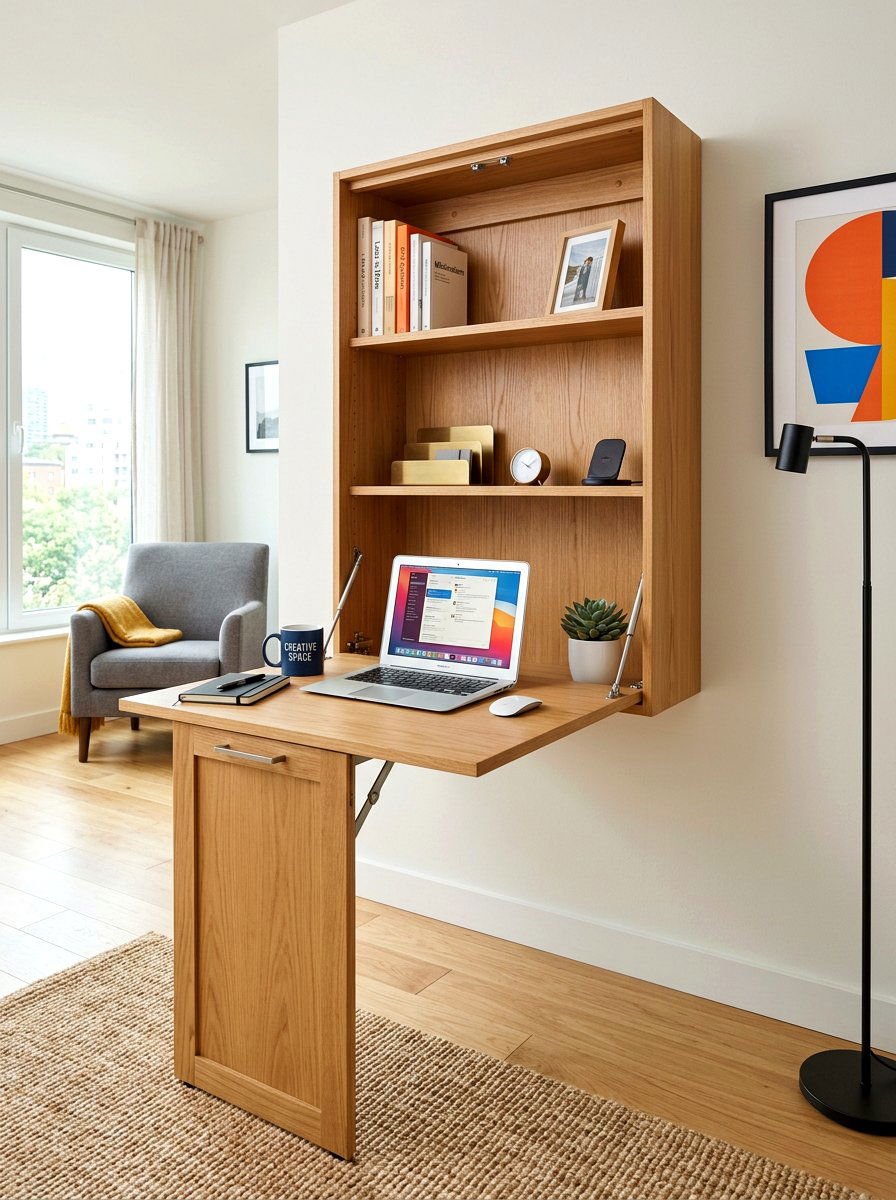
A fold-down Murphy desk is the ultimate "now you see it, now you don't" solution for extremely small living spaces. This clever piece of furniture is mounted to the wall and features a desktop that folds up flat when it is not in use. When the student is ready to work, the desk drops down to provide a sturdy and surprisingly spacious surface for a laptop and notebooks. Some models even include small interior shelves for pens and stationery that remain hidden when the desk is closed. It is a brilliant way to add a functional workspace to a hallway, bedroom, or even a tiny studio apartment.
25. Shared sibling study space
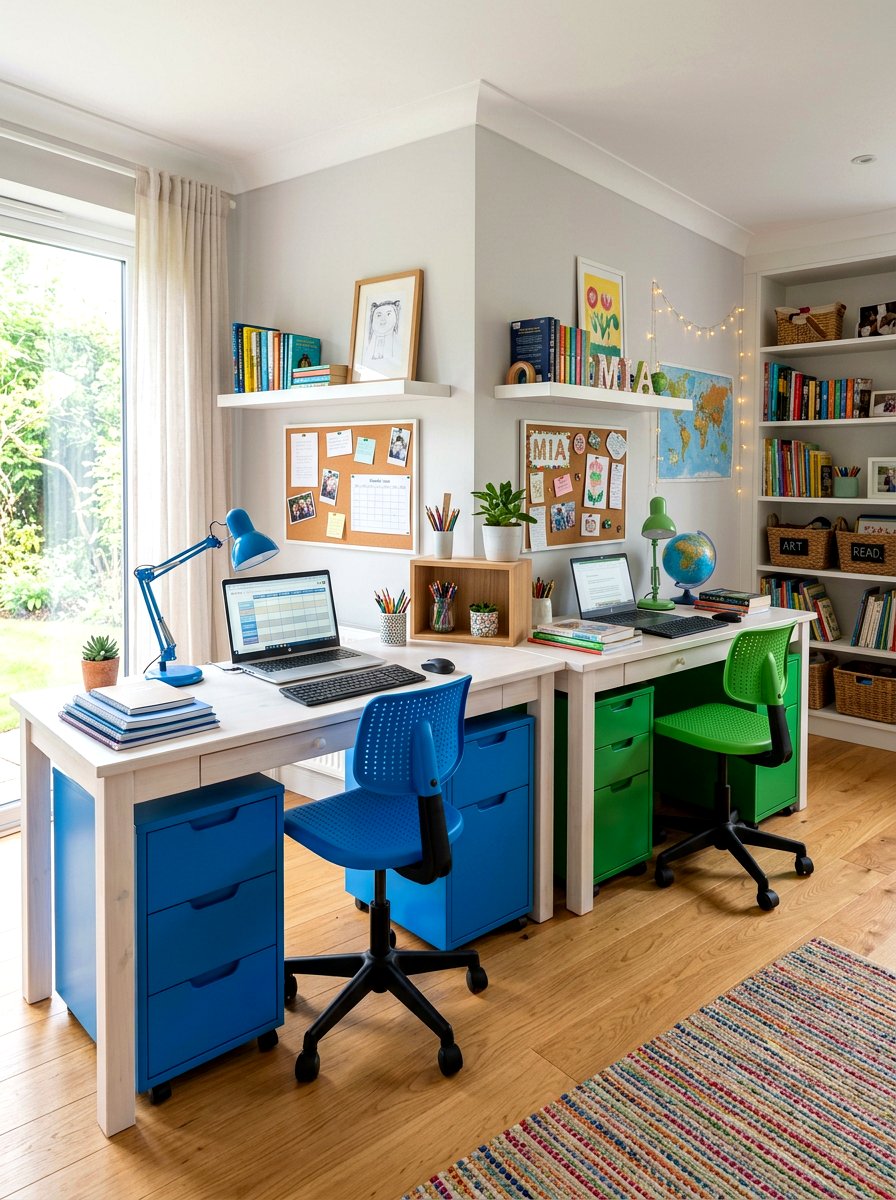
Designing a shared sibling study space requires a balance between communal interaction and personal privacy. You can set up a long countertop along one wall with two separate chairs and identical storage units for each child. Using a tall bookshelf or a simple desk divider in the middle can help minimize distractions between the two students. This layout is excellent for encouraging siblings to help each other with their homework while still maintaining their own individual zones. Matching decor and furniture will keep the room looking organized and cohesive. It is a practical and stylish way to accommodate multiple children within a single room of the house.
26. Pastel colored homework zone
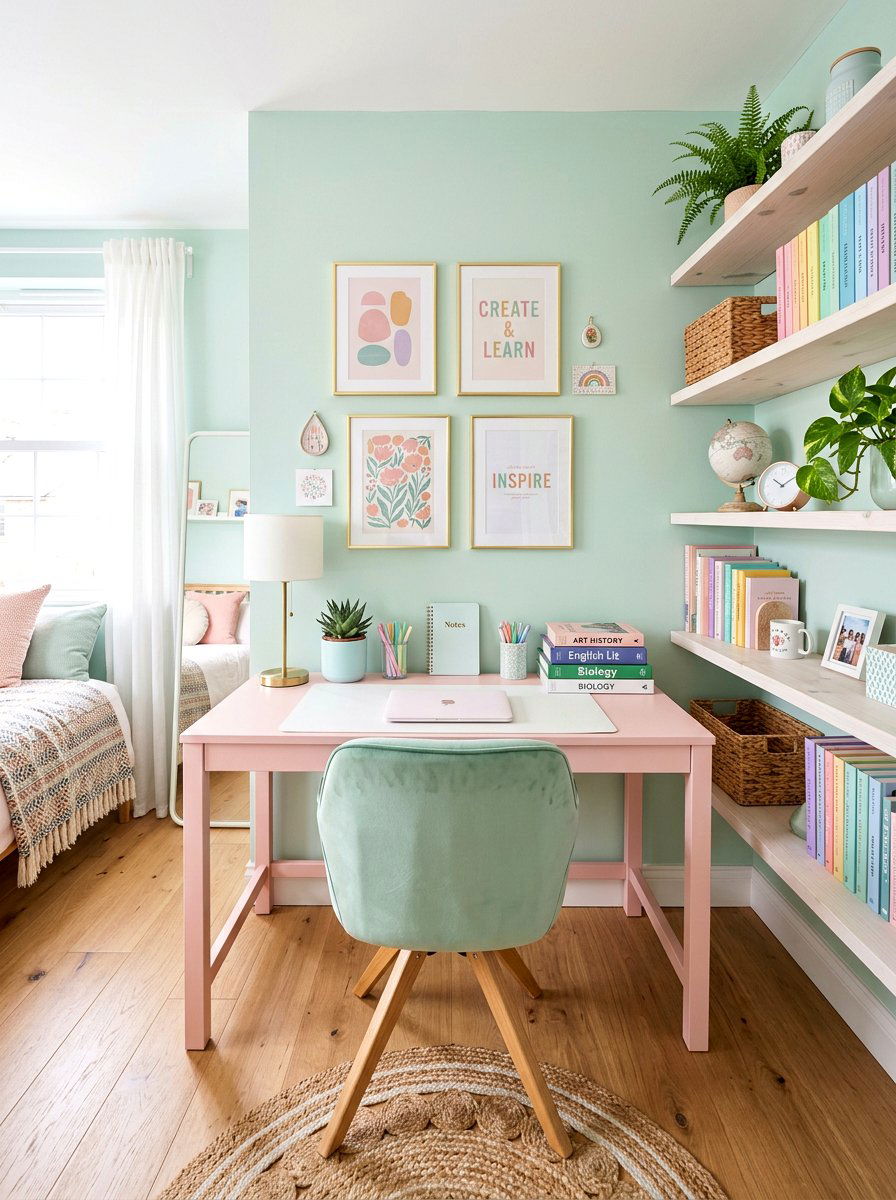
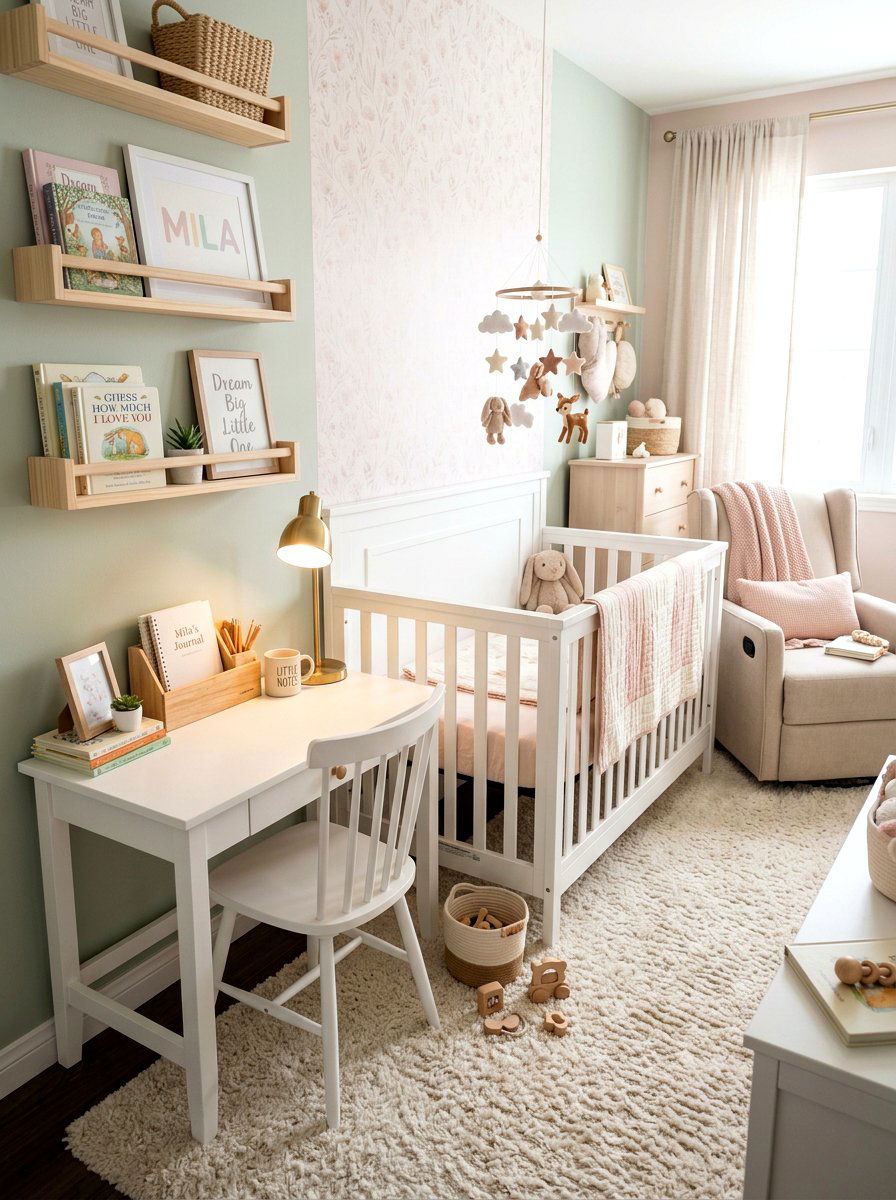
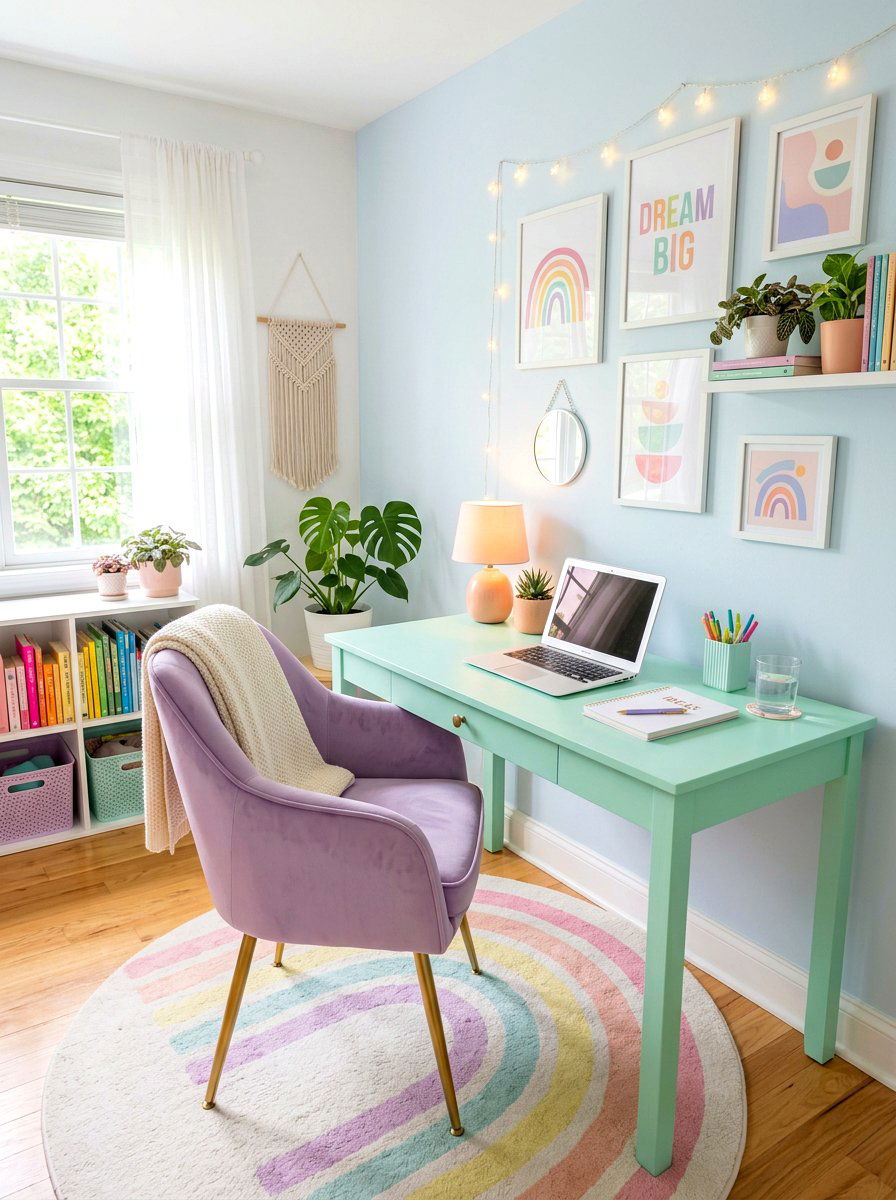
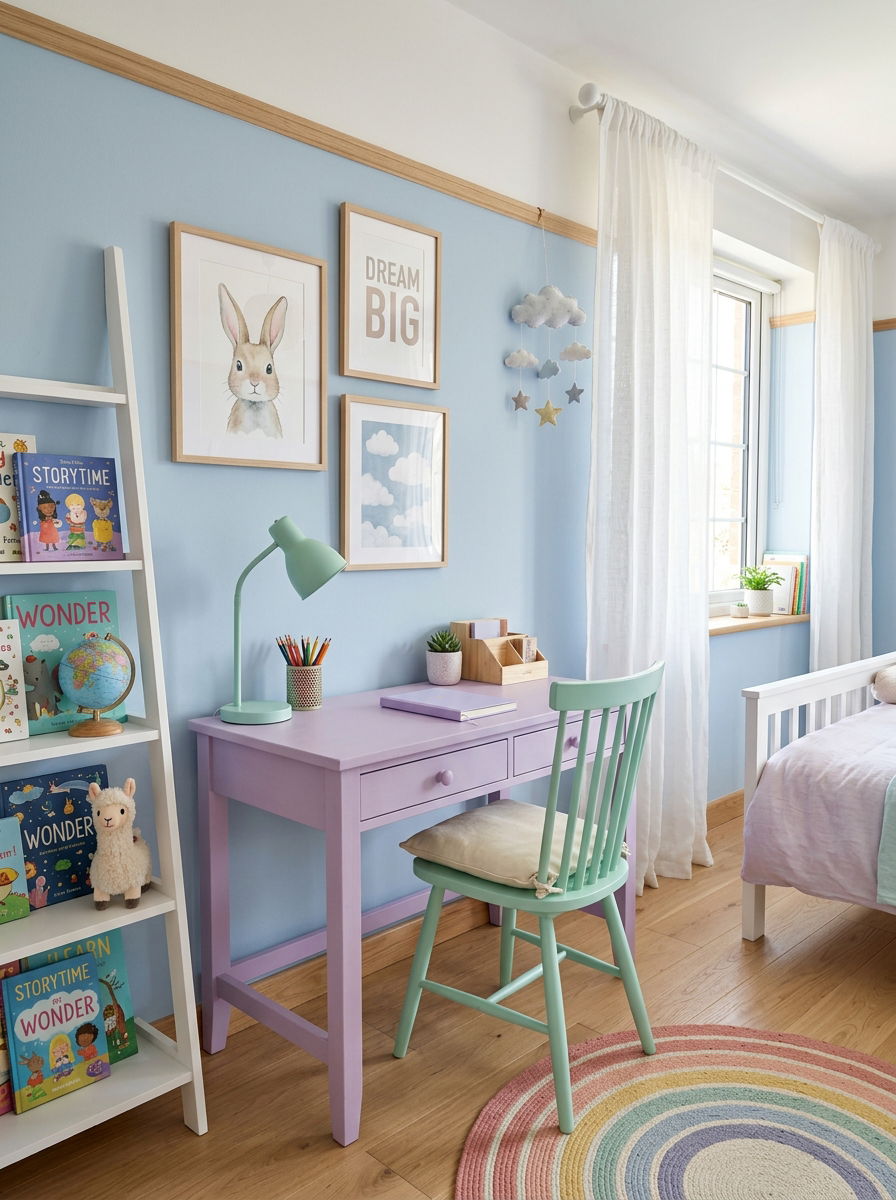
A pastel-colored homework zone offers a soft and calming environment that is perfect for younger students who might feel overwhelmed by schoolwork. Gentle shades of mint green, pale pink, or sky blue can be incorporated through the desk chair, storage bins, and wall decor. These colors are known to create a soothing atmosphere that helps maintain a positive and relaxed mindset during study sessions. You can keep the larger furniture pieces white or light wood to allow the pastel accents to pop without becoming too distracting. Adding a soft lamp with a warm glow will make the nook feel extra cozy and inviting during the evening.
27. Library wall with desk
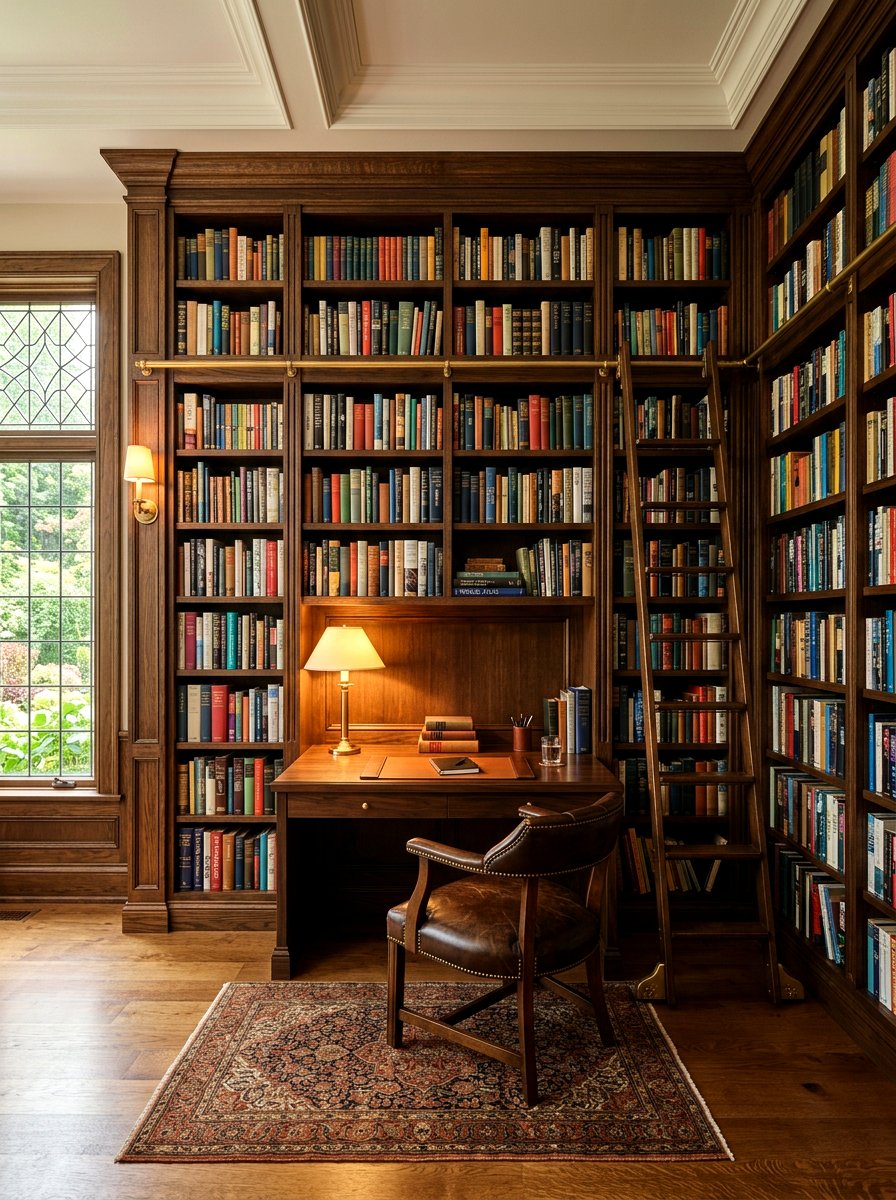
For the ultimate book lover, integrating a desk directly into a floor-to-ceiling library wall is a dream come true. This setup surrounds the student with their favorite books and reference materials, creating a rich and academic atmosphere. You can leave a gap in the lower bookshelves to accommodate a desktop and a comfortable chair. This design maximizes vertical storage while creating a stunning visual feature in a living room or a dedicated study. Being surrounded by books can be incredibly inspiring and encourages a natural love for reading and research. It is a sophisticated solution that turns a simple nook into a beautiful home library.
28. Narrow hallway study nook
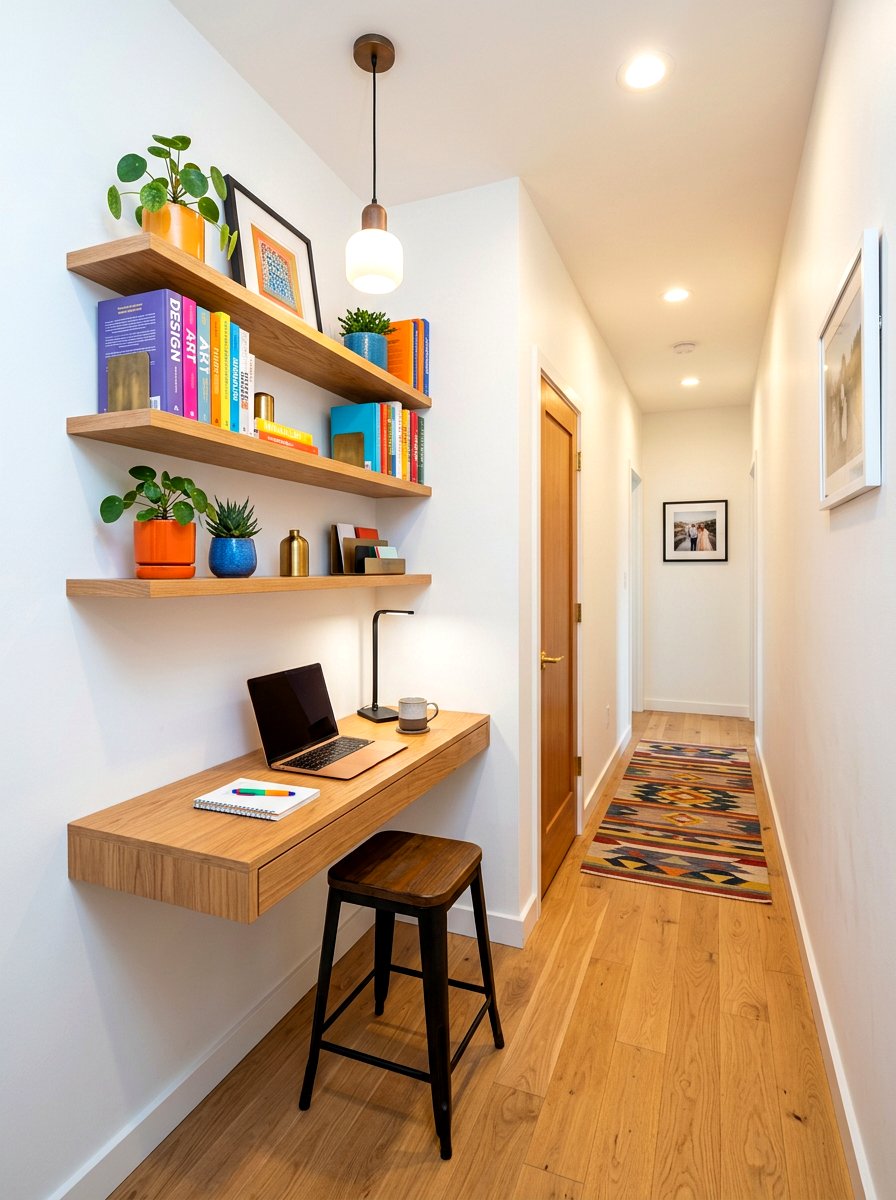
Even a narrow hallway can be transformed into a functional homework nook with the right slimline furniture. By installing a shallow, wall-mounted desk, you can create a workspace that doesn't obstruct the flow of traffic through the house. This is an excellent way to utilize "dead space" that would otherwise go unused in your floor plan. You can add a set of floating shelves above the desk to provide plenty of storage for school essentials without taking up any floor real estate. Choosing a stool that can be tucked completely under the desk keeps the hallway clear when the student is not working. It is a smart use of space.
29. Teenagers gaming and study setup
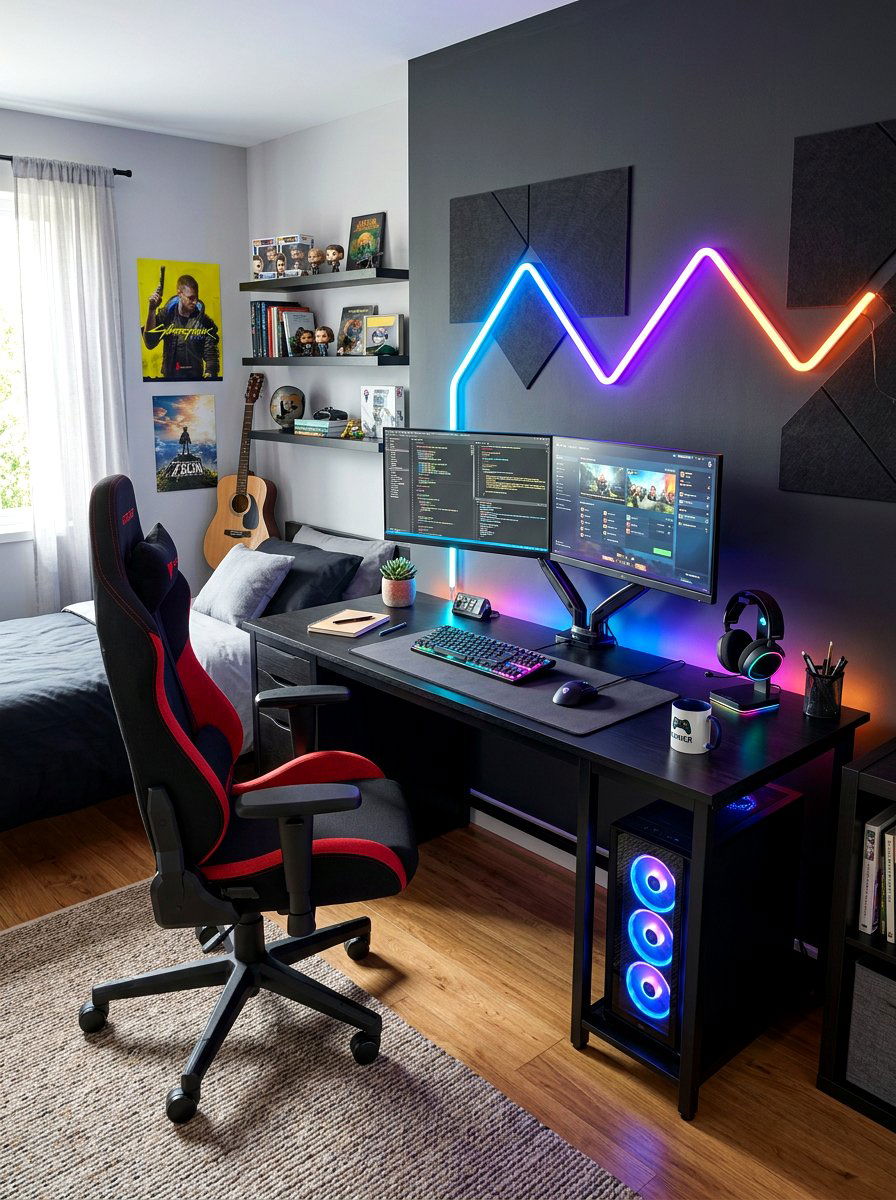
Many teenagers today need a workspace that can transition seamlessly between schoolwork and their gaming or digital hobbies. A larger, deeper desk is often required to support multiple monitors, a keyboard, and a mousepad. You can incorporate RGB lighting strips behind the desk to create a "vibey" atmosphere that appeals to their personal style. Choosing a high-quality ergonomic gaming chair ensures they have the proper back support for both long study sessions and gaming marathons. Using cable management tools is essential to keep the numerous wires organized and out of sight. This multi-functional zone respects their interests while still prioritizing their academic responsibilities and daily success.
30. Chalkboard wall study corner
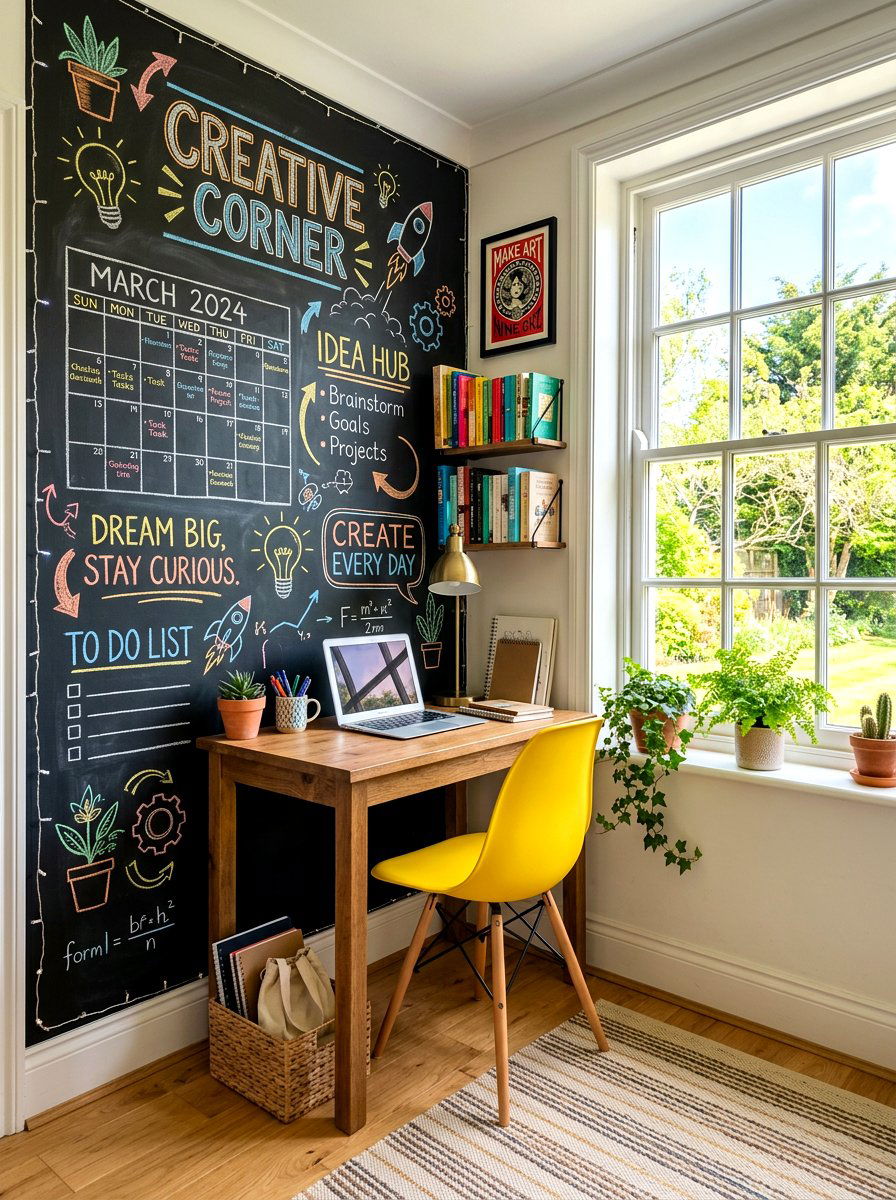
A chalkboard wall study corner is an interactive and fun way to encourage learning and creativity in younger children. By painting the wall behind the desk with chalkboard paint, you provide a giant canvas for practicing math problems, spelling words, or simply doodling during breaks. This tactile way of working can help kids engage more deeply with their school subjects. You can use the chalkboard to write out their weekly schedule or important reminders for upcoming tests. It is an easy DIY project that adds a playful and educational element to any bedroom or playroom. The ever-changing drawings on the wall keep the space feeling fresh and exciting.
Conclusion:
Designing a functional and inspiring homework nook is a powerful way to support a child's academic journey and personal growth. Throughout this guide, we have explored a wide range of creative solutions, from compact "cloffices" to expansive built-in stations that utilize every inch of the home. The key to a successful study space is balancing comfort, organization, and a style that resonates with the student. By prioritizing good lighting and ergonomic seating, you ensure that the environment remains healthy and productive for years to come. A well-designed nook not only simplifies the daily routine but also makes the process of learning much more enjoyable.

Related posts: