Creating a productive and beautiful outdoor space often begins with the right layout for your garden plots. Raised beds offer an incredible way to organize your plants while providing better drainage and easier access for maintenance throughout the growing season. Whether you have a sprawling backyard or a tiny urban patio, the way you arrange these structures can significantly impact your harvest and overall aesthetic. Thoughtful planning allows you to maximize every square inch of your property, transforming a simple patch of grass into a lush sanctuary. These arrangements focus on functionality, accessibility, and visual appeal to help you cultivate the perfect kitchen garden tailored to your unique lifestyle.
1. L Shaped Raised Bed
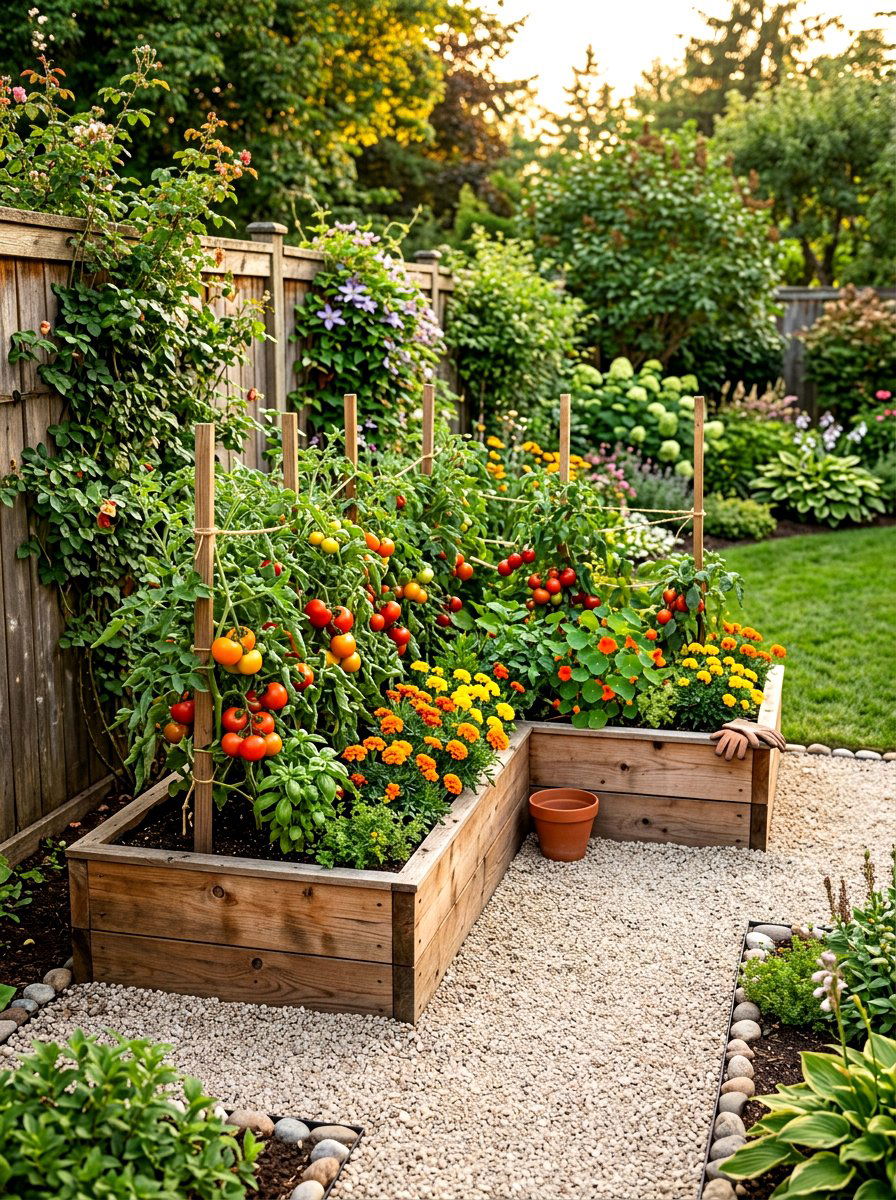
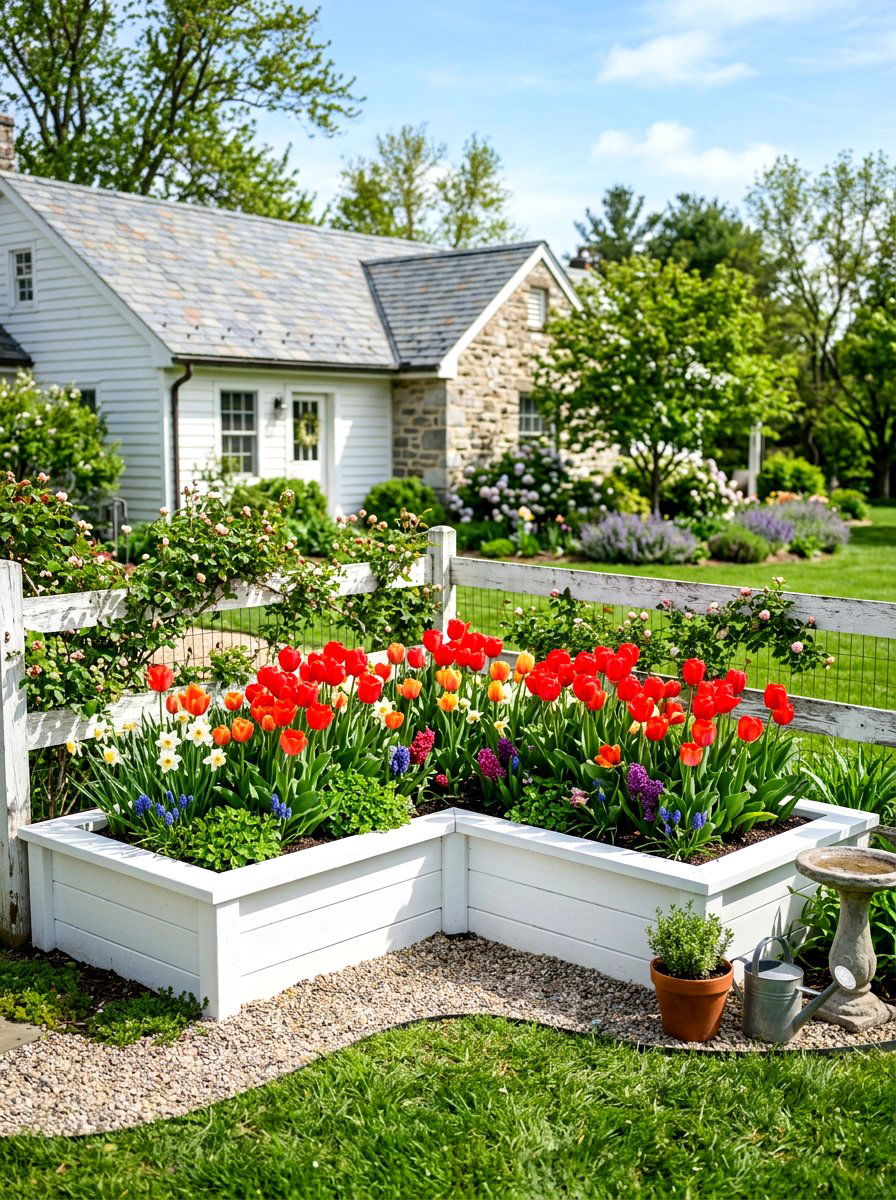
An L-shaped raised bed is a perfect solution for gardeners who want to maximize their corner spaces effectively. This arrangement fits snugly against fence lines or the corner of a patio, turning an often-neglected area into a productive growing zone. By utilizing this shape, you create a natural focal point that frames your yard beautifully without consuming the central lawn space. It offers deep planting areas that are easily accessible from the interior of the angle, reducing the need for long stretches of walking. This layout is particularly useful for mixing tall perennial flowers in the back with low-growing edible herbs along the front edges for a layered look.
2. U Shaped Raised Bed
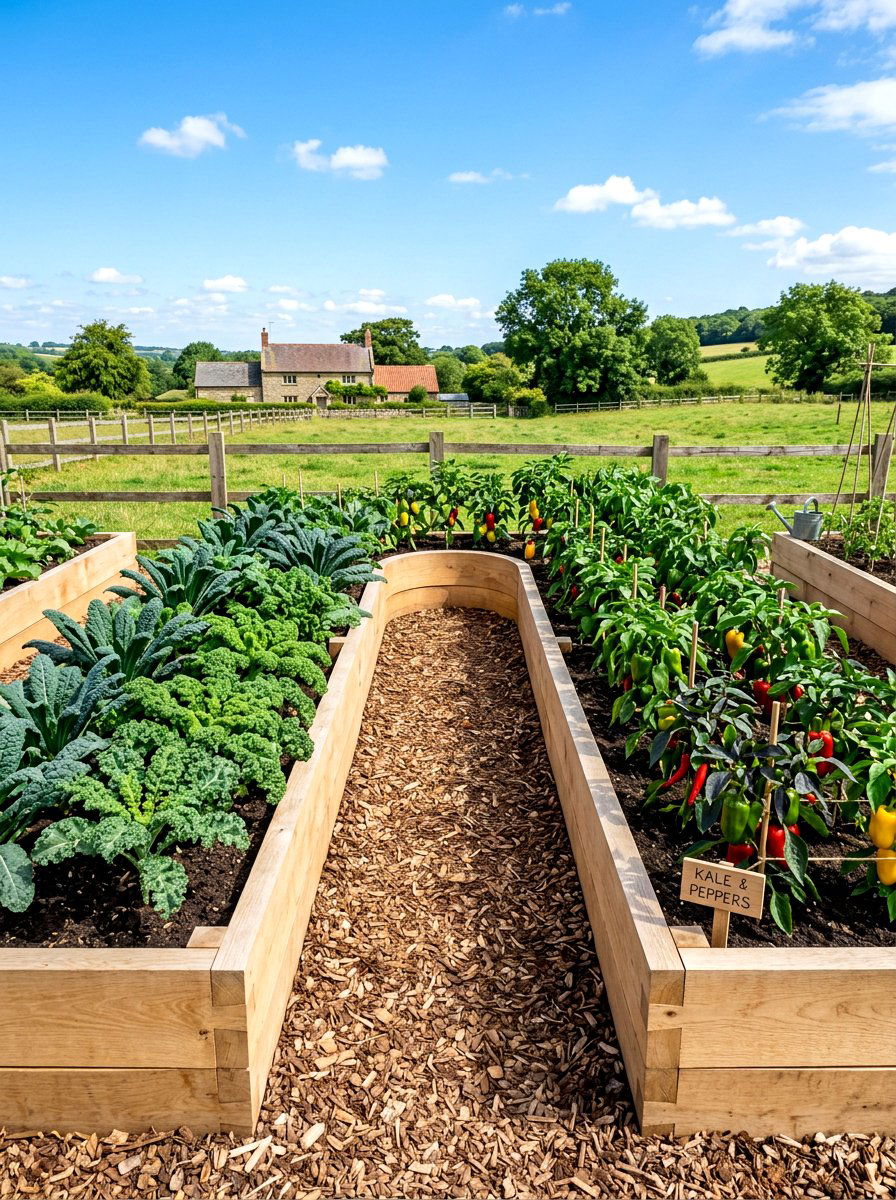
Walking into a U-shaped raised bed arrangement feels like entering a private sanctuary dedicated to your favorite plants. This layout features a central walkthrough area that allows you to reach three sides of the garden without ever stepping on the soil. It is highly efficient for high-yield vegetable production because it provides a massive amount of growing surface in a relatively compact footprint. You can easily add an arch trellis across the opening of the U to grow climbing cucumbers or peas, creating a stunning vertical entrance. This configuration keeps your gardening activities contained and organized while providing a clear path for harvesting and daily maintenance tasks.
3. Tiered Raised Bed
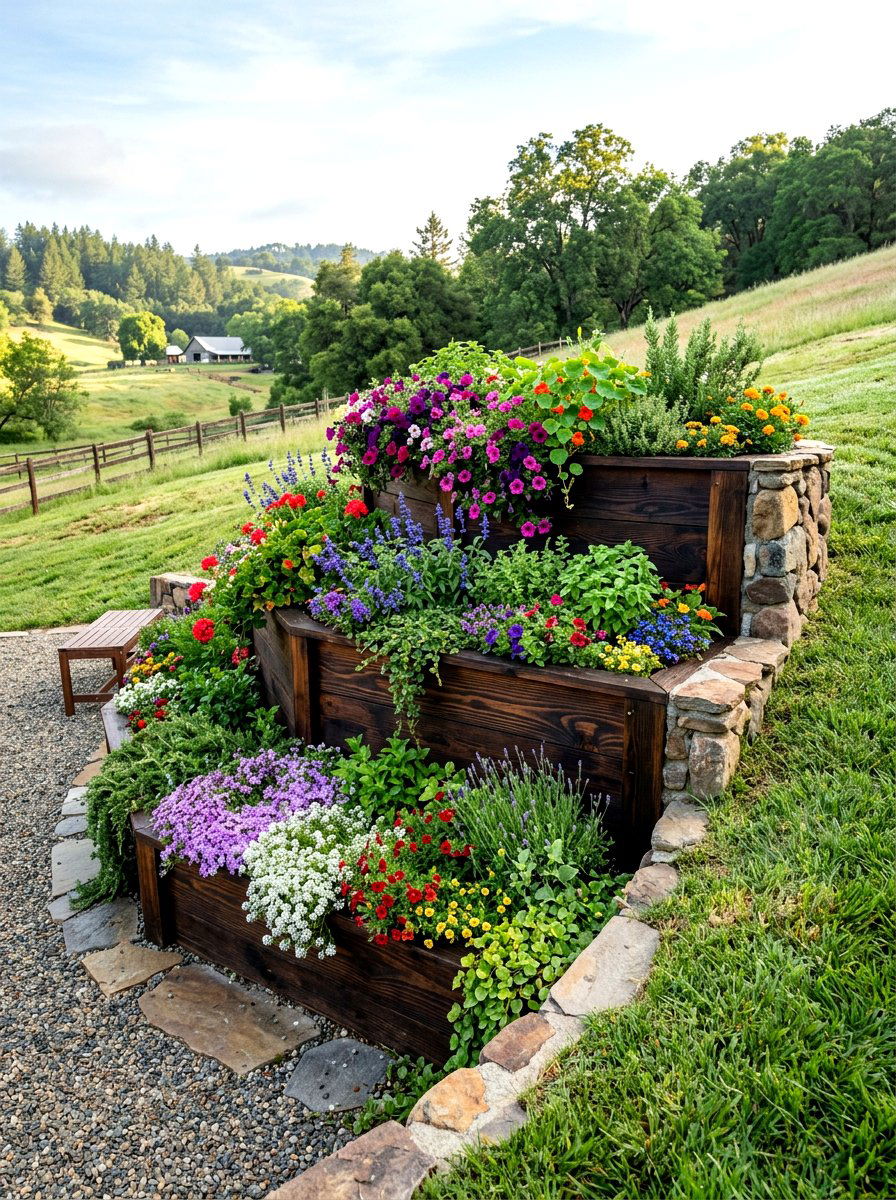
If you are dealing with a sloping yard or simply want to add some dramatic height to your landscape, tiered raised beds are an excellent choice. This arrangement involves stacking beds of different heights to create a stepped effect that mimics natural hillsides. It allows you to place sun-loving plants on the top levels while keeping moisture-loving varieties in the cooler, lower sections. The visual depth created by the varying levels makes your garden look professionally designed and much larger than it actually is. Using contrasting materials like dark wood or grey stone for the different tiers can further enhance the modern architectural feel.
4. Circular Raised Bed
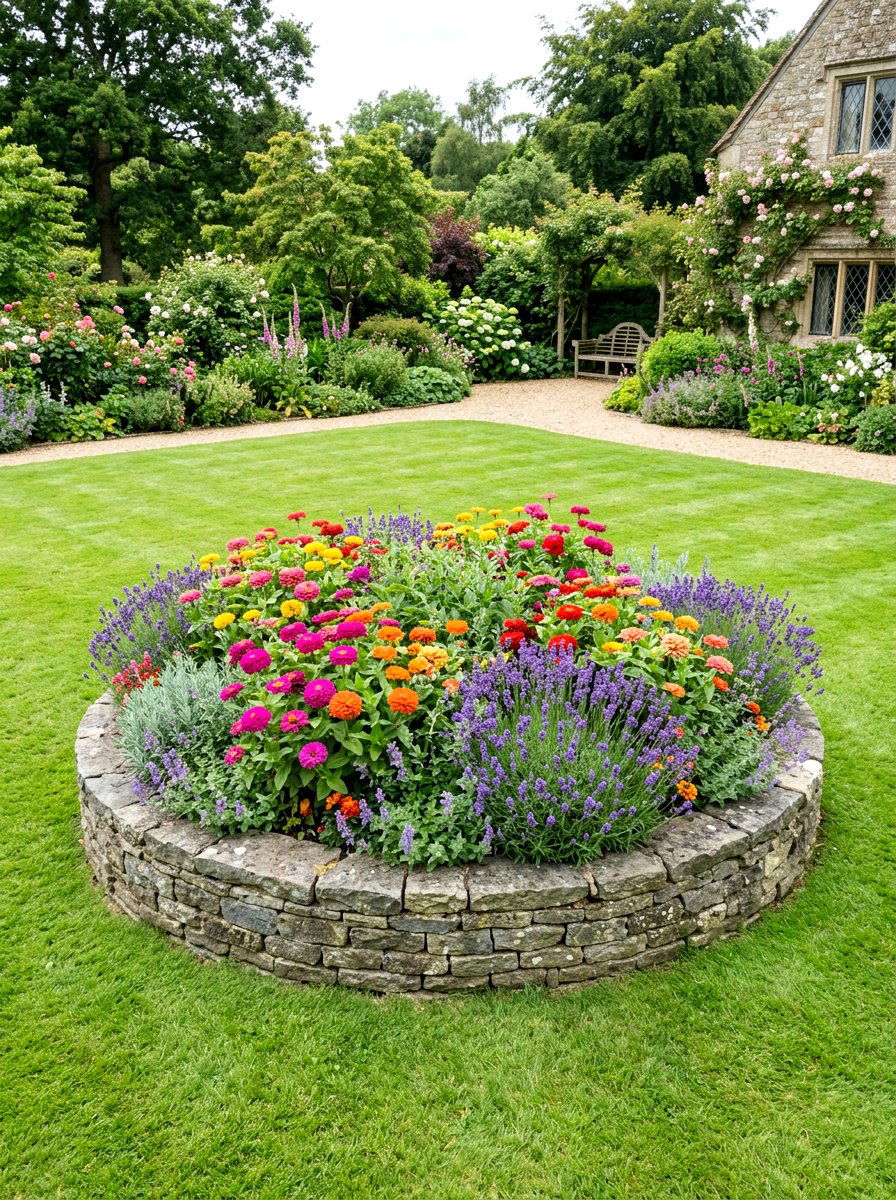
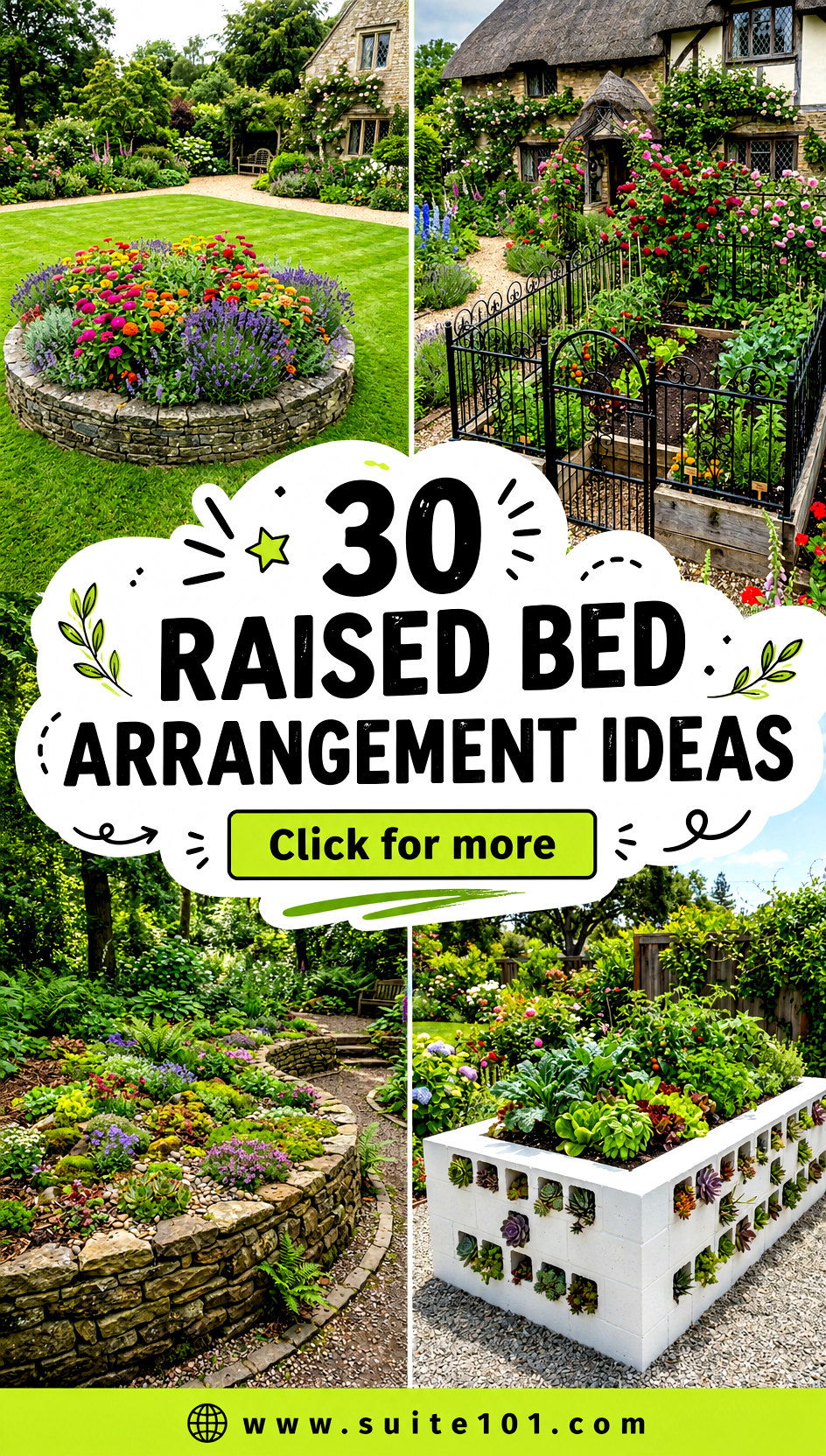
A circular raised bed serves as a soft and inviting centerpiece for any backyard design. Unlike traditional rectangular boxes, the curved lines of a round bed break up the rigid geometry of a typical yard, creating a more organic and natural flow. This arrangement is ideal for a central herb garden or a colorful floral display that can be viewed from all angles of the property. Because there are no sharp corners, it is a safe and accessible option for families with young children or pets who play nearby. You can surround the circular structure with pea gravel or wood chips to define the space even further.
5. Spiral Raised Bed
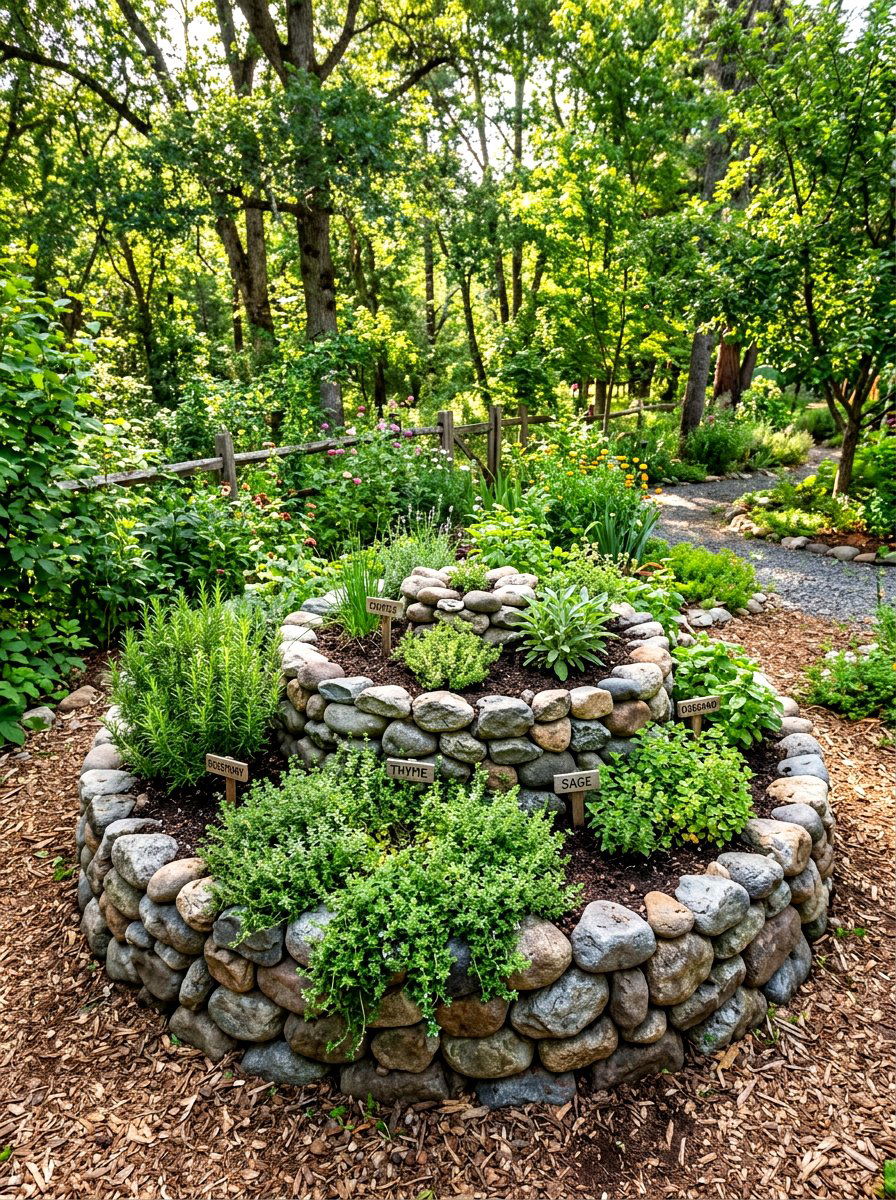
The spiral raised bed is a classic permaculture technique that is both visually striking and incredibly functional for small-scale growing. By building a spiraling mound of soil held up by stones or bricks, you create multiple microclimates within a single small structure. The top of the spiral stays drier and warmer for Mediterranean herbs like rosemary, while the bottom remains moist and cool for greens like spinach. This vertical arrangement maximizes your planting area by utilizing height rather than just ground space. It is a fantastic conversation piece that brings a sense of whimsy and ancient garden tradition to your modern outdoor living area.
6. Square Foot Raised Bed
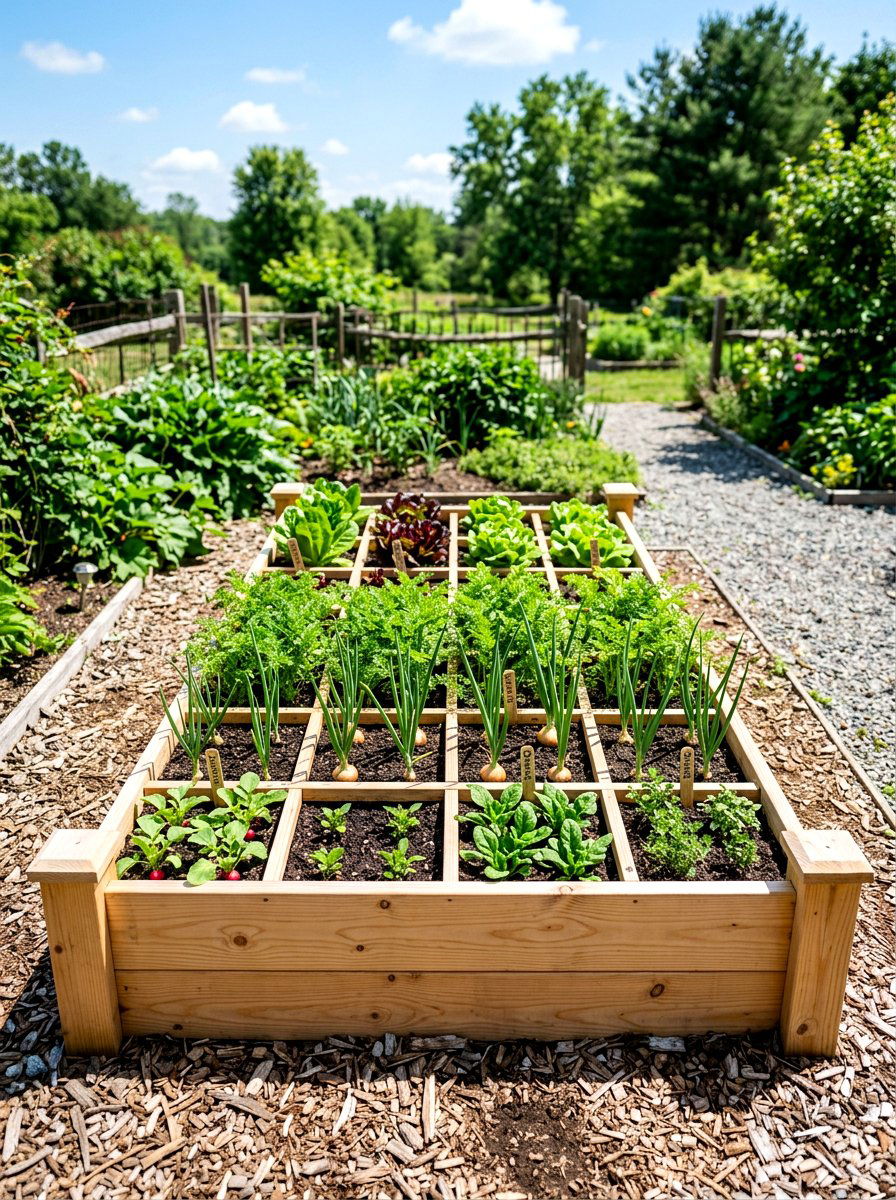
The square foot raised bed arrangement is the ultimate choice for the organized and detail-oriented gardener. This layout utilizes a physical grid to divide the growing area into neat one-foot squares, allowing you to manage specific plant counts in each section. It eliminates the guesswork of spacing and helps prevent overcrowding, which leads to healthier plants and much higher yields. This arrangement is perfect for beginners who want to grow a wide variety of vegetables in a single, manageable box. The tidy rows and clear divisions make it easy to rotate crops each season and keep track of your garden's overall success and health.
7. Four Square Raised Bed
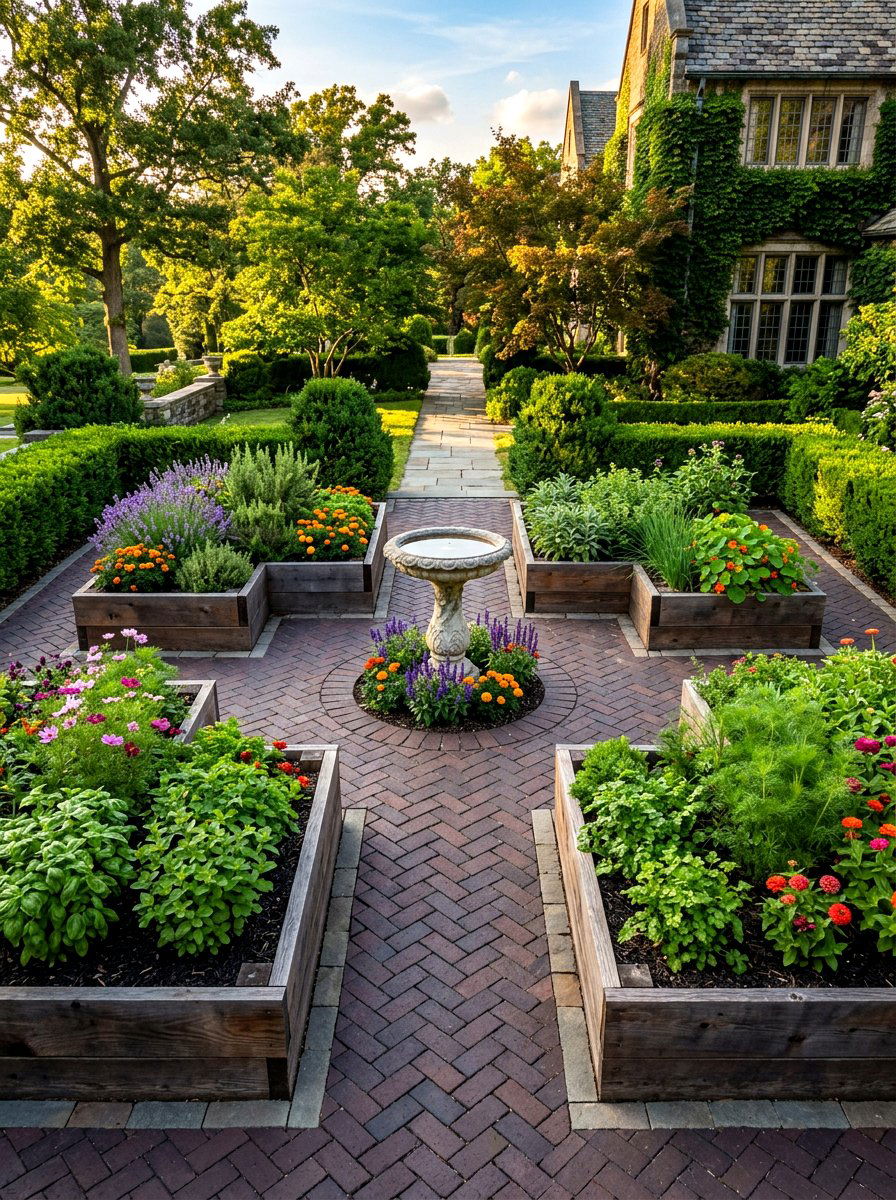
A four-square raised bed layout provides a timeless and symmetrical look that fits perfectly in formal garden designs. This arrangement consists of four identical beds separated by a cross-shaped path, making every part of the garden easy to reach and maintain. It is a popular choice for kitchen gardens where you can dedicate each quadrant to a specific family of plants, such as root vegetables or leafy greens. The central intersection is a wonderful spot for a small birdbath or a tall obelisk trellis to add a vertical focal point. This balanced structure brings a sense of peace and order to your backyard.
8. Parallel Raised Bed
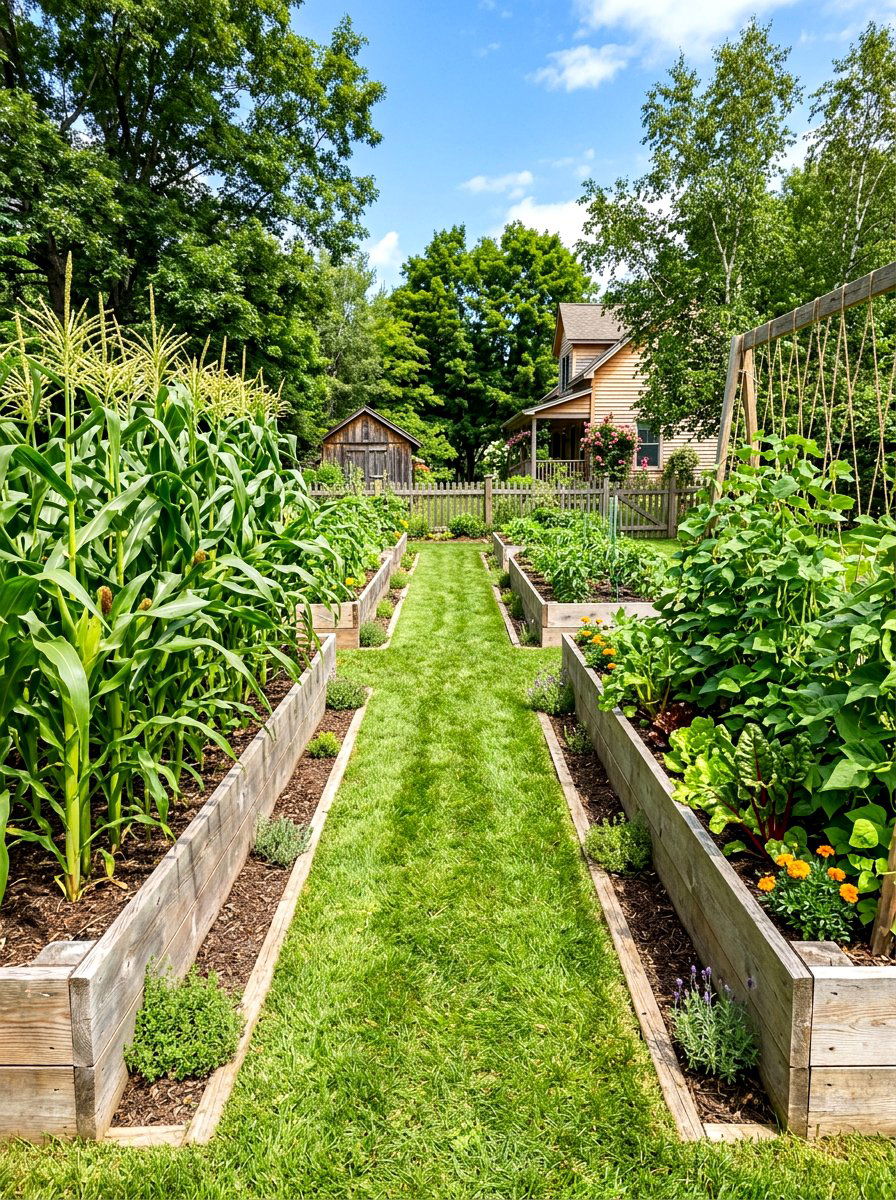
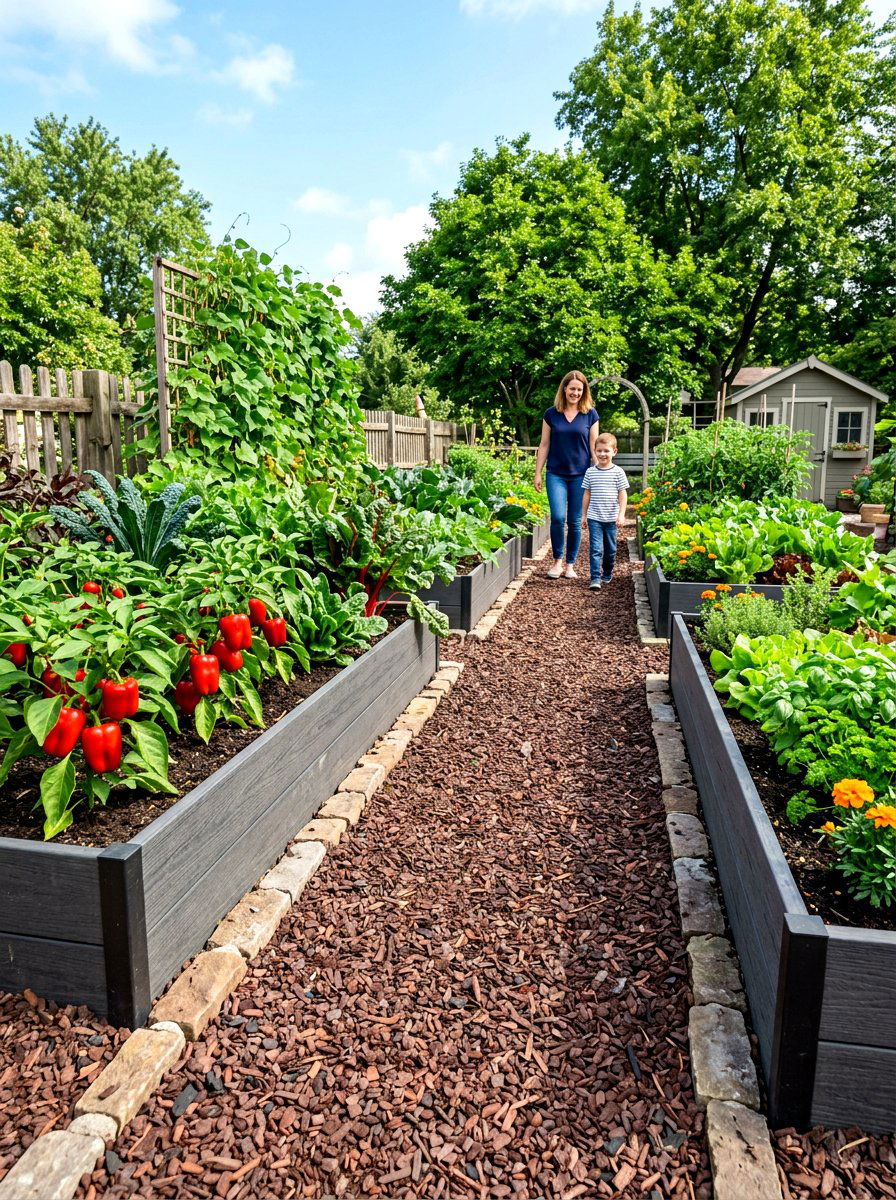
For those who prefer a clean and minimalist aesthetic, the parallel raised bed arrangement offers a sleek and functional solution. This layout involves placing several long, rectangular beds side by side with wide paths in between for easy wheelbarrow access. It is the most practical configuration for large-scale vegetable production because it mimics the efficiency of traditional farm rows while keeping the soil contained. You can keep the rows uniform for a modern look or vary the lengths to fit the specific contours of your property. This arrangement ensures that every plant receives equal sunlight throughout the day without being shaded by neighbors.
9. Vertical Raised Bed
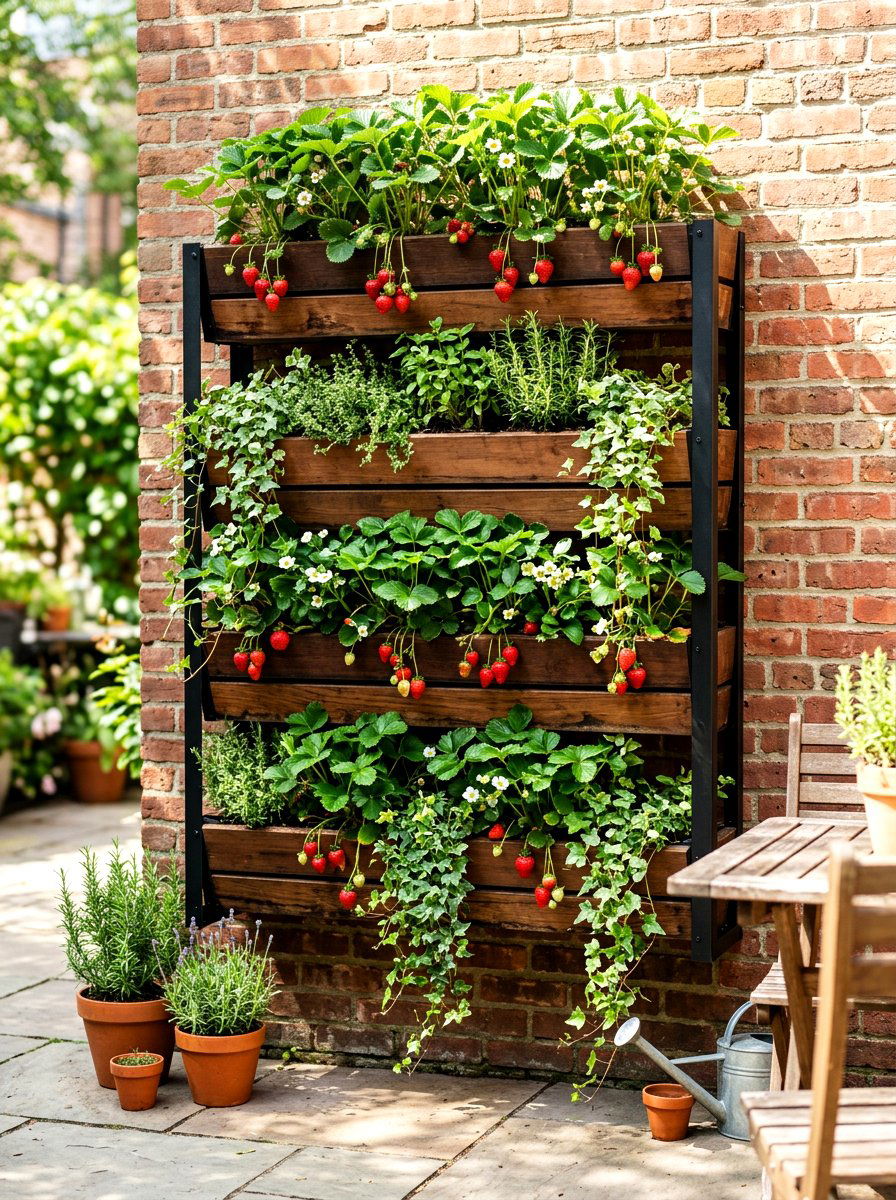
Maximizing a small balcony or a narrow patio is much easier with a vertical raised bed arrangement. This setup uses stacked planters or wall-mounted boxes to grow food and flowers upward instead of outward along the ground. It is an ideal solution for urban dwellers who want to enjoy fresh greens without having a traditional yard to work with. Vertical beds also help improve air circulation around your plants, which reduces the risk of pests and fungal diseases. By bringing the garden up to eye level, you make harvesting much more comfortable and turn a plain wall into a beautiful living tapestry of green.
10. Keyhole Raised Bed
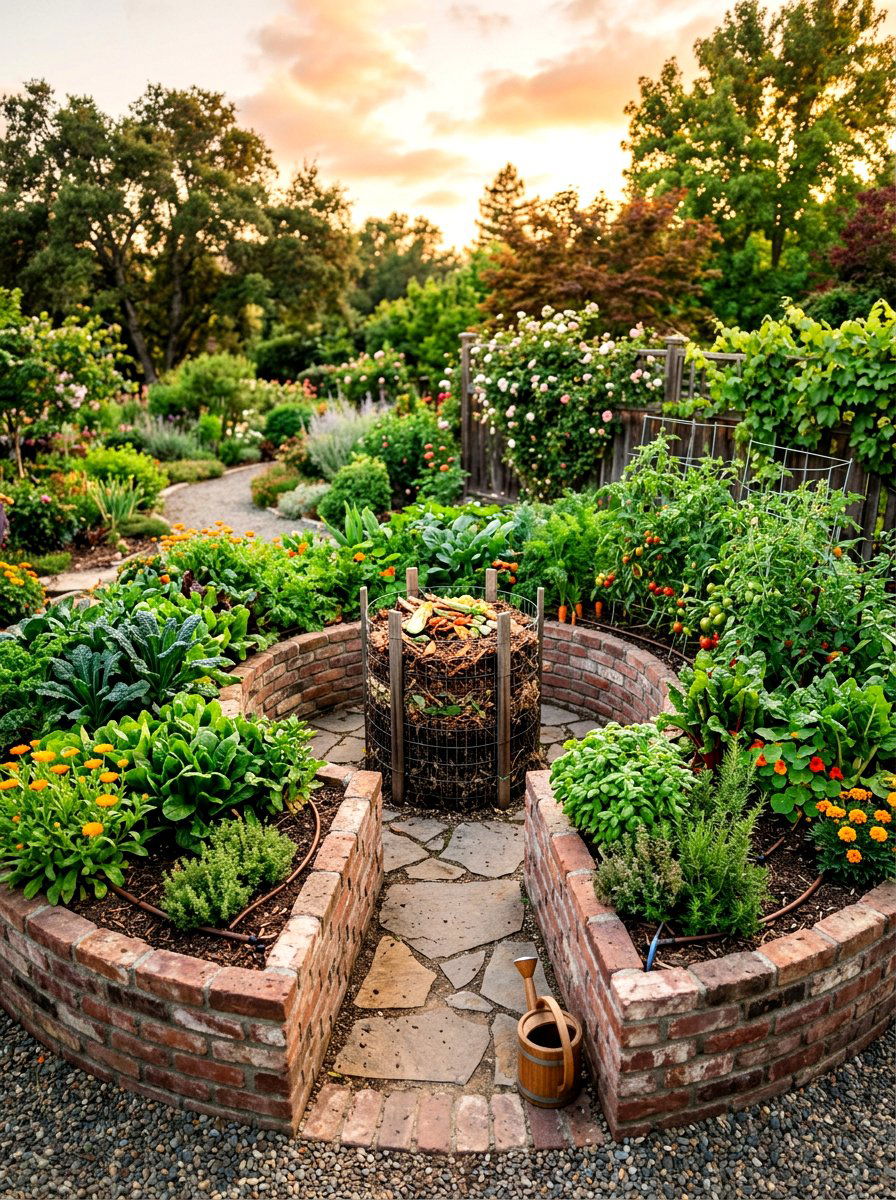
The keyhole raised bed is an ingenious arrangement that combines a productive garden with an integrated composting system. This circular or square bed features a small notched path that leads to a central wire basket where you place kitchen scraps and garden waste. As the compost breaks down, it releases nutrients directly into the surrounding soil, feeding your plants throughout the season. This self-fertilizing layout is incredibly efficient and sustainable, making it a favorite for eco-conscious gardeners. The compact shape allows you to reach every part of the growing area from the central notch, minimizing the need for walking around the exterior.
11. Staircase Raised Bed
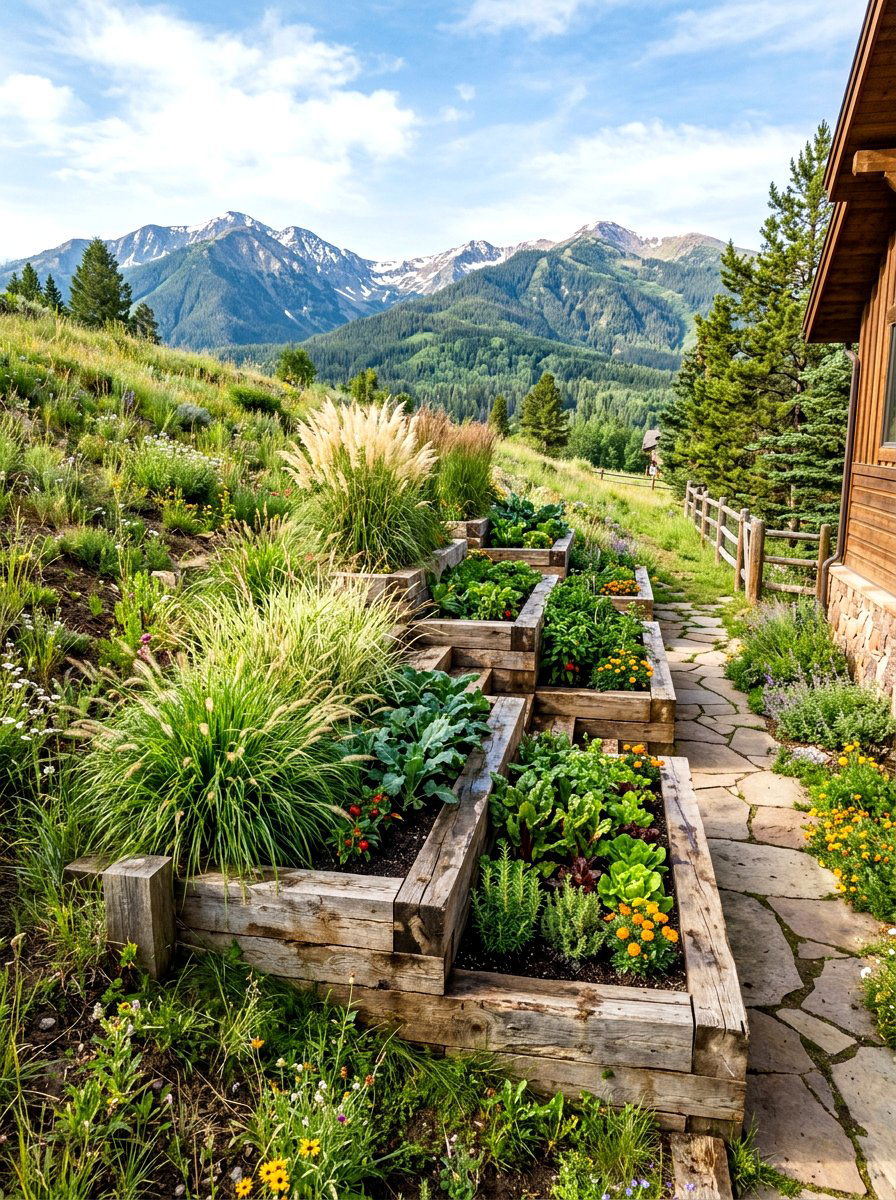
A staircase raised bed arrangement is specifically designed to tackle the challenges of a steeply sloped yard. By building long, narrow boxes that follow the natural contour of the hill, you create a series of level planting terraces that prevent soil erosion. This stepped look adds a lot of architectural interest to your landscape and makes a difficult hill much more productive and beautiful. You can use the different steps to separate your crops by their water needs, placing drought-tolerant plants at the top. The cascading effect of greenery flowing down the stairs creates a lush and vibrant atmosphere that transforms your backyard completely.
12. Checkerboard Raised Bed
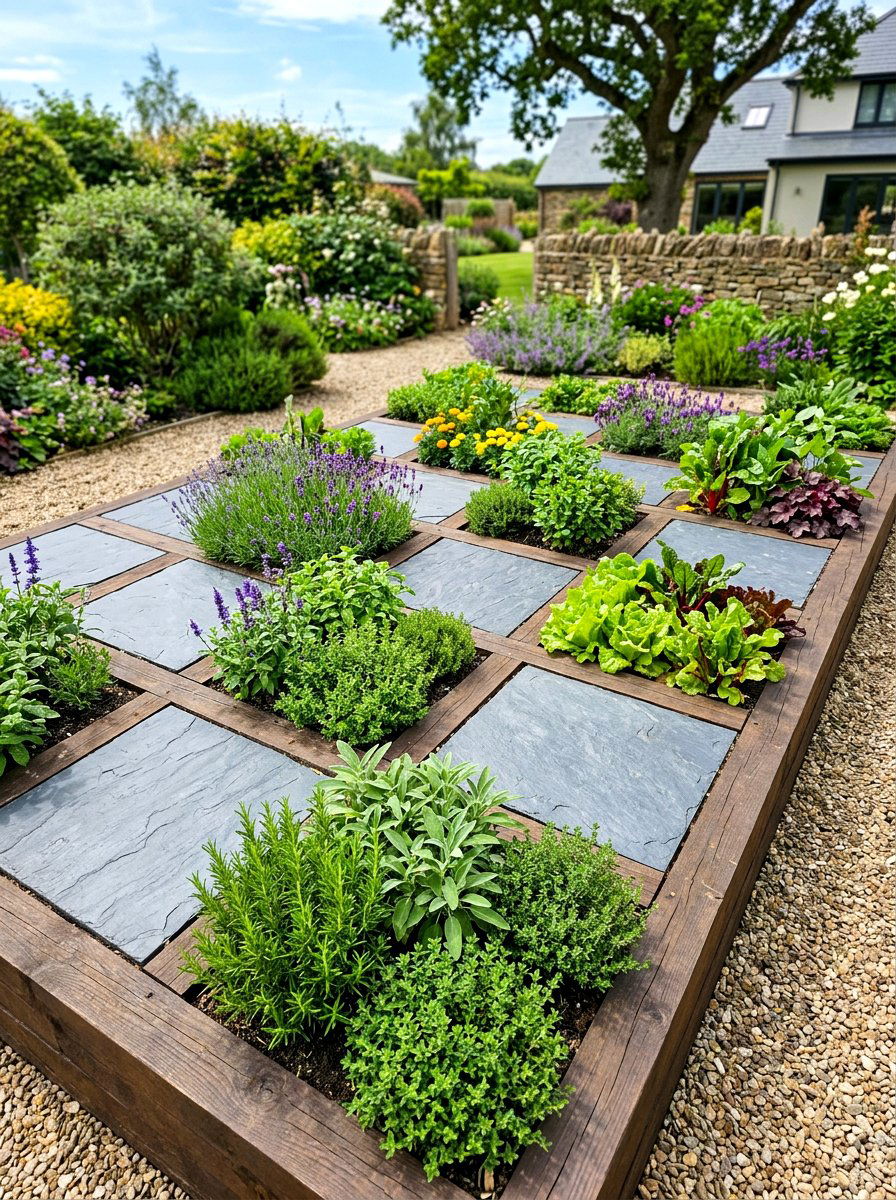
The checkerboard raised bed arrangement mixes growing areas with solid paving to create a unique and low-maintenance garden floor. By alternating square garden beds with large stone pavers or gravel sections, you create a stable and clean walking surface that stays mud-free. This layout is excellent for people who want a garden that looks like a permanent part of their home's architecture. It provides clear boundaries for your plants while offering plenty of space for you to stand, sit, or place garden tools while you work. The geometric pattern is visually stimulating and works well in both contemporary and traditional landscape designs.
13. Enclosed Raised Bed
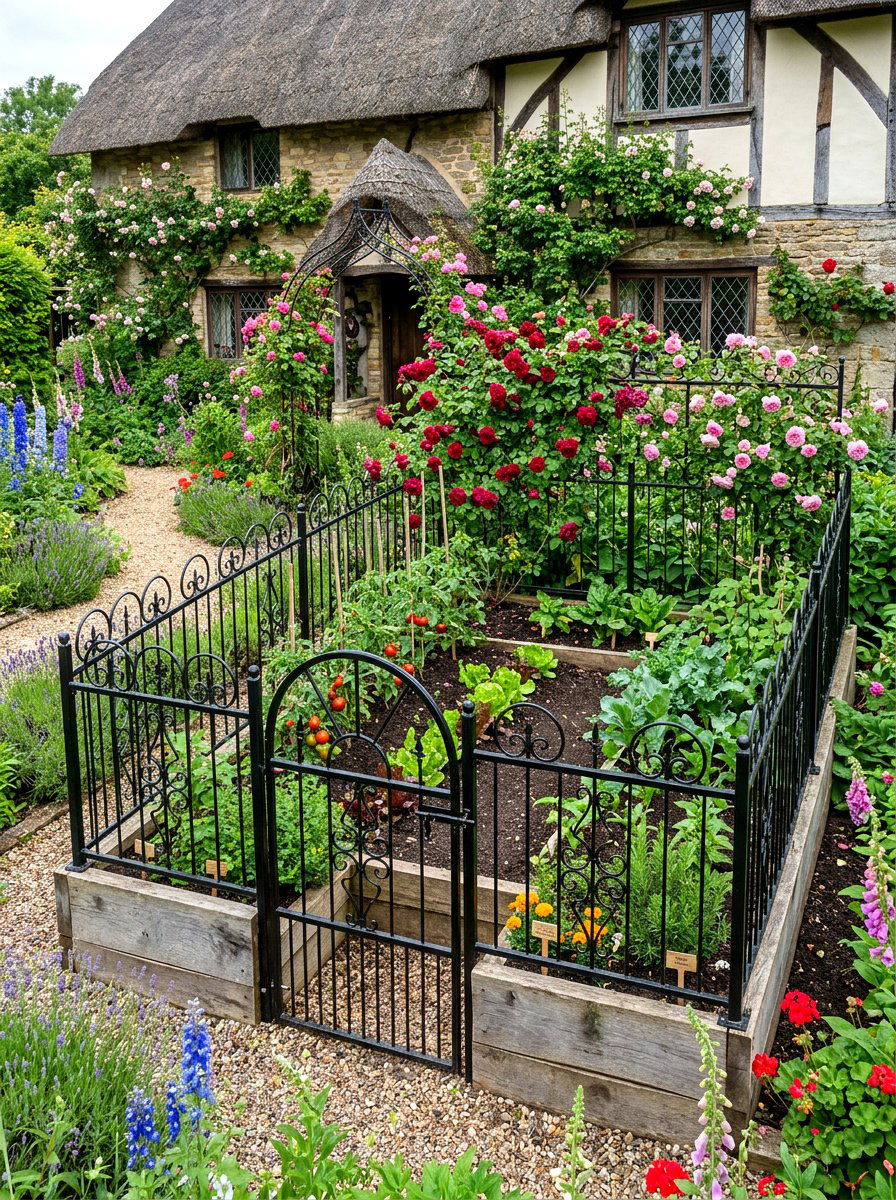
For gardeners who struggle with local wildlife like deer or rabbits, an enclosed raised bed arrangement is a life-saver. This layout features a group of beds surrounded by a decorative but functional fence or a tall trellis system. It creates a protected "garden room" where your vegetables can grow safely without being eaten by hungry visitors. You can incorporate a beautiful gate and overhead arches to make the enclosure feel like an intentional design choice rather than just a barrier. Inside the fence, the beds can be arranged in any pattern you like, providing a secure and peaceful environment for your daily gardening tasks.
14. Bench Raised Bed
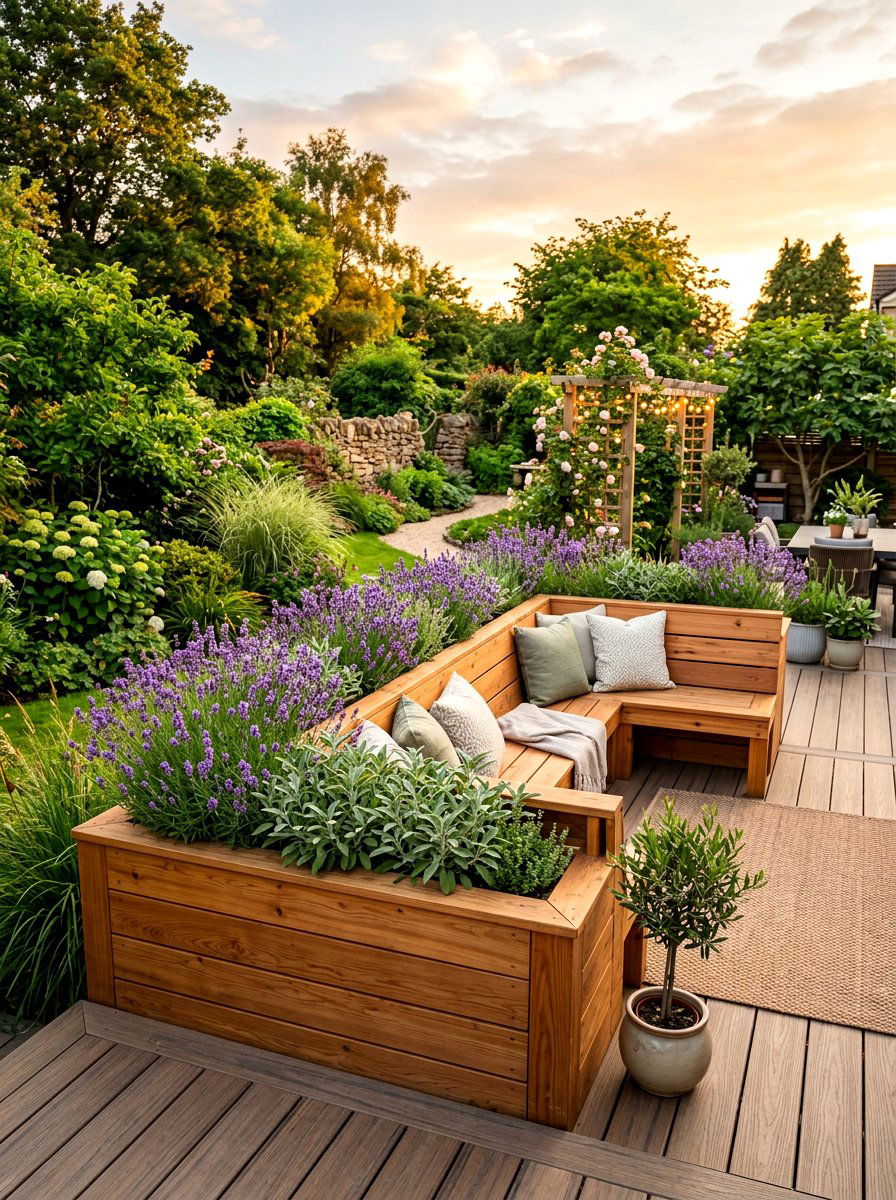
Combining seating with your growing space is a brilliant way to make your garden more interactive and comfortable. A bench raised bed arrangement features wide, flat edges on the boxes that serve as built-in places to sit while you prune or harvest. This is particularly helpful for older gardeners or anyone who prefers to take breaks while working outdoors. It also turns your garden into a social hub where friends can sit and chat while surrounded by fragrant herbs and flowers. The extra-wide rim gives the beds a heavy, high-quality look that feels like a custom-built piece of outdoor furniture in your yard.
15. Hexagonal Raised Bed
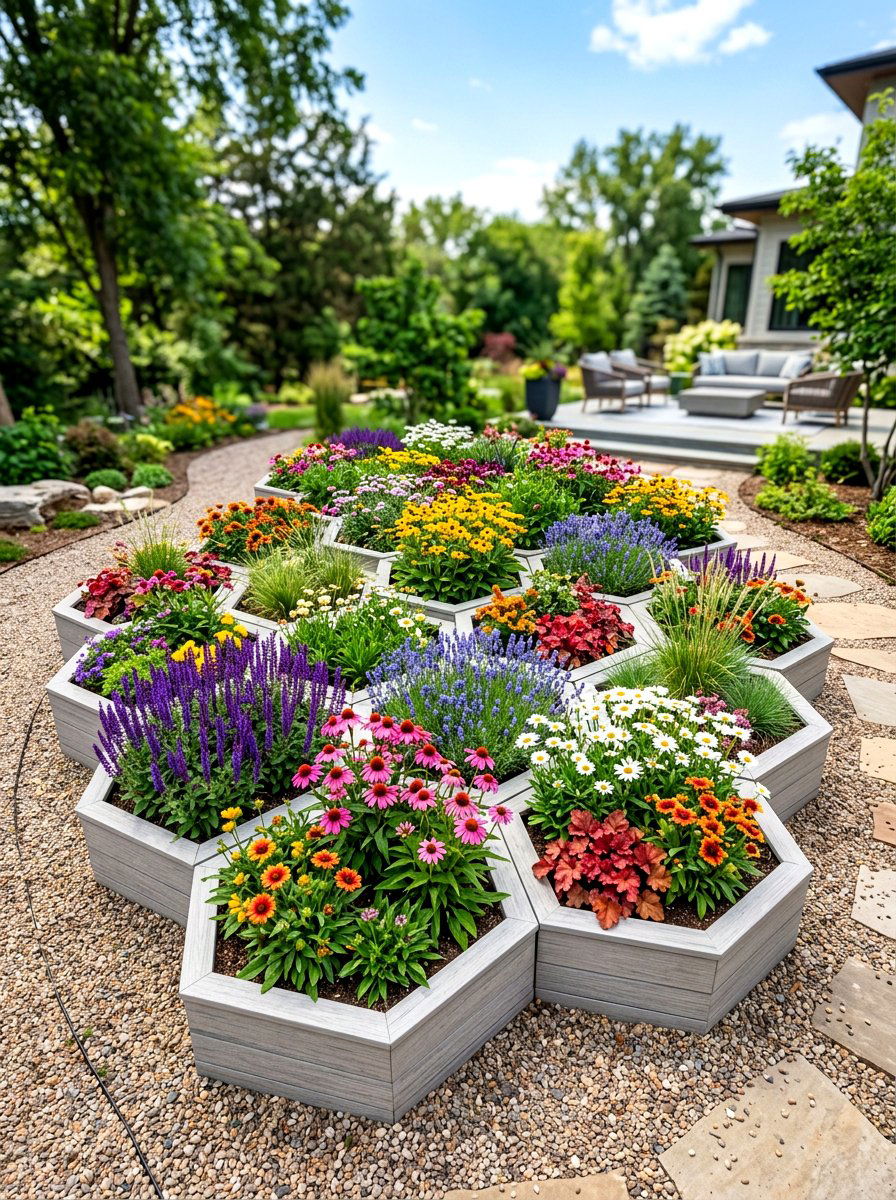
If you want to move away from standard squares and circles, a hexagonal raised bed arrangement offers a sophisticated and modern look. The six-sided shape allows several beds to be nested together like a honeycomb, creating a complex and interesting pattern on the ground. This layout is very efficient for filling large, open spaces without leaving awkward gaps between the structures. Each bed can be dedicated to a different type of plant, making it easy to keep your garden organized by variety. The unique angles of the hexagon provide more surface area for trailing plants to spill over the edges, creating a lush, overflowing effect.
16. Metal Raised Bed
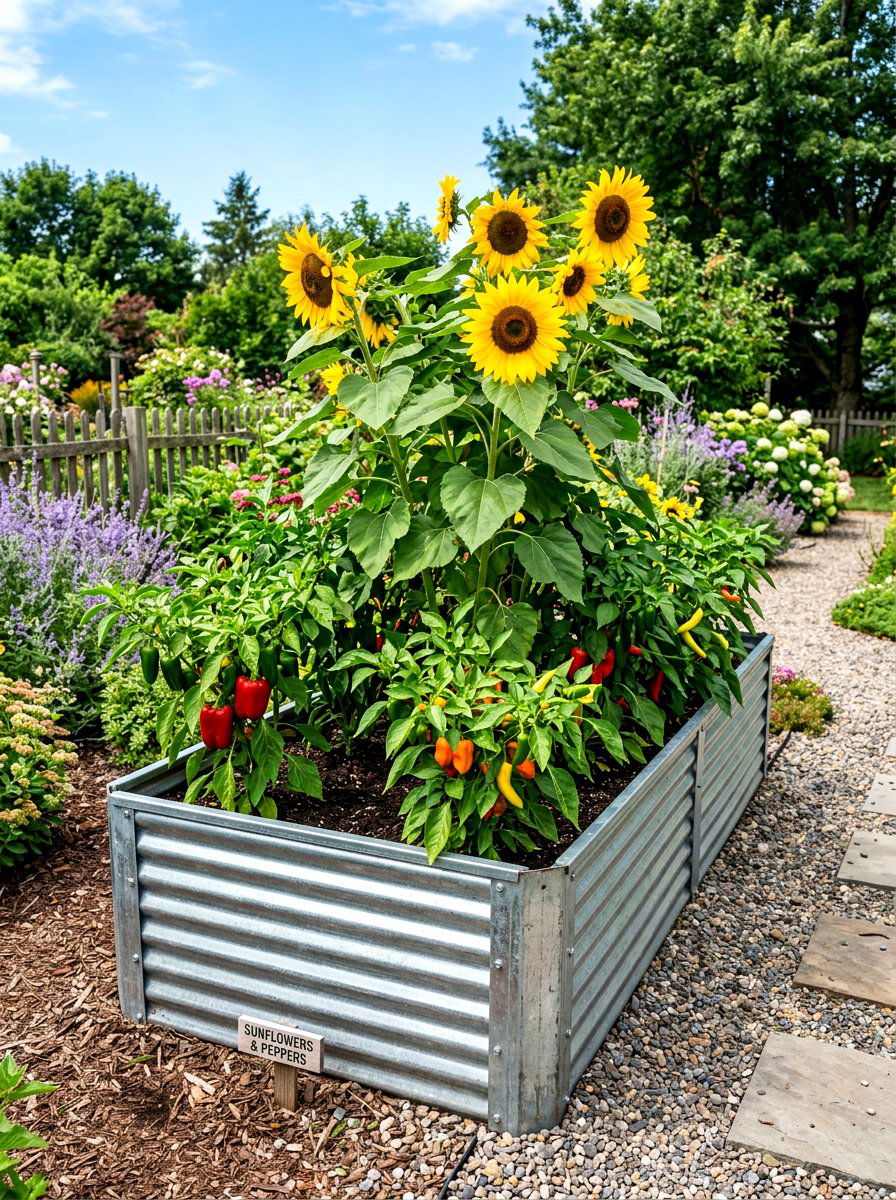
Using corrugated or galvanized metal for your raised bed arrangement brings a cool, industrial-chic vibe to your outdoor space. These beds are incredibly durable and long-lasting because they do not rot like wood and can withstand harsh weather conditions for many years. Metal beds also tend to warm up faster in the spring, giving your seeds a head start in the cooler months. You can arrange them in long, sleek rows or circular clusters to match the style of your home's exterior. The bright, reflective surface of the metal adds a modern touch that contrasts beautifully with the soft textures of organic greenery and colorful blooms.
17. Side Yard Raised Bed
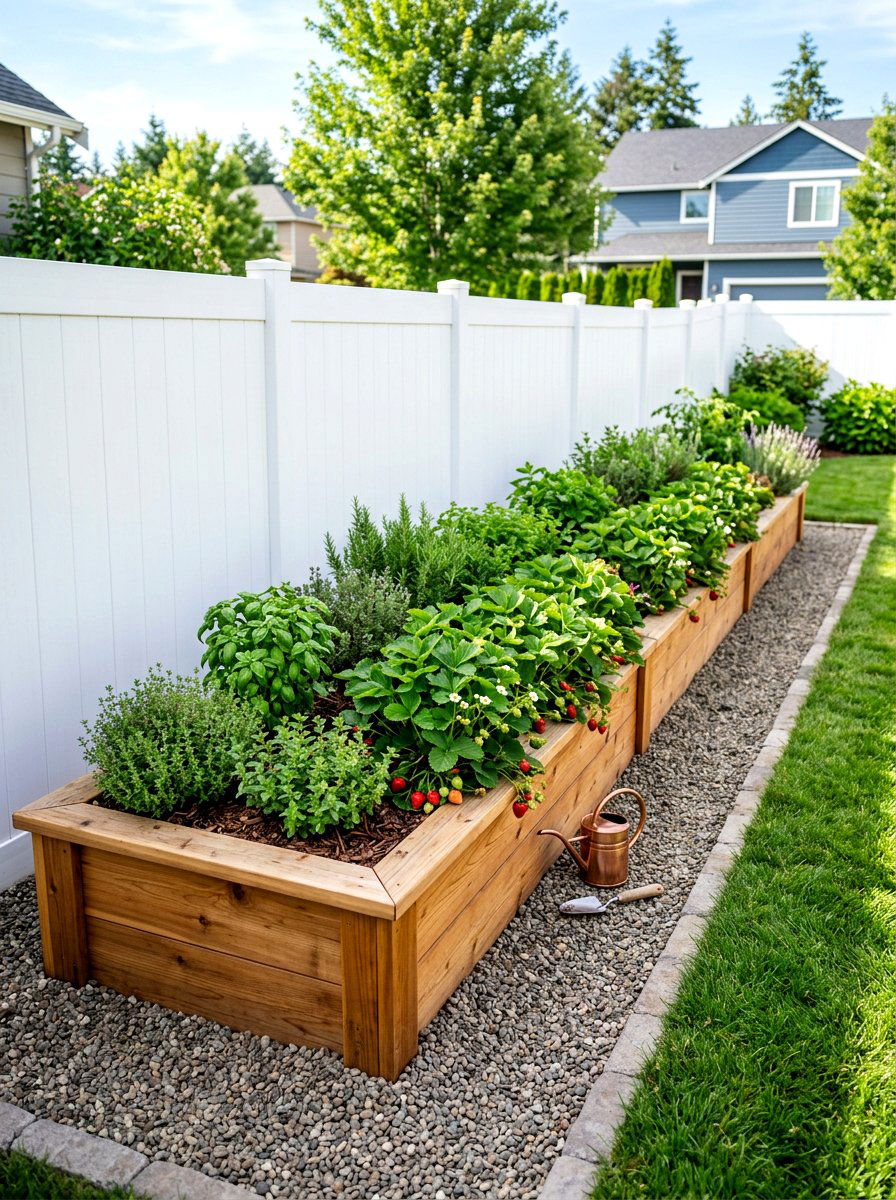
The narrow strip of land along the side of a house is often wasted space, but a side yard raised bed arrangement can change that. By installing long, skinny beds that run parallel to the house or fence, you can grow a surprising amount of food in a very tight area. This layout keeps the main part of your yard open for lawn games or entertaining while making use of every available inch of sun. You can use cedar or composite materials to match the siding of your home for a cohesive and polished look. It is an ideal spot for a dedicated strawberry patch or a row of fresh culinary herbs.
18. Perimeter Raised Bed
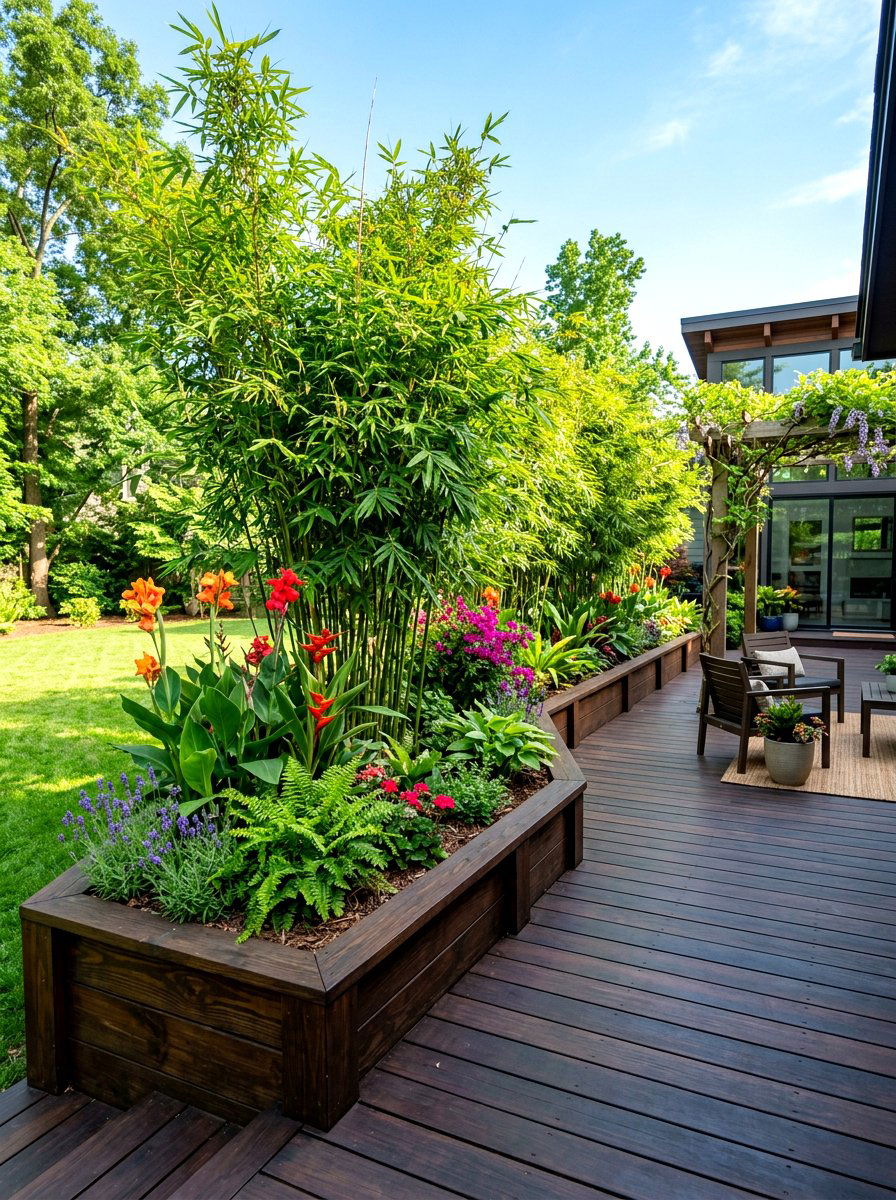
A perimeter raised bed arrangement involves placing garden boxes all along the edges of your property or deck. This layout acts as a living border that defines the boundaries of your yard while providing plenty of room for planting. It is a fantastic way to add privacy if you plant tall sunflowers, corn, or vining plants on trellises within the beds. By keeping the garden to the edges, you maintain a large, open central area for kids and pets to play. This arrangement also makes irrigation easier to manage, as you can run a single drip line around the entire outer edge of your backyard space.
19. Island Raised Bed
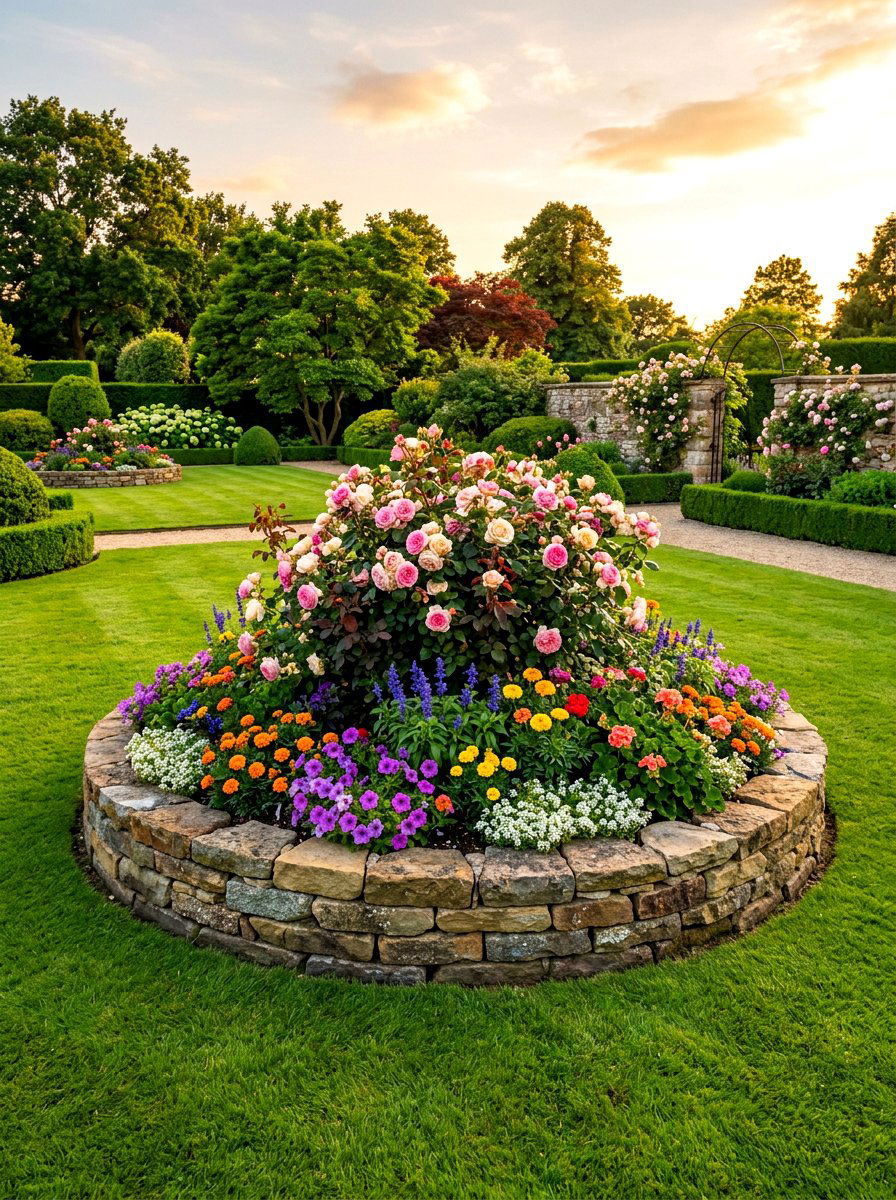
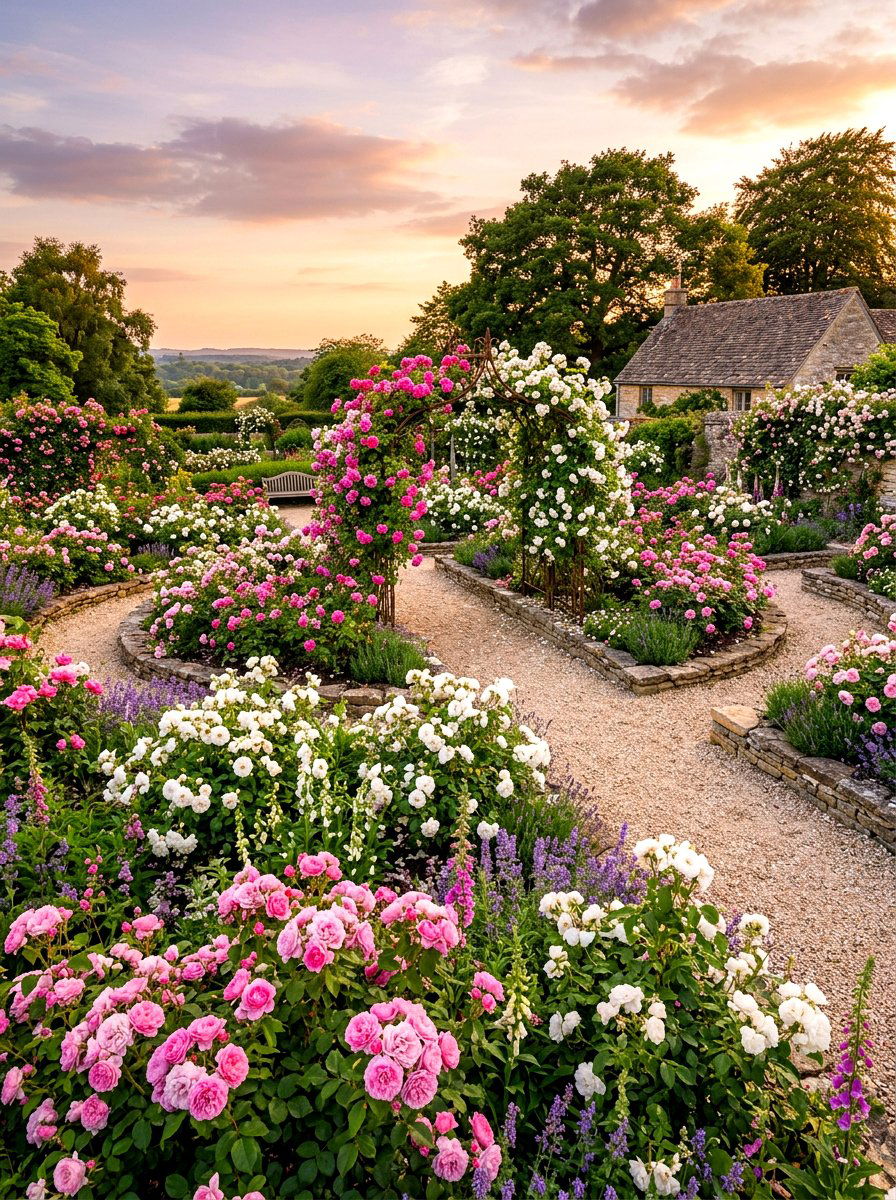
An island raised bed arrangement treats the garden like a beautiful piece of sculpture in the middle of a lawn or patio. This standalone bed is designed to be accessible from all four sides, making it a highly practical focal point for any outdoor area. It is a great choice for a dedicated rose garden or a mixed vegetable patch that you want to highlight as the star of your landscape. Because it is detached from other structures, it allows for excellent air circulation and receives maximum sunlight throughout the day. You can surround the island with a path of stepping stones to protect the grass from heavy foot traffic.
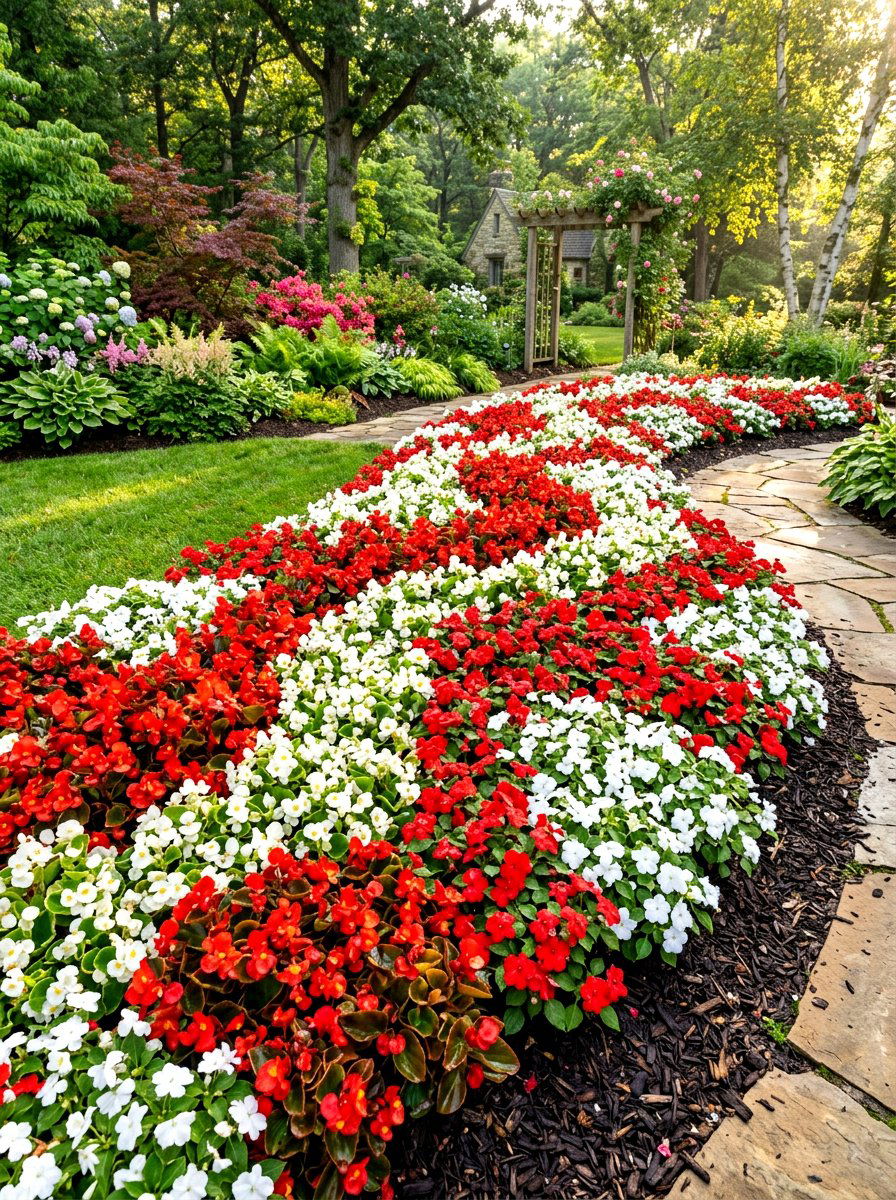
20. Stone Raised Bed
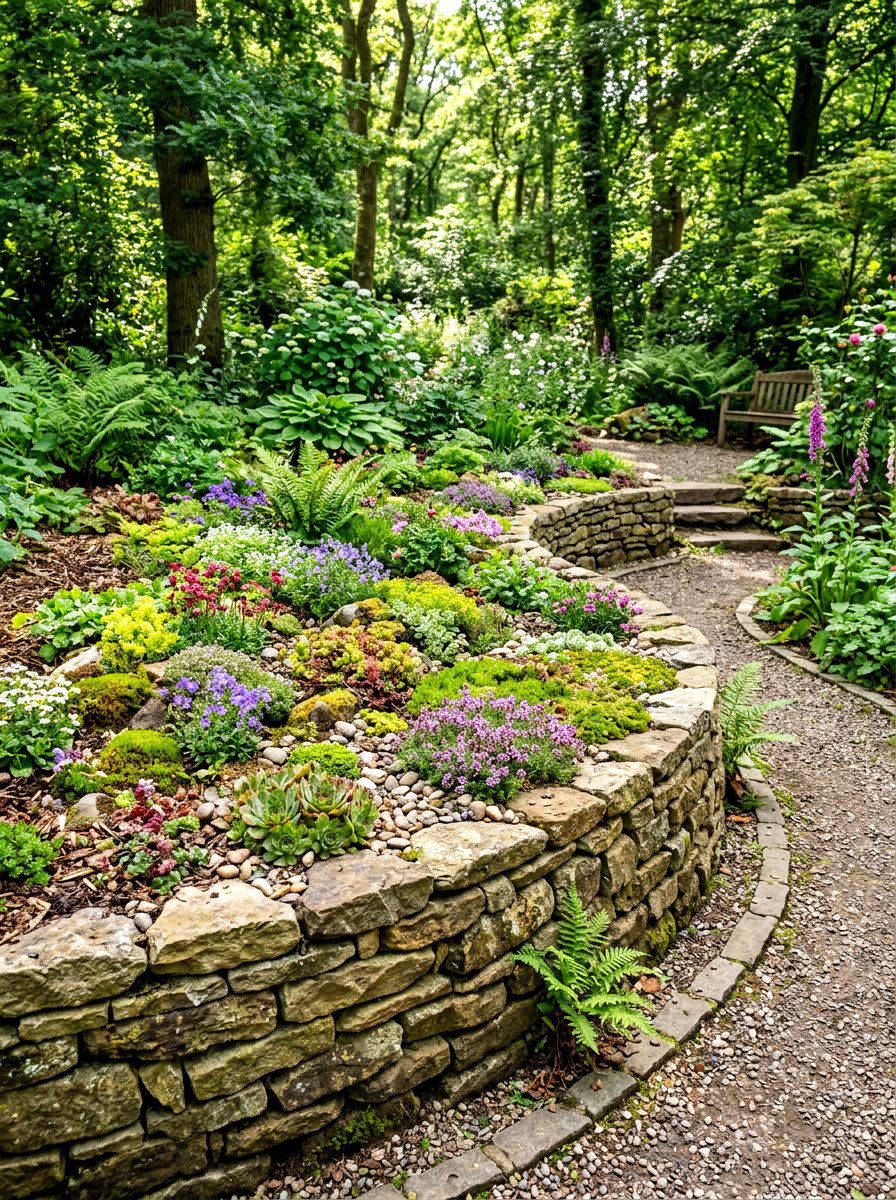
Building your raised bed arrangement out of natural stone or decorative blocks creates a sense of permanence and classic elegance. Stone beds blend seamlessly into the landscape, appearing like a natural part of the terrain rather than an added structure. This material is excellent at regulating soil temperature, keeping roots cool in the summer and warm in the winter. You can stack the stones in a rustic, informal way for a cottage garden look or use cut blocks for a more formal and clean-lined aesthetic. The heavy mass of the stone prevents the beds from shifting over time, ensuring your garden stays beautiful for decades to come.
21. Cold Frame Raised Bed
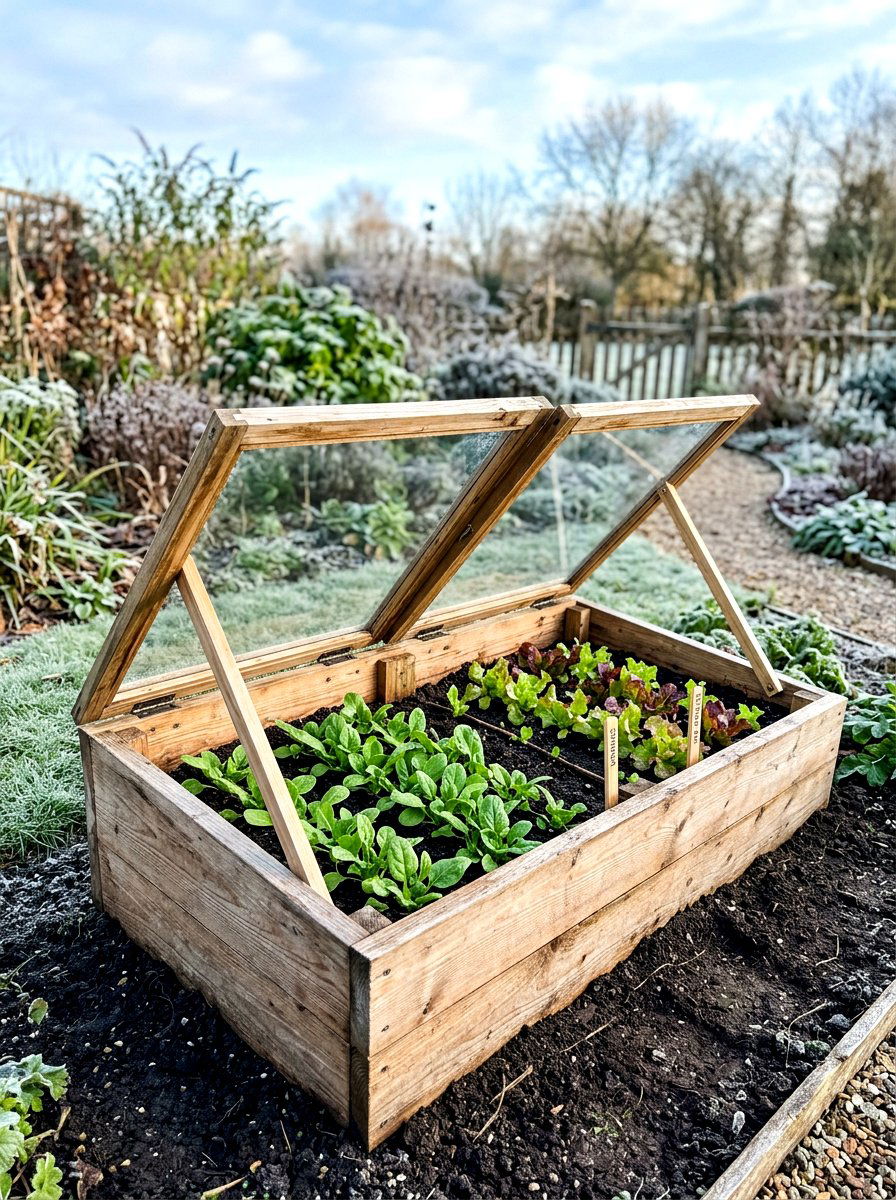
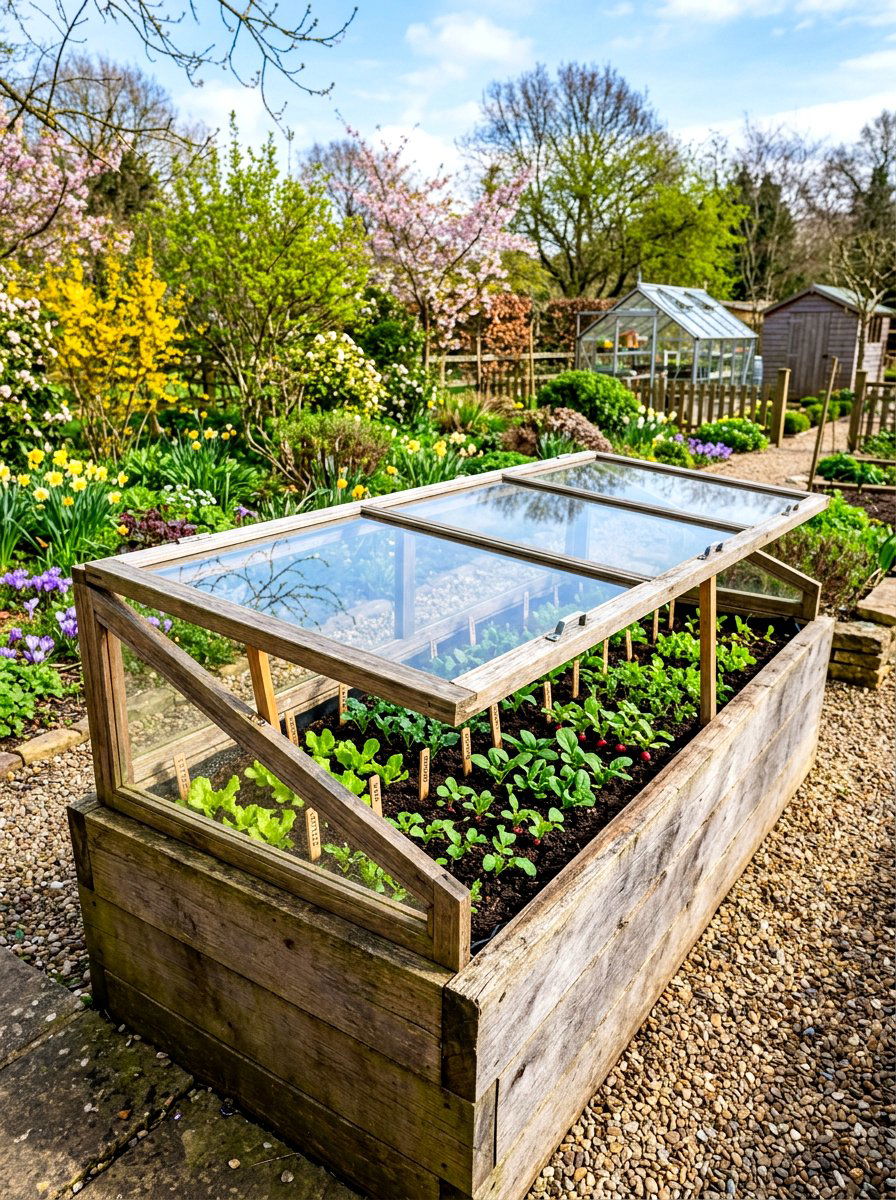
A cold frame raised bed arrangement is the ultimate setup for gardeners who want to grow food all year round. These beds feature integrated clear lids made of glass or polycarbonate that act like miniature greenhouses for your plants. By trapping heat from the sun, they protect delicate seedlings from frost and allow you to harvest fresh greens even in the middle of winter. You can arrange these beds in a sunny, south-facing spot to maximize their heat-collecting potential. The lids can be propped open on warm days for ventilation and closed tight at night to keep the interior cozy and safe for your cold-weather crops.
22. Companion Raised Bed
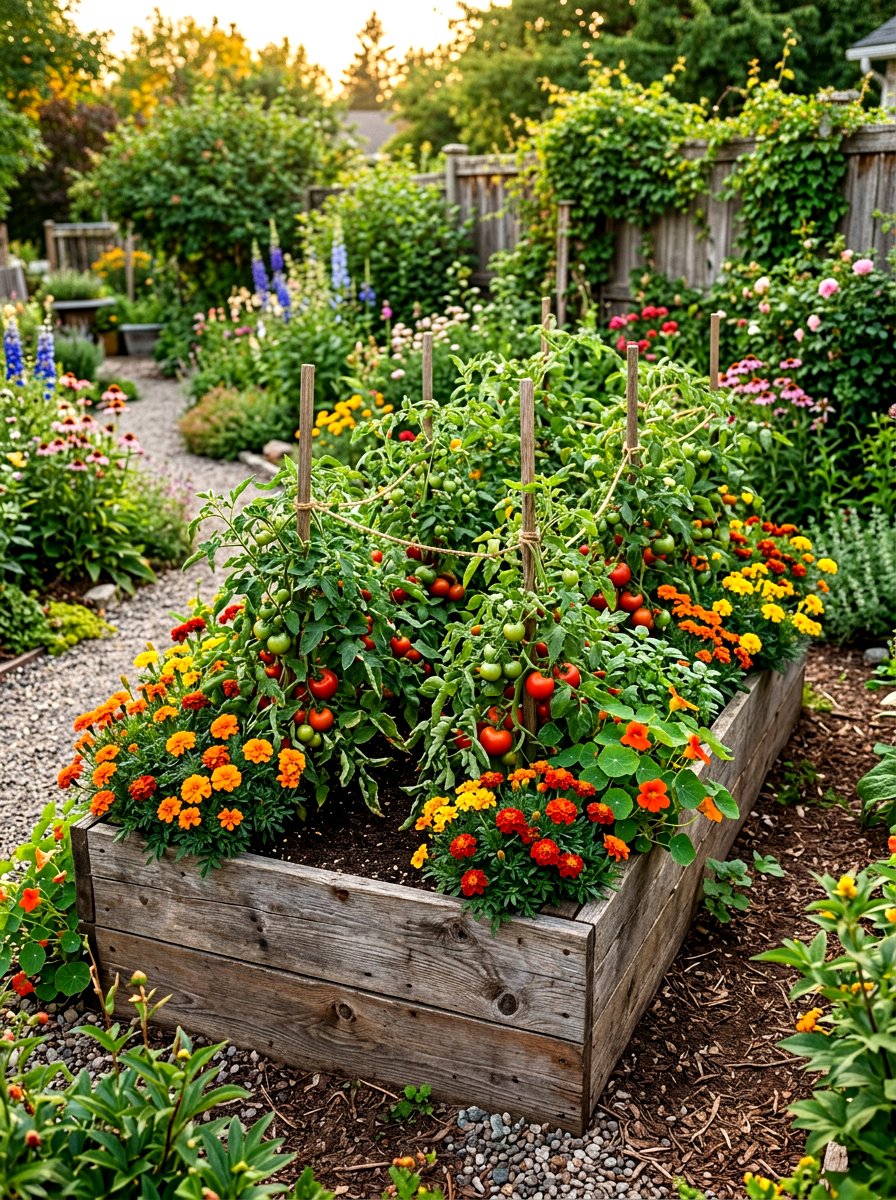
The companion raised bed arrangement focuses on the strategic placement of different plant species to help them grow better together. Instead of planting a single crop in each box, you arrange flowers, herbs, and vegetables in a way that naturally repels pests and improves soil health. For example, you might plant marigolds alongside tomatoes to keep insects away or basil near peppers to enhance their flavor. This layout creates a wild, lush, and biodiverse look that is both beautiful and eco-friendly. It mimics the complexity of nature, leading to a more resilient garden that requires fewer chemical interventions to stay healthy and productive throughout the year.
23. Waist High Raised Bed
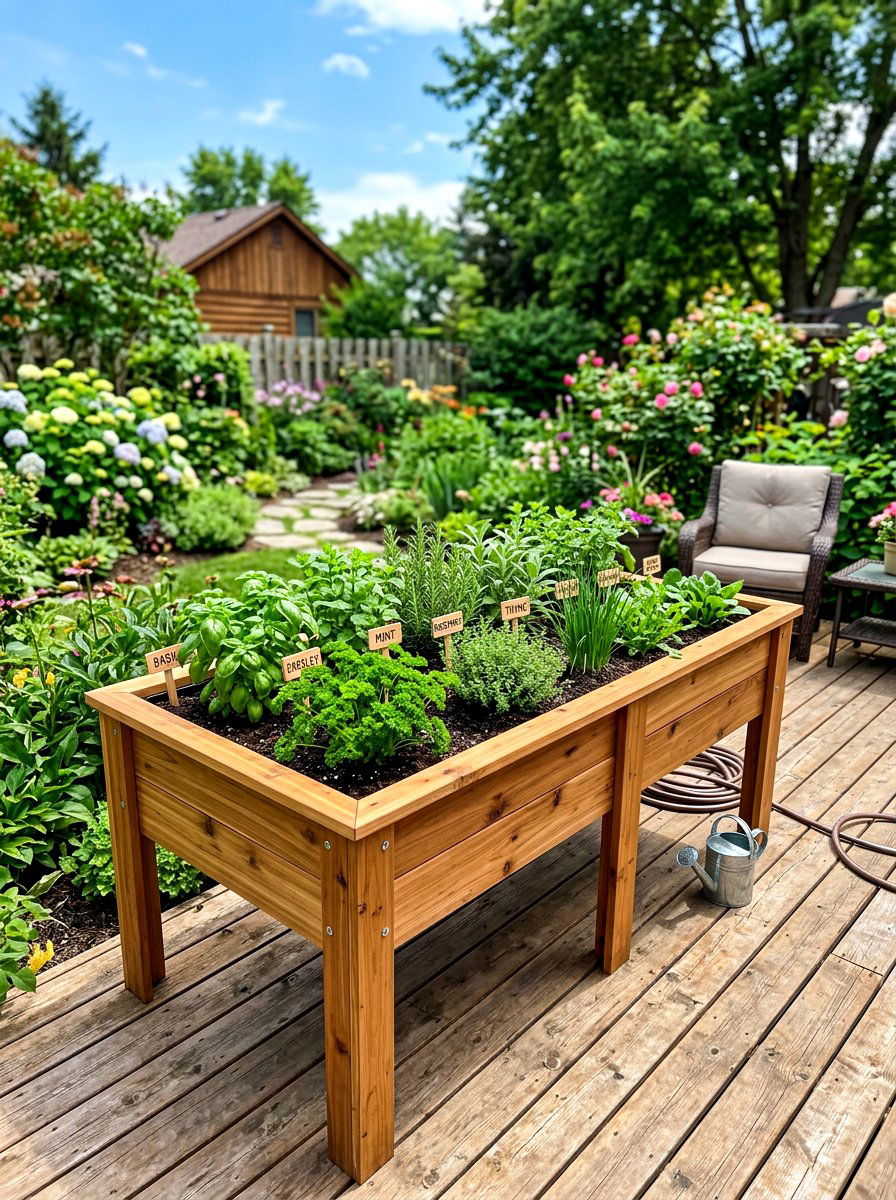
For those who want to avoid bending or kneeling altogether, a waist-high raised bed arrangement is a game-changer for physical comfort. These beds are built on sturdy legs or have very tall sides that bring the soil level up to a comfortable standing height. This layout is perfect for elderly gardeners or people with mobility issues who still want to enjoy the therapeutic benefits of growing their own food. It also keeps your plants safely away from ground-dwelling pests like slugs and rabbits. You can arrange these elevated planters on a patio or deck, making your garden feel like an extension of your indoor living room.
24. Trellis Raised Bed
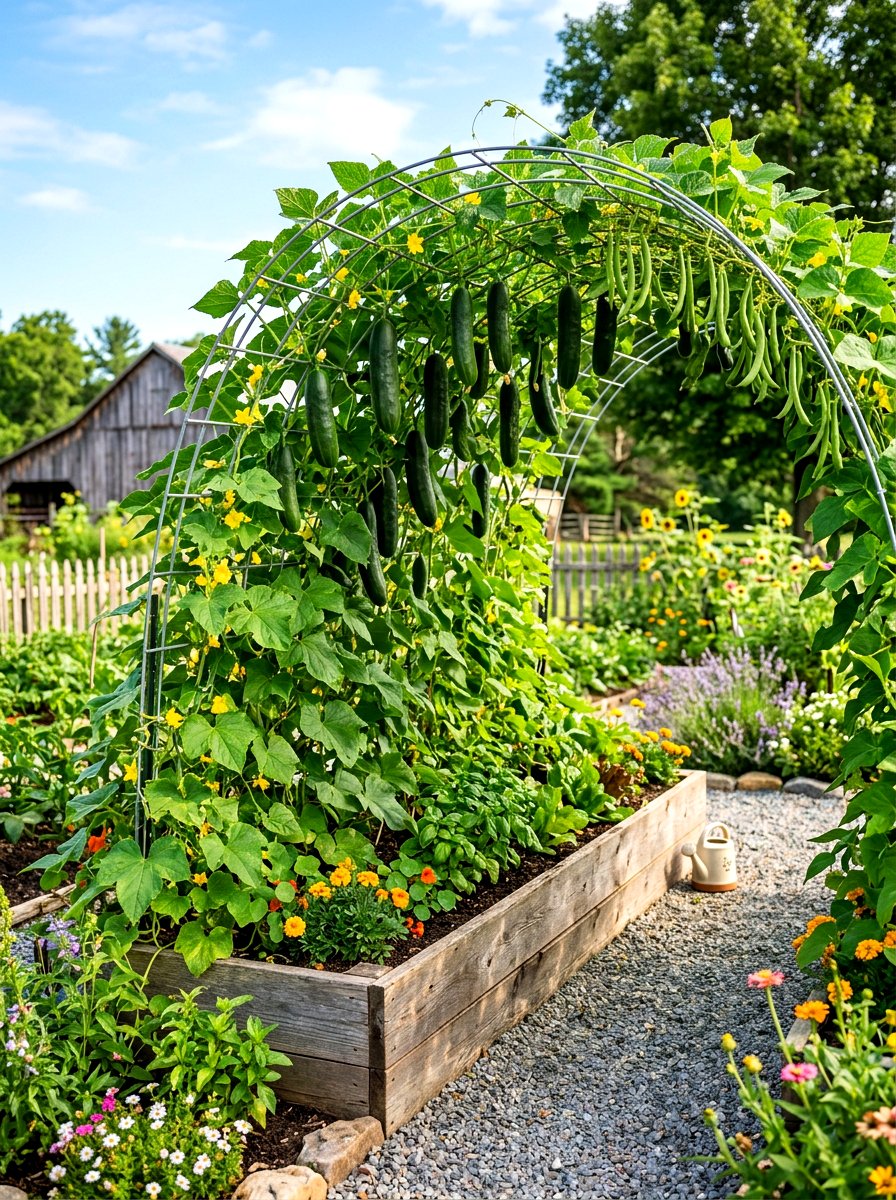
Adding a trellis to your raised bed arrangement is a smart way to expand your garden vertically and save valuable ground space. You can connect two parallel beds with a large cattle panel arch or attach flat trellises to the back of each box for climbing plants. This layout is perfect for growing heavy crops like squash, melons, or pole beans that would otherwise take up the entire bed. The vertical growth creates a stunning visual screen that can provide shade for more delicate plants below. It turns your garden into a three-dimensional landscape that feels lush, productive, and professionally designed with very little extra effort.
25. Low Profile Raised Bed
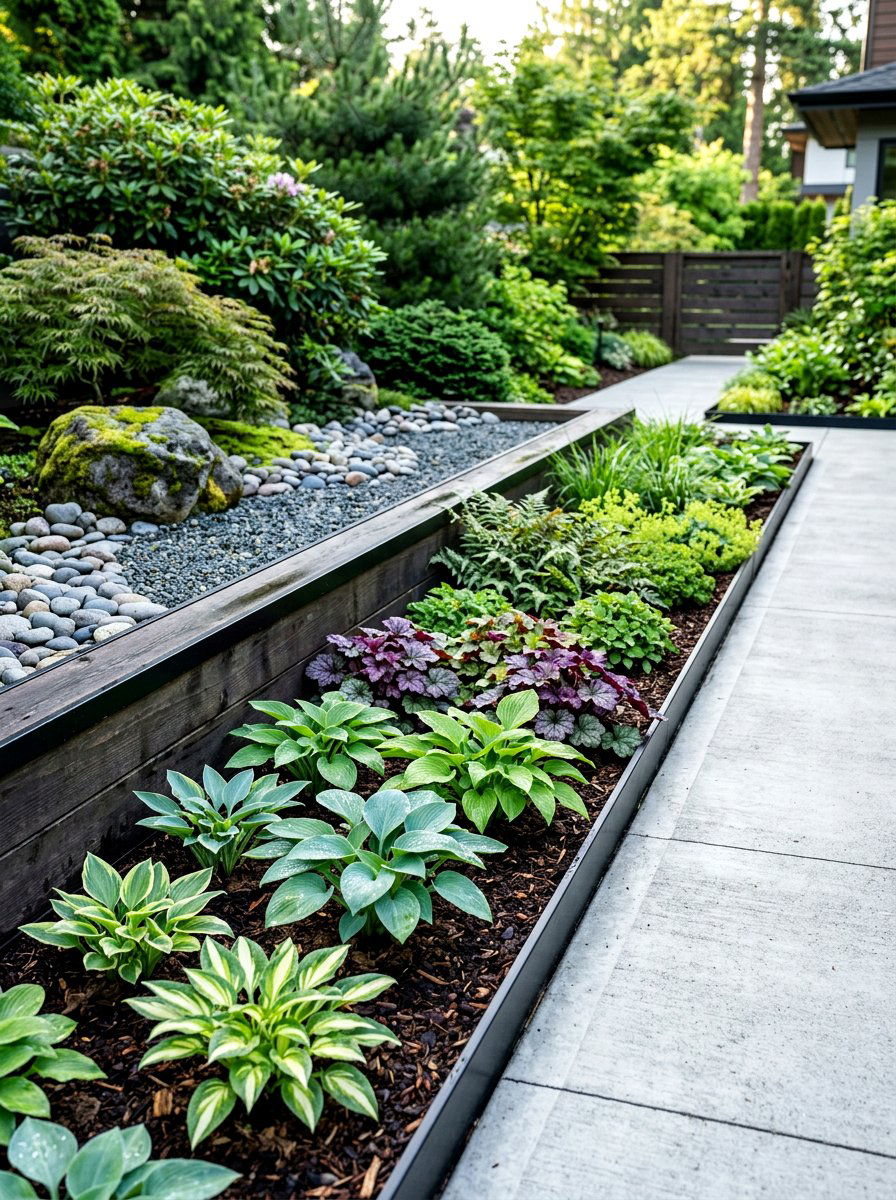
A low-profile raised bed arrangement is a subtle and modern way to define your planting areas without creating tall barriers. These beds are usually only six to eight inches high, providing just enough elevation to improve drainage while keeping a sleek, minimalist look. They are often used as borders along paths or to highlight specific ornamental trees and shrubs within a lawn. This arrangement works beautifully in contemporary landscapes where you want a clean edge between the garden and the walking surfaces. Because they are low to the ground, they are very easy to fill and maintain, making them a great choice for casual home gardeners.
26. Mobile Raised Bed
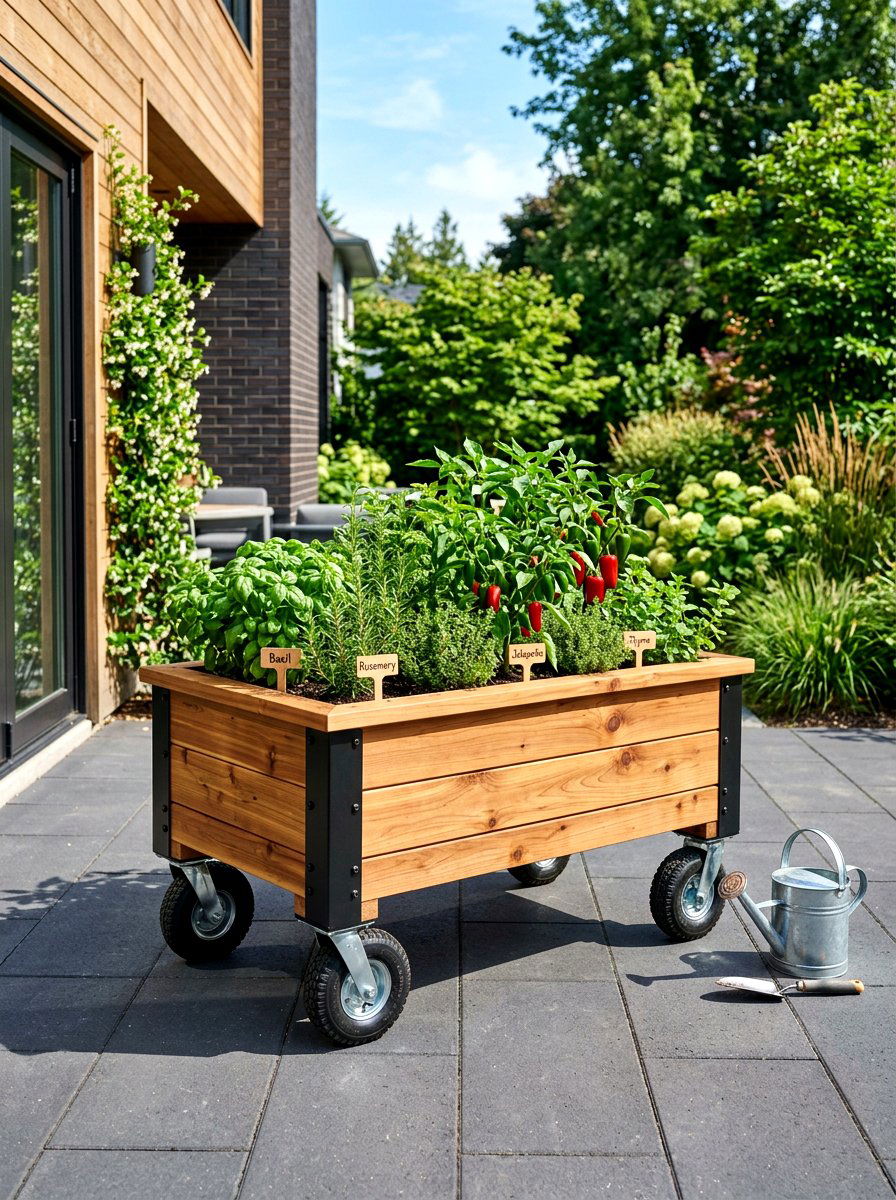
A mobile raised bed arrangement is the perfect solution for people who have changing light conditions throughout the day or season. These beds are built with heavy-duty casters on the bottom, allowing you to roll your garden to the sunniest spot on your patio or driveway. This flexibility is also helpful if you need to clear your outdoor space for entertaining or move delicate plants into a garage during a storm. You can arrange several of these rolling planters in a cluster to create a temporary green wall or spread them out for easier access. It is a highly versatile option for modern urban dwellers with limited outdoor footprints.
27. Sunken Path Raised Bed
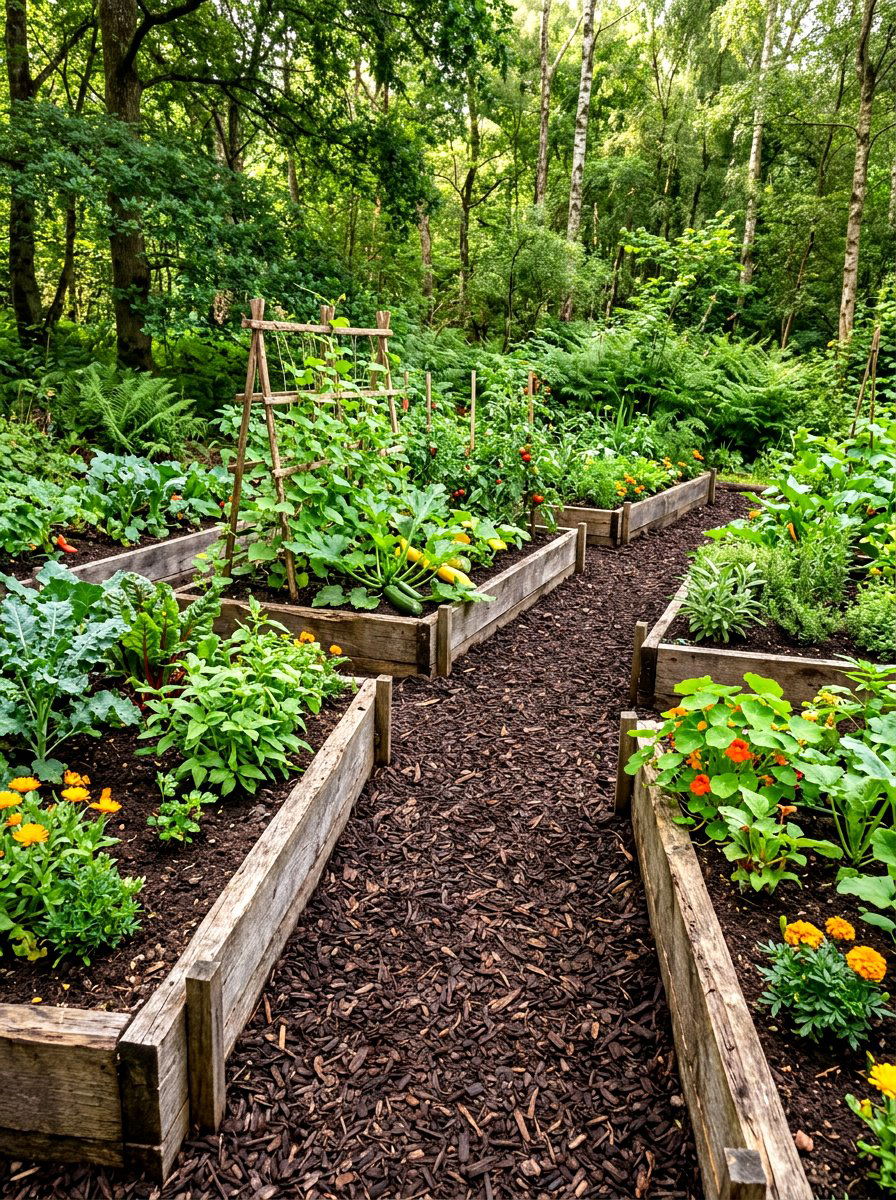
The sunken path raised bed arrangement is a classic design trick that makes your garden beds appear much taller and more impressive. By excavating the walkways between the beds and using that soil to fill the boxes, you create a dramatic height difference that makes harvesting very easy. This layout also helps with water management, as the paths can act as natural swales to capture and hold moisture during heavy rains. The deep paths create a sense of immersion, making you feel like you are walking through a lush canyon of greenery. It is a powerful way to add structure and a sense of scale to a flat backyard.
28. Greenhouse Raised Bed
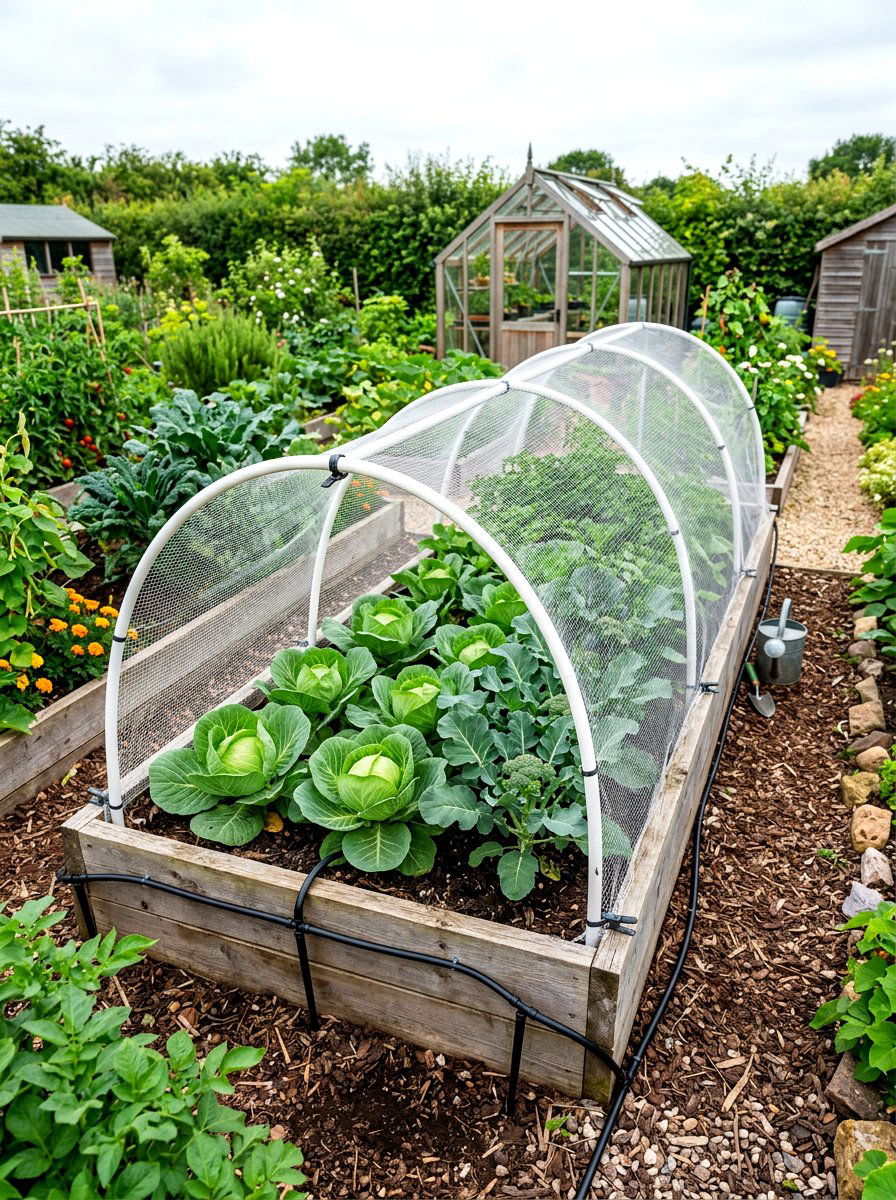
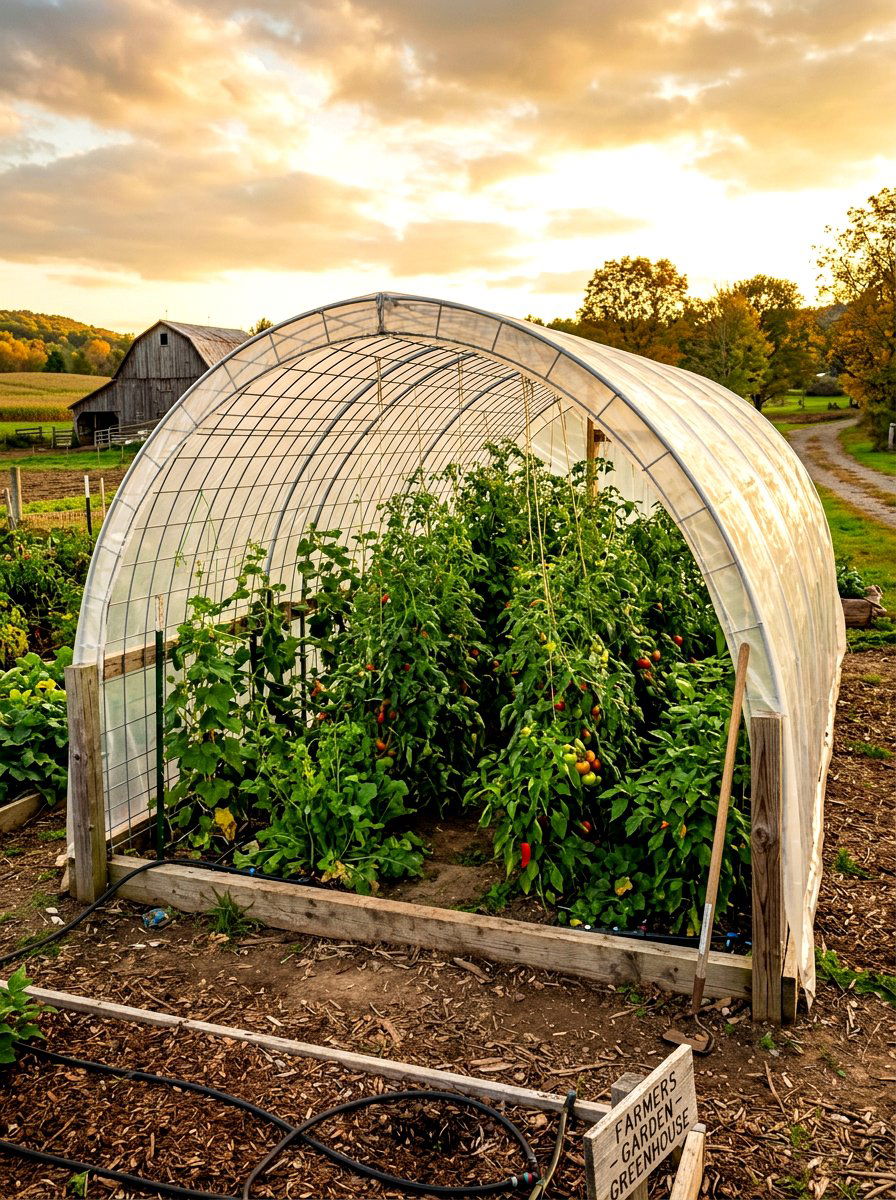
Integrating a hoop house or a mini-greenhouse structure directly into your raised bed arrangement provides the ultimate protection for your plants. This setup uses flexible PVC or metal pipes to create a frame over the bed, which is then covered with clear plastic or mesh. It creates a controlled environment that protects your crops from extreme heat, heavy rain, or flying pests. You can arrange these covered beds in a row to create a high-tech kitchen garden that is productive in almost any weather. The covers can be easily swapped out for bird netting in the summer or frost blankets in the fall for year-round versatility.
29. Cinder Block Raised Bed
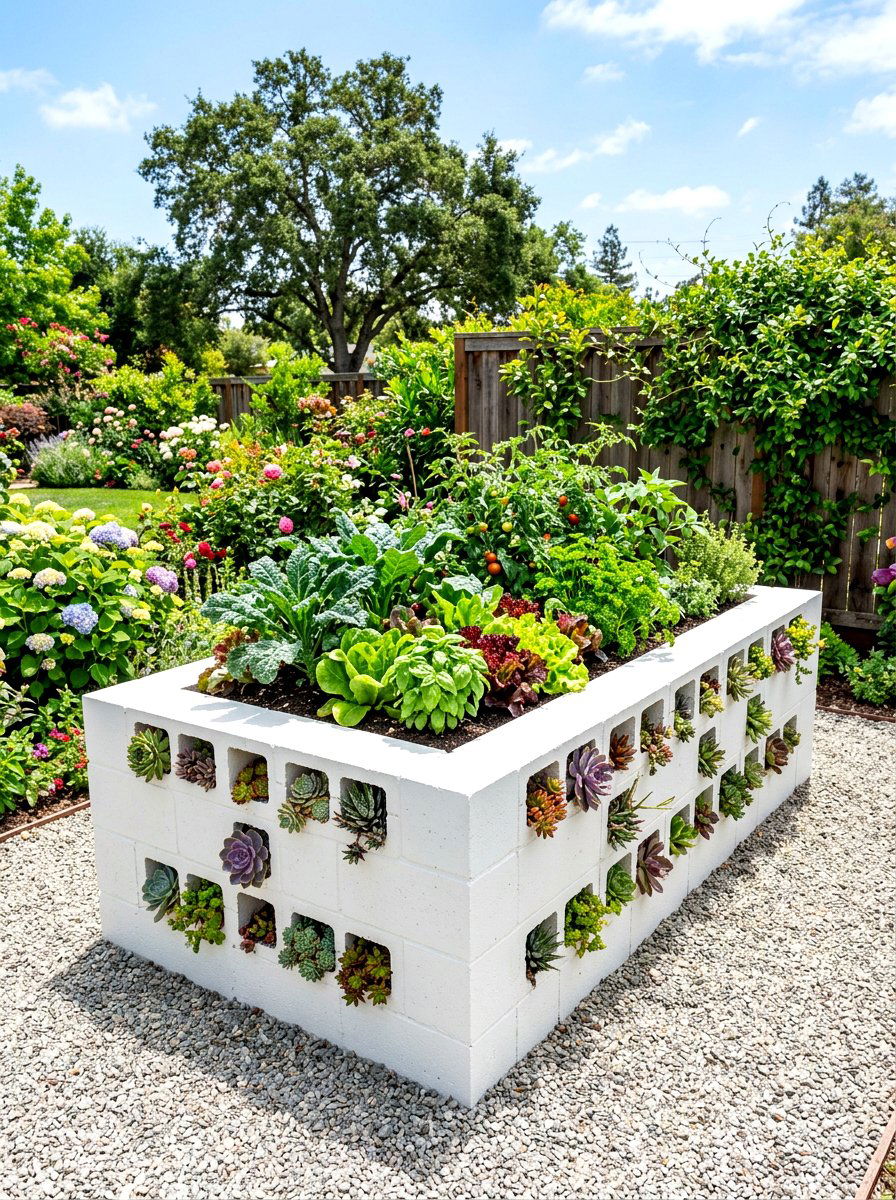
A cinder block raised bed arrangement is an affordable and incredibly sturdy way to build a custom garden layout. The modular nature of the blocks allows you to create any shape or size you want, from simple rectangles to complex geometric patterns. You can even use the small holes in the blocks to plant tiny succulents or trailing herbs, making use of every possible growing space. These beds can be painted or stuccoed to match the exterior of your home, giving them a high-end look on a budget. The heavy blocks provide excellent insulation for the soil, keeping the root systems of your plants stable and healthy.
30. Small Space Raised Bed
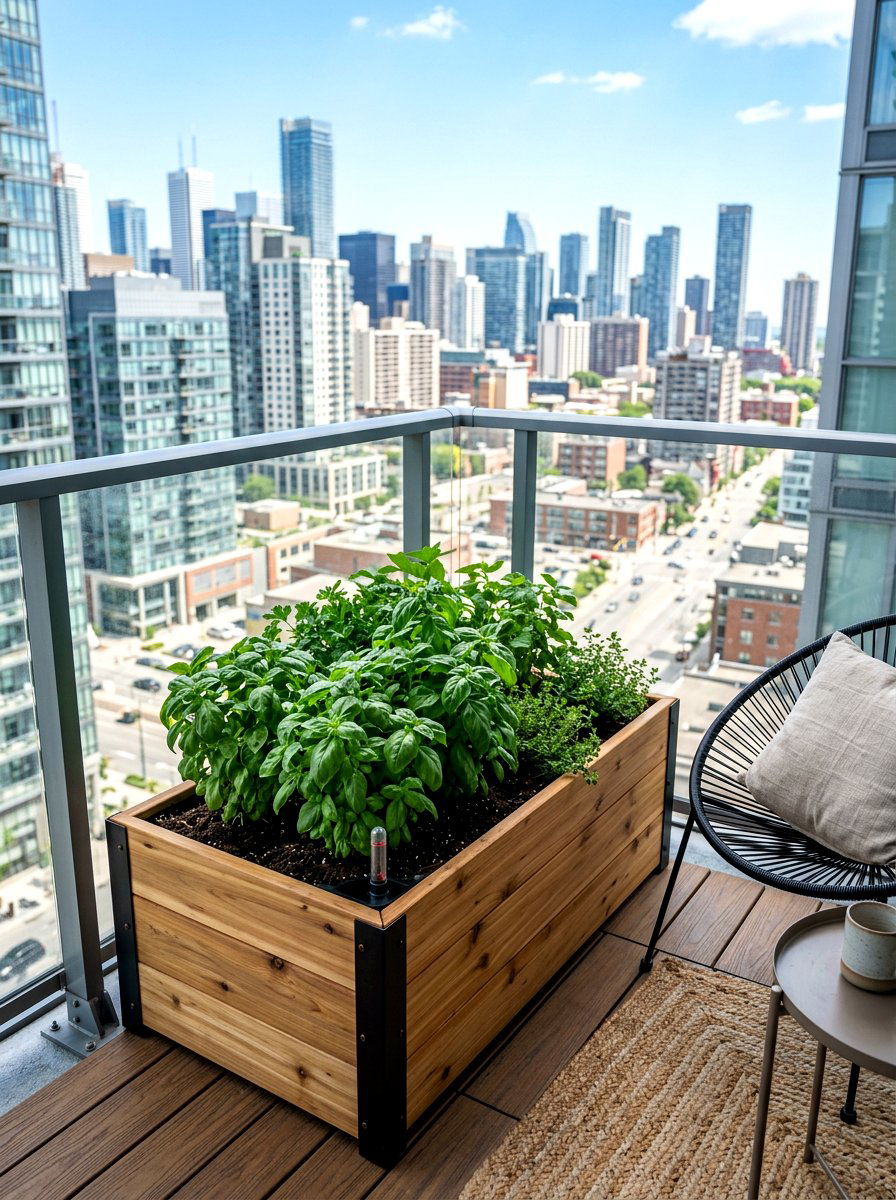
If you only have a tiny balcony or a small concrete patio, a small space raised bed arrangement can still provide a huge harvest. This layout uses compact, deep planters or "cube" beds that are specifically designed for tight urban environments. By arranging a few of these small units in a sunny corner, you can grow all the ingredients for a fresh salad or a pot of homemade pasta sauce. These arrangements often include self-watering reservoirs to keep maintenance to a minimum during hot weather. It is a testament to the fact that you do not need a massive backyard to enjoy the joys of harvesting your own fresh food.
Conclusion:
Planning the perfect raised bed arrangement is a rewarding process that combines practical needs with your personal design style. By considering factors like sunlight, accessibility, and the specific crops you want to grow, you can create a garden that is both highly productive and visually stunning. Whether you choose the symmetry of a four-square layout or the innovative space-saving of vertical beds, your garden will become a cherished part of your home. These arrangements provide a solid foundation for your plants to thrive, ensuring that your gardening journey is successful and enjoyable for many years. Start small or go big; the right layout makes all the difference in your outdoor experience.

Related posts: