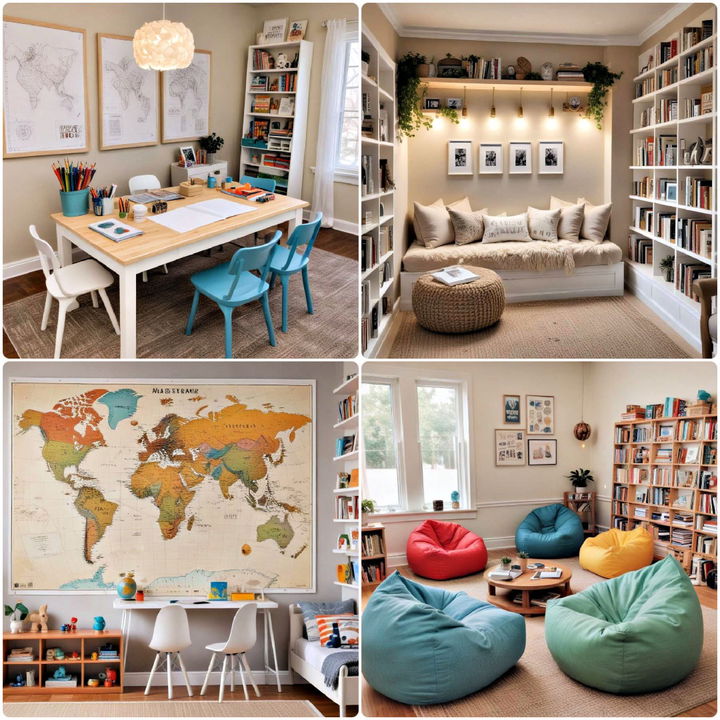
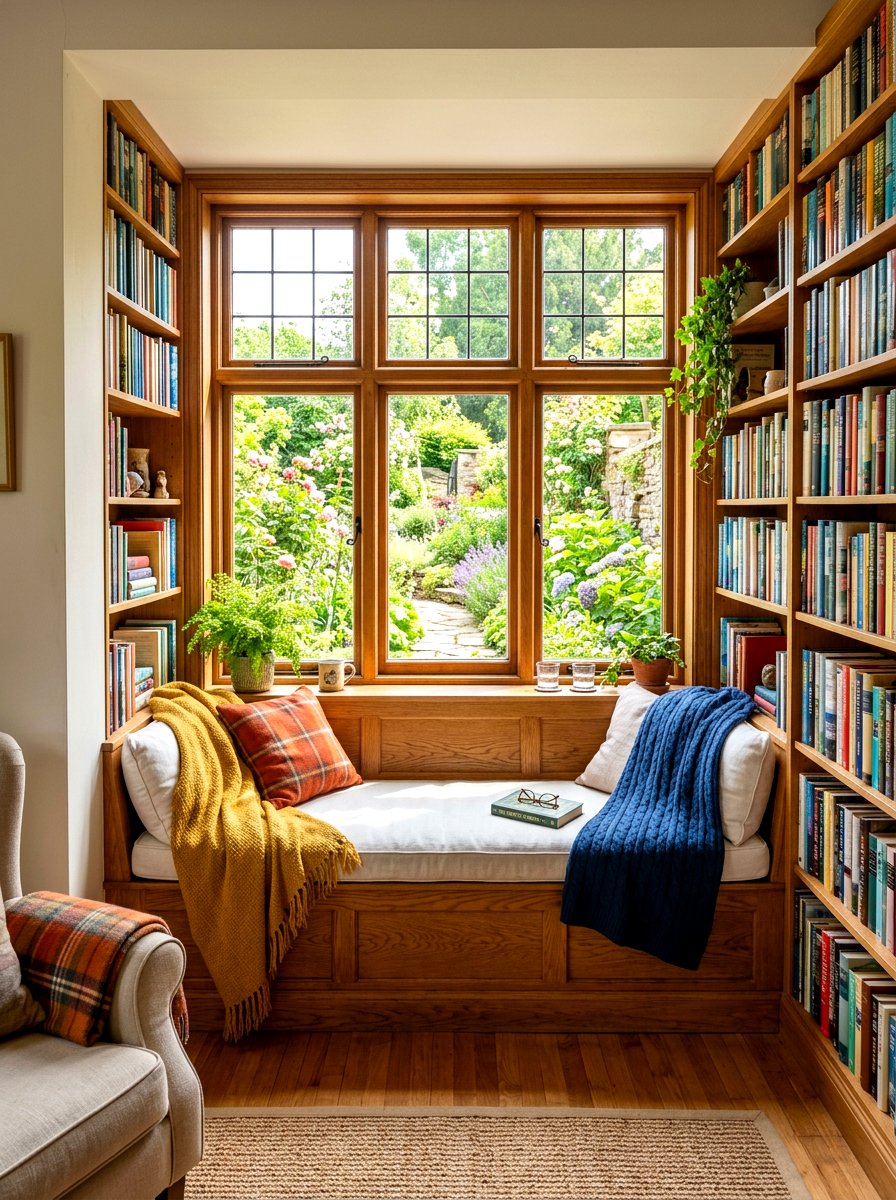
Creating an inspiring educational environment at home is a transformative journey that allows families to tailor learning to their unique needs. Whether you have a dedicated wing of the house or a tiny corner in the living room, a thoughtful setup fosters curiosity and focus. Many parents are moving away from traditional classroom aesthetics toward spaces that feel warm, functional, and integrated with their home style. A well-designed homeschool room encourages independence while providing the resources necessary for academic success. By focusing on organization, comfort, and personal expression, you can build a sanctuary where your children feel motivated to explore new concepts and develop lifelong skills every day.
1. Minimalist Homeschool Room
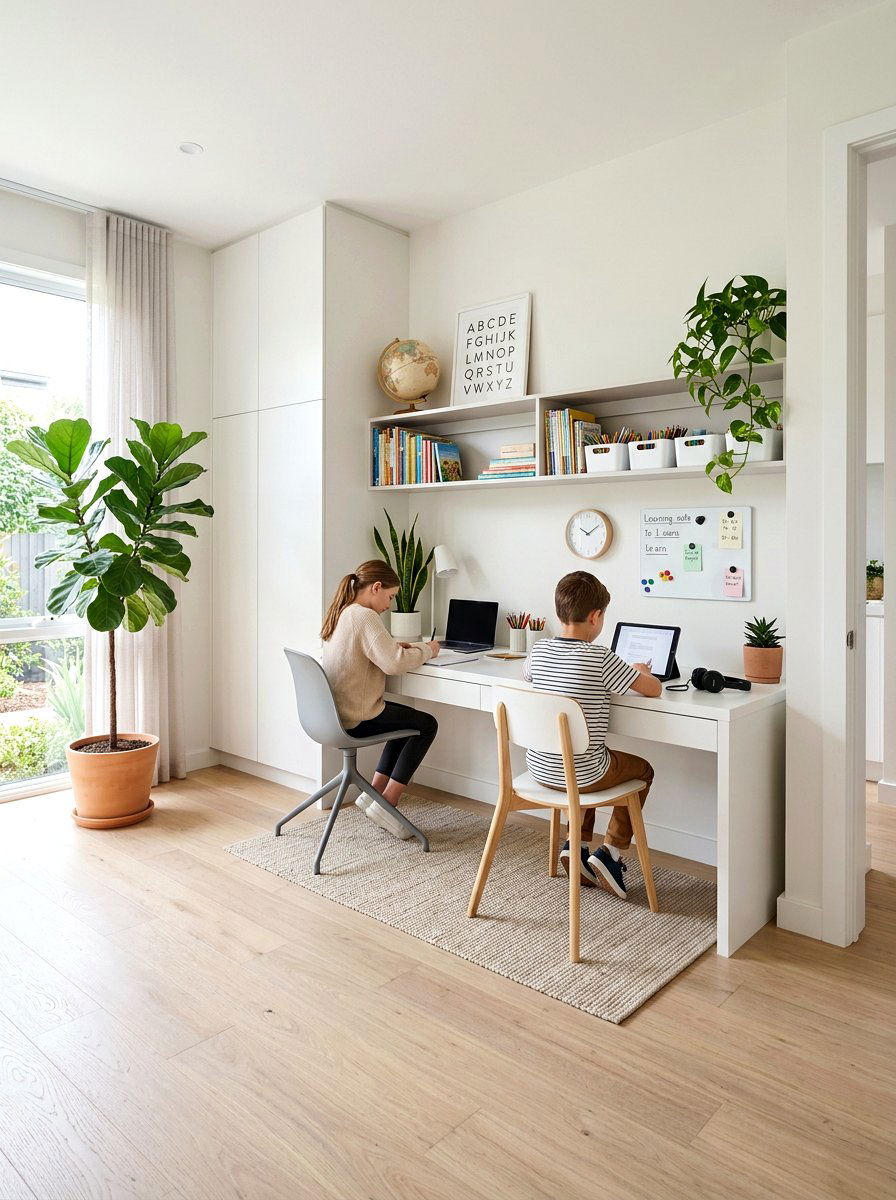
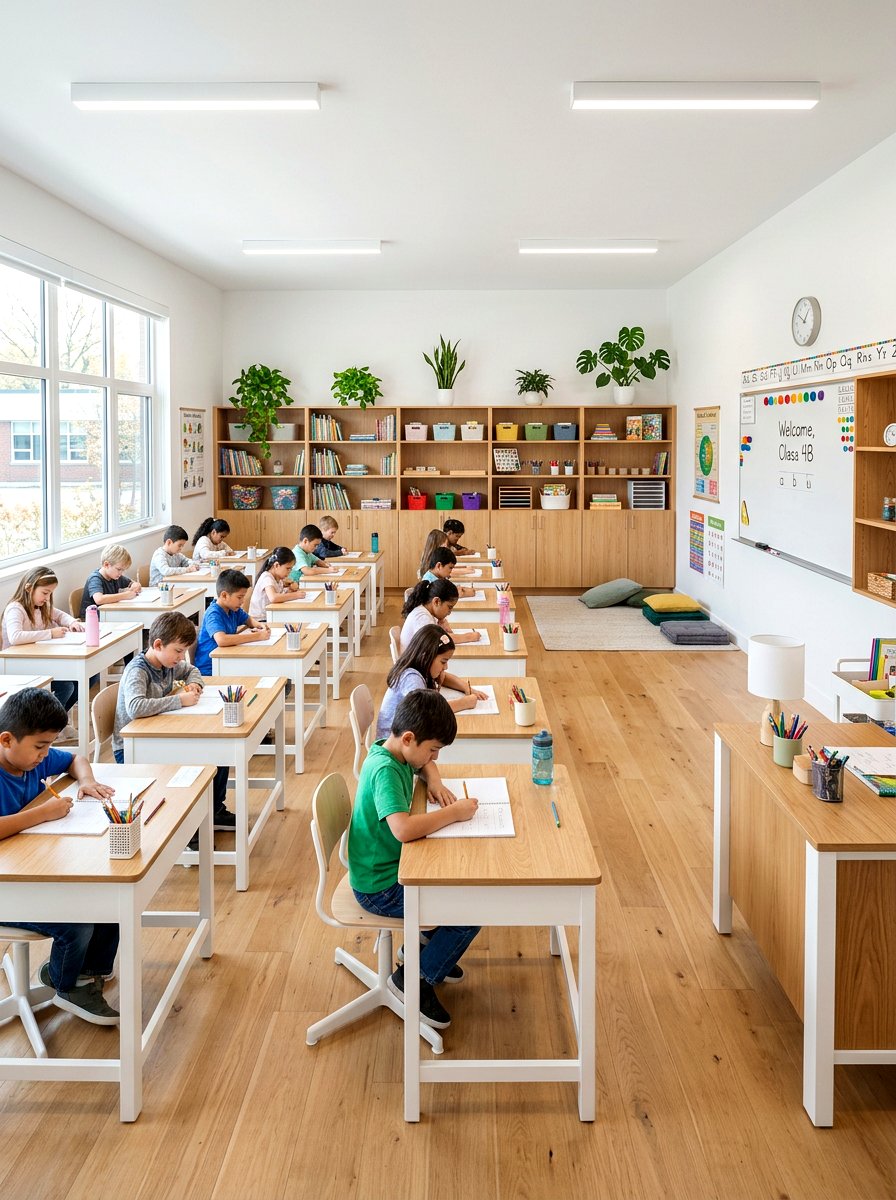
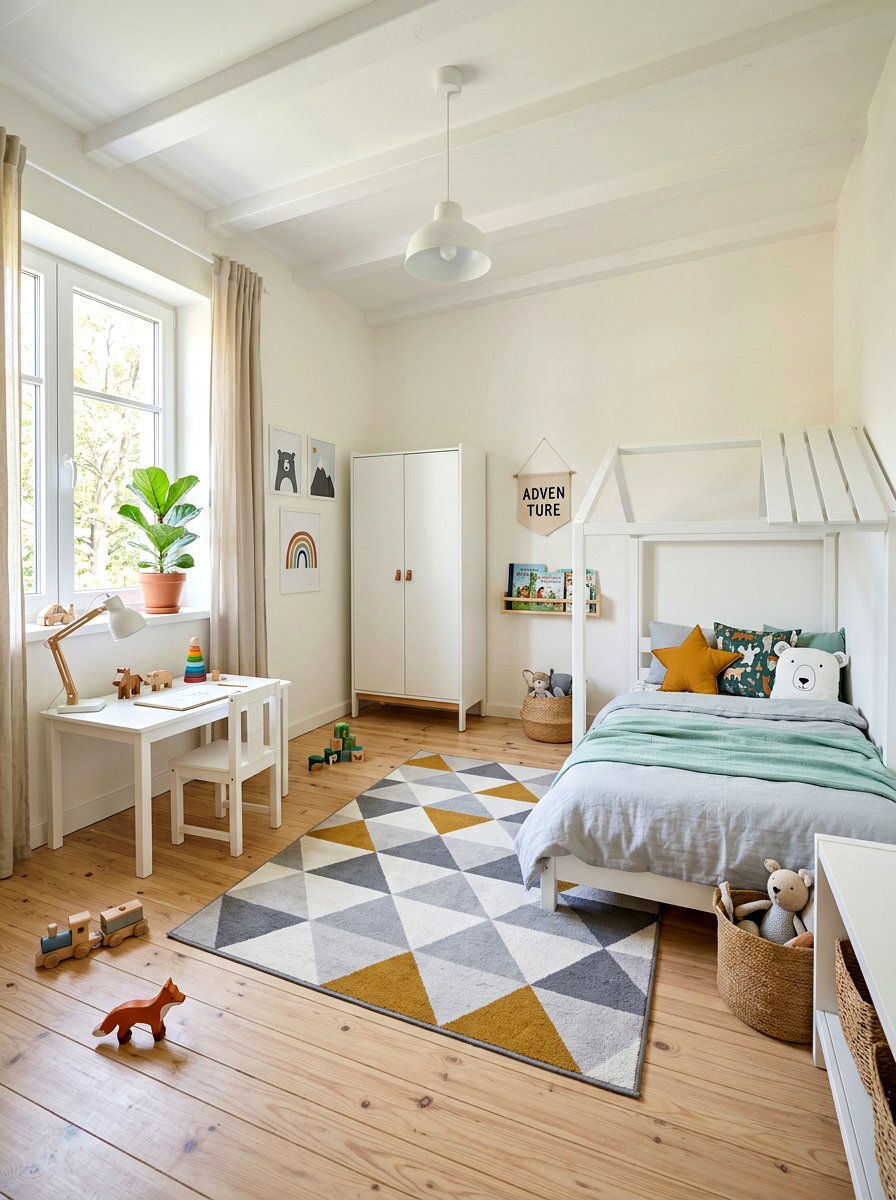
Starting with a simple look helps reduce distractions for kids who easily lose focus during lessons. Have you ever noticed how a cluttered desk leads to a cluttered mind? By choosing neutral colors and clean lines, you create a calming environment where the curriculum takes center stage. This setup often features white walls, light wood furniture, and hidden storage solutions to keep supplies out of sight. It works perfectly for families who prefer a modern aesthetic that blends seamlessly with the rest of the house. You can add a few plants to provide a breath of fresh air without overwhelming the senses of your young students.
2. Shared Sibling Homeschool Workspace
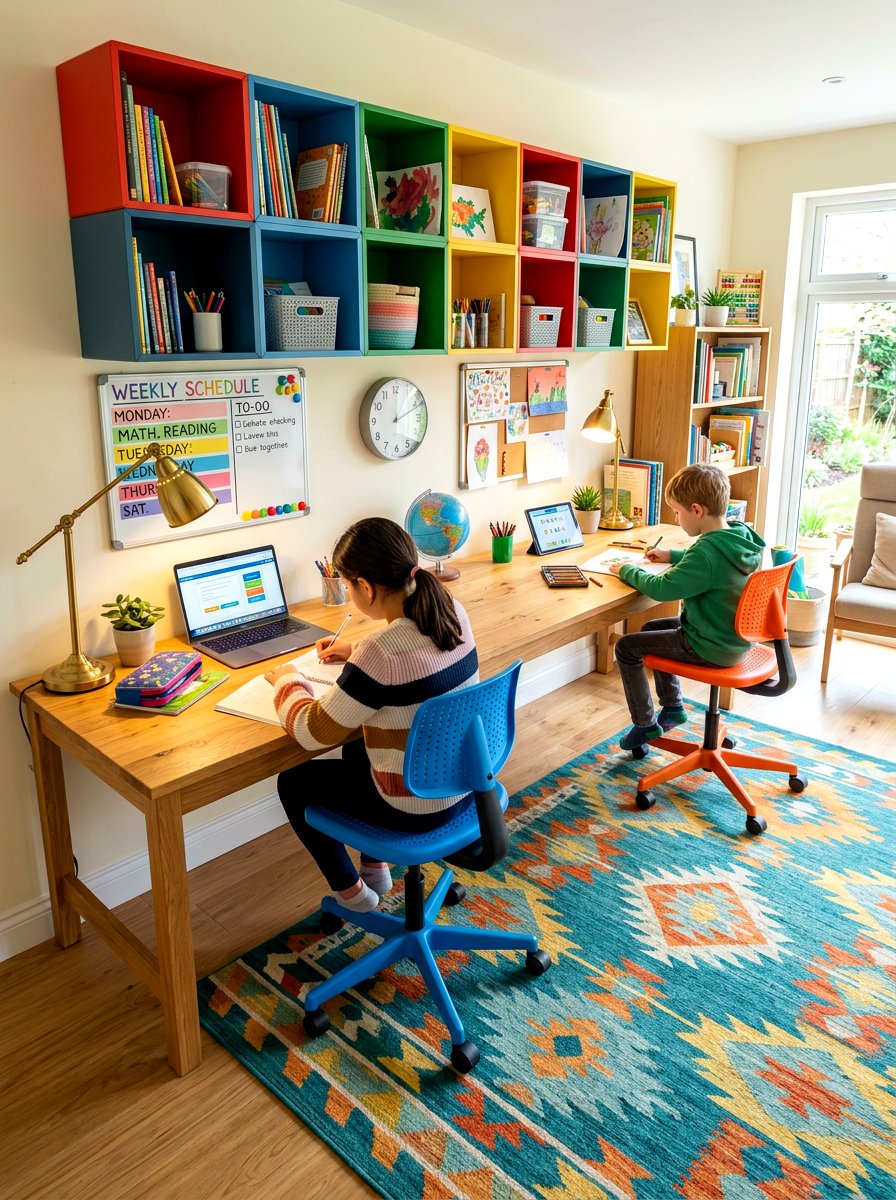
Creating a space where brothers and sisters can learn together requires careful planning to prevent unnecessary bickering. Imagine a long, continuous desk stretching across one wall, providing enough elbow room for everyone to spread out their notebooks. Using individual lamps or personalized chairs can help each child feel like they have their own territory within the common area. Storage cubbies placed between seats act as natural dividers while keeping textbooks organized. This arrangement encourages peer tutoring and collaborative projects, making the school day more social and interactive. A shared layout maximizes square footage in smaller homes while fostering a strong sense of community and teamwork among siblings.
3. Colorful Homeschool Playroom
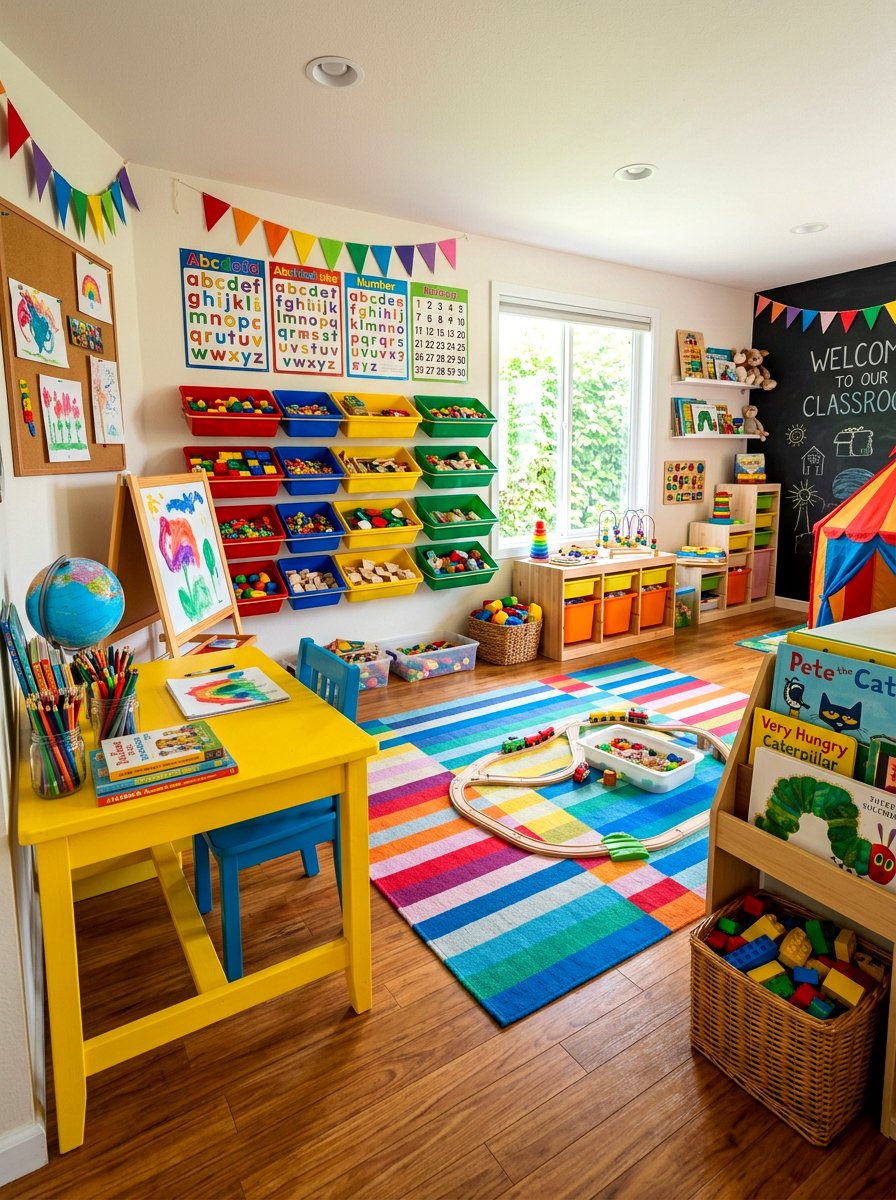
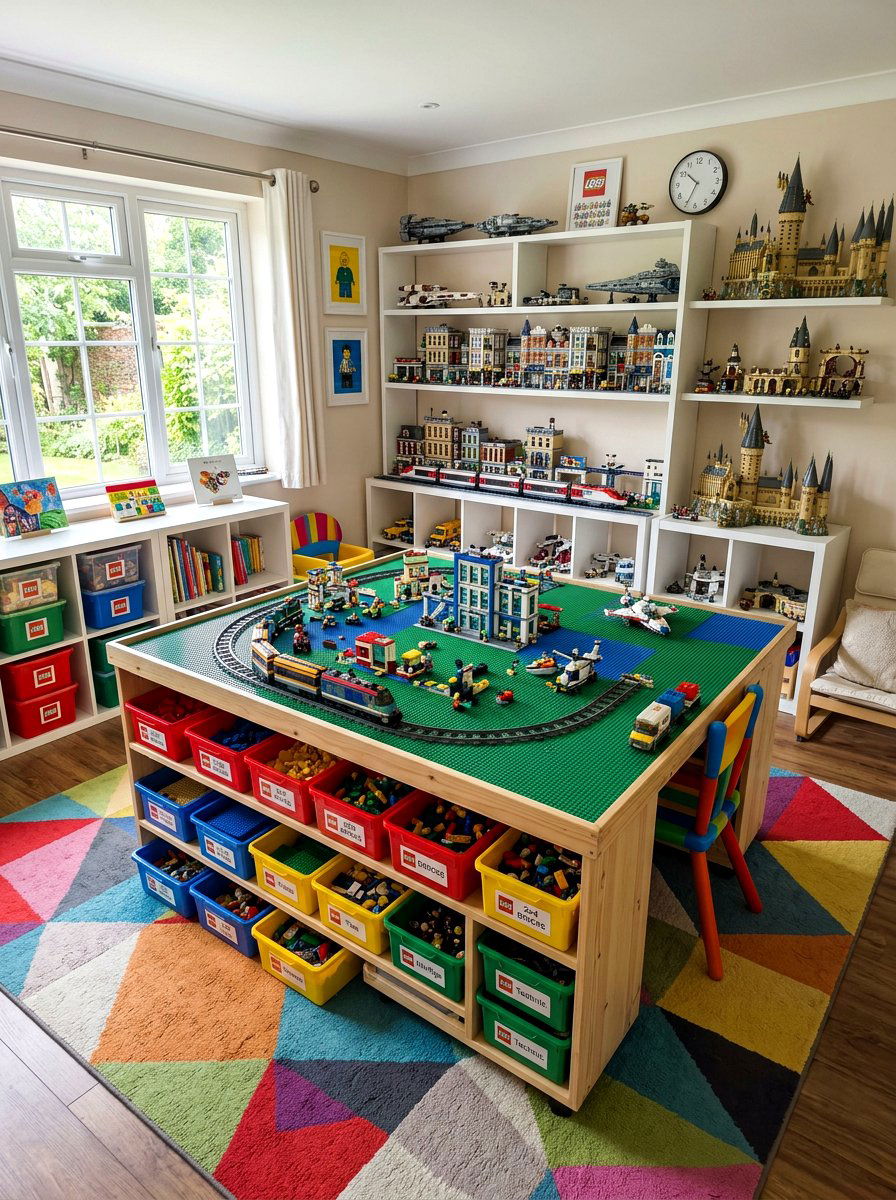
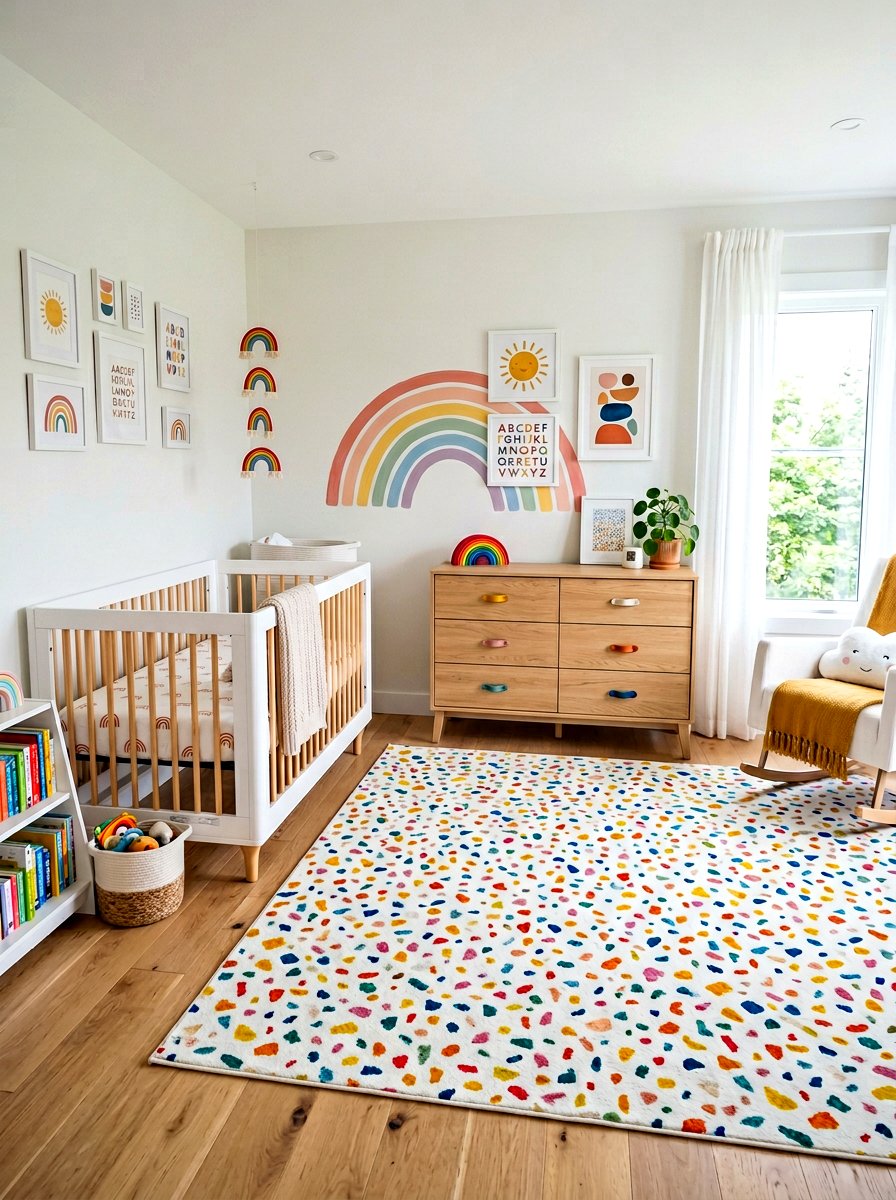
Bright colors can spark creativity and energy in a learning environment designed for younger elementary students. Why stick to boring beige when you can use primary hues to define different activity zones? A vibrant rug might mark the circle time area, while yellow chairs brighten up the writing station. This type of room often doubles as a playroom, so using bins with labels makes the transition from school to play much smoother. Incorporating fun wall decals or a rainbow-themed gallery wall keeps the atmosphere lighthearted and inviting. It is a wonderful way to associate learning with joy and discovery from a very early age.
4. Attic Homeschool Setup
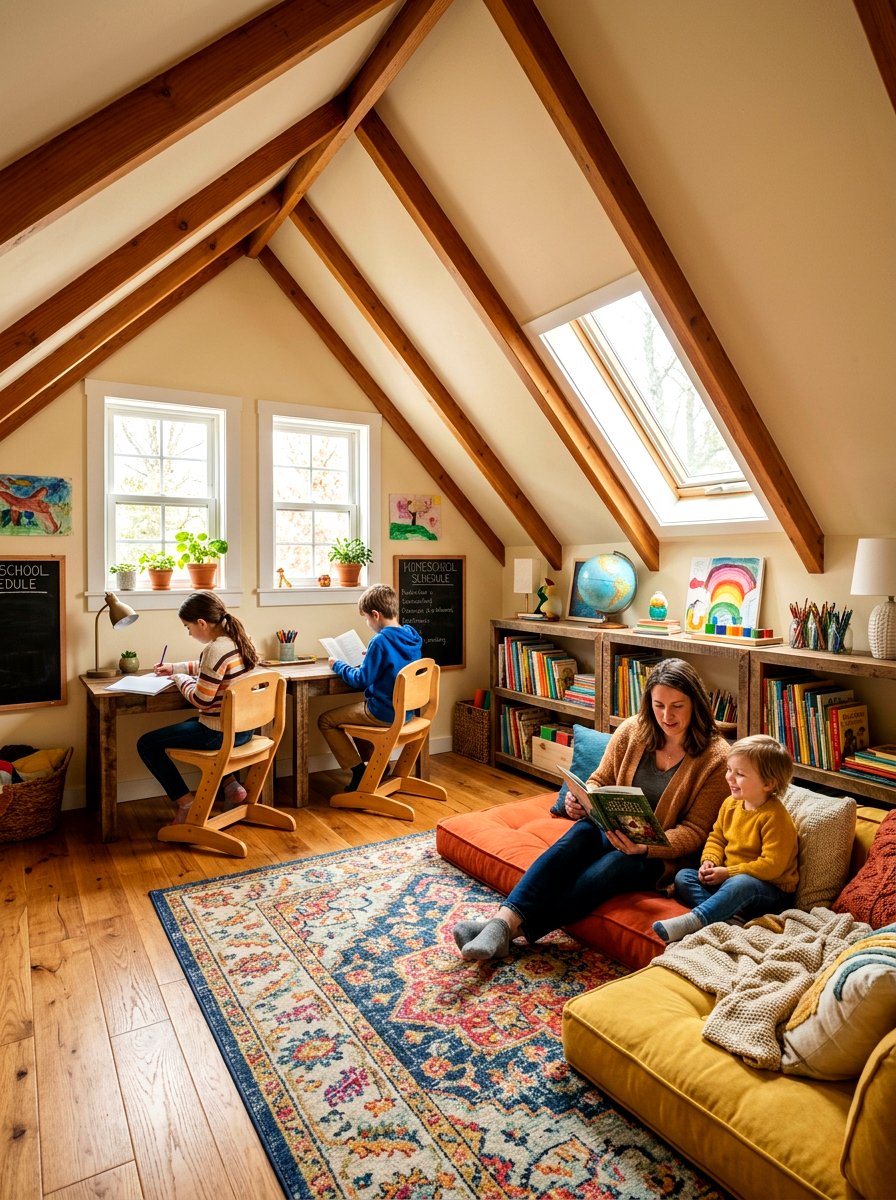
Converting an unused attic into a dedicated schoolroom offers a quiet retreat away from the main household traffic. The unique sloped ceilings and dormer windows provide architectural character that feels like a cozy secret hideaway. You can tuck desks into the low-clearance areas and use the taller center space for physical activities or group lessons. Natural light usually floods these upper floors, which is great for maintaining focus and improving mood throughout the long winter months. Adding soft rugs and plush floor cushions makes the space feel warm and comfortable. It is an excellent solution for families needing a completely separate zone for their daily educational routines.
5. Basement Homeschool Classroom
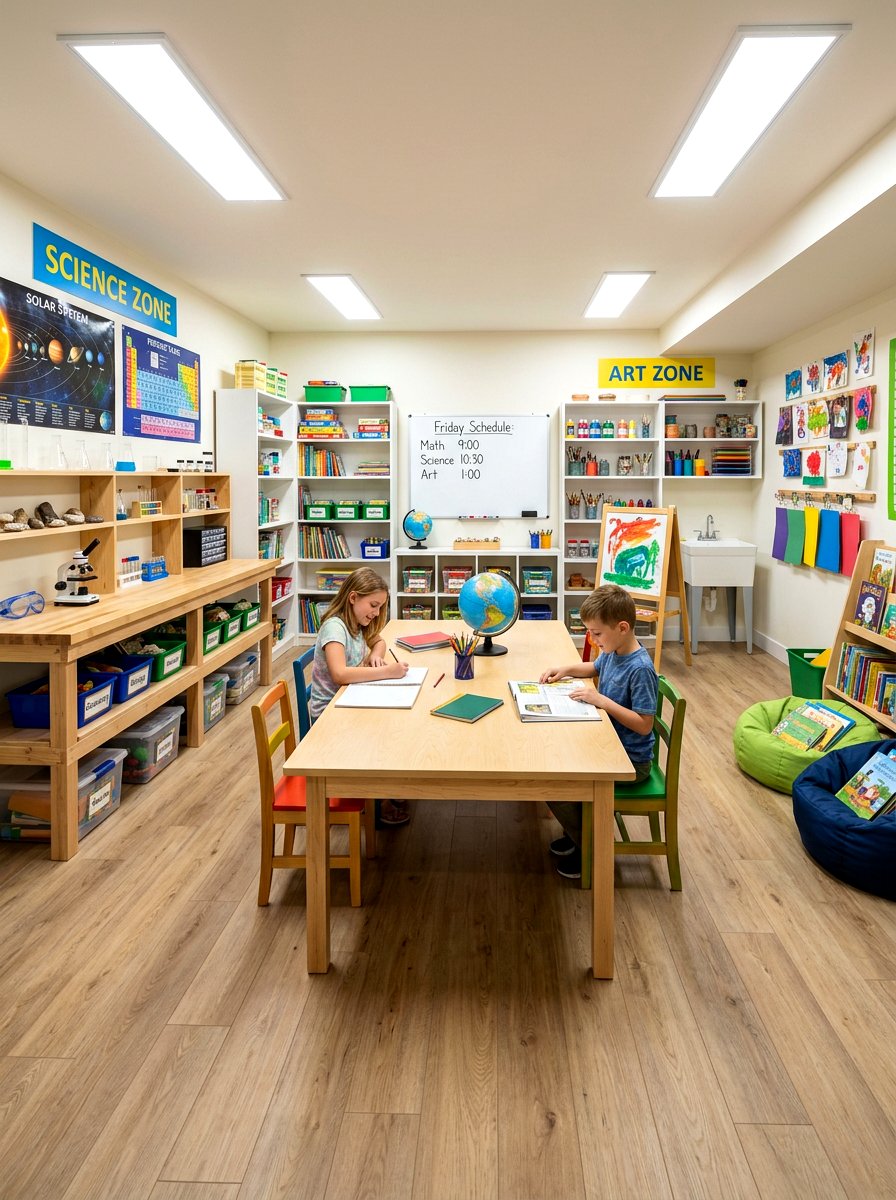
Turning a basement into a classroom provides a vast area for large-scale projects and energetic learning activities. Since basements often lack natural light, you should focus on installing bright, daylight-balanced LED fixtures to keep the space feeling cheerful. You can divide the large room into specific zones for science experiments, art projects, and quiet reading. Using durable flooring like vinyl planks or area rugs makes cleanup easy after messy hands-on lessons. This setup is ideal for families with multiple children who need plenty of room to move around. It also keeps the academic mess contained in one floor, away from the primary living quarters.
6. Modern Farmhouse Homeschool Area
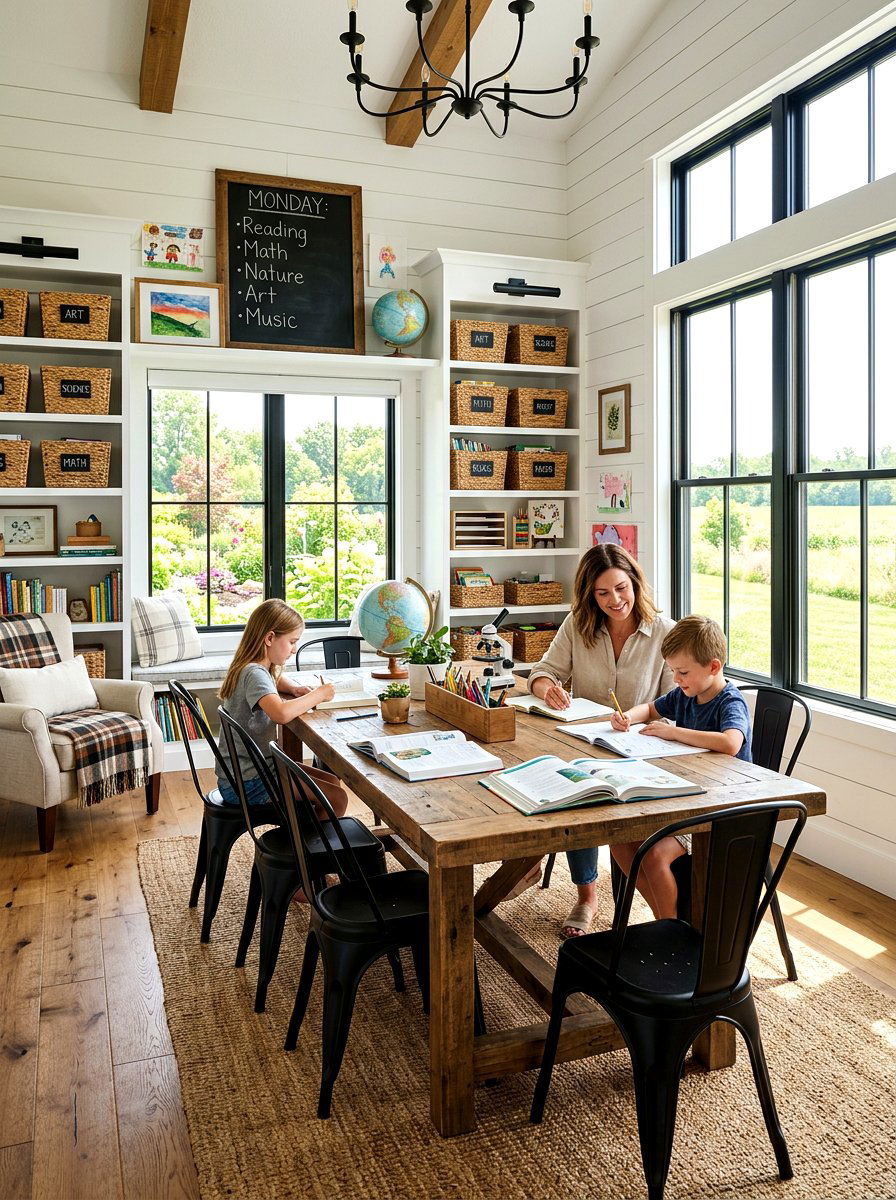
Bringing the popular farmhouse style into your schoolroom creates a space that feels both timeless and incredibly cozy. You can achieve this look by using reclaimed wood desks, black metal accents, and woven storage baskets. A large wooden table serves as the perfect central hub for family discussions and group work. Soft textiles, such as linen curtains or a braided rug, add warmth to the environment. This design style emphasizes comfort and simplicity, making it a very welcoming place for children to spend several hours each day. It integrates beautifully with existing home decor, ensuring the classroom feels like a natural part of the family home.
7. Boho Homeschool Nook
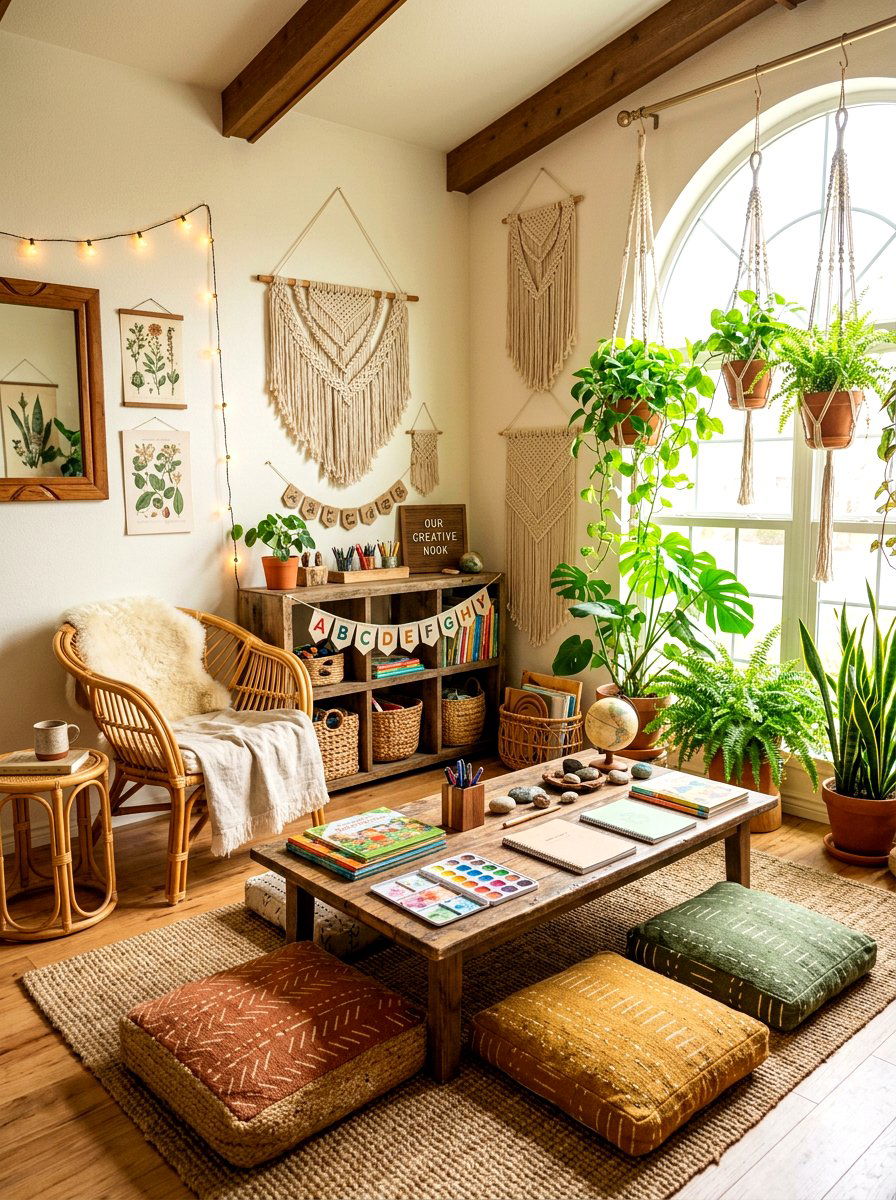
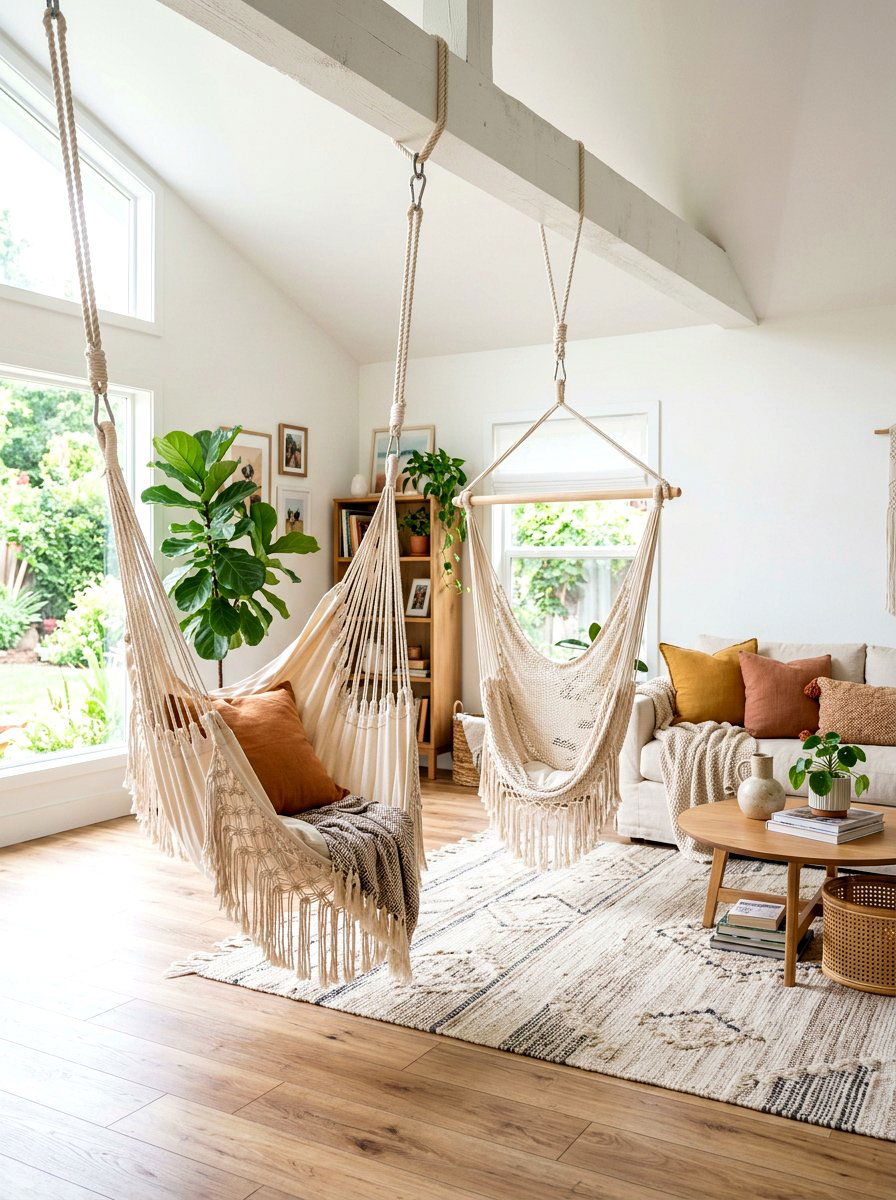
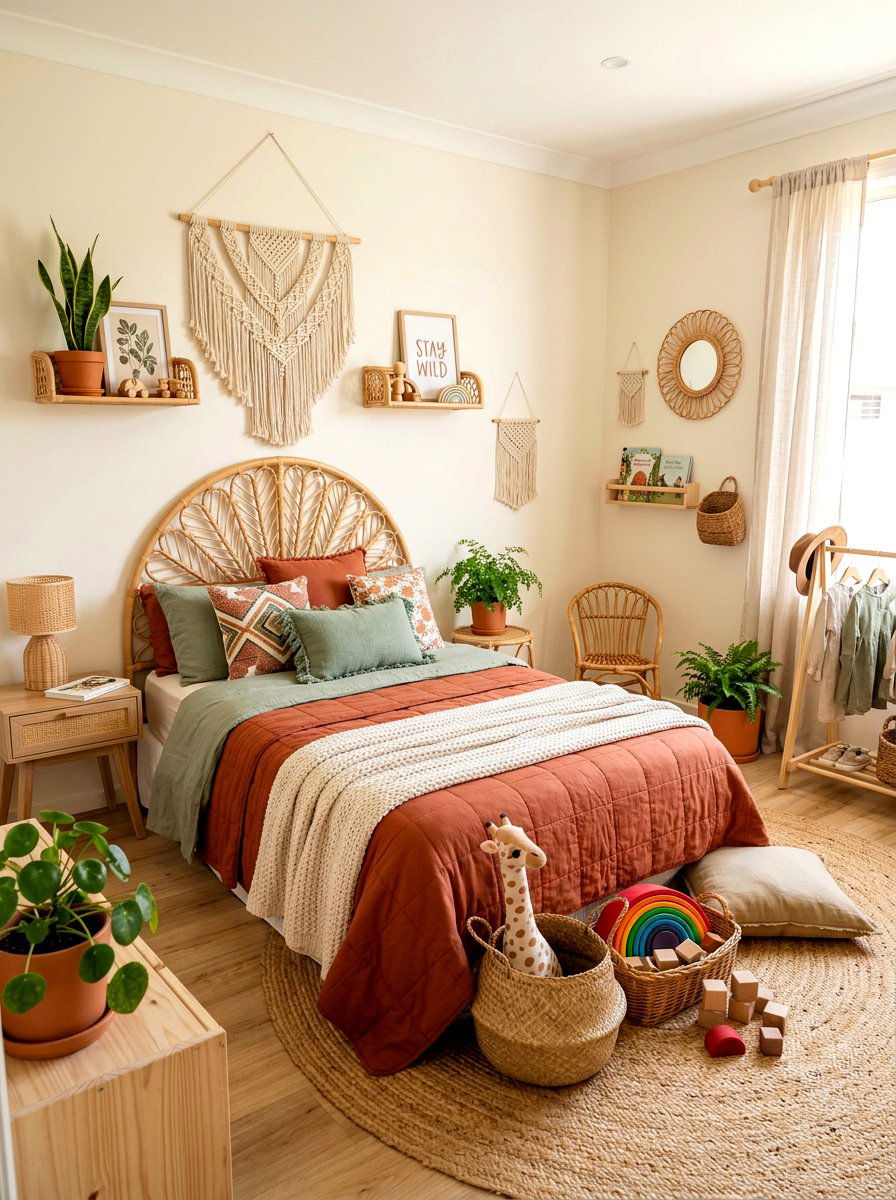
Infusing your learning space with bohemian flair adds a sense of whimsy and relaxation that many students appreciate. Think about using rattan chairs, macrame wall hangings, and plenty of leafy green plants to decorate the area. A low table with floor cushions can provide a comfortable alternative to traditional desks, encouraging a more flexible approach to learning. This style often uses warm earthy tones and varied textures to create a multi-sensory environment. It is perfect for creative subjects like literature and art, where a relaxed atmosphere can help ideas flow more freely. A boho nook is both stylish and highly functional for modern families.
8. Wall Mounted Homeschool Station
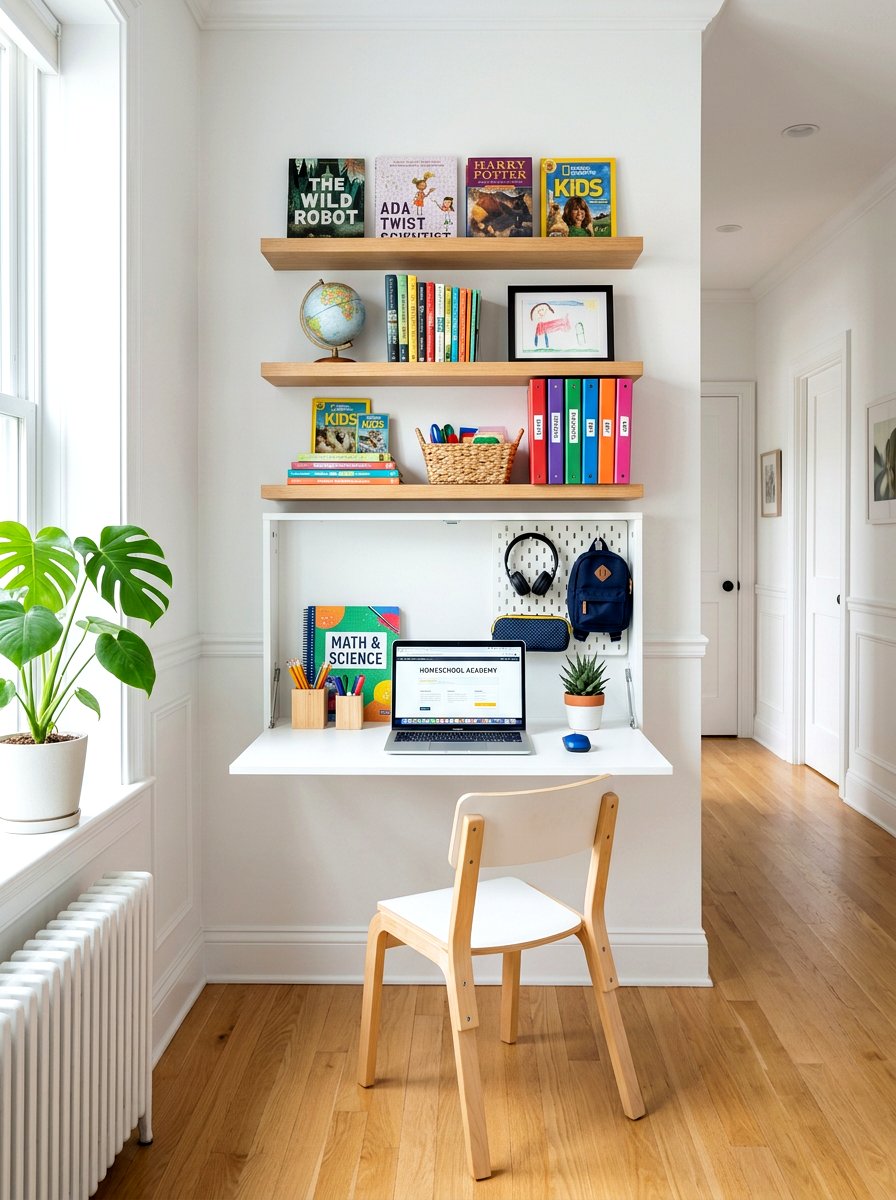
When you are working with limited floor space, a wall-mounted desk is a brilliant solution for a compact classroom. These units can be installed at varying heights to accommodate different ages, from toddlers up to high school teenagers. Some designs even feature a fold-down desktop that can be tucked away at the end of the school day. You can add floating shelves above the desk to store jars of pencils, notebooks, and reference books. This vertical approach keeps the floor clear and makes the room feel much larger than it actually is. It is a sleek, modern choice for hallways, bedrooms, or shared family living rooms.
9. Reading Corner Homeschool Bookshelves
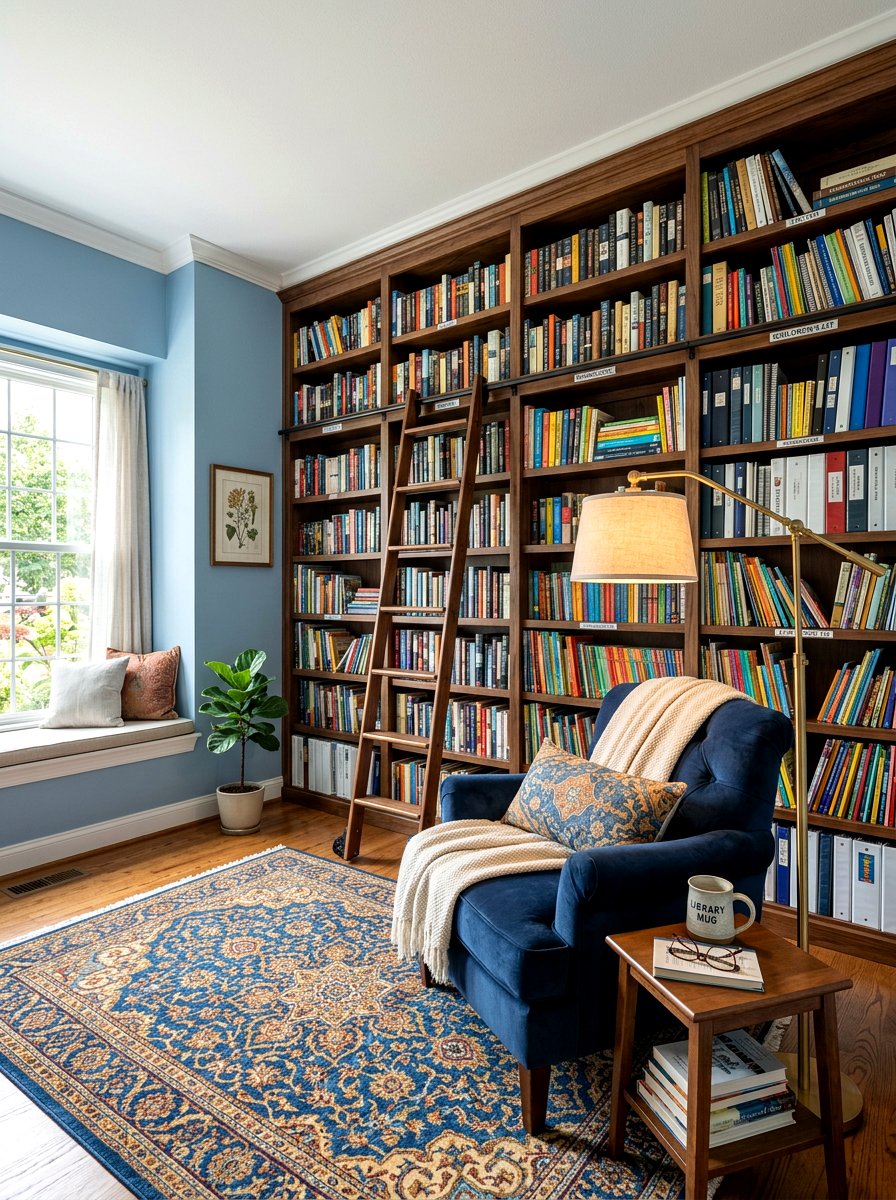
Every great schoolroom needs a dedicated place where children can get lost in the magic of a good book. You can create this by lining one wall with floor-to-ceiling bookshelves and placing a comfortable armchair nearby. Using front-facing book ledges is a great way to display colorful covers, which entices younger children to pick up a story. Adding a soft lamp and a warm throw blanket makes the corner feel like a special destination within the room. This setup prioritizes literacy and provides a quiet zone for independent study time. It is a simple yet powerful way to foster a lifelong love of reading.
10. Science Lab Homeschool Room
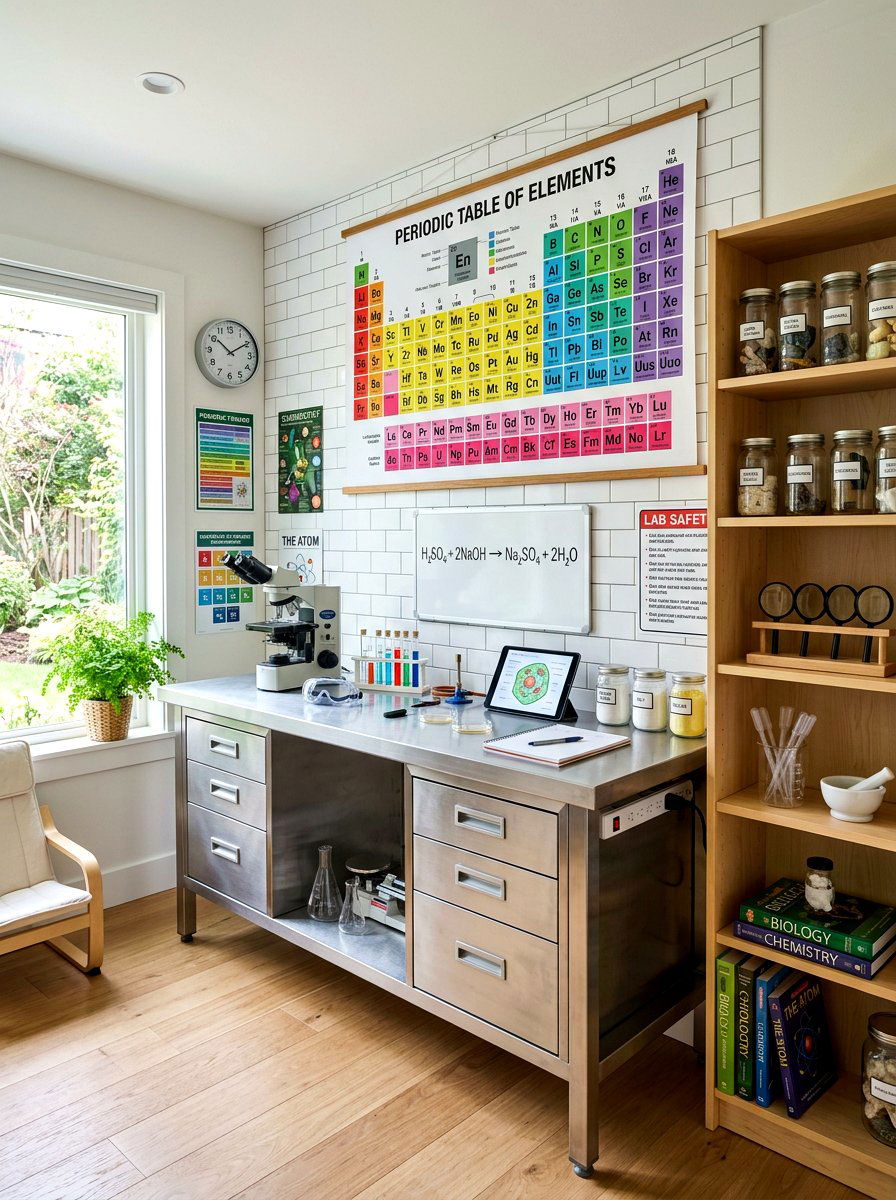
For families who love hands-on exploration, a dedicated science zone is a dream come true for curious young minds. You should look for a table with a chemical-resistant surface or use a sturdy metal workbench for experiments. Installing a deep sink nearby makes it much easier to clean up after volcanic eruptions or slime-making sessions. Open shelving can hold clear jars filled with specimens, magnifying glasses, and basic lab equipment for easy access. Adding a large periodic table or anatomy posters to the walls provides constant visual learning opportunities. This specialized room encourages critical thinking and makes complex scientific concepts feel much more approachable and exciting.
11. Art Studio Homeschool Space
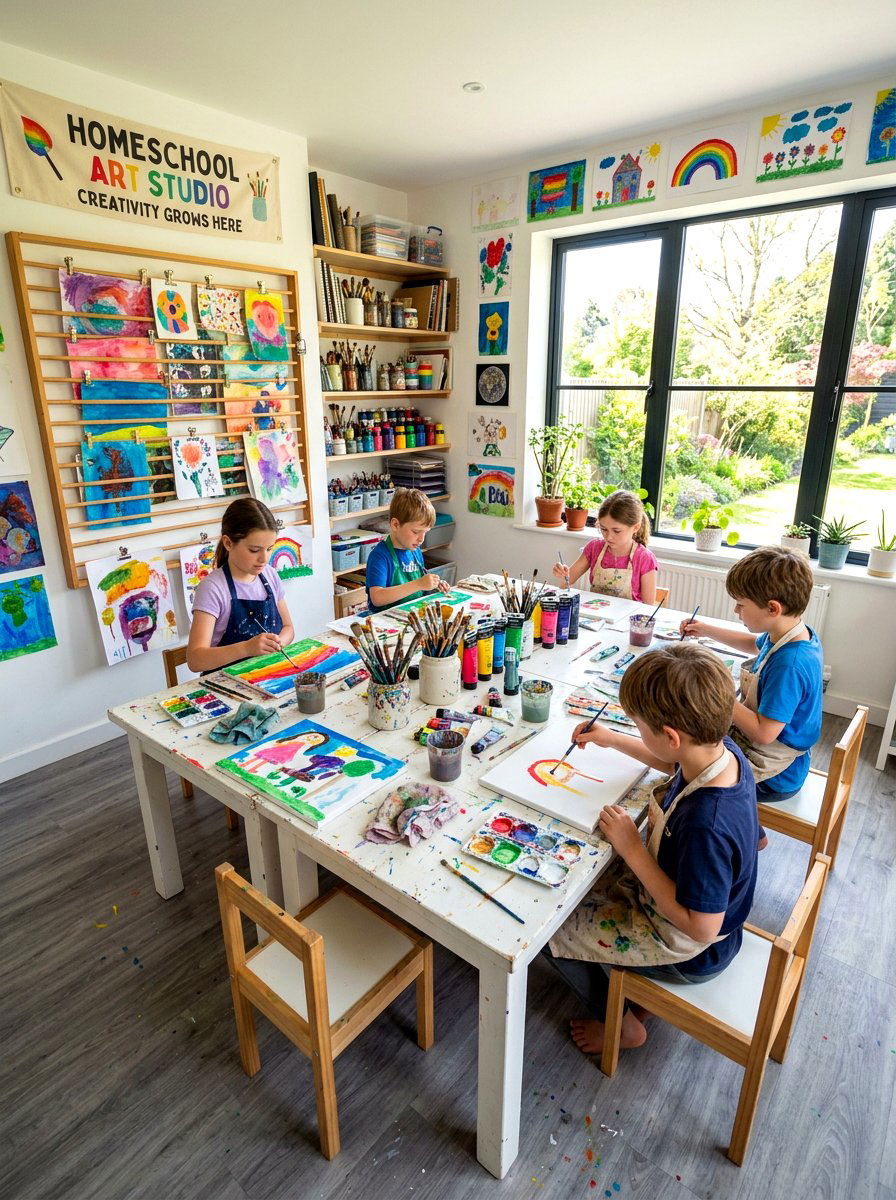
Giving children a dedicated place to get messy and explore their artistic side is vital for well-rounded development. Imagine a bright room with an easy-to-clean floor and large tables that can handle paint spills or clay sculpting projects. You could install a drying rack on the wall and use open shelving to display jars of colorful brushes and markers. Large windows are essential here to provide the natural light needed for color accuracy and inspiration. This setup encourages students to see the world through a creative lens while keeping the rest of the house free from glitter and glue. It is a true haven for imagination.
12. Nature Themed Homeschool Classroom
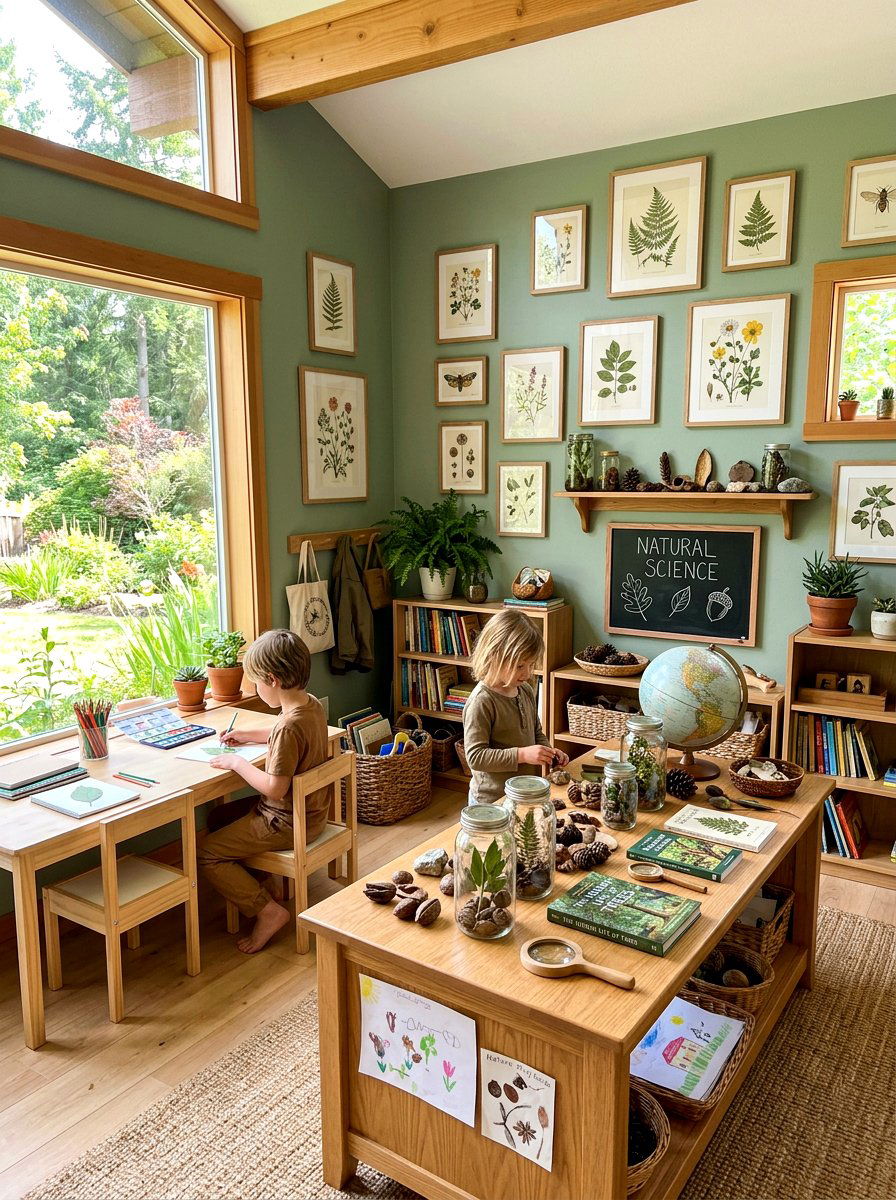
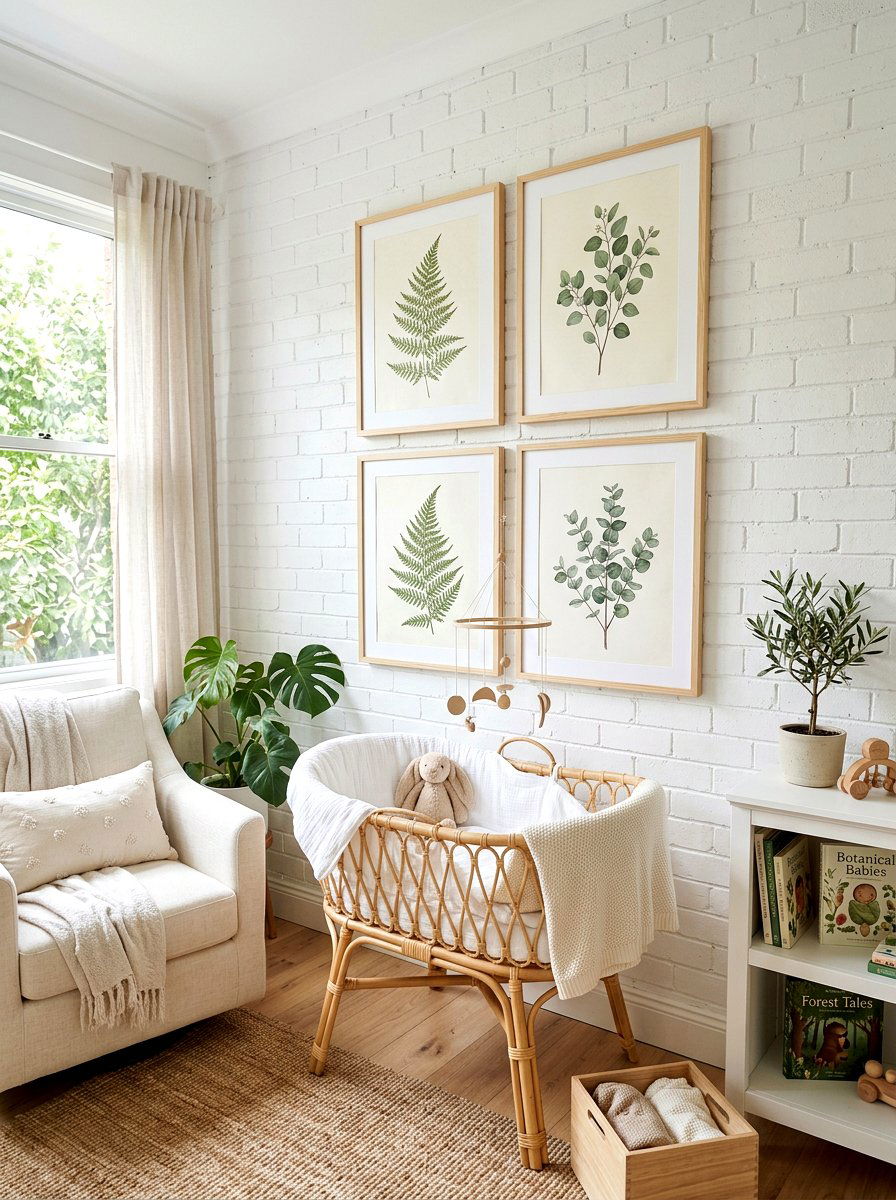
Bringing the outdoors inside can create a very soothing and grounded atmosphere for daily lessons and nature studies. You can use botanical prints, wooden furniture, and a neutral color palette of greens and browns to set the mood. A dedicated "nature table" allows children to display interesting rocks, feathers, or leaves they find during their outdoor adventures. Large windows that look out onto a garden or trees help students feel connected to the changing seasons. This theme works exceptionally well for science-heavy curriculums or families who follow the Charlotte Mason method. It turns the classroom into a living laboratory that celebrates the natural world.
13. Small Apartment Homeschool Area
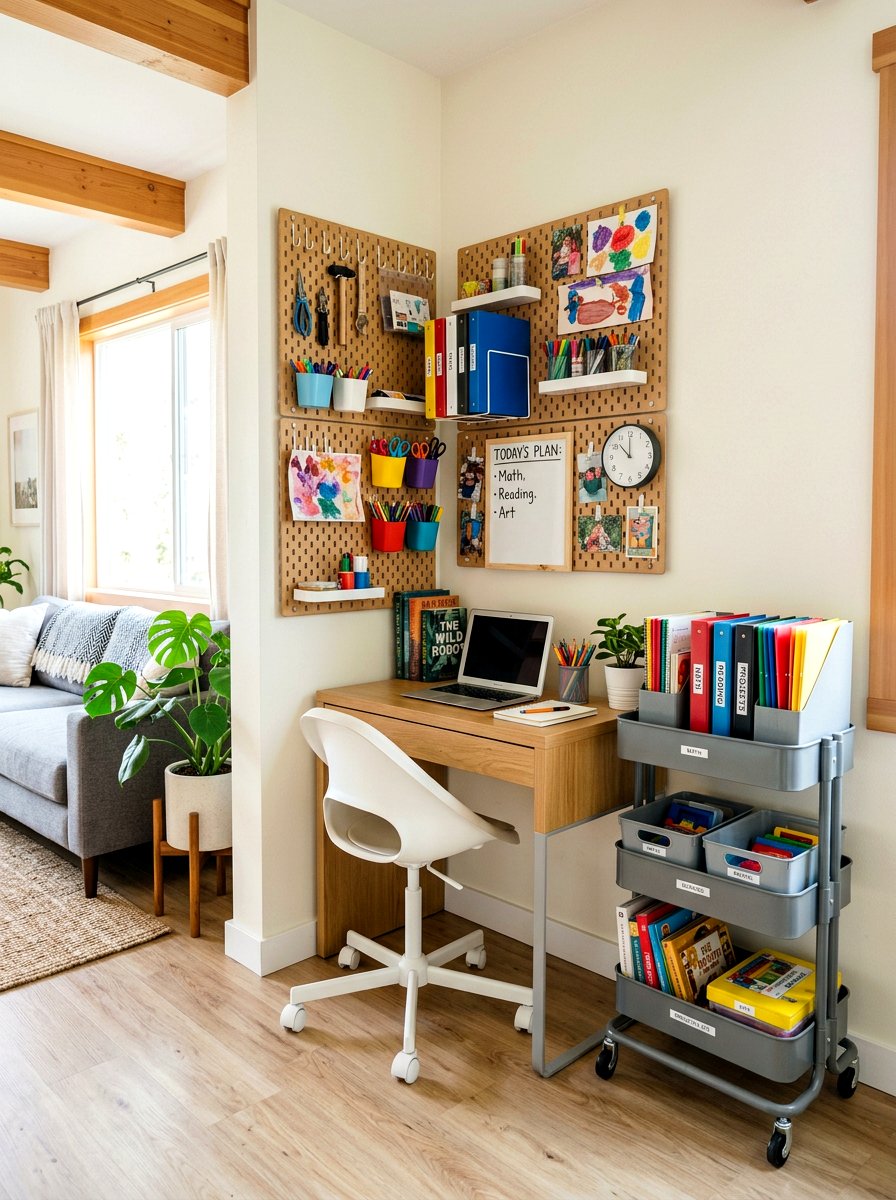
Homeschooling in a compact apartment requires a high level of creativity and extremely efficient organization strategies. You can transform a small dining alcove or a corner of the living room into a functional learning hub using multifunctional furniture. Rolling carts are essential here, as they allow you to move supplies out of sight when school hours are over. Wall-mounted organizers and pegboards help keep desks clear while ensuring that every pencil and ruler has a home. By using light colors and mirrors, you can make the small space feel much brighter and more open. It proves that you do not need a large house to teach effectively.
14. Dining Room Homeschool Corner
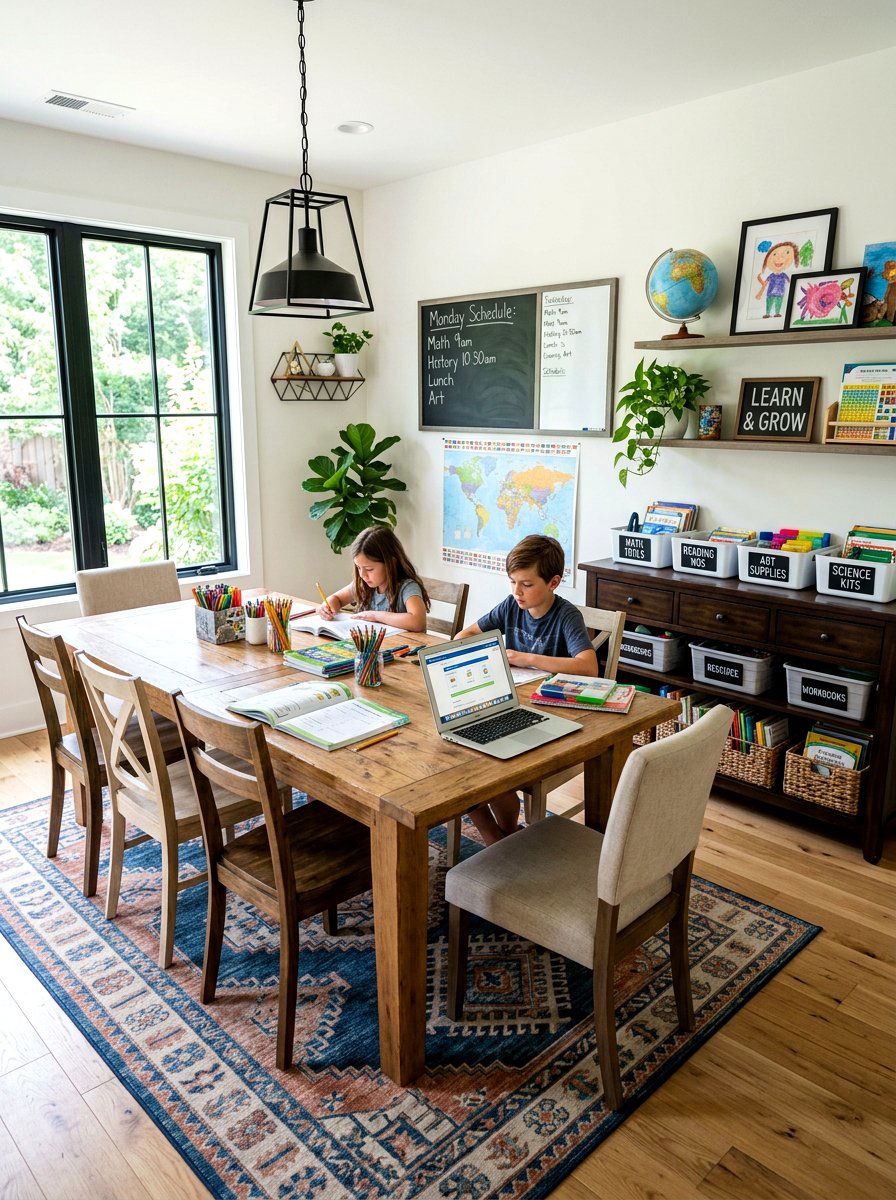
Many families find that the dining room table is already the most natural place for everyone to gather for lessons. To make this work long-term, you should dedicate a nearby sideboard or bookshelf specifically for storing school materials. Using stylish baskets or bins ensures that the academic gear can be hidden quickly before dinner time. You might also consider adding a large rug under the table to define the learning zone and protect the floors. This approach keeps the family together in the heart of the home while providing a large surface for spreading out maps and projects. It is a practical and budget-friendly choice.
15. Garage Conversion Homeschool Classroom
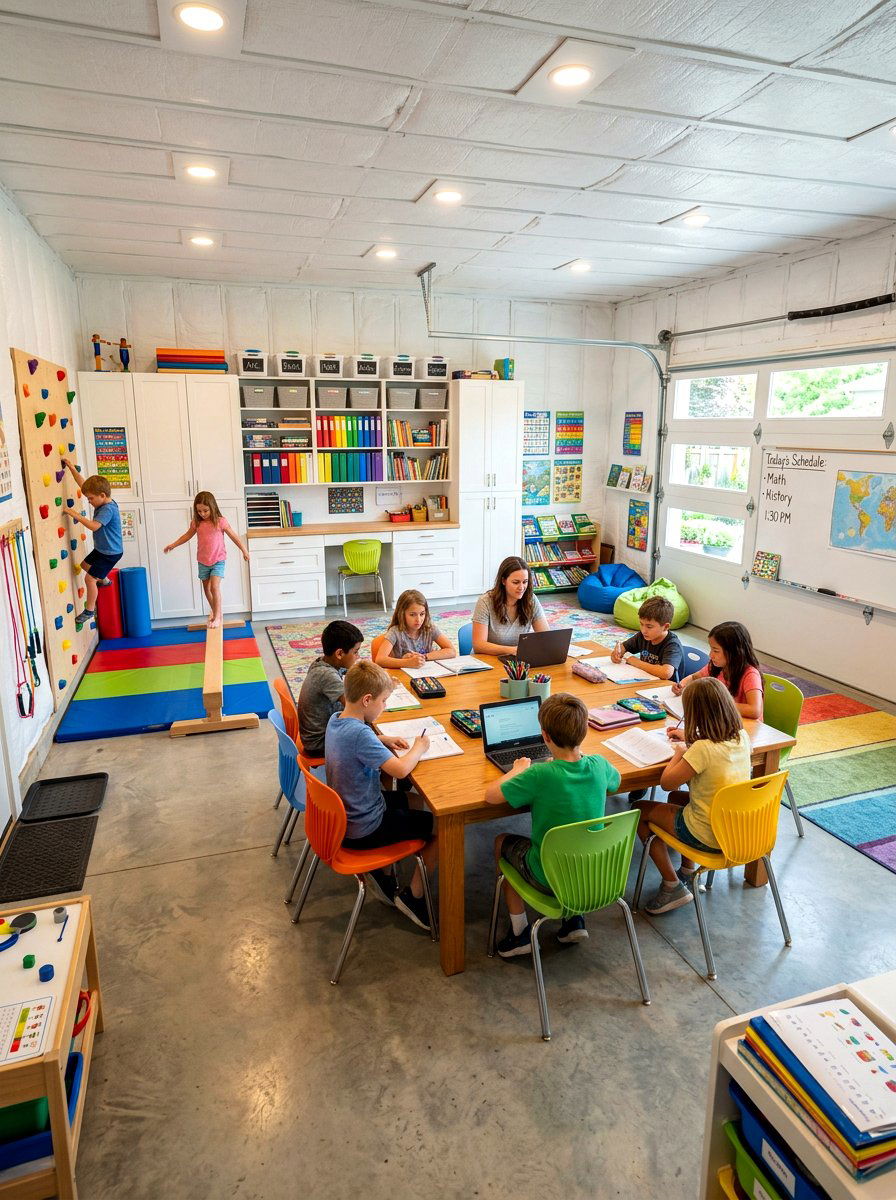
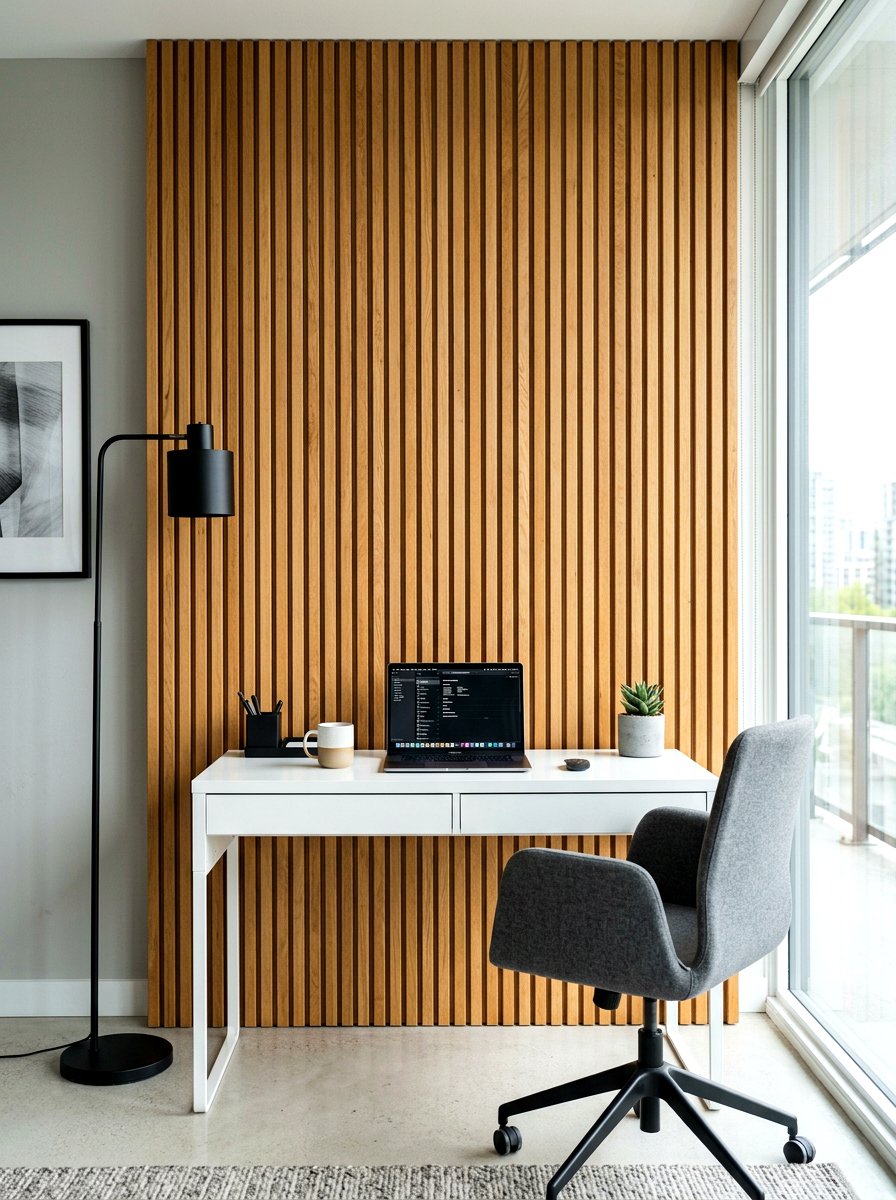
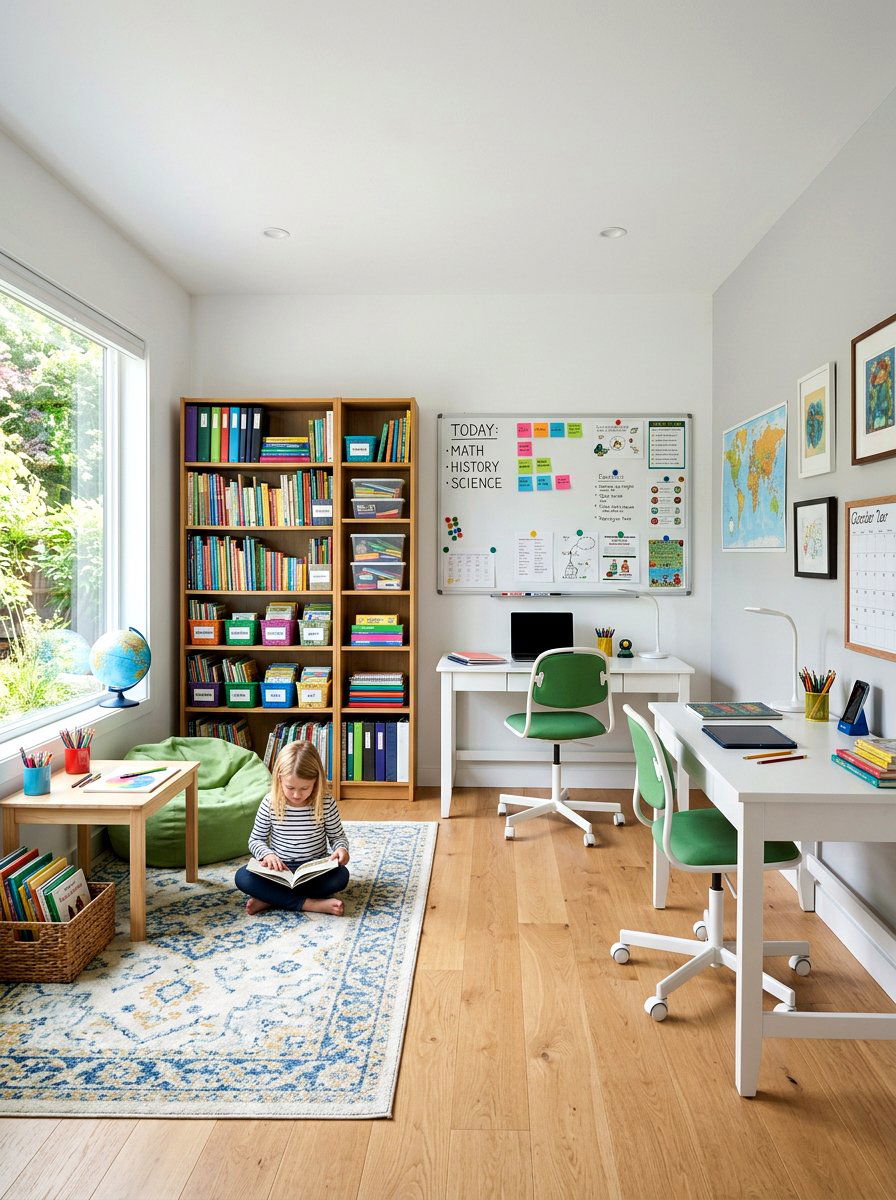
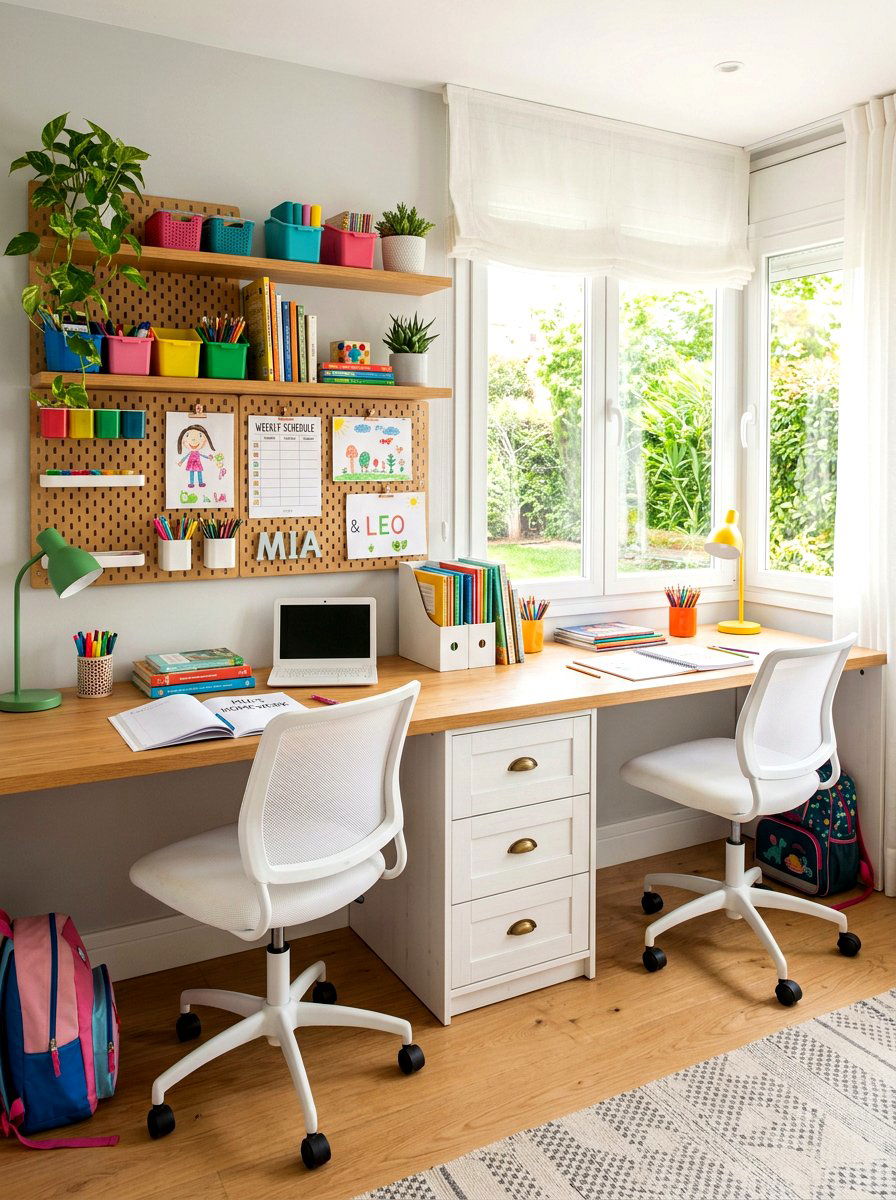
A garage conversion provides an expansive, separate area that can be completely customized to fit your family 's educational goals. You can install insulation and proper flooring to turn a cold utility space into a warm, inviting classroom. This large footprint allows for multiple zones, such as a physical education area, a quiet testing corner, and a large group table. Painting the walls a bright white and adding modern lighting can hide the garage' s industrial origins. It is a fantastic way to gain extra square footage without the high cost of a home addition. This separate building helps maintain a clear boundary between home and school.
16. Montessori Style Homeschool Room
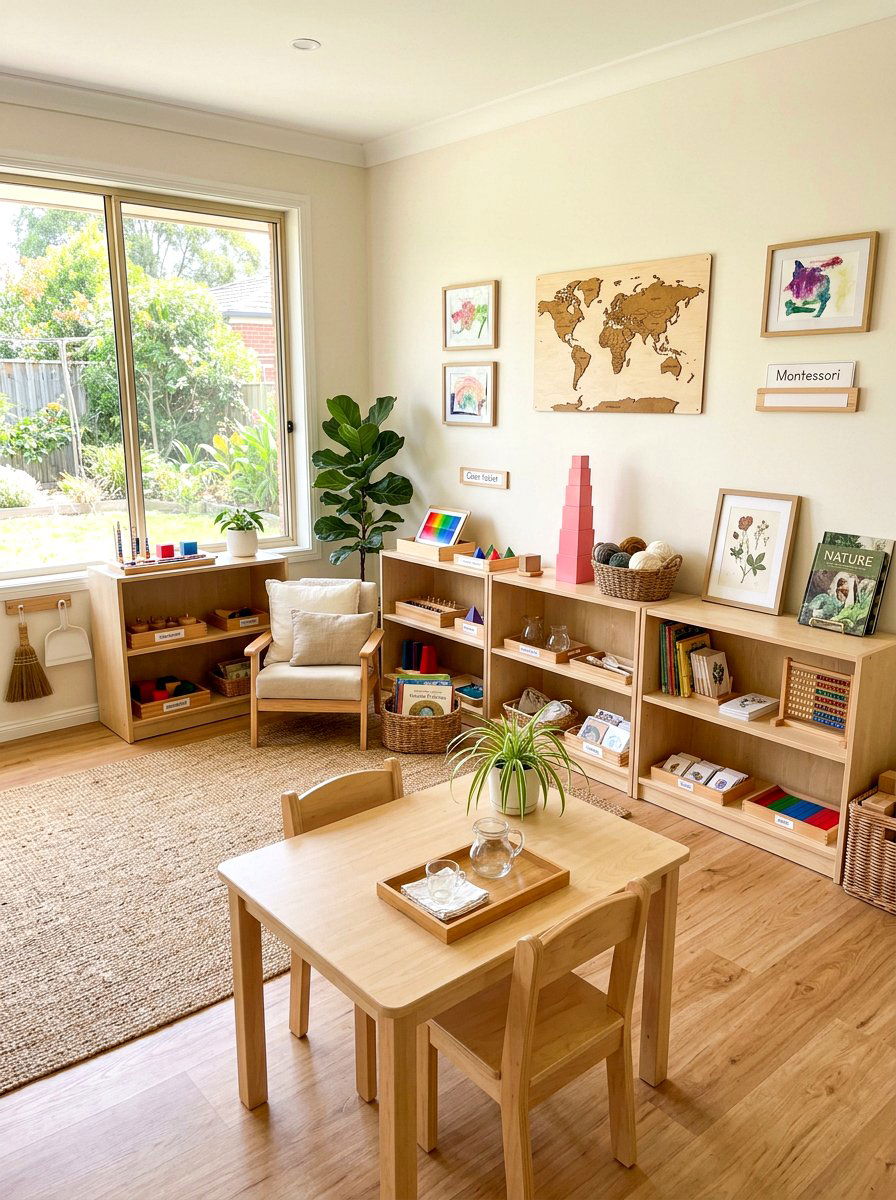
The Montessori method focuses on creating a prepared environment that encourages independence and self-directed learning for children. In this type of room, you will find low, open shelving where all materials are easily accessible to small hands. Every item has a specific place, often organized on wooden trays to help children focus on one task at a time. Neutral colors and natural materials like wood and cotton are preferred over plastic and bright patterns. This setup promotes a sense of order and calm, allowing the child to follow their own interests at their own pace. It is a beautiful way to respect a child's natural development.
17. Industrial Style Homeschool Space
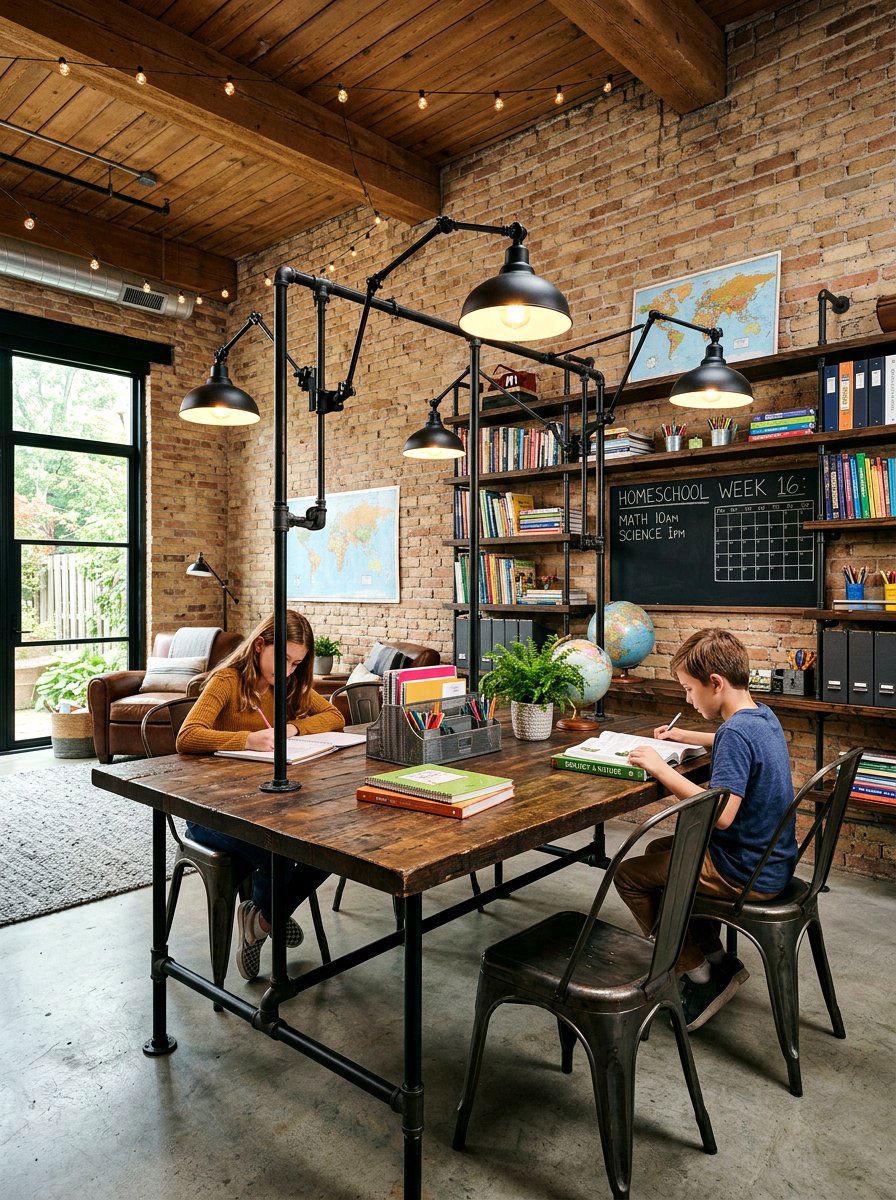
For a more modern and edgy look, an industrial-themed study space uses raw materials and functional design elements. You can incorporate desks made of wood and black iron pipe, along with vintage-style metal chairs. Exposed brick walls or concrete-look finishes provide a textured backdrop that feels sophisticated enough for older students. Using wire baskets for storage and large metal lamps adds to the utilitarian aesthetic while keeping the space organized. This style is often very durable, making it a great choice for high-energy families. It creates a focused, professional atmosphere that can help teenagers feel more like they are in a serious study environment.
18. Scandinavian Homeschool Layout
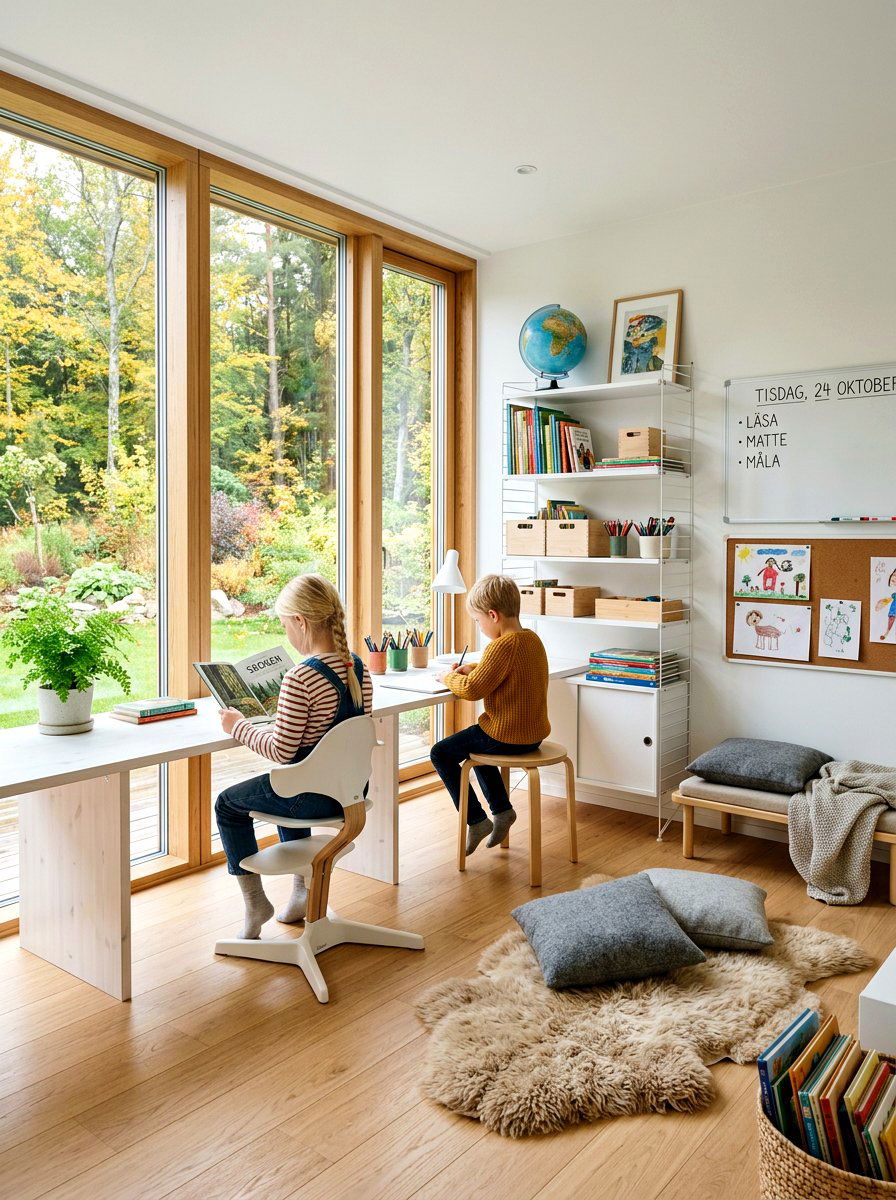
Scandinavian design is famous for its emphasis on functionality, light, and simplicity, which makes it perfect for a classroom. This layout typically features white walls, light-toned wood, and minimalist furniture that serves multiple purposes. Large windows are left unobstructed to let in as much natural light as possible during the day. You can add cozy elements like sheepskin rugs or simple wool blankets to make the space feel warm during colder months. This "hygge" approach ensures that the schoolroom is a place where children actually want to spend their time. It provides a clutter-free backdrop that allows students to focus entirely on their daily academic work.
19. Chalkboard Wall Homeschool Area
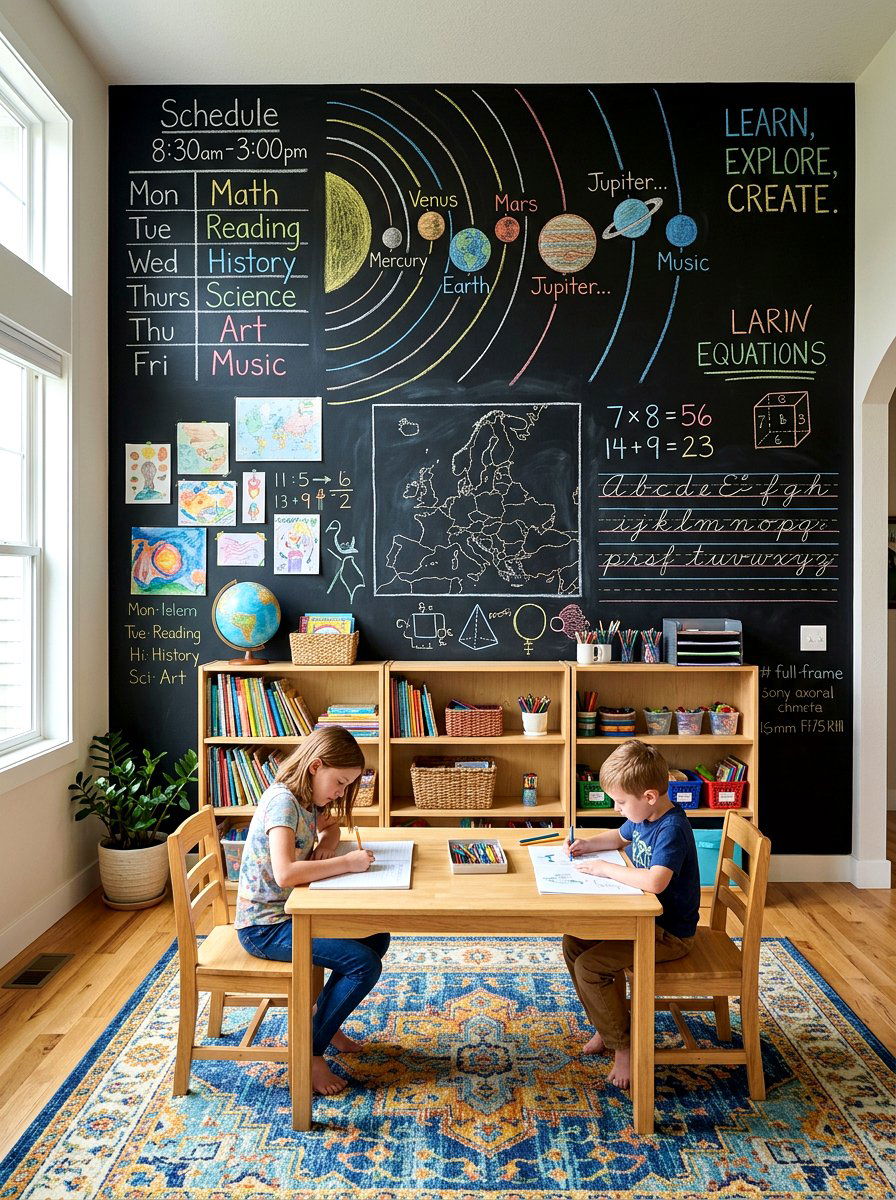
A floor-to-ceiling chalkboard wall can serve as a massive canvas for brainstorming, math problems, or daily schedule reminders. Children love the tactile experience of writing with chalk, and it provides a fun way to practice handwriting skills. You can use magnetic chalk paint so the wall can also hold posters and student artwork with simple magnets. This interactive feature turns a plain wall into a functional teaching tool that changes every single day. It is especially useful for visual learners who benefit from seeing large diagrams or timelines. Plus, it adds a nostalgic, classic classroom feel to your home without requiring any extra floor space.
20. Built In Homeschool Desk Unit
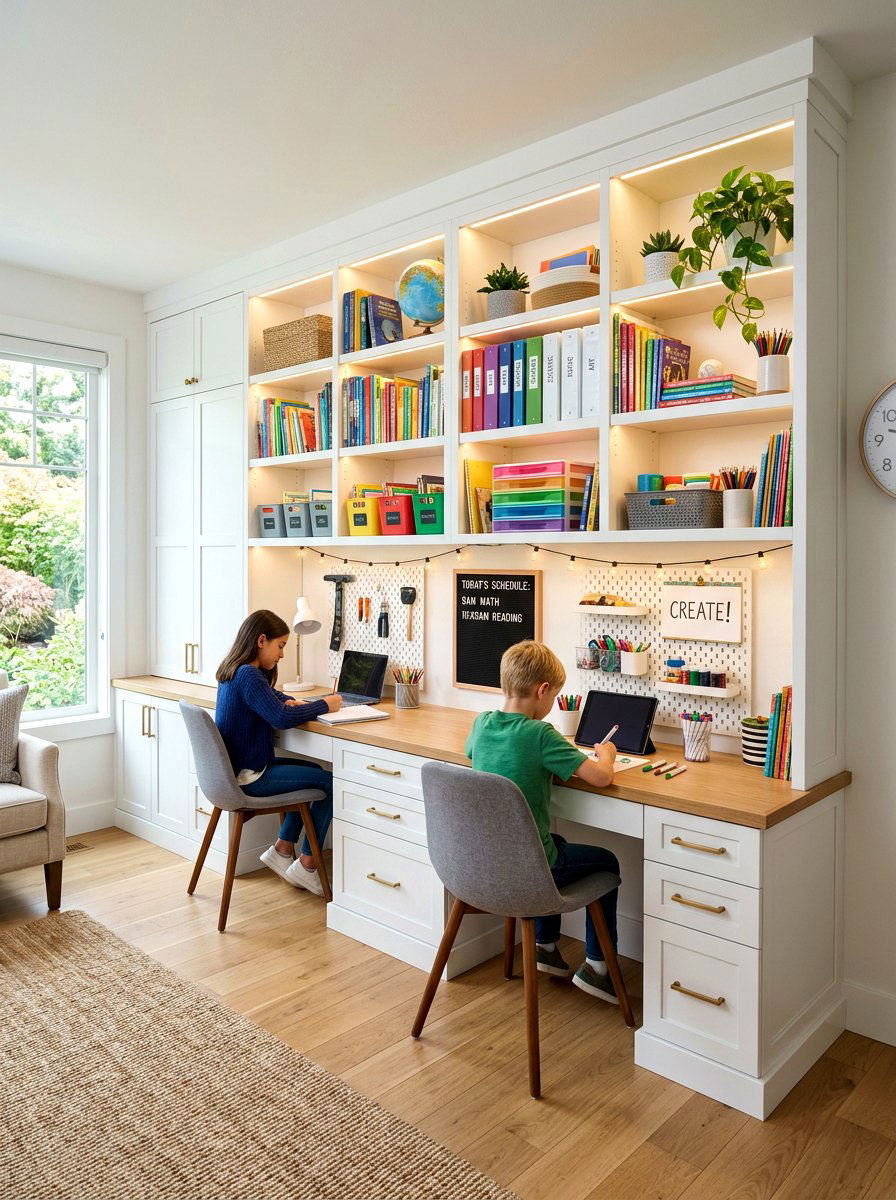
Investing in built-in cabinetry and desks can turn a simple wall into a highly organized and permanent educational center. Custom-built units allow you to maximize every inch of space, including awkward corners or areas under windows. You can include specialized drawers for paper, tall cabinets for binders, and integrated lighting for each workstation. This permanent solution makes the schoolroom feel like a high-end office, which can be very motivating for older students. It also adds value to your home by providing a functional workspace that can be used for years. Built-ins offer a seamless, polished look that keeps all school-related clutter perfectly hidden away.
21. Sensory Friendly Homeschool Room
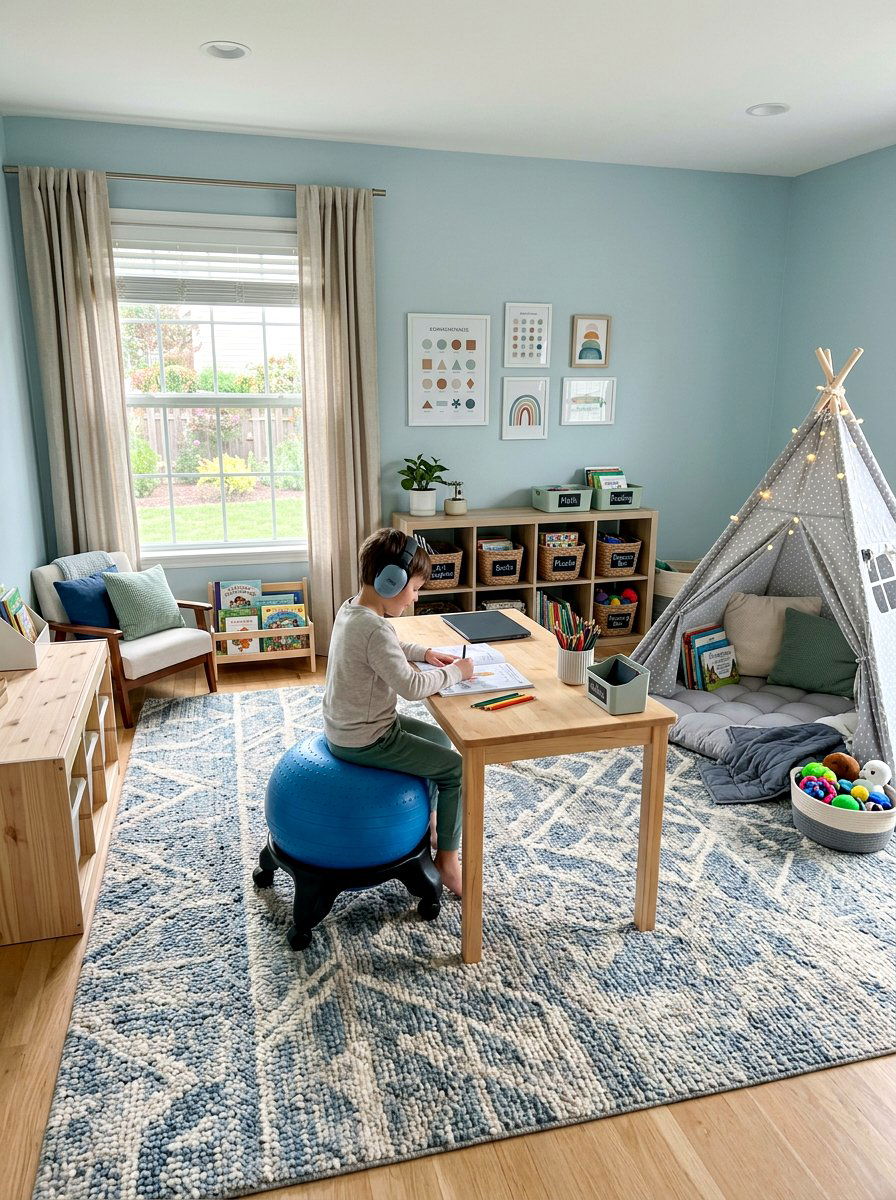
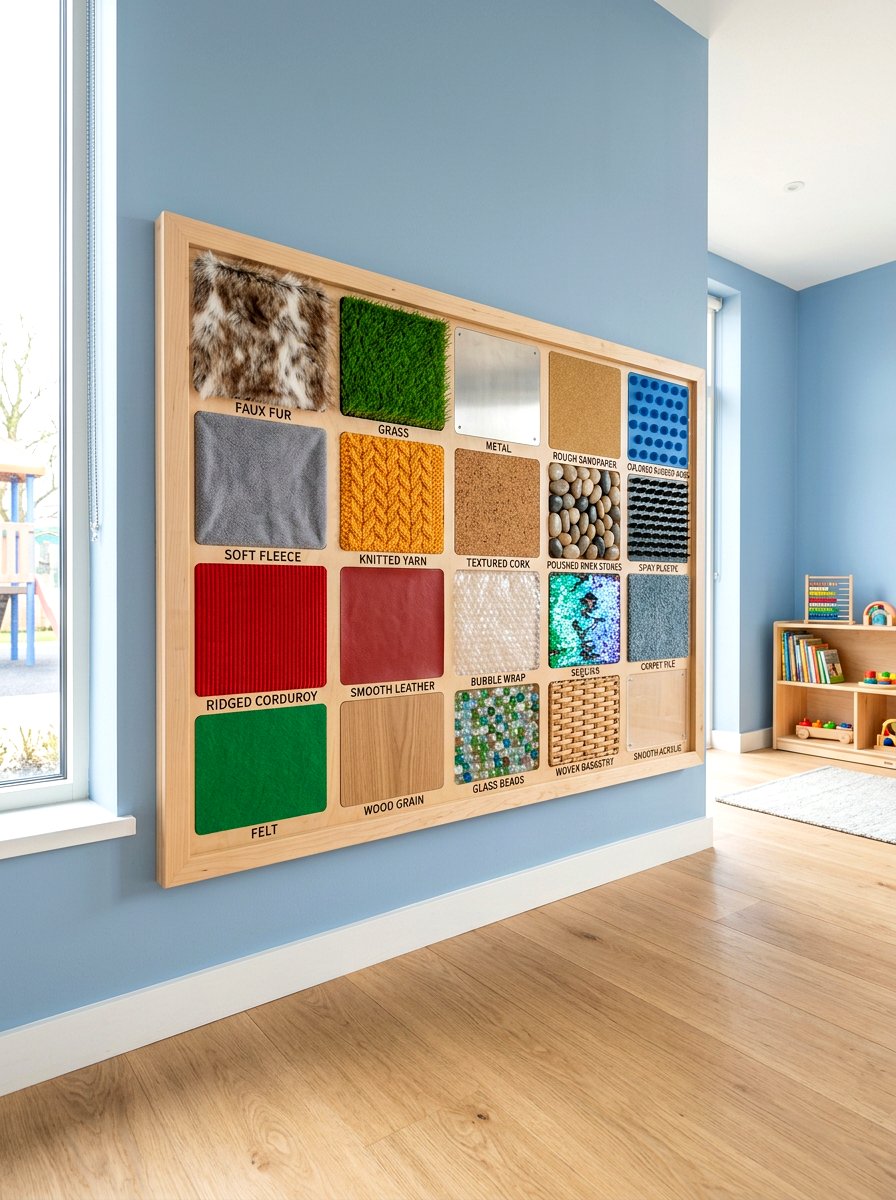
For children who have sensory processing needs, a carefully designed room can make a world of difference in their ability to learn. You should focus on soft lighting, muted color palettes, and quiet flooring options like thick rugs or cork. Including a "calm down" corner with a weighted blanket or a small sensory tent provides a safe space when they feel overwhelmed. Movement is also important, so you might add a yoga ball chair or a small indoor swing. By reducing visual and auditory clutter, you create a sanctuary where the child feels safe and supported. This personalized approach ensures that every student can thrive regardless of their challenges.
22. Closet Homeschool Office Conversion
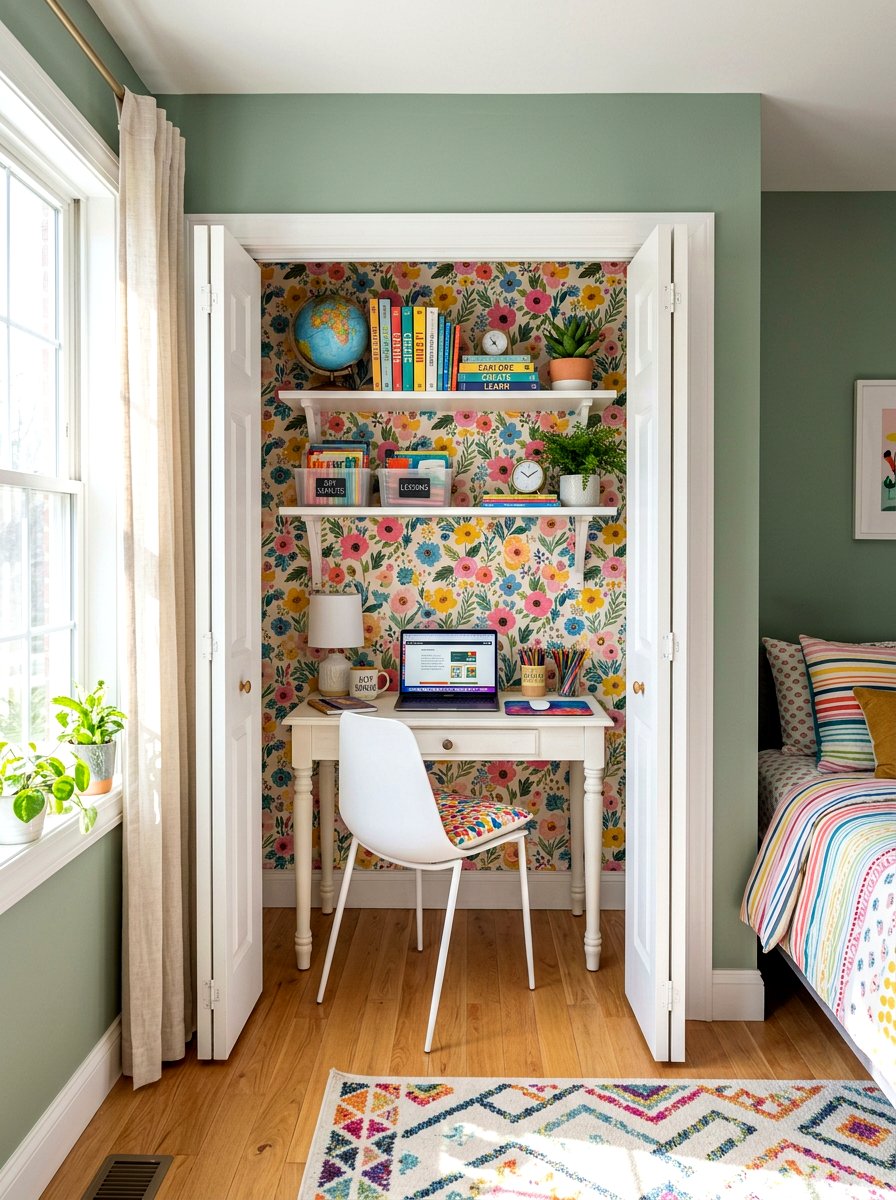
If you have a spare closet, you have the potential for a hidden and highly efficient "cloffice" learning station. By removing the doors and installing a sturdy desktop and some floating shelves, you create a cozy nook for one student. This is a great way to provide a quiet, private space for an older child who needs to focus on complex subjects. You can decorate the inside of the closet with fun wallpaper or a bright pop of paint to make it feel special. When the school day is over, you can even reinstall curtains to hide the workspace from view. It is a brilliant use of underutilized space.
23. Loft Bed Homeschool Space
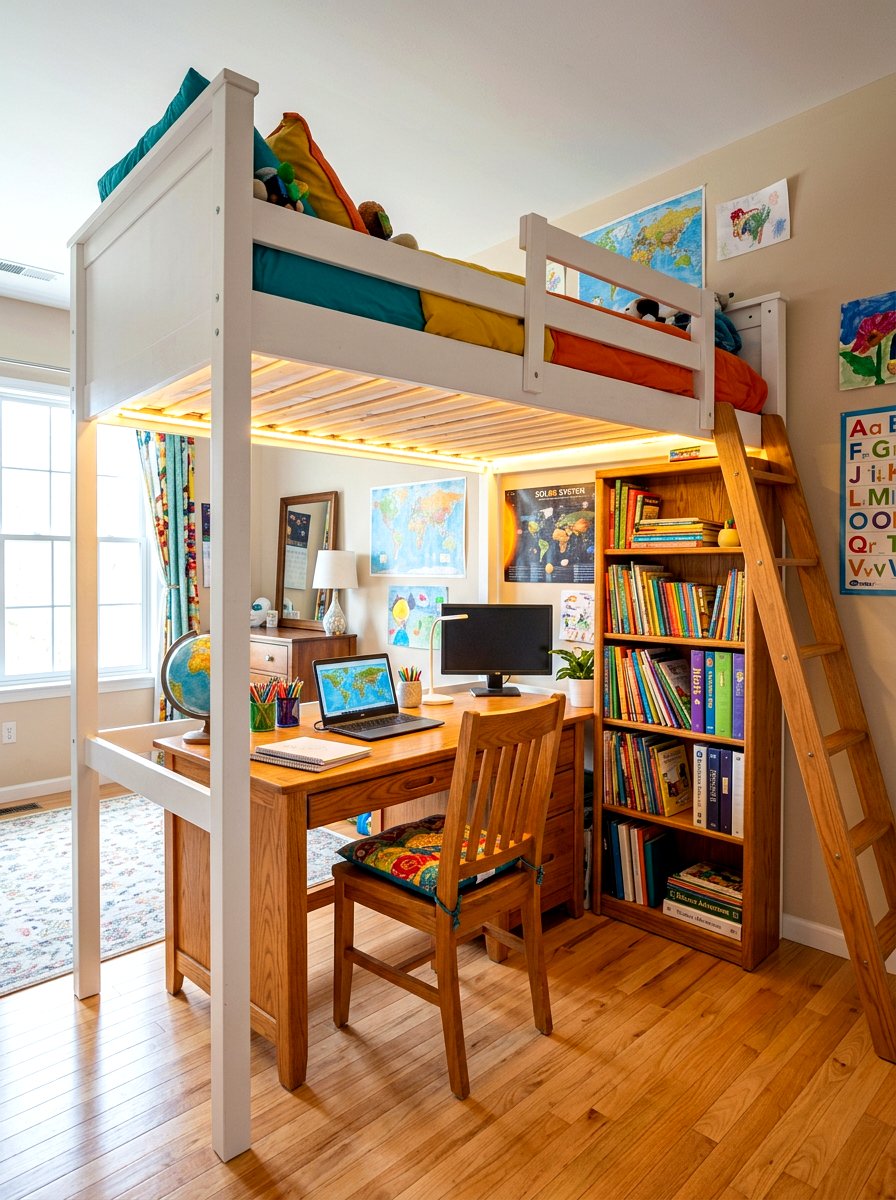
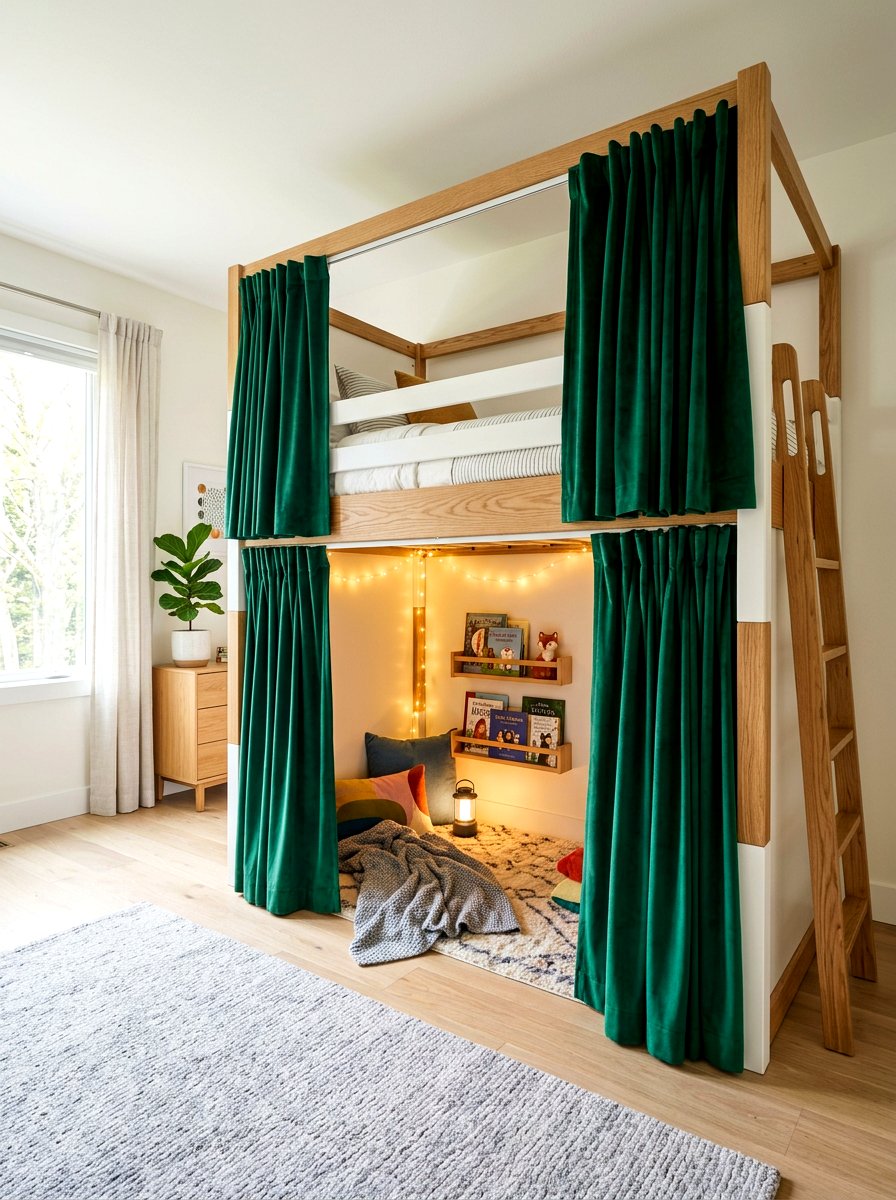
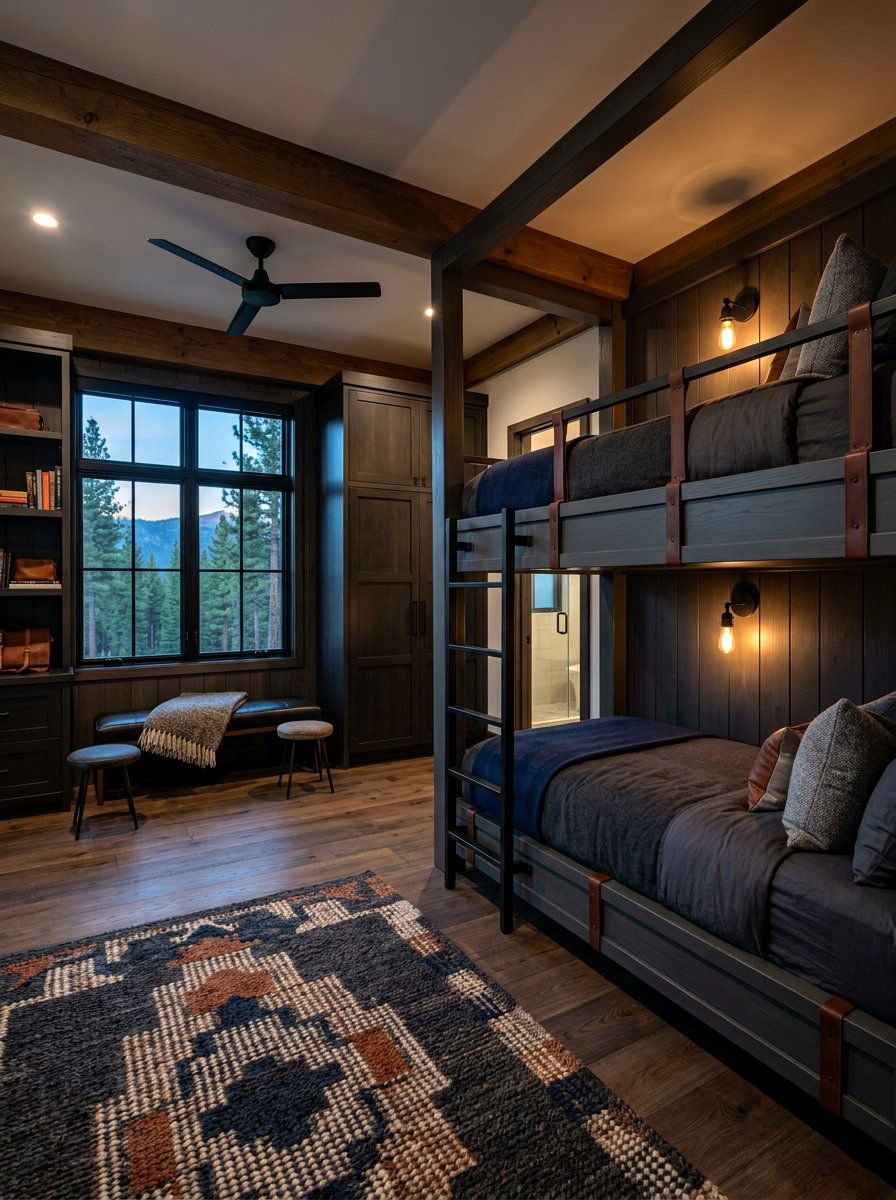
In a child's bedroom, a loft bed offers the perfect opportunity to create a compact classroom directly underneath the sleeping area. This "room within a room" provides a dedicated zone for a desk, a small bookshelf, and a comfortable task chair. It is an excellent way to save space in smaller homes where a separate schoolroom is not an option. You can add LED strip lighting under the bed frame to ensure the workspace is bright and inviting. This setup gives the child a sense of ownership over their learning environment. It also helps clearly define the difference between "school time" at the desk and "relax time" in bed.
24. Botanical Garden Homeschool Classroom
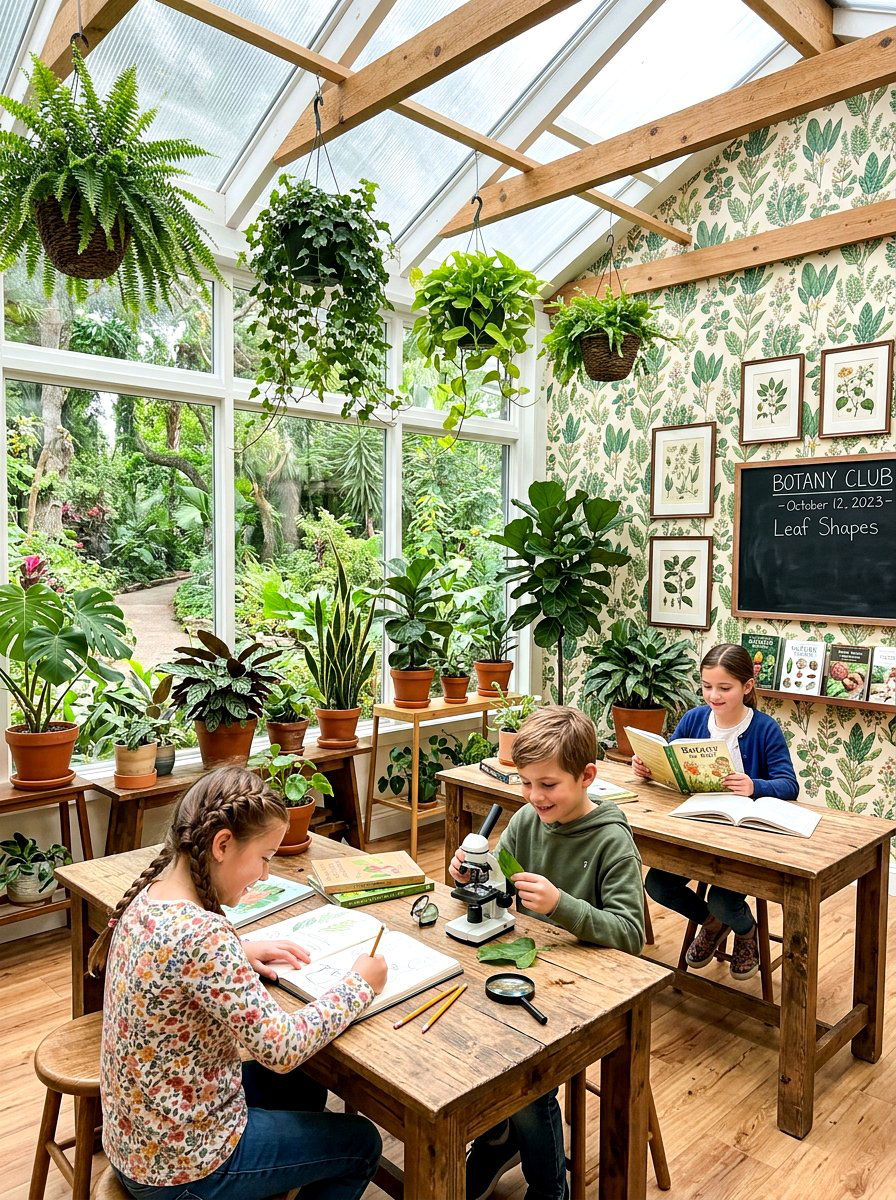
A botanical theme is perfect for students who love biology and the environment, turning the room into a lush green haven. You can fill the space with a variety of indoor plants, from tall fiddle leaf figs to small succulents on the desks. Using terrariums and herb gardens as part of the decor allows children to learn about plant life cycles in real-time. Botanical wallpaper or framed vintage plant prints add to the greenhouse aesthetic. This theme is known for its air-purifying qualities and its ability to reduce stress levels in both teachers and students. It creates a serene, life-filled atmosphere that makes school feel like an adventure.
25. Pastel Color Homeschool Zone
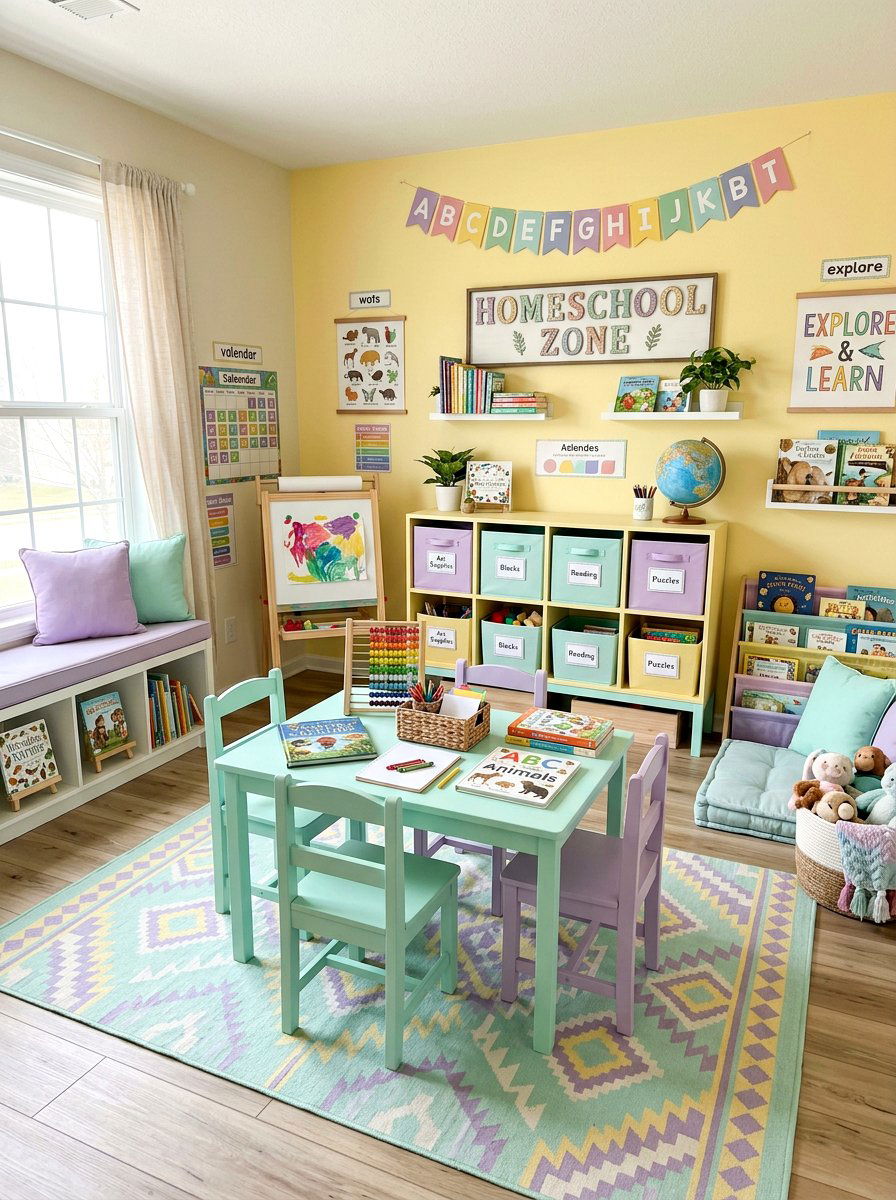
Using a palette of soft pastels like mint green, lavender, and pale yellow can create a gentle and uplifting atmosphere. These colors are known to be less visually stimulating than primary colors, making them a great choice for easily distracted learners. You can coordinate your storage bins, chair cushions, and wall art to match this soft and cohesive color scheme. This aesthetic feels very modern and "Instagram-worthy, " which might appeal to parents who want a beautiful home environment. The light colors also help reflect light, making the room feel more airy and spacious. It is a sweet, calming choice for a nursery-to-elementary transition room.
26. Map Wall Homeschool Room
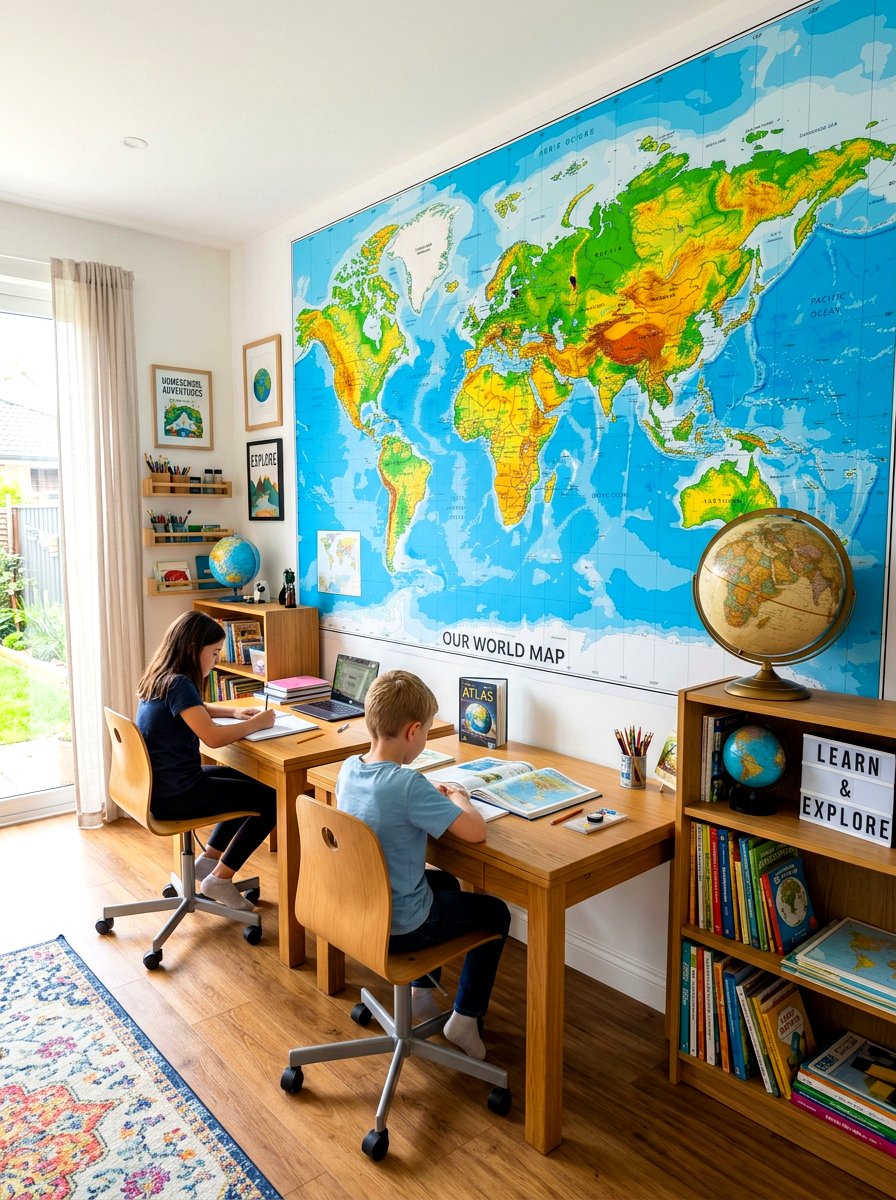
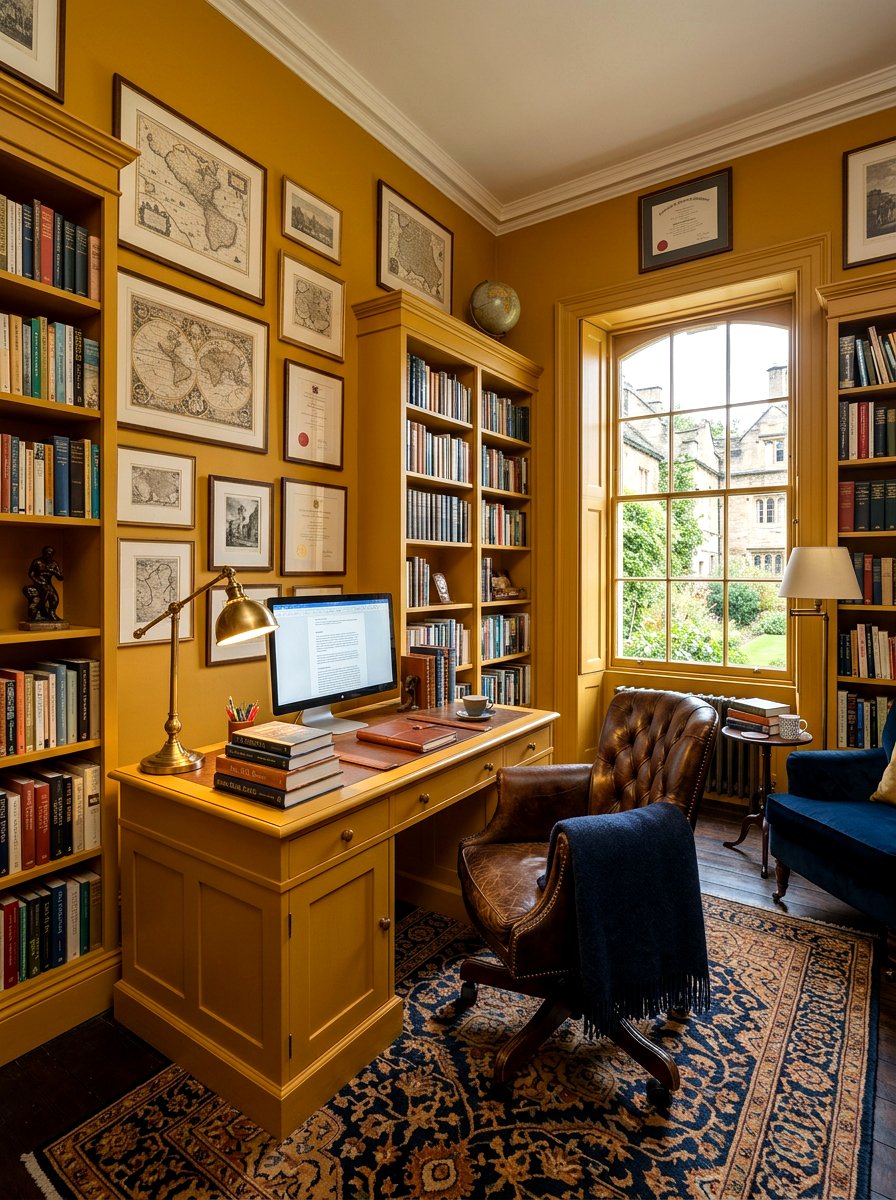
Covering an entire wall with a large, detailed world map or a map of your country provides an incredible visual resource. It encourages spontaneous geography lessons whenever a student hears about a new place in a story or news report. You can use map pins to track historical journeys, current events, or even family vacations you have taken together. This bold design choice makes a huge statement while serving as a constant educational tool for students of all ages. To complete the look, you can add a vintage globe and travel-themed accessories. It turns the classroom into a launching pad for global exploration and historical discovery.
27. Organized Homeschool Rolling Cart
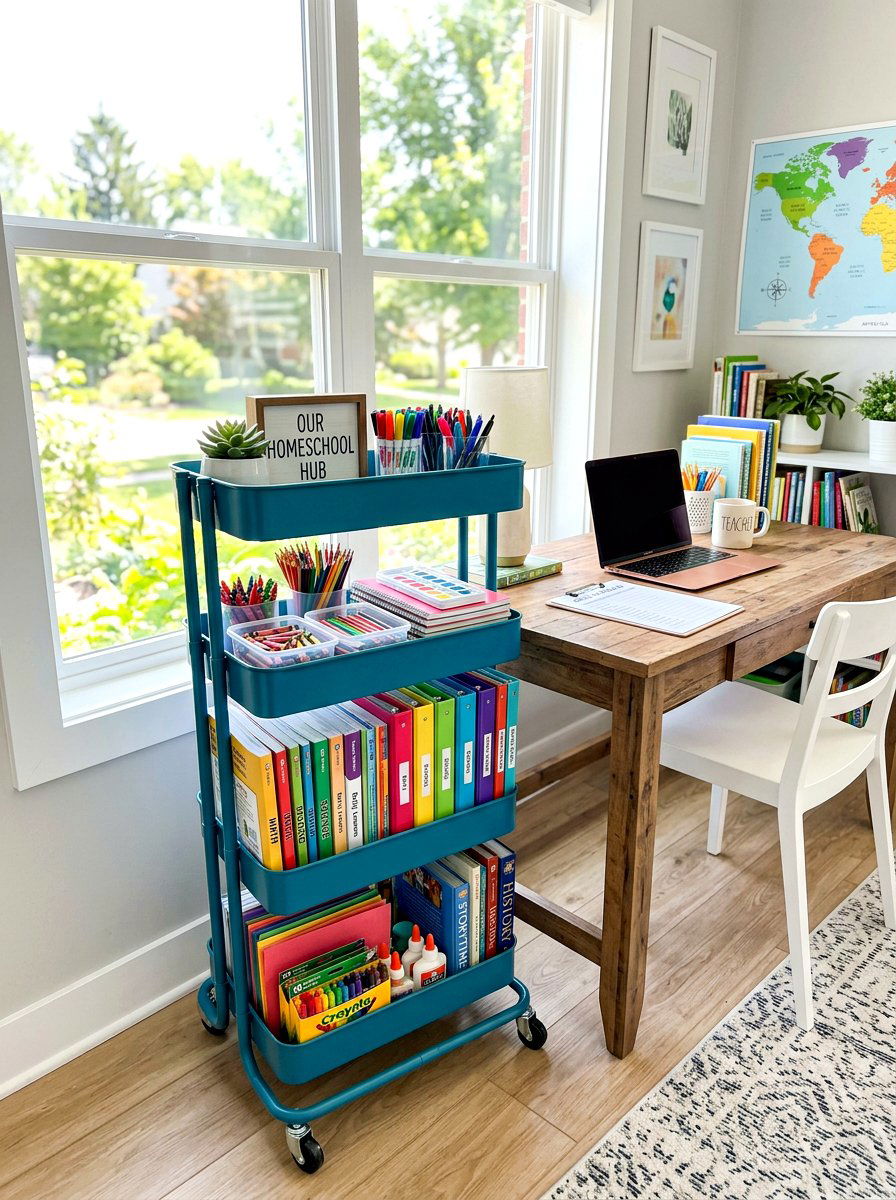
A rolling cart is the ultimate tool for families who need to take their school supplies on the move throughout the house. You can dedicate each tier of the cart to a different subject, such as math on the top and art on the bottom. Using small jars or magnetic bins on the sides of the metal cart keeps pencils and scissors within easy reach. This mobile solution is perfect for those who like to learn on the patio, at the dining table, or in the living room. When the school day ends, simply roll the cart into a closet or corner to clear the space. It is incredibly versatile.
28. Natural Wood Homeschool Interior
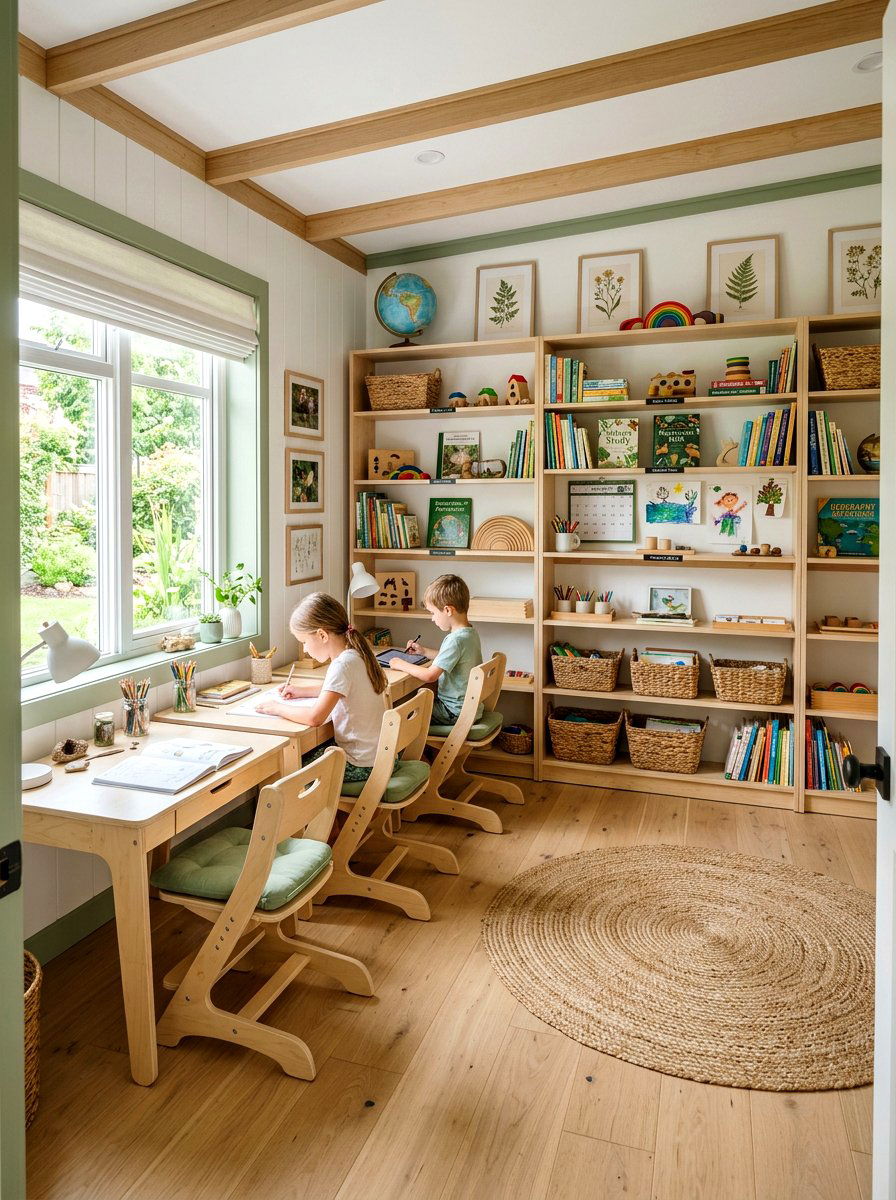
Focusing on natural wood finishes for your desks, chairs, and shelving creates a warm and grounding environment that feels very high-quality. Wood is a timeless material that fits into almost any home style, from rustic to ultra-modern and everything in between. You can choose lighter woods like birch or pine for a bright, airy feel, or darker woods like walnut for a more serious study. This organic aesthetic pairs beautifully with soft textures and green plants for a cohesive and mature look. Because wood is durable, these pieces will stand up to years of heavy use by growing children. It is a solid investment in your home’s functionality and beauty.
29. Window Seat Homeschool Reading Area
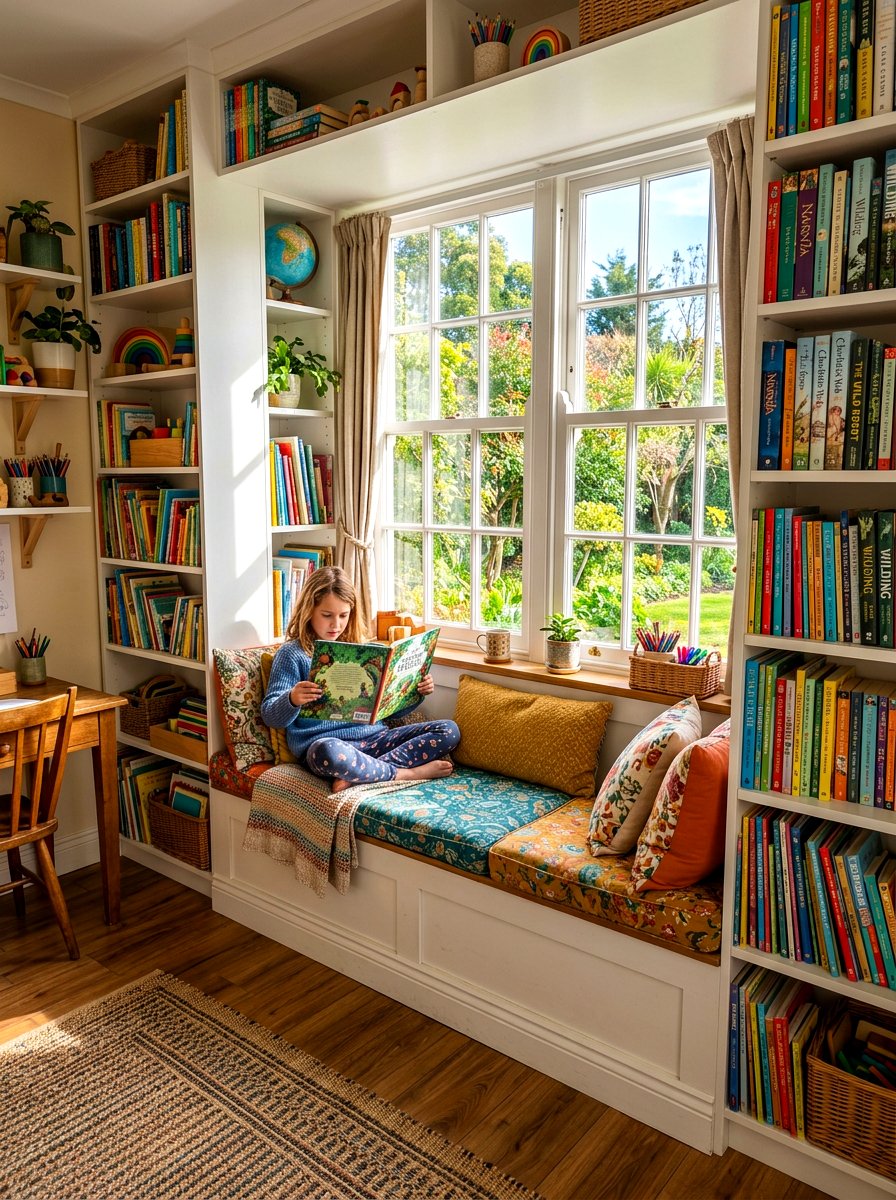
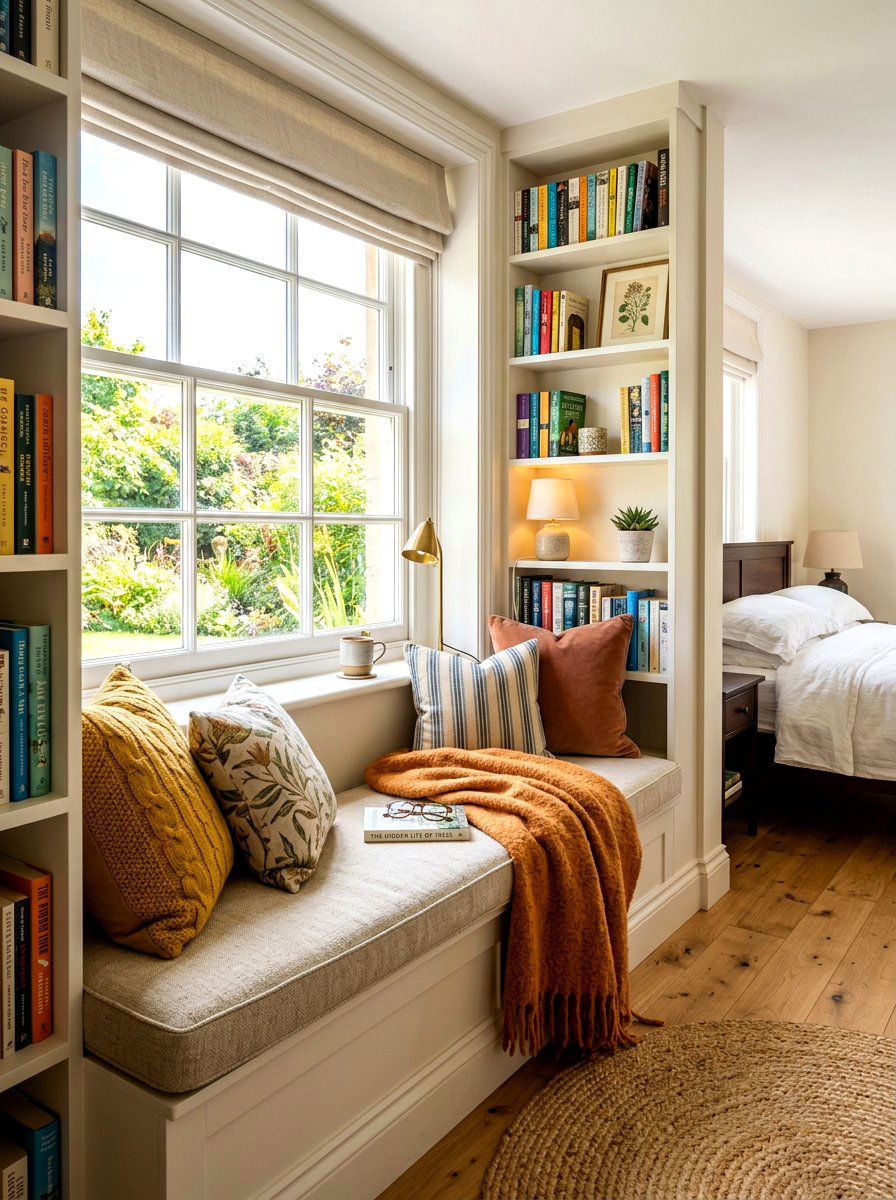
A built-in window seat provides a dreamy spot for independent reading or listening to an audiobook while looking out at the world. You can install deep drawers underneath the seat to store extra pillows, blankets, or even the current month's reading list. Surrounding the window with bookshelves creates a cozy frame that feels like a private library nook for your students. Adding a few soft cushions and a high-quality reading lamp ensures the space is comfortable enough for long reading sessions. This feature is often the favorite spot in the house, offering a peaceful escape from the more active areas of the classroom. It is truly magical.
30. Outdoor Covered Homeschool Space
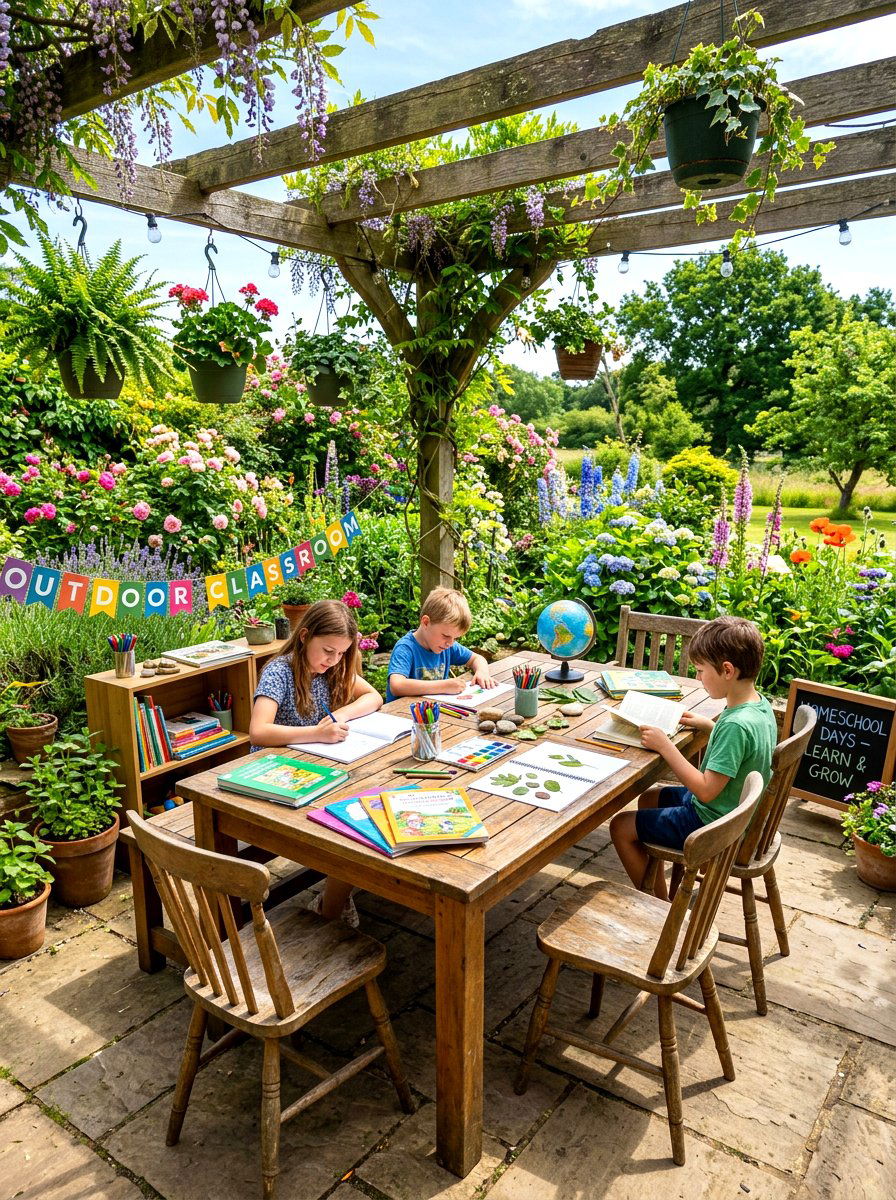
Taking the classroom outside can be incredibly refreshing for both students and parents who feel cooped up indoors for too long. A covered patio or a dedicated deck area can be outfitted with weather-resistant tables and comfortable outdoor chairs for daily lessons. You can use large storage bins to bring supplies out from the house and keep them protected from the elements. Learning in the fresh air and natural light can significantly improve mood, focus, and overall well-being for everyone involved. This setup is perfect for nature observation, messy science experiments, or reading aloud under the shade of a tree. It makes every school day feel like a field trip.
Conclusion:
Building a personalized learning environment is one of the most rewarding aspects of the homeschooling journey for any family. As you have seen, these spaces can range from grand attic conversions to tiny, efficient desk nooks tucked into a quiet hallway. The most important element is not the amount of money spent, but the intentionality behind the design choices you make. Focus on creating a room that reflects your child's personality and supports their specific learning style to ensure long-term success. With the right balance of organization and inspiration, your home classroom will become a cherished place where your family grows together through education.

Related posts: