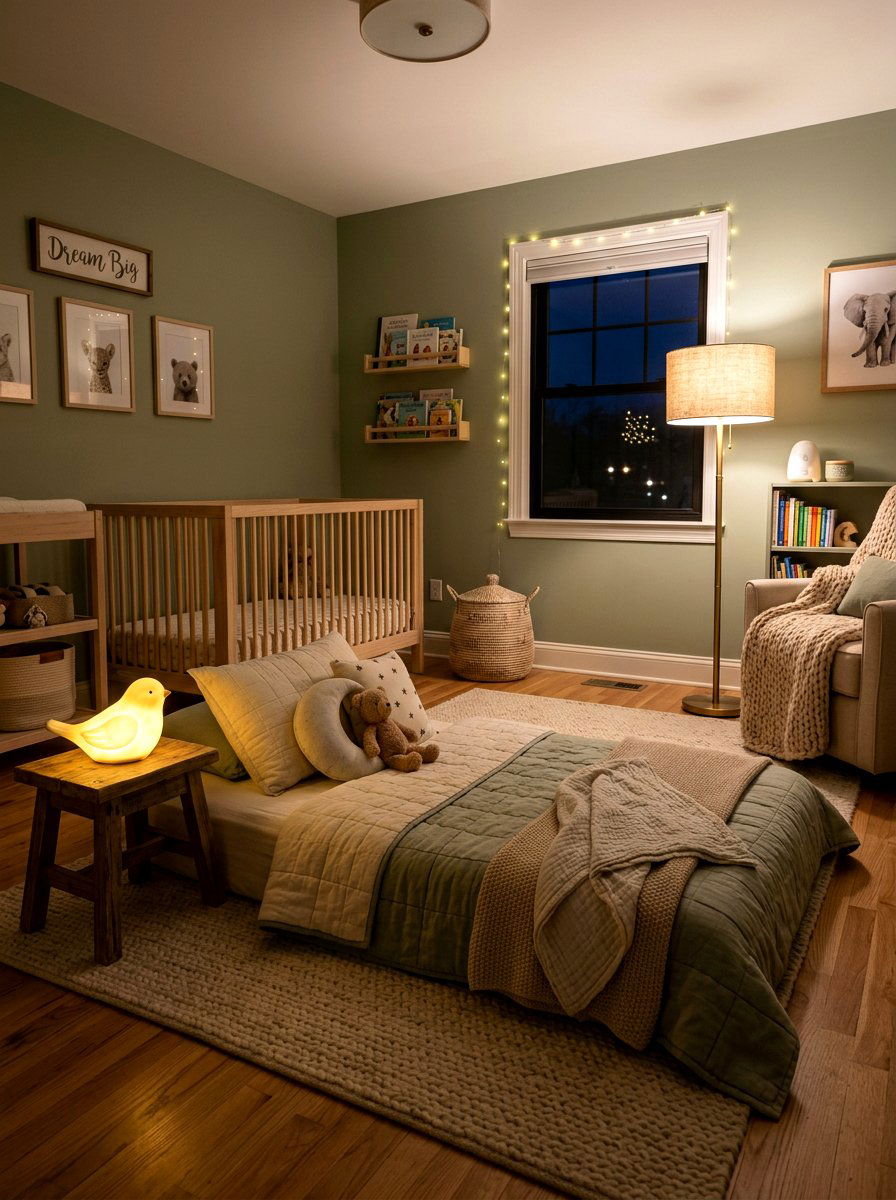
Creating a magical space for a child to get lost in a book is one of the most rewarding home projects you can undertake. A dedicated reading den offers more than just a seat; it provides a sanctuary where imagination can flourish without the distractions of modern screens. Whether you are working with a tiny apartment corner or a spacious playroom, these retreats foster a lifelong love for literature by making the activity feel like a special event. Designing such a space allows you to blend comfort with creativity, using soft textures, personal touches, and clever layouts to anchor the room. The following concepts showcase how to transform everyday areas into enchanting literary escapes.
1. Closet Reading Nook
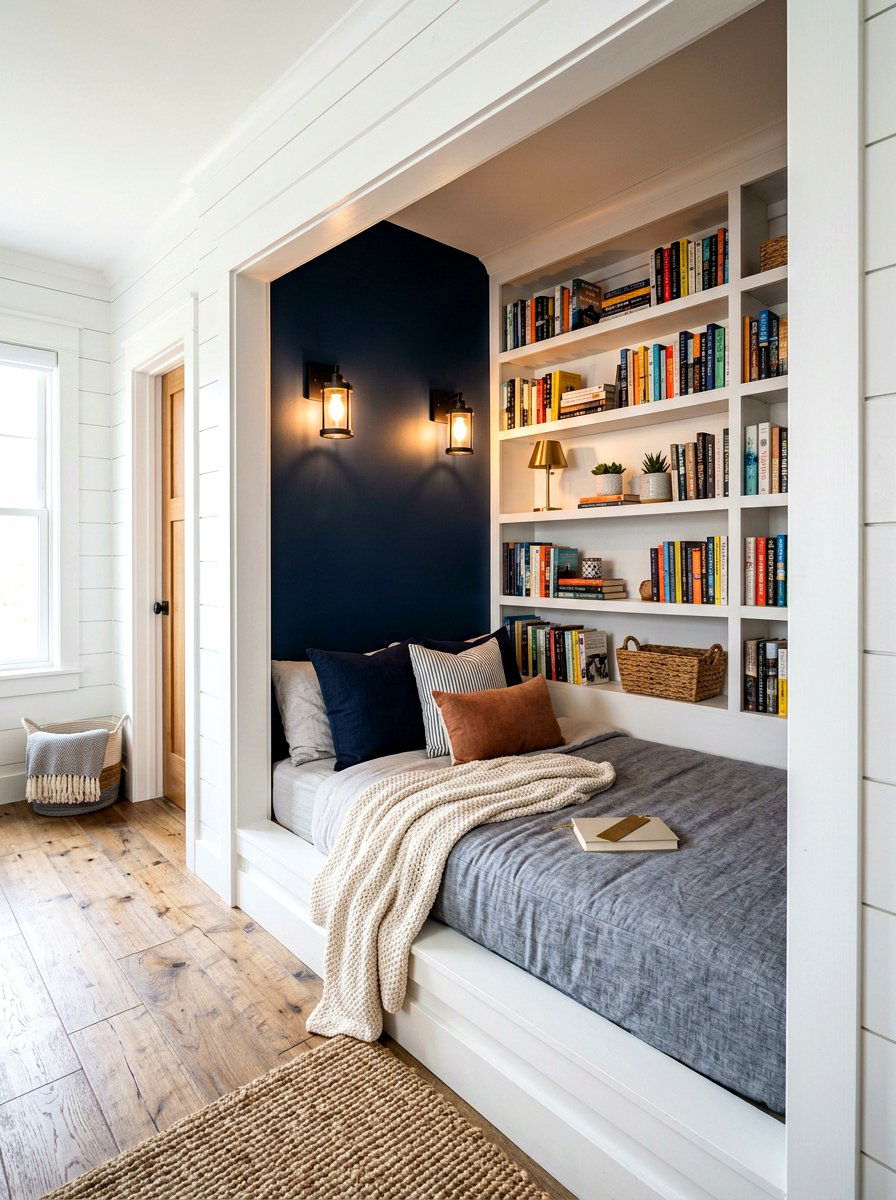
Transforming a small closet into a cozy reading retreat is a brilliant way to utilize underused square footage. You can start by removing the doors to open the space or keep them for a secret hideaway feel. Inside, wall-to-ceiling shelving holds a vast collection of stories within easy reach. A plush, custom-fit floor mattress provides the perfect base for hours of lounging. Adding soft, battery-operated sconces ensures the lighting is bright enough for reading without being harsh. Painting the interior a deep, calming navy or a soft forest green creates a distinct zone that feels entirely separate from the rest of the bedroom, offering a quiet sanctuary for young readers to explore.
2. Teepee Tent Corner
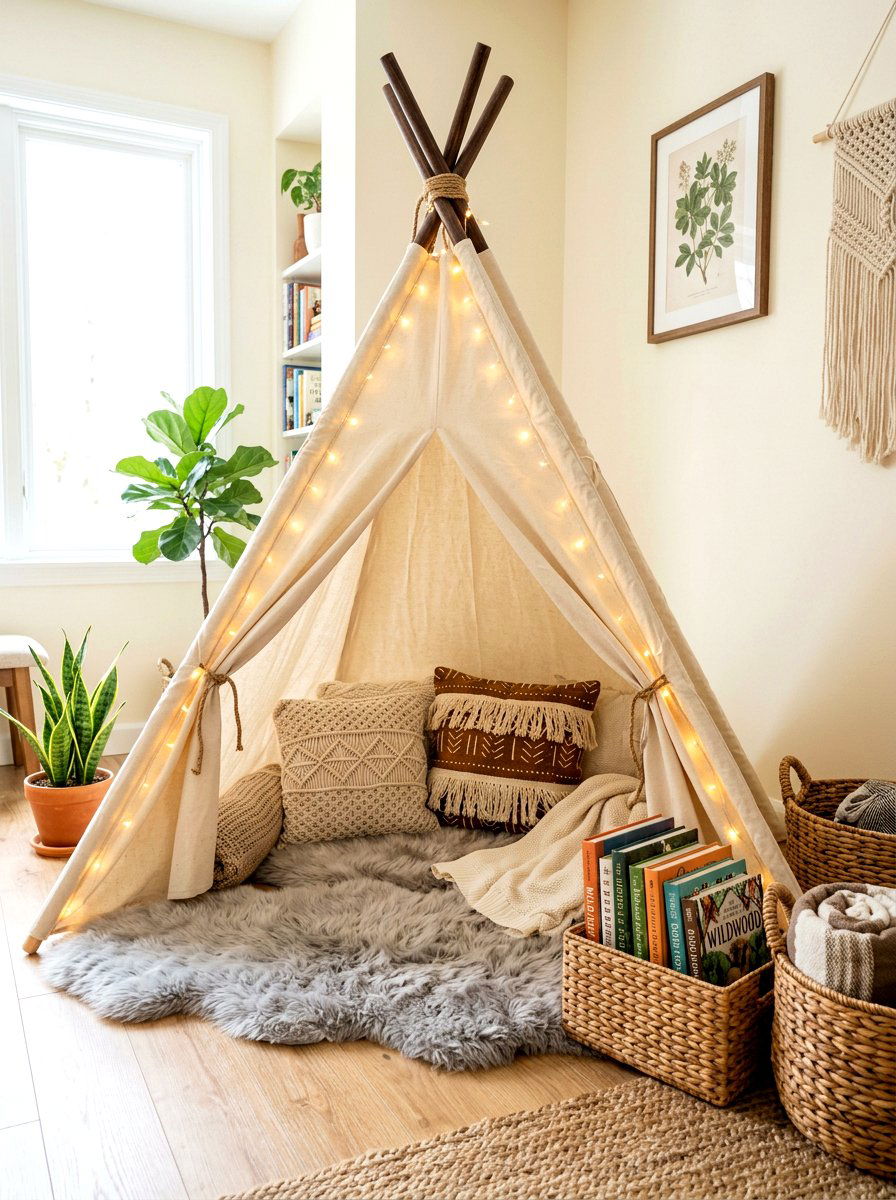
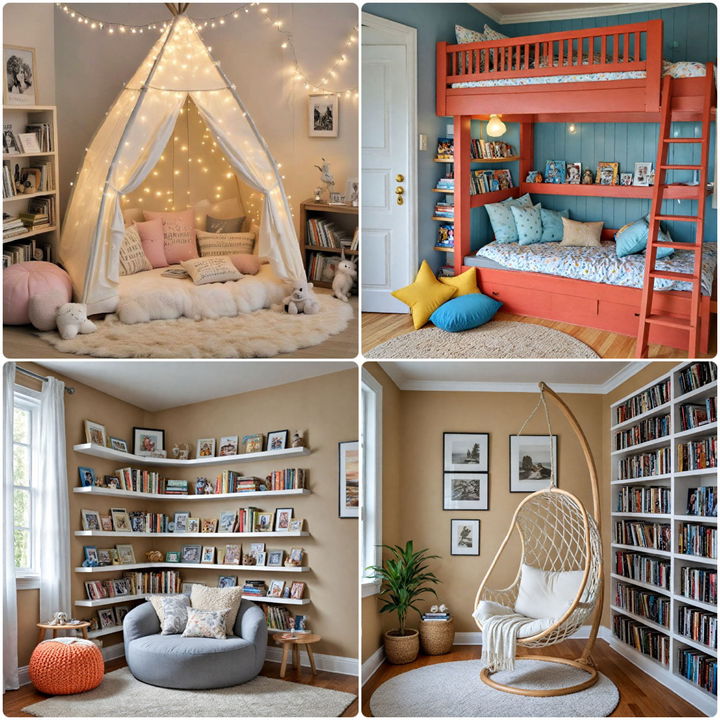
A classic canvas teepee remains a favorite for children because it offers an immediate sense of adventure and enclosure. Placing a teepee in a bedroom corner creates a focal point that anchors the entire room's design. To make it comfortable, layer a thick sheepskin rug or a quilted play mat inside. Drape warm white string lights around the wooden poles to add a magical glow that invites late-night storytelling. Surround the exterior with woven baskets filled with picture books and soft plush toys. This setup is easily movable, allowing you to reposition the den as the room layout evolves while maintaining a consistent and charming aesthetic that appeals to kids.
3. Under Stairs Nook
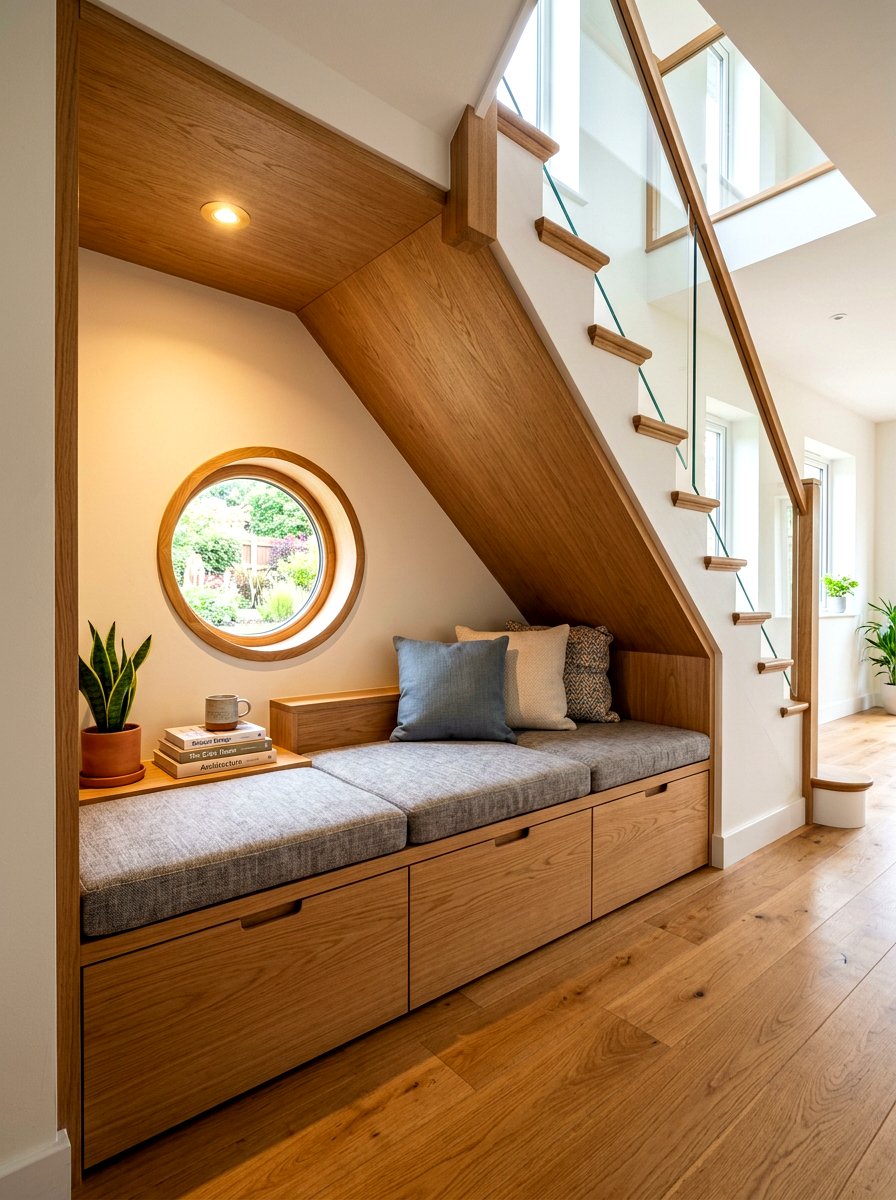
The often-wasted space beneath a staircase can be reimagined as a sophisticated and functional reading burrow. By building a custom bench with integrated drawers, you provide both seating and essential storage for a growing book collection. High-quality upholstery in a durable fabric ensures the space handles daily use while looking polished. Consider installing a small porthole window or a decorative wall vent to improve airflow and add a unique architectural detail. Using the same wood finish as the stairs creates a seamless look that integrates the den into the home's structure. This architectural approach turns a transitional area into a high-value destination for quiet reflection and independent learning.
4. Bunk Bed Hideout
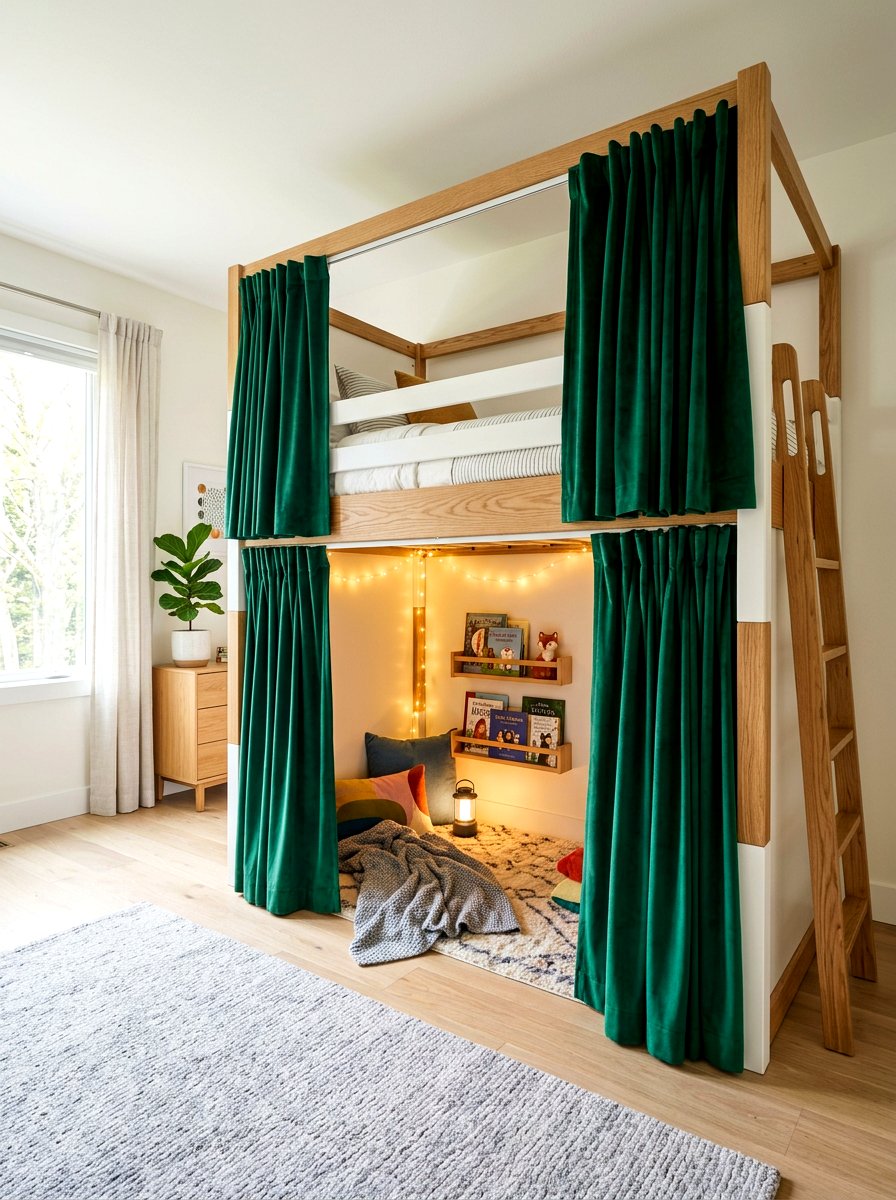
Utilizing the lower portion of a loft or bunk bed is a smart strategy for smaller shared bedrooms. By hanging thick velvet or linen curtains around the bottom frame, you create an instant, private clubhouse. Inside this darkened space, a series of LED strips or a portable lantern provides focused task lighting. Wall-mounted fabric pockets are excellent for holding favorite books and water bottles within reach. This design maximizes vertical space while giving a child a sense of ownership over their personal area. The enclosure helps minimize noise and visual distractions, making it much easier for a child to focus deeply on their favorite graphic novels or adventure stories.
5. Canopy Floor Cushion
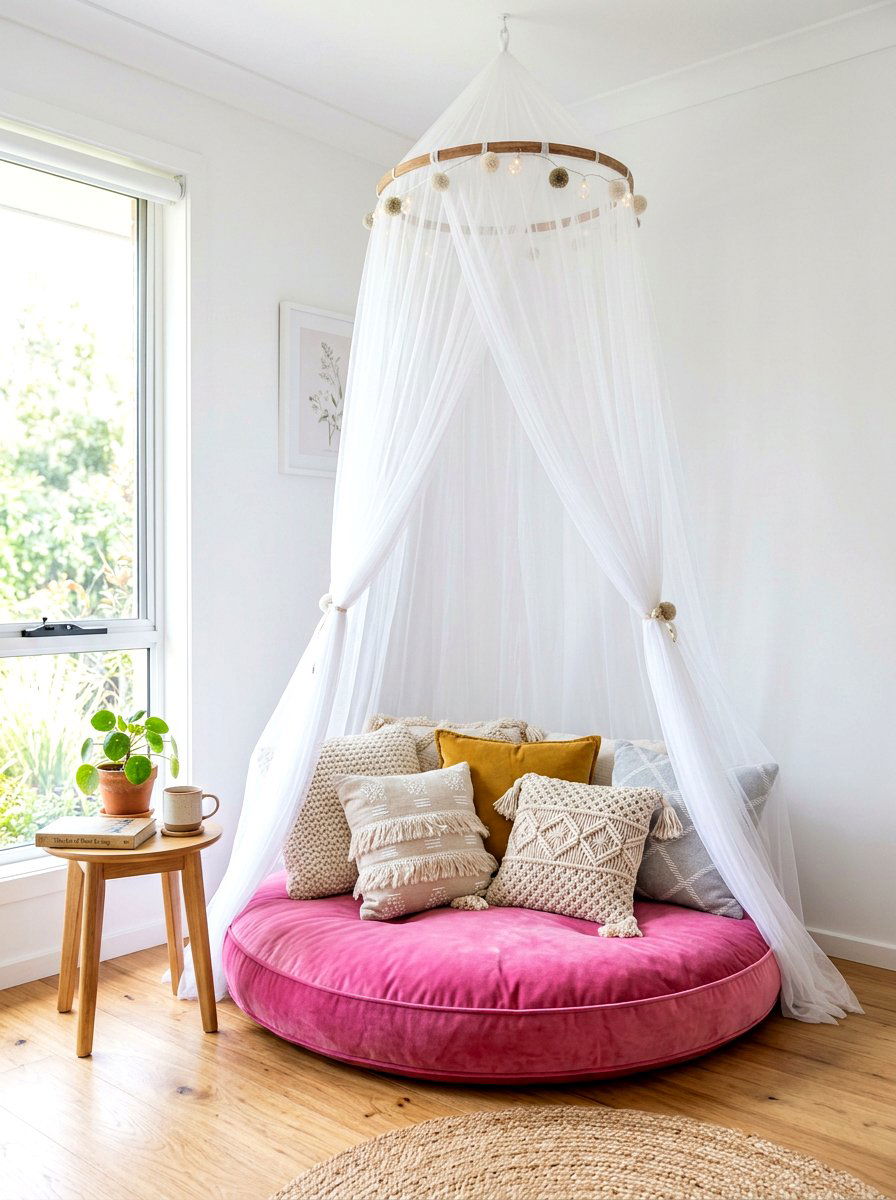
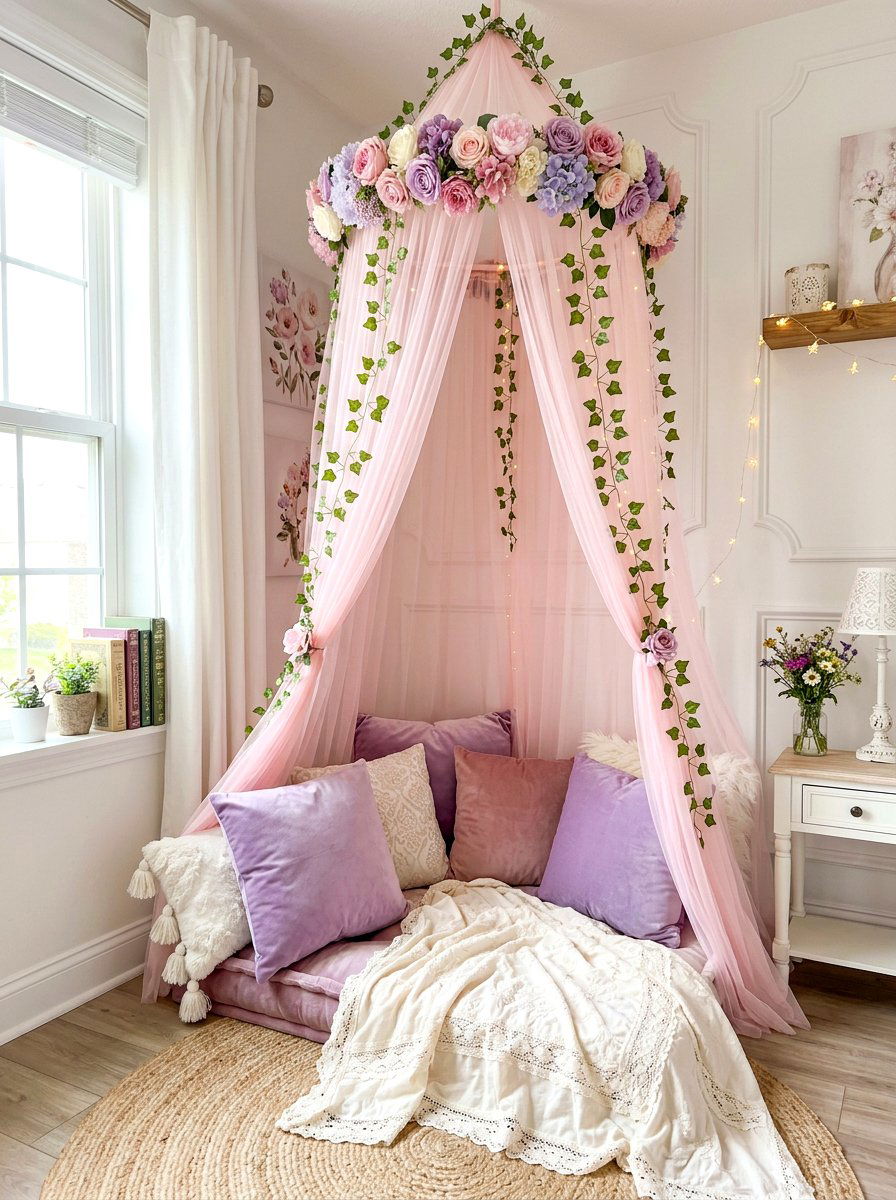
A hanging ceiling canopy paired with an oversized floor cushion creates an ethereal and lightweight reading zone. This design works exceptionally well in nursery settings or boho-style bedrooms. Choosing a breathable cotton or tulle fabric allows light to filter through while still providing a sense of seclusion. The focal point is the large, round velvet cushion that offers enough space for a parent and child to read together. Surrounding the base with a collection of smaller throw pillows in varying textures adds depth and comfort. This setup is visually striking on Pinterest because it combines soft architectural lines with cozy, tactile elements that feel both modern and timelessly whimsical.
6. Attic Play Space
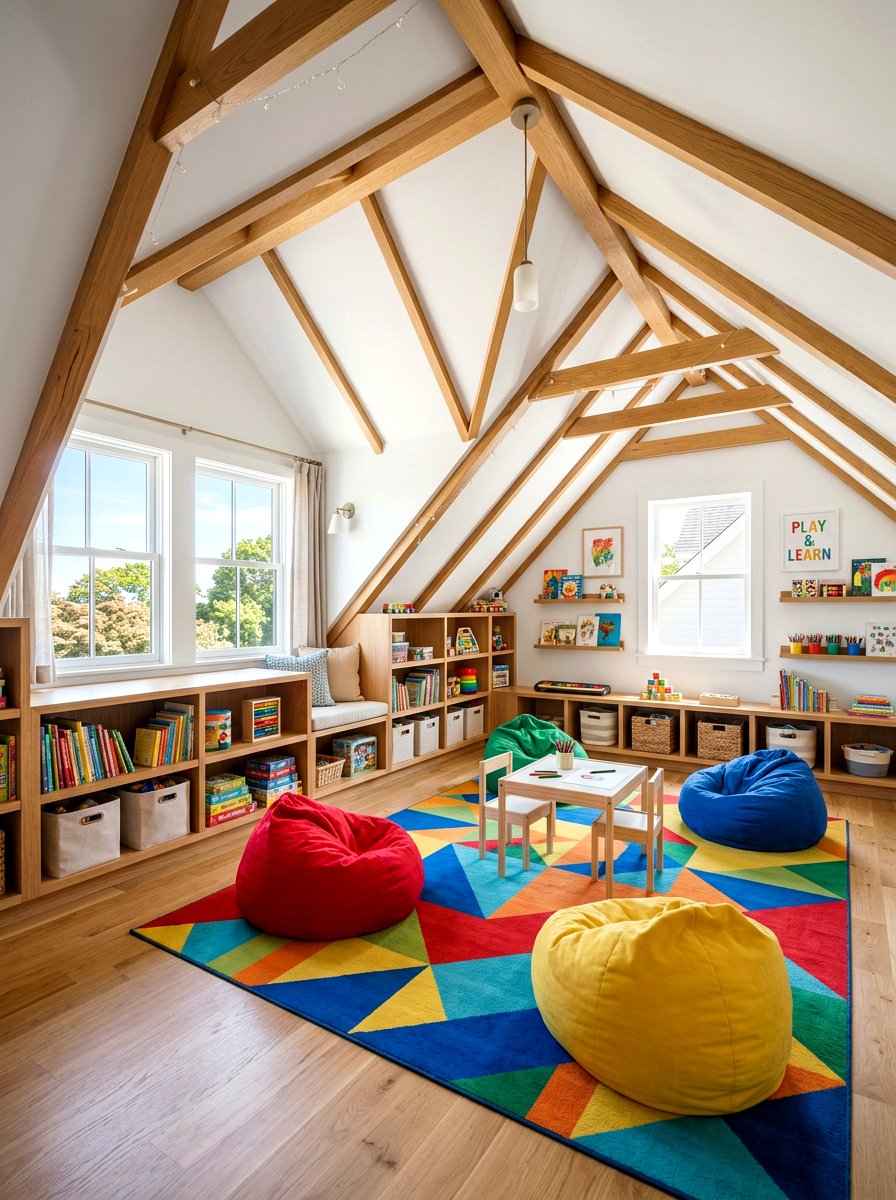
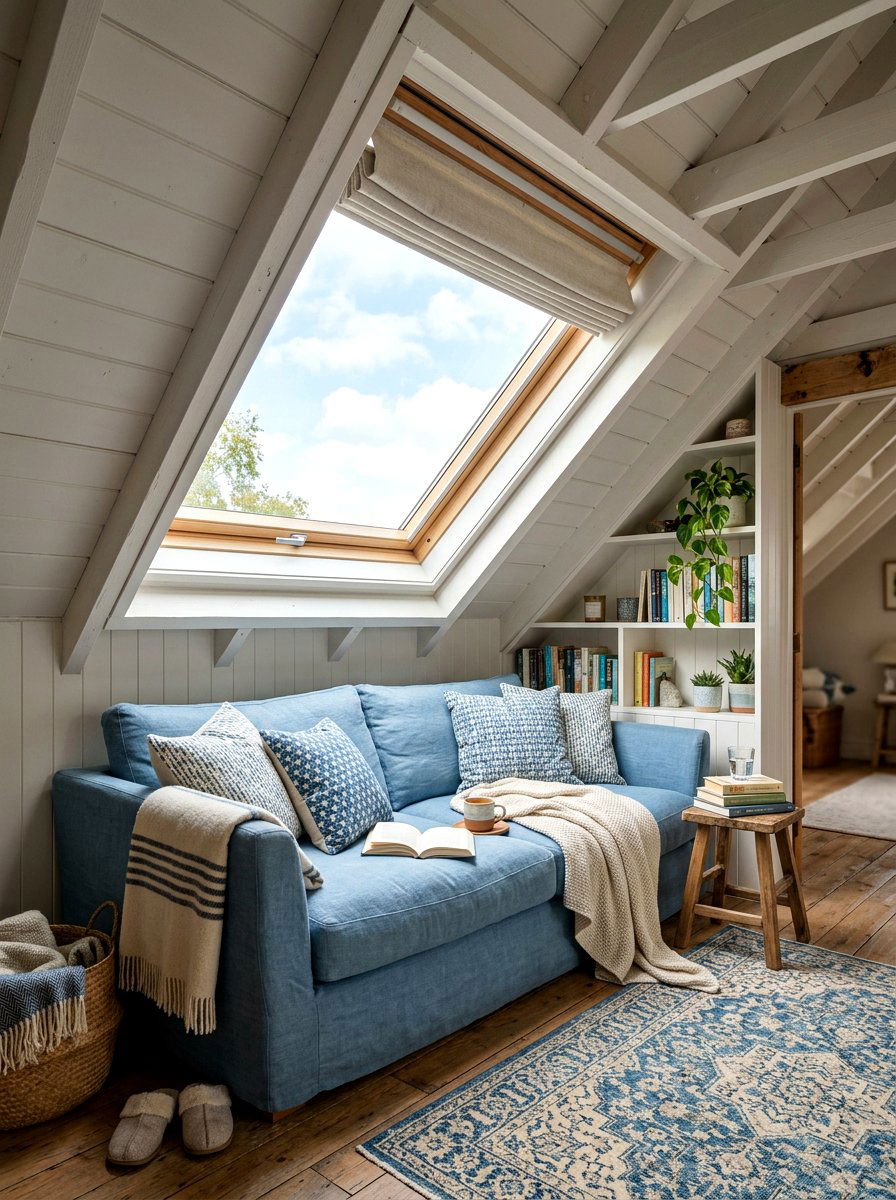
Convert a finished attic with sloped ceilings into a sprawling literary loft that feels like a secret attic hideaway. The unique angles of the roof provide natural alcoves that are perfect for low-profile seating and floor-to-ceiling bookshelves. Using light-colored wood and white walls helps reflect natural light from dormer windows, keeping the space bright and airy. You can install a series of built-in cubbies along the knee walls to keep books organized by genre or color. Adding a large, colorful area rug defines the central reading zone, while a few comfortable bean bags offer flexible seating. This expansive layout encourages kids to spend long afternoons immersed in complex chapter books.
7. Window Seat Bench
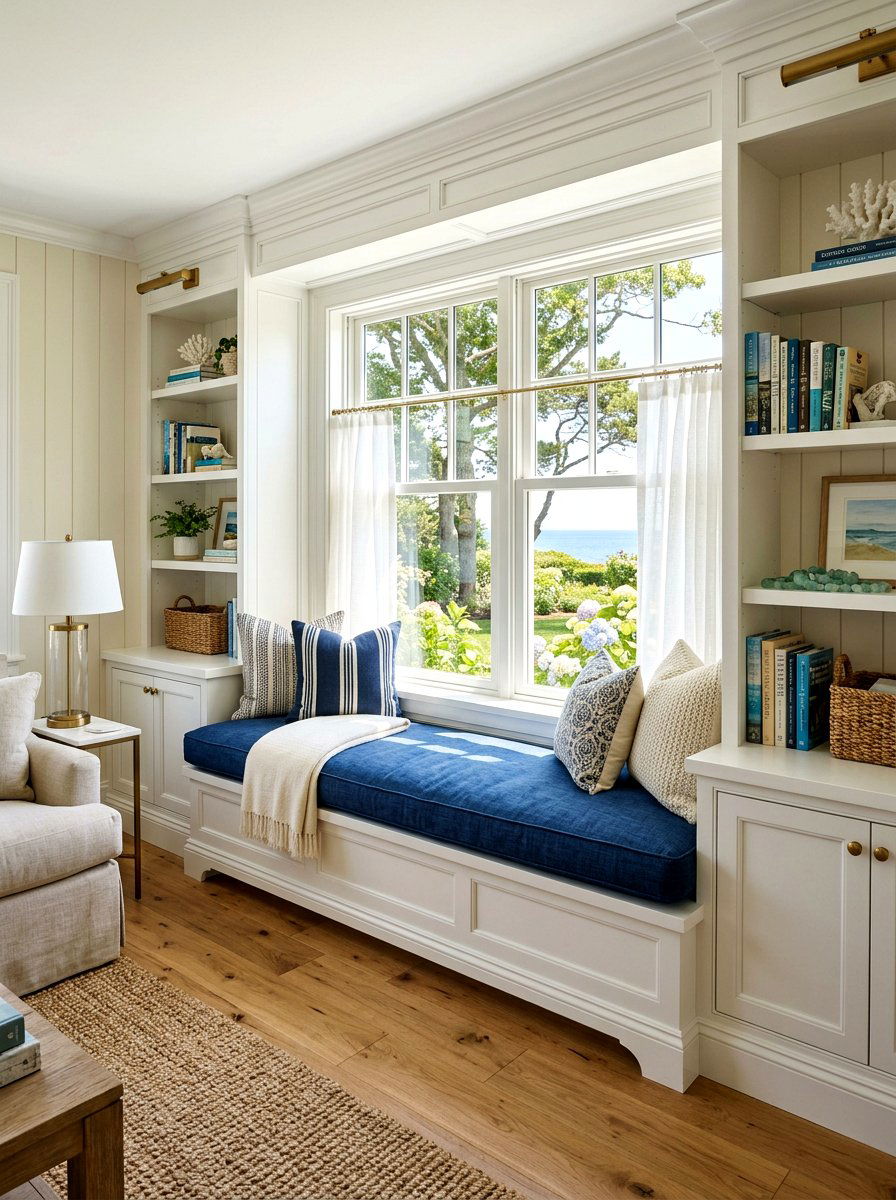
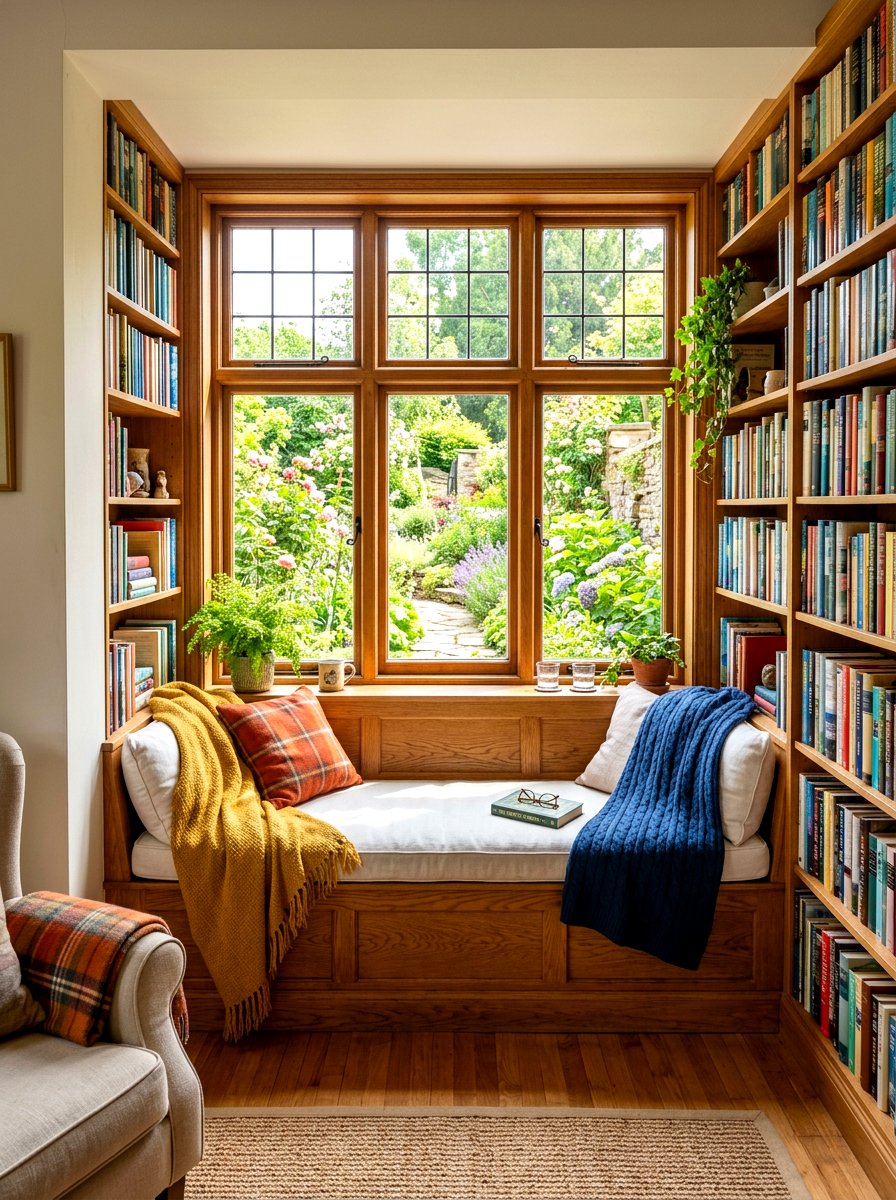
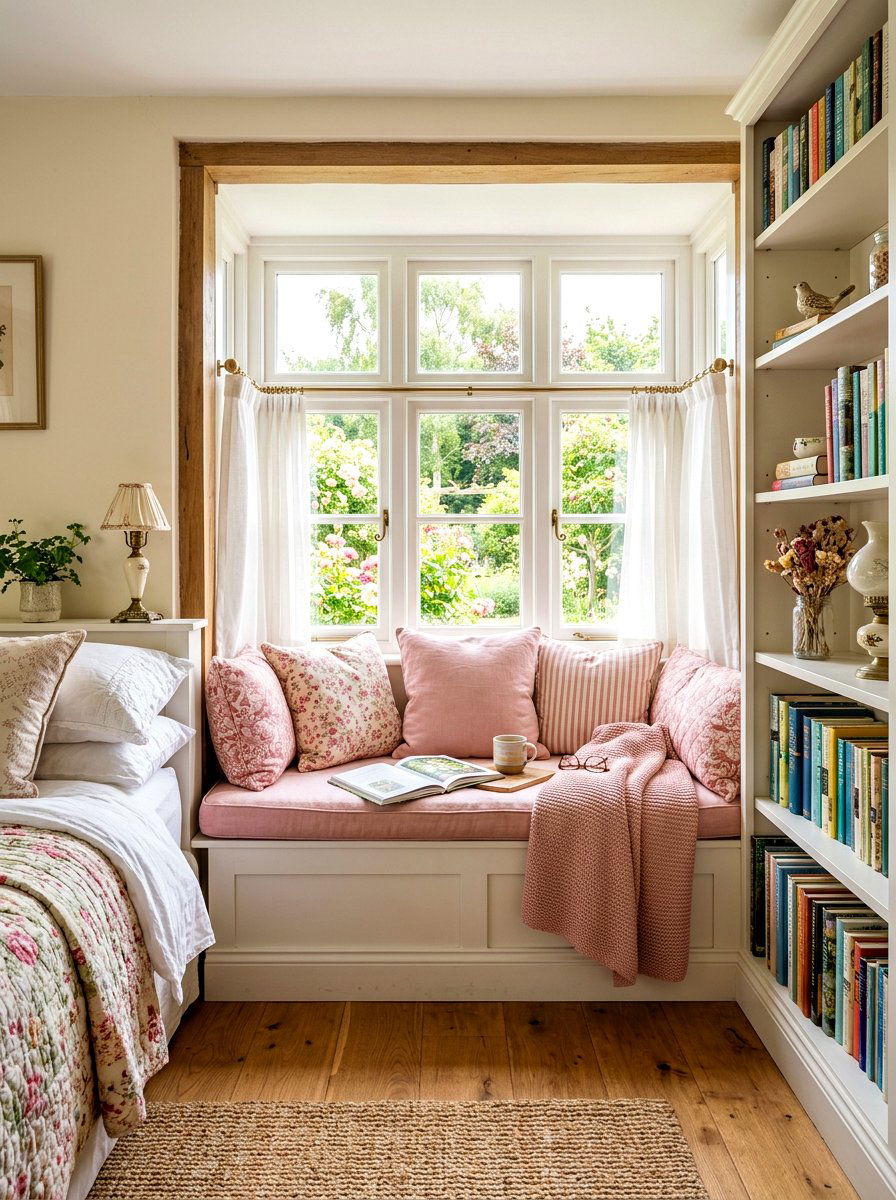
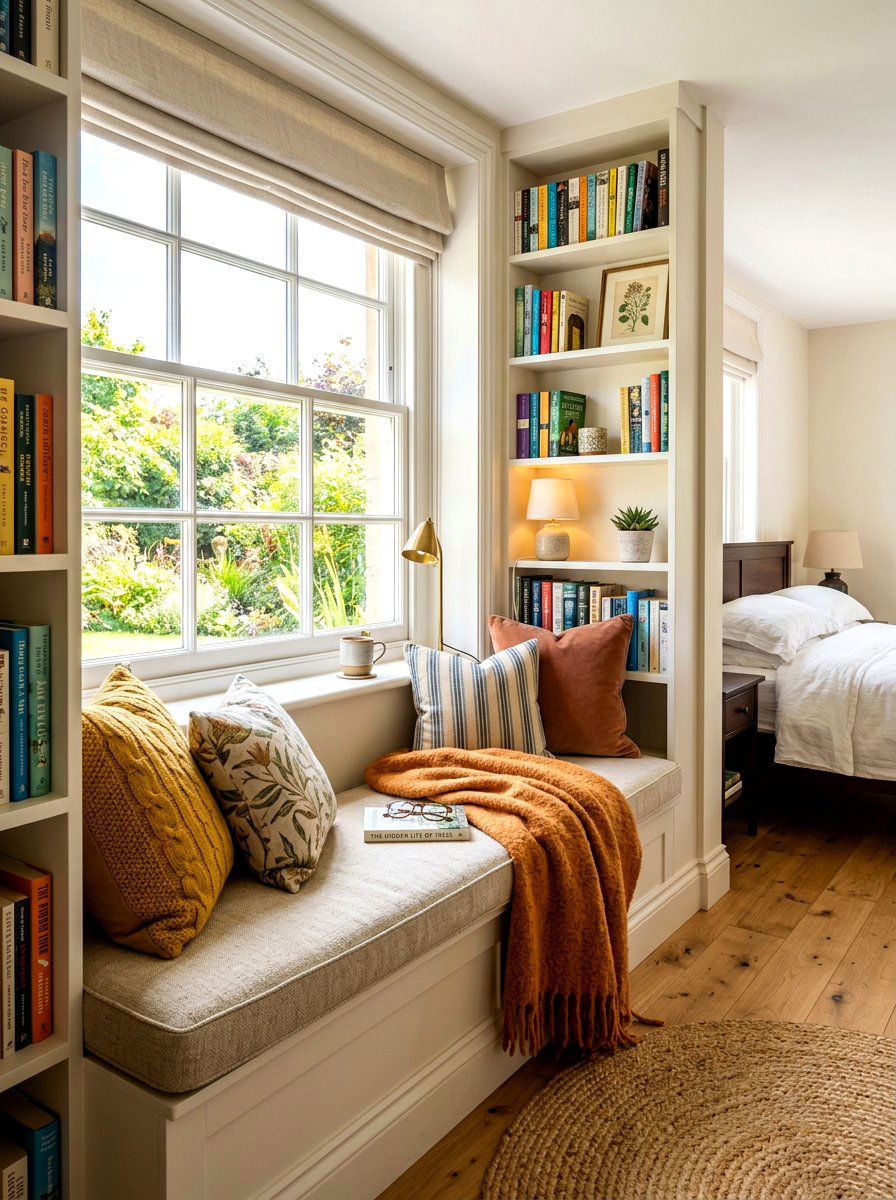
A built-in window seat is a classic design choice that pairs the joy of reading with the beauty of natural daylight. Framing a large window with custom cabinetry creates a permanent and functional furniture piece that enhances the room's architecture. The bench should be deep enough for a child to sit cross-legged or lean back against the side walls. Use thick foam cushions covered in easy-to-clean performance fabrics to ensure longevity. Flank the window with open shelving to display a curated selection of books and decorative objects. This design not only provides a perfect reading spot but also serves as a beautiful viewing platform for watching the world outside.
8. Treehouse Bedroom Setup
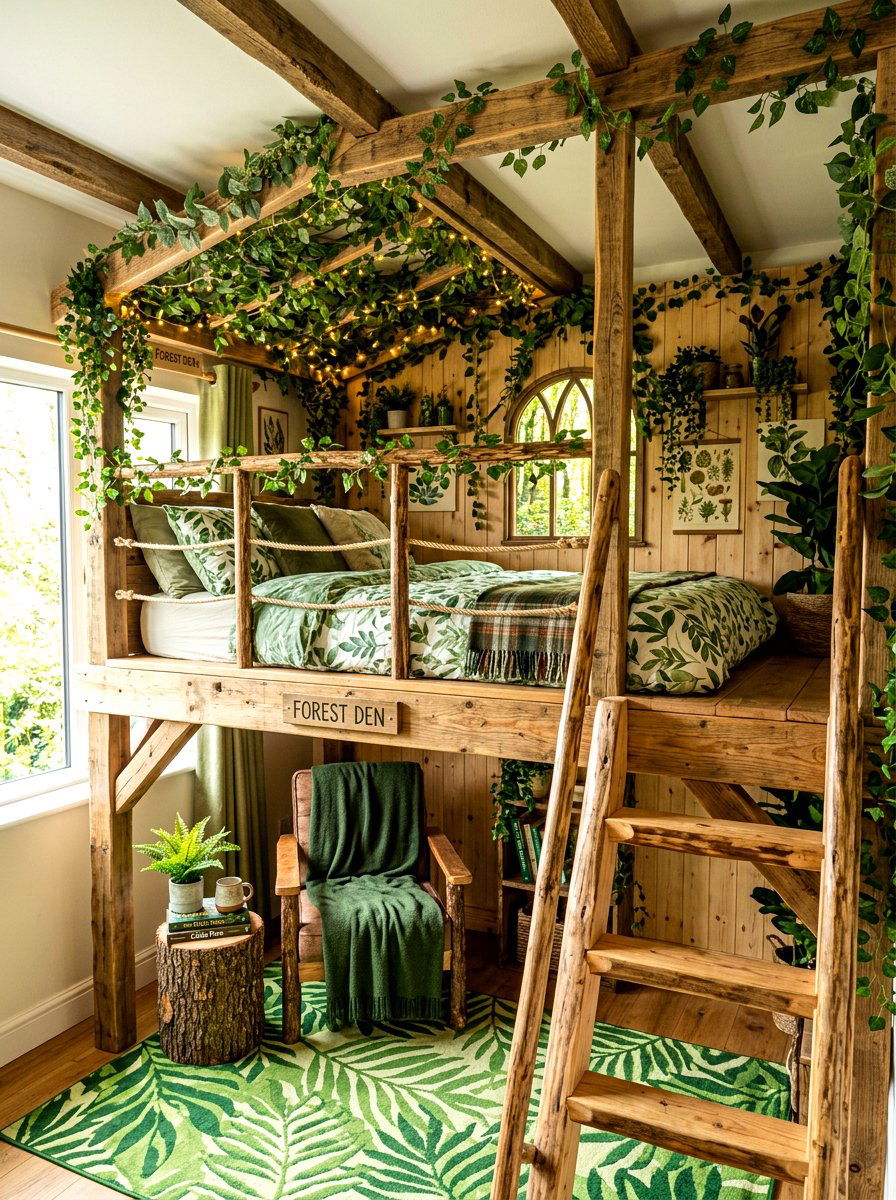
Bringing the outdoors inside with a treehouse-themed reading area sparks immediate excitement and imaginative play. You can build a raised platform with a rustic wooden railing and a small ladder to simulate a real forest retreat. Underneath the platform, a soft rug and several large floor pillows create a secondary "forest floor" reading zone. Use wallpaper featuring subtle forest motifs or birch tree patterns to enhance the theme without overwhelming the space. Incorporating natural materials like reclaimed wood, wicker baskets, and cotton fabrics reinforces the organic feel. This comprehensive design theme transforms a standard bedroom into an interactive environment where every book feels like a new scouting mission or adventure.
9. Dark Sensory Den
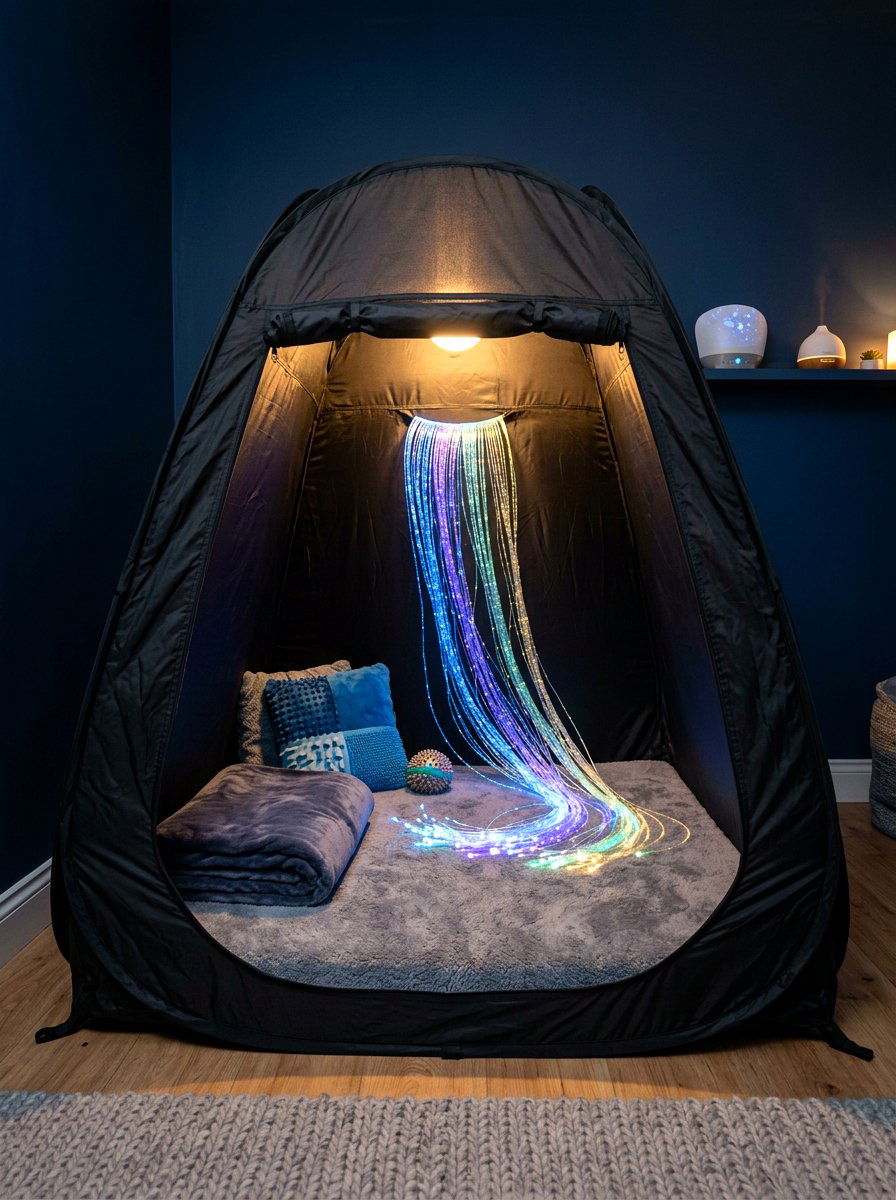
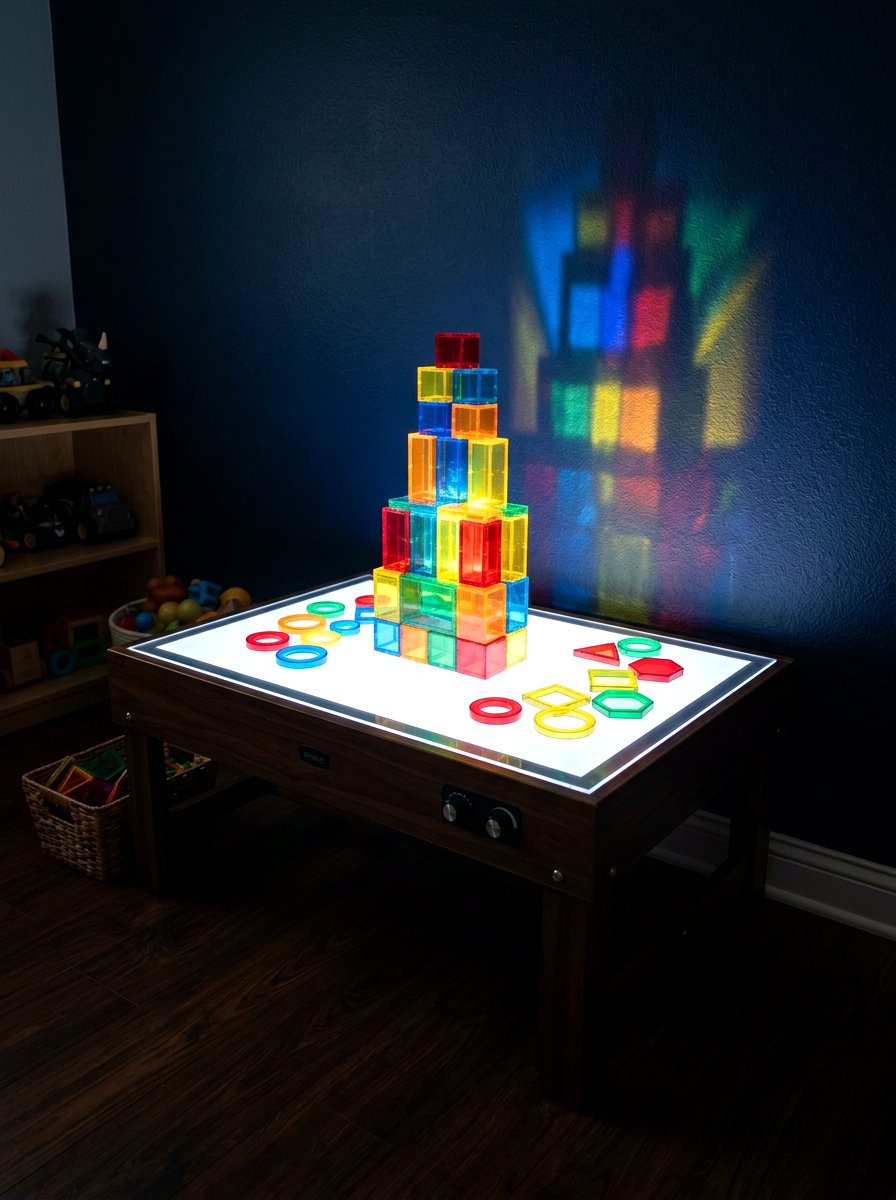
For children who thrive in quiet, low-stimulation environments, a dedicated dark sensory den is an excellent addition to a playroom. Use a pop-up tent or a heavy-duty fabric structure designed to block out most ambient light. Inside, provide a soft glowing lava lamp or a fiber-optic light source that provides a calming visual focus while reading. The floor should be lined with extra-thick memory foam mats to provide a soft, grounding experience. This type of den is particularly helpful for neurodivergent children who may need a "recharge" space during a busy day. It creates a controlled environment where the focus remains entirely on the sensory experience of the book.

10. Floor Pillow Corner
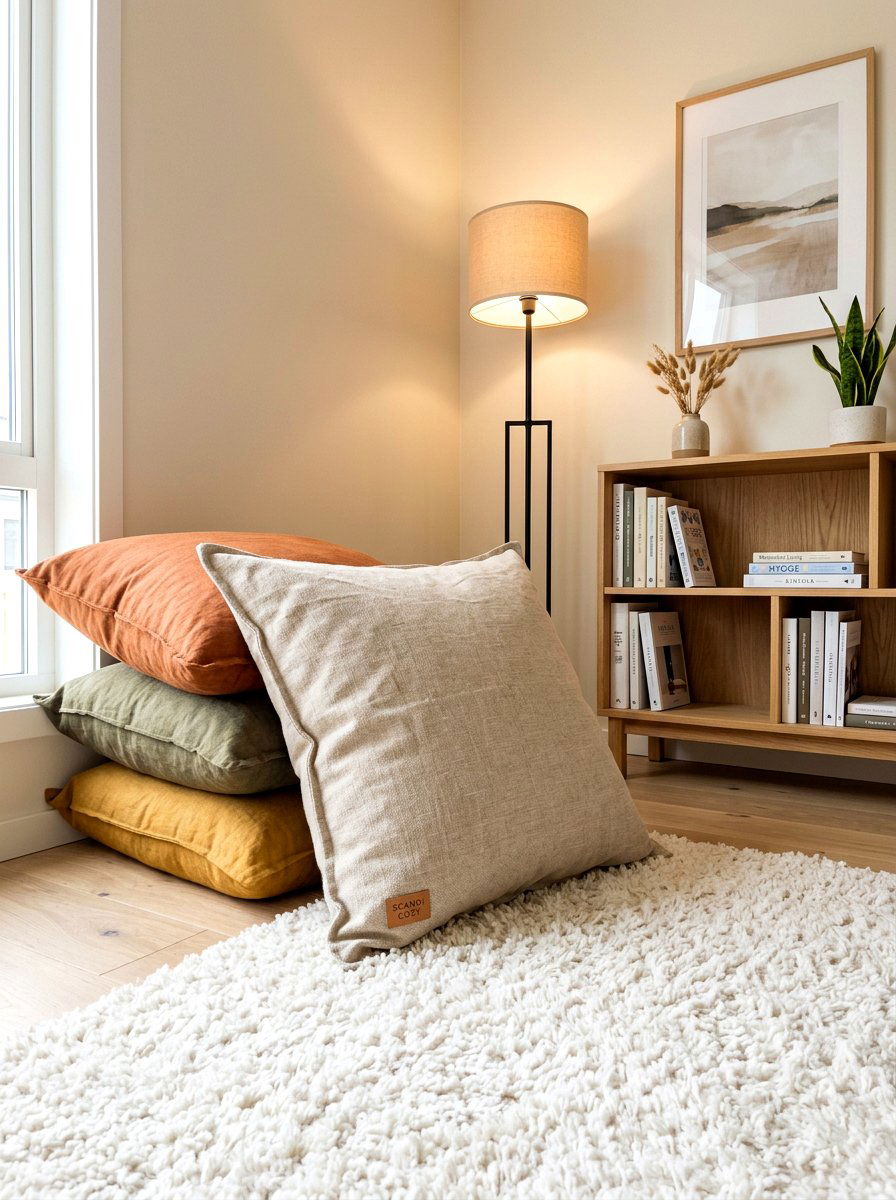
Sometimes the simplest ideas are the most effective, and a corner filled with high-quality floor pillows is a perfect example. Select pillows of varying sizes and shapes, such as large squares, round bolsters, and ergonomic backrests, to allow for multiple seating positions. Arrange them in a corner of the room on top of a high-pile shag rug for maximum plushness. A low-profile bookshelf placed alongside the pillows ensures that even the youngest readers can independently select their books. This flexible arrangement is easy to clean and can be quickly moved when the floor space is needed for other activities. It offers a casual and inviting atmosphere that feels very approachable.
11. Hanging Egg Chair
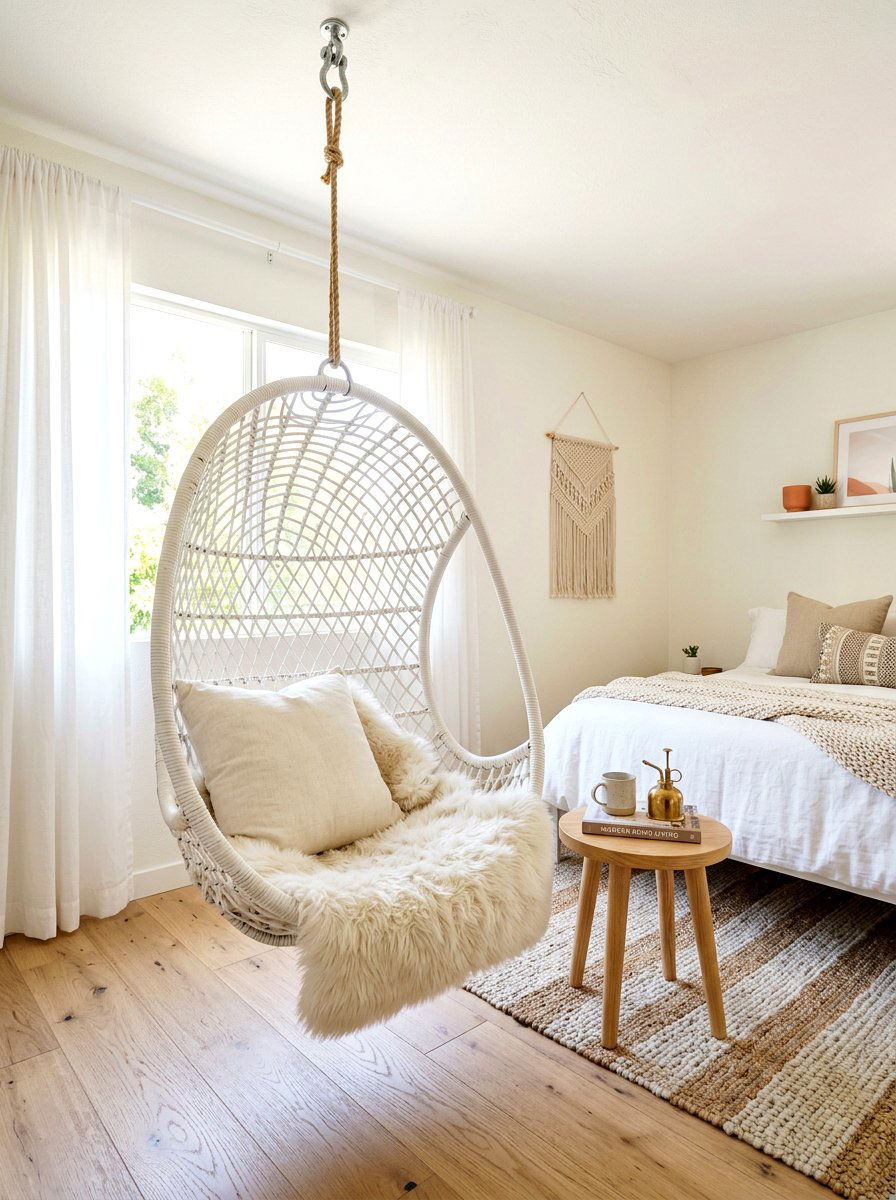
A hanging egg chair adds a modern, sculptural element to a child's bedroom while providing a unique swinging sensation that many kids find relaxing. Suspended from a sturdy ceiling hook or a standalone frame, the chair creates a self-contained pod that naturally feels like a den. Line the interior with a soft faux-fur throw and a small lumbar pillow for added support. Position the chair near a floor lamp with a warm bulb to ensure adequate lighting for evening reading sessions. The slight movement of the chair helps some children concentrate better, making it a functional and stylish choice for active readers who prefer not to sit completely still.
12. Wooden Play House
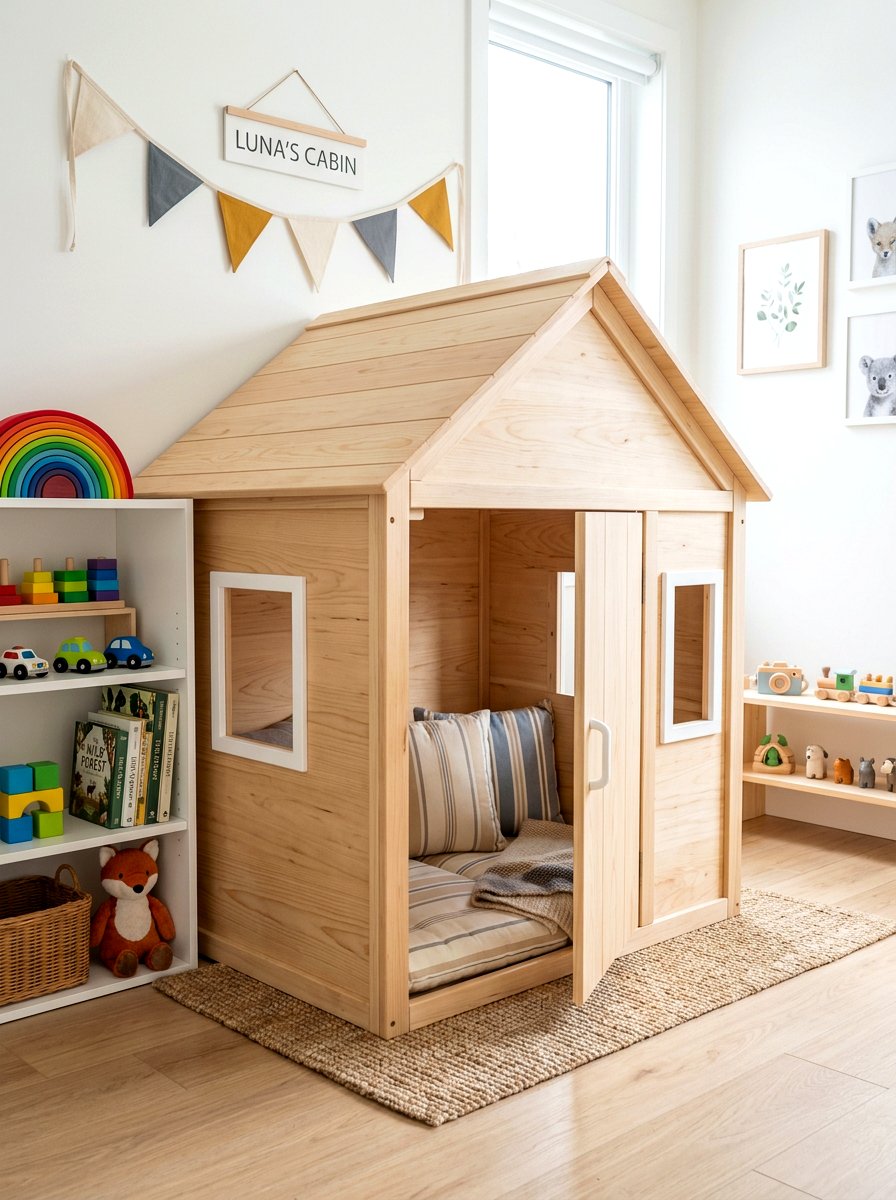
An indoor wooden playhouse serves as a permanent architectural feature that functions as both a play zone and a reading retreat. These structures can be styled as a minimalist Scandinavian cabin or a colorful cottage with window boxes. Inside, the walls can be fitted with small ledges to hold a "book of the day" or a favorite reading flashlight. The solid walls provide a sense of security and enclosure that fabric tents sometimes lack. Painting the exterior in a soft pastel or a neutral wood stain allows it to blend with the home's decor while still feeling like a special, child-sized world of its own.
13. Hidden Closet Room
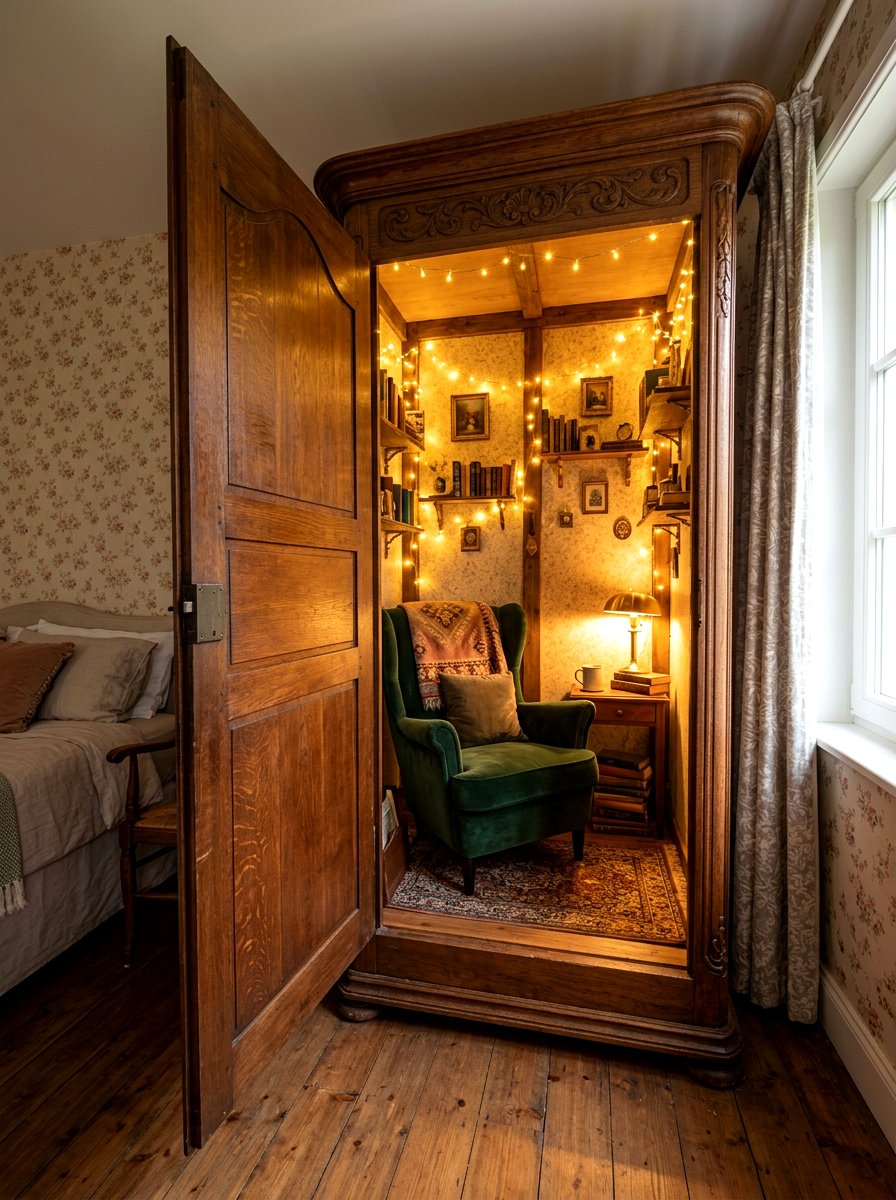
Creating a "Narnia" style entrance through a wardrobe or a set of bookshelves leads to a secret reading room that children will never forget. This design requires a walk-in closet or a small adjacent room that can be accessed through a modified furniture piece. Once inside, the space can be decorated with whimsical fairy lights, wall murals, and a comfortable loveseat. This secret element adds a layer of mystery and excitement to the act of reading, turning it into an exclusive experience. It is a high-impact design that works exceptionally well for older children who crave privacy and a space that feels like it belongs only to them.
14. Cardboard Box Fort
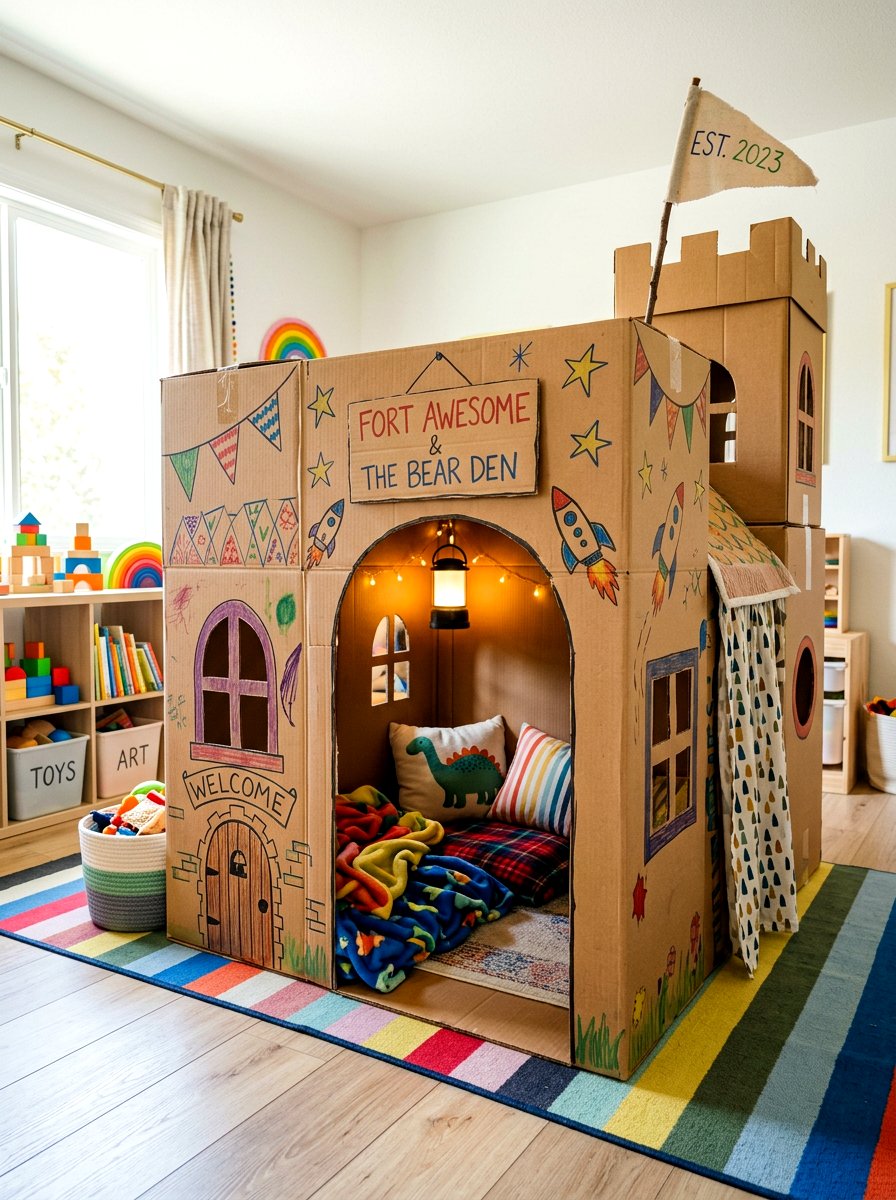
A cardboard box fort is a wonderful, budget-friendly way to involve children in the creation of their own reading space. Using large appliance boxes, you can cut out windows and doors and join multiple units to create a multi-room labyrinth. Reinforce the structure with heavy-duty tape and encourage the kids to decorate the exterior with markers or paint. Inside, line the floor with old blankets and use battery-operated fairy lights for a safe, warm glow. While less permanent than other options, the cardboard fort is incredibly customizable and can be easily recycled or replaced when the children want to try a new architectural design for their den.
15. Inflatable Bubble Tent
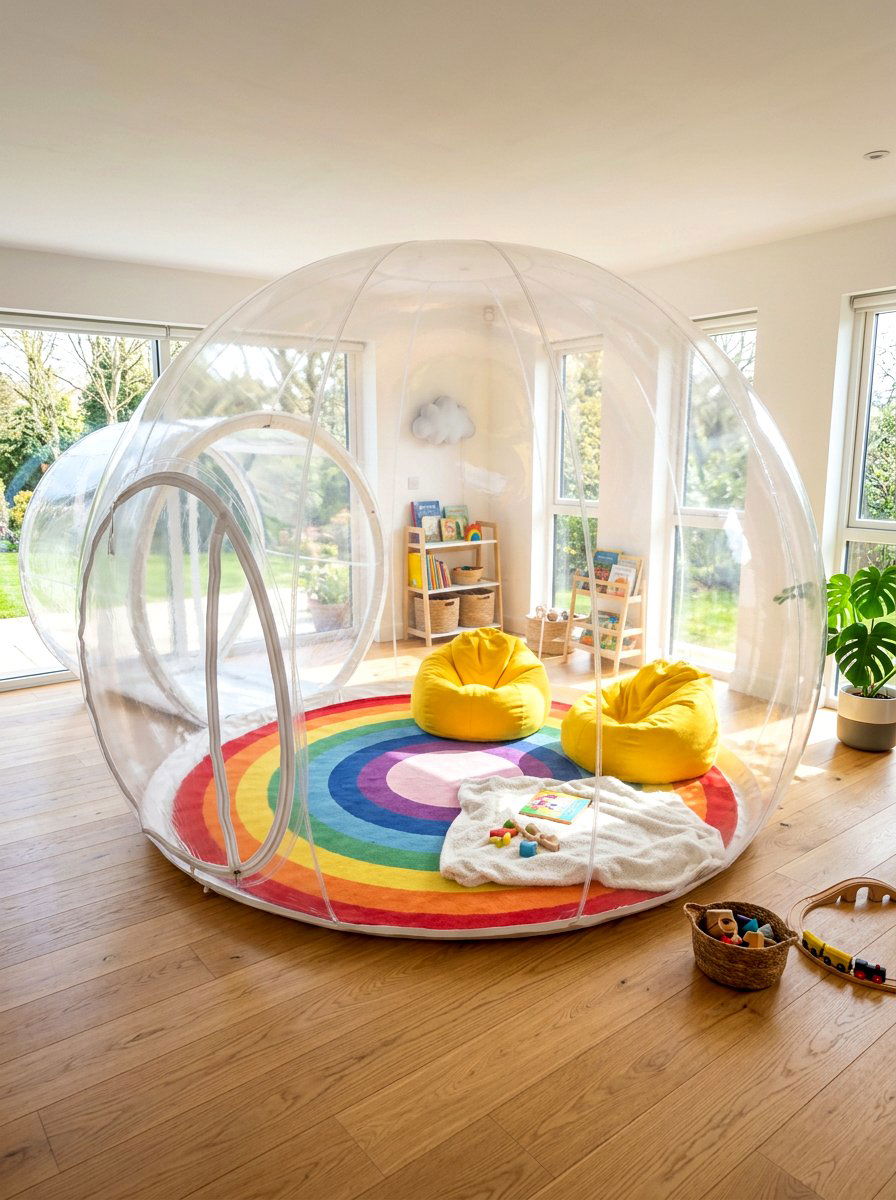
An inflatable bubble tent provides a futuristic and transparent reading environment that allows kids to feel enclosed while still being part of the room. These clear structures are perfect for sunrooms or playrooms with lots of natural light. Inside, use a colorful circular rug and a few bright bean bags to provide comfort and a pop of color. The transparency of the walls allows parents to keep an eye on younger children without disturbing their quiet time. This modern den idea is visually unique and creates a high-tech vibe that appeals to children interested in science fiction or modern design, making reading feel like a mission.
16. Built In Wall Seat
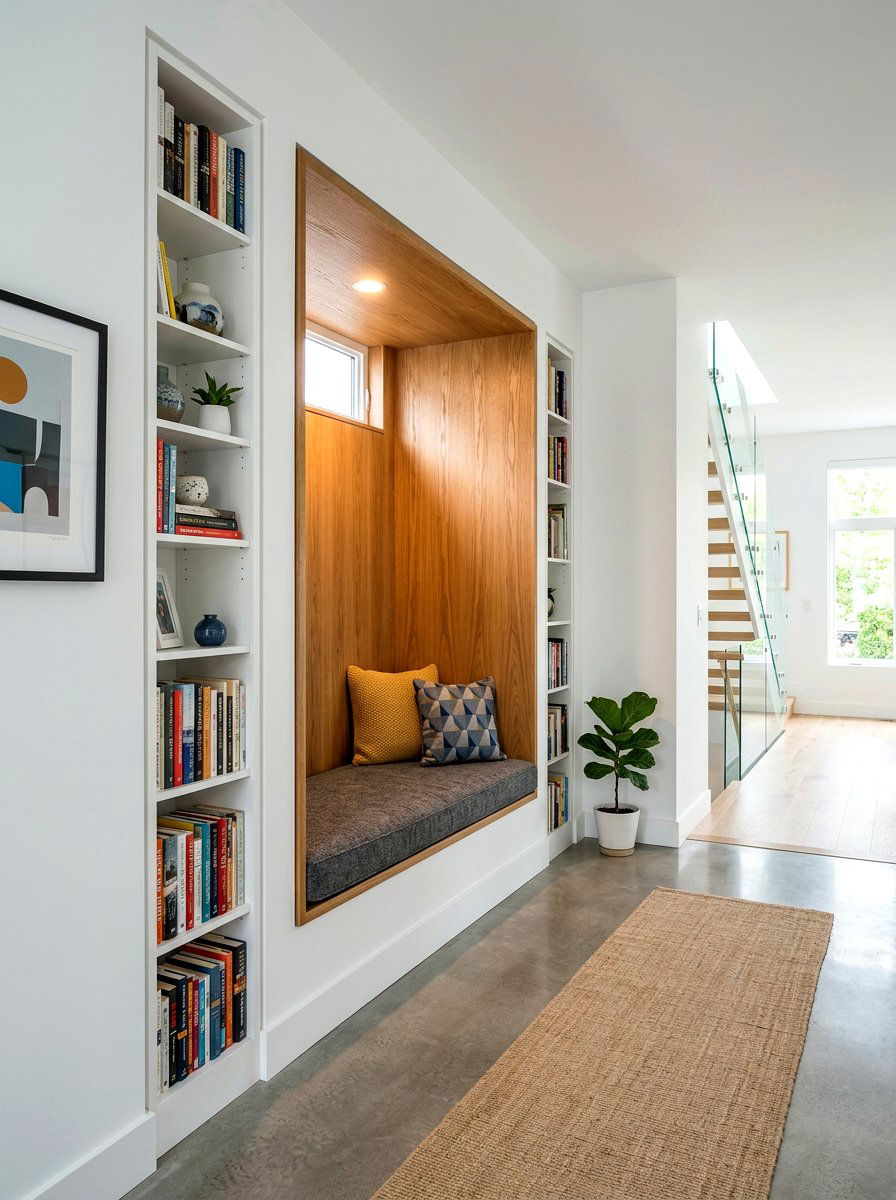
A built-in wall niche is a sleek, space-saving solution that integrates a reading den directly into the wall's structure. By recessing a seating area between two bookshelves or inside a deep wall cavity, you create a flush and tidy look. The niche should be lined with wood paneling or a contrasting paint color to define the space. Install an overhead recessed spotlight with a dimmer switch to provide perfect task lighting for any time of day. This design is ideal for hallways or narrow bedrooms where floor space is at a premium. It offers a permanent, sophisticated reading spot that grows with the child into their teenage years.
17. Fairy Light Canopy
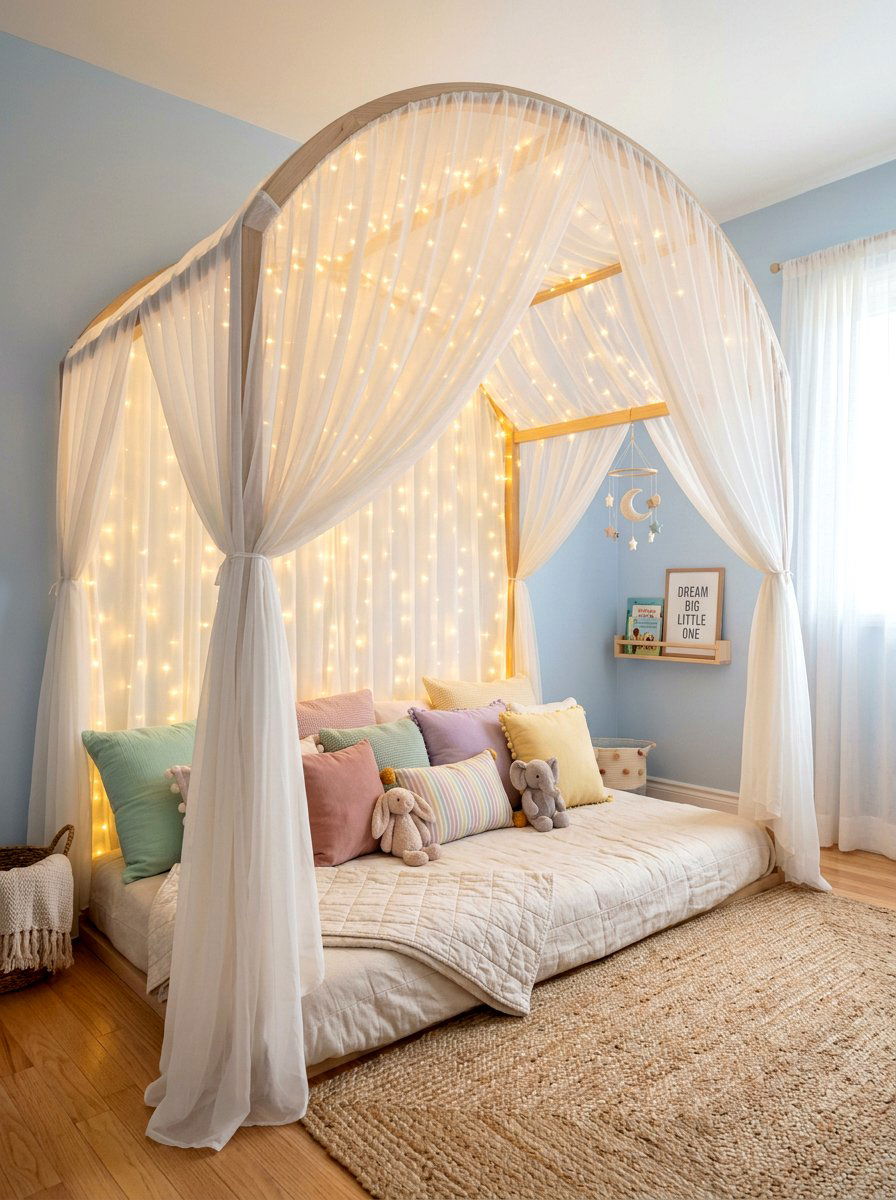
A fairy light canopy uses hundreds of tiny LED lights woven into sheer fabric to create a shimmering, starlit ceiling over a reading area. This setup is best created by draping light-weight netting or chiffon from the ceiling and layering string lights behind the fabric. The resulting soft, diffused light is incredibly calming and creates a dreamlike atmosphere. Below the canopy, a simple arrangement of soft rugs and oversized stuffed animals provides a comfortable place to sit. This design is highly effective for bedtime reading, as the gentle lighting helps transition children into a restful state while they enjoy their final chapters of the day.
18. Jungle Theme Corner
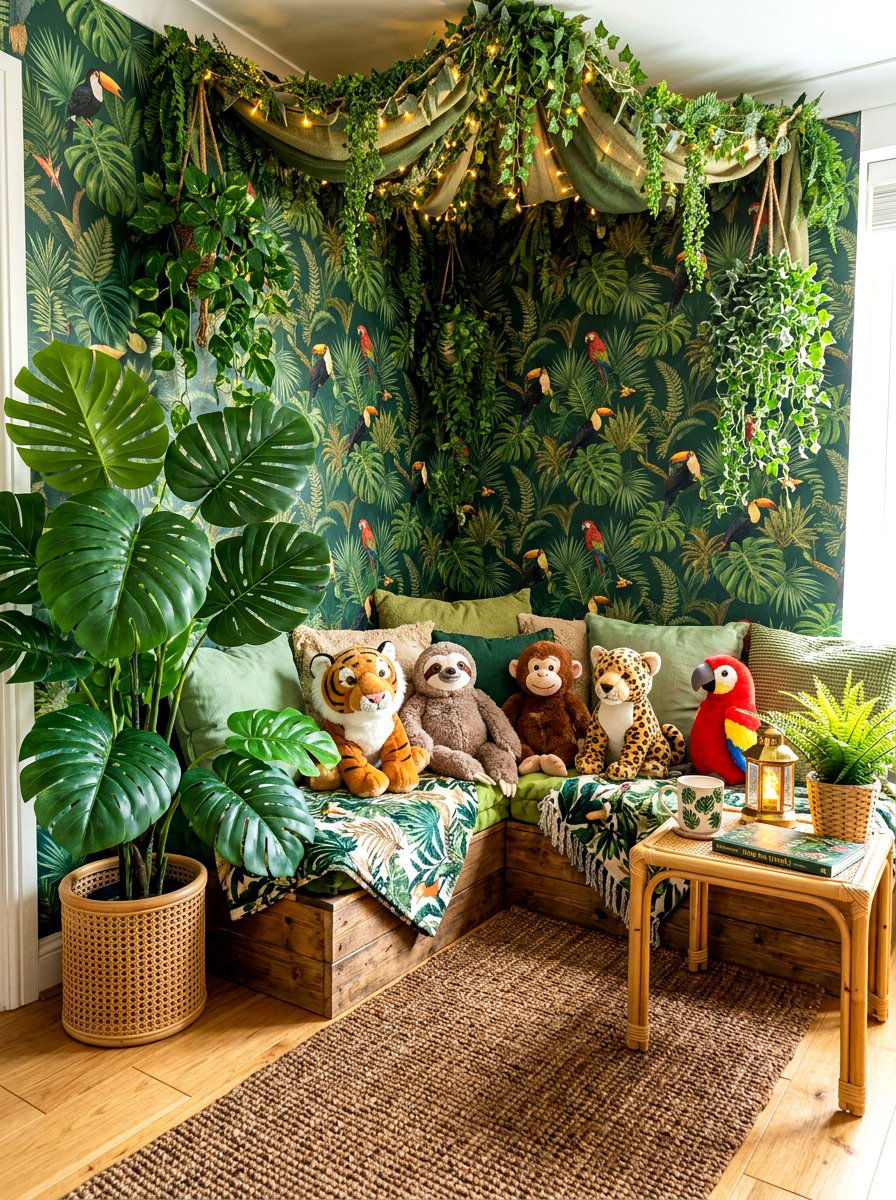
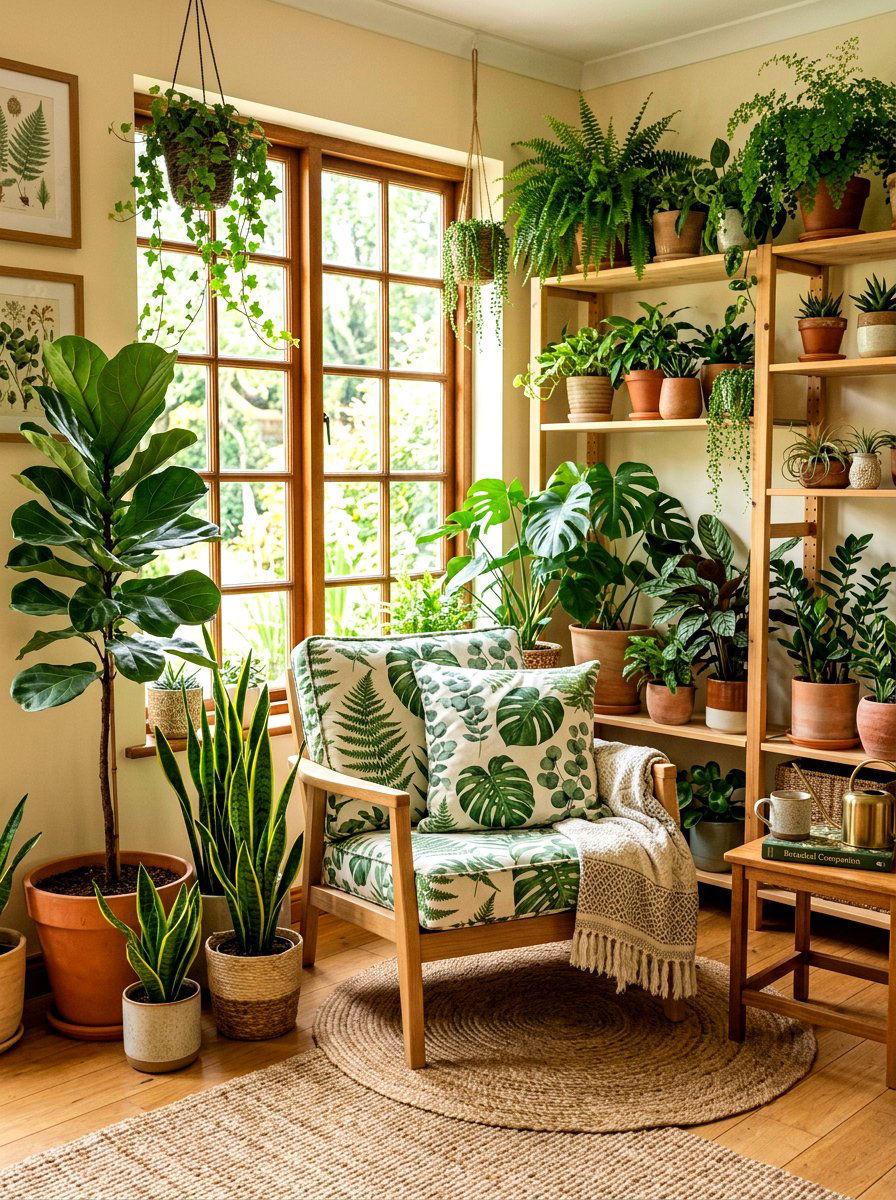
Transform a corner of the playroom into a lush tropical jungle using oversized artificial plants and green leaf-patterned fabrics. A green canopy or a series of hanging vines can be used to create a "canopy" effect over a small seating area. Use a brown textured rug to simulate the forest floor and add animal-shaped cushions like monkeys or sloths. Wall decals featuring exotic birds and tall trees help complete the immersive environment. This theme encourages children to read about nature and animals, making the experience feel like an educational safari. The vibrant colors and tactile elements make this a popular choice for active, curious toddlers.
19. Outer Space Nook

A space-themed reading den uses dark colors and celestial details to transport children to another galaxy. Use a dark navy or black tent and decorate it with glow-in-the-dark stars or a nebula-projector light. The interior can be lined with silver metallic cushions and a plush "moon surface" rug. Hanging a few planets from the ceiling nearby adds to the three-dimensional feel of the space. This den is perfect for children who love science and exploration, providing a quiet place to read about the stars while feeling like they are inside a cozy spaceship. It’s an inspiring environment that encourages big dreams and focused learning.
20. Modern Scandi Nook
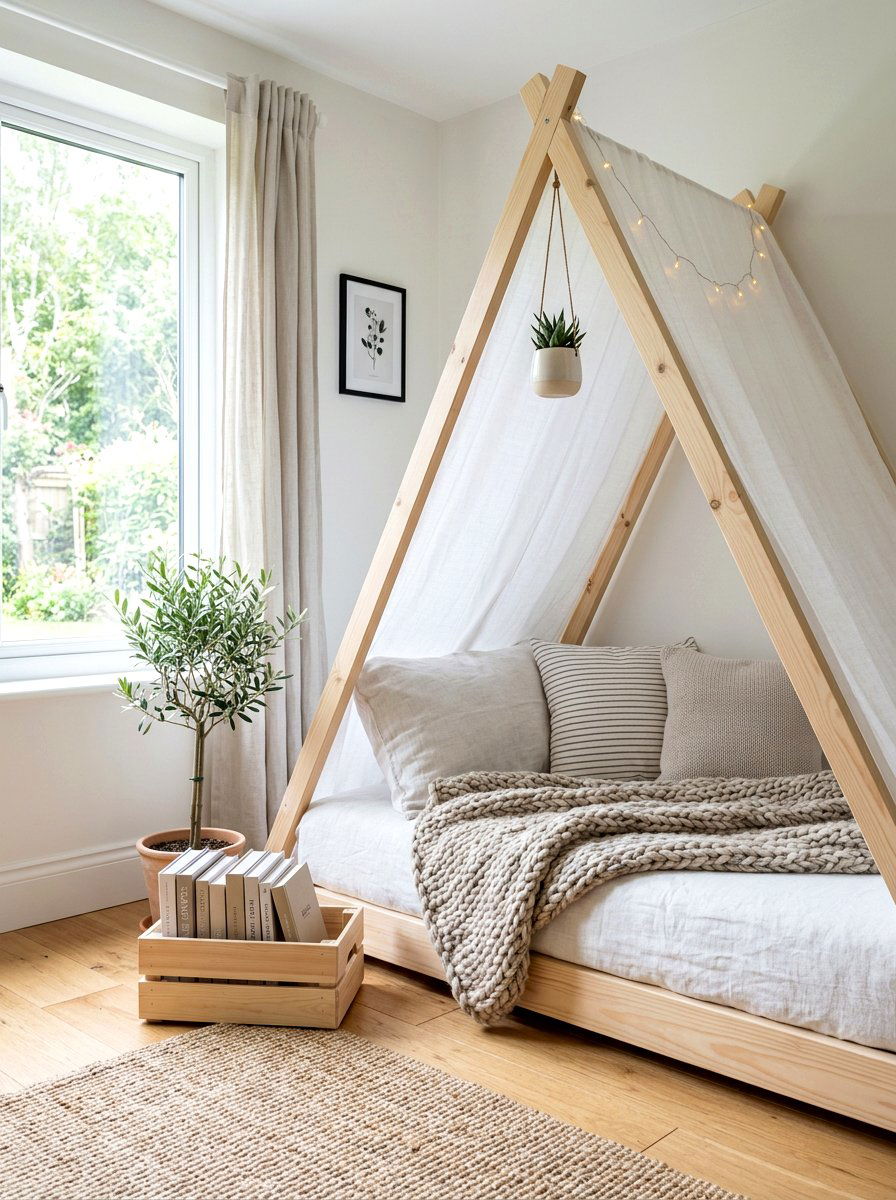
A Scandinavian-inspired reading den focuses on minimalism, light woods, and neutral tones to create a serene and organized space. Use a simple wooden frame teepee or a low-profile plywood bench as the foundation. The color palette should consist of whites, grays, and soft earth tones to promote a sense of calm. Incorporate natural textures like a chunky knit wool blanket or a woven seagrass basket for book storage. This design is perfect for parents who prefer a clean, clutter-free aesthetic that blends seamlessly with the rest of a modern home. It proves that a child’s space can be both functional and beautifully understated.
21. Storage Bench Seat
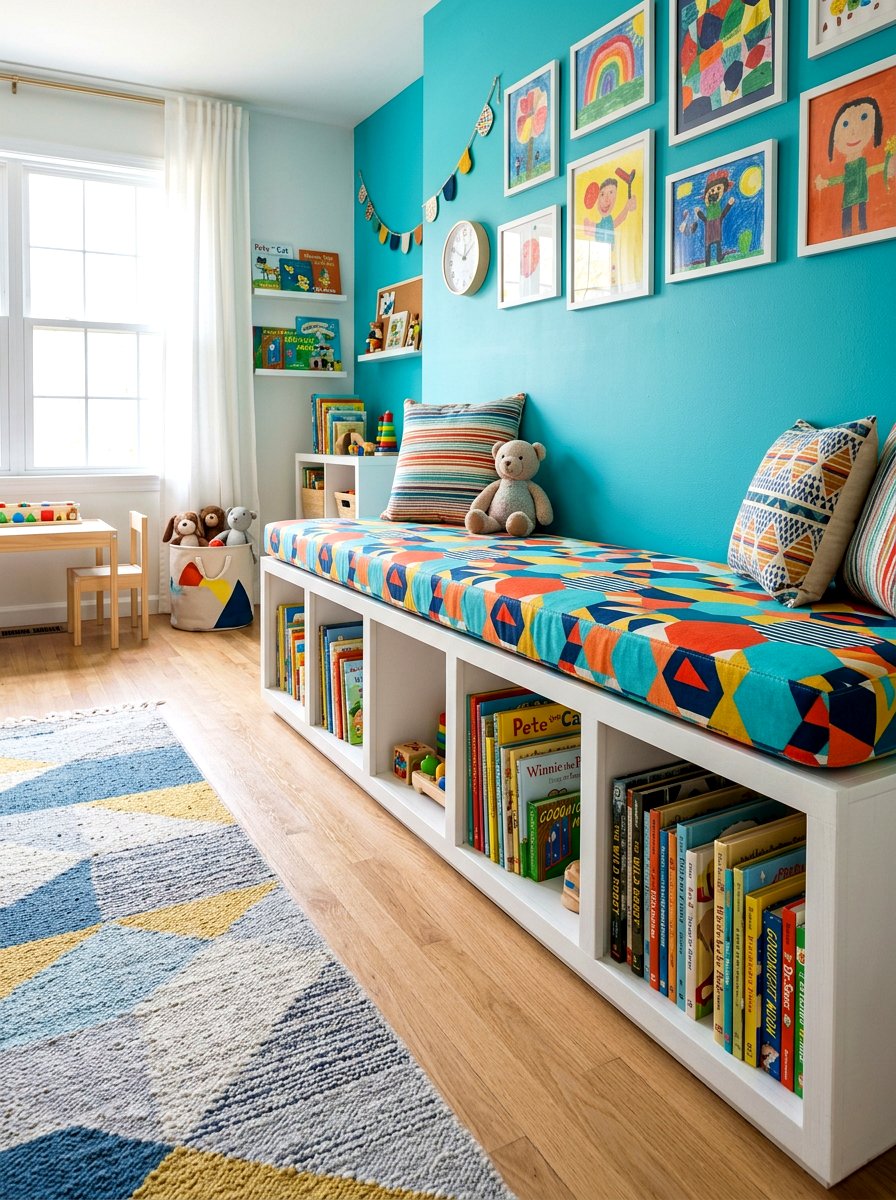
A multifunctional storage bench serves as both a comfortable reading spot and a practical solution for organizing a large book collection. Choose a bench with open cubbies or sliding drawers underneath to keep stories easily accessible for little hands. Top the bench with a custom-made cushion in a fun, patterned fabric that reflects the child's personality. Placing this bench at the foot of a bed or along a playroom wall creates a sturdy and reliable reading destination. The combination of utility and comfort makes this a favorite for families who need to maximize every inch of their living space while encouraging daily reading habits.
22. Large Bean Bag
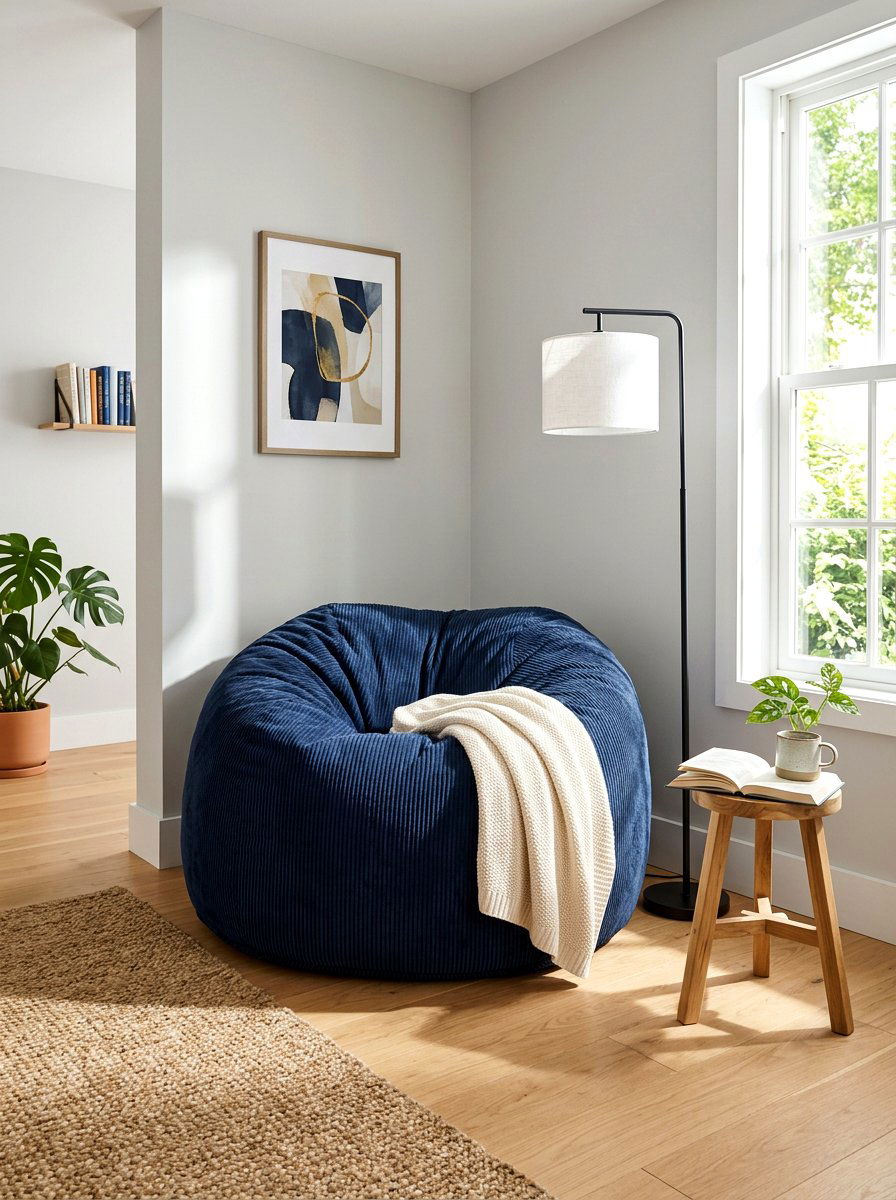
An oversized bean bag is the ultimate in flexible, comfortable seating for a reading den. Modern bean bags come in various high-quality fabrics like velvet, corduroy, or eco-leather, making them a stylish addition to any room. Position the bean bag in a well-lit corner next to a small side table for snacks and drinks. The beauty of the bean bag is that it molds to the child's body, providing ergonomic support for long reading sessions. It’s also lightweight enough for a child to move it around the room to follow the sunlight or find a quieter spot, offering a sense of autonomy over their environment.
23. Wood Pallet Fort
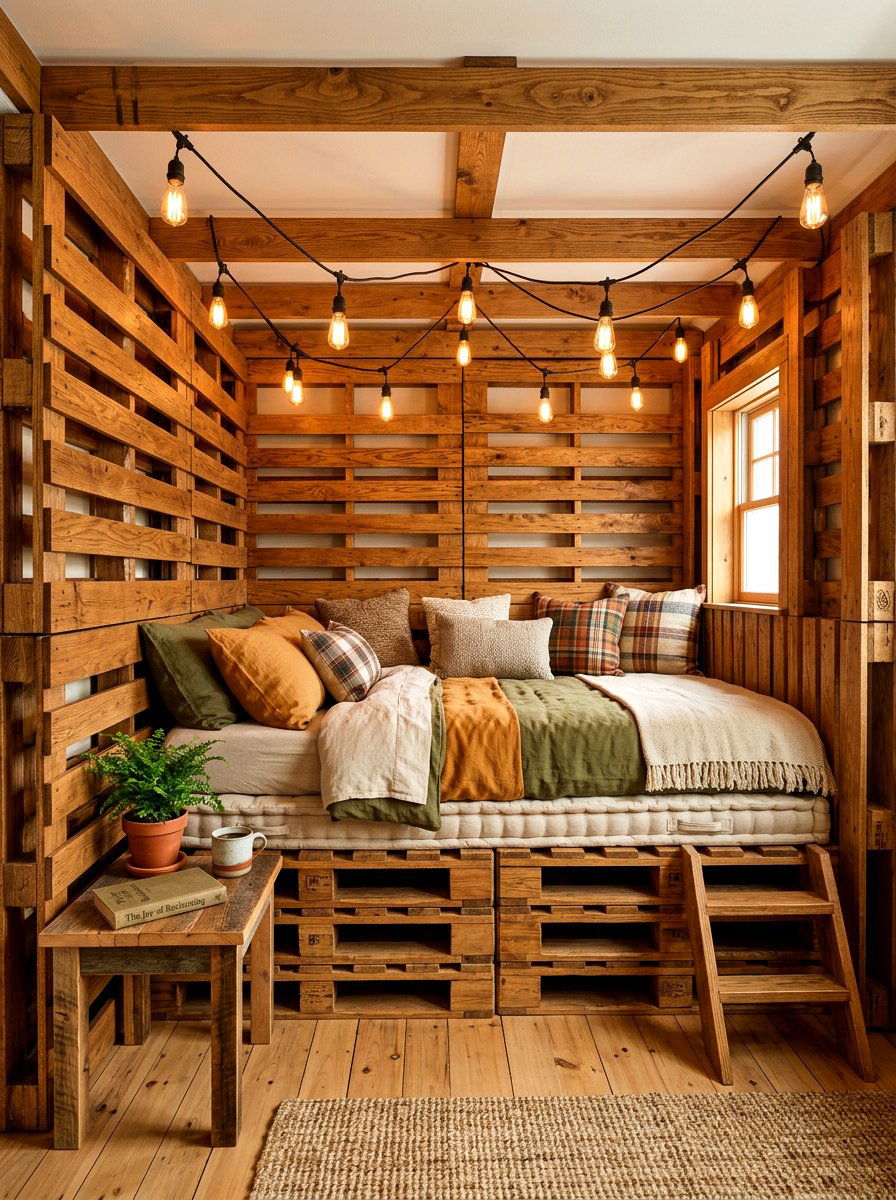
Using reclaimed wood pallets is an eco-friendly and rustic way to build a sturdy reading fort for an older child. Sand the wood thoroughly to ensure there are no splinters and finish it with a clear coat or a light stain. You can stack the pallets to create a raised platform or arrange them vertically to form walls. Line the interior with thick outdoor cushions and plenty of blankets to soften the industrial look. This DIY approach results in a unique, "shabby chic" den that feels like a cool clubhouse. It’s a great project for families to build together, teaching kids about recycling and basic construction.
24. Nursery Corner Canopy
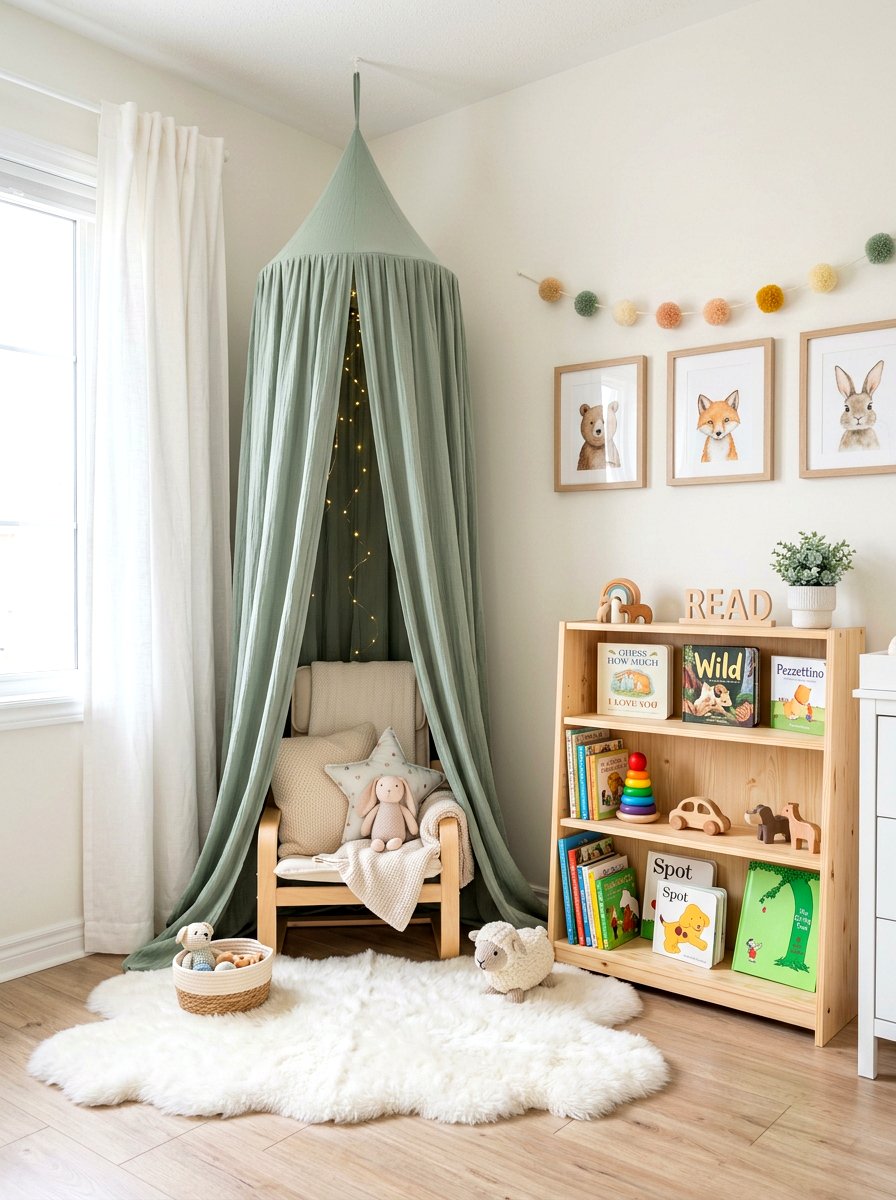
In a nursery, a soft corner canopy creates a peaceful spot for early reading and bonding between parent and baby. Hanging the canopy over a comfortable rocking chair or a plush floor mat provides a designated area for the "bedtime story" routine. Use soft, breathable fabrics in muted tones like sage green, dusty rose, or cream to keep the environment soothing. As the baby grows into a toddler, the canopy can be transitioned into a floor-level den by adding more cushions and a low bookshelf. This long-term design investment evolves with the child while maintaining a consistent and gentle presence in the room.
25. Privacy Bed Tent
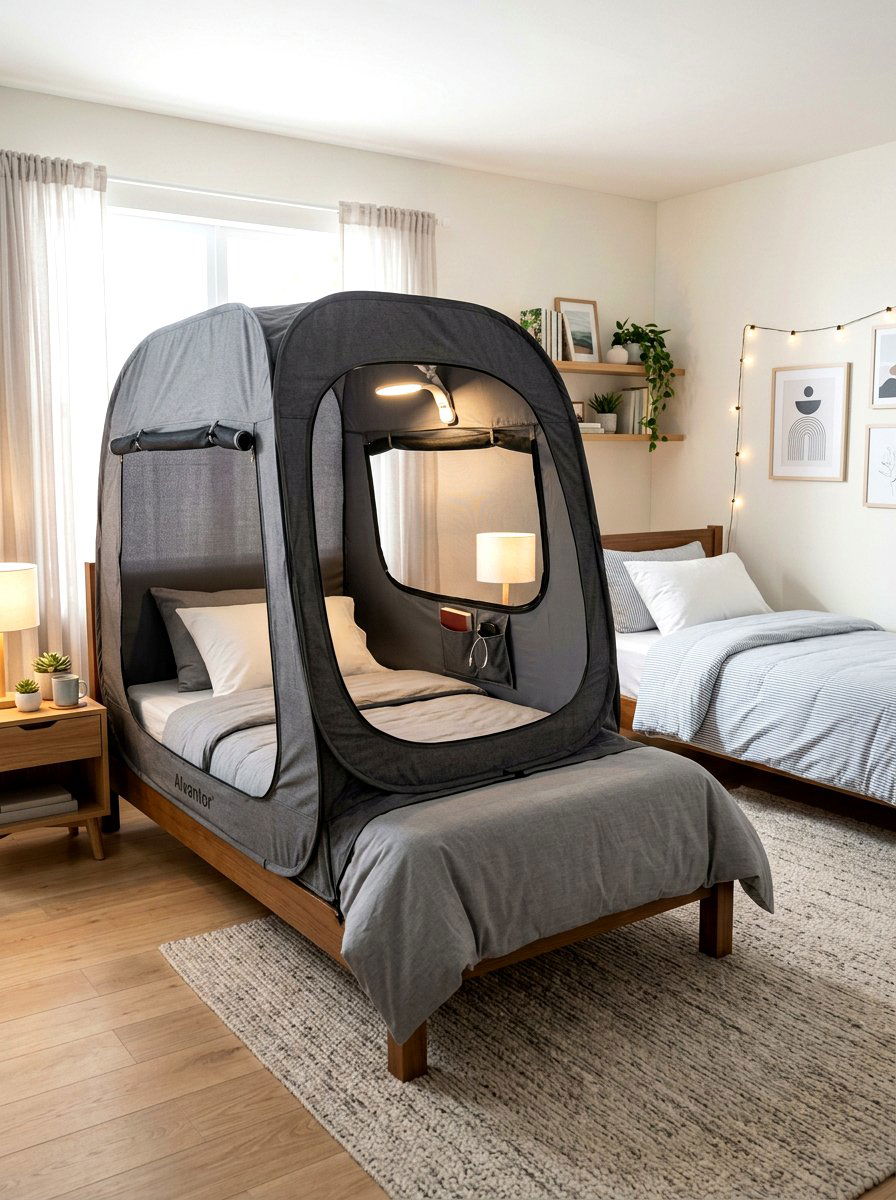
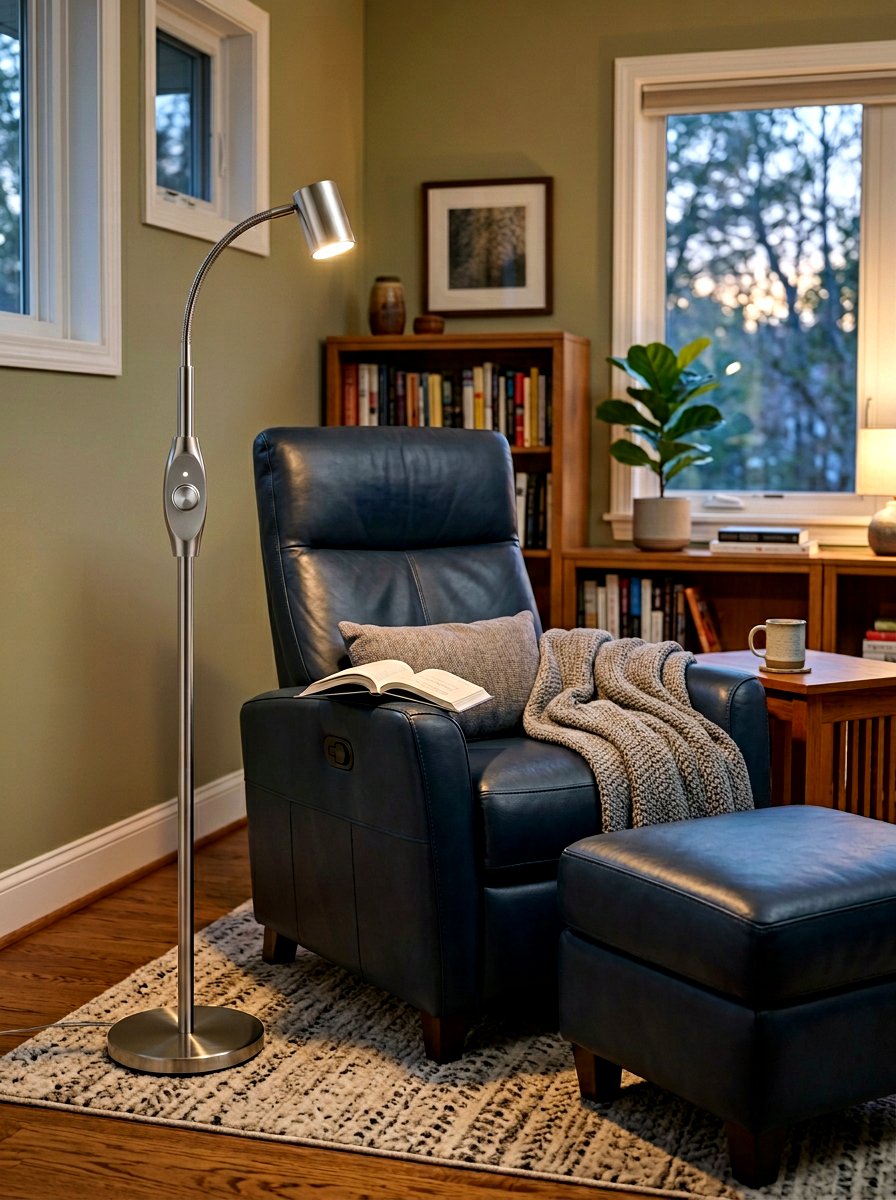
A bed tent is a specialized canopy that fits directly over a twin or toddler mattress, turning the sleeping area into a full-time den. This is an excellent solution for children who share a bedroom and need a place to call their own. Many bed tents feature mesh windows for ventilation and zip-up "doors" for total privacy. Inside, the child can use a clip-on reading light to finish their favorite stories without bothering their siblings. This setup makes the bed feel like a safe fortress, helping children who might be anxious at night to feel more secure while they enjoy a good book before falling asleep.
26. Bookshelf Seating Area
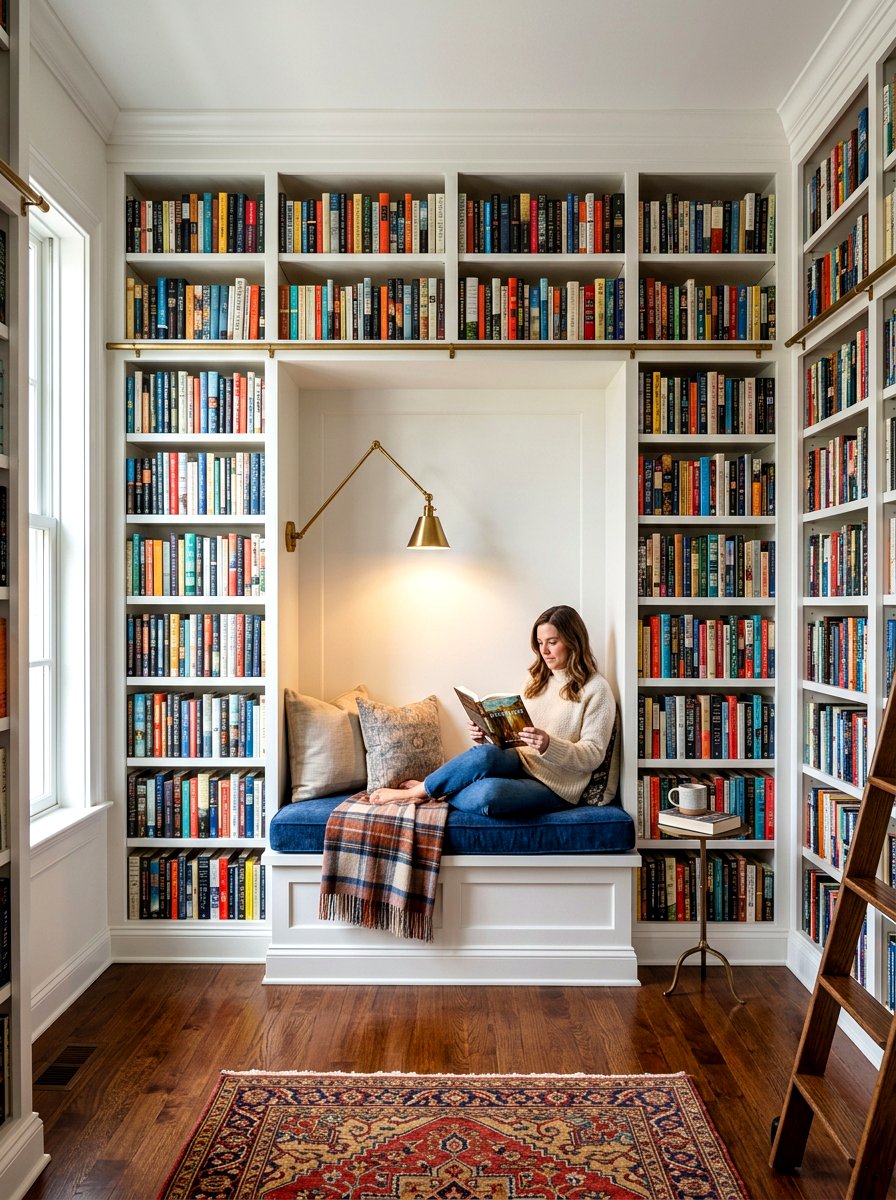
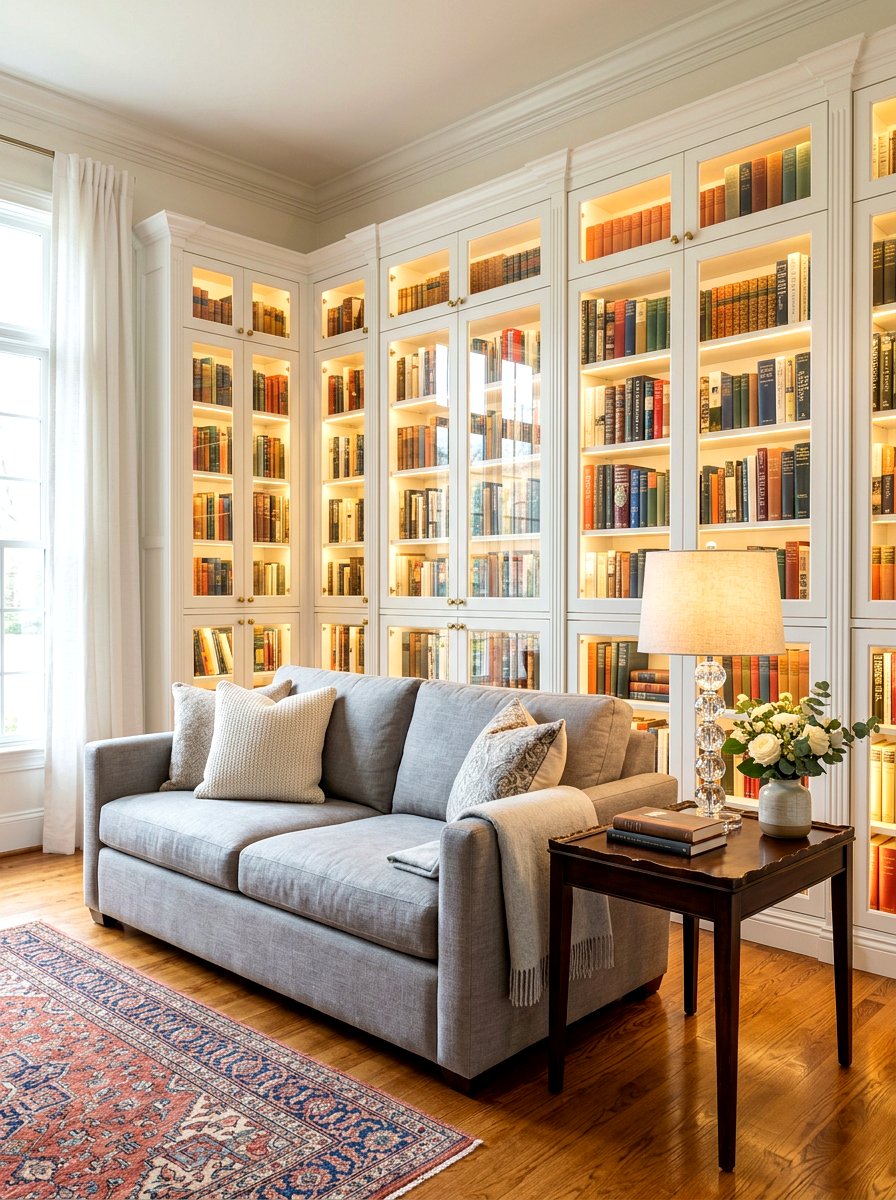
Creating a reading spot directly integrated into a wall of bookshelves provides a sophisticated, library-like feel. By leaving a gap in the center of a large shelving unit, you can install a cushioned bench or a cozy armchair. This surrounds the reader with books on all sides, making it incredibly easy to find the next story. Use a library-style wall lamp with a swing arm to provide targeted lighting. This design is perfect for older children and teenagers who have accumulated a significant collection and want a space that feels more grown-up and academic while still remaining incredibly comfortable and inviting.
27. Rocket Ship Tent
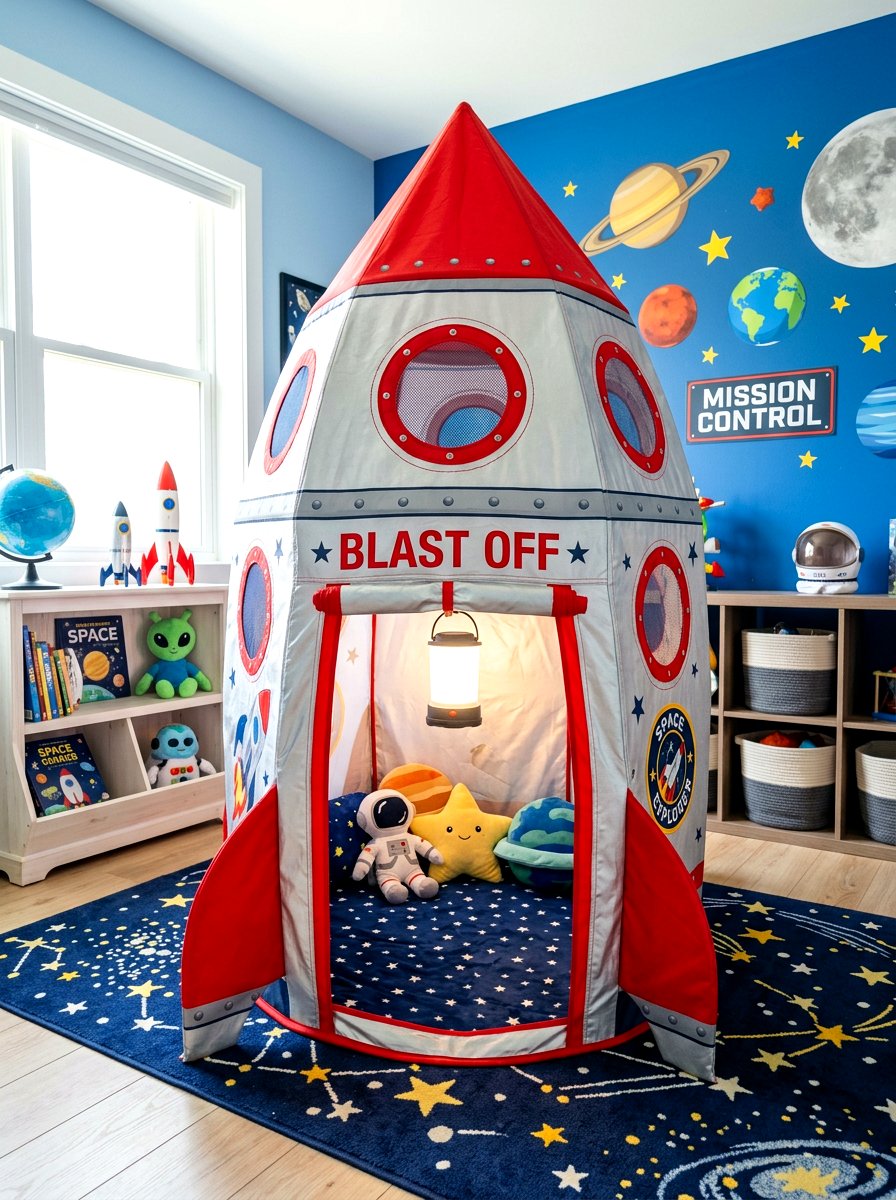
A rocket ship-shaped tent is a fantastic way to ignite a child 's passion for both reading and space travel. These upright, conical tents often feature circular porthole windows and silver metallic details. Inside, provide a "control panel" made of fabric or cardboard where kids can track their "reading missions. " Use a bright white LED lantern to simulate the interior of a spacecraft. This thematic den turns reading into an interactive mission, making it especially effective for reluctant readers who need a little extra excitement to sit down with a book. It’s a bold, playful addition to any child' s bedroom or playroom.
28. Colorful Corner Nook
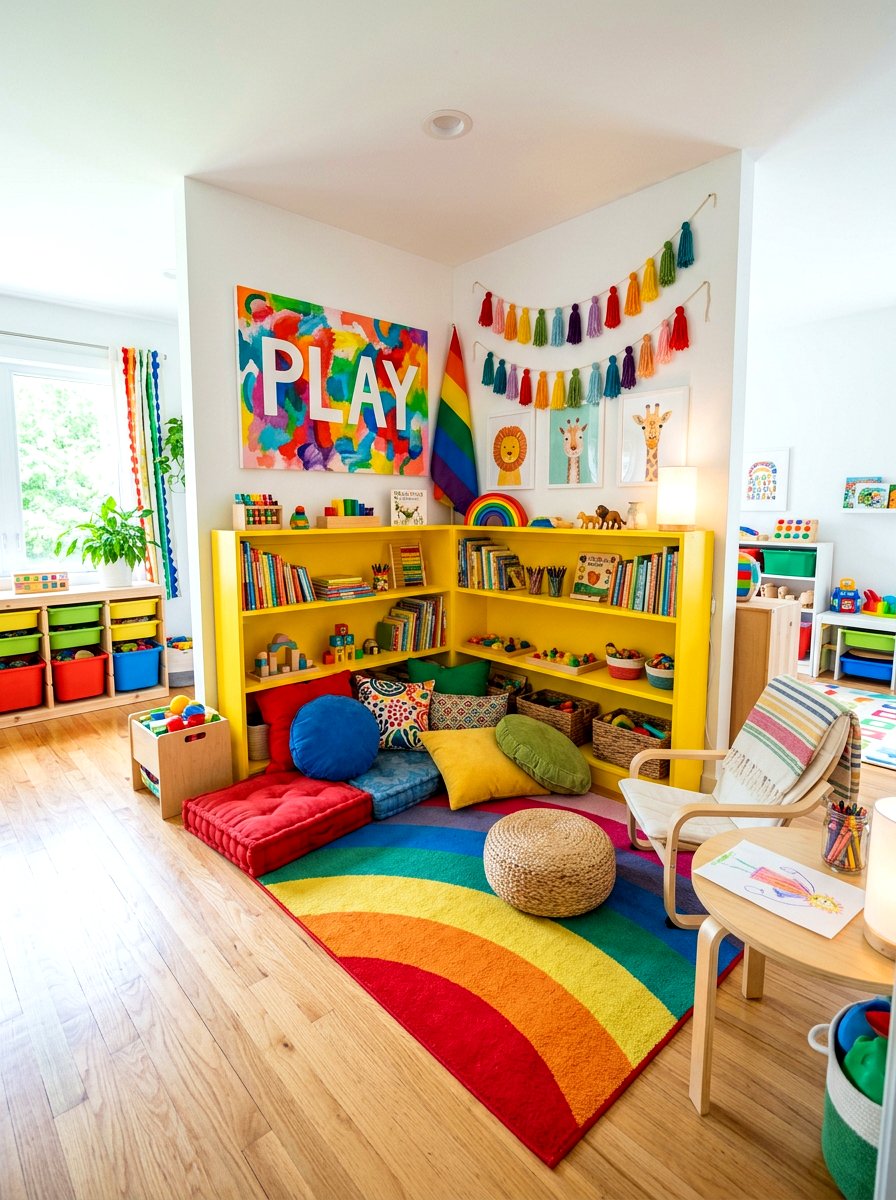
A colorful corner nook uses a bold, vibrant palette to create an energetic and stimulating reading environment. Use a multi-colored rug, brightly painted shelves, and a variety of mismatched pillows to build a space that feels like a celebration of creativity. This design works well in playrooms where the goal is to encourage active, happy engagement. You can organize the books by the color of their spines to create a "rainbow shelf" effect that is very popular on social media. The bright atmosphere helps keep children alert and engaged, making it a great spot for daytime reading and homework sessions in a fun setting.
29. Castle Loft Bed
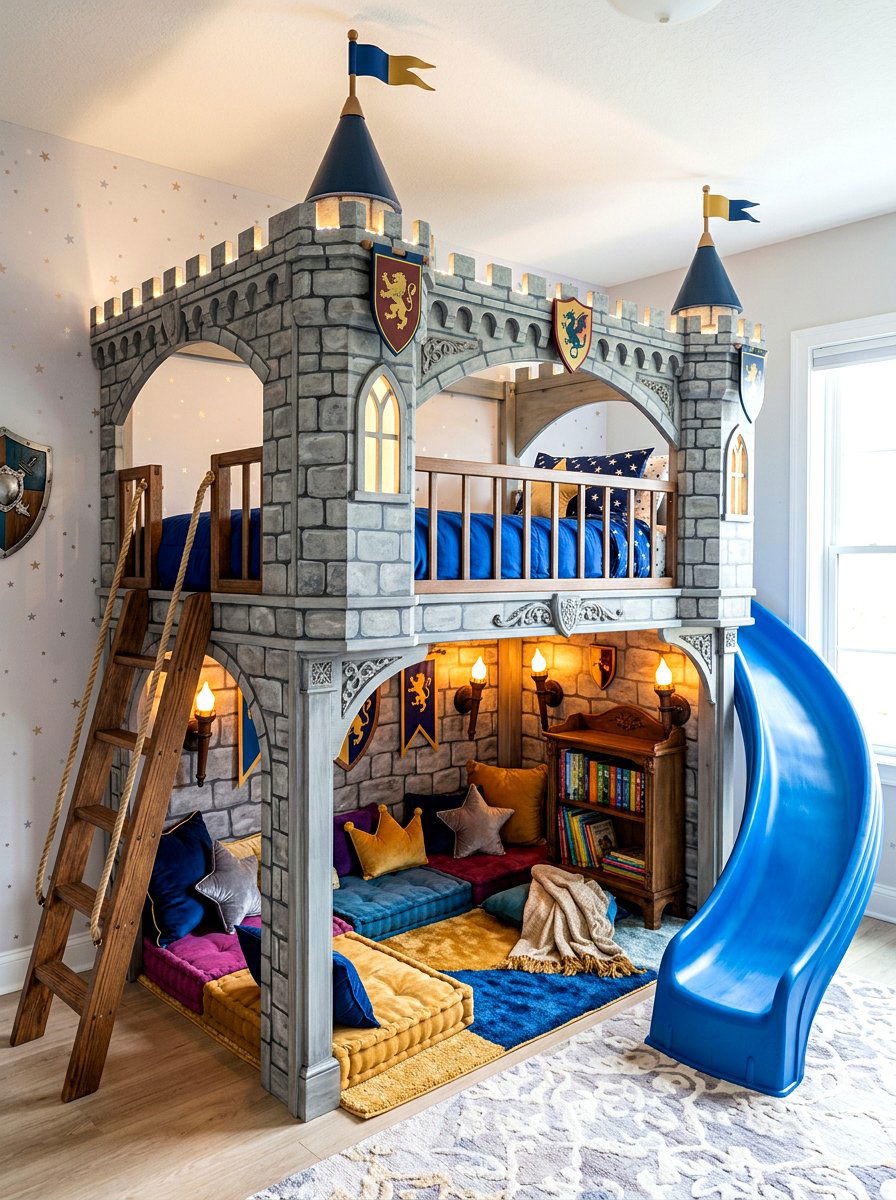
A loft bed designed to look like a medieval castle provides a grand and theatrical reading den on either the top or bottom level. With turrets, stone-patterned fabric, and a small slide, this piece of furniture becomes the centerpiece of the room. The "dungeon" or lower level can be filled with soft mats and battery-powered torches to create a cozy subterranean library. On the upper level, a "lookout" spot offers a high-up perspective for reading adventure stories. This immersive design encourages role-playing and storytelling, helping children connect the narratives they read in books with their own imaginative play in their personal castle.
30. Outdoor Garden Teepee
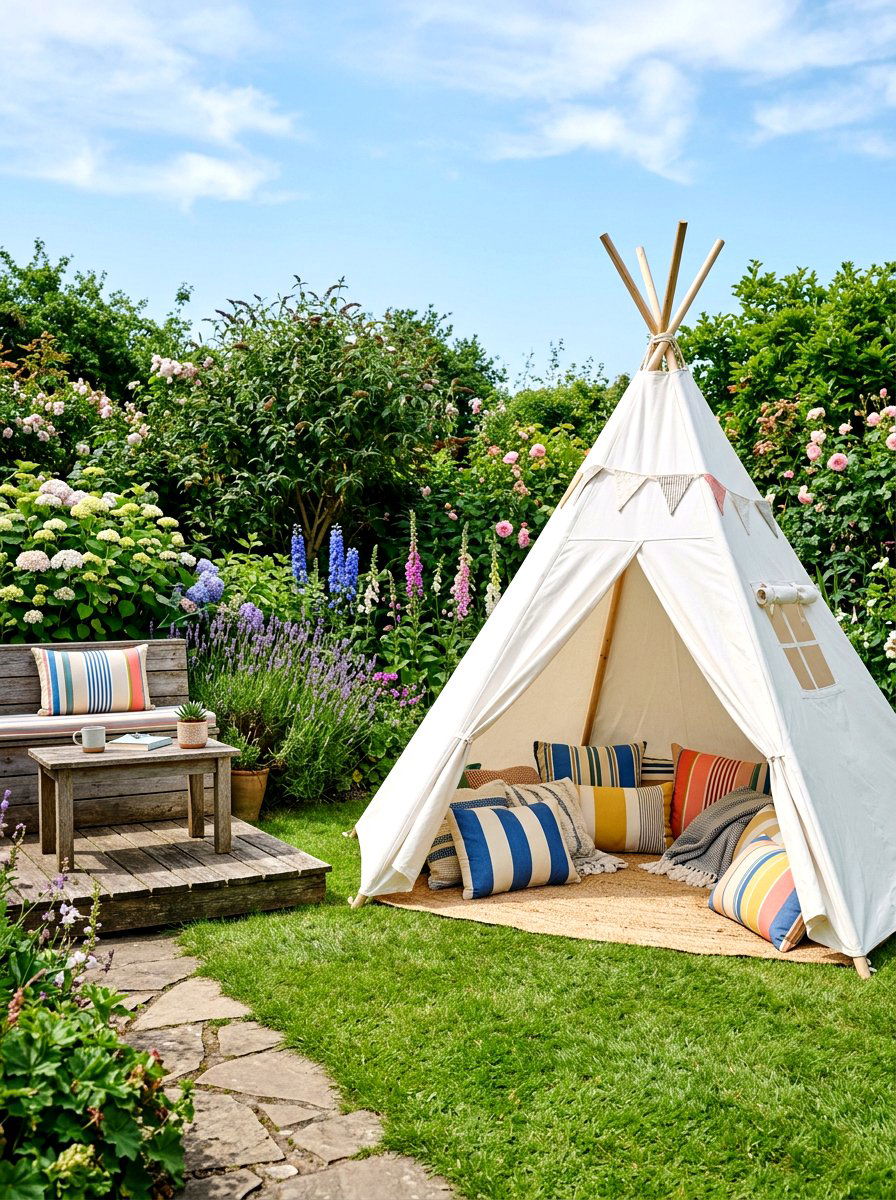
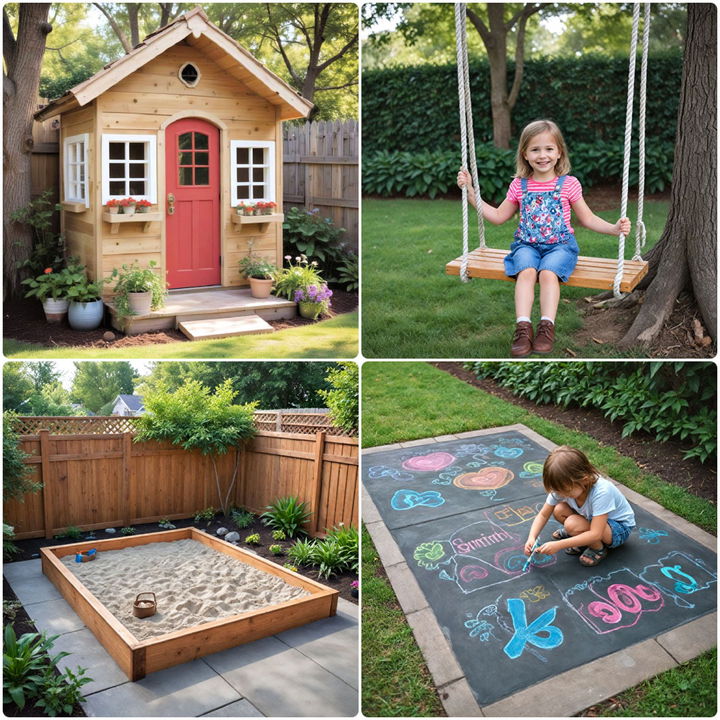
Bringing the reading den outside into the garden offers a fresh perspective and a connection to nature. A weather-resistant canvas teepee or a simple wooden A-frame tent can be set up on a deck or a flat patch of grass. Use outdoor-grade fabrics and rugs that can withstand a bit of moisture and sun. Reading outdoors allows children to enjoy the sounds of birds and the feel of the breeze while they explore new worlds in their books. This setup is perfect for summer afternoons, providing a shaded retreat from the heat. It encourages kids to spend more time outside while still engaging in a quiet, focused activity.
Conclusion:
Designing a kids reading den is an investment in your child's cognitive development and emotional well-being. By creating a specific destination for stories, you signal that reading is a valued and enjoyable part of daily life. Whether you choose a simple floor cushion or a complex built-in architectural niche, the key is to prioritize comfort, lighting, and a sense of enclosure. These spaces become the backdrop for countless adventures, allowing children to develop focus and independence in a world that often feels too fast-paced. As your child grows, their den can evolve, but the memory of their first secret reading spot will last a lifetime.

Related posts: