google_search{queries: [
1. Closet Reading Nook
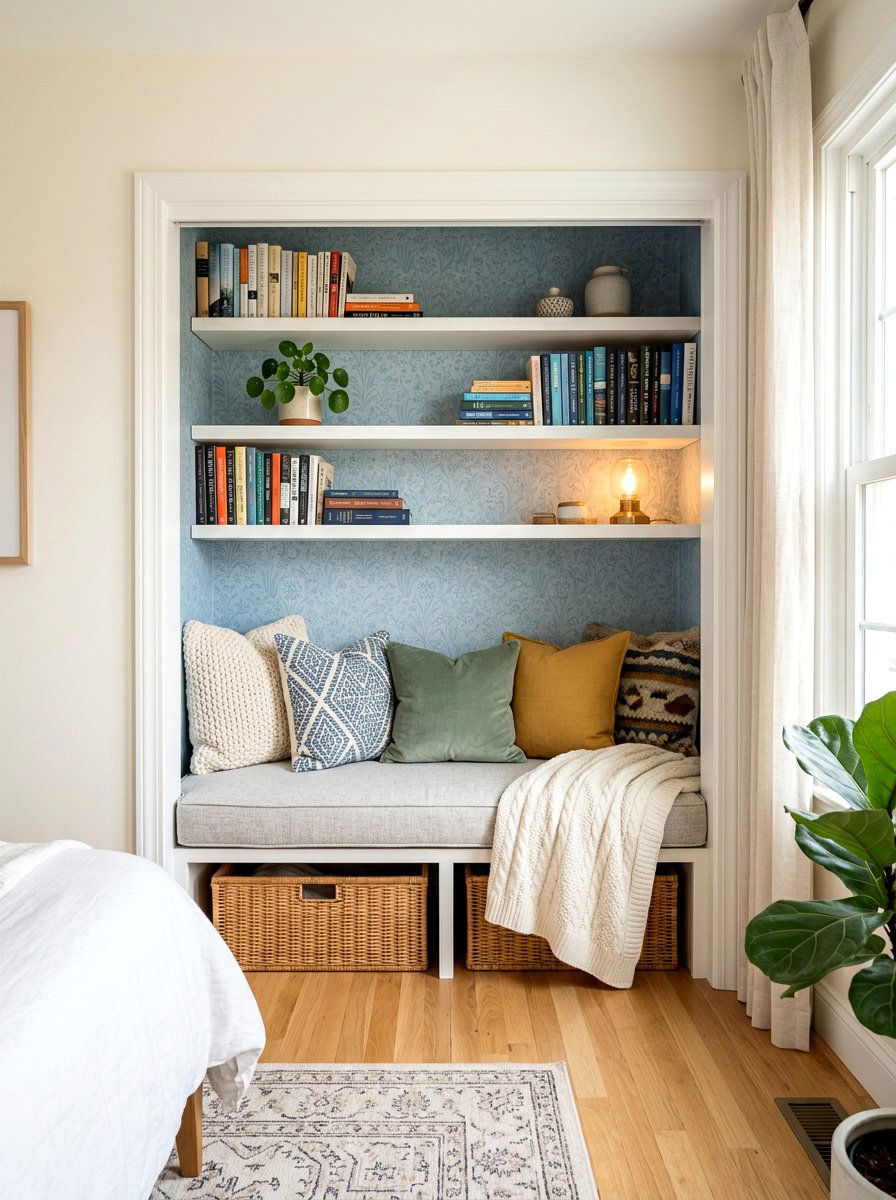
Transforming a standard bedroom closet into a secret literary escape is a brilliant way to maximize unused square footage while giving your child a private sanctuary. By removing the traditional sliding or bifold doors, you open up a small alcove that is perfectly sized for a cozy bench or a pile of oversized floor pillows. Painting the interior a soft, contrasting color or adding whimsical wallpaper can instantly define the zone as a special place for imagination. Installing a simple battery-operated wall sconce provides the necessary task lighting without needing complex electrical work. This clever architectural modification creates a snug, hug-like feeling that encourages deep focus and quiet playtime.
2. Window Seat Library
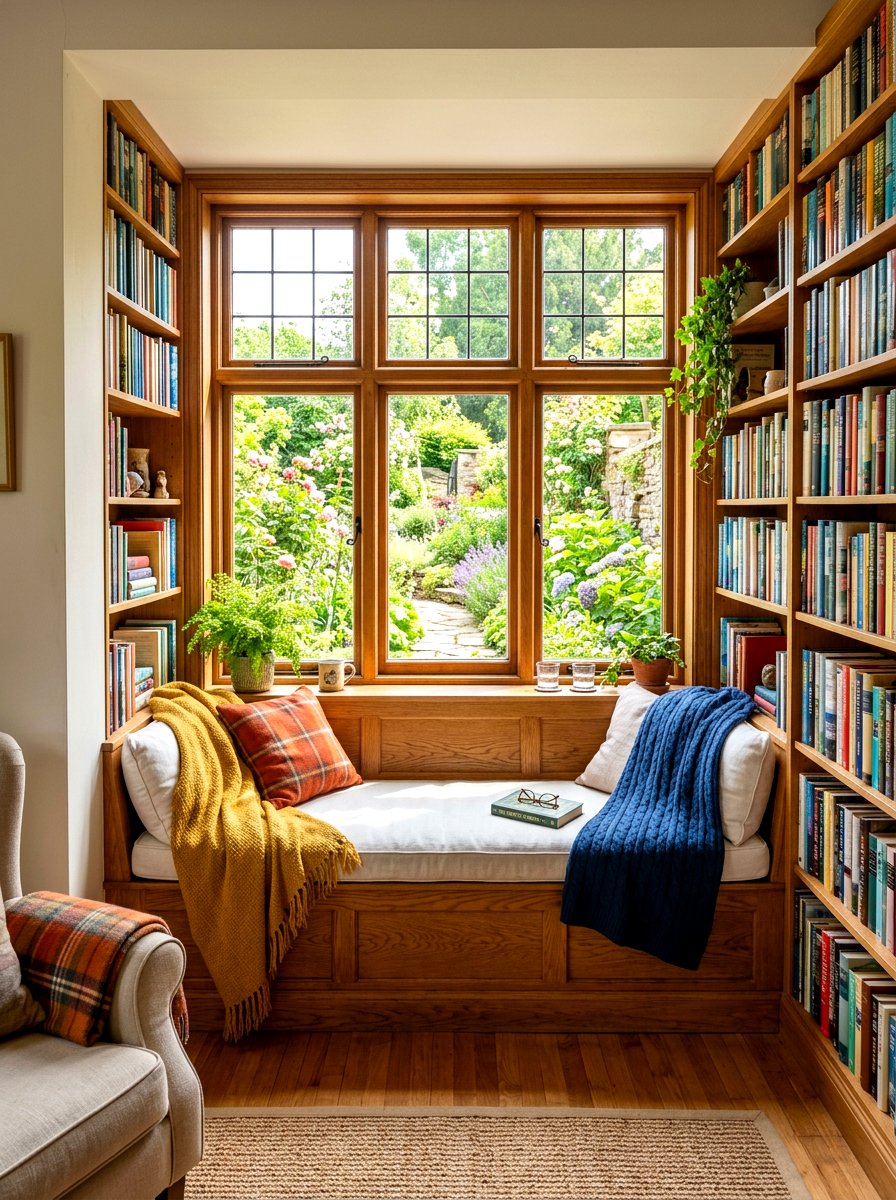
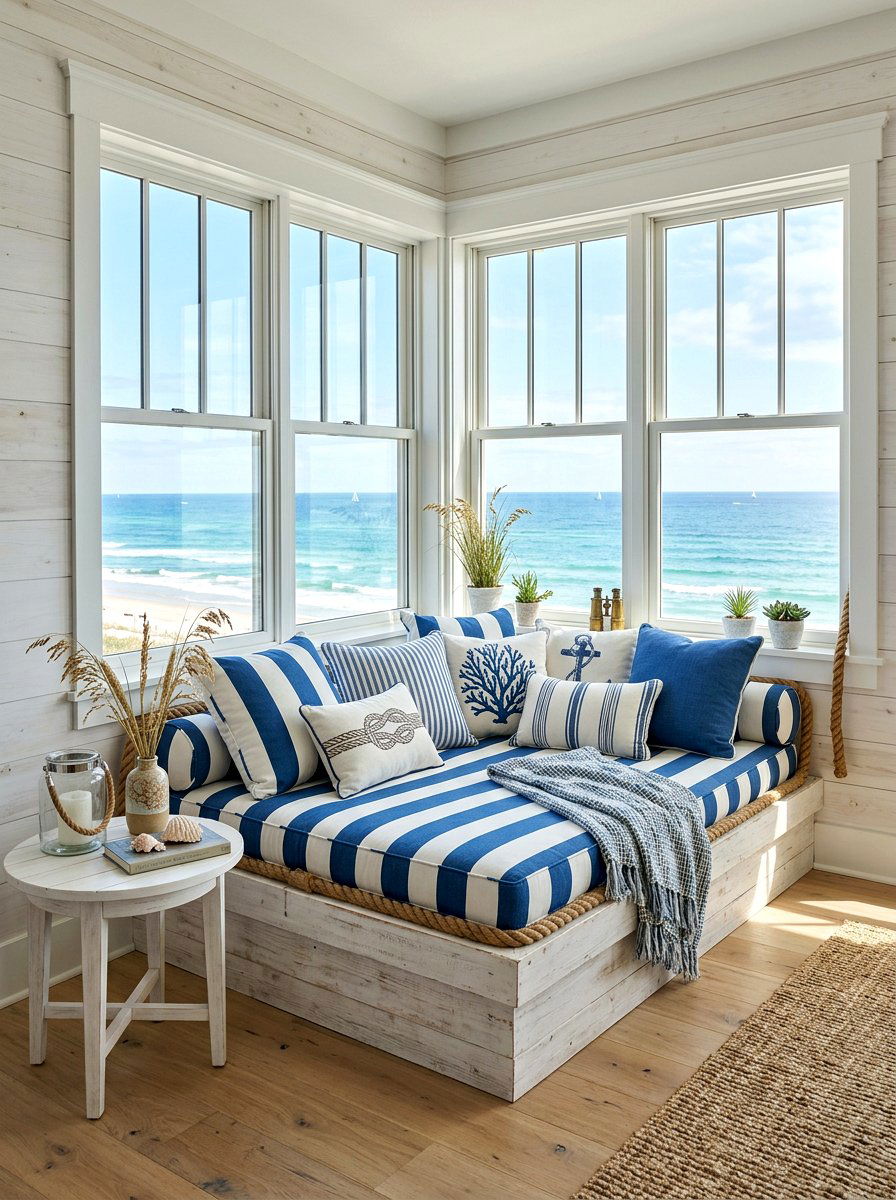
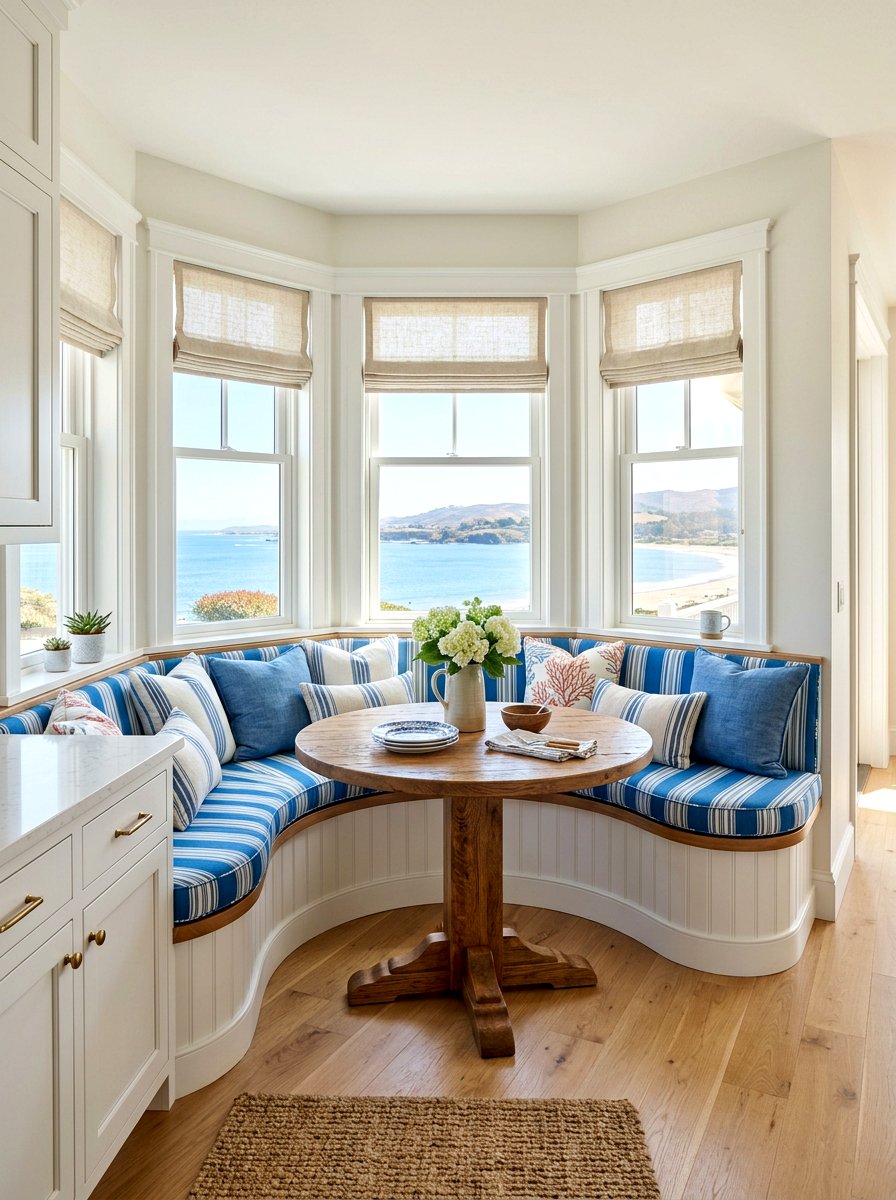
A window seat library utilizes natural sunlight to create an inviting atmosphere that makes daytime reading an absolute delight for children of all ages. Building a custom bench directly beneath a large window allows kids to enjoy a view of the outdoors while staying tucked away in their favorite stories. You should incorporate thick, high-density foam cushions covered in durable, washable fabrics to ensure the space remains practical for daily use. Adding built-in drawers or cubbies beneath the seating provides essential storage for a growing book collection, keeping the room tidy. The combination of warmth from the sun and a comfortable perch makes this specific setup a timeless favorite.
3. Teepee Reading Corner
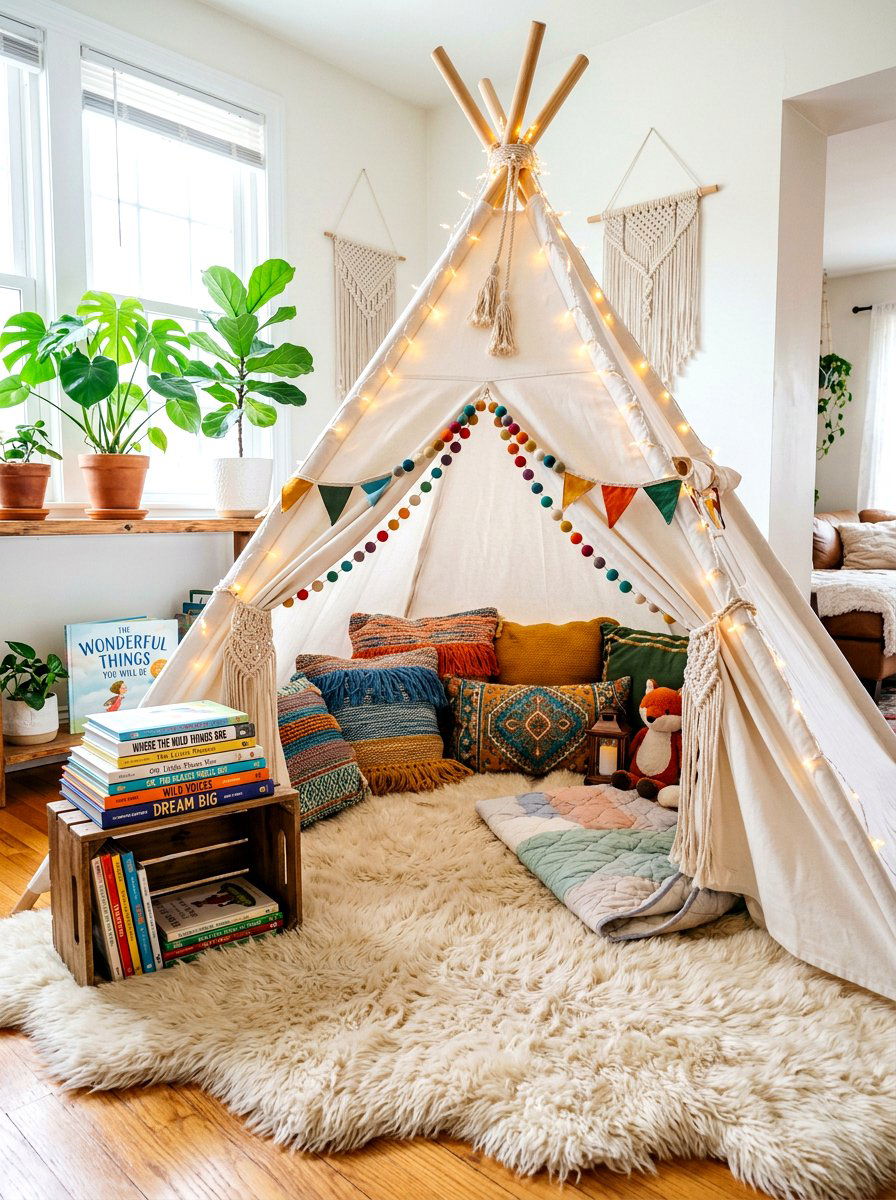
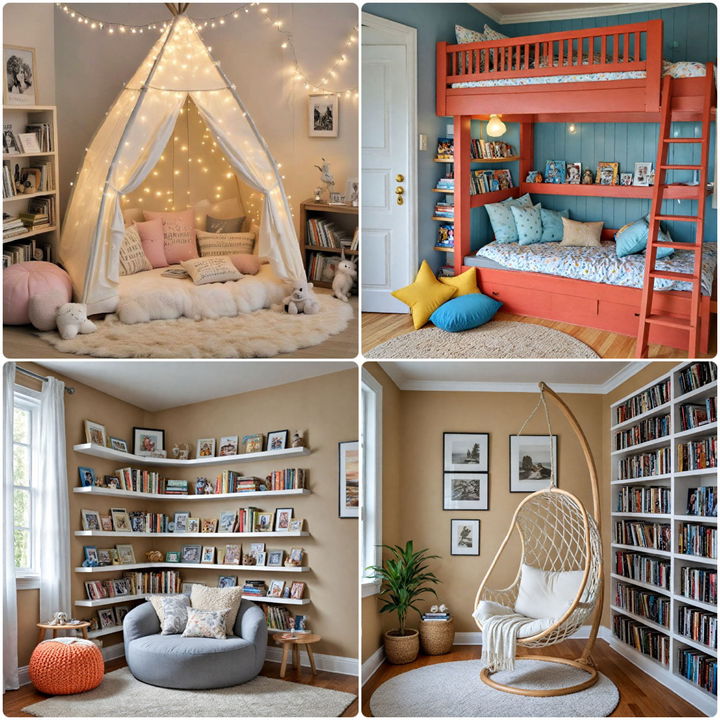
Setting up a teepee reading corner introduces a sense of adventure and playfulness into any nursery or playroom layout almost instantly. These fabric structures provide a wonderful sense of enclosure, making children feel like they are hiding away in a private fortress or a magical forest tent. To make the interior truly inviting, layer a thick faux fur rug on the floor and add several squishy cushions in various shapes and sizes. Stringing fairy lights around the wooden poles adds a soft, enchanting glow that is perfect for evening story sessions before bedtime. Because they are portable, you can easily move this reading sanctuary whenever the room layout needs a fresh update.
4. Under Stair Book Nook
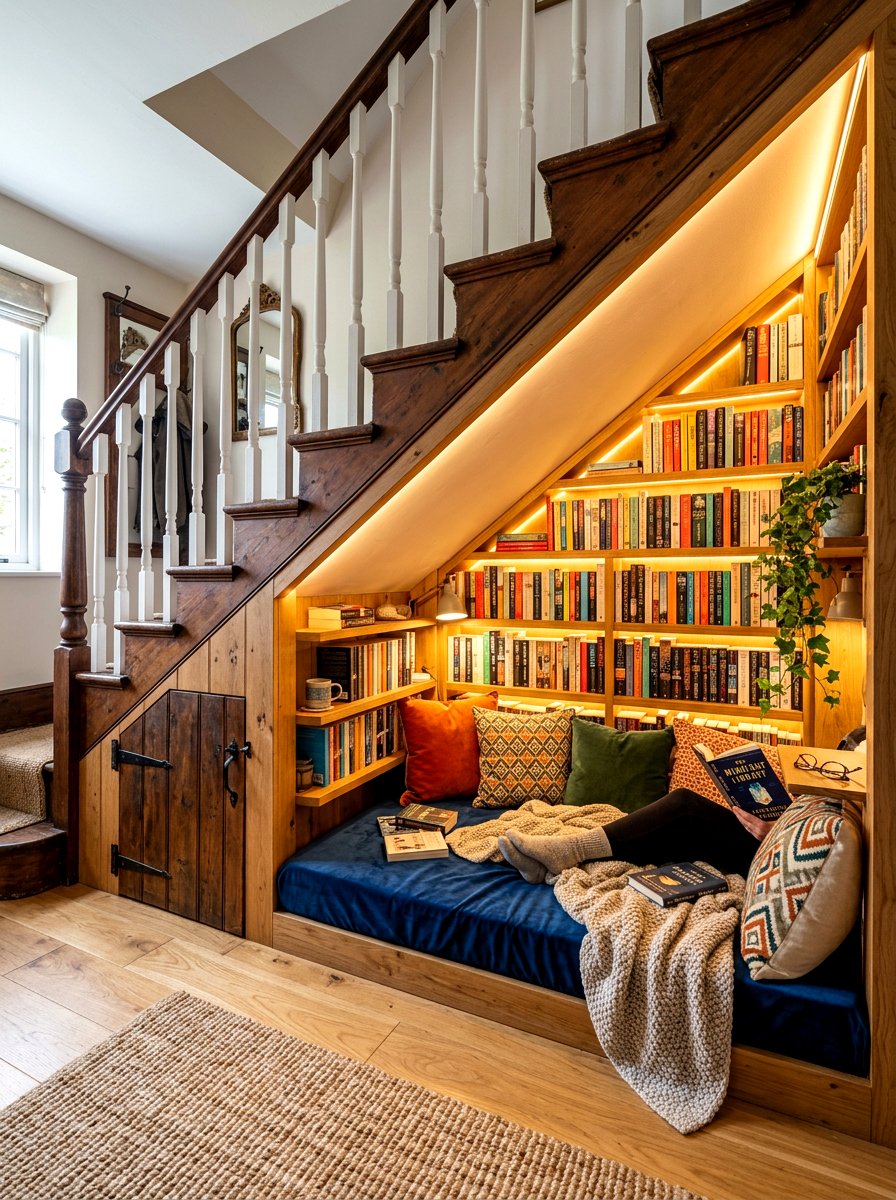
Utilizing the awkward space under a staircase is a masterclass in functional home planning that children will find absolutely enchanting. This often-overlooked area can be converted into a built-in reading cabin that feels like a secret clubhouse hidden away from the rest of the house. Custom-fitted shelving can line the back wall to display colorful book spines, while a tailored mattress pad creates a comfortable lounging surface for long afternoons. Adding a small wooden door or a simple velvet curtain allows kids to fully retreat into their own world of fiction. Bright LED strip lighting ensures the nook stays well-lit and welcoming regardless of the time of day.
5. Canopy Reading Space
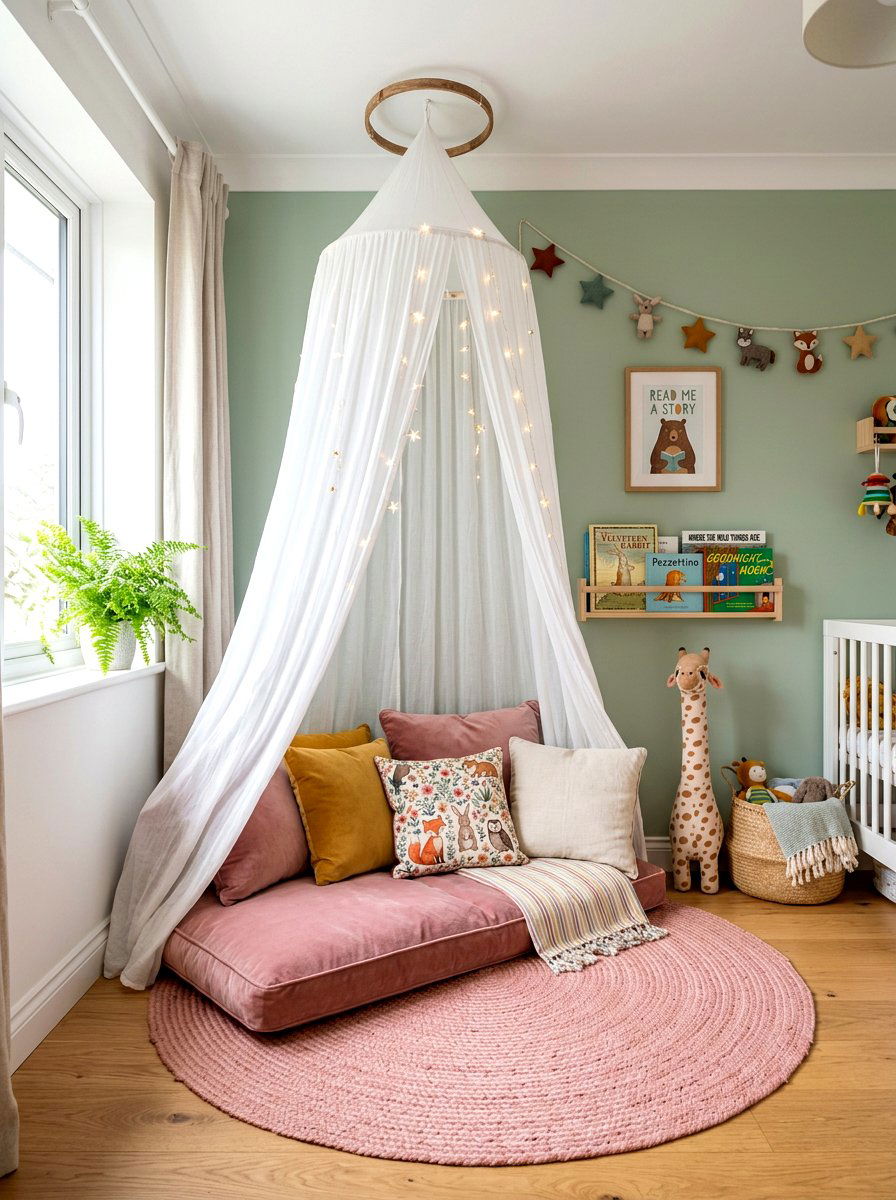
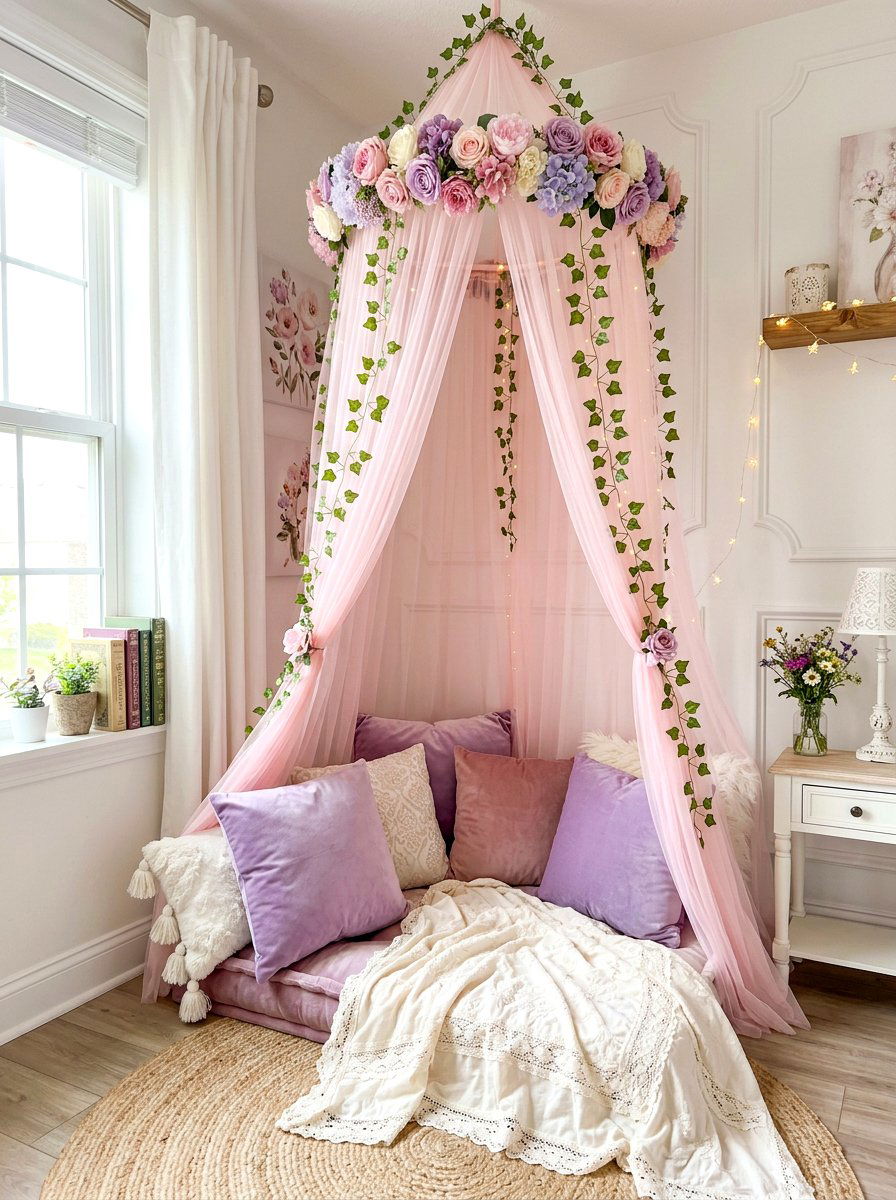
A canopy reading space adds a touch of whimsical elegance to a bedroom corner without requiring any major structural changes or expensive renovations. Suspended from the ceiling, a flowing fabric canopy creates a soft, semi-private zone that feels much like a royal tent or a magical cocoon. Place a plush circular rug and a few oversized velvet floor pillows underneath the hanging fabric to create the ultimate comfort zone. This setup works exceptionally well in rooms with high ceilings, as the verticality of the canopy helps define the reading area visually. It is a cost-effective way to provide a child with a beautiful and cozy spot to explore books.
6. Floating Shelf Library
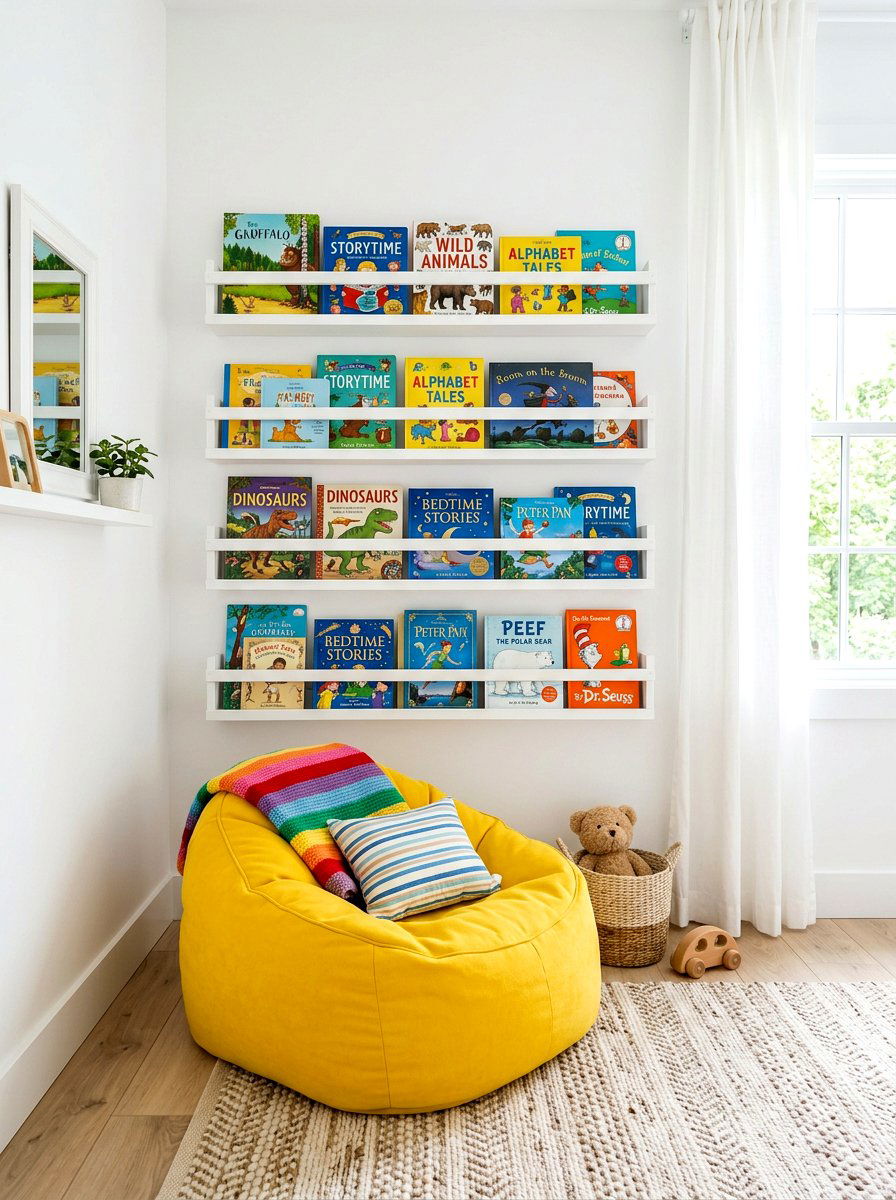
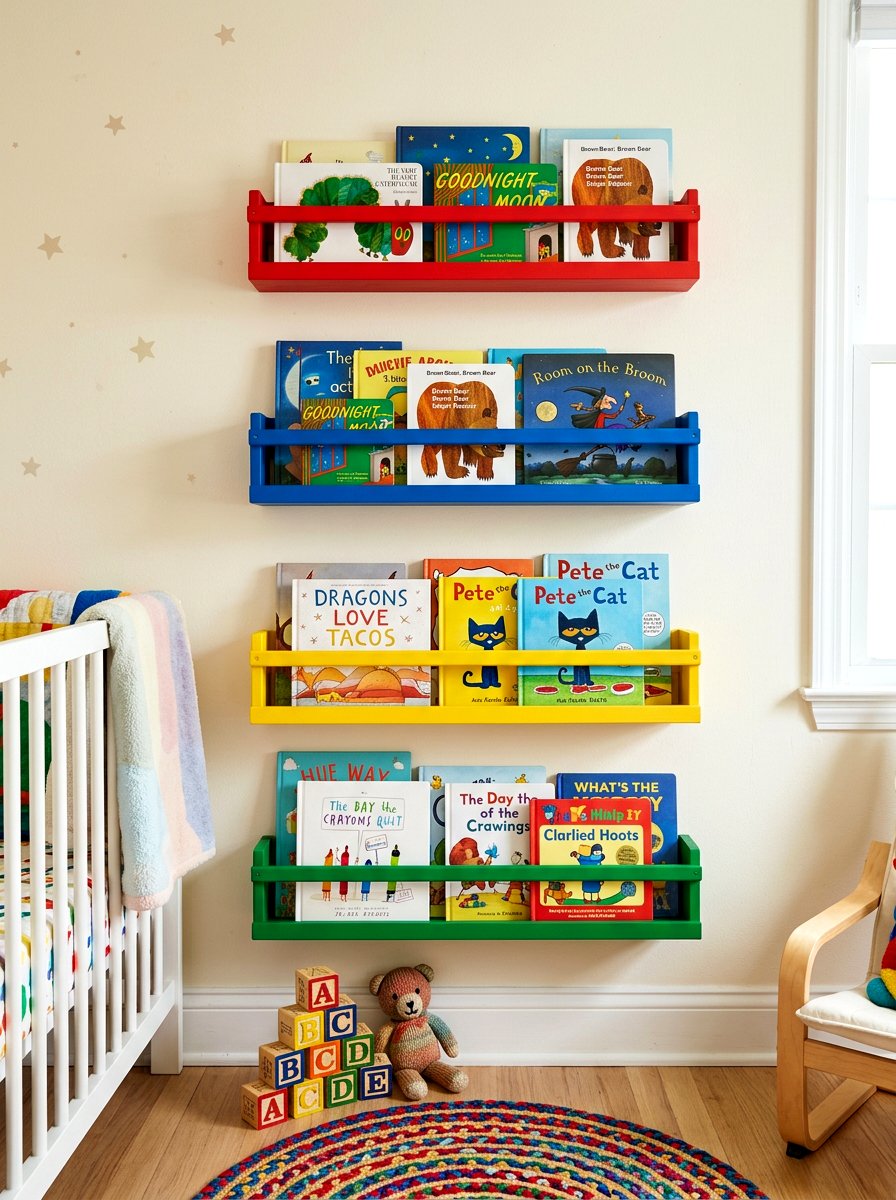
A floating shelf library is an excellent solution for small bedrooms where floor space is limited but wall real estate is plentiful. By installing narrow picture ledges at a child’s eye level, you can display books with their covers facing forward, making them visually enticing. This forward-facing arrangement helps younger children who cannot yet read spines to identify and choose their favorite stories with ease. Arrange a comfy bean bag chair or a soft floor mat directly beneath the shelves to complete the look and provide a place to sit. This minimalist approach keeps the room organized while turning the colorful book covers into a beautiful art installation.
7. Bunk Bed Reading Loft
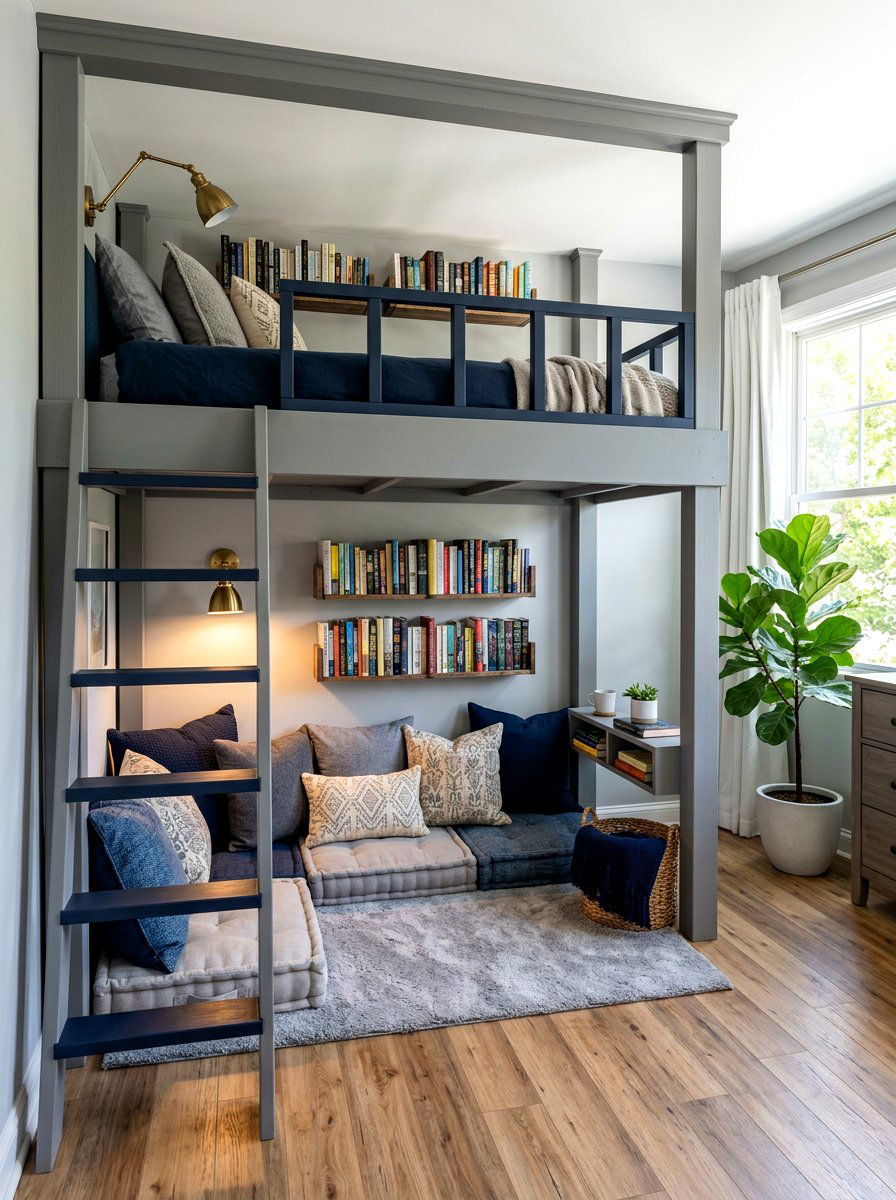
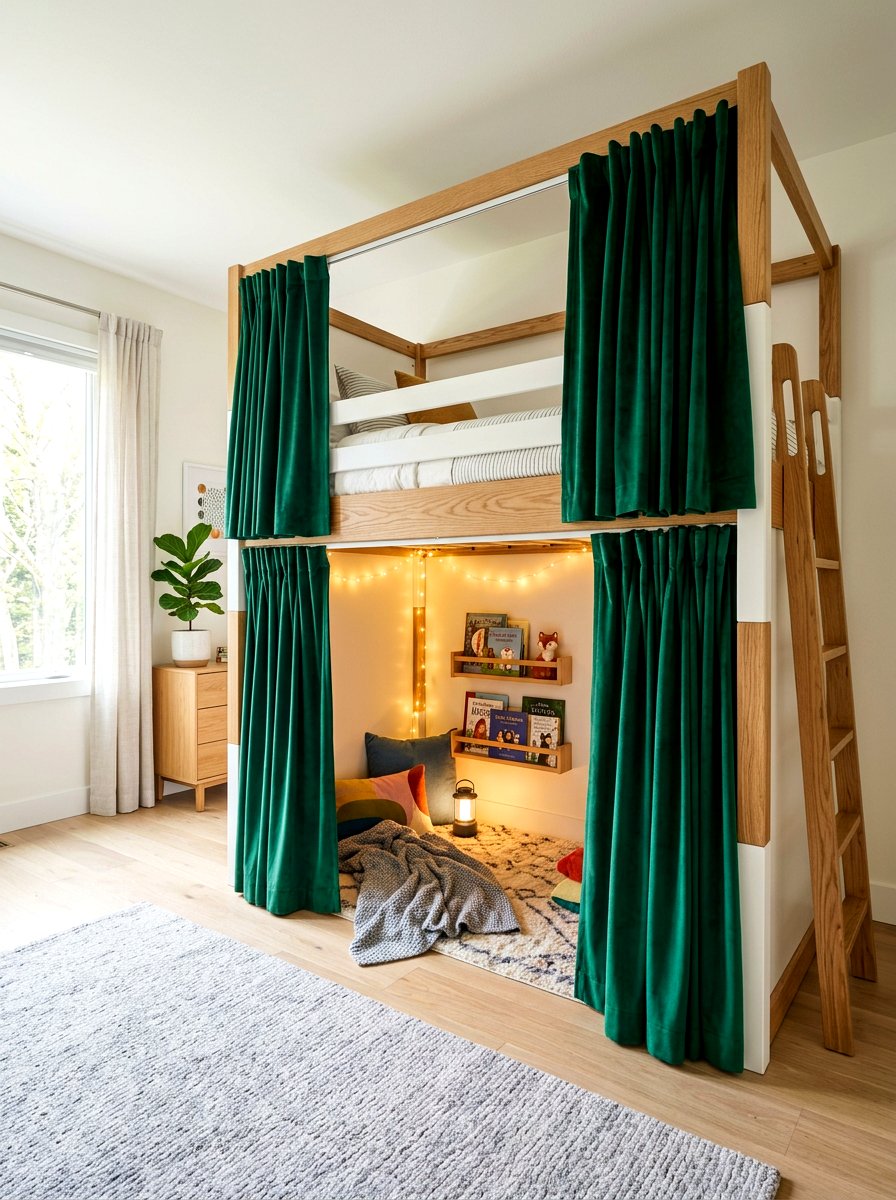
Designing a bunk bed reading loft is a fantastic way to utilize vertical space in shared bedrooms or compact living environments. By removing the bottom mattress of a standard bunk bed, you create a spacious alcove that is perfect for a designated library zone. Fill this lower level with a soft bean bag, a small lamp, and several baskets overflowing with picture books and adventure novels. The upper bunk remains a sleeping area, while the lower "loft" becomes a dedicated daytime retreat for quiet contemplation and literary exploration. It effectively separates sleeping and play areas, helping your child focus on their reading without any nearby distractions.
8. Floor Cushion Corner
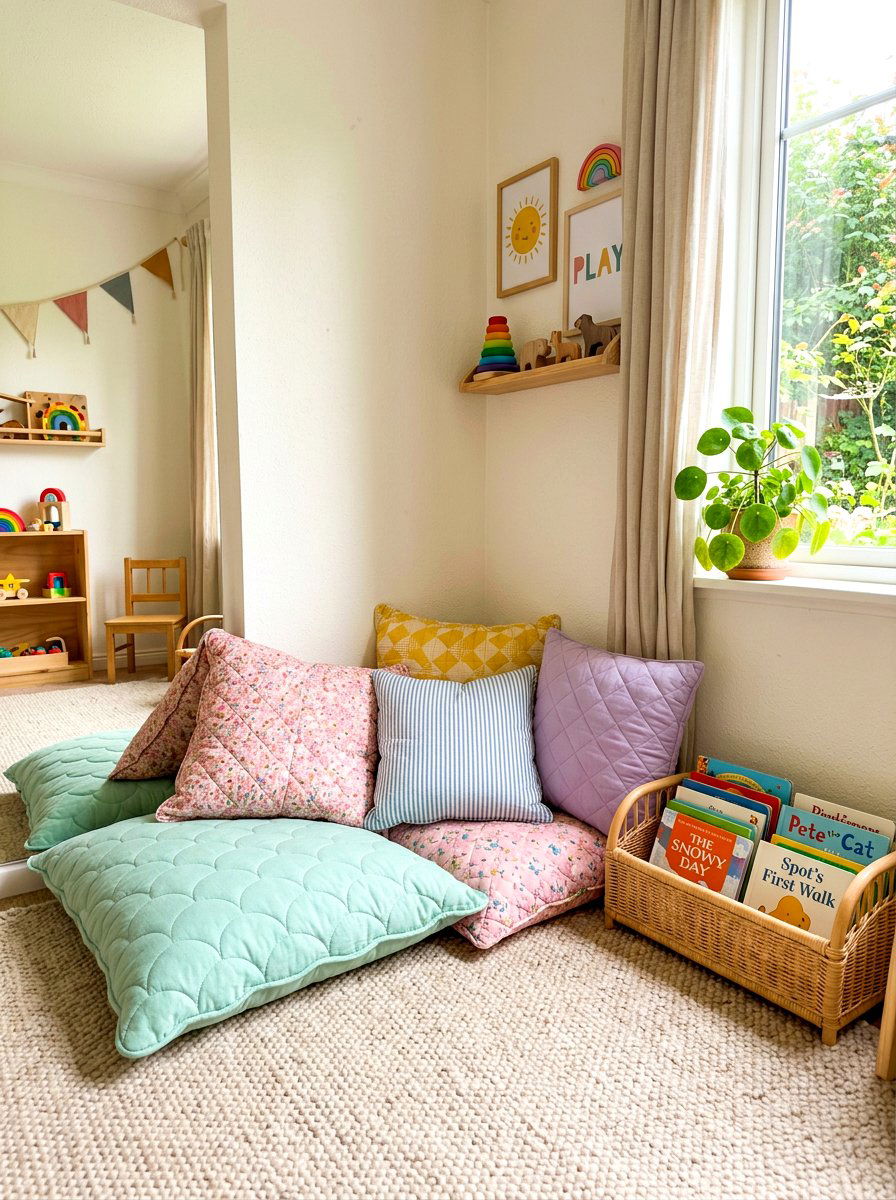
A floor cushion corner is perhaps the most flexible and inviting reading setup for toddlers and younger children who love to lounge. By gathering a collection of thick, quilted floor pillows and arranging them in a sun-drenched corner, you create an instant, low-profile sanctuary. This arrangement is particularly safe for little ones as there are no sharp corners or heights to worry about during their playtime. Pair the seating with a low-profile basket of books to ensure everything is within their reach at all times. The casual nature of this setup makes reading feel like a relaxed, everyday activity rather than a strictly formal task.
9. Attic Reading Hideaway
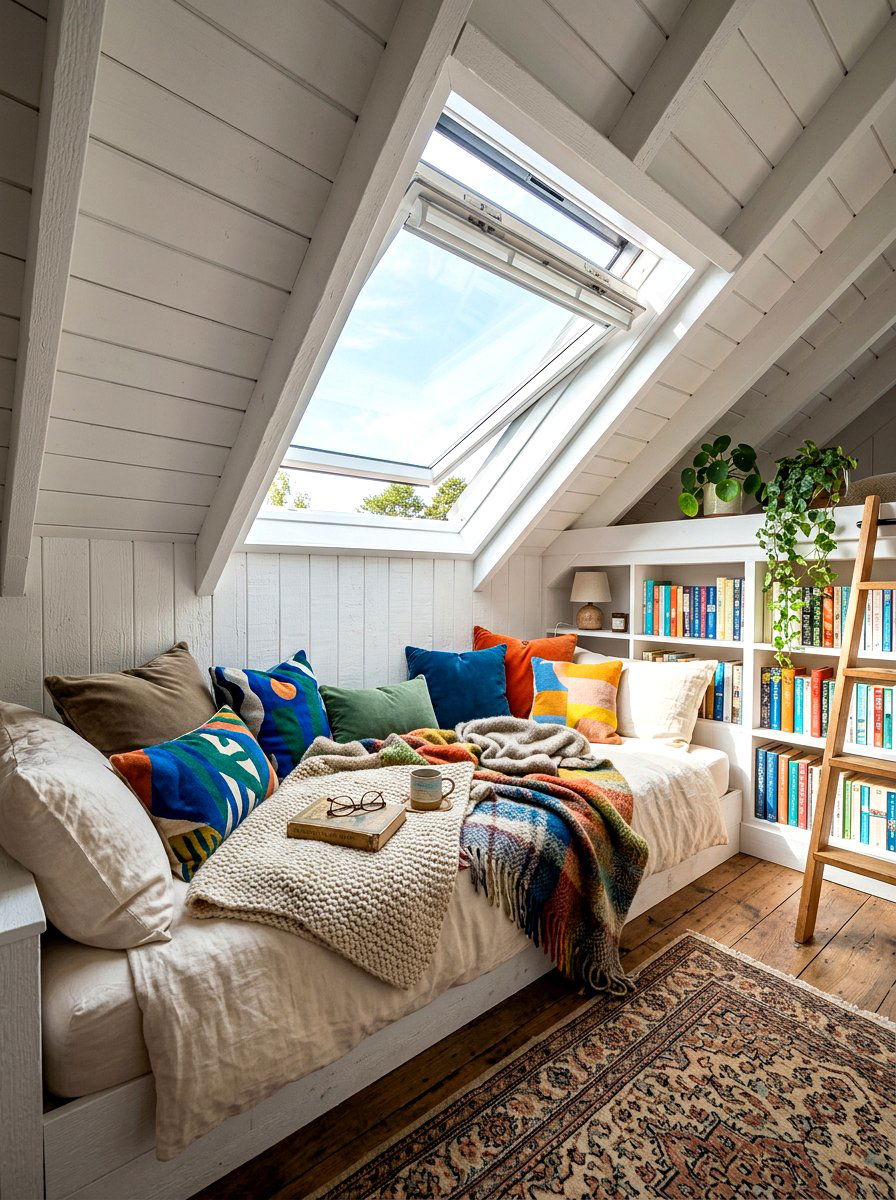
Converting a small section of an attic into a reading hideaway takes advantage of sloped ceilings and cozy architectural quirks. These tucked-away spaces naturally feel more private and separated from the hustle and bustle of the main living floors of the home. You can place a low-profile daybed or a thick mattress directly under the eaves to create a snug place for a child to lie down. Simple whitewashed walls combined with soft wool blankets can make the space feel bright yet incredibly warm and inviting for long reading sessions. It is the perfect retreat for older children who desire a bit more independence and quiet.
10. Hammock Chair Nook
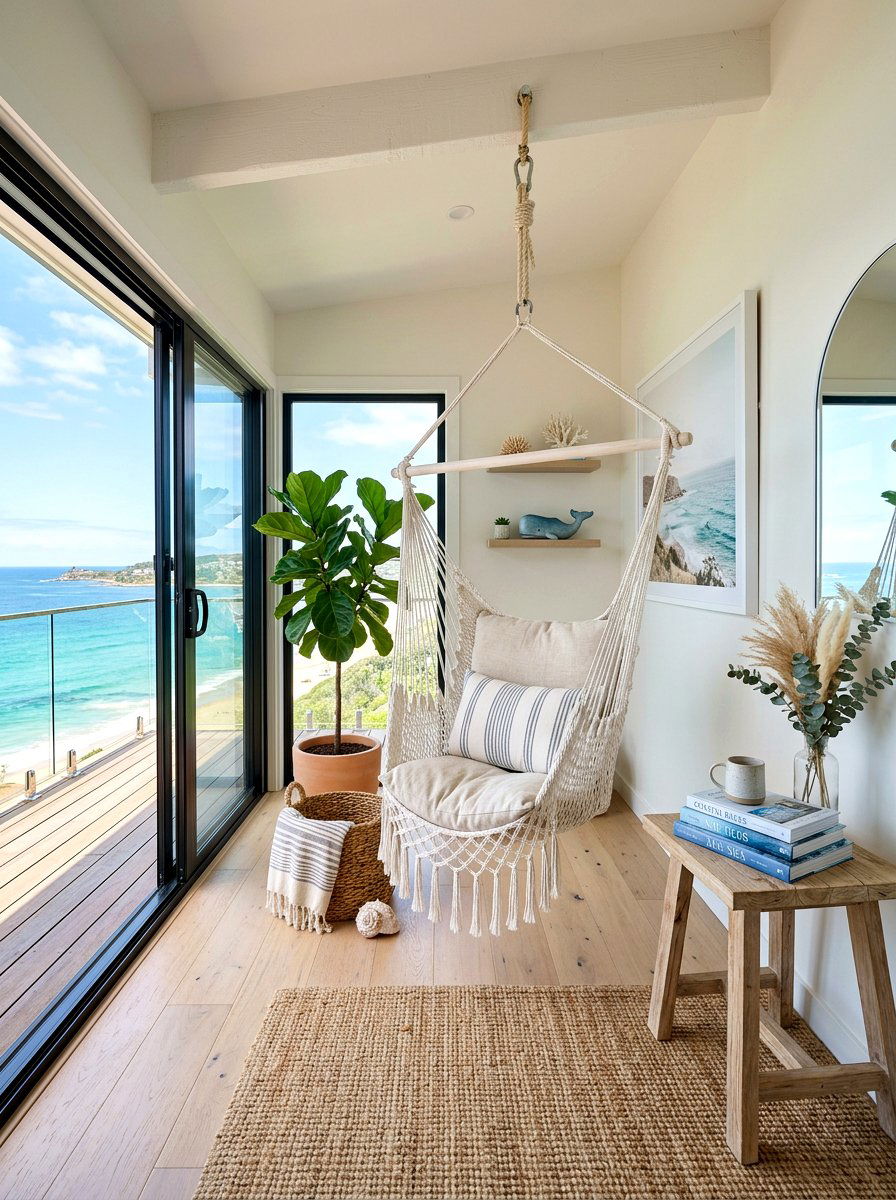
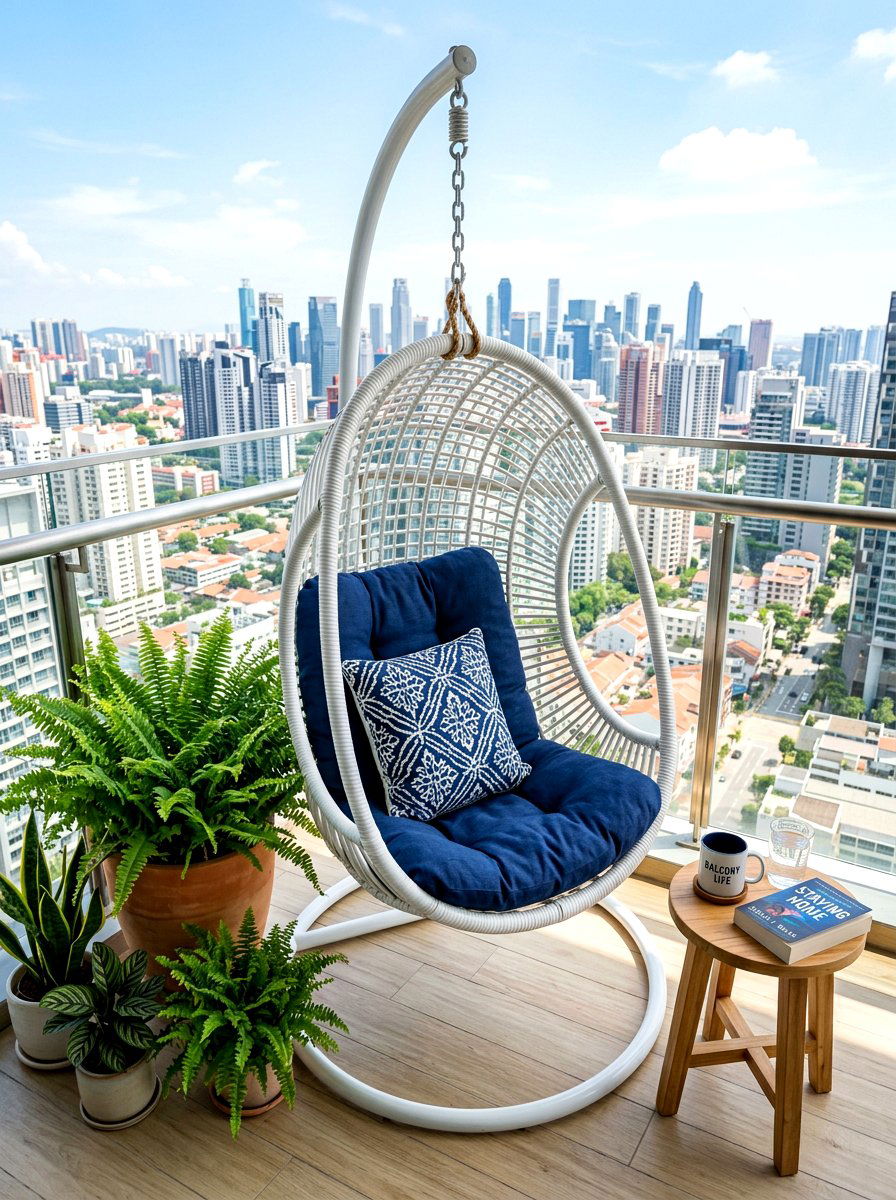
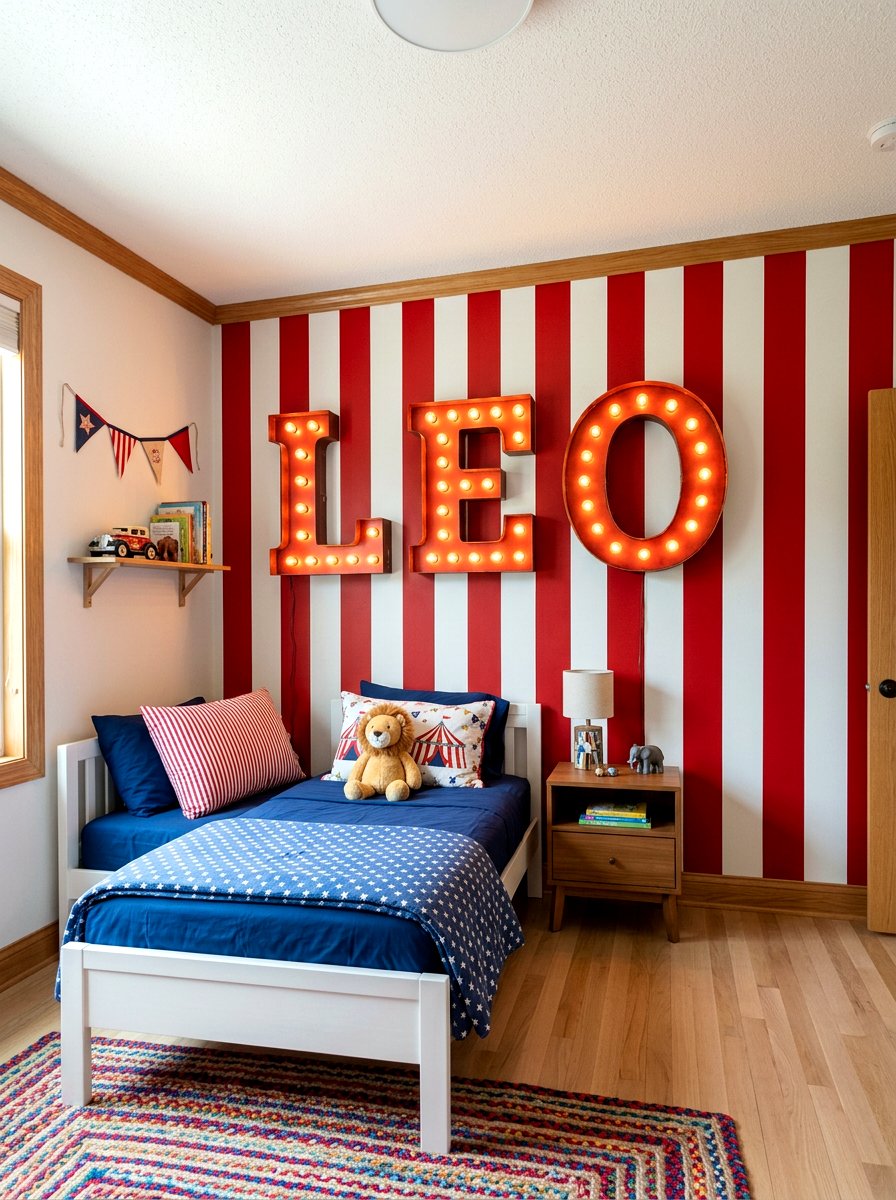
Installing a hammock chair nook provides a unique, weightless reading experience that many children find deeply relaxing and fun to use. The gentle swaying motion of the chair can help soothe energetic kids, making it easier for them to settle down with a book. Mount the chair in a corner with plenty of clearance and add a small side table nearby to hold a stack of favorite stories. Using a durable woven cotton or canvas fabric ensures the chair can withstand daily use while remaining soft against the skin. This setup brings a touch of outdoor adventure inside, turning every reading hour into a playful escape.
11. Treehouse Theme Library
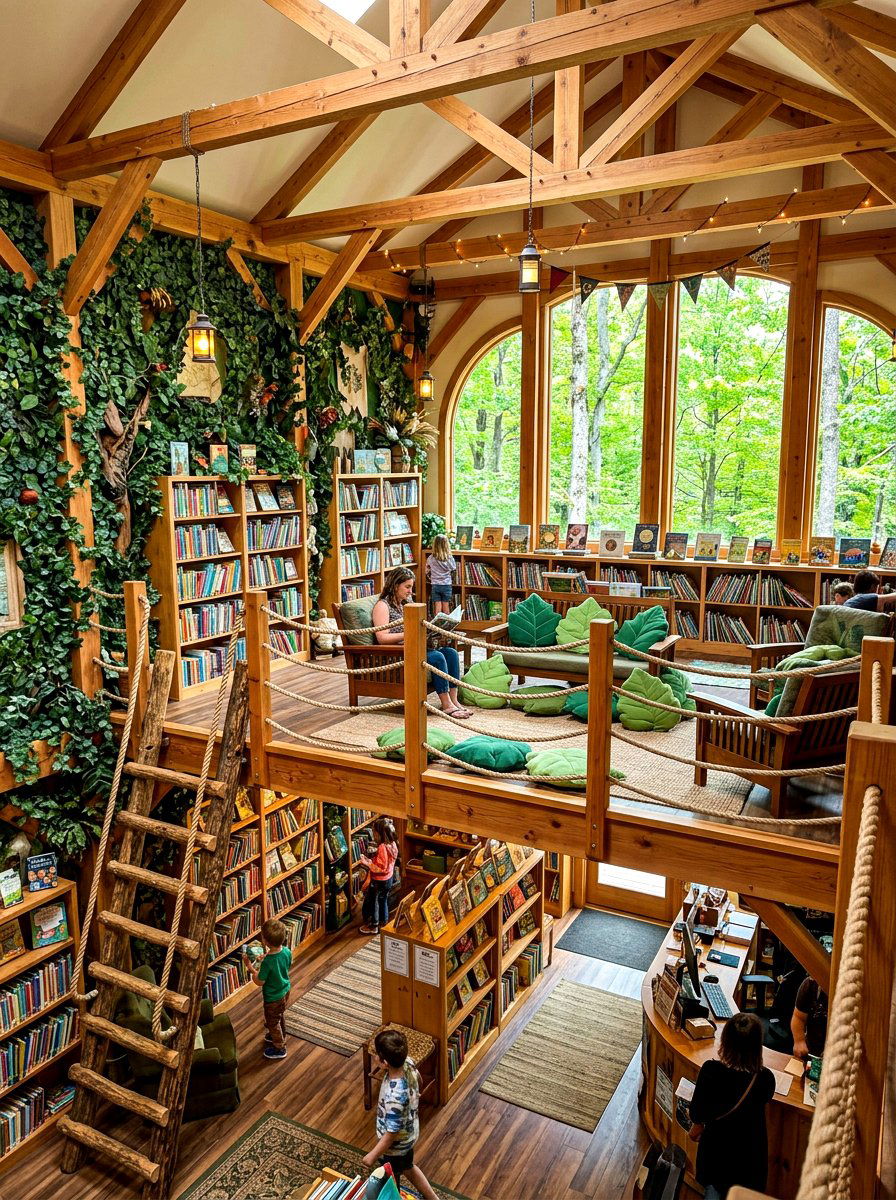
Creating a treehouse theme library brings the excitement of an outdoor forest into the safety and comfort of your child’s indoor playroom. You can use wood-look wall decals or actual reclaimed timber to frame out a small elevated platform that mimics a rustic wooden fort. Decorate the space with faux ivy vines, green leafy pillows, and a sturdy wooden ladder to enhance the adventurous atmosphere for your little reader. A small lantern hanging from the ceiling provides atmospheric lighting that makes the space feel even more like a hidden woodland retreat. This immersive environment encourages children to lose themselves in tales of nature, exploration, and wild adventure.
12. Corner Book Bench
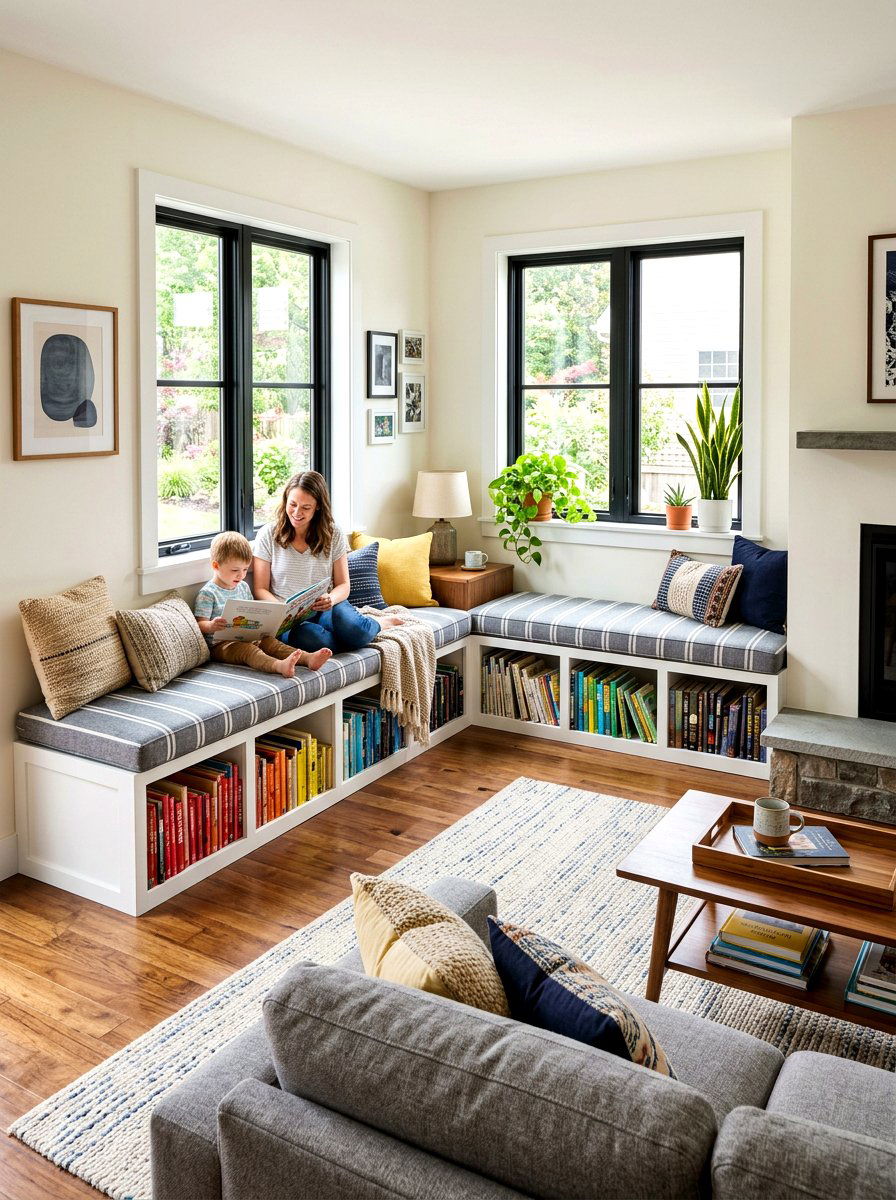
A corner book bench is a sophisticated and space-efficient way to add a permanent reading fixture to a multi-purpose family room. By building an L-shaped bench into a corner, you provide ample seating for multiple children to read together or for parents to join. The area underneath the bench can be designed with open cubbies or sliding drawers to store an extensive library of hardcovers and paperbacks. Using a neutral-colored cushion allows the reading nook to blend seamlessly with the rest of your home’s decor while still being kid-friendly. This permanent installation adds value to the room and defines the area as a dedicated learning hub.
13. Montessori Reading Area
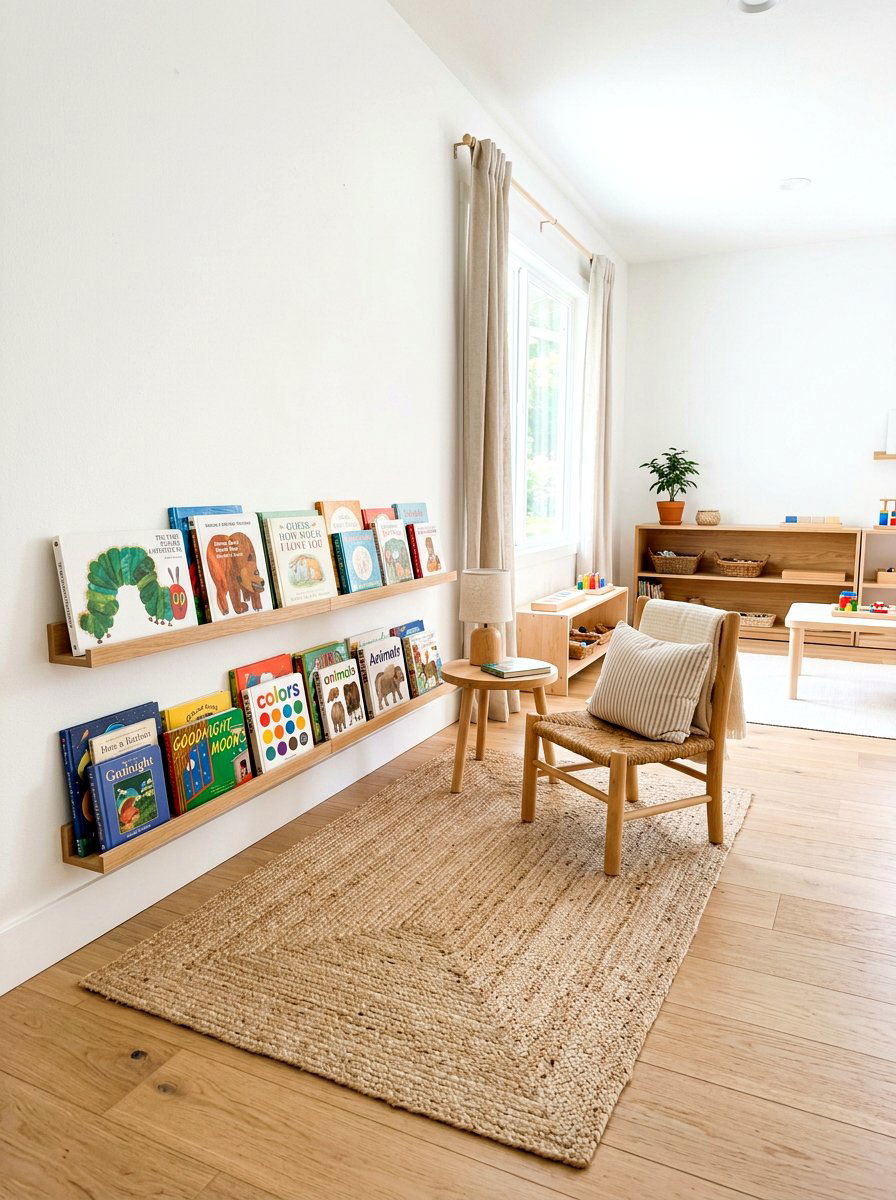
A Montessori reading area focuses on accessibility, independence, and a clean, minimalist aesthetic that allows children to take charge of their learning. This setup typically features very low, forward-facing book ledges that allow even the smallest toddler to see and reach every book title. A simple, flat-woven rug and a single wooden child-sized chair provide a structured yet comfortable place for them to sit and focus. By limiting the number of books displayed at one time, you prevent overwhelm and encourage the child to deeply engage with a few selected stories. This thoughtful organization fosters a sense of order and respect for their personal reading materials.
14. Bean Bag Sanctuary
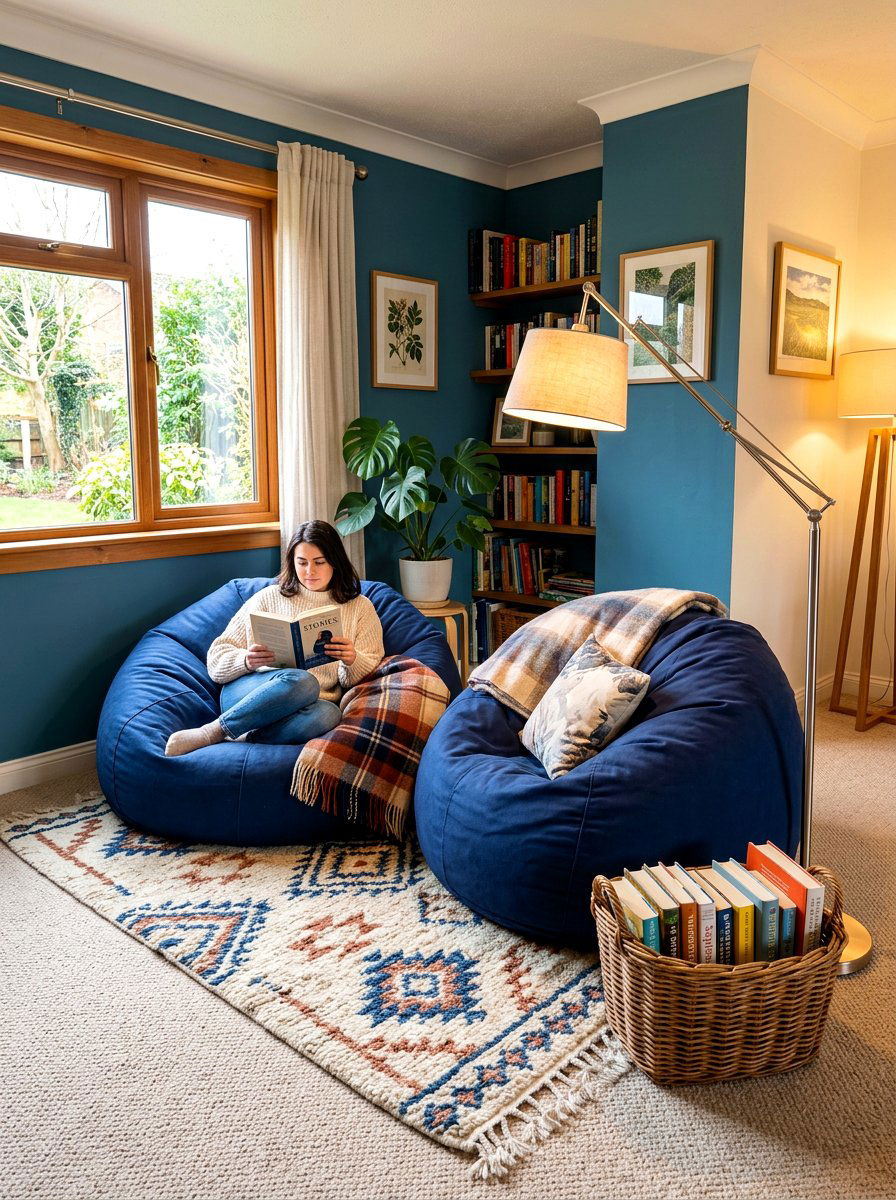
Designing a bean bag sanctuary is a quick and effective way to turn any empty corner into a high-comfort zone. Modern bean bags come in various sizes and supportive shapes that are specifically designed for long-term sitting and lounging with a heavy book. Choose a fabric that is easy to spot-clean, such as a high-quality velvet or a rugged canvas, to handle inevitable spills and messes. Placing a small, adjustable floor lamp nearby ensures that the child has excellent lighting regardless of how they choose to shift their position. The informal nature of a bean bag makes the reading experience feel incredibly approachable and cozy for children.

15. Built In Bookshelf Seat
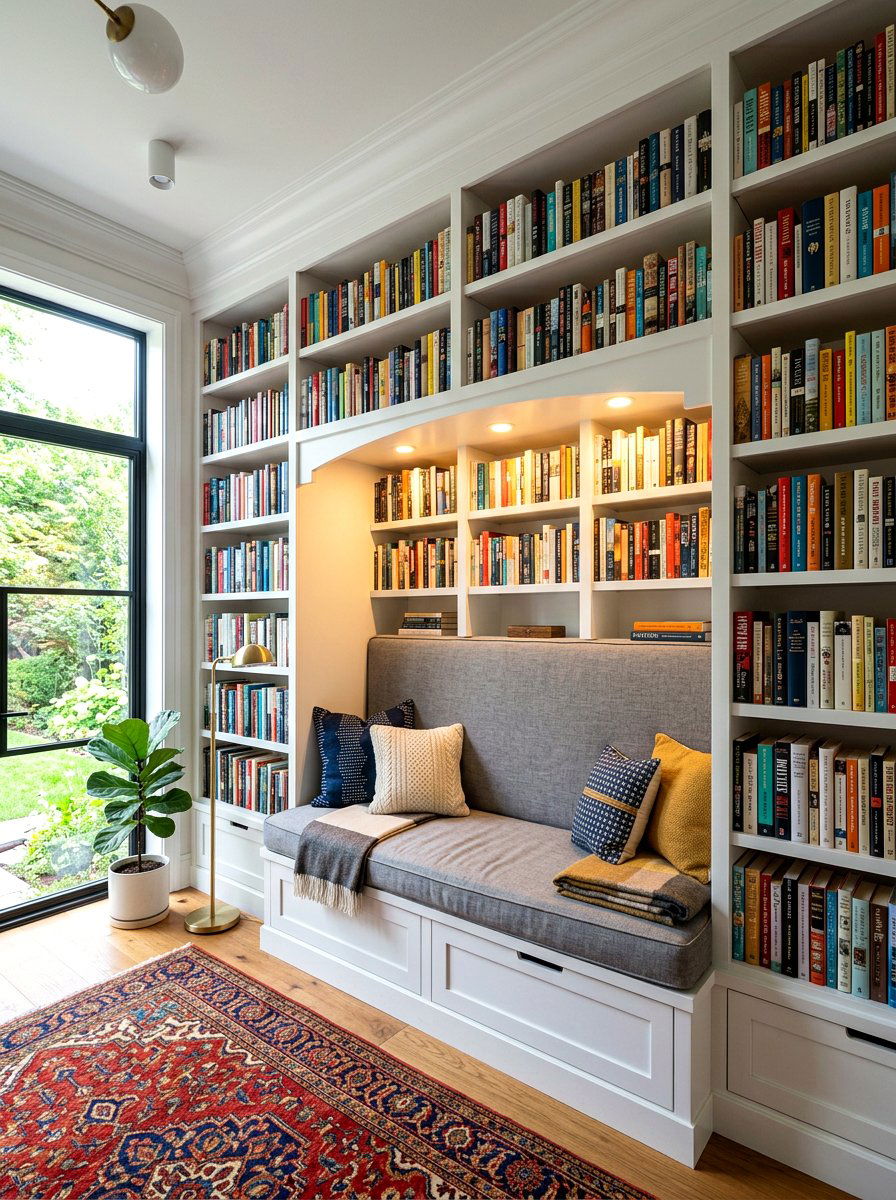
A built-in bookshelf seat integrates the library and the seating into one cohesive architectural element that looks stunning in any home. By surrounding a central cushioned bench with floor-to-ceiling shelving, you literally wrap the reader in a world of books and colorful stories. This design provides an incredible amount of storage for growing collections while creating a deep, protective alcove that feels very safe. You can add a small overhead puck light or a stylish sconce inside the alcove to provide focused illumination for fine print. This setup is ideal for children who love the feeling of being completely immersed in their personal library.
16. Classroom Style Reading Center
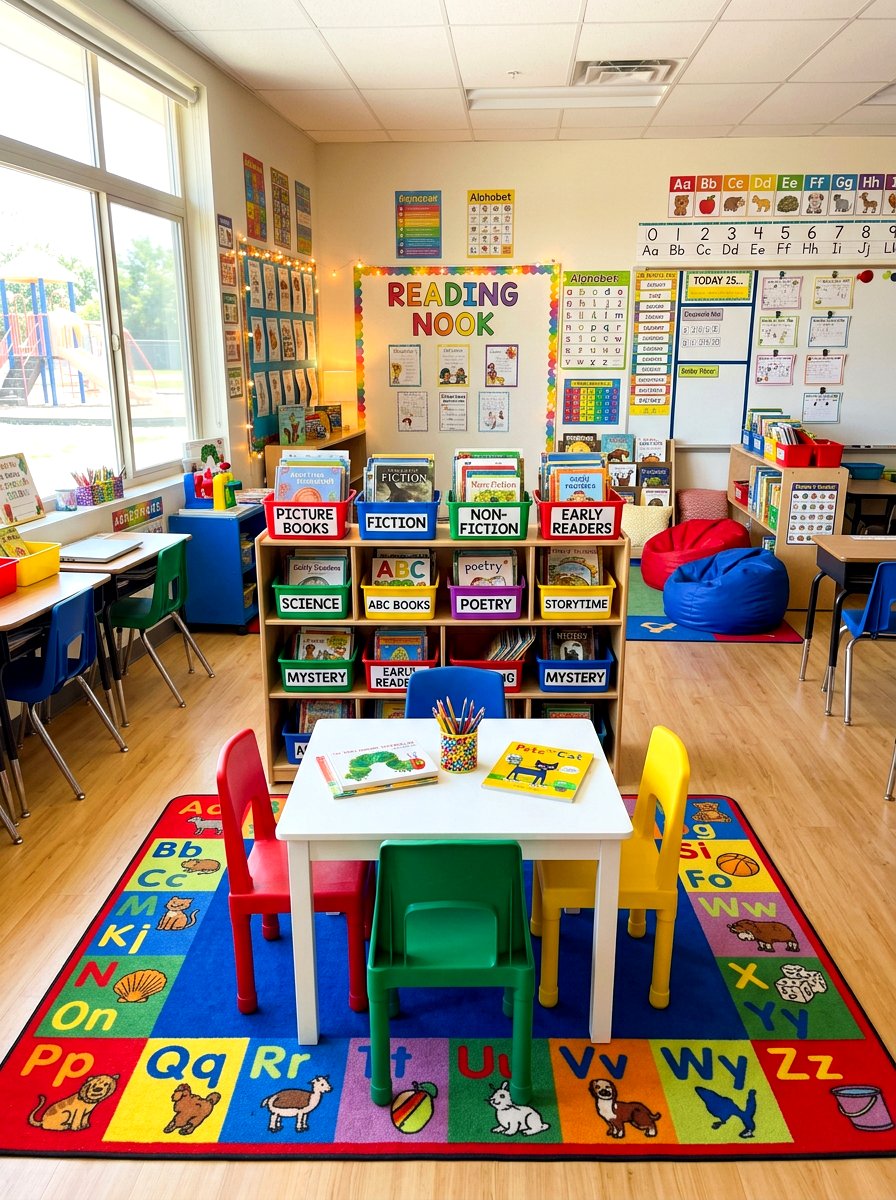
A classroom style reading center brings the organized and academic feel of a school library into the comfort of your own home. This setup often includes a small table for note-taking, a sturdy armchair, and labeled bins that categorize books by genre or reading level. Using a colorful rug with the alphabet or a world map can help define the boundary of this educational and inspiring space. This type of nook is excellent for older children who need a transition between school and home reading habits for their homework. It promotes a sense of discipline and focus while still remaining a fun and vibrant part of the room.
17. Play Tent Library
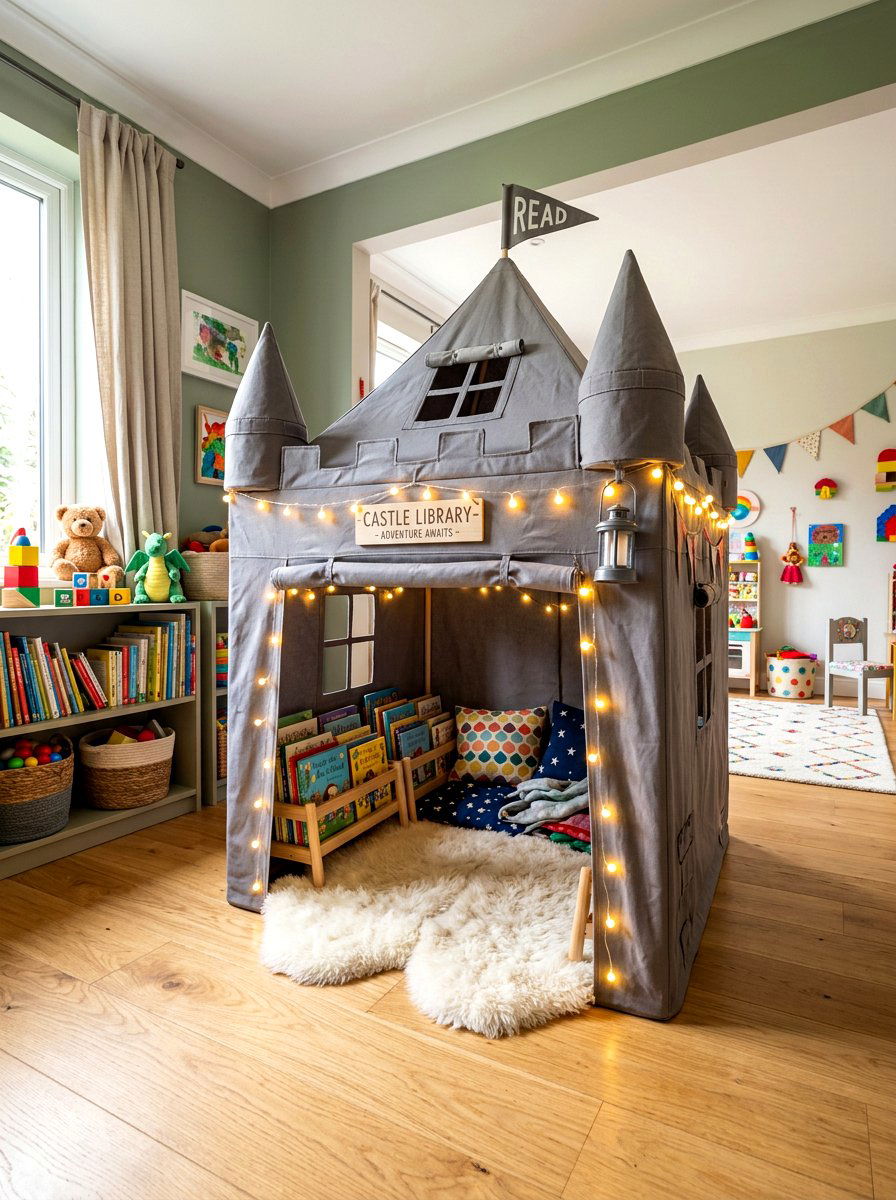
Using a play tent library allows you to create a portable and whimsical reading environment that can be set up anywhere. These tents, often designed as castles, rockets, or simple cottages, provide a fun backdrop that can match the theme of a book. Inside the tent, you can place a soft sheepskin rug and a few small pillows to create a cozy and warm interior. The enclosed walls help block out visual distractions from the rest of the house, allowing the child to concentrate on their favorite narrative. When the tent is not in use, it can be easily folded away to reclaim the floor space.
18. Sensory Reading Room
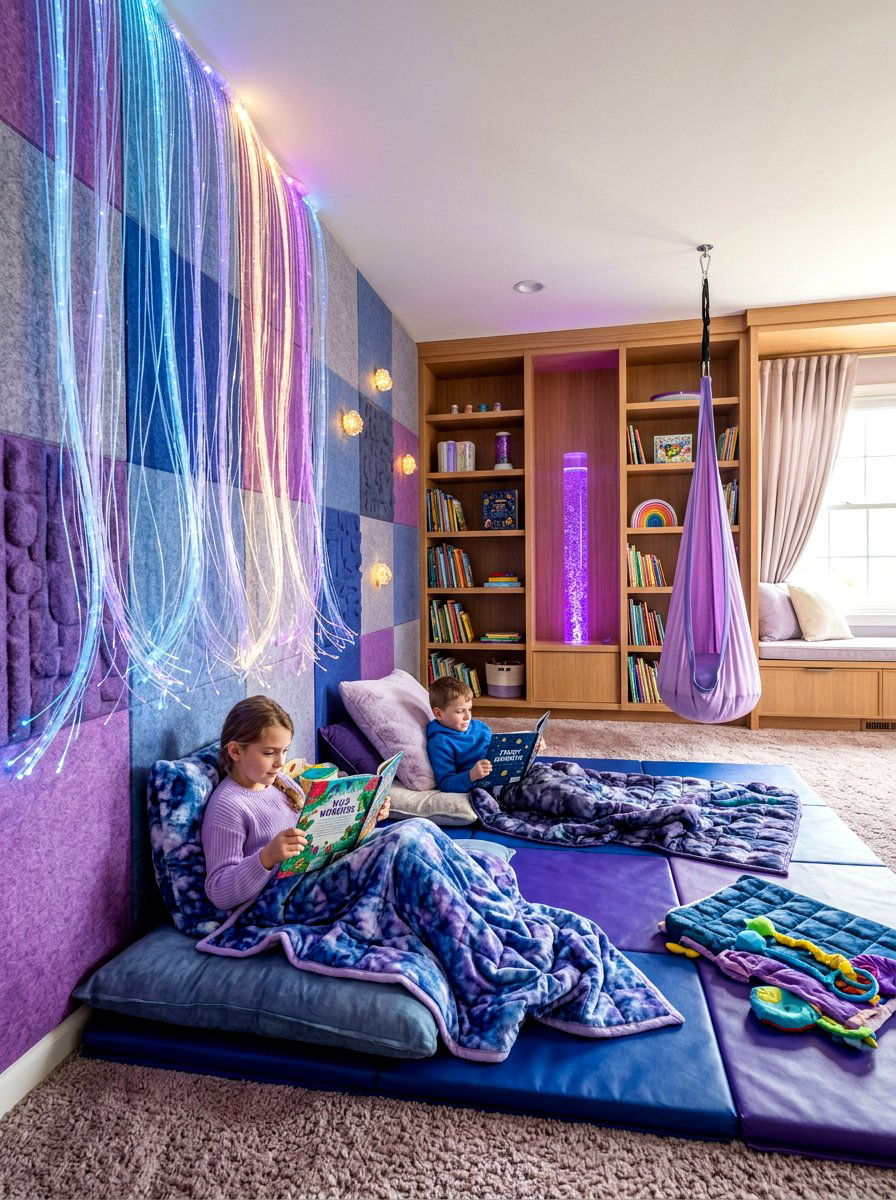
A sensory reading room incorporates various textures, lighting effects, and even gentle sounds to create a multi-dimensional experience for children with different needs. You might include weighted blankets, vibrating cushions, or fiber-optic light strands that change colors slowly to create a calming and soothing atmosphere. The books can be kept in tactile bins, and the walls can feature soft felt panels that provide both sound dampening and a pleasant touch. This specialized environment is designed to help children who may struggle with focus or overstimulation to find peace while they are reading. It turns storytime into a holistic and deeply therapeutic activity for the whole family.
19. Minimalist Book Nook
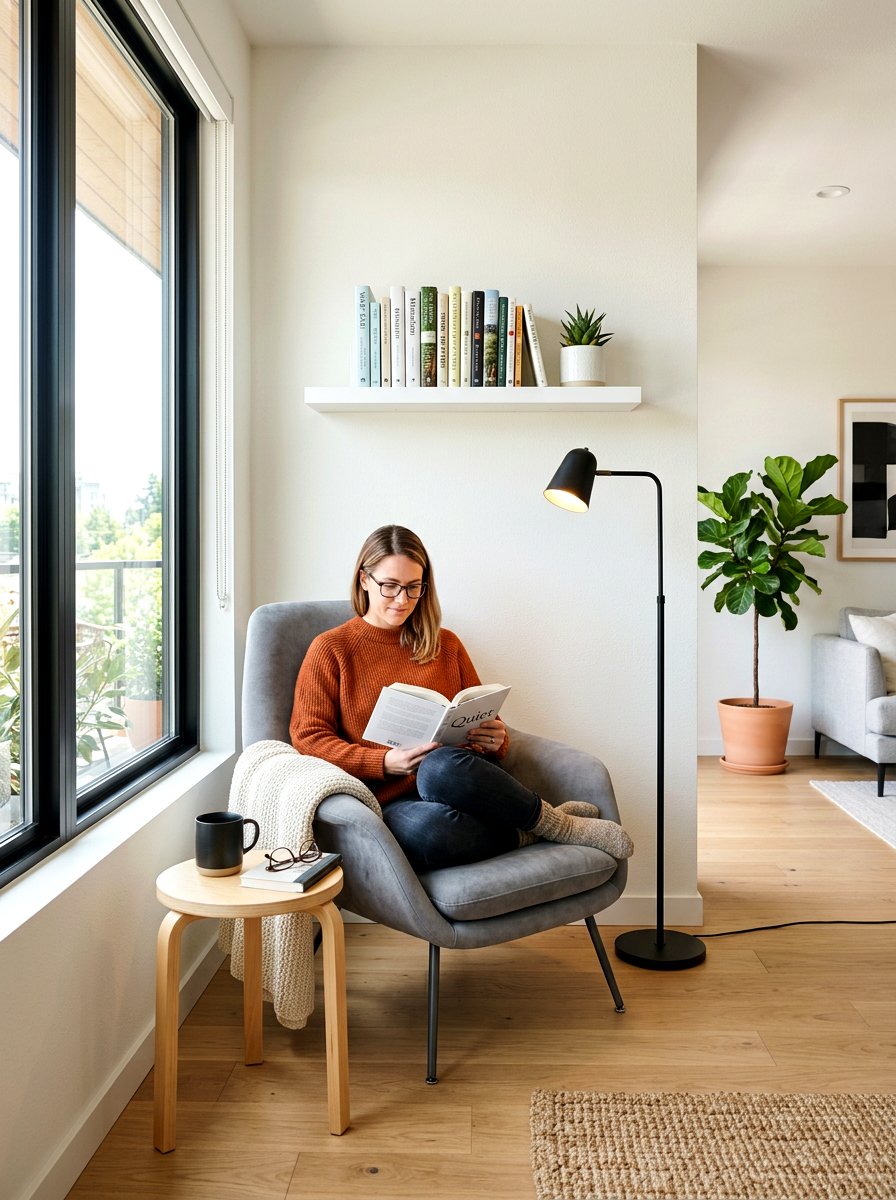
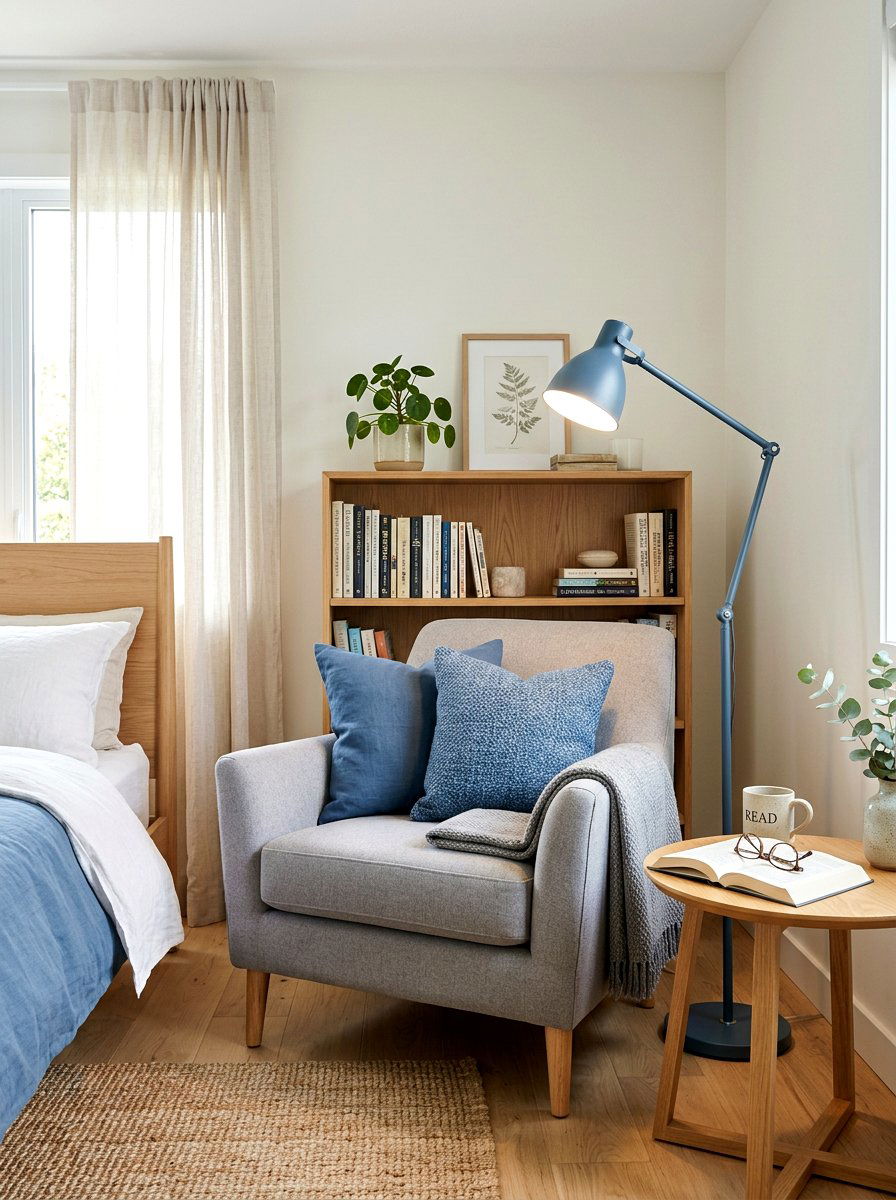
A minimalist book nook focuses on clean lines, a neutral color palette, and the elimination of clutter to promote a calm reading experience. This style often features a single high-quality armchair, a sleek floor lamp, and a very small side table for holding one or two books. By removing excessive decorations and toys, you help the child’s brain focus entirely on the text and illustrations within their chosen book. This design works perfectly in modern homes where a streamlined aesthetic is preferred over more traditional and eclectic nursery styles. It proves that you do not need much to create a highly effective and beautiful literary sanctuary.

20. Colorful Accent Wall Library
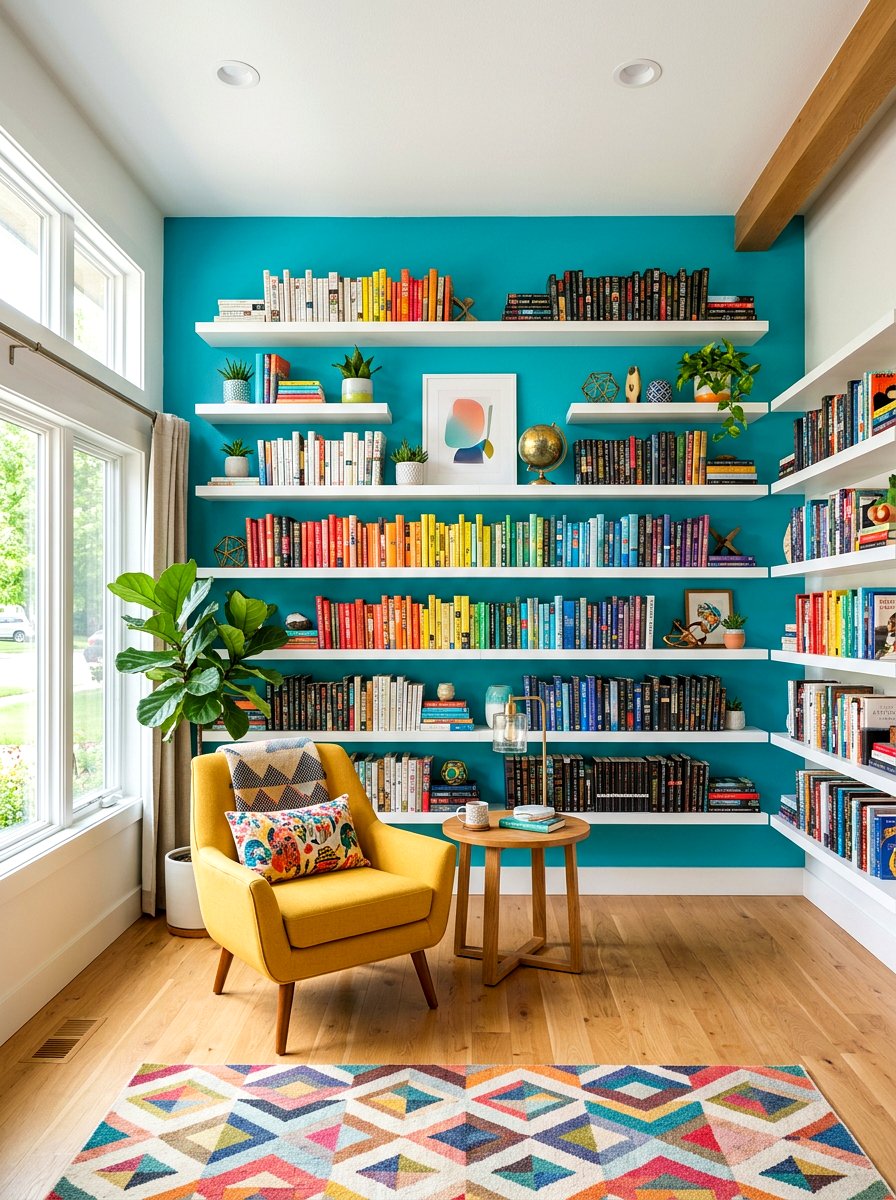
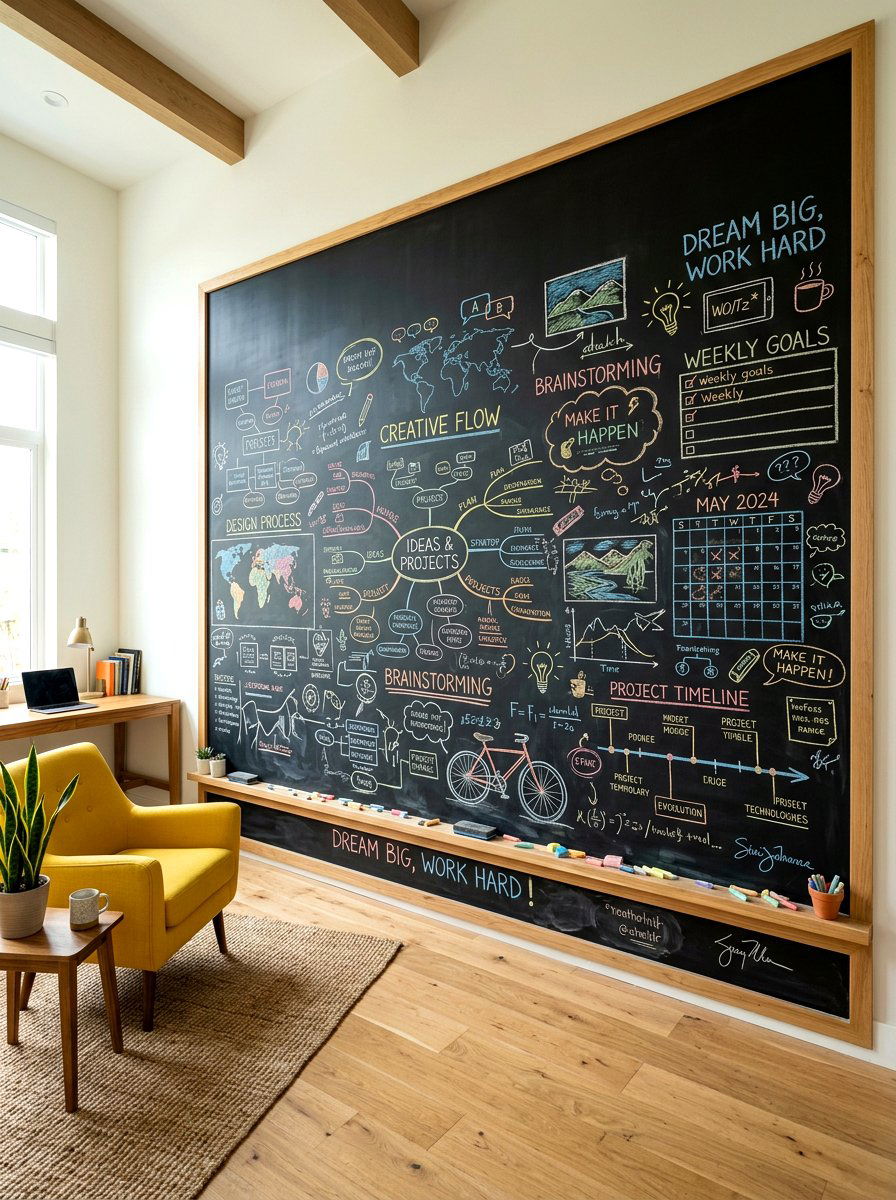
A colorful accent wall library uses bold paint or vibrant wallpaper to create a visually stimulating backdrop for a child’s reading collection. By painting one wall a deep teal or a sunny yellow, you immediately draw the eye to the reading zone and differentiate it. Installing white or light wood shelving against this bold background makes the books pop and look like a curated art gallery for the kids. Pair the wall with a neutral-toned chair or bench to balance the intensity of the colors and create a harmonious look. This approach is perfect for energetic children who find inspiration in bright and cheerful environments.
21. Secret Wardrobe Nook
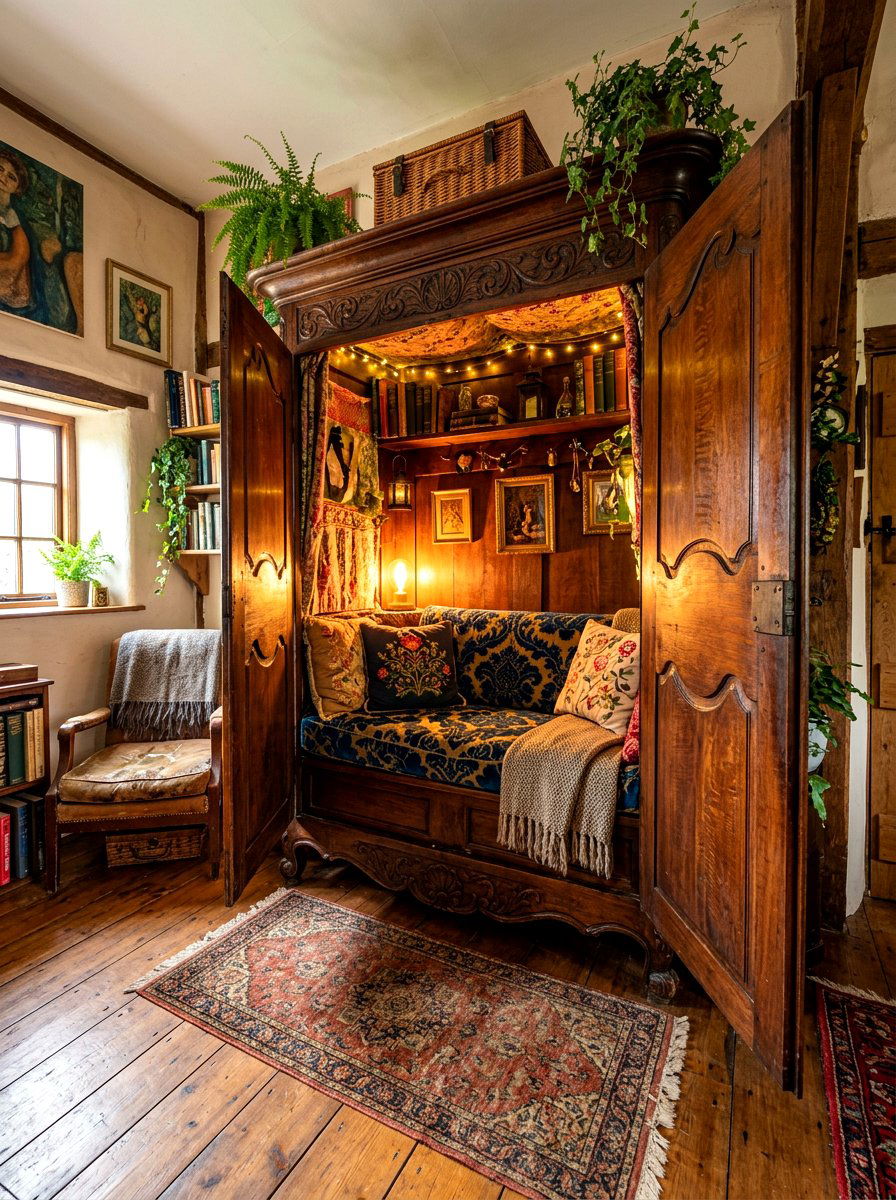
A secret wardrobe nook is a whimsical idea inspired by classic children’s literature, where a simple piece of furniture leads to a new world. By modifying a large freestanding armoire, you can create a hidden seat inside that is revealed only when the doors are opened. Line the interior with soft fabric and add a small battery-operated light to make the inner chamber feel warm and very magical. This setup provides the ultimate sense of privacy and adventure, making the child feel like they are truly escaping into another dimension. It is a fantastic way to turn a piece of furniture into a cherished childhood memory.
22. Nursery Reading Corner
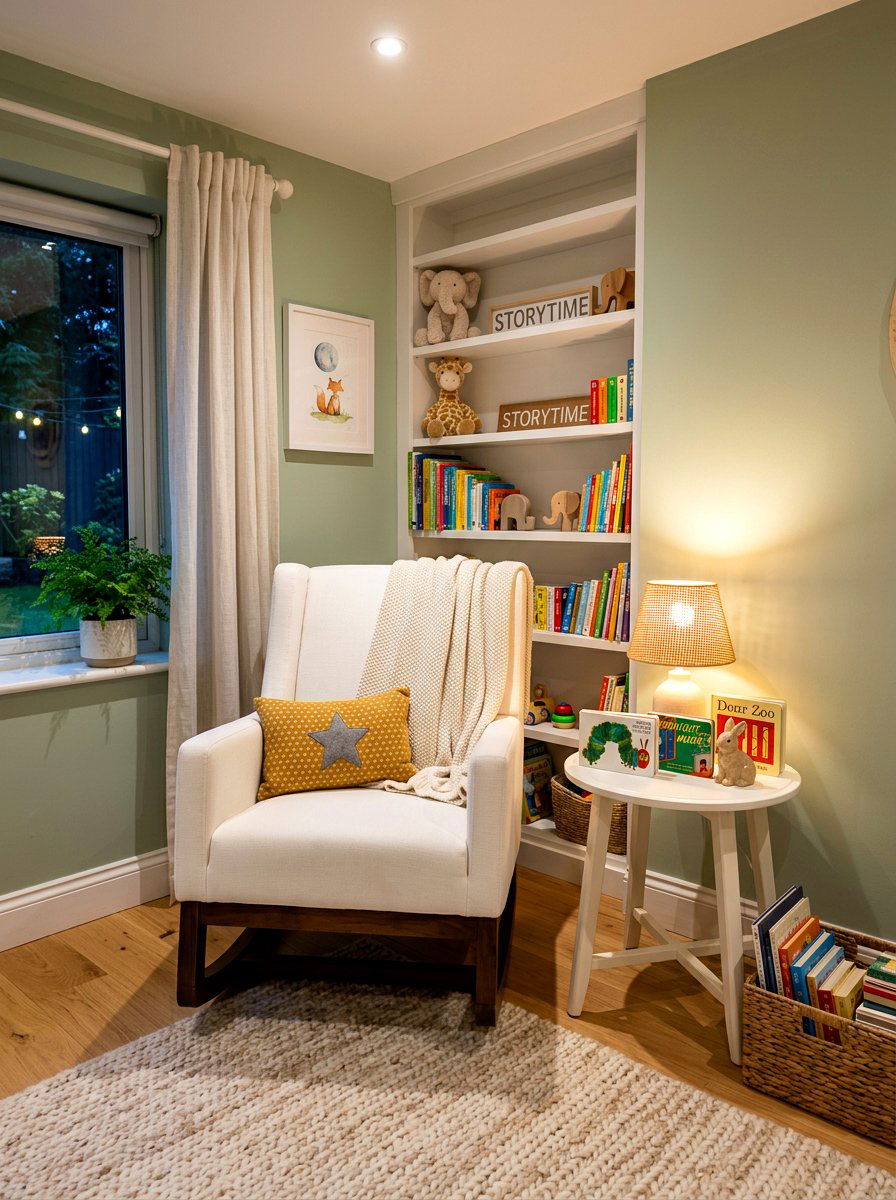
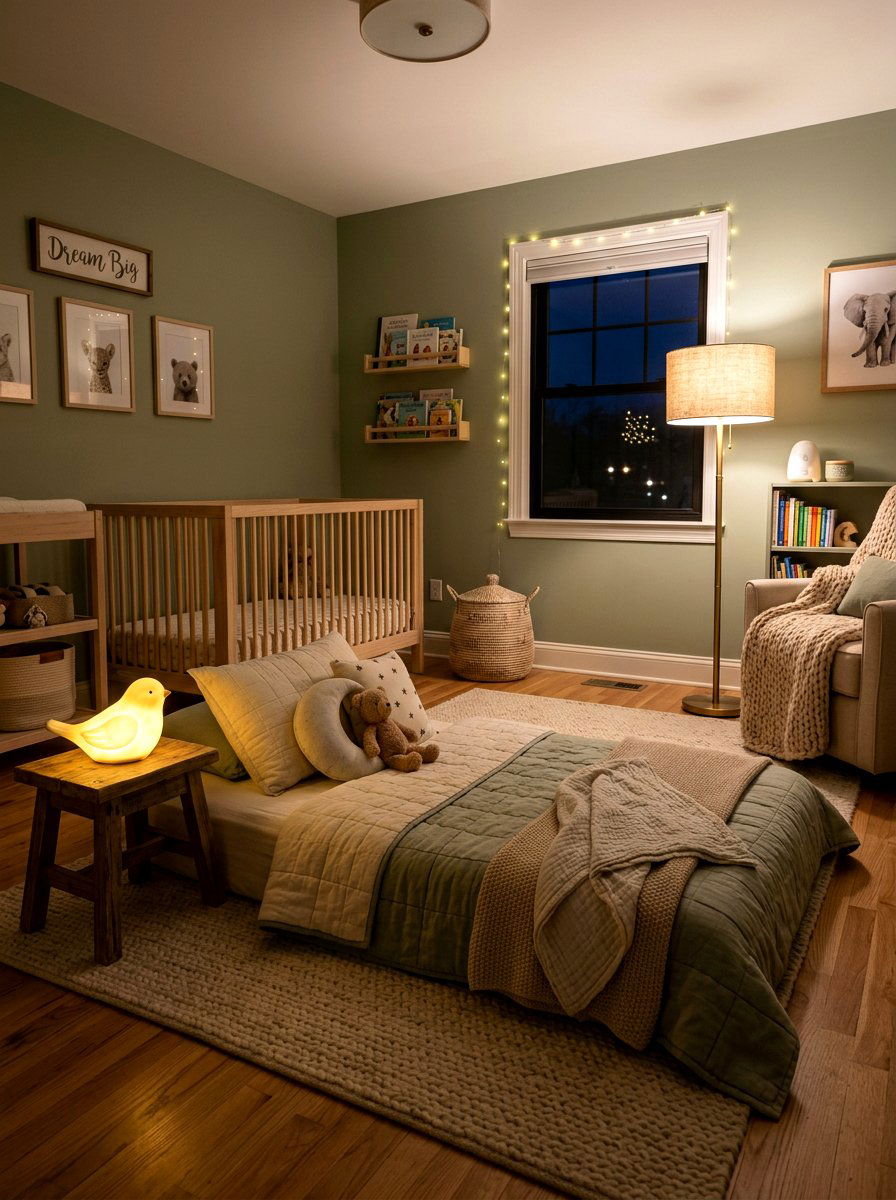
Setting up a nursery reading corner is essential for establishing early literacy habits from the very first months of a child’s life. This area usually centers around a comfortable rocking chair or glider where a parent can sit with their baby to read aloud. A small basket of sturdy board books should be placed nearby for easy access during those frequent feeding or bonding sessions. Soft, dimmable lighting is a key feature here, as it allows for a peaceful transition into sleep after the bedtime story is finished. This space becomes a foundational part of the child’s routine and their growing emotional connection to books.
23. Symmetrical Double Nook
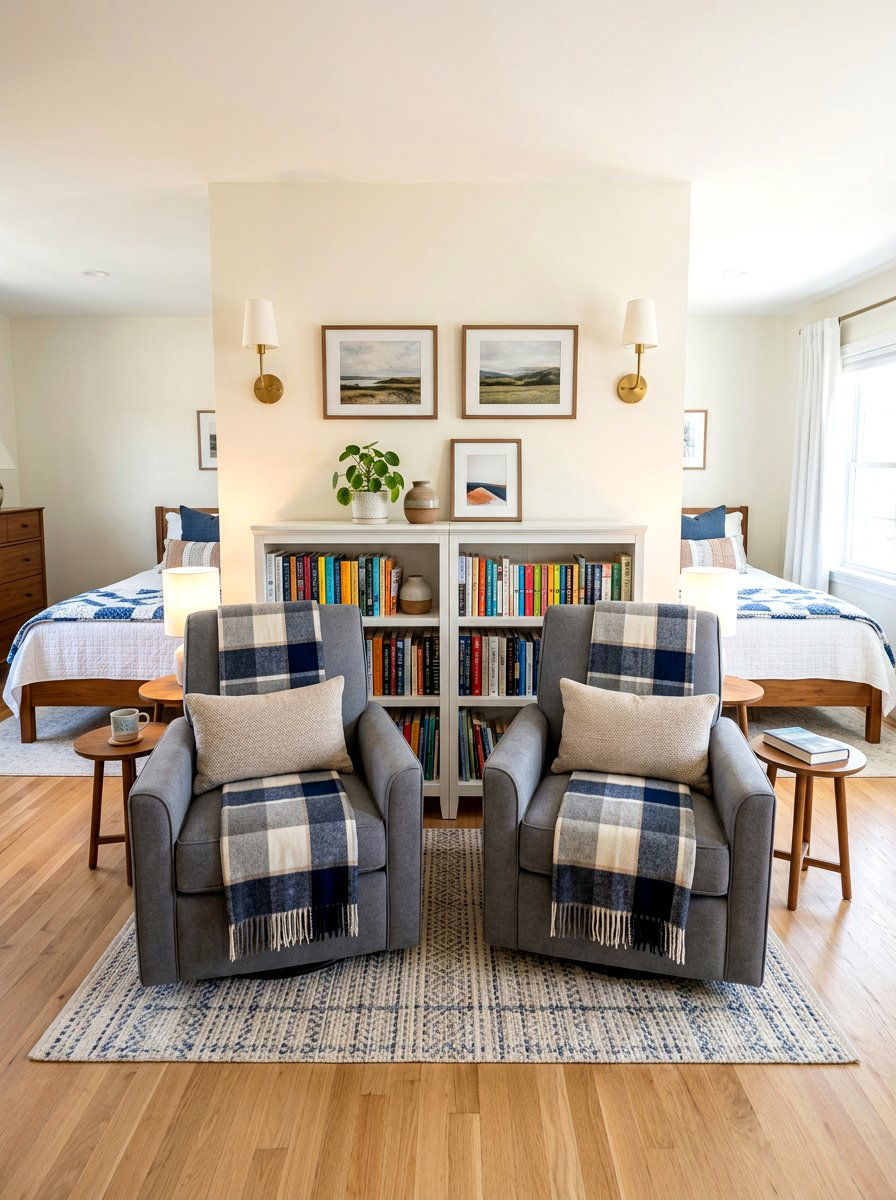
A symmetrical double nook is the perfect solution for siblings who share a room and both need their own private reading sanctuary. By placing two identical chairs or benches side-by-side with a shared bookshelf in the middle, you create a balanced and fair arrangement. This setup encourages children to read near each other while still respecting their individual personal space and specific book preferences. Using matching pillows and blankets creates a cohesive look that enhances the room’s overall design while providing functional seating for two. It is a great way to foster a shared family culture of reading and learning together every day.
24. Hanging Chair Library
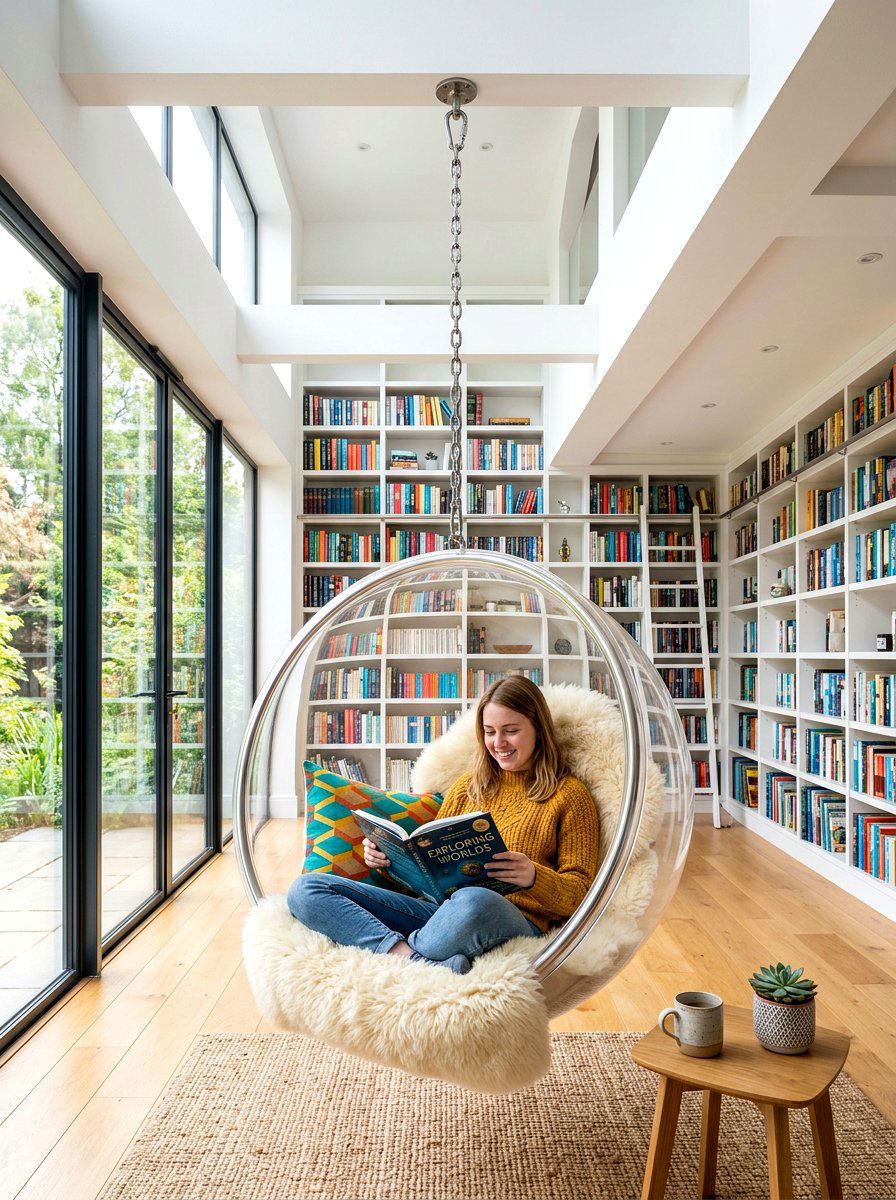
A hanging chair library utilizes a suspended bubble chair or a wicker pod to create a futuristic and fun seating option for kids. These chairs often provide a semi-enclosed feeling that helps children feel cocooned and secure while they are getting lost in a story. Because the chair hangs from the ceiling or a sturdy stand, it leaves the floor underneath clear for storage baskets or rugs. The unique aesthetic of a hanging chair adds a modern and trendy vibe to a bedroom, making it very popular with tweens and teenagers. It is a stylish way to make reading feel like a cool and enjoyable activity.
25. Nature Inspired Reading Zone
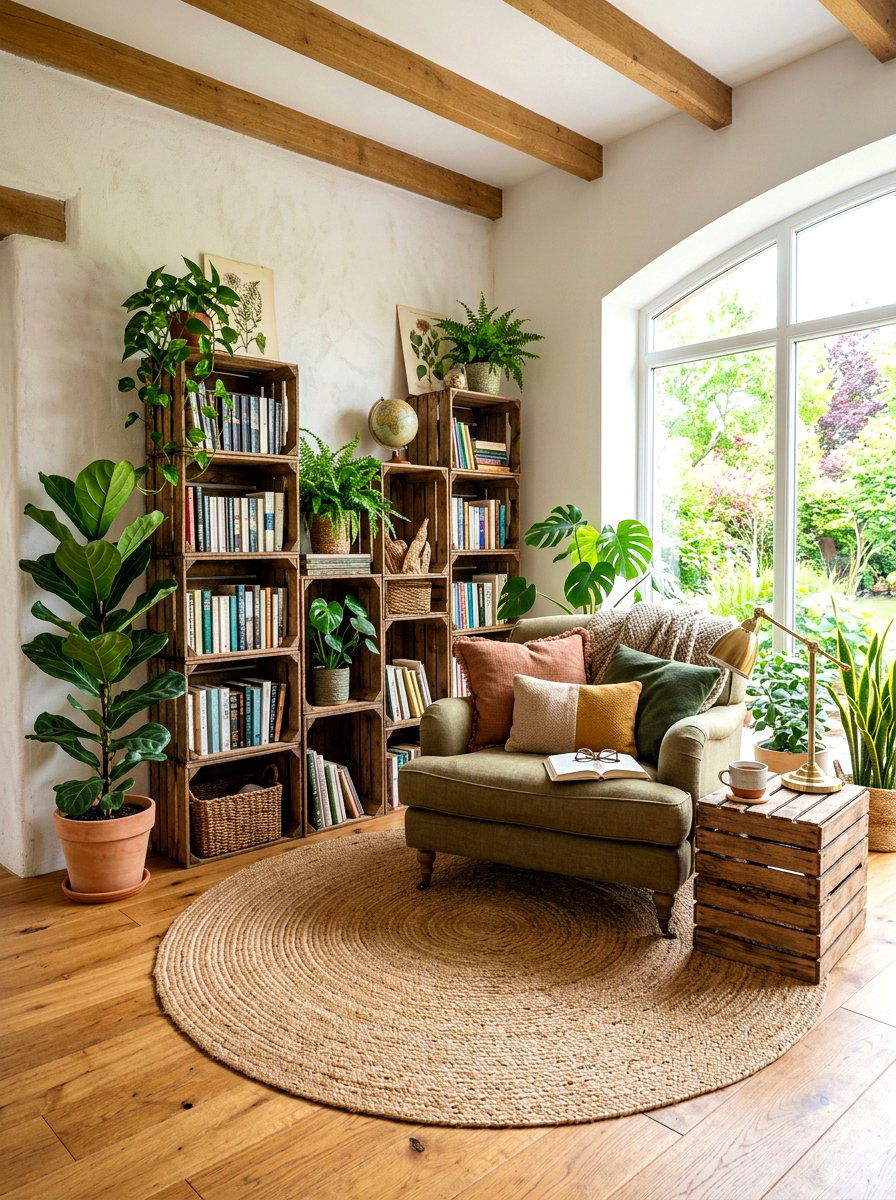
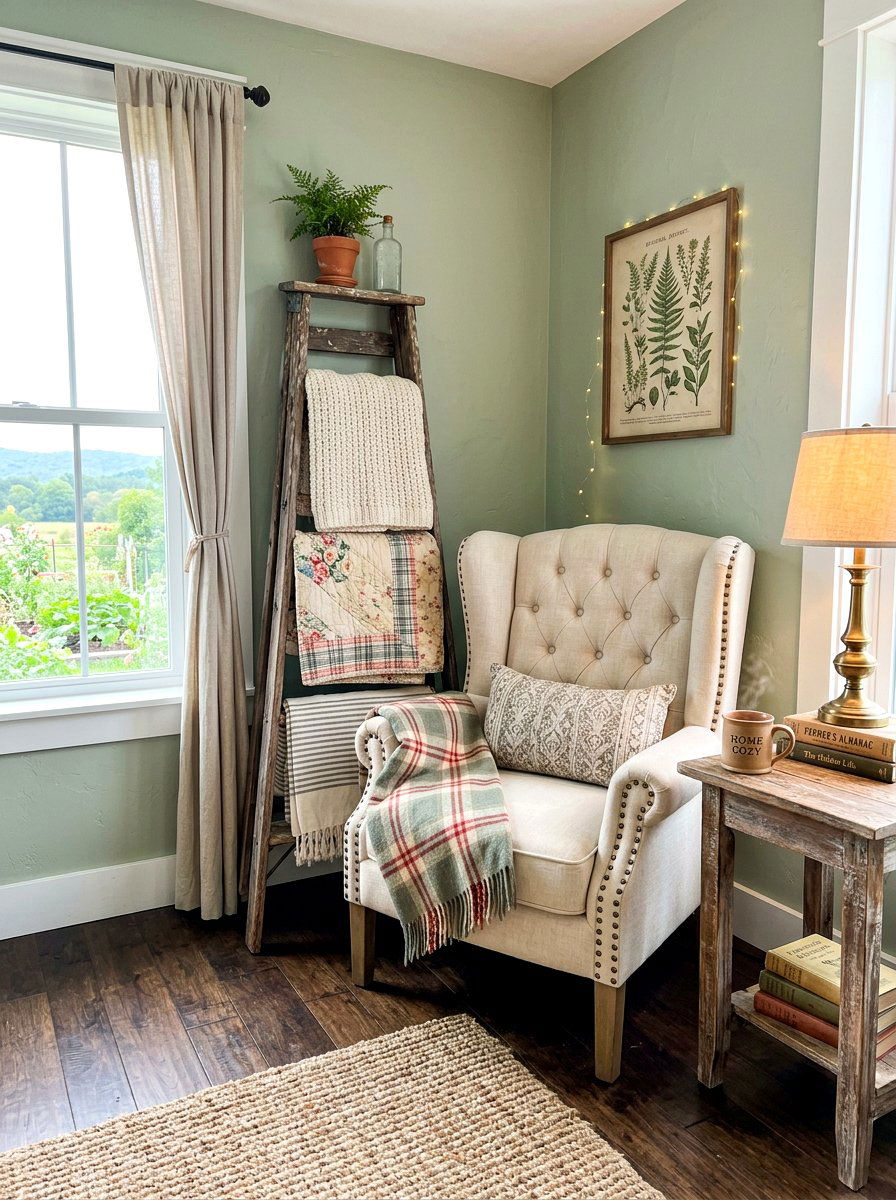
A nature inspired reading zone uses organic materials and earthy tones to create a grounding and peaceful environment for quiet reading time. You can incorporate elements like jute rugs, woven baskets, and wooden crates to store books in a very natural and rustic way. Adding indoor plants or a nature-themed mural can help children feel more connected to the outdoors while they are reading about animals or forests. Soft green and brown textiles further enhance the calming effect, making this an ideal space for children who need a quiet place to unwind. This design promotes a sense of tranquility and appreciation for the natural world.
26. Small Space Wall Nook
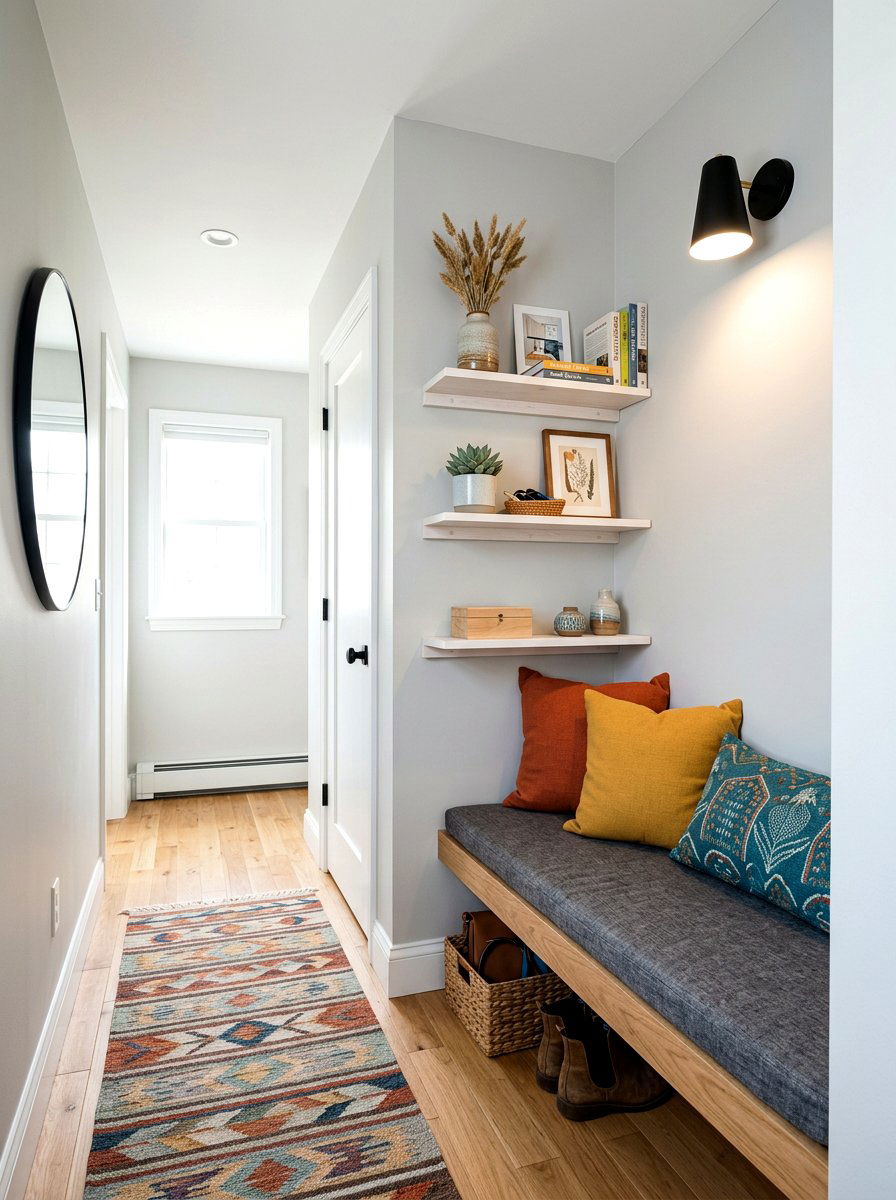
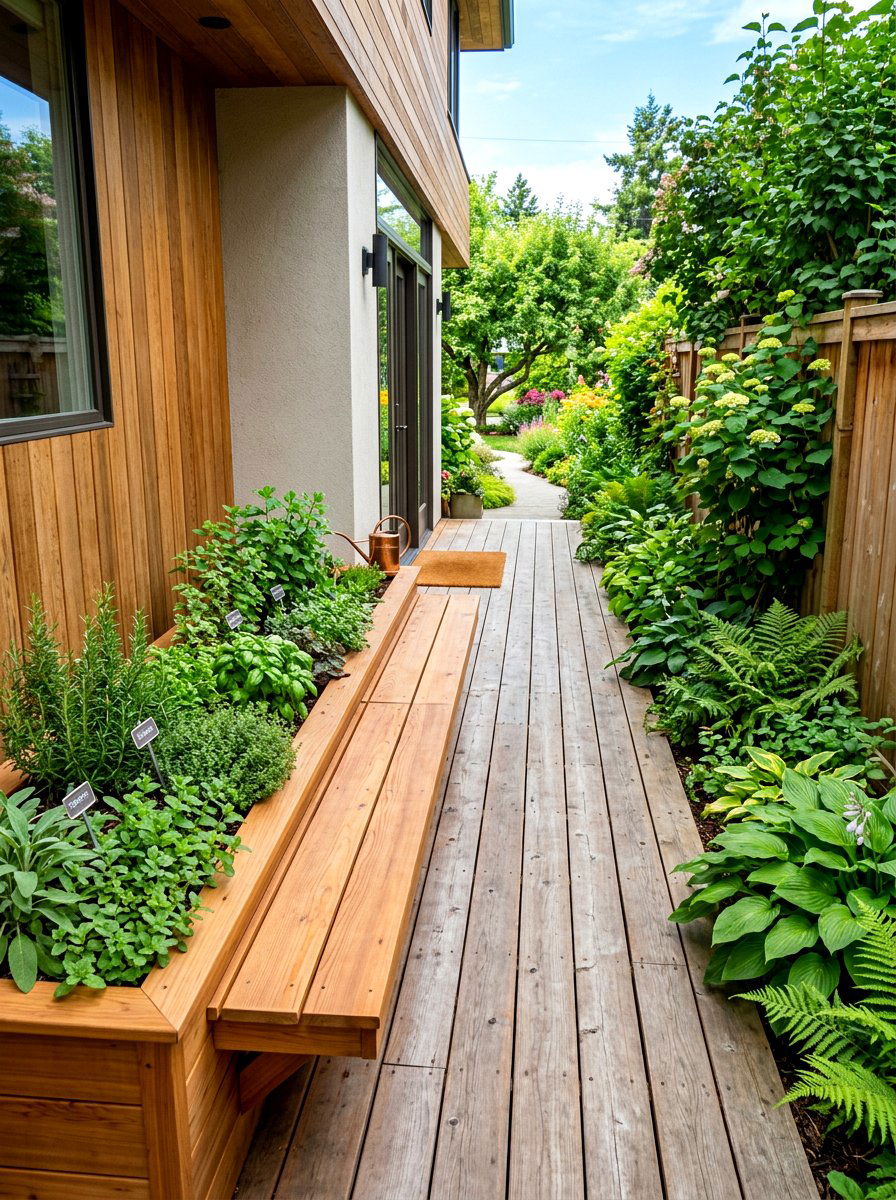
A small space wall nook utilizes narrow hallways or tiny corners that would otherwise be wasted to create a functional library for kids. By installing thin shelves and a very narrow wall-mounted bench, you can turn a transition area into a useful destination for reading. This setup works exceptionally well in apartments or smaller homes where every square inch of the floor plan must be carefully utilized. Using light colors and mirrors can help make the small area feel more open and less cramped for the young reader. It is a clever way to integrate literature into the daily flow of your family’s home life.
27. Modern Geometric Reading Area
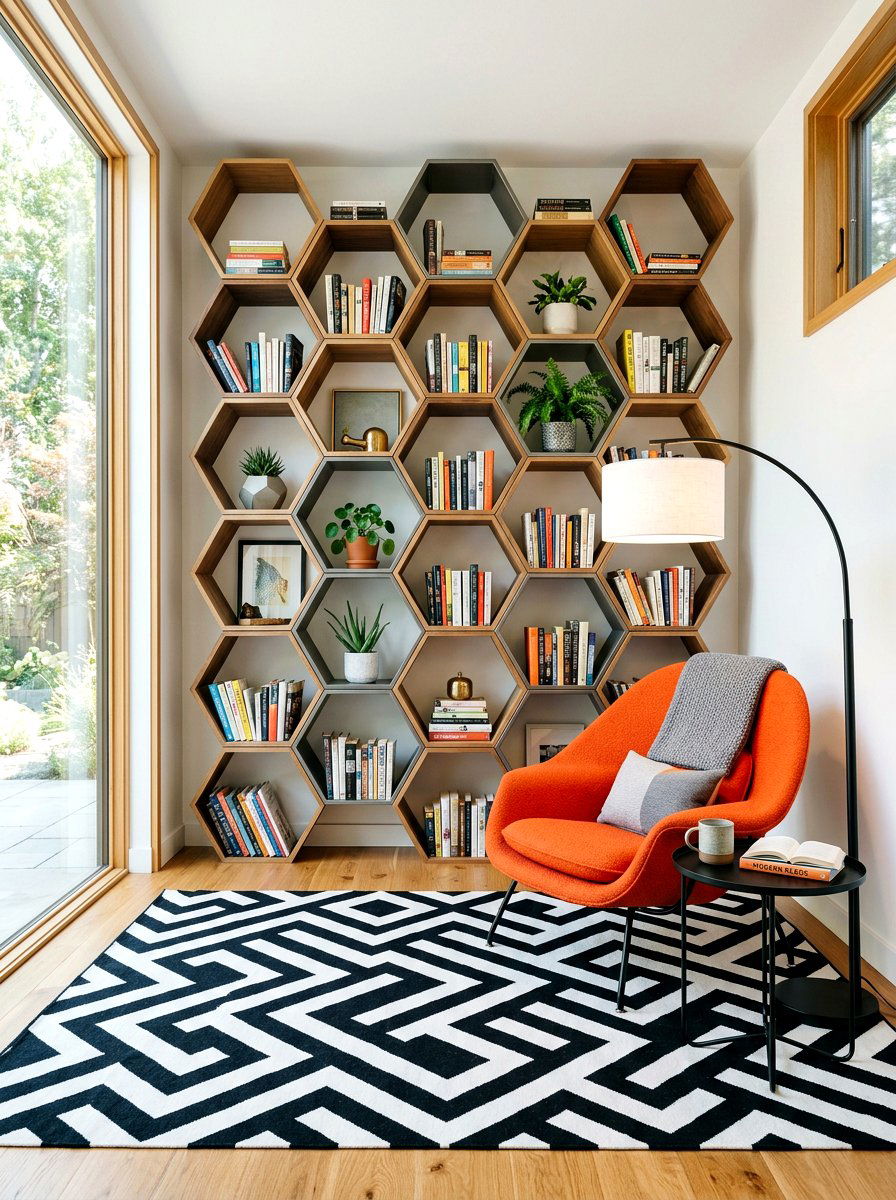
A modern geometric reading area uses sharp angles, bold patterns, and contemporary furniture to create a high-energy and stylish space for kids. You might choose a bookshelf with a unique hexagonal shape or a rug with a vibrant triangular pattern to define the zone. This design appeals to children who enjoy a more sophisticated and architectural look in their personal bedroom or shared playroom space. Pairing these bold shapes with a sleek, minimalist chair ensures that the area remains functional and comfortable for long-term sitting. It is a great way to show that a kids' reading space can be both playful and very fashionable.
28. Pastel Themed Book Corner
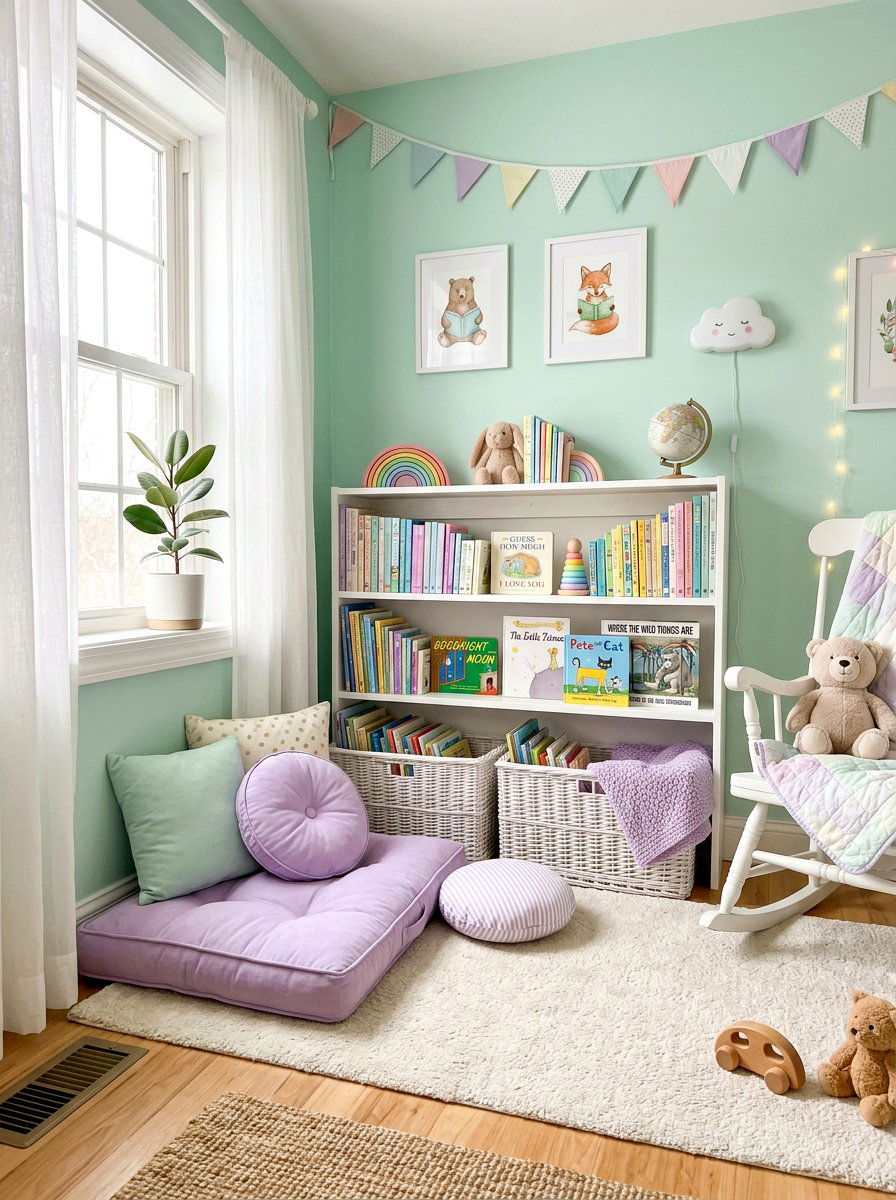
A pastel themed book corner uses soft hues like mint green, lavender, and pale pink to create a gentle and dreamy atmosphere. This color palette is incredibly soothing and helps create a low-stress environment that is perfect for focused reading and quiet daytime rest. You can use pastel-colored storage bins and soft, fluffy rugs to reinforce the theme and add various layers of tactile comfort. This style is particularly popular for nurseries and young girls' rooms, providing a sweet and inviting backdrop for fairy tales. It turns the reading nook into a beautiful and serene focal point of the entire room’s decor.
29. Rustic Wood Reading Bench
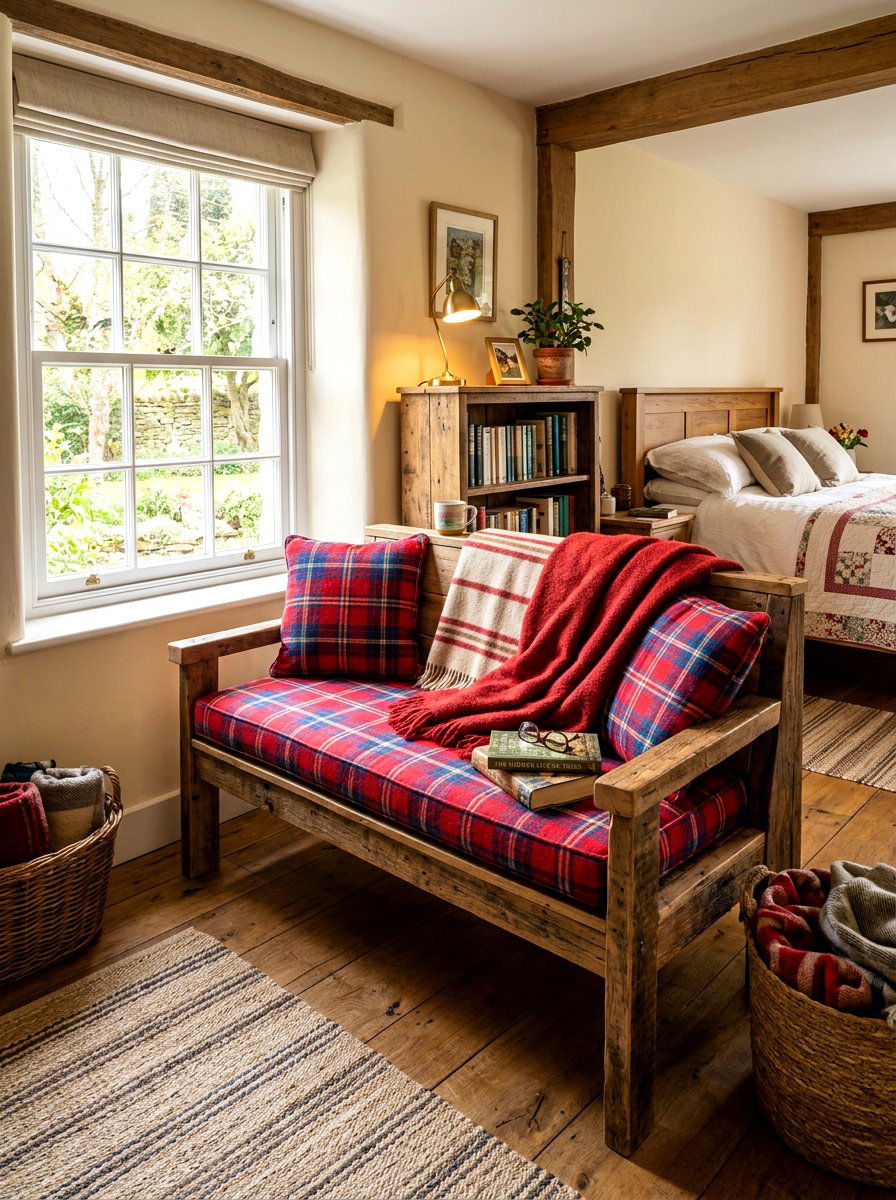
A rustic wood reading bench brings a cozy, cabin-like feel to a child’s room, making the reading experience feel warm and very traditional. Using reclaimed wood or distressed timber to build a simple bench provides a sturdy and durable seat that can last for many years. You can soften the hard surface with a custom-made cushion and several plaid or wool blankets for extra warmth and comfort. This design pairs beautifully with vintage-style book collections and classic adventure stories, creating a sense of timelessness and homey charm. It is a rugged yet welcoming option for children who love a more outdoorsy or farmhouse aesthetic.
30. Galaxy Theme Library
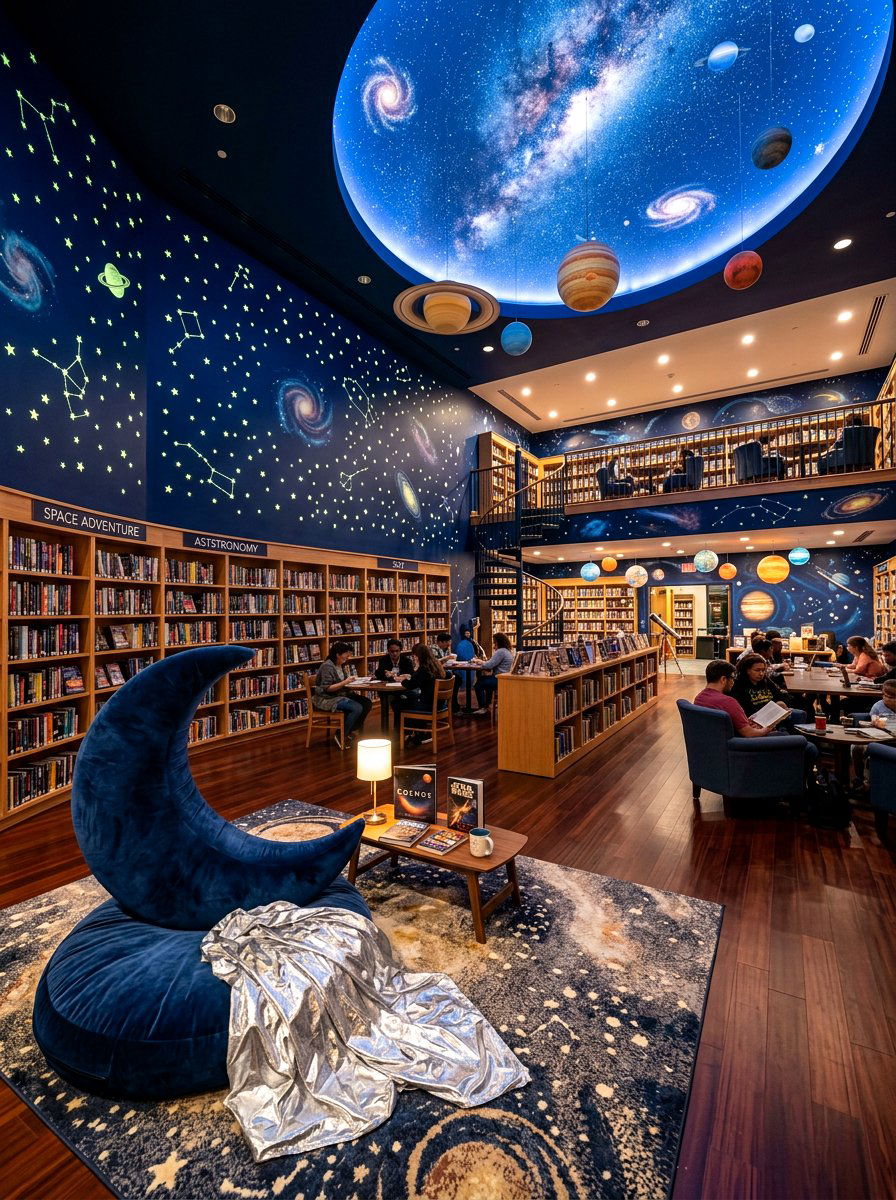
A galaxy theme library takes children on a journey through the stars with dark walls, glowing accents, and celestial-themed decorations for their room. You can use deep navy blue or black paint on the walls and add star-shaped decals that glow in the dark for a magical effect. A round, moon-shaped floor cushion and a plush silver blanket complete the space-themed look and provide a comfortable place to sit. This immersive environment is perfect for children who are fascinated by science fiction, astronomy, and the mysteries of the universe. It turns every reading session into an out-of-this-world adventure that sparks endless curiosity and wonder.
Conclusion:
Designing the perfect kids' reading nook is about more than just furniture; it is about creating a dedicated sanctuary that honors their growing imagination. Whether you choose a hidden closet retreat or a sun-drenched window seat, the key is to prioritize comfort, accessibility, and personalization in every step. By providing a cozy space filled with their favorite stories, you are giving your child the ultimate tool for learning, empathy, and lifelong discovery. Remember to involve them in the process to ensure the final result truly reflects their unique personality and interests. Happy reading, and may your new nook be a place of endless wonder!

Related posts: