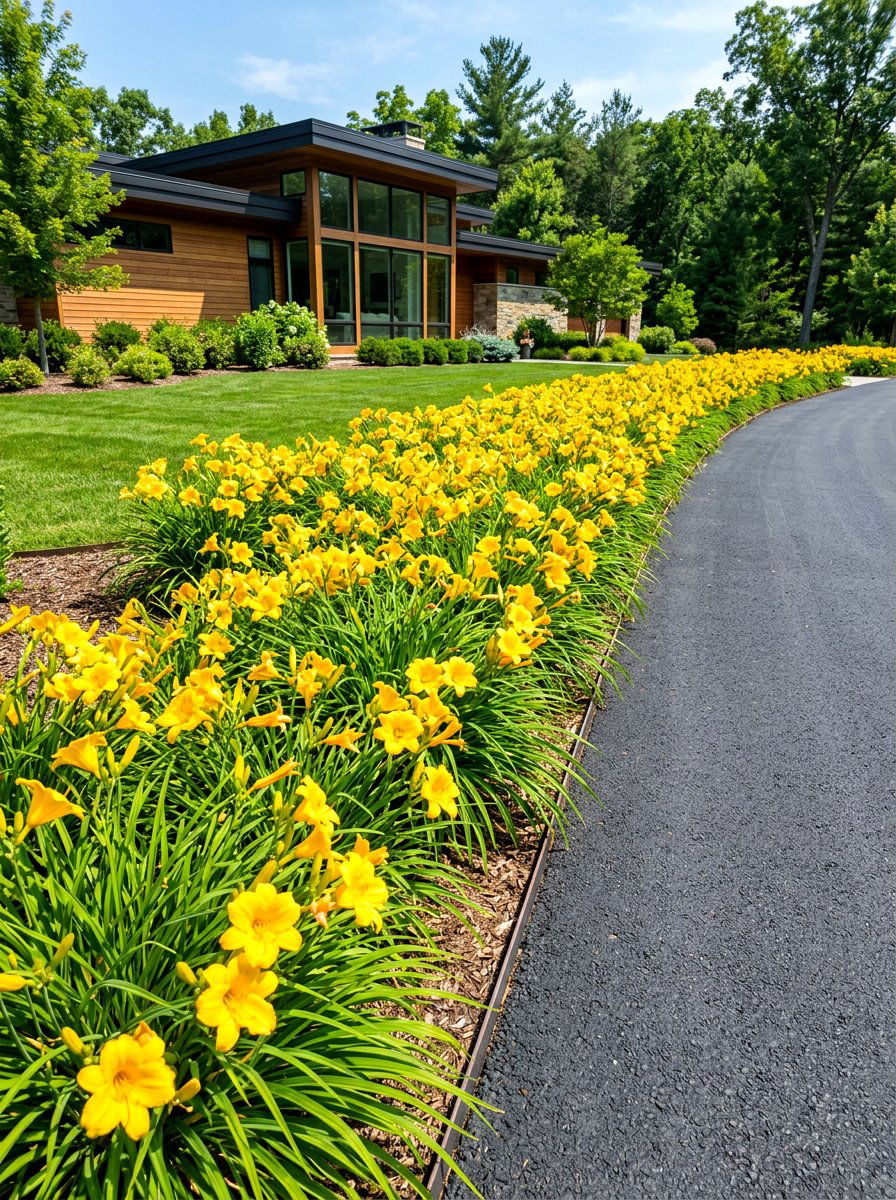
Transforming a dim, sun-starved corner of your yard into a lush sanctuary is easier than most homeowners realize. While many believe that vibrant gardens require full sun, some of the most stunning landscapes thrive in the cool embrace of shadows. Shade gardening offers a unique opportunity to play with varied textures, deep greens, and luminous blooms that would otherwise wilt under the harsh midday heat. By selecting the right combination of perennials and annuals, you can create a tranquil retreat that feels both refreshing and sophisticated. This guide explores creative ways to layer plants, manage soil moisture, and design a balanced ecosystem that turns every gloomy patch into a focal point of beauty.
1. Hosta
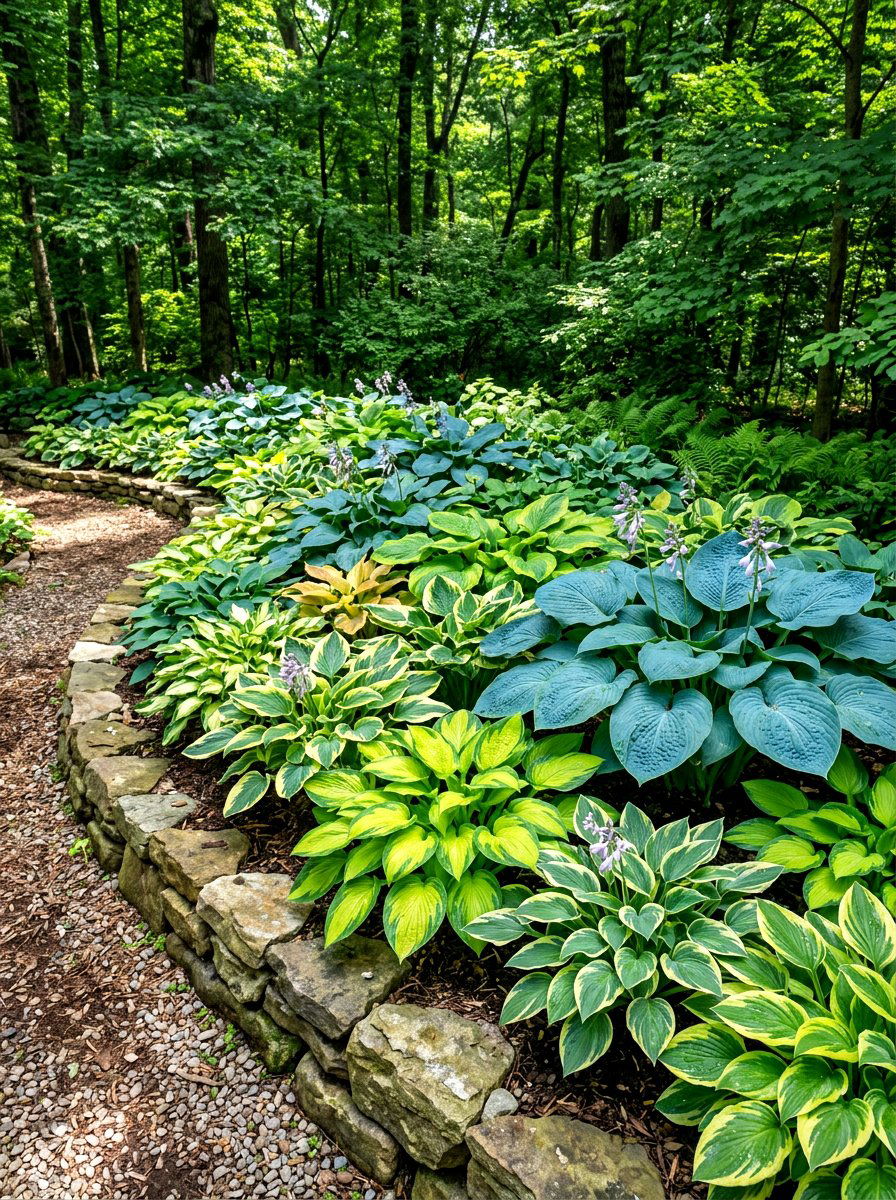
Have you ever noticed how different leaf shapes can completely change the energy of a quiet garden corner? Hostas are often the backbone of any successful shade bed because they offer an incredible range of sizes, colors, and textures. From the tiny mouse-ear varieties to the massive blue-leafed giants, these perennials provide a solid foundation for your landscape design. You can mix variegated leaves with solid chartreuse types to create visual contrast without needing a single flower. Their broad leaves catch the dim light beautifully, making them appear almost iridescent in the early evening. Planting these in clusters creates a lush, tropical feel that grounds your entire outdoor living space effortlessly.
2. Heuchera
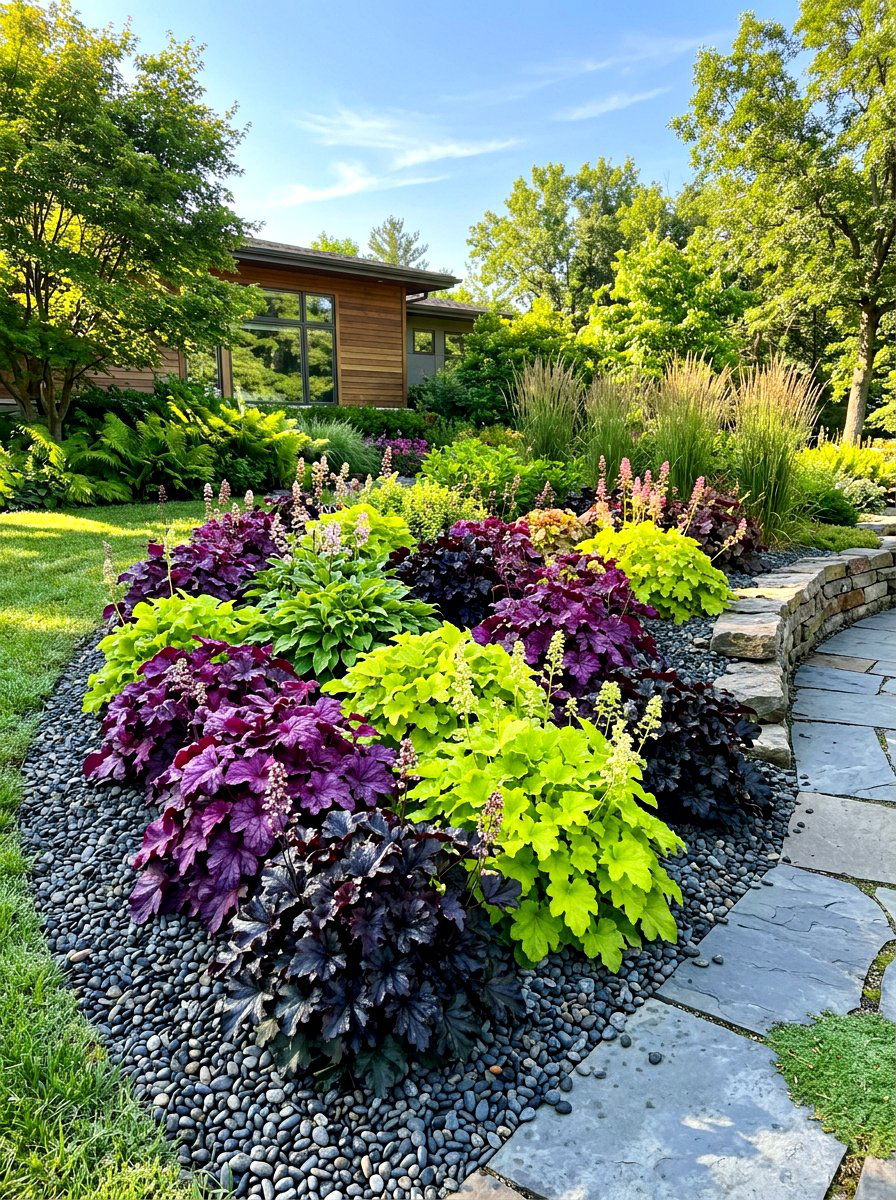
Are you looking for a way to add a splash of bold color without relying on short-lived seasonal blooms? Heuchera, commonly known as coral bells, is a versatile perennial that comes in stunning shades of purple, lime, silver, and even deep obsidian. These mounding plants are perfect for the front of a border because they stay compact and tidy throughout the growing season. The delicate, bell-shaped flowers on tall stems attract hummingbirds, while the vibrant foliage provides year-round interest in milder climates. Combining different varieties of these plants creates a living tapestry of color that brightens up even the deepest shadows of a north-facing garden bed.
3. Ferns
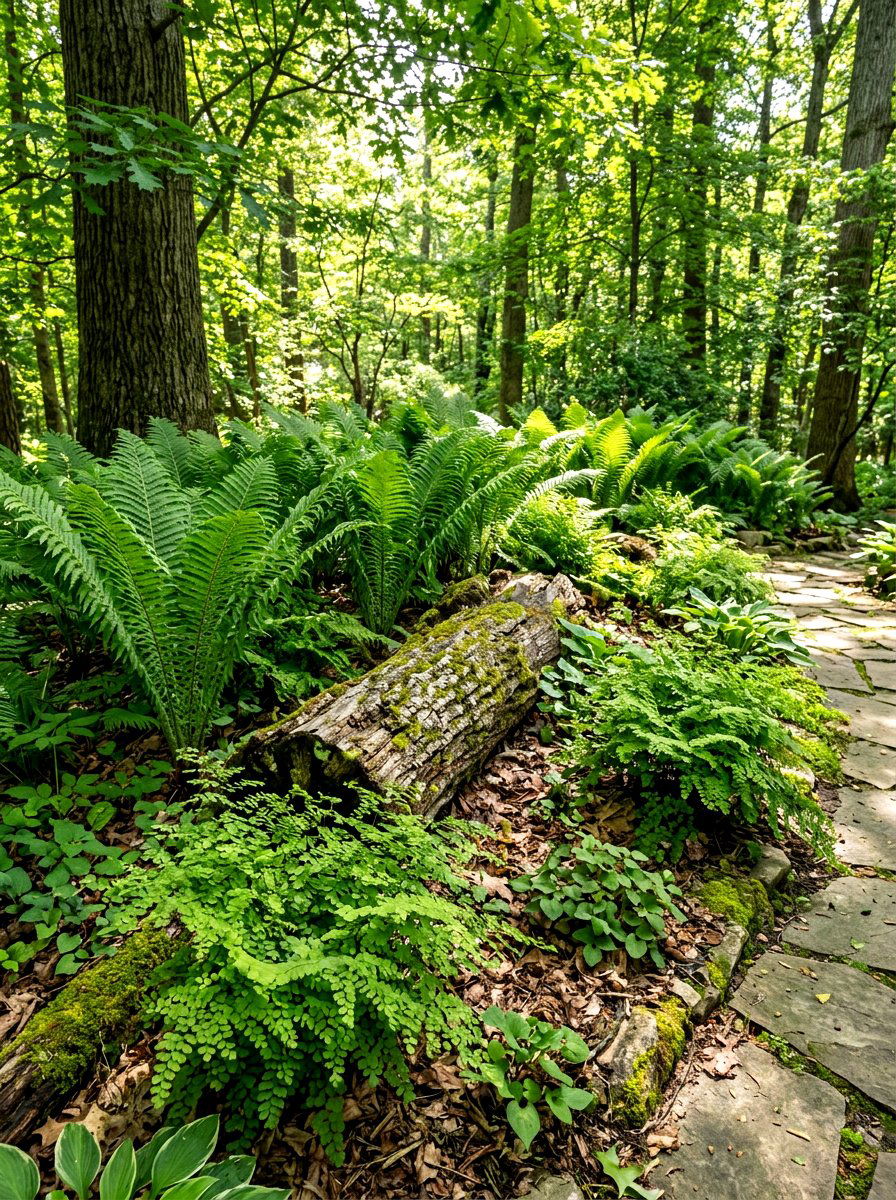
Do you want to give your outdoor space a timeless, ancient feel that reminds you of a deep forest floor? Ferns are the masters of texture, offering feathery fronds that add movement and softness to any landscape design. Whether you choose the tall, upright Ostrich fern or the delicate, arching Maidenhair fern, these plants thrive in moist, shaded conditions. They are particularly effective when planted in large groups to create a sense of abundance and lushness. The various shades of green, from dusty sage to bright emerald, pair beautifully with the dark bark of trees or the cool grey of stone pathways, making them essential for shade gardens.
4. Hellebore
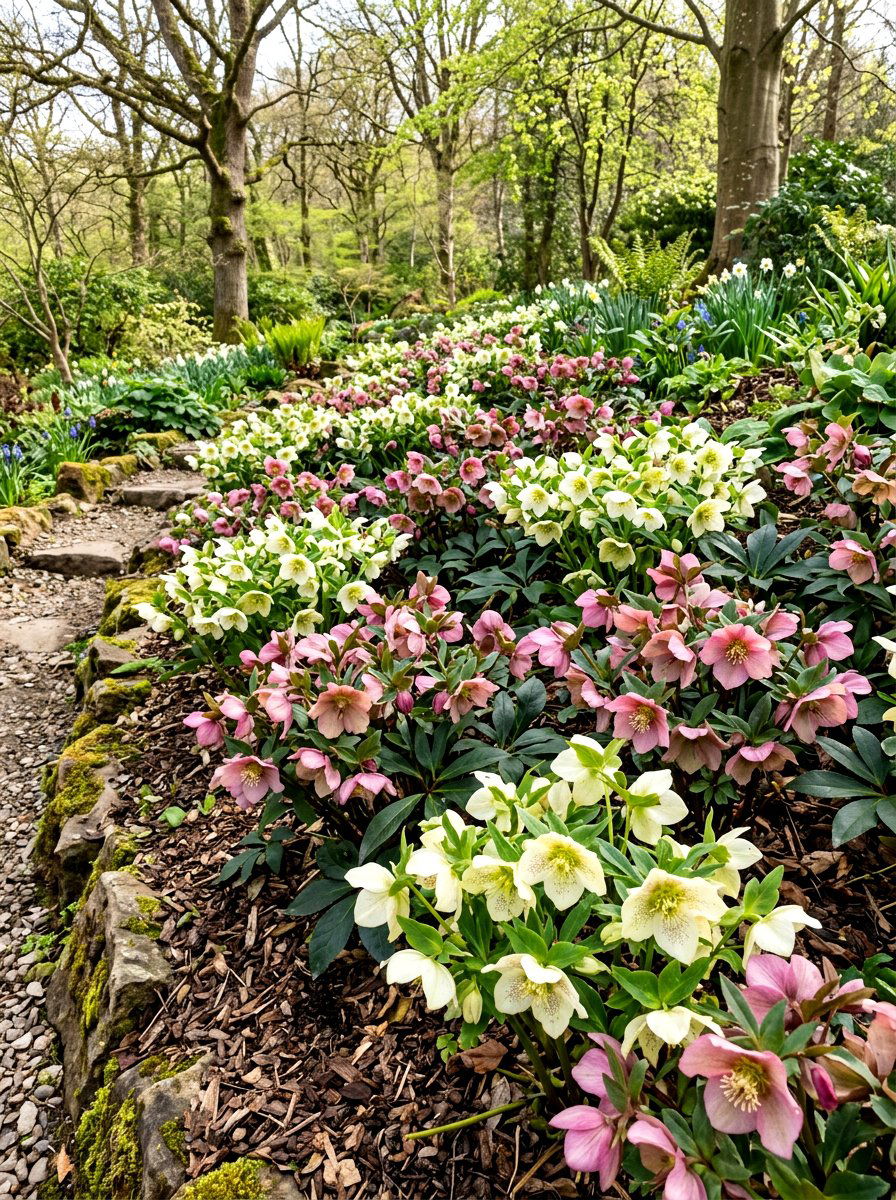
What if your garden could start blooming while the rest of the world is still shivering in the late winter cold? Hellebores, also known as Lenten roses, are prized for their early flowering period and their tough, evergreen foliage that stays green even under a blanket of snow. These long-lived perennials feature nodding, cup-shaped flowers in sophisticated shades of cream, dusty pink, and deep maroon. Because their blossoms face downward, planting them on a slight slope or at the edge of a raised bed allows you to appreciate their intricate internal patterns. They are incredibly low-maintenance once established, slowly spreading to form a beautiful, weed-suppressing carpet of green.
5. Astilbe
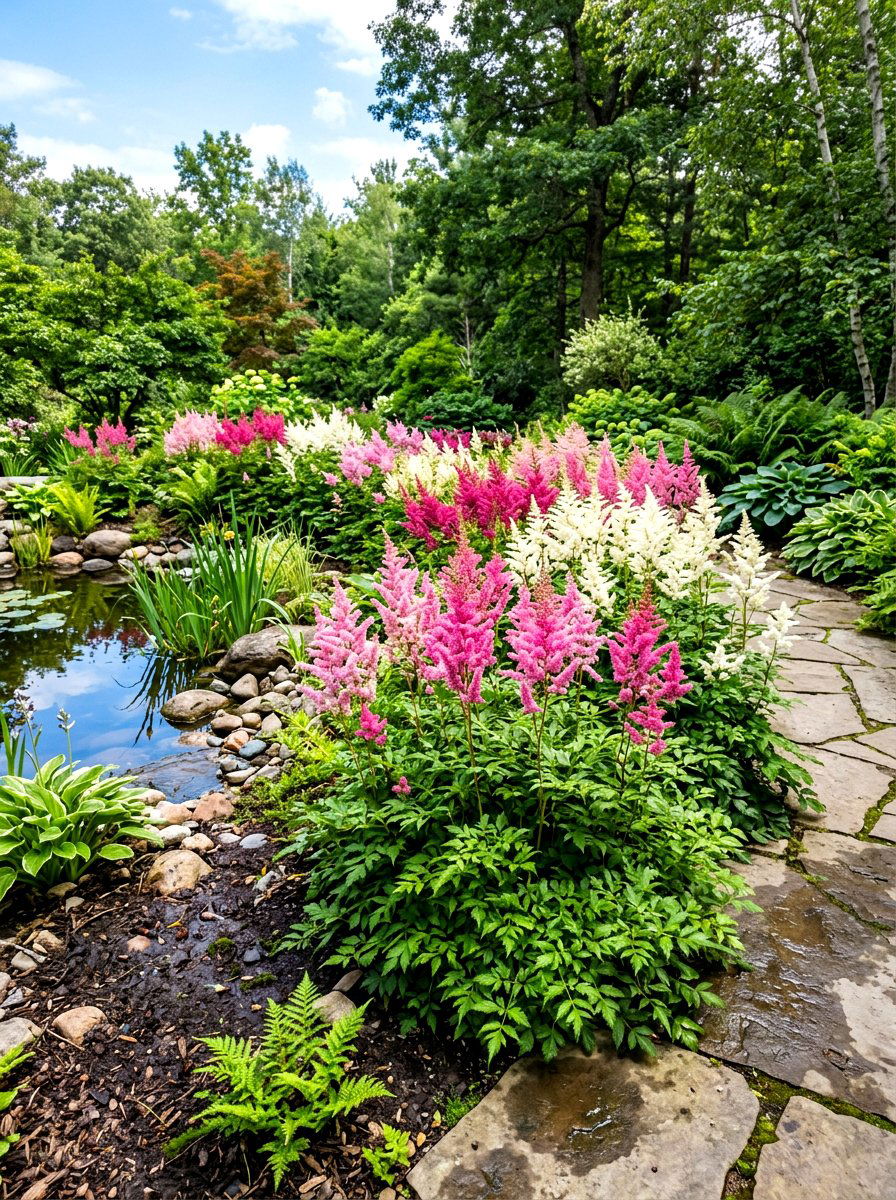
Have you been searching for a plant that adds height and soft, airy plumes of color to your damp garden spots? Astilbe is a fantastic choice for areas with filtered light and consistently moist soil, offering feathery spikes of white, pink, and red flowers. These perennials look best when planted in mass drifts, where their fern-like foliage provides a delicate backdrop for the vertical flower stalks. They bloom in mid-summer, providing a much-needed pop of color after the early spring ephemerals have faded away. Even after the flowers dry, the brown seed heads add architectural interest and texture to the winter garden, standing tall against the snow.
6. Japanese Forest Grass
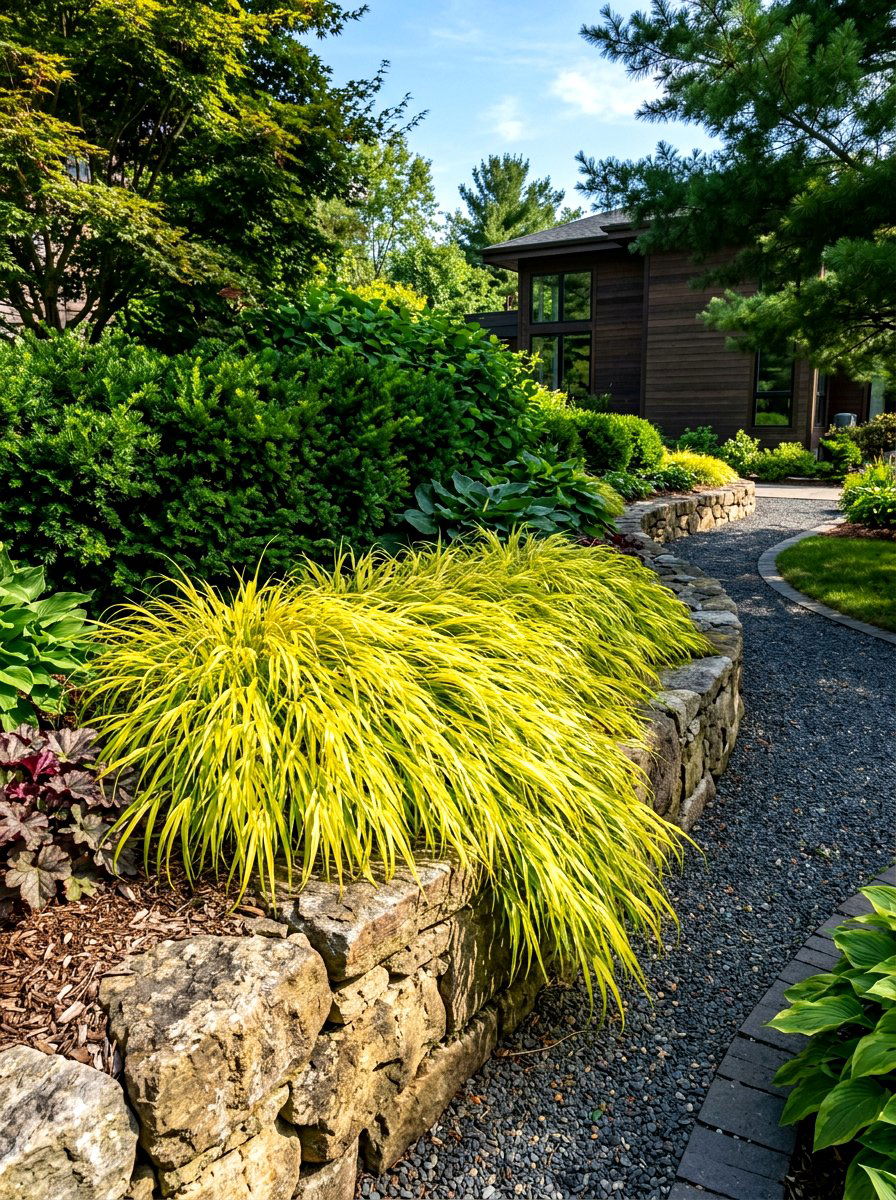
Can you imagine a garden that looks like it is flowing like a golden river through the dark shadows of trees? Japanese forest grass, or Hakonechloa, is a slow-growing ornamental grass that thrives in partial shade and adds a soft, weeping texture to borders. Its slender, blade-like leaves often feature bright yellow or lime-green variegation, which helps reflect light in dim areas. This grass is perfect for edging pathways or spilling over the sides of a stone wall, creating a sense of graceful movement whenever a breeze passes through. It turns a lovely copper-orange in the autumn, providing a final burst of warm color before the winter dormancy begins.
7. Bleeding Heart
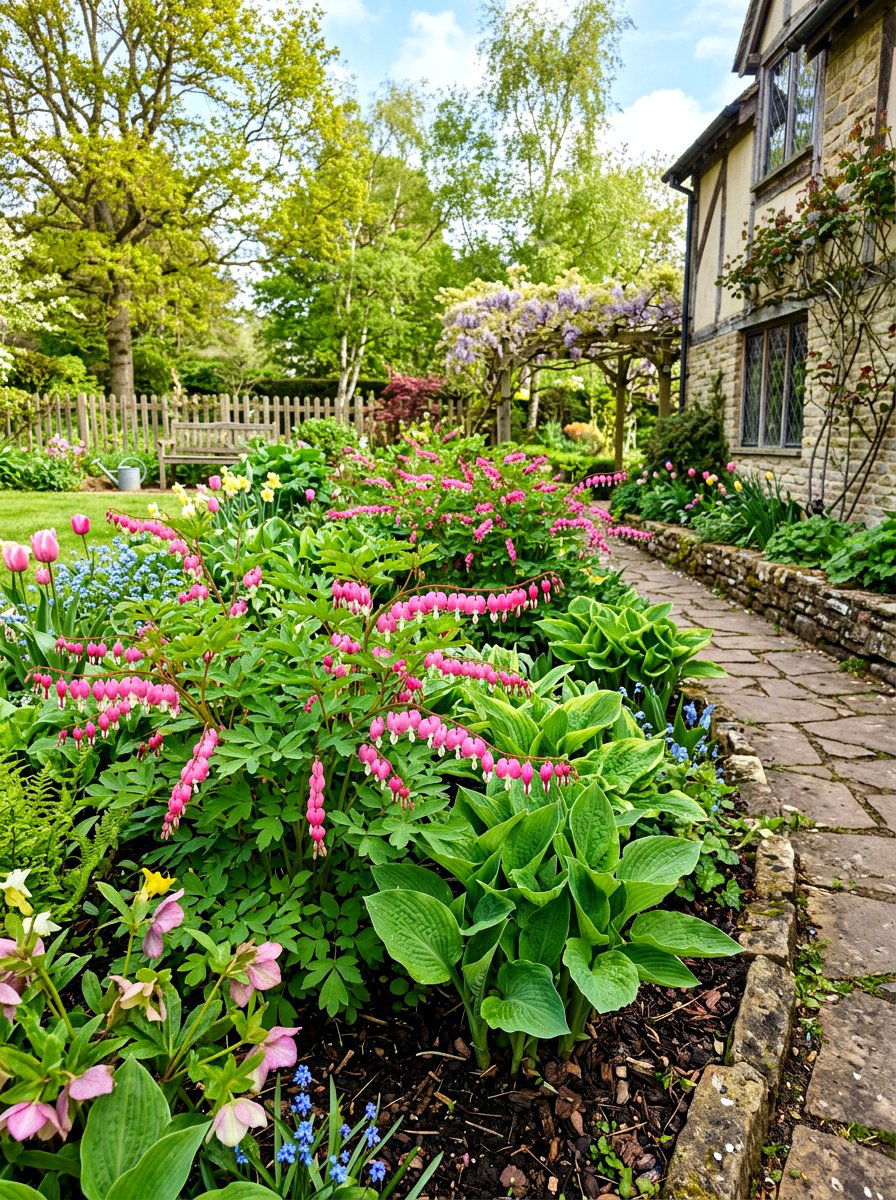
Do you remember the classic charm of a traditional cottage garden with its romantic and slightly whimsical flower shapes? Bleeding hearts are a beloved spring perennial that features arching stems lined with delicate, heart-shaped blossoms in pink or pure white. These plants prefer the cool, moist conditions of a shaded border and look stunning when paired with early-season bulbs or emerging ferns. Because they often go dormant in the heat of late summer, it is a smart idea to plant them alongside hostas that will fill the gap later. Their unique form and graceful habit make them an instant conversation piece in any woodland-themed landscape.
8. Hydrangea
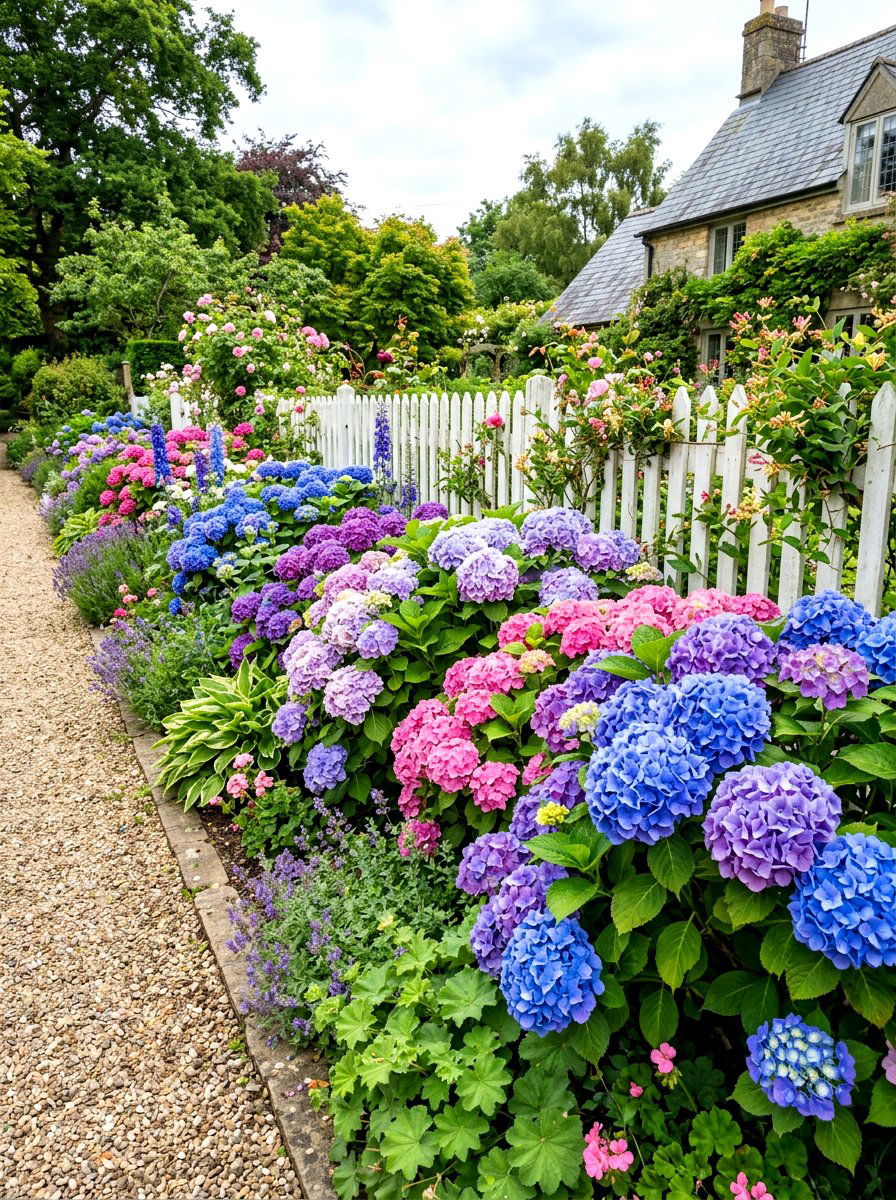
Is there anything more iconic than the large, billowing flower heads of a hydrangea bush anchored in a shady backyard corner? While some varieties need sun, many types like the mophead or lacecap hydrangea thrive in partial shade, especially in warmer climates. These shrubs provide a heavy structural element to your flower bed, filling large spaces with lush green leaves and massive blooms. The flower colors can often be shifted between blue and pink depending on the soil acidity, offering a fun way to customize your garden palette. They are excellent for creating privacy screens or framing the entrance to a shady garden path with elegance.
9. Caladium
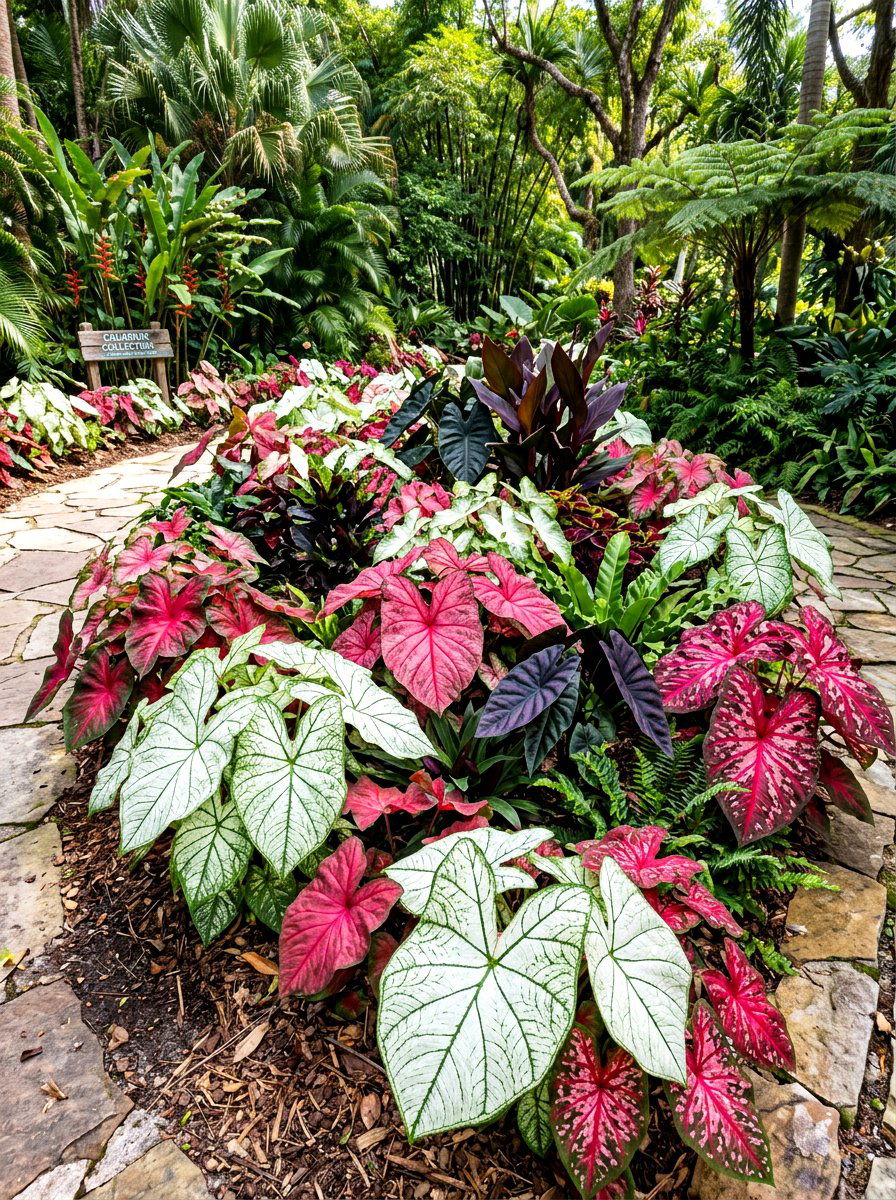
Are you looking for an easy way to bring a touch of the tropics to your temperate shade garden this summer? Caladiums are famous for their large, heart-shaped leaves that come in spectacular patterns of white, pink, red, and green. Since they are tropical tubers, they grow rapidly during the warm months and can be used to fill in bare spots among your permanent perennials. Their papery, translucent leaves catch the light beautifully, making them look like glowing lanterns scattered across the garden floor. Using them in mass plantings creates a high-impact visual statement that rivals any flowering plant, regardless of how much sun you have.
10. Impatiens
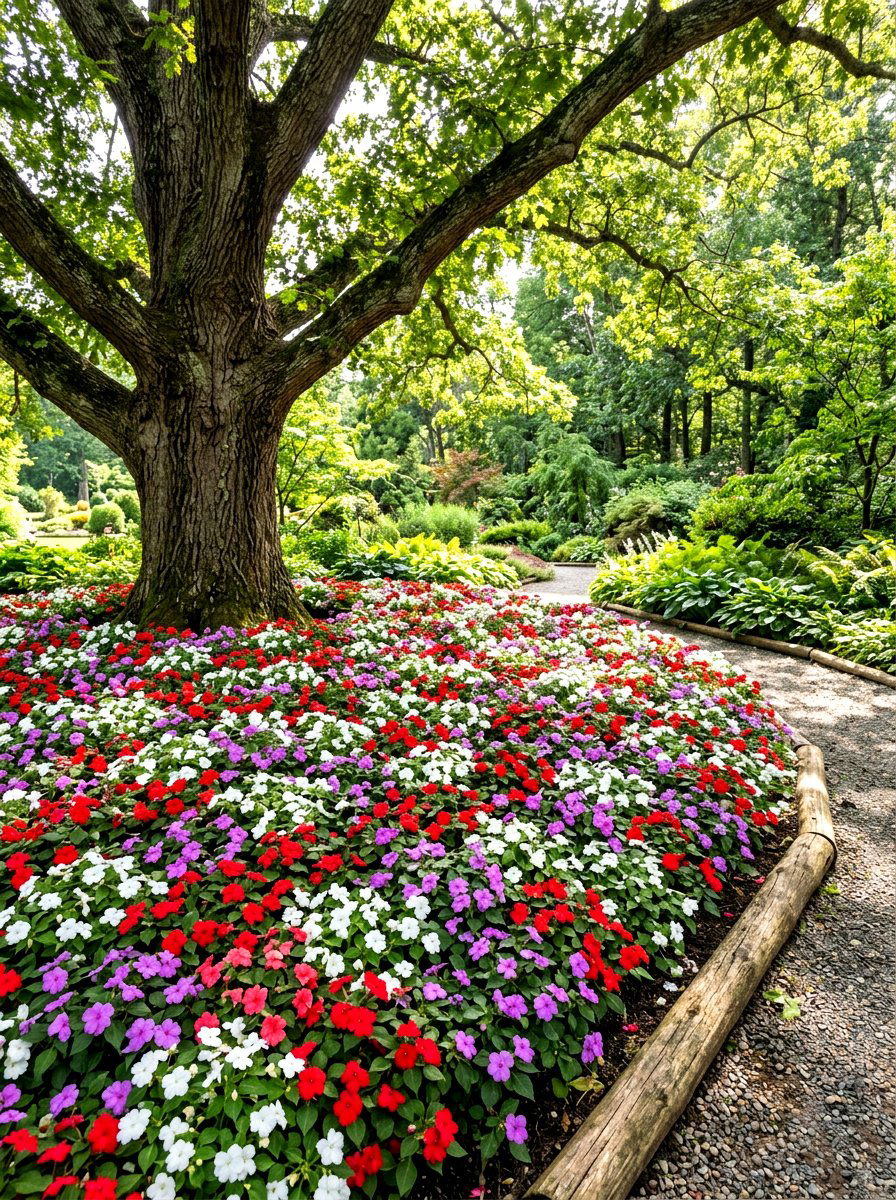
How would you like a carpet of non-stop color that lasts from the late spring all the way until the first frost? Impatiens are a go-to annual for shade because they are incredibly reliable and come in almost every color of the rainbow. These low-growing plants are perfect for filling the front of a border or creating dense mats of color under the canopy of large trees. They require very little maintenance other than regular watering, as they are self-cleaning and do not need deadheading to keep blooming. Their ability to thrive in deep shade makes them an essential tool for brightening up the darkest corners.
11. Begonia
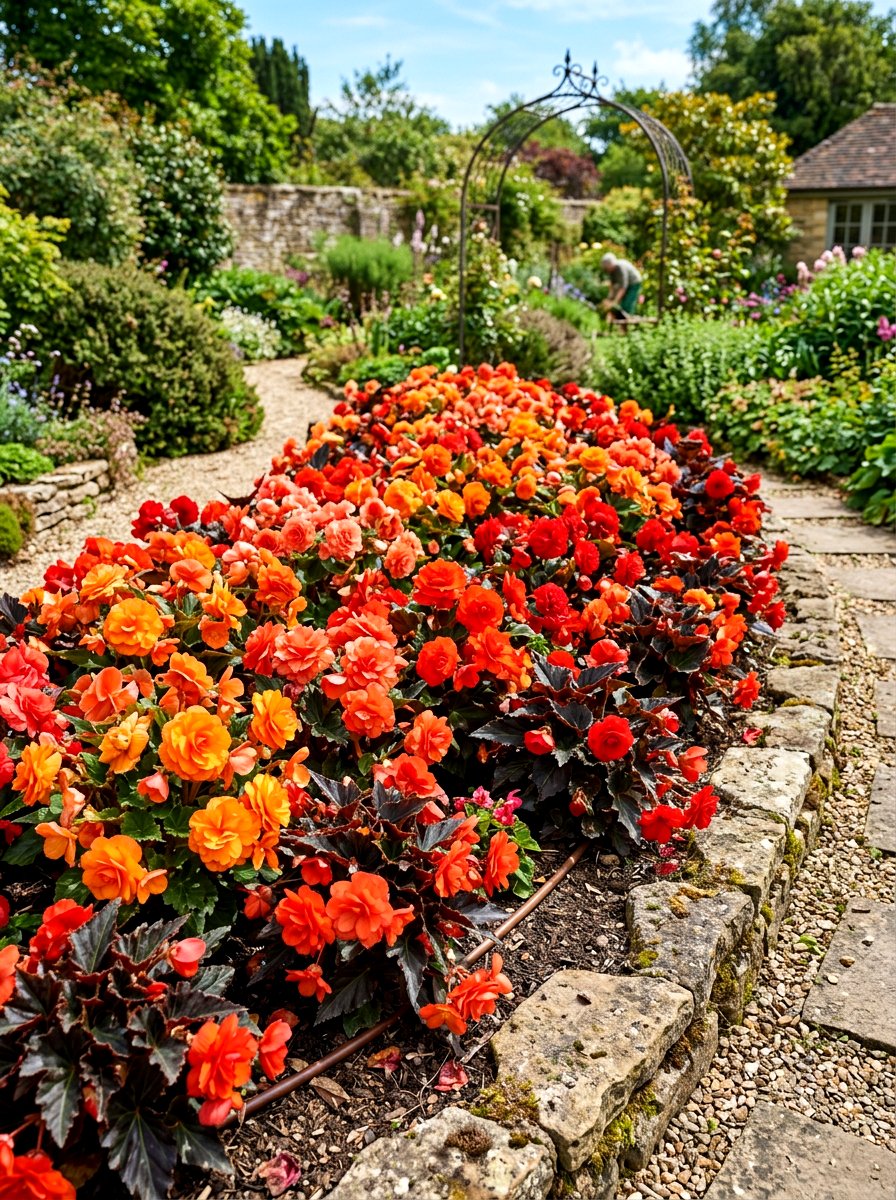
Do you want a plant that offers both stunning foliage and rose-like blossoms without needing the intensity of full afternoon sun? Begonias come in many forms, from the trailing tuberous types to the upright wax varieties, all of which excel in shaded environments. Many begonias feature dark, chocolatey leaves that provide a dramatic contrast to their bright red, orange, or white flowers. They are particularly useful for adding vertical interest in shaded areas when grown in containers or hanging baskets. These plants are tough and resilient, often blooming continuously throughout the summer months with very little fuss, making them a favorite for busy gardeners everywhere.
12. White Garden
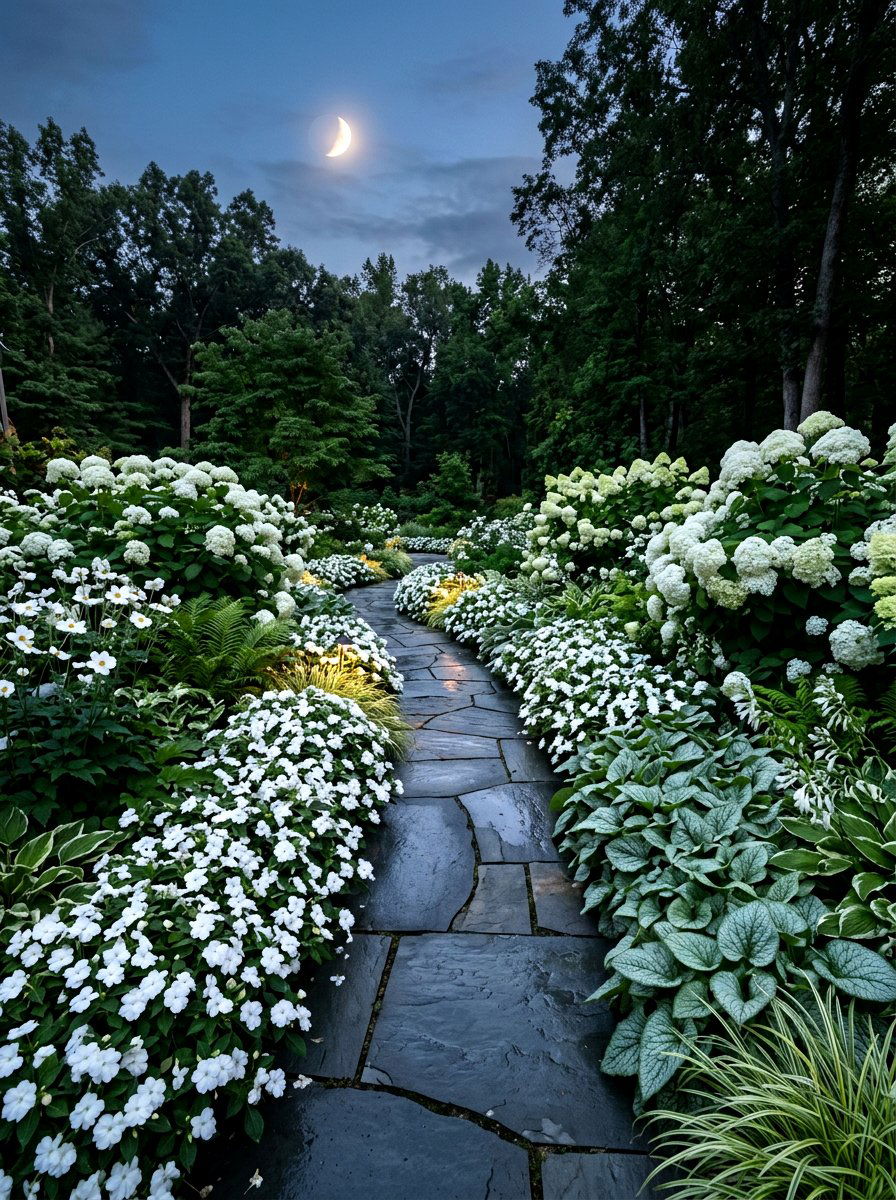
Have you ever walked through a garden at twilight and noticed how white flowers seem to glow in the fading light? Creating a "moon garden" in a shaded area using only white-flowering plants and silver-toned foliage is a sophisticated way to handle low-light spaces. Plants like white impatiens, silver-leafed brunnera, and white hydrangeas work together to reflect the moonlight, making the space feel magical and serene after dark. This design approach creates a clean, cohesive look that feels very intentional and high-end. It is a perfect choice for a backyard seating area where you spend time relaxing during the cool evening hours.
13. Tropical Shade
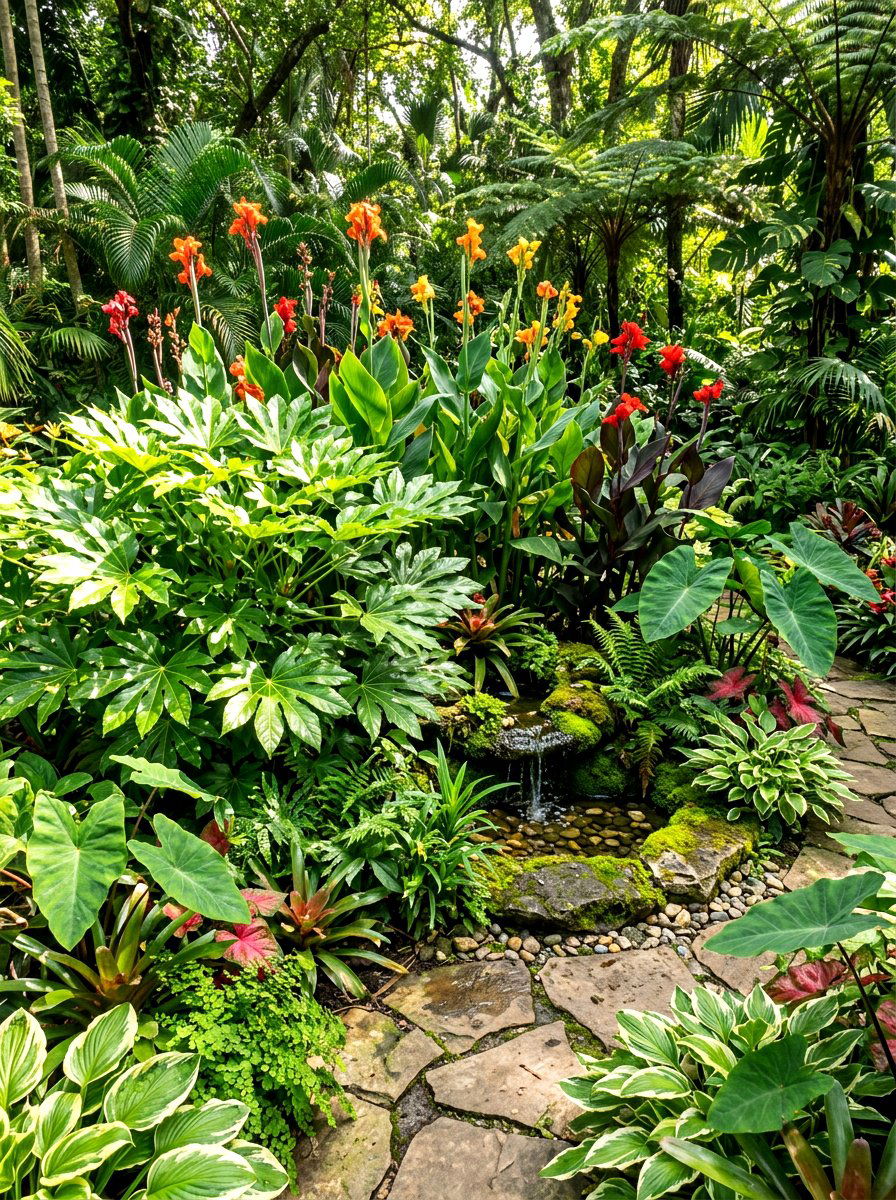
Can you picture yourself relaxing in a hidden jungle oasis right in the middle of your own suburban backyard plot? By combining large-leafed plants like fatsia, cast iron plants, and bold canna lilies, you can create a tropical vibe in a shaded area. Layering these plants by height creates a dense, immersive environment that feels separate from the rest of the world. The use of varied leaf textures, from glossy and broad to tall and spiked, adds architectural depth to the design. This style of gardening focuses on the power of green and the drama of scale, proving that you do not need bright sun for impact.
14. Woodland Garden
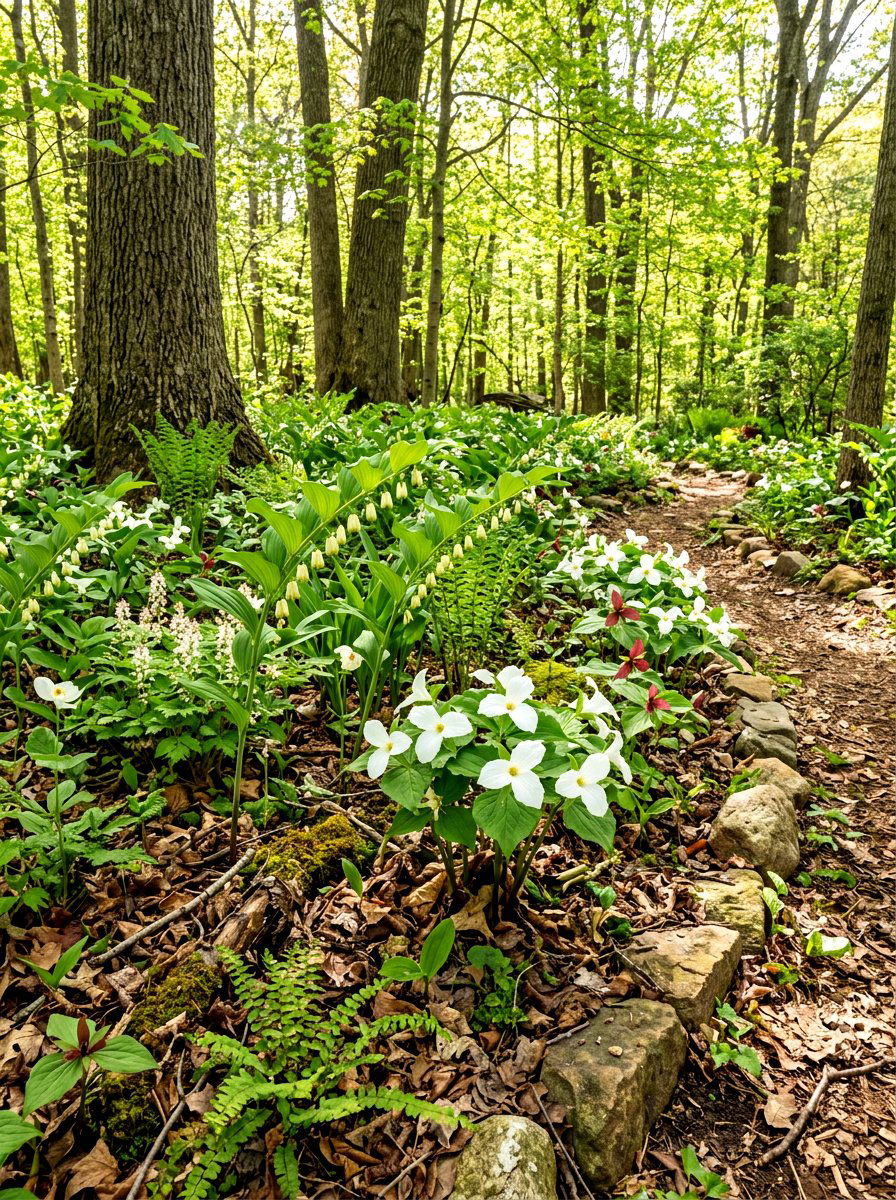
Do you want to create a space that looks like nature took the lead, with plants winding through a forest setting? A woodland-style shade bed uses native plants like trilliums, wild ginger, and Solomon’s seal to mimic a natural understory environment. This approach is perfect for areas beneath mature deciduous trees where the soil is rich with leaf mold and organic matter. By following the natural contours of the land and using organic mulches, you can create a low-maintenance garden that supports local wildlife. The beauty of this style lies in its quiet, understated elegance and the way it changes subtly through the seasons.

15. Moss Garden
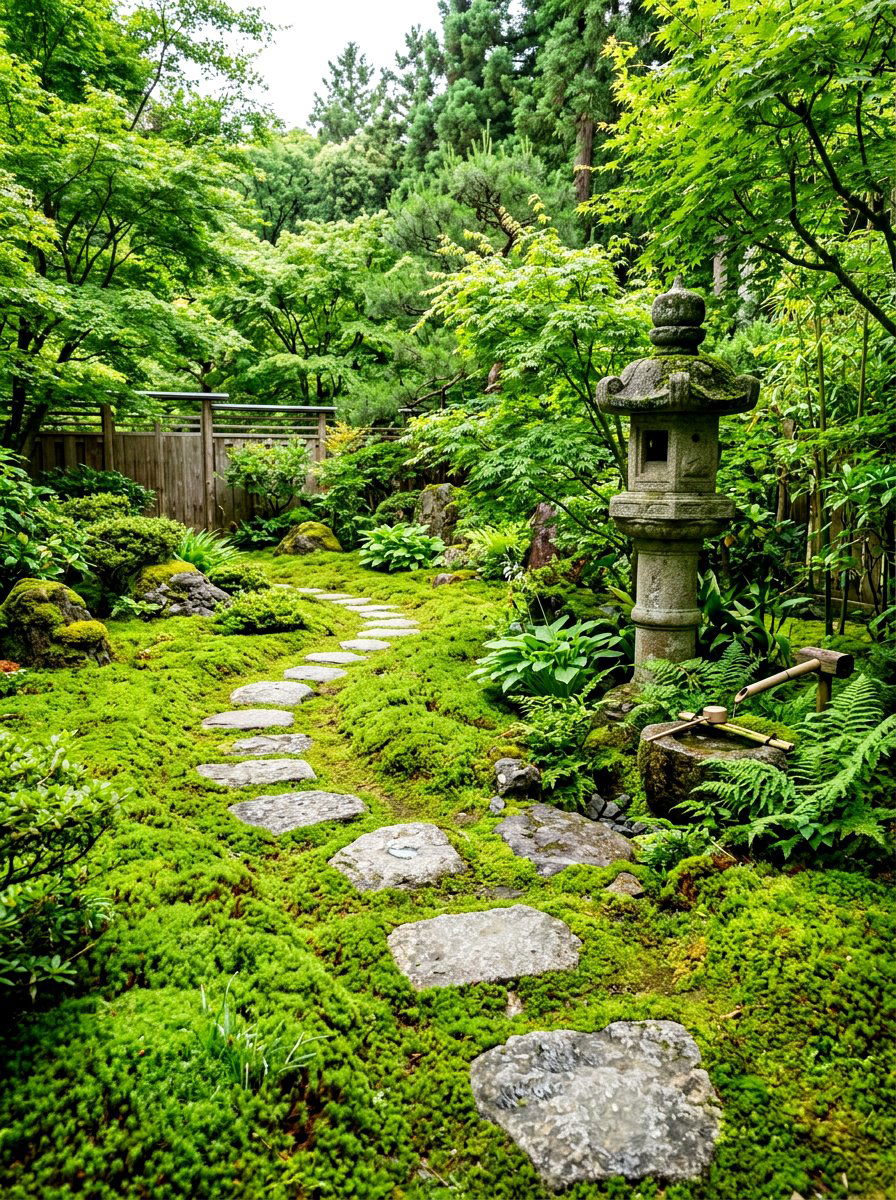
Have you ever considered replacing traditional grass with a velvety, emerald-green carpet that feels incredibly soft under your bare feet? In very deep shade where even shade-tolerant grass struggles to grow, a dedicated moss garden can be a stunning and practical solution. Moss thrives in damp, shaded areas and requires almost no mowing or fertilizing, making it a sustainable choice for eco-conscious homeowners. By incorporating flat stones and low-growing ferns, you can create a serene, Zen-like atmosphere that feels incredibly peaceful. The deep green of the moss provides a perfect background for a few well-placed architectural plants or a stone water basin.
16. Primrose
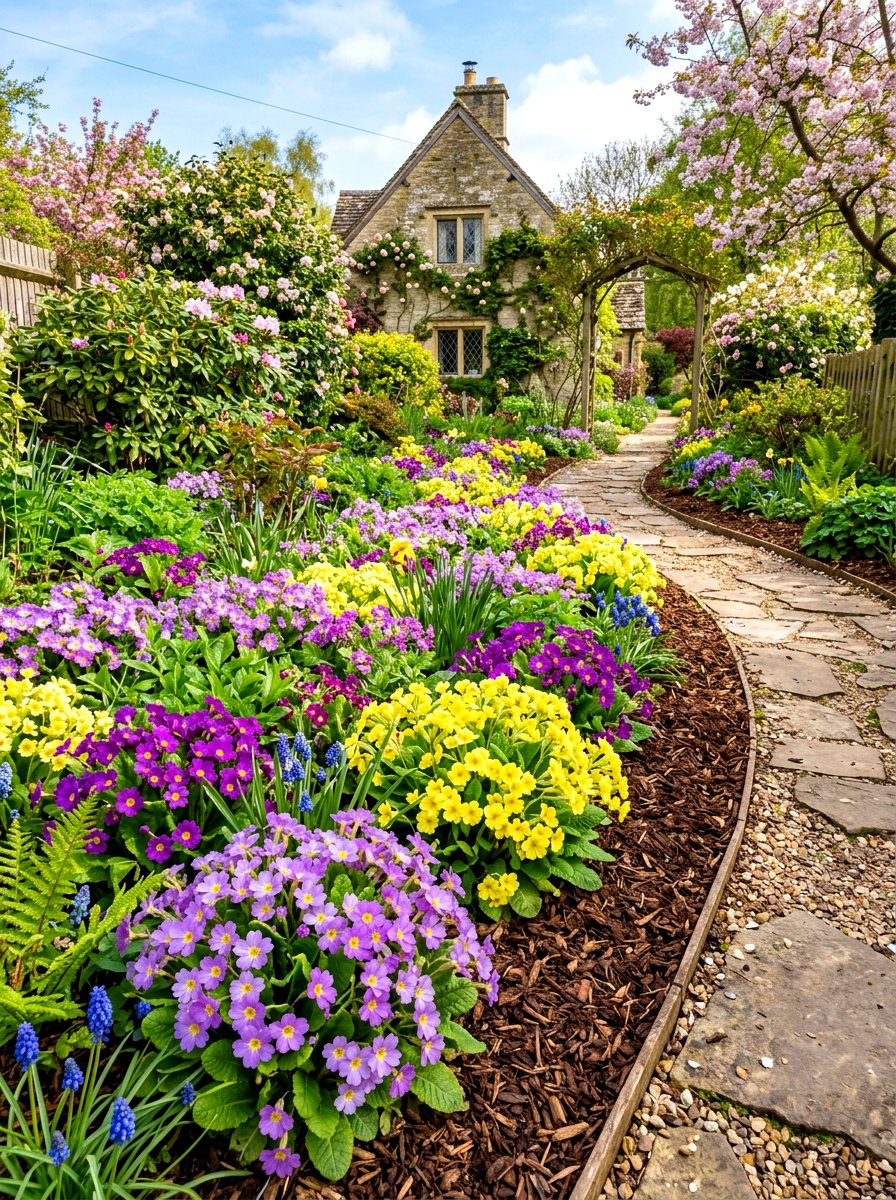
Would you like to celebrate the arrival of spring with a burst of cheerful, bright colors tucked into your garden borders? Primroses are one of the earliest bloomers, offering a wide range of colors from sunny yellow and vibrant purple to soft, creamy white. These plants love the cool, damp weather of early spring and thrive in partial shade where they can stay hydrated and comfortable. Their crinkled, green leaves form tidy rosettes that look great along the edges of a garden path or in small clusters. Planting them in drifts creates a naturalized look that brings a sense of joy and renewal to the landscape.
17. Lungwort
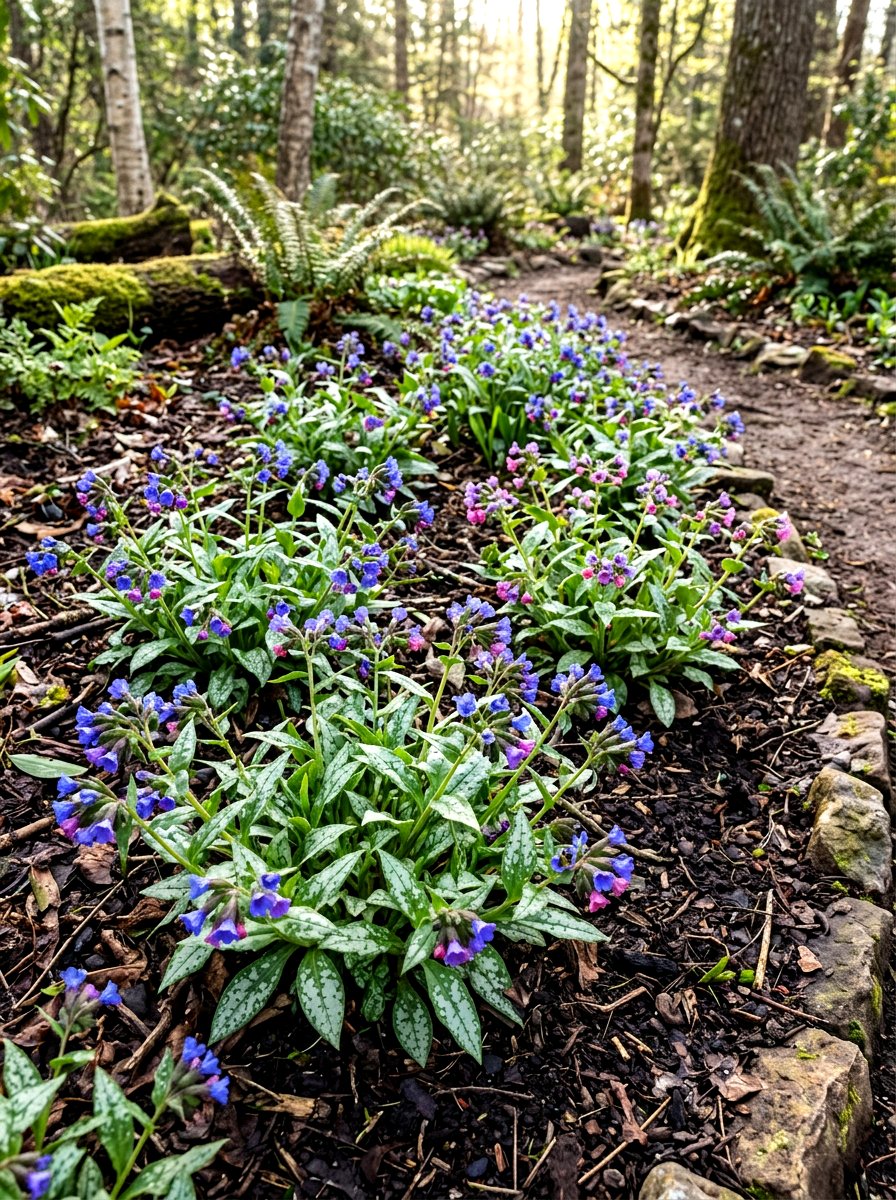
Have you been looking for a plant that offers both unique spotted foliage and flowers that change color as they mature? Lungwort, or Pulmonaria, is a fantastic shade perennial that features silver-mottled leaves that remain attractive throughout the entire growing season. In the spring, it produces clusters of small flowers that often start out pink and then fade to a beautiful blue or violet. This plant is exceptionally hardy and can even thrive in the difficult "dry shade" found under large trees. Its low-growing habit makes it an excellent groundcover that effectively fills in gaps and prevents weeds from taking over your garden.
18. Dead Nettle
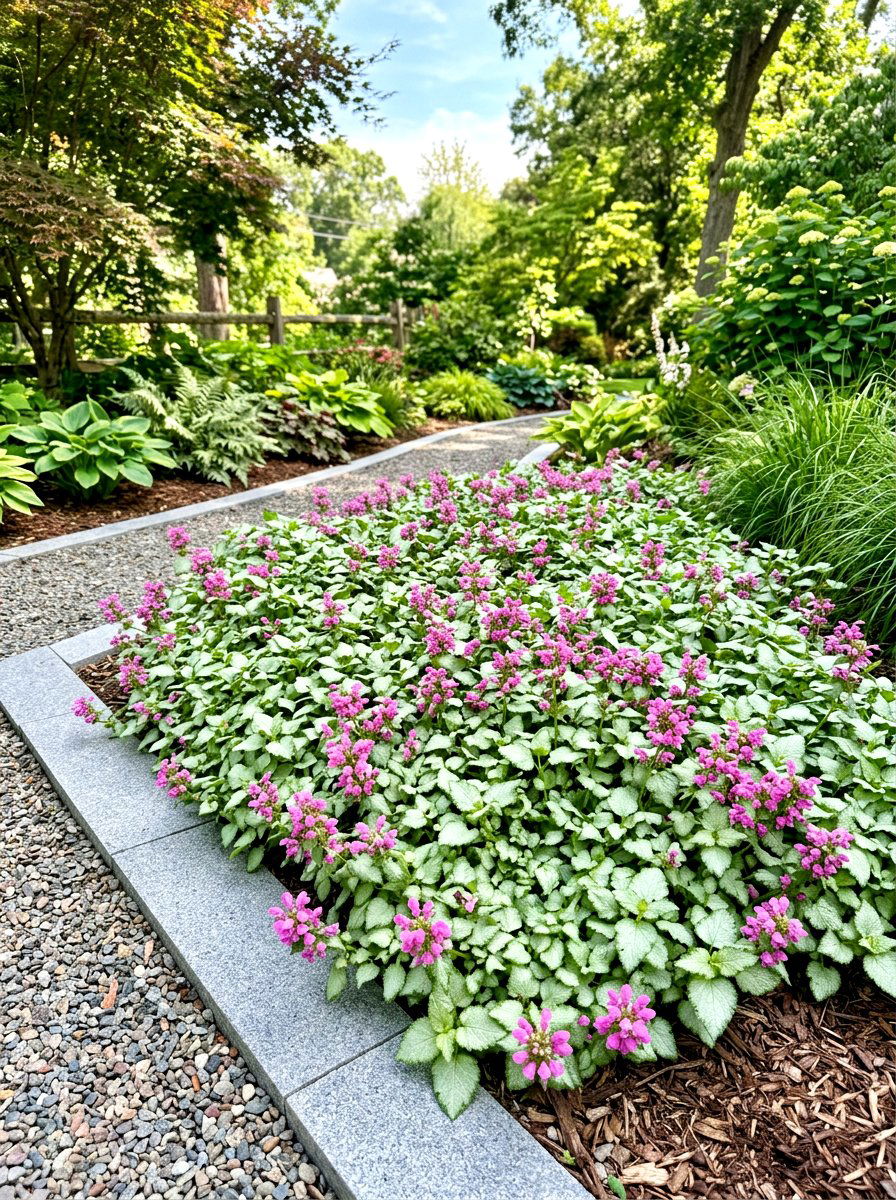
Do you need a fast-growing groundcover that can brighten up a dark corner with its strikingly bright, silver-toned leaves? Dead nettle, or Lamium, is a resilient plant that forms a dense carpet of foliage, making it perfect for suppressing weeds in shaded beds. Many varieties feature silver centers on their leaves, which act like tiny mirrors to reflect any available light in the garden. In the late spring and summer, it produces small spires of flowers in shades of pink, purple, or white. This plant is very easy to grow and can handle a variety of soil conditions, making it a versatile choice for any gardener.
19. Sweet Woodruff
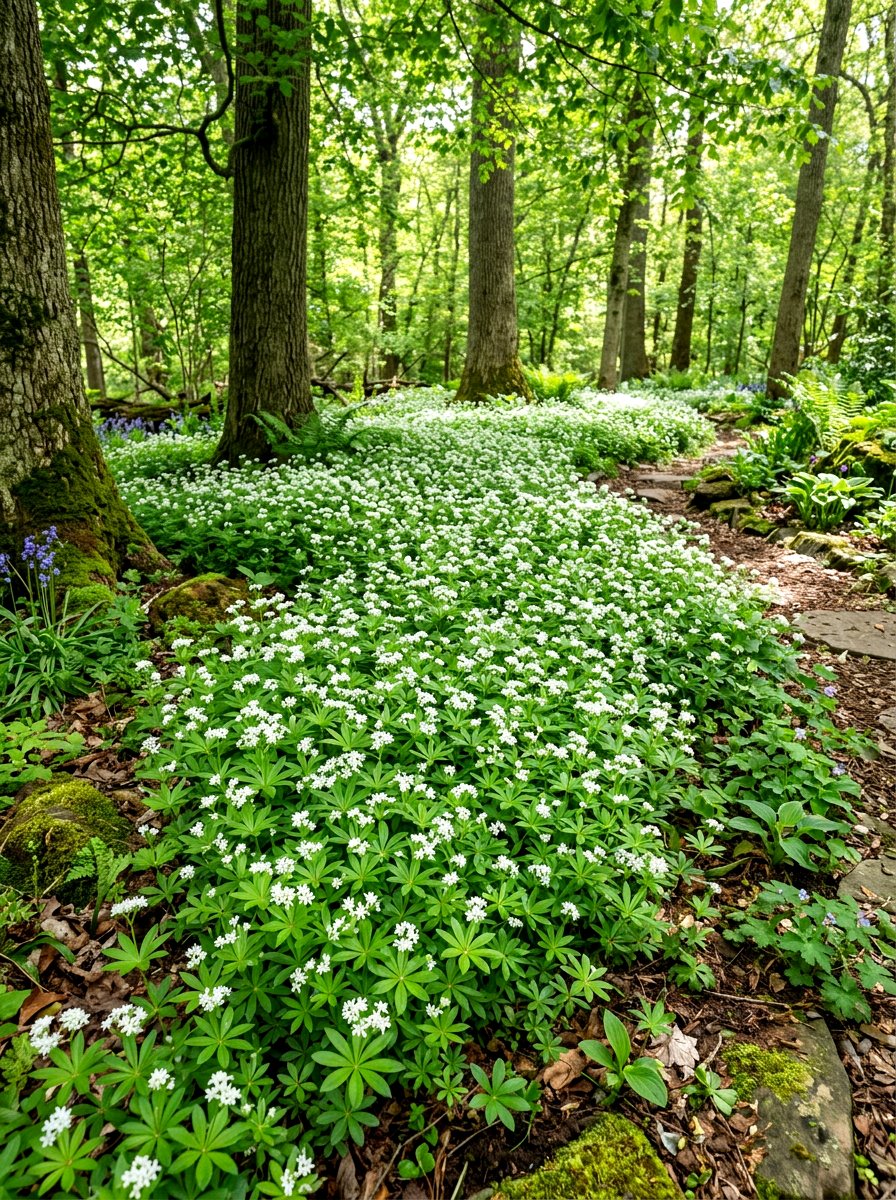
Can you imagine a garden floor covered in tiny, white star-shaped flowers that release a sweet fragrance whenever you walk by? Sweet woodruff is a charming, low-growing perennial that creates a lush, green mat under the canopy of trees or large shrubs. Its whorled leaves provide a unique texture that looks great throughout the summer, while the delicate blooms appear in the late spring. This plant spreads easily via underground runners, making it an excellent choice for naturalizing a large, shaded area. It is also deer-resistant and can be used to make a traditional German herbal wine, adding a bit of history to your garden.
20. Foxglove
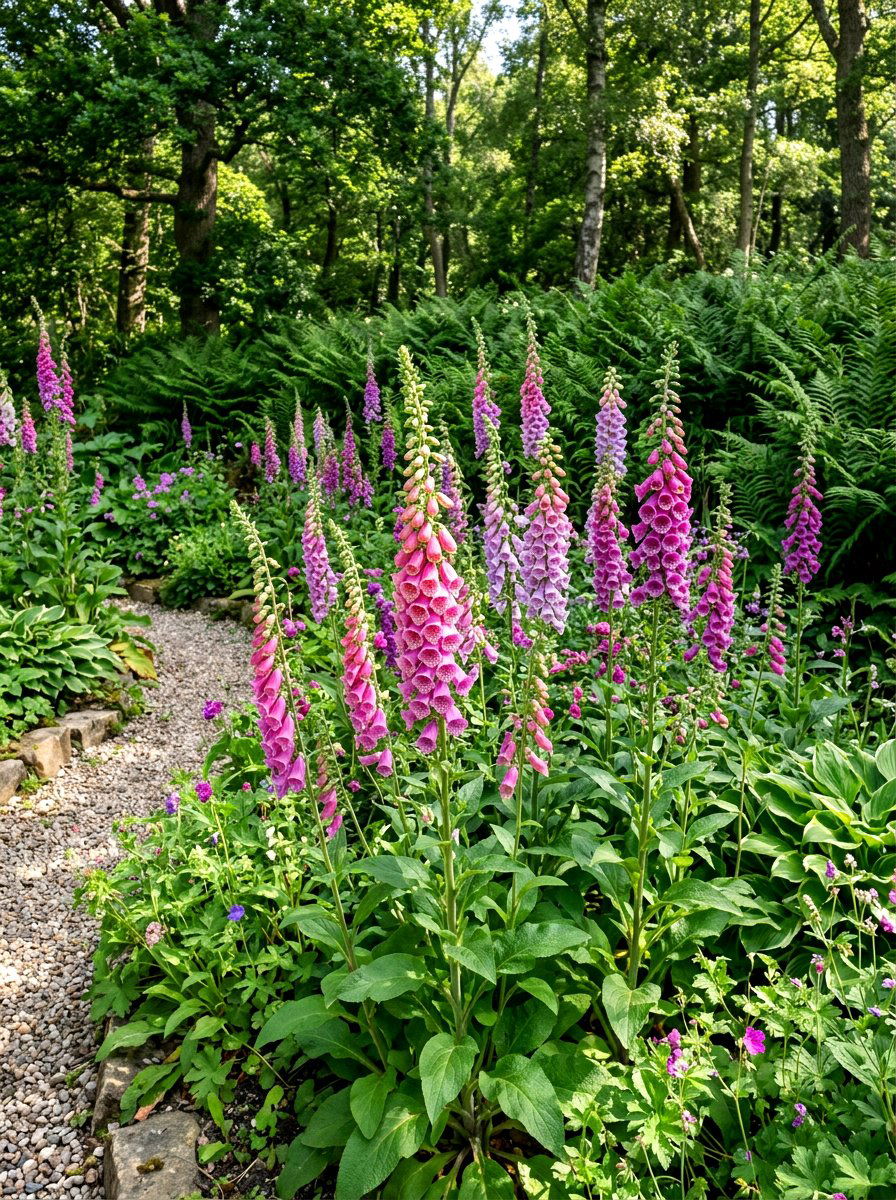
Are you interested in adding some dramatic vertical height and a touch of cottage-style romance to your shaded garden borders? Foxgloves are famous for their tall, majestic spikes of bell-shaped flowers that feature intricate spotted patterns on the inside of the blooms. While they are often biennial, meaning they bloom in their second year, they easily self-seed to ensure a steady supply of flowers every season. They thrive in the dappled light found at the edge of a woodland or under tall trees, providing a stunning backdrop for shorter plants. Their architectural form and vibrant colors make them a must-have for any traditional garden enthusiast.
21. Jacob's Ladder
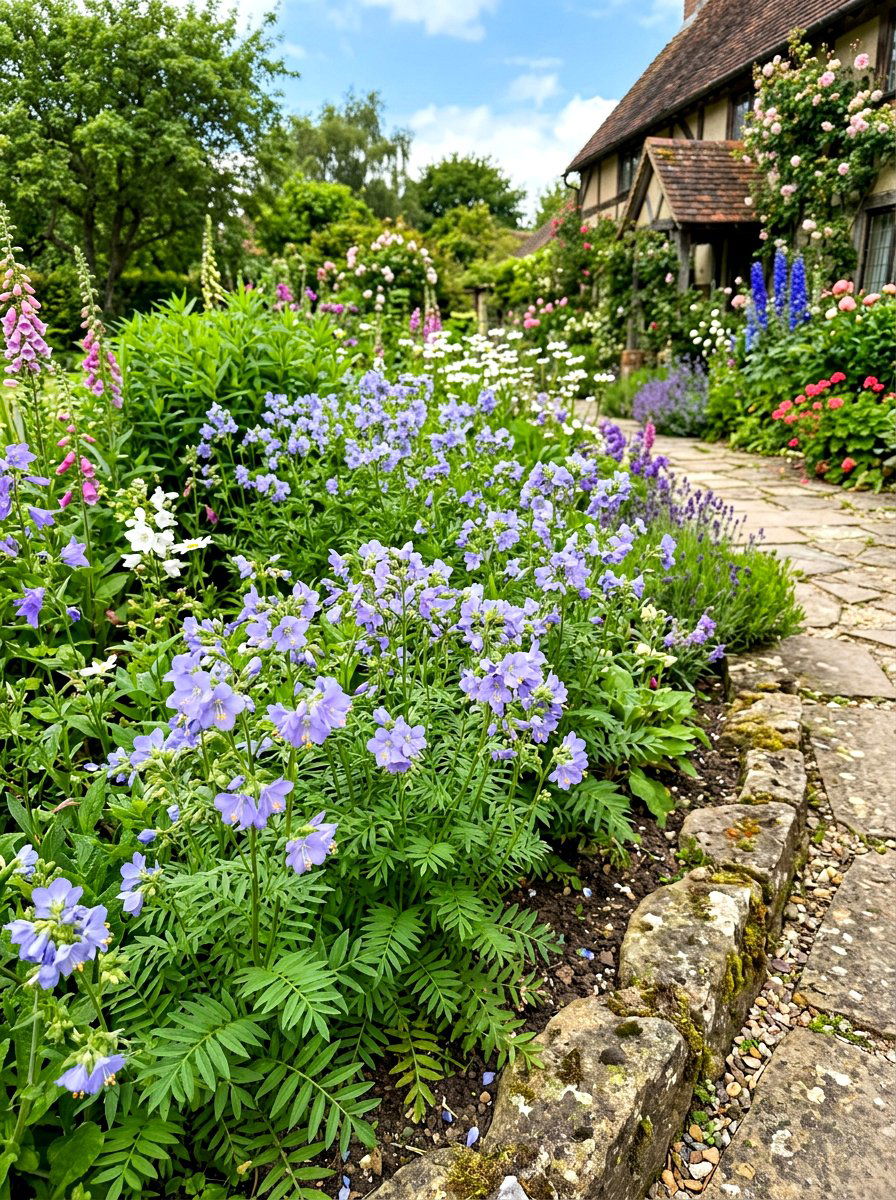
Have you ever seen a plant with leaves that look exactly like a tiny green ladder climbing toward the sky? Jacob’s ladder is a graceful perennial that is named for its unique pinnate foliage, which adds a delicate, fine-textured look to a shady flower bed. In the late spring, it produces clusters of bell-shaped flowers in a soft, periwinkle blue that feels incredibly refreshing in the shade. This plant prefers moist, well-drained soil and looks beautiful when planted alongside broad-leafed hostas or bold-colored heucheras. Its organized growth habit and charming blooms make it a refined choice for both formal and informal shade garden designs.
22. Toad Lily
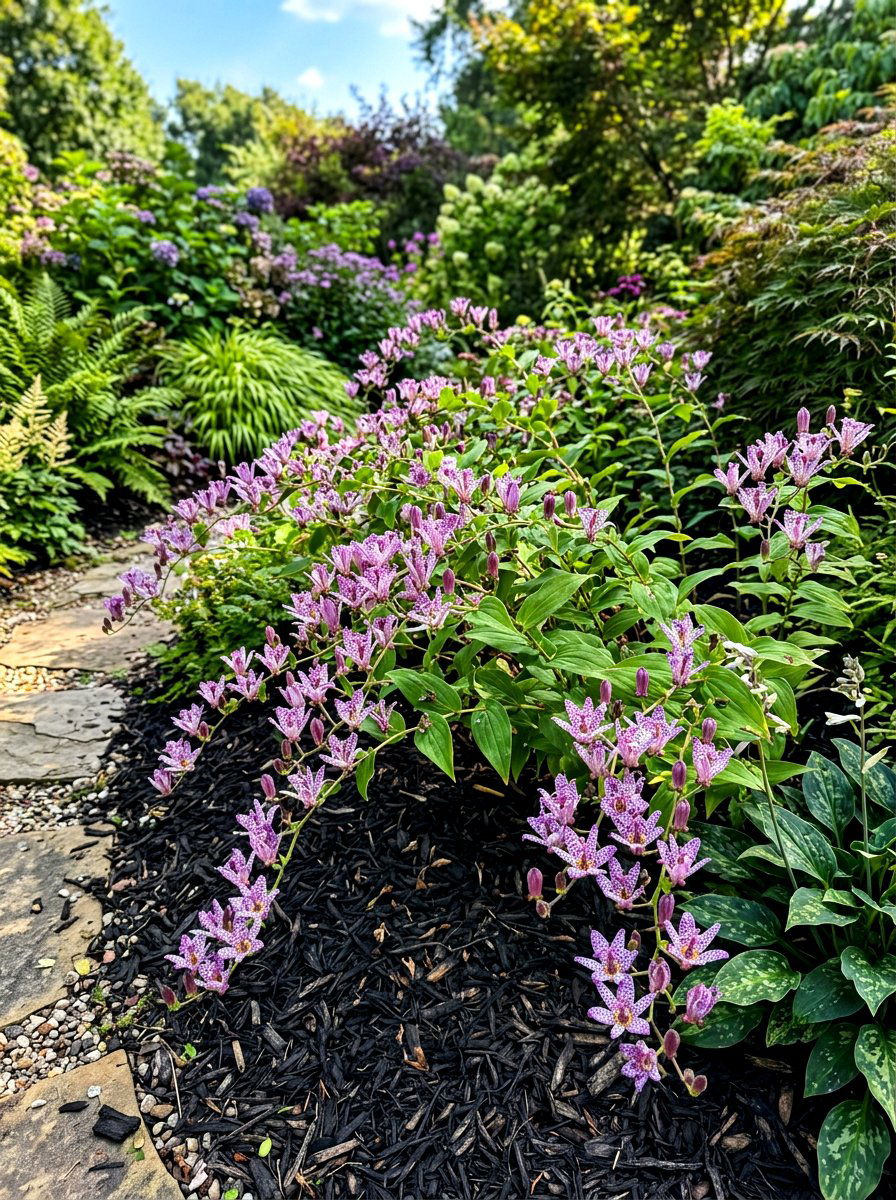
What if you could find a plant that saves its exotic, orchid-like blooms for the very end of the summer season? Toad lilies are a hidden gem of the shade garden, producing unique, spotted flowers in shades of white and purple during the late summer and fall. Their arching stems and lance-shaped leaves provide a nice structural element throughout the year before the spectacular blooms take center stage. Because they bloom when most other plants are starting to fade, they are essential for extending the season of interest in your landscape. They prefer moist, rich soil and a spot where they are protected from the wind.
23. Solomon's Seal
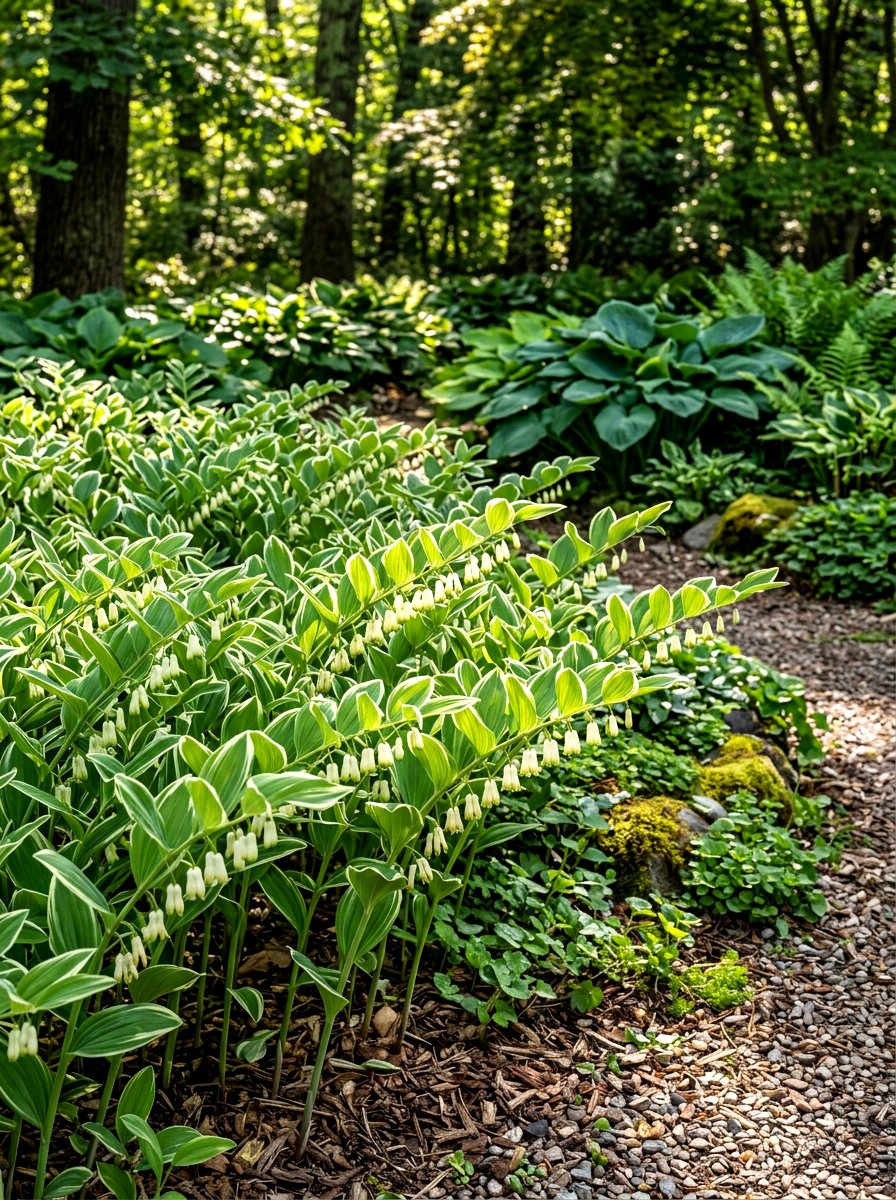
Do you want a plant that brings an elegant, arching form and a sense of graceful movement to your woodland garden? Solomon’s seal is a tall perennial with beautiful, variegated leaves that hang from long, curving stems in a very rhythmic fashion. In the late spring, tiny white, bell-shaped flowers dangle beneath the leaves, followed by dark berries in the autumn season. This plant is incredibly tough and can thrive in deep shade, slowly spreading to form an impressive architectural colony over time. Its bright white-edged leaves help to illuminate the dark corners of the yard, making it a favorite for many professional landscape designers.
24. Wild Ginger
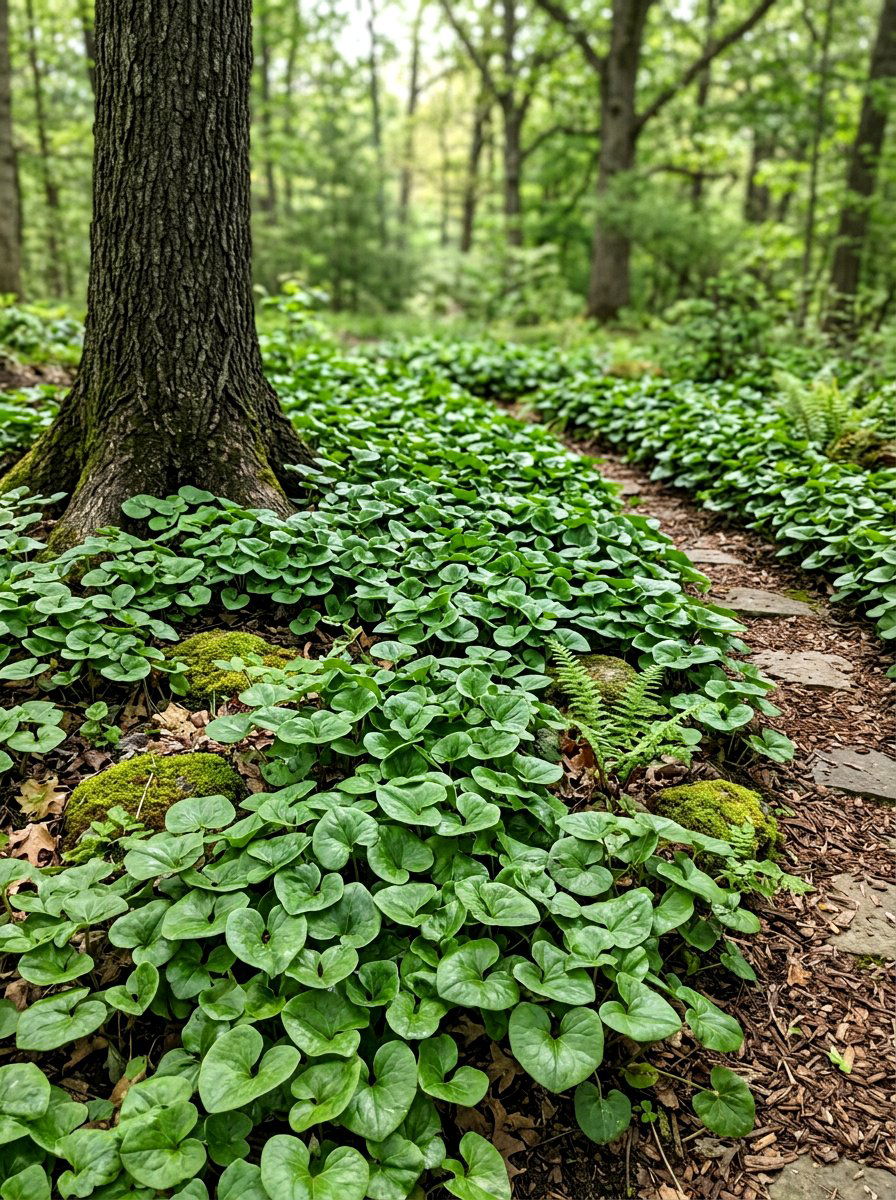
Have you been searching for a groundcover with large, glossy, heart-shaped leaves that can thrive in the deepest, darkest parts of your yard? Wild ginger is a subtle yet beautiful native plant that forms a low, dense carpet of green foliage that is perfect for woodland settings. While its flowers are small and usually hidden under the leaves, the foliage itself is the main attraction, offering a clean and modern look. This plant is an excellent choice for areas with heavy competition from tree roots, as it is quite resilient once it becomes established. Its spicy fragrance when the leaves are crushed adds another sensory layer.
25. Japanese Maple
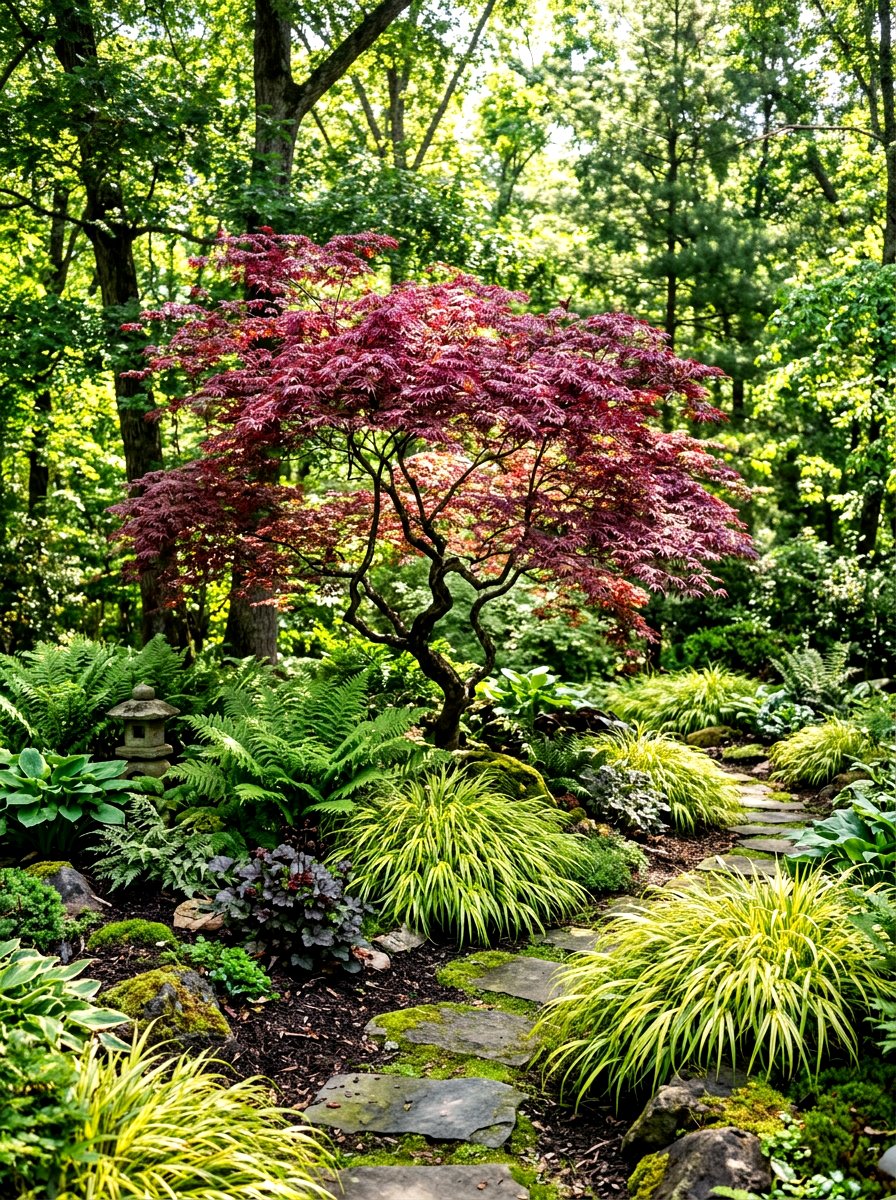
Is there any tree that brings more sophisticated color and delicate structure to a shaded landscape than a Japanese maple? These small, slow-growing trees are perfect as a focal point in a shade bed, offering finely cut leaves in shades of burgundy, coral, or bright green. Because they prefer protection from the hot afternoon sun, they thrive in the dappled light of a larger canopy. Underplanting a Japanese maple with soft ferns or golden forest grass creates a layered, professional look that feels like a high-end botanical garden. Their stunning fall color ensures that your shade garden ends the growing season with a spectacular visual finale.
26. Shade Containers
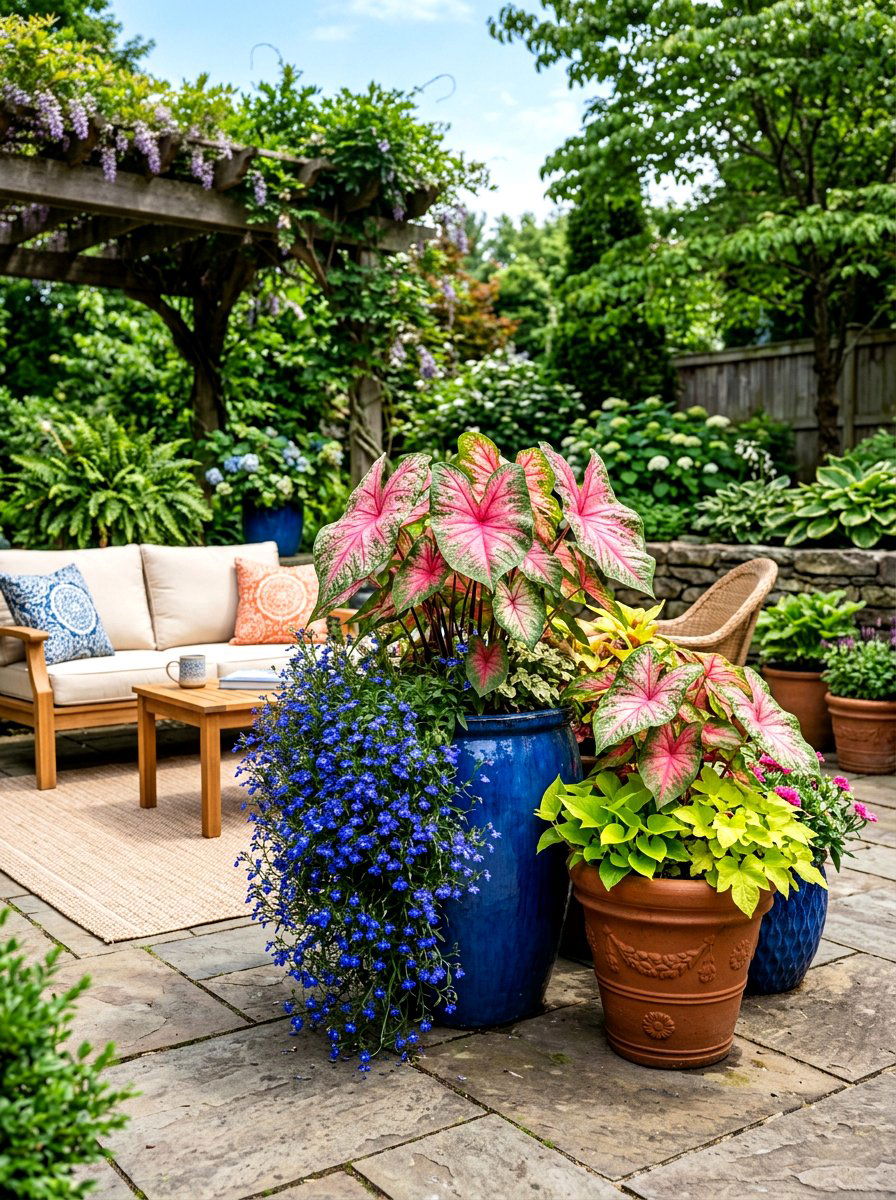
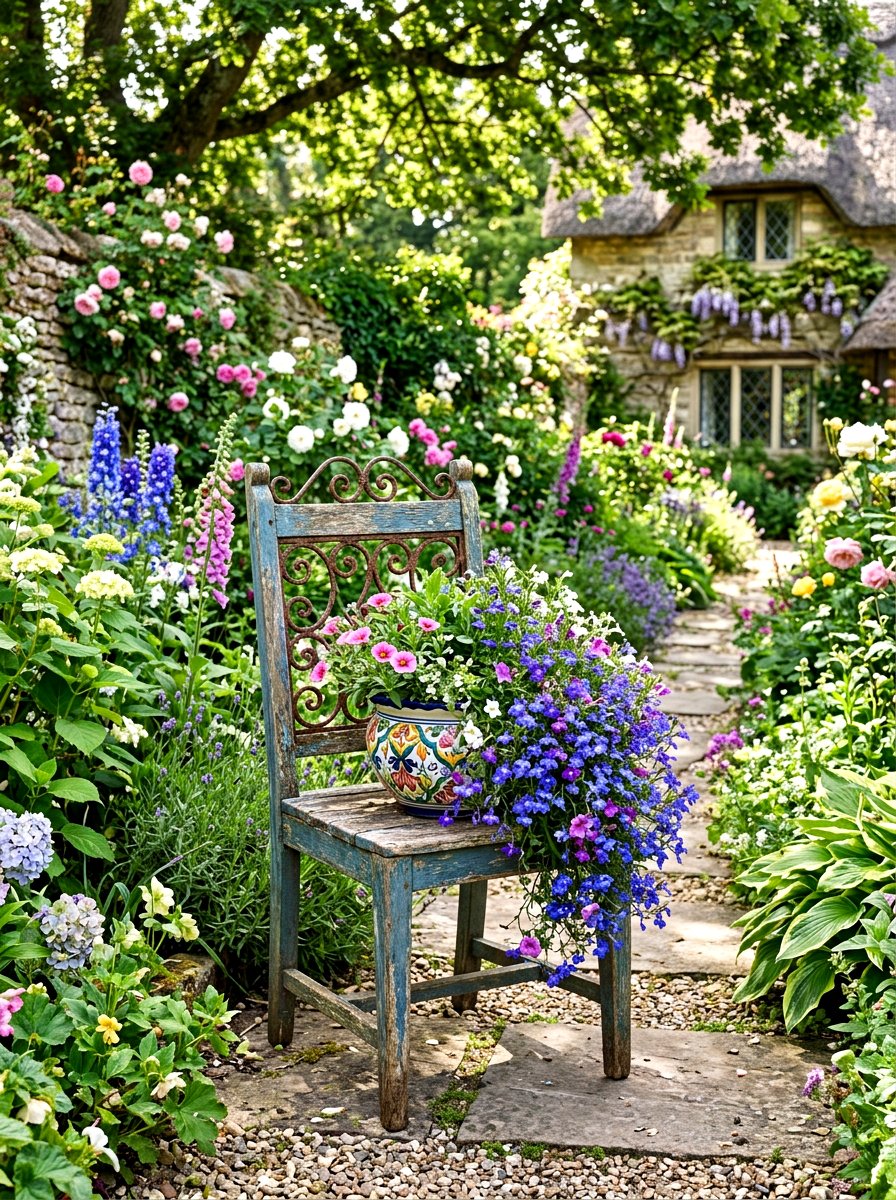
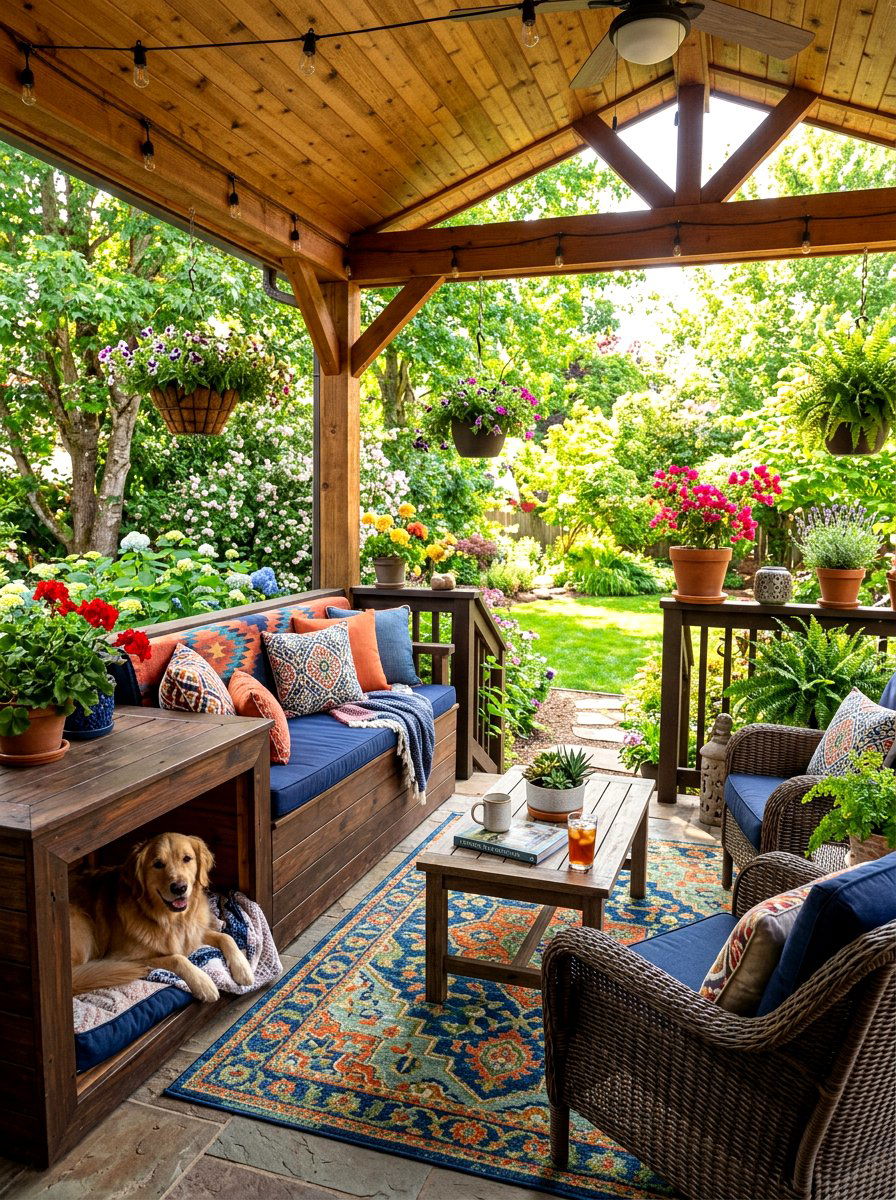
Can you imagine transforming your shaded porch or patio into a lush, potted paradise using a variety of textures and heights? Using large containers in a shade garden allows you to bring the beauty of nature right to your doorstep, even if you have no ground space. You can combine upright plants like caladiums with trailing elements like creeping Jenny or lobelia to create dynamic, layered arrangements. Pots give you the freedom to move plants around as the light changes or to swap out seasonal colors easily. This flexibility makes container gardening a perfect solution for those who want to experiment with different shade-loving plant combinations.
27. Tiered Planter
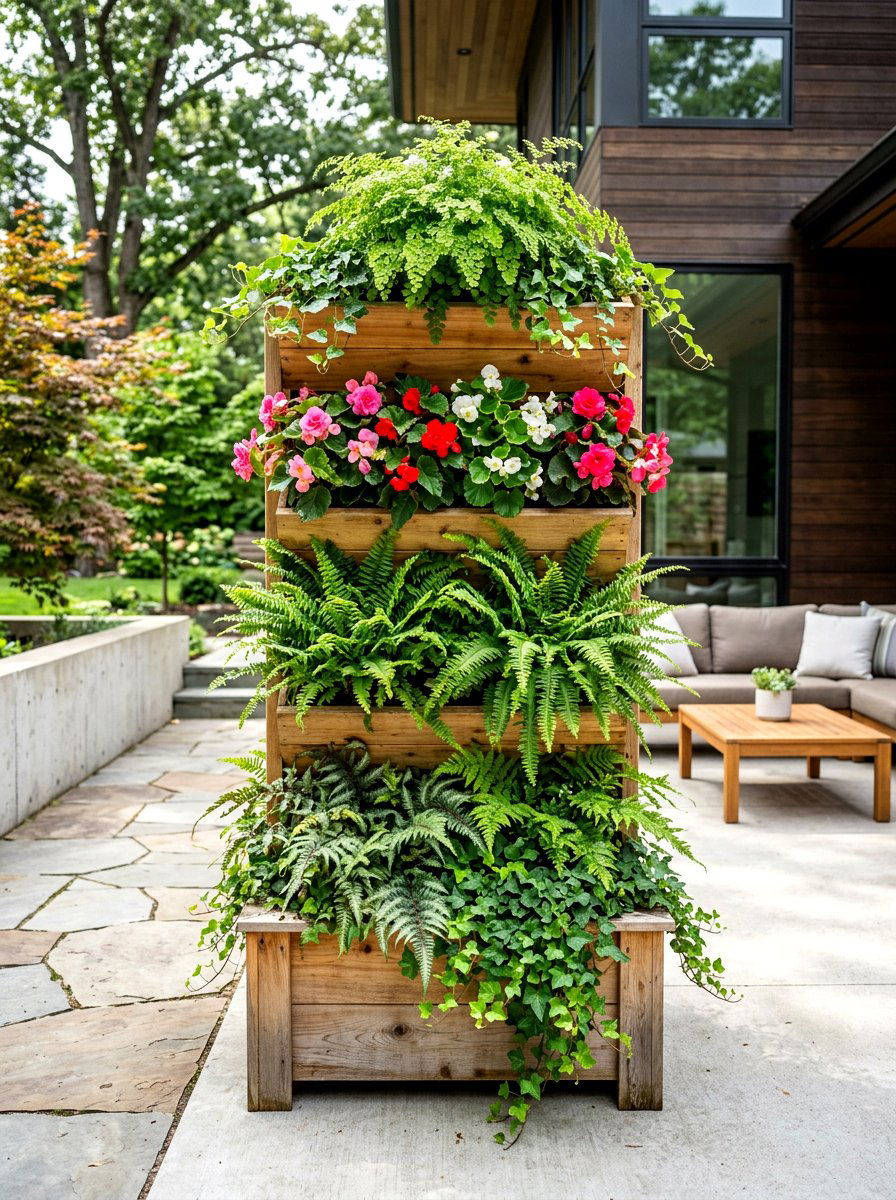
Have you ever thought about using vertical space to add more greenery to a small, shaded corner of your backyard? A tiered planter or a set of raised garden beds allows you to layer different shade-loving plants at various heights, creating a lush wall of foliage. This approach is particularly effective for small urban spaces or north-facing balconies where ground room is limited. You can fill the top tiers with tall foxgloves or ferns, while the lower levels can feature cascading begonias or ivy. The vertical structure adds architectural interest to the space and makes it easier to maintain your plants without bending over.
28. Rock Garden
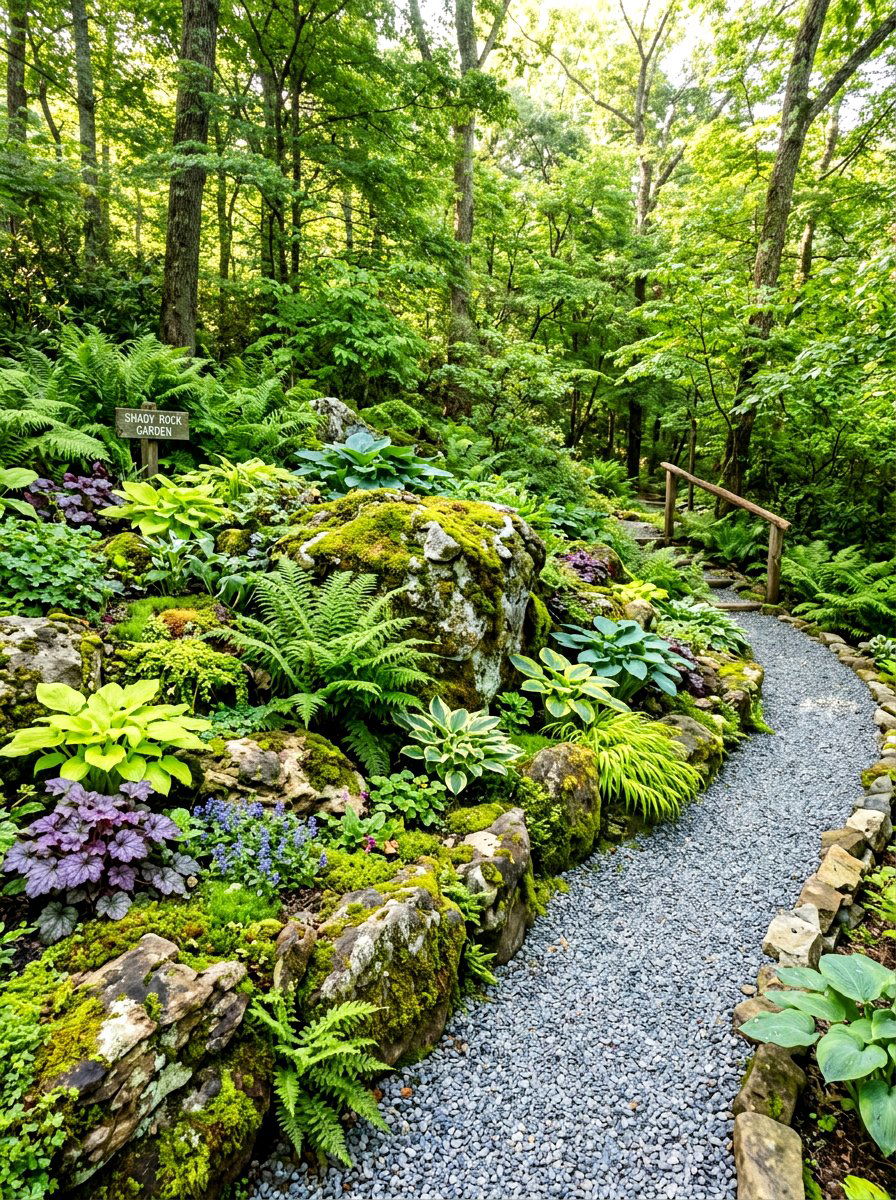
Do you have a shady slope or a rocky area in your yard that feels impossible to plant with traditional flowering perennials? Creating a rock garden designed specifically for shade allows you to use low-growing alpines, mosses, and dwarf ferns to fill in the gaps between stones. The combination of hard stone and soft foliage creates a beautiful contrast that feels very natural and rugged. Shade-loving succulents like certain sedums or hens and chicks can often thrive in these well-drained, cooler environments. This style of garden is low-maintenance once the plants fill in, as the rocks help to retain soil moisture and prevent erosion on hillsides.
29. Groundcover
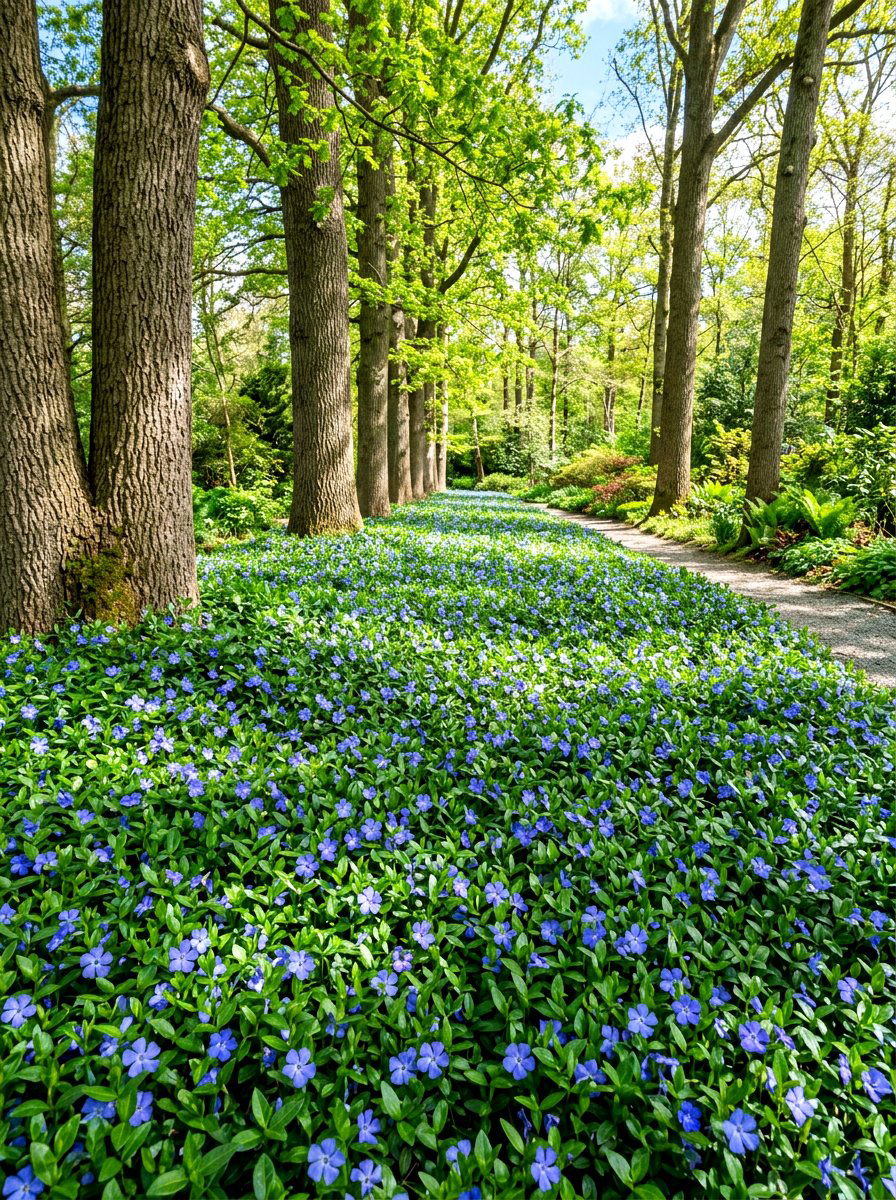
What if you could replace your high-maintenance lawn with a sea of low-growing, evergreen plants that thrive in the deep shadows? Groundcovers like vinca minor or pachysandra are incredibly effective at creating a uniform, carpet-like look in areas where grass simply will not grow. These plants are tough, drought-tolerant once established, and provide a clean green backdrop for taller specimen plants or garden art. In the spring, vinca produces small, periwinkle-blue flowers that add a delicate touch of color to the emerald foliage. Using a single type of groundcover across a large area creates a sense of calm and visual continuity in the landscape.
30. Foamflower
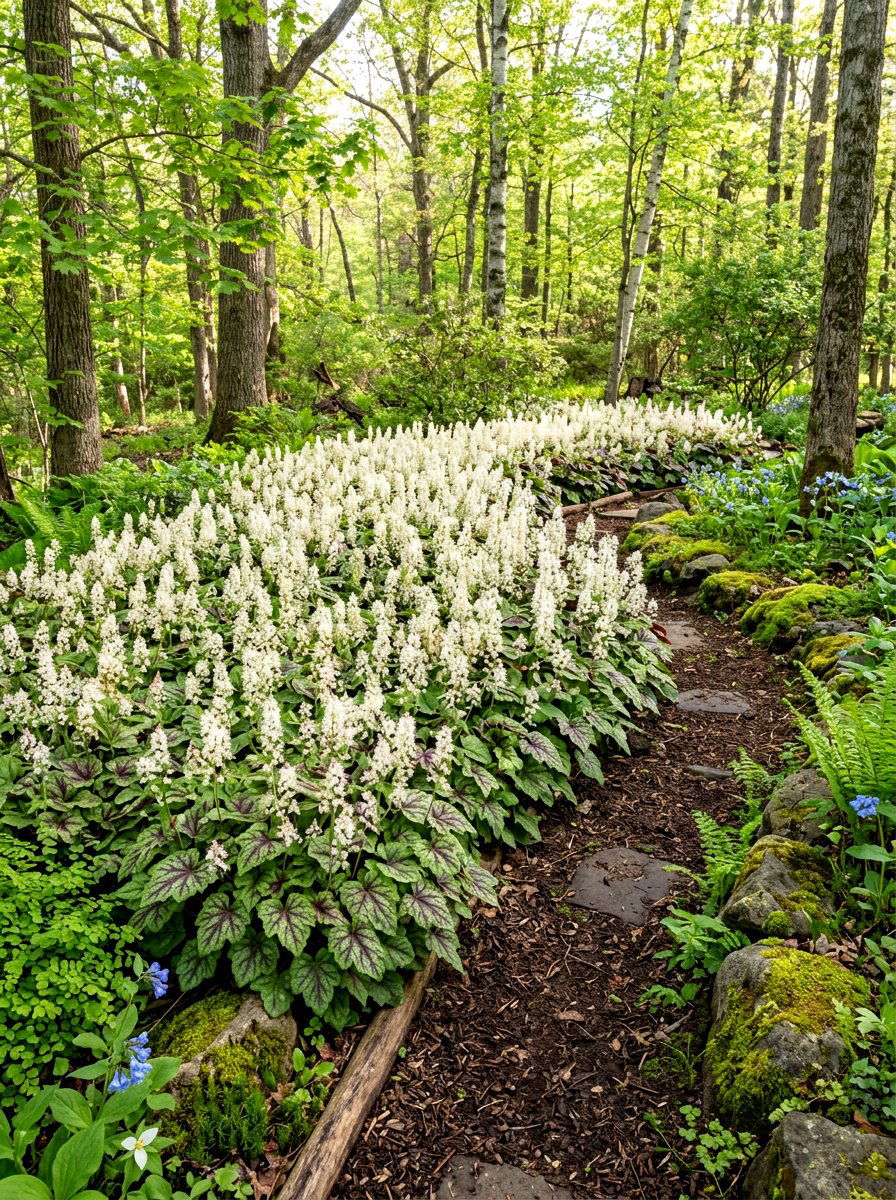
Have you ever seen the delicate, frothy spikes of flowers that give the foamflower its charming and very descriptive common name? Tiarella, or foamflower, is a wonderful native perennial that features deeply lobed leaves often marked with dark purple or bronze patterns in the center. In the late spring, it produces airy wands of tiny white or pink blossoms that look like a soft mist hovering over the foliage. This plant is a fantastic alternative to heuchera for those who want a more natural, woodland-inspired look. It spreads gently via runners, making it an excellent choice for filling in the front of a shaded flower border.
Conclusion:
Designing a successful shade garden is a rewarding journey that allows you to embrace the cooler, quieter side of nature. By focusing on foliage texture, varying heights, and a curated palette of shade-tolerant blooms, you can transform even the most neglected corners of your yard into a lush retreat. Remember that gardening is an evolving process, and experimenting with different combinations of hostas, ferns, and colorful perennials will help you find what works best in your specific microclimate. Whether you prefer a formal structured look or a wild woodland vibe, the shadows offer endless possibilities for creativity. Start small, stay patient, and watch your shady sanctuary bloom into a masterpiece.

Related posts: