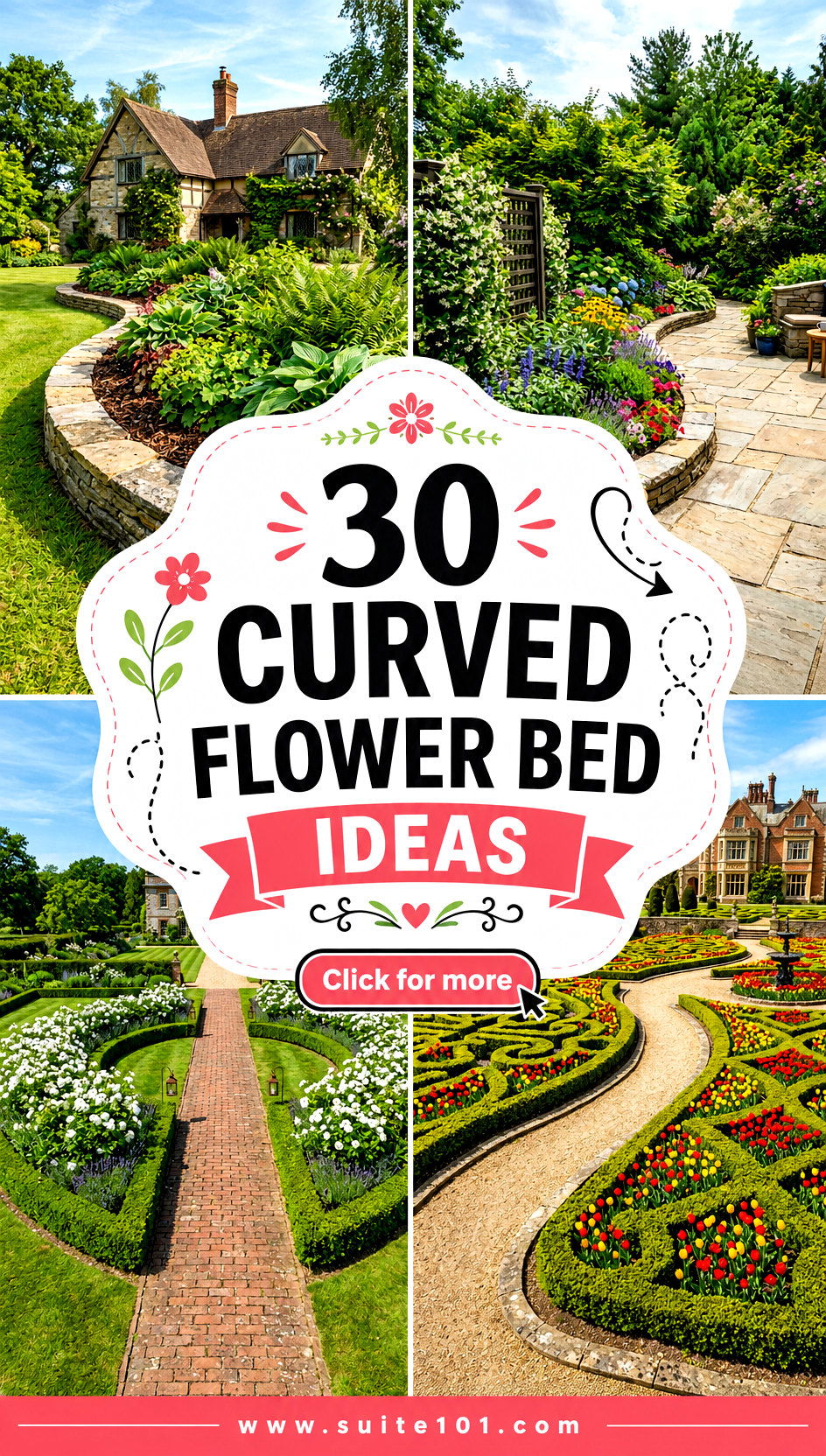
Curved flower beds are a transformative design element that can instantly elevate any outdoor space by softening the rigid lines of a home’s architecture and property boundaries. Unlike traditional straight-edged gardens, sweeping curves mimic the organic flow of nature, creating a sense of movement and mystery that draws the eye throughout the landscape. Whether you are working with a sprawling front yard or a compact urban backyard, these fluid shapes offer endless opportunities for creative planting and unique edging materials. From rugged natural stone borders to sleek modern metal strips, the right curve can define your garden's personality while making maintenance easier and more efficient for many homeowners.
1. Front Yard Curved Flower Bed
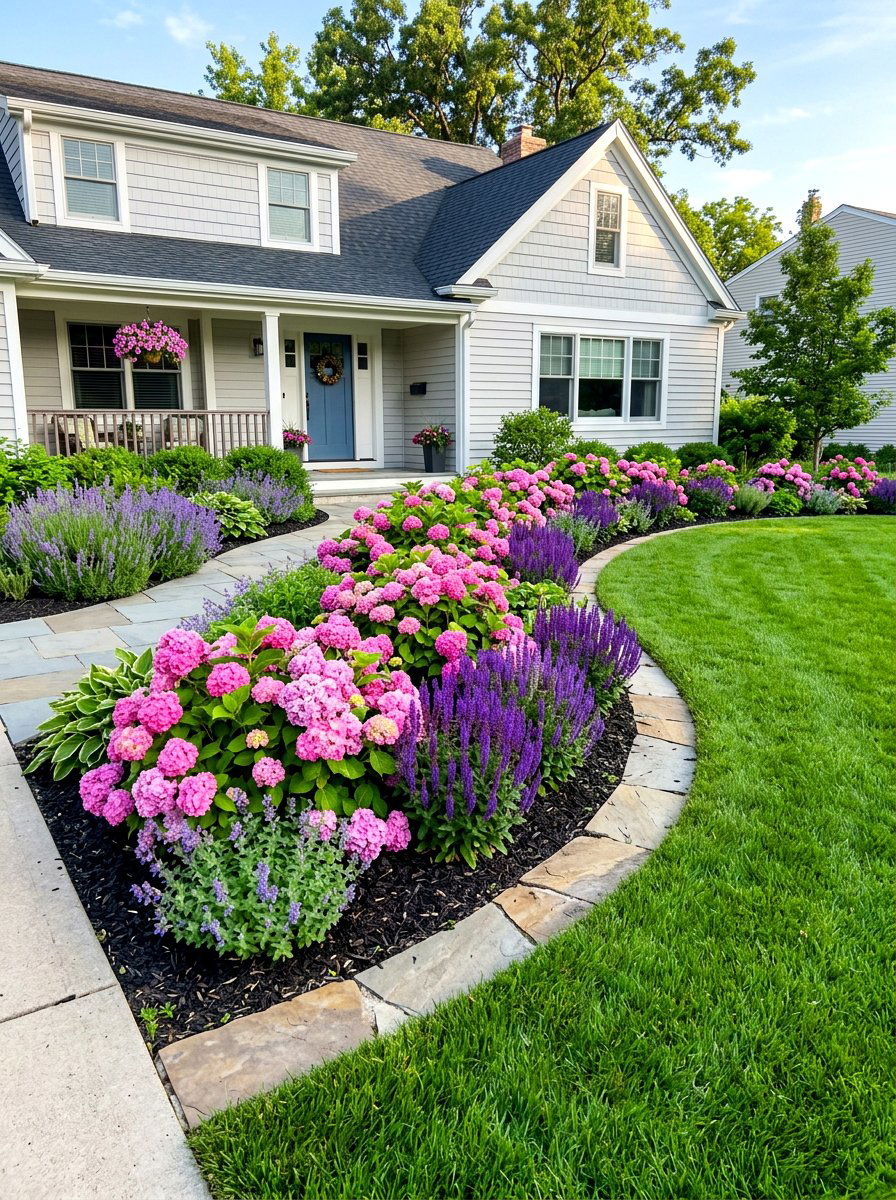
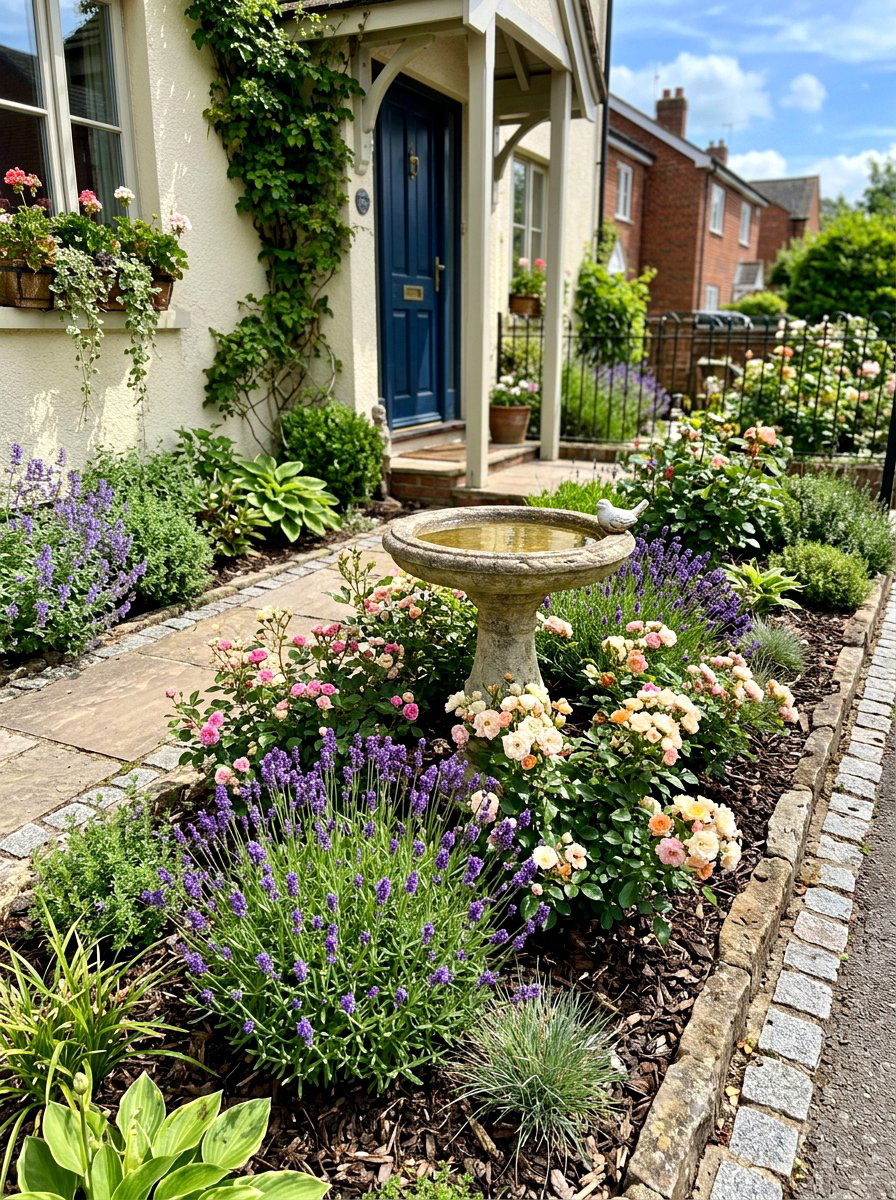
Have you ever noticed how a gentle arc in a garden can make a house feel more welcoming? A front yard curved flower bed is a classic choice for improving curb appeal because it breaks up the monotony of a flat lawn. By extending the bed away from the house in a wide sweep, you create deep pockets for layering various plant heights. This design allows you to place taller shrubs near the foundation and shorter, colorful annuals toward the grass. Using a garden hose to map out the shape before digging ensures a smooth, professional-looking curve that complements your home’s entryway and guides visitors toward the front door.
2. Stone Edging For Curved Garden
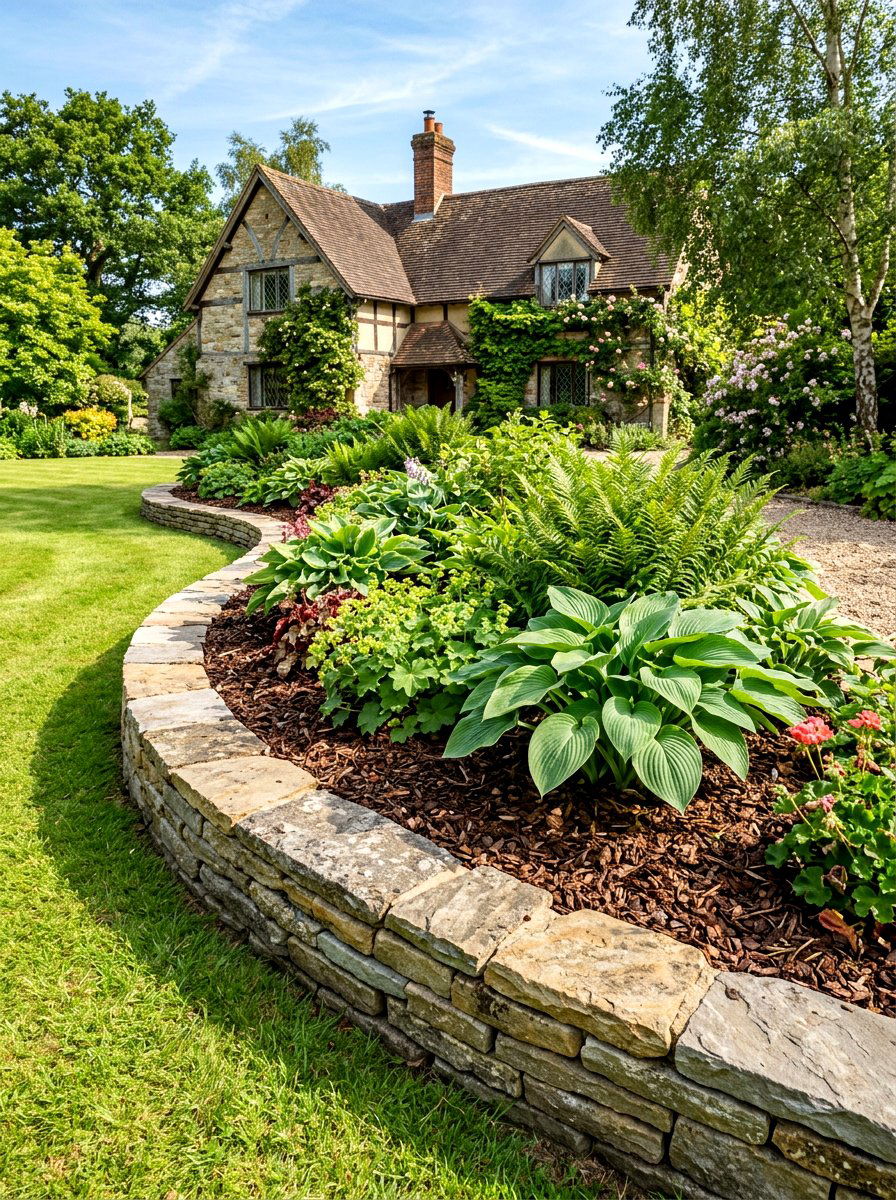
Are you looking for a timeless way to define your garden borders with natural materials? Using stone edging for a curved garden provides a durable and aesthetically pleasing solution that fits perfectly into any landscape style. Large, flat fieldstones or stacked flagstones can be easily adjusted to follow the most intricate bends without requiring complex masonry skills. This type of border not only prevents grass from creeping into your soil but also adds a high-end, textured look to the yard. When paired with dark hardwood mulch, the natural gray and tan tones of the stone pop, creating a sophisticated frame for your favorite perennials and ornamental grasses.
3. Backyard Landscape Curved Border
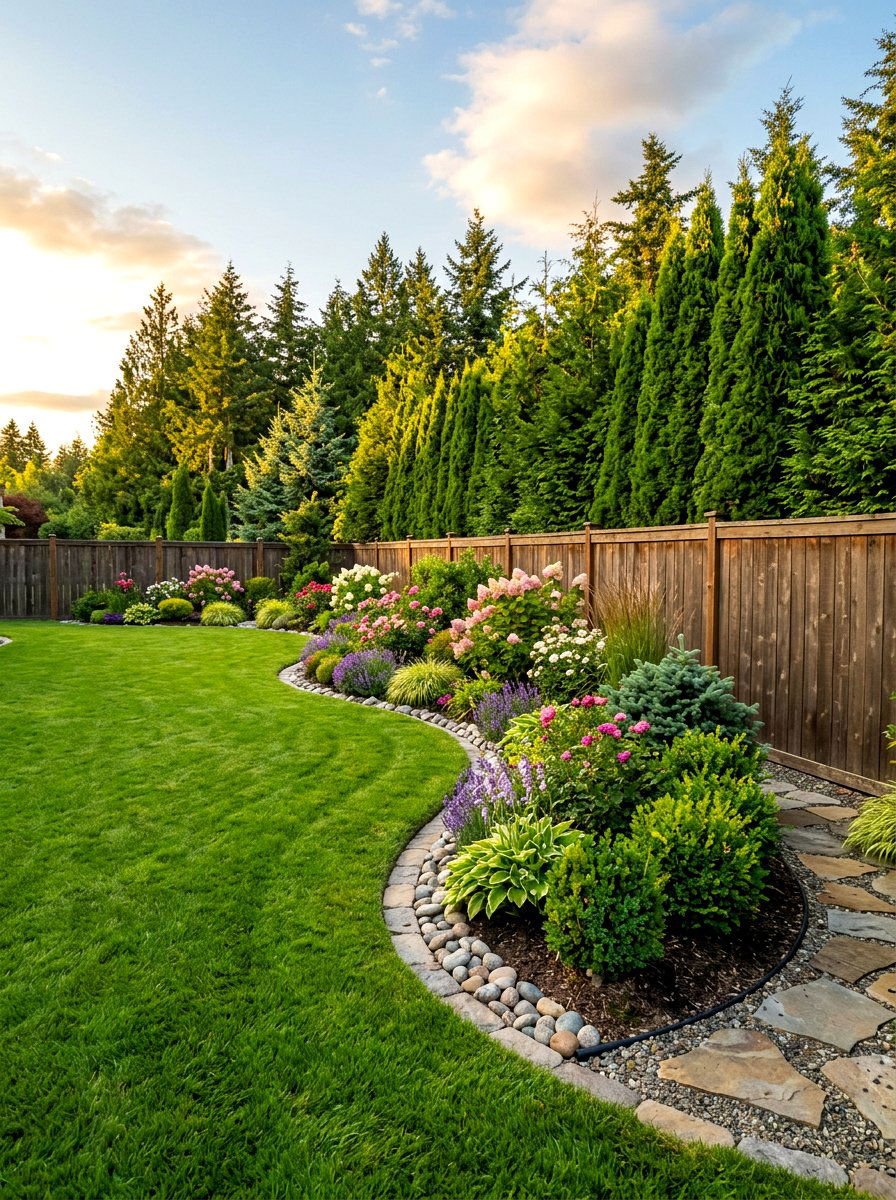
Imagine stepping into a backyard that feels like a private sanctuary rather than a square box. A backyard landscape curved border is the perfect tool for creating intimate zones within a large open space. By designing a deep, winding bed that wraps around the perimeter of your lawn, you can soften the appearance of a wooden fence or brick wall. This approach creates visual depth, making the garden appear larger than it actually is. You can fill the curves with a mix of evergreen shrubs for year-round structure and flowering plants that provide seasonal interest, ensuring your private retreat remains beautiful and vibrant throughout every month.
4. Layered Plants In Curved Bed
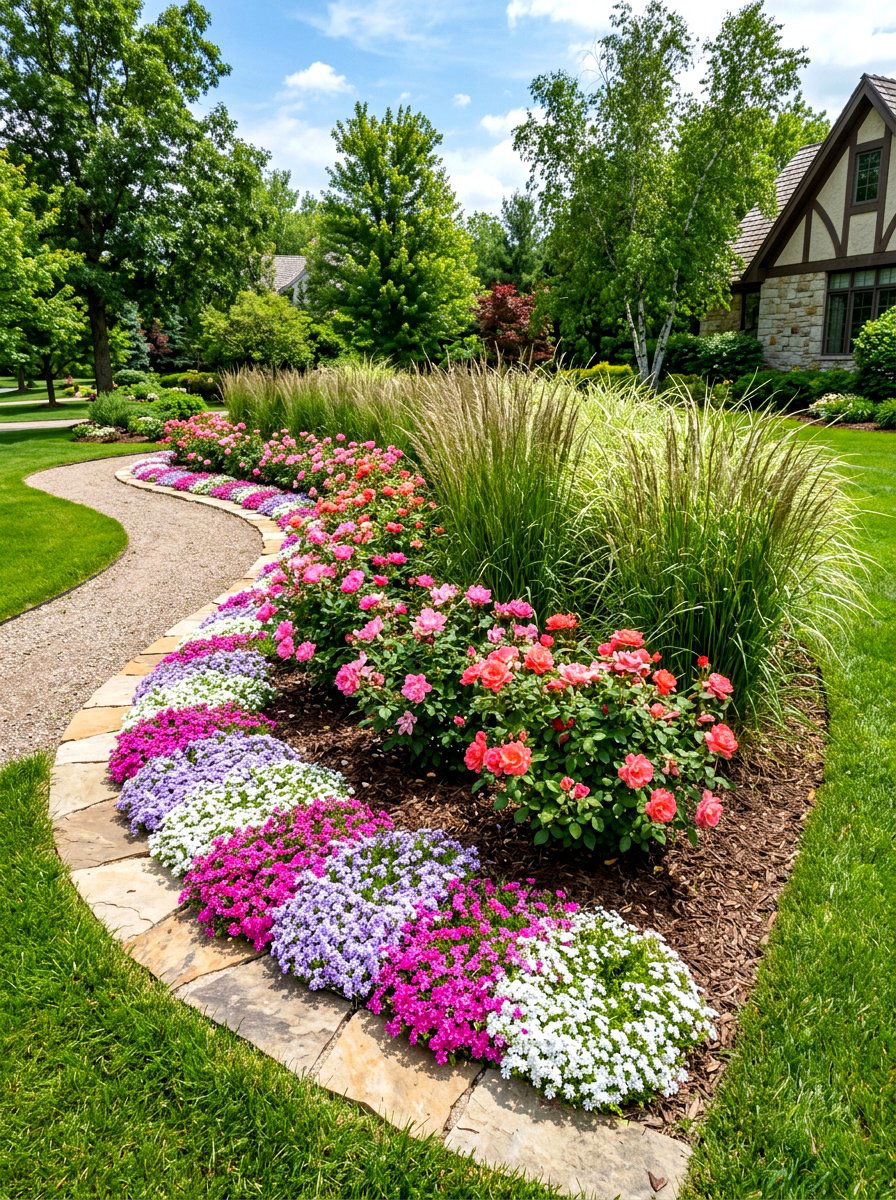
Have you considered how much more dynamic your garden could look with varying heights and textures? Implementing layered plants in a curved bed is a professional landscaping technique that maximizes visual impact in a small amount of space. By following the natural "S" curve of the border, you can group plants in tiers, placing the tallest specimens at the deepest part of the curve. Middle-tier plants like hostas or hydrangeas fill the center, while low-growing groundcovers hug the front edge. This cascading effect creates a lush, full appearance that emphasizes the fluid shape of the garden and provides a rich, multi-dimensional view from any angle.
5. Curved Flower Bed Along Walkway
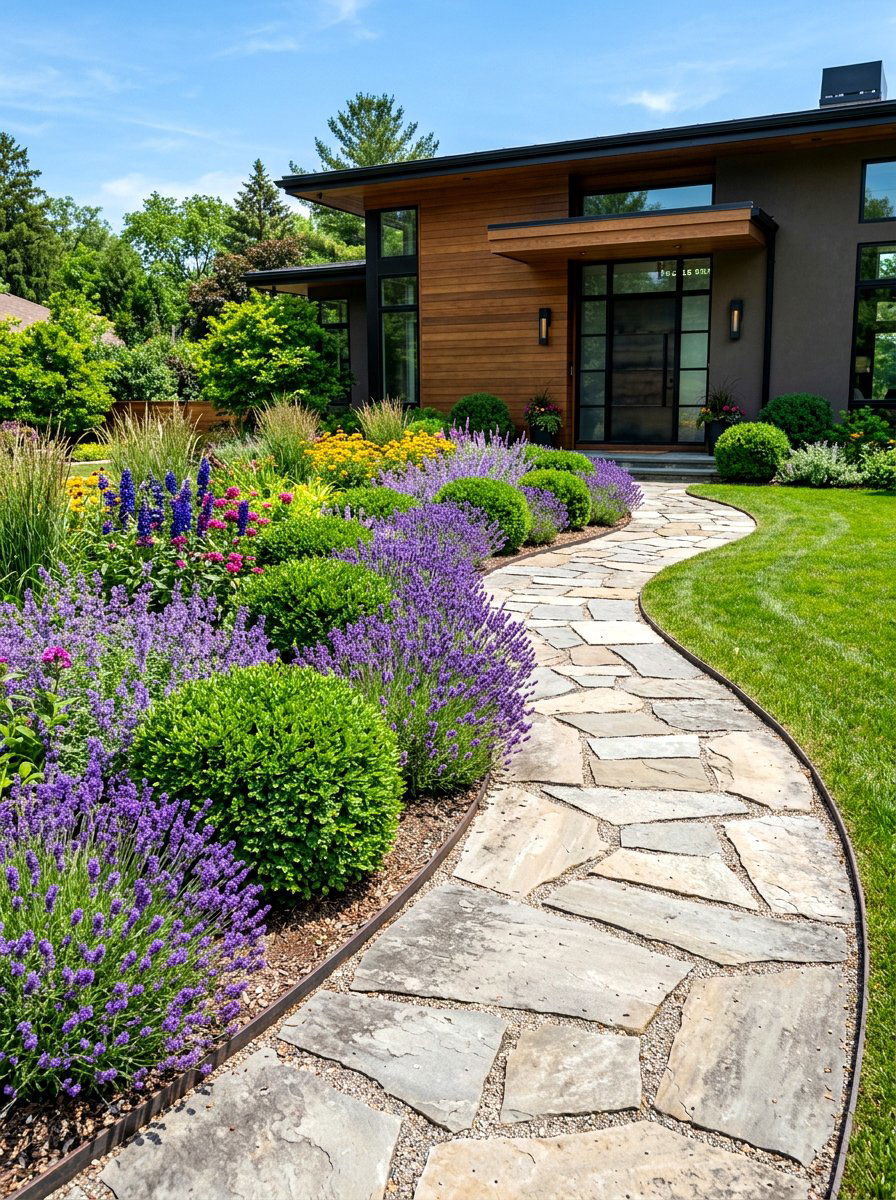
Does your entryway feel a bit too industrial with just a plain concrete path? Adding a curved flower bed along a walkway is an excellent way to soften the transition between your hardscaping and the rest of the lawn. Instead of following the path in a strict line, allow the bed to bulge outward at certain points to create a "wave" effect. This design encourages a slower, more mindful walk to the house as guests admire the surrounding greenery. It also provides extra space for fragrant herbs like lavender or creeping thyme, which release a pleasant scent whenever someone brushes against them while walking by.
6. Shaded Curved Garden Bed
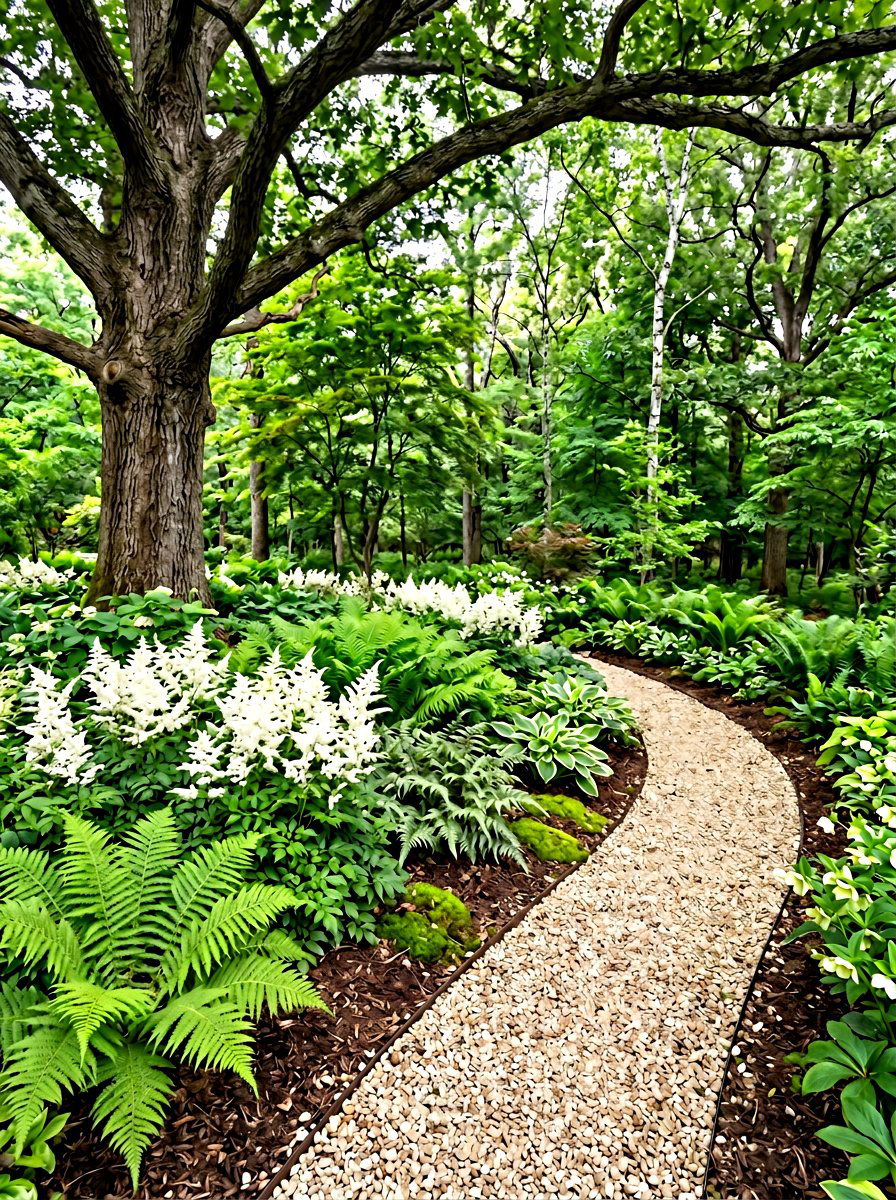
What do you do with those tricky, sun-starved areas beneath your favorite trees? A shaded curved garden bed is a brilliant way to turn a dark corner into a lush, woodland-inspired feature. Because shade-loving plants like ferns, hostas, and astilbe often have large, dramatic foliage, they look particularly striking when arranged in organic, flowing shapes. The curve helps the bed feel integrated into the natural landscape of the tree’s root zone rather than looking like an afterthought. Using light-colored gravel or white-toned stones for the edging can help brighten the area, reflecting what little light is available and highlighting the beautiful greenery.
7. Low Maintenance Curved Landscaping
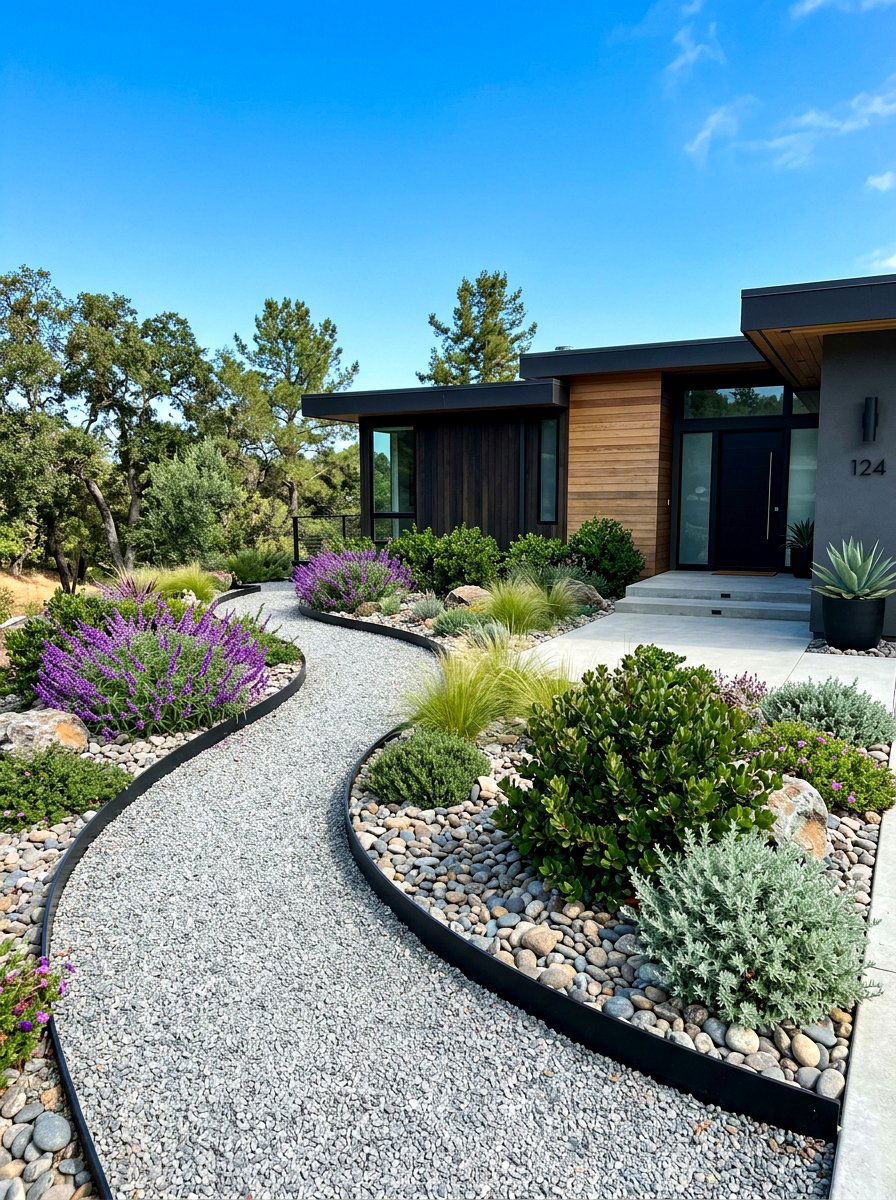
Are you a busy homeowner who wants a beautiful yard without spending every weekend weeding? Low maintenance curved landscaping focuses on using sturdy, slow-growing plants and durable edging that keeps everything in its place. Selecting native shrubs and long-lived perennials means you won't have to replant every season. To make the design work, use a high-quality flexible metal or plastic edging that creates a sharp, permanent barrier between the grass and the mulch. This prevents the curve from losing its shape over time and makes mowing much faster, as you can simply glide the lawnmower along the smooth, rounded edge without any tricky maneuvering.
8. Modern Minimalist Curved Bed
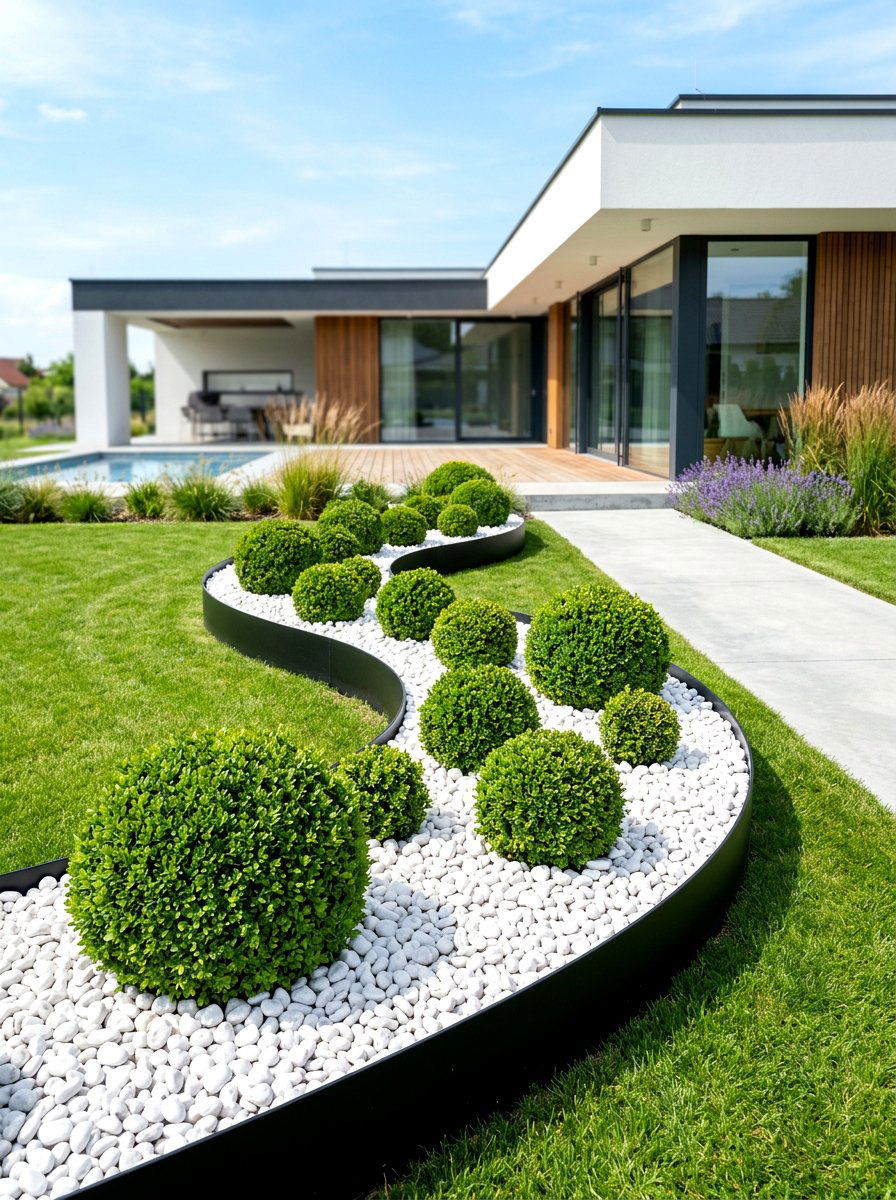
Can a modern home with clean lines still benefit from the softness of a curve? A modern minimalist curved bed proves that simplicity and fluid shapes go hand-in-hand to create a high-end look. This style often features a single, bold curve that defines a large area, using a limited color palette of whites, greens, and grays. Instead of a busy mix of flowers, choose architectural plants like boxwood globes or tall decorative grasses that emphasize form over color. A sleek steel edge provides a crisp, thin border that looks professional and sophisticated, providing a clean contrast against a perfectly manicured lawn or a dark gravel mulch.
9. Cottage Style Curved Flower Garden
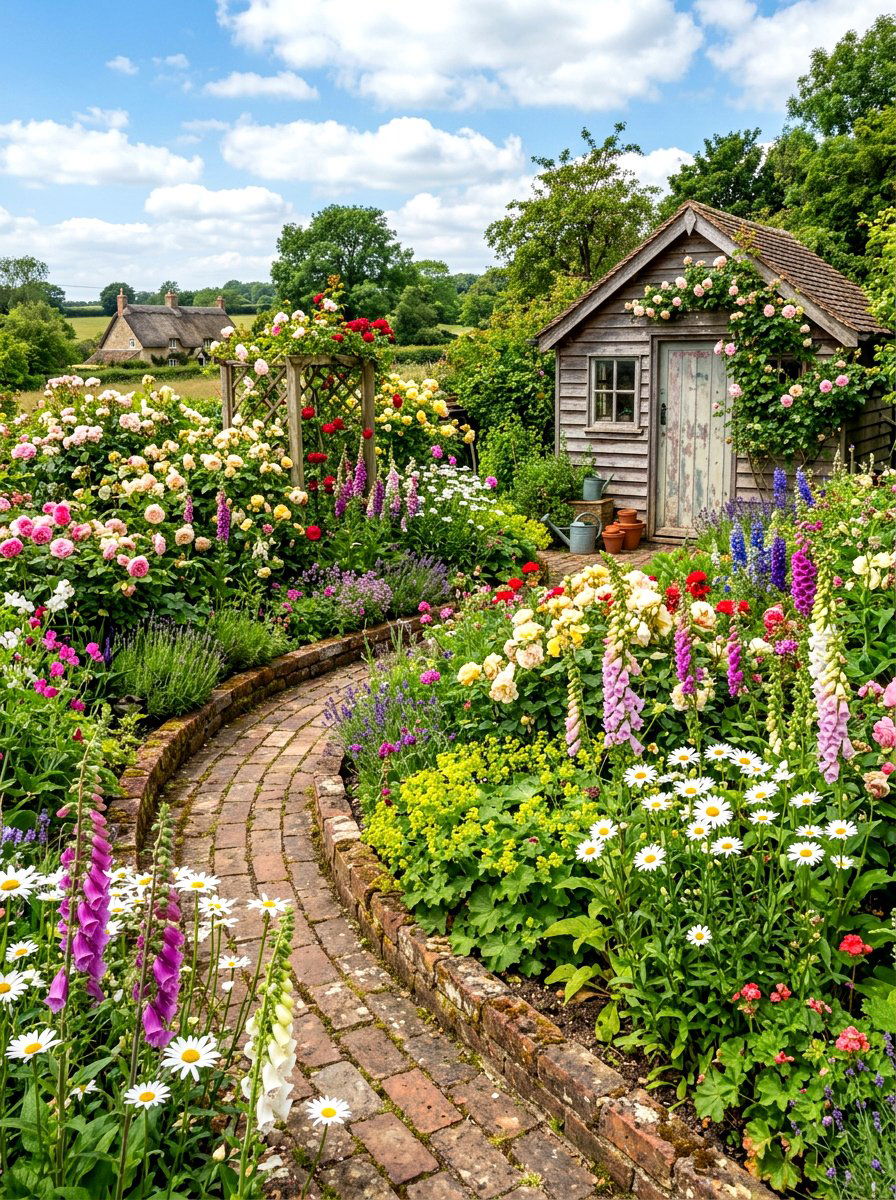
Do you dream of a romantic, overflowing garden that looks like it belongs in a fairytale? A cottage style curved flower garden is all about abundance, variety, and informal beauty. The curves should be deep and winding, allowing plants like roses, foxgloves, and daisies to spill over the edges in a glorious, disorganized fashion. Unlike formal gardens, this design embraces the wilder side of nature, using the curved border to keep the chaos contained within a pleasing shape. Weathered brick or reclaimed wood edging adds to the rustic charm, creating a nostalgic atmosphere that feels cozy, lived-in, and incredibly inviting for both people and local pollinators.
10. Retaining Wall Curved Flower Bed
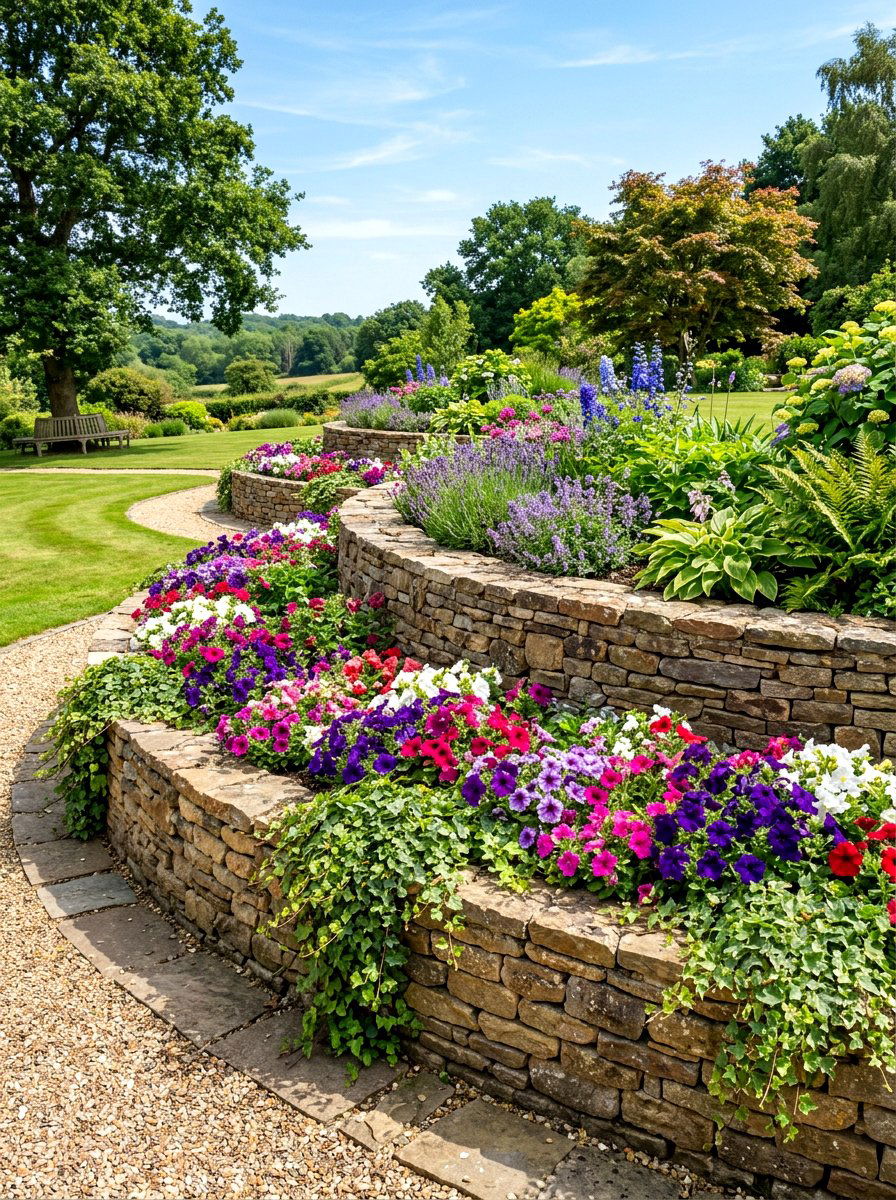
How do you handle a sloped yard while still maintaining a beautiful garden aesthetic? A retaining wall curved flower bed is the ideal solution for managing elevation changes with style. By building a low wall with a gentle arc, you can level out a section of your yard to create a flat planting area that won't wash away in the rain. Using curved masonry blocks specifically designed for rounded walls makes the installation process much easier. This elevated bed puts your favorite flowers at eye level and creates a stunning focal point that adds architectural interest and structural stability to your backyard or front entrance landscape.
11. Mulched Curved Garden Border
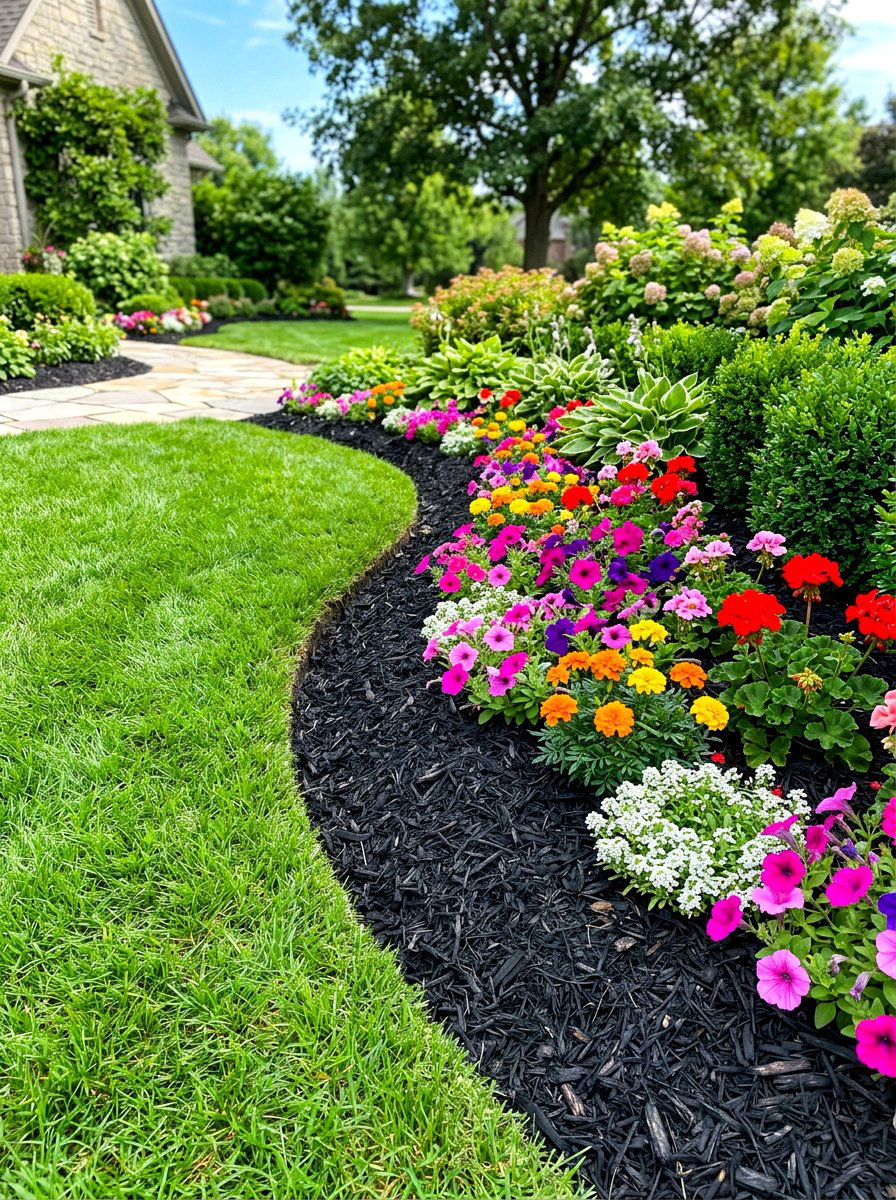
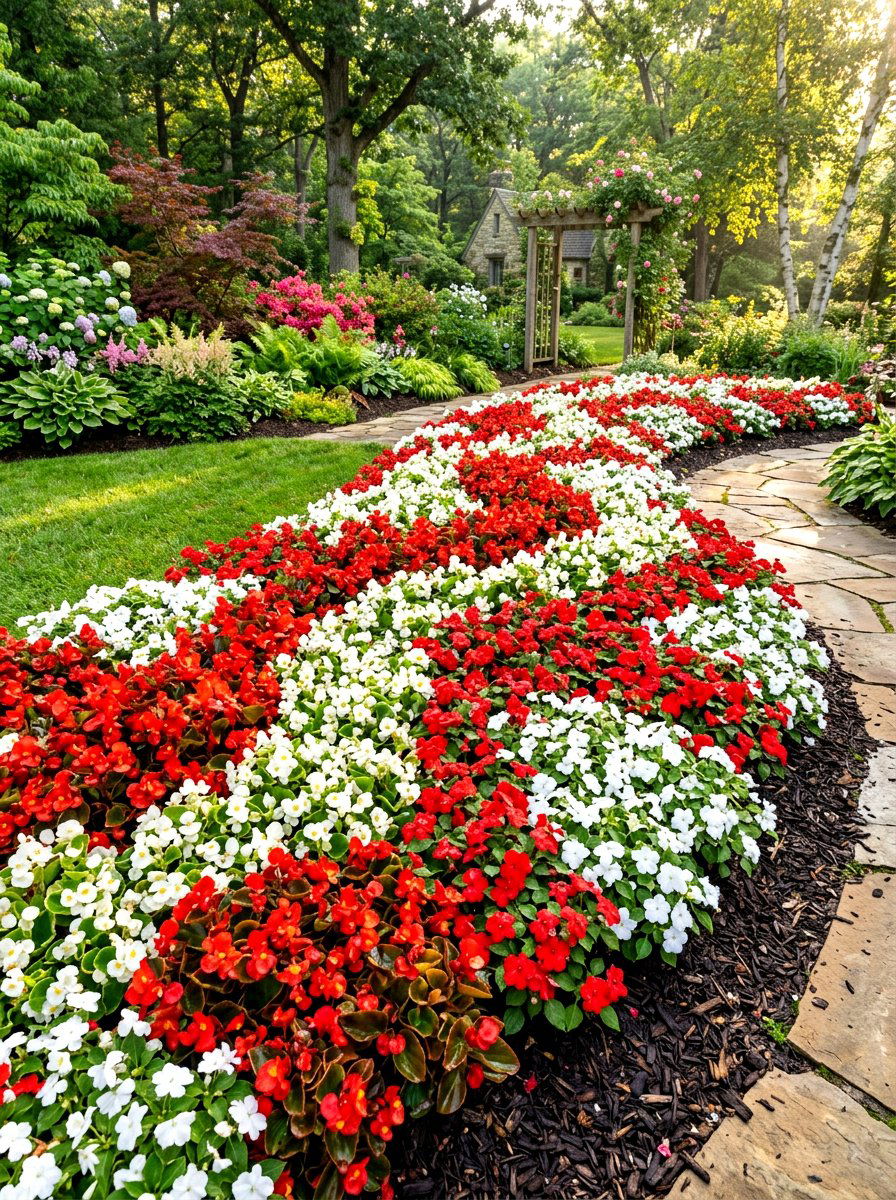
Is there anything more satisfying than the sight of a freshly mulched garden in the springtime? A mulched curved garden border is perhaps the easiest and most cost-effective way to give your yard a professional facelift. The key to this look is a well-defined "trench edge" where you cut a clean, vertical line into the sod following a smooth curve. Once the dark mulch is spread, it creates a high-contrast boundary that makes the green of your lawn and the colors of your flowers truly stand out. This method is incredibly flexible, allowing you to easily adjust the shape of your beds as your plants grow and mature.
12. Curved Flower Bed Under Tree
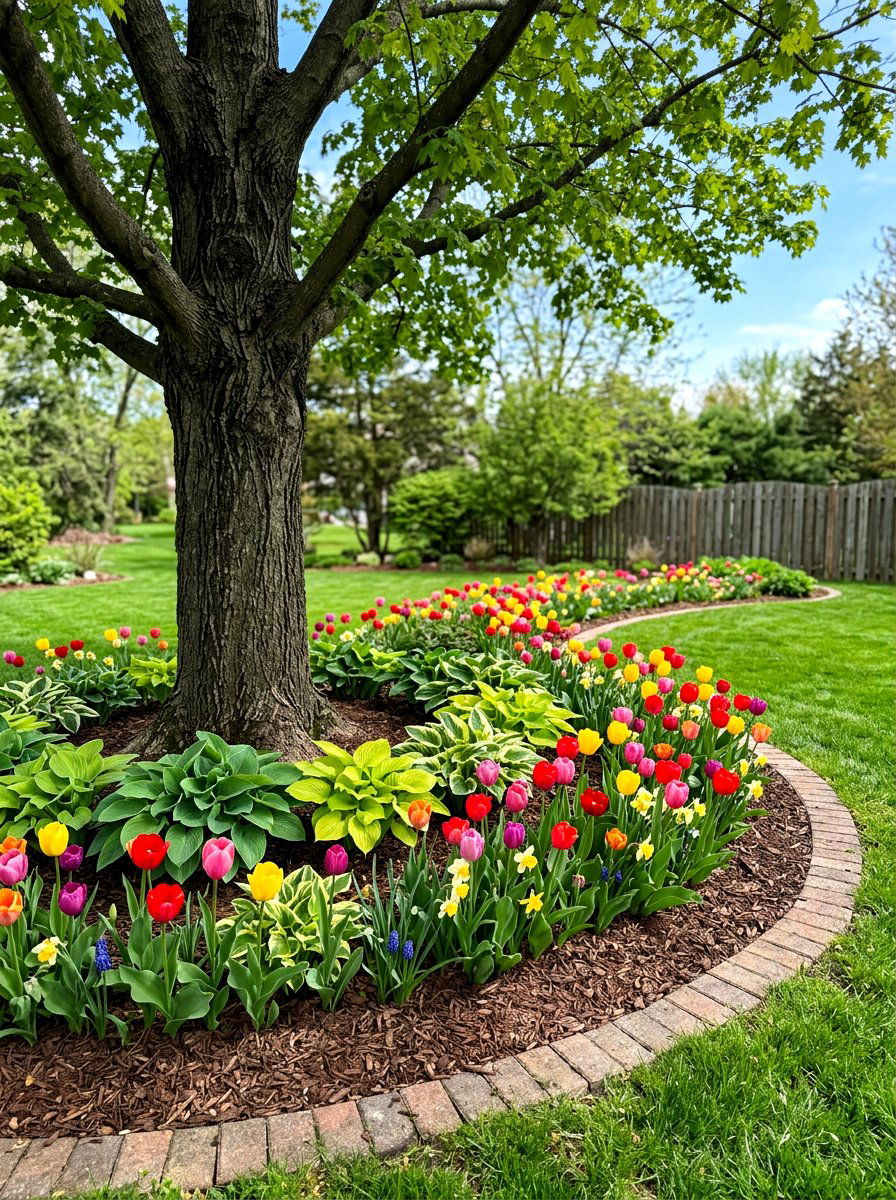
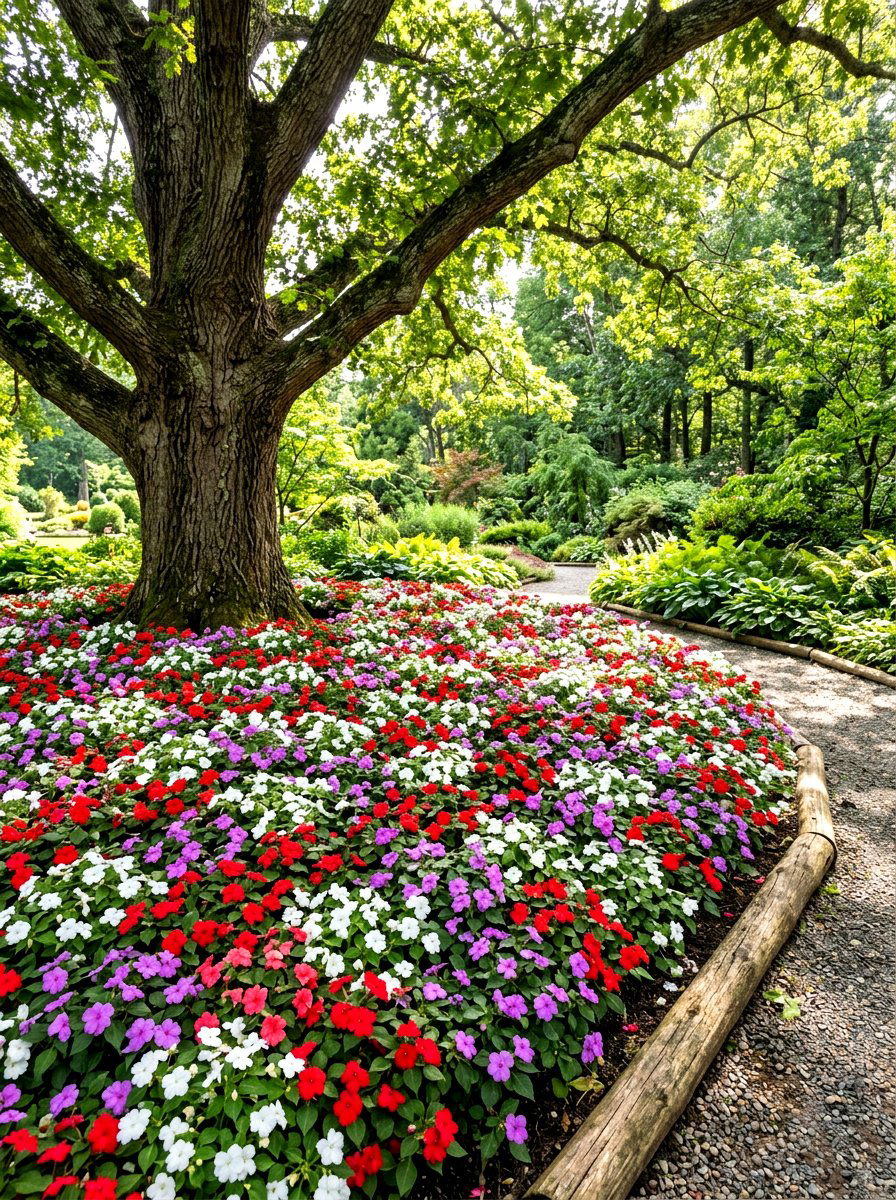
Have you ever struggled to grow grass right up to the trunk of a large shade tree? Creating a curved flower bed under a tree is a practical and beautiful way to solve this common landscaping problem. By removing the struggling turf and replacing it with a circular or kidney-shaped bed, you protect the tree’s roots from lawnmower damage while adding a layer of visual interest. Fill the space with shade-tolerant groundcovers or seasonal bulbs like tulips and daffodils for an early spring pop of color. The curved shape feels much more natural in a woodland setting than a square or rectangular bed ever would.
13. Circular Flower Bed In Lawn
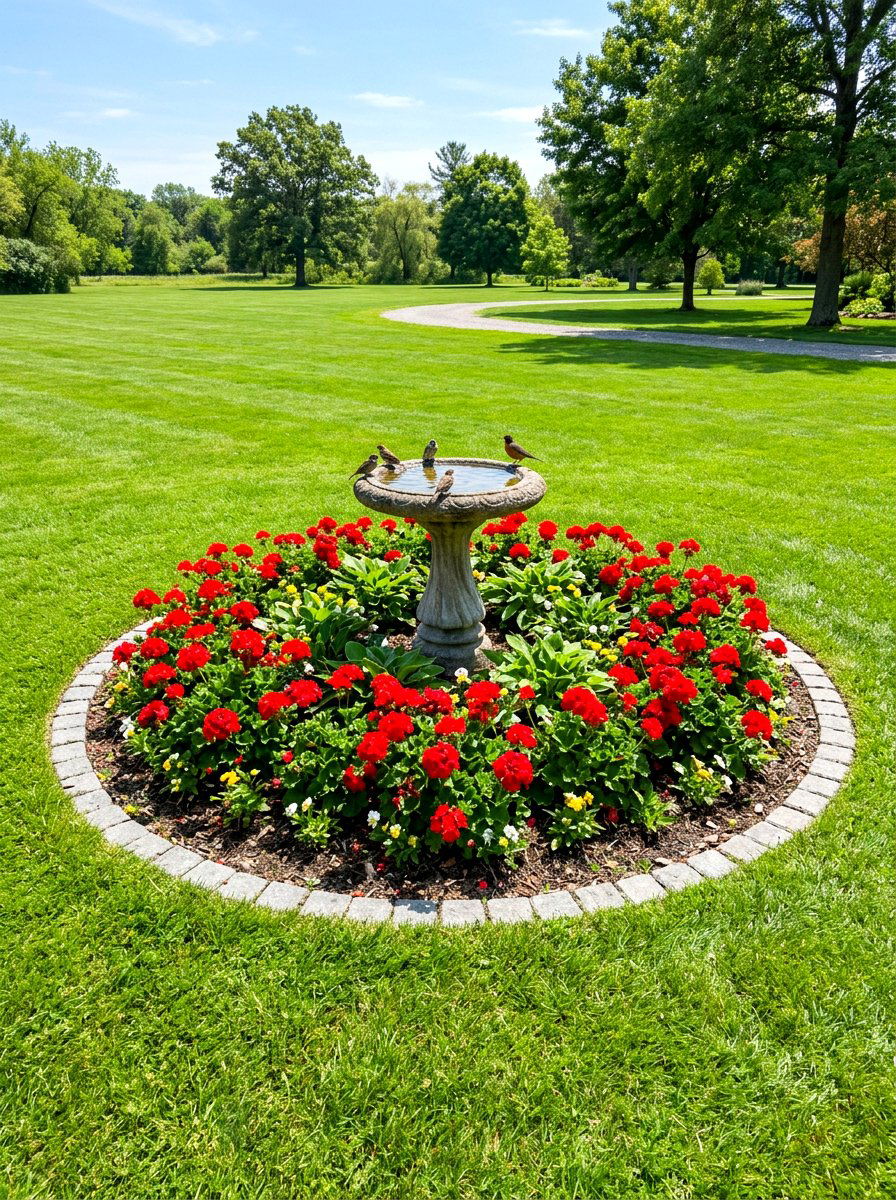
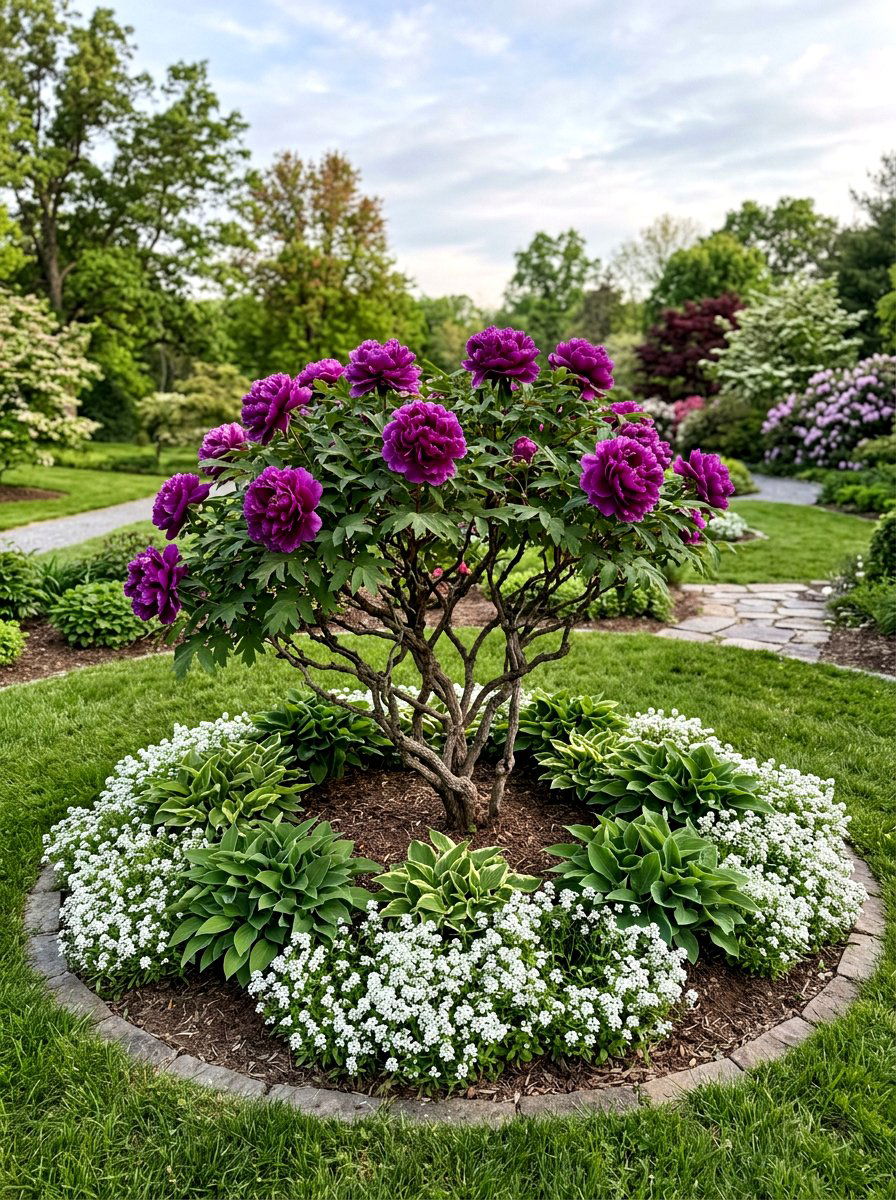
Imagine a vibrant island of color floating in the middle of your perfectly green lawn. A circular flower bed in the lawn serves as a powerful focal point that breaks up a large expanse of grass. This design is perfect for showcasing a single specimen tree, a beautiful birdbath, or a tall garden sculpture. By keeping the shape perfectly round, you create a sense of balance and symmetry that is pleasing to the eye. For a more modern look, you can use a ring of silver metal edging, or for something traditional, a circle of decorative bricks. It’s an easy way to add character to an otherwise plain yard.
14. Drought Tolerant Curved Garden
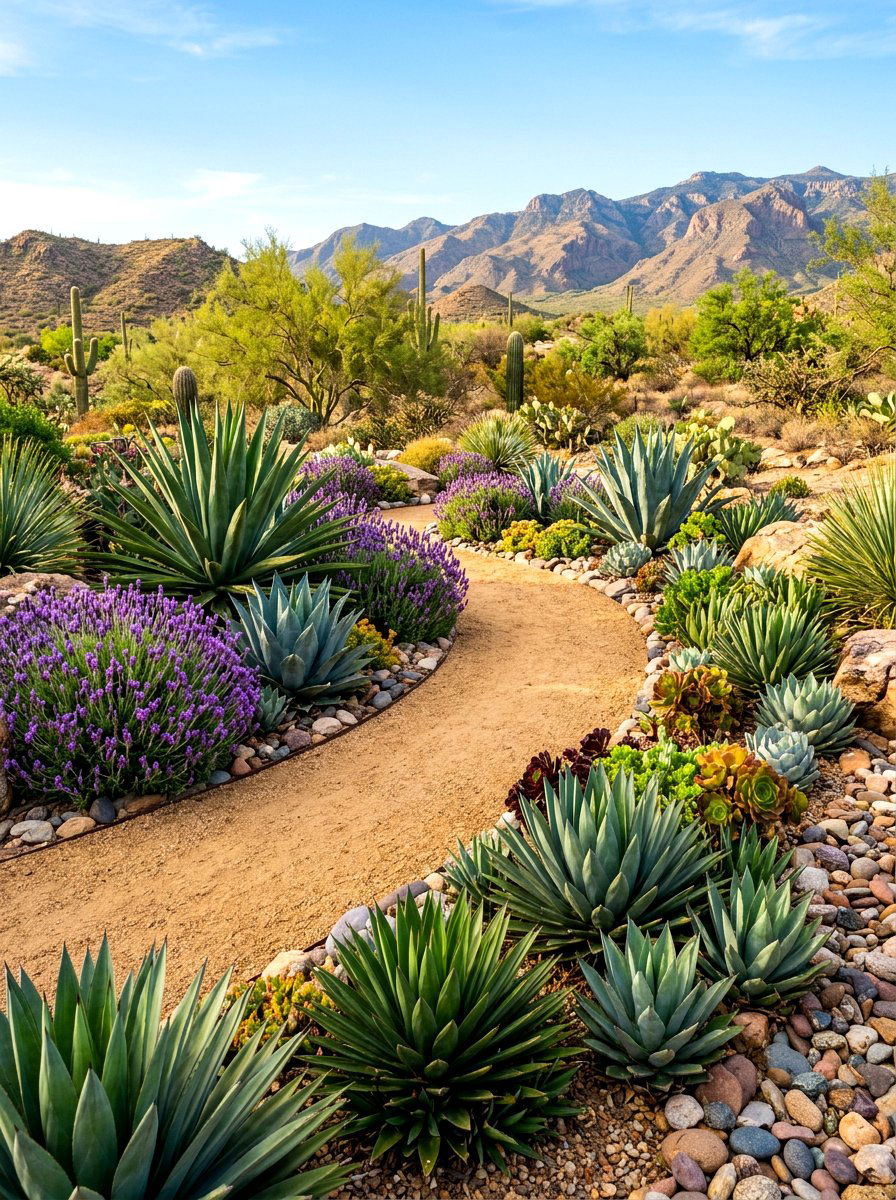
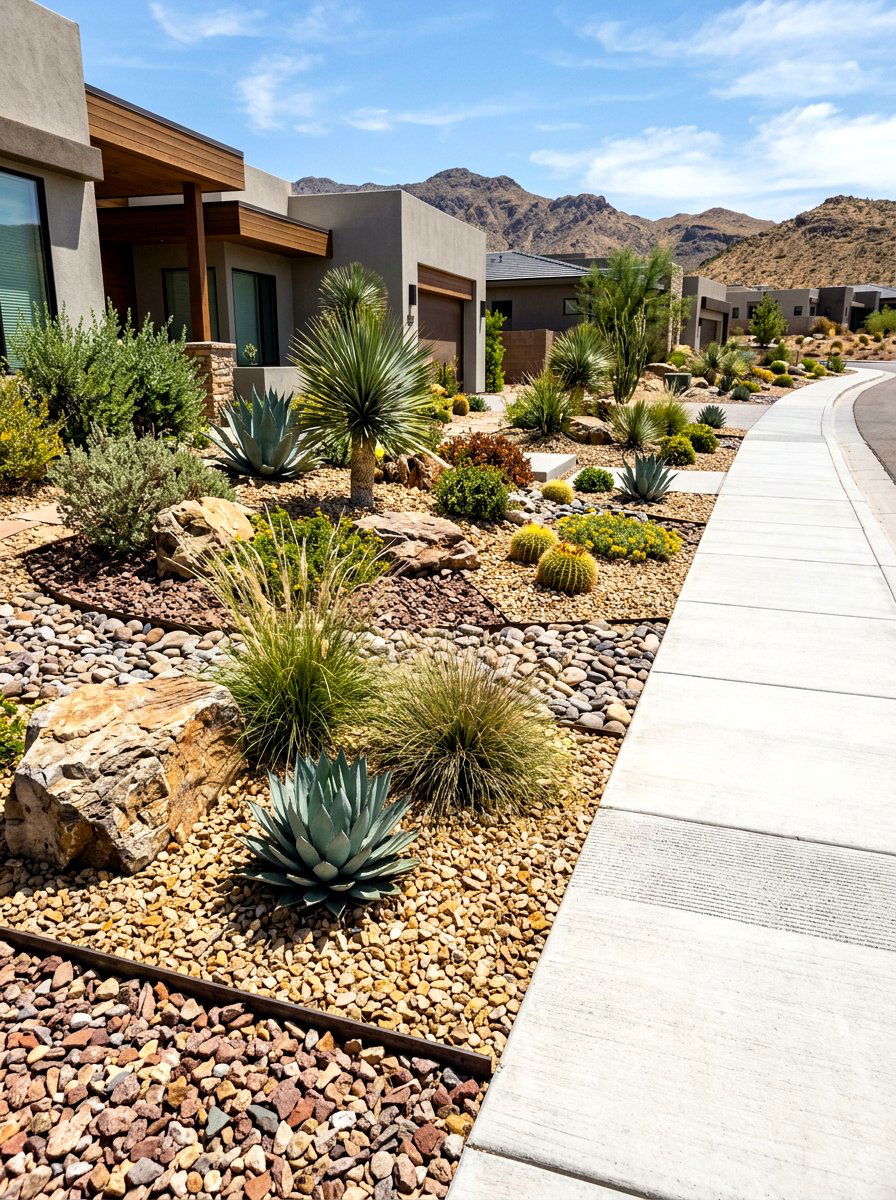
Are you living in a dry climate or just looking to save money on your water bill? A drought tolerant curved garden uses xeriscaping principles to create a stunning landscape that thrives with very little irrigation. By using sweeping curves, you can organize different types of succulents, cacti, and hardy mediterranean herbs like rosemary and sage into a desert-inspired oasis. Large boulders and decomposed granite mulch complement the organic shapes, providing a rugged, natural feel. This type of garden is not only environmentally friendly but also incredibly resilient, maintaining its beauty even during the hottest and driest summer months with minimal effort from the homeowner.

15. Colorful Perennial Curved Bed
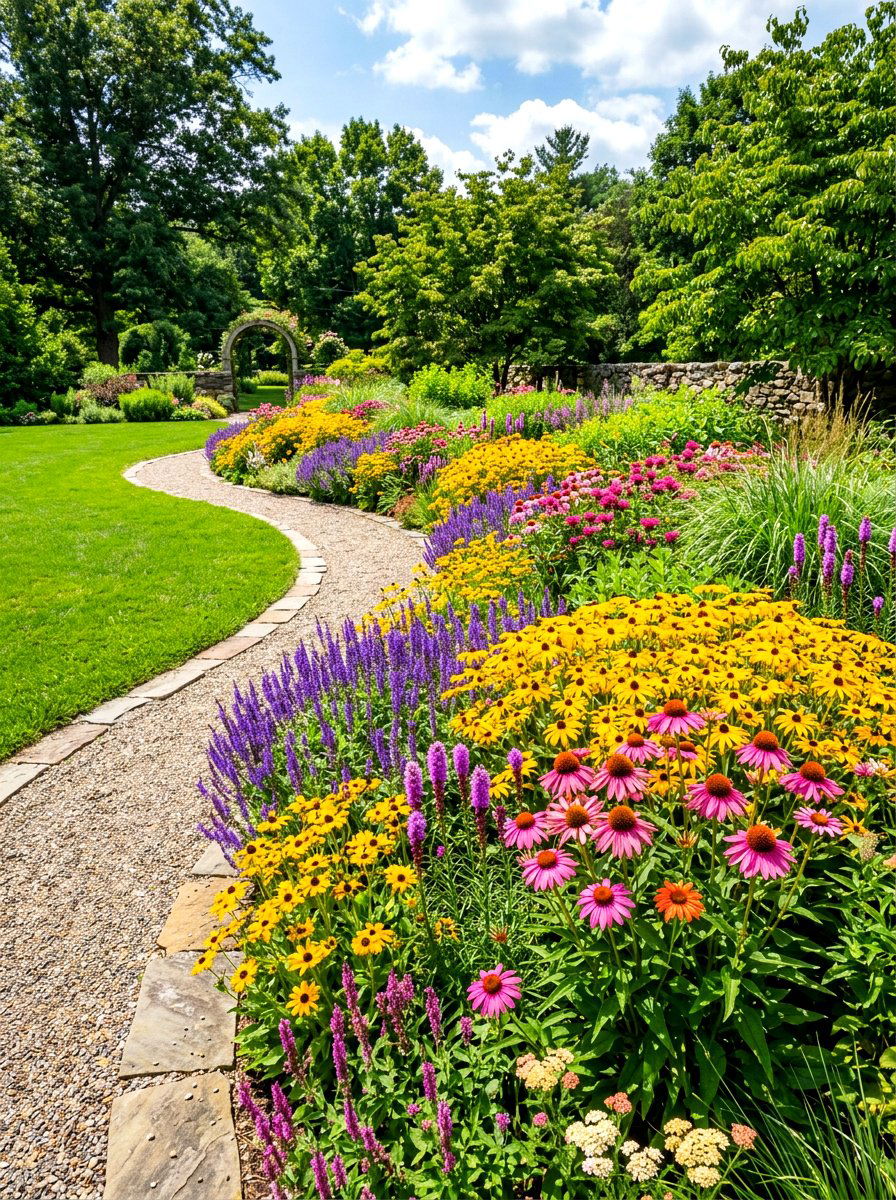
What if your garden could change its look every single month without you having to lift a finger? A colorful perennial curved bed relies on a carefully selected mix of plants that bloom at different times throughout the year. By arranging these plants along a winding border, you ensure that there is always a focal point of color somewhere in the bed. In the spring, the curve might be highlighted by purple salvia, while in late summer, golden black-eyed Susans take center stage. This evergreen structure ensures the bed remains interesting even in winter, with dried seed heads and varying foliage textures providing a subtle, quiet beauty.
16. Curved Flower Bed Around Patio
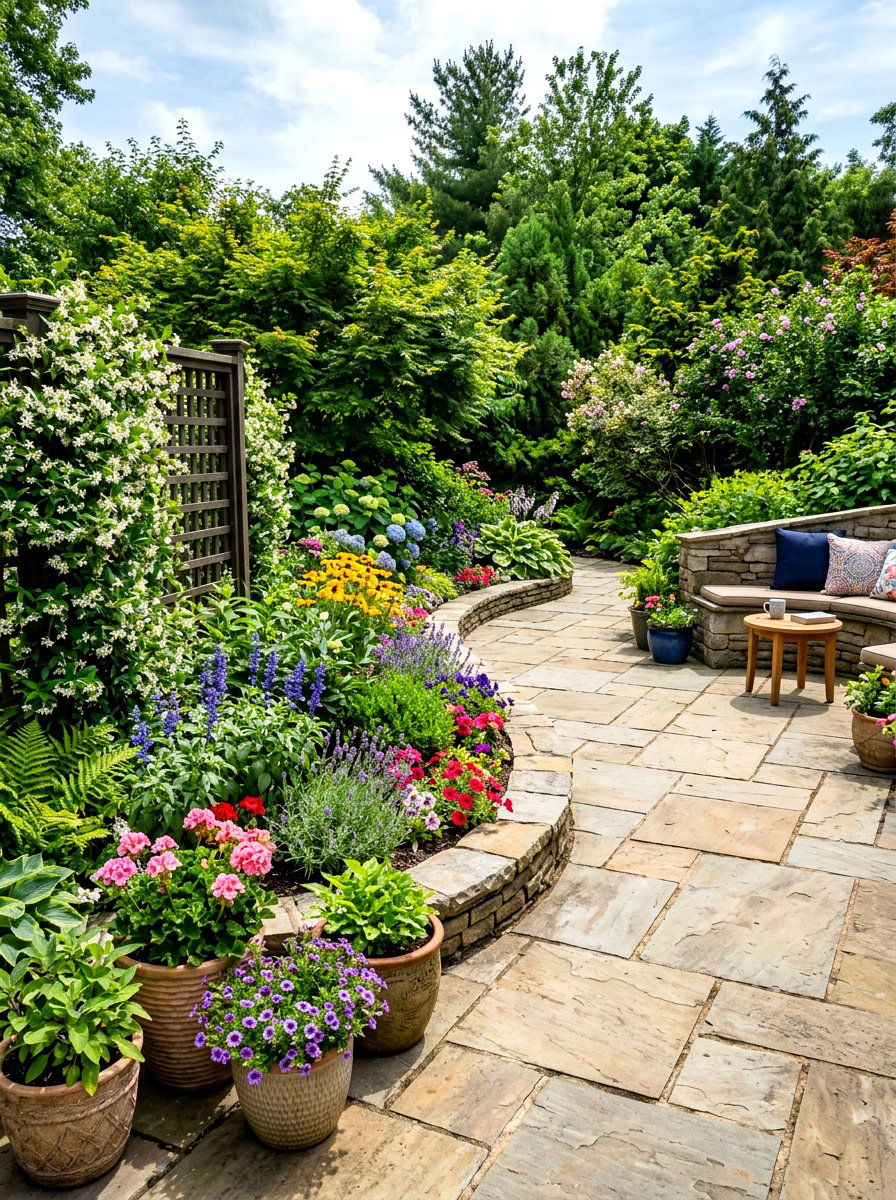
Does your outdoor living area feel a bit disconnected from the rest of your beautiful landscape? Installing a curved flower bed around a patio is the best way to "nestle" your seating area into the garden. By following the rounded edges of a stone or paver patio, the plants create a living wall that provides privacy and a sense of enclosure. This design makes the hard surface feel softer and more integrated with the lawn. You can use fragrant flowers like jasmine or gardenias near the seating area to enhance the sensory experience, making your patio the perfect spot for morning coffee or evening relaxation with friends.
17. Small Space Curved Garden
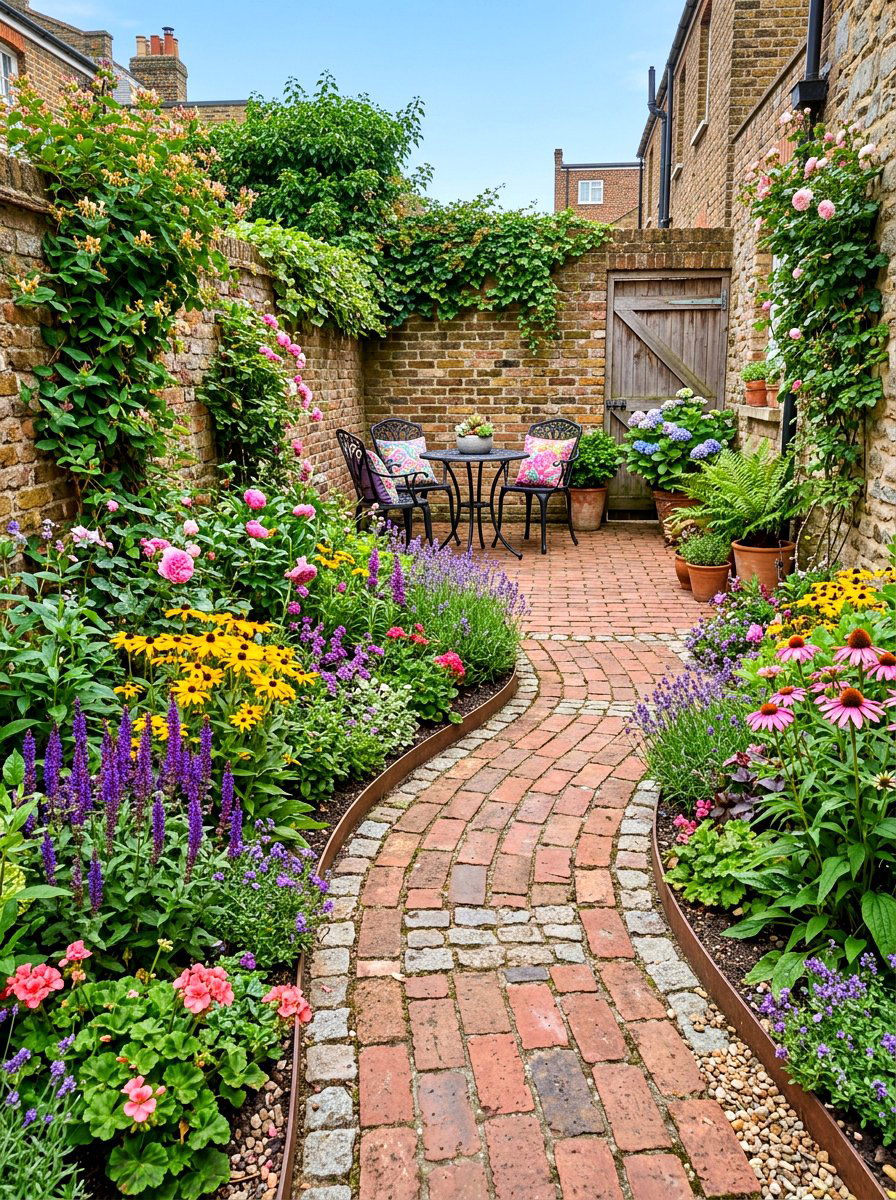
Do you worry that your small yard isn't big enough for a real garden design? A small space curved garden is actually more effective at making a tiny area feel bigger than straight lines are. Rigid borders emphasize the boundaries of a small yard, making it feel "boxed in. " In contrast, a gentle curve draws the eye around the space, creating the illusion of more depth and complexity. By using a single, long sweep instead of many small beds, you maximize the planting area while keeping the lawn looking neat. It’s a clever design trick used by professional landscapers to transform urban courtyards into lush escapes.
18. River Rock Edging Curved Bed
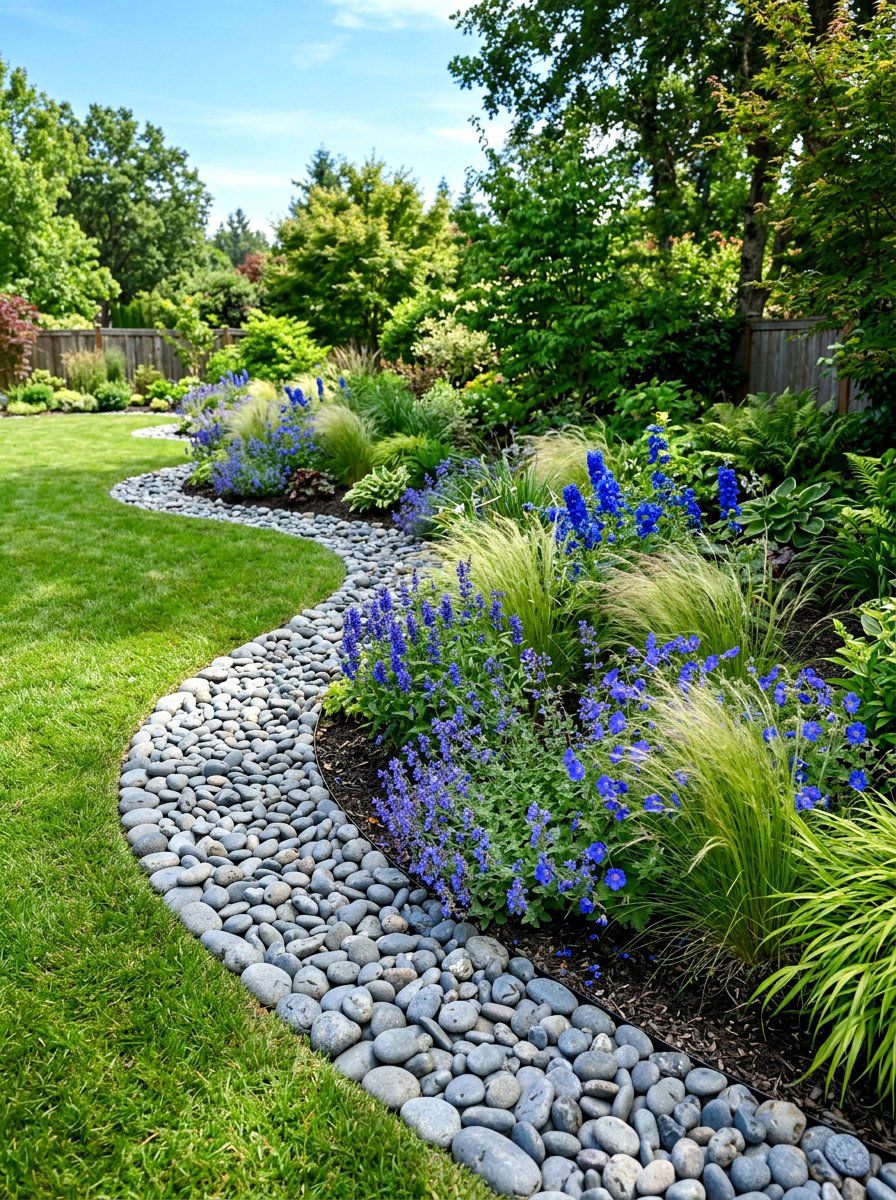
Have you thought about using stones from a nearby stream to create a natural and flowing border? River rock edging for a curved bed uses smooth, rounded stones of various sizes to mimic the look of a dry creek bed. This style is particularly effective in gardens that feature water elements or for homeowners who want a relaxed, coastal vibe. The rocks can be nestled into the soil to follow the most delicate curves, providing a heavy, stable edge that stays in place during heavy rain. The variation in rock color — from cool grays to warm tans — adds a subtle layer of texture that beautifully complements green foliage and bright blooms.
19. Tropical Style Curved Garden

Imagine walking through your own backyard and feeling like you’ve been transported to a lush island resort. A tropical style curved garden uses bold, oversized foliage and vibrant exotic colors to create a high-impact landscape. Huge leaves from plants like canna lilies, elephant ears, and hibiscus look incredible when they are allowed to spill over a winding, organic border. The curves help to mimic the dense, layered growth found in a natural rainforest. To complete the look, use a dark, rich mulch and add some hidden outdoor lighting that highlights the dramatic shapes of the leaves after the sun goes down for a truly magical atmosphere.
20. Raised Curved Garden Bed
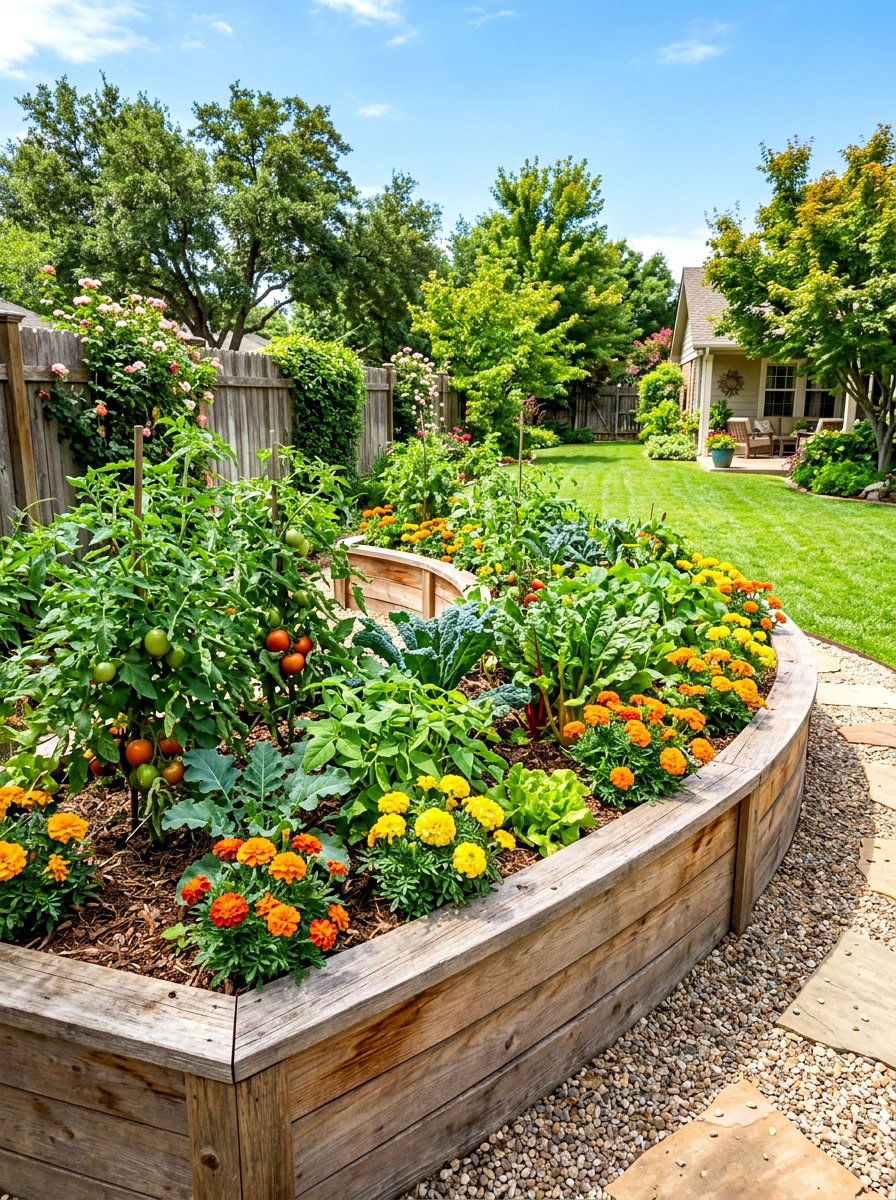
How can you make your garden stand out while also making it much easier on your back during planting? A raised curved garden bed adds height and dimension to your landscape, creating a multi-level look that is instantly eye-catching. Using flexible materials like thin cedar boards, composite edging, or specialized masonry blocks allows you to build a sturdy structure that follows a beautiful arc. These beds provide excellent drainage for your plants and allow you to control the soil quality perfectly. They also serve as a great way to separate your flowers from a nearby walkway, preventing soil from washing onto the clean pavement during a storm.
21. Evergreen Shrubs Curved Border
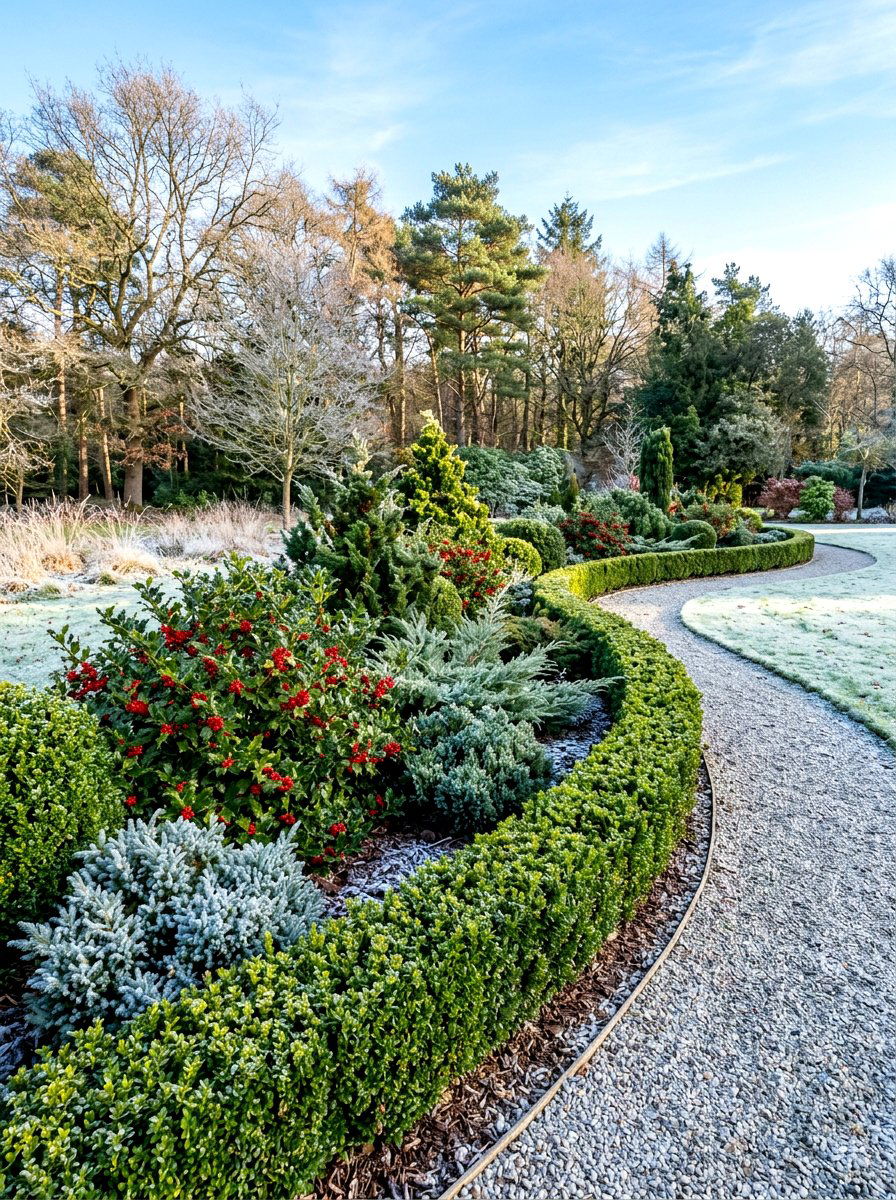
Are you tired of your garden looking bare and brown once the first frost of winter hits? An evergreen shrubs curved border provides the essential "bones" of a garden that stay green and vibrant all year long. By choosing a variety of evergreens with different textures — such as feathery junipers, glossy hollies, and soft boxwoods — you can create a rich, layered look that defines your yard's shape even under a blanket of snow. The curved line keeps the shrubs from looking like a boring hedge, instead turning them into a graceful, structural feature that anchors the rest of your seasonal flowers and prevents the yard from feeling empty.
22. Curved Flower Bed For Privacy
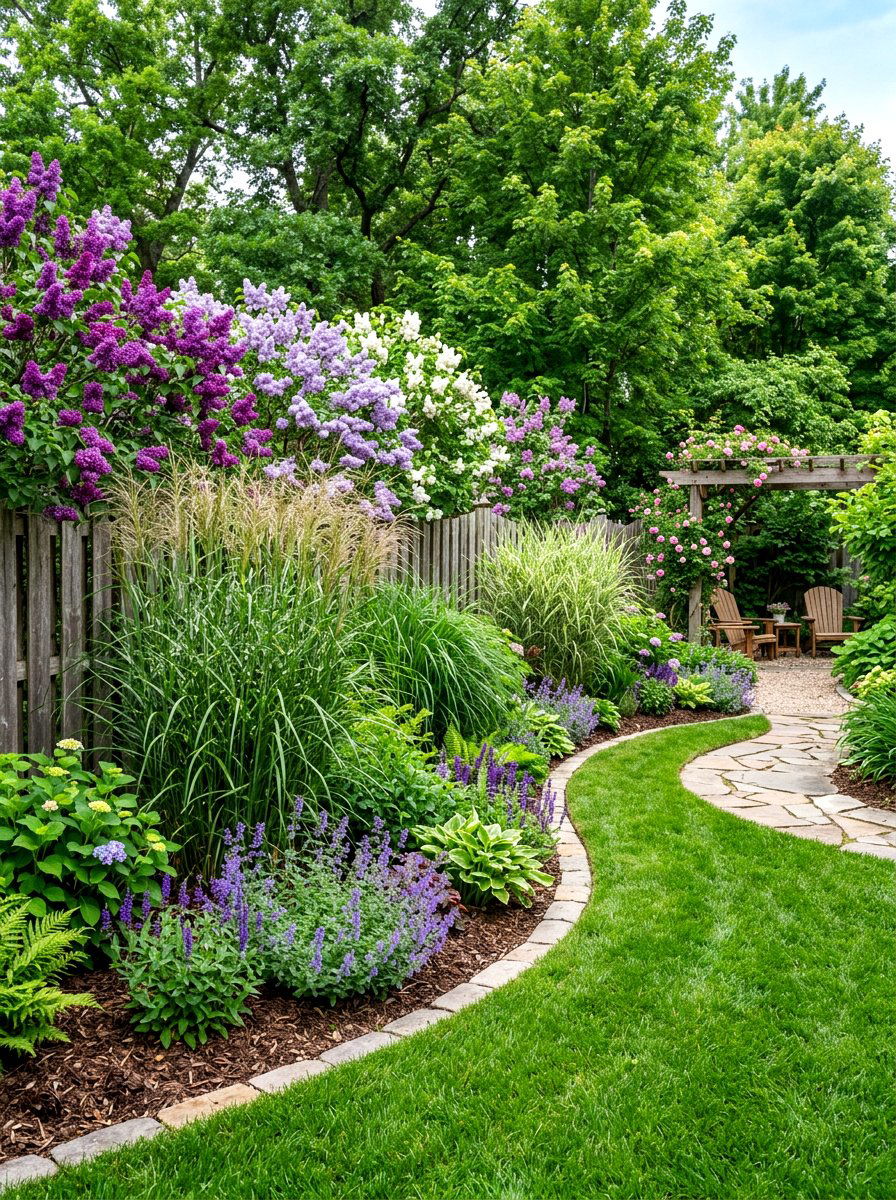
Do you wish you could enjoy your backyard without feeling like the neighbors are watching your every move? A curved flower bed for privacy uses tall, dense plantings arranged in a sweeping arc to create a natural screen. Unlike a flat fence, a curved privacy border feels less restrictive and more like a part of the landscape. You can mix tall ornamental grasses with flowering shrubs like lilac or viburnum to create a wall of greenery that changes with the seasons. The curve allows you to create a "bump out" in the bed where you can place the tallest plants exactly where you need the most coverage.
23. Ornamental Grass Curved Landscape
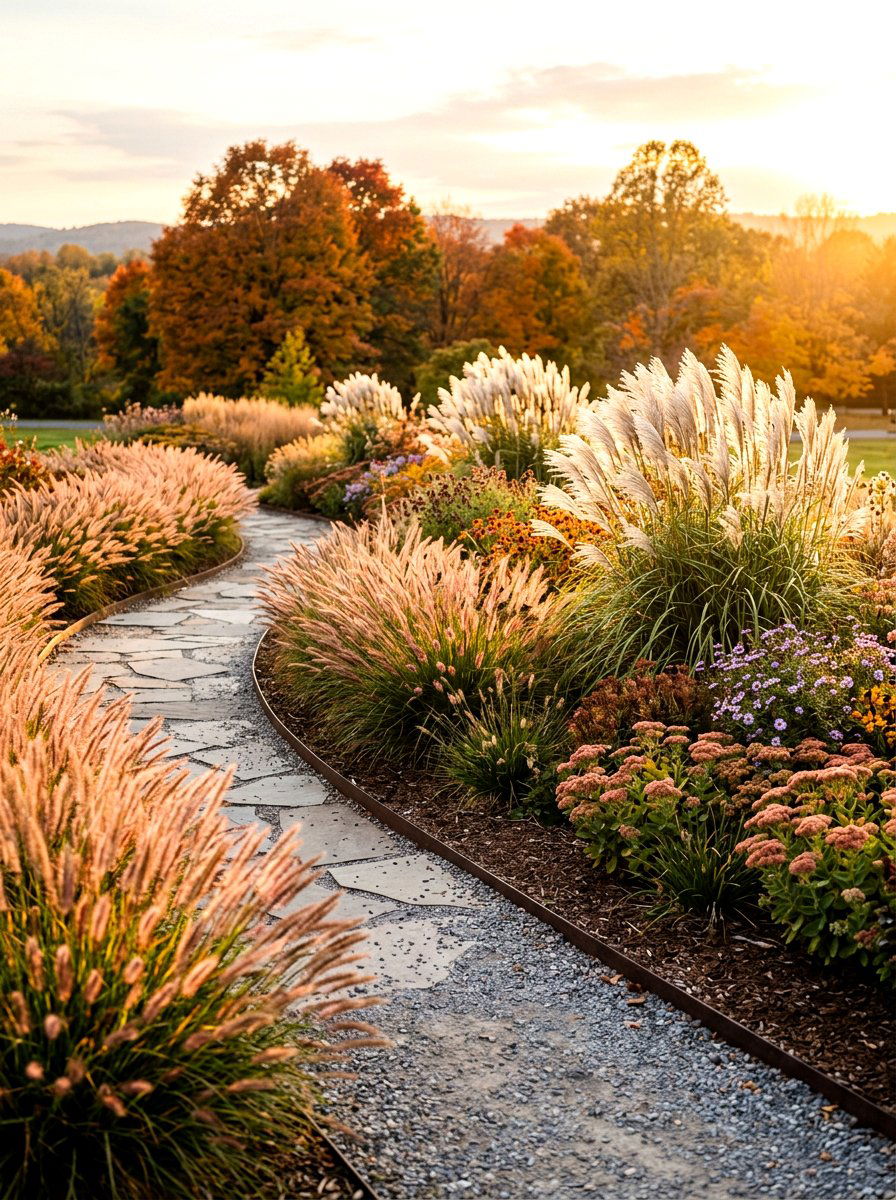
Have you ever watched the way tall grasses dance and sway whenever a light breeze catches them? An ornamental grass curved landscape is a masterclass in movement and texture. Varieties like fountain grass, switchgrass, and pampas grass have a natural, arching habit that perfectly mirrors the shape of a curved border. When planted in large groups along a winding path, they create a soft, hazy screen that feels modern and relaxed. These plants are incredibly hardy and provide visual interest throughout the fall and winter, making them a top choice for homeowners who want a sophisticated, low-maintenance garden that looks great in every season.
24. Native Plant Curved Bed
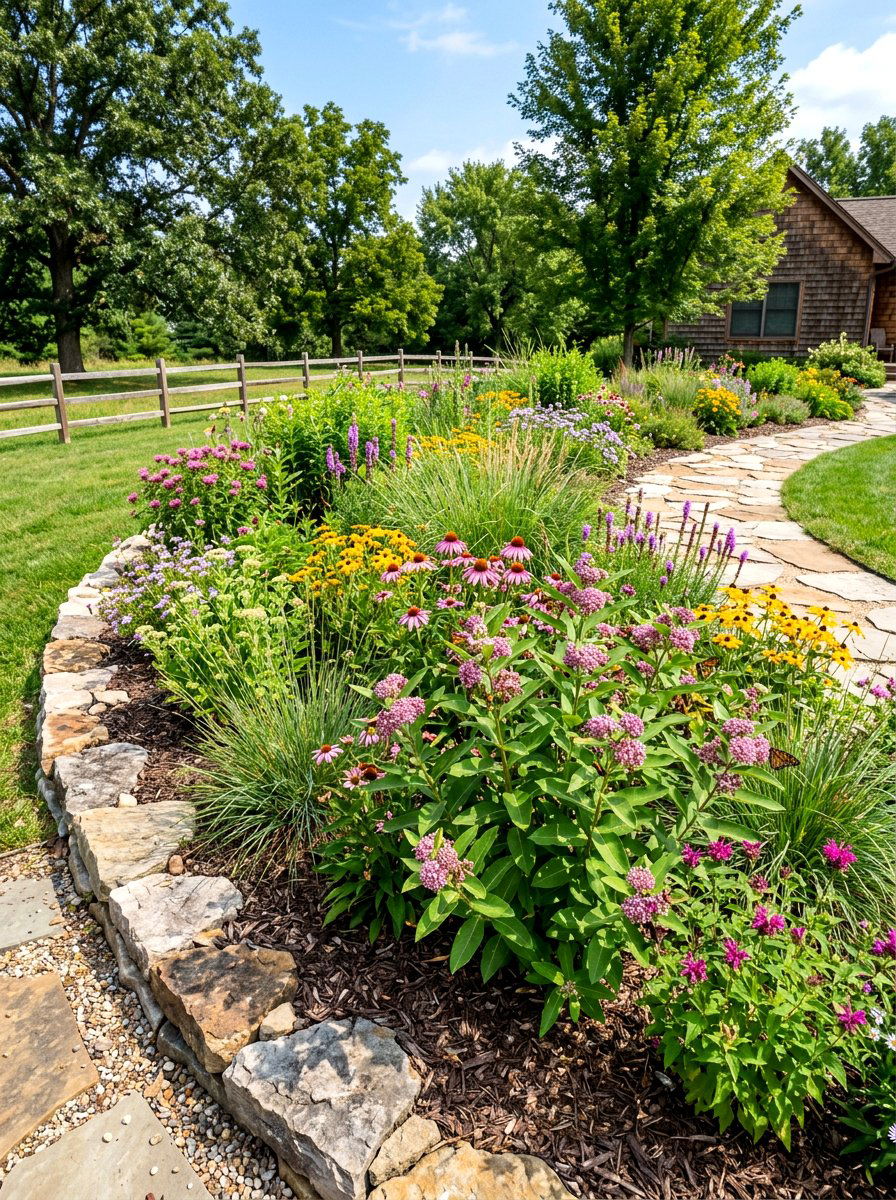
Are you interested in supporting local butterflies, bees, and birds while creating a beautiful outdoor space? A native plant curved bed focuses on using species that are naturally adapted to your specific region’s climate and soil. Because these plants often have a more informal, "wild" growth habit, they look best when placed in an organic, curved layout rather than a stiff, formal one. This design makes your garden look like a natural extension of the surrounding environment. Using native stones or wood for the edging further enhances the eco-friendly theme, resulting in a sustainable landscape that requires less water, fertilizer, and general upkeep than traditional exotic gardens.
25. Symmetrical Curved Flower Garden
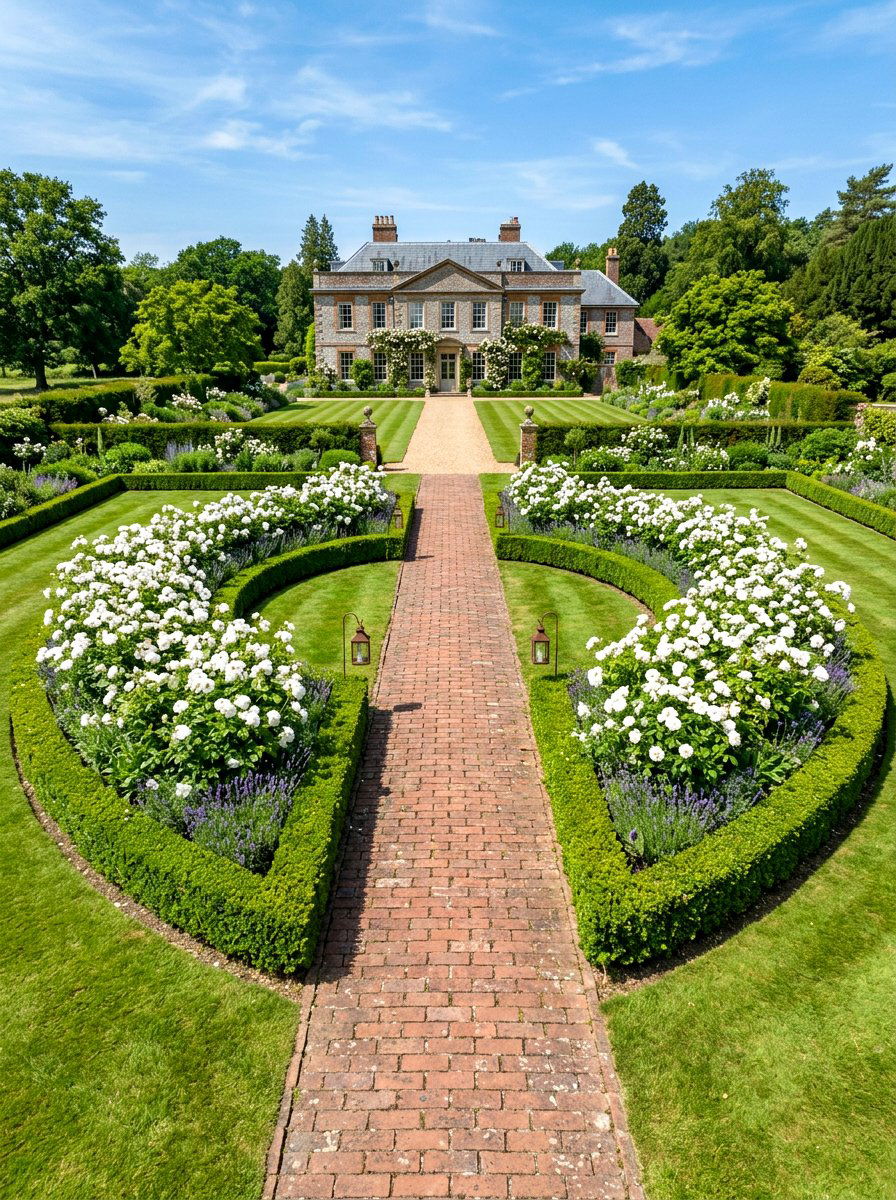
Can you achieve a sense of formal elegance without the harshness of perfectly straight lines? A symmetrical curved flower garden uses mirrored shapes on either side of a central path or entryway to create a balanced, high-end look. For example, two identical crescent-shaped beds framing a front door provide a sense of order and grandeur. This approach is popular in traditional and Mediterranean-style homes where the architecture demands a certain level of formality. By using curves instead of rectangles, you maintain that classic symmetry while adding a touch of grace and softness that makes the entrance feel much more welcoming and much less intimidating to guests.
26. Sloped Yard Curved Bed
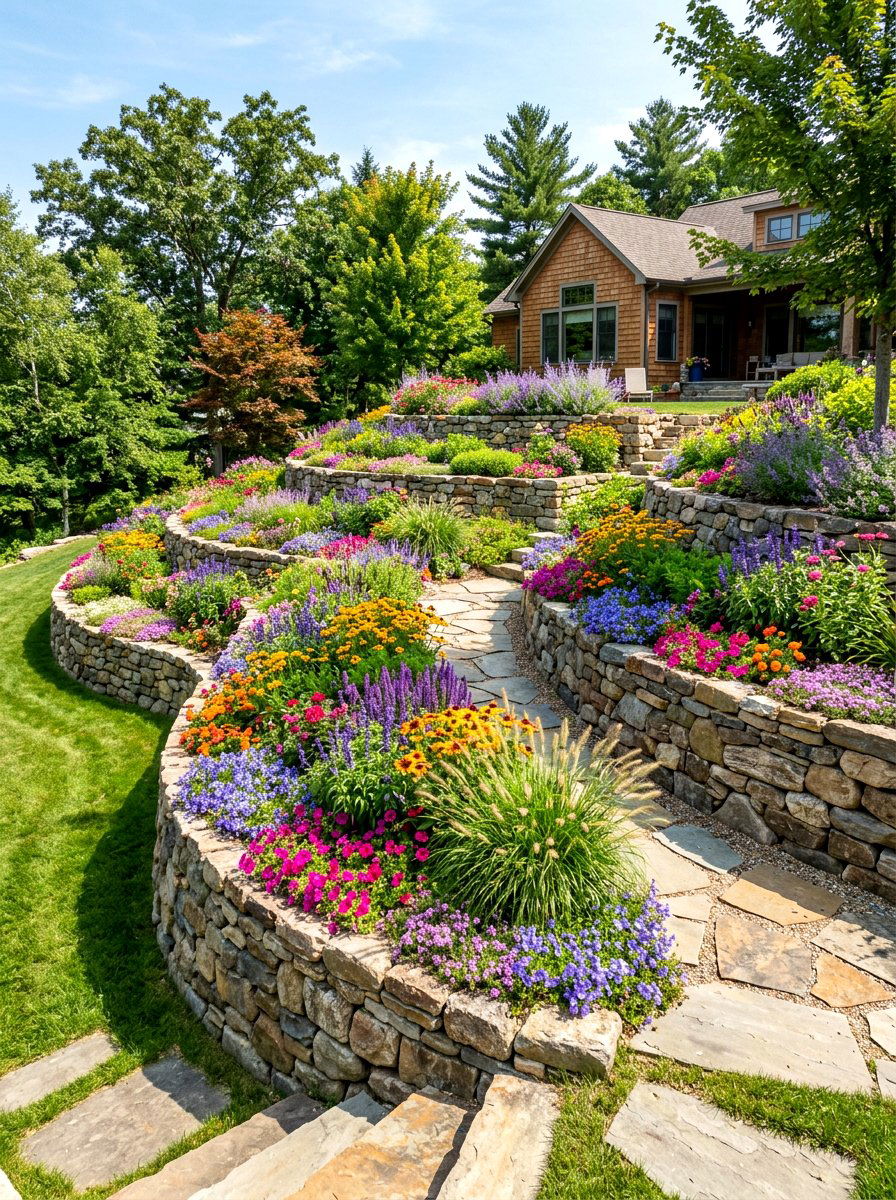
Does your backyard have a hill that makes it difficult to plant anything without the soil washing away? Designing a sloped yard curved bed allows you to terrace the hillside in a way that looks natural and beautiful. By following the contours of the land with your garden border, you create a series of "shelves" that hold water and nutrients where your plants need them most. This method prevents erosion and turns a difficult landscape feature into a stunning vertical garden. Using heavy stones or timber for the edging provides the necessary support for the soil while the curved shape helps the structure blend into the hillside.
27. Curved Flower Bed Near Porch
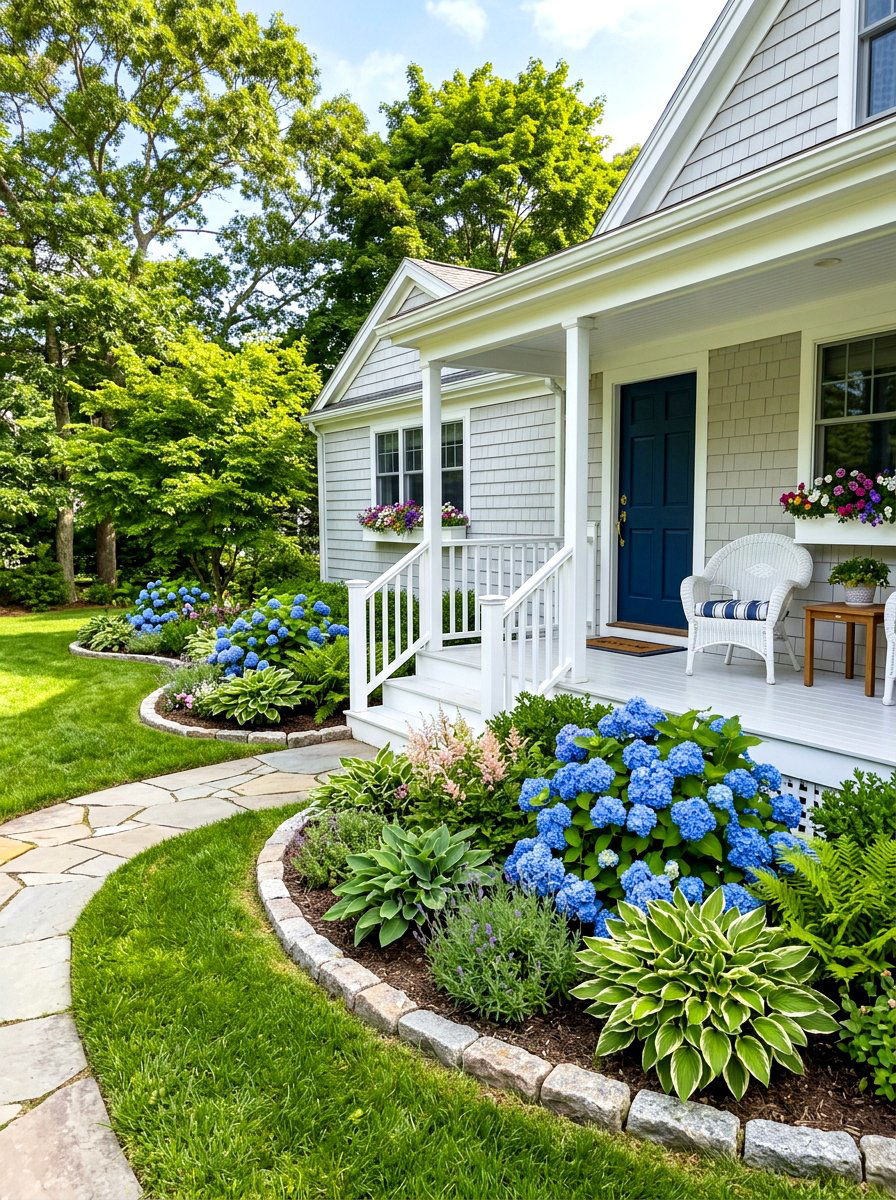
Imagine sitting on your front porch, surrounded by the sights and smells of a lush, blooming garden. A curved flower bed near the porch creates a beautiful transition between your home’s elevated seating area and the lawn below. By wrapping the bed around the base of the porch or deck, you hide the structural foundation and replace it with a variety of colorful flowers and soft greenery. This design makes the porch feel like a part of the garden itself, rather than just an attachment to the house. It’s the perfect place for high-impact plants that you can enjoy up close while you relax outdoors.
28. Victorian Style Curved Garden
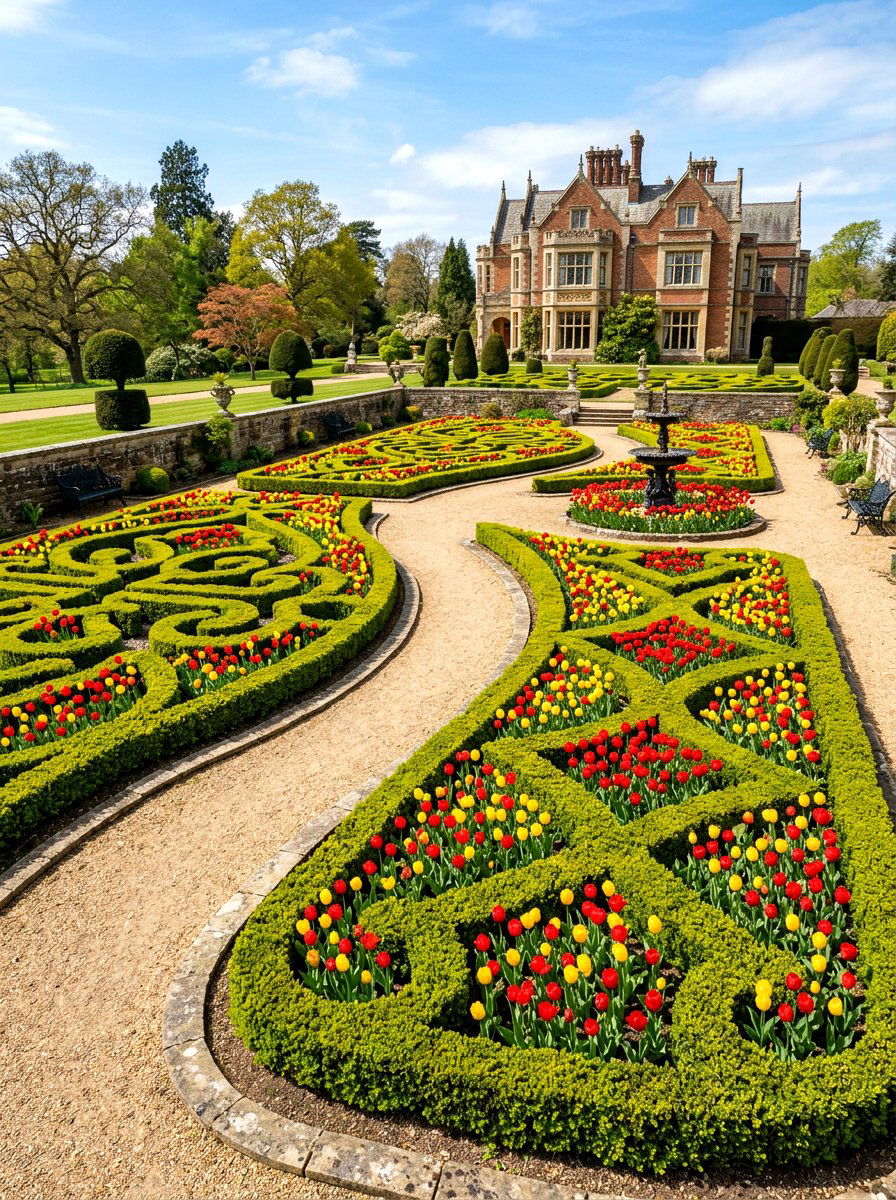
Do you love the elaborate, detailed aesthetic of historic homes and grand public parks? A Victorian style curved garden is characterized by intricate, swirling patterns often referred to as "parterre" or "knot" gardens. These designs use low-clipped hedges like boxwood to create complex curved shapes that are then filled with brightly colored annuals. This style is definitely a labor of love, requiring regular pruning to keep the lines sharp, but the result is a breathtaking, artistic landscape that serves as a true conversation piece. It’s an ideal choice for homeowners who want to celebrate the craftsmanship and ornamental beauty of a bygone era in their own yard.
29. Wildflower Curved Border
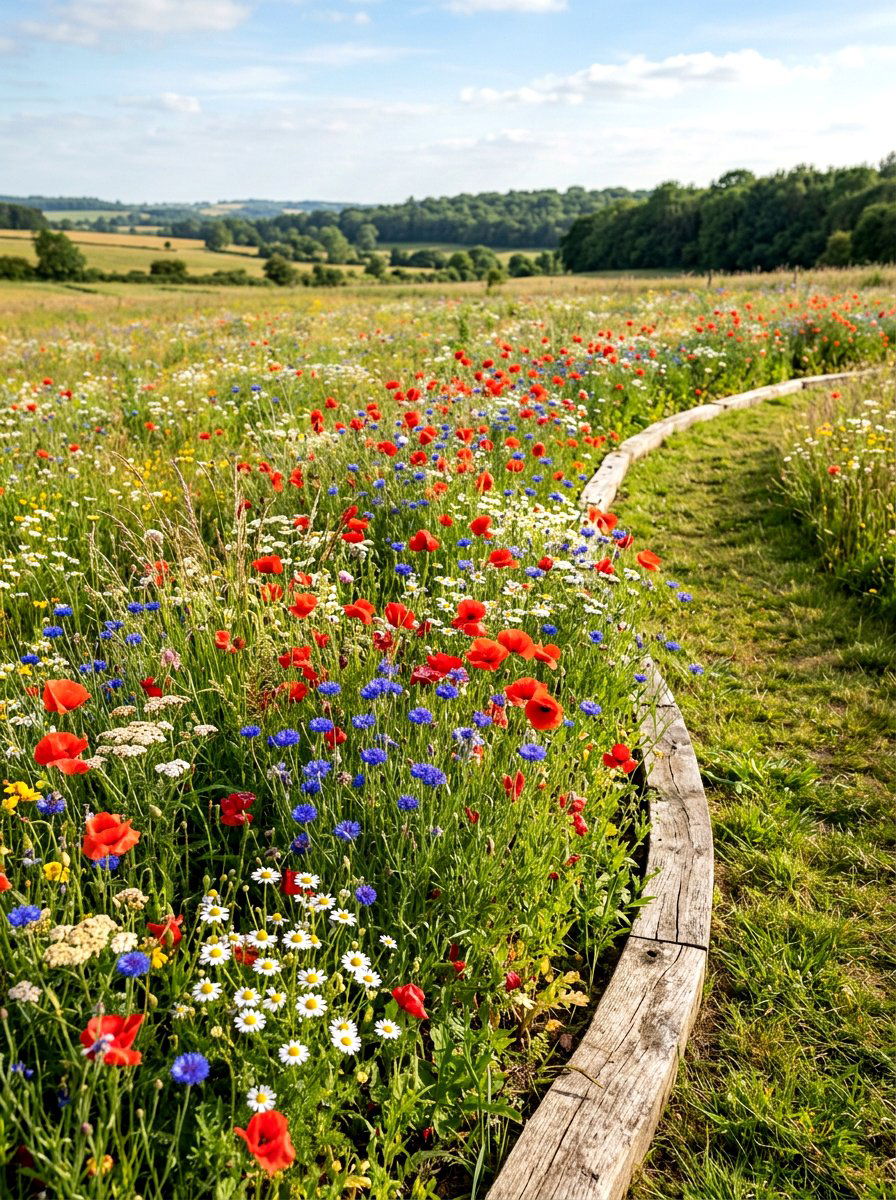
What if you could have a garden that looked like a blooming meadow right in your own backyard? A wildflower curved border is the ultimate low-stress gardening solution that provides a burst of seasonal color and supports local wildlife. By sowing a mix of wildflower seeds within a wide, sweeping bed, you create a naturalistic look that is both charming and easy to maintain. The curved border helps to give the "wild" growth a sense of intention and design, preventing it from looking like an unkempt patch of weeds. This approach is perfect for the edges of a property where you want to transition into a more natural area.
30. Brick Edging For Curved Bed
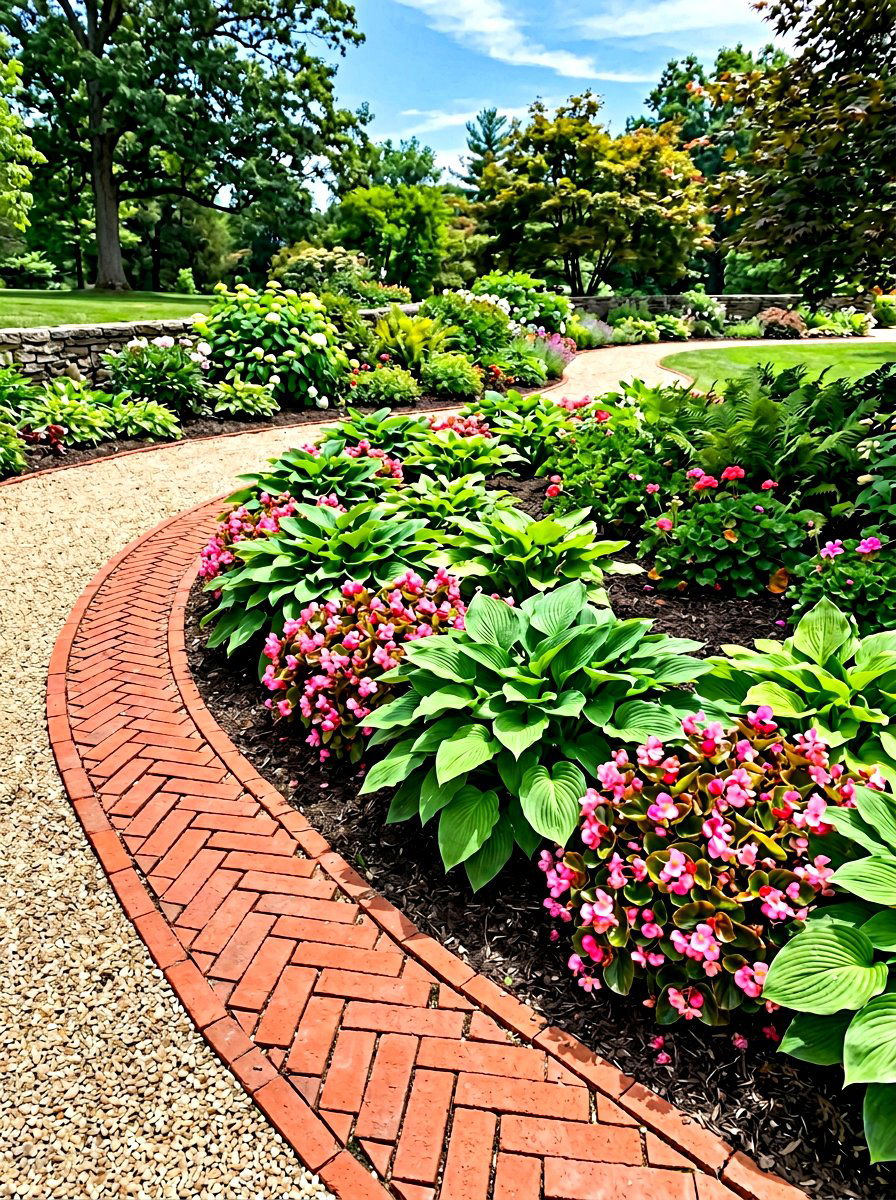
Are you searching for a traditional material that is both incredibly versatile and easy to install yourself? Brick edging for a curved bed is a favorite among DIY gardeners because the small size of individual bricks makes it simple to create smooth, tight turns. You can lay the bricks flat for a wide, mowable border, or stand them on end for a more decorative, jagged look. Using reclaimed bricks can add a sense of history and character to your garden, making it feel like it has been there for decades. The warm red and orange tones of the clay provide a beautiful contrast to deep green foliage.
Conclusion:
Designing curved flower beds is one of the most effective ways to add personality, depth, and a professional touch to your home's landscape. By moving away from rigid straight lines, you allow your garden to flow naturally with the contours of your land and the architecture of your house. Whether you prefer the rustic charm of a cottage garden or the clean, structured look of a modern minimalist design, the versatility of the curve offers something for everyone. With the right choice of plants and edging materials, these flowing garden beds will transform your outdoor space into a vibrant, inviting sanctuary that you can enjoy for many years to come.

Related posts: