Creating a nurturing environment for your child begins with their most personal space: the bedroom. A Montessori bedroom is far more than just a place for sleep; it is a carefully curated world designed to foster independence, curiosity, and confidence from the very earliest years. By looking at the room from a child's height, you can transform a standard nursery into a functional sanctuary that respects their development and freedom of movement. This approach prioritizes accessibility and simplicity, ensuring that every element serves a specific purpose in your child’s daily life. In this comprehensive guide, we explore thirty viral-worthy concepts that combine aesthetic beauty with the core educational principles of the Montessori method.
1. Montessori Floor Bed
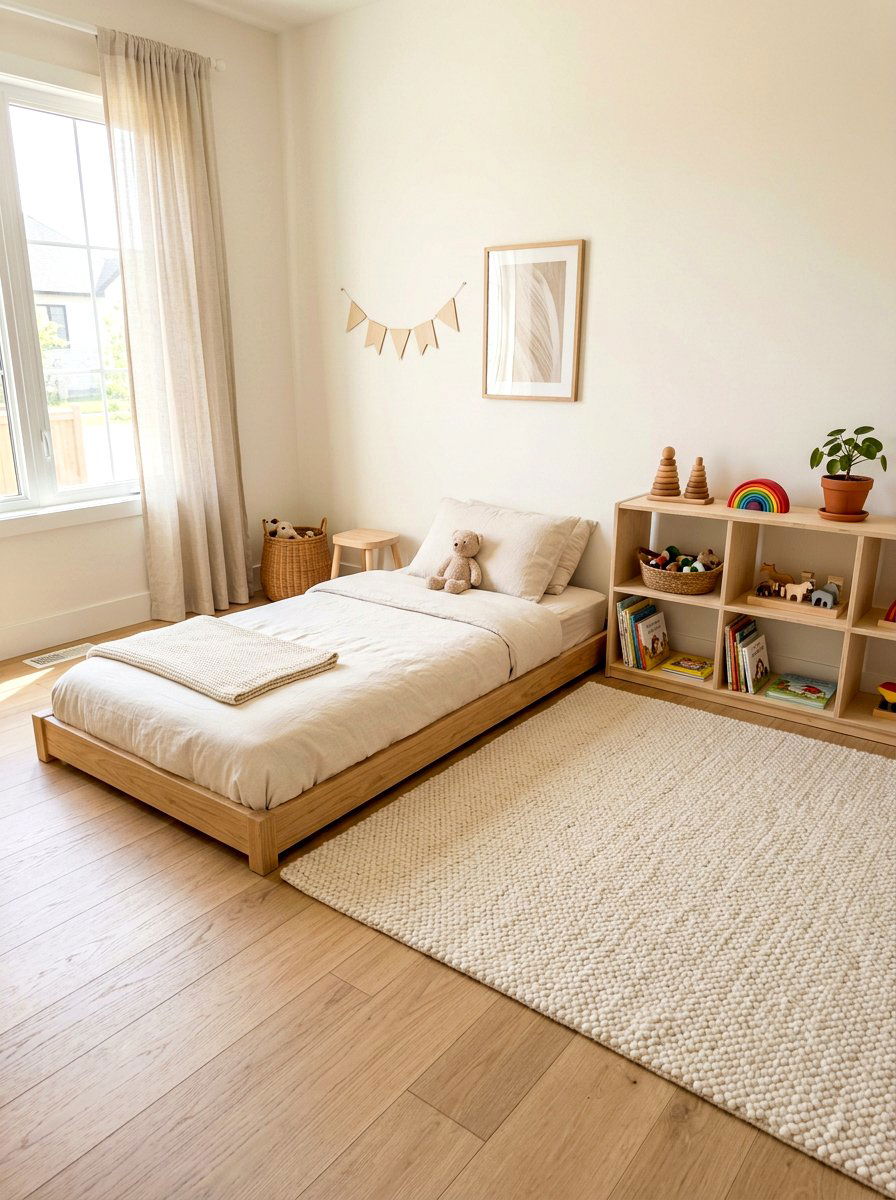
A Montessori floor bed is the defining feature of an independent sleeping space, offering children the autonomy to decide when they are ready to rest or rise. Instead of being confined by the tall bars of a traditional crib, a toddler can safely explore their surroundings as soon as they wake up. This design usually features a high-quality mattress placed on a very low frame or directly on the floor with a breathable underlay. Surrounding the bed with soft, neutral textures and ensuring the floor is clear of aesthetics creates a peaceful atmosphere. It encourages a healthy relationship with sleep by removing the physical barriers of traditional nursery furniture.
2. Minimalist Toddler Bedroom
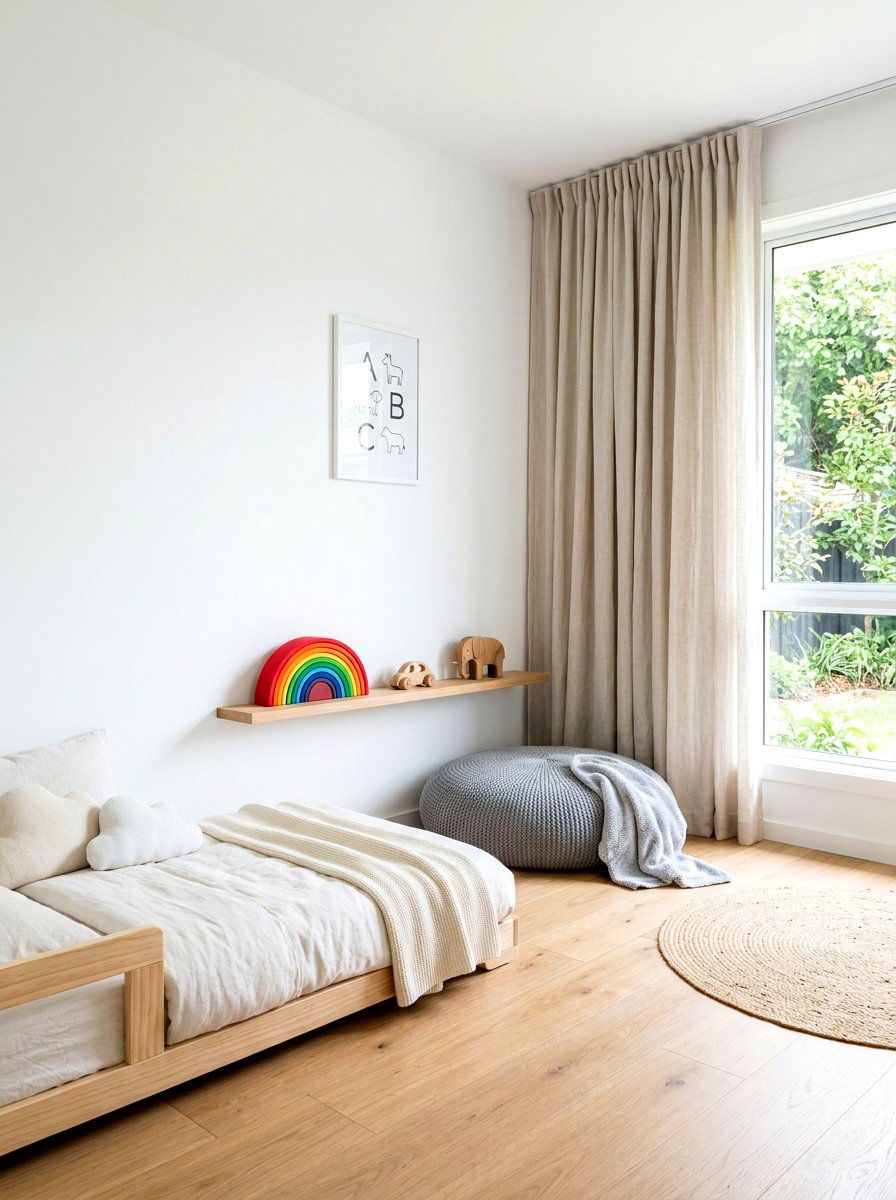
A minimalist toddler bedroom focuses on reducing visual noise to create a calm and focused environment for your little one. By keeping only a handful of high-quality, purposeful items in the room, you help your child avoid the overwhelming feeling of a cluttered space. This design typically utilizes a limited color palette of whites, grays, and light woods to promote a sense of serenity and order. Storage solutions are kept simple and accessible, allowing the child to easily identify where each toy belongs. The result is a peaceful sanctuary where the child can truly concentrate on their play and development without unnecessary distractions.
3. Natural Wood Nursery
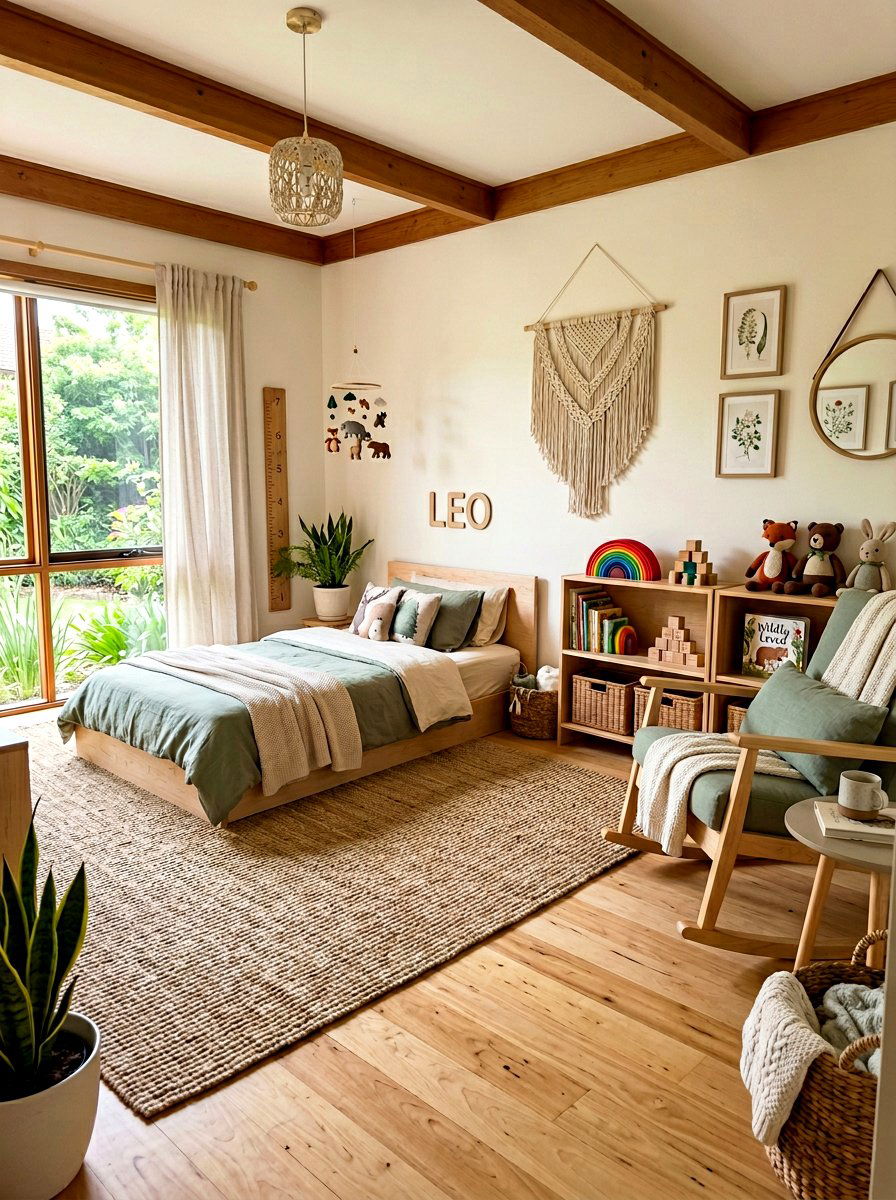
A natural wood nursery brings the grounding elements of the outdoors inside, creating a warm and inviting space for a developing child. Utilizing sustainable materials like birch, maple, or oak for furniture provides a timeless aesthetic that is both durable and eco-friendly. This design theme often incorporates wooden play gyms, low shelving units, and a sturdy floor bed frame that celebrates organic textures. The tactile experience of touching real wood helps connect the child to nature from a young age. Complementing these wooden elements with soft wool rugs and cotton textiles creates a balanced, sensory-rich environment that feels incredibly cozy and safe.
4. Neutral Color Toddler Room
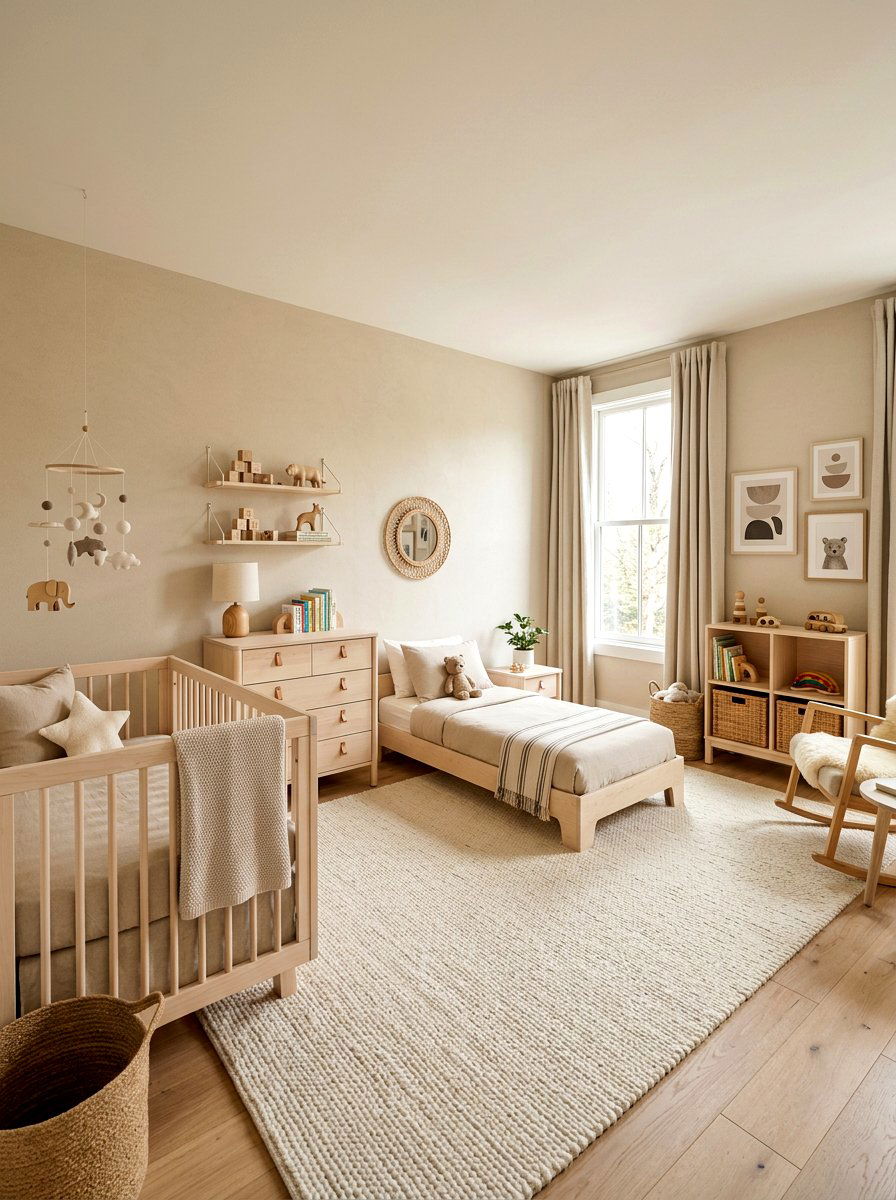
A neutral color toddler room provides a soothing backdrop that allows the child’s toys and books to become the focal points of exploration. By using shades like oatmeal, soft beige, and warm cream, you create a timeless aesthetic that grows with the child through different developmental stages. This design strategy prevents overstimulation, which is common in rooms filled with bright, primary colors that can disrupt sleep and focus. Neutral walls and large furniture pieces offer versatility, making it easy to swap out small decor items as the child’s interests evolve. It is a sophisticated yet functional approach to modern early childhood interior design.
5. Open Toy Shelving
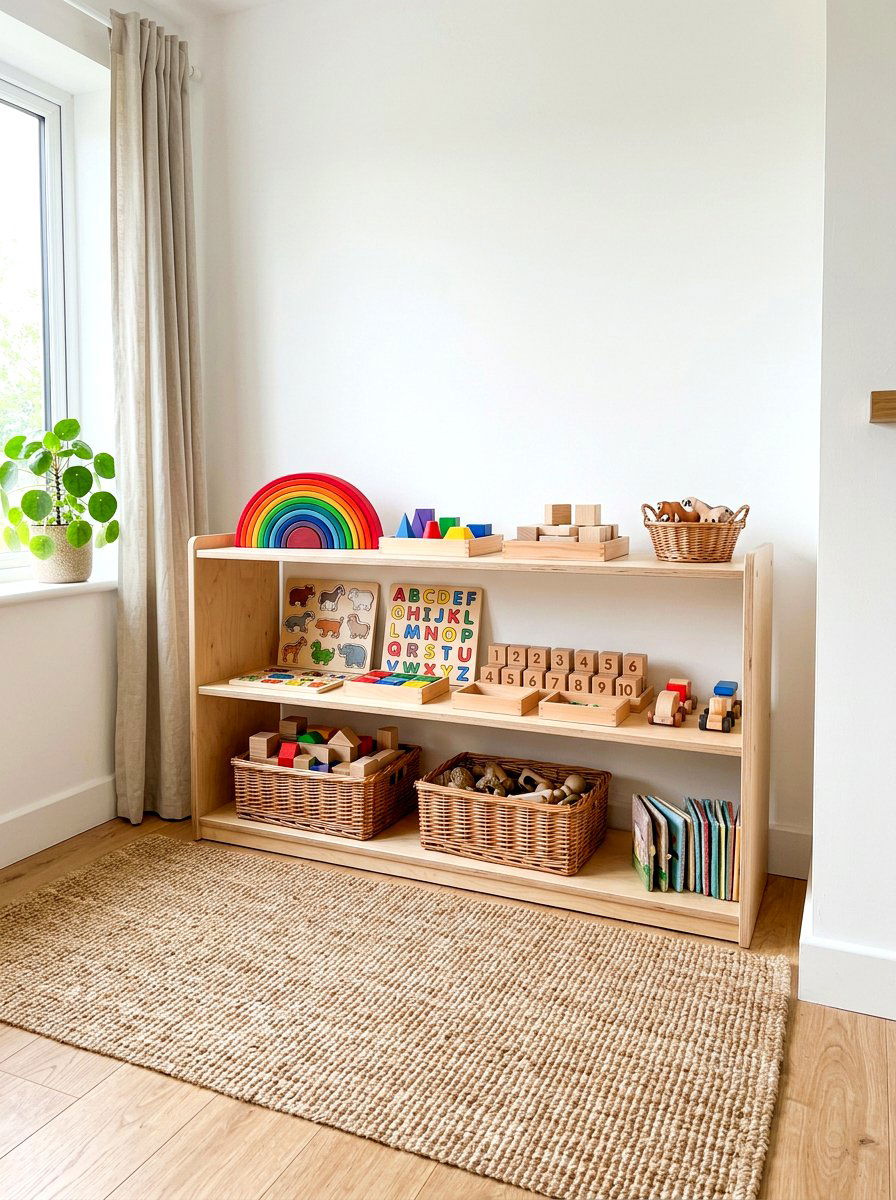
Open toy shelving is an essential component of an organized Montessori environment that promotes independence and choice. Unlike deep toy chests where items are buried and forgotten, low open shelves allow a child to see exactly what is available for play. This design encourages the child to select one activity at a time and return it to its designated spot when finished. By rotating a curated selection of toys on these shelves, you keep the environment fresh and engaging without overwhelming the space. The accessibility of the shelves empowers the toddler to manage their own environment, building vital organizational skills and self-discipline.
6. Low Clothes Rack
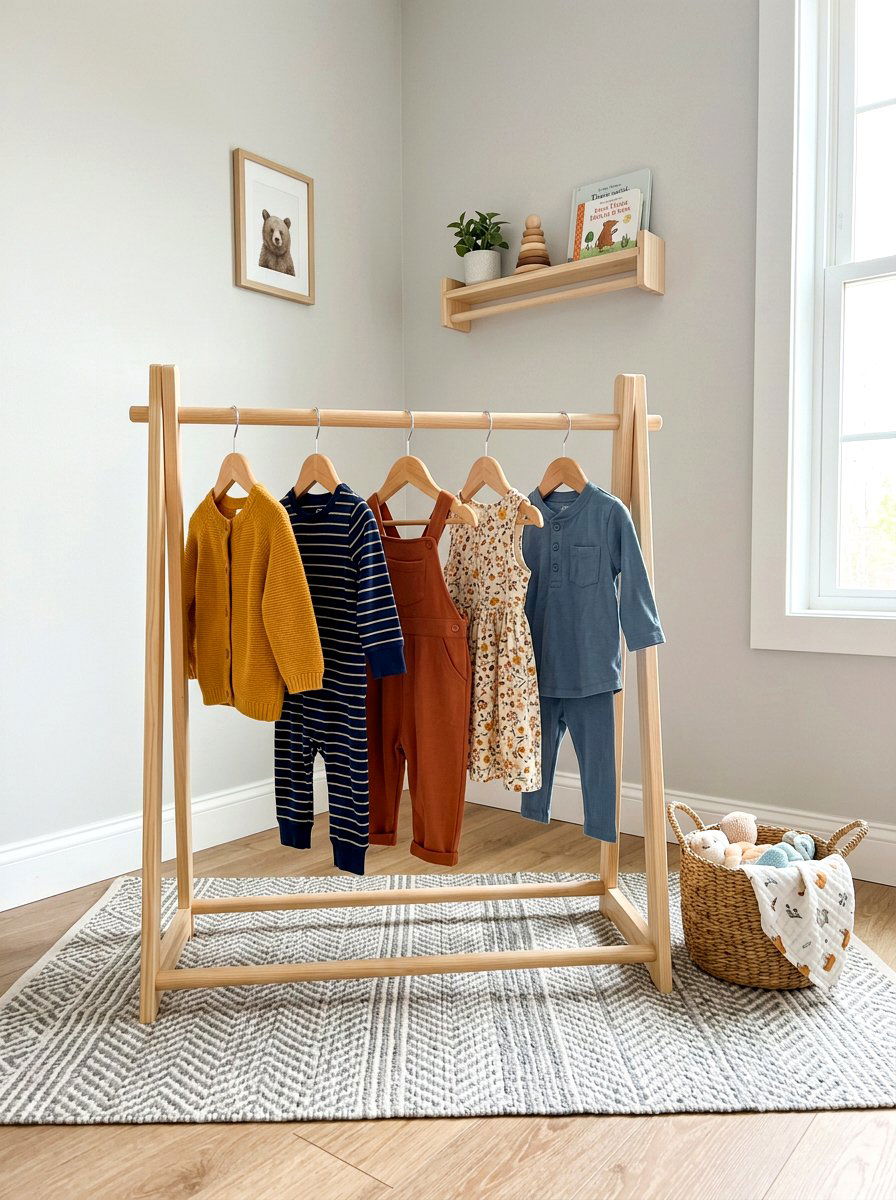
A low clothes rack transforms a standard closet into a functional dressing station that empowers a child to participate in their morning routine. By hanging a small selection of weather-appropriate outfits at the child's eye level, you encourage them to make independent choices and practice fine motor skills. This design typically features a simple wooden rail and a few small drawers or baskets for accessories like socks and hats. It removes the frustration of unreachable wardrobes and fosters a sense of responsibility for personal care. Providing a limited number of options ensures the child feels capable rather than overwhelmed during the selection.
7. Toddler Reading Corner
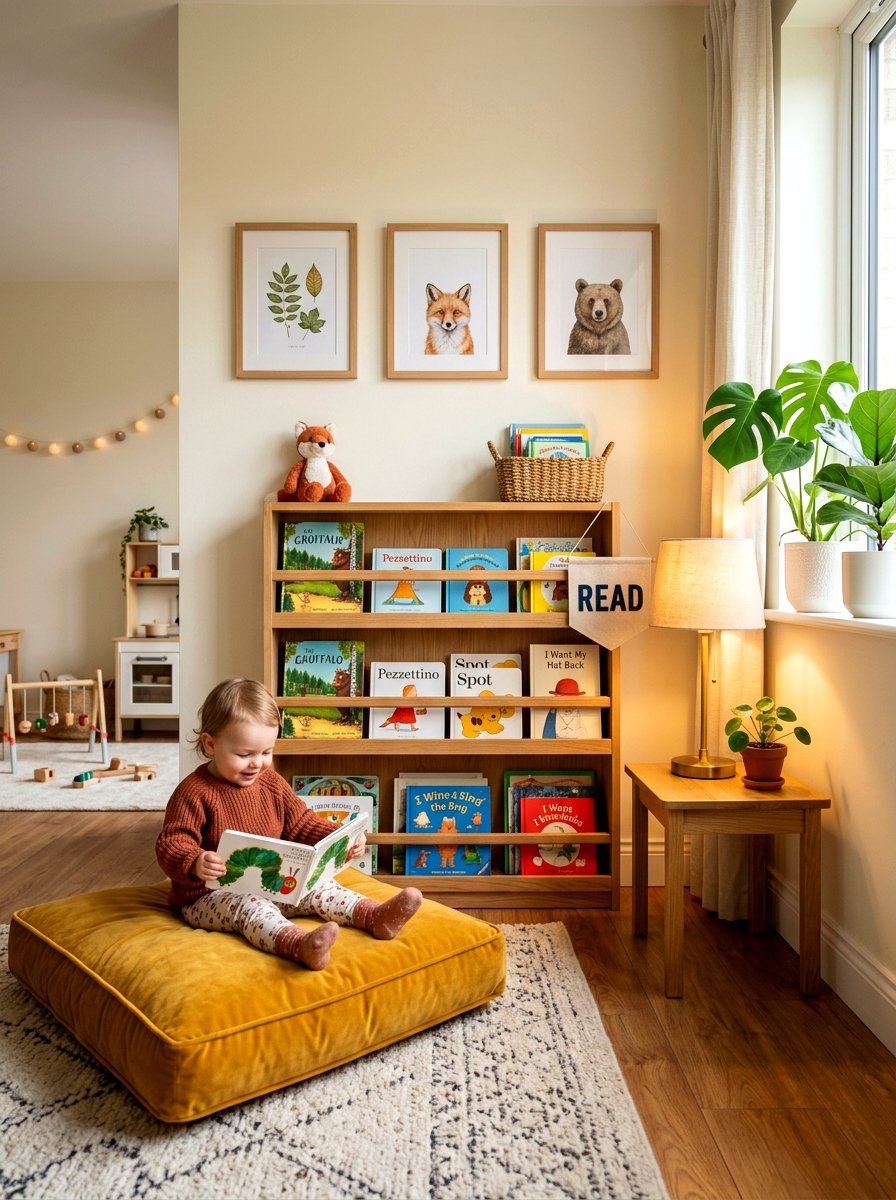
A toddler reading corner is a dedicated sanctuary designed to cultivate a lifelong love for literature and quiet reflection. This space usually features a low, forward-facing bookshelf where book covers are displayed prominently to catch the child’s eye and invite exploration. Comfortable seating, such as a soft floor cushion or a child-sized upholstered chair, makes the area feel inviting and cozy. Proper lighting, whether through a soft floor lamp or proximity to a natural window, ensures the space is functional for viewing illustrations. This zoned area provides a clear boundary between active play and calm, focused activities like storytelling and looking.
8. Floor Level Mirror
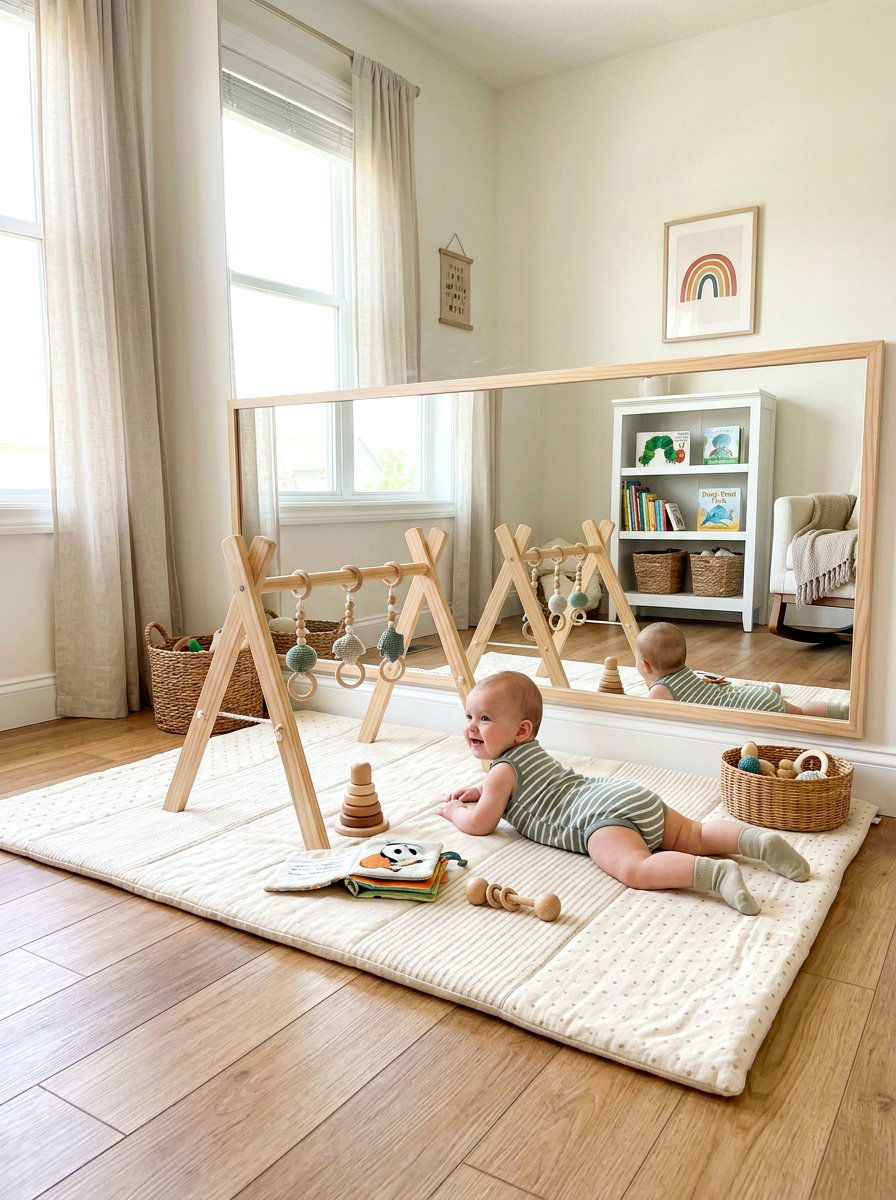
A floor level mirror is a vital tool for self-discovery and physical development in a Montessori-inspired nursery or bedroom layout. Securely mounting a shatterproof mirror horizontally at the child's height allows them to observe their own movements and facial expressions from a young age. This setup is particularly beneficial for infants during tummy time and toddlers who are learning to dress themselves or practice new physical skills. The mirror helps the child develop a sense of self and spatial awareness within their environment. It should be placed in a well-lit area, often next to a movement mat, to maximize its developmental and visual impact.
9. Montessori Play Area
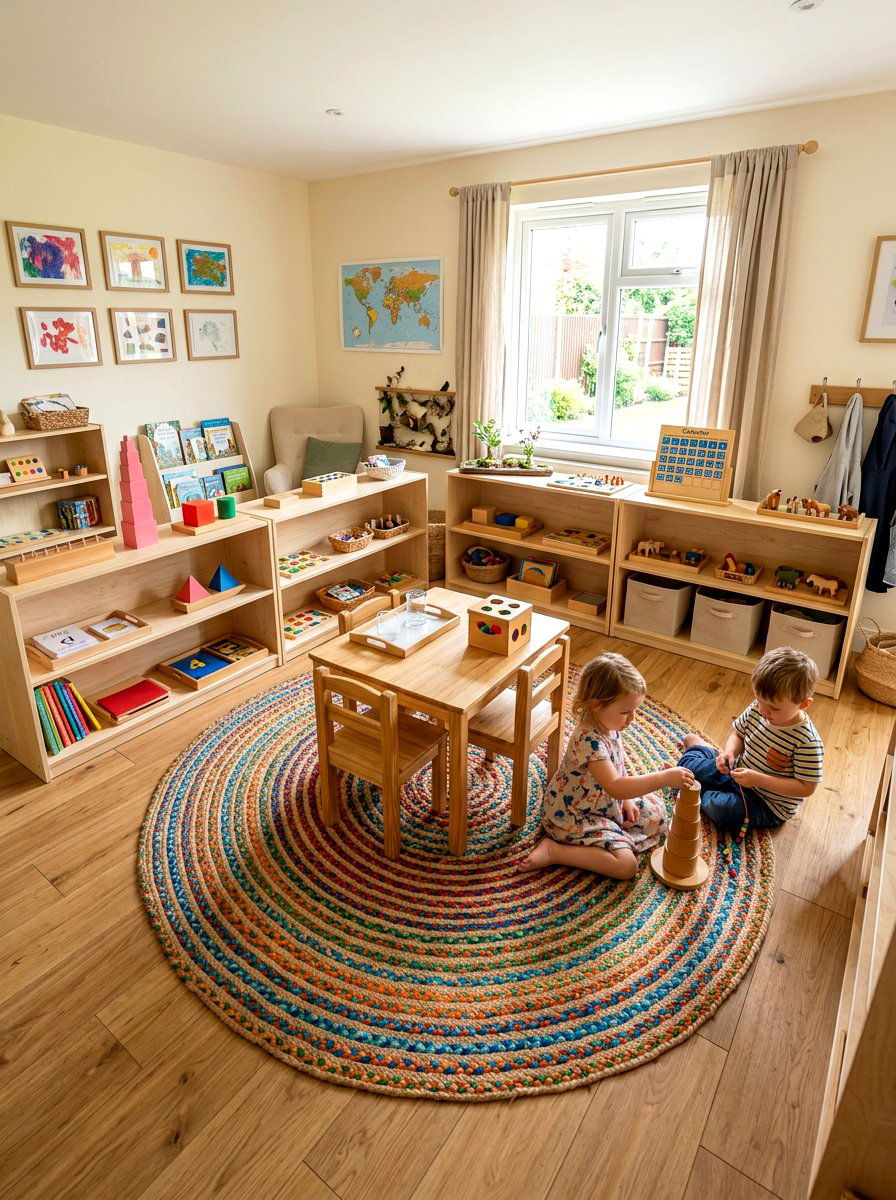
A Montessori play area is a thoughtfully zoned space within the bedroom that encourages purposeful activity and independent movement. This area is defined by a soft, low-pile rug and features child-sized furniture that facilitates various types of exploration and creative play. By keeping the center of the room open, you provide the child with enough space to crawl, walk, and work on large floor puzzles. Everything in this zone is within the child's reach, ensuring they do not need to ask for adult assistance to engage with their materials. It creates a seamless flow between different types of learning and physical activity.
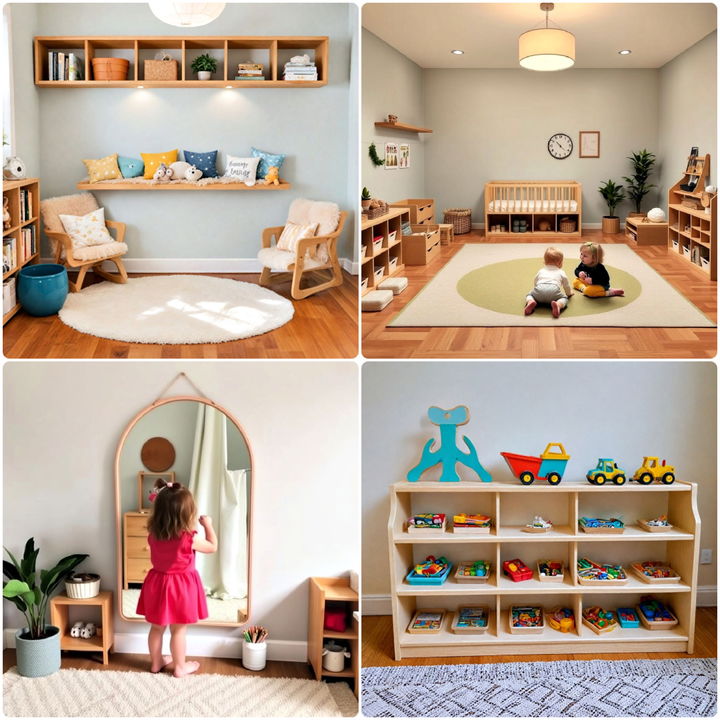
10. Nature Themed Bedroom
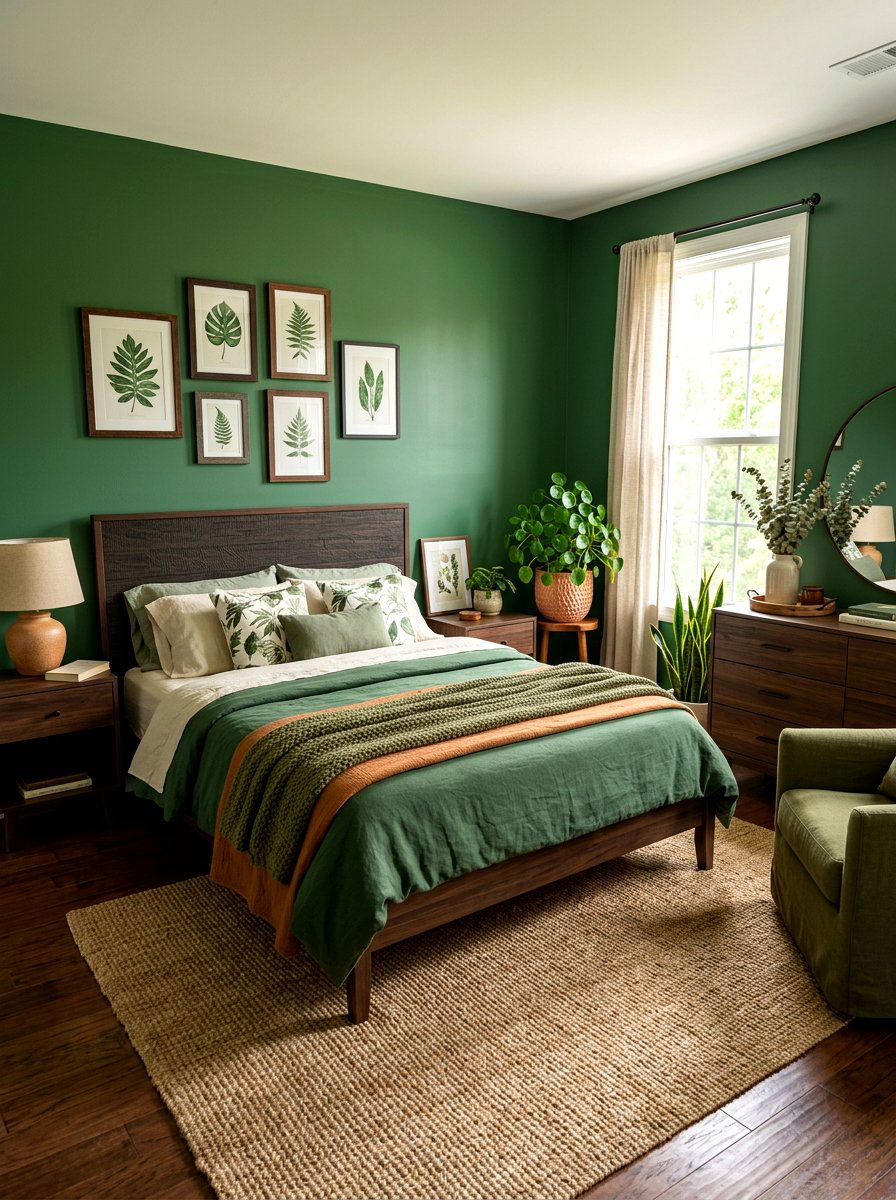
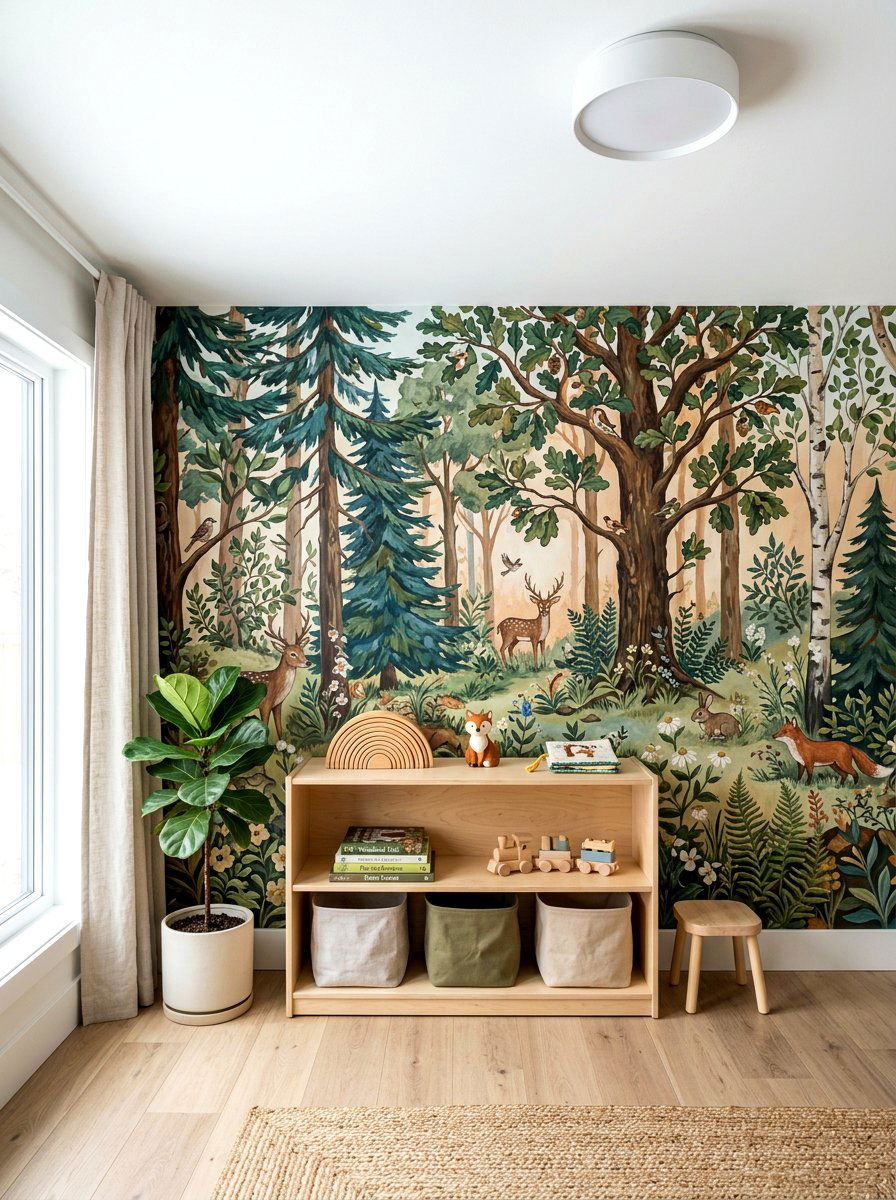
A nature themed bedroom uses organic elements and earthy aesthetics to create a grounding atmosphere that fosters a connection to the environment. This design often incorporates botanical prints, non-toxic indoor plants, and a color palette inspired by forests, mountains, or the sea. Using natural fibers like jute, linen, and cotton for bedding and curtains enhances the tactile experience of the room. This theme is not about cartoonish characters but rather about bringing the authentic beauty of the natural world into the child's daily life. It promotes a sense of wonder and respect for nature while maintaining a calm and sophisticated interior look.
11. Scandinavian Toddler Room
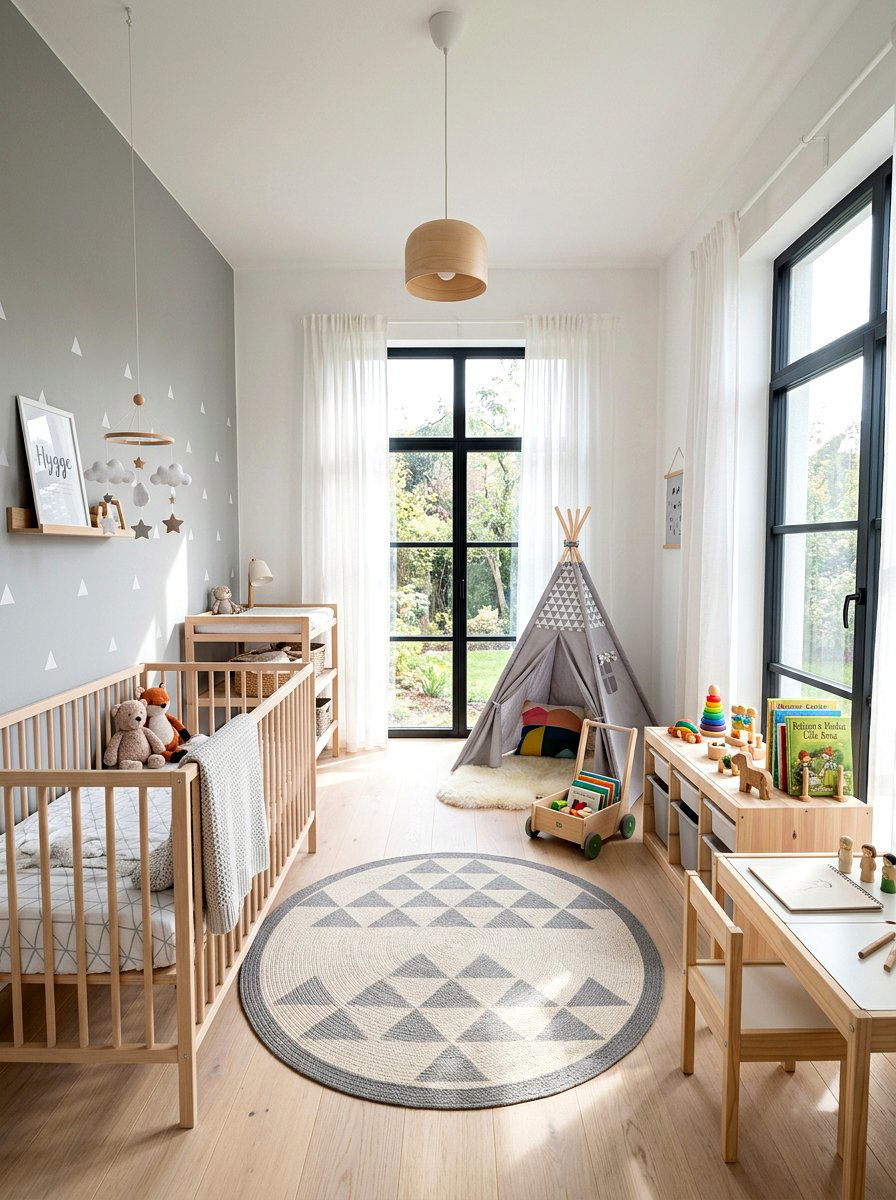
A Scandinavian toddler room combines functional minimalism with warm, cozy elements to create a stylish and practical Montessori environment. This design style focuses on clean lines, light-colored wood, and a bright, airy feel that maximizes natural light throughout the space. Functional furniture pieces are chosen for their simplicity and durability, ensuring they can withstand the rigors of toddler play while looking elegant. Subtle pops of color in soft pastels or muted earth tones add personality without creating visual clutter or overstimulation. This aesthetic is perfect for parents who want a modern, high-end look that remains deeply rooted in child-centric development principles.
12. Low Wall Art
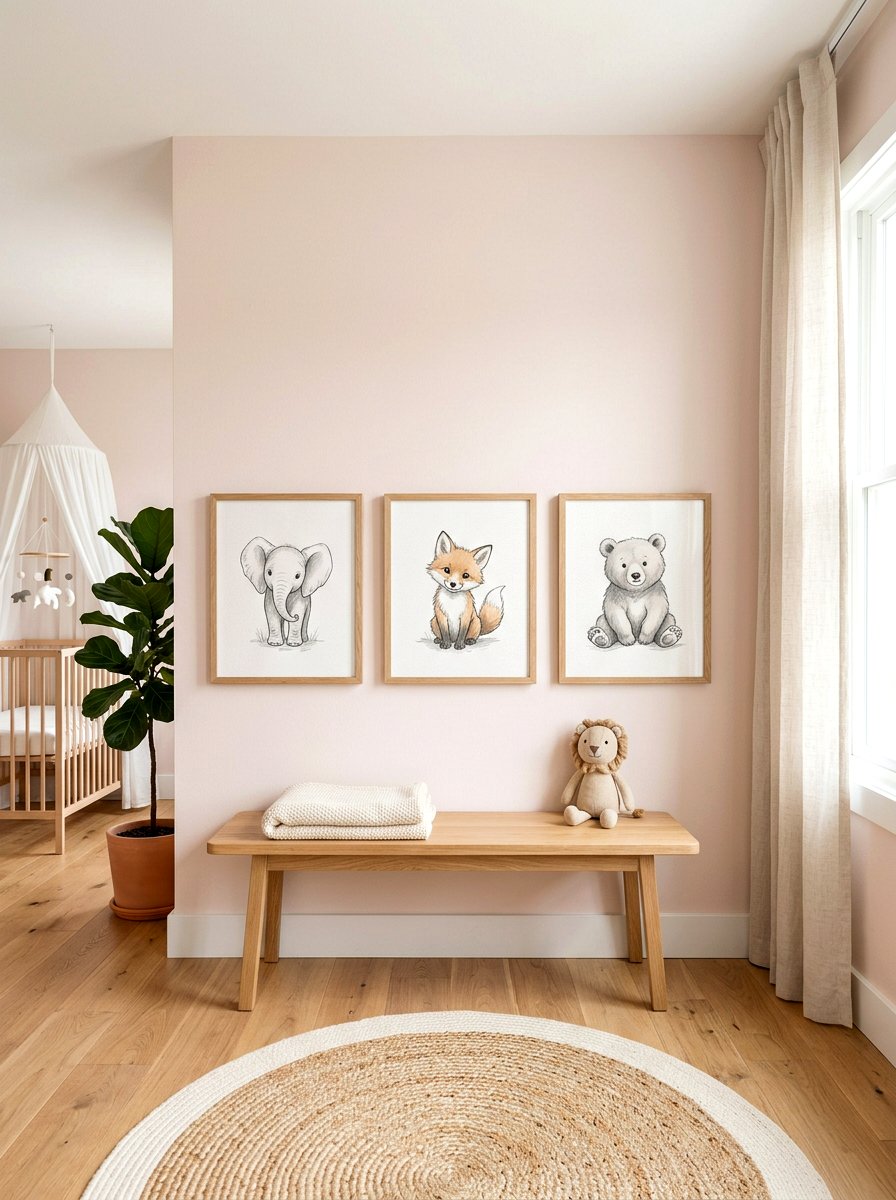
Low wall art involves hanging paintings, photographs, and mirrors at the child's eye level rather than at adult height. This simple adjustment ensures that the child can actually see and appreciate the decorations in their room, fostering an early appreciation for aesthetics. Choose simple, realistic images or nature-inspired prints that resonate with the child’s interests and stage of development. Using lightweight frames or safe hanging methods is essential for maintaining a secure environment. By placing art where the child can interact with it, you make the room feel like a space truly meant for them, rather than a gallery for adults.
13. Activity Wall Decor
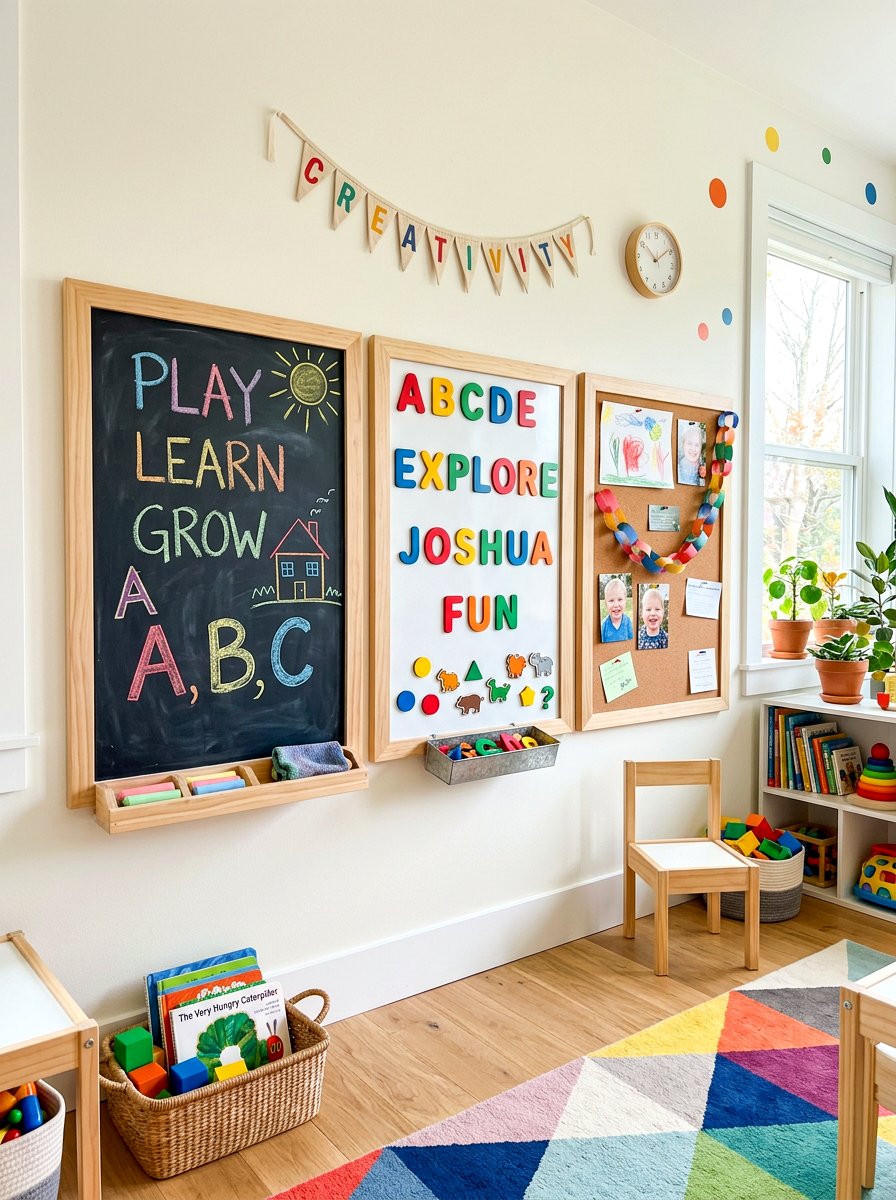
Activity wall decor integrates learning and play directly into the vertical surfaces of the room, maximizing floor space and engagement. This design concept might include a low-mounted chalkboard, a magnetic board for letters, or a tactile sensory board with various textures. By positioning these elements within easy reach, you encourage the child to engage in vertical play, which is excellent for shoulder stability and fine motor development. The activity wall serves as a dynamic focal point that can be updated as the child grows and their skills evolve. It turns a static wall into an interactive environment that supports creative and cognitive growth.
14. Zoned Bedroom Layout
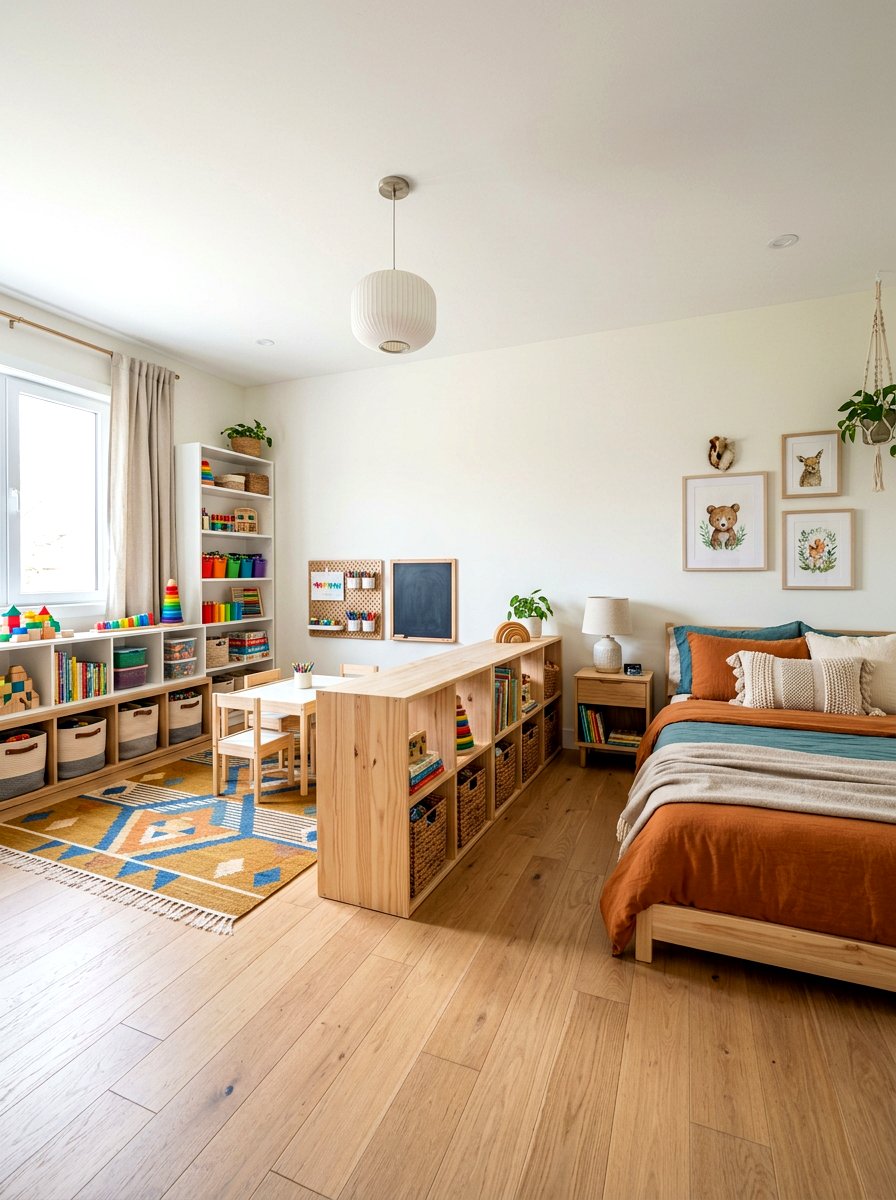
A zoned bedroom layout is a strategic design approach that divides the room into specific areas for sleeping, playing, and dressing. This organization helps a child understand the purpose of each space and supports the development of daily routines and transitions. For example, the sleeping zone is kept quiet and dim, while the play zone is bright and filled with accessible toys and materials. Using rugs, low shelves, or furniture placement to define these zones creates a sense of order and predictability. A well-zoned room allows the child to move confidently between activities, fostering a calm mind and an organized environment.
15. Wooden Children Furniture
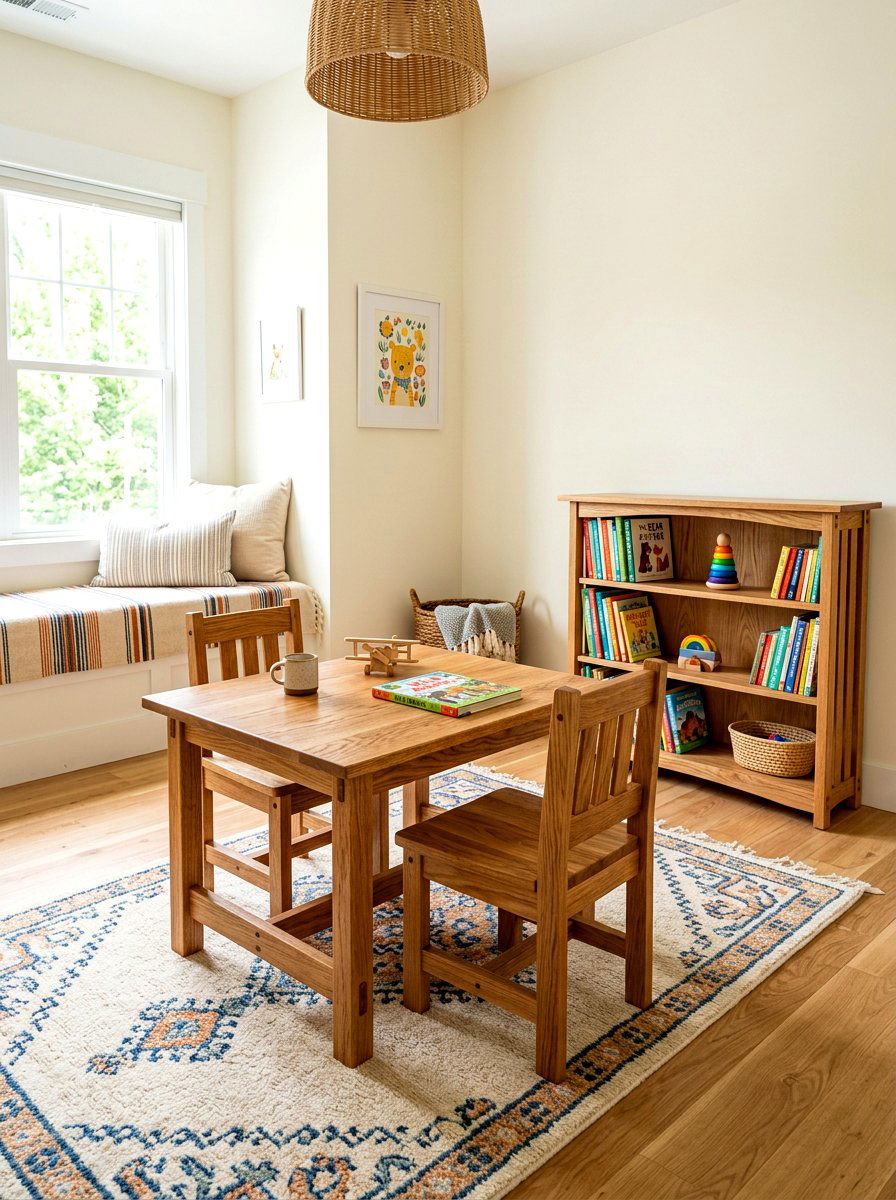
Wooden children furniture is the backbone of a high-quality Montessori bedroom, offering durability, safety, and a timeless natural aesthetic. Unlike plastic alternatives, solid wood furniture provides a sturdy base for a child’s activities and develops a beautiful patina over years of use. This design choice often includes small tables, chairs, and shelving units that are perfectly scaled to a toddler’s proportions. The weight of wooden furniture helps it stay grounded, preventing tipping during enthusiastic play or climbing attempts. Opting for non-toxic finishes ensures the environment remains healthy and safe for little ones who are still exploring their world through touch.
16. Floor Cushion Seating
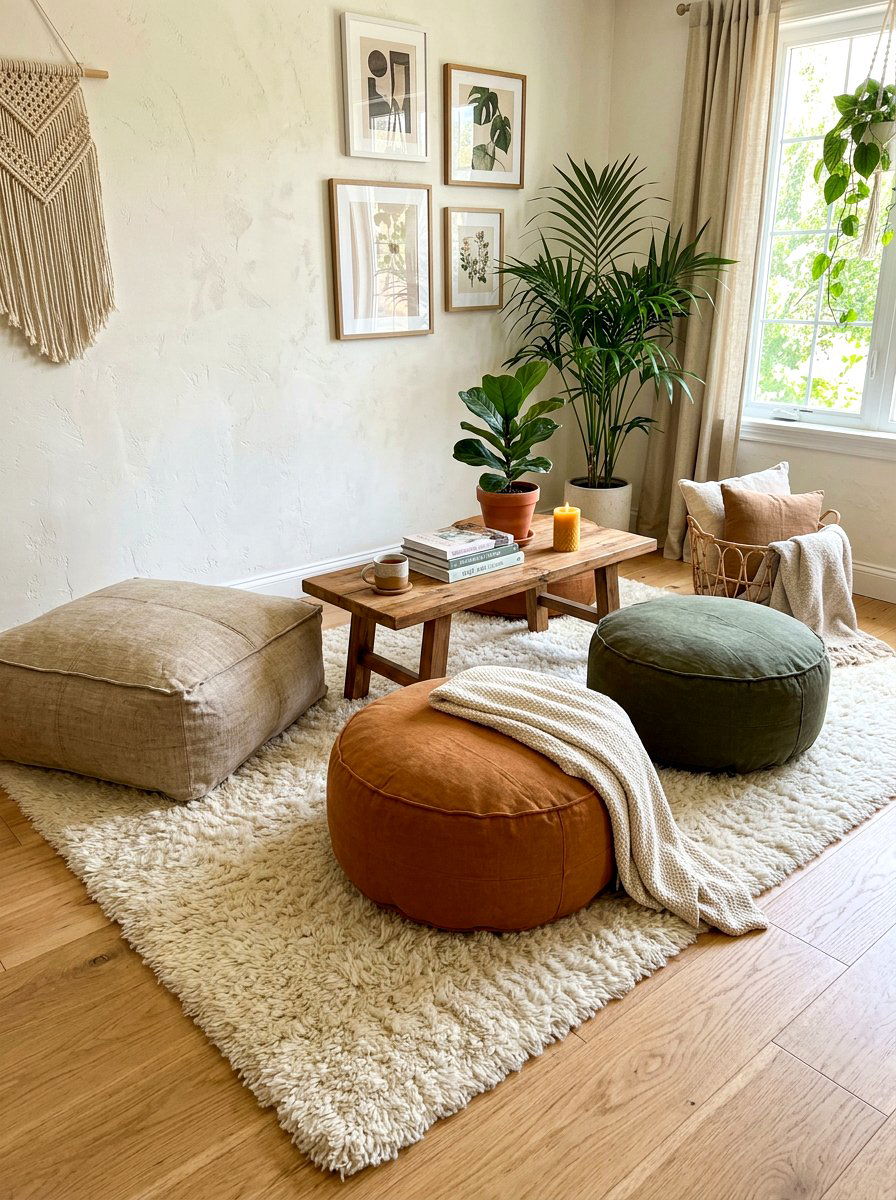
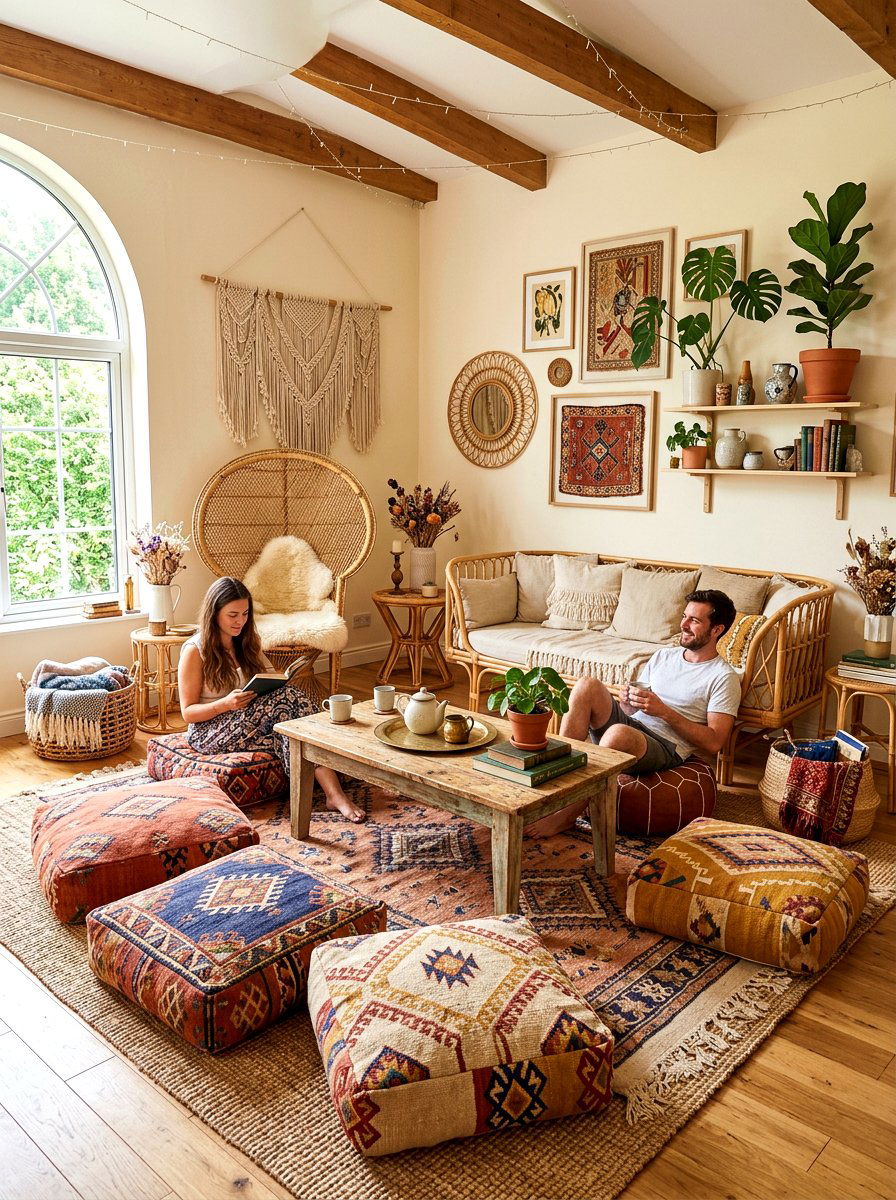
Floor cushion seating offers a versatile and comfortable way to incorporate low-level rest and play areas into a child’s bedroom. These oversized pillows or poufs provide a soft spot for reading, lounging, or engaging in quiet activities without the need for bulky traditional chairs. Because they are lightweight and easy to move, cushions allow the child to reconfigure their space to suit their current needs or play scenarios. Choosing cushions with removable, washable covers in neutral or muted tones ensures they stay clean and aesthetically pleasing. This seating solution supports the Montessori goal of keeping everything accessible and close to the ground.
17. Child Size Desk
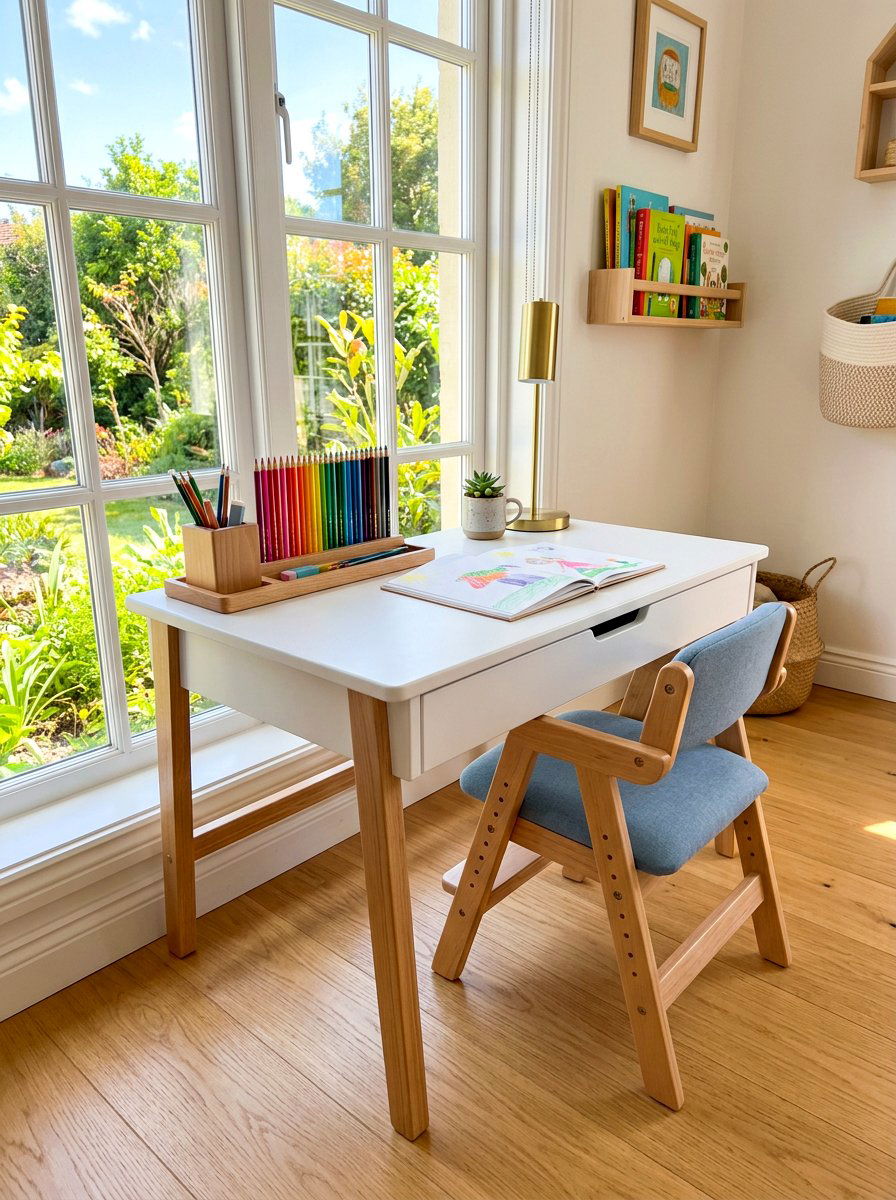
A child size desk creates a dedicated workspace where a toddler can focus on art, puzzles, or fine motor activities. This piece of furniture should be ergonomically designed for their height, allowing their feet to rest flat on the floor and their elbows to sit comfortably. Having a specific spot for "work" helps the child develop concentration and a sense of pride in their accomplishments. The desk should be kept uncluttered, perhaps with a small tray of current materials like crayons or stacking blocks. It is a powerful way to respect the child's efforts and provide them with the professional tools they need.
18. Earth Tone Bedroom
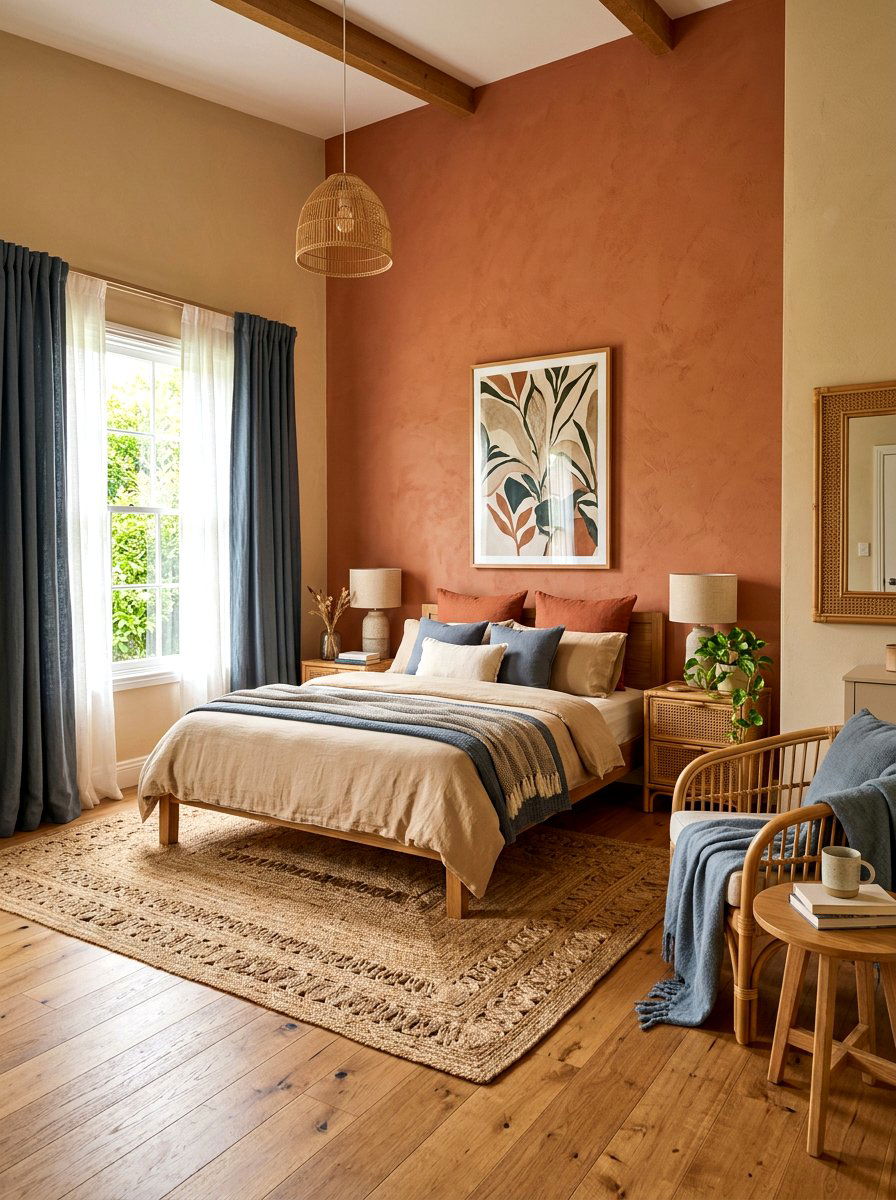
An earth tone bedroom utilizes a palette of terracotta, sage green, sandy brown, and slate blue to create a grounded atmosphere. This design direction moves away from traditional gendered colors, offering a gender-neutral space that feels sophisticated and deeply connected to the natural world. These colors are known for their calming properties, making them ideal for a room meant for both active play and restful sleep. Incorporating natural textures like woven baskets and linen curtains enhances the organic feel of the space. The result is a harmonious environment that supports emotional regulation and provides a tranquil backdrop for a child's busy day.
19. Cotton Toddler Bedding
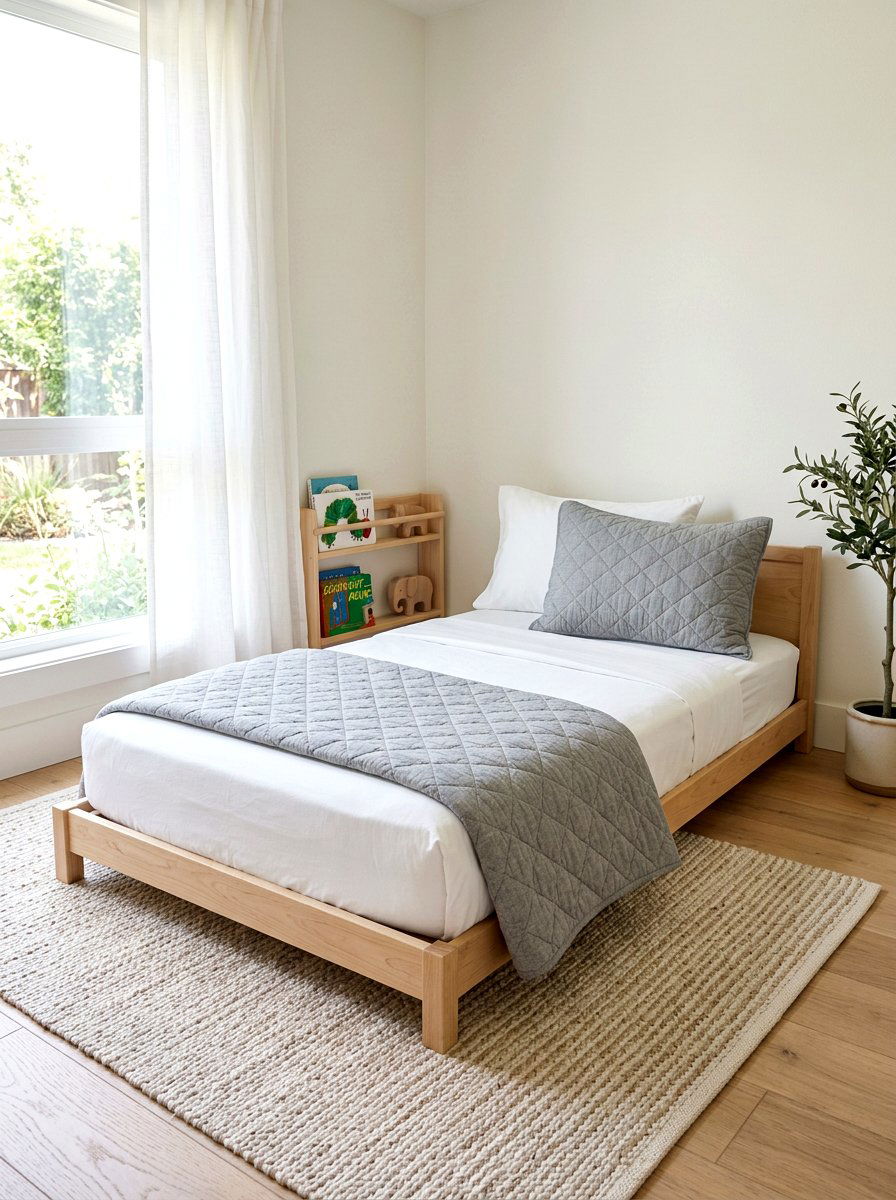
Cotton toddler bedding is a crucial choice for creating a healthy and comfortable sleeping environment in a Montessori-inspired bedroom. Natural, breathable fibers like organic cotton help regulate a child's body temperature, ensuring they stay cool in summer and warm in winter. This material is also gentle on sensitive skin and easy to maintain through frequent washes, which is essential for a busy nursery. Choosing simple patterns or solid colors in soft tones maintains the minimalist aesthetic of the room while providing a cozy touch. High-quality bedding encourages a child to look forward to rest, supporting a positive and independent relationship with sleep.
20. Self Care Station
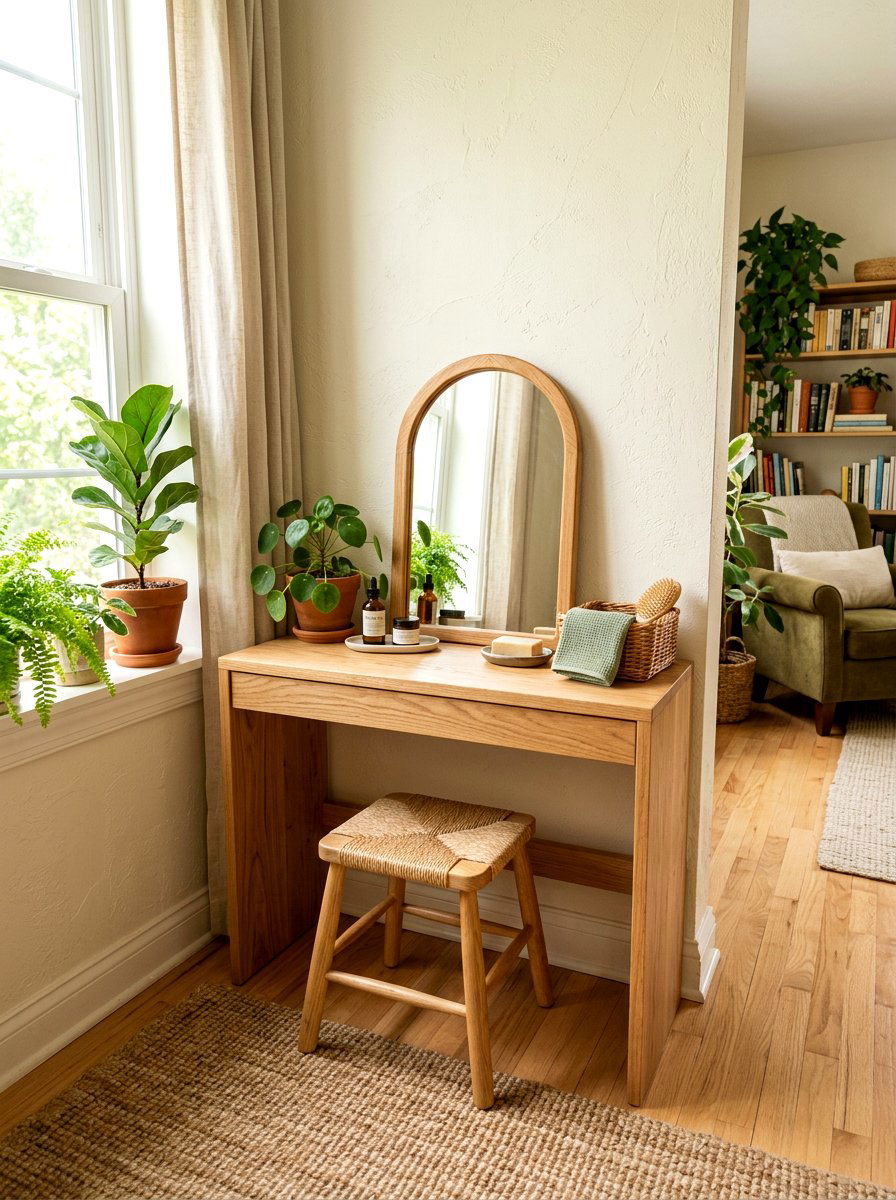
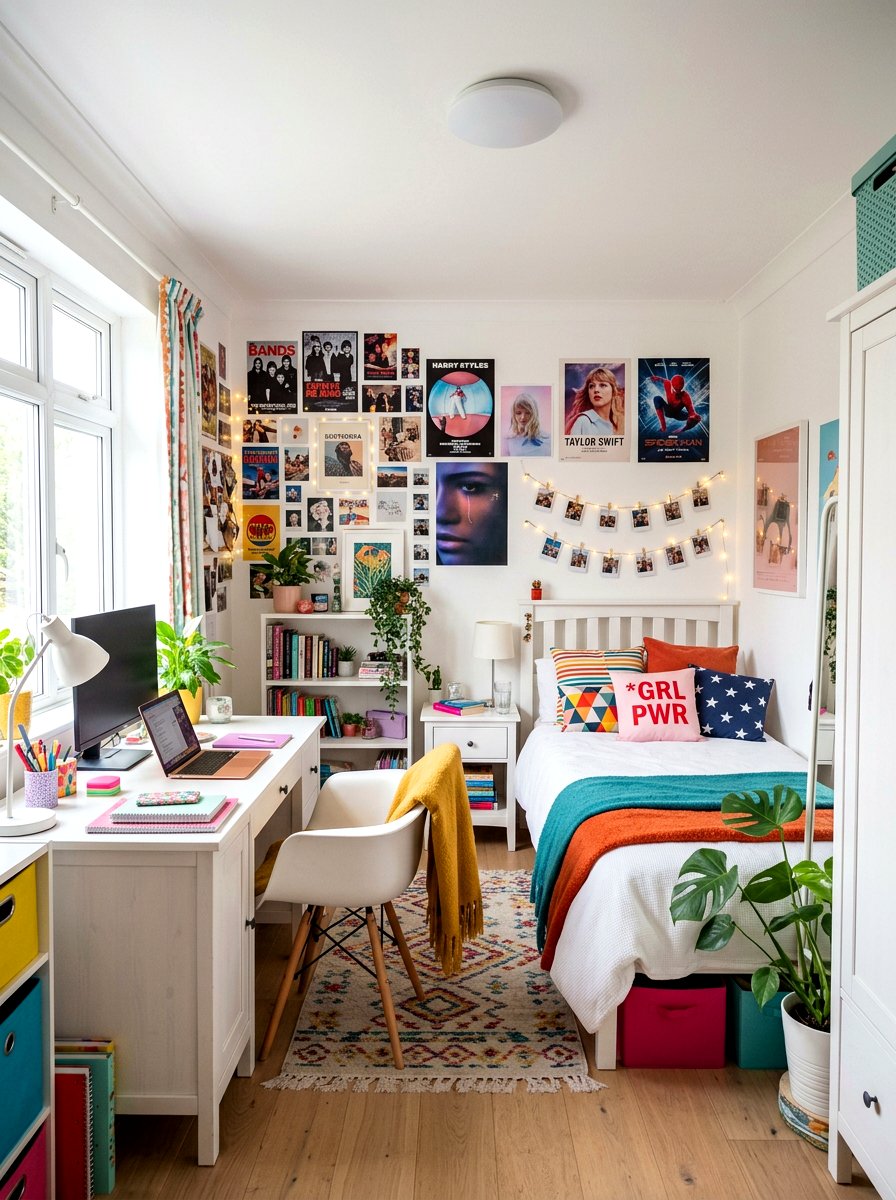
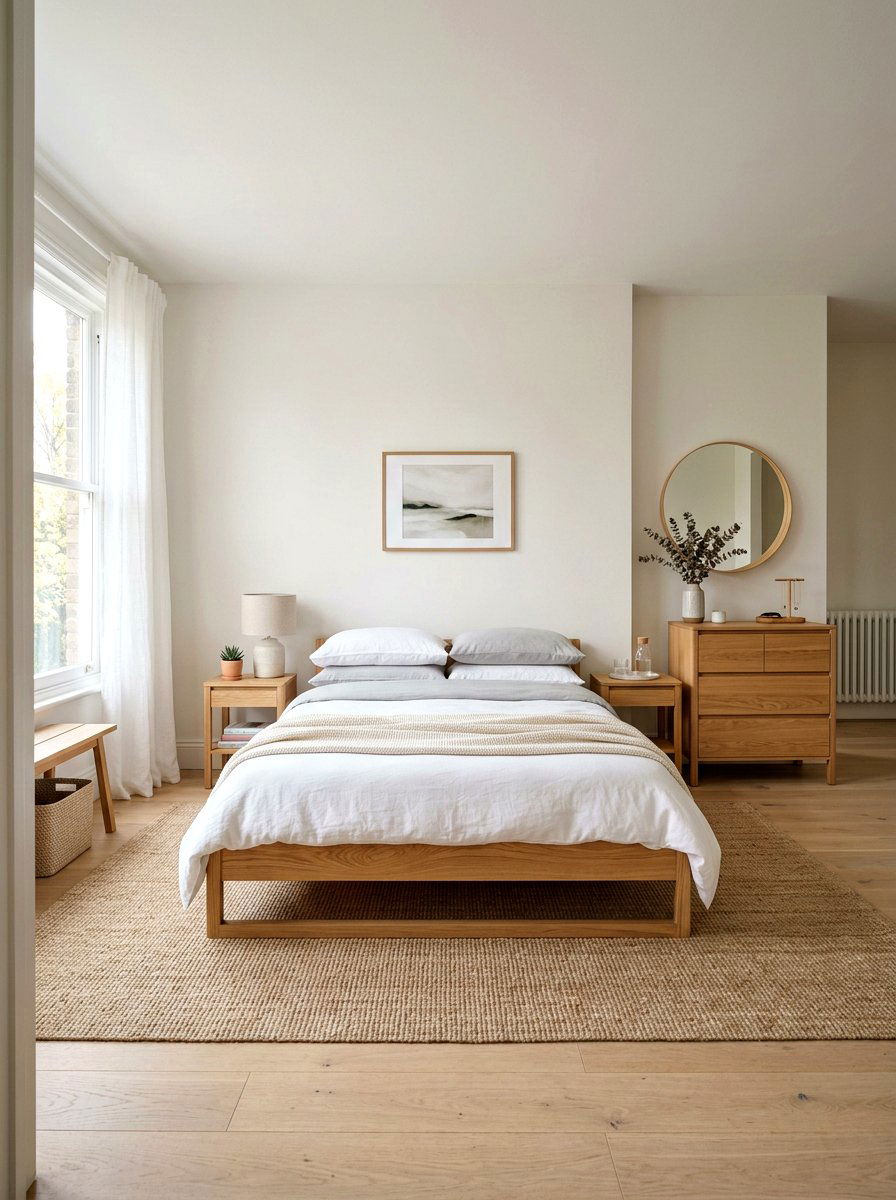
A self care station is a small, dedicated area where a child can practice daily hygiene and grooming tasks independently. This setup usually includes a low-mounted mirror, a small hairbrush, and perhaps a washcloth or tissues arranged on a reachable shelf or table. By providing these tools at their level, you encourage the child to take ownership of their personal care routines from an early age. This design fosters a sense of dignity and competence, as the child no longer needs to rely on an adult for every minor grooming need. It is a practical application of the Montessori philosophy in a home.
21. Low Window View
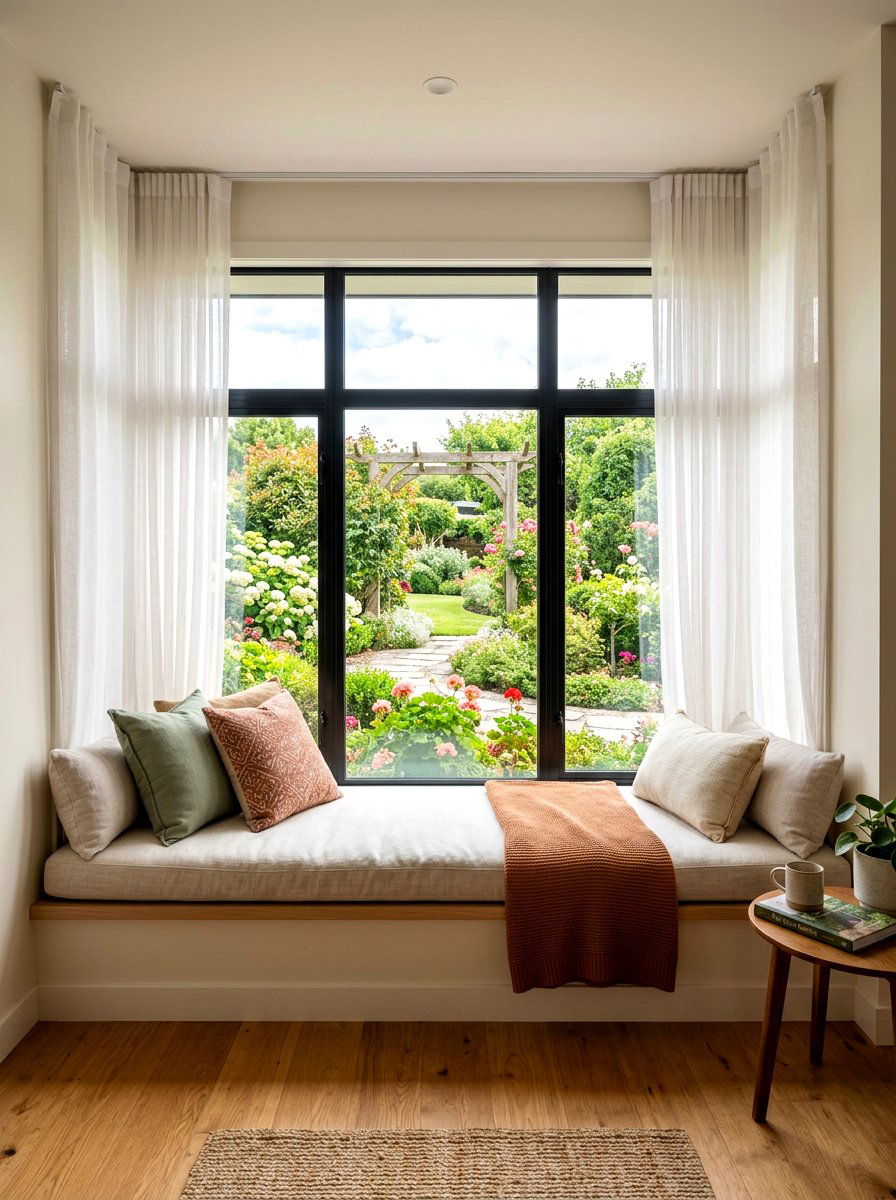
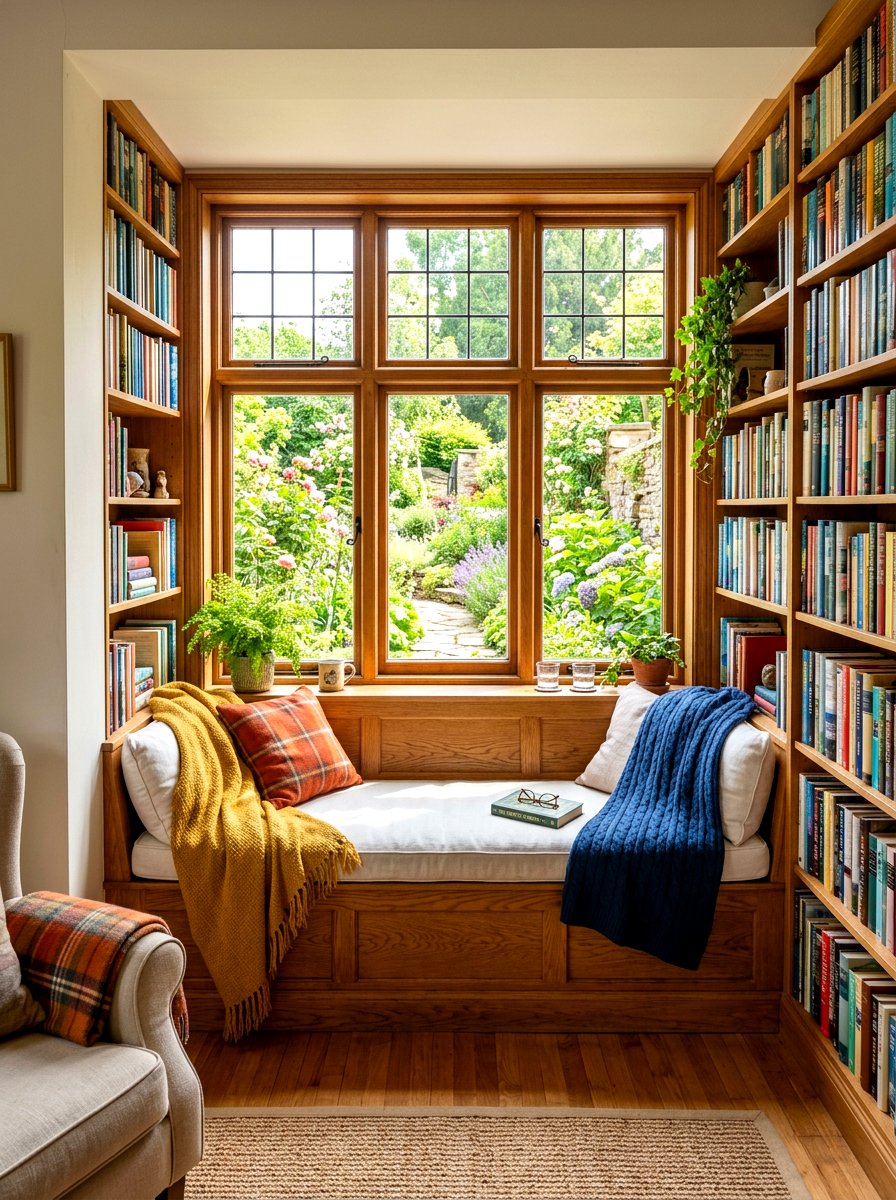
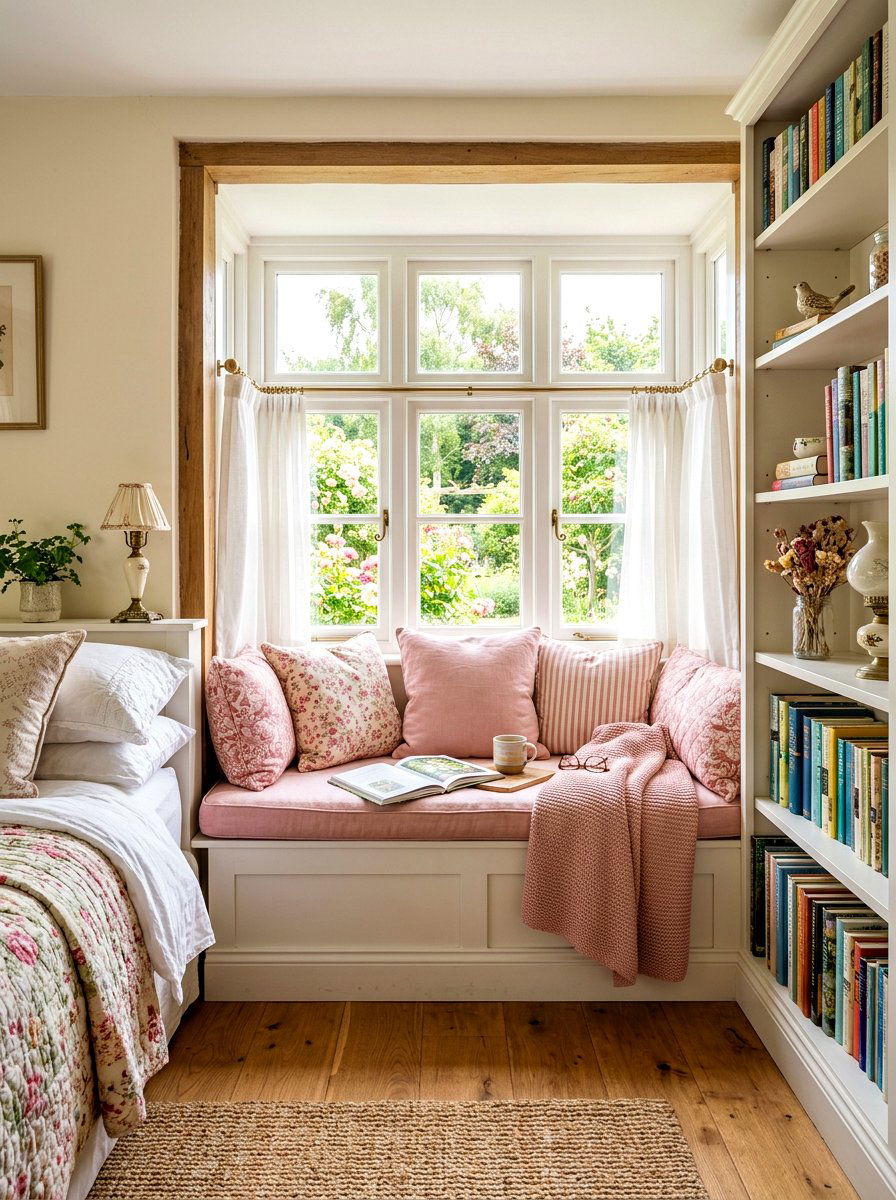
A low window view provides a child with a direct connection to the outside world, offering endless opportunities for observation and wonder. In a Montessori bedroom, placing a low bench or a soft rug near a floor-to-ceiling window allows a toddler to watch birds, trees, and weather changes. This visual access to nature acts as a calm, natural form of entertainment that requires no batteries or screens. It encourages curiosity and helps the child understand the passage of time and the changing seasons. Ensuring the window is safe and secure is paramount, but the benefits of this "living art" are truly immeasurable.
22. Learning Wall Space
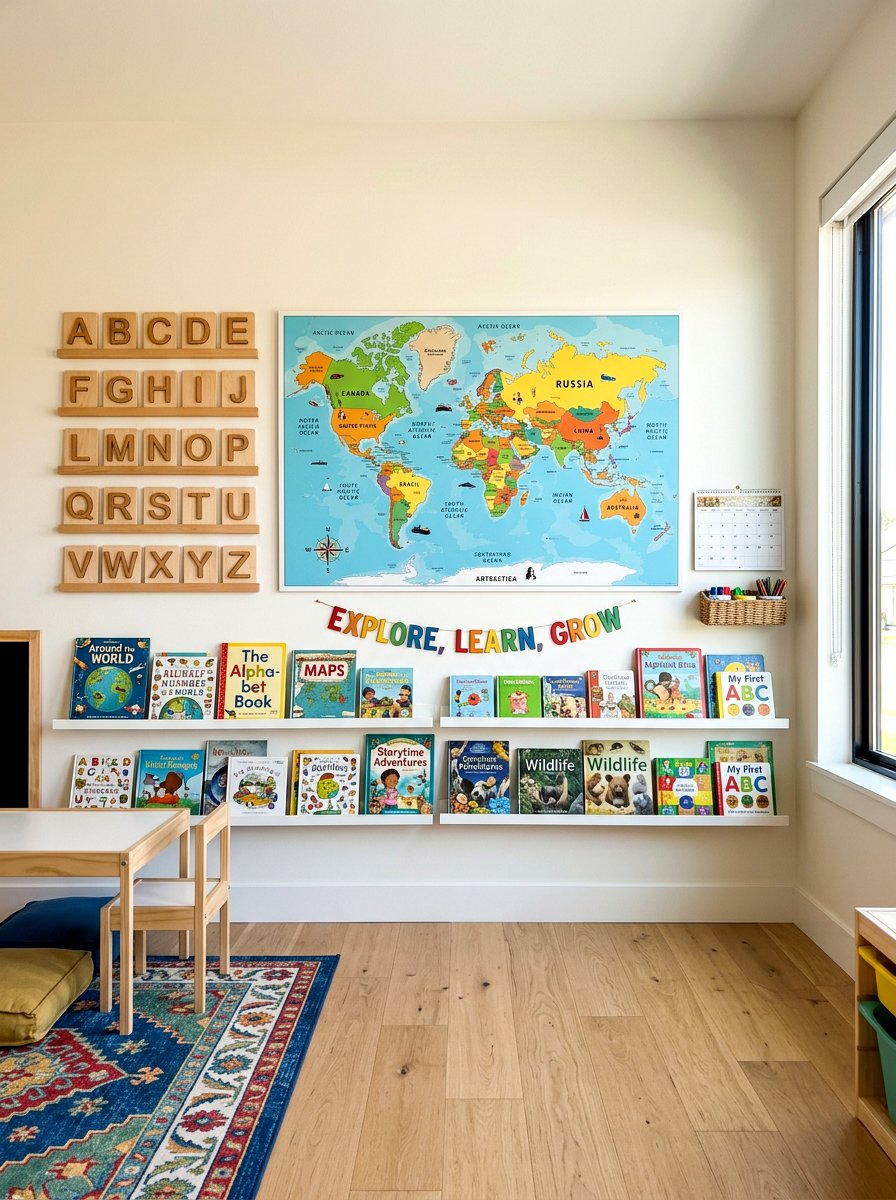
A learning wall space is an intentional area of the room where educational materials are displayed vertically for easy interaction and viewing. This might feature a rotating display of alphabet cards, numbers, or a world map positioned at the child’s eye level to spark curiosity. Using magnetic strips or low-profile ledges allows you to easily change the content based on the child’s current interests or developmental milestones. This design keeps the floor clear while still providing a rich environment for cognitive development. It transforms a simple wall into a tool for discovery, making learning a seamless and integrated part of the child's daily surroundings.
23. Geometric Nursery Decor
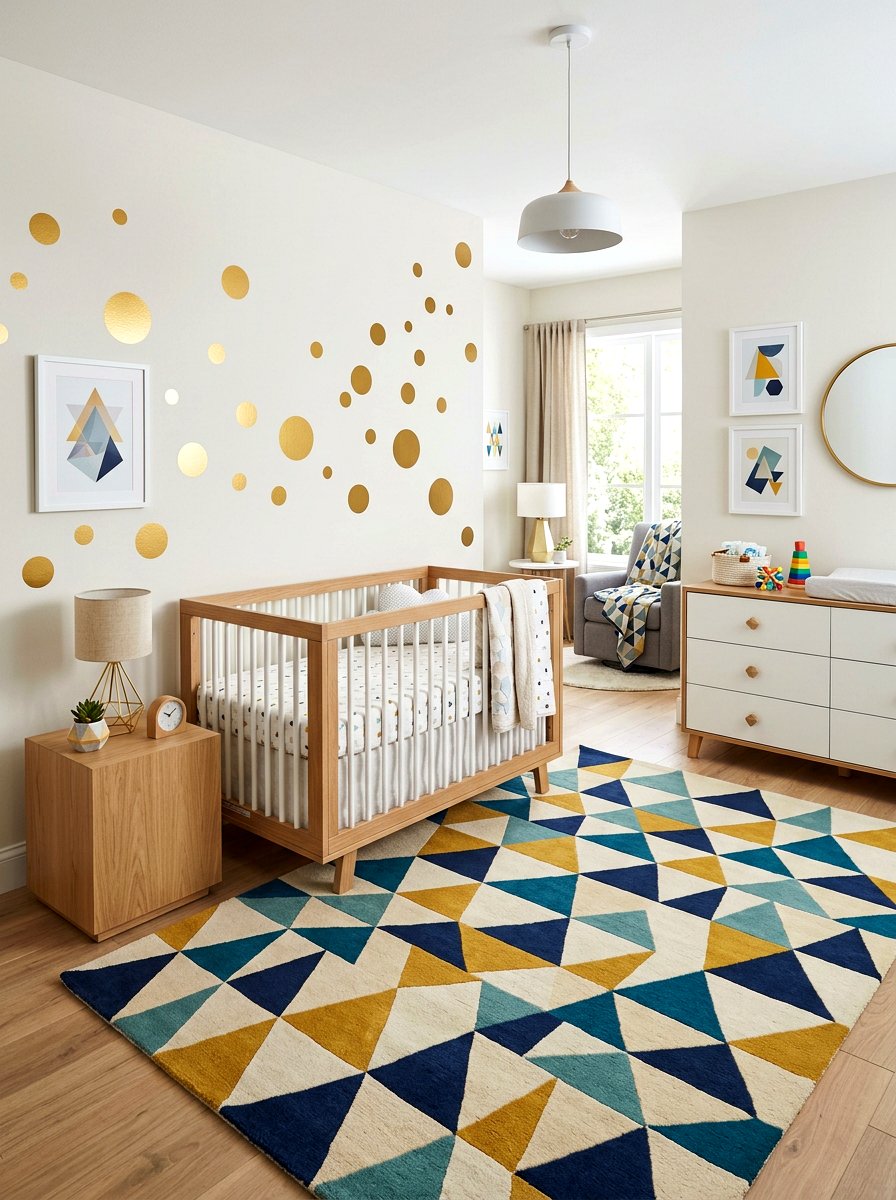
Geometric nursery decor uses simple shapes like circles, triangles, and squares to create a modern, visually interesting, and developmentally appropriate environment. Montessori education often utilizes geometric solids to teach spatial awareness, and incorporating these shapes into wall decals or rugs can reinforce these concepts. This design style works best when kept minimal, using clean lines and a limited color palette to avoid overstimulating the child. Geometric patterns provide a sense of order and structure that can be very calming for a young mind. It is a sophisticated way to blend early mathematical concepts with high-end interior design for a contemporary child’s space.
24. Pastel Toddler Room
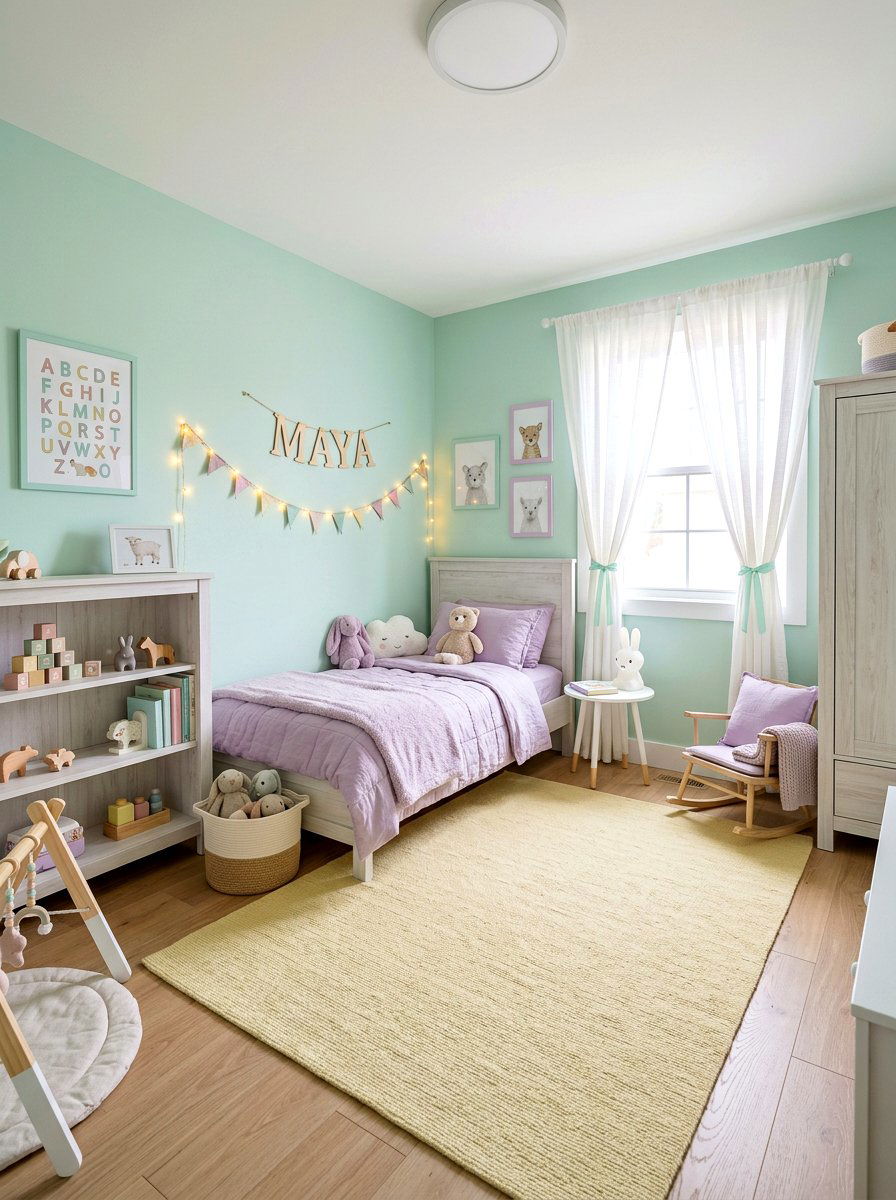
A pastel toddler room offers a soft and whimsical aesthetic while adhering to the Montessori principles of creating a calm, soothing environment. Using gentle hues like mint green, dusty rose, or pale lemon creates a cheerful atmosphere that is not visually aggressive. These light colors reflect natural light beautifully, making even a small room feel spacious and airy for a growing child. To maintain the Montessori feel, pair these soft colors with natural wood furniture and minimalist decor to ensure the space remains grounded. This approach provides a lovely balance between a traditional nursery feel and a modern, functional, and child-led design.
25. Cube Storage Organization
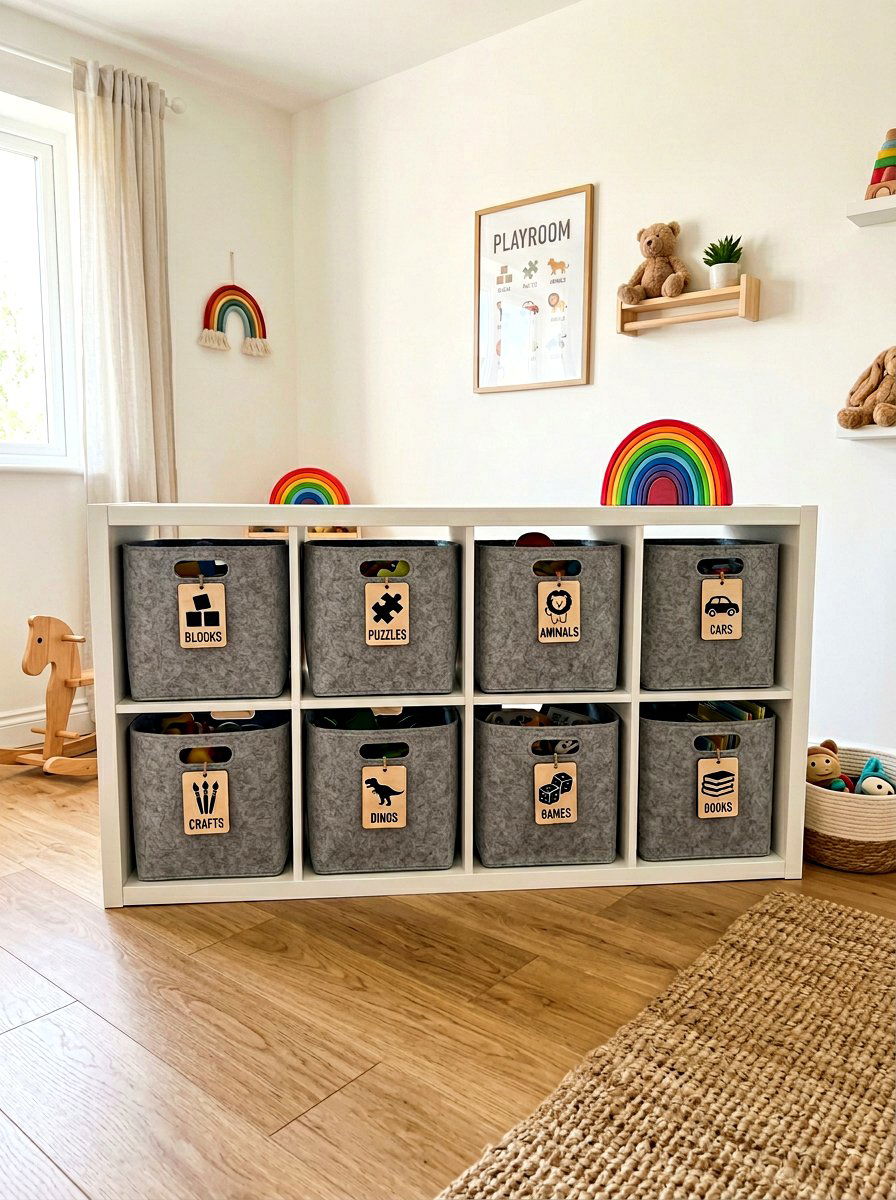
Cube storage organization is a highly effective way to manage toys and materials in a Montessori bedroom while keeping everything accessible. Using low, horizontal cube units allows the child to see and reach their belongings without help, which is essential for fostering independence. Each cube can hold a specific category of toy, often placed in a beautiful woven basket or a clear bin to make cleanup simple and intuitive. This system teaches children how to categorize and care for their environment from a very young age. It provides a clean, uniform look that hides visual clutter while still keeping the child's favorite activities within reach.
26. Eco Friendly Nursery
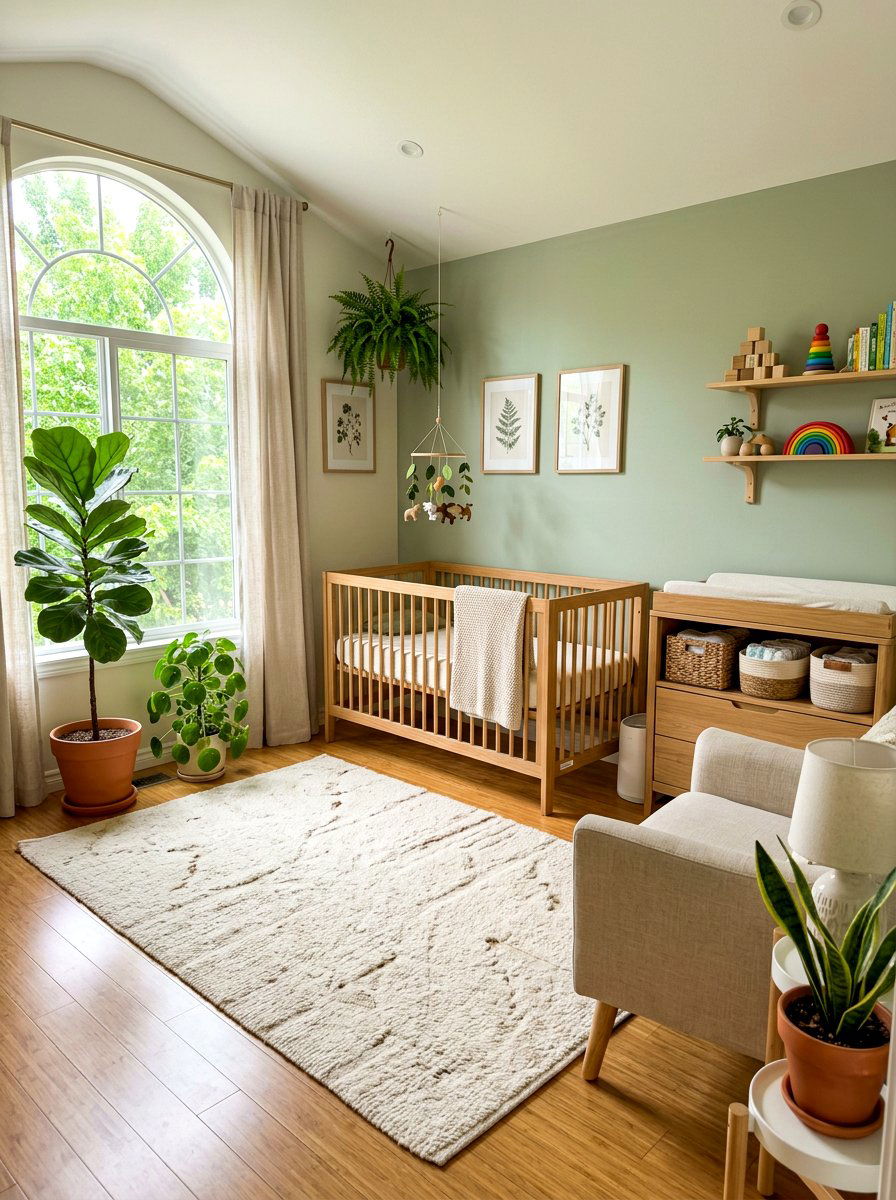
An eco friendly nursery focuses on sustainable materials and non-toxic finishes to create a healthy sanctuary for a developing child. This design choice often includes organic cotton textiles, bamboo or FSC-certified wood furniture, and VOC-free paints on the walls. By prioritizing the health of the planet and the child, you create a space that feels pure, safe, and grounded. This approach often leads to a more minimalist and intentional decor style, as every item is chosen for its quality and environmental impact. An eco-friendly room is not only beautiful but also provides peace of mind for parents who value sustainability and wellness.
27. Art Easel Corner
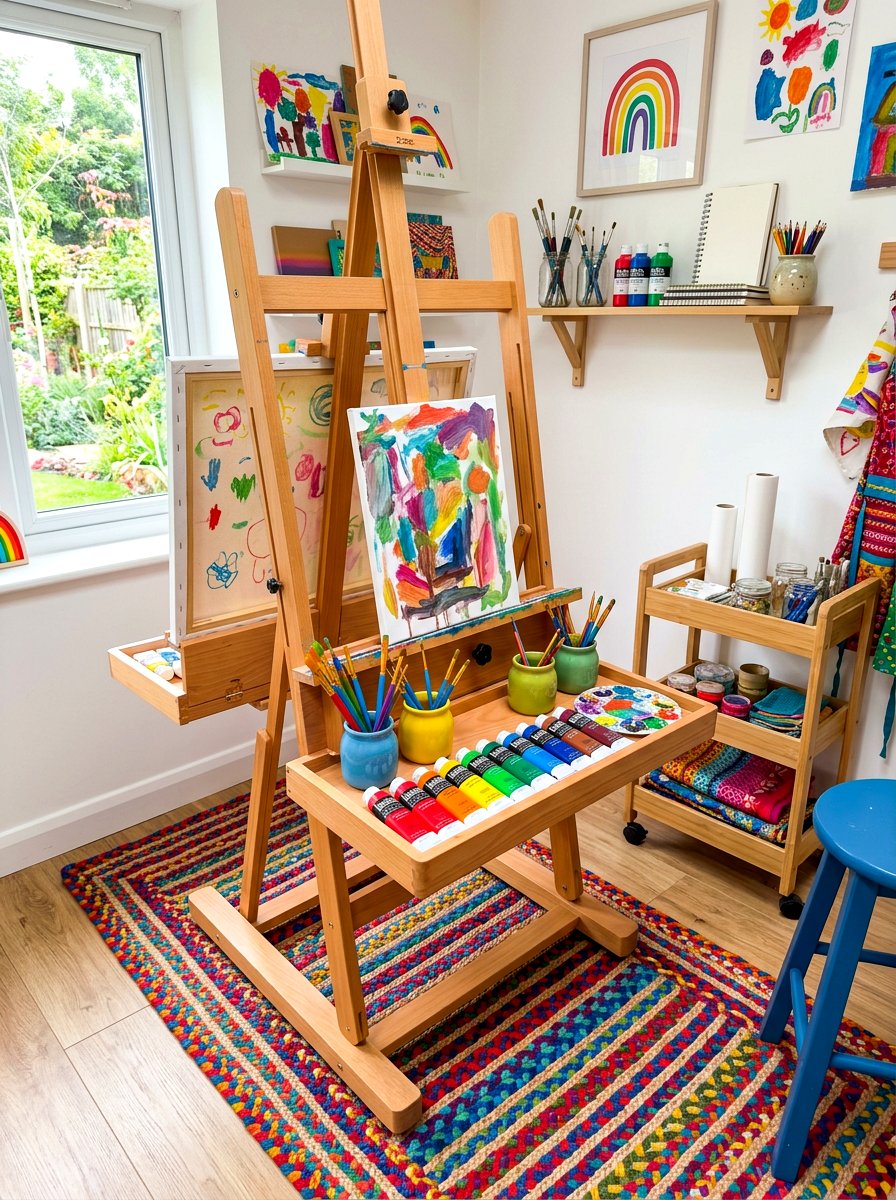
An art easel corner is a dedicated space that encourages creative expression and helps develop the fine motor skills required for writing. Placing a double-sided easel with a chalkboard and paper roll in a well-lit corner provides the child with a professional-grade workspace. This setup allows for vertical drawing, which is excellent for building shoulder and wrist strength in young children. Keeping a small tray of non-toxic paints, crayons, and brushes nearby ensures the child can start their artistic projects whenever inspiration strikes. It validates the child's creativity and provides a clear outlet for their imagination within their own personal bedroom.
28. Clutter Free Bedroom
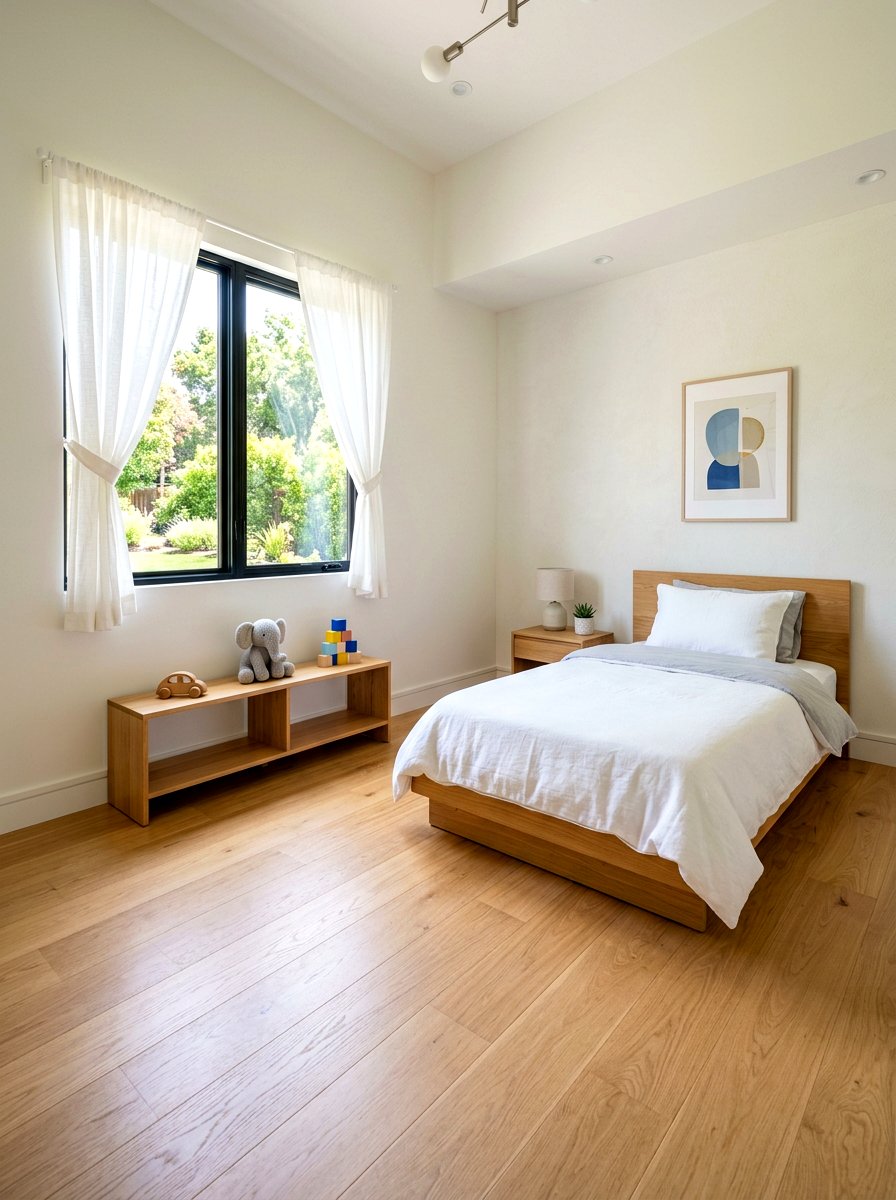
A clutter free bedroom is perhaps the most important principle of a Montessori-inspired space, as it promotes mental clarity and deep focus. By carefully curating every item and removing anything that is broken, outgrown, or no longer used, you create a serene environment. This design focuses on "less is more, " using hidden storage for extra items while keeping the visible space open and inviting. A tidy room makes it easier for a child to choose an activity and return it to its place, fostering a sense of order. This peaceful atmosphere directly contributes to better sleep and a more regulated emotional state for the toddler.
29. Bamboo Toddler Furniture
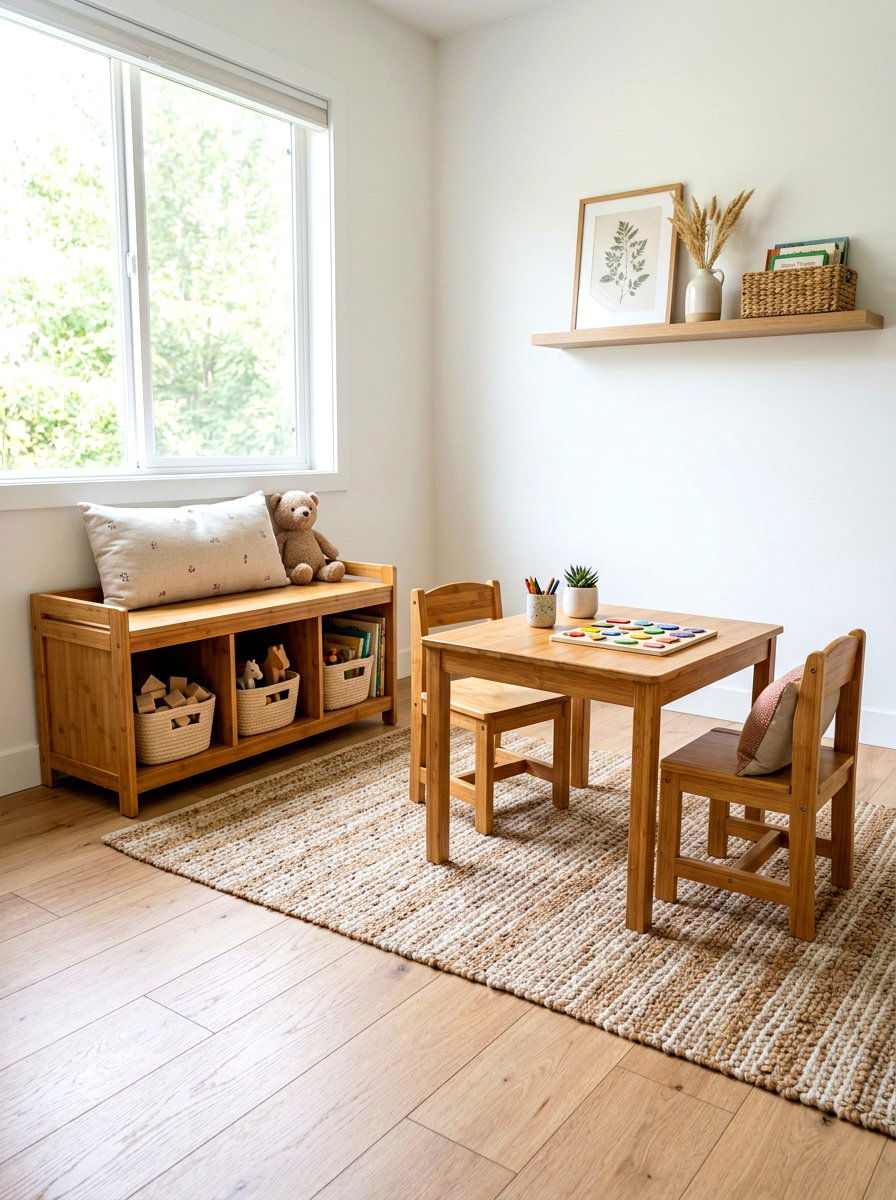
Bamboo toddler furniture is a modern and sustainable choice that brings a lightweight, durable, and eco-friendly aesthetic to the Montessori bedroom. Bamboo is a fast-growing resource that offers a unique grain and a warm, natural tone that fits perfectly with minimalist and Scandinavian design styles. It is incredibly strong and resistant to the wear and tear of daily play, making it a practical investment for growing families. From low stools to shelving units, bamboo furniture adds a contemporary touch while remaining deeply rooted in the Montessori preference for natural materials. It creates a healthy, toxin-free environment that looks as good as it functions.
30. Soft Night Lighting
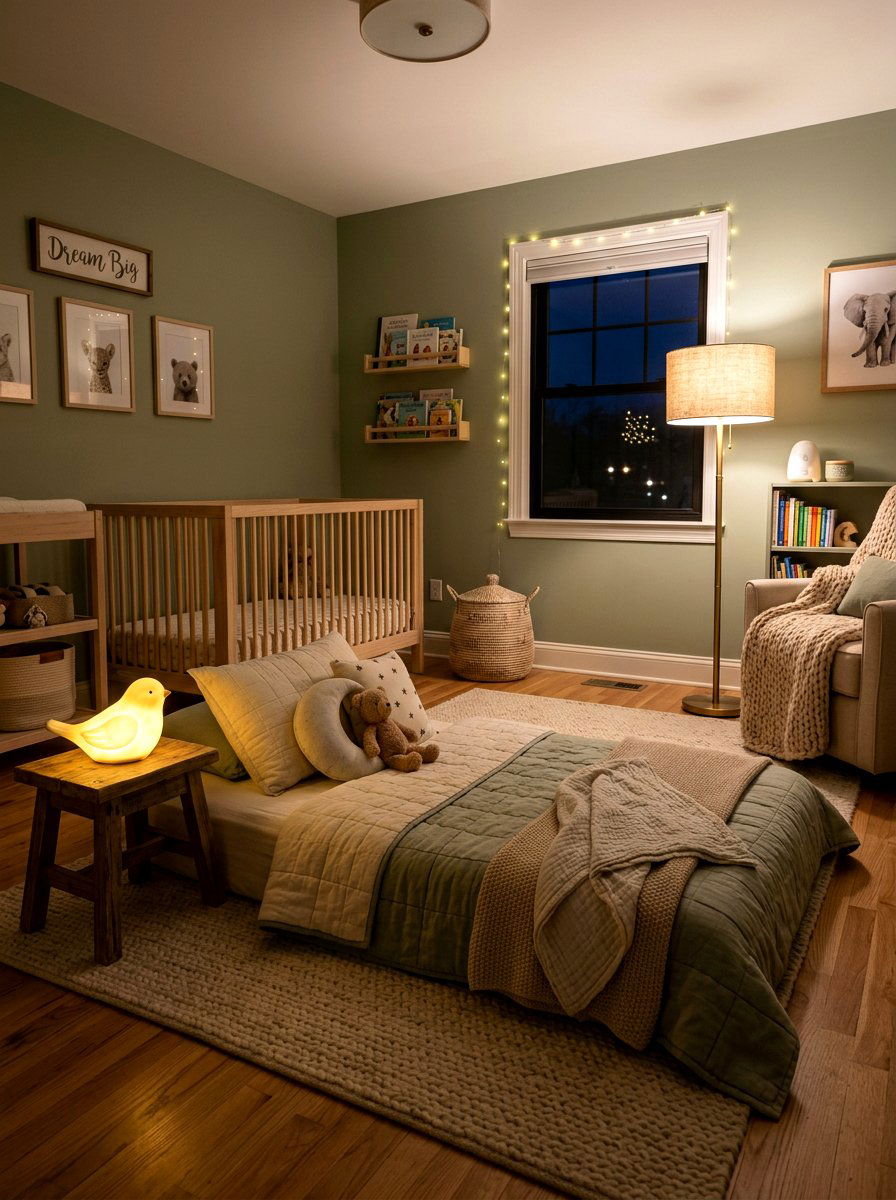
Soft night lighting is essential for creating a gentle transition into sleep and helping a child feel secure in their independent bedroom. Instead of harsh overhead lights, using dimmable lamps or small wall-mounted lights with warm-toned bulbs creates a cozy, calming atmosphere. Placing a low light near the floor bed allows the child to safely navigate the room if they wake up during the night. This design choice respects the child’s sensory needs and helps maintain their natural circadian rhythm. Soft lighting transforms the bedroom into a peaceful retreat at the end of the day, making bedtime a positive and relaxing experience for everyone.
Conclusion:
Designing a Montessori bedroom is an intentional journey that places your child’s developmental needs at the center of your home’s aesthetic. By incorporating these thirty ideas, you are not just decorating a room; you are building a functional environment that empowers your little one to explore, learn, and grow independently. From the accessibility of a floor bed to the order of open shelving, each element works together to foster a sense of competence and calm. As your child’s world expands, a thoughtfully designed Montessori space remains a steadfast sanctuary that respects their individuality while providing the beautiful, organized foundation they need for a successful future.

Related posts: